


Abstract
The optimization of grinding is a multi-objective problem characterized by high dimensionality, non-linearity, and complexity. Solving this multi-objective optimization (MOO) problem is one of the most challenging tasks in the field of mechanical engineering. In-depth research on multi-objective parameter optimization technology for grinding is of great significance for improving processing efficiency, optimizing product quality, and reducing energy consumption. This paper takes the multi-objective optimization problem of grinding as its starting point. First, it introduces the basic theory of multi-objective optimization and two primary methods for solving such problems: optimization target dimension reduction and multi-objective optimization. Second, the key technologies of the two methods are reviewed, including the modeling method of the optimization problem, the multi-objective optimization algorithm for solving the optimization model, and the prior and posterior trade-off methods used to obtain the compromised optimal solutions. Finally, the existing problems of the multi-objective optimization methods in grinding processing are summarized and the future development trends are predicted. This paper aims to provide researchers with a comprehensive understanding of the multi-objective optimization technology in grinding processing, enabling them to make more reasonable decisions when dealing with actual multi-objective optimization problems.
1. Introduction
Grinding achieves high precision and surface quality through the cutting action of disordered abrasive grains. This makes it essential for high-precision manufacturing in aerospace, automotive, and medical sectors [1,2,3]. Optimizing process parameters is crucial to balance quality, costs, and production time. However, due to the inherent complexity of grinding, its optimization problem is characterized by large scale, high nonlinearity, and multiple objectives and constraints [4,5,6]. This challenge primarily arises from two aspects: Firstly, the random size and distribution of abrasive grains hinder precise control over wheel surface finish and dimensional accuracy. This randomness exacerbates the nonlinearity between the inputs and outputs in the process. Secondly, multi-objective optimization requires managing numerous interacting variables to achieve optimal process conditions [7,8]. Therefore, multi-objective optimization of grinding machining remains a challenging problem in the field of mechanical engineering [9,10]. Recent studies, such as the multi-objective optimization of surface grinding for heat-treated steel [11], highlight the ongoing relevance and complexity of this domain.
Traditional single-objective optimization methods [12] struggle to balance and optimize multiple conflicting objectives. To address a multi-objective optimization problem, two primary steps are typically undertaken: First, the optimization problem is defined and modeled, with the objective function abstracted as a formal expression. This includes defining the decision variables, constraints, and the mapping between them, encompassing both theoretical and empirical modeling. Second, the defined mathematical model is solved using appropriate and effective methods to obtain one or more optimal solutions [13,14]. Between modeling and decision-making, two main trade-off approaches can address multiple conflicting objectives and thus obtain the best solution for different optimization problems and applications. These are known as multi-objective optimization trade-off methods, which primarily include the a priori weight analysis method [15,16] and the Pareto-dominated a posteriori decision-making method [17]. A priori methods assign weights before optimization, while a posteriori methods identify a Pareto set before final selection. The detailed research framework of multi-objective optimization is illustrated in Figure 1. Previous studies have proved the effectiveness of multi-objective optimization in solving grinding target conflicts. Agarwal et al. [18] successfully balanced the material removal rate (MRR) and surface integrity by combining the response surface method (RSM) and genetic algorithm. Subsequently, Ming et al. [19] and Xiao et al. [20] used improved NSGA-II and principal component analysis (PCA), respectively, to realize the nonlinear mapping of machine tool processing parameters with grinding efficiency and surface quality. These studies have shown that the comprehensive performance of the grinding process can be significantly improved by establishing accurate models and matching appropriate trade-off strategies.
Figure 1.
General framework of multi-objective process parameter optimization for grinding machining.
However, the application of multi-objective optimization theory in grinding processing remains immature, facing several key issues and challenges:
- The modeling of complex objective functions is constrained by the process coupling phenomenon in grinding, making it difficult to accurately capture the nonlinear relationship between decision variables and processing objectives. For instance, changes in grinding process parameters may slightly affect surface roughness but significantly alter total energy consumption [21]. Both standard ANN models and empirical formulas lack generalization and robustness in addressing such problems, leading to poor prediction accuracy and, consequently, affecting optimization results.
- Depending on the difficulty level of different problems and changes in the environment and constraints, the a priori approach often involves strong subjective bias when assigning objectives in most scholarly research [22,23,24]. This results in low scientific validity and credibility of optimization outcomes. In the a posteriori approach, even though the Pareto frontier’s optimal solution set is obtained [25,26,27], the optimal compromise solution remains unknown. To identify the optimal compromise solution, it is essential to employ more objective and quantitative methods for evaluating process solutions within the solution set.
- Classical metaheuristic algorithms often encounter local optima or exhibit slow convergence when addressing multi-objective optimization problems [11,28], posing challenges to achieving both optimization accuracy and efficiency. There is a lack of further tests and evaluations on the distribution and convergence degree of the Pareto front obtained by solving multi-objective optimization algorithms with Pareto-dominant operators [29,30]. This area of research has not received sufficient attention in existing literature.
Therefore, to address the aforementioned issues, the main contributions of this paper are as follows:
- This paper summarizes the overall framework of multi-objective optimization techniques in grinding processes, providing a solution flow for multi-objective optimization problems that includes “objective function modeling—multi-objective optimization trade-off methods—multi-objective optimization algorithms,” while systematically reviewing existing multi-objective optimization solution methods.
- This paper conducts a classification study on objective function modeling methods, multi-objective optimization compromise methods, and multi-objective optimization solution algorithms. By combining different optimization objectives, it addresses multi-objective optimization problems in grinding processes, compares various methods, and provides references for optimizing grinding process parameters.
- This paper discusses the shortcomings of existing multi-objective solution methods, analyzes future development trends, and offers insights for researchers in the field to conduct more in-depth studies.
To ensure a systematic and transparent literature review, this study collected documents through structured searches of databases including CNKI, Web of Science, Scopus, and IEEE Xplore. The search employed keywords such as “multi-objective optimization,” “grinding process,” “Pareto optimality,” and “machine learning in machining,” covering various grinding process types like surface grinding, cylindrical grinding, and belt grinding, with the time frame limited to 2010–2025. Literature selection followed three criteria: (i) focusing on at least two conflicting objectives; (ii) explicitly describing optimization algorithms; and (iii) including experimental validation.
2. Multi-Objective Optimization Problems in Grinding and Solution Approaches
2.1. Definition and Fundamental Concepts of Multi-Objective Optimization in Grinding
2.1.1. Multi-Objective Optimization Problems
A multi-objective optimization problem involves solving for at least two objectives, either minimizing or maximizing the objective function. For instance, in a minimization problem, any multi-objective optimization problem can be represented by the following generic mathematical model:
where
are n-dimensional decision variables,
is an n-dimensional defining domain space, m is the number of objective functions, and F(x) is called a multi-objective optimization problem when m ≥ 2. Crucially, each decision variable must influence at least one objective. If a variable affects only a single objective without conflict, the problem reduces to simpler single-objective optimization.
2.1.2. Pareto Optimality Concepts for Multi-Objective Optimization
- (1)
- Pareto dominance
The individual i is said to dominate the individual j in a multi-objective optimization problem if the individual i is better than the individual j in at least one objective and is not inferior to the individual j in all objectives, denoted as:
- (2)
- Pareto-optimal solution
A feasible solution (x) is considered Pareto-optimal or non-dominated if and only if no other feasible solution dominates (x).
- (3)
- Pareto-optimal solution set
The ensemble of all solutions that are Pareto-optimal is referred to as the Pareto-optimal set. Solutions within this set are superior to other solutions and are not directly comparable to each other.
- (4)
- Pareto frontier
A Pareto set mapped into the target space is referred to as a Pareto front.
To better illustrate the theory of multi-objective optimization, Figure 2 takes the dual-objective optimization problem as an example to describe the relationship between the decision space and the objective space, as well as the definition of Pareto-optimal solutions. The infeasible region is determined by the constraints of the multi-objective optimization problem, among solutions of the same layer, there is no dominance relationship. Each solution in the first layer can dominate solutions in other layers to its upper right; this layer is called the Pareto front.
Figure 2.
The relationship between decision space and objective space and the definition of the solution to the bi-objective problem.
2.2. Multi-Objective Optimization Strategies for Grinding
2.2.1. Objective Function Dimension Reduction Methods in Grinding Optimization
Dimension reduction strategies simplify the process by merging multiple objectives into a single comprehensive function. In the actual problem of multi-objective optimization in grinding processing, the influence degrees of each influencing factor on the objective function vary from one another. Meanwhile, each objective has different trends according to the changes in the factors. At this point, to take into account multiple objectives simultaneously, it is necessary to establish a reasonable comprehensive evaluation system to simplify the multi-objective optimization problem [31].
The weighted sum method represents the most straightforward and direct approach to simplifying multi-objective optimization problems. Its principle can be mathematically expressed [32]:
where fi is the objective function, wi is the weight coefficients, and satisfies
. The combined objective function can be addressed using an optimization algorithm to determine the optimal parameter combination. Li et al. [33] employed the weighted sum method to establish a comprehensive mathematical model aimed at minimizing vibration and surface roughness. They solved the model using a genetic algorithm, achieving an optimal combination of process parameters that reduced vibration by 35.81% and improved roughness by 3.51% compared to pre-optimization. Yang et al. [31] examined how grinding process parameters affect surface roughness, material removal rate, and fatigue life. They used the entropy weighting method and expert scoring method to assign weights to the three objective functions and optimized the solution using a genetic algorithm. This approach resulted in better surface quality and a significant improvement in material removal rate.
Taguchi–grey correlation analysis employs grey correlation to quantify the strength of relationships between factors. Its basic idea is to obtain the correlation between factors and their corresponding relationships through mathematical analysis based on experimental data [34,35]. Prabhu et al. [36] employed orthogonal array and grey correlation analysis for optimizing multiple responses, specifically surface roughness and material removal rate, in the grinding process of single-walled carbon nanotubes (CNTs) using hybrid grinding fluids. The grinding process results, corresponding to the process parameter values, were converted into individual grey relational levels. The optimal process parameters were then determined based on these grey correlation levels.
Since its introduction by Derringer and Suich, the response surface-expectation function method, known as Desirability Functions, has been extensively utilized to tackle multi-response optimization problems in industry [37]. This approach converts multiple response issues into a single, scale-free integrated objective function, often referred to as the integrated expectation function [38]. The objective is to identify the optimal input conditions that maximize this composite expectation function, thereby enhancing overall satisfaction with all responses [39]. The composite expectation function can be the geometric mean of the individual expectation functions [40], the weighted geometric mean [41], or the minimum operator [38]. The detailed process is illustrated in Figure 3. This flowchart outlines the systematic application of the Expectation Function Approach for multi-objective optimization. The method proceeds by first developing regression models for all outputs. Then, individual desirability functions are calculated for each output based on specific criteria (target-the-better, smaller-the-better, or larger-the-better). These individual desirabilities are subsequently combined into an overall composite desirability using the geometric mean. The optimal input parameters are then identified by maximizing this overall desirability. The final step involves visualizing the influence of input parameters on both individual outputs and overall desirability through surface and contour plots.
Figure 3.
Flowchart of the Expectation Function Approach [39].
Wang et al. [42] employed the response surface methodology (RSM) to establish multiple regression models for various response indicators. They conducted multi-response optimization of surface roughness (Ra) and material removal rate (MRR) using the desirability function approach to balance grinding quality with machining efficiency. Unune et al. [43] applied the desirability function method to optimize both material removal rate and average surface roughness during diamond grinding using hybrid abrasive-mixed electrical discharge machining (EDM), identifying the parameter combination with the highest overall desirability as the optimal solution.
Dimension reduction simplifies MOO by transforming it into a single-objective problem. However, this method ignores the nature of the conflict between objectives and relies heavily on the setting of the weight of the objective function. Moreover, only one optimal solution can be obtained in each solution, and the process of repeatedly solving the objective function is relatively complex, which makes it difficult to provide decision makers with more comprehensive choices. It is often applied to optimization problems with clear weights.
2.2.2. Multi-Objective Optimization Approaches for Grinding
In MOO, conflicting objectives and disparate units often make weight calculation complex and dimension reduction inefficient. At this point, it is necessary to coordinate multiple conflicting objectives. Under the premise of ensuring the balance among various objectives, multi-objective optimization algorithms are adopted to search for the global optimal solution in the solution space. This is called multi-objective optimization.
Unlike dimensionality reduction methods, multi-objective optimization algorithms can simultaneously optimize each objective function to obtain a Pareto-optimal solution set, from which decision-makers can select the most suitable solution [44]. Jiang et al. [27] proposed a multi-objective optimization model that comprehensively evaluates machining time, energy efficiency, and cost in the grinding process. Using an improved fast non-dominated sorting genetic algorithm (NSGA-II) for optimization, the optimized grinding parameters achieved a 16.01% reduction in machining time, a 21.95% improvement in energy efficiency, and a 15.71% cost reduction. Xiao et al. [20] focused on the titanium alloy belt grinding process, as shown in Figure 4, considering dual indicators of machining efficiency and surface quality. They developed an intelligent parameter optimization method based on an improved NSGA-II algorithm and employed principal component analysis to determine the optimal solution from the Pareto frontier.
Figure 4.
Schematic diagram of the intelligent process parameter optimization method [20] (Reproduced with permission from Springer Ltd.).
Table 1 summarizes the principles, advantages and disadvantages of the two optimization methods. Compared with the objective function dimension reduction strategy, the multi-objective optimization method can use the intelligent optimization algorithm to solve the multi-objective optimization model without coupling the objectives, maintain the individual characteristics of each optimization objective, avoid the complex trade-off operation between multiple conflicting objective functions, and provide decision makers with a variety of solution sets. However, this method has high performance requirements for the algorithm. In the face of different practical problems, the algorithm also needs to be improved to varying degrees.
Table 1.
Comparison of the principles of two multi-objective optimization schemes for grinding machining and their advantages and disadvantages.
3. Objective Function Modeling Techniques for Grinding Processes
Clarifying the optimization problem and abstracting it into a regular expression is the first step to solving the multi-objective optimization problem. The accuracy of the objective function model seriously affects the results of multi-objective optimization [46]. A generalized mathematical model for multi-objective optimization includes three elements: the objective function, decision variables, and constraints. Since the decision variables and constraints are determined by actual environmental conditions and machining requirements, the modeling of multi-objective optimization can be attributed to two modeling methods for the objective function of grinding optimization, namely theoretical modeling and empirical modeling.
3.1. Theoretical Modeling Approaches for Grinding Objective Functions
Theoretical modeling derives relationships between variables and machining targets based on established grinding physics. Objectives like grinding force, roughness, and MRR are governed by specific analytical formulas. The modeling process often involves various assumptions based on the mechanisms of material removal and the thickness of the undeformed chip, as seen in the derivation of basic grinding theory.
Theoretical modeling reveals the grinding mechanism through physical evolution. In terms of environmental indicators modeling, Deng et al. [45] and Ding et al. [47] established a physical model of processing time and carbon utilization efficiency by analyzing the flow of carbon emissions and the mechanism of grinding energy consumption. In terms of quality prediction, Zhu et al. [48] and Luo et al. [49] derived the analytical expressions of surface roughness and grinding force based on single particle cutting theory and undeformed chip thickness model (such as Rayleigh distribution). Although these models have strong physical interpretability, their prediction accuracy is still limited by idealized assumptions under long-period conditions because they ignore process drift factors such as grinding wheel passivation.
The theoretical model as the objective function for multi-objective optimization is mainly restricted by two factors [49]. First, the prediction accuracy of a single theoretical model is low due to the introduction of various assumptions. Second, according to the definition of a multi-objective optimization problem, each variable in the decision space must have a mapping with the objective function, However, the formation mechanism and derivation process of different processing objectives are not the same, and there is not a simple linear relationship between the optimization objectives and the process parameters. This leads to inconsistent process parameters in different theoretical model expressions. Therefore, multiple theoretical models make it difficult to perform multi-objective optimization as objective functions at the same time.
Ding [47] regards the cutting process of a single abrasive grain as the result of the interaction between the abrasive grain and the workpiece material, and establishes the grinding force model of different stages changing with time. The key parameters related to energy consumption and processing time are obtained. The mechanism model of energy consumption and the empirical model of processing time are established. The parameters optimized by the improved bee evolutionary genetic algorithm (I-BEGA) are used for grinding, which reduces the energy consumption by 12.3% and the processing time by 15.4%.
The theoretical model is based on rigorous mathematical derivation, capable of revealing the variation patterns between different process parameters and optimization objectives, which facilitates a deeper understanding of the grinding process mechanism and reflects the key factors of practical issues. However, theoretical modeling requires multiple assumptions to simplify the derivation process, neglecting complex phenomena such as wheel dulling and thermo-mechanical coupling in actual grinding. Most existing theoretical models for grinding forces or surface roughness are based on the ideal assumption of a ‘sharp wheel.’ Yet, in practical machining, wheel wear causes the geometric shape of cutting edges to evolve over time. This dynamic evolution not only significantly alters the force-heat distribution ratio but also leads to a deviation in the initially optimized objective function. Ignoring the cumulative thermal effects over time can result in severe prediction distortions in long-step machining processes.
3.2. Empirical Modeling Techniques in Grinding
Empirical modeling relies on extensive experimental data to establish a functional relationship between grinding conditions and outcomes, without the need to analyze the actual grinding process mechanism. Depending on the form of modeling, it can be divided into data analysis methods with specific formulas and machine learning methods without specific formulas [50].
3.2.1. Empirical Modeling Method Based on Data Analysis
The data analysis method describes the relationship between variables by organizing and analyzing extensive experimental data through regression fitting with specific mathematical formulas.
Orthogonal experimental design, combined with regression analysis, is frequently used to construct empirical models that map relationships between process variables and machining outcomes. Zhan et al. [51] and Li et al. [33] quantified the nonlinear effects of grinding depth and rotational speed on surface roughness and vibration through orthogonal experiments and quadratic regression analysis, with model correlation coefficients R2 all exceeding 0.95. The orthogonal experimental method is a kind of method that focuses on conducting experiments on some influencing factors. The number of experimental groups is relatively small. When there are many factors, the complex interaction among multiple factors is difficult to express through the orthogonal experimental method [52]. RSM fits the model coefficients based on the least squares method and presents the interaction between process parameters and optimization indicators through contour plots or response surface plots, as shown in the formula:
where
is a linear term,
is a quadratic term,
is an interaction term, and ε is an error term.
The regression analysis of Response Surface Methodology (RSM) needs to deal with the quadratic term and the possible interaction term, and needs more experimental data as support, but it can reveal the nonlinear relationship and help to find the optimal combination of process parameters [53,54]. Puri et al. [55] used the response surface method to design the experimental group with current density, material removal rate and surface finish as the main optimization indices. Through multiple linear regression analysis, the mathematical formulas of the three optimization indexes were obtained by fitting, and the optimal combination of process parameters was obtained based on the expectation function method.
Ren et al. [56] employed the response surface methodology to establish regression models between grinding parameters and surface roughness, surface hardness, and residual stress. The errors between the model’s predicted values and measured values were 0.16% for hardness, 1.81% for roughness, 4.17% for normal residual stress, and 3.22% for tangential residual stress. Studies by Dai [57] and Quan et al. [54] demonstrated that optimal parameters meeting requirements could be obtained by defining constraints from the contour maps of established response surface models. However, the selection of these optimized parameters is susceptible to the influence of objective function weights, thus lacking universality.
Based on the empirical model established by the data analysis method, the specific formula is obtained by fitting to reflect the relationship between the process parameters and the processing results, which has certain interpretability. However, the model is divorced from the actual theory and has high quality requirements for the experimental data set. Once the experimental conditions change, the fitted empirical coefficient also needs to be re-measured.
3.2.2. Empirical Modeling Method Based on Machine Learning
Establishing highly nonlinear predictive models that capture the conflicting input–output relationships in grinding processes has always been challenging, and the application of artificial intelligence techniques has opened new avenues for solving such problems [58]. The data-driven empirical modeling approach based on machine learning treats the grinding process as an end-to-end (input–output) black-box system, leveraging extensive experimental data to capture complex nonlinear relationships.
Artificial Neural Networks (ANNs) are machine learning methods that mimic the structure and function of biological neural systems. Through hierarchical nonlinear computational units (neurons) and learnable weight parameters, they achieve adaptive feature extraction from data and model complex mapping [59]. Gopan et al. [60] employed ANN and Response Surface Methodology (RSM) to establish predictive models for the relationship between machining parameters and surface roughness/cutting force in the grinding of AISI D2 steel. As shown in Figure 5a, the results demonstrated that ANN significantly outperformed RSM in prediction accuracy. However, since ANN typically initializes weights randomly, simple networks are prone to getting trapped in local optima, increasing optimization difficulty [61]. Zhang et al. [62] leveraged the strong search capabilities of bio-inspired intelligent algorithms by introducing Particle Swarm Optimization (PSO) and Genetic Algorithm (GA) to optimize the weights and thresholds of the Backpropagation (BP) algorithm. Their results showed that the PSO-BP-based model achieved the highest prediction accuracy for surface roughness in the abrasive belt grinding of GH4169 superalloy. Liu et al. [63] introduced an Adaptive Genetic Algorithm (AGA), improving the computational speed and precision of GA during evolution. By combining AGA with BP, they established an optimization model for precision grinding parameters of ceramic spherical surfaces. Experimental results confirmed that the prediction errors were below 5%. Wang et al. [64] developed a nonlinear parameter optimization model based on an improved Adaptive Artificial Neural Network (aANN), as illustrated in Figure 5b. This model was applied to predict surface roughness, machining efficiency, and energy consumption during grinding, achieving prediction correlation coefficients (R2) of 0.9966, 0.9935, 0.9993, and 0.9466 for the four optimization objectives, demonstrating superior predictive performance compared to conventional ANN.
Figure 5.
Comparison of ANN and aANN model structures. (a) ANN [60]; (b) aAAN [64] (Reproduced with permission from Springer Ltd.).
Although integrating intelligent algorithms like PSO and GA for weight optimization or adopting adaptive mechanisms can significantly enhance prediction accuracy, these methods still struggle to mitigate overfitting risks. In grinding research, experimental samples are often limited due to high costs, and complex models may overfit noise in small datasets, leading to reduced robustness when handling unseen conditions in real-world production.
Neural network models are trained based on input–output data and represent a typical type of black-box model. Qazani et al. [65] employed an adaptive neuro-fuzzy inference system (ANFIS) to model the process parameters and machining outcomes in rotary ultrasonic-assisted grinding, as illustrated in Figure 6. This method adaptively adjusts fuzzy logic rules and parameters based on the training dataset, generating a model with interpretable fuzzy rules that enhances the explainability of the neural network. Although ANFIS attempts to improve model interpretability through fuzzy rules, most models still operate as “black-box” mechanisms, failing to reveal the physical essence of energy distribution, wear evolution, and thermomechanical coupling during grinding. Consequently, while optimization results may be mathematically optimal, they lack physical interpretability to guide process interventions, making it difficult for engineers to trust the black-box predictions under extreme conditions.
Figure 6.
Adaptive fuzzy inference system model structures [65] (Reproduced with permission from Elsevier Ltd.).
Support vector machines (SVMs) offer advantages in handling small-scale datasets and linearly separable problems. Zhang et al. [66] developed a surface roughness prediction model using SVM, with grinding process parameters and abrasive belt wear quality as inputs and surface roughness as the output. By employing a Gaussian kernel function, they transformed nonlinear problems into linear ones in a high-dimensional space, achieving over 95% prediction accuracy (as shown in Figure 7). Xie et al. [67] utilized the particle swarm optimization (PSO) algorithm, renowned for its superior global search capability, to optimize three hyperparameters of SVM. These optimized hyperparameters were then applied to the SVM model to predict the flow coefficient and grinding efficiency in needle valve body extrusion grinding. Test results demonstrated that the PSO-SVM model achieved a fitting accuracy of 97.8%.
Figure 7.
SVM model structures [66].
However, due to variations in dynamic stiffness characteristics among different machine tools and fluctuations in the physical properties of workpiece batches, a high-accuracy model trained for a specific experimental setup often suffers from rapid performance degradation when applied across different machines or materials. Therefore, enhancing both the generalization capability and physical interpretability of models while maintaining accuracy remains a critical challenge in intelligent grinding modeling.
Table 2 summarizes the common objective function modeling methods in grinding processing. Although theoretical models generally exhibit lower absolute predictive accuracy than data-driven models due to simplified assumptions (such as ideal abrasive grain geometry), they demonstrate exceptional robustness. Rooted in energy conservation and material removal physics, these models never produce predictions that violate physical principles, even under extreme operating conditions. Moreover, they possess strong generalization capabilities, with physical parameters (e.g., specific grinding energy, single-grit cutting depth) maintaining reasonable universality across different machine tools.
Table 2.
Comprehensive performance comparison of different modeling methods for grinding objective functions.
Regression models offer a balanced compromise between theory and data, delivering good predictive accuracy within specific experimental ranges. However, their generalization capability is extremely poor—predictions are strictly confined by the parameter boundaries of the experimental design (DoE). Once material properties or cooling conditions exceed the tested range, model accuracy deteriorates rapidly.
Models like ANN and SVM achieve exceptional predictive accuracy by capturing high-dimensional nonlinear features. Yet this high precision often comes with the risk of low robustness, manifesting as overfitting. As “black-box” systems lacking physical interpretability, ML models cannot distinguish between signal noise and genuine physical drift. In grinding processes with time-varying characteristics (e.g., wheel wear), data scarcity or outliers lead to severely compromised generalization when transferring models across equipment.
4. Multi-Objective Optimization Trade-Off Strategies in Grinding
Between modeling and decision making, there are several approaches to address multi-objective optimization problems to satisfy the decision maker’s preferences and needs. These approaches, known as multi-objective optimization trade-offs, include a priori [68], a posteriori [29], and interactive [69] methods. Corresponding, respectively, to the situation where the decision-makers participate in the decision-making before the optimization starts, after the optimization ends, or during the optimization process, the way to find the solution largely depends on when the decision-makers take action [70]. The first two methods are the most commonly applied in grinding machining and are discussed in detail below.
4.1. A Priori Weight Analysis for Objective Dimension Reduction in Grinding
Prior weight analysis uses expert knowledge to aggregate multiple objectives into a single-objective problem before optimization. The prior weights of the optimization targets can be calculated by using methods such as weighted sum, goal programming or constraints [13]. At present, the prevalent methods for assigning weights in grinding processes are predominantly based on the weighted sum approach. These methods can be classified into three categories: subjective assignment, objective assignment, and a hybrid of both subjective and objective assignments.
Subjective assignment is the simplest method, relying on the decision-maker’s expertise and preferences. Li et al. [71] established a comprehensive evaluation model for the radial wear of grinding wheels and workpiece surface roughness during ELID form grinding of ball bearing outer ring raceways. By adjusting the relative weights of surface roughness and wheel wear, the priority optimization objectives were determined. Liu et al. [72] employed a linear weighting method for dual-objective optimization of grinding temperature and surface roughness, with weights determined based on actual requirements at different processing stages. Although subjective weighting methods are simple and intuitive, they rely entirely on expert experience and overlook the interrelationships between objectives.
Objective weighting methods quantify experimental data in decision-making problems to avoid reliance on expert knowledge [73]. These include the entropy weight method and principal component analysis (PCA). The entropy weight method, as a multi-objective comprehensive evaluation technique, assigns weight coefficients based on the degree of variation in target values [74], with its calculation process illustrated in Figure 8a. To optimize the ultrasonic vibration-assisted spiral grinding hole-making process, Lin et al. [75] employed the entropy weight method to determine the relative weights of grinding force, hole wall surface roughness, and hole bottom surface roughness. PCA objectively determines the relative importance of indicators through data dimensionality reduction based on variance contribution rates, with its calculation process shown in Figure 8b. Arshad et al. [76] used PCA to evaluate the weighted values of various performance characteristics, effectively obtaining the optimal process combination for centerless cylindrical grinding parameters. Liu et al. [77] constructed a PCA covariance matrix to derive the weights of profile deviation and surface roughness based on the variance contribution rates of principal components, significantly reducing the profile deviation and surface roughness of bearing rings.
Figure 8.
Calculation process of entropy weight method and PCA method: (a) Entropy weight method [74]; (b) PCA [75].
Relying solely on subjective weighting methods makes it difficult to reflect the correlation between indicators and data, while an exclusive focus on objectivity fails to meet decision-makers’ preferences and actual product processing requirements. Combined weighting effectively addresses this issue. Zhang et al. [78], in their application of ELID grinding for outer ring grooves in actual production, determined the subjective weights for surface roughness and profile, and then obtained objective weights using the entropy weight method. Lv et al. [79] integrated the Analytic Hierarchy Process (AHP) with the CRITIC method to determine combined indicator weights, resulting in optimized outcomes that reduced energy consumption by 4.69% and decreased machining time by 26.94%.
To address the issue of insufficient objectivity in combined weights, Dai et al. [80] employed an improved CRITIC method, constructing a weight matrix to calculate the relative information content of each weight. They used the relative proportion of weights as coefficients to achieve combined weights, with the resulting optimal process significantly improving machining efficiency and surface quality. Deng et al. [81] utilized the coefficient of variation method to assess the variability of each indicator, assigning higher weight proportions to indicators with greater variability. This approach determined the combined weights and overcame the imbalance problem inherent in traditional combined weighting methods.
However, the a priori weighting method faces significant challenges in industrial practice due to preference uncertainty. In actual production, decision-makers’ preferences are not static. For example, in the precision grinding of aero-engine blades, when the production cycle is in its early stages and equipment conditions are optimal, decision-makers may prioritize high surface quality (assigning higher weights). Since the a priori method locks in weights before optimization, it struggles to adapt to such dynamic production constraints.
4.2. A Posteriori Pareto-Dominated Decision-Making Mechanisms in Grinding
Unlike the computationally rigid a priori method, the a posteriori approach uses a “generation-then-selection” mechanism based on Pareto dominance to solve the multi-objective optimization model first, obtaining the Pareto-optimal solution set. Then, from the solution set, the optimal solution that satisfies the decision-maker’s preferences is selected. This provides a new approach for balancing the conflicting optimization problems of objective functions in grinding processing [82].
The a posteriori approach comprises two essential components. Firstly, it employs sophisticated multi-objective optimization algorithms to attain a uniformly distributed and extensive Pareto frontier, which cannot be achieved by repeatedly solving a weighted composite objective function using conventional heuristic algorithms [83]. Secondly, it adopts a rational decision-making methodology to pinpoint the optimal compromise from the Pareto frontier.
Metaheuristic algorithms using Pareto dominance operators effectively balance solution accuracy and distribution. For example, in MOPSO, the Pareto-optimal solution in the less populated part of the solution space is more likely to be selected as the leader of the other particles [84]. In NSGA-II, the Pareto-optimal solutions are ranked and assigned numbers based on the concept of non-dominated sorting. The crowding distance is used to maintain the diversity of the population solutions, ensuring their uniform distribution on the Pareto front [85]. These two mechanisms provide better Pareto-optimal solutions with higher chances of participating in the creation of the next generation, thereby improving coverage.
The Pareto-optimal solution set obtained through multi-objective optimization algorithms must be presented to decision-makers in graphical or tabular form, as shown in Figure 9. However, although the solutions in the set are non-dominated with respect to each other, from a practical application perspective, typically only one final solution is needed. Therefore, various methods can be employed to make decisions from the Pareto solution set: Liu et al. [86], after obtaining the Pareto-optimal solutions via a particle swarm algorithm, used the Analytic Hierarchy Process (AHP) to construct a judgment matrix for evaluating the importance of different indicators in the solution set, applied grey relational coefficients to eliminate dimensional differences among solutions, and ranked the solutions based on relational degree values to determine the best compromise solution; Li et al. [87] proposed a fuzzy multi-objective decision-making model based on fuzzy sets, which calculates the comprehensive fuzzy value of each alternative and selects the highest-scoring solution as the optimal one; Wang et al. [88] and Xiang et al. [89] employed the Technique for Order of Preference by Similarity to Ideal Solution (TOPSIS) for decision-making, identifying positive and negative ideal solution sets and calculating the closeness of each solution to the ideal solution, and then ranking them by closeness to obtain the optimal solution.
Figure 9.
Visualization of Pareto-optimal solution set chart.
While the posterior method offers a diverse set of candidate solutions, it encounters the issue of “decision fatigue” in industrial settings. Faced with complex Pareto frontiers, technicians often lack fast, quantitative tools to identify the optimal solution. Particularly under dynamic conditions, such as the degradation of grinding fluid performance, the distribution of optimal solution sets may shift. Existing posterior decision-making methods predominantly rely on static techniques like TOPSIS or grey relational analysis, lacking robustness against random fluctuations during processing. Therefore, integrating real-time machine tool state data with decision-makers’ vague preferences is key to enabling the industrial application of posterior decision-making. Table 3 provides further details.
Table 3.
Summary of characteristics and applications of different trade-off methods.
To better analyze the characteristics of these two weight analysis methods, the authors summarize the frequency of occurrence of these two methods over the last 15 years, as shown in Figure 10. Compared to pure Pareto-based decision-making, combined weighting can integrate expert experience with objective data differences. In grinding scenarios, when certain objectives have “hard constraint” tendencies, the weighting method—by assigning extremely high weights—proves more practical to implement than Pareto-based approaches. Future research should focus more on adaptive weighting strategies, which automatically adjust weights based on factors like wheel wear status or processing stages, balancing computational efficiency with the scientific rigor of decision-making.
Figure 10.
Pie chart of frequency of occurrence of the two trade-offs in the last 15 years.
5. Multi-Objective Optimization Algorithms for Grinding and Performance Evaluation
5.1. Multi-Objective Optimization Algorithms in Grinding Applications
Algorithms for addressing multi-objective optimization problems encompass a range of heuristic methods and those utilizing Pareto dominance operators. These algorithms can be classified based on their underlying principles into evolutionary algorithms, swarm intelligence algorithms, physically inspired algorithms, and hybrid algorithms.
5.1.1. Evolutionary Algorithms
Non-Dominated Sorting Genetic Algorithm II
As a typical evolutionary algorithm, the genetic algorithm (GA) possesses excellent global search capabilities [90,91]. The process of solving optimization problems is illustrated in Figure 11. First, a machining performance prediction model is constructed through theoretical analysis, experimental data, and numerical methods to define the objective function. Subsequently, guided by hyperparameters and machinability constraints, the genetic algorithm ultimately determines the optimal process parameters.
Figure 11.
Flowchart of GA for solving optimization problems.
Considering the characteristics of multi-objective optimization problems, researchers have developed various genetic algorithm variants, among which the Non-dominated Sorting Genetic Algorithm II (NSGA-II) has become one of the most widely applied and efficient variants in the field of grinding [92]. Mitra and Gopinath [93] validated the effectiveness of NSGA-II through a case study on multi-objective optimization of industrial grinding operations. Figure 12 visually illustrates the elite selection process of NSGA-II.
Figure 12.
Schematic of NSGA-II’s Elite Selection Operation.
Yadav et al. [94] developed an artificial neural network model for electrical discharge face grinding of diamond and employed an ANN-NSGA-II hybrid approach to obtain Pareto-optimal solutions balancing surface roughness and MRR. Wang et al. [64] utilized NSGA-II to address the multi-objective optimization problem of energy consumption-time efficiency versus product quality, with experiments demonstrating that the optimal solution reduced processing time by 174.36% while maintaining stable product quality.
For nonlinear constraints in grinding processes, NSGA-II integrated with constraint-handling mechanisms demonstrated superior performance [95]. Wang et al. [96] introduced a penalty-based constraint-handling mechanism into NSGA-II, with the final optimized solution achieving a 200% improvement in comprehensive environmental benefits while maintaining acceptable surface quality.
To address the uneven distribution of solution sets and insufficient population diversity caused by individual crowding distance calculations in NSGA-II, Yang et al. [97] proposed a novel fitness-sharing strategy based on NSGA-II to optimize the titanium alloy abrasive belt grinding model. Comparative results showed that this algorithm outperformed both NSGA-II and multi-objective particle swarm optimization (MOPSO) in terms of diversity and global search capability.
Differential Evolutionary Algorithm
Differential Evolution (DE) typically offers faster convergence and higher accuracy in continuous spaces than classical GAs while maintaining robust global search [98]. Krishna et al. [99] employed the DE algorithm to solve a weighted composite objective function, evaluating production cost, efficiency, and surface finish to obtain optimal grinding conditions. By comparing the optimization results of DE and GA in fine and rough grinding processes, DE was found to demonstrate superior convergence performance. Zhu et al. [100] proposed an enhanced DE algorithm with a dual-population mechanism to address the optimization challenges in rough and fine cylindrical grinding. This method ensures thorough optimization of the solution space but increases computational complexity.
To enhance the convergence performance of DE, Xue et al. [101] extended the DE algorithm from single-objective to multi-objective optimization, proposing the Multi-Objective Differential Evolution Algorithm (MODEA). Liu et al. [102] developed a hybrid SM-MODEA algorithm incorporating the Simplex Method (SM) to solve classification optimization problems in grinding processes, which achieves faster convergence.
5.1.2. Swarm Intelligence Algorithms
Swarm intelligence algorithms leverage the collective behavior of simple individuals to solve complex optimization problems.
Particle Swarm Optimization Algorithm
The Particle Swarm Optimization (PSO) algorithm, inspired by bird foraging behavior, aims to find optimal solutions through collaborative sharing and information exchange among particles during iterations [103]. Unlike GAs, PSO is simpler and faster as it lacks crossover and mutation operators [104].
The standard particle swarm optimization (PSO) algorithm performs poorly in solving high-dimensional nonlinear problems in grinding processes [105,106]. Its failure stems from the fact that particle updates rely solely on current or historical optimal positions to determine motion trajectories, which often traps the entire population in local optima. To address this issue, Zhang et al. [107] proposed a hybrid particle swarm optimization (HPSO) algorithm, which replaces inferior particles that violate constraints with new feasible particles generated by a mutation strategy during iterations, thereby expanding the search space and avoiding local optima traps. Chen et al. [108] optimized roller grinding parameters by integrating an adaptive density grid algorithm with mutation operations, achieving a balance between grinding efficiency and cylindricity error.
The multi-objective particle swarm optimization (MOPSO) algorithm introduced by Coello et al. [109] enhances PSO’s ability to handle multi-objective optimization problems, known for its computational simplicity, easy parameter setting, and fast convergence. Huang et al. [103] applied MOPSO to optimize a model considering both grinding force and surface roughness. As shown in Figure 13, the optimized parameters reduced tangential grinding force by 20.51%, normal grinding force by 18.91%, and surface roughness by 9.47%. Liu et al. [86] used MOPSO to obtain the Pareto-optimal solution set for a multi-objective optimization model. Compared to empirical parameters, the optimized parameters improved machining efficiency by 17.3%, reduced specific energy consumption (SEC) by 13.2%, and lowered costs by 17.0%.
Figure 13.
Flowchart of the MOPSO model [103] (Reproduced with permission from Elsevier Ltd.).
Other Swarm Intelligence Algorithms
In addition to the widespread application of particle swarm optimization in grinding, researchers are actively exploring the use of other swarm intelligence algorithms for multi-objective optimization problems. Inspired by the social behaviors of dragonflies in navigation, foraging, and predator avoidance, Mirjalili et al. [110] proposed the Dragonfly Algorithm (DA). For multi-objective optimization, they developed the Multi-Objective Dragonfly Algorithm (MODA). Soheyl et al. [111] employed MODA to optimize grinding processes, establishing a mathematical model aimed at improving surface quality, reducing grinding costs, and minimizing total processing time, while introducing a static penalty mechanism to handle complex constraints. Experiments demonstrated that, compared to the NSGA-II algorithm, MODA generates higher-quality and more efficient Pareto solution sets.
Mirjalili et al. [112] proposed the Multi-Objective Grey Wolf Optimizer (MOGWO) based on the Grey Wolf Optimization (GWO) algorithm, solving multi-objective problems by simulating the hierarchical structure and cooperative hunting mechanism of wolf packs. Compared to methods like DE and PSO, this algorithm exhibits faster convergence, stronger exploitation capability, and a simpler search mechanism. Ren et al. [113] applied the MOGWO algorithm to optimize the grinding process of Rotary Enveloping Worm Reducers (REWRs), obtaining the Pareto front shown in Figure 14. The results indicate that MOGWO, with its robust feedback mechanism, achieves a balance between local optimization and global search, providing more high-quality solutions across the entire feasible domain.
Figure 14.
The Pareto front [113], (a) the results of MOGWO (b) the results of NSGA-II.
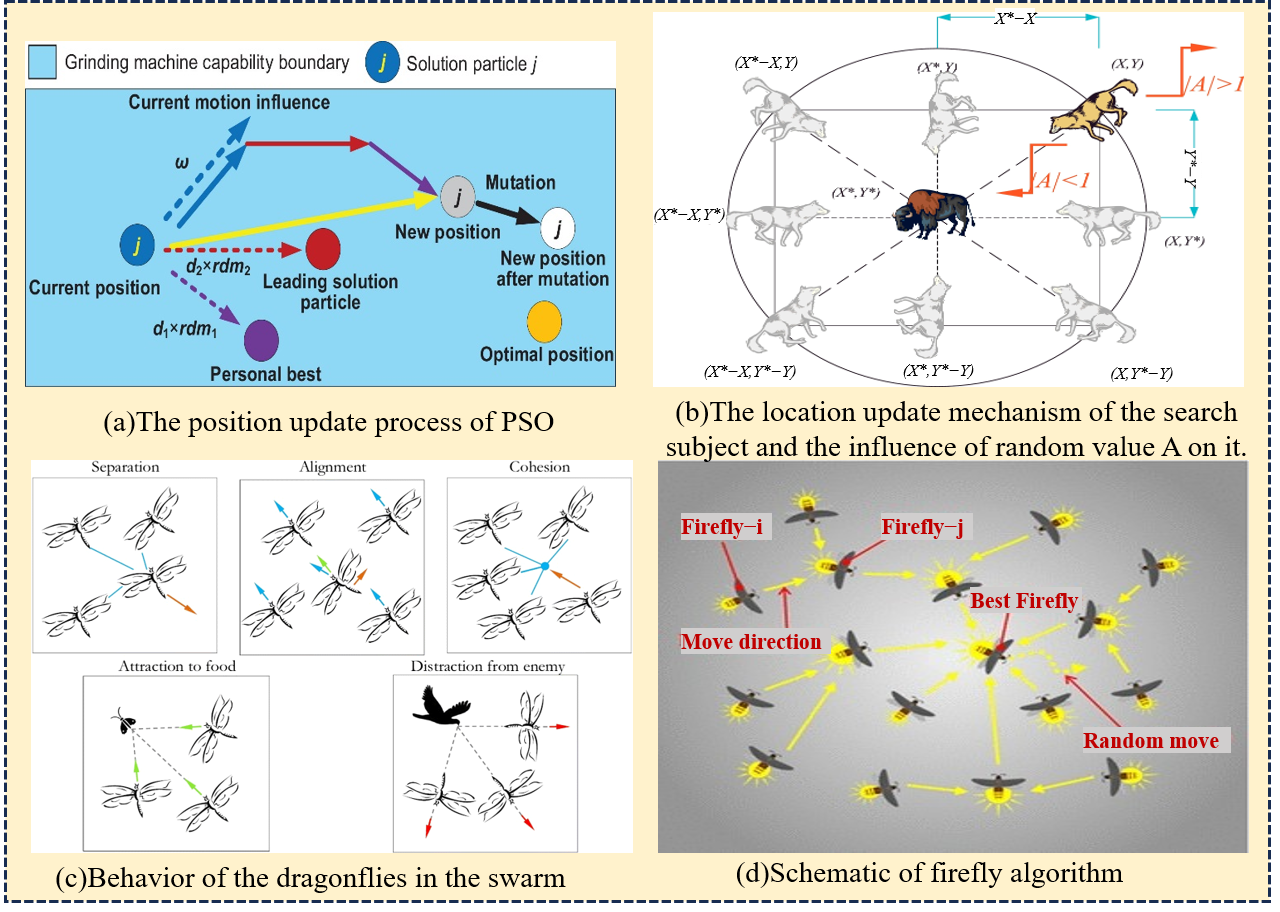
Xiang et al. [87] proposed an improved multi-objective grey wolf optimizer (MOGWO), which demonstrates superior convergence and a more diverse Pareto front solution set compared to the original MOGWO and NSGA-II algorithms. Liu et al. [4] introduced a hybrid non-dominated sorting firefly algorithm (NSFA). NSFA exhibits faster convergence speed and fewer iterations than NSGA-II and the non-dominated sorting particle swarm optimization (NSPSO). Figure 15 shows a schematic diagram of the mechanism of less commonly used metaheuristic optimization algorithms.
Figure 15.
Schematic diagram of the mechanism of commonly used metaheuristic optimization algorithms. (a) The position update process of PSO [108]; (b) The location update mechanism of the search subject and the influence of random value A on it; (c) Behavior of the dragonflies in the swarm; (d) Schematic of firefly algorithm.
5.1.3. Physically Inspired Algorithms
Physics-based optimization algorithms are typically inspired by physical behavior, properties, and laws. The simulated annealing (SA) algorithm is a typical physically inspired algorithm that transforms the solution of an optimization problem into a search for an energy minimum state by simulating the behavior of a substance during heating, holding, and cooling [114]. Kirkpatrick et al. [115] presented the first complete SA algorithm and proposed its use as an optimization tool for combinatorial problems.
The algorithm’s primary function is its ability to accept suboptimal solutions with a certain probability, allowing it to escape local optima and find the best solution among all possible options [116]. According to the Metropolis criterion, it is judged whether the new solution is the optimal solution. The criterion is shown as follows:
In the formula: p is the probability that the initial solution is replaced by a new solution; Eb is the new solution energy quantity; Ea is the initial solution energy; and Tk is the temperature at time k.
Huang et al. [117] established a regression model between robotic grinding process parameters and specific grinding energy through nonlinear fitting, employing the SA algorithm to determine optimal process parameters. The energy-optimized parameters targeting minimized specific grinding energy achieved a 38.4% reduction in energy consumption compared to empirical parameters. The Base team [118] constructed a feedforward neural network model based on experimental data and applied the SA algorithm to solve the objective function targeting minimized grinding force and surface roughness. Experimental results confirmed that the obtained optimal input conditions could minimize grinding force while satisfying surface roughness constraints.
Although the SA algorithm possesses the capability to escape local optima, it cannot guarantee finding the global optimum solution. Therefore, multiple runs are sometimes required to improve the probability of obtaining better solutions. Its practical application is significantly constrained by inherent drawbacks such as prolonged iteration time and low efficiency.
5.1.4. Hybrid Algorithms
Although the limitations of a single algorithm can be partially overcome, the “No Free Lunch Theorem” [119] for optimization algorithms indicates that there is no universal algorithm suitable for all optimization problems. Therefore, hybrid algorithms provide a new approach to optimization problems.
Ren et al. [120] proposed a Genetic Simulated Annealing Algorithm (GASA) optimization strategy for the multi-objective optimization problem of precision grinding of high-speed aircraft rotating body parts, and experiments verified the effectiveness and practicality of the method. Yang et al. [121] and You et al. [10] combined local search techniques and genetic algorithms with the basic PSO algorithm to propose a Genetic and Local Search-based Particle Swarm Optimization (GLS-PSO) algorithm, addressing the slow convergence issue of the basic PSO. This approach significantly improved PSO performance in experiments involving robotic belt grinding and high-speed gear grinding.
Hybrid algorithms can solve multi-objective optimization problems through black-box operations without explicit expressions, avoiding reliance on traditional complex explicit formulations. This makes them more suitable for solving complex nonlinear optimization problems in real-world applications, such as grinding processes. Table 4 compares different optimization algorithms.
Table 4.
Summary of principles and advantages and disadvantages of common intelligent optimization algorithms.
5.2. Performance Evaluation of Multi-Objective Optimization Algorithms in Grinding
5.2.1. Test Functions
Benchmark test functions are crucial for assessing and validating the performance of optimization algorithms. Since theoretical evaluation is often insufficient, benchmark test functions are used to validate and compare algorithm performance across various application scenarios. By comparing the performance of different algorithms on standard test functions, the performance of the algorithms can be evaluated at different application levels [122].
The dimensionality of multi-objective optimization problems can be categorized into two-dimensional and three-dimensional types. Selecting appropriate test functions to validate algorithms is particularly critical. Scholars such as Zitzler et al. [123] developed a set of test functions called ZDT in their research, with typical functions including ZDT1–ZDT4 and ZDT6. Among these, ZDT1 and ZDT4 are convex functions, ZDT2 and ZDT6 are concave functions, ZDT3 is a discontinuous function, and ZDT4 is a multimodal function. These test functions, in terms of their expressions and properties, can be regarded as bi-objective optimization problems with known Pareto fronts, making them widely used for convergence and diversity testing. Zhang et al. [124] employed five ZDT benchmark functions to validate an improved NSGA-II algorithm, comparing and analyzing the convergence characteristics and distribution of the Pareto fronts obtained by the algorithm across different application scenarios. The results demonstrated that the improved NSGA-II provided superior Pareto fronts compared to traditional NSGA-II, NSGA-III, and MOEA/D. Deb et al. [125] selected four test functions—ZDT2, ZDT3, ZDT4, and ZDT6—to compare the performance of their improved Simplex Method–Multi-Objective Differential Evolution Algorithm (SM-DEMO) with NSGA-II and DEMO. The results showed that for the ZDT2 function, all three algorithms performed well, with SM-DEMO slightly outperforming the other two. In terms of convergence, SM-DEMO significantly surpassed DEMO and NSGA-II when solving the more complex ZDT3, ZDT4, and ZDT6 functions, demonstrating its robust performance in handling various complex optimization problems. The expressions of commonly used test function sets are shown in Table 5:
Table 5.
Expressions of commonly used test functions.
5.2.2. Assessment Indicators for the Pareto Frontier
After solving the test function problem using a multi-objective optimization algorithm, the true Pareto front can be determined. When applying the algorithm to practical problems, the Pareto front represents a set of approximate optimal solutions. Two metrics can be used to evaluate the solution set: (1) Convergence degree: the solution closest to the true Pareto front of the test function is considered optimal; (2) Distribution degree: effective solutions should be evenly distributed along the Pareto front.
To verify that the proposed CNSGA-II algorithm has better convergence and diversity of Pareto frontiers compared to NSGA-II and BNSGA-II, Xiao et al. [20] used γ to measure the degree of convergence of the Pareto frontiers. A smaller γ indicates a Pareto solution closer to the optimal solution. Δ was used to evaluate the diversity or spread of the Pareto solution; a smaller Δ indicates better diversity. The specific formula is as follows:
- (1)
- Convergence degree calculation:where γ represents the degree of convergence to the true Pareto-optimal set, p⋆ is the nondominated Pareto boundary obtained by the algorithm’s solution, pFT is the true nondominated Pareto boundary of the test function, and is the Euclidean distance between p⋆ and pFT·Q is the number of solutions obtained.
- (2)
- Degree of distribution: the inhomogeneity in the distribution is calculated by the spacing measure (Δ):where di represents the Euclidean distance between consecutive solutions in the set of obtained nondominated solutions, and is the average distance.
Lu et al. [126] proposed an improved multi-objective dung beetle optimization algorithm (INSDBO) to solve the grinding multi-objective optimization model, aiming to reduce carbon emissions, costs and time. The above two indicators were used to evaluate the convergence and distribution degree of the pareto front obtained by INSDBO, NSGA-II, the adaptive weighted evolutionary algorithm (AdaW) and the multi-stage multi-objective evolutionary algorithm (MSEA). The convergence coefficient and distribution coefficient of the INSDBO algorithm were the lowest. In Yang et al. [97] as well as Wang et al. [102] similarly used the above two methods of Pareto front assessment. In addition, in the study of Xiang et al. [89] besides the spacing metric formula to assess the degree of distribution of the Pareto front, an assessment metric known as hypervolume (HV) is also mentioned, which can assess both the convergence as well as the diversity of Pareto fronts, and the formula is as follows:
where x is a point on the Pareto front X and v is used to calculate the volume formed by X and the reference point P.
Although HV, Spacing, and convergence metrics are widely cited in multi-objective optimization research for grinding, they still present significant issues in practical applications. In grinding research, the calculation of HV values heavily depends on the selection of the reference point. Currently, there is no unified standard for choosing reference points in studies. This leads to a lack of longitudinal comparability in HV values across different algorithms. If the reference point is set too far from the Pareto front, the HV value will fail to sensitively capture subtle differences in the front’s distribution, thereby undermining its authority as a criterion for evaluating algorithm performance.
The spacing metric only reflects the local distribution characteristics of solutions and cannot represent the spread of the Pareto front. In grinding parameter optimization, if the solution set generated by an algorithm is highly concentrated in a narrow region, even if its Spacing exhibits good uniformity, it remains unusable in engineering practice due to the lack of diverse selection options. In grinding, a highly nonlinear black-box problem, the true Pareto front is often unknown. Simply using the union of algorithm results as the true Pareto front to calculate convergence makes it difficult to prove genuine convergence to the global optimal solution.
Moreover, in the dynamic optimization of grinding, merely evaluating the Spacing and HV of the Pareto front is insufficient. From a reviewer’s perspective, it is recommended to introduce the concept of ‘Pareto Stability,’ which assesses whether the original optimal solution set can still maintain a quasi-optimal level when the grinding wheel experiences a certain degree of wear or environmental temperature fluctuations. The lack of robustness evaluation under dynamic disturbances represents a significant gap in current performance testing of multi-objective algorithms for grinding.
Testing the algorithms and evaluating the Pareto frontier can assess the performance of the algorithms at different levels. This helps researchers improve the algorithms and enhance their comprehensive performance before solving actual problems. However, in this paper’s survey of the multi-objective optimization algorithms used in grinding machining, there is little involvement in testing and evaluating the algorithms, indicating that multi-objective optimization for grinding machining can be further investigated.
6. Summary and Outlook
This paper synthesizes research findings from domestic and international scholars, and through a systematic review of multi-objective optimization techniques in grinding, it identifies a shift in current research from “static optimization” to “dynamic optimization.” Various modeling approaches, trade-off methods, and optimization algorithms combined with machine learning can achieve “dynamic optimization” to some extent. However, the lack of physical interpretability, data scarcity, and the neglect of wheel wear remain core obstacles limiting industrial applications. To address the limitations of existing research, further investigations are needed in the following areas:
- (1)
- Physics-Informed Machine Learning Models. To tackle the high cost and scarcity of grinding data, research should explore embedding prior physical knowledge—such as grinding force analytical models, Taylor wheel life formulas, and heat source distributions—as constraints into neural networks. Physics-Informed Machine Learning (PIML) models can reduce reliance on large datasets, mitigate prediction distortions of black-box models under extreme conditions, and enhance cross-material/cross-equipment transferability.
- (2)
- Dynamic Optimization Accounting for Process Drift. Current optimizations often treat grinding as a static process. Future work should establish time-varying objective functions that consider wheel passivation cycles and thermal accumulation effects. Research should focus on incorporating time-series features into optimization frameworks, using real-time monitoring signals (e.g., acoustic emissions, power signals) to adjust optimization boundaries dynamically, ensuring consistent machining quality throughout the tool’s lifecycle. For example, in precision grinding of aero-engine turbine blades, integrating acoustic emission and force sensors to monitor vibrations and grinding forces in real time allows dynamic data—alongside process parameters like feed rate and wheel speed—to predict surface roughness, residual stress, and microcrack risks. If the model detects prediction accuracy degradation due to wheel wear or material hard spots, it can adjust parameters or issue warnings in real time, balancing reliability with scrap avoidance.
- (3)
- Development and Application of Novel Multi-Objective Optimization Algorithms. Existing solution algorithms proposed by scholars lack validation for generalizability and robustness, failing to guarantee effectiveness in real-world applications. Algorithm complexity also escalates with higher-dimensional nonlinear problems, increasing development costs. Exploring novel optimization algorithms or hybrid approaches that combine heuristic strengths could address these challenges. For instance, ultra-precision silicon wafer grinding involves optimizing material removal rate, surface quality, flatness, and other objectives, often governed by over a dozen parameters (e.g., coolant, wheel speed, grinding pressure), forming high-dimensional nonlinear problems. Traditional single heuristic algorithms risk local optima or instability across material batches and equipment.
- (4)
- Interactive Trade-Off Methods. Given time-varying factors in grinding, optimization results from a priori or a posteriori methods may become obsolete during processing. Interactive trade-off methods integrate decision-maker preferences into the solving process, allowing real-time adjustments based on feedback to overcome the limitations of static approaches. For example, in long-cycle, high-value mold grinding, preset weights or one-time optimal solutions may fail due to dynamic factors like wheel wear or machine thermal drift. An interactive system could monitor grinding states (e.g., forces, vibrations) and periodically update the Pareto frontier for engineers to refine decisions dynamically.
Author Contributions
X.Y.: Investigation, Writing—original draft, Visualization, Writing—review and editing. Z.D.: Methodology, Visualization, Software, Writing—review and editing. D.Z.: Writing—original draft, Writing—review and editing. R.Z.: Writing—review and editing. X.X.: Writing—review and editing. W.L.: Writing—review and editing. All authors have read and agreed to the published version of the manuscript.
Funding
This research was funded by National Natural Science Foundation of China, grant number U23A20634, the APC was funded by the NSFC-Joint Fund for Regional Innovation and Development (Grant No. U23A20634), the NSFC-General Project (Grant No. 52375428), Xiamen Natural Science Foundation (Grant No. 3502Z202373045) and Huaqiao University Talent Introduction Research Project (Grant No. 605-50Y22064).
Data Availability Statement
No data for public archival are reported in this study.
Conflicts of Interest
The authors declare that they have no known competing financial interests or personal relationships that could have appeared to influence the work reported in this paper.
References
- Liu, W.; Liu, R.; Deng, Z.; Shang, Y. Research Progress no Single Abrasive Grain Grinding Simulation. Aerosp. Mater. Technol. 2018, 48, 1–8. [Google Scholar] [CrossRef]
- Malkin, S.; Guo, C. Grinding Technology: Theory and Application of Machining with Abrasives; Industrial Press Inc.: New York, NY, USA, 2008. [Google Scholar]
- Chen, B.; Luo, L.; Jiao, H.; Li, S.; Li, S.; Deng, Z.; Yao, H. Affecting factors, optimization, and suppression of grinding marks: A review. Int. J. Adv. Manuf. Technol. 2021, 115, 1–29. [Google Scholar] [CrossRef] [Scilit]
- Liu, Z.; Li, X.; Wu, D.; Qian, Z.; Feng, P.; Rong, Y. The development of a hybrid firefly algorithm for multi-pass grinding process optimization. J. Intell. Manuf. 2018, 30, 2457–2472. [Google Scholar] [CrossRef] [Scilit]
- Oliveira, J.F.G.; Silva, E.J.; Guo, C.; Hashimoto, F. Industrial challenges in grinding. CIRP Ann. 2009, 58, 663–680. [Google Scholar] [CrossRef] [Scilit]
- Lee, K.M.; Hsu, M.R.; Chou, J.H.; Guo, C.Y. Improved differential evolution approach for optimization of surface grinding process. Expert Syst. Appl. 2011, 38, 5680–5686. [Google Scholar] [CrossRef] [Scilit]
- Cho, J.-H.; Wang, Y.; Chen, I.-R.; Chan, K.S.; Swami, A. A Survey on Modeling and Optimizing Multi-Objective Systems. IEEE Commun. Surv. Tutor. 2017, 19, 1867–1901. [Google Scholar] [CrossRef] [Scilit]
- Pandiyan, V.; Shevchik, S.; Wasmer, K.; Castagne, S.; Tjahjowidodo, T. Modelling and monitoring of abrasive finishing processes using artificial intelligence techniques: A review. J. Manuf. Process 2020, 57, 114–135. [Google Scholar] [CrossRef] [Scilit]
- Pereira, J.L.J.; Oliver, G.A.; Francisco, M.B.; Cunha, S.S., Jr.; Gomes, G.F. A Review of Multi-objective Optimization: Methods and Algorithms in Mechanical Engineering Problems. Arch. Comput. Methods Eng. 2021, 29, 2285–2308. [Google Scholar] [CrossRef] [Scilit]
- You, T.; Han, J.; Tian, X.; Tang, J.; Lu, Y.; Li, G.; Xia, L. Multi-objective optimization of grinding process parameters for improving gear machining precision. J. Cent. South. Univ. 2025, 32, 538–551. [Google Scholar] [CrossRef] [Scilit]
- Nguyen, V.; Nguyen, D.; Do, D.; Tran, T. Multi-Objective Optimization of the Surface Grinding Process for Heat-Treated Steel. Int. J. Automot. Mech. Eng. 2024, 21, 11831–11843. [Google Scholar] [CrossRef] [Scilit]
- Gu, P.; Zhang, H.; You, Z.; Shi, Z. Surface roughness prediction of magnesium aluminum spinel in single-point oblique axis ultra-precision grinding. Ceram. Int. 2024, 50, 13125–13136. [Google Scholar] [CrossRef] [Scilit]
- Cui, Y.; Geng, Z.; Zhu, Q.; Han, Y. Review: Multi-objective optimization methods and application in energy saving. Energy 2017, 125, 681–704. [Google Scholar] [CrossRef] [Scilit]
- Kim, G.; Park, S.; Choi, J.G.; Yang, S.M.; Park, H.W.; Lim, S. Developing a data-driven system for grinding process parameter optimization using machine learning and metaheuristic algorithms. CIRP J. Manuf. Sci. Technol. 2024, 51, 20–35. [Google Scholar] [CrossRef] [Scilit]
- Lv, L.; Deng, Z.; Liu, T.; Wan, L. Multi-layer and Multi-objective optimization model and applications of grinding process plan for cleaner production. China Mech. Eng. 2022, 33, 589–599. [Google Scholar] [CrossRef]
- Ji, D.; Yan, C.; Guo, N. Optimizing process parameters of ultrasonic vibration assisted grinding CFRP based on response surface method. Diam. Abras. Eng. 2022, 42, 585–594. [Google Scholar] [CrossRef]
- Nametala, C.A.L.; Souza, A.M.; Pereira Júnior, B.R.; da Silva, E.J. A simulator based on artificial neural networks and NSGA-II for prediction and optimization of the grinding process of superalloys with high performance grinding wheels. CIRP J. Manuf. Sci. Technol. 2020, 30, 157–173. [Google Scholar] [CrossRef] [Scilit]
- Agarwal, S. Optimizing machining parameters to combine high productivity with high surface integrity in grinding silicon carbide ceramics. Ceram. Int. 2016, 42, 6244–6262. [Google Scholar] [CrossRef] [Scilit]
- Ming, X.; Luo, T.; Liu, J.; Yan, H. Grinding Parameter optimization of face gears. China Mech. Eng. 2016, 27, 2569–2574. [Google Scholar] [CrossRef]
- Xiao, G.; Gao, H.; Zhang, Y.; Zhu, B.; Huang, Y. An intelligent parameters optimization method of titanium alloy belt grinding considering machining efficiency and surface quality. Int. J. Adv. Manuf. Technol. 2022, 125, 513–552. [Google Scholar] [CrossRef] [Scilit]
- Unune, D.R.; Nirala, C.K.; Mali, H.S. ANN-NSGA-II dual approach for modeling and optimization in abrasive mixed electro discharge diamond grinding of Monel K-500. Eng. Sci. Technol. Int. J. 2018, 21, 322–329. [Google Scholar] [CrossRef] [Scilit]
- Krishna, A.G.; Rao, K.M. Multi-objective optimisation of surface grinding operations using scatter search approach. Int. J. Adv. Manuf. Technol. 2006, 29, 475–480. [Google Scholar] [CrossRef] [Scilit]
- Khalilpourazari, S.; Khalilpourazary, S. A Robust Stochastic Fractal Search approach for optimization of the surface grinding process. Swarm Evol. Comput. 2018, 38, 173–186. [Google Scholar] [CrossRef] [Scilit]
- Baskar, N.; Saravanan, R.; Asokan, P.; Prabhaharan, G. Ants colony algorithm approach for multi-objective optimisation of surface grinding operations. Int. J. Adv. Manuf. Technol. 2004, 23, 311–317. [Google Scholar] [CrossRef] [Scilit]
- Mitra, K. Multiobjective optimization of an industrial grinding operation under uncertainty. Chem. Eng. Sci. 2009, 64, 5043–5056. [Google Scholar] [CrossRef] [Scilit]
- Yadav, R.N.; Yadava, V. Multiobjective optimization of slotted electrical discharge abrasive grinding of metal matrix composite using artificial neural network and nondominated sorting genetic algorithm. Proc. Inst. Mech. Eng. B J. Eng. Manuf. 2013, 227, 1442–1452. [Google Scholar] [CrossRef] [Scilit]
- Jiang, W.; Lv, L.; Xiao, Y.; Fu, X.; Deng, Z.; Yue, W. A multi-objective modeling and optimization method for high efficiency, low energy, and economy. Int. J. Adv. Manuf. Technol. 2023, 128, 2483–2498. [Google Scholar] [CrossRef] [Scilit]
- Panagant, N.; Pholdee, N.; Bureerat, S.; Yildiz, A.R.; Mirjalili, S. A Comparative Study of Recent Multi-objective Metaheuristics for Solving Constrained Truss Optimisation Problems. Arch. Comput. Methods Eng. 2021, 28, 4031–4047. [Google Scholar] [CrossRef] [Scilit]
- Slowik, A.; Slowik, J. Multi-objective optimization of surface grinding process with the use of evolutionary algorithm with remembered Pareto set. Int. J. Adv. Manuf. Technol. 2007, 37, 657–669. [Google Scholar] [CrossRef] [Scilit]
- Hua, Y.; Liu, Q.; Hao, K.; Jin, Y. A Survey of Evolutionary Algorithms for Multi-Objective Optimization Problems with Irregular Pareto Fronts. IEEE/CAA J. Autom. Sin. 2021, 8, 303–318. [Google Scholar] [CrossRef] [Scilit]
- Yang, Z.; Zhang, S.; Wang, S. Parameter Optimization of Creep Feed Grinding for IC10 Directionally Solidified Superalloy. Aeronaut. Manuf. Technol. 2022, 65, 98–106. [Google Scholar] [CrossRef]
- Zhang, H.; Deng, Z.; Fu, Y.; Lv, L.; Yan, C. A process parameters optimization method of multi-pass dry milling for high efficiency, low energy and low carbon emissions. J. Clean. Prod. 2017, 148, 174–184. [Google Scholar] [CrossRef] [Scilit]
- Li, G.; Zhu, G.; Jiang, L.; Tao, Y.; Jia, C. Optimization of Multi-objective Grinding Process Parameters to Suppres Chatter Marks. China Mech. Eng. 2023, 34, 1086–1092. [Google Scholar] [CrossRef]
- Wang, D.; Chen, Z.; Lu, X. Optimization of Process Parameters for High-speed Cylindrical Grinding of 18CrNiMo7-6 Gear Steel. Modul. Mach. Tool. Autom. Manuf. Tech. 2021, 1, 135–137. [Google Scholar] [CrossRef]
- Chen, T.; Zhu, Y.; Xi, X.; Huan, H.; Ding, W. Process parameter optimization and surface integrity evolution in the high-speed grinding of TiAl intermetallics based on grey relational analysis method. Int. J. Adv. Manuf. Technol. 2021, 117, 2895–2908. [Google Scholar] [CrossRef] [Scilit]
- Sethuramalingam, P.; Vinayagam, B.K. Multi Objective Optimization of Multi Wall Carbon Nanotube Based Nanogrinding Wheel Using Grey Relational and Regression Analysis. J. Inst. Eng. India Ser. C 2016, 97, 407–416. [Google Scholar] [CrossRef] [Scilit]
- Derringer, G.; Suich, R. Simultaneous Optimization of Several Response Variables. J. Qual. Technol. 1980, 12, 214–219. [Google Scholar] [CrossRef] [Scilit]
- Kim, K.J.; Lin, D.K.J. Simultaneous Optimization of Mechanical Properties of Steel by Maximizing Exponential Desirability Functions. J. R. Stat. Soc. Ser. C Appl. Stat. 2000, 49, 311–325. [Google Scholar] [CrossRef] [Scilit]
- Roy, R.; Ghosh, S.K.; Kaisar, T.I.; Ahmed, T.; Hossain, S.; Aslam, M.; Kaseem, M.; Rahman, M.M. Multi-Response Optimization of Surface Grinding Process Parameters of AISI 4140 Alloy Steel Using Response Surface Methodology and Desirability Function under Dry and Wet Conditions. Coatings 2022, 12, 104. [Google Scholar] [CrossRef] [Scilit]
- Hamdia, K.M.; Ghasemi, H.; Zhuang, X.; Rabczuk, T. Multilevel Monte Carlo method for topology optimization of flexoelectric composites with uncertain material properties. Eng. Anal. Bound. Elem. 2022, 134, 412–418. [Google Scholar] [CrossRef] [Scilit]
- Krejčí, J.; Stoklasa, J. Aggregation in the analytic hierarchy process: Why weighted geometric mean should be used instead of weighted arithmetic mean. Expert Syst. Appl. 2018, 114, 97–106. [Google Scholar] [CrossRef] [Scilit]
- Wang, C.; Yan, X.; Liao, H.; Chai, L.; Zou, L.; Huang, Y. Process parameter optimization and anisotropy sensitivity study for abrasive belt grinding of nickel-based single-crystal superalloy. Archiv. Civ. Mech. Eng. 2021, 21, 170. [Google Scholar] [CrossRef] [Scilit]
- Unune, D.R.; Mali, H.S. Parametric modeling and optimization for abrasive mixed surface electro discharge diamond grinding of Inconel 718 using response surface methodology. Int. J. Adv. Manuf. Technol. 2017, 93, 3859–3872. [Google Scholar] [CrossRef] [Scilit]
- Liu, H.; Li, Y.; Duan, Z.; Chen, C. A review on multi-objective optimization framework in wind energy forecasting techniques and applications. Energy Convers. Manag. 2020, 224, 113324. [Google Scholar] [CrossRef] [Scilit]
- Deng, Z.; Lv, L.; Huang, W.; Wan, L.; Li, S. Modelling of carbon utilisation efficiency and its application in milling parameters optimisation. Int. J. Prod. Res. 2019, 58, 2406–2420. [Google Scholar] [CrossRef] [Scilit]
- Lu, J.; Chen, Z.; Liao, X.; Chen, C.; Ouyang, H.; Li, S. Multi-objective optimization for improving machining benefit based on WOA-BBPN and a Deep Double Q-Network. Appl. Soft Comput. 2023, 142, 110330. [Google Scholar] [CrossRef] [Scilit]
- Ding, C. Research on Optimization of Centerless Grinding Parameters Faced to Demands of Energy Saving and High Efficiency. Master’s Thesis, Wuhan University of Science and Technology, Wuhan, China, 2019. [Google Scholar]
- Zhu, C.; Gu, P.; Wu, Y.; Liu, D.; Wang, X. Surface roughness prediction model of SiCp/Al composite in grinding. Int. J. Mech. Sci. 2019, 155, 98–109. [Google Scholar] [CrossRef] [Scilit]
- Luo, R. Surface Roughness Simulation and Parameters Optimization on High Hardness Spherical Grinding. Master’s Thesis, Shanghai Jiao Tong University, Shanghai, China, 2013. [Google Scholar]
- Winter, M.; Li, W.; Kara, S.; Herrmann, C. Determining optimal process parameters to increase the eco-efficiency of grinding processes. J. Clean. Prod. 2014, 66, 644–654. [Google Scholar] [CrossRef] [Scilit]
- Zhan, Y.; Zhou, J.; Xu, Y.; Chen, J.; Sun, J. Research on ground surface roughness of cemented carbides with various grain sizes based on RBF neural network prediction. Rare Met. Cem. Carbides 2022, 50, 87–93. [Google Scholar] [CrossRef]
- Kwok, C.P.; Tang, Y.M. A fuzzy MCDM approach to support customer-centric innovation in virtual reality (VR) metaverse headset design. Adv. Eng. Inform. 2023, 56, 101910. [Google Scholar] [CrossRef] [Scilit]
- Palanikumar, K. Modeling and analysis for surface roughness in machining glass fibre reinforced plastics using response surface methodology. Mater. Des. 2007, 28, 2611–2618. [Google Scholar] [CrossRef] [Scilit]
- Kwak, J.S.; Sim, S.B.; Jeong, Y.D. An analysis of grinding power and surface roughness in external cylindrical grinding of hardened SCM440 steel using the response surface method. Int. J. Mach. Tools Manuf. 2006, 46, 304–312. [Google Scholar] [CrossRef] [Scilit]
- Puri, A.B.; Banerjee, S. Multiple-response optimisation of electrochemical grinding characteristics through response surface methodology. Int. J. Adv. Manuf. Technol. 2012, 64, 715–725. [Google Scholar] [CrossRef] [Scilit]
- Ren, Z.; Li, B.; Zhou, Q.; Hou, R.; Zhang, Y. Optimization of high-speed grinding parameters for anti-fatigue performance of 20CrMnTi steel. Int. J. Adv. Manuf. Technol. 2022, 122, 3565–3581. [Google Scholar] [CrossRef] [Scilit]
- Dai, S.; Zhao, Y.; Zhang, W. Optimization of grinding-process parameters for aluminum wheel hubs based on response-surface methon. Mech. Des. 2023, 40, 28–35. [Google Scholar] [CrossRef]
- Liu, C.; Wang, W. Parameter optimization of generating method spherical precision grinding based on ANN-GA. China J. Eng. Des. 2019, 26, 395–402. [Google Scholar] [CrossRef]
- Borgaonkar, A.; Ismail, S. Tribological behavior prediction of composite MoS2-TiO2 coating using Taguchi coupled artificial neural network approach. Proc. Inst. Mech. Eng. Part. C J. Mech. Eng. Sci. 2022, 236, 6835–6850. [Google Scholar] [CrossRef] [Scilit]
- Gopan, V.; Wins, K.L.D.; Evangeline, G.; Surendran, A. Experimental Investigation for the Multi-objective Optimization of Machining Parameters on AISI D2 Steel Using Particle Swarm Optimization Coupled with Artificial Neural Network. J. Adv. Manuf. Syst. 2020, 19, 589–606. [Google Scholar] [CrossRef] [Scilit]
- Bhardwaj, H.K.; Shukla, M. Enhanced fatigue crack growth rate prediction in alloy steels using particle swarm optimized neural network. Theor. Appl. Fract. Mech. 2025, 136, 104826. [Google Scholar] [CrossRef] [Scilit]
- Zhang, Y.; Xiao, G.; Gao, H.; Zhu, B.; Huang, Y.; Li, W. Roughness Prediction and Performance Analysis of Data-Driven Superalloy Belt Grinding. Front. Mater. 2022, 9, 765401. [Google Scholar] [CrossRef] [Scilit]
- Liu, W.; Deng, Z.; Wan, L.; Wu, Q. Parameter optimization on precision grinding of ceramic sphere using orthogona experiment and genetic neural network. China Mech. Eng. 2014, 25, 451–455. [Google Scholar]
- Wang, J.; Tian, Y.; Hu, X.; Li, Y.; Zhang, K.; Liu, Y. Predictive modelling and Pareto optimization for energy efficient grinding based on aANN-embedded NSGA II algorithm. J. Clean. Prod. 2021, 327, 129479. [Google Scholar] [CrossRef] [Scilit]
- Qazani, M.R.C.; Amini, S.; Pedrammehr, S.; Baraheni, M.; Suhail, A.H. A machine learning method for cutting parameter selection in rotary ultrasonic-assisted end grinding. Int. J. Adv. Manuf. Technol. 2023, 126, 1577–1591. [Google Scholar] [CrossRef] [Scilit]
- Zhang, Y.; Xiao, G.; Chai, D.; Gao, H.; Huang, Y. Experimental Study on Variable Parameter Optimization Method of Surface Slow Feed Abrasive Belt Grinding of Titanium Alloy. Surf. Technol. 2023, 52, 1–13. [Google Scholar] [CrossRef]
- Xie, R.; Yang, S.; Sun, C.; Yu, T. Prediction model of needle valve body extrusion grinding process based on PSO-SVR. J. Phys. Confer Ser. 2021, 2024, 012041. [Google Scholar] [CrossRef] [Scilit]
- Kumar, R.; Bilga, P.S.; Singh, S. Multi objective optimization using different methods of assigning weights to energy consumption responses, surface roughness and material removal rate during rough turning operation. J. Clean. Prod. 2017, 164, 45–57. [Google Scholar] [CrossRef] [Scilit]
- Kollat, J.B.; Reed, P. A framework for Visually Interactive Decision-making and Design using Evolutionary Multi-objective Optimization (VIDEO). Environ. Model. Softw. 2007, 22, 1691–1704. [Google Scholar] [CrossRef] [Scilit]
- Coello, C.A.C. Evolutionary Algorithms for Solving Multi-Objective Problems; Springer: Boston, MA, USA, 2007. [Google Scholar]
- Li, X.; Zhao, K.; Chen, G.; Ren, C.; Zhang, Y.; Liu, Z. Process parameter optimization of outer ring raceway in ELID forming grinding of ball bearings. Mech. Sci. Technol. Aerosp. Eng. 2021, 40, 1541–1548. [Google Scholar] [CrossRef]
- Liu, J.; Chen, W. Dressing process and parametric optimization of cup-shaped vitrified CBN wheels. J. Beijing Univ. Aeronaut. Astronaut. 2012, 38, 374–379. [Google Scholar] [CrossRef]
- Li, L.; Mo, R. Production Task Queue Optimization Based on Multi-Attribute Evaluation for Complex Product Assembly Workshop. PLoS ONE 2015, 10, e0134343. [Google Scholar] [CrossRef] [Scilit]
- Song, S.; Yao, D.; Zhou, D.; Tian, Y. Decision-making for dismantling solutions based on portfolio assignment-TOPSIS method. J. Hefei Univ. Technol. Nat. Sci. 2023, 46, 886–889. [Google Scholar]
- Lin, J.; Wei, X.; Yang, Y. Optimization of processing parameters for longitudinal-torsional composite ultrasonic vibration assisted helical grinding for hole making based on grey relational analysis and entropy weight method. Tool Technol. 2024, 58, 38–42. [Google Scholar]
- Siddiquee, A.N.; Khan, Z.A.; Mallick, Z. Grey relational analysis coupled with principal component analysis for optimisation design of the process parameters in in-feed centreless cylindrical grinding. Int. J. Adv. Manuf. Technol. 2009, 46, 983–992. [Google Scholar] [CrossRef] [Scilit]
- Liu, X.; Zhao, K.; Ren, C.; Chen, G.; He, C.; Liu, Z. Optimization of Process Parameters in Ball Bearing Outer Raceway ELID Grinding with Arc Trajectory Feed. Mech. Sci. Technol. Aerosp. Eng. 2024, 43, 1723–1731. [Google Scholar] [CrossRef]
- Zhang, Y. Optimization of ELID Grinding Parameters for Ball Bearing Outer Ring Raceway Based on Comprehensive Entropy Weight and Signal-to-Noise Ratio. Bearing 2024, 2024, 48–54. [Google Scholar] [CrossRef]
- Lv, L.; Deng, Z.; Meng, H.; Liu, T.; Wan, L. A multi-objective decision-making method for machining process plan and an application. J. Clean. Prod. 2020, 260, 121072. [Google Scholar] [CrossRef] [Scilit]
- Dai, N.; Wan, L. Decision Making Method of Process Parameters Based on TOPSIS Model with Combination Weight. Mach. Build. Autom. 2022, 51, 107–112. [Google Scholar] [CrossRef]
- Deng, Z.; Meng, H.; Zhang, H.; Wan, L. A multi-objective comprehensive decision method for machine tool machining process parameters based on combination weight. China Mech. Eng. 2016, 27, 2902–2908. [Google Scholar]
- Mirjalili, S.; Jangir, P.; Saremi, S. Multi-objective ant lion optimizer: A multi-objective optimization algorithm for solving engineering problems. Appl. Intell. 2016, 46, 79–95. [Google Scholar] [CrossRef] [Scilit]
- Chang, C.C.W.; Ding, T.J.; Ee, C.C.W.; Han, W.; Paw, J.K.S.; Salam, I.; Bhuiyan, M.A.S.; Kuan, G.S. Nature-Inspired Heuristic Frameworks Trends in Solving Multi-objective Engineering Optimization Problems. Arch. Comput. Methods Eng. 2024, 31, 3551–3584. [Google Scholar] [CrossRef] [Scilit]
- Feng, Q.; Li, Q.; Quan, W.; Pei, X. Overview of multiobjective particle swarm optimization algorithm. Chin. J. Eng. 2021, 43, 745–753. [Google Scholar] [CrossRef]
- Ma, H.; Zhang, Y.; Sun, S.; Liu, T.; Shan, Y. A comprehensive survey on NSGA-II for multi-objective optimization and applications. Artif. Intell. Rev. 2023, 56, 15217–15270. [Google Scholar] [CrossRef] [Scilit]
- Liu, Y.; Dong, H.; Wang, H.; Xiao, G.; Meng, F. Multi-objective titanium alloy belt grinding parameters optimization oriented to resources allocation and environment. Int. J. Adv. Manuf. Technol. 2021, 113, 449–463. [Google Scholar] [CrossRef] [Scilit]
- Li, S.; Fan, X.; Huang, H.; Cao, Y. Multi-objective optimization of injection molding parameters, based on the Gkriging-NSGA-vague method. J. Appl. Polym. Sci. 2019, 137, 48659. [Google Scholar] [CrossRef] [Scilit]
- Wang, Y.; Chen, X.; Gui, W.; Yang, C.; Caccetta, L.; Xu, H. A Hybrid Multiobjective Differential Evolution Algorithm and Its Application to the Optimization of Grinding and Classification. J. Appl. Math. 2013, 2013, 841780. [Google Scholar] [CrossRef] [Scilit]
- Xiang, Y.; Lu, X.; Cai, D.; Chen, J.; Bao, C. Multi-algorithm fusion–based intelligent decision-making method for robotic belt grinding process parameters. Int. J. Adv. Manuf. Technol. 2024, 132, 6053–6068. [Google Scholar] [CrossRef] [Scilit]
- Ali, S.M.; Johnson, N.N.; Madhavadas, V.; Giri, A.; Sahu, J.; Anand, S.P.; Srivas, C.S. Investigation on the effect of grindin wheel for grinding of AISI D3 tool steel under different conditions. Eng. Res. Express 2022, 4, 045036. [Google Scholar] [CrossRef] [Scilit]
- Ünal, H.T.; Başçiftçi, F. Evolutionary design of neural network architectures: A review of three decades of research. Artif. Intell. Rev. 2021, 55, 1723–1802. [Google Scholar] [CrossRef] [Scilit]
- Sharma, S.; Kumar, V. A Comprehensive Review on Multi-objective Optimization Techniques: Past, Present and Future. Arch. Comput. Methods Eng. 2022, 29, 5605–5633. [Google Scholar] [CrossRef] [Scilit]
- Mitra, K.; Gopinath, R. Multiobjective optimization of an industrial grinding operation using elitist nondominated sorting genetic algorithm. Chem. Eng. Sci. 2004, 59, 385–396. [Google Scholar] [CrossRef] [Scilit]
- Yadav, R.N.; Yadava, V.; Singh, G.K. Multi-objective optimization of process parameters in Electro-Discharge Diamond Face Grinding based on ANN-NSGA-II hybrid technique. Front. Mech. Eng. 2013, 8, 319–332. [Google Scholar] [CrossRef] [Scilit]
- Sharma, S.; Pantula, P.D.; Miriyala, S.S.; Mitra, K. A novel data-driven sampling strategy for optimizing industrial grinding operation under uncertainty using chance constrained programming. Powder Technol. 2021, 377, 913–923. [Google Scholar] [CrossRef] [Scilit]
- Wang, J.; Tian, Y.; Hu, X.; Han, J.; Liu, B. Integrated assessment and optimization of dual environment and production drivers in grinding. Energy 2023, 272, 127046. [Google Scholar] [CrossRef] [Scilit]
- Yang, Z.; Huang, Z.; Wang, H.; Wang, L.; Yang, H. Process parameter optimization model for robotic abrasive belt grinding of aero-engine blades. Int. J. Adv. Manuf. Technol. 2022, 131, 2039–2054. [Google Scholar] [CrossRef] [Scilit]
- Price, K.; Storn, R.M.; Lampinen, J.A. Differential Evolution: A practical Approach to Global Optimization; Springer Science & Business Media: Berlin/Heidelberg, Germany, 2006. [Google Scholar]
- Krishna, A.G. Selection of optimal conditions in the surface grinding process using a differential evolution approach. Proc. Inst. Mech. Eng. B J. Eng. Manuf. 2007, 221, 1185–1192. [Google Scholar] [CrossRef] [Scilit]
- Zhu, H. Cylindrical grinding optimization method based on improved differential evolution algorithm. Precis. Manuf. Autom. 2010, 23–26. [Google Scholar] [CrossRef]
- Xue, F.; Sanderson, A.C.; Graves, R.J. Pareto-based multi-objective differential evolution. In Proceedings of the 2003 Congress on Evolutionary Computation, 2003. CEC′03, Canberra, Australia, 8–12 December 2003; Volume 2, pp. 862–869. [Google Scholar] [CrossRef] [Scilit]
- Liu, X. Research on Multi-Objective Differential Evolution Hybrid Algorithm and Its Application in Grinding Classification. Master’s Thesis, Central South University, Changsha, China, 2011. [Google Scholar]
- Huang, Q.; Zhao, B.; Qiu, Y.; Cao, Y.; Fu, Y.; Chen, Q.; Tang, M.; Deng, M.; Liu, G.; Ding, W. MOPSO process parameter optimization in ultrasonic vibration-assisted grinding of hardened steel. Int. J. Adv. Manuf. Technol. 2023, 128, 903–914. [Google Scholar] [CrossRef] [Scilit]
- Wang, L.; Zhao, X.; Li, J. Optimization of gear grinding parameters with worm grinding wheel. China Mech. Eng. 2021, 32, 2136–2141. [Google Scholar]
- Lee, T.S.; Ting, T.O.; Lin, Y.J.; Htay, T. A particle swarm approach for grinding process optimization analysis. Int. J. Adv. Manuf. Technol. 2006, 33, 1128–1135. [Google Scholar] [CrossRef] [Scilit]
- Chen, B.; Zha, J.; Cai, Z.; Wu, M. Predictive modelling of surface roughness in precision grinding based on hybrid algorithm. CIRP J. Manuf. Sci. Technol. 2025, 59, 1–17. [Google Scholar] [CrossRef] [Scilit]
- Zhang, G.; Liu, M.; Li, J.; Ming, W.; Shao, X.; Huang, Y. Multi-objective optimization for surface grinding process using a hybrid particle swarm optimization algorithm. Int. J. Adv. Manuf. Technol. 2014, 71, 1861–1872. [Google Scholar] [CrossRef] [Scilit]
- Chen, Z.; Li, X.; Zhu, Z.; Zhao, Z.; Wang, L.; Jiang, S.; Rong, Y. The optimization of accuracy and efficiency for multistage precision grinding process with an improved particle swarm optimization algorithm. Int. Adv. Robot. Syst. 2020, 17, 172988141989350. [Google Scholar] [CrossRef] [Scilit]
- Coello Coello, C.A.; Lechuga, M.S. MOPSO: A proposal for multiple objective particle swarm optimization. In Proceedings of the 2002 Congress on Evolutionary Computation. CEC′02 (Cat. No.02TH8600), Honolulu, HI, USA, 12–17 May 2002; Volume 2, pp. 1051–1056. [Google Scholar] [CrossRef] [Scilit]
- Mirjalili, S. Dragonfly algorithm: A new meta-heuristic optimization technique for solving single-objective, discrete, and multi-objective problems. Neural Comput. Appl. 2015, 27, 1053–1073. [Google Scholar] [CrossRef] [Scilit]
- Khalilpourazari, S.; Khalilpourazary, S. Optimization of time, cost and surface roughness in grinding process using a robust multi-objective dragonfly algorithm. Neural Comput. Appl. 2018, 32, 3987–3998. [Google Scholar] [CrossRef] [Scilit]
- Mirjalili, S.; Saremi, S.; Mirjalili, S.M.; Coelho, L.d.S. Multi-objective grey wolf optimizer: A novel algorithm for multi-criterion optimization. Expert Syst. Appl. 2016, 47, 106–119. [Google Scholar] [CrossRef] [Scilit]
- Ren, J.; Wang, S.; Ren, K. Multi-objective optimization of grinding process parameters for complicated worm space surface based on the grey wolf optimization algorithm. Adv. Mech. Eng. 2025, 17, 16878132251317553. [Google Scholar] [CrossRef] [Scilit]
- Zhang, Y.; Dai, Y.; Fan, Y.; Yu, J. Intelligent design of broadband metasurface based on spectrum prediction neural network and transition simulated annealing algorithm. Eng. Appl. Artif. Intell. 2025, 161, 112297. [Google Scholar] [CrossRef] [Scilit]
- Kirkpatrick, S.; Gelatt, C.D., Jr.; Vecchi, M.P. Optimization by Simulated Annealing. Science 1983, 220, 671–680. [Google Scholar] [CrossRef] [Scilit]
- Lee, J.; Perkins, D. A simulated annealing algorithm with a dual perturbation method for clustering. Pattern Recognit. 2021, 112, 107713. [Google Scholar] [CrossRef] [Scilit]
- Huang, G.; Yin, F.; Huang, S.; Zhang, S.; Gu, L. Modeling and optimization analysis of energy consumption in rough machining of robotic stone carving. J. Huaqiao Univ. (Nat. Sci.) 2024, 45, 471–477. [Google Scholar]
- Baseri, H. Simulated annealing based optimization of dressing conditions for increasing the grinding performance. Int. J. Adv. Manuf. Technol. 2011, 59, 531–538. [Google Scholar] [CrossRef] [Scilit]
- Wolpert, D.H.; Macready, W.G. No free lunch theorems for optimization. IEEE Trans. Evol. Computat. 1997, 1, 67–82. [Google Scholar] [CrossRef] [Scilit]
- Ren, Z.; Wang, Y.; Jia, Z. Precision Grinding Parameters Optimization and Experimental Study of Rotary Part on High Speed Aircraft Based on GASA. Modul. Mach. Tool Autom. Manuf. Tech. 2008, 79–81+84. [Google Scholar]
- Yang, H.; Song, Y.; Liang, W.; Jia, P. Robot belt grinding trajectory opimization based on GLS-PSO. In Proceedings of the 30th Chinese Control Conference, Yantai, China, 22–24 July 2011; pp. 5418–5423. [Google Scholar]
- Sharma, P.; Raju, S. Metaheuristic optimization algorithms: A comprehensive overview and classification of benchmark test functions. Soft Comput. 2023, 28, 3123–3186. [Google Scholar] [CrossRef] [Scilit]
- Zitzler, E.; Deb, K.; Thiele, L. Comparison of Multiobjective Evolutionary Algorithms: Empirical Results. Evol. Comput. 2000, 8, 173–195. [Google Scholar] [CrossRef] [Scilit] [PubMed]
- Zhang, Z.; Wu, F.; Wu, A. Research on Multi-Objective Process Parameter Optimization Method in Hard Turning Based on an Improved NSGA-II Algorithm. Processes 2024, 12, 950. [Google Scholar] [CrossRef] [Scilit]
- Deb, K.; Thiele, L.; Laumanns, M.; Zitzler, E. Scalable multi-objective optimization test problems. In Proceedings of the 2002 Congress on Evolutionary Computation. CEC′02 (Cat. No.02TH8600), Honolulu, HI, USA, 12–17 May 2002; Volume 1, pp. 825–830. [Google Scholar]
- Lu, Q.; Chen, Y.; Zhang, X. Grinding process optimization considering carbon emissions, cost and time based on an improved dung beetle algorithm. Comput. Ind. Eng. 2024, 197, 110600. [Google Scholar] [CrossRef] [Scilit]
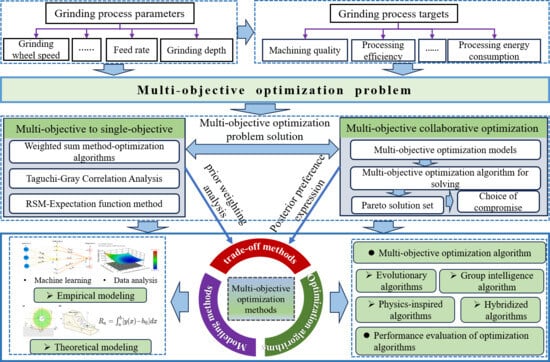
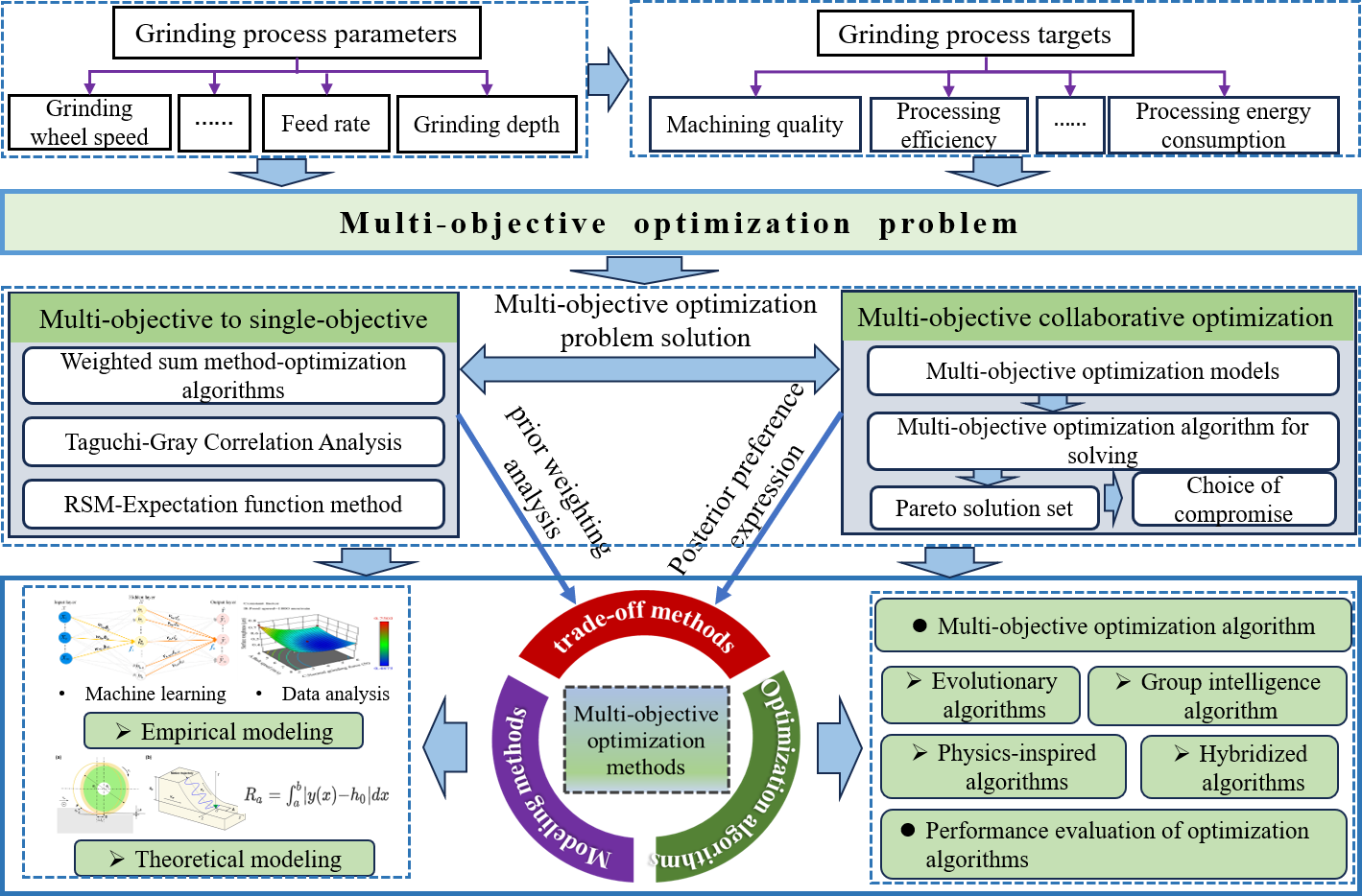
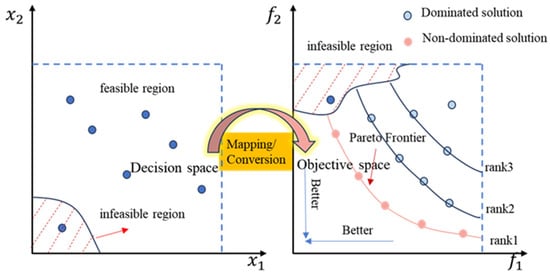
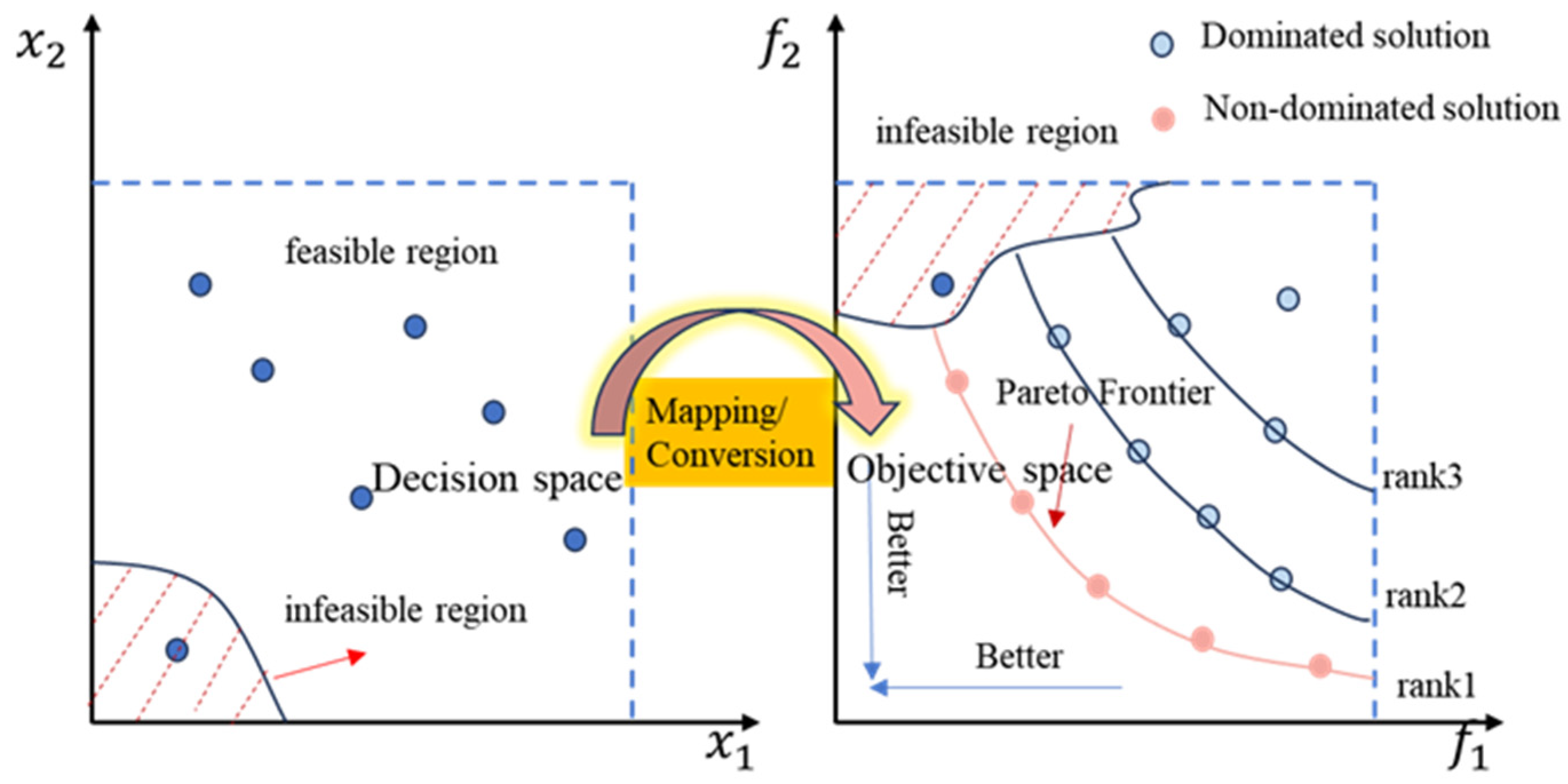
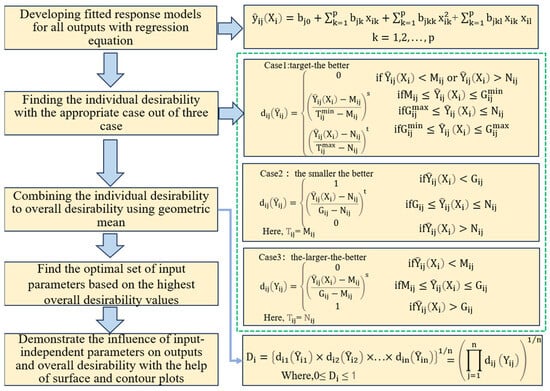
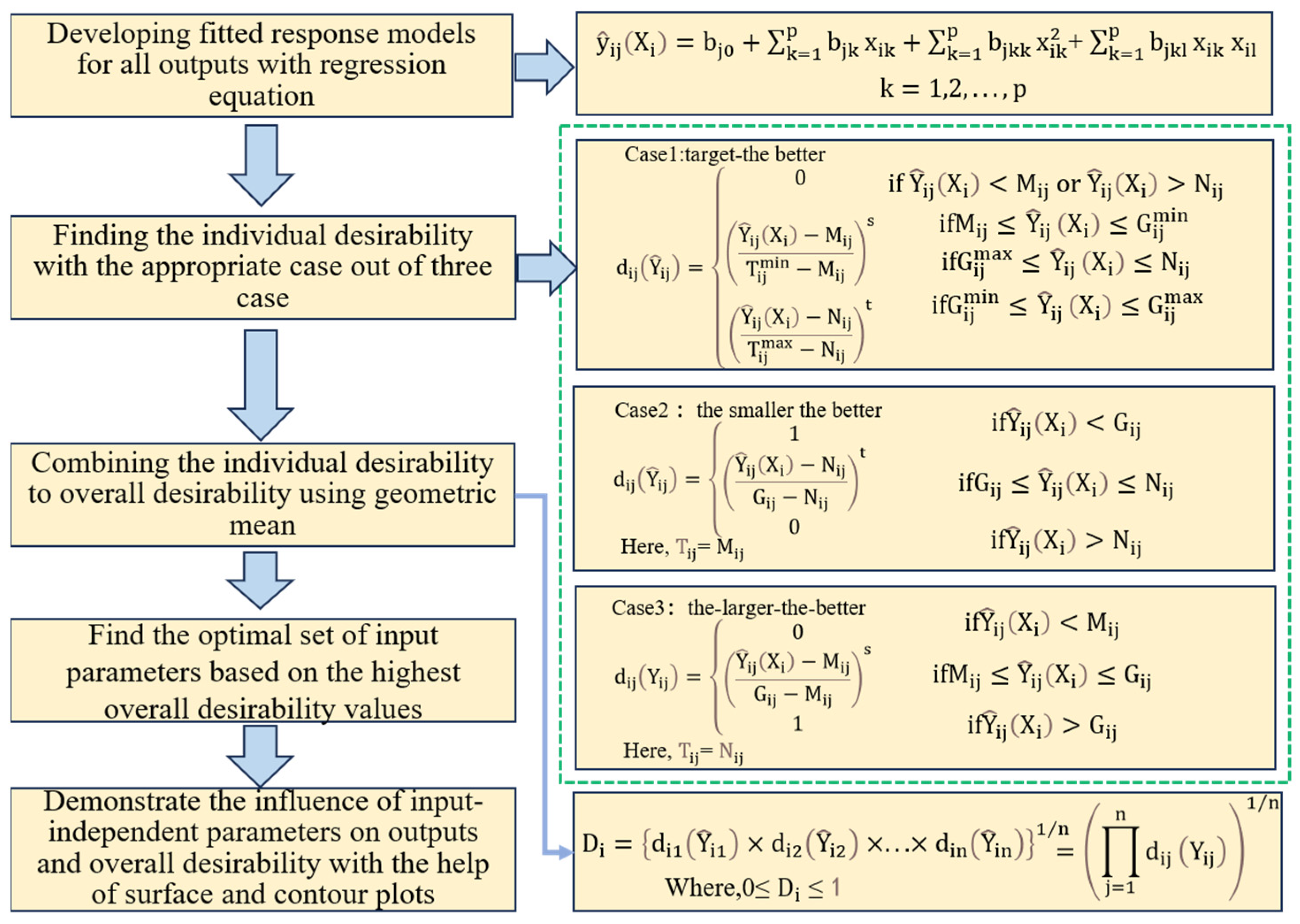
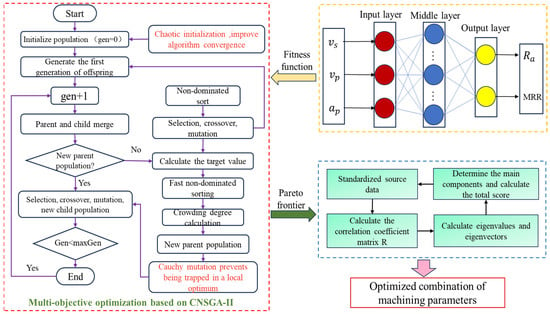
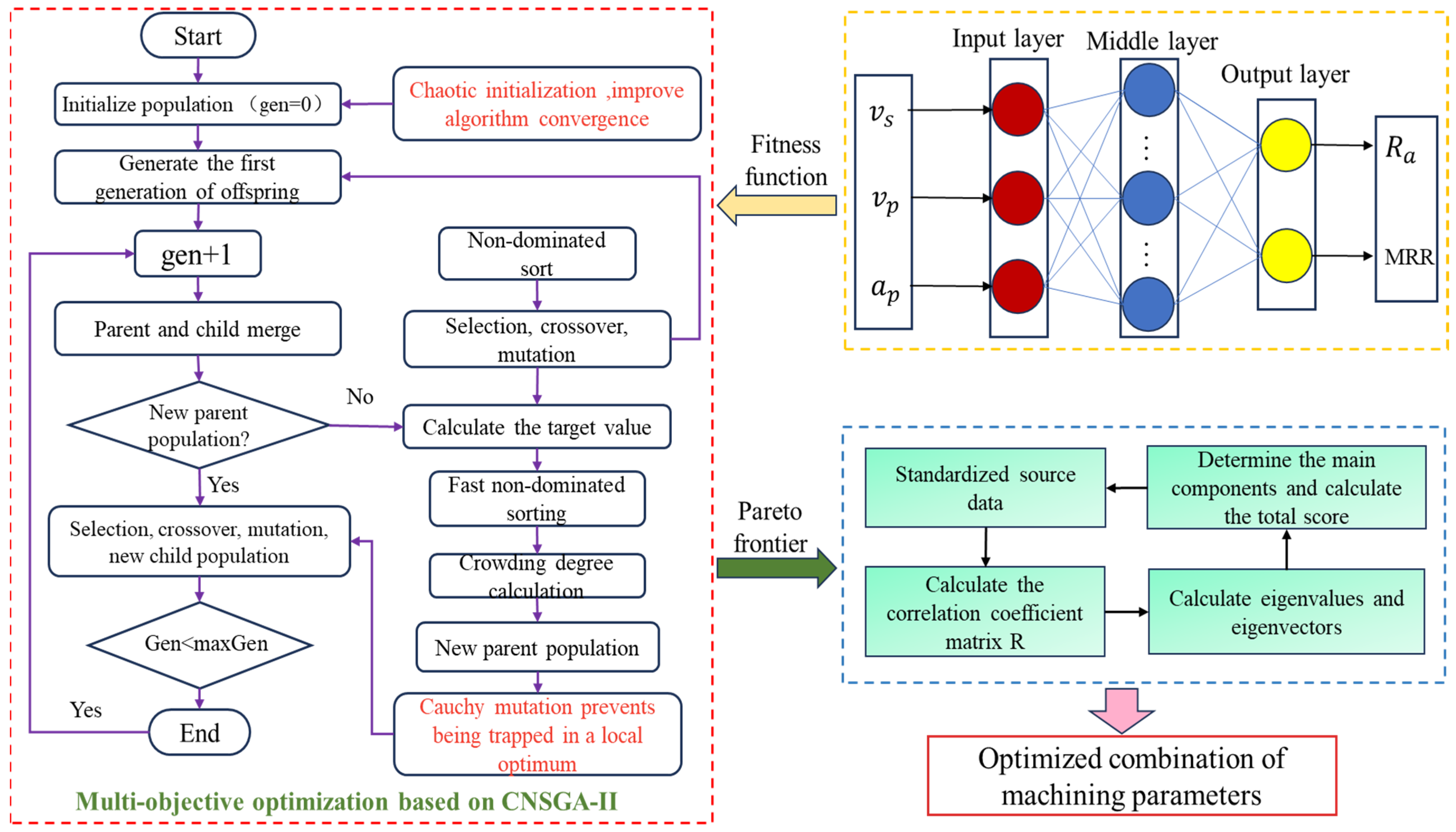
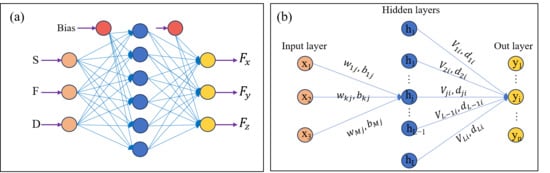
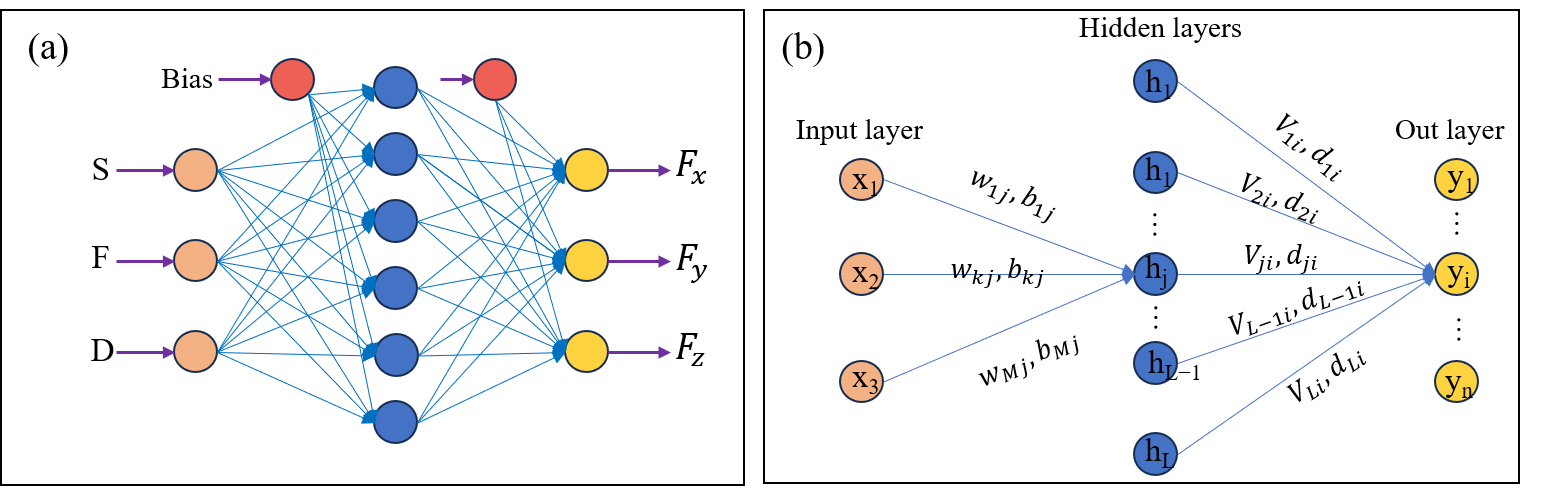
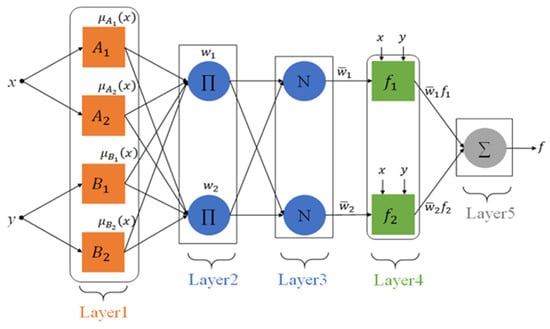
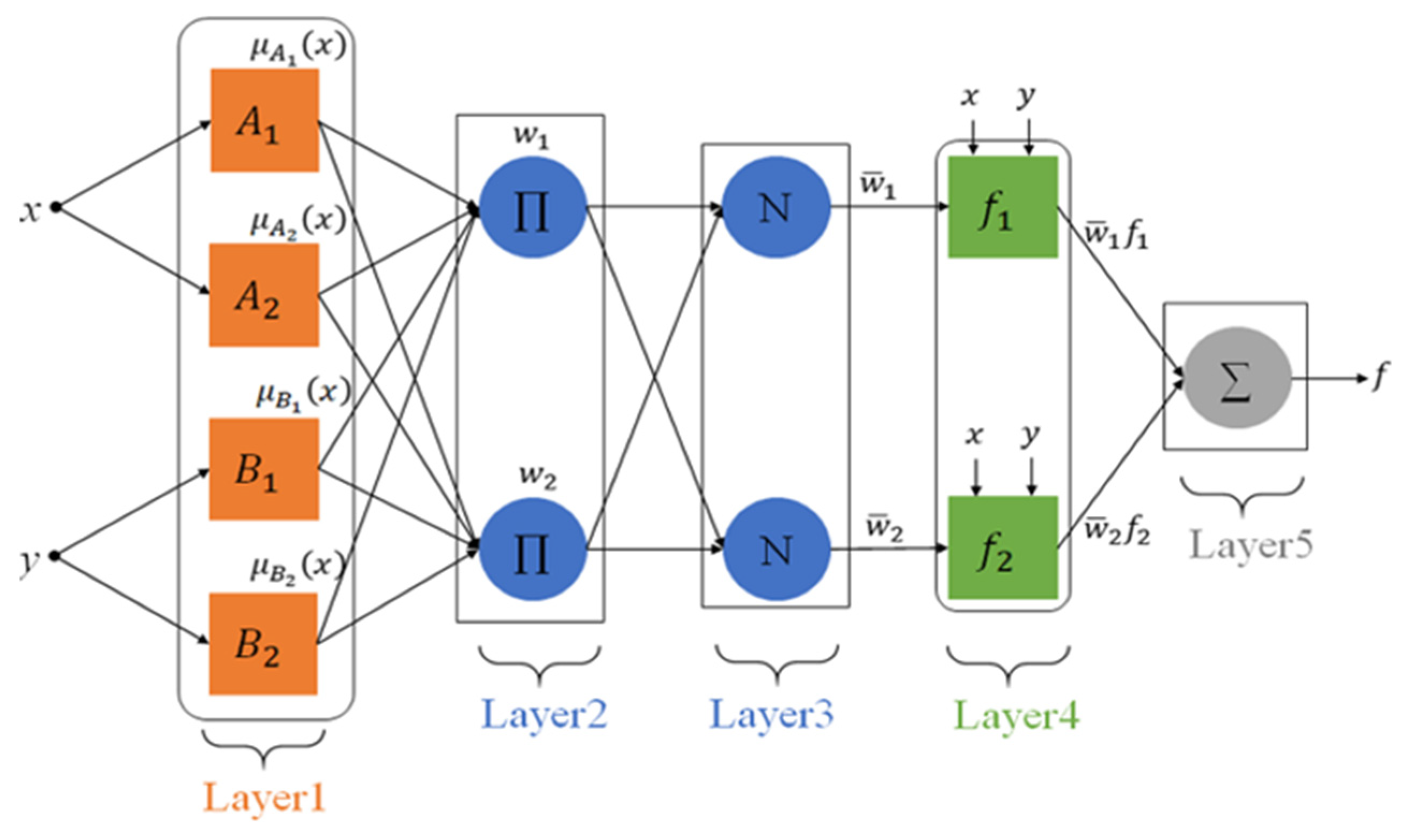
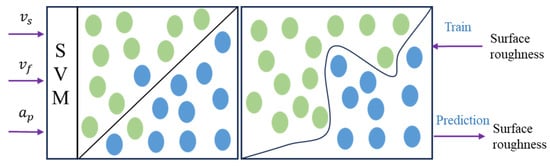
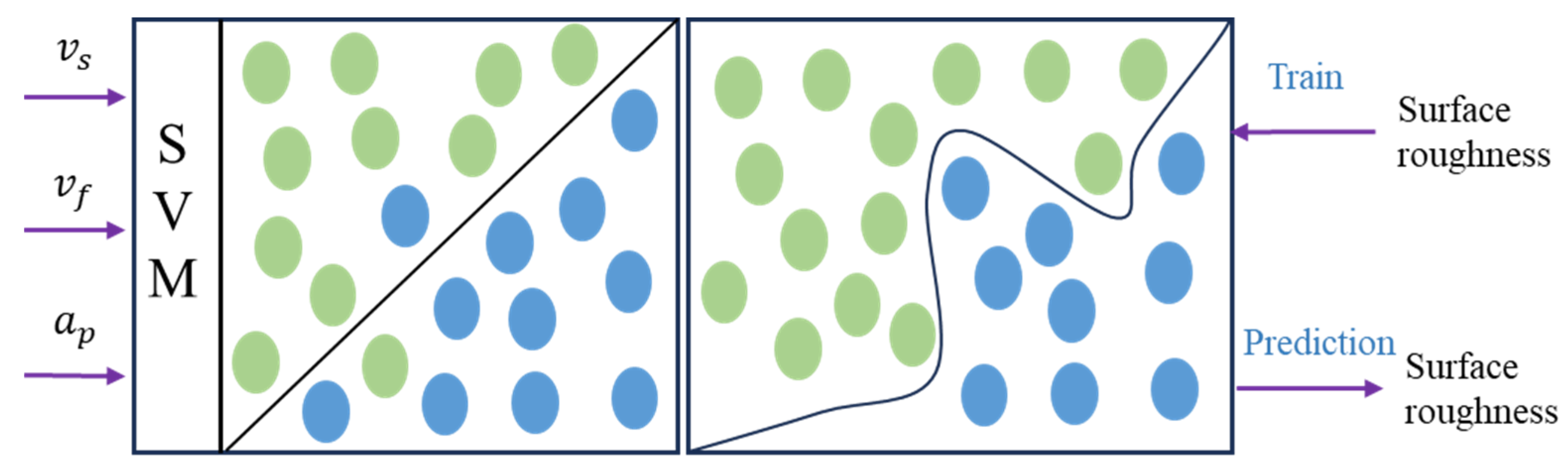
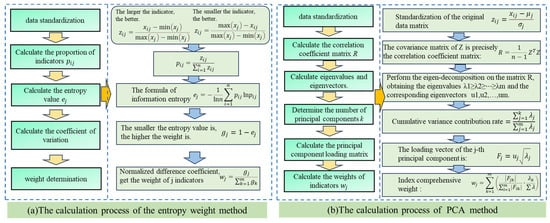
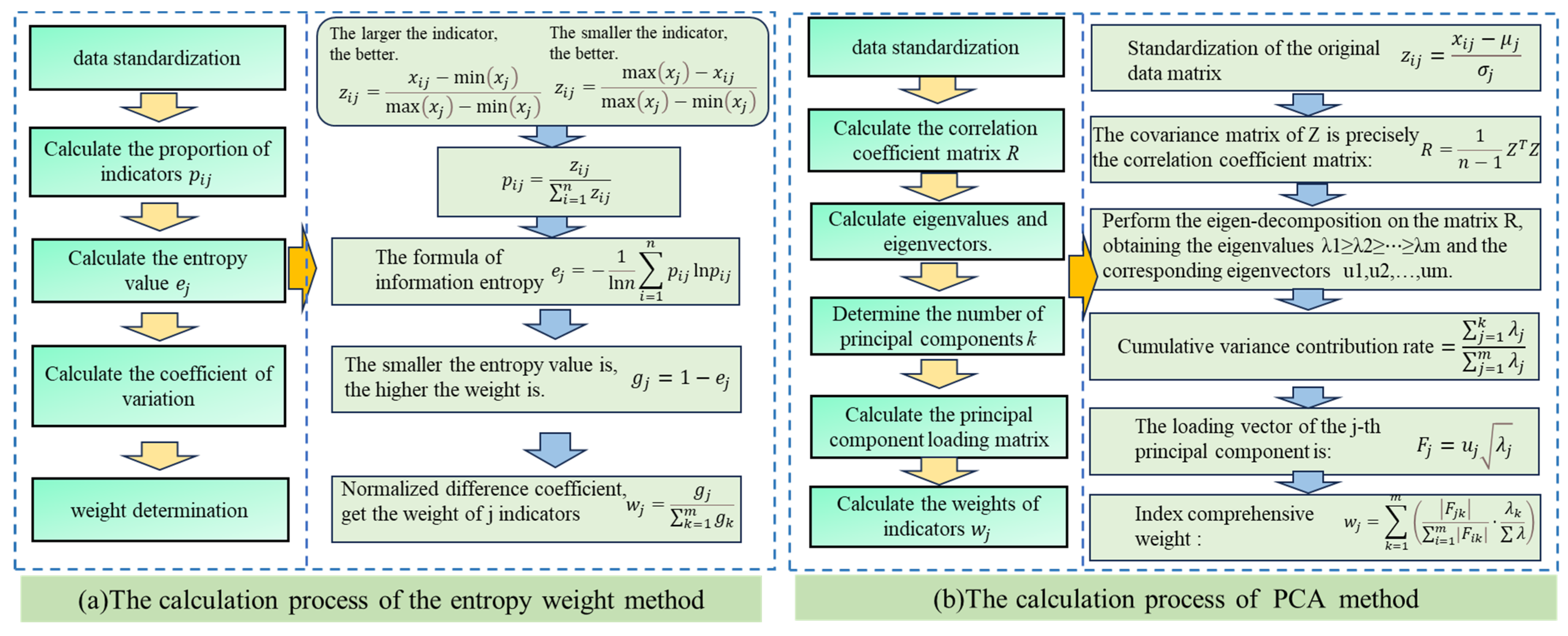
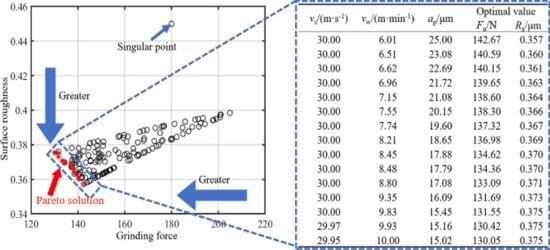
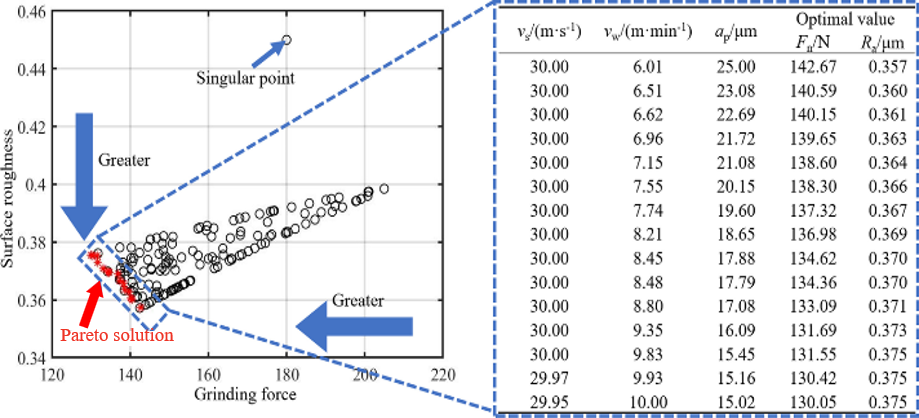
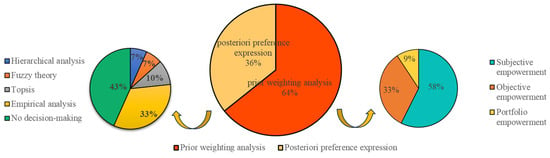
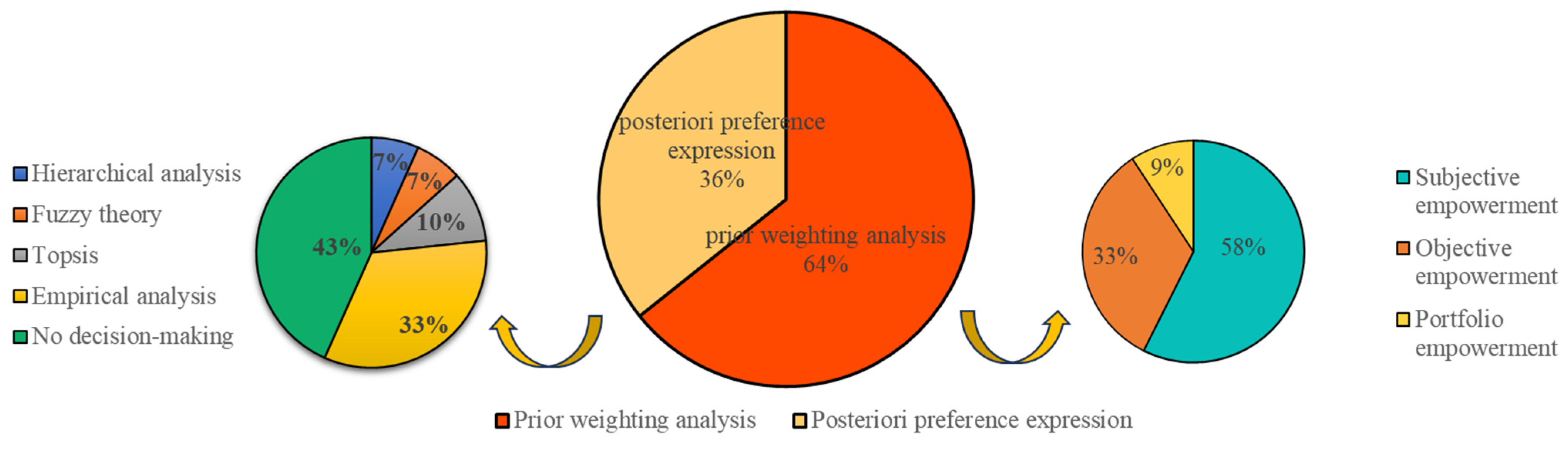
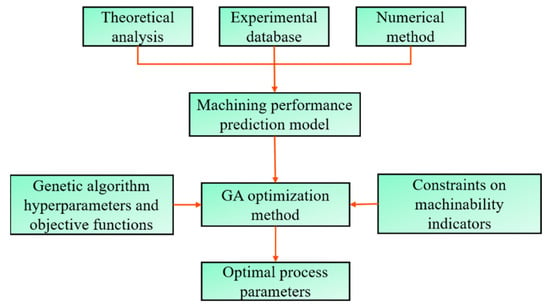
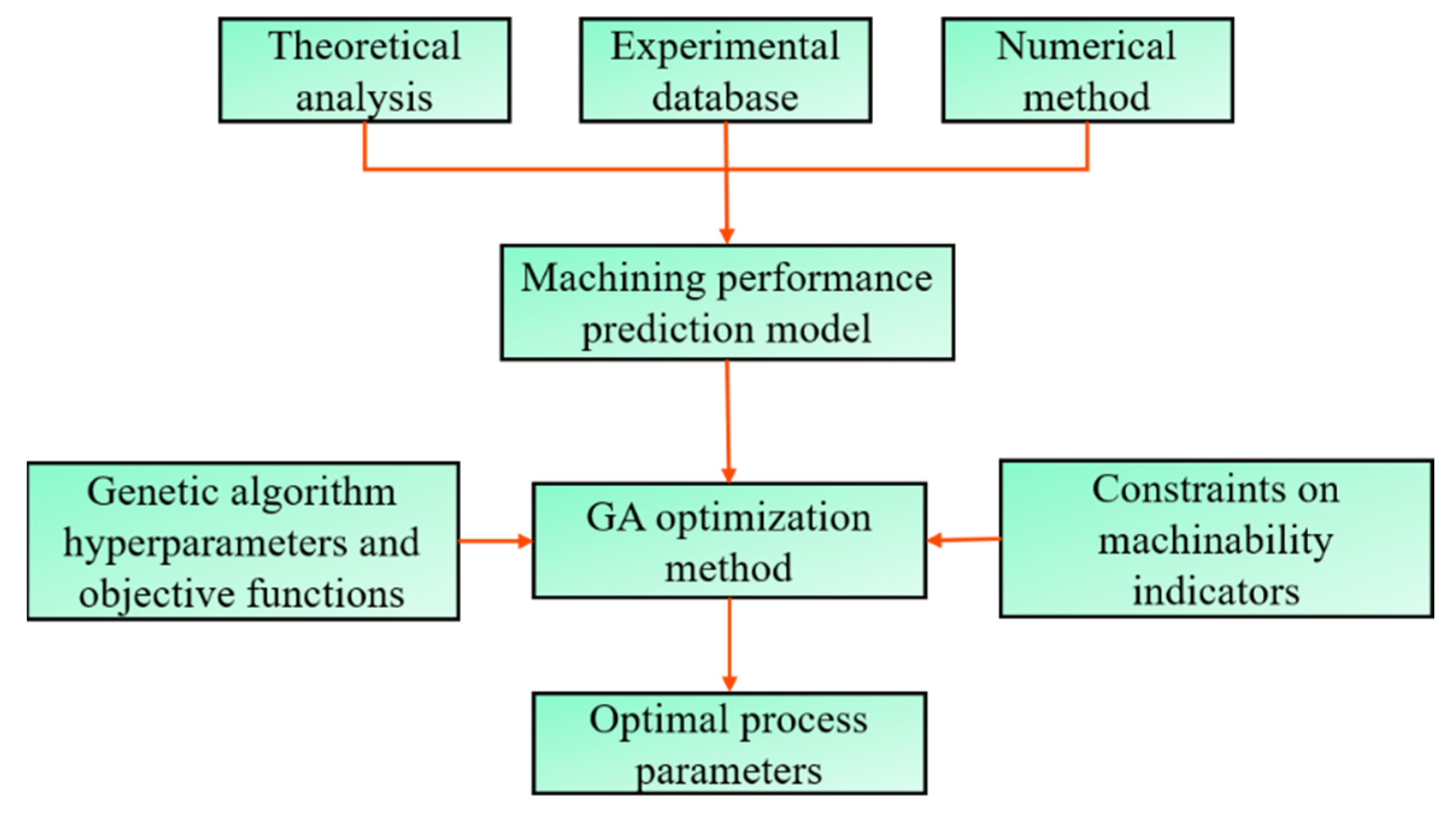
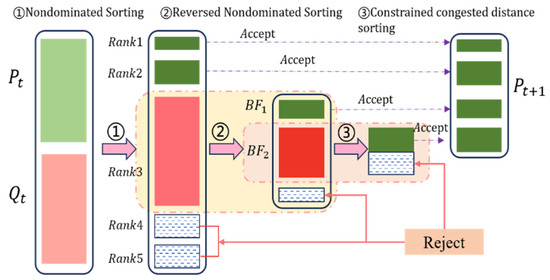
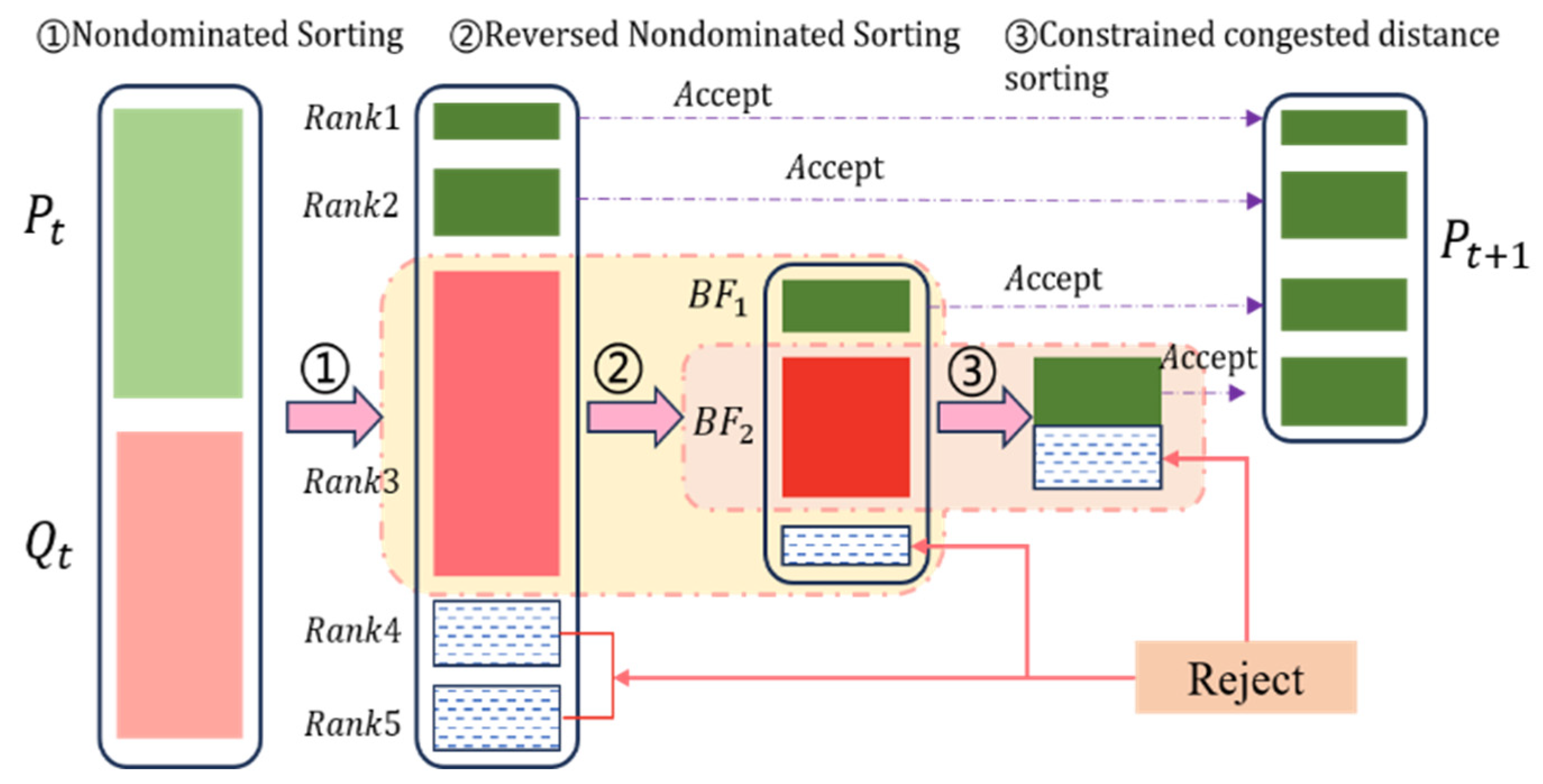
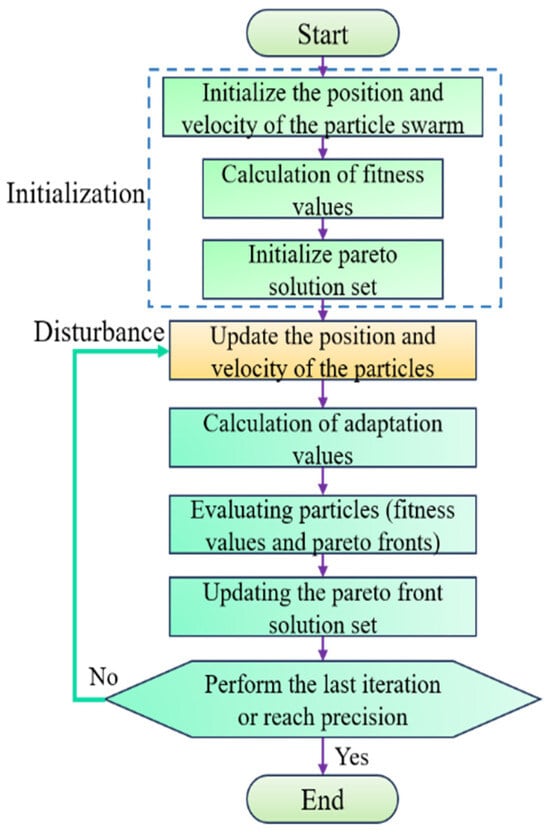
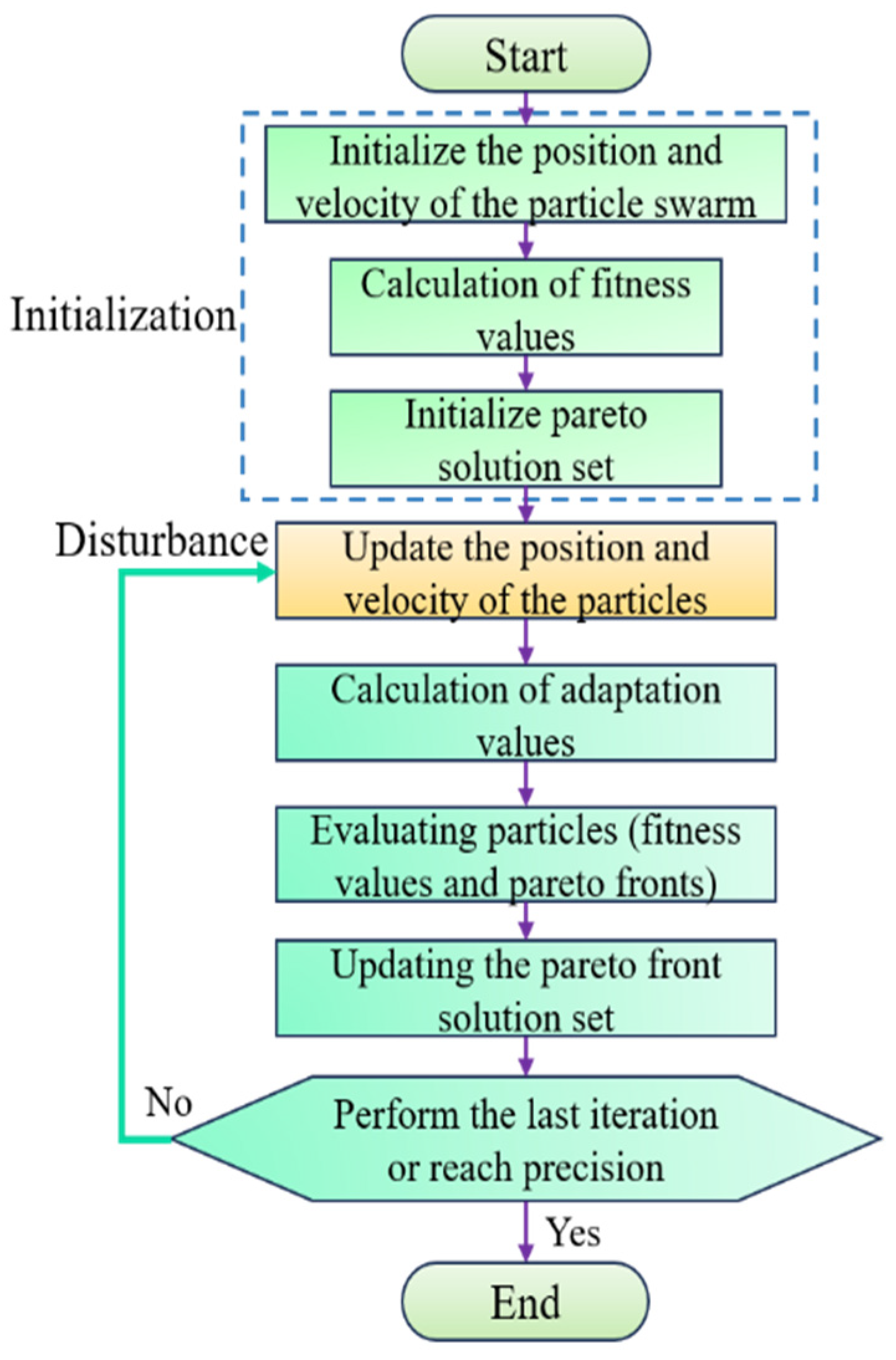
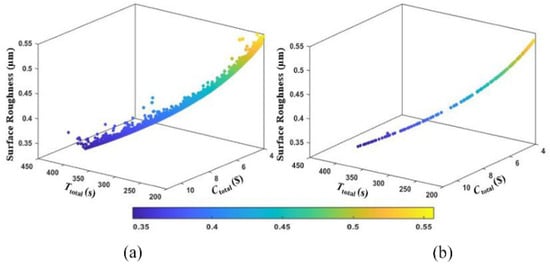
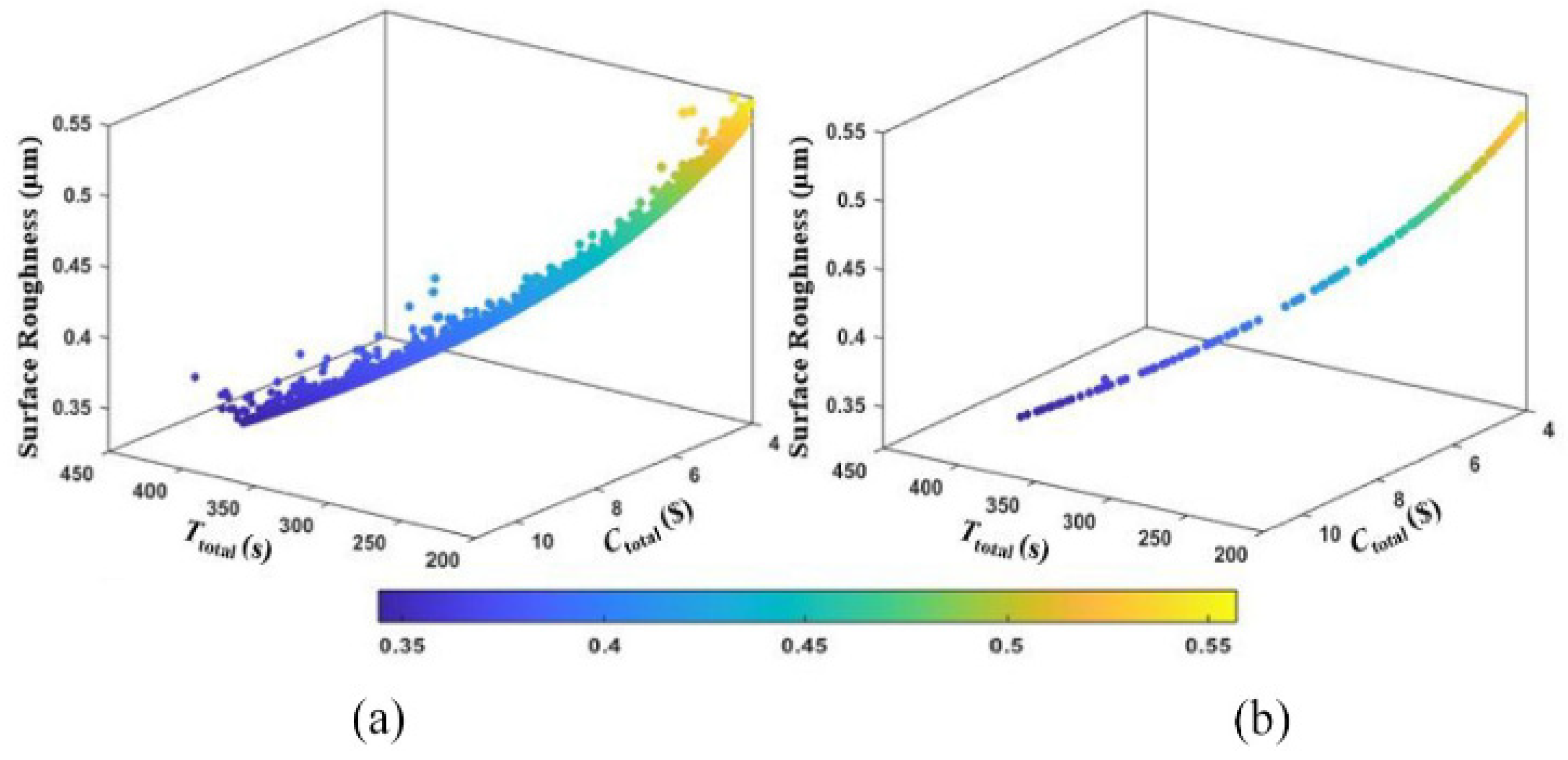

Disclaimer/Publisher’s Note: The statements, opinions and data contained in all publications are solely those of the individual author(s) and contributor(s) and not of MDPI and/or the editor(s). MDPI and/or the editor(s) disclaim responsibility for any injury to people or property resulting from any ideas, methods, instructions or products referred to in the content. |
© 2026 by the authors. Licensee MDPI, Basel, Switzerland. This article is an open access article distributed under the terms and conditions of the Creative Commons Attribution (CC BY) license.