


Abstract
Environmental, social, and governance (ESG) considerations have become an increasingly important component of sustainable finance, investment decision-making, and banking regulation. As financial institutions face growing pressure to integrate sustainability objectives into their business models, understanding how sustainability performance relates to market valuation has become an important issue for investors, regulators, and bank management. Despite the growing ESG literature, evidence regarding the valuation relevance of individual ESG dimensions remains limited, particularly in the European banking sector. This study examines whether ESG dimensions are uniformly associated with the market valuation of European banks or whether financial markets differentiate among individual ESG pillars. Using a panel dataset of European banks covering 2021–2024 and Bloomberg ESG indicators, the study estimates panel econometric models to evaluate the associations between disaggregated ESG pillars and market-based valuation measures. The empirical findings reveal substantial heterogeneity across ESG dimensions. The social pillar is positively associated with market valuation, whereas the environmental pillar is negatively associated, while governance exhibits weak or statistically insignificant associations. The findings remain robust across several alternative model specifications. The results indicate that investors in highly regulated European banking markets differentiate between ESG dimensions, suggesting that financial markets differentiate among ESG dimensions and that analysing ESG at the pillar level provides a more nuanced understanding of market valuation than aggregate ESG measures.
1. Introduction
ESG considerations have become an increasingly important component of investment decisions, corporate strategy, and financial regulation. In the banking sector, sustainability has evolved from a voluntary corporate responsibility initiative into a strategic element of risk management, supervisory expectations, and capital allocation. Consequently, investors increasingly assess banks not only according to their financial performance but also according to their ability to manage sustainability-related risks and opportunities (Christensen et al., 2021; Gillan et al., 2021).
European banks provide a particularly relevant setting for examining this relationship. The European Union has established one of the world’s most comprehensive sustainable finance frameworks through initiatives such as the Sustainable Finance Disclosure Regulation (SFDR), the EU Taxonomy Regulation, and the Corporate Sustainability Reporting Directive (CSRD). Together with supervisory expectations issued by the EBA and the ECB, these initiatives have substantially increased ESG disclosure requirements and strengthened the integration of sustainability considerations into banks’ strategic decision-making and risk management processes (EBA, 2021; ECB, 2020; Louis et al., 2024).
Despite the rapid expansion of ESG research, empirical evidence regarding the relationship between ESG performance and firm value remains inconclusive. Numerous studies report that stronger ESG performance is associated with enhanced market valuation, lower financing costs, and greater investor confidence (Albuquerque et al., 2019; Friede et al., 2015; Gillan et al., 2021). In contrast, other studies find weak, insignificant, or even negative relationships, particularly within the banking sector, where sustainability initiatives may involve substantial implementation costs, regulatory burdens, and long investment horizons before economic benefits materialise (La Torre et al., 2021). These conflicting findings suggest that the valuation associations of ESG are likely to depend on institutional context, measurement approaches, and the specific sustainability dimensions being examined.
One important limitation of the existing literature is its widespread reliance on aggregate ESG scores. Although composite ESG indicators provide an overall assessment of corporate sustainability, they implicitly assume that environmental, social, and governance activities influence firm value through similar mechanisms. Such aggregation may conceal important differences across ESG dimensions because each pillar reflects distinct strategic decisions, stakeholder relationships, implementation costs, and investment horizons. Recent research increasingly argues that analysing the environmental, social, and governance pillars separately provides a more nuanced understanding of how sustainability is incorporated into firm valuation (Candio, 2024; Ersoy et al., 2022).
A second limitation concerns the measurement of financial performance. Existing banking studies have predominantly focused on accounting-based indicators such as return on assets and return on equity. Comparatively less attention has been devoted to market-based valuation measures, despite the fact that these indicators better capture investors’ expectations regarding future profitability, growth opportunities, and risk exposure. Furthermore, empirical evidence for European listed banks remains relatively limited, particularly during the recent period characterised by the implementation of major EU sustainable finance regulations.
Against this background, this study examines whether the environmental, social, and governance pillars are associated with the market valuation of European listed banks during the period 2021–2024. Using Bloomberg pillar-level ESG scores, the analysis investigates whether investors assign different valuation relevance to environmental, social, and governance performance. Market valuation is measured using three complementary indicators: the price-to-book ratio (P/B), the price-to-earnings ratio (P/E), and relative stock price performance (PX_rel), thereby capturing different dimensions of investor expectations regarding banks’ future performance.
This study contributes to the literature in four ways. First, by distinguishing between the three ESG pillars, this study contributes to a more nuanced understanding of how sustainability information is incorporated into the market valuation of European banks during the ongoing transition toward sustainable finance. Second, it provides new empirical evidence from European listed banks operating within one of the world’s most advanced sustainable finance regulatory environments. Third, by focusing on market-based valuation measures rather than accounting profitability, the study offers additional insights into how investors incorporate sustainability information into bank valuation. Finally, the robustness of the findings is evaluated using alternative model specifications, additional control variables, and sensitivity analyses, thereby increasing confidence in the reported results.
The remainder of this paper is organised as follows. Section 2 reviews the relevant literature and develops the research hypotheses. Section 3 presents the methodology and empirical model. Section 4 reports the empirical results, while Section 5 discusses the findings. Finally, Section 6 concludes the paper and outlines implications for research, practice, and policy.
2. Literature Review
2.1. ESG and Financial Performance
ESG considerations have become an integral component of corporate strategy, investment decision-making, and financial regulation. The rapid expansion of sustainable finance has shifted ESG from a voluntary corporate responsibility initiative towards a strategic factor influencing firms’ long-term competitiveness and risk management. In the financial sector, this transition has been reinforced by growing regulatory expectations and increasing demand from institutional investors for greater transparency regarding sustainability-related risks and opportunities (Friede et al., 2015; Gillan et al., 2021).
The relationship between ESG performance and financial performance is generally explained through several complementary theoretical perspectives. Stakeholder Theory suggests that firms creating value for a broad range of stakeholders—including customers, employees, regulators, and society—are more likely to achieve sustainable competitive advantages and superior long-term performance (Freeman et al., 2020). Similarly, Signaling Theory argues that ESG disclosure reduces information asymmetry by communicating managerial quality, transparency, and long-term strategic orientation to investors (Giese et al., 2021; Spence, 1973). From a Resource-Based View, investments in sustainability may create valuable intangible assets, including corporate reputation, stakeholder trust, and organisational capabilities that are difficult for competitors to replicate (Barney et al., 2001).
Recent ESG literature increasingly argues that no single theoretical perspective is sufficient to explain the economic consequences of sustainability performance. Instead, stakeholder theory, signalling theory, the resource-based view, and institutional theory should be viewed as complementary frameworks that explain different channels through which ESG information may influence investors and firm valuation (Talukder et al., 2025).
Despite these theoretical arguments, empirical evidence suggests that the ESG–financial performance relationship is highly context-dependent rather than universally positive or negative. Previous studies differ considerably with respect to ESG measurement methodologies, geographical coverage, industry composition, sample periods, and econometric approaches, making direct comparisons difficult (Candio, 2024; Ersoy et al., 2022; Gillan et al., 2021).
2.2. Market Valuation and ESG
Market-based performance indicators play an important role in ESG research because they reflect investor perceptions regarding future profitability, risk exposure, and long-term strategic sustainability. Unlike accounting-based indicators, market valuation measures incorporate forward-looking expectations and therefore provide a broader perspective on how investors interpret sustainability-related information. Since ESG investments are generally expected to influence firms through long-term strategic positioning and changes in perceived risk, market-based valuation measures may provide a more appropriate framework for evaluating how investors incorporate sustainability information into firm value (Gillan et al., 2021; La Torre et al., 2021).
Common market-based indicators used in ESG research include price-to-book (P/B) ratios, price-to-earnings (P/E) ratios, market capitalisation measures, and Tobin’s Q. These indicators capture how financial markets evaluate firms relative to their accounting value, earnings potential, and expected future growth opportunities (Ersoy et al., 2022).
From a financial economics perspective, ESG information may influence market valuation through several channels. First, sustainability disclosure may reduce information asymmetry between managers and investors (Christensen et al., 2021). Second, ESG performance may signal managerial quality, lower long-term risk exposure and improved strategic resilience (Albuquerque et al., 2019; Giese et al., 2019). Third, stakeholder-oriented activities may strengthen customer loyalty, employee satisfaction, and reputational capital (Freeman et al., 2020). Finally, ESG integration may improve access to financing and reduce the cost of capital (Friede et al., 2015).
2.3. ESG in European Banking
The banking sector is a particularly important setting for ESG research due to banks’ central role in the financial system and the growing integration of sustainability considerations into financial regulation. Unlike non-financial firms, banks operate within highly regulated environments where stakeholder confidence, reputational stability, and risk management quality represent fundamental determinants of institutional stability (Scholtens & van’t Klooster, 2019).
The European banking sector operates within one of the most developed sustainable finance regulatory environments globally. In recent years, the European Union has emerged as a global leader in sustainable finance regulation through initiatives such as SFDR, the EU Taxonomy Regulation, and CSRD. These frameworks significantly expanded ESG disclosure obligations and increased the strategic importance of sustainability integration within European banking institutions.
The integration of ESG into banking operations extends beyond voluntary sustainability initiatives and increasingly affects core banking activities, including credit allocation, risk management, portfolio construction, capital planning, and supervisory compliance (BCBS, 2021; EBA, 2021). European prudential regulation has additionally incorporated ESG-related disclosure obligations through Pillar 3 reporting requirements and supervisory climate-risk assessments conducted by the ECB and EBA (Schreiner & Beyer, 2024).
Empirical evidence regarding ESG and European bank performance remains inconclusive. Buallay (2018), examining European banks, reports positive relationships between ESG disclosure and financial performance indicators. Similarly, Horobet et al. (2024) find that stronger ESG performance is associated with lower systematic risk in European banking institutions. However, La Torre et al. (2021) identify weak or negative relationships between ESG indicators and several profitability and market valuation measures, suggesting that sustainability investments may not always generate immediate financial benefits.
Several studies also emphasise that ESG effects in banking are context-dependent and influenced by institutional quality, regulatory frameworks, and business model characteristics. Gangi et al. (2019) demonstrate that ESG-performance relationships are stronger in Northern and Western European banking systems characterised by more developed sustainable finance ecosystems and stronger stakeholder governance traditions. Similarly, Birindelli et al. (2025) report that ESG effects differ across banking business models, with stronger sustainability-performance relationships observed in retail-oriented banks relative to investment-focused institutions.
2.4. Heterogeneous Associations Across ESG Pillars
Recent ESG literature increasingly argues that environmental, social, and governance performance should not be treated as a homogeneous construct. Although aggregate ESG scores provide a convenient summary measure, they combine conceptually distinct dimensions that differ in their objectives, underlying mechanisms, implementation costs, and expected financial consequences. Investors may therefore evaluate environmental, social, and governance information differently depending on their expectations regarding risk, profitability, regulatory exposure, and long-term value creation (Candio, 2024; Ersoy et al., 2022; Giese et al., 2021). Consequently, analysing individual ESG pillars may provide greater explanatory power than relying solely on aggregate ESG scores.
2.4.1. Environmental Pillar
The environmental pillar captures corporate policies related to climate change mitigation, greenhouse gas emissions, energy efficiency, resource management, environmental innovation, and sustainable financing activities. Within the banking sector, environmental performance increasingly reflects banks’ integration of climate-related risks into lending decisions, financing of sustainable projects, and compliance with evolving environmental regulations.
From a theoretical perspective, the environmental pillar can be interpreted through the lens of Institutional Theory, which argues that organisations adopt environmental practices partly in response to regulatory pressure and societal expectations (Dimaggio & Powell, 1983). While stronger environmental performance may enhance organisational legitimacy and improve long-term resilience, these investments frequently require substantial upfront costs associated with technological adaptation, compliance, reporting systems, and portfolio restructuring (Giese et al., 2021).
Several studies suggest that these transition costs may reduce short-term financial performance even when long-term sustainability improves (Bruno, 2023). Banks allocating greater resources to environmental initiatives may experience lower short-term profitability because green investments often generate uncertain financial returns and require significant capital commitments before economic benefits materialise. Giese et al. (2021) further argue that environmental factors primarily influence long-term risk profiles rather than immediate market valuation, whereas Horobet et al. (2024) find that environmental initiatives in European banking tend to strengthen strategic positioning over longer investment horizons. Consequently, investors may perceive strong environmental performance as beneficial in the long run while simultaneously discounting the short-term costs associated with regulatory compliance and business transformation.
Based on these theoretical arguments and previous empirical evidence, the following hypothesis is proposed:
H1.
Environmental performance is negatively associated with the market valuation of European banks.
2.4.2. Social Pillar
The social pillar reflects corporate practices related to employee relations, customer protection, diversity and inclusion, human capital development, stakeholder engagement, and broader corporate social responsibility. In banking, social performance is particularly important because financial institutions rely heavily on customer confidence, reputation, and long-term stakeholder relationships.
The expected relationship between social performance and market valuation is primarily explained by Stakeholder Theory (Freeman et al., 2020), which argues that firms creating value for multiple stakeholder groups ultimately improve long-term organisational performance. Strong employee relations, customer satisfaction, and responsible business conduct may reduce operational risk, improve workforce stability, enhance customer loyalty, and strengthen corporate reputation. These factors contribute to greater organisational resilience and may increase investors’ confidence in the bank’s future cash flows.
Empirical evidence generally supports this view. Giese et al. (2021) report that social indicators are closely associated with lower downside risk, while Shatila et al. (2025) argue that investments in employee well-being, stakeholder engagement, and responsible banking practices enhance reputational capital and organisational stability. Banks demonstrating stronger social responsibility may also benefit from lower funding costs and improved relationships with customers, regulators, and institutional investors, thereby increasing their market attractiveness.
Nevertheless, previous studies also acknowledge that the magnitude of these benefits may vary across countries and institutional environments. Ersoy et al. (2022) argue that disaggregated ESG analysis reveals stronger explanatory power because investors often respond differently to environmental, social, and governance information. Within European banking, where trust represents a fundamental component of financial intermediation, social performance may therefore represent the ESG dimension most immediately recognised by capital markets.
Therefore, the following hypothesis is proposed:
H2.
Social performance is positively associated with the market valuation of European banks.
2.4.3. Governance Pillar
The governance pillar encompasses board effectiveness, shareholder rights, executive oversight, internal controls, transparency, and the quality of corporate decision-making processes. Good governance is widely recognised as a fundamental mechanism for reducing agency conflicts, improving managerial accountability, and strengthening organisational performance.
The expected relationship between governance and market valuation can be explained through both Agency Theory (Jensen & Meckling, 1976) and Signaling Theory (Spence, 1973). Effective governance reduces information asymmetry between managers and investors by improving transparency, strengthening monitoring mechanisms, and aligning managerial decisions with shareholders’ interests. Higher governance quality therefore serves as a positive signal of lower agency costs, better risk management, and greater organisational transparency and stability.
Institutional Theory also provides an important perspective. European banks operate within one of the world’s most highly regulated governance environments, where supervisory authorities impose extensive requirements concerning board composition, risk management, disclosure, and internal controls. Consequently, governance standards are generally high across banks, potentially limiting the ability of governance indicators to differentiate institutions from one another. In such environments, improvements in governance may provide relatively limited incremental information to investors because strong governance is already expected as a baseline characteristic.
Empirical evidence remains mixed. Shakil et al. (2019) report that governance indicators exhibit stronger associations with accounting-based performance than environmental or social indicators, whereas Giese et al. (2019) demonstrate that the valuation effects of governance vary considerably across sectors and institutional settings. Similarly, Basile et al. (2025) conclude that governance contributes to stronger risk management and institutional discipline but may exhibit weaker marginal effects in highly regulated industries such as banking.
Although governance is highly standardised in European banking because of extensive regulation, prior literature generally suggests that stronger governance should be positively associated with firm value.
Accordingly, the following hypothesis is proposed:
H3.
Governance performance is positively associated with the market valuation of European banks.
3. Data and Methodology
3.1. Data and Sample
This study investigates the relationship between ESG performance and market valuation in the European banking sector using panel data obtained from Bloomberg Data Point (BDP) and Bloomberg Data History (BDH). Although Bloomberg ESG indicators are available for certain institutions from 2015 onward, preliminary inspection of the data revealed substantial changes in coverage, completeness, and reporting practices after 2021. In particular, the number of banks covered by ESG ratings increased significantly. At the same time, the composition and availability of several ESG variables improved following the implementation of new European sustainability-related regulatory requirements. Earlier observations, therefore, exhibited lower comparability and greater measurement uncertainty.
To maximise consistency and comparability, the empirical analysis was restricted to the period 2021–2024. This period captures the most recent stage of ESG integration in European banking. It reflects the evolving regulatory environment shaped by the Sustainable Finance Disclosure Regulation (SFDR), the EU Taxonomy Regulation, and the broader European sustainable finance agenda. While this decision improves data quality, it also results in a relatively short panel structure that limits the ability to identify long-term ESG effects, delayed market responses, and persistent adjustment processes.
The initial sample included more than 180 European banks, depending on the availability of annual data. Sample selection was based on the availability of Bloomberg ESG ratings and the financial variables required for the econometric models. Table A1 in Appendix A presents the descriptive statistics for the full sample, providing an overview of the characteristics of the initial dataset before the estimation sample was constructed.
Data availability varied across ESG dimensions. The environmental pillar exhibited the lowest average score and the largest proportion of missing observations among all ESG dimensions. The reduction in sample size is therefore primarily attributable to missing environmental (E) scores, which were considerably less available than social and governance indicators during the early years of the observation period. This pattern is consistent with the evolving nature of ESG disclosure practices and the gradual implementation of European sustainability reporting requirements.
The final estimation sample consists of 438 bank-year observations after excluding observations with missing financial or ESG data. The reduction in sample size is primarily attributable to the limited availability of pillar-level environmental ESG scores during the early years of the sample period. In addition, Bloomberg’s ESG database primarily covers publicly listed banks. Non-listed banks are generally not included because market-based valuation measures, such as the price-to-book ratio (P/B), price-to-earnings ratio (P/E), and annual stock price performance (PX_rel), require observable market prices, which are unavailable for institutions whose shares are not publicly traded. Consequently, the final sample is biased towards larger and more transparent listed banks with more developed ESG reporting practices. While this may limit the generalisability of the findings, it reflects the current availability of ESG and market valuation data for European banks.
Table A2 in Appendix A compares the full dataset with the final estimation sample, while Table A3 documents the stepwise sample selection procedure and the resulting number of observations retained in the baseline and extended model specifications. The comparison indicates that banks included in the empirical analysis are generally larger institutions with higher levels of ESG. In particular, the estimation sample exhibits a higher average level of total assets, suggesting that ESG reporting is more prevalent among larger banks. While this may limit the representation of smaller institutions, the final sample remains sufficiently large and covers a broad cross-section of European banks. Consequently, the results should be interpreted as most representative of medium-sized and large European banks and reflect the current state of ESG reporting and disclosure practices within the European banking sector.
Figure 1 presents the European banks included in the study by country, indicating the country code, the number of banks in each country, and the average ESG score of banks in that country based on Bloomberg data for 2024.
Figure 1.
Geographic Distribution of Average ESG Scores and Sample Banks across European Countries in 2024.
Extensive preprocessing was required before estimation. Financial data reported in local currencies were converted into euros using year-end exchange rates. To improve statistical properties and reduce the influence of extreme observations, total assets were transformed using the natural logarithm. Although year-end conversion is a standard approach for balance-sheet variables, minor discrepancies may arise if institutional reporting dates differ slightly from foreign-exchange market year-end closing dates. Furthermore, derived variables such as annual stock-price performance were constructed using Bloomberg historical market data.
3.1.1. Dependent Variables
The objective of this study is to examine whether ESG performance is associated with the market valuation of European banks. Consistent with prior banking and sustainable finance literature, market performance is measured using three alternative market-based indicators.
The primary dependent variable is the price-to-book ratio (P/B). This ratio compares the market value of equity with its book value and is widely considered one of the most informative valuation measures for banking institutions.
Two additional indicators are employed for robustness purposes. The first robustness measure is the price-to-earnings ratio (P/E), which captures the market’s valuation of current earnings and reflects investors’ expectations regarding future profitability. The second robustness measure is relative stock-price performance (PX_rel), calculated as the annual percentage change in stock prices. Unlike valuation multiples, PX_rel captures short-term market reactions and thus offers an alternative perspective on investor perceptions.
3.1.2. Independent Variables
The main explanatory variables are Bloomberg ESG pillar scores as measures of banks’ sustainability performance:
- -
- E—Environmental Score captures environmental policies, disclosure practices, and environmental risk management;
- -
- S—Social Score reflects performance and disclosure related to employees, customers, communities, and other stakeholders;
- -
- G—Governance Score evaluates corporate governance structures, oversight mechanisms, and transparency.
These variables allow ESG performance to be examined in a disaggregated manner rather than as a single composite construct. Such an approach is particularly relevant because environmental, social, and governance dimensions may affect investors through different economic mechanisms and over different time horizons. In addition to the pillar-level specification, a benchmark model using Bloomberg’s aggregate ESG score is estimated. This comparison enables an assessment of whether aggregate ESG ratings conceal important heterogeneity across sustainability dimensions.
3.1.3. Control Variables
The baseline specification includes three control variables that capture bank-specific and macroeconomic characteristics commonly associated with market valuation. Variable definitions, measurement, and expected signs are summarized in Table 1.
Table 1.
Variable definitions and measurement.
- -
- ASSETS_log represents the natural logarithm of total assets and serves as a standardised proxy for institutional size. Larger banks may benefit from economies of scale, greater market power, stronger analyst coverage, and superior ESG reporting capabilities, all of which may influence market valuation.
- -
- Return on Equity (ROE) is included as a measure of profitability relative to shareholders’ capital. More profitable banks are generally expected to receive higher market valuations because profitability signals operational efficiency and future earnings potential.
- -
- Government debt (DEBT) is included to capture broader sovereign risk and institutional quality conditions. Government debt is included as a macro-financial control variable that may influence both sustainability performance and market valuation. The importance of government debt in banking studies stems from the sovereign-bank nexus, whereby fiscal stress can affect bank funding conditions, credit risk, asset quality, and market perceptions (Danisman & Tarazi, 2024; Horobet et al., 2024).
To evaluate the robustness of the estimated ESG effects, an extended specification additionally incorporates bank-level and macroeconomic control variables:
- -
- Net Interest Margin (NIM) measures banks’ core intermediation profitability by capturing the difference between interest income and interest expenses relative to earning assets. Banks with higher net interest margins are generally expected to exhibit stronger profitability and, consequently, higher market valuations.
- -
- Cost-to-Income Ratio (CIR) is included as a proxy for operating efficiency. A higher cost-to-income ratio indicates lower operational efficiency, which may negatively affect investors’ assessment of a bank’s future profitability and market value.
- -
- Capital Adequacy Ratio (CAR) captures the bank’s capital strength and resilience to financial shocks. Well-capitalised banks are generally perceived as less risky and better positioned to withstand adverse economic conditions, potentially supporting higher market valuations.
- -
- Inflation (Inflation) is included to control for macroeconomic conditions that may influence banks’ profitability, lending activity, funding costs, and investors’ expectations. Changes in inflation may therefore indirectly affect bank valuation through their impact on the overall economic environment.
- -
- Real GDP growth (dGDP) controls for the business cycle and overall macroeconomic performance. Stronger economic growth generally improves credit demand, asset quality, and banks’ earnings prospects, thereby supporting higher market valuations.
- -
- GDP relative to the European Union average (GDP_EU) is included as a proxy for the level of economic development across countries. Differences in economic development may influence banking sector maturity, institutional quality, investor confidence, and the implementation of ESG practices, thereby affecting market valuation.
3.2. Econometric Specification
The empirical analysis proceeds in two stages. First, aggregate ESG models are estimated to examine whether overall sustainability performance is associated with market valuation. The aggregate specification is defined as:
where
Market Performance_it = α + β1 ESG_it + β2 ASSETS_log_it + β3 ROE_it + β4 DEBT_it + λ_t + ε_it
- -
- Market Performance represents the selected market valuation indicator;
- -
- ESG denotes the aggregate ESG score;
- -
- ASSETS_log represents the natural logarithm of total assets (reflecting bank size);
- -
- ROE represents Return on Equity (reflecting profitability);
- -
- DEBT represents the Government debt-to-GDP ratio (reflecting the macroeconomic environment);
- -
- λ_t captures year fixed effects;
- -
- ε_it is the error term.
Second, the aggregate ESG score is decomposed into its individual dimensions:
where
Market Performance_it = α + β1 E_it + β2 S_it + β3 G_it + β4 ASSETS_log_it + β5 ROE_it + β6 DEBT_it
+ λ_t + ε_it
+ λ_t + ε_it
- -
- E represents the environmental dimension of ESG performance;
- -
- S represents the social dimension of ESG performance;
- -
- G represents the governance dimension of ESG performance;
- -
- all other variables are the same as defined in the aggregate ESG model.
The baseline estimation employs a year fixed-effects (FE) panel model with robust standard errors. An important methodological consideration concerns the choice between year fixed-effects and bank fixed-effects specifications. The primary objective of this study is to examine whether investors differentiate between banks with different ESG profiles and whether such differences are reflected in market valuation. Because this research question focuses on cross-sectional variation across banks, the baseline specification employs year fixed effects while retaining between-bank variation in ESG performance. Variance decomposition further indicated that most of the variation in ESG indicators and market valuation measures occurred across banks rather than within banks over the observation period, supporting the emphasis on cross-sectional rather than within-bank variation.
A bank fixed-effects specification was also estimated as a robustness check. While bank fixed effects control for all time-invariant institutional characteristics, they identify relationships exclusively from within-bank variation over time. Given the relatively short observation period (2021–2024) and the slow-moving nature of ESG ratings, within-bank variation in ESG scores is limited. Consequently, bank fixed-effects estimates may substantially reduce the ability to detect valuation differences associated with persistent sustainability characteristics across institutions. For this reason, the year fixed-effects model serves as the primary specification, whereas bank fixed-effects models are used to evaluate the robustness of the results under a more restrictive identification framework.
Several considerations support this choice. First, the panel is characterised by a relatively short time dimension (T = 4). Under such circumstances, fixed-effects specifications are generally preferred because they provide consistent estimates while controlling for unobserved time-specific influences that may affect all banks simultaneously. Second, the observation period coincides with substantial macroeconomic and regulatory developments, including post-pandemic adjustments, inflationary pressures, monetary policy changes, and rapid expansion of ESG-related regulation. Year fixed effects therefore allow these common shocks to be absorbed without requiring explicit modelling of numerous macroeconomic variables. Third, robust standard errors are employed throughout the analysis to mitigate potential heteroskedasticity and improve the reliability of statistical inference.
3.3. Robustness Tests and Diagnostic Procedures
Several robustness and diagnostic procedures were conducted to evaluate the stability and reliability of the estimated relationships between ESG dimensions and market valuation.
First, pooled Ordinary Least Squares (OLS) models with HC3 heteroskedasticity-consistent standard errors were estimated. HC3 standard errors are particularly appropriate for samples of moderate size because they provide more reliable statistical inference in the presence of heteroskedasticity.
Second, fixed-effects (FE) models with year effects were estimated as the baseline panel specification. To evaluate the sensitivity of the results to alternative model specifications, several additional fixed-effects models were estimated. One specification excluded all control variables, allowing assessment of whether the estimated ESG relations are primarily driven by the inclusion of bank-specific controls. A second specification retained all control variables except return on equity (ROE). Because profitability may partially mediate the relationship between ESG performance and market valuation, excluding ROE provides an additional robustness check by examining whether the estimated ESG coefficients remain stable when profitability is not explicitly controlled.
Third, an extended model specification was estimated by incorporating additional bank-specific and macroeconomic control variables frequently employed in banking studies. Besides the baseline controls (ASSETS_log, ROE, and DEBT), the extended specification includes the Net Interest Margin (NIM), Cost-to-Income Ratio (CIR), Capital Adequacy Ratio (CAR), inflation, real GDP growth (dGDP), and GDP relative to the European Union average (GDP_EU). This specification provides a more demanding robustness test by controlling for banks’ operating efficiency, capital strength, core profitability, and broader macroeconomic conditions that may simultaneously influence ESG performance and market valuation.
The extended specification can be expressed as:
where λ_t denotes year fixed effects.
Market Performance_it = α + β1 E_it + β2 S_it + β3 G_it + β4 ASSETS_log_it + β5 ROE_it + β6 DEBT_it
+ β7 NIM_it + β8 CIR_it + β9 CAR_it + β10 Inflation_it + β11 dGDP_it + β12 GDP_EU_it + λ_t + ε_it
+ β7 NIM_it + β8 CIR_it + β9 CAR_it + β10 Inflation_it + β11 dGDP_it + β12 GDP_EU_it + λ_t + ε_it
Fourth, two-way fixed-effects (FE) models including both bank and year effects were estimated. Although the relatively short time dimension of the panel (2021–2024) substantially limits within-bank variation in ESG scores, the two-way fixed-effects specification provides an additional robustness check by simultaneously controlling for unobserved time-invariant bank characteristics and common macroeconomic shocks. Because this estimator relies exclusively on within-bank changes over time, its results are interpreted cautiously and primarily serve as a sensitivity analysis rather than the preferred empirical specification.
Fifth, alternative dependent variables were employed. While the price-to-book ratio (P/B) serves as the primary measure of market valuation, the price-to-earnings ratio (P/E) and annual relative stock price performance (PX_rel) were estimated as additional robustness checks. Consistent findings across these alternative valuation measures increase confidence that the reported relationships are not driven by the choice of the dependent variable.
Finally, multicollinearity was assessed using Variance Inflation Factors (VIFs). As reported in Appendix A, all explanatory variables exhibited VIF values well below the commonly accepted threshold of five, indicating that multicollinearity is unlikely to affect the estimated coefficients. In addition, pairwise correlation analysis did not reveal problematic correlations among the explanatory variables.
4. Results
4.1. Descriptive Analysis
Descriptive statistics reveal substantial heterogeneity in both market valuation and ESG performance across European banks. Table 2 presents the descriptive statistics for the estimation sample used in the baseline panel regressions. The number of observations varies across regression specifications because data availability differs across the market valuation indicators. The baseline price-to-book (P/B) model is estimated using 454 bank-year observations, while the P/E and PX_rel specifications use 443 and 451 observations, respectively. For descriptive statistics and correlation analysis, a complete-case sample of 438 bank-year observations with non-missing values for all variables is employed to ensure comparability across variables. For completeness, Appendix A presents descriptive statistics for the full dataset before excluding observations with missing values.
Table 2.
Descriptive analysis of baseline model variables.
The average price-to-book ratio (P/B), a primary measure of market performance, is 1.009, with values ranging from 0.080 to 11.811. The average price-to-earnings ratio (P/E) is 9.155, while the mean relative stock price performance (PX_rel) reaches 17.623. The wide dispersion observed for the market-based indicators suggests substantial heterogeneity in market valuation across European banks during the study period.
Regarding ESG dimensions, governance scores have the highest mean (5.816), followed by social performance (3.630) and environmental performance (1.875). The average aggregate ESG score is 3.518. The relatively large standard deviations of the ESG variables indicate considerable variation in sustainability performance among the sampled banks, supporting the use of disaggregated ESG measures in the empirical analysis.
A comparison with the full sample in Appendix A indicates that the estimation sample comprises relatively large banks, as reflected in the higher average value of the logarithm of total assets. Profitability, measured by return on equity (ROE), averages 7.209%, with substantial cross-sectional variation. The mean government debt ratio equals 74%, ranging from 19% in Estonia to 197% in Greece.
Figure 2 presents the kernel density distributions of the overall ESG score and its individual components E (Environmental), S (Social), and G (Governance) for the banks included in the sample. The curves illustrate the empirical distribution of scores across the different ESG dimensions, allowing a comparative assessment of their relative levels and dispersion. The distribution of the overall ESG score is concentrated primarily between values of approximately 1 and 4, with a moderate right tail extending toward higher values. This indicates that most banks in the sample achieve moderate ESG ratings, while only a smaller group attains relatively high overall sustainability scores. The visualisation highlights substantial heterogeneity across the ESG pillars. While the S pillar is most closely aligned with the overall ESG score, the E and G pillars deviate in opposite directions. G pillar scores tend to be significantly higher and more concentrated, while E pillar scores are generally lower and more skewed toward the lower end of the scale. These differences suggest that the three ESG dimensions capture distinct aspects of sustainability performance and should therefore be analysed separately in empirical models.
Figure 2.
Kernel density estimates of E-S-G scores in the European banking sample, 2021–2024.
4.2. Correlation Analysis
Table 3 presents the Pearson correlation matrix for the variables included in the empirical analysis. Correlation coefficients indicate moderate associations among the explanatory variables, suggesting that multicollinearity is unlikely to pose a significant concern.
Table 3.
Correlation matrix.
The correlation analysis provides preliminary evidence for heterogeneous relationships between individual ESG dimensions and market valuation. The price-to-book ratio (P/B), which serves as the primary market performance measure in this study, exhibits a negative correlation with the environmental pillar (r = −0.150) and a positive correlation with the social pillar (r = 0.188). In contrast, the relationship between P/B and the governance pillar is negligible (r = 0.089). These patterns are broadly consistent with the subsequent regression results and provide initial evidence that investors may evaluate individual ESG dimensions differently.
Among the market-based indicators, P/B displays the strongest positive association with profitability (ROE; r = 0.417), indicating that more profitable banks tend to receive higher market valuations. Conversely, public debt (DEBT) is negatively correlated with all market performance indicators, P/B, suggesting that higher indebtedness may adversely affect investor perceptions.
The relatively low intercorrelations among ESG pillars justify using disaggregated ESG measures and provide additional evidence that the environmental, social, and governance dimensions contain distinct informational content relevant to market valuation. The strongest association is observed between the environmental and governance dimensions (r = 0.415). In contrast, the correlations between environmental and social performance (r = 0.180) and between social and governance performance (r = 0.198) remain relatively weak. These findings indicate that the three ESG dimensions capture distinct aspects of sustainability performance and should not be treated as a single homogeneous construct.
As expected, the strongest correlations are observed between the aggregate ESG score and its underlying dimensions, particularly the social pillar (r = 0.850), followed by the environmental (r = 0.686) and governance (r = 0.645) pillars. This pattern indicates that the aggregate ESG measure is largely driven by the individual ESG components from which it is constructed, with social performance contributing most strongly to overall ESG variation within the sample.
4.3. Baseline Panel Regression Results
4.3.1. Aggregate ESG Model
Before examining the individual ESG dimensions, an aggregate ESG specification was estimated to assess the overall relationship between sustainability performance and market valuation. The estimation results are reported in Table 4. This sequential modelling strategy follows the standard approach in the ESG literature, where the aggregate ESG score provides a benchmark specification before examining whether its individual pillars exhibit heterogeneous associations with market valuation. The aggregate ESG model is estimated on a larger sample because pillar-level ESG disclosures, particularly environmental indicators, are not available for all observations.
Table 4.
Baseline regression results for the aggregate ESG model.
The results indicate a positive and statistically significant association between the overall ESG score and both market-based performance measures, namely the price-to-book ratio (P/B) and the price-to-earnings ratio (P/E).
Specifically, the aggregate ESG score is positively associated with both the P/B ratio (β = 0.085, p < 0.01) and P/E ratio (β = 0.835, p < 0.01), indicating that banks with higher overall ESG performance tend to exhibit higher market valuation multiples. This finding suggests that market valuation is positively related to sustainability performance. In contrast, the relationship between ESG performance and relative stock price performance (PX_rel) is positive but statistically insignificant.
Among the control variables, profitability (ROE) exhibits the expected positive association with market valuation in the P/B and PX_rel specifications, whereas leverage (DEBT) is negatively associated with both P/B and P/E. Bank size (ASSETS_log) is negatively associated with the P/E ratio but does not significantly affect the remaining market indicators.
The aggregate ESG specification therefore serves as a useful benchmark but does not reveal which ESG dimensions drive the observed relationship. This motivates the subsequent pillar-level analysis.
4.3.2. Disaggregated ESG Model
The disaggregated specification reveals that the positive relationship observed for the aggregate ESG score masks important differences across pillars. Table 5 reports the results of the disaggregated ESG analysis, in which the environmental (E), social (S), and governance (G) pillars are examined separately. The results reveal substantial heterogeneity across ESG dimensions, indicating that the positive relationship observed for the aggregate ESG score conceals important differences among individual sustainability components.
Table 5.
Relationship between disaggregated ESG dimensions and market valuation.
The environmental pillar exhibits a negative and statistically significant association with the price-to-book ratio (β = −0.090, p < 0.01). This finding suggests that banks with stronger environmental performance tend to receive lower market valuations, after controlling for profitability, leverage, and bank size. However, the environmental dimension does not significantly affect either the price-to-earnings ratio or relative stock price performance.
In contrast, the social pillar is positively associated with market valuation. The estimated coefficient is positive and statistically significant in both the P/B model (β = 0.059, p < 0.05) and the P/E model (β = 0.347, p < 0.10). These results indicate that investors reward banks with stronger social performance, potentially reflecting the importance of stakeholder trust, customer relationships, employee stability, and reputational capital in the banking sector.
The governance pillar does not exhibit a statistically significant relationship with any of the market performance indicators. This result suggests that governance quality may represent a baseline expectation among European banks rather than a major source of market differentiation.
Among the control variables, profitability (ROE) is positively associated with the price-to-book ratio and relative stock price performance, whereas leverage (DEBT) is negatively associated with both the P/B and P/E ratios. Bank size (ASSETS_log) is negatively associated with the P/E ratio but does not significantly affect the remaining market indicators.
The results indicate that market valuation is not uniformly associated with sustainability performance. While the aggregate ESG score is positively related to market valuation, the disaggregated analysis suggests that this relationship is largely attributable to the social dimension. In contrast, environmental performance is negatively associated with market valuation, whereas governance performance exhibits limited and statistically weak associations with the market indicators considered. These findings support the view that ESG should not be treated as a homogeneous construct when evaluating the market valuation of European banks.
To complement the coefficient estimates, Table 6 reports the economic significance of the estimated associations based on a one-standard-deviation increase in each ESG pillar. The results indicate that the environmental dimension exhibits the largest economic association with market valuation. A one-standard-deviation increase in environmental performance is associated with a 0.170-point decrease in the price-to-book ratio, corresponding to approximately 15.2% of the standard deviation of P/B.
Table 6.
Economic magnitude of ESG–Market valuation associations.
By contrast, a one-standard-deviation increase in social performance is associated with a 0.122-point increase in the price-to-book ratio, representing approximately 10.9% of the standard deviation of P/B. The governance dimension is associated with a smaller positive change, corresponding to approximately 6.8% of the standard deviation of P/B. However, the governance coefficient is not statistically significant in the baseline regression model.
The heterogeneous associations observed across ESG dimensions suggest that investors evaluate sustainability activities through distinct economic and valuation channels rather than treating ESG performance as a homogeneous construct. The negative association between the environmental pillar and market valuation may reflect the substantial compliance costs, transition-related expenditures, and strategic adjustments associated with environmental initiatives during the 2021–2024 period. European banks operated within a rapidly evolving regulatory environment characterised by the implementation of the SFDR, the EU Taxonomy Regulation, and the gradual introduction of CSRD requirements. While environmental investments may generate long-term benefits through improved sustainability positioning and reduced exposure to climate-related risks, investors may perceive the associated costs and regulatory uncertainties more immediately than the future economic gains. By contrast, the positive association between the social pillar and market valuation suggests that investors recognise the value of stakeholder-oriented practices, including customer protection, employee relations, diversity, and reputational capital. In the banking sector, where trust and institutional reputation represent critical competitive assets, these benefits may be reflected more directly and rapidly in market valuations. The absence of a statistically significant relationship between governance performance and market valuation may indicate that governance standards are already relatively well established across European banks due to extensive regulatory oversight and supervisory requirements. As a result, governance quality may be perceived by investors as a baseline expectation rather than a distinguishing characteristic that can generate meaningful valuation differences. Collectively, these findings indicate that investors differentiate among ESG dimensions based on their perceived costs, risks, timing of benefits, and implications for future value creation.
4.4. Robustness Checks
To assess the robustness of the baseline findings, additional estimations were performed using alternative market performance indicators and alternative model specifications. Table 7 summarizes the results obtained from the alternative estimation approaches used to evaluate the robustness of the baseline P/B model. First, alternative market performance measures (P/E and PX_rel) were used in place of the baseline P/B ratio. Second, the baseline specification was re-estimated using pooled OLS with HC3 heteroskedasticity-consistent standard errors. Third, a bank fixed-effects and random-effects estimator was employed as an alternative panel specification. Fourth, an additional specification excluding ROE was estimated to assess whether profitability mediates the relationship between ESG dimensions and market valuation. Finally, additional robustness analyses using lagged bank fixed effects and year fixed effects were estimated to address endogeneity and reverse causality concerns.
Table 7.
Alternative specifications of the P/B valuation model.
The robustness analysis based on alternative market performance indicators in Table 5 generally supports the main conclusions. In the P/E specification, the social pillar remains positively associated with market performance and is statistically significant at the 10% level (β = 0.347, p < 0.10), whereas the environmental and governance pillars are not statistically significant. Similarly, the PX_rel model produces no significant ESG association, although the estimated coefficients preserve the general direction observed in the baseline specification. The weaker results obtained for P/E and PX_rel are not unexpected, as these indicators are typically more volatile and sensitive to short-term market conditions than the price-to-book ratio, which is widely regarded as a particularly relevant valuation measure in banking studies (Buallay, 2018; Damodaran, 2012).
Across all market indicator specifications, the environmental pillar exhibits a consistently negative association with market valuation. The estimated coefficient for the environmental dimension remains negative across all models and remains statistically significant in all specifications, although the magnitude varies slightly. This finding indicates that a particular estimation method or model specification does not drive the negative relationship between environmental performance and market valuation.
The social pillar displays a consistently positive relationship with the price-to-book ratio. While the coefficient magnitude decreases after including financial control variables, the positive relationship remains statistically significant in the fixed-effects and OLS specifications. The loss of statistical significance in the random-effects model does not alter the overall conclusion, as the estimated coefficient remains positive and economically meaningful.
The governance pillar does not exhibit a statistically significant relationship with market valuation in any specification. The estimated coefficients remain relatively small and stable across models, suggesting that governance performance is not a major source of market differentiation among European banks during the observed period.
The attenuation of ESG coefficients under bank fixed effects suggests that the observed associations are driven primarily by persistent differences between institutions rather than short-term within-bank changes in ESG performance. Given the relatively short observation period and the slow-moving nature of ESG ratings, this finding is consistent with the interpretation that investors price structural sustainability characteristics rather than annual ESG fluctuations.
The lagged ESG specification yields results qualitatively similar to the baseline model, suggesting that contemporaneous associations between ESG ratings and market valuation do not solely drive the reported relationships. In particular, the environmental pillar remains negatively associated with market valuation, whereas the social pillar remains positively associated with it.
Additional robustness analyses using lagged bank fixed effects substantially attenuate the statistical significance of ESG coefficients. This finding suggests that ESG-related valuation differences are primarily associated with persistent differences across banks rather than short-term changes in ESG performance within individual institutions.
In Table 8, the baseline specification was extended by including additional bank-specific (net interest margin, capital adequacy ratio, cost-to-income ratio) and macroeconomic (inflation, GDP growth, EU GDP growth) control variables. The purpose of this robustness test was to examine whether the estimated relationships between ESG pillars and market valuation remain stable after controlling for a broader set of financial and macroeconomic characteristics. The results indicate that the estimated coefficients of the Environmental, Social, and Governance pillars remain remarkably stable in both magnitude and statistical significance. This suggests that the baseline findings are not driven by omitted-variable bias related to bank profitability, efficiency, capitalization, or macroeconomic conditions.
Table 8.
Robustness Check: Extended Model with Additional Control Variables.
To assess potential multicollinearity among the explanatory variables, Variance Inflation Factors (VIFs) were calculated for all independent variables. As reported in Appendix B (Table A4), all VIF values are below 3, indicating that multicollinearity is unlikely to affect the estimated coefficients. All VIF values are substantially below the commonly applied thresholds of 5 and 10, ranging from 1.23 to 1.89 for the ESG pillars and from 1.10 to 2.58 for the control variables. The diagnostic results confirm that the estimated coefficients are not materially affected by multicollinearity and can therefore be interpreted with confidence. The relatively low VIF values suggest that environmental, social, and governance dimensions capture distinct aspects of sustainability performance rather than highly overlapping constructs.
To determine the appropriate panel estimation approach, a Hausman specification test was conducted to compare the fixed-effects and random-effects estimators. The test strongly rejected the null hypothesis of no systematic differences between the estimators (χ2(6) = 144.11, p < 0.001), suggesting that unobserved panel-specific effects are correlated with the explanatory variables and that the fixed-effects specification provides consistent parameter estimates.
5. Discussion
The findings contribute to the growing literature on ESG, sustainable finance, and banking performance by demonstrating that aggregate ESG scores may conceal substantial heterogeneity across sustainability dimensions. While aggregate ESG indicators are positively associated with market valuation, the disaggregated analysis indicates that environmental, social, and governance pillars are associated with market valuation through distinct channels and potentially over different time horizons. This study provides evidence that investors in highly regulated European banking markets differentiate between ESG dimensions and appear to reward social sustainability while discounting environmental sustainability. These findings highlight the importance of moving beyond composite ESG measures and support the use of pillar-level analyses when examining sustainability-related valuation differences in the banking sector.
The robustness analysis using bank fixed effects provides additional insight into the nature of ESG-related valuation differences. While the environmental and social coefficients lose statistical significance under the bank fixed-effects specification, the direction of the estimated relationships remains broadly consistent with the baseline results. This finding suggests that ESG-related valuation differences are driven primarily by persistent differences across banks rather than by short-term changes in ESG performance within individual institutions. Given the relatively short observation period and the gradual evolution of ESG ratings, this result is consistent with the interpretation that investors price structural sustainability characteristics and long-term reputational attributes more strongly than annual fluctuations in ESG scores.
The heterogeneous relationships observed across the ESG pillars suggest that sustainability is associated with market valuation through different economic mechanisms rather than through a single common channel. Environmental performance primarily operates through transition costs, capital allocation decisions, and regulatory uncertainty, whereas social performance appears to create value by strengthening stakeholder trust, customer relationships, reputational capital, and organisational resilience. By contrast, governance performance exhibits limited signalling value because governance standards are already highly standardised and closely monitored within the European banking sector. These mechanisms help explain why investors evaluate individual ESG dimensions differently.
One possible explanation for the contrasting relations of the environmental and social pillars lies in the different economic mechanisms through which these dimensions influence investor perceptions. Environmental initiatives in the banking sector are frequently associated with substantial compliance expenditures, investments in reporting systems, portfolio restructuring, and the management of transition-related risks arising from increasingly stringent sustainability regulations. During the 2021–2024 period, European banks operated within a rapidly evolving regulatory environment characterised by the implementation of the SFDR, the EU Taxonomy Regulation, and the progressive introduction of CSRD requirements. While these initiatives may generate long-term benefits through improved sustainability positioning and reduced exposure to climate-related risks, investors may perceive the associated costs and uncertainties more immediately than the potential future gains. Consequently, stronger environmental performance may be associated with lower market valuation during the transition period, reflecting concerns regarding implementation costs, regulatory uncertainty, and the delayed realisation of economic benefits.
By contrast, social sustainability initiatives may generate benefits that are more visible and immediately relevant to market participants. Strong performance in areas such as customer protection, employee relations, diversity, stakeholder engagement, and corporate reputation may strengthen trust, improve stakeholder relationships, and enhance organisational stability. In the banking sector, where confidence and reputation constitute critical competitive assets, such associations may be rapidly incorporated into investor expectations and market valuations. The positive association observed between the social pillar and market valuation therefore suggests that investors view social sustainability as a source of reputational capital and long-term institutional resilience. Taken together, these findings indicate that investors do not evaluate ESG dimensions uniformly but rather differentiate among sustainability activities based on their perceived costs, risks, timing of benefits, and implications for future value creation.
The findings are broadly consistent with previous studies arguing that investors do not evaluate ESG as a homogeneous construct (Dou et al., 2025; Ersoy et al., 2022; Giese et al., 2021). While several studies report positive valuation effects associated with aggregate ESG scores (Friede et al., 2015; Horobet et al., 2024), our results suggest that these aggregate measures may conceal substantial differences across the environmental, social, and governance dimensions. In particular, the positive association observed for the social pillar and the negative association identified for the environmental pillar are consistent with recent studies arguing that different ESG dimensions operate through distinct economic mechanisms and investment horizons (Candio, 2024).
The robustness analysis further strengthens these conclusions. Across alternative model specifications, including additional bank-specific and macroeconomic control variables, the direction of the estimated ESG coefficients remained stable. Likewise, specifications excluding profitability controls and alternative fixed-effects models produced qualitatively similar conclusions. Although statistical significance weakened under the two-way fixed-effects estimator, this result is expected given the limited within-bank variation in ESG scores over the four-year observation period. Taken together, the robustness analysis suggests that the principal findings are unlikely to be driven by omitted observable variables or model specification.
Although the empirical strategy employs fixed-effects estimation and extensive robustness tests, the observed relationships should not be interpreted as strictly causal. Reverse causality remains possible because banks with stronger market valuations may possess greater financial resources to invest in ESG initiatives. Similarly, unobserved managerial or institutional characteristics may simultaneously influence both ESG performance and market valuation. To mitigate these concerns, the empirical analysis incorporates bank fixed effects, year fixed effects, two-way fixed-effects specifications, and robustness tests using lagged ESG variables. Together, these approaches reduce the potential influence of time-invariant unobserved heterogeneity and partially address concerns regarding reverse causality.
A dynamic panel estimator such as the Generalized Method of Moments (GMM) was not employed because it is not well suited to the structure of the present dataset. The panel covers only four annual observations (T = 4) and a relatively limited number of cross-sectional units, conditions under which GMM estimators may suffer from weak identification and unreliable finite-sample properties. Moreover, no valid external instruments were available that would satisfy the relevance and exogeneity conditions required for instrumental variable estimation. Consequently, the reported findings should be interpreted as robust associations rather than definitive evidence of causal relationships.
The timing of the sample may also contribute to explaining the observed results. The study covers the early implementation phase of major European sustainable finance regulations, during which banks faced substantial adjustment costs and evolving disclosure requirements. Investor responses observed during this transition period may therefore differ from those expected once ESG integration becomes fully embedded within banking business models and regulatory frameworks.
5.1. Why Markets Reward Social ESG Performance
The positive association between the social pillar and market valuation suggests that investors assign economic value to stakeholder-oriented activities undertaken by banks. Social performance encompasses a broad range of factors, including employee relations, workforce development, customer protection, community engagement, financial inclusion, and broader social responsibility initiatives. These activities may contribute to the creation of intangible assets that strengthen a bank’s long-term competitive position.
The findings are broadly consistent with stakeholder theory, which argues that firms create value not only through shareholder-oriented activities but also through effective management of relationships with multiple stakeholder groups (Freeman et al., 2020). In the context of European banking, where regulatory expectations and public scrutiny remain particularly high, stakeholder-oriented social initiatives may generate tangible economic benefits that are recognised by financial markets.
One explanation for the positive market response is stakeholder trust. Banking is fundamentally a trust-based industry in which confidence among depositors, borrowers, investors, and regulators represents a critical determinant of business success (Laboureix & Pozlep, 2023). Banks demonstrating stronger social performance may be perceived as more reliable and responsible institutions, reducing concerns regarding reputational risk and stakeholder conflicts. Consequently, investors may reward such institutions through higher market valuations.
A second explanation relates to employee stability and human capital management. Modern banking increasingly relies on highly skilled employees, digital competencies, and specialised expertise (Saifi & Saifi, 2025). Social investments that improve employee satisfaction, workforce development, and organisational culture may reduce turnover, enhance productivity, and strengthen innovation capacity (Edmans, 2011). Investors may therefore interpret superior social performance as a signal of stronger long-term operational resilience and sustainable value creation.
The positive association between social performance and market valuation may also be related to reputational considerations. Banks operate in an environment characterised by intensive public scrutiny and increasing societal expectations regarding ethical conduct and social responsibility. Higher social performance is frequently associated with stronger stakeholder relationships, enhanced corporate reputation, and lower reputational risk. Consequently, investors may perceive socially responsible banks more favourably, which may be reflected in higher market valuation multiples. This interpretation is consistent with stakeholder theory and the resource-based view, which emphasise trust, reputation, and human capital as sources of sustainable competitive advantage.
5.2. Why Environmental ESG May Reduce Short-Term Market Valuation
In contrast to the social pillar, the environmental dimension exhibits a negative relationship with market valuation. Although this finding may initially appear counterintuitive given the growing importance of climate-related risks and sustainable finance, several explanations may account for this result.
First, environmental initiatives frequently involve substantial transition costs. Banks face increasing pressure to align their business models with climate-related objectives, develop sustainable finance frameworks, improve environmental disclosures, and integrate climate risks into risk management systems. These adjustments require significant investments in technology, reporting systems, compliance mechanisms, and organisational transformation. Investors may perceive such expenditures as reducing short-term profitability, thereby exerting downward pressure on market valuation.
Second, environmental performance may be associated with a green investment burden. Banks actively pursuing environmental objectives often allocate resources toward sustainable financing programs, climate-related risk assessments, and compliance with evolving regulatory requirements. While these activities may contribute to long-term sustainability, their immediate financial benefits are frequently uncertain and difficult to quantify. Investors focused on short- to medium-term performance may therefore discount institutions that incur substantial environmental transition costs.
Third, the profitability horizon for environmental initiatives may be considerably longer than that for social investments. Many environmental projects generate benefits over extended periods and are linked to strategic objectives such as climate resilience, regulatory preparedness, or long-term risk mitigation. Financial markets, however, often place greater emphasis on observable near-term performance indicators. As a result, environmental investments may not immediately translate into higher market valuations, even when they improve long-term sustainability prospects. Also, differences in ESG measurement methodologies and the construction of environmental indicators may affect the estimated relationships.
The findings may also reflect the transitional nature of the current European regulatory environment. During the observation period, banks faced growing regulatory requirements associated with sustainable finance, climate disclosures, and ESG integration. Investors may have perceived environmental initiatives primarily as compliance-related obligations rather than direct sources of value creation. Consequently, the market may have incorporated the associated costs more rapidly than the expected future benefits. These findings are consistent with signalling theory, whereby investors interpret environmental investments as costly signals whose financial benefits are expected to materialise only over longer horizons.
5.3. Why Governance Associations Are Relatively Weak
Unlike the environmental and social dimensions, governance performance does not exhibit a statistically robust relationship with market valuation. This finding may initially appear surprising because corporate governance has traditionally been regarded as an important determinant of firm value. However, several characteristics of the European banking sector provide plausible explanations.
One explanation is that governance practices have become highly institutionalised and standardised across European banks. Extensive regulatory frameworks, supervisory oversight, corporate governance codes, and disclosure requirements have significantly reduced governance heterogeneity among large banking institutions. Consequently, governance quality may no longer serve as a strong differentiating factor from an investor’s perspective, as minimum governance standards are already widely expected.
A second explanation relates to information availability. Governance characteristics are generally more transparent and observable than many environmental or social activities. Investors may therefore perceive governance quality as already incorporated into market prices, limiting its ability to generate additional valuation differences. In contrast, social and environmental initiatives may provide new information regarding strategic positioning, stakeholder relationships, or future risk exposure.
The relatively weak governance effect may also indicate that governance contributes indirectly to value creation through other channels, such as profitability, risk management, or operational efficiency, rather than through a direct relationship with market valuation. Consequently, governance may remain important for organisational performance even if its incremental impact on market-based indicators appears limited. The weak governance effect is also consistent with institutional theory, which suggests that extensive regulatory harmonisation reduces variation in governance practices across banks, thereby limiting their ability to differentiate firms in capital markets.
5.4. Hypothesis Evaluation
The empirical results provide differentiated support for the proposed hypotheses.
H1, which proposed that environmental performance is negatively associated with the market valuation of European banks, is supported. Across the baseline specifications, the environmental pillar exhibits a statistically significant negative association with the price-to-book ratio, suggesting that investors may perceive environmental initiatives primarily through the lens of transition costs, regulatory compliance, and delayed financial benefits during the sample period.
H2, which proposed that social performance is positively associated with market valuation, is also supported. The estimated coefficients consistently indicate a positive relationship between the social pillar and market valuation, supporting the argument that investors value stakeholder-oriented activities, reputational capital, and stronger institutional trust.
H3, which proposed that governance performance is positively associated with market valuation, is not supported. Although governance exhibits the expected positive sign in several specifications, the estimated coefficients are generally statistically insignificant. This finding suggests that governance quality may already be largely incorporated into investors’ expectations because European banks operate within a highly regulated institutional environment characterised by relatively homogeneous governance standards.
The findings of all three hypotheses support the view that investors evaluate the environmental, social, and governance dimensions differently. Rather than responding to aggregate ESG performance, financial markets appear to distinguish between individual sustainability pillars according to their perceived costs, risks, timing of expected benefits, and implications for long-term value creation.
5.5. Implications for Sustainable Finance
The findings have several implications for sustainable finance, banking practice, and public policy. Most importantly, they suggest that investors differentiate between the environmental, social, and governance dimensions rather than evaluating ESG performance as a single homogeneous construct. Consequently, relying exclusively on aggregate ESG scores may obscure important differences in how individual sustainability dimensions influence market valuation.
For investors, the results highlight the importance of analysing ESG pillars separately when assessing banks’ sustainability performance and long-term investment potential. While aggregate ESG ratings remain useful screening tools, pillar-level information provides additional insights into the specific sustainability characteristics that are recognised and valued by financial markets. In particular, the positive association between the social pillar and market valuation suggests that investors increasingly value stakeholder relationships, reputational capital, and organisational resilience alongside traditional financial performance indicators.
For bank managers, the findings indicate that sustainability investments may generate different market responses depending on their underlying objectives and expected time horizons. Social initiatives related to customer relationships, employee development, diversity, and stakeholder engagement appear to be associated with immediate reputational and valuation benefits. In contrast, environmental investments may initially be perceived as increasing transition costs or regulatory compliance burdens, even though they are likely to contribute to long-term resilience and climate risk management. Managers should therefore communicate more effectively the strategic rationale and expected long-term value of environmental initiatives in order to reduce information asymmetry and strengthen investor confidence.
The results also have implications for regulators and standard setters. The heterogeneous association identified across the ESG pillars suggests that policies encouraging greater transparency at the pillar level may provide more informative signals to capital markets than reliance on aggregate ESG indicators alone. As European sustainability reporting requirements continue to evolve under the CSRD and related sustainable finance regulations, more disaggregated ESG disclosures may improve investors’ ability to distinguish between different sustainability dimensions and their respective economic implications.
Finally, the study contributes to the broader sustainable finance literature by providing evidence that the market valuation relation to ESG performance depends not only on the level of sustainability performance but also on the specific sustainability dimension being considered. These findings support the growing view that ESG should be analysed as a multidimensional construct rather than as a single composite measure, particularly in highly regulated industries such as banking.
6. Conclusions
This study examined the relationship between environmental, social, and governance performance and the market valuation of European banks using a panel dataset covering the 2021–2024 period. By distinguishing between the environmental, social, and governance pillars, the analysis investigated whether investors evaluate individual sustainability dimensions differently rather than treating ESG as a homogeneous construct.
The empirical findings reveal substantial heterogeneity across the ESG pillars and contribute to stakeholder theory, legitimacy theory, and sustainable finance research by demonstrating that ESG dimensions are associated with market valuation in different ways. While the aggregate ESG score is positively associated with market valuation, the disaggregated analysis provides a more nuanced picture. The social pillar exhibits a positive relationship with market valuation, suggesting that investors value stakeholder relationships, reputational capital, and organisational resilience. In contrast, the environmental pillar is negatively associated with market valuation, indicating that investors may perceive environmental initiatives primarily through the lens of transition costs, regulatory compliance, and delayed financial benefits. Governance performance does not exhibit a statistically robust association with market valuation, suggesting that governance standards among European banks may already be largely reflected in market expectations.
The study makes three principal contributions to the sustainable finance literature. First, it demonstrates that analysing ESG performance at the pillar level provides substantially richer insights than relying on aggregate ESG scores, which may conceal important heterogeneity across sustainability dimensions. Second, by focusing on European banks operating within a common regulatory framework, the study provides new evidence on how financial markets differentiate between environmental, social, and governance performance. Third, the extensive robustness analysis—including alternative model specifications, additional bank-specific and macroeconomic controls, lagged ESG variables, and alternative fixed-effects estimators—shows that the principal findings remain qualitatively stable across different empirical specifications, thereby strengthening confidence in the reported relationships.
The findings also have practical implications. For investors, they highlight the importance of considering individual ESG pillars rather than relying exclusively on aggregate ESG ratings when evaluating banks. For bank managers, the results suggest that different sustainability initiatives may generate different market responses and therefore require tailored communication strategies. For regulators and standard setters, the results support continued efforts to improve the transparency and comparability of pillar-level ESG disclosures, thereby enabling more informative sustainability reporting and more efficient capital allocation.
6.1. Limitations
Several limitations should be considered when interpreting the findings. First, the study covers a relatively short observation period (2021–2024), limiting the ability to capture the long-term effects of ESG investments, particularly those related to environmental sustainability. Second, the analysis focuses exclusively on European banks, and therefore the findings may not be directly generalisable to banking systems operating under different institutional or regulatory environments. Third, although the empirical analysis employs fixed-effects estimators, lagged ESG variables, and extensive robustness tests, the possibility of endogeneity and reverse causality cannot be entirely excluded. Fourth, ESG reporting remains more comprehensive among larger and listed institutions; smaller banks are relatively underrepresented in the final sample. Furthermore, because the analysis relies on market-based valuation measures, the sample is necessarily restricted to publicly listed banks. Finally, the ESG measures are obtained from Bloomberg and therefore reflect the underlying assumptions and methodologies of Bloomberg’s ESG rating framework.
6.2. Future Research
Future research could extend the analysis by employing longer panel datasets that capture the long-term valuation relation of ESG investments and the continuing implementation of the European sustainable finance framework. As ESG disclosure becomes increasingly harmonised under the CSRD, SFDR and enhanced supervisory expectations from the ECB and EBA, future studies will be able to examine more representative samples and evaluate whether improved disclosure quality influences the relationship between ESG performance and market valuation.
Additional research could also investigate whether the valuation effects of ESG differ across bank size or national institutional environments. Furthermore, future studies may explore the mechanisms through which ESG performance affects market valuation, including profitability, risk, cost of capital, and reputation, as well as employ alternative identification strategies to further strengthen causal inference.
Author Contributions
Conceptualisation, M.G.; Formal analysis, M.G.; Methodology, M.G. and L.M.; Supervision, L.M.; Validation, L.M.; Writing—original draft, M.G.; Writing—review and editing, M.G. and L.M. All authors have read and agreed to the published version of the manuscript.
Funding
This research received no external funding.
Institutional Review Board Statement
Not applicable.
Informed Consent Statement
Not applicable.
Data Availability Statement
The data used in this study were obtained from third-party databases, official statistical yearbooks, and publicly available government work reports. Due to licensing and copyright restrictions, the third-party datasets cannot be publicly shared by the authors. The variable definitions and data-processing procedures are available from the corresponding author upon reasonable request.
Acknowledgments
The authors used Grammarly (version accessed in 2026) and ChatGPT (OpenAI, GPT-5.5) during the preparation of this manuscript for English language translation, language refinement, and assistance with Python 3.12 code development. All analyses, interpretations, and conclusions were independently conducted and verified by the authors. The authors have reviewed and edited the output and take full responsibility for the content of this publication.
Conflicts of Interest
The authors declare no conflicts of interest.
Abbreviations
The following abbreviations are used in this manuscript:
| ESG | Environmental, Social, and Governance Score |
| E | Environmental Pillar |
| S | Social Pillar |
| G | Governance Pillar |
| P/B | Price-to-Book Ratio |
| P/E | Price-to-Earnings Ratio |
| PX_rel | Relative Stock Price Performance |
| ROE | Return on Equity |
| DEBT | Government Debt Ratio |
| ASSETS_log | Natural Logarithm of Total Assets |
| FE | Fixed Effects |
| RE | Random Effects |
| OLS | Ordinary Least Squares |
| HC3 | Heteroskedasticity-Consistent Standard Errors (HC3) |
| VIF | Variance Inflation Factor |
| KDE | Kernel Density Estimation |
| EU | European Union |
| CSRD | Corporate Sustainability Reporting Directive |
| SFDR | Sustainable Finance Disclosure Regulation |
| PCA | Principal Component Analysis |
| SD | Standard Deviation |
| N | Number of Observations |
Appendix A
Table A1.
Full sample descriptive analysis.
Table A2.
Comparison of the full dataset and the baseline estimation sample (P/B Baseline Model).
Table A3.
Construction of the final estimation sample (P/B Baseline Model).
The additional observations excluded from the extended specification do not differ systematically from the baseline estimation sample. The reduction in sample size is solely attributable to missing values for the additional robustness control variables rather than further sample selection criteria.
Appendix B
Table A4.
Variance Inflation Factor (VIF) Diagnostics—Extended Model.
References
- Albuquerque, R., Koskinen, Y., & Zhang, C. (2019). Corporate social responsibility and firm risk: Theory and empirical evidence. Management Science, 65(10), 4451–4469. [Google Scholar] [CrossRef] [Scilit]
- Barney, J., Wright, M., & Ketchen, D. (2001). The resource-based view of the firm: Ten years after 1991. Journal of Management, 27, 625–641. [Google Scholar] [CrossRef]
- Basile, V., Serino, L., Ambra, A. D., & Campanella, F. (2025). Board characteristics and effects on ESG performance: Empirical evidence from the European banking system. Quality & Quantity, 60(1), 2121–2138. [Google Scholar] [CrossRef] [Scilit]
- BCBS. (2021). Principles for the effective management and supervision of climate-related financial risks. Available online: https://www.bis.org/bcbs/publ/d530.htm (accessed on 30 July 2026).
- Birindelli, G., Quas, A., Rancan, M., & Vandone, D. (2025). How important are ESG ratings for financial institutions? Evidence from corporate leverage ratios across Europe. International Review of Economics & Finance, 102, 104398. [Google Scholar] [CrossRef] [Scilit]
- Bruno, E. (2023). Green economy and credit quality in the European banking industry: What are the opportunities for sustainability? In Business for sustainability, volume I: Strategic avenues and managerial approaches. Springer Nature Link. [Google Scholar] [CrossRef] [Scilit]
- Buallay, A. (2018). Is sustainability reporting (ESG) associated with performance? Evidence from the European banking sector. Management of Environmental Quality: An International Journal, 30(1), 98–115. [Google Scholar] [CrossRef] [Scilit]
- Candio, P. (2024). The effect of ESG and CSR attitude on financial performance in Europe: A quantitative re-examination. Journal of Environmental Management, 354, 120390. [Google Scholar] [CrossRef] [Scilit] [PubMed]
- Christensen, H. B., Hail, L., & Leuz, C. (2021). Mandatory CSR and sustainability reporting: Economic analysis and literature review. Review of Accounting Studies, 26(3), 1176–1248. [Google Scholar] [CrossRef] [Scilit]
- Damodaran, A. (2012). Investment valuation: Tools and techniques for determining the value of any asset. Available online: https://ia600406.us.archive.org/26/items/finance_books/Investment%20Valuation%20-%20A.%20Damodaran.pdf (accessed on 30 July 2026).
- Danisman, G. O., & Tarazi, A. (2024). ESG activity and bank lending during financial crises. Journal of Financial Stability, 70, 101206. [Google Scholar] [CrossRef] [Scilit]
- Dimaggio, P., & Powell, W. (1983). The iron cage revisited: Institutional isomorphism and collective rationality in organizational fields. American Sociological Review, 48, 147–160. [Google Scholar] [CrossRef] [Scilit]
- Dou, J., Mirza, N., Umar, M., & Horobet, A. (2025). ESG uncertainties and valuation implications: Evidence from the EU banking sector. Research in International Business and Finance, 76, 102872. [Google Scholar] [CrossRef] [Scilit]
- EBA. (2021). Report on management and supervision of ESG risks for credit institutions and investment firms. Available online: https://www.eba.europa.eu/sites/default/files/document_library/Publications/Reports/2021/1015656/EBA%20Report%20on%20ESG%20risks%20management%20and%20supervision.pdf (accessed on 30 July 2026).
- ECB. (2020). Guide on climate-related and environmental risks. Available online: https://www.bankingsupervision.europa.eu/ecb/pub/pdf/ssm.202011finalguideonclimate-relatedandenvironmentalrisks~58213f6564.en.pdf (accessed on 30 July 2026).
- Edmans, A. (2011). Does the stock market fully value intangibles? Employee satisfaction and equity prices. Journal of Financial Economics, 101(3), 621–640. [Google Scholar] [CrossRef] [Scilit]
- Ersoy, E., Swiecka, B., Grima, S., Özen, E., & Romanova, I. (2022). The impact of ESG scores on bank market value? Evidence from the U.S. banking industry. Sustainability, 14(15), 9527. [Google Scholar] [CrossRef] [Scilit]
- Freeman, R. E., Phillips, R., & Sisodia, R. (2020). Tensions in stakeholder theory. Business & Society, 59(2), 213–231. [Google Scholar] [CrossRef] [Scilit]
- Friede, G., Busch, T., & Bassen, A. (2015). ESG and financial performance: Aggregated evidence from more than 2000 empirical studies. Journal of Sustainable Finance & Investment, 5(4), 210–233. [Google Scholar] [CrossRef] [Scilit]
- Gangi, F., Meles, A., D’Angelo, E., & Daniele, L. M. (2019). Sustainable development and corporate governance in the financial system: Are environmentally friendly banks less risky? Corporate Social Responsibility and Environmental Management, 26(3), 529–547. [Google Scholar] [CrossRef] [Scilit]
- Giese, G., Lee, L.-E., Melas, D., Nagy, Z., & Nishikawa, L. (2019). Foundations of ESG investing: How ESG affects equity valuation, risk, and performance. The Journal of Portfolio Management, 45(5), 69–83. [Google Scholar] [CrossRef] [Scilit]
- Giese, G., Nagy, Z., & Lee, L.-E. (2021). Deconstructing ESG ratings performance: Risk and return for E, S, and G by time horizon, sector, and weighting. The Journal of Portfolio Management, 47(3), 94–111. [Google Scholar] [CrossRef] [Scilit]
- Gillan, S. L., Koch, A., & Starks, L. T. (2021). Firms and social responsibility: A review of ESG and CSR research in corporate finance. Journal of Corporate Finance, 66, 101889. [Google Scholar] [CrossRef] [Scilit]
- Horobet, A., Rahat, B., Floarea, A.-M., & Belascu, L. (2024). Green banks, golden returns? Unraveling the ESG–Financial performance nexus in European banking. Review of Accounting and Finance, 24(3), 259–285. [Google Scholar] [CrossRef] [Scilit]
- Jensen, M. C., & Meckling, W. H. (1976). Theory of the firm: Managerial behavior, agency costs and ownership structure. Journal of Financial Economics, 3(4), 305–360. [Google Scholar] [CrossRef] [Scilit]
- Laboureix, D., & Pozlep, M. (2023). Building trust to prevent banking crises. Financial Stability Review/Banco de España, 45, 9–21. [Google Scholar] [CrossRef] [Scilit] [PubMed]
- La Torre, M., Leo, S., & Panetta, I. C. (2021). Banks and environmental, social and governance drivers: Follow the market or the authorities? Corporate Social Responsibility and Environmental Management, 28(6), 1620–1634. [Google Scholar] [CrossRef] [Scilit]
- Louis, F., Vallery, A., Kamann, H.-G., & Barthet, G. (2024, November 11). EU adopts ESG ratings regulation: Strengthening transparency and reliability in sustainable finance. Available online: https://www.mondaq.com/financial-services/1556854/eu-adopts-esg-ratings-regulation-strengthening-transparency-and-reliability-in-sustainable-finance (accessed on 30 July 2026).
- Saifi, H., & Saifi, F. (2025). Digital transformation as a socio-economic challenge: The impact on the commercial bank employees’ job performance. SocioEconomic Challenges, 9(3), 48–63. [Google Scholar] [CrossRef] [Scilit]
- Scholtens, B., & van’t Klooster, S. (2019). Sustainability and bank risk. Palgrave Communications, 5(1), 105. [Google Scholar] [CrossRef] [Scilit]
- Schreiner, L., & Beyer, A. (2024). The impact of ECB banking supervision on climate risk and sustainable finance. ECB working paper No. 2024/2952. SSRN. [Google Scholar] [CrossRef] [Scilit]
- Shakil, M., Mahmood, N., Tasnia, M., & Munim, Z. (2019). Do environmental, social and governance performance affect the financial performance of banks? A cross-country study of emerging market banks. Management of Environmental Quality: An International Journal, 30, 1331–1344. [Google Scholar] [CrossRef] [Scilit]
- Shatila, K., Martínez-Climent, C., & Enri-Peiró, S. (2025). The mediating roles of corporate reputation, employee engagement, and innovation in the CSR—Performance relationship: Insights from the middle eastern banking sector. Journal of Risk and Financial Management, 18(10), 534. [Google Scholar] [CrossRef] [Scilit]
- Spence, M. (1973). Job market signaling. The Quarterly Journal of Economics, 87(3), 355–374. [Google Scholar] [CrossRef] [Scilit]
- Talukder, S. C., Lakner, Z., & Temesi, Á. (2025). Exploring the research landscape of impact investing and sustainable finance: A bibliometric review. Journal of Risk and Financial Management, 18(10), 578. [Google Scholar] [CrossRef] [Scilit]
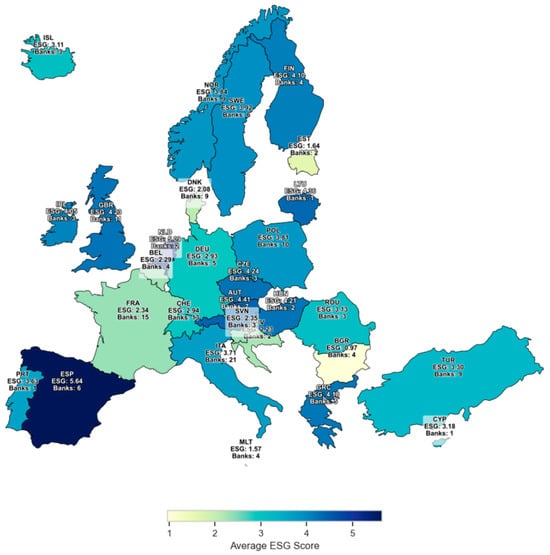
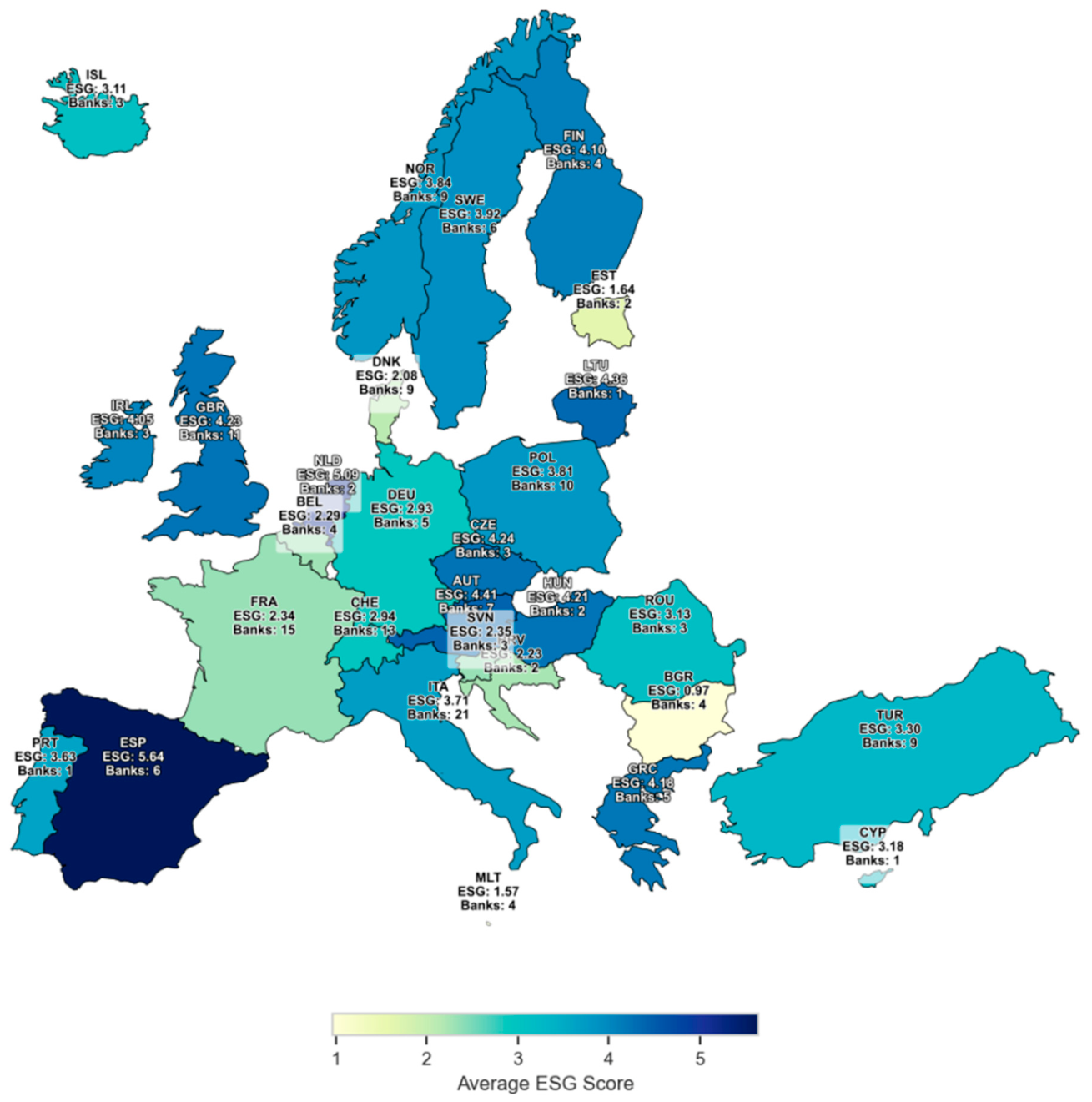
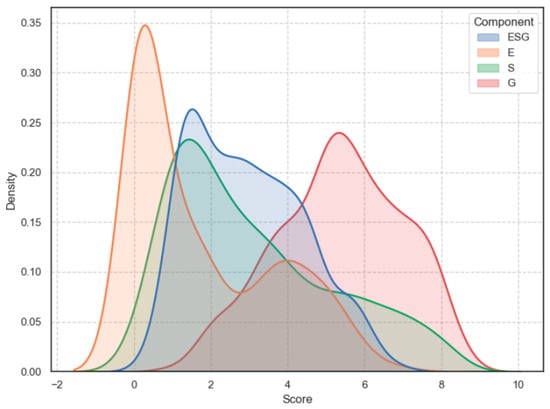
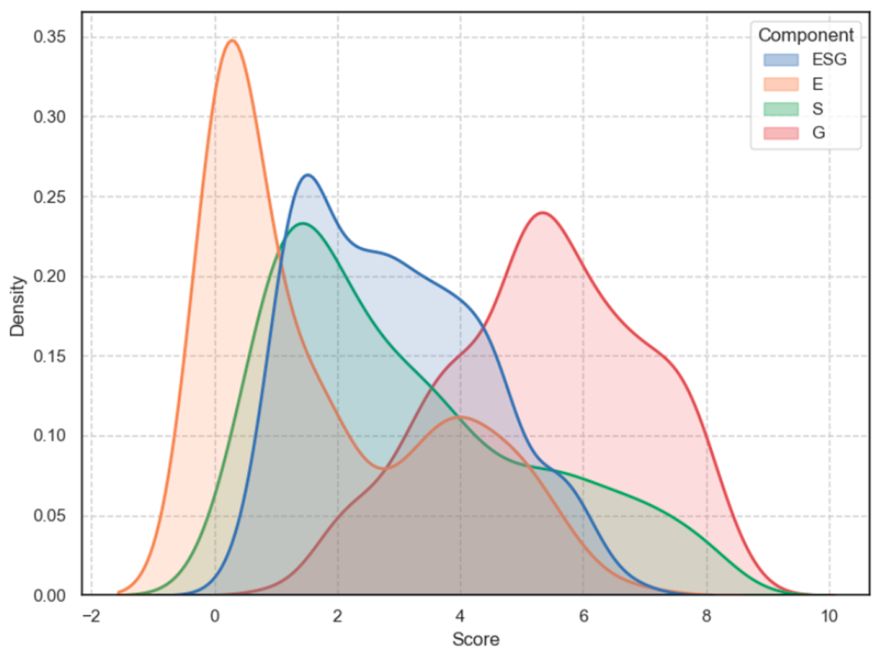

Disclaimer/Publisher’s Note: The statements, opinions and data contained in all publications are solely those of the individual author(s) and contributor(s) and not of MDPI and/or the editor(s). MDPI and/or the editor(s) disclaim responsibility for any injury to people or property resulting from any ideas, methods, instructions or products referred to in the content. |
© 2026 by the authors. Licensee MDPI, Basel, Switzerland. This article is an open access article distributed under the terms and conditions of the Creative Commons Attribution (CC BY) license.