


Abstract
Background/Objectives: Narrative skills play an important role in children’s overall development from a very young age, and they are linked to social behavior, as well as several emotional and cognitive outcomes. Young autistic children often experience difficulties in their narrative skills and these difficulties may impact their social interactions. The present study reviews recent findings to detect factors influencing narrative development in autistic and non-autistic preschool children, and to identify trends or gaps in the existing literature. Following screening and eligibility assessment, 39 studies met the inclusion criteria and were included in the review. Methods: The Preferred Reporting Items for Systematic reviews and Meta-Analyses extension for Scoping Reviews (PRISMA-ScR) guidelines were followed. Results: Non-autistic children show a clear, age-related progression in narrative skill development, moving from simple to complex structures at the level of microstructure and advanced inferential abilities at the level of macrostructure, which are strongly linked to core language and cognitive development. Conversely, autistic children primarily face challenges in narrative macrostructure and coherence, demonstrating deficits in integrating information and making inferences, which is consistent with weak central coherence in autism. Conclusions: The evidence suggests that narrative development in autism reflects qualitative differences rather than mere delay, particularly in the organization and integration of macrostructural story elements. These findings underscore the importance of interventions that move beyond surface-level linguistic skills to explicitly target global coherence, causal structuring, and inferential reasoning. Future research should further clarify developmental trajectories and the mechanisms linking narrative competence with broader social and cognitive outcomes.
1. Introduction
Narrative skills play an important role in the lives of children from a very young age. Children engage with narratives by listening to others’ stories, sharing their personal experiences, and by both telling and retelling real or fictional stories to others. While young children’s early attempts at narration may be limited by their linguistic abilities, language skills evolve over time, allowing them to succeed in increasingly complex narratives (Veneziano & Nicolopoulou, 2019). Several factors have been found to influence the development of young children’s narrative skills, such as their age, the socio-cultural and socio-economic status of the family, i.e., the broader cultural context encompassing shared norms, values, and communicative practices that shape storytelling (Gardner-Neblett & Iruka, 2015), the parental socialization practices, including sharing past experiences and events, book-reading routines, and parental scaffolding during storytelling, and the nature of mother-child interactions (Bohanek et al., 2009; Smith et al., 2019). For example, when parents share family stories or support their children in describing events using prompting questions or tend to read books together on a frequent basis, they actively model narrative construction (McCabe & Peterson, 1991), and thus, integrate storytelling into daily life (S. G. Paris et al., 2005).
However, to effectively narrate a story, children must acquire both content knowledge of basic episodic structure, i.e., the goal-attempt-outcome sequence in a single episodic unit, and an understanding of overall narrative structure, which extends beyond single episodes and reflects the overall coherence of the story as a whole and the organization of the story’s characters, events, and their interrelationships within a causally connected network (Shapiro, 1991). These tasks demand a range of cognitive, linguistic, pragmatic, and socio-cultural skills that enable children to construct a coherent mental model of the narrative, understand causal relationships that highlight characters’ goals and mental states as drivers of action in a narrative, grasp temporal relations between events, and sequence events appropriately (Colletta et al., 2010; Hamilton et al., 2021). Thus, children’s narrative skills extend beyond mere word retrieval or the linear presentation of events and characters (Stadler & Ward, 2005), incorporating pertinent details of the plotline of the stories (Hamilton et al., 2021; Dore et al., 2018; C. Norbury et al., 2014; Pavias et al., 2016). Specifically, producing a coherent and meaningful story requires children to possess knowledge of the story events and recall personal and social experiences for inference-making, which enables the child to derive information that is not explicitly stated by integrating textual cues with prior knowledge (Kang et al., 2012). These processes draw upon event scripts, defined as structured mental representations of typical sequences of actions in familiar situations that support the prediction and organization of narrative information. Also, to efficiently tell a story, the child needs to organize events sequentially (Kelter et al., 2004), and maintain an understanding of multiple characters and their perspectives; for example, an effective child narrator needs to be able to distinguish between story actors, who refer to characters performing observable actions, agents, who imply intentionality and goal-directed behavior, and persons, who denote more psychologically elaborated characters with internal states, motivations, and perspectives (Mason & Just, 2009). The child also needs to produce linguistically sophisticated narratives across various levels of language processing, including phonology, vocabulary, morphology, and syntax (C. Norbury et al., 2014; Oakhill & Cain, 2011; Westerveld & Gillon, 2010; Westerveld et al., 2012).
The structural properties of a narrative are often examined through its microstructure and macrostructure features. Macrostructural analysis focuses on the coherence of the narrative production, which refers to the overall meaningful organization of a story, including the logical sequencing of events and the integration of characters, goals, and outcomes into a unified whole (Mäkinen et al., 2014). In addition to coherence, macrostructure also includes the content adequacy criterion, which refers to the extent to which a narrative includes all essential and relevant story elements necessary for the listener to fully understand the plot and its causal–temporal relations. Within this framework, event content reflects the number and relevance of key story events represented in the narrative, such as the story’s initial events, the story protagonists’ actions to reach the goal, and outcomes, which all contribute to how comprehensively the plot is conveyed. This plot system, also known as story grammar, is characterized as the backbone of a narrative (Geelhand et al., 2020; Dosi & Boni, 2023). As such, narratives can be categorized as complete, simplified, or distorted, reflecting qualitative differences in coherence (Mäkinen et al., 2014). Specifically, complete narratives include all essential story elements and logical connections; simplified narratives present reduced structural complexity but maintain overall coherence; and distorted narratives contain disorganized or inconsistent elements that disrupt meaning. Additional narrative-level constructs include programming, which refers to the planning and organization of the linguistic output (Mäkinen et al., 2014), and the appropriate use of referential expressions that underlie the story’s overall clarity and comprehensibility (He et al., 2025). In contrast, microstructure focuses on cohesion, i.e., the linguistic devices that connect elements within the text, such as connectives, referential markers, and lexical ties, and the linguistic form at the level of individual utterances. This includes grammatical sentence structure (i.e., the organization and accuracy of sentence-level grammar), lexical diversity, and syntactic complexity (i.e., the extent of hierarchical structuring, such as embedding and subordination), which influence how ideas are expressed, which reflect the child narrator’s narrow syntactic skills (Heilmann et al., 2010). Lexical measures also include usual verbal designation (UVD), which refers to the use of conventional or expected lexical labels for story elements, such as naming characters or objects using typical terms. This measure captures lexical appropriateness and familiarity in narrative production. Narrative length and structural complexity are reflected in communication units (C-units), which are independent clauses and their modifying clauses, and T-units, defined as one independent clause plus any dependent modifiers of that clause. C- and T-units have been frequently used as a measure of utterance segmentation in narrative analysis, and reflect how children organize and express their ideas at the sentence level (Mäkinen et al., 2014; He et al., 2025; Charest et al., 2020). Overall productivity, defined as the total number of words or C-/T-units produced, provides complementary information about the quantity of language generated in the narrative. Both macrostructure and microstructure are essential for creating informative and engaging narratives, as they work together to create a cohesive and immersive storytelling experience (Charest et al., 2020). Understanding both aspects helps in assessing a child’s narrative development and overall language skills.
Exposure to stories from a very young age through diverse media (e.g., from picture books to television and apps) enhances children’s language, literacy, and socio-cognitive abilities (Veneziano & Nicolopoulou, 2019; Adornetti et al., 2022). Original story production (also known as telling) and story retelling, while related, seem to engage different underlying skills (Vretudaki, 2022; Yuan et al., 2018). Original storytelling requires children to create a narrative from prompt-based cues and organize story elements in a logical, causal, and temporal framework (Kirby et al., 2021), while also providing sufficient background information (Heilmann et al., 2010). Conversely, story retelling demands that children process and remember all the information presented to them either orally or visually, construct mental representations in a meaningful sequence, and express the narrative in a coherent manner (Tompkins et al., 2013). Research suggests that story retelling, but not telling, positively correlates with children’s memory skills (Mäkinen et al., 2018), while both modes of narrative production are grounded in children’s comprehension abilities (Mäkinen et al., 2018; Potocki et al., 2013). Furthermore, story retelling serves as a vital precursor to children’s ability to generate their own personal and fictional narratives and develop writing skills (Spencer & Petersen, 2020). Consequently, narrative skills not only enhance oral literacy, but also lay the groundwork for future academic learning, including reading comprehension, writing (Hayward et al., 2009; Griffin et al., 2004), and even mathematical reasoning skills (O’Neill et al., 2004). Particularly, fictional narratives have been identified as a strong predictor of academic success (Petersen et al., 2010) and later literacy achievement (Abbott & McCarthey, 2001).
Narrative comprehension or listening text comprehension, which is also an intricate process, encompasses not only basic word and phrase understanding, but also higher-order cognitive skills and an expanding awareness of social understanding, including mental states (i.e., intentions, beliefs) and behaviors. To assess these skills, narrative questioning can vary from surface-level recall to deeper integration of cognitive and social information. Specifically, identification questions prompt basic recall of narrative elements, such as naming characters or events, whereas elaboration questions encourage children to expand on motivations, causal links, or internal states, supporting inferential and descriptive responses. Kintsch’s construction-integration model of text comprehension (Kintsch, 1988, 1994) postulates that both foundational language and cognitive skills, such as vocabulary, syntactic knowledge, working memory, and attention, alongside Theory of Mind (ToM), which refers to the ability to recognize that another person’s knowledge is different from our own, thus, allowing us to predict and interpret others’ behavior based on attributed mental states (Dore et al., 2018), contribute to formulating a coherent mental representation of a narrative (Florit et al., 2014; Kendeou et al., 2008; Kim & Phillips, 2014; Kim, 2015; Strasser & del Río, 2014). The processing and parallel construction of complex linguistic (e.g., syntactic and lexical structures) and cognitive representations (e.g., event models and causal relations) during narrative performance involve the ability to simultaneously manage multiple levels of information during narrative production, including linguistic encoding, event sequencing, and integration of social–cognitive knowledge. Thus, foundational language and cognitive skills seem to be vital for discourse comprehension and broader learning tasks (Lepola et al., 2012).
1.1. Narratives of Non-Autistic Children
Narrative skills, encompassing both comprehension and production, undergo significant quantitative and qualitative development during the preschool years, typically emerging around ages 4 to 5 (Kendeou et al., 2008; Leinonen et al., 2003). In non-autistic children, these skills begin to form early in childhood and continue to evolve throughout adolescence, reflecting variability in individual developmental trajectories (Harvey et al., 2023).
At approximately 40 months of age, children begin to create personal narratives, recounting lived experiences while incorporating contextual and evaluative information (Chang, 2004). From ages three to four, children are capable of telling simple stories that exhibit a basic structure, consisting mainly of temporally sequenced events rather than thematically coherent narratives (Kendeou et al., 2008; Slobin, 2004). Thus, they often lack the more sophisticated storytelling strategies seen in older children (Chang, 2004). By the age of four, children show progress in character and action descriptions (Muñoz et al., 2003). However, substantial developmental advancements between ages four and five, particularly in terms of vocabulary, character viewpoint representation, and overall story structure, have been well documented (Westerveld et al., 2012). Despite these improvements, challenges persist in structuring narratives around clear goals, initiating events, and accurately conveying causal relationships (Khan et al., 2016). Concurrently, the ability to build a coherent mental representation of a story through inference becomes more solidified around the age of four years (Kendeou et al., 2008; Lepola et al., 2012; Filiatrault-Veilleux et al., 2016). By age five, improvements are evident in children’s ability to connect events causally and temporally, add setting details, and utilize rich semantic features when describing the events and the story setting (Castilla-Earls et al., 2015; Vretudaki & Tafa, 2022). Nonetheless, the formation of an overarching plot or goal often remains challenging. The critical developmental period between ages five and six is characterized by a significant enhancement in narrative complexity, as children increasingly employ advanced temporal and referential markers, background information, evaluations, and intricate sentence constructions (He et al., 2025). Narrative production is more detailed and the hierarchical organization of events is based on cause–effect relationships (Pistav Akmese & Kanmaz, 2021). However, research suggests that narrative skills remain qualitatively underdeveloped until approximately age six, with children frequently demonstrating difficulty connecting events cohesively and producing structured stories without external support (Boudreau, 2008). By around ten years of age, children’s narrative abilities closely resemble those of adults, featuring comprehensive episodes, causal and temporal connections, and references to characters’ mental states such as emotions (King et al., 2014).
Additionally, studies further highlight variability in narrative performance among non-autistic preschool children, particularly in relation to bilingualism and language exposure. Hipfner-Boucher et al. (2015) reported differences in microstructural narrative measures across subgroups of English language learners, while macrostructural performance remained comparable. Similarly, Rodina (2017) found that bilingual preschoolers demonstrated comparable macrostructural abilities across languages, with microstructure being more sensitive to language exposure. Longitudinal evidence from Lindgren (2019) further showed that narrative macrostructure develops rapidly during the preschool years, reaching a plateau around age six.
It is noteworthy that young children’s storytelling abilities can vary depending on the elicitation methods employed. For instance, narratives are typically longer and better organized, with more references to mental states, when children retell stories based on pictures compared to simply creating stories from visual stimuli (Lever & Sénéchal, 2011). The choice of materials used to elicit narratives, such as picture books, digital texts, audio recordings, or videos, substantially influences the quality of children’s storytelling. Because young children often struggle to comprehend a narrative without visual cues, their stories tend to exhibit greater grammatical complexity when supported by visual aids rather than when relying solely on audio prompts. Frequently, narrative ability is embedded within broader linguistic assessments of typical development. For instance, Thordardottir et al. (2010) demonstrated that in 5-year-old French-speaking children, narrative structure scores show a systematic increase alongside vocabulary and morphosyntax, suggesting that while narrative is a distinct communicative skill, it remains deeply integrated with core language knowledge.
Narrative comprehension refers to conceptual knowledge that facilitates the understanding of words and text, and plays a crucial role in cognitive development, particularly during the preschool years. Narrative comprehension is a multifaceted process that relies upon the simultaneous advancement of various skills, including story structure comprehension, ToM, and perspective-taking abilities. Specifically, children initially construct basic story frameworks known as narrative scripts, which outline familiar sequences of events (Lervåg et al., 2018). They then use the semantic, conceptual, and narrative relations to grasp the internal experiences of the story characters, such as their thoughts and emotions (Astington, 1993), and to enhance their representational abilities, empathy, and working memory, all of which contribute to their understanding of both the external and internal nuances of the stories (Cain et al., 2001). As they grow older, children transition to more complex narrative schemas, which encompass key elements of stories (including characters, settings, and conflicts) along with an understanding of how events are sequenced both temporally and causally (A. H. Paris & Paris, 2003). Evidence suggests that inferencing skills, evaluated through storytelling tasks, correlate with story comprehension among preschoolers (Tompkins et al., 2013). Finally, mixed findings have been reported regarding the link between narrative comprehension and reading comprehension, with some studies illustrating the connections between narrative skills and reading outcomes (Justice et al., 2011), and others failing to find this predictive link (Adlof et al., 2021). In summary, while non-autistic children exhibit progressive advancements in narrative skills throughout early childhood, the pace and quality of this development vary significantly among individuals. Understanding these developmental trajectories provides valuable insights for educators and other practitioners working to support children’s narrative competencies. Indeed, relevant research has shown that highly contextualized activities, including shared book reading, literacy exposure and dynamic adult-child interactions during storybook reading, may promote children’s linguistic capacities and narrative skills (Smith et al., 2019; S. G. Paris et al., 2005).
1.2. Narratives of Autistic Children
Autism spectrum disorder (ASD) or autism is a neurodevelopmental condition present from early childhood with symptoms varying in severity. It is characterized by persistent differences in social communication and interaction, alongside restricted or repetitive patterns of behavior, interests, or activities (Geelhand et al., 2020). Given that narrative production and comprehension rely heavily on social–cognitive, linguistic, and inferential processes, examining narrative skills in autistic preschool children is particularly important. Autistic children face great challenges in their daily social interactions and communication (King et al., 2014). Research on the narrative skills of autistic individuals has mainly focused on the narrative production of school-aged children and adolescents, or even adults (Lee et al., 2018; McCabe et al., 2013; Rollins, 2014), often presenting divergent findings (Baixauli et al., 2016). Some studies postulate that compared to their non-autistic peers, narratives of autistic individuals are less coherent and structured, shorter, simpler, with weaker macrostructural structure (Dosi & Boni, 2023; Siller et al., 2014). Their narrations are often characterized by fewer causal statements (Diehl et al., 2006), less use of mental state language, fewer or more ambiguous referential expressions, or expressions of emotional states (Colle et al., 2008), and more pragmatic errors (Capps et al., 2000). Autistic children often demonstrate imaginative and organizational difficulties in narratives. Their narrative profiles typically show challenges relating the background information, concluding the narrative, and establishing cohesive connections between story episodes. They also tend to prioritize attention to story details over the global, or macrostructural, features (Barnes & Baron-Cohen, 2012). Other studies suggest that when language and cognitive skills are matched, autistic and non-autistic individuals show few differences in the structural language of their narratives (Dillon & Underwood, 2012). However, as these findings are based on narratives elicited from wordless picture books (e.g., the Frog Story), little is known about how they construct fictional stories of their own that better reflect everyday educational and social contexts. Findings regarding the microstructure of the narratives of autistic children are also ambiguous. Some researchers failed to find any differences in narrative cohesion and story length between autistic and non-autistic children (Diehl et al., 2006; Novogrodsky & Edelson, 2016), while others reported weaker cohesion, shorter mean length of utterances, poorer vocabulary diversity, and lower syntactic complexity in autistic children, especially in fictional narratives (Dosi & Boni, 2023; Kuijper et al., 2017). Research indicates that autistic children use significantly fewer propositions and restricted vocabulary in fictional narrative tasks, as compared to their non-autistic peers (C. Norbury et al., 2014). Studies also highlight that primary-school autistic children tend to incorporate internal states less frequently in their narratives. Consequently, their stories often display reduced emotional expression or limited attention to the thoughts and feelings of the characters (Hilvert et al., 2016; Kauschke et al., 2016). Finally, while research on narrative comprehension in school-aged autistic children is limited, existing reports consistently show that their narrative abilities are significantly poorer than those of their non-autistic peers (C. F. Norbury & Bishop, 2002). These documented difficulties include challenges with drawing appropriate inferences during everyday storytelling tasks and with grasping the overarching context when retelling fictional scenarios (Diehl et al., 2006).
1.3. Aim and Objectives
Despite the critical role of preschool years in all facets of development, i.e., cognitive, linguistic, and social, relatively few studies have addressed narrative production and comprehension, mainly in non-autistic children of this age group. Published work on the narrative skills of preschool autistic children is scarce.
In light of this identified gap, the present PRISMA Extension for Scoping Reviews (PRISMA-ScR) aims to synthesize empirical evidence regarding the narrative skills of monolingual preschool children aged 4 to 6 years, both autistic and non-autistic. The scoping review will pursue the following objectives:
- (a)
- To identify the factors influencing narrative abilities across high-functioning autistic and non-autistic preschoolers.
- (b)
- To evaluate how autism influences the narrative production and comprehension skills of preschool-aged children.
- (c)
- To highlight gaps in the existing literature and recommend directions for future research.
2. Materials and Methods
The scoping review was conducted following the procedures recommended by the Preferred Reporting Items for Systematic reviews and Meta-Analyses extension for Scoping Reviews (PRISMA-ScR) guidelines (Page et al., 2021). To minimize potential biases, multiple researchers participated in the selection and analysis of the included publications.
2.1. Search Strategy
A search strategy was devised and carefully performed in the following electronic databases: ProQuest, APA PsycInfo, ERIC and PubMed. The following keywords and Boolean operators were used: (“autism” OR “autism spectrum disorder” OR “ASD” OR “Asperger syndrome”) AND (“neurotypical” OR “non-autistic” OR “typically developing children”) AND (“narrative” OR “narrative comprehension” OR “story retelling” OR “story generation”) AND (“pre-school” OR “preschoolers” OR “early childhood”). Search filters were applied to include peer-reviewed articles published in English between 2000 and 2025. Alerts for new articles were created for each database. Searches started on the 1st of May 2025, and the final search was performed on 18 April 2026. The chosen articles were retrieved in full-text and were read and assessed by the first three authors separately for the final list of studies to be included. The reference and citation lists of included studies were also screened to locate additional potentially eligible studies. The year 2000 was selected as a cut-off point to ensure alignment with contemporary diagnostic frameworks for autism and to reflect advances in narrative assessment methodologies, thereby enhancing comparability across studies.
The selection of keywords and Boolean operators was guided by the aim to capture studies addressing narrative production and comprehension in both autistic and non-autistic preschool populations. However, given the variability in terminology used across studies, particularly with respect to age groups, which are not always explicitly labeled as “preschool” in titles or abstracts, the search strategy was complemented by manual screening of reference lists and citation tracking of included studies. This approach was adopted to enhance the comprehensiveness of the review and to identify potentially relevant studies that may not have been retrieved through database searches alone. Despite these efforts, it is acknowledged that some studies may not have been included due to inconsistencies in indexing and reporting.
2.2. Eligibility Criteria
A set of eligibility criteria was defined to guide the inclusion and exclusion process of the collected studies. In particular, the inclusion criteria involved research articles that: (1) were published in peer-reviewed journals between 2000–2025, with 2000 being selected as the cut-off year to ensure alignment with contemporary diagnostic frameworks for autism and to reflect substantial advances in narrative assessment methodologies and early identification practices; (2) were written in the English language; (3) were original research studies except case studies and reports; (4) focused on narrative production and/or comprehension; (5) the sample consisted of monolingual and bilingual preschool non-autistic and/or autistic children according to their clinical diagnoses; (6) the sample included children aged 4–6 years, or provided clearly extractable and separately reported data for this age group when broader age ranges were included; (7) examined linguistic and cognitive as well as demographic factors that could influence the development of narrative production and comprehension; (8) provided enough description to guarantee that methodologically sound research practices were used, and (9) the participants had a full IQ mean above 70, based on the score on a standardized intelligence test. Studies were excluded if they (1) involved participants with other medical conditions or disorders (e.g., attention deficit hyperactivity disorder, psychiatric disorder), (2) included comorbidities (e.g., autism with learning disorder), (3) focused on interventions using pre- and post-assessments, (4) included participants outside the specified age range, or (5) had extremely small sample sizes (fewer than five participants), as such designs may reflect case-study findings and limit comparability and generalizability. Studies including broader age ranges were considered eligible only when data for children within the target age range (4–6 years) were clearly reported or could be extracted separately. This criterion was applied to ensure consistency while allowing the inclusion of relevant studies that encompass preschool-aged participants within wider developmental samples. In addition, studies comparing typically developing children with clinical populations other than autism were excluded. This decision was made to maintain a clear and focused comparison between autistic and non-autistic children, in line with the primary aim of the review. Including studies involving other clinical populations could introduce additional heterogeneity and confound the interpretation of findings, as different developmental conditions are associated with distinct narrative profiles. Priority was given to studies in which narrative production and/or comprehension constituted a primary or clearly defined outcome. However, studies in which narrative measures provided sufficiently detailed and relevant data were also considered for inclusion, even when narrative was not the sole focus of the study. To ensure a comprehensive overview, studies were not excluded if narrative was a secondary rather than a primary measure, provided they offered sufficiently detailed data on narrative macrostructure or microstructure. This allowed for the inclusion of significant normative studies (e.g., Thordardottir et al., 2010). that examine narrative skills as part of a broader linguistic profile in the 4–6 age range.
2.3. Data Collection
Two independent authors conducted the study selection process using the Rayyan platform. During the screening phase, they independently assessed all titles and abstracts, achieving a percentage agreement of 95% at the title screening stage and 92% at the abstract screening stage. Any disagreements were resolved through joint review and discussion until consensus was reached prior to full-text review. The same authors proceeded to data extraction through a synoptic table to identify the relevant articles of the eligible studies, including author(s), year of publication, country, sample size, characteristics of the sample (age, gender, and ethnicity), study design, and key findings. In addition, particular attention was given to identifying studies in which relevant age groups or narrative measures were not explicitly indicated in titles or abstracts, in order to minimize the risk of excluding pertinent literature.
2.4. Quality Assessment
Quality assessment of the studies that have been selected was conducted using the standardized JBI Critical Appraisal Checklist for Analytical Cross-Sectional Studies (Moola et al., 2020). The specific checklist recommends that inspecting authors evaluate the following processes in cross-sectional studies: clear recruitment and sampling criteria for the groups, detailed descriptions of the groups’ demographic, language and cognitive profiles, appropriateness of screening tests as well as narrative production and comprehension measures, and assessment for possible bias during analyzing and reporting of study results. The first three authors independently assessed the quality of the individual studies by following the signaling questions from the checklist, and an agreement was reached by further discussion in case of disagreement on the quality of interest.
2.5. Study Selection Criteria
The initial database search identified a total of 140 records. Initially, eleven records were identified as duplicates and were removed to avoid errors of overrepresentation. The remaining 129 articles were then screened based on the following criteria: (i) accessibility, i.e., full text availability, (ii) type of publication; specifically, only peer-reviewed journal publications written in English were included. Other types of publications—such as journal editorials, book chapters and conference proceedings, and journal commentaries were excluded, and (iii) research design; the studies should be original research articles involving empirical quantitative methods and findings on fictional stories from children aged 4–6 years. A total of 19 records were excluded, as 8 were not accessible, 7 were published either in non-peer-reviewed journals or were book chapters, and 4 were not empirical studies. The remaining 110 articles were screened based on their title and abstract. A total of 64 records were excluded because the participants did not fall within the age range specified by the inclusion criteria (i.e., 4–6 years), and 2 records because the sample size was very small (<5 children), while 5 records were excluded for the wrong study design, specifically, they involved qualitative case study designs. After a thorough evaluation of the remaining manuscripts, 39 articles satisfied all the inclusion and exclusion criteria and were included in the scoping review. Figure 1 shows the trial selection flowchart for the studies including autistic and non-autistic preschool-aged children.
Figure 1.
Flowchart for the review of the studies with non-autistic and autistic preschool children.
3. Results
3.1. Identification and Selection of the Studies
The included studies were characterized by cross-sectional (N = 32) and longitudinal (N = 7) research designs. They were published between 2004 and 2025, with most having been conducted in the United States (N = 10), followed by Canada (N = 6), Australia (N = 3), Finland (N = 2), Germany (N = 2), Greece (N = 2), Italy (N = 2), Norway (N = 2), Brazil (N = 1), Chile (N = 1), China (N = 1), Egypt (N = 1), Israel (N = 1), New Zealand (N = 1), Sweden (N = 2), Russia (N = 1), and Turkey (N = 1). The final selection comprised 33 studies focusing exclusively on (monolingual or bilingual) non-autistic participants, 5 studies that compared (monolingual or bilingual) autistic and non-autistic preschoolers, and 1 study involving only autistic monolingual participants. The sample sizes varied substantially, ranging from 9 to 386 participants. The total number of participants was 3239 for the non-autistic preschool children and 130 for the autistic preschool-aged children. The age of participants was consistently within the 4–6 range, in accordance with the inclusion criteria. Although our primary focus was on the 4–6 age cohort, studies including broader age ranges were included only when data for this specific age group were clearly reported or could be extracted separately, ensuring consistency with the predefined inclusion criteria.
The included studies utilized a broad range of assessments, focusing on multiple facets of narrative skills and associated language and cognitive abilities. Specifically, the literature addressed three primary narrative domains: narrative production (N = 19 studies), narrative comprehension (N = 9 studies), and narrative/story retelling (N = 15 studies). Beyond direct narrative analysis, the reviewed research also incorporated measures of foundational language skills. These included assessments of phonology, expressive and/or receptive vocabulary, morphology, and syntax, in addition to pragmatic abilities. Furthermore, studies often extended their focus to underlying cognitive mechanisms, examining short-term and/or working memory capacities, and both microstructure (e.g., sentence-level complexity and cohesion) and macrostructure (e.g., overall story organization and thematic coherence) within the narratives.
Table 1 details the included studies involving the narrative skills of preschool autistic or non-autistic children, listed alphabetically by author.
Table 1.
Studies of the narrative skills of preschool autistic and non-autistic children.
3.2. Narrative Skills in Non-Autistic Children
Research focusing on narrative skills in non-autistic development demonstrates a clear and progressive developmental trajectory across preschool years across both monolingual and bilingual children, marked by increasing complexity in both microstructure (linguistic features) and macrostructure (story organization). The results provide interesting findings in relation to the developmental progression of narrative components. More specifically, there is a strong indication that children tend to exhibit a chronological advancement in the elements they include in their narratives. For instance, 4-year-olds begin using characters, actions, and internal responses, while 5-year-olds incorporate more sophisticated components like settings, initiating events, temporal markers, and dialogue knowledge (Castilla-Earls et al., 2015; Bohnacker, 2016; Gagarina, 2016; Uccelli & Páez, 2007; Yang et al., 2022). A distinct improvement in story-structure ability is noted between 3 to 4, and 4 to 5 years of age, with 4-year-olds moving from incomplete to “minimally complete” episodes, and 5-year-olds relating more purposeful attempts, though they may still struggle with identifying superordinate goals (Khan et al., 2016). Older children (5 to 6 years and up) show better story structure and an increase in the rate of higher-level narrative performance (Kanellou et al., 2016; Bohnacker, 2016; Gagarina, 2016; Rezzonico et al., 2016; Uccelli & Páez, 2007; Yang et al., 2022). The ability to infer story elements also progresses with age, starting with inferential comprehension in 3- to 4-year-olds, advancing to inferring the problem and predicting steps in 4- to 5-year-olds, and finally inferring the main character’s goals, attempts, and resolution in 5- to 6-year-olds (Filiatrault-Veilleux et al., 2016). Notably, the tendency for bilingual non-autistic children is to exhibit greater improvement in narrative macrostructure as compared to microstructure, which may be due to the fact that macrostructure relies less on narrow language abilities, including vocabulary and morphosyntax, which have been both shown to be vulnerable in bilingual child populations (Bohnacker, 2016; Gagarina, 2016; Uccelli & Páez, 2007). However, contradictory evidence also exists showing that bilingual non-autistic children’s narrative micro- and macrostructural abilities show similar growth rates across the two languages (Yang et al., 2022).
Additionally, interesting findings are revealed in relation to children’s linguistic and cohesive narrative development. Linguistic measures of narratives, such as productivity and event content, show significant differences between 4- and 5-year-olds, while referential cohesion significantly improves between 5- and 6-year-olds (Mäkinen et al., 2018). Measures like Mean Length of Utterance (MLU), Total Number of Words (TNW), and Number of Different Words (NDW) also show positive associations with age, indicating longer and more diverse stories in older children (Safwat et al., 2013; Rezzonico et al., 2016). Syntactic complexity increases with age, particularly in retellings (Karlsen et al., 2021; Safwat et al., 2013; Rezzonico et al., 2016). In regard to children’s comprehension and inferential skills, the reviewed findings suggest that inferential processes similar to those used by older individuals are evident in children as young as 4 years old, with goal inferences being present early, and causal inferences (antecedents and consequences) developing strongly by the age of 6 (Kendeou et al., 2008). Inference-making skills contribute significantly to later listening narrative comprehension, and a reciprocal relationship emerges between listening comprehension and inference skills over time (Lepola et al., 2012). Expressive vocabulary is noted as a better predictor of narrative comprehension than receptive vocabulary (Mäkinen et al., 2018; Uccelli & Páez, 2007).
Another component of narrative ability identified by the reviewed studies relates to the influence of the task’s characteristics and the context of narration. Narrative retelling is generally found to be a less demanding task than telling/narrative production, with children performing better in retelling (Kanellou et al., 2016). The method of story presentation impacts the retelling quality, with video conditions leading to more elaborated retellings than illustrated storybook formats (Crawshaw et al., 2020), and storytelling yielding better recollection of setting, moral, and characters than story reading (Isbell et al., 2004). Questioning tasks about key story elements or conducting storytelling after question-answering can improve the structural quality, coherence, and macrostructure of the narrative (Silva et al., 2014).
Interestingly, the reviewed findings suggest that narrative skills are related to, yet distinct from, core language skills like vocabulary, grammar, and verbal memory (Karlsen et al., 2021). The partial dissociation between narrative skills and structural language abilities receives support from studies with bilingual non-autistic children and their macrostructural abilities which show higher improvement than microstructure, possibly because macrostructure refers to the links between abstract representations of events that are not completely tied to bilinguals’ otherwise weak language abilities (Bohnacker, 2016; Gagarina, 2016; Uccelli & Páez, 2007). Vocabulary and morphological skills consistently predict story retelling performance across different age groups, with phonological and pragmatic skills becoming additional contributors mainly for older children (Ralli et al., 2021). Verbal and visual working memory are related to the semantic completeness and structure of narration, with verbal working memory being more strongly associated with macrostructure and grammatical complexity (Veraksa et al., 2020). There is mixed evidence for a reciprocal relation between executive functions and narrative ability, although attention skills may enhance complex narrative construction in older children (Friend & Bates, 2014). Socio-cultural background and a facilitating environment (e.g., consistent exposure to rich language input, frequent storybook reading, responsive conversational partners, curricula explicitly teaching narrative skills during early literacy training, and opportunities for shared narrative creation) are also noted to significantly affect language and narrative performance (Souza & Cáceres-Assenço, 2021; Gagarina, 2016). Finally, several studies focused on gender differences and noted that girls performed better than boys in narrative skills, including character representation, retelling and telling, and language measures, such as MLU and NDW (Pistav Akmese & Kanmaz, 2021; Kanellou et al., 2016; Nicolopoulou & Richner, 2007). Other research, however, found no significant gender differences (Safwat et al., 2013).
3.3. Narrative Skills in Autism
Studies focusing solely on autistic children or comparing them to their non-autistic peers highlight specific challenges in narrative abilities, particularly in areas related to global meaning and coherence. More specifically, they highlight several macrostructure challenges and point out that autistic children consistently show significantly lower scores in macrostructural measures, such as total story grammar and storytelling conventions compared to non-autistic children, despite potentially showing no significant difference in microstructural measures, like story length or linguistic complexity (He et al., 2025). This finding is consistent with the local processing bias approach (Happé & Booth, 2008), suggesting that the observed pattern is a direct result of a cognitive prioritization of specific, local details over the synthesis of the wider picture. This reflects an enhanced local coherence rather than a difficulty in global integration (Westerveld & Roberts, 2017; Kenan et al., 2019). The narratives of autistic children include fewer central ideas, environments, characters, and actions than those of their non-autistic peers. Furthermore, the prominence of autistic characteristics negatively correlates with the number of central ideas and characters mentioned (Kenan et al., 2019). Evidence from bilingual autistic children is slightly different, pointing towards generalized weakness in both microstructure and macrostructure as compared to their bilingual non-autistic peers, further suggesting that bilingualism incurs an extra burden on autistic children’s use of vocabulary and morphosyntax while narrating a story, besides pragmatic difficulties (Yang et al., 2022). Interestingly, the only study with bilingual autistic preschoolers (Yang et al., 2022) also shows that the macrostructural element most vulnerable to autism in macrostructure was the use of pronouns, since a great portion of referentially ambiguous pronominal elements was a characteristic trait in the bilingual autistic preschoolers’ narrative production performance only (Yang et al., 2022). Since pronoun use lies at the interfaces between vocabulary, morphosyntax and pragmatics, and it represents a structure that is sensitive to one’s perspective-taking skills, the particular finding in Yang et al. (2022) implies that the increased use of ambiguous pronouns in the bilingual autistic children as compared to their non-autistic peers may stem from the former group’s ToM weaknesses.
Additionally, the reviewed findings identify comprehension and inferential difficulties in young autistic children. More specifically, they support that autistic children demonstrate significant difficulties in narrative comprehension, particularly in answering inferential questions compared to factual questions (Westerveld & Roberts, 2017). They may be unable to spontaneously make inferences regarding event scripts or automatically integrate information and draw conclusions, even if they can extract the main idea through clues provided by the adult examiner (Nuske & Bavin, 2011). Finally, in terms of microstructure in narration, the reviewed studies indicate that while autistic children may show relative strengths in productivity, semantic diversity, and grammatical complexity, they exhibit relative weaknesses in grammatical accuracy (Westerveld & Roberts, 2017). Furthermore, they often demonstrate lower performance in verbal working memory and recall significantly fewer story propositional units than their non-autistic peers, suggesting challenges in processing and constructing complex linguistic and cognitive representations (Gabig, 2008). Nonverbal ability and receptive vocabulary influence the total narrative score but not specifically story grammar or conventions (He et al., 2025). Positive correlations were also found among vocabulary, semantic measures, and narrative comprehension in autistic children (Westerveld & Roberts, 2017).
3.4. Summary of the Reviewed Findings
The reviewed studies on non-autistic development reveal a clear, age-related progression in narrative skills, moving from basic components in 4-year-olds to complex story structures, inferential comprehension, and advanced linguistic coherence by the age of 6. Narrative ability is intertwined with core language skills (vocabulary, morphology), though less strongly in bilingual non-autistic children as compared to their monolingual peers, and cognitive factors (working memory, attention), while there is also evidence that the presentation format (e.g., video over book) and task type (retelling over production) influence performance. Girls often show better performance than boys. In contrast, autistic children demonstrate significant difficulties in narrative macrostructure and coherence (story grammar, central ideas), consistent with the local processing bias account. They experience particular challenges with inferential comprehension and demonstrate lower performance in verbal working memory, even when their microstructural (linguistic complexity) or basic vocabulary skills are relatively preserved.
4. Discussion
The present scoping review of the literature has focused on research regarding the narrative skills of monolingual preschool non-autistic and autistic children between 4 and 6 years of age. Specifically, the review aimed to identify the individual and contextual factors influencing narrative abilities in both groups, and compare the narrative skills in production and comprehension of non-autistic preschool children to those of autistic children. Another purpose of this study was to discover the gaps in the existing literature and recommend directions for future research.
4.1. Narrative Production in Non-Autistic and Autistic Children
The findings regarding the spontaneous production of narratives in non-autistic preschoolers closely align with established developmental milestones. Research highlights that by the age of 4 years, children include core narrative elements such as characters, actions, and internal responses in their storytelling (Friend & Bates, 2014; Bohnacker, 2016; Gagarina, 2016; Uccelli & Páez, 2007). This accomplishment expands significantly by the age of 5 years, incorporating more temporal markers, knowledge of dialogue, and a broader range of semantic components (setting, initiating events, actions) (Kanellou et al., 2016). Thus, around the age of 5 years, children start to produce stories with more details, presenting an understanding of how story events relate to one another and generating multi-episode sequences in their narratives (Muñoz et al., 2003).
Qualitative analysis of spontaneously produced narratives (Mäkinen et al., 2018) revealed a clear developmental trajectory regarding distinct narrative levels, moving from simple labeling and listing (decreasing in frequency from ages 4–5) to more sophisticated sequencing and narrating. Mäkinen et al. (2018) also focused on the development of narrative structure and its relationship with narrative productivity based on picture-elicited narrations. Significant differences were found between 4- and 5-year-olds in productivity and event content, and between 5- and 6-year-olds in referential cohesion. The period between 5 and 6 years has been described as the ranking period, as children produced stories in a logical, hierarchical order and in accordance with cause–effect relationships (Pistav Akmese & Kanmaz, 2021; Rodina, 2017). However, despite improvements in structure, consistent challenges across the preschool years were observed in content adequacy, a measure of how well children’s narratives include all relevant story elements and causal links, as well as in the development of character depth (Mäkinen et al., 2018; Pistav Akmese & Kanmaz, 2021). Therefore, there are researchers who argue that although preschool children have developed certain knowledge and capacities for story production before the age of 6 years, their narrative skills are weak, as they still have difficulties in linking events and characters, and are in need of support to produce a structured, cohesive, and consistent narrative story (Boudreau, 2008), with cross- and within-episodes connections (Hamilton et al., 2021). Thus, although preschool children gradually become better at organizing their story production, the content and depth of their narratives remain underdeveloped until later childhood.
Spontaneous narrative production in preschool autistic children is marked by significant qualitative limitations in macrostructure, despite potentially adequate linguistic complexity at the sentence level (Kenan et al., 2019). While microstructure measures (e.g., grammatical complexity and semantic diversity) showed relative strengths compared to other language domains, on macrostructural measures, including total story grammar and storytelling conventions, autistic preschoolers’ performance was consistently poor (Gabig, 2008). This discrepancy—possessing the linguistic tools (microstructure) but displaying reduced global organization (macrostructure)—is effectively explained by the local processing bias (Happé & Booth, 2008) which suggests that the autistic processing style involves a superior ability and preference for focusing on and encoding local details, which inadvertently leads to a cognitive prioritization of these microstructural elements over the synthesis of a global plot structure (Gabig, 2008). This trade-off is evident in the narrative output, where autistic children’s stories characteristically included fewer central ideas, settings, and characters compared to their non-autistic peers, reflecting an organizational choice rather than a failure to connect events. Reduced content density in narratives has been found to correlate negatively with the prominence of autistic characteristics, indicating that more pronounced autistic features are associated with sparser narrative content (Gabig, 2008). Finally, while productivity measures (MLU, NDW) increased with age, vocabulary diversity decreased across all age groups (Gabig, 2008), implying that lexical limitations may confound richness in narrative content.
The findings of the present review regarding macrostructural development can also be interpreted in light of longitudinal evidence from non-autistic populations. For instance, Lindgren (2019) documented rapid growth in narrative macrostructure between the ages of four and six, followed by a plateau in later years. This pattern suggests that the preschool period represents a critical window for the acquisition of core narrative organization skills, thereby providing an important developmental benchmark against which differences observed in autistic populations can be interpreted.
4.2. Story Retelling in Non-Autistic and Autistic Children
Narrative retelling emerged as a less demanding task compared to spontaneous production in both preschool non-autistic and autistic children, evidenced by their better overall performance across all age groups. Performance differences between retelling and production tasks suggest that the cognitive load associated with creating novel content in spontaneous storytelling is substantially higher than that for reproducing a story. In non-autistic preschoolers, retelling performance was robust across age cohorts (Castilla-Earls et al., 2015; Crawshaw et al., 2020). Specifically, story structure improved significantly between the ages of 4 and 5 years (Isbell et al., 2004), and by the age of 5 and 6 years, children were able to incorporate the essential story components, while total retelling scores and content adequacy showed significant progress (Filiatrault-Veilleux et al., 2016; Kanellou et al., 2016). However, the microstructure (linguistic complexity) alone could not account for the significant developmental differences observed in retelling quality between the 5-year-olds and older groups, nor explained the temporal succession differences between 4–5 and 5–6-year-olds (Khan et al., 2016; Kanellou et al., 2016; Ralli et al., 2021). Thus, it could be claimed that this progress may be mainly driven by macrostructural components, reinforcing the hypothesis that narrative quality is more dependent on macro-level organization than sentence-level complexity in this age range. Likewise, research on retelling in bilingual autistic children shows significant relations between the two languages in macrostructure but not in microstructure (Govindarajan & Paradis, 2022), further implying that the two levels of narrative development follow dissociable trajectories in bilingual non-autistic child populations. Research also exists from non-autistic bilingual children showing no connections in macrostructure between the two languages (Bitetti et al., 2020). This discrepancy may be attributed to differences in the input quantity and quality on bilingual language development that is often difficult to measure in studies with bilingual children.
As story retelling is a less demanding task than spontaneous production, it can reveal the residual strengths in autistic children’s narrative profile. Preschool autistic children utilized the existing story knowledge in retelling narratives, although certain challenges regarding the processing, cognitive representations, and macrostructural measures (e.g., story grammar) remained (He et al., 2025; Gabig, 2008). Furthermore, while receptive vocabulary was linked to the number of different words used in retellings, the overall story structure remained weak (He et al., 2025). This outcome reinforces the view that structural difficulties in autism may not be purely lexical, but involve cognitive demands related to organizing and structuring the information provided (Yang et al., 2022).
4.3. Narrative Comprehension and Inference Skills in Non-Autistic and Autistic Children
The ability to comprehend narratives, particularly through inferential processing, appears to develop across the preschool years, although it is characterized by high inter-individual variability. Studies point out that inferential comprehension emerges around the age of 4 years, initially focusing on concrete elements, such as character actions, dialogue, and immediate emotional states (Filiatrault-Veilleux et al., 2016), and contributing to children’s listening comprehension and vocabulary development (Lepola et al., 2012). By the age of 4 years, non-autistic children infer the story’s problem and predict sequencing, while between the ages of 5 and 6 years, they have mastered inferring the main character’s overarching goal, the attempts made to solve the problem, and the final resolution (Filiatrault-Veilleux et al., 2016). Furthermore, research evidence highlighted the existence of a reciprocal relationship between inferencing and listening comprehension, as listening comprehension at age 4 predicted inference skills at age 5, which, in turn, predicted better listening comprehension at age 6, suggesting mutual development rather than a simple unidirectional influence between the two domains (Lepola et al., 2012). However, once children’s age and vocabulary were controlled, inferencing ability did not significantly predict overall comprehension compared to the production of character states, goals, and actions (Florit et al., 2014; Kendeou et al., 2008; Nuske & Bavin, 2011). Finally, it is important to note that performance significantly improved across all comprehension tasks when children were asked elaborative questions regarding story elements, indicating that active questioning promotes better structural coherence and extraction of the main idea (Silva et al., 2014). Findings on non-autistic preschoolers regarding their narrative comprehension skills are in accordance with the narrative skills of older children who also need to initially construct narrative scripts and make inferences to understand the external and internal nuances of stories (Tompkins et al., 2013; Lervåg et al., 2018; Cain et al., 2001; Bohnacker, 2016).
Narrative comprehension constitutes a major challenge for preschool autistic children, as they consistently show significantly poorer performance than their non-autistic peers. This difficulty mainly derives from problems in inferential processing (Nuske & Bavin, 2011). Autistic children were generally better at answering factual (what, who) than inferential questions, as they showed difficulties in spontaneously making inferences about event scripts, i.e., mental representations of typical sequences of events in familiar situations, or integrating information to draw conclusions (Westerveld et al., 2012). These challenges appear to be linked to both linguistic (e.g., vocabulary, semantics) and cognitive factors (e.g., working memory) (Westerveld & Roberts, 2017).
4.4. Language Skills and Narrative Performance in Non-Autistic and Autistic Children
The relationship between core language skills and narrative competence is significant but complex, suggesting that they are related but conceptually distinct processes. Even from the age of 4 years, strong correlations existed between story retelling and core language measures (vocabulary, grammar, verbal memory) (Karlsen et al., 2021; Bonifacci et al., 2018; Rezzonico et al., 2016; Uccelli & Páez, 2007). In addition, positive correlations were found between vocabulary, semantic measures, and comprehension, although vocabulary was found to be a necessary but not the sole component uniquely accounting for narrative comprehension performance (Florit et al., 2014). By the age of 5 years, tense marking, along with the use of verbs and conjunctions, improves, contributing to children’s ability to convey action and organize events in a coherent sequence. However, while narrative and core language skills are linked, they are best understood as partially overlapping but separable constructs. This is supported by the finding that syntactic complexity advancement in retellings (e.g., use of complex verbs and references) often outpaced concurrent changes in vocabulary, suggesting that organizational skill (e.g., syntax and grammar) matures differently from lexical breadth (Karlsen et al., 2021; Safwat et al., 2013).
Analysis of microstructure (linguistic complexity) indicated that differences in early narrative structure are not always significant across close age groups. For example, comparisons between the 4–5 and 5–6 age groups showed significant improvement across most criteria, except for the sequencing of temporal events (Mäkinen et al., 2018; Nicolopoulou & Richner, 2007). Additionally, microstructure alone could not account for the developmental differences observed in retelling between older groups, implying that complexity at the sentence level may not fully capture narrative growth (Ralli et al., 2021). When comparing linguistic complexity with narrative ability, the results confirm the importance of macrostructure. While microstructure (sentence-level features) was sufficient to distinguish between some age groups, it failed to explain the developmental leaps in retelling quality (e.g., between 5–6 and 6+ years) (Kendeou et al., 2008). Thus, the ability to organize events into a goal-driven and coherent plot (macrostructure) is the primary marker of narrative maturity, overshadowing sentence construction skills in later preschool years. This distinction is further illuminated by comparative findings. For example, non-autistic children generally produced narratives with richer central ideas, environments, characters, and objects than the autistic group (Kenan et al., 2019). Yet, no significant differences were found between groups in terms of irrelevant comments, suggesting that focus and relevance are relatively preserved, unlike the issues with content adequacy (Kenan et al., 2019). In addition, productivity metrics (MLU, NDW, TNW) consistently increased with age across groups, although the vocabulary diversity decreased across all age groups, reflecting possibly a consolidation phase where children use fewer and more precise terms in their narratives (He et al., 2025; Gabig, 2008). While their macrostructure was weak, the autistic preschoolers presented a more nuanced picture regarding microstructure. They showed relative strengths in productivity, semantic diversity (number of different words), and grammatical complexity, while they simultaneously exhibited weaknesses in grammatical accuracy (He et al., 2025; Westerveld et al., 2012). Receptive vocabulary emerged as a strong predictor of their oral narrative production and narrative comprehension skills (Gabig, 2008). However, this relation was not universal, as non-word repetition and digit span (measures of phonological/visual memory) were not linked to receptive vocabulary (He et al., 2025), indicating that the impact of vocabulary is largely semantic and related to linguistic output, rather than the children’s auditory processing speed. The partial dissociation between microstructure and macrostructure is also evidenced in studies with bilingual non-autistic children who manage to improve in narrative macrostructure despite their lower lexical and syntactic skills as compared to their monolingual autistic peers (Bohnacker, 2016; Gagarina, 2016; Uccelli & Páez, 2007; Yang et al., 2022). The distinction between narrative macrostructure and microstructure is further supported by evidence from studies on non-autistic populations. For example, Hipfner-Boucher et al. (2015) found that while macrostructural organization (e.g., story grammar) remained stable across groups, microstructural features, such as lexical diversity and grammaticality, varied depending on language exposure. Similarly, Rodina (2017) reported that bilingual children exhibited comparable macrostructural abilities across their two languages, whereas microstructural performance was more sensitive to differences in language input. These findings reinforce the view that macrostructure may reflect more general cognitive and narrative organization skills, while microstructure is more closely tied to language-specific proficiency.
The findings of the present review should also be interpreted in light of evidence highlighting the role of language exposure and bilingualism in shaping narrative abilities. Studies, such as Hipfner-Boucher et al.’s (2015) and Rodina’s (2017), demonstrate that variability in narrative performance among non-autistic children is strongly influenced by the quantity and quality of linguistic input. In particular, microstructural aspects of narratives appear to be especially sensitive to language dominance and exposure, whereas macrostructural organization remains relatively robust across different language contexts. This variability underscores the importance of considering linguistic background when interpreting differences between autistic and non-autistic groups.
Finally, the inclusion of studies that treat narrative as part of a wider language battery highlights the interdependence of linguistic domains. Findings from Thordardottir et al. (2010) reinforce the notion that for non-autistic preschoolers, narrative progression is not an isolated milestone but correlates with the maturation of vocabulary and syntactic processing skills. This contrast is particularly relevant when comparing these profiles to those of autistic children, whose narrative challenges, especially in macrostructure, may persist even when formal language measures are within the average range.
4.5. Cognitive, Social, and Environmental Factors, and Narratives in Non-Autistic and Autistic Children
Certain socio-cognitive factors have been found to play an important role in narrative competence. Particularly, skills such as ToM abilities (Mason & Just, 2009; Kim, 2015) and executive functions (e.g., working memory) (Friend & Bates, 2014) are required for constructing structurally sophisticated oral stories with more elaborate character perspectives. Deficits in verbal working memory were related to the recollection of significantly fewer propositional units, hindering children’s ability to hold complex linguistic and cognitive representations in mind long enough to integrate them in narrative production (Florit et al., 2014; Friend & Bates, 2014; Veraksa et al., 2020). Friend and Bates (2014) also noted that children’s ability to focus their attention on a task and inhibit or resist possible distractions at the age of 4.5 years confers benefits in the ability to construct a complex and coherent narrative at 5 years of age. These researchers observed that more advanced narratives at 4.5 years were indicative of better performance on executive function tasks at 5 years of age. The lack of a bidirectional relationship between executive functions, such as attention and inhibition, and narrative performance implies that narrative and executive functions comprise skill sets that develop asynchronously during the preschool years. The asynchronous developmental trajectories of these skills suggest that narrative development is not a by-product of executive functions, nor is executive function an outcome of narrative development.
In addition, differences in narrative production and comprehension may be associated with broader socio-cognitive processes, including ToM, abstract concept representation, and processing style, which support the ability to infer characters’ goals and motivations (Lepola et al., 2012). For example, challenges in generating inferences about event scripts or integrating script knowledge may relate to differences in these underlying processes. However, it is important to note that ToM and local processing bias were not consistently or directly measured across the reviewed studies. Therefore, their role should be interpreted cautiously as a potential explanatory framework rather than a confirmed or group-specific mechanism. Moreover, such socio-cognitive processes may be relevant to narrative performance in both autistic and non-autistic children, given their broader role in social understanding and language development; direct examination of ToM, processing style, and narrative skills within the same samples would allow for clearer delineation of the extent and specificity of these associations. Furthermore, answering inferential questions may be more demanding, potentially reflecting broader differences in ToM and abstract concept representation that support understanding character goals and motivations (Gabig, 2008). Interestingly, the extraction of the main idea correlated significantly with the performance on all comprehension tasks, suggesting that the inability to grasp the overarching theme may affect their narrative comprehension performance (He et al., 2025; Gabig, 2008).
Moreover, gender differences were apparent in retelling, with girls consistently outperforming boys (Nicolopoulou & Richner, 2007). Presentation modality was an additional important factor influencing children’s performance. Specifically, more elaborate retellings (covering Who, What, Where) were noted following video presentation compared to other modalities, such as book reading (Crawshaw et al., 2020). Exposure to stories through diverse media (e.g., from picture books to television and apps) has been found to enhance children’s language, literacy, and socio-cognitive abilities (Veneziano & Nicolopoulou, 2019; Adornetti et al., 2022). Finally, story retelling generated better performance in areas concerning narrative framing (formal ending, setting description, moral, and character recall), suggesting that it enhances imaginative recollection effectively (Castilla-Earls et al., 2015; Westerveld et al., 2012).
The narrative skills of preschool children are characterized by rapid development. While foundational language skills establish a necessary base, narrative structure depends on the effective deployment of goal-oriented inference and organization. Environ-mental factors, involving rich conversational interactions and targeted questioning, appear crucial for bridging the gap between simple event sequencing and the production of coherent stories. Socioeconomic status (SES), mothers’ education, and a family’s supportive environment, as well as school curricula explicitly teaching narrative skills during early literacy training, have been reported as significant predictors of linguistic and narrative performance (Silva et al., 2014; Souza & Cáceres-Assenço, 2021; Gagarina, 2016). The nature of parents’ scaffolding proved highly influential. Questions requiring elaboration (as opposed to simple identification) promoted thinking about relational events and fostered greater coherence (Souza & Cáceres-Assenço, 2021). Thus, children who engaged in storytelling after answering scaffolding questions tended to produce narratives of higher structural quality, suggesting that targeted questioning effectively aids in the construction of higher-level narrative frames. Finally, school type affected narrative outcomes, with preschoolers attending public schools scoring higher across all narrative tasks as compared to peers in private schools (Silva et al., 2014). This finding warrants further investigation into curriculum or classroom interaction styles. When assessing oral narrative skills, the choice of task administration and the potential challenges these tasks raise should also be taken into consideration. For example, telling or retelling a story without an illustrated book can be extremely difficult for young children and ‘non-compliance’ to the task may occur. Westerveld et al. (2012) reported that approximately 12% of their 4-year-old non-autistic participants refused to retell a story or provided a few utterances for analysis when they were asked to tell a story without pictures, making the researchers speculate that children’s non-compliance could be attributed to the complexity of the task.
4.6. Comparison Between Non-Autistic and Autistic Preschool Children’s Narrative Abilities
Comparisons between non-autistic and autistic preschoolers highlight that while both groups progress developmentally, they follow different underlying mechanisms and achieve different functional ceilings. The divergence lies in what drives narrative success. For non-autistic children, progress between the ages of 4 and 6 years mainly relied on mastering goal-directed structure leading to sophisticated narrative macrostructure (goal setting, episode components), even when microstructure competence ability was varying. For autistic children, low scores on content adequacy and story grammar across all ages imply a major difficulty in consistently internalizing these structural goals. This difficulty cannot be explained by linguistic complexity (microstructure), as both non-autistic and autistic groups showed comparable though independently developing grammatical complexity. The persistent inability of the autistic group in identifying central themes, main characters, and settings, alongside a lack of increased irrelevant commentary, indicates a fundamental difference in their information integration processes, thereby providing strong empirical support for the local processing bias account.
Moreover, cognitive predictors varied between groups. For non-autistic children, higher-level inferences predicted later comprehension, while vocabulary showed inconsistent effects. Conversely, autistic children were significantly impacted by verbal working memory deficits, leading to poorer retention of story details. This impacted their ability to construct complex narratives in real-time. The narrative challenges in autistic preschoolers were not attributed to a lack of vocabulary, raising questions about the strength of the role of cognitive mechanisms, including ToM and local processing bias, in children’s narrative performance. The relation between narratives, ToM and domain-general cognitive mechanisms has not been explicitly addressed in any study with either autistic or non-autistic preschoolers so far, so continued research into the specificity of these relationships is warranted to validate these assumptions.
The narrative challenges in autistic preschoolers were attributed less to a lack of vocabulary, and more to deficits in cognitive mechanisms necessary for meaningful language use, specifically ToM and local processing bias. Non-autistic children developed goal-based inference systematically, whereas autistic children failed to spontaneously generate script-based inferences, succeeding only on direct factual recall. While non-autistic children develop the ability to infer goals and plans between the ages of 4 and 5 years, the autistic group demonstrates difficulty utilizing even basic event scripts. This implies that scaffolding helps organize existing knowledge in non-autistic children, while difficulties in autism stem from a core deficit in representing abstract goals.
The role of memory also differed between the two groups. For instance, in non-autistic pre-school children, memory related to narrative structure, but its predictive significance for later comprehension was inconsistent. In contrast, autistic children demonstrated explicit verbal working memory deficits, which were linked to their inability to retain propositional units. This directly impaired their capacity for coherent narrative construction, mirroring their difficulty with tasks requiring the parallel processing of complex linguistic and cognitive representations. While both groups exhibited vocabulary differences (with autistic children being typically lower in lexical productivity measures), narrative impairment in autism appears rooted less in simple lexical access and more in the cognitive deployment of language (i.e., working memory, ToM, and local processing bias). In summary, the non-autistic profile reflects a gradual refinement of narrative structuring, moving from temporal sequencing to causal goal-planning, while the autistic profile is defined by a reduced tendency to adopt or effectively utilize this overarching goal structure, resulting in brittle comprehension and sparse and poorly integrated spontaneous narrative.
4.7. Gaps in the Existing Literature and Directions for Future Research
The interpretation of the findings within this review must be contextualized by several methodological limitations inherent in the primary studies. Sample heterogeneity and recruitment bias were evident, characterized by unbalanced sample sizes across age groups and gender, as well as unequal group distribution due to recruitment procedures. This imbalance challenges the robustness of fine-grained statistical comparisons, particularly those relying on interaction effects. Furthermore, the elicitation technique employed in several studies requires cautious interpretation; the pervasive use of illustrated storybooks in retelling tasks may have inadvertently aided comprehension, potentially offering a scaffolding effect similar to that observed with video stimuli, thereby masking true difficulties in memory-based recall, especially in autistic children. This is underscored by the observation of a ceiling effect in older children (6-year-olds) on story structure measures (where over 80% achieved maximal scores), suggesting that the elicitation task itself may have been less challenging than narrative recall from memory. In addition, certain factors (e.g., storybook exposure frequency, ToM) were investigated in only a small subset of studies. Consequently, conclusions regarding their role should be interpreted cautiously, and further research is needed to determine their contribution to narrative development. Relatively few studies directly compared autistic and non-autistic children. In some cases, conclusions regarding similarities or differences between groups are drawn across separate studies that may employ different constructs, measures, and methodologies. This variability may limit the comparability of findings and underscores the need for future research using shared narrative assessment frameworks and direct group comparisons. Another limitation of the present review relates to the variability in terminology used across studies, particularly in relation to age group classification. As not all relevant studies explicitly identify participants as “preschoolers” in titles or abstracts, some studies may not have been captured through database searches despite efforts to employ comprehensive search strategies and supplementary manual screening. Future reviews may benefit from broader or more flexible search approaches to further enhance coverage. Finally, the decision to exclude studies comparing non-autistic children with clinical populations other than autism was made to preserve conceptual clarity and focus. While this approach strengthens the interpretability of comparisons between autistic and non-autistic children, it may limit the broader generalizability of findings across different developmental conditions.
Based on these limitations, it is necessary to treat certain outcomes with caution. Specifically, results suggesting indirect predictive pathways (e.g., working memory not being an indirect predictor of comprehension) must be treated tentatively, given potential measurement overlap. Methodologically, the reliance on cross-sectional designs limits causal inference regarding age-related progression in story structure, making longitudinal data essential to confirm developmental sequencing. Moreover, several critical contributing factors were omitted from the analyzed data, including measures of comprehension monitoring, morphological understanding, quality of joint picture-book reading scaffolding, and broader social-pragmatic skills, all of which likely moderate narrative outcomes. A further constraint is the strictly structured research environment, which may not reflect the variability and complexity of narrative skill use in natural, daily interactions.
To advance the field of narrative performance in autistic preschoolers, future research should prioritize methodologies that address these gaps. Longitudinal designs are necessary to confirm the causal pathways between underlying cognitive skills (like memory and inference) and later narrative outcomes. Studies must strive for balanced sampling in both group sizes and gender distribution. Future work should also compare performance across multiple elicitation modalities (memory recall vs. picture-supported retelling) to discriminate structural mastery from scaffolding effects. Finally, future research must incorporate standardized, robust measures of grammatical understanding, social-pragmatic competence, and the quality of environmental exposure (e.g., storybook exposure frequency) to build more ecologically valid models of narrative development across the preschool years.
5. Conclusions
As children’s narrative skills are essential for effective communication, social interaction, and academic success, they are often the focus of clinical and research interest. Narratives can be used as ecologically valid assessment tools to detect subtle differences in children’s language production (Heilmann et al., 2010). Narrative analysis provides information regarding children’s language use at the level of microstructure (i.e., cohesion, narrative length, lexical diversity, linguistic complexity, grammatical and syntactical accuracy) (Heilmann et al., 2010; Westerveld et al., 2012) and macrostructure (i.e., coherence, story grammar, and structure of a story) (Spencer & Petersen, 2020). Thus, narration can be used for language evaluation purposes to create normative data in order to explore and understand the nature of several communication impairments and/or neurodevelopmental disorders (Lee et al., 2018; Rollins, 2014).
Thus, the insights gained from examining narrative production and comprehension in preschool years carry significant practical implications for both assessment and intervention. Given the strong, age-dependent relationship between macrostructural organization and inferential ability, interventions should move beyond simply targeting vocabulary or syntactic complexity. Instead, efforts should focus on explicitly scaffolding the hierarchical organization of information by teaching children how to identify initiating events, establish character goals, and establish causal links between actions and resolutions. Since the lack of narrative coherence keeps narrative skills weak, intervention should prioritize teaching the main idea and structure instead of focusing only on recalling isolated facts and events in the stories. Furthermore, as verbal working memory is crucial for maintaining the complex representations needed for coherent storytelling, enhancing working memory skills through specific training paradigms may offer an effective way to improve both narrative production and comprehension, especially for children exhibiting deficits in these areas. Concluding, it should be highlighted that fostering strong narrative skills during the preschool years is essential, as these abilities form the foundation for later literacy, abstract reasoning, and complex social communication skills.
Taken together, the inclusion of studies on bilingual and monolingual non-autistic children highlights that narrative development is shaped not only by developmental condition but also by linguistic experience and environmental factors, which should be carefully considered in future research and clinical assessment.
Author Contributions
Conceptualization, S.K., K.A., A.S., S.M. and E.P. (Eleni Peristeri); Methodology, S.K., K.A. and A.S.; Software, S.K., K.A., A.S. and E.P. (Eleni Peristeri); Validation, S.K., K.A., A.S., S.M. and E.P. (Eleni Peristeri); Formal Analysis, S.K., K.A. and A.S.; Investigation, S.K., K.A., A.S., S.M., E.P. (Eirini Patroumpa), A.T. and E.P. (Eleni Peristeri); Resources, S.K., K.A., A.S. and E.P. (Eleni Peristeri); Data Curation, S.K., K.A., A.S., E.P. (Eirini Patroumpa), A.T. and E.P. (Eleni Peristeri); Writing—Original Draft Preparation, S.K., K.A., A.S., S.M., E.P. (Eleni Peristeri), A.T. and E.P. (Eleni Peristeri); Writing—Review & Editing, S.K., K.A., A.S., S.M. and E.P. (Eleni Peristeri); Visualization, S.K., K.A. and A.S.; Supervision, S.K., K.A., A.S. and E.P. (Eleni Peristeri); Project Administration, E.P. (Eleni Peristeri); Funding Acquisition, E.P. (Eleni Peristeri). All authors have read and agreed to the published version of the manuscript.
Funding
The author(s) declare that financial support was received for the research, authorship, and/or publication of this article. The research project entitled “Language Phenotyping in Autism Using Machine Learning” is implemented in the framework of H.F.R.I call “Basic research Financing (Horizontal support of all Sciences)” under the National Recovery and Resilience Plan “Greece 2.0” funded by the European Union–NextGenerationEU (H.F.R.I. Project Number: 14864), P.I.: EP.
Institutional Review Board Statement
The project was approved by Aristotle University of Thessaloniki Institutional Review Board (IRB), Thessaloniki, Greece (IRB protocol number: 39928; Thessaloniki, 20 February 2024).
Informed Consent Statement
Not applicable.
Data Availability Statement
No new data were created or analyzed in this study. Data sharing is not applicable to this article.
Conflicts of Interest
The authors declare no conflicts of interest.
Abbreviations
The following abbreviations are used in this manuscript:
| MLU | Mean Length of Utterance |
| NDW | Number of Different Words |
| SES | Socio-economic status |
| TNW | Total Number of Words |
| ToM | Theory of Mind |
References
- Abbott, J. A., & McCarthey, S. J. (2001). Classroom influences on first-grade students’ oral narratives. Journal of Literacy Research, 33(3), 389–421. [Google Scholar] [CrossRef] [Scilit]
- Adlof, S. M., Baron, L. S., Bell, B. A., & Scoggins, J. (2021). Spoken word learning in children with developmental language disorder or dyslexia. Journal of Speech, Language, and Hearing Research, 64(9), 2734–2749. [Google Scholar] [CrossRef] [Scilit] [PubMed]
- Adornetti, I., Chiera, A., Altavilla, D., Deriu, V., Lecci, C. M., Marini, A., Valeri, G., Magni, R., & Ferretti, F. (2022). How do we comprehend linguistic and visual narratives? A study in children with typical development. Language Sciences, 93, 101500. [Google Scholar] [CrossRef] [Scilit]
- Astington, J. W. (1993). The child’s discovery of the mind. Harvard University Press. Available online: https://www.hup.harvard.edu/books/9780674116429 (accessed on 1 January 2025).
- Baixauli, I., Colomer, C., Roselló, B., & Miranda, A. (2016). Narratives of children with high-functioning autism spectrum disorder: A meta-analysis. Research in Developmental Disabilities, 59, 234–254. [Google Scholar] [CrossRef] [Scilit]
- Barnes, J. L., & Baron-Cohen, S. (2012). The Big Picture: Storytelling ability in adults with autism spectrum conditions. Journal of Autism and Developmental Disorders, 42(8), 1557–1565. [Google Scholar] [CrossRef] [Scilit]
- Bitetti, D., Hammer, C. S., & López, L. M. (2020). The narrative macrostructure production of Spanish–English bilingual preschoolers: Within- and cross-language relations. Applied Psycholinguistics, 41, 79–106. [Google Scholar] [CrossRef] [Scilit] [PubMed]
- Bohanek, J. G., Fivush, R., Zaman, W., Lepore, C. E., Merchant, S., & Duke, M. P. (2009). Narrative interaction in family dinner time conversations. Merrill-Palmer Quarterly, 55(4), 488–515. [Google Scholar] [CrossRef] [Scilit] [PubMed]
- Bohnacker, U. (2016). Tell me a story in English or Swedish: Narrative production and comprehension in bilingual preschoolers and first graders. Applied Psycholinguistics, 37, 19–48. [Google Scholar] [CrossRef] [Scilit]
- Bonifacci, P., Barbieri, M., Tomassini, M., & Roch, M. (2018). In few words: Linguistic gap but adequate narrative structure in preschool bilingual children. Journal of Child Language, 45, 120–147. [Google Scholar] [CrossRef] [Scilit]
- Boudreau, D. (2008). Narrative abilities: Advances in research and implications for clinical practice. Topics in Language Disorders, 28(2), 99–114. [Google Scholar] [CrossRef] [Scilit]
- Cain, K., Oakhill, J. V., Barnes, M. A., & Bryant, P. E. (2001). Comprehension skill, inference-making ability, and their relation to knowledge. Memory & Cognition, 29(6), 850–859. [Google Scholar] [CrossRef] [Scilit]
- Capps, L., Losh, M., & Thurber, C. (2000). “The frog ate the bug and made his mouth sad”: Narrative competence in children with autism. Journal of Abnormal Child Psychology, 28(2), 193–204. [Google Scholar] [CrossRef] [Scilit]
- Castilla-Earls, A. P., Petersen, D. B., Spencer, T. D., & Hammer, K. (2015). Narrative development in monolingual Spanish-speaking preschool children. Early Education and Development, 26(8), 1166–1186. [Google Scholar] [CrossRef] [Scilit]
- Chang, C. (2004). Telling stories of experiences: Narrative development of young Chinese children. Applied Psycholinguistics, 25(1), 83–104. [Google Scholar] [CrossRef] [Scilit]
- Charest, M., Skoczylas, M. J., & Schneider, P. (2020). Properties of lexical diversity in the narratives of children with typical language development and developmental language disorder. American Journal of Speech-Language Pathology, 29(4), 1866–1882. [Google Scholar] [CrossRef] [Scilit]
- Colle, L., Baron-Cohen, S., Wheelwright, S., & van der Lely, H. K. (2008). Narrative discourse in adults with high-functioning autism or Asperger syndrome. Journal of Autism and Developmental Disorders, 38(1), 28–40. [Google Scholar] [CrossRef] [Scilit]
- Colletta, J. M., Pellenq, C., & Guidetti, M. (2010). Age-related changes in co-speech gesture and narrative: Evidence from French children and adults. Speech Communication, 52(6), 565–576. [Google Scholar] [CrossRef] [Scilit]
- Crawshaw, C. E., Kern, F., Mertens, U., & Rohlfing, K. J. (2020). Children’s narrative elaboration after reading a storybook versus viewing a video. Frontiers in Psychology, 11, 569891. [Google Scholar] [CrossRef] [Scilit]
- Diehl, J. J., Bennetto, L., & Young, E. C. (2006). Story recall and narrative coherence of high-functioning children with autism spectrum disorders. Journal of Abnormal Child Psychology, 34(1), 87–102. [Google Scholar] [CrossRef] [Scilit] [PubMed]
- Dillon, G. V., & Underwood, J. D. M. (2012). Parental perspectives of students with autism spectrum disorders transitioning from primary to secondary school in the United Kingdom. Focus on Autism and Other Developmental Disabilities, 27(2), 111–121. [Google Scholar] [CrossRef] [Scilit]
- Dore, R. A., Amendum, S. J., Golinkoff, R. M., & Hirsh-Pasek, K. (2018). Theory of mind: A hidden factor in reading comprehension? Educational Psychology Review, 30(4), 1067–1089. [Google Scholar] [CrossRef] [Scilit]
- Dosi, I., & Boni, N. (2023). Pragmatic and language abilities in Autism Spectrum Disorder: A case study approach. In D. Katsarou (Ed.), Developmental language disorders in childhood and adolescence (pp. 71–84). IGI Global. [Google Scholar]
- Filiatrault-Veilleux, P., Bouchard, C., Trudeau, N., & Desmarais, C. (2016). Comprehension of inferences in a narrative in 3- to 6-year-old children. Journal of Speech, Language, and Hearing Research, 59(5), 1099–1110. [Google Scholar] [CrossRef] [Scilit]
- Florit, E., Roch, M., & Levorato, M. C. (2014). Listening text comprehension in preschoolers: A longitudinal study on the role of semantic components. Reading and Writing, 27(5), 793–817. [Google Scholar] [CrossRef] [Scilit]
- Friend, M., & Bates, R. P. (2014). The union of narrative and executive function: Different but complementary. Frontiers in Psychology, 5, 469. [Google Scholar] [CrossRef] [Scilit]
- Gabig, C. S. (2008). Verbal working memory and story retelling in school-age children with autism. Language, Speech, and Hearing Services in Schools, 39, 498–511. [Google Scholar] [CrossRef] [Scilit] [PubMed]
- Gagarina, N. (2016). Narratives of Russian–German preschool and primary school bilinguals: Rasskaz and Erzaehlung. Applied Psycholinguistics, 37, 91–122. [Google Scholar] [CrossRef] [Scilit]
- Gardner-Neblett, N., & Iruka, I. U. (2015). Oral narrative skills: Explaining the language–emergent literacy link by race/ethnicity and SES. Developmental Psychology, 51(7), 889–904. [Google Scholar] [CrossRef] [Scilit]
- Geelhand, P., Papastamou, F., Deliens, G., & Kissine, M. (2020). Narrative production in autistic adults: A systematic analysis of the microstructure, macrostructure and internal state language. Journal of Pragmatics, 164, 57–81. [Google Scholar] [CrossRef] [Scilit]
- Govindarajan, K., & Paradis, J. (2022). Narrative macrostructure and microstructure profiles of bilingual children with autism spectrum disorder: Differentiation from bilingual children with developmental language disorder and typical development. Applied Psycholinguistics, 43, 1359–1390. [Google Scholar] [CrossRef] [Scilit]
- Griffin, T. M., Hemphill, L., Camp, L., & Wolf, D. P. (2004). Oral discourse in the preschool years and later literacy skills. First Language, 24(2), 123–147. [Google Scholar] [CrossRef] [Scilit]
- Hamilton, L. G., O’Halloran, I., & Cutting, N. (2021). Individual differences in narrative production in late childhood: Associations with age and fiction reading experience. First Language, 41(2), 179–199. [Google Scholar] [CrossRef] [Scilit]
- Happé, F. G. E., & Booth, R. D. L. (2008). The power of the positive: Revisiting weak coherence in autism spectrum disorders. The Quarterly Journal of Experimental Psychology, 61, 50–63. [Google Scholar] [CrossRef] [Scilit]
- Harvey, A., Spicer-Cain, H., Botting, N., Ryan, G., & Henry, L. (2023). Assessing ‘coherence’ in the spoken narrative accounts of autistic people: A systematic scoping review. Research in Autism Spectrum Disorders, 102, 102108. [Google Scholar] [CrossRef] [Scilit]
- Hayward, D. V., Schneider, P., & Gillam, R. B. (2009). Age and task-related effects on young children’s understanding of a complex picture story. Alberta Journal of Educational Research, 55(1), 54–72. [Google Scholar] [CrossRef] [Scilit]
- He, C., Miyamoto, S., & Lin, Y. (2025). Narratives of Chinese kindergarteners with autism spectrum disorder: Comparison with typically developing children. Clinical Linguistics & Phonetics, 39(12), 1117–1141. [Google Scholar] [CrossRef] [Scilit]
- Heilmann, J., Miller, J., Nockerts, A., & Dunaway, C. (2010). Properties of the narrative scoring scheme using narrative retells in young school-age children. American Journal of Speech-Language Pathology, 19(2), 154–166. [Google Scholar] [CrossRef] [Scilit]
- Hilvert, E., Davidson, D., & Gámez, P. B. (2016). Examination of script and non-script based narrative retellings in children with autism spectrum disorders. Research in Autism Spectrum Disorders, 29, 79–92. [Google Scholar] [CrossRef] [Scilit]
- Hipfner-Boucher, K., Milburn, T., Weitzman, E., Greenberg, J., Pelletier, J., & Girolametto, L. (2015). Narrative abilities in subgroups of English language learners and monolingual peers. International Journal of Bilingualism, 19, 677–692. [Google Scholar] [CrossRef] [Scilit]
- Isbell, R., Sobol, J., Lindauer, L., & Lowrance, A. (2004). The effects of storytelling and story reading on the oral language complexity and story comprehension of young children. Early Childhood Education Journal, 32(3), 157–163. [Google Scholar] [CrossRef] [Scilit]
- Justice, L. M., Petscher, Y., Schatschneider, C., & Mashburn, A. (2011). Peer effects in preschool classrooms: Is children’s language growth associated with their classmates’ skills? Child Development, 82(6), 1768–1777. [Google Scholar] [CrossRef] [Scilit]
- Kanellou, M. A., Korvesi, E. A., Ralli, A. M., Mouzaki, A., Antoniou, F., Diamanti, V., & Papaioannou, S. (2016). Narrative skills in preschool & primary school children. Preschool and Primary Education, 4(1), 35–67. [Google Scholar] [CrossRef] [Scilit]
- Kang, H., Lundeberg, M., Wolter, B., del Mas, R., & Herreid, C. (2012). Gender differences in student performance in large lecture classrooms using personal response systems (“clickers”) with narrative case studies. Learning, Media and Technology, 37(1), 53–76. [Google Scholar] [CrossRef] [Scilit]
- Karlsen, J., Hjetland, H. N., Hagtvet, B. E., Braeken, J., & Melby-Lervåg, M. (2021). The concurrent and longitudinal relationship between narrative skills and other language skills in children. First Language, 41(5), 555–572. [Google Scholar] [CrossRef] [Scilit]
- Kauschke, C., van der Beek, B., & Kamp-Becker, I. (2016). Narratives of girls and boys with autism spectrum disorders: Gender differences in narrative competence and internal state language. Journal of Autism and Developmental Disorders, 46(3), 840–852. [Google Scholar] [CrossRef] [Scilit]
- Kelter, S., Kaup, B., & Claus, B. (2004). Representing a described sequence of events: A dynamic view of narrative comprehension. Journal of Experimental Psychology: Learning, Memory, and Cognition, 30(3), 451–464. [Google Scholar] [CrossRef] [Scilit] [PubMed]
- Kenan, N., Zachor, D. A., Watson, L. R., & Ben-Itzchak, E. (2019). Semantic-pragmatic impairment in the narratives of children with autism spectrum disorders. Frontiers in Psychology, 10, 2756. [Google Scholar] [CrossRef] [Scilit]
- Kendeou, P., Bohn-Gettler, C. M., White, M. J., & van den Broek, P. (2008). Children’s inference generation across different media. Journal of Research in Reading, 31(3), 259–272. [Google Scholar] [CrossRef] [Scilit]
- Khan, K. S., Gugiu, M. R., Justice, L. M., Bowles, R. P., Skibbe, L. E., & Piasta, S. B. (2016). Age-related progressions in story structure in young children’s narratives. Journal of Speech, Language, and Hearing Research, 59(6), 1395–1408. [Google Scholar] [CrossRef] [Scilit] [PubMed]
- Kim, Y. S. (2015). Language and cognitive predictors of text comprehension: Evidence from multivariate analysis. Child Development, 86(1), 128–144. [Google Scholar] [CrossRef] [Scilit]
- Kim, Y. S., & Phillips, B. (2014). Cognitive correlates of listening comprehension. Reading Research Quarterly, 49(3), 269–281. [Google Scholar] [CrossRef] [Scilit]
- King, D., Dockrell, J. E., & Stuart, M. (2014). Constructing fictional stories: A study of story narratives by children with autistic spectrum disorder. Research in Developmental Disabilities, 35(10), 2438–2449. [Google Scholar] [CrossRef] [Scilit]
- Kintsch, W. (1988). The role of knowledge in discourse comprehension: A construction-integration model. Psychological Review, 95(2), 163–182. [Google Scholar] [CrossRef] [Scilit]
- Kintsch, W. (1994). Text comprehension, memory, and learning. American Psychologist, 49(4), 294–303. [Google Scholar] [CrossRef]
- Kirby, M., Spencer, T., & Chen, Y. J. (2021). Oral narrative instruction improves kindergarten writing. Reading & Writing Quarterly, 37(6), 574–591. [Google Scholar] [CrossRef] [Scilit]
- Kuijper, S. J., Hartman, C. A., Bogaerds-Hazenberg, S. T., & Hendriks, P. (2017). Narrative production in children with autism spectrum disorder (ASD) and children with attention-deficit/hyperactivity disorder (ADHD): Similarities and differences. Journal of Abnormal Psychology, 126(1), 63–75. [Google Scholar] [CrossRef] [Scilit] [PubMed]
- Lee, M., Martin, G. E., Hogan, A., Hano, D., Gordon, P. C., & Losh, M. (2018). What’s the story? A computational analysis of narrative competence in autism. Autism, 22(3), 335–344. [Google Scholar] [CrossRef] [Scilit] [PubMed]
- Leinonen, E., Ryder, N., Ellis, M., & Hammond, C. (2003). The use of context in pragmatic comprehension by specifically language-impaired and control children. Linguistics, 41(2), 407–423. [Google Scholar] [CrossRef] [Scilit]
- Lepola, J., Lynch, J., Laakkonen, E., Silvén, M., & Niemi, P. (2012). The role of inference making and other language skills in the development of narrative listening comprehension in 4–6-year-old children. Reading Research Quarterly, 47(3), 259–282. [Google Scholar] [CrossRef] [Scilit]
- Lervåg, A., Hulme, C., & Melby-Lervåg, M. (2018). Unpicking the developmental relationship between oral language skills and reading comprehension: It’s simple, but complex. Child Development, 89(5), 1821–1838. [Google Scholar] [CrossRef] [Scilit]
- Lever, R., & Sénéchal, M. (2011). Discussing stories: On how a dialogic reading intervention improves kindergartner’s oral narrative construction. Journal of Experimental Child Psychology, 108(1), 1–24. [Google Scholar] [CrossRef] [Scilit]
- Lindgren, J. (2019). Comprehension and production of narrative macrostructure in Swedish: A longitudinal study from age 4 to 7. First Language, 39, 412–432. [Google Scholar] [CrossRef] [Scilit]
- Mason, R. A., & Just, M. A. (2009). The role of the theory-of-mind cortical network in the comprehension of narratives. Language and Linguistics Compass, 3(1), 157–174. [Google Scholar] [CrossRef] [Scilit] [PubMed]
- Mayer, M. (1992). Frog goes to dinner. Puffin Books. [Google Scholar]
- Mäkinen, L., Loukusa, S., Nieminen, L., Leinonen, E., & Kunnari, S. (2014). The development of narrative productivity, syntactic complexity, referential cohesion and event content in four- to eight-year-old Finnish children. First Language, 34(1), 24–42. [Google Scholar] [CrossRef] [Scilit]
- Mäkinen, L., Soile, L., Ilaria, G., & Sari, K. (2018). Are story retelling and story generation connected to reading skills? Evidence from Finnish. Child Language Teaching and Therapy, 34(2), 129–139. [Google Scholar] [CrossRef] [Scilit]
- McCabe, A., Hillier, A., & Shapiro, C. (2013). Brief report: Structure of personal narratives of adults with autism spectrum disorder. Journal of Autism and Developmental Disorders, 43(3), 733–738. [Google Scholar] [CrossRef] [Scilit] [PubMed]
- McCabe, A., & Peterson, C. (1991). Developing narrative structure. Lawrence Erlbaum Associates. Available online: http://psycnet.apa.org/record/1991-97724-000 (accessed on 10 November 2025).
- Méndez, L. I., Perry, J., Holt, Y., Bian, H., & Fafulas, S. (2018). Same or different: Narrative retells in bilingual Latino kindergarten children. Bilingual Research Journal, 41, 150–166. [Google Scholar] [CrossRef] [Scilit]
- Moola, S., Munn, Z., Tufanaru, C., Aromataris, E., Sears, K., Sfetcu, R., Currie, M., Qureshi, R., Mattis, P., Lisy, K., & Mu, P. F. (2020). Systematic reviews of etiology and risk. In E. Aromataris, & Z. Munn (Eds.), JBI manual for evidence synthesis (pp. 219–269). JBI Global. Available online: https://synthesismanual.jbi.global (accessed on 26 April 2026). [CrossRef] [Scilit]
- Muñoz, M. L., Gillam, R. B., Peña, E. D., & Gulley-Faehnle, A. (2003). Measures of language development in fictional narratives of Latino children. Language, Speech, and Hearing Services in Schools, 34(4), 332–342. [Google Scholar] [CrossRef] [Scilit]
- Nicolopoulou, A., & Richner, E. S. (2007). From actors to agents to persons: The development of character representation in young children’s narratives. Child Development, 78(2), 412–429. [Google Scholar] [CrossRef] [Scilit]
- Norbury, C., Gemmell, T., & Paul, R. (2014). Pragmatic abilities in narrative production: A cross-disorder comparison. Journal of Child Language, 41(3), 485–510. [Google Scholar] [CrossRef] [Scilit]
- Norbury, C. F., & Bishop, D. V. M. (2002). Inferential processing and story recall in children with communication problems: A comparison of specific language impairment, pragmatic language impairment and high-functioning autism. International Journal of Language & Communication Disorders, 37(3), 227–251. [Google Scholar] [CrossRef] [Scilit]
- Novogrodsky, R., & Edelson, L. R. (2016). Ambiguous pronoun use in narratives of children with autism spectrum disorders. Child Language Teaching and Therapy, 32(2), 241–252. [Google Scholar] [CrossRef] [Scilit]
- Nuske, H. J., & Bavin, E. L. (2011). Narrative comprehension in 4–7-year-old children with autism: Testing the weak central coherence account. International Journal of Language & Communication Disorders, 46, 108–119. [Google Scholar] [CrossRef] [Scilit]
- Oakhill, J. V., & Cain, K. (2011). The precursors of reading ability in young readers: Evidence from a four-year longitudinal study. Scientific Studies of Reading, 16(2), 91–121. [Google Scholar] [CrossRef] [Scilit]
- O’Neill, D. K., Pearce, M. J., & Pick, J. L. (2004). Preschool children’s narratives and performance on the Peabody individualized achievement test–revised: Evidence of a relation between early narrative and later mathematical ability. First Language, 24(2), 149–183. [Google Scholar] [CrossRef] [Scilit]
- Page, M. J., McKenzie, J. E., Bossuyt, P. M., Boutron, I., Hoffmann, T. C., Mulrow, C. D., Shamseer, L., Tetzlaff, J. M., Akl, E. A., Brennan, S. E., Chou, R., Glanville, J., Grimshaw, J. M., Hróbjartsson, A., Lalu, M. M., Li, T., Loder, E. W., Mayo-Wilson, E., McDonald, S., … Moher, D. (2021). The PRISMA 2020 statement: An updated guideline for reporting systematic reviews. BMJ, 372, n71. [Google Scholar] [CrossRef] [Scilit] [PubMed]
- Paris, A. H., & Paris, S. G. (2003). Assessing narrative comprehension in young children. Reading Research Quarterly, 38(1), 36–76. [Google Scholar] [CrossRef] [Scilit]
- Paris, S. G., Carpenter, R. D., Paris, A. H., & Hamilton, E. E. (2005). Spurious and genuine correlates of children’s reading comprehension. In S. G. Paris, & S. A. Stahl (Eds.), Children’s reading comprehension and assessment (pp. 131–160). Lawrence Erlbaum. [Google Scholar]
- Pavias, M., van den Broek, P., Hickendorff, M., Beker, K., & van Leijenhorst, L. (2016). Effects of social-cognitive processing demands and structural importance on narrative recall: Differences between children, adolescents, and adults. Discourse Processes, 53(7), 488–512. [Google Scholar] [CrossRef] [Scilit]
- Petersen, D. B., Gillam, S. L., Spencer, T., & Gillam, R. B. (2010). The effects of literate narrative intervention on children with neurologically based language impairments: An early stage study. Journal of Speech, Language, and Hearing Research, 53(4), 961–981. [Google Scholar] [CrossRef] [Scilit] [PubMed]
- Pistav Akmese, P., & Kanmaz, S. (2021). Narrative to investigate language skills of preschool children. International Electronic Journal of Elementary Education, 14(1), 9–22. [Google Scholar] [CrossRef] [Scilit]
- Potocki, A., Ecalle, J., & Magnan, A. (2013). Narrative comprehension skills in 5-year-old children: Correlational analysis and comprehender profiles. The Journal of Educational Research, 106(1), 14–26. [Google Scholar] [CrossRef] [Scilit]
- Ralli, A. M., Kazali, E., Kanellou, M., Mouzaki, A., Antoniou, F., Diamanti, V., & Papaioannou, S. (2021). Oral language and story retelling during preschool and primary school years: Developmental patterns and interrelationships. Journal of Psycholinguistic Research, 50, 949–965. [Google Scholar] [CrossRef] [Scilit]
- Rezzonico, S., Goldberg, A., Mak, K. K.-Y., Yap, S., Milburn, T., Belletti, A., & Girolametto, L. (2016). Narratives in two languages: Storytelling of bilingual Cantonese–English preschoolers. Journal of Speech, Language, and Hearing Research, 59, 521–532. [Google Scholar] [CrossRef] [Scilit] [PubMed]
- Rodina, Y. (2017). Narrative abilities of preschool bilingual Norwegian–Russian children. International Journal of Bilingualism, 21, 617–635. [Google Scholar] [CrossRef] [Scilit]
- Rollins, P. R. (2014). Narrative skills in young adults with high-functioning autism spectrum disorders. Communication Disorders Quarterly, 36(1), 21–28. [Google Scholar] [CrossRef] [Scilit]
- Safwat, R. F., El-Dessouky, H., Shohdi, S. S., & Hussien, I. A. (2013). Assessment of narrative skills in preschool children. The Egyptian Journal of Otolaryngology, 29(2), 130–135. [Google Scholar] [CrossRef] [Scilit]
- Shapiro, L. (1991). From knowing to telling: The development of children’s scripts, stories, and personal narratives. In A. McCabe, & C. Peterson (Eds.), Developing narrative structure (pp. 89–136). Lawrence Erlbaum. [Google Scholar]
- Siller, M., Swanson, M. R., Serlin, G., & Teachworth, A. G. (2014). Internal state language in the storybook narratives of children with and without autism spectrum disorder: Investigating relations to theory of mind abilities. Research in Autism Spectrum Disorders, 8(5), 589–596. [Google Scholar] [CrossRef] [Scilit]
- Silva, M., Strasser, K., & Cain, K. (2014). Early narrative skills in Chilean preschool: Questions scaffold the production of coherent narratives. Early Childhood Research Quarterly, 29(2), 205–213. [Google Scholar] [CrossRef] [Scilit]
- Slobin, D. I. (2004). The many ways to search for a frog: Linguistic typology and the expression of motion events. In S. Strömqvist, & L. Verhoeven (Eds.), Relating events in narrative: Vol. 2. Typological and contextual perspectives (pp. 219–257). Lawrence Erlbaum. [Google Scholar]
- Smith, J., Levickis, P., Eadie, T., Bretherton, L., Conway, L., & Goldfeld, S. (2019). Associations between early maternal behaviours and child language at 36 months in a cohort experiencing adversity. International Journal of Language & Communication Disorders, 54(1), 110–122. [Google Scholar] [CrossRef] [Scilit]
- Souza, M. S. L., & Cáceres-Assenço, A. M. (2021). Do vocabulary and narrative skills correlate in preschoolers with typical language development? CoDAS, 33, e20200169. [Google Scholar] [CrossRef] [Scilit] [PubMed]
- Spencer, T., & Petersen, D. (2020). Narrative intervention: Principles to practice. Language, Speech, and Hearing Services in Schools, 51(4), 1081–1096. [Google Scholar] [CrossRef] [Scilit] [PubMed]
- Stadler, M. A., & Ward, G. C. (2005). Supporting the narrative development of young children. Early Childhood Education Journal, 33(2), 73–80. [Google Scholar] [CrossRef] [Scilit]
- Strasser, K., & del Río, F. (2014). The role of comprehension monitoring, theory of mind, and vocabulary depth in predicting story comprehension and recall of kindergarten children. Reading Research Quarterly, 49(2), 169–187. [Google Scholar] [CrossRef] [Scilit]
- Thordardottir, E., Keheyia, E., Lessard, N., Sutton, A., & Trudeau, N. (2010). Typical performance on tests of language knowledge and language processing of French-speaking 5-year-olds. Revue Canadienne D’orthophonie et D’audiologie, 34, 5–16. [Google Scholar]
- Tompkins, V., Guo, Y., & Justice, L. M. (2013). Inference generation, story comprehension, and language skills in the preschool years. Reading and Writing, 26(3), 403–429. [Google Scholar] [CrossRef] [Scilit]
- Uccelli, P., & Páez, M. M. (2007). Narrative and vocabulary development of bilingual children from kindergarten to first grade: Developmental changes and associations among English and Spanish skills. Language, Speech, and Hearing Services in Schools, 38, 225–236. [Google Scholar] [CrossRef] [Scilit]
- Veneziano, E., & Nicolopoulou, A. (2019). Introduction to narrative, literacy and other skills. In E. Veneziano, & A. Nicolopoulou (Eds.), Narrative, literacy and other skills: Studies in intervention (pp. 1–18). John Benjamins Publishing Company. [Google Scholar]
- Veraksa, A., Bukhalenkova, D., Kartushina, N., & Oshchepkova, E. (2020). The relationship between executive functions and language production in 5–6-year-old children: Insights from working memory and storytelling. Behavioral Sciences, 10, 52. [Google Scholar] [CrossRef] [Scilit] [PubMed]
- Vretudaki, H. (2022). Tell me the whole story: Moving from narrative comprehension to narrative production skills. European Early Childhood Education Research Journal, 30(6), 949–960. [Google Scholar] [CrossRef] [Scilit]
- Vretudaki, H., & Tafa, E. (2022). Personal and fictional narratives development in kindergarten children: The effects of an intervention programme. Early Child Development and Care, 192(15), 2545–2558. [Google Scholar] [CrossRef] [Scilit]
- Westerveld, M. F., & Gillon, G. T. (2010). Profiling oral narrative ability in young school-aged children. International Journal of Speech-Language Pathology, 12(3), 178–189. [Google Scholar] [CrossRef] [Scilit]
- Westerveld, M. F., Gillon, G. T., & Boyd, L. (2012). Evaluating the clinical utility of the profile of oral narrative ability in 4-year-old children. International Journal of Speech-Language Pathology, 14(2), 130–140. [Google Scholar] [CrossRef] [Scilit]
- Westerveld, M. F., & Roberts, J. M. A. (2017). The oral narrative comprehension and production abilities of verbal preschoolers on the autism spectrum. Language, Speech, and Hearing Services in Schools, 48(4), 260–272. [Google Scholar] [CrossRef] [Scilit] [PubMed]
- Yang, J., Kim, J. H., Tuomainen, O., & Rattanasone, N. X. (2022). Bilingual Mandarin–English preschoolers’ spoken narrative skills and contributing factors: A remote online story-retell study. Frontiers in Psychology, 13, 797602. [Google Scholar] [CrossRef] [Scilit] [PubMed]
- Yuan, Y., Major-Girardin, J., & Brown, S. (2018). Storytelling is intrinsically mentalistic: A functional magnetic resonance imaging study of narrative production across modalities. Journal of Cognitive Neuroscience, 30(9), 1298–1314. [Google Scholar] [CrossRef] [Scilit] [PubMed]
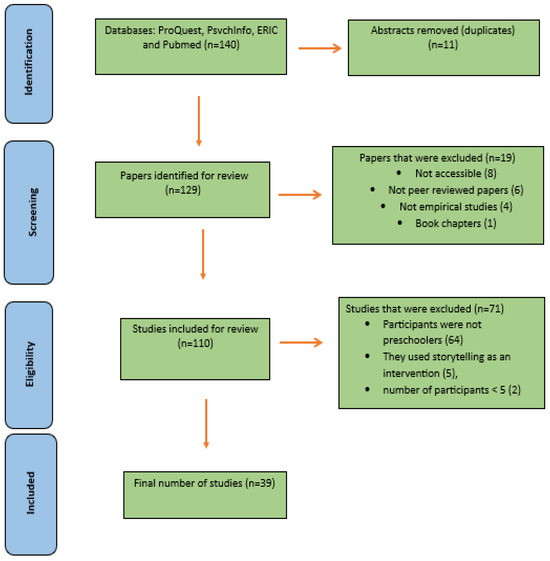
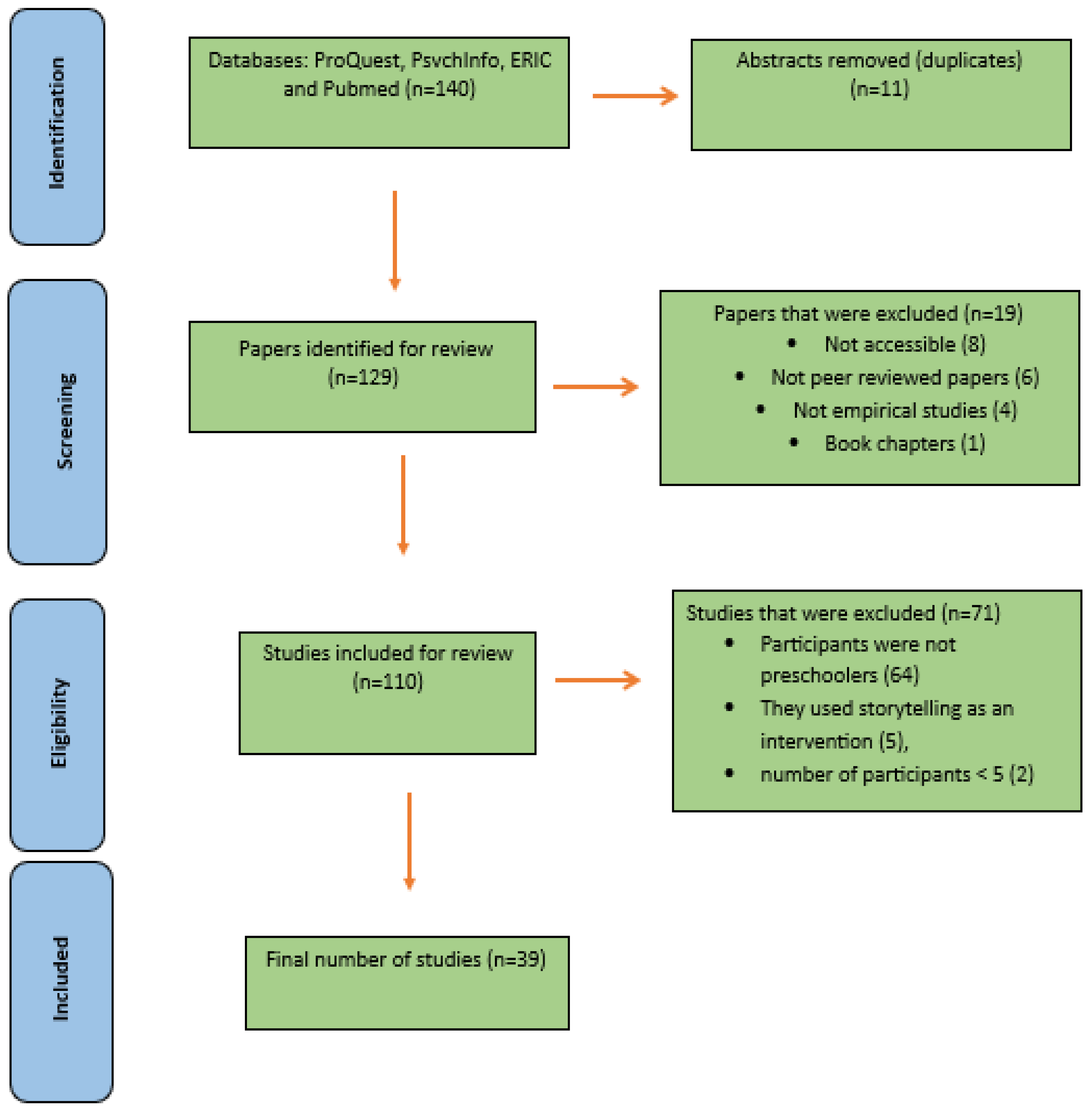

Disclaimer/Publisher’s Note: The statements, opinions and data contained in all publications are solely those of the individual author(s) and contributor(s) and not of MDPI and/or the editor(s). MDPI and/or the editor(s) disclaim responsibility for any injury to people or property resulting from any ideas, methods, instructions or products referred to in the content. |
© 2026 by the authors. Licensee MDPI, Basel, Switzerland. This article is an open access article distributed under the terms and conditions of the Creative Commons Attribution (CC BY) license.