


Abstract
The present study investigates the relationship between initial learner motivation, engagement, and pragmatic development within a self-access web-based instructional environment. Focused on the development of awareness and production of English email requests to faculty, the study involved 65 first-year English Studies students at a Spanish public university. Motivation was assessed qualitatively through open-ended responses which were classified as having Pragmatic orientation, Linguistic orientation, or No orientation. Engagement was captured multidimensionally via project-linked indices of behavioural, cognitive, and affective involvement. Findings reveal that initial motivation predicted greater overall engagement, including increased time invested and deeper cognitive processing. A distinct modality gap was identified: while engagement related positively to pragmatic gains, it exerted stronger effects on awareness than production. Most crucially, profile analyses revealed that sustained engagement can override initial motivational deficits. Learners who entered the module with no initial orientation but still engaged at a moderate level significantly outperformed unmotivated, disengaged peers and achieved gains comparable to those of more motivated students. These findings underscore the mediating role of engagement in pragmatic instruction and advocate for specific motivational and engagement assessments over general scales to better account for the effects of these individual differences in L2 pragmatic gains.
1. Introduction
Research on instructed second language (L2) pragmatics has increasingly acknowledged the role of individual differences (IDs) in shaping how learners notice, process, and deploy contextually appropriate language. While L2 proficiency has received extensive attention and is associated with gains in pragmatic performance, it does not fully account for the wide variability observed in learners’ development of pragmatic awareness and production. Recent research syntheses (e.g., L. Zhang & Aubrey, 2024) have shown that pragmatic competence (broadly understood as the ability to convey and interpret meaning adequately in social interaction) depends not only on linguistic knowledge but also on learners’ ability to evaluate contextual information, draw on their understanding of social norms, and exercise agency in ways aligned with their identities (Taguchi, 2019).
Within the broader constellation of IDs, conative and affective factors such as motivation have attracted growing interest (Martínez-Flor et al., 2023). Prior research shows that motivational effects in L2 pragmatics are mixed and appear to vary depending on how motivation is conceptualized and measured and on the outcomes that are examined. Overall, stronger and more consistent links have been reported between motivation and learners’ awareness of pragmatic infelicities than between motivation and their ability to produce pragmatically appropriate language (e.g., Tagashira et al., 2011; Tajeddin & Zand-Moghadam, 2012; Takahashi, 2005), suggesting that the path from motivation to performance is complex.
One possible explanation is that the influence of motivation on learning is not direct but mediated by factors such as learners’ engagement with tasks, materials, and learning environments. In fact, motivation has been described, alongside beliefs, emotions, goals, and prior achievement, as an antecedent to engagement, which represents the “action” learners take when investing attention, time, and effort in learning activities. From this perspective, learners may be motivated and express a willingness to engage, yet the critical question is whether this willingness is translated into sustained, active engagement with instructional input and practice opportunities (Mercer, 2019).
This motivational–behavioural interface is particularly salient in self-access web-based instruction, where learners are granted autonomy over when and how they work through materials. In such contexts, engagement is not scaffolded by the teacher but depends on learners’ own decisions to invest effort, revisit sections, and reflect on feedback. Although self-access web-based pragmatics instruction has been explored in relation to L2 proficiency (e.g., López-Serrano et al., 2025; L. Yang, 2016, 2017, 2024), the possible mediating role of engagement and its connections to motivation and pragmatic development remains largely underexplored.
The present study addresses this gap by examining how English as a foreign language (EFL) learners’ initial motivation to learn about email requests in academic contexts and their engagement with a compulsory self-access pragmatic module are related to their development of pragmatic awareness and production. One further novelty of the study is that it is situated in a real university classroom, where the web-based project forms part of a required English module rather than an experimental add-on, thus allowing for an ecologically valid exploration of how IDs operate in an authentic instructional context.
2. Literature Review
IDs have emerged as a central concern in instructed L2 pragmatics, particularly in foreign language contexts, where learners have fewer opportunities for input processing and output production (Martínez-Flor et al., 2023). In particular, it has been shown that learners with similar proficiency levels can display markedly different trajectories in developing pragmatic awareness and production. As L. Zhang and Aubrey (2024) argue, this may be caused by the sociocultural nature of pragmatics, which sets it apart from other aspects of language learning. Pragmatic competence entails not only linguistic knowledge but also the capacity to interpret contextual cues, draw on social norms, and exercise agency in ways that align with one’s identity. Alongside L2 proficiency, conative and affective factors such as motivation, cognitive resources like working memory, and socio-demographic variables including identity can all shape the extent to which learners attend to and adopt pragmatic norms.
2.1. Motivation and L2 Pragmatic Competence
Though difficult to define, motivation in SLA has generally been seen as the “driving force” behind an action (Dörnyei & Ushioda, 2013). In L2 pragmatics research, motivation has been considered as a multi-layered ID factor that directs a learner’s attention toward target-language pragmatic norms. Motivation in earlier research was typically conceptualized by adapting established L2 theories, such as Self-Determination Theory (SDT), which organizes motivation along a continuum based on degrees of autonomy, or the L2 Motivational Self System (L2MSS), which centres on future self-images (the Ideal and Ought-to L2 Selves) as the primary drivers of effort. More specialized frameworks have introduced constructs such as “pragmatic motivation”, defined as the specific psychopragmatic drive to acquire sociopragmatic norms and speech-act-specific competencies (Tajeddin & Zand-Moghadam, 2012); and “task motivation”, which views motivation as a dynamic process involving cyclical adjustments of mastery-oriented goals and intensity during specific activities (Takahashi, 2023).
The growing body of work that has examined the relationship between motivation and second language pragmatics has largely approached the motivation–pragmatics interface by correlating motivational variables with pragmatic performance, with a stronger emphasis on awareness than on production (e.g., Tagashira et al., 2011; Tajeddin & Zand-Moghadam, 2012; Takahashi, 2005). By contrast, comparatively fewer studies have investigated how motivation functions as a driving force in pragmatic learning (e.g., Lai & Economidou-Kogetsidis, 2025; Takahashi, 2015, 2023).
Early research, grounded in Schmidt’s (1986) Noticing Hypothesis, demonstrated that motivation enhances the attentional processing of pragmatic features in input. Takahashi (2005) showed that intrinsic motivation, rather than proficiency, predicted Japanese learners’ awareness of complex request forms in English. Similar findings emerged in Iranian (Tajeddin & Ebadi, 2011) and Thai (Chiravate, 2012) contexts, confirming that motivated EFL learners—whether intrinsically or extrinsically driven—tend to demonstrate greater sensitivity to pragmatic infelicities. However, the type of motivation appears contextually contingent: learners in exam-oriented settings often prioritize accuracy over appropriateness.
Building on SDT, studies in Japanese EFL settings (Tagashira et al., 2011; Yamato et al., 2013) found that self-determined and intrinsically motivated learners outperformed others in pragmatic awareness, despite differences in proficiency. These findings suggest that autonomous motivation promotes deeper engagement with the social functions of language. However, motivational effects appear stronger for awareness than for actual pragmatic production, as shown by Takahashi (2015), who also highlighted listening proficiency as a mediating factor in pragmatic learning.
Subsequent work drawing on the L2MSS has offered a broader, self-based view of motivation. Among Chinese EFL learners, H. Yang and Ren (2020) found that specific components of the L2MSS—intended learning effort and attitudes toward the L2 community—predicted pragmatic awareness, while Hui and Chen (2025) (who worked in the same context) reported that an overdeveloped “ought-to L2 self” hindered pragmatic awareness in exam-driven environments. Collectively, these findings suggest that motivational orientation is both multifaceted and context dependent.
A parallel line of inquiry has introduced pragmatic motivation as a construct capturing learners’ desire to acquire pragmalinguistic and sociopragmatic norms for authentic communication. Tajeddin and Zand-Moghadam (2012) distinguished between general pragmatic motivation and speech-act-specific motivation (SASM), finding that the latter better predicted the pragmatic production of Iranian EFL learners. Later, Tajeddin and Malmir (2024) showed pragmatic motivation to be a stronger predictor of speech-act knowledge than willingness to communicate, arguing that pragmatic motivation reflects the internal readiness to engage with pragmatic input. Overall, studies emphasize that motivational specificity—motivation aligned with particular pragmatic features—more reliably predicts performance than broad motivational orientations.
Recent process-oriented research has examined motivation as a situated and dynamic construct. Takahashi (2023) demonstrated that task motivation promotes pragmatic learning only when accompanied by mastery-oriented goals and sustained effort; surface-level attention often resulted in limited awareness gains by Japanese EFL learners. Similarly, Lai and Economidou-Kogetsidis (2025) found that strategy-based instruction enhanced both pragmatic awareness and motivation in Chinese EFL learners, though the two developed independently, suggesting that pragmatic motivation may emerge as a byproduct rather than a driver of awareness in instructed settings. These findings were later corroborated in a follow-up study that explored the effects of instruction on the production of email invitation-requests (Lai et al., 2026). The authors explored the long-term learning gains of a high-motivation and a low-motivation group and found that initial motivation did not significantly moderate instructional effectiveness.
Taken together, this body of work indicates that motivation does play a role in L2 pragmatics, but that the relationship between the two constructs is complex and multifaceted. Its effects appear strongest for awareness, less consistent for production, and contingent on the degree of alignment between motivation type, learning context, and the specific pragmatic feature under investigation. Moreover, both how motivation is conceptualized and how it is measured shape the patterns that emerge. A common methodological limitation is the predominant use of self-report instruments that elicit intentions in hypothetical scenarios (e.g., “If my teacher gave the class an optional assignment, I would certainly volunteer to do it”) rather than learners’ responses to concrete learning tasks, which may help explain why high reported motivation does not always lead to observable gains. In addition, the specificity of the construct seems crucial: motivational dispositions that are closely tied to the target pragmatic feature tend to predict performance more strongly than broad L2 or general pragmatic motivation. Recent work also suggests that some components of motivation may be more directly implicated in performance and learning than others, with both intended and sustained effort showing consistent links to L2 pragmatics (e.g., Takahashi, 2023; H. Yang & Ren, 2020). However, SLA scholars have emphasized the fact that motivation (conceived as an initial driving force, intention or desire to learn) is not a behaviour, and that it should be distinguished from engagement, which is regarded as the actual action or effort expended during learning (e.g., Hiver et al., 2024; Iwaniec & Khaled, 2024).
2.2. Engagement and Pragmatic Competence
Learner engagement, long established in general education, has gained substantial traction in L2 research during the last decade (e.g., Jiang & Peng, 2025; Mercer, 2019; Philp & Duchesne, 2016). Engagement in instructed L2 learning has been defined as “energized, directed, and sustained action toward learning objectives” (Skinner et al., 2009, p. 225), and it is considered a central mediator between external experiences, internal processes, and achievement (e.g., Lam et al., 2012).
Engagement is conceptualized as a multidimensional construct which encompasses behavioural, cognitive, and affective components that capture the quality of learners’ involvement with learning processes and contexts. Behavioural engagement involves observable actions such as time on task, persistence, initiative, and active participation in learning activities (Hiver et al., 2024; Jimerson et al., 2003; Skinner et al., 2009). Cognitive engagement refers to attentional processes and mental investment in comprehending complex ideas, ranging from surface-level processing (e.g., rote completion) to deep elaboration (e.g., integrating ideas, justifying decisions) (e.g., Appleton et al., 2006; Fredricks et al., 2004). Affective engagement encompasses learners’ emotional responses to tasks and learning environments, including positive reactions such as enjoyment and interest, alongside negative ones such as anxiety or boredom (Fredricks & McCloskey, 2012; Furlong et al., 2003; Nakamura, 2025). The full potential of engagement emerges from interactions among dimensions, indicating that learners are not only visibly active, but also mentally invested and emotionally involved in meaningful language use (Hiver et al., 2024; Vo et al., 2025; Zhou et al., 2021).
The relationship between engagement and motivation is now widely recognized in SLA but far from straightforward. Work grounded in SDT treats motivation as an internal, largely unobservable process that precedes and gives rise to engagement, which is seen as its behavioural manifestation (e.g., Reeve, 2012). Although higher motivation often predicts higher engagement, this relationship is not linear or guaranteed (Hiver, 2022; Mercer, 2019; Oga-Baldwin, 2019): highly motivated learners may still disengage from particular activities, while some learners with moderate motivation may display substantial behavioural and cognitive effort if tasks are perceived as meaningful (e.g., Svalberg, 2018). These findings underscore the need to investigate engagement as a construct distinct from, yet closely related to, motivation (e.g., Hiver & Dao, 2025).
In spite of this need, very little research has explored this connection to date. Only recently has a small but growing body of studies examined engagement as a construct linked to motivation in L2 pragmatics learning (Alsmari, 2023; Sanjaya et al., 2022, 2025). Specifically, existing studies have drawn on SDT as a theoretical framework to explore how different motivation orientations may relate to learners’ self-reported behavioural and cognitive engagement with L2 pragmatic aspects. In the Saudi Arabian context, Alsmari (2023) investigated the relationship between autonomous and controlled motivations and behavioural engagement among 198 EFL learners. This study employed a quantitative correlational design using the Standardized Test of English Proficiency to categorize learners by proficiency level. The results indicated that autonomous motivation exerted a significantly stronger influence on pragmatic engagement than controlled motivation across all groups. Crucially, proficiency was found to be a key mediator, with advanced learners demonstrating the highest levels of both motivation and active participation in pragmatically oriented tasks.
Moving on to the Indonesian context, Sanjaya et al. (2022) examined behavioural engagement among 76 university EFL learners using a multiple linear regression design. While Alsmari found autonomous motivation to be dominant, Sanjaya et al. (2022) revealed that controlled motivation—driven by external rewards or ego-involvement—had an effect twice as large as autonomous motivation on engagement. The researchers noted that overall levels of motivation and engagement were relatively low, potentially due to a traditional pedagogical focus on grammar over functional communication in the Indonesian context. Expanding on this work, Sanjaya et al. (2025) shifted the conceptual focus to cognitive engagement, defined as the quality of mental involvement during pragmatic processing. Using Partial Least Squares Structural Equation Modelling with 262 learners, the study moved beyond the autonomous-controlled dichotomy to test four specific regulations: intrinsic, identified, introjected, and external. The findings showed that intrinsic regulation was the most powerful predictor of cognitive engagement, whereas external regulation showed a negative correlation, suggesting it may actually hinder deep mental involvement.
Despite this initial contribution, important gaps remain in the literature on motivation, engagement and L2 pragmatics. To begin with, the studies employed one-time measures to capture a “snapshot” of learner motivation and engagement but did not explore the relationship between both IDs in relation to pragmatics instruction in a real classroom. In addition, general self-report questionnaires were used rather than task-specific indicators. Reliance on self-report questionnaires risks socially desirable responding and may not capture the situated nature of IDs. Therefore, there is a need for task-related fine-grained indicators of engagement that go beyond learners’ accounts as well as measures of motivation that are connected to specific tasks and contexts. In addition, in this body of research cognitive and behavioural engagement have been measured as isolated constructs, while the full potential of engagement comes from the interconnectedness of its dimensions. Finally, little attention has been paid to how motivation and engagement may work in online or blended settings, even though such environments are increasingly central to L2 instruction. In the specific domain of self-access web-based pragmatics instruction, prior studies have primarily considered IDs in terms of proficiency (e.g., López-Serrano et al., 2025; L. Yang, 2016, 2017, 2024), leaving the roles of motivation and engagement—and their potential mediating function in pragmatic development—largely unexplored. These studies are discussed in the section below.
2.3. IDs in Self-Access Web-Based Pragmatic Instruction
To the best of our knowledge, only four studies have explored the relationship between proficiency and pragmatic gains in self-access web-based instruction, reporting mixed findings on the role of proficiency (López-Serrano et al., 2025; L. Yang, 2016, 2017, 2024). L. Yang (2016, 2024) examined the effects of instruction on learners’ awareness expressions of gratitude in Chinese. Two learner groups (lower- and higher-proficiency), whose proficiency was determined through a standardized Chinese Proficiency Test, engaged with the materials over five weeks. Findings indicated that self-access instruction effectively enhanced both groups’ pragmatic awareness, suggesting that online input and noticing activities can promote metapragmatic development regardless of proficiency level (L. Yang, 2016). In a follow-up study, L. Yang (2024) further indicated that instruction was effective in neutralizing the advantage in pragmatic awareness that the higher-level group had exhibited in the pre-test.
In contrast, significant gains in production were observed only among higher-proficiency learners, pointing to the potential threshold effects of linguistic competence in transferring awareness to performance (L. Yang, 2017). Qualitative data further supported this conclusion, showing that lower-level learners continued to rely on a restricted range of thanking formulas, many of which remained contextually inappropriate. Similarly, López-Serrano et al. (2025) explored the mediating role of proficiency in Spanish EFL learners’ production of email requests to faculty. Sixty-eight university students were assigned to three CEFR-based groups (B1, B2, and C1) according to their Oxford Placement Test results. The study found comparable gains across proficiency levels, with all groups improving significantly (particularly in terms of request appropriateness and organization). This suggests that self-access pragmatics instruction can support learners’ email request development at varying stages of proficiency. A further insight from this body of research is that participants tend to display substantial variability in their post-test performance, with standard deviations typically accounting for roughly 12–18% of the total possible score range. The standard deviations associated with learning gains can be considered large, particularly among lower-proficiency learners, reflecting a wide disparity in how individual students benefit from web-based instruction.
Taken together, these studies highlight both the effectiveness of self-access web-based pragmatics instruction across proficiency levels and the considerable individual variability it generates, thereby underscoring the need to investigate how IDs such as motivation and engagement may contribute to differential outcomes in these environments.
3. The Present Study
The present study examines the extent to which learners’ motivation and engagement have an effect on the gains fostered by a self-access web-based module on email requests to faculty. The study is informed by compatible perspectives from SDT (e.g., Ryan & Deci, 2020) and Personal Investment Theory (e.g., King et al., 2019). From an SDT standpoint, embedding a web-based pragmatic project in a compulsory course may threaten learners’ sense of autonomy, as they cannot opt out and must complete the project to pass the module, which can push some students toward more controlled forms of regulation. Personal investment theory, in turn, highlights perceived goals as a key dimension of task meaning, distinguishing mastery goals (personal interest and growth), performance goals (outperforming others), social goals (helping others and belonging), and extrinsic goals (grades or rewards). These frameworks converge on the idea that the perceived meaningfulness of a task—grounded in autonomy and goal alignment—shapes how much time, effort, and attention learners are willing to invest.
As outlined in the literature, links between motivation and L2 pragmatic outcomes are complex and appear to be mediated by learners’ engagement with instructional input and tasks. Yet research has rarely examined motivation, engagement, and pragmatic development together, especially in online self-access contexts and across multiple pragmatic measures. The present study addresses three interrelated gaps: (i) the limited evidence on how motivation and engagement jointly relate to pragmatic learning, (ii) the paucity of work that considers both awareness and production as outcomes, and (iii) the scarcity of ecologically valid studies conducted in real classroom settings where self-access web-based instruction forms part of a compulsory module rather than an optional add-on.
To explore these relationships, the study addressed the following research questions:
- RQ1: Is motivation related to learner engagement with self-access web-based instruction, and if so, in which ways?
- RQ2: Is engagement related to learners’ pragmatic development in terms of awareness and production, and if so, in which ways?
- RQ3: Does the combination of motivation and engagement affect learners’ pragmatic development in terms of awareness and production?
4. Methodology
4.1. Participants
Participants were 65 first-year students majoring in English Studies at a public university in Spain. They were Spanish speakers enrolled in a required English language module. Their English proficiency varied from intermediate (B1) to advanced (C1), as determined by the Oxford Placement Test. While many students had previously learned basic conventions for formal emails during their secondary education, their prior training emphasized surface-level style and formulaic phrases rather than the social and contextual complexities of academic interaction. Consequently, the group was characterized as novice users of academic email, with limited real-world experience contacting university faculty in English.
4.2. Instruction
The instructional intervention lasted five weeks and consisted of the completion of a self-access web-based module designed to develop learners’ pragmatic competence in writing email requests to faculty in English. The completion of the module was presented as a project within the curriculum of the English course. While participation was compulsory, the depth and quality of participation remained under the learners’ control. To promote engagement despite its required nature, the project was explicitly framed around mastery goals—emphasizing personal growth and skill improvement rather than performance comparison. Against this backdrop, the project was expected to be more meaningful, and thus more engaging, for learners who initially expressed motivation to learn more about the target pragmatic domain of “formal” email communication, as they could connect the project to personally relevant mastery or future-oriented goals. Such learners can be hypothesized to allocate more cognitive resources to the self-access module and, consequently, to benefit more in terms of pragmatic development. By contrast, learners who approached the project with little or no initial motivation to learn the target pragmatics were expected to experience the task primarily through external regulation (e.g., avoiding failure or securing a minimum grade), display lower engagement, and derive more limited gains.
Instruction unfolded in two phases over three weeks: metapragmatic instruction (weeks 2–3) and practice (week 3–4) (see Figure 1). The metapragmatic instruction stage consisted in engaging with the first three sections of the module. Section 1 introduced key pragmatic concepts such as politeness, social distance, power, and imposition. Section 2 developed the concept of framing moves (i.e., email structure), and Section 3 focused on building the email content moves (i.e., head acts and supporting moves). In these sections, learners read metapragmatic explanations, analysed real input, and completed interactive activities offering immediate feedback, often with additional clarifications. This phase also included three learning reflection questionnaires, whose completion was strongly recommended. The practice phase involved working with Section 4, which was called “Let’s practice!”. It required the completion of three compulsory activities: guided email analyses, email production, and processing model-answer feedback. Students could optionally create two personalized request scenarios and emails. It is important to notice that during this phase most students revisited the website modules for reference.
Figure 1.
Implementation of self-access web-based pragmatic instruction. Note: R stands for “Recommended”, C stands for “Compulsory”, and O stands for “Optional”.
4.3. Instruments
The study employed multiple instruments to capture learners’ pragmatic development, motivation and engagement. Pragmatic outcomes were measured through pre- and post-tests administered in class, while motivation and engagement-related data were gathered through questionnaires and activity submission forms during the metapragmatic instruction and practice phases (see Figure 2 for a summary of variables, times and instruments).
Figure 2.
Variables measured and data collection instruments.
4.3.1. Awareness and Production Tests
Learners completed pre- and post-tests targeting two dimensions of pragmatic competence: awareness and production. Both testing sessions were conducted in class, and students used their own laptops or tablets to complete the tasks individually. Pragmatic awareness was assessed by means of a perception task adapted from earlier studies on email pragmatics in academic settings (e.g., Alcón-Soler, 2015; Chen, 2015; T. T. M. Nguyen, 2018). The task presented three email requests to faculty, each embedded in a brief scenario that provided contextual information and manipulated social distance and imposition, in line with recommendations to judge emails in relation to their context rather than in isolation (Economidou-Kogetsidis, 2023). The scenarios reflected typical situations in which university students might contact instructors by email, and the emails themselves were adapted from naturalistic data reported in previous empirical research (e.g., Economidou-Kogetsidis, 2011; T. T. M. Nguyen, 2018). Pragmatic production was measured through two email writing tasks, with scenarios adapted from prior work on request-making in academic email (e.g., Chen, 2015). In the first task, learners wrote an email requesting help accessing the course online learning platform, a request that falls within a lecturer’s normal responsibilities, whereas in the second task they requested permission to enrol in a class that was already full, which represents a higher-imposition favour. Both situations involved first-time email contacts, implying relatively high social distance between student and lecturer. The scenarios were written in the students’ L1 to ensure full comprehension of the situations and to prevent learners from copying language verbatim from the prompts. Examples of the tests can be found in López-Serrano (2025) and López-Serrano et al. (2025).
4.3.2. Pre-Instruction Questionnaire
Learners’ initial motivation to learn the pragmatic target was explored through a questionnaire administered in week 1, after the pre-test and before instruction started. This instrument included several open-ended questions about participants’ previous instruction on email writing in English and in Spanish, allowing them to describe their experience and perceived preparation. A key item asked them to comment on their satisfaction with their current knowledge of “formal”1 emails and to specify any aspects they wished to improve or learn more about (e.g., “Do you feel satisfied with your current knowledge of this type of email? Are there any aspects that you would like to improve or learn more about? You can use English or Spanish.”). The use of such an open-ended prompt reflects concerns raised in the motivation literature about the limitations of standard self-report measures in classroom research. As noted by Ushioda (2016), students may be reluctant to report their true feelings and attitudes to their own teacher because of respect or fear of evaluative consequences, which can lead to inflated and homogeneous reports of motivation2.
4.3.3. Reflective Questionnaires and Submission Forms
Learners’ behavioural engagement was captured through direct data following recommendations by Sang and Hiver (2021), among others. Two measures were used: (i) activity completion, which was collected through the number of reflective questionnaires and activities submitted, and (ii) “reported time3”, which was obtained through open-ended answers in the questionnaires and submission forms.
Cognitive engagement was captured through three post-section reflective questionnaires administered in weeks 2 and 3. They were designed to facilitate “written languaging” or self-explaining (e.g., DiCamilla & Lantolf, 1994; Ishikawa & Suzuki, 2023; Suzuki, 2017). By externalizing internal dialogue to process new linguistic input, these reflections serve as a self-mediational tool within the zone of proximal development, a function particularly vital in digital environments where instructor guidance is limited. This methodology mirrors established research using reflective journals to foster self-regulated learning and capture strategy use (e.g., Matsumoto, 1996; Y. Zhang & Chieh, 2025).
Affective engagement was explored through an open question embedded in the reflective questionnaires (weeks 2 and 3) and the submission forms (weeks 3 and 4) for each of the required activities. After completing a module or activity, learners had the option to respond to the prompt “If there is anything else you would like to mention in relation to the module/task, you can write it down here.” The question was intentionally broad and did not explicitly ask about emotions or attitudes, with the aim of eliciting spontaneous comments on learners’ experiences with the tasks rather than socially desirable responses about engagement. These comments provided qualitative insights into how students felt about the materials and activities, how they evaluated their usefulness or difficulty, and any other aspects they deemed noteworthy.
The data collection complied with the ethical standards established in the Declaration of Helsinki (2024) and was conducted under approval of the research ethics committees of the first author’s institutions (CEIBA2024-3407; CE-20240411-02-HUM).
4.4. Data Coding
In this section, we detail how data collected to capture pragmatic development and individual differences were conceptualized and coded. For the sake of space, rubrics and examples are provided in the Appendix A, Appendix B, Appendix C, Appendix D, Appendix E and Appendix F.
4.4.1. Pragmatic Development
Concerning pragmatic awareness, the explanations of (in)appropriateness provided (if any) were analysed for each infelicity identified. Following previous work (e.g., T. T. M. Nguyen, 2018), each explanation was coded as (i) pragmalinguistic in orientation, when it referred exclusively to the language forms used in greetings, in performing the request, etc.; as (ii) sociopragmatic, if it referred to context variables such as power, distance and/or imposition; or as (iii) showing evidence of form-function-mappings if it linked both pragmalinguistic and sociopragmatic knowledge and the specific content of the email. Students’ answers were assessed through a 6-level band scoring rubric (e.g., M. T. T. Nguyen et al., 2015) that was designed to capture participants’ ability (i) to detect pragmatically inappropriate language use and (ii) to verbalise awareness of language forms and social meaning as influenced by their understanding of pragmatic phenomena (Martínez Buffa, 2022). Accordingly, the rubric contained two dimensions that assessed (i) the number of pragmatic infelicities and/or aggravators identified and (ii) evidence of pragmalinguistic and socio-pragmatic awareness together with form-function-context mappings in participants’ written verbalizations. The minimum score for each email was 0, representing complete lack of pragmatic awareness, and the maximum was 5, which involved the ability to identify all the pragmatic infelicities in the email, and to be able to justify the nature of such infelicities by drawing on pragmalinguistic and sociopragmatic knowledge and the connections between both. The maximum score was 15. The rubric can be found in Appendix A.
Regarding pragmatic production, participants’ emails were analysed by means of an analytic scoring rubric (López-Serrano et al., 2025) which included five levels of performance–from 0 (Absence) to 4 (Completely appropriate)—and five dimensions: readability, organization, request appropriateness, use of content moves, and overall sociopragmatic awareness. Each email could be awarded a maximum of 20 points (i.e., four points in each of the five dimensions), making the maximum possible score in the test 40 points.
4.4.2. Individual Differences
Motivation was measured through participants’ answers to the open-ended question included in the pre-instruction questionnaire. These were qualitatively explored to find expressions of desire to acquire more knowledge about “formal” emails. Three motivation orientations were identified: Comments which expressed feelings of satisfaction with existing knowledge of “formal” emails and/or no willingness to learn were labelled as showing “no orientation” towards learning. Comments expressing awareness of room for improvement in relation to language-related issues such as grammar or vocabulary were coded as “linguistic” in orientation. Finally, reflections in which participants connected their learning needs or intentions with pragmatic dimensions (such as adequacy, formality, politeness) were labelled “pragmatic” orientation. Examples of each category can be found in Appendix B. Once these orientations had been identified, each answer was rated independently by three raters and Fleiss kappa was used to measure agreement among the raters. The result obtained was .87, which is considered almost perfect agreement (Larsson et al., 2020). Cases of disagreement were resolved through collaborative discussion until complete agreement was reached. These analyses resulted in the classification of participants into three groups regarding the orientation of their motivation: no orientation (n = 24), linguistic orientation (n = 27) and pragmatic orientation (n = 14).
Participants’ behavioural, cognitive, and affective engagement were coded separately, and a global score was calculated, as explained below. Behavioural engagement was measured through the number and type of activities submitted and included three indicators: recommended reflection questionnaires completed (max = 3), compulsory activities completed (max = 3), and total activities completed (recommended, compulsory and optional) (max = 8). The measure of “reported time” included three indicators calculated in minutes: total time, time spent processing information and engaging in controlled practice in the instruction phase (first three sections in the module), and time spent completing the activities in the practice phase. In order to analyse levels of cognitive engagement, students’ written reflections were explored taking as a basis previous categorizations on levels of noticing and reflection in languaging episodes (e.g., Leow, 2015; Qi & Lapkin, 2001; Schmidt, 2001; Storch, 2008; Suzuki, 2017). Four levels were identified: Level 0 involved providing no answer; Level 1 involved perfunctory or surface engagement; Level 2 included reflections on the novelty and/or usefulness of several target features; Level 3 was characterized by elaborate explanations that involved rejection and/or confirmation of hypotheses and establishing connections between prior and new knowledge, i.e., “making knowledge one’s own” (Svalberg, 2009). Interrater agreement, measured through Fleiss kappa, was .81. Descriptors and examples of these levels are provided in Appendix C. The maximum possible score in this dimension was nine. To analyse affective engagement we took into account participants’ affective reactions to the learning activities (e.g., Sulis, 2022). Spontaneous comments written in the reflection questionnaires and task submission forms that captured students’ reactions to the materials and activities and that signalled emotions such as interest, enjoyment or boredom. Students’ perceptions of usefulness of the materials or tasks were also considered indicators of these, as generators of positive emotions. Examples of affective comments can be found in Appendix D. The possible maximum number of affective comments was six.
Once individual behavioural, cognitive and affective indicators had been coded, a score was used to measure global engagement. The rubric with the specific criteria used to calculate each participant’s global score is presented in Appendix E. Possible scores went from 0 to 12. Three engagement groups were identified (Low n = 12; Medium n = 28; High n = 25), and their scores were compared through a Kruskal-Wallis test which indicated that they were significantly different.
4.5. Data Analysis
Before analysing relationships between the different variables in the study, two preliminary analyses were conducted. First, pragmatic development resulting from the self-access instruction period was measured in order to test whether the module contributed to pragmatic learning. Participants’ scores in both the awareness and production pre- and post-tests were analysed through a paired samples T-test, given that no violation of the normality assumption was found. The tests showed that students significantly improved their awareness and production of email requests to faculty. Their mean awareness score increased from 2.64 (SD = 1.58) to 8.31 (SD = 3.10) [t(67) = −15.86, p < .001], and their average production score rose from 18.81 (SD = 5.33) to 32.82 (SD = 4.88) [t(67) = −23.09, p < .001].
Second, to test whether prior knowledge (general English proficiency, pragmatic awareness and pragmatic production) could act as a confounding variable, its possible effects were controlled for motivation through Kruskal-Wallis tests. Data showed that learners’ motivation was not related to their general proficiency nor to their prior pragmatic knowledge of email requests to faculty [OPT score H(2) = .435, p = .804; awareness pre-test score H(2) = .752, p = .687; production pre-test score H(2) = 4.182, p = .124].
To address our research questions and to compare how different groups of participants differed in terms of their behaviours and gains, we employed non-parametric Kruskal-Wallis tests. This was due to the relatively small sample and different sizes of the groups analysed, which did not allow us to assume the data was normally distributed. Post hoc pairwise comparisons were carried out using Dunn’s test with Holm correction. For RQ1, which examined the relationship between motivation and engagement, we compared the three motivation groups on their global, behavioural, cognitive, and affective engagement levels. For RQ2, which investigated the link between engagement and pragmatic development, we compared the three engagement groups on pragmatic gains in both awareness and production measures. This was supplemented by linear regression analyses of engagement components against learning gains. For RQ3, which assessed the combined effects of motivation and engagement on pragmatic development, we identified five learner profiles and examined differences in their learning gains.
5. Results
5.1. RQ1: Is Motivation Related to Learner Engagement with Self-Access Web-Based Instruction, and If So, in Which Ways?
To answer RQ1, we compared the three motivation groups–Pragmatic, Linguistic and No orientation–on their global, behavioural, cognitive, and affective engagement levels. As we can see in Table 1, the Pragmatic group scored higher in all engagement scores except for affective engagement (M = 2.14), where the Linguistic group obtained the highest scores (M = 2.34). The No orientation group, in turn, obtained the lowest scores in all engagement aspects. Such differences were statistically explored through a series of Kruskal-Wallis tests.
Table 1.
Engagement measures across motivation groups.
In terms of behavioural engagement, the analyses indicated that highly significant differences existed between the groups for measures of both reported time and activity completion. As regards reported time, the Kruskal-Wallis test revealed significant differences across the groups in the three measures: total time [H(2) = 22.35, p < .001], time spent during the instruction phase [H2(2) = 30.30, p < .001] and during the practice phase [H(2) = 18.45, p < .001]. Post hoc analyses showed that across the three measures, the No motivation group spent significantly less time than the motivated groups, and no significant differences were found between these. Activity submission measures followed a similar pattern, with significant differences appearing among the groups in terms of total activities submitted [H(2) = 33.69, p < .001], recommended questionnaires [H(2) = 26.20, p < .001] and compulsory tasks [H(2) = 15.53, p < .001]. As was the case with time, post hoc tests showed that, in all three measures, students in the No motivation group submitted significantly fewer activities than those in the motivated groups; as was the case with reported time, no significant differences were found between the Pragmatic and Linguistic orientation groups. These findings suggest a motivational effect, where the presence of motivation (whether pragmatic or linguistic in orientation) was strongly associated with sustained and consistent engagement across the range of assessment activities, with motivated learners substantially outperforming unmotivated learners in their overall commitment to the learning process. The strongest differential engagement was evident in time spent on instructional materials, with motivated learners investing approximately 130–140% more time than unmotivated learners.
Moving on to cognitive engagement, the Kruskal-Wallis test indicated significant differences in cognitive engagement among the groups, [H(2) = 30.00, p < .001]. The Pragmatic group reported the highest levels of cognitive engagement (M = 7.28, SD = 1.75), followed by the Linguistic (M = 4.22, SD = 1.98), and the No orientation groups (M = 2.31, SD = 1.87). Post hoc comparisons revealed significant differences across all pairwise comparisons: No orientation versus Pragmatic (p < .001), Linguistic versus No orientation (p = 0.005), and Linguistic versus Pragmatic (p = .002). The Pragmatic group displayed significantly higher cognitive engagement than the Linguistic group (z = −3.22, p = .003, rrb = 0.71) and the No orientation group (z = −5.46, p < .001, rrb = 0.93). The Linguistic orientation group also displayed significantly higher cognitive engagement than those with no orientation (z = 2.77, p = .006, rrb = 0.51). This suggests that having a pragmatic orientation had a positive and differential effect on the level of cognitive engagement that learners achieved in their reflective questionnaires. Finally, differences concerning affective engagement approached but did not reach significance [H(2) = 5.62, p = 0.060], with the three groups displaying similar mean scores and high variability (Linguistic (M = 2.34, SD = 1.14), Pragmatic (M = 2.14, SD = 1.03), and No orientation (M = 1.40, SD = 1.02)). This may indicate that spontaneously reacting to a material or task may be related to other factors (such as individual and/or task characteristics), and not to initial motivation.
Finally, concerning global engagement, our data showed that there was a statistically significant difference in scores among the different motivation groups [H(2) = 37.02, p < .001]. Post hoc comparisons revealed that the No orientation group scored significantly lower than the Pragmatic (z = −5.87, p < .001, rrb = 0.96) and the Linguistic (z = −4.04, p < .001, rrb = 0.73) groups. In addition, the Linguistic group’s score was significantly lower than the Pragmatic group’s one (z = −2.55, p = .011, rrb = 0.62). This suggests that a specific pragmatic orientation serves as a more powerful driver for sustained, active participation in a pragmatics-oriented module than a linguistic focus or a lack of initial orientation.
5.2. RQ2: Is Engagement Related to Learners’ Pragmatic Development in Terms of Awareness and Production, and If So, in Which Ways?
To answer RQ2, two analyses were conducted: first, pragmatic development of the three engagement groups (High, Medium and Low) was compared through Kruskal–Wallis tests; second, the predictive power of the main indicators of engagement on learning gains was measured through linear regression analyses. The descriptive data concerning differences in gains across groups are presented in Table 2, which shows an increase in gains that goes hand in hand with engagement level, particularly for pragmatic awareness.
Table 2.
Awareness and production gains across engagement groups.
The Kruskal–Wallis test revealed significant differences across groups concerning their awareness gains [H(2) = 22.50, p < .001]. Post hoc Dunn tests with Holm correction confirmed that all pairwise differences were significant: the High group outperformed both the Low group (z = 4.67, p < .001, rrb = 0.86) and the Medium group (z = 2.68, p = .015, rrb = 0.47); and the Medium group also showed significantly larger gains than the Low group (z = 2.62, p = .015, rrb = 0.61). Overall, these findings indicate a robust, graded pattern in which learners with higher engagement profiles demonstrated substantially greater gains in pragmatic awareness by the end of instruction. In contrast, no significant effect of engagement profile was found for production gains [H(2) = 1.88, p = .39]. Descriptive statistics show that the High and Medium engagement groups displayed similar average gains, whereas the Low group showed a lower mean gain. However, post hoc comparisons confirmed that none of the pairwise differences reached statistical significance after Tukey adjustment.
Linear regression analyses were used to examine the contribution of the main engagement measures (global engagement, reported time, activities submitted, cognitive and affective engagement) on awareness and production gains. Engagement measures significantly predicted both awareness and production gains in L2 pragmatics, with global engagement emerging as the strongest predictor for both outcomes. Awareness gains showed robust models in four measures: the strongest predictor was global engagement, [p < .001; F = 44.33] which explained 41% of variance; it was followed by activities submitted [p < .001; F = 20.77], which accounted for 25% of the variance, cognitive engagement [20.4%, p < .001; F = 16.18] and reported time [17%, p < .001; F = 12.97]. Production gains were only predicted by two engagement measures, and the models were weaker than those found for awareness gains: global engagement [p = .007; F = 7.70] explained around 10% of variance, and activities submitted [p = .021; F = 5.58] accounted for around 8%. No predictive power was found for affective engagement. Detailed data can be found in Appendix F.
These results indicate a clear, graded influence of engagement on the development of pragmatic awareness, where increased levels of student involvement translated into significantly higher learning gains. A notable asymmetry exists between the two learning outcomes; while engagement serves as a robust predictor for awareness, it is a considerably weaker predictor for production. Among the various measures, global engagement emerged as the most powerful driver of development, suggesting that the synergy of the multiple dimensions may be more critical for pragmatic growth than any single isolated indicator.
5.3. RQ3: Does the Combination of Motivation and Engagement Affect Learners’ Pragmatic Development in Terms of Awareness and Production?
To answer RQ3 participants were first grouped into profiles that reflected all the possible combinations of motivation and engagement. The distribution of the number of participants in each group is illustrated in Table 3.
Table 3.
Distribution of motivation-engagement profiles.
As we can see in the table, all the participants who reported motivation with pragmatic orientation displayed high levels of engagement. In the Linguistic orientation group, most participants displayed medium levels of engagement (59.3%), with a substantial portion showing high engagement (40.7%), and no student showing low engagement. Finally, in the No orientation group, engagement was evenly split between low and moderate levels, each at 50%. These distributions may thus explain some of the previous findings concerning behavioural measures of time spent and activities submitted: the balanced distribution of the No motivation group between these two levels of engagement can be taken as an explanation of the high variability found within this group. In addition, the fact that 40% of Linguistically motivated students ended up showing high engagement may account for the lack of differences between this group and the Pragmatically motivated one in several behavioural engagement dimensions.
Descriptive statistics for the five profiles concerning their awareness and production gains are presented in Table 4. Mean scores show a gradual increase in gains from no orientation, lower engagement profiles to the pragmatically motivated, high-engagement group. However, this increase was much more noticeable for pragmatic awareness than for production gains.
Table 4.
Awareness and production gains across motivation-engagement profiles.
Differences in pragmatic learning across the five profiles were calculated through Kruskal–Wallis tests. The analysis of awareness gains across profiles revealed a significant effect [H(4) = 25.75, p < .001]. As illustrated in Table 4, highly engaged profiles experienced the greater gains, with both PRA-Hi (z = −4.86, p < 0.001, rrb = 0.92) and LIN-Hi (z = 3.10, p = 0.015, rrb = 0.78) groups significantly outperforming the no orientation and low engagement group (NO-Lo), which obtained the lowest gains. Most interestingly, the role of engagement seems particularly relevant for participants with no initial motivation who displayed moderate engagement (NO-Mo), as they significantly outperformed the non-motivated, non-engaged group (z = 2.71, p = .046, rrb = 0.68) and obtained higher gains than those participants with initial linguistic motivation and moderate engagement. Taken together, these findings suggest that learners with higher engagement patterns, irrespective of their initial motivation, benefited most from the instructional intervention. While differences were found in awareness gains, this was not the case for production gains [H(4) = 1.886, p = .757]. Even though descriptive statistics showed that the non-motivated, non-engaged group obtained lower gains than the remaining groups, these differences turned out to be not statistically significant.
6. Discussion
The present study set out to investigate how EFL learners’ initial motivation to learn about email requests and their engagement with a compulsory self-access web-based module related to their pragmatic development in terms of awareness and production. The first research question asked whether learners’ initial motivation to learn about formal academic email communication was related to their subsequent engagement with the self-access module. Consistent with models that position motivation as an antecedent to engagement (e.g., Hiver et al., 2024; Reeve, 2012), learners’ motivation orientations were strongly associated with global and behavioural engagement indices: those expressing some form of motivation—whether broadly linguistic or explicitly pragmatic—reported substantially more time on task in both instructional and practice phases and submitted more recommended and optional activities than those with no orientation, paralleling recent findings that different types of motivational regulations can predict behavioural engagement with pragmatics-focused tasks (Alsmari, 2023; Sanjaya et al., 2022).
While both motivated groups showed similar behavioural effort, a pragmatic orientation uniquely triggered the highest levels of cognitive engagement, suggesting that a specific pragmatic drive—a desire to master sociopragmatic norms—promotes deeper processing of instructional input. This pattern resonates with research on speech-act-specific motivation, which indicates that motivational dispositions tightly aligned with particular pragmatic targets better predict input processing than broad L2 motivation, and adds a process dimension to Tajeddin and Zand-Moghadam’s (2012) work by showing that pragmatic orientation is associated not only with performance but also with qualitatively richer metapragmatic reflection during instruction. It also aligns with Sanjaya et al.’s (2025) finding that not all forms of “being motivated” are equally conducive to deeper, reflective engagement.
On the other hand, the lack of significant group differences in affective engagement suggests that spontaneous emotional reactions to instructional materials and tasks may be more closely tied to situated learning experiences than to initial motivation. This aligns with recent SLA research indicating that affective responses to tasks and lessons are shaped by materials design, perceived difficulty, and topic or task value at least as much as by baseline motivational levels (e.g., Sulis, 2022). It also supports arguments in engagement research that affective, behavioural, and cognitive components, while related, should not be assumed to covary uniformly (Fredricks et al., 2004; Mercer & Dörnyei, 2020; Philp & Duchesne, 2016).
The second research question explored how different levels and components of engagement related to gains in pragmatic awareness and production. The results revealed a robust, graded pattern for awareness: learners with higher global engagement profiles achieved significantly larger gains than those with medium or low engagement, and regression analyses showed that global engagement explained a substantial proportion of variance in awareness gains. Behavioural indicators such as total time on task and number of activities completed, as well as cognitive engagement, were significant positive predictors of awareness development, extending previous questionnaire-based findings (Alsmari, 2023; Sanjaya et al., 2022, 2025) to an ecologically valid instructional setting. These results are consistent with theories and empirical work (e.g., Hiver & Dao, 2025) that conceptualize engagement as a mediator between motivational processes and achievement: greater behavioural engagement increases opportunities to encounter and process relevant input, while higher cognitive engagement supports deeper, more elaborated reflection on form–function–context mappings—a key component of pragmatic awareness. The role of repeated written reflection as a form of written languaging is particularly noteworthy, as learners’ higher-level reflections involved integrating new concepts (e.g., imposition, busy schedule, rules and preferences) with prior hypotheses, the kind of metapragmatic work shown to foster durable understanding of pragmatic norms.
In contrast, the variance explained by engagement in production gains was modest. This asymmetry mirrors prior findings that IDs show stronger and more consistent links to awareness than to actual production, particularly when production tasks impose high linguistic and processing demands (e.g., Takahashi, 2023). The pattern may also reflect differences in test familiarity and score distributions: learners had some experience writing emails but had never completed awareness tasks, and their pre-test awareness scores were uniformly low, leaving ample room for improvement. Given that the instructional period foregrounded social and contextual aspects of requests through explanations, models, and guided analyses, learners had multiple opportunities to rehearse this type of pragmatic reasoning, and those who engaged more intensively benefited most in terms of awareness. By contrast, production scores in the pre-test were more varied and comparatively higher, and, combined with the relatively small sample, this may have limited the detectability of engagement-related variation in production gains.
The third research question examined how combined profiles of motivation and engagement related to pragmatic development. Initial motivation clearly shaped engagement patterns: learners with a pragmatic orientation displayed systematically high engagement, confirming that those who perceived the pragmatics-oriented project as meaningful invested more effort, in line with the idea that pragmatic orientation reflects an “internal readiness” to engage with pragmatic input and practice (Tajeddin & Zand-Moghadam, 2012). This combination of pragmatic motivation and high engagement yielded the largest gains in both awareness and production. Linguistically oriented learners were distributed across high and moderate engagement levels, suggesting that some degree of initial motivation—irrespective of its specific focus—was sufficient to drive substantial engagement with the instructional module.
Notably, half of the learners who reported no initial motivation later exhibited moderate levels of engagement. It is plausible that other forms of motivation (e.g., general motivation toward learning English, external regulations, a generally positive attitude toward the course, or interest in specific tasks) prompted these students to invest effort in a project that initially did not appear particularly engaging (e.g., Kormos & Dörnyei, 2004; Kormos & Wilby, 2019). More importantly, when gains were compared across profiles, these initially unmotivated but moderately engaged learners not only outperformed low-engagement peers with the same motivational profile but also achieved gains comparable to, or in some cases exceeding, those of more motivated but only moderately engaged learners. This pattern aligns with engagement models in general education and SLA that treat engagement as the proximal predictor of achievement, with motivation exerting its influence primarily through its impact on engagement rather than directly on learning outcomes. Finally, the profile results suggest that pedagogical design can play a critical role in fostering engagement and learning for students with varying motivational levels, mirroring recent evidence that carefully designed instructional approaches can boost pragmatic gains even when initial motivation is modest (Lai et al., 2026).
7. Conclusions, Limitations and Further Research
The present study makes several interrelated contributions to research on L2 pragmatics, motivation, and engagement. Theoretically, it advances work on IDs in self-access web-based instructed pragmatics by shifting the focus beyond proficiency to the joint roles of motivation and engagement in learners’ pragmatic development of email request awareness and production in an academic setting. Methodologically, it extends studies of L2 pragmatics by capturing motivation not through Likert scales but via open-ended, target-specific orientations, thereby capturing how learners themselves construe the value and relevance of a particular pragmatic domain. It also contributes to engagement research by combining instruction-linked behavioural indicators with qualitatively coded written languaging as evidence of cognitive engagement. Finally, by embedding a self-access web-based module within a compulsory university course, the study offers ecologically valid evidence that engagement functions as a predictor of pragmatic awareness gains and can partly compensate for low initial motivation, while production remains more resistant to short-term individual-differences effects.
Despite these contributions, several limitations should be acknowledged. The sample was relatively small, and pragmatic outcomes were measured only immediately after the intervention, which constrains the generalizability of the findings and prevents firm conclusions about the durability of gains. Moreover, although the study went beyond traditional self-report by using task-linked indicators of engagement, affective engagement was captured through optional open comments and may therefore have been underrepresented. Cognitive engagement was indexed through reflection journals, which are informative but may require more explicit guidance if learners are to exploit them fully and consistently engage in deeper levels of processing. With respect to motivation, only initial motivation was measured, so future research could build on the present study by tracking motivational trajectories longitudinally (e.g., through experience-sampling approaches) to capture fluctuations during instruction. Lastly, qualitative analyses of students’ trajectories would help to account for the idiosyncratic nature of motivation and engagement and to provide a more fine-grained picture of how learners’ engagement interacts with evolving motivational self-concepts. Without doubt, the effect that the interconnection of IDs has on learners’ pragmatic development has ample room in future instructional studies on web-based self-access contexts.
Author Contributions
Conceptualization, S.L.-S.; methodology, S.L.-S.; validation, S.L.-S., A.S.-H. and A.M.-F.; formal analysis, S.L.-S., A.M.-F. and A.S.-H.; resources, S.L.-S.; data curation, S.L.-S.; writing—original draft preparation, S.L.-S.; writing—review and editing, S.L.-S., A.S.-H. and A.M.-F.; project administration, S.L.-S. All authors have read and agreed to the published version of the manuscript.
Funding
This research received no external funding.
Institutional Review Board Statement
The study was conducted in accordance with the Declaration of Helsinki and approved by the Comité de Ética de la Investigación y Bienestar Animal of Universidad de La Laguna on 5 April 2024 (protocol code CEIBA2024-3407) and the Comité de Ética de la Investigación of Universidad Complutense de Madrid on 11 April 2024 (protocol code CE_20240411_02_HUM).
Informed Consent Statement
Informed consent was obtained from all subjects involved in the study.
Data Availability Statement
Restrictions apply to the datasets. The datasets presented in this article are not readily available because they are part of an ongoing study. Requests to access the datasets should be directed to the first author.
Acknowledgments
The authors would like to thank the participants for their invaluable contribution to the project. We would also like to thank the anonymous reviewers for their insightful comments and suggestions.
Conflicts of Interest
The authors declare no conflicts of interest.
Appendix A
Scoring rubric to assess pragmatic awareness.
| Level | Items Identified | Explanations |
| 0 | No infelicity or aggravator identified. | Email is praised for being completely adequate or even perfect. |
| 1 | No specific item mentioned/A single item mentioned. | Only general comments, such as “It should be more formal”. |
| 2 | Some aspects identified. | At least one aspect is correctly justified through references to pragmalinguistic and/or sociopragmatic dimensions. OR A couple of aspects are justified, though justifications are not entirely accurate. |
| 3 | Around half of the aspects identified. | Some brief correct explanations that include pragmalinguistic and/or sociopragmatic references. |
| 4 | Most aspects identified. | Some detailed explanations, or all elements briefly explained referring to both pragmalinguistic and sociopragmatic issues. Additional suggestions to improve politeness are provided. |
| 5 | All aspects identified. | Detailed explanations that use appropriate metalanguage showing high awareness of the connections between pragmalinguistic choices and sociopragmatic variables. Additional suggestions to improve politeness are provided. |
Appendix B
Motivation orientations descriptions and examples.
| Description | Example | |
| No orientation | Expressing feelings of satisfaction with their current knowledge and/or no willingness to improve. | “I feel satisfied with what I know.” |
| Linguistic | Expressing partial satisfaction (optional) with current knowledge. Reporting no urgent learning needs, but awareness of room for improvement, not necessarily related to pragmatic goals. Concerns related to “linguistics goals” such as learning more vocabulary to avoid being repetitive. | “I think I manage more or less okay; I can get by. But I would need to learn some phrases and structures so that all the emails I write are not the same.” |
| Pragmatic | Expressing dissatisfaction with current knowledge. Connecting learning desires/needs with specific communicative needs and/pragmatic goals. | “Not really satisfied. While I think I have some knowledge regarding formal emails, I am certain I could improve the level of formality and the way I express myself in this type of texts, that are usually related to someone important. I really have to think through what I want to say and how to express it in an adequate way. I normally have to rewrite some sentences more than once until I feel good enough about it.” |
Appendix C
Cognitive engagement descriptions and examples.
| Level | Description | Example |
| 0 | No answer. | - |
| 1 | Perfunctory/surface engagement: Briefly reporting one or two target features in the materials. No further explanation given. Retrieval of information from memory to fulfill the task. Completing the task as a means to an end rather than learning from the task (Fredricks et al., 2004). | “Showing awareness and respect for the rules”. |
| 2 | Reflections include several target features learned accompanied by explanations that evaluate the usefulness of such items for communication purposes, or acknowledge the novelty of certain concepts. | “It was new to me that the questions that start with the modal verb “would” could be represented in four different forms. And in terms of importance, probably the strategies for appointments for whenever I have to ask for an office hour and showing awareness of a busy schedule to sound polite at the same time.” |
| 3 | Elaborate explanations that present the new knowledge acquired in detail and in relation to sociopragmatic concepts. They also connect and/or contrast previous hypotheses with acquired knowledge, reframe previous hypotheses, integrate new knowledge with prior one. “Making knowledge one’s own” (Svalberg, 2009). | “I have always provided context and reason for the request, as it is needed to know why I am writing the email. Something I haven’t done much and not nearly as complete is showing awareness of the instructor’s time schedule; I sometimes use some of the strategies for dealing with deadlines, even showing awareness of busy schedule, but I think that I have never used the strategies for appointments (excepting for the last one—offering another meeting time”). I have also showed awareness of the rules and preferences but I haven’t showed that the request might not be fulfilled, as I used to believe that this way I was giving myself a “no” for answer before the teacher had given it to me. It is clear for me now that doing this when making a higher imposition request can show the professor that I know what I am asking for is more like a favor. Even though I find them all useful, I think that showing awareness for the rules and providing context for the request are the two most important. If we want to request something, the first thing to do is explain why, and for the other person to understand that you are conscious of the rules and of the favor that is being asked is showing awareness for the rules.” |
Appendix D
Examples of comments showing affective engagement.
| Material or Task | Example |
| Module 3 | “El módulo no ha sido nada complicado; sinceramente se hizo muy ameno al tener actividades interactivas.” [The module was not difficult at all; honestly it was enjoyable/pleasant due to the interactive activities.] |
| Task 1 | “I actually found this task necessary and useful. Besides, analysing other students’ emails was a fun activity since we learn from others’ mistakes that could also be ours.” |
| Task 2 | “I had a lot of fun with this one too, and I found the situations very realistic and well developed. I discovered I like overthinking about compelling ways to write. Now I may start writing emails to every teacher I know [humorous tone].” |
| Task 3 | “I really liked this task in particular, because I got to compare a well and proper email with the ones I did myself. I learned a lot of useful things to use in future emails!” |
Appendix E
Criteria to calculate global engagement score.
| Indicator | 0 Points | 1 Point | 2 Points |
| Recommended and compulsory activities | Only (some) compulsory tasks submitted | All compulsory tasks + most recommended tasks | All tasks submitted |
Optional activities submitted (effort) | No optional task submitted | One optional task | Two optional tasks |
Dates of questionnaires/tasks submissions (indicator of anticipation) | All tasks submitted after suggested deadlines | Some tasks submitted within suggested deadlines | All tasks submitted within suggested deadlines |
Self-reported time on tasks (indicator of persistence, resilience) | Minimum amount of time reported consistently | Average amount of time reported consistently | Above average amount of time reported consistently |
Cognitive engagement | No/Very limited engagement | Mostly limited engagement. | Mostly elaborate engagement. |
Affective engagement | No affective comments | Average amount of affective comments. | Above average amount of affective comments |
Appendix F
Linear regression analyses.
| Measure | p | F | R | R2 | Adj. R2 | RMSE | 95% CI Lower | 95% CI Upper | |
| Awareness gains | Global engagement | <.001 | 440.33 | 0.643 | 0.413 | 0.404 | 2.280 | 0.52 | 0.97 |
Activities submitted | <.001 | 200.77 | 0.498 | 0.248 | 0.236 | 2.581 | 0.50 | 1.28 | |
Cognitive engagement | <.001 | 160.18 | 0.452 | 0.204 | 0.192 | 2.655 | 0.25 | 0.75 | |
Reported time | <.001 | 120.97 | 0.413 | 0.171 | 0.158 | 2.710 | 0.00 | 0.14 | |
| Production gains | Global engagement | .007 | 70.70 | 0.330 | 0.109 | 0.095 | 4.754 | 0.18 | 1.12 |
Activities submitted | .021 | 50.58 | 0.285 | 0.081 | 0.067 | 4.827 | 0.13 | 1.59 |
Notes
| 1 | The term “formal email” was used because it was the expression students themselves employed to describe emails written in academic contexts, whereas terms such as “polite” or “appropriate” emails were introduced later in the self-access module. |
| 2 | In this cohort, motivation questionnaires administered before instruction yielded uniformly high levels of general and pragmatic motivation, which were deemed insufficiently informative for examining nuanced relationships between motivation and pragmatic development. |
| 3 | To obtain reliable self-reported time measures, participants were told that completion times would be used by their teacher to better understand the amount of time needed to work with the materials and complete the activities on the website. |
References
- Alcón-Soler, E. (2015). Pragmatic learning and study abroad: Effects of instruction and length of stay. System, 48, 62–74. [Google Scholar] [CrossRef] [Scilit]
- Alsmari, N. (2023). The interplay between L2 motivation and proficiency in predicting EFL learners’ pragmatic engagement. Journal of Language Teaching and Research, 14(6), 1637–1645. [Google Scholar] [CrossRef] [Scilit]
- Appleton, J. J., Christenson, S. L., Kim, D., & Reschly, A. L. (2006). Measuring cognitive and psychological engagement: Validation of the student engagement instrument. Journal of School Psychology, 44(5), 427–445. [Google Scholar] [CrossRef] [Scilit]
- Chen, Y. S. (2015). Developing Chinese EFL learners’ email literacy through requests to faculty. Journal of Pragmatics, 75, 131–149. [Google Scholar] [CrossRef] [Scilit]
- Chiravate, B. (2012). The effects of motivation and proficiency on pragmatic and grammatical awareness in foreign language learning. In W. M. Chan, K. N. Chin, S. K. Bhatt, I. Walker, & B. Chiravate (Eds.), Perspectives on individual characteristics and foreign language education (pp. 93–114). De Gruyter Mouton. [Google Scholar]
- DiCamilla, F. J., & Lantolf, J. P. (1994). The linguistic analysis of private writing. Language Sciences, 16(3–4), 347–369. [Google Scholar] [CrossRef] [Scilit]
- Dörnyei, Z., & Ushioda, E. (2013). Teaching and researching motivation (2nd ed.). Routledge. [Google Scholar]
- Economidou-Kogetsidis, M. (2011). “Please answer me as soon as possible”: Pragmatic failure in non-native speakers’ e-mail requests to faculty. Journal of Pragmatics, 43(13), 3193–3215. [Google Scholar] [CrossRef] [Scilit]
- Economidou-Kogetsidis, M. (2023). “The language is very formal and appropriate”: L2 learners’ in/appropriateness evaluations and metapragmatic judgments in student-faculty emails. Journal of Pragmatics, 217, 17–32. [Google Scholar] [CrossRef] [Scilit]
- Fredricks, J. A., Blumenfeld, P. C., & Paris, A. H. (2004). School engagement: Potential of the concept, state of the evidence. Review of Educational Research, 74(1), 59–109. [Google Scholar] [CrossRef] [Scilit]
- Fredricks, J. A., & McCloskey, W. (2012). The measurement of student engagement: A comparative analysis of various methods and student self-report instruments. In S. L. Christenson, A. L. Reschly, & C. Wylie (Eds.), Handbook of research on student engagement (pp. 763–782). Springer. [Google Scholar] [CrossRef] [Scilit]
- Furlong, M. J., Whipple, A. D., St. Jean, G., Simental, J., Soliz, A., & Punthuna, S. (2003). Multiple contexts of school engagement: Moving toward a unifying framework for educational research and practice. California School Psychologist, 8, 99–114. [Google Scholar] [CrossRef] [Scilit]
- Hiver, P. (2022). Engaging the learner: Linking teaching practice to learners’ engagement and development. In A. H. Al-Hoorie, & F. Szabó (Eds.), Researching language learning motivation: A concise guide (pp. 51–59). Bloomsbury. [Google Scholar]
- Hiver, P., Al-Hoorie, A. H., Vitta, J. P., & Wu, J. (2024). Engagement in language learning: A systematic review of 20 years of research methods and definitions. Language Teaching Research, 28(1), 201–230. [Google Scholar] [CrossRef] [Scilit]
- Hiver, P., & Dao, P. (2025). From task motivation to L2 learning: Understanding links through learners’ task engagement. TESOL Quarterly, 59(S2), S60–S87. [Google Scholar] [CrossRef] [Scilit]
- Hui, X., & Chen, Y. (2025). The mediating role of English learning motivation between socioeconomic status and pragmatic awareness. Frontiers in Psychology, 15, 1471108. [Google Scholar] [CrossRef] [Scilit]
- Ishikawa, M., & Suzuki, W. (2023). Effects of written languaging on second language learning: Mediating roles of aptitude. Modern Language Journal, 107, 95–112. [Google Scholar] [CrossRef] [Scilit]
- Iwaniec, J., & Khaled, A. (2024). Motivation and engagement in language learning. In A. Cirocki, B. Indrarathne, & S. McCulloch (Eds.), Cognitive and educational psychology for TESOL (pp. 131–149). Springer. [Google Scholar]
- Jiang, Y., & Peng, J. E. (2025). Exploring the relationships between learners’ engagement, autonomy, and academic performance in an English language MOOC. Computer Assisted Language Learning, 38(1–2), 71–96. [Google Scholar] [CrossRef] [Scilit]
- Jimerson, S. R., Campos, E., & Greif, J. L. (2003). Toward an understanding of definitions and measures of school engagement and related terms. California School Psychologist, 8(1), 7–27. [Google Scholar] [CrossRef] [Scilit]
- King, R., Yeung, S., & Cai, Y. (2019). Personal investment theory: A multi-faceted framework to understand second and foreign language motivation. System, 86, 102123. [Google Scholar] [CrossRef] [Scilit]
- Kormos, J., & Dörnyei, Z. (2004). The interaction of linguistic and motivational variables in second language task performance. Zeitschrift für Interkulturellen Fremdsprachenunterricht, 9(2), 1–19. [Google Scholar] [CrossRef]
- Kormos, J., & Wilby, J. (2019). Task motivation. In M. Lamb, K. Csizér, A. Henry, & S. Ryan (Eds.), The Palgrave handbook of motivation for language learning (pp. 267–286). Palgrave Macmillan. [Google Scholar]
- Lai, S., & Economidou-Kogetsidis, M. (2025). The effects of strategy instruction on Chinese EFL learners’ pragmatic awareness and pragmatic motivation. International Journal of Applied Linguistics, 35(3), 1547–1558. [Google Scholar] [CrossRef] [Scilit]
- Lai, S., Economidou-Kogetsidis, M., & Savvidou, C. (2026). Long-term effects of pragmatics strategy instruction: Email invitation-requests and Chinese EFL learners. International Review of Applied Linguistics in Language Teaching. [Google Scholar] [CrossRef] [Scilit]
- Lam, S. F., Wong, B. P. H., Yang, H., & Liu, Y. (2012). Understanding student engagement with a contextual model. In S. L. Christenson, A. L. Reschly, & C. Wylie (Eds.), Handbook of research on student engagement (pp. 403–419). Springer. [Google Scholar]
- Larsson, T., Paquot, M., & Plonsky, L. (2020). Inter-rater reliability in learner corpus research: Insights from a collaborative study on adverb placement. International Journal of Learner Corpus Research, 6(2), 237–251. [Google Scholar] [CrossRef] [Scilit]
- Leow, R. P. (2015). Explicit learning in the L2 classroom: A student-centered approach. Routledge. [Google Scholar]
- López-Serrano, S. (2025). Integrating L2 pragmatics into the curriculum: Design, implementation, and EFL students’ and teachers’ perceptions of a self-access web-based module on email requests to faculty. Revista de Lingüística y Lenguas Aplicadas, 20, 56–71. [Google Scholar] [CrossRef] [Scilit]
- López-Serrano, S., Martínez-Flor, A., & Sánchez-Hernández, A. (2025). The effects of self-access web-based pragmatic instruction and L2 proficiency on EFL students’ email request production and confidence. Languages, 10(11), 279. [Google Scholar] [CrossRef] [Scilit]
- Martínez Buffa, I. (2022). Pragmatic awareness and engagement with instructional input: Learners’ processing of L2 email requests [Unpublished doctoral dissertation, Universitat de València]. [Google Scholar]
- Martínez-Flor, A., Sánchez-Hernández, A., & Barón, J. (2023). L2 pragmatics in action: Teachers, learners and the teaching-learning interaction process. In A. Martínez-Flor, A. Sánchez-Hernández, & J. Barón (Eds.), L2 pragmatics in action: Teachers, learners and the teaching-learning interaction process (pp. 3–27). John Benjamins. [Google Scholar]
- Matsumoto, K. (1996). Helping L2 learners reflect on writing. ELT Journal, 50(2), 143–151. [Google Scholar] [CrossRef] [Scilit]
- Mercer, S. (2019). Language learner engagement: Setting the scene. In X. Gao (Ed.), Second handbook of English language teaching (pp. 643–660). Springer. [Google Scholar]
- Mercer, S., & Dörnyei, Z. (2020). Engaging language learners in contemporary classrooms. Cambridge University Press. [Google Scholar]
- Nakamura, S. (2025). Engagement. ELT Journal, 79(2), 297–299. [Google Scholar] [CrossRef] [Scilit]
- Nguyen, M. T. T., Do, T. T. H., Nguyen, A. T., & Pham, T. T. T. (2015). Teaching email requests in the academic context: A focus on the role of corrective feedback. Language Awareness, 24(2), 169–195. [Google Scholar] [CrossRef] [Scilit]
- Nguyen, T. T. M. (2018). Pragmatic development in the instructed context: A longitudinal investigation of L2 email requests. Pragmatics, 28(2), 217–252. [Google Scholar] [CrossRef] [Scilit]
- Oga-Baldwin, W. Q. (2019). Acting, thinking, feeling, making, collaborating, and striving: A multidimensional model of student engagement. System, 86, 102128. [Google Scholar] [CrossRef] [Scilit]
- Philp, J., & Duchesne, S. (2016). Exploring engagement in tasks in the language classroom. Annual Review of Applied Linguistics, 36, 50–72. [Google Scholar] [CrossRef] [Scilit]
- Qi, D. S., & Lapkin, S. (2001). Exploring the role of noticing in a three-stage second language writing task. Journal of Second Language Writing, 10(4), 277–303. [Google Scholar] [CrossRef] [Scilit]
- Reeve, J. (2012). A self-determination theory perspective on student engagement. In S. L. Christenson, A. L. Reschly, & C. Wylie (Eds.), Handbook of Research on Student Engagement (pp. 149–172). Springer. [Google Scholar]
- Ryan, R. M., & Deci, E. L. (2020). Self-determination theory: Basic psychological needs in motivation, development, and wellness (2nd ed.). Guilford Press. [Google Scholar]
- Sang, Y., & Hiver, P. (2021). Engagement and companion constructs in language learning: Conceptualizing learners’ involvement in the L2 classroom. In P. Hiver, A. H. Al-Hoorie, & S. Mercer (Eds.), Student engagement in the language classroom (pp. 17–37). Multilingual Matters. [Google Scholar]
- Sanjaya, I. N. S., Sitawati, A. A. R., Suciani, N. K., Putra, I. M. A., & Yudistira, C. G. P. (2022). The effects of L2 pragmatic autonomous and controlled motivations on engagement with pragmatic aspect. TEFLIN Journal, 33(1), 148–172. [Google Scholar] [CrossRef] [Scilit]
- Sanjaya, I. N. S., Wajdi, M., Hapsari, Y. T., Anggraeni, L. P. A., & Sitawati, A. A. R. (2025). The effects of motivational regulations on cognitive engagement in the context of L2 pragmatics learning. In A. A. N. G. Sapteka, I. K. Wiratama, F. Moi, K. W. Widantha, E. Septevany, D. A. I. C. Dewi, W. E. Mariani, & R. N. Fakhrurozi (Eds.), Proceedings of the international conference on sustainable green tourism applied science—Social applied science 2025 (ICOSTAS-SAS 2025) (pp. 284–295). Atlantis Press. [Google Scholar]
- Schmidt, R. (1986). The role of consciousness in second language learning. Applied Linguistics, 11(2), 129–158. [Google Scholar] [CrossRef] [Scilit]
- Schmidt, R. (2001). Attention. In P. Robinson (Ed.), Cognition and second language instruction (pp. 3–32). Cambridge University Press. [Google Scholar]
- Skinner, E. A., Kindermann, T. A., Connell, J. P., & Wellborn, J. G. (2009). Engagement and disaffection as organizational constructs in the dynamics of motivational development. In K. R. Wenzel, & A. Wigfield (Eds.), Handbook of motivation at school (pp. 223–245). Routledge/Taylor & Francis Group. [Google Scholar]
- Storch, N. (2008). Metatalk in pair work activity: Level of engagement and implications for language development. Language Awareness, 17(2), 95–114. [Google Scholar] [CrossRef]
- Sulis, G. (2022). Engagement in the foreign language classroom: Micro and macro perspectives. System, 110, 102902. [Google Scholar] [CrossRef] [Scilit]
- Suzuki, W. (2017). The effect of quality of written languaging on second language learning. Writing & Pedagogy, 8(3), 461–482. [Google Scholar] [CrossRef] [Scilit]
- Svalberg, A. M.-L. (2009). Engagement with language: Developing a construct. Language Awareness, 18(3–4), 242–258. [Google Scholar] [CrossRef] [Scilit]
- Svalberg, A. M.-L. (2018). Researching language engagement; current trends and future directions. Language Awareness, 27(1–2), 21–39. [Google Scholar] [CrossRef] [Scilit]
- Tagashira, K., Yamato, K., & Isoda, T. (2011). Japanese EFL learners’ pragmatic awareness through the looking glass of motivational profiles. JALT Journal, 33(1), 5–26. [Google Scholar] [CrossRef] [Scilit]
- Taguchi, N. (2019). Second language acquisition and pragmatics. In N. Taguchi (Ed.), The Routledge handbook of second language acquisition and pragmatics (pp. 1–14). Routledge. [Google Scholar]
- Tajeddin, Z., & Ebadi, S. (2011). Noticing request-realization forms in implicit pragmatic input: Impacts of motivation and language proficiency. Iranian Journal of Applied Linguistics, 14(2), 145–171. [Google Scholar]
- Tajeddin, Z., & Malmir, A. (2024). Pragmatic motivation and willingness to communicate as predictors of L2 pragmatic knowledge. TESOL Journal, 15(4), e876. [Google Scholar] [CrossRef] [Scilit]
- Tajeddin, Z., & Zand-Moghadam, A. (2012). Interlanguage pragmatic motivation: Its construct and impact on speech act production. RELC Journal, 43(3), 353–372. [Google Scholar] [CrossRef] [Scilit]
- Takahashi, S. (2005). Pragmalinguistic awareness: Is it related to motivation and proficiency? Applied Linguistics, 26(1), 90–120. [Google Scholar] [CrossRef] [Scilit]
- Takahashi, S. (2015). The effects of learner profiles on pragmalinguistic awareness and learning. System, 48, 48–61. [Google Scholar] [CrossRef] [Scilit]
- Takahashi, S. (2023). Task motivation effects on L2 pragmatics. In A. Martínez-Flor, A. Sánchez-Hernández, & J. Barón (Eds.), L2 pragmatics in action: Teachers, learners and the teaching-learning interaction process (pp. 191–213). John Benjamins. [Google Scholar]
- Ushioda, E. (2016). Language learning motivation through a small lens: A research agenda. Language Teaching, 49, 564–577. [Google Scholar] [CrossRef] [Scilit]
- Vo, H., Hoang, T. T. H., & Mu, G. M. (2025). Exploring the dynamic relations between second language students’ classroom engagement and task value belief: A longitudinal study. Learning and Instruction, 95, 102025. [Google Scholar] [CrossRef] [Scilit]
- Yamato, K., Tagashira, K., & Isoda, T. (2013). Pragmatic awareness of Japanese EFL learners in relation to individual differences: A cluster analytic approach. In T. Greer, D. Tatsuki, & C. Roever (Eds.), Pragmatics & language learning (Vol. 13, pp. 245–266). National Foreign Language Resource Center, University of Hawai’i. [Google Scholar]
- Yang, H., & Ren, W. (2020). Pragmatic awareness and second language learning motivation: A mixed-methods investigation. Pragmatics and Cognition, 26(2–3), 447–473. [Google Scholar] [CrossRef] [Scilit]
- Yang, L. (2016). Learning to express gratitude in Mandarin Chinese through web-based instruction. Language Learning & Technology, 20(1), 191–208. Available online: http://llt.msu.edu/issues/february2016/yang.pdf. [CrossRef] [Scilit]
- Yang, L. (2017). The effects of L2 proficiency on pragmatics instruction: A web-based approach to teaching Chinese expressions of gratitude. L2 Journal, 9(1), 62–83. Available online: http://repositories.cdlib.org/uccllt/l2/vol9/iss1/art4. [CrossRef] [Scilit]
- Yang, L. (2024). Effects of website-delivered instruction on development of pragmatic awareness in L2 Chinese. In S. Li (Ed.), Pragmatics of Chinese as a second language (pp. 237–256). Multilingual Matters. [Google Scholar]
- Zhang, L., & Aubrey, S. (2024). The role of individual differences in second language pragmatics: A systematic review. International Journal of Applied Linguistics, 34(4), 1316–1334. [Google Scholar] [CrossRef] [Scilit]
- Zhang, Y., & Chieh, Y. (2025). The effects of two self-regulated learning interventions on Chinese EFL students’ self-regulated writing-strategy use, motivational beliefs, and writing performance. System, 129, 103603. [Google Scholar] [CrossRef] [Scilit]
- Zhou, S., Hiver, P., & Al-Hoorie, A. H. (2021). Measuring L2 engagement: A review of issues and applications. In P. Hiver, A. H. Al-Hoorie, & S. Mercer (Eds.), Student engagement in the language classroom (pp. 75–98). Multilingual Matters. [Google Scholar]
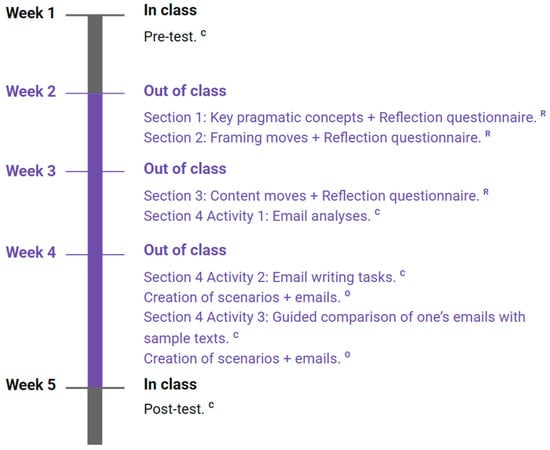
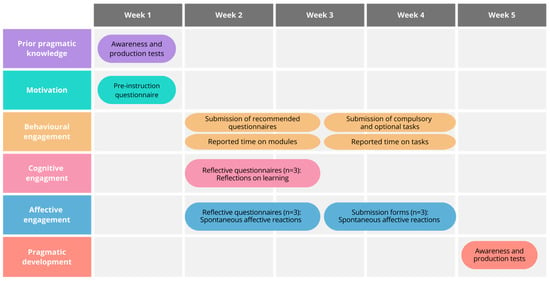

Disclaimer/Publisher’s Note: The statements, opinions and data contained in all publications are solely those of the individual author(s) and contributor(s) and not of MDPI and/or the editor(s). MDPI and/or the editor(s) disclaim responsibility for any injury to people or property resulting from any ideas, methods, instructions or products referred to in the content. |
© 2026 by the authors. Licensee MDPI, Basel, Switzerland. This article is an open access article distributed under the terms and conditions of the Creative Commons Attribution (CC BY) license.