


Abstract
Globally, greenhouse gas (GHG) emissions have risen dramatically due to accelerated industrialization, excessive fossil fuel extraction, and agricultural activities, leading to global warming and ecosystem collapse. Achieving net-zero carbon emissions has therefore become a crucial global priority. Despite substantial international efforts, only a small number of countries have achieved carbon neutrality so far, with the majority aiming to do so by 2050 or 2060. Progress remains hindered by fragmented international coordination and inadequate integration of mitigation and adaptation co-benefits. However, agriculture is a major carbon emitter with significant mitigation potential. Attaining local carbon neutrality in agricultural landscapes is highly costly and strongly impacted by the spatial heterogeneity of GHG emissions and the diversity of available mitigation possibilities. This sector remains a major contributor to methane (CH4) and nitrous oxide (N2O) emissions, mainly through enteric fermentation and fertilizer use, and thus must be prioritized in global carbon neutrality strategies. Tactics such as improved livestock management, reduced use of synthetic fertilizers, conservation agriculture, afforestation, and renewable energy adoption can reduce emissions. These technical approaches should be supported by effective policy instruments, like carbon taxes, cap-and-trade schemes, low-carbon practice subsidies, and regulatory frameworks. Together, these measures can enable a transition toward long-term sustainability in agriculture by balancing emissions with removals through enhanced carbon sinks and credible offset mechanisms.
1. Introduction
Due to global industrialization, agricultural activities, and the excessive utilization of non-renewable energy sources, the world is facing critical challenges associated with rising global temperatures and environmental degradation [1]. A key driver of this situation is the extensive emission of greenhouse gases (GHGs), in particular, atmospheric carbon dioxide (CO2) concentrations have increased sharply since 1850, rising from 285 to 415 ppm by 2020 [2]. Global CO2 emissions reached approximately 36.3 gigatons (Gt) in 2024 and continue to rise even with the expansion of renewable energy [3]. The UK Meteorological Office projects a global surface temperature increase of 0.97 to 1.21 °C, with a central estimate of 1.09 °C between 1850 and 2022. Furthermore, it is predicted that the primary driver of the 50% increase in global GHG is CO2 emissions from non-renewable energy use [4]. In the absence of effective mitigation technologies or measures, both atmospheric CO2 concentration and global average temperature on the surface and in the ocean are expected to continue rising, exacerbating adverse impacts on ecosystems and human life, including ocean acidification, melting glaciers at the poles, forest fires, droughts, floods, biodiversity loss, species extinction, and rising sea levels [5]. In response, 124 nations have declared their intentions to achieve carbon (C) neutrality (net-zero emissions) by 2050 or 2060 [2]. The Intergovernmental Panel on Climate Change (IPCC), in its special report on global warming of 1.5 °C, emphasizes the urgency of rapid emission reductions alongside increased deployment of renewable energy sources, and improvements in energy efficiency. Achieving the net-zero target requires emission reductions, complemented by enhanced C sequestration in both terrestrial and marine ecosystems [6]. While achieving net-zero C is a highly challenging and complex goal [1], numerous national and regional initiatives have emerged to promote C removal or C sequestration strategies [7]. These include direct mitigation at the source, improvements in soil C storage [8], and adoption of land use alternatives like agroforestry [9], re-vegetation [10], and avoidance of land clearing. The agriculture sector is the second largest contributor to global GHG emissions after the energy sector, accounting for about 22% of total emissions [11]. However, agriculture also offers significant opportunities to slow down global warming by reducing emissions and soil C sequestration [12]. At the same time, food demand is projected to rise by between 35% and 56% between 2010 and 2050, due to a growing global population and rising prosperity [13]. Without intervention, this rising demand is likely to drive higher agricultural GHG emissions, threatening emissions reduction goals [14]. As a result, multiple countries are coming forward with unique objectives and strategies to execute C-neutral plans. For instance, China’s C neutrality initiatives aim to both lower GHG emissions and enhance agricultural productivity through technological investment and adoption of climate-smart agriculture (CSA). The CSA promotes an integrated approach that combines production, adaptation, and mitigation goals to ensure food security.
Carbon footprint of agriculture refers to the total GHG emitted directly and indirectly from farming and related agricultural activities, typically expressed in CO2 equivalents (CO2-eq). The agricultural sector is also an important contributor of methane, CH4 (mostly from enteric fermentation and rice farming), and nitrous oxide, N2O (from fertilizer use). To achieve C neutrality, these emissions must be considerably reduced, as the global warming potential of CH4 over the past 100 years is 28 times that of CO2, whereas N2O is 298 times more potent [15]. Developing a resilient and sustainable food system is therefore a key strategy to the transition towards C-neutral agriculture. However, progress toward C neutrality remains uneven across regions, highlighting the need for sector-specific solutions; agriculture is particularly critical due to its dual role as both a source and a sink of C [3].
This review adopts a farm-gate system boundary as its primary analytical focus, encompassing emissions and mitigation options related to on-farm activities, including crop and livestock production, soil management, fertilizer use, and on-farm energy consumption. The analysis includes both crop and livestock systems, with attention to crop–livestock interactions. The review considers the three principal agricultural GHG—CO2, CH4, and N2O—expressed as CO2-eq. Within this defined scope, this review provides an integrated synthesis of emission pathways, mitigation strategies, global initiatives and policy frameworks toward achieving C neutrality across multiple scales (field, farm, regional, and national levels) in agriculture, building on recent synthesis efforts in the field [16]. It also combines these dimensions within a comparative framework, emphasizing effectiveness, feasibility and trade-offs of different approaches, while highlighting synergies between mitigation and adaptation to support climate-resilient agricultural systems.
2. Methodology
2.1. Literature Search Strategy
A comprehensive literature search was performed utilizing Web of Science, Scopus, ScienceDirect, and Google Scholar, covering publications from 2000 to 2025. The search strategy combined keywords and Boolean operations, including “agricultural greenhouse gas emissions’, “C neutrality AND agriculture”, “CH4 mitigation AND livestock OR rice”, “N2O mitigation AND fertilizers”, “soil C sequestration”, and “CSA AND mitigation,” “C neutral agriculture in [Region name]”, “C neutrality prospects and problems”, and “C neutral policy in agriculture”. Moreover, lists of references from important articles and reports (e.g., IPCC, FAO) were examined to ensure thoroughness. Studies were excluded if they were unrelated to agriculture or climate change mitigation, if they were repeated entries, non-English publications, or if they were lacking clarity in methodologies or empirical basis.
2.2. Inclusion and Exclusion Framework
The selection of studies follows a workflow (Figure 1) consisting of identification, screening, eligibility and inclusion stages. The papers or studies were included if they were peer-reviewed journal articles or high-quality institutional reports, directly related to GHG emissions in agriculture or strategies for mitigation, provide quantitative or distinctly outlined qualitative evidence, and have clear explanation of the methodology.
Figure 1.
PRISMA flow diagram of study selection process for review synthesis.
2.3. Data Extraction and Thematic Development
The screening process was conducted in multiple rounds. Initially, titles and abstracts were reviewed to eliminate irrelevant materials. Full texts were then checked to assess methodological quality and whether they met the inclusion criteria. The final set of studies reflects a focused selection of high-relevance and methodologically robust sources with the defined system boundary. Data were systematically extracted for the chosen studies, encompassing study contexts (region and agri-production system), source of emissions, type of mitigation intervention, and reported effect size (decrease in emission %). A narrative synthesis approach was utilized because of the variability in study designs, methodologies and reporting metrics. A comparative analysis was done to synthesize mitigation options across criteria like mitigation potential, cost involved, feasibility constraints and permanence. The identified mitigation potentials may be best interpreted as indicative ranges rather than definite values, as this narrative evaluation is restricted to farm-gate processes and heterogenous evidence sources.
3. Concept and Role of Carbon Neutrality in Climate Mitigation
Carbon neutrality, or “net-zero C emissions,” is a state in which the quantity of GHGs released into the atmosphere corresponds to the quantity of GHGs removed or offset, i.e., a net balance between emissions and removals. This idea has been developed over time through climate science and policy research. After that, work at institutions like the University of California, Davis, has contributed to advancing strategies for removing comparable quantities of CO2 from the atmosphere through C sinks and other offset mechanisms [17]. Later, with time, this idea developed and is now essential for discussions and frameworks for policies concerning climate change worldwide. To achieve C neutrality emission reduction is necessary along with removal strategies such as reforestation, afforestation, conservation agriculture, C capture and storage (CCS), and other technological or natural solutions. Moreover, to reduce the amount of GHGs emitted by human activities (Figure 2), it is essential to ensure that any remaining emissions are offset by enhancing the environment’s capacity to absorb or remove these gases. The Paris Agreement, adopted in 2015 under the United Nations Framework Convention on Climate Change (UNFCCC), has significantly elevated the global emphasis on C neutrality. This agreement sets ambitious goals to limit global warming far below 2 °C, while encouraging efforts to keep temperature increases to 1.5 °C. These goals have led several nations and businesses to make promises to become C neutral yet attaining a balance between emissions and removals is crucial for preventing and ultimately reversing global warming trends [18].
Figure 2.
The Global Carbon Cycle, highlighting the accumulation of carbon in the atmosphere, averaged over 2014–2023 (Based on data from https://www.globalcarbonproject.org, accessed on 25 December 2025).
3.1. The Necessity of Carbon Neutrality
Carbon is a fundamental element essential for life on earth, forming the basis of biological systems and human nutrition. However, the same C that sustains life has also contributed to environmental challenges, as its use in fossil fuels for industrial processing and energy generation has led to the buildup of GHG emissions, mostly CO2 in the atmosphere over the past century. The ongoing accumulation of C has triggered countless adverse consequences, including increased ocean acidity, biodiversity loss, global climate warming, and more frequent and severe weather events [19].
It is expected that rising global temperatures will contribute to increasing socioeconomic disparities, accelerate the deterioration of terrestrial and marine ecosystems, and increase the frequency and impact of extreme weather events. According to the findings of the IPCC [20], if global temperature rises by 2 °C, then 13% of terrestrial ecosystems may be wiped out, roughly triggering the extinction of many plant and animal species, raising the sea level by 36 to 87 cm, and destroy more than 95% of the world’s coral reefs. Carbon neutrality not only helps stabilize the climate but also accelerates broader ecological advantages, for example, restoration of the environment, safeguarding biodiversity, landscape sustainability, and better air quality [2]. However, reaching C neutrality in the agriculture sector could significantly speed up the shift toward a more resilient and sustainable food system, while reducing the harmful effects of climate change. To accomplish this, increases in food production must be aligned with strategies that preserve ecosystems and control GHG emissions [21]. Previous studies have shown that various sustainable agricultural practices have shown potential to enhance both environmental and economic outcomes, thereby improving livelihoods and supporting long-term food security, as for example agroforestry [22]. However, several challenges remain, including the need for reliable methods to measure and verify emissions and to ensure the accuracy of C offset programs. In this context, robust measurement, reporting and verification (MRV) systems are crucial to ensure the precision, transparency, and credibility of emission assessments and C offset mechanisms in agriculture. Overall, the transition toward sustainable agricultural production represents one of the most significant developments in addressing these issues [23].
3.2. Global and Regional Perspectives on Carbon Neutrality
Countries worldwide are increasingly committing to C neutrality, especially within the agricultural sector, although progress is shaped by diverse economic scenarios, development priorities, and climate vulnerabilities. A broad consensus has emerged regarding the necessity of C neutrality to address interconnected local and global issues. Low C agricultural transitions are being promoted through strategies like drought-resistant crops, sustainable farming methods, supportive financial policies, and technological innovation [23]. Beyond agriculture, C neutrality is a global responsibility with significant implications for ecological balance and long-term socioeconomic development, which is demonstrated by the integration of policy, technology, and education in national priorities [24]. Notably, between June 2023 and May 2024, the number of countries aligning their development policies with national emission-reduction targets increased from 133 to 151 [25]. Achieving C neutrality is crucial not only for environmental stewardship but also for ensuring long-term prosperity. The growing commitment is further evidenced by the widespread adoption of climate legislation and the increasing prominence of renewable energy into national development strategies [25]. Even though the importance of C neutrality is becoming more widely accepted, significant regional disparities persist in the pace and scope of implementation. These regional differences are evident in the adoption of renewable energy, climate finance transparency, policies, strategies, and institutional frameworks [25] (Table 1).
Table 1.
Regional policy and program initiatives for carbon (C) neutrality in agriculture.
3.3. Global Initiatives in Carbon Neutrality
The urgency of addressing climate change has contributed to a strong global commitment to achieve C neutrality. By early 2021, about 120 countries had declared C-neutral targets, although only a few had already reached net-zero status (e.g., Bhutan and Suriname). Nations vary greatly in the level and strength of their commitments, with some embedding targets in legislation, others integrating them in policy frameworks, many remain at the early stages of proposed legislative or policy development [18]. Moreover, the majority of nations have set target timelines by 2050, whereas a smaller number have set later targets (2060) [2,18]. However, progress remains inconsistent, and variations in definitions, scope and implementation approaches hinder cross-country comparison. These highlight the considerable challenge and urgency of translating global ambitions into actual actions. Multiple initiatives (Table 1) provide compelling examples of how agriculture can contribute to achieving C neutrality. In 2015, New Zealand launched the C-neutral Farms initiative, a collaboration between the Ministry of Primary Industries and the Ministry for the Environment. This program encourages farmers to adopt sustainable agricultural practices and implement C offset measures, with a certification system recognizing farms that achieve C neutrality, thereby providing both acknowledgement and accountability. In the United States, the Natural Resources Conservation Service (NRCS) oversees the C Farm Plan, which offers financial and technical assistance to farmers transitioning to CSA. This initiative emphasizes conservation tillage, precision farming, manure management, and afforestation in addition to C offset strategies which includes CH4 reduction and the use of renewable energy. For a multi-sectoral approach, the European Commission’s C Neutrality Coalition is a notable example. The alliance aims to speed up the adoption of C offset programs and clean innovations across a range of industries, including agriculture, supported by governments, businesses, and academic institutions. It provides support to farmers seeking to transition to sustainable methods by cooperative platforms, financial incentives, and technical support. Research indicates that South America offers significant potential for low C agriculture. According to Sá et al. [33], land use and land use change in the region account for 31.3% of global GHG emissions. Between 2016 and 2050, adoption of low-C agriculture is expected to serve as a C sink of 8.24 PgC. Major contributors to this mitigation potential include pasture restoration (31%), crop–livestock–forestry integration (25.6%), no-till farming (24.3%), forestation (12.8%), biological nitrogen fixation (4.2%), and organic waste recycling (2%). Additionally, these practices could increase the annual production of food and meat by 17.6 and 1.6 million tons (Mt), respectively. To achieve C neutrality, consumer behavior is another important factor in the global effort. According to the European Union Land-Use Futures (EULUF) model, reducing meat consumption, boosting being vegetarian, and avoiding food waste might significantly reduce emissions [31]. Enhancing the value of food and agricultural waste for bioenergy, medicine, or phytochemicals has also been studied as an additional mitigation approach [29]. When considered together, these examples demonstrate that it is both possible and beneficial for agriculture to achieve C neutrality. They urge the necessity for integrated initiatives that involve government policy, private sector involvement, farmer participation, and consumer awareness.
4. Agriculture as Sources of Greenhouse Gas Emissions
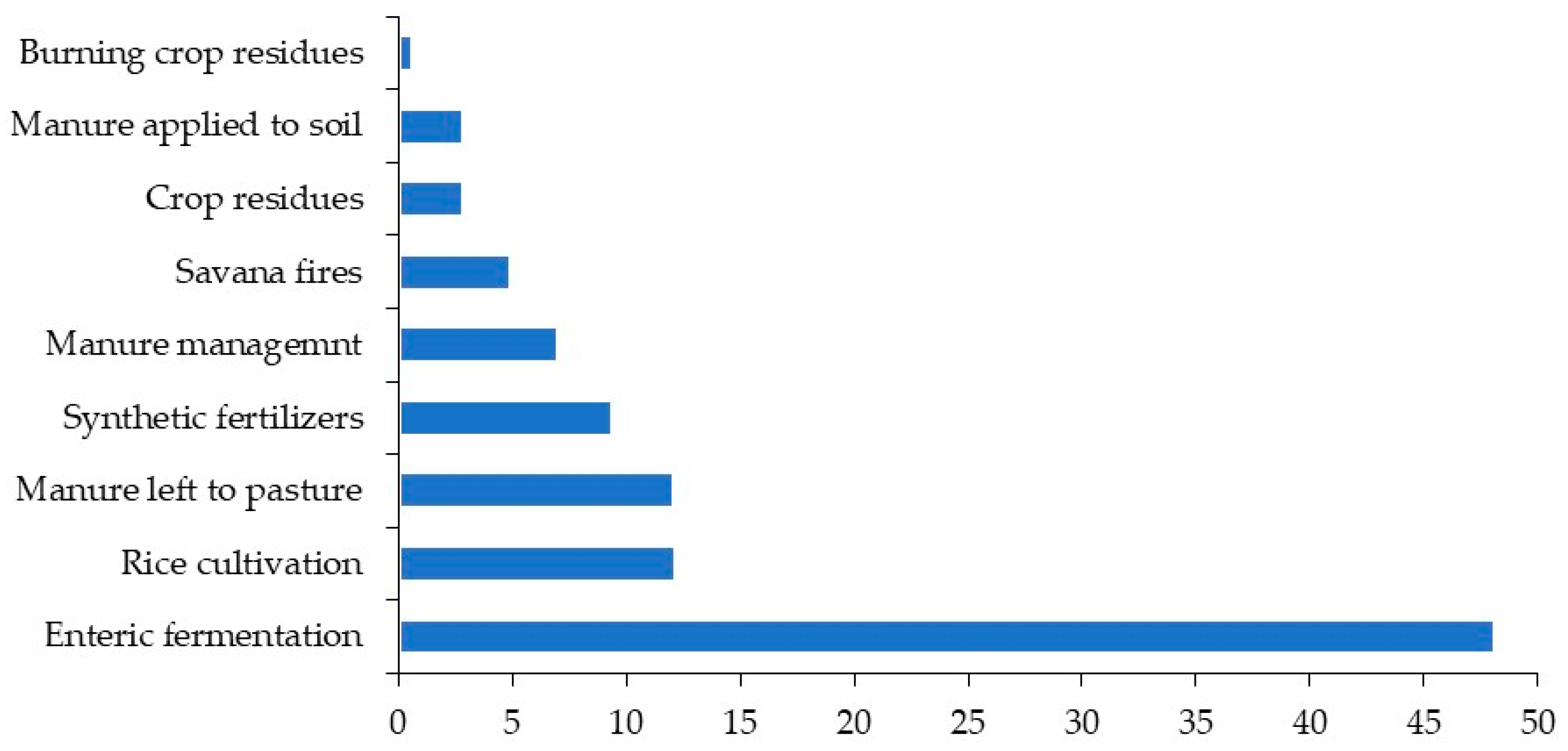
Agriculture is responsible for a significant share of global GHG emissions (Figure 3). Multiple factors contribute to these emissions, including livestock farming, manure management, rice cultivation, crop residue burning, excessive fertilizer use, land use alteration, and increased mechanization (Figure 3 and Figure 4). Globally, China is the largest overall emitter of GHGs. However, its per capita GHG emissions remain relatively low. In 2023, China’s total per capita emissions (all sectors combined) were about 9.4 tons CO2-eq, significantly lower than those of the United States (17.34), Canada (19.76), and Russia (14.39) [34]. In particular, China’s per capita emissions in the agriculture sector (in 2018) were only 0.55 tons of CO2-eq, compared to Brazil (5.74 tons), Canada (5.24 tons), and Indonesia (3.44 tons) [27].
Figure 3.
The main greenhouse gas emission sources and sinks in managed agroecosystems.
4.1. Livestock
Methane emissions from livestock production, especially from ruminant animals such as sheep and cattle, constitute a major source of emissions. The principal pathways of CH4 release are enteric fermentation, a microbial digestive process in ruminants, and the anaerobic decomposition of manure. Alongside soil nitrogen inputs, enteric fermentation has consistently been identified as one of the dominant drivers of agricultural GHG emissions (Figure 4). For example, in Western Australia, enteric emissions declined by approximately 40% between 1990 and 2015, primarily due to reductions in sheep populations and a structural shift toward more intensive cropping systems [35,36]. This example highlights the role of livestock population dynamics and land use shifts in shaping agricultural emission trajectories. In Bangladesh, agriculture—particularly livestock production—remains the main source of GHG emissions. As of 2013, cropland and enteric fermentation remained equally responsible for overall agricultural emissions [37]. Between 1990 and 2013, agricultural emissions grew by just approximately 30%, showing relative stability compared with the energy sector, where emissions rose by about 500% during the same period. Despite this rapid growth in energy-related emissions, agriculture has remained the largest emitting sector in absolute terms. Furthermore, compared to integrated livestock–crop systems, animal feeding operations (AFOs)—industrialized facilities designed for the confinement and high-output production of meat, dairy, or eggs—have emerged as an increasingly significant source of emissions [12].
Figure 4.
Comparative share of greenhouse gas emissions by different sources in the agricultural sector (%) [37,38,39].
4.2. Manure
Methane emissions are closely associated with manure management, particularly in regions with intensive livestock productions. Under anaerobic conditions, the microbial decomposition of manures generates substantial amounts of CH4. In contrast, when manure decomposes under aerobic environments, CH4 emissions are minimal or negligible, underscoring the critical role of management practices in determining overall GHG emissions. In addition to CH4, the incorporation of manure and urine into soils contributes to N2O emissions, a potent GHG with significantly higher global warming potential than CO2. This effect is especially pronounced in regions with frequent rainfall, where soil microbial activity accelerates nitrification and denitrification processes. Furthermore, evidence indicates that CH4 emissions from manure management systems in AFOs can be up to 90 times higher than those from individuals from pasture-based systems [12]. Therefore, careful design and implementation of manure management and treatment methods in intensive livestock operations are essential to minimize emissions of N2O and CH4.
4.3. Rice Cultivation
Rice cultivation is a major source of CH4 emissions globally, accounting for a substantial share (10–12% of total CH4 emissions) of agricultural GHG outputs [40]. About 77% of GHG emissions from rice cultivation are attributed to CH4, while N2O contributes roughly 23% [41]. It contributes approximately 0.69 Gt CO2-eq year−1, representing about 1.2% of total global GHG emissions [42]. The flooded paddy fields generate anaerobic conditions that promote the activity of methanogenic bacteria, leading to considerable CH4 emissions [12]. In some regions, such as South and Southeast Asia, emissions from rice cultivation surpass those from non-rice crops, cattle, and goats combined [43]. For example, rice cultivation accounts for about 62% of total agricultural GHG emissions in Bangladesh. Recent research has also highlighted the microbial and biogeochemical mechanisms underlying CH4 generation in paddy systems, with particular emphasis on soil–plant–microbe interactions [44].
4.4. Residue Burning
Burning of agricultural residues emits N2O, CO2, and CH4, while simultaneously depleting soil organic C (SOC), thereby threatening long-term soil health and productivity. Globally, open-field burning of crop residues, such as rice straw, husk and other byproducts, remains a widespread practice, contributing significantly to agricultural GHG emissions. These emissions are further compounded by the intensive use of chemical fertilizers, pesticides, and fossil fuel-based energy in crop production, particularly in rice systems [45].
4.5. Excessive Fertilizer Use
Nitrogen-based fertilizers are widely used in agriculture, with urea being one of the most commonly applied forms. However, urea application is strongly associated with higher emissions, especially in cropping systems with an excessive nitrogen demand, like canola. The use of nitrogen fertilizers contributes to N2O emissions through soil nitrification and denitrification processes, and these emissions are exacerbated by excessive nitrogen fertilizer applications [12]. In addition, liming of acidic soil leads to increased emissions of CO2 due to the chemical reaction involved in carbonate dissolution and neutralization processes. For example, in Western Australia, emissions attributed to urea application increased from 1% to more than 6% during the same period, while emissions from liming rose from 0.3% in 1990 to 10% in 2015 [36]. These findings highlight the significant contribution of fertilizer management and soil amendment practices to agricultural GHG emissions.
4.6. Land Use Change
Deforestation and land degradation are amongst the major contributors to GHG emissions. For example, in Malawi, forest degradation rates rose from 42,961 to 71,878 hectares (ha) and deforestation rates grew drastically from 22,410 ha to 38,937 ha annually (2009–2015) [46]. Similarly, in Venezuela’s Imataca Forest, land degradation affecting 24,480 ha released an estimated 61 ± 21.9 Mg C ha−1 into the atmosphere [47]. Land use change also highlights a striking contrast between rural and urban landscapes. Even a conventional farm often emits considerably fewer GHGs than urbanized land. For instance, a study in California’s Central Valley found that urbanized land emitted GHGs at rates 70 times higher than of an equivalent area of irrigated cropland [12]. According to Raihan et al. [45], land use, land use change, agricultural, forest, and other land use sectors collectively contribute nearly 20% of Bangladesh’s total anthropogenic GHG emissions. These emissions contained around 13% of CO2, 44% of CH4, and 81% of N2O between 2007 and 2016 in Bangladesh. Land use change not only releases C stored in biomass but also leads to significant losses of SOC [48]. Conversion of forests or grasslands to croplands or orchard or urban areas reduces (7–11%) [46] SOC stocks, thereby diminishing soil fertility and further contributing to atmospheric CO2 emissions [49].
4.7. Agricultural Mechanization
Machinery using fossil fuels is a major driver of the increasing C footprint in agriculture because of the immediate effect of CO2 emissions. Fossil fuel-based on-farm energy use accounted for 1.03 Gt CO2-eq, or 2% of total global GHG emissions in 2020 [42]. Mechanization, especially in high-input farming systems, plays a significant role in increasing GHG emissions, yet it is often overlooked compared to other sources of emissions. It has been found that half of on-farm energy use emissions are from electricity (0.46 Gt CO2-eq year−1) and half are from fuel combustion from farm operations (0.53 Gt CO2-eq year−1), such as diesel oil, gasoline, coal, and natural gas [50]. Several nation’s agricultural sectors are highly dependent on diesel, for example in Bangladesh it constitutes roughly 90% of the energy used in this sector. This reliance on fossil fuels is the cause of rising GHG emissions [45]. A presumption is made that under a business-as-usual scenario, Bangladesh’s agricultural sector could emit 86.87 Mt of CO2 equivalent annually by 2030, increasing to 100.44 Mt by 2050. These findings underscore the sector’s rising concerns over emission intensity. In developing countries, mitigating agricultural C emissions remains a major challenge to sustainable development, given the sector’s central role in rural livelihoods, job creation, poverty reduction, and food security. Balancing emission reduction objectives with the need to sustain agricultural productivity and economic stability therefore presents a critical policy and development priority. Furthermore, precise quantification of emissions from mechanized farming systems continues to be difficult, emphasizing the necessity for effective MRV methods that integrate field data, emission models and energy use statistics to enhance estimation accuracy.
5. Strategies to Reduce Emissions and Achieve Carbon Neutrality
5.1. Land-Based Renewable Solutions and Bioeconomy Pathways for Net-Zero Agriculture
Agriculture is increasingly recognized as a significant contributor to GHG emissions. Consequently, many countries are pursuing C neutrality and seeking potential solutions to address climate change. Achieving this objective requires transformative approaches that integrate mitigation with sustainable production systems. For example, the National Farmers Union (NFU) of United Kingdom has set a target to achieve C neutrality in agriculture by 2040. Incorporating land-based renewable solutions and bioeconomy-driven practices is considered essential to meeting this target, as such approaches can lower emissions while supporting long-term sustainability in agricultural systems. Bioenergy with C capture and storage (BECCS) has been identified as one of the most promising strategies because it combines energy generation from organic biomass with the capture and storage of the resulting CO2 emissions (Table 2). According to the NFU, expanding BECCS deployment could deliver annual reductions of up to 22 Mt CO2-eq in GHG emissions [51]. However, realizing this prospect requires substantial institutional and policy support, including the implementation of the Department for Business, Energy and Industrial Strategy’s (BEIS) Bioenergy Strategy, the establishment of an effective public C pricing system, and the initiation of demonstration projects at multiple scales. Furthermore, an additional 3 Mt CO2-eq year−1 could be avoided by replacing fossil fuels with land-based renewable energy technologies, including solar, wind, and anaerobic digestion systems integrated within agricultural landscapes. Effective coordination between the BEIS and the Department for Environment, Food and Rural Affairs will be essential to ensure appropriate crediting mechanisms for avoided emissions. The NFU further emphasizes the potential of biochar—an amendment to the soil derived from pyrolyzed biomass—and enhanced mineral weathering as emerging C-sequestration strategies. Nonetheless, these methods require additional research, comprehensive evaluation, and regulatory approval before global adoption. Collectively, these integrated solutions emphasize the important role of bio-economy technologies and renewable energy in decarbonizing agriculture and achieving net-zero targets [51].
5.2. Methane Emission Reduction
Mitigation of CH4 emissions from rice and animal production is an effective way to reduce GHG emissions. The adoption of AWD irrigation practices improves field drainage and promotes periodic aerobic soil conditions. This shift suppresses methanogenic activity while encouraging activity of methanotrophic bacteria that break down CH4, thereby lowering net emissions by about 29% compared with continuously flooded rice systems [52] (Table 2). Evidence indicates that a single drainage event during a growing season can reduce CH4 emissions by about 40%, while multiple drainage cycles may achieve reductions in emissions of up to 48% [12]. Similarly, reduced flooding intensity has been consistently associated with lower CH4 emission because of reduced microbial methane production [53,54].
Improved management of rice straw can further contribute to reducing CH4 emissions. The incorporation of large quantities of straw into flooded soils enhances anaerobic decomposition and stimulates methanogenic activity, while open-field burning generates additional GHG emissions and air pollutants. Alternative approaches—such as composting, mulching under controlled conditions, and biochar production—can substantially mitigate CH4 emissions while enhancing nutrient cycling and soil health. As for the livestock industry, a number of methods are being investigated to lower CH4 emissions. Altering animal diets with more low-protein and high-fiber feed while ensuring adequate animal welfare can be effective [55]. In addition, altering rumen fermentation, feed additives have shown short-term success in lowering CH4 emissions. The increasing demand for protein is rising and therefore both the emission intensity and the absolute emissions of the ruminant industry need to decrease [56]. Moreover, livestock feeding and breeding are two of the most important strategies to reduce CH4 emissions from enteric fermentation. However, microbial adaptation frequently decreases their long-term effectiveness [12]. Investigations are continuing for long-term adjustments such as vaccinations that target rumen methanogenic bacteria. Although these vaccines are still in the development phase and are not yet demonstrated to be safe, effective, or commercially feasible, industry estimates indicate their use could cut enteric emissions by 25–30% [12]. In addition, anaerobic digestion can be environmentally friendly by turning CH4 from manure to biogas which is a source of renewable energy [55]. By improving cattle health and growth rates through enhanced handling and feeding, CH4 emissions can be lowered [51].
5.3. Nitrous Oxide Mitigation
Nitrous oxide, a potent contributor to agricultural GHG emissions, can be effectively mitigated through integrated strategies that combine soil health improvement, precision fertilizer use, and advanced crop breeding (Table 2). Enhancing soil quality through composting, mulching, and cover cropping improves organic matter content and balances microbial activity, thereby reducing the likelihood of N2O release [55]. Improved land management that reduces soil compaction further enhances soil aeration and limits denitrification, a major biological pathway to decrease N2O emissions [51]. Denitrification caused by soil microbes such as Pseudomonas and Clostridium bacteria can account for the loss of almost 60% of the applied nitrogen-based fertilizers under certain conditions, contributing not only to N2O emissions but also to broader environmental impacts [57]. Consequently, optimizing nitrogen application timing and rates is critical for minimizing losses. Additionally, development of crop varieties with high nitrogen use efficiency (NUE) facilitates an additional mitigation pathway, enabling reduced fertilizer use without compromising yield stability. Advanced techniques such as transgenic gene editing have introduced us to genes like OsTCP19H, proliferating cell factor domain proteins into modern rice varieties to enhance NUE [1]. Moreover, multi-sensor drones capable of assessing crop performance under varying N levels based on plant phenotypes represent a significant innovation. These technologies facilitate the identification and selection of superior genotypes with high NUE, offering a sustainable pathway to reduce fertilizer-driven N2O emissions while maintaining or improving crop productivity [1].
5.4. Carbon Dioxide Reduction
A range of sustainable agriculture practices can significantly reduce CO2 and CH4 emissions. Conservation approaches, such as no-till farming and the use of cover crops, are particularly effective at preserving soil structure and enhancing soil organic matter, thereby preventing C losses and lowering CO2 emissions (Table 2) [55]. It has been found that no tillage system decreases CO2, N2O, and CH4 emissions and global warming potential by an average reduction of 15.1%, 7.5%, 19.8%, and 22.6%, respectively, without adversely affecting CH4 uptake or crop yield [58]. Similarly, the adoption of renewable energy sources such as solar and wind power for agricultural operations and irrigation can reduce reliance on fossil fuels, and contribute to overall GHG mitigation.
Table 2.
Mitigation strategies of greenhouse gas emissions from major agricultural sources.
Long-term C storage can be further enhanced by photosynthesis-driven C capture achieved by afforestation and reforestation [55]. Effective manure management also represents an important way to cut emissions. For example, switching from liquid to dry manure systems can substantially decrease CH4 emissions by limiting anaerobic conditions that favor methanogenic bacteria and by maintaining more aerobic soil environments. Evidence from dairy manure management show that CH4 emissions per animal are highest with liquid systems, while dry systems generate lower emissions [65,66]. Furthermore, composting dry manure improves soil C sequestration as well as reduces CH4 emissions. Recent research suggests that adding composted organic materials can greatly improve C storage in grazing pastures, with a single application leading to a 25–70% increase in soil C sequestration over three years. Integrating trees into grazing systems through practices like silvo-pasture not only enhances climate benefits but also offers multiple advantages, including increased C storage, reduced heat stress for cattle, improved efficiency, and occasional additional income from fruit or timber production [12].
5.5. Farmland Carbon Storage
By adopting a range of strategies aimed at enhancing C storage and promoting ecological sustainability, agriculture can play a distinctive role as a net C sink. Expanding hedgerows, enhancing woodland cover, repairing degraded areas, and enhancing C-rich soils represent significant mitigation strategies. For example, in Western Australia, reforestation has emerged as a significant land use transition, accounting for about 25% to 91% of the local government area. It is estimated that achieving regional C neutrality would require annual investments of AUD 216–250 million, equivalent to less than 3% of the total agricultural value of the region. However, without proper policy incentives and support mechanisms, this change might result in a 15% drop in farm profitability [36]. A shift in farm support systems and agricultural policy will be required to fully utilize agriculture’s capacity as a C sink. Future initiatives should move beyond primarily supporting capital-intensive production systems and instead respond to the accelerating pace of climate change by promoting climate-resilient and regenerative practices. Also, these initiatives should directly compensate farmers for their contribution to climate change mitigation, provision of ecosystem services, the production of nutritious food, and the development of rural communities. One of the most promising examples is “prescribed grazing,” a series of rotational grazing techniques suggested by the USDA NRCS, whose target is to maximize the health of animals as well as plants. They vary from management-intensive to more responsive rotational models. It shows that, although they lack widespread use, such systems have the ability to maintain cattle results while restoring rangelands, improving soil C sequestration, and offering wider ecological benefits. These models could be used as designs for government incentive programs, education campaigns, and farm-level transformation [12].
5.6. Role of Soil Carbon Sequestration in Achieving Carbon Neutrality in Agriculture
Soil C sequestration is widely recognized as a major climate change mitigation pathway at the global level. The IPCC identifies it as a significant land-based mitigation option, while the FAO and UNFCCC include it in CSA frameworks. In addition, the “4 per 1000” initiative promotes modest annual SOC stock increases as a means of offsetting a substantial share of global emissions. For many countries, soil C sequestration represents one of the most scalable and cost-effective paths toward achieving C-neutral agriculture. By removing atmospheric CO2, storing it long-term in soils, lowering indirect emissions, and enhancing agricultural resilience, soil C sequestration forms a core component of climate-smart strategies and a critical pillar of C-neutral agricultural systems. An estimated 460 million ha of agriculture (28%), solely due to the application of biochar, will require about 3300 Mm3 of biomass for pyrolysis. The primary sources of this biomass are silvo-pastures (34%) and crop residues (54%), with a little bit of participation of forestry residues (10%) and short-rotation tree plantations (2%). To put this into perspective, the baseline scenario’s total global biomass demand is expected to be 8300 Mm3, and by 2050, it may rise to 15,900 Mm3 in a scenario that is compatible without 1.5 °C. Biochar provides long-term C storage in soils along with added benefits such as improved soil fertility, while its reliance on substantial biomass inputs may create opposing demands with alternative energy and land uses. Another important technique of soil C storage is by increasing C inputs from plant photosynthesis and lowering C losses through better land management, thereby increasing SOC. Carbon enters the soil and is stabilized in long-lived forms (humus and mineral-associated organic matter) to help offset agricultural GHG emissions through root exudates, decomposing residues, and microbial processes [67]. At the same time, higher SOC improves soil structure, water retention, nutrient cycling, and microbial activity, leading to more productive and resilient systems while reducing dependency on synthetic fertilizers and irrigation, both of which are major emission sources. However, climate, soil type, and management all affect sequestration rates: soils eventually reach a saturation limit [68], disturbed soils can quickly lose stored C, and, if not carefully managed, certain techniques may increase N2O emissions [69]. Soil C sequestration should therefore be combined with more comprehensive mitigation techniques, including reduced synthetic fertilizer use, improved livestock management, and the transition to renewable energy sources. Integrated nutrient management combined with organic amendments, such as poultry manure and vermicompost, plays a significant role in enhancing SOC sequestration and NUE. In paddy soils, for instance, the application of 5 g poultry manure kg−1 soil under continuous waterlogging resulted in a 45% increase in C sequestration, compared to 37% with rice straw [60]. Furthermore, the integration of 2 t ha−1 fecal sludge-based co-compost with a 25% less recommended dose of chemical fertilizers demonstrated the highest SOC stock and total nitrogen content [62]. The use of vermicompost in rice-based cropping systems led to a 24.55% increase in SOC accumulation [61], underscoring the potential of organic amendments to improve soil fertility, reduce chemical fertilizer dependence, and enhance NUE, ultimately contributing to lower CO2 and N2O emissions and promoting sustainable agricultural practices. To fully harness the mitigation potential of soil C sequestration, a comprehensive set of policy framework needs to be implemented. Such a framework should include regulatory measures to prevent the decomposition of C-rich soils, particularly peatlands; knowledge-transfer programs that encourage agronomic “win-win” techniques that can raise soil C and farm profitability; and voluntary, market-based incentives like C-credit initiatives or payments for ecosystem services that encourage farmers to adopt C-enhancing techniques. Mechanisms for cross-compliance involving support payments or subsidies to sustainable land management can also be very successful in promoting more sequestration. Together, these measures can create the enabling environment required to enhance global soil C stocks while balancing the economic realities faced by farmers.
5.7. Negative Emission Technologies
Every year, billion tons of GHGs are released by agricultural operations involving fossil fuels. These emissions are intensifying global warming and climate change [45]. The continued reliance on outdated technologies and fossil fuel-dependent practices causes significant environmental harm and undermines progress toward achieving Sustainable Development Goals (SDGs). In addition, CO2 emissions are commonly used as a stand-in indicator of environmental stress in numerous studies that investigate the connection between agricultural value addition and environmental degradation [45]. The development and implementation of Negative Emission Technologies (NETs) are increasingly being explored as complementary strategies to offset residual GHG emissions that will lead to achieve C neutrality. These technologies include biochar application, soil C sequestration, afforestation, enhanced weathering, bioenergy with C capture and storage (BECCS), and direct air C capture and storage (DACCS) [10]. Collectively, NETs aim to remove CO2 from the atmosphere and store it durably in terrestrial, geological, and ocean reservoirs.
Integrated multi-energy systems that combine biomass, solar energy, and fossil fuels supported by CCS technologies have also been proposed as transitional pathways toward net-zero emissions. Such systems can reduce net emissions by increasing the share of renewable energy and capturing CO2 from remaining fossil-based processes [1]. Among NETs, DACCS offers the advantage of minimal direct competition with agricultural land or food production, making it potentially suitable for deployment in agriculturally intensive regions where land availability is considered. Currently, it might eliminate up to 3 Gt of CO2 year−1 by 2035 [63]. However, cost-effectiveness differs according to technology. For example, in Scotland, BECCS and afforestation were more economically feasible, yet enhanced weathering showed the greatest cost variety ($25–1600 tons−1 of CO2). Alcalde et al. [64] suggest that a mixed deployment strategy could mitigate up to 89.8% of national emissions, decreasing 8.3–36.8 Mt of CO2 annually.
5.8. Economic and Policy Incentives
Achieving C neutrality is technically feasible, but significant institutional, economic, and policy barriers remain. Structural challenges, including fragmented land ownership, limited access to capital and price volatility can limit the adoption of low-emission practices. To overcome these obstacles, low-emission strategies must be implemented at scale and be supported by coherent policy frameworks. Market-based strategies such as C pricing and offset programs can provide financial signals that incentivize mitigation efforts. Revealing climate risk has also been demonstrated to increase firm market value, suggesting that financial openness and climate accountability can boost investment incentives for low-C transitions [70]. The significance of integrating climate risk assessment into investment policy frameworks is further highlighted by the possibility of hidden financial liabilities resulting from climate risk buried in the supply chain [71]. The effectiveness of these strategies depends largely on their design, including the scope of coverage (e.g., sources of emission, farm types), methods of monitoring and enforcement, and their effects on smallholder compared to large-scale producers. In parallel, targeted incentives that reward environmental co-benefits, such as biodiversity conservation, improved water management, and soil health enhancement, can further enhance the attractiveness of sustainable agricultural practices [36,55]. Nevertheless, the efficacy of these market-driven tools depends on reliable MRV systems to assure additionality, reduce leakage, and uphold the environmental integrity of C-crediting methods in agriculture. Also, farmers’ engagement can be enhanced by market-based methods like providing price benefits or preferential market access for C-neutral products [72,73]. In addition, fiscal tools such as taxes, subsidies, C pricing, and incentives can serve as effective mechanisms to influence societal behavior related to agriculture. The CSA and C sequestration should be encouraged through tax policies at all governmental levels, while emission-intensive agricultural techniques should be discouraged. Offering preferred credit rates to the farmers who implement climate-friendly techniques, in this context, lending institutions—especially those run or sponsored by the federal government—can contribute to this change [12]. In practice, the effectiveness of policies increases when strategies are applied as integrated policy packages. Integrating C pricing with specific subsidies, technical support services, and access to climate-friendly technologies can enhance adoption and lower economic risks for farmers. Without such coordinated interventions, environmental contamination often rises during early stages of resource exploitation and industrialization. As income rises, investment in cleaner technologies and stronger regulations typically follows, leading to improved quality [45].
5.9. Policy and Institutional Framework
Agricultural emissions originate from diverse biologically driven sources, making them particularly challenging to manage. However, there is an achievable approach to achieve C neutrality in the agriculture sector that involves technological innovation, C sequestration, emissions reduction, and robust governmental support. Moreover, the incentive-based policy tools have produced favorable outcomes. For example, a study undertaken in the US [32] shows a 10% tax on nitrogen fertilizers could reduce application rates by 2.4 Mt year−1 and help produce hundreds of millions of dollars in public income with little effect on market prices or overall production costs. This indicates how economic strategies can encourage environment-friendly conduct without compromising agricultural output. The ‘farm safety net,’ comprising three programs termed crop insurance, conservation payments, and product subsidies, provides substantial government support to U.S. farmers, generating nearly $20 billion annually between 2014 and 2018, accounting for 96% of agriculture bill expenditures unrelated to nutrition. Although these programs are vital for agricultural stability, they also offer opportunities to advance climate goals, with the farm safety net potentially serving as a powerful tool for decarbonization if reforms link payments to C sequestration achievements or low-emission practices. In the end, new laws will be needed to institutionalize CSA at scale and to enhance public support for C farming [12]. These policy frameworks should be tailored to the context, considering regional variations in institutional capacity, resource availability, and agricultural practices to assure both efficacy and equity of outcomes.
Developing education, training, and outreach programs is essential for spreading awareness about the benefits and practical steps of C farming. To do this, understanding the social impacts of C farming is also important. Research should assess community perceptions, knowledge-sharing mechanisms, and the capacity-building efforts needed to ensure effective, community-supported implementation particularly in rural areas. This is especially important in developing countries where farmers often have limited access to technical knowledge and extension services [74].
5.10. Comparative Synthesis and Prioritization of Mitigation Pathways
To advance beyond a descriptive outlining of mitigation options, this review synthesizes existing evidence and conceptual understanding across four key dimensions—mitigation potential, probable cost, adoption barriers, and permanence (Table 3). This evidence-based synthesis facilitates the comparison of mitigation measures and highlights the trade-offs relevant for creating C-neutral agricultural pathways. The analysis shows that mitigation strategies vary substantially in both mitigation potential and feasibility, for example, AWD in rice systems offers relatively high methane reduction at comparatively low costs, whereas feed additives for enteric CH4 mitigation provide moderate mitigation but face significant constraints associated with cost, scalability and long-term adoption (Table 3).
Table 3.
Literature-based comparative assessment of agricultural mitigation pathways: potential, costs, and constraints.
6. Interrelationships and Synergies Between Adaptation and Mitigation Strategies
Mitigation of climate change remains a top goal, but strategies for adaptation are just as important, particularly for industries like agriculture that are susceptible to it. In earlier times, mitigation and adaptation have frequently been addressed as separate policy areas. For enhanced overall climate resilience and effectiveness, it is becoming increasingly clear how important it is to find and take benefit from the synergies between these two strategies. In practice, integrated strategies can provide greater advantages than attempting adaptation and mitigation alone. In order to capture atmospheric C and store it in the soil along with crop roots, wood, and leaves, C farming includes a number of agricultural practices, including cover crops, no-till farming, agroforestry, crop rotation, organic farming, the use of perennial crops, managed grazing, wetland restoration, the use of biochar, compost, and mulching, as well as reforestation and afforestation. In addition to offering protection from climate-related disasters such as droughts, wildfires, floods, and heatwaves, forests additionally function as C sinks, which helps mitigate the consequences of climate change [75]. Forest conversion to farmland is less required in the agricultural sector through the adoption of methods like polyculture, regenerative agriculture, and agroforestry. These methods enhance soil health, water retention, and biodiversity, thereby rendering farming systems more adaptable to climatic stressors. They additionally minimize GHG emission and boost C sequestration (mitigation benefits) [76]. Improving agricultural productivity, particularly regarding water and soil management, assists in achieving both goals. Such approaches favor adaptation, but also mitigation by sequestering more soil C and lowering emissions by increasing crop resilience and food safety. Another systemic approach shows synergy, as the economy moves from linear to circular. By recycling waste and upcycling end-of-life products, a circular economy reduces emissions and resource extraction, while adaptively enhancing system sustainability and resilience. It can be facilitated by the implementation of policy instruments (e.g., C taxes, promoting low-C industry, and fully integrated climate policies). While synergies are valuable, potential trade-offs must be carefully considered, with positive synergies occurring when adaptation measures do not increase emissions and mitigation actions do not intensify vulnerability [77]. A clear example is afforestation, which serves both as a buffer against environmental extremes and as a C sink. On the other hand, maladaptive behaviors that contradict mitigation objectives, like excessive watering for drought resistance (adaptation), could end up in greater use of energy and emissions. This suggests that integrated approaches that strike a balance between adaptation and mitigation can improve climate outcomes while promoting sustainable development. Careful planning and policy alignment are essential to maximize synergies and to avoid unintended consequences.
7. Challenges
Achieving C neutrality is not an easy task as long as numerous interrelated challenges remain. Due to variations in natural resources, governance ability, and technological readiness, emission reduction is extremely uneven. It is challenging to track multiple emission sources such as paddies, livestock, and fertilizers, making mitigation strategies more complex. There are considerable productivity trade-offs linked to SOC sequestration on the production side. For example, adopting cover crops or residue-retention techniques can often result in higher labor costs and lower short-term yields, which may discourage farmer participation [78]. In addition, there are land use constraints, and traditional practices such as removing crop residues for fuel, fodder, or fencing limit the C inputs available for sequestration. Moreover, SOC is mostly site-specific and non-permanent, and this makes it difficult to precisely measure benefits or create incentives, which further complicates measurement and verification. These obstacles highlight the necessity of strong MRV frameworks, particularly for setting reliable baselines, confirming the permanence of sequestered C, and considering possible reversals under changing land use management practices. Due to financial obstacles such as inadequate climate finance and costly upfront investment requirements, adoption has been limited in many developing regions [79,80]. Also, farmers’ attitudes may delay adoption, which can be affected by risk aversion, a lack of information, and short planning horizons, especially if benefits are unknown or long-term. Lastly, these are still disparities in access to and availability of technology. However, there are efficient low-C technologies and precision agricultural tools, but their spread to areas is minimal and sometimes restricted which leads to worldwide inequalities in mitigation capacity. In order to promote a sustainable and equitable transition to C neutrality, addressing these multifaceted barriers will need not just technological innovation but also integrated governance, targeted financial assistance, and global cooperation.
8. Conclusions
It is crucial to address the global climate challenges to move toward a more resilient and sustainable food system and agriculture must therefore transition toward C neutrality. Although international recognition is increasing, only a limited number of countries have attained C neutrality, while the majority aspire for targets beyond 2050. As a major contributor to GHG emissions with significant mitigation potential, agriculture requires an integrated strategy rather than reliance on a single solution (Figure 5). Practices such as organic waste recycling, integrated crop–livestock–forestry systems, afforestation, and conservation agriculture can be practiced. In addition, consumer-side initiatives like promoting plant-based diets and cutting down on food waste along with C credits and nature-based remedies can be beneficial. Although C neutrality in agriculture is achievable, important barriers are present which need to be identified and addressed (Figure 5). To achieve this, governments, industry stakeholders, experts, and rural communities must work collaboratively. Strengthening MRV systems will be crucial to ensure the credibility, transparency, and scalability of C-neutral agricultural pathways. Through sustained investment in innovation, policy alignment, and behavioral change, the agricultural sector can play a pivotal role in global climate mitigation efforts and pave the way toward a low-C, climate-resilient future.
Figure 5.
Integrated pathways to carbon neutrality in agriculture.
Author Contributions
Conceptualization, M.P.A. and S.Y.; methodology, M.P.A. and S.Y.; software, S.Y.; validation, M.P.A., S.Y. and A.K.M.M.I.; formal analysis, J.H.F., S.H.N. and S.Y.; investigation, J.H.F. and S.H.N.; resources, M.P.A., S.Y. and A.K.M.M.I.; data curation, J.H.F. and S.Y.; writing—original draft preparation, J.H.F., S.H.N. and S.Y.; writing—review and editing, M.P.A., A.K.M.M.I. and S.H.N.; visualization, S.Y.; supervision, M.P.A. and S.Y.; project administration, M.P.A., S.Y. and A.K.M.M.I.; funding acquisition, A.K.M.M.I. All authors have read and agreed to the published version of the manuscript.
Funding
The corresponding author sincerely acknowledges Bangladesh Agricultural University Research System (BAURES), Bangladesh Agricultural University for financial support of this study under Project ID No. 2024/114/BAU. This review article was developed from the project’s literature review component and further expanded through a comprehensive and critical synthesis of the broader scientific literature on agricultural carbon neutrality.
Institutional Review Board Statement
Not applicable.
Informed Consent Statement
Not applicable.
Data Availability Statement
Data sharing is not applicable to this article.
Conflicts of Interest
The authors declare no conflicts of interest.
References
- Wang, F.; Harindintwali, J.D.; Yuan, Z.; Wang, M.; Wang, F.; Li, S.; Yin, Z.; Huang, L.; Fu, Y.; Li, L.; et al. Technologies and perspectives for achieving carbon neutrality. Innovation 2021, 2, 100180. [Google Scholar] [CrossRef] [Scilit]
- Chen, J.M. Carbon neutrality: Toward a sustainable future. Innovation 2021, 2, 100127. [Google Scholar] [CrossRef] [Scilit]
- Deng, Z.; Zhu, B.; Davis, S.J.; Ciais, P.; Guan, D.; Gong, P.; Liu, Z. Global carbon emissions and decarbonization in 2024. Nat. Rev. Earth Environ. 2025, 6, 231–233. [Google Scholar] [CrossRef] [Scilit]
- Rabaey, K.; Ragauskas, A.J. Editorial overview: Energy Biotechnology. Curr. Opin. Biotechnol. 2014, 27, v–vi. [Google Scholar] [CrossRef] [Scilit] [PubMed]
- Yang, M.; Chen, L.; Msigwa, G.; Tang, K.H.D.; Yap, P.S. Implications of COVID-19 on global environmental pollution and carbon emissions with strategies for sustainability in the COVID-19 era. Sci. Total Environ. 2022, 809, 151657. [Google Scholar] [CrossRef] [Scilit] [PubMed]
- Cheng, H. Future Earth and Sustainable Developments. Innovation 2020, 1, 100055. [Google Scholar] [CrossRef] [Scilit]
- Huang, M.T.; Zhai, P.M. Achieving Paris Agreement temperature goals requires carbon neutrality by middle century with far-reaching transitions in the whole society. Adv. Clim. Change Res. 2021, 12, 281–286. [Google Scholar] [CrossRef] [Scilit]
- Lam, S.K.; Chen, D.; Mosier, A.R.; Roush, R. The potential for carbon sequestration in Australian agricultural soils is technically and economically limited. Sci. Rep. 2013, 3, 2179. [Google Scholar] [CrossRef] [Scilit] [PubMed]
- Polglase, P.J.; Reeson, A.; Hawkins, C.S.; Paul, K.I.; Siggins, A.W.; Turner, J.; Crawford, D.F.; Jovanovic, T.; Hobbs, T.J.; Opie, K.; et al. Potential for forest carbon plantings to offset greenhouse emissions in Australia: Economics and constraints to implementation. Clim. Change 2013, 121, 161–175. [Google Scholar] [CrossRef] [Scilit]
- Fawzy, S.; Osman, A.I.; Doran, J.; Rooney, D.W. Strategies for mitigation of climate change: A review. Environ. Chem. Lett. 2020, 18, 2069–2094. [Google Scholar] [CrossRef] [Scilit]
- Intergovernmental Panel on Climate Change (IPCC). Climate Change 2022. Mitigation of Climate Change. Working Group III Contribution to the Sixth Assessment Report of the IPCC; Cambridge University Press: Cambridge, UK; New York, NY, USA, 2022. [Google Scholar] [CrossRef] [Scilit]
- Lehner, P.; Rosenberg, N.A. Legal Pathways to Carbon-Neutral Agriculture. Environ. Law Rep. 2017, 47, 10845–10876. [Google Scholar]
- Van Dijk, M.; Morley, T.; Rau, M.L.; Saghai, Y. A meta-analysis of projected global food demand and population at risk of hunger for the period 2010–2050. Nat. Food 2021, 2, 494–501. [Google Scholar] [CrossRef] [Scilit]
- Searchinger, T.; Waite, R.; Hanson, C.; Ranganathan, J.; Dumas, P.; Matthews, E. World Resources Report: Creating a Sustainable Food Future. A Menu of Solutions to Feed Nearly 10 Billion People by 2050 (Final Report); World Resources Institute: Washington, DC, USA, 2019. [Google Scholar] [CrossRef]
- Reijnders, L. Climate-neutral agriculture? Environments 2023, 10, 72. [Google Scholar] [CrossRef] [Scilit]
- Gokul, S.; Mohan, V.A.; Sabarivasan, R.; Adhisankaran, K.; Rao, P.T.; Harish, M.; De, S. Sustainable Agriculture toward Carbon Neutrality: A Quantitative and Qualitative Assessment. Environ. Sustain. Indic. 2026, 30, 101219. [Google Scholar] [CrossRef] [Scilit]
- Panja, A.; Bhattacharjee, S.; Mondal, I. Achieving carbon neutrality in the context of agriculture: A way of mitigating climate change. AgriAllis 2023, 5, 16–24. [Google Scholar]
- Zhao, X.; Ma, X.; Chen, B.; Shang, Y.; Song, M. Challenges toward carbon neutrality in China: Strategies and countermeasures. Resour. Conserv. Recycl. 2022, 176, 105959. [Google Scholar] [CrossRef] [Scilit]
- Bhavsar, A.; Hingar, D.; Ostwal, S.; Thakkar, I.; Jadeja, S.; Shah, M. The current scope and stand of carbon capture storage and utilization∼A comprehensive review. Case Stud. Chem. Environ. Eng. 2023, 8, 100368. [Google Scholar] [CrossRef] [Scilit]
- Intergovernmental Panel on Climate Change (IPCC). Special Report: Global Warming of 1.5 °C. 2018. Available online: https://www.ipcc.ch/sr15/ (accessed on 20 February 2026).
- Searchinger, T.; Zionts, J.; Wirsenius, S.; Peng, L.; Beringer, T.; Dumas, P. A Pathway to Carbon Neutral Agriculture in Denmark; World Resources Institute: Washington, DC, USA, 2021; pp. 1–166. [Google Scholar] [CrossRef] [Scilit]
- Basu, J. Agroforestry, climate change mitigation and livelihood security in India. N. Z. J. For. Sci. 2014, 44, S11. [Google Scholar] [CrossRef] [Scilit]
- Zafar, S.; Rasool, H.; Tarique, M. Is agricultural development good for carbon mitigation in India? Evidence from the asymmetric NARDL model. Manag. Environ. Qual. Int. J. 2023, 34, 234–249. [Google Scholar] [CrossRef] [Scilit]
- Sen, G.; Chau, H.W.; Tariq, M.A.U.R.; Muttil, N.; Ng, A.W.M. Achieving Sustainability and Carbon Neutrality in Higher Education Institutions: A Review. Sustainability 2021, 14, 222. [Google Scholar] [CrossRef] [Scilit]
- Zhang, S.; Cai, W.; Zheng, X.; Lv, X.; An, K.; Cao, Y.; Cheng, H.S.; Dai, J.; Dong, X.; Fan, S.; et al. Global readiness for carbon neutrality: From targets to action. Environ. Sci. Ecotechnol. 2025, 25, 100546. [Google Scholar] [CrossRef] [Scilit]
- Sapkota, T.B.; Vetter, S.H.; Jat, M.L.; Sirohi, S.; Shirsath, P.B.; Singh, R.; Jat, H.S.; Smith, P.; Hillier, J.; Stirling, C.M. Cost-effective opportunities for climate change mitigation in Indian agriculture. Sci. Total Environ. 2019, 655, 1342–1354. [Google Scholar] [CrossRef] [Scilit]
- Zhao, M.; Shi, R.; Du, R.; Yao, L. The Pathway to China’s Carbon–Neutral Agriculture: Measures, Potential and Future Strategies. Chin. Political Sci. Rev. 2023, 8, 304–324. [Google Scholar] [CrossRef] [Scilit]
- Liu, T.; Miao, P.; Shi, Y.; Tang, K.H.D.; Yap, P.S. Recent advances, current issues and future prospects of bioenergy production: A review. Sci. Total Environ. 2022, 810, 152181. [Google Scholar] [CrossRef] [Scilit]
- Rao, P.; Rathod, V. Valorization of Food and Agricultural Waste: A Step towards Greener Future. Chem. Rec. 2019, 19, 1858–1871. [Google Scholar] [CrossRef] [Scilit]
- Cheng, Y.; Sinha, A.; Ghosh, V.; Sengupta, T.; Luo, H. Carbon tax and energy innovation at crossroads of carbon neutrality: Designing a sustainable decarbonization policy. J. Environ. Manag. 2021, 294, 112957. [Google Scholar] [CrossRef] [Scilit]
- Strapasson, A.; Woods, J.; Meessen, J.; Mwabonje, O.; Baudry, G.; Mbuk, K. EU land use futures: Modelling food, bioenergy and carbon dynamics. Energy Strategy Rev. 2020, 31, 100545. [Google Scholar] [CrossRef] [Scilit]
- U.S. Department of Agriculture, Natural Resources Conservation Service (USDA NRCS). Carbon Farm Planning: A Framework for Landowners, Conservationists, and Policymakers; USDA NRCS: Washington, DC, USA, 2019. Available online: https://www.nrcs.usda.gov/ (accessed on 20 February 2026).
- Sá, J.C.D.M.; Lal, R.; Cerri, C.C.; Lorenz, K.; Hungria, M.; De Faccio Carvalho, P.C. Low-carbon agriculture in South America to mitigate global climate change and advance food security. Environ. Int. 2017, 98, 102–112. [Google Scholar] [CrossRef] [Scilit] [PubMed]
- The Global Economy. Carbon Dioxide Emissions per Capita—China. 2023. Available online: https://www.theglobaleconomy.com/China/Carbon_dioxide_emissions_per_capita/ (accessed on 2 March 2026).
- Thamo, T.; Addai, D.; Kragt, M.E.; Kingwell, R.S.; Pannell, D.J.; Robertson, M.J. Climate change reduces the mitigation obtainable from sequestration in an Australian farming system. Aust. J. Agric. Resour. Econ. 2019, 63, 841–865. [Google Scholar] [CrossRef] [Scilit]
- Kingwell, R. Agriculture’s carbon neutral challenge: The case of Western Australia. Aust. J. Agric. Resour. Econ. 2021, 65, 566–595. [Google Scholar] [CrossRef] [Scilit]
- WRI. Climate Analysis Indicator Tools (CAIT) Climate Data Explorer. Bangladesh Profile; World Resources Institute: Washington, DC, USA, 2013; Available online: http://cait.wri.org/profile/Bangladesh (accessed on 1 March 2026).
- Food and Agriculture Organization of United Nations (FAO). 2023. Available online: https://www.fao.org/faostat/en/#data/EM/visualize (accessed on 25 December 2025).
- Food and Agriculture Organization of United Nations (FAO). Agrifood Systems and Land-Related Emissions. Global, Regional and Country Trends, 2001–2021; FAOSTAT Analytical Briefs Series No. 73; FAO: Rome, Italy, 2023. [Google Scholar] [CrossRef] [Scilit]
- Xuan, T.D.; Minh, T.T.N.; Rayee, R.; Dong, N.D.; Chien, N.X. Advances in mitigating methane emissions from rice cultivation: Past, present, and future strategies. Environ. Sci. Pollut. Res. 2025, 32, 20232–20247. [Google Scholar] [CrossRef] [Scilit]
- Kaur, M.; Dheri, G.S.; Brar, A.S.; Kalia, A. Methane and nitrous oxide emissions in rice fields influenced by duration of cultivars and irrigation regimes. Agric. Ecosyst. Environ. 2024, 365, 108923. [Google Scholar] [CrossRef] [Scilit]
- Rosa, L.; Gabrielli, P. Achieving net-zero emissions in agriculture: A review. Environ. Res. Lett. 2023, 18, 063002. [Google Scholar] [CrossRef] [Scilit]
- Raihan, A.; Muhtasim, D.A.; Farhana, S.; Hasan, M.A.U.; Pavel, M.I.; Faruk, O.; Rahman, M.; Mahmood, A. An econometric analysis of Greenhouse gas emissions from different agricultural factors in Bangladesh. Energy Nexus 2023, 9, 100179. [Google Scholar] [CrossRef] [Scilit]
- Jang, E.K.; Lim, E.M.; Kim, J.; Kang, M.J.; Choi, G.; Moon, J. Risk Management of Methane Reduction Clean Development Mechanism Projects in Rice Paddy Fields. Agronomy 2023, 13, 1639. [Google Scholar] [CrossRef] [Scilit]
- Raihan, A.; Voumik, L.C.; Mohajan, B.; Rahman, M.S.; Zaman, M.R. Economy-energy-environment nexus: The potential of agricultural value-added toward achieving China’s dream of carbon neutrality. Carbon Res. 2023, 2, 43. [Google Scholar] [CrossRef] [Scilit]
- Skole, D.L.; Samek, J.H.; Mbow, C.; Chirwa, M.; Ndalowa, D.; Tumeo, T.; Kachamba, D.; Kamoto, J.; Chioza, A.; Kamangadazi, F. Direct Measurement of Forest Degradation Rates in Malawi: Toward a National Forest Monitoring System to Support REDD+. Forests 2021, 12, 426. [Google Scholar] [CrossRef] [Scilit]
- Pacheco-Angulo, C.; Plata-Rocha, W.; Serrano, J.; Vilanova, E.; Monjardin-Armenta, S.; González, A.; Camargo, C. A Low-Cost and Robust Landsat-Based Approach to Study Forest Degradation and Carbon Emissions from Selective Logging in the Venezuelan Amazon. Remote Sens. 2021, 13, 1435. [Google Scholar] [CrossRef] [Scilit]
- Yeasmin, S.; Jahan, E.; Molla, M.A.; Islam, A.K.M.M.; Anwar, M.P.; Rashid, M.H.; Chungopast, S. Effect of land use on organic carbon storage potential of soils with contrasting native organic matter content. Int. J. Agron. 2020, 2020, 8042961. [Google Scholar] [CrossRef] [Scilit]
- Don, A.; Schumacher, J.; Freibauer, A. Impact of tropical land-use change on soil organic carbon stocks—A meta-analysis: Soil organic carbon and land-use change. Glob. Change Biol. 2011, 17, 1658–1670. [Google Scholar] [CrossRef] [Scilit]
- Flammini, A.; Pan, X.; Tubiello, F.N.; Qiu, S.Y.; Rocha Souza, L.; Quadrelli, R.; Bracco, S.; Benoit, P.; Sims, R. Emissions of greenhouse gases from energy use in agriculture, forestry and fisheries: 1970–2019. Earth Syst. Sci. Data 2022, 14, 811–821. [Google Scholar] [CrossRef] [Scilit]
- National Farmers’ Union. Achieving Net Zero: Farming’s 2040 Goal; NFU: Washington, DC, USA, 2019. [Google Scholar]
- Pramono, A.; Adriany, T.A.; Viandari, N.A. Higher rice yield and lower greenhouse gas emissions with cattle manure amendment is achieved by alternate wetting and drying. Soil Sci. Plant Nutr. 2024, 70, 129–138. [Google Scholar] [CrossRef] [Scilit]
- Souza, R.; Yin, J.; Calabrese, S. Optimal drainage timing for mitigating methane emissions from rice paddy fields. Geoderma 2021, 394, 114986. [Google Scholar] [CrossRef] [Scilit]
- Wang, J.; Ciais, P.; Smith, P.; Yan, X.; Kuzyakov, Y.; Liu, S.; Li, T.; Zou, J. The role of rice cultivation in changes in atmospheric methane concentration and the Global Methane Pledge. Glob. Change Biol. 2023, 29, 2776–2789. [Google Scholar] [CrossRef] [Scilit] [PubMed]
- Sah, D.; Devakumar, A.S. The carbon footprint of agricultural crop cultivation in India. Carbon Manag. 2018, 9, 213–225. [Google Scholar] [CrossRef] [Scilit]
- Beauchemin, K.A.; Ungerfeld, E.M.; Eckard, R.J.; Wang, M. Review: Fifty years of research on rumen methanogenesis: Lessons learned and future challenges for mitigation. Animal 2020, 14, s2–s16. [Google Scholar] [CrossRef] [Scilit]
- Sinha, E.; Michalak, A.M.; Balaji, V. Eutrophication will increase during the 21st century as a result of precipitation changes. Science 2017, 357, 405–408. [Google Scholar] [CrossRef] [Scilit] [PubMed]
- Yue, K.; Fornara, D.A.; Heděnec, P.; Wu, Q.; Peng, Y.; Peng, X.; Ni, X.; Wu, F.; Peñuelas, J. No tillage decreases GHG emissions with no crop yield tradeoff at the global scale. Soil Tillage Res. 2023, 228, 105643. [Google Scholar] [CrossRef] [Scilit]
- Feroze, T.; Tasnim, T.; Siddiq, F.; Bhattacharjee, P.; Shawal, S. Mitigation Strategies to Reduce GHG Emission from Agriculture, Livestock and Forestry in Bangladesh. Int. Proc. Chem. Biol. Environ. Eng. 2014, 78, 73–76. [Google Scholar]
- Yeasmin, S.; Assaduzzaman; Kabir, M.S.; Anwar, M.P.; Islam, A.K.M.M.; Hoque, T.S. Influence of organic amendments on soil carbon sequestration potential of paddy soils under two irrigation regimes. Sustainability 2022, 14, 12369. [Google Scholar] [CrossRef] [Scilit]
- Yeasmin, S.; Noman, M.; Betto, Z.S.; Rahman, T.; Sarly, S.P.; Islam, A.K.M.M.; Anwar, M.P. Impact of Organic and Inorganic Sources of Nitrogen on Soil Fertility, Nitrogen Use Efficiency, and Carbon Accumulation Potential Under Subtropical Rice-Based Cropping Patterns in Farmers’ Fields. Nitrogen 2025, 6, 86. [Google Scholar] [CrossRef] [Scilit]
- Yeasmin, S.; Hosen, M.S.; Betto, Z.S.; Uddin, M.K.; Anwar, M.P.; Rana, M.M.; Islam, A.K.M.M.; Hoque, T.S.; Chungopast, S. From Waste to Wealth: Integrating Fecal Sludge-Based Co-Compost with Chemical Fertilizer to Enhance Nutrient Status and Carbon Storage in Paddy Soils. Nitrogen 2026, 7, 10. [Google Scholar] [CrossRef] [Scilit]
- Fuhrman, J.; McJeon, H.; Patel, P.; Doney, S.C.; Shobe, W.M.; Clarens, A.F. Food–energy–water implications of negative emissions technologies in a +1.5 °C future. Nat. Clim. Change 2020, 10, 920–927. [Google Scholar] [CrossRef] [Scilit]
- Alcalde, J.; Smith, P.; Haszeldine, R.S.; Bond, C.E. The potential for implementation of negative emission technologies in Scotland. Int. J. Greenh. Gas Control 2018, 76, 85–91. [Google Scholar] [CrossRef] [Scilit]
- Petersen, S.O. Greenhouse gas emissions from liquid dairy manure: Prediction and mitigation. J. Dairy Sci. 2018, 101, 6642–6654. [Google Scholar] [CrossRef] [Scilit] [PubMed]
- Lacasse, A.A.; Hung, C.Y.; Smith, W.; Yanni, S.; Liang, C.; MacDonald, D.; VanderZaag, A. Review of research on methane and nitrous oxide emissions from manure storage across Canada from 1990 to 2023. Can. J. Anim. Sci. 2026, 106, 1–15. [Google Scholar] [CrossRef] [Scilit]
- Ghosh, S.; Divya, D.; Nath, A.; Yadav, V.S.; Singh, S.; Andleebajan, S.; Hansda, S.; Kumar, A. Carbon sequestration in agricultural soils: Strategies for climate change mitigation-A Review. Int. J. Adv. Biochem. Res. 2024, 8, 159–168. [Google Scholar] [CrossRef] [Scilit]
- Heinemann, H.; Don, A.; Poeplau, C.; Merbach, I.; Reinsch, T.; Welp, G.; Vos, C. No saturation of soil carbon under long-term extreme manure additions. Plant Soil 2025, 512, 1367–1384. [Google Scholar] [CrossRef] [Scilit]
- Nasser, V.; Dechow, R.; Helfrich, M.; Meijide, A.; Rummel, P.S.; Koch, H.J.; Ruser, R.; Essich, L.; Dittert, K. Evaluating N2O emissions and carbon sequestration in temperate croplands with cover crops: Insights from field trials. Soil 2025, 11, 489–506. [Google Scholar] [CrossRef]
- Vestrelli, R.; Colladon, A.F.; Pisello, A.L. When attention to climate change matters: The impact of climate risk disclosure on firm market value. Energy Policy 2024, 185, 113938. [Google Scholar] [CrossRef] [Scilit]
- Liu, Y.; Dong, H.; Wang, Y. In the same boat: Climate risk and hidden debt in the supply chain. J. Int. Money Financ. 2025, 153, 103299. [Google Scholar] [CrossRef] [Scilit]
- Dumbrell, N.P.; Kragt, M.E.; Gibson, F.L. What carbon farming activities are farmers likely to adopt? A best–worst scaling survey. Land Use Policy 2016, 54, 29–37. [Google Scholar] [CrossRef] [Scilit]
- Torabi, N.; Mata, L.; Gordon, A.; Garrard, G.; Wescott, W.; Dettmann, P.; Bekessy, S.A. The money or the trees: What drives landholders’ participation in biodiverse carbon plantings? Glob. Ecol. Conserv. 2016, 7, 1–11. [Google Scholar] [CrossRef] [Scilit]
- Khaqan, K.; Fest, B.; Harrison, T.; Sandhu, H. Carbon farming and agriculture: A bibliometric analysis. Discov. Agric. 2025, 3, 22. [Google Scholar] [CrossRef] [Scilit]
- Moomaw, W.R.; Masino, S.A.; Faison, E.K. Intact Forests in the United States: Proforestation mitigates climate change and serves the greatest good. Front. For. Glob. Change 2019, 2, 27. [Google Scholar] [CrossRef] [Scilit]
- Montanaro, G.; Nuzzo, V.; Xiloyannis, C.; Dichio, B. Climate change mitigation and adaptation in agriculture: The case of the olive. J. Water Clim. Change 2018, 9, 633–642. [Google Scholar] [CrossRef] [Scilit]
- Zhao, C.; Yan, Y.; Wang, C.; Tang, M.; Wu, G.; Ding, D.; Song, Y. Adaptation and mitigation for combating climate change—From single to joint. Ecosyst. Health Sustain. 2018, 4, 85–94. [Google Scholar] [CrossRef] [Scilit]
- Jat, M.L.; Chakraborty, D.; Ladha, J.K.; Parihar, C.M.; Datta, A.; Mandal, B.; Nayak, H.S.; Maity, P.; Rana, D.S.; Chaudhari, S.K.; et al. Carbon sequestration potential, challenges, and strategies towards climate action in smallholder agricultural systems of South Asia. Crop Environ. 2022, 1, 86–101. [Google Scholar] [CrossRef] [Scilit]
- Zagema, B.; Kowalzig, J.; Walsh, L.; Hattle, A.; Roy, C.; Dejgaard, H.P. Climate Finance Shadow Report 2023; Oxfam International: Oxford, UK, 2023. [Google Scholar] [CrossRef] [Scilit]
- Zhang, S.; Bauer, N.; Yin, G.; Xie, X. Technology learning and diffusion at the global and local scales: A modeling exercise in the REMIND model. Technol. Forecast. Soc. Change 2020, 151, 119765. [Google Scholar] [CrossRef] [Scilit]
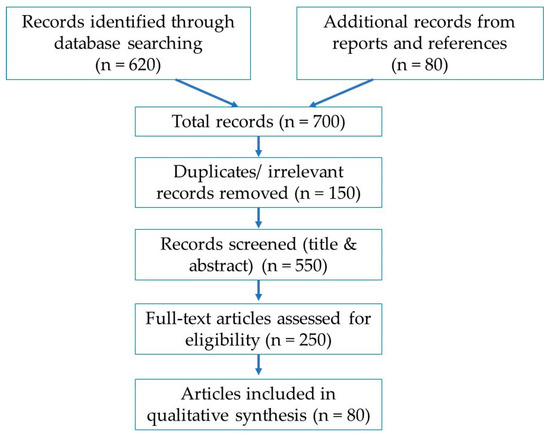
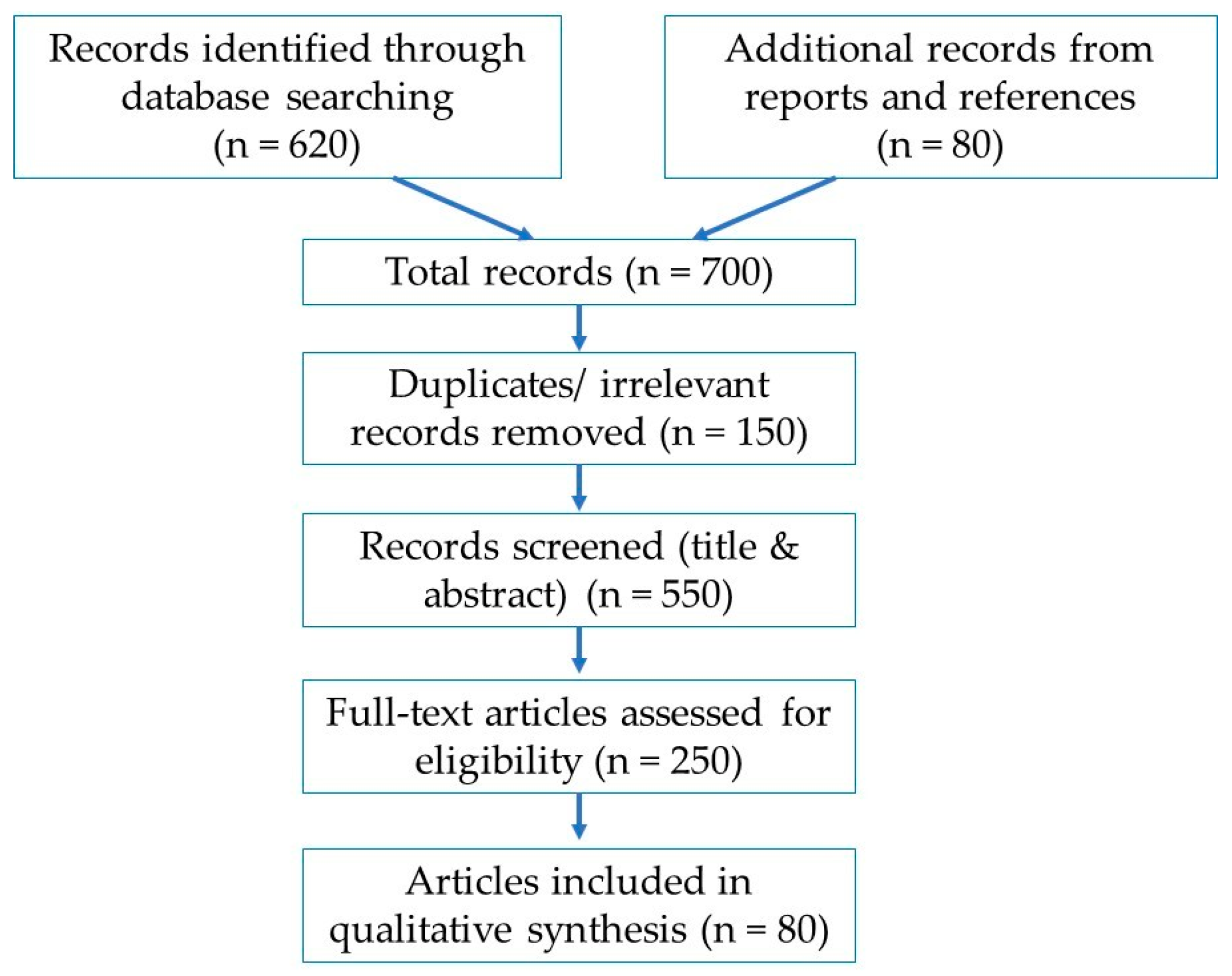
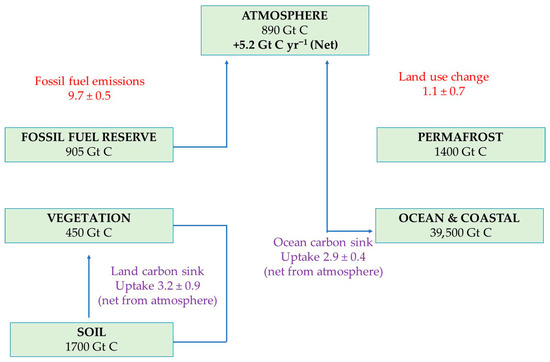
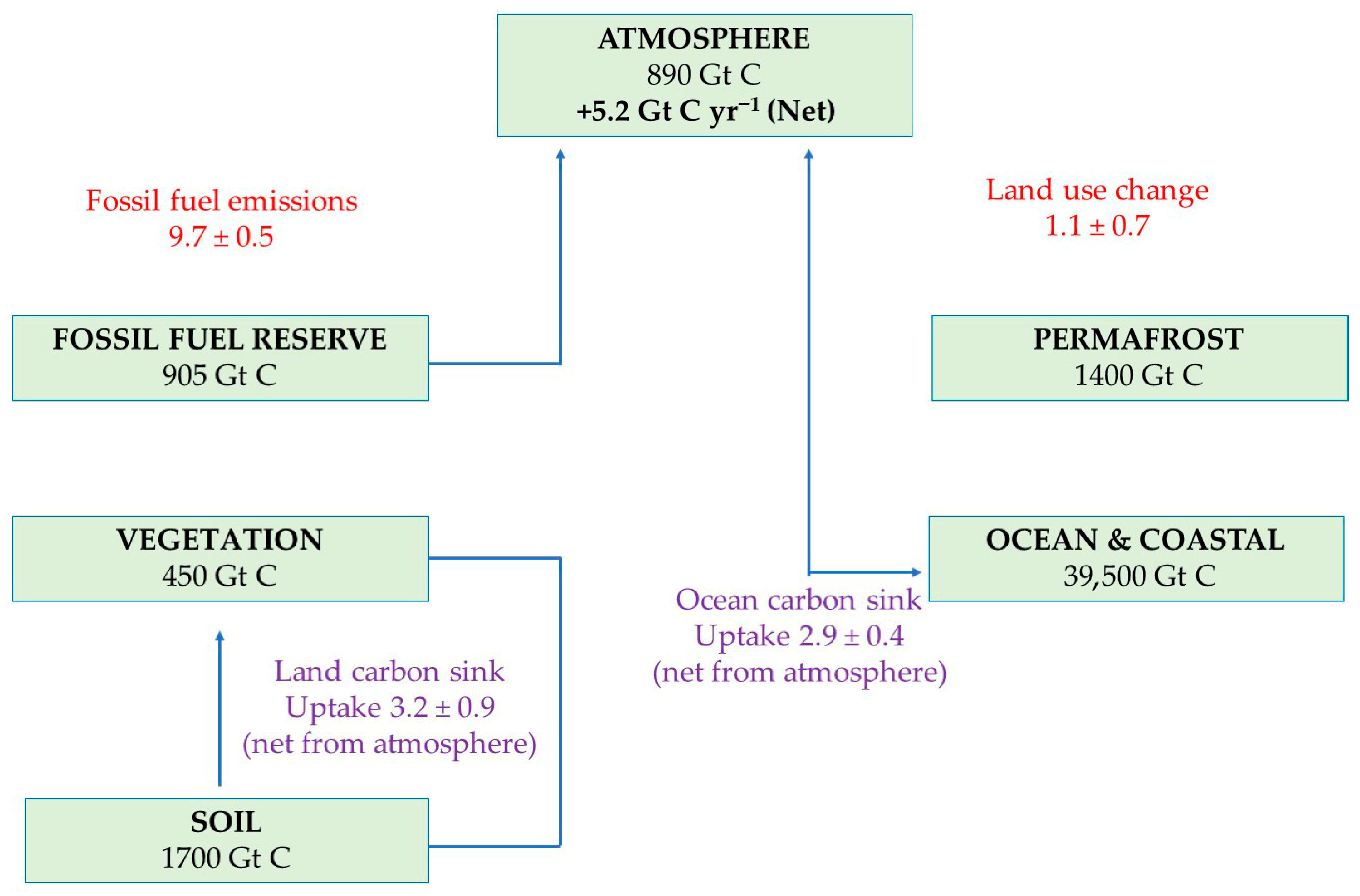
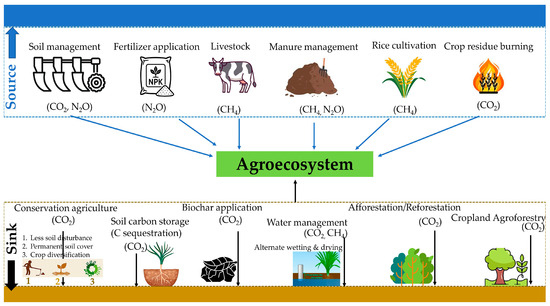
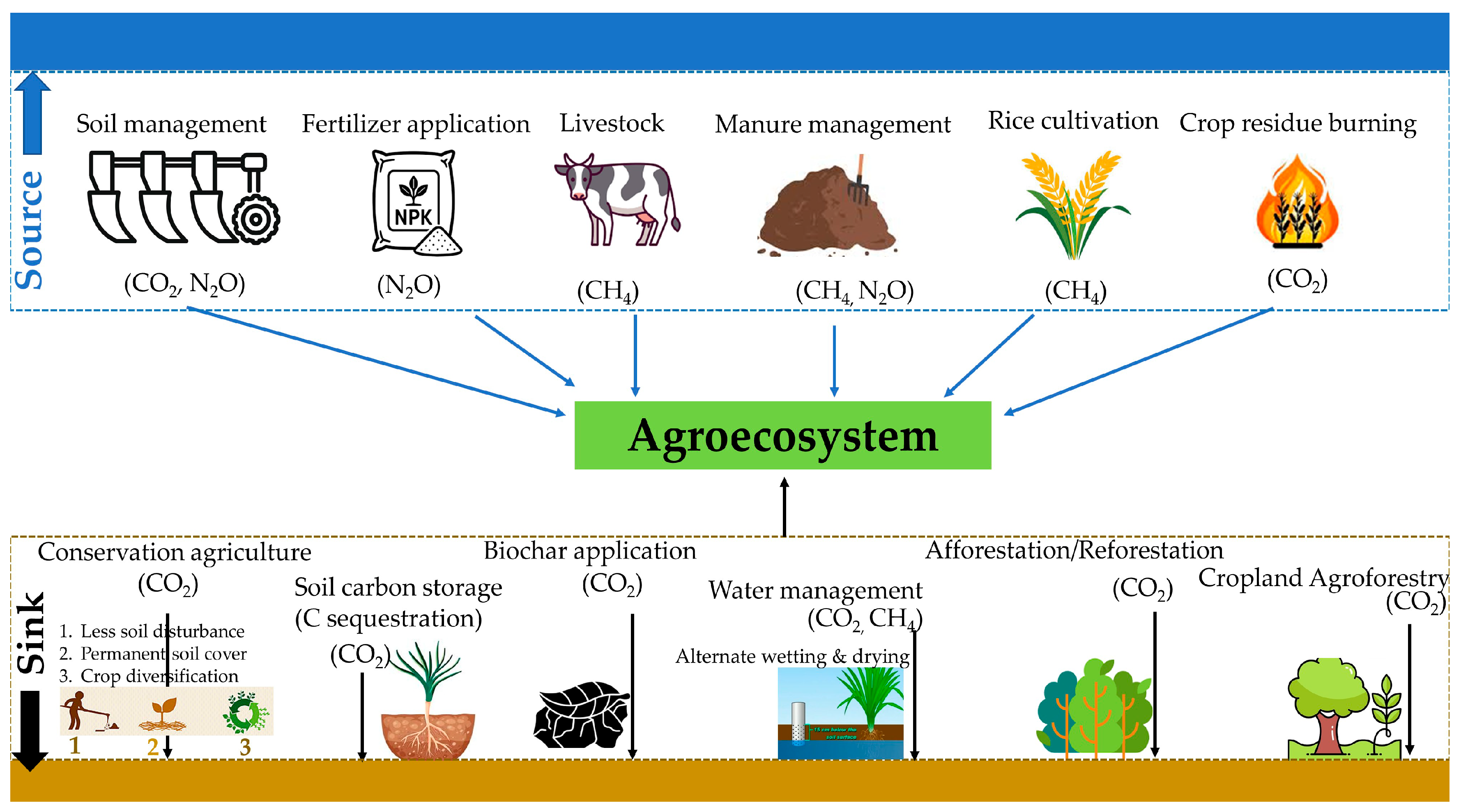
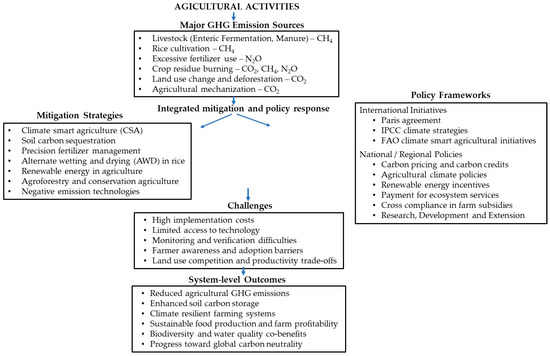
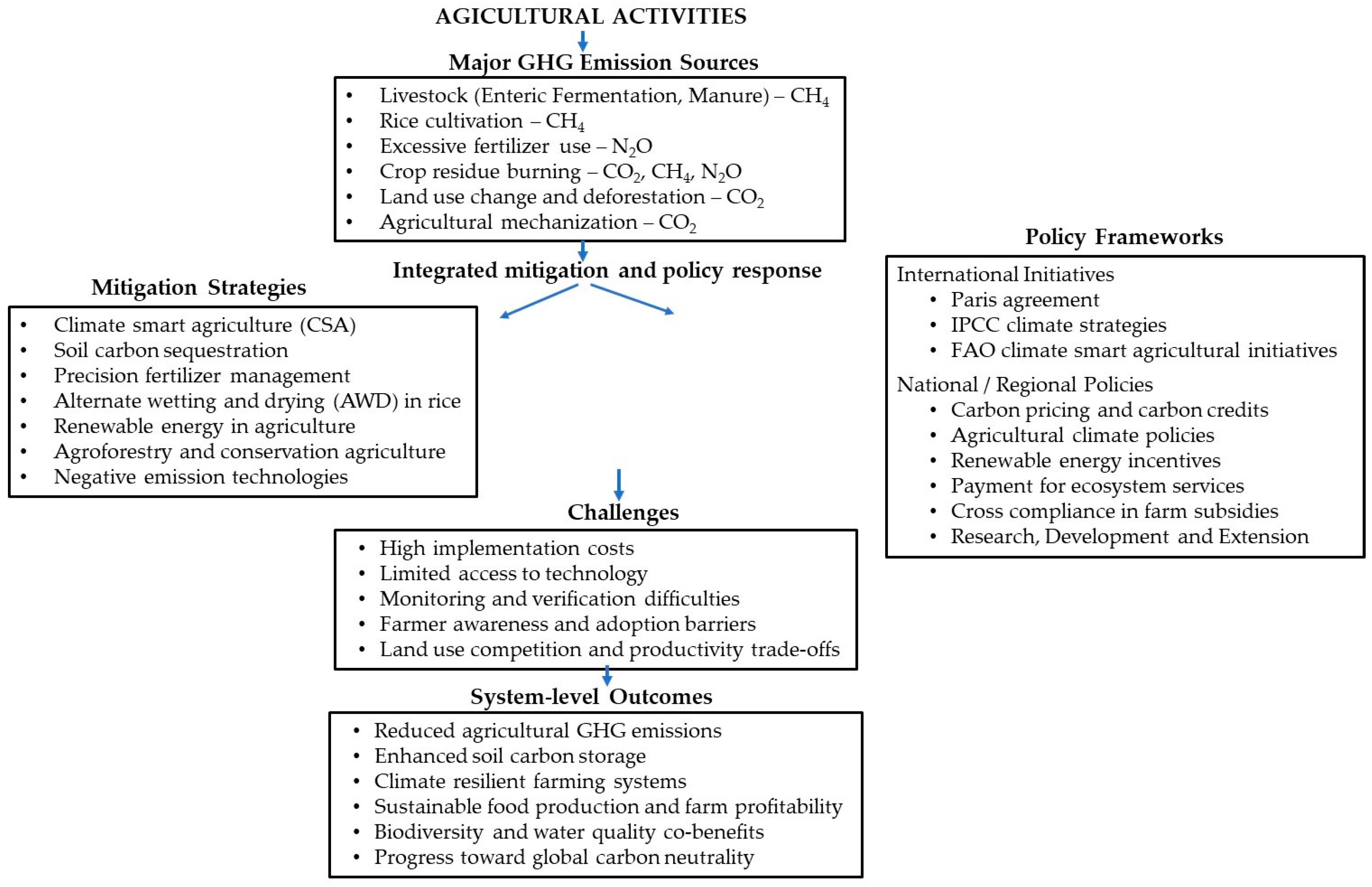

Disclaimer/Publisher’s Note: The statements, opinions and data contained in all publications are solely those of the individual author(s) and contributor(s) and not of MDPI and/or the editor(s). MDPI and/or the editor(s) disclaim responsibility for any injury to people or property resulting from any ideas, methods, instructions or products referred to in the content. |
© 2026 by the authors. Licensee MDPI, Basel, Switzerland. This article is an open access article distributed under the terms and conditions of the Creative Commons Attribution (CC BY) license.