


Abstract
Climate change and increasing thermal pressure represent major long-term challenges for sheep production, particularly in climate-vulnerable regions and production systems. Heat stress can alter thermoregulatory, metabolic, endocrine, reproductive, oxidative, and immune responses, with consequences for animal health, welfare, and productive performance. This review critically evaluates current evidence on the biological and production-related consequences of heat stress in sheep and examines nutritional, genetic, environmental, health-management, and precision-monitoring approaches within a climate-resilience framework. The evidence indicates substantial variation in the magnitude and persistence of heat-stress responses according to breed or genotype, physiological and nutritional status, production system, and the intensity, duration, and timing of thermal exposure. Controlled studies provide important mechanistic insight, whereas field studies capture commercial complexity but are more strongly influenced by concurrent nutritional, climatic, health, and management factors. Nutritional, genetic, environmental, and precision-monitoring interventions offer opportunities to support adaptation, but their effectiveness and transferability across production systems require further validation. Improving climate resilience will therefore require context-specific combinations of complementary strategies rather than uniform solutions. Major research priorities include long-term field evaluation, improved comparability of heat-stress assessment, investigation of concurrent stressors, and evaluation of the practical and economic feasibility of adaptation and mitigation measures under commercial conditions.
1. Introduction
Climate change has emerged as one of the defining challenges for the sustainability of agricultural systems and livestock production worldwide [1,2]. According to the Intergovernmental Panel on Climate Change (IPCC), climate change refers to long-term alterations in temperature, precipitation patterns, and climatic variability resulting from both natural processes and anthropogenic activities [3]. Rising global temperatures, increasing greenhouse gas concentrations, and the growing frequency of extreme climatic events are expected to exert profound effects on agricultural productivity, ecosystem stability, and food security at both regional and global levels [4,5,6,7,8].
Livestock production plays a critical role in global food systems, contributing substantially to food security, rural livelihoods, and agricultural economies [9]. Among livestock species, small ruminants, including both sheep (Ovis aries) and goats (Capra hircus), are of particular importance in arid, semi-arid, Mediterranean, and other marginal production systems, where environmental constraints often limit alternative agricultural activities [10]. Within this broader small-ruminant context, the present review focuses specifically on sheep production. Sheep contribute to the provision of meat, milk, wool, and skins, while also supporting the functioning of rural production systems through the utilization of low-quality forage resources and nutrient recycling through manure [11].
Like other livestock species, sheep are exposed to multiple environmental stressors associated with climate change, including elevated ambient temperature and humidity, altered precipitation patterns, water scarcity, and changes in feed-resource availability. The magnitude of these responses and their consequences, however, varies across sheep populations and depends on breed or genotype, degree of adaptation to local climatic conditions, production system, physiological stage, and the intensity and duration of thermal exposure. Climate change can affect sheep production through both direct and indirect pathways. Elevated ambient temperature, solar radiation, and humidity may directly challenge thermoregulation, endocrine function, and metabolic homeostasis, whereas indirect effects include changes in pasture productivity, forage quality, water availability, pathogen dynamics, and disease distribution [4,12]. Within this broader range of environmental pressures, heat stress represents an important constraint on livestock productivity, reproductive efficiency, health, and animal welfare, although the magnitude of the response varies considerably among breeds, environments, and management conditions [13].
When environmental conditions impose a thermal load beyond the animal’s capacity to dissipate body heat effectively, sheep activate physiological, endocrine, metabolic, and behavioral mechanisms that contribute to the maintenance of thermal homeostasis [4]. Commonly reported responses include increased respiratory activity, changes in body temperature and water intake, altered grazing and feeding behavior, and adjustments in endocrine and metabolic function. However, the magnitude and even the direction of some responses, particularly changes in feed intake and endocrine indicators, may vary according to breed or genotype, degree of climatic adaptation, physiological stage, nutritional status, and the intensity and duration of heat exposure. Consequently, prolonged or severe thermal stress may impair productive efficiency, immune competence, and reproductive performance [14,15]. However, responses are not uniform across sheep populations, and adapted breeds or genotypes may maintain thermoregulatory function more effectively under comparable environmental conditions [16].
Reproductive function is among the biological processes that may be affected by prolonged or severe heat stress, although the magnitude of reproductive impairment varies considerably among breeds, sexes, physiological stages, seasons, and environmental conditions. Reported effects include alterations in reproductive endocrine regulation, gametogenesis, estrous expression, fertilization, and early embryonic development, which, particularly in susceptible animals or under severe and prolonged thermal exposure, may contribute to reduced fertility, reproductive efficiency, and lamb survival [14,15]. Oxidative stress, endocrine alterations, and changes in immune function have been implicated in the mechanisms linking thermal stress with reproductive and productive dysfunction in sheep and other small ruminants [14]. Importantly, evidence from locally adapted and heat-tolerant sheep populations indicates that responses to thermal challenge are not uniform, highlighting the need to distinguish between general physiological mechanisms and breed-specific susceptibility or resilience [16].
Although substantial progress has been made in understanding heat-stress responses in sheep, important limitations remain in the available evidence. Much of the literature has examined individual physiological, reproductive, or productive responses under controlled or region-specific conditions, while comparatively fewer studies have evaluated the combined effects of thermal load, nutrition, water availability, grazing conditions, and management practices in commercial production systems. Moreover, direct comparisons among studies are constrained by substantial heterogeneity in breed and genotype, climatic conditions, heat-stress assessment methods and thresholds, physiological or production stage, nutritional management, and the intensity and duration of thermal exposure. These differences are particularly important because responses observed in one breed or production environment cannot necessarily be generalized to sheep populations adapted to different climatic conditions. Consequently, important uncertainties remain regarding breed-specific resilience, the translation of experimental findings to commercial production systems, and the long-term effectiveness and feasibility of heat-stress adaptation strategies.
Building upon these knowledge gaps, this review critically examines the multifactorial effects of heat stress on sheep production from an integrated production-system perspective. Particular emphasis is placed on the physiological, metabolic, endocrine, immune, reproductive, and productive responses to thermal stress, while considering how these responses vary with breed or genotype, environmental conditions, physiological stage, and production system. The review further evaluates available adaptation and mitigation approaches and identifies limitations in the current evidence that constrain their translation into climate-resilient sheep production systems.
Particular attention is given to evidence from Mediterranean and semi-arid sheep production environments, where increasing temperatures, recurrent drought, seasonal water limitations, and variability in pasture availability can intensify the challenges associated with thermal stress [5,8,15,17]. However, the Mediterranean region encompasses substantial climatic, ecological, and production-system heterogeneity, and the available evidence is not uniformly distributed across countries, breeds, or farming systems [5,17,18]. Accordingly, findings from individual Mediterranean environments should not be assumed to represent the entire region. Rather, Mediterranean and semi-arid studies are considered within their specific climatic, breed, and production contexts, with comparisons to evidence from other warm and arid environments when such evidence contributes to a broader understanding of heat adaptation in sheep. This context-specific approach is intended to distinguish broadly conserved heat-stress mechanisms from responses that depend on local environmental conditions, genotype, and management.
The integrated conceptual framework linking climate-change drivers, environmental stressors, biological responses in sheep, production-system consequences, and adaptation and mitigation strategies is summarized in Figure 1.
Figure 1.
Systems-based conceptual framework illustrating the direct and indirect impacts of climate change and heat stress on sheep production systems. Abbreviations: THI, temperature–humidity index; CH4, methane. Arrows indicate links between components; ↑ denotes an increase. Numbers 1–5 identify thematic sections, colored green, orange, blue, purple, and green, respectively.
2. Literature Search and Analytical Approach
This study was designed as an integrative narrative review examining the effects of climate change and heat stress on sheep production systems, with particular emphasis on physiological, reproductive, productive, immunological, welfare, environmental, genetic, and technological dimensions. An integrative narrative approach was considered more appropriate than a formal systematic review or meta-analysis because of the substantial heterogeneity of the available literature in terms of study design, breeds and genotypes, production systems, climatic conditions, heat-stress assessment methods, exposure protocols, and measured outcomes. Nevertheless, a structured and reproducible literature-search and screening procedure was applied to improve the transparency, traceability, and comprehensiveness of the evidence synthesis.
The literature search was conducted from 1 May to 30 June 2026 and covered Scopus, Web of Science, PubMed, and Google Scholar. Search terms were organized into combinations of concepts related to sheep, climate and thermal stress, animal responses, production and reproduction, welfare, environmental sustainability, and technological or management-based adaptation. Search terms included combinations of “sheep”, “climate change”, “heat stress”, “thermal stress”, “temperature-humidity index”, “reproductive performance”, “production performance”, “immune response”, “animal welfare”, “precision livestock farming”, “methane emissions”, “climate resilience”, and related terms. Database searching was complemented by screening the reference lists of relevant primary studies, reviews, and international reports where appropriate to identify additional potentially relevant publications.
Publications in English were considered within the predefined 2000–2025 publication window. Peer-reviewed scientific literature constituted the principal evidence base, while relevant international reports were used where appropriate to provide broader contextual or policy-related information. Studies were eligible when they provided sheep-specific evidence directly relevant to environmental heat stress, thermal load, climate-related responses, or long-term climatic adaptation. Eligible outcomes included physiological and endocrine responses, reproductive performance, productive traits, immune and oxidative responses, behaviour and welfare, genetic and molecular mechanisms, environmental interactions, and technological or management-based approaches to heat-stress detection, adaptation, and mitigation. Multi-species publications were retained only when sheep-specific evidence could be distinguished. Publications were excluded when they involved non-sheep species without separable sheep data, lacked a relevant environmental heat-stress exposure or qualifying climate-response context, or addressed outcomes outside the substantive scope of the review. Therapeutically induced hyperthermia, fever associated with infectious disease, toxicological hyperthermia, and other forms of elevated body temperature unrelated to environmental heat load were not considered equivalent to climatic heat stress.
Database consolidation and deduplication yielded 529 unique records. Forty records published in 2026 were administratively removed because they fell outside the predefined 2000–2025 publication window, leaving 489 records for title and abstract screening. At this stage, 164 records were excluded, and 325 publications proceeded to full-text eligibility assessment. Full-text assessment resulted in the exclusion of a further nine publications, yielding a final evidence base of 316 included publications. Of these, 283 were primary studies and 33 were review-type publications, comprising 30 narrative or integrative reviews, two systematic reviews or meta-analyses, and one scientometric review.
For each eligible publication, information was extracted on study design and evidence type, sheep breed or genotype, geographical and climatic context, heat-stress exposure or environmental conditions, principal outcomes, quantitative findings where available, and relevance to the major thematic domains of the review. Particular attention was given to evidence obtained under Mediterranean, semi-arid, arid, and other heat-challenging production environments. Controlled experiments were considered alongside commercial-farm observations, large-scale production datasets, climate and bioclimatic modelling studies, genomic and transcriptomic investigations, and precision-livestock-monitoring research. This approach allowed experimentally demonstrated biological mechanisms to be distinguished from responses documented under practical farming conditions and from longer-term evidence of climatic adaptation.
The final evidence base was additionally audited for duplicate and potentially non-independent publications. No exact duplicate publications were identified on the basis of DOI, PMID, or normalized title. However, 20 clusters comprising 61 publications were flagged as potentially related companion publications originating from the same or closely related experimental cohorts, biological material, or research programmes. Such publications were retained when they provided distinct outcomes, mechanistic information, or complementary analyses, but they were not automatically treated as independent experimental evidence when synthesizing overlapping outcomes. This procedure was used to minimize the risk of disproportionately weighting findings generated from the same experimental population or research programme.
The evidence was organized into thematic domains covering physiological and endocrine responses, reproductive function, productive performance, immune and oxidative responses, behaviour and welfare, genetic and molecular adaptation, environmental implications, precision livestock farming, and management and nutritional mitigation strategies. Because of marked heterogeneity in breeds, production systems, experimental protocols, heat-load indices and thresholds, exposure intensity and duration, physiological and productive stages, and outcome definitions, quantitative pooling across the entire evidence base was not considered appropriate. Instead, a critical comparative synthesis was undertaken, focusing on the direction, magnitude, and consistency of reported responses; differences among breeds and genotypes; contrasts between controlled and field conditions; exposure intensity and duration; physiological or productive stage; and the consistency of proposed mitigation effects across biological and production endpoints.
No formal numerical quality-scoring system was applied. Interpretative emphasis was placed on peer-reviewed primary studies with clearly described experimental designs, adequately characterized environmental or heat-stress conditions, clearly defined animal populations, and directly relevant quantitative outcomes. Large commercial datasets and field studies were considered particularly informative for evaluating the practical consequences of heat stress under production conditions, whereas controlled experimental, genomic, transcriptomic, and cellular studies were used primarily to clarify underlying mechanisms and potential biological pathways. Review articles were used to provide context and identify broader patterns but were distinguished from primary evidence when interpreting specific effects. Null, conflicting, and context-dependent findings were retained and considered explicitly rather than being omitted in favour of statistically significant results.
The synthesis therefore aimed not only to summarize the reported effects of heat stress but also to distinguish findings that are consistent across studies from those that remain dependent on breed, production environment, heat-load definition, exposure duration, physiological stage, or management conditions. Particular attention was given to limitations arising from inconsistent heat-stress indices and thresholds, small experimental populations, short exposure periods, limited validation under commercial conditions, breed-specific responses, and potential non-independence among companion publications. These considerations were subsequently used to identify major knowledge gaps, evaluate the strength and practical applicability of proposed mitigation strategies, and define priorities for future research.
A comparison of the scope of previous syntheses and the principal contribution of the present review is provided in Table 1.
Table 1.
Comparison of the scope of previous syntheses and the contribution of the present review.
3. Effects of Heat Stress on Sheep Productivity: Pathways and Mechanisms
Climate change is increasing the exposure of sheep production systems to elevated ambient temperatures, altered precipitation patterns, drought, and other climate-related pressures that can affect livestock production directly through increased environmental heat load and indirectly through constraints on feed and water resources [17]. The biological and productive consequences of these pressures, however, should not be considered uniform across sheep populations. Responses to thermal challenge vary with breed or genotype and physiological stage, as demonstrated under both field and controlled conditions. For example, Macías-Cruz et al. (2018) [21] reported differences in thermoregulatory responses among 40 Dorper × Pelibuey females at different physiological stages under outdoor heat stress, whereas Carabaño et al. (2021) [22], using 12 years of records from Latxa and Manchega dairy sheep, demonstrated substantial genetic variation in thermotolerance. Such evidence indicates that the effects of climatic heat load should be interpreted within specific genetic, physiological, and production contexts rather than generalized across sheep as a species.
Sheep possess morphological, physiological, and behavioural characteristics that can contribute to their capacity to cope with harsh and variable environments. However, heat tolerance differs among breeds, genotypes, and even phenotypic groups within breeds and should therefore not be considered a uniform species-level characteristic. In locally adapted hair sheep, morphological traits such as coat colour and hair characteristics can influence pathways of heat exchange and thermoregulatory responses under hot field conditions [23,24]. Genetic variation also contributes to individual differences in thermotolerance; under controlled heat challenge, Luna-Nevarez et al. (2020) [25] identified candidate SNPs associated with heat-stress tolerance in pregnant Columbia × Rambouillet ewes. Consequently, similar environmental heat loads may elicit different biological and productive responses depending on breed or genotype, phenotypic characteristics, physiological stage, acclimatization, nutritional status, and production environment.
Heat stress develops when environmental and metabolic heat loads exceed the animal’s capacity to dissipate sufficient heat to maintain thermal balance. The resulting thermoregulatory adjustments can influence productivity through interconnected nutritional, metabolic, endocrine, and cellular pathways. Although reduced feed intake may constrain nutrient availability for growth, lactation, and reproduction, productive impairment cannot be attributed solely to decreased intake, because thermal exposure may also alter energy utilization, nutrient partitioning, endocrine regulation, oxidative balance, and immune function [26,27,28,29,30,31]. The magnitude and relative importance of these pathways depend on genotype, physiological state, adaptive capacity, and the intensity and duration of thermal exposure. The physiological and behavioral components of these responses are examined in detail in Section 5.
The productive consequences of these mechanisms may include reductions in milk production, growth performance, and reproductive efficiency, together with adverse effects on health and welfare under some exposure conditions. Importantly, both the occurrence and magnitude of these effects are context dependent. Large-scale field evidence illustrates this variability: Finocchiaro et al. (2005) [32], analysing 59,661 test-day records from 6624 lactations of 4428 Mediterranean dairy ewes across 17 flocks, demonstrated that milk-production responses to thermal load varied with environmental conditions and genetic background. Responses observed in one breed or genotype should therefore not be extrapolated automatically to populations with different genetic backgrounds or histories of climatic adaptation. Similarly, results obtained under controlled climatic conditions may not fully reproduce responses under commercial or extensive production systems, where solar radiation, air movement, forage and water availability, grazing behaviour, and opportunities for behavioural thermoregulation interact with ambient temperature and humidity. Consequently, interpretation of heat-stress effects requires consideration not only of the thermal exposure itself but also of the genetic, physiological, environmental, and management context in which that exposure occurs.
Climate change can additionally influence sheep productivity through indirect pathways involving forage resources and water availability. Altered rainfall patterns and drought can constrain pasture availability and forage quality and increase seasonal pressure on water resources, potentially intensifying nutritional challenges that occur concurrently with thermal stress [17]. Under practical production conditions, thermal stress may coincide with nutritional and other environmental challenges rather than occurring in isolation. The biological consequences of such combined stressors have also been demonstrated experimentally under semi-arid conditions. In Malpura ewes, Sejian et al. (2013) [33] showed that combined thermal, nutritional, and walking stresses significantly affected body weight and multiple physiological and metabolic indicators, illustrating the complexity of responses to concurrent challenges. Such interactions complicate attribution of changes in animal performance to ambient temperature alone and reinforce the need to interpret heat-stress responses within the broader environmental and nutritional context of the production system.
The principal pathways linking environmental heat load to thermoregulatory and metabolic adjustments and, ultimately, to productive outcomes are summarized in Figure 2.
Figure 2.
Principal pathways linking environmental heat load to thermoregulatory, metabolic, and productive responses in sheep. Solid arrows indicate the progression from environmental heat load through thermoregulatory responses and metabolic and endocrine adjustments to productive consequences. Dashed arrows indicate the influence of response modifiers (top) and indirect climate-related pressures (bottom). Orange, blue, purple, and green distinguish environmental heat load, thermoregulatory responses, metabolic and endocrine adjustments, and productive consequences, respectively.
4. Enteric Methane Emissions from Sheep Production
Enteric methane (CH4) is an important component of greenhouse gas emissions from sheep production and is generated during microbial fermentation in the rumen [34,35,36,37]. Methane emissions are influenced by feed intake, diet composition and digestibility, rumen fermentation, animal characteristics, and production system [36,37]. Importantly, environmental assessment should distinguish absolute CH4 production from methane yield relative to feed intake and emissions intensity relative to productive output, because these measures do not necessarily respond in parallel [36].
The direct effects of heat stress on enteric methane emissions in sheep remain less clearly established than its effects on thermoregulation and productive performance. Thermal exposure could influence methanogenesis indirectly through changes in feed intake, digestive processes, rumen fermentation, and nutrient metabolism; however, the direction and magnitude of these effects remain uncertain and are likely to depend on diet, production system, and the characteristics of the thermal challenge. Because feed-intake responses to thermal exposure are not uniform across sheep populations, changes in methane emissions should be interpreted in relation to actual intake rather than assumed reductions in feed consumption. When intake does decline, absolute methane output may decrease because less fermentable substrate enters the rumen, without necessarily producing a proportional reduction in methane yield or emissions intensity [26,36].
The relationship between heat stress and methane emissions should therefore be interpreted together with productive performance. Because emissions intensity expresses methane output relative to productive output, reductions in growth or milk production during thermal challenge could increase methane emissions per unit of product even when absolute CH4 production remains unchanged or decreases [26,36]. Enteric methane also represents a loss of dietary energy during ruminal fermentation [36], linking methanogenesis with feed utilization and productive efficiency; however, reductions in methane emissions should not be assumed to improve animal performance unless dietary energy is effectively redirected or more efficiently utilized.
Overall, available evidence indicates that the relationship between thermal challenge and enteric methane emissions in sheep remains incompletely characterized. Evaluation of this relationship should distinguish absolute CH4 production, methane yield relative to feed intake, and emissions intensity relative to productive output and should consider diet, rumen function, animal performance, and production context. Further sheep-specific studies under both controlled and commercial conditions are needed to determine how thermal exposure influences these different methane metrics.
5. Physiological Responses, Thermal Adaptation, and Resilience in Sheep
Heat stress represents an important environmental challenge for sheep production, particularly in hot and seasonally dry production environments where animals may experience prolonged or recurrent thermal loads [29,38]. Its biological and productive consequences, however, depend not only on the severity and duration of environmental exposure but also on animal-related and management factors, including genotype, physiological stage, nutritional status, acclimatization, and production conditions [29]. Accordingly, heat-stress responses should be interpreted as context dependent rather than as uniform consequences of exposure to high ambient temperature.
Heat stress develops when the combined environmental heat load and endogenous metabolic heat production exceed the animal’s capacity to dissipate sufficient heat to maintain thermal balance [29,38]. The effective thermal load is determined by interactions among ambient temperature, relative humidity, solar radiation, air movement, and duration of exposure, together with animal-related characteristics such as genotype, coat properties, physiological state, and metabolic heat production [29,38]. Consequently, ambient temperature alone should not be interpreted as representing an equivalent biological heat load across animals, environments, or production systems.
5.1. Physiological and Behavioral Responses
Exposure to environmental heat load elicits coordinated physiological and behavioral responses that contribute to the maintenance of thermal balance. In sheep, commonly reported physiological adjustments include increased respiratory activity, elevated body temperature, changes in peripheral heat dissipation and water balance, and alterations in metabolic regulation [27]. The magnitude of these responses is not uniform, however, and varies with genotype, physiological stage, environmental conditions, and adaptive capacity. Under outdoor heat exposure, for example, Macías-Cruz et al. (2018) [21] demonstrated differences in thermoregulatory responses among Dorper × Pelibuey females according to physiological stage, illustrating that a similar climatic environment does not necessarily produce an equivalent biological response in all animals.
Feeding responses to thermal challenge are similarly context dependent. Reduced feed intake is frequently reported during heat exposure and can contribute to lower nutrient availability while reducing the heat associated with digestion and metabolism [27]. However, decreased intake should not be considered an obligatory response in sheep. Nicolás-López et al. (2021) [26] reported that Dorper × Katahdin lambs exposed to summer heat stress showed reduced growth and feed efficiency without a significant reduction in dry-matter intake, demonstrating that productive impairment can occur even when intake is not significantly decreased. Thus, changes in feed intake should be interpreted in relation to genotype, heat-load intensity and duration, diet, physiological state, and production conditions rather than treated as a uniform indicator of heat stress.
Behavioral thermoregulation can provide an important means of reducing thermal load under grazing conditions. In free-ranging sheep exposed to heat waves in an Australian arid-zone rangeland, Leu et al. (2021) [39] found that animals spent 14.7 times longer in shade during the midday period and approximately halved their movement distance compared with periods of typical ambient conditions, while partly shifting activity toward cooler periods of the day. Considerable individual variation in shade use was also observed, indicating that behavioral responses to thermal challenge are not uniform among animals. More recently, Schütz et al. (2024) [40] reported that grazing Romney-cross ewes provided with shade used it during 25.7% of daytime observations, with shade use increasing as solar radiation increased. Collectively, these field observations indicate that shade seeking and temporal redistribution of activity can contribute to behavioral thermoregulation, while also emphasizing that their expression depends on environmental conditions and individual behavioral responses.
5.2. Endocrine and Metabolic Alterations
Heat exposure can alter endocrine regulation in sheep, although the magnitude and direction of these responses depend on genotype, environmental conditions, and the characteristics of the thermal challenge. In indigenous sheep exposed to contrasting seasonal conditions, Rathwa et al. (2017) [30] reported higher circulating cortisol and lower triiodothyronine (T3) and thyroxine (T4) during summer, when the temperature-humidity index was 82.55 compared with 59.36 in winter. Breed-related variation is also evident under controlled thermal exposure; in 24 sheep representing four genetic groups exposed to temperatures ranging from 20 to 36 °C, Rodrigues et al. (2023) [41] observed significant breed × temperature interactions for cortisol and T4 (p < 0.0001), with cortisol increasing and thyroid hormone concentrations decreasing as temperature increased. These findings indicate that hypothalamic–pituitary–adrenal and thyroid-related responses contribute to endocrine adjustment during thermal challenge, but their magnitude should not be assumed to be uniform across sheep populations.
Heat exposure is also associated with alterations in metabolic regulation that extend beyond changes in feed intake. Rathwa et al. (2017) [30] observed significant seasonal changes in several biochemical indicators, including reductions in circulating glucose and cholesterol during summer heat exposure. Under controlled thermal conditions, Rodrigues et al. (2023) [41] additionally identified breed × temperature interactions for glucose, cholesterol, urea, and magnesium, further demonstrating that metabolic responses depend on genetic background as well as environmental temperature. Metabolomic evidence also indicates that heat tolerance is associated with distinct serum metabolic profiles in sheep [42], supporting the view that thermal adaptation involves coordinated changes across multiple metabolic pathways rather than a single metabolic response. These observations are consistent with the broader mechanistic evidence that heat stress can modify nutrient partitioning and post-absorptive metabolism as animals adjust energy utilization to maintain homeostasis [43].
Oxidative responses constitute an additional component of the physiological response to thermal challenge. Rathwa et al. (2017) [30] reported significantly higher superoxide dismutase and glutathione peroxidase activities together with increased lipid peroxidation during summer, indicating concurrent activation of antioxidant defences and increased oxidative challenge. Importantly, increases in antioxidant enzyme activity should not themselves be interpreted as evidence of oxidative damage, but rather as part of the cellular response to altered redox balance; indices of oxidative damage and antioxidant defence should therefore be distinguished. The magnitude and pattern of these responses may vary with genotype and with the intensity, duration, and environmental context of thermal exposure. Accordingly, endocrine, metabolic, and oxidative responses are best interpreted as interconnected but context-dependent components of the response of sheep to environmental heat load.
5.3. Heat Stress, Welfare, and Immune Function
Heat exposure can modify immune and inflammatory responses in sheep, although the magnitude of these changes depends on the severity and duration of thermal exposure. In 18 male lambs subjected to different thermal environments for 28 days, Shi et al. (2020) [31] reported that prolonged and more severe heat exposure was associated with lower IgG and IL-2 concentrations and higher IL-1 and TNF-α concentrations (p < 0.05), together with changes in the expression of immune-related genes. These findings indicate that thermal challenge can alter humoral and inflammatory components of immune regulation in sheep. However, changes in individual immune biomarkers should not be interpreted automatically as evidence of increased susceptibility to clinical disease, which was not directly assessed in this study. More broadly, interactions among thermal load, endocrine responses, oxidative balance, and immune regulation have been proposed as interconnected components of the heat-stress response [44].
Heat exposure also has important implications for sheep welfare, particularly when access to resources that facilitate behavioral thermoregulation is limited. In 120 male Ujumqin sheep exposed to high ambient temperatures, provision of shade reduced respiration rate and was associated with lower cortisol concentrations and a lower neutrophil-to-lymphocyte ratio, although final body weight and average daily gain did not differ between shaded and unshaded animals [45]. More recently, Schütz et al. (2024) [40] found that grazing Romney-cross ewes with access to shade used this resource during 25.7% of daytime observations, with shade use increasing with solar radiation; the authors concluded that access to shade improved welfare even under relatively mild summer conditions in a temperate climate. Together, these findings indicate that the welfare consequences of thermal exposure should be evaluated using physiological and behavioral indicators rather than inferred from productive performance alone. They also emphasize that the capacity of sheep to cope with environmental heat load depends not only on climatic conditions and animal-related factors, but also on access to resources that facilitate behavioral thermoregulation, particularly shade.
5.4. Assessment and Monitoring of Thermal Responses
Precision livestock farming technologies offer opportunities to complement conventional assessment of thermal responses in sheep through non-invasive or automated measurements of physiological and behavioral variables. Infrared thermography (IRT), in particular, enables repeated assessment of body-surface temperature without direct contact with the animal. In sheep exposed to contrasting thermal conditions, Čukić et al. (2023) [46] demonstrated changes in infrared temperatures measured at different body regions and reported associations between these measurements and blood metabolic parameters. These findings support the potential of IRT as a complementary tool for assessing thermal responses in sheep, although surface temperature is influenced by environmental and animal-related factors and should not be interpreted as a stand-alone measure of heat stress. Metabolomic approaches may provide additional information on biological responses to thermal exposure; Xu et al. (2022) [42] identified distinct serum metabolic profiles associated with heat-stress tolerance in sheep, but such biomarker-based assessments represent complementary physiological measurements rather than continuous monitoring technologies.
Wearable and animal-borne sensors provide a different approach by allowing repeated or continuous collection of behavioral and physiological data. Using wearable inertial sensors in sheep subjected to different patterns of thermal exposure, Reis et al. (2023) [47] classified behaviors including standing, lying, eating, and ruminating and detected changes in behavioral patterns associated with heat stress. Importantly, classification performance declined when algorithms were applied under thermal conditions outside those represented in the training data, indicating that sensor-based behavioral models may not transfer reliably across environmental conditions without appropriate validation. Physiological sensing has also been demonstrated under free-grazing conditions: Fuchs et al. (2019) [48] continuously recorded core body temperature and heart rate in free-ranging Norwegian White Sheep using surgically implanted sensors, demonstrating the feasibility of obtaining physiological data outside controlled environments. However, sensor losses occurred during the study, and the authors emphasized that further development of the implantation procedure and real-time communication would be required for wider agricultural application.
Taken together, these studies indicate that precision-monitoring approaches can expand the range and temporal resolution of information available for assessing thermal responses in sheep, but their practical value depends on the variable measured, sensor configuration, environmental conditions, and the robustness of the algorithms used to interpret sensor outputs. In particular, changes in surface temperature, activity, behavior, or physiological signals should not automatically be regarded as specific indicators of heat stress because these variables can also be influenced by factors unrelated to thermal load. Validation across environmental conditions and production systems is therefore important before sensor-derived measures can be used reliably for heat-stress detection or management decisions. At present, precision technologies are best regarded as complementary tools that integrate environmental, physiological, and behavioral information rather than as replacements for direct assessment of the animal’s response to thermal challenge.
5.5. Adaptive Capacity and Breed Resilience
Breed and genotype are important sources of variation in the capacity of sheep to cope with environmental heat load, and thermal resilience should not be considered a uniform characteristic of either the species or broad breed categories. In a 12-month comparison of 33 rams representing Morada Nova, Santa Inês, Dorper, and Texel breeds under the same tropical environment, Pantoja et al. (2017) [16] observed breed differences in thermoregulatory responses and adaptive morphological characteristics. Morada Nova, Santa Inês, and Dorper sheep maintained lower internal temperatures and coped more effectively with the thermal challenge than Texel sheep, although the adaptive characteristics differed among breeds. These findings illustrate that thermotolerance can involve breed-specific combinations of morphological and physiological characteristics rather than being explained by a simple distinction between indigenous and exotic populations.
Genetic variation also contributes to differences in thermal resilience within sheep populations. Using 12 years of production records from Latxa and Manchega dairy sheep, Carabaño et al. (2021) [22] demonstrated genetic variation in responses to thermal load, with the magnitude and pattern of genotype × environment interaction differing between the two breeds. The Latxa population showed clearer evidence of genotype × environment interaction than the Manchega population, although substantial genetic variability in thermal tolerance at extreme THI values was detected in both breeds. These findings indicate that thermotolerance has a genetic component that could be considered in breeding programs, while also emphasizing that the genetic architecture and expression of thermal resilience are population specific.
The incorporation of thermotolerance into breeding objectives requires simultaneous consideration of adaptation and productive performance. In the Latxa and Manchega populations, genetic relationships between production level and response to high thermal load indicated an unfavorable association between increasing production and heat tolerance, although its magnitude differed between breeds and traits [22]. Moreover, realized genetic trends showed positive responses for production traits accompanied by unfavorable trends in thermotolerance, particularly for heat tolerance in the Latxa population. These results do not imply an inevitable trade-off between productivity and climatic resilience across all sheep populations, but they demonstrate that selection for production alone may have unintended consequences for adaptation to thermal stress in some genetic backgrounds. Future breeding strategies should therefore evaluate productive performance and thermotolerance jointly and account for genotype × environment interactions when defining breeding objectives under changing climatic conditions.
The principal physiological, metabolic, reproductive, productive, immunological, and welfare-related effects of heat stress in sheep are summarized in Table 2.
Table 2.
Major physiological, metabolic, reproductive, productive, immunological, and welfare-related effects of heat stress in sheep.
6. Effects of Heat Stress on Reproductive Performance
Reproductive function is sensitive to thermal challenge, but the magnitude and direction of heat-stress effects in sheep vary with sex, breed or genotype, physiological and reproductive stage, season, and the intensity and duration of thermal exposure. Reported responses involve multiple levels of the reproductive process, including endocrine regulation, gametogenesis, ovarian and testicular function, estrous activity, fertilization, embryonic development, and pregnancy maintenance. However, these responses should not be interpreted as uniform consequences of heat exposure across sheep populations, because locally adapted and heat-tolerant genotypes may maintain reproductive function more effectively under comparable environmental conditions.
The reproductive consequences of thermal challenge should therefore be evaluated in relation to the specific animal population and exposure conditions under which they were observed. The following subsections examine evidence for male and female reproductive responses separately, with particular emphasis on quantitative outcomes, endocrine and cellular mechanisms, breed-specific differences, and evidence of reproductive resilience under hot environments.
6.1. Female Reproductive Responses to Heat Stress
Heat exposure can alter female reproductive function in sheep at multiple levels, although the magnitude of the response depends on the characteristics of the thermal challenge and the animal population examined. Direct experimental evidence for alterations in estrous characteristics and endocrine function has recently been reported in Hu sheep. In a controlled experiment involving 12 ewes exposed for 68 days to either thermoneutral (THI 69.36 ± 1.90) or heat-stress conditions (THI 91.54 ± 0.93), heat exposure shortened estrus duration from 34.67 ± 0.67 to 32.22 ± 0.77 h and prolonged the estrous cycle from 16.37 ± 0.42 to 17.85 ± 0.65 days (p < 0.05). Circulating concentrations of FSH, LH, estradiol, and progesterone were also significantly reduced in heat-stressed ewes [52]. Transcriptomic analysis further identified heat-associated changes in gene expression across the hypothalamus, pituitary, and ovary, supporting the involvement of multiple components of the hypothalamic–pituitary–ovarian axis in the reproductive response to thermal challenge.
Ovarian responses to prolonged heat exposure have also been demonstrated directly in Hu sheep. In a separate experiment involving 12 ewes assigned to control (n = 6) and heat-stressed (n = 6) groups for 68 days, Zou et al. (2025) [51] reported significantly lower numbers of primordial, primary, secondary, and mature follicles in heat-stressed animals, whereas the number of antral follicles was increased. Granulosa-cell apoptosis was also significantly increased. Heat exposure was associated with reduced serum total antioxidant capacity, total superoxide dismutase, and glutathione peroxidase activities and with altered expression of apoptosis-related genes, including increased Bax and Caspase-3 and decreased Bcl-2. CircRNA sequencing identified 152 differentially expressed circRNAs, and enrichment analyses implicated pathways related to apoptosis, mitophagy, and FoxO signaling. These findings provide direct evidence that prolonged thermal exposure can alter ovarian follicular development and granulosa-cell survival in Hu sheep and that these changes are accompanied by reduced antioxidant defence and alterations in circRNA expression.
Evidence from studies conducted across different breeds and production environments indicates that thermal conditions can be associated with variation in reproductive activity and fertility in ewes, although the magnitude of these responses may depend on genotype, season, and management conditions. García-Casillas et al. (2024) [54], studying Socorro Island Merino and Pelibuey-crossbred ewes under hot tropical conditions, reported seasonal and genotype-related differences in reproductive activity, including estrous response and progesterone profiles, showing that reproductive activity under such conditions varied according to season and genotype. Under commercial conditions, Santolaria et al. (2014) [55] analyzed 8977 cervical inseminations in 76 Rasa Aragonesa flocks and found that climatic conditions around insemination were associated with pregnancy outcome, with high temperatures during the days immediately preceding insemination being associated with reduced fertility. Comparable field evidence has been obtained under Greek production conditions. In 2083 Lacaune ewes from 23 commercial dairy flocks in Northern Greece, increases in ambient temperature and THI from 15 days before to 4 days after cervical artificial insemination with cooled semen were associated with a reduced likelihood of pregnancy [56]. Together, these studies complement controlled experimental findings by showing that reproductive responses to thermal conditions are also detectable under diverse production environments and may vary with genotype, season, and management context.
Thermal challenge during pregnancy may additionally affect placental and fetal development and interact with maternal redox status and reproductive outcome. Experimental evidence in sheep indicates that chronic heat exposure during mid-pregnancy can have consequences that persist after the thermal challenge has ceased. McCrabb et al. (1993) [57] exposed ewes to heat from days 30 to 80 of pregnancy and subsequently returned them to thermoneutral conditions. Placental weight was lower in heat-treated than in control ewes at days 80 and 140 of pregnancy, whereas reductions in fetal weight and dimensions became evident at day 140, indicating that restricted placental growth following mid-pregnancy heat exposure was associated with impaired subsequent fetal growth. The relationship between thermal challenge, oxidative balance, and reproductive outcome is further illustrated by Bouroutzika et al. (2020) [58]. In a study involving 68 ewes allocated to melatonin-treated and untreated control groups, all animals were exposed to heat stress from estrus synchronization through gestation. Melatonin-treated ewes showed improved redox status and produced a greater mean number and body weight of lambs per ewe than untreated heat-stressed controls. Because the study did not include a thermoneutral group, however, it cannot quantify the independent effect of heat stress on pregnancy or fetal development. Rather, it demonstrates that modification of redox status by melatonin under heat-stress conditions was associated with improved reproductive outcome.
Collectively, the available evidence indicates that female reproductive responses to heat exposure can involve endocrine regulation, estrous cyclicity, ovarian follicular development, granulosa-cell survival, fertility following insemination, placental and fetal development, and oxidative balance. However, these responses should not be extrapolated uniformly across sheep populations. Detailed mechanistic evidence from controlled experimental populations, including Hu sheep, is complemented by studies conducted in Rasa Aragonesa and Lacaune ewes under commercial conditions and in Merino-derived genotypes under hot tropical environments. Together, these findings indicate that the magnitude and expression of reproductive responses to thermal challenge may vary according to breed or genotype, season, reproductive stage, management conditions, and the intensity, duration, and timing of heat exposure. Consequently, the extent to which mechanistic findings obtained in specific experimental populations can be generalized across breeds and production environments should be considered carefully when evaluating the reproductive consequences of heat stress in ewes.
The principal mechanisms through which heat stress may impair female reproductive function in sheep are summarized in Figure 3.
Figure 3.
Main biological mechanisms and reproductive outcomes associated with heat stress in ewes and the factors modulating their severity. Arrows indicate the links between heat stress, biological mechanisms, reproductive outcomes, and factors modulating response severity; upward arrows indicate increases in the listed physiological responses. Orange, blue, green, and purple distinguish environmental challenge, biological mechanisms, reproductive outcomes, and modifying factors, respectively. Numbers 1–4 identify these four thematic sections.
6.2. Male Reproductive Responses to Heat Stress
Male reproductive function in sheep can be adversely affected by elevated environmental and testicular temperatures [15,50]. Normal spermatogenesis depends on effective testicular thermoregulation, and experimental evidence indicates that even mild increases in scrotal temperature can temporarily impair semen quality in rams [49]. Heat-associated reproductive dysfunction may involve several interacting processes, including oxidative stress, endocrine alterations, germ-cell apoptosis, and impaired testicular function [49,50].
Experimental and review evidence indicates that heat exposure can reduce semen quality in rams, including decreases in sperm concentration and motility and increases in morphological abnormalities [49,50]. Oxidative imbalance may contribute to these alterations, while changes in reproductive hormone concentrations may further accompany impaired semen quality under hot environmental conditions [50,59]. However, the findings of Liu et al. (2025) [59] should be interpreted in the context of the concurrent effects of summer heat stress and the non-breeding season in Hu rams. Importantly, experimental scrotal heating indicates that alterations in semen quality can persist after the initial thermal challenge and subsequently recover over time, consistent with the extended duration of spermatogenesis and sperm maturation [49].
Male reproductive responses to thermal challenge may also vary according to breed characteristics and seasonal conditions. In Barbados Blackbelly rams, a tropical-adapted breed, exposure to elevated temperature–humidity conditions (THI 89–94) induced changes in reproductive physiology and sexual behaviour, while the decline in cortisol concentrations after an initial increase was interpreted as a possible adaptive response to sustained heat exposure [60]. Seasonal influences on male reproductive development have also been demonstrated in Hu sheep. Li et al. (2025) [61] compared 6-month-old rams born in summer and winter and identified differences in spermatogenesis, testicular antioxidant status, oxylipin profiles, and gene expression. Notably, summer-born rams exhibited higher cauda sperm density and antioxidant capacity and lower lipid peroxidation than winter-born rams. These findings illustrate that male reproductive traits observed under different environmental conditions should be interpreted in the context of both breed characteristics and seasonal influences rather than being attributed to thermal exposure alone.
The major pathways through which heat stress may impair male reproductive function in rams are summarized in Figure 4.
Figure 4.
Main biological mechanisms and reproductive outcomes associated with heat stress in rams and the factors modulating their severity. Arrows indicate links between sections; ↑ denotes an increase. Orange, blue, green, and purple denote environmental challenge, biological mechanisms, reproductive outcomes, and modifying factors, respectively. Red solid and blue dashed curves indicate declining semen quality during heat exposure and subsequent recovery.
6.3. Nutritional and Environmental Interactions
The reproductive effects of heat stress may be influenced by concurrent nutritional and environmental challenges. Elevated temperatures are frequently associated with reduced voluntary feed intake, which can alter energy and nutrient availability during reproductively demanding periods [15,62]. However, reduced feed intake should not be regarded as the sole explanation for heat-related reproductive impairment. Experimental evidence in ewes indicates that the effects of heat stress on placental and fetal growth can exceed those attributable to reduced nutrient intake alone, suggesting that direct thermal effects and nutritional factors may act through partly independent pathways [62].
Under field conditions, heat exposure may also coincide with broader environmental constraints, including reduced forage quality, limited water availability, and changes in disease risk associated with climatic variability [5,63]. These factors can affect animal health, welfare, and nutritional status and may therefore complicate the interpretation of reproductive responses observed during hot periods. Consequently, reproductive effects recorded under commercial or extensive production conditions should not automatically be attributed to ambient temperature alone, but should be evaluated within the wider context of nutritional status, health, management, and environmental conditions.
6.4. Breed and Genetic Factors Influencing Reproductive Resilience
Genetic background can influence the capacity of sheep to cope with environmental stress, including elevated thermal load. Comparative studies across dairy sheep populations have demonstrated substantial breed-level differences in thermal resilience, reflecting variation in climatic origin, selection history, and production level [64]. More broadly, genomic and epigenetic evidence indicates that adaptation of sheep to contrasting environments involves multiple biological pathways associated with thermoregulation, metabolism, oxidative balance, and water homeostasis [65]. These adaptive differences may contribute to variation in reproductive responses under heat stress, although direct evidence linking specific adaptive mechanisms to reproductive performance remains limited.
Evidence linking breed characteristics more directly with reproductive performance under hot conditions has been reported in Damani and Balkhi ewes. Under high thermal load, Damani ewes exhibited lower physiological and molecular stress indicators than Balkhi ewes, while fertility outcomes also differed according to breed and management system [66]. Importantly, the semi-intensive and extensive systems differed not only in thermal conditions but also in feeding, housing, health care, and other management practices. The observed reproductive differences therefore cannot be attributed to heat exposure or breed alone, but illustrate how genetic background and management context may jointly shape reproductive performance under challenging environmental conditions.
The relationship between productivity and thermal resilience is also complex. In European dairy sheep populations, highly productive breeds and individuals tended to show greater sensitivity to thermal stress, with negative relationships between production level and heat tolerance [64]. However, these findings relate primarily to productive performance and should not be interpreted as direct evidence that high productivity necessarily reduces reproductive resilience. Consequently, the extent to which genetic adaptation, production intensity, and management determine breed-specific reproductive resilience remains incompletely understood and warrants further investigation.
6.5. Implications for Sheep Production
Heat-related reproductive impairment can affect flock reproductive efficiency and the continuity of lamb production across breeding cycles. Reduced fertility around breeding and insemination, alterations in reproductive activity, and impaired placental and fetal development may collectively compromise reproductive efficiency and subsequent flock productivity, particularly when thermal challenges coincide with critical stages of the reproductive cycle.
Because reproductive responses to thermal challenge may vary according to breed or genotype, reproductive stage, nutritional and management conditions, and the intensity, duration, and timing of heat exposure, mitigation strategies should be adapted to the characteristics of individual production systems. The effectiveness of such interventions in maintaining reproductive performance requires further validation under commercial farming conditions, particularly in extensive and semi-intensive systems where environmental exposure is difficult to control. Specific management, nutritional, genetic, and technological strategies for improving thermal resilience are considered in Section 9.
7. Effects of Heat Stress on Productive Performance
Heat stress can impair productive performance in sheep through physiological and metabolic alterations that affect feed intake, energy balance, and nutrient utilization [11,15,27]. Under elevated temperatures, physiological resources are increasingly directed toward thermoregulation and maintenance of homeostasis, potentially reducing the energy and nutrients available for productive functions [15,27]. Consequently, prolonged thermal exposure can adversely affect major production traits, including growth, milk production, and wool production, thereby reducing overall production efficiency [11,27,53].
7.1. Feed Intake and Energy Balance
Reduced feed intake is one of the most consistently reported responses of sheep to heat stress [5,15,27,28,53]. This response is generally interpreted as an adaptive adjustment that limits diet-induced heat production associated with digestion and ruminal fermentation. However, this response is not universal across sheep populations or experimental conditions. For example, in Dorper × Katahdin lambs exposed to thermal challenge, impaired growth occurred without a significant reduction in dry-matter intake [26], indicating that reduced productive performance under heat stress cannot be attributed solely to decreased feed intake. When sustained, however, reduced nutrient intake can alter energy balance and decrease the availability of nutrients for productive functions. Controlled studies in dairy ewes further indicate that heat stress can induce metabolic adjustments that extend beyond reduced feed intake, including changes in tissue mobilization and nutrient partitioning [28]. Thermoregulatory responses such as increased respiratory activity and peripheral heat dissipation also require physiological adjustment, contributing to a redistribution of metabolic resources toward maintenance of homeostasis rather than productive processes [27,29]. Consequently, prolonged thermal exposure may reduce the proportion of nutrients available for growth and production.
The magnitude of these effects depends on the broader production environment. Breed or genotype, forage availability and quality, nutritional management, housing and husbandry practices, and the intensity and duration of thermal exposure may all influence the ability of sheep to maintain productive function under hot conditions [18,20,65]. In extensive and semi-extensive systems, heat exposure may also coincide with seasonal limitations in forage quantity or quality and water availability, making it difficult to separate direct thermal effects from concurrent nutritional and environmental constraints. Productivity losses observed under commercial conditions should therefore be interpreted as the outcome of multiple physiological, nutritional, environmental, and management factors rather than as a direct consequence of ambient temperature alone.
7.2. Effects on Milk Production
Milk production in sheep can be adversely affected by elevated environmental temperatures because lactation is associated with high metabolic activity and substantial nutritional demands. Heat stress may reduce milk yield through decreased feed intake, altered nutrient metabolism, endocrine adjustments, and redistribution of energy and nutrients toward thermoregulation and maintenance of homeostasis [15,67].
Thermal stress may also affect milk composition and technological quality. Field evidence from dairy sheep indicates that increasing thermal load can alter milk yield, fat and protein concentrations, lactose content, somatic cell count, and milk coagulation properties, with potential consequences for cheese-making performance and product quality [67]. Oxidative imbalance and immune alterations may also accompany heat-related changes in lactational performance [44]. In lactating Lacaune ewes exposed to heat stress, dietary antioxidant supplementation improved antioxidant status, milk quality, and productive efficiency and reduced somatic cell counts, further supporting an association between redox balance and lactational performance under hot conditions [68].
The magnitude of heat-related changes in milk production is not uniform across sheep populations. Large-scale field data from Latxa and Manchega dairy sheep demonstrate substantial differences between breeds and among animals in thermal resilience, with higher-producing animals and populations tending to show greater sensitivity to increasing thermal load [64]. These findings indicate that lactational responses to heat stress should be interpreted in the context of breed or genotype, production level, stage of lactation, management, and environmental conditions rather than being generalized across dairy sheep systems.
7.3. Growth Performance and Meat Production
Heat stress can adversely affect growth performance in sheep through reduced feed intake, altered nutrient utilization, and metabolic adjustments that redirect physiological resources toward thermoregulation and maintenance of homeostasis [27,53]. These changes may reduce average daily gain and feed efficiency, particularly when thermal exposure is prolonged or coincides with nutritional limitations. Heat-induced alterations in post-absorptive metabolism further indicate that changes in growth cannot be attributed solely to reduced feed intake, because carbohydrate, lipid, and protein metabolism may also be modified during thermal stress [43].
Heat exposure may also influence muscle metabolism, protein turnover, and lipid mobilization and deposition, with potential consequences for carcass composition and meat quality [27,43]. However, the magnitude and direction of these effects may depend on the severity and duration of thermal exposure, nutritional status, age, genotype, and production system. Prolonged reductions in body-weight gain can therefore compromise the productive efficiency of meat-oriented sheep systems.
Experimental evidence provides specific evidence of the effects of thermal challenge during the fattening period. In Dorper × Katahdin male lambs finished in a feedlot, summer heat stress reduced growth rate and feed efficiency despite the absence of a significant reduction in dry-matter intake [26], indicating that impaired growth under thermal challenge cannot necessarily be attributed to reduced feed consumption alone. In a related study of Dorper × Katahdin male lambs exposed to seasonal heat stress, lower empty body weight, cold carcass weight, and loin yield were also reported, while effects on individual carcass and meat-quality characteristics varied among traits [69]. These findings indicate that heat stress can affect both growth during fattening and subsequent carcass characteristics, although post-mortem responses should not be generalized across all meat-quality traits or production conditions.
Under extensive and semi-extensive grazing conditions, thermal stress may coincide with seasonal reductions in forage availability and quality, as well as changes in grazing behaviour and water availability [5,11,15]. Consequently, productivity losses observed under field conditions may reflect the combined effects of direct thermal challenge, nutritional constraints, and management and environmental conditions rather than heat exposure alone.
7.4. Wool Production and Fiber Quality
Compared with growth and milk production, the effects of heat stress on wool production and fiber quality are less well characterized. Wool growth is influenced by nutritional, metabolic, endocrine, and environmental factors, and heat-related reductions in feed intake and changes in nutrient allocation could therefore affect the resources available for fiber production [11]. However, direct evidence quantifying the independent effects of thermal stress on wool growth remains limited.
Available evidence does not support a uniform response of wool production to elevated temperatures, and the magnitude of any effect is likely to depend on factors such as breed, nutritional status, season, and the duration and severity of thermal exposure. Under grazing conditions, interpretation is further complicated because periods of high temperature may coincide with changes in pasture availability and nutritional status, making it difficult to distinguish direct thermal effects from concurrent environmental constraints [11].
Evidence regarding heat-induced changes in specific fiber-quality characteristics is particularly scarce. Consequently, further controlled and field-based studies are needed to determine whether and to what extent thermal stress independently affects wool growth and economically relevant fiber traits across breeds and production environments.
7.5. Productivity, Sustainability, and Climate Resilience
The productive consequences of heat stress have important implications for the sustainability and resource efficiency of sheep production under changing climatic conditions. Reductions in growth, milk production, or other productive traits can decrease the amount of animal product obtained relative to the resources required for maintenance and production, potentially increasing the environmental burden per unit of output [5,35].
Maintaining productive performance under increasing thermal pressure is likely to require integrated and locally adapted management strategies. Nutritional supplementation represents one possible component of such strategies, particularly where it supports nutrient utilization and antioxidant defense during thermal challenge [70,71]. Experimental evidence in Kenguri sheep indicates that herbal supplementation can partially support growth performance during controlled heat exposure, providing direct evidence that nutritional interventions may mitigate some productive consequences of heat stress [72]. However, the effectiveness and practical feasibility of individual or combined interventions are likely to vary according to breed or genotype, climatic conditions, nutritional resources, management system, and the intensity and duration of thermal exposure. Specific adaptation and mitigation strategies are discussed in Section 9.
8. Health and Immune Responses to Heat Stress
Building on the physiological responses described in Section 5, this section focuses specifically on the health-related consequences of thermal challenge, including endocrine stress signaling, oxidative damage, immune dysregulation, and susceptibility to health disorders. These processes are closely interconnected, particularly during prolonged or severe heat exposure, but are considered here primarily in relation to animal health rather than as general components of thermoregulation [44,63].
8.1. Endocrine Stress Responses
Activation of the hypothalamic–pituitary–adrenal axis is an important component of the physiological response to thermal challenge, with cortisol commonly used as an indicator of stress in sheep and other livestock species [20,29]. However, cortisol responses to heat exposure are not uniform and may vary according to the intensity and duration of thermal challenge, degree of acclimation, and animal characteristics. Moreover, sheep-specific experimental evidence characterizing cortisol responses across breeds and thermal-exposure conditions remains comparatively limited. Changes in glucocorticoid activity can interact with metabolic, immune, and inflammatory regulation as animals attempt to maintain homeostasis under stressful environmental conditions [44,63].
When thermal stress is prolonged or severe, persistent endocrine and metabolic adjustments may contribute to altered immune regulation, including changes in leukocyte and cytokine responses [44,63]. These endocrine responses may also interact with changes in feed intake, energy metabolism, reproductive function, and productive performance, illustrating the close integration of the stress, metabolic, immune, and reproductive axes during thermal challenge.
The magnitude and pattern of endocrine responses may differ according to the intensity and duration of heat exposure, breed or genotype, nutritional and physiological status, and previous adaptation to hot environments [20,29,65]. Consequently, endocrine indicators such as cortisol should be interpreted within the broader physiological and environmental context rather than as isolated measures of heat-stress severity.
8.2. Oxidative Stress and Cellular Damage
Whereas Section 5.2 considers oxidative responses as part of the broader physiological adjustment to thermal challenge, the present section focuses on the potential health consequences that arise when oxidative pressure exceeds antioxidant defense capacity [14,29,44]. During heat stress, increased generation of reactive oxygen species (ROS) may exceed cellular antioxidant capacity, resulting in oxidative damage to lipids, proteins, nucleic acids, and cellular membranes [14,44].
Oxidative imbalance can disrupt cellular metabolism and tissue function and may interact with other physiological responses to thermal stress [14]. Immune function may also be affected because oxidative and inflammatory pathways are closely interconnected, providing a potential mechanistic link between thermal challenge, altered redox status, and changes in immune regulation [44]. However, the magnitude of these responses may depend on the intensity and duration of heat exposure, antioxidant capacity, nutritional status, and the physiological condition of the animal.
8.3. Altered Immune Function and Disease Susceptibility
The immune and inflammatory responses described in Section 5.3 may have broader health implications when thermal challenge is prolonged or severe. However, alterations in leukocyte function, cytokine regulation, or humoral and cell-mediated immune responses should not be interpreted automatically as evidence of clinical disease; their health significance depends on the intensity and duration of exposure, the physiological status of the animal, and the presence of concurrent environmental or pathogenic challenges [15,44,63].
Broader climate-related environmental changes may simultaneously modify pathogen survival, vector distribution, and parasite dynamics, thereby altering patterns of disease exposure in livestock populations [63]. These effects should be distinguished from the direct immunological consequences of heat stress because thermal exposure, nutritional constraints, pathogen pressure, and management conditions may occur concurrently under field conditions.
Mammary health provides an example of this multifactorial relationship in dairy sheep. In low-input production systems, Tzanidakis et al. (2021) [73] found that microclimatic conditions significantly affected milk somatic cell counts, whereas the occurrence of subclinical mastitis was associated with additional biotic factors, including ewe age and stage of lactation. These findings indicate that associations between hot environmental conditions and mammary health should not be interpreted as a simple direct effect of thermal stress.
8.4. Biomarkers and Health-Related Indicators
Physiological, metabolic, oxidative, and inflammatory indicators may contribute to characterizing thermal stress and adaptive responses in sheep [29,42,44]. Cortisol, heat-shock proteins, antioxidant-related indices, inflammatory mediators, and metabolic variables can provide complementary information on the physiological responses of animals exposed to thermal challenge. Metabolomic approaches have further identified serum metabolites associated with differences in heat-stress tolerance between sheep populations, highlighting their potential as candidate biomarkers of thermal resilience [42]. However, heat-responsive indicators should not automatically be regarded as validated biomarkers, because their specificity, repeatability, and diagnostic thresholds under field conditions remain to be established.
Field studies also indicate that conventional hematological and biochemical variables may contribute to monitoring animals under heat-risk conditions. In grazing dairy sheep, changes in red blood cell indices, urea, and total protein were associated with increasing heat-stress risk and differences in shade and water availability, suggesting potential applications for health and welfare assessment under commercial conditions [74]. Nevertheless, these responses are influenced by multiple physiological, nutritional, and management factors and should therefore be interpreted in combination with environmental and animal-based indicators rather than as specific markers of heat stress.
Despite increasing interest in biological indicators of thermal stress, further field validation is required before many candidate biomarkers can be routinely implemented in sheep production systems. In particular, their repeatability, specificity, practical feasibility, and cost-effectiveness need to be evaluated across breeds, management systems, and climatic environments.
8.5. Health, Welfare, and Climate Resilience
Under field conditions, the health and welfare consequences of thermal challenge reflect interactions among physiological responses, nutritional status, water availability, disease pressure, and other environmental and management constraints [18,20,29]. Consequently, resilience to increasing thermal pressure should be considered at the production-system level rather than as the outcome of a single physiological response. The relative importance of these interacting factors is likely to vary among breeds, climatic environments, and production systems, particularly under extensive and semi-intensive commercial conditions. Specific management and adaptation strategies for addressing these challenges are considered in Section 9.
9. Adaptation and Mitigation Strategies for Climate Change in Sheep Production
Climate change presents increasing challenges for sheep production, creating a need for strategies that enhance the capacity of animals and production systems to cope with thermal and other environmental stressors while maintaining productive efficiency [2,15,38]. In this context, adaptation primarily involves measures that reduce the vulnerability of animals and production systems to climatic stress, whereas mitigation refers to measures that reduce the contribution of livestock production to climate change, particularly through reductions in greenhouse gas emissions or emission intensity.
Because thermal stress can simultaneously affect physiological regulation, reproduction, productivity, health, and welfare, adaptation is unlikely to depend on a single intervention. Nutritional management, environmental modification, genetic selection for thermal resilience, grazing and husbandry practices, and monitoring technologies represent complementary approaches that may be applied individually or in combination according to the characteristics of the production system [15,38]. Some management strategies may also provide both adaptation and mitigation benefits, particularly when improvements in animal health, productivity, or resource-use efficiency reduce the environmental impact per unit of animal product. However, the relative contribution and feasibility of individual strategies depend on climatic conditions, available resources, breed or genotype, and production system.
9.1. Nutritional Management Strategies
Building on the nutritional and metabolic responses described in Section 7.1, nutritional management strategies aim to maintain nutrient availability and metabolic stability during thermal challenge while minimizing additional heat associated with feeding and digestion. Their effectiveness, however, depends on diet composition, production system, environmental conditions, and the capacity to implement feeding interventions under practical farm conditions [15,27,53].
Practical feeding strategies proposed for hot conditions include shifting feeding toward cooler periods of the day and improving diet digestibility and forage quality, with the aim of supporting voluntary feed intake and nutrient availability while limiting the additional heat associated with digestion and ruminal fermentation [70,71]. However, evidence for the magnitude and consistency of these benefits in sheep varies among interventions and production conditions, and recommendations derived from controlled feeding environments may not be directly transferable to extensive grazing systems.
Dietary supplementation has also received considerable attention as a potential strategy for supporting physiological adaptation to heat stress. Antioxidant compounds, plant-derived bioactive substances, minerals and electrolytes, and other feed additives have been investigated for their potential effects on oxidative balance, metabolism, rumen function, and immune responses [44,70,71]. Sheep-specific experimental evidence indicates that selected herbal supplementation can improve antioxidant-related responses and support growth performance during controlled heat exposure, although the magnitude of the response depends on the supplement and experimental conditions [72].
Some nutritional approaches may also have mitigation potential through effects on ruminal methanogenesis. In vitro evidence indicates that certain plant secondary compounds can suppress methane production, although responses vary markedly among compounds and potential effects on rumen fermentation and nutrient utilization must also be considered [37]. Such findings should not be interpreted as evidence of reduced whole-animal methane emissions or emission intensity under commercial sheep production conditions without in vivo validation.
Overall, nutritional strategies show potential as components of heat-stress adaptation, but their effectiveness, persistence of response, and practical feasibility remain variable. Long-term evidence under commercial conditions is particularly limited in extensive and semi-intensive systems, where control over diet composition and feeding management is constrained.
9.2. Genetic Selection and Breed Adaptation
Genetic variation among sheep populations provides opportunities to improve adaptation to thermal and other environmental challenges [29,64,65]. Sheep populations that have evolved or been maintained under contrasting climatic environments may differ in physiological, morphological, metabolic, and behavioral characteristics associated with heat tolerance and broader environmental adaptation. However, adaptive capacity should not be inferred solely from breed origin or classification, because responses to thermal stress vary within and among populations and are influenced by management, nutritional conditions, production level, and the characteristics of the thermal challenge.
Breeding strategies could potentially incorporate traits related to thermoregulatory capacity and maintenance of productive and reproductive function under environmental stress [4,65]. However, translating physiological indicators of heat tolerance into practical selection criteria requires traits that are measurable, repeatable, heritable, and genetically associated with economically relevant outcomes. Large-scale evidence from European dairy sheep confirms substantial variation among populations in thermal resilience, supporting the potential for genetic improvement, although the relationship between productivity and heat tolerance differs among populations and environments [64].
Genetic selection may also contribute to climate-change mitigation through reductions in enteric methane emissions. In 1225 sheep, Pinares-Patiño et al. (2013) [75] estimated heritabilities of 0.29 ± 0.05 for gross methane emissions (g CH4/day) and 0.13 ± 0.03 for methane yield (g CH4/kg dry matter intake), demonstrating a heritable component of individual variation in methane-related traits. Genetic correlations between methane yield and most production traits examined were weak and not significantly different from zero, although further evaluation across diets, production environments, and generations is required before these relationships can be incorporated confidently into breeding objectives [75].
Selection for climate resilience therefore involves potential trade-offs that extend beyond heat tolerance alone. High production and thermal resilience should not be assumed to be universally antagonistic, although evidence from some dairy sheep populations indicates greater thermal sensitivity at higher production levels [64]. Future breeding objectives should consequently integrate productive performance with robust measures of environmental resilience and, where appropriate, mitigation traits, while accounting for possible genetic relationships among them and for genotype-by-environment interactions.
9.3. Environmental and Housing Management
Environmental and housing management can reduce the thermal load experienced by sheep and support animal welfare during periods of high environmental temperature [5,13,20]. Provision of shade, adequate natural or mechanical ventilation, and appropriately designed shelters can reduce exposure to solar radiation and facilitate heat dissipation, while active cooling may provide additional benefits where housing design, water availability, infrastructure, and production conditions permit its practical use [18,20,38]. The feasibility and expected benefit of these interventions therefore differ considerably between intensive, semi-intensive, and extensive production systems.
Continuous access to adequate quantities of clean drinking water is particularly important during hot conditions because thermal challenge increases the requirements associated with hydration and thermoregulation [5,38]. Nutritional approaches, including electrolyte supplementation, have also been proposed to support fluid and mineral balance during thermal stress, although their benefits depend on diet composition, environmental conditions, and the physiological status of the animals [70].
In extensive and semi-extensive grazing systems, opportunities for direct environmental control are more limited. Management can instead focus on reducing exposure during the hottest periods of the day through access to natural or artificial shade, adjustment of grazing times, adequate distribution and availability of drinking water, and, where feasible, management of pasture use [15,18,20]. Such measures should be adapted to local climatic conditions, landscape characteristics, flock management, and available resources rather than applied as uniform recommendations across production systems.
9.4. Pasture and Grazing System Adaptation
Climate change can affect the quantity, quality, seasonality, and reliability of forage resources, with important consequences for grazing-based sheep production systems [4,12,15]. Adaptation of pasture and grazing management may therefore contribute to maintaining feed availability and reducing nutritional constraints under increasingly variable climatic conditions. However, the effectiveness of individual practices depends strongly on local climate, vegetation, soil characteristics, stocking pressure, and the seasonal distribution of forage resources.
Potential pasture-level adaptation measures include adjustment of grazing intensity and timing, maintenance of adequate vegetation cover, diversification or selection of forage resources suited to local environmental conditions, and management practices aimed at maintaining rangeland productivity and ecological function. Such measures may provide additional benefits for soil and vegetation conservation, although their effectiveness and ecological outcomes are context-dependent and should not be generalized across contrasting grazing environments [4,12].
Livestock mobility represents another potential adaptation mechanism in grazing systems. In Karayaka sheep, comparison of sedentary and transhumant production systems showed that transhumant ewes had lower rectal temperature, respiratory rate, and heart rate, together with greater live-weight change and a higher lambing rate under the conditions studied [76]. These findings indicate potential welfare and productive advantages associated with transhumant management, but they should not be interpreted as evidence of a direct effect of mobility or reduced heat exposure alone, because the two production systems differed in multiple environmental and management characteristics.
The feasibility of transhumance also depends on socioeconomic and organizational conditions. Evidence from Greek transhumant sheep and goat systems demonstrates that labour availability, production performance, product pricing, and farm organization can substantially influence the viability and future development of these systems [77]. Consequently, transhumance should not be considered a universally applicable climate-adaptation strategy, but rather a context-dependent production system whose potential resilience benefits must be evaluated alongside its management, labour, and economic requirements.
9.5. Precision Livestock Farming and Climate Resilience
Building on the monitoring approaches described in Section 5.4, precision livestock farming can contribute to climate adaptation by translating animal- and environment-based information into management decisions. Rather than serving only to characterize thermal responses, such information may support timely adjustment of feeding, watering, grazing, and health-management practices. Its practical value for climate resilience, however, depends on reliable field validation, integration of complementary indicators, and the capacity to convert monitoring outputs into actionable management responses [20,42,46,47,48].
Repeated assessment of thermal, behavioral, and physiological responses could help identify animals or periods of increased vulnerability and allow management interventions to be better targeted. Such approaches may also contribute to animal-welfare assessment and resource management, although evidence demonstrating consistent improvements in productive efficiency or resource use under commercial sheep-farming conditions remains limited [20].
Translation of precision-monitoring approaches from experimental studies to routine sheep production nevertheless remains challenging. Sensor reliability, data interpretation, infrastructure requirements, connectivity, costs, and compatibility with existing management practices can influence their practical application, particularly in extensive grazing systems [20]. Further field validation is therefore required to determine which technologies provide sufficiently robust and actionable information across different breeds, climatic environments, and production systems.
9.6. Integrated Climate-Resilient Production Systems
Climate adaptation in sheep production is unlikely to depend on a single intervention because thermal stress interacts with nutritional, genetic, environmental, health, and management factors. Nutritional management, genetic selection, environmental modification, grazing management, health surveillance, and precision-monitoring technologies therefore represent complementary components that can be combined according to the characteristics and constraints of individual production systems [18,20,65]. However, evidence directly comparing integrated intervention packages with individual strategies remains limited, particularly under commercial production conditions.
The effectiveness and practical feasibility of individual or combined strategies are likely to vary according to climatic conditions, breed or genotype, production intensity, grazing resources, infrastructure, management capacity, and available financial resources. Interventions that are technically feasible in intensive systems may be difficult to implement in extensive or transhumant production, whereas grazing-based systems may offer different opportunities for adaptation through mobility, pasture management, shade, and strategic use of water and forage resources. Consequently, climate-resilience strategies should be adapted to the biological, environmental, and socioeconomic characteristics of the production system rather than applied as uniform recommendations.
Developing climate-resilient sheep production will therefore require context-specific combinations of adaptation and, where appropriate, mitigation measures that seek to maintain productive performance and animal health and welfare while considering economic feasibility and environmental sustainability.
The principal adaptation and mitigation strategies considered for improving climate resilience in sheep production systems are summarized in Table 3.
Table 3.
Principal adaptation and mitigation strategies for improving climate resilience in sheep production systems.
9.7. Evidence Gaps and Future Research Priorities
Despite substantial progress in understanding the biological responses of sheep to thermal challenge, important gaps remain in translating this knowledge into robust strategies for climate-resilient production [18,20,65]. A major limitation is the heterogeneity of the available evidence with respect to breed or genotype, physiological and productive stage, thermal-exposure protocols, nutritional conditions, and the indices and thresholds used to characterize heat stress [18,20]. Controlled experiments provide essential mechanistic information but may not reproduce the fluctuating thermal, nutritional, health, and management conditions encountered in commercial production systems. Conversely, field studies provide greater production-system relevance but generally offer less control over confounding factors. Greater consistency in reporting environmental exposure, animal characteristics, acclimatization, experimental conditions, and response variables would therefore improve comparison among studies and facilitate the development of breed- and production-system-specific interpretations of thermal risk [18,20].
Long-term and multi-stressor studies represent a particularly important research priority. Under commercial conditions, thermal challenge frequently coincides with variation in forage availability and quality, water resources, nutritional status, disease or parasite pressure, and management conditions [5,15,63]. However, the combined effects of these stressors remain less well characterized than responses to heat exposure considered individually. Future research should therefore combine controlled multi-stressor experiments, which can help distinguish causal mechanisms, with longitudinal field studies capable of evaluating thermal, nutritional, environmental, and health-related challenges simultaneously across seasons and production stages. This need is particularly relevant to extensive and semi-intensive grazing systems, where environmental exposure and resource availability show substantial temporal and spatial variation [18,20].
Further research is also required to define and validate phenotypes of thermal resilience that can be incorporated into breeding programmes. Existing evidence demonstrates genetic and population-level variation in thermotolerance and in some climate-related traits [64,65,75], but the relationships among thermal resilience, productive and reproductive performance, health, and mitigation traits remain incompletely characterized. Future studies should quantify these relationships within specific populations and across environments, with particular attention to genotype-by-environment interactions and within-population variation. Such evidence is necessary to develop multi-trait breeding objectives that improve resilience without assuming either independence or universal trade-offs between adaptation and productive performance [64,65].
Precision livestock farming requires a similar transition from experimental proof of responsiveness to validation of practical decision-support applications. Wearable sensors, infrared thermography, behavioral measurements, and physiological, metabolic, or other candidate biomarkers can detect responses associated with thermal exposure [20,42,46], but a heat-responsive signal is not necessarily a specific or operational indicator of heat stress. Future studies should therefore evaluate repeatability, specificity, actionable thresholds, sensor durability, interoperability, connectivity, and the ability of monitoring systems to provide timely information that leads to effective management responses [20,42,46]. Economic feasibility and compatibility with existing flock-management practices should also be assessed, particularly in extensive systems where infrastructure and continuous connectivity may be limited [20].
Adaptation and mitigation interventions likewise require longer-term evaluation under realistic production conditions. Nutritional supplements, plant-derived compounds, and interventions targeting ruminal methanogenesis have shown varying degrees of potential, but the strength of evidence differs substantially among strategies and ranges from in vitro observations to controlled animal studies [14,37,70,71,72]. Future research should determine whether observed responses persist across seasons and production stages and whether biological benefits are maintained without adverse consequences for nutrient utilization, productive performance, animal health, or economic viability. For methane mitigation in particular, animal-level validation across diets and production systems is required before in vitro antimethanogenic effects can be translated into practical recommendations [14,37].
Mediterranean sheep-production systems provide an especially relevant setting for such research because climatic projections indicate increasing thermal pressure in regions where grazing-based production remains economically and environmentally important. Sheep-specific projections for Greece indicate increases in THI and in the duration of severe and extremely severe heat-stress conditions under future climate scenarios [8]. However, thermal projections alone cannot capture concurrent changes in forage resources, water availability, disease pressure, or other environmental constraints. Long-term studies in Mediterranean and other climate-vulnerable regions should therefore integrate animal-based responses with microclimatic, pasture, nutritional, health, and management information to evaluate locally appropriate adaptation strategies [8,18].
Finally, integrated adaptation packages should be evaluated directly rather than assuming that the benefits of individual interventions are additive or synergistic. Comparative studies should assess combinations of nutritional, genetic, environmental, grazing, health-management, and monitoring approaches under realistic production conditions. Evaluation should extend beyond short-term biological efficacy to include persistence of response, animal health and welfare, implementation costs, labour requirements, infrastructure, farmer accessibility, and scalability. Linking mechanistic understanding with long-term commercial evidence and farm-level socioeconomic analysis will be essential for identifying strategies that are biologically effective, practically feasible, and economically sustainable across contrasting sheep-production systems.
10. Conclusions
Climate change and increasing thermal pressure represent important long-term challenges for sheep production, particularly in climate-vulnerable regions and production systems. The evidence synthesized in this review indicates that heat stress can affect thermoregulatory and metabolic processes, endocrine and reproductive function, oxidative balance, immune responses, health, welfare, and productive performance. However, the magnitude and persistence of these responses vary considerably according to breed or genotype, physiological and nutritional status, production intensity, management conditions, and the intensity, duration, and timing of thermal exposure.
Taken together, the available evidence supports a context-dependent interpretation of heat stress in sheep, in which biological responses and production consequences reflect interactions among thermal exposure, animal characteristics, nutritional status, management, and the wider production environment.
Effective climate-resilience strategies should therefore be tailored to the specific biological, environmental, and management context of each production system, while incorporating mitigation objectives where relevant.
Overall, advancing climate-resilient sheep production will depend on strengthening the connection between mechanistic knowledge and long-term evidence from commercial farming conditions. This integration is essential for developing approaches that maintain animal health, welfare, and productive performance while supporting the sustainability of sheep production under increasing and more variable climatic pressures.
Author Contributions
Conceptualization, Y.F. and A.G.L.; methodology, Y.F. and A.G.L.; investigation, Y.F., K.K., and S.K.; writing—original draft, Y.F. and A.G.L.; writing—review and editing, Y.F., K.K., S.K., and A.G.L.; visualization, Y.F. and A.G.L.; supervision, A.G.L. All authors have read and agreed to the published version of the manuscript.
Funding
This research received no external funding.
Institutional Review Board Statement
Not applicable.
Informed Consent Statement
Not applicable.
Data Availability Statement
No new data were created or analyzed in this study. Data sharing is not applicable to this article.
Acknowledgments
During the preparation of this manuscript, the authors used ChatGPT (OpenAI GPT-5.6) for language refinement, editorial assistance, and the preparation and refinement of graphical material. All AI-assisted outputs were critically reviewed, verified, and edited by the authors. The authors take full responsibility for the scientific content, accuracy, interpretation, and final version of the manuscript.
Conflicts of Interest
The authors declare no conflict of interest.
References
- IPCC. Climate Change 2021: The Physical Science Basis; Cambridge University Press: Cambridge, UK, 2021; Available online: https://www.ipcc.ch/report/ar6/wg1/ (accessed on 13 August 2026). [CrossRef] [Scilit]
- Soumya, N.P.; Banerjee, R.; Banerjee, M.; Mondal, S.; Babu, R.L.; Hoque, M.; Reddy, I.J.; Nandi, S.; Gupta, P.S.P.; Agarwal, P.K. Climate change impact on livestock production. In Emerging Issues in Climate Smart Livestock Production; Academic Press: Cambridge, MA, USA, 2022; pp. 109–148. [Google Scholar] [CrossRef] [Scilit]
- IPCC. Climate Change 2007: The Physical Science Basis; Solomon, S., Qin, D., Manning, M., Chen, Z., Marquis, M., Averyt, K.B., Tignor, M., Miller, H.L., Eds.; Cambridge University Press: Cambridge, UK; New York, NY, USA, 2007. [Google Scholar]
- Sejian, V.; Gaughan, J.B.; Bhatta, R.; Naqvi, S.M.K. Impact of climate change on livestock productivity. Broadening Horiz. 2016, 26, 1–4. Available online: http://www.feedipedia.org/content/impact-climate-change-livestock-productivity (accessed on 13 August 2026).
- Rojas-Downing, M.M.; Nejadhashemi, A.P.; Harrigan, T.; Woznicki, S. Climate change and livestock: Impacts, adaptation and mitigation. Clim. Risk Manag. 2017, 16, 145–163. [Google Scholar] [CrossRef] [Scilit]
- Ngcobo, J.N.; Egerszegi, I.; Nephawe, K.A. Recent advances in understanding the impact of environmental heat stress on sheep production and reproductive performance: A subtropical climate perspective. Climate 2025, 13, 130. [Google Scholar] [CrossRef] [Scilit]
- Ben Moula, A.; Kchikich, A.; Chentouf, M.; Hamdache, A.; Bouraada, K.; Essafi, M.; Ezziyyani, M. Climate change impacts on sheep and goat production and reproduction. J. Cent. Eur. Agric. 2024, 25, 910–918. [Google Scholar] [CrossRef] [Scilit]
- Papanastasiou, D.K.; Gelasakis, A.I.; Papadopoulos, G.; Melas, D.; Douvis, K.; Faraslis, I.; Keppas, S.; Stergiou, I.; Poupkou, A.; Voloudakis, D.; et al. Projected heat-stress in sheep and cattle in Greece under future climate change scenarios. Agriculture 2025, 15, 2141. [Google Scholar] [CrossRef] [Scilit]
- Steinfeld, H.; Gerber, P.; Wassenaar, T.; Castel, V.; Rosales, M.; de Haan, C. Livestock’s Long Shadow: Environmental Issues and Options; FAO: Rome, Italy, 2006; Available online: https://www.fao.org/4/a0701e/a0701e00.htm (accessed on 13 August 2026).
- Naqvi, S.M.K.; Sejian, V. Global climate change: Role of livestock. Asian J. Agric. Sci. 2011, 3, 19–25. [Google Scholar]
- Gowane, G.R.; Gadekar, Y.P.; Ved, P.; Kadam, V.; Chopra, A.; Prince, L.L.L. Climate change impact on sheep production: Growth, milk, wool, and meat. In Sheep Production Adapting to Climate Change; Springer: Singapore, 2017; pp. 31–69. [Google Scholar] [CrossRef] [Scilit]
- Rötter, R.P.; van de Geijn, S.C. Climate change effects on plant growth, crop yield and livestock. Clim. Change 1999, 43, 651–681. [Google Scholar] [CrossRef] [Scilit]
- Naqvi, S.M.K.; Kumar, D.; Paul, R.K.; Sejian, V. Environmental stresses and livestock reproduction. In Environmental Stress and Amelioration in Livestock Production; Springer: Berlin/Heidelberg, Germany, 2012; pp. 97–126. [Google Scholar] [CrossRef] [Scilit]
- Chauhan, S.S.; Zhang, M.; Osei-Amponsah, R.; Clarke, I.; Sejian, V.; Warner, R.; Dunshea, F.R. Impact of heat stress on ruminant livestock production and meat quality, and strategies for amelioration. Anim. Front. 2023, 13, 60–68. [Google Scholar] [CrossRef] [Scilit]
- Sejian, V.; Bhatta, R.; Gaughan, J.B.; Malik, P.K.; Naqvi, S.M.K.; Lal, R. Adapting sheep production to climate change. In Sheep Production Adapting to Climate Change; Sejian, V., Bhatta, R., Gaughan, J., Malik, P.K., Naqvi, S.M.K., Lal, R., Eds.; Springer: Singapore, 2017; pp. 1–29. [Google Scholar] [CrossRef] [Scilit]
- Pantoja, M.H.A.; Esteves, S.N.; Jacinto, M.A.C.; Pezzopane, J.R.M.; Paz, C.C.P.; Silva, J.A.R.; Lourenço Júnior, J.B.; Brandão, F.Z.; Moura, A.B.B.; Romanello, N.; et al. Thermoregulation of male sheep of indigenous or exotic breeds in a tropical environment. J. Therm. Biol. 2017, 69, 302–310. [Google Scholar] [CrossRef] [Scilit]
- Henry, B.K.; Eckard, R.J.; Beauchemin, K.A. Review: Adaptation of ruminant livestock production systems to climate changes. Animal 2018, 12, S445–S456. [Google Scholar] [CrossRef] [Scilit]
- Maldonado-Jáquez, J.A.; Torres-Hernández, G.; Castillo-Hernández, G.; De La Cruz-Colín, L.; Jiménez-Penago, G.; González-Luna, S.; Aguilar-Marcelino, L.; Arenas-Báez, P.; Granados-Rivera, L.D. Adaptation to stressful environments in sheep and goats: Key strategies to provide food security to vulnerable communities. Ruminants 2025, 5, 63. [Google Scholar] [CrossRef] [Scilit]
- Kumar, D.; De, K.; Sejian, V.; Naqvi, S.M.K. Impact of climate change on sheep reproduction. In Sheep Production Adapting to Climate Change; Sejian, V., Bhatta, R., Gaughan, J., Malik, P.K., Naqvi, S.M.K., Lal, R., Eds.; Springer: Singapore, 2017; pp. 71–93. [Google Scholar] [CrossRef] [Scilit]
- Ciliberti, M.G.; Albenzio, M.; Sevi, A. From sensors to sustainability: Integrating welfare, management, and climate resilience in small ruminant farm systems. Animals 2025, 15, 3240. [Google Scholar] [CrossRef] [Scilit]
- Macías-Cruz, U.; Correa-Calderón, A.; Mellado, M.; Meza-Herrera, C.A.; Aréchiga, C.F.; Avendaño-Reyes, L. Thermoregulatory response to outdoor heat stress of hair sheep females at different physiological state. Int. J. Biometeorol. 2018, 62, 2151–2160. [Google Scholar] [CrossRef] [Scilit]
- Carabaño, M.J.; Pineda-Quiroga, C.; Ugarte, E.; Díaz, C.; Ramón, M. Genetic basis of thermotolerance in 2 local dairy sheep populations in the Iberian Peninsula. J. Dairy Sci. 2021, 104, 5755–5767. [Google Scholar] [CrossRef] [Scilit]
- Leite, J.H.G.M.; Da Silva, R.G.; Asensio, L.A.B.; de Sousa, J.E.R.; da Silva, W.S.T.; da Silva, W.E.; Façanha, D.A.E. Coat color and morphological hair traits influence on the mechanisms related to the heat tolerance in hair sheep. Int. J. Biometeorol. 2020, 64, 2185–2194. [Google Scholar] [CrossRef] [Scilit]
- Castro, M.S.M.; Vasconcelos, A.M.; Santos, V.O.; Lopes, A.K.C.; Farias, M.R.S.; Lima, F.R.G.; Rogério, M.C.P.; Ferreira, J.; Silveira, R.M.F. Thermoregulatory capacity of Santa Inês hair ewes of different genotypes associated with coat colors raised in a hot environment. J. Appl. Anim. Welf. Sci. 2021, 24, 400–410. [Google Scholar] [CrossRef] [Scilit]
- Luna-Nevarez, G.; Kelly, A.C.; Camacho, L.E.; Limesand, S.W.; Reyna-Granados, J.R.; Luna-Nevarez, P. Discovery and validation of candidate SNP markers associated to heat stress response in pregnant ewes managed inside a climate-controlled chamber. Trop. Anim. Health Prod. 2020, 52, 3457–3466. [Google Scholar] [CrossRef] [Scilit]
- Nicolás-López, P.; Macías-Cruz, U.; Mellado, M.; Correa-Calderón, A.; Meza-Herrera, C.A.; Avendaño-Reyes, L. Growth performance and changes in physiological, metabolic and hematological parameters due to outdoor heat stress in hair breed male lambs finished in feedlot. Int. J. Biometeorol. 2021, 65, 1451–1459. [Google Scholar] [CrossRef] [Scilit]
- Velayudhan, S.M.; Gunasekaran, I.; Narasingam, B.; Ramajothi, A.; Arulselvam, V.; Mary, E.D.; Shyona, D.E.A.; Gajendirane, K.; Binuni, R.E.; Sejian, V. Impacts of heat stress on growth performance and its mitigation in small ruminants. Anim. Front. 2025, 15, 6–20. [Google Scholar] [CrossRef] [Scilit]
- Mehaba, N.; Coloma-Garcia, W.; Such, X.; Caja, G.; Salama, A.A.K. Heat stress affects some physiological and productive variables and alters metabolism in dairy ewes. J. Dairy Sci. 2021, 104, 1099–1110. [Google Scholar] [CrossRef] [Scilit]
- Sejian, V.; Bhatta, R.; Gaughan, J.B.; Dunshea, F.R.; Lacetera, N. Review: Adaptation of animals to heat stress. Animal 2018, 12, S431–S444. [Google Scholar] [CrossRef] [Scilit]
- Rathwa, S.D.; Vasava, A.A.; Pathan, M.M.; Madhira, S.P.; Patel, Y.G.; Pande, A.M. Effect of season on physiological, biochemical, hormonal, and oxidative stress parameters of indigenous sheep. Vet. World 2017, 10, 650–654. [Google Scholar] [CrossRef] [Scilit]
- Shi, L.; Xu, Y.; Mao, C.; Wang, Z.; Guo, S.; Jin, X.; Yan, S.; Shi, B. Effects of heat stress on antioxidant status and immune function and expression of related genes in lambs. Int. J. Biometeorol. 2020, 64, 2093–2104. [Google Scholar] [CrossRef] [Scilit]
- Finocchiaro, R.; van Kaam, J.B.C.H.M.; Portolano, B.; Misztal, I. Effect of heat stress on production of Mediterranean dairy sheep. J. Dairy Sci. 2005, 88, 1855–1864. [Google Scholar] [CrossRef] [Scilit]
- Sejian, V.; Maurya, V.P.; Kumar, K.; Naqvi, S.M.K. Effect of multiple stresses on growth and adaptive capability of Malpura ewes under semi-arid tropical environment. Trop. Anim. Health Prod. 2013, 45, 107–116. [Google Scholar] [CrossRef] [Scilit]
- FAO. Global Livestock Environmental Assessment Model [GLEAM]; Food and Agriculture Organization of the United Nations: Rome, Italy, 2022; Available online: https://www.fao.org/gleam/ (accessed on 12 August 2026).
- Grossi, G.; Goglio, P.; Vitali, A.; Williams, A.G. Livestock and climate change: Impact of livestock on climate and mitigation strategies. Anim. Front. 2019, 9, 69–76. [Google Scholar] [CrossRef] [Scilit]
- Soren, N.M.; Sejian, V.; Terhuja, M.; Dominic, G. Enteric methane emission in sheep: Process description and factors influencing production. In Sheep Production Adapting to Climate Change; Sejian, V., Bhatta, R., Gaughan, J., Malik, P.K., Naqvi, S.M.K., Lal, R., Eds.; Springer: Singapore, 2017; pp. 209–233. [Google Scholar] [CrossRef] [Scilit]
- Bhatta, R.; Saravanan, M.; Baruah, L.; Sampath, K.T.; Prasad, C.S. Effect of plant secondary compounds on in vitro methane, ammonia production and ruminal protozoa population. J. Appl. Microbiol. 2013, 115, 455–465. [Google Scholar] [CrossRef] [Scilit]
- Renaudeau, D.; Collin, A.; Yahav, S.; de Basilio, V.; Gourdine, J.L.; Collier, R.J. Adaptation to hot climate and strategies to alleviate heat stress in livestock production. Animal 2012, 6, 707–728. [Google Scholar] [CrossRef] [Scilit]
- Leu, S.T.; Quiring, K.; Leggett, K.E.A.; Griffith, S.C. Consistent behavioural responses to heatwaves provide body condition benefits in rangeland sheep. Appl. Anim. Behav. Sci. 2021, 234, 105204. [Google Scholar] [CrossRef] [Scilit]
- Schütz, K.E.; Saunders, L.-R.; Huddart, F.J.; Watson, T.; Latimer, B.; Cox, N.R. Effects of shade on the behaviour and physiology of sheep in a temperate climate. Appl. Anim. Behav. Sci. 2024, 272, 106185. [Google Scholar] [CrossRef] [Scilit]
- Rodrigues, R.C.M.; Furtado, D.A.; Ribeiro, N.L.; Silva, R.S.; Silva, J.A.P.C.; Silva, M.R.; Mascarenhas, N.M.H.; Cavalcanti, C.R.; Ayres, G.D.J.; Dornelas, K.C.; et al. Blood biochemical, hormonal, and hematological responses of native sheep submitted to different environmental conditions. Res. Vet. Sci. 2023, 165, 105067. [Google Scholar] [CrossRef] [Scilit]
- Xu, W.; Meng, Z.; Deng, J.; Sun, X.; Liu, T.; Tang, Y.; Zhang, Z.; Liu, Y.; Zhu, W. Metabonomic identification of serum biomarkers related to heat stress tolerance of sheep. Anim. Sci. J. 2022, 93, e13792. [Google Scholar] [CrossRef] [Scilit]
- Baumgard, L.H.; Rhoads, R.P., Jr. Effects of heat stress on postabsorptive metabolism and energetics. Annu. Rev. Anim. Biosci. 2013, 1, 311–337. [Google Scholar] [CrossRef] [Scilit]
- Chauhan, S.S.; Rashamol, V.P.; Bagath, M.; Sejian, V.; Dunshea, F.R. Impacts of heat stress on immune responses and oxidative stress in farm animals and nutritional strategies for amelioration. Int. J. Biometeorol. 2021, 65, 1231–1244. [Google Scholar] [CrossRef] [Scilit]
- Liu, H.W.; Cao, Y.; Zhou, D.W. Effects of shade on welfare and meat quality of grazing sheep under high ambient temperature. J. Anim. Sci. 2012, 90, 4764–4770. [Google Scholar] [CrossRef] [Scilit]
- Čukić, A.; Rakonjac, S.; Djoković, R.; Cincović, M.; Bogosavljević-Bošković, S.; Petrović, M.; Savić, Ž.; Andjušić, L.; Andjelić, B. Influence of heat stress on body temperatures measured by infrared thermography, blood metabolic parameters and its correlation in sheep. Metabolites 2023, 13, 957. [Google Scholar] [CrossRef] [Scilit]
- Reis, B.R.d.; Nguyen, T.; Sujani, S.; White, R.R. Open-source wearable sensors for behavioral analysis of sheep undergoing heat stress. Appl. Sci. 2023, 13, 9281. [Google Scholar] [CrossRef] [Scilit]
- Fuchs, B.; Sørheim, K.M.; Chincarini, M.; Brunberg, E.; Stubsjøen, S.M.; Bratbergsengen, K.; Hvasshovd, S.O.; Zimmermann, B.; Lande, U.S.; Grøva, L. Heart rate sensor validation and seasonal and diurnal variation of body temperature and heart rate in domestic sheep. Vet. Anim. Sci. 2019, 8, 100075. [Google Scholar] [CrossRef] [Scilit]
- Chen, S.; Jiang, M.; Wang, Y.; Pan, Q.; Annandale, H.; Irons, P.C.; Dong, H. Semen quality, testicular cell apoptosis, and transcriptome analysis following mild scrotal heat stress in Wugu–Hu crossbred and Hu rams. Animals 2025, 15, 724. [Google Scholar] [CrossRef] [Scilit]
- Ben Moula, A.; Moussafir, Z.; Hamidallah, N.; El Amiri, B. Heat stress and ram semen production and preservation: Exploring impacts and effective strategies. J. Therm. Biol. 2024, 119, 103794. [Google Scholar] [CrossRef] [Scilit]
- Zou, J.; Wei, L.; Mo, Z.; Liang, Y.; Lu, J.; Zou, J.; Wang, F.; Wu, S.; He, H.; Li, W.; et al. Impact of heat stress on ovarian function and circRNA expression in Hu sheep. Animals 2025, 15, 2063. [Google Scholar] [CrossRef] [Scilit]
- Zou, J.; Wei, L.; Liang, Y.; Zou, J.; Cheng, P.; Mo, Z.; Sun, W.; Wei, Y.; Lu, J.; Li, W.; et al. Impact of heat stress on gene expression in the hypothalamic–pituitary–ovarian axis of Hu sheep. Animals 2025, 15, 2189. [Google Scholar] [CrossRef] [Scilit]
- Mehrani, K.; Amozadeh Araee, K.; Asadi, M. Effects of heat stress on performance and physiological condition of small ruminants. Prof. J. Domest. 2023, 23, 5–16. [Google Scholar] [CrossRef]
- García-Casillas, A.C.; Prado-Rebolledo, O.F.; Carrillo-Díaz, M.I.; Zepeda-Batista, J.L.; Barajas-Saucedo, C.E.; Hernández-Rivera, J.A. Reproductive activity of Socorro Island Merino ewes and their crosses with Pelibuey under heat stress conditions. Animals 2024, 14, 1405. [Google Scholar] [CrossRef] [Scilit]
- Santolaria, P.; Yániz, J.; Fantova, E.; Vicente-Fiel, S.; Palacín, I. Climate factors affecting fertility after cervical insemination during the first months of the breeding season in Rasa Aragonesa ewes. Int. J. Biometeorol. 2014, 58, 1651–1655. [Google Scholar] [CrossRef] [Scilit]
- Priskas, S.; Valergakis, G.; Tsakmakidis, I.; Vouraki, S.; Papanikolopoulou, V.; Theodoridis, A.; Arsenos, G. The role of housing conditions on the success of artificial insemination in intensively reared dairy ewes in Greece. Animals 2022, 12, 2693. [Google Scholar] [CrossRef] [Scilit]
- McCrabb, G.J.; McDonald, B.J.; Hennoste, L.M. Heat stress during mid-pregnancy in sheep and the consequences for placental and fetal growth. J. Agric. Sci. 1993, 120, 265–271. [Google Scholar] [CrossRef] [Scilit]
- Bouroutzika, E.; Kouretas, D.; Papadopoulos, S.; Veskoukis, A.S.; Theodosiadou, E.; Makri, S.; Paliouras, C.; Michailidis, M.-L.; Caroprese, M.; Valasi, I. Effects of melatonin administration to pregnant ewes under heat-stress conditions, in redox status and reproductive outcome. Antioxidants 2020, 9, 266. [Google Scholar] [CrossRef] [Scilit]
- Liu, Q.-Q.; Li, X.; Li, J.-H.; Zhou, Y.; Lei, M.-K.; Yin, W.-Q.; Ren, Y.-S.; Yang, C.-H.; Zhang, C.-X. Melatonin improves semen quality by modulating oxidative stress, endocrine hormones, and tryptophan metabolism of Hu rams under summer heat stress and the non-reproductive season. Antioxidants 2025, 14, 630. [Google Scholar] [CrossRef] [Scilit]
- Roslan, M.S.; Mazlishah, M.S.H.; Mamat, N.; Abd Aziz, N.A.; Hashim, N.H.; Mohamad-Fauzi, N. Adaptability of Barbados Blackbelly rams towards elevated temperature-humidity index assessed through reproductive physiology and behaviour. Small Rumin. Res. 2025, 253, 107645. [Google Scholar] [CrossRef] [Scilit]
- Li, W.; Zhang, X.; Shen, J.; Weng, X. Effect of season on testicular development and spermatogenesis in Hu sheep: Insights from antioxidant indices, oxylipins, and transcriptomics. Animals 2025, 15, 2824. [Google Scholar] [CrossRef] [Scilit]
- van Wettere, W.H.E.J.; Kind, K.L.; Gatford, K.L.; Swinbourne, A.M.; Leu, S.T.; Hayman, P.T.; Kelly, J.M.; Weaver, A.C.; Kleemann, D.O.; Walker, S.K. Review of the impact of heat stress on reproductive performance of sheep. J. Anim. Sci. Biotechnol. 2021, 12, 26. [Google Scholar] [CrossRef] [Scilit]
- Lacetera, N. Impact of climate change on animal health and welfare. Anim. Front. 2019, 9, 26–31. [Google Scholar] [CrossRef] [Scilit]
- Carabaño, M.J.; Tsartsianidou, V.; Hazard, D.; Larroque, H.; Buisson, D.; Pineda-Quiroga, C.; Ugarte, E.; Serrano, M.; Jiménez, M.A.; Triantafyllidis, A.; et al. Climate resilience differs across dairy sheep populations in Europe. Animal 2025, 19, 101570. [Google Scholar] [CrossRef] [Scilit]
- Zhu, L.; Tang, L.; Zhang, K.; Nie, H.; Gou, X.; Kong, X.; Deng, W. Genetic and epigenetic adaptation mechanisms of sheep under multi-environmental stress environment. Int. J. Mol. Sci. 2025, 26, 3261. [Google Scholar] [CrossRef] [Scilit]
- Khan, S.; Khan, I.U.; Khan, A.Z.; Zaman, S.; Majid, A.; Rehman, A.U.; Khan, M.A.; Maris, H.; Ullah, R.; Qureshi, S. Evaluating fertility and growth rate potential of indigenous sheep breeds submitted to heat stress under different management systems. J. Adv. Vet. Anim. Res. 2020, 7, 170–176. [Google Scholar] [CrossRef] [Scilit]
- Correddu, F.; Cesarani, A.; Gaspa, G.; Carta, S.; Fois, G.; Peana, I.; Macciotta, N.P.P. Effect of heat stress on milk production traits and milk coagulation properties in dairy sheep. J. Dairy Sci. 2025, 108, 5092–5102. [Google Scholar] [CrossRef] [Scilit]
- Alba, D.F.; Campigotto, G.; Cazarotto, C.J.; Dos Santos, D.S.; Gebert, R.R.; Reis, J.H.; Souza, C.F.; Baldissera, M.D.; Gindri, A.L.; Kempka, A.P.; et al. Use of grape residue flour in lactating dairy sheep in heat stress: Effects on health, milk production and quality. J. Therm. Biol. 2019, 82, 197–205. [Google Scholar] [CrossRef] [Scilit]
- Macías-Cruz, U.; Saavedra, O.R.; Correa-Calderón, A.; Mellado, M.; Torrentera, N.G.; Chay-Canul, A.; López-Baca, M.A.; Avendaño-Reyes, L. Feedlot growth, carcass characteristics and meat quality of hair breed male lambs exposed to seasonal heat stress [winter vs. summer] in an arid climate. Meat Sci. 2020, 169, 108202. [Google Scholar] [CrossRef] [Scilit]
- Sejian, V.; Devaraj, C.; Shashank, C.G.; Madhusoodan, A.P.; Silpa, M.V.; Devapriya, A.; Reshma Nair, M.R.; Suganthi, R.U.; Ramachandran, N.; Manjunathareddy, G.B.; et al. Heat stress in ruminants and its mitigation through nutritional additives. In Feed Additives and Supplements for Ruminants; Mahesh, M.S., Yata, V.K., Eds.; Springer: Singapore, 2024; pp. 367–398. [Google Scholar] [CrossRef] [Scilit]
- Rebez, E.B.; Sejian, V.; Silpa, M.V.; Kalaignazhal, G.; Devaraj, C.; Nikhil, K.T.; Ninan, J.; Tüfekci, H.; Fonsêca, V.F.C.; Chauhan, S.S.; et al. Feed additives supplementation: A potential strategy to ameliorate heat stress in sheep—A review. Ann. Anim. Sci. 2025, 25, 845–864. [Google Scholar] [CrossRef] [Scilit]
- Rebez, E.B.; Devaraj, C.; Ninan, J.; Silpa, M.V.; Perumal, S.V.; Sahoo, A.; Dunshea, F.R.; Sejian, V. Effects of herbal supplementation on growth performance of Kenguri sheep exposed to heat stress. Animals 2025, 15, 1285. [Google Scholar] [CrossRef] [Scilit]
- Tzanidakis, N.; Brozos, C.N.; Voutzourakis, N.; Stefanakis, A.; Malama, E.; Zoller, D.; Zdragkas, A.; Hickford, J.; Sotiraki, S.; Kiossis, E. Effect of abiotic and biotic factors on subclinical mastitis occurrence in low-input dairy sheep production systems. Small Rumin. Res. 2021, 198, 106341. [Google Scholar] [CrossRef] [Scilit]
- Turini, L.; Foggi, G.; Mantino, A.; Gasparoni, E.; Vichi, F.; Silvi, A.; Armenia, G.; Sala, G.; Bonelli, F.; Sgorbini, M.; et al. Changes in hematological and hematochemical parameters in lactating dairy sheep according to different pasture management and heat stress risk: A longitudinal study. Vet. Anim. Sci. 2025, 27, 100419. [Google Scholar] [CrossRef] [Scilit]
- Pinares-Patiño, C.S.; Hickey, S.M.; Young, E.A.; Dodds, K.G.; MacLean, S.; Molano, G.; Sandoval, E.; Kjestrup, H.; Harland, R.; Hunt, C.; et al. Heritability estimates of methane emissions from sheep. Animal 2013, 7, 316–321. [Google Scholar] [CrossRef] [Scilit] [PubMed]
- Çevikkol, E.; Cam, M.A. Effects of sedentary and transhumant raising systems on live weight, blood metabolites, stress indicators, and reproductive performance in Karayaka sheep. Adv. Agric. 2025, 2025, 9846992. [Google Scholar] [CrossRef] [Scilit]
- Ragkos, A.; Koutsou, S.; Karatassiou, M.; Parissi, Z.M. Scenarios of optimal organization of sheep and goat transhumance. Reg. Environ. Change 2020, 20, 13. [Google Scholar] [CrossRef] [Scilit]
- Rahardja, D.P.; Toleng, A.L.; Lestari, V.S. Thermoregulation and water balance in fat-tailed sheep and Kacang goat under sunlight exposure and water restriction in a hot and dry area. Animal 2011, 5, 1587–1593. [Google Scholar] [CrossRef] [Scilit]
- Shi, W.; Moon, C.D.; Leahy, S.C.; Kang, D.; Froula, J.; Kittelmann, S.; Fan, C.; Deutsch, S.; Gagic, D.; Seedorf, H.; et al. Methane yield phenotypes linked to differential gene expression in the sheep rumen microbiome. Genome Res. 2014, 24, 1517–1525. [Google Scholar] [CrossRef] [Scilit]
- Montes, F.; Meinen, R.; Dell, C.; Rotz, A.; Hristov, A.N.; Oh, J.; Waghorn, G.; Gerber, P.J.; Henderson, B.; Makkar, H.P.S.; et al. Special topics—Mitigation of methane and nitrous oxide emissions from animal operations: II. A review of manure management mitigation options. J. Anim. Sci. 2013, 91, 5070–5094. [Google Scholar] [CrossRef] [Scilit] [PubMed]
- Hou, Y.; Velthof, G.L.; Oenema, O. Mitigation of ammonia, nitrous oxide and methane emissions from manure management chains: A meta-analysis and integrated assessment. Glob. Change Biol. 2015, 21, 1293–1312. [Google Scholar] [CrossRef] [Scilit]
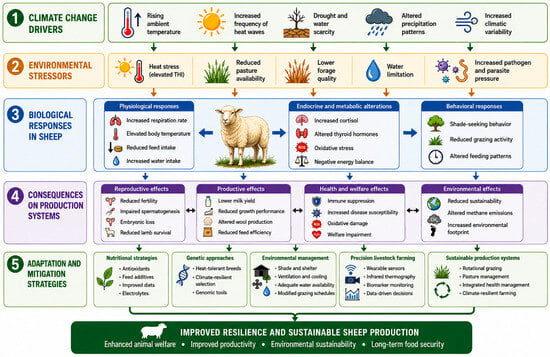
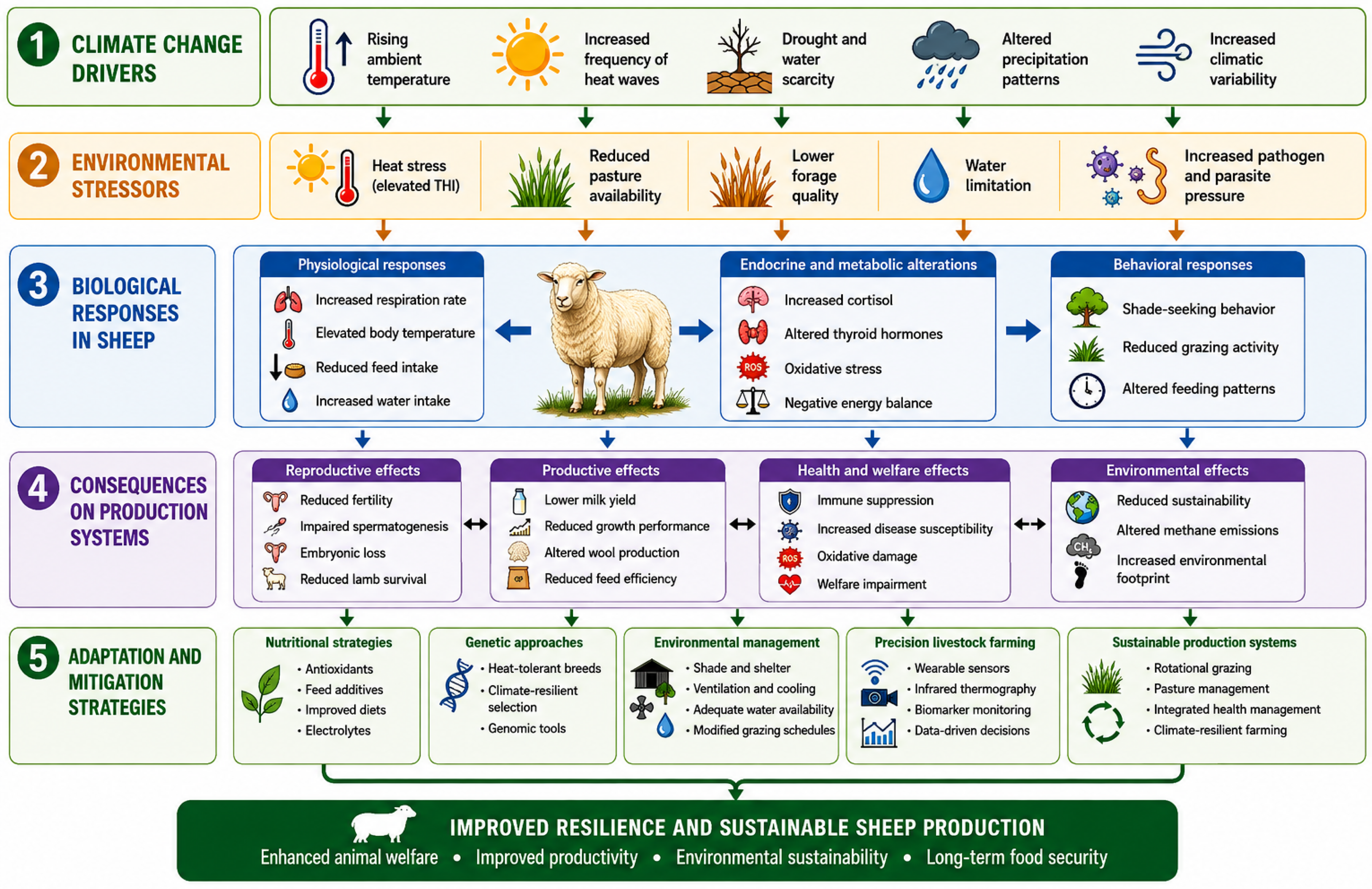
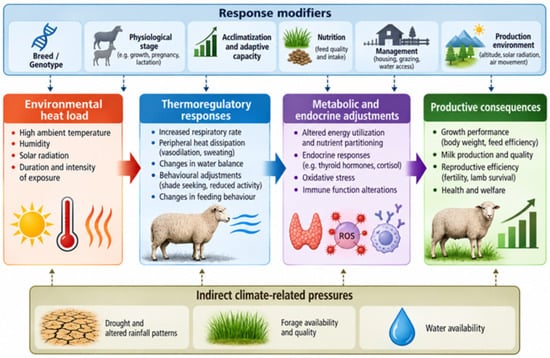
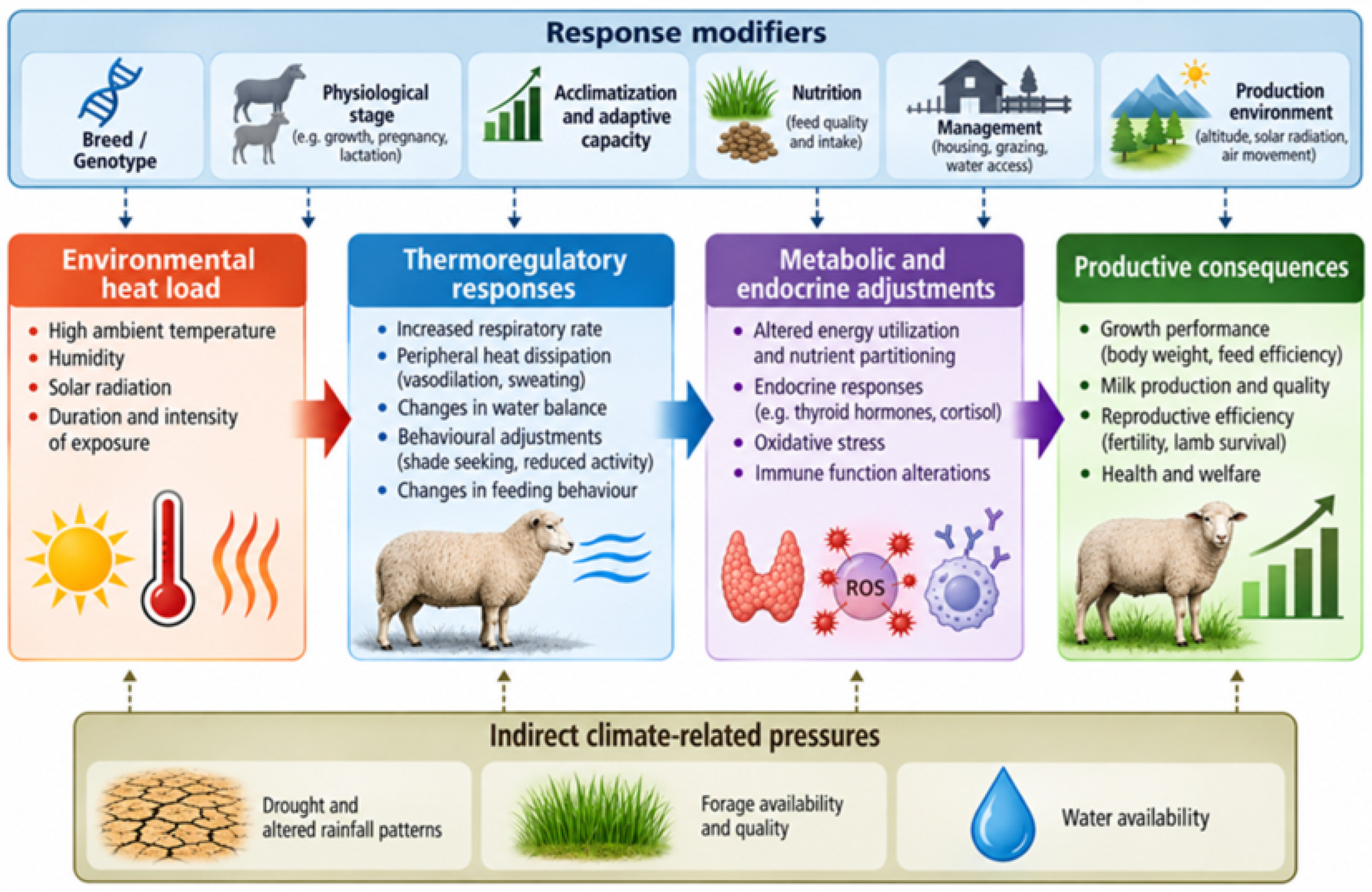
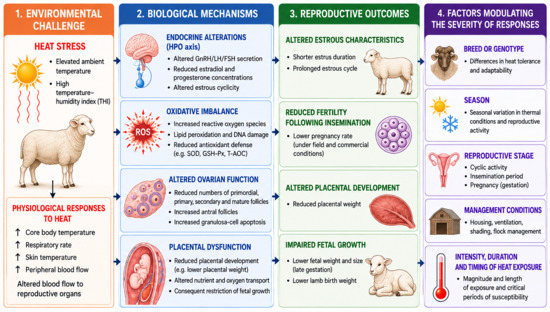
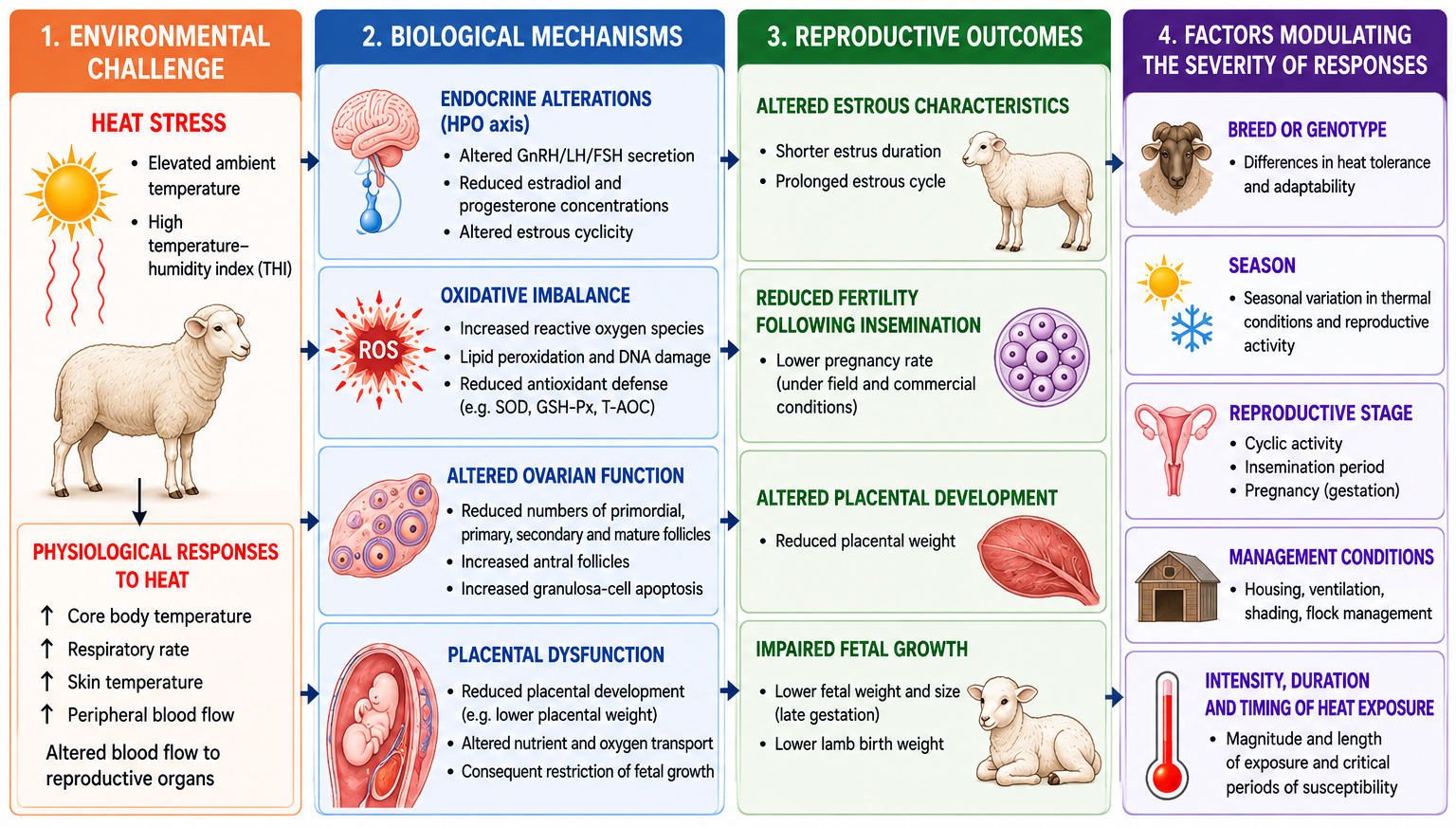
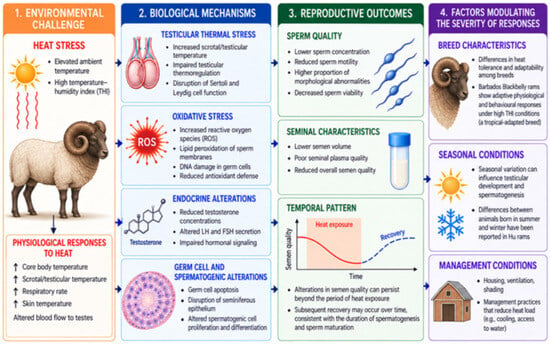
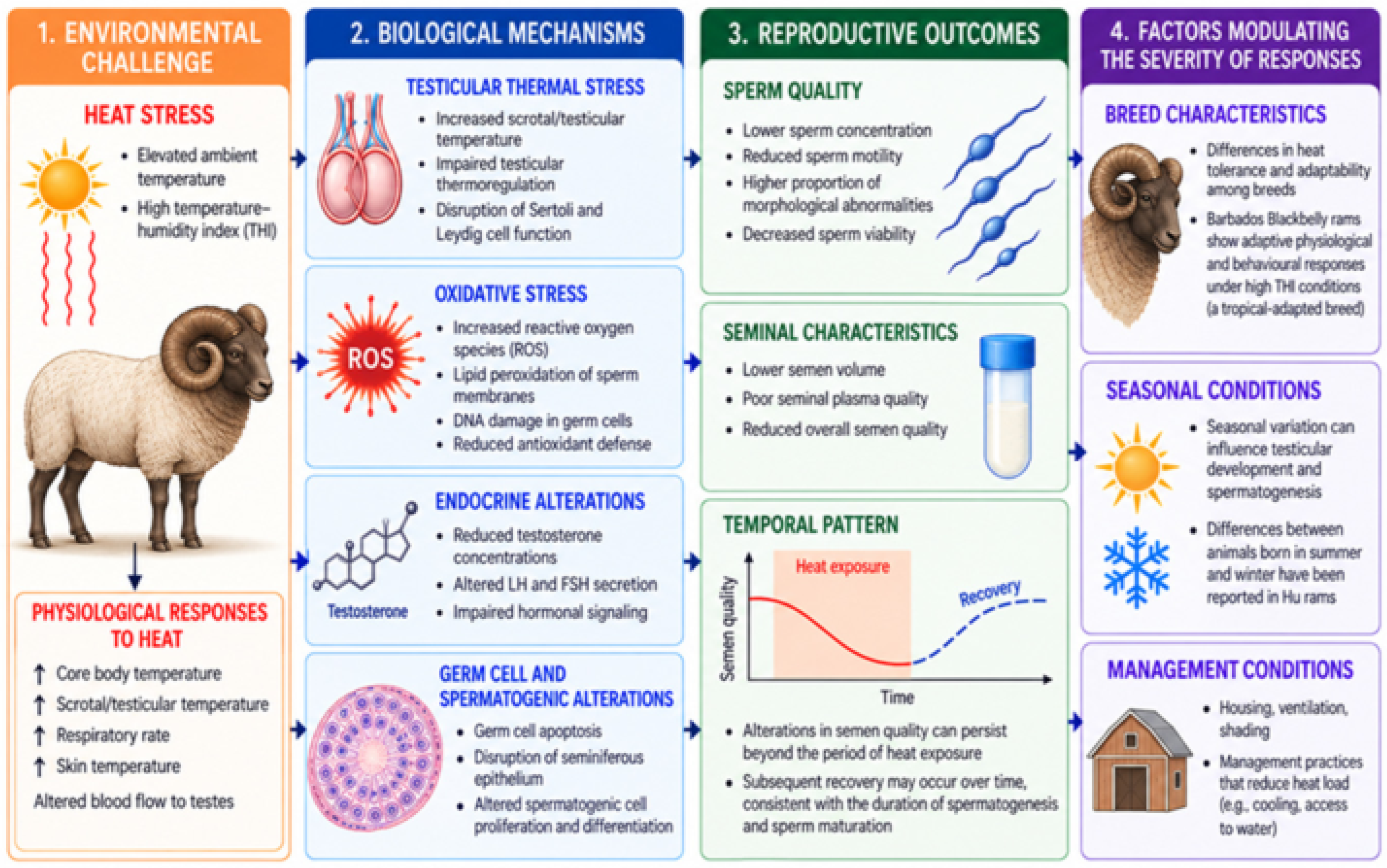

Disclaimer/Publisher’s Note: The statements, opinions and data contained in all publications are solely those of the individual author(s) and contributor(s) and not of MDPI and/or the editor(s). MDPI and/or the editor(s) disclaim responsibility for any injury to people or property resulting from any ideas, methods, instructions or products referred to in the content. |
© 2026 by the authors. Licensee MDPI, Basel, Switzerland. This article is an open access article distributed under the terms and conditions of the Creative Commons Attribution (CC BY) license.