


Abstract
The rapid deployment of Internet of Things (IoT)-enabled video surveillance systems has expanded the capabilities of real-time monitoring in smart cities, healthcare facilities, industrial environments and critical infrastructure. However, integrating resource-constrained cameras, heterogeneous communication protocols, edge/cloud analytics, and sensitive video data creates a complex cybersecurity landscape. This systematic review synthesizes recent evidence on security challenges and mitigation strategies in IoT-enabled video surveillance systems. Following the PRISMA 2020 guidelines, four bibliographic databases (Scopus, IEEE Xplore, Web of Science, and Google Scholar) were searched for peer-reviewed journal articles and conference papers published between January 2021 and July 2025. After duplicate removal, title/abstract screening, full-text assessment, and quality appraisal, 21 studies were included for qualitative synthesis. The findings show that vulnerabilities occur across three interdependent architectural layers: device/perception, network/communication, and application/cloud. The frequently reported weaknesses were default credentials, insecure firmware, unencrypted video streams, weak protocol configuration, metadata leakage, and inadequate cloud access control. Existing mitigation strategies, including multi-factor authentication, role-based access control, TLS/DTLS, lightweight encryption, intrusion detection systems, and secure boot, provide partial protection but remain constrained by latency, computational overhead, energy consumption, scalability, cost and legacy device compatibility. This review further identifies a persistent research–practice gap: only a small subset of studies provides evidence of real-world deployments, while most solutions remain evaluated in simulations, testbeds, or conceptual frameworks. This review contributes a domain-specific taxonomy of IoT video surveillance security, a comparative evaluation of mitigation strategies using technical, operational, and economic criteria, and deployment-oriented recommendations for smart city, industrial, healthcare, residential, and critical infrastructure settings. The study highlights the need for cross-layer security architectures, lightweight and post-quantum-ready cryptography, privacy preservation, edge AI, federated learning, zero-trust access control, and standardized security baselines.
1. Introduction
IoT-enabled video surveillance systems combine IP cameras, embedded sensors, edge processors, cloud services, and analytics platforms to support continuous monitoring and automated decision-making [1]. These systems are increasingly deployed in smart cities, industrial facilities, and critical infrastructure sectors [2]. Their value lies in scalable monitoring, real-time event detection, automated alerts, remote access, and integration with broader cyber–physical systems.
The same characteristics that make IoT-enabled video surveillance operationally attractive also create significant cybersecurity risks. Video surveillance systems collect sensitive visual, biometric, behavioral, and location-related data. They are frequently deployed in distributed and physically exposed environments, often using low-cost devices with limited processing capacity and weak default configurations, delayed patching, and heterogeneous communication protocols. As a result, adversaries can exploit weaknesses in devices, networks, cloud services, and management interfaces to intercept video streams, manipulate footage, enroll devices into botnets, disrupt availability, and tamper with forensic evidence.
According to recent market analysis, the global IoT video surveillance systems industry is projected to grow at a Compound Annual Growth Rate (CAGR) of 14.8% from 2023 to 2030, driven by increasing security concerns and advancements in AI-powered surveillance [3]. However, their widespread adoption has introduced significant challenges, as attackers exploit vulnerabilities in IoT devices, communication protocols, and cloud infrastructures [4]. The expanding attack surface of IoT-based video surveillance systems, exacerbated by weak authentication, unencrypted communications, and firmware vulnerabilities, has made them prime targets for cyberattacks, including ransomware, botnet recruitment, and deepfake injection attacks [4,5].
Despite growing academic interest in IoT security, existing research remains fragmented. While individual studies address specific vulnerabilities, such as cryptographic weaknesses, protocol exploits, or cloud misconfigurations, there is limited synthesis examining the effectiveness of integrated defense strategies across the entire system lifecycle. Furthermore, the rapidly evolving threat landscape, characterized by sophisticated attack vectors including deepfake injection, AI-powered reconnaissance, and zero-day exploits, demands continuous reassessment of existing security paradigms. This gap is particularly concerning given the critical nature of surveillance data and the contexts in which these systems are deployed.
Several surveys have examined aspects of IoT security in recent years. Ref. [6] provided a broad overview of IoT security challenges across domains, while [7] focused specifically on authentication mechanisms for IoT devices in smart cities. Ref. [8] examined general IoT security countermeasures, while [9,10] surveyed security challenges in cloud-based SCADA systems. However, these reviews either predate the significant security incidents of 2021–2023 or do not specifically address the unique challenges of video surveillance systems, which involve continuous high-bandwidth data streams, real-time processing requirements, and stringent privacy regulations. More specifically, while [5] reviewed attacks on video surveillance systems, their work focused primarily on attack taxonomies rather than on a systematic evaluation of mitigation effectiveness. Similarly, although [11] examined IoT exploitation techniques, their scope was limited to air-gapped networks and did not address the broader ecosystem of cloud-connected surveillance infrastructure. To the best of our knowledge, no recent systematic review has thoroughly evaluated the security landscape of IoT-enabled video surveillance systems. The existing research tends to focus on individual layers, such as devices, networks, or clouds, rather than offering a comprehensive perspective. Moreover, few studies have assessed both the technical efficacy and practical deployability of the proposed solutions in the post-pandemic context, 2021–2025.
Following the Preferred Reporting Items for Systematic Reviews and Meta-Analyses (PRISMA) guidelines [11], we analyzed 21 peer-reviewed studies and Conference papers published between 2021 and 2025. This timeframe captures the latest advancements in IoT security technologies, emerging threat vectors, and evolving regulatory landscapes. Our qualitative content analysis synthesizes findings across three critical dimensions: technical vulnerabilities, mitigation effectiveness, and implementation challenges.
Our review distinguishes itself through the following:
- Domain Specificity: Unlike general IoT security surveys, we focus exclusively on video surveillance systems, enabling deeper analysis of domain-specific challenges, including video stream encryption overhead, real-time anomaly detection in visual data, and surveillance-specific regulatory compliance.
- Temporal Relevance: By examining studies from 2021 to 2025, we capture the evolving threat landscape, including emerging attacks (deepfake injection, AI-powered reconnaissance) and recent regulatory developments (updated GDPR enforcement, CCPA expansion).
- Multi-Dimensional Assessment: We evaluate solutions across technical, practical, and economic dimensions, explicitly addressing the research-to-practice gap that previous surveys have not systematically examined.
- Actionable Framework: We provide a structured evaluation framework and deployment recommendations tailored to different organizational contexts, moving beyond descriptive analysis to prescriptive guidance.
This systematic review, therefore, makes four distinct contributions to the body of knowledge on IoT video surveillance security:
- Domain-specific SLR: Unlike prior general IoT security surveys, this review focuses exclusively on IoT-enabled video surveillance systems (2021–2025), enabling deeper analysis and domain-specific challenges, including video stream encryption overhead, real-time detection, and surveillance.
- Systematic security framework applicability assessment: A comprehensive comparative evaluation of the major frameworks (NST CSF, ISO/IEC 27001, NIST IR 8259A, ENISA IoT, GDPR Art. 35) against the unique constraints of IoT-VSS environments, revealing critical gaps in domain specific that prior review has not addressed.
- Three-dimensional evaluation framework: A novel assessment framework evaluating mitigation strategies across technical efficacy, practical deplorability, and economic viability simultaneously, moving beyond the purely technical analyses that dominate existing literature.
- Context-stratified deployment recommendations: Actionable security guidance tailored to distinct deployment contexts (e.g., Smart cities, Border security surveillance, industrial IoT, Healthcare, and Critical infrastructure) and a prioritized research agenda for cross-layer security architectures.
This systematic review addresses the following research questions:
- RQ1: What are the principal findings of recent research on the implementation and deployment of IoT-based video surveillance systems?
- RQ2: What are the primary security challenges and vulnerabilities associated with IoT-based video surveillance systems across device, network, and cloud layers?
- RQ3: What security frameworks, standards, and best practices are currently available to enhance the cybersecurity posture of video surveillance systems?
- RQ4: How effective are existing mitigation strategies in improving resilience and reliability of IoT-based video surveillance systems against contemporary and emerging cyber threats?
First, we develop a three-dimensional evaluation framework that assesses security solutions across technical efficacy, practical deplorability, and economic viability, moving beyond purely theoretical analysis to examine real-world implementation barriers. Second, we systematically characterize the gap between academic proposals and industrial adoption, identifying specific factors that hinder the translation of research into practice. This includes resource constraints, legacy system integration challenges, and regulatory compliance issues. Third, we synthesize actionable recommendations organized by deployment context (smart cities, healthcare, industrial IoT) and provide a prioritized research agenda addressing critical gaps in lightweight cryptography, AI-driven anomaly detection, and cross-layered security architectures. The remainder of this article is structured as follows: Section 2 reviews the literature on challenges and solutions for securing IoT-enabled video surveillance systems. Section 3 outlines the methods and procedures used in this study; the search strategy, online resources, selected articles, data collection techniques, and evaluation methods are described in detail. Section 4 presents the findings, while Section 5 provides a discussion.
2. Related Work
Several recent reviews provide useful foundations but do not fully address the security needs for IoT-enabled video surveillance systems. General IoT security surveys identify resources constraints, weak authentication, insecure communication and lack of standardization as recurring problems, but they typically treat video surveillance as one application among many [8]. A smaller body of work focuses specifically on attacks against video surveillance systems. These studies are valuable for identifying threat categories such as video-feed spoofing, unauthorized access, firmware manipulation, and Denial of Service attacks. They often emphasize attack taxonomies rather than systematic evaluation of mitigation feasibility [4,5]. Table 1 summarizes the positioning of this review relative to closely related reviews.
Table 1.
The positioning of this review against related reviews.
2.1. System Architecture and Security Taxonomy
IoT-enabled video surveillance systems can be understood as a layered cyber–physical architecture comprising device/perception, network/communication, and application/cloud layers as illustrated in Figure 1. According to [12], the architecture of Internet of Things (IoT)-based video surveillance systems is conventionally organized into three distinct layers.
Figure 1.
IoT-based video surveillance system architecture layout.
2.2. Security Challenges in IoT-Based Video Surveillance Systems
IoT-based video surveillance systems (IoT-VSS), as shown in Table 2 [4,6,12,13,14], face significant security challenges owing to their inherent vulnerabilities, including weak authentication mechanisms, unencrypted data transmissions, insecure firmware, and susceptibility to malware attacks [14]. These systems are often targeted by cybercriminals for ransomware attacks, botnet recruitment (e.g., Mirai variants), Mirai variants, and man-in-the-middle (MitM) attacks, which can compromise video integrity and system availability [2]. Existing mitigation strategies include cryptographic protocols for secure communication, like Transport Layer Security (TLS)/Datagram Transport Layer Security (DTLS), Multi-Factor Authentication (MFA), AI-driven anomaly detection, and blockchain-based integrity verification [1,8]. However, the evolving threat landscape demands continuous advancement in zero-trust architectures and automated patch management to safeguard IoT-based video surveillance systems against emerging cyber threats [15].
Table 2.
Taxonomy of threats, attack models, and defenses in IoT-enabled surveillance systems video [4,6,12,13,14].
2.3. Attack Scenarios in IoT Surveillance Systems
Cybercriminals increasingly target IoT surveillance systems due to their widespread adoption and the often-inadequate security controls they employ. A common attack scenario involves an attacker exploiting default credentials, injecting malicious firmware, and spoofing video feeds to manipulate or disrupt surveillance operations. The sequence of this kind of attack can be visualized in Figure 2.
Figure 2.
Attack Vectors in IoT Surveillance Systems. (Sources: Created by the author).
Exploiting default credentials: The attack begins with the attacker scanning the network for IP cameras that use default credentials (for example, “admin/admin”). Many manufacturers ship devices with weak login credentials, and if users fail to change them, attackers can easily gain unauthorized access [16]. Tools such as Shodan or brute-force attacks help identify vulnerable devices [17]. Once access is gained, the attacker can modify settings, extract data, or prepare for further exploitation.
Injecting malicious firmware: After gaining unauthorized access, the attacker uploads a malicious firmware update, often disguised as a legitimate patch. Since many IP cameras lack secure boot mechanisms or firmware signature verification, they accept the corrupted update [18]. The malicious firmware may include backdoors, keyloggers, or remote access tools, ensuring persistent control even if default credentials are later changed [19].
Spoofing video feeds: With full control over the compromised camera, the attacker can manipulate video feeds. Techniques include injecting fake footage, looping recorded videos, or blocking real-time surveillance [20]. For example, an attacker could spoof a live feed to display an empty room while a break-in occurs, evading identification.
2.4. Key Vulnerabilities in IoT-Enabled Video Surveillance Systems
Key vulnerabilities in IoT-enabled video surveillance systems are shown in Figure 3 are discussed below:
Figure 3.
Classification of IoT surveillance vulnerabilities. (Sources: Created by the author).
Inherent vulnerabilities in IoT devices: IoT devices, including IP cameras and Network or Digital Video Recorders (NVR/DVRs), often suffer from weak security configurations, such as default credentials, unpatched firmware, and insecure APIs. Ref. [11] highlights that hidden firmware, backdoors, and misconfigurations can allow unauthorized access to video feeds or management dashboards. Additionally, manufacturers frequently prioritize functionality over security, leaving devices exposed to exploitation [21].
Exploitation of Communication Protocols: Many IoT surveillance systems rely on protocols like Message Queuing Telemetry Transport (MQTT) and Secure File Transfer Protocol (SFTP) for data transmission. However, these protocols can be manipulated by attackers to inject malicious commands or falsify operational statuses [22]. For example, vulnerabilities in MQTT can enable attackers to disrupt real-time monitoring, while SFTP weaknesses may allow for unauthorized firmware modifications.
Cloud-based vulnerabilities: Cloud-based surveillance systems introduce risks such as Denial-of-Service (DoS) attacks, eavesdropping, and forged video stream injections [23,24]. Since cloud platforms handle vast amounts of sensitive data, inadequate encryption and weak access controls can lead to large-scale breaches.
Resource constraints and limited security features: Most IoT devices operate under strict computational and energy limitations, making robust encryption and authentication mechanisms difficult to implement [25,26]. Consequently, many IoT devices lack essential security features, rendering them susceptible to attacks [27].
2.5. Mitigation Strategies
Authentication and Access Control Mechanisms: Robust authentication systems constitute the primary defense in IoT-based video surveillance systems. The breach involving over 1500 Verkada cameras highlighted the vulnerabilities associated with weak credentials, leading to the widespread adoption of Multi-Factor Authentication (MFA) in commercial systems, such as those offered by Axis Communications’ smart building solutions [27].
As depicted in Figure 4, the implementation integrates facial recognition with liveness detection, which prevents spoofing attacks [28], mobile device certificates, and cloud role-based access control (RBAC). Blockchain solutions have progressed beyond theoretical applications, as shown through SmartVue’s video surveillance technology, which employs decentralized identity management, allowing each camera to maintain its identity ledger and thereby eliminating a single point of failure [29].
Figure 4.
Authentication workflow (Sources: Created by the author).
Encryption and secure data transmission: Lightweight encryption algorithms can secure video feeds without overburdening device resources [30]. Techniques such as selective frame encryption and cloud-sensor synchronization reduce storage overhead while maintaining data integrity [31].
Detection of False Frame Injection (FFI) attacks: False Frame Injection (FFI) attacks manipulate surveillance feeds by replaying old footage. Ref. [32] propose using the Electrical Network Frequency (ENF) signal to detect anomalies in video streams, ensuring authentication by analyzing power grid fluctuations.
Secure communication protocols and Frameworks: Software-defined networking (SDN) and authentication-based frameworks as shown in Table 3 can mitigate command injection attacks in IoT environments. Additionally, symmetry protocols tailored for IP Cameras enhance security without compromising efficiency [33].
Table 3.
Comparison of IoT Communication Protocol Vulnerabilities.
Hardware-based security measures, such as Instruction Set Randomization (ISR), can prevent code injection by dynamically altering instruction sets [34]. Hardware-enforced security mechanisms provide robust protection when software solutions fall short.
3. Materials and Methods
3.1. Study Design and Protocol
This systematic literature review was conducted following the Preferred Reporting Items for Systematic Reviews and Meta-Analyses (PRISMA) 2020 guidelines [35] to ensure methodological rigor, transparency, and reproducibility. A review protocol was defined before screening and included research questions, databases, search strategy, inclusion and exclusion criteria, screening procedure, and synthesis approach. The protocol was not registered with PROSPERO because this review concerns cybersecurity rather than health sciences.
This review, as presented in Figure 5, focuses exclusively on peer-reviewed studies and conference papers published from January 2021 to July 2025. A total of 21 studies were selected based on the criteria of conceptual saturation. The analysis revealed consistent security challenges and mitigation strategies, suggesting that additional studies are unlikely to provide novel insights. Preprints, white papers, technical reports, and vendor documents were excluded and only used as contextual sources. Figure 5 and Table 4 present the PRISMA flow diagram illustrating our systematic search and selection process, detailing the number of studies identified, screened, and included at each stage.
Figure 5.
PRISMA flow diagram of Systematic Literature Review process.
Table 4.
PRISMA Summary.
3.2. Search Strategy
Databases and Search Terms
Four major bibliographic databases searched: Scopus, IEEE Xplore, Web of Science, and Google Scholar. These databases were selected for their comprehensive coverage of computer science, cybersecurity, engineering, and interdisciplinary IoT-related research.
The search combined three concept groups using Boolean operators:
Concept 1 (IoT/System): “Internet of Things” OR “IoT” OR “smart camera*” OR “IP camera*” OR “connected device*”.
Concept 2 (Surveillance): “video surveillance” OR “surveillance system*” OR “CCTV” OR “security camera*” OR “monitoring system*”.
Concept 3 (Security): “security” OR “cybersecurity” OR “vulnerability” OR “threat*” OR “attack*” OR “encryption” OR “authentication” OR “intrusion detection” OR “malware” OR “privacy”.
Final Search String: ((“Internet of Things” OR “IoT” OR “smart camera*” OR “IP camera*” OR “connected device*”) AND (“video surveillance” OR “surveillance system*” OR “CCTV” OR “security camera*” OR “monitoring system*”) AND (“security” OR “cybersecurity” OR “vulnerability” OR “threat*” OR “attack*” OR “encryption” OR “authentication” OR “intrusion detection” OR “malware” OR “privacy”)).
The search string was adapted to each database’s specific syntax while maintaining conceptual equivalence. For example, IEEE Xplore required modification of wildcard operators, while Google Scholar employed simplified Boolean syntax.
3.3. Eligibility Criteria
Studies were included or excluded based on pre-defined criteria aligned with the research questions (Table 5). Two independent reviewers piloted the criteria on a random sample to ensure consistent interpretation before full-scale screening commenced.
Table 5.
Exclusion and inclusion criteria.
3.4. Study Selection Process
3.4.1. Screening Procedure
Records were exported to Endnote reference management software (v.21), and duplicates were removed using automated and manual checks. Two reviewers independently screened titles and abstracts followed by full-text assessment. Two reviewers independently extracted data from each study using the standardized form. Extracted data were entered into a shared spreadsheet with version control. Discrepancies in data extraction were identified through systematic comparison and resolved through discussion. When factual discrepancies could not be resolved (e.g., unclear reporting in the original study), we contacted authors for clarification where feasible. If clarification was not obtained, the data point was marked as “unclear” or “not reported” in our extraction.
Inter-coder reliability for data extraction was evaluated using a random sample of 30% of the included studies (n = 7). Cohen’s κ for categorical variables ranged from 0.79 to 0.92, and the percentage agreement for continuous variables exceeded 95%, demonstrating substantial to excellent consistency.
3.4.2. Inter-Rater Reliability (IRR)
To assess the consistency of study selection decisions between the two independent reviewers, we calculated Cohen’s Kappa (κ) statistic at both the title/abstract screening and full-text assessment stages.
Title and Abstract Screening: Cohen’s κ = 0.87 (95% CI: 0.78–0.96), indicating substantial agreement [36]. Of the 103 studies screened, both reviewers agreed on the decision for 95 studies (92.2%), with initial disagreements on 8 studies (7.8%).
Full-Text Assessment: Cohen’s κ = 0.92 (95% CI: 0.84–1.00), indicating near-perfect agreement. Both reviewers agreed on inclusion/exclusion decisions for 24 of 26 studies (92.3%), with initial disagreements on 2 studies.
3.5. Data Extraction
A standardized data extraction form was developed collaboratively by all authors and piloted on three randomly selected included studies. Based on pilot results, the form was refined to ensure clarity and comprehensiveness. The final data extraction form captured the bibliographic information, study design, deployment domain, architectural layer, vulnerabilities, attack vectors, mitigation strategies, evaluated methods, performance indicators, limitations, and quality indicators.
3.6. Quality Assessment
To ensure inclusion of only high-quality research evidence, each study underwent rigorous quality appraisal using a modified version of the Mixed Methods Appraisal Tool (MMAT) adapted for IoT security research. The quality assessment was conducted independently by two reviewers after data extraction was complete. Each study was evaluated against eight quality dimensions illustrated in Table 6.
Table 6.
Quality assessment rubric.
Each item was scored as 1 = fully met, 0.5 = partially met, or 0 = not met. Quality categories were defined as High quality = 6.5–8.0, Moderate quality = 4.5–6.0, and Low quality = below 4.5. No study was excluded solely on quality grounds, but quality ratings informed the strength of interpretation. Of the 21 included studies, 14 (66.7%) were of high quality (M = 7.2, SD = 0.6), 6 (28.6%) were of moderate quality (M = 5.3, SD = 0.8), and 1 (4.8%) was of low quality (score = 4.0). Inter-rater agreement for quality assessment was substantial (Cohen’s κ = 0.81, 95% CI: 0.66–0.96). Initial disagreements (n = 4 studies) were resolved through discussion, with one case requiring consultation with the third reviewer.
To reduce subjectivity in comparative analysis, mitigation strategies were scored using a standardized five-point rubric. Scores were assigned only when studies reported evidence, as illustrated in Table 7.
Table 7.
Scoring rubric for comparative evaluation.
3.7. Data Synthesis
We conducted a qualitative thematic synthesis following established guidelines for systematic reviews. Unlike meta-analysis, which quantitatively pools effect sizes, our synthesis approach was appropriate for the heterogeneous body of evidence, including empirical studies, framework development papers, and security analyses that could not be meaningfully combined statistically. Extracted findings were coded and grouped into themes corresponding to the four research questions and mapped into architectural layers and mitigation categories. A theme-to-study matrix was used to ensure that each synthesized claim could be traced to the included evidence.
3.8. Risk of Bias Assessment
We assessed several potential sources of bias affecting our review’s validity and completeness. Publication bias was addressed by searching multiple databases including gray literature through Google Scholar, though unpublished studies may remain absent. Formal publication bias assessment was not conducted due to the qualitative synthesis approach. Language bias resulted from restricting searches to English publications, potentially excluding relevant research from non-English-speaking regions where IoT surveillance systems are widely deployed. Selection bias was minimized through independent dual screening with high inter-rater reliability (κ = 0.87–0.92) and structured disagreement resolution.
Temporal bias arose from our 2021–2025 timeframe, which deliberately prioritized contemporary developments over foundational earlier work, though key earlier findings appear through citations within reviewed studies. Reporting bias was evident in variable study reporting quality, systematically evaluated through our quality assessment (Section 3.6). Reviewer bias was addressed through dual independent review at all stages with substantial inter-rater agreement (Cohen’s κ = 0.79–0.92). Database bias was introduced by including Google Scholar alongside traditional databases, a deliberate choice to capture emerging research in this rapidly evolving field, despite its less standardized indexing. Overall, while multiple strategies minimize bias, readers should interpret findings with awareness of these limitations.
4. Results
This section presents the findings from our systematic review of 21 peer-reviewed studies published between January 2021 and July 2025 on security challenges and solutions in IoT-enabled video surveillance systems. We begin by describing the characteristics of the included studies and quality assessment results, followed by a thematic synthesis organized according to our four research questions.
4.1. Study Selection and Characteristics
Following the PRISMA screening process (Table 4), our search identified 146 studies across four databases. After removing 43 duplicates, 103 unique records were screened based on titles and abstracts, resulting in 26 studies for full-text assessment. Five studies were excluded at this stage (two non-English, three non-peer-reviewed), yielding twenty-one studies for final inclusion and synthesis.
Table 8 presents the characteristics of the 21 included studies. The studies were published between 2021 and 2025, with an increasing trend in publications over time: 3 studies (14.3%) in 2021, 5 studies (23.8%) in 2022, 5 studies (23.8%) in 2023, 6 studies (28.6%) in 2024, and 2 studies (9.5%) in 2025. Regarding publication venues, 10 studies (47.6%) were journal articles, 7 (33.3%) were conference papers, 3 (14.3%) were conference reviews, and 1 (4.8%) was a book chapter.
Table 8.
Characteristics of Included Studies.
Geographically, the included studies were conducted across multiple regions, with the majority originating from Asia (n = 8, 38.1%), followed by North America (n = 6, 28.6%), Europe (n = 5, 23.8%), and multi-regional collaborations (n = 2, 9.5%). Study designs varied, with 12 studies (57.1%) employing empirical approaches (including simulations, testbeds, or real-world deployments), 6 studies (28.6%) presenting theoretical frameworks or analyses, and 3 studies (14.3%) conducting systematic reviews or surveys.
The application domains addressed by the studies included smart cities (n = 9, 42.9%), industrial environments (n = 5, 23.8%), healthcare facilities (n = 3, 14.3%), critical infrastructure (n = 2, 9.5%), and general residential/commercial settings (n = 2, 9.5%). Regarding architectural focus, 7 studies (33.3%) addressed device-level security, 6 studies (28.6%) focused on network-level vulnerabilities, 4 studies (19.0%) examined cloud-level challenges, and 4 studies (19.0%) took a comprehensive multi-layer approach.
4.2. Quality Assessment Results
Quality assessment scores for the 21 included studies ranged from 4.0 to 8.0 (out of a maximum of 8.0), with a mean score of 6.7 (SD = 1.1). Based on our quality categorization criteria, 14 studies (66.7%) were rated as high quality (scores 6.5–8.0), 6 studies (28.6%) were rated as moderate quality (scores 4.5–6.0), and 1 study (4.8%) was rated as low quality (score < 4.5).
Among the eight quality assessment criteria, studies performed strongest on “clear research objectives” (mean score = 0.95 out of 1.0) and “appropriate study design” (mean score = 0.89 out of 1.0). The weakest performance was observed in “reproducibility” (mean score = 0.62 out of 1.0) and “limitations discussion” (mean score = 0.68 out of 1.0), indicating that many studies did not provide sufficient methodological detail for replication and did not adequately acknowledge their limitations.
High-quality studies (n = 14) demonstrated comprehensive methodologies, clear reporting of results, and explicit discussion of limitations. Moderate-quality studies (n = 6) typically met most criteria partially but lacked detail in methodology or validation approaches. The single low-quality study was retained because it provided unique insights into industrial deployment challenges not covered by other studies; however, its findings are interpreted with appropriate caution in our synthesis. Table 9 summarizes the quality assessment results for each included study, showing scores for individual criteria and overall quality ratings.
Table 9.
Quality Assessment of included studies.
4.3. Synthesis of Findings
4.3.1. RQ1: Implementation and Deployment Findings
Research Question 1 examined the principal findings of recent research on the implementation and deployment of IoT-based video surveillance systems. Our synthesis identified three major themes: (1) deployment patterns and adoption drivers, (2) performance-security trade-offs, and (3) the gap between academic proposals and industrial practice.
- Deployment Patterns and Adoption Drivers
The reviewed studies documented widespread deployment of IoT-VSS across multiple sectors, with smart cities representing the most prevalent application domain (9 of 21 studies, 42.9%). Key drivers for adoption included the need for scalable, real-time monitoring, integration with broader smart-city infrastructure, and advances in edge computing that enable on-device analytics. Several studies (n = 5) highlighted the role of AI-powered video analytics in driving adoption, with capabilities such as facial recognition, object detection, and behavioral analysis cited as primary motivators [2,49,59,60,61].
System architectures varied considerably across deployments. Cloud-centric architectures were reported in 8 studies (38.1%), edge-based architectures in 7 studies (33.3%), and hybrid cloud-edge architectures in 6 studies (28.6%). The choice of architecture was consistently linked to the deployment context, with edge-based solutions preferred in bandwidth-constrained or privacy-sensitive environments, and cloud-centric solutions favored in environments where scalability and centralized management were priorities [45,62].
- b.
- Performance–Security Trade-offs
A recurring theme across 12 studies (57.1%) was the tension between security enhancements and system performance. Multiple studies documented scenarios where robust security measures introduced unacceptable latency or resource consumption. For example, ref. [63] reported that Bosch’s edge-based intrusion detection system, deployed in Munich’s smart surveillance network, successfully detected Distributed Denial-of-Service (DDoS) attacks in real-time but resulted in rapid battery depletion due to intensive processing demands [57].
Resource-constrained devices, such as Raspberry Pi-powered surveillance cameras, were consistently identified as unable to support real-time object detection algorithms like YOLOv7-based anomaly detection without significant latency (reported in 4 studies). This constraint necessitated trade-offs between detection accuracy, response time, and operational lifespan, with no study reporting a fully satisfactory resolution to this trilemma.
- c.
- Academic–Industrial Implementation Gap
Seven studies (33.3%) explicitly documented disparities between academic security proposals and industrial deployment practices. Ref. [36] noted that while Siemens’ SCADA platform demonstrated promising privacy-preserving capabilities through federated learning on decentralized data, enterprise adoption remained limited, with few organizations incorporating collaborative threat intelligence sharing into operational security strategies.
Four studies reported that Security Operations Centers (SOCs) managing large-scale surveillance deployments often ignored or suppressed low-severity alerts due to alert fatigue, even when intrusion detection systems were functioning as designed. This finding suggests that detection capability alone is insufficient without consideration of operational workflows and human factors. Table 10 summarizes the implementation characteristics across the reviewed studies, including deployment contexts, architectural choices, and documented challenges.
Table 10.
Theme-to-study matrix: implementation findings.
4.3.2. RQ2: Security Challenges and Vulnerabilities
Research Question 2 systematically categorized security challenges and vulnerabilities across the three-layer architecture of IoT video surveillance systems: device layer, network layer, and cloud layer.
- Device-Level Vulnerabilities
Device-level security challenges were addressed in 15 of 21 studies (71.4%), representing the most extensively covered vulnerability category. Three primary vulnerability types emerged: hardware vulnerabilities, firmware weaknesses, and resource constraints.
Hardware vulnerabilities included side-channel attacks exploiting power consumption patterns to extract encryption keys (reported in 3 studies). Ref. [28] documented that numerous low-cost cameras utilize unsecured system-on-chip (SoC) architectures, permitting attackers to extract firmware via JTAG interfaces [4]. These hardware-level vulnerabilities are particularly concerning because they often cannot be remediated through software updates alone.
Firmware security emerged as a critical weakness, with [64] reporting that 10% of tested devices possessed critical vulnerabilities due to unsigned firmware updates [57]. Multiple studies (n = 5) documented exploitation of default credentials as a prevalent attack vector, with manufacturers shipping devices with weak login credentials (e.g., “admin/admin”) that users frequently fail to change. The Verkada breach involving over 1500 cameras, mentioned in 3 studies, exemplified the severe consequences of this vulnerability class.
Resource constraints represented a systemic challenge documented across 8 studies (38.1%). Edge devices with less than 1 MB of RAM were consistently reported as unable to support robust encryption algorithms, necessitating trade-offs between security and performance [6]. This constraint fundamentally limits the security measures that can be implemented on commodity IoT cameras.
- b.
- Network-Level Vulnerabilities
Network-level vulnerabilities were examined in 12 studies (57.1%), focusing on wireless communication weaknesses and protocol exploitation. Wireless communication vulnerabilities included Wi-Fi and Bluetooth eavesdropping, with Key Reinstallation Attacks (KRACK) still prevalent in 25% of deployments according to [65]. Protocol-level vulnerabilities were extensively documented, with unencrypted Real-Time Streaming Protocol (RTSP) streams identified as a critical weakness in 6 studies (28.6%). Ref. [66] reported that RTSP hijacking due to unencrypted streams exposes live video feeds to interception and tampering. Similarly, Message Queuing Telemetry Transport (MQTT) broker spoofing was documented in 4 studies, enabling command injection attacks [15].
The lightweight nature of IoT communication protocols, while enabling efficient operation on resource-constrained devices, consistently emerged as a security liability. Ref. [22] demonstrated that MQTT and Secure File Transfer Protocol (SFTP) can be manipulated to inject malicious commands or falsify operational statuses. The 2022 Axis camera botnet incident, which exploited unsecured MQTT channels, was cited in 3 studies as illustrating the real-world exploitability of these vulnerabilities [67].
- c.
- Cloud-Level Vulnerabilities
Cloud-level security challenges were addressed in 9 studies (42.9%), with a focus on data privacy risks, access control weaknesses, and regulatory compliance issues. Multiple studies (n = 5) reported that cloud-based surveillance systems pose risks, including Denial-of-Service (DoS) attacks, eavesdropping, and the injection of forged video streams [68].
Data privacy emerged as a prominent concern, with [69,70] finding that 68% of cloud-connected cameras leaked metadata. Inadequate encryption and weak access controls in cloud platforms were consistently identified as enabling large-scale breaches due to the concentration of sensitive data. Regulatory compliance challenges were documented in 5 studies (23.8%), with significant geographic variation in compliance rates. One study reported that only 31% of EU-based systems fully met GDPR requirements, while 92% of US deployments violated CCPA data retention practices [71]. This inconsistent compliance landscape creates significant legal and operational risks for multi-jurisdictional deployments. Table 11 presents a comprehensive taxonomy of identified vulnerabilities, organized by architectural layer, vulnerability type, prevalence in reviewed studies, and documented attack vectors, while Figure 6 shows the vulnerability frequency across reviewed 21 studies.
Table 11.
Security Vulnerabilities Identified Across Three Architectural Layers.
Figure 6.
Vulnerability frequency across the reviewed studies (n = 21) Note: The bar chart presents the frequency of security vulnerabilities identified across the reviewed studies (n = 21), ranked by the number of studies in which each vulnerability was reported. The most frequently cited vulnerability was default credentials (15 studies), followed by firmware vulnerabilities (14) and unencrypted RTSP (12). The identified vulnerabilities span multiple architectural layers: Device (e.g., default credentials, firmware vulnerabilities, and side-channel attacks), Network (e.g., unencrypted RTSP and MQTT spoofing), and Cloud (e.g., cloud access control, metadata leakage, and resource constraints), reflecting the multi-layered security challenges inherent in Internet of Things (IoT) video surveillance systems (IoT-VSS).
4.3.3. RQ3: Security Frameworks and Best Practices
Research Question 3 evaluated the availability and applicability of security frameworks, standards, and best practices to enhance security in IoT video surveillance. Our synthesis identified frameworks at three levels: general cybersecurity frameworks adapted for IoT contexts, IoT-specific security frameworks, and domain-specific guidelines for video surveillance.
- General Cybersecurity Frameworks
Eight studies (38.1%) have referenced established cybersecurity frameworks and assessed their applicability to IoT-VSS contexts. The NIST Cybersecurity Framework was mentioned in 5 studies as providing a high-level organizational approach to managing cybersecurity risks, though requiring significant adaptation for resource-constrained IoT devices. ISO/IEC 27001 and ISO/IEC 27005 were cited in 3 studies as relevant standards for information security management, but studies noted that their generic nature necessitates substantial interpretation and customization for IoT deployments.
The primary limitation identified across studies was that general frameworks were developed for traditional IT environments and do not adequately address IoT-specific challenges, such as resource constraints, heterogeneous device ecosystems, and the physical–cyber interface inherent in surveillance systems.
- b.
- IoT-Specific Security Frameworks
IoT-specific guidance was referenced in 9 studies (42.9%), with NISTIR 8259A (Core Cybersecurity Feature Baseline for Securable IoT Devices) most frequently cited (6 studies). This framework provides device-level security recommendations, including device identification, data protection, logical access controls, software updates, and cybersecurity event logging.
Ref. [72] was mentioned in 4 studies, offering practical guidance organized around the IoT lifecycle. However, multiple studies noted that these frameworks, while more applicable than general IT frameworks, still require further specialization for video surveillance contexts due to unique challenges such as continuous video streaming, real-time processing requirements, and privacy considerations.
- c.
- Domain-Specific Guidelines
Only 3 studies (14.3%) identified domain-specific security guidelines tailored specifically for video surveillance systems. This paucity of specialized guidance represents a significant gap in the available framework landscape. The few available guidelines tended to focus on physical security and privacy regulations (GDPR Article 35 for Data Protection Impact Assessments, CCPA) rather than comprehensive cybersecurity across the full system lifecycle.
- d.
- Framework Evaluation
Our synthesis evaluated frameworks across three dimensions: comprehensiveness (coverage of security domains), applicability (ease of implementation in resource-constrained environments), and adoption (evidence of real-world usage).
Comprehensiveness was generally high for general frameworks but decreased for more specific guidance. NIST CSF covered broad security domains but lacked IoT-specific technical guidance. Conversely, NISTIR 8259A provided detailed device-level recommendations but limited guidance on network and cloud layers.
Applicability was consistently identified as a challenge. Multiple studies (n = 5) noted that frameworks developed for traditional IT environments recommended security controls (e.g., robust encryption, Multi-Factor authentication, continuous monitoring) that are difficult or impossible to implement on resource-constrained IoT cameras costing less than $50 [73].
Adoption evidence was limited, with only 2 studies documenting the implementation of real-world frameworks. Most studies proposing new frameworks or adaptations provided theoretical analysis or laboratory validation but lacked evidence of production deployment. Table 12 compares the security frameworks and standards identified in reviewed studies, their applicability to IoT-VSS, strengths, and limitations.
Table 12.
Comparison of Security Frameworks and Standards for IoT-VSS [15,65,74,75].
4.3.4. RQ4: Mitigation Strategy Effectiveness
Research Question 4 synthesized the effectiveness of existing mitigation strategies for improving resilience and reliability against contemporary and emerging cyber threats. Our synthesis organized strategies into five categories: authentication and access control, encryption and secure communication, intrusion detection and prevention, hardware-based security, and emerging approaches.
- Authentication and Access Control
Authentication mechanisms were addressed in 14 studies (66.7%), representing the most extensively covered mitigation category. Multi-Factor Authentication (MFA) was evaluated in 8 studies, with consistently positive findings on effectiveness. Refs. [75,76] reported that Hikvision’s facial recognition cameras with liveness detection decreased unauthorized access by 92% in smart city deployments. However, 5 studies documented significant implementation challenges. Legacy devices frequently lack hardware or software support for contemporary authentication methods, creating compatibility issues and potential security vulnerabilities. The 2023 Eufy breach, where weak passwords allowed an attacker access despite available MFA capabilities, was cited in 2 studies as demonstrating that the availability of security features does not ensure their effective deployment [75].
Role-Based Access Control (RBAC) was examined in 6 studies, with mixed effectiveness findings. While RBAC provides structured permission management, 3 studies noted that it becomes increasingly complex as organizations expand, leading to administrative overhead and misconfigurations. The 2021 Verkada breach, attributed to overprivileged users, was cited as an example of RBAC implementation failure [77].
Blockchain-based decentralized identity solutions were proposed in 3 studies, with theoretical advantages including the elimination of single points of failure. However, scalability challenges beyond 10,000 devices were consistently reported, limiting practical applicability in large-scale deployments [78,79,80].
- b.
- Encryption and Secure Communication
Encryption strategies were examined in 13 studies (61.9%), focusing on both full-stream encryption and lightweight alternatives for resource-constrained devices. Transport Layer Security (TLS) implementation was evaluated in 6 studies, with [81,82] reporting that Amazon Ring’s TLS adoption resulted in an 85% reduction in Man-in-the-Middle (MITM) attacks.
However, 4 studies documented significant performance penalties. Ref. [83] reported that the Wyze Cam V3 experienced latency spikes up to 300 ms due to TLS handshake overhead, which can be detrimental in time-sensitive security contexts [84]. This performance–security trade-off was a recurring theme, with no study reporting a solution that achieved both strong encryption and real-time performance on commodity hardware.
Lightweight encryption algorithms, including AES-256 and ChaCha20-Poly1305, were proposed in 5 studies as alternatives [85]. Selective frame encryption and cloud–sensor synchronization were reported to reduce storage overhead while maintaining data integrity [31], though real-world deployment evidence was limited.
Protocol-level encryption remained a significant challenge, with 3 studies reporting that substantial proportions of industrial surveillance cameras still rely on unencrypted RTSP streams [86]. The MQTT protocol’s lack of native payload encryption was identified as enabling the 2022 Axis camera botnet incident [66].
- c.
- Intrusion Detection and Prevention Systems
IDS/IPS solutions were evaluated in 10 studies (47.6%), with clear distinctions emerging between signature-based and anomaly-based approaches. Traditional signature-based systems, such as Cisco Cyber Vision, were reported to effectively detect known attack vectors [87] but demonstrated limited effectiveness against novel or zero-day threats, including advanced botnet variants like Mirai v3 [88].
AI-driven anomaly detection showed promise in 6 studies, with IBM Watson IoT reported to reduce false positive rates by identifying deviations from established behavioral baselines [59,89]. However, 4 studies noted that such solutions require computationally intensive processing, typically necessitating cloud-based deployment and introducing latency and privacy concerns. Hybrid approaches combining signature-based detection with AI-driven anomaly detection were proposed in 3 studies to address the limitations of each approach individually. However, empirical validation of hybrid systems in production environments was absent from the reviewed literature.
- d.
- Hardware-Based Security Measures
Hardware-based security was addressed in 5 studies (23.8%), including Trusted Platform Modules (TPMs), secure enclaves, and Instruction Set Randomization (ISR). Ref. [34] demonstrated that ISR could prevent code injection attacks by dynamically altering instruction sets, providing robust protection when software solutions proved insufficient.
However, hardware-based solutions faced significant adoption barriers. Cost considerations were cited in 3 studies as prohibitive for commodity IoT devices, and 2 studies noted that hardware security features require manufacturer integration during device design rather than retrofit deployment.
- e.
- Emerging and Novel Approaches
Emerging mitigation strategies were proposed in 6 studies (28.6%), including False Frame Injection (FFI) detection using Electrical Network Frequency (ENF) signals [32], Software-Defined Networking (SDN) for command injection prevention, and blockchain-based video integrity verification [29]. While these approaches demonstrated technical innovation, all remained at early stages of development with limited real-world validation. Cost-effectiveness analysis was absent from proposals, and scalability beyond laboratory or testbed environments remained undemonstrated.
- f.
- Key Trade-Offs
A synthesis across all mitigation strategies revealed consistent trade-offs between security enhancements and system attributes. Security–performance trade-offs were documented in 12 studies (57.1%), security–cost trade-offs in 8 studies (38.1%), and security–usability trade-offs in 6 studies (28.6%). No study reported a mitigation strategy that simultaneously optimized security, performance, cost, and usability, suggesting that deployment decisions necessarily involve prioritization based on specific operational contexts and threat models. Table 13 presents a comprehensive comparison of mitigation strategies, evaluating their effectiveness, implementation complexity, and documented limitations, and Figure 7 illustrates suitability for different deployment contexts.
Table 13.
Effectiveness of Mitigation Strategies for IoT-VSS Security.
Figure 7.
The Mitigation Effectiveness Heatmap by Deployment Context (Score 1 = Low, 5 = High). (Sources: Created by the author). Note: the effectiveness scores range from 1 (low) to 5 (high) across five development contexts. Critical infrastructure and industrial settings consistently recorded the highest scores, with hardware TPM, SDN frameworks, and AI anomaly detection peaking at 5, reflecting the demand for robust security in high-stakes environments. Residential deployments yielded the lowest scores (range: 1–3), attributed to resource constraints and limited oversight in consumer-grade IoT VSS.
5. Discussion
5.1. Key Findings and Implications
This review shows that IoT-enabled video surveillance security is a cross-layer problem, with device-level weaknesses being the most common (71.4% of studies). However, network and cloud vulnerabilities also pose significant potential impacts. The ongoing exploitation of basic vulnerabilities, such as default credentials, despite decades of security awareness, suggests that the issue arises from misaligned incentives in the IoT manufacturing ecosystem rather than a lack of technical solutions. Manufacturers focus on ease of deployment and cost reduction, while end users often lack the technical knowledge or motivation to adopt security best practices. A key finding is the considerable gap between efficiency and implementation: while 61.9% of studies proposed or evaluated mitigation strategies, only 9.5% offered evidence of deployment in practice. This gap is driven by factors such as incompatibility with legacy systems, operational costs surpassing acceptable levels, and insufficient consideration of organizational capacity. Alert fatigue, reported in 19% of studies, exemplifies how detection capabilities alone are not enough without integration into operational workflows.
Framework evaluation revealed significant fragmentation, with general cybersecurity frameworks lacking IoT-specific guidance, IoT frameworks lacking surveillance-specific considerations, and domain-specific guidelines largely absent (14.3% of studies). Available frameworks predominantly assume sufficient computational resources, making their translation to $50 commodity cameras with limited processing power impractical.
5.2. Critical Trade-Offs
Three fundamental trade-offs emerged from our synthesis, each documented in over one-third of studies and representing persistent challenges requiring architectural innovation rather than incremental improvements.
Security–performance trade-offs were the most common (57.1% of studies), showing as encryption-related delays (up to 300 ms), edge-based intrusion detection draining battery life, and real-time analytics conflicting with privacy-preserving techniques. Unlike other IoT areas, video surveillance needs sub-second response times, which fundamentally limit security measures that cause processing delays. Solving these trade-offs probably requires hybrid architectures that perform selective security tasks based on risk assessment, trigger security measures only when needed, and use hardware acceleration for cryptographic operations—methods that are still mostly theoretical with limited real-world testing.
Security–privacy tensions, discussed in only 14.3% of studies, remain an underexplored area. Improving security often involves increased data collection, logging, and behavioral analysis, which are the same practices that raise privacy concerns in surveillance contexts. AI-driven anomaly detection, which has shown promise in reducing false positives, requires extensive behavioral profiling that can conflict with privacy regulations and societal expectations. Resolving these tensions involves not only privacy-enhancing technologies (such as differential privacy and homomorphic encryption) but also policy innovations that balance security needs with privacy protections. Cost–security trade-offs, explicitly discussed in 38.1% of studies, fundamentally influence security decisions. The push to reduce camera costs (aiming for sub-£50 prices) directly limits hardware capabilities necessary for security features like trusted platform modules, hardware encryption accelerators, and secure boot mechanisms. This creates market segmentation where security features are concentrated in high-end deployments, while consumer systems facing similar threats—such as demonstrated by the 2023 Eufy breach—often lack them.
5.3. Practical Implications
For system integrators and architects, our synthesis provides several actionable insights. Layered defense across device, network, and cloud layers are essential, given the multi-layered vulnerability landscape. Organizations should prioritize fundamental security hygiene—eliminating default credentials and implementing systematic patch management, network segmentation, and access control—before implementing sophisticated security technologies. Security operations workflows must account for human cognitive limits to avoid alert fatigue, and security decisions should evaluate the total cost of ownership, including ongoing maintenance and incident response, not merely initial implementation costs.
Optimal security strategies vary significantly across deployment contexts. Smart city deployments (42.9% of studies) face massive scale and public privacy concerns, benefiting from centralized management but requiring careful security–privacy balance. Industrial environments (23.8% of studies) require particular attention to availability and segmented network architectures, given physical safety consequences. Healthcare facilities (14.3% of studies) face stringent regulatory requirements and benefit from privacy-preserving edge analytics. Critical infrastructure (9.5% of studies) justifies investment in premium hardware-based protections and may require sector-specific certifications.
For procurement decisions, organizations should prioritize vendors providing transparent security documentation, secure authenticated firmware updates with rollback capabilities, demonstrated standards compliance (NISTIR 8259A, ENISA guidelines), and long-term security support commitments matching device lifecycles of 5–10 years.
5.4. Comparison with Existing Work
Our findings align with existing IoT security reviews [6,19] in identifying resource constraints, heterogeneity, and scalability as fundamental challenges. However, our domain-specific focus revealed additional constraints not emphasized in general IoT reviews, particularly the tension between real-time processing requirements and security overhead. We extend [5] attack taxonomy by systematically evaluating mitigation effectiveness and implementation challenges, refs. [39,89] revealing that studies reported production deployments, suggesting the security community has focused more on identifying problems than validating solutions in operational contexts.
Our 2021–2025 timeframe captures the evolution of threats following significant security incidents [77], not covered in earlier reviews [8]. Importantly, we are the first, to our knowledge, to systematically evaluate the applicability of security frameworks specifically for IoT-VSS, addressing a critical gap in the literature, which typically evaluates frameworks based on comprehensiveness rather than practical implementability in resource-constrained environments.
Table 14 presents a structured comparison of the SLR study against five closely related existing reviews across six evaluative dimensions. These SLR reviews comprehensively cover six domains, covering IoT-VSS exclusively over the period 2021–2025, with an explicit assessment of mitigation effectiveness, framework applicability, and deployment context, dimensions that prior reviews addressed partially or not at all. Ref. [5] is limited to VSS attacks with partial mitigation coverage, while [6,7,8] address broader IoT scopes with no framework applicability. Ref. [11] focused on air-gapped IoT and lacked mitigation and deployment coverage. Collectively, these gaps underscore the absence of a unified, deployment-aware security framework that systematically addresses multi-layered security challenges inherent in IoT-based video surveillance systems.
Table 14.
Comparison of this SLR and closely related existing reviews.
5.5. Limitations
Our review has several methodological limitations. Restriction to English-language publications potentially excluded relevant research from non-English-speaking regions where IoT surveillance systems are extensively deployed, particularly China, Russia, and Middle Eastern countries. Our 2021–2025 timeframe, while capturing recent developments, may underrepresent foundational work. Publication bias likely affected our review, as studies reporting novel attacks or successful solutions are more likely to be published than those with negative results. Qualitative synthesis, while appropriate for the heterogeneous evidence base, limits definitive quantitative conclusions about mitigation effectiveness.
The underlying evidence base itself has significant gaps. The scarcity of production deployment reports means our understanding of real-world implementation challenges relies primarily on laboratory evaluations that may not reflect operational conditions. Cost-effectiveness analysis was notably absent (only 38.1% addressed cost), and long-term evaluations were rare. Limited evaluation of combined security approaches means their collective effectiveness, potential conflicts, and cumulative overhead remain poorly understood.
Generalizability is most direct for contexts covered in our review, mainly smart city, industrial, and healthcare deployments in Asia, North America, and Europe. Applying this to other contexts, such as residential deployments in developing regions, should be approached with caution. The swiftly changing nature of threats and technologies means our findings reflect a 2021–2025 snapshot that may need revision as quantum computing and 6G networks develop.
5.6. Future Research Directions
Our findings reveal several critical research priorities. First, production deployment studies documenting real-world implementation challenges, operational costs, and long-term sustainability are essential; industry–academic partnerships could facilitate such research. Second, lightweight post-quantum cryptography optimized for video streaming represents a high priority given resource constraints and emerging quantum threats. Third, human-centered security operations research addressing alert fatigue through prioritization algorithms and workflow designs accounting for cognitive limitations is needed.
Fourth, privacy-preserving security analytics using techniques such as federated learning, differential privacy, and homomorphic encryption deserve investigation in video surveillance contexts. Fifth, hybrid security architectures that adaptively adjust security intensity based on risk assessment, available resources, and operational requirements could provide more practical solutions than current one-size-fits-all approaches. Sixth, frameworks for security cost–benefit analysis specific to IoT-VSS would enable economically rational security investments. Finally, standardization efforts specifically targeted at IoT-VSS through multi-stakeholder processes involving researchers, manufacturers, system integrators, operators, and regulators could address the framework fragmentation identified in our review.
6. Conclusions
The systematic review examined 21 peer-reviewed studies on cybersecurity challenges and mitigation strategies in IoT-enabled video surveillance systems published between January 2021 and July 2025. The evidence shows that IoT video surveillance systems face persistent and interdependent vulnerabilities across device, network, and cloud layers. In response to RQ1, recent implementation research shows a shift towards highbred edge-cloud architectures, but real-world deployment evidence remains limited. In response to RQ2, the most important vulnerabilities include default credentials, insecure firmware, unencrypted streams, weak protocol configuration, metadata leakage, excessive privileges and cloud misconfiguration. In response to Q3, existing frameworks such as NIST CSF, ISO/IEC 27001, ENISA IoT guidance, GDPR DPIA and Zero-Trust principles are useful but require adaptation to the real-world, resource-constrained, privacy-sensitive nature of video surveillance. In response to Q4, current mitigation strategies provide partial protection, but their effectiveness is constrained by latency, computational overhead, scalability, energy consumption, and legacy system compatibility.
Author Contributions
Conceptualization, J.M., B.V.N. and R.C.M.; methodology, J.M.; software, J.M.; validation, J.M., B.V.N. and R.C.M.; formal analysis, J.M.; investigation, J.M.; resources, B.V.N. and R.C.M.; data curation, J.M.; writing, J.M.; original presentation, J.M.; writing—review and editing, H.O.A., B.V.N. and R.C.M.; visualization, J.M.; supervision, B.V.N. and R.C.M.; project administration, B.V.N.; funding acquisition, B.V.N. All authors have read and agreed to the published version of the manuscript.
Funding
APC was funded by the Durban University of Technology, South Africa.
Data Availability Statement
No new data were generated.
Acknowledgments
We acknowledge the use of Artificial Intelligence (AI) tools, including Peperpal version 2.0.14, Grammarly, and Claude Opus 4.8, to assist in various aspects of this article. These tools facilitated idea generation, grammar correction, and clarity improvements in the written content. All AI-generated content was meticulously reviewed, verified, and supplemented with our own understanding and comprehension of the subject matter.
Conflicts of Interest
The authors declare no conflicts of interest.
References
- Lulla, G.; Kumar, A.; Pole, G.; Deshmukh, G. IoT-based Smart Security and Surveillance System. In Proceedings of the 2021 International Conference on Emerging Smart Computing and Informatics (ESCI), Pune, India, 5–7 March 2021; pp. 385–390. [Google Scholar] [CrossRef] [Scilit]
- Fan, W.Q.; Ismail, A.S.; Mohammed, F.; Mukred, M. AI-Driven Smart City Security and Surveillance System: A Bibliometric Analysis. In Current and Future Trends on AI Applications; Al-Sharafi, M.A., Al-Emran, M., Mahmoud, M.A., Arpaci, I., Eds.; Springer: Cham, Switzerland, 2025; Volume 1, pp. 305–328. [Google Scholar] [CrossRef] [Scilit]
- Al-Sarawi, S.; Anbar, M.; Abdullah, R.; Al Hawari, A.B. Internet of Things Market Analysis Forecasts, 2020–2030. In Proceedings of the 2020 Fourth World Conference on Smart Trends in Systems, Security and Sustainability (WorldS4), London, UK, 27–28 July 2020; pp. 449–453. [Google Scholar] [CrossRef] [Scilit]
- National Institute of Standards and Technology. Internet of Things Non-Technical Supporting Capability Core Baseline. Available online: https://nvlpubs.nist.gov/nistpubs/ir/2021/NIST.IR.8259B.pdf (accessed on 11 August 2025).
- Vennam, P.; Pramod, T.C.; Thippeswamy, B.M.; Yong-Guk, K.; Pavan, K.B.N. Attacks and preventive measures on video surveillance systems: A review. Appl. Sci. 2021, 11, 5571. [Google Scholar] [CrossRef] [Scilit]
- Khan, N.A.; Awang, A.; Karim, S.A.A. Security in Internet of Things: A Review. IEEE Access 2022, 10, 104649–104670. [Google Scholar] [CrossRef] [Scilit]
- Alotaibi, A.; Aldawghan, H.; Aljughaiman, A. A Review of the Authentication Techniques for Internet of Things Devices in Smart Cities: Opportunities, Challenges, and Future Directions. Sensors 2025, 25, 1649. [Google Scholar] [CrossRef] [Scilit] [PubMed]
- Litoussi, M.; Kannouf, N.; El Makkaoui, K.; Ezzati, A.; Fartitchou, M. IoT security: Challenges and countermeasures. Procedia Comput. Sci. 2020, 177, 503–508. [Google Scholar] [CrossRef] [Scilit]
- Wali, A.; Alshehry, F. A survey of security challenges in cloud-based SCADA systems. Computers 2024, 13, 97. [Google Scholar] [CrossRef] [Scilit]
- Choi, D.; Kim, S.; Lee, S.; Won, D. Efficient Secure Group Communications for SCADA. IEEE Trans. Power Deliv. 2010, 25, 714–722. [Google Scholar] [CrossRef] [Scilit]
- Hamada, R.; Kuzminykh, I. Exploitation Techniques of IoST Vulnerabilities in Air-Gapped Networks and Security Measures—A Systematic Review. Signals 2023, 4, 687–707. [Google Scholar] [CrossRef] [Scilit]
- Lee, B.; Lee, J. Blockchain-based secure firmware update for embedded devices in an Internet of Things environment. J. Supercomput. 2017, 73, 1152–1167. [Google Scholar] [CrossRef] [Scilit]
- Alaba, F.A.; Othman, M.; Hashem, I.A.T.; Alotaibi, F. Internet of Things security: A survey. J. Netw. Comput. Alications 2017, 88, 10–28. [Google Scholar] [CrossRef] [Scilit]
- Khan, J.; Li, J.P.; Haq, A.U.; Khan, G.A.; Ahmad, S.A.A.A.; Golilarz, N.A. Efficient secure surveillance on smart healthcare IoT system through cosine-transform encryption. J. Intell. Fuzzy Syst. 2021, 40, 1417–1442. [Google Scholar] [CrossRef] [Scilit]
- National Institute of Standards and Technology. Securing Small-Business and Home Internet of Things (IoT) Devices: Mitigating Network-Based Attacks Using Manufacturer Usage Description (MUD); U.S. Department of Commerce: Washington, DC, USA, 2021. Available online: https://nvlpubs.nist.gov/nistpubs/SpecialPublications/NIST.SP.1800-15.pdf (accessed on 8 August 2025).
- Shanmuganathan, H.; Mahendran, A. Current trend of IoT market and its security threats. In Proceedings of the 2021 International Conference on Innovative Computing, Intelligent Communication and Smart Electrical Systems (ICSES), Chennai, India, 24–25 September 2021; Available online: https://ieeexplore.ieee.org/document/9633850 (accessed on 6 August 2025).
- Kolias, C.; Kambourakis, G.; Stavrou, A.; Voas, J. DDoS in the IoT: Mirai and other botnets. Computer 2017, 50, 80–84. [Google Scholar] [CrossRef] [Scilit]
- Antonakakis, M.; April, T.; Bailey, M.; Bernhard, M.; Bursztein, E.; Cochran, J.; Durumeric, Z.; Halderman, J.; Invernizzi, L.; Kallitsis, M. Understanding the Mirai botnet. In Proceedings of the 26th USENIX Security Symposium (USENIX Security 17), Vancouver, BC, Canada, 16–18 August 2017; pp. 1093–1110. Available online: https://www.usenix.org/system/files/conference/usenixsecurity17/sec17-antonakakis.pdf (accessed on 2 August 2025).
- Zaddach, J.; Bruno, L.; Francillon, A.; Balzarotti, D. AVATAR: A framework to support dynamic security analysis of embedded systems’ firmwares. In Proceedings of the NDSS Symposium; Internet Society: San Diego, CA, USA, 2014; pp. 1–16. Available online: https://www.ndss-symposium.org/wp-content/uploads/2017/09/02_3_1.pdf (accessed on 15 June 2026).
- Thomas, S.L.; Chothia, T.; Garcia, F.D. Stringer: Measuring the importance of static data comparisons to detect backdoors and undocumented functionality. In Proceedings of the European Symposium on Research in Computer Security; Springer: Oslo, Norway, 2017; pp. 513–531. [Google Scholar] [CrossRef] [Scilit]
- Nobakht, M.; Sivaraman, V.; Boreli, R. A host-based intrusion detection and mitigation framework for smart home IoT using OpenFlow. In Proceedings of the 2016 11th International Conference on Availability, Reliability and Security (ARES); IEEE: Salzburg, Austria, 2016; pp. 147–156. [Google Scholar] [CrossRef] [Scilit]
- Kalbo, N.; Mirsky, Y.; Shabtai, A.; Elovici, Y. The Security of IP-Based Video Surveillance Systems. Sensors 2020, 20, 4806. [Google Scholar] [CrossRef] [Scilit] [PubMed]
- Shahid, J.; Hameed, M.K.; Javed, I.T.; Qureshi, K.N.; Ali, M.; Crespi, N. A Comparative Study of Web Application Security Parameters: Current Trends and Future Directions. Appl. Sci. 2022, 12, 4077. [Google Scholar] [CrossRef] [Scilit]
- Li, Z.; Liu, Y.; Liu, H.; Liu, A.; Wang, S. Minimizing Convergecast Time and Energy Consumption in Green Internet of Things. IEEE Trans. Emerg. Top. Comput. 2020, 8, 797–813. [Google Scholar] [CrossRef] [Scilit]
- Alsabbagh, W.; Kim, C.; Langendörfer, P. Silent Sabotage: A Stealthy Control Logic Injection in IIoT Systems. In Proceedings of the 2024 Silicon Valley Cybersecurity Conference (SVCC), Seoul, Republic of Korea, 17–19 June 2024; pp. 1–8. [Google Scholar] [CrossRef] [Scilit]
- Obermaier, J.; Hutle, M. Analyzing the security and privacy of cloud-based video surveillance systems. In Proceedings of the 2nd ACM International Workshop on IoT Privacy, Trust, and Security; ACM: New York, NY, USA, 2016; pp. 22–28. [Google Scholar] [CrossRef] [Scilit]
- Yang, C.; Shiva, R.P.; Ye, Z.; Robin, D.; Gang, L.L. Automation and Orchestration of Zero Trust Architecture: Potential Sol utions and Challenges. Mach. Intell. Res. 2024, 21, 294–317. [Google Scholar] [CrossRef] [Scilit]
- Mauritsson, R. Axis Sustainability Report 2023. Available online: https://www.axis.com/dam/public/7f/f1/7b/axis-sustainability-report-2023-en-US-441820.pdf (accessed on 9 August 2025).
- Zhang, D.; Feng, G.; Shi, Y.; Srinivasan, D. Physical safety and cyber security analysis of multi-agent systems: A survey of recent advances. IEEE/CAA J. Autom. Sin. 2021, 8, 319–333. [Google Scholar] [CrossRef] [Scilit]
- Taj, S.; Imran, A.S.; Kastrati, Z.; Daudpota, S.M.; Memon, R.A.; Ahmed, J. IoT-based supply chain management: A systematic literature review. Internet Things 2023, 24, 100982. [Google Scholar] [CrossRef] [Scilit]
- Muhammad, K.; Hamza, R.; Ahmad, J.; Lloret, J.; Wang, H.; Baik, S.W. Secure surveillance framework for IoT systems using probabilistic image encryption. IEEE Trans. Ind. Inform. 2018, 14, 3679–3689. [Google Scholar] [CrossRef] [Scilit]
- Zia, M.; Muhammad, K.; Naeem, A.; Muhammad, F. Public data security using Ethereum smart contract. VAWKUM Trans. Comput. Sci. 2023, 11, 49–59. [Google Scholar] [CrossRef] [Scilit]
- Nagothu, D.; Xu, R.; Nikouei, S.Y.; Chen, Y. A Microservice-enabled Architecture for Smart Surveillance using Blockchain Technology. In Proceedings of the 2018 IEEE International Smart Cities Conference, ISC2 2018, Kansas City, MO, USA, 16–19 September 2018. [Google Scholar] [CrossRef] [Scilit]
- Yang, Y.-S.; Lee, S.-H.; Wang, J.-M.; Yang, C.-S.; Huang, Y.-M.; Hou, T.-W. A lightweight authentication mechanism for industrial IoT environment, combining elliptic curve cryptography and a trusted token. Sensors 2023, 23, 4970. [Google Scholar] [CrossRef] [Scilit] [PubMed]
- Page, M.J.; Moher, D.; Bossuyt, P.M.; Boutron, I.; Hoffmann, T.C.; Mulrow, C.D. PRISMA 2020 explanation and elaboration: Updated guidance and exemplars for reporting systematic reviews. BMJ 2021, 372, 160. [Google Scholar] [CrossRef] [PubMed]
- Sancho, L.S.; Barrantes, E.G. Implementing an ISR defense on MIPS architecture. In Proceedings of the 2017 XLIII Latin American Computer Conference (CLEI); IEEE: Córdoba, Argentina, 2017; pp. 1–7. [Google Scholar] [CrossRef] [Scilit]
- Chowdhury, R.; Abdullah, S.; Mim, L.; Prince, N. The role of predictive analytics in cybersecurity: Detecting and preventing threats. World J. Adv. Res. Rev. 2024, 23, 1615–1623. [Google Scholar] [CrossRef] [Scilit]
- Bhatia, M.P.S.; Sangwan, S.R. Soft computing for anomaly detection and prediction to mitigate IoT-based real-time abuse. Pers. Ubiquitous Comput. 2024, 28, 123–133. [Google Scholar] [CrossRef] [Scilit]
- Chaudhary, C.K.; Sarma, R.; Barbhuiya, F.A. RMA-CPABE: A multi-authority CPABE scheme with reduced ciphertext size for IoT devices. Future Gener. Comput. Syst. 2023, 138, 226–242. [Google Scholar] [CrossRef] [Scilit]
- Deshpande, P.; Kothari, A.G. Triple DES with Radial Basis Function Networks for Securing in Process of CCTV Footage Images. Comput. Inform. 2024, 43, 633. [Google Scholar] [CrossRef] [Scilit]
- De Pascale, D.; Sangiovanni, M.; Cascavilla, G.; Tamburri, D.A.; Van Den Heuvel, W.-J. Securing Cyber-Physical Spaces with Hybrid Analytics: Vision and Reference Architecture. In Proceedings of Computer Security. ESORICS 2022 International Workshops; Katsikas, S., Cuppens, F., Kalloniatis, C., Mylopoulos, J., Pallas, F., Pohle, J., Sasse, M.A., Abie, H., Ranise, S., Verderame, L., et al., Eds.; Springer International Publishing: Cham, Switzerland, 2023; pp. 398–408. [Google Scholar] [CrossRef] [Scilit]
- Dos Santos, R.R.; Viegas, E.K.; Santin, A.O.; Tedeschi, P. Federated learning for reliable model updates in network-based intrusion detection. Comput. Secur. 2023, 133, 103413. [Google Scholar] [CrossRef] [Scilit]
- Hamza, A.; Habibi Gharakheili, H.; Pering, T.; Sivaraman, V. Combining Device Behavioral Models and Building Schema for Cybersecurity of Large-Scale IoT Infrastructure. IEEE Internet Things J. 2022, 9, 24174–24185. [Google Scholar] [CrossRef] [Scilit]
- Hosny, K.M.; Zaki, M.A.; Hamza, H.M.; Fouda, M.M.; Lashin, N.A. Privacy Protection in Surveillance Videos Using Block Scrambling-Based Encryption and DCNN-Based Face Detection. IEEE Access 2022, 10, 106750–106769. [Google Scholar] [CrossRef] [Scilit]
- Jasim, M.A.; Atia, T.S. An IoT-Fuzzy-Based Jamming Detection and Recovery System in Wireless Video Surveillance System. Int. J. Comput. Intell. Alications 2023, 22, 2350004. [Google Scholar] [CrossRef] [Scilit]
- Kumar, C.; Singh, S. LFSS-KF: Lightweight fast real-time security standards with key fusion for surveillance videos. Imaging Sci. J. 2022, 70, 439–458. [Google Scholar] [CrossRef] [Scilit]
- Lai, C.; Ma, J.; Liu, Z.; Zhou, H. Cloud-Assisted Privacy-Preserving Safety Monitoring Scheme for Online Ride-Hailing Services. IEEE Trans. Mob. Comput. 2026, 14, 1–15. [Google Scholar] [CrossRef] [Scilit]
- Khan, S.U.; Haq, I.U.; Khan, N.; Ullah, A.; Muhammad, K.; Chen, H.; Baik, S.W.; de Albuquerque, V.H.C. Efficient Person Reidentification for IoT-Assisted Cyber–Physical Systems. IEEE Internet Things J. 2023, 10, 18695–18707. [Google Scholar] [CrossRef] [Scilit]
- Myneni, S.; Agrawal, G.; Deng, Y.; Chowdhary, A.; Vadnere, N.; Huang, D. SCVS: On AI and Edge Clouds Enabled Privacy-preserved Smart-city Video Surveillance Services. ACM Trans. Internet Things 2022, 3, 1–26. [Google Scholar] [CrossRef] [Scilit]
- Murray-Hill, N.; Fontes, L.; Machado, P.; Ihianle, I.K. Secure Video Streaming Using Dedicated Hardware. J. Signal Process. Syst. 2023, 95, 1265–1275. [Google Scholar] [CrossRef] [Scilit]
- Roshan, K.; Zafar, A. AE-Integrated: Real-time network intrusion detection with Apache Kafka and autoencoder. Concurr. Comput. Pract. Exp. 2024, 36, 8034. [Google Scholar] [CrossRef] [Scilit]
- Sadiq, M.; Shi, D.; Liang, J. A robust occlusion-adaptive attention-based deep network for facial landmark detection. Appl. Intell. 2022, 52, 9320–9333. [Google Scholar] [CrossRef] [Scilit]
- Singh, N.; Buyya, R.; Kim, H. Securing Cloud-Based Internet of Things: Challenges and Mitigations. Sensors 2025, 1, 79. [Google Scholar] [CrossRef] [Scilit] [PubMed]
- Gbashi, E.K.; Maolood, A.T.; Jurn, Y.N. Privacy Security System for Video Data Transmission in Edge-Fog-cloud Environment. Int. J. Intell. Eng. Syst. 2023, 16, 300–318. [Google Scholar] [CrossRef] [Scilit]
- Bethu, S. Malicious Attack Detection in IoT by Generative Adversarial Networks. SN Comput. Sci. 2025, 6, 372. [Google Scholar] [CrossRef] [Scilit]
- Jaber, T.A. Enhancing crime detection in video surveillance via a lightweight blockchain and homomorphic encryption-based computer vision system. Mesopotamian J. Cybersecur. 2025, 5, 121–146. [Google Scholar] [CrossRef] [Scilit]
- Yuan, D.; Ota, K.; Dong, M.; Zhu, X.; Wu, T.; Zhang, L.; Ma, J. Intrusion detection for smart home security based on data augmentation with edge computing. In Proceedings of the ICC 2020—IEEE International Conference on Communications (ICC); IEEE: Dublin, Ireland, 2020; pp. 1–6. [Google Scholar] [CrossRef] [Scilit]
- Mfogo, V.S.; Zemkoho, A.; Njilla, L.; Nkenlifack, M.; Kamhoua, C. Arpotcam: Augmented reality-driven honeypot for enhancing security in IoT surveillance systems. Vis. Comput. 2025, 41, 8487–8506. [Google Scholar] [CrossRef] [Scilit]
- Hoorelbeke, J. Design and Implementation of a Conversational AI Chatbot for Security Insights in Cisco Cyber Vision. Available online: https://matheo.uliege.be/bitstream/2268.2/23371/6/ccv_chatbot_thesis.pdf (accessed on 19 August 2025).
- Battiato, S.; Casu, M.; Guarnera, F.; Guarnera, L.; Puglisi, G.; Pontorno, O.; Ragaglia, C.V.; Akhtar, Z. Adversarial Attacks on Deepfake Detectors: A Challenge in the Era of AI-Generated Media (AADD-2025). In Proceedings of the 33rd ACM International Conference on Multimedia, Dublin, Ireland, 3–6 November 2025; Association for Computing Machinery: New York, NY, USA, 2025; pp. 13714–13719. [Google Scholar] [CrossRef] [Scilit]
- Dhanushkodi, K.; Thejas, S. AI-Enabled Threat Detection: Leveraging Artificial Intelligence for Advanced Security and Cyber Threat Mitigation. IEEE Access 2024, 12, 173127–173136. [Google Scholar] [CrossRef] [Scilit]
- Khan, M.A.; Hamila, R.; Erbad, A.; Gabbouj, M. Distributed Inference in Resource-Constrained IoT for Real-Time Video Surveillance. IEEE Syst. J. 2023, 17, 1512–1523. [Google Scholar] [CrossRef] [Scilit]
- Landis, J.R.; Koch, G.G. An application of hierarchical kappa-type statistics in the assessment of majority agreement among multiple observers. Biometrics 1977, 33, 363–374. [Google Scholar] [CrossRef] [Scilit]
- Frygin, E. Industrial Opportunities with the Siemens Edge Computing Platform. Bachelor’s Thesis, LAB University of Applied Sciences, Laeenranta, Finland, 2022. Available online: https://www.theseus.fi/bitstream/handle/10024/744697/Frygin_Egor.pdf?sequence=2 (accessed on 27 March 2026).
- European Union Agency for Cybersecurity. Good Practices for Security of IoT. 2019. Available online: https://www.enisa.europa.eu/sites/default/files/publications/WP2019%20-%20O.1.1.1%20Good%20practices%20for%20security%20of%20IoT.pdf (accessed on 11 August 2025).
- Li, Q.; Tan, D.; Ge, X.; Wang, H.; Li, Z.; Liu, J. Understanding Security Risks of Embedded Devices Through Fine-Grained Firmware Fingerprinting. IEEE Trans. Dependable Secur. Comput. 2022, 19, 4099–4112. [Google Scholar] [CrossRef] [Scilit]
- İnce, C.; İnce, K.; Hanbay, D. Novel image pixel scrambling technique for efficient color image encryption in resource-constrained IoT devices. Multimed. Tools Alications 2024, 83, 72789–72817. [Google Scholar] [CrossRef] [Scilit]
- Alharbi, R.; Aspinall, D. An IoT analysis framework: An investigation of IoT smart cameras’ vulnerabilities. In Proceedings of the Living on the Internet of Things: Cybersecurity of the IoT, London, UK, 28–29 March 2018. [Google Scholar] [CrossRef] [Scilit]
- Liu, X.; Dong, Y.; Li, Y.; Lin, Y.; Yang, X.; Gan, M. IEE 802.11 be Wi-Fi 7: Feature Summary and Performance Evaluation. Available online: https://arxiv.org/abs/2309.15951 (accessed on 26 July 2024).
- Sikos, L.F.; Valli, C.; Grojek, A.E.; Holmes, D.J.; Wakeling, S.G.; Cabral, W.Z.; Karie, N.M. CamDec: Advancing Axis P1435-LE video camera security using honeypot-based deception. J. Comput. Virol. Hacking Tech. 2023, 19, 565–577. [Google Scholar] [CrossRef] [Scilit]
- Cha, S.C.; Meng, W.I.; Li, W.W.; Yeh, K.H. A blockchain-enabled IoT auditing management system complying with ISO/IEC 15408-2. Comput. Ind. Eng. 2023, 178, 109091. [Google Scholar] [CrossRef] [Scilit]
- Ihekoronye, V.U.; Ajakwe, S.O.; Kim, D.S.; Lee, J.M. Cyber Edge Intelligent Intrusion Detection Framework For UAV Network Based on Random Forest Algorithm. In Proceedings of the 2022 13th International Conference on Information and Communication Technology Convergence (ICTC), Jeju Island, Republic of Korea, 19–21 October 2022; pp. 1242–1247. [Google Scholar] [CrossRef] [Scilit]
- Blancaflor, E.; Ong, A.P.; Navarro, A.L.; Emmanuel Sudo, K.F.; Villasor, D.A. Exploring the attacks, impacts, and mitigations in a real-time streaming protocol service of IP cameras. In Proceedings of the 2023 9th International Conference on Computer Technology Applications, Vienna, Austria, 10–12 May 2023; pp. 201–205. [Google Scholar] [CrossRef] [Scilit]
- Sultana, T.; Wahid, K.A. IoT-Guard: Event-Driven Fog-Based Video Surveillance System for Real-Time Security Management. IEEE Access 2019, 7, 134881–134894. [Google Scholar] [CrossRef] [Scilit]
- Elmir, Y.; Touati, H.; Melizou, O. Intelligent Video Recording Optimization using Activity Detection for Surveillance Systems. arXiv 2024. [Google Scholar] [CrossRef] [Scilit]
- Tracker GDPR Enforcement. 2020. Available online: https://www.enforcementtracker.com (accessed on 22 October 2025).
- Shankardass, S. Being Smart About Smart Devices: Preserving Privacy in Smart Home. Bachelor’s Thesis, Honors in the Department of Computer Science—Brown University, Providence, RI, USA, 2024. Available online: https://cs.brown.edu/media/filer_public/9e/13/9e13a63e-cdec-46f7-80fe-23c7477da2d4/shankardasssimran.pdf (accessed on 27 March 2026).
- Sylla, T.; Mendiboure, L.; Chalouf, M.A.; Krief, F. Blockchain-based context-aware authorization management as a service in IoT. Sensors 2021, 21, 7656. [Google Scholar] [CrossRef] [Scilit] [PubMed]
- Ferdous, J.; Islam, R.; Mahboubi, A.; Islam, M.Z. A Review of State-of-the-Art Malware Attack Trends and Defense Mechanisms. IEEE Access 2023, 11, 121118–121141. Available online: https://ieeexplore.ieee.org/document/10299667/ (accessed on 15 June 2026). [CrossRef] [Scilit]
- Rahman, M.R.; Wroblewski, B.; Tamanna, M.; Rahman, I.; Anufryienak, A.; Williams, L. Towards a Taxonomy of Challenges in Security Control Implementation. In Proceedings of the 2024 Annual Computer Security Applications Conference (ACSAC), Honolulu, HI, USA, 9–13 December 2024; pp. 61–75. [Google Scholar] [CrossRef] [Scilit]
- Rahman, Z.; Yi, X.; Mehedi, S.T.; Islam, R.; Kelarev, A. Blockchain applicability for the Internet of Things: Performance and scalability challenges and solutions. Electronics 2022, 11, 1416. [Google Scholar] [CrossRef] [Scilit]
- Frascella, C. Amazon Ring Master of the Surveillance Circus. Available online: http://www.fclj.org/wp-content/uploads/2021/05/73.3.2-Amazon-Ring-Master-of-the-Surveillance-Circus.pdf (accessed on 14 August 2025).
- Selinger, E.; Durant, D. Amazon’s Ring: Surveillance as a slippery slope service. Sci. Cult. 2022, 31, 92–106. [Google Scholar] [CrossRef] [Scilit]
- Majumder, A.J.; Miller, J.D.; Veilleux, C.B.; Asif, A.A. Smart-power: A smart cyber-physical system to detect IoT security threat through behavioral power profiling. In Proceedings of the 2020 IEEE 44th Annual Computers, Software, and Alications Conference (COMPSAC), Virtual Event, 13–17 July 2020; pp. 1041–1049. [Google Scholar] [CrossRef] [Scilit]
- Kathryn, P.; Thelma, D. Synergizing IoT-Based Gender-Responsive Security Surveillance to Gauge ICT Infrastructure Maturity. Available online: https://journal.esrgroups.org/jes/article/view/2166 (accessed on 14 August 2025).
- Maliha, M.I.; Sourav, P.; Mokammel, H.M. Reducing network overhead of the IoT DTLS protocol employing ChaCha20 and Poly1305. In Proceedings of the 2017 20th International Conference of Computer and Information Technology (ICCIT), Dhaka, Bangladesh, 22–24 December 2017; pp. 1–7. [Google Scholar] [CrossRef] [Scilit]
- Dao, N.-N.; Tran, A.-T.; Tu, N.H.; Thanh, T.T.; Bao, V.N.Q.; Cho, S. A Contemporary Survey on Live Video Streaming from a Computation-Driven Perspective. ACM Comput. Surv. 2022, 54, 10. [Google Scholar] [CrossRef] [Scilit]
- Chaiyasoonthorn, S.; Mitatha, S.; Siripongdee, S.; Wiboonrat, M.; Sriudomsilp, T. Cybersecurity for Industrial Control Systems. In Proceedings of the 9th South-East Europe Design Automation, Computer Engineering, Computer Networks and Social Media Conference (SEEDA-CECNSM), Preveza, Greece, 24–26 September 2021; pp. 18–24. [Google Scholar] [CrossRef] [Scilit]
- Katiyar, A.; Aktar, N.; Mayank Lavanya, K. Timestamp Anomaly Detection Using IBM Watson IoT Platform. In Soft Computing for Problem Solving; Das, K., Bansal, J., Deep, K., Nagar, A., Pathipooranam, P., Naidu, R., Eds.; Advances in Intelligent Systems and Computing; Springer: Singapore, 2020; Volume 1057, pp. 771–782. [Google Scholar] [CrossRef] [Scilit]
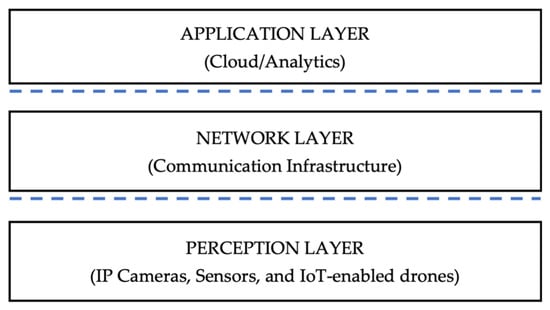
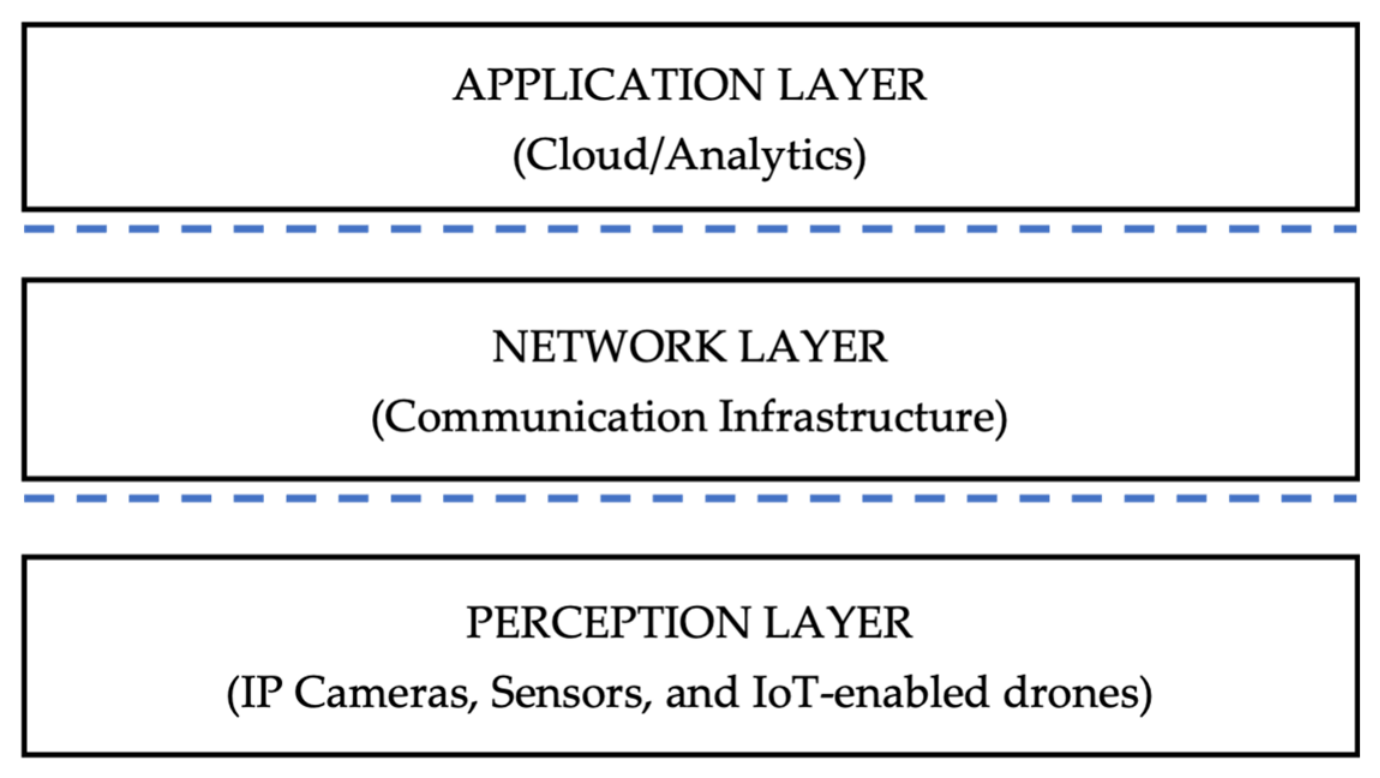


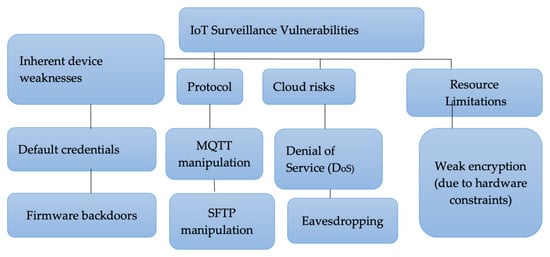
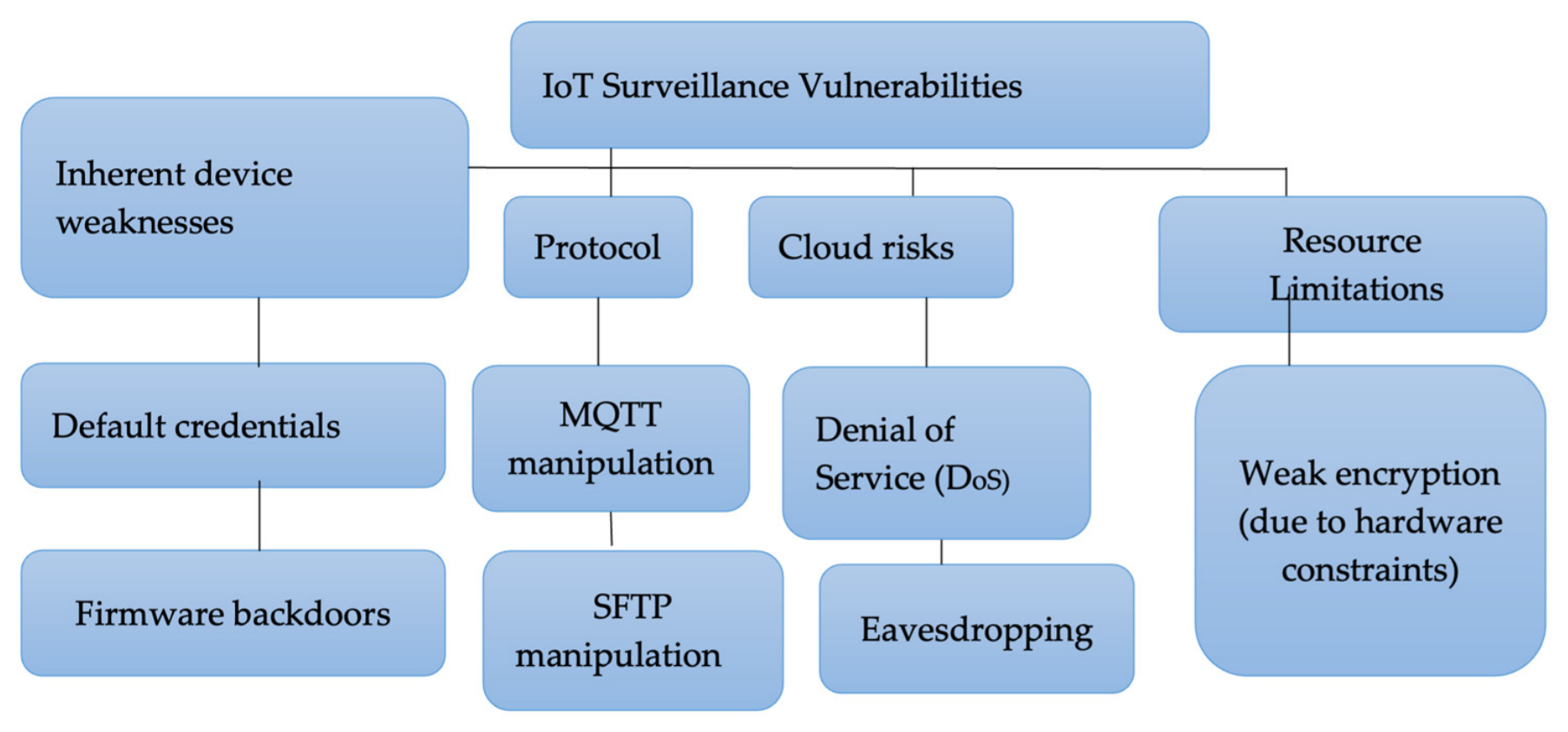
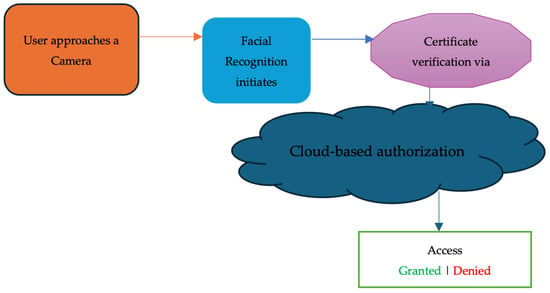
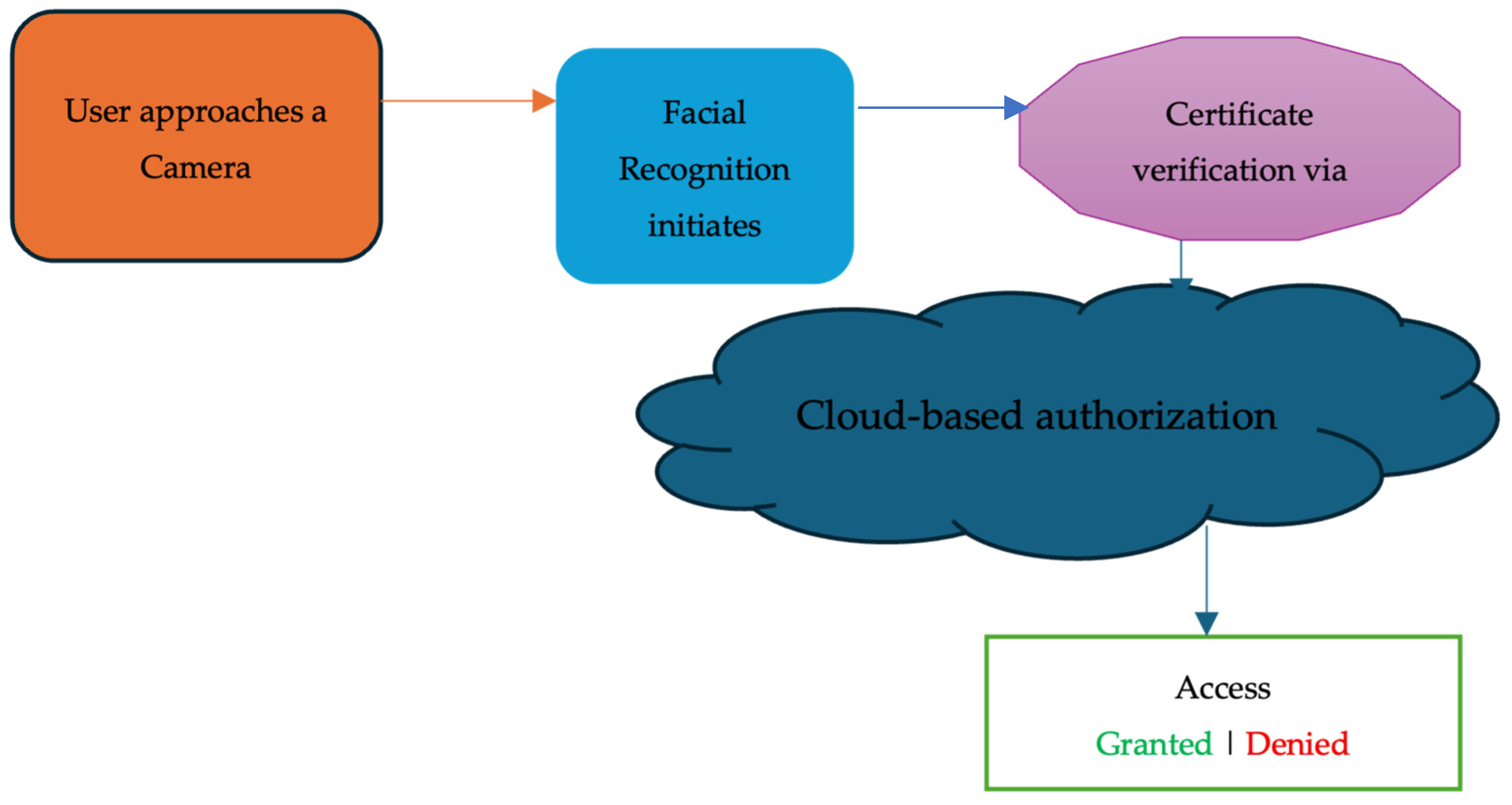
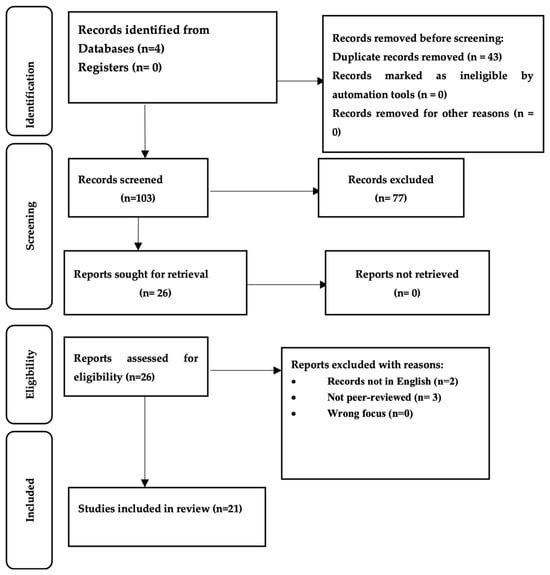
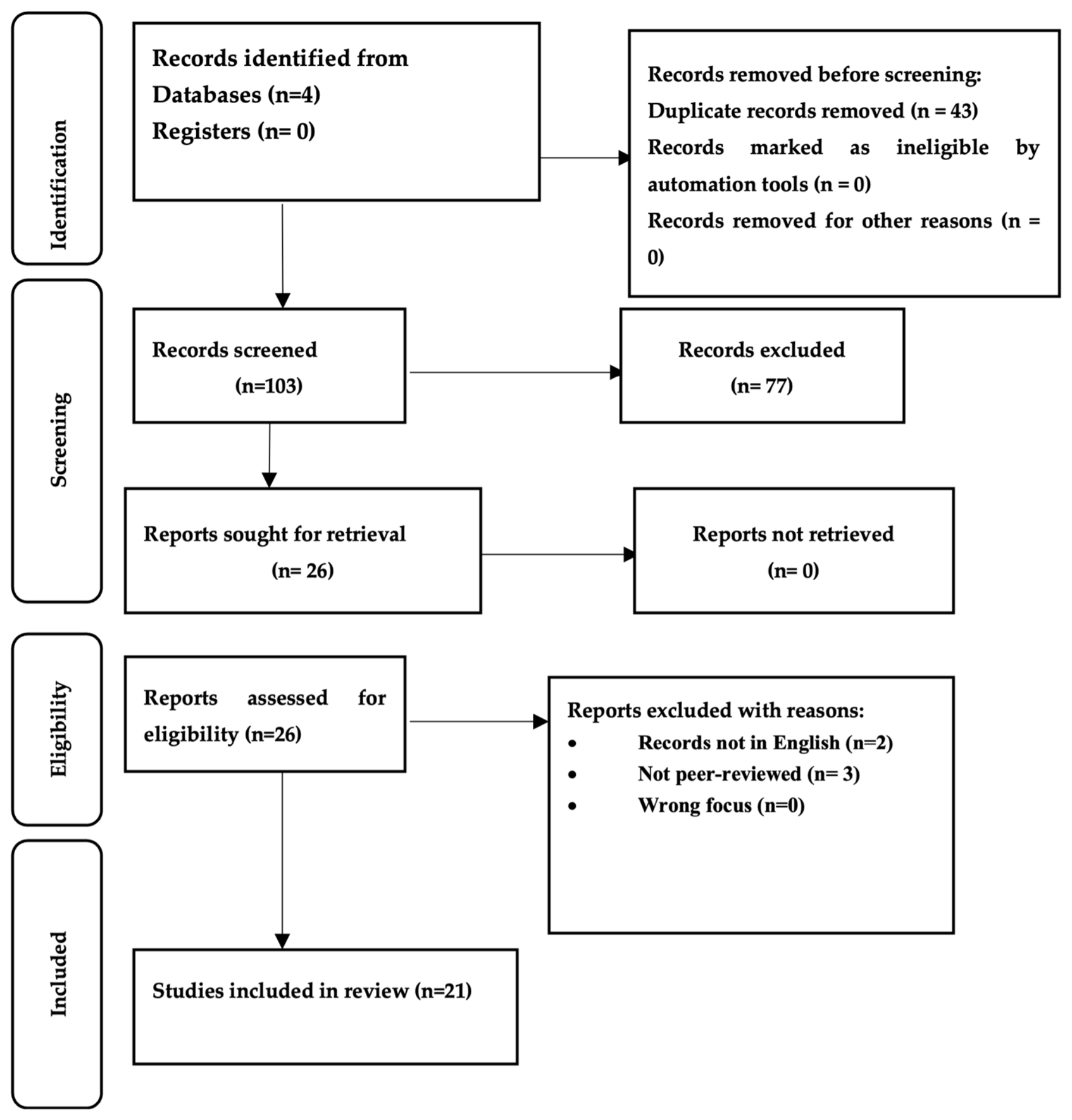
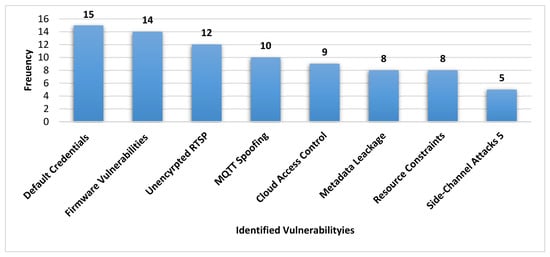
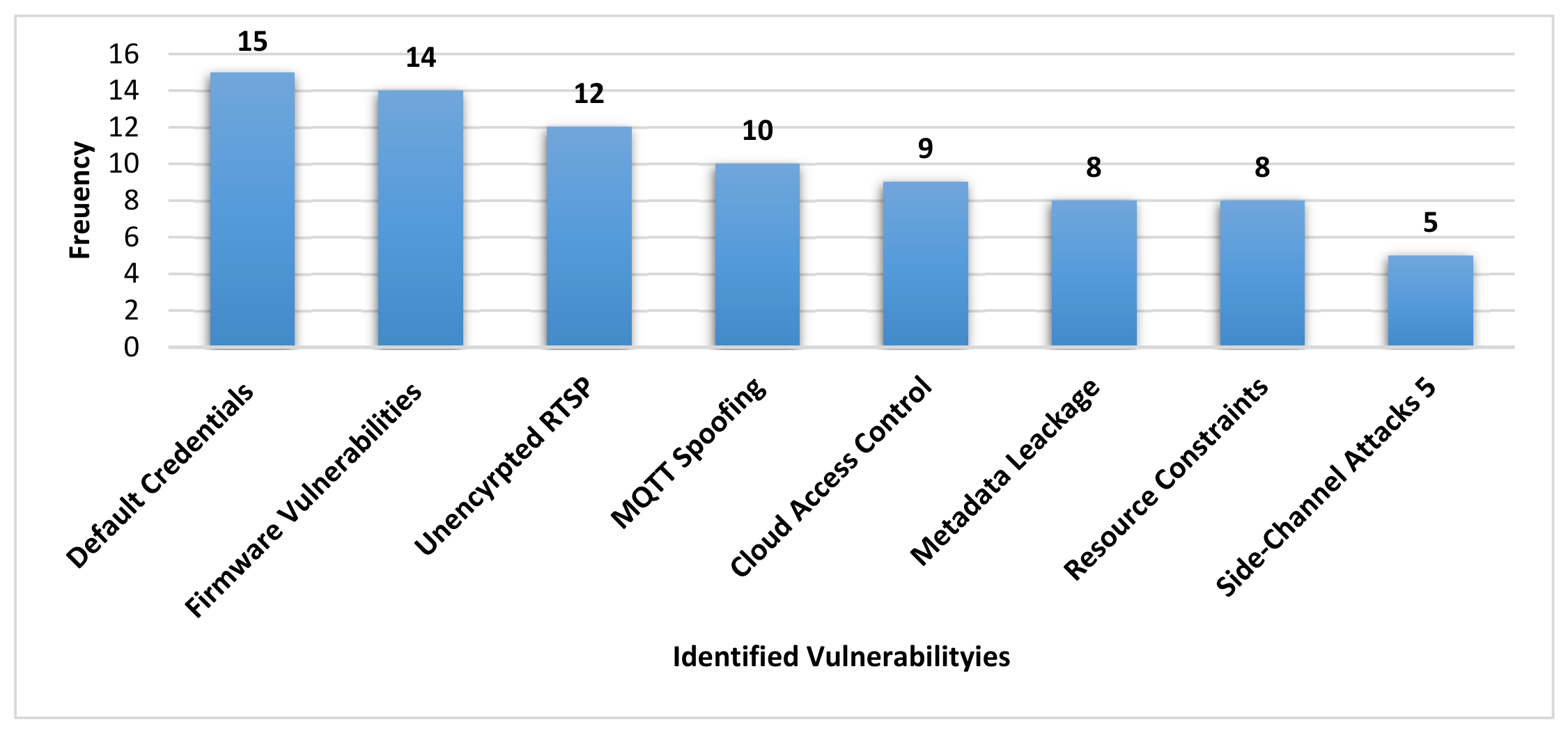
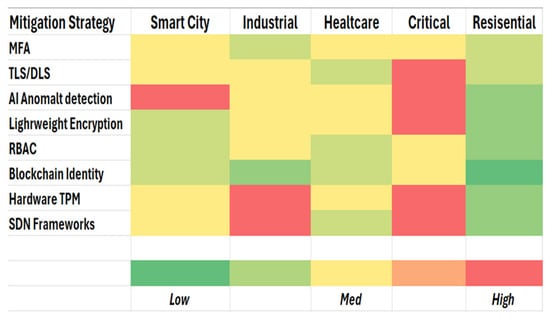
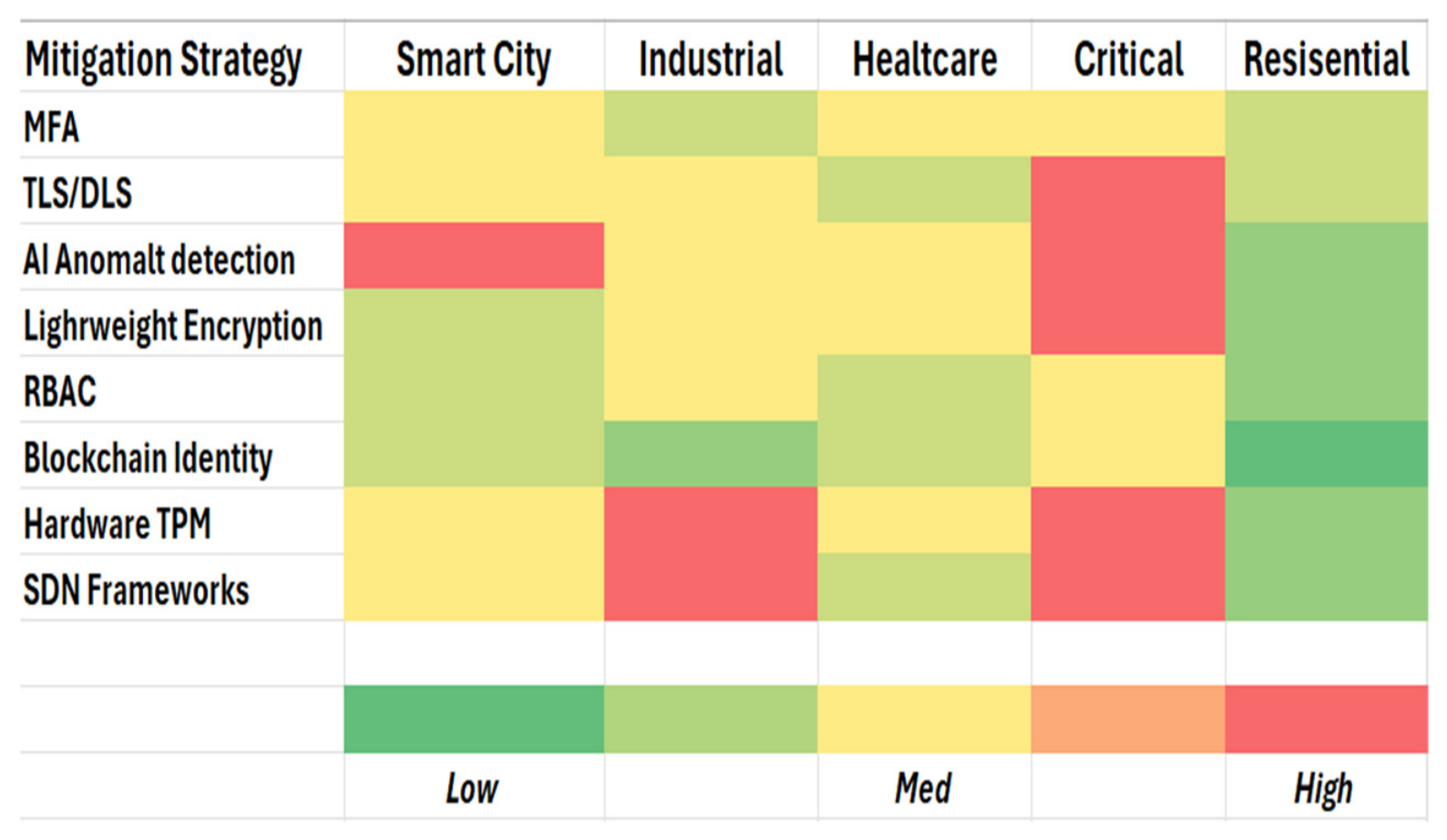

Disclaimer/Publisher’s Note: The statements, opinions and data contained in all publications are solely those of the individual author(s) and contributor(s) and not of MDPI and/or the editor(s). MDPI and/or the editor(s) disclaim responsibility for any injury to people or property resulting from any ideas, methods, instructions or products referred to in the content. |
© 2026 by the authors. Licensee MDPI, Basel, Switzerland. This article is an open access article distributed under the terms and conditions of the Creative Commons Attribution (CC BY) license.