


Abstract
Ironstone ecosystems are characterized by restricted unusual geological formations and usually harbor many microendemic, edaphic-specialist plant species. However, implementing public policies have proved challenging in the face of extensive habitat loss caused by mining, hindering the conservation of these irreplaceable ecosystems. This study quantifies the rarity and edaphic endemism and assesses the risk of extinction of 60 angiosperm species associated with the ironstone ecosystems of southeastern Brazil. We used 1435 georeferenced records and calculated the extent of occurrence (EOO) and area of occupancy (AOO), habitat specificity matrices, and Rabinowitz rarity typologies. We assessed the IUCN B1/B2 criteria, integrating, for the first time, spatial data of loss and degradation projected from polygons of mining titles and mining projects. EOO ranged from 4 to 4359 km2 (median of 164 km2); fifty-one species fit the most restricted rarity types (6 and 7), and forty-six are edaphic endemics. All species are threatened: 29 Endangered and 31 Critically Endangered, including two possibly extinct in the wild. Large-scale iron mining is the main pressure on 50 species, and 14 have a geographical distribution completely overlapping mining polygons. We propose guidelines to integrate good international practices for safeguarding biodiversity into decision-making involving ironstone ecosystems.
1. Introduction
Southeast Brazil is one of the botanical regions with the highest levels of plant diversity, harboring some of the world’s highest values of species richness and phylogenetic endemism [1]. A significant proportion of this diversity can be attributed to the high number of rare species with restricted distributions, particularly in mountainous areas covered by humid forests of the Serra do Mar along the Atlantic coast and grasslands of the Espinhaço Range further inland [2]. The Espinhaço Range has the highest densities of species with narrow distributions (i.e., <10,000 km2; rare plants according to Rapini et al. [2]), particularly in its southern and eastern portions, where a single fifth-order watershed may harbor more than 50 microendemic species found nowhere else [3]. Areas rich in iron and other metal-bearing rocks occur in direct association with this mountain chain [4].
Characterized by restricted and unusual geological formations, ironstone ecosystems are among the planet’s most ancient environments [5,6,7]. These environments are particularly well represented in Brazil and Australia, and are characterized by: (1) metal-rich substrates, notably with high concentrations of iron and manganese; (2) high surface-UV irradiation and temperatures that can exceed 65 °C; and (3) (hyper)oligotrophic edaphic conditions due to the near absence of phosphorus and other main nutrients [8,9,10,11]. Specialist plants in these metal-rich environments (i.e., metallophytes) have ecophysiological adaptations to cope with edaphic phytotoxicity. One strategy of these edaphic specialists is exclusion: potentially toxic metals are retained in the root system, preventing translocation to photosynthetic and/or reproductive tissues. Another strategy is hyperaccumulation: plants store high concentrations of metal ions in aerial biomass, often by overexpressing metal transporters and synthesizing chelators such as metallothioneins and phytochelatins. These mechanisms may also provide chemical defenses in plants [12,13].
In Brazil, these unique island-like ironstone ecosystems are concentrated in two regions: Carajás Ranges in the Amazon Rainforest and the Espinhaço Range in the southeast of the country [14,15]. The ironstone ecosystems of southeastern Brazil are insularly embedded within one of the most geodiverse regions, which includes some of Earth’s oldest lithologies, dating back to the Archean (3.2–2.8 Ga) 16. These ecosystems harbor thousands of subsurface caves, vernal pools, cliffs, and specialized communities with dozens of endemic plant and invertebrate species. Caves in ironstone ecosystems support a rich troglobitic fauna (animals that live in empty and aphotic spaces in voids), including several newly described species [17,18]. Several plant and invertebrate species are known only from their type localities, underscoring the critical importance of conserving these ancient environments [8,17].
Dozens of open-pit mines are concentrated in southeastern Brazil, the country’s largest producer of metallic minerals, especially iron ore. Metal ore extraction has already caused extensive losses and landscape degradation, including underground ecosystems, with the complete removal of mountains that support ironstone ecosystems and aquifers of regional importance [19,20,21] (Figure 1). This scenario has promoted socioenvironmental conflicts generated by the spatial overlap between large-scale mining and areas of priority importance for biodiversity and ecosystem conservation services, such as water recharge and storage [22,23].
Figure 1.
The removal of a mountain range in Quadrilátero Ferrífero, Minas Gerais, southeastern Brazil, showing the extent of habitat loss caused by large-scale iron mining, the greatest threat to plant species endemic to ironstone ecosystems. Photo by Instituto Prístino.
Given this environmental challenge, it is necessary to implement public policies for the conservation and management of biological heritage, such as those defined by the National Biodiversity Goals for 2030 [24], and apply good practices and performance standards of the mining industry linked to biodiversity guidelines [25]. These guidelines require mining companies to identify priority species and ecosystems to guide baseline assessments and actions in accordance with the mitigation hierarchy, including initiatives to avoid or mitigate impacts on biodiversity and ecosystem services [26]. For this purpose, priority should be given to species classified as rare, endemic, or endangered under the IUCN criteria [27,28].
Red Lists have become a powerful global tool for supporting conservation measures, as reflected in the actions established in national and regional public policies. However, their relevance and authority depend on their ability to provide evidence-based assessments of species-extinction risks, with influence extending from local conservation strategies to international agreements and private-sector decisions. However, most of the described taxonomic groups remain poorly assessed: invertebrates (2%), fungi and protists (8%), and plants (18%) [29,30,31,32]. In Brazil, approximately 38% of endemic angiosperm species have been assessed [33]. However, this situation is especially critical for species endemic to ironstone ecosystems, as they are underrepresented in the official Red Lists published in 2014 and 2022 [34,35].
Our main objective here is to analyze the plant rarity and endemism in the ironstone ecosystems of southeastern Brazil. In addition, we evaluated the extinction risk of the edaphic specialists according to IUCN categories and criteria [27,28]. We intend to answer the following questions: (1) Which species are considered edaphic endemic? (2) What is the representativeness of edaphic endemic species in the Brazilian and Global Red Lists? (3) Which rare and threatened species are not recorded in any full-protection conservation units?
2. Results
2.1. List of Species, Extent of Occurrence, and Area of Occupancy
We compiled 2738 records representing 61 species, 35 genera, and 22 families of angiosperms cited as endemic, near-endemic, or candidate edaphic specialists to the ironstone ecosystems of southeastern Brazil. The single record of Aspilia belo-horizontinae J.U.Santos (Asteraceae), the holotype from the municipality of Belo Horizonte, cannot be confidently assigned to an ironstone ecosystem, and the species was excluded. Data cleaning excluded duplicate records, taxonomic errors, uncertain identifications (with cf. = confer, aff. = affine or indet. = indeterminate), and records lacking location data. A total of 1435 records remained, comprising both original and inferred geographic coordinates, for 60 angiosperm species (Table 1 and Figure 2). Dyckia (Bromeliaceae), with nine species, Microlicia (Melastomataceae), with five, and Barbacenia (Velloziaceae) and Paepalanthus (Eriocaulaceae), with four species each, are the richest genera; 17 species are poorly represented in herbaria, with fewer than 20 records each (including duplicates).
Table 1.
List of the 60 angiosperm species associated with the ironstone ecosystems of southeastern Brazil, their occurrence metrics, and IUCN Red List category (assessed here under IUCN criteria; Supplementary Table S2). The 12 species in bold are not recorded in full-protection conservation units and have 100% of their occurrences overlapping threat polygons (mining titles in the available mining areas, application for mining concession and mining concession phases, and/or overlapping with Directly Affected Areas). CR: Critically endangered, CR(PEW): Critically endangered, possibly extinct in the wild, EN: Endangered.
Figure 2.
Ironstone ecosystems of southeastern Brazil (iron-rich substrates in red), the 1435 occurrences of 60 angiosperm species (green dots) associated with them and threat polygons (mining titles in the available mining areas, applications for mining concessions—also known as mining requests; and mining concession phases, pink polygons). (A) Peixe Bravo River Valley (VPB), (B) Serro-Serra da Serpentina-Morro do Pilar Blocks (SS-MP), and (C) Quadrilátero Ferrífero (QF).
Eleven were described only in the last decade, whereas 23 species have been recorded in association with ironstone ecosystems for more than a century, such as Dyckia rariflora (Bromeliaceae) originally described in 1830. Four species have not been collected for more than 50 years, such as Barbacenia rubra (Velloziaceae), originally described in 1962, see details in Supplementary Tables S1 and S2.
2.2. Edaphic Endemism
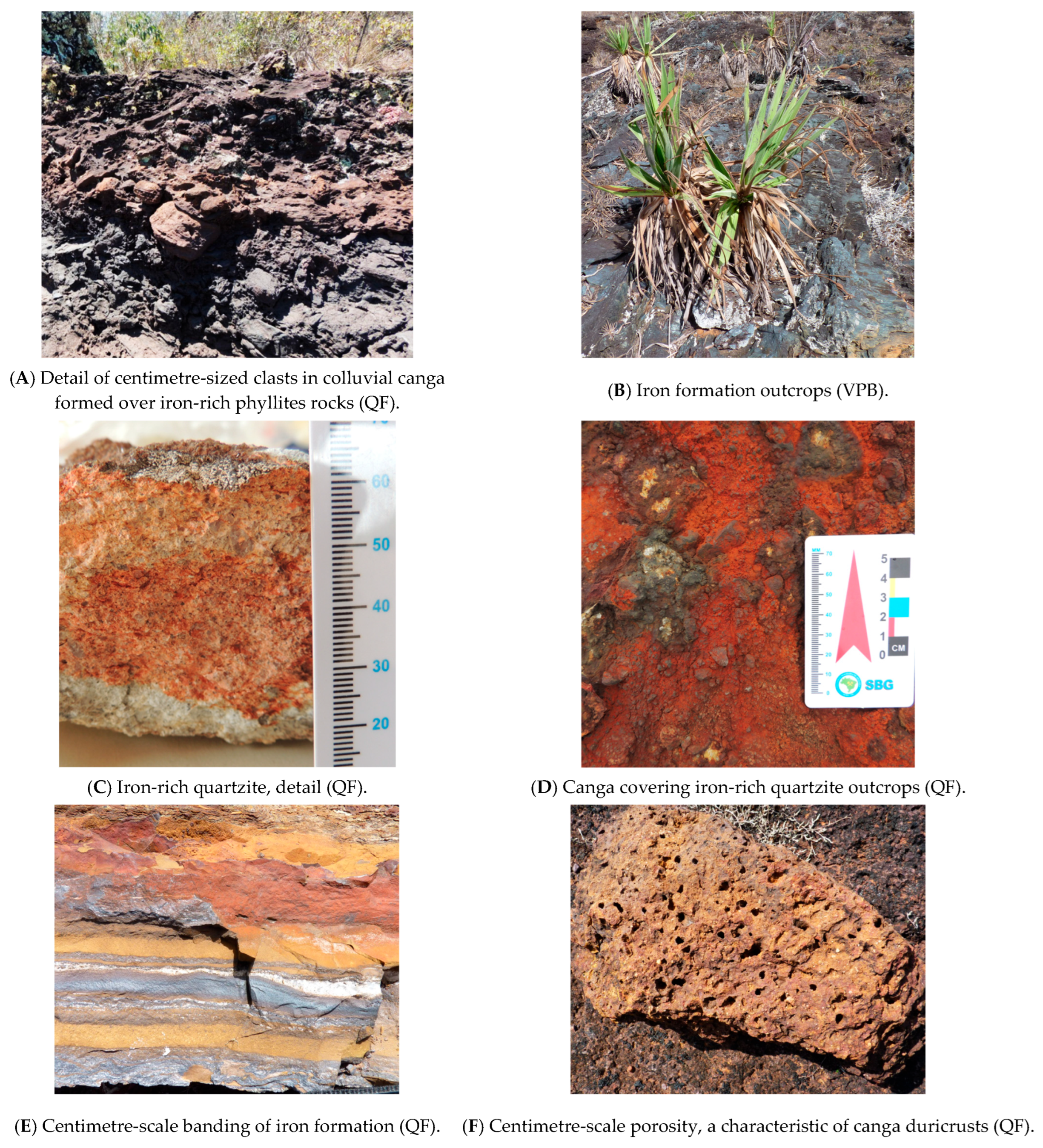
The 60 species were recorded mainly on iron-rich substrates (i.e., lithologies with total elemental iron concentrations Fetotal > 15 wt%, equivalent to Fe2O3 > 20 wt%), particularly canga and BIF. Occurrences in cangas associated with diamictitic iron formation (DIF), ferruginous metadiamictites, phyllites/schists, and ferruginous quartzites were also confirmed (see Appendix A for details and illustrations).
Of the 60 species, 46 are edaphic endemic, restricted to iron-rich substrates, representing 31 genera and 21 families of angiosperms (Table 1): most species show high edaphic specialization (95–100% of records in canga outcrops); four are near-endemic, a transition group between edaphic endemics and edaphic indicators according to Safford [36]; three are strong edaphic indicators of iron-rich substrates; four indifferent; and three weak edaphic indicators (Figure 3). Quartzites were the most frequent “non-anomalous” substrate, with 175 records, followed by 17 in schist/phyllite and six in granitoid rock. Together, these substrates accounted for 14% of the 1433 occurrences analyzed here (Figure 3, for examples of edaphic endemic species, see Figure 4 and Figure 5).
Figure 3.
Iron-rich affinity of the 60 angiosperm species associated with the ironstone ecosystems of southeastern Brazil: Proportion of edaphic endemics and indicators (left); distribution of occurrences by type of geological substrate. Iron-rich: lithologies with iron concentrations > 15 wt% Fetotal or >20 wt% Fe2O3 oxide-equivalent (right).
Figure 4.
Microendemic edaphic specialists of ironstone ecosystems, southeastern Brazil: (A) Sinningia rupicola (Gesneriaceae), (B) Stachytarpheta confertifolia (Verbenaceae), (C) Lupinus laevigatus (Fabaceae), (D) Jacquemontia linarioides (Convolvulaceae), (E) Mimosa calodendron (Fabaceae), (F) Croton serratus (Euphorbiaceae), (G) Discocactus piscibarbarus (Cactaceae), (H) Calibrachoa elegans (Solanaceae), (I,J) Arthrocereus glaziovii (Cactaceae). Photo credits: Flavio Carmo (A–I); Pablo Meyer (J).
Figure 5.
Microendemic edaphic specialists of ironstone ecosystems, southeastern Brazil: (A) Pleroma ferricolum (Melastomataceae), (B) Mezilaurus conceicionensis (Lauraceae), (C) Aiouea tetragona (Lauraceae), (D) Gomesa gracilis (Orchidaceae), (E) Chamaecrista secunda (Fabaceae), and (F) Dyckia inflexifolia (Bromeliaceae). Photo credits: Flavio Carmo (A,C,D,F); Pablo Meyer (B,E).
2.3. Rarity Patterns
All species have a restricted geographic distribution (EOO < 5000 km2), with extensions of occurrence (EOO) between 4 and 4359 km2 and a median of only 164 km2. Most species (75th percentile) have a geographic range of up to 1566 km2 (Figure 6).
Figure 6.
Violin plot (light green) showing the distribution of EOO values, with the embedded boxplot (green) indicating the median (notch), interquartile range (first to the third quartile, central box) and whiskers extending to the values observed (between 4 and 4359 km2). Note that most species have restricted EOO values and only a few show substantially larger ranges.
Only 10 species were cited in phytosociological studies in ironstone ecosystems. According to their importance values, eight species are small-nondominant, and two are large-dominant (Supplementary Table S1). For species with no phytosociological data, the large-dominant group was established from the frequency of occurrence distribution of the species (minimum = 1; maximum = 178), setting a threshold ≥ 75 occurrences (a value calculated based on a median of 10 occurrences and a standard deviation of 32.5) and cross-validated with qualitative abundance descriptions from botanical literature and extensive field observations. The remaining 50 species, which did not reach this threshold (≤74), were classified as “small-nondominant”. Hence, for the local abundance dimension, 54 species were considered small-nondominant and six large-dominant.
For the “habitat specificity” rarity dimension, we identified that among 55 species (Supplementary Table S3), 35 were considered to have high specificity in iron-rich substrates, according to the analysis based on conditional probability ranges, estimated from the Specificity Matrix (Figure 7). We also included five species that have up to two known occurrences in only one locality; therefore, we identified a group of 40 species with high specificity in iron-rich substrates.
Figure 7.
Heatmap of 35 species from ironstone ecosystems, southeastern Brazil, on the basis of conditional probability ranges estimated from the specificity matrix (Aij). Iron: iron-rich substrates. QTZ: quartzite. GRT: granitoid substrates. Schist: phyllite/schists. For complete species names (Gen_sp), see Table 1, and for Aij see Assessment of Rarity Patterns in Materials and Methods.
When the three dimensions of rarity were integrated, the 60 species were grouped into six typologies adapted from Rabinowitz [37] (consult Table 1).
Type 2. Two species locally abundant in iron and quartzitic outcrops but restricted geographically: Vriesea minarum (Bromeliaceae) and Mimosa pogocephala (Fabaceae), the latter with few occurrences in granitoid rocks.
Type 3. Four species locally abundant in ironstone ecosystems and geographically restricted: Aiouea tetragona (Lauraceae), Discocactus piscibarbarus (Cactaceae), Mimosa calodendron (Fabaceae), and Sinningia rupicola (Gesneriaceae).
Type 4. Two species with small, nondominant populations in iron, phyllite, and quartzitic outcrops, constantly sparse over a large range in some habitats: Chamaecrista itabiritoana (Fabaceae) and Eriocnema acaulis (Melastomataceae).
Type 5. One species with small, nondominant populations, constantly sparse in ironstone ecosystems and granitic substrates, but over a large range: Calibrachoa elegans (Solanaceae).
Type 6. 15 species with small, nondominant populations, constantly sparse and geographically restricted on iron, quartzitic, phyllite/schists, and granitoid outcrops.
Type 7. 36 species with small, nondominant populations, constantly sparse, and geographically restricted in ironstone ecosystems.
2.4. Extinction Risk
The 60 species are threatened (Table 1), 29 assessed as Endangered (EN), and 31 as Critically Endangered (CR), including two species possibly extinct in nature—CR(PEW)—due to the conversion of the sites of occurrence into industrial areas of iron mining: Dyckia ferrisincola (Bromeliaceae) and Homalolepis suaveolens (Simaroubaceae) (Figure 8; see geographic distribution maps (AOO/EOO) in Supplementary File S1). Considering the subcriterion Ba, we determined that 32 species are in a state of severe fragmentation, as more than 50% of their total AOO (Area of Occupancy) or more than 50% of their occurrence records are located in habitats that have undergone a reduction in area, alongside the expansion of existing or planned industrial areas (i.e., DAAs and mining concessions). For another 27 species, we analyzed the number of locations subject to threats. The species Lupinus laevigatus was also evaluated under subcriterion Bc, exhibiting extreme fluctuations in subpopulations subject to threats and in the number of mature individuals [38] and Carmo, F.F. (personal observation), see details in Supplementary Table S2.
For 50 species, iron mining is the major high-impact threat (threat code IUCN: 3.2 Mining and Quarrying), accounting for losses in both AOO and EOO. In addition, mining titles in the application, availability, and mining concession phases and/or overlapping Directly Affected Areas (DAAs) intersect natural areas occupied by some of these species. In extreme cases, 14 species have a geographical distribution completely overlapping with mining titles, and 12 of these species are not recorded in any full-protection conservation unit (Supplementary Table S2). Three other types of major threats were observed for 10 species, all with high impact: four species with records near urban areas (threat code IUCN: 1.1 Housing and Urban Areas), five with occurrences near roads, highways, and trails (4.1 Roads and Railroads), and one species with records near recreational activities (6.1 IUCN threat code).
Only 25% of the 60 species are listed in the Official List of Brazilian Flora Threatened with Extinction [39]; and even with efforts to update it, the National Centre for Flora Conservation (http://floradobrasil.jbrj.gov.br/, accessed on 20 September 2026) has assessed only 40% of them (Table 2). The global Red List includes only the cactus Arthrocereus glaziovii (EN), assessed in 2010.
Figure 8.
Two edaphic endemic species of the ironstone ecosystems categorized as CR(PEW) and probably extinct in the wild due to destruction observed throughout the type locality. The square in white represents AOO, and the occurrence of species is shown as green dots. Homalolepis suaveolens (Simaroubaceae): (A) Natural areas of ironstone ecosystems (pink and red polygons) represented on a geological map of Itabira (scale 1:25,000), based on topography by USGS produced between 1948–1949 [40]. (B) The removal of a mountain range showing the extent of habitat loss caused by large-scale iron mining. Satellite image from 2023. Dyckia ferrisincola (Bromeliaceae): (C) Remaining natural areas in 2004 (purple polygon). (D) The removal of a mountain range showing the extent of habitat loss caused by large-scale iron mining. Satellite image of 2025.
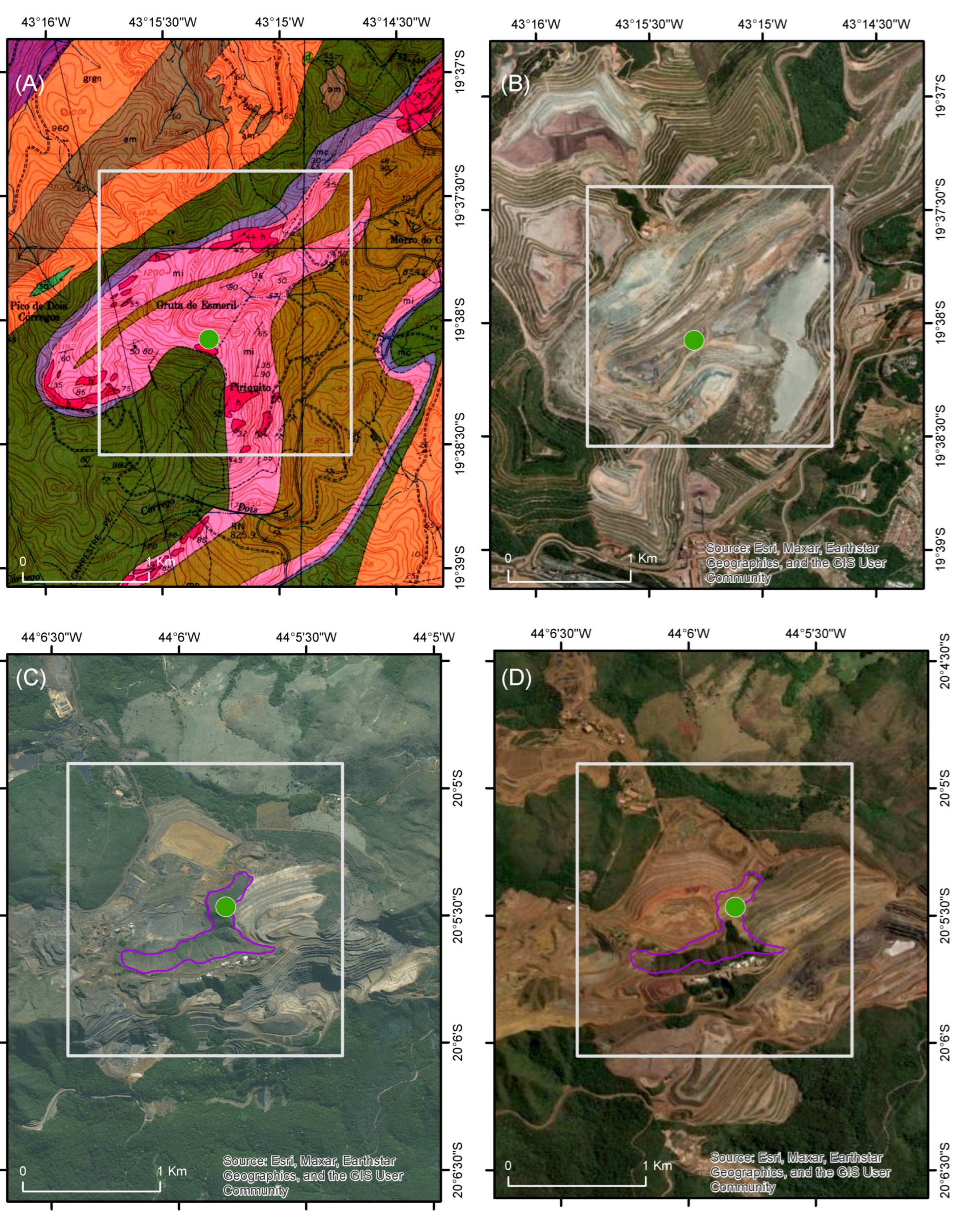
Table 2.
Comparison of IUCN Red-List categories for the 60 species associated with the ironstone ecosystems of southeastern Brazil in the Official List of Brazilian Flora Threatened with Extinction [39], List of National Centre for Flora Conservation [33], and Global Red List [32]. * Not cited in the Official List. The color chart is based on the IUCN Red List Threat Categories.
Some of the microendemic edaphic-specialist species of ironstone ecosystems categorized here as EN or CR are listed in the national list [33] under lower-risk categories or as non-threatened. For instance: Aiouea tetragona (Lauraceae), categorized as Vulnerable (VU), and Chamaecrista secunda (Fabaceae), as Least Concern (LC), are assessed as EN here. Stachytarpheta confertifolia (Verbenaceae) categorized as Vulnerable (VU) is here assessed as CR. Lupinus laevigatus (Fabaceae) and Staurogyne warmingiana (Acanthaceae), both categorized as EN, are assessed as CR here.
3. Discussion
We identified 60 rare and threatened plant species directly associated with the ironstone ecosystems of southern Brazil, of which 46 were classified as microendemic, edaphic specialists. They have a very restricted geographic distribution (median of 164 km2; maximum < 4400 km2), and most have small, nondominant populations and require specific habitats, attributes that classify fifty-one species as rarity types 6 or 7, the most extreme patterns of rarity. Extremely narrow distributions, high specialization, and small populations make these species highly vulnerable to demographic stochasticity, genetic drift, and restricted gene flow [41].
Our assessment is based on an extensive literature review, intensive field collections, and in-depth examination of herbarium records. Manual data cleaning of raw records, including experts’ taxonomic confirmation, was essential to accurately infer the location of historical records and correctly assign geographic coordinates. This manual process reduced the risk of false positives, considering that the digital and physical collections had inconsistent coordinates and identification errors, including outdated identifications.
The method adopted for the construction of the database minimized the risks of false negatives because of at least three sampling and geographic factors: (1) the robust historical collection effort conducted by naturalistic mega-collectors according to Daru et al. [42] in the 19th and 20th centuries; (2) the occurrence of the botanist effect according to Moerman and Estabrook [43], owing to the adjacency of the largest extensions of ironstone ecosystems to reference herbaria (BHCB and OUPR) and botanical research centers; and (3) significant sample redundancy, ensured by systematic and independent collections intensified in the past two decades [4].
Ironstone ecosystems in southeastern Brazil cover less than 10,000 km2 and harbor 46 microendemic, edaphic-specialist angiosperm species, making them one of the richest floras of ironstone specialists. In Australia, a country known for plant diversity hotspots in BIF floras, the Pilbara Ranges harbor 20 endemic species in 56,000 km2, whereas the Yilgarn region, with approximately 1200 km2 only, harbors 44 species restricted to, or centered on, ironstone ecosystems [5,8]. In lateritic rock outcrops from India, Kolte et al. [44] recorded five to fifty-eight endemic species across 15 localities in the Western Ghats (45,000 km2) and Konkan (30,000 km2) regions. In the Brazilian Amazon, Giulietti et al. [45] reported 38 plant species endemic to ironstone ecosystems across the 13,000 km2 Serra de Carajás region.
Among the 46 microendemic, edaphic-specialist species in ironstone ecosystems of southern Brazil, some exhibited marginal ecophysiological tolerance or niche breadth, favoring colonization or occasional persistence in habitats with reduced concentrations of iron and other metals, for example, in quartzites or phyllites/schists. In these cases, occurrences were also observed in outcrops close to geological transitions, where the substrate may contain clasts or surface sediments of canga detritus and BIF. However, Calibrachoa elegans (Solanaceae) in the Quadrilátero Ferrífero did not follow this pattern. It is the only microendemic, edaphic-specialist species with a disjunct distribution, with a record 120 km distant from the core region. This disjunct record, with few individuals, was found in a gravel matrix amid granitoid outcrops, and the population exhibits the lowest genetic diversity in the species [46]. Given this limited genetic variability, ongoing habitat loss and environmental changes may further reduce the adaptive potential of this population, decreasing the number of locations and area of distribution (both EOO and AOO) of the species, therefore increasing its risk of extinction.
The conservation of these 46 microendemic edaphic specialists poses a critical challenge for environmental policies, as the vast majority of their known populations are spatially restricted to iron-rich substrates. Protecting these specific ironstone outcrops is essential to prevent severe population decline, given their high habitat specificity, as observed. Such species have complex ecophysiological mechanisms to withstand severe macronutrient deficiencies and to tolerate or avoid phytotoxic concentrations of metals [13,47]. However, the ecological determinants of restriction to these anomalous substrates need elucidation. For example, whether the exclusion of these specialists from adjacent communities in non-metalliferous soils derives primarily from competitive exclusion by fast-growing species or from high metabolic costs of morphophysiological adaptations to restrictive environments remains unknown.
Additionally, the biogenic interactions (rock–iron–plant–microorganism interactions) intrinsic to iron duricrusts (cangas) require further investigation. Plant communities and the edaphic microbiota actively influence the morphological evolution, structure, and re-cementing of the canga on a geological timescale. Geochemical weathering at the root–canga interface, mediated by exudation of organic acids, mobilizes significant amounts of iron. The rhizosphere harbors dense bacterial colonies specialized in iron cycling (redox), promoting its reprecipitation around root canals and adjacent detrital fragments as secondary cements. This long-term biogeochemical process is directly associated with the structural maintenance of canga outcrop [48,49].
Large-scale mining represents the main threat to the 50 microendemic plants evaluated here, especially the edaphic specialists. Sonter et al. [19] demonstrated that iron ore pits are concentrated on ranges summits and iron plateaus, indicating that the fragmentation caused by mining directly affects the ironstone ecosystems. Large-scale mining causes irreversible habitat suppression, profound landscape change and degradation of the remaining ecosystems. Extreme situations were observed in at least two species, categorized as CR, but likely extinct in the wild, since their single known occurrence was destroyed. Given the scarcity of demographic and population genetics data for species endemic to ironstone ecosystems, our study relied on quantitative data regarding the intense physical and functional fragmentation of these natural areas. Despite this limitation, our results indicate that the majority of species occurrence records and/or the remaining AOO correspond to natural habitats that have undergone extensive loss and increased isolation within a highly anthropized matrix. Salles et al. [50] modeled connectivity using a graph-based approach and demonstrated that more than 50% of the original canga outcrops areas in the Quadrilátero Ferrífero have already been irreversibly lost. The authors identified a massive reduction in the number of patches—from 334 to 171 iron-rich outcrops—and a decline of approximately 60% in the number of functional connections. In future studies, demographic and population genetics data should be collected to assess instances of reproductive isolation and to establish, for example, thresholds for Minimum Viable Population (MVP) and the number of mature individuals.
National lists underestimate the threat categories of some of these species. This bias may be explained by the lag in official assessments, mostly conducted between 2011 and 2014, before the significant expansion of open pits and the implementation of new mining projects in the past decade. Consequently, the drastic loss and degradation of iron-rich ecosystems have not been adequately accounted for. To fill this gap and reflect the specific conditions of ironstone ecosystems, this study incorporated, for the first time, projections of irreversible habitat loss into risk assessments. The procedure was based on two robust spatial datasets indicating threat polygons with a high probability of occurrence in the short term: (1) the limits of the Directly Affected Areas (DAAs) planned for the installation and operation of pits and other mining structures, and (2) the polygons of mining titles in the application, availability or mining concession phase. Hence, these datasets provided a basis for projections of the number of locations under threat and irreversible decline in EOO, AOO, and habitat quality (for example, see Figure 9).
Figure 9.
Satellite image showing spatial indicators of threats used in extinction risk assessments for ironstone ecosystems. (A) Dyckia inflexifolia (Bromeliaceae) occurrences (green dots) in pristine habitat. (B) Overlap of occurrences (green dots), AOO/EOO (white square) with threat polygons: (1) recently licensed iron-ore mining project (DAA in yellow polygon); and (2) mining titles in the application and concession phases (pink polygons).
Thirteen rare and endangered species have been particularly neglected. They are only known outside full-protection conservation units (corresponding to categories Ia, Ib, II, III, and IV of the IUCN [51]), with most occurrences in natural areas close to mining complexes. Therefore, although not directly subject to habitat loss, these species remain exposed to environmental impacts from mining activities that extend beyond the boundaries of the projects [52,53,54].
Several studies have demonstrated the infeasibility of restoring iron-rich ecosystems on a non-experimental scale. Canga shells act as edaphic and geological filters of extreme severity [35,55,56,57], whose genesis and maintenance depend on complex biogeochemical interactions and weathering processes and supergenes on a geological timescale [48,49,58]. Consequently, these habitats are ecologically irreplaceable, given the impossibility of restoring or recreating them in an ecologically relevant time horizon, according to Maron et al. [59]. The infeasibility of restoring ironstone ecosystems is already recognized by researchers, consultants, and representatives of environmental agencies responsible for environmental licensing; see analysis of the Technical Seminar on the Conservation and Restoration of Campos Rupestres in 2023 and transcription of a public motion provided in Supplementary File S2.
Despite the irreplaceability of ironstone ecosystems, Brazilian environmental licensing for large-scale mining has structural gaps, often neglecting the impact mitigation hierarchy and international guidelines for good conservation practices [23,35]. As a rule, regulatory agencies and the mining sector do not demonstrate effectiveness in avoiding or mitigating the extinction risk of species restricted to ironstone ecosystems. Instead, they are limited to plant rescue and translocation, practices that lack long-term scientific validation. Monitoring of rescue operations by regulatory agencies remains quite limited, and the results are rarely publicly accessible. Additionally, biodiversity offsets are usually allocated to different phytophysiognomies, violating principles of ecological equivalence and transparency. These errors and shortcomings increase the risk of collapse of the ironstone ecosystems themselves, ultimately leading to ineffective conservation decisions [23,35,60].
Even microendemic species, easily identifiable and well documented in herbaria, remain outside official risk assessments. An emblematic case is Mimosa calodendron (Fabaceae), a sclerophyllous shrub described in 1841 and characteristic of the cangas in the Quadrilátero Ferrífero [61]. To help address this gap, we provide robust data to correct the underrepresentation of ironstone-endemic species in official lists. Based on the IUCN criteria B1ab(i,iii) and B2ab(ii,iii), M. calodendron is here categorized as Endangered (EN). Inclusion in official lists legally obliges mining enterprises to provide specific mitigation and compensation actions. Therefore, filling this gap is a fundamental step to their conservation.
The threat-status assessments presented here will provide valuable evidence to support future assessments by the National Centre for Flora Conservation (CNCFlora), which is responsible for updating Brazil’s national Red List. Furthermore, environmental law recognizes the precautionary principle as a fundamental premise, such that protective measures to prevent the extinction of these species should not be delayed pending the formal update of the relevant legislation. However, the effectiveness of these environmental regulations also requires immediate managerial advancement: overcoming the limited technical capacity of environmental agencies in decision-making, which is imperative for safeguarding the integrity and long-term conservation of ironstone ecosystems [35,60,62].
Red Lists have become fundamental instruments for directing conservation through corporate and financial mechanisms [29]. For example, Performance Standard 6 of the International Finance Corporation [26] classifies areas with Critically Endangered (CR) or Endangered (EN) species as critical habitats, requiring the mining industry to take rigorous actions to avoid and mitigate environmental impacts and to provide biodiversity compensation. Here, we propose nine pragmatic guidelines to integrate international safeguard assumptions [26] into species conservation strategy and environmental decision-making involving ironstone ecosystems:
- Spatial integration of mining projects and concessions in species extinction risk assessments: Prioritize the use of mining title polygons (application, availability, and concession phases) and Directly Affected Areas (DAAs) as highly accurate spatial predictors to project the direct pressures and habitat loss generated by mining [63].
- Update of official lists and management plans: The inclusion of the 60 rare and threatened microendemic species in the National List of Endangered Species confers technical and legal rigor to licensing. Mining enterprises that impact areas surrounding endangered species should be required to finance their monitoring and active management to ensure their inclusion in management plans. The results of all monitoring activities should be made publicly accessible to ensure transparency and enable independent evaluation of conservation outcomes. Another proposal would be to review the regulations related to environmental licensing that determine the calculation of the compensation area so that it is multiplied by indices proportional to the threat category of the species (CR having the highest weight, followed by EN and VU). Mining companies can voluntarily follow this guideline, which is based on the premises established by the IFC.
- Establishment of mining-free zones (MLZ/No-Go Zones): We propose that the spatial polygons of area of occupancy (AOO) of the 46 microendemic, edaphic-specialist species be used by environmental agencies as criteria for delineating mineral exclusion areas (No-Go Zones) across ironstone ecosystems, in accordance with the non-intervention commitment adopted for World Heritage Sites [64]. Environmental agencies should recognize that iron-rich ecosystems are among the sites under the greatest pressure in Brazil and therefore should be especially considered in environmental impact analysis processes, given that inadequate planning or faulty diagnosis can lead to the loss of unique biological heritage [2].
- Regulation of Ecological Non-Offsetability: For extremely rare species (Rabinowitz Type 7), the ecological equivalence required for biodiversity compensation is a biological impossibility. It is recommended that regulations create a category “non-compensable” to classify these species. In practice, the presence of a Type 7 species in the area of influence of a mining project would require compulsory application of the avoidance stage of the mitigation hierarchy, which would imply changing the location of structures associated with the project, preventing the irreversible loss of populations of rare plants and natural areas of ironstone ecosystems.
- Creation of Flora Micro-Reserves: Adapt the European Model of Plant Micro-Reserves [65,66] to protect strictly edaphic endemic species that are unrecorded in full-protection conservation units (such as those in bold in Table 1). This model is appropriate and urgent for safeguarding entire global populations. This action helps curb the expansion of mining concessions and projects, which represent the primary threats to rare species found in ironstone ecosystems. Proactive conservation measures are also necessary and must be integrated into management plans, which are mandatory under Brazilian law.
- Addressing specific environmental conditions: Establish mandatory environmental conditions in licensing processes to meet the financial deficit of protected areas. The entrepreneur should provide resources to directly promote research and execute actions foreseen in the management plans of conservation units that protect ironstone ecosystems.
- Redistribution of Financial Compensation (CFEM): Conservation should be aligned with socio-economic development. Therefore, we propose linking a percentage of the Financial Compensation for the Exploration of Mineral Resources (CFEM) to a sovereign biodiversity fund, attributing financial bonuses to mining municipalities that establish protected areas for endangered species.
- Incentive to overcome the Linnean shortfall: Taxonomic knowledge gaps may further obscure rarity patterns and hinder accurate extinction-risk assessments. We observed that historical collections contained unidentified or erroneously determined taxa. A recent example is Microlicia badiniana (Melastomataceae), apparently endemic to the Quadrilátero Ferrífero, first collected in 1942 but unrecognized as a distinct species for more than 80 years [67]. Known from only eight collections from a single locality, the species was preliminarily assessed as Data Deficient because insufficient information exists on its distribution and population status.
- Integrate genetic-demographic assessments into the impact mitigation hierarchy: environmental-impact assessments for large-scale mining projects must investigate the population viability of edaphic-endemic species, so that residual losses can be characterized in relation to the pre-project ecological condition.
4. Conclusions
Our study reveals that southeastern Brazil is home to one of the world’s richest and most threatened edaphic-specialized floras in iron-rich ecosystems, highlighting species that have so far been overlooked despite being severely threatened by large-scale habitat loss and degradation. Of the 60 species, 51 fall into the most restricted rarity types, and 46 are edaphic endemics. We assessed the IUCN B1/B2 criteria, integrating, for the first time, spatial data of loss and degradation projected from polygons of mining titles and mining projects. Many of these species are likely to become extinct if some ongoing mining projects are implemented. Because post-mining restoration of canga duricrusts is currently unfeasible, we hope that the data presented here will stimulate and catalyze urgent action by governments and the mining industry to conserve and manage ironstone ecosystems, in collaboration with academia, research institutes, and nongovernmental conservation organizations.
5. Materials and Methods
5.1. Study Area and Geoenvironmental Setting
Ironstone ecosystems in southeastern Brazil are located between two biodiversity hotspots, the Cerrado and the Atlantic Rainforest [4,68,69,70]. They are distributed discontinuously across three regions along a 500-km south–north axis in the state of Minas Gerais (Figure 2): the Quadrilátero Ferrífero (QF; the Iron Quadrangle in translation) in the south, with an area of 7200 km2; the Serro-Serra da Serpentina-Morro do Pilar Blocks (SS-MP) at the center, with an area of approximately 1800 km2; and the Peixe Bravo River Valley (VPB) in the north, with an area of approximately 600 km2. The VPB is characterized by semiarid conditions, with very dry weather and rainy summers, with an average annual rainfall of 800 mm, and the C1 index (dry subhumid) of Thornthwaite’s climate classification system prevails. The vegetation around the ironstones (cangas) in VPB is predominantly composed of phytophysiognomies of the Cerrado, the Brazilian savanna. The SS-MP and QF ironstone ecosystems are characterized by dry winters and rainy summers, with an average annual rainfall of 1400 mm, and the B2 (wet) index of Thornthwaite’s classification is prevalent. The vegetation around the ironstones in SS-MP and QF is mainly composed of seasonal semideciduous forest.
Ironstone ecosystems are formed by outcrops of banded iron formation (BIF), unconsolidated ferruginous materials and, mainly, lateritic plateaus and slopes whose exposed surfaces form hard carapaces/duricrusts known as cangas, a regional nomenclature. Cangas are biogenic substrates that record ancient mineral dissolution and reprecipitation processes that have continued intermittently to the present, driven by biogeochemical iron cycling mediated by microorganisms and specialized root systems [15,48,49]. For a detailed description of geological formations in ironstones ecosystems, please refer to the Appendix A.
5.2. List of Angiosperms
We compiled a preliminary list of 61 angiosperm species cited as endemic, near-endemic, or potential edaphic specialists of ecosystems occurring on iron-rich formations in southeastern Brazil based on a literature review, including recent taxonomic studies that describe new species from these ecosystems. Only records identified by taxonomists at the species level were considered, and the classification adopted by Flora e Funga do Brasil (http://floradobrasil.jbrj.gov.br/, accessed on 20 September 2026) was followed.
5.3. Validation of Species Occurrences and Calculation of Extent of Occurrence and Area of Occupancy
From the preliminary list, we investigated species occurrences by consulting the SpeciesLink network (http://inct.splink.org.br, accessed on 14 July 2026), the Reflora Virtual Herbarium (https://ipt.jbrj.gov.br/reflora/, accessed on 10 July 2026), and the specialized taxonomic literature. We also consulted the collections at the BHCB and OUPR herbaria, which are the Brazilian reference collections for species collected in ironstone ecosystems in southeastern Brazil [4].
To infer the coordinates for historical records, we used the habitat/substrate description and locality/toponym provided on the herbarium voucher, in conjunction with historical USGS topographic and geological maps—which contain detailed information on toponyms and localities—at scales ranging from 1:10,000 to 1:50,000 [71]. We assigned geographic coordinates based on the centroid of the polygon that delimits a given locality/toponym. The toponyms found on the vouchers historically identify landforms (such as mountain ranges, hills, and plateaus) composed of iron-rich lithologies. This characteristic helps to reduce the uncertainty of the inferred coordinates. Duplicates (same collector, date, and location) and records that lacked verifiable habitat/substrates descriptors, or for which it was not possible to infer geographic coordinates, were excluded [27]. The data were validated and supplemented with georeferenced field observations collected during two decades of expeditions in iron-rich ecosystems, Campos Rupestres, and other phytophysiognomies in the Atlantic Forest, Cerrado, and Caatinga phytogeographic dominions. We complemented the database with our own observational records, photographs, and precise geographic coordinates, in accordance with the IUCN procedure [27]. We performed the analyses in a GIS environment using software ArcGis Desktop.
The extent of occurrence (EOO) and area of occupancy (AOO) were calculated using software GeoCAT version 1 [72], following IUCN guidelines [27], applying the minimum convex hull for the EOO and a grid of cells of 2 × 2 km (4 km2) for the AOO. The distribution of EOO (in km2) was modeled using kernel density estimation (half-violin plot) and superimposed on a boxplot. We performed the analyses using a PAST version 4.7 [73].
5.4. Assessment of Edaphic Endemism
Species were categorized based on observed edaphic affinity (proportion of occurrences on iron-rich substrates) [74,75,76]: (1) “edaphic endemic” or “ironstone specialist”, species with at least 85% of occurrences records on iron-rich substrates; (2) “near endemics”, 75–84% of occurrences; (3) “strong indicators”, 65–74% of occurrences; (4) “weak indicators”, 55–64% of occurrences; and (5) “indifferent” or “generalist”, less than 55% of the occurrences in iron-rich substrates. We determined the substrate type of each occurrence using geological maps and geodiversity data (lithology/mineralogy). To identify the iron-rich substrates, we considered lithologies with total elemental-iron concentrations Fetotal > 15 wt% (equivalent to 20 wt% Fe2O3 or a combined iron oxide/hydroxide mineral mass (hematite, magnetite, goethite/limonite) exceeding 15–20 wt%), adapted from Dorr [71,77] and Bekker et al. [78] (see Appendix A). We used georeferenced geological databases using scales from 1:25,000 to 1:100,000 [34,71,79,80,81]. We performed the analyses in a GIS environment using software ArcGis Desktop.
5.5. Assessment of Rarity Patterns
We evaluated the rarity patterns by adapting the typology of Rabinowitz [37] based on dichotomization of three dimensions:
- Geographic range (large or small/restricted). Species with EOO up to 5000 km2 and restricted to only one of the three metalliferous regions (PBV, SS-MP or QF) are classified as “small/restricted”.
- Local abundance (large, dominant or small, nondominant). We primarily used data from phytosociological studies (Supplementary Table S1) in iron-rich ecosystems. Secondarily, we used frequency-of-occurrence thresholds that were cross-validated with qualitative abundance descriptions from botanical literature (references in Supplementary Table S1) and extensive field observations conducted by the authors over two decades across ironstone ecosystems. For establishing frequency-of-occurrence thresholds, we calculated the equation , where LD = large dominant, Med(X) = median of total occurrences and s = standard deviation.
- Habitat specificity (rock outcrop generalist or iron-rich specialist). Habitat specificity for iron substrates was calculated using the specificity matrix based on the IndVal.g algorithm [82,83], considering the high degree of redundancy in historical samples and intensive regional collection efforts, including specific studies that compared the floristics and community structure across different lithologies (see references in Supplementary Table S1). This approach minimizes potential biases in the assignment of edaphic specificity. The specificity matrix was calculated from the mean abundance of species i in the substrate type j, in relation to the sum of the mean abundances in all types of substrates observed. Specificity is defined as the ratio between the mean abundance in the target group (type of substrate) and the sum of the mean abundances in all G groups:
- •
- aij represents the summed abundance of species i in the target group j.
- •
- Nj represents the total number of sampling units (sites/plots) that constitute the target group j.
- •
- aik represents the summed abundance of species i in the generic group k.
- •
- Nk represents the total number of sampling units belonging to group k.
- •
- G represents the total number of groups of sites/sites being compared.
We exclude species with a single occurrence, applying the following thresholds: high (0.85–1.0), moderate (0.65–0.84), low (0.50–0.64), and generalist (<0.50). Analyses were performed in R software version 4.5.2 R [84] using the indicspecies package 1.7.9 (IndVal.g function) to mitigate biases caused by unbalanced sampling efforts [85].
5.6. Assessment of Extinction Risk
We evaluated the risk of extinction following the IUCN 27 criteria B1 (EOO) and B2 (AOO), together with the subcriteria Ba (number of locations conditioned to the threat or severely fragmented population) and Bb (continued decline in AOO/EOO and/or habitat quality); see details in Supplementary Table S2. We assessed the IUCN B1/B2 criteria, integrating, for the first time, spatial data of loss and degradation projected from polygons of mining titles and mining projects.
For subcriterion Ba, we performed geospatial analyses superimposing current occurrences on vector layers of direct anthropogenic threats: polygonal directly affected areas (DAAs) associated with mining projects [86]; polygonal mining titles (also known as mineral tenements or concessions) in the available mining areas, application for mining concession (also known mining request) and mining concession phases [87].
For subcriterion Bb, we estimated declines in EOO, AOO, and habitat quality by comparing historical and current distributions using high-resolution satellite images (2020–2025; Google Earth Pro and ESRI), adapting the method proposed by Jacobson [88]. We quantified occurrences in full-protection conservation units [89] and in areas with irreversible loss. We considered all physical interventions in the iron-rich substrate, such as mining, urbanization, and other irreversible changes, as habitat loss, and classified the main threats according to the IUCN [27] threat classification scheme and Salafsky et al. [90].
The results were compared with the official Brazilian [39], global [32] and National Centre for Flora Conservation (Centro Nacional de Conservação da Flora—CNCFlora) [33] lists, recognized by the IUCN as the Brazilian authority for evaluations of risk of extinction. Manual analysis of each record, supported by refined geological data and field validation, ensured high-quality primary information for assessing the IUCN criteria.
5.7. AI Tools
We used Gemini 2.0’s built-in visual synthesis and editing tools, powered by Google DeepMind’s Imagen diffusion model, to generate the graphical abstract and used NotebookLM for the purpose of transcribing the letter of motion titled “Pacto pela conservação e recuperação dos Campos Rupestres Mineiros” (Pact for the Conservation and Recovery of the Campos Rupestres of the Minas Gerais State) presented at the technical seminar on conservation and recovery of rock outcrop fields (Supplementary File S2). The authors have reviewed and edited the output and take full responsibility for the content of this publication.
Supplementary Materials
The following supporting information can be downloaded at https://www.mdpi.com/article/10.3390/plants15233689/s1, Table S1: Supplementary Table S1 List of species, taxonomic data and phytosociological data; Table S2: Supplementary Table S2 List of species with extinction risk-assessment results; Table S3: Supplementary Table S3 List of species and specificity matrix; File S1: Maps EOO_AOO and details (https://doi.org/10.5281/zenodo.23346620); File S2: Supplementary File S2 with information on the Technical Seminar. References [10,91,92,93,94,95,96,97,98,99,100,101,102,103,104,105,106,107,108,109,110,111,112,113,114,115,116,117,118,119,120,121,122,123,124,125,126,127,128,129,130,131,132,133,134,135,136,137,138,139,140,141,142,143,144,145,146] are cited only in the Supplementary Materials in Table S1.
Author Contributions
Conceptualization, L.H.Y.K. and F.F.d.C.; methodology, L.H.Y.K., P.B.M., and F.F.d.C.; software, L.H.Y.K. and F.F.d.C.; validation, L.H.Y.K., P.B.M., A.R., L.E., J.R.S., V.F.D., R.R., and F.F.d.C.; formal analysis, L.H.Y.K., P.B.M., and F.F.d.C.; resources, L.H.Y.K. and F.F.d.C.; data curation, L.H.Y.K., P.B.M., A.R., L.E., J.R.S., V.F.D., R.R., and F.F.d.C.; writing—original draft preparation, F.F.d.C.; writing—review and editing, L.H.Y.K., P.B.M., A.R., L.E., J.R.S., V.F.D., R.R., and F.F.d.C.; supervision, F.F.d.C.; project administration, L.H.Y.K. All authors have read and agreed to the published version of the manuscript.
Funding
This research received no external funding.
Data Availability Statement
All data are included in the main text or available online in the Supplementary Materials.
Acknowledgments
We are grateful to the four reviewers for providing valuable suggestions that substantially improved the manuscript. During the preparation of this manuscript, the authors used Gemini’s built-in visual synthesis and editing tools, powered by Google DeepMind’s Imagen diffusion model, to generate the graphical abstract. The authors used NotebookLM for the purpose of transcribing the letter of motion titled “Pacto pela conservação e recuperação dos Campos Rupestres Mineiros” (Pact for the Conservation and Recovery of the Campos Rupestres of the Minas Gerais State) presented at the technical seminar on conservation and recovery of rock outcrop fields. The authors have reviewed and edited the output and take full responsibility for the content of this publication.
Conflicts of Interest
The authors declare no conflicts of interest.
Abbreviations
The following abbreviations are used in this manuscript:
| Ga | Giga-annum |
| cf. | Confer |
| aff. | Affine |
| Indet. | Indeterminate |
| EOO | Extent of Occurrence |
| AOO | Area of Occupancy |
| VPB | Peixe Bravo River Valley |
| SS-MP | Serro-Serra da Serpentina-Morro do Pilar Blocks |
| QF | Quadrilátero Ferrífero |
| DAA | Directly Affected Areas |
| CR(PEW) | Critically endangered, possibly extinct in the wild |
| CR | Critically endangered |
| EN | Endangered |
| DIF | Diamictitic iron formation |
| LC | Least Concern |
| VU | Vulnerable |
| BIF | Banded Iron Formation |
| CFEM | Financial Compensation for the Exploration of Mineral Resources |
Appendix A
Geological Formations in Ironstone Ecosystems
The unusual geology and pedogenetic processes of these ironstone ecosystems result in high physical and geological heterogeneity [55]; however, all lithologies (protoliths/bedrock) are classified as iron formations according to Bekker et al. [78]. These lithologies are characterized by total elemental-iron concentrations Fetotal > 15 wt%, equivalent to Fe2O3 > 20 wt% or a combined iron oxide/hydroxide mineral mass (hematite, magnetite, goethite/limonite) exceeding 15–20 wt% (Table A1). These ecosystems occur on iron-rich rocks of diverse geological origins, which in turn contain iron signatures in the form of minerals, such as magnetite and hematite, as well as clasts from preexisting iron formations [15,77,147,148,149,150,151,152,153,154].
Banded iron formations (BIFs) and other iron-rich rocks represent relics of an ancient South American surface that was uplifted, metamorphosed, and dissected during Transamazonian orogenic events (2.1 Ga), and reworked during the Brasiliano orogeny (600 Ma). Cangas duricrusts overlay these iron formations and are outcrops resulting from millions of years of intense weathering of iron-rich rocks, involving silica loss and relative supergene iron enrichment (iron oxides/hydroxides, typically hematite, magnetite, and goethite/limonite), resulting from various processes [71,155].
Anomalous iron concentrations in ferruginous phyllites/schists and quartzites may originate, for example, from oxidized sulphides (such as pyrite) or from the percolation of meteoric fluids closely associated with banded iron formations (itabirites of the Cauê Formation) (see [71]). Among iron-rich rocks, cangas and BIFs reach the highest iron concentrations in Brazil, forming substrates with approximately 80% of their dry weight composed of iron oxides/hydroxides. Some singular topographic structures, such as Pico do Itabirito, are formed entirely of high-purity compact hematite, where iron oxides account for over 94% of the rock volume (dry weight) [156]. See details in Table A1 and Figure A1, Figure A2 and Figure A3.
Table A1.
Geological formations and main iron oxides/hydroxides in ironstone ecosystems, southeastern Brazil. BIF: banded iron formation; DIF: diamictitic iron formation; FD: ferruginous metadiamictites; GIF: granular iron formation.
Figure A1.
Ironstone ecosystems of southeastern Brazil occurred on iron-rich rocks, primarily on cangas and banded iron formation (BIF) outcrops. Photos by Flavio Carmo.
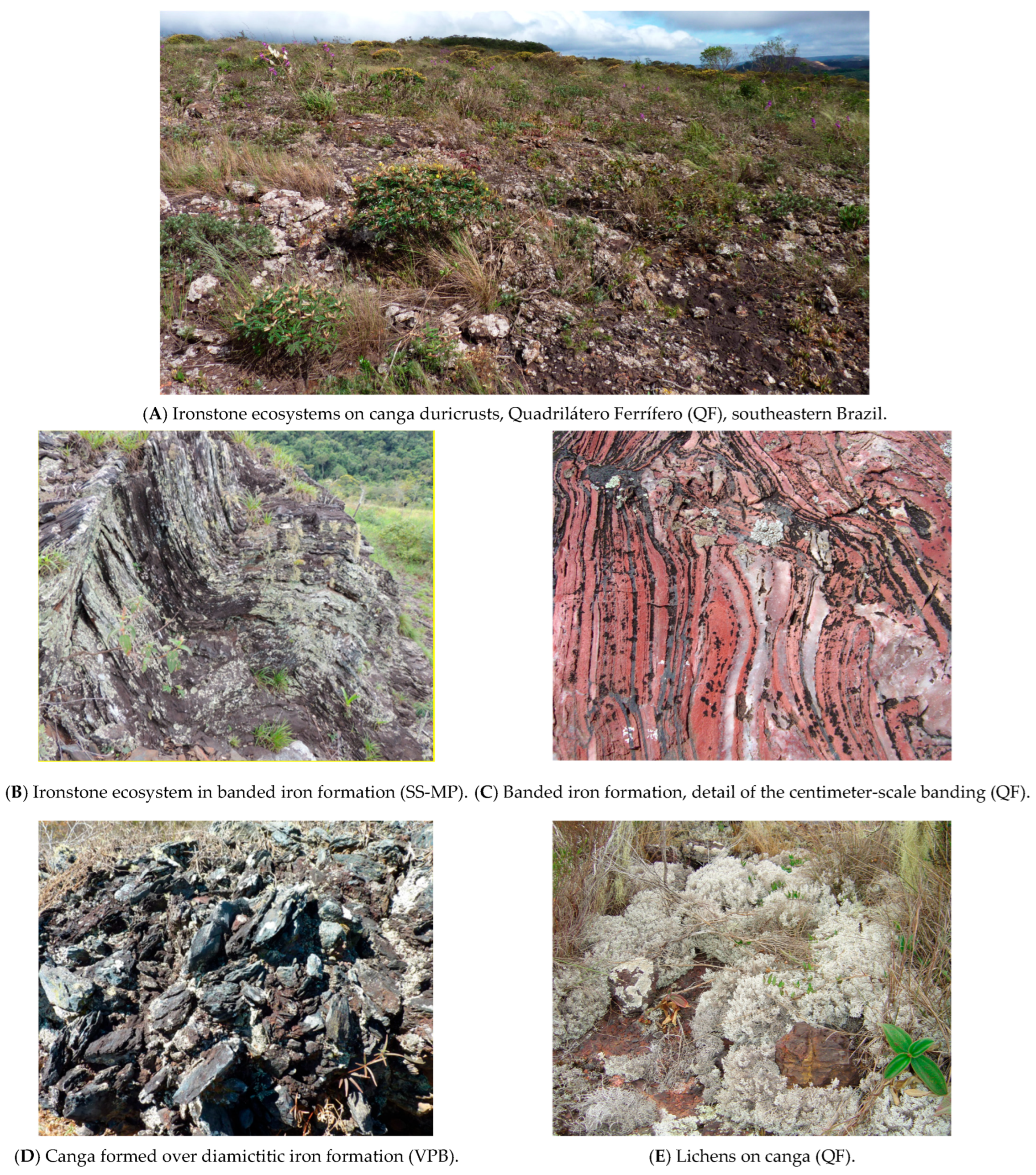
Figure A2.
Iron-rich rocks associated with ironstone ecosystems, southeastern Brazil. Photos by Flavio Carmo.
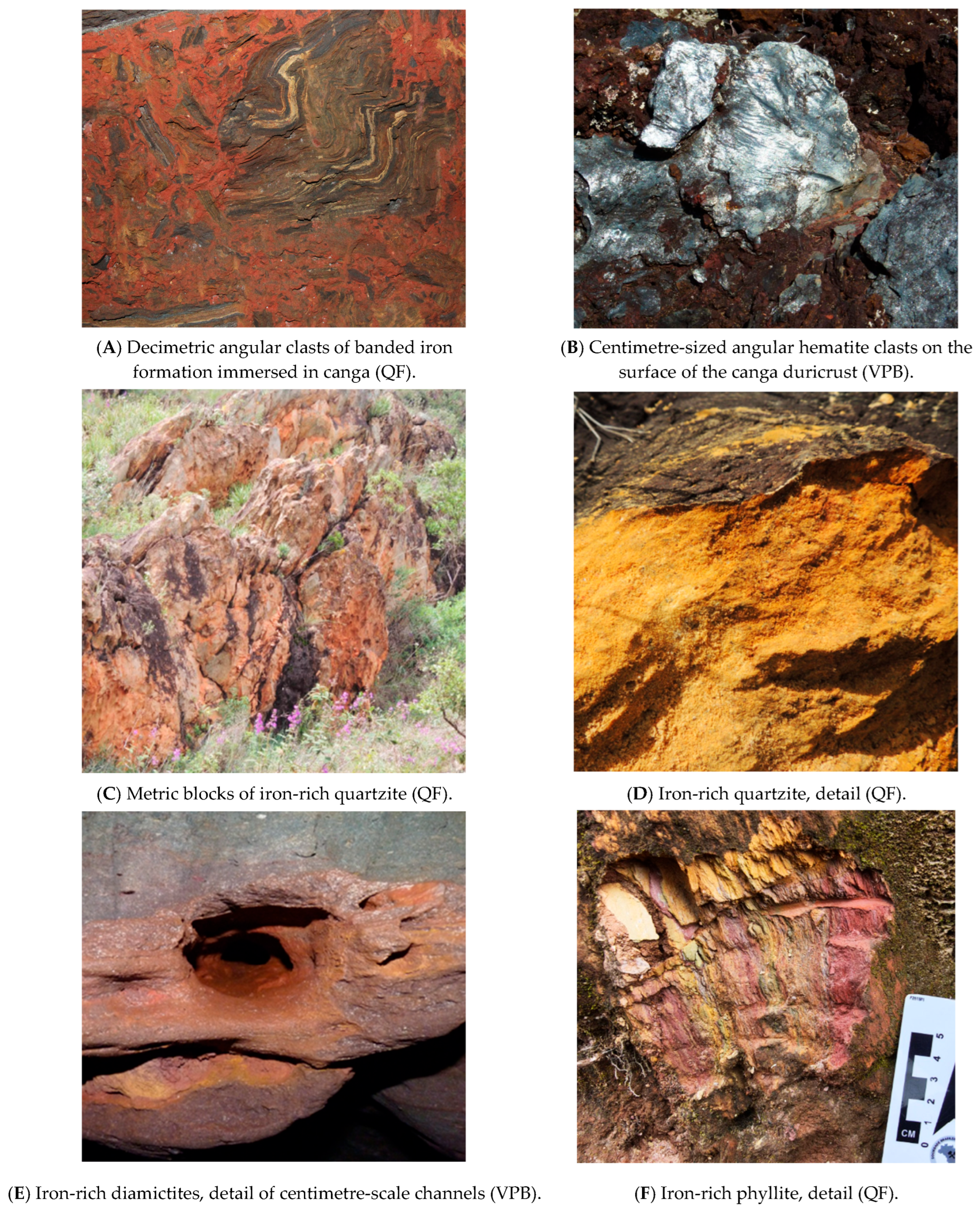
Figure A3.
Iron-rich rocks associated with the ironstone ecosystems, southeastern Brazil. Photos by Flavio Carmo.
References
- Tietje, M.; Antonelli, A.; Forest, F.; Govaerts, R.; Smith, S.A.; Sun, M.; Baker, W.J.; Eiserhardt, W.L. Global Hotspots of Plant Phylogenetic Diversity. New Phytol. 2023, 240, 1636–1646. [Google Scholar] [CrossRef] [Scilit] [PubMed]
- Rapini, A.; Gomes de Andrade, M.; Giulietti, A.; Queiroz, L.; Silva, J.M. Introdução: Plantas Raras Do Brasil. In Pantas Raras do Brasil; Giulietti, A.M., Rapini, A., Andrade, M.J.G.d., Queiroz, L.P.d., Silva, J.M.C.D.A., Eds.; Conservação International: Belo Horizonte, Brazil, 2009; pp. 23–35. ISBN 978-85-98830-12-4. [Google Scholar]
- Silva, J.M.C.D.; Rapini, A.; Barbosa, L.C.F.; Torres, R.R. Extinction Risk of Narrowly Distributed Species of Seed Plants in Brazil Due to Habitat Loss and Climate Change. PeerJ 2019, 7, e7333. [Google Scholar] [CrossRef] [Scilit] [PubMed]
- Carmo, F.F.d.; Mota, R.C.d.; Kamino, L.H.Y.; Jacobi, C.M. Check-List of Vascular Plant Communities on Ironstone Ranges of South-Eastern Brazil: Dataset for Conservation. Biodivers. Data J. 2018, 6, e27032. [Google Scholar] [CrossRef] [Scilit] [PubMed]
- Gibson, N.; Yates, C.J.; Dillon, R. Plant Communities of the Ironstone Ranges of South Western Australia: Hotspots for Plant Diversity and Mineral Deposits. Biodivers Conserv. 2010, 19, 3951–3962. [Google Scholar] [CrossRef] [Scilit]
- Monteiro, H.S.; Vasconcelos, P.M.; Farley, K.A.; Spier, C.A.; Mello, C.L. (U–Th)/He Geochronology of Goethite and the Origin and Evolution of Cangas. Geochim. Cosmochim. Acta 2014, 131, 267–289. [Google Scholar] [CrossRef] [Scilit]
- Vasconcelos, P.M.; Farley, K.A.; Stone, J.; Piacentini, T.; Fifield, L.K. Stranded Landscapes in the Humid Tropics: Earth’s Oldest Land Surfaces. Earth Planet. Sci. Lett. 2019, 519, 152–164. [Google Scholar] [CrossRef] [Scilit]
- Gibson, N.; Coates, D.; van Leeuwen, S.; Yates, C. Hot, Dry and Ancient: Banded Iron Formations of Western Australia. In Geossistemas Ferruginosos do Brasil. Áreas Prioritárias para Conservação da Diversidade Geológica e Biológica, Patrimônio Cultural e Serviços Ambientais; Editora Três Ltda: São Paulo, Brazil, 2015; pp. 316–391. [Google Scholar]
- Jacobi, C.M.; Carmo, F.F.; Carmo, F.F.; Campos, I.C. Iron Geosystems: Priority Areas for Conservation in Brazil. In Mining in Ecologically Sensitive Landscapes; CSIRO Publishing: Clayton, Australia, 2015; pp. 55–78. [Google Scholar]
- Carmo, F.F.D.; Jacobi, C.M. Diversity and Plant Trait-Soil Relationships Among Rock Outcrops in the Brazilian Atlantic Rainforest. Plant Soil 2016, 403, 7–20. [Google Scholar] [CrossRef] [Scilit]
- Schaefer, C.E.G.R.; Corrêa, G.R.; Candido, H.G.; Arruda, D.M.; Nunes, J.A.; Araujo, R.W.; Rodrigues, P.M.S.; Fernandes Filho, E.I.; Pereira, A.F.S.; Brandão, P.C.; et al. The Physical Environment of Rupestrian Grasslands (Campos Rupestres) in Brazil: Geological, Geomorphological and Pedological Characteristics, and Interplays. In Ecology and Conservation of Mountaintop grasslands in Brazil; Fernandes, G.W., Ed.; Springer International Publishing: Cham, Switzerland, 2016; pp. 15–53. ISBN 978-3-319-29808-5. [Google Scholar]
- Alford, É.R.; Pilon-Smits, E.A.H.; Paschke, M.W. Metallophytes—A View from the Rhizosphere. Plant Soil 2010, 337, 33–50. [Google Scholar] [CrossRef] [Scilit]
- Baker, A.J.M.; Ernst, W.H.O.; Van Der Ent, A.; Malaisse, F.; Ginocchio, R. Metallophytes: The Unique Biological Resource, Its Ecology and Conservational Status in Europe, Central Africa and Latin America. In Ecology of Industrial Pollution; Batty, L.C., Hallberg, K.B., Eds.; Cambridge University Press: Cambridge, UK, 2010; pp. 7–40. ISBN 978-0-521-51446-0. [Google Scholar]
- Jacobi, C.M.; Carmo, F.F.d.; Vincent, R.C.; Stehmann, J.R. Plant Communities on Ironstone Outcrops: A Diverse and Endangered Brazilian Ecosystem. Biodivers. Conserv. 2007, 16, 2185–2200. [Google Scholar] [CrossRef] [Scilit]
- Souza, F.C.R.d.; Carmo, F.F.d. Geossistemas Ferruginosos No Brasil. In Geossistemas Ferruginosos do Brasil: Áreas Prioritárias Para Conservação da Diversidade Geológica e Biológica, Patrimônio Cultural e Serviços Ambientais; Carmo, F.F.d., Kamino, L.H.Y., Eds.; 3i: Belo Horizonte, Brazil, 2015; pp. 47–76. ISBN 978-85-66115-48-2. [Google Scholar]
- Noce, C.M. Geochronology of the Quadrilátero Ferrífero: A review. Geonomos 2000, 8, 15–23. [Google Scholar] [CrossRef] [Scilit]
- Ferreira, R.L.; De Oliveira, M.P.A.; Silva, M.S. Subterranean Biodiversity in Ferruginous Landscapes. In Cave Ecology; Moldovan, O.T., Kováč, Ľ., Halse, S., Eds.; Ecological Studies; Springer International Publishing: Cham, Switzerland, 2018; Volume 235, pp. 435–447. ISBN 978-3-319-98850-4. [Google Scholar]
- Zeppelini, D.; Oliveira, J.V.L.C.; de Lima, E.C.A.; Brito, R.A.; Ferreira, A.S.; Stievano, L.C.; Brito, N.P.; Oliveira-Neto, M.A.; Lopes, B.C.H. Hotspot in Ferruginous Rock May Have Serious Implications in Brazilian Conservation Policy. Sci. Rep. 2022, 12, 14871. [Google Scholar] [CrossRef] [Scilit] [PubMed]
- Sonter, L.J.; Barrett, D.J.; Soares-Filho, B.S.; Moran, C.J. Global Demand for Steel Drives Extensive Land-Use Change in Brazil’s Iron Quadrangle. Glob. Environ. Change 2014, 26, 63–72. [Google Scholar] [CrossRef] [Scilit]
- Gomes, M.; Ruchkys, Ú.D.A.; Lopes Ferreira, R.; Goulart, F.F. Landscape Fragmentation around Ferruginous Caves of the Iron Quadrangle, Minas Gerais, Brazil. Cuad. Geogr. Rev. Colomb. Geogr. 2019, 28, 89–101. [Google Scholar] [CrossRef] [Scilit]
- Kamino, L.H.Y.; Pereira, E.O.; do Carmo, F.F. Conservation Paradox: Large-Scale Mining Waste in Protected Areas in Two Global Hotspots, Southeastern Brazil. Ambio 2020, 49, 1629–1638. [Google Scholar] [CrossRef] [Scilit] [PubMed]
- Instituto Estadual de Florestas; Universidade Federal de Minas Gerais; WWF Brasil; Fundação Biodiversitas. Áreas Prioritárias: Estratégias Para a Conservação Da Biodiversidade e Dos Ecossistemas de Minas Gerais; IEF: Belo Horizonte, Brazil, 2021. [Google Scholar]
- De Paula, L.F.A.; Perillo, L.N.; Ottaviani, G.; Carmo, F.F.; Datar, M.N.; Enebeli-Ekwutoziam, K.C.; Fogliani, B.; Hopper, S.D.; Kulkarni, A.; Lambers, H.; et al. Scientists’ Warning on the Global Destruction of Rock Outcrop Ecosystems. Conserv. Biol. 2026, 40, e70316. [Google Scholar] [CrossRef] [Scilit] [PubMed]
- MMA Ministério do Meio Ambiente e Mudança do Clima/Comissão Nacional de Biodiversidade. Resolução CONABIO no 9, de 28 de Novembro de 2024. Dispõe Sobre as Metas Nacionais de Biodiversidade Para 2030; Diário Oficial da União (DOU): Brasília, Brazil, 2024.
- ICMM; IUCN. Independent Report on Biodiversity Offsets. The Biodiversity Consultancy for the International Council on Mining and Metals and the International Union for Conservation of Nature; ICMM: London, UK; IUCN: Gland, Switzerland, 2013. [Google Scholar]
- IFC International Finance Corporation. International Finance Corporation’s Guidance Note 6: Biodiversity Conservation and Sustainable Management of Living Natural Resources; IFC: Washington, DC, USA, 2019; p. 49. [Google Scholar]
- IUCN; Standards and Petitions Committee. Guidelines for Using the IUCN Red List Categories and Criteria. Version 16. Prepared by the Standards and Petitions Committee; IUCN: Gland, Switzerland, 2024. [Google Scholar]
- IUCN Species Survival Commission.(SSC). IUCN Red List Categories and Criteria, 2nd ed.; IUCN: Gland, Switzerland; Cambridge, UK, 2012; ISBN 978-2-8317-1435-6. [Google Scholar]
- Bachman, S.P.; Field, R.; Reader, T.; Raimondo, D.; Donaldson, J.; Schatz, G.E.; Lughadha, E.N. Progress, Challenges and Opportunities for Red Listing. Biol. Conserv. 2019, 234, 45–55. [Google Scholar] [CrossRef] [Scilit]
- Bachman, S.P.; Brown, M.J.M.; Leão, T.C.C.; Nic Lughadha, E.; Walker, B.E. Extinction Risk Predictions for the World’s Flowering Plants to Support Their Conservation. New Phytol. 2024, 242, 797–808. [Google Scholar] [CrossRef] [Scilit] [PubMed]
- Bennun, L.; Regan, E.C.; Bird, J.; Van Bochove, J.; Katariya, V.; Livingstone, S.; Mitchell, R.; Savy, C.; Starkey, M.; Temple, H.; et al. The Value of the IUCN Red List for Business Decision-Making. Conserv. Lett. 2018, 11, e12353. [Google Scholar] [CrossRef] [Scilit]
- IUCN. The Red List of Threatened Species: Summary Statistics; Version 2026-1; IUCN: Gland, Switzerland, 2026. [Google Scholar]
- CNCFLORA Centro Nacional de Conservação da Flora. Portal CNCFlora: Explorador de Dados; JBRJ: Rio de Janeiro, Brazil, 2026.
- Pereira, E.O.; Wagner, F.H.; Kamino, L.H.Y.; Carmo, F.F.d. Mapping Threatened Canga Ecosystems in the Brazilian Savanna Using U-Net Deep Learning Segmentation and Sentinel-2 Images: A First Step toward Conservation Planning. Biota Neotrop. 2023, 23, e20221384. [Google Scholar] [CrossRef] [Scilit]
- Carmo, F.F.; Kamino, L.H.Y. Controversies and Hidden Risks in Biodiversity Offsets in Critically Threatened Canga (Ironstone) Ecosystems in Brazil. Oryx 2023, 57, 63–71. [Google Scholar] [CrossRef] [Scilit]
- Safford, H.D. Serpentine Endemism in the California Flora. Fremontia 2011, 39, 32–39. [Google Scholar]
- Rabinowitz, D. Seven Forms of Rarity. In The Biological Aspects of Rare Plant Conservation; Synge, H., Ed.; John Wiley & Sons: Hoboken, NJ, USA, 1981; pp. 205–217. [Google Scholar]
- Messina, T.; Moraes, M.A. Lupinus Laevigatus (Fabaceae). Lista Vermelha Da Flora Brasileira.; Centro Nacional de Conservação da Flora/Instituto de Pesquisas Jardim Botânico do Rio de Janeiro: Rio de Janeiro, Brazil, 2012. [Google Scholar]
- MMA-Ministério do Meio Ambiente. Portaria MMA No 148, 07/06/2022. Altera Os Anexos Da Portaria No 443, de 17 de Dezembro de 2014, Da Portaria No 444, de 17 de Dezembro de 2014, e Da Portaria No 445, de 17 de Dezembro de 2014, Referentes à Atualização Da Lista Nacional de Espécies Ameaçadas de Extinção; Diário Oficial da União: Brasília, Brazil, 2022.
- Dorr, J.; Miranda Barbosa, A.L. Geology and Ore Deposits of the Itabira District, Minas Gerais, Brazil; Professional Paper; U.S. Geological Survey: Reston, VA, USA, 1963; p. 110.
- Crisfield, V.E.; Guillaume Blanchet, F.; Raudsepp-Hearne, C.; Gravel, D. How and Why Species Are Rare: Towards an Understanding of the Ecological Causes of Rarity. Ecography 2024, 2024, e07037. [Google Scholar] [CrossRef] [Scilit]
- Daru, B.H.; Park, D.S.; Primack, R.B.; Willis, C.G.; Barrington, D.S.; Whitfeld, T.J.S.; Seidler, T.G.; Sweeney, P.W.; Foster, D.R.; Ellison, A.M.; et al. Widespread Sampling Biases in Herbaria Revealed from Large-scale Digitization. New Phytol. 2018, 217, 939–955. [Google Scholar] [CrossRef] [Scilit] [PubMed]
- Moerman, D.E.; Estabrook, G.F. The Botanist Effect: Counties with Maximal Species Richness Tend to Be Home to Universities and Botanists. J. Biogeogr. 2006, 33, 1969–1974. [Google Scholar] [CrossRef] [Scilit]
- Kolte, R.R.; Kulkarni, G.M.; Shetti, R.H.; Prabhukhanolkar, R.D.; Janarthanam, M.K.; Kulkarni, A.G. Environmental Predictors of Distribution of Herbaceous Endemic Species from Lateritic Rock Outcrops of the Western Ghats and Konkan Region, India. Discov. Plants 2026, 3, 155. [Google Scholar] [CrossRef] [Scilit]
- Giulietti, A.M.; Giannini, T.C.; Mota, N.F.O.; Watanabe, M.T.C.; Viana, P.L.; Pastore, M.; Silva, U.C.S.; Siqueira, M.F.; Pirani, J.R.; Lima, H.C.; et al. Edaphic Endemism in the Amazon: Vascular Plants of the Canga of Carajás, Brazil. Bot. Rev. 2019, 85, 357–383. [Google Scholar] [CrossRef] [Scilit]
- Backes, A.; Mäder, G.; Turchetto, C.; Segatto, A.L.; Fregonezi, J.N.; Bonatto, S.L.; Freitas, L.B. How Diverse Can Rare Species Be on the Margins of Genera Distribution? AoB Plants 2019, 11, plz037. [Google Scholar] [CrossRef] [Scilit] [PubMed]
- Poot, P.; Bakker, R.; Lambers, H. Adaptations to Winter-Wet Ironstone Soils: A Comparison between Rare Ironstone Hakea (Proteaceae) Species and Their Common Congeners. Aust. J. Bot. 2008, 56, 574–582. [Google Scholar] [CrossRef] [Scilit]
- Parker, C.W.; Senko, J.M.; Auler, A.S.; Sasowsky, I.D.; Schulz, F.; Woyke, T.; Barton, H.A. Enhanced Terrestrial Fe(II) Mobilization Identified through a Novel Mechanism of Microbially Driven Cave Formation in Fe(III)-Rich Rocks. Sci. Rep. 2022, 12, 17062. [Google Scholar] [CrossRef] [Scilit] [PubMed]
- Paz, A.; Gagen, E.J.; Levett, A.; Jones, M.W.M.; Kopittke, P.M.; Southam, G. The Role of Plants in Ironstone Evolution: Iron and Aluminium Cycling in the Rhizosphere. Sci. Total Environ. 2024, 915, 170119. [Google Scholar] [CrossRef] [Scilit] [PubMed]
- Salles, D.M.; Carmo, F.F.D.; Jacobi, C.M. Habitat Loss Challenges the Conservation of Endemic Plants in Mining-Targeted Brazilian Mountains. Environ. Conserv. 2019, 46, 140–146. [Google Scholar] [CrossRef] [Scilit]
- Stolton, S.; Shadie, P.; Dudley, N. Guidelines for Applying Protected Area Management Categories Including IUCN WCPA Best Practice Guidance on Recognising Protected Areas and Assigning Management Categories and Governance Types; IUCN: Gland, Switzerland, 2013; ISBN 978-2-8317-1636-7. [Google Scholar]
- Tang, L.; Werner, T.T. Global Mining Footprint Mapped from High-Resolution Satellite Imagery. Commun. Earth Environ. 2023, 4, 134, Correction in Commun. Earth Environ. 2023, 4, 163. https://doi.org/10.1038/s43247-023-00831-4. [Google Scholar] [CrossRef] [Scilit]
- Dias, A.M.S.; Cook, C.; Massara, R.L.; Paglia, A.P. Are Environmental Impact Assessments Effectively Addressing the Biodiversity Issues in Brazil? Environ. Impact Assess. Rev. 2022, 95, 106801. [Google Scholar] [CrossRef] [Scilit]
- Barbarossa, V.; Schipper, A.M.; Andringa, I.; Van Oorschot, M.; Sonter, L.J.; Marques, A. The Many Pathways of Mining Impacts on Biodiversity. Conserv. Lett. 2026, 19, e70000. [Google Scholar] [CrossRef] [Scilit]
- Carmo, F.F.; Campos, I.C.; Jacobi, C.M. Effects of Fine-Scale Surface Heterogeneity on Rock Outcrop Plant Community Structure. J. Veg. Sci. 2016, 27, 50–59. [Google Scholar] [CrossRef] [Scilit]
- Fernandes, G.W. (Ed.) Ecology and Conservation of Mountaintop Grasslands in Brazil; Springer International Publishing: Cham, Switzerland, 2016; ISBN 978-3-319-29807-8. [Google Scholar]
- Fernandes, G.W.; Bahia, T.O.; Almeida, H.A.; Gélvez-Zúñiga, I.; Aguilar, R.; Gomes, V.M.; Puperi, F.B.; Ramos, L.; Negreiros, D. Mining Legacy Constrains Campo Rupestre Regeneration After 50 and 300 Years. Eco Manag. Restor. 2026, 27, e70061. [Google Scholar] [CrossRef] [Scilit]
- Levett, A.; Gagen, E.; Shuster, J.; Rintoul, L.; Tobin, M.; Vongsvivut, J.; Bambery, K.; Vasconcelos, P.; Southam, G. Evidence of Biogeochemical Processes in Iron Duricrust Formation. J. South Am. Earth Sci. 2016, 71, 131–142. [Google Scholar] [CrossRef] [Scilit]
- Maron, M.; Ward, M.; Simmonds, J.S.; Wintle, B.; Possingham, H.; Venegas Li, R.; Butler, D.; Macintosh, A.; Reside, A.; Sonter, L.J.; et al. Ecological Irreplaceability in the Era of Nature Positive. Conserv. Lett. 2026, 19, e70073. [Google Scholar] [CrossRef] [Scilit]
- Pimenta, M.A.; Fonseca, A. To What Extent Are Threatened Plant Species Considered in Impact Assessment Decision-Making? Insights from Southeastern Brazil. Environ. Impact Assess. Rev. 2021, 86, 106516. [Google Scholar] [CrossRef] [Scilit]
- Rizinni, C.T. Tratado de Fitogeografia Do Brasil: Aspectos Ecológicos, Sociológicos e Florísticos; Âmbito Cultural: Rio de Janeiro, Brazil, 1997. [Google Scholar]
- Silveira, F.A.O.; Perillo, L.N.; Carmo, F.F.; Kamino, L.H.Y.; Mota, N.F.O.; Viana, P.L.; Carmo, F.F.; Ranieri, B.D.; Ferreira, M.C.; Vial, L.; et al. Vegetation Misclassification Compromises Conservation of Biodiversity and Ecosystem Services in Atlantic Forest Ironstone Outcrops. Perspect. Ecol. Conserv. 2020, 18, 238–242. [Google Scholar] [CrossRef] [Scilit]
- Sonter, L.J.; Nursamsi, I.; Bennun, L.; Graham, J.; Maus, V.; Rainey, H.; Starkey, M.; Turner, J.A.; Watson, J.E.M.; Prescott, G.W. Global Land Cover Maps Do Not Reveal Mining Pressures to Biodiversity. Sci. Rep. 2025, 15, 22421. [Google Scholar] [CrossRef] [Scilit] [PubMed]
- International Council on Mining and Metals (ICMM). Mining and Protected Areas; ICMM: London, UK, 2003; p. 4. [Google Scholar]
- Fos, S.; Laguna, E.; Jiménez, J.; Gómez-Serrano, M.Á. Plant Micro-Reserves in Valencia (E. Spain): A Model to Preserve Threatened Flora in China? Plant Divers. 2017, 39, 383–389. [Google Scholar] [CrossRef] [Scilit] [PubMed]
- Médail, F.; Diadema, K.; Pouget, M.; Baumel, A. Identification of Plant Micro-Reserves Using Conservation Units and Population Vulnerability: The Case of an Endangered Endemic Snowflake (Acis Nicaeensis) in the Mediterranean Basin Hotspot. J. Nat. Conserv. 2021, 61, 125980. [Google Scholar] [CrossRef] [Scilit]
- Romero, R.; Bertolini, M.A.; Paranhos, G.M.; Versiane, A.F.A. New Species of Microlicia (Melastomataceae) and Identification Key for the Genus in Ouro Preto, Minas Gerais, Brazil. An. Acad. Bras. Ciênc. 2026, 98, e20250968. [Google Scholar] [CrossRef] [Scilit] [PubMed]
- Zachos, F.E.; Habel, J.C. Biodiversity Hotspots: Distribution and Protection of Conservation Priority Areas; Springer: Berlin/Heidelberg, Germany, 2011; ISBN 978-3-642-20992-5. [Google Scholar]
- Salgado, A.A.R.; Carmo, F.F. do ‘Quadrilátero Ferrífero’: A Beautiful and Neglected Landscape Between the Gold and Iron Ore Reservoirs. In Landscapes and Landforms of Brazil; Vieira, B.C., Salgado, A.A.R., Santos, L.J.C., Eds.; Springer: Dordrecht, The Netherlands, 2015; pp. 319–330. ISBN 978-94-017-8023-0. [Google Scholar]
- Kamino, L.H.Y.; Rezende, É.A.; Santos, L.J.C.; Felippe, M.F.; Assis, W.L. Atlantic Tropical Brazil. In The Physical Geography of Brazil: Environment, Vegetation and Landscape; Salgado, A.A.R., Santos, L.J.C., Paisani, J.C., Eds.; Springer International Publishing: Cham, Switzerland, 2019; pp. 41–73. ISBN 978-3-030-04333-9. [Google Scholar]
- Dorr, J.V.N. Physiographic, Stratigraphic and Structural Development of the Quadrilátero Ferrífero, Minas Gerais, Brasil; Geological Survey Profissional Paper 641-A; U.S. Government Printing Office: Washington, DC, USA, 1969; p. 110.
- Bachman, S.; Moat, J.; Hill, A.; De La Torre, J.; Scott, B. Supporting Red List Threat Assessments with GeoCAT: Geospatial Conservation Assessment Tool. ZooKeys 2011, 150, 117–126. [Google Scholar] [CrossRef] [Scilit] [PubMed]
- Hammer, Ø.; Harper, D.A.; Ryan, P.D. PAST: Paleontological Statistics Software Package for Education and Data Analysis. Palaeontol. Electron. 2001, 4, 9. [Google Scholar]
- Kruckeberg, A.R. California Serpentines: Flora, Vegetation, Geology, Soils, and Management Problems; UC Publications in Botany; University of California Press: Oakland, CA, USA, 1985; ISBN 978-0-520-91572-5. [Google Scholar]
- Safford, H.D.; Viers, J.H.; Harrison, S.P. Serpentine Endemism in the California Flora: A Database of Serpentine Affinity. Madroño 2005, 52, 222–257. [Google Scholar] [CrossRef] [Scilit]
- Safford, H.; Miller, J.E.D. An Updated Database of Serpentine Endemism in the California Flora. Madroño 2020, 67, 85–104. [Google Scholar] [CrossRef] [Scilit]
- Dorr, J. Iron-Formation in South America. Econ. Geol. 1973, 68, 1005–1022. [Google Scholar] [CrossRef] [Scilit]
- Bekker, A.; Slack, J.F.; Planavsky, N.; Krapez, B.; Hofmann, A.; Konhauser, K.O.; Rouxel, O.J. Iron Formation: The Sedimentary Product of a Complex Interplay among Mantle, Tectonic, Oceanic, and Biospheric Processes. Econ. Geol. 2010, 105, 467–508. [Google Scholar] [CrossRef] [Scilit]
- Lobato, L.M.; Achstschin, A.B.; Timbó, M.A.; Baltazar, O.F.; Silva, S.L.; Reis, L.B.; Baars, F.J. Geologia do Quadrilátero Ferrífero-Integração e Correção Cartográfica em SIG; CODEMIG: Belo Horizonte, Brazil, 2004. [Google Scholar]
- CEAQFe-Centro de Estudos Avançados do Quadrilátero Ferrífero/UFOP. Mapa Geológico Do Quadrilátero Ferrífero Versão 2019, Escala 1:150.000: Revisado e Atualizado; UFOP: Ouro Preto, Brazil, 2019. [Google Scholar]
- CODEMIG—CPMTC/IGC/UFMG. Projeto Espinhaço. 23 Mapas Geológicos Na Escala 1:100.000 e Suas Respectivas Notas Explicativas; CODEMIG: Belo Horizonte, Brazil, 2017. [Google Scholar]
- Cáceres, M.D.; Legendre, P. Associations between Species and Groups of Sites: Indices and Statistical Inference. Ecology 2009, 90, 3566–3574. [Google Scholar] [CrossRef] [Scilit] [PubMed]
- De Cáceres, M.; Legendre, P.; Wiser, S.K.; Brotons, L. Using Species Combinations in Indicator Value Analyses. Methods Ecol. Evol. 2012, 3, 973–982. [Google Scholar] [CrossRef] [Scilit]
- R Core Team. R: A Language and Environment for Statistical Computing; R Foundation for Statistical Computing: Vienna, Austria, 2024. [Google Scholar]
- De Cáceres, M. Indicator Species Analysis; CREAF: Barcelona, Spain, 2025. [Google Scholar]
- SISEMA—Sistema Estadual de Meio Ambiente e Recursos Hídricos. Infraestrutura de Dados Espaciais Do Sistema Estadual de Meio Ambiente e Recursos Hídricos (IDE-Sisema); SEMAD: Belo Horizonte, Brazil, 2026.
- Agência Nacional de Mineração-ANM Portal SIGMINE: Sistema de Informação Geográfica da Mineração. Available online: https://geo.anm.gov.br/portal/home/index.html (accessed on 27 September 2026).
- Jacobson, A.; Dhanota, J.; Godfrey, J.; Jacobson, H.; Rossman, Z.; Stanish, A.; Walker, H.; Riggio, J. A Novel Approach to Mapping Land Conversion Using Google Earth with an Application to East Africa. Environ. Model. Softw. 2015, 72, 1–9. [Google Scholar] [CrossRef] [Scilit]
- MMA-Ministério do Meio Ambiente. Cadastro Nacional de Unidades de Conservação—CNUC; MMA: Brasília, Brazil, 2026.
- Salafsky, N.; Relton, C.; Young, B.E.; Lamarre, P.; Böhm, M.; Chénier, M.; Cochrane, E.; Dionne, M.; He, K.K.; Hilton-Taylor, C.; et al. Classification of Direct Threats to the Conservation of Ecosystems and Species 4.0. Conserv. Biol. 2025, 39, e14434. [Google Scholar] [CrossRef] [Scilit] [PubMed]
- Castro, J.L.L.M.D.; Ribeiro, O.B.C.; Leme, E.M.C.; Almeida, P.S.D.; Faria, A.P.G.D. Doomed to Extinction by Mining: A New Species of Hoplocryptanthus (Bromeliaceae: Bromelioideae) from Congonhas, Minas Gerais, Brazil. Phytotaxa 2025, 732, 57–66. [Google Scholar] [CrossRef] [Scilit]
- Souza, V.C.; Gontijo, F.D.; Dornas, T.T.; Colletta, G.D.; Scatigna, A.V.; Moura, M.N. Agalinis Marianae (Orobanchaceae), a New Endangered Species Endemic to the Quadrilátero Ferrífero, Minas Gerais, Brazil. Acta Bot. Bras. 2022, 36, e20210318. [Google Scholar] [CrossRef] [Scilit]
- Rohde, R.; Rudolph, B.; Ruthe, K.; Lorea-Hernández, F.G.; Moraes, P.L.R.D.; Li, J.; Rohwer, J.G. Neither Phoebe nor Cinnamomum—The Tetrasporangiate Species of Aiouea (Lauraceae). TAXON 2017, 66, 1085–1111. [Google Scholar] [CrossRef]
- Hunt, D.R.; Taylor, N.P. Notes on Miscellaneous Genera of Cactaceae. Bradleya 1991, 9, 81–92. [Google Scholar] [CrossRef] [Scilit]
- Santos, J.U.M.D. Aspilia Thou. (Compositae: Heliantheae). Novas Espécies Para o Estado De Minas Gerais, Brasil. Rev. Bras. Botânica 1996, 19, 87–103. [Google Scholar]
- Smith, L.B.; Ayensu, E.S. A Revision of American Velloziaceae; Smithsonian Institution Press: Washington, DC, USA, 1976. [Google Scholar]
- Mello-Silva, R.; Montserrat, L. Depicting Barbacenia flava and Vellozia intermedia with a Short History of Illustrated Velloziaceae. Kew Bull. 2015, 70, 22. [Google Scholar] [CrossRef] [Scilit]
- Smith, L.B. A Synopsis of the American Velloziaceae. Contrib. U. S. Natl. Herb. 1962, 35, 251–292. [Google Scholar] [CrossRef] [Scilit]
- Stehmann, J.R.; Semir, J. A New Species and New Combinations in Calibrachoa (Solanaceae). Novon 1997, 7, 417–419. [Google Scholar] [CrossRef] [Scilit]
- Van Den Berg, C. New Combinations in the Genus Cattleya Lindl. (Orchidaceae). Neodiversity 2008, 3, 3–12. [Google Scholar] [CrossRef] [Scilit]
- Cota, M.M.T.; Rando, J.G.; Mello-Silva, R. Chamaecrista (Leguminosae) of the Diamantina Plateau, Minas Gerais, Brazil, with Six New Species and Taxonomic Novelties. Phytotaxa 2020, 469, 1–82. [Google Scholar] [CrossRef] [Scilit]
- Echternacht, L.; Souto, D.; Silva, L.; de Lima, T.; Ramos, R. Comanthera gandarela, a Critically Endangered New Species from the Ferruginous Campos Rupestres (Cangas) of Serra Do Gandarela, Minas Gerais, Brazil (Eriocaulaceae). Phytotaxa 2025, 726, 20–36. [Google Scholar] [CrossRef] [Scilit]
- Medeiros, D.; Valle, L.D.S.; Esser, H.-J.; Alves, R.J.V. Floristic and Taxonomic Treatment of Croton Subsect. Medea (Euphorbiaceae) from Brazilian Campos Rupestres. Phytotaxa 2016, 263, 167. [Google Scholar] [CrossRef] [Scilit]
- Taylor, N.P.; Zappi, D.C.; Olsthoorn, G.; Lowry, M.; Pereira, F.D.O. Additions and Corrections to Cacti of Eastern Brazil (3). Bradleya 2023, 41, 117–138. [Google Scholar] [CrossRef] [Scilit]
- Bitencourt, C.; Fernandes, M.F.; Espírito Santo, F.D.S.D.; Rapini, A. Two New Critically Endangered Species of Ditassa (Apocynaceae) from the Threatened Cangas of the Iron Quadrangle, Minas Gerais, Brazil. Pl. Ecol. Evol. 2020, 153, 246–256. [Google Scholar] [CrossRef] [Scilit]
- Ribeiro, O.B.; Leme, E. Three New Species of Dyckia from Iron Rich Outcrops of the Espinhaço Range, Minas Gerais, Brazil. J. Bromel. Soc. 2015, 65, 14. [Google Scholar]
- Guarçoni, E.A.E.; Sartori, M.A.; Paula, C.C.D. Dyckia inflexifolia (Bromeliaceae), a New Species from Brazil. Ann. Bot. Fenn. 2012, 49, 407–411. [Google Scholar] [CrossRef] [Scilit]
- Triana, J.J. Les Mélastomacées. Trans. Linn. Soc. Lond. 1871, 28, 1–188. [Google Scholar] [CrossRef] [Scilit]
- Smith, L.B. Bromeliáceas Novas Uu Pouco Conhecidas Do Brasil—II. Arq. Botânica Estado São Paulo 1943, 1, 101–118. [Google Scholar]
- Devecchi, M.F.; Thomas, W.W.; Pirani, J.R. Taxonomic Revision of the Neotropical Genus Homalolepis Turcz. (Simaroubaceae). Phytotaxa 2018, 366, 1–108. [Google Scholar] [CrossRef] [Scilit]
- Leme, E.M.C.; Heller, S.; Zizka, G.; Halbritter, H. New Circumscription of Cryptanthus and New Cryptanthoid Genera and Subgenera (Bromeliaceae: Bromelioideae) Based on Neglected Morphological Traits and Molecular Phylogeny. Phytotaxa 2017, 318, 1–88. [Google Scholar] [CrossRef] [Scilit]
- Bentham, G. Leguminosae I. Papilionaceae: Genisteae et Roseae. In Flora Brasiliensis; von Martius, C.F.P., Eichler, A.W., Eds.; Fleischer: Leipzig, Germany, 1859; Volume 15, pp. 1–350. [Google Scholar]
- Alves, F.M.; Burkowski Meyer, P.; Cézanne De Souza Assis, L. The Novelty Mezilaurus conceicionensis (Lauraceae) and a Key to the Species of the Genus from Brazilian Southeastern. Phytotaxa 2022, 541, 185–192. [Google Scholar] [CrossRef] [Scilit]
- Fernandes, A.J.; Versiane, A.F.A.; Romero, R. Microlicia cangae (Melastomataceae), a Critically Endangered Species from Canga of the Iron Quadrangle, Minas Gerais, Brazil. Kew Bull. 2025, 80, 701–709. [Google Scholar] [CrossRef] [Scilit]
- Naudin, C.V. Additamenta Ad Melastomacearum Synonimiam et Descriptiones. Ann. Des. Sci. Nat. Bot. 1845, 3, 159–192. [Google Scholar]
- Versiane, A.F.A.; da Rocha, M.J.R.; Santos, A.A.; Romero, R. Microlicia ferricola (Lavoisiereae), a New Species of Melastomataceae from the Iron Quadrangle, Minas Gerais, Brazil. Phytotaxa 2024, 671, 105–112. [Google Scholar] [CrossRef] [Scilit]
- von Chamisso, A. Melastomataceae americanae. Linnaea Ein J. Für Die Bot. Ihrem Ganzen Umfange 1834, 9, 368–402. [Google Scholar]
- Pacifico, R.; Almeda, F.; Penneys, D.S.; Fidanza, K. Systematics of the Trembleya Sensu Stricto Clade of Microlicia (Melastomataceae, Lavoisiereae). PhytoKeys 2022, 216, 1–101. [Google Scholar] [CrossRef] [Scilit] [PubMed]
- de Almeida, G.S.S.; de Carvalho-Okano, R.M. Three New Species of Eupatorieae (Compositae) from Brazil. Kew Bull. 2010, 65, 255–261. [Google Scholar] [CrossRef] [Scilit]
- Konno, T.U.P.; Rapini, A.; Goyder, D.J.; Chase, M.W. The New Genus Minaria (Asclepiadoideae, Apocynaceae). Taxon 2006, 55, 421–430. [Google Scholar] [CrossRef] [Scilit]
- Leme, E.M.C.; Ribeiro, O.B.C.; Souza, F.V.D.; Souza, E.H.D.; Kollmann, L.J.C.; Fontana, A.P. Miscellaneous New Species in the “Cryptanthoid Complex” (Bromeliaceae: Bromelioideae) from Eastern Brazil. Phytotaxa 2020, 430, 157–202. [Google Scholar] [CrossRef] [Scilit]
- da Silveira, A.A. Floralia Montium; Imprensa Official: Belo Horizonte, Brazil, 1928. [Google Scholar]
- von Martius, K. Eriocaulaceae. Anales Des Sciences Naturelles. Botanique 1834, 2, 25–43. [Google Scholar]
- Chaudhri, M.N. A Revision of the Paronychiinae. Meded. Van Het Bot. Mus. Herb. Van Rijksuniv. Utrecht 1968, 285, 3–440. [Google Scholar]
- Hackel, E. Neue Gräser. Oesterreichische Bot. Z. 1901, 51, 225–234. [Google Scholar] [CrossRef] [Scilit]
- Oliveira, A.L.F.; Romero, R.; Guimarães, P.J.F. A New Brazilian Species and Some Synonyms in Pleroma (Melastomataceae). Brittonia 2014, 66, 353–357. [Google Scholar] [CrossRef] [Scilit]
- Wiehler, H. Miscellaneous Transfers and New Species of Neotropical Gesneriaceae. Selbyana 1978, 5, 61–93. [Google Scholar]
- Cardoso, P.H.; Menini Neto, L.; Salimena, F.R.G. Taxonomic Notes on Stachytarpheta (Verbenaceae) from Brazil. Kew Bull. 2020, 75, 17. [Google Scholar] [CrossRef] [Scilit]
- Braz, D.M.; Monteiro, R. Taxonomic Revision of Staurogyne (Nelsonioideae, Acanthaceae) in the Neotropics. Phytotaxa 2017, 296, 1–40. [Google Scholar] [CrossRef] [Scilit]
- Sant’Anna-Santos, B.F.; de Azevedo, I.F.P.; Micheli, R.; Soffiatti, P. Morpho-Anatomical Novelties of a Dwarf Syagrus (Arecaceae) of Canga: Implications for Ecology, Conservation, and Taxonomy. Plant Syst. Evol. 2023, 309, 8. [Google Scholar] [CrossRef] [Scilit]
- Mello-Silva, R. New Names, Species and Synonyms in a Changing Velloziaceae World. Phytotaxa 2017, 309, 35. [Google Scholar] [CrossRef] [Scilit]
- Leme, E.M.; Paula, C.C. Two New Species of Brazilian Bromeliaceae. Vidalia 2004, 2, 21–29. [Google Scholar]
- Kral, R.; Das Gracas De Lapa Wanderley, M. Ten Novelties in Xyris (Xyridaceae) from the Planalto of Brazil. Ann. Mo. Bot. Gard. 1988, 75, 352. [Google Scholar] [CrossRef] [Scilit]
- Jacobi, C.M.; Carmo, F.F.D.; Vincent, R.D.C. Estudo Fitossociológico de Uma Comunidade Vegetal Sobre Canga Como Subsídio Para a Reabilitação de Áreas Mineradas No Quadrilátero Ferrífero, MG. Rev. Árvore 2008, 32, 345–353. [Google Scholar] [CrossRef] [Scilit]
- Carmo, F.F.; Campos, I.C.; Carmo, F.F.; Kamino, L.H.Y. Communities Structure and Plant Diversity in Endangered Canga (Ironstone) Vegetation: A Reference Ecosystem in the Brazilian Semiarid Region. Biota Neotrop. 2024, 24, e20241670. [Google Scholar] [CrossRef] [Scilit]
- Messias, M.C.T.B.; Leite, M.G.P.; Meira-Neto, J.A.A.; Kozovits, A.R. Life-Form Spectra of Quartzite and Itabirite Rocky Outcrop Sites, Minas Gerais, Brazil. Biota Neotrop. 2011, 11, 255–268. [Google Scholar] [CrossRef] [Scilit]
- Messias, M.C.T.B.; Leite, M.G.P.; Meira-Neto, J.A.A.; Kozovits, A.R. Fitossociologia de Campos Rupestres Quartzíticos e Ferruginosos no Quadrilátero Ferrífero, Minas Gerais. Acta Bot. Bras. 2012, 26, 230–242. [Google Scholar] [CrossRef] [Scilit]
- Vincent, R.d.C.; Meguro, M. Influence of Soil Properties on the Abundance of Plant Species in Ferruginous Rocky Soils Vegetation, Southeastern Brazil. Braz. J. Bot. 2008, 31, 377–388. [Google Scholar] [CrossRef] [Scilit]
- Irwin, H.S.; Barneby, R.C. The American Cassiinae: A Synoptical Revision of Leguminosae Tribe Cassieae Subtribe Casiinae in the New World; Memoirs of the New York Botanical Garden; New York Botanical Garden: Bronx, NY, USA, 1982; Volume 35. [Google Scholar]
- Bentham, G. Notes on Mimoseae, with a Synopsis of Species. J. Bot. 1842, 4, 323–418. [Google Scholar]
- Mez, C. Bromeliaceae. In Flora Brasiliensis; von Martius, C.F.P., Eichler, A.G., Urban, I., Eds.; Friedrich Fleischer: Leipzig, Germany, 1894; Volume 3, pp. 173–643. [Google Scholar]
- Ruhland, W.O.E. Eriocaulaceae. In Das Pflanzenreich: Regni Vegetabilis Conspectus; Adolf Engle: Leipzig, Germany, 1903; Volume 4, p. 294. [Google Scholar]
- Meisner, C.F. Convolvulaceae. In Flora Brasiliensis; von Martius, C.F.P., Eichler, A.W., Eds.; Friedrich Fleischer: Leipzig, Germany, 1869; Volume 7, pp. 199–370. [Google Scholar]
- Chase, M.W.; Williams, N.H.; de Faria, A.D.; Neubig, K.M.; Amaral, M.d.C.E.; Whitten, W.M. Floral Convergence in Oncidiinae (Cymbidieae; Orchidaceae): An Expanded Concept of Gomesa and a New Genus Nohawilliamsia. Ann. Bot. 2009, 104, 387–402. [Google Scholar] [CrossRef] [Scilit] [PubMed]
- Schultes, J.A.; Schultes, J.H. Caroli a Linné … Systema Vegetabilium: Secundum Classes, Ordines, Genera, Species. Cum Characteribus, Differentiis et Synonymiis; Sumtibus J.G. Cottae: Stuttgart, Germany, 1830; Volume 7. [Google Scholar]
- Caminha-Paiva, D.; Gomes, V.M.; Cunha-Blum, J.; Alves, M.J.P.; Rosa, D.C.P.; Santiago, J.C.; Negreiros, D.; Fernandes, G.W. Floristic Mosaics of the Threatened Brazilian Campo Rupestre. Nat. Conserv. Res. 2022, 7, 10–18. [Google Scholar] [CrossRef] [Scilit]
- Rosière, C.A.; Chemale, F., Jr. Itabiritos e Minérios de Ferro de Alto Teor Do Quadrilátero Ferrífero–Uma Visão Geral e Discussão. Rev. Geonomos 2000, 8, 27–43. [Google Scholar] [CrossRef] [Scilit]
- Rosière, C.A.; Chemale, F., Jr. Brazilian Iron Formations and Their Geological Setting. Rev. Bras. Geociências 2000, 30, 274–278. [Google Scholar] [CrossRef] [Scilit]
- Pires, A.A.; Figueiredo, R.C.; Rosière, C.A.; Dias, G.S.; Morais, F.P. Estudos Geoquímicos de Itabiritos Da Serra Do Sapo, Espinhaço Meridional, Minas Gerais. Rev. Geonomos 2014, 22, 1–17. [Google Scholar] [CrossRef] [Scilit]
- Hagemann, S.G.; Angerer, T.; Duuring, P.; Rosière, C.A.; Figueiredo e Silva, R.C.; Lobato, L.; Hensler, A.S.; Walde, D.H.G. BIF-Hosted Iron Mineral System: A Review. Ore Geol. Rev. 2016, 76, 317–359. [Google Scholar] [CrossRef] [Scilit]
- Konhauser, K.O.; Planavsky, N.J.; Hardisty, D.S.; Robbins, L.J.; Warchola, T.J.; Haugaard, R.; Lalonde, S.V.; Partin, C.A.; Oonk, P.B.H.; Tsikos, H.; et al. Iron Formations: A Global Record of Neoarchaean to Palaeoproterozoic Environmental History. Earth-Sci. Rev. 2017, 172, 140–177. [Google Scholar] [CrossRef] [Scilit]
- Barrote, V.R.; Rosiere, C.A.; Rolim, V.K.; Santos, J.O.S.; Mcnaughton, N.J. The Proterozoic Guanhães Banded Iron Formations, Southeastern Border of the São Francisco Craton, Brazil: Evidence of Detrital Contamination. Geol. USP. Sér. Cient. 2017, 17, 303–324. [Google Scholar] [CrossRef] [Scilit]
- Vilela, F.T.; Pedrosa-Soares, A.; Babinski, M.; Lana, C.; Trindade, R.I.; Santos, E. Diamictitic Iron Formation (DIF) Deposits of the Neoproterozoic Nova Aurora Iron District (Macaúbas Group, Southeast Brazil). J. South Am. Earth Sci. 2021, 112, 103614. [Google Scholar] [CrossRef] [Scilit]
- de Paula, J.R.; Wei, W.; Caxito, F.A.; Snihur, K.N.; Lazowski, C.N.; Konhauser, K.O.; Sperling, E.A.; Alessi, D.S. Trace Elements and Iron Speciation Analysis of Paleoproterozoic Phyllite from the Gandarela Syncline: Implications for Salinity and Redox Conditions in the Quadrilátero Ferrífero, Brazil. Chem. Geol. 2025, 690, 122839. [Google Scholar] [CrossRef] [Scilit]
- Spier, C.A.; Levett, A.; Rosière, C.A. Geochemistry of Canga (Ferricrete) and Evolution of the Weathering Profile Developed on Itabirite and Iron Ore in the Quadrilátero Ferrífero, Minas Gerais, Brazil. Miner. Depos. 2019, 54, 983–1010. [Google Scholar] [CrossRef] [Scilit]
- Wallace, R.M.; Mineral, B.D.N.d.P. Geology and Mineral Resources of the Pico de Itabirito District, Minas Gerais, Brazil; Geological Survey Professional Paper; U.S. Government Printing Office: Washington, DC, USA, 1965.
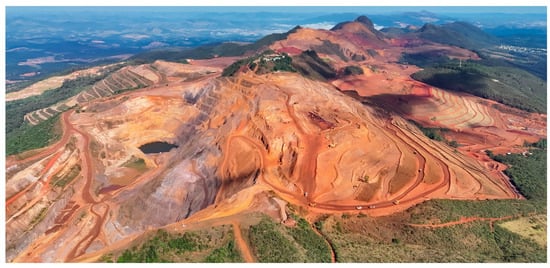
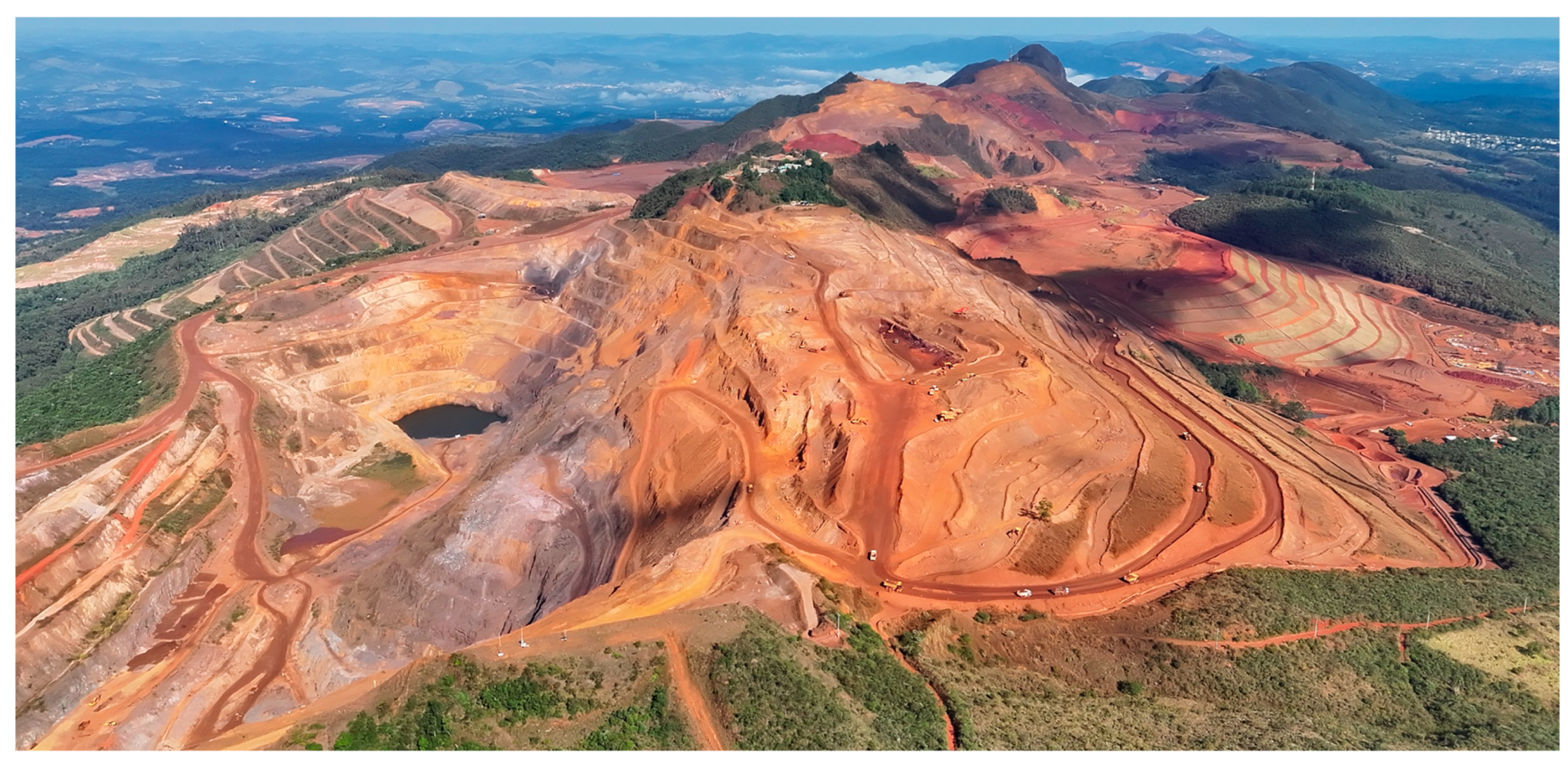
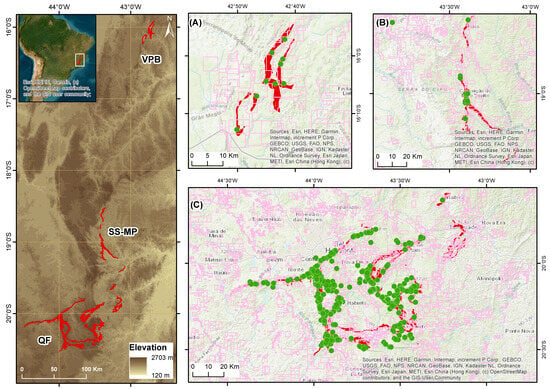
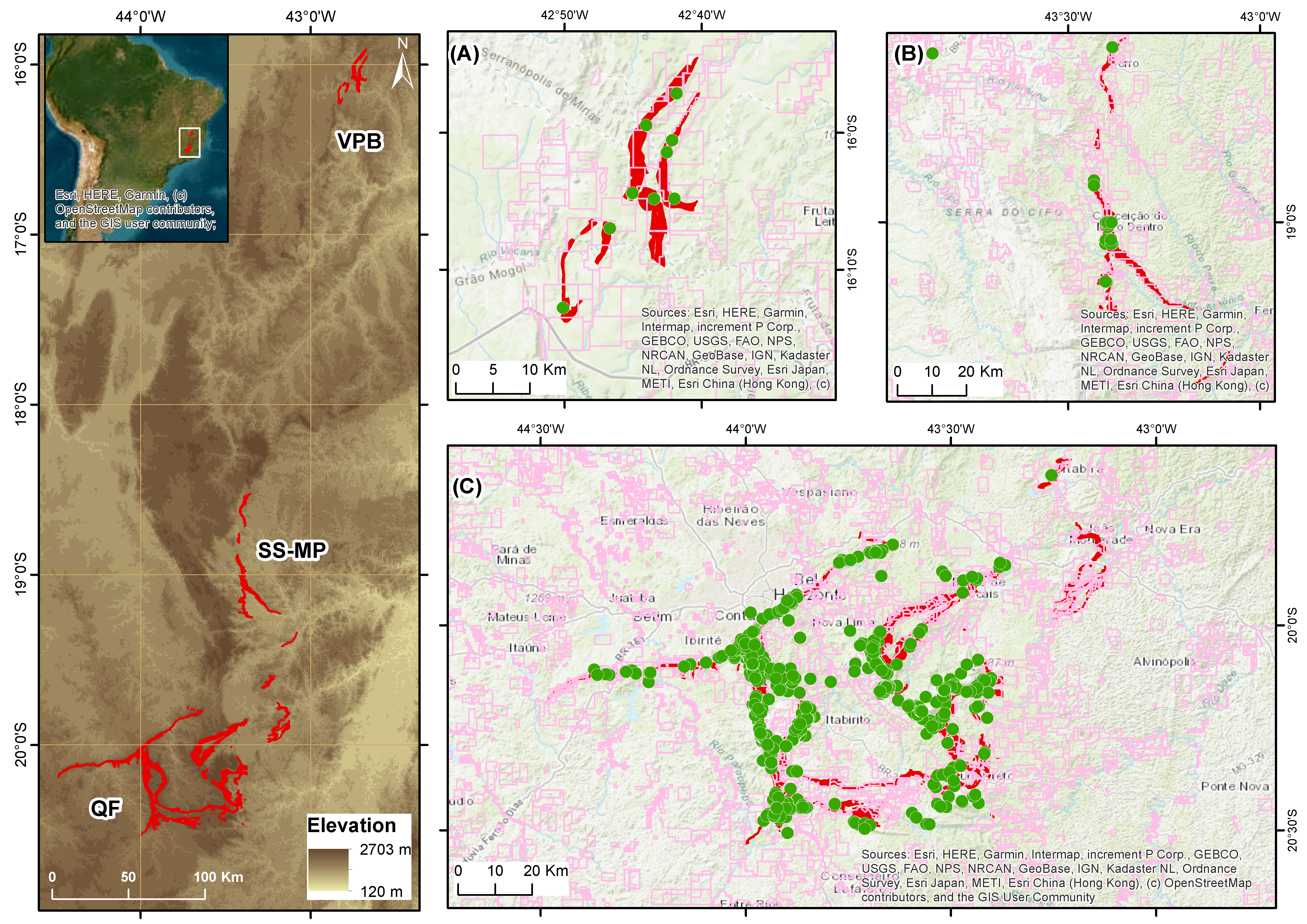
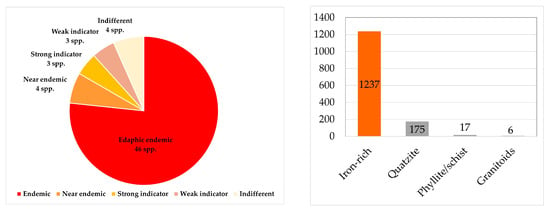
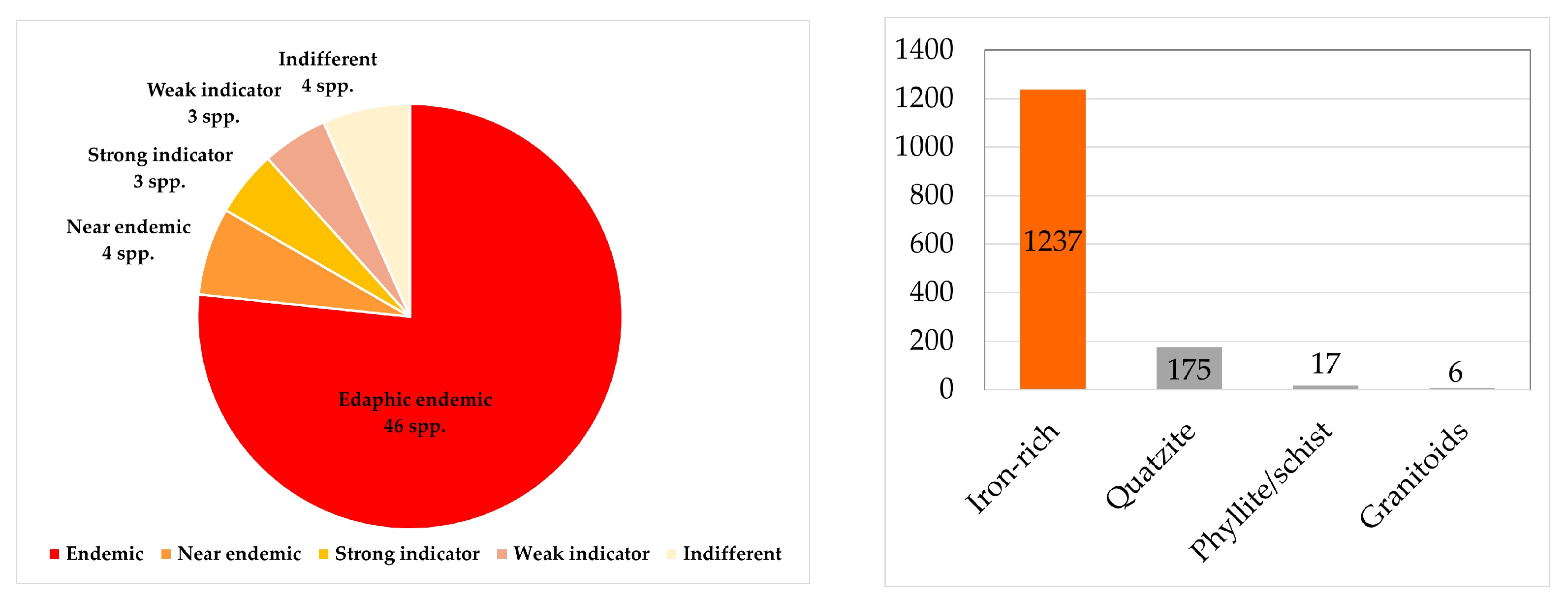
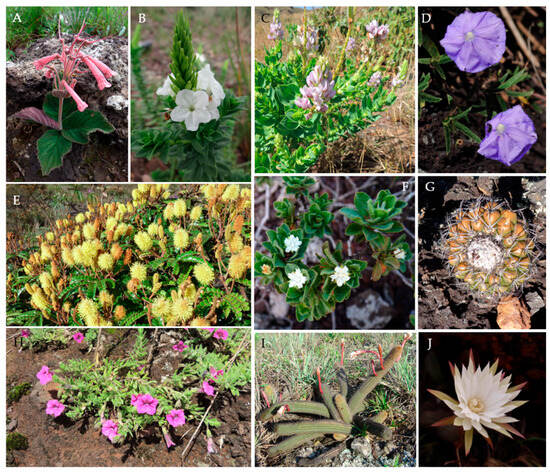
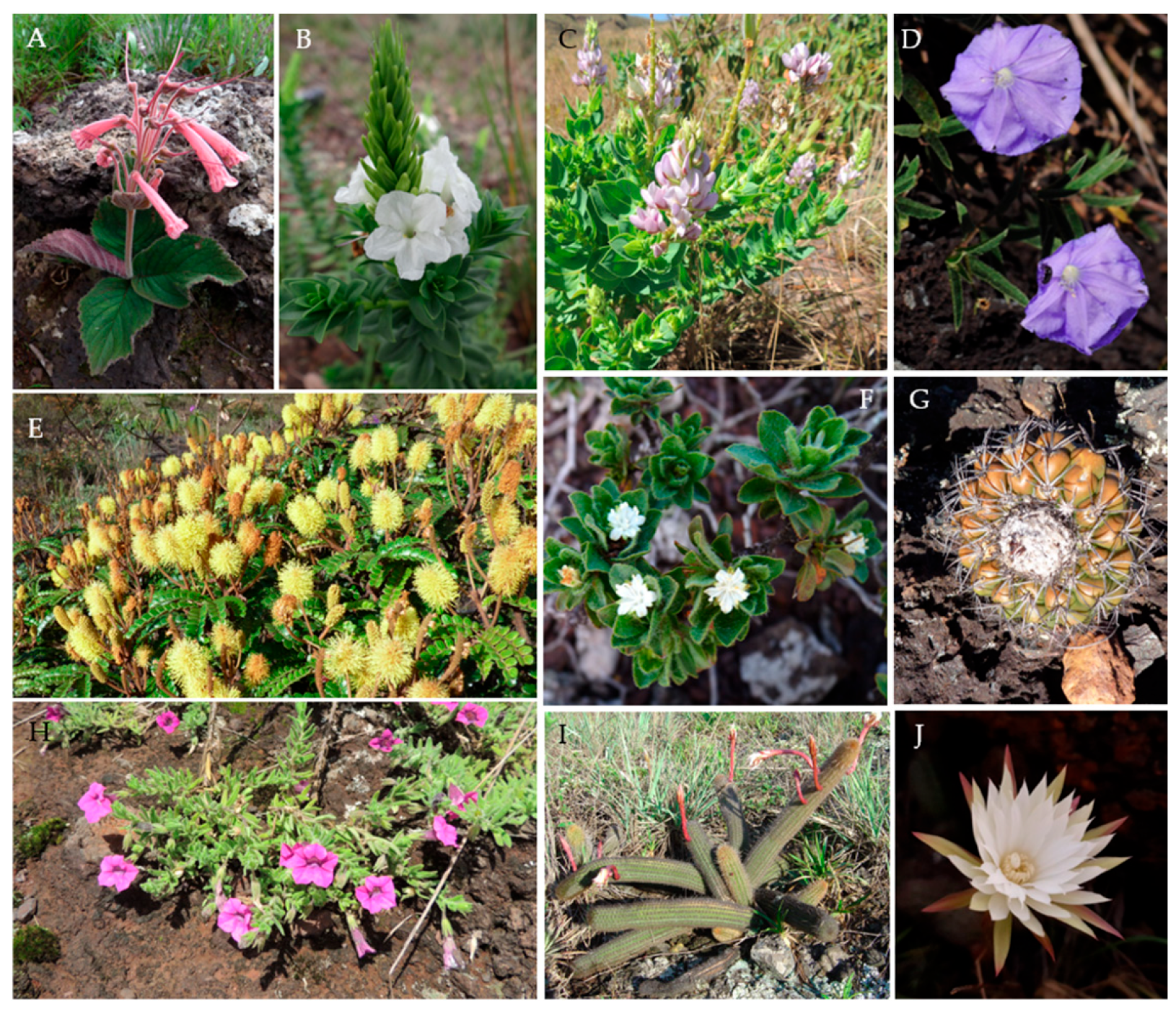
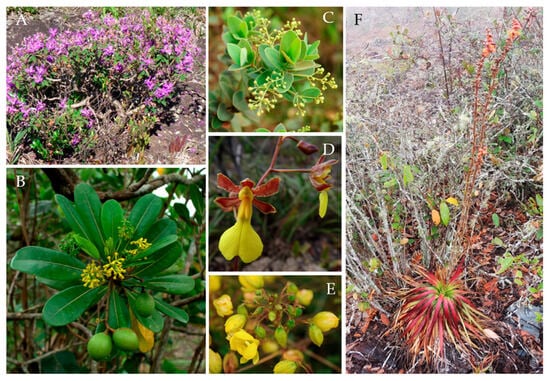
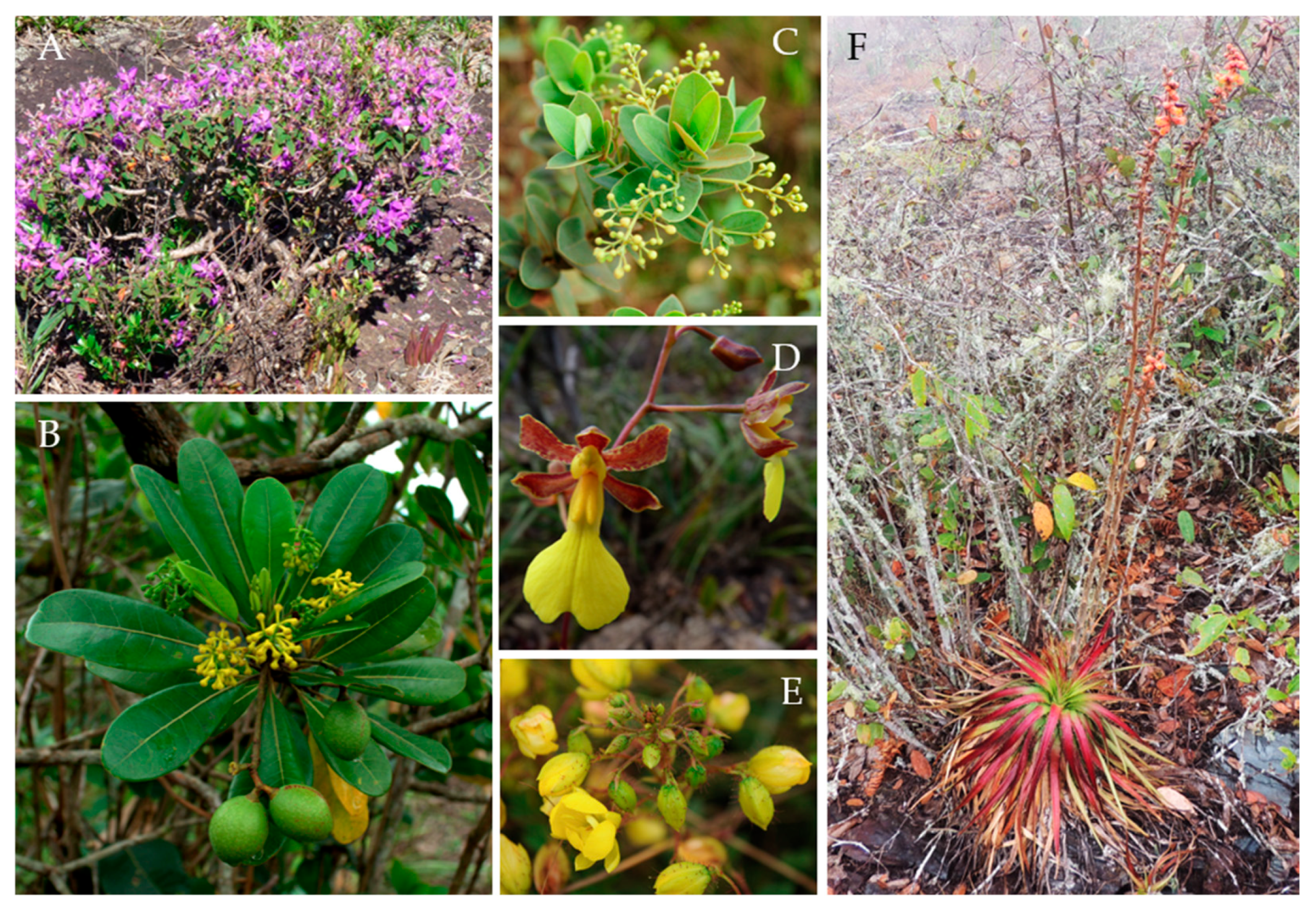
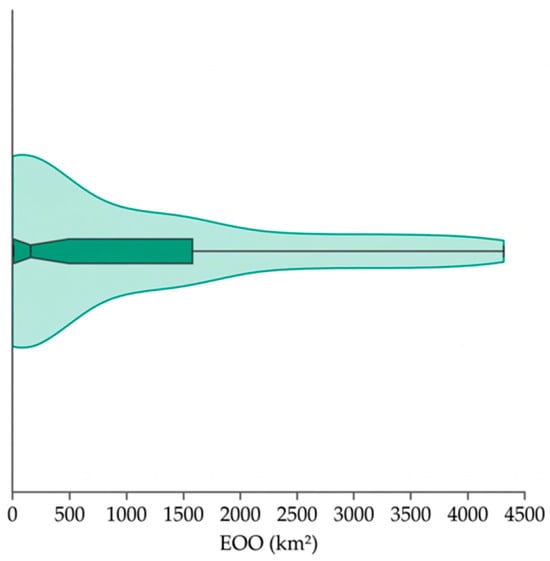
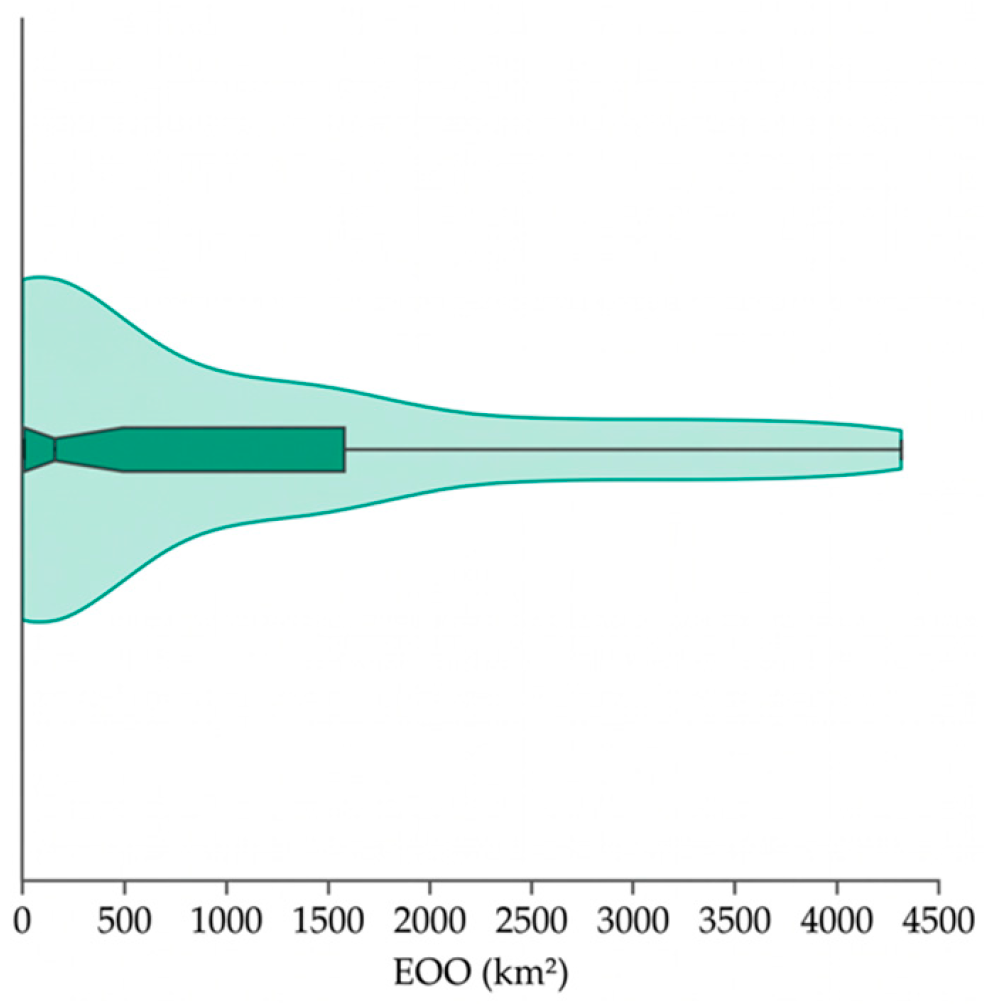
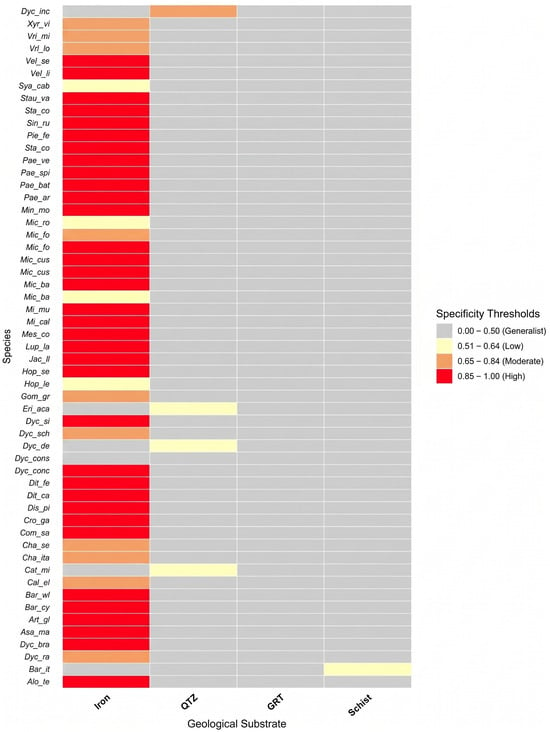
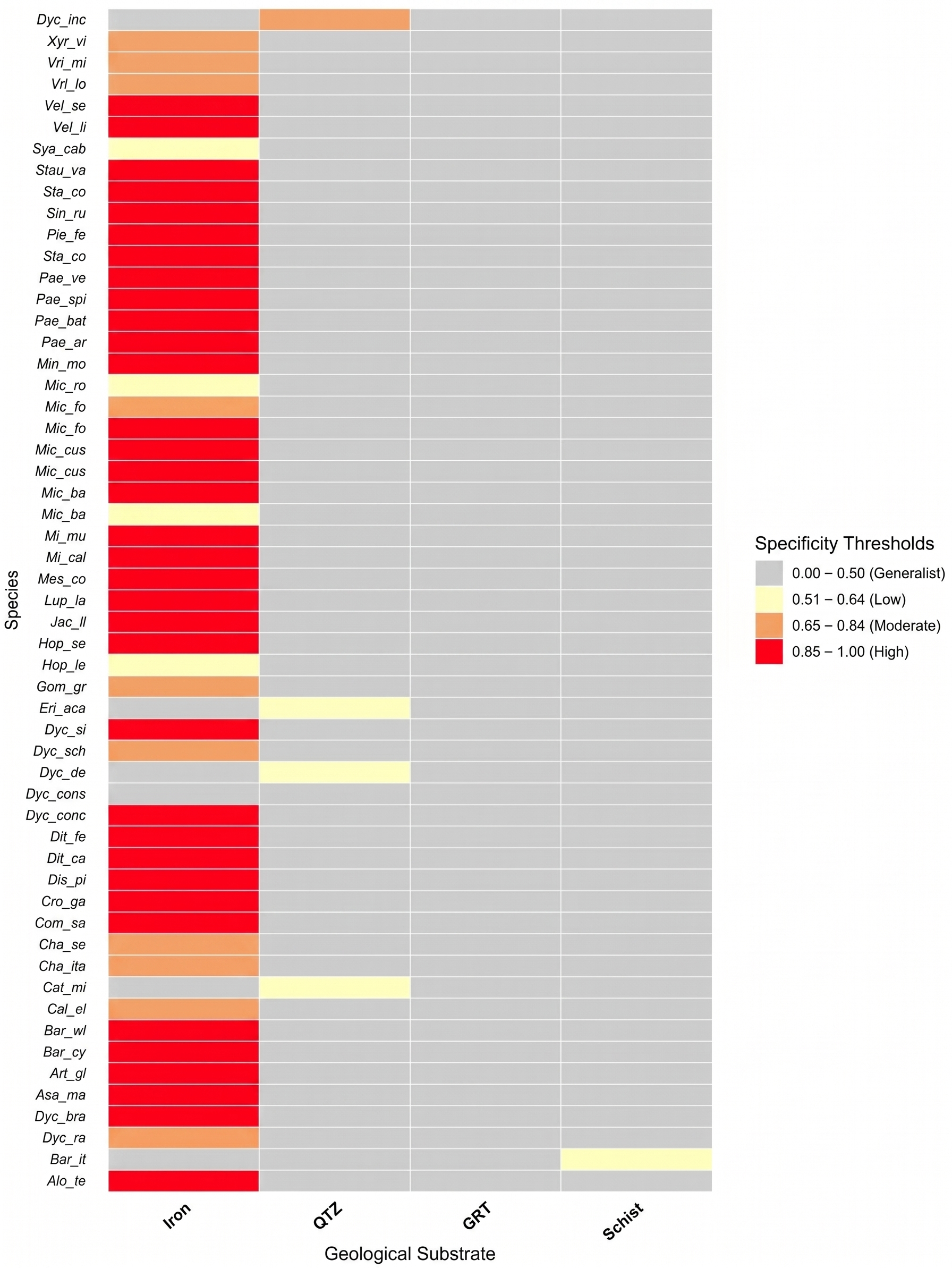
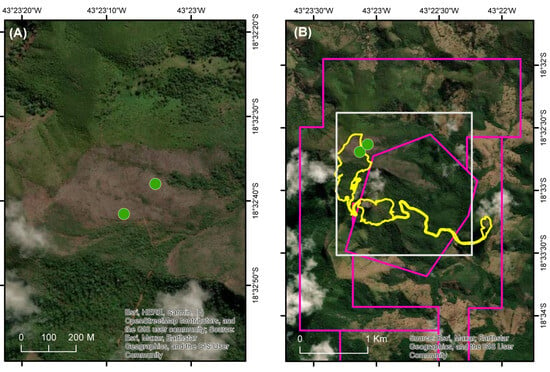
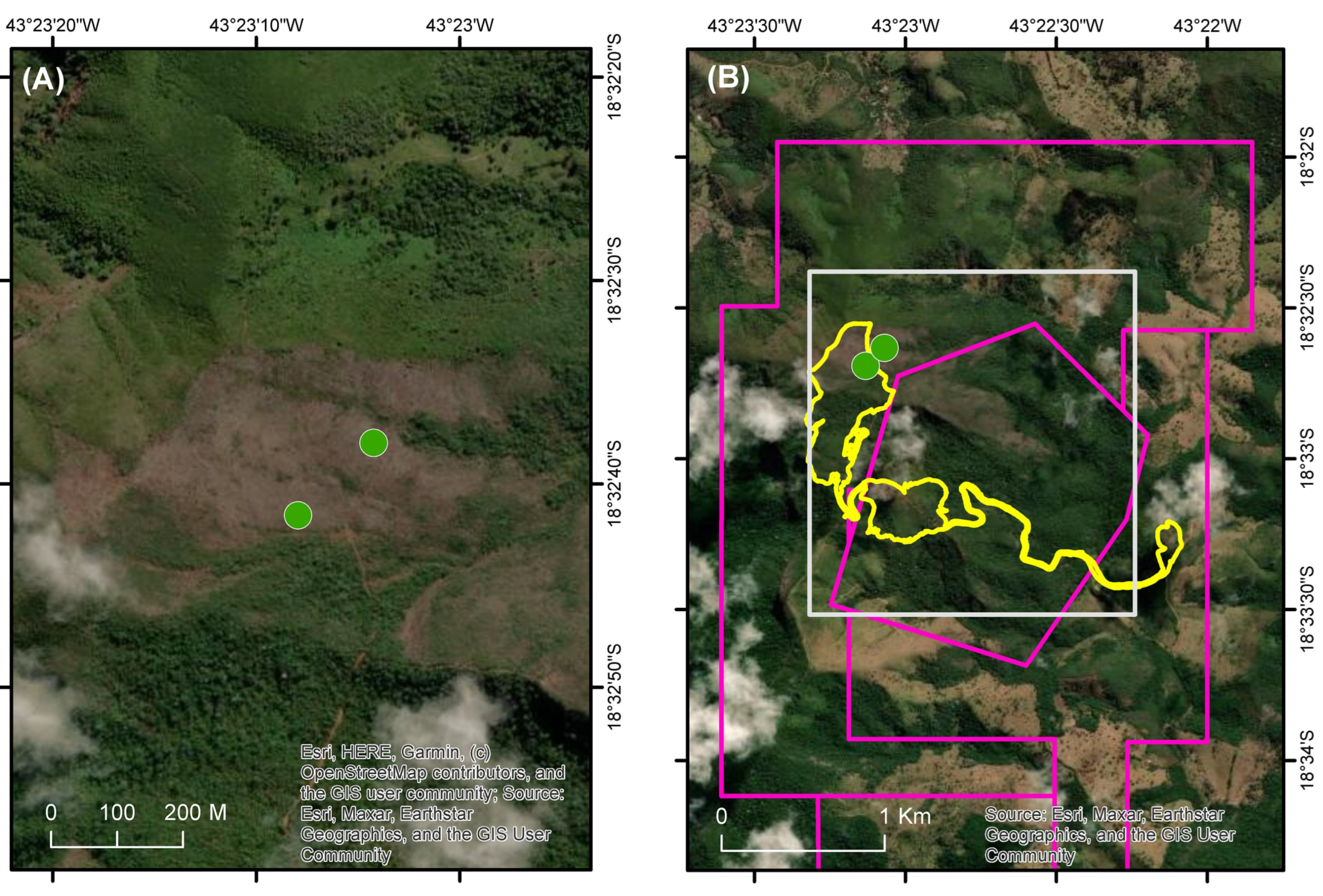

Disclaimer/Publisher’s Note: The statements, opinions and data contained in all publications are solely those of the individual author(s) and contributor(s) and not of MDPI and/or the editor(s). MDPI and/or the editor(s) disclaim responsibility for any injury to people or property resulting from any ideas, methods, instructions or products referred to in the content. |
© 2026 by the authors. Licensee MDPI, Basel, Switzerland. This article is an open access article distributed under the terms and conditions of the Creative Commons Attribution (CC BY) license.