


Abstract
Phenylpropanoid and flavonoid biosynthesis supplies plants with structurally diverse metabolites whose activities depend on where they are produced, modified and deposited. This review examines how branch enzymes, transcriptional control, protein turnover and compartmentation determine these products and their functions from the rhizosphere to the leaf. Root-secreted coumarins mobilize iron and influence microbial communities; root flavonols regulate auxin transport and reactive oxygen species. Lignin forms selective root barriers and reinforces water-conducting vessels, while leaf flavonoids screen radiation and modulate guard cell redox signals. Evidence for these local functions is stronger than evidence for a continuous metabolic connection between roots and leaves. Where distal responses occur, changes in water or nutrient supply, signaling and movement of a specific metabolite must be distinguished.
1. Introduction
Roots absorb water and mineral elements from the soil, whereas leaves assimilate carbon using light energy. Their coordination depends on vascular structures, growth regulation, and bidirectional signals. Phenylpropanoid and flavonoid metabolism convert shared carbon skeletons into lignin, coumarins, and diverse flavonoids, which contribute to cell wall formation, rhizosphere interactions, and responses to light intensity and redox regulation, respectively. Gene family expansion and functional divergence have generated distinct chemical profiles in different plants; a uniform antioxidant effect therefore cannot explain all of these functions [1,2]. The local effects of metabolic nodes on rhizosphere communities, root barriers, or leaf physiology are insufficient to establish complete mechanisms linking organs. Here, inter-organ integration means that a pathway perturbation in one organ changes a measured function in another through an identified resource, metabolite or signal. A whole-plant benefit requires a separate physiological test. Studies of microbiota–root–shoot interactions have shown that the light environment of leaves can alter belowground microbial communities, while root-associated symbiotic microorganisms can also adjust aboveground growth and defense, illustrating bidirectional communication rather than demonstrating transport of phenylpropanoids or flavonoids [3]. Focusing on the phenylpropanoid and flavonoid metabolic pathways, this review discusses tissue functions alongside related branches, including anthocyanin modification, flavonol glycosylation, and isoflavone metabolism. The importance of isoflavones in legumes should not be extrapolated to all plants, while the transformation of plant phenolics by rhizosphere microorganisms involves shared host–microbial metabolism. Comparisons across species must account for differences in tissues, enzyme isoforms, and metabolite structures [4,5]. Across the tissues illustrated in Figure 1, their bioactivities include selective microbial inhibition, ultraviolet screening and local buffering of reactive oxygen species. Evidence from adjacent pathways illustrates possible mechanisms; it does not establish inter-organ integration of phenylpropanoid or flavonoid metabolism.
Figure 1.
Sites of phenylpropanoid and flavonoid activity from soil to leaves. Insets illustrate rhizosphere secretion, root barriers, lignified vessels, and leaf photoprotection and stomatal regulation. Blue and brown arrows indicate the upward movement of water and nutrients and the downward movement of photosynthetic carbon, respectively; gray lines indicate magnified views. Phenolics can be synthesized locally in each tissue. The diagram does not imply that all flavonoids are transported from roots to leaves. Structures are not drawn to scale.
2. Biosynthesis and Branch Enzymes
In the canonical phenylpropanoid pathway, phenylalanine ammonia-lyase (PAL) converts L-phenylalanine into trans-cinnamic acid. Cinnamate 4-hydroxylase (C4H) and 4-coumarate–CoA ligase (4CL) subsequently produce p-coumaroyl-CoA, connecting the pathway to the flavonoid branch (Figure 2). Some monocot isoenzymes also possess tyrosine ammonia-lyase activity, which requires biochemical verification. Structural and mutational analyses of sorghum SbPAL1 support divergence among entry enzymes [6], whereas studies of bryophyte CYP73 support conservation of C4H function [7]. Chalcone synthase (CHS) catalyzes the condensation of one molecule of p-coumaroyl-CoA with three molecules of malonyl-CoA to form naringenin chalcone, which chalcone isomerase (CHI) subsequently converts into naringenin. Flavanone 3-hydroxylase (F3H), flavonol synthase (FLS), dihydroflavonol 4-reductase (DFR), and anthocyanidin synthase (ANS) determine subsequent branches. F3H and flavonoid 3′-hydroxylase (F3′H) have different functions. Noncatalytic CHIL can interact with CHS to reduce by-products and improve chalcone formation, illustrating how enzyme cooperation influences actual output [4,8].
Figure 2.
Phenylpropanoid and flavonoid biosynthesis and representative sites of activity. PAL, C4H and 4CL connect phenylalanine to p-coumaroyl-CoA. Downstream reactions yield coumarins, monolignols and flavonoids. CHS and CHI produce naringenin in successive steps; F3H supplies dihydroflavonols to the FLS and DFR branches. The root, vessel and leaf illustrate functions rather than exclusive sites of synthesis or a transport route between organs. Purple shading highlights coumarin secretion and flavonoid-associated regions; ochre highlights lignified walls. Other colors distinguish anatomical structures.
The monolignol branch produces p-coumaryl, coniferyl, and sinapyl alcohols through hydroxylation, methylation, and reduction, corresponding to the H, G, and S units of lignin. Caffeoyl shikimate esterase (CSE) and HCT participate in intermediate conversion. Poplar CSE1 and CSE2 single and double mutants show different phenotypes, indicating that isoenzyme redundancy requires functional validation [9]. F5H promotes hydroxylation at position 5 of the aromatic ring and the formation of S lignin; in Arabidopsis, tissue preferences in its electron supply system further influence lignin composition [10]. Shared precursors do not mean that lignin and flavonoids necessarily change in opposite directions. Increased precursor supply may support both branches, whereas pathway blockage may trigger feedback or bypass routes. Some flavonoids also participate directly in lignin polymerization, as exemplified by tricin in grasses [11]. Naringenin chalcone, naringenin, and dihydrotricin have also been detected covalently linked to lignin in papyrus [12]. These findings indicate that the phenylpropanoid and flavonoid metabolic pathways can converge at the level of terminal structures.
Glycosylation, acylation, and methylation can alter aglycone solubility, stability, membrane permeability, and recognition by transport systems. Grapevine MATE proteins exhibit substrate selectivity in the vacuolar transport of acylated anthocyanins, but transport between compartments does not establish movement between organs [13]. Coumarin glycosides, free forms, and exported products in roots must also be quantified separately to connect accumulation within roots with rhizosphere exposure [14]. Precursor supply is constrained by upstream feedback. In petunia, increasing the activity of feedback-insensitive enzymes in the pathway derived from prephenate does not always sustain an increase in phenylalanine, and excessive expression can reveal constraints further upstream [15]. The evolution of ADT feedback regulation in vascular plants is associated with high production of downstream derivatives [16]. Increasing downstream enzyme abundance need not increase precursor supply. Product function also depends on where the compound acts (Table 1).
Table 1.
Major products of the two pathways and their spatial functions.
3. Rhizosphere Interactions and Root Functions
3.1. Nutrient Mobilization and Secretion
The effective concentrations and activities of rhizosphere compounds are jointly controlled by pH, redox conditions, mineral adsorption, diffusion, and microbial turnover. Under iron deficiency, Arabidopsis improves iron acquisition through phenylpropanoid-derived coumarins, with genetic studies of F6′H1 and root metabolomics providing evidence for a specific branch. Secretion defects cause pronounced iron nutritional disorders in alkaline substrates, showing that the soil context directly contributes to the mechanism [26,27,28]. Coumarin action depends on chemical structure and external pH. Modification of scopoletin by enzymes including S8H produces fraxetin, which is further oxidized to sideretin. Fraxetin and sideretin differ in their capacities for iron mobilization and reduction and in their suitable pH ranges. Studies in Arabidopsis show that fraxetin can still mobilize Fe3+ under alkaline conditions, whereas the contribution of direct Fe3+ reduction by coumarins decreases. Chelation and reduction must therefore be measured separately rather than treated as a single environmentally invariant process [17,29,30,31]. Studies of mineral reactions show that fraxetin can promote phosphate release from iron oxide surfaces, with effects constrained by pH and oxygen, providing a chemical basis for connections between iron and phosphorus cycling. However, the amount released in mineral systems cannot substitute for evidence of field uptake or yield. Its contribution in soil still requires verification that incorporates rhizosphere concentrations, adsorption losses, microbial competition, and plant uptake [32].
Metabolites must move from their sites of synthesis to the root surface. ABCG37/PDR9 participates in coumarin efflux and exhibits structural selectivity; COSY contributes to isomerization and lactonization; and MYB72 and its downstream β-glucosidase BGLU42 connect iron deficiency responses, glycoside processing, and rhizosphere release. Increased total abundance within roots may arise from enhanced synthesis or impaired efflux, so compounds within roots, at the root surface, and in the medium must be quantified separately [14,33,34,35]. The localization of NPF7.2 in peripheral root tissues and its coumarin uptake activity support a model of intercellular reloading that facilitates efflux, but do not demonstrate direct uptake of soil iron–coumarin complexes. Fraxetin can still improve iron nutrition in the absence of IRT1, suggesting a mechanism that is not entirely dependent on classical Fe2+ uptake. The specific forms absorbed and the transport components involved remain to be resolved. These findings concern coumarin distribution and iron uptake, respectively, and cannot be combined into a fully established transport chain [36,37].
3.2. Rhizosphere Microbial Interactions
Studies using MYB72-deficient and coumarin-deficient lines, community sequencing, and microbial strains show that plant phenolics alter microbial assembly through selective inhibition, with effects differing among strains. Harbort and colleagues further connected coumarin secretion and microbial community function with plant iron nutrition. The enrichment of beneficial bacteria should be evaluated using strain functions, host phenotypes, and reinoculation experiments, rather than inferred solely from an increase in the relative abundance of a genus [18,38,39]. In cultivated quinoa (Chenopodium quinoa), a core endophytic bacterial community persisted across genotypes and water treatments [40]. This describes community composition; it does not identify flavonoids as the selective agents.
Microorganisms can alter the iron-mobilizing activity of root exudates (Figure 3). Certain root endophytic fungi convert scopoletin into esculetin, which is more favorable for iron mobilization [41], while bacterial β-glucosidases can release aglycones with different activities [42]. Some rhizosphere bacteria degrade coumarins, enhancing their own colonization while weakening host adaptation to iron deficiency [43]. The net effect of increased secretion therefore depends on the transformation products and whether their resource acquisition functions are retained. Studies in Arabidopsis show that coumarin chemotypes at different pH values can improve iron nutrition by cooperating with bacterial siderophore-associated chelation or reduction processes controlled by redox sensing. These findings connect soil chemistry, plant metabolism, and microbial function, suggesting that applications should select plant chemotypes and microbial combinations suited to the soil conditions [44].
Figure 3.
Rhizosphere phenolic efflux and its effects on nutrients and microorganisms. The left side summarizes synthesis, BGLU42-associated glycoside processing, and PDR9/ABCG37-mediated efflux. Rhizosphere coumarins connect iron mobilization with root uptake and are subject to microbial transformation and degradation. The diagram does not distinguish all chemical intermediates or imply that all microbial effects are beneficial. Phosphorus release represents evidence from mineral systems only. Purple, blue, and yellow dots represent coumarins or their derivatives, mobilized iron, and released phosphorus, respectively. Microbial colors distinguish schematic cells, not identified taxa.
Root-derived flavonoids in legumes can induce rhizobial nod genes, but effective signals vary with the host and developmental stage. Active exudates from young alfalfa roots are not equivalent to luteolin in seed extracts, and extract activity cannot replace evidence of rhizosphere exposure. Genetic and chemical complementation studies in Medicago truncatula further show that flavonoids participate in nodule initiation through local auxin transport, serving both microbial signaling and host developmental functions [45,46]. In nonlegumes, root-derived flavonoids in maize can enrich Oxalobacteraceae, linking lateral root development with nitrogen acquisition under nitrogen deficiency [47]. In hexaploid wheat, editing the flavonoid pathway to increase apigenin has connected exudation, diazotroph colonization, biofilm formation, nitrogen nutrition, and grain yield [48]. This does not mean that all flavonoids stimulate nitrogen fixation or establish legume-like nodular symbioses; whether the nitrogen and yield benefits persist across soils and growth stages remains to be tested. In quinoa, inoculation with root symbiotic fungi improved nitrogen transfer and plant performance [49].
3.3. Root Development
Root resource acquisition depends on absorptive surface area, branching position, and growth direction. Studies of Arabidopsis tt4 lines and complementation show that flavonoid deficiency can alter auxin transport, gravitropism, and light responses, whereas abnormal flavonol accumulation in rol1-2 alters cell morphology and the transport of some auxin analogs. Total flavonoid abundance therefore cannot fully characterize developmental regulation; root tips, elongation zones, lateral root regions, and chemical modifications must be distinguished [50,51,52]. Flavonols affect root hairs and lateral roots through reactive oxygen species (ROS), but the direction of their effects depends on the system. In the Arabidopsis root epidermis, flavonols restrict H2O2 accumulation and root hair formation. In lateral root primordia, kaempferol or its derivatives are associated with lower superoxide signals and reduced lateral root emergence. Studies of tomato mutants instead support a role for flavonols in promoting lateral root formation. Interpreting these differences requires consideration of species, developmental stage, and the background of mutations in pathway branches [20,21,53].
Root exposure to light is an important confounding factor. Light exposure of Arabidopsis roots can cause local flavonol accumulation and alter the transition from proliferation to differentiation and the direction of growth. Results from transparent culture plates therefore cannot directly represent roots growing in dark soil. Soil–root–leaf experiments must independently control root shading, leaf illumination, and culture conditions to distinguish distal signals from local effects of light exposure [54].
3.4. Root Barriers
Water and ions must cross selective interfaces formed by cell walls and membrane transport before entering the stele. The initial Casparian strip (Figure 4A) in Arabidopsis consists of lignin, distinct from the suberin lamellae formed later. MYB36 regulates genes including CASP1, PER64, and ESB1 to promote localized deposition. Ectopic lignification caused by ESB1 deficiency does not demonstrate barrier restoration. Assessing barrier functions of the phenylpropanoid pathway requires simultaneous consideration of polymer quantity, location, and continuity [22,55,56]. CIF peptides and the SGN3/GSO1 receptor participate in barrier surveillance. When the barrier is discontinuous, peptide signals originating in the stele can activate the receptor pathway at abnormal positions, coordinating local ROS and compensatory lignification. Studies of the SCHENGEN pathway show that ROS perform both reaction and signaling functions in this context. Research on dirigent complexes further supports mechanisms that spatially organize lignin polymerization and barrier assembly [57,58,59,60].
Figure 4.
Tissue-specific functions. (A) The cross marks the lignified strip in the radial wall between endodermal cells, where it interrupts apoplastic diffusion toward the stele. The pericycle lies immediately inside the endodermis. (B) Xylem lignification supports water transport; grapevine tonoplast MATE transporters mediate uptake of selected acylated anthocyanins. (C) In poplar, wall lignification is associated with guard cell deformation and aperture; flavonol buffering of ROS affects stomatal closure through a distinct mechanism. Blue arrows indicate water movement, purple dots represent phenolic compounds, and yellow-orange bands highlight lignified walls; the red cross indicates blocked apoplastic diffusion.
Following Casparian strip damage, plants can reduce root hydraulic conductivity, adjust aquaporins, and increase suberization to limit leakage, accompanied by ABA-dependent stomatal closure. Phenylpropanoid-associated structures in roots can therefore influence leaves through water status and signaling, without requiring lignin or flavonoids to move between organs [61]. Crop barriers must be discussed in their anatomical context. Rice possesses barriers associated with the endodermis and exodermis. OsCIF–OsSGN3 exhibits conserved regulation while also involving nonendodermal responses, and OsDIR55 connects barrier changes, Na+ accumulation, and salt tolerance. Improvement strategies should optimize lignification at specific positions, avoiding excessive barriers that increase the costs of water and nutrient acquisition, and evaluate net effects through root hydraulics, ionomics, and whole-plant growth [62,63].
4. Vascular Transport and Leaf Adaptation
4.1. Lignification and Transport
Lignin maintains the integrity of water-conducting and supporting tissues. Editing associated with C3′H in poplar alters lignin content and composition, accompanied by vessel collapse, reduced hydraulic conductance and photosynthetic efficiency, and increased flavonoids. These results show that diverting carbon from lignin to flavonoids does not necessarily improve stress tolerance; increased soluble defenses failed to compensate for damage to transport structures [64]. Lignification can depend on neighboring cells. The zinnia vessel differentiation system supports the continued contribution of adjacent living cells to lignification after cell death. Cell-specific interventions in Arabidopsis show that parenchyma cells can support xylem lignification, whereas interfascicular fibers are more autonomous. This separation of synthesis and deposition is a local tissue process and indicates that xylem transcripts alone cannot represent all sources of monolignols [23,65].
The localization and substrate preferences of laccases and peroxidases influence cell wall polymerization. Cotton GhLAC15 connects defense-induced lignification and compositional changes with resistance to Verticillium wilt. Rice CYP75B4 affects tricin, lignin deposition, stem strength, and performance under salt stress, linking tricin biosynthesis to lignin composition within the stem. These conclusions should remain specific to the materials and treatments examined, rather than being reduced to a universally optimal S/G ratio [66,67]. Silencing CHS in maize reduces tricin incorporation but can increase lignin in some tissues and alter polymer structure, showing that the flavonoid entry point affects both soluble products and cell wall assembly. Optimal configurations for lodging resistance, hydraulic conductance, and forage processing may differ. Evaluation must therefore integrate total lignin, H/G/S composition, the forms in which tricin is incorporated, and the distribution of vessels and fibers, rather than merely compare staining intensity [68].
Local application combined with fluorescence and chromatography in Arabidopsis shows that naringenin and some dihydroflavonols can be taken up, move to distal sites, and undergo conversion, whereas kaempferol and quercetin have different uptake constraints. However, findings from exogenous supply and seedlings do not establish widespread, substantial upward transport of root-derived flavonoids in mature crops. Quercetin at distal sites may also be formed locally from a mobile precursor [69]. Verifying root-to-leaf transport requires distinguishing export of intact molecules, movement followed by conversion of precursors, and leaf synthesis induced by root signals. Key evidence includes organ-specific isotope labeling, time-series sampling of xylem or phloem, structural identification, and complementation of synthesis defects between rootstock and scion. Exchange between neighboring cells, vacuolar transport (Figure 4B), and movement between organs occur at different scales and require separate validation.
4.2. Leaf Protection and Stomatal Regulation
The functions of leaf phenolics depend on localization. UV-absorbing substances near the epidermis screen radiation, whereas compounds close to ROS sources may directly regulate local redox conditions. Arabidopsis mutants deficient in flavonoids or sinapate esters demonstrate that multiple classes of phenolics contribute to UV-B protection. In rice, F3H overexpression is accompanied by flavonoid accumulation and improved tolerance under drought and UV exposure, although the effects must be interpreted in relation to irradiation dose and stress combinations [24,70]. Anthocyanin-mediated light screening carries costs. Tomato lines with replacement of the ANT1 promoter are protected under high light but also exhibit thinner leaves, altered branching, and reduced photosynthetic rates. Darker leaves or increased anthocyanins therefore cannot directly serve as indicators of high yield. Belowground resource acquisition should be evaluated together with investment in leaf photoprotection and gains in carbon assimilation [25]. Quinoa grains of different colors also differ in flavonoid and phenolic acid profiles [71]; this compositional evidence does not establish photoprotection in leaves.
ABA-induced ROS accumulation in guard cells contributes to stomatal closure. Increased flavonols in Arabidopsis can buffer ROS and slow closure [19], with corresponding changes observed in tomato mutants [72]. Editing of tobacco NtMYB184, together with promoter and physiological evidence, further connects ethylene-induced flavonol synthesis with antagonism of ABA [73]. Local antioxidant activity may therefore alleviate damage while also weakening the closure signals required for water conservation (Figure 4C; Table 2). Products of the phenylpropanoid pathway also participate in leaf structural regulation. Poplar PtrLAC17 is localized in stem xylem and guard cell walls, and transgenic studies connect lignification, stomatal aperture, hydraulic conductance, and drought performance, supporting coordination by the same polymerizing enzyme across tissues rather than transport of the polymer. Guard cell walls differ among species, so this mechanism still requires species-specific verification [74]. Evaluation of leaf function requires joint measurements of net photosynthetic rate, stomatal conductance, transpiration, leaf water potential, and growth recovery. Radical-scavenging capacity in leaf extracts cannot localize guard cell ROS. Low stomatal conductance may represent water conservation or restricted water supply, whereas high conductance may increase carbon assimilation and the risk of water loss. Interpretation must consider whole-plant water supply and demand.
Flavonoid deficiency in tomato glandular trichomes is accompanied by ROS imbalance and altered terpene synthesis, indicating that flavonoids can maintain the metabolic environment of secretory cells [75]. Chickpea CaMYB39 connects flavonols, trichome traits, and fungal invasion, supporting cooperation between surface chemistry and structure [76]. These local mechanisms may be obscured by average values from whole-leaf metabolomics. Heterologous expression of Atriplex AcCHI supports an influence of flavonoid synthesis on salt and osmotic stress phenotypes [77]. Studies of the alfalfa MsMYB12–MsFLS13 module provide promoter-binding and functional evidence for responses to cold and saline–alkaline stress [78]. Subcellular metabolomics and proteomics during cold acclimation in Arabidopsis show that the effects of flavonoid deficiency vary with acclimation stage and involve carbon and nitrogen metabolism, photorespiration, and protein homeostasis, emphasizing the importance of timing and compartments [79].
Table 2.
Representative evidence for the organ-specific functions and proposed cross-organ links and limits to extrapolation.
5. Root–Shoot Communication and Metabolic Regulation
5.1. Root–Shoot Communication
Research on CLE25 in Arabidopsis connects a root-derived water deficit signal with leaf ABA accumulation and stomatal regulation. This peptide is not a product of the phenylpropanoid or flavonoid pathway, but provides a communication framework for explaining how local changes in roots affect leaves. Integrative models should distinguish metabolic reactions from upstream or parallel peptide and hormonal regulation [81]. CEP-related signals produced by nitrogen-deficient roots are perceived by receptors in the shoot, after which leaf-derived CEPD-like polypeptides regulate high-affinity nitrate acquisition by roots, forming a demand feedback loop. Connections between this loop and rhizosphere flavonoid–microbial effects should currently be treated as hypotheses. Demonstration in the same plant is needed to show that metabolic perturbation alters peptide signaling and downstream physiology [82,83].
Leaves influence roots through carbon supply and light signals. HY5 was reported to move from shoots to roots and coordinate carbon and nitrogen acquisition. However, subsequent studies found that shoot-restricted HY5 activity could still restore some root phenotypes, suggesting that downstream or parallel signals can also convey information. These results distinguish a role for shoot HY5 activity from a requirement for the protein itself to move to roots [84,85]. Induction of root MYB72 and iron acquisition responses by rhizobacterial volatiles requires photosynthesis-related signals, whereas induction by iron deficiency can exhibit a different dependence on the shoot. MYB72 can therefore integrate local nutrient status with distal carbon status, and its upregulation alone cannot identify the same stress. Experiments on rhizosphere secretion must also control illumination, leaf age, and sampling time [86].
Root MYB72 is an early requirement for systemic resistance induced by beneficial bacteria, but overexpression of MYB72 alone is insufficient to produce complete resistance. BGLU42 further connects phenolic release with systemic resistance. This supports an influence of local root regulation on leaf defense, but does not establish scopoletin as the mobile carrier from roots to leaves. Required nodes must be distinguished from mobile signals [35,87]. Soil conditioning studies of Arabidopsis downy mildew show that coumarin biosynthetic genes contribute to a soil microbial community that primes salicylic acid (SA)-dependent defenses in subsequently planted individuals. Transmission through conditioned soil does not establish inheritance through seed [80].
Water and peptide signals from roots, and carbon and nitrogen-demand signals from shoots, can affect the receiving organ (Figure 5). CLE25 and CEP signaling illustrate communication between organs; neither demonstrates phenolic transport.
Figure 5.
Root–shoot communication. During water deficit, root-derived CLE25 promotes ABA accumulation in leaves. Shoot-derived CEPD-like peptides regulate root nitrate uptake in response to nitrogen demand. Water and nutrients move toward the shoot; photosynthetic carbon moves toward the roots. HY5 helps coordinate growth, but the need for HY5 protein movement depends on the experimental system. Dashed lines indicate an unidentified signal in induced systemic resistance and a soil legacy effect that depends on environmental conditions. Blue arrows indicate upward movement of water, nutrients, or CLE25 signals; ochre arrows indicate downward movement of photosynthates or CEPD-like signals. Purple symbols represent rhizosphere microorganisms and associated processes.
5.2. Transcriptional and Epigenetic Regulation
The MBW complex regulates anthocyanins and proanthocyanidins but does not represent all phenolic branches. Arabidopsis MYB4 influences MBW through interactions with bHLH proteins and also regulates phenylalanine supply, whereas Gerbera GhMYB1a illustrates differential regulation of flavonols and anthocyanins. MYB functions must be verified through target promoters, interactions, and products, rather than inferred solely from phylogeny or coexpression [88,89]. Poplar MYB6 promotes anthocyanin and proanthocyanidin production and influences secondary walls through KNAT7. PtoMYB10 promotes wall thickening in the xylem, accompanied by reduced anthocyanins, showing the tissue dependence of regulation. Soybean GmZFP7 coordinates the entry into isoflavone biosynthesis and competing branches, illustrating lineage differences. Changes in expression and abundance do not establish absolute flux and should not be directly extrapolated to plants lacking equivalent branches [90,91,92].
In Ginkgo biloba, the LncNAT11–GbMYB11–GbF3′H/GbFLS module regulates flavonols and ROS under salt stress through an antisense long noncoding RNA and MYB. In tea, networks associated with CsmiR858a and CsMYBL2 connect light and temperature conditions with anthocyanins and catechins. These examples support regulation of specific branches by noncoding RNAs, rather than a uniform response direction under all stresses [93,94]. In wild potato, ScWRKY41 binds the ScF3′H promoter and recruits the acetyltransferase ScHAC1, increasing local acetylation and transcription and affecting flavonoid hydroxylation and freezing tolerance. This establishes a connection from transcription factor to chromatin, enzyme gene, and phenotype. Local modifications still do not demonstrate long-term or transgenerational memory, which requires evidence from recovery periods, progeny, and genetic segregation [95].
5.3. Protein Homeostasis and Compartmentation
KFBCHS mediates the ubiquitination and degradation of CHS, allowing development and the light environment to regulate flavonoid output through protein homeostasis. PAL is also controlled by degradation. Glucosinolate intermediates in Arabidopsis can affect PAL and its products through KFB-associated mechanisms, while perturbation of methionine also suggests cross-regulation between branches. Changes in entry enzymes therefore do not necessarily arise from feedback within the phenylpropanoid pathway itself [96,97,98]. Research on Arabidopsis RHA2b–MYB30–MYB75 connects sucrose induction, degradation of a repressor, and MBW assembly. Studies of PAL nuclear localization further show that increased flavonoids can be accompanied by PAL phosphorylation and nuclear import, reducing its cytoplasmic catalytic contribution and influencing MBW through TT8. This provides evidence that metabolic status feeds back on enzyme localization and transcription. Its applicability across crops, organs, and natural stresses remains to be verified [99,100].
Regulation must match tissue requirements: peripheral root tissues control secretion, the endodermis controls polymerization, stems maintain water conduction, and guard cells balance ROS signaling and damage. Differences in root and leaf expression of cotton GhnsLTPsA10 and in associated resistance illustrate the effects of tissue allocation [101]. Regulation of hydroxycinnamic acid glycosylation and SNC1-associated immunity by UGT73C7 shows that terminal modifications can also change functional outputs [102]. Target evaluation must identify the relevant cells, compounds, and steps of action (Figure 6).
Figure 6.
Cellular regulation and organ function. The cell illustrates chromatin, transcription, RNA, protein homeostasis, and compartmentation; rhizosphere, cell wall polymerization, and leaf outputs are shown below. Components of the Arabidopsis flavonoid–PAL nuclear localization–TT8 feedback are shown separately above; the directions of their effects are described in the text. The modules do not imply that the complete network has been verified in a single species. Colors distinguish the labeled cellular structures and regulatory components and do not encode quantitative values.
6. Multi-Omics and Mechanistic Validation
6.1. Metabolite Identification and Flux Analysis
Multi-omics integration must be organized around testable mechanisms. Metabolite identity should be established using accurate mass, fragmentation spectra, retention time, and authentic standards where necessary, with particular attention to glycosidic linkage positions and isomers. Plant metabolite reporting standards and studies of isotope-assisted extraction emphasize transparency in identification and bias introduced by sample processing. Matrix effects and differences in extraction recovery should be controlled before comparing rhizosphere solutions, roots, and leaves [103,104]. Studies of polyphenol networks in tomato relatives and multiple tissues of Tartary buckwheat reveal species and tissue differences and demonstrate routes from coexpression candidates to functional validation. Root–leaf studies should use paired sampling of rhizosphere soil, root surface solutions, root developmental zones, stem vascular tissues, and leaves at defined positions, while recording water conditions, pH, nutrients, and developmental stage. Cell-level mechanisms should not be inferred from pooled whole-root and whole-leaf samples [105,106,107].
The metabolite pool size M follows a conceptual balance: dM/dt = synthesis flux + influx − consumption flux − efflux. Concentrations are also influenced by growth dilution and tissue water content. Increased abundance can therefore result from enhanced synthesis or reduced consumption or export; neither transcript abundance nor enrichment results can independently determine directional carbon flux. Paired isotope labeling of phenylalanine-derived metabolites, combined with genetic association, can identify derivatives and candidate genes, but assigning carbon origin is not equivalent to measuring flux per unit time. Dynamic tracing in lignifying Arabidopsis stem segments combined with compartmental models can estimate flux control and indicate limitations in precursor transport between compartments. Root-to-leaf studies must further constrain the timing and site of label entry to exclude resynthesis in leaves [108,109].
6.2. Causal Validation and Spatial Resolution
Studies of pattern-triggered immunity in rice show that different stimuli can produce similar transcript and protein responses but diverge at the metabolic level, suggesting a role for post-translational regulation. Coexpression can be used to screen modules, but network connectivity, the number of differentially expressed genes, or predictive accuracy cannot establish causality between organs. Candidate nodes still require validation by independent perturbation [110]. Validation should proceed through paired omics screening, tissue localization and biochemical identification, tissue-specific perturbation and complementation, and whole-plant physiological evaluation. Microbial mechanisms require comparisons among sterile systems, native soil, and synthetic communities, including strains deficient in metabolic functions. Root-derived transport requires reciprocal grafting, split-root approaches, and tracing to exclude alternative explanations such as changes in root growth or shared stress responses.
Tissue metabolomics combined with mass spectrometry imaging in Salvia miltiorrhiza has revealed the distribution of phenolic acids and flavonoids above and below ground, providing a basis for locating candidate synthesis and accumulation regions. However, spatial colocalization does not establish substrate transfer or reaction rates. The number of established biosynthetic routes spanning cells in plant specialized metabolism remains limited, and models should retain these evidence boundaries [111,112,113]. Genome-scale and kinetic models can compare constraints in precursor supply, branching, and transport, but depend on annotation, reaction boundaries, and empirical constraints. Results that substitute transcripts for enzyme activity remain inferential; exchange rates, tracing, and physiological boundaries should be incorporated, followed by independent validation. Structural polymer accumulation and soluble metabolite turnover occur on different timescales and cannot be constrained by the same endpoint concentration [114]. Here, metabolic flux is the rate at which carbon passes from substrate to product in a phenylpropanoid or flavonoid reaction (Figure 7; Table 3). Pool size alone cannot establish that rate.
Figure 7.
Evidence for mechanisms linking organs. The left side shows paired sampling of soil, roots, stems, and leaves. The center distinguishes identity, location, and dynamics, and the right side shows validation through tissue perturbation, defined microbial communities, and grafting. Physiological endpoints are listed below. Chromatograms, particles, and plants illustrate methods. Pool size, the rate of carbon conversion through a reaction, and movement between organs are distinct quantities. Arrows indicate the sequence of sampling, characterization, and validation. The clock denotes time-resolved analysis, scissors denote tissue-specific perturbation, and the unequal signs distinguish abundance, flux, and transport.
Table 3.
Measurement objectives and causal validation in multi-omics studies across organs.
7. Conclusions and Perspectives
7.1. Biotechnological Applications
Sustained high expression of PAL or CHS throughout the plant may simultaneously alter secretion, cell wall structure, stomata, and reproduction, while precursor limitations and cross-regulation may weaken the expected benefits. Targets should be selected according to the environment: optimizing coumarin synthesis and efflux in iron-deficient calcareous soils, root barriers in saline soils, and coordination between stem water supply and leaf photoprotection under drought and high light. Costs under normal conditions should also be evaluated [115,116]. There is no universal goal of reducing lignin and increasing flavonoids in metabolic allocation. Structural defects caused by C3′H perturbation in poplar can offset increases in soluble products, whereas changes associated with HCT, CHS, and CHI in licorice–bacterial interactions accompany branch reallocation and improved growth under particular salt stress conditions. Applications must account for species, tissues, and limiting factors, giving priority to tissue-specific or stress-inducible regulation [64,117].
Apigenin-enriched wheat showed improved nitrogen-related traits and grain yield per plant in greenhouse pots under low nitrogen, supported by nitrogen fixation and isotope evidence. Differences in net photosynthetic rate among groups were not significant, so improved photosynthesis cannot be claimed. Grain yield per plant in pots also cannot be equated with yield per unit area in the field. The effects of native microbial communities, nitrogen inputs, environmental fluctuations, and planting density still require testing [48]. Microbial consumption or transformation of phenolics can cause the same genotype to have different effects in different soils. Field evaluations should record chemical exposure, microbial functions, yield, water use, nutrient losses, disease, and stem strength together. Growth–defense relationships are jointly determined by the environment and regulation, and benefits and costs must be measured [43,118]. For metabolic engineering, the edited wheat example provides a practical benchmark: quantify the target exudate and test whether its microbial and yield effects persist in native soil. A synthetic promoter restricted to iron-deficient roots could likewise be tested for enhanced coumarin production without constitutively diverting shoot carbon.
7.2. Questions for Cross-Organ Studies
Future research should focus on three questions. First, can rhizosphere chemistry improve leaf function independently of changes in leaf flavonoids? Lines with root-specific changes in coumarins could be compared under different iron and microbial conditions for rhizosphere products, leaf iron status, and photosynthetic recovery. The explanatory contribution of improved nutrition should be tested first, followed by tracing of signals or substances for distal effects that persist after nutritional status has been controlled.
Second, can root barriers and guard cells be adaptively matched? Lines with perturbations in root barriers and leaf flavonoids could be reciprocally grafted to measure root hydraulic conductivity, leaf water potential, stomatal dynamics, and assimilation dynamics. Particular attention should be given to whether reduced water supply and weakened closure combine to produce adverse effects, and whether tissue-specific regulation can coordinate water supply and transpiration. Recovery should also be monitored.
Third, how does leaf carbon status alter the net benefits of rhizosphere phenolics? Light and belowground nutrients could be controlled independently while tracing carbon allocation to roots, exudates, and microorganisms. Comparing beneficial transforming strains with degrading strains would help distinguish enhanced mutual benefits from increased carbon consumption. These three questions are hypotheses proposed in this review, not mechanisms already validated across organs.
7.3. Summary of Evidentiary Status
Local functions are supported by genetic and physiological evidence: coumarins contribute to iron acquisition, endodermal lignin restricts apoplastic diffusion, and guard cell flavonols modulate stomatal closure [19,22,38,61]. Across organs, root barrier defects can alter leaf water relations [61], and selected flavonoid precursors move after local application to seedlings [69]. Whether endogenous root-derived flavonoids reach mature crop leaves in amounts sufficient to affect stress tolerance remains unresolved. The studies reviewed do not demonstrate a continuous soil-to-leaf phenolic flux or a general yield benefit.
The functions of the phenylpropanoid and flavonoid metabolic pathways depend on product structures, spatial and temporal distributions, and cooperation, rather than a universal increase in total abundance. Future research should distinguish the contributions of resource improvement, structural maintenance, and signal regulation in real soils, intact plants, and dynamic stresses, account for carbon and water costs, and establish reproducible and quantifiable improvement strategies.
Author Contributions
Y.D.: Conceptualization, Methodology, Investigation, Formal Analysis, Data Curation, Visualization, Writing—Original Draft. L.G.: Methodology, Investigation, Validation. Z.J.: Writing—Review & Editing. Z.Z.: Resources, Supervision. J.C.: Investigation, Validation. Z.L.: Software, Formal Analysis, Visualization. M.J.: Conceptualization, Supervision, Writing—Review & Editing. All authors have read and agreed to the published version of the manuscript.
Funding
This work was supported by the Agricultural Science and Technology Innovation Program (CAAS-ASTIP-2021-RIP-05), and the China Agriculture Research System of MOF and MARA (CARS-25).
Data Availability Statement
No new data were created or analyzed in this study. Data sharing is not applicable to this article.
Conflicts of Interest
The authors declare no conflict of interest.
Abbreviations
ABA, abscisic acid; ADT, arogenate dehydratase; CEP, C-terminally encoded peptide; CIF, Casparian strip integrity factor; HCT, hydroxycinnamoyl-CoA:shikimate/quinate hydroxycinnamoyltransferase; HY5, ELONGATED HYPOCOTYL 5; MATE, multidrug and toxic compound extrusion; MBW, MYB–bHLH–WD40; ROS, reactive oxygen species; SA, salicylic acid.
References
- Dong, N.Q.; Lin, H.X. Contribution of phenylpropanoid metabolism to plant development and plant–environment interactions. J. Integr. Plant Biol. 2021, 63, 180–209. [Google Scholar] [CrossRef] [Scilit] [PubMed]
- de Vries, S.; Fürst-Jansen, J.M.R.; Irisarri, I.; Ashok, A.D.; Ischebeck, T.; Feussner, K.; Abreu, I.N.; Petersen, M.; Feussner, I.; de Vries, J. The evolution of the phenylpropanoid pathway entailed pronounced radiations and divergences of enzyme families. Plant J. 2021, 107, 975–1002. [Google Scholar] [CrossRef] [Scilit] [PubMed]
- Hou, S.; Thiergart, T.; Vannier, N.; Mesny, F.; Ziegler, J.; Pickel, B.; Hacquard, S. A microbiota–root–shoot circuit favours Arabidopsis growth over defence under suboptimal light. Nat. Plants 2021, 7, 1078–1092. [Google Scholar] [CrossRef] [Scilit] [PubMed]
- Tohge, T.; de Souza, L.P.; Fernie, A.R. Current understanding of the pathways of flavonoid biosynthesis in model and crop plants. J. Exp. Bot. 2017, 68, 4013–4028, Correction in J. Exp. Bot. 2018, 69, 4497. [Google Scholar] [CrossRef] [Scilit] [PubMed]
- Schwarze, C.M.; Petersen, M. Phenylalanine ammonia-lyases and 4-coumaric acid coenzyme A ligases in Chara braunii, Marchantia polymorpha, and Physcomitrium patens as extant model organisms for plant terrestrialization. Plant J. 2024, 119, 2797–2815. [Google Scholar] [CrossRef] [Scilit] [PubMed]
- Jun, S.-Y.; Sattler, S.A.; Cortez, G.S.; Vermerris, W.; Sattler, S.E.; Kang, C. Biochemical and Structural Analysis of Substrate Specificity of a Phenylalanine Ammonia-Lyase. Plant Physiol. 2018, 176, 1452–1468. [Google Scholar] [CrossRef] [Scilit] [PubMed]
- Knosp, S.; Kriegshauser, L.; Tatsumi, K.; Malherbe, L.; Erhardt, M.; Wiedemann, G.; Bakan, B.; Kohchi, T.; Reski, R.; Renault, H. An ancient role for CYP73 monooxygenases in phenylpropanoid biosynthesis and embryophyte development. EMBO J. 2024, 43, 4092–4109. [Google Scholar] [CrossRef] [Scilit] [PubMed]
- Waki, T.; Mameda, R.; Nakano, T.; Yamada, S.; Terashita, M.; Ito, K.; Tenma, N.; Li, Y.; Fujino, N.; Uno, K.; et al. A conserved strategy of chalcone isomerase-like protein to rectify promiscuous chalcone synthase specificity. Nat. Commun. 2020, 11, 870. [Google Scholar] [CrossRef] [Scilit] [PubMed]
- de Vries, L.; Brouckaert, M.; Chanoca, A.; Kim, H.; Regner, M.R.; Timokhin, V.I.; Sun, Y.; De Meester, B.; Van Doorsselaere, J.; Goeminne, G.; et al. CRISPR-Cas9 editing of CAFFEOYL SHIKIMATE ESTERASE 1 and 2 shows their importance and partial redundancy in lignification in Populus tremula × P. alba. Plant Biotechnol. J. 2021, 19, 2221–2234. [Google Scholar] [CrossRef] [Scilit] [PubMed]
- Zhao, X.; Zhao, Y.; Gou, M.; Liu, C.-J. Tissue-preferential recruitment of electron transfer chains for cytochrome P450-catalyzed phenolic biosynthesis. Sci. Adv. 2023, 9, eade4389. [Google Scholar] [CrossRef] [Scilit] [PubMed]
- Lan, W.; Lu, F.; Regner, M.; Zhu, Y.; Rencoret, J.; Ralph, S.A.; Zakai, U.I.; Morreel, K.; Boerjan, W.; Ralph, J. Tricin, a flavonoid monomer in monocot lignification. Plant Physiol. 2015, 167, 1284–1295. [Google Scholar] [CrossRef] [Scilit] [PubMed]
- Rencoret, J.; Rosado, M.J.; Kim, H.; Timokhin, V.I.; Gutiérrez, A.; Bausch, F.; Rosenau, T.; Potthast, A.; Ralph, J.; del Río, J.C. Flavonoids naringenin chalcone, naringenin, dihydrotricin, and tricin are lignin monomers in papyrus. Plant Physiol. 2022, 188, 208–219. [Google Scholar] [CrossRef] [Scilit] [PubMed]
- Gomez, C.; Terrier, N.; Torregrosa, L.; Vialet, S.; Fournier-Level, A.; Verriès, C.; Souquet, J.-M.; Mazauric, J.-P.; Klein, M.; Cheynier, V.; et al. Grapevine MATE-type proteins act as vacuolar H+-dependent acylated anthocyanin transporters. Plant Physiol. 2009, 150, 402–415. [Google Scholar] [CrossRef] [Scilit] [PubMed]
- Ziegler, J.; Schmidt, S.; Strehmel, N.; Scheel, D.; Abel, S. Arabidopsis Transporter ABCG37/PDR9 contributes primarily highly oxygenated Coumarins to Root Exudation. Sci. Rep. 2017, 7, 3704. [Google Scholar] [CrossRef] [Scilit] [PubMed]
- Yoo, H.; Shrivastava, S.; Lynch, J.H.; Huang, X.; Widhalm, J.R.; Guo, L.; Carter, B.C.; Qian, Y.; Maeda, H.A.; Ogas, J.P.; et al. Overexpression of arogenate dehydratase reveals an upstream point of metabolic control in phenylalanine biosynthesis. Plant J. 2021, 108, 737–751. [Google Scholar] [CrossRef] [Scilit] [PubMed]
- El-Azaz, J.; Cánovas, F.M.; Barcelona, B.; Ávila, C.; de la Torre, F. Deregulation of phenylalanine biosynthesis evolved with the emergence of vascular plants. Plant Physiol. 2022, 188, 134–150. [Google Scholar] [CrossRef] [Scilit] [PubMed]
- Paffrath, V.; Moya, Y.A.T.; Weber, G.; von Wirén, N.; Giehl, R.F.H. A major role of coumarin-dependent ferric iron reduction in strategy I-type iron acquisition in Arabidopsis. Plant Cell 2024, 36, 642–664. [Google Scholar] [CrossRef] [Scilit] [PubMed]
- Stringlis, I.A.; Yu, K.; Feussner, K.; de Jonge, R.; Van Bentum, S.; Van Verk, M.C.; Berendsen, R.L.; Bakker, P.A.H.M.; Feussner, I.; Pieterse, C.M.J. MYB72-dependent coumarin exudation shapes root microbiome assembly to promote plant health. Proc. Natl. Acad. Sci. USA 2018, 115, E5213–E5222. [Google Scholar] [CrossRef] [Scilit] [PubMed]
- Watkins, J.M.; Hechler, P.J.; Muday, G.K. Ethylene-induced flavonol accumulation in guard cells suppresses reactive oxygen species and moderates stomatal aperture. Plant Physiol. 2014, 164, 1707–1717. [Google Scholar] [CrossRef] [Scilit] [PubMed]
- Gayomba, S.R.; Muday, G.K. Flavonols regulate root hair development by modulating accumulation of reactive oxygen species in the root epidermis. Development 2020, 147, dev185819. [Google Scholar] [CrossRef] [Scilit] [PubMed]
- Chapman, J.M.; Muday, G.K. Flavonols modulate lateral root emergence by scavenging reactive oxygen species in Arabidopsis thaliana. J. Biol. Chem. 2021, 296, 100222. [Google Scholar] [CrossRef] [Scilit] [PubMed]
- Naseer, S.; Lee, Y.; Lapierre, C.; Franke, R.; Nawrath, C.; Geldner, N. Casparian strip diffusion barrier in Arabidopsis is made of a lignin polymer without suberin. Proc. Natl. Acad. Sci. USA 2012, 109, 10101–10106. [Google Scholar] [CrossRef] [Scilit] [PubMed]
- Smith, R.A.; Schuetz, M.; Roach, M.; Mansfield, S.D.; Ellis, B.; Samuels, L. Neighboring parenchyma cells contribute to Arabidopsis xylem lignification, while lignification of interfascicular fibers is cell autonomous. Plant Cell 2013, 25, 3988–3999. [Google Scholar] [CrossRef] [Scilit] [PubMed]
- Li, J.; Ou-Lee, T.M.; Raba, R.; Amundson, R.G.; Last, R.L. Arabidopsis Flavonoid Mutants Are Hypersensitive to UV-B Irradiation. Plant Cell 1993, 5, 171–179. [Google Scholar] [CrossRef] [Scilit] [PubMed]
- Cerqueira, J.V.A.; Zhu, F.; Mendes, K.; Nunes-Nesi, A.; Martins, S.C.V.; Benedito, V.; Fernie, A.R.; Zsögön, A. Promoter replacement of ANT1 induces anthocyanin accumulation and triggers the shade avoidance response through developmental, physiological and metabolic reprogramming in tomato. Hortic. Res. 2023, 10, uhac254. [Google Scholar] [CrossRef] [Scilit] [PubMed]
- Schmid, N.B.; Giehl, R.F.; Döll, S.; Mock, H.-P.; Strehmel, N.; Scheel, D.; Kong, X.; Hider, R.C.; von Wirén, N. Feruloyl-CoA 6′-Hydroxylase1-dependent coumarins mediate iron acquisition from alkaline substrates in Arabidopsis. Plant Physiol. 2014, 164, 160–172. [Google Scholar] [CrossRef] [Scilit] [PubMed]
- Schmidt, H.; Günther, C.; Weber, M.; Spörlein, C.; Loscher, S.; Böttcher, C.; Schobert, R.; Clemens, S. Metabolome analysis of Arabidopsis thaliana roots identifies a key metabolic pathway for iron acquisition. PLoS ONE 2014, 9, e102444. [Google Scholar] [CrossRef] [Scilit] [PubMed]
- Clemens, S.; Weber, M. The essential role of coumarin secretion for Fe acquisition from alkaline soil. Plant Signal. Behav. 2016, 11, e1114197. [Google Scholar] [CrossRef] [Scilit] [PubMed]
- Rajniak, J.; Giehl, R.F.H.; Chang, E.; Murgia, I.; von Wirén, N.; Sattely, E.S. Biosynthesis of redox-active metabolites in response to iron deficiency in plants. Nat. Chem. Biol. 2018, 14, 442–450. [Google Scholar] [CrossRef] [Scilit] [PubMed]
- Siwinska, J.; Siatkowska, K.; Olry, A.; Grosjean, J.; Hehn, A.; Bourgaud, F.; Meharg, A.A.; Carey, M.; Lojkowska, E.; Ihnatowicz, A. Scopoletin 8-hydroxylase: A novel enzyme involved in coumarin biosynthesis and iron-deficiency responses in Arabidopsis. J. Exp. Bot. 2018, 69, 1735–1748. [Google Scholar] [CrossRef] [Scilit] [PubMed]
- Tsai, H.-H.; Rodríguez-Celma, J.; Lan, P.; Wu, Y.-C.; Vélez-Bermúdez, I.C.; Schmidt, W. Scopoletin 8-Hydroxylase-Mediated Fraxetin Production Is Crucial for Iron Mobilization. Plant Physiol. 2018, 177, 194–207. [Google Scholar] [CrossRef] [Scilit] [PubMed]
- Schuler, C.J.; Tappero, R.V.; McRose, D.L. Desorption of Phosphate from Iron-Bearing Soil Minerals by a Plant Secondary Metabolite. Environ. Sci. Technol. 2026, 60, 17863–17873. [Google Scholar] [CrossRef] [Scilit] [PubMed]
- Fourcroy, P.; Sisó-Terraza, P.; Sudre, D.; Savirón, M.; Reyt, G.; Gaymard, F.; Abadía, A.; Abadia, J.; Álvarez-Fernández, A.; Briat, J. Involvement of the ABCG37 transporter in secretion of scopoletin and derivatives by Arabidopsis roots in response to iron deficiency. New Phytol. 2014, 201, 155–167. [Google Scholar] [CrossRef] [Scilit] [PubMed]
- Vanholme, R.; Sundin, L.; Seetso, K.C.; Kim, H.; Liu, X.; Li, J.; De Meester, B.; Hoengenaert, L.; Goeminne, G.; Morreel, K.; et al. COSY catalyses trans-cis isomerization and lactonization in the biosynthesis of coumarins. Nat. Plants 2019, 5, 1066–1075. [Google Scholar] [CrossRef] [Scilit] [PubMed]
- Zamioudis, C.; Hanson, J.; Pieterse, C.M.J. β-Glucosidase BGLU42 is a MYB72-dependent key regulator of rhizobacteria-induced systemic resistance and modulates iron deficiency responses in Arabidopsis roots. New Phytol. 2014, 204, 368–379. [Google Scholar] [CrossRef] [Scilit] [PubMed]
- Watanabe, S.; Li, M.; Rossille, A.; Boustani, C.; Robe, K.; Kanno, Y.; Seo, M.; Dubos, C. The Arabidopsis NPF7.2 mediates coumarin uptake for root iron acquisition. New Phytol. 2026, 250, 1619–1633. [Google Scholar] [CrossRef] [Scilit] [PubMed]
- Robe, K.; Stassen, M.J.; Watanabe, S.; Espadas, J.; Gonzalez, P.; Rossille, A.; Li, M.; Hem, S.; Roux, A.; Santoni, V.; et al. Coumarin-facilitated iron transport: An IRT1-independent strategy for iron acquisition in Arabidopsis thaliana. Plant Commun. 2025, 6, 101431. [Google Scholar] [CrossRef] [Scilit] [PubMed]
- Harbort, C.J.; Hashimoto, M.; Inoue, H.; Niu, Y.; Guan, R.; Rombolà, A.D.; Kopriva, S.; Voges, M.J.; Sattely, E.S.; Garrido-Oter, R.; et al. Root-Secreted Coumarins and the Microbiota Interact to Improve Iron Nutrition in Arabidopsis. Cell Host Microbe 2020, 28, 825–837.e6. [Google Scholar] [CrossRef] [Scilit] [PubMed]
- Voges, M.J.E.; Bai, Y.; Schulze-Lefert, P.; Sattely, E.S. Plant-derived coumarins shape the composition of an Arabidopsis synthetic root microbiome. Proc. Natl. Acad. Sci. USA 2019, 116, 12558–12565. [Google Scholar] [CrossRef] [Scilit] [PubMed]
- Maestro-Gaitán, I.; Redondo-Nieto, M.; González-Bodí, S.; Rodríguez-Casillas, L.; Matías, J.; Bolaños, L.; Reguera, M. Insights into quinoa endophytes: Core bacterial communities reveal high stability to water stress and genotypic variation. Environ. Microbiome 2025, 20, 16–18. [Google Scholar] [CrossRef] [Scilit] [PubMed]
- Van Dijck, L.; Esposto, D.; Huelsmann, C.; Malisic, M.; Piro, A.; Giehl, R.F.H.; Balcke, G.U.; Tissier, A.; Parker, J.E. Cooperation between a root fungal endophyte and host-derived coumarin scopoletin mediates Arabidopsis iron nutrition. New Phytol. 2025, 248, 857–871. [Google Scholar] [CrossRef] [Scilit] [PubMed]
- Wang, X.; Xu, X.; Jiang, P.; Wang, X.; Wang, Y.; Chen, Q.; Zhao, Q.; Pan, X.; Chao, D.; Bai, Y.; et al. Dynamic remodeling of root specialized metabolites by rhizobacterial β-glucosidase promotes plant iron uptake. Mol. Plant 2026, 19, 1511–1530. [Google Scholar] [CrossRef] [Scilit] [PubMed]
- Gu, Y.; Pan, P.; Yu, G.; Zhou, N.-Y. Rhizobacteria opportunistically boost colonization and impair plant fitness by degrading plant-derived coumarins under iron deficiency. Nat. Commun. 2026, 17, 4398. [Google Scholar] [CrossRef] [Scilit] [PubMed]
- Malisic, M.; Copeland, C.; Amrhein, A.; Zhang, P.; Hashimoto, M.; Harbort, C.J.; Lee, T.; Moya, Y.A.T.; Van Dijck, L.; Kiel, N.; et al. Arabidopsis uses distinct coumarins and bacterial pathways for pH-adaptive iron acquisition. Cell 2026, 189, 6829–6846.e9. [Google Scholar] [CrossRef] [Scilit] [PubMed]
- Maxwell, C.A.; Hartwig, U.A.; Joseph, C.M.; Phillips, D.A. A Chalcone and Two Related Flavonoids Released from Alfalfa Roots Induce nod Genes of Rhizobium meliloti. Plant Physiol. 1989, 91, 842–847. [Google Scholar] [CrossRef] [Scilit] [PubMed]
- Ng, J.L.P.; Hassan, S.; Truong, T.T.; Hocart, C.H.; Laffont, C.; Frugier, F.; Mathesius, U. Flavonoids and Auxin Transport Inhibitors Rescue Symbiotic Nodulation in the Medicago truncatula Cytokinin Perception Mutant cre1. Plant Cell 2015, 27, 2210–2226. [Google Scholar] [CrossRef] [Scilit] [PubMed]
- Yu, P.; He, X.; Baer, M.; Beirinckx, S.; Tian, T.; Moya, Y.A.T.; Zhang, X.; Deichmann, M.; Frey, F.P.; Bresgen, V.; et al. Plant flavones enrich rhizosphere Oxalobacteraceae to improve maize performance under nitrogen deprivation. Nat. Plants 2021, 7, 481–499. [Google Scholar] [CrossRef] [Scilit] [PubMed]
- Tajima, H.; Yadav, A.; Castellanos, J.H.; Yan, D.; Brookbank, B.P.; Nambara, E.; Blumwald, E. Increased Apigenin in DNA-Edited Hexaploid Wheat Promoted Soil Bacterial Nitrogen Fixation and Improved Grain Yield Under Limiting Nitrogen Fertiliser. Plant Biotechnol. J. 2025, 23, 5146–5160. [Google Scholar] [CrossRef] [Scilit] [PubMed]
- Alquichire-Rojas, S.; Escobar, E.; Bascuñán-Godoy, L.; González-Teuber, M. Root symbiotic fungi improve nitrogen transfer and morpho-physiological performance in Chenopodium quinoa. Front. Plant Sci. 2024, 15, 1386234, Correction in Front. Plant Sci. 2024, 15, 1513724. [Google Scholar] [CrossRef] [Scilit] [PubMed]
- Brown, D.E.; Rashotte, A.M.; Murphy, A.S.; Normanly, J.; Tague, B.W.; Peer, W.A.; Taiz, L.; Muday, G.K. Flavonoids act as negative regulators of auxin transport in vivo in arabidopsis. Plant Physiol. 2001, 126, 524–535. [Google Scholar] [CrossRef] [Scilit] [PubMed]
- Buer, C.S.; Muday, G.K. The transparent testa4 Mutation prevents flavonoid synthesis and alters auxin transport and the response of Arabidopsis roots to gravity and light. Plant Cell 2004, 16, 1191–1205. [Google Scholar] [CrossRef] [Scilit] [PubMed]
- Kuhn, B.M.; Geisler, M.; Bigler, L.; Ringli, C. Flavonols accumulate asymmetrically and affect auxin transport in Arabidopsis. Plant Physiol. 2011, 156, 585–595. [Google Scholar] [CrossRef] [Scilit] [PubMed]
- Maloney, G.S.; DiNapoli, K.T.; Muday, G.K. The anthocyanin reduced tomato mutant demonstrates the role of flavonols in tomato lateral root and root hair development. Plant Physiol. 2014, 166, 614–631. [Google Scholar] [CrossRef] [Scilit] [PubMed]
- Silva-Navas, J.; Moreno-Risueno, M.A.; Manzano, C.; Téllez-Robledo, B.; Navarro-Neila, S.; Carrasco, V.; Pollmann, S.; Gallego, F.J.; del Pozo, J.C. Flavonols Mediate Root Phototropism and Growth through Regulation of Proliferation-to-Differentiation Transition. Plant Cell 2016, 28, 1372–1387. [Google Scholar] [CrossRef] [Scilit] [PubMed]
- Kamiya, T.; Borghi, M.; Wang, P.; Danku, J.M.C.; Kalmbach, L.; Hosmani, P.S.; Naseer, S.; Fujiwara, T.; Geldner, N.; Salt, D.E. The MYB36 transcription factor orchestrates Casparian strip formation. Proc. Natl. Acad. Sci. USA 2015, 112, 10533–10538. [Google Scholar] [CrossRef] [Scilit] [PubMed]
- Hosmani, P.S.; Kamiya, T.; Danku, J.; Naseer, S.; Geldner, N.; Guerinot, M.L.; Salt, D.E. Dirigent domain-containing protein is part of the machinery required for formation of the lignin-based Casparian strip in the root. Proc. Natl. Acad. Sci. USA 2013, 110, 14498–14503, Correction in Proc. Natl. Acad. Sci. USA 2013, 110, 16283. [Google Scholar] [CrossRef] [Scilit] [PubMed]
- Nakayama, T.; Shinohara, H.; Tanaka, M.; Baba, K.; Ogawa-Ohnishi, M.; Matsubayashi, Y. A peptide hormone required for Casparian strip diffusion barrier formation in Arabidopsis roots. Science 2017, 355, 284–286. [Google Scholar] [CrossRef] [Scilit] [PubMed]
- Doblas, V.G.; Smakowska-Luzan, E.; Fujita, S.; Alassimone, J.; Barberon, M.; Madalinski, M.; Belkhadir, Y.; Geldner, N. Root diffusion barrier control by a vasculature-derived peptide binding to the SGN3 receptor. Science 2017, 355, 280–284. [Google Scholar] [CrossRef] [Scilit] [PubMed]
- Fujita, S.; De Bellis, D.; Edel, K.H.; Köster, P.; Andersen, T.G.; Schmid-Siegert, E.; Tendon, V.D.; Pfister, A.; Marhavý, P.; Ursache, R.; et al. SCHENGEN receptor module drives localized ROS production and lignification in plant roots. EMBO J. 2020, 39, e103894. [Google Scholar] [CrossRef] [Scilit] [PubMed]
- Gao, Y.-Q.; Huang, J.-Q.; Reyt, G.; Song, T.; Love, A.; Tiemessen, D.; Xue, P.-Y.; Wu, W.-K.; George, M.W.; Chen, X.-Y.; et al. A dirigent protein complex directs lignin polymerization and assembly of the root diffusion barrier. Science 2023, 382, 464–471. [Google Scholar] [CrossRef] [Scilit] [PubMed]
- Wang, P.; Calvo-Polanco, M.; Reyt, G.; Barberon, M.; Champeyroux, C.; Santoni, V.; Maurel, C.; Franke, R.B.; Ljung, K.; Novak, O.; et al. Surveillance of cell wall diffusion barrier integrity modulates water and solute transport in plants. Sci. Rep. 2019, 9, 4227. [Google Scholar] [CrossRef] [Scilit] [PubMed]
- Zhang, B.; Xin, B.; Sun, X.; Chao, D.; Zheng, H.; Peng, L.; Chen, X.; Zhang, L.; Yu, J.; Ma, D.; et al. Small peptide signaling via OsCIF1/2 mediates Casparian strip formation at the root endodermal and nonendodermal cell layers in rice. Plant Cell 2024, 36, 383–403. [Google Scholar] [CrossRef] [Scilit] [PubMed]
- Xue, B.; Duan, W.; Gong, L.; Zhu, D.; Li, X.; Li, X.; Liang, Y. The OsDIR55 gene increases salt tolerance by altering the root diffusion barrier. Plant J. 2024, 118, 1550–1568. [Google Scholar] [CrossRef] [Scilit] [PubMed]
- Zhang, S.; Wang, B.; Li, Q.; Hui, W.; Yang, L.; Wang, Z.; Zhang, W.; Yue, F.; Liu, N.; Li, H.; et al. CRISPR/Cas9 mutated p-coumaroyl shikimate 3′-hydroxylase 3 gene in Populus tomentosa reveals lignin functioning on supporting tree upright. Int. J. Biol. Macromol. 2023, 253, 126762. [Google Scholar] [CrossRef] [Scilit] [PubMed]
- Pesquet, E.; Zhang, B.; Gorzsás, A.; Puhakainen, T.; Serk, H.; Escamez, S.; Barbier, O.; Gerber, L.; Courtois-Moreau, C.; Alatalo, E.; et al. Non-cell-autonomous postmortem lignification of tracheary elements in Zinnia elegans. Plant Cell 2013, 25, 1314–1328. [Google Scholar] [CrossRef] [Scilit] [PubMed]
- Zhang, Y.; Wu, L.; Wang, X.; Chen, B.; Zhao, J.; Cui, J.; Li, Z.; Yang, J.; Wu, L.; Wu, J.; et al. The cotton laccase gene GhLAC15 enhances Verticillium wilt resistance via an increase in defence-induced lignification and lignin components in the cell walls of plants. Mol. Plant Pathol. 2019, 20, 309–322. [Google Scholar] [CrossRef] [Scilit] [PubMed]
- Ruan, N.; Xu, H.; Chen, K.; Tian, F.; Gao, D.; Wang, Z.; Yang, X.; Yan, X.; Wang, Y.; Wang, M.; et al. CYP75B4-Mediated Tricin and Lignin Accumulation Improve Salt Tolerance in Rice. Rice 2025, 18, 8. [Google Scholar] [CrossRef] [Scilit] [PubMed]
- Eloy, N.B.; Voorend, W.; Lan, W.; Saleme, M.d.L.S.; Cesarino, I.; Vanholme, R.; Smith, R.A.; Goeminne, G.; Pallidis, A.; Morreel, K.; et al. Silencing CHALCONE SYNTHASE in Maize Impedes the Incorporation of Tricin into Lignin and Increases Lignin Content. Plant Physiol. 2017, 173, 998–1016, Correction in Plant Physiol. 2017, 173, 2412. [Google Scholar] [CrossRef] [Scilit] [PubMed]
- Buer, C.S.; Muday, G.K.; Djordjevic, M.A. Flavonoids are differentially taken up and transported long distances in Arabidopsis. Plant Physiol. 2007, 145, 478–490. [Google Scholar] [CrossRef] [Scilit] [PubMed]
- Jan, R.; Khan, M.-A.; Asaf, S.; Lubna; Waqas, M.; Park, J.-R.; Asif, S.; Kim, N.; Lee, I.-J.; Kim, K.-M. Drought and UV Radiation Stress Tolerance in Rice Is Improved by Overaccumulation of Non-Enzymatic Antioxidant Flavonoids. Antioxidants 2022, 11, 917. [Google Scholar] [CrossRef] [Scilit] [PubMed]
- Qian, G.; Li, X.; Zhang, H.; Zhang, H.; Zhou, J.; Ma, X.; Sun, W.; Yang, W.; He, R.; Wahab, A.-T.; et al. Metabolomics analysis reveals the accumulation patterns of flavonoids and phenolic acids in quinoa (Chenopodium quinoa Willd.) grains of different colors. Food Chem. X 2023, 17, 100594. [Google Scholar] [CrossRef] [Scilit] [PubMed]
- Watkins, J.M.; Chapman, J.M.; Muday, G.K. Abscisic Acid-Induced Reactive Oxygen Species Are Modulated by Flavonols to Control Stomata Aperture. Plant Physiol. 2017, 175, 1807–1825. [Google Scholar] [CrossRef] [Scilit] [PubMed]
- Song, Z.; Zhao, L.; Ma, W.; Peng, Z.; Shi, J.; Pan, F.; Gao, Y.; Sui, X.; Rengel, Z.; Chen, Q.; et al. Ethylene inhibits ABA-induced stomatal closure via regulating NtMYB184-mediated flavonol biosynthesis in tobacco. J. Exp. Bot. 2023, 74, 6735–6748. [Google Scholar] [CrossRef] [Scilit] [PubMed]
- Shen, M.; Liu, Y.; Xu, Y.; Sun, Y.; Sun, L.; Feng, Y.; Chen, M.; Zhang, C.; Li, H.; Lu, H. PtrLAC17 act as a key laccase in catalyzing lignin polymerization in both the stem xylem cell walls and the guard cell walls, coordinately regulating drought tolerance in Populus. Int. J. Biol. Macromol. 2025, 321, 146547. [Google Scholar] [CrossRef] [Scilit] [PubMed]
- Sugimoto, K.; Zager, J.J.; Aubin, B.S.; Lange, B.M.; Howe, G.A. Flavonoid deficiency disrupts redox homeostasis and terpenoid biosynthesis in glandular trichomes of tomato. Plant Physiol. 2022, 188, 1450–1468. [Google Scholar] [CrossRef] [Scilit] [PubMed]
- Saxena, S.; Pal, L.; Naik, J.; Singh, Y.; Verma, P.K.; Chattopadhyay, D.; Pandey, A. The R2R3-MYB-SG7 transcription factor CaMYB39 orchestrates surface phenylpropanoid metabolism and pathogen resistance in chickpea. New Phytol. 2023, 238, 798–816. [Google Scholar] [CrossRef] [Scilit] [PubMed]
- Feng, S.; Yao, Y.-T.; Wang, B.-B.; Li, Y.-M.; Li, L.; Bao, A.-K. Flavonoids are involved in salt tolerance through ROS scavenging in the halophyte Atriplex canescens. Plant Cell Rep. 2023, 43, 5. [Google Scholar] [CrossRef] [Scilit] [PubMed]
- Liu, L.; Si, L.; Zhang, L.; Guo, R.; Wang, R.; Dong, H.; Guo, C. Metabolomics and transcriptomics analysis revealed the response mechanism of alfalfa to combined cold and saline-alkali stress. Plant J. 2024, 119, 1900–1919. [Google Scholar] [CrossRef] [Scilit] [PubMed]
- Kitashova, A.; Lehmann, M.; Schwenkert, S.; Münch, M.; Leister, D.; Nägele, T. Insights into physiological roles of flavonoids in plant cold acclimation. Plant J. 2024, 120, 2269–2285. [Google Scholar] [CrossRef] [Scilit] [PubMed]
- Vismans, G.; van Bentum, S.; Spooren, J.; Song, Y.; Goossens, P.; Valls, J.; Snoek, B.L.; Thiombiano, B.; Schilder, M.; Dong, L.; et al. Coumarin biosynthesis genes are required after foliar pathogen infection for the creation of a microbial soil-borne legacy that primes plants for SA-dependent defenses. Sci. Rep. 2022, 12, 22473. [Google Scholar] [CrossRef] [Scilit] [PubMed]
- Takahashi, F.; Suzuki, T.; Osakabe, Y.; Betsuyaku, S.; Kondo, Y.; Dohmae, N.; Fukuda, H.; Yamaguchi-Shinozaki, K.; Shinozaki, K. A small peptide modulates stomatal control via abscisic acid in long-distance signalling. Nature 2018, 556, 235–238. [Google Scholar] [CrossRef] [Scilit] [PubMed]
- Tabata, R.; Sumida, K.; Yoshii, T.; Ohyama, K.; Shinohara, H.; Matsubayashi, Y. Perception of root-derived peptides by shoot LRR-RKs mediates systemic N-demand signaling. Science 2014, 346, 343–346. [Google Scholar] [CrossRef] [Scilit] [PubMed]
- Ota, R.; Ohkubo, Y.; Yamashita, Y.; Ogawa-Ohnishi, M.; Matsubayashi, Y. Shoot-to-root mobile CEPD-like 2 integrates shoot nitrogen status to systemically regulate nitrate uptake in Arabidopsis. Nat. Commun. 2020, 11, 641. [Google Scholar] [CrossRef] [Scilit] [PubMed]
- Chen, X.; Yao, Q.; Gao, X.; Jiang, C.; Harberd, N.P.; Fu, X. Shoot-to-Root Mobile Transcription Factor HY5 Coordinates Plant Carbon and Nitrogen Acquisition. Curr. Biol. 2016, 26, 640–646. [Google Scholar] [CrossRef] [Scilit] [PubMed]
- Burko, Y.; Gaillochet, C.; Seluzicki, A.; Chory, J.; Busch, W. Local HY5 Activity Mediates Hypocotyl Growth and Shoot-to-Root Communication. Plant Commun. 2020, 1, 100078. [Google Scholar] [CrossRef] [Scilit] [PubMed]
- Zamioudis, C.; Korteland, J.; Van Pelt, J.A.; van Hamersveld, M.; Dombrowski, N.; Bai, Y.; Hanson, J.; Van Verk, M.C.; Ling, H.; Schulze-Lefert, P.; et al. Rhizobacterial volatiles and photosynthesis-related signals coordinate MYB72 expression in Arabidopsis roots during onset of induced systemic resistance and iron-deficiency responses. Plant J. 2015, 84, 309–322. [Google Scholar] [CrossRef] [Scilit] [PubMed]
- Van der Ent, S.; Verhagen, B.W.; Van Doorn, R.; Bakker, D.; Verlaan, M.G.; Pel, M.J.; Joosten, R.G.; Proveniers, M.C.; Van Loon, L.; Ton, J.; et al. MYB72 is required in early signaling steps of rhizobacteria-induced systemic resistance in Arabidopsis. Plant Physiol. 2008, 146, 1293–1304. [Google Scholar] [CrossRef] [Scilit] [PubMed]
- Wang, X.-C.; Wu, J.; Guan, M.-L.; Zhao, C.-H.; Geng, P.; Zhao, Q. Arabidopsis MYB4 plays dual roles in flavonoid biosynthesis. Plant J. 2020, 101, 637–652. [Google Scholar] [CrossRef] [Scilit] [PubMed]
- Zhong, C.; Tang, Y.; Pang, B.; Li, X.; Yang, Y.; Deng, J.; Feng, C.; Li, L.; Ren, G.; Wang, Y.; et al. The R2R3-MYB transcription factor GhMYB1a regulates flavonol and anthocyanin accumulation in Gerbera hybrida. Hortic. Res. 2020, 7, 78. [Google Scholar] [CrossRef] [Scilit] [PubMed]
- Wang, L.; Lu, W.; Ran, L.; Dou, L.; Yao, S.; Hu, J.; Fan, D.; Li, C.; Luo, K. R2R3-MYB transcription factor MYB6 promotes anthocyanin and proanthocyanidin biosynthesis but inhibits secondary cell wall formation in Populus tomentosa. Plant J. 2019, 99, 733–751. [Google Scholar] [CrossRef] [Scilit] [PubMed]
- Jiang, P.-F.; Lin, X.-Y.; Bian, X.-Y.; Zeng, Q.-Y.; Liu, Y.-J. Ectopic expression of Populus MYB10 promotes secondary cell wall thickening and inhibits anthocyanin accumulation. Plant Physiol. Biochem. 2022, 172, 24–32. [Google Scholar] [CrossRef] [Scilit] [PubMed]
- Feng, Y.; Zhang, S.; Li, J.; Pei, R.; Tian, L.; Qi, J.; Azam, M.; Agyenim-Boateng, K.G.; Shaibu, A.S.; Liu, Y.; et al. Dual-function C2H2-type zinc-finger transcription factor GmZFP7 contributes to isoflavone accumulation in soybean. New Phytol. 2023, 237, 1794–1809. [Google Scholar] [CrossRef] [Scilit] [PubMed]
- Liu, S.; Zhang, H.; Meng, Z.; Jia, Z.; Fu, F.; Jin, B.; Cao, F.; Wang, L. The LncNAT11–MYB11–F3′H/FLS module mediates flavonol biosynthesis to regulate salt stress tolerance in Ginkgo biloba. J. Exp. Bot. 2025, 76, 1179–1201. [Google Scholar] [CrossRef] [Scilit] [PubMed]
- Zhao, X.; Li, P.; Zuo, H.; Peng, A.; Lin, J.; Li, P.; Wang, K.; Tang, Q.; Tadege, M.; Liu, Z.; et al. CsMYBL2 homologs modulate the light and temperature stress-regulated anthocyanin and catechins biosynthesis in tea plants (Camellia sinensis). Plant J. 2023, 115, 1051–1070. [Google Scholar] [CrossRef] [Scilit] [PubMed]
- Bao, H.; Yuan, L.; Luo, Y.; Zhang, J.; Liu, X.; Wu, Q.; Wang, X.; Liu, J.; Zhu, G. The transcription factor WRKY41–FLAVONOID 3′-HYDROXYLASE module fine-tunes flavonoid metabolism and cold tolerance in potato. Plant Physiol. 2025, 197, kiaf070. [Google Scholar] [CrossRef] [Scilit] [PubMed]
- Zhang, X.; Abrahan, C.; Colquhoun, T.A.; Liu, C.-J. A Proteolytic Regulator Controlling Chalcone Synthase Stability and Flavonoid Biosynthesis in Arabidopsis. Plant Cell 2017, 29, 1157–1174. [Google Scholar] [CrossRef] [Scilit] [PubMed]
- Kim, J.I.; Zhang, X.; Pascuzzi, P.E.; Liu, C.; Chapple, C. Glucosinolate and phenylpropanoid biosynthesis are linked by proteasome-dependent degradation of PAL. New Phytol. 2020, 225, 154–168. [Google Scholar] [CrossRef] [Scilit] [PubMed]
- Shin, D.; Perez, V.C.; Dickinson, G.K.; Zhao, H.; Dai, R.; Tomiczek, B.; Cho, K.H.; Zhu, N.; Koh, J.; Grenning, A.; et al. Altered methionine metabolism impacts phenylpropanoid production and plant development in Arabidopsis thaliana. Plant J. 2023, 116, 187–200. [Google Scholar] [CrossRef] [Scilit] [PubMed]
- Zhou, H.; He, J.; Zhang, Y.; Zhao, H.; Sun, X.; Chen, X.; Liu, X.; Zheng, Y.; Lin, H. RHA2b-mediated MYB30 degradation facilitates MYB75-regulated, sucrose-induced anthocyanin biosynthesis in Arabidopsis seedlings. Plant Commun. 2024, 5, 100744. [Google Scholar] [CrossRef] [Scilit] [PubMed]
- Sun, L.; Yang, Z.; Shan, X.; Wang, N.; Liu, Z.; Gao, X.; Gu, Y.; Zhao, Q. A dual role of Arabidopsis PAL nuclear localization in fine tuning flavonoid biosynthesis. Sci. Adv. 2026, 12, eadz6970. [Google Scholar] [CrossRef] [Scilit] [PubMed]
- Chen, B.; Zhang, Y.; Sun, Z.; Liu, Z.; Zhang, D.; Yang, J.; Wang, G.; Wu, J.; Ke, H.; Meng, C.; et al. Tissue-specific expression of GhnsLTPs identified via GWAS sophisticatedly coordinates disease and insect resistance by regulating metabolic flux redirection in cotton. Plant J. 2021, 107, 831–846. [Google Scholar] [CrossRef] [Scilit] [PubMed]
- Huang, X.; Wang, Y.; Lin, J.; Chen, L.; Li, Y.; Liu, Q.; Wang, G.; Xu, F.; Liu, L.; Hou, B. The novel pathogen-responsive glycosyltransferase UGT73C7 mediates the redirection of phenylpropanoid metabolism and promotes SNC1-dependent Arabidopsis immunity. Plant J. 2021, 107, 149–165. [Google Scholar] [CrossRef] [Scilit] [PubMed]
- Fernie, A.R.; Aharoni, A.; Willmitzer, L.; Stitt, M.; Tohge, T.; Kopka, J.; Carroll, A.J.; Saito, K.; Fraser, P.D.; DeLuca, V. Recommendations for reporting metabolite data. Plant Cell 2011, 23, 2477–2482. [Google Scholar] [CrossRef] [Scilit] [PubMed]
- Doppler, M.; Kluger, B.; Bueschl, C.; Schneider, C.; Krska, R.; Delcambre, S.; Hiller, K.; Lemmens, M.; Schuhmacher, R. Stable Isotope-Assisted Evaluation of Different Extraction Solvents for Untargeted Metabolomics of Plants. Int. J. Mol. Sci. 2016, 17, E1017. [Google Scholar] [CrossRef] [Scilit] [PubMed]
- Tohge, T.; Scossa, F.; Wendenburg, R.; Frasse, P.; Balbo, I.; Watanabe, M.; Alseekh, S.; Jadhav, S.S.; Delfin, J.C.; Lohse, M.; et al. Exploiting Natural Variation in Tomato to Define Pathway Structure and Metabolic Regulation of Fruit Polyphenolics in the Lycopersicum Complex. Mol. Plant 2020, 13, 1027–1046. [Google Scholar] [CrossRef] [Scilit] [PubMed]
- Hou, S.; Du, W.; Hao, Y.; Han, Y.; Li, H.; Liu, L.; Zhang, K.; Zhou, M.; Sun, Z. Elucidation of the Regulatory Network of Flavonoid Biosynthesis by Profiling the Metabolome and Transcriptome in Tartary Buckwheat. J. Agric. Food Chem. 2021, 69, 7218–7229. [Google Scholar] [CrossRef] [Scilit] [PubMed]
- Wolters, F.C.; Del Pup, E.; Singh, K.S.; Bouwmeester, K.; Schranz, M.E.; van der Hooft, J.J.; Medema, M.H. Pairing omics to decode the diversity of plant specialized metabolism. Curr. Opin. Plant Biol. 2024, 82, 102657. [Google Scholar] [CrossRef] [Scilit] [PubMed]
- Simpson, J.P.; Wunderlich, C.; Li, X.; Svedin, E.; Dilkes, B.; Chapple, C. Metabolic source isotopic pair labeling and genome-wide association are complementary tools for the identification of metabolite–gene associations in plants. Plant Cell 2021, 33, 492–510. [Google Scholar] [CrossRef] [Scilit] [PubMed]
- Guo, L.; Wang, P.; Jaini, R.; Dudareva, N.; Chapple, C.; Morgan, J.A. Dynamic modeling of subcellular phenylpropanoid metabolism in Arabidopsis lignifying cells. Metab. Eng. 2018, 49, 36–46. [Google Scholar] [CrossRef] [Scilit] [PubMed]
- Tang, B.; Liu, C.; Li, Z.; Zhang, X.; Zhou, S.; Wang, G.; Chen, X.; Liu, W. Multilayer regulatory landscape during pattern-triggered immunity in rice. Plant Biotechnol. J. 2021, 19, 2629–2645. [Google Scholar] [CrossRef] [Scilit] [PubMed]
- Tong, Q.; Zhang, C.; Tu, Y.; Chen, J.; Li, Q.; Zeng, Z.; Wang, F.; Sun, L.; Huang, D.; Li, M.; et al. Biosynthesis-based spatial metabolome of Salvia miltiorrhiza Bunge by combining metabolomics approaches with mass spectrometry-imaging. Talanta 2022, 238, 123045. [Google Scholar] [CrossRef] [Scilit] [PubMed]
- Chen, C.; Zhang, X.; Yue, M. Spatial multi-omics in medicinal plants: From biosynthesis pathways to industrial applications. Trends Plant Sci. 2024, 29, 510–513. [Google Scholar] [CrossRef] [Scilit] [PubMed]
- Shen, X.; Guan, Z.; Zhang, C.; Yan, Z.; Sun, C. The multicellular compartmentation of plant specialized metabolism. Curr. Opin. Plant Biol. 2024, 81, 102616. [Google Scholar] [CrossRef] [Scilit] [PubMed]
- Beilsmith, K.; Henry, C.S.; Seaver, S.M. Genome-scale modeling of the primary-specialized metabolism interface. Curr. Opin. Plant Biol. 2022, 68, 102244. [Google Scholar] [CrossRef] [Scilit] [PubMed]
- Lynch, J.H.; Huang, X.-Q.; Dudareva, N. Silent constraints: The hidden challenges faced in plant metabolic engineering. Curr. Opin. Biotechnol. 2021, 69, 112–117. [Google Scholar] [CrossRef] [Scilit] [PubMed]
- Yang, J.; Zhang, Y.; Jia, J.; Wang, C.; Fu, Y. Flavonoid-Lignin Crosstalk: Engineering Metabolic Flux for Optimised Plant Growth and Stress Resilience. Plant Cell Environ. 2025, 48, 8141–8160. [Google Scholar] [CrossRef] [Scilit] [PubMed]
- Xiao, X.; Lang, D.; Yong, J.; Zhang, X. Bacillus cereus G2 alleviate salt stress in Glycyrrhiza uralensis Fisch. by balancing the downstream branches of phenylpropanoids and activating flavonoid biosynthesis. Ecotoxicol. Environ. Saf. 2024, 273, 116129. [Google Scholar] [CrossRef] [Scilit] [PubMed]
- He, Z.; Webster, S.; He, S.Y. Growth–defense trade-offs in plants. Curr. Biol. 2022, 32, R634–R639. [Google Scholar] [CrossRef] [Scilit] [PubMed]
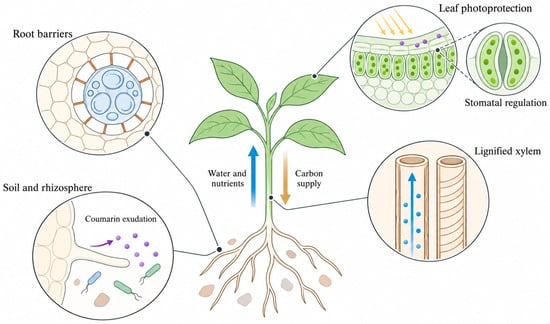
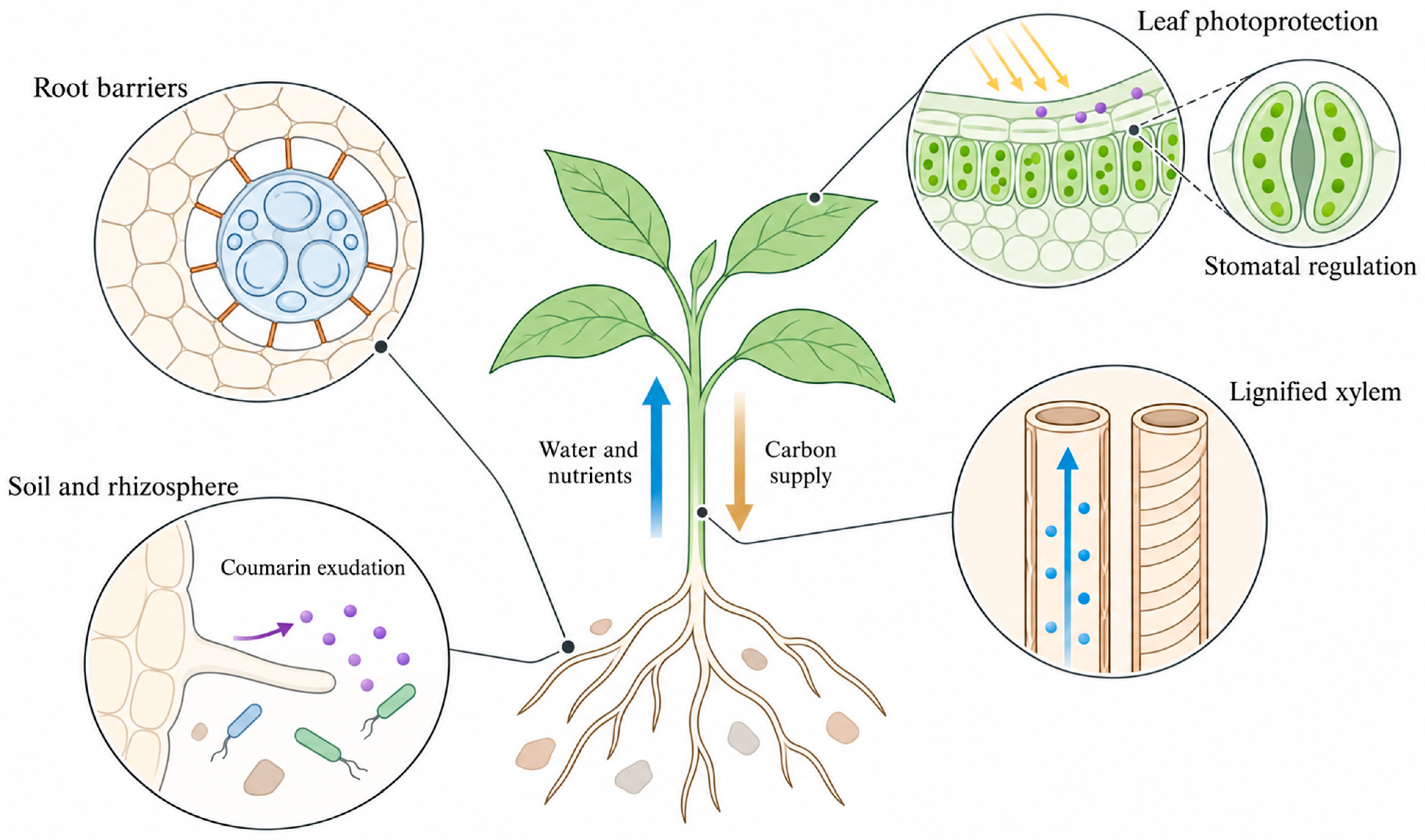
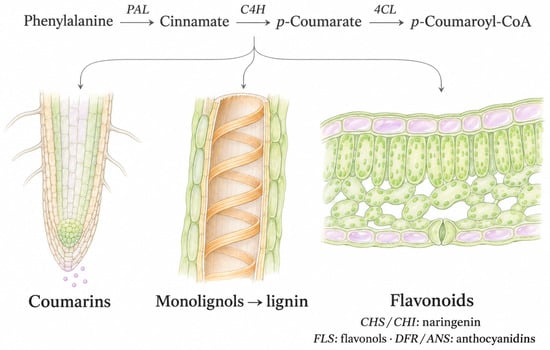
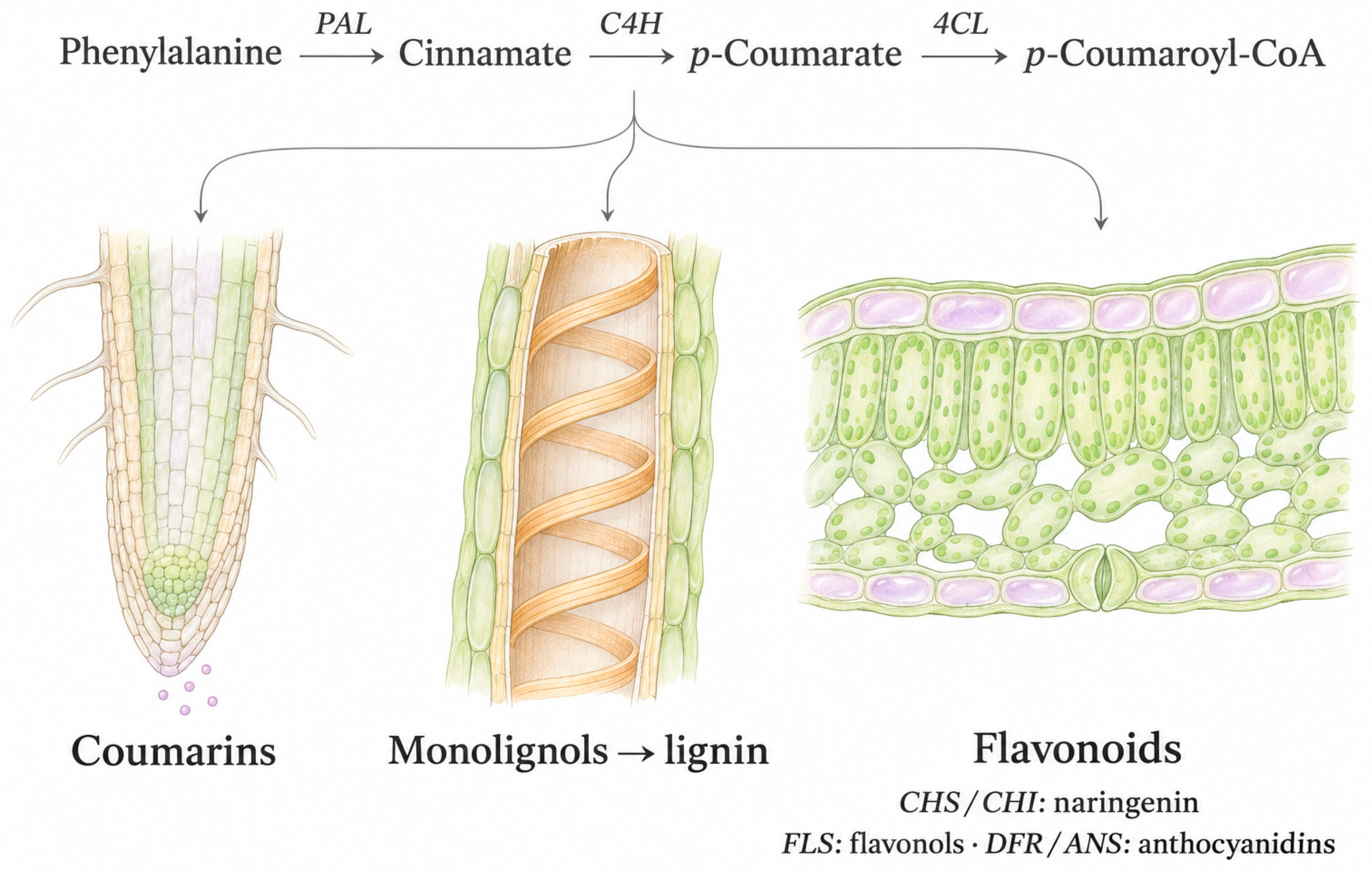
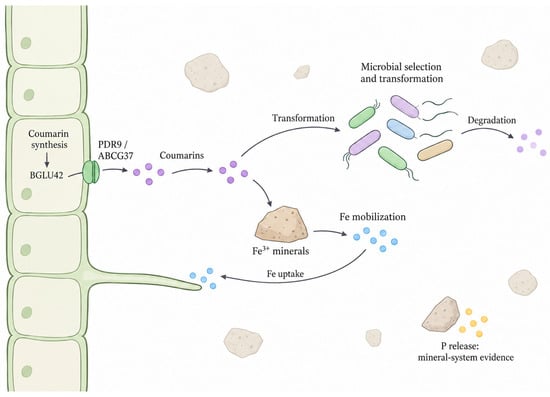
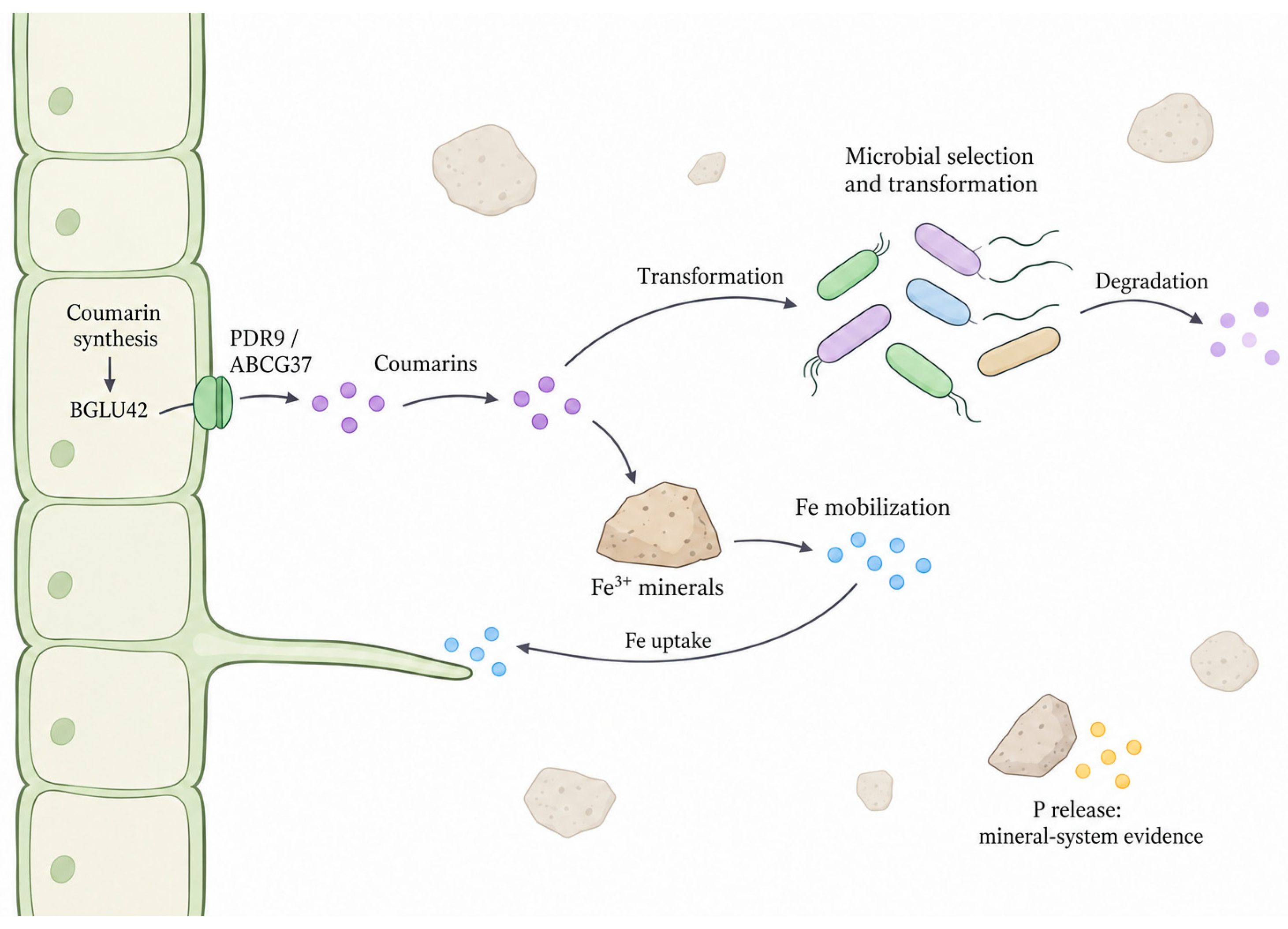
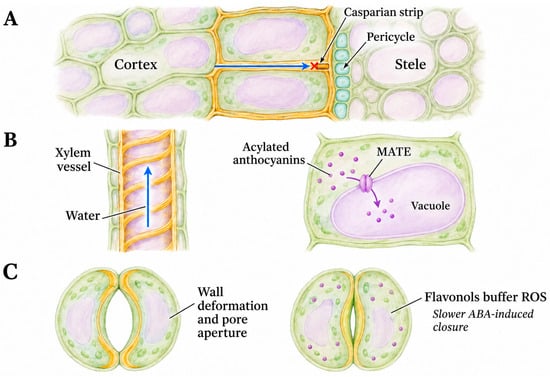
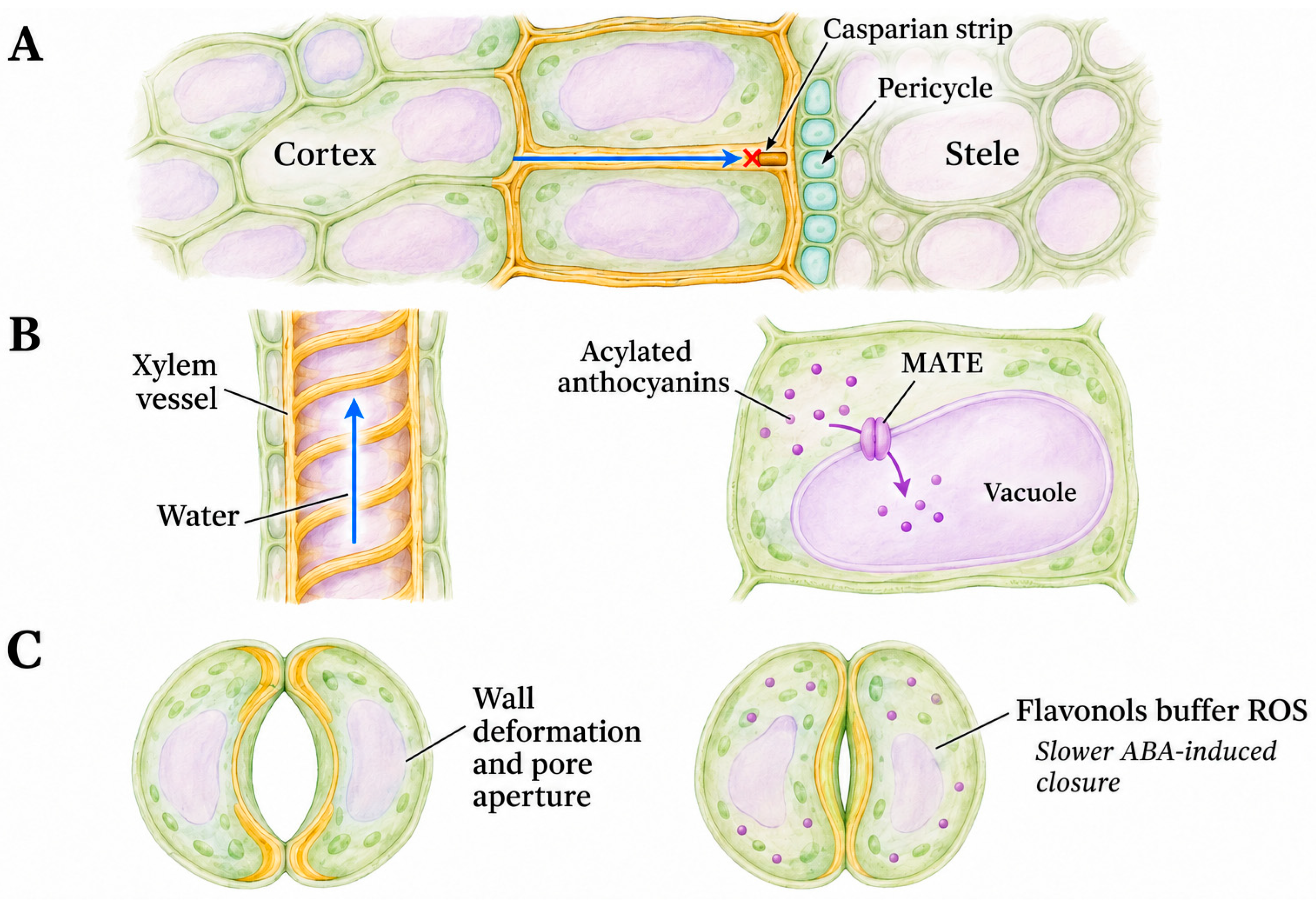
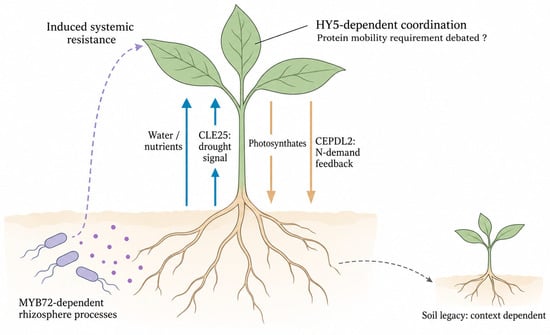
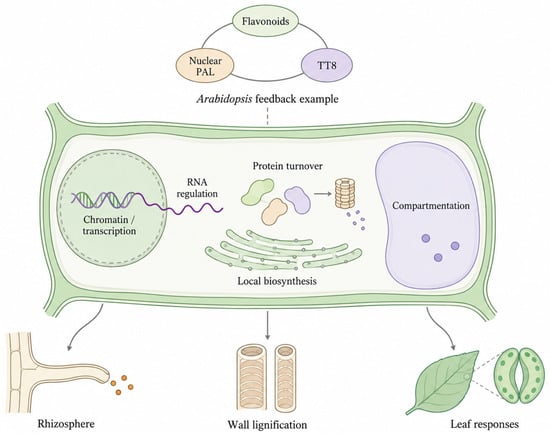
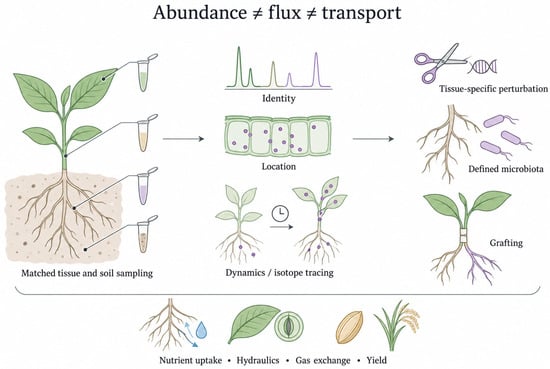
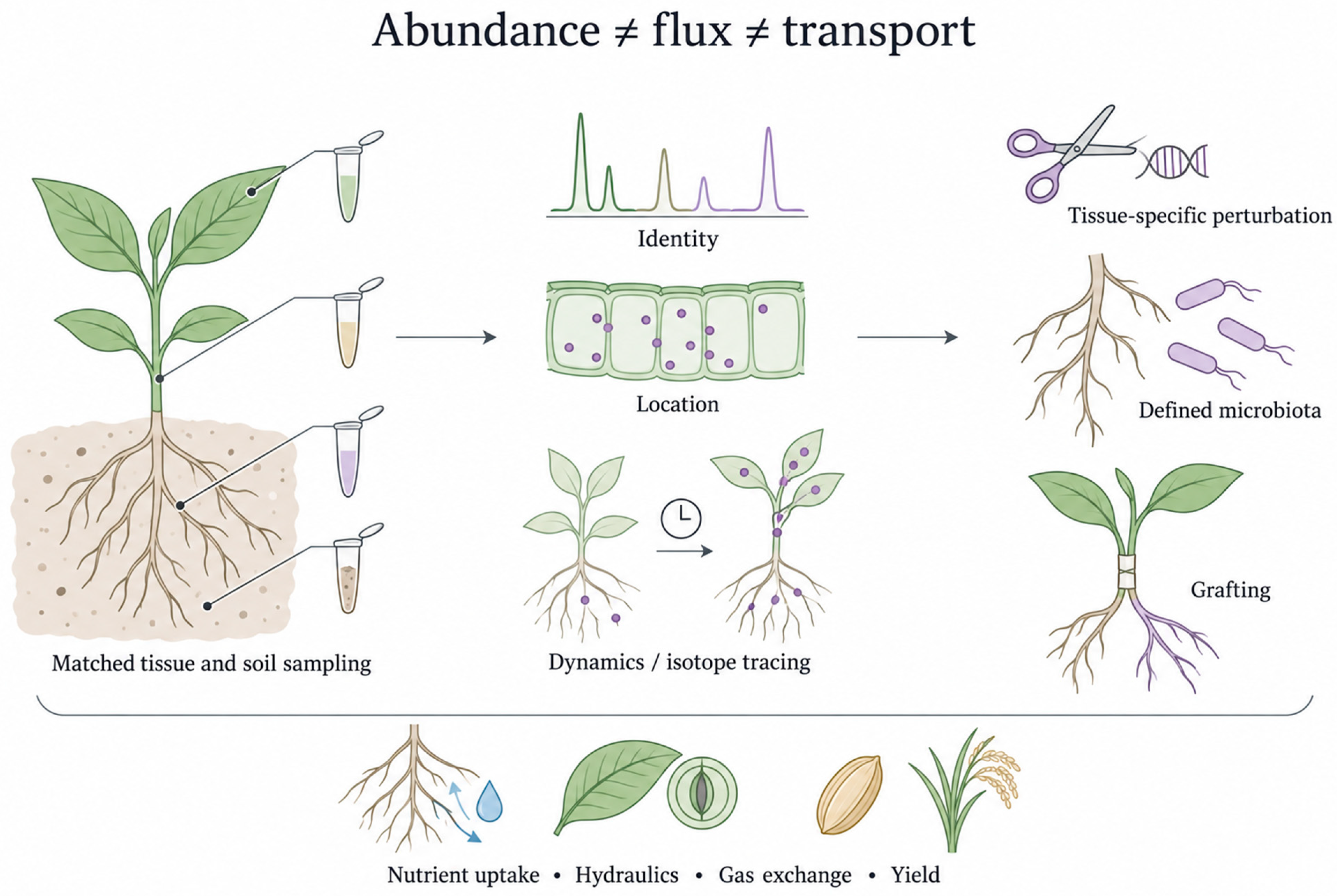

Disclaimer/Publisher’s Note: The statements, opinions and data contained in all publications are solely those of the individual author(s) and contributor(s) and not of MDPI and/or the editor(s). MDPI and/or the editor(s) disclaim responsibility for any injury to people or property resulting from any ideas, methods, instructions or products referred to in the content. |
© 2026 by the authors. Licensee MDPI, Basel, Switzerland. This article is an open access article distributed under the terms and conditions of the Creative Commons Attribution (CC BY) license.