


Abstract
Plant receptor-like kinases (RLKs) constitute one of the largest and most ancient protein families in land plants. Localized on the plasma membrane, they perceive a diverse array of extracellular signals and coordinate intracellular responses that are crucial for plant growth, development, immunity, and adaptation to environmental changes. Over the past two decades, there has been an explosive expansion of knowledge regarding how RLKs govern virtually every aspect of plant life. Crucially, this knowledge has been translated into practical applications for crop improvement. Here, we summarize the conspicuous triumphs of RLK-mediated strategies in improving plant architecture and yield, enhancing biotic stress resistance against insect herbivores and microbial pathogens, as well as bolstering abiotic stress tolerance to heat, cold, drought, and salinity. We also discuss how RLKs have been utilized as precision molecular targets through genome editing, promoter engineering, and other biotechnological approaches, offering a roadmap for sustainable crop improvement.
1. Introduction
Food is a paramount necessity of the people. Due to the growing global population, the demand for both the quantity and quality of food is continuously increasing [1,2]. However, climate change and the reduction in arable land pose new challenges to the productivity and adaptability of food crops [1,2]. As a result, breeders and plant scientists are under pressure to improve existing crop varieties or develop new ones with higher yield and better stress resistance [1,2]. Over the past century, breeding strategies have evolved from traditional cross-breeding and selection to cutting-edge biotechnologies [3,4]. The advent of genome editing, particularly CRISPR-Cas9 technology, has revolutionized trait improvement by allowing targeted modifications at specific genomic loci with unprecedented accuracy and speed [3,4]. Crop breeding is entering a new era of precision design, promising resilient and nutritious crops tailored to meet future agricultural demands [5]. At the molecular level, engineering key regulatory genes that govern plant growth, development, and stress responses holds tremendous potential for accelerating this process. Among such regulatory components, receptor-like kinases (RLKs) have emerged as critical players in mediating environmental signals and intracellular communications [6,7].
2. RLKs and Transmembrane Signaling in Plants
RLKs are encoded by a large gene family, representing ~1–2.5% of the coding genes in many plant genomes [8,9]. Plant RLKs belong to the RLK/Pelle superfamily, which also includes the animal Pelle receptor kinases [10]. Phylogenetic analyses suggest that RLK/Pelle kinases share a monophyletic origin with the well-characterized animal receptor tyrosine kinases (RTKs) [10]. Both the RLK/Pelle and RTK families have undergone extensive, lineage-specific expansions, largely driven by tandem duplications and whole-genome duplication events [10,11]. These expansions are believed to be closely linked to the evolution of multicellularity and the increasing demand for complex cell–cell communications [10,11].
Typical plant RLKs are transmembrane proteins composed of an N-terminal extracellular domain (ED), a single-pass transmembrane segment, and a C-terminal intracellular kinase domain (KD) [12]. The KDs are relatively conserved and adopt a canonical bi-lobal kinase architecture. They catalyze the transfer of the γ-phosphate from ATP to downstream protein substrates, thereby modulating their functionality [13]. In contrast, EDs of RLKs differ drastically in size and architecture, conferring specificity for recognizing diverse signaling ligands, such as peptides, carbohydrates, hormones, and pathogen-associated molecules [8]. Based on the ED structure, RLKs are classified into different subfamilies. The largest RLK subfamily, which contains an ED composed of varying numbers of leucine-rich repeat (LRR), accounts for the highest number of coding genes across all plant genomes studied so far [8,11]. Other major subfamilies include S-domain RLKs (SRKs), wall-associated RLKs (WAKs), lectin RLKs (LecRLKs), malectin-like RLKs, and cysteine-rich repeat RLKs (CRKs) [8,11]. It is important to note that the plant RLK superfamily also includes a subgroup of receptor-like cytoplasmic kinases (RLCKs) that lack EDs [8,9,10,11,12]. This subgroup, along with the receptor-like proteins (RLPs), a related family that shares structural similarities with RLKs but lacks KDs, falls outside the scope of this review. A key consideration is that an RLP or RLCK alone is unable to mediate complete transmembrane signal transduction from perception of extracellular signals to initiate intracellular cascades.
RLKs typically exert their functions at the cell surface by forming signaling complexes with themselves, other RLKs, and/or RLPs [13,14,15]. In these complexes, the KDs of RLKs are brought into close spatial proximity, facilitating transphosphorylation reactions that lead to their activation [13,14,15]. The activated KDs then phosphorylate downstream effectors such as mitogen-activated protein kinases (MAPKs) or receptor-like cytoplasmic kinases (RLCKs) that also belong to the RLK superfamily while lacking EDs [16,17,18]. Various autocrine, paracrine, or endocrine molecules, also known as ligands, can regulate the assembly dynamics of RLK signaling complexes by functioning either as molecular glue or as antagonists [13,15]. Over the past two decades, numerous studies have demonstrated that ligand–RLK-mediated transmembrane signaling plays a fundamental role in regulating cellular communications during plant growth and development, as well in responses to biotic and abiotic stresses [7,19,20,21,22,23,24]. More intriguingly, studies in crop species have provided direct evidence for the importance of ligand–RLK signaling pathways in the regulation of agronomically important traits.
In this review, we discuss the potentials of RLKs as molecular breeding targets for improving crop architecture and yield, enhancing resistance to herbivorous insects and microbial pathogens, and increasing tolerance to unfavorable environmental conditions. We focus specifically on RLKs whose loss- or gain-of-function mutations markedly enhance target traits while causing no or only minor adverse effects. Wherever possible, we highlight specific genes, mutant alleles, molecular mechanisms, and breeding strategies that have either been successfully developed or hold immediate potential for future agricultural applications. We focus mostly on the application value of RLKs in the breeding of staple crops (including rice, wheat, and maize), while also highlighting important findings regarding the breeding applications of RLKs in other crops, such as tomato, soybean, rapeseed.
3. RLKs in Improving Crop Yield
The primary concern in crop breeding is yield, a complex trait integrating various developmental and physiological processes [25]. At the individual level, yield is typically represented by the size or number of seeds or fruits produced by a single plant, whereas at the population level, it refers to the total amount of seeds or fruits harvested from crops cultivated over a given field area. The role of RLKs in regulating yield-related traits is multifaceted. They affect organ size (e.g., grain, pod, and fruit size), plant architecture (e.g., tillering, leaf angle, and plant height), and meristem size, a trait that ultimately determines the number of flowers, fruit locules, and ovules (Figure 1). Trade-offs among these factors or pleotropic effects are frequently observed in RLK-based breeding studies.
Figure 1.
Schematic representation highlighting RLKs as potential molecular targets for improving crop yield and architecture. In peanut, a natural haplotype of AhRGI (PSW1HapII) leads to larger pod size. In rice, repressing ER signaling by knocking out OsEPFL6/7/8 or OsER1 results in increased spikelet numbers. CLV1 is conserved across many crop species, and its knock-out mutants produce multilocular siliques or fruits. In rice, weak alleles of OsBRI1 confer an erect leaf architecture suited for dense planting.
3.1. RLKs Regulating Seed or Fruit Size
In Arabidopsis, loss-of-function mutations in LRR-RLK genes such as ERECTA (ER), HAIKU2 (IKU2), RLK7, TRANSMEMBRANE KINASE 1 (TMK1), and the LecRLK gene LecRLK-VIII.2 have been reported to result in smaller seeds, suggesting their positive roles in regulating grain size [26,27,28,29,30]. In contrast, loss-of-function mutations in the malectin-like RLK gene FERONIA (FER) lead to larger seeds [31]. Consistently, functional analyses of rice (Oryza sativa) FER-like receptors (OsFLRs) demonstrated that knockout mutants of OsFLR1 or OsFLR2 also produce larger seeds [32,33]. However, both of the Osflr1 and Osflr2 mutants exhibit reduced plant height and lower grain yield per plant compared with the wild type, suggesting a potential pleotropic effect [33]. Other rice RLKs implicated in grain-size regulation include the LRR RLK BRASSINOSTEROID-INSENSITIVE 1 (BRI1)-ASSOCIATED RECEPTOR KINASE 2 (OsBAK2) and the CRINKLY4 RLK designated MINI SEED 2 (OsMIS2/OsCR4), yet their translational application in rice breeding requires further investigation [34,35].
More compelling evidence for the translational potential of RLKs in seed and fruit regulation comes from studies on tomato (Solanum lycopersicum) CLAVATA1 (SlCLV1) and peanut (Arachis hypogaea) ROOT MERISTEM GROWTH FACTOR 1 (RGF1)-INSENSITIVE 1 (AhRGI1) [36,37]. The LRR-RLK CLV1 detects the CLV3 peptide to trigger downstream signaling that represses expression of WUSCHEL (WUS), which encodes a transcription factor promoting stem cell accumulation [38,39]. Loss-of-function mutations in SlCLV1 or other components of the CLV-WUS pathway alter floral organ number, resulting in fruits with three or four locules instead of two, thereby increasing fruit size and weight [36,40].
The LRR-RLK RGI1 is activated by the RGF1 peptide, initiating a downstream MAPK cascade that drives the accumulation of the PLETHORA (PLT1/PLT2) transcription factors essential for root meristem growth [41,42,43]. Through bulked segregation analysis (BSA) sequencing, a recent study identified the PSW1 (Pod Size Weight 1) gene in two peanut accessions with contrasting pod sizes [37]. PSW1 encodes AhRGI, which also interacts with AhBAK1 [37]. The large-pod allele, designated PSW1HapII, contains a 12 bp fragment inserted in the promoter of PSW1 and a point mutation in its coding region, resulting in a serine-to-isoleucine substitution (S618I). These two mutations markedly enhanced PSW1 mRNA abundance and its protein binding affinity to AhBAK1, thereby upregulating AhPLT1 expression and increasing pod size. Through marker-assisted breeding, the authors successfully developed two peanut varieties with increased yield per plant, offering a model for translating fundamental RLK biology into practical breeding applications [37].
3.2. RLKs Regulating Seed or Fruit Number
Seed number is determined by both the number of ovules formed within the carpels and the number of flowers produced on the inflorescence [44]. The LRR RLK ER perceives EPIDERMAL PATTERNING FACTOR (EPF) or EPF-LIKE (EPFL) peptides and plays an important role in regulating seed number [45]. In maize (Zea mays), although null alleles of Zmer1 or Zmer2 result in short ears with a reduced number of seeds, genome-edited weak alleles of Zmer1 (Zmer1D295N and Zmer1A369T) produce more seeds per ear without severely affecting the ear length [46]. Similarly, rice mutants lacking OsER1 produced more spikelets per panicle, but seed yield per plant remained comparable to that of wild type because of reduced seed setting and smaller grain size, indicating a trade-off [47]. In contrast, triple mutants of OsER1 ligands, Osepfl6/7/9, showed significantly increased spikelet number and grain yield without compromising fertility [48]. Likewise, overexpression of the antagonistic ligand OsEPFL5, which competes with OsEPFL6/7/8/9 for OsER1 binding and suppresses the OsEPFL6/7/9-OsER1 signaling pathway, markedly improved yield without obvious growth penalties [49]. These studies suggest that ER has translational potential, provided that variants with precisely tuned functions can be engineered. Compared with staple food crops, recent studies have also highlighted the translational potential of ER signaling in urban agriculture [50,51]. In Solanaceae fruit crops such as tomato, goldenberry (Physalis peruviana), and groundcherry (Physalis grisea), CRISPR/Cas9-mediated editing of ER orthologs successfully produced compact, high-yielding dwarf plants suitable for intensive and vertical agriculture [50,51].
CLV1 is another LRR RLK that could be targeted to enhance crop yields. In maize, loss-of-function mutations in ZmCLV1 have been shown to enlarge the female inflorescence meristem, leading to markedly thicker ears with up to three times the number of kernel rows compared to wild-type plants [52]. Nevertheless, the severe fasciation and disorganized ear structure associated with these strong alleles negatively affect seed yield. Future efforts are still needed to mitigate these pleiotropic effects, potentially through the generation of weak alleles [39]. Alternatively, promoter engineering-mediated knockdown of CLE peptide genes, such as ZmCLE7 and ZmFCP1, successfully enhanced multiple yield-related traits in maize, including kernel row number, ear diameter, ear weight, and grain yield per ear, without apparent adverse side effects [53]. In oilseed crops such as mustard (Brassica juncea), two CLV1 orthologs, BjA7.CLV1 and BjB3.CLV1, have been identified [54,55]. Productive mustard varieties with multi-locular siliques (as opposed to bilocular ones), such as J163-4 and Duoshi, were reported to carry mutations in both CLV1 genes. In J163-4, an inserted copia-LTR retrotransposable element (RTE1) in the coding region of BjB3.CLV1 disrupts its transcription, and a 914 bp deletion in the promoter region of BjA7.CLV1 specifically reduces its expression in the carpel margin meristem (CMM) without affecting its expression in other tissues [54,56]. In Duoshi, BjA7.CLV1 carries missense mutations resulting in two amino acid substitutions in its coding region and a 702 bp deletion in its promoter region, and BjB3.CLV1 contains a 4961 bp insertion that disrupts its translation [55,57].
3.3. RLKs Regulating Plant Architecture
Ideal plant architecture (IPA, or ideotype) refers to the morphological and structural characteristics of plants that maximize their population yield potential under given environmental conditions [58]. For staple food crops, the IPA generally features a semi-dwarf stature, accompanied by a moderate tiller number and culm diameter to confer lodging resistance and enable dense planting [58].
The LRR-RLK BRI1 functions as the major receptor for brassinosteroids (BRs), a class of steroidal phytohormone recently recognized as a promising driving force for the next Green Revolution [59,60,61,62]. BRI1 is a potential molecular target for improving crop architecture. A well-known example is the barley (Hordeum vulgare) uzu cultivars, which are uniquely distributed across East Asia [63]. The semi-dwarfed stature and compact canopy structure of uzu barley confer lodging tolerance and pathogen resistance, as well as advantages for dense planting in the field [64,65]. However, uzu cultivars also display a heat-sensitive reduction in plant height and fertility when grown in warmer climates, which has limited their global adoption [65,66]. Genetic dissection revealed that uzu varieties harbor a specific single nucleotide polymorphism (SNP) resulting in the amino acid substitution H857R in barley HvBRI1 [65]. The mutation is structurally located on the back surface of the BRI1 kinase domain, close to the mutation site of the bri1-301 (G989I) identified in Arabidopsis AtBRI1 [67,68]. Interestingly, bri1-301 plants also display an allele-specific, thermo-enhanced BR defective phenotype, suggesting a similar underlying molecular mechanism [69,70].
In rice, the weak Osbri1 allele d61-7 also exhibit erect leaves suitable for dense planting [71]. Field trials demonstrated that under high-density planting conditions, d61-7 accumulated greater biomass than wild-type plants, but achieved only comparable grain yield because of undesirable side effects, including reduced fertility and smaller grain size [71]. Recently, a novel strategy was employed to fine-tune BRI1 functionality by generating different upstream open reading frames (uORFs) within the 5′ untranslated region (5′ UTR) of the BRI1 gene [72]. This approach attenuates mRNA translation, enabling the generation of a series of allelic lines with graded phenotypes [72].
4. RLKs in Enhancing Biotic Stress Resistance
Field crops are surrounded by many other organisms, such as phytophagous insects and pathogenic microbes [21,73]. Activities of these organisms often cause biotic stresses that potentially reduce crop yield. Extensive studies revealed that many RLKs are involved in plant defense against biotic stressors [21,73]. Generally, they function as pattern recognition receptors (PRRs) to detect a wide range of exogenous danger signals, including pathogen- or microbe-associated molecular patterns (PAMPs or MAMPs), herbivore-associated molecular patterns (HAMPs), as well as endogenous danger signals such as classic damage-associated molecular patterns (DAMPs) released upon cellular injury, and immunomodulatory peptides or phytocytokines (PCKs) that are processed and/or secreted during infection [74,75,76,77,78,79]. The activation of these RLKs usually activates mitogen-activated protein kinase (MAPK) cascades or triggers hormone signaling pathways involving jasmonic acid (JA) and salicylic acid (SA), leading to the expression of defense-related genes [80,81] (Figure 2).
Figure 2.
Manipulating RLK signaling to enhance stress resistance without compromising productivity. Studies on several key RLKs have shown that ligand perception activates downstream signaling mediated by the kinase domain, which coordinately regulates plant immunity and productivity. On the one hand, this signaling triggers defense mechanisms such as ROS bursts, SA/JA pathways, and MAPK cascades, leading to the expression of resistance genes. On the other hand, it guarantees productivity by optimizing ATP supply, photosynthesis, and water use efficiency. Here, an LRR RLK is used to represent the RLKs discussed in this review.
4.1. Resistance to Phytophagous Insects
4.1.1. LRR RLKs
The LRR-RLKs PEPR1 and PEPR2 are PRRs for a class of plant elicitor peptides (PEPs) derived from larger protein precursors known as PROPEPs [82]. In multiple plant species, including Arabidopsis, rice, and maize, the expression of PROPEP and PEPR genes is strongly upregulated in response to herbivore feeding [83,84,85,86]. Double mutants pepr1 pepr2 or RNAi knock-down lines exhibit increased susceptibility to herbivory, as larvae feeding on these mutant plants gain significantly more weight or display higher settlement numbers compared to those feeding on wild-type plants [83,86,87]. Therefore, engineered expression of PEP ligands or PEPRs may enhance broad-spectrum insect resistance in various crops, although the potential trade-off in growth and fertility remains to be further explored.
OsLRR-RLK1 is another LRR RLK whose transcription is also upregulated following herbivore attack or treatment with their oral secretions [88]. It positively regulates herbivore-induced activation of trypsin protease inhibitors (TrypPIs) and the accumulation of JA [88]. In rice, TrypPIs serve as anti-digestive proteins that are strongly induced by specific herbivores [89]. Silencing OsLRR-RLK1 significantly attenuates TrypPI activity and the accumulated JA level, as well as rice resistance to the chewing herbivore striped stem borer (SSB, Chilo suppressalis) [88]. Studies in maize indicated that ZmFAC, a close analog of OsLRR-RLK1, may serve as a candidate receptor for fatty acid-amino acid conjugates (FACs) found in herbivore oral secretions [90].
In contrast to OsLRR-RLK1, OsLRR-RLK2 promotes susceptibility to herbivores [91]. Silencing OsLRR-RLK2 reduces the activity of OsMPK6 and certain WRKYs, lowers endogenous JA levels while increasing SA levels, and enhances rice resistance against the brown planthopper (BPH, Nilaparvata lugens) [91]. More importantly, these silencing lines also exhibited more panicles per plant and a higher 1000-grain weight compared to wild-type plants, resulting in increased grain yield [91]. Another OsLRR-RLK, OsRLK7-1, was recently reported to be induced by DAMPs and also responds to BPH [92]. Its knockout mutant gives strong BPH resistance but causes serious growth and reproduction problems, showing the typical defense-growth trade-off [92]. Strategies that uncouple defense from growth penalty, such as tissue-specific or inducible expression, may solve this issue.
The peptide hormone systemin plays key roles in mediating responses to insect herbivory [93]. A recent study revealed that two tomato LRR-RLKs, SlSYR1 and SlSYR2, function as systemin receptors to activate defense responses against insect herbivores [94]. Larvae feeding on a tomato IL3-3 introgression line, which lacks SlSYR1/SlSYR2, exhibited improved performance and gained significantly more mass compared to those feeding on wild-type plants [94].
4.1.2. LecRLKs
LecRLKs constitute another major subfamily of RLKs which is characterized by the extracellular lectin domain. The subfamily can be divided into three groups (G-type, C-type, and L-type) based on the structural features of the lectin domain [95]. LecRLKs also play important roles in herbivore resistance. In rice, Bph3 is a brown planthopper (BPH)-resistant locus identified 50 years ago in a rice cultivar Rathu Heenati [96]. It has been demonstrated previously that Bph3 consists of a cluster of three LecRLK (OsLecRK1–OsLecRK3) genes that function additively to confer broad-spectrum and durable resistance to both BPH and the white back planthopper (WBPH) [97]. Sequence analysis revealed that resistant rice varieties possess identical amino acid sequences for these three genes, while susceptible varieties harbor deleterious polymorphisms [97]. Marker-assisted breeding by introducing the Bph3 locus from Rathu Heenati into the susceptible commercial japonica variety Ningjing 3 significantly enhanced its durable resistance to both BPH and WBPH [97].
4.2. Resistance to Pathogenic Microbes
4.2.1. LRR RLKs
The LRR-RLK FLS2 (Flagellin-Sensing 2) is a well-characterized plant PRR that recognizes bacterial flagellin upon pathogen attack and, together with the co-receptor BAK1, initiates the pattern-triggered immune (PTI) responses [98,99]. However, some pathogens carrying flagellin variations may evade this detection mechanism due to reduced binding affinity for FLS2 or impaired BAK1 recruitment [100]. Recent studies revealed that the narrow perception range of various ligands for a given receptor can be broadened by rational engineering key residues on the LRR concave surface of FLS2, which interact with the flg22 (C-terminus of flagellin) and the SERK co-receptor [101,102,103]. For example, a designed mutation of Q600H and S603A in soybean (Glycine max) GmFLS2a enhanced the direct FLS2-BAK1 interaction and, thereby improving recognition of flg22Rso, a flg22 variant that retained the ability to interact with FLS2 but impeded BAK1 recruitment [101]. These studies provide a framework for the rational engineering of RLKs to improve pathogen resistance, as well as potentially other agronomic traits [101,102,103].
In rice, the LRR-RLK OsSRF3 (STRUBBELIG-RECEPTOR FAMILY 3) was reported to play a key role in resistance against multiple pathogens. OsSRF3 interacts with and is phosphorylated by OsBAK1, thereby activating pathogen-triggered immunity, including the MAPK cascade, ROS burst, callose deposition, and expression of defense-related genes. Notably, overexpression of OsSRF3 enhances resistance without negatively impacting plant growth or yield [104]. A recent study revealed that an LRR-RLK OsRLK5 detects the PCK OsIMP1 to confer resistance against both bacterial and fungal diseases in rice [105]. OsIMP1 is transcriptionally induced by PAMPs such as flg22 and chitin and directly binds to OsRLK5 as well as its paralog, OsRLK5-L. Ligand perception by OsRLK5 enhances its interaction with the co-receptor OsSERK2, thereby facilitating trans-phosphorylation required for downstream signaling. Notably, OsRLK5-overexpressing lines exhibited significantly enhanced resistance to Xanthomonas oryzae pv. oryzae (bacterial blight) and Magnaporthe oryzae (rice blast), without any apparent growth trade-off or yield penalty, presenting a promising molecular target for engineering disease-resistant rice germplasm [105].
In wheat, similar to the OsIMP1, a family of small, cysteine-rich peptides known as Delta-like PCKs (DEPs) was found to be rapidly induced by PAMPs and to confer multi-pathogen resistance in wheat. DEP2 are recognized by the LRR-RLK DEPR1, which recruits the co-receptor SERK2 upon ligand binding. Although exogenous application of synthetic DEP2 peptide and transgenic overexpression of preDEP2 both significantly enhance wheat resistance to multiple pathogens, genetic disruption of DEP signaling via DEPR1 mutation unexpectedly does not lead to increased susceptibility, suggesting the presence of functional redundancy or the activation of compensatory immune pathways [106].
4.2.2. LecRLKs
Recent studies demonstrated a huge potential of LecRLKs in improving crop pathogen resistance. In rice, an L-type LecRLK designated OsLIKE1 was shown to play a critical role in resistance against Magnaporthe oryzae [107]. In resistant rice varieties, specific mutations within the OsLIKE1 promoter region significantly enhance its light-induced expression, thereby promoting the autophosphorylation of OsLIKE1 and activating its immunity against the blast fungus [107]. Importantly, compared to wild-type ZH11 plants, OsLIKE1-overexpressing (OE) lines maintained comparable plant height and grain yield upon M. oryzae infection [107]. Another LecRLK, OsBDR1, was recently identified as a negative regulator of rice blast resistance. Upon Magnaporthe oryzae infection, BDR1 was rapidly induced and directly interacts with and phosphorylates MPK3. The BDR1-MPK3 module suppresses JA signaling and the biosynthesis of antifungal terpenoids, including the monoterpene linalool and the sesquiterpene caryophyllene. Importantly, knockout of OsBDR1 confers enhanced resistance to blast fungus without significant agronomic penalties, offering a promising target for gene-editing breeding [108].
OsSBRR1 is a G-type LecRLK that confers rice resistance to sheath blight (ShB), a disease caused by the necrotrophic fungus Rhizoctonia solani. A recent genome-wide association study (GWAS) revealed that in ShB-resistant cultivars, a 256 bp insertion in the OsSBRR1 promoter is essential for its strong transcriptional induction upon R. solani infection. SBRR1 is able to rapidly upregulate the expression of several chitinases capable of degrading fungal cell walls. Notably, marker-assisted introgression of this elite SBRR1-R allele into commercial japonica cultivars significantly enhanced ShB resistance and mitigated approximately 10% of grain yield loss under severe disease pressure, without incurring adverse agronomic effects, thereby highlighting its strong potential for breeding applications [109].
In wheat, Septoria tritici blotch (STB) is a major disease caused by the Dothideomycete fungus Zymoseptoria tritici. A recent GWAS involving 300 wheat landraces identified a G-type LecRLK, designated Stb15, which confers resistance to STB, as confirmed through both EMS mutagenesis and stable gene transformation. The functional Stb15 allele contains an intronless open reading frame, while the susceptible allele in cv. Chinese Spring includes four introns [110]. Wheat powdery mildew, another disease caused by Blumeria graminis f. sp. tritici (Bgt), can cause serious yield loss. An L-type LecRLK, designated LecRK-V, was cloned from Haynaldia villosa, a diploid wheat relative. This gene was responsible for its high resistance to powdery mildew. The expression of LecRK-V was rapidly upregulated upon Bgt inoculation or chitin treatment. Stable transformation of LecRK-V into the susceptible wheat variety Yangmai158 significantly enhanced its resistance to multiple Bgt isolates, indicating its involvement in regulating broad-spectrum resistance [111].
In maize, GWAS also identified a G-type LecRLK, ZmLecRK1, as a resistance protein against Pythium aphanidermatum, one of the causal pathogens of stalk rot. In resistant maize inbred lines, a naturally occurring S404A mutation in ZmLecRK1 ED strengthens its binding affinity to the co-receptor ZmBAK1, thereby enhancing the formation of active complexes for defense response [112].
4.2.3. CRKs
CRKs belong to an RLK subfamily containing one to four DUF26 (domain of unknown function 26) in their ED, each characterized by several conserved cysteine residues arranged as a C-X8-C-X2-C pattern [113]. CRKs are proved to be involved in the perception of extracellular abiotic and biotic signals [113].
In wheat, it was reported that Stb16q, an initially identified quantitative locus conferring resistance to STB, encodes a CRK that significantly reduces the penetration and intercellular growth of the pathogen during infection [114,115]. Sequence analysis of Stb16q across diverse wheat accessions revealed that this gene was recently introduced into modern cultivars through synthetic wheat breeding [115]. Additionally, another CRK, TaCRK6, was identified and functionally characterized in the wheat cultivar Xiaoyan 6 (XY6), which exhibits non-race-specific and durable high-temperature all-stage (HTAS) resistance to stripe rust (Puccinia striiformis f. sp. tritici, Pst). The expression of TaCRK6 is synergistically induced by Pst infection and elevated temperature. Silencing TaCRK6 in XY6 compromises HTAS resistance, whereas its overexpression in the susceptible cultivar Fielder enhances resistance without agronomic penalties, making it a promising target for breeding climate-resilient wheat with durable stripe rust resistance [116].
4.2.4. WAKs and WAKLs
WAKs and WAKLs (WAK-like) constitute an RLK subfamily containing an epidermal growth factor (EGF)-like domain and/or a calcium-binding EGF domain in their ED. These RLKs are implicated in cell wall signal sensing. They are responsible for transmitting extracellular signals to the cytoplasm, thereby regulating plant growth, development, and stress responses [117,118].
In wheat, molecular characterization of an Stb6 gene, which provides gene-for-gene resistance to the fungal pathogen Zymoseptoria tritici, the causal agent of Septoria tritici blotch (STB) disease, revealed that it encodes a WAKL designated TaWAKL4. Haplotype analysis indicated that a single predominant resistance haplotype is broadly conserved in both bread wheat and its tetraploid progenitors, suggesting that Stb6 was introduced early during wheat domestication [119].
In maize, it was reported that several WAKs and WAKLs were required for the resistance to diseases such as northern corn leaf blight (NCLB), head smut, and gray leaf spot (GLS) [120,121,122]. NCLB is a major foliar disease of maize. The Htn1 locus confers quantitative and NCLB resistance by delaying the onset of lesion formation, therefore representing an important source of genetic resistance. Htn1 was originally introduced from a Mexican landrace into modern maize breeding lines in the 1970s. Genetic mapping and molecular characterization demonstrated that Htn1 encodes ZmWAK-RLK1, which contains a non-arginine-aspartate (non-RD) kinase domain typically found in plant innate immune receptors. Sequence comparison showed that the extracellular domain of ZmWAK-RLK1 is highly diverse between different maize genotypes [121].
GLS is another maize foliar disease, and its resistance is inherited as a typical quantitative trait with many loci identified [123]. qRgls1 is one of such loci identified through quantitative trait locus (QTL) mapping, which enhances resistance percentages by 19.70–61.28% [124]. A recent study identified ZmWAKL as the causal gene underlying the resistance of the qRgls1 locus against GLS. Similar to ZmWAK-RLK1, the ZmWAKL protein exhibits a markedly different extracellular domain between resistant and susceptible maize inbred lines. Upon pathogen infection, the resistant protein ZmWAKLY rapidly self-associates and interacts with the LRR-RLK coreceptor designated ZmWIK. The complex then phosphorylates an RLCK ZmBLK1, which in turn phosphorylates the NADPH oxidase ZmRBOH4, triggering a reactive oxygen species (ROS) burst that confers quantitative resistance [122].
qHSR1 is a major QTL conferring resistance to head smut, another devastating maize disease that causes severe yield losses worldwide [125]. Introduction of qHSR1 into susceptible lines significantly reduces disease incidence across years, demonstrating its great potential in breeding [126]. Fine mapping revealed that qHSR1 encodes a ZmWAK, which contains an extracellular galacturonan-binding (GUB) domain and a calcium-binding EGF domain, as well as a cytoplasmic non-RD serine/threonine kinase domain. Mechanistically, ZmWAK reduces disease incidence by specifically arresting the biotrophic growth of the pathogen in the mesocotyl, the key tissue that the fungus must traverse to reach the shoot meristem. Resistance was strongly associated with ZmWAK expression levels in the mesocotyl, emphasizing the importance of spatiotemporally optimized defense in maize [120].
5. RLKs in Enhancing Abiotic Stress Resistance
In addition to biotic stresses, field crops also face challenges from abiotic stresses such as low or high temperature, drought, and high salinity, leading to yield reductions [127]. Previous studies shed light on the role of RLKs in abiotic stress responses and the potential mechanisms underlying RLK-mediated abiotic stress tolerance [128,129,130].
5.1. Heat Tolerance
Studies in Arabidopsis demonstrate that ERf receptors function redundantly and synergistically to modulate stomatal density, spacing, and lineage proliferation. Dysfunction of the ER leads to increased stomatal density and conductance, accompanied by reduced transpiration efficiency and water use efficiency (WUE), ultimately impairing heat tolerance [131,132]. In contrast, ER overexpression improves heat tolerance. Field validation across multiple locations and seasons showed that transgenic tomato and rice lines overexpressing ER survive heat stress in both greenhouses and open summer fields and produce larger leaves, more inflorescences, higher seed set, greater shoot dry weight, and increased biomass and yield compared with controls [131].
A recent study in Arabidopsis demonstrated that FER acts as a membrane-anchored thermal switch that orchestrates plant heat acclimation through dynamic nanocluster assembly [133]. Under a moderate heat condition (37 °C), a peptide ligand RALF34 activates FER, which is recruited to sterol-rich plasma membrane nanodomains. There, FER nucleates signaling nanoclusters enriched in components such as UGT80A2, REMORINs, and BSKs, stabilizing liquid-ordered membrane phases and activating the HSF-HSP cascade to enhance thermotolerance. This process depends on heat-induced sterol glycosylation and anionic lipid binding by the FER juxtamembrane domain. Under an extreme heat condition (>40 °C), nanoclusters rapidly disassemble due to actin cytoskeleton collapse, preventing maladaptive signaling [133].
5.2. Cold Tolerance
Cold stress not only affects plant growth and development, but also influences plant productivity [134]. Cold-induced pollen abortion and reproductive failure are key causes of yield losses in many crops [135].
In tomato, a recent study revealed that an LRR-RLK SlRGFR6 plays a crucial role in mediating SlRGF peptide signaling, thereby safeguarding pollen development and yield under chilling stress [136]. RGF peptides, including SlRGF9 and SlRGF10, are specifically upregulated in the anther tapetum upon cold exposure. They bind to SlRGFR6 and the co-receptors SlSERK1/3A/3B, triggering calcium influx through SlCNGC16/18 channels. The resulting calcium signaling counteracts cold-delayed programmed cell death of the tapetum, ensuring its timely degradation to support microspore development. Loss-of-function mutants of this pathway exhibit severe pollen abortion under cold stress, while moderate overexpression of SlRGF9 or SlRGF10 in tomato prevents up to 52% of chilling-induced yield loss. This mechanism is conserved in rice, as up-regulation of the homologous OsRGF10 similarly enhances cold resilience and recovers up to 18.3% of grain yield loss, providing a promising target for engineering climate-resilient crops [136].
In rice, it was also reported that an LRR-RLK, designated OsCTB4a, confers cold tolerance at the booting stage in rice [137]. CTB4a interacts with AtpB, the beta subunit of ATP synthase, resulting in increased ATP synthesis and photosynthetic rate [137]. This provides sufficient energy for pollen development and grain filling under low-temperature conditions. Under cold field conditions, a near-isogenic line NIL1913 and CTB4a overexpression lines exhibited superior performance in terms of filled grain number, thousand-kernel weight, and yield per plant [137]. QTL mapping and natural variation analysis indicated that SNPs in the promoter region of OsCTB4a, particularly at positions -2536, -2511, and -1930, result in stronger cold-inducible expression of OsCTB4a in the cold-tolerant haplotype Hap-KMXBG compared to the cold-sensitive haplotype Hap-Towada [137]. Geographic analysis demonstrated that Hap-KMXBG is predominantly distributed in temperate Japonica rice varieties from high-latitude regions such as Northeast China, Japan, and Korea, as well as high-altitude regions like the Yunnan–Guizhou Plateau, and exhibits clear signatures of artificial selection for cold adaptation [137]. This example illustrates that RLK-mediated cold tolerance can be engineered without frequently incurring trade-offs.
5.3. Drought Tolerance
RLKs play important roles in optimizing plant responses to drought stress, and are considered as potential targets for crop improvement [138].
In wheat, the LRR RLK TaCEPRL has been reported to confer drought tolerance [139]. Compared with wild-type plants, TaCEPRL knockout mutants showed no obvious phenotypic differences at various growth stages under normal conditions [139]. However, they exhibited significantly enhanced drought tolerance, reflected in higher survival rates, greater thousand-kernel weight, increased chlorophyll content, and improved water use efficiency [139]. Similarly, another LRR RLK, TaCLV1, also contributes to drought tolerance in wheat [140]. Knockout of TaCLV1 resulted in a reduced seedling survival rate under drought stress, whereas overexpression of its ligand, TaCLE24b, increased seedling survival rates, along with higher chlorophyll content in flag leaves and greater thousand-kernel weight under water-deficient conditions, but not under normal conditions [140].
In rice, an LRR RLK OsLRK2, which is phylogenetically closely related to Arabidopsis PSKR1, also plays a role in drought tolerance [141]. OsLRK2 is constitutively expressed across multiple rice tissues and is significantly induced under drought stress [141]. Overexpression of OsLRK2 enhances drought tolerance by delaying leaf rolling, increasing survival rates, and improving recovery growth following drought treatment [141]. These benefits are attributed to the development of a larger root system, characterized by more lateral roots and higher root activity. Moreover, overexpression lines produce more panicles, leading to a significant increase in grain yield per plant [141]. Overall, OsLRK2 promotes cell proliferation and the branching of tillers and lateral roots, thereby improving both drought tolerance and yield-related traits in rice [141].
Furthermore, a recent study in rice identified OsCRK14, a cysteine-rich receptor-like kinase, as a key positive regulator of drought resistance [142]. OsCRK14 is transcriptionally upregulated under drought stress, and its overexpression in rice lines resulted in significantly higher survival rates compared to wild-type ZH11 [142,143]. OsCRK14 phosphorylates OsRLCK57 under drought stress, leading to activation of the MAPK cascade OsMKKK10-OsMKK4-OsMPK6. Activated OsMPK6 then directly phosphorylates the abscisic acid-responsive transcription factor OsbZIP66, enhancing its stability and promoting the expression of drought-responsive genes. Natural variations in the OsCRK14 promoter region influence its transcript levels by altering OsMYB72 binding affinities, which are correlated with differences in drought resistance among rice varieties [143].
5.4. Salt Tolerance
In Arabidopsis, it was reported that FER orchestrates salt tolerance through maintaining cell-wall integrity and inhibiting photorespiration [144,145,146,147]. Another malectin-like RLK, SIMP1, is critical for plant salt tolerance by ensuring efficient proteasomal clearance of aberrant proteins resulting from ER stress induced by salinity [148]. Lectin RLKs are also essential for plant salt response. Studies in rice revealed that a lectin RLK, designated OsSIT1, is rapidly phosphorylated and activated by salinity to promote ROS-induced growth inhibition [149,150]. Its knockout mutant showed substantially improved growth under high-salt conditions but a severely reduced grain yield due to effects on growth and development, thereby establishing a trade-off between salt tolerance and normal growth [149]. Interestingly, overproduction of Hap2-OsSIT1, a natural variant of OsSIT1 with lower kinase activity, conferred improved seedling growth under salt stress without obvious yield penalties [151]. Similarly, overexpressing an OsSIT1 homolog OsSIT2 in pigeon pea (Cajanus cajan) resulted in 10.34-fold increase in seed yield per plant and a 4–5-fold increase in harvest index relative to stressed wild-type plants, suggesting a significantly enhanced salinity stress tolerance [152]. Moreover, transgenic soybean plants overexpressing another LecRLK also gave rise to significantly higher plant height and yield than those of WT under salt stress [153].
6. Challenges and Future Perspectives
Over the past two decades, a substantial body of literature has documented the roles of RLKs in regulating diverse biological processes [79]. Notably, some RLK-mediated pathways are closely linked to key agronomic traits, making them promising molecular targets for crop improvement. As summarized above, RLKs can be engineered to (1) enhance crop yield by increasing grain number, enlarging fruits, or optimizing plant architecture for dense planting, (2) bolster resistance to biotic stresses, including insect herbivores and bacterial/fungal pathogens, and (3) improve tolerance to abiotic stresses such as heat, cold, drought, and salinity (Table 1).
Table 1.
Featured RLKs and mutations potentially useful in crop improvement.
Despite these advancements, substantial challenges remain. First, some RLKs exhibit pleiotropic effects. Simply knocking out or overexpressing an RLK gene may enhance a target trait, it also produces undesirable impacts on other agronomic traits. Several strategies can be applied to mitigate or uncouple the multifaceted functions of a given RLK: (1) introducing known weak or beneficial mutations through base editing or prime editing, (2) fine-tuning tissue-specific expression via promoter engineering approaches such as uORF editing, and (3) designing novel mutations using artificial intelligence-based methods, including protein structure prediction, molecular docking, and molecular dynamics simulations [5,154,155]. Second, some RLKs exhibit functional redundancy with other members of their subfamily, a phenomenon especially evident in polyploid crops. As a result, single-gene mutations often fail to produce the expected phenotypic changes. Nevertheless, this limitation can be overcome by advances in multiplex CRISPR editing and haplotype-based breeding strategies [155,156,157]. Third, the evolutionary divergence of certain RLKs across plant species (e.g., between monocots and dicots) may render agronomically valuable mutations identified in one species of little or no utility in another. Moreover, even within a single crop species, such a mutation may confer benefits only under specific environmental conditions while proving ineffective under others. Therefore, in translational applications, the functional requirements of RLK alleles should be carefully evaluated across different species and environmental conditions.
Individual RLKs usually perceive specific signals and modulate distinct downstream pathways. The simultaneous design and editing of multiple RLKs, rather than manipulation of a single receptor, may offers a promising route to combine yield potential, abiotic stress tolerance, and disease resistance within a single elite genetic background. With the accelerating pace of functional genomic studies in crops and the continued development of such multiplex strategies, RLKs represent promising targets for molecular breeding toward sustainable, high-yielding, and resilient agriculture.
Author Contributions
Conceptualization, M.L. (Meizhen Li), C.Y., and J.L.; data collection: M.L. (Meizhen Li) and C.Y.; figure preparation: M.L. (Meizhen Li) and C.Y.; writing—original draft: M.L. (Meizhen Li) and M.L. (Minghui Lv); writing—review and editing: J.L. All authors have read and agreed to the published version of the manuscript.
Funding
The work in the authors’ group is currently supported by the National Natural Science Foundation of China (Grant No. 32470325 and 32470430), China Postdoctoral Science Foundation General Fund (Grant No. 2024M750612), and the Postdoctoral Fellowship Program (Grade C) of China Postdoctoral Science Foundation (Grant No. GZC20230588).
Data Availability Statement
No new data were created or analyzed in this study. Data sharing is not applicable to this article.
Acknowledgments
We thank all collaborators and institutions involved in this work for their support. We also apologize to the authors of other interesting papers that were not referenced due to space limitations.
Conflicts of Interest
The authors declare no conflicts of interest.
References
- Voss-Fels, K.P.; Stahl, A.; Hickey, L.T. Q&A: Modern Crop Breeding for Future Food Security. BMC Biol. 2019, 17, 18. [Google Scholar] [CrossRef] [Scilit] [PubMed]
- Hickey, L.T.; Hafeez, A.N.; Robinson, H.; Jackson, S.A.; Leal-Bertioli, S.C.M.; Tester, M.; Gao, C.; Godwin, I.D.; Hayes, B.J.; Wulff, B.B.H. Breeding Crops to Feed 10 Billion. Nat. Biotechnol. 2019, 37, 744–754. [Google Scholar] [CrossRef] [Scilit] [PubMed]
- Chen, K.; Wang, Y.; Zhang, R.; Zhang, H.; Gao, C. CRISPR/Cas Genome Editing and Precision Plant Breeding in Agriculture. Annu. Rev. Plant Biol. 2019, 70, 667–697. [Google Scholar] [CrossRef] [Scilit] [PubMed]
- Crossa, J.; Perez-Rodriguez, P.; Cuevas, J.; Montesinos-Lopez, O.; Jarquin, D.; de los Campos, G.; Burgueno, J.; Gonzalez-Camacho, J.M.; Perez-Elizalde, S.; Beyene, Y.; et al. Genomic Selection in Plant Breeding: Methods, Models, and Perspectives. Trends Plant Sci. 2017, 22, 961–975. [Google Scholar] [CrossRef] [Scilit] [PubMed]
- Lou, Y.; Wu, T.; Xia, F.; Zhao, A.; Wang, X. AI-Enabled Protein Design Facilitates Future Plant Research and Crop Breeding. Plant Physiol. 2026, 200, kiag147. [Google Scholar] [CrossRef] [Scilit] [PubMed]
- Molina, A.; Jorda, L.; Torres, M.A.; Martin-Dacal, M.; Berlanga, D.J.; Fernandez-Calvo, P.; Gomez-Rubio, E.; Martin-Santamaria, S. Plant Cell Wall-Mediated Disease Resistance: Current Understanding and Future Perspectives. Mol. Plant 2024, 17, 699–724. [Google Scholar] [CrossRef] [Scilit] [PubMed]
- De Smet, I.; Voss, U.; Juergens, G.; Beeckman, T. Receptor-like Kinases Shape the Plant. Nat. Cell Biol. 2009, 11, 1166–1173. [Google Scholar] [CrossRef] [Scilit] [PubMed]
- Shiu, S.-H.; Bleecker, A.B. Plant Receptor-like Kinase Gene Family: Diversity, Function, and Signaling. Sci. STKE 2001, 2001, re22. [Google Scholar] [CrossRef] [PubMed]
- Lehti-Shiu, M.D.; Shiu, S.-H. Diversity, Classification and Function of the Plant Protein Kinase Superfamily. Philos. Trans. R. Soc. B Biol. Sci. 2012, 367, 2619–2639. [Google Scholar] [CrossRef] [Scilit] [PubMed]
- Shiu, S.-H.; Bleecker, A.B. Receptor-like Kinases from Arabidopsis Form a Monophyletic Gene Family Related to Animal Receptor Kinases. Proc. Natl. Acad. Sci. USA 2001, 98, 10763–10768. [Google Scholar] [CrossRef] [Scilit] [PubMed]
- Dievart, A.; Gottin, C.; Perin, C.; Ranwez, V.; Chantret, N. Origin and Diversity of Plant Receptor-like Kinases. Annu. Rev. Plant Biol. 2020, 71, 131–156. [Google Scholar] [CrossRef] [Scilit] [PubMed]
- Walker, J.C. Structure and Function of the Receptor-like Protein Kinases of Higher Plants. Plant Mol. Biol. 1994, 26, 1599–1609. [Google Scholar] [CrossRef] [Scilit] [PubMed]
- Hohmann, U.; Lau, K.; Hothorn, M. The Structural Basis of Ligand Perception and Signal Activation by Receptor Kinases. Annu. Rev. Plant Biol. 2017, 68, 109–137. [Google Scholar] [CrossRef] [Scilit] [PubMed]
- Han, Z.; Sun, Y.; Chai, J. Structural Insight into the Activation of Plant Receptor Kinases. Curr. Opin. Plant Biol. 2014, 20, 55–63. [Google Scholar] [CrossRef] [Scilit] [PubMed]
- Song, W.; Han, Z.; Wang, J.; Lin, G.; Chai, J. Structural Insights into Ligand Recognition and Activation of Plant Receptor Kinases. Curr. Opin. Struct. Biol. 2017, 43, 18–27. [Google Scholar] [CrossRef] [Scilit] [PubMed]
- Hailemariam, S.; Liao, C.-J.; Mengiste, T. Receptor-like Cytoplasmic Kinases: Orchestrating Plant Cellular Communication. Trends Plant Sci. 2024, 29, 1113–1130. [Google Scholar] [CrossRef] [Scilit] [PubMed]
- Liang, X.; Zhou, J.-M. Receptor-like Cytoplasmic Kinases: Central Players in Plant Receptor Kinase-Mediated Signaling. Annu. Rev. Plant Biol. 2018, 69, 267–299. [Google Scholar] [CrossRef] [Scilit] [PubMed]
- Zhang, M.; Zhang, S. Mitogen-Activated Protein Kinase Cascades in Plant Signaling. J. Integr. Plant Biol. 2022, 64, 301–341. [Google Scholar] [CrossRef] [Scilit] [PubMed]
- Ou, Y.; Kui, H.; Li, J. Receptor-like Kinases in Root Development: Current Progress and Future Directions. Mol. Plant 2021, 14, 166–185. [Google Scholar] [CrossRef] [Scilit] [PubMed]
- Tang, D.; Wang, G.; Zhou, J.-M. Receptor Kinases in Plant-Pathogen Interactions: More than Pattern Recognition. Plant Cell 2017, 29, 618–637. [Google Scholar] [CrossRef] [Scilit] [PubMed]
- Wu, Y.; Zhou, J.-M. Receptor-like Kinases in Plant Innate Immunity. J. Integr. Plant Biol. 2013, 55, 1271–1286. [Google Scholar] [CrossRef] [Scilit] [PubMed]
- Chen, X.; Ding, Y.; Yang, Y.; Song, C.; Wang, B.; Yang, S.; Guo, Y.; Gong, Z. Protein Kinases in Plant Responses to Drought, Salt, and Cold Stress. J. Integr. Plant Biol. 2021, 63, 53–78. [Google Scholar] [CrossRef] [Scilit] [PubMed]
- Berger, F. Reproductive Biology: Receptor-like Kinases Orchestrate Love Songs in Plants. Curr. Biol. 2009, 19, R647–R649. [Google Scholar] [CrossRef] [Scilit] [PubMed][Green Version]
- Reymond, P. Receptor Kinases in Plant Responses to Herbivory. Curr. Opin. Biotechnol. 2021, 70, 143–150. [Google Scholar] [CrossRef] [Scilit] [PubMed]
- Van Camp, W. Yield Enhancement Genes: Seeds for Growth. Curr. Opin. Biotechnol. 2005, 16, 147–153. [Google Scholar] [CrossRef] [Scilit] [PubMed]
- Wang, A.; Zheng, L.; Zhang, X.; Yang, W.; Yan, S.; Zhao, W.; Yan, L.; Ge, T.; Chi, Z.; Huang, X.; et al. TMK1-Mediated Phosphorylation and Destabilization of DA1 Connects Auxin Signaling with Seed Size Control in Arabidopsis. Mol. Plant 2026, 19, 1647–1662. [Google Scholar] [CrossRef] [Scilit] [PubMed]
- Ni, M.; Qian, Y.; Nong, T.; Mou, W.; Liu, N.; Yang, L.; Li, D.; Shou, H.; Xu, J. The IKU2/RLK7-MAPK-MINI3 Signaling Module Controls Endosperm Cellularization Timing to Determine Seed Size in Arabidopsis. J. Integr. Plant Biol. 2026, 68, 3374–3390. [Google Scholar] [CrossRef] [Scilit] [PubMed]
- Wu, X.; Cai, X.; Zhang, B.; Wu, S.; Wang, R.; Li, N.; Li, Y.; Sun, Y.; Tang, W. ERECTA Regulates Seed Size Independently of Its Intracellular Domain via MAPK-DA1-UBP15 Signaling. Plant Cell 2022, 34, 3773–3789. [Google Scholar] [CrossRef] [Scilit] [PubMed]
- Xiao, W.; Hu, S.; Zou, X.; Cai, R.; Liao, R.; Lin, X.; Yao, R.; Guo, X. Lectin Receptor-like Kinase LecRK-VIII.2 Is a Missing Link in MAPK Signaling-Mediated Yield Control. Plant Physiol. 2021, 187, 303–320. [Google Scholar] [CrossRef] [Scilit] [PubMed]
- Garcia, D.; Saingery, V.; Chambrier, P.; Mayer, U.; Jürgens, G.; Berger, F. Arabidopsis Haiku Mutants Reveal New Controls of Seed Size by Endosperm. Plant Physiol. 2003, 131, 1661–1670. [Google Scholar] [CrossRef] [Scilit] [PubMed]
- Yu, F.; Li, J.; Huang, Y.; Liu, L.; Li, D.; Chen, L.; Luan, S. FERONIA Receptor Kinase Controls Seed Size in Arabidopsis Thaliana. Mol. Plant 2014, 7, 920–922. [Google Scholar] [CrossRef] [Scilit] [PubMed]
- Wang, L.; Wang, D.; Yang, Z.; Jiang, S.; Qu, J.; He, W.; Liu, Z.; Xing, J.; Ma, Y.; Lin, Q.; et al. Roles of FERONIA-like Receptor Genes in Regulating Grain Size and Quality in Rice. Sci. China Life Sci. 2021, 64, 294–310. [Google Scholar] [CrossRef] [Scilit] [PubMed]
- Li, C.; Wang, L.; Cui, Y.; He, L.; Qi, Y.; Zhang, J.; Lin, J.; Liao, H.; Lin, Q.; Yang, T.; et al. Two FERONIA-like Receptor (FLR) Genes Are Required to Maintain Architecture, Fertility, and Seed Yield in Rice. Mol. Breed. 2016, 36, 151. [Google Scholar] [CrossRef] [Scilit]
- Chun, Y.; Fang, J.; Zafar, S.A.; Shang, J.; Zhao, J.; Yuan, S.; Li, X. MINI SEED 2 (MIS2) Encodes a Receptor-like Kinase That Controls Grain Size and Shape in Rice. Rice 2020, 13, 7. [Google Scholar] [CrossRef] [Scilit] [PubMed]
- Du, H.; Yong, R.; Zhang, J.; Cai, G.; Wang, R.; Li, J.; Wang, Y.; Zhang, H.; Gao, X.; Huang, J. OsBAK2/OsSERK2 Expression Is Repressed by OsBZR1 to Modulate Brassinosteroid Response and Grain Length in Rice. J. Exp. Bot. 2023, 74, 4978–4993. [Google Scholar] [CrossRef] [Scilit] [PubMed]
- Xu, C.; Liberatore, K.; MacAlister, C.; Huang, Z.; Chu, Y.; Jiang, K.; Brooks, C.; Ogawa-Ohnishi, M.; Xiong, G.; Pauly, M.; et al. A Cascade of Arabinosyltransferases Controls Shoot Meristem Size in Tomato. Nat. Genet. 2015, 47, 784–795. [Google Scholar] [CrossRef] [Scilit] [PubMed]
- Zhao, K.; Wang, L.; Qiu, D.; Cao, Z.; Wang, K.; Li, Z.; Wang, X.; Wang, J.; Ma, Q.; Cao, D.; et al. PSW1, an LRR Receptor Kinase, Regulates Pod Size in Peanut. Plant Biotechnol. J. 2023, 21, 2113–2124. [Google Scholar] [CrossRef] [Scilit] [PubMed]
- Clark, S.E.; Williams, R.W.; Meyerowitz, E.M. The CLAVATA1 Gene Encodes a Putative Receptor Kinase That Controls Shoot and Floral Meristem Size in Arabidopsis. Cell 1997, 89, 575–585. [Google Scholar] [CrossRef] [Scilit] [PubMed]
- Fletcher, J. The CLV-WUS Stem Cell Signaling Pathway: A Roadmap to Crop Yield Optimization. Plants 2018, 7, 87. [Google Scholar] [CrossRef] [Scilit] [PubMed]
- Chu, Y.; Jang, J.; Huang, Z.; Van Der Knaap, E. Tomato Locule Number and Fruit Size Controlled by Natural Alleles of Lc and Fas. Plant Direct 2019, 3, e00142. [Google Scholar] [CrossRef] [Scilit] [PubMed]
- Lu, X.; Shi, H.; Ou, Y.; Cui, Y.; Chang, J.; Peng, L.; Gou, X.; He, K.; Li, J. RGF1-RGI1, a Peptide-Receptor Complex, Regulates Arabidopsis Root Meristem Development via a MAPK Signaling Cascade. Mol. Plant 2020, 13, 1594–1607. [Google Scholar] [CrossRef] [Scilit] [PubMed]
- Ou, Y.; Lu, X.; Zi, Q.; Xun, Q.; Zhang, J.; Wu, Y.; Shi, H.; Wei, Z.; Zhao, B.; Zhang, X.; et al. RGF1 INSENSITIVE 1 to 5, a Group of LRR Receptor-like Kinases, Are Essential for the Perception of Root Meristem Growth Factor 1 in Arabidopsis thaliana. Cell Res. 2016, 26, 686–698. [Google Scholar] [CrossRef] [Scilit] [PubMed]
- Shao, Y.; Yu, X.; Xu, X.; Li, Y.; Yuan, W.; Xu, Y.; Mao, C.; Zhang, S.; Xu, J. The YDA-MKK4/MKK5-MPK3/MPK6 Cascade Functions Downstream of the RGF1-RGI Ligand–Receptor Pair in Regulating Mitotic Activity in Root Apical Meristem. Mol. Plant 2020, 13, 1608–1623. [Google Scholar] [CrossRef] [Scilit] [PubMed]
- Overholt, A.M.; Pierce, C.E.; Paleologos, C.S.; Uzair, M.; Williams, A.R.; Herron, B.S.; Aldrich, N.G.; Shpak, E.D. EPFL1 and EPFL2 Signaling Reinforces Cell Fate Specification during Ovule Initiation in Arabidopsis. Plant Cell 2026, 38, koag074. [Google Scholar] [CrossRef] [Scilit] [PubMed]
- Bai, P.; Torii, K.U. ERECTA-family Receptor Kinases: Versatile Regulators of Plant Developmental Signaling. Plant J. 2026, 125, e70793. [Google Scholar] [CrossRef] [Scilit] [PubMed]
- Liu, X.; Wang, J.; Li, J.; Kang, L.; Wang, M.; Huang, Z.; Man, J.; Huang, X.; Zhang, Z.; Yang, F.; et al. ERECTA Genes and Their Ligands Regulate Shoot and Inflorescence Architecture in Maize. Nat. Commun. 2026, 17, 110. [Google Scholar] [CrossRef] [Scilit] [PubMed]
- Guo, T.; Lu, Z.-Q.; Shan, J.-X.; Ye, W.-W.; Dong, N.-Q.; Lin, H.-X. ERECTA1 Acts Upstream of the OsMKKK10-OsMKK4-OsMPK6 Cascade to Control Spikelet Number by Regulating Cytokinin Metabolism in Rice. Plant Cell 2020, 32, 2763–2779. [Google Scholar] [CrossRef] [Scilit] [PubMed]
- Guo, T.; Lu, Z.; Xiong, Y.; Shan, J.; Ye, W.; Dong, N.; Kan, Y.; Yang, Y.; Zhao, H.; Yu, H.; et al. Optimization of Rice Panicle Architecture by Specifically Suppressing Ligand-Receptor Pairs. Nat. Commun. 2023, 14, 1640. [Google Scholar] [CrossRef] [Scilit] [PubMed]
- Guo, T.; Si, F.; Lu, F.; Yang, L.; Chen, K.; Wang, X.; Li, G.; Lu, Z.-Q.; Lin, H.-X. Competitive Binding of Small Antagonistic Peptides to the OsER1 Receptor Optimizes Rice Panicle Architecture. Plant Commun. 2025, 6, 101204. [Google Scholar] [CrossRef] [Scilit] [PubMed]
- Domingo, M.S.; Fitzgerald, B.; Robitaille, G.M.; Ramakrishnan, S.; Swartwood, K.; Karavolias, N.G.; Schatz, M.C.; Eck, J.V.; Lippman, Z.B. Engineering Compact Physalis peruviana (Goldenberry) to Promote Its Potential as a Global Crop. Plants People Planet 2026, 8, 1550–1556. [Google Scholar] [CrossRef] [Scilit]
- Kwon, C.-T.; Heo, J.; Lemmon, Z.H.; Capua, Y.; Hutton, S.F.; Van Eck, J.; Park, S.J.; Lippman, Z.B. Rapid Customization of Solanaceae Fruit Crops for Urban Agriculture. Nat. Biotechnol. 2020, 38, 182–188. [Google Scholar] [CrossRef] [Scilit] [PubMed]
- Bommert, P.; Lunde, C.; Nardmann, J.; Vollbrecht, E.; Running, M.; Jackson, D.; Hake, S.; Werr, W. thick tassel dwarf1 Encodes a Putative Maize Ortholog of the Arabidopsis CLAVATA1 Leucine-Rich Repeat Receptor-like Kinase. Development 2005, 132, 1235–1245. [Google Scholar] [CrossRef] [Scilit] [PubMed]
- Liu, L.; Gallagher, J.; Arevalo, E.D.; Chen, R.; Skopelitis, T.; Wu, Q.; Bartlett, M.; Jackson, D. Enhancing Grain-Yield-Related Traits by CRISPR–Cas9 Promoter Editing of Maize CLE Genes. Nat. Plants 2021, 7, 287–294. [Google Scholar] [CrossRef] [Scilit] [PubMed]
- Xu, P.; Cao, S.; Hu, K.; Wang, X.; Huang, W.; Wang, G.; Lv, Z.; Liu, Z.; Wen, J.; Yi, B.; et al. Trilocular Phenotype in Brassica juncea L. Resulted from Interruption of CLAVATA1 Gene Homologue (BjMc1) Transcription. Sci. Rep. 2017, 7, 3498. [Google Scholar] [CrossRef] [Scilit] [PubMed]
- Xiao, L.; Li, X.; Liu, F.; Zhao, Z.; Xu, L.; Chen, C.; Wang, Y.; Shang, G.; Du, D. Mutations in the CDS and Promoter of BjuA07.CLV1 Cause a Multilocular Trait in Brassica juncea. Sci. Rep. 2018, 8, 5339. [Google Scholar] [CrossRef] [Scilit] [PubMed]
- Wang, G.; Zhang, X.; Huang, W.; Xu, P.; Lv, Z.; Zhao, L.; Wen, J.; Yi, B.; Ma, C.; Tu, J.; et al. Increased Seed Number per Silique in Brassica juncea by Deleting Cis-Regulatory Region Affecting BjCLV1 Expression in Carpel Margin Meristem. Plant Biotechnol. J. 2021, 19, 2333–2348. [Google Scholar] [CrossRef] [Scilit] [PubMed]
- Chen, C.; Xiao, L.; Li, X.; Du, D. Comparative Mapping Combined with Map-Based Cloning of the Brassica juncea Genome Reveals a Candidate Gene for Multilocular Rapeseed. Front. Plant Sci. 2018, 9, 1744. [Google Scholar] [CrossRef] [Scilit] [PubMed]
- Li, Q.; Song, X.; Meng, X.; Zhang, J.; Zhang, M.; Chen, L.-Y.; Li, J.; Wang, B. Shaping Future Sugarcane: Ideal Plant Architecture and Breeding Strategies. Mol. Plant 2025, 18, 725–728. [Google Scholar] [CrossRef] [Scilit] [PubMed]
- Lin, W.-H. Designed Manipulation of the Brassinosteroid Signal to Enhance Crop Yield. Front. Plant Sci. 2020, 11, 854. [Google Scholar] [CrossRef] [Scilit] [PubMed]
- Yang, Y.; Chu, C.; Qian, Q.; Tong, H. Leveraging Brassinosteroids towards the next Green Revolution. Trends Plant Sci. 2024, 29, 86–98. [Google Scholar] [CrossRef] [Scilit] [PubMed]
- Li, J.; Chory, J. A Putative Leucine-Rich Repeat Receptor Kinase Involved in Brassinosteroid Signal Transduction. Cell 1997, 90, 929–938. [Google Scholar] [CrossRef] [Scilit] [PubMed]
- Clouse, S.D.; Sasse, J.M. Brassinosteroids: Essential Regulators of Plant Growth and Development. Annu. Rev. Plant Physiol. Plant Mol. Biol. 1998, 49, 427–451. [Google Scholar] [CrossRef] [Scilit] [PubMed]
- Saisho, D.; Tanno, K.; Chono, M.; Honda, I.; Kitano, H.; Takeda, K. Spontaneous Brassinolide-Insensitive Barley Mutants “uzu” Adapted to East Asia. Breed. Sci. 2004, 54, 409–416. [Google Scholar] [CrossRef] [Scilit]
- Ali, S.S.; Gunupuru, L.R.; Kumar, G.B.S.; Khan, M.; Scofield, S.; Nicholson, P.; Doohan, F.M. Plant Disease Resistance Is Augmented in uzu Barley Lines Modified in the Brassinosteroid Receptor BRI1. BMC Plant Biol. 2014, 14, 227. [Google Scholar] [CrossRef] [Scilit] [PubMed]
- Chono, M.; Honda, I.; Zeniya, H.; Yoneyama, K.; Saisho, D.; Takeda, K.; Takatsuto, S.; Hoshino, T.; Watanabe, Y. A Semidwarf Phenotype of Barley uzu Results from a Nucleotide Substitution in the Gene Encoding a Putative Brassinosteroid Receptor. Plant Physiol. 2003, 133, 1209–1219. [Google Scholar] [CrossRef] [Scilit] [PubMed]
- Dockter, C.; Gruszka, D.; Braumann, I.; Druka, A.; Druka, I.; Franckowiak, J.; Gough, S.P.; Janeczko, A.; Kurowska, M.; Lundqvist, J.; et al. Induced Variations in Brassinosteroid Genes Define Barley Height and Sturdiness, and Expand the Green Revolution Genetic Toolkit. Plant Physiol. 2014, 166, 1912–1927. [Google Scholar] [CrossRef] [Scilit] [PubMed]
- Xu, W.; Huang, J.; Li, B.; Li, J.; Wang, Y. Is Kinase Activity Essential for Biological Functions of BRI1? Cell Res. 2008, 18, 472–478. [Google Scholar] [CrossRef] [Scilit] [PubMed]
- Bojar, D.; Martinez, J.; Santiago, J.; Rybin, V.; Bayliss, R.; Hothorn, M. Crystal Structures of the Phosphorylated BRI1 Kinase Domain and Implications for Brassinosteroid Signal Initiation. Plant J. 2014, 78, 31–43. [Google Scholar] [CrossRef] [Scilit] [PubMed]
- Lv, M.; Li, M.; Chen, W.; Wang, Y.; Sun, C.; Yin, H.; He, K.; Li, J. Thermal-Enhanced Bri1-301 Instability Reveals a Plasma Membrane Protein Quality Control System in Plants. Front. Plant Sci. 2018, 9, 01620. [Google Scholar] [CrossRef] [Scilit] [PubMed]
- Zhang, X.; Zhou, L.; Qin, Y.; Chen, Y.; Liu, X.; Wang, M.; Mao, J.; Zhang, J.; He, Z.; Liu, L.; et al. A Temperature-Sensitive Misfolded Bri1-301 Receptor Requires Its Kinase Activity to Promote Growth. Plant Physiol. 2018, 178, 1704–1719. [Google Scholar] [CrossRef] [Scilit] [PubMed]
- Morinaka, Y.; Sakamoto, T.; Inukai, Y.; Agetsuma, M.; Kitano, H.; Ashikari, M.; Matsuoka, M. Morphological Alteration Caused by Brassinosteroid Insensitivity Increases the Biomass and Grain Production of Rice. Plant Physiol. 2006, 141, 924–931. [Google Scholar] [CrossRef] [Scilit] [PubMed]
- Xue, C.; Qiu, F.; Wang, Y.; Li, B.; Zhao, K.T.; Chen, K.; Gao, C. Tuning Plant Phenotypes by Precise, Graded Downregulation of Gene Expression. Nat. Biotechnol. 2023, 41, 1758–1764. [Google Scholar] [CrossRef] [Scilit] [PubMed]
- Romero-Hernandez, G.; Martinez, M. Plant Kinases in the Perception and Signaling Networks Associated with Arthropod Herbivory. Front. Plant Sci. 2022, 13, 824422. [Google Scholar] [CrossRef] [Scilit] [PubMed]
- Garcia-Ramirez, G.X.; Foo, M.H.; Nakagami, H. Building Blocks toward Cell Surface Receptor-Mediated Immunity in Plants. Curr. Biol. 2026, 36, R590–R604. [Google Scholar] [CrossRef] [Scilit] [PubMed]
- Zhu, L.; Li, F.; Xie, T.; Li, Z.; Tian, T.; An, X.; Wei, X.; Long, Y.; Jiao, Z.; Wan, X. Receptor-like Kinases and Their Signaling Cascades for Plant Male Fertility: Loyal Messengers. New Phytol. 2024, 241, 1421–1434. [Google Scholar] [CrossRef] [Scilit] [PubMed]
- Gust, A.A.; Pruitt, R.; Nürnberger, T. Sensing Danger: Key to Activating Plant Immunity. Trends Plant Sci. 2017, 22, 779–791. [Google Scholar] [CrossRef] [Scilit] [PubMed]
- Hou, S.; Liu, D.; He, P. Phytocytokines Function as Immunological Modulators of Plant Immunity. Stress Biol. 2021, 1, 8. [Google Scholar] [CrossRef] [Scilit] [PubMed]
- Luo, L. Plant Cytokine or Phytocytokine. Plant Signal. Behav. 2012, 7, 1513–1514. [Google Scholar] [CrossRef] [Scilit] [PubMed]
- Ngou, B.P.M.; Kadota, Y.; Shirasu, K. Plant Cell Surface Receptors. Plant J. 2026, 125, e70800. [Google Scholar] [CrossRef] [Scilit] [PubMed]
- Erb, M.; Reymond, P. Molecular Interactions between Plants and Insect Herbivores. Annu. Rev. Plant Biol. 2019, 70, 527–557. [Google Scholar] [CrossRef] [Scilit] [PubMed]
- Bender, K.W.; Zipfel, C. Paradigms of Receptor Kinase Signaling in Plants. Biochem. J. 2023, 480, 835–854. [Google Scholar] [CrossRef] [Scilit] [PubMed]
- Yamaguchi, Y.; Huffaker, A.; Bryan, A.; Tax, F.; Ryan, C. PEPR2 Is a Second Receptor for the Pep1 and Pep2 Peptides and Contributes to Defense Responses in Arabidopsis. Plant Cell 2010, 22, 508–522. [Google Scholar] [CrossRef] [Scilit] [PubMed]
- Shen, W.; Zhang, X.; Liu, J.; Tao, K.; Li, C.; Xiao, S.; Zhang, W.; Li, J. Plant Elicitor Peptide Signalling Confers Rice Resistance to Piercing-Sucking Insect Herbivores and Pathogens. Plant Biotechnol. J. 2022, 20, 991–1005. [Google Scholar] [CrossRef] [Scilit] [PubMed]
- Poretsky, E.; Dressano, K.; Weckwerth, P.; Ruiz, M.; Char, S.; Shi, D.; Abagyan, R.; Yang, B.; Huffaker, A. Differential Activities of Maize Plant Elicitor Peptides as Mediators of Immune Signaling and Herbivore Resistance. Plant J. 2020, 104, 1582–1602. [Google Scholar] [CrossRef] [Scilit] [PubMed]
- Shinya, T.; Yasuda, S.; Hyodo, K.; Tani, R.; Hojo, Y.; Fujiwara, Y.; Hiruma, K.; Ishizaki, T.; Fujita, Y.; Saijo, Y.; et al. Integration of Danger Peptide Signals with Herbivore-associated Molecular Pattern Signaling Amplifies Anti-herbivore Defense Responses in Rice. Plant J. 2018, 94, 626–637. [Google Scholar] [CrossRef] [Scilit] [PubMed]
- Klauser, D.; Desurmont, G.; Glauser, G.; Vallat, A.; Flury, P.; Boller, T.; Turlings, T.; Bartels, S. The Arabidopsis Pep-PEPR System Is Induced by Herbivore Feeding and Contributes to JA-Mediated Plant Defence against Herbivory. J. Exp. Bot. 2015, 66, 5327–5336. [Google Scholar] [CrossRef] [Scilit] [PubMed]
- Xu, S.; Liao, C.-J.; Jaiswal, N.; Lee, S.; Yun, D.-J.; Lee, S.Y.; Garvey, M.; Kaplan, I.; Mengiste, T. Tomato PEPR1 ORTHOLOG RECEPTOR-LIKE KINASE1 Regulates Responses to Systemin, Necrotrophic Fungi, and Insect Herbivory. Plant Cell 2018, 30, 2214–2229. [Google Scholar] [CrossRef] [Scilit] [PubMed]
- Hu, L.; Ye, M.; Kuai, P.; Ye, M.; Erb, M.; Lou, Y. OsLRR-RLK1, an Early Responsive Leucine-Rich Repeat Receptor-like Kinase, Initiates Rice Defense Responses against a Chewing Herbivore. New Phytol. 2018, 219, 1097–1111. [Google Scholar] [CrossRef] [Scilit] [PubMed]
- Zhou, G.; Qi, J.; Ren, N.; Cheng, J.; Erb, M.; Mao, B.; Lou, Y. Silencing OsHI-LOX Makes Rice More Susceptible to Chewing Herbivores, but Enhances Resistance to a Phloem Feeder. Plant J. 2009, 60, 638–648. [Google Scholar] [CrossRef] [Scilit] [PubMed]
- Poretsky, E.; Ruiz, M.; Ahmadian, N.; Steinbrenner, A.D.; Dressano, K.; Schmelz, E.A.; Huffaker, A. Comparative Analyses of Responses to Exogenous and Endogenous Antiherbivore Elicitors Enable a Forward Genetics Approach to Identify Maize Gene Candidates Mediating Sensitivity to Herbivore-associated Molecular Patterns. Plant J. 2021, 108, 1295–1316. [Google Scholar] [CrossRef] [Scilit] [PubMed]
- Ye, M.; Kuai, P.; Hu, L.; Ye, M.; Sun, H.; Erb, M.; Lou, Y. Suppression of a Leucine-Rich Repeat Receptor-like Kinase Enhances Host Plant Resistance to a Specialist Herbivore. Plant Cell Environ. 2020, 43, 2571–2585. [Google Scholar] [CrossRef] [Scilit] [PubMed]
- Han, S.; Shen, Z.; Gao, Q.; Jin, N.; Lou, Y. Knocking out OsRLK7-1 Impairs Rice Growth and Development but Enhances Its Resistance to Planthoppers. Int. J. Mol. Sci. 2023, 24, 14569. [Google Scholar] [CrossRef] [Scilit] [PubMed]
- Pearce, G.; Strydom, D.; Johnson, S.; Ryan, C.A. A Polypeptide from Tomato Leaves Induces Wound-Inducible Proteinase Inhibitor Proteins. Science 1991, 253, 895–897. [Google Scholar] [CrossRef] [Scilit] [PubMed]
- Wang, L.; Einig, E.; Almeida-Trapp, M.; Albert, M.; Fliegmann, J.; Mithöfer, A.; Kalbacher, H.; Felix, G. The Systemin Receptor SYR1 Enhances Resistance of Tomato against Herbivorous Insects. Nat. Plants 2018, 4, 152–156. [Google Scholar] [CrossRef] [Scilit] [PubMed]
- Bouwmeester, K.; Govers, F. Arabidopsis L-Type Lectin Receptor Kinases: Phylogeny, Classification, and Expression Profiles. J. Exp. Bot. 2009, 60, 4383–4396. [Google Scholar] [CrossRef] [Scilit] [PubMed]
- Laksminarayana, A.; Khush, G.S. New Genes for Resistance to the Brown Planthopper in Rice. Crop Sci. 1977, 17, 96–100. [Google Scholar] [CrossRef] [Scilit]
- Liu, Y.; Wu, H.; Chen, H.; Liu, Y.; He, J.; Kang, H.; Sun, Z.; Pan, G.; Wang, Q.; Hu, J.; et al. A Gene Cluster Encoding Lectin Receptor Kinases Confers Broad-Spectrum and Durable Insect Resistance in Rice. Nat. Biotechnol. 2015, 33, 301–305. [Google Scholar] [CrossRef] [Scilit] [PubMed]
- Gómez-Gómez, L.; Boller, T. FLS2: An LRR Receptor-like Kinase Involved in the Perception of the Bacterial Elicitor Flagellin in Arabidopsis. Mol. Cell 2000, 5, 1003–1011. [Google Scholar] [CrossRef] [Scilit] [PubMed]
- Chinchilla, D.; Zipfel, C.; Robatzek, S.; Kemmerling, B.; Nuernberger, T.; Jones, J.D.G.; Felix, G.; Boller, T. A Flagellin-Induced Complex of the Receptor FLS2 and BAK1 Initiates Plant Defence. Nature 2007, 448, 497–500. [Google Scholar] [CrossRef] [Scilit] [PubMed]
- Sanguankiattichai, N.; Buscaill, P.; Preston, G.M. How Bacteria Overcome Flagellin Pattern Recognition in Plants. Curr. Opin. Plant Biol. 2022, 67, 102224. [Google Scholar] [CrossRef] [Scilit] [PubMed]
- Zhang, S.; Liu, S.; Lai, H.-F.; Bender, K.W.; Kim, G.; Caflisch, A.; Zipfel, C. Reverse Engineering of the Pattern Recognition Receptor FLS2 Reveals Key Design Principles of Broader Recognition Spectra against Evading Flg22 Epitopes. Nat. Plants 2025, 11, 1642–1657. [Google Scholar] [CrossRef] [Scilit] [PubMed]
- Li, T.; Jarquin Bolaños, E.; Stevens, D.M.; Sha, H.; Prigozhin, D.M.; Coaker, G. Unlocking Expanded Flagellin Perception through Rational Receptor Engineering. Nat. Plants 2025, 11, 1628–1641. [Google Scholar] [CrossRef] [Scilit] [PubMed]
- Fuerst, U.; Zeng, Y.; Albert, M.; Witte, A.K.; Fliegmann, J.; Felix, G. Perception of Agrobacterium Tumefaciens Flagellin by FLS2XL Confers Resistance to Crown Gall Disease. Nat. Plants 2020, 6, 22–27. [Google Scholar] [CrossRef] [Scilit] [PubMed]
- Duan, Y.; Wang, Z.; Fang, Y.; Pei, Z.; Hu, H.; Xu, Q.; Liu, H.; Chen, X.; Luo, C.; Huang, J.; et al. A Secreted Fungal Laccase Targets the Receptor Kinase OsSRF3 to Inhibit OsBAK1-OsSRF3-Mediated Immunity in Rice. Nat. Commun. 2024, 15, 7891. [Google Scholar] [CrossRef] [Scilit] [PubMed]
- Sun, L.; Nan, N.; Jiang, M.; Xu, J.; Huang, Z.; Yang, J.; Ji, L.; Zhang, J.; Wang, J.; Zhao, D.; et al. The OsIMP1-OsRLK5 Immunopeptide-Receptor Pair Confers Bacterial and Fungal Disease Resistance in Rice. Mol. Plant 2025, 18, 1983–1998. [Google Scholar] [CrossRef] [Scilit] [PubMed]
- Wang, L.; Zhao, J.; Yin, C.; Li, H.; Xiao, Y.; Du, C.; Lu, Z.; Zhang, Y.; Jia, F.; Hao, J.; et al. Recognition of a Phytocytokine by the DEPR1-SERK2 Receptor Complex Confers Multi-Pathogen Resistance in Wheat. Mol. Plant 2025, 18, 1999–2017. [Google Scholar] [CrossRef] [Scilit] [PubMed]
- Liu, J.; Su, L.; Wang, W.; Wang, J.; Chen, W.; Yang, Z.; Yang, L.; Li, G.; Liu, X.; Zhang, H.; et al. Light-Induced OsLIKE1 Phosphorylation Enhances Rice Resistance against Blast Disease. Nat. Commun. 2025, 17, 810. [Google Scholar] [CrossRef] [Scilit] [PubMed]
- Wang, L.; Xu, G.; Li, L.; Ruan, M.; Bennion, A.; Wang, G.-L.; Li, R.; Qu, S. The OsBDR1-MPK3 Module Negatively Regulates Blast Resistance by Suppressing the Jasmonate Signaling and Terpenoid Biosynthesis Pathway. Proc. Natl. Acad. Sci. USA 2023, 120, e2211102120. [Google Scholar] [CrossRef] [Scilit] [PubMed]
- Feng, Z.; Gao, P.; Wang, G.; Kang, H.; Zhao, J.; Xie, W.; Chen, R.; Ju, R.; Wang, X.; Wei, Z.; et al. Natural Variation in SBRR1 Shows High Potential for Sheath Blight Resistance Breeding in Rice. Nat. Genet. 2025, 57, 2004–2016. [Google Scholar] [CrossRef] [Scilit] [PubMed]
- Hafeez, A.N.; Chartrain, L.; Feng, C.; Cambon, F.; Clarke, M.; Griffiths, S.; Hayta, S.; Jiang, M.; Keller, B.; Kirby, R.; et al. Septoria Tritici Blotch Resistance Gene Stb15 Encodes a Lectin Receptor-like Kinase. Nat. Plants 2025, 11, 410–420. [Google Scholar] [CrossRef] [Scilit] [PubMed]
- Wang, Z.; Cheng, J.; Fan, A.; Zhao, J.; Yu, Z.; Li, Y.; Zhang, H.; Xiao, J.; Muhammad, F.; Wang, H.; et al. LecRK-V, an L-Type Lectin Receptor Kinase in Haynaldia villosa, Plays Positive Role in Resistance to Wheat Powdery Mildew. Plant Biotechnol. J. 2018, 16, 50–62. [Google Scholar] [CrossRef] [Scilit] [PubMed]
- Li, Z.; Chen, J.; Liu, C.; He, S.; Wang, M.; Wang, L.; Bhadauria, V.; Wang, S.; Cheng, W.; Liu, H.; et al. Natural Variations of Maize ZmLecRK1 Determine Its Interaction with ZmBAK1 and Resistance Patterns to Multiple Pathogens. Mol. Plant 2024, 17, 1606–1623. [Google Scholar] [CrossRef] [Scilit] [PubMed]
- Zhang, Y.; Tian, H.; Chen, D.; Zhang, H.; Sun, M.; Chen, S.; Qin, Z.; Ding, Z.; Dai, S. Cysteine-Rich Receptor-like Protein Kinases: Emerging Regulators of Plant Stress Responses. Trends Plant Sci. 2023, 28, 776–794. [Google Scholar] [CrossRef] [Scilit] [PubMed]
- Tabib Ghaffary, S.M.; Faris, J.D.; Friesen, T.L.; Visser, R.G.F.; Van Der Lee, T.A.J.; Robert, O.; Kema, G.H.J. New Broad-Spectrum Resistance to Septoria Tritici Blotch Derived from Synthetic Hexaploid Wheat. Theor. Appl. Genet. 2012, 124, 125–142. [Google Scholar] [CrossRef] [Scilit] [PubMed]
- Saintenac, C.; Cambon, F.; Aouini, L.; Verstappen, E.; Ghaffary, S.M.T.; Poucet, T.; Marande, W.; Berges, H.; Xu, S.; Jaouannet, M.; et al. A Wheat Cysteine-Rich Receptor-like Kinase Confers Broad-Spectrum Resistance against Septoria Tritici Blotch. Nat. Commun. 2021, 12, 433. [Google Scholar] [CrossRef] [Scilit] [PubMed]
- Shi, Y.; Xu, Y.; Li, H.; Fu, M.; Liu, X.; Li, Y.; Hu, X. The Wheat CRK-RLCK-MAPKs Signalling Module Confers High-Temperature All-Stage Resistance to Stripe Rust. Plant Biotechnol. J. 2026, 24, 2988–3008. [Google Scholar] [CrossRef] [Scilit] [PubMed]
- Verica, J.A.; He, Z.-H. The Cell Wall-Associated Kinase (WAK) and WAK-like Kinase Gene Family. Plant Physiol. 2002, 129, 455–459. [Google Scholar] [CrossRef] [Scilit] [PubMed]
- Kohorn, B.D. Cell Wall-Associated Kinases and Pectin Perception. J. Exp. Bot. 2016, 67, 489–494. [Google Scholar] [CrossRef] [Scilit] [PubMed]
- Saintenac, C.; Lee, W.-S.; Cambon, F.; Rudd, J.J.; King, R.C.; Marande, W.; Powers, S.J.; Berges, H.; Phillips, A.L.; Uauy, C.; et al. Wheat Receptor-Kinase-like Protein Stb6 Controls Gene-for-Gene Resistance to Fungal Pathogen Zymoseptoria tritici. Nat. Genet. 2018, 50, 368–374. [Google Scholar] [CrossRef] [Scilit] [PubMed]
- Zuo, W.; Chao, Q.; Zhang, N.; Ye, J.; Tan, G.; Li, B.; Xing, Y.; Zhang, B.; Liu, H.; Fengler, K.A.; et al. A Maize Wall-Associated Kinase Confers Quantitative Resistance to Head Smut. Nat. Genet. 2015, 47, 151–157. [Google Scholar] [CrossRef] [Scilit] [PubMed]
- Hurni, S.; Scheuermann, D.; Krattinger, S.G.; Kessel, B.; Wicker, T.; Herren, G.; Fitze, M.N.; Breen, J.; Presterl, T.; Ouzunova, M.; et al. The Maize Disease Resistance Gene Htn1 against Northern Corn Leaf Blight Encodes a Wall-Associated Receptor-like Kinase. Proc. Natl. Acad. Sci. USA 2015, 112, 8780–8785. [Google Scholar] [CrossRef] [Scilit] [PubMed]
- Zhong, T.; Zhu, M.; Zhang, Q.; Zhang, Y.; Deng, S.; Guo, C.; Xu, L.; Liu, T.; Li, Y.; Bi, Y.; et al. The ZmWAKL-ZmWIK-ZmBLK1-ZmRBOH4 Module Provides Quantitative Resistance to Gray Leaf Spot in Maize. Nat. Genet. 2024, 56, 315–326. [Google Scholar] [CrossRef] [Scilit] [PubMed]
- Du, L.; Yu, F.; Zhang, H.; Wang, B.; Ma, K.; Yu, C.; Xin, W.; Huang, X.; Liu, Y.; Liu, K. Genetic Mapping of Quantitative Trait Loci and a Major Locus for Resistance to Grey Leaf Spot in Maize. Theor. Appl. Genet. 2020, 133, 2521–2533. [Google Scholar] [CrossRef] [Scilit] [PubMed]
- Zhang, Y.; Xu, L.; Fan, X.; Tan, J.; Chen, W.; Xu, M. QTL Mapping of Resistance to Gray Leaf Spot in Maize. Theor. Appl. Genet. 2012, 125, 1797–1808. [Google Scholar] [CrossRef] [Scilit] [PubMed]
- Chen, Y.; Chao, Q.; Tan, G.; Zhao, J.; Zhang, M.; Ji, Q.; Xu, M. Identification and Fine-Mapping of a Major QTL Conferring Resistance against Head Smut in Maize. Theor. Appl. Genet. 2008, 117, 1241–1252. [Google Scholar] [CrossRef] [Scilit] [PubMed]
- Zhao, X.; Tan, G.; Xing, Y.; Wei, L.; Chao, Q.; Zuo, W.; Lübberstedt, T.; Xu, M. Marker-Assisted Introgression of qHSR1 to Improve Maize Resistance to Head Smut. Mol. Breed. 2012, 30, 1077–1088. [Google Scholar] [CrossRef] [Scilit]
- Pereira, A. Plant Abiotic Stress Challenges from the Changing Environment. Front. Plant Sci. 2016, 7, 1123. [Google Scholar] [CrossRef] [Scilit] [PubMed]
- Ye, Y.; Ding, Y.; Jiang, Q.; Wang, F.; Sun, J.; Zhu, C. The Role of Receptor-like Protein Kinases (RLKs) in Abiotic Stress Response in Plants. Plant Cell Rep. 2017, 36, 235–242. [Google Scholar] [CrossRef] [Scilit] [PubMed]
- Soltabayeva, A.; Dauletova, N.; Serik, S.; Sandybek, M.; Omondi, J.O.; Kurmanbayeva, A.; Srivastava, S. Receptor-like Kinases (LRR-RLKs) in Response of Plants to Biotic and Abiotic Stresses. Plants 2022, 11, 2660. [Google Scholar] [CrossRef] [Scilit] [PubMed]
- Gandhi, A.; Oelmüller, R. Emerging Roles of Receptor-like Protein Kinases in Plant Response to Abiotic Stresses. Int. J. Mol. Sci. 2023, 24, 14762. [Google Scholar] [CrossRef] [Scilit] [PubMed]
- Shen, H.; Zhong, X.; Zhao, F.; Wang, Y.; Yan, B.; Li, Q.; Chen, G.; Mao, B.; Wang, J.; Li, Y.; et al. Overexpression of Receptor-like Kinase ERECTA Improves Thermotolerance in Rice and Tomato. Nat. Biotechnol. 2015, 33, 996–1003. [Google Scholar] [CrossRef] [Scilit] [PubMed]
- Masle, J.; Gilmore, S.; Farquhar, G. The ERECTA Gene Regulates Plant Transpiration Efficiency in Arabidopsis. Nature 2005, 436, 866–870. [Google Scholar] [CrossRef] [Scilit] [PubMed]
- Wang, K.; Yan, H.; Guo, X.; Lin, Q.; Li, J.; Peng, A.; Fu, Y.; Gong, Z.; Yang, S.; Ding, Y. FERONIA Orchestrates Plasma Membrane Nanoclusters for Plant Thermotolerance. Science 2026, 392, 885–890. [Google Scholar] [CrossRef] [Scilit] [PubMed]
- Ding, Y.; Shi, Y.; Yang, S. Advances and Challenges in Uncovering Cold Tolerance Regulatory Mechanisms in Plants. New Phytol. 2019, 222, 1690–1704. [Google Scholar] [CrossRef] [Scilit] [PubMed]
- Thakur, P.; Kumar, S.; Malik, J.A.; Berger, J.D.; Nayyar, H. Cold Stress Effects on Reproductive Development in Grain Crops: An Overview. Environ. Exp. Bot. 2010, 67, 429–443. [Google Scholar] [CrossRef] [Scilit]
- Chen, S.; Zou, Y.; Cui, H.; Dong, Q.; Yang, D.; Huang, X.; Cheng, S.; Xin, P.; Chu, J.; Song, W.; et al. Cold-Induced Peptide Signalling Secures Pollen Resilience and Crop Yield. Nature 2026, 656, 173–182. [Google Scholar] [CrossRef] [Scilit] [PubMed]
- Zhang, Z.; Li, J.; Pan, Y.; Li, J.; Zhou, L.; Shi, H.; Zeng, Y.; Guo, H.; Yang, S.; Zheng, W.; et al. Natural Variation in CTB4a Enhances Rice Adaptation to Cold Habitats. Nat. Commun. 2017, 8, 14788. [Google Scholar] [CrossRef] [Scilit] [PubMed]
- Marshall, A.; Aalen, R.B.; Audenaert, D.; Beeckman, T.; Broadley, M.R.; Butenko, M.A.; Cano-Delgado, A.I.; de Vries, S.; Dresselhaus, T.; Felix, G.; et al. Tackling Drought Stress: Receptor-like Kinases Present New Approaches. Plant Cell 2012, 24, 2262–2278. [Google Scholar] [CrossRef] [Scilit] [PubMed]
- Yang, W.; Li, R.; Feng, M.; Qin, Z.; Zhang, Y.; Peng, H.; Yao, Y.; Hu, Z.; Ni, Z.; Song, W.; et al. The TaCEP15 Peptide Signaling Cascade Modulates Primary Root Length and Drought Tolerance in Wheat. Sci. Adv. 2025, 11, eady1949. [Google Scholar] [CrossRef] [Scilit] [PubMed]
- Yang, W.; Feng, M.; Yu, K.; Cao, J.; Cui, G.; Zhang, Y.; Peng, H.; Yao, Y.; Hu, Z.; Ni, Z.; et al. The TaCLE24b Peptide Signaling Cascade Modulates Lateral Root Development and Drought Tolerance in Wheat. Nat. Commun. 2025, 16, 1952. [Google Scholar] [CrossRef] [Scilit] [PubMed]
- Kang, J.; Li, J.; Gao, S.; Tian, C.; Zha, X. Overexpression of the Leucine-Rich Receptor-like Kinase Gene LRK2 Increases Drought Tolerance and Tiller Number in Rice. Plant Biotechnol. J. 2017, 15, 1175–1185. [Google Scholar] [CrossRef] [Scilit] [PubMed]
- Ye, T.; Wang, H.; An, C.; Tu, H.; Zhang, L.; Hu, D.; Xiong, H.; Xiong, L. An Expanded Cysteine-Rich Receptor-like Kinase Gene Cluster Functionally Differentiates in Drought, Cold, Heat, and Pathogen Stress Responses in Rice. Plant Biotechnol. J. 2024, 22, 2672–2674. [Google Scholar] [CrossRef] [Scilit] [PubMed]
- Ye, T.; Wang, H.; Zhang, L.; Li, X.; Tu, H.; Guo, Z.; Gao, T.; Zhang, Y.; Ye, Y.; Li, B.; et al. A Novel OsCRK14-OsRLCK57-MAPK Signaling Module Activates OsbZIP66 to Confer Drought Resistance in Rice. Mol. Plant 2025, 18, 1390–1408. [Google Scholar] [CrossRef] [Scilit] [PubMed]
- Feng, W.; Kita, D.; Peaucelle, A.; Cartwright, H.N.; Doan, V.; Duan, Q.; Liu, M.-C.; Maman, J.; Steinhorst, L.; Schmitz-Thom, I.; et al. The FERONIA Receptor Kinase Maintains Cell-Wall Integrity during Salt Stress through Ca2+ Signaling. Curr. Biol. 2018, 28, 666–675.e5. [Google Scholar] [CrossRef] [Scilit] [PubMed]
- Liu, X.; Jiang, W.; Li, Y.; Nie, H.; Cui, L.; Li, R.; Tan, L.; Peng, L.; Li, C.; Luo, J.; et al. FERONIA Coordinates Plant Growth and Salt Tolerance via the Phosphorylation of phyB. Nat. Plants 2023, 9, 645–660. [Google Scholar] [CrossRef] [Scilit] [PubMed]
- Jiang, W.; Wang, Z.; Li, Y.; Liu, X.; Ren, Y.; Li, C.; Luo, S.; Singh, R.M.; Li, Y.; Kim, C.; et al. FERONIA Regulates Salt Tolerance in Arabidopsis by Controlling Photorespiratory Flux. Plant Cell 2024, 36, 4732–4751. [Google Scholar] [CrossRef] [Scilit] [PubMed]
- Liu, J.; Wang, M.; Liu, X.; Wang, X.; Li, Z.; Luo, J.; Lin, W.; Zhao, C. FERONIA Kinase and PP2A Antagonistically Regulate Salt Tolerance in Arabidopsis. Curr. Biol. 2026, 36, 370–386.e7. [Google Scholar] [CrossRef] [Scilit] [PubMed]
- He, J.; Zhuang, Y.; Li, C.; Sun, X.; Zhao, S.; Ma, C.; Lin, H.; Zhou, H. SIMP1 Modulates Salt Tolerance by Elevating ERAD Efficiency through UMP1A-Mediated Proteasome Maturation in Plants. New Phytol. 2021, 232, 625–641. [Google Scholar] [CrossRef] [Scilit] [PubMed]
- Li, C.-H.; Wang, G.; Zhao, J.-L.; Zhang, L.-Q.; Ai, L.-F.; Han, Y.-F.; Sun, D.-Y.; Zhang, S.-W.; Sun, Y. The Receptor-like Kinase SIT1 Mediates Salt Sensitivity by Activating MAPK3/6 and Regulating Ethylene Homeostasis in Rice. Plant Cell 2014, 26, 2538–2553. [Google Scholar] [CrossRef] [Scilit] [PubMed]
- Zhao, J.-L.; Zhang, L.-Q.; Li, N.; Xu, S.-L.; Yue, Z.-L.; Zhang, L.-L.; Deng, Z.-P.; Burlingame, A.L.; Sun, D.-Y.; Wang, Z.-Y.; et al. Mutual Regulation of Receptor-like Kinase SIT1 and B′κ-PP2A Shapes the Early Response of Rice to Salt Stress. Plant Cell 2019, 31, 2131–2151. [Google Scholar] [CrossRef] [Scilit] [PubMed]
- Zhang, L.-Q.; Xu, D.-J.; Zhang, N.; Gao, P.; Zhang, J.-W.; Zhao, J.-H.; Han, Y.-F.; Chen, Y.-L.; Sun, Y.; Zhao, J.-L.; et al. Activity-Directed Selection of Natural Variants of a Receptor Kinase Facilitates Salt-Tolerant Rice Breeding. Plant Physiol. 2024, 194, 618–622. [Google Scholar] [CrossRef] [Scilit] [PubMed]
- Mehla, S.; Singh, Y.; Kumar, U.; Balyan, P.; Singh, K.P.; Dhankher, O.P. Overexpression of Rice Lectin Receptor-like Kinase, OsLec-RLK, Confers Salinity Stress Tolerance and Increases Seed Yield in Pigeon Pea (Cajanus cajan (L.) Millsp.). Plant Cell Rep. 2024, 43, 230. [Google Scholar] [CrossRef] [Scilit] [PubMed]
- Zhang, Y.; Fang, Q.; Zheng, J.; Li, Z.; Li, Y.; Feng, Y.; Han, Y.; Li, Y. GmLecRlk, a Lectin Receptor-like Protein Kinase, Contributes to Salt Stress Tolerance by Regulating Salt-Responsive Genes in Soybean. Int. J. Mol. Sci. 2022, 23, 1030. [Google Scholar] [CrossRef] [Scilit] [PubMed]
- Ngou, B.P.M.; Wyler, M.; Schmid, M.W.; Suzuki, T.; Albert, M.; Dohmae, N.; Kadota, Y.; Shirasu, K. Systematic Discovery and Engineering of Synthetic Immune Receptors in Plants. Science 2025, 389, eadx2508. [Google Scholar] [CrossRef] [Scilit] [PubMed]
- Li, Z.; Xiong, X.; Cao, R.; Li, J.-F. Precision Genetic Manipulation: CRISPR Toolkits Reshape Plant Biology. Plant Physiol. 2026, 202, kiag696. [Google Scholar] [CrossRef] [Scilit] [PubMed]
- Meena, V.K.; Thribhuvan, R.; Dinkar, V.; Bhatt, A.; Pandey, S.; Abhinav; Ahmad, D.; Kumar, A.; Singh, A. Haplotype Breeding: Fast-Track the Crop Improvements. Planta 2025, 261, 51. [Google Scholar] [CrossRef] [Scilit] [PubMed]
- Sivabharathi, R.C.; Rajagopalan, V.R.; Suresh, R.; Sudha, M.; Karthikeyan, G.; Jayakanthan, M.; Raveendran, M. Haplotype-Based Breeding: A New Insight in Crop Improvement. Plant Sci. 2024, 346, 112129. [Google Scholar] [CrossRef] [Scilit] [PubMed]
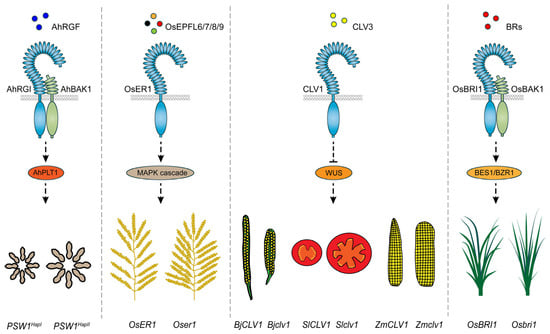
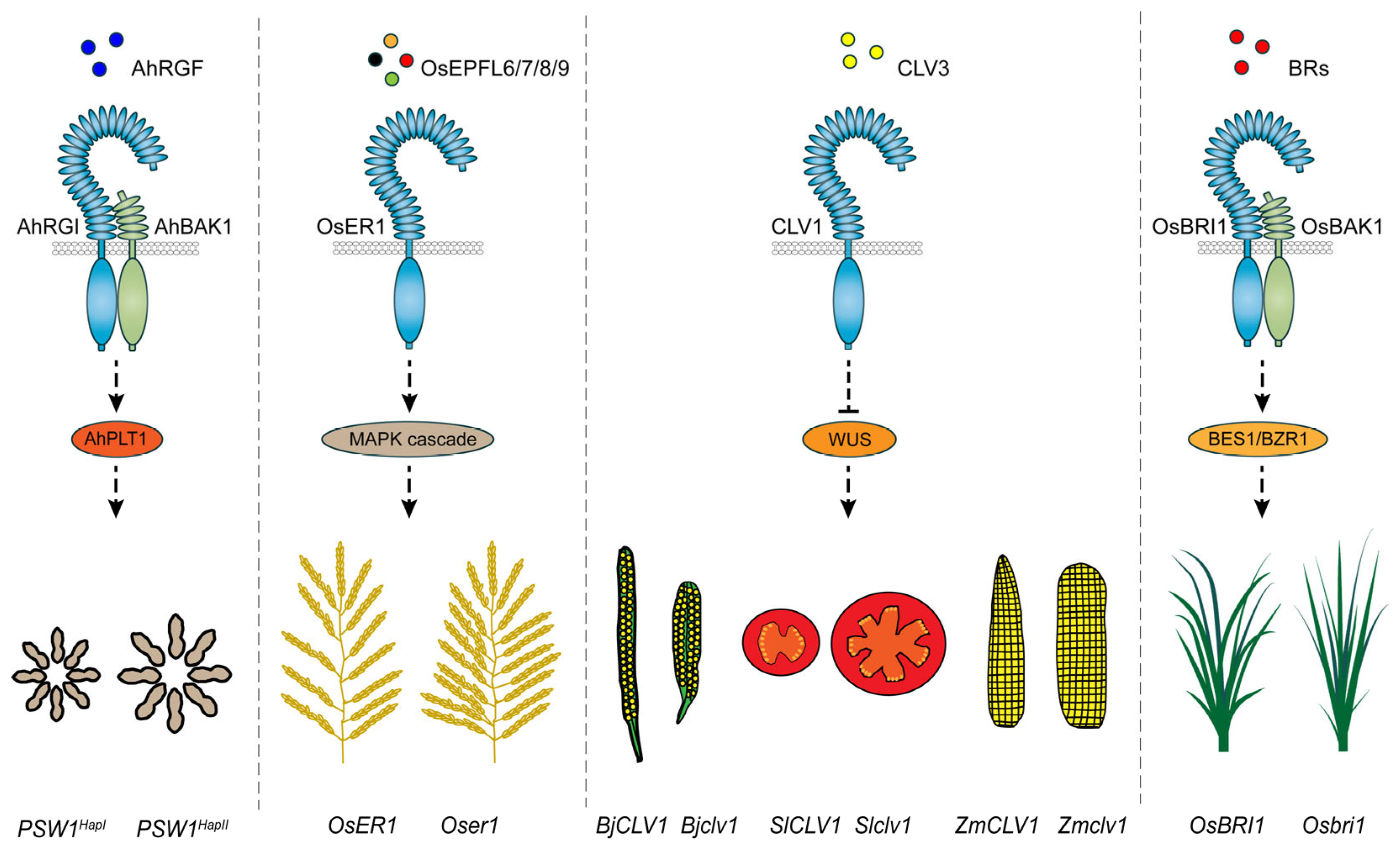
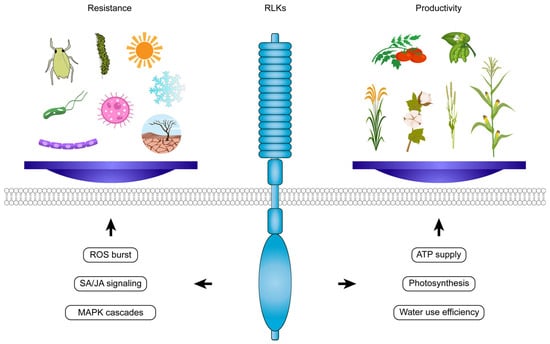
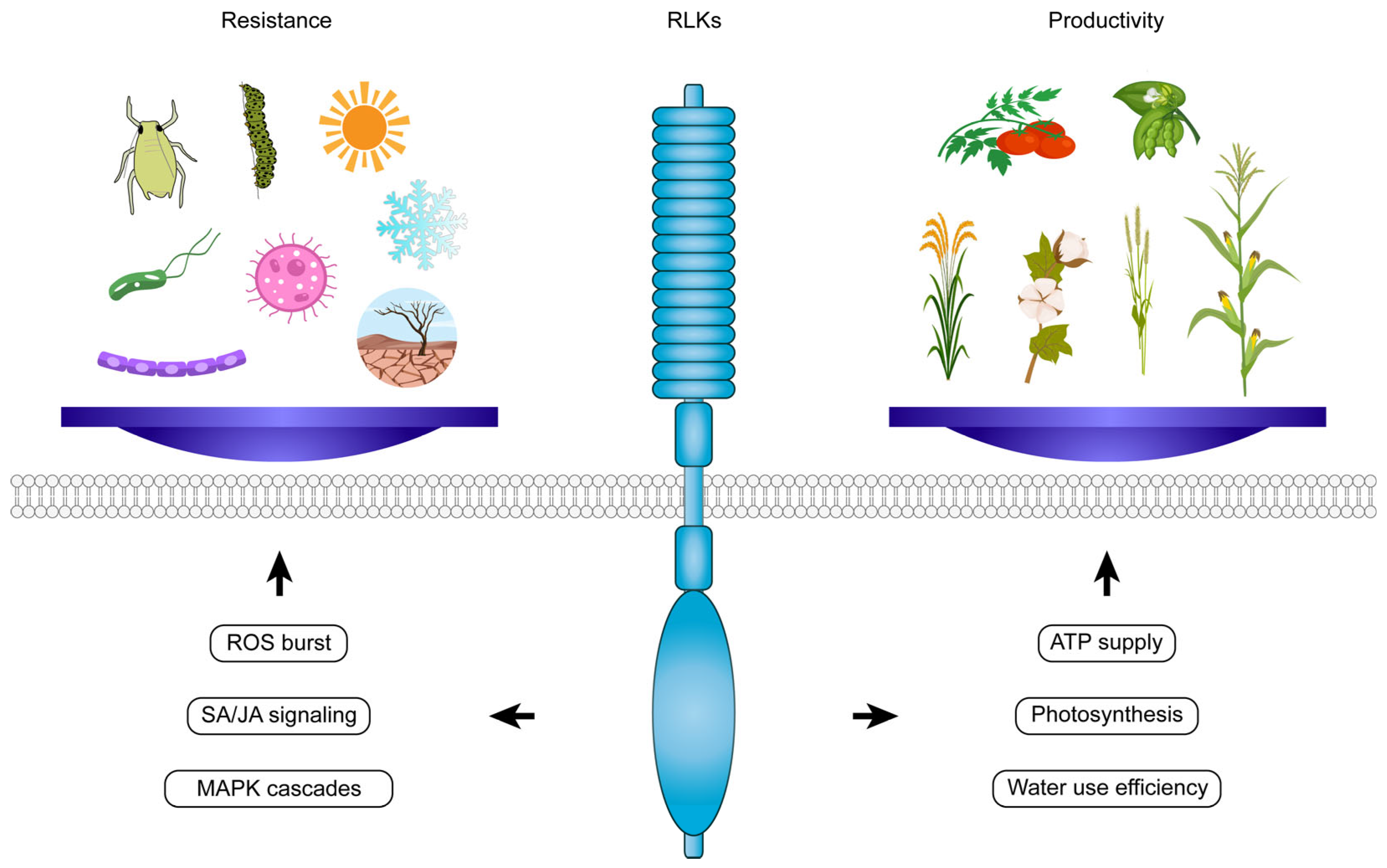

Disclaimer/Publisher’s Note: The statements, opinions and data contained in all publications are solely those of the individual author(s) and contributor(s) and not of MDPI and/or the editor(s). MDPI and/or the editor(s) disclaim responsibility for any injury to people or property resulting from any ideas, methods, instructions or products referred to in the content. |
© 2026 by the authors. Licensee MDPI, Basel, Switzerland. This article is an open access article distributed under the terms and conditions of the Creative Commons Attribution (CC BY) license.