


Abstract
The subjective perception of safety in public space is a crucial indicator of urban participation, shaping how people experience and navigate their surroundings. Urban fear spaces highlight how physical, social, and emotional factors unequally structure access to and use of public environments, linking spatial perception to social justice. This paper addresses the question: What opportunities and limitations does a mixed-methods approach—combining immersive Virtual Reality (VR), electrodermal activity (EDA) measurement, and semi-structured interviews—offer for examining subjective perceptions of urban fear? It offers a methodological reflection on an exploratory study of potential fear spaces on the campus of Ruhr University Bochum, hypothesizing that mixed-methods integration reveals non-conscious arousal patterns inaccessible via verbal data alone. We discuss methodological potentials and limitations in integrating physiological data within qualitative frameworks. The study design comprised VR simulation, physiological signal acquisition, and qualitative interpretation and triangulation. Findings show that combining immersive VR with EDA detects non-conscious physiological arousal patterns that would remain inaccessible through verbal data alone, while simultaneously revealing substantial interpretative challenges that necessitate qualitative contextualization. Integrating interviews proved vital for linking physiological patterns to subjective meaning. The reflection concludes with implications for applying such multimodal approaches in participatory urban planning and spatial research.
1. Introduction
The feeling of insecurity in public spaces reflects and reinforces the unequal opportunities to participate in urban life and to spend time in public spaces. It shapes how people experience and use places—and thus who can participate in urban life [1,2]. So-called urban fear spaces illustrate vividly how spatial structures, social dynamics, and emotional experiences are intertwined, thereby distributing accessibility and participation in urban space unequally [3]. Certain groups often avoid these spaces, even though they are formally open to everyone. This raises questions not only about safety, but also about justice, visibility, and representation in public spaces [4,5].
Current discourse in urban research and geography increasingly emphasizes that the subjective perception of safety is a prerequisite for social participation [6,7,8]. Public spaces that cause insecurity or fear not only restrict individual mobility, but also limit social interaction, trust, and belonging [2,9]. Creating safe and inclusive spaces is therefore a central goal of sustainable and equitable urban development, as explicitly articulated by the UN General Assembly in SDG 11 (“Make cities and human settlements inclusive, safe, resilient and sustainable”) [10,11]. However, capturing, analyzing, and systematically integrating subjective perceptions of (in)security into planning remains methodologically challenging [12].
Traditional approaches to urban research—such as surveys, mapping, or observation—exhibit limitations in capturing emotional and physical reactions, as they rely primarily on cognitive, linguistically mediated representations [13,14]. Moreover, certain groups, including women, are often structurally marginalized and underrepresented in participatory planning processes [15,16] and urban life [17] more broadly. To address these challenges, innovative methodological frameworks are needed to better comprehend perception, emotion, and spatial action [18,19,20].
Building on these methodological innovations, digital and immersive technologies are opening new avenues for urban research. Virtual Reality (VR) makes it possible to realistically simulate urban spaces and visualize prospective spatial transformations [21,22,23,24,25]. In combination with physiological measurement methods such as electrodermal activity (EDA), physical reactions to spatial stimuli can also be recorded [26,27,28,29]. This provides access to emotional and embodied dimensions of spatial experience that were previously difficult to access capture [30,31]. When supplemented by qualitative interviews, this approach enables a multidimensional understanding of how individuals perceive and experience urban fear spaces can emerge that integrates physiological, emotional, and cognitive aspects of spatial perception [32].
The article advances a conceptual and methodological perspective on how subjective safety in public environments can be studied through the interplay of immersive experience, physiological response, and verbal reflection. In this sense, this paper does not seek to replace existing approaches aimed to investigate the relation between environmental design, spatial cognition and human behavior. Instead, it aims to enrich them by examining how immersive virtual settings and physiological data can make subjective spatial experience more directly and empirically observable.
Extending this line of inquiry, this article examines the opportunities and limitations of combining immersive VR simulations, EDA measurements, and interviews to investigate subjective perceptions of urban fear. The focus is less on the empirical outcomes of the case study and more on its broader implications for urban research. This includes the participation of diverse groups, accessibility for underrepresented users, and interdisciplinarity across psychology, urban planning, and technology. By doing so, it aims to broaden the discussion on subjective safety in public environments and integrate the emotional and physical dimensions of spatial perception into participatory processes.
2. Theoretical and Methodological Background
Areas of fear are public or semi-public places where people feel afraid of criminal acts, reducing their subjective sense of safety to such an extent that they avoid the place [3]. Safety is understood as the absence of risk; in densely used public spaces, this can easily turn into a feeling of insecurity [1]. The distinction between objective and subjective safety is central: objective safety refers to measurable data such as accident and crime statistics [33], while subjective safety is an individual feeling based on personal perceptions and assessments [8,30,34]. A place may therefore be seen as threatening by some and as neutral or safe by others [3]. Thus, the classification is highly subjective and cannot be attributed solely to actual dangers. The subjective feeling of safety is central to the perception of fear and depends on individual assessments of one’s own vulnerability, which are influenced by age, origin, gender, experiences of victimization, social capital, living environment, understanding of deviant behavior, and media fears [3,35,36].
Places are commonly perceived as fear spaces due to a combination of physical and social characteristics, including signs of physical disorder (e.g., litter, graffiti, vandalism, structural decay) and social disorder (e.g., perceived deviant behavior or lack of social control) [2,3,8,30,35,37,38,39]. These conditions often signal a loss of social control and promote insecurity. In addition, dynamic elements such as the time of day, the absence of other people, or darkness further intensify this effect [9]. Urban planning and architectural conditions significantly increase feelings of insecurity, for example, through limited visual contact, poor orientation options, hiding places for perpetrators (e.g., dense vegetation, winding buildings), or isolated structures such as underpasses, underground parking garages, (underground) train stations, bus stops, parks, and industrial areas at night [3,9,40]. A place is typically classified as a fear space by a combination of such characteristics, with situational aspects such as being alone or traveling on foot playing a role [8]. Overall, objective and subjective safety must be distinguished conceptually, but in practice, they are closely intertwined. The subjective sense of safety plays a decisive role in accessibility and participation in public spaces, as people use public spaces differently depending on individual and social factors [2,9,41]. A low subjective sense of safety generally acts as a barrier to the use of space [34,35,42]. A high subjective sense of safety is therefore a key prerequisite for actively using and appropriating public spaces. Without it, freedom of movement and quality of life may be restricted, especially for marginalized groups [4,5].
Accordingly, subjective safety is not only relevant for participation in public space itself, but also for participatory planning processes that aim to make public spaces more inclusive and accessible for diverse groups. In this paper, public participation refers to planning-related involvement in decision-making processes, whereas participation in public space refers to the ability to use, appropriate, and feel safe in public environments. Both dimensions are closely linked, as this paper investigates how participatory methods can capture subjective experiences of urban space and translate them into design-relevant insights.
In order to enable all people to participate equally in public spaces, these spaces must be designed to support a high level of subjective safety. While acknowledging that not all influencing factors can be eliminated, they should still be minimized as much as possible [2,43,44]. The CPTED (Crime Prevention Through Environmental Design) concept shows how structural and spatial organizational measures can improve the subjective sense of safety [45]. Key design factors include sightlines, lighting, material choices, spatial configuration, accessibility, and maintenance. Visual connections through transparent structures and open lines of sight, especially at transitions and entrances, promote natural surveillance and strengthen the feeling of safety [45,46]. Clear signage and visible exits also facilitate orientation [45,46,47]. Bright, uniform lighting in underground areas and during night hours can reduce anxiety through better social control and prevent undesirable behavior such as vandalism [45,48]. High-quality, robust materials and light, warm colors, for example on facades or in wooden elements, create a pleasant atmosphere and signal care, thereby preventing neglect [42,45,49]. Barrier-free, openly accessible spaces in well-frequented structures prevent isolation and encourage social activity [45,46]. The identification potential of a place promotes belonging and prevents vandalism [45]. Organizational measures such as cleanliness, regular maintenance, and a positive image strengthen the sense of security, such as monitoring and targeted communication can complement structural measures [45,46]. Greening can also promote a sense of security if lighting and sightlines are maintained, therefore making tall trees more suitable than dense shrubs [50,51].
Terms such as citizen participation, participation, or public participation are often used synonymously; here, participation follows Kaase [52] as, “all activities that citizens undertake voluntarily with the aim of influencing decisions at various levels of the political system.” Citizen participation is intended to increase transparency, acceptance, and quality of urban measures, while identifying needs and obstacles early on [44,53]. It is divided into formal and informal processes: formal participation includes public consultations and statements in the early stages of planning, whereas informal procedures are voluntary, dialogue-oriented, and flexible in terms of methodology, time, and target groups, and can complement formal processes to improve decision quality [16,44,53,54]. In practice, however, participation often reaches its limits because its scope, depth, and impact remain restricted. Cooke & Kothari [55] criticize that participation procedures often only appear to be formally equal, but their actual influence is limited by predetermined objectives. For public interest-oriented planning, it is important to consider the roles of different groups and realities of life. Brow et al. [16] point out that so-called “silent groups” such as young people, migrants, or the socially disadvantaged are often overlooked because participation formats and information are not tailored to them. This leads to low participation rates and distorted samples, creating a representativeness problem [15]. In addition, Spieker et al. [14] and Ernst et al. [56] emphasize that classic 2D representations and technical drawings are difficult for laypeople to understand. Even 3D renderings are often idealized and used primarily for PR purposes, which can arouse mistrust, especially when the images do not correspond to the real experiences on site [56]. In the context of fear in public spaces, it is also relevant that citizen participation in urban design has so far taken little account of emotions, although these are important for well-being in urban areas. Wilhelm et al. [57] attribute this to the fact that well-being is difficult to measure and quantify.
New participatory approaches are needed to overcome the barriers to citizen participation [20,24,58]. VR as an extended reality (XR) technology offers innovative visualization and communication opportunities by allowing environments to be experienced from different perspectives (e.g., a child’s view) and revealing perspective-dependent problems such as shadows or barriers that are hidden in 2D plans [23,24,44]. Head-mounted displays (HMD) create a high level of immersion with 3D viewing and real-time modifications, especially when the scale is true to life [59,60,61,62]. Research shows the practical potential of these approaches: In the “Take Part” project, VR/AR (Augmented Reality) visualizations promoted inclusive participation, imagination, and shared understanding, reduced misunderstandings, and motivated participation [58]. Stauskis [63] demonstrates, in a green space study, the efficiency and playful approach to difficult groups as a supplement to face-to-face methods. Comparisons by van Leeuwen et al. [64] and Malakhatka et al. [65] show greater interest, longer participation, and better spatial understanding with VR compared to 2D/360° representations, despite obstacles such as device availability, support requirements, unintuitive navigation, and motion sickness. Szcepańska et al. [66] and Guler et al. [67] confirm this for online and home use, recommend user-friendly controls, and see VR as a complement to traditional formats. In summary, VR offers high innovation potential for citizen participation through realistic, immersive planning experiences, increased motivation, and reduced cognitive barriers, leading to more intensive interaction. However, its practical use is limited not only by technical requirements and a lack of standardization, but also by user-related challenges such as motion sickness, navigation difficulties, varying levels of digital familiarity, and the risk of excluding participants who are unable or unwilling to engage with HMD-based systems. Therefore, user-friendly and accessible integration remains essential to ensure broad and inclusive impact [23,25,66,68].
Barriers to access, such as language problems in participation processes, can be addressed by quantitative methods such as measuring EDA, which records unconscious emotional arousal via physiological skin reactions [27]. EDA captures changes in skin conductance (SC) in microsiemens (µS) resulting from sympathetic nervous system activation and provides a non-invasive measure of physiological arousal [27,69,70,71]. Field studies confirm the potential: Schlosser & Zeile [30] and Fathullah & Willis [31] showed deviations between objective stress values and subjective assessments during GPS-tracked walks, as well as correlations with spatial situations, which qualifies EDA as an objective supplement to participation formats. Harvey [68] and Wang et al. [13] found EDA correlations with environmental features such as green spaces or intersections, but emphasize that EDA measures general arousal, not valence (positive/negative), which is why subjective data is also necessary. New possibilities emerge in VR combinations: Keil et al. [26] and Lee et al. [40] demonstrated varying SC in response to traffic/noise pollution or overcrowding in virtual scenes. However, the display mode itself may influence electrodermal responses. Comparative studies further suggest that physiological reactions can differ between immersive VR and 2D or real-world settings, meaning that EDA values should be interpreted as mode-specific rather than directly interchangeable across presentation formats [25,68,72]. This makes EDA suitable for capturing spatial perception differences in participation processes. In summary, EDA measurements capture implicit stress patterns that surveys overlook, especially in combination with VR for reproducible analyses of urban spaces. Yet reproducibility should be understood within the chosen display context, since EDA responses may vary across immersive VR, 2D screen, and real environments. However, context-dependent interpretation requires methodological standards, practical evaluation, and integration into existing formats to enable user-oriented urban development.
The theoretical foundations emphasize safety as a prerequisite for socially equitable participation in public spaces and identify fear-inducing urban areas as key obstacles. Given barriers to participation such as a lack of representativeness, symbolic participation, and inaccessible visualizations, innovative methods open new perspectives for incorporating perceptions early on in planning processes and creating more equitable urban spaces. The combination of VR and EDA provides a tangible form of participation by enabling participants to experience and express their perceptions within simulated urban environments. The aim is to overcome barriers to access and to discuss the combination of different participation methods for inclusive urban planning. The overarching research question is: What opportunities and limitations does combining immersive VR, EDA measurements, and qualitative interviews offer for accessing subjective perceptions of urban fear?
3. Research Design and Implementation
3.1. Case Study
The study focuses on three spatially connected locations on the Ruhr University Bochum campus that meet typical characteristics of fear spaces such as poorly visible areas, defective or inadequate lighting, signs of vandalism, structural defects and littering, as well as low social control due to the absence of other people in the evening hours [2,9]. With an area of 4.5 km2, Ruhr University Bochum is one of Germany’s largest campuses. The campus features a centralized layout and brutalist architecture south of Bochum city center [73,74]. The selected fear spaces represent transitional zones within this expansive, 24/7 accessible public campus environment. For the first focal point (FP) (see Figure 1, top), an open space on the central square of the university directly in front of the stairs leading down to a parking garage was selected. This FP was particularly characterized by structural decay and signs of vandalism. The second FP (see Figure 1, center) was on the staircase down to the parking garage. The low and narrow dimensions, signs of vandalism and insufficient lighting in some areas, mainly characterized it. The third FP (see Figure 1, bottom) was on the parking deck in the parking garage under the central square. Important characteristics of fear spaces were structural defects, construction sites, vandalism and uneven lighting.
Figure 1.
FPs used as inspiration for the case study. All three FPs located on the campus of the Ruhr University Bochum were selected based on typical characteristics of fear spaces.
Inspired by the three selected FPs, three virtual spatial models were created (see Figure 2) using the CAD software Vectorworks (version 2025 for Windows 10 pro) [75] and the Unity game engine (version 2022.3.58f1), which allows for seamless integration of VR hardware [76].
Figure 2.
Virtual fear spaces. Three virtual environments with typical characteristics of fear spaces such as insufficient lighting, signs of vandalism and poorly visible areas were created.
As a second experimental condition, the FPs were redesigned following suggestions for removing fear-inducing characteristics of fear spaces (see Figure 3). This included removing visual signs of vandalism, maximizing visual connections between indoor and outdoor spaces with transparent elements, using bright colors for surfaces and improving lighting conditions with brighter and more evenly distributed lighting [2,45,49]. The virtual spaces (control and experimental conditions) use the same camera position, even though the redesign may give the visual impression that different positions are used.
Figure 3.
Redesigned virtual spaces. For the experimental condition, typical characteristics of fear spaces were addressed by improving lighting conditions, maximizing visual connections between spatially separated areas, introducing bright surface colors and removing visual signs of vandalism.
To increase the immersion of the virtual spaces, continuous ambient sounds were added. These included quiet background noise in all three spaces as well as quiet chirping at the first FP and sounds of dripping water and the hum of technical equipment at the second and third FPs. Furthermore, trigger sounds were played at fixed moments to investigate how specific sounds are interpreted in different spatial scenarios. At the first FP (open space), footsteps and the shouting of a frisky group of men were presented. At the second FP (staircase), a whistling wind noise was played. At the third FP (parking deck), the sounds of a car door being slammed and the departure of a car were played. The same sounds were used in both the control (fear space) and experimental (reduced fear characteristics) scenes.
3.2. Procedure
Before the start of the experiment, the study was approved by the Ethics Community of the Faculty of Geosciences (RUB Ethics Approval #2024-01). After giving written informed consent, participants were equipped with an HTC Vive Pro HMD as well as finger clips connected to the Mindfield eSense app via a tablet for recording EDA data. The HMD was used to present the previously described visual and auditory stimuli. To prevent order effects, a cross design was used. Half of the participants first saw the control scenes with typical characteristics of fear spaces and the experimental scenes with removed fear characteristics afterwards. The other half of the participants first saw the experimental scenes and the control scenes afterwards. The durations of each scene and the moments when the trigger sounds were played are listed in Table 1. At the beginning of the experiment and before the switch between the control and experimental scenes, a neutral pause scene (see Figure 4) was displayed for one minute to allow EDA measurements to reach a relaxed state baseline level.
Table 1.
Scene order, scene durations and trigger sound times. For half of the participants, the condition order (control = blue/experimental = pink) was switched to prevent order effects. The colors are used purely to distinguish the control and experimental conditions throughout the manuscript and do not carry any further conceptual meaning.
Figure 4.
Neutral pause scene. This scene was displayed to allow EDA measurements to reach a baseline level.
To minimize motion sickness and standardize visual perception across participants, movement was restricted to three rotational degrees of freedom (3DoF), allowing participants to rotate their head and body to explore the environment while remaining at a fixed position. These movements were mirrored in the virtual environments, allowing participants to obtain a 360-degree view of the virtual environments. The presentation of the virtual environments was followed by a guided interview. This interview is described in detail in the following section.
3.3. Qualitative Interviews
An interview was carried out to assess the explicit subjective evaluation of the presented virtual FPs and to contextualize identified events in the EDA data. A semi-structured interview guide was used to ensure thematic consistency while allowing flexibility in question order and emphasis (cf., [77]). All interviews were recorded as audio recordings. The interview guide consists of a preliminary survey with sociodemographic and closed questions, as well as a semi-structured interview part with seven topic blocks. After a brief introductory conversation serving as an acclimatization phase, the purpose and procedure of the interview were explained, and participants were encouraged to express themselves openly.
Topic block 1 addressed well-being during and after the VR experience. Emotional and physical reactions, potential irritations, or positive sensations were assessed (“How did you feel during the VR experience?”, “Did you notice any physical or emotional reactions during the experience, such as tension, restlessness, or a changed sense of your body?”, “How are you feeling immediately after the VR experience?”).
In topic block 2, the perception of differences between the two VR scenes were explored. Participants were asked to identify concise design differences for all focus points. The responses formed the basis for the subsequent evaluation-oriented questions (“What differences in design between scene 1 (design 1) and scene 2 (design 2) did you notice?”—asked separately for each focus point).
Topic block 3 focused on differences in the subjective feeling of safety between the control and experimental scenes. The aim was to find out if and how the subjective feeling of safety changed as a result of the environmental design adjustments (“Were there any places or situations where you felt insecure or uncomfortable? If so, which ones? What triggered this feeling?”, “Were there any places or situations where you felt secure or comfortable? If so, which ones? What triggered this feeling?”—asked separately for the control and experimental scenes).
Topic block 4 investigated the effect of auditory stimuli. After mentioning the five sounds played (footsteps, shouting, wind, car door, car departure), the respondents were asked how they perceived and evaluated these sounds in both scenes. In addition to the effect of individual sounds, the interplay between the soundscape and the spatial design was a key focus (“Did you perceive the acoustic stimuli differently in the different scenes? If so, how would you describe this difference in perception?”).
In topic block 5, participants were asked to reflect on whether memories or associations arose during the VR sequences and what triggered them. This aims to investigate the extent to which individual experiences influence the virtual experience (“Were there any moments in the VR scenes that reminded you of your own experiences? If so, can you describe in more detail what reminded you of it? How did you feel and what thoughts went through your mind?”).
In topic block 6, participants evaluated the technical implementation and realism of the VR sequences using a ten-point Likert scale (“How realistic did you find the VR environment overall?”, 1 = not at all realistic, 10 = very realistic) [78]. Additionally, particularly realistic or less convincing elements, as well as suggestions for improvement, are requested to contextualize the scale values and identify potential for optimization (“Were there any elements that you found particularly realistic or well implemented?,” “Were there any elements that seemed rather artificial or less convincing to you?”, “Were there any elements that you think could be improved? Which ones?”).
Topic block 7 focused on the suitability of VR-based visualizations as a participatory tool. Participants were asked to imagine a scenario in which a redesign of the parking garage of Ruhr University Bochum was planned and visualized using VR. Furthermore, they were asked to rate the suitability of the VR approach as an evaluation tool for a planned redesign using a ten-point Likert scale (“Based on today’s experience, how would you assess the suitability of VR for citizen participation in the redesign of spaces perceived as unsafe?”, 1 = not suitable at all, 10 = very suitable). Additionally, the potential and limitations of the method were explored to obtain a multi-perspective assessment (“What opportunities do you see in this method?”, “Where would you see potential limits of VR?”). In the final part of the interview, the participants had the opportunity to express their own thoughts or observations in relation to topics which were not included in the interview guide.
3.4. Measures
3.4.1. Electrodermal Activity
Using the aforementioned Mindfield eSense skin response finger clips, the participants’ EDA data was measured in µS during the perception of the VR environments with a temporal resolution of 0.2 s (5 Hz; see Supplementary Materials Dataset S1). Mean EDA values were calculated for each participant and time frame (see time frames in Table 1). This allowed us to compare mean EDA values between time frames of different FPs, audio stimuli and experimental conditions (control: fear space, experimental: reduced fear space). Furthermore, the continuous EDA data was visualized in graphs to identify sudden peaks or drops in the data. Graphs were created both for each individual participant and as aggregated means per cross-design group (control condition first or experimental condition first). Timestamps were included to easily identify the different time frames and the associated audio stimuli. For Section 4, a few single-participant graphs were selected from the full set of available graphs as illustrative case examples and are not averages of all cases.
3.4.2. Interview Data
As a first step, all interview recordings were transcribed using the locally runnable AI-based software noScribe (version 0.5). The software enables automated and data-protection-compliant speech recognition and text conversion [79]. The transcripts were subsequently corrected, checked for completeness, and anonymized. The procedure followed journalistic transcription principles with a focus on comprehensibility and readability. Filler words, pauses, and grammatical inaccuracies were reduced or corrected as needed. Thus, the focus was on the content of the interviewees’ statements, not on their individual speech patterns, intonation or manner of expression, unless these characteristics were relevant to the research [80].
The revised transcripts were then encoded using the ATLAS.ti software (version 25.0.1). The analysis was conducted using qualitative content analysis according to Kuckartz [81]. This method enables a systematic, rule-based interpretation of qualitative data. At the same time, it offers theory-based data processing and allows for the combination of deductive and inductive steps. This method was chosen because it is transparent, comprehensible, and well-suited for extensive text material, as was the case with the large number of interview transcripts in this study. First, the initial text work took place, in which the transcripts were read completely and sequentially. Then, a category system was developed deductively from theory and guidelines. Later, inductive subcategories were added (see [81]). This allowed for the consideration of both theory-driven and previously undefined findings.
During the coding process, all interviews were systematically reviewed, and text passages were assigned to the main and subcodes. Memos created in parallel supported the reflection and further development of the category system. The final coding system is displayed in Table 2. The interview excerpts were then grouped and summarized according to their core content using (sub)codes.
Table 2.
Coding system used to categorize statements from the interviews.
3.5. Study Sample
We aimed to include participants from diverse demographic backgrounds to better represent the stakeholder population. Therefore, we used a convenience sampling approach and recruited participants through multiple channels, including on-campus postings, social media, private contacts, and word of mouth. The resulting study sample consisted of 43 participants (25 female, 18 male) with an age range between 18 and 49 years (mean (M) = 26.98, standard deviation (SD) = 4.98; see Supplementary Materials Dataset S2). Four participants were excluded from the EDA analyses due to incomplete or corrupted data caused by connection issues with the measurement device, resulting in a final EDA study sample of 39 participants (22 female, 17 male) with an age range between 18 and 49 years (M = 26.92, SD = 5.12). However, their data were retained for the remaining analyses, including the qualitative interview evaluation.
3.6. Statistics
Mean SC values were computed for each module across its duration at several levels of aggregation. Calculations were performed separately for the control and experimental scenes, as well as for the three FPs—forum square, stairwell, and parking deck—and the five auditory triggers: footsteps, shouting, wind, car door, and car departure, each distinguished by scene. Additionally, descriptive statistics were obtained for each module, including the M, median, SD, minimum (min), maximum (max), and the 25th and 75th percentiles. To enable visual inspection of distributional differences between the control and experimental conditions, histograms were generated for each module displaying both distributions with their respective means indicated.
Data normality was assessed using the Shapiro–Wilk test for each control–experimental module pair, both for the entire sample and within gender strata, with a significance threshold of α = 0.05. The null hypothesis (H0) assumed that the sample originated from a normally distributed population, while the alternative hypothesis (H1) reflected deviation from normality. Across all modules, the normality assumption was violated. In view of these results, nonparametric analyses were conducted using the Wilcoxon signed-rank test to examine differences between control and experimental scenes. The null hypothesis (H0) posited no difference between the paired conditions, and the alternative hypothesis (H1) posited a statistically significant difference. All tests were two-tailed with α = 0.05. Effect sizes (r) were computed for all module pairs to evaluate the magnitude of observed differences and were interpreted according to Cohen’s [82] thresholds (r ≈ 0.1 small, r ≈ 0.3 medium, r ≥ 0.5 large). All data processing, statistical analyses, and visualizations were performed using Python (version 3.13.x), R (version 4.5.2), RStudio (version 2026.01.0) and Microsoft Excel.
4. Results
Statistical analysis revealed significant differences in emotional responses between control and experimental scenes for the parking deck (test statistic Wilcoxon (W) = 215, p = 0.014, r = 0.391), car door (W = 219, p = 0.016, r = 0.382), and car driving away (W = 209, p = 0.011, r = 0.404); effect sizes were medium. Qualitative questionnaire responses corroborated these effects: pre-intervention VR scenes, which represented fear-inducing spaces, evoked predominantly negative emotions such as fear, discomfort, stress, and tension—particularly in the stairwell and parking deck—while post-intervention scenes were rated safer, brighter, more open, clearer, and friendlier. Descriptive EDA values also decreased from control to experimental scenes, consistent with subordinate FPs (see Table 3 and Figure 5).
Table 3.
Descriptive statistics (µS) of SC Values across modules. Experimental scene consistently lower than control, except “Shouting” (light red).
Figure 5.
SC frequency histograms: control vs. experimental scenes (total, forum square, stairwell, parking deck).
An exception appeared in the shouting stimulus, where EDA values were slightly higher in the experimental scene (control: M = 4.41 µS, SD = 2.85; experimental: M = 4.32 µS, SD = 3.01; see Table 3). Although rated a strong stressor in the qualitative questionnaire, some participants—particularly men—found the sound humorous or evocative of campus memories. For instance, participant A22 (male) stated, “I found it funny when you heard people, like a party crowd”, while A18 (female) felt uncertain and alert, noting, “you expect the [shouting group] to come up the stairs any minute now”. As Figure 6 shows, this anticipation coincided with increased SC values. However, for A22 the ~1.5 µS SC rise at “Shouting (c)” likely reflected positive arousal rather than stress.
Figure 6.
Comparison of SC values for participants A22 (top) and A18 (bottom) across the full test duration, highlighting the “Shouting” stimulus. A22 reported positive sound association; A18 reported uncertainty and high alert. Both show clear EDA peaks during the stimulus, marked with red circles. Dotted vertical lines indicate the onset and offset of each sound stimulus, whereas solid vertical lines indicate the onset and offset of the FPs.
Regarding other auditory stimuli, respondents’ statements indicated that, compared to the control scene’s concentrated fear-inducing features, these appeared less threatening in the experimental scene. Footsteps and shouting still drew attention but were less often perceived as threatening, more frequently rated as neutral or as expected background noise. Car-related sounds (e.g., doors slamming, vehicles driving away) occasionally caused brief uncertainty due to unclear source localization, though others classified them as normal parking garage noises.
Given the extensive literature on gendered fear of crime, women’s safety work as well as spatial justice in public space, gender was examined as a theoretically relevant variable in the analysis. Gender-stratified analyses revealed distinct patterns (see Table 4). For women, significant differences emerged across five modules—overall scene (W = 58, p = 0.025, r = 0.474), stairwell (W = 58, p = 0.025, r = 0.474), parking deck (W = 46, p = 0.007, r = 0.557), car door (W = 45, p = 0.007, r = 0.564), car exit (W = 51, p = 0.013, r = 0.523) —with moderate-to-high effect sizes (strongest: parking deck, car door). No significant differences appeared for men in any module: forum square (W = 44, p = 0.132, r = 0.373) and shouting (W = 40, p = 0.089, r = 0.419) showed moderate effects, while the others were low (see Table 4). Qualitative data corroborated these patterns: a larger proportion of women than men reported negative perceptions in control scenes (women 92%, men 55.56%) and positive perceptions in experimental scenes (women 92%, men 77.78%). Women provided more remarks on fear triggers and auditory stimuli, notably the car door stimulus in the context of fear (60% women vs. 38.89% men).
Table 4.
Wilcoxon signed-rank test results for module differences in SC values by gender (w/m). Table shows modules, group sizes (n), test statistic (W), p-values, and effect sizes (r). Light red highlighting marks statistically significant results (p < 0.05).
Across most participants, SC values aligned with qualitative emotional reports. For example, Subject B15 described the control scene ‘frightening’ due to noises creating a ‘stressful environment’ but felt his ‘nerves pretty much in control’, safe, and ‘good and comfortable’ in the experimental scene. Subject A08 reported similar shifts: ‘a little scared’ and frightened in control, versus ‘friendlier’ and ‘less frightening’ experimentally; the control stairwell felt ‘the worst’, but after the redesign it ‘felt good’.
Exceptions also occurred. Subject A16 described the experimental scene as more ‘relaxed’ and a ‘much more welcoming environment’ than control—yet SC values showed a consistently elevated trend with steady increases across modules. Similarly, Subject B10 reported insecurity from footsteps/shouting and fright at a parking garage ‘giant spider’ structure in control, but no clear SC peaks supported this (Figure 7).
Figure 7.
SC response of participant B10 across entire test. Self-reported comfort (experimental scene) and fear (control scene) show no EDA correlates. Dotted vertical lines indicate the onset and offset of each sound stimulus, whereas solid vertical lines indicate the onset and offset of the FPs.
Overall, 30 out of 43 participants provided a positive evaluation of their condition after the VR experience in the qualitative questionnaire. In cases where participants experienced motion sickness and had to take a break, differing patterns emerged in the SC levels. After the interruption, the subsequent scenes were in some cases associated with a consistently lower SC level than before, suggesting a possible calming or fatigue effect following the break (Figure 8).
Figure 8.
SC values for participant A12 across full test duration. Example of SC changes following a break due to motion sickness (after control scene). Dotted vertical lines indicate the onset and offset of each sound stimulus, whereas solid vertical lines indicate the onset and offset of the FPs.
Finally, the results show that participants rated the suitability of VR as a tool for participation processes in the context of redesigning fear spaces highly positively, with an average score of 9.19 out of 10 possible points (range: 7–10). They justified this assessment by highlighting both the opportunities and limitations of VR use (e.g., reduced cognitive barriers and enhanced engagement, versus technical infrastructure requirements and potential participant exclusion; see Section 5.5 and Section 5.6).
5. Discussion
This study set out to examine the methodological potential of combining immersive VR, EDA measurements, and qualitative interviews to analyze urban fear spaces, using a spatial case study in the city of Bochum, which is part of the largest urban agglomeration in Germany. Rather than providing a conclusive empirical assessment of specific campus locations, the research aimed to explore how this mixed-methods design can render subjective perceptions of safety tangible, measurable, and—at least in initial applications—interpretable. The findings suggest that integrating immersive, physiological, and qualitative approaches yields substantial value for urban research and participatory planning, while simultaneously exposing key methodological and interpretative challenges.
5.1. Triangulating Experience, Physiology and Meaning
A central finding of this study is that none of the applied methods alone would have been sufficient to capture the complexity of perceived safety in urban fear spaces. Immersive VR enabled participants to experience spatial situations in a controlled yet realistic manner [21,25,76]. It allowed design attributes such as lighting, openness, and visibility to be perceived holistically rather than abstractly. EDA measurements complemented this experiential dimension by capturing implicit physiological arousal that participants were not always able to articulate. However, it was only through the qualitative interviews that these quantitatively measurable physiological responses could be meaningfully interpreted. This triangulated approach is particularly relevant because objective and subjective safety are not identical. A place may be perceived as unsafe even when no corresponding objective danger is present [1,3,34].
The results further show that physiological arousal does not directly correspond to consciously reported fear or perceived insecurity [68,71]. In several cases, participants reported feelings of unsafety without marked EDA peaks, whereas in others, elevated SC reflected excitement, curiosity, or amusement rather than fear (Figure 6). This reinforces existing findings that EDA captures emotional intensity rather than valence [27,71]. In this sense, the physiological data do not replace subjective accounts but complement them by revealing non-conscious emotional response, as emphasized in psychophysiological work on EDA by Dawson et al. [27] and Bouscein [71] and in broader measurement recommendations [69,70]. These findings underscore the need for methodological triangulation: physiological data requires qualitative contextualization, while subjective reports benefit from the inclusion of implicit measures that capture non-conscious emotional processes. More broadly, the findings support the view developed in the theoretical background that subjective safety is a key condition for the use and appropriation of public space, and the perceptions of insecurity shape accessibility and participation in urban life [34].
5.2. Impact of Spatial Redesign on Perceived Safety
Across most modules, the redesigned virtual environments were associated with lower average EDA values and were consistently characterized in qualitative reports as brighter, clearer, more open, and more welcoming (Figure 5, Table 3). This convergence between physiological responses and qualitative evaluations suggests that in VR-based design interventions—such as modern lighting structures, enhanced visibility and field of view, reduced signs of urban decay, and upgraded architectural elements—can effectively alleviate stress-related arousal in fear-inducing settings. These findings resonate with earlier work on fear spaces and the importance of spatial design for subjective safety, especially in public settings where insecurity can restrict the use of such spaces and participation in (re-)designing [3,8,34].
The strongest effects were observed in the parking deck scenario and in response to car-related sounds, corroborating previous findings that enclosed, poorly illuminated, and acoustically ambiguous spaces are particularly prone to eliciting fear responses [8,42,45]. In this respect, the results are consistent with the CPTED-oriented planning literature, which emphasizes sightlines, lighting, orientation, and the reduction in concealment as key factors for safety perceptions [45,46], while demonstrating that their impacts can be systematically examined within immersive virtual environments prior to real-world implementation [26,67]. They also align with broader discussions of spatially differentiated safety perception, according to which the physical and social structure of a place can shape subjective security even when objective risk is difficult to isolate [2,8,33,45,46].
At the same time, the findings caution against overly deterministic interpretations. Individual EDA trajectories and interview narratives revealed marked intersubject variability, indicating that spatial design interacts with personal histories, experiences, and expectations. Fear spaces, therefore, do not constitute fixed environmental properties but emerge as relational phenomena shaped by the intertwining of spatial, social, and biographical factors. This is in line with earlier arguments that fear in public space is not merely a physical property of a site but a socially and subjectively mediated experience [1,3,34].
5.3. Gender-Specific Sensitivity and Questions of Spatial Justice
The gender-stratified analysis was guided by prior research showing that perceived safety in public space is gendered and that women’s everyday spatial practices are often shaped by heightened vigilance, precaution, and unequal conditions of access. One of the most striking findings is the pronounced gender-specific differences in physiological responses. A significant reduction in EDA between the anxiety-inducing and redesigned scenes was observed primarily among female participants, whereas no significant effects were found among male participants (Table 4). These patterns correspond with previous research suggesting that women often report heightened sensitivity to spatial insecurity, particularly in enclosed or poorly monitored environments [9,41,42]. Methodologically, this finding highlights the value of physiological measurements for revealing differences in sensitivity that are not fully expressed in verbal reports (such as the interviews used here). The results lend further support to feminist and social justice-oriented urban planning theories, which emphasize that planning interventions are not value-neutral and may benefit certain groups more than others [2,10,41,49]. At the same time, the data suggest that design strategies aimed at enhancing visibility, orientation, and perceived control can be particularly beneficial for groups that experience heightened vulnerability in public space. These findings indicate that the redesigns may have been more effective for this group, which is described in the literature as particularly vulnerable in public space [2,83]. This interpretation is consistent with feminist geographies of fear, according to which women’s restricted use of public space is not only a response to individual threat perceptions but also a spatial expression of patriarchal relations [9,17]. In this sense, the present results do not merely point to different sensitivities between groups, but also to unequal conditions of participation in public space, which have been discussed in the literature on gendered space and women’s safety work [41,49,83]. Rather than treating gender as a homogeneous explanatory factor, the findings suggest that redesign measures may alleviate insecurity in ways that are particularly relevant for those groups whose everyday spatial practices are already shaped by heightened vigilance and precaution [2,9,41,83].
5.4. Multisensory Dimensions of Urban Fear
The findings further emphasize the crucial role of auditory, particularly three-dimensional, stimuli in shaping perceptions of safety. Identical sounds were frequently perceived as less threatening in redesigned environments, indicating that spatial context substantially mediates the interpretation of acoustic cues [8,45] (Table 3). This supports the broader argument that urban fear is not purely visual but multisensory, and that sound is an integral part of how public space is experienced and evaluated [30,84,85]. Uncertainty about the origin of sounds, especially in enclosed or visually constrained settings, emerged as a consistent trigger of stress, even when the sounds themselves were familiar or commonplace. The shouting stimulus representing chanting sports fans illustrates this particularly well: although generally perceived as stressful, it elicited divergent responses ranging from fear and alertness to amusement and familiarity (Figure 6). These heterogeneous reactions were mirrored in the individual EDA trajectories, underscoring both the need for interpretative caution and the value of integrating qualitative methods such as interviews into VR-based experimental designs. In line with prior work on audiovisual cartography and immersive virtual environments, such results indicate that sound gains meaning through its spatial embedding rather than through its acoustic properties alone [84,85]. Overall, the results highlight that urban fear spaces are intrinsically multisensory phenomena, suggesting that participatory planning processes should account for acoustic as well as visual design elements [30,84]. This also aligns with earlier discussions of public space as an environment shaped by embodied perception and affect, where soundscape, orientation, visibility and social context jointly influence subjective safety [30].
5.5. VR and EDA as Participatory Tools
Participants rated the suitability of VR-based visualizations for participatory processes as very high. This finding supports the assumption that immersive environments may reduce cognitive barriers, facilitate understanding of spatial proposals and scenarios and encourage engagement [25,85]. In the context of the broader participation literature, this is particularly important because conventional planning visualizations and procedures often remain inaccessible to lay audiences or produce only limited forms of influence [14,15,16,44,55,56]. This advantage may be particularly relevant for groups who find it challenging to interpret abstract plans, 2D maps or technical drawings [66,67]. As studies on XR-based participation have shown, low-threshold formats thereby complement formal and informal participation processes rather than replacing them [20,64,66,67]. The combination with physiological measurements further expands this potential by offering a way to include non-verbal and non-conscious dimensions of experience. In this respect, the present approach extends earlier participatory VR applications by adding a physiological layer that makes affective reactions to spatial scenarios observable and discussable within planning processes. At the same time, the findings support the broader claim that digital participation tools are most valuable when they are designed as complements to established participatory formats and are embedded in accessible, user-oriented procedures [16,20,44,64,66,67].
5.6. Methodological Limitations and Future Directions
Despite its promising results, this study entails several methodological limitations. VR-based setups require substantial technical infrastructure, facilitation, and careful design to prevent discomfort or participant exclusion [23,60]. In the present study, motion sickness occurred only once, yet such cases underline the need for ergonomic design and continuous monitoring during immersive sessions. Moreover, one participant’s movement (despite the instruction to restrict movement to rotation) led to distorted EDA readings, illustrating the sensitivity of physiological recordings to motion artifacts. Here, four participants had to be excluded due to incomplete or corrupted signals caused by unstable sensor connections. These issues were partly related to the finger-clip sensors, which proved too large for some participants and were generally prone to loosening during sessions. For future experiments, adhesive electrodes may provide a more stable and inclusive solution. Regarding EDA, this limitation should be interpreted in light of the fact that electrodermal activity is highly sensitive to methodological and contextual factors and requires careful standardization of recording and analysis procedures [27,69,71]. At the same time, the present within-subject design reduced interindividual variability, and the use of a baseline scene before each experimental scene as well as sufficient time intervals between stimuli helped stabilize the physiological signal and mitigate carry-over effects. These steps strengthen the comparability of the measurements, even though they do not eliminate all interpretative challenges [27,69,70,71,86] (Figure 7). These findings do not suggest that EDA is inherently unreliable, but rather that its interpretability depends on a carefully controlled setup, appropriate sensor choice, and context-sensitive calibration. Accordingly, this approach should not be regarded as a substitute for established participatory methods but rather as a complementary tool that enhances participatory processes by incorporating experiential and emotional dimensions.
With regard to the qualitative component, the applied approach proved to be time-consuming because of the number of questions and extensive post-processing required. For future studies, a more streamlined procedure is recommended, with a limited set of key questions (e.g., “What associations do you have with the different sounds used?” or “Which sound stood out to you, and why?”). Additionally, the qualitative instruments can be adapted after a preliminary review of the EDA data to address specific peaks or troughs in physiological arousal, thereby facilitating more targeted, stimulus-specific inquiry.
The exploratory nature of this study and the use of a convenience sample limit the generalizability of the findings. Although the virtual environments were immersive, they cannot fully reproduce real-world complexity, including social interactions and situational contingencies [87,88]. Novelty effects and individual differences in VR familiarity may also have influenced both subjective and physiological responses [59,72,86].
The small sample size further calls for cautious interpretation. Demographic variables such as gender should not be treated as homogeneous explanatory factors; future research should instead explore intersections of age, mobility, prior victimization, and environmental familiarity. Future studies should therefore employ larger and more diverse samples, longitudinal designs, and comparative analyses between virtual and real-world contexts. Moreover, further methodological efforts are required to develop best practices for synchronizing VR stimuli, physiological measures, and qualitative data. While visual and auditory stimuli were precisely synchronized within the virtual environment, the initiation of the VR sequence and the onset of EDA recording were manually triggered, which may introduce small temporal offsets. Establishing rigorous calibration steps and automated start synchronization or timestamp alignment is therefore crucial for future studies. Finally, multimodal approaches should increasingly be integrated into real-world planning processes to bridge experimental setups and applied urban contexts.
6. Conclusions and Outlook
This study demonstrates that combining immersive VR, EDA measurement, and qualitative inquiry provides a powerful methodological framework for investigating urban fear spaces. The triangulation of these approaches enables a more comprehensive understanding of both conscious appraisals and non-conscious physiological responses to fear-inducing and redesigned urban environments. The observed reduction in EDA within redesigned virtual settings—qualitatively characterized as brighter and more welcoming—indicates that targeted design interventions can effectively mitigate stress-related arousal. From a methodological perspective, the findings underscore the necessity of qualitatively contextualizing physiological data and conceptualizing urban fear spaces as inherently multisensory phenomena.
In relation to the main research question, the combined approach offers clear opportunities for accessing subjective perceptions of urban fear by linking experiential, bodily, and verbal data in a participatory setting. The observed reduction in EDA within redesigned virtual settings—qualitatively characterized as brighter and more welcoming—indicates that targeted design interventions can effectively mitigate stress-related arousal. At the same time, it also reveals important limitations, including technical demands, the risk of excluding participants, and the need to account for the multisensory and context-dependent nature of fear spaces. In sum, the combination of immersive VR simulations, EDA analysis, and qualitative inquiry constitutes a robust framework for participatory evaluation and communication of urban design outcomes. Further research should examine sound as an associative social and perceptual dimension of urban fear, as well as olfactory elements, particularly in relation to multisensory spatial experience.
Supplementary Materials
The following supporting information can be downloaded at: https://www.mdpi.com/article/10.3390/ijgi15050191/s1, Dataset S1: EDA; Dataset S2: subject list.
Author Contributions
Conceptualization, Dennis Edler and Katrin Reichert; methodology, Dennis Edler, Julian Keil, Anna-Lena Heppenheimer and Katrin Reichert; formal analysis, Anna-Lena Heppenheimer and Katrin Reichert; investigation, Anna-Lena Heppenheimer and Katrin Reichert; data curation, Katrin Reichert, Anna-Lena Heppenheimer; writing—original draft preparation, Katrin Reichert, Dennis Edler and Julian Keil; writing—review and editing, Dennis Edler, Julian Keil and Frank Dickmann; visualization, Anna-Lena Heppenheimer and Katrin Reichert; supervision, Frank Dickmann, Dennis Edler and Julian Keil; funding acquisition, Katrin Reichert, Dennis Edler and Julian Keil. All authors have read and agreed to the published version of the manuscript.
Funding
Article Processing Charge funded by the Open Access Publication Fund of Ruhr—Universität Bochum.
Data Availability Statement
The cleaned EDA data presented and subject list in this study are available as Supplementary Dataset S1 and S2. The transcribed interview data are not openly available due to privacy reasons.
Acknowledgments
During the preparation of this study, the authors used ChatGPT (version 4.0) to assist in developing scripts in R and Python. Additionally, DeepL and Perplexity Pro were employed to support translation and language refinement. The authors have reviewed and edited the output and take full responsibility for the content of this publication.
Conflicts of Interest
The authors declare no conflicts of interest.
Abbreviations
The following abbreviations are used in this manuscript:
| AR | Augmented Reality |
| c | Control |
| CPTED | Crime Prevention Through Environmental Design |
| DoF | Degree of freedom |
| e | Experimental |
| EDA | electrodermal activity |
| FP | Focal point |
| HMD | Head-mounted display |
| M | Mean |
| max | Maximum |
| min | Minimum |
| n | group sizes |
| r | effect size |
| SC | skin conductance |
| SD | standard deviation |
| µS | Microsiemens |
| VR | Virtual Reality |
| XR | Extended Reality |
| W | test statistic Wilcoxon |
References
- Gusy, C. Der öffentliche Raum—Ein Raum der Freiheit, der (Un-)Sicherheit und des Rechts. In Zivile Sicherheit: Gesellschaftliche Dimensionen gegenwärtiger Sicherheitspolitiken; Zoche, P., Kaufmann, S., Haverkamp, R., Eds.; transcript: Bielefeld, Germany, 2014; pp. 279–302. ISBN 9783839414354. [Google Scholar]
- Dellenbaugh-Losse, M. Gendergerechte Stadtentwicklung: Wie wir eine Stadt für alle Bauen, 1st ed.; Springer Fachmedien Wiesbaden GmbH: Wiesbaden, Germany, 2024; ISBN 9783658452902. [Google Scholar]
- Hiller, K. Sicherheit im Stadtquartier—Angsträume und Präventionsmaßnahmen. Presentation at the Stadtmarketing-Tag of the Einzelhandelsverbandes BW e. V. Stuttgart, Germany, 29 November 2010. Available online: https://silo.tips/download/sicherheit-im-stadtquartier-angstrume-und-prventionsmanahmen (accessed on 20 April 2026).
- Cohrs, R.; Gaus, C.; Repenthin, L.; Fischer, M.; Kuhlmann, S.; Rölle, D.; Flade, A.; Lohmann, G.; Czech, T.; Seegmüller, K. Subjektives Sicherheitsempfinden im Personennahverkehr mit Linienbussen, U-Bahnen und Stadtbahnen: Abschlussbericht. Forschungsverbundvorhaben SuSi-PLUS; Institut Wohnen und Umwelt (IWU): Darmstadt, Germany, 2005; Available online: https://www.iwu.de/fileadmin/publikationen/verkehr/2005_IWUetAl_CohrsEtAl_Abschlussbericht-Forschungsverbundvorhaben-SuSi-PLUS.pdf (accessed on 29 January 2026).
- OGSA—AG Sozialer Raum. Soziale Arbeit und öffentlicher Raum in der Stadt. Available online: https://www.ogsa.at/wp-content/uploads/2017/09/OGSA-AGSozialerRaum_Positionspapier2016.pdf (accessed on 29 January 2026).
- Navarrete-Hernandez, P.; Dong, Y.; Moresco, E. When daylight fades: How nighttime, sociodemographics, and urban zones shape safety perceptions of the built environment. Landsc. Urban Plan. 2025, 264, 105460. [Google Scholar] [CrossRef] [Scilit]
- Poplin, A. Mapping Emotions: Empirical Experiments on Power Places. KN J. Cartogr. Geogr. Inf. 2017, 67, 83–91. [Google Scholar] [CrossRef] [Scilit]
- Preis, U.; Pohlmann-Rohr, B. Für eine Stadt ohne Angsträume: Planungsleitfaden für mehr Sicherheit im öffentlichen Raum, 1st ed.; Ministerium für Stadtentwicklung Kultur und Sport des Landes NRW: Düsseldorf, Germany, 1995; ISBN 3817690207. [Google Scholar]
- Sailer, K. Sicherheit im öffentlichen Raum: Aus feministischer Perspektive. Available online: https://kerstinsailer.wordpress.com/wp-content/uploads/2013/05/sicher.pdf (accessed on 29 January 2026).
- Bundesinstitut für Bau-, Stadt- und Raumforschung. Neue Leipzig-Charta: Die transformative Kraft der Städte für das Gemeinwohl; Bundesinstitut für Bau- Stadt- und Raumforschung (BBSR) im Bundesamt für Bauwesen und Raumordnung (BBR): Bonn, Germany, 2021; ISBN 9783879945238. [Google Scholar]
- United Nations. Transforming our World: The 2030 Agenda for Sustainable Development. Resolution Adopted by the General Assembly on 25 September 2015 (A/RES/70/1). 2015. Available online: https://docs.un.org/en/A/RES/70/1 (accessed on 29 January 2026).
- Matthewson, G.; Kalms, N.; Berry, J. Participatory Interventions: Digital Crowd Mapping Perceptions of Safety in Public Space. Urban Plan. 2025, 10, 9043. [Google Scholar] [CrossRef] [Scilit]
- Wang, X.; Zhu, B.; Chen, Z.; Ma, D.; Sun, C.; Wang, M.; Jiang, X. Landscape Perception in Cultural and Creative Industrial Parks: Integrating User-Generated Content (UGC) and Electrodermal Activity Insights. Sustainability 2024, 16, 9228. [Google Scholar] [CrossRef] [Scilit]
- Spieker, A.; Wenzel, G.; Brettschneider, F. Bauprojekte visualisieren: Leitfaden für Bürgerbeteiligung; Baden-Württemberg Stiftung: Stuttgart, Germany, 2017. [Google Scholar]
- Skaaland, E.; Pitera, K. Investigating the use of visualization to improve public participation in infrastructure projects: How are digital approaches used and what value do they bring? Urban Plan. Transp. Res. 2021, 9, 171–185. [Google Scholar] [CrossRef] [Scilit]
- Brow, I.; Sagnol, L.; Penka, J.; Stöckner, M.; Hahn, C. Partizipative Transfer Communities. Kommunale Innovationssysteme als neue Dimension des Wissens- und Technologietransfers (PART-COM).: Innovations- und Digitalisierungsförderung für eine nachhaltige Öffentlichkeitsbeteiligung im Rahmen der kommunalen Infrastruktur durch Analyse von Problemfeldern und Entwicklung von lösungsorientierten Erfolgsmodellen; HKA: Karlsruhe, Germany, 2024; Available online: https://www.part-com.de/img/PART-COM-Magazin_Band_1_HKA.pdf (accessed on 20 April 2026).
- Valentine, G. The Geography of Women’s Fear. Area 1989, 21, 385–390. [Google Scholar]
- Griffin, A.L.; Mcquoid, J. At the intersection of maps and emotion: The challenge of spatially representing experience. Kartographische Nachrichten 2012, 62, 291–299. [Google Scholar]
- Bower, I.; Tucker, R.; Enticott, P.G. Impact of built environment design on emotion measured via neurophysiological correlates and subjective indicators: A systematic review. J. Environ. Psychol. 2019, 66, 101344. [Google Scholar] [CrossRef] [Scilit]
- Shakibamanesh, A.; Ghorbanian, M.; Izadi, S.; Riahi, A.; Zeifodini, P. Utilizing Virtual Reality in the Participatory Urban Policy-Making Process: A Step To-ward Facilitating Effective Citizen Engagement. Int. J. Hum. Cap. Urban Manag. 2025, 10, 371–390. [Google Scholar]
- Edler, D.; Keil, J.; Wiedenlübbert, T.; Sossna, M.; Kühne, O.; Dickmann, F. Immersive VR Experience of Redeveloped Post-industrial Sites: The Example of “Zeche Holland” in Bochum-Wattenscheid. KN J. Cartogr. Geogr. Inf. 2019, 69, 267–284. [Google Scholar] [CrossRef] [Scilit]
- Edler, D.; Wiktorin, D.; Becker, G.; Schweins, U.; Reichert, K.; Keil, J.; Dickmann, F. The Potential of Immersive Virtual Reality for Teaching Geography in Schools. KN J. Cartogr. Geogr. Inf. 2025, 75, 205–217. [Google Scholar] [CrossRef] [Scilit]
- Simonofski, A.; Johannessen, M.R.; Stendal, K. Extended reality for citizen participation: A conceptual framework, systematic review and research agenda. Sustain. Cities Soc. 2024, 113, 105692. [Google Scholar] [CrossRef] [Scilit]
- Schrom-Feiertag, H.; Stubenschrott, M.; Refal, G.; Matyus, T.; Seer, S. An interactive and responsive virtual reality environment for participatory urban planning. In Proceedings of the Symposium on Simulation for Architecture and Urban Design; Chronis, A., Wurzer, G., Lorenz, W.E., Herr, C.M., Pont, U., Cupkova, D., Wainer, G., Eds.; Society for Computer Simulation International: San Diego, CA, USA, 2020; pp. 113–119. [Google Scholar]
- Cummings, J.J.; Bailenson, J.N. How Immersive Is Enough? A Meta-Analysis of the Effect of Immersive Technology on User Presence. Media Psychol. 2016, 19, 272–309. [Google Scholar] [CrossRef] [Scilit]
- Keil, J.; Weißmann, M.; Korte, A.; Edler, D.; Dickmann, F. Measuring Physiological Responses to Visualizations of Urban Planning Scenarios in Immersive Virtual Reality. KN J. Cartogr. Geogr. Inf. 2023, 73, 117–126. [Google Scholar] [CrossRef] [Scilit]
- Dawson, M.E.; Schell, A.M.; Filion, D.L. The Electrodermal System. In Handbook of Psychophysiology; Cacioppo, J.T., Tassinary, L.G., Berntson, G.G., Eds.; Cambridge University Press: Cambridge, UK, 2017; pp. 217–243. ISBN 9781107415782. [Google Scholar]
- Chamberlain, B.; Evans, D.; Schalbetter, L.; Kiefer, P.; Grêt-Regamey, A.; Wissen Hayek, U. Analyzing Dynamic Outdoor Eye-Tracking Data. J. Digit. Landsc. Archit. 2025, 10, 443–450. [Google Scholar]
- Er, I.E.; Heyik, M.A.; Yildirim, O.C. Exploring the emotional effects of urban street design through virtual reality and electrodermal activity. Int. Plan. Stud. 2026, 1–26. [Google Scholar] [CrossRef] [Scilit]
- Schlosser, F.; Zeile, P. Angsträume und Stressempfinden im urbanen Kontext. In Expanding Cities—Diminishing Space, Proceedings of the 23rd International Conference on Urban Planning, Regional Development and Information Society; Schrenk, M., Popovich, V.V., Zeile, P., Elisei, P., Beyer, C., Navratil, G., Eds.; CORP—Competence Center of Urban and Regional Planning: Schwechat, Austria, 2018; pp. 75–85. ISBN 978-3-9504173-5-7. [Google Scholar]
- Fathullah, A.; Willis, K.S. Engaging the Senses: The Potential of Emotional Data for Participation in Urban Planning. Urban Sci. 2018, 2, 98. [Google Scholar] [CrossRef] [Scilit]
- Creswell, J.W.; Plano Clark, V.L. Designing and Conducting Mixed Methods Research, 3rd ed.; Sage: Los Angeles, CA, USA; London, UK; New Delhi, India; Singapore; Washington, DC, USA; Melbourne, Australia, 2018; ISBN 9781483344379. [Google Scholar]
- Berthold, M.; Meyer, M.; Dahlen, L. Einfluss der Stadtstruktur auf das raumbezogene Sicherheitsgefühl. Monatsschrift Kriminol. Strafrechtsreform 2022, 105, 17–34. [Google Scholar] [CrossRef] [Scilit]
- Hale, C. Fear of Crime: A Review of the Literature. Int. Rev. Vict. 1996, 4, 79–150. [Google Scholar] [CrossRef] [Scilit]
- Bescherer, P.; Krahmer, A.; Lukas, T. Erfolgsrezept Angstraumbeseitigung? Zwischen Urbanitätsversprechen und Sicherheitsparadoxen. RaumPlanung 2017, 194, 8–15. [Google Scholar]
- Bourdieu, P. Physischer, sozialer und angeeigneter physischer Raum. In Stadt-Räume: Die Zukunft des Städtischen; Wentz, M., Ed.; Campus: Frankfurt am Main, Germany, 1991; pp. 25–34. [Google Scholar]
- Hunter, A. Symbols of Incivility: Social Disorder and Fear of Crime in Urban Neighborhoods. Available online: https://www.ojp.gov/pdffiles1/nij/82421.pdf (accessed on 29 January 2026).
- Oberwittler, D.; Janssen, H.; Gerstner, D. Unordnung und Unsicherheit in großstädtischen Wohngebieten—Die überschätzte Rolle von „Broken Windows” und die Herausforderungen ethnischer Diversität. Soz. Probl. 2017, 28, 181–205. [Google Scholar] [CrossRef] [Scilit]
- LaGrange, R.L.; Ferraro, K.F.; Supanic, M. Perceived Risk and Fear of Crime: Role of Social and Physical Incivilities. J. Res. Crime Delinq. 1992, 29, 311–334. [Google Scholar] [CrossRef] [Scilit]
- Lee, E.H.; Christopoulos, G.I.; Kwok, K.W.; Roberts, A.C.; Soh, C.-K. A Psychosocial Approach to Understanding Underground Spaces. Front. Psychol. 2017, 8, 452. [Google Scholar] [CrossRef] [Scilit] [PubMed]
- Ruhne, R. Raum Macht Geschlecht; VS Verlag für Sozialwissenschaften: Wiesbaden, Germany, 2011; ISBN 978-3-531-18037-3. [Google Scholar]
- Krauß, J.; Schwimmer, E. Städtische Angsträume—Analyse zur Steigerung der gendergerechten Stadtplanung für mehr Sicherheit bei Nacht. In CITIES 20.50. Creating Habitats for the 3rd Millennium: Smart—Sustainable—Climate Neutral, Proceedings of the 26th International Conference on Urban Planning, Regional Development and Information Society; Schrenk, M., Popovich, V.V., Zeile, P., Elisei, P., Ryser, J., Beyer, C., Stöglehner, G., Eds.; CORP—Competence Center of Urban and Regional Planning: Schwechat, Austria, 2021; pp. 745–756. ISBN 978-3-9504945-0-1. [Google Scholar]
- Claßen, T. Urbane Grün- und Freiräume—Ressourcen einer gesundheitsförderlichen Stadtentwicklung. In Planung für gesundheitsfördernde Städte; Baumgart, S., Köckler, H., Ritzinger, A., Rüdiger, A., Eds.; Verl. d. ARL: Hannover, Germany, 2018; ISBN 978-3-88838-085-3. [Google Scholar]
- Sinning, H. Beteiligung. In Handwörterbuch der Stadt- und Raumentwicklung; Ausgabe 2018; Akademie für Raumforschung und Landesplanung: Hannover, Germany, 2018; pp. 207–219. [Google Scholar]
- Balducci, A.; Cardia, C.; Bottigelli, C.; Simonetti, C.; Nicolini, U.; Esposito, A.; Gfeller, C.; Depau, M.; Di Carlo, P.; Dugény, F.; et al. Planning Urban Design and Management for Crime Prevention Handbook. 2007. Available online: http://www.costtu1203.eu/wp-content/uploads/2014/10/Handbook-English.pdf (accessed on 29 January 2026).
- Cozens, P. Crime prevention through environmental design in Western Australia: Planning for sustainable urban futures. Int. J. SDP 2008, 3, 272–292. [Google Scholar] [CrossRef] [Scilit]
- Blöbaum, A.; Hunecke, M. Perceived Danger in Urban Public Space. Environ. Behav. 2005, 37, 465–486. [Google Scholar] [CrossRef] [Scilit]
- Kiełek, K. The importance of safety and security in urban space. HSSR 2022, 10, 21–23. [Google Scholar] [CrossRef] [Scilit]
- Peterson, M. Designing a feminist city: Public libraries as a women’s space. Geoforum 2024, 150, 103971. [Google Scholar] [CrossRef] [Scilit]
- Vojvodíková, B.; Tichá, I.; Starzewska-Sikorska, A. Implementing Nature-Based Solutions in Urban Spaces in the Context of the Sense of Danger That Citizens May Feel. Land 2022, 11, 1712. [Google Scholar] [CrossRef] [Scilit]
- Patuano, A. Biophobia and Urban Restorativeness. Sustainability 2020, 12, 4312. [Google Scholar] [CrossRef] [Scilit]
- Kaase, M. Stichwort Partizipation. In Wörterbuch Staat und Politik; Nohle, D., Ed.; Bundeszentrale für Politische Bildung: Bonn, Germany, 1995; pp. 521–527. [Google Scholar]
- Nanz, P.; Fritsche, M. Handbuch Beteiligung: Gestaltungsmöglichkeiten für Bürgerinnen und Bürger; Aktualisierte Neuauflage, Sonderausgabe für die Bundeszentrale für politische Bildung; Bundeszentrale für politische Bildung bpb: Bonn, Germany, 2024; ISBN 9783742510938. [Google Scholar]
- Ringholm, T.; Nyseth, T.; Sandkjær Hanssen, G. Participation according to the law? The research-based knowledge on citizen participation in Norwegian municipal planning. Eur. J. Spat. Dev. 2018, 67, 1–20. [Google Scholar] [CrossRef] [Scilit]
- Cooke, B.; Kothari, U. Participation: The New Tyranny? Zed Books: London, UK, 2001; ISBN 1856497941. [Google Scholar]
- Ernst, F.; Şenol, H.İ.; Akdağ, S.; Barutcuoglu, Ö. Virtual Reality for City Planning. Harran Üniversitesi Mühendislik Derg. 2021, 6, 150–160. [Google Scholar] [CrossRef] [Scilit]
- Wilhelm, J.; Broschart, D.; Zeile, P. EmoVision—Potenziale von EmoMapping in der räumlichen Planung. In REAL CORP 2016: Smart Me Up!, How to Become and How to Stay a Smart City, and Does This Improve Quality for Life?: Proceedings of 21st International Conference on Urban Planning, Regional Development and Information Society; Schrenk, M., Ed.; Selbstverlag des Vereins CORP—Competence Center of Urban and Regional Planning: Wien, Austria, 2016; pp. 261–270. ISBN 978-3-9504173-1-9. [Google Scholar]
- Fegert, J.; Pfeiffer, J.; Reitzer, P.; Götz, T.; Hariharan, A.; Pfeiffer-Leßmann, N.; Renner, P.; Pfeiffer, T.; Weinhardt, C. Ich sehe was, was du auch siehst. Über die Möglichkeiten von Augmented und Virtual Reality für die digitale Beteiligung von Bürger:innen in der Bau- und Stadtplanung. HMD Prax. Wirtsch. Inform. 2021, 58, 1180–1195. [Google Scholar] [CrossRef] [Scilit] [PubMed]
- Meißner, M.; Pfeiffer, J.; Peukert, C.; Dietrich, H.; Pfeiffer, T. How virtual reality affects consumer choice. J. Bus. Res. 2020, 117, 219–231. [Google Scholar] [CrossRef] [Scilit]
- Shigeyama, J. Virtual Reality at 1:1 Scale in Small Physical Spaces. Doctoral Dissertation, Universität Potsdam, Potsdam, Germany, 2024. Available online: https://publishup.uni-potsdam.de/64900 (accessed on 29 January 2026).
- Greengard, S. Virtual Reality; The MIT Press: Cambridge, MA, USA; London, UK, 2019; ISBN 9780262354684. [Google Scholar]
- Fisher, P.; Unwin, D. Virtual Reality in Geography. An introduction. In Virtual Reality in Geography; Fisher, P., Unwin, D., Eds.; Taylor & Francis: London, UK; New York, NY, USA, 2003; pp. 1–4. ISBN 020330585X. [Google Scholar]
- Stauskis, G. Development of methods and practices of virtual reality as a tool for participatory urban planning: A case study of Vilnius City as an example for improving environmental, social and energy sustainability. Energ. Sustain. Soc. 2014, 4, 7. [Google Scholar] [CrossRef] [Scilit]
- van Leeuwen, J.; Herman, K.; Quanjer, A.J.; Jylhä, A.; Nijman, H. Using Virtual Reality to Increase Civic Participation in Designing Public Spaces. In Proceedings of the 18th European Conference on Digital Government; Bouzas-Lorenzo, R., Cernadas Ramos, A., Eds.; Academic Conferences and Publishing International Limited: Reading, UK, 2018; pp. 230–239. [Google Scholar]
- Malakhatka, E.; Bellis, S.; Stenberg, R.; Zalejska Jonsson, A. Virtual spaces, real changes: VR as a tool for sustainable and inclusive campus co-design. Int. J. Archit. Comput. 2025. [Google Scholar] [CrossRef] [Scilit]
- Szczepańska, A.; Kaźmierczak, R.; Myszkowska, M. Virtual Reality as a Tool for Public Consultations in Spatial Planning and Management. Energies 2021, 14, 6046. [Google Scholar] [CrossRef] [Scilit]
- Guler, M.; Bekiri, V.; Baldauf, M.; Zimmermann, H.-D. Virtual Reality for Home-Based Citizen Participation in Urban Planning—An Exploratory User Study. In HCI in Business, Government and Organizations; Nah, F.F.-H., Siau, K.L., Eds.; Springer Nature: Cham, Switzerland, 2024; pp. 38–49. ISBN 978-3-031-61317-3. [Google Scholar]
- Harvey, C. Sensing walkability? Opportunities and limitations of electrodermal activity as an indicator of walkable urban environments. Plan. Pract. Res. 2025, 40, 487–506. [Google Scholar] [CrossRef] [Scilit]
- Braithwaite, J.J.; Watson, G.G.; Jones, R.; Rowe, M. A Guide for Analysing Electrodermal Activity (EDA) & Skin Conductance Responses (SCRs) for Psychological Experiments: Revised Version: 2.0. Available online: https://www.birmingham.ac.uk/documents/college-les/psych/saal/guide-electrodermal-activity.pdf (accessed on 29 January 2026).
- Kreibig, S.D. Autonomic nervous system activity in emotion: A review. Biol. Psychol. 2010, 84, 394–421. [Google Scholar] [CrossRef] [Scilit]
- Boucsein, W. Electrodermal Activity; Springer: Boston, MA, USA, 2012; ISBN 978-1-4614-1125-3. [Google Scholar]
- Kim, K.; Rosenthal, M.Z.; Zielinski, D.J.; Brady, R. Effects of virtual environment platforms on emotional responses. Comput. Methods Programs Biomed. 2014, 113, 882–893. [Google Scholar] [CrossRef] [Scilit]
- Ruhr-Universität Bochum. Zahlen und Fakten. Available online: https://uni.ruhr-uni-bochum.de/de/zahlen-und-fakten (accessed on 4 April 2026).
- Bauhaus Kooperation Berlin Dessau Weimar. Ruhr-Universität Bochum. Available online: https://bauhauskooperation.de/reisen/orte/ortsdetailseite/ort-171 (accessed on 4 April 2026).
- ComputerWorks GmbH. Vectorworks (Version 2025, Windows 10 Pro). Available online: https://www.computerworks.de/vectorworks (accessed on 20 July 2025).
- Keil, J.; Edler, D.; Schmitt, T.; Dickmann, F. Creating Immersive Virtual Environments Based on Open Geospatial Data and Game Engines. KN J. Cartogr. Geogr. Inf. 2021, 71, 53–65. [Google Scholar] [CrossRef] [Scilit]
- Gläser, J.; Laudel, G. Experteninterviews und Qualitative Inhaltsanalyse als Instrumente Rekonstruierender Untersuchungen, 4th ed.; VS Verlag: Wiesbaden, Germany, 2010; ISBN 9783531172385. [Google Scholar]
- Brosius, H.-B.; Haas, A.; Koschel, F. Messen und Zählen II. In Methoden der Empirischen Kommunikationsforschung; Brosius, H.-B., Haas, A., Koschel, F., Eds.; VS Verlag für Sozialwissenschaften: Wiesbaden, Germany, 2012; pp. 43–56. ISBN 978-3-531-17608-6. [Google Scholar]
- noScribe. Häufige Fragen: “Sind meine Daten privat und sicher? ”. Available online: https://noscribe.ai/de-DE (accessed on 20 April 2026).
- Fuß, S.; Karbach, U. Grundlagen der Transkription; utb GmbH: Stuttgart, Germany, 2019; ISBN 9783838550749. [Google Scholar]
- Kuckartz, U. Qualitative Inhaltsanalyse. Methoden, Praxis, Computerunterstützung, 4th ed.; Beltz: Weinheim, Germany, 2018; ISBN 9783779946830. [Google Scholar]
- Cohen, J. Statistical Power Analysis. Curr. Dir. Psychol. Sci. 1992, 1, 98–101. [Google Scholar] [CrossRef] [Scilit]
- Vera-Gray, F.; Kelly, L. Contested gendered space: Public sexual harassment and women’s safety work. Int. J. Comp. Appl. Crim. Justice 2020, 44, 265–275. [Google Scholar] [CrossRef] [Scilit]
- Edler, D.; Kühne, O.; Keil, J.; Dickmann, F. Audiovisual Cartography: Established and New Multimedia Approaches to Represent Soundscapes. KN J. Cartogr. Geogr. Inf. 2019, 69, 5–17. [Google Scholar] [CrossRef] [Scilit]
- Hruby, F. The Sound of Being There: Audiovisual Cartography with Immersive Virtual Environments. KN J. Cartogr. Geogr. Inf. 2019, 69, 19–28. [Google Scholar] [CrossRef] [Scilit]
- Halbig, A.; Latoschik, M.E. A Systematic Review of Physiological Measurements, Factors, Methods, and Applications in Virtual Reality. Front. Virtual Real. 2021, 2, 694567. [Google Scholar] [CrossRef] [Scilit]
- Bishop, I.; Rohrmann, B. Subjective responses to simulated and real environments: A comparison. Landsc. Urban Plan. 2003, 65, 261–277. [Google Scholar] [CrossRef] [Scilit]
- Jamei, E.; Mortimer, M.; Seyedmahmoudian, M.; Horan, B.; Stojcevski, A. Investigating the Role of Virtual Reality in Planning for Sustainable Smart Cities. Sustainability 2017, 9, 2006. [Google Scholar] [CrossRef] [Scilit]
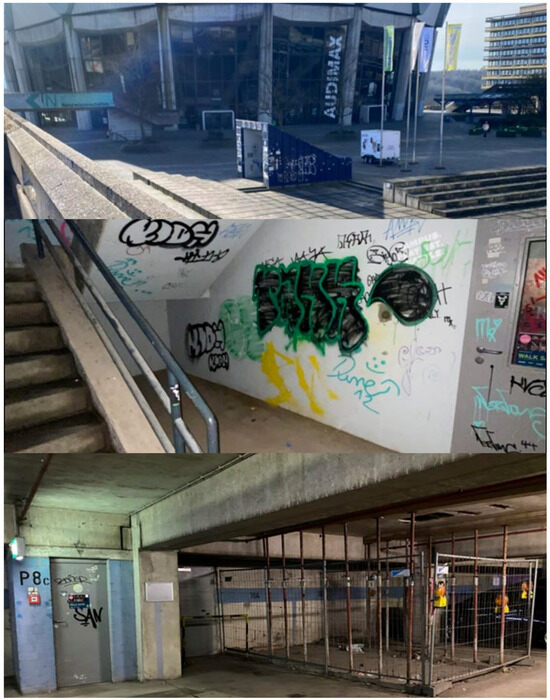
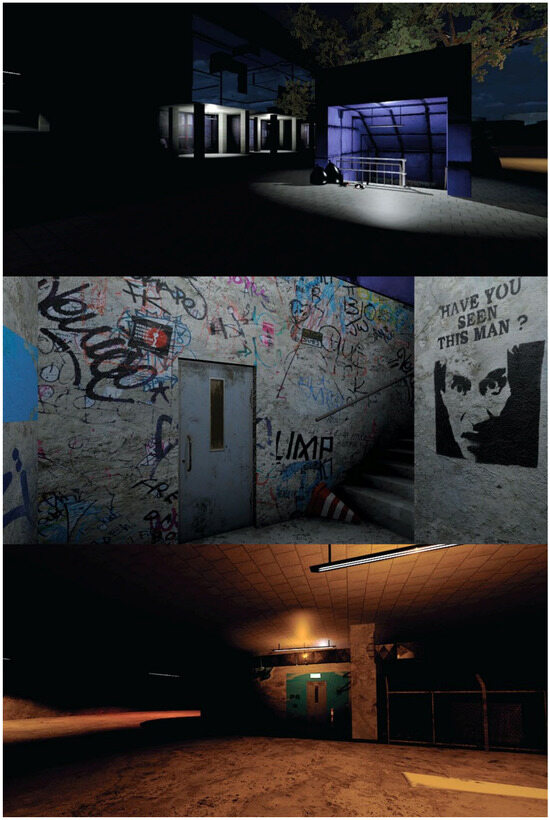
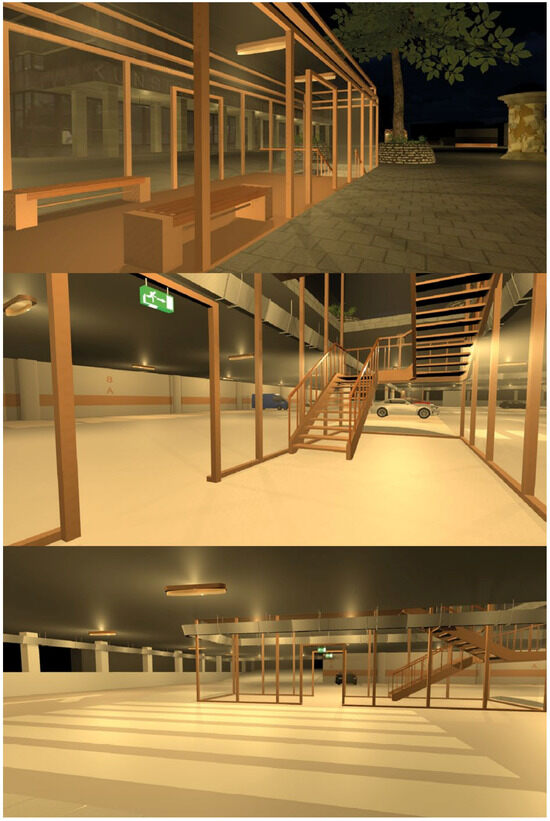
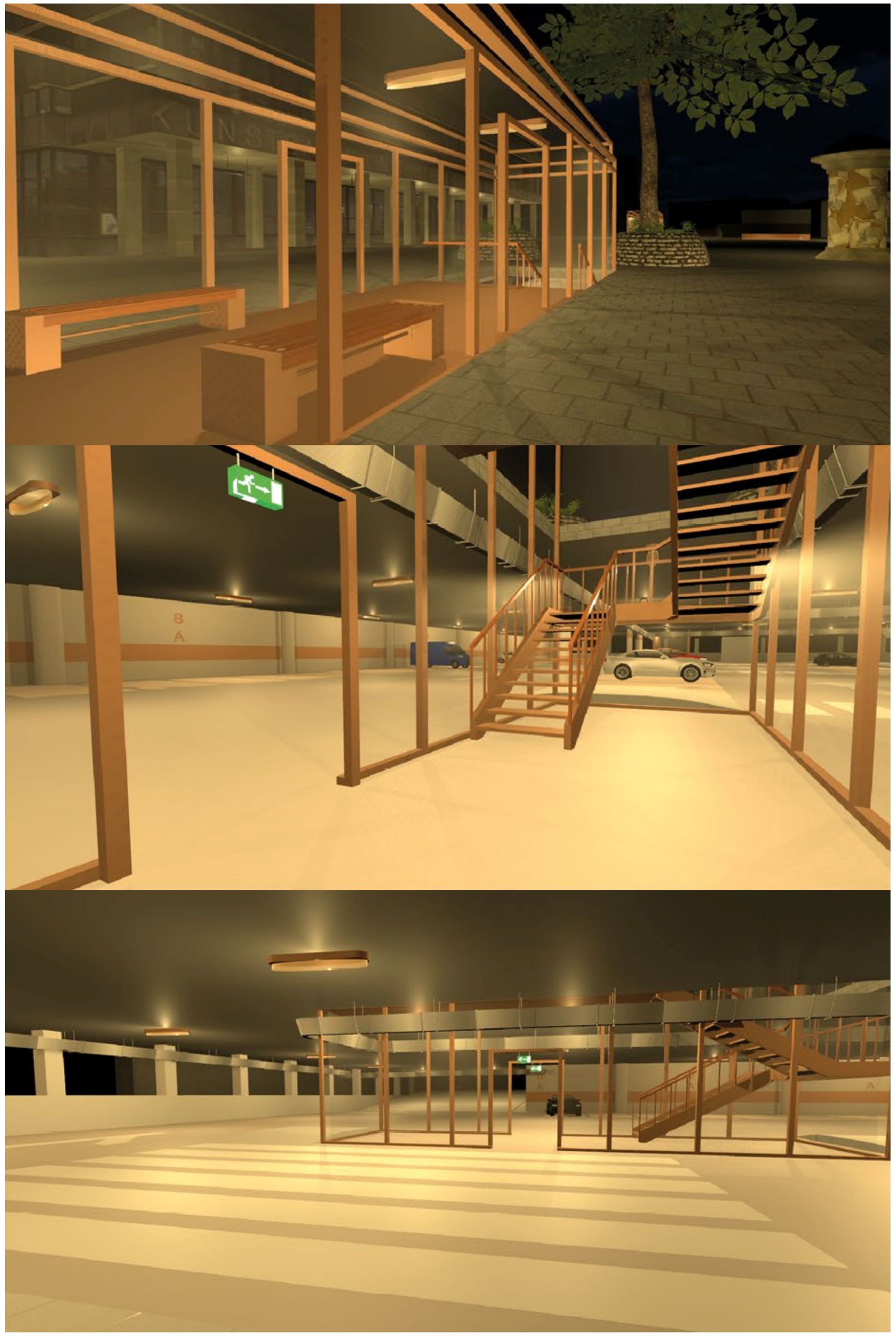
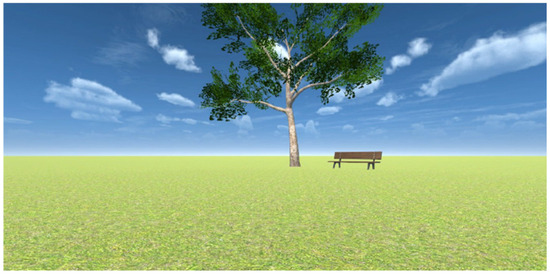
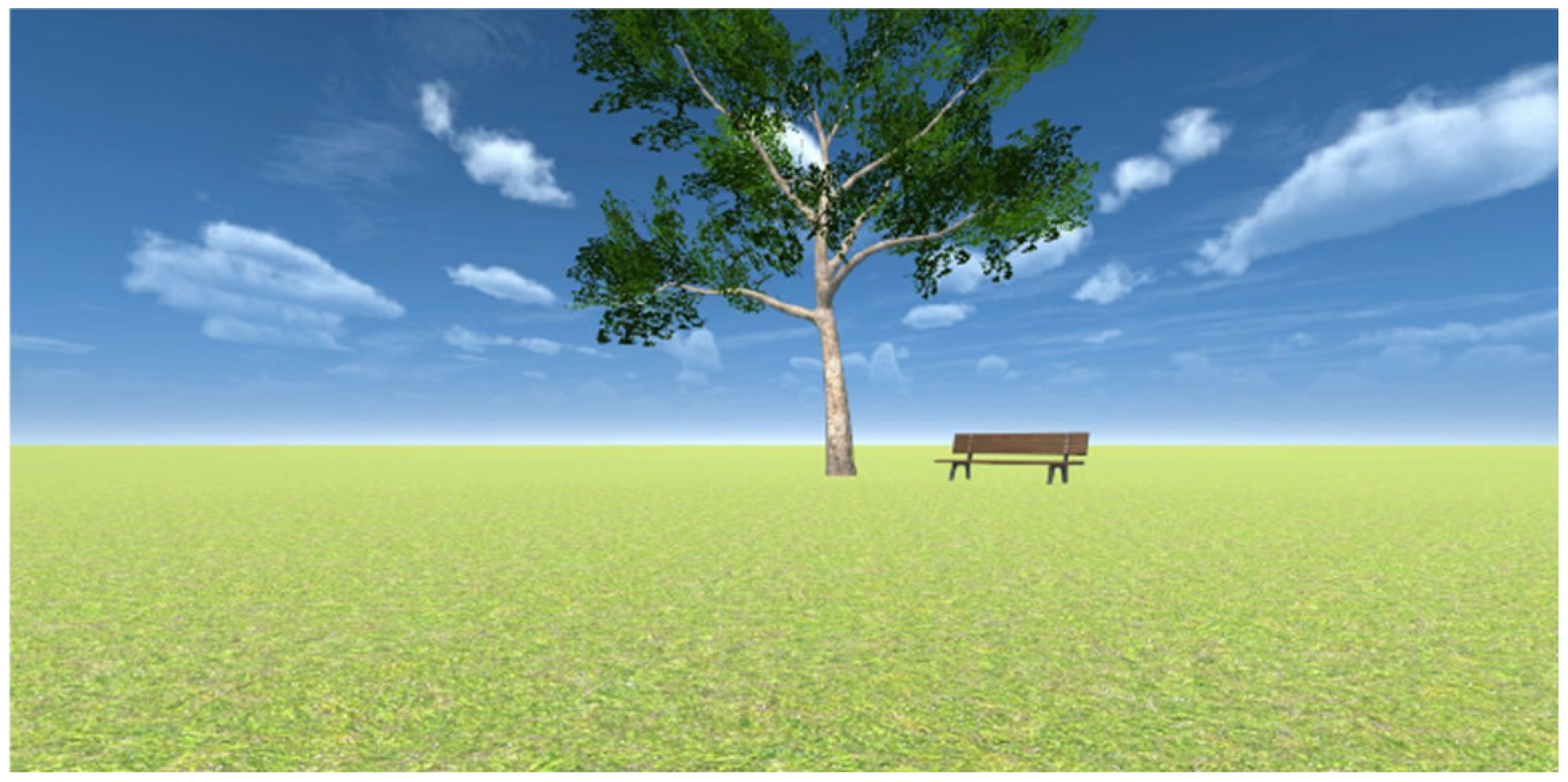
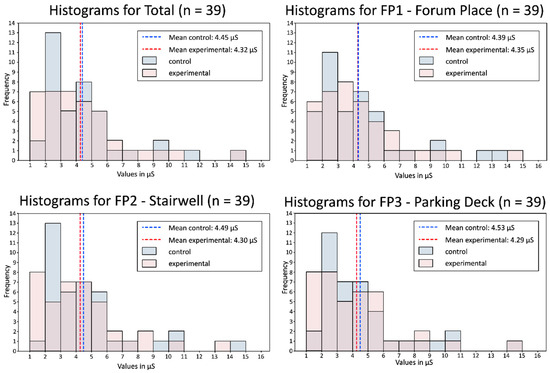
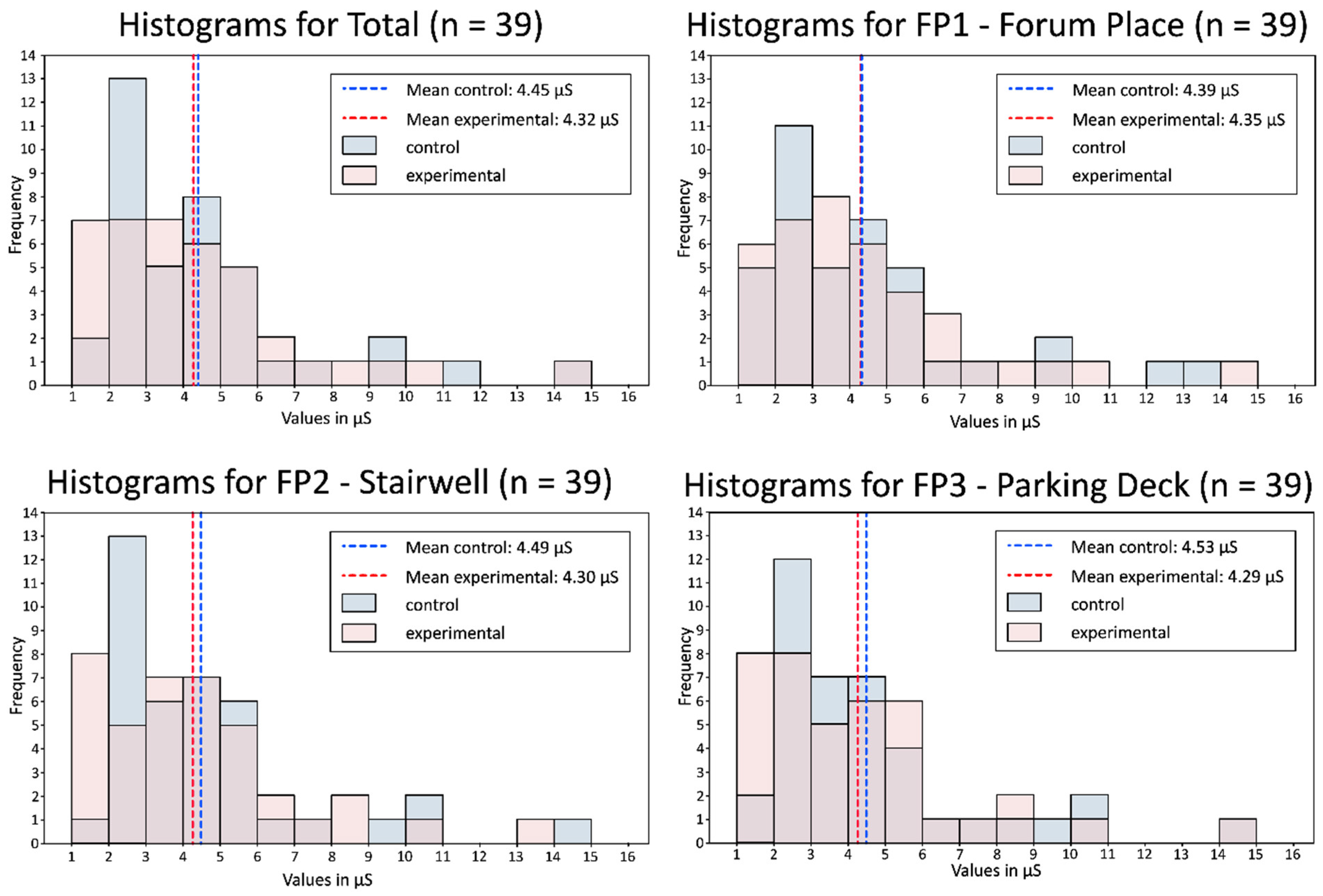
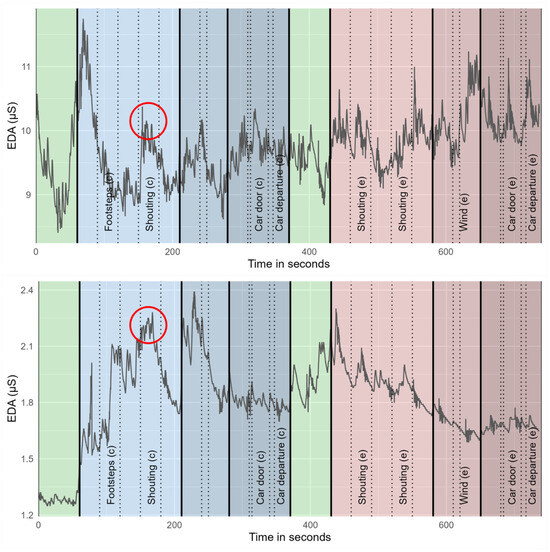
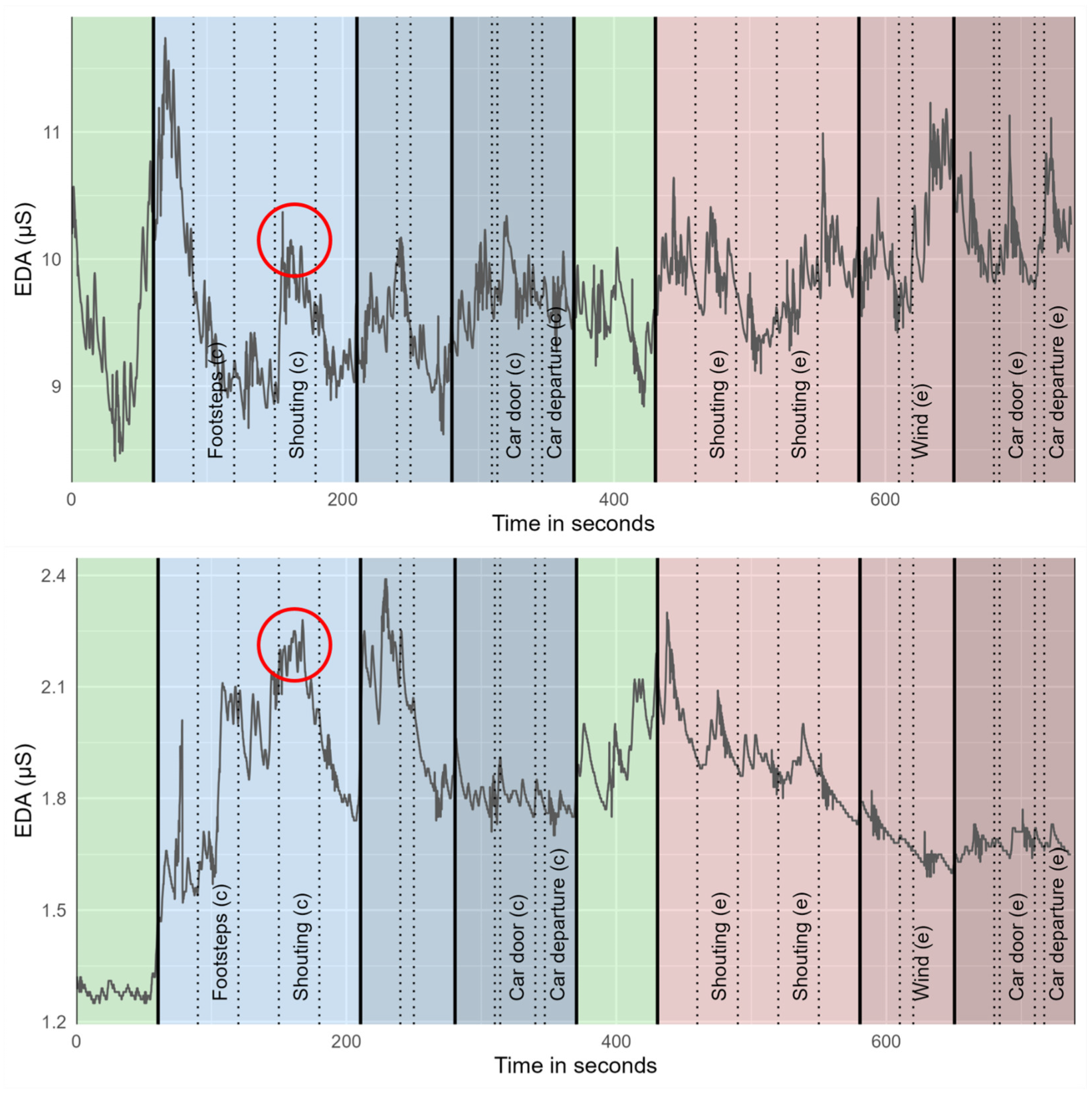
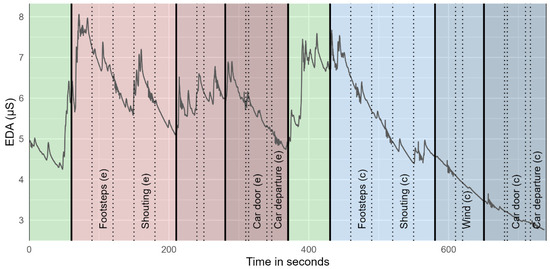
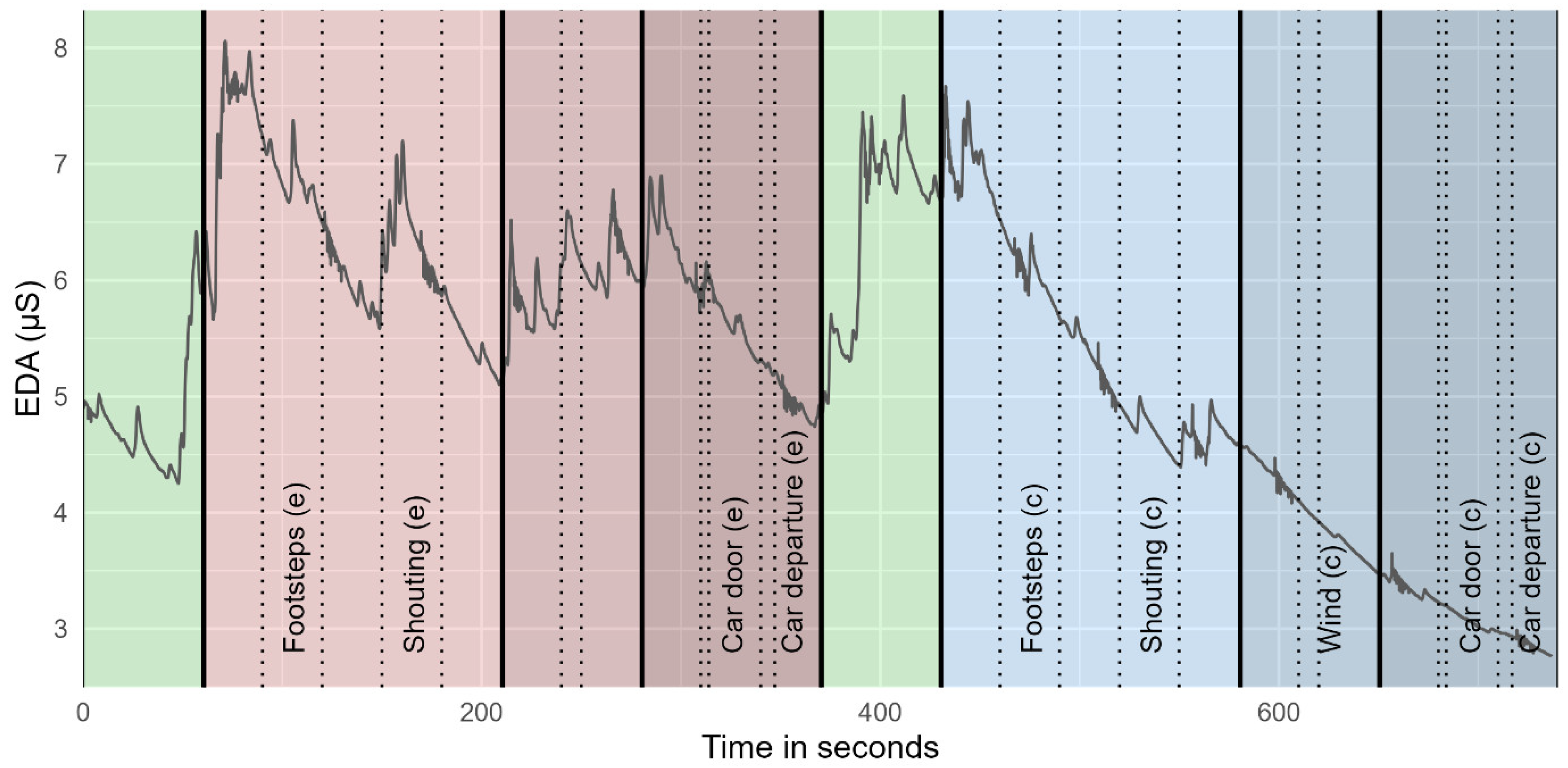
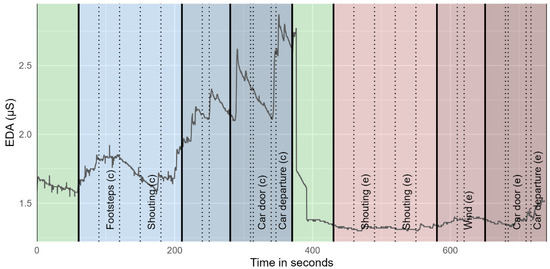
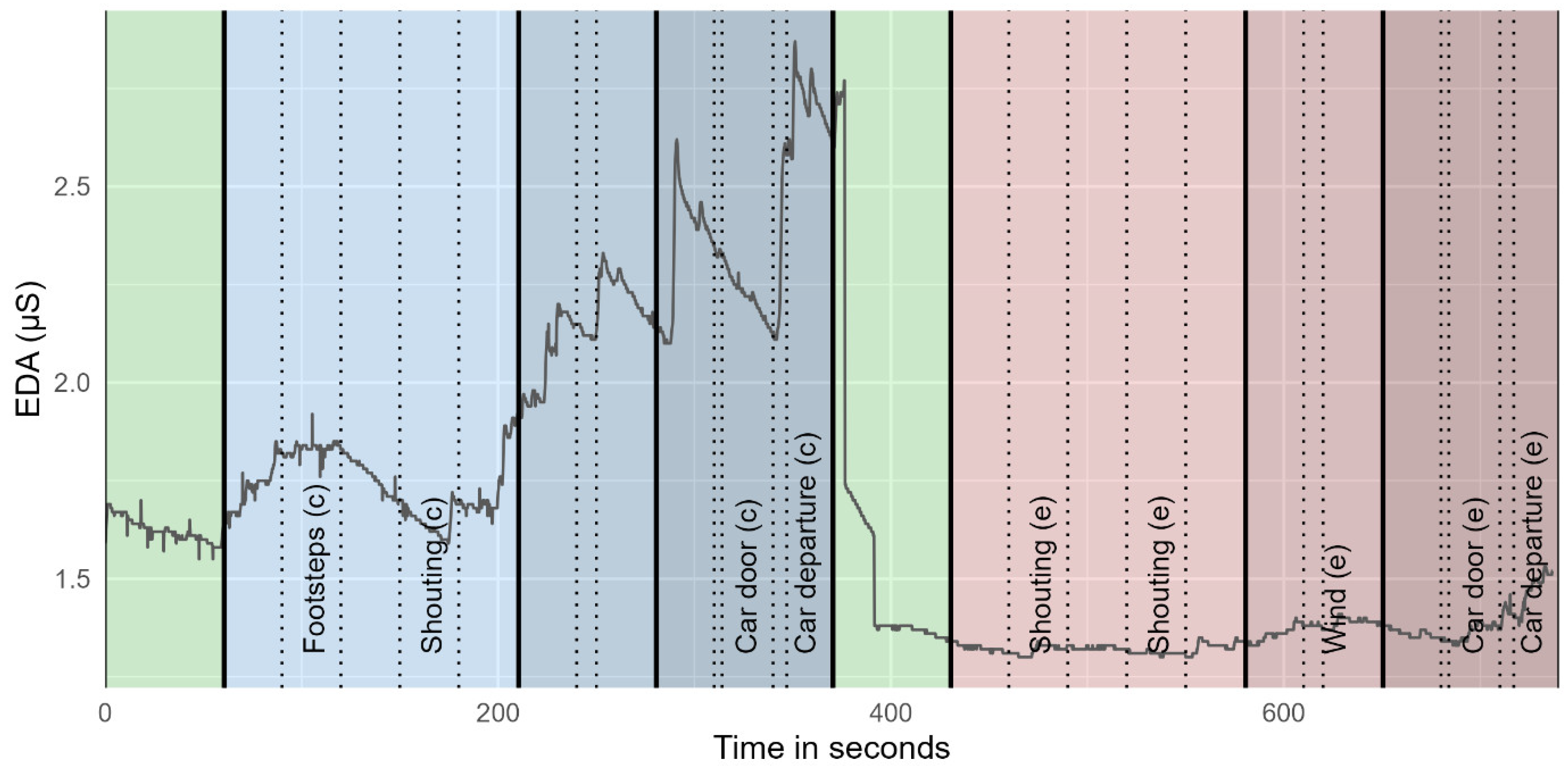

Disclaimer/Publisher’s Note: The statements, opinions and data contained in all publications are solely those of the individual author(s) and contributor(s) and not of MDPI and/or the editor(s). MDPI and/or the editor(s) disclaim responsibility for any injury to people or property resulting from any ideas, methods, instructions or products referred to in the content. |
© 2026 by the authors. Published by MDPI on behalf of the International Society for Photogrammetry and Remote Sensing. Licensee MDPI, Basel, Switzerland. This article is an open access article distributed under the terms and conditions of the Creative Commons Attribution (CC BY) license.