
Article

Dry–Wet Changes in a Typical Agriculture and Pasture Ecotone in China between 1540 and 2019

1
College of Geographical Sciences, Changchun Normal University, Changchun 130032, China
2
College of Tourism and Geographical Science, Jilin Normal University, Siping 136000, China
3
Northeast Institute of Geography and Agroecology, Chinese Academy of Sciences, Changchun 130102, China
*
Author to whom correspondence should be addressed.
ISPRS Int. J. Geo-Inf. 2024, 13(6), 191; https://doi.org/10.3390/ijgi13060191
Submission received: 27 March 2024 / Revised: 31 May 2024 / Accepted: 5 June 2024 / Published: 7 June 2024

Abstract

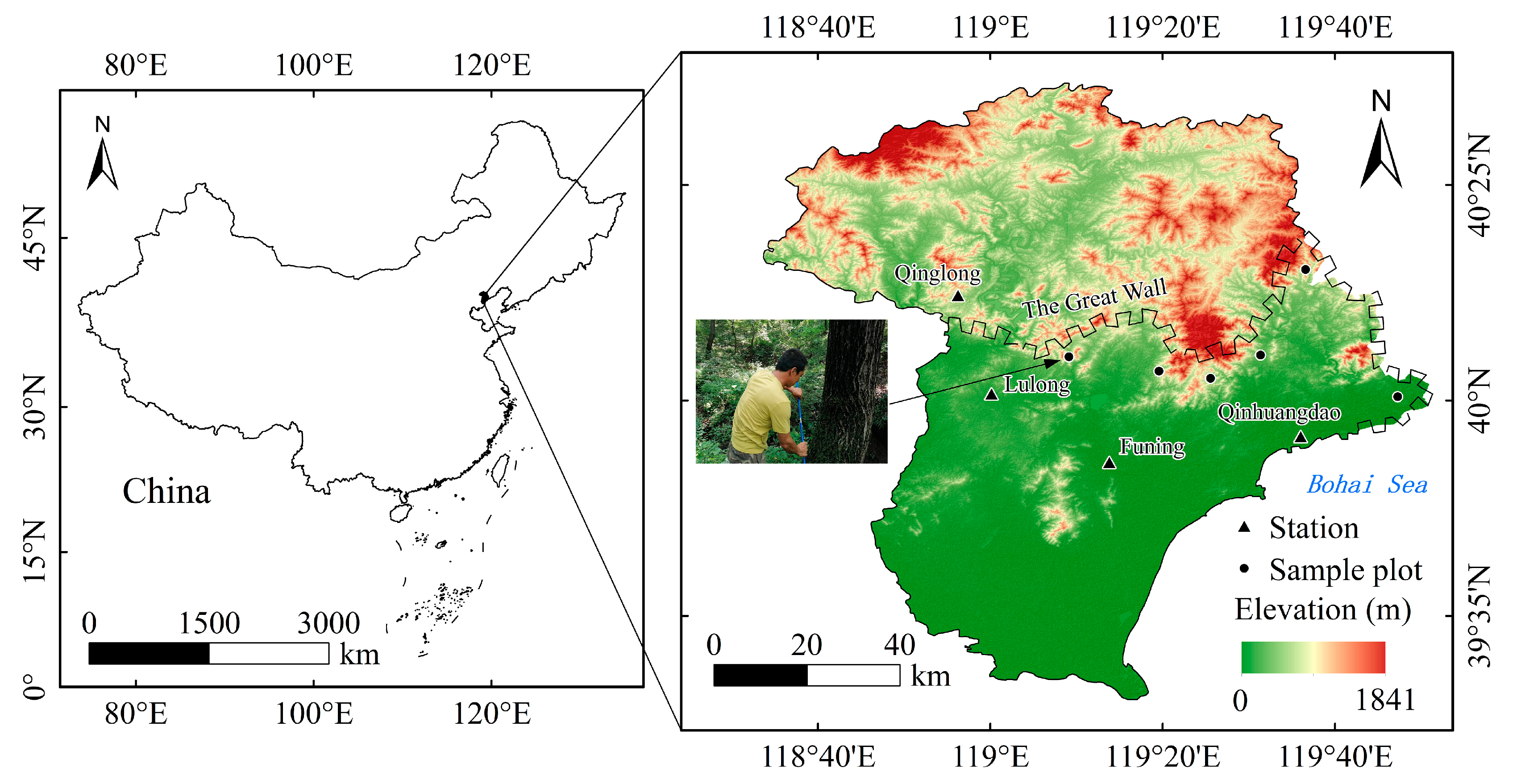
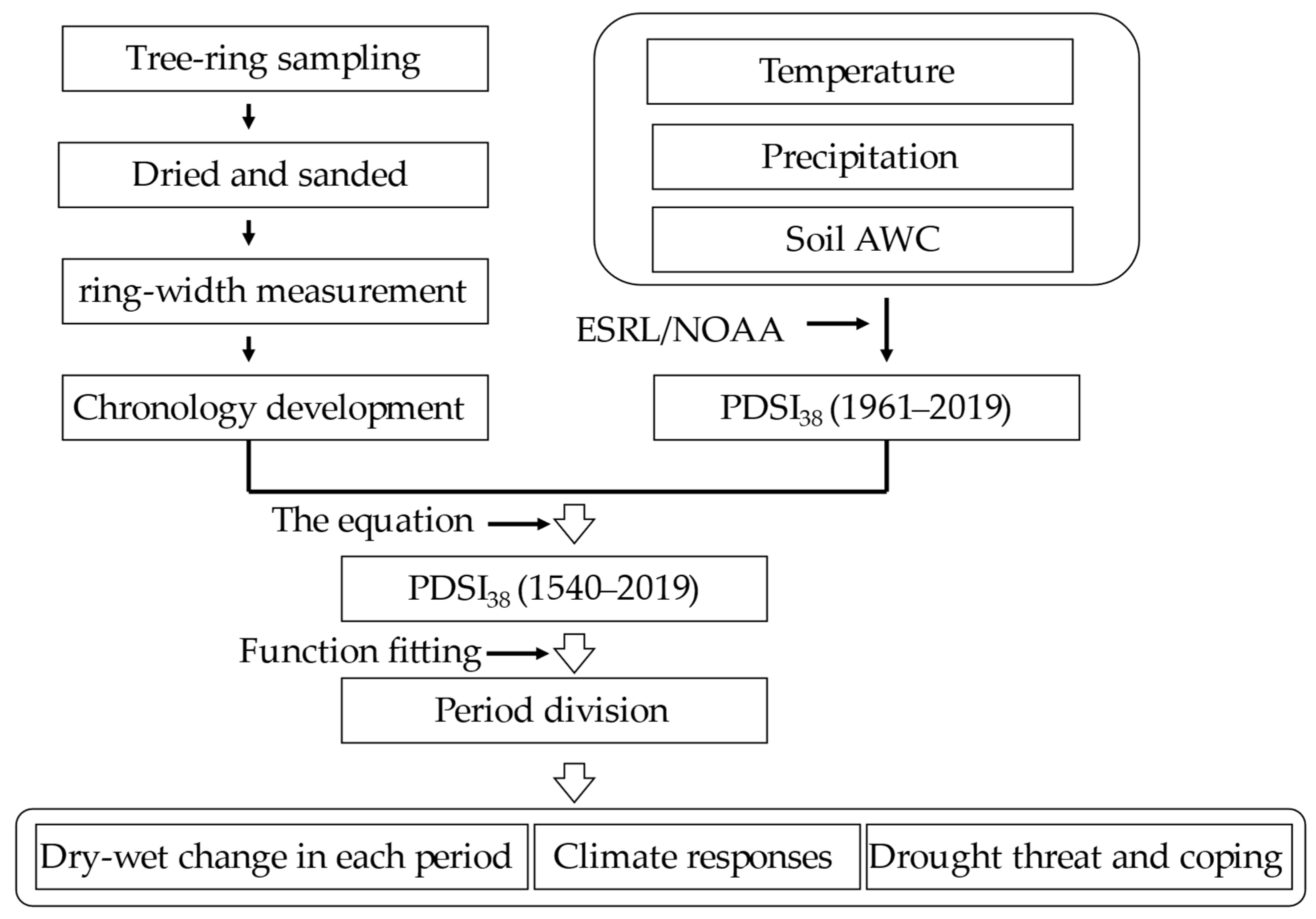
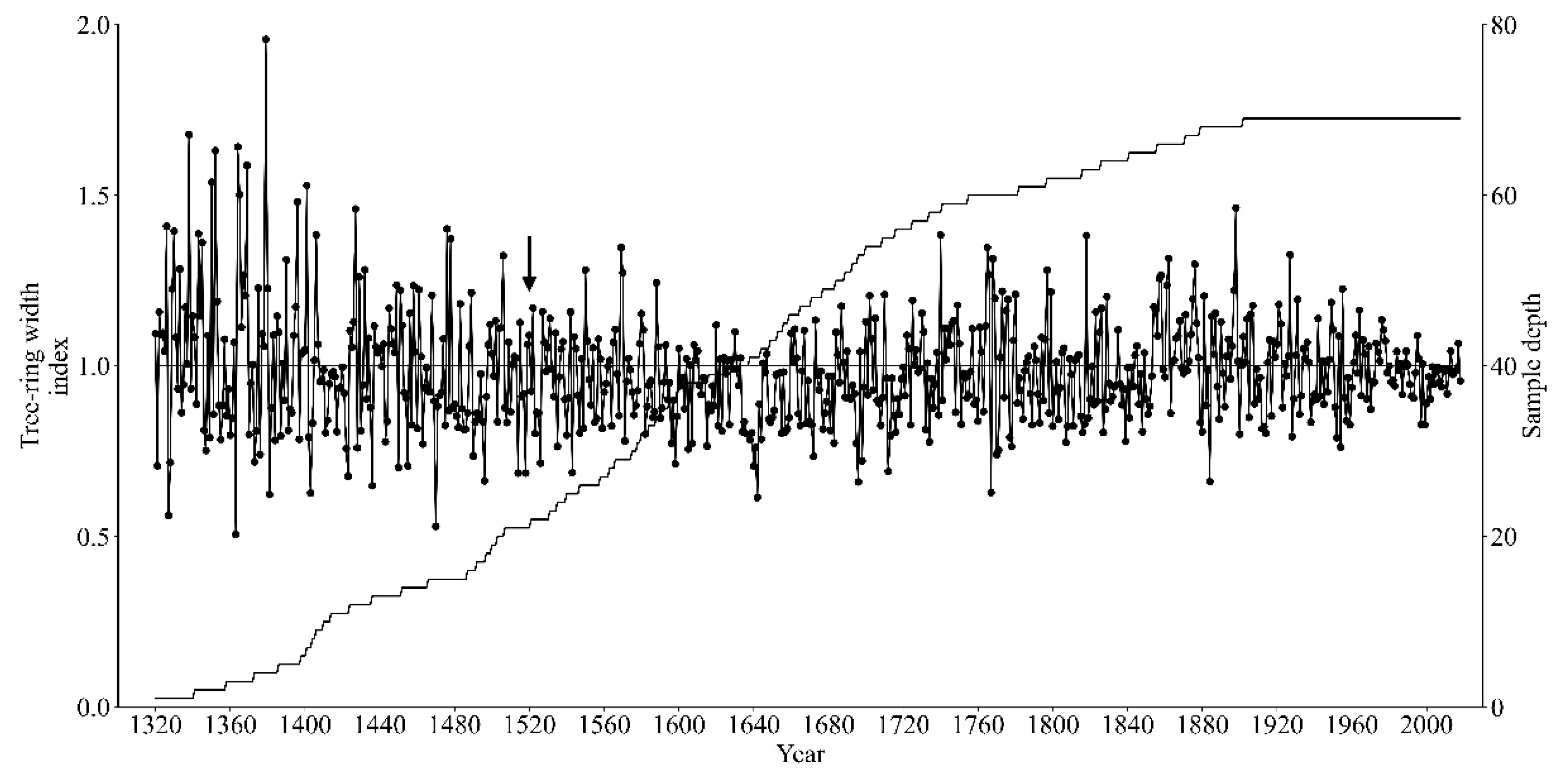
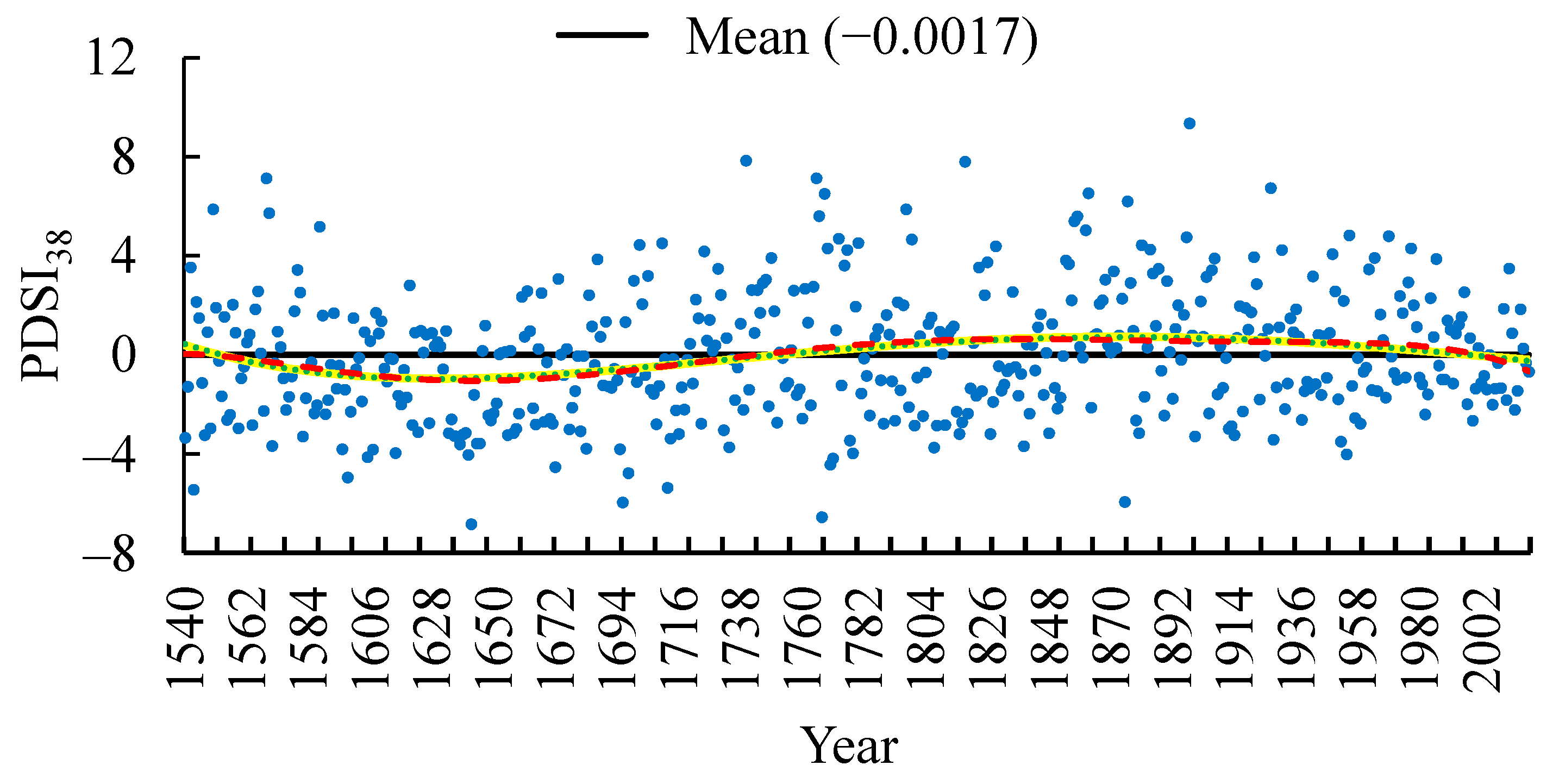
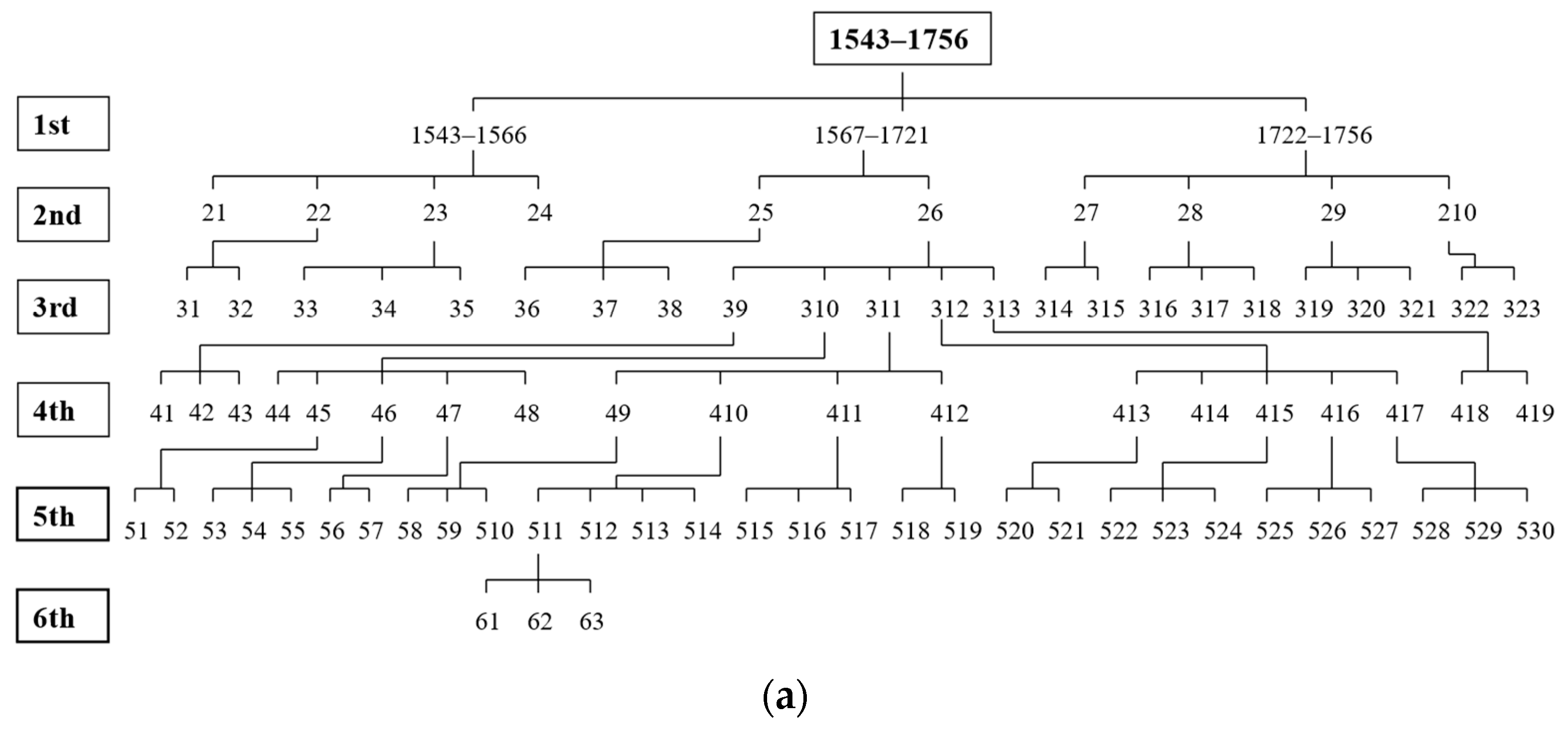
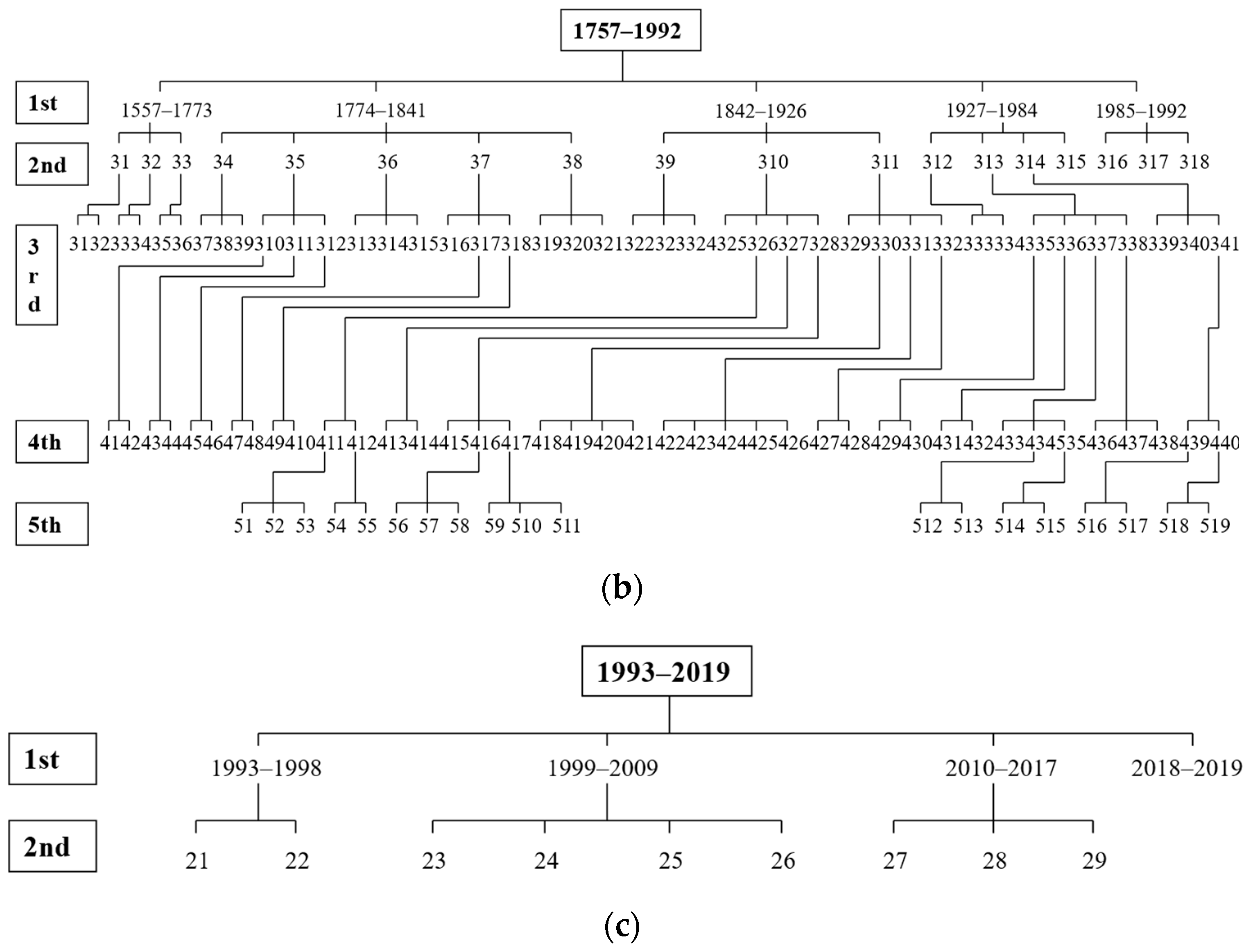
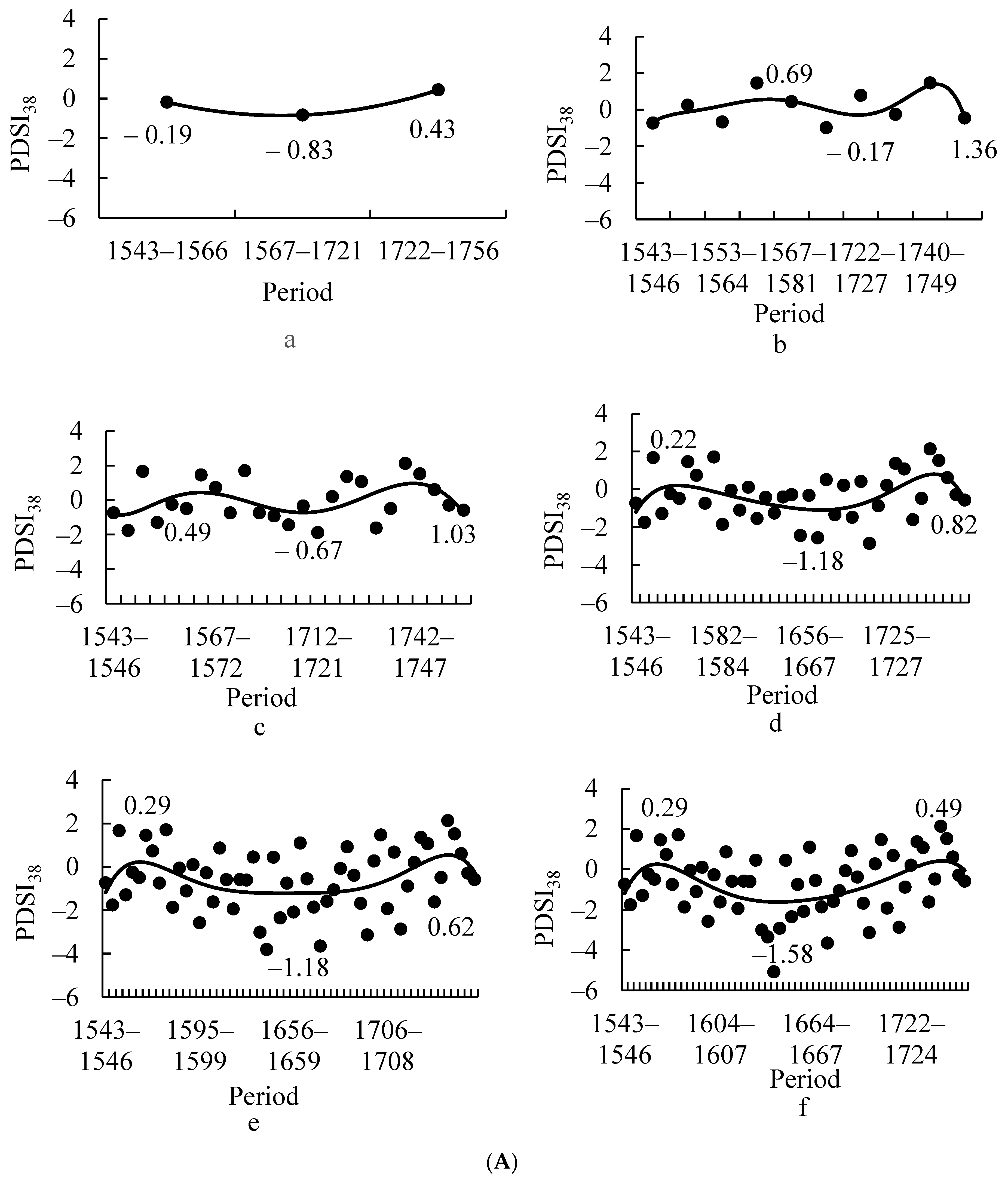
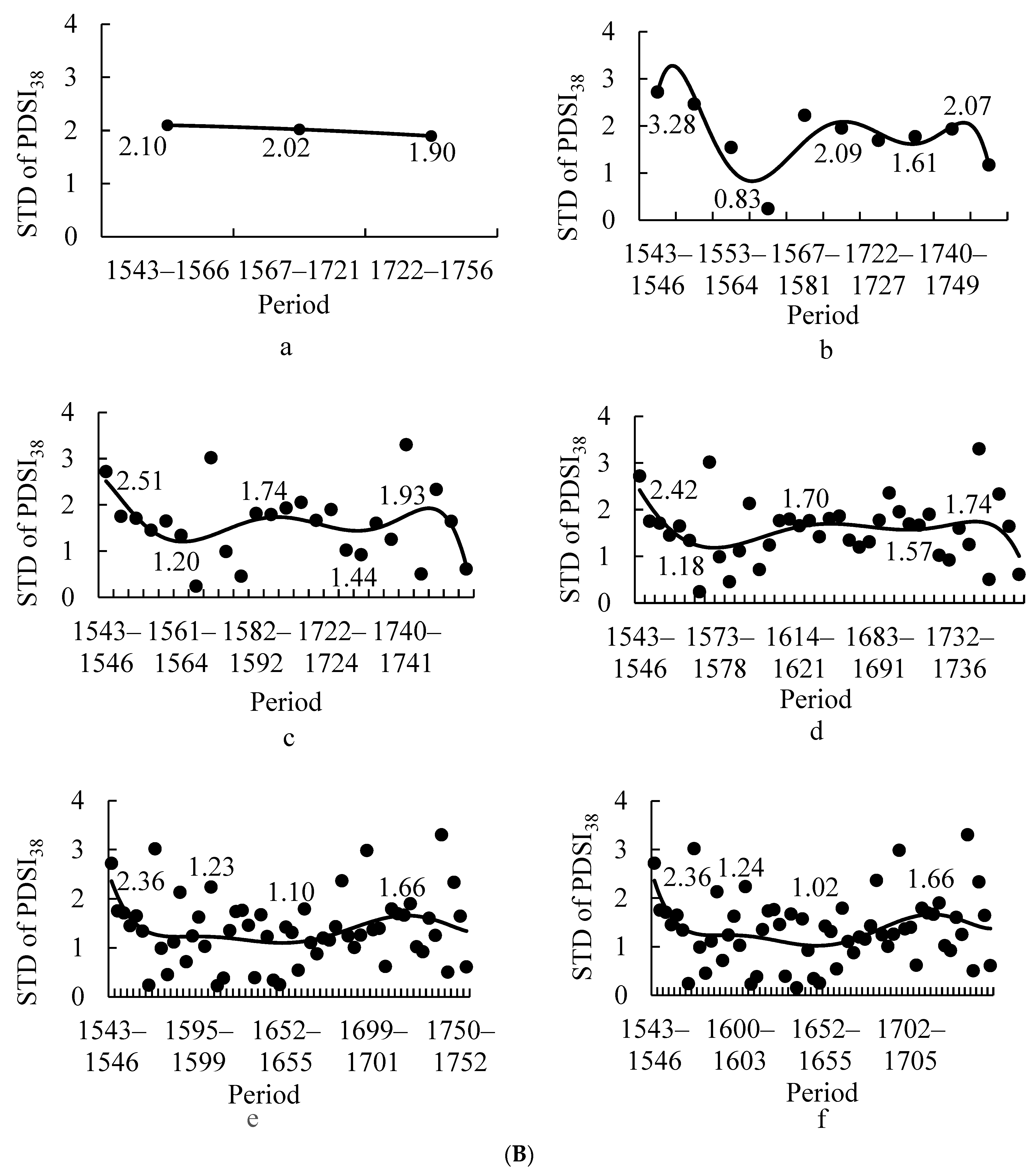
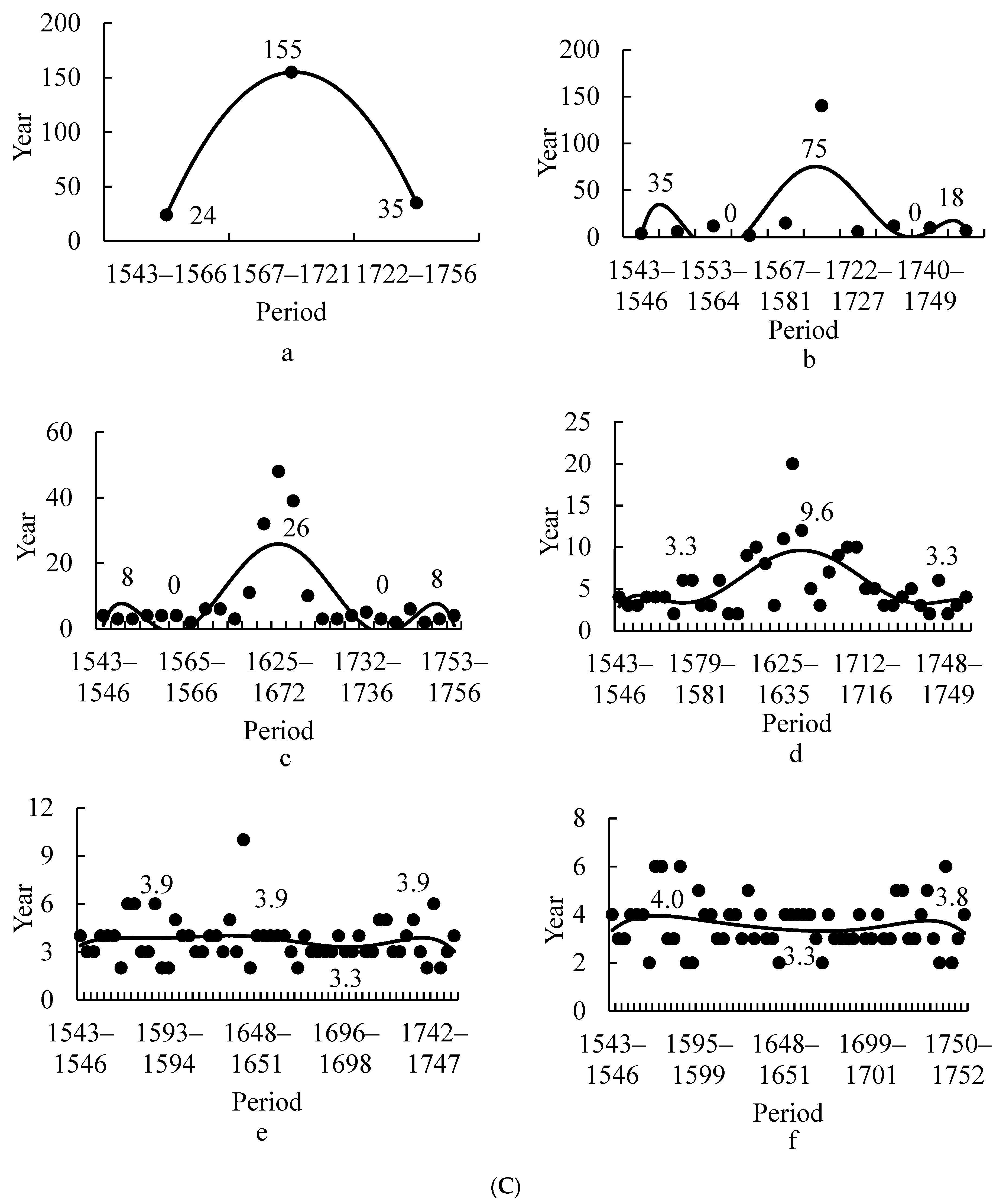
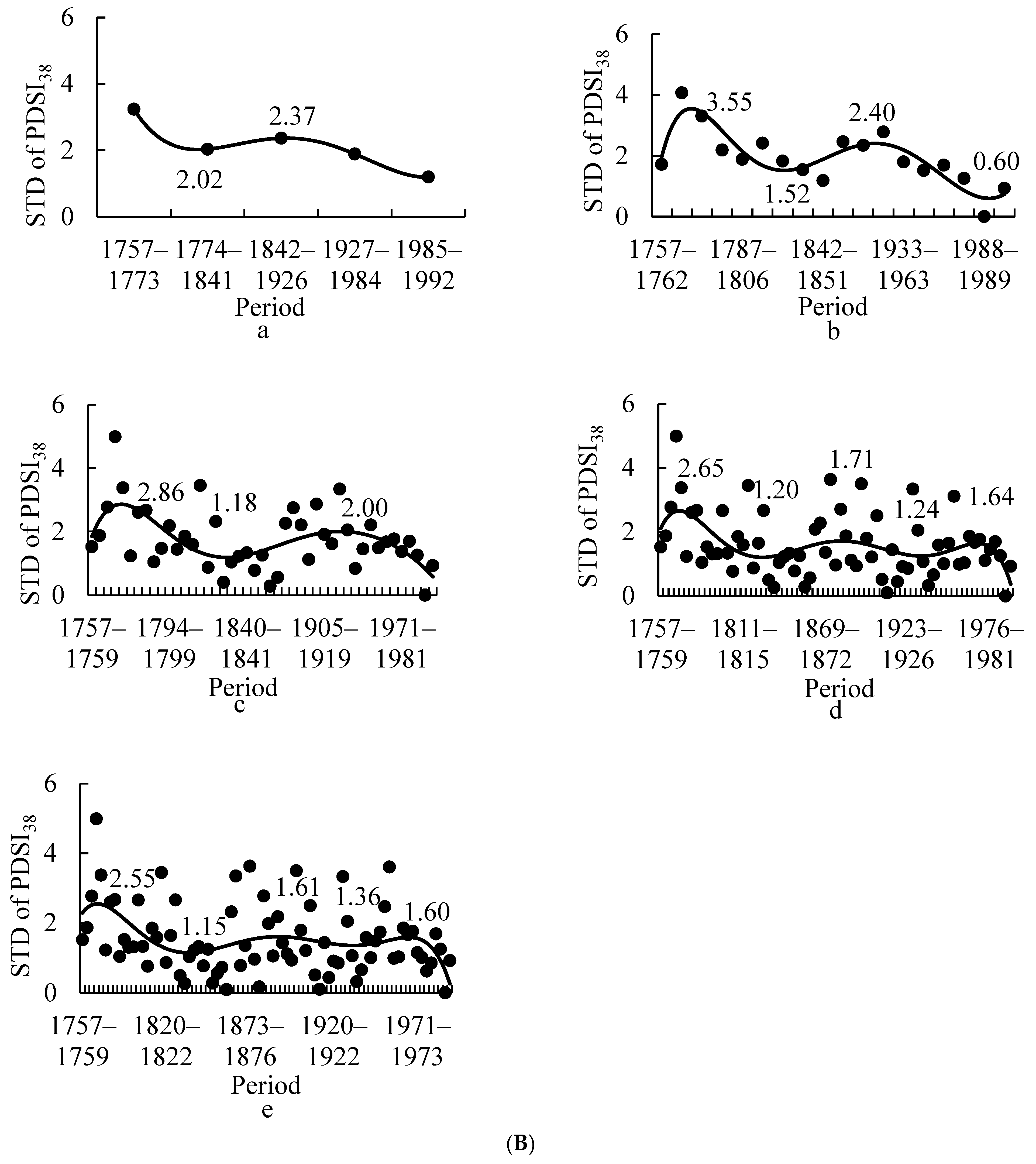
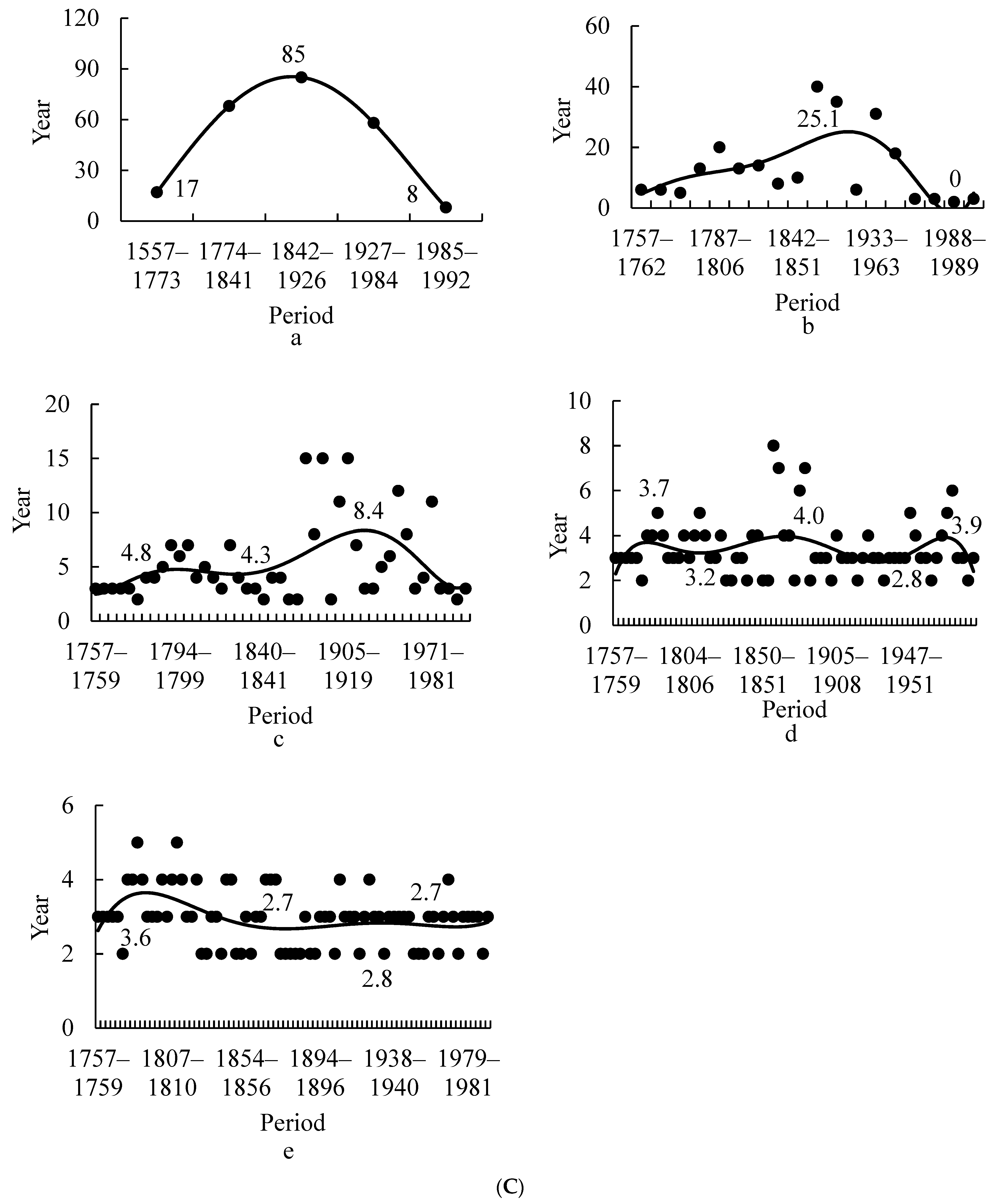
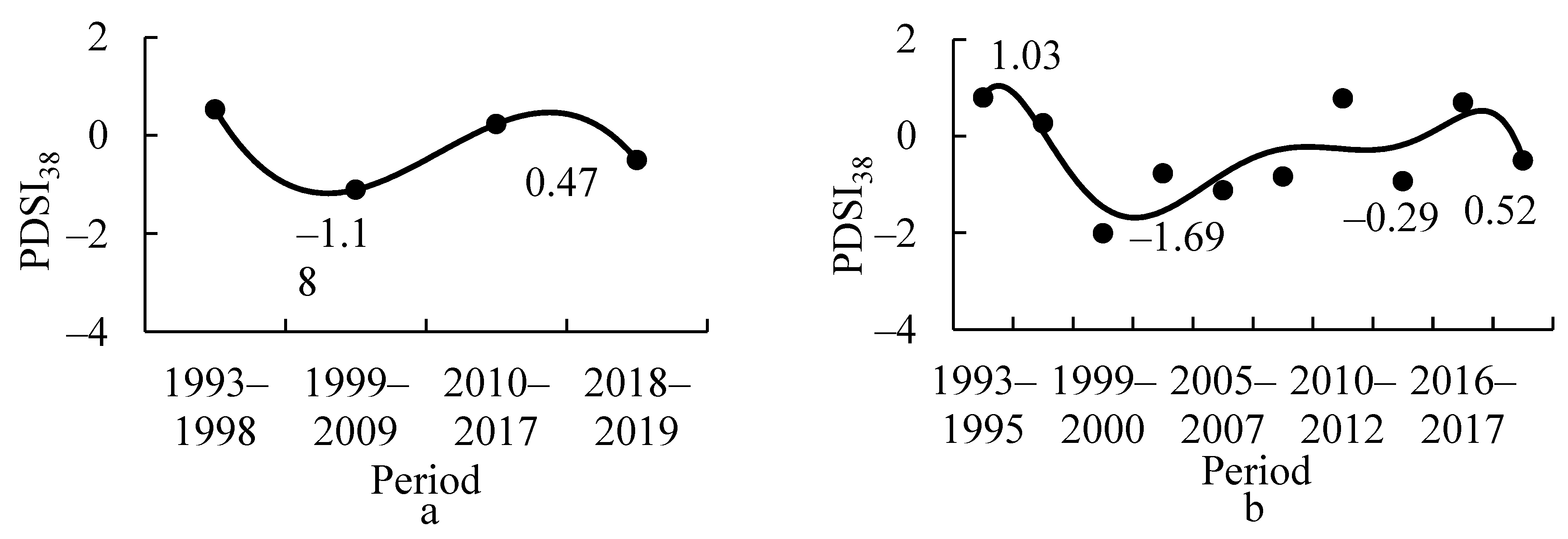
Exploring periodic dry–wet changes is an important topic in climate change research due to its impact on drought and flood disasters. The purpose of this research was to determine the occurrence law of dry–wet changes in China on a scale of several hundred years, using the example of transitional zones. In this study, we analyzed typical areas of the ecotone between agricultural land and pasture along the Great Wall of China. The ring width index of Carya cathayensis was fitted with the March–August Palmer drought severity index (PDSI38). The PDSI38 was divided into different periods using the stepwise function fitting method. The results indicated that there were two dry periods and one wet period in the region from 1543 to 2019. In each dry and wet period, there were also different temporal periods, including long (decades), intermediate (ten years), and short periods (several years). Drought represents a significant threat to agricultural production in China. In the first dry period (1543–1756), four periods with low PDSI38 values (1633–1635, PDSI38 = −1.71; 1636–1939, PDSI38 = −3.35; 1640–1642, PDSI38 = −4.68; and 1643–1645, PDSI38 = −2.92) occurred, during which severe droughts (PDSI38 < −4) lasted for 13 years. The dry–wet change showed the characteristics of a 12-year or multiple 12-year cycle. The results can be used to prepare to effectively address extreme drought scenarios worldwide in the future.
Keywords: dry–wet change; agriculture and pasture ecotone; periodicity law; 12-year cycle; extreme drought dry–wet change; agriculture and pasture ecotone; periodicity law; 12-year cycle; extreme drought