


Abstract
MicroRNA-215 (miR-215), a highly conserved non-coding small molecule, plays a significant regulatory role in the maintenance of cellular homeostasis, tissue and organ development, and the pathogenesis of various diseases. In recent years, accumulating evidence has revealed that miR-215 is extensively and complexly involved in digestive system diseases, drawing considerable attention due to its aberrant expression and functional diversity across multiple digestive organs. Notably, miR-215 can exert diametrically opposing biological functions in different digestive organs, and even within the same organ under distinct pathological contexts, underscoring its unique property as a “dual-functional small molecule” and providing an ideal paradigm for deciphering the regulatory complexity of microRNA networks. This review systematically summarizes the discovery and sequence conservation features of miR-215, with a particular focus on its differential expression patterns in major digestive organs. We further dissect the molecular mechanisms underlying its pathological context-dependent functional switching in intestinal disorders, gastric cancer, and hepatic lesions, and evaluate its potential utility as a biomarker for the diagnosis and prognosis of digestive tract diseases. Collectively, this review aims to provide a theoretical foundation and novel insights for the early detection, prognostic assessment, and precision-targeted therapy of digestive system disorders.
1. Introduction
Digestive system diseases impose a substantial and growing burden on global public health. Amidst ongoing lifestyle transitions and increasing globalization, the prevalence and mortality of these disorders have continued to rise over recent decades. According to the Global Burden of Disease Study, the incidence, mortality, and disability-adjusted life years associated with digestive diseases have all increased significantly over the past 30 years [1]. Among them, gastrointestinal and hepatic malignancies, particularly gastric cancer, colorectal cancer, and hepatocellular carcinoma, remain leading causes of cancer-related deaths worldwide [2]. A major clinical challenge is that most patients are diagnosed at advanced stages, when therapeutic options are limited, and prognosis is poor. Hence, there is an urgent need to decipher the molecular mechanisms underlying these diseases and to develop reliable biomarkers for early detection and novel therapeutic strategies.
MicroRNAs (miRNAs) have emerged as key regulators of gene expression in nearly all biological processes. These endogenous, non-coding single-stranded RNAs typically bind to the 3′-untranslated regions of target mRNAs, leading to translational repression or mRNA degradation. Through this mechanism, miRNAs participate in a wide spectrum of physiological and pathological events, including cell proliferation [3], differentiation [4], apoptosis [5], metabolism [6], and immune modulation [7]. Dysregulation of miRNA expression has been increasingly linked to human diseases, ranging from cancers [8] and cardiovascular disorders [9] to neurological [10] and metabolic conditions [11]. The advent of high-throughput sequencing and improved bioinformatic tools has accelerated the identification of disease-associated miRNAs and spurred interest in their utility as diagnostic biomarkers and therapeutic targets. Among the myriad of miRNAs implicated in digestive pathologies, miR-215 has drawn particular interest due to its frequent aberrant expression and functional versatility across multiple digestive organs.
A growing body of evidence has positioned miR-215 as a critical regulator in a variety of digestive system diseases, including inflammatory bowel diseases, colorectal cancer, gastric cancer, liver fibrosis, and hepatocellular carcinoma. Intriguingly, miR-215 does not display a uniform functional profile; rather, its expression patterns and biological roles vary markedly depending on the disease type [12,13]. Moreover, even within the same disease setting, the mature sequences derived from opposite arms of the miR-215 precursor have been reported to exert opposing regulatory effects [14,15]. Such dual functionality not only complicates the elucidation of its biological mechanisms but also highlights its significant translational potential. Therefore, drawing upon the literature published over the past decade, this review systematically synthesizes current knowledge regarding the expression dynamics, target gene networks, underlying regulatory mechanisms, and clinical implications of miR-215 across major digestive organs. Ultimately, we aim to provide a comprehensive framework that advances both fundamental knowledge of miR-215 and its potential application in clinical practice.
2. Discovery and Sequence Analysis of miR-215
MiR-215 was first identified in human cells by Lim et al. [16] in 2003 using a cloning and sequencing approach. The miR-215 gene is located on human chromosome 1q41.1, where it forms a gene cluster with miR-194, sharing the same primary transcript. Initially, the only recognized mature form was miR-215-5p; it was not until 2013 that miR-215-3p was also characterized [17]. Consequently, in the earlier literature, the unannotated designation “miR-215” conventionally refers to the 5p arm-derived sequence.
Phylogenetic analysis based on miR-215 precursor sequences deposited in miRBase (version 23.0) reveals clear evolutionary relationships among species, with the resulting tree topology aligning well with classical taxonomic classifications (Figure 1). The analysis shows that mammals, birds, and reptiles each form distinct monophyletic groups. Within mammals, primates (e.g., human, chimpanzee, and rhesus macaque) and rodents (e.g., mouse and rat) exhibit close internal clustering, reflecting their recent divergence. Notably, evolutionary rates vary considerably across lineages; for instance, the snake branch displays a longer branch length, suggesting a relatively rapid pace of molecular evolution in this lineage.
Figure 1.
Phylogenetic tree of miR-215 precursor sequences across different species. The figure was analyzed and created using MEGA12.
The mature miR-215-5p sequence is highly conserved across the 37 species examined, with its seed region (UGACCCU) remaining virtually identical across diverse vertebrates (Figure 2A). As the core recognition domain for the 3′ untranslated region (UTR) of target mRNAs, the stringent conservation of the miR-215 seed region dictates the evolutionary stability of its target gene repertoire. Such strong conservation of the seed sequence implies that the gene regulatory networks governed by miR-215 are subject to significant functional constraints and have been evolutionarily maintained. Intriguingly, the mature 5p sequence is identical among several species, including human, rhesus macaque, pig, horse, chimpanzee, orangutan, gorilla, and chicken, pointing to robust functional preservation. In contrast, mice and rats share a common variation in the middle of the 5p strand that distinguishes them from hominids, yet the integrity of the seed sequence remains fully preserved. In comparison, miR-215-3p has been identified in only 24 species and exhibits somewhat lower sequence conservation, particularly with more pronounced interspecies variability at both termini (Figure 2B). This reduced conservation may reflect a subordinate or modulatory role for the 3p strand in gene regulation.
Figure 2.
Conservation analysis of miR-215 mature sequences across species. (A) Conservation analysis of miR-215-5p. (B) Conservation analysis of miR-215-3p. *: The asterisk indicates that the base at this position is conserved across all identified species. In the figure, base A is shown in red, base U in yellow, base C in green, and base G in blue.
Overall, the core functional sequences of miR-215 are remarkably conserved across a broad spectrum of vertebrates, ranging from marsupials to primates and avians. This evolutionary conservation provides a solid molecular foundation for the use of animal models in functional studies of miR-215.
3. Expression Dynamics of miR-215 in the Major Digestive Organs
The digestive system comprises the gastrointestinal tract and the accessory digestive glands. The gastrointestinal tract, which includes the oral cavity, pharynx, esophagus, stomach, small intestine, and large intestine, is primarily responsible for the mechanical breakdown, transit, and nutrient absorption of ingested food. The accessory glands, consisting of the salivary glands, liver, pancreas, and intestinal glands, secrete digestive fluids that enzymatically degrade complex foodstuffs into absorbable macromolecules. Fundamentally, this system converts dietary intake into bioavailable nutrients to sustain cellular energy metabolism and systemic homeostasis, while facilitating the excretion of metabolic waste, thereby serving as a vital pillar of life. Extensive transcriptomic profiling has demonstrated that pathological alterations in these organs are frequently accompanied by the dysregulation of miRNA expression [18,19]. Furthermore, the functional roles of individual miRNAs can exhibit profound context-dependency [20]. Notably, miR-215 has been implicated in the regulatory networks across multiple digestive organs [21], displaying distinct tissue-specific expression patterns.
3.1. Differential Expression of miR-215 in Intestinal Tissues
miR-215 is expressed at significantly higher levels in intestinal tissues than in other tissues, particularly in the small intestine [22], and is predominantly enriched in small intestinal epithelial cells [23]. In normal colonic mucosa, miR-215 maintains a relatively high basal expression level; however, this expression is markedly attenuated in most colorectal cancer (CRC) and colon cancer (CC) tissues relative to paired adjacent non-malignant mucosa (Table 1), a downregulation that is also recapitulated at the systemic level, as serum miR-215-5p/3p levels in CRC patients are significantly lower than those in healthy controls [24,25]. In contrast, inflammatory conditions such as inflammatory bowel diseases (IBD) [26] and ulcerative colitis (UC) [27] are associated with a pronounced upregulation of miR-215 in intestinal tissues, whereas UC patients receiving granulocyte and monocyte apheresis (GMA) exhibit decreased serum miR-215-5p levels following therapeutic intervention [28].
In porcine models, acute infection with E. coli F18 [29], Salmonella Typhimurium (ST) [30], or swine acute diarrhea syndrome coronavirus [31] consistently results in significant downregulation of miR-215 in the small intestinal tissues. Metabolic factors also shape the expression landscape of miR-215, obese individuals display significantly higher miR-215 levels in rectal mucosal biopsies compared with non-obese subjects, and this obesity-associated elevation can be reversed to baseline levels upon Roux-en-Y gastric bypass surgery [32]. In addition, genetic variation within the miR-215 precursor sequence modulates its transcriptional output, as evidenced by the finding that a C/T polymorphism reduces miR-215 expression in porcine intestinal epithelial cells, whereas an AT insertion mutation exerts no appreciable effect on its expression [33].
Table 1.
Differential expression of miR-215 in intestinal tissues and liquid biopsies under various pathological and physiological conditions.
3.2. Expression Pattern of miR-215 in Gastric Tissue
In gastric cancer (GC), miR-215-5p is significantly upregulated in tumor tissues compared with adjacent normal tissues (Table 2), despite its typically low expression in normal gastric mucosa. This overexpression is positively correlated with advanced clinicopathological features, including tumor invasion depth, TNM stage, and lymph node metastasis [47]. Consistently, elevated levels of serum exosomal miR-215-5p have been detected in GC patients, particularly in those experiencing early tumor recurrence [48]. In contrast, the expression of miR-215-3p is downregulated in GC, a process driven by high levels of lncRNA FTX that directly targets and sponges this microRNA [15]. Furthermore, Helicobacter pylori (H. pylori) infection has been shown to significantly induce the expression of both miR-215-5p and miR-215-3p in GC tissues compared with H. pylori-negative counterparts [49].
Table 2.
Expression levels of miR-215 in gastric tissues and liquid biopsies associated with different clinical statuses.
3.3. Expression Profile of miR-215 in Liver Tissues
The expression of miR-215 in hepatocellular carcinoma (HCC) exhibits a distinct compartmentalized expression profile. As summarized in Table 3, miR-215 is downregulated in HCC tissues, HCC cell lines, and plasma of HCC patients, whereas it is upregulated in exosomes derived from serum, plasma, and HCC cell lines. Notably, findings regarding miR-215 expression in serum remain contradictory. Zhang et al. [57] reported a significant downregulation of miR-215 in serum, which contrasts with the observations of Ali et al. [58] and Mamdouh et al. [59]. This discrepancy may be attributable to differences in sample origin, as the serum samples in Zhang et al.’s study were derived from Chinese patients with early-stage HCC, whereas the subjects in both Ali et al.’s and Mamdouh et al.’s studies were HCV-related HCC patients, encompassing individuals across various tumor stages.
Furthermore, the expression levels of miR-215 are closely associated with the stage of liver disease progression, exhibiting a dynamic alteration pattern. Specifically, serum miR-215 levels were found to be significantly elevated in patients with HCV-related cirrhosis compared with normal controls [58]. Consistently, in patients with HCV infection, serum miR-215-5p expression was markedly upregulated in the cirrhosis group relative to those with mild/moderate hepatic fibrosis [60]. Moreover, a significant upregulation of miR-215-5p expression was also observed in a cellular model of long-term HCV infection compared with short-term infection [61].
Table 3.
Expression profiles of miR-215 in liver tissues and liquid biopsies across various hepatic pathological conditions.
3.4. Expression Pattern of miR-215 in Other Digestive Organs
In other digestive organs, the expression of miR-215 also exhibits a strong dependence on both disease entity and clinical stage (Table 4). In pancreatic ductal adenocarcinoma (PDAC), for instance, tumor tissues and serum from affected patients carry significantly higher miR-215 levels than those from chronic pancreatitis patients or normal control groups [73]. Intriguingly, however, this upregulation is attenuated in PDAC cases with concurrent lymph node metastasis compared with those without nodal spread [74]. In addition, elevated miR-215 has likewise been detected in the serum of patients with mitochondrial neurogastrointestinal encephalomyopathy (MNGIE) and periampullary adenocarcinoma, as well as in circulating exosomes derived from individuals with severe acute pancreatitis [75,76,77]. By sharp contrast, salivary miR-215 levels in oral cancer patients are markedly reduced [13]. Collectively, these disparate observations point to a context-dependent role for miR-215, one that is likely shaped by the specific tissue architecture and the accompanying pathological milieu in which it operates.
Table 4.
Alterations in miR-215 expression in other pathological digestive organs.
4. Functional Mechanisms and Regulatory Roles of miR-215 in Major Digestive Organs
4.1. Roles of miR-215 in the Intestine
miR-215 serves as a pivotal regulator of intestinal homeostasis and exerts predominantly tumor-suppressive functions in CRC, while also participating in diverse pathophysiological processes such as intestinal inflammation, pathogenic infection, and developmental abnormalities, reflecting its functional complexity and bidirectional roles (Figure 3).
Figure 3.
Regulatory role of miR-215 in the intestine. (A) Schematic diagram of the mechanism of miR-215 in CRC and CC. (B) Schematic diagram of the mechanism of miR-215 in enteritis. Lines sharing the same color are linked together as one regulatory route. CRC—colorectal cancer, CC—colon cancer, CBS—cystathionine-β-synthase, Sirtuin 1, LPS—lipopolysaccharide, S. Typhimurium—Salmonella Typhimurium, LGR5—Leucine Rich Repeat Containing G Protein-Coupled Receptor 5, CTNNBIP1—Catenin Beta Interacting Protein 1, SRPX2—Sushi Repeat Containing Protein X-Linked 2, E2F1/3—E2F Transcription Factor 1/3, TYMS—Thymidylate Synthetase, EREG—Epiregulin, HOXB9—Homeobox B9, YY1—Yin Yang 1, ZEB2—Zinc Finger E-Box Binding Homeobox 2, SIRT1—Sirtuin 1, Atg14—Autophagy Related 14, YAP1—Yes Associated Protein 1, CXCR1—C-X-C Motif Chemokine Receptor 1, CXCL12—C-X-C Motif Chemokine Ligand 12, GDF11—Growth Differentiation Factor 11, NIPAL1—NIPA Like Domain Containing 1, PTPRU—Protein Tyrosine Phosphatase Receptor Type U, UBC9—Ubiquitin Conjugating Enzyme E2 I, HUWE1—HECT, UBA and WWE Domain Containing E3 Ubiquitin Protein Ligase 1. The schematic figure was created using Figdraw.
Mechanistically, miR-215-5p suppresses CRC proliferation and metastasis through direct targeting of EREG and its transcriptional inducer HOXB9, thereby disrupting EGFR signaling [39]. It also attenuates glycolytic metabolism (Warburg effect) via targeting SRPX2 [78]. Under the tumor hypoxic microenvironment, colon cancer stem cells can suppress LGR5 expression by upregulating miR-215-5p, effectively reversing hypoxia-induced aberrant activation of cancer stem cells and thereby counteracting hypoxia-mediated tumor progression [79]. Natural compounds such as apigenin enhance miR-215-5p expression, which subsequently targets E2F1 and E2F3 to induce G0/G1 arrest and inhibit CRC cell growth [80]. Moreover, physical interventions can also modulate the miR-215 pathway; electroacupuncture activates SIRT1 to suppress miR-215, thereby promoting Atg14-mediated autophagy and ameliorating CRC in murine models. In an azoxymethane/dextran sodium sulfate-induced mouse CRC model, electroacupuncture activates SIRT1 to suppress miR-215, thereby promoting Atg14-mediated autophagy and ameliorating CRC in murine models [81].
At the level of competing endogenous RNA (ceRNA) networks, long non-coding RNA (lncRNA) has been identified as a critical regulator of miR-215 availability in CRC. LncRNA FTX acts as a molecular sponge for both miR-215-5p and miR-215-3p, concurrently neutralizing these two mature isoforms and derepressing a panel of oncoproteins, including ZEB2, HOXB9, NOB1, YY1, and YAP1, to facilitate CRC progression [24,82].
In the context of chemotherapy, 5-fluorouracil (5-FU) remains a first-line agent for CRC treatment, yet acquired resistance poses a major clinical obstacle. Mechanistic studies have revealed that miR-215-3p directly targets the 3′UTR of the chemokine receptor CXCR1, suppressing its expression and subsequently activating the Bax/Bcl-2 apoptotic cascade, thereby sensitizing CRC cells to 5-FU [41]. In a complementary pathway, pharmacological or genetic knockdown of cystathionine β-synthase (CBS) attenuates endogenous H2S production, which in turn elevates miR-215 expression and represses its downstream effectors EREG and TYMS, ultimately potentiating the cytotoxic efficacy of 5-FU [83].
Beyond its well-documented roles in malignancy, miR-215 exerts finely tuned regulatory functions in intestinal immune homeostasis, operating in a context-dependent and seemingly dichotomous manner. In experimental models of IBD, miR-215, which is abundantly expressed in intestinal epithelial cells, restricts Th17 cell recruitment through direct repression of the chemokine CXCL12, thereby conferring negative immunoregulation and intestinal protection [23]. Under oxidative stress conditions, however, excessive miR-215 accumulation impairs Dicer activity, leading to cytosolic DNA accumulation and subsequent IL-6 elevation, which collectively instigate inflammatory tissue damage and create a pro-oncogenic milieu [26]. In a related line of inquiry, experimental down-regulation of miR-215 has been shown to alleviate lipopolysaccharide-induced inflammatory injury in colonic epithelial cells by targeting GDF11 and thereby suppressing the TLR4/NF-κB and JNK/p38 signaling cascades [84].
Pathogen challenge models in swine have yielded additional insights into the immunological ramifications of miR-215 modulation. Infection with enterotoxigenic E. coli F18 leads to a marked reduction in intestinal miR-215, which in turn relieves the inhibitory constraint on its target genes EREG, NIPAL1, and PTPRU; the consequent upregulation of these genes is associated with enhanced resistance of piglets to F18 infection [29]. Likewise, ST infection similarly represses miR-215, derepressing downstream targets UBC9 and HUWE1 and thereby elevating ubiquitination levels, which culminates in inflammasome activation and autophagy-mediated reinforcement of host defense responses [30].
Collectively, these observations delineate a paradigm in which miR-215 functions as a highly context-sensitive molecular switch. In the acute phase of microbial infection, its down-regulation appears to be an adaptive response that unleashes innate immune defense; in chronic inflammatory settings such as IBD, its up-regulation likely reflects a protective countermeasure that tempers excessive immune activation. Thus, miR-215 calibrates its downstream signaling output according to the nature of the threat, adapting to diverse environmental cues through pathway-specific engagement.
Taken together, the repertoire of miR-215 functions within the intestinal system encompasses both tumor-suppressive and oncogenic activities, as well as pro- and anti-inflammatory effects. This functional duality underscores its capacity to elicit divergent biological outcomes depending on the cellular and environmental context.
4.2. Roles of miR-215 in the Stomach
During gastric carcinogenesis, the two mature isoforms derived from the miR-215 precursor, miR-215-5p and miR-215-3p, exert opposing regulatory effects on GC progression via divergent mechanisms (Figure 4).
Figure 4.
Regulatory role of miR-215 in the stomach. Lines sharing the same color are linked together as one regulatory route. GC—gastric cancer, EGCG—Epigallocatechin gallate, APC—Adenomatous polyposis coli, FOXO1—Forkhead box O1, RB1—Retinoblastoma 1, EGR1—Early growth response 1, RUNX1—Runt-related transcription factor 1, SIVA1—SIV Apoptosis Inducing Factor 1, TGF-β—Transforming Growth Factor-β. The schematic figure was created using Figdraw.
miR-215-5p predominantly assumes an oncogenic role in gastric cancer. It directly targets and represses the tumor suppressor RB1, thereby relieving cell cycle restraint and promoting proliferation, migration, and invasion of gastric cancer cells [51]. In parallel, miR-215-5p suppresses the transcription factor RUNX1, attenuating its transcriptional repression of downstream oncogenes and further potentiating tumor cell proliferation and metastatic capacity [52]. Moreover, this isoform reinforces gastric cancer cell migration and invasion through direct inhibition of FOXO1 [47]. Of note, however, miR-215-5p is not invariably oncogenic; under specific regulatory contexts, it can also exert tumor-suppressive effects. For instance, treatment with epigallocatechin-3-gallate (EGCG) transiently upregulates miR-192/215 expression, which in turn suppresses the target gene EGR1 [54]. Given that EGR1 is markedly overexpressed in gastric cancer tissues relative to normal gastric mucosa and promotes malignant progression by activating RBM15 transcription and recruiting IGFBP2 to facilitate m6A modification of RREB1 mRNA [85], miR-215-5p-mediated inhibition of EGR1 thus constrains gastric cancer progression and mitigates poor prognosis. Furthermore, the reciprocal regulatory interaction between EGR1 and FOXO1 suggests that these two transcription factors may operate within a complex transcriptional network that influences gastric cancer progression [86,87].
In striking contrast to miR-215-5p, miR-215-3p primarily functions as a tumor suppressor. The long non-coding RNA FTX, which is highly expressed in gastric cancer tissues and correlates with unfavorable prognosis, acts as a molecular sponge for miR-215-3p, thereby relieving the repression imposed by miR-215-3p on its target SIVA1 [15]. In gastric cancer cells, SIVA1 interacts with the apoptosis regulator Bcl-2 to promote cell proliferation and tumor progression [88]. In addition, hyperactivation of the TGF-β pathway is closely linked to EMT, tumor invasion, and poor prognosis, particularly in GC and CC [89]. miR-215-3p counteracts this oncogenic signaling by negatively regulating the TGF-β pathway, thereby suppressing cell proliferation and migration and exerting its anti-tumor effects [90].
Collectively, these findings suggest that miR-215 may function as a master regulator of the complex regulatory networks in gastric cancer cells, capable of fine-tuning cellular states in a manner that is largely dependent on the specific cellular context.
4.3. Roles of miR-215 in Liver
miR-215 serves as a critical regulatory molecule in HCC progression, metabolic dysregulation, and viral infection. It exerts pleiotropic effects on malignant phenotypes through direct targeting of downstream genes and participation in non-coding RNA regulatory networks, while also contributing to hepatic pathological metabolism and viral replication (Figure 5).
Figure 5.
Regulatory role of miR-215 in the liver. Schematic diagram of the mechanism of miR-215 in NAFLD (A), HCV (B) and HCC (C). Lines sharing the same color are linked together as one regulatory route. NAFLD—Non-Alcoholic Fatty Liver Disease, HCV—Hepatitis C Virus, HCC—Hepatocellular Carcinoma, FFA—Free Fatty Acid, CDC6—Cell Division Cycle 6, CDK13—Cyclin-Dependent Kinase 13, TRIM22—Tripartite Motif-Containing 22, RCN1—Reticulocalbin 1, ZEB2—Zinc E finger Box 2, circKIF5B—circular RNA Kinesin Family Member 5B, XIAP—X-linked Inhibitor of Apoptosis Protein, LRP1B—Low-Density Lipoprotein Receptor-Related Protein 1B, NF-κB—Nuclear Factor κappa-B, CRKL—CRK Like Proto-Oncogene. The schematic figure was created using Figdraw.
As a tumor suppressive factor, miR-215 directly binds to the 3′UTRs of CDC6, RCN1, and ZEB2, negatively modulating their expression and thereby substantially suppressing HCC cell proliferation, migration, invasion, and vasculogenic mimicry, ultimately restraining tumor progression and improving patient prognosis [57,61,91]. Additionally, the tumor suppressor TP53 transcriptionally induces miR-215, which in turn represses the lncRNA PCAT-1 and downregulates the oncogene CRKL, cooperatively inhibiting HCC cell proliferation, clonal formation, and metastatic capacity [92].
Extending its regulatory repertoire to metabolic and viral settings, accumulation of free fatty acids upregulates miR-215, which subsequently targets Rictor and disrupts mTORC2/AKT insulin signaling, leading to hepatic insulin resistance and enhanced gluconeogenesis, thus mediating metabolic aberrations in the liver [72]. Concurrently, miR-215 suppresses the antiviral effector TRIM22, dampens NF-κB activity, and attenuates hepatic antiviral defense, thereby facilitating HCV replication and indirectly contributing to hepatocarcinogenic progression [93].
Within the ceRNA network, non-coding RNAs such as circKIF5B, LINC00152, and lncRNA RUSC1-AS1 act as molecular sponges for miR-215. This sequestration relieves the repression of miR-215 targets, including XIAP, CDK13, and LRP1B, and consequently reverses the tumor-suppressive effects of miR-215. This process promotes HCC cell proliferation, migration, invasion, and poor prognosis, forming a complex regulatory circuitry in HCC [63,66,67].
Collectively, miR-215 exhibits dual characteristics in HCC, functioning both as a tumor suppressor and as a modulator of metabolism and viral dynamics. Its activity is finely tuned by upstream non-coding RNA networks, together constituting an intricate molecular regulatory axis in hepatocarcinogenesis.
5. Potential of miR-215 as a Diagnostic and Prognostic Biomarker in Digestive Disorders
The potential of miR-215 as a biomarker in digestive diseases is largely attributed to its disease-specific expression alterations across various gastrointestinal pathologies. As summarized in Table 1, Table 2, Table 3 and Table 4, the aberrant expression profiles of miR-215 in tissues affected by intestinal, gastric, hepatic, and pancreatic disorders have prompted its consideration as a candidate for both diagnostic and prognostic application. Furthermore, given the intrinsic stability of miRNAs in biofluids such as blood, saliva, and exosomes, along with their dysregulated expression in diverse pathological states, circulating miR-215 holds promise as a novel non-invasive biomarker, extending its utility beyond tissue-based assessments.
5.1. Diagnostic Value of miR-215 in Digestive Disorders
Emerging evidence indicates that dysregulation of miR-215 precedes that of conventional tumor markers, such as p53, and is detectable at the premalignant stage. In ulcerative colitis-associated colorectal carcinogenesis, for instance, significant upregulation of miR-215 has been observed as early as 3–5 years prior to neoplastic transformation, supporting its potential utility as an early warning biomarker [27]. With regard to diagnostic performance, multiple studies have substantiated the clinical relevance of miR-215. Serum miR-215 is markedly downregulated in CRC patients, yielding an area under the receiver operating characteristic curve (AUC) of 0.85 for discriminating cancer cases from controls, suggesting a moderate diagnostic reference value [25]. Additionally, miR-215 exhibited a discriminatory accuracy of 83.54% in distinguishing pediatric Crohn’s disease (pCD) from ulcerative colitis (pUC) [94]. Moreover, investigations into the colorectal adenoma-carcinoma sequence have revealed a progressive decline in miR-215-5p expression along the pathological continuum, with downregulation already apparent at the adenoma stage and further reduction in advanced carcinoma, indicating that this miRNA mirrors the malignant transformation process and may assist in clinical judgment of lesion nature [44]. In addition, plasma miR-215, when combined with plasma citrulline and fecal calprotectin, serves as an effective marker panel for differentiating the sites of gastrointestinal injury, thereby facilitating precise localization of pathological alterations in clinical practice [56].
As a biomarker in GC, miR-215 holds significant clinical relevance across diagnosis, prognostic evaluation, and recurrence prediction. Elevated expression of serum exosomal miR-215-5p has been consistently observed in gastric cancer patients, with a diagnostic AUC of 0.85, sensitivity of 82.2%, and specificity of 78.3%, supporting its utility as a potential non-invasive diagnostic indicator [48]. Beyond its diagnostic capacity, this same exosomal signature also demonstrates predictive value for early postoperative recurrence, achieving an AUC of 0.83, with 76.9% sensitivity and 81.8% specificity, thereby offering a novel avenue for post-surgical surveillance [48]. Moreover, histological evidence has further reinforced the clinical significance of miR-215. Tumor tissues from GC patients exhibit markedly elevated miR-215 expression, which correlates positively with depth of invasion, TNM stage, and lymph node metastasis, indicating that miR-215 reflects the malignant potential and progressive nature of the disease and may serve as a molecular adjunct for clinical staging [51].
miR-215 also demonstrates excellent diagnostic performance in HCC, positioning it as a promising candidate biomarker for this malignancy. It is reported that levels of miR-215 in plasma are significantly decreased in HCC patients, achieving an AUC of 0.87 with a sensitivity of 78.3% and a specificity of 88.0%, indicating relatively high diagnostic accuracy [69]. Conversely, serum miR-215 is markedly upregulated in HCC, yielding an AUC of 0.85, with a striking sensitivity of 97% and a specificity of 91%, underscoring its favorable diagnostic value as a standalone biomarker [58]. Furthermore, hsa-miR-215-5p is overexpressed in both HCV-infected hepatoma cells (Huh-7.5.1) and HCC tissues from patients with chronic HCV infection, suggesting its potential utility as an ideal biomarker for monitoring HCV-related HCC [61].
Beyond the common gastrointestinal malignancies discussed above, miR-215 also holds potential clinical utility in periampullary adenocarcinoma (PAC) and PDAC. In PAC, serum levels of miR-215-5p effectively discriminate PAC patients from healthy individuals, suggesting its promise as a non-invasive biomarker for early detection of this malignancy [76]. Additionally, miR-215-5p is significantly downregulated in tumor tissues from PDAC patients with lymph node metastasis compared with those without, positioning it as a candidate biomarker for predicting metastatic status and aiding clinical decision-making regarding therapeutic strategies [74].
5.2. Combined miRNA Panels Exhibit Superior Diagnostic Potential for Digestive System Diseases
In contrast to single-biomarker paradigms, multi-marker panels incorporating miR-215 in conjunction with other molecular signatures have exhibited markedly superior clinical performance in the diagnosis, risk stratification, and differential diagnosis of gastrointestinal disorders. This integrated approach not only significantly improves diagnostic accuracy, sensitivity, and specificity but also provides a more reliable framework for precision medicine.
In the context of CRC, the integration of miR-215 into multiplex miRNA panels has demonstrated marked improvements in diagnostic precision and risk evaluation. Specifically, a miRNA panel comprising miR-215, miR-103a-3p, and miR-143-5p effectively discriminates between high- and low-risk patients with stage II colorectal cancer, achieving predictive accuracy substantially superior to that of conventional clinicopathological parameters, thereby offering valuable guidance for prognostic stratification and individualized treatment planning in this patient population [95]. Moreover, the adjunctive use of serum miR-215 with a five-miRNA panel (miR-103a-3p, miR-135b-5p, miR-182-5p, miR-224-5p, and miR-455-5p) has been found to further refine diagnostic performance in colorectal cancer, achieving an AUC of 0.81, which compares favorably with miR-215 alone [25]. In a separate study, an 11-miRNA inflammatory panel incorporating miR-215 exhibited robust discriminatory capacity in differentiating colorectal carcinoma tissues from both inflamed and normal mucosal specimens, thereby furnishing a novel molecular adjunct for the differential diagnosis of colorectal lesions [96].
Beyond its established roles in malignant settings, miR-215-based combinatorial biomarker panels have also demonstrated considerable value in benign gastrointestinal disorders, including IBD and functional constipation (FC). In pCD, when miR-215-5p was integrated into a diagnostic signature comprising miR-223-3p, miR-34a-5p, miR-194-5p and miR-338-3p, the discriminatory accuracy for differentiating pCD from non-IBD controls was substantially improved to 96.49% [94]. Furthermore, a 13-miRNA panel inclusive of miR-215 has been reported to discriminate among patients with CeD, those on a gluten-free diet, and healthy controls with high accuracy and specificity, offering novel avenues for disease monitoring and therapeutic efficacy assessment in CeD [97]. In patients with functional constipation, fecal miR-215-5p expression was found to be closely associated with gut microbiota composition, and a combined panel integrating this miRNA with other microbial and molecular signatures achieved an AUC of 0.832 for FC diagnosis, thereby providing a promising non-invasive diagnostic approach for this condition [45].
In addition, a miRNA profiling study in GC revealed that a panel comprising miR-215 together with miR-10a, miR-21, and miR-135b effectively discriminated between cancerous and normal tissues, with an AUC value exceeding 0.85. This multi-miRNA signature outperformed any single biomarker, offering a more reliable molecular combination strategy for the early detection of GC [55].
For the diagnosis of HCC, combination strategies incorporating miR-215 with other biomarkers have demonstrated exceptional diagnostic accuracy. The combined detection of plasma miR-215 and alpha-fetoprotein (AFP) further improved diagnostic performance, achieving an AUC of 0.92 [69]. Similarly, the combination of serum miR-215 with squamous cell carcinoma antigen-immunoglobulin M (SCCA-IgM) raised the AUC to 0.96, markedly enhancing diagnostic precision and providing robust support for early HCC identification [58]. Notably, among individual miRNA biomarkers, miR-215-5p exhibited the highest AUC (0.9642) for differentiating HCC patients from healthy controls, and its combination with miR-19a-3p elevated the AUC to 0.992 in combiROC analysis. Moreover, a broader panel combining miR-215-5p with miR-183-5p, miR-19a-3p, miR-148b-3p, and miR-34a-5p achieved an AUC of 1.0, along with 100% sensitivity, specificity, and accuracy for discriminating HCC patients across all tumor stages, representing an extraordinary diagnostic performance [64]. It is worth noting that this panel was evaluated only for discriminating HCC patients from healthy controls, so prospective cohort studies are still needed to confirm its effectiveness for early detection in clinical practice.
In addition, a salivary miRNA signature comprising eight miRNAs, including miR-215-5p, was developed and shown to effectively distinguish oral cancer and oral potentially malignant disorders from healthy controls, offering a novel non-invasive approach for the diagnosis and risk stratification of oral malignancies [13].
Therefore, the development of combined biomarkers through the optimization of model parameters may represent a promising diagnostic direction for the future.
5.3. Prognostic Role of miR-215 in Digestive System Diseases
The expression level of miR-215 is closely associated with survival outcomes, recurrence risk, and therapeutic response in patients with various digestive tract malignancies, underscoring its potential as a valuable prognostic biomarker. These findings support the utility of miR-215 in guiding individualized treatment strategies and facilitating more precise clinical decision-making.
5.3.1. Prognostic Value of miR-215 in CRC
Currently, multiple researchers have extensively investigated the clinical utility of miR-215 in the prognostic assessment of intestinal tumors; however, the reported findings remain conflicting. Karaayvaz et al. [35] reported in 2011 that high miR-215 expression was associated with shorter overall survival (OS) in stage II–III CC patients from the United States and Germany. Similarly, Caritg et al. [95] evaluated the prognostic significance of miR-215 in a non-Asian cohort of stage II CC patients and observed that elevated miR-215 levels correlated significantly with reduced disease-free survival. Yang et al. [98] further demonstrated a similar association between high miR-215 expression and shorter OS in American patients with stage III and IV CRC.
Conversely, high miR-215 expression has been associated with favorable prognosis in Asian patient populations [99]. Moreover, elevated miR-215 levels were also significantly correlated with longer OS in CRC patients from the Czech Republic and Spain, with miR-215-5p expression progressively declining as clinical stage advanced. Notably, miR-215 expression was found to be associated with lymphatic metastasis in the Czech cohort, whereas no such correlation was observed in the Spanish cohort [39]. Petra et al. attributed these discrepancies to racial and tumor stage heterogeneity [21], a hypothesis that has garnered support from subsequent investigations. One study conducted in an Asian population revealed that low miR-215 expression was significantly associated with poor survival outcomes and correlated with TNM stage III–IV disease [43]. Another study further demonstrated that in Asian patients, miR-215-5p expression was associated with TNM stage, lymph node metastasis, and depth of invasion, with higher expression levels observed in stage I–II than in stage III–IV disease, and that patients with high miR-215-5p expression exhibited a significantly superior 5-year OS rate compared to those with low expression [40]. It should be noted, however, that none of these studies detailed the treatment protocols administered, leaving open the possibility that the divergent prognostic implications of miR-215 across geographically distinct populations may, at least in part, be attributable to differences in therapeutic regimens, a question that warrants further investigation.
In addition, Zhang et al. [99] found that although high miR-215 expression portends a favorable prognosis in Asian patients, it is paradoxically associated with a poor response to adjuvant chemotherapy. Mechanistically, however, elevated miR-215 has been shown to enhance the sensitivity of CRC cells to 5-FU through the regulation of TYMS and EREG, thereby conferring a chemotherapeutic benefit [83]. These contradictory observations pose considerable challenges to the clinical adoption of miR-215 as a reliable prognostic biomarker and underscore the need for further elucidation.
5.3.2. Prognostic Role of miR-215 in GC
MiR-215 has emerged as a critical molecular indicator for prognostic assessment in gastric cancer, with its expression levels demonstrating significant correlations with patient outcomes. Studies have shown that miR-215/192 is markedly upregulated in gastric cancer tissues from patients undergoing gastrectomy, suggesting its potential utility as a prognostic biomarker [53]. The clinical relevance of these findings is further substantiated by dynamic monitoring of circulating exosomes, which revealed that miR-215-5p levels declined substantially following surgical resection and subsequently rebounded upon early tumor recurrence. Survival analysis indicated that patients with elevated serum exosomal miR-215-5p levels experienced shorter overall survival, with a hazard ratio of 2.34 (95% CI: 1.26–4.35), underscoring that high miR-215 expression serves as an independent risk factor for poor prognosis in gastric cancer and may be clinically employed to predict survival risk [48]. Mechanistically, EGR1 has been identified as a direct target gene of miR-215 [54], lncRNA FTX suppresses miR-215-3p expression by acting as a ceRNA [15], and the effect of TGF-β may be blocked by miR-215-3p [90]. Clinical evidence has consistently demonstrated that upregulation of FTX, TGF-β, and EGR1 in GC lesions is associated with unfavorable prognosis. Collectively, these observations support the notion that miR-215 may participate in prognostic monitoring of gastric cancer by modulating the expression of these target genes through post-transcriptional regulation.
5.3.3. Prognostic Role of miR-215 in HCC
MiR-215 has also yielded contradictory findings in the prognostic assessment of HCC. A study conducted in Lithuanian patients revealed that elevated miR-215-5p expression has been significantly associated with poor prognosis in HCC patients. Similarly, Korean HCC patients with higher serum exosomal miR-215-5p levels exhibited shorter OS [68], suggesting its utility as a predictor of unfavorable outcomes. Bioinformatic analyses have further revealed that the lncRNA RUSC1-AS1/hsa-miR-215-5p/LRP1B axis may represent a potential mechanism through which LRP1B influences HCC prognosis and progression [48].
However, despite both being of Asian descent, a study conducted in Chinese patients unexpectedly found that high miR-215 expression was associated with significantly prolonged overall survival in HCC patients, with a hazard ratio of 0.45 (95% CI: 0.26–0.78) [65]. These discrepancies may stem from differences in specimen types, tumor stages, and baseline patient characteristics, underscoring the need for further validation through large-scale studies. Additionally, serum miR-215-5p levels were significantly upregulated in patients with cirrhosis (who later progressed to HCC) compared to those with mild to moderate fibrosis, suggesting that miR-215-5p may serve as a candidate biomarker for disease progression and prognosis in liver pathology, thereby offering new perspectives for early risk prediction and longitudinal monitoring of HCC [60].
These conflicting findings in prognostic studies underscore the limitations of miR-215 as a standalone prognostic factor. A single biomarker is inherently susceptible to interference from multiple variables, including specimen sources, detection methodologies, and interindividual patient heterogeneity, rendering it difficult to achieve precise and robust prognostic stratification. Given the proven advantages of combining miR-215 with other biomarkers in the diagnosis of digestive diseases, future prognostic investigations might adopt a multi-marker strategy. By integrating miR-215 with other molecular indicators of prognostic value, such an approach could compensate for the deficiencies of a single biomarker, thereby enhancing the accuracy and stability of prognostic assessment and providing a more reliable basis for clinical patient stratification and personalized therapeutic decision-making.
6. Prospects of miR-215 in the Treatment of Digestive Diseases
Given that miR-215 exhibits divergent dysregulation patterns across various digestive diseases, the targeted modulation of its expression may represent a viable therapeutic strategy in the future. Current approaches to miRNA-directed therapy primarily encompass antisense oligonucleotides, miRNA mimics, and lncRNA inhibitors or mimics. For instance, overexpression of miR-215 or inhibition of lncRNA PCAT-1 to restore miR-215 expression suppresses liver tumor growth [92].
In addition, a spectrum of naturally occurring bioactive compounds and non-pharmacological modalities has also been documented to exert antitumor effects against digestive malignancies via the regulation of miR-215 expression. For instance, apigenin has been shown to suppress colorectal cancer cell proliferation and elicit apoptosis through the upregulation of miR-215-5p [80]. Electroacupuncture intervention can activate the SIRT1 signaling pathway and inhibit the downstream activation of the miR-215 pathway, thereby exerting dual effects of anti-inflammation and suppression of CRC [81]. Moreover, EGCG has been reported to upregulate the miR-192/215 family, thereby demonstrating notable therapeutic and interventional efficacy in gastric cancer [54].
Despite the promising translational potential of miR-215-targeted therapy, native miRNAs are intrinsically hampered by poor in vivo stability, susceptibility to nuclease degradation, and inadequate tissue specificity, which collectively constrain their efficacy as standalone therapeutics. To circumvent these obstacles, a diverse array of efficient and targeted delivery vectors has been developed. It has been demonstrated that certain miRNAs can markedly improve the synergistic therapeutic effects of combined miRNA and chemotherapy regimens through optimized drug delivery and precise lesion accumulation. For instance, the four-way junction RNA nanocarrier 4WJ-EGFRapt-miR-375-PTX facilitates EGFR-mediated active targeting for the co-delivery of miR-375 and paclitaxel, offering a novel therapeutic strategy for esophageal squamous cell carcinoma [100]. Lactobionic acid-modified lipid nanoparticles enable co-delivery of the hepatocellular carcinoma chemotherapeutic camptothecin with miR-145, thereby optimizing pharmacokinetic profiles and enhancing antitumor efficacy [101]. The novel biomimetic nanovesicle system CLip@Sil enhanced tumor-targeting capacity via its biomimetic cancer-membrane coating, enabling selective drug delivery and accumulation in tumor tissues [102]. Furthermore, a nanovehicle with EGFR-targeted characteristics permits simultaneous delivery of 5-FU and nucleotide drugs to distinct targets in CRC [103]. Yeast-derived capsules packaging an antisense oligonucleotide targeting miR-33 offer an orally administrable formulation that effectively retards atherosclerosis progression, thereby expanding the administration routes for nucleic acid therapeutics [104]. Collectively, these advanced delivery platforms effectively overcome the inherent limitations of conventional miRNA-based agents, and these successful cases may serve as a useful reference for designing in vivo delivery strategies for miR-215.
7. Conclusions
In conclusion, miR-215 exhibits a highly heterogeneous expression landscape across different digestive organs and tissues, reflecting its tissue-specific regulatory nature. Notably, even within the same disease context, miR-215 expression levels may vary considerably among different sample types, including tumor tissues, serum, plasma, and exosomes, which necessitates targeted investigations across different organs. Functionally, miR-215 plays a dualistic and sophisticated regulatory role, acting as either a tumor suppressor or an oncogenic factor depending on the cellular microenvironment and pathological context, which underscores its pleiotropic nature in digestive system disorders. From a translational medicine perspective, miR-215 demonstrates promising potential as a non-invasive diagnostic biomarker for various digestive malignancies; however, its utility in prognostic assessment remains to be further validated through large-scale, long-term follow-up studies. Encouragingly, given the ongoing progress in drug delivery systems, especially the emergence of novel nanocarriers, miR-215-based targeted therapy holds promise in overcoming existing hurdles, including poor stability, off-target effects, and low bioavailability, thus opening up broader prospects for precision therapy in digestive system diseases.
Author Contributions
Conceptualization, H.L. (Hongyi Li) and M.Z.; literature collection, H.L. (Hailing Li), J.Y. and X.L.; writing—original draft preparation, M.Z.; writing—review and editing, H.L. (Hongyi Li); visualization, Y.Y. and S.G.; supervision, H.L. (Hongyi Li); funding acquisition, H.L. (Hongyi Li). All authors have read and agreed to the published version of the manuscript.
Funding
This work was funded by the Special Project in Key Fields of the Department of Education of Guangdong Province, grant number 2025ZDZX4062; Guangdong Basic and Applied Basic Research Foundation Project, grant number 2026A1515010894; The Doctoral Initiation Fund of Shaoguan University (432-99000633); University-Level Natural Science Research Project, grant number SY2023KJ06 and Key Projects of Shaoguan University, grant number SZ2023KJ02.
Institutional Review Board Statement
Not applicable.
Informed Consent Statement
Not applicable.
Data Availability Statement
The original contributions presented in this study are included in the article. Further inquiries can be directed to the corresponding author.
Conflicts of Interest
The authors declare no conflicts of interest.
Abbreviations
The following abbreviations are used in this manuscript:
| AG | Atrophic Gastritis |
| Atg14 | Autophagy Related 14 |
| AP | colon adenomatous polyps |
| API | Apigenin |
| AUC | area under the receiver operating characteristic curve |
| CBS | cystathionine-β-synthase |
| CC | colon cancer |
| CeD | Celiac Disease |
| CDC6 | Cell Division Cycle 6 |
| CDK13 | Cyclin-Dependent Kinase 13 |
| ceRNA | competing endogenous RNA |
| CHB | Chronic Hepatitis B |
| circKIF5B | circular RNA Kinesin Family Member 5B |
| CP | chronic pancreatitis |
| CRC | colorectal cancer |
| DEN | Diethylnitrosamine |
| DSS | dextran sulfate sodium |
| EA | electro-acupuncture |
| EGCG | Epigallocatechin-3-gallate |
| EGR1 | Early growth response 1 |
| EREG | Epiregulin |
| EVs | Extracellular Vesicles |
| FC | Functional Constipation |
| FOXO1 | Forkhead box O1 |
| GC | Gastric Cancer |
| GIAD | Gastrointestinal Adenocarcinoma |
| GMA | Granulocyte and monocyte apheresis |
| H2O2 | hydrogen peroxide |
| HCC | Hepatocellular Carcinoma |
| HCV | Hepatitis C Virus |
| HOXB9 | Homeobox B9 |
| HUWE1 | HECT, UBA and WWE Domain Containing E3 Ubiquitin Protein Ligase 1 |
| IARS2 | isoleucyl-tRNA synthetase 2 |
| IBD | inflammatory bowel diseases |
| IGFBP2 | insulin-like growth factor binding protein 2 |
| II | Intestinal injury |
| LC | liver cirrhosis |
| LGR5 | Leucine Rich Repeat Containing G Protein-Coupled Receptor 5 |
| lncRNA | long non-coding RNA |
| LRP1B | Low-Density Lipoprotein Receptor-Related Protein 1B |
| MNGIE | Mitochondrial Neuro-Gastrointestinal Encephalomyopathy |
| NAFLD | Nonalcoholic Fatty Liver Disease |
| NF-κB | Nuclear Factor κappa-B |
| NID1 | Nidogen 1 |
| NIPAL1 | NIPA Like Domain Containing 1 |
| NOB1 | NIN1 (RPN12) binding protein 1 homolog |
| OC | Oral Cancer |
| OS | shorter overall survival |
| OSCC | Oral squamous cell carcinoma |
| PAC | periampullary adenocarcinoma |
| PCAT-1 | prostate cancer associated transcript 1 |
| pCD | pediatric Crohn’s disease |
| PDAC | Pancreatic Ductal Adenocarcinoma |
| PTPRU | Protein Tyrosine Phosphatase Receptor Type U |
| pUC | pediatric Ulcerative Colitis |
| RCN1 | Reticulocalbin 1 |
| RREB1 | ras-responsive element-binding protein 1 |
| RUNX1 | Runt-related transcription factor 1 |
| SADS-CoV | Swine Acute Diarrhea Syndrome Coronavirus |
| SAP | Severe Acute Pancreatitis |
| SIGLEC-8 | Sialic Acid Binding Ig Like Lectin 8 |
| SIRT1 | Sirtuin 1 |
| SIVA1 | SIV Apoptosis Inducing Factor 1 |
| SRPX2 | Sushi Repeat Containing Protein X-Linked 2 |
| ST | Salmonella Typhimurium |
| TGF-β | Transforming Growth Factor-β |
| TNM | Tumor–Node–Metastasis |
| TRIM22 | Tripartite Motif-Containing 22 |
| TYMS | Thymidylate Synthetase |
| UBC9 | Ubiquitin Conjugating Enzyme E2 I |
| UC | Ulcerative Colitis |
| UICLM | Up-regulated In Colorectal Cancer Liver Metastasis |
| UTR | untranslated region |
| XIAP | X-linked Inhibitor of Apoptosis Protein |
| YAP1 | Yes Associated Protein 1 |
| YY1 | Yin Yang 1 |
| ZEB2 | Zinc Finger E-Box Binding Homeobox 2 |
| 5-FU | 5-fluorouracil |
References
- Wang, F.; Hu, D.; Sun, H.; Yan, Z.; Wang, Y.; Wang, L.; Zhang, T.; Meng, N.; Zhai, C.; Zong, Q.; et al. Global, regional, and national burden of digestive diseases: Findings from the global burden of disease study 2019. Front. Public Health 2023, 11, 1202980. [Google Scholar] [CrossRef] [Scilit] [PubMed]
- Bray, F.; Laversanne, M.; Sung, H.; Ferlay, J.; Siegel, R.L.; Soerjomataram, I.; Jemal, A. Global cancer statistics 2022: GLOBOCAN estimates of incidence and mortality worldwide for 36 cancers in 185 countries. CA A Cancer J. Clin. 2024, 74, 229–263. [Google Scholar] [CrossRef] [Scilit] [PubMed]
- Tu, F.; Li, Z.; Zhang, Y.; Zhou, Q.; He, F.; Jia, Y.; Wang, L.; Lv, S.; Zhao, T.; Guo, S.; et al. MiR-181b-5p facilitates proliferation and migration by regulating GSKIP through ERK/AKT signaling pathways in gastric cancer. Int. Immunopharmacol. 2026, 184, 116931. [Google Scholar] [CrossRef] [Scilit] [PubMed]
- Li, C.; Zhou, Y.; Yin, Z.; Jiang, Y.; Liu, J.; Weiss, H.L.; Wang, Q.; Evers, B.M. Mir-181a-5p mediates the effects of BMP4 on intestinal cell proliferation and differentiation. Cell Death Dis. 2025, 16, 420. [Google Scholar] [CrossRef] [Scilit] [PubMed]
- Hsu, C.; Li, X.W.; Liu, J.L.; Zeng, J.H.; Chen, L.; Yang, J.Z.; Liu, Y.; Li, J.H.; Li, J.H.; Chen, L.J.; et al. MiR-155 knockout alleviates colitis exacerbated by EHDPHP exposure through inhibition of the JAK-STAT-p53 axis and apoptosis. J. Hazard. Mater. 2026, 511, 142228. [Google Scholar] [CrossRef] [Scilit] [PubMed]
- Lee, Y.H.; Lee, J.; Jeong, J.; Park, K.; Baik, B.; Kwon, Y.; Kim, K.; Khim, K.W.; Ji, H.; Lee, J.Y.; et al. Hepatic mir-93 promotes the pathogenesis of metabolic dysfunction-associated steatotic liver disease by suppressing SIRT1. Metab. Clin. Exp. 2025, 169, 156266. [Google Scholar] [CrossRef] [Scilit] [PubMed]
- Tong, S.; Hua, S.; Wu, Y.; Xiao, X.; Leng, Y.; Wang, Y.; Sun, M.; Li, J.; Ou, X.; Zhao, W.; et al. Mir-96-5p-mediated inhibition of CD47 contributes to pancreatic tumor regression via activating both innate and adaptive anti-tumor immunity. Cell Commun. Signal. 2025, 24, 16. [Google Scholar] [CrossRef] [Scilit] [PubMed]
- Wang, J.C.; Zhao, L.; Yu, X.Y.; Wu, T.P.; Xia, C.F.; Shi, J.F.; He, H.; Chen, Z.Q.; Shi, D.; Xue, H.; et al. Diagnostic efficacy of fecal-based mir-92a for advanced colorectal neoplasia: A prospective multicenter screening trial. Mil. Med. Res. 2025, 12, 30. [Google Scholar] [CrossRef] [Scilit] [PubMed]
- Goldsworthy, S.; Losa, M.; Bobola, N.; Griffiths-Jones, S. High-throughput microRNA sequencing in the developing branchial arches suggests mir-92b-3p regulation of a cardiovascular gene network. Front. Genet. 2025, 16, 1514925. [Google Scholar] [CrossRef] [Scilit] [PubMed]
- Puigdueta, C.; Pardo-Marqués, V.; Torrecilla-Parra, M.; Fernández-De Frutos, M.; López-Aceituno, J.L.; Zamora, C.; López-Manchedo, Y.; Busto, R.; Ramírez, C.M. MiR-7 in neurological disorders: Beyond metabolic dysregulation. Front. Neurosci. 2026, 20, 1884638. [Google Scholar] [CrossRef] [Scilit] [PubMed]
- Apodaka-Biguri, M.; Simão, A.L.; González-Romero, F.; Mestre, D.; Rodrigues, P.M.; Aurrekoetxea, I.; Gómez-Santos, B.; Buqué, X.; Nieva-Zuluaga, A.; de Gauna, M.R.; et al. E2f2 transcription factor promotes a cholestatic MASH phenotype by regulating hepatobiliary metabolism through mir-34a-5p. Hepatology 2026, 83, 1231–1247. [Google Scholar] [CrossRef] [Scilit] [PubMed]
- Machackova, T.; Vychytilova-Faltejskova, P.; Souckova, K.; Trachtova, K.; Brchnelova, D.; Svoboda, M.; Kiss, I.; Prochazka, V.; Kala, Z.; Slaby, O. MiR-215-5p reduces liver metastasis in an experimental model of colorectal cancer through regulation of ECM-receptor interactions and focal adhesion. Cancers 2020, 12, 3518. [Google Scholar] [CrossRef] [Scilit] [PubMed]
- Balakittnen, J.; Ekanayake Weeramange, C.; Wallace, D.F.; Duijf, P.H.G.; Cristino, A.S.; Hartel, G.; Barrero, R.A.; Taheri, T.; Kenny, L.; Vasani, S.; et al. A novel saliva-based miRNA profile to diagnose and predict oral cancer. Int. J. Oral Sci. 2024, 16, 14. [Google Scholar] [CrossRef] [Scilit] [PubMed]
- Kahroba, H.; Samadi, N.; Mostafazadeh, M.; Hejazi, M.S.; Sadeghi, M.R.; Hashemzadeh, S.; Eftekhar Sadat, A.T.; Karimi, A. Evaluating the presence of deregulated tumoral onco-microRNAs in serum-derived exosomes of gastric cancer patients as noninvasive diagnostic biomarkers. BioImpacts 2022, 12, 127–138. [Google Scholar] [CrossRef] [Scilit] [PubMed]
- Zhang, F.; Wang, X.S.; Tang, B.; Li, P.A.; Wen, Y.; Yu, P.W. Long non-coding RNA FTX promotes gastric cancer progression by targeting mir-215. Eur. Rev. Med. Pharmacol. Sci. 2020, 24, 3037–3048. [Google Scholar] [CrossRef] [Scilit] [PubMed]
- Lim, L.P.; Glasner, M.E.; Yekta, S.; Burge, C.B.; Bartel, D.P. Vertebrate microRNA genes. Science 2003, 299, 1540. [Google Scholar] [CrossRef] [Scilit] [PubMed]
- Meunier, J.; Lemoine, F.; Soumillon, M.; Liechti, A.; Weier, M.; Guschanski, K.; Hu, H.; Khaitovich, P.; Kaessmann, H. Birth and expression evolution of mammalian microRNA genes. Genome Res. 2013, 23, 34–45. [Google Scholar] [CrossRef] [Scilit] [PubMed]
- Wang, S.; Yu, J.; Yan, Z.; Wen, W.; Xin, M.; Li, X. A review of the research progress of mir-1237 in malignant tumors. Medicine 2026, 105, e48065. [Google Scholar] [CrossRef] [Scilit] [PubMed]
- Khalilian, S.; Fathi, M.; Arezi, S.; Ghafouri-Fard, S. Updates on the role of mir-193b in the pathogenesis of human cancers and other diseases. Biochem. Biophys. Rep. 2025, 45, 102392. [Google Scholar] [CrossRef] [Scilit] [PubMed]
- Lu, Y.Y.; Li, Y.; Chen, Z.L.; Xiong, X.H.; Wang, Q.Y.; Dong, H.L.; Zhu, C.; Cui, J.Z.; Hu, A.; Wang, L.; et al. Genetic switch selectively kills hepatocellular carcinoma cell based on microRNA and tissue-specific promoter. Mol. Cell. Probes. 2024, 77, 101981. [Google Scholar] [CrossRef] [Scilit] [PubMed]
- Vychytilova-Faltejskova, P.; Slaby, O. MicroRNA-215: From biology to theranostic applications. Mol. Asp. Med. 2019, 70, 72–89. [Google Scholar] [CrossRef] [Scilit] [PubMed]
- Sharbati, S.; Friedlander, M.R.; Sharbati, J.; Hoeke, L.; Chen, W.; Keller, A.; Stahler, P.F.; Rajewsky, N.; Einspanier, R. Deciphering the porcine intestinal microRNA transcriptome. BMC Genom. 2010, 11, 275. [Google Scholar] [CrossRef] [Scilit] [PubMed]
- Pareek, S.; Sanchenkova, X.; Sakaguchi, T.; Murakami, M.; Okumura, R.; Kayama, H.; Kawauchi, S.; Motooka, D.; Nakamura, S.; Okuzaki, D.; et al. Epithelial mir-215 negatively modulates th17-dominant inflammation by inhibiting CXCL12 production in the small intestine. Genes Cells 2022, 27, 243–253. [Google Scholar] [CrossRef] [Scilit] [PubMed]
- Yang, J.L.; Ma, J.J.; Qu, T.Y.; Dai, Q.; Leng, J.; Fang, L.; Wu, J.; Li, Y.J.; Yu, H.F. Glycolysis-related lncRNA FTX upregulates YAP1 to facilitate colorectal cancer progression via sponging mir-215-3p. Sci. Rep. 2025, 15, 9929. [Google Scholar] [CrossRef] [Scilit] [PubMed]
- Khaloozadeh, F.; Razmara, E.; Asgharpour-Babayian, F.; Fallah, A.; Ramezani, R.; Rouhollah, F.; Babashah, S. Exosomes derived from colorectal cancer cells take part in activation of stromal fibroblasts through regulating PHLPP isoforms. EXCLI J. 2024, 23, 634–654. [Google Scholar] [CrossRef] [Scilit] [PubMed]
- Wu, X.; Chen, X.; Liu, H.; He, Z.W.; Wang, Z.; Wei, L.J.; Wang, W.Y.; Zhong, S.; He, Q.; Zhang, Z.; et al. Rescuing dicer expression in inflamed colon tissues alleviates colitis and prevents colitis-associated tumorigenesis. Theranostics 2020, 10, 5749–5762. [Google Scholar] [CrossRef] [Scilit] [PubMed]
- Pekow, J.; Meckel, K.; Dougherty, U.; Haider, H.I.; Deng, Z.; Hart, J.; Rubin, D.T.; Bissonnette, M. Increased mucosal expression of mir-215 precedes the development of neoplasia in patients with long-standing ulcerative colitis. Oncotarget 2018, 9, 20709–20720. [Google Scholar] [CrossRef] [Scilit] [PubMed]
- Sáez-González, E.; Moret-Tatay, I.; Bastida, G.; Aguas, M.; Iborra, M.; Nos, P.; Beltrán, B. MicroRNA and granulocyte-monocyte adsorption apheresis combotherapy after inadequate response to anti-TNF agents in ulcerative colitis. J. Clin. Apher. 2024, 39, e22101. [Google Scholar] [CrossRef] [Scilit] [PubMed]
- Dai, C.H.; Wang, F.; Wang, S.Q.; Wu, Z.C.; Wu, S.L.; Bao, W.B. Mir-215 targeting novel genes EREG, NIPAL1 and PTPRU regulates the resistance to E. coli f18 in piglets. Genes 2020, 11, 1053. [Google Scholar] [CrossRef] [Scilit] [PubMed]
- Entrenas-García, C.; Suárez-Cárdenas, J.M.; Fernández-Rodríguez, R.; Bautista, R.; Claros, M.G.; Garrido, J.J.; Zaldívar-López, S. Mir-215 modulates ubiquitination to impair inflammasome activation and autophagy during salmonella typhimurium infection in porcine intestinal cells. Animals 2025, 15, 431. [Google Scholar] [CrossRef] [Scilit] [PubMed]
- Li, Q.; Tang, X.; Zhou, L.; Lv, X.; Gao, L.; Lan, T.; Sun, Y.; Ma, J. Combined analysis of the whole transcriptome of piglets infected with SADS-CoV virulent and avirulent strains. Microorganisms 2023, 11, 409. [Google Scholar] [CrossRef] [Scilit] [PubMed]
- Breininger, S.P.; Sabater, L.; Malcomson, F.C.; Afshar, S.; Mann, J.; Mathers, J.C. Obesity and roux-en-y gastric bypass drive changes in mir-31 and mir-215 expression in the human rectal mucosa. Int. J. Obes. 2022, 46, 333–341. [Google Scholar] [CrossRef] [Scilit] [PubMed]
- Gao, Z.; Sun, L.; Dai, K.; Du, Y.; Wu, S.; Bao, W. Effects of mutations in porcine miRNA-215 precursor sequences on miRNA-215 regulatory function. Gene 2019, 701, 131–138. [Google Scholar] [CrossRef] [Scilit] [PubMed]
- Lv, Y.; Zhen, C.; Liu, A.; Hu, Y.; Yang, G.; Xu, C.; Lou, Y.; Cheng, Q.; Luo, Y.; Yu, J.; et al. Profiles and interactions of gut microbiome and intestinal microRNAs in pediatric crohn’s disease. mSystems 2024, 9, e0078324. [Google Scholar] [CrossRef] [Scilit] [PubMed]
- Karaayvaz, M.; Pal, T.; Song, B.; Zhang, C.; Georgakopoulos, P.; Mehmood, S.; Burke, S.; Shroyer, K.; Ju, J. Prognostic significance of mir-215 in colon cancer. Clin. Colorectal Cancer 2011, 10, 340–347. [Google Scholar] [CrossRef] [Scilit] [PubMed]
- Chen, Z.; Han, S.; Huang, W.; Wu, J.; Liu, Y.; Cai, S.; He, Y.; Wu, S.; Song, W. MicroRNA-215 suppresses cell proliferation, migration and invasion of colon cancer by repressing yin-yang 1. Biochem. Biophys. Res. Commun. 2016, 479, 482–488. [Google Scholar] [CrossRef] [Scilit] [PubMed]
- Farc, O.; Budisan, L.; Berindan-Neagoe, I.; Braicu, C.; Zanoaga, O.; Zaharie, F.; Cristea, V. A group of tumor-suppressive micro-RNAs changes expression coordinately in colon cancer. Curr. Issues Mol. Biol. 2023, 45, 975–989. [Google Scholar] [CrossRef] [Scilit] [PubMed]
- Kolkova, Z.; Suroviakova, S.; Grendar, M.; Havlicekova, Z.; Hornakova, A.; Holubekova, V.; Halasova, E.; Banovcin, P. Altered miRNA expression in duodenal tissue of celiac patients and the impact of a gluten-free diet: A preliminary study. Mol. Biol. Rep. 2025, 52, 441. [Google Scholar] [CrossRef] [Scilit] [PubMed]
- Vychytilova-Faltejskova, P.; Merhautova, J.; Machackova, T.; Gutierrez-Garcia, I.; Garcia-Solano, J.; Radova, L.; Brchnelova, D.; Slaba, K.; Svoboda, M.; Halamkova, J.; et al. MiR-215-5p is a tumor suppressor in colorectal cancer targeting EGFR ligand epiregulin and its transcriptional inducer HOXB9. Oncogenesis 2017, 6, 399. [Google Scholar] [CrossRef] [Scilit] [PubMed]
- Yan, J.; Wei, R.; Li, H.; Dou, Y.; Wang, J. Mir-452-5p and mir-215-5p expression levels in colorectal cancer tissues and their relationship with clinicopathological features. Oncol. Lett. 2020, 20, 2955–2961. [Google Scholar] [CrossRef] [Scilit] [PubMed]
- Li, X.W.; Qiu, S.J.; Zhang, X. Overexpression of mir-215-3p sensitizes colorectal cancer to 5-fluorouracil induced apoptosis through regulating CXCR1. Eur. Rev. Med. Pharmacol. Sci. 2018, 22, 7240–7250. [Google Scholar] [PubMed]
- Milanesi, E.; Dobre, M.; Bucuroiu, A.I.; Herlea, V.; Manuc, T.E.; Salvi, A.; De Petro, G.; Manuc, M.; Becheanu, G. MiRNAs-based molecular signature for KRAS mutated and wild type colorectal cancer: An explorative study. J. Immunol. Res. 2020, 2020, 4927120. [Google Scholar] [CrossRef] [Scilit] [PubMed]
- Wang, Z.; Jiang, X.; Li, Q.; Jin, Y.; Liu, X.; Wang, F.; Mao, Y.; Hua, D. Integrated analysis identifies low microRNA-215 expression as associated with a poor prognosis of patients with colorectal cancer through the IKbeta-alpha signaling pathway. Transl. Cancer Res. 2020, 9, 5233–5244. [Google Scholar] [CrossRef] [Scilit] [PubMed]
- Lukosevicius, R.; Juzenas, S.; Salteniene, V.; Kulokiene, U.; Arstikyte, J.; Hemmrich-Stanisak, G.; Franke, A.; Link, A.; Ruzgys, P.; Satkauskas, S.; et al. MiRNome profiling and functional analysis reveal involvement of hsa-mir-1246 in colon adenoma-carcinoma transition by targeting AXIN2 and CFTR. Int. J. Mol. Sci. 2022, 23, 2107. [Google Scholar] [CrossRef] [Scilit] [PubMed]
- Yao, J.; Yan, X.; Li, Y.; Chen, Y.; Xiao, X.; Zhou, S.; Zhang, W.; Wang, L.; Chen, M.; Zeng, F.; et al. Altered gut microbial profile is associated with differentially expressed fecal microRNAs in patients with functional constipation. Front. Microbiol. 2024, 14, 1323877. [Google Scholar] [CrossRef] [Scilit] [PubMed]
- Perananthan, V.; Shihana, F.; Chiew, A.L.; George, J.; Dawson, A.; Buckley, N.A. Intestinal injury in paracetamol overdose (ATOM-8). J. Gastroenterol. Hepatol. 2024, 39, 920–926. [Google Scholar] [CrossRef] [Scilit] [PubMed]
- Zang, Y.; Wang, T.; Pan, J.; Gao, F. Mir-215 promotes cell migration and invasion of gastric cancer cell lines by targeting FOXO1. Neoplasma 2017, 64, 579–587. [Google Scholar] [CrossRef] [Scilit] [PubMed]
- Zhang, Y.; Huang, F.; Xu, N.; Wang, J.; Li, D.; Yin, L. Overexpression of serum extracellular vesicle microRNA-215-5p is associated with early tumor recurrence and poor prognosis of gastric cancer. Clinics 2021, 76, e2081. [Google Scholar] [CrossRef] [Scilit]
- Varkalaite, G.; Vaitkeviciute, E.; Inciuraite, R.; Salteniene, V.; Juzenas, S.; Petkevicius, V.; Gudaityte, R.; Mickevicius, A.; Link, A.; Kupcinskas, L.; et al. Atrophic gastritis and gastric cancer tissue miRNome analysis reveals hsa-mir-129-1 and hsa-mir-196a as potential early diagnostic biomarkers. World J. Gastroenterol. 2022, 28, 653–663. [Google Scholar] [CrossRef] [Scilit] [PubMed]
- Deng, Y.; Huang, Z.; Xu, Y.; Jin, J.; Zhuo, W.; Zhang, C.; Zhang, X.; Shen, M.; Yan, X.; Wang, L.; et al. MiR-215 modulates gastric cancer cell proliferation by targeting RB1. Cancer Lett. 2014, 342, 27–35. [Google Scholar] [CrossRef] [Scilit]
- Chen, Z.; Liu, K.; Li, L.; Chen, Y.; Du, S. Mir-215 promotes cell migration and invasion of gastric cancer by targeting retinoblastoma tumor suppressor gene 1. Pathol. Res. Pract. 2017, 213, 889–894. [Google Scholar] [CrossRef] [Scilit] [PubMed]
- Li, N.; Zhang, Q.Y.; Zou, J.L.; Li, Z.W.; Tian, T.T.; Dong, B.; Liu, X.J.; Ge, S.; Zhu, Y.; Gao, J.; et al. Mir-215 promotes malignant progression of gastric cancer by targeting RUNX1. Oncotarget 2016, 7, 4817–4828. [Google Scholar] [CrossRef] [Scilit] [PubMed]
- Xu, Y.J.; Fan, Y. MiR-215/192 participates in gastric cancer progression. Clin. Transl. Oncol. 2015, 17, 34–40. [Google Scholar] [CrossRef] [Scilit] [PubMed]
- Zhou, N.; Yuan, Y.; Lin, H.; Wang, J.; Lin, H.; Ashktorab, H.; Smoot, D.; Jin, Z.; Zhuang, S.; Qin, Y. Epigallocatechin gallate induces mir-192/215 suppression of EGR1 in gastric cancer. Anticancer Res. 2025, 45, 1935–1951. [Google Scholar] [PubMed]
- Pereira, A.L.O.; Magalh Es, L.; Moreira, F.C.; Reis-Das-Mercês, L.; Vidal, A.F.; Ribeiro-Dos-Santos, A.M.; Demachki, S.; Anaissi, A.K.M.; Burbano, R.M.R.; Albuquerque, P.; et al. Epigenetic field cancerization in gastric cancer: microRNAs as promising biomarkers. J. Cancer 2019, 10, 1560–1569. [Google Scholar] [CrossRef] [Scilit] [PubMed]
- Fujisawa, N.; Yamazaki, M.; Saito, R.; Kaneko, C.; Nishihara, K.; Toyota, N.; Taketo, J.; Kato, A.; Yoshinari, K.; Suzuki, H. Investigation and evaluation of gastrointestinal toxicity biomarkers in rats with different sites of gastrointestinal injury. Food Chem. Toxicol. Int. J. Publ. Br. Ind. Biol. Res. Assoc. 2025, 195, 115138. [Google Scholar] [CrossRef] [Scilit] [PubMed]
- Zhang, H.; Lan, X.; Cai, L.; Gao, X.; Gao, F.; Yu, D.; Zhang, J.; Zhang, J.; Tai, Q. Mir-215-5p plays a key role in suppressing vascular invasion and recurrence in hepatocellular carcinoma by blocking vasculogenic mimicry. Front. Biosci. 2024, 16, 6. [Google Scholar] [CrossRef] [Scilit]
- Ali, L.H.; Higazi, A.M.; Moness, H.M.; Farag, N.M.; Saad, Z.M.; Moukareb, H.A.; Soliman, W.; El, S.G.; Abd, E.H.S.; Abdl, H.H. Clinical significances and diagnostic utilities of both mir-215 and squamous cell carcinoma antigen-IgM versus alpha-fetoprotein in egyptian patients with hepatitis c virus-induced hepatocellular carcinoma. Clin. Exp. Gastroenterol. 2019, 12, 51–66. [Google Scholar] [CrossRef] [Scilit] [PubMed]
- Mamdouh, S.; Khorshed, F.; Aboushousha, T.; Hamdy, H.; Diab, A.; Seleem, M.; Saber, M. Evaluation of mir-224, mir-215 and mir-143 as serum biomarkers for HCV associated hepatocellular carcinoma. Asian Pac. J. Cancer Prev. APJCP 2017, 18, 3167–3171. [Google Scholar] [CrossRef] [Scilit] [PubMed]
- Cabral, B.C.A.; Hoffmann, L.; Bottaro, T.; Costa, P.F.; Ramos, A.L.A.; Coelho, H.S.M.; Villela-Nogueira, C.A.; Ürményi, T.P.; Faffe, D.S.; Silva, R. Circulating microRNAs associated with liver fibrosis in chronic hepatitis c patients. Biochem. Biophys. Rep. 2020, 24, 100814. [Google Scholar] [CrossRef] [Scilit] [PubMed]
- Shabangu, C.S.; Su, W.H.; Li, C.A.Y.; Yu, M.L.; Dai, C.A.Y.; Huang, J.F.; Chuang, W.L.; Wang, S.C. Systematic integration of molecular and clinical approaches in HCV-induced hepatocellular carcinoma. J. Transl. Med. 2024, 22, 268. [Google Scholar] [CrossRef] [Scilit] [PubMed]
- Huang, Q.; Xiao, X.; Zhuang, X.; Chen, W.; Huang, Y.; Liao, J.; Wang, W.; Wang, Y.; Lu, L.; Liu, Z.; et al. Peripheral circulating exosomal-miRNAs potentially mediate the sensitivity to interferon treatment in chronic hepatitis b virus patients. Viral Immunol. 2023, 36, 209–221. [Google Scholar] [CrossRef] [Scilit] [PubMed]
- Wang, J.; Zhang, Y.; Lu, L.; Lu, Y.; Tang, Q.; Pu, J. Insight into the molecular mechanism of LINC00152/mir-215/CDK13 axis in hepatocellular carcinoma progression. J. Cell. Biochem. 2019, 120, 18816–18825. [Google Scholar] [CrossRef] [Scilit] [PubMed]
- Molina-Pelayo, F.A.; Zarate-Lopez, D.; García-Carrillo, R.; Rodríguez-Beas, C.; Í Iguez-Palomares, R.; Rodríguez-Mejía, J.L.; Soto-Guzmán, A.; Velasco-Loyden, G.; Sierra-Martínez, M.; Virgen-Ortiz, A.; et al. MiRNAs-set of plasmatic extracellular vesicles as novel biomarkers for hepatocellular carcinoma diagnosis across tumor stage and etiologies. Int. J. Mol. Sci. 2025, 26, 2563. [Google Scholar] [CrossRef] [Scilit] [PubMed]
- Morkunas, E.; Vaitkeviciute, E.; Inciuraite, R.; Kupcinskas, J.; Link, A.; Skieceviciene, J.; Alunni-Fabbroni, M.; Schütte, K.; Malfertheiner, P.; Varkalaite, G.; et al. MiRNome profiling analysis reveals novel hepatocellular carcinoma diagnostic, prognostic and treatment-related candidate biomarkers: Post hoc analysis of SORAMIC trial. Dig. Dis. 2024, 42, 336–348. [Google Scholar] [CrossRef] [Scilit] [PubMed]
- Fei, Z.; Wang, Y.; Gu, Y.; Xie, R.; Hao, Q.; Jiang, Y. CircKIF5b promotes hepatocellular carcinoma progression by regulating the mir-192 family/XIAP axis. Front. Oncol. 2022, 12, 916246. [Google Scholar] [CrossRef] [Scilit] [PubMed]
- Wang, M.; Xiong, Z. The mutation and expression level of LRP1b are associated with immune infiltration and prognosis in hepatocellular carcinoma. Int. J. Gen. Med. 2021, 14, 6343–6358. [Google Scholar] [CrossRef] [Scilit] [PubMed]
- Cho, H.J.; Eun, J.W.; Baek, G.O.; Seo, C.W.; Ahn, H.R.; Kim, S.S.; Cho, S.W.; Cheong, J.Y. Serum exosomal MicroRNA, mir-10b-5p, as a potential diagnostic biomarker for early-stage hepatocellular carcinoma. J. Clin. Med. 2020, 9, 281. [Google Scholar] [CrossRef] [Scilit] [PubMed]
- El Mahdy, H.A.; Abdelhamid, I.A.; Amen, A.I.; Abdelsameea, E.; Hassouna, M.M. MicroRNA-215 as a diagnostic marker in egyptian patients with hepatocellular carcinoma. Asian Pac. J. Cancer Prev. APJCP 2019, 20, 2723–2731. [Google Scholar] [CrossRef] [Scilit] [PubMed]
- Omran, N.M.; El-Sherbini, S.M.; Hegazy, O.; Elshaarawy, A.A.; Talaat, R.M. Crosstalk between mir-215 and epithelial-mesenchymal transition specific markers (e-cadherin and n-cadherin) in different stages of chronic HCV infection. J. Med. Virol. 2020, 92, 1231–1238. [Google Scholar] [CrossRef] [Scilit] [PubMed]
- Kappari, L.; Applegate, T.J.; Glenn, A.E.; Bakre, A.; Shanmugasundaram, R. Early biomarkers for detecting subclinical exposure to fumonisin b1, deoxynivalenol, and zearalenone in broiler chickens. Toxins 2024, 17, 1. [Google Scholar] [CrossRef] [Scilit] [PubMed]
- Li, W.D.; Xia, J.R.; Lian, Y.S. Hepatic mir-215 target rictor and modulation of hepatic insulin signalling in rats. Mol. Med. Rep. 2019, 19, 3723–3731. [Google Scholar] [CrossRef] [Scilit] [PubMed]
- Khan, I.A.; Rashid, S.; Singh, N.; Rashid, S.; Singh, V.; Gunjan, D.; Das, P.; Dash, N.R.; Pandey, R.M.; Chauhan, S.S.; et al. Panel of serum miRNAs as potential non-invasive biomarkers for pancreatic ductal adenocarcinoma. Sci. Rep. 2021, 11, 2824. [Google Scholar] [CrossRef] [Scilit] [PubMed]
- Caputo, C.; Falco, M.; Grimaldi, A.; Lombardi, A.; Miceli, C.C.; Cocule, M.; Montella, M.; Pompella, L.; Tirino, G.; Campione, S.; et al. Identification of tissue miRNA signatures for pancreatic ductal adenocarcinoma. Cancers 2024, 16, 824. [Google Scholar] [CrossRef] [Scilit] [PubMed]
- Qu, Y.; Ding, Y.; Lu, J.; Jia, Y.; Bian, C.; Guo, Y.; Zheng, Z.; Mei, W.; Cao, F.; Li, F. Identification of key microRNAs in exosomes derived from patients with the severe acute pancreatitis. Asian J. Surg. 2023, 46, 337–347. [Google Scholar] [CrossRef] [Scilit] [PubMed]
- Khan, I.A.; Singh, N.; Gunjan, D.; Nayak, B.; Dash, N.R.; Pal, S.; Lohani, N.; Yadav, R.; Gupta, S.; Saraya, A. Serum mir-215-5p, mir-192-5p and mir-378a-5p as novel diagnostic biomarkers for periampullary adenocarcinoma. Pathol. Res. Pract. 2024, 260, 155417. [Google Scholar] [CrossRef] [Scilit] [PubMed]
- Mencias, M.; Levene, M.; Blighe, K.; Bax, B.E.; On, B.O.T.P. Circulating miRNAs as biomarkers for mitochondrial neuro-gastrointestinal encephalomyopathy. Int. J. Mol. Sci. 2021, 22, 3681. [Google Scholar] [CrossRef] [Scilit] [PubMed]
- Zhao, J.; Xu, J.; Zhang, R. SRPX2 regulates colon cancer cell metabolism by mir-192/215 via PI3k-akt. Am. J. Transl. Res. 2018, 10, 483–490. [Google Scholar] [PubMed]
- Ullmann, P.; Nurmik, M.; Schmitz, M.; Rodriguez, F.; Weiler, J.; Qureshi-Baig, K.; Felten, P.; Nazarov, P.V.; Nicot, N.; Zuegel, N.; et al. Tumor suppressor mir-215 counteracts hypoxia-induced colon cancer stem cell activity. Cancer Lett. 2019, 450, 32–41. [Google Scholar] [CrossRef] [Scilit] [PubMed]
- Cheng, Y.; Han, X.; Mo, F.; Zeng, H.; Zhao, Y.; Wang, H.; Zheng, Y.; Ma, X. Apigenin inhibits the growth of colorectal cancer through down-regulation of e2f1/3 by miRNA-215-5p. Phytomedicine 2021, 89, 153603. [Google Scholar] [CrossRef] [Scilit] [PubMed]
- Li, J.; Han, Y.; Zhou, M.; Liu, N.; Li, H.; Huang, G.; Yu, Z.; Luo, D.; Zhang, H.; Zheng, X.; et al. Electroacupuncture ameliorates AOM/DSS-induced mice colorectal cancer by inhibiting inflammation and promoting autophagy via the SIRT1/mir-215/atg14 axis. Aging 2023, 15, 13194–13212. [Google Scholar] [CrossRef] [Scilit] [PubMed]
- Yang, Y.; Zhang, J.; Chen, X.; Xu, X.; Cao, G.; Li, H.; Wu, T. LncRNA FTX sponges mir-215 and inhibits phosphorylation of vimentin for promoting colorectal cancer progression. Gene Ther. 2018, 25, 321–330. [Google Scholar] [CrossRef] [Scilit] [PubMed]
- Chen, S.; Yue, T.; Huang, Z.; Zhu, J.; Bu, D.; Wang, X.; Pan, Y.; Liu, Y.; Wang, P. Inhibition of hydrogen sulfide synthesis reverses acquired resistance to 5-FU through mir-215-5p-EREG/TYMS axis in colon cancer cells. Cancer Lett. 2019, 466, 49–60. [Google Scholar] [CrossRef] [Scilit] [PubMed]
- Sun, B.; Xing, K.; Qi, C.; Yan, K.; Xu, Y. Down-regulation of mir-215 attenuates lipopolysaccharide-induced inflammatory injury in CCD-18co cells by targeting GDF11 through the TLR4/NF-kb and JNK/p38 signaling pathways. Histol. Histopathol. 2020, 35, 1473–1481. [Google Scholar] [CrossRef] [Scilit] [PubMed]
- Yang, L.; Chang, Y.; Li, W.; Fang, X.; Wang, Y.; Yang, F.; Guo, X. RBM15 transcription activated by EGR1 stimulates gastric cancer proliferation and metastasis by enhancing m6a modification of RREB1. Funct. Integr. Genom. 2026, 26, 114. [Google Scholar] [CrossRef] [Scilit] [PubMed]
- Tran, J.; Sundaram, S.; Shivpuri, S.; Khawaja, H.; Miranti, C.K. Snail1 induced suppression of proliferation via EGR1, FOXO1, and CEPBγ creates a vulnerability for targeting apoptotic and cellular senescence pathways. Cancers 2026, 18, 510. [Google Scholar] [CrossRef] [Scilit] [PubMed]
- Chen, C.; Gao, Y.; Xu, G.; Sun, Y.; Bao, G.; Liu, W.; Xu, D.; Yuan, K.; Cui, Z. O-GlcNAc transferase influences the progression of degenerative cartilage disease in lumbar facet joint osteoarthritis through FoxO1 and EGR1. Cell Death Discov. 2025, 11, 462. [Google Scholar] [CrossRef] [Scilit] [PubMed]
- Huang, Y.L.; Lu, Z.X.; Shi, Z.Y.; Qiu, Z.D.; Zhong, X.G.; Li, L.; Xu, S.; Lei, Y.R.; Huang, H.B.; Deng, M.A.O.R.; et al. Gene-guided repurposing identifies dihydroergotamine as a candidate inhibitor of the BCL2-SIVA1 axis in advanced gastric cancer in vitro. Biol. Direct 2026, 21, 85. [Google Scholar] [CrossRef] [Scilit] [PubMed]
- Yan, Q.; Yu, S.; Dong, Y.; Qing, S.; Song, Q.; Yao, Y.; Li, Y. A positive feedback loop between CDH11 and TGF-β signaling regulates migration and invasion of gastric cancer. Transl. Oncol. 2026, 69, 102810. [Google Scholar] [CrossRef] [Scilit] [PubMed]
- Zhang, Q.; Liu, F.; Qin, L.; Liao, Z.; Song, J.; Liang, H.; Chen, X.; Zhang, Z.; Zhang, B. Characterization of TGFβ-associated molecular features and drug responses in gastrointestinal adenocarcinoma. BMC Gastroenterol. 2021, 21, 284. [Google Scholar] [CrossRef] [Scilit] [PubMed]
- Xu, H.; Huang, J.; Hua, S.; Liang, L.; He, X.; Zhan, M.; Lu, L.; Chu, J. Interactome analysis of gene expression profiles identifies CDC6 as a potential therapeutic target modified by mir-215-5p in hepatocellular carcinoma. Int. J. Med. Sci. 2020, 17, 2926–2940. [Google Scholar] [CrossRef] [Scilit] [PubMed]
- Ren, Y.; Shang, J.; Li, J.; Liu, W.; Zhang, Z.; Yuan, J.; Yang, M. The long noncoding RNA PCAT-1 links the microRNA mir-215 to oncogene CRKL-mediated signaling in hepatocellular carcinoma. J. Biol. Chem. 2017, 292, 17939–17949. [Google Scholar] [CrossRef] [Scilit] [PubMed]
- Tian, H.; He, Z. Mir-215 enhances HCV replication by targeting TRIM22 and inactivating NF-kappab signaling. Yonsei Med. J. 2018, 59, 511–518. [Google Scholar] [CrossRef] [Scilit] [PubMed]
- Deissova, T.; Al Tukmachi, D.; Radova, L.; Bohosova, J.; Machackova, T.; Kren, L.; Hrunka, M.; Pinkasova, T.; Ambrozova, M.; Sana, J.; et al. Tissue MicroRNA expression signatures as diagnostic biomarkers and predictors of residual disease activity and relapse in treatment-Naïve pediatric inflammatory bowel disease. Inflamm. Bowel Dis. 2025, 31, 3033–3043. [Google Scholar] [CrossRef] [Scilit] [PubMed]
- Caritg, O.; Navarro, A.; Moreno, I.; Martínez-Rodenas, F.; Cordeiro, A.; Mu Oz, C.; Ruiz-Martinez, M.; Santasusagna, S.; Castellano, J.J.; Monzó, M. Identifying high-risk stage II colon cancer patients: A three-MicroRNA-based score as a prognostic biomarker. Clin. Colorectal Cancer 2016, 15, e175–e182. [Google Scholar] [CrossRef] [Scilit] [PubMed]
- Martínez-Gutierrez, A.; Carbajal-Lopez, B.; Bui, T.M.; Mendoza-Rodriguez, M.; Campos-Parra, A.D.; Calderillo-Ruiz, G.; Cantú-De Leon, D.; Madrigal-Santillán, E.O.; Sumagin, R.; Pérez-Plasencia, C.; et al. A microRNA panel that regulates proinflammatory cytokines as diagnostic and prognosis biomarkers in colon cancer. Biochem. Biophys. Rep. 2022, 30, 101252. [Google Scholar] [CrossRef] [Scilit] [PubMed]
- Felli, C.; Baldassarre, A.; Uva, P.; Alisi, A.; Cangelosi, D.; Ancinelli, M.; Caruso, M.; Paolini, A.; Montano, A.; Silano, M.; et al. Circulating microRNAs as novel non-invasive biomarkers of paediatric celiac disease and adherence to gluten-free diet. EBioMedicine 2022, 76, 103851. [Google Scholar] [CrossRef] [Scilit] [PubMed]
- Yang, J.; Ma, D.; Fesler, A.; Zhai, H.; Leamniramit, A.; Li, W.; Wu, S.; Ju, J. Expression analysis of microRNA as prognostic biomarkers in colorectal cancer. Oncotarget 2016, 8, 52403–52412. [Google Scholar] [CrossRef] [Scilit] [PubMed]
- Li, S.; Gao, J.; Gu, J.; Yuan, J.; Hua, D.; Shen, L. MicroRNA-215 inhibits relapse of colorectal cancer patients following radical surgery. Med. Oncol. 2013, 30, 549. [Google Scholar] [CrossRef] [Scilit] [PubMed]
- Li, X.; Zhang, L.; Guo, X.; Xie, F.; Shen, C.; Jun, Y.; Luo, C.; Liu, L.; Yu, X.; Zhang, Z.; et al. Self-assembled RNA nanocarrier-mediated chemotherapy combined with molecular targeting in the treatment of esophageal squamous cell carcinoma. J. Nanobiotechnology 2021, 19, 388. [Google Scholar] [CrossRef] [Scilit] [PubMed]
- Rong, J.; Liu, T.; Yin, X.; Shao, M.; Zhu, K.; Li, B.; Wang, S.; Zhu, Y.; Zhang, S.; Yin, L.; et al. Co-delivery of camptothecin and MiR-145 by lipid nanoparticles for MRI-visible targeted therapy of hepatocellular carcinoma. J. Exp. Clin. Cancer Res. 2024, 43, 247. [Google Scholar] [CrossRef] [Scilit] [PubMed]
- Yao, J.; Sun, Q.; Zhang, X.; Yang, D.; Wu, H.; Hu, Z.; You, Q.; Wei, Z.; Wang, W. Biomimetic cancer cell membrane-coated liposomal nanocarriers loaded with silibinin suppress gastric cancer progression via SNHG1/mir-383-5p/HSP90AA1 axis-mediated PI3k/AKT pathway inhibition. Mater. Today Bio 2025, 37, 102744. [Google Scholar] [CrossRef] [Scilit] [PubMed]
- Wang, D.; Wang, L.; Zheng, L.; Chen, J.; Zhang, W.; Zhou, W.; Yang, X.; Jiang, L.; Jin, X.; Yu, X.; et al. Enhancing the management of metastatic tumors by robust co-delivery of 5-fluorouracil/MicroRNA-10b inhibitor using EGFR-targeted nanovehicles. Adv. Healthc. Mater. 2023, 12, e2202989. [Google Scholar] [CrossRef] [Scilit] [PubMed]
- Li, C.; Chen, Y.; Li, Y.; Liu, H.; Yang, S.; Lin, Y.; Qi, Y.; Han, S.; Dou, Y.; Luo, G.; et al. Orally deliverable biomimetic nucleic acid therapies for targeted treatment of atherosclerosis. Acta Pharm. Sin. B 2025, 15, 6052–6069. [Google Scholar] [CrossRef] [Scilit] [PubMed]
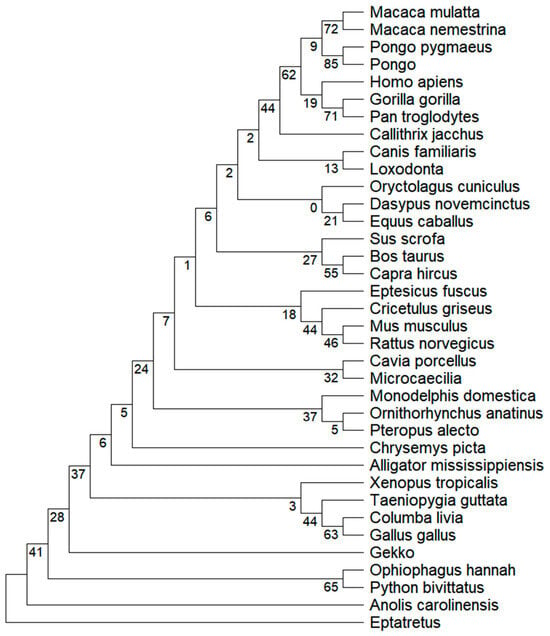
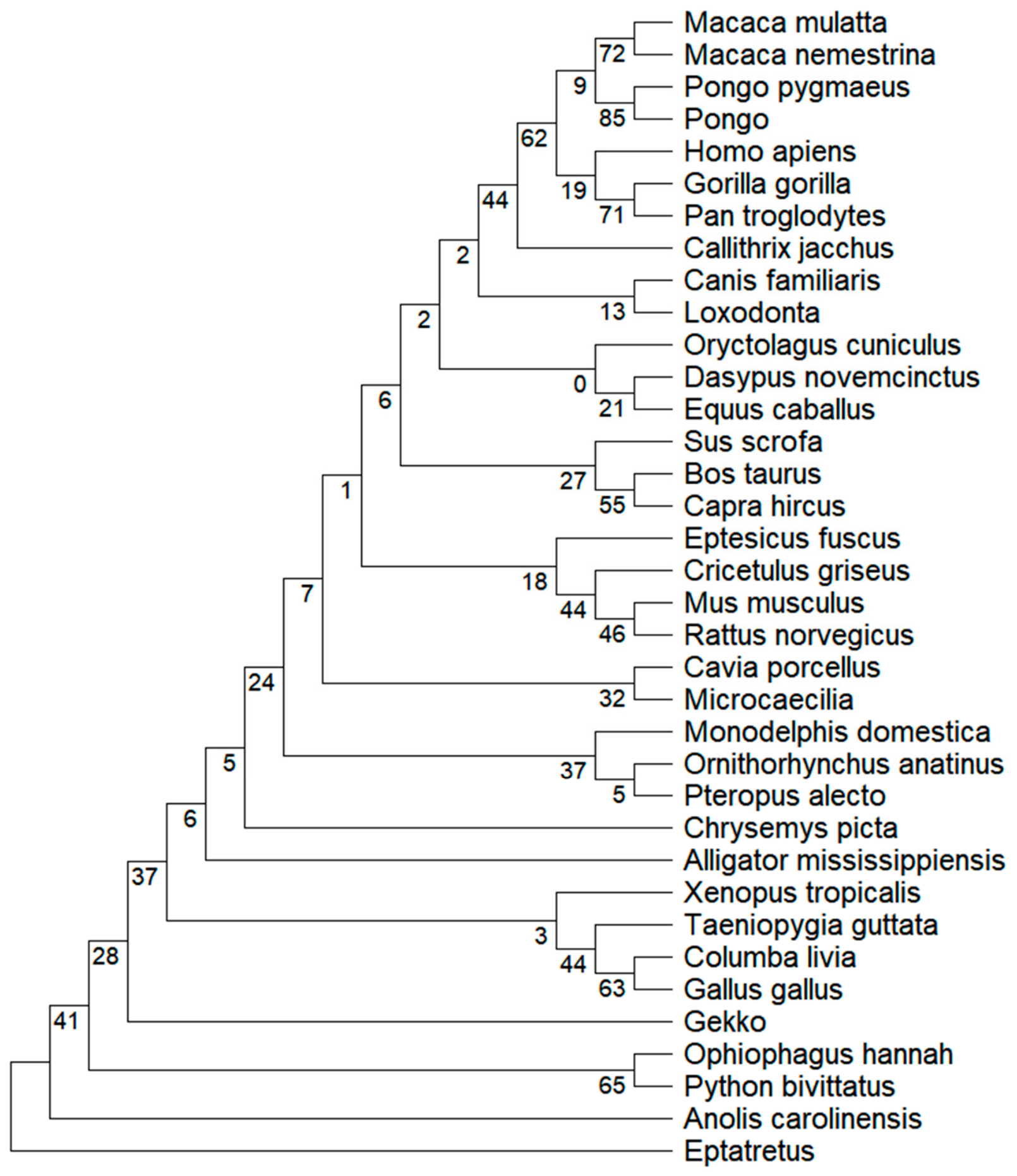
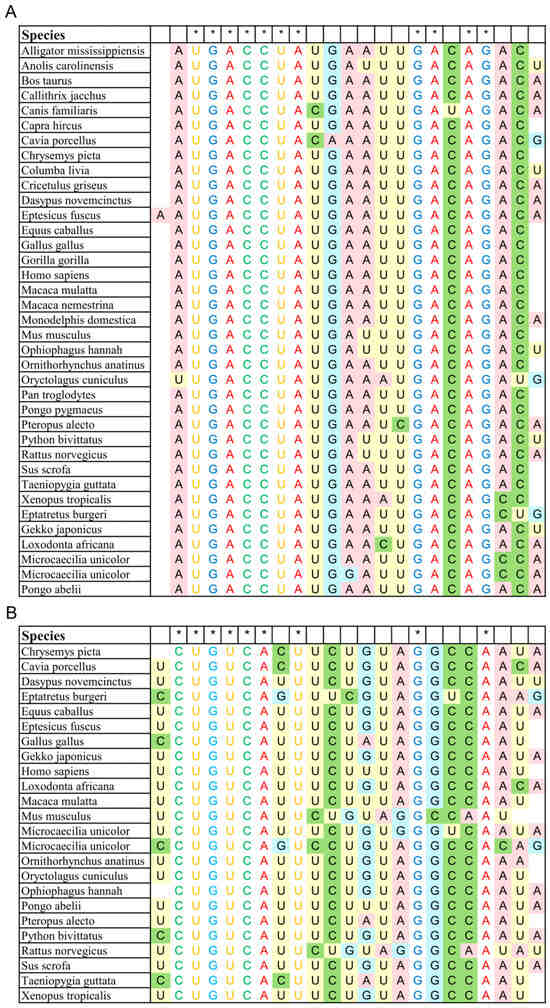
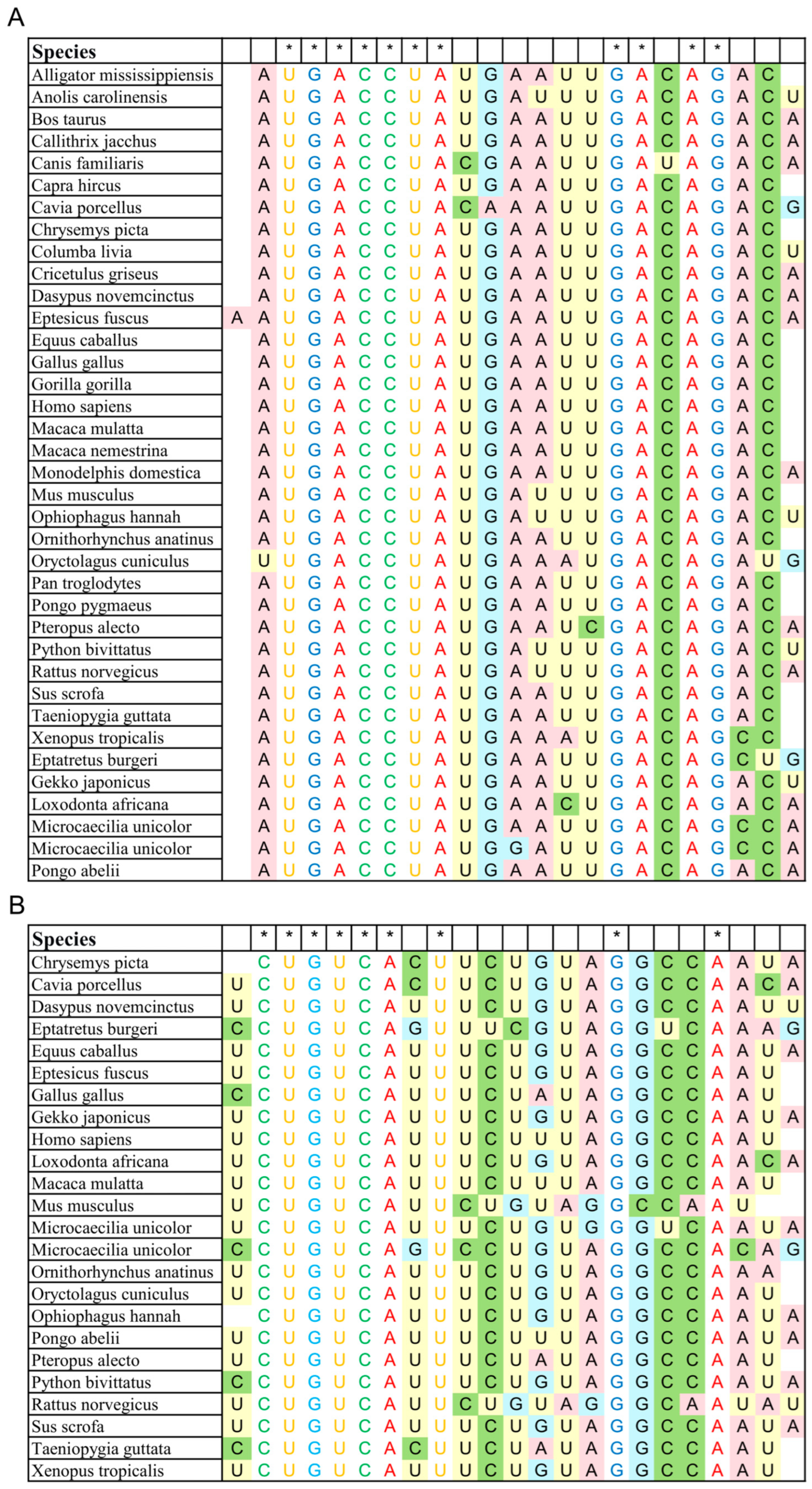
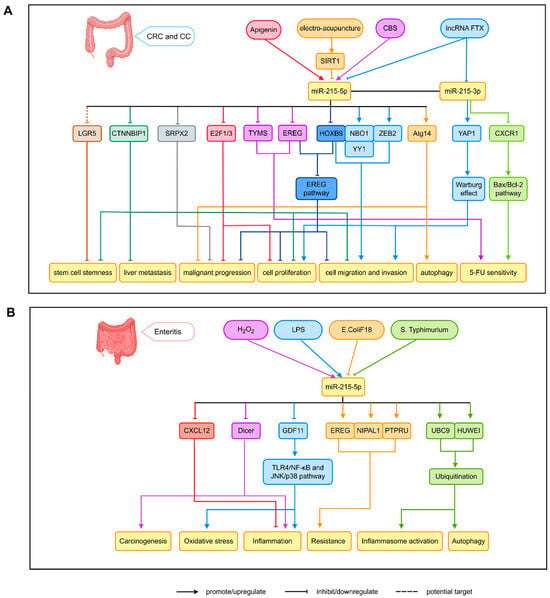
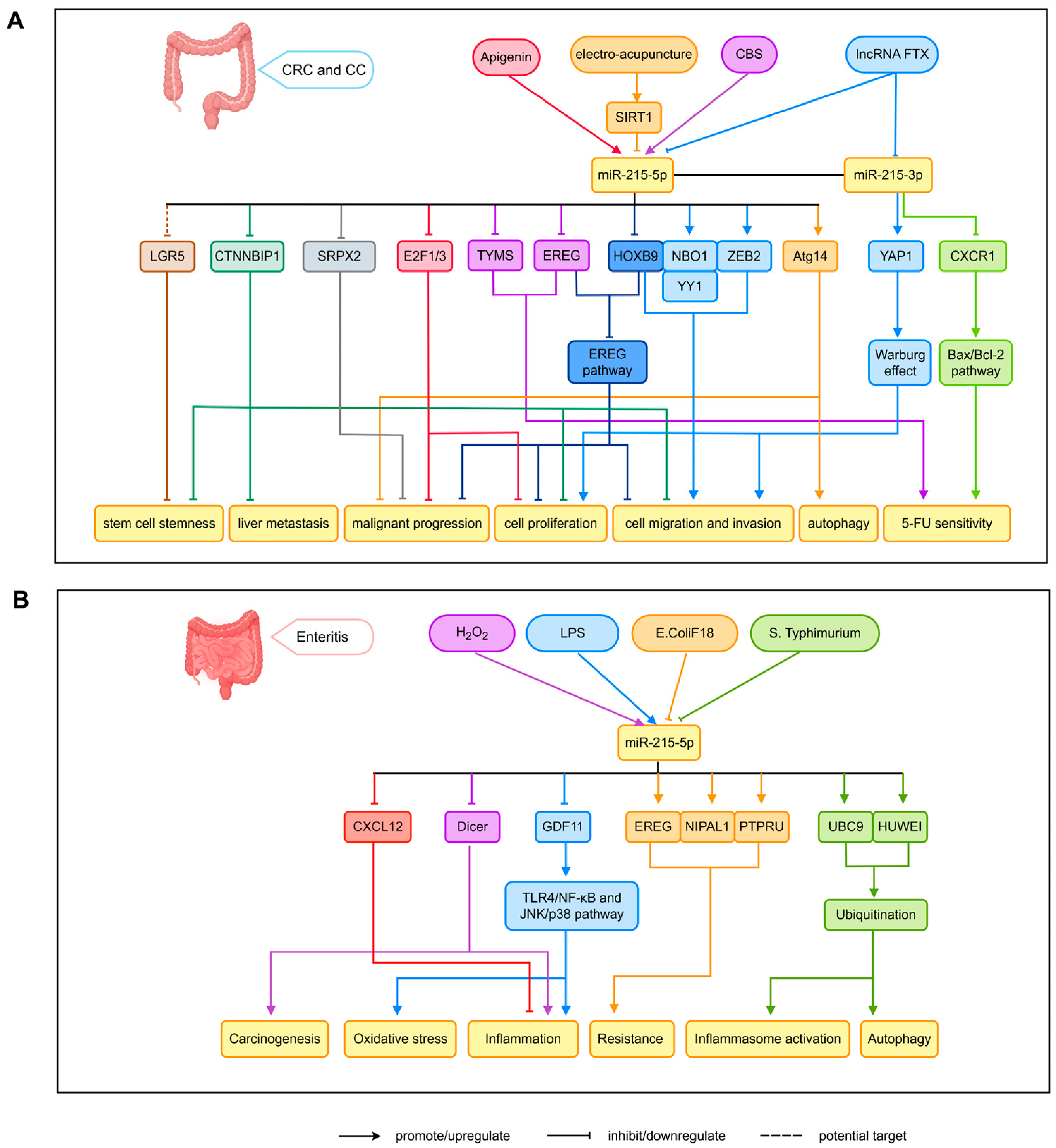
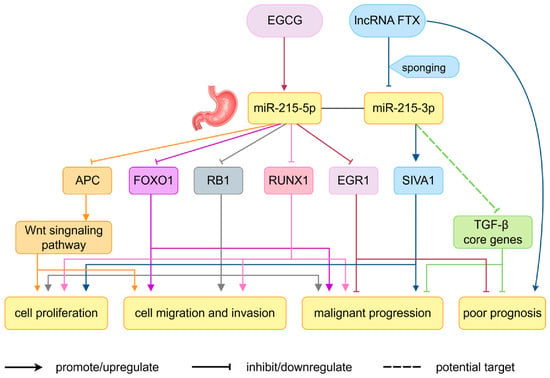
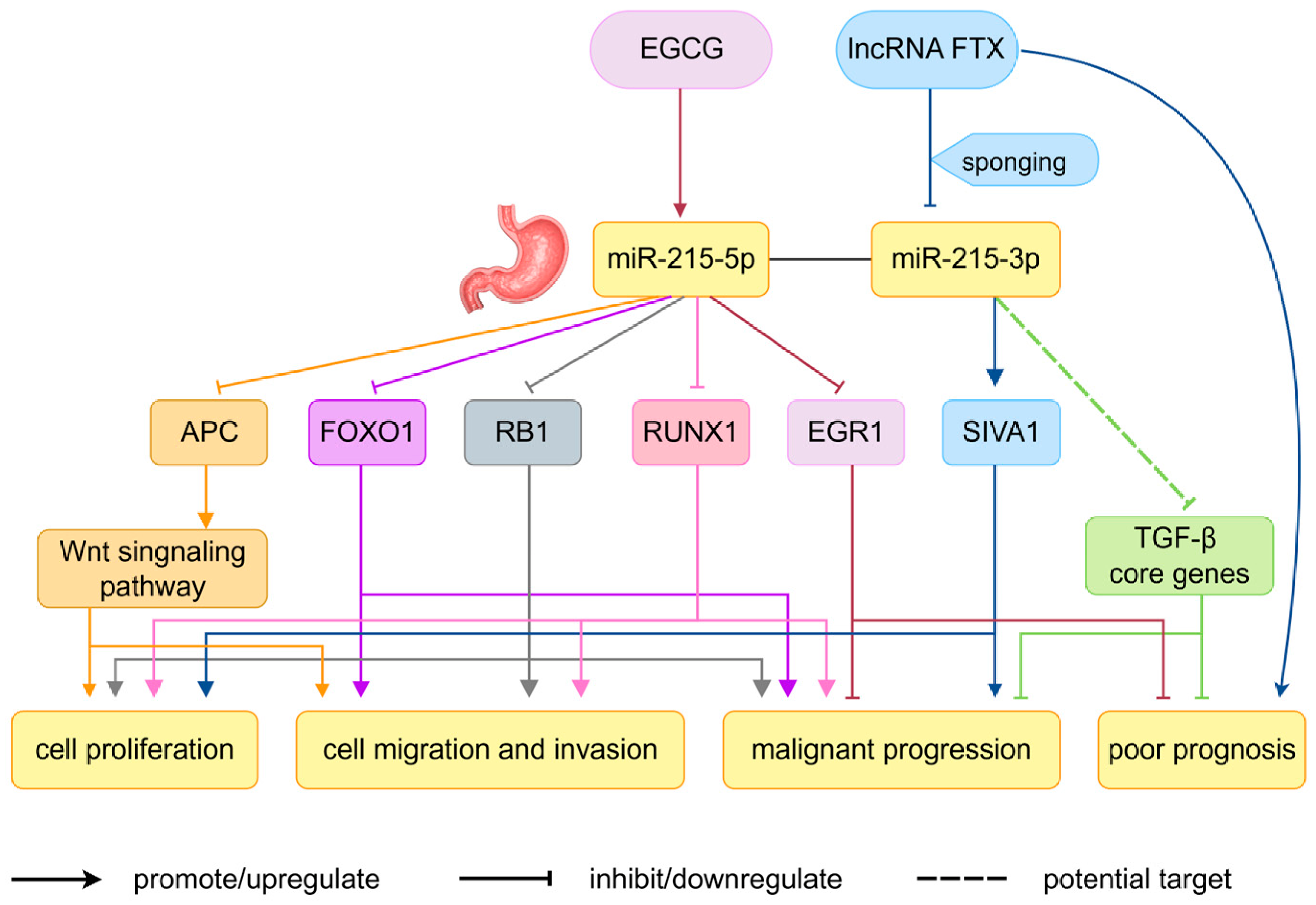
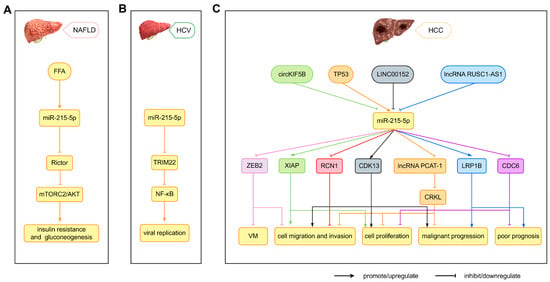
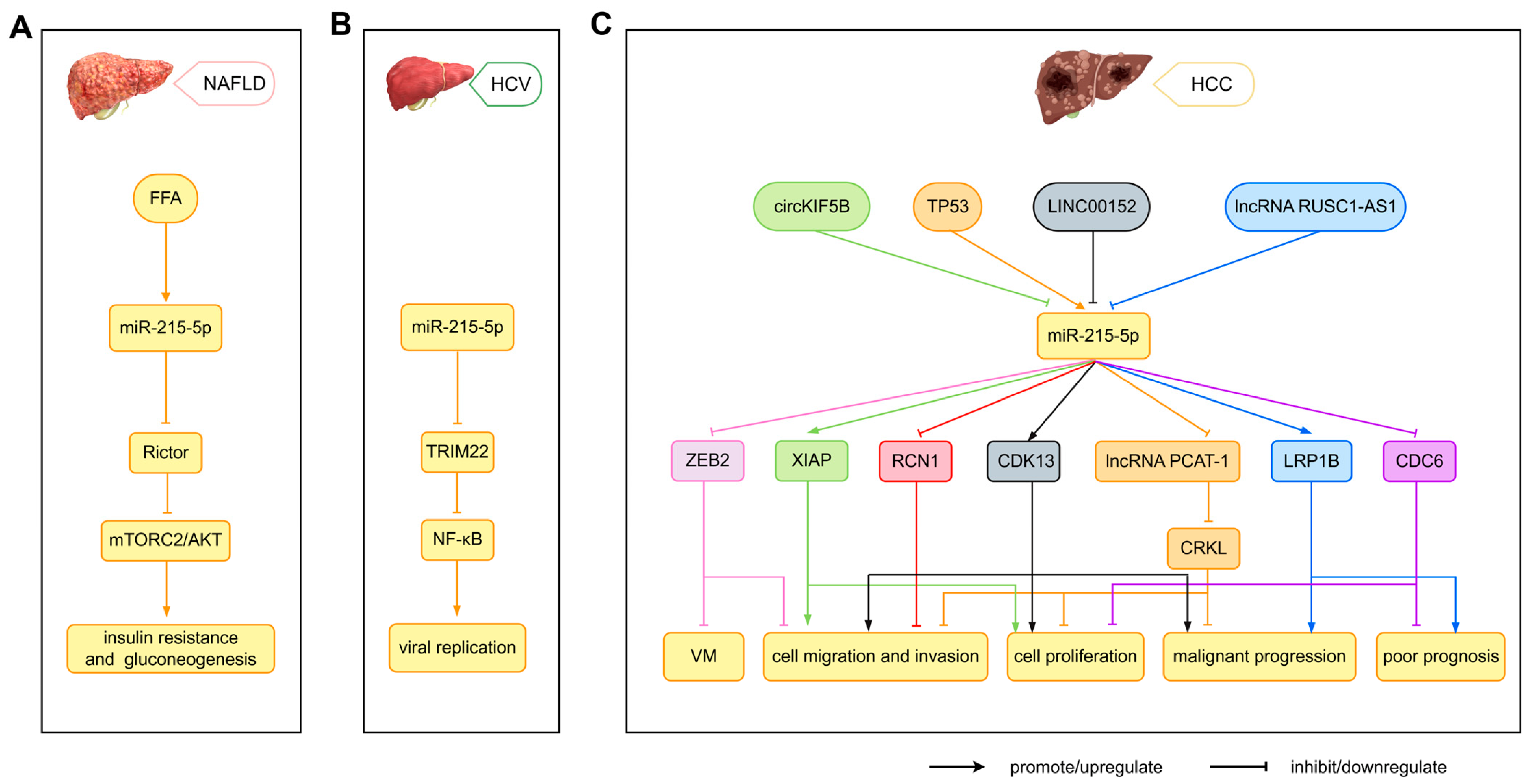

Disclaimer/Publisher’s Note: The statements, opinions and data contained in all publications are solely those of the individual author(s) and contributor(s) and not of MDPI and/or the editor(s). MDPI and/or the editor(s) disclaim responsibility for any injury to people or property resulting from any ideas, methods, instructions or products referred to in the content. |
© 2026 by the authors. Licensee MDPI, Basel, Switzerland. This article is an open access article distributed under the terms and conditions of the Creative Commons Attribution (CC BY) license.