


Simple Summary
This paper offers a comparative analysis of the various prostate cancer diagnostic tools based on cost-effectiveness, invasiveness, accuracy, and suitability for research purposes. Low-cost and readily available diagnostic tools like PSA tests and DRE tests are effective for mass screening procedures due to low costs, but their lack of specificity and high chances of overdiagnosis make them less desirable. High-tech tests such as biomarker-based, multiparametric MRI, and liquid biopsy tests are better suited for diagnosis as they have higher accuracy and more informative data, but their expensive and non-wide availability limit them from general use, especially in underdeveloped countries.
Abstract
Prostate cancer (PCa) is the most prevalent cause of cancer-related deaths worldwide. This review aims to synthesize the contemporary literature (2018–2026) on various diagnostic approaches of PCa for clinicians. Currently, the standard approach to PCa diagnosis includes (1) prostate-specific antigen (PSA) testing, (2) its derivatives, and (3) digital rectal examination (DRE). This approach is readily available and cost-effective but lacks specificity, thus resulting in a high incidence of overdiagnosis and overtreatment of PCa patients. This review aims to compare the traditional approaches with the newly developed approaches to PCa diagnosis and investigate their suitability for research purposes, including urine-based markers, liquid biopsy, and histopathology. Each of these approaches has advantages and disadvantages. Advanced imaging techniques like multiparametric magnetic resonance imaging (mpMRI) are helpful in the localization of PCa and can prevent unnecessary biopsies. Histopathology remains the gold standard in the confirmation of PCa diagnosis. Newly developed blood-based markers and advanced imaging techniques are more sensitive and specific in the diagnosis of PCa and are likely to result in a better clinical outcome than the traditional approaches. However, the cost of these approaches remains a global challenge in developing and developed countries alike. PCa diagnosis tools and strategies are presented in a clinical and cost-effective manner and are integrated in a tiered approach with the aim of controlling and managing PCa and its diagnosis.
1. Introduction
Prostate cancer is a very serious health issue worldwide [1,2]. It has the highest rate of diagnosis as cancer among males and comes second in ranking for causing cancer deaths in this population [2,3]. It is still one of the top three cancers diagnosed among men in Africa [4,5,6]. This fact shows how much the disease can affect male health and wellness, making it important to be aware of it and catch it early to lessen its connected impact [1,7,8]. The disease remains a significant threat to men’s health globally but poses particularly pressing issues within an African context [5,9]. The genetic basis of the high prostate cancer risk among men of African ancestry is only beginning to be understood [10,11]. Multiple inherited and somatic genetic variants associated with increased risk of developing the disease or of aggressive disease have been identified in large studies. Inherited risk variants include those influencing androgen signaling and tumor biology, while somatic gain-of-function mutations in androgen receptor and PTEN cooperate to drive malignant progression of prostate tumors [5,12,13,14].
This review gives detailed information about clinical services for prostate cancer in South Africa and globally, and it also places the country both as a national and international leader in this area while challenges exist regarding improving cancer outcomes [6,9,15]. Overall regional epidemiological trends reveal that prostate cancer incidence rates are significantly lower throughout Africa than those reported in South Africa [6,16,17,18]. These findings are further corroborated by an analysis of population-based data showing a marked variation in incidence across the African continent. The data from 30 of 54 recognized countries note a median reported age at diagnosis as being 58 years and substantiate further understanding evolution and surveillance needs for prostate cancer within an African context [4,5,6].
Ongoing emphasis, education, and treatment options are very important in facing prostate cancer as a disease [1,14,19,20]. Biological diagnostic techniques like gene tests and biomarker measuring are the main ways of gaining knowledge [21,22,23]. Diagnostic steps are very important in balancing care and therapy hence critical in reducing early death [14,24]. Early detection and care boost survival chances from below 30 percent to nearly 90 percent [25,26]. Traditional diagnosis relies on serum prostate-specific antigen levels, digital rectal examination, and ultrasound guidance for biopsy. However, PSA has low specificity which leads to unnecessary biopsies [27,28,29]. Diagnosis is generally confirmed through histopathological examination of the biopsy sample, considered the gold standard, though it can be associated with some complications due to its invasive nature [30,31]. Hence, there has been a demand for effective, non-invasive, accurate diagnostic tools [32,33,34].
This study will review the literature on the various biological methods used in the diagnosis of prostate cancer, with emphasis not only on the availability of resources but also the complex structures of health systems that support these diagnostic activities. It is part of a larger effort to respond to relevant research questions that are interconnected with prostate cancer and its effects on patient management, and more specifically, an attempt at gathering and synthesizing information that can assist the South African Diagnostic Research Initiative in improving or upgrading its activities and techniques in this domain. By putting such insights together, we are aiming at making very significant contributions towards improvements in approaches to diagnostics within the context of research and treatment dealing with prostate cancer, thereby paving pathways for better outcomes for patients. The goal here is to facilitate a deeper understanding of the empirical data and build stronger frameworks securing efficient non-invasive diagnosis and treatment processes.
2. Methodology
This study used a narrative literature review design to discover and synthesize information on prostate cancer diagnostic techniques, particularly the less invasive ones.
2.1. Information Sources and Search Strategies
A comprehensive literature search was carried out on electronic databases including PubMed, Scopus, Web of Science, and Google Scholar. The objective was to obtain data regarding both established and emerging diagnostic methods from recent literature (2018–present). A combined approach of Medical Subject Headings (MeS–H) terms with free-text keywords was utilized. The principal search terms were: “prostate cancer diagnosis,” “prostate cancer screening,” “prostate-specific antigen (PSA),” “urine biomarkers prostate cancer,” “liquid biopsy prostate cancer,” “multiparametric MRI prostate cancer,” “prostate biopsy techniques,” “prostate cancer Africa,” and “prostate cancer South Africa.”
2.2. Eligibility Criteria
Studies published between 2018 and 2026 were considered for inclusion if they were peer-reviewed articles focusing on research about diagnostic techniques for prostate cancer, providing data on sensitivity or specificity or clinical application or cost metrics involving African populations or global studies concerning Africa.
Exclusion criteria comprised studies not focused directly on diagnostics, studies focused exclusively on treatment, non-English publications, editorial case reports, editorials with insufficient methodological rigor, and studies that do not provide adequate data on diagnostic performance.
2.3. Article Selection Process
Titles and abstracts were screened for relevance. Full-text assessments were then undertaken to determine eligibility based on the inclusion criteria. Priority was given to (1) systematic reviews and meta-analyses, (2) large cohort and case–control studies, and publications on diagnostic accuracy (sensitivity and specificity). The Preferred Reporting Items for Systematic Reviews and Meta-Analysis (PRISMA) framework was used. The flow diagram in Figure 1 summarizes the identification, screening, eligibility of full-text articles assessed, inclusion, and exclusions at each stage of the study selection process. The reasons for exclusions were: at the identification stage, articles were excluded because they were duplicates; at the screening stage, articles were excluded because they were non-English publications, not relevant to the field of diagnostic methods and published before 2018; and at the eligibility stage, articles were excluded because of insufficient data among the reported outcomes. This review has been submitted to the International Prospective Register of Systematic Reviews (PROSPERO) platform for registration (CRD420261400728).
Figure 1.
PRISMA flow diagram for studies included in this review.
There was no comprehensive search for gray literature sources; only articles from peer-reviewed databases were used to reduce publication bias. Subsequently, all the included studies were published in the English language and only had human participants.
Multiple appraisal tools were used to evaluate methodological rigor and assess quality and risk of bias because of heterogeneity in study designs of the included papers. The tools used are listed in Table 1 along with their applicability; highlighting studies assess, methodological criteria and types of study designs. Each tool was selected based on the methodological traits and objectives of study. (1) The Joanna Briggs Institute Critical Appraisal Tool (JBI) was chosen to evaluate the methodological quality and risk of bias of the included review (systematic, the literature, scoping and commentary) studies. Depending on the particular study design under review, different JBI appraisal checklists were used. Participant selection, measurement reliability, confounding variables, thoroughness of outcome reporting, and suitability of statistical analysis were among the methodological areas that were the focus of the evaluation. (2) The Quality Assessment of Diagnostic Accuracy Studies (QUADAS-2) tool was used to evaluate studies that assess the diagnostic efficacy of prostate cancer screening techniques. This tool evaluated quality across multiple variables such as index test perfomance, reference standards, patient selection, flow and timing to determine if sensitivity and specificity were accurately estimated. A substantial portion of this research is focusing on comparing diagnostic performance of various techniques, hence this tool is the best for assessment. (3) The Newcastle-Ottawa Scale was used for observational (cohort, comparative clinical, epidemiological and case–control) studies because these explored incidence of prostate cancer, racial disparities, biomarker linkages and clinicopathological features among various populations. This tool assesses participant selection, study group comparability, and the sufficiency of outcome or exposure assessment. So it was chosen to assess the quality of non-randomized studies, making it possible for the review to assess the validity of observational data on the prevalence, course, and population-specific risk factors of prostate cancer.
Table 1.
Critical appraisal tools used in this study for quality assessment and their applicability to different designs.
According to the QUADAS-2 assessment, most of the diagnostic accuracy studies showed moderate to high methodoligical quality with a typically low risk of bias across domains. Histopathology was frequently employed as the diagnostic reference standard in studies assessing PSA derivatives, PHI, PCA3, TMPRSS2-ERG, SelectMDx, ExoDx, mpMRI, PSMA PET/CT, and MRI-targeted biopsies, enhancing diagnostic reliability. For instance, when assessing PSA, DRE, PSMA PET/CT, and mpMRI performance, Merriel et al. (2022), Matsukawa et al., Satapathy et al., and Yang et al. [29,46,74,80] showed excellent methodological rigor and consistent diagnostic techniques. In a comparable manner, urinary biomarkers like SelectMDx and ExoDx were robustly evaluated by Hendriks et al., Margolis et al., and Wu et al. [56,57,60] to reduce needless biopsies. However, due to smaller sample sizes, little external validation, and variable diagnostic thresholds, some new biomarker studies, such as Koo et al. and Warli et al. [43,44] showed a moderate or unclear risk of bias. All things considered, the QUADAS-2 results confirm the increasing diagnostic value of sophisticated molecular and imaging techniques over conventional PSA-only screening techniques.
Based on the NOS assessment tool, these studies demonstrated a moderate to high methodological quality, with most of them getting a rating between 7 and 9 stars. Studies like those by Babajide et al. and Choi et al. [90,94] presented biologically relevant findings about biomarker and circulating tumor cell performance in prostate cancer populations. Parrallel to this, Martins et al. and van der Slot et al. [95,97] strengthened confidence in imaging and pathological findings by exhibiting strong methodological techniques in assessing mpMRI diagnostic localization and histological grading variability, respectively. Additionally, Tolkach et al. [96] showed significant external validation of artificial intelligence algorithms for Gleason grading across many institutions, enhancing the repeatability and dependability of automated pathological evaluation.
The JBI appraisal of review based studies indicates that most of these studies were helpful for qualitative synthesis given they clearly discussed prostate cancer diagnostic techniques including PSA, urine biomarkers, liquid biopsy, mpMRI, PSMA PET/CT, biopsy techniques and digital pathology. Notable reviews offered targeted remarks on diagnostic methods and supported their findings with data; showing that routes that combine biomarkers, imaging and targeted bipsy are replacing singular diagnostic techniques like PSA [34,106,131,149,150]. However, the results also point to certain methodological shortcomings. Several reviews [129,133,134] were helpful for clinical context and background information but they lacked thourough reporting of study selection or formal critical appraisal procedure, which may result in selection bias and reporting prejudice because it is unclear if all pertinent material is methodically found. Similarly, reviews that highlight cutting-edge technologies like liquid biopsy and exosomes offered valuable insights but frequently highlighted promising future applications while acknowledging limited standardization and clinical validation. Overall, the JBI-evaluated literature proved useful for mapping current understanding and spotting trends, particularly in the areas of imaging, precision diagnostics, and non-invasive biomarkers.
Several recurrent methodological biases and limitations were found in diagnostic accuracy studies, observational studies, and review-based evidence. Selection bias was one of the most common biases found, especially in observational and diagnostic research evaluated using NOS and QUADAS-2. Patients from high-risk clinical populations or specialist tertiary care facilities were included in a number of biomarker and imaging studies, which may have overstated diagnostic performance and decreased generalizability to larger screening populations. The likelihood of sampling bias was increased by the use of relatively small or highly selected cohorts in studies like that of Warli et al. [44].
To reduce subjectivity and reviewer-related prejudice, two reviewers separately assessed the risk of bias. After each reviewer assessed the included studies independently, the findings were compared, and disagreements were settled by consensus and discussion. The screening and risk of bias assessment processes did not make use of any automation technologies, artificial intelligence softwre, or machine learning programs. Based on the evaluation results, the overall quality of the studies was classified as low, moderate, or high risk of bias.
Figure 2 presents a tiered diagnostic pathway illustrating sequential use of diagnostic tools from screening to diagnosis. The pathway is organised into progressive tiers; each representing an increase in diagnostic specificity, resource requirement and complexity. The first tier shows initial screening and risk assessment; seconf tier showing secondary risk stratification tests; third tier represents imaging techniques for localising and charectarising disease and the fourth tier showing disease confirmation.
Figure 2.
A tired diagnostic pathway for prostate cancer.
2.4. Data Extraction
Relevant data were carefully extracted in tabular form. The extracted variables included: method of diagnosis, sample type (blood, urine imaging tissue), sensitivity, specificity clinical use (screening or confirmation), and approximate cost level of invasiveness.
2.5. Data Analysis
A qualitative synthesis was used to compare the methods of diagnosis. These results are summarized in a table under three heads: (a) less invasive methods (e.g., PSA, urine biomarkers, liquid biopsy), (b) imaging methods (e.g., TRUS, multiparametric MRI), and (c) confirmatory methods (e.g., biopsy and histopathological analysis). Emphasis was placed on those most often used in Africa and South Africa taking into account cost accessibility and current healthcare infrastructure.
3. Results
The diagnostic techniques shown in Table 2 have been systematically developed from basic screening techniques to more advanced risk-stratified molecular approaches with their specific clinical applications and limitations for each step along the way. Conventional methods such as digital rectal examination (DRE) and prostate-specific antigen (PSA) testing—a protein produced by prostate cells and measured in blood as a biomarker for prostate cancer screening [35,98,99]—continue to be the mainstay of initial screening largely because they are widely available.
Table 2.
A Summary of prostate cancer diagnostic techniques, clinical use and insights.
Several derivatives of PSA—free/total PSA ratio, PSA velocity, and PSA density—have been developed in an attempt to improve the discrimination between benign and malignant conditions particularly within the gray area of PSA values. More advanced blood-based assays like the Prostate Health Index (PHI)—a blood-based biomarker that combines multiple PSA derivatives to improve the detection of clinically significant PCa [45,46]—and 4Kscore test—a blood-based diagnostic test combining PSA derivatives with kallikrein protein biomarkers with clinical information to estimate the probability of aggressive PCa [50,51,52,53,54] to provide better risk stratification by predicting clinically significant aggressive cancer thereby reducing unnecessary biopsies.
Urine-based tests such as PCA3—PCa-specific non-coding RNA that is overexpressed in prostate cancer tissue and detected mainly in urine [37]—and TMPRSS2–ERG—a common genetic alteration in prostate cancer, associated with prostate tumor development [59,60]—improve specificity through molecular detection; however, the latter is limited by its lower sensitivity since it is present only in a small subset of prostate cancer cases. Next-generation urine assays like SelectMDx and ExoDx have a considerable clinical benefit in biopsy avoidance for a large portion of patients which indicates a larger shift toward non-invasive patient-centered diagnostics.
On the other hand, high-level diagnostic tools like liquid biopsy, imaging, and tissue-based methods emphasize improving precision, describing the illness, and confirming findings. Parts of liquid biopsy which are circulating tumor DNA, circulating tumor cells, and exosomes give important molecular details and allow non-invasive checking though their sensitivity may change based on disease stage and sample origin. Imaging methods help to add to these strategies with transrectal ultrasound and are mainly used as a guide for biopsy while multiparametric MRI improves detection through standardized scoring systems like PI-RADS. PSMA (Prostate-Specific Membrane Antigen) PET/CT imaging is a newer advanced non-invasive method that can offer detailed anatomical and functional visualization especially in more advanced cases of this disease.
Table 3 summarizes the considerable variability in the diagnostic accuracy of prostate cancer diagnostic modalities with respect to their clinical application and type of sample. The pooled sensitivity and specificity estimates are reported for all studies that were included in the literature review. Moderate to low sensitivity has been reported for screening modalities, namely digital rectal examination (DRE) and prostate-specific antigen (PSA) testing (DRE: 28.6–53.2%; PSA: 21–44%), with relatively higher specificity values, especially for PSA (91–94%). These results indicate that while such methods may be useful for preliminary diagnosis, many true positive cases could be missed by these tests, particularly when the disease is at an early stage.
Table 3.
Comparative overview of diagnostic techniques and their clinical performance.
PSA derivatives, including free/total PSA ratio and PSA velocity/density, have better diagnostics parameters with moderate sensitivity and specificity; hence they are recommended for risk stratification and follow-up rather than being used as stand-alone diagnostic tools. More advanced blood-based assays like the Prostate Health Index (PHI) test or 4Kscore can achieve very high sensitivities (up to about 95–97%) but have relatively low specificities; this means that while such tests may be good at finding potential cases of prostate cancer, they increase the risk of overdiagnosis when used alone.
Urine-based biomarkers and molecular assays have significantly improved the specificity of diagnosis, notably exemplified by the TMPRSS2–ERG gene fusion test, which achieves a specificity rate of up to 100% albeit with reduced sensitivity. Other assays like PCA3 and SelectMDx/ExoDx show moderate to high sensitivity and therefore serve as important tools for risk stratification and biopsy decision-making. Innovative liquid biopsy methodologies encompassing circulating tumor DNA (ctDNA), circulating tumor cells (CTCs), and exosomes demonstrate exceptional specificity often exceeding 85–100% in advanced disease cases; however, their sensitivity can be quite variable depending on the disease stage underscoring their primary use in monitoring and prognostic assessment rather than early detection.
Imaging modalities multiparametric MRI (mpMRI) plus advanced ultrasound techniques such as micro-ultrasound (MicroUS) plus artificial intelligence-enhanced transrectal ultrasound (TRUS) have reached a level of diagnostic accuracy whereby sensitivity rates could be approximately 90% or more; however, specificity may vary. PSMA PET/CT scans perform exceptionally well in detecting metastases as well as recurrences with both sensitivity and specificity metrics frequently exceeding 85% in late-stage clinical settings. Ultimately, confirmatory methods such as TRUS-guided biopsy, MRI-targeted biopsy, and histopathological assessment provide the highest diagnostic accuracy, with histopathology nearing the ideal sensitivity and specificity.
Taking together, these results demonstrate a definite trend toward more integrated approaches to diagnosis while using less invasive screening techniques in synergy with advanced imaging and confirmatory tissue analyses for purposes of improving diagnostic accuracy and avoiding unneeded invasive procedures.
The confidence interval findings depict a clear trade-off between accessibility and diagnostic accuracy, highlighting a significant variation in the consistency and reliability of PCa diagnostic techniques. Traditional screening techniques (PSA, DRE) displayed wider ranges and weaker specificity indicating a higher risk of false positives. On the other hand, more advanced biomarkers (PHI, PCA3, 4KScore, SelectMDx) indicate better sensitivity and specificity with narrower intervals, suggesting increased diagnostic stability and capacity for detection. Imaging modalities showed an even narrower confidence interval along with high sensitivity, highlighting their potential for even better diagnostic accuracy. Confirmatory techniques (MRI-targeted biopsy, histopathology) indicate the most reliable diagnostic performance.
Table 4 summarizes the comparative analysis of all the modalities for detecting prostate cancer discussed in this chapter. The preferred modality for research application, advantages, and limitations of each method are also highlighted. A crucial consideration is the balance between cost, invasiveness, and diagnostic accuracy. PSA and DRE tests have low costs with minimal invasiveness; hence these methods are preferred in large-scale academic and epidemiological studies due to their availability, low cost, and ease of administration.
Table 4.
Evaluation of diagnostic methods based on practical research considerations.
These methods are chiefly constrained by low specificity and sensitivity, which results in overdiagnosis and unnecessary follow-up. Still, PSA derivatives (PHI and 4Kscore) as well as urine-based biomarkers have better specificity and clinically significant prostate cancer detection; hence they would be more suitable for risk stratification studies. Moderate costs plus limited availability may preclude their use in resource-poor settings.
Liquid biopsy and mpMRI are state-of-the-art methodologies with their respective benefits that give broad molecular information plus imaging data comprehensively. These modalities are very important for translational research multi-omics studies as well as precision diagnostics because of deep insights into tumor biology plus clinically relevant cancer identification; however high costs specialized infrastructure requirements will restrict their availability in resource-limited settings for large population-based studies.
TRUS-guided biopsy, MRI-targeted biopsy, and histopathology confirmatory modalities remain essential for definitive diagnosis. These are critical components in clinical validation studies despite their invasiveness associated with procedural risks. It is observed that less invasive cost-effective methods would be preferred for large-scale research applications while advanced invasive techniques would be more appropriate for precision-oriented clinical investigations thus underscoring the need for a combined context-specific diagnostic approach. The comparative cost analysis reveals significant differences in cost for these diagnostic techniques in South Africa, with the more affordable techniques costing approximately R1500 or less per test and the more advanced ones costing between R1500–R10,000 (moderate) and the sophisticate techniques potentially costing over R10,000.
4. Discussion
Table 2, Table 3 and Table 4 in this comparative review of prostate cancer detection methods exhibits an unending and clinically significant discord between diagnostic accuracy, invasiveness, cost, and research applicability. At a basic level, screening tools like prostate-specific antigen testing (PSA) and digital rectal examination still serve as primary alternatives because of their low costs, ease of administration, broad availability in low- and middle-income countries including several regions in Africa and South Africa [46,62,154].
The dominance of DRE and PSA in both the clinical field as well as research studies is more due to convenience than any claims of better performance. As clearly shown in Table 2, even though PSA testing has relatively high sensitivity, its considerable lack of specificity translates into relatively high false-positive rates with resultant overdiagnosis and unnecessary biopsy [24,26,35]. Similarly, although DRE is cheap, it does not have good sensitivity for picking up early-stage cancers and highly depends on the skill of the operator. From a research perspective however these limitations are somewhat offset by their usefulness in large-scale epidemiological and population-based studies where accessibility sample size is very critical [169,170].
On the other hand, the second-line and complementary biomarker approaches to prostate cancer such as PSA derivatives (PHI and 4Kscore) plus urine-based markers like PCA3 and TMPRSS2–ERG have made significant strides in risk stratification and diagnostic specificity. The data presented highlight that these methods work particularly well when distinguishing clinically significant malignancies from indolent forms of cancer, this being a major critique against PSA-based screening [138,144,156,171].
Their moderate cost and limited availability, especially in resource-poor settings hinder widespread adoption. It brings about a huge gap: even though these instruments are scientifically superior on many fronts they are not yet universally applicable [102,158,172,173]. From an academic point of view, these biomarkers PCA3 and TMPRSS2–ERG fit well into case–control studies for validation research within precision medicine but become impractical to use in large-scale population screening under resource constraints. Also, the differences in sensitivity seen between studies point to the need for better standardization and testing in different groups, especially African populations that are not well-represented in global studies [149,174,175]. Imaging methods add a lot of detail to the diagnosis process.
As shown by the information in Table 2, Table 3 and Table 4, transrectal ultrasound (TRUS) is often used due to its easy access and guiding role in biopsy but has relatively low sensitivity for clinically significant tumors [65,150,152]. On the other hand, multiparametric MRI (mpMRI) shows much better sensitivity and specificity, thus helping with better visualization of tumor location and aggressiveness. The current literature supports mpMRI as a new diagnostic tool that can reduce unnecessary biopsies while increasing the detection of clinically important conditions [150,153,176]. The mpMRI method called expensive highlights a big problem: it needs infrastructural resources to function properly. In many African nations, access to mpMRI is frequently restricted to tertiary or private healthcare facilities which limits its possible effectiveness in wider public health programs [177,178]. From a research perspective, mpMRI is very useful for studies that focus on accuracy in diagnosis as well as imaging-related investigations but its cost and technical requirements make it difficult to use widely among large cohort studies [179,180].
Also, new imaging methods like PSMA PET/CT increase diagnostic accuracy more at stages of disease and recurrence yet their high costs and unavailability restrict them mostly to advanced research projects plus special clinical settings [176,181,182]. Liquid biopsy is a very hopeful and increasingly growing testing method shown in discussions under tables one two and three. Its main benefit comes from being able to get easy access repeatedly to molecular and genomic information about tumors, making it very attractive for multi-omics as well as translational studies [183,184,185]. Compared with normal tissue biopsy liquid biopsy for prostate cancer reduces stress on patients while allowing active tracking of disease progress.
Its critiques arising from such comparisons indicate that, despite its substantial theoretical and research potential, liquid biopsy faces challenges due to its high costs, lack of sufficient standardization, and its incomplete integration into standard clinical practices [139,144,186,187,188]. The sensitivity of liquid biopsy may vary with tumor burden and methodological differences, indicating the need for further validation. Thus, though liquid biopsy is a good candidate for advanced academic research, particularly in genomics and personalized medicine, its current practical use in broad clinical or population-based settings is limited [189,190,191].
As per the data provided (Table 2, Table 3 and Table 4), even after advances in non-invasive and minimally invasive techniques, biopsy along with histopathological assessment still stands out as the definitive gold standard for diagnostic purposes. Although TRUS-guided biopsy is commonly used in clinical practice, it has some drawbacks such as the chance of sampling error and risk of infection [146]. On the other hand, MRI-targeted biopsy has been found to improve detection rates for clinically significant cancers [192]. Results analyzed via histopathology, especially with Gleason scoring, provide key information about how aggressive a tumor is, which helps with treatment decision-making [193]. However, since these procedures for prostate cancer are invasive (TRUS-guided biopsy and MRI-targeted biopsy) they cannot be considered suitable for screening applications. From a research viewpoint such methods are crucial for clinical validation outcome assessment as well as setting up diagnostic standards. With that being noted, the invasive nature of these techniques plus their risks limit their use in exploratory or large-scale screening studies [84,137,194,195].
A major theme that comes out of what the tables show is the basic trade-off between cost and how accurately something can be diagnosed. Cheap tests like prostate-specific antigen (PSA) testing and digital rectal examination (DRE) are common but not very precise. More accurate ways of diagnosis, such as using multiparametric magnetic resonance imaging (mpMRI), Positron Emission Tomography with Prostate-Specific Membrane Antigen (PSMA PET), or liquid biopsy, are usually more expensive and less available. This contrast is particularly evident in low- and middle-income countries where healthcare systems grapple with financial constraints and the need for high-quality diagnostics. From the literature, a tiered or integrated diagnostic approach is the most practical: starting with screening using cheap methods, then applying more specific biomarkers or imaging, and finally confirming through biopsy. This layered diagnostic strategy improves cost-effectiveness as well as diagnostic accuracy at the same time.
Despite the substantial mortality burden imposed by prostate cancer on African populations and their disproportionate incidence, knowledge regarding driver factors that might elucidate these contrasts is still limited. Resolving this gap is therefore imperative not only for Africa but also to inform the global understanding of prostate cancer epidemiology and its determinants among the fastest-growing population worldwide. A methodological gap exists in identifying actionable research domains pertaining to the specific context of African populations.
A major limitation across this reviewed literature is the substantial lack of diagnostic data pertaining to the South African population; a key indicator that this population continues to be underrepresented in biomarker validation studies and genomic research even though there is evidence that men of African ancestry have a higher incidence of PCa. Most molecular biomarker validations, sensitivity estimates, specificity values, and diagnostic thresholds have been generated primarily from populations in Europe, North America, or Asia, which restricts their direct relevance to African contexts. The effectiveness of new methods like liquid biopsy, mpMRI, PSMA PET/CT, PHI, and 4Kscore in African healthcare systems and genetically varied African populations has also not been thoroughly studied. These limitations thus make it harder to compare studies and may impact reproducibility and clinical use; especially in settings with limited resources. Therefore, some of these methods require more validation, protocol harmonization and extensive research before they can reach universal standardization despite their promising diagnostic capabilities.
5. Conclusions
The comparative analysis reveals that no individual diagnostic approach is adequate when used alone. Rather, each method fulfills a distinct function within a comprehensive diagnostic MODEL informed by clinical objectives, available resources, and research aims. Techniques that are less invasive and more cost-effective are particularly suited for broad population and epidemiological investigations, whereas more sophisticated imaging and molecular methodologies are better aligned with the principles of precision medicine and mechanistic research. A persistent challenge, especially in resource-limited environments, is to reconcile the divide between innovation and accessibility, thereby ensuring that advancements in prostate cancer diagnostics lead to fair enhancements in both research findings and clinical results.
Future approaches ought to focus on the creation and application of standardized, minimally invasive and reasonably priced diagnostic techniques that are practical in low-resource settings. To improve detection while diminishing reliance on expensive infrastructure and technology, a greater focus must be placed on verifying accessible biomarker-based assays and streamline imaging techniques. Additionally, improving healthcare worker training, expanding access to screening programs, strengthening healthcare infrastructure, and incorporating tiered diagnostic pathways that combine targeted advanced testing with affordable screening may improve early diagnosis and lower prostate cancer mortality.
Author Contributions
Conceptualization, U.A.T. and P.C.R.; methodology, U.A.T., T.P.M. and P.C.R.; validation, U.A.T., T.P.M. and P.C.R.; formal analysis, U.A.T., T.P.M. and P.C.R.; investigation, U.A.T., T.P.M. and P.C.R.; data curation, U.A.T., T.P.M. and P.C.R.; writing—original draft preparation, U.A.T., T.P.M. and P.C.R.; writing—review and editing, U.A.T., T.P.M. and P.C.R.; visualization, U.A.T., T.P.M. and P.C.R.; supervision, T.P.M. and P.C.R.; project administration, U.A.T., T.P.M. and P.C.R. All authors have read and agreed to the published version of the manuscript.
Funding
This research received no external funding.
Institutional Review Board Statement
Not applicable.
Informed Consent Statement
Not applicable.
Data Availability Statement
All datasets associated with this publication are presented in this manuscript.
Conflicts of Interest
The authors declare no conflicts of interest.
References
- Belkahla, S.; Nahvi, I.; Biswas, S.; Nahvi, I.; Ben Amor, N. Advances and development of prostate cancer, treatment, and strategies: A systemic review. Front Cell Dev. Biol. 2022, 10, 991330. [Google Scholar] [CrossRef] [Scilit] [PubMed] [PubMed Central]
- Al-Ghazawi, M.; Salameh, H.; Amo-Afful, S.; Khasawneh, S.; Ghanem, R. An In-Depth Look Into the Epidemiological and Etiological Aspects of Prostate Cancer: A Literature Review. Cureus 2024, 15, e48252. [Google Scholar] [CrossRef] [Scilit] [PubMed] [PubMed Central]
- Hinata, N.; Fujisawa, M. Racial Differences in Prostate Cancer Characteristics and Cancer-Specific Mortality: An Overview. World J. Men’s Health 2022, 40, 217–227. [Google Scholar] [CrossRef] [Scilit] [PubMed] [PubMed Central]
- Ahmed, R.O.; Sewram, V.; Oyesegun, A.R.; Ayele, B.; van Wyk, A.; Fernandez, P. A comparison of clinicopathologic features of prostate cancer between Nigerian and South African black men. Afr. J. Urol. 2022, 28, 6. [Google Scholar] [CrossRef] [Scilit] [PubMed] [PubMed Central]
- Jalloh, M.; Cassell, A.; Niang, L.; Rebbeck, T. Global viewpoints: Updates on prostate cancer in Sub-Saharan Africa. BJU Int. 2024, 133, 6–13. [Google Scholar] [CrossRef] [Scilit] [PubMed]
- Marais, B.; Klopper, G.; John, J. Prostate cancer perspective: Africa versus the world. S. Afr. Med. J. 2024, 114, e1950. [Google Scholar] [CrossRef] [Scilit] [PubMed]
- Raychaudhuri, R.; Lin, D.W.; Montgomery, R.B. Prostate Cancer: A Review. JAMA 2025, 333, 1433–1446. [Google Scholar] [CrossRef] [Scilit] [PubMed]
- Zhu, S.; He, J.; Yin, L.; Zhou, J.; Lian, J.; Ren, Y.; Zhang, X.; Yuan, J.; Wang, G.; Li, X. Matrix metalloproteinases targeting in prostate cancer. Urol. Oncol. Semin. Orig. Investig. 2024, 42, 275–287. [Google Scholar] [CrossRef] [Scilit] [PubMed]
- Marima, R.; Mbeje, M.; Hull, R.; Demetriou, D.; Mtshali, N.; Dlamini, Z. Prostate Cancer Disparities and Management in Southern Africa: Insights into Practices, Norms and Values. Cancer Manag. Res. 2022, 14, 3567–3579. [Google Scholar] [CrossRef] [Scilit] [PubMed] [PubMed Central]
- Gheybi, K.; Mmekwa, N.; Lebelo, M.T.; Patrick, S.M.; Campbell, R.; Nenzhelele, M.; Soh, P.X.Y.; Obida, M.; Loda, M.; Shirindi, J.; et al. Linking African ancestral substructure to prostate cancer health disparities. Sci. Rep. 2023, 13, 20909. [Google Scholar] [CrossRef] [Scilit] [PubMed] [PubMed Central]
- Soh, P.X.Y.; Mmekwa, N.; Petersen, D.C.; Gheybi, K.; van Zyl, S.; Jiang, J.; Patrick, S.M.; Campbell, R.; Jaratlerdseri, W.; Mutambirwa, S.B.A.; et al. Prostate Cancer Genetic Risk and Associated Aggressive Disease in Men of African Ancestry|Nature Communications [Internet]. 2023. Available online: https://www.nature.com/articles/s41467-023-43726-w (accessed on 22 March 2026).
- Mitchell, J.; Camacho, N.; Shea, P.; Stopsack, K.H.; Joseph, V.; Burren, O.S.; Dhindsa, R.S.; Nag, A.; Berchuck, J.E.; O’Neill, A.; et al. Assessing the contribution of rare protein-coding germline variants to prostate cancer risk and severity in 37,184 cases. Nat. Commun. 2025, 16, 1779. [Google Scholar] [CrossRef] [Scilit] [PubMed] [PubMed Central]
- Gong, J.; Kim, D.M.; Freeman, M.R.; Kim, H.; Ellis, L.; Smith, B.; Theodorescu, D.; Posadas, E.; Figlin, R.; Bhowmick, N.; et al. Genetic and biological drivers of prostate cancer disparities in Black men. Nat. Rev. Urol. 2024, 21, 274–289. [Google Scholar] [CrossRef] [Scilit] [PubMed]
- Sekhoacha, M.; Riet, K.; Motloung, P.; Gumenku, L.; Adegoke, A.; Mashele, S. Prostate Cancer Review: Genetics, Diagnosis, Treatment Options, and Alternative Approaches. Molecules 2022, 27, 5730. [Google Scholar] [CrossRef] [Scilit] [PubMed] [PubMed Central]
- Thsehla, E.; Khoza, M.; Boachie, M.K.; Mdewa, W.; Goldstein, S.; Somaroo, H.; Hofman, K.J. Costing the national clinical guidelines for prostate cancer control and management in South Africa: Public sector perspective. S. Afr. Med. J. 2026, 116, e2678. [Google Scholar] [CrossRef] [Scilit] [PubMed]
- Safiri, S.; Shamekh, A.; Hassanzadeh, K.; Fazlollahi, A.; Sullman, M.J.M.; Raeisi, M.; Kolahi, A.-A. The burden of prostate cancer in the North Africa and Middle East Region from 1990 to 2021. Sci. Rep. 2025, 15, 1853. [Google Scholar] [CrossRef] [Scilit] [PubMed] [PubMed Central]
- Schafer, E.J.; Laversanne, M.; Sung, H.; Soerjomataram, I.; Briganti, A.; Dahut, W.; Bray, F.; Jemal, A. Recent Patterns and Trends in Global Prostate Cancer Incidence and Mortality: An Update. Eur. Urol. 2025, 87, 302–313. [Google Scholar] [CrossRef] [Scilit] [PubMed]
- Wang, L.; Lu, B.; He, M.; Wang, Y.; Wang, Z.; Du, L. Prostate Cancer Incidence and Mortality: Global Status and Temporal Trends in 89 Countries From 2000 to 2019. Front. Public Health 2022, 10, 811044. [Google Scholar] [CrossRef] [Scilit] [PubMed] [PubMed Central]
- James, N.D.; Tannock, I.; N’Dow, J.; Feng, F.; Gillessen, S.; Ali, S.A.; Trujillo, B.; Al-Lazikani, B.; Attard, G.; Bray, F.; et al. The Lancet Commission on prostate cancer: Planning for the surge in cases. Lancet 2024, 403, 1683–1722. [Google Scholar] [CrossRef] [Scilit] [PubMed] [PubMed Central]
- Vakili, S.; Beheshti, I.; Behrooz, A.B.; Łos, M.J.; Vitorino, R.; Ghavami, S. Transforming Prostate Cancer Care: Innovations in Diagnosis, Treatment, and Future Directions. Int. J. Mol. Sci. 2025, 26, 5386. [Google Scholar] [CrossRef] [Scilit] [PubMed]
- Ahmad, A.; Imran, M.; Ahsan, H. Biomarkers as Biomedical Bioindicators: Approaches and Techniques for the Detection, Analysis, and Validation of Novel Biomarkers of Diseases. Pharmaceutics 2023, 15, 1630. [Google Scholar] [CrossRef] [Scilit] [PubMed]
- Das, S.; Dey, M.K.; Devireddy, R.; Gartia, M.R. Biomarkers in Cancer Detection, Diagnosis, and Prognosis. Sensors 2023, 24, 37. [Google Scholar] [CrossRef] [Scilit] [PubMed] [PubMed Central]
- Tang, L.; Li, W.; Xu, H.; Zheng, X.; Qiu, S.; He, W.; Wei, Q.; Ai, J.; Yang, L.; Liu, J. Mutator-Derived lncRNA Landscape: A Novel Insight Into the Genomic Instability of Prostate Cancer. Front. Oncol. 2022, 12, 876531. [Google Scholar] [CrossRef] [Scilit] [PubMed] [PubMed Central]
- Kania, E.; Janica, M.; Nesterowicz, M.; Modzelewski, W.; Cybulski, M.; Janica, J. Advances and Challenges in Prostate Cancer Diagnosis: A Comprehensive Review. Cancers 2025, 17, 2137. [Google Scholar] [CrossRef] [Scilit] [PubMed] [PubMed Central]
- Clark, R.; Vesprini, D.; Narod, S.A. The Effect of Age on Prostate Cancer Survival. Cancers 2022, 14, 4149. [Google Scholar] [CrossRef] [Scilit] [PubMed] [PubMed Central]
- Van Poppel, H.; Albreht, T.; Basu, P.; Hogenhout, R.; Collen, S.; Roobol, M. Serum PSA-based early detection of prostate cancer in Europe and globally: Past, present and future. Nat. Rev. Urol. 2022, 19, 562–572. [Google Scholar] [CrossRef] [Scilit] [PubMed]
- Chou, Y.J.; Jong, B.E.; Tsai, Y.C. Integrating PSA Change with PSA Density Enhances Diagnostic Accuracy and Helps Avoid Unnecessary Prostate Biopsies. Diagnostics 2025, 15, 2027. [Google Scholar] [CrossRef] [Scilit] [PubMed]
- Guo, S.; Zhang, J.; Wang, Y.; Jiao, J.; Li, Z.; Cui, C.; Chen, J.; Yang, W.; Ma, S.; Wu, P.; et al. Avoiding unnecessary biopsy: The combination of PRIMARY score with prostate-specific antigen density for prostate biopsy decision. Prostate Cancer Prostatic Dis. 2024, 27, 288–293. [Google Scholar] [CrossRef] [Scilit] [PubMed]
- Merriel, S.W.D.; Pocock, L.; Gilbert, E.; Creavin, S.; Walter, F.M.; Spencer, A.; Hamilton, W. Systematic review and meta-analysis of the diagnostic accuracy of prostate-specific antigen (PSA) for the detection of prostate cancer in symptomatic patients. BMC Med. 2022, 20, 54. [Google Scholar] [CrossRef] [Scilit] [PubMed] [PubMed Central]
- Aljehani Mohammad, R.; Alamri Fouad, H.; Elyas, M.E.K.; Almohammadi, A.S.; Alanazi, A.S.A.; Alharbi, M.A. The importance of histopathological evaluation in cancer diagnosis and treatment. Int. J. Health Sci. 2023, 7, 3614–3623. [Google Scholar] [CrossRef] [Scilit]
- Tseng, L.J.; Matsuyama, A.; MacDonald-Dickinson, V. Histology: The gold standard for diagnosis? Can. Vet. J. 2023, 64, 389–391. [Google Scholar] [PubMed] [PubMed Central]
- Agrawal, S.; Vagha, S. A Comprehensive Review of Artificial Intelligence in Prostate Cancer Care: State-of-the-Art Diagnostic Tools and Future Outlook. Cureus 2024, 16, e66225. [Google Scholar] [CrossRef] [Scilit] [PubMed] [PubMed Central]
- Zakari, S.; Niels, N.K.; Olagunju, G.V.; Nnaji, P.C.; Ogunniyi, O.; Tebamifor, M.; Israel, E.N.; Atawodi, S.E.; Ogunlana, O.O. Emerging biomarkers for non-invasive diagnosis and treatment of cancer: A systematic review. Front. Oncol. 2024, 14, 1405267. [Google Scholar] [CrossRef] [Scilit] [PubMed] [PubMed Central]
- Zhu, M.; Liang, Z.; Feng, T.; Mai, Z.; Jin, S.; Wu, L.; Zhou, H.; Chen, Y.; Yan, W. Up-to-Date Imaging and Diagnostic Techniques for Prostate Cancer: A Literature Review. Diagnostics 2023, 13, 2283. [Google Scholar] [CrossRef] [Scilit] [PubMed] [PubMed Central]
- Chung, Y.; Hong, S.K. Evaluating prostate cancer diagnostic methods: The role and relevance of digital rectal examination in modern era. Investig. Clin. Urol. 2025, 66, 181–187. [Google Scholar] [CrossRef] [Scilit] [PubMed] [PubMed Central]
- Agnello, L.; Vidali, M.; Giglio, R.V.; Gambino, C.M.; Ciaccio, A.M.; Lo Sasso, B.; Ciaccio, M. Prostate health index (PHI) as a reliable biomarker for prostate cancer: A systematic review and meta-analysis. Clin. Chem. Lab. Med. 2022, 60, 1261–1277. [Google Scholar] [CrossRef] [Scilit] [PubMed]
- Chen, H.; Shi, B.; Wu, Y.; Qian, Y.; Zhou, J.; Zhang, X.; Ding, J.; Yu, Y. The modified prostate health index (PHI) outperforms PHI density in the detection of clinical prostate cancer within the PSA grey zone. Int. Urol. Nephrol. 2022, 54, 749–756. [Google Scholar] [CrossRef] [Scilit] [PubMed]
- Rius Bilbao, L.; Valladares Gomez, C.; Aguirre Larracoechea, U.; Pereira Arias, J.G.; Arredondo Calvo, P.; Urdaneta Salegui, L.F.; Escobal Tamayo, V.; Sanz Jaka, J.P.; Recio Ayesa, A.; Mar Medina, J.; et al. Do PHI and PHI density improve detection of clinically significant prostate cancer only in the PSA gray zone? Clin. Chim. Acta 2023, 542, 117270. [Google Scholar] [CrossRef] [Scilit] [PubMed]
- Wu, B.; Shao, Y.; Lin, X.; Hasi, C.; Jia, W.; Wang, D.; Cao, X. Comparisons of the diagnostic accuracy across prostate health index, prostate health index density, and percentage free prostate-specific antigen for clinically significant prostate cancer: A prospective diagnostic study. Transl. Androl. Urol. 2023, 12, 425–432. [Google Scholar] [CrossRef] [Scilit] [PubMed] [PubMed Central]
- Opoku Mensah, B.; Fondjo, L.A.; Owiredu, W.K.B.A.; Adusei, B. Urinary PCA3 a Superior Diagnostic Biomarker for Prostate Cancer among Ghanaian Men. Dis. Markers 2022, 2022, 1686991. [Google Scholar] [CrossRef] [Scilit] [PubMed]
- Soeterik, T.F.W.; Wu, X.; Van den Bergh, R.C.N.; Kesch, C.; Zattoni, F.; Falagario, U.; Martini, A.; Miszczyk, M.; Fasulo, V.; Maggi, M.; et al. Personalised Prostate Cancer Diagnosis: Evaluating Biomarker-based Approaches to Reduce Unnecessary Magnetic Resonance Imaging and Biopsy Procedures. Eur. Urol. Open Sci. 2025, 75, 106–119. [Google Scholar] [CrossRef] [Scilit] [PubMed] [PubMed Central]
- Fasulo, V.; Lazzeri, M.; Corbetta, M.; Paciotti, M.; Maffei, D.; Soldà, G.; Domanico, L.; Frego, N.; Regis, F.; Diana, P.; et al. TMPRSS2: ERG expression in prostate cancer—Imaging and clinicopathological correlations. J. Clin. Oncol. 2020, 38, 284. [Google Scholar] [CrossRef] [Scilit]
- Koo, K.M.; Wee, E.J.H.; Trau, M. Colorimetric TMPRSS2-ERG Gene Fusion Detection in Prostate Cancer Urinary Samples via Recombinase Polymerase Amplification. Theranostics 2016, 6, 1415–1424. [Google Scholar] [CrossRef] [Scilit] [PubMed]
- Warli, S.M.; Warli, M.H.; Prapiska, F.F. PCA3 and TMPRSS2: ERG Urine Level as Diagnostic Biomarker of Prostate Cancer. Res. Rep. Urol. 2023, 15, 149–155. [Google Scholar] [CrossRef] [Scilit] [PubMed] [PubMed Central]
- Jones, D.; Friend, C.; Dreher, A.; Allgar, V.; Macleod, U. The diagnostic test accuracy of rectal examination for prostate cancer diagnosis in symptomatic patients: A systematic review. BMC Fam. Pract. 2018, 19, 79. [Google Scholar] [CrossRef] [Scilit] [PubMed] [PubMed Central]
- Matsukawa, A.; Yanagisawa, T.; Bekku, K.; Kardoust Parizi, M.; Laukhtina, E.; Klemm, J.; Chiujdea, S.; Mori, K.; Kimura, S.; Fazekas, T.; et al. Comparing the Performance of Digital Rectal Examination and Prostate-specific Antigen as a Screening Test for Prostate Cancer: A Systematic Review and Meta-analysis. Eur. Urol. Oncol. 2024, 7, 697–704. [Google Scholar] [CrossRef] [Scilit] [PubMed]
- Naji, L.; Randhawa, H.; Sohani, Z.; Dennis, B.; Lautenbach, D.; Kavanagh, O.; Bawor, M.; Banfield, L.; Profetto, J. Digital Rectal Examination for Prostate Cancer Screening in Primary Care: A Systematic Review and Meta-Analysis. Ann. Fam. Med. 2018, 16, 149–154. [Google Scholar] [CrossRef] [Scilit] [PubMed] [PubMed Central]
- Ying, Y.; He, W.; Xiong, Q.; Wang, Z.; Wang, M.; Chen, Q.; Hua, M.; Zeng, S.; Xu, C. Value of digital rectal examination in patients with suspected prostate cancer: A prospective cohort analysis study. Transl. Androl. Urol. 2023, 12, 1666–1672. [Google Scholar] [CrossRef] [Scilit] [PubMed] [PubMed Central]
- Peng, Y.; Wei, C.; Li, Y.; Zhao, F.; Liu, Y.; Jiang, T.; Chen, Z.; Zheng, J.; Fu, J.; Wang, P.; et al. Optimal PSA density threshold for prostate biopsy in benign prostatic obstruction patients with elevated PSA levels but negative MRI findings. BMC Urol. 2025, 25, 42. [Google Scholar] [CrossRef] [Scilit] [PubMed] [PubMed Central]
- Zou, B.Z.; Wen, H.; Luo, H.J.; Luo, W.C.; Xie, Q.T.; Zhou, M.T. Value of serum free prostate-specific antigen density in the diagnosis of prostate cancer. Ir. J. Med. Sci. 2023, 192, 2681–2687. [Google Scholar] [CrossRef] [Scilit] [PubMed] [PubMed Central]
- Wang, S.; Kozarek, J.; Russell, R.; Drescher, M.; Khan, A.; Kundra, V.; Barry, K.H.; Naslund, M.; Siddiqui, M.M. Diagnostic Performance of Prostate-specific Antigen Density for Detecting Clinically Significant Prostate Cancer in the Era of Magnetic Resonance Imaging: A Systematic Review and Meta-analysis. Eur. Urol. Oncol. 2024, 7, 189–203. [Google Scholar] [CrossRef] [Scilit] [PubMed] [PubMed Central]
- Wei, X.; Xu, J.; Zhong, S.; Zou, J.; Cheng, Z.; Ding, Z.; Zhou, X. Diagnostic value of combining PI-RADS v2.1 with PSAD in clinically significant prostate cancer. Abdom. Radiol. 2022, 47, 3574–3582. [Google Scholar] [CrossRef] [Scilit] [PubMed]
- Wen, J.; Liu, W.; Shen, X.; Hu, W. PI-RADS v2.1 and PSAD for the prediction of clinically significant prostate cancer among patients with PSA levels of 4–10 ng/ml. Sci. Rep. 2024, 14, 6570. [Google Scholar] [CrossRef] [Scilit] [PubMed]
- Bhattu, A.S.; Zappala, S.M.; Parekh, D.J.; Punnen, S. A 4Kscore Cut-off of 7.5% for Prostate Biopsy Decisions Provides High Sensitivity and Negative Predictive Value for Significant Prostate Cancer. Urology 2021, 148, 53–58. [Google Scholar] [CrossRef] [Scilit] [PubMed]
- Mi, C.; Bai, L.; Yang, Y.; Duan, J.; Gao, L. 4Kscore diagnostic value in patients with high-grade prostate cancer using cutoff values of 7.5% to 10%: A meta-analysis. Urol. Oncol. Semin. Orig. Investig. 2021, 39, 366.e1–366.e10. [Google Scholar] [CrossRef] [Scilit] [PubMed]
- Hendriks, R.J.; van der Leest, M.M.G.; Israël, B.; Hannink, G.; YantiSetiasti, A.; Cornel, E.B.; Hulsbergen-van de Kaa, C.A.; Klaver, O.S.; Sedelaar, J.P.M.; Van Criekinge, W.; et al. Clinical use of the SelectMDx urinary-biomarker test with or without mpMRI in prostate cancer diagnosis: A prospective, multicenter study in biopsy-naïve men. Prostate Cancer Prostatic Dis. 2021, 24, 1110–1119. [Google Scholar] [CrossRef] [Scilit] [PubMed] [PubMed Central]
- Margolis, E.; Brown, G.; Partin, A.; Carter, B.; McKiernan, J.; Tutrone, R.; Torkler, P.; Fischer, C.; Tadigotla, V.; Noerholm, M.; et al. Predicting high-grade prostate cancer at initial biopsy: Clinical performance of the ExoDx (EPI) Prostate Intelliscore test in three independent prospective studies. Prostate Cancer Prostatic Dis. 2022, 25, 296–301. [Google Scholar] [CrossRef] [Scilit] [PubMed]
- Murdock, A.; Xu, V.E.; Antar, R.M.; Pio, F.; Bowler, N.; Whalen, M.J. Performance characteristics of ExoDx urinary biomarker: A single-institution analysis. J. Clin. Oncol. 2024, 42, e17090. [Google Scholar] [CrossRef] [Scilit]
- Tutrone, R.; Lowentritt, B.; Neuman, B.; Donovan, M.J.; Hallmark, E.; Cole, T.J.; Yao, Y.; Biesecker, C.; Kumar, S.; Verma, V.; et al. ExoDx prostate test as a predictor of outcomes of high-grade prostate cancer—An interim analysis. Prostate Cancer Prostatic Dis. 2023, 26, 596–601. [Google Scholar] [CrossRef] [Scilit] [PubMed]
- Wu, H.; Wu, Y.; He, P.; Liang, J.; Xu, X.; Ji, C. A meta-analysis for the diagnostic accuracy of SelectMDx in prostate cancer. PLoS ONE 2024, 19, e0285745. [Google Scholar] [CrossRef] [Scilit] [PubMed] [PubMed Central]
- Selanno, F.E.; Rahman, F.; Mochtar, C.A.; Hamid, A.R.A.H. Role of liquid biopsy in prostate cancer diagnosis: A systematic review and meta-analysis. World Acad. Sci. J. 2026, 8, 1–12. [Google Scholar] [CrossRef] [Scilit]
- Gan, J.; Zeng, X.; Wang, X.; Wu, Y.; Lei, P.; Wang, Z.; Yang, C.; Hu, Z. Effective Diagnosis of Prostate Cancer Based on mRNAs From Urinary Exosomes. Front. Med. 2022, 9, 736110. [Google Scholar] [CrossRef] [Scilit] [PubMed] [PubMed Central]
- Li, G.; Tholance, Y.; Mallouk, N.; Waeckel, L.; Flandrin, P.; Bali, B.; Badet, L.; Cornillon, P. Quantification of Urinary Exosomal Prostate-Specific Antigen for the Diagnosis of Prostate Cancer Using Clinical Laboratory–Based Techniques: Protocol for a Case-Control Study. JMIR Res. Protoc. 2024, 13, e63551. [Google Scholar] [CrossRef] [Scilit] [PubMed] [PubMed Central]
- Wang, C.-B.; Chen, S.-H.; Zhao, L.; Jin, X.; Chen, X.; Ji, J.; Mo, Z.-N.; Wang, F.-B. Urine-derived exosomal PSMA is a promising diagnostic biomarker for the detection of prostate cancer on initial biopsy. Clin. Transl. Oncol. 2023, 25, 758–767. [Google Scholar] [CrossRef] [Scilit] [PubMed]
- Du, J.; Chen, S.; Terris, M.K.; Miyamoto, H.; Yu, Y.; Ying, Q. Comparison of prostate cancer detection rates and complications between transrectal ultrasound-guided transperineal and transrectal biopsies: A systematic review and meta-analysis. Transl. Androl. Urol. 2025, 14, 1418428. [Google Scholar] [CrossRef] [Scilit] [PubMed]
- Garcia-Becerra, C.A.; Arias-Gallardo, M.I.; Juarez-Garcia, J.E.; Soltero-Molinar, V.; El Rassi, A.J.; Rivera-Rocha, M.I.; Parra-Camaño, L.F.; Ruiz, M.; Garcia-Becerra, N.; Cordeiro, M.D.; et al. Comparative diagnostic accuracy of multiparametric-MRI and Micro-ultrasound for clinically significant prostate cancer-a bivariate meta-analysis of prospective studies. Prostate Cancer Prostatic Dis. 2026. [Google Scholar] [CrossRef] [Scilit] [PubMed]
- Imran, M.; Brisbane, W.G.; Su, L.; Joseph, J.P.; Shao, W. AI-enhanced micro-ultrasound improves detection of clinically significant prostate cancer at biopsy. BJUI Compass 2026, 7, e70133. [Google Scholar] [CrossRef] [Scilit] [PubMed] [PubMed Central]
- Klotz, L.; Lughezzani, G.; Maffei, D.; Sánchez, A.; Pereira, J.G.; Staerman, F.; Cash, H.; Luger, F.; Lopez, L.; Sanchez-Salas, R.; et al. Comparison of micro-ultrasound and multiparametric magnetic resonance imaging for prostate cancer: A multicenter, prospective analysis. Can. Urol. Assoc. J. 2021, 15, E11–E16. [Google Scholar] [CrossRef] [Scilit] [PubMed] [PubMed Central]
- Lu, Y.; Zhao, D.; Han, Y.; Guo, Y.; Dong, Y. Comparison of prostate cancer detection rates between micro-ultrasound-guided and multiparametric magnetic resonance imaging-guided prostate biopsy: A systematic review and meta-analysis of prospective studies. Urol. Oncol. Semin. Orig. Investig. 2026, 44, 111049. [Google Scholar] [CrossRef] [Scilit] [PubMed]
- Dhulaimi, M.A.; Aldarmasi, M.A.; Almasri, A.G.; Mosharraf, S.M. 3T multiparametric MRI’s accuracy in detecting prostate cancer using Prostate Imaging Reporting and Data System (PIRADS) version 2.1 with prostate biopsy as a reference. Egypt J. Radiol. Nucl. Med. 2024, 55, 70. [Google Scholar] [CrossRef] [Scilit]
- Haider, M.A.; Brown, J.; Yao, X.; Chin, J.; Perlis, N.; Schieda, N.; Loblaw, A. Multiparametric Magnetic Resonance Imaging in the Diagnosis of Clinically Significant Prostate Cancer: An Updated Systematic Review. Clin. Oncol. 2021, 33, e599–e612. [Google Scholar] [CrossRef] [Scilit] [PubMed]
- Iqbal, D.M.Z.; Saleem, D.M.S.; Aslam, D.S. The Diagnostic Accuracy of Multiparametric Mri in Prostate Cancer Detection. J. Popl Ther. Clin. Pharmacol. 2026, 33, 155–162. [Google Scholar] [CrossRef] [Scilit]
- Nedelcu, A.; Oerther, B.; Benkendorff, A.; Dieckbreder, S.; Schwarzer, G.; Agrotis, G.; Schoots, I.G.; El Matine, R.; Eisenblaetter, M.; Sigle, A.; et al. PI-RADS Version 2.1 for Prostate MRI Interpretation: Associations of Study Quality and Cancer Detection Metrics—A Systematic Review and Meta-Analysis. Am. J. Roentgenol. 2026, 226, e2533583. [Google Scholar] [CrossRef] [Scilit] [PubMed]
- Yang, L.; Zhang, T.; Liu, S.; Ding, H.; Li, Z.; Zhang, Z. Diagnostic Performance of Multiparametric MRI for the Detection of suspected Prostate Cancer in Biopsy-Naive Patients: A Systematic Review and Meta-analysis. Acad. Radiol. 2025, 32, 260–274. [Google Scholar] [CrossRef] [Scilit] [PubMed]
- Incesu, R.-B.; Preisser, F.; Pompe, R.S.; Nohe, F.; Mandel, P.; Maurer, T.; Graefen, M.; Tilki, D. Diagnostic Accuracy of Prostate-specific Membrane Antigen Positron Emission Tomography/Computed Tomography for Primary Lymph Node Staging Before Radical Prostatectomy. Eur. Urol. Focus 2025, 11, 582–587. [Google Scholar] [CrossRef] [Scilit] [PubMed]
- Jeet, V.; Parkinson, B.; Song, R.; Sharma, R.; Hoyle, M. Histopathologically Validated Diagnostic Accuracy of PSMA-PET/CT in the Primary and Secondary Staging of Prostate Cancer and the Impact of PSMA-PET/CT on Clinical Management: A Systematic Review and Meta-analysis. Semin Nucl. Med. 2023, 53, 706–718. [Google Scholar] [CrossRef] [Scilit] [PubMed]
- Mazzone, E.; Cannoletta, D.; Quarta, L.; Chen, D.C.; Thomson, A.; Barletta, F.; Stabile, A.; Moon, D.; Eapen, R.; Lawrentschuk, N.; et al. A Comprehensive Systematic Review and Meta-analysis of the Role of Prostate-specific Membrane Antigen Positron Emission Tomography for Prostate Cancer Diagnosis and Primary Staging before Definitive Treatment. Eur. Urol. 2025, 87, 654–671. [Google Scholar] [CrossRef] [Scilit] [PubMed]
- Ozen, A.; Sarikaya, Z.; Gur, C.; Ozboru, D.; Canat, H.L. Pelvic Lymph Node Staging With PSMA PET in Prostate Cancer: Surgical Validation With Implications for Radiotherapy Planning. Prostate 2026, 86, 648–654. [Google Scholar] [CrossRef] [Scilit] [PubMed]
- Rahbar, K.; Giesel, F.L.; Herrmann, K.; Yun, M.; Watabe, T.; Rudolph, I.; Hoepping, A.; Maurer, T. Efficacy of [18F]PSMA-1007 PET/CT in Primary Staging of Prostate Carcinoma: A Systematic Review and Metaanalysis. J. Nucl. Med. 2026, 67, 85–91. [Google Scholar] [CrossRef] [Scilit] [PubMed] [PubMed Central]
- Satapathy, S.; Singh, H.; Kumar, R.; Mittal, B.R. Diagnostic Accuracy of 68Ga-PSMA PET/CT for Initial Detection in Patients With Suspected Prostate Cancer: A Systematic Review and Meta-Analysis. Am. J. Roentgenol. 2021, 216, 599–607. [Google Scholar] [CrossRef] [Scilit] [PubMed]
- Bass, E.J.; Pantovic, A.; Connor, M.J.; Loeb, S.; Rastinehad, A.R.; Winkler, M.; Gabe, R.; Ahmed, H.U. Diagnostic accuracy of magnetic resonance imaging targeted biopsy techniques compared to transrectal ultrasound guided biopsy of the prostate: A systematic review and meta-analysis. Prostate Cancer Prostatic Dis. 2022, 25, 174–179. [Google Scholar] [CrossRef] [Scilit] [PubMed] [PubMed Central]
- Netaji, A.; Kubihal, V.; Sharma, R.; Seth, A.; Kaushal, S.; Das, C.J. A Prospective Comparison of MRI-Guided Targeted Biopsy with 12-Core Transrectal Ultrasound-Guided Systematic Biopsy in the Diagnosis of Clinically Significant Prostate Cancer: An Indian Experience. Indian J. Radiol. Imaging 2024, 35, 387–394. [Google Scholar] [CrossRef] [Scilit] [PubMed] [PubMed Central]
- Raza, A.; Khan, S.; Rafiq, N.; Raza, M. Diagnostic accuracy of serum prostate specific antigen and prostate imaging reporting and data system score with gold standard histopathology: A prospective study. Int. J. Pathol. 2025, 23, 217–226. [Google Scholar] [CrossRef] [Scilit]
- Reddy, V.; Karthikesh, O.; Galeti, E.H.; Reddy, K. Correlation between serum PSA, gleason score and histopathological grading of adenocarcinoma of prostate in patients undergoing TRUS guided prostatic biopsy in a tertiary care centre of Southern India. Ann. Urol. Oncol. 2021, 4, 42–47. [Google Scholar] [CrossRef] [Scilit]
- Li, G.; Cornillon, P.; Rousset, M.; Tholance, Y.; Waeckel, L.; Flandrin, P.; Bali, B.; Colombel, M.; Badet, L. Implementation of urinary exosome-based liquid biopsy in clinical laboratories for prostate cancer diagnosis. Asian J. Urol. 2026; in press. [CrossRef] [Scilit]
- Li, Y.; Pan, D.; Wang, Z.; Ji, J.; Jin, X.; Chen, X.; Lu, W.; Wang, L.; Wang, F. The diagnostic value of urinary exosomes in prostate cancer: A prospective multicenter study. BMC Urol. 2025, 25, 246. [Google Scholar] [CrossRef] [Scilit] [PubMed] [PubMed Central]
- Richart, V.; Costa, M.; Muní, M.; Asiain, I.; Salvador, R.; Puig, J.; Rodriguez-Carunchio, L.; Salinas, B.; Comas-Cufí, M.; Nicolau, C. Transperineal MRI-US Fusion-Guided Biopsy with Systematic Sampling for Prostate Cancer: Diagnostic Accuracy and Clinical Implications Across PI-RADS. Cancers 2025, 17, 2735. [Google Scholar] [CrossRef] [Scilit] [PubMed]
- Zhao, F.; Zhang, K.; Huang, Y. Clinical value of transperineal prostate biopsy guided by cognitive fusion of magnetic resonance and transrectal ultrasound. Medicine 2025, 104, e43049. [Google Scholar] [CrossRef] [Scilit] [PubMed]
- Drost, F.-J.H.; Osses, D.F.; Nieboer, D.; Steyerberg, E.W.; Bangma, C.H.; Roobol, M.J.; Schoots, I.G. Prostate MRI, with or Without MRI-Targeted Biopsy, and Systematic Biopsy for Detecting Prostate Cancer-Drost, FJH-2019|Cochrane Library [Internet]. Available online: https://www.cochranelibrary.com/cdsr/doi/10.1002/14651858.CD012663.pub2/full (accessed on 31 March 2026).
- Babajide, R.; Carbunaru, S.; Nettey, O.S.; Watson, K.S.; Holloway-Beth, A.; McDowell, T.; Levi, J.B.; Murray, M.; Stinson, J.; Hollowell, C.M.P.; et al. Performance of Prostate Health Index in Biopsy Naïve Black Men. J. Urol. 2021, 205, 718–724. [Google Scholar] [CrossRef] [Scilit] [PubMed] [PubMed Central]
- Guo, Y.; Chen, W.; Zhu, J.; Wang, X.; Ding, Y.; Duan, L.; Mai, Y.; Bai, Y.; Niu, Y.; Zhao, Y. Prostate cancer associated 3 (PCA3) is a potential indicator of the pathological grades of prostate cancer. Discov. Oncol. 2026, 17, 473. [Google Scholar] [CrossRef] [Scilit] [PubMed] [PubMed Central]
- Poulsen, T.S.; Lørup, A.N.; Kongsted, P.; Eefsen, R.L.; Højgaard, M.; Høgdall, E.V. TMPRSS2:ERG Gene Fusion Might Predict Resistance to PARP Inhibitors in Metastatic Castration-resistant Prostate Cancer. Anticancer Res. 2024, 44, 4203–4211. [Google Scholar] [CrossRef] [Scilit] [PubMed]
- Erol, B.; Gulpinar, M.T.; Bozdogan, G.; Ozkanli, S.; Onem, K.; Mungan, G.; Bektas, S.; Tokgoz, H.; Akduman, B.; Mungan, A. The cutoff level of free/total prostate specific antigen (f/t PSA) ratios in the diagnosis of prostate cancer: A validation study on a Turkish patient population in different age categories. Kaohsiung J. Med. Sci. 2014, 30, 545–550. [Google Scholar] [CrossRef] [Scilit] [PubMed]
- Choi, S.Y.; Lim, B.; Kyung, Y.S.; Kim, Y.; Kim, B.M.; Jeon, B.H.; Park, J.C.; Sohn, Y.W.; Lee, J.H.; Uh, J.-H.; et al. Circulating Tumor Cell Counts in Patients With Localized Prostate Cancer Including Those Under Active Surveillance. In Vivo 2019, 33, 1615–1620. [Google Scholar] [CrossRef] [Scilit] [PubMed] [PubMed Central]
- Martins, M.; Regusci, S.; Rohner, S.; Szalay-Quinodoz, I.; De Boccard, G.-A.; Strom, L.; Hannink, G.; Ramos-Pascual, S.; Henry Rochat, C. The diagnostic accuracy of multiparametric MRI for detection and localization of prostate cancer depends on the affected region. BJUI Compass 2021, 2, 178–187. [Google Scholar] [CrossRef] [Scilit] [PubMed]
- Tolkach, Y.; Ovtcharov, V.; Pryalukhin, A.; Eich, M.-L.; Gaisa, N.T.; Braun, M.; Radzhabov, A.; Quaas, A.; Hammerer, P.; Dellmann, A.; et al. An international multi-institutional validation study of the algorithm for prostate cancer detection and Gleason grading. npj Precis Oncol. 2023, 7, 77. [Google Scholar] [CrossRef] [Scilit] [PubMed] [PubMed Central]
- van der Slot, M.A.; Hollemans, E.; den Bakker, M.A.; Hoedemaeker, R.; Kliffen, M.; Budel, L.M.; Goemaere, N.N.T.; van Leenders, G.J.L.H. Inter-observer variability of cribriform architecture and percent Gleason pattern 4 in prostate cancer: Relation to clinical outcome. Virchows Arch. 2021, 478, 249–256. [Google Scholar] [CrossRef] [Scilit] [PubMed] [PubMed Central]
- Adhyam, M.; Gupta, A.K. A Review on the Clinical Utility of PSA in Cancer Prostate. Indian J. Surg. Oncol. 2012, 3, 120–129. [Google Scholar] [CrossRef] [Scilit] [PubMed] [PubMed Central]
- David, M.K.; Leslie, S.W. Prostate-Specific Antigen. In StatPearls [Internet]; StatPearls Publishing: Treasure Island, FL, USA, 2026. Available online: http://www.ncbi.nlm.nih.gov/books/NBK557495/ (accessed on 5 March 2026).
- Agbetuyi-Tayo, P.; Gbadebo, M.; Rotimi, O.A.; Rotimi, S.O. Advancements in Biomarkers of Prostate Cancer: A Review. Technol. Cancer Res. Treat. 2024, 23, 15330338241290029. [Google Scholar] [CrossRef] [Scilit] [PubMed]
- Borbiev, T.; Kohaar, I.; Petrovics, G. Clinical Biofluid Assays for Prostate Cancer. Cancers 2023, 16, 165. [Google Scholar] [CrossRef] [Scilit] [PubMed] [PubMed Central]
- Bugoye, F.C.; Torrorey-Sawe, R.; Biegon, R.; Dharsee, N.; Mafumiko, F.; Kibona, H.; Aboud, S.; Patel, K.; Mining, S. Exploring therapeutic applications of PTEN, TMPRSS2:ERG fusion, and tumour molecular subtypes in prostate cancer management. Front. Oncol. 2025, 15, 1521204. [Google Scholar] [CrossRef] [Scilit] [PubMed]
- Giannareas, N.; Zhang, Q.; Yang, X.; Na, R.; Tian, Y.; Yang, Y.; Ruan, X.; Huang, D.; Yang, X.; Wang, C.; et al. Extensive germline-somatic interplay contributes to prostate cancer progression through HNF1B co-option of TMPRSS2-ERG. Nat. Commun. 2022, 13, 7320. [Google Scholar] [CrossRef] [Scilit] [PubMed]
- Kish, E.K.; Choudhry, M.; Gamallat, Y.; Buharideen, S.M.; Bismar, D.D. The Expression of Proto-Oncogene ETS-Related Gene (ERG) Plays a Central Role in the Oncogenic Mechanism Involved in the Development and Progression of Prostate Cancer. Int. J. Mol. Sci. 2022, 23, 4772. [Google Scholar] [CrossRef] [Scilit] [PubMed]
- Franzén, B.; Auer, G.; Lewensohn, R. Minimally invasive biopsy-based diagnostics in support of precision cancer medicine. Mol. Oncol. 2024, 18, 2612–2628. [Google Scholar] [CrossRef] [Scilit] [PubMed] [PubMed Central]
- Robinson, H.S.; Lee, S.S.; Barocas, D.A.; Tosoian, J.J. Evaluation of blood and urine based biomarkers for detection of clinically-significant prostate cancer. Prostate Cancer Prostatic Dis. 2025, 28, 45–55. [Google Scholar] [CrossRef] [Scilit] [PubMed] [PubMed Central]
- Ferro, M.; Rocco, B.; Maggi, M.; Lucarelli, G.; Falagario, U.G.; Del Giudice, F.; Crocetto, F.; Barone, B.; La Civita, E.; Lasorsa, F.; et al. Beyond blood biomarkers: The role of SelectMDX in clinically significant prostate cancer identification. Expert Rev. Mol. Diagn. 2023, 23, 1061–1070. [Google Scholar] [CrossRef] [Scilit] [PubMed]
- Kral, M.; Kurfurstova, D.; Zemla, P.; Elias, M.; Bouchal, J. New biomarkers and multiplex tests for diagnosis of aggressive prostate cancer and therapy management. Front. Oncol. 2025, 15, 1542511. [Google Scholar] [CrossRef] [Scilit] [PubMed] [PubMed Central]
- Olson, P.; Wagner, J. Established and emerging liquid biomarkers for prostate cancer detection: A review. Urol. Oncol. 2025, 43, 3–14. [Google Scholar] [CrossRef] [Scilit] [PubMed]
- Smith, S.F.; Mills, R.D.; Cooper, C.S.; Brewer, D.S. Molecular and Genetic Biomarkers in Prostate Cancer Active Surveillance: Recent Developments and Future Perspectives. Genes 2026, 17, 71. [Google Scholar] [CrossRef] [Scilit] [PubMed]
- Gerke, M.B.; Jansen, C.S.; Bilen, M.A. Circulating Tumor DNA in Genitourinary Cancers: Detection, Prognostics, and Therapeutic Implications. Cancers 2024, 16, 2280. [Google Scholar] [CrossRef] [Scilit] [PubMed] [PubMed Central]
- Kopytov, S.A.; Sagitova, G.R.; Guschin, D.Y.; Egorova, V.S.; Zvyagin, A.V.; Rzhevskiy, A.S. Circulating Tumor DNA in Prostate Cancer: A Dual Perspective on Early Detection and Advanced Disease Management. Cancers 2025, 17, 2589. [Google Scholar] [CrossRef] [Scilit] [PubMed] [PubMed Central]
- Liao, C.; Wu, Z.; Lin, C.; Chen, X.; Zou, Y.; Zhao, W.; Li, X.; Huang, G.; Xu, B.; Briganti, G.E.; et al. Nurturing the marriages of urinary liquid biopsies and nano-diagnostics for precision urinalysis of prostate cancer. Smart Med. 2023, 2, e20220020. [Google Scholar] [CrossRef] [Scilit] [PubMed]
- Sheriff, S.; Saba, M.; Patel, R.; Fisher, G.; Schroeder, T.; Arnolda, G.; Luo, D.; Warburton, L.; Gray, E.; Long, G.; et al. A scoping review of factors influencing the implementation of liquid biopsy for cancer care. J. Exp. Clin. Cancer Res. 2025, 44, 50. [Google Scholar] [CrossRef] [Scilit] [PubMed] [PubMed Central]
- Cieślikowski, W.A.; Antczak, A.; Nowicki, M.; Zabel, M.; Budna-Tukan, J. Clinical Relevance of Circulating Tumor Cells in Prostate Cancer Management. Biomedicines 2021, 9, 1179. [Google Scholar] [CrossRef] [Scilit] [PubMed] [PubMed Central]
- Pisapia, P.; Pepe, F.; Russo, G.; Capoluongo, R.; Coppola, M.; Giudice, F.D.; Ferro, M.; Madonna, A.; Musone, M.; Troncone, G.; et al. Liquid biopsy testing in urological cancers: Focus on urine. Urol. Oncol. Semin. Orig. Investig. 2025, 43, 553–564. [Google Scholar] [CrossRef] [Scilit] [PubMed]
- Vasseur, A.; Kiavue, N.; Bidard, F.; Pierga, J.; Cabel, L. Clinical utility of circulating tumor cells: An update. Mol. Oncol. 2021, 15, 1647–1666. [Google Scholar] [CrossRef] [Scilit] [PubMed] [PubMed Central]
- Coman, R.A.; Nutu, A.; Strilciuc, S.; Budisan, L.; Berindan-Neagoe, I. Molecular Cargo of Exosomes in Prostate Cancer: A Multi-Omics Perspective on Liquid Biopsies. Genes 2025, 16, 1437. [Google Scholar] [CrossRef] [Scilit] [PubMed]
- Hao, X.; Liu, Z.; Ma, F.; Li, T.; Liu, C.; Wang, N.; Guan, J.; He, N.; Liu, J.; Lu, S.; et al. Exosome-Based Liquid Biopsy in Early Screening and Diagnosis of Cancers. Dose Response 2025, 23, 15593258251344480. [Google Scholar] [CrossRef] [Scilit] [PubMed] [PubMed Central]
- Hara, T.; Meng, S.; Alshammari, A.H.; Hatakeyama, H.; Arao, Y.; Saito, Y.; Inoue, K.; di Luccio, E.; Vecchione, A.; Hirotsu, T.; et al. Recent Exploration of Solid Cancer Biomarkers Hidden Within Urine or Blood Exosomes That Provide Fundamental Information for Future Cancer Diagnostics. Diagnostics 2025, 15, 628. [Google Scholar] [CrossRef] [Scilit] [PubMed] [PubMed Central]
- Sonar, S. Decoding the mysteries of prostate cancer via cutting-edge liquid biopsy-based urine exosomes profiling. J. Liq. Biopsy 2024, 6, 100162. [Google Scholar] [CrossRef] [Scilit] [PubMed]
- Kaba, M.; Pirincci, N.; Yuksel, M.B.; Gecit, I.; Gunes, M.; Ozveren, H.; Eren, H.; Demir, H. Serum levels of trace elements in patients with prostate cancer. Asian Pac. J. Cancer Prev. 2014, 15, 2625–2629. [Google Scholar] [CrossRef] [Scilit] [PubMed]
- Yu, M.; Zhou, D.; Wei, H.; Wu, T.; Fan, J.; Ran, G.; Zhang, C. The dual roles of exosomes in prostate cancer: Mechanisms in tumorigenesis and avenues for clinical translation. Front. Immunol. 2026, 17, 1748272. [Google Scholar] [CrossRef] [Scilit] [PubMed]
- Yu, W.; Hurley, J.; Roberts, D.; Chakrabortty, S.K.; Enderle, D.; Noerholm, M.; Breakefield, X.O.; Skog, J.K. Exosome-based liquid biopsies in cancer: Opportunities and challenges. Ann. Oncol. 2021, 32, 466–477. [Google Scholar] [CrossRef] [Scilit] [PubMed] [PubMed Central]
- Yu, D.; Li, Y.; Wang, M.; Gu, J.; Xu, W.; Cai, H.; Fang, X.; Zhang, X. Exosomes as a new frontier of cancer liquid biopsy. Mol. Cancer 2022, 21, 56. [Google Scholar] [CrossRef] [Scilit] [PubMed]
- Panzone, J.; Byler, T.; Bratslavsky, G.; Goldberg, H. Transrectal Ultrasound in Prostate Cancer: Current Utilization, Integration with mpMRI, HIFU and Other Emerging Applications. Cancer Manag. Res. 2022, 14, 1209–1228. [Google Scholar] [CrossRef] [Scilit] [PubMed] [PubMed Central]
- Yan, J.; Tan, M.; Jin, Y.; Yu, J.; Yan, W.; Wu, Q. Decade-long landscape of transrectal ultrasound (TRUS) in prostate cancer research: Trends, collaborations, and emerging frontiers. J. Ultrasound 2025. [Google Scholar] [CrossRef] [Scilit] [PubMed]
- Zhang, Q.; Zhou, C.; Chen, Y.; Luo, Y. Artificial intelligence for prostate cancer detection and risk stratification using transrectal ultrasound: A narrative review. Gland Surg. 2026, 15, 52. [Google Scholar] [CrossRef] [Scilit] [PubMed] [PubMed Central]
- Walker, S.M.; Choyke, P.L.; Turkbey, B. What You Need to Know Before Reading Multiparametric MRI for Prostate Cancer. Am. J. Roentgenol. 2020, 214, 1211–1219. [Google Scholar] [CrossRef] [Scilit] [PubMed]
- Bouchelouche, K.; Choyke, P.L. Advances in PSMA Positron Emission Tomography (PET) of Prostate Cancer. Curr. Opin. Oncol. 2018, 30, 189–196. [Google Scholar] [CrossRef] [Scilit] [PubMed] [PubMed Central]
- Combes, A.D.; Palma, C.A.; Calopedos, R.; Wen, L.; Woo, H.; Fulham, M.; Leslie, S. PSMA PET-CT in the Diagnosis and Staging of Prostate Cancer. Diagnostics 2022, 12, 2594. [Google Scholar] [CrossRef] [Scilit] [PubMed] [PubMed Central]
- Duan, H.; Iagaru, A. PSMA PET for Detection of Recurrence. Semin. Nucl. Med. 2024, 54, 77–86. [Google Scholar] [CrossRef] [Scilit] [PubMed]
- Descotes, J.L. Diagnosis of prostate cancer. Asian J. Urol. Prostate Cancer Road. Prog. 2019, 6, 129–136. [Google Scholar] [CrossRef] [Scilit] [PubMed]
- Hwang, S.I.; Lee, H.J. The future perspectives in transrectal prostate ultrasound guided biopsy. Prostate Int. 2014, 2, 153–160. [Google Scholar] [CrossRef] [Scilit] [PubMed] [PubMed Central]
- Chang, S.D.; Ghai, S.; Kim, C.K.; Oto, A.; Giganti, F.; Moore, C.M. MRI Targeted Prostate Biopsy Techniques: AJR Expert Panel Narrative Review. Am. J. Roentgenol. 2021, 217, 1263–1281. [Google Scholar] [CrossRef] [Scilit] [PubMed]
- Samtani, S.; Burotto, M.; Roman, J.C.; Cortes-Herrera, D.; Walton-Diaz, A. MRI and Targeted Biopsy Essential Tools for an Accurate Diagnosis and Treatment Decision Making in Prostate Cancer. Diagnostics 2021, 11, 1551. [Google Scholar] [CrossRef] [Scilit] [PubMed] [PubMed Central]
- Degadwala, S.; Midhunchakkaravarthy, D.; Khan, S. Reinforcement Modeling for Prostate Cancer Diagnosis Using the Gleason Grading System on Prostate Biopsy. SGS-Eng. Sci. 2025, 1, 1–12. [Google Scholar]
- Alahdal, M.; Perera, R.A.; Moschovas, M.C.; Patel, V.; Perera, R.J. Current advances of liquid biopsies in prostate cancer: Molecular biomarkers. Mol. Ther. Oncolytics 2023, 30, 27–38. [Google Scholar] [CrossRef] [Scilit] [PubMed] [PubMed Central]
- Crocetto, F.; Russo, G.; Di Zazzo, E.; Pisapia, P.; Mirto, B.F.; Palmieri, A.; Pepe, F.; Bellevicine, C.; Russo, A.; La Civita, E.; et al. Liquid Biopsy in Prostate Cancer Management-Current Challenges and Future Perspectives. Cancers 2022, 14, 3272. [Google Scholar] [CrossRef] [Scilit] [PubMed] [PubMed Central]
- Dao, J.; Conway, P.J.; Subramani, B.; Meyyappan, D.; Russell, S.; Mahadevan, D. Using cfDNA and ctDNA as Oncologic Markers: A Path to Clinical Validation. Int. J. Mol. Sci. 2023, 24, 13219. [Google Scholar] [CrossRef] [Scilit] [PubMed] [PubMed Central]
- Eskandar, K. Liquid biopsy in genitourinary oncology: Current clinical applications and future prospects across prostate, bladder, and renal cancers. UroPrecision 2025. [Google Scholar] [CrossRef] [Scilit]
- Ramirez-Garrastacho, M.; Bajo-Santos, C.; Line, A.; Martens-Uzunova, E.S.; de la Fuente, J.M.; Moros, M.; Soekmadji, C.; Tasken, K.A.; Llorente, A. Extracellular vesicles as a source of prostate cancer biomarkers in liquid biopsies: A decade of research. Br. J. Cancer 2022, 126, 331–350. [Google Scholar] [CrossRef] [Scilit] [PubMed]
- Galletti, G.; Portella, L.; Tagawa, S.T.; Kirby, B.J.; Giannakakou, P.; Nanus, D.M. Circulating Tumor Cells in Prostate Cancer Diagnosis and Monitoring: An Appraisal of Clinical Potential. Mol. Diagn. Ther. 2014, 18, 389–402. [Google Scholar] [CrossRef] [Scilit] [PubMed] [PubMed Central]
- Ionescu, F.; Zhang, J.; Wang, L. Clinical Applications of Liquid Biopsy in Prostate Cancer: From Screening to Predictive Biomarker. Cancers 2022, 14, 1728. [Google Scholar] [CrossRef] [Scilit] [PubMed] [PubMed Central]
- Gao, Z.; Pang, B.; Li, J.; Gao, N.; Fan, T.; Li, Y. Emerging Role of Exosomes in Liquid Biopsy for Monitoring Prostate Cancer Invasion and Metastasis. Front. Cell Dev. Biol. 2021, 9, 679527. [Google Scholar] [CrossRef] [Scilit] [PubMed] [PubMed Central]
- Osama, S.; Serboiu, C.; Taciuc, I.-A.; Angelescu, E.; Petcu, C.; Priporeanu, T.A.; Marinescu, A.; Costache, A. Current Approach to Complications and Difficulties during Transrectal Ultrasound-Guided Prostate Biopsies. J. Clin. Med. 2024, 13, 487. [Google Scholar] [CrossRef] [Scilit] [PubMed]
- Azuaje, F.; Kim, S.Y.; Perez Hernandez, D.; Dittmar, G. Connecting Histopathology Imaging and Proteomics in Kidney Cancer through Machine Learning. J. Clin. Med. 2019, 8, 1535. [Google Scholar] [CrossRef] [Scilit] [PubMed] [PubMed Central]
- Ni, H.M.; Kouzy, R.; Sabbagh, A.; Rooney, M.K.; Feng, J.; Castillo, S.P.; Gadoue, S.M.; El Kouzi, Z.; Hoffman, K.; Yuan, Y.; et al. The state of the art in artificial intelligence and digital pathology in prostate cancer. Nat. Rev. Urol. 2026, 23, 13–28. [Google Scholar] [CrossRef] [Scilit] [PubMed]
- Hamid, Y.; Rabbani, R.D.; Afsara, R.; Nowrin, S.; Ghose, A.; Papadopoulos, V.; Sirlantzis, K.; Ovsepian, S.V.; Boussios, S. Exosomal Liquid Biopsy in Prostate Cancer: A Systematic Review of Biomarkers for Diagnosis, Prognosis, and Treatment Response. Int. J. Mol. Sci. 2025, 26, 802. [Google Scholar] [CrossRef] [Scilit] [PubMed] [PubMed Central]
- Launer, B.M.; Ellis, T.A.; Scarpato, K.R. A contemporary review: mpMRI in prostate cancer screening and diagnosis. Urol. Oncol. Semin. Orig. Investig. 2025, 43, 15–22. [Google Scholar] [CrossRef] [Scilit] [PubMed]
- Power, J.; Murphy, M.; Hutchinson, B.; Murphy, D.; McNicholas, M.; O’Malley, K.; Murray, J.; Cronin, C. Transperineal ultrasound-guided prostate biopsy: What the radiologist needs to know. Insights Imaging 2022, 13, 77. [Google Scholar] [CrossRef] [Scilit] [PubMed] [PubMed Central]
- Xie, J.; Jin, C.; Liu, M.; Sun, K.; Jin, Z.; Ding, Z.; Gong, X. MRI/Transrectal Ultrasound Fusion-Guided Targeted Biopsy and Transrectal Ultrasound-Guided Systematic Biopsy for Diagnosis of Prostate Cancer: A Systematic Review and Meta-analysis. Front. Oncol. 2022, 12, 880336. [Google Scholar] [CrossRef] [Scilit] [PubMed] [PubMed Central]
- Guo, E.; Xu, L.; Zhang, D.; Zhang, J.; Zhang, X.; Bai, X.; Chen, L.; Peng, Q.; Zhang, G.; Jin, Z.; et al. Diagnostic performance of MRI in detecting prostate cancer in patients with prostate-specific antigen levels of 4–10 ng/mL: A systematic review and meta-analysis. Insights Imaging 2024, 15, 147. [Google Scholar] [CrossRef] [Scilit] [PubMed]
- Elmadani, A.; Ogunfusika, O.H.; Saeed, T.; Elmadani, A.; Ogunfusika, O.H.; Saeed, T. Clinical Reliability and Diagnostic Value of Digital Rectal Examination in the Detection of Prostate Cancer and Broader Clinical Practice: A Narrative Review. Cureus 2025, 17, e96832. [Google Scholar] [CrossRef] [Scilit] [PubMed]
- Ozah, E.; Imasogie, D.E. The Diagnostic Accuracy of Prostate-Specific Antigen and Digital Rectal Examination in the Diagnosis of Prostate Cancer at the University of Benin Teaching Hospital. J. West Afr. Coll. Surg. 2023, 13, 91–95. [Google Scholar] [CrossRef] [Scilit] [PubMed] [PubMed Central]
- Varaprasad, G.L.; Gupta, V.K.; Prasad, K.; Kim, E.; Tej, M.B.; Mohanty, P.; Verma, H.K.; Raju, G.S.R.; Bhaskar, L.; Huh, Y.S. Recent advances and future perspectives in the therapeutics of prostate cancer. Exp. Hematol. Oncol. 2023, 12, 80. [Google Scholar] [CrossRef] [Scilit] [PubMed]
- Blackburn, J.; Vecchiarelli, S.; Heyer, E.E.; Patrick, S.M.; Lyons, R.J.; Jaratlerdsiri, W.; van Zyl, S.; Bornman, M.S.R.; Mercer, T.R.; Hayes, V.M. TMPRSS2-ERG fusions linked to prostate cancer racial health disparities: A focus on Africa. Prostate 2019, 79, 1191–1196. [Google Scholar] [CrossRef] [Scilit] [PubMed] [PubMed Central]
- McGrath, C.B.; Shreves, A.H.; Shanahan, M.R.; Guard, H.E.; Nhliziyo, M.V.; Pernar, C.H.; Penney, K.L.; Lotan, T.L.; Fiorentino, M.; Mucci, L.A.; et al. Etiology of prostate cancer with the TMPRSS2:ERG fusion: A systematic review of risk factors. Int. J. Cancer 2025, 156, 1898–1908. [Google Scholar] [CrossRef] [Scilit] [PubMed] [PubMed Central]
- Mytsyk, Y.; Nakonechnyi, Y.; Dosenko, V.; Kowal, P.; Pietrus, M.; Gazdikova, K.; Labudova, M.; Caprnda, M.; Prosecky, R.; Dragasek, J.; et al. The performance and limitations of PCA3, TMPRSS2:ERG, HOXC6 and DLX1 urinary markers combined in the improvement of prostate cancer diagnostics. Clin. Biochem. 2023, 116, 120–127. [Google Scholar] [CrossRef] [Scilit] [PubMed]
- Rodríguez, S.V.M.; García-Perdomo, H.A. Diagnostic accuracy of prostate cancer antigen 3 (PCA3) prior to first prostate biopsy: A systematic review and meta-analysis. Can. Urol. Assoc. J. 2020, 14, E214–E219. [Google Scholar] [CrossRef] [Scilit] [PubMed] [PubMed Central]
- Salagierski, M.; Schalken, J.A. PCA3 and TMPRSS2-ERG: Promising Biomarkers in Prostate Cancer Diagnosis. Cancers 2010, 2, 1432–1440. [Google Scholar] [CrossRef] [Scilit] [PubMed] [PubMed Central]
- Salami, S.S.; Schmidt, F.; Laxman, B.; Regan, M.M.; Rickman, D.S.; Scherr, D.; Bueti, G.; Siddiqui, J.; Tomlins, S.A.; Wei, J.T.; et al. Combining Urinary Detection of TMPRSS2:ERG and PCA3 with Serum PSA to Predict Diagnosis of Prostate Cancer. Urol. Oncol. 2013, 31, 566–571. [Google Scholar] [CrossRef] [Scilit] [PubMed] [PubMed Central]
- Saddique, M.N.; Sarwar, A.H.; Hashim, H.T.; Alhatemi, A.Q.M.; Shamoon, S. Impact of liquid biopsies on early detection, monitoring, and prognostication in prostate cancer: A meta-analysis of emerging evidence. J. Clin. Oncol. 2025, 43, 32. [Google Scholar] [CrossRef] [Scilit]
- Sighinolfi, M.C.; Pallotta, G.; Re, M.D.; Moosavi, K.; Schubert, O.; Rossi, F.; Gavi, F.; Assumma, S.; Panio, E.; Totaro, A.; et al. Liquid Biopsy in Non-Metastatic Prostate Cancer: Clinical Evidence and Future Directions. Cancers 2026, 18, 800. [Google Scholar] [CrossRef] [Scilit] [PubMed]
- Moe, A.; Hayne, D. Transrectal ultrasound biopsy of the prostate: Does it still have a role in prostate cancer diagnosis? Transl. Androl. Urol. 2020, 9, 3018–3024. [Google Scholar] [CrossRef] [Scilit] [PubMed] [PubMed Central]
- Mertan, F.V.; Berman, R.; Szajek, K.; Pinto, P.A.; Choyke, P.L.; Turkbey, B. Evaluating the Role of mpMRI in Prostate Cancer Assessment. Expert Rev. Med. Devices 2016, 13, 129–141. [Google Scholar] [CrossRef] [Scilit] [PubMed] [PubMed Central]
- Morote, J.; Paesano, N.; Picola, N.; Muñoz-Rodriguez, J.; Ruiz-Plazas, X.; Muñoz-Rivero, M.V.; Celma, A.; García-de Manuel, G.; Miró, B.; Abascal, J.M.; et al. The Role of Digital Rectal Examination for Early Detection of Significant Prostate Cancer in the Era of Magnetic Resonance Imaging. Life 2024, 14, 1359. [Google Scholar] [CrossRef] [Scilit] [PubMed] [PubMed Central]
- Lee, C.-U.; Lee, S.-M.; Chung, J.-H.; Kang, M.; Sung, H.-H.; Jeon, H.-G.; Jeong, B.-C.; Seo, S.-I.; Jeon, S.-S.; Lee, H.-M.; et al. Clinical Utility of Prostate Health Index for Diagnosis of Prostate Cancer in Patients with PI-RADS 3 Lesions. Cancers 2022, 14, 4174. [Google Scholar] [CrossRef] [Scilit] [PubMed] [PubMed Central]
- Chacko, N.; Ankri, R. Non-invasive early-stage cancer detection: Current methods and future perspectives. Clin. Exp. Med. 2024, 25, 17. [Google Scholar] [CrossRef] [Scilit] [PubMed] [PubMed Central]
- Zhu, J.; Wu, X.; Xue, Y.; Li, X.; Zheng, Q.; Xue, X.; Huang, Z.; Chen, S. Prospective analysis of the diagnostic accuracy of digital rectal examination and magnetic resonance imaging for T staging of prostate cancer. J. Cancer Res. Ther. 2023, 19, 1024–1030. [Google Scholar] [CrossRef] [Scilit] [PubMed]
- Chen, J.-Y.; Wang, P.-Y.; Liu, M.-Z.; Lyu, F.; Ma, M.-W.; Ren, X.-Y.; Gao, X.-S. Biomarkers for Prostate Cancer: From Diagnosis to Treatment. Diagnostics 2023, 13, 3350. [Google Scholar] [CrossRef] [Scilit] [PubMed] [PubMed Central]
- Ahamed, Y.; Hossain, M.; Baral, S.; Al-Raiyan, A.U.; Ashraf, S.B.; Sun, W. The research progress on diagnostic indicators related to prostate-specific antigen gray-zone prostate cancer. BMC Cancer 2025, 25, 1264. [Google Scholar] [CrossRef] [Scilit] [PubMed] [PubMed Central]
- Farha, M.W.; Salami, S.S. Biomarkers for prostate cancer detection and risk stratification. Ther. Adv. Urol. 2022, 14, 17562872221103988. [Google Scholar] [CrossRef] [Scilit] [PubMed] [PubMed Central]
- Costi, C.G.; Sartori, S.; Danuso, R.; Piasentin, A.; Umari, P.; Liguori, G. Urinary Markers for Prostate Cancer: State of the Art. Appl. Biosci. 2025, 4, 24. [Google Scholar] [CrossRef] [Scilit]
- Yuan, M.; Moschovas, M.C.; Joshi, K.; Sanada, Y.; Perera, R.A.; Lee, B.; Pokhrel, R.; Polivka, J.; Miller, A.; Amankwah, E.K.; et al. A sensitive and specific non-invasive urine biomarker panel for prostate cancer detection. EBioMedicine 2025, 119, 105895. [Google Scholar] [CrossRef] [Scilit] [PubMed]
- Lee, G.; Chatterjee, A.; Harmath, C.; Karademir, I.; Engelmann, R.; Yousuf, A.; Islam, S.; Karczmar, G.; Oto, A.; Giurcanu, M.; et al. Improving reader accuracy and specificity with the addition of hybrid multidimensional-MRI to multiparametric-MRI in diagnosing clinically significant prostate cancers. Abdom. Radiol. 2023, 48, 3216–3228. [Google Scholar] [CrossRef] [Scilit] [PubMed]
- Murali, S.; Ding, H.; Adedeji, F.; Qin, C.; Obungoloch, J.; Asllani, I.; Anazodo, U.; Ntusi, N.A.B.; Mammen, R.; Niendorf, T.; et al. Bringing MRI to low- and middle-income countries: Directions, challenges and potential solutions. NMR Biomed. 2024, 37, e4992. [Google Scholar] [CrossRef] [Scilit] [PubMed]
- Ndongwe, E.; Mudadi, L.S.; Chinene, B. Optimizing MRI utilization in resource-limited settings: A study of referral patterns at a tertiary center in Zimbabwe. J. Med. Imaging Radiat. Sci. 2025, 56, 102069. [Google Scholar] [CrossRef] [Scilit] [PubMed]
- Muoio, B.; Albano, D.; Dondi, F.; Bertagna, F.; Garibotto, V.; Kunikowska, J.; Piccardo, A.; Annunziata, S.; Espeli, V.; Migliorini, D.; et al. Diagnostic Accuracy of PET/CT or PET/MRI Using PSMA-Targeting Radiopharmaceuticals in High-Grade Gliomas: A Systematic Review and a Bivariate Meta-Analysis. Diagnostics 2022, 12, 1665. [Google Scholar] [CrossRef] [Scilit] [PubMed] [PubMed Central]
- Sari Motlagh, R.; Yanagisawa, T.; Kawada, T.; Laukhtina, E.; Rajwa, P.; Aydh, A.; König, F.; Pallauf, M.; Huebner, N.A.; Baltzer, P.A.; et al. Accuracy of SelectMDx compared to mpMRI in the diagnosis of prostate cancer: A systematic review and diagnostic meta-analysis. Prostate Cancer Prostatic Dis. 2022, 25, 187–198. [Google Scholar] [CrossRef] [Scilit] [PubMed]
- Wang, Y.; Galante, J.R.; Haroon, A.; Wan, S.; Afaq, A.; Payne, H.; Bomanji, J.; Adeleke, S.; Kasivisvanathan, V. The future of PSMA PET and WB MRI as next-generation imaging tools in prostate cancer. Nat. Rev. Urol. 2022, 19, 475–493. [Google Scholar] [CrossRef] [Scilit] [PubMed]
- Shen, Z.; Li, Z.; Li, Y.; Tang, X.; Lu, J.; Chen, L.; Cheng, Z.Z.; Liao, H.; Zhou, S. PSMA PET/CT for prostate cancer diagnosis: Current applications and future directions. J. Cancer Res. Clin. Oncol. 2025, 151, 155. [Google Scholar] [CrossRef] [Scilit] [PubMed] [PubMed Central]
- Alexandrou, G.; Mantikas, K.-T.; Allsopp, R.; Yapeter, C.A.; Jahin, M.; Melnick, T.; Ali, S.; Coombes, R.C.; Toumazou, C.; Shaw, J.A.; et al. The Evolution of Affordable Technologies in Liquid Biopsy Diagnostics: The Key to Clinical Implementation. Cancers 2023, 15, 5434. [Google Scholar] [CrossRef] [Scilit] [PubMed]
- Coppola, C.A.; Summa, S.D.; Matera, G.; Pilato, B.; Traversa, D.; Tommasi, S. Liquid Biopsy: The Challenges of a Revolutionary Approach in Oncology. Int. J. Mol. Sci. 2025, 26, 5013. [Google Scholar] [CrossRef] [Scilit] [PubMed]
- Lone, S.N.; Nisar, S.; Masoodi, T.; Singh, M.; Rizwan, A.; Hashem, S.; El-Rifai, W.; Bedognetti, D.; Batra, S.K.; Haris, M.; et al. Liquid biopsy: A step closer to transform diagnosis, prognosis and future of cancer treatments. Mol. Cancer 2022, 21, 79. [Google Scholar] [CrossRef] [Scilit] [PubMed] [PubMed Central]
- Groen, L.; Schalken, J. Liquid Biopsy for Prostate and Bladder Cancer: Progress and Pitfalls. Eur. Urol. Focus 2022, 8, 904–906. [Google Scholar] [CrossRef] [Scilit] [PubMed]
- Trujillo, B.; Wu, A.; Wetterskog, D.; Attard, G. Blood-based liquid biopsies for prostate cancer: Clinical opportunities and challenges. Br. J. Cancer 2022, 127, 1394–1402. [Google Scholar] [CrossRef] [Scilit] [PubMed]
- Urabe, F.; Sumiyoshi, T.; Tashiro, K.; Goto, T.; Kimura, T.; Kobayashi, T. Prostate cancer and liquid biopsies: Clinical applications and challenges. Int. J. Urol. 2024, 31, 617–626. [Google Scholar] [CrossRef] [Scilit] [PubMed]
- Dawi, L.; Belkouchi, Y.; Lawrance, L.; Gautier, O.; Ammari, S.; Vasseur, D.; Wirth, F.; Hadchiti, J.; Morer, S.; David, C.; et al. Liquid Biopsy versus CT: Comparison of Tumor Burden Quantification in 1065 Patients with Metastases. Radiology 2024, 313, e232674. [Google Scholar] [CrossRef] [Scilit] [PubMed]
- Nikanjam, M.; Kato, S.; Kurzrock, R. Liquid biopsy: Current technology and clinical applications. J. Hematol. Oncol. 2022, 15, 131. [Google Scholar] [CrossRef] [Scilit] [PubMed] [PubMed Central]
- Sivapalan, L.; Murray, J.C.; Canzoniero, J.V.; Landon, B.; Jackson, J.; Scott, S.; Lam, V.; Levy, B.P.; Sausen, M.; Anagnostou, V. Liquid biopsy approaches to capture tumor evolution and clinical outcomes during cancer immunotherapy. J. Immunother. Cancer 2023, 11, e005924. [Google Scholar] [CrossRef] [Scilit] [PubMed] [PubMed Central]
- Burk, K.S.; Naik, S.; Lacson, R.; Tuncali, K.; Lee, L.K.; Tempany, C.; Cole, A.P.; Trinh, Q.-D.; Kibel, A.S.; Khorasani, R. MRI-Targeted, Systematic, or Combined Biopsy for Detecting Clinically Significant Prostate Cancer. J. Am. Coll. Radiol. 2023, 20, 687–695. [Google Scholar] [CrossRef] [Scilit] [PubMed] [PubMed Central]
- Brancato, V.; Verdicchio, M.; Cavaliere, C.; Isgrò, F.; Salvatore, M.; Aiello, M. Unveiling key pathomic features for automated diagnosis and Gleason grade estimation in prostate cancer. BMC Med. Imaging 2025, 25, 299. [Google Scholar] [CrossRef] [Scilit] [PubMed]
- Chugh, V.; Basu, A.; Kaushik, A.; Manshu; Bhansali, S.; Basu, A.K. Employing nano-enabled artificial intelligence (AI)-based smart technologies for prediction, screening, and detection of cancer. Nanoscale 2024, 16, 5458–5486. [Google Scholar] [CrossRef] [Scilit] [PubMed]
- van Rijt, A.; Stefanek, E.; Valente, K. Preclinical Testing Techniques: Paving the Way for New Oncology Screening Approaches. Cancers 2023, 15, 4466. [Google Scholar] [CrossRef] [Scilit] [PubMed]
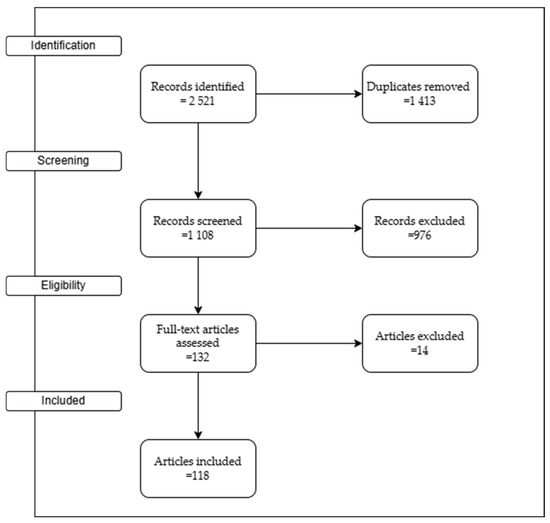
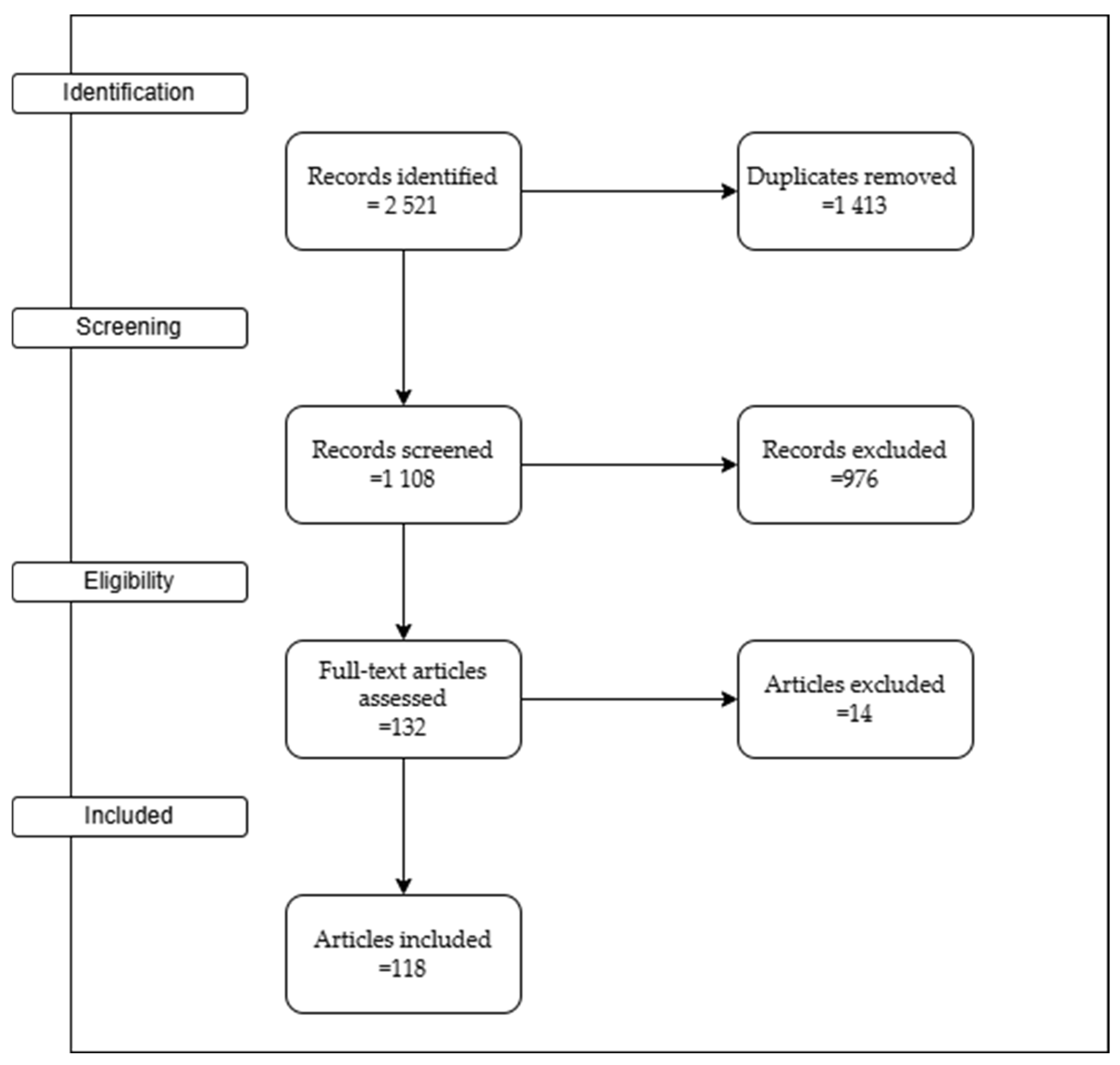
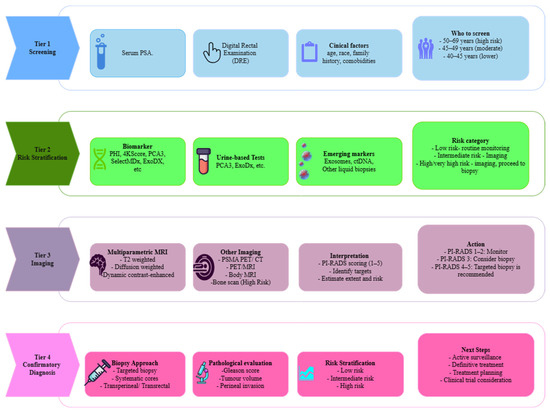
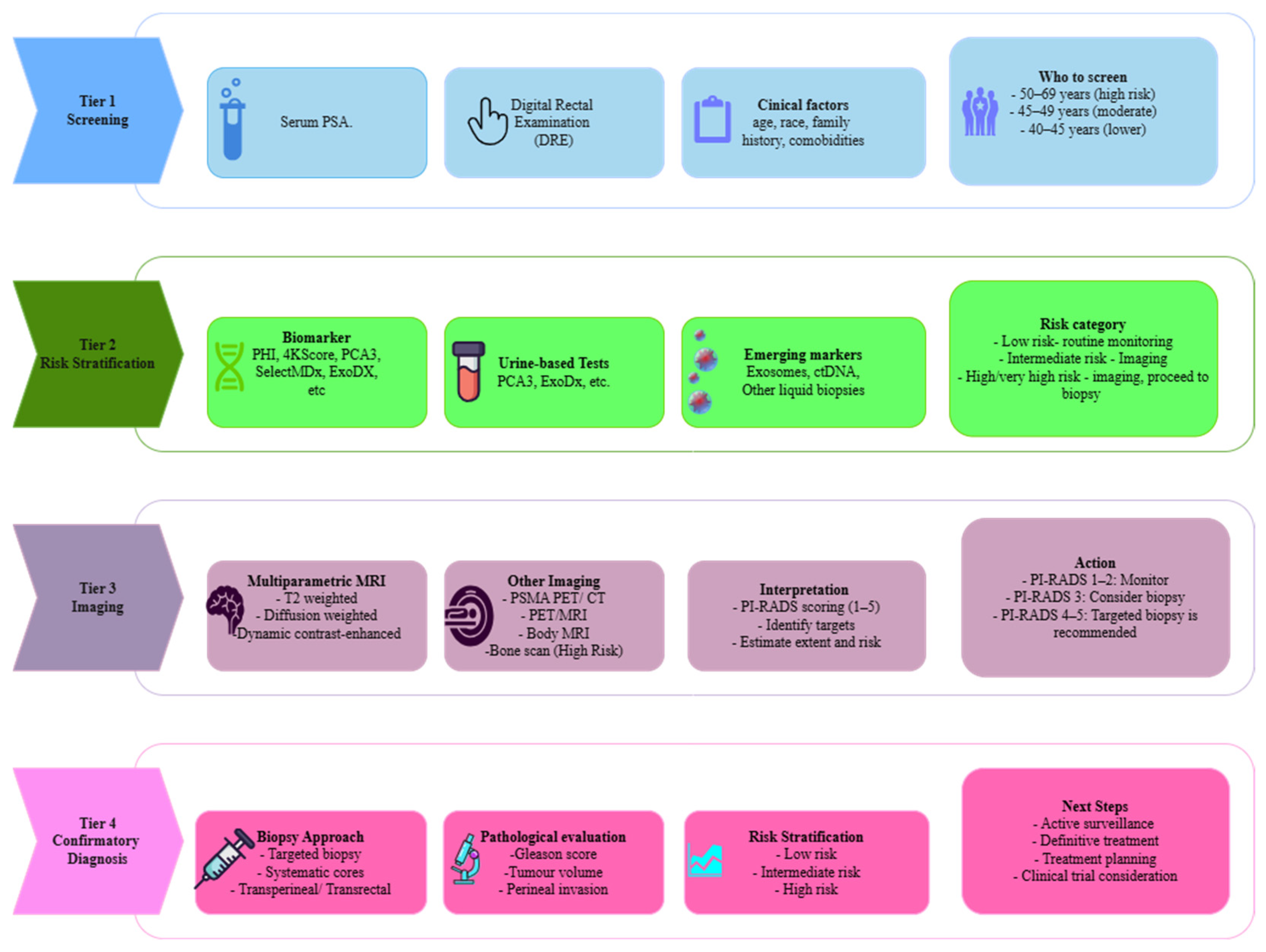

Disclaimer/Publisher’s Note: The statements, opinions and data contained in all publications are solely those of the individual author(s) and contributor(s) and not of MDPI and/or the editor(s). MDPI and/or the editor(s) disclaim responsibility for any injury to people or property resulting from any ideas, methods, instructions or products referred to in the content. |
© 2026 by the authors. Licensee MDPI, Basel, Switzerland. This article is an open access article distributed under the terms and conditions of the Creative Commons Attribution (CC BY) license.