


Abstract
Cardiovascular–Kidney–Metabolic (CKM) syndrome, a term introduced by the American Heart Association (AHA) in 2023, reflects the growing recognition of how metabolic dysfunction drives multi-organ pathology through interconnected pathways. This review examines the pathophysiological mechanisms underlying CKM syndrome and evaluates emerging therapeutic strategies. CKM syndrome is driven by the interplay of insulin resistance, chronic inflammation and oxidative stress, activation of the renin–angiotensin–aldosterone system. These mechanisms converge to promote fibrosis, insulin resistance, and end-organ damage across the cardiovascular and renal systems. Therapeutic advances include Sodium–Glucose Cotransporter 2 inhibitors, which demonstrate consistent cardiorenal benefits across heart failure phenotypes and chronic kidney disease. Glucagon-like peptide-1 receptor agonists, including semaglutide and the dual GIP/GLP-1 agonist, tirzepatide, achieve substantial weight reduction and improve cardiovascular, renal, and hepatic outcomes in selected study populations. Non-steroidal mineralocorticoid receptor antagonists, particularly finerenone, offer cardiorenal protection with an improved safety profile, while aldosterone synthase inhibitors represent a promising frontier. The pathophysiological processes involved in CKM also generate a distinct atherogenic dyslipidaemic phenotype, which means effective lipid management has the potential to reduce residual cardiovascular and renal risk in patients with CKM syndrome. Novel potassium binders may also be part of CKM syndrome treatment strategies to reduce hyperkalaemia risk. Despite these advances, questions remain regarding the optimal combination strategies in CKM syndrome. There are also no studies designed to assess treatment efficacy in groups stratified according to the CKM syndrome framework. Future research should prioritise mechanistic studies and large-scale trials evaluating long-term outcomes across the full CKM spectrum.
1. Introduction
Cardiovascular–Kidney–Metabolic (CKM) syndrome, a term first coined in 2023 by the American Heart Association (AHA), reflects the increasing awareness of the relationship between poor metabolic health and the associated downstream organ effects [1]. It recognises the close, interconnected pathophysiology underlying CKM health and the need for further investigation on the topic [1]. Amongst the many overlapping pathophysiological mechanisms in CKM syndrome, the core mechanisms include inflammation, renin–angiotensin–aldosterone system (RAAS) overactivation and insulin resistance. We will discuss these mechanisms’ relationship with CKM syndrome with a focus on the available clinical evidence.
Besides that, the AHA provides a staging construct of five categories stratified according to both risk factors and management strategies for CKM syndrome [1]. The AHA classified those without CKM risk factors as stage 0; individuals with overweight/obesity, or with impaired glucose tolerance/prediabetes, or both are classified as stage 1; and individuals with either chronic kidney disease (CKD) or metabolic risk factors including hypertriglyceridemia, hypertension, diabetes and metabolic syndrome are considered stage 2. Those with subclinical cardiovascular disease (CVD), determined through abnormalities in cardiovascular structure, function or cardiac biomarkers in the absence of symptoms, with the background of excess adiposity, impaired glucose tolerance/prediabetes, metabolic risk factors, or CKD, are stage 3. Stage 4 represents individuals who have progressed to clinical CVD, which can be further subcategorised into those without kidney failure (4a) and those with kidney failure (4b) [1]. Table 1 shows these five stages, with therapeutic strategies that will be discussed later.
Table 1.
The clinical manifestations and the principles of management at each stage. Referenced from AHA/ACC/ADA/ASN 2026 guideline on CKM syndrome [2].
It is now increasingly recognised that metabolic dysfunction-associated steatotic liver disease (MASLD) is an important contributor within this interconnected spectrum, representing a new component of the broader CKM syndrome, now labelled as the cardio–kidney–liver metabolic (CKLM) syndrome [3].
Importantly, there have been recent strides made in the pharmacological strategy of managing CKM syndrome with the evidence-based use of Sodium–Glucose Cotransporter 2 inhibitors (SGLT2i) and glucagon-like peptide-1 receptor agonists (GLP-1RAs). For instance, SGLT2i have shown consistent cardiorenal benefits across heart failure phenotypes and chronic kidney disease. Recent evidence highlights the potential of GLP-1RAs and non-steroidal mineralocorticoid receptor antagonists (ns-MRAs) such as finerenone to deliver cardiovascular and renal benefits across cardio–kidney–metabolic (CKM) syndrome, while also improving metabolic liver disease, including MASLD/Metabolic Dysfunction-Associated Steatohepatitis (MASH).
In this review article, we aim to discuss the possible underlying pathophysiology of CKM syndrome that helps to direct its therapeutic options and the clinical evidence supporting the use of these therapies. We will also discuss other potential therapies for the future, including tirzepatide, a dual receptor agonist for glucagon-like peptide-1 (GLP-1)/glucose-dependent insulinotropic polypeptide (GIP), which demonstrated a more potent weight-loss ability compared to GLP-1RAs and aldosterone synthase inhibitors (ASIs), a class of novel anti-hypertensives. But significant knowledge gaps persist, as the clinical evidence for pharmacological treatments in advanced CKM stages is lacking, due to the common involvement of multi-organ impairment, which is a characteristic that trial populations often do not have. There is also uncertainty about the overall efficacy and safety of combination therapies in CKM syndrome.
2. Epidemiology
Obesity and type II diabetes mellitus (T2DM) are increasingly prevalent in the global population, turning into a “global epidemic” as we gradually adopt a more sedentary lifestyle. Between 1990 and 2022, the global age-standardised prevalence of obesity increased from 4.8% to 14.0% for adult men and 8.8% to 18.5% for adult women [4]. Of greater concern, children and adolescents experienced a more dramatic increase, with the age-standardised obesity prevalence rate more than quadrupling over the same period [4]. Further, 529 million people globally were estimated to have T2DM in 2021 and this is expected to more than double to 1.31 billion by 2050 [5].
In terms of the prevalence of CKM, a study of 231,590,853 individuals living in the USA found that older-aged patients tended to have higher stages of the CKM syndrome [6]. In the 20–44-year-old age group, 17.3% were stage 0, 37.6% were stage 1, 43.2% % were stage 2, 0.2% were stage 3, and 1.7% were stage 4. In the 45 to 64 years old group, 5.4% were stage 0, 21.0% were stage 1, 63.8% were stage 2, 1.2% were stage 3, and 8.6% were stage 4. In the 65 years and older age group, 1.8% were stage 0, 8.4% were stage 1, 39.0% were stage 2, 24.6% were stage 3, and 26.2% were stage 4 [6]. The 20 to 44, 45 to 64, and 65 or greater years old groups consisted, respectively, of 104,113,793, 82,640,261, and 44,836,799 individuals [6].
3. Pathophysiology
The pathophysiology of CKM syndrome is clearly multi-faceted, but the underlying mechanisms are likely to be similar regardless of the organs implicated in CKM syndrome. Obesity can be viewed as an upstream driver of CKM syndrome such that excess adiposity initiates a self-reinforcing network of insulin resistance, inflammation, oxidative stress, neurohormonal activation and metabolic toxicity that progressively affects the heart, kidneys and liver (see Figure 1 below).
Figure 1.
Pathophysiological interplay of CKM syndrome. This figure illustrates cardio-renal organ dysfunction driven by the shared mechanism of systemic inflammation/oxidative stress, renin–angiotensin–aldosterone system activation, insulin resistance and metabolic syndrome. (Created in BioRender. Ho, T. F. (2026) https://BioRender.com/wvo1a3z.) Abbreviations: metabolic dysfunction-associated steatotic liver disease (MASLD); Metabolic Dysfunction-Associated Steatohepatitis (MASH).
3.1. Inflammation
Obesity is recognised as a state of low-grade chronic inflammation, reflected by the increased circulating inflammatory cytokines such as tumour necrosis factor-α (TNF- α), interleukin-6 (IL-6) and C-reactive protein (CRP) reported in human studies [7]. Besides classical inflammatory cytokines, there are specific cytokines secreted by adipose tissues, such as leptin and adiponectin, that can influence the inflammatory pathways as well [8].
These inflammatory cytokines are thought to mediate many of the organ dysfunction found in CKM syndrome [1]. The role of inflammation in atherogenesis pathophysiology has been well-described [9]. Moreover, it is believed that inflammation contributes to HF development of all phenotypes, especially heart failure with preserved ejection fraction (HFpEF) [10,11]. It is also thought that obesity-related inflammation contributes to the pathogenesis of CKD and T2DM [12,13]. It is worth noting that much of the above understanding of the role of inflammation in CKD pathophysiology is derived from pre-clinical animal studies and association studies [14,15,16,17,18,19]. Inflammatory cytokines are implicated in several molecular mechanisms that may contribute to, but are not limited to, the development of insulin resistance through IκB kinase (IKK)-mediated serine phosphorylation of insulin receptor substrate 1 (IRS-1) or insulin receptor (IR), impaired myocardial contractility and harmful ventricular remodelling, and renal tubulointerstitial fibrosis through upregulation of MYC target genes [20,21,22].
In terms of supportive evidence from clinical trials, there have been a number. The CANTOS trial tested the effect of the Interleukin-1β (IL-1β) antibody, canakinumab, on 3-point major adverse cardiovascular events (3P-MACE) in patients with previous myocardial infarction and high-sensitivity C-reactive protein (hsCRP) ≥ 2.0 mg L−1, despite optimal secondary prevention [23]. The trial reported a significant reduction in the primary clinical outcome of 3P-MACE [HR = 0.85 (95% CI 0.74–0.98); p = 0.021] for those receiving 150 mg of canakinumab every 3 months compared to placebo [23]. In terms of CKM, this cardioprotection extended to those with CKD [24]. Further analysis of the CANTOS trial found dose-dependent reduction in heart HF outcomes as well; unadjusted HR for hospitalisation for heart failure (HHF) are 1.04 (95% CI 0.79–1.36), 0.86 (95% CI 0.65–1.13), and 0.76 (95% CI 0.57–1.01) for those receiving 50 mg, 150 mg, and 300 mg, respectively, when compared to placebo [25].
Further supportive evidence for inflammation in CKM has come from the studies exploring the potential benefits of colchicine, an anti-inflammatory primarily mediated through tubulin disruption, which targets populations with significant atherosclerosis disease burden [26,27,28]. COLCOT trial recruited those with myocardial infarction within 30 days and the LoDoCo2 trial recruited those with chronic coronary disease. Both trials compared low-dose colchicine to placebo to assess the primary endpoint of atherosclerotic major adverse cardiovascular events (MACE) [26,27]. COLCOT trial reported HR = 0.77 [(95%CI 0.6–0.96); p = 0.02] and LoDoCo2 reported HR = 0.69 [(95% CI 0.57–0.83); p < 0.001] [26,27]. However, the more recent CLEAR trial assessing those who had previous significant myocardial infarction and underwent percutaneous coronary intervention found no significant reduction in atherosclerotic MACE when comparing colchicine to placebo [HR = 0.99 (95% CI, 0.85–1.16); p = 0.93] [29].
IL-6 has also emerged as an inflammatory cytokine of interest, as it has been associated with atherosclerotic cardiovascular disease (ASCVD) risk in studies and is suggested to cause coronary heart disease development in a Mendelian randomisation analysis [30,31,32,33]. Despite convincing evidence that suggests an inhibition of IL-6 will lead to lowered ASCVD risk, ziltevikimab, an IL-6 ligand antibody, in the topline results of the ZEUS trial, which recruited patients with known ASCVD, CKD and hsCRP ≥ 2.0 mg L−1, did not show a reduction in 3P-MACE [HR = 0.99, 95% CI 0.88–1.11] [34,35]. At this time, there is intense debate about these findings, and reasons that have been suggested include that the selection of trial population hsCRP ≥ 2 mg L−1 alone may not capture those with predominantly IL-6 inflammation [36].
Evidence from meta-analysis further highlights the inconsistency of treatment effect. A meta-analysis evaluating different randomised trials of anti-inflammatory therapy compared to placebo in secondary prevention of myocardial infarction found a significant reduction in the primary endpoint of MACE [37]. In contrast, a separate meta-analysis on multiple classes of anti-inflammatory therapy trials did not find clear evidence supporting use in the CKD population to reduce the risk of MACE or decline in kidney function [38].
Overall, it does appear that systemic inflammation in obesity contributes to much of the downstream organ damage found in CKM syndrome. However, single targeted anti-inflammatory therapy alone is unlikely to yield sufficient cardiorenal benefits we are looking for in the management of CKM syndrome, stemming from the complexity of multiple overlapping inflammatory pathways.
3.2. Renin–Angiotensin–Aldosterone System (RAAS)
Further mechanisms of interest in CKM syndrome include RAAS overactivation; the molecular pathways involved are thought to cause oxidative damage, local inflammation and fibrosis in both the heart and kidneys [39]. There is an association between RAAS activity and obesity, reported by multiple observational studies in humans, where weight loss results in a reduction in RAAS activity [40]. The cardiorenal dysfunction caused by RAAS is thought to be mediated by the pro-inflammatory and pro-fibrotic effects of both angiotensin II (Ang II) and aldosterone [41,42,43,44]. In terms of supportive evidence from clinical trials, clinical outcome trials have consistently demonstrated cardiorenal benefits through RAAS blockade [45,46,47,48,49,50,51]. In addition, RAAS blockade is found to decrease the incidence of T2DM [52].
That said, it is not entirely clear why RAAS blockade was shown to be less effective in HFpEF when compared to heart failure with reduced ejection fraction (HFrEF) clinical trials [53,54,55,56]. The difference in response in terms of HF phenotype is a subject of much research and discussion. For consideration is the heterogeneous nature of HFpEF [57,58]. Furthermore, the PARAGON-HF trial strengthens the argument that HFpEF is a highly heterogeneous clinical syndrome, as sex seems to be a modifier of treatment effect [59]. Reanalysis of the TOPCAT trial found that mineralocorticoid receptor antagonists (MRAs) may offer cardioprotection in HFpEF, and recent trials on nsMRAs have further supported this observation, which we covered in the therapeutics section below [60].
3.3. Insulin Resistance
The association between obesity and insulin resistance is well-established [61]. It is thought that obesity-related inflammation may contribute to insulin resistance and T2DM [20]. The molecular pathophysiology of diabetes involves increased oxidative stress from increased polyol pathway flux, the formation of advanced glycation end-products (AGEs), protein kinase C activation and increased flux of the hexosamine pathway [62].
Insulin resistance is one of the core pathophysiological mechanisms in CKM syndrome; it is also associated with increased risk of adverse cardiovascular outcomes and kidney dysfunction [63,64]. Therefore, thiazolidinedione, a direct insulin sensitiser, should theoretically ameliorate cardiorenal disease progression in insulin resistance. There is evidence that thiazolidinedione may reduce urinary albumin excretion in T2DM but insufficient proof on the benefits surrounding clinical renal endpoints [65,66,67]. Furthermore, available evidence does not clearly support its use in ASCVD risk reduction [68,69]. In fact, there are concerns over increased myocardial infarction risk with rosiglitazone specifically, on top of the known increased risk of HF for all thiazolidinediones [69,70].
Metformin is also an insulin sensitiser, but there are still doubts about its cardiovascular benefits in T2DM despite findings from UKPDS34, as a meta-analysis of randomised trials demonstrated no significant benefits for ASCVD [71,72]. But, contrasting the safety risk of thiazolidinediones in HF patients, metformin appears to show a significant reduction in mortality in those with T2DM and HF in observational studies, and a meta-analysis looking at the HFpEF population group also came to a similar conclusion [73,74,75]. However, it has been presented at the European Society of Cardiology (ESC) Congress 2026 that the topline results of the Met-HeFT trial did not show improvement in the primary composite outcome of death, worsening heart failure (wHF), acute myocardial infarction or stroke [HR = 1.10 (95% CI 0.84–1.42); p = 0.48] for the HFrEF population with diabetes, pre-diabetes or at high risk for diabetes [76]. In terms of potential effects on kidneys, large-scale observational studies appear to support the use of metformin in T2DM for renoprotection, while the evidence in randomised controlled trials is lacking [77,78,79].
We have summarised the core pathophysiological mechanisms in Figure 1. Nevertheless, gaps remain in the management of HFpEF. More importantly, pharmaceutical treatment for cardiorenal outcomes is not as forthcoming in the diabetic population. But recent advances in pharmaceuticals, especially anti-diabetics, have drastically expanded the available treatment options for those with HFpEF and diabetics with significant cardiorenal dysfunction. These new medications are, to an extent, theorised to modify the core pathophysiological mechanisms in CKM syndrome, thereby conferring significant clinical benefits.
4. Therapeutics
In this section, we will discuss the various therapeutic strategies that have shown promise in combating CKM syndrome.
4.1. Sodium–Glucose Co-Transporter 2 Inhibitors
The SGLT2i drug class has made a great impact on patients identified as having CKM. SGLT2i, commonly known as ‘-flozins’, were originally developed to improve blood sugar control in patients with Type 2 diabetes by inhibiting glucose reabsorption in proximal convoluted tubules of nephrons. The paradigm shift for SGLT2i began with the landmark EMPA-REG outcome trial, published in 2015, a dedicated cardiovascular outcomes trial that demonstrated reduction of 3P-MACE in T2DM patients with established CVD [HR = 0.86 (95.02% CI 0.74–0.99); p = 0.04 for superiority], treated with empagliflozin 10 mg once a day [80].
The EMPA-REG outcome trail unexpectedly revealed a profound 35% reduction in HF hospitalisations that prompted a programme of research on the use of SGLT2i in patients with heart failure (HF) that included both HF subtypes of HFrEF and HFpEF randomised controlled trials such as DAPA-HF, EMPEROR-Reduced, and EMPEROR-Preserved subsequently showed both HFrEF and HFpEF patients benefitting from SGLT2i therapy, regardless of the presence or absence of T2DM, primarily driven by a reduced risk in hospitalisation for HF, a component of the primary composite outcome, with Table 2 showing the respective trials primary outcome results [81,82,83]. A meta-analysis performed by Zelniker et al. (2019) including 34322 T2DM patients in randomised controlled trials investigating SGLT2i found a reduction in the risk for the composite of cardiovascular death or hospitalisation for HF for patients with a history of HF [HR = 0.71 (95% CI 0.61–0.84); p < 0.0001] or without [HR = 0.79 (95% CI 0.71–0.88); p < 0.0001] [84]. That being said, the evidence for use in primary prevention and secondary prevention in myocardial infarction is mixed at best, as demonstrated through meta-analyses of randomised controlled trials performed by Zelniker et. al. (2019) in the T2DM population and Patel et al. (2024) in T2DM with high risks of ASCVD, established HF or CKD [84,85]. But the impact of discovery on SGLT2i cardioprotective effect in HFpEF patients cannot be understated, as EMPEROR-PRESERVED trial demonstrated a significant reduction in the risk of primary composite outcome (death from cardiovascular causes or hospitalisation for HF) in HFpEF patients with ejection fraction > 40% [HR = 0.79 (95% CI 0.69–0.90); p < 0.001], primarily driven by reduction in hospitalisation for HF [HR = 0.71 (95% CI 0.60–0.83)] [83].
Table 2.
Major trials of SGLT2 inhibitors evaluating cardiovascular and renal outcomes.
Recognising the haemodynamic, anti-inflammatory and metabolic protection observed with the nephrons, research with SGLT2i expanded into nephrology. Major clinical trials like DAPA-CKD and EMPA-KIDNEY found SGLT2i administration in CKD patients, with or without T2DM, attenuated renal function decline [86,87]. Both trials found a reduction in the primary composite renal outcome of 39% [HR = 0.61 (95% CI 0.51–0.72); p < 0.001] and 28% [HR = 0.72 (95% CI 0.64–0.82); p < 0.001] with dapagliflozin and empagliflozin use, respectively [86,87].
Meta-analyses of randomised controlled trials performed by Mavrakanas et al. (2023) and Usman et al. (2023) have concluded that SGLT2i confers cardiorenal benefits in patients with varying key clinical manifestations of CKM syndrome, including T2DM, CKD and HF, regardless of ejection fraction [88,89]. This clinical evidence helped to underpin clinical practice guidelines to recommend SGLT2i as primary organ-protective agents that delay the progression of chronic kidney disease (CKD) and end-stage renal disease, completely transforming standard care guidelines for both cardiovascular and renal health [1].
This extraordinary cardio-renal protection of SGLT2i extends beyond simple glucose control and is a subject of much research globally. The mechanisms underpinning the therapeutic benefits of SGLT2i are likely to be multifaceted. In contrast with many anti-diabetic agents, it does not influence endogenous insulin or incretin pathways [90]. SGLT2i cardiorenal benefits appear to be independent of glycaemic control, suggesting other underlying mechanisms at play. Findings may even suggest that cardioprotective effects of SGLT2i are not dependent on the presence of Sodium–Glucose Co-Transporter 2 (SGLT2) protein [91].
It was initially widely thought that SGLT2i confers benefits in HF through increased osmotic diuresis [92]. In theory, inhibition of SGLT2 protein would lead to glucosuria and natriuresis, thus facilitating diuresis. However, a review of multiple randomised controlled trials in HF patients on SGLT2i suggests it does not produce significant natriuresis [93]. Furthermore, Packer (2023) noted that many randomised controlled trials, despite reporting an improvement in Kansas City Cardiomyopathy Questionnaire scores, showed no improvement in the physical signs that are suggestive of fluid overload such as oedema, ascites or pleural effusion [93]. Therefore, it is possible that SGLT2i cardiorenal benefit is not entirely mediated through diuresis.
SGLT2i-induced ketogenesis is suggested to account for the observed cardiorenal benefit [94]. However, studies showing raised β-hydroxybutyrate levels secondary to SGLT2i observe diminished or no increase in the non-diabetic subgroup compared to the T2DM subgroup [95]. This suggests that there are other mechanisms at play because studies such as a meta-analysis conducted by Usman et al. (2023) show homogeneous cardioprotective effects in HF patients with or without T2DM [89,95]. Moreover, ketogenesis is less marked in HFpEF than in HFrEF and is thus unable to explain the uniform benefit seen in both HFpEF and HFrEF; only a minority of HF patients achieve ß-hydroxybutyrate levels greater than 500 μM, and it is also unclear what level of ketogenesis is therapeutic [96]. Instead, it was suggested that ketogenesis is a biomarker for nutrient deprivation, which induces autophagy that contributes to cardiorenal protection [97].
Supporting evidence is provided when the disruption of specific autophagic pathways blocks the action of SGLT2i in reducing oxidative stress, improve mitochondrial homeostasis, ameliorate inflammation and fibrosis [97]. The importance of the AMP-activated Protein Kinase/Mechanistic Target of Rapamycin Complex 1 autophagy pathway was highlighted when inhibition of the pathway negates empagliflozin’s effects on cardiac remodelling in HFpEF [98]. The same study also shows the effect of empagliflozin in counteracting the effect of Ang II and palmitate on autophagy in rat myocardium [98]. The same study also shows the effect of empagliflozin in counteracting the effect of Ang II and palmitate on autophagy in rat myocardium [98]. Similarly, glomerular autophagy is reactivated in db/db mice by administering empagliflozin, demonstrating the SGLT2i’s ability to induce autophagy [99]. By promoting autophagy, it allows for the preservation of organ function via attenuation of oxidative stress, preserves cell and mitochondrial viability, and inhibits inflammation [97,100].
4.2. Glucagon-like Peptide-1 Receptor Agonist (GLP-1RA) and Glucose-Dependent Insulinotropic Polypeptide Receptor Agonist
Following the foundational success of SGLT2i, the GLP-1RA drug class is emerging as a transformative class for combating CKM syndrome and potentially MASH. Arguably, GLP-1RAs are targeting the central metabolic driver that initiates the CKM syndrome, as discussed above.
The GLP-1RA, semaglutide, was evaluated as a weight-reducing agent in the STEP Programme that included the STEP 1 trial that found overweight individuals with weight-related comorbidity or obese individuals experienced significant weight loss with weekly semaglutide injections [101]. In the STEP 1 trial, 86.4% of those on semaglutide achieved the primary endpoint of 5% loss in body weight or more compared to just 31.5% of the placebo group, p < 0.001 [101].
Then, in the SUSTAIN-6 trial, semaglutide was evaluated at doses for use in T2DM with established CVD. It demonstrated a 26% relative risk reduction in 3-point major adverse cardiovascular events (MACE) [102]. This is followed by the landmark SELECT trial demonstrating a reduction in 3-P MACE for non-diabetic overweight or obese patients with established CVD [HR = 0.80 (95% CI 0.72–0.90); p < 0.001] when using semaglutide in comparison to placebo [103]. On the other hand, Lee et al. conducted a meta-analysis including 10 trials with 71,351 participants on a variety of GLP-1RAs, finding a reduction in MACEs by 14% [HR = 0.86 (95% CI 0.81–0.90); I2 = 27.6%] in T2DM patients, demonstrating clear cardiovascular benefit [104]. The results of the SOUL trial also introduced the role of oral semaglutide within the CKM framework. The results of the SOUL trial also introduced the role of oral semaglutide within the CKM framework. The SOUL trial evaluated oral semaglutide in 9650 high-risk adults with T2DM and an increased atherosclerotic cardiovascular risk profile; it showed that oral semaglutide achieved a 14% relative risk reduction [HR = 0.86 (95% CI 0.77–0.96); p = 0.006] in 3-point MACE [105]. A key finding from SOUL was that the cardiovascular benefits of oral semaglutide were completely independent of concomitant SGLT2i use; this might support a dual therapy strategy for advanced CKM syndrome [105]. All these trials highlighted semaglutide’s ability to reduce ASCVD events in high-risk population groups, and the trials’ details are expanded in Table 3.
Then, the FLOW trial proved that semaglutide confers renoprotective effects as well in diabetic patients by showing a reduction in the primary clinical outcome of major kidney disease events [HR = 0.76 (95% CI 0.66–0.88); p = 0.0003] [106]. Badve et al. (2025) conducted a meta-analysis of 11 trials and found that patients with T2DM benefited from a risk reduction of 18% in composite kidney outcome [HR = 0.82 (95% CI 0.73–0.93); I2 = 26·41%] when using GLP-1RA in comparison to placebo [107].
Lastly, semaglutide was shown to lead to the resolution of steatohepatitis without worsening of fibrosis in 62.9% of MASH patients, 28.7% [estimated difference = 28.7 (95% CI 21.1–36.2); p < 0.001] higher than the placebo group in part 1 of the ESSENCE trial [108]. Similarly, 36.8% of MASH patients had a reduction in liver fibrosis without worsening of steatohepatitis, 14.4% [estimated difference = 14.4 (95% CI 7.5–21.3); p < 0.001] higher than those in the placebo group [108]. That said, part 2 of the ESSENCE trial, the clinical events study, is still ongoing to further assess whether the positive histological transformation can be translated to tangible clinical benefits [108]. Table 3 summarises a few major trials of GLP-1RA, with results on cardiovascular, kidney, metabolic and hepatic outcomes.
Table 3.
Major trials of GLP-1 receptor agonists evaluating cardiovascular, renal, and metabolic outcomes.
Following semaglutide, tirzapetide showed a stronger weight loss effect with an estimated treatment difference of −6.5% [estimated treatment difference = −6.5 percentage points (95% CI −8.1 to −4.9); p < 0.001] in obese patients when compared to semaglutide in the SURMOUNT-5 trial [111]. In SURPASS CVOT, tirzepatide was found to have a non-inferior but not superior cardiovascular benefit and safety profile when compared to dulaglutide, with 12.2% of the tirzepatide group experiencing the primary cardiovascular endpoint compared to 13.1% in the dulaglutide group [HR = 0.92 (95.3% CI 0.83–1.01); p = 0.003 for non-inferiority] [112].
GLP-1RA is also beginning to show therapeutic benefits in patients with HF, especially in HFpEF. Combined with the more recent SUMMIT trial with tirzapetide that showed a reduction in cardiovascular death or HF deterioration by 38% [HR = 0.62 (95% CI 0.41–0.95); p = 0.026] in obese participants with HFpEF receiving tirzapetide compared to those on placebo [113]. Table 4 further expanded on major trials of tirzapetide. Despite that, it is noteworthy that the efficacy of GLP-1RAs in HFrEF remains uncertain. This uncertainty stems from a lack of large clinical trials of GLP-1RAs in patients with HFrEF.
Table 4.
Major trials of tirzepatide evaluating weight reduction and cardiometabolic outcomes.
Nevertheless, GLP-1RA primary effect is to potentiate insulin secretion by pancreatic beta cells; this action is regulated by circulating glucose concentration, thus reducing the risk of hypoglycaemia from their use [115,116]. The benefit is not limited to the insulinotropic activity; it serves a protective role for pancreatic beta cells, promotes beta-cell proliferation and inhibits beta-cell apoptosis [115,116]. Of note, it also enhances beta cells’ ability to detect and respond to glucose [116].
Besides insulinotropic activity, GLP-1RA induces weight loss by neuromodulation; it increases satiety and reduces hunger by binding to the GLP-1 receptors in the nucleus tractus solitarii and area postrema in the brainstem [117]. It also binds to the paraventricular nucleus and lateral hypothalamus to disrupt energy homeostasis and hunger regulation [117]. Furthermore, GLP-1RA lessens rewarding feelings derived from food or substance use by inhibiting dopamine secretion in the mesolimbic reward pathway [117]. Additionally, GLP-1RA can inhibit gut motility, which delays gastric emptying, thus suppressing appetite [118,119]. However, it must be noted that weight loss alone may not explain the benefits of GLP-1RA, as an analysis of the ESSENCE trial proves in the context of MASH [120].
GLP-1RA can suppress NF-κB activity, thereby inhibiting pro-inflammatory cytokine production and inducing anti-inflammatory effects; this may be one of the mechanisms involved [121]. Other mechanisms not involving traditional inflammatory cytokines include the reduction in leptin secretion, thus negating its metabolic effect while promoting the secretion of anti-inflammatory adiponectin [122]. GLP-1RA was also shown to inhibit atherosclerosis progression via anti-inflammatory properties independent of plasma cholesterol and body weight reduction, leading to atherosclerotic plaques that are more stable [123,124]. GLP-1RAs’ anti-inflammatory properties help in alleviating kidney inflammation and fibrosis in the context of diabetic kidney disease [125].
Overall, the exact mechanisms of cardiorenal benefits in GLP-1RAs remain unknown. Potentially, they simultaneously treat visceral obesity, which is the metabolic origin of CKM and therefore protect the downstream target organ damage through reduction in inflammation, insulin resistance, and improvement in lipid processing. There may be local effects by removing the mechanical and inflammatory load on the heart and kidneys as well.
Like GLP-1, GIP stimulates insulin secretion, but this effect is diminished in severe hyperglycaemia [126,127]. Nevertheless, tirzapetide, a dual GIP/GLP-1 receptor agonist, was developed so that the GLP-1 characteristic can act synergistically with GIP to introduce a stronger glucose-dependent insulinotropic action [126,127,128,129]. The synergistic effect stems from GLP-1s’ ability to restore GIP’s insulinotropic effect by improving glycaemic control, on top of their similar downstream effects [129]. Of note, tirzapetide’s GLP-1RA action causes less GLP-1 receptor desensitisation compared to the endogenous variant; thus, tirzapetide exhibits a stronger insulinotropic property [128].
Similar to GLP-1, GIP exerts anti-apoptotic effects on pancreatic beta cells and promotes beta-cell proliferation [127,128]. GIP also affects the central nervous system, causing weight loss through reduced food intake by suppressing appetite [130]. However, GIP does not influence gut motility; thus, it does not delay gastric emptying [118].
One distinct mechanism that GIP does not share with GLP-1 is its action on adipocytes. GIP promotes healthy expansion of white adipose tissue through adipogenesis; this form of fat expansion alongside reduced ectopic fat deposition can counterbalance the negative metabolic impact in obesity [127,129,131,132]. This expansion is also associated with increased capacity of adipose tissue to store lipids, thereby ameliorating lipotoxicity [127,129,132]. It is also thought that GIP has a direct insulin-sensitising effect on adipocytes, besides indirect effects derived from weight loss, thus further improving adipocytes’ glucose uptake capacity [127,129,132].
The addition of GIP action in tirzapetide leads to greater reduction in hepatic lipid deposition and ameliorates hepatic inflammation in Metabolic Dysfunction-Associated Fatty Liver Disease (MAFLD) [133]. GIP and GLP-1 share the same mechanism in promoting adiponectin expression and secretion [127,132].
4.3. Aldosterone-Target Therapy
There is increasing interest in targeting aldosterone in CKM as a strategy for preventing multi-organ damage in CKM. Obesity and metabolic stress trigger obesity-induced aldosterone excess. Further, in later stages of CKM, HF e and progressive renal disease act as reciprocal accelerators of one another, with RASS and aldosterone excess serving as a bridge between them. Targeting aldosterone could be vital because upstream therapies may be insufficient; this includes the ‘aldosterone breakthrough’ phenomenon. Standard CKM therapies like angiotensin-converting enzyme inhibitors (ACEi) or angiotensin-receptor blockers (ARBs) inhibit aldosterone levels initially, but, over months, aldosterone levels can rebound. A proportion of 10% to 53% of those taking ACEi or ARB experience aldosterone breakthrough, thus blunting the cardiorenal benefits offered by ACEi or ARB [134,135]. In addition, one-fifth of treatment-resistant hypertensive individuals have primary aldosteronism, highlighting the importance of mineralocorticoid receptor (MR) blockade therapy [136].
The main mechanism of action of MRAs is the prevention of sodium retention and regulation of blood pressure, but their antihypertensive effects alone cannot explain the beneficial impacts they have on the heart and kidney. It is believed that the cardiorenal benefit is mediated through MRA anti-inflammatory and anti-fibrotic effects [137].
The role of steroidal MRAs in the management of both hypertension and HFrEF is well established. The importance of steroidal MRAs in HFrEF cannot be overstated, as it is a core, guideline-recommended therapy. However, steroidal MRA use may be limited in CKM syndrome due to hyperkalaemia risk in advanced CKD [138]. The concern is partly addressed when it was shown that finerenone, an nsMRA, causes a lower rate of hyperkalaemia compared to spironolactone [5.3% for finerenone, 12.7% for spironolactone; p = 0.048] in a study on heart failure patients with CKD [139]. This may be due to its pharmacokinetic distribution being more equal between the heart and kidneys compared to its steroidal counterpart [140]. Since both eplerenone and spironolactone concentrate more in the kidneys, this explains how finerenone may contribute to a lower incidence of hyperkalaemia and may be more beneficial for the heart [140]. Interestingly, the CONFIDENCE trial targeting a population with T2DM and CKD found that combination therapy of finerenone and empagliflozin caused a greater reduction in urinary Albumin-to-Creatinine Ratio (UACR) compared to either finerenone or empagliflozin used alone [141]. However, it has to be acknowledged that the CONFIDENCE trial assessed change in albuminuria, a surrogate endpoint, and did not directly measure the effects on clinical kidney disease progression when using combination therapy [141].
Of note, secondary analysis of the CONFIDENCE trial concluded that combination therapy of finerenone and empagliflozin did not significantly reduce hyperkalaemia risk when compared to finerenone alone, and the incidence of hyperkalaemia on combination therapy or finerenone alone was higher than empagliflozin alone [142]. This was despite the initial observation of a lower frequency of hyperkalaemia, reported by site investigators or the central laboratory, in patients on combination therapy compared to finerenone alone in the CONFIDENCE trial, even though the increase in the mean serum potassium level was similar between both groups [141].
On the topic of heart failure, the TOPCAT study found no significant differences between spironolactone and placebo in the primary outcome of composite of death from cardiovascular causes, aborted cardiac arrest and hospitalisation for HFpEF population [HR = 0.89 (95% CI 0.77–1.04); p = 0.14], but the regional difference in primary outcomes between the Americas and Russia/Georgia must be acknowledged [56,60]. Whereas, FINEARTS-HF has certainly demonstrated that its nsMRA counterpart, finerenone, is able to reduce the primary composite outcome of total number of wHF events and cardiovascular deaths [RR = 0.84 (95% CI 0.74–0.95); p = 0.007] in HFpEF and heart failure with mildly reduced ejection fraction population, the specific outcome of decrease in cardiovascular-associated mortality is not statistically significant [143]. On the other hand, FIEDELIO-DKD demonstrated renoprotective properties in T2DM patients, demonstrating that finerenone is better at improving primary composite renal outcomes than placebo [HR = 0.82 (95% CI 0.73–0.93); p = 0.001] [144].
Nevertheless, it is undeniable that finerenone still imposes hyperkalaemia risk, thereby partially limiting its use, and available trial evidence does not support use if eGFR is below 25 mL min−1 (1.73 m2)−1. Thus, balcinrenone, a partial MRA, was developed to address the risk of hyperkalaemia while retaining cardiorenal benefit [145]. On that note, MIRO-CKD, a randomised, active-controlled, double-blind, phase 2b clinical trial assessing UACR change in CKD patients, still found a minor increased incidence of laboratory-defined hyperkalaemia when comparing patients on balcinrenone plus dapagliflozin against those on dapagliflozin alone [146]. However, the same study acknowledged that a significant portion of the trial population carries a high risk of hyperkalaemia and will typically not be included in other MRA trials [146]. To accurately assess the risk of hyperkalaemia when using balcinrenone, further trials comparing its use to other MRAs may be helpful. Furthermore, BalanceD-HF, an ongoing phase 3 trial, may aid us in evaluating its cardiovascular benefits in patients with both HF and poor kidney function [147]. The potential of balcinrenone remains to be seen as we wait for more clinical data. Table 5 lists major trials on finerenone and balcinrenone, including the BalanceD-HF trial, including the BalanceD-HF trial, which is an ongoing phase III trial.
Table 5.
Major trials of MRA evaluating cardiovascular and renal outcomes in chronic kidney disease and heart failure.
Overall, MRAs will no doubt remain as one of the pillars in the clinical management of CKM syndrome, with clinical evidence strongly supporting steroidal MRA use in HFrEF and non-steroidal MRA in HFpEF, respectively. Steroidal mineralocorticoid receptor antagonists (sMRAs) use in CKD has been limited due to insufficient clinical evidence to suggest benefits on clinical kidney outcomes, and a substantially increased risk of hyperkalaemia, especially when using ACEi or ARB, based on population studies [150,151]. nsMRA serves as an alternative due to lower hyperkalaemia risk and clinical evidence to support use in diabetic patients with CKD as previously discussed. Nonetheless, sMRA and nsMRA use remain contraindicated in patients with high baseline serum potassium of ≥5.0 mmol L−1.
However, there is increasing interest in inhibiting MR-mediated effects by reducing aldosterone synthesis using ASIs. This is due to MRAs’ limitation in overcoming the compensated increase in circulatory aldosterone level and the MR-independent effects of aldosterone [152].
The ASIs with the most advanced clinical data now include baxdrostat. BaxHTN is a phase 3, double-blind, randomised, placebo-controlled trial that recruited 794 patients with uncontrolled or resistant hypertension [153]. At week 12, it demonstrated estimated blood pressure decreases of 8.7 mm Hg (95% CI −11.5 to −5.8; p < 0.001) and 9.8 mm Hg (95% CI −12.6 to −7.0; p < 0.001) with 1 mg baxdrostat and 2 mg baxdrostat, respectively, in comparison to placebo [153]. Similarly, Bax24 finds the least-squares mean placebo-corrected treatment difference in ambulatory blood pressure to be −14.0 mm Hg (95% CI −17.2 to −10.8; p < 0.0001) with the use of baxdrostat in patients with resistant hypertension at week 12 [154]. Despite that, hyperkalaemia remains a potential adverse event, as 11.1% of patients in BaxHTN and 12% of patients in Bax24 have serum potassium concentration of >5.5 mmol L−1 with use of 2 mg baxdrostat [153,154]. In short, ASI will be a welcome addition to the group of pharmacological therapies available for the treatment of CKM syndrome, in view of its effectiveness at treating resistant hypertension. Of interest, there are ongoing trials to explore the use of ASI beyond just the control of blood pressure, such as BaxDuo Prevent-HF and BaxDuo-Baltic [155,156]. A summary of completed and ongoing trials of ASI can be found in Table 6.
Table 6.
Major trials involving ASI evaluating hypertension, cardiovascular and renal outcomes.
4.4. Lipid-Lowering Therapy
The importance of lipid-lowering therapies in CKM syndrome cannot be overstated. The drivers of CKM highlighted above, i.e., the interplay of visceral adiposity, insulin resistance, chronic inflammation, oxidative stress, and progressive kidney dysfunction, generate a distinct atherogenic dyslipidaemic phenotype characterised by elevated triglycerides (TG), reduced high-density lipoprotein-cholesterol (HDL-C), increased apolipoprotein B (apoB)-containing lipoproteins, remnant cholesterol (RC) accumulation, small dense low-density lipoprotein (LDL) particles, and frequently elevated lipoprotein(a) [Lp(a)] [160]. Based on a large body of evidence confirming that statins significantly reduce the risk of ASCVD, major global authoritative guidelines, including the Kidney Disease: Improving Global Outcomes (KDIGO) 2024 Guidelines and the American Diabetes Association (ADA) 2024 Guidelines, explicitly recommend the use of statins for both primary and secondary prevention in the majority of patients with CKD [161]. Moreover, while the AHA guidelines reaffirm statins as the cornerstone of therapy, they also recommend PCSK9 inhibitors (PCSK9i), ezetimibe, and bile acid sequestrants for secondary prevention of ASCVD [162]. Furthermore, the current AHA and ESC (European Society of Cardiology) guidelines emphasise risk-based lipid targets, particularly for patients at high or very high cardiovascular risk, such as those with CKD, to guide clinical intensity of therapy beyond simple percentage reductions [162]. Meanwhile, KDIGO suggests exploring potential benefits of fibrates and niacin in patients with CKD [161]. However, these recommendations are not entirely based on RCT evidence, specifically in the CKM population. Overall, the evidence is robust for ASCVD risk reduction with lipid-lowering therapies, thereby cementing their role in CKM syndrome management. There is emerging data that lipid-lowering therapy may be beneficial for renal and HF outcomes [163,164]. Effective lipid management is crucial for CKM syndrome treatment, with the potential to reduce residual cardiovascular and renal risk and improve long-term clinical outcomes. At this time, management requires a multimodal approach tailored to the patient’s lipid phenotype and overall cardiovascular risk, incorporating a range of lipid-lowering strategies including statins, ezetimibe, PCSK9i, bempedoic acid, fibrates and icosapent ethyl. We are also mindful of emerging therapies targeting Apolipoprotein C-III, Angiopoietin-like 3, and Lp(a) that may become relevant in patients with CKM syndrome. Clearly, there is a need for future research that may reveal unrecognised cardiorenal benefits associated with novel lipid-modifying therapies, as exemplified by SGLT2i and GLP-1RA.
4.5. Potassium Binder
As mentioned previously, hyperkalaemia risk remains a challenge in CKM syndrome management. This can be attributed to the increasing use of ACEi/ARB with MRA in patients with advanced CKM syndrome, as combining both therapies raises the risk of hyperkalaemia further, and the development of nsMRAs did not resolve the issue. Therefore, novel hyperkalaemia management strategies may include the use of potassium binders such as sodium zirconium cyclosilicate and patiromer.
Sodium zirconium cyclosilicate is assessed in the REALIZE-K trial, which recruited HFrEF patients on either ACEi, ARB or ARNI with hyperkalaemia or increased hyperkalaemia risk [165]. These patients were started or uptitrated on spironolactone in the trial to assess whether sodium zirconium cyclosilicate allows for safe MRA use by controlling the potassium level [165]. About 71% of patients on sodium zirconium cyclosilicate achieved at least 25 mg/day of spironolactone while maintaining normokalaemia and did not require hyperkalaemia rescue therapy for 6 months compared to around 36% of patients on placebo [OR = 4.45 (95% CI 2.89–6.86); p < 0.001] [166]. In those with HF and/or CKD, ZORA, an observational study programme, found that patients are less likely to discontinue RAAS inhibitors when treated with sodium zirconium cyclosilicate as well [167,168].
In the DIAMOND trial, HFrEF patients with hyperkalaemia or high hyperkalaemia risk have their RAAS inhibitor therapy, including MRA, optimised and then given either patiromer or placebo [169]. The between-group difference in adjusted mean change in serum potassium from randomisation to the end of the study in the trial is −0.10 mmol L−1 (95% CI −0.13 to −0.07; p < 0.001) [169]. In CKD patients who were receiving one or more RAAS inhibitors and had hyperkalaemia, the OPAL-HK trial shows that treatment with patiromer reduces the recurrence of hyperkalaemia compared to placebo [170].
Overall, clinical evidence supports the use of sodium zirconium cyclosilicate or patiromer to mitigate hyperkalaemia risk as a potential management strategy when optimising RAAS inhibitors in CKM syndrome. However, sodium zirconium cyclosilicate use may be limited by a potential increased risk of HF events, and it is unclear if patiromer is less likely to cause HF events compared to sodium zirconium cyclosilicate as well [2,171].
5. Practical Considerations: CKM Syndrome Management
Management of CKM syndrome requires a multimodal approach targeting metabolic dysfunction, renal injury, and cardiovascular disease simultaneously. Interventions include lifestyle modifications, pharmacotherapy, and integrated care pathways, reflecting the syndrome’s multisystem pathophysiology (see Table 1).
5.1. Lifestyle and Dietary Interventions
Lifestyle modification is the foundation of CKM management, targeting the metabolic dysfunction and risk factors that drive disease progression. Early and sustained interventions combining healthy nutrition, physical activity, behavioural support, and weight management can reduce body mass index (BMI) and visceral adiposity, improving glycaemic control, albuminuria, and cardiovascular outcomes across the CKM continuum.
5.2. Pharmacologic Therapies
Pharmacologic management of CKM syndrome should address shared pathophysiological pathways while being tailored to the extent of metabolic, renal, and cardiovascular involvement. RAAS inhibitors (ACEi and ARBs) remain central to therapy, reducing blood pressure, slowing CKD progression, and improving cardiac remodelling. MRAs provide additional renal and cardiovascular protection through anti-fibrotic effects.
SGLT2i delivers broad cardiorenal-metabolic benefits, including reduced HHF, preservation of kidney function, improved glycaemic control, and lower albuminuria. GLP-1RA improves glycaemic control, promotes sustained weight loss, reduces cardiovascular risk, and may provide renal protection through favourable metabolic and anti-inflammatory effects. Statins remain essential for ASCVD prevention, while newer lipid-lowering agents may offer further benefit in selected patients.
Given the multisystem nature of CKM syndrome, combination therapy is often required. Combining RAAS inhibitors, SGLT2i, MRA, and GLP-1RA targets complementary mechanisms, providing additive benefits on haemodynamic stress, neurohormonal activation, inflammation, fibrosis, and metabolic dysfunction. Evidence supports enhanced cardiorenal protection with these multi-pillar approaches compared with individual therapies alone. Table 7 expands on the pharmaceutical strategies by describing the different CKM syndrome phenotypes and the recommended treatment.
Table 7.
The different CKM syndrome phenotypes with stages and the respective pharmacological treatments, mainly referenced through AHA/ACC/ADA/ASN 2026 guideline on CKM syndrome, supplemented with other guidelines [2,138,171,172,173].
Combination regimens are generally well tolerated but require monitoring for serum potassium levels and renal function, particularly when RAAS inhibitors are used in combination with MRAs, as well as volume status in those receiving SGLT2i and gastrointestinal side effects in users of GLP-1RAs. Furthermore, notable potential adverse drug reactions include acute kidney injury and hyperkalaemia associated with RAAS inhibitors and MRAs, urinary tract infections and euglycaemic diabetic ketoacidosis with SGLT2i, and gallbladder diseases with GLP-1RAs.
Patients are more susceptible to adverse drug reactions during acute illnesses, which range from acute decompensated HF and significant dehydration to sepsis or when undergoing major surgery. During these scenarios, SGLT2i should be temporarily withheld to reduce the risk of euglycaemic diabetic ketoacidosis, with frequent blood ketone monitoring. Temporary interruption of MRAs is recommended due to the risk of acute kidney injury, which may also precipitate clinically significant hyperkalaemia. Lastly, continuing GLP-1RA while unwell can worsen dehydration due to gastrointestinal symptoms, which may exacerbate metabolic instability with SGLT2i use and acute kidney injury with MRA use, respectively. These medications should be restarted only when the patient recovers from acute illness and is clinically stable. Normal oral intake and hydration should be achieved before resuming SGLT2i and GLP-1RA, while renal function and potassium should stabilise before restarting MRAs. Therefore, patients should be educated about sick-day rules surrounding the use of SGTL2i, MRA or GLP-1RA, so there will be temporary withdrawal during acute illnesses.
Overall, treatment should be individualised according to patient risk, comorbidities, and treatment tolerability, within a multidisciplinary and integrated model of care.
6. Evidence Gap
The AHA 2023 presidential advisory has defined CKM syndrome and provided a staging framework, but clinical studies have not yet incorporated this framework into study design. Many trials assess clinical outcomes with the background of single-organ dysfunction and occasionally may include certain metabolic risk factors. Few studies were built around multi-organ dysfunction, which can be observed in advanced CKM stages. Future trials should instead enrol participants by CKM stages, rather than focusing on single organ pathology.
There are also many unknowns regarding the overall therapeutic strategies involving multiple drugs of different classes. For one, the optimal sequencing and initiation of these medications remain uncertain in CKM syndrome, especially regarding which medications should be prioritised, and we do not know the ideal time to initiate these treatments. Whether early combination therapy offers significant clinical benefit over a stepwise approach is unknown too. Lastly, the long-term efficacy and, more importantly, safety, of combination therapy in the management of CKM syndrome are not clear.
7. Conclusions
CKM syndrome reflects the close interconnection between metabolic, cardiovascular, and kidney health, underscoring the need for holistic, patient-centred care. Future research should focus on translating growing mechanistic and clinical evidence into effective, evidence-based management strategies. In particular, there is a need for multi-system clinical trials that evaluate interventions across metabolic, renal, and cardiovascular outcomes simultaneously. There is an argument that the future of managing CKM is moving away from treating isolated single organ failures towards early, multi-organ ‘triple’ therapy. Combining SGLT2i, GLP-1RA and the nsMRA could address the metabolic, haemodynamic and structural pillars of the syndrome. Trials such as the CONFIDENCE trial that tested the simultaneous initiation of finerenone and empagliflozin resulted in a higher efficacy in reducing UACR compared to each drug used alone [141]. Although change in UACR serves as a surrogate clinical marker, we should not extrapolate immediately as an actual clinical benefit. It does suggest that combination therapy, especially a triple therapy of SGLT2i, GLP-1RA, and nsMRA, may potentially have synergistic clinical effects in CKM syndrome, but more clinical studies investigating combination therapies are required to confirm this hypothesis. Whilst adding SGLT2i was shown to not reduce hyperkalaemia risk when used with finerenone, as demonstrated in the secondary analysis of the CONFIDENCE trial, novel potassium binders may be part of CKM syndrome management strategies in the future to address hyperkalaemia risk [142]. Furthermore, as mentioned in the evidence gap subsections, there are still many unknowns when it comes to the therapeutic strategies in CKM syndrome, especially in combination therapies where the long-term efficacy and safety remain unclear.
Overall, longitudinal cohort studies are also essential to better define the natural history of CKM syndrome, identify early predictors of disease progression, and assess the long-term impact of integrated treatment approaches. Clinical studies should also consider stratifying and recruiting patients according to CKM syndrome stages. Furthermore, multicentre and international research collaborations will be critical to generating robust, scalable evidence and accelerating advances in CKM care.
Author Contributions
Conceptualisation, T.F.H., J.E.G., M.S.H., I.R.M. and C.C.L.; Validation, T.F.H., J.E.G. and M.S.H.; Tables and Visualisation, T.F.H. and J.E.G.; Writing—Original Draft Preparation, T.F.H., J.E.G. and A.P.M.L.; Writing—Reviewing and Editing, T.F.H., J.E.G., M.S.H., A.P.M.L., I.R.M. and C.C.L.; Supervision, I.R.M. and C.C.L. All authors have read and agreed to the published version of the manuscript.
Funding
This research received no external funding.
Institutional Review Board Statement
Not applicable.
Informed Consent Statement
Not applicable.
Data Availability Statement
No new data were created or analysed in this study. Data sharing is not applicable to this article.
Conflicts of Interest
The authors declare no conflicts of interest.
Acknowledgements
During the preparation of this manuscript, the first author used BioRender for the purposes of creating Figure 1. The authors have reviewed and edited the output and take full responsibility for the content of this publication. Link to figures: https://BioRender.com/wvo1a3z (accessed on 10 October 2026). Figure 1 was created in BioRender, licenced under CC BY 4.0. Otherwise, I have consent from all authors that the article may be reused and quoted, provided that the original published version is cited.
Abbreviations
| Abbreviation | Full Form |
| 3P-MACE | 3-Point Major Adverse Cardiovascular Events (composite of death from cardiovascular causes, non-fatal myocardial infarction, and non-fatal stroke) |
| ACEi | Angiotensin-converting enzyme inhibitors |
| ADA | American Diabetes Association |
| Afib | Atrial Fibrillation |
| AGEs | Advanced Glycation End-products |
| AHA | American Heart Association |
| Ang II | Angiotensin II |
| apo-B | Apolipoprotein B |
| ARB | Angiotensin-receptor blockers |
| ARNI | Angiotensin receptor-neprilysin inhibitor |
| ASCVD | Atherosclerotic Cardiovascular Disease |
| ASI | Aldosterone Synthase Inhibitor |
| BB | Beta Blocker |
| BMI | Body Mass Index |
| BP | Blood Pressure |
| BW | Body Weight |
| CI | Confidence Interval |
| CKD | Chronic Kidney Disease |
| CKM | Cardiovascular–Kidney–Metabolic |
| CRP | C-reactive protein |
| CV | Cardiovascular |
| CVD | Cardiovascular Disease |
| ED | Estimated difference |
| EF | Ejection Fraction |
| eGFR | Estimated Glomerular Filtration Rate |
| ER | Endoplasmic Reticulum |
| ESC | European Society of Cardiology |
| GIP | Glucose-dependent Insulinotropic Polypeptide |
| GLP-1 | Glucagon-like peptide-1 |
| GLP-1RA | Glucagon-like peptide-1 receptor agonist |
| HbA1c | Haemoglobin A1c |
| HDL-C | High-density lipoprotein-cholesterol |
| HF | Heart Failure |
| HFpEF | Heart Failure with Preserved Ejection Fraction |
| HFrEF | Heart Failure with Reduced Ejection Fraction |
| HHF | Hospitalisation for Heart Failure |
| HR | Hazard Ratio |
| hsCRP | High-sensitivity CRP |
| IGT | Impaired Glucose Intolerance |
| IKK | IκB kinase |
| IKKβ | Inhibitor of nuclear factor kappa B kinase subunit β |
| IL-1β | Interleukin-1β |
| IL-6 | Interleukin-6 |
| IR | Insulin Receptor |
| IRS-1 | Insulin Receptor Substrate 1 |
| K | Serum Potassium level |
| KCCQ-CSS | Kansas City Cardiomyopathy Questionnaire clinical summary score |
| KDIGO | Kidney Disease: Improving Global Outcomes |
| LDL | Low-density lipoprotein |
| Lp(a) | Lipoprotein(a) |
| LSM | Least-squares mean |
| MACE | Major Adverse Cardiovascular Events |
| MAFLD | Metabolic Dysfunction-Associated Fatty Liver Disease |
| MASH | Metabolic Dysfunction-Associated Steatohepatitis |
| MASLD | Metabolic Dysfunction-Associated Steatotic Liver Disease |
| MRs | Mineralocorticoid Receptors |
| MRAs | Mineralocorticoid Receptor Antagonists |
| NAS | Non-alcoholic fatty liver disease activity score |
| NF-κB | Nuclear Factor kappa-light-chain-enhancer of activated B cells |
| NT-proBNP | N-terminal pro-brain natriuretic peptide |
| NYHA | New York Heart Association Functional Classification |
| nsMRA | Non-steroidal Mineralocorticoid Receptor Antagonists |
| p | p-value |
| PAD | Peripheral Arterial Disease |
| PCSK9 | Proprotein convertase subtilisin–kexin type 9 |
| PCSK9i | Proprotein convertase subtilisin–kexin type 9 inhibitor |
| RAAS | Renin–Angiotensinogen–Aldosterone system |
| RC | Remnant cholesterol |
| ROS | Reactive Oxygen Species |
| RR | Rate Ratio |
| SBP | Systolic Blood Pressure |
| siRNA | small interfering RNA |
| SGLT2 | Sodium–Glucose Cotransporter 2 |
| SGLT2i | Sodium–Glucose Cotransporter 2 inhibitors |
| sMRA | Steroidal Mineralocorticoid Receptor Antagonists |
| T2DM | Type II Diabetes Mellitus |
| TG | Triglycerides |
| TGF-β1 | Transforming growth factor-beta1 |
| TNF-α | Tumour Necrosis Factor-α |
| UACR | Urine Albumin–Creatinine Ratio |
| UPCR | Urine Protein–Creatinine Ratio |
| wHF | First or recurrent unplanned hospitalisation or urgent visit for heart failure |
| WL | Weight Loss |
References
- Ndumele, C.E.; Neeland, I.J.; Tuttle, K.R.; Chow, S.L.; Mathew, R.O.; Khan, S.S.; Coresh, J.; Baker-Smith, C.M.; Carnethon, M.R.; Després, J.-P.; et al. A Synopsis of the Evidence for the Science and Clinical Management of Cardiovascular-Kidney-Metabolic (CKM) Syndrome: A Scientific Statement from the American Heart Association. Circulation 2023, 148, 1636–1664. [Google Scholar] [CrossRef] [Scilit] [PubMed]
- Ndumele, C.E.; Rodriguez, F.; Dixon, D.L.; Khan, S.S.; Mukherjee, D.; Bajaj, M.; Bangalore, S.; Bozkurt, B.; Breathett, K.; Clarke, S.L.; et al. 2026 AHA/ACC/ADA/ASN Guideline for the Prevention, Detection, Evaluation, and Management of Cardiovascular-Kidney-Metabolic Syndrome: A Report of the American College of cardiology/American Heart Association Joint Committee on Clinical Practice Guidelines. Circulation 2026, 154, e50–e158. [Google Scholar] [CrossRef] [Scilit] [PubMed]
- Zannad, F.; Khan, M.S.; Bansal, N.; Böhm, M.; Francque, S.M.; Girerd, N.; Januzzi, J.L.; Miller, V.; Piché, M.-E.; Ratziu, V.; et al. MASLD, MASH, and the CKM Spectrum: A Roadmap for Multiorgan Clinical Trial Design. J. Am. Coll. Cardiol. 2026, 87, 2006–2033. [Google Scholar] [CrossRef] [Scilit] [PubMed]
- NCD Risk Factor Collaboration (NCD-RisC). Worldwide Trends in Underweight and Obesity from 1990 to 2022: A Pooled Analysis of 3663 Population-Representative Studies with 222 Million Children, Adolescents, and Adults. Lancet 2024, 403, 1027–1050. [Google Scholar] [CrossRef] [Scilit] [PubMed]
- GBD 2021 Diabetes Collaborators. Global, Regional, and National Burden of Diabetes from 1990 to 2021, with Projections of Prevalence to 2050: A Systematic Analysis for the Global Burden of Disease Study 2021. Lancet 2023, 402, 203–234. [Google Scholar] [CrossRef] [Scilit] [PubMed]
- Minhas, A.M.K.; Mathew, R.O.; Sperling, L.S.; Nambi, V.; Virani, S.S.; Navaneethan, S.D.; Shapiro, M.D.; Abramov, D. Prevalence of the Cardiovascular-Kidney-Metabolic Syndrome in the United States. J. Am. Coll. Cardiol. 2024, 83, 1824–1826. [Google Scholar] [CrossRef] [Scilit] [PubMed]
- de Heredia, F.P.; Gómez-Martínez, S.; Marcos, A. Obesity, Inflammation and the Immune System. Proc. Nutr. Soc. 2012, 71, 332–338. [Google Scholar] [CrossRef] [Scilit] [PubMed]
- Zhao, S.; Kusminski, C.M.; Scherer, P.E. Adiponectin, Leptin and Cardiovascular Disorders. Circ. Res. 2021, 128, 136–149. [Google Scholar] [CrossRef] [Scilit] [PubMed]
- Libby, P.; Ridker, P.M.; Maseri, A. Inflammation and Atherosclerosis. Circulation 2002, 105, 1135–1143. [Google Scholar] [CrossRef] [Scilit] [PubMed]
- Murphy, S.P.; Kakkar, R.; McCarthy, C.P.; Januzzi, J.L., Jr. Inflammation in Heart Failure: JACC State-of-the-Art Review. J. Am. Coll. Cardiol. 2020, 75, 1324–1340. [Google Scholar] [CrossRef] [Scilit] [PubMed]
- Cotter, G.; Petrie, M.C.; Butler, J.; Davison, B.; Chioncel, O.; Biegus, J.; Pagnesi, M.; Voors, A.A.; Metra, M.; Ponikowski, P.; et al. Obesity and Inflammation in Chronic and Acute Heart Failure. Heart Fail. Rev. 2025, 30, 923–930. [Google Scholar] [CrossRef] [Scilit] [PubMed]
- Jiang, Z.; Wang, Y.; Zhao, X.; Cui, H.; Han, M.; Ren, X.; Gang, X.; Wang, G. Obesity and Chronic Kidney Disease. Am. J. Physiol. Endocrinol. Metab. 2023, 324, E24–E41. [Google Scholar] [CrossRef] [Scilit] [PubMed]
- Rohm, T.V.; Meier, D.T.; Olefsky, J.M.; Donath, M.Y. Inflammation in Obesity, Diabetes, and Related Disorders. Immunity 2022, 55, 31–55. [Google Scholar] [CrossRef] [Scilit] [PubMed]
- Bertoni, A.G.; Burke, G.L.; Owusu, J.A.; Carnethon, M.R.; Vaidya, D.; Barr, R.G.; Jenny, N.S.; Ouyang, P.; Rotter, J.I. Inflammation and the Incidence of Type 2 Diabetes: The Multi-Ethnic Study of Atherosclerosis (MESA). Diabetes Care 2010, 33, 804–810. [Google Scholar] [CrossRef] [Scilit] [PubMed]
- Mooney, L.; Jackson, C.E.; Adamson, C.; McConnachie, A.; Welsh, P.; Myles, R.C.; McMurray, J.J.V.; Jhund, P.S.; Petrie, M.C.; Lang, N.N. Adverse Outcomes Associated with Interleukin-6 in Patients Recently Hospitalized for Heart Failure with Preserved Ejection Fraction. Circ. Heart Fail. 2023, 16, e010051. [Google Scholar] [CrossRef] [Scilit] [PubMed]
- Amdur, R.L.; Feldman, H.I.; Gupta, J.; Yang, W.; Kanetsky, P.; Shlipak, M.; Rahman, M.; Lash, J.P.; Townsend, R.R.; Ojo, A.; et al. Inflammation and Progression of CKD: The CRIC Study. Clin. J. Am. Soc. Nephrol. 2016, 11, 1546–1556. [Google Scholar] [CrossRef] [Scilit] [PubMed]
- Bozkurt, B.; Kribbs, S.B.; Clubb, F.J., Jr.; Michael, L.H.; Didenko, V.V.; Hornsby, P.J.; Seta, Y.; Oral, H.; Spinale, F.G.; Mann, D.L. Pathophysiologically Relevant Concentrations of Tumor Necrosis Factor-Alpha Promote Progressive Left Ventricular Dysfunction and Remodeling in Rats. Circulation 1998, 97, 1382–1391. [Google Scholar] [CrossRef] [Scilit] [PubMed]
- Laurentius, T.; Raffetseder, U.; Fellner, C.; Kob, R.; Nourbakhsh, M.; Floege, J.; Bertsch, T.; Bollheimer, L.C.; Ostendorf, T. High-Fat Diet-Induced Obesity Causes an Inflammatory Microenvironment in the Kidneys of Aging Long-Evans Rats. J. Inflamm. 2019, 16, 14. [Google Scholar] [CrossRef] [Scilit] [PubMed]
- Lee, Y.S.; Li, P.; Huh, J.Y.; Hwang, I.J.; Lu, M.; Kim, J.I.; Ham, M.; Talukdar, S.; Chen, A.; Lu, W.J.; et al. Inflammation Is Necessary for Long-Term but Not Short-Term High-Fat Diet-Induced Insulin Resistance. Diabetes 2011, 60, 2474–2483. [Google Scholar] [CrossRef] [Scilit] [PubMed]
- Wu, H.; Ballantyne, C.M. Metabolic Inflammation and Insulin Resistance in Obesity. Circ. Res. 2020, 126, 1549–1564. [Google Scholar] [CrossRef] [Scilit] [PubMed]
- Colombo, P.C.; Ganda, A.; Lin, J.; Onat, D.; Harxhi, A.; Iyasere, J.E.; Uriel, N.; Cotter, G. Inflammatory Activation: Cardiac, Renal, and Cardio-Renal Interactions in Patients with the Cardiorenal Syndrome. Heart Fail. Rev. 2012, 17, 177–190. [Google Scholar] [CrossRef] [Scilit] [PubMed]
- Lemos, D.R.; McMurdo, M.; Karaca, G.; Wilflingseder, J.; Leaf, I.A.; Gupta, N.; Miyoshi, T.; Susa, K.; Johnson, B.G.; Soliman, K.; et al. Interleukin-1β Activates a MYC-Dependent Metabolic Switch in Kidney Stromal Cells Necessary for Progressive Tubulointerstitial Fibrosis. J. Am. Soc. Nephrol. 2018, 29, 1690–1705. [Google Scholar] [CrossRef] [Scilit] [PubMed]
- Ridker, P.M.; Everett, B.M.; Thuren, T.; MacFadyen, J.G.; Chang, W.H.; Ballantyne, C.; Fonseca, F.; Nicolau, J.; Koenig, W.; Anker, S.D.; et al. Antiinflammatory Therapy with Canakinumab for Atherosclerotic Disease. N. Engl. J. Med. 2017, 377, 1119–1131. [Google Scholar] [CrossRef] [Scilit] [PubMed]
- Ridker, P.M.; MacFadyen, J.G.; Glynn, R.J.; Koenig, W.; Libby, P.; Everett, B.M.; Lefkowitz, M.; Thuren, T.; Cornel, J.H. Inhibition of Interleukin-1β by Canakinumab and Cardiovascular Outcomes in Patients with Chronic Kidney Disease. J. Am. Coll. Cardiol. 2018, 71, 2405–2414. [Google Scholar] [CrossRef] [Scilit] [PubMed]
- Everett, B.M.; Cornel, J.H.; Lainscak, M.; Anker, S.D.; Abbate, A.; Thuren, T.; Libby, P.; Glynn, R.J.; Ridker, P.M. Anti-Inflammatory Therapy with Canakinumab for the Prevention of Hospitalization for Heart Failure. Circulation 2019, 139, 1289–1299. [Google Scholar] [CrossRef] [Scilit] [PubMed]
- Tardif, J.-C.; Kouz, S.; Waters, D.D.; Bertrand, O.F.; Diaz, R.; Maggioni, A.P.; Pinto, F.J.; Ibrahim, R.; Gamra, H.; Kiwan, G.S.; et al. Efficacy and Safety of Low-Dose Colchicine after Myocardial Infarction. N. Engl. J. Med. 2019, 381, 2497–2505. [Google Scholar] [CrossRef] [Scilit] [PubMed]
- Nidorf, S.M.; Fiolet, A.T.L.; Mosterd, A.; Eikelboom, J.W.; Schut, A.; Opstal, T.S.J.; The, S.H.K.; Xu, X.-F.; Ireland, M.A.; Lenderink, T.; et al. Colchicine in Patients with Chronic Coronary Disease. N. Engl. J. Med. 2020, 383, 1838–1847. [Google Scholar] [CrossRef] [Scilit] [PubMed]
- Leung, Y.Y.; Yao Hui, L.L.; Kraus, V.B. Colchicine--Update on Mechanisms of Action and Therapeutic Uses. Semin. Arthritis Rheum. 2015, 45, 341–350. [Google Scholar] [CrossRef] [Scilit] [PubMed]
- Jolly, S.S.; d’Entremont, M.-A.; Lee, S.F.; Mian, R.; Tyrwhitt, J.; Kedev, S.; Montalescot, G.; Cornel, J.H.; Stanković, G.; Moreno, R.; et al. Colchicine in Acute Myocardial Infarction. N. Engl. J. Med. 2025, 392, 633–642. [Google Scholar] [CrossRef] [Scilit] [PubMed]
- Khan, M.S.; Talha, K.M.; Maqsood, M.H.; Rymer, J.A.; Borlaug, B.A.; Docherty, K.F.; Pandey, A.; Kahles, F.; Cikes, M.; Lam, C.S.P.; et al. Interleukin-6 and Cardiovascular Events in Healthy Adults: MESA. JACC Adv. 2024, 3, 101063. [Google Scholar] [CrossRef] [Scilit] [PubMed]
- McParland, J.; Rikhi, R.; Bhatia, H.S.; Razavi, A.C.; Chevli, P.; Mirzai, S.; Spitz, J.A.; Sharma, G.; Khan, S.; Slipczuk, L.; et al. Comparative Associations of LDL-C, Lp(a), hsCRP, and IL-6 with Cardiovascular Risk: Insights from the United Kingdom (UK) Biobank and the Multi-Ethnic Study of Atherosclerosis (MESA). Prog. Cardiovasc. Dis. 2026. [Google Scholar] [CrossRef] [Scilit] [PubMed]
- Ridker, P.M.; Rifai, N.; Stampfer, M.J.; Hennekens, C.H. Plasma Concentration of Interleukin-6 and the Risk of Future Myocardial Infarction among Apparently Healthy Men. Circulation 2000, 101, 1767–1772. [Google Scholar] [CrossRef] [Scilit] [PubMed]
- Interleukin-6 Receptor Mendelian Randomisation Analysis (IL6R MR) Consortium; Swerdlow, D.I.; Holmes, M.V.; Kuchenbaecker, K.B.; Engmann, J.E.L.; Shah, T.; Sofat, R.; Guo, Y.; Chung, C.; Peasey, A.; et al. The Interleukin-6 Receptor as a Target for Prevention of Coronary Heart Disease: A Mendelian Randomisation Analysis. Lancet 2012, 379, 1214–1224. [Google Scholar] [CrossRef] [Scilit] [PubMed]
- Novo Nordisk Provides Update on the ZEUS Phase 3 Trial in People with ASCVD, CKD and Inflammation. Available online: https://www.novonordisk.com/content/nncorp/global/en/news-and-media/news-and-ir-materials/news-details.html?id=916587 (accessed on 27 October 2026).
- Ridker, P.M.; Baeres, F.M.M.; Hveplund, A.; Engelmann, M.M.D.; Hovingh, G.K.; Lincoff, A.M.; Marx, N.; Navar, A.M.; Sattar, N.; Tuttle, K.; et al. Rationale, Design, and Baseline Clinical Characteristics of the Ziltivekimab Cardiovascular Outcomes Trial: Interleukin-6 Inhibition and Atherosclerotic Event Rate Reduction: Interleukin-6 Inhibition and Atherosclerotic Event Rate Reduction. JAMA Cardiol. 2026, 11, 89–97. [Google Scholar] [CrossRef] [Scilit] [PubMed]
- Yao, Z.; Blaha, M.J.; Zahid, S. Preparing for the Full ZEUS Results and the Unfinished Question of IL-6 Inhibition. Am. J. Prev. Cardiol. 2026, 101799. [Google Scholar] [CrossRef] [Scilit]
- Laudani, C.; Occhipinti, G.; Greco, A.; Giacoppo, D.; Spagnolo, M.; Capodanno, D. A Pairwise and Network Meta-Analysis of Anti-Inflammatory Strategies after Myocardial Infarction: The TITIAN Study. Eur. Heart J. Cardiovasc. Pharmacother. 2025, 11, 218–229. [Google Scholar] [CrossRef] [Scilit] [PubMed]
- Webster, E.R.; Perkovic, A.; Neuen, B.L.; Tuttle, K.R.; Perkovic, V. Effects of Anti-Inflammatory Agents on Clinical Outcomes in People with Chronic Kidney Disease: A Systematic Review and Meta-Analysis of Randomized Control Trials. Clin. Kidney J. 2025, 18, sfaf001. [Google Scholar] [CrossRef] [Scilit] [PubMed]
- Dutta, A.; Saha, S.; Bahl, A.; Mittal, A.; Basak, T. A Comprehensive Review of Acute Cardio-Renal Syndrome: Need for Novel Biomarkers. Front. Pharmacol. 2023, 14, 1152055. [Google Scholar] [CrossRef] [Scilit] [PubMed]
- Engeli, S.; Böhnke, J.; Gorzelniak, K.; Janke, J.; Schling, P.; Bader, M.; Luft, F.C.; Sharma, A.M. Weight Loss and the Renin-Angiotensin-Aldosterone System. Hypertension 2005, 45, 356–362. [Google Scholar] [CrossRef] [Scilit] [PubMed]
- Mezzano, S.A.; Ruiz-Ortega, M.; Egido, J. Angiotensin II and Renal Fibrosis. Hypertension 2001, 38, 635–638. [Google Scholar] [CrossRef] [Scilit] [PubMed]
- Kurdi, M.; Booz, G.W. New Take on the Role of Angiotensin II in Cardiac Hypertrophy and Fibrosis. Hypertension 2011, 57, 1034–1038. [Google Scholar] [CrossRef] [Scilit] [PubMed]
- Fioretti, F.; Testani, J.M.; Tio, M.C.; Pitt, B.; Butler, J. Aldosterone and Aldosterone Modulation in Cardio-Kidney Diseases. J. Am. Coll. Cardiol. 2025, 86, 354–373. [Google Scholar] [CrossRef] [Scilit] [PubMed]
- Brown, N.J. Contribution of Aldosterone to Cardiovascular and Renal Inflammation and Fibrosis. Nat. Rev. Nephrol. 2013, 9, 459–469. [Google Scholar] [CrossRef] [Scilit] [PubMed]
- Yusuf, S.; Pepine, C.J.; Garces, C.; Pouleur, H.; Salem, D.; Kostis, J.; Benedict, C.; Rousseau, M.; Bourassa, M.; Pitt, B. Effect of Enalapril on Myocardial Infarction and Unstable Angina in Patients with Low Ejection Fractions. Lancet 1992, 340, 1173–1178. [Google Scholar] [CrossRef] [Scilit] [PubMed]
- CONSENSUS Trial Study Group. Effects of Enalapril on Mortality in Severe Congestive Heart Failure. Results of the Cooperative North Scandinavian Enalapril Survival Study (CONSENSUS). N. Engl. J. Med. 1987, 316, 1429–1435. [Google Scholar] [CrossRef] [Scilit] [PubMed]
- Pfeffer, M.A.; Braunwald, E.; Moyé, L.A.; Basta, L.; Brown, E.J., Jr.; Cuddy, T.E.; Davis, B.R.; Geltman, E.M.; Goldman, S.; Flaker, G.C. Effect of Captopril on Mortality and Morbidity in Patients with Left Ventricular Dysfunction after Myocardial Infarction. Results of the Survival and Ventricular Enlargement Trial. The SAVE Investigators: Results of the Survival and Ventricular Enlargement Trial. N. Engl. J. Med. 1992, 327, 669–677. [Google Scholar] [CrossRef] [Scilit] [PubMed]
- Lewis, E.J.; Hunsicker, L.G.; Bain, R.P.; Rohde, R.D. The Effect of Angiotensin-Converting-Enzyme Inhibition on Diabetic Nephropathy. The Collaborative Study Group. N. Engl. J. Med. 1993, 329, 1456–1462. [Google Scholar] [CrossRef] [Scilit] [PubMed]
- Lewis, E.J.; Hunsicker, L.G.; Clarke, W.R.; Berl, T.; Pohl, M.A.; Lewis, J.B.; Ritz, E.; Atkins, R.C.; Rohde, R.; Raz, I.; et al. Renoprotective Effect of the Angiotensin-Receptor Antagonist Irbesartan in Patients with Nephropathy due to Type 2 Diabetes. N. Engl. J. Med. 2001, 345, 851–860. [Google Scholar] [CrossRef] [Scilit] [PubMed]
- Pitt, B.; Zannad, F.; Remme, W.J.; Cody, R.; Castaigne, A.; Perez, A.; Palensky, J.; Wittes, J. The Effect of Spironolactone on Morbidity and Mortality in Patients with Severe Heart Failure. Randomized Aldactone Evaluation Study Investigators. N. Engl. J. Med. 1999, 341, 709–717. [Google Scholar] [CrossRef] [Scilit] [PubMed]
- Zannad, F.; McMurray, J.J.V.; Krum, H.; van Veldhuisen, D.J.; Swedberg, K.; Shi, H.; Vincent, J.; Pocock, S.J.; Pitt, B. EMPHASIS-HF Study Group Eplerenone in Patients with Systolic Heart Failure and Mild Symptoms. N. Engl. J. Med. 2011, 364, 11–21. [Google Scholar] [CrossRef] [Scilit] [PubMed]
- Gillespie, E.L.; White, C.M.; Kardas, M.; Lindberg, M.; Coleman, C.I. The Impact of ACE Inhibitors or Angiotensin II Type 1 Receptor Blockers on the Development of New-Onset Type 2 Diabetes. Diabetes Care 2005, 28, 2261–2266. [Google Scholar] [CrossRef] [Scilit] [PubMed]
- Massie, B.M.; Carson, P.E.; McMurray, J.J.; Komajda, M.; McKelvie, R.; Zile, M.R.; Anderson, S.; Donovan, M.; Iverson, E.; Staiger, C.; et al. Irbesartan in Patients with Heart Failure and Preserved Ejection Fraction. N. Engl. J. Med. 2008, 359, 2456–2467. [Google Scholar] [CrossRef] [Scilit] [PubMed]
- Yusuf, S.; Pfeffer, M.A.; Swedberg, K.; Granger, C.B.; Held, P.; McMurray, J.J.V.; Michelson, E.L.; Olofsson, B.; Ostergren, J. CHARM Investigators and Committees Effects of Candesartan in Patients with Chronic Heart Failure and Preserved Left-Ventricular Ejection Fraction: The CHARM-Preserved Trial. Lancet 2003, 362, 777–781. [Google Scholar] [CrossRef] [Scilit] [PubMed]
- Cleland, J.G.F.; Tendera, M.; Adamus, J.; Freemantle, N.; Polonski, L.; Taylor, J. PEP-CHF Investigators The Perindopril in Elderly People with Chronic Heart Failure (PEP-CHF) Study. Eur. Heart J. 2006, 27, 2338–2345. [Google Scholar] [CrossRef] [Scilit] [PubMed]
- Pitt, B.; Pfeffer, M.A.; Assmann, S.F.; Boineau, R.; Anand, I.S.; Claggett, B.; Clausell, N.; Desai, A.S.; Diaz, R.; Fleg, J.L.; et al. Spironolactone for Heart Failure with Preserved Ejection Fraction. N. Engl. J. Med. 2014, 370, 1383–1392. [Google Scholar] [CrossRef] [Scilit] [PubMed]
- Roh, J.; Hill, J.A.; Singh, A.; Valero-Muñoz, M.; Sam, F. Heart Failure with Preserved Ejection Fraction: Heterogeneous Syndrome, Diverse Preclinical Models. Circ. Res. 2022, 130, 1906–1925. [Google Scholar] [CrossRef] [Scilit] [PubMed]
- Epelde, F. Heterogeneity in Heart Failure with Preserved Ejection Fraction: A Systematic Review of Phenotypic Classifications and Clinical Implications. J. Clin. Med. 2025, 14, 4820. [Google Scholar] [CrossRef] [Scilit] [PubMed]
- McMurray, J.J.V.; Jackson, A.M.; Lam, C.S.P.; Redfield, M.M.; Anand, I.S.; Ge, J.; Lefkowitz, M.P.; Maggioni, A.P.; Martinez, F.; Packer, M.; et al. Effects of Sacubitril-Valsartan versus Valsartan in Women Compared with Men with Heart Failure and Preserved Ejection Fraction: Insights from PARAGON-HF: Insights from PARAGON-HF. Circulation 2020, 141, 338–351. [Google Scholar] [CrossRef] [Scilit] [PubMed]
- Pfeffer, M.A.; Claggett, B.; Assmann, S.F.; Boineau, R.; Anand, I.S.; Clausell, N.; Desai, A.S.; Diaz, R.; Fleg, J.L.; Gordeev, I.; et al. Regional Variation in Patients and Outcomes in the Treatment of Preserved Cardiac Function Heart Failure with an Aldosterone Antagonist (TOPCAT) Trial. Circulation 2015, 131, 34–42. [Google Scholar] [CrossRef] [Scilit] [PubMed]
- Kahn, B.B.; Flier, J.S. Obesity and Insulin Resistance. J. Clin. Investig. 2000, 106, 473–481. [Google Scholar] [CrossRef] [Scilit] [PubMed]
- Brownlee, M. The Pathobiology of Diabetic Complications: A Unifying Mechanism. Diabetes 2005, 54, 1615–1625. [Google Scholar] [CrossRef] [Scilit] [PubMed]
- Ormazabal, V.; Nair, S.; Elfeky, O.; Aguayo, C.; Salomon, C.; Zuñiga, F.A. Association between Insulin Resistance and the Development of Cardiovascular Disease. Cardiovasc. Diabetol. 2018, 17, 122. [Google Scholar] [CrossRef] [Scilit] [PubMed]
- De Cosmo, S.; Menzaghi, C.; Prudente, S.; Trischitta, V. Role of Insulin Resistance in Kidney Dysfunction: Insights into the Mechanism and Epidemiological Evidence. Nephrol. Dial. Transpl. 2013, 28, 29–36. [Google Scholar] [CrossRef] [Scilit] [PubMed]
- Sarafidis, P.A.; Bakris, G.L. Protection of the Kidney by Thiazolidinediones: An Assessment from Bench to Bedside. Kidney Int. 2006, 70, 1223–1233. [Google Scholar] [CrossRef] [Scilit] [PubMed]
- Qin, Y.; Wang, X.; Zhang, M. Effect of Thiazolidinediones on Renal Outcomes in Diabetic Patients with Microalbuminuria or Macroalbuminuria-A Systematic Review and Meta-Analysis. Diabetes 2018, 67, 532-P. [Google Scholar] [CrossRef] [Scilit]
- Natale, P.; Green, S.C.; Tunnicliffe, D.J.; Pellegrino, G.; Toyama, T.; Sarafidis, P.; Strippoli, G.F. Thiazolidinediones for People with Chronic Kidney Disease and Diabetes. Cochrane Database Syst. Rev. 2025, 11, CD015907. [Google Scholar] [CrossRef] [Scilit] [PubMed]
- Lincoff, A.M.; Wolski, K.; Nicholls, S.J.; Nissen, S.E. Pioglitazone and Risk of Cardiovascular Events in Patients with Type 2 Diabetes Mellitus: A Meta-analysis of Randomized Trials. JAMA 2007, 298, 1180–1188. [Google Scholar] [CrossRef] [Scilit] [PubMed]
- Kaul, S.; Bolger, A.F.; Herrington, D.; Giugliano, R.P.; Eckel, R.H.; American Heart Association; American College Of Cardiology Foundation. Thiazolidinedione Drugs and Cardiovascular Risks: A Science Advisory from the American Heart Association and American College Of Cardiology Foundation. J. Am. Coll. Cardiol. 2010, 55, 1885–1894. [Google Scholar] [CrossRef] [Scilit] [PubMed]
- Loke, Y.K.; Kwok, C.S.; Singh, S. Comparative Cardiovascular Effects of Thiazolidinediones: Systematic Review and Meta-Analysis of Observational Studies. BMJ 2011, 342, d1309. [Google Scholar] [CrossRef] [Scilit] [PubMed]
- Griffin, S.J.; Leaver, J.K.; Irving, G.J. Impact of Metformin on Cardiovascular Disease: A Meta-Analysis of Randomised Trials among People with Type 2 Diabetes. Diabetologia 2017, 60, 1620–1629. [Google Scholar] [CrossRef] [Scilit] [PubMed]
- Effect of Intensive Blood-Glucose Control with Metformin on Complications in Overweight Patients with Type 2 Diabetes (UKPDS 34). Lancet 1998, 352, 854–865. [Google Scholar] [CrossRef] [Scilit]
- Aguilar, D.; Chan, W.; Bozkurt, B.; Ramasubbu, K.; Deswal, A. Metformin Use and Mortality in Ambulatory Patients with Diabetes and Heart Failure. Circ. Heart Fail. 2011, 4, 53–58. [Google Scholar] [CrossRef] [Scilit] [PubMed]
- Evans, J.M.M.; Doney, A.S.F.; AlZadjali, M.A.; Ogston, S.A.; Petrie, J.R.; Morris, A.D.; Struthers, A.D.; Wong, A.K.F.; Lang, C.C. Effect of Metformin on Mortality in Patients with Heart Failure and Type 2 Diabetes Mellitus. Am. J. Cardiol. 2010, 106, 1006–1010. [Google Scholar] [CrossRef] [Scilit] [PubMed]
- Halabi, A.; Sen, J.; Huynh, Q.; Marwick, T.H. Metformin Treatment in Heart Failure with Preserved Ejection Fraction: A Systematic Review and Meta-Regression Analysis. Cardiovasc. Diabetol. 2020, 19, 124. [Google Scholar] [CrossRef] [Scilit] [PubMed]
- No Significant Evidence for Protection Against Cardiovascular Outcomes with Metformin in Heart Failure. Available online: https://www.escardio.org/news/press/press-releases/no-significant-evidence-for-protection-against-cardiovascular-outcomes-with-metformin-in-heart-failure/ (accessed on 4 November 2026).
- El-Damanawi, R.; Stanley, I.K.; Staatz, C.; Pascoe, E.M.; Craig, J.C.; Johnson, D.W.; Mallett, A.J.; Hawley, C.M.; Milanzi, E.; Hiemstra, T.F.; et al. Metformin for Preventing the Progression of Chronic Kidney Disease. Cochrane Database Syst. Rev. 2024, 6, CD013414. [Google Scholar] [CrossRef] [Scilit] [PubMed]
- Wang, H.-H.; Lin, S.-H.; Hung, S.-Y.; Chiou, Y.-Y.; Hsu, W.-C.; Chang, C.-M.; Liou, H.-H.; Chang, M.-Y.; Ho, L.-C.; Wu, C.-F.; et al. Renal Protective Effect of Metformin in Type 2 Diabetes Patients. J. Clin. Endocrinol. Metab. 2025, 110, 1224–1234. [Google Scholar] [CrossRef] [Scilit] [PubMed]
- Holman, R.R.; Paul, S.K.; Bethel, M.A.; Matthews, D.R.; Neil, H.A.W. 10-Year Follow-up of Intensive Glucose Control in Type 2 Diabetes. N. Engl. J. Med. 2008, 359, 1577–1589. [Google Scholar] [CrossRef] [Scilit] [PubMed]
- Zinman, B.; Wanner, C.; Lachin, J.M.; Fitchett, D.; Bluhmki, E.; Hantel, S.; Mattheus, M.; Devins, T.; Johansen, O.E.; Woerle, H.J.; et al. Empagliflozin, Cardiovascular Outcomes, and Mortality in Type 2 Diabetes. N. Engl. J. Med. 2015, 373, 2117–2128. [Google Scholar] [CrossRef] [Scilit] [PubMed]
- McMurray, J.J.V.; Solomon, S.D.; Inzucchi, S.E.; Køber, L.; Kosiborod, M.N.; Martinez, F.A.; Ponikowski, P.; Sabatine, M.S.; Anand, I.S.; Bělohlávek, J.; et al. Dapagliflozin in Patients with Heart Failure and Reduced Ejection Fraction. N. Engl. J. Med. 2019, 381, 1995–2008. [Google Scholar] [CrossRef] [Scilit] [PubMed]
- Packer, M.; Anker, S.D.; Butler, J.; Filippatos, G.; Pocock, S.J.; Carson, P.; Januzzi, J.; Verma, S.; Tsutsui, H.; Brueckmann, M.; et al. Cardiovascular and Renal Outcomes with Empagliflozin in Heart Failure. N. Engl. J. Med. 2020, 383, 1413–1424. [Google Scholar] [CrossRef] [Scilit] [PubMed]
- Anker, S.D.; Butler, J.; Filippatos, G.; Ferreira, J.P.; Bocchi, E.; Böhm, M.; Brunner-La Rocca, H.-P.; Choi, D.-J.; Chopra, V.; Chuquiure-Valenzuela, E.; et al. Empagliflozin in Heart Failure with a Preserved Ejection Fraction. N. Engl. J. Med. 2021, 385, 1451–1461. [Google Scholar] [CrossRef] [Scilit] [PubMed]
- Zelniker, T.A.; Wiviott, S.D.; Raz, I.; Im, K.; Goodrich, E.L.; Bonaca, M.P.; Mosenzon, O.; Kato, E.T.; Cahn, A.; Furtado, R.H.M.; et al. SGLT2 Inhibitors for Primary and Secondary Prevention of Cardiovascular and Renal Outcomes in Type 2 Diabetes: A Systematic Review and Meta-Analysis of Cardiovascular Outcome Trials. Lancet 2019, 393, 31–39. [Google Scholar] [CrossRef] [Scilit] [PubMed]
- Patel, S.M.; Kang, Y.M.; Im, K.; Neuen, B.L.; Anker, S.D.; Bhatt, D.L.; Butler, J.; Cherney, D.Z.I.; Claggett, B.L.; Fletcher, R.A.; et al. Sodium-Glucose Cotransporter-2 Inhibitors and Major Adverse Cardiovascular Outcomes: A SMART-C Collaborative Meta-Analysis. Circulation 2024, 149, 1789–1801. [Google Scholar] [CrossRef] [Scilit] [PubMed]
- Heerspink, H.J.L.; Stefánsson, B.V.; Correa-Rotter, R.; Chertow, G.M.; Greene, T.; Hou, F.-F.; Mann, J.F.E.; McMurray, J.J.V.; Lindberg, M.; Rossing, P.; et al. Dapagliflozin in Patients with Chronic Kidney Disease. N. Engl. J. Med. 2020, 383, 1436–1446. [Google Scholar] [CrossRef] [Scilit] [PubMed]
- The EMPA-KIDNEY Collaborative Group; Herrington, W.G.; Staplin, N.; Wanner, C.; Green, J.B.; Hauske, S.J.; Emberson, J.R.; Preiss, D.; Judge, P.; Mayne, K.J.; et al. Empagliflozin in Patients with Chronic Kidney Disease. N. Engl. J. Med. 2023, 388, 117–127. [Google Scholar] [CrossRef] [Scilit] [PubMed]
- Mavrakanas, T.A.; Tsoukas, M.A.; Brophy, J.M.; Sharma, A.; Gariani, K. SGLT-2 Inhibitors Improve Cardiovascular and Renal Outcomes in Patients with CKD: A Systematic Review and Meta-Analysis. Sci. Rep. 2023, 13, 15922. [Google Scholar] [CrossRef] [Scilit] [PubMed]
- Usman, M.S.; Siddiqi, T.J.; Anker, S.D.; Bakris, G.L.; Bhatt, D.L.; Filippatos, G.; Fonarow, G.C.; Greene, S.J.; Januzzi, J.L., Jr.; Khan, M.S.; et al. Effect of SGLT2 Inhibitors on Cardiovascular Outcomes across Various Patient Populations. J. Am. Coll. Cardiol. 2023, 81, 2377–2387. [Google Scholar] [CrossRef] [Scilit] [PubMed]
- Ferrannini, E.; Solini, A. SGLT2 Inhibition in Diabetes Mellitus: Rationale and Clinical Prospects. Nat. Rev. Endocrinol. 2012, 8, 495–502. [Google Scholar] [CrossRef] [Scilit] [PubMed]
- Chen, S.; Wang, Q.; Christodoulou, A.; Mylonas, N.; Bakker, D.; Nederlof, R.; Hollmann, M.W.; Weber, N.C.; Coronel, R.; Wakker, V.; et al. Sodium Glucose Cotransporter-2 Inhibitor Empagliflozin Reduces Infarct Size Independently of Sodium Glucose Cotransporter-2. Circulation 2023, 147, 276–279. [Google Scholar] [CrossRef] [Scilit] [PubMed]
- Biegus, J.; Fudim, M.; Salah, H.M.; Heerspink, H.J.L.; Voors, A.A.; Ponikowski, P. Sodium-Glucose Cotransporter-2 Inhibitors in Heart Failure: Potential Decongestive Mechanisms and Current Clinical Studies. Eur. J. Heart Fail. 2023, 25, 1526–1536. [Google Scholar] [CrossRef] [Scilit] [PubMed]
- Packer, M. Lack of Durable Natriuresis and Objective Decongestion Following SGLT2 Inhibition in Randomized Controlled Trials of Patients with Heart Failure. Cardiovasc. Diabetol. 2023, 22, 197. [Google Scholar] [CrossRef] [Scilit] [PubMed]
- Puchalska, P.; Crawford, P.A. Metabolic and Signaling Roles of Ketone Bodies in Health and Disease. Annu. Rev. Nutr. 2021, 41, 49–77. [Google Scholar] [CrossRef] [Scilit] [PubMed]
- Ferrannini, E.; Baldi, S.; Frascerra, S.; Astiarraga, B.; Heise, T.; Bizzotto, R.; Mari, A.; Pieber, T.R.; Muscelli, E. Shift to Fatty Substrate Utilization in Response to Sodium-Glucose Cotransporter 2 Inhibition in Subjects without Diabetes and Patients with Type 2 Diabetes. Diabetes 2016, 65, 1190–1195. [Google Scholar] [CrossRef] [Scilit] [PubMed]
- Selvaraj, S.; Patel, S.; Sauer, A.J.; McGarrah, R.W.; Jones, P.; Kwee, L.C.; Windsor, S.L.; Ilkayeva, O.; Muehlbauer, M.J.; Newgard, C.B.; et al. Metabolic Effects of the SGLT2 Inhibitor Dapagliflozin in Heart Failure across the Spectrum of Ejection Fraction. Circ. Heart Fail. 2024, 17, e011980. [Google Scholar] [CrossRef] [Scilit] [PubMed]
- Packer, M. Critical Reanalysis of the Mechanisms Underlying the Cardiorenal Benefits of SGLT2 Inhibitors and Reaffirmation of the Nutrient Deprivation Signaling/autophagy Hypothesis. Circulation 2022, 146, 1383–1405. [Google Scholar] [CrossRef] [Scilit] [PubMed]
- Hu, X.; Li, D.; Chen, W.; Kuang, H.; Yang, D.; Gong, Z.; Long, Y.; Liu, G.; Wang, K.; Xia, M.; et al. Sodium Glucose Transporter 2 Inhibitor Protects against Heart Failure with Preserved Ejection Fraction: Preclinical “2-Hit” Model Reveals Autophagy Enhancement via AMP-Activated Protein Kinase/mammalian Target of Rapamycin Complex 1 Pathway. J. Am. Heart Assoc. 2025, 14, e040093. [Google Scholar] [CrossRef] [Scilit] [PubMed]
- Korbut, A.I.; Taskaeva, I.S.; Bgatova, N.P.; Muraleva, N.A.; Orlov, N.B.; Dashkin, M.V.; Khotskina, A.S.; Zavyalov, E.L.; Konenkov, V.I.; Klein, T.; et al. SGLT2 Inhibitor Empagliflozin and DPP4 Inhibitor Linagliptin Reactivate Glomerular Autophagy in Db/db Mice, a Model of Type 2 Diabetes. Int. J. Mol. Sci. 2020, 21, 2987. [Google Scholar] [CrossRef] [Scilit] [PubMed]
- Sen, T.; Heerspink, H.J.L. A Kidney Perspective on the Mechanism of Action of Sodium Glucose Co-Transporter 2 Inhibitors. Cell Metab. 2021, 33, 732–739. [Google Scholar] [CrossRef] [Scilit] [PubMed]
- Wilding, J.P.H.; Batterham, R.L.; Calanna, S.; Davies, M.; Van Gaal, L.F.; Lingvay, I.; McGowan, B.M.; Rosenstock, J.; Tran, M.T.D.; Wadden, T.A.; et al. Once-Weekly Semaglutide in Adults with Overweight or Obesity. N. Engl. J. Med. 2021, 384, 989–1002. [Google Scholar] [CrossRef] [Scilit] [PubMed]
- Marso, S.P.; Bain, S.C.; Consoli, A.; Eliaschewitz, F.G.; Jódar, E.; Leiter, L.A.; Lingvay, I.; Rosenstock, J.; Seufert, J.; Warren, M.L.; et al. Semaglutide and Cardiovascular Outcomes in Patients with Type 2 Diabetes. N. Engl. J. Med. 2016, 375, 1834–1844. [Google Scholar] [CrossRef] [Scilit] [PubMed]
- Lincoff, A.M.; Brown-Frandsen, K.; Colhoun, H.M.; Deanfield, J.; Emerson, S.S.; Esbjerg, S.; Hardt-Lindberg, S.; Hovingh, G.K.; Kahn, S.E.; Kushner, R.F.; et al. Semaglutide and Cardiovascular Outcomes in Obesity without Diabetes. N. Engl. J. Med. 2023, 389, 2221–2232. [Google Scholar] [CrossRef] [Scilit] [PubMed]
- Lee, M.M.Y.; Sattar, N.; Pop-Busui, R.; Deanfield, J.; Emerson, S.S.; Inzucchi, S.E.; Mann, J.F.E.; Marx, N.; Mulvagh, S.L.; Poulter, N.R.; et al. Cardiovascular and Kidney Outcomes and Mortality with Long-Acting Injectable and Oral Glucagon-like Peptide 1 Receptor Agonists in Individuals with Type 2 Diabetes: A Systematic Review and Meta-Analysis of Randomized Trials. Diabetes Care 2025, 48, 846–859. [Google Scholar] [CrossRef] [Scilit] [PubMed]
- McGuire, D.K.; Marx, N.; Mulvagh, S.L.; Deanfield, J.E.; Inzucchi, S.E.; Pop-Busui, R.; Mann, J.F.E.; Emerson, S.S.; Poulter, N.R.; Engelmann, M.D.M.; et al. Oral Semaglutide and Cardiovascular Outcomes in High-Risk Type 2 Diabetes. N. Engl. J. Med. 2025, 392, 2001–2012. [Google Scholar] [CrossRef] [Scilit] [PubMed]
- Perkovic, V.; Tuttle, K.R.; Rossing, P.; Mahaffey, K.W.; Mann, J.F.E.; Bakris, G.; Baeres, F.M.M.; Idorn, T.; Bosch-Traberg, H.; Lausvig, N.L.; et al. Effects of Semaglutide on Chronic Kidney Disease in Patients with Type 2 Diabetes. N. Engl. J. Med. 2024, 391, 109–121. [Google Scholar] [CrossRef] [Scilit] [PubMed]
- Badve, S.V.; Bilal, A.; Lee, M.M.Y.; Sattar, N.; Gerstein, H.C.; Ruff, C.T.; McMurray, J.J.V.; Rossing, P.; Bakris, G.; Mahaffey, K.W.; et al. Effects of GLP-1 Receptor Agonists on Kidney and Cardiovascular Disease Outcomes: A Meta-Analysis of Randomised Controlled Trials. Lancet Diabetes Endocrinol. 2025, 13, 15–28. [Google Scholar] [CrossRef] [Scilit] [PubMed]
- Sanyal, A.J.; Newsome, P.N.; Kliers, I.; Østergaard, L.H.; Long, M.T.; Kjær, M.S.; Cali, A.M.G.; Bugianesi, E.; Rinella, M.E.; Roden, M.; et al. Phase 3 Trial of Semaglutide in Metabolic Dysfunction-Associated Steatohepatitis. N. Engl. J. Med. 2025, 392, 2089–2099. [Google Scholar] [CrossRef] [Scilit] [PubMed]
- Kosiborod, M.N.; Abildstrøm, S.Z.; Borlaug, B.A.; Butler, J.; Rasmussen, S.; Davies, M.; Hovingh, G.K.; Kitzman, D.W.; Lindegaard, M.L.; Møller, D.V.; et al. Semaglutide in Patients with Heart Failure with Preserved Ejection Fraction and Obesity. N. Engl. J. Med. 2023, 389, 1069–1084. [Google Scholar] [CrossRef] [Scilit] [PubMed]
- Kosiborod, M.N.; Petrie, M.C.; Borlaug, B.A.; Butler, J.; Davies, M.J.; Hovingh, G.K.; Kitzman, D.W.; Møller, D.V.; Treppendahl, M.B.; Verma, S.; et al. Semaglutide in Patients with Obesity-Related Heart Failure and Type 2 Diabetes. N. Engl. J. Med. 2024, 390, 1394–1407. [Google Scholar] [CrossRef] [Scilit] [PubMed]
- Aronne, L.J.; Horn, D.B.; Le Roux, C.W.; Ho, W.; Falcon, B.L.; Gomez Valderas, E.; Das, S.; Lee, C.J.; Glass, L.C.; Senyucel, C.; et al. Tirzepatide as Compared with Semaglutide for the Treatment of Obesity. N. Engl. J. Med. 2025, 393, 26–36. [Google Scholar] [CrossRef] [Scilit] [PubMed]
- Nicholls, S.J.; Pavo, I.; Bhatt, D.L.; Buse, J.B.; Del Prato, S.; Kahn, S.E.; Lincoff, A.M.; McGuire, D.K.; Miller, D.; Nauck, M.A.; et al. Cardiovascular Outcomes with Tirzepatide versus Dulaglutide in Type 2 Diabetes. N. Engl. J. Med. 2025, 393, 2409–2420. [Google Scholar] [CrossRef] [Scilit] [PubMed]
- Packer, M.; Zile, M.R.; Kramer, C.M.; Baum, S.J.; Litwin, S.E.; Menon, V.; Ge, J.; Weerakkody, G.J.; Ou, Y.; Bunck, M.C.; et al. Tirzepatide for Heart Failure with Preserved Ejection Fraction and Obesity. N. Engl. J. Med. 2025, 392, 427–437. [Google Scholar] [CrossRef] [Scilit] [PubMed]
- Jastreboff, A.M.; Aronne, L.J.; Ahmad, N.N.; Wharton, S.; Connery, L.; Alves, B.; Kiyosue, A.; Zhang, S.; Liu, B.; Bunck, M.C.; et al. Tirzepatide Once Weekly for the Treatment of Obesity. N. Engl. J. Med. 2022, 387, 205–216. [Google Scholar] [CrossRef] [Scilit] [PubMed]
- Marzook, A.; Tomas, A.; Jones, B. The Interplay of Glucagon-like Peptide-1 Receptor Trafficking and Signalling in Pancreatic Beta Cells. Front. Endocrinol. 2021, 12, 678055. [Google Scholar] [CrossRef] [Scilit] [PubMed]
- Rondas, D.; D’Hertog, W.; Overbergh, L.; Mathieu, C. Glucagon-like Peptide-1: Modulator of β-Cell Dysfunction and Death. Diabetes Obes. Metab. 2013, 15, 185–192. [Google Scholar] [CrossRef] [Scilit] [PubMed]
- Moiz, A.; Filion, K.B.; Tsoukas, M.A.; Yu, O.H.; Peters, T.M.; Eisenberg, M.J. Mechanisms of GLP-1 Receptor Agonist-Induced Weight Loss: A Review of Central and Peripheral Pathways in Appetite and Energy Regulation. Am. J. Med. 2025, 138, 934–940. [Google Scholar] [CrossRef] [Scilit] [PubMed]
- Miki, T.; Minami, K.; Shinozaki, H.; Matsumura, K.; Saraya, A.; Ikeda, H.; Yamada, Y.; Holst, J.J.; Seino, S. Distinct Effects of Glucose-Dependent Insulinotropic Polypeptide and Glucagon-like Peptide-1 on Insulin Secretion and Gut Motility. Diabetes 2005, 54, 1056–1063. [Google Scholar] [CrossRef] [Scilit] [PubMed]
- Zheng, Z.; Zong, Y.; Ma, Y.; Tian, Y.; Pang, Y.; Zhang, C.; Gao, J. Glucagon-like Peptide-1 Receptor: Mechanisms and Advances in Therapy. Signal Transduct. Target. Ther. 2024, 9, 234. [Google Scholar] [CrossRef] [Scilit] [PubMed]
- Weight-Dependent and -Independent Effects of Semaglutide in Participants with MASH: Secondary Analysis of the Phase 3 ESSENCE Trial. Gastroenterol. Hepatol. (N. Y.) 2025, 21, 11–12. [PubMed]
- Alharbi, S.H. Anti-Inflammatory Role of Glucagon-like Peptide 1 Receptor Agonists and Its Clinical Implications. Ther. Adv. Endocrinol. Metab. 2024, 15, 20420188231222367. [Google Scholar] [CrossRef] [Scilit] [PubMed]
- Yaribeygi, H.; Maleki, M.; Atkin, S.L.; Jamialahmadi, T.; Sahebkar, A. Impact of Incretin-Based Therapies on Adipokines and Adiponectin. J. Diabetes Res. 2021, 2021, 3331865. [Google Scholar] [CrossRef] [Scilit] [PubMed]
- Ma, X.; Liu, Z.; Ilyas, I.; Little, P.J.; Kamato, D.; Sahebka, A.; Chen, Z.; Luo, S.; Zheng, X.; Weng, J.; et al. GLP-1 Receptor Agonists (GLP-1RAs): Cardiovascular Actions and Therapeutic Potential. Int. J. Biol. Sci. 2021, 17, 2050–2068. [Google Scholar] [CrossRef] [Scilit] [PubMed]
- Marx, N.; Husain, M.; Lehrke, M.; Verma, S.; Sattar, N. GLP-1 Receptor Agonists for the Reduction of Atherosclerotic Cardiovascular Risk in Patients with Type 2 Diabetes. Circulation 2022, 146, 1882–1894. [Google Scholar] [CrossRef] [Scilit] [PubMed]
- Bae, J.H. SGLT2 Inhibitors and GLP-1 Receptor Agonists in Diabetic Kidney Disease: Evolving Evidence and Clinical Application. Diabetes Metab. J. 2025, 49, 386–402. [Google Scholar] [CrossRef] [Scilit] [PubMed]
- Chavda, V.P.; Ajabiya, J.; Teli, D.; Bojarska, J.; Apostolopoulos, V. Tirzepatide, a New Era of Dual-Targeted Treatment for Diabetes and Obesity: A Mini-Review. Molecules 2022, 27, 4315. [Google Scholar] [CrossRef] [Scilit] [PubMed]
- Liu, Q.K. Mechanisms of Action and Therapeutic Applications of GLP-1 and Dual GIP/GLP-1 Receptor Agonists. Front. Endocrinol. 2024, 15, 1431292. [Google Scholar] [CrossRef] [Scilit] [PubMed]
- Mayendraraj, A.; Rosenkilde, M.M.; Gasbjerg, L.S. GLP-1 and GIP Receptor Signaling in Beta Cells—A Review of Receptor Interactions and Co-Stimulation. Peptides 2022, 151, 170749. [Google Scholar] [CrossRef] [Scilit] [PubMed]
- Samms, R.J.; Coghlan, M.P.; Sloop, K.W. How May GIP Enhance the Therapeutic Efficacy of GLP-1? Trends Endocrinol. Metab. 2020, 31, 410–421. [Google Scholar] [CrossRef] [Scilit] [PubMed]
- Samms, R.J.; Sloop, K.W.; Gribble, F.M.; Reimann, F.; Adriaenssens, A.E. GIPR Function in the Central Nervous System: Implications and Novel Perspectives for GIP-Based Therapies in Treating Metabolic Disorders. Diabetes 2021, 70, 1938–1944. [Google Scholar] [CrossRef] [Scilit] [PubMed]
- Kagdi, S.; Lyons, S.A.; Beaudry, J.L. The Interplay of Glucose-Dependent Insulinotropic Polypeptide in Adipose Tissue. J. Endocrinol. 2024, 261, e230361. [Google Scholar] [CrossRef] [Scilit] [PubMed]
- Samms, R.J.; Sloop, K.W. A Contemporary Rationale for Agonism of the GIP Receptor in the Treatment of Obesity. Diabetes 2025, 74, 1326–1333. [Google Scholar] [CrossRef] [Scilit] [PubMed]
- Ying, Z.; van Eenige, R.; Ge, X.; van Marwijk, C.; Lambooij, J.M.; Guigas, B.; Giera, M.; de Boer, J.F.; Coskun, T.; Qu, H.; et al. Combined GIP Receptor and GLP1 Receptor Agonism Attenuates NAFLD in Male APOE∗3-Leiden.CETP Mice. eBioMedicine 2023, 93, 104684. [Google Scholar] [CrossRef] [Scilit] [PubMed]
- Bomback, A.S.; Klemmer, P.J. The Incidence and Implications of Aldosterone Breakthrough. Nat. Clin. Pract. Nephrol. 2007, 3, 486–492. [Google Scholar] [CrossRef] [Scilit] [PubMed]
- Mogi, M. Aldosterone Breakthrough from a Pharmacological Perspective. Hypertens. Res. 2022, 45, 967–975. [Google Scholar] [CrossRef] [Scilit] [PubMed]
- Te Riet, L.; van Esch, J.H.M.; Roks, A.J.M.; van den Meiracker, A.H.; Danser, A.H.J. Hypertension: Renin-Angiotensin-Aldosterone System Alterations: Renin-Angiotensin-Aldosterone System Alterations. Circ. Res. 2015, 116, 960–975. [Google Scholar] [CrossRef] [Scilit] [PubMed]
- Liu, W.; Yu, S. Nonsteroidal Mineralocorticoid Receptor Antagonist Eliciting Cardiorenal Protection Is a New Option for Patients with Chronic Kidney Disease. Kidney Dis. 2023, 9, 12–25. [Google Scholar] [CrossRef] [Scilit] [PubMed]
- Kidney Disease: Improving Global Outcomes (KDIGO) CKD Work Group. KDIGO 2024 Clinical Practice Guideline for the Evaluation and Management of Chronic Kidney Disease. Kidney Int. 2024, 105, S117–S314. [Google Scholar] [CrossRef] [Scilit] [PubMed]
- Pitt, B.; Kober, L.; Ponikowski, P.; Gheorghiade, M.; Filippatos, G.; Krum, H.; Nowack, C.; Kolkhof, P.; Kim, S.-Y.; Zannad, F. Safety and Tolerability of the Novel Non-Steroidal Mineralocorticoid Receptor Antagonist BAY 94-8862 in Patients with Chronic Heart Failure and Mild or Moderate Chronic Kidney Disease: A Randomized, Double-Blind Trial. Eur. Heart J. 2013, 34, 2453–2463. [Google Scholar] [CrossRef] [Scilit] [PubMed]
- Di Lullo, L.; Lavalle, C.; Scatena, A.; Mariani, M.V.; Ronco, C.; Bellasi, A. Finerenone: Questions and Answers-the Four Fundamental Arguments on the New-Born Promising Non-Steroidal Mineralocorticoid Receptor Antagonist. J. Clin. Med. 2023, 12, 3992. [Google Scholar] [CrossRef] [Scilit] [PubMed]
- Agarwal, R.; Green, J.B.; Heerspink, H.J.L.; Mann, J.F.E.; McGill, J.B.; Mottl, A.K.; Rosenstock, J.; Rossing, P.; Vaduganathan, M.; Brinker, M.; et al. Finerenone with Empagliflozin in Chronic Kidney Disease and Type 2 Diabetes. N. Engl. J. Med. 2025, 393, 533–543. [Google Scholar] [CrossRef] [Scilit] [PubMed]
- Agarwal, R.; Green, J.B.; Heerspink, H.J.L.; McGill, J.B.; Mottl, A.; Nangaku, M.; Rosenstock, J.; Rossing, P.; Vaduganathan, M.; Solis-Herrera, C.; et al. Risk of Hyperkalemia with Empagliflozin, Finerenone, or Both: Secondary Analysis of the CONFIDENCE Randomized Trial. J. Am. Coll. Cardiol. 2026, 87, 772–784. [Google Scholar] [CrossRef] [Scilit] [PubMed]
- Solomon, S.D.; McMurray, J.J.V.; Vaduganathan, M.; Claggett, B.; Jhund, P.S.; Desai, A.S.; Henderson, A.D.; Lam, C.S.P.; Pitt, B.; Senni, M.; et al. Finerenone in Heart Failure with Mildly Reduced or Preserved Ejection Fraction. N. Engl. J. Med. 2024, 391, 1475–1485. [Google Scholar] [CrossRef] [Scilit] [PubMed]
- Bakris, G.L.; Agarwal, R.; Anker, S.D.; Pitt, B.; Ruilope, L.M.; Rossing, P.; Kolkhof, P.; Nowack, C.; Schloemer, P.; Joseph, A.; et al. Effect of Finerenone on Chronic Kidney Disease Outcomes in Type 2 Diabetes. N. Engl. J. Med. 2020, 383, 2219–2229. [Google Scholar] [CrossRef] [Scilit] [PubMed]
- Bamberg, K.; Johansson, U.; Edman, K.; William-Olsson, L.; Myhre, S.; Gunnarsson, A.; Geschwindner, S.; Aagaard, A.; Björnson Granqvist, A.; Jaisser, F.; et al. Preclinical Pharmacology of AZD9977: A Novel Mineralocorticoid Receptor Modulator Separating Organ Protection from Effects on Electrolyte Excretion. PLoS ONE 2018, 13, e0193380. [Google Scholar] [CrossRef] [Scilit] [PubMed]
- Heerspink, H.J.L.; Cardona, J.F.; Jolly, S.; Pergola, P.E.; de Sousa-Amorim, E.; Eriksson, A.L.; Fredholm, M.; Gasparyan, S.B.; Guzman, N.J.; Hartleib-Geschwindner, J.; et al. Balcinrenone in Combination with Dapagliflozin Compared with Dapagliflozin Alone in Patients with Chronic Kidney Disease and Albuminuria: A Randomised, Active-Controlled Double-Blind, Phase 2b Clinical Trial. Lancet 2025, 406, 2449–2460. [Google Scholar] [CrossRef] [Scilit] [PubMed]
- Study to Evaluate the Effect of Balcinrenone/Dapagliflozin in Patients with Heart Failure and Impaired Kidney Function (BalanceD-HF). Available online: https://clinicaltrials.gov/study/NCT06307652 (accessed on 27 June 2026).
- Pitt, B.; Filippatos, G.; Agarwal, R.; Anker, S.D.; Bakris, G.L.; Rossing, P.; Joseph, A.; Kolkhof, P.; Nowack, C.; Schloemer, P.; et al. Cardiovascular Events with Finerenone in Kidney Disease and Type 2 Diabetes. N. Engl. J. Med. 2021, 385, 2252–2263. [Google Scholar] [CrossRef] [Scilit] [PubMed]
- Lam, C.S.P.; Køber, L.; Kuwahara, K.; Lund, L.H.; Mark, P.B.; Mellbin, L.G.; Schou, M.; Ely Pizzato, P.; Gabrielsen, A.; Gasparyan, S.B.; et al. Balcinrenone plus Dapagliflozin in Patients with Heart Failure and Chronic Kidney Disease: Results from the Phase 2b MIRACLE Trial. Eur. J. Heart Fail. 2024, 26, 1727–1735. [Google Scholar] [CrossRef] [Scilit] [PubMed]
- Chung, E.Y.; Ruospo, M.; Natale, P.; Bolignano, D.; Navaneethan, S.D.; Palmer, S.C.; Strippoli, G.F. Aldosterone Antagonists in Addition to Renin Angiotensin System Antagonists for Preventing the Progression of Chronic Kidney Disease. Cochrane Database Syst. Rev. 2020, 10, CD007004. [Google Scholar] [CrossRef] [Scilit] [PubMed]
- Juurlink, D.N.; Mamdani, M.M.; Lee, D.S.; Kopp, A.; Austin, P.C.; Laupacis, A.; Redelmeier, D.A. Rates of Hyperkalemia after Publication of the Randomized Aldactone Evaluation Study. N. Engl. J. Med. 2004, 351, 543–551. [Google Scholar] [CrossRef] [Scilit] [PubMed]
- Azizi, M.; Riancho, J.; Amar, L. Aldosterone Synthase Inhibitors: A Revival for Treatment of Renal and Cardiovascular Diseases. J. Clin. Endocrinol. Metab. 2025, 110, e557–e565. [Google Scholar] [CrossRef] [Scilit] [PubMed]
- Flack, J.M.; Azizi, M.; Brown, J.M.; Dwyer, J.P.; Fronczek, J.; Jones, E.S.W.; Olsson, D.S.; Perl, S.; Shibata, H.; Wang, J.-G.; et al. Efficacy and Safety of Baxdrostat in Uncontrolled and Resistant Hypertension. N. Engl. J. Med. 2025, 393, 1363–1374. [Google Scholar] [CrossRef] [Scilit] [PubMed]
- Azizi, M.; Brown, J.M.; Dwyer, J.P.; Flack, J.M.; Jones, E.S.W.; Kurlyandskaya, R.; Li, H.; Birve, F.; Lihn, A.S.; Perl, S.; et al. Effect of Baxdrostat on Ambulatory Blood Pressure in Patients with Resistant Hypertension (Bax24): A Phase 3, Randomised, Double-Blind, Placebo-Controlled Trial. Lancet 2026, 407, 988–999. [Google Scholar] [CrossRef] [Scilit] [PubMed]
- Phase III Study Investigating Heart Failure and Cardiovascular Death with Baxdrostat in Combination with Dapagliflozin (Prevent-HF). Available online: https://clinicaltrials.gov/study/NCT06677060 (accessed on 27 June 2026).
- A Phase IIb Study to Evaluate the Effect of Dapagliflozin in Combination with Baxdrostat Compared with Baxdrostat on Albuminuria in Participants with Chronic Kidney Disease and High Blood Pressure. (BaxDuo-Baltic). Available online: https://clinicaltrials.gov/study/NCT07222917 (accessed on 27 June 2026).
- Laffin, L.J.; Kopjar, B.; Melgaard, C.; Wolski, K.; Ibbitson, J.; Bhikam, S.; Weir, M.R.; Ofili, E.O.; Mehra, R.; Luther, J.M.; et al. Lorundrostat Efficacy and Safety in Patients with Uncontrolled Hypertension. N. Engl. J. Med. 2025, 392, 1813–1823. [Google Scholar] [CrossRef] [Scilit] [PubMed]
- Saxena, M.; Laffin, L.; Borghi, C.; Fernandez Fernandez, B.; Ghali, J.K.; Kopjar, B.; Polu, K.; Roger, S.D.; Slingsby, B.T.; Strutz, F.; et al. Lorundrostat in Participants with Uncontrolled Hypertension and Treatment-Resistant Hypertension: The Launch-HTN Randomized Clinical Trial: The Launch-HTN Randomized Clinical Trial. JAMA 2025, 334, 409–418. [Google Scholar] [CrossRef] [Scilit] [PubMed]
- A Phase III Renal Outcomes and Cardiovascular Mortality Study to Investigate the Efficacy and Safety of Baxdrostat in Combination with Dapagliflozin in Participants with Chronic Kidney Disease and High Blood Pressure (BaxDuo-Pacific). Available online: https://clinicaltrials.gov/study/NCT06742723 (accessed on 27 June 2026).
- Ceasovschih, A.; Şener, Y.Z.; Arici, M.; Cherska, M.; Bianconi, V.; Ejubović, M.; Kotlyarov, S.; Ristovski, V.; Yetkin, A.; Golforoush, P.; et al. Features of Lipid Disorders in Cardiovascular-Kidney-Metabolic Syndrome. Int. J. Mol. Sci. 2026, 27, 8317. [Google Scholar] [CrossRef] [Scilit] [PubMed]
- Levin, A.; Ahmed, S.B.; Carrero, J.J.; Foster, B.; Francis, A.; Hall, R.K.; Herrington, W.G.; Hill, G.; Inker, L.A.; Kazancıoğlu, R.; et al. Executive Summary of the KDIGO 2024 Clinical Practice Guideline for the Evaluation and Management of Chronic Kidney Disease: Known Knowns and Known Unknowns. Kidney Int. 2024, 105, 684–701. [Google Scholar] [CrossRef] [Scilit] [PubMed]
- Singh, M.; McEvoy, J.W.; Khan, S.U.; Wood, D.A.; Graham, I.M.; Blumenthal, R.S.; Mishra, A.K.; Michos, E.D. Comparison of Transatlantic Approaches to Lipid Management: The AHA/ACC/Multisociety Guidelines vs the ESC/EAS Guidelines. Mayo Clin. Proc. 2020, 95, 998–1014. [Google Scholar] [CrossRef] [Scilit] [PubMed]
- Preiss, D.; Campbell, R.T.; Murray, H.M.; Ford, I.; Packard, C.J.; Sattar, N.; Rahimi, K.; Colhoun, H.M.; Waters, D.D.; LaRosa, J.C.; et al. The Effect of Statin Therapy on Heart Failure Events: A Collaborative Meta-Analysis of Unpublished Data from Major Randomized Trials. Eur. Heart J. 2015, 36, 1536–1546. [Google Scholar] [CrossRef] [Scilit] [PubMed]
- Zhao, L.; Li, S.; Gao, Y. Efficacy of Statins on Renal Function in Patients with Chronic Kidney Disease: A Systematic Review and Meta-Analysis. Ren. Fail. 2021, 43, 718–728. [Google Scholar] [CrossRef] [Scilit] [PubMed]
- Kosiborod, M.N.; Cherney, D.; Connelly, K.; Desai, A.S.; Guimarães, P.O.; Kuthi, L.; Lala, A.; Madrini, V., Jr.; Merkely, B.; Villota, J.N.; et al. Sodium Zirconium Cyclosilicate in HFrEF and Hyperkalemia: REALIZE-K Design and Baseline Characteristics. JACC Heart Fail. 2024, 12, 1707–1716. [Google Scholar] [CrossRef] [Scilit] [PubMed]
- Kosiborod, M.N.; Cherney, D.Z.I.; Desai, A.S.; Testani, J.M.; Verma, S.; Chinnakondepalli, K.; Dolling, D.; Patel, S.; Dahl, M.; Eudicone, J.M.; et al. Sodium Zirconium Cyclosilicate for Management of Hyperkalemia during Spironolactone Optimization in Patients with Heart Failure. J. Am. Coll. Cardiol. 2025, 85, 971–984. [Google Scholar] [CrossRef] [Scilit] [PubMed]
- Rastogi, A.; Pollack, C.V., Jr.; Sánchez Lázaro, I.J.; Lesén, E.; Arnold, M.; Franzén, S.; Allum, A.; Hernández, I.; Murohara, T.; Kanda, E. Maintained Renin-Angiotensin-Aldosterone System Inhibitor Therapy with Sodium Zirconium Cyclosilicate Following a Hyperkalaemia Episode: A Multicountry Cohort Study. Clin. Kidney J. 2024, 17, sfae083. [Google Scholar] [CrossRef] [Scilit] [PubMed]
- Pollack, C.V., Jr.; Arroyo, D.; Kanda, E.; Lázaro, I.J.S.; Lesén, E.; Franzén, S.; Gray, C.M.; Lipińska, A.; Murohara, T.; Rastogi, A. Duration of Sodium Zirconium Cyclosilicate Treatment and Continuation of RAASi Therapy after a Hyperkalaemia Episode. ESC Heart Fail. 2025, 12, 1776–1785. [Google Scholar] [CrossRef] [Scilit] [PubMed]
- Butler, J.; Anker, S.D.; Lund, L.H.; Coats, A.J.S.; Filippatos, G.; Siddiqi, T.J.; Friede, T.; Fabien, V.; Kosiborod, M.; Metra, M.; et al. Patiromer for the management of hyperkalemia in heart failure with reduced ejection fraction: The DIAMOND trial. Eur. Heart J. 2022, 43, 4362–4373. [Google Scholar] [CrossRef] [Scilit] [PubMed]
- Weir, M.R.; Bakris, G.L.; Bushinsky, D.A.; Mayo, M.R.; Garza, D.; Stasiv, Y.; Wittes, J.; Christ-Schmidt, H.; Berman, L.; Pitt, B.; et al. Patiromer in Patients with Kidney Disease and Hyperkalemia Receiving RAAS Inhibitors. N. Engl. J. Med. 2015, 372, 211–221. [Google Scholar] [CrossRef] [Scilit] [PubMed]
- Køber, L.; Adamo, M.; Ruwald, A.-C.; Tomasoni, D.; Anderson, L.J.; Andersson, C.; Brugts, J.J.; Chioncel, O.; Donal, E.; Ferdinandy, P.; et al. 2026 ESC Guidelines for the Management of Heart Failure. Eur. Heart J. 2026, 47, 5346–5457. [Google Scholar] [CrossRef] [Scilit] [PubMed]
- Kittleson, M.M.; Panjrath, G.S.; Bates, K.; Breathett, K.K.; Dixon, D.L.; Januzzi, J.L., Jr.; Mohammed, S.F. Management of Heart Failure with Preserved Ejection Fraction: 2026 ACC Expert Consensus Decision Pathway: A Report of the American College of Cardiology Solution Set Oversight Committee. J. Am. Coll. Cardiol. 2026, 88, 1817–1846. [Google Scholar] [CrossRef] [Scilit] [PubMed]
- Heidenreich, P.A.; Bozkurt, B.; Aguilar, D.; Allen, L.A.; Byun, J.J.; Colvin, M.M.; Deswal, A.; Drazner, M.H.; Dunlay, S.M.; Evers, L.R.; et al. 2022 AHA/ACC/HFSA Guideline for the Management of Heart Failure: A Report of the American College of Cardiology/American Heart Association Joint Committee on Clinical Practice Guidelines. Circulation 2022, 145, e895–e1032. [Google Scholar] [CrossRef] [Scilit] [PubMed]
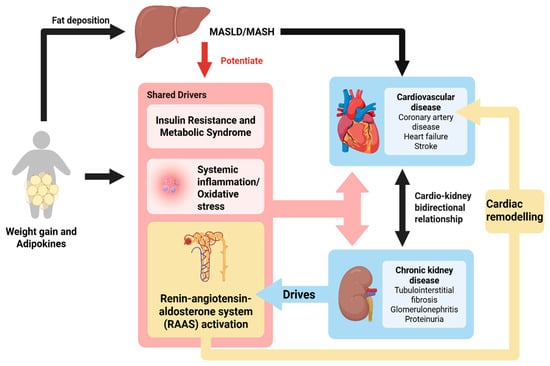
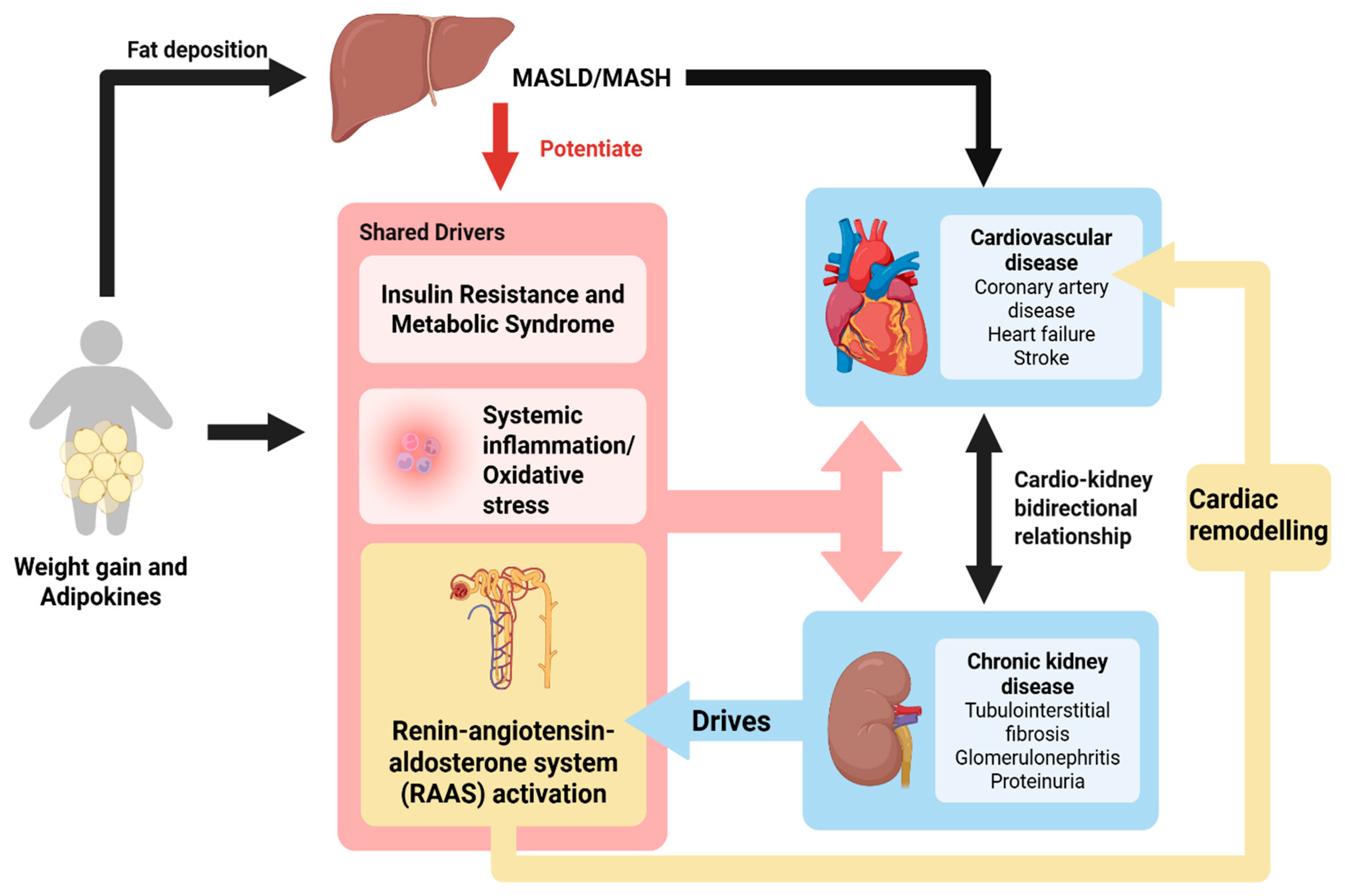

Disclaimer/Publisher’s Note: The statements, opinions and data contained in all publications are solely those of the individual author(s) and contributor(s) and not of MDPI and/or the editor(s). MDPI and/or the editor(s) disclaim responsibility for any injury to people or property resulting from any ideas, methods, instructions or products referred to in the content. |
© 2026 by the authors. Licensee MDPI, Basel, Switzerland. This article is an open access article distributed under the terms and conditions of the Creative Commons Attribution (CC BY) license.