


Abstract
Background/Objectives: Adult T-cell leukemia/lymphoma (ATL) is a rare and aggressive mature T-cell neoplasm associated with human T-cell lymphotropic virus type 1 (HTLV-1). Epidemiologic and clinical data from Eastern Europe remain limited despite the documented presence of HTLV-1 infection in the region. We aimed to characterize the clinical presentation, treatment patterns, survival outcomes, and prognostic factors of patients with ATL treated at a tertiary hematology referral center in Romania. Methods: We conducted a retrospective, single center cohort study of patients diagnosed with ATL at the Fundeni Clinical Institute, Bucharest, Romania, between 2014 and 2024. ATL diagnosis integrated compatible clinical, morphologic, immunophenotypic, and/or histopathologic findings with documented HTLV-1 infection; HTLV-1 was initially assessed by ELISA, with additional confirmatory testing used when available. Clinical, laboratory, treatment, response, and survival data were analyzed. Baseline demographic and biologic variables were compared between acute and lymphoma type ATL. Progression-free survival (PFS) and overall survival (OS) were evaluated using Kaplan–Meier methods and Cox proportional hazards regression. Results: Forty-five patients with ATL were identified: 23 with acute type (51.1%), 15 with lymphoma type (33.3%), 4 with smoldering type (8.9%), and 3 with chronic type disease (6.6%). Median age at diagnosis was 45.5 years, and the sex distribution was approximately balanced. Baseline leukocyte counts were higher in acute type than in lymphoma type ATL. Among patients with aggressive ATL, median baseline lactate dehydrogenase (LDH) was 827 U/L. CHOP or CHOP-like regimens were the predominant first line treatment strategy (80.6%), and zidovudine based therapy, with or without interferon, was administered to 52.6% of patients with aggressive ATL. Complete or partial response to first line therapy was associated with significantly better outcomes. Among patients with aggressive ATL, median PFS was 5.03 months and median OS was 9.17 months. Younger age (≤45 years) was associated with longer PFS and OS in univariable analyses. In univariable Cox analysis, higher baseline LDH was associated with inferior PFS (HR 1.060 per 100 U/L increase, 95% CI 1.017–1.104; p = 0.006). Response to first line therapy was evaluated separately as a post-treatment association. Zidovudine based therapy was associated with improved PFS and OS in univariable Kaplan–Meier analyses. Conclusions: This Romanian real world cohort confirms the aggressive clinical course and poor survival of ATL, particularly its acute and lymphoma subtypes. Higher baseline LDH was associated with inferior PFS, while achievement of CR or PR after first line therapy was associated with substantially longer PFS and OS. Patients who underwent allo-HSCT experienced favorable survival in exploratory Kaplan–Meier analyses; however, this observation should be interpreted cautiously because of the small number of transplanted patients and the potential for selection and immortal time bias. These findings underscore the need for earlier diagnosis, improved HTLV-1 screening, and access to contemporary therapeutic approaches in European settings outside the major traditionally recognized HTLV-1 endemic regions.
1. Introduction
Adult T-cell leukemia/lymphoma (ATL) is a mature T-cell neoplasm etiologically associated with chronic infection with human T-cell lymphotropic virus type 1 (HTLV-1). HTLV-1 infection is concentrated in several endemic regions, including southwestern Japan, parts of South America, sub-Saharan Africa, the Caribbean, and the Middle East; comparatively high seroprevalence has also been reported in Romania [1,2].
HTLV-1 preferentially infects CD4+ T lymphocytes. Most infected individuals remain asymptomatic throughout life, whereas a minority develop ATL after a prolonged latency, often spanning several decades [3]. HTLV-1 infection is also associated with HTLV-1-associated myelopathy/tropical spastic paraparesis (HAM/TSP), a chronic inflammatory neurologic disorder characterized by progressive spastic paraparesis and sphincter dysfunction [4].
The mechanisms that determine progression from asymptomatic HTLV-1 carriage to ATL remain incompletely understood. Higher HTLV-1 proviral load, older age, and a family history of ATL have been associated with an increased risk of disease development [5]. Viral proteins, including Tax and HTLV-1 basic leucine zipper factor (HBZ), contribute to viral persistence, infected cell proliferation, and dysregulation of host immune and inflammatory responses [6].
ATL is conventionally classified according to the Shimoyama criteria into acute, lymphoma, chronic, and smoldering subtypes on the basis of leukemic involvement, serum LDH and calcium levels, lymphadenopathy, and organ involvement [7]. Acute and lymphoma type ATL are considered aggressive forms and have substantially poorer outcomes than chronic and smoldering disease [7].
Therapeutic approaches depend on ATL subtype and include multiagent chemotherapy, zidovudine based antiviral therapy with or without interferon, targeted therapy such as the anti-CCR4 monoclonal antibody mogamulizumab, and allogeneic hematopoietic stem cell transplantation (allo-HSCT) in eligible patients [8,9]. Despite these options, outcomes remain poor in aggressive ATL. Because European real world data are limited, particularly from Eastern Europe, we evaluated the clinical characteristics, treatment patterns, survival outcomes, and prognostic factors of patients with ATL managed at a Romanian tertiary hematology center over a 10-year period.
2. Materials and Methods
We conducted an observational, retrospective, single center cohort study including 45 patients diagnosed with ATL at the Fundeni Clinical Institute, Bucharest, Romania, between January 2014 and December 2024. ATL diagnosis was established by integrating documented HTLV-1 infection with compatible clinical findings, peripheral blood morphology, flow-cytometric immunophenotyping, and/or histopathologic examination, thereby distinguishing ATL from other mature T-cell neoplasms in the appropriate clinicopathologic context. HTLV-1 infection was initially assessed by enzyme-linked immunosorbent assay (ELISA), with Western blot used in selected cases, particularly for borderline or inconclusive serologic results. Patients with positive serology underwent additional infectious disease evaluation, including repeat serologic testing and, when available, molecular detection of HTLV-1 proviral DNA by PCR. Because of the retrospective design, confirmatory molecular results were not available in the study database for all patients. Peripheral blood involvement was systematically evaluated at diagnosis in all patients by both peripheral blood smear examination and flow-cytometric immunophenotyping. The ATL subtype was classified according to the Shimoyama criteria [7] by integrating peripheral blood involvement, serum LDH and calcium levels, lymphadenopathy, and organ involvement. Although the ATL subtype had been documented clinically in the majority of patients, subtype assignment was retrospectively reviewed and verified according to the Shimoyama criteria for the present study. In patients with predominantly nodal disease and very low level circulating involvement, the Shimoyama classification was corroborated by peripheral blood flow cytometry; patients otherwise fulfilling the criteria for lymphoma type ATL and with <1% circulating abnormal lymphocytes were classified as lymphoma type ATL.
Data were extracted from hospital medical records and included demographic characteristics, clinical manifestations, comorbidities, baseline laboratory parameters (including serum calcium and LDH), treatment regimens, response to therapy, transplantation status, and survival. Baseline demographic and biologic characteristics were compared between acute and lymphoma type ATL, the two aggressive subtypes.
Systemic therapy was selected according to disease subtype, clinical status, disease kinetics, treatment era, and physician judgment. Multiagent chemotherapy was administered to most patients requiring systemic treatment. First line chemotherapy was defined as the initial chemotherapy regimen administered for ATL. First line regimens included CHOP (cyclophosphamide, doxorubicin, vincristine, and prednisone), CHOP-like regimens (predominantly CHOEP, with the addition of etoposide), ACEP, hyper-CVAD, modified LSG15, SMILE, ESHAP, EPOCH, and JCOG9801 based therapy [10]. Zidovudine based therapy, with or without interferon (AZT+/-IFN), was recorded and analyzed separately from chemotherapy exposure; these treatment categories were therefore not mutually exclusive. The retrospective dataset did not systematically capture whether zidovudine based therapy was administered concomitantly with or sequentially to chemotherapy, and patients were not categorized according to the temporal relationship between these modalities. Two patients with smoldering ATL did not receive multiagent chemotherapy.
Subsequent therapy for relapsed or refractory ATL included ICE (ifosfamide, carboplatin, and etoposide), GEMOx (gemcitabine and oxaliplatin), and DHAP (dexamethasone, cytarabine, and cisplatin). Two patients received lenalidomide and one received venetoclax in addition to conventional chemotherapy. One patient with non-aggressive ATL received local radiotherapy. The number of treatment lines ranged from one to five. Six patients with acute or lymphoma type ATL underwent allo-HSCT after first or second line therapy. For the exploratory Kaplan–Meier analyses according to transplantation status, patients were retrospectively grouped according to whether they underwent allo-HSCT during follow-up, while PFS and OS were calculated from the date of ATL diagnosis. Allo-HSCT was not modeled as a baseline exposure or as a time dependent covariate; these comparisons were therefore interpreted as descriptive and subject to selection and immortal time bias.
Treatment response was assessed using clinical examination, imaging, complete blood counts, serum biochemical parameters including LDH and calcium, and peripheral blood flow-cytometric immunophenotyping when relevant to blood involvement. Responses were classified according to Japan Clinical Oncology Group criteria as complete response (CR), partial response (PR), stable disease (SD), or progressive disease (PD) [11]. Response to first line therapy could not be assessed in nine patients because of insufficient follow-up; these patients were excluded from survival analyses stratified according to treatment response and were not assigned to either responder or non-responder groups.
Categorical and continuous variables were summarized using descriptive statistics. Survival analyses were restricted to patients with aggressive ATL (acute and lymphoma subtypes). Progression-free survival (PFS) was defined as the time from ATL diagnosis to documented disease progression or death from any cause, whichever occurred first. Overall survival (OS) was defined as the time from ATL diagnosis to death from any cause. Patients without the respective event were censored at the date of last follow-up. Kaplan–Meier methods and log-rank tests were used to compare PFS and OS between clinically relevant groups. The age threshold of ≤45 years was used as an exploratory, non-prespecified cutoff and should be interpreted as hypothesis generating. Univariable Cox proportional hazards regression was used to explore the association between baseline LDH and PFS, with LDH rescaled and entered per 100 U/L increase to improve clinical interpretability. Treatment response and allo-HSCT status were analyzed separately using exploratory Kaplan–Meier methods because both are post baseline variables. Statistical analyses were performed using IBM SPSS Statistics, version 26.0 (IBM Corp., Armonk, NY, USA). Two-sided p-values < 0.05 were considered statistically significant.
3. Results
3.1. Demographic, Clinical, and Laboratory Characteristics
A total of 45 patients were identified. According to the Shimoyama classification [7], 23 patients had acute type ATL (51.1%), 15 had lymphoma type ATL (33.3%), 4 had smoldering type ATL (8.9%), and 3 had chronic type ATL (6.6%). Thus, 38 patients had aggressive ATL (acute or lymphoma type), whereas 7 had non-aggressive disease (smoldering or chronic type).
Median age at diagnosis was 46 years in the overall cohort, 43 years in acute type ATL, 50 years in lymphoma type ATL, and 48 years in the non-aggressive subtypes. Sex distribution was approximately balanced, with a slight male predominance in the overall cohort (53.3% male and 46.7% female) and an equal male-to-female distribution among patients with aggressive ATL.
Most patients with aggressive ATL presented with lymphadenopathy. Baseline leukocyte counts were higher in acute than in lymphoma type ATL, with median values of 13.2 × 10⁹/L and 8.9 × 10⁹/L, respectively, consistent with the greater leukemic involvement characteristic of acute ATL. Only one patient, who had acute type ATL, had a baseline leukocyte count > 100 × 109/L. Severe thrombocytopenia was present in five patients at diagnosis, all of whom had acute or lymphoma type ATL.
Median baseline serum calcium was 9.96 mg/dL in acute type ATL and 9.8 mg/dL in lymphoma type ATL. Serum calcium > 11.5 mg/dL was observed in 30.4% of patients with acute type ATL (maximum, 20.6 mg/dL) and in 6.7% of patients with lymphoma type ATL (maximum, 13.2 mg/dL). No patient with smoldering or chronic ATL had a serum calcium concentration > 10.5 mg/dL.
Median baseline LDH was 827 U/L in patients with aggressive ATL and 238.5 U/L in those with smoldering or chronic ATL. Baseline demographic and laboratory characteristics are summarized in Table 1.
Table 1.
Baseline demographic and laboratory characteristics according to ATL subtype.
3.2. Treatment and Disease Outcomes
Treatment response and survival analyses were focused on the 38 patients with aggressive ATL. Thirty-six received systemic therapy; one patient died before treatment could be initiated, and one declined treatment. CHOP or CHOP-like regimens were the predominant first line strategy (80.6% of treated cases). Zidovudine based therapy, with or without interferon, was administered to 52.6% of patients with aggressive ATL.
CR to first line therapy was achieved in 37.9% of evaluable patients with aggressive ATL. Patients who achieved PR proceeded to subsequent lines of chemotherapy. Six patients (two with acute type and four with lymphoma type ATL) underwent allo-HSCT. Five of these patients had achieved CR after first line therapy and remained alive at the end of follow-up.
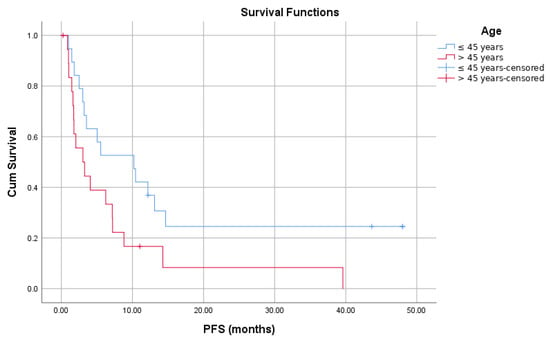
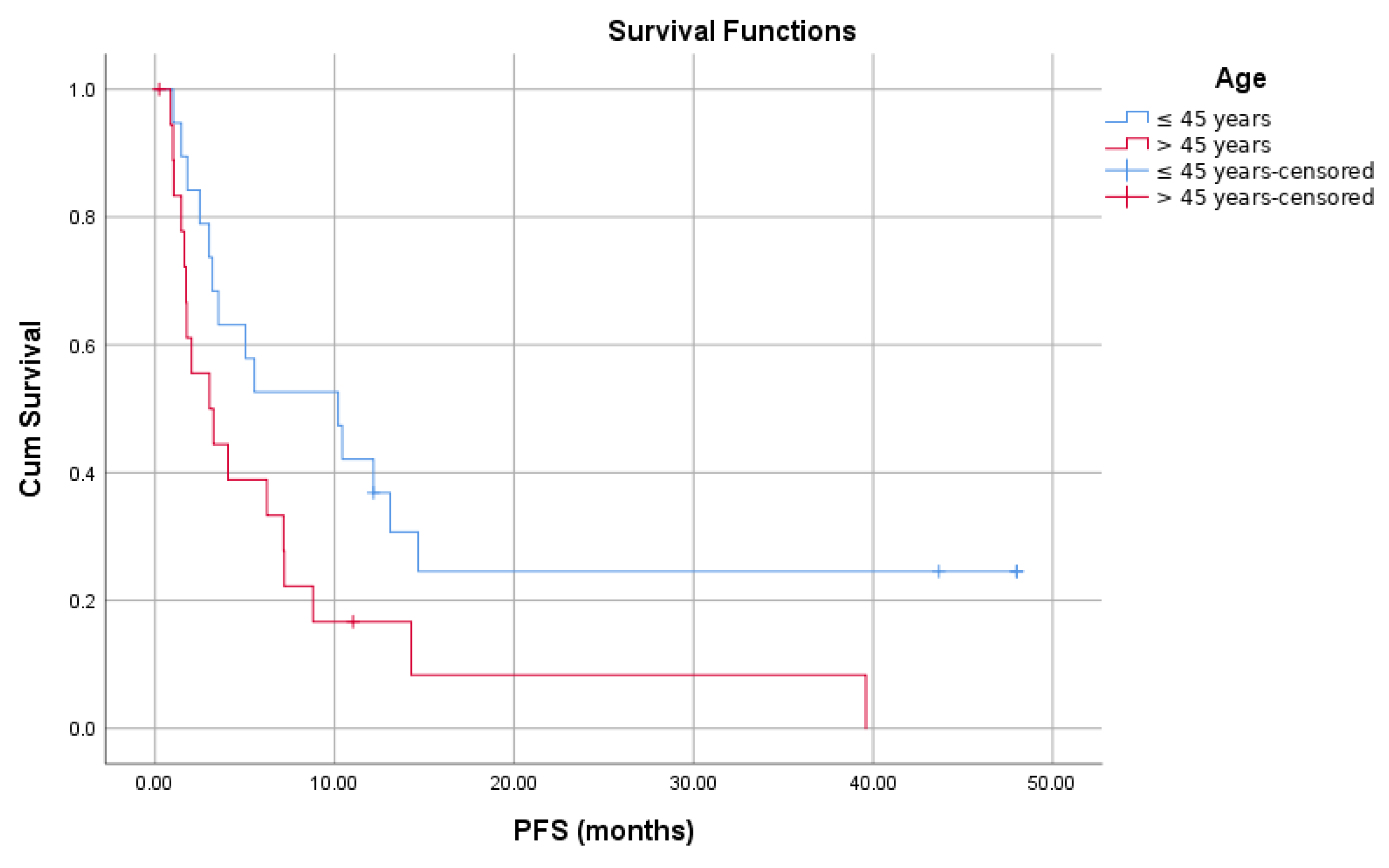
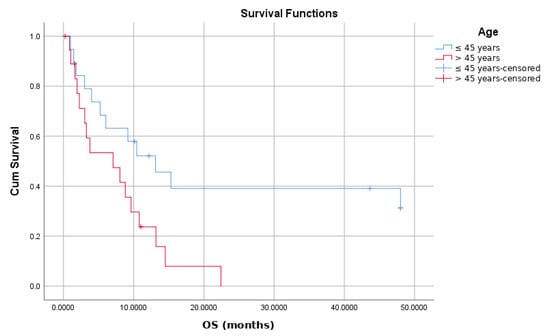
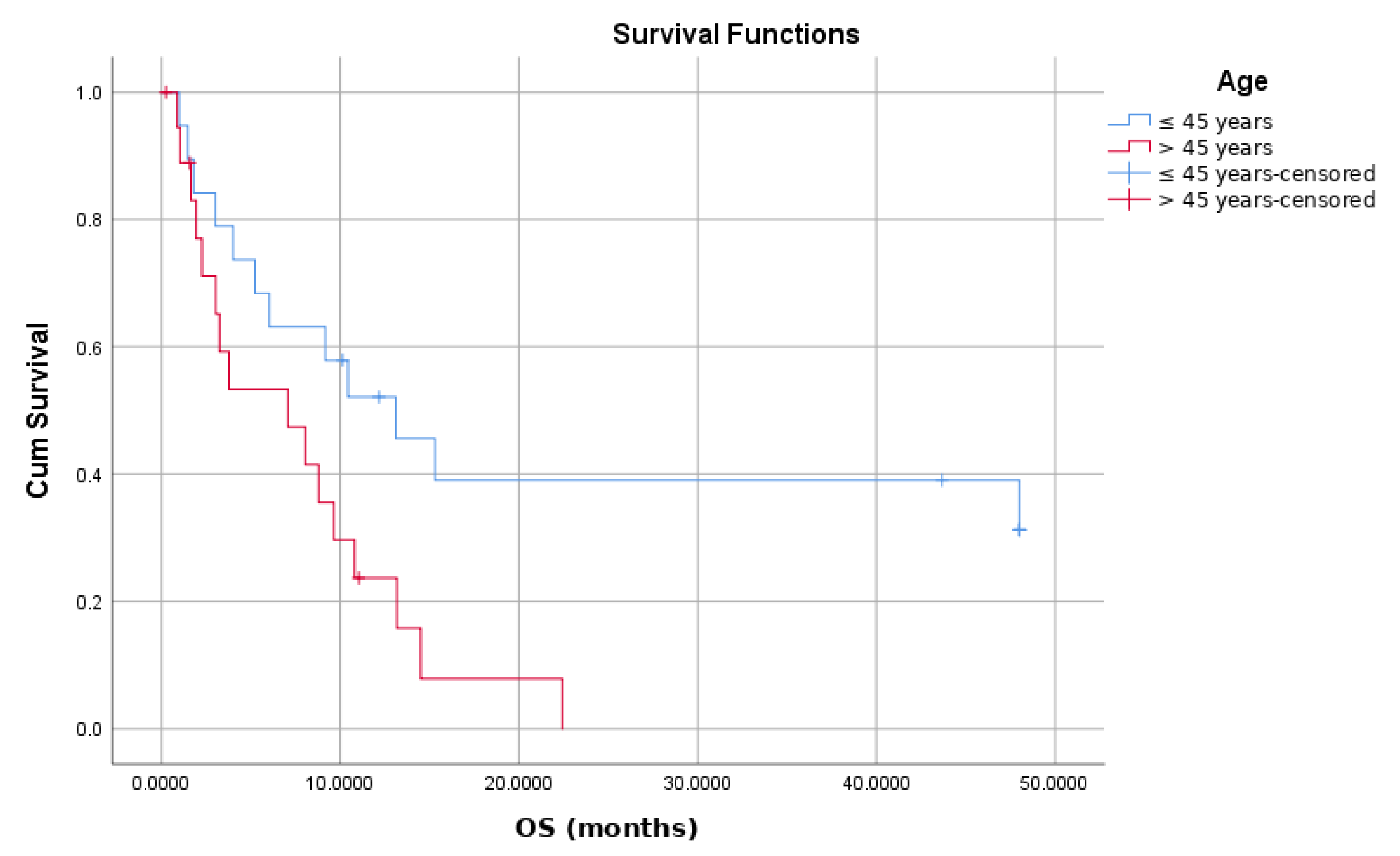
Kaplan–Meier analysis showed a median PFS of 5.03 months (95% CI, 1.498–8.569) and a median OS of 9.17 months (95% CI, 5.411–12.922) among patients with aggressive ATL. Using the exploratory, non-prespecified cutoff of ≤45 years, younger patients had longer PFS (p = 0.035; Figure 1) and OS (p = 0.020; Figure 2) in univariable Kaplan–Meier analyses.
Figure 1.
Kaplan–Meier plot for PFS in acute and lymphoma type ATL patients by age group.
Figure 2.
Kaplan–Meier plot for OS in acute and lymphoma type ATL patients by age group.
By subtype, median PFS was 5.533 months (95% CI, 0.00–11.220), and median OS was 8.8 months (95% CI, 3.896–13.704) in acute type ATL. In lymphoma type ATL, median PFS was 3.267 months (95% CI, 0.00–6.933), and median OS was 10.8 months (95% CI, 0.00–22.494).
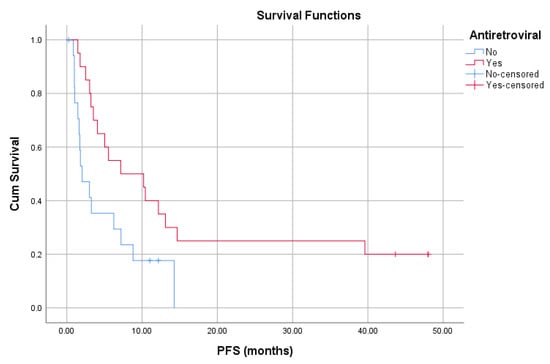
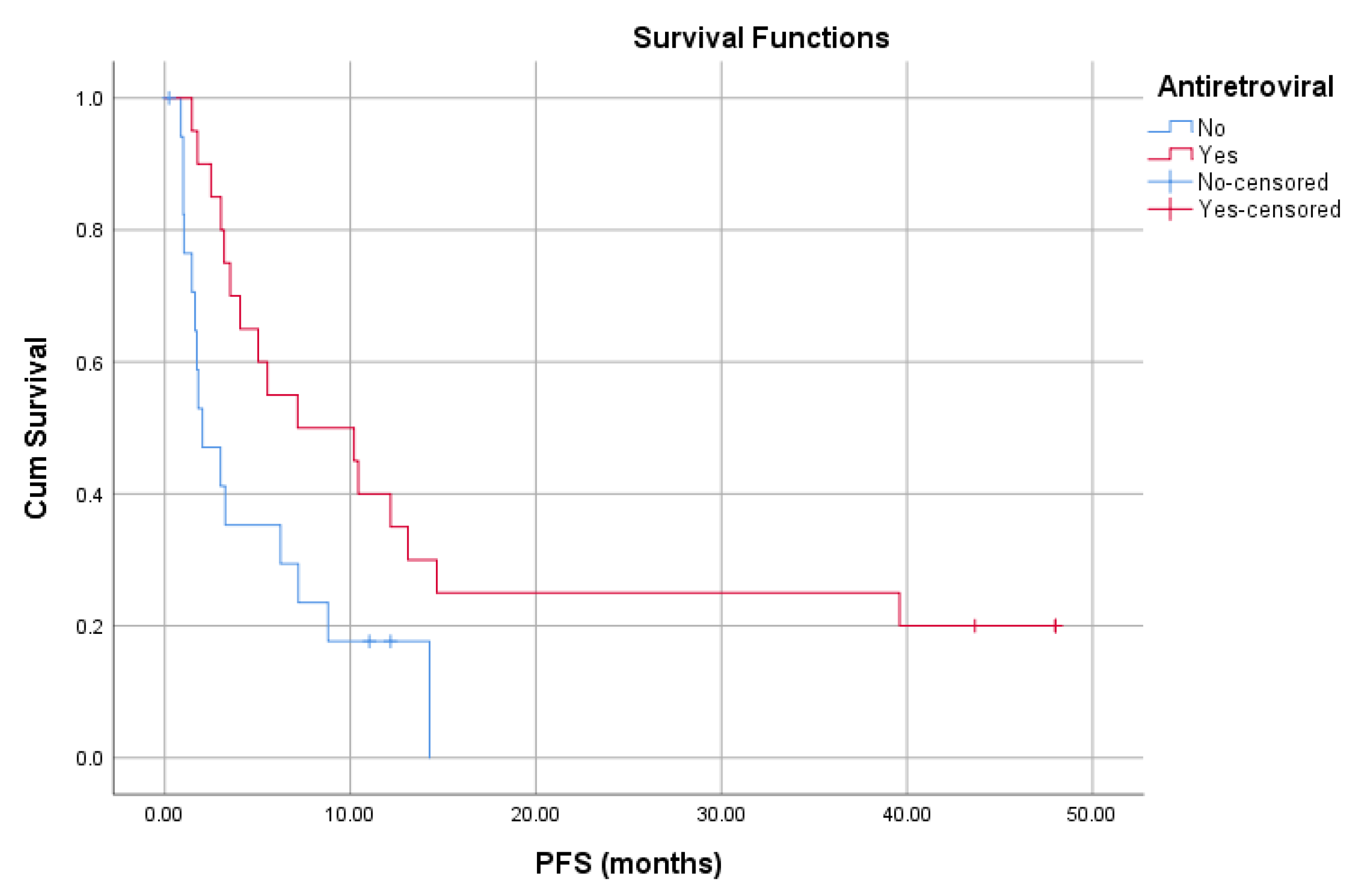
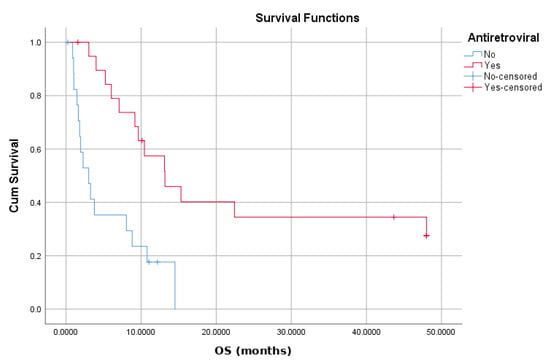
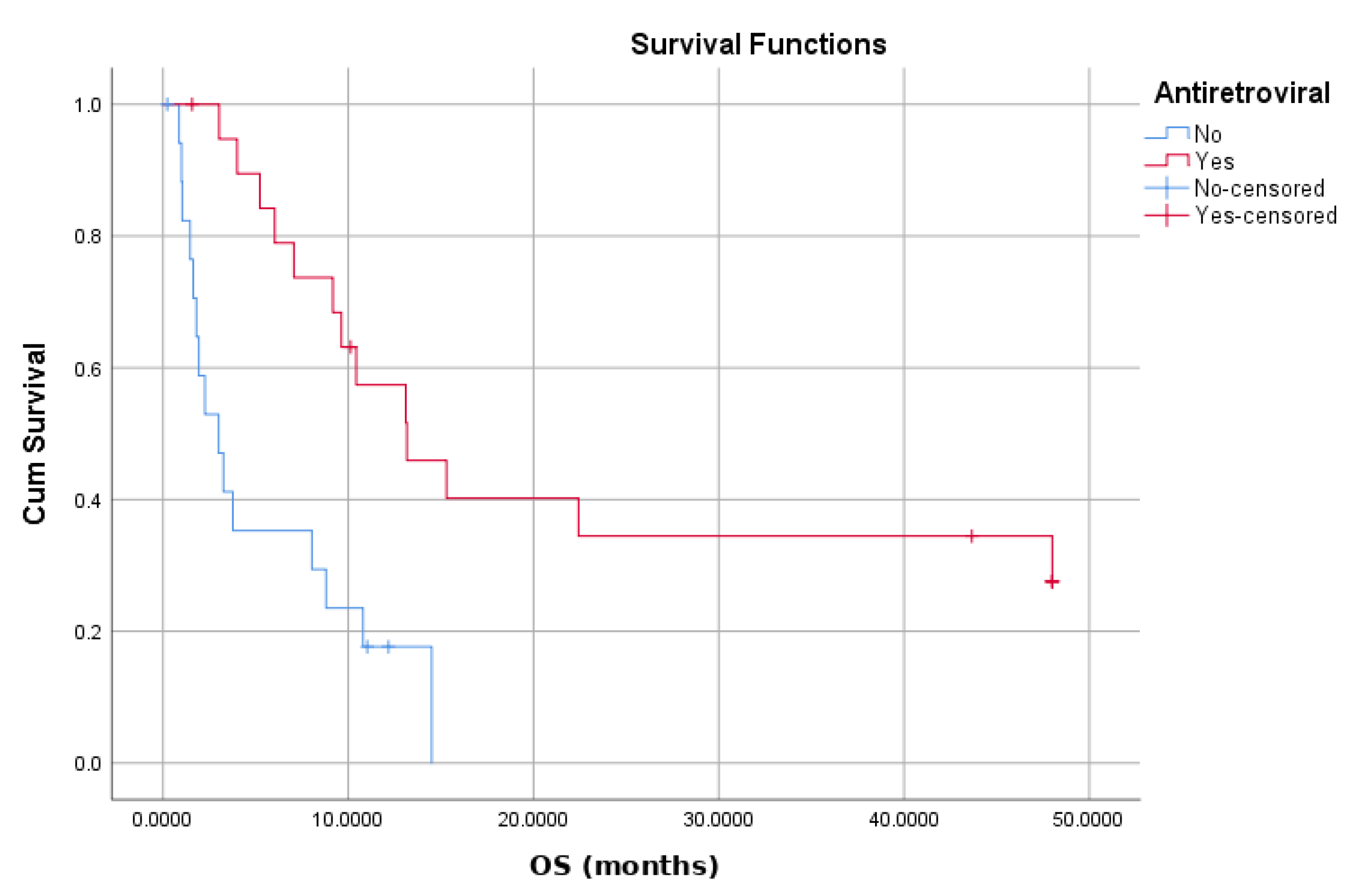
Receipt of zidovudine based therapy was associated with longer PFS (p = 0.022; Figure 3) and OS (p = 0.001; Figure 4) in univariable Kaplan–Meier analyses.
Figure 3.
Kaplan–Meier plot for PFS in acute and lymphoma type ATL patients according to zidovudine based therapy.
Figure 4.
Kaplan–Meier plot for OS in acute and lymphoma type ATL patients according to zidovudine based therapy.
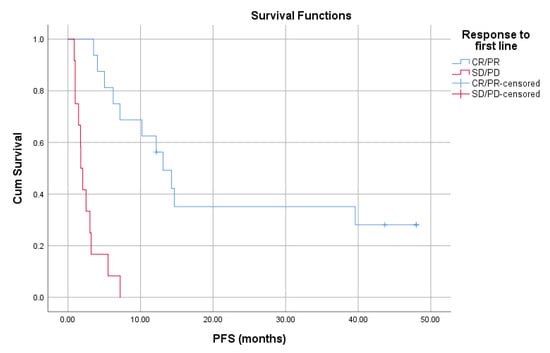
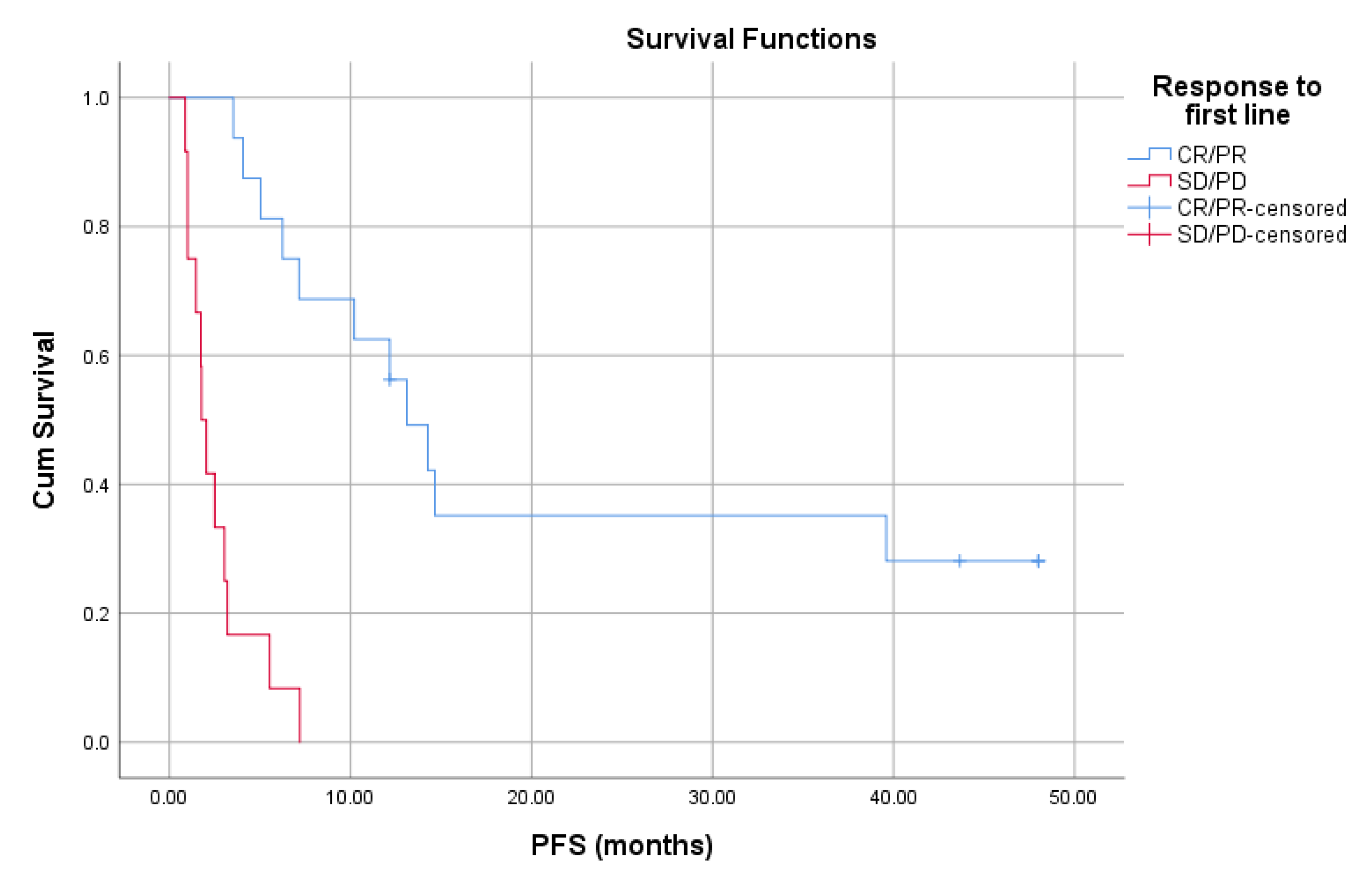
Response to first line therapy was strongly associated with subsequent outcome in exploratory Kaplan–Meier analyses. Patients achieving CR had a median PFS of 14.667 months, compared with 5.033 months for PR, 2.500 months for SD, and 1.767 months for PD (log-rank p < 0.001; Table 2). When responses were grouped, median PFS was 13.100 months for CR/PR and 1.767 months for SD/PD (log-rank p < 0.001; Table 3 and Figure 5).
Table 2.
Kaplan–Meier analysis of PFS according to each type of response to first line therapy.
Table 3.
Kaplan–Meier analysis of PFS according to positive response (CR or PR) compared to poor response (SD or PD) to first-line therapy.
Figure 5.
Kaplan–Meier plot for PFS according to positive response (CR or PR) compared to poor response (SD or PD) to first line therapy.
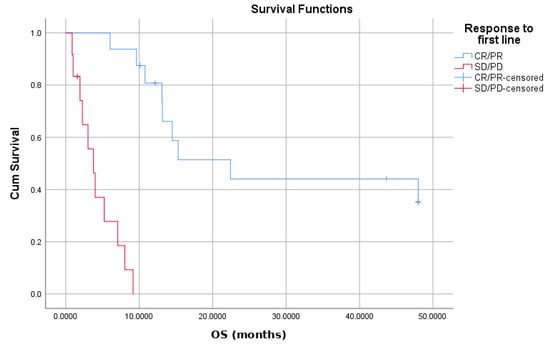
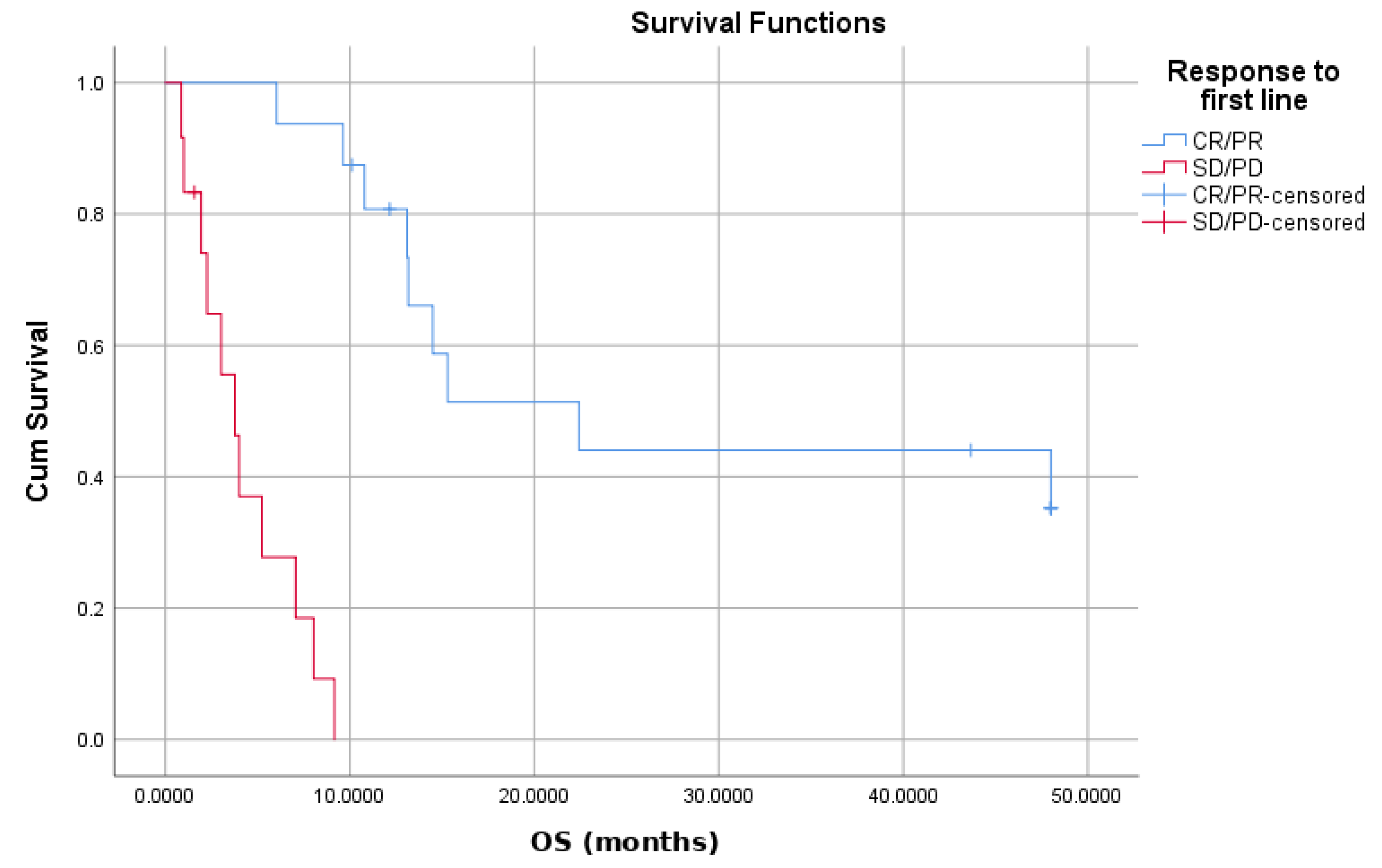
OS was also longer among patients achieving CR or PR after first-line therapy than among those with SD or PD. Median OS was 22.433 months for CR/PR and 3.767 months for SD/PD (log-rank p < 0.001; Table 4 and Figure 6).
Table 4.
Kaplan–Meier analysis of OS according to response to first-line therapy.
Figure 6.
Kaplan–Meier plot for OS according to response to first line therapy.
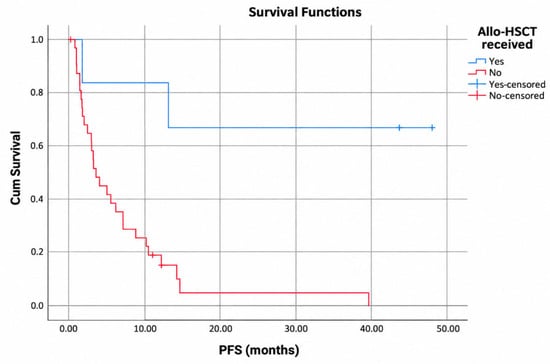
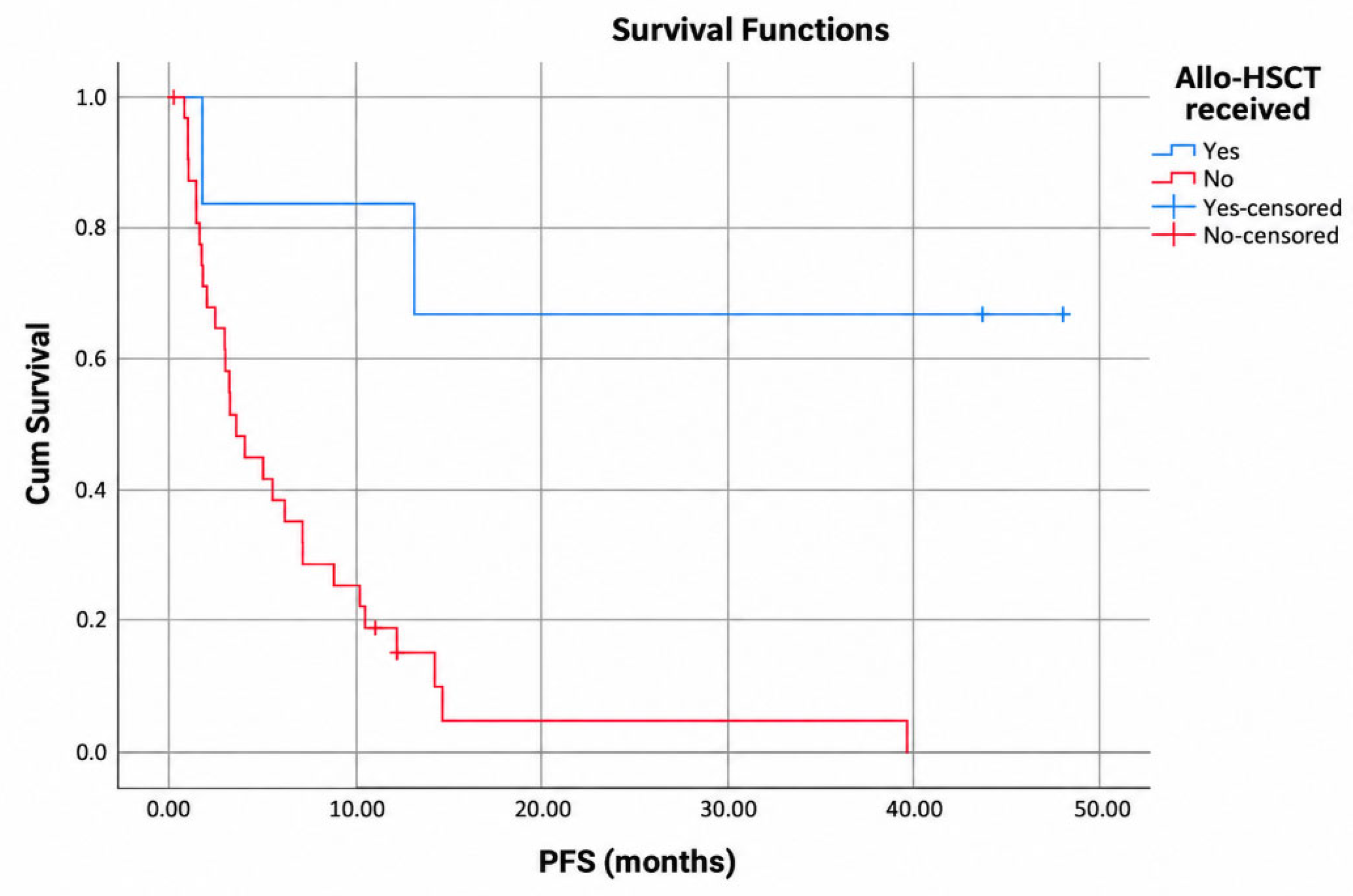
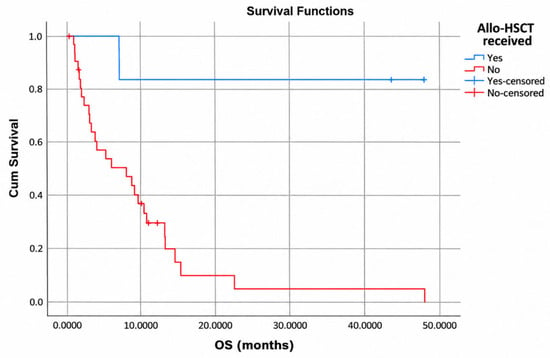
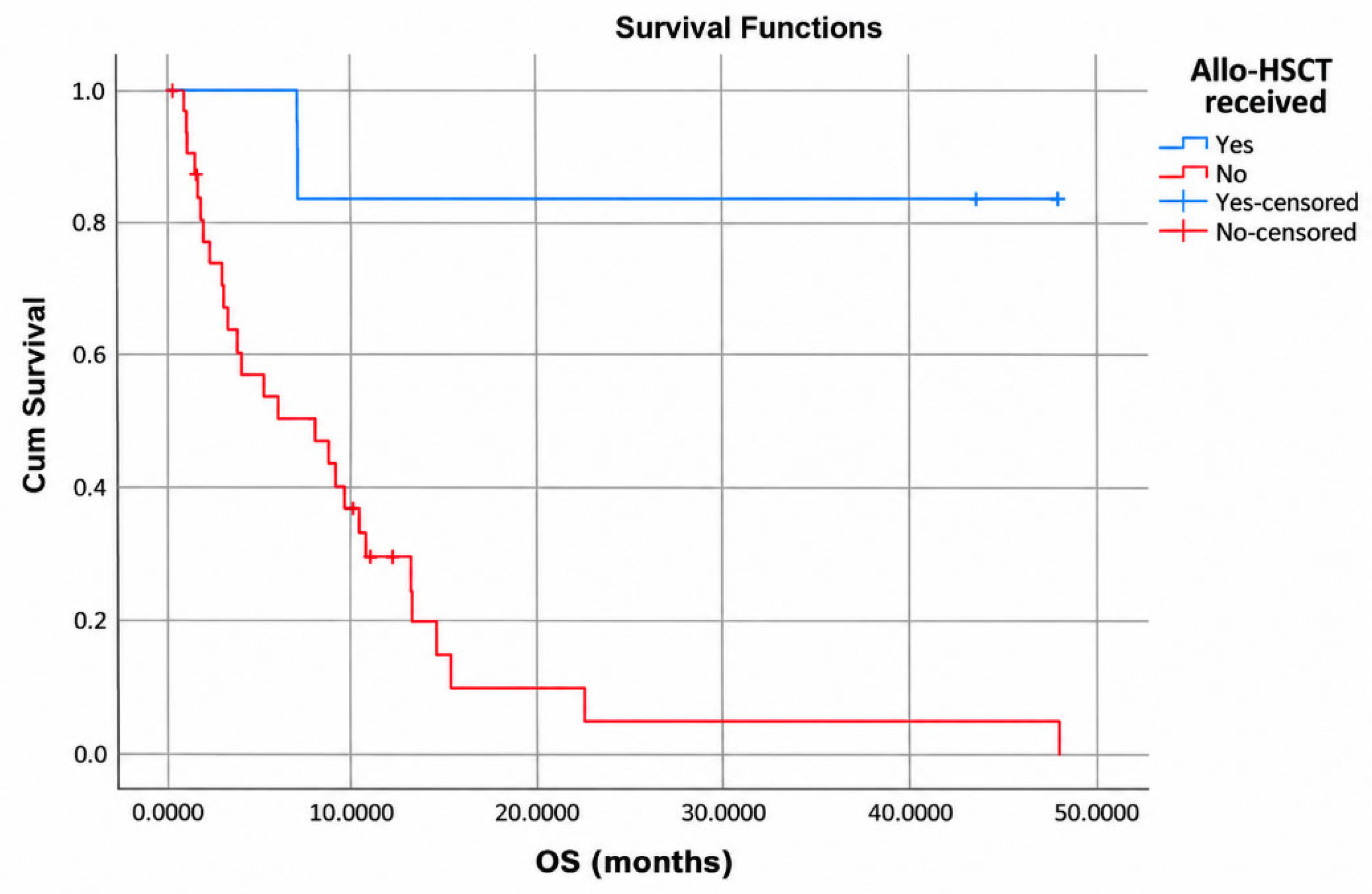
Patients who underwent allo-HSCT had favorable survival in exploratory Kaplan–Meier analyses. Median PFS and OS were not reached in the transplanted group. Among patients who did not undergo allo-HSCT, median PFS was 3.533 months (p = 0.002; Figure 7) and median OS was 8.033 months (p < 0.001; Figure 8) (Table 5 and Table 6). Because only six patients underwent transplantation and transplantation is a post-baseline intervention, these findings should be interpreted as descriptive associations rather than evidence of an independent treatment effect.
Figure 7.
Kaplan–Meier plot for PFS according to the presence of allo-HSCT.
Figure 8.
Kaplan–Meier plot for OS according to the presence of allo-HSCT.
Table 5.
Kaplan–Meier analysis of PFS according to allo-HSCT status.
Table 6.
Kaplan–Meier analysis of OS according to allo-HSCT status.
In univariable Cox regression analysis, higher baseline LDH was associated with inferior PFS (HR 1.060 per 100 U/L increase; 95% CI, 1.017–1.104; p = 0.006). Treatment response and allo-HSCT status were not included in the Cox analysis because both are post-baseline variables and were evaluated separately in exploratory Kaplan–Meier analyses.
4. Discussion
Romania has a comparatively high documented prevalence of HTLV-1 infection relative to most European countries. In a European blood donor surveillance study conducted between 2003 and 2008, the reported prevalence in Romania was 5.33 per 10,000 donors, whereas most participating European countries reported values ≤0.5 per 10,000 donors [12]. This epidemiologic context makes Romania an important setting in which to characterize ATL outside the major traditionally recognized HTLV-1 endemic regions.
The epidemiologic origins of the comparatively high HTLV-1 prevalence in Romania remain incompletely defined. Historical healthcare associated transmission has been proposed as one potential contributor, particularly in the context of unsafe parenteral practices reported during the late 1980s; however, the available evidence does not establish a definitive causal link [2,13]. Current HTLV-1 screening practices in Romania differ across clinical settings. HTLV-1/2 testing is mandatory for blood donors and is also performed in the setting of hematopoietic stem cell donation, whereas universal antenatal screening is not currently implemented. Outside these settings, testing is generally guided by clinical or epidemiological suspicion. At our institution, HTLV-1 testing is routinely performed in patients diagnosed with mature T-cell lymphomas, and testing of family members and sexual partners is recommended when an HTLV-1-infected individual is identified; however, the latter represents institutional clinical practice rather than a nationwide screening program. Given the documented prevalence of HTLV-1 infection in Romania, a broader targeted screening strategy may be warranted. Testing of individuals with mature T-cell malignancies, relatives and sexual partners of known carriers, and pregnant women with relevant epidemiological risk factors could improve identification of asymptomatic carriers and provide opportunities for counseling, transmission prevention measures, and earlier recognition of HTLV-1-associated disease. Such a targeted approach may be more feasible than universal population screening and warrants prospective evaluation in the Romanian setting [14].
The relatively limited number of ATL cases identified over the 10-year study period should not be interpreted as reflecting the population level incidence of ATL in Romania. Although Fundeni Clinical Institute is a major national tertiary referral center for hematological malignancies, particularly for patients from central and southern Romania, ATL is also managed at other university hematology centers. Underdiagnosis may represent an important contributing factor, particularly for chronic and smoldering ATL, which may remain asymptomatic or minimally symptomatic and therefore escape hematological evaluation, whereas acute and lymphoma type ATL are more likely to result in referral because of their overt clinical manifestations. Limited HTLV-1 testing outside selected clinical settings and variable awareness of HTLV-1-associated disease may further contribute to delayed or missed diagnosis. At our institution, HTLV-1 testing is routinely performed in patients diagnosed with mature T-cell lymphomas. Nevertheless, we have occasionally encountered patients initially classified as having another T-cell lymphoma in whom ATL was subsequently recognized following HTLV-1 testing. These factors may have contributed both to the number of cases identified and to the predominance of aggressive ATL subtypes in our cohort. Patients diagnosed and treated at Fundeni Clinical Institute generally continue longitudinal hematology follow-up at our institution rather than being routinely transferred back to regional centers; therefore, the regional referral pathway itself does not appear to have been a major source of loss to follow-up in this cohort.
Median age at ATL diagnosis in our cohort was 45.5 years, younger than that reported in contemporary cohorts from Japan (68 years), the United States (59 years), and China (53 years) [15,16,17]. Cohorts from Central and South America have reported ages at diagnosis closer to the fifth decade of life [18]. The younger age observed in our cohort may reflect regional epidemiologic characteristics, although the present study cannot establish the underlying cause.
Sex distribution was approximately balanced, with a slight male predominance in the overall cohort and an equal male-to-female distribution among patients with aggressive ATL. This pattern is broadly consistent with reports from Japan, the United States, and Brazil [15,16,19].
The distribution of ATL subtypes in our cohort was also consistent with previously published series: approximately half of patients had acute ATL, whereas smoldering and chronic disease together accounted for less than 20% of cases [15,20,21].
Hypercalcemia was particularly prominent in acute ATL, with serum calcium concentrations reaching 20.6 mg/dL. Hypercalcemia is a well-recognized complication of ATL and may constitute a medical emergency requiring prompt management [22,23,24].
Higher baseline LDH was associated with inferior PFS in univariable Cox analysis, consistent with the established adverse prognostic significance of elevated LDH in aggressive ATL [25,26]. When expressed per 100 U/L increase, the HR was 1.060 (95% CI, 1.017–1.104; p = 0.006), providing a more clinically interpretable estimate of the continuous LDH effect.
CHOP and CHOP-like regimens were the most frequently used first line chemotherapy regimens. Zidovudine based treatment, with or without interferon, was associated with longer PFS and OS in univariable analyses. Previous studies have reported a potential survival benefit from zidovudine/interferon based strategies in selected ATL subtypes [27,28]. However, this association should be interpreted cautiously. In the present retrospective dataset, chemotherapy and zidovudine based therapy were analyzed as separate, non-mutually exclusive treatment exposures, and the temporal relationship between these modalities (concomitant versus sequential administration) was not systematically captured. Treatment allocation was not randomized and was influenced by ATL subtype, disease kinetics, clinical status, and ability to proceed to subsequent therapy. Moreover, treatment duration and AZT/IFN-specific toxicity were not systematically captured. The observed survival difference therefore cannot establish an independent treatment effect of zidovudine or AZT/IFN and should be regarded as hypothesis generating. Mogamulizumab was not administered in this cohort because access in Romania during the study period was restricted to approved indications outside ATL.
Median PFS among patients with aggressive ATL was 5.03 months, and median OS was 9.17 months, underscoring the poor prognosis of acute and lymphoma type disease. The median OS was similar to that reported in recent cohorts from the United States and Latin America, both of which reported median survival of approximately 9 months [16,29]. Differences in calendar period, treatment availability, patient selection, and supportive care should be considered when comparing these cohorts.
Age ≤ 45 years was associated with longer PFS and OS in univariable Kaplan–Meier analyses. The 45 year threshold was exploratory and was not prespecified; therefore, it should not be interpreted as an established prognostic cutoff in ATL. Age has previously been incorporated into prognostic assessment in ATL and has been associated with clinical outcome [11]. Given the modest sample size of the present cohort, this finding should be considered hypothesis generating and requires validation in independent cohorts.
Response to first-line therapy was strongly associated with both PFS and OS, with markedly inferior outcomes among patients with SD or PD compared with those achieving CR or PR. This finding is consistent with previous real world ATL data [29]. However, because treatment response is a post-baseline variable and is intrinsically related to subsequent disease progression, these findings should be regarded as descriptive of post treatment outcome rather than as evidence that response represents an independent baseline prognostic factor. Patients who underwent allo-HSCT also had favorable survival, and median PFS and OS were not reached in the transplanted group. Allo-HSCT remains the only treatment with established curative potential for eligible patients with aggressive ATL [30,31]. Only six patients in our cohort underwent allo-HSCT. This relatively low number should not be interpreted as reflecting a restrictive transplant strategy. At our institution, allo-HSCT is considered for fit patients with aggressive ATL who achieve an adequate response to therapy, with transplantation in first remission being the preferred objective whenever feasible. The major barrier in this cohort was disease control: many patients had primary refractory or rapidly progressive disease and never achieved a disease status suitable for transplantation, while others experienced progression during transplant evaluation and preparation. In addition, advanced age, comorbidities, infectious complications, and deterioration in clinical condition precluded transplantation in some patients despite an initial response. Donor availability became a progressively smaller limitation over the study period. Haploidentical transplantation has been available at Fundeni Clinical Institute since 2014 and has been increasingly used since approximately 2018, with PTCy-based approaches substantially expanding the potential donor pool [32]. Consequently, in contemporary practice, achieving and maintaining disease control during the interval required to proceed to allo-HSCT may represent a greater barrier than donor identification itself. Nevertheless, because only six patients underwent transplantation, five of whom had already achieved CR after first line therapy, the favorable outcomes observed among transplanted patients remain descriptive and are strongly subject to patient selection and immortal time bias.
Several limitations should be acknowledged. First, this was a retrospective, single center study with a relatively small sample size, reflecting both the rarity of recognized ATL in Europe and the possibility of underdiagnosis, particularly of chronic and smoldering disease; the cohort therefore should not be interpreted as a population based estimate of ATL incidence or subtype distribution in Romania. Second, missing data and the inability to assess first line response in nine patients may have introduced information and selection bias. Third, treatment was heterogeneous and spanned a 10-year period during which diagnostic, supportive care, and therapeutic practices may have evolved. The duration of zidovudine based treatment, AZT/IFN specific adverse events, and the temporal relationship between zidovudine based therapy and chemotherapy were not systematically captured; consequently, responses could not be reliably attributed to individual treatment components in patients receiving multimodal therapy. Fourth, only six patients underwent allo-HSCT, and transplantation is a post-baseline intervention; therefore, the Kaplan–Meier comparisons according to transplantation status are susceptible to substantial selection and immortal time bias and should be considered exploratory. Response to first line therapy is also a post-baseline variable, and its association with PFS should be interpreted accordingly. The exploratory, non-prespecified age cutoff also requires external validation. Finally, the limited number of events and patients constrained the precision of the exploratory Cox analyses. These limitations preclude causal inference and support validation of the findings in larger multicenter cohorts.
5. Conclusions
This 10-year Romanian cohort provides real world data on the clinical presentation, treatment, and outcomes of ATL in a European setting with a comparatively high documented prevalence of HTLV-1 infection. Aggressive ATL was associated with short PFS and OS. Higher baseline LDH was associated with inferior PFS, while achievement of CR or PR after first line therapy was associated with substantially longer PFS and OS. Patients who underwent allo-HSCT experienced favorable survival, although this observation requires cautious interpretation because of the small number of transplanted patients and the inherent selection biases of retrospective transplantation analyses. Larger multicenter studies are needed to refine prognostic models and to evaluate contemporary treatment strategies for ATL in Europe.
Author Contributions
Conceptualization, A.B., A.M.C., M.E.T. and D.C.; Methodology, C.G., M.U., A.M.C., V.T., M.E.T., H.M.S. and C.D.; Software, M.U.; Validation, M.U., V.T., A.E.B., H.M.S., C.D. and D.C.; Formal Analysis, A.B., C.G. and M.E.T.; Investigation, M.U., A.M.C., V.T., M.E.T., A.E.B., H.M.S. and C.D.; Resources, A.B. and A.E.B.; Data Curation, V.T., M.E.T., A.E.B. and H.M.S.; Writing—Original Draft, A.B. and C.G.; Writing—Review & Editing, A.M.C., A.E.B. and C.D.; Visualization, V.T.; Supervision, D.C. All authors have read and agreed to the published version of the manuscript.
Funding
This research received no external funding.
Institutional Review Board Statement
The study was conducted in accordance with the Declaration of Helsinki and approved by the Ethics Committee of Fundeni Clinical Institute, Bucharest, Romania (protocol code 30164; date of approval: 18 July 2025).
Informed Consent Statement
Informed consent was obtained from all subjects involved in the study.
Data Availability Statement
The data supporting the findings of this study are not publicly available due to patient privacy and ethical restrictions. De-identified data may be available from the corresponding authors upon reasonable request and subject to applicable institutional and ethical requirements.
Acknowledgments
During the preparation of this manuscript, the authors used OpenAI ChatGPT (GPT-6) for language editing, including spelling, grammar, and minor rephrasing. The corresponding authors reviewed and edited the output and take full responsibility for the content of this publication.
Conflicts of Interest
The authors declare no conflicts of interest.
References
- Gessain, A.; Cassar, O. Epidemiological Aspects and World Distribution of HTLV-1 Infection. Front. Microbiol. 2012, 3, 388. [Google Scholar] [CrossRef] [Scilit] [PubMed]
- Paun, L.; Ispas, D.; del Mistro, A.; Chieco-Bianchi, L. HTLV-I in Romania. Eur. J. Haematol. 1994, 52, 117–118. [Google Scholar] [CrossRef] [Scilit] [PubMed]
- Iwanaga, M.; Watanabe, T.; Yamaguchi, K. Adult T-cell leukemia: A review of epidemiological evidence. Front. Microbiol. 2012, 3, 322. [Google Scholar] [CrossRef] [Scilit] [PubMed]
- Bangham, C.R.M.; Araujo, A.; Yamano, Y.; Taylor, G.P. HTLV-1-associated myelopathy/tropical spastic paraparesis. Nat. Rev. Dis. Primers 2015, 1, 15012. [Google Scholar] [CrossRef] [Scilit] [PubMed]
- Iwanaga, M.; Watanabe, T.; Utsunomiya, A.; Okayama, A.; Uchimaru, K.; Koh, K.R.; Ogata, M.; Kikuchi, H.; Sagara, Y.; Uozumi, K.; et al. Human T-cell leukemia virus type I (HTLV-1) proviral load and disease progression in asymptomatic HTLV-1 carriers: A nationwide prospective study in Japan. Blood 2010, 116, 1211–1219. [Google Scholar] [CrossRef] [Scilit] [PubMed]
- Brites, C.; Grassi, M.F.; Quaresma, J.A.S.; Ishak, R.; Vallinoto, A.C.R. Pathogenesis of HTLV-1 infection and progression biomarkers: An overview. Braz. J. Infect. Dis. 2021, 25, 101594. [Google Scholar] [CrossRef] [Scilit] [PubMed]
- Shimoyama, M. Diagnostic criteria and classification of clinical subtypes of adult T-cell leukaemia-lymphoma. A report from the Lymphoma Study Group (1984-87). Br. J. Haematol. 1991, 79, 428–437. [Google Scholar] [PubMed]
- Ureshino, H.; Kamachi, K.; Kimura, S. Mogamulizumab for the Treatment of Adult T-cell Leukemia/Lymphoma. Clin. Lymphoma Myeloma Leuk. 2019, 19, 326–331. [Google Scholar] [CrossRef] [Scilit] [PubMed]
- El Hajj, H.; Tsukasaki, K.; Cheminant, M.; Bazarbachi, A.; Watanabe, T.; Hermine, O. Novel Treatments of Adult T Cell Leukemia Lymphoma. Front. Microbiol. 2020, 11, 1062. [Google Scholar] [CrossRef] [Scilit] [PubMed]
- Tsukasaki, K.; Utsunomiya, A.; Fukuda, H.; Shibata, T.; Fukushima, T.; Takatsuka, Y.; Ikeda, S.; Masuda, M.; Nagoshi, H.; Ueda, R.; et al. VCAP-AMP-VECP compared with biweekly CHOP for adult T-cell leukemia-lymphoma: Japan Clinical Oncology Group Study JCOG9801. J. Clin. Oncol. 2007, 25, 5458–5464. [Google Scholar] [CrossRef] [Scilit] [PubMed]
- Tsukasaki, K.; Hermine, O.; Bazarbachi, A.; Ratner, L.; Ramos, J.C.; Harrington, W., Jr.; O’Mahony, D.; Janik, J.E.; Bittencourt, A.L.; Taylor, G.P.; et al. Definition, prognostic factors, treatment, and response criteria of adult T-cell leukemia-lymphoma: A proposal from an international consensus meeting. J. Clin. Oncol. 2009, 27, 453–459. [Google Scholar] [CrossRef] [Scilit] [PubMed]
- Laperche, S.; Worms, B.; Pillonel, J.; European Network of Transfusion Medecine Societies and the Steering Committee of the Epidemiological Surveillance of Blood Donors in France. Blood safety strategies for human T-cell lymphotropic virus in Europe. Vox Sang. 2009, 96, 104–110. [Google Scholar] [CrossRef] [Scilit] [PubMed]
- Patrascu, I.V.; Dumitrescu, O. The Epidemic of Human Immunodeficiency Virus Infection in Romanian Children. AIDS Res. Hum. Retrovir. 1993, 9, 99–104. [Google Scholar] [CrossRef] [Scilit] [PubMed]
- Fuji, S.; Assone, T.; Casseb, J. Targeted screening for HTLV-1 infection in endemic and non-endemic regions: A global public health priority. Expert Rev. Anti Infect. Ther. 2026, 24, 203–212. [Google Scholar] [CrossRef] [Scilit] [PubMed]
- Imaizumi, Y.; Iwanaga, M.; Nosaka, K.; Ishitsuka, K.; Ishizawa, K.; Ito, S.; Amano, M.; Ishida, T.; Uike, N.; Utsunomiya, A.; et al. Prognosis of patients with adult T-cell leukemia/lymphoma in Japan: A nationwide hospital-based study. Cancer Sci. 2020, 111, 4567–4580. [Google Scholar] [CrossRef] [Scilit] [PubMed]
- Toumeh, N.; Tao, Y.; Zhou, J.; Marar, R.; Day, J.; Hwang, S.; Wang, Y.; Godby, R. Contemporary survival trends in patients with adult T-cell leukemia/lymphoma (ATLL) in the United States: Insights from the national cancer database. Blood 2025, 146, 1871. [Google Scholar] [CrossRef] [Scilit]
- Luo, L.; Chen, Y.; Wu, Z.; Huang, Y.; Lu, L.; Li, J.; Zheng, X.; Nie, C.; Chen, R.; Lin, W.; et al. Clinical characteristics, genetic alterations, and prognosis of adult T-cell leukemia/lymphoma: An 11-year multicenter retrospective study in China. Am. J. Cancer Res. 2024, 14, 1649–1661. [Google Scholar] [CrossRef] [Scilit] [PubMed]
- Oliveira, P.D.; de Carvalho, R.F.; Bittencourt, A.L. Adult T-cell leukemia/lymphoma in South and Central America and the Caribbean: Systematic search and review. Int. J. STD AIDS 2017, 28, 217–228. [Google Scholar] [CrossRef] [Scilit] [PubMed]
- Rosadas, C.; Puccioni-Sohler, M.; Oliveira, A.C.P.; Casseb, J.; Sousa, M.; Taylor, G.P. Adult T-cell leukaemia/lymphoma in Brazil: A rare disease or rarely diagnosed? Br. J. Haematol. 2020, 188, e46–e49. [Google Scholar] [CrossRef] [Scilit] [PubMed]
- Nosaka, K.; Iwanaga, M.; Imaizumi, Y.; Ishitsuka, K.; Ishizawa, K.; Ishida, Y.; Amano, M.; Ishida, T.; Uike, N.; Utsunomiya, A.; et al. Epidemiological and clinical features of adult T-cell leukemia–lymphoma in Japan, 2010–2011: A nationwide survey. Cancer Sci. 2017, 108, 2478–2486. [Google Scholar] [CrossRef] [Scilit] [PubMed]
- Ito, S.; Iwanaga, M.; Nosaka, K.; Imaizumi, Y.; Ishitsuka, K.; Amano, M.; Utsunomiya, A.; Tokura, Y.; Watanabe, T.; Uchimaru, K.; et al. Epidemiology of adult T-cell leukemia-lymphoma in Japan: An updated analysis, 2012–2013. Cancer Sci. 2021, 112, 4346–4354. [Google Scholar] [CrossRef] [Scilit] [PubMed]
- Nosaka, K.; Miyamoto, T.; Sakai, T.; Mitsuya, H.; Suda, T.; Matsuoka, M. Mechanism of hypercalcemia in adult T-cell leukemia: Overexpression of receptor activator of nuclear factor kappaB ligand on adult T-cell leukemia cells. Blood 2002, 99, 634–640. [Google Scholar] [CrossRef] [Scilit] [PubMed]
- Grossman, B.; Schechter, G.P.; Horton, J.E.; Pierce, L.; Jaffe, E.; Wahl, L. Hypercalcemia Associated with T-cell Lymphoma-leukemia. Am. J. Clin. Pathol. 1981, 75, 149–155. [Google Scholar] [CrossRef] [Scilit] [PubMed]
- Peter, S.A.; Cervantes, J.F. Hypercalcemia associated with adult T-cell leukemia/lymphoma (ATL). J. Natl. Med. Assoc. 1995, 87, 746–748. [Google Scholar] [PubMed]
- Samaha, Y.; Hugo, H.; Asrani, R. Adult T-cell leukemia/lymphoma: Molecular pathogenesis, emerging therapies, and future directions. Front. Oncol. 2026, 16, 1794939. [Google Scholar] [CrossRef] [Scilit] [PubMed]
- Gupta, S.; Graham, C.; Haddad, P.A. Abstract 4409: Survival determinants of aggressive adult T-cell leukemia/lymphoma (ATLL): Analysis of a pooled database. Cancer Res. 2023, 83, 4409. [Google Scholar] [CrossRef] [Scilit]
- Hodson, A.; Crichton, S.; Montoto, S.; Mir, N.; Matutes, E.; Cwynarski, K.; Kumaran, T.; Ardeshna, K.M.; Pagliuca, A.; Taylor, G.P.; et al. Use of zidovudine and interferon alfa with chemotherapy improves survival in both acute and lymphoma subtypes of adult T-cell leukemia/lymphoma. J. Clin. Oncol. 2011, 29, 4696–4701. [Google Scholar] [CrossRef] [Scilit] [PubMed]
- Shafiee, A.; Seighali, N.; Taherzadeh-ghahfarokhi, N.; Mardi, S.; Shojaeian, S.; Shadabi, S.; Hasani, M.; Haghi, S.; Mozhgani, S.-H. Zidovudine and Interferon Alfa based regimens for the treatment of adult T-cell leukemia/lymphoma (ATLL): A systematic review and meta-analysis. Virol. J. 2023, 20, 118. [Google Scholar] [CrossRef] [Scilit] [PubMed]
- Valcarcel, B.; Idrobo, H.; Pavlovsky, A.; Miranda, E.C.; Beltran, B.; Paredes, S.; Enriquez-Vera, D.; Vasquez, J.F.; Roche, C.; Valvert, F.; et al. Prevalence and survival outcomes of adult T-cell leukemia/lymphoma in Latin America: A multicenter cohort study and recommendations to improve diagnosis and outcomes. Cancer Epidemiol. 2025, 98, 102890. [Google Scholar] [CrossRef] [Scilit] [PubMed]
- Marçais, A.; Lhermitte, L.; Fenoel, V.A.; Ouedrani, A.; Loiseau, C.; Cazelles, C.; Naveau, L.; Gilbert, A.; Debus, L.; Hélias, P.; et al. Allogeneic stem cell transplantation in aggressive Adult T cell leukemia/lymphoma: A prospective multicenter study. Blood Adv. 2026. advance online publication. [Google Scholar] [CrossRef] [Scilit] [PubMed]
- Utsunomiya, A. Progress in Allogeneic Hematopoietic Cell Transplantation in Adult T-Cell Leukemia-Lymphoma. Front. Microbiol. 2019, 10, 2235. [Google Scholar] [CrossRef] [Scilit] [PubMed]
- Tanase, A.; Tomuleasa, C.; Marculescu, A.; Bardas, A.; Colita, A.; Ciurea, S.O. First Successful Haploidentical Stem Cell Transplantation in Romania. Rom. J. Intern. Med. 2016, 54, 194–200. [Google Scholar] [CrossRef] [Scilit] [PubMed]

Disclaimer/Publisher’s Note: The statements, opinions and data contained in all publications are solely those of the individual author(s) and contributor(s) and not of MDPI and/or the editor(s). MDPI and/or the editor(s) disclaim responsibility for any injury to people or property resulting from any ideas, methods, instructions or products referred to in the content. |
© 2026 by the authors. Licensee MDPI, Basel, Switzerland. This article is an open access article distributed under the terms and conditions of the Creative Commons Attribution (CC BY) license.