


Abstract
Cybersecurity faces constant innovations by attackers, with increasingly intelligent and intricate techniques. In response, cybersecurity researchers have been exploring AI-based approaches to improve cyber defense systems. AI techniques are being applied to analyze vast amounts of log data, identifying patterns and anomalies that could indicate malicious activity. These AI-driven systems are crucial in improving the efficiency and effectiveness of threat detection. The purpose of this scoping review is to study how Artificial Intelligence (AI) is applied in the literature for the detection of real-time threats in cybersecurity logs. To this end, the methodology defined by Arskey and O’Malley for scoping reviews has been followed. A taxonomy has also been designed herein to methodically classify and organize the reviewed articles. The results obtained include the utilities used, information on explainability, the metrics employed, and a list of the most common errors in Machine Learning (ML) applications. In conclusion, despite the great advances in the use of AI in threat detection through log analysis, there remain certain areas that require extra attention, such as transparency in ML models through the integration of Explainable AI (XAI), standardization in log formats and greater availability of data.
1. Introduction
The continuous advancement of computer networks, servers, and mobile devices has led to a proliferation in the use of the Internet. However, this expansion has also resulted in a substantial increase in the sophistication of cyberattack methods employed by cybercriminals. Notably, with an increase of 400 million Internet users in 2022 compared to the previous year [1], global cyberattacks underwent a 38% rise in 2022, according to the Cyber Trends Report [2]. The European Union Agency for Cybersecurity (ENISA) anticipates that a secure and reliable cyberspace will become even more crucial under the new social and economic norms driven by the COVID-19 pandemic [3]. These statistics and events highlight the magnitude of the challenges faced by connected devices today.
Traditional cybersecurity approaches based on signatures and rules are increasingly challenged by the rapid growth of information on the Internet [4]. Meanwhile, attackers are constantly innovating, developing increasingly intelligent and intricate attack techniques, and leveraging technological advances such as Artificial Intelligence (AI) to render their actions more sophisticated and effective [5].
In response to this reality, cybersecurity researchers have begun exploring AI-based approaches to enhance the performance of cyber defense systems [6]. In this dynamic and challenging context, the critical need to adopt AI-based approaches to strengthen cyber defense becomes evident. This paradigm shift drives the exploration of new strategies, particularly in real-time threat detection through system-generated logs [6].
Real-time threat detection through log monitoring establishes a fundamental link between AI and cybersecurity. This approach not only aims to proactively identify malicious behavior patterns but also enables immediate responses to potential threats, thereby minimizing the impact of attacks and strengthening system resilience. In this context, this study aims to explore and synthesize the existing literature on real-time threat detection in logs that use AI, in order to identify opportunities, challenges, and future development areas.
The integration of AI in real-time log monitoring offers a significant potential in the enhancement of the speed and accuracy of threat detection. AI techniques, such as machine learning and deep learning, can analyze vast amounts of log data to identify subtle patterns and anomalies that might be missed by traditional methods. Not only do these capabilities improve the efficiency in the identification of potential security breaches but they also enable more adaptive and intelligent responses to emerging threats. However, despite its advantages, the application of AI in this domain comes with its own set of challenges, including issues of transparency, model interpretability, and data quality, which are critical to ensuring reliable and trustworthy AI-driven solutions.
In this paper, a scoping review of existing research on real-time threat detection using AI approaches based on system-generated logs is conducted. The primary objective is to systematically analyze and synthesize key insights from the literature. By providing a comprehensive overview of current advancements in this area, we aim to highlight existing gaps and identify promising directions for future research. This review is driven by the growing importance of the integration of AI into cybersecurity systems, since it not only enhances the effectiveness of threat detection but also requires additional measures to ensure transparency, accountability, and ethical compliance in AI-driven cybersecurity solutions. Through this exploration, we contribute to the development of robust and interpretable AI models capable of real-time threat detection, thereby strengthening cybersecurity resilience in an increasingly connected world. Although previous surveys by Skopik et al. [7], Landauer et al. [8], and Yadav et al. [9] have addressed related topics, this review provides a combined analysis of real-time AI-based log anomaly detection in cybersecurity, that covers detection techniques, tools, datasets, explainability, evaluation metrics, and methodological challenges.
The rest of the paper is structured as follows. Section 2 details the methods employed for this scoping review. Section 3 presents the results extracted from the review, including the utilities used, information regarding explainability, the metrics utilized, and the common errors in Machine Learning (ML) applications. Lastly, Section 4 discusses all the lessons learned from this review and reveals the conclusions drawn.
2. Materials and Methods
2.1. Overview
This review aims to summarize how artificial intelligence (AI) is applied in the literature for real-time threat detection in cybersecurity logs. For this purpose, a scoping review is conducted using Arksey and O’Malley’s proposed framework [10]. Our review process is based on the PRISMA-ScR checklist (Preferred Reporting Items for Systematic Reviews and Meta-Analyses extension for Scoping Reviews) developed by Tricco et al. [11], as detailed in Table S1. This framework emphasizes two main goals: the dissemination of key research insights and the identification of gaps in the current literature. Moreover, Arksey and O’Malley highlight that scoping reviews are especially suited for exploring wide-ranging topics where diverse study designs may be relevant.
2.2. Search Strategy
A systematic search strategy was employed to identify relevant papers concerning the application of AI in real-time or near-real-time threat detection through cybersecurity logs. The search was conducted in June 2025 in English, and focused on terms related to explainability, artificial intelligence, cybersecurity, and real-time threat detection. The following electronic databases were utilized: Scopus, IEEE Xplore (Institute of Electrical and Electronics Engineers), and ACM Digital Library (Association for Computing Machinery).
The following conceptual search expression summarizes the main concepts and their logical relationships:
(“explainable AI” OR “XAI” OR “AI”) AND (“cybersecurity” OR “security”) AND (“real-time” OR “online”) AND (“logs” OR “logging”).
This expression represents the conceptual structure of the search strategy rather than the complete executable query used in each database. The actual search queries were adapted to the syntax and search capabilities of ACM Digital Library, IEEE Xplore, and Scopus and are reported separately in the Supplementary Materials.
2.3. Selection Criteria
The inclusion criteria for the studies are as follows:
- Articles that address log processing in any computer system or application. Logs refer to records stored in a file;
- Articles that focus on anomaly or threat detection;
- Articles addressing log anomaly or threat detection targeting real-time or near-real-time operation, regardless of whether training is performed in real time. Inclusion does not imply that real-time performance has been quantitatively validated;
- Articles related to cybersecurity;
- Articles that apply some form of artificial intelligence;
- Articles published in 2015 or later
- Articles written in English and published in research journals, conference proceedings, or book chapters, excluding review articles.
Articles that failed to meet any of the aforementioned inclusion criteria were excluded. Furthermore, articles that did not propose a method for log processing, such as Saied et al. [12], or threat detection were excluded, even if they discussed general aspects of cybersecurity and/or artificial intelligence. Articles that did not evaluate any logs or provided insufficient implementation details to assess their eligibility were also excluded. The reasons for exclusion are summarized in Figure 1.
Figure 1.
Discard criteria. Note: Multiple exclusion reasons could be assigned to a single full-text article. Consequently, the sum of the exclusion-reason counts may exceed the total number of excluded full-text articles.
This set of criteria ensured that the selected studies were directly relevant to the application of artificial intelligence for real-time threat detection using logs within the field of cybersecurity.
2.4. Study Selection
Subsequent to the completion of search process and the removal of any duplicates, the remaining 660 papers were screened. To ensure a clear and precise definition of the criteria, an independent analysis of a randomly selected 10% of the articles was conducted. Two reviewers (FM and JR) examined the same set of articles and made inclusion decisions using the Rayyan tool, which facilitated coordination between said reviewers. Subsequently, the agreement index was calculated using Cohen’s Kappa coefficient [13], which accounts for the possibility of chance agreement. The result obtained was 0.798, considered a substantial agreement by Cohen. Given this acceptable level of agreement, the first author (FM) then analyzed the remaining articles and performed the data charting, while resolving any discrepancies by consensus with the second reviewer.
2.5. Charting
The authors followed a collaborative and iterative process to define a charting table for the collection of the data from the studies included. Information was gathered into 5 main groups: general information, utilities, explainability, metrics, and common errors and limitations in ML applications in cybersecurity. Table S3 shows the charting table that was used.
General information covers the first author, publication year, article link, whether it was selected for review, its main topic, the specific security aspect it explores, a summary of its content, identified issues, and any personal insights or relevant remarks about the article. For the sake of clarity and readability, Table 1 presents only a selection of this information, and focuses on the key characteristics of each article.
The utilities group includes the most frequently used datasets in this field, the methods employed for feature extraction, as well as the algorithms and tools necessary to carry out these processes.
The explainability group categorizes the type of explainability and the potential challenges faced by the articles based on the valuable insights provided by Zhang et al. [6]. While a deeper analysis of explainability-related challenges has been conducted, our discussion has been limited to the most prominent and significant challenges to prevent the reader from becoming overwhelmed. For example, the work by Longo et al. [14] provides an extended exploration of XAI challenges and could serve as a valuable resource for those interested in a more comprehensive understanding of the topic. The information extracted regarding explainability aims to address the following questions:
- Algorithm used for explainability: If not intrinsic to the model, which algorithm provides explainability?
- Motivation for the addition of explainability: What drives the application of explainable AI in cybersecurity?
- Categorization of XAI: Four classifications proposed for explainability algorithms:
- Intrinsic or post hoc: Addresses model complexity or added post-training?
- Model-specific or model-agnostic: Tailored to a specific model or independent?
- Local or global: Focuses on individual decisions or the entire model?
- Nature and format of the explanation output: Presented in natural language, statistical terms, or another format?
- Challenges of XAI: Challenges include:
- Security vulnerabilities: susceptibility to adversarial attacks;
- Performance impact: how explainability affects model performance;
- Privacy implications: effects on data privacy;
- Balancing interpretability and accuracy of the model.
The metrics group encompasses the effectiveness and performance indicators of the model, as well as whether the article adequately explains these metrics.
The common errors and limitations in ML application in cybersecurity group is based on the study conducted by Arp et al. [15], which highlights several common errors in this context and underscores the importance of addressing these issues proactively and strategically:
- Data collection and Labeling:
- Sampling Bias: Collected data does not accurately reflect the true distribution of the underlying security data, and hence impacts the analysis;
- Label Inaccuracy: inaccurate or unstable labels for classification tasks undermine the performance of machine learning systems.
- System Design and Learning:
- Data snooping: training models with unrealistic data that are unrepresentative of practical scenarios;
- Spurious correlations: models learning unintended patterns, often due to sampling bias; the use of explanatory models can mitigate this;
- Biased Parameter Selection: final model parameters indirectly influenced by the test set; generalization is affected.
- Performance Evaluation:
- Inappropriate Baseline: assessment of models without adequate reference methods, and hindering benchmarking against existing security standards;
- Inappropriate Performance Measures: performance metrics not tailored to real-world constraints, such as data imbalance and low false-positive rates;
- Base Rate Fallacy: ignoring class imbalances in the interpretation of performance metrics, leading to inflated performance estimates.
- Deployment and Operation:
- Laboratory-only Evaluation: limited evaluation in controlled environments without consideration of real-world constraints and challenges;
- Inappropriate Threat Model: overlooking security considerations specific to ML, which leave systems vulnerable to attacks such as poisoning and evasion.
Table 1.
General information from each article.
3. Results
3.1. Search Results
The search conducted in accordance with the established methodology yielded a total of 830 articles. After a review process, it was identified that 170 of these references were duplicates and were removed. Subsequently, upon evaluating the titles and abstracts, it was determined that further 512 articles failed to meet the established inclusion criteria. From the remaining articles, a full-text review of 148 articles was carried out. Finally, 76 articles were selected. A flow diagram of the search strategy is shown in Figure 2.
Figure 2.
Flow diagram of the search strategy.
Among the articles reserved for full-text review, complete books were included. From among the various chapters available in the books, that which best related to the topics addressed in the review and most closely matched the established criteria was selected. However, relevant information was obtained from the entire book. The selected chapter of the book is referenced.
Of the articles selected for full review, only 76 were included; the remaining 72 were excluded since they met one or more exclusion criteria. As illustrated in Figure 1, the primary reason for exclusion was that 36 articles did not focus on logs. Furthermore, 14 articles each were excluded due to insufficient implementation details and non-real-time detection methods.
3.2. General Information
The general information group of the proposed taxonomy includes the first author’s last name, the publication year, and a brief description of its key topics. This information is shown in Table 1.
A wide range of topics are covered in the selected articles, which reflects the diversity and complexity of the field under study. However, the analysis of user behavior stands out significantly: it is mentioned in 14 of the 76 reviewed articles.
Based on the inclusion criteria, articles published between 2015 and June 2025 were analyzed. None of the selected articles were published in 2016. Of the 76 articles, 2 (3%) were published in 2015, 4 (5%) in 2017, 3 (4%) in 2018, 4 (5%) in 2019, 1 (1%) in 2020, 8 (11%) in 2021, 7 (9%) in 2022, 18 (24%) in 2023, 22 (29%) in 2024, and 7 (9%) from January up to June 2025.
3.3. Utilities
The tools group of the proposed taxonomy includes components such as tools, datasets, feature extraction methods, and algorithms. These elements are vital for understanding the methodologies employed in the studies reviewed. The relevant information is detailed in Table 2.
Table 2.
Utilities used in the selected articles.
Several key tools were identified in the reviewed studies:
- ELK Stack (Elasticsearch, Logstash, Kibana): Used in 5 studies, ELK Stack facilitates data storage, log ingestion, and data visualization. Beats such as Filebeat, Metricbeat, and Winlogbeat are crucial for log collection;
- Apache Kafka: used in 11 studies, Kafka is favored for its scalability and real-time event processing capabilities;
- Apache Spark: employed in 5 studies, Spark is used alongside Kafka for real-time data analysis and distributed data processing;
- Python with scikit-learn or TensorFlow: Used in 25 studies, Python is chosen for its flexibility and extensive libraries. Scikit-learn is used for traditional ML, while TensorFlow, Keras, and PyTorch are preferred for deep learning;
- Python for data extraction or general logic: employed in 17 studies for data extraction and general logic implementation;
- Java with Weka: used in 2 studies, Java and Weka provide a comprehensive range of ML algorithms and data mining tools.
The majority of studies (40 out of 76, 52.63%) utilize solely private datasets, whereas public datasets are solely employed in 28 out of 76 studies (36.84%). Furthermore, 6.58% of the studies (5 out of 76) either do not specify the dataset type or do not use datasets at all. Only 3.95% of the articles (3 out of 76) incorporate both private and public datasets.
The most commonly employed feature extraction methods were Principal Component Analysis (PCA) [24,30,34,49,69,73,83,90], which was used in 8 out of 76 studies, and the sliding window technique [17,21,30,88], which was utilized in 4 out of 76 studies. Feature extraction involves transforming raw data into a set of meaningful attributes that can be used for further modeling. Manual feature extraction is also prevalent in the reviewed articles [18,22,46,71,82]. Conversely, certain studies [54,80] explicitly mention the absence of feature extraction and suggest it as a direction for future work.
As for algorithms, four studies [33,61,65,81] distinguish between traditional and modern ML. Traditional techniques include logistic regression, decision trees, and support vector machines, while modern approaches focus on deep learning.
- Traditional Algorithms: Support Vector Machine (SVM) is used in 29 studies, and k-Nearest Neighbors (kNN) in 11 studies;
- Modern Algorithms: Long Short-Term Memory (LSTM) is used in 28 studies.
Certain studies adopt complex approaches by using multiple models to build the system, as can be observed in the works of Grace and Sughasiny [33] and H. Liu and Jiang [35].
3.4. Explainability
The explainability group covers the algorithms used for explainability, the motivation for explainability, and the XAI categorization. Table 3 provides detailed information on the articles that discuss explainability, excluding those that do not address either explainability or interpretability.
Table 3.
Presence of explainability techniques in the selected articles.
Only 6 (7.89%) of the 76 selected articles [23,32,63,66,68,70] explicitly addressed the issue of explainability in the context of ML models and did so in a direct and transparent manner.
Additionally, 4 (5.26%) articles [18,60,66,82], while not explicitly focused on explainability, included elements of interpretability. These articles presented human-readable results. For instance, Tuor et al. [82] described specific events such as “User X downloaded X megabytes between 6 a.m. and 12 p.m.” Similarly, Petrovic [60] provided an example: “Based on the provided information, the network traffic record can be classified as label.”
Only the article by Rengarajan and Karpagam [66] explicitly integrates both interpretability and explainability, thereby offering a comprehensive approach to rendering model decisions both transparent and understandable.
Figure 3 shows the percentage of articles including explainability.
Figure 3.
Percentage of articles that include explainability.
A number of the non-selected articles utilized graphical representations to provide additional context, as proposed by J. Liu et al. [92]. While these approaches do not directly tackle explainability, they do offer a more comprehensible way to interpret model results.
Among the selected articles, only 6 explicitly address explainability in a direct and transparent manner. These studies demonstrate a range of strategies, motivations, and levels of explanation for models in cybersecurity contexts.
G. Wang et al. [32] apply a SHAP-based Monte Carlo beam search algorithm to uncover the causes of vulnerabilities in IoT security. This is a post hoc, model-agnostic approach that provides global explanations through statistical measures. The main motivation is diagnostic clarity, although no specific challenges related to explainability—such as privacy, performance trade-offs, and accuracy degradation—are discussed.
Cheng et al. [23] exemplify post hoc explainability in the KAIROS system by generating human-readable summaries atop the outputs of an opaque Graph Neural Network (GNN). While the internal model remains a black box, the focus is on output-level clarity to enhance user trust and support decision-making, which reflects an emphasis on system-level interpretability without requiring full transparency.
Zhang et al. [68] introduce LogX, an LLM-based system using in-context learning and Chain-of-Thought prompting to deliver structured reasoning steps. Although the internal logic of the model is not exposed, this prompt-based, post hoc approach enables controlled and interpretable outputs, thereby allowing users to follow the rationale behind classifications. It is model-agnostic, output-focused, and designed for online anomaly detection scenarios. Nevertheless, while these rationales provide human-readable explanations of the predictions of the model, their fidelity to the actual decision-making process has not been established.
Rahul & Mythili [63] and Sengupta et al. [70] adopt feature-level interpretability via SHAP in models such as Isolation Forests, and provide quantitative explanations of input importance. These are model-agnostic, post hoc, and primarily global explanations that help analysts understand general decision trends, although they do not generate user-facing justifications for individual outcomes.
Rengarajan & Karpagam [66] present a hybrid approach that combines a Random Forest model with rule-based interpretability. Their system, CYBRANA, maps alerts to standardized security taxonomies (CAPEC, CWE, CVSS), which enables users to understand threats within a familiar operational framework. This facilitates operational-level interpretability without the need for any insight into the model’s internal mechanisms, thereby bridging the gap between symbolic reasoning and statistical inference.
In contrast, Tuor et al. [82], while not explicitly addressing explainability, provide natural language outputs such as “User X downloaded X MB between 6 a.m. and 12 p.m.” These descriptions provide operator-oriented interpretability with a local scope by presenting detected events in a human-understandable format. However, they do not necessarily explain the underlying decision-making process of the model. This study uniquely mentions user privacy as a challenge, acknowledging ethical concerns in deploying interpretable AI systems.
Bertrand et al. [18] integrate interpretability into the model architecture itself. Using context-sensitive event embeddings and anomaly scores derived from prediction loss in next-event forecasting, they offer fine-grained attribution without relying on external explanation modules. This hybrid, model-specific, and local interpretability approach enables analysts to connect anomalies with specific behavioral deviations, despite its lack of a formal explanatory model.
Taken together, these studies illustrate the diversity of explainability techniques in cybersecurity, ranging from prompt engineering and taxonomy mapping to statistical attribution and architectural embedding. They show that in high-stakes environments, pragmatic and user-centered explainability often takes precedence over complete model transparency and adapts to operational constraints while striving to maintain trust and clarity in AI-assisted decisions.
3.5. Metrics
The metrics category includes both effectiveness and performance metrics, as well as whether they are explained in the article. This information is shown in Table 4.
Table 4.
Metrics used in the selected articles.
Although the metrics are often used interchangeably, this paper distinguishes between those that may refer to the effectiveness of the model, through the evaluation of the model’s predictive accuracy, and performance metrics, which assess the time or resources required by the model to make predictions.
Only 8 out of the 76 articles omitted to use or mention effectiveness metrics. Among the remaining 68 articles that did, only 45 explicitly explained the effectiveness metrics employed, at least, through formulas.
The effectiveness evaluation metrics commonly used in the selected articles are:
- Accuracy: Measures the proportion of correct predictions made by the model out of all predictions. It is present in 51 out of the 76 articles;
- Precision: Represents the proportion of true positive predictions out of all positive predictions made by the model. High precision indicates that a large proportion of positive predictions are correct. It is present in 34 out of the 76 articles;
- Recall (Sensitivity): Measures the proportion of actual positive instances that were correctly identified by the model among all actual positive instances. It is present in 42 out of the 76 articles;
- F1-Score (F-measure): The harmonic mean of precision and recall, provides a balance between the two metrics. It is present in 39 out of the 76 articles;
- Area Under the Curve (AUC): Represents the model’s ability to distinguish between positive and negative classes. A higher value indicates a better predictive capability of the model. It is present in 17 out of the 76 articles.
Furthermore, 5 articles did not include any of the metrics.
Among the 76 articles analyzed, only 26 used performance metrics. However, only 13 of these provided an explanation on how these metrics were calculated.
3.6. Common Errors and Limitations in ML Application in Cybersecurity
This group includes the identification of common errors and limitations in ML applications for cybersecurity, as highlighted by Arp et al. [15]. These errors, such as data collection and labeling issues, can significantly impact the effectiveness of cybersecurity systems. For example, sampling bias occurs when the collected data does not represent the true distribution of the security problem, while label inaccuracies can lead to misclassification. Other errors include data snooping, misleading correlations, and inadequate performance metrics, all of which underscore the need for robust and proactive system design and evaluation. This information is presented in Table 5.
Table 5.
Common errors and limitations in the selected articles. Note: ✓ indicates that the limitation was not identified in the information examined and does not imply its absence; ✕ indicates that the limitation is explicitly identified or supported by the available information; and - indicates insufficient information to determine whether the limitation is present. These symbols are descriptive and should not be interpreted as scores of methodological quality.
Table 5 provides an exploratory summary of potential methodological limitations in selected studies rather than a formal critical appraisal of study quality. The classifications should be interpreted considering the information available in the source articles, and the absence of reported information should not, by itself, be interpreted as evidence of a methodological flaw. The following features were found:
- Eleven out of the 76 utilize diverse and real-world data that adequately represents the true distribution of the underlying security problem data;
- Twenty-eight out of the 76 use dataset labels correctly for classification tasks, thereby avoiding inaccurate, unstable, or erroneous labels that could impact the overall performance of a ML-based system;
- Twenty-two out of the 76 implement a model trained only with data that is typically available in practice;
- Nine out of the 76 models do not demonstrate learning patterns different from their intended targets. Moreover, 1 article [39] mentions learning anomalous values during training, and recommends the use of explainable AI models to detect this;
- Nineteen out of the 76 correctly apply the same hyperparameters in both training and testing phases;
- Twenty-five out of the 76 evaluate the presented model without comparing it to other models from different articles;
- Regarding evaluation metrics, 55 out of the 76 articles use appropriate metrics, with the majority of said articles employing a variety of metrics. For example, accuracy alone is not sufficient for a decision-making model as it conceals false positives and true positives;
- Eleven out of 76 interpret the model’s performance while considering significant class imbalance in the dataset;
- Only 4 out of the 76 articles explicitly mention testing the implementation in a real-world environment;
- None of the articles reviewed consider the security of the ML model and hence expose the system to various attacks such as poisoning and evasion. Although two articles mention this aspect, they neither provide clear details in the content nor address it directly, and often assume an ideal scenario where the problem does not exist.
In order to improve the readability of Table 5, the full column names have been replaced with abbreviations as indicated in the following legend:
- Sampling Bias: E1;
- Label Inaccuracy: E2;
- Data Snooping: E3;
- Spurious Correlations: E4;
- Biased Parameter Selection: E5;
- Inappropriate Baseline: E6;
- Inappropriate Performance Measures: E7;
- Base Rate Fallacy: E8;
- Laboratory-Only Evaluation: E9;
- Inappropriate Threat Model: E10.
Figure 4 summarizes common errors and limitations in the selected articles.
Figure 4.
Presence of common errors and limitations in the selected articles.
4. Discussion
4.1. General Information
The extracted data highlights the critical importance of understanding user interactions and behavior patterns in cybersecurity. Analyzing such behavior provides valuable insights for anomaly detection, attack prevention, and designing effective security strategies. This approach is essential for the identification of potential threats and for strengthening defenses in a complex digital environment.
Furthermore, the emphasis on user behavior analysis reflects a concern for both external and internal threats. Understanding authorized user interactions with systems and data is crucial for the prevention of insider threats such as information theft and internal sabotage. By comprehending user motivations and habits, organizations can improve security strategies, develop effective policies, and adopt proactive measures to protect digital infrastructure and safeguard sensitive data.
However, this approach also raises significant privacy concerns, as continuous monitoring of user behavior may infringe on personal privacy rights. Balancing the need for robust security with the protection of individual privacy is crucial. Specific solutions, such as GDPR-compliant data anonymization and the adoption of ethical AI governance frameworks, are essential. Furthermore, transparent policies, strict data governance, and adherence to privacy regulations are necessary to ensure the ethical use of such technologies.
4.2. Utilities
The review highlights the significant role of various tools, datasets, and algorithms in real-time cyber threat detection. Prominent tools such as the ELK Stack (Elasticsearch, Logstash, and Kibana) and Apache Kafka are widely utilized due to their robust capabilities in log management, real-time data processing, and visualization. Python, along with libraries such as scikit-learn and TensorFlow, is extensively used for developing ML models, thereby underscoring its flexibility and effectiveness in cybersecurity.
The prevalent use of private datasets, which hinders reproducibility and verification of research findings, presents a major challenge. This issue is particularly critical in addressing advanced persistent threats (APTs), which require complex and multifaceted datasets for accurate modeling. There remains a pressing need for datasets of a more comprehensive and representative nature to enhance research in this area. However, the use of public datasets by many studies is encouraging, since it facilitates transparency and comparability of research outcomes.
The review also reveals a distinction between traditional and modern ML algorithms. Traditional algorithms such as logistic regression, decision trees, and support vector machines (SVM) are widely used due to their robustness and simplicity. In contrast, modern algorithms such as Long Short-Term Memory (LSTM) networks are gaining popularity for their ability to model complex dependencies in sequential data. Several studies employ multiple models to enhance accuracy and robustness, which reflects a trend towards integrating various techniques.
While traditional algorithms offer simplicity and interpretability, modern deep learning models provide advanced capabilities for handling large-scale, complex datasets, although they do require substantial computational resources and data. The integration of diverse approaches in threat detection highlights the evolving nature of cybersecurity research in its effort to improve performance and adaptability in the detection and mitigation of cyber threats.
4.3. Explainability
The explainability of ML models is crucial for understanding their functioning and making informed decisions in critical applications such as cybersecurity. However, among the 76 articles reviewed, only a small subset explicitly addresses this topic, and hence challenges are posed in terms of transparency and understanding of model results.
Only 1 article, that by G. Wang et al. [32], employs a SHAP-based Monte Carlo beam search algorithm to provide explanations regarding vulnerabilities in IoT. Another study, by Tuor et al. [82], presents results in a human-readable format, which facilitates interpretation, despite not specifically focusing on explainability.
Beyond these, Zhang et al. [68] propose a prompt-based LLM system, LogX, which uses Chain-of-Thought reasoning to generate structured outputs and pre-formulated justifications. Cheng et al. [23] demonstrate system-level explainability in KAIROS through concise summaries of outputs from a GNN, and prioritizes operational trust despite internal model opacity. Rengarajan & Karpagam [66] integrate rule-based logic with random forests and enhance interpretability via mappings to known taxonomies such as CAPEC and CWE. Meanwhile, Rahul & Mythili [63] and Sengupta et al. [70] employ SHAP for feature-level attribution, and offer post hoc, model-agnostic insights without full user-facing explanations. Bertrand et al. [18] take a hybrid approach by embedding interpretability within the model via context-aware anomaly scores.
Despite these examples, most studies do not address explainability, which raises concerns regarding the transparency of models used in real-time cyber threat detection. Zhang et al. [68] discuss the balance between performance and explainability, and highlight that the most effective approaches, such as deep learning, tend to be less explainable.
Self-explanatory approaches, such as decision trees, offer greater transparency but often at the cost of accuracy. On the other hand, deep learning algorithms tend to achieve higher performance but are notoriously difficult to interpret. This trade-off between accuracy and explainability remains a key challenge in developing reliable and explainable models for real-time cyber threat detection.
Recent research shows a growing interest in explainability, signaling its emergence as a crucial trend in advancing more effective and responsible cybersecurity solutions. However, the field is still in an early phase—only 6 out of 76 articles (7.89%) explicitly focus on explainability, while a few others incorporate interpretability elements indirectly.
It would be valuable for future XAI-focused studies to incorporate the four key elements derived from Zhang et al. [6] and operationalized in this review: the algorithms used for explainability, the categorization of XAI methods, the motivation for employing XAI, and the challenges associated with XAI. The incorporation of these aspects would offer critical insights into the model’s transparency and utility, and significantly enhance the overall understanding of its behavior and limitations. Moreover, this approach would further drive growth and innovation in the field, which would foster development of a more robust and responsible nature.
4.4. Common Errors and Limitations in ML Applications in Cybersecurity
A recurring issue in reviewing articles on ML applied to cybersecurity is provoked by the lack of clarity in model implementation. Many publications fail to provide sufficient details regarding the implementation process, such as the percentage of data used for training, data preprocessing methods, and hyperparameter selection. This lack of transparency hinders reproducibility and the identification of potential errors. Future research should include detailed descriptions of the implementation process to facilitate rigorous evaluation of proposed approaches.
Another concern is that most articles fail to adequately address the security of the ML model. Few studies mention security considerations during model training, and none take measures to mitigate potential risks such as adversarial attacks and data manipulation. This oversight leaves implementations vulnerable to attacks. To address these issues, strategies such as adversarial training, robust model architectures, and the use of robustness benchmarks could be implemented to improve model resilience. Furthermore, the incorporation of techniques such as data sanitization and regular model evaluations for adversarial vulnerability could further safeguard the models against manipulation and attacks, thereby enhancing their reliability in real-world applications.
The second most common limitation involves the exclusive evaluation in laboratory settings, which fail to replicate real-world complexities. This practice risks assuming that a model will function effectively in real-time without real-world testing. Evaluating solely in isolated environments overlooks potential interferences in practical implementations, which can lead to poor performance and undetected vulnerabilities.
On a positive note, the least common error observed is the use of inadequate performance metrics. Most articles use a variety of metrics such as F1-Score, Recall, Precision, and Accuracy, which provide a comprehensive evaluation of model performance.
However, a significant issue remains: many articles fail to conduct meaningful comparisons with established methods or industry standards. This lack of benchmarking suggests a deficiency in scientific rigor and transparency, thereby rendering it difficult to objectively assess the effectiveness and relevance of their contributions to cybersecurity. To address this issue, we propose the adoption of standardized benchmarks, such as those outlined in NIST guidelines tailored to cybersecurity needs. Specifically, the NIST SP 800-55 Rev. 1 [93] provides a framework for the selection and management of performance metrics in information security, thereby helping ensure consistency in evaluation and enhancing the comparability of results across studies. The absence of such benchmarks hinders informed decision-making for both researchers and professionals in the field.
4.5. Implementation Phases
The reviewed studies commonly adopt a phased approach that merges offline and online strategies. Such an approach combines in-depth analysis of historical data (offline) with real-time threat detection (online). The offline phase often involves the creation of labeled datasets for ML, while the online phase uses heuristic rules for immediate responses. Specifically, six studies (Bhagwani et al., 2019 [19]; Gupta et al., 2015 [34]; Li et al., 2019 [46]; Marques et al., 2021 [53]; Tao et al., 2019 [79]; Yadav & Paul, 2021 [87]) adopt a two-phase approach that combines offline and online strategies. Among these, three studies (Gupta et al., 2015 [34]; Marques et al., 2021 [53]; Tao et al., 2019 [79]) employ hybrid approaches that combine ML techniques with less computationally demanding initial processing, such as heuristic rules. This hybrid method illustrates how different techniques can be combined to support real-time detection. These examples highlight the potential of phased and hybrid strategies for real-time log anomaly detection.
4.6. Lack of Transparency in Reporting
A major challenge identified during this review was the lack of transparency in scientific reporting in most of the analyzed articles. Two specific criteria were particularly difficult to assess:
- Real-Time Detection vs. Real-Time Data Generation: It was challenging to determine whether the models genuinely operated in real time or merely used data generated in real time. The distinction is crucial to attain an understanding of the system’s true capabilities. In cases where detection was described as “almost” real-time, these studies were included based on their stated operational objectives, rather than on independently verified real-time performance. The absence of a clear, universally applicable quantitative threshold makes it difficult to compare detection delays across studies. Practical applications require detection delays appropriate to their specific operational requirements to ensure effectiveness;
- Definition and Processing of Logs: Another challenge involved the definition of what constitutes a log. While network packets are often included in the category of logs, this review adopted a more specific definition. Logs were defined as files recording significant events, actions, or states in a system, application, or device, including detailed information such as timestamps, event descriptions, and error codes. This definition aimed to maintain consistency and clarity but added complexity to the review process due to the variation in definitions across studies.
This review focused on files that fit the established definition of logs to ensure coherence and relevance in analyzing threat detection approaches. Network packets, although valuable for network security, were excluded in order to prevent broadening the review’s scope excessively and inadvertently complicating comparisons between studies.
4.7. Log Standardization
A significant challenge in log analysis is provoked by the lack of standardization in log formats and structures. Different systems use various methods to record log information, which complicates analysis and reduces interoperability. While standards such as Common Event Format (CEF) exist, they are not universally adopted, which has led to diverse log representations.
Frequent software updates further complicate this issue by introducing new message formats. This variability makes it harder to interpret logs and detect security patterns effectively.
The literature emphasizes the need for log standardization and/or common logging practices to improve information exchange and simplify analysis. The adoption of clear standards could enhance cybersecurity by enabling event interpretation of a more consistent and automated nature.
4.8. Review Limitations
First, relevant studies may have been overlooked if they were published in languages other than English, held in different databases, and/or emerged outside the specified time frame. Furthermore, a number of relevant studies might have been missed due to limitations in the search string and keywords employed.
A notable limitation of this review is observed in the absence of a standardized taxonomy for the components of XAI and log-based threat detection. Although our expertise was leveraged to address this gap, the process of charting and categorization remains somewhat subjective.
4.9. Future Research
Future research should focus on advancing the application of Artificial Intelligence (AI) in real-time log anomaly detection for cybersecurity, with an emphasis on improving accessibility, reliability, and practical adoption.
One crucial step towards this goal is the development of a comprehensive reporting guide that enhances transparency in the use of AI systems. Such a guide would standardize the reporting of model performance, decision-making processes, and potential limitations, and would help prevent common errors such as adversarial attacks and the lack of transparency in reporting. This guide would also provide clear definitions of key concepts, such as what constitutes logs and how to classify applications as real-time or not, with explicit justifications. Beyond these definitions, this guide would support the application of explainability techniques, thereby helping users understand how AI models operate and ensuring greater trust in their predictions and decisions. Furthermore, it would be beneficial to include specific recommendations for the mitigation of adversarial threats, such as adversarial training, input sanitization, and robustness testing, to protect AI systems from vulnerabilities such as evasion and data poisoning attacks. This is especially important, since the results have revealed that many papers present inadequate threat models.
As a complement the reporting guide, the development of practical AI toolkits designed for seamless integration with widely used platforms such as Elasticsearch and Python will play a pivotal role in enhancing accessibility. These toolkits should not only simplify anomaly detection and deployment through pre-configured modules and intuitive visualizations, but also facilitate the integration of explainability techniques, such as SHAP and LIME, to improve model transparency. By enabling clearer insights into AI model decisions and ensuring robustness against adversarial attacks, these toolkits can enhance trust and transparency in AI systems, making them both practical and secure for real-world use.
Addressing these areas will facilitate the broader adoption of AI with transparency in cybersecurity, and will bridge the gap between innovative technologies and their reliable application in the protection against evolving threats.
5. Conclusions
This scoping review provides a comprehensive overview of the current state of real-time threat detection using AI and log analysis. Key findings underscore the critical role of log analysis in detecting anomalies and in identifying potential cyber threats early. There is a growing emphasis on real-time threat detection, which highlights the need for immediate response capabilities. However, the definition and implementation of real-time detection remains challenging due to the lack of clear, consistent criteria. This paper contributes to the field through the clarification of existing challenges, the proposal of key areas for improvement, and the provision of actionable steps that can lead to real-time threat detection solutions of a more reliable, efficient, and transparent character.
Log standardization and the reliance on private datasets are identified as major issues that hamper effective information exchange and the development of robust analysis techniques. The diversity of log formats and structures complicates interoperability and limits the effectiveness of detection methods. It is therefore crucial to establish clear standards and guidelines for log representation. Moreover, the promotion of synthetic data generation and the leveraging of collaborative open datasets, such as through federated learning, could further enhance data accessibility and improve the scalability of detection systems, thereby fostering greater collaboration across organizations and sectors.
Machine Learning, particularly deep learning, has shown promising advances in threat detection. The ability of deep learning models to capture complex patterns makes them suitable for addressing sophisticated cyber threats. Despite this progress, the transparency and explainability of these models pose significant challenges that need to be addressed to ensure their trust and effective application in critical security environments.
In summary, while advances in real-time threat detection using AI and log analysis are worthy of note, there are critical areas that require ongoing attention, such as explainability. Addressing issues of transparency and explainability in ML models, standardizing log formats, and improving data availability are essential steps towards developing solutions of a more effective and reliable nature for real-time threat detection.
Supplementary Materials
The following supporting information can be downloaded at: https://www.mdpi.com/article/10.3390/electronics15225330/s1, Table S1: PRISMA Extension for Scoping Reviews (PRISMA-ScR); Table S2: Search Strategy; Table S3: Charting Template.
Author Contributions
F.M.: writing—original draft, conceptualization, formal analysis, and investigation. J.R.: writing—review and editing, investigation, methodology, supervision, and project administration. J.B.: writing—review and editing and methodology. P.R.-d.-C.: writing—review and editing and funding acquisition. A.C.: writing—review and editing, supervision, project administration, and funding acquisition. All authors have read and agreed to the published version of the manuscript.
Funding
This work has been supported by the INDRA Chair in Digital Society and the GOYA—Antonio Unanue Chair in Engineering in the Agrifood Industry at the Universidad de Sevilla (Seville, Spain).
Data Availability Statement
Data will be made available on request.
Acknowledgments
During the preparation of this work the authors used ChatGPT 4.0 for assistance with grammar and to improve the style. After having used this tool, the authors reviewed and edited the content as needed and take full responsibility for the content of the publication.
Conflicts of Interest
The authors declare no conflicts of interest.
Abbreviations
The following abbreviations are used in this manuscript:
| ACM | Association for Computing Machinery |
| AI | Artificial Intelligence |
| API | Application Programming Interface |
| APT | Advanced Persistent Threat |
| AUC | Area Under the Curve |
| BYOD | Bring Your Own Device |
| CART | Classification and Regression Tree |
| CCR | Correct Classification Rate |
| CEF | Common Event Format |
| CNN | Convolutional Neural Network |
| DBSCAN | Density-Based Spatial Clustering of Applications with Noise |
| DGA | Domain Generation Algorithm |
| DNN | Deep Neural Network |
| DNS | Domain Name System |
| DT | Decision Tree |
| ELK | Elasticsearch, Logstash, Kibana |
| ENISA | European Union Agency for Cybersecurity |
| EER | Equal Error Rate |
| FAR | False Acceptance Rate |
| FFR | Fractional Flow Reserve |
| GMM | Gaussian Mixture Model |
| GNN | Graph Neural Network |
| GRU | Gated Recurrent Unit |
| HAN | Heterogeneous Graph Attention Network |
| IDS | Intrusion Detection System |
| IEEE | Institute of Electrical and Electronics Engineers |
| IoT | Internet of Things |
| ISOMAP | ISOmetric MAPping |
| kNN | k-Nearest Neighbors |
| LDA | Linear Discriminant Analysis |
| LIME | Local Interpretable Model-agnostic Explanations |
| LOF | Local Outlier Factor |
| LR | Logistic Regression |
| LSTM | Long Short-Term Memory |
| ML | Machine Learning |
| MLPNN | Multiple-layer perceptron neural network |
| MNB | Multinomial Naive Bayes |
| MAE | Mean Absolute Error |
| MAPE | Mean Absolute Percentage Error |
| MSE | Mean Square Error |
| NB | Naive Bayes |
| OHE | One-Hot Encoding |
| PCA | Principal Component Analysis |
| PRISMA-ScR | Preferred Reporting Items for Systematic Reviews and Meta-Analyses extension for Scoping Reviews |
| QDA | Quadratic Discriminant Analysis |
| RBF | Radial Basis Function |
| RF | Random Forest |
| RMSE | Root Mean Square Error |
| RNN | Recurrent Neural Network |
| SCD | Stochastic Gradient Descent |
| SHAP | SHapley Additive exPlanations |
| SQL | Structured Query Language |
| SVC | Support Vector Classifier |
| SVM | Support Vector Machine |
| TF-IDF | Term Frequency—Inverse Document Frequency |
| TLS | Transport Layer Security |
| TGN | Temporal Graph Networks |
| T-SNE | t-distributed Stochastic Neighbor Embedding |
| WSSSE | Within Set Sum of Squared Error |
| XAI | eXplainable Artificial Intelligence |
References
- International Telecommunication Union (ITU). Number of Internet Users Worldwide from 2005 to 2025 (in Millions). Available online: https://www.statista.com/statistics/273018/number-of-internet-users-worldwide/ (accessed on 21 September 2026).
- Check Point Software Technologies. Cyber Security Report 2022. Available online: https://resources.checkpoint.com/cyber-security-resources/check-point-softwares-2022-security-report (accessed on 21 September 2026).
- European Union Agency for Cybersecurity (ENISA). ENISA Threat Landscape 2022. Available online: https://www.enisa.europa.eu/topics/cyber-threats/threats-and-trends (accessed on 21 September 2026).
- Gumusbas, D.; Yldrm, T.; Genovese, A.; Scotti, F. A comprehensive survey of databases and deep learning methods for cybersecurity and intrusion detection systems. IEEE Syst. J. 2021, 15, 1717–1731. [Google Scholar] [CrossRef] [Scilit]
- Zeadally, S.; Adi, E.; Baig, Z.; Khan, I.A. Harnessing artificial intelligence capabilities to improve cybersecurity. IEEE Access 2020, 8, 23817–23837. [Google Scholar] [CrossRef] [Scilit]
- Zhang, Z.; Hamadi, H.A.; Damiani, E.; Yeun, C.Y.; Taher, F. Explainable artificial intelligence applications in cyber security: State-of-the-art in research. IEEE Access 2022, 10, 93104–93139. [Google Scholar] [CrossRef] [Scilit]
- Skopik, F.; Landauer, M.; Wurzenberger, M. Online log data analysis with efficient machine learning: A review. IEEE Secur. Priv. 2022, 20, 80–90. [Google Scholar] [CrossRef] [Scilit]
- Landauer, M.; Onder, S.; Skopik, F.; Wurzenberger, M. Deep learning for anomaly detection in log data: A survey. Mach. Learn. Appl. 2023, 12, 100470. [Google Scholar] [CrossRef] [Scilit]
- Yadav, R.B.; Kumar, P.S.; Dhavale, S.V. A survey on log anomaly detection using deep learning. In Proceedings of the 2020 8th International Conference on Reliability, Infocom Technologies and Optimization (Trends and Future Directions) (ICRITO); IEEE: New York, NY, USA, 2020; pp. 1215–1220. [Google Scholar] [CrossRef] [Scilit]
- Arksey, H.; O’Malley, L. Scoping studies: Towards a methodological framework. Int. J. Soc. Res. Methodol. 2005, 8, 19–32. [Google Scholar] [CrossRef] [Scilit]
- Tricco, A.C.; Lillie, E.; Zarin, W.; O’Brien, K.K.; Colquhoun, H.; Levac, D.; Moher, D.; Peters, M.D.J.; Horsley, T.; Weeks, L.; et al. PRISMA extension for scoping reviews (PRISMA-ScR): Checklist and explanation. Ann. Intern. Med. 2018, 169, 467–473. [Google Scholar] [CrossRef] [Scilit]
- Saied, M.; Guirguis, S.; Madbouly, M.A. A comparative analysis of using ensemble trees for botnet detection and classification in IoT. Sci. Rep. 2023, 13, 21632. [Google Scholar] [CrossRef] [Scilit]
- Cohen, J. A coefficient of agreement for nominal scales. Educ. Psychol. Meas. 1960, 20, 37–46. [Google Scholar] [CrossRef] [Scilit]
- Longo, L.; Brcic, M.; Cabitza, F.; Choi, J.; Confalonieri, R.; Del Ser, J.; Guidotti, R.; Hayashi, Y.; Herrera, F.; Holzinger, A.; et al. Explainable Artificial Intelligence (XAI) 2.0: A manifesto of open challenges and interdisciplinary research directions. Inf. Fusion 2024, 106, 102301. [Google Scholar] [CrossRef] [Scilit]
- Arp, D.; Quiring, E.; Pendlebury, F.; Warnecke, A.; Pierazzi, F.; Wressnegger, C.; Cavallaro, L.; Rieck, K. Dos and don’ts of machine learning in computer security. In Proceedings of the 31st USENIX Security Symposium, Boston, MA, USA, 10–12 August 2022. [Google Scholar]
- Alshehri, L.; Alajmani, S. Malicious domain name detection using ML algorithms. Int. J. Adv. Comput. Sci. Appl. 2025, 16, 483–494. [Google Scholar] [CrossRef] [Scilit]
- Amin, M.A. Supervised learning for detecting cognitive security anomalies in real-time log data. In Proceedings of the 2022 IEEE World Conference on Applied Intelligence and Computing (AIC); IEEE: New York, NY, USA, 2022. [Google Scholar] [CrossRef] [Scilit]
- Bertrand, S.; Germain, P.; Tawbi, N. Unsupervised insider threat detection using multi-head self-attention mechanisms. In Proceedings of the 2024 4th Intelligent Cybersecurity Conference (ICSC), Valencia, Spain, 17–20 September 2024; pp. 228–236. [Google Scholar] [CrossRef] [Scilit]
- Bhagwani, H.; Negi, R.; Dutta, A.K.; Handa, A.; Kumar, N.; Shukla, S.K. Automated classification of web-application attacks for intrusion detection. In SPACE 2019; Lecture Notes in Computer Science; Springer: Cham, Switzerland, 2019; Volume 11947, pp. 123–141. [Google Scholar] [CrossRef] [Scilit]
- Bokade, S.S.; Kulkarni, P. A tool for analyzing and detecting anomalies in unstructured log data. In Proceedings of the 2024 8th International Conference on Computational System and Information Technology for Sustainable Solutions (CSITSS), Bengaluru, India, 7–9 November 2024; pp. 1–6. [Google Scholar] [CrossRef] [Scilit]
- Chen, Y.; Poskitt, C.M.; Sun, J. Learning from mutants: Using code mutation to learn and monitor invariants of a cyber-physical system. In Proceedings of the IEEE Symposium on Security and Privacy (SP); IEEE: New York, NY, USA, 2018. [Google Scholar] [CrossRef] [Scilit]
- Cheng, F.; Sapegin, A.; Gawron, M.; Meinel, C. Analyzing boundary device logs on the in-memory platform. In Proceedings of the 2015 IEEE 17th International Conference on High Performance Computing and Communications (HPCC), IEEE 7th International Symposium on Cyberspace Safety and Security (CSS), and IEEE 12th International Conference on Embedded Software Systems (ICESS); IEEE: New York, NY, USA, 2015. [Google Scholar] [CrossRef] [Scilit]
- Cheng, Z.; Lv, Q.; Liang, J.; Wang, Y.; Sun, D.; Pasquier, T.; Han, X. Kairos: Practical intrusion detection and investigation using whole-system provenance. In Proceedings of the 2024 IEEE Symposium on Security and Privacy (SP); IEEE: New York, NY, USA, 2024; pp. 3533–3551. [Google Scholar] [CrossRef] [Scilit]
- Chowdhury, S.; Thakur, H.K.; Singh, J.; Mathur, A.K.; Sen, N.K.; Gupta, I. A machine learning system to enhance IT security in human resource management. In Proceedings of the 2025 International Conference on Intelligent Control, Computing and Communications (IC3), Mathura, India, 13–14 February 2025; pp. 242–247. [Google Scholar] [CrossRef] [Scilit]
- Cortial, K.; Pachot, A. Sodinokibi intrusion detection based on logs clustering and random forest. In Proceedings of the 2021 2nd International Conference on Artificial Intelligence and Information Systems, Chongqing, China, 28–30 May 2021; Association for Computing Machinery: New York, NY, USA, 2021. [Google Scholar] [CrossRef] [Scilit]
- Deng, W.; Chen, L.; Hong, Y.; Liu, Y. An abnormal event classification model for big data platforms based on semi-supervised learning. In Proceedings of the 2023 9th International Conference on Systems and Informatics (ICSAI), Changsha, China, 16–18 December 2023; pp. 1–6. [Google Scholar] [CrossRef] [Scilit]
- Dinuwan, C.; Amandakoon, H.; Aberathne, I.; Wimalarathna, T.; Ratnayake, R. AI-powered detection and prevention tool to secure APIs from malicious bot attacks. Lect. Notes Netw. Syst. 2023, 650, 555–566. [Google Scholar] [CrossRef] [Scilit]
- Dural Balta, D.; Balta Kaç, S.; Balta, M.; Oğur, N.B.; Eken, S. Cybersecurity-aware log management system for critical water infrastructures. Appl. Soft Comput. 2025, 169, 112613. [Google Scholar] [CrossRef] [Scilit]
- Dusane, P.; Sujatha, G. LogEA: Log extraction and analysis tool to support forensic investigation of Linux-based system. In Proceedings of the 2021 5th International Conference on Trends in Electronics and Informatics (ICOEI), Tirunelveli, India, 3–5 June 2021; pp. 150–155. [Google Scholar] [CrossRef] [Scilit]
- Falzone, S.; Gühring, G.; Jung, B. Machine learning and anomaly detection for an automated monitoring of log data. In Artificial Intelligence for Security; Springer: Cham, Switzerland, 2024; pp. 295–323. [Google Scholar] [CrossRef] [Scilit]
- Fasllija, E.; Enişer, H.F.; Prünster, B. Phish-Hook: Detecting phishing certificates using certificate transparency logs. In Springer EBooks; Springer: Cham, Switzerland, 2019; pp. 320–334. [Google Scholar] [CrossRef] [Scilit]
- Wang, G.; Guo, H.; Li, A.; Liu, X.; Yan, Q. Federated IoT interaction vulnerability analysis. In Proceedings of the 2023 IEEE 39th International Conference on Data Engineering (ICDE); IEEE: New York, NY, USA, 2023; pp. 1517–1530. [Google Scholar] [CrossRef] [Scilit]
- Grace, M.; Sughasiny, M. Behaviour analysis of inter-app communication using a lightweight monitoring app for malware detection. Expert Syst. Appl. 2022, 210, 118404. [Google Scholar] [CrossRef] [Scilit]
- Gupta, C.; Sinha, R.; Zhang, Y. Eagle: User profile-based anomaly detection for securing Hadoop clusters. In Proceedings of the 2015 IEEE International Conference on Big Data (Big Data); IEEE: New York, NY, USA, 2015; pp. 1336–1343. [Google Scholar] [CrossRef] [Scilit]
- Liu, H.; Jiang, R. A causal graph-based approach for APT predictive analytics. Electronics 2023, 12, 1849. [Google Scholar] [CrossRef] [Scilit]
- Al Harthy, K.; Shah, N.; Shankarappa, A. Intelligent risk management framework for BYOD. In Proceedings of the 2018 IEEE International Conference on E-Commerce and Big Data; IEEE: New York, NY, USA, 2018; pp. 1–6. [Google Scholar] [CrossRef] [Scilit]
- Hasan, S.M.; Alotaibi, A.M.; Talukder, S.; Shahid, A.R. Distributed threat intelligence at the edge devices: A large language model-driven approach. In Proceedings of the 2024 IEEE 48th Annual Computers, Software, and Applications Conference (COMPSAC); IEEE: New York, NY, USA, 2024; pp. 1496–1497. [Google Scholar] [CrossRef] [Scilit]
- Iskhakov, A.Y.; Mamchenko, M.V.; Khripunov, S.P. Enhanced user authentication algorithm based on behavioral analytics in web-based cyberphysical systems. In Proceedings of the 2023 International Russian Smart Industry Conference (SmartIndustryCon); IEEE: New York, NY, USA, 2023; pp. 253–258. [Google Scholar] [CrossRef] [Scilit]
- Yu, J.; Kim, M.; Oh, H.; Yang, J. Real-time abnormal insider event detection on enterprise resource planning systems via predictive auto-regression model. IEEE Access 2021, 9, 62276–62284. [Google Scholar] [CrossRef] [Scilit]
- Jia, Z.; Shen, C.; Yi, X.; Chen, Y.; Yu, T.; Guan, X. Big data analysis of multi-source logs for anomaly detection on network-based systems. In Proceedings of the 2017 13th IEEE Conference on Automation Science and Engineering (CASE); IEEE: New York, NY, USA, 2017; pp. 1136–1141. [Google Scholar] [CrossRef] [Scilit]
- Jiao, Y.; Shen, B.; He, H.; Chen, Y. Research on operation perception of treasury centralized payment based on Spark. In Proceedings of the 2022 5th International Conference on Pattern Recognition and Artificial Intelligence (PRAI), Chengdu, China, 19–21 August 2022; pp. 1–5. [Google Scholar] [CrossRef] [Scilit]
- Jois, O.; G, R.; Baisak, R.; Upadhyaya, S.R. Logs2Vul: Vulnerability detection from logs for CSPM. In Proceedings of the 2024 Fourth International Conference on Advances in Electrical, Computing, Communication and Sustainable Technologies (ICAECT), Bhilai, India, 11–12 January 2024; pp. 1–7. [Google Scholar] [CrossRef] [Scilit]
- Kamol, M.M.; Siddiky, M.S.; Anwar, F.; Khan, A.-M.; Salam, A. Credentials stuffing attack prevention using machine learning. In Proceedings of the 2024 27th International Conference on Computer and Information Technology (ICCIT), Cox’s Bazar, Bangladesh, 20–22 December 2024; pp. 2899–2904. [Google Scholar] [CrossRef] [Scilit]
- Kanaparthi, Y.; Abdellatif, T.M.; Seyam, A.A.; Satrya, G.B. Identifying security threats in the system using automated security logs. In Proceedings of the 2024 Third International Conference on Sustainable Mobility Applications, Renewables and Technology (SMART), Dubai, United Arab Emirates, 22–24 November 2024; pp. 1–5. [Google Scholar] [CrossRef] [Scilit]
- Kim, J.; Kim, S.H.; Joe, I. AI-based RPA’s work automation operation to respond to hacking threats using collected threat logs. Appl. Sci. 2024, 14, 10217. [Google Scholar] [CrossRef] [Scilit]
- Li, Q.; Meng, S.; Zhang, S.; Wu, M.; Zhang, J.; Ahvanooey, M.T.; Aslam, M.S. Safety risk monitoring of cyber-physical power systems based on ensemble learning algorithm. IEEE Access 2019, 7, 24788–24805. [Google Scholar] [CrossRef] [Scilit]
- Li, T.; Jiang, Y.; Lin, C.; Obaidat, M.S.; Shen, Y.; Ma, J. DeepAG: Attack graph construction and threats prediction with bi-directional deep learning. IEEE Trans. Dependable Secur. Comput. 2023, 20, 740–757. [Google Scholar] [CrossRef] [Scilit]
- Limprasert, W.; Jantana, P.; Liangsiri, A. Anomaly detection on real-time security log using stream processing. In Proceedings of the 2022 17th International Joint Symposium on Artificial Intelligence and Natural Language Processing (iSAI-NLP), Chiang Mai, Thailand, 5–7 November 2022; pp. 1–6. [Google Scholar] [CrossRef] [Scilit]
- Vishali, M.; Mirudhula, A.; Priya, A.; Iswarya, M.; Subramanian, K. Continuous monitoring of web server assaults using machine learning. In Proceedings of the 2024 Second International Conference on Emerging Trends in Information Technology and Engineering (ICETITE), Vellore, India, 22–23 February 2024; pp. 1–5. [Google Scholar] [CrossRef] [Scilit]
- Zhang, M.; Cai, Y. Security protection measures for audit information systems using artificial intelligence. In Proceedings of the 2024 International Conference on Electronics and Devices, Computational Science (ICEDCS), Marseille, France, 23–25 September 2024; pp. 292–297. [Google Scholar] [CrossRef] [Scilit]
- Maosa, H.; Ouazzane, K.; Sowinski-Mydlarz, V. Real-time cyber analytics data collection framework. Int. J. Inf. Secur. Priv. 2022, 16, 1–10. [Google Scholar] [CrossRef] [Scilit]
- Marella, D.; Muthi, R.N.; Avinash Reddy, B.; Saraswathi, K.P.; Busi Reddy, V.; Naik, N.S. Unveiling network anomalies: A comparative study of real-time log-based detection approach. In Proceedings of the 2023 IEEE 20th India Council International Conference (INDICON); IEEE: New York, NY, USA, 2023; pp. 1216–1221. [Google Scholar] [CrossRef] [Scilit]
- Marques, C.; Malta, S.; Magalhães, J. DNS firewall based on machine learning. Future Internet 2021, 13, 309. [Google Scholar] [CrossRef] [Scilit]
- Muse, P.; S, M.S.; Stanly, H. Online log analysis (OLA) for malicious user activities. In Proceedings of the 2023 2nd International Conference on Paradigm Shifts in Communication, Embedded Systems, Machine Learning and Signal Processing (PCEMS), Nagpur, India, 5–6 April 2023; pp. 1–6. [Google Scholar] [CrossRef] [Scilit]
- Nagarjun, A.V.; Rajkumar, S. Design of an anomaly detection framework for delay and privacy-aware blockchain-based cloud deployments. IEEE Access 2024, 12, 84843–84862. [Google Scholar] [CrossRef] [Scilit]
- Patel, T.; Jadav, N.K.; Rathod, T.; Tanwar, S.; Garg, D.; Shahinzadeh, H. AI-based secure intrusion detection framework for digital twin-enabled critical infrastructure. In Proceedings of the 2023 14th International Conference on Information and Knowledge Technology (IKT), Isfahan, Iran, 26–28 December 2023; pp. 24–29. [Google Scholar] [CrossRef] [Scilit]
- Peng, Y.; Li, X.; Arya, S.; Wang, Y. DEFT: A novel deep framework for fuzz testing performance evaluation in NextG vulnerability detection. IEEE Access 2023, 11, 116046–116064. [Google Scholar] [CrossRef] [Scilit]
- Peng, Y.; Li, X.; Arya, S.; Wang, Y. CoCo: A CBOW-based framework for synergistic vulnerability detection in partial and discontinuous logs for NextG communications. IEEE Open J. Commun. Soc. 2024, 5, 6381–6403. [Google Scholar] [CrossRef] [Scilit]
- Peng, Y.; Li, X.; Yang, J.; Arya, S.; Wang, Y. RAFT: A real-time framework for root cause analysis in 5G and beyond vulnerability detection. In Proceedings of the IEEE Consumer Communications and Networking Conference (CCNC); IEEE: New York, NY, USA, 2024; pp. 446–454. [Google Scholar] [CrossRef] [Scilit]
- Petrović, N. Machine learning-based run-time DevSecOps: ChatGPT against traditional approach. In Proceedings of the 2023 10th International Conference on Electrical, Electronic, and Computing Engineering (IcETRAN), East Sarajevo, Bosnia and Herzegovina, 5–8 June 2023; pp. 1–5. [Google Scholar] [CrossRef] [Scilit]
- Quertier, T. Confidence curve for continuous authentication. In Cyberspace Safety and Security; Lecture Notes in Computer Science; Castiglione, A., Pop, F., Ficco, M., Palmieri, F., Eds.; Springer: Cham, Switzerland, 2018; Volume 11161, pp. 111–123. [Google Scholar] [CrossRef] [Scilit]
- Quezada, V.; Astudillo-Salinas, F.; Tello-Oquendo, L.; Bernal, P. Real-time bot infection detection system using DNS fingerprinting and machine learning. Comput. Netw. 2023, 228, 109725. [Google Scholar] [CrossRef] [Scilit]
- Rahul, R.; Mythili, S. Cyber threat attack level detection using machine learning. In Proceedings of the 2025 3rd International Conference on Intelligent Data Communication Technologies and Internet of Things (IDCIoT), Bengaluru, India, 5–7 February 2025; pp. 442–449. [Google Scholar] [CrossRef] [Scilit]
- Wang, R. Linux log anomaly behavior prediction method based on XGBoost. In Proceedings of the 2024 4th International Symposium on Computer Technology and Information Science (ISCTIS), Xi’an, China, 12–14 July 2024; pp. 500–504. [Google Scholar] [CrossRef] [Scilit]
- Wang, R.; Li, C.; You, R. Continuous user trust assessment based on emphasized contextual differentiation behavior. In Proceedings of the 2023 Conference on Computer Supported Cooperative Work in Design (CSCWD), Rio de Janeiro, Brazil, 24–26 May 2023; pp. 1673–1678. [Google Scholar] [CrossRef] [Scilit]
- Rengarajan, A.; Karpagam, G.R. Enhancing cybersecurity resilience with CYBRANA: A cyber YARA/YAML-based resilience firewall solution applied with next-gen AI. In Proceedings of the 2024 IEEE International Conference on Computer Vision and Machine Intelligence (CVMI); IEEE: New York, NY, USA, 2024; pp. 1–7. [Google Scholar] [CrossRef] [Scilit]
- Roy, K.C.; Chen, Q. LogSHIELD: A graph-based real-time anomaly detection framework using frequency analysis. In Lecture Notes in Computer Science; Springer: Singapore, 2025; Volume 15441, pp. 56–75. [Google Scholar] [CrossRef] [Scilit]
- Zhang, S.; Fan, D.; He, L. Large language models empowered online log anomaly detection in AIOps. In Proceedings of the 2024 31st Asia-Pacific Software Engineering Conference (APSEC), Chongqing, China, 3–6 December 2024; pp. 402–411. [Google Scholar] [CrossRef] [Scilit]
- Sánchez-Zas, C.; Larriva-Novo, X.; Villagrá, V.A.; Rodrigo, M.S.; Moreno, J.I. Design and evaluation of unsupervised machine learning models for anomaly detection in streaming cybersecurity logs. Mathematics 2022, 10, 4043. [Google Scholar] [CrossRef] [Scilit]
- Sengupta, A.; Kundu, A.; Mukhopadhyay, A. An approach to detect and classify potentially suspicious activity from real-time log data using anomaly detection methods. In Proceedings of the 2024 3rd International Conference for Innovation in Technology (INOCON), Bangalore, India, 1–3 March 2024; pp. 1–9. [Google Scholar] [CrossRef] [Scilit]
- Sim, D.; Guo, H.; Zhou, L. A SIEM and multiple analysis software integrated malware detection approach. In Proceedings of the 2023 IEEE International Conference on Service Operations and Logistics, and Informatics (SOLI); IEEE: New York, NY, USA, 2023; pp. 1–7. [Google Scholar] [CrossRef] [Scilit]
- Skopik, F.; Wurzenberger, M.; Landauer, M. Smart Log Data Analytics; Springer: Cham, Switzerland, 2021. [Google Scholar] [CrossRef] [Scilit]
- Sridhar, A.P. Unauthorized deep learning techniques for identifying insider risks in standardized cybersecurity databases. In Proceedings of the 2025 International Conference on Intelligent Control, Computing and Communications (IC3), Mathura, India, 13–14 February 2025; pp. 1178–1183. [Google Scholar] [CrossRef] [Scilit]
- Stoleriu, R.; Puncioiu, A.; Bica, I. Cyber attacks detection using open source ELK stack. In Proceedings of the 2021 13th International Conference on Electronics, Computers and Artificial Intelligence (ECAI), Pitesti, Romania, 1–3 July 2021; pp. 1–6. [Google Scholar] [CrossRef] [Scilit]
- Subba, B.; Biswas, S.; Karmakar, S. Host-based intrusion detection system using frequency analysis of n-gram terms. In Proceedings of TENCON 2017—2017 IEEE Region 10 Conference; IEEE: New York, NY, USA, 2017; pp. 2006–2011. [Google Scholar] [CrossRef] [Scilit]
- Suresh Babu, C.V.; Surendar, V.; Sriram, E.; Subhash, S. Web-based deep learning model for zero day vulnerability detection using FastAPI. In Proceedings of the 2024 International Conference on Advances in Data Engineering and Intelligent Computing Systems (ADICS), Chennai, India, 18–19 April 2024; pp. 1–6. [Google Scholar] [CrossRef] [Scilit]
- Suwimol, P.; Pomsathit, A.; Chimmanee, K. Denial of service attack detection in digital information exchange by using ML techniques. In Proceedings of the 2024 8th International Conference on Information Technology (InCIT), Chonburi, Thailand, 14–15 November 2024; pp. 261–265. [Google Scholar] [CrossRef] [Scilit]
- Tang, M.; Liu, G.; He, Z.; Yu, Y.; Zhou, Q.; Meng, W. Research on user abnormal behavior recognition model for water economy operating system based on transformer. In Proceedings of the 2024 6th International Conference on Energy Systems and Electrical Power (ICESEP), Wuhan, China, 21–23 June 2024; pp. 685–690. [Google Scholar] [CrossRef] [Scilit]
- Tao, J.; Wang, W.; Zheng, N.; Han, T.; Chang, Y.; Zhan, X. An abnormal login detection method based on multi-source log fusion analysis. In Proceedings of the 2019 IEEE International Conference on Big Knowledge (ICBK); IEEE: New York, NY, USA, 2019; pp. 229–235. [Google Scholar] [CrossRef] [Scilit]
- Tarnowska, K.A.; Patel, A. Log-based malicious activity detection using machine and deep learning. In Cyber Security Intelligence and Analytics II; Springer: Cham, Switzerland, 2021; pp. 581–604. [Google Scholar] [CrossRef] [Scilit]
- Tiwari, T.; Turk, A.; Oprea, A.; Olcoz, K.; Coskun, A.K. User-profile-based analytics for detecting cloud security breaches. In Proceedings of the 2017 IEEE International Conference on Big Data (Big Data); IEEE: New York, NY, USA, 2017; pp. 4529–4535. [Google Scholar] [CrossRef] [Scilit]
- Tuor, A.; Kaplan, S.; Hutchinson, B.; Nichols, N.; Robinson, S. Deep learning for unsupervised insider threat detection in structured cybersecurity data streams. In Proceedings of the AAAI-17 Workshop on AI for Cyber Security, San Francisco, CA, USA, 4–5 February 2017; pp. 224–231. [Google Scholar]
- Vishnu Priya, M.R.; Vardhan, V.S.; Srivastewar, S.; Vijay Kumar, K.; Madhu Mohan Rao, G. AI-driven cyber threat detection and log analysis. In Proceedings of the 2025 International Conference on Inventive Computation Technologies (ICICT), Kirtipur, Nepal, 23–25 April 2025; pp. 676–681. [Google Scholar] [CrossRef] [Scilit]
- Yu, W.; Wang, Y.; Liu, L.; An, Y.; Yuan, B.; Panneerselvam, J. A multiperspective fraud detection method for multiparticipant e-commerce transactions. IEEE Trans. Comput. Soc. Syst. 2024, 11, 1564–1576. [Google Scholar] [CrossRef] [Scilit]
- Wu, Q.; Xiang, Y. Improving the accuracy of anomaly detection from system audit logs via heterogeneous provenance graphs. In Proceedings of the 2024 International Conference on Networking and Network Applications (NaNA), Yinchuan City, China, 9–12 August 2024; pp. 529–535. [Google Scholar] [CrossRef] [Scilit]
- Xu, A.; Chen, L.; Jiang, Y.; Lv, H.; Yang, H.; Li, B. Finding gold in the sand: Identifying anomaly indicators through huge amounts of security logs. In Proceedings of the IEEE International Conference on High Performance and Smart Computing (HPSC) and IEEE International Conference on Intelligent Data and Security (IDS); IEEE: New York, NY, USA, 2020; pp. 140–144. [Google Scholar] [CrossRef] [Scilit]
- Yadav, G.; Paul, K. Global monitor using spatiotemporally correlated local monitors. In Proceedings of the 2021 IEEE 20th International Symposium on Network Computing and Applications (NCA); IEEE: New York, NY, USA, 2021; pp. 1–10. [Google Scholar] [CrossRef] [Scilit]
- Yadav, M.; Mishra, D.S. Identification of network threats using live log stream analysis. In Proceedings of the 2023 2nd International Conference on Paradigm Shifts in Communications Embedded Systems, Machine Learning and Signal Processing (PCEMS), Nagpur, India, 5–6 April 2023; pp. 1–6. [Google Scholar] [CrossRef] [Scilit]
- Wang, Z.; Wang, Y. NLP-based cross-layer 5G vulnerabilities detection via fuzzing generated run-time profiling. In Proceedings of the 2023 IEEE 12th International Conference on Cloud Networking (CloudNet); IEEE: New York, NY, USA, 2023; pp. 194–202. [Google Scholar] [CrossRef] [Scilit]
- Wang, Z.; Tian, J.; Fang, H.; Chen, L.; Qin, J. LightLog: A lightweight temporal convolutional network for log anomaly detection on the edge. Comput. Netw. 2022, 203, 108616. [Google Scholar] [CrossRef] [Scilit]
- Zhao, Q.; Liu, B.; Wu, H.; Zhang, Z.; Hu, R.; Hua, H.; Zhang, C. A multi-feature fusion method for web scanning behavior detection in online web logs. In Proceedings of the 2023 4th International Conference on Computers and Artificial Intelligence Technology (CAIT), Macau, China, 13–15 December 2023; pp. 246–252. [Google Scholar] [CrossRef] [Scilit]
- Liu, J.; Liu, B.; Zhang, R.; Wang, C. Multi-step attack scenarios mining based on neural network and Bayesian network attack graph. In Lecture Notes in Computer Science; Springer: Cham, Switzerland, 2019; pp. 62–74. [Google Scholar] [CrossRef] [Scilit]
- Schroeder, K.; Trinh, H.; Pillitteri, V. Measurement Guide for Information Security, Volume 1—Identifying and Selecting Measures; NIST Special Publication 800-55; National Institute of Standards and Technology: Gaithersburg, MD, USA, 2024. [Google Scholar] [CrossRef] [Scilit]
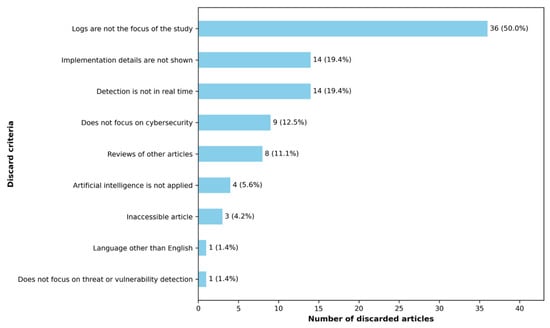
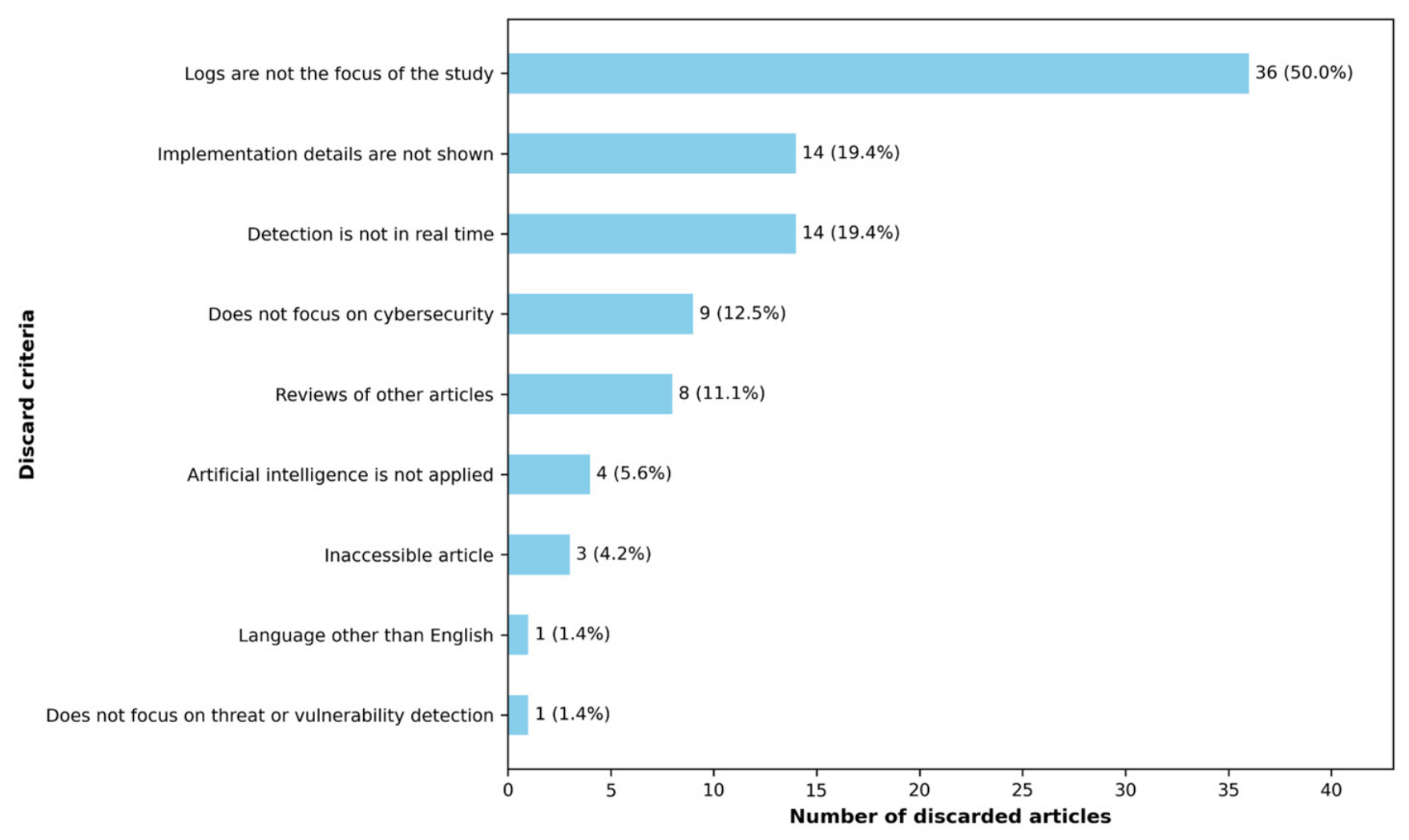
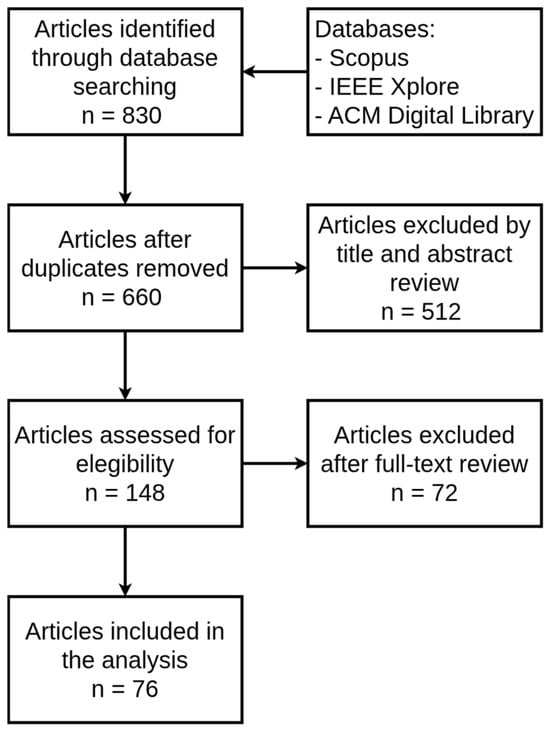
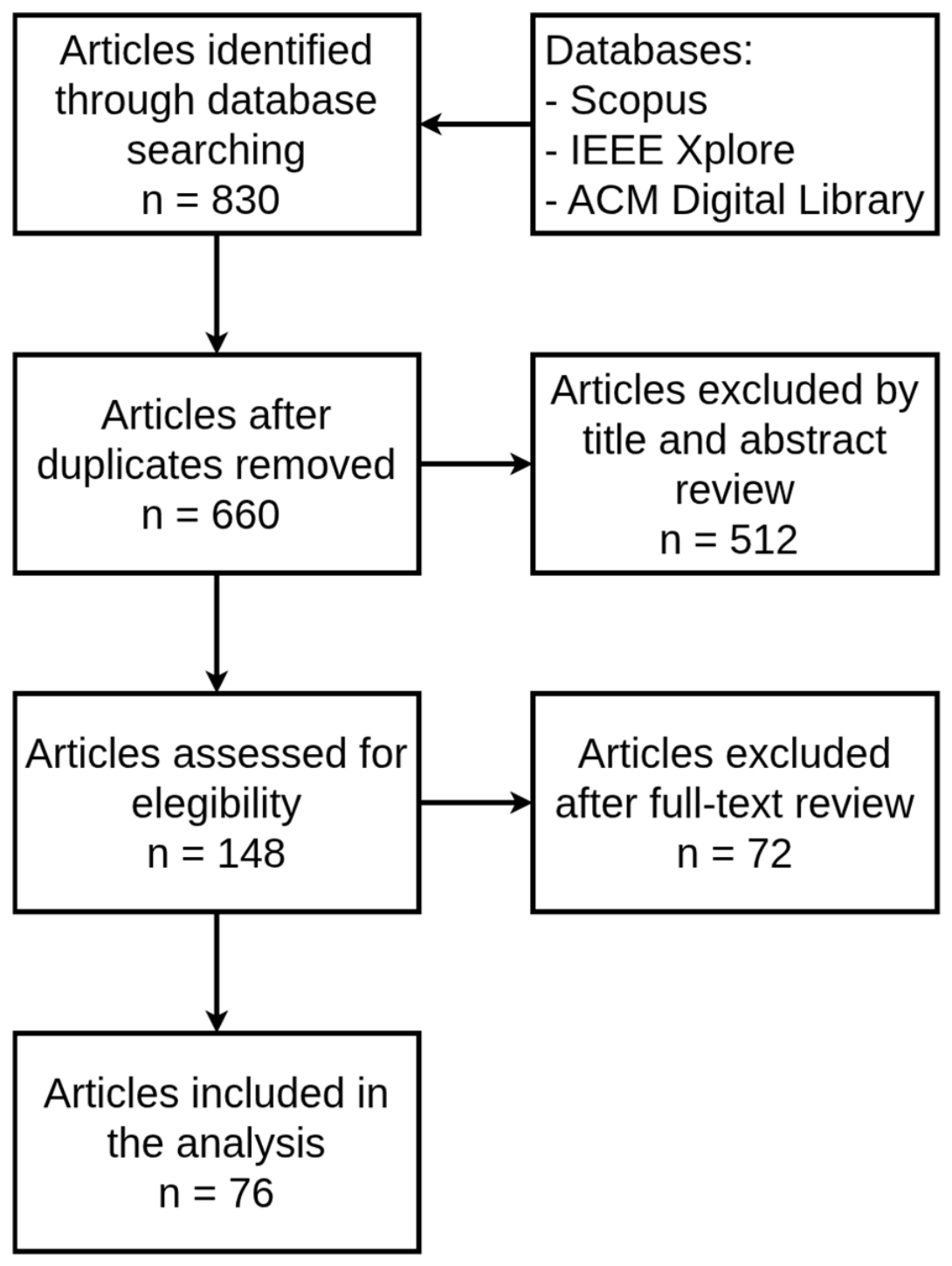
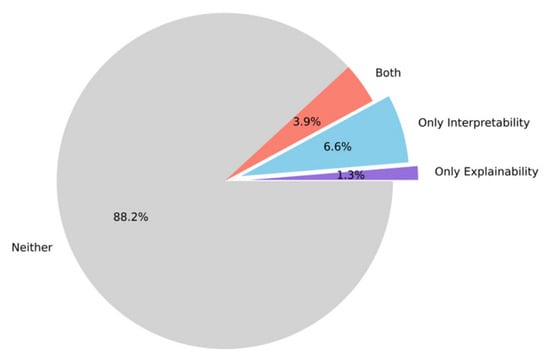
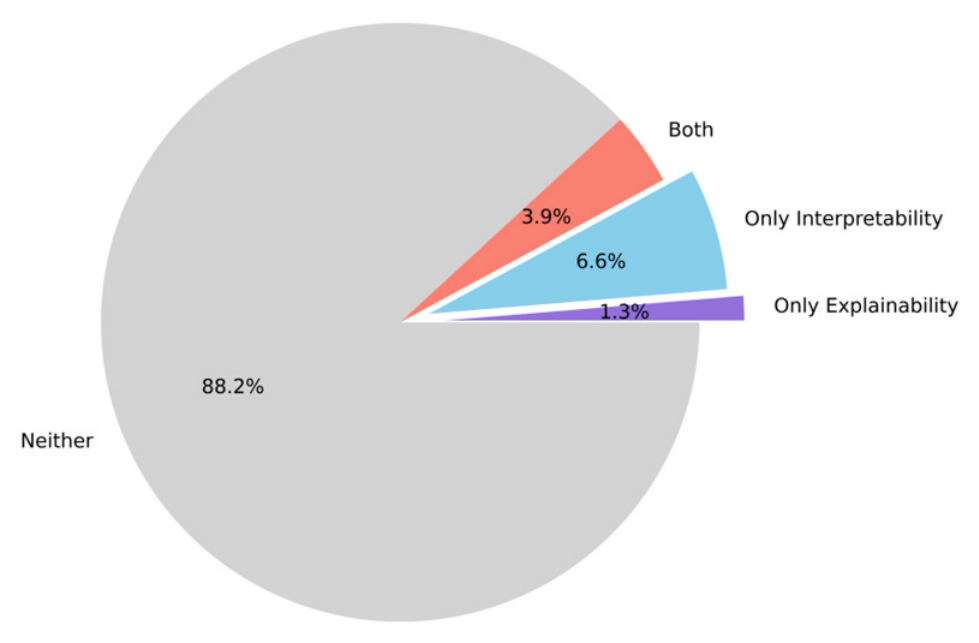
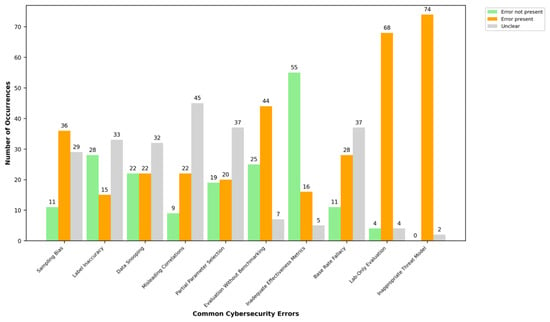
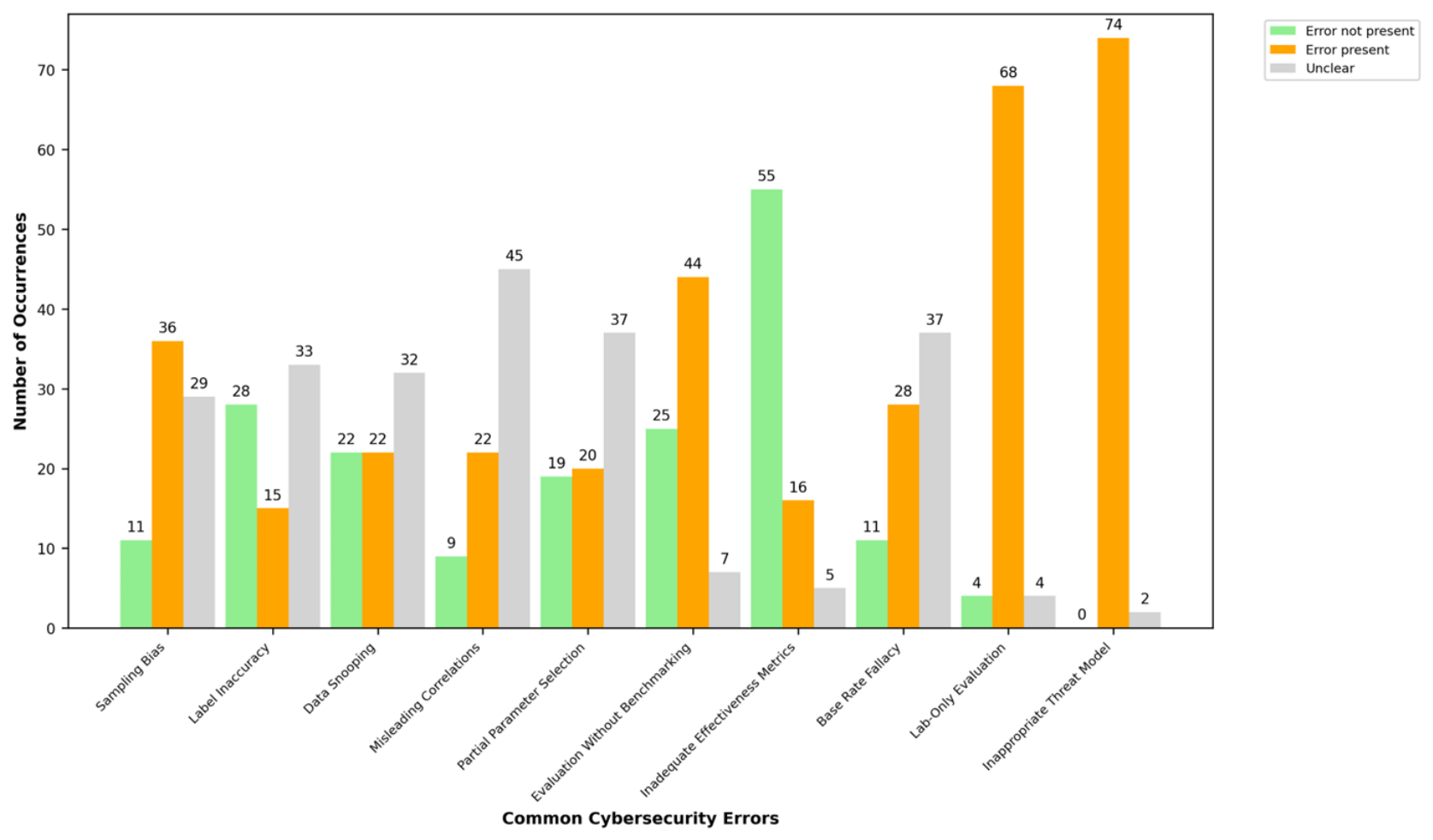

Disclaimer/Publisher’s Note: The statements, opinions and data contained in all publications are solely those of the individual author(s) and contributor(s) and not of MDPI and/or the editor(s). MDPI and/or the editor(s) disclaim responsibility for any injury to people or property resulting from any ideas, methods, instructions or products referred to in the content. |
© 2026 by the authors. Licensee MDPI, Basel, Switzerland. This article is an open access article distributed under the terms and conditions of the Creative Commons Attribution (CC BY) license.