


Abstract
Text-bearing artifacts such as the Liye Qin Slips pose particular challenges for immersive interpretation because their material form, textual records, and historical contexts are often fragmented. This study conducted a formative survey to identify barriers to artifact perception, textual understanding, and historical contextualization, and proposed a Perceptibility–Comprehensibility–Empathy (PCE) framework for immersive heritage interpretation. Guided by this framework, we developed Liye SlipScape, an evidence-grounded virtual reality (VR) system integrating embodied interaction, generative AI-assisted asset production, digital historical characters, and retrieval-augmented question answering. Archaeological records and scholarly sources were used to constrain AI-assisted reconstruction, while a domain-specific knowledge base grounded conversational interaction with historical characters. The system reconnects artifact inspection and bamboo-slip production with administrative practices and the everyday use of the Nine-Nine Table through a progressive immersive narrative. A mixed-methods evaluation involving 30 participants compared the PCE-guided experience with a conventional VR control condition in a within-subject design. The PCE condition received higher ratings across all seven experience dimensions, particularly in Emotion, Engagement, and Immersion. The findings suggest that the PCE-guided approach can support more engaging, immersive, and emotionally meaningful experiences by connecting text-bearing heritage with historical contexts and embodied participation.
1. Introduction
Text-bearing artifacts constitute a form of cultural heritage whose interpretation depends on the relationships among material characteristics, textual information, and historical contexts [1,2,3]. For bamboo and wooden slips, steles, inscriptions, manuscripts, ancient books, and archives, cultural significance is distributed across physical form, textual content, writing practices, institutional functions, and historical contexts [4]. The Liye Qin Slips represent a major archaeological discovery of documents from the Qin dynasty [5,6]. They record local administrative activities related to household registration, taxation, judicial affairs, military administration, postal services, material management, and official correspondence, providing valuable evidence for understanding state governance, local administration, and social order during the Qin dynasty. However, their fragmented physical condition, Qin clerical script, and specialized administrative terminology make it difficult for non-specialist audiences to connect the physical artifacts and recorded information with the historical practices they document.
Digital technologies such as virtual reality, interactive applications, and serious games have increasingly been used to support the representation and communication of cultural heritage. These applications have expanded beyond static visualization and virtual reconstruction to include contextual interpretation and interactive learning [7,8]. Existing studies have combined immersive environments, narrative structures, interactive tasks, and feedback mechanisms to situate heritage within reconstructed spatial and historical contexts [9]. However, many existing digital heritage applications have centered on the visualization, reconstruction, and exploration of heritage objects and environments [10,11,12]. Text-bearing heritage presents an additional challenge because immersive interpretation requires not only the creation of digital artifacts and historical environments, but also access to the textual, institutional, and contextual knowledge associated with them. Artifact visualization, environmental reconstruction, or textual information retrieval alone may therefore leave these dimensions fragmented rather than forming a coherent heritage interpretation.
Recent advances in generative AI and large language models provide new computational possibilities for both extended reality (XR) content creation and interaction. Generative AI approaches have been explored for the reconstruction and visualization of cultural artifacts and heritage assets [13,14]. Large language models can also be combined with specialized heritage resources and knowledge bases to support domain-specific information retrieval and natural-language interpretation [15]. However, AI-assisted asset generation and knowledge interaction address different components of an immersive experience and do not in themselves determine how generated content should relate to historical evidence or how retrieved knowledge should be situated within narrative and interaction. For text-bearing artifacts such as the Liye Qin Slips, the central challenge is therefore to integrate evidence-constrained content creation and knowledge-grounded interaction with material form, textual records, historical practices, and embodied participation within a coherent immersive interpretation. Accordingly, this study addresses the following research questions:
- RQ1: What perceptual and interpretive barriers do visitors encounter when engaging with text-bearing artifacts such as bamboo and wooden slips in museum settings, and what requirements do these barriers create for digital interpretation?
- RQ2: How can the material, textual, processual, and contextual dimensions of text-bearing heritage be organized into an immersive interpretation framework that supports progression from artifact perception to historical and cultural understanding?
- RQ3: How can generative AI-assisted content production and retrieval-augmented interaction be integrated into the computational implementation of this framework in VR, and what strengths and limitations of the resulting immersive experience emerge from empirical evaluation?
To address these questions, this study focuses on the Liye Qin Slips. We first conducted a formative survey to identify barriers affecting visitors’ perception and understanding of the slips and their requirements for digital interpretation. Based on the findings, we developed a Perceptibility–Comprehensibility–Empathy (PCE) framework for immersive heritage interpretation. We then implemented the framework in Liye SlipScape, an immersive VR system integrating embodied interaction, generative AI-assisted digital asset production, digital historical characters, and retrieval-augmented generation (RAG)-based question answering. Archaeological records and scholarly sources were used to constrain the reconstruction of artifacts and historical environments, while a domain-specific knowledge base grounded conversational interaction with historical characters. The system organizes artifact presentation, slip-making processes, reconstructed historical scenarios of ancient Liye, and an everyday-life game based on the “Nine-Nine Table” into a progressive experience. Rather than presenting these components as independent digital resources, the system connects AI-assisted content creation and retrieval-augmented interaction with the physical characteristics, textual information, production, use, and broader historical and social contexts of the slips. A mixed-methods user study involving 30 participants was subsequently conducted to compare the PCE-guided experience with a conventional VR control condition and evaluate its experiential strengths and limitations.
The main contributions of this study are as follows:
- This study characterizes a key interpretive problem of text-bearing heritage: cultural meaning is distributed across material artifacts, textual records, production and use processes, and historical contexts that are often presented separately in conventional and digital displays. A formative study of the Liye Qin Slips is used to identify corresponding barriers and requirements for digital interpretation.
- This study proposes a Perceptibility–Comprehensibility–Empathy framework for organizing these distributed dimensions into a progressive immersive interpretation, providing a transferable structure from artifact and information access to contextual understanding and culturally meaningful engagement.
- This study develops Liye SlipScape as a practical implementation of the PCE framework, translating its theoretical principles into an immersive narrative design that connects artifacts, textual knowledge, historical contexts, and embodied interaction. VR, generative AI, digital characters, and RAG serve as supporting technologies. A mixed-methods user study provides empirical evidence of the experiential advantages of the PCE-guided condition over a conventional VR control condition, particularly in Engagement, Immersion, and Emotion.
2. Background and Related Work
This section first introduces the historical value and cultural significance of the Liye Qin Slips (Section 2.1). It then reviews research on the digital communication and contextual interpretation of text-bearing artifacts (Section 2.2), followed by a discussion of XR-based immersive storytelling and embodied experience in cultural heritage communication, as well as their implications for this study (Section 2.3 and Section 2.4).
2.1. Historical Value and Cultural Significance of the Liye Qin Slips
The Liye Qin Slips were first excavated in 2002 from Well No. 1 at the ancient city of Liye in Longshan County, Hunan Province. More than 36,000 inscribed slips have been discovered, forming the largest and one of the most systematic collections of Qin local administrative documents in China. Together with the Shuihudi and Yuelu Qin slips, they constitute a major archaeological discovery of Qin manuscripts. Liye served as the administrative seat of Qianling County in Dongting Commandery. Its city walls, moat, government offices, and workshops provide a direct spatial context for the documents, while records of 55,534 households and more than 300,000 residents indicate the administrative importance and social scale of the region [16].
Dating from the 25th year of King Zheng of Qin to the second year of Qin Er Shi, the slips cover household registration, taxation, judicial affairs, military administration, postal services, and official correspondence, filling important gaps in transmitted accounts of local Qin governance [17]. References to Dongting and Cangwu Commanderies supplement and revise historical records of the Qin administrative system. The Nine-Nine Table excavated at Liye, one of the earliest surviving multiplication tables in China, also provides evidence of the practical use of arithmetic in local society.
Despite this value, the slips remain difficult to communicate to general audiences. Qin clerical script and specialized administrative terminology are difficult for general audiences to understand. Fragmented documents and static annotations provide limited support for explaining document circulation and local governance. Furthermore, the lack of clear connections among the slips, historical spaces, human activities, and contexts of use hinders a comprehensive understanding of their historical significance. Existing videos and virtual reconstructions improve presentation but provide limited interaction and contextual participation, making it difficult to move from textual recognition to historical understanding and cultural connection.
2.2. Digitalization and Contextual Interpretation of Text-Bearing Artifacts
Research on the digitalization of text-bearing artifacts has primarily addressed the preservation, identification, transcription, and retrieval of textual materials [4,18]. Because bamboo and wooden slips, inscriptions, manuscripts, ancient books, and archives are both material remains and textual resources, their digitalization includes image capture, transcription, metadata annotation, text encoding, version linking, and database construction [4,19]. EpiDoc, for example, provides a TEI-XML-based encoding standard for ancient inscriptions and documents, while digital epigraphy and manuscript studies have promoted open access, structured annotation, and knowledge organization [20].
Recent studies have extended this work to 3D presentation, interactive browsing, and narrative communication [21]. Projects such as Digital Epigraphy and Archaeology, Epigraphia 3D, and Prometheus use 3D models, mobile interfaces, and links among inscriptions, monuments, and maps to support visualized and spatialized interpretation [22,23]. However, these approaches still emphasize access, reading, and retrieval, with limited support for understanding the historical practices and institutional systems represented by the texts [24].
This limitation is particularly relevant to bamboo and wooden slips, which are closely connected to administrative, legal, military, postal, measurement, and writing practices [5,6]. Museum programs increasingly use audio, historical drama, documentary video, digital exhibitions, and augmented reality (AR) to transform transcriptions into stories. “Hearing the Slips” and “Exploring China through Bamboo and Wooden Slips,” for instance, reconstruct historical contexts through characters, settings, and multimedia narratives. Nevertheless, audiences generally remain observers. The interpretation of the Liye Qin Slips therefore requires textual evidence, production techniques, institutional functions, and historical settings to be transformed into narrative situations that users can enter, interact with, and experience [5,6,24].
2.3. XR-Based Immersive Storytelling in Cultural Heritage Communication
Extended reality (XR) technologies are shifting cultural heritage presentation from visual representation and one-way communication toward immersive experiences integrating space, interaction, and narrative. VR, AR, and mixed reality (MR) are widely used in digital reconstruction, virtual museums, education, and exhibition enhancement, where 3D environments, real-time interaction, and multisensory feedback can strengthen immersion, presence, and participation [9]. XR is therefore moving beyond the representation of heritage spaces toward the organization of heritage meaning by connecting characters, events, spaces, and cultural information within interactive historical contexts [25,26]. Kenderdine further shows that embodiment, entanglement, and immersion can engage visitors more directly in heritage interpretation [27].
This trend has also extended to text-bearing heritage such as manuscripts, archives, and historical documents. The Svevo Tour used AR and storytelling to connect museum collections with literary biography and cultural context [28]. Codex 4D integrated 3D manuscript models with material, historical, and semantic information for exploration through VR and MR, while the 3D Digital Edition of the Codex Cospi combined digitization, interdisciplinary knowledge, and digital storytelling to support manuscript interpretation [29,30]. Similar studies have embedded archival materials such as letters, musical scores, and photographs in VR historical environments [31]. These studies suggest that XR for textual heritage is increasingly moving beyond digital representation toward connecting material objects, textual content, and historical context [32,33,34].
However, cultural heritage XR still focuses largely on 3D reconstruction and the representation of sites and spatial environments [11], while immersive narrative requires deeper integration of technology, cultural content, and user participation [35]. This limitation is particularly relevant to text-bearing archaeological artifacts, whose meanings depend not only on visible form or textual interpretation, but also on their production, use, circulation, and social context. The Liye Qin slips are both material artifacts and administrative documents, whose significance lies in the relationships among material carriers, textual content, administrative practices, and social institutions. Therefore, 3D reconstruction or textual annotation alone cannot fully convey their historical meaning. This study investigates how immersive narrative design can integrate these distributed dimensions into a coherent experience of artifact perception, contextual understanding, and cultural engagement.
2.4. Embodied Experience in Virtual Cultural Heritage Exhibitions
Embodied cognition views cognition as emerging from the interaction of bodily perception, action feedback, and the environment [36]. Through motion tracking, spatial positioning, and real-time feedback, VR enables users to act within virtual environments. Virtual embodiment commonly involves self-location, agency, and body ownership [37]. In cultural heritage VR, however, a complete virtual body is not essential. Viewpoint movement, hand interaction, tool use, and task performance can also establish causal relationships between user actions and environmental changes [38,39].
Embodiment is closely related to presence. Slater distinguishes place illusion, which refers to the feeling of being in a virtual space, from plausibility illusion, which describes the sense that virtual events are actually occurring [40]. Historical environments and audiovisual feedback strengthen spatial presence, while character responses, task outcomes, and narrative changes enhance event plausibility [38]. Embodied experience thus involves not only observing a scene but also acting within it and influencing its development.
Virtual heritage experiences are increasingly moving from passive viewing and free navigation toward six-degree-of-freedom exploration, procedural tasks, and role participation. Immersive VR can reconstruct inaccessible or lost environments and support cultural engagement through natural movement and gesture-based interaction [10,11]. Embodied storytelling further uses bodily action to communicate the processes, rules, and meanings of historical practices [38].
However, interaction does not automatically produce historical understanding. Grabbing, movement, and task feedback may weaken cultural interpretation when designed only for gameplay and disconnected from artifact functions or historical practices. Embodied heritage design should therefore maintain semantic consistency between user actions and historical activities, allowing interaction to serve as a means of contextual interpretation rather than an end in itself [41].
3. Formative Study
To address RQ1, we conducted a preliminary study of visitors’ understanding and experiential needs before system development (Section 3.1). Based on the findings, we developed the Perceptibility–Comprehensibility–Empathy (PCE) design framework (Section 3.2), which guided the development of Liye SlipScape (Section 4).
3.1. Formative Survey
3.1.1. Online Survey
We conducted an online survey titled “Public Understanding and Experience of Text-Bearing Bamboo and Wooden Slips in Museum Settings” and obtained 66 valid responses. The online survey questions are provided in Supplementary Materials S1. Participants were recruited through social media and university networks using convenience sampling. The questionnaire was developed according to the interpretive characteristics of text-bearing artifacts and the study’s focus on museum display, contextual understanding, and digital experience. It included demographic questions, single- and multiple-choice questions, five-point Likert-scale items, and open-ended questions. The questionnaire examined participants’ museum experience, interest in bamboo and wooden slips, perceptions of existing displays, barriers to understanding, and acceptance of immersive and interactive formats. Open-ended questions further explored preferred presentation methods and expectations for digital experiences.
3.1.2. Demographics
The survey yielded 66 valid responses from participants aged 18–55, most of whom were between 20 and 40 years old. The sample included 45 women and 21 men. Nearly all participants (N = 65) had visited museums or historical exhibitions. Their educational backgrounds ranged from undergraduate to postdoctoral levels, with most having higher education experience and prior exposure to museum displays.
3.1.3. Findings
Overall attention to bamboo and wooden slips was moderate rather than consistently high: 32 respondents reported fairly high or very high attention, 30 reported moderate attention, and 4 reported no attention. Their main interests were textual content (N = 45), historical background (N = 43), and production techniques (N = 36), indicating concern with meaning, context, and production.
Regarding current museum displays, 35 respondents rated them as average or poor, while 31 rated them as good or very good. Participants most wanted additional historical background (N = 53) and information on production techniques (N = 37), followed by more exhibited items (N = 18) and clearer presentation of preservation conditions (N = 17). These responses suggest that current displays only partially meet contextual and process-related interpretive needs.
Thirty-seven respondents agreed that text-only explanations could provide a general understanding. However, 56 considered images, diagrams, or reconstructions helpful for understanding inscriptions, 57 found videos more helpful than static text, and 61 agreed that combining text, images, and video made the content clearer. Fifty-one were interested in historical events reflected in the slips, 58 agreed that background and use contexts supported understanding, and 60 considered links among texts, people, actions, and spaces helpful for forming an integrated understanding. Fifty-four felt that texts became abstract without context, and 59 supported supplementary interpretation.
Immersive and interactive formats also received strong prospective support. Fifty-three respondents believed immersion would increase participation, 58 considered spatial or interactive presentation helpful for strengthening impressions, and 57 found experiential information easier to remember. Open-ended responses also suggested interaction, contextual reconstruction, visualization, and multimodal explanation.
Participants emphasized evidential credibility. Forty-six paid attention to information sources, 45 questioned content lacking explanation, and 34 worried that excessive interpretation could distort understanding. Digital displays should therefore enhance visualization, context, and interaction while remaining grounded in evidence and maintaining clear interpretive boundaries.
To translate the findings into design requirements, we synthesized the quantitative patterns and open-ended comments. These were grouped around artifact and text access, contextual understanding, historical participation, and evidential credibility, resulting in six related problems (E1–E6).
E1. Bamboo and wooden slips attract some public interest, but overall attention remains limited. Without sufficient background and interpretation, their textual content can appear abstract.
E2. Textual content is the aspect that most interests visitors, yet it remains difficult to identify and interpret effectively in current exhibitions.
E3. Existing exhibitions provide limited explanation of historical background, production techniques, and contexts of use, often presenting the slips as isolated artifacts or transcribed texts.
E4. Text-only explanations are insufficient for understanding the slips’ material features and recorded content; multimedia presentation better supports perception and interpretation.
E5. Isolated texts and transcriptions provide limited overall understanding; visitors need connections among people, actions, objects, spaces, and events.
E6. Static displays cannot fully immerse visitors in the historical life associated with the slips. Although immersive and interactive formats are well accepted, their characters, settings, and narratives require clear evidence and interpretive boundaries.
3.2. Design Strategy
As shown in Table 1, the preliminary study identified three main barriers: gaps in perceiving both the artifacts and their recorded content, disconnection between textual information and historical context, and experiential distance from historical people and practices. Thus, effective interpretation requires more than additional information; it should transform material features, textual content, and historical context into perceptible, comprehensible, and empathetic experiences.
Table 1.
Core interpretive gaps identified in the formative survey and their corresponding PCE design dimensions and principles.
To address RQ2, we developed a three-layer Perceptibility–Comprehensibility–Empathy (PCE) framework for immersive VR experiences of bamboo and wooden slips, drawing on embodied cognition, situated learning, immersive experience, and historical empathy [42,43,44,45,46,47] (Figure 1). The framework guides design from access to artifact form and recorded information, through contextual understanding supported by situated tasks, to historically situated understanding and cultural connection through immersive narratives. Although listed under Perceptibility, Evidential Credibility functions as a cross-cutting constraint across all three dimensions.
Figure 1.
The Perceptibility–Comprehensibility–Empathy (PCE) framework derived from the formative study. Six interpretive challenges (E1–E6) inform three interconnected design dimensions and nine design principles. Evidential Credibility serves as a cross-cutting constraint, while the framework guides multimodal representation, contextualized interaction, and immersive narrative design for text-bearing cultural heritage.
3.2.1. Perceptibility
Perceptibility concerns whether visitors can access, identify, and initially understand the slips and their recorded content. Digital technologies transform static artifacts and the people, objects, and settings referenced in their texts into observable and interactive representations. Evidence-based multimodal reconstruction improves access to these elements without yet organizing them into complete events or narrative relationships. This dimension includes three principles:
- Morphological Legibility: Accurately represent the slips’ dimensions, materials, damage, binding, and writing traces to clarify their physical form.
- Content Accessibility: Use transcriptions, translations, images, audio, animation, and visual reconstructions of text-referenced elements to make recorded content easier to access and understand.
- Evidential Credibility: Ground artifact representation, textual interpretation, and contextual reconstruction in archaeological and scholarly evidence.
3.2.2. Comprehensibility
Comprehensibility concerns whether visitors can understand the knowledge, uses, and functional logic of the slips by organizing reconstructed elements into actions, processes, institutions, and events. It transforms isolated and abstract texts into contextual, procedural, and relational knowledge, helping visitors understand why the slips were created, how they were used, and how their content related to historical life. This dimension includes three principles:
- Contextual Translation: Translate specialized content into accessible historical backgrounds, everyday situations, and plain-language explanations of its production and use.
- Processual Experience: Use dynamic demonstrations, situated interactions, and tasks to present the production, writing, use, and circulation of the slips.
- Knowledge Integration: Connect texts with people, objects, spaces, institutions, and events to organize fragmented information into coherent knowledge.
3.2.3. Empathy
Empathy concerns whether visitors can understand the lived experiences and cultural meanings behind the slips. Rather than simple emotional identification, it builds on contextual understanding to help visitors recognize historical actors’ social environments, practical needs, and conditions of action. This dimension includes three principles:
- Historical Presence: Use evidence-based spaces, characters, and events to create a sense of entering the historical settings in which the slips were produced and used.
- Situated Empathy: Use role participation and embodied practice to convey historical needs, constraints, and the influence of recorded knowledge and rules on everyday action.
- Cultural Identification: Guide visitors to recognize the slips as evidence of social life, media of knowledge transmission, and carriers of cultural memory.
4. System Design
Guided by the PCE framework, the system design and implementation comprised four components: narrative structure and scene organization (Section 4.1), reconstruction of cultural heritage assets and historical environments (Section 4.2), digital historical characters (Section 4.3), and VR interaction and system implementation (Section 4.4). Figure 2 presents the development workflow and feedback process of Liye SlipScape.
Figure 2.
Design and development workflow of Liye SlipScape. The process connects formative research and the PCE framework with narrative design, artifact and environment reconstruction, digital character production, VR system implementation, and user evaluation.
4.1. Narrative Structure and Scene Sequencing
To provide a progressive experience of the historical and cultural content of the Liye Qin Slips, the system follows the PCE framework. The narrative begins with the modern archaeological discovery, guides users into historical Liye during the Qin dynasty, and concludes by linking the well-dumping event with the modern rediscovery of the slips, drawing on the presentation in CCTV’s Exploring China through Liye. A Qin clerk serves as the central narrative character, connecting the slips with specific people, events, and social relations. This transforms them from static artifacts into information media used in Qin administration and everyday life. As shown in Figure 3, Liye SlipScape consists of six sequential stages: Artifact Exhibition I, Artifact Exhibition II, the Slip-Making Workshop, Historical Liye, the Everyday Use of the “Nine-Nine Table,” and the Narrative Closure. Together, they form a progression from artifact perception to contextual understanding and cultural recognition. Figure 3 also maps each scene and interaction to the corresponding PCE principles.
Figure 3.
Narrative structure and scene sequence of Liye SlipScape. The experience progresses from artifact exhibition and slip production to historical contexts, the everyday application of the Nine-Nine Table, and the final well-dumping narrative. The corresponding PCE dimensions and design principles are indicated for each stage.
Artifact Exhibition 1 and 2. Users enter a virtual museum in first-person view and learn about the excavation, discovery, and cultural significance of the Liye Qin Slips. By picking up and examining the slips, they observe their physical form and inscriptions. They then meet the Qin clerk and travel with him to ancient Liye. This stage establishes the archaeological and material context of the artifacts.
Slip-Making Workshop. Guided by the clerk, users complete material preparation, splitting, scraping, heat treatment, binding, and writing. This stage reconstructs the production process and shows how bamboo became a medium for administration and knowledge recording.
Historical Liye. Users follow the clerk through locations such as the drawbridge and military camp, observing interactions among historical characters. The clerk then explains relevant institutions and document content, while users may ask questions before continuing. This stage places the slips within military management, labor systems, and local administration.
Everyday Use of the “Nine-Nine Table”. In a market during a ritual honoring the agricultural deity, users hear a girl explain the multiplication method taught by her teacher and help her distribute grain. The clerk then connects the task to the excavated “Nine-Nine Table” and explains its historical significance. This stage links arithmetic knowledge with measurement, labor efficiency, resource distribution, and local management.
Narrative Closure: Well-Dumping and Archaeological Rediscovery. Against the background of conflict in the border region, the clerk throws official documents into a well. As the slips sink, the narrative returns to the modern museum and introduces the 2002 excavation of Well No. 1. This stage connects their historical use, burial, and archaeological rediscovery, showing how administrative documents became cultural heritage.
4.2. 3D Reconstruction of Cultural Heritage Assets and Historical Environments
The 3D reconstruction of cultural heritage assets and historical Liye environments was guided by the PCE framework and the immersive narrative requirements. Because heritage protection and site conditions limited access to complete 3D scan data, digital assets were developed using archaeological drawings, survey data, excavation photographs, and written records, supported by AI-generated content (AIGC) and 3D modeling tools. Key artifacts and spatial elements were reconstructed based on archaeological evidence from the Report on the Excavation of Liye. Elements lacking direct evidence were inferred from related archaeological studies and nearby sites.
4.2.1. Production of 3D Cultural Heritage Assets
Artifact models were created as lightweight VR assets using archaeological evidence as morphological constraints, supported by AIGC and 3D generation tools. Based on drawings, photographs, and descriptions from the Liye Excavation Report, we used OpenAI Image 1.5 and Hunyuan3D to produce the models. As shown in Figure 4A, the workflow included artifact selection, line-drawing extraction, multiview image generation, 3D generation, model optimization, and Unity integration.
Figure 4.
Evidence-constrained reconstruction workflows for cultural heritage assets and historical environments. (A) Artifact production from archaeological drawings through multiview image generation, 3D generation, model optimization, and Unity integration. (B) Reconstruction of the historical Liye environment using archaeological survey data, expert sketches, AI-generated visual references, 3D modeling, and real-time scene optimization.
Step 1: Artifact Selection and Line-Drawing Extraction. Artifacts were selected according to narrative relevance, scene function, interaction requirements, archaeological provenance, and reconstruction feasibility. Corresponding archaeological drawings were then extracted and prepared as clear, proportionally accurate structural references.
Steps 2–3: Front and Multiview Image Generation. OpenAI Image 1.5 was used to generate front and multiview reference images from the archaeological drawings. Prompts emphasized adherence to the original outline and texture, realistic rendering, and a plain white background to reduce speculative or stylistic deviation. Top, left, and right views were then generated and adjusted for consistency in rims, bodies, bases, and surface textures. Additional structural references were provided when generated views differed substantially from the archaeological evidence.
Step 4: 3D Model Generation. The multiview images were processed using Hunyuan3D V3.0. Multiview input was adopted to reduce proportional errors, structural collapse, and shape drift. Models were generated with approximately 50,000 polygons using the geometry-and-texture mode, balancing structural integrity, visual detail, and VR performance.
Steps 5–6: Model Optimization and VR Integration. Initial models were retopologized, simplified, scaled, and cleaned in Blender. XNormal was used to transfer high-resolution surface details to low-poly models, reducing real-time rendering costs. Model dimensions were calibrated against archaeological scales before import into Unity. Materials were then adapted for Unity, with roughness maps converted into glossiness data and stored in the alpha channel of the base-color texture.
4.2.2. Reconstruction of the Historical Liye Environments
The reconstruction of the Liye site was a key part of the immersive VR narrative system. Because complete 3D scan data were unavailable, the virtual environments were built from topographic maps, feature distribution maps, section drawings, and written descriptions in the Report on the Excavation of Liye, together with expert sketches of architectural form, spatial layout, and functional zoning. As shown in Figure 4B, the workflow included site-data preparation, scene reference generation, key-building modeling, and Unity integration.
Steps 1 and 2: Site Data Preparation. Archaeological materials relevant to spatial reconstruction were collected and organized, including survey maps, section drawings, feature maps, expert sketches, and textual descriptions. Survey and section drawings defined terrain, feature boundaries, building locations, and spatial scale, while expert sketches provided supplementary references for architectural form and atmosphere.
Step 3: Scene Reference Generation. Based on expert sketches and written descriptions, OpenAI Image 1.5 was used to generate scene reference images. These were not intended as direct reconstructions, but as visual guides for building massing, spatial layering, material tendencies, and environmental atmosphere. Prompts emphasized realism, original viewpoint, Qin-period setting, Liye site context, and scene function.
Step 4: Spatial Framework and Key-Building Modeling. Spatial reconstruction began with archaeological survey data to establish terrain, building positions, scale, and movement paths. Key structures were then modeled in Blender. For example, in the military camp scene, survey drawings defined spatial relationships, while expert sketches and AIGC references supplemented building massing, roof forms, wall structures, and local details.
Steps 5 and 6: Unity Integration and Optimization. The modeled assets were imported into Unity for material setup, light baking, collision configuration, and polygon optimization. Terrain tools, ground materials, vegetation, roads, and environmental elements were added to enrich the scene, together with props required for narrative and interaction. High-detail models were reserved for close interaction, while distant and atmospheric elements were simplified through low-polygon modeling, texture atlasing, and baked lighting to meet real-time VR requirements.
4.3. Digital Reconstruction of Historical Characters
In Liye SlipScape, digital historical characters serve as narrative mediators connecting textual records with historical actions and social relationships. Their appearance, clothing, behavior, and dialogue help users recognize historical roles and understand the contexts in which the slips were produced and used. The system includes a Qin clerk, soldiers, women, and children. The clerk provides narrative guidance and explanations; soldiers represent military administration and record-keeping; and women and children connect the slips with everyday life, knowledge transmission, and grain distribution [48,49].
Character production comprised six stages: prototype analysis, base-model generation, clothing and hairstyle modeling, character assembly, motion capture, and Unity deployment. The technical workflow is shown in Figure 5.
Figure 5.
Workflow for reconstructing historical digital characters. The process includes archaeological prototype analysis, base-model generation, hairstyle and clothing reconstruction, character assembly, motion capture and animation, and deployment in Unity.
Step 1: Historical Prototype Analysis. Character design was primarily based on Qin-period archaeological artifacts to provide a historical basis for their visual design. The clerk drew on the posture, hairstyle, and facial features of the No. 8 standing figure in the Emperor Qinshihuang’s Mausoleum Site Museum. Women and children were designed from archaeological images, clothing studies, and historical texts. Where evidence was limited, features were cautiously inferred, while film and television references were used only for movement and demeanor. Rather than directly copying artifacts, the design extracted Qin visual features such as hairstyles, facial profiles, garment layers, and overall appearance.
Step 2: Base Character Generation. Standardized human models were created in Character Creator 4 (CC4) to improve production efficiency and animation compatibility. HeadShot V2, Asian facial assets, and reference images were used to fit facial features and establish body proportions, facial structure, and basic hairstyles. Morph tools were then used to refine the eyes, mouth, head, and body for close-range viewing and real-time interaction.
Step 3: Hairstyle and Clothing Modeling. Hairstyles and clothing were designed to indicate identity and social role. Hair buns, headwear, robes, belts, and footwear were modeled from terracotta-figure hairstyles, Qin clothing studies, and narrative requirements. FiberShop, Blender, and CC4 Hair Builder were used for hair cards and textures, while Marvelous Designer supported pattern making and cloth simulation. Decorative details were reduced to reflect the modest appearance of people in the frontier county of Liye.
Step 4: Character Assembly. The body, face, hair, and clothing were combined into a complete T-pose model. Garment layers, fitting, and mesh intersections were adjusted, while invisible or overly complex components were simplified for real-time rendering.
Step 5: Motion Capture and Animation. Because CC4 models already contain standardized skeletons, this stage focused on motion capture rather than manual rigging. Standing, walking, speaking, guiding, and object-handling animations were assigned according to narrative roles. Turns, gestures, and explanatory poses were refined, and clothing deformation was checked to ensure stable movement.
Step 6: Unity Deployment. Characters were imported into Unity using the CCtoUnity plugin, followed by material, animation, interaction, and scene testing. Skeleton poses were corrected before Humanoid conversion, and existing mouth-animation frames were removed to support later speech-driven lip synchronization. The completed characters perform animation, dialogue, and narrative functions within Liye SlipScape.
4.4. System Implementation
4.4.1. Development Platform
The Liye immersive narrative system was developed in Unity 2022.3.62f3c1 (LTS) using the Universal Render Pipeline (URP) to balance visual quality and real-time performance on standalone VR devices. The system integrates the XR Interaction Toolkit and Meta XR SDK for input management, spatial tracking, collision detection, object manipulation, and UI interaction. Meta Quest 3 was used as the primary display and interaction device, providing high-resolution visuals, spatial tracking, and hand tracking for immersive and natural interaction.
4.4.2. Interaction Design
Beyond virtual environments and narrative content, interaction design is essential to public engagement [10,50]. In Liye SlipScape, interaction design translates the PCE framework into participatory historical experiences. Rather than simply manipulating virtual objects, users engage with the production, writing, administration, and everyday use of the Liye Qin Slips through embodied actions and contextual tasks. Visual representation, character-guided narratives, and historical activities are integrated to connect artifact observation with cultural interpretation.
Unlike procedural training aimed at mastering ancient skills, these interactions are designed to communicate the historical functions and cultural meanings of the slips. Activities such as making, writing, measuring, distributing, and questioning allow users to explore how written records were produced and used within Qin institutions and everyday life. Thus, interaction serves as a means of contextual understanding and situated empathy rather than an isolated technical feature.
Interaction is implemented through clicking, grabbing, collision detection, voice guidance, and task feedback. The same technique may carry different meanings across contexts. Grabbing, for example, supports close examination of a slip, tool use in the workshop, and grain distribution in an everyday task. The framework is thus realized through the relationship among bodily action, historical task, and experiential goal, as summarized in Table 2.
Table 2.
Interaction techniques used in Liye SlipScape and their embodied, interpretive, and historical functions across the PCE dimensions.
Across the artifact exhibition, production workshop, historical Liye, and “Nine-Nine Table” activity, users observe artifacts, perform craft operations, interact with characters, and complete everyday tasks. Character guidance, audio prompts, and scene transitions connect these stages into a continuous and progressive immersive narrative.
Artifact Exhibition: Establishing Perceptibility. As shown in Figure 6, users grasp, rotate, and closely examine the slip models to identify their form, inscriptions, and surface features. By selecting multimedia content, they also learn about the excavation site, archaeological process, and cultural background. Low-intensity interactions familiarize users with VR while building an initial understanding of the artifacts, texts, and excavation context. Model examination supports Morphological Legibility, transcriptions and multimedia support Content Accessibility, and archaeological sources reinforce Evidential Credibility. Together, these elements establish the perceptual basis for later embodied and historical engagement.
Figure 6.
Interaction design in the artifact exhibition. Users grasp, rotate, and closely inspect digital slip models, while multimedia panels provide access to inscriptions, transcriptions, excavation information, and related historical content.
Slip-Making Workshop: Translating Craft Practice through Embodied Action. As shown in Figure 7, interaction shifts from artifact observation to participation in production. After viewing instructions, users complete material preparation, splitting, scraping, heat treatment, binding, and writing. Meta SDK provides tool-specific grasping, while collision detection, audio guidance, and success or failure feedback maintain task continuity. Rather than training users to master ancient craftsmanship, the workshop uses representative actions to make the materials, tools, and production process behind the slips experientially accessible. The situated workflow supports Contextual Translation, physical operation and feedback create a Processual Experience, and connections among bamboo, production stages, and writing functions reinforce Knowledge Integration. These interactions are intended to help users understand the material basis of bamboo slips as media for administration and knowledge recording.
Figure 7.
Embodied interaction in the slip-making workshop. Representative actions involving bamboo preparation, cutting, heat treatment, binding, and writing are used to communicate the materials, tools, and production logic of bamboo slips rather than to provide procedural craft training.
During the writing activity, iFlytek speech recognition captures users’ input, DeepSeek converts it into classical Chinese-style text, and TextMeshPro displays the result character by character using a typeface based on the Qin clerical script of the Liye slips. This interaction is intended to connect personal expression with historical writing forms and the slip as a material medium, rather than to simulate authentic Qin-period writing or translation.
Historical Context: Entering Relationships among People and Institutions. As shown in Figure 8, interaction shifts from production to the contexts in which the slips were used. In first-person view, users enter the drawbridge, military camp, and everyday settings, observing how written records related to arsenal inspection, penal labor, children’s learning, military administration, and local life. After each scene, users may question the Qin clerk about the people, events, and objects they encountered, while the interface displays relevant slip images, original texts, and transcriptions.
Figure 8.
RAGFlow-based question-answering mechanism for the digital historical character. User questions are linked to a knowledge base containing slip images, original texts, transcriptions, archaeological reports, and scholarly interpretations, allowing generated responses to be grounded in retrieved evidence.
To ground the digital character’s responses in the project knowledge base, RAGFlow was deployed through Docker with a knowledge base containing slip transcriptions, archaeological materials, and related studies. Unity accesses the RAGFlow API to support dialogue with the digital character. Rather than functioning as a separate information-retrieval tool, the module follows each historical scene and answers context-specific questions about institutions, character relationships, and textual evidence.
The first-person environment supports Historical Presence, while character actions and events contribute to Situated Empathy. Within the PCE-guided narrative, the RAG module serves as a contextual interpretation tool, connecting participants’ questions with documentary evidence and historical knowledge to support their understanding of administrative practices and everyday life.
Situated Empathy: Activating Cultural Meaning through Everyday Tasks. Following the girl’s recitation of the multiplication method, users help her distribute grain in a virtual everyday setting. As shown in Figure 9, arithmetic knowledge from the “Nine-Nine Table” is translated into embodied actions such as scooping, measuring, counting, matching, and distributing, making abstract numerical relationships perceptible, actionable, and responsive.
Figure 9.
Progressive interaction design for the everyday application of the Nine-Nine Table. The three phases—behavioral perception, quantity recognition, and experiential application—guide users from repeated scooping actions to understanding numerical relationships and applying multiplication to grain distribution.
Unlike earlier stages centered on observation, production, and contextual interpretation, this scene introduces rule-based judgment and problem solving. Users first develop bodily familiarity through repeated scooping, then use counting and capacity cues to understand relationships among unit quantity, repetition, and total amount. Finally, the grain-distribution task demonstrates how multiplication could improve efficiency and solve practical problems in Qin society.
Rice functions as a culturally meaningful material medium, while scooping, comparing, and distributing help users understand quantity, repetition, total volume, and efficiency through action. Interaction thus progresses from bodily perception to situated judgment and cultural understanding, transforming the “Nine-Nine Table” from a static arithmetic text into practical knowledge embedded in historical life.
5. User Study
To evaluate the usability of Liye SlipScape and the experiential value of the PCE-guided approach, we conducted a mixed-methods user study involving a conventional VR control condition. The evaluation combined an experience questionnaire, the System Usability Scale (SUS), and semi-structured interviews. The Unity-based system was deployed on Meta Quest 3.
5.1. Participants
Thirty participants were recruited through social media and referrals. The sample included participants from cultural heritage and museum studies (N = 10), design-related fields (N = 10), and non-specialist backgrounds (N = 10). All participants experienced both the PCE and control conditions. Participants were aged 20–56, with most between 20 and 30 years old; 18 were women and 12 were men. Nine held bachelor’s degrees, one held an associate degree, and 20 held master’s degrees or above. All participants had normal or corrected-to-normal vision. Most had prior museum experience (N = 29). Regarding VR experience, 15 had used VR once or twice, 2 had used it three to five times, 7 had used it more than five times, and 6 had no prior experience. The sample therefore included both experienced and novice VR users.
Prior knowledge of the Liye Qin Slips also varied. Fourteen participants had no prior knowledge, 3 had heard of them, and 13 had some understanding. For bamboo and wooden slips more broadly, 5 had no prior knowledge, 11 had heard of them, 11 had some understanding, and 3 were relatively familiar. Overall, participants had varying levels of familiarity with the Liye Qin Slips and related artifacts.
5.2. Experimental Conditions and Measures
5.2.1. Experimental Conditions
The experiment included a PCE condition and a conventional VR control condition. Both conditions presented corresponding cultural heritage content related to the Liye Qin slips, including the display of the slips as artifacts, their production process, selected slips and their associated historical stories, and the practical application of the Nine-Nine Multiplication Table. The two conditions were designed to maintain consistency in the main heritage objects, core historical information, scene themes, and VR equipment as much as possible. Their primary differences concerned the organization of information, narrative presentation, and level of interactive participation.
In the PCE condition, participants experienced the complete Liye SlipScape system. Through interactive artifact observation, character-guided narratives, historical contextualization, and embodied tasks, the system connected the physical characteristics, production processes, textual content, and historical uses of the slips. Participants could examine and manipulate digital artifacts and engage in activities such as slip production, writing, historical interaction, and situated practical tasks.
The control condition was designed with reference to common artifact exhibition and interpretation practices in contemporary museums, including static displays, explanatory videos, and multimedia presentations [51,52]. These approaches were adapted to a VR environment to provide a comparable presentation of the same heritage content. The museum scene retained artifact displays and interpretive information but did not allow artifact manipulation. Slip production was presented through video, while selected slips and their historical stories were introduced through predefined videos and basic question-and-answer interactions. The Nine-Nine Table activity retained multiplication-based measurement using pottery measures of different capacities but provided less historical contextualization and fewer opportunities for embodied participation than the PCE condition. Thus, the comparison examined the overall experiential effects of the PCE-guided approach rather than isolating individual design elements.
5.2.2. Experience Measures
To compare participants’ experiences under the two experimental conditions, an experience questionnaire was used, with items informed by previous research on immersive virtual heritage, museum learning, embodied interaction, presence, and narrative experience. The questionnaire comprised 21 items in seven dimensions: Perceived Accessibility, Authenticity, Engagement, Immersion, Perceived Knowledge Gain, Emotion, and Revisit Intention. The experience questionnaire is provided in Supplementary Material S2. Each dimension contained three items rated on a seven-point Likert scale, ranging from 1 (strongly disagree) to 7 (strongly agree). The definitions and theoretical focus of the seven dimensions are presented in Table 3.
Table 3.
Definitions and theoretical focus of the seven dimensions used in the experience questionnaire. The questionnaire comprised 21 items across seven dimensions, with three items per dimension, rated on a seven-point Likert scale.
5.2.3. SUS and Semi-Structured Interview
In addition to the experience evaluation questionnaire, the System Usability Scale (SUS) was used to assess the overall usability of Liye SlipScape, including perceived learnability, complexity, consistency, and confidence in use. The SUS was used to evaluate the usability of the system rather than as a primary measure for comparing the two heritage interpretation conditions. The ten SUS items are shown in Table 4.
Table 4.
The ten standard items of the System Usability Scale used to evaluate Liye SlipScape.
Semi-structured interviews were conducted after the experiment to further interpret the quantitative findings. Eight open-ended questions explored participants’ perceptions of artifact accessibility, historical credibility, embodied participation, immersion, perceived understanding, emotional engagement, and willingness to continue exploring the Liye Qin Slips. The interviews also explored participants’ experiences and preferences regarding different presentations of the Nine-Nine Table. The interview questions are provided in Supplementary Materials S3.
5.3. Procedure
Before the study, participants were informed of the research purpose, procedures, device use, safety considerations, audio recording, and their right to withdraw at any time. All participants provided informed consent before data collection. They then completed a pre-experience questionnaire covering demographics, museum and VR experience, and prior knowledge of the Liye Qin Slips and related artifacts. Researchers assisted participants with headset adjustment and provided brief training in viewpoint movement, object inspection, clicking, grabbing, and interface operation.
All participants experienced both the PCE and conventional VR control conditions in a within-subject design. A short break was provided between the two conditions to reduce fatigue from continuous VR use. During the experiment, researchers provided technical assistance when necessary but did not actively explain the heritage content. Figure 10 shows participants during the study.
Figure 10.
User-study sessions with participants experiencing different scenes and embodied interactions in Liye SlipScape using the Meta Quest 3.
After completing each condition, participants completed the experience questionnaire comprising 21 items across seven dimensions, with three items per dimension rated on a seven-point Likert scale. Following both conditions, participants completed the System Usability Scale (SUS) to evaluate Liye SlipScape and participated in semi-structured interviews. The eight open-ended questions were administered in a consistent order, and responses were audio-recorded and labeled by participant ID and question number.
5.4. Results and Findings
5.4.1. System Usability Scale (SUS)
The System Usability Scale (SUS) was used to evaluate the Liye SlipScape with 30 participants. After reverse-scoring Q2, Q4, Q6, Q8 and Q10, the mean SUS score was 74.50 (, 95% CI [69.98, 79.02]), with a median of 71.25 and a range of 52.50 to 97.50. This exceeded the commonly used reference of 68, and an exploratory one-sample test showed a significant difference, t(29) = 2.94, p = 0.006. Nineteen participants (63.3%) scored above 68, and 10 (33.3%) scored 80 or higher.
As shown in Figure 11, participants rated continued use, ease of use, functional integration, and confidence positively. After aligning scoring direction, Q1, “I would like to use this system frequently,” received the highest rating (M = 4.57), with 28 participants selecting agree or strongly agree. This was followed by confidence in using the system (Q9, M = 4.43), ease of use (Q3, M = 4.33), functional integration (Q5, M = 4.27), and learnability (Q7, M = 4.20). These findings suggest that most participants understood the interaction logic and developed confidence after training and use.
Figure 11.
Distribution of responses to the ten System Usability Scale (SUS) items for Liye SlipScape. Bar height represents the percentage of responses, while the values within each segment indicate participant counts. Negatively worded items Q2, Q4, Q6, Q8, and Q10 were reverse-scored for the overall SUS calculation.
Lower ratings were associated with perceived complexity and initial learning demands. After reverse scoring, Q2, indicating that the system was not unnecessarily complex, received the lowest score (M = 3.17). Q4, concerning use without technical support, scored 3.53, suggesting that some participants required basic assistance during their first experience. Q8, concerning cumbersome use (M = 3.70), and Q10, concerning the amount of prior learning required (M = 3.77), were rated more positively but remained below the ratings for ease of use and confidence. Overall, the SUS results suggest favorable perceived usability, although some participants experienced difficulties with initial adaptation to VR, task comprehension, and interaction learning.
5.4.2. Quantitative Results
To compare the effects of the two presentation approaches on participant experience, seven dimensions of experience were evaluated under PCE and control conditions. The questionnaire comprised 21 items, three items per dimension, rated on a seven-point Likert scale. Reliability analysis showed overall Cronbach’s values of 0.854 for the control condition and 0.849 for the PCE condition. The values for the individual dimensions ranged from 0.703 to 0.779 and from 0.734 to 0.778, respectively, indicating acceptable internal consistency.
Overall, participants rated the PCE condition higher than the control condition across all seven dimensions. As shown in Figure 12, the overall mean score increased from 3.90 () in the control condition to 6.20 () in the PCE condition. Wilcoxon signed-rank tests were conducted using paired responses from 30 participants, with Holm correction for multiple comparisons. The results showed statistically significant differences across all seven dimensions (adjusted ), with consistently higher ratings under the PCE condition.
Figure 12.
Mean ratings across the seven experience dimensions under the conventional VR control and PCE conditions. Error bars represent standard deviations (SD).
The largest differences were observed for Emotion, Engagement, and Immersion. Emotion increased from 2.82 () in the control condition to 6.40 () in the PCE condition; Engagement increased from 2.90 () to 6.41 (); and Immersion increased from 2.98 () to 6.23 (). The corresponding mean differences were 3.58, 3.51, and 3.25, respectively. These findings indicate that participants reported higher Engagement, Immersion, and Emotion ratings under the PCE condition than under the conventional VR control condition.
Perceived Accessibility also increased from 4.00 () to 6.29 (), suggesting that participants perceived greater access to the slips’ physical form, textual content, and related information through interactive observation and multimodal presentation. Revisit Intention increased from 4.50 () to 6.19 (), indicating a stronger willingness to further explore the Liye Qin Slips, visit related exhibitions, or recommend similar heritage experiences.
Although Authenticity and Perceived Knowledge Gain received higher ratings under the PCE condition, the differences were relatively smaller. Authenticity increased from 4.98 () to 5.71 (), while Perceived Knowledge Gain increased from 5.10 () to 6.17 (), with mean differences of 0.73 and 1.07, respectively. These results reflect participants’ subjective evaluations of historical credibility and perceived understanding rather than independently verified historical accuracy or objective learning outcomes. The relatively high ratings under the control condition suggest that museum-style displays, video explanations, and textual narratives were already perceived as useful for conveying historical information. These findings suggest that organizing historical information through narrative settings, character interactions, and embodied activities may have contributed to the differences in participants’ experiences between the two conditions.
Overall, the comparative results indicate that the PCE-guided approach showed its strongest experiential advantages in Engagement, Immersion, and Emotion, while the differences in Authenticity and Perceived Knowledge Gain were more modest. These findings suggest that the value of the PCE-guided approach lies in organizing cultural heritage information into an immersive historical experience that participants can explore and actively engage with, rather than relying primarily on observation and explanation.
5.4.3. Qualitative Results
To further interpret the quantitative findings, we analyzed all 30 participants’ audio-recorded responses to eight open-ended questions. Five themes were identified: (1) Multimodal presentation supported access to artifacts and texts. (2) Embodied participation supported perceived understanding. (3) Cross-scene storytelling connected texts with historical life and cultural empathy. (4) Historical credibility was generally accepted, but reconstruction limitations affected immersion. (5) The experience encouraged continued learning and communication. These themes provided qualitative insights into participants’ experiences of Engagement, Perceived Knowledge Gain, and Revisit Intention, as well as perceived limitations in Authenticity and Immersion.
Multimodal presentation supported access to artifacts and texts. All participants reported that 3D models, close inspection, and audiovisual explanations helped them observe and understand the slips. Grasping, rotating, and enlarging the models were perceived as overcoming some limitations of static display cases, artifact size, and script legibility. P24 (non-specialist) described the slips as changing from “artifacts in a static display case” into “historical objects that could be approached and understood.” Most participants (n = 27) also noted that combining original texts, transcriptions, and video explanations made the content and excavation context easier to understand.
Embodied participation enriched the perceptual experience of historical knowledge. Participants generally described the slip-making, writing, and grain-distribution tasks as engaging forms of participation. Twenty-nine participants reported a clearer perceived understanding of production techniques, administrative functions, and historical contexts of use. P15 (design) described bodily participation as more engaging and memorable than visual observation. Among the three presentations of the Nine-Nine Table, 29 participants identified the grain-distribution game as the most helpful for understanding its content, while one participant selected both the artifact display and the game. Participants appreciated the different roles of artifact display, historical narrative, and embodied tasks in shaping their experience. These responses suggest that embodied interaction provided an alternative way of experiencing historical knowledge through bodily actions and situated participation, rather than through reading and observation alone.
Cross-scene storytelling connected texts with historical life and cultural empathy. Participants associated presence with grain distribution, the market, and the mother–daughter interaction (n = 13), the workshop (n = 11), and scenes involving the clerk, dialogue, military camp, drawbridge, or well-dumping event (n = 11). Overlapping responses suggest that presence arose not only from visual environments but also from participation in making, recording, measuring, and distributing. Nine participants highlighted the ending that connected the well-dumping event with modern excavation. P26 (non-specialist) felt that they had “accompanied the slips through more than two thousand years.” Eight participants were moved by the family and grain-distribution story, and five emphasized the workshop. However, emotional engagement was not universal. Two reported little emotional response; P03 (heritage/museum studies) felt that the characters still resembled “NPCs,” while P13 (design) suggested a clearer connection with contemporary life. These responses suggest that emotional engagement was influenced by character performance, narrative duration, and perceived relevance to contemporary life.
Historical credibility was accepted overall, but reconstruction limitations reduced immersion. Twenty-three participants considered the system historically credible or acceptable, particularly its slip models, production process, clothing, artifacts, and historically grounded administrative, military, and distribution tasks. However, 20 suggested improvements. Fourteen mentioned character movement and expression, dialogue naturalness, scene richness, or interaction feedback; six recommended further verification of script forms, binding methods, identities, and artifact details, or clearer archaeological sourcing; and three requested improved subtitles, task prompts, and guidance. P07 (heritage/museum studies) noted distorted characters and limited binding forms, while P14 (design) recommended citing authoritative sources to make the reconstruction process more transparent. These comments provide additional context for interpreting participants’ evaluations of Authenticity and Immersion, particularly the concerns related to historical reconstruction and character performance.
The experience encouraged continued learning and communication. All participants expressed willingness to learn more about the Liye Qin Slips, visit related exhibitions, or recommend the experience. They viewed VR as a more accessible entry point than reading transcriptions alone, particularly for general visitors and younger audiences. P21 (non-specialist) described it as an approachable experience for people without prior knowledge, while P08 (heritage/museum studies) suggested that interactive tasks based on the “Nine-Nine Table” could increase children’s interest in museums and history.
Overall, the qualitative responses complemented the quantitative findings by illustrating how participants experienced the PCE-guided design. Multimodal presentation supported perceived access to artifacts and textual information, while embodied tasks provided opportunities for active participation in historical practices. Cross-scene storytelling connected the slips with historical people, institutions, and everyday life, although limitations in character performance and environmental detail affected immersion and emotional engagement for some participants. Future improvements should focus on character responsiveness, scene continuity, transparent presentation of reconstruction evidence, and guidance for first-time users.
5.4.4. RAG Evaluation
In addition to the user experience evaluation, a separate technical evaluation was conducted to assess the RAG-based question-answering module. Ten test questions were designed to cover specific slip content, Qin administrative and social knowledge, incorrect historical premises, and information unsupported by the knowledge base. The test questions are provided in Supplementary Materials S4. For Q1–Q8, five Ground Truth (GT) information points were predefined for each question, resulting in 40 GT items in total. Following established information retrieval evaluation methods, Precision@3 was used to measure the proportion of relevant knowledge chunks among the top three retrieved results, while Mean Reciprocal Rank (MRR) assessed the ranking position of the first relevant chunk [66]. As RAG evaluation involves both retrieval quality and generated-answer quality [67], answer performance was additionally assessed using GT information coverage. For this comparison, the same Qwen3.7-Max model was evaluated under two configurations: without retrieval augmentation as the baseline and with RAGFlow connected to the domain-specific knowledge base. A GT item was scored as 1 when it was clearly and correctly covered in the generated response; otherwise, it was scored as 0.
As shown in Table 5, RAGFlow-based retrieval achieved an average Precision@3 of 0.917 and an MRR of 1.000, indicating that relevant knowledge chunks were generally retrieved among the top-ranked results. At the answer level, the baseline Qwen3.7-Max model covered 21 of the 40 GT items (52.5%), whereas the RAG-enhanced configuration covered 37 items (92.5%). For factual questions concerning specific slips, catalog numbers, monetary values, and military equipment (Q1–Q3), GT coverage increased from 26.7% to 100.0%. For broader questions concerning administrative systems, local society, and research value (Q4–Q8), coverage increased from 68.0% to 88.0%. Both configurations also identified the incorrect historical premise in Q9 and avoided providing unsupported personal information in Q10. These results suggest that integrating RAGFlow with a domain-specific knowledge base improved the coverage of specialized historical information in the tested questions, particularly those requiring precise factual details.
Table 5.
Comparison of Answer Performance and Retrieval Performance with and without RAG.
6. Discussion
The comparative evaluation showed that the PCE-guided condition received higher ratings than the conventional VR control condition across all seven experience dimensions, with particularly pronounced differences in Engagement, Immersion, and Emotion. These findings provide a basis for examining how artifact representation, textual knowledge, historical contexts, and embodied participation can be integrated into immersive heritage interpretation. Based on the system design and evaluation results, four design implications are discussed below.
Dual perceptual access to artifact form and textual content. Text-bearing heritage presents a particular challenge for digital interpretation because its cultural information is conveyed through both the material characteristics of artifacts and their recorded content. While three-dimensional reconstruction makes physical features observable, textual information often requires additional interpretation to become accessible. Liye SlipScape therefore integrates artifact models, transcriptions, and multimodal explanations to support the perception of these complementary forms of information. The higher Perceived Accessibility ratings under the PCE condition, together with participants’ positive responses to close inspection and interactive observation, suggest that this integrated presentation improved their perceived access to the slips and their inscriptions. This highlights the importance of treating material form and textual content as interconnected perceptual resources rather than separate presentation elements in the design of immersive experiences for text-bearing heritage.
Contextual Organization of Fragmented Historical Knowledge. The interpretation of bamboo and wooden slips involves establishing relationships between individual textual records and the historical practices to which they refer. When presented in isolation, inscriptions and transcriptions may provide factual information without sufficiently conveying their social functions and contexts of use. The PCE-guided narrative addresses this challenge by connecting artifacts, production processes, administrative activities, and everyday life across related scenes. For example, the Nine-Nine Table is introduced through artifact observation, historical explanation, and a grain-distribution activity, allowing the same textual content to be encountered in different contexts. Participants’ reported understanding of production techniques, administrative functions, and historical settings provides qualitative support for this approach. These findings suggest that the value of cross-scene contextualization lies in establishing meaningful relationships among otherwise fragmented sources of information, rather than simply increasing the quantity of historical content presented.
Embodied Perception through Historically Meaningful Actions. Reading textual explanations, observing demonstrations, and participating in situated activities represent different ways of experiencing historical knowledge. In Liye SlipScape, tasks involving slip-making, writing, and grain measurement connect recorded information with bodily actions and interactive feedback. The larger differences in Engagement and Immersion between the two conditions, together with participants’ descriptions of these activities as engaging and memorable, suggest that embodied participation enriched their perceptual experience of historical knowledge. Importantly, the design value of such interaction depends not merely on allowing users to perform actions, but on establishing meaningful relationships between those actions and the historical practices being represented. Embodied interaction can therefore function as a form of heritage interpretation that enables visitors to experience aspects of historical activities through participation rather than observation alone. However, these findings concern perceived experience and understanding and do not establish improvements in objective learning outcomes.
Balancing Evidential Credibility, Presence, and Empathy. Immersive heritage interpretation requires a balance between historically grounded reconstruction and the experiential qualities of virtual environments and narratives. Although the PCE condition received higher ratings across all seven dimensions, the differences in Authenticity and Perceived Knowledge Gain were smaller than those in Engagement, Immersion, and Emotion. Participants generally accepted the historical content but identified limitations in artifact details, character animation, dialogue, and the presentation of archaeological sources. These findings suggest that evidential credibility, spatial presence, and empathy involve distinct yet interconnected design considerations. Evidential credibility provides a foundation for historical reconstruction and interpretation, while spatial presence depends on environmental coherence and responsive interactions, and empathy involves engagement with historical perspectives and lived experiences. Accordingly, immersive heritage design should coordinate historical evidence, narrative continuity, and emotional engagement rather than relying solely on visual realism or interactivity. Future research could further examine how visitors perceive evidential credibility during immersive experiences, particularly how archaeological evidence, scholarly inference, and narrative reconstruction can be communicated without disrupting narrative continuity.
Overall, these four implications suggest that the PCE framework supports a shift from the digital presentation of text-bearing artifacts toward experiences that connect material evidence, textual content, historical practices, and visitor perception. Liye SlipScape illustrates how multimodal representation, contextualized narratives, and embodied interaction can complement conventional museum interpretation.
Limitations and Future Work
Although the within-subject evaluation showed that the PCE-guided approach had advantages over the conventional VR control condition across the evaluated experience dimensions, several aspects warrant further investigation. The study involved 30 participants from different disciplinary backgrounds, and the relatively small subgroup sizes (n = 10) may limit the statistical power to detect differences among these groups. Future research could include larger and more diverse samples to examine the applicability of the framework across broader museum audiences. In addition, the predefined narrative sequence may have introduced learning or fatigue effects. As the current evaluation primarily focused on participants’ experiences and perceived understanding, future studies could incorporate objective knowledge assessments and delayed tests to further examine learning outcomes and long-term retention.
Future work will focus on system refinement and broader applications. To improve the initial experience for first-time VR users, brief interactive tutorials, progressive task guidance, and clearer visual feedback could be introduced to reduce initial cognitive load. To address participants’ feedback on rigid and NPC-like characters, future iterations could introduce more varied facial expressions, natural idle animations, and subtle gestures to enhance character liveliness. Facial blendshapes and improved animation transitions could support more natural responses during dialogue, while optimized dynamic lighting within Unity’s Universal Render Pipeline (URP) could further improve visual coherence and spatial immersion. The preliminary RAG evaluation showed improved coverage of domain-specific historical information, and future testing could involve more diverse questions and knowledge sources. Further research could also examine how evidential credibility is communicated and perceived during immersive experiences and explore the applicability of the PCE framework to other forms of text-bearing heritage, including inscriptions, manuscripts, ancient books, and archival documents.
7. Conclusions
This study presented Liye SlipScape, an immersive VR narrative system guided by the Perceptibility–Comprehensibility–Empathy (PCE) framework for the interpretation of text-bearing cultural heritage. Focusing on the Liye Qin Slips, the system integrates artifact representation, textual interpretation, historical contextualization, and embodied interaction to connect the material characteristics of the slips with their recorded content and historical practices. The system was developed through a formative study, framework-guided design, and iterative implementation, followed by a mixed-methods evaluation. The within-subject comparison involving 30 participants showed that the PCE-guided condition had advantages over the conventional VR control condition across all seven evaluated experience dimensions, with particularly notable differences in Engagement, Immersion, and Emotion. The qualitative findings further reflected participants’ perceptions of artifact accessibility, contextual understanding, and embodied participation. Overall, the findings suggest that integrating multimodal representation, contextual narratives, and historically meaningful interactions provides a useful approach to immersive interpretation of text-bearing heritage and can complement conventional museum exhibitions.
Supplementary Materials
The following supporting information can be downloaded at https://www.mdpi.com/article/10.3390/electronics15214973/s1.
Author Contributions
Conceptualization, Q.T. and H.Z.; methodology, Q.T., Y.Y., S.L. and Z.C.; software, Y.Y., S.L. and Z.C.; validation, Q.T., Y.Y., S.L. and Z.C.; formal analysis, Q.T.; investigation, Q.T., Y.Y.; data curation, Q.T.; writing—original draft preparation, Q.T.; writing—review and editing, Q.T., T.J. and H.Z.; visualization, Q.T., Y.Y., S.L. and Z.C.; supervision, T.J. and H.Z.; project administration, Q.T. All authors have read and agreed to the published version of the manuscript.
Funding
This work was supported by the Hunan Provincial Philosophy and Social Sciences Achievement Evaluation Committee under Grant XSP26YBC165.
Institutional Review Board Statement
The study was conducted in accordance with the Declaration of Helsinki and approved by the Ethics Committee of Hunan University (protocol code 2026020; approval date: 8 May 2026).
Informed Consent Statement
Informed consent was obtained from all subjects involved in the study.
Data Availability Statement
The data used in this study are available from the corresponding author upon reasonable request.
Acknowledgments
The authors gratefully acknowledge the research team for their valuable support throughout the project and extend their heartfelt gratitude to all participants. During the preparation of this manuscript, the authors used GPT-5.5 Thinking for language editing and expression refinement.
Conflicts of Interest
The authors declare no conflicts of interest.
References
- Piquette, K.E.; Whitehouse, R.D. Introduction: Developing an approach to writing as material practice. In Writing as Material Practice; Ubiquity Press: London, UK, 2013. [Google Scholar]
- Kotsonas, A. Early Greek Alphabetic Writing: Text, Context, Material Properties, and Socialization. Am. J. Archaeol. 2022, 126, 167–200. [Google Scholar] [CrossRef] [Scilit]
- Krijgsman, R. Early Chinese Manuscript Collections: Sayings, Memory, Verse, and Knowledge; Brill: Leiden, The Netherlands, 2023; Volume 14. [Google Scholar]
- Matsumoto, M.E. Archaeology and epigraphy in the digital era. J. Archaeol. Res. 2022, 30, 285–320. [Google Scholar] [CrossRef] [Scilit]
- Yates, R.D. The Qin Slips and Boards From Well No. 1, Liye, Hunan: A Brief Introduction to the Qin Qianling County Archives. Early China 2013, 35, 291–329. [Google Scholar] [CrossRef] [Scilit]
- Staack, T. The pragmatics of standardization: Document standards and their implementation in Qin administration (late third century BCE). Bull. SOAS 2023, 86, 147–173. [Google Scholar] [CrossRef] [Scilit]
- Mortara, M.; Catalano, C.E.; Bellotti, F.; Fiucci, G.; Houry-Panchetti, M.; Petridis, P. Learning cultural heritage by serious games. J. Cult. Herit. 2014, 15, 318–325. [Google Scholar] [CrossRef] [Scilit]
- Theodoropoulos, A.; Antoniou, A. VR games in cultural heritage: A systematic review of the emerging fields of virtual reality and culture games. Appl. Sci. 2022, 12, 8476. [Google Scholar] [CrossRef] [Scilit]
- Innocente, C.; Ulrich, L.; Moos, S.; Vezzetti, E. A framework study on the use of immersive XR technologies in the cultural heritage domain. J. Cult. Herit. 2023, 62, 268–283. [Google Scholar] [CrossRef] [Scilit]
- Bekele, M.K.; Pierdicca, R.; Frontoni, E.; Malinverni, E.S.; Gain, J. A survey of augmented, virtual, and mixed reality for cultural heritage. J. Comput. Cult. Herit. (JOCCH) 2018, 11, 7. [Google Scholar] [CrossRef] [Scilit]
- Rodriguez-Garcia, B.; Guillen-Sanz, H.; Checa, D.; Bustillo, A. A systematic review of virtual 3D reconstructions of Cultural Heritage in immersive Virtual Reality. Multimed. Tools Appl. 2024, 83, 89743–89793. [Google Scholar] [CrossRef] [Scilit]
- Storeide, M.S.B.; George, S.; Sole, A.; Hardeberg, J.Y. Standardization of digitized heritage: A review of implementations of 3D in cultural heritage. Herit. Sci. 2023, 11, 249. [Google Scholar] [CrossRef] [Scilit]
- Stoean, R.; Bacanin, N.; Stoean, C.; Ionescu, L. Bridging the past and present: AI-driven 3D restoration of degraded artefacts for museum digital display. J. Cult. Herit. 2024, 69, 18–26. [Google Scholar] [CrossRef] [Scilit]
- Altaweel, M.; Khelifi, A. Using generative AI for reconstructing cultural artifacts: Examples using Roman coins. J. Comput. Appl. Archaeol. 2024, 7, 301–315. [Google Scholar] [CrossRef] [Scilit]
- Xu, L.; Lu, L.; Liu, M.; Song, C.; Wu, L. Nanjing Yunjin intelligent question-answering system based on knowledge graphs and retrieval augmented generation technology. Herit. Sci. 2024, 12, 118. [Google Scholar] [CrossRef] [Scilit]
- Zhang, C.; Long, J. Excavation of Well No. 1 of the City-site of the Warring States Period at Liye in Longshan County, Hunan. Chin. Archaeol. 2004, 4, 39–48. [Google Scholar] [CrossRef] [Scilit]
- Chen, W. Collation and Study of Qin Bamboo and Wooden Slips and an Examination of the Institutions Reflected Therein; Wuhan University Press: Wuhan, China, 2017. [Google Scholar]
- Chiffoleau, F. Keeping it open: A TEI-based publication pipeline for historical documents. J. Text Encoding Initiat. 2024. [Google Scholar] [CrossRef] [Scilit]
- Lorenzini, M.; Rospocher, M.; Tonelli, S. On assessing metadata completeness in digital cultural heritage repositories. Digit. Scholarsh. Humanit. 2021, 36, ii182–ii188. [Google Scholar] [CrossRef] [Scilit]
- Bodard, G.; Stoyanova, S. Epigraphers and encoders: Strategies for teaching and learning digital epigraphy. In Digital Classics Outside the Echo-Chamber; Ubiquity Press: London, UK, 2016. [Google Scholar]
- Bozia, E. “Please, Touch the Exhibits”: 3D Archaeology for Experiential Spatialisation. In Capturing the Senses: Digital Methods for Sensory Archaeologies; Springer: Berlin/Heidelberg, Germany, 2023; pp. 127–147. [Google Scholar]
- Ramírez-Sánchez, M.; Suárez, J.P.; Trujillo, A.; Fernández, P.; Santana, J.M.; Ortega, S. Digital Epigraphic Heritage Made Simple: An Android App for Exploring 3D Roman Inscriptions. 2016. Available online: https://accedacris.ulpgc.es/entities/publication/e5722ab2-6de4-49c3-a052-d589a07db28d (accessed on 11 October 2026).
- Liuzzo, P.; Mambrini, F.; Franck, P. Storytelling and digital epigraphy-based narratives in linked open data. In Mixed Reality and Gamification for Cultural Heritage; Springer: Berlin/Heidelberg, Germany, 2017; pp. 507–523. [Google Scholar]
- Baker, A.; Cooley, A. Breaking through the language barrier–bringing ‘dead’languages to life through sensory and narrative engagement. Mus. Manag. Curatorship 2018, 33, 428–446. [Google Scholar] [CrossRef] [Scilit]
- Leow, F.T.; Ch’ng, E. Analysing narrative engagement with immersive environments: Designing audience-centric experiences for cultural heritage learning. Mus. Manag. Curatorship 2021, 36, 342–361. [Google Scholar] [CrossRef] [Scilit]
- Pujol-Tost, L. Did we just travel to the past? Building and evaluating with cultural presence different modes of VR-mediated experiences in virtual archaeology. J. Comput. Cult. Herit. (JOCCH) 2019, 12, 2. [Google Scholar] [CrossRef] [Scilit]
- Kenderdine, S. Embodiment, entanglement, and immersion in digital cultural heritage. In A New Companion to Digital Humanities; John Wiley & Sons, Ltd.: Chichester, UK, 2015; pp. 22–41. [Google Scholar]
- Fenu, C.; Pittarello, F. Svevo tour: The design and the experimentation of an augmented reality application for engaging visitors of a literary museum. Int. J.-Hum.-Comput. Stud. 2018, 114, 20–35. [Google Scholar] [CrossRef] [Scilit]
- Mercuri, F.; Pietroni, E.; d’Annibale, E.; Paoloni, S.; Ferdani, D.; Zammit, U.; Ronchi, D.; Fanini, B.; Orazi, N. 4D thermo-reflectography of cultural heritage. The Codex 4D project: From data acquisition to the implementation in innovative virtual and mixed reality platforms. J. Cult. Herit. 2024, 68, 161–171. [Google Scholar] [CrossRef] [Scilit]
- Bordignon, A.; Domenici, D. Enhancing access and understanding of ancient manuscripts: The 3D Digital Edition of the Codex Cospi. Digit. Appl. Archaeol. Cult. Herit. 2025, 39, e00474. [Google Scholar] [CrossRef] [Scilit]
- Stergiou, M.; Servi, K.; Gourdoglou, G.; Kougioumtzian, L.; Petousi, D.; Katifori, A.; Raheb, K.E.; Boile, M.; Kriezi, V.; Merakos, S.; et al. Immersed in the mind of a music composer: A VR memoryscape for exploring archival material. ACM J. Comput. Cult. Herit. 2025, 18, 41. [Google Scholar] [CrossRef] [Scilit]
- Liu, M. Reproduction and Reconstruction: Reflections on the Narrative of the Liye Qin Slips from the Perspective of Digital Media Art—Focusing on AR Technology. In Proceedings of the 18th Hunan Provincial Graduate Innovation Forum: Bamboo and Silk Manuscripts, Digitalization, and Reconstruction—Liye Qin Slips from an Artistic Perspective; School of Fine Arts, Jishou University: Zhangjiajie, China, 2025; pp. 116–123. (In Chinese) [Google Scholar]
- Wu, Y. A Study of Multisensory Experience Design for the Liye Qin Slips Enabled by Immersive Technologies. In Proceedings of the 18th Hunan Provincial Graduate Innovation Forum: Bamboo and Silk Manuscripts, Digitalization, and Reconstruction—Liye Qin Slips from an Artistic Perspective; Jishou University: Zhangjiajie, China, 2025; pp. 205–215. (In Chinese) [Google Scholar]
- Chen, H.; Zhou, S. Virtual Reconstruction and Scene Re-creation Methods for Ancient Sites from an AIGC Perspective. Furnit. Inter. Des. 2026, 33, 114–120. (In Chinese) [Google Scholar] [CrossRef]
- He, X.; Wu, D.; Li, X.; Tong, X. Back to the past: A systematic review of immersive narrative in cultural heritage conservation. Proc. Assoc. Inf. Sci. Technol. 2024, 61, 148–160. [Google Scholar] [CrossRef] [Scilit]
- Barsalou, L.W. Grounded cognition. Annu. Rev. Psychol. 2008, 59, 617–645. [Google Scholar] [CrossRef] [Scilit]
- Kilteni, K.; Groten, R.; Slater, M. The sense of embodiment in virtual reality. Presence Teleoperators Virtual Environ. 2012, 21, 373–387. [Google Scholar] [CrossRef] [Scilit]
- Liu, Z.; Yan, S.; Lu, Y.; Zhao, Y. Generating Embodied Storytelling and Interactive Experience of China Intangible Cultural Heritage “Hua’er” in Virtual Reality. In Proceedings of the CHI Conference on Human Factors in Computing Systems Extended Abstracts, New Orleans, LA, USA, 29 April–5 May 2022; pp. 1–7. [Google Scholar]
- Galdieri, R.; Carrozzino, M. Natural interaction in virtual reality for cultural heritage. In Proceedings of the International Conference on VR Technologies in Cultural Heritage; Springer: Berlin/Heidelberg, Germany, 2018; pp. 122–131. [Google Scholar]
- Slater, M. Place illusion and plausibility can lead to realistic behaviour in immersive virtual environments. Philos. Trans. R. Soc. B Biol. Sci. 2009, 364, 3549. [Google Scholar] [CrossRef] [Scilit]
- Hanes, L.; Stone, R. A model of heritage content to support the design and analysis of video games for history education. J. Comput. Educ. 2019, 6, 587–612. [Google Scholar] [CrossRef] [Scilit]
- Varela, F.J.; Thompson, E.; Rosch, E. The Embodied Mind, Revised Edition: Cognitive Science and Human Experience; MIT Press: Cambridge, MA, USA, 2017. [Google Scholar]
- Brown, J.S.; Collins, A.; Duguid, P. Situated cognition and the culture of learning. Educ. Res. 1989, 18, 32–42. [Google Scholar] [CrossRef] [Scilit]
- Lave, J.; Wenger, E. Situated Learning: Legitimate Peripheral Participation; Cambridge University Press: Cambridge, UK, 1991. [Google Scholar]
- Slater, M.; Wilbur, S. A framework for immersive virtual environments five: Speculations on the role of presence in virtual environments. Presence Teleoperators Virtual Environ. 1997, 6, 603–616. [Google Scholar] [CrossRef] [Scilit]
- Ashby, R.; Lee, P. Children’s Concepts of Empathy and Understanding in History, Dans History Curriculum for Teachers; Falmer Press: London, UK, 1987; pp. 62–88. [Google Scholar]
- Endacott, J.; Brooks, S. An updated theoretical and practical model for promoting historical empathy. Soc. Stud. Res. Pract. 2013, 8, 41–58. [Google Scholar] [CrossRef] [Scilit]
- Machidon, O.M.; Duguleana, M.; Carrozzino, M. Virtual humans in cultural heritage ICT applications: A review. J. Cult. Herit. 2018, 33, 249–260. [Google Scholar] [CrossRef] [Scilit]
- Rizvic, S.; Boskovic, D.; Mijatovic, B. Advanced interactive digital storytelling in digital heritage applications. Digit. Appl. Archaeol. Cult. Herit. 2024, 33, e00334. [Google Scholar] [CrossRef] [Scilit]
- Huang, Y.C.; Backman, S.J.; Backman, K.F.; Moore, D. Exploring user acceptance of 3D virtual worlds in travel and tourism marketing. Tour. Manag. 2013, 36, 490–501. [Google Scholar] [CrossRef] [Scilit]
- Furferi, R.; Di Angelo, L.; Bertini, M.; Mazzanti, P.; De Vecchis, K.; Biffi, M. Enhancing traditional museum fruition: Current state and emerging tendencies. Herit. Sci. 2024, 12, 20. [Google Scholar] [CrossRef] [Scilit]
- Li, J.; Zheng, X.; Watanabe, I.; Ochiai, Y. A systematic review of digital transformation technologies in museum exhibition. Comput. Hum. Behav. 2024, 161, 108407. [Google Scholar] [CrossRef] [Scilit]
- Hartson, R. Cognitive, physical, sensory, and functional affordances in interaction design. Behav. Inf. Technol. 2003, 22, 315–338. [Google Scholar] [CrossRef] [Scilit]
- Krumpen, S.; Klein, R.; Weinmann, M. Towards tangible cultural heritage experiences—Enriching VR-based object inspection with haptic feedback. ACM J. Comput. Cult. Herit. (JOCCH) 2021, 15, 19. [Google Scholar] [CrossRef] [Scilit]
- International Council on Monuments and Sites. The Nara Document on Authenticity; ICOMOS: Paris, France, 1994. [Google Scholar]
- Nam, K.; Dutt, C.S.; Baker, J. Authenticity in objects and activities: Determinants of satisfaction with virtual reality experiences of heritage and non-heritage tourism sites. Inf. Syst. Front. 2023, 25, 1219–1237. [Google Scholar] [CrossRef] [Scilit]
- Choi, K.; Nam, Y. Do presence and authenticity in VR experience enhance visitor satisfaction and museum re-visitation intentions? Int. J. Tour. Res. 2024, 26, e2737. [Google Scholar] [CrossRef] [Scilit]
- Dourish, P. Where the Action Is: The Foundations of Embodied Interaction; MIT Press: Cambridge, MA, USA, 2001. [Google Scholar]
- O’Brien, H.L.; Cairns, P.; Hall, M. A practical approach to measuring user engagement with the refined user engagement scale (UES) and new UES short form. Int. J.-Hum.-Comput. Stud. 2018, 112, 28–39. [Google Scholar] [CrossRef] [Scilit]
- Slater, M.; Usoh, M.; Steed, A. Depth of presence in virtual environments. Presence Teleoperators Virtual Environ. 1994, 3, 130–144. [Google Scholar] [CrossRef] [Scilit]
- Ibrahim, N.; Ali, N.M. A conceptual framework for designing virtual heritage environment for cultural learning. J. Comput. Cult. Herit. (JOCCH) 2018, 11, 11. [Google Scholar] [CrossRef] [Scilit]
- Bekele, M.K.; Champion, E. A comparison of immersive realities and interaction methods: Cultural learning in virtual heritage. Front. Robot. AI 2019, 6, 91. [Google Scholar] [CrossRef] [Scilit]
- Cheng, H.; Cang, M.; Zhou, W. Evaluating knowledge transfer mechanisms and outcomes of VR/AR for cultural-heritage serious games. npj Herit. Sci. 2025, 13, 661. [Google Scholar] [CrossRef] [Scilit]
- Barton, K.C.; Levstik, L.S. Teaching History for the Common Good; Routledge: Oxfordshire, UK, 2004. [Google Scholar]
- Deng, Y.; Zhang, X.; Zhang, B.; Zhang, B.; Qin, J. From digital museuming to on-site visiting: The mediation of cultural identity and perceived value. Front. Psychol. 2023, 14, 1111917. [Google Scholar] [CrossRef] [Scilit]
- Schütze, H.; Manning, C.D.; Raghavan, P. Introduction to Information Retrieval; Cambridge University Press: Cambridge, UK, 2008; Volume 39. [Google Scholar]
- Es, S.; James, J.; Anke, L.E.; Schockaert, S. Ragas: Automated evaluation of retrieval augmented generation. In Proceedings of the 18th Conference of the European Chapter of the Association for Computational Linguistics: System Demonstrations, St. Julians, Malta, 17–22 March 2024; pp. 150–158. [Google Scholar]
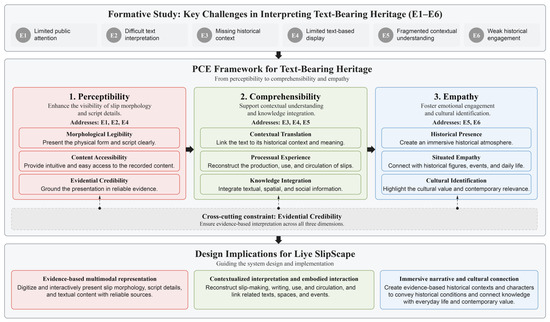
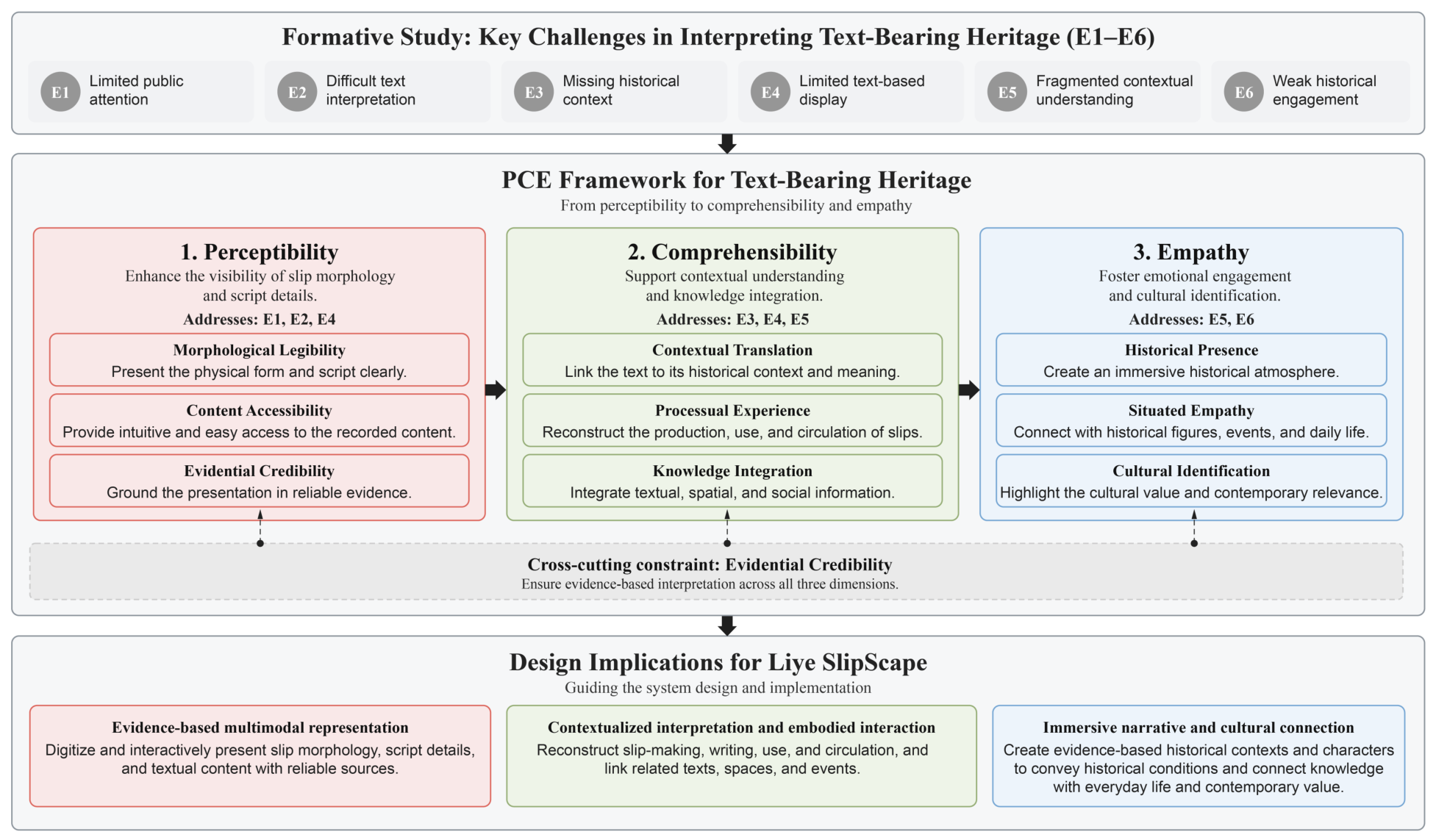
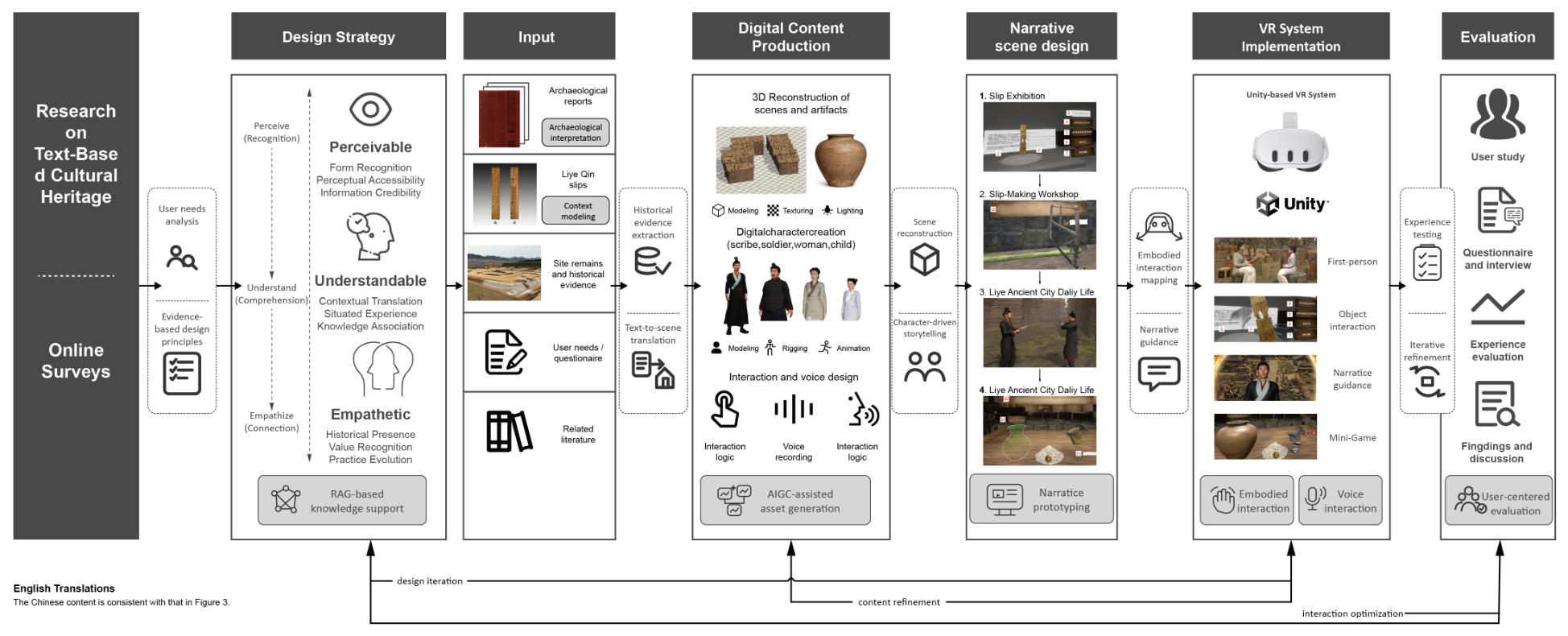
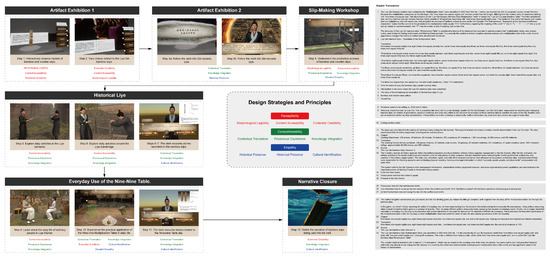
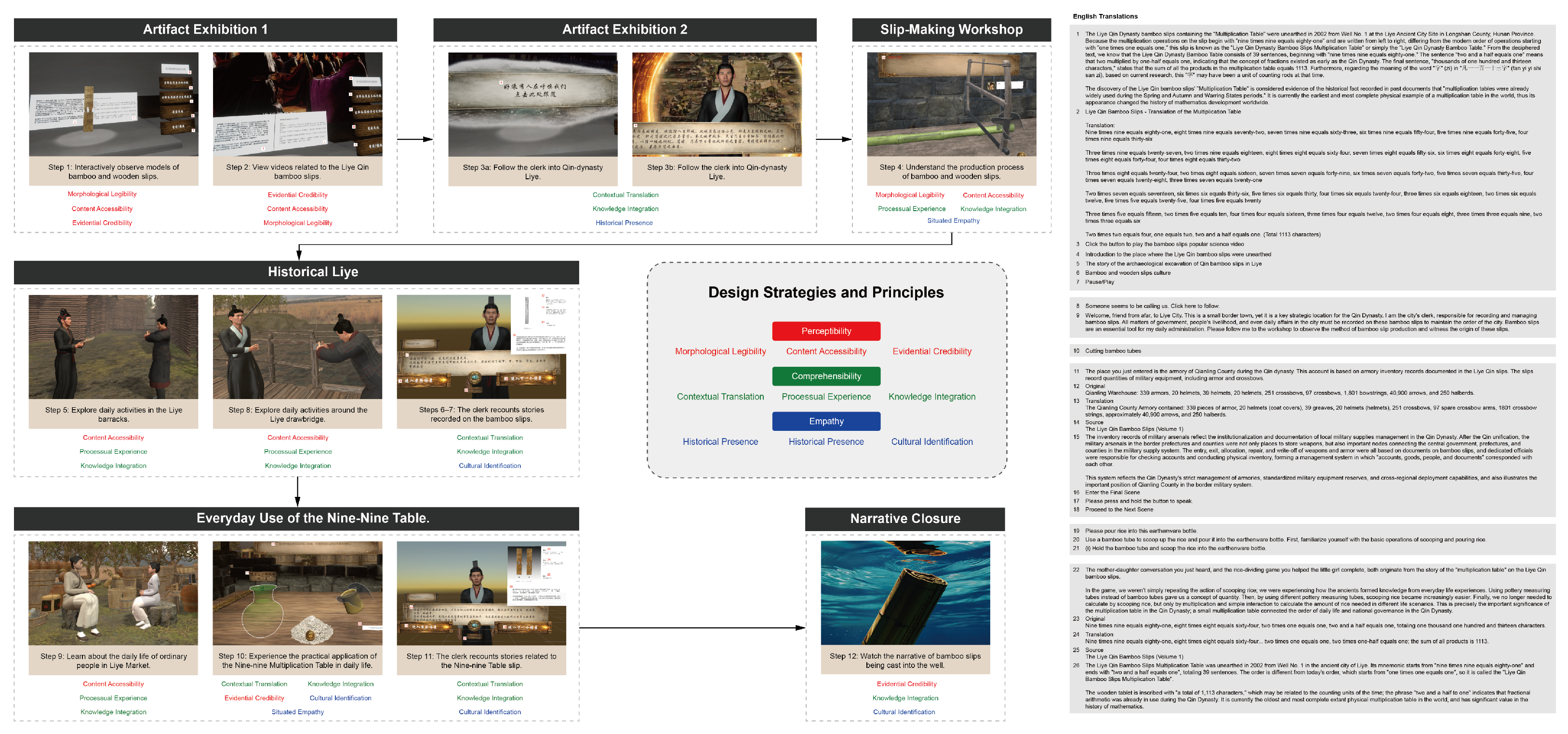
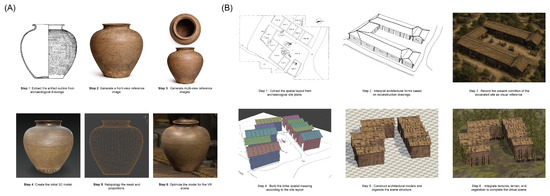
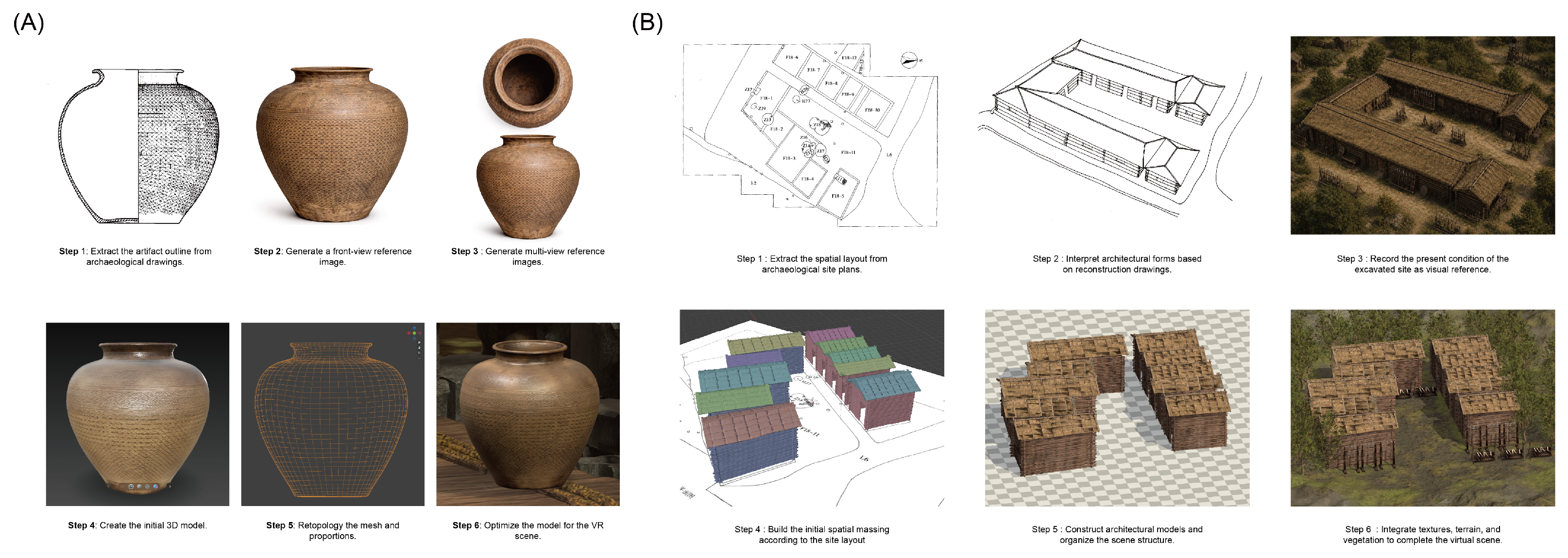
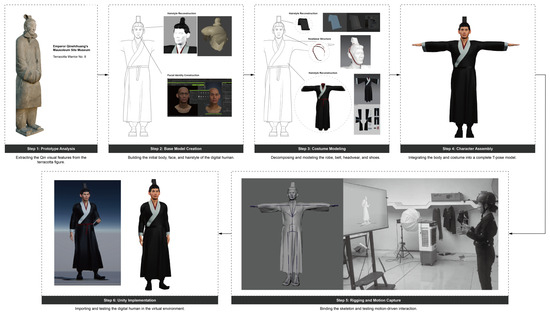
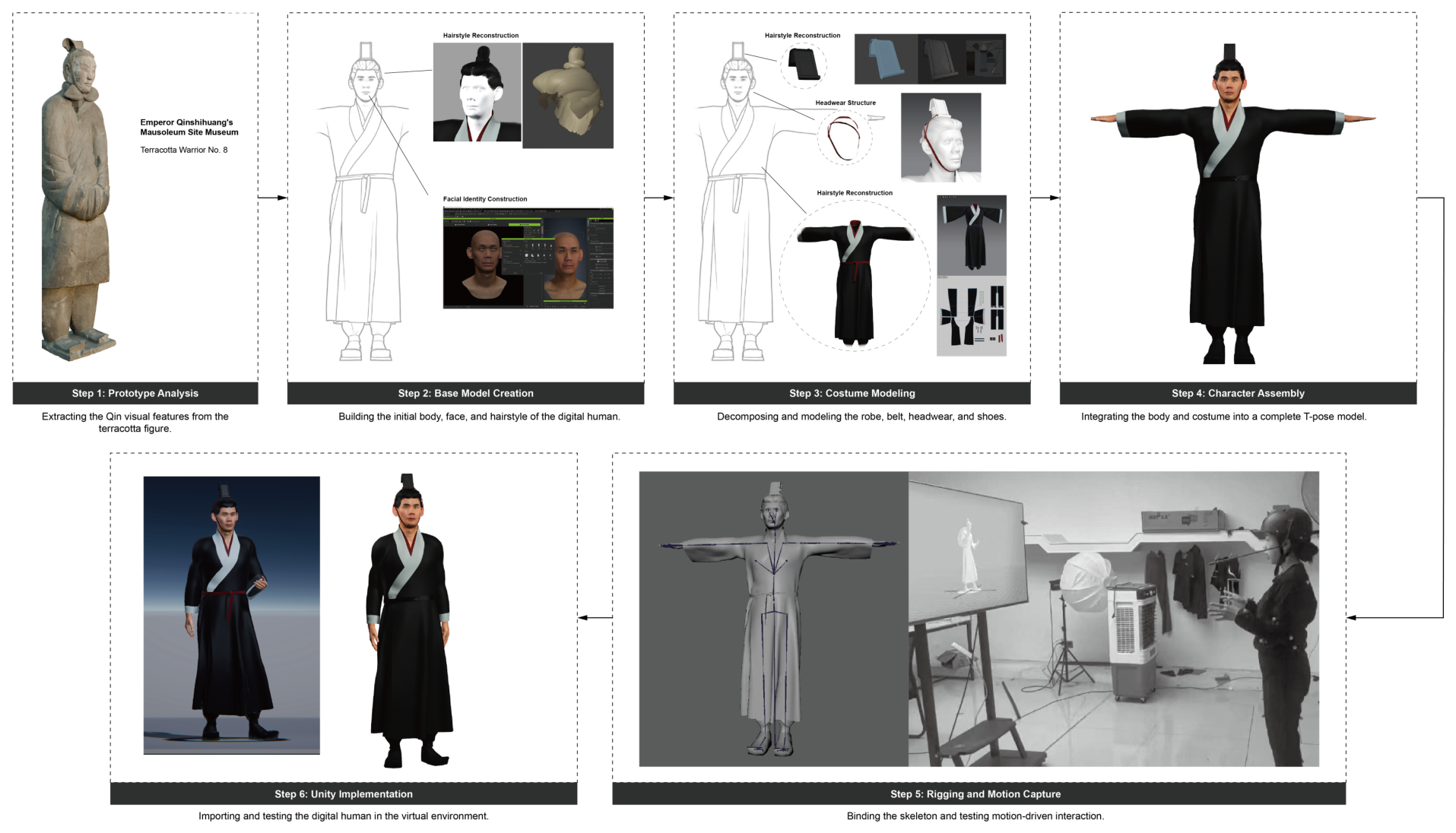


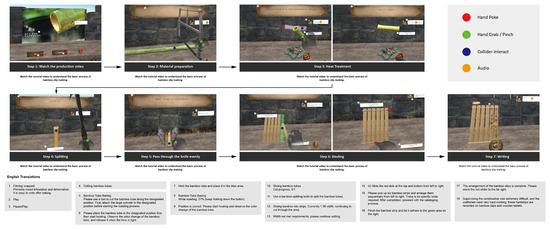
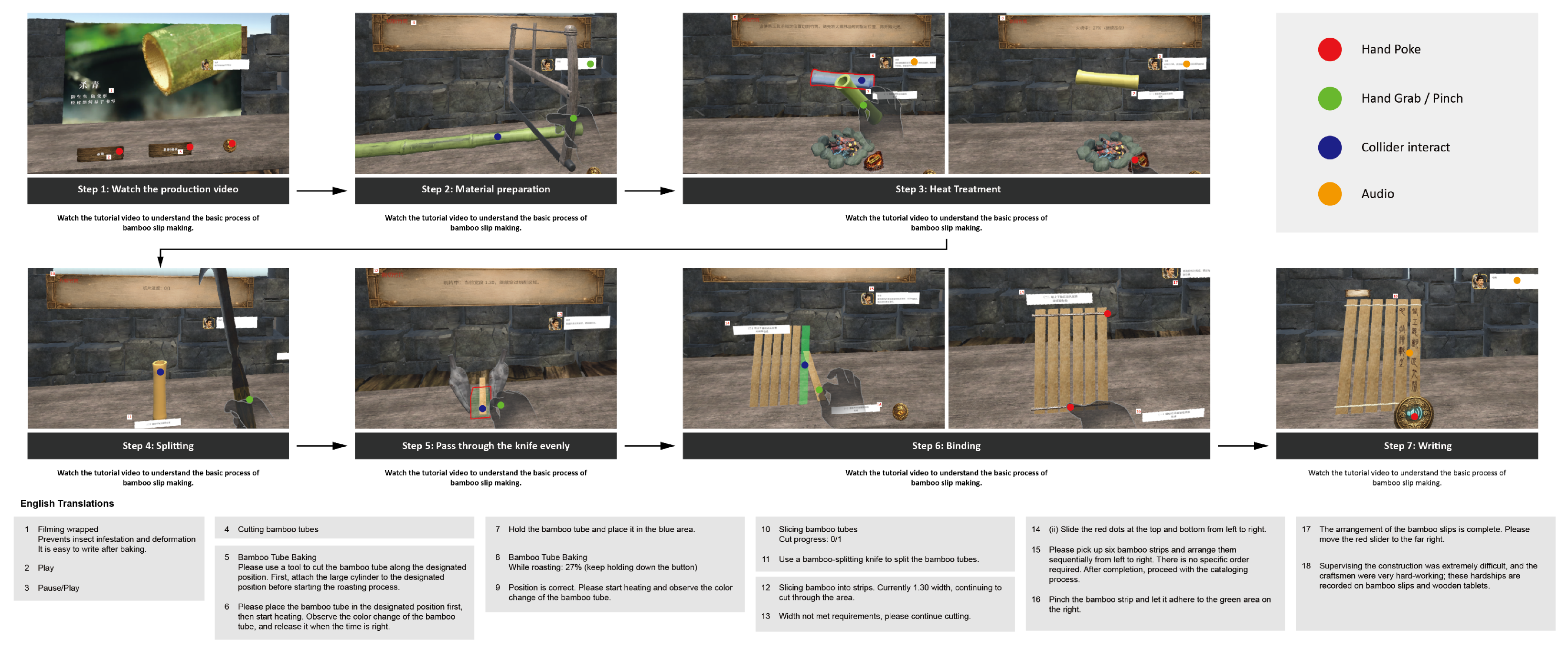
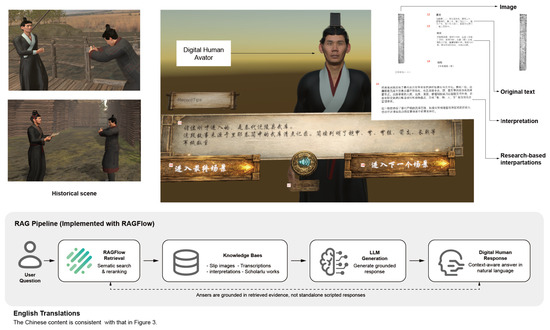
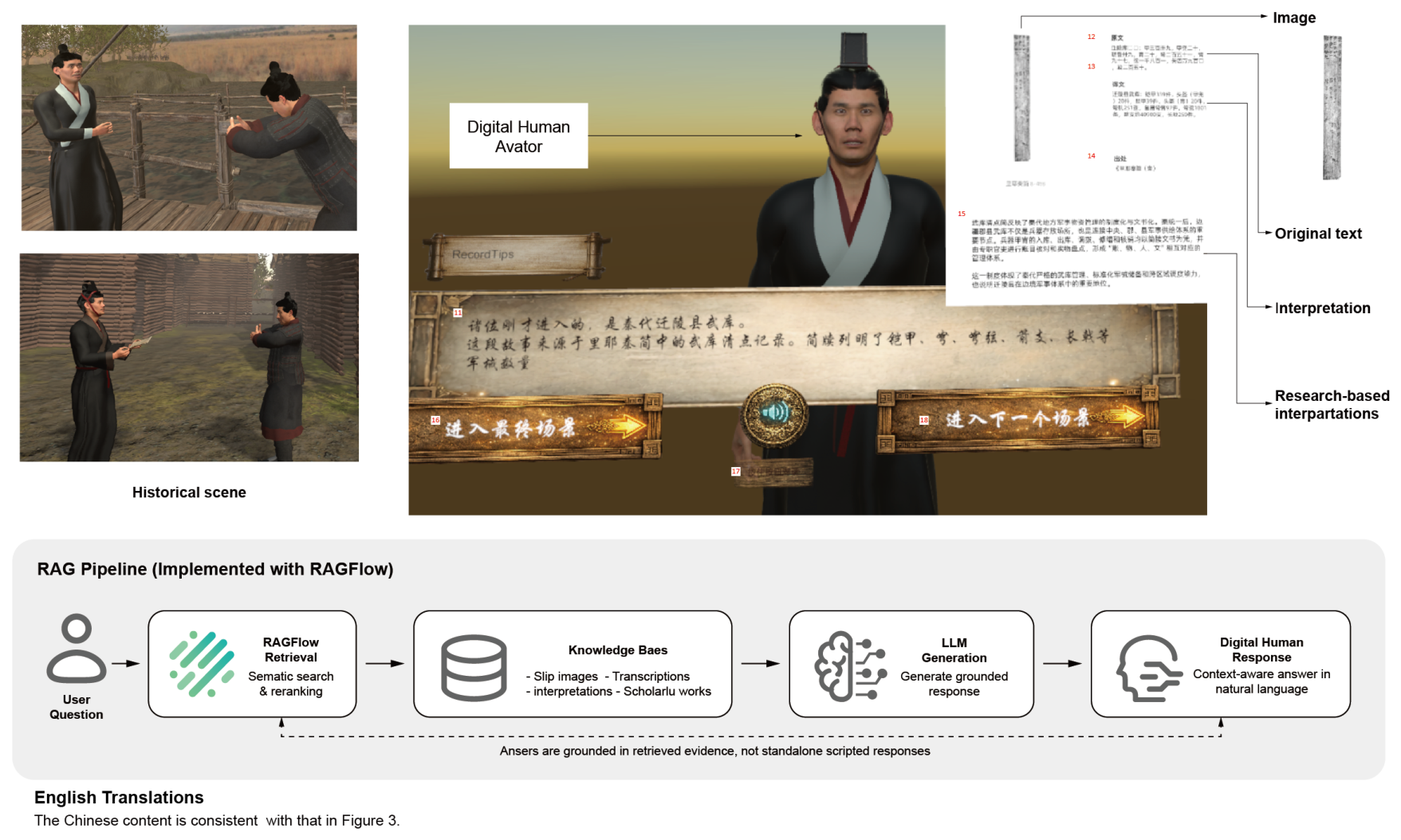
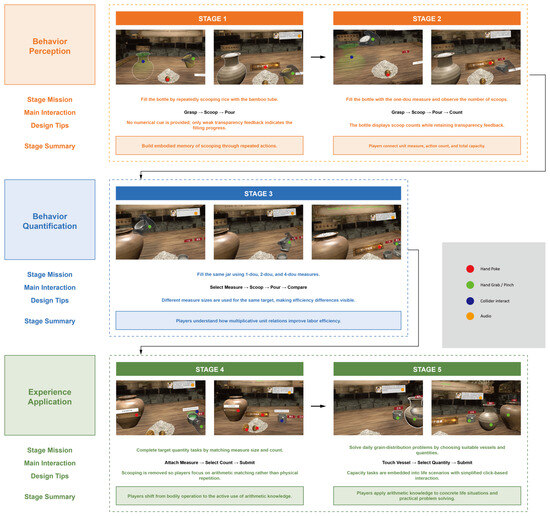
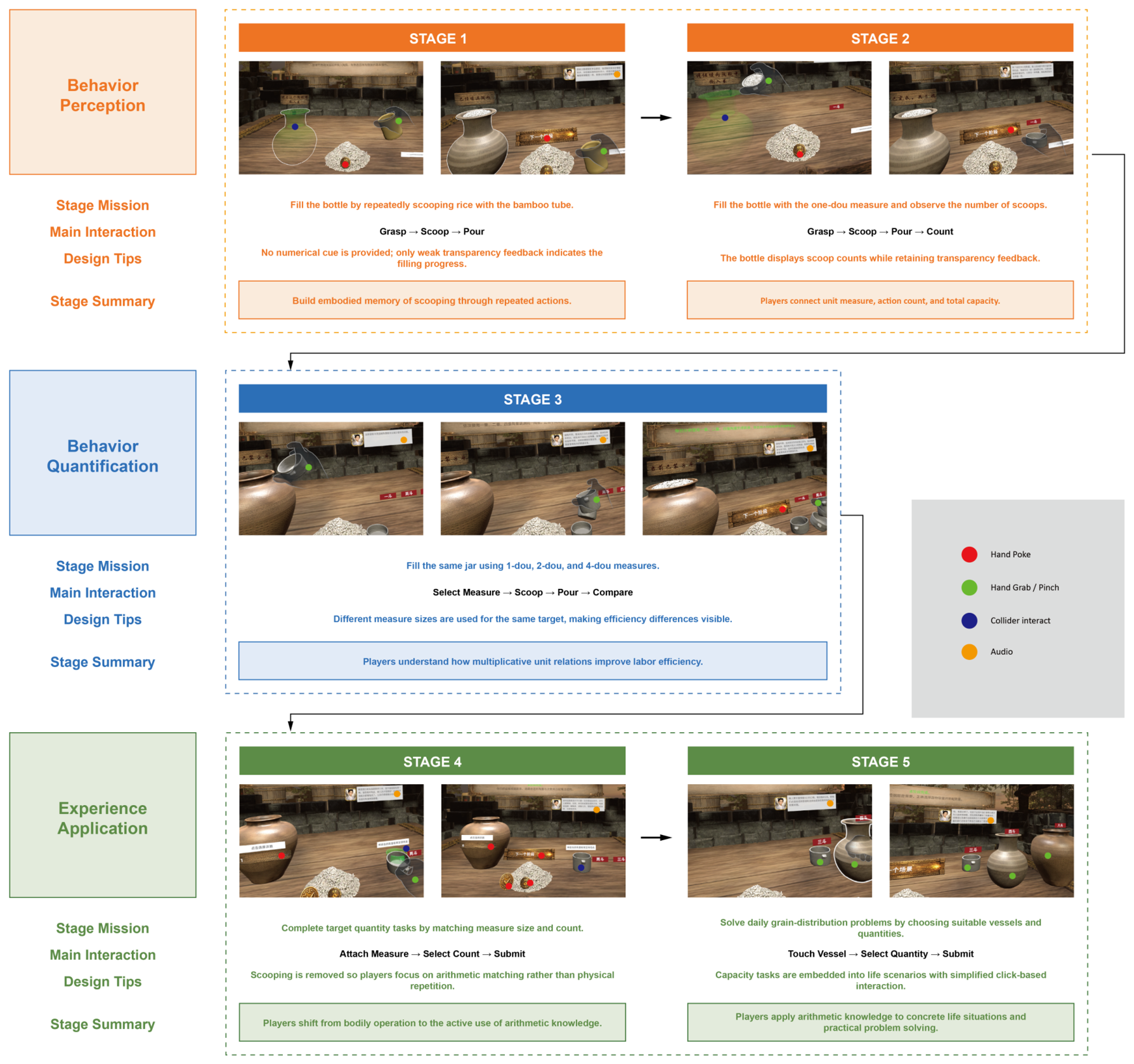
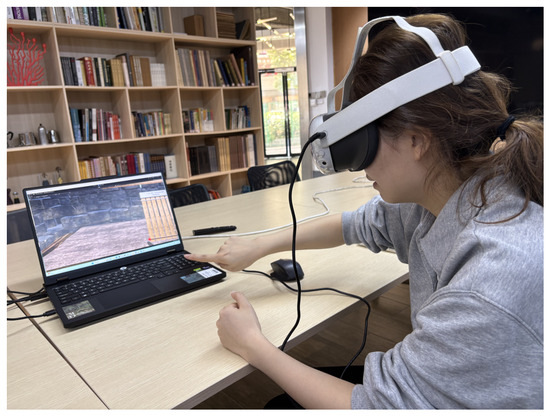
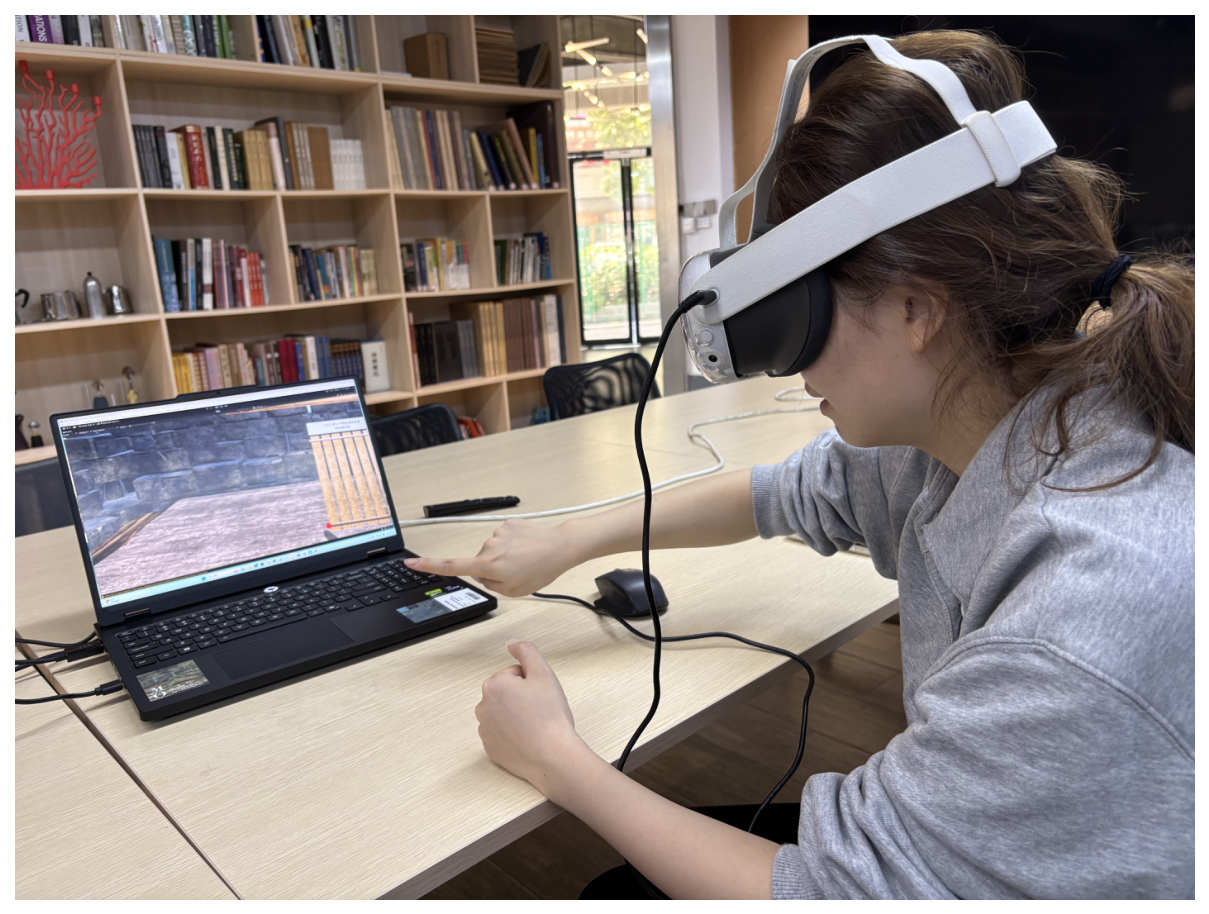
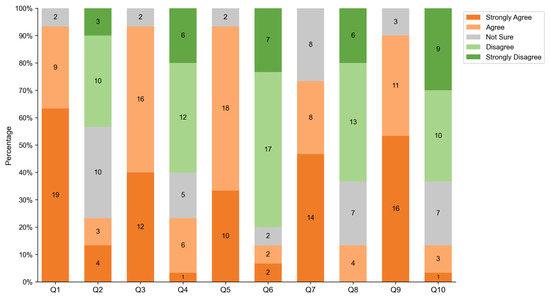
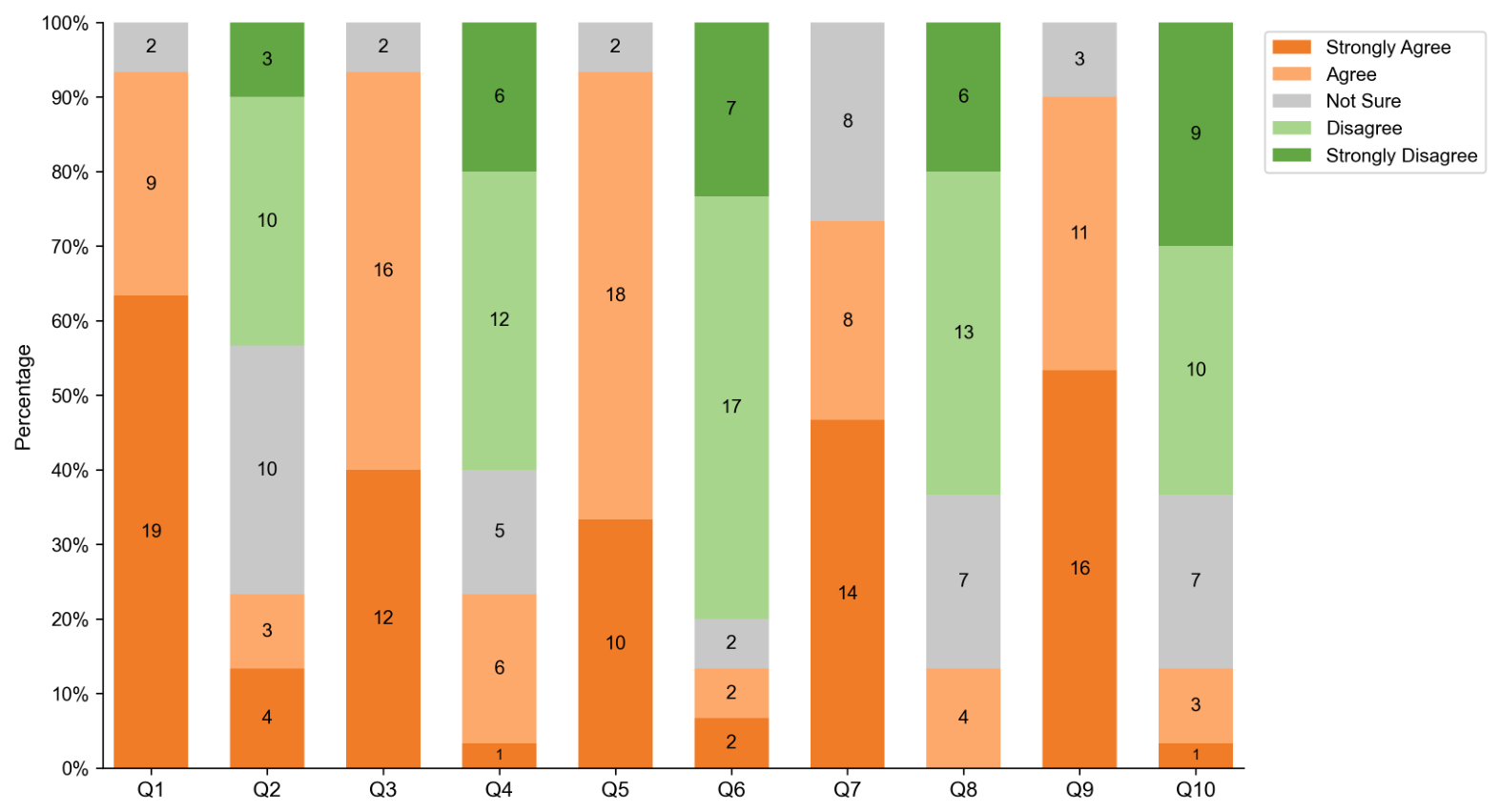
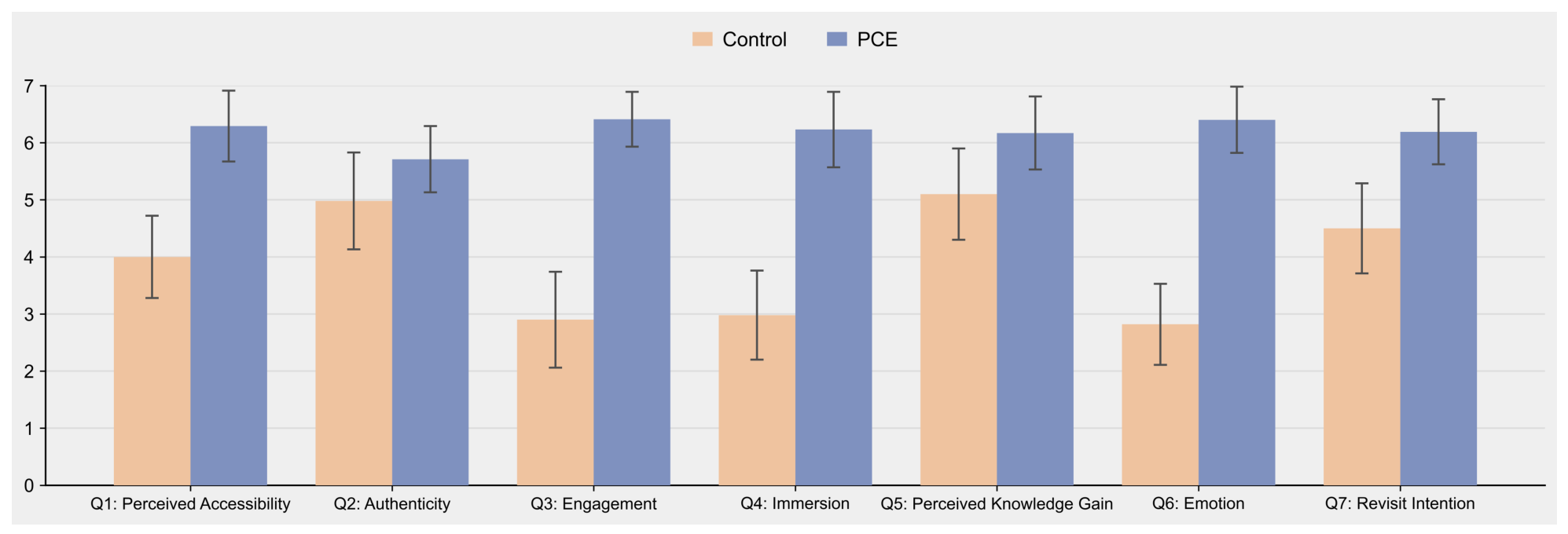

Disclaimer/Publisher’s Note: The statements, opinions and data contained in all publications are solely those of the individual author(s) and contributor(s) and not of MDPI and/or the editor(s). MDPI and/or the editor(s) disclaim responsibility for any injury to people or property resulting from any ideas, methods, instructions or products referred to in the content. |
© 2026 by the authors. Licensee MDPI, Basel, Switzerland. This article is an open access article distributed under the terms and conditions of the Creative Commons Attribution (CC BY) license.