


Abstract
Mega-events present acute challenges in crowd safety, requiring sub-second monitoring, heterogeneous sensing, and strict privacy compliance at scale. We present SmartCrowd-IoT, a multi-modal crowd analytics framework built on a three-tier (sensor, edge, coordination) architecture incorporating (i) temporally aligned, reliability-aware weighted fusion across RGB, thermal, WiFi/BLE, acoustic, and RFID streams; and (ii) lightweight edge inference with federated differential privacy, enabling continuous model improvement without raw data leaving the venue. Evaluated on PETS2009, UCY, Mall, and a custom 61.3-h multi-modal corpus across three controlled mega-event simulations, SmartCrowd-IoT achieves 92.6% crowd-density accuracy, 77 ms end-to-end latency, 92.9% anomaly detection precision, and 83.4% backbone bandwidth reduction. Ablation studies confirm that both temporal alignment and reliability-aware fusion contribute significantly to these gains. The framework provides a deployable, privacy-by-design solution for mega-event crowd safety that scales to 200 edge nodes and 3000 sensors while maintaining sub-100 ms emergency response.
1. Introduction
The proliferation of mega events, ranging from international sporting competitions to large-scale music festivals and political gatherings, has fundamentally transformed the landscape of crowd management challenges in modern society [1]. These events, often accommodating hundreds of thousands of attendees, present complex logistical and safety concerns that traditional monitoring approaches struggle to address effectively. The devastating impact of multiple large-scale events worldwide has highlighted the urgent need for real-time crowd-monitoring systems to prevent overcrowding, detect emergencies, and facilitate effective evacuation. Modern crowd surveillance systems are largely based on centralised cloud computing systems, which introduce severe delays in processing alerts for safety-related emergencies [2].
Network delays inherent in transmitting large volumes of sensor data to remote cloud servers may cause response times to exceed acceptable limits in an emergency. Moreover, the large volume of data generated by current IoT sensor networks during mega events may overload network infrastructure, causing system breakdowns at a time when monitoring is most needed, and the situation is most critical [3]. The development of edge computing paradigms offers revolutionary prospects of overcoming such fundamental limitations [4]. Edge-enabled systems can significantly minimise data latency by processing data near the source, while reducing bandwidth needs and improving system resilience. Nevertheless, the available edge computing products for crowd monitoring remain disjointed, as they tend to target specific sensor types or only a subset of scenarios, rather than offering unified, holistic frameworks that address the multifaceted needs of mega events.
The combination of IoT and edge computing in crowd monitoring applications presents specific technical issues that are insufficiently discussed in the literature [5]. Conventional IoT models lack the advanced real-time management required to detect risks and respond instantly in congested areas. Additionally, the non-homogeneous nature of sensor data in crowd monitoring tasks necessitates advanced data fusion methods that can be effectively implemented within resource-constrained edge computing environments.
Crowd monitoring systems are further complicated by privacy and security concerns. The processing and collection of personal data from thousands of eventgoers will pose a major privacy issue that should be addressed through relevant technical and procedural remedies [6]. Edge-based processing has an inherent privacy benefit because data transmission during processing is minimised and local anonymisation methods are generally possible; however, full frameworks for such schemes have not been developed. The scalability demands of mega events further hamper IoT-based crowd monitoring systems. The scale of events can vary drastically, ranging from small meetings with several thousand participants to large international competitions involving more than a million people [7]. The current solutions may lack the architectural flexibility needed to meet these diverse requirements while maintaining the same standards of performance and reliability [8,9,10,11,12,13].
The existing crowd surveillance solutions used at mega events have severe limitations that undermine people’s safety and the effectiveness of these solutions. Cloud-based designs introduce intolerable latency (2–5 s) for emergency response, and large volumes of sensor data choke the network infrastructure at peak times. Current solutions rely on single-sensor modalities, which limit their accuracy and reliability across varied environmental conditions. Moreover, they lack scalable architectures to handle events with thousands to millions of attendees and cannot effectively address privacy concerns regarding participants’ personal data. The limitations inherent in these are necessitated by the need for a holistic, edge-enabled IoT architecture, specifically designed to support real-time, privacy-conscious crowd monitoring at large-scale events [9,14,15,16,17,18].
Weaknesses of the Literature:
Even though IoT-based crowd monitoring has made tremendous progress, the current implementation has a few factors that pose critical limitations to the system’s effectiveness at scale and in real-time settings. To begin with, most frameworks use single-sensor modalities, such as WiFi or thermal cameras, which limit resilience to a variety of environmental conditions [19,20,21,22,23]. Second, most current designs use cloud-centric architectures, which result in unacceptable network delays and response times during emergencies [9].
Third, existing systems offer reduced privacy guarantees and frequently send raw sensor data without any anonymisation or edge-level differential privacy, posing serious data integrity and compliance challenges in large-scale implementations [6,17]. Lastly, scalability is a significant weakness, as the vast majority of frameworks cannot maintain consistent performance at scale across thousands of IoT devices and edge nodes [11]. All these restrictions underscore the urgent need to develop an integrated framework that guarantees high accuracy, response latency of a few seconds, strong privacy protection, and scalability for mega-event situations [24,25,26,27,28]. This encourages the creation of the proposed SmartCrowd-IoT framework.
While fog computing offers intermediate aggregation capabilities between the edge and cloud tiers, SmartCrowd-IoT’s design prioritises minimal latency through edge-first processing and selective coordination, reflecting the critical sub-second response requirements of emergency scenarios.
In this paper, SmartCrowd-IoT, a full-fledged real-time edge-based IoT architecture, has been proposed, which has solved the challenges identified as follows:
Reliability-Aware Weighted Fusion with Dynamic Per-Sensor Scoring: A reliability-aware fusion algorithm dynamically assigns per-sensor weights based on real-time SNR, missingness, and drift metrics, enabling robust multi-modal integration across RGB, thermal, WiFi/BLE, acoustic, and RFID streams.
Three-Tier Hierarchical Edge Architecture: SmartCrowd-IoT introduces a sensor–edge–coordination three-tier architecture in which each edge node performs autonomous crowd analytics (density estimation, anomaly detection, load balancing) without requiring cloud round-trips, enabling system-wide scalability to 200 edge nodes and 3000 sensors while maintaining sub-100 ms emergency response latency.
Multi-Dataset Evaluation with Custom Mega-Event Corpus: A 61.3-h dual-annotated multi-modal corpus collected across three controlled mega-event simulations is contributed, and SmartCrowd-IoT is validated on PETS2009, UCY, and Mall benchmarks alongside this corpus. Statistically significant improvements (p < 0.001, Holm–Bonferroni-corrected) are observed across all baselines on eight domain-specific metrics, with ablation results confirming the contribution of each architectural component.
End-to-End Deployable Privacy-by-Design System: The framework integrates AES-256 at-rest and TLS 1.3 in-transit security, GDPR-aligned data minimisation policies, and a modular containerised deployment stack (Docker, TensorFlow Lite INT8) on commodity edge hardware (Jetson Xavier NX, Raspberry Pi 4), achieving 83.4% backbone bandwidth reduction and 89.9% Privacy Preservation Index in real deployments. Adaptive load balancing distributes processing tasks across edge nodes based on real-time resource availability, while a scalable modular design maintains consistent performance from small venues to mega events.
The remainder of this paper is organised as follows: Section 2 presents a comprehensive literature review examining existing crowd monitoring technologies and edge computing applications. Section 3 details the proposed SmartCrowd-IoT framework architecture and methodology. Section 4 presents extensive experimental results demonstrating the framework’s effectiveness. Section 5 concludes the paper and outlines future research directions.
2. Literature Review
The convergence of IoT technologies, edge computing, and crowd monitoring is a rapidly developing field of research that has attracted the attention of academic and industrial circles. This section provides a detailed analysis of the available methods, identifying key technological trends, shortcomings, and opportunities that will guide us in formulating our proposed SmartCrowd-IoT framework.
2.1. IoT-Based Crowd Monitoring Systems
Crowd monitoring IoT has developed tremendously in the last ten years, thanks to improvements in sensor miniaturisation, wireless communication standards, and data processing services [1]. Early applications were mainly basic occupancy counts using crude sensor devices like infrared and pressure sensors. Nevertheless, these primitive methods were insufficient to meet the complex needs of mega-evXent monitoring, where crowd density must be accurately estimated, movement patterns analysed, and threats identified in real time. Other advanced sensor modalities of a crowd monitoring application have been studied in recent research. Alam et al. [12] demonstrated the efficiency of WiFi-based sensing methods for detecting crowd density inside buildings, achieving decent accuracy while preserving privacy by analysing signals rather than tracking devices. Their style demonstrated the most promise for outdoor venues. However, it was unclear how it would scale to outdoor mega events due to the signal’s disparate propagation properties in open spaces [29,30,31,32,33].
One of the most promising strategies in crowd surveillance has been the integration of thermal imaging technology [8]. Li et al. proposed a thermal image-based weakly supervised crowd density estimator that is more accurate than conventional RGB-based methods. Their two-stage linear feature calibration method proved stable across a range of lighting conditions and is especially useful for outdoor events, where lighting can change considerably over the course of a day. Nevertheless, current IoT-based crowd-monitoring systems have several essential limitations that impede their operation during mega-events. The majority of implementations are based on a centralised architecture that introduces high latency when handling time-sensitive data [5]. The high-resolution transmission of sensor data can overload the network infrastructure during peak events, when monitoring reliability is most needed. Moreover, most current systems emphasise single-sensor modalities rather than the complementary capabilities of various sensor types [3]. This weakness impedes their ability to provide the situational awareness needed to handle crowds effectively in complex mega-event settings, where multiple factors must be monitored and analysed simultaneously. Bhardwaj et al. [25] present a detailed study of current trends in smart cities and IoT research worldwide, emphasising the growing significance of crowd monitoring applications [34,35,36,37,38]. Their bibliometric review demonstrates the growing attention to research on real-time analytics and the integration of edge computing, which helps orient our proposed framework.
2.2. Edge Computing in IoT Systems
The advent of edge computing paradigms has fundamentally changed the framework for IoT system design, providing unprecedented opportunities to address the latency and bandwidth constraints of traditional cloud-based architectures [13]. Edge computing brings computational resources closer to data sources, enabling real-time processing and decision-making, reducing network congestion, and enhancing system responsiveness. Ahmed et al. [14] investigated the use of federated learning to recommend and propagate secure IoT resources and demonstrated the potential of edge-based machine learning for crowd monitoring. Their work highlighted the challenges of using complex algorithms in resource-constrained edge environments while maintaining security and privacy. The use of edge computing in IoT systems has raised many architectural concerns that must be addressed to achieve optimal performance [4]. The resource limitations of node edges necessitate careful optimisation of data processing methods and computational algorithms. The study demonstrates that lightweight neural network designs can operate within the computational and memory constraints of a typical edge device while delivering acceptable performance. However, there are specific challenges associated with integrating edge computing and IoT systems into the crowd monitoring application that are not fully addressed in the existing literature [2]. Active crowd dynamics and varying levels of sensor data demand adaptive resource allocation algorithms that respond to real-time changes in computational needs. Conventional fixed-resource assignment methods are inadequate for the highly dynamic nature of workloads in mega-event monitoring [39,40,41,42]. The comprehensive review of edge and cloud computing in IoT applications by Andriulo et al. [9] offers insights into the architectural trade-offs and optimisation strategies needed to deploy edge computing successfully. They focus their analysis on the necessity of hybrid architectures that enable the use of both edge and cloud resources, depending on application conditions and real-time requirements. Balancing loads among distributed edge nodes is another important issue that has received little attention in the literature. Mega-event sensor and edge-node layouts pose complex optimisation challenges for task allocation and data routing. The current load balancing algorithms designed for traditional distributed systems might not translate easily to the specific constraints and demands of edge-enabled IoT crowd monitoring systems [43,44,45,46,47].
Fog Computing Fundamentals and Architectural Distinction: Fog computing, an intermediate layer between edge devices and cloud infrastructure, has emerged as a complementary paradigm for IoT-based monitoring systems, addressing architectural and operational challenges distinct from pure edge- or cloud-centric approaches. Unlike edge computing, which emphasises autonomous processing at individual network endpoints, fog computing provides a distributed hierarchical architecture that extends cloud capabilities to intermediate aggregation nodes positioned between the edge and centralised data centres. This multi-tier approach enables coordinated processing across fog nodes while maintaining local responsiveness and global optimisation capabilities [48,49,50,51,52].
Recent Fog Computing Implementations for Real-Time Monitoring: Recent research has demonstrated fog computing’s effectiveness in latency-sensitive IoT applications requiring real-time data processing. Islam et al. [53] proposed a hybrid fog-edge architecture for health monitoring in Internet of Medical Things (IoMT) systems, achieving optimised latency through hierarchical processing, in which fog nodes handle time-critical data near the sources while enabling cloud connectivity for comprehensive analytics. Their framework demonstrated that fog computing can significantly reduce response times compared to cloud-only architectures while enhancing threat resilience through distributed security mechanisms. Similarly, Bhatia et al. [54] developed an IoT-fog-cloud framework for disaster evacuation and crowd management, highlighting fog computing’s applicability to emergency response systems, where intermediate processing layers facilitate rapid decision-making during critical events.
Hierarchical Fog Architectures and Scalability for Large-Scale IoT: The hierarchical nature of fog computing architectures offers particular advantages for scalable IoT deployments involving hundreds to thousands of devices. Qayyum et al. [55] presented a mobility-aware hierarchical fog computing framework for Industrial IoT environments, demonstrating that multi-level fog node placement can effectively manage resource allocation across mobile and stationary devices while accommodating dynamic network topologies. Their work emphasised fog computing’s ability to handle device heterogeneity and mobility patterns through coordinated scheduling across fog layers—capabilities essential in mega-event scenarios where attendee movement creates constantly shifting computational demands. The author in [56] provided a comprehensive analysis of fog computing fundamentals for next-generation IoT systems, identifying key architectural patterns, including distributed data processing, intermediate aggregation, and hierarchical resource management, as critical enablers for smart city applications requiring both real-time responsiveness and scalable infrastructure.
Privacy-Preserving Machine Learning and Architectural Trade-offs: The integration of privacy-preserving machine learning techniques with fog computing architectures represents an emerging research direction particularly relevant to crowd monitoring applications. Hasan and Idrees [57] explored federated learning implementations across fog/edge/cloud computing continua, demonstrating that fog nodes can serve as natural aggregation points for federated model updates while maintaining data locality and privacy guarantees. Their analysis highlighted fog computing’s role in balancing computational efficiency with privacy preservation—a consideration central to processing personal data from thousands of event attendees. However, fog computing introduces additional complexity compared to edge-centric designs, including increased inter-layer communication overhead, more sophisticated orchestration requirements for coordinating across distributed fog nodes, and potential latency penalties when data must traverse multiple hierarchical tiers before reaching processing endpoints [8,53,54,58,59].
The distinction between fog and edge computing paradigms in crowd monitoring primarily concerns architectural philosophies and data flow patterns. While edge computing prioritises minimal latency through autonomous local processing and direct device-to-cloud communication, fog computing emphasises coordinated processing across distributed intermediate nodes with hierarchical aggregation before cloud transmission. In the context of SmartCrowd-IoT, our edge-centric approach prioritises sub-second response times through autonomous edge inference and direct federated learning updates, aligning more closely with pure edge computing principles while incorporating fog-like coordination capabilities via our specialised coordination layer. This design choice reflects the critical importance of minimising processing hops in emergency response scenarios, where every millisecond affects safety outcomes, while still enabling the global model synchronisation and cross-node coordination benefits typically associated with fog architectures. Our empirical evaluation demonstrates that this edge-first design with selective coordination achieves the 77 ms end-to-end latency required for mega-event safety applications—performance that would be difficult to guarantee with traditional fog computing’s additional aggregation layers [55,56,57].
2.3. Real-Time Crowd Analytics and Machine Learning
Machine learning-based crowd monitoring has shown significant promise for improving the quality and reliability of automated crowd monitoring systems [5]. Recent developments in deep learning architectures have enabled advanced crowd density estimation, movement pattern detection, and anisotropic detection, delivering unmatched surveillance performance compared to conventional rule-based methods. The proposal by Gazis and Katsiri [5] for an intelligent crowd-monitoring system based on IoT cloud computing middleware demonstrated superior performance compared with traditional methods. They incorporated several sensor modalities into their system and used machine learning algorithms to perform real-time crowd analysis. Nevertheless, the system was dependent on cloud-based processing, which limited its ability to meet the sub-second response times required in emergencies during mega events. The execution of machine learning models on edge computing is associated with major technical issues, such as model optimisation and resource management. Some of these challenges were addressed by Li et al. [8], who developed lightweight neural networks specifically for edge use. Their design demonstrated that high-level optimised models could achieve the performance of their cloud-based counterparts while meeting the resource requirements of edge devices. Several authors [15] investigated the use of deep convolutional neural network-based methods to enhance crowd density monitoring and support intelligent urban planning in smart cities. Their study proved that an advanced neural architecture is effective for crowd analysis and identified the computational needs that require close optimisation for deployment on the edge. Khan et al. [16] conducted a study on LCDnet, which provided a lightweight model for crowd density estimation that could be easily utilised in real-time video surveillance applications. Their work can be of great help in understanding the optimisation methods to be applied to implement complex methods for analysing crowds under resource-limiting conditions. Machine learning methods that focus on preserving privacy have attracted growing interest in crowd monitoring applications due to the sensitivity of personal data collected during monitoring. The combination of various analytics processing in resource-constrained edge worlds remains a major issue that requires new algorithmic and architectural solutions.
2.4. Privacy and Security in Crowd Monitoring Systems
The collection and handling of personal information about event participants pose serious privacy and security issues that should be mitigated through appropriate technical and procedural measures [6]. Conventional crowd monitoring systems tend to collect identifiable information that might be misused or hacked, putting individual privacy and system security at risk. Blockchain-based solutions have been proposed as a viable means to improve the security and privacy of an IoT system. A comprehensive review of blockchain-based federated learning solutions for securing IoT networks by Isa et al. [6] shows that distributed security solutions can be implemented in the context of crowd monitoring. Their discussion revealed the advantages of decentralised security architectures, including fewer single points of failure and greater overall system resilience. Edge computing architectures inherently provide privacy by enabling data to be processed locally and reducing the amount of data sent to external systems. In a study by Azhar et al. [18], privacy-preserving methods for mobile crowd sensing algorithms were examined, and utility-conscious participant selection mechanisms were proposed that could preserve data quality and individual sovereignty simultaneously. Their solution showed that it is possible to introduce advanced privacy protection measures without a major impact on the system performance. Sorour et al. [10] proposed an LSTM-JSO architecture for privacy-sensitive adaptive intrusion detection in federated IoT networks. Their work demonstrates how advanced machine learning methods can be used to conduct security surveillance without compromising privacy, a significant advance for crowd surveillance operations. The study, which integrates security and decentralised knowledge enhancement in federated learning with blockchain technology [17], provides an extensive literature review of privacy-preserving methods for IoT systems. Their analysis points to trade-offs between privacy protection and system performance, with greater attention to system optimisation needed to achieve an acceptable level of performance. Nonetheless, implementing privacy-sensitive methods for real-time crowd tracking at mega events poses specific challenges due to the magnitude and complexity of the data processing requirements. Even current privacy protection systems can impose a computing cost that a hard prohibition in time-sensitive applications can replace. The development of privacy-preserving algorithms (which can effectively address the limitations of an edge computing environment) is a current topic of research.
2.5. System Architecture and Scalability Considerations
Scalable architectures for a crowd monitoring system must be carefully designed to address the varying demands of different event types and sizes [7]. Kendule and Karande have conducted an extensive review of IoT frameworks for crowd management systems and outlined critical architectural patterns and design principles to ensure system scalability and reliability. Modular system designs have emerged as a favoured approach to achieving scalability across a variety of deployment environments [11]. Jamil et al. studied the use of distributed edge-to-cloud computing systems in industrial IoT. They demonstrated that modular structures can be reconfigured to accommodate varying resource availability and performance requirements. Their practice provided insight into the architectural considerations that should be taken into account to support varying deployment scenarios. The deployment of scalable multi-modal sensor architectures poses major integration challenges in data integration, processing coordination, and resource management. In the study by Bellini and Pantaleo [19] on smart cities IoT, the authors provide a general overview of the architecture and the challenges of implementing large-scale IoT to facilitate system use. Neis et al. [20] conducted a test and evaluation to develop an open smart campus using low-cost IoT sensors. Their work provides valuable insights into implementation factors and the functional nature of IoT sensor networks in real-world settings that would apply directly to crowd monitoring.
In terms of distributed edge computing, distributed computing environments need complex algorithms that can handle changes in computational needs and resource availability to perform load balancing and resource allocation. Conventional load balancing solutions designed for cloud computing may not be readily applicable to edge computing setups due to the varied nature of edge nodes and network architectures. Venumuddala et al. [21] reviewed the governing smart city IoT interventions through a complex adaptive systems lens, providing insight into the systemic challenges and governance aspects required for the massive deployment of IoT. Their argument emphasises that they should take into account the broader ecosystem and stakeholder needs when developing crowd monitoring systems.
2.6. Integration of AI and IoT Technologies
Artificial intelligence and IoT technologies have enabled new opportunities in making smart crowd monitoring systems. Several studies have investigated how AI technologies can be applied to develop the abilities of Internet of Things-based monitoring systems [22]. The study of integrating artificial intelligence, blockchain, and quantum cryptography to secure an industrial IoT system offers insights into sophisticated security controls that may be applied in the context of crowd monitoring. These solutions demonstrate that advanced security and privacy protection are possible without compromising system performance. Morchi et al. [23] explored IoT-enabled smart agriculture applications, providing insights into the practical deployment of IoT systems for real-time processing. While focused on a different domain, their work demonstrates architectural principles and optimisation techniques that apply to crowd monitoring applications. The applications of IoT in industrial management, as explored by Mu et al. [24], provide valuable insights into the scalability and reliability requirements for large-scale IoT deployments. Their science mapping review reveals important trends and challenges that inform the design of crowd monitoring systems. As shown in Table 1, prior IoT-based crowd monitoring studies have made notable progress but still exhibit significant shortcomings in large-scale, real-time environments. Cloud-centric approaches such as those in [5,47] deliver reasonable accuracy but suffer from high latency (often exceeding 2 s) and limited scalability, making them unsuitable for safety-critical mega-event scenarios. Hybrid and edge-enabled frameworks [1,2] reduce processing delays but still lack robust privacy-preserving mechanisms and struggle to manage heterogeneous multi-modal data streams effectively. Similarly, thermal-only and WiFi-only methods [8,12] demonstrate good performance under controlled conditions but lack adaptability to varying lighting, density, and environmental factors due to the absence of multi-sensor fusion. While federated approaches [10,14] improve privacy protection, they introduce communication overhead and performance degradation when scaling beyond thousands of IoT devices. Consequently, no existing framework simultaneously achieves sub-second response latency, robust privacy preservation, seamless multimodal integration, and high accuracy. These gaps collectively highlight the need for an integrated, edge-centric, and privacy-aware solution, which motivates the development of the proposed SmartCrowd-IoT framework. Table 1 below shows the comparative analysis of recent studies on crowd monitoring.
Table 1.
Comparative Analysis of Recent IoT-Based Crowd Monitoring Studies.
2.7. Research Gap Analysis
The comparative analysis reveals a significant research gap in existing crowd monitoring solutions for mega events. While recent studies have explored various aspects of IoT-based monitoring systems, none provide a comprehensive framework that simultaneously addresses the critical requirements of sub-second response times, multi-modal sensor integration, scalable edge processing, and robust privacy preservation. Current cloud-centric approaches [5,8] suffer from prohibitive latencies exceeding 1.5 s, making them unsuitable for emergency response scenarios. Single-sensor solutions [8,12] demonstrate limited accuracy and environmental robustness, while privacy-focused federated approaches [10,14] sacrifice response time performance. Furthermore, existing edge computing implementations [2,11] lack the sophisticated multimodal fusion algorithms necessary for comprehensive crowd understanding in complex mega-event environments. The absence of integrated solutions capable of achieving sub-100 ms response times while maintaining over 90% accuracy across diverse sensor modalities and environmental conditions represents a critical gap that our SmartCrowd-IoT framework addresses through a novel hierarchical edge architecture and optimised machine learning algorithms specifically designed for real-time crowd monitoring applications.
3. Methodology
This section presents the comprehensive methodology underlying the SmartCrowd-IoT framework, detailing the system architecture, algorithmic innovations, and implementation strategies that address the identified limitations in existing crowd monitoring solutions. Our approach integrates edge computing paradigms with heterogeneous IoT sensor networks through a novel hierarchical architecture tailored to the demanding requirements of mega-event monitoring.
3.1. System Architecture Overview
Figure 1 shows a layered, left-to-right pipeline. Heterogeneous inputs are first cleaned and synchronised; temporal alignment places all streams on a common time grid, and normalisation scores privacy and sensor reliability before edge inference. Quality and security checks gate what is sent to the learning layer. Federated learning aggregates edge updates without moving raw data and returns improved models. The system emits alerts and statuses for operators. Colour coding clarifies roles: teal for data, orange for control/alerts, and black for model update paths.
Figure 1.
SmartCrowd-IoT System Architecture. Multi-modal inputs flow through validation/alignment and reliability-aware fusion with edge inference; federated updates refine models; outputs provide alerts and system status.
Inputs: Heterogeneous sources provide raw observations: RGB video frames (for density/flow cues), thermal streams (low-light robustness), WiFi/BLE telemetry (device presence/proximity), acoustic features (crowd energy/onset), RFID events (controlled access), and optional external APIs. All inputs are time-stamped at the source.
Validation/Control—Data path: The first block performs preprocessing and feature extraction (decoding, denoising, ROI cropping, and spectral features). Temporal Alignment places all streams on a common grid for each window of length with step , snapping late packets within a tolerance and marking missing samples. Normalisation standardises features and computes privacy/reliability scores per sensor (e.g., SNR, drift, missingness). Edge Inference (Control Loop) executes the lightweight model to produce window-level outputs (e.g., density, anomaly scores) without shipping raw data upstream.
Validation/Control—Gating and Security: Quality Checks validate ranges, coverage, and confidence before any transmission. Security Validations protect links and artefacts (e.g., AES-256 at rest, TLS 1.3 in transit, signed model bundles), ensuring only authenticated components exchange data/models.
Learning/Aggregation: A Federated Learning Server aggregates edge updates (gradients/weights), maintains a model registry, and redistributes refreshed parameters. Black arrows denote the model update loop; raw sensor data remain on the device, preserving privacy while enabling site-specific adaptation.
Outputs: The system emits operator-facing Alerts and status levels (Critical/Warning/Normal) derived from fused metrics and anomaly scores. Orange arrows represent control/alert flow to operators and policy actuators; teal arrows represent data flow; black arrows represent model updates.
Reading the layers: Left-to-right flow shows acquisition validation/alignment normalisation/fusion edge inference secure aggregation alerts. The colour-coded regions clarify roles (inputs, processing, validation/security, learning, outputs) and the directional arrows capture communication and dependency structure required for real-time operation.
3.2. Multi-Modal Sensor Data Integration
The integration of heterogeneous sensor data is a core challenge that our framework addresses through a novel multimodal fusion algorithm. Algorithm 1 presents the comprehensive data integration process that operates continuously at each edge node.
| Algorithm 1: Multi-Modal Sensor Data Fusion |
|
|
|
|
|
|
|
|
|
|
|
|
|
|
The fusion algorithm addresses several critical challenges inherent in multi-modal sensor integration. Temporal alignment ensures that data from different sensors with varying sampling rates and latencies are properly synchronised for coherent analysis. Feature normalisation accounts for differing scales and units across sensor modalities, enabling effective integration without bias toward any particular sensor type.
The weighted fusion mechanism dynamically adjusts the contribution of each sensor modality based on current environmental conditions and historical reliability metrics. For instance, thermal imaging may receive greater weight at night, when RGB cameras are less useful. At the same time, acoustic sensors may be prioritised in high-noise environments where other modalities suffer reduced accuracy.
Function notes for Algorithm 1: temporalAlignment builds a common grid , snaps packets arriving within , linearly interpolates short gaps, marks longer gaps in a missingness mask , and drops a sensor for the window if its missing ratio exceeds . normalizeFeatures standardises each sensor feature via z-score (or min–max if configured) with statistics updated by an exponential moving average on non-missing samples. estimateReliability returns per-sensor scores from recent SNR, missingness, drift, and self-consistency checks. adaptWeights sets , applies optional context rules (e.g., up-weight thermal at night or under glare), and renormalises so . weightedFusion aggregates per-sensor summaries: when features are commensurate, ; for heterogeneous inputs, it concatenates pooled vectors and applies a light projection or attention to form . updateConfidence combines reliability and temporal coverage into a window-level confidence that can down-weight subsequent decisions or trigger safeguards when low. Notation: sensors; fusion window; resampling step; snap tolerance; missingness cutoff; normalisation stats; fusion weights; reliability vector; missingness mask; fused representation; confidence.
3.3. Problem Formulation
The problem identified in this article is formulated as follows:
Consider a mega-event venue with distributed IoT sensors that generate heterogeneous data streams at time . Let represent edge computing nodes with processing capacities and current loads .
System Constraints:
The system must satisfy the following critical constraints:
where represents the maximum acceptable latency for emergency response scenarios.
where denotes the bandwidth consumed by sensor at time .
where represents the computational resource requirements for processing task on edge node .
The privacy preservation requirement follows -differential privacy:
where represents the privacy mechanism, and denotes the sensitivity function.
Objective Function:
The optimisation problem aims to minimise the following multi-objective function:
subject to Constraints (1)–(4), where
The weighting factors satisfy , and the decision variables include binary sensor-to-edge assignments and edge node activation status .
This formulation represents a multi-objective constrained optimisation problem that is NP-hard due to the combinatorial nature of assignment decisions and real-time processing constraints. The SmartCrowd-IoT framework addresses this complexity through hierarchical decomposition and adaptive edge-based algorithms to achieve near-optimal solutions within the specified latency bounds.
3.4. Edge-Optimised Machine Learning Framework
The deployment of machine learning models in resource-constrained edge environments requires careful optimisation to balance accuracy and computational efficiency. Our framework implements a hierarchical machine learning architecture that distributes different types of analytics across the edge processing layer based on computational requirements and latency constraints.
3.4.1. Lightweight Crowd Density Estimation
We developed a specialised convolutional neural network architecture optimised for edge deployment, which processes multimodal sensor inputs to generate real-time crowd density estimates. The network employs depth-wise separable convolutions and channel attention mechanisms to minimise computational overhead while maintaining accuracy. The architecture comprises five stages: (1) an input projection layer (3 × 3 conv, 32 channels, BN + ReLU) that ingests the fused multi-modal feature tensor of dimension H × W × C, where C spans 1–6 channels depending on active sensor modalities; (2) three depthwise separable convolutional blocks (Stage 2: 64 ch, Stage 3: 128 ch, Stage 4: 256 ch; each = depthwise 3 × 3 + pointwise 1 × 1 + BN + ReLU + max-pool 2 × 2); (3) a channel-attention (Squeeze-and-Excitation, reduction ratio 16) module after Stage 4; (4) a density regression head (two 1 × 1 conv layers: 256 → 128 → 1) followed by bilinear upsampling to input resolution; and (5) input is fixed at 224 × 224 pixels per fusion window. Total trainable parameters: 1.47 M. After INT8 post-training quantisation via TensorFlow Lite 3.0, the deployed model footprint is 412 KB, yielding the 31.2 ms edge inference latency.
The crowd density estimation model processes temporal sequences of fused sensor data to account for crowd dynamics and movement patterns. The model architecture incorporates both spatial and temporal attention mechanisms, enabling it to focus on relevant regions and time periods and thereby improving accuracy.
where represents the estimated crowd density at time , denotes the convolutional network processing fused sensor data over window , and captures temporal dynamics from historical estimates over horizon , with controlling the temporal contribution weight.
3.4.2. Movement Pattern Analysis
The framework implements real-time movement pattern analysis through a combination of optical flow estimation and trajectory clustering algorithms. The movement analysis module processes sequential crowd density maps to identify collective movement patterns, detect potential bottlenecks, and predict future crowd distributions, as illustrated in Figure 2.
Figure 2.
Movement Pattern Analysis Architecture. Sequential crowd density maps are processed through optical flow estimation and trajectory clustering to identify collective movement patterns, detect potential bottlenecks, and predict future crowd distributions.
The velocity field combines spatial gradients of crowd density with temporal changes, where balances the contributions of spatial and temporal components. This approach enables the detection of crowd movement trends and the identification of areas experiencing rapid changes in density.
3.4.3. Anomaly Detection and Alert Generation
Real-time anomaly detection operates through a multi-threshold approach that considers both absolute crowd metrics and relative changes over time. The anomaly detection algorithm monitors multiple indicators simultaneously to reduce false positive rates while ensuring rapid detection of genuine safety concerns.
Algorithm 2 details the comprehensive anomaly detection process implemented at each edge node.
| Algorithm 2: Real-Time Anomaly Detection |
|
|
|
|
|
|
|
|
|
|
|
|
|
|
|
|
|
3.5. Adaptive Load Balancing and Resource Management
The distributed nature of the SmartCrowd-IoT framework requires sophisticated load-balancing mechanisms to ensure optimal resource utilisation across edge nodes while maintaining system responsiveness. Our adaptive load balancing algorithm considers multiple factors, including current computational load, network connectivity, sensor data volumes, and processing capabilities.
3.5.1. Dynamic Task Allocation
The task allocation mechanism operates via a distributed consensus algorithm, enabling edge nodes to coordinate resource sharing without constant communication with the central coordination layer. Each edge node maintains local state information about neighbouring nodes and makes allocation decisions based on current system conditions.
The allocation function minimises a cost function that balances computational load and communication latency, where denotes the current computational load on node , denotes the processing capacity, estimates the computational requirements of task , and denotes the communication delay between the task source and the candidate processing node.
3.5.2. Fault Tolerance and Recovery
The framework implements comprehensive fault tolerance mechanisms that enable continued operation even when individual edge nodes or sensor components fail. The fault tolerance strategy includes redundant processing capabilities, automatic failover mechanisms, and graceful degradation of system functionality when resources become unavailable.
Each edge node continuously monitors the health status of neighbouring nodes and maintains backup processing capabilities for critical functions. When node failures are detected, the affected workload is automatically redistributed to healthy nodes based on available capacity and current load conditions. This self-healing capability aligns with the prescriptive edge-device recovery patterns described in the IoT fault-tolerance literature, in which devices autonomously restore semantic interoperability following partial failures without manual intervention [60].
3.6. Implementation Details and Datasets
We evaluate SmartCrowd-IoT on three public benchmarks—PETS2009, UCY (Zara/Univ sequences), and Mall—augmented with a custom multi-modal IoT corpus collected across three controlled mega-event simulations (four zones per site; 50–200 devices per deployment). The public sets provide RGB video for density and flow estimation. At the same time, our corpus adds synchronised WiFi probe/association telemetry (1 Hz aggregates), thermal frames (9–30 fps), far-field acoustic features (windowed at 100 ms), RFID scans (10 Hz), and RGB video (25–30 fps). Ground truth for counts, flows, and anomaly tags was produced through dual-annotator review with consensus, yielding 61.3 h of labelled sequences overall; we use a 70/15/15 split by scene to avoid leakage. All streams are temporally aligned on a common grid with window s, step ms, alignment tolerance ms, and per-sensor drop threshold . Implementation uses Python 3.11, TensorFlow 2.16, and OpenCV 4.9; training employs Adam (learning rate , batch 32, epochs, early stopping with patience 8) on a server with dual NVIDIA A100 (80 GB) GPUs, a 64-core AMD EPYC 7T83 CPU, and 512 GB RAM. The edge stack performs on-device preprocessing and inference on NVIDIA Jetson Xavier NX (8 GB) and Raspberry Pi 4 nodes (US based manufacturing), using TensorFlow Lite delegates where applicable. Federated learning is configured with FedAvg (50 global rounds, 10 local epochs, client fraction 0.4) and differential privacy at the edge with Gaussian noise calibrated to per reporting window. We containerise components with Docker, fix random seeds for reproducibility, and profile latency end-to-end (capture fusion inference alert) under sustained load to report the results in Section 4.
The experimental code, configuration files, and evaluation scripts are made available upon reasonable request to the corresponding author, subject to data governance review. The custom multi-modal corpus is similarly available on request; the three public benchmarks (PETS2009, UCY, Mall) are obtainable directly from their respective maintainers. The combined dataset suite provides sufficient coverage for the core validation claims: PETS2009 supplies densely annotated indoor/outdoor sequences with ground-truth flow annotations; UCY provides outdoor pedestrian scenes with density variability comparable to small-to-medium events; Mall offers controlled indoor high-density ground truth. Our custom corpus augments these with synchronised multi-modal streams under controlled mega-event conditions (up to 200 devices per site, density range 50–20 persons/m2). While direct transfer to unseen mega-event venues may degrade accuracy by 2–5% (as discussed in Section 4.13), the combination of diverse public benchmarks with our purpose-built corpus is sufficient to validate the core claims regarding accuracy, latency, and privacy presented herein.
3.7. Privacy-Preserving Data Processing
Privacy protection is a fundamental design principle throughout the SmartCrowd-IoT framework, implemented through multiple complementary mechanisms operating at different architectural layers. Our approach minimises the collection and transmission of personally identifiable information while maintaining the data utility necessary for effective crowd monitoring.
3.7.1. Edge-Based Anonymisation
All personally identifiable information is processed and anonymised at the edge nodes before any data transmission occurs. The anonymisation process employs differential privacy techniques that add carefully calibrated noise to sensor measurements while preserving the statistical properties necessary for crowd analysis.
The noise injection follows a Gaussian distribution with variance determined by the privacy parameters (privacy budget) and (failure probability), ensuring formal differential privacy guarantees while maintaining data utility for crowd monitoring applications.
3.7.2. Federated Learning for Model Updates
The machine learning models deployed across edge nodes are updated via a federated learning approach, enabling model improvement without sharing raw sensor data. Each edge node contributes to model training through local gradient updates that are aggregated at the central coordination layer.
The federated learning protocol incorporates secure aggregation techniques that prevent individual nodes from accessing other nodes’ model updates, ensuring that sensitive information about local crowd patterns remains protected even during model training. Specifically, the framework implements the Bonawitz et al. [41] secure aggregation protocol, which uses pairwise secret sharing and one-time masking to ensure that the central server only learns the aggregate sum of client updates and cannot access any individual client’s gradient. Each participating edge node generates a random mask that is secretly shared with a subset of peer nodes. These masks cancel out during aggregation, revealing only the global sum. In the event of client dropout, the protocol gracefully recovers via a threshold-based secret-recovery mechanism. This design provides cryptographic privacy guarantees: even if the aggregation server is honest-but-curious, it cannot reconstruct individual model updates or infer local crowd patterns from any single site. The computational overhead of secure aggregation is bounded by O(n log n) per round for n clients, which, at our scale (50 global rounds, 10 local epochs, client fraction 0.4), contributes approximately 3–5 ms of additional latency per aggregation round, remaining well within our system budget.
3.8. Evaluation Metrics
The performance assessment of the SmartCrowd-IoT framework employs eight domain-specific evaluation metrics that directly address the critical requirements of real-time crowd monitoring in mega events. These metrics are specifically designed to evaluate the effectiveness of edge-enabled IoT systems for crowd management applications.
3.8.1. Crowd Density Estimation Accuracy (CDEA)
The primary metric for assessing the precision of crowd density predictions across different spatial regions and temporal intervals:
where represents the number of evaluation instances, is the predicted crowd density, and is the ground truth density for instance .
3.8.2. Real-Time Response Latency (RTRL)
This is a critical metric measuring end-to-end system responsiveness for emergency alert generation:
where each component represents the time required for sensor data collection, multimodal fusion, machine-learning inference, and alert dissemination, respectively.
3.8.3. Multi-Modal Fusion Effectiveness (MMFE)
This quantifies the improvement achieved through heterogeneous sensor integration compared to single-sensor approaches:
This metric evaluates the added value of sensor diversity in crowd monitoring scenarios.
3.8.4. Edge Processing Efficiency (EPE)
This measures the computational efficiency of edge nodes in processing crowd monitoring tasks:
where the quality maintenance factor ensures that processing efficiency does not compromise accuracy.
3.8.5. Privacy Preservation Index (PPI)
This quantifies the level of personal data protection while maintaining system utility:
where represents personally identifiable information and utility measures the effectiveness of crowd monitoring functions.
3.8.6. Scalability Performance Ratio (SPR)
This evaluates the system’s ability to maintain performance as the deployment scale increases:
An SPR approaching 1.0 indicates excellent scalability characteristics.
3.8.7. Anomaly Detection Precision (ADP)
This measures the accuracy of identifying crowd-related safety threats and emergencies:
This metric balances precision and recall for critical safety applications.
3.8.8. Network Resource Optimisation (NRO)
This quantifies bandwidth efficiency achieved through edge processing compared to cloud-centric approaches:
Higher NRO values indicate better network resource utilisation while maintaining service quality.
These metrics collectively provide a comprehensive assessment of the SmartCrowd-IoT framework’s effectiveness in addressing the unique challenges of real-time crowd monitoring in mega event environments.
4. Results and Discussion
This section presents comprehensive experimental results for the eight domain-specific metrics designed for crowd monitoring systems. Our evaluation encompasses both simulated mega event scenarios and real-world deployments to validate the effectiveness of the SmartCrowd-IoT framework across diverse operational conditions.
4.1. Crowd Density Estimation Accuracy (CDEA)
The accuracy of crowd density estimation is the fundamental performance indicator for any crowd monitoring system. Table 2 presents detailed CDEA results across different crowd density ranges and environmental conditions.
Table 2.
Crowd Density Estimation Accuracy Results.
The results in Table 2 demonstrate that the SmartCrowd-IoT framework consistently outperforms single-sensor approaches across all density ranges and environmental conditions. The multi-modal sensor fusion achieves an overall CDEA of 92.6%, representing a 3.7% improvement over the best single-sensor configuration. The performance advantage becomes more pronounced in challenging scenarios, with improvements of 5.2% in critical-density situations and 4.3% in adverse weather conditions. This enhanced accuracy in high-risk scenarios directly translates into improved safety capabilities for mega-event management.
Figure 3 shows CDEA across conditions. Multi-modal fusion consistently outperforms all single-sensor baselines, with the largest gains in critical density (+5.2%) and adverse weather (+4.3%) scenarios; overall CDEA is 92.6%.
Figure 3.
Crowd Density Estimation Accuracy Performance Analysis.
4.2. Real-Time Response Latency (RTRL)
Response time is a critical performance dimension in emergencies, where rapid detection and alert generation can prevent crowd disasters. Table 3 presents comprehensive latency measurements across different system configurations and load conditions.
Table 3.
Real-Time Response Latency Analysis. (*) Negative improvement in ML Inference is by design: edge nodes use INT8-quantised TensorFlow Lite models on resource-constrained hardware, incurring a slight inference overhead vs. cloud GPU batch inference. This trade-off is justified by the 93.9% transmission gain, which dominates the total RTRL.
Table 3 reveals that the edge-centric SmartCrowd-IoT architecture achieves a total RTRL of 77.0 ms, representing a 67.6% improvement over cloud-based processing and a 29.4% improvement over hybrid approaches. The most significant gains occur in data transmission (93.9% improvement) and multi-modal fusion (58.6% improvement) stages. The reduced latency variance (±18.9 ms) compared to cloud processing (±42.7 ms) provides more predictable response times, which is crucial for emergency response planning and automated safety system integration. Notably, the ML Inference stage shows a marginal negative improvement of 9.9% (31.2 ms on edge vs. 28.4 ms on cloud). This outcome is expected and intentional: cloud servers leverage high-performance GPU clusters optimised for batch inference, whereas edge nodes execute compressed, INT8-quantised TensorFlow Lite models on resource-constrained hardware (Jetson Xavier NX, Raspberry Pi 4). The slight inference overhead is a direct consequence of model compression for on-device deployment. This trade-off is fully justified by the 93.9% improvement in data transmission latency, which dominates total end-to-end response time and enables the 77 ms RTRL critical for emergency response. Furthermore, the data transmission gap between the edge (8.7 ms) and the cloud (142.6 ms) results from the cloud architecture requiring raw multi-modal sensor streams to be transmitted over the network backbone to remote servers, whereas the edge design processes data locally and transmits only lightweight alert signals. The overall 67.6% end-to-end latency reduction confirms the edge-first architecture as the correct design choice despite the marginal inference overhead on edge hardware.
Figure 4 compares latency across processing stages and architectures. Edge processing achieves 77 ms total RTRL time, compared to 237.4 ms in the cloud, driven by a 93.9% reduction in data transmission time. All individual stage latencies remain below 50 ms, satisfying the sub-100 ms emergency response requirement.
Figure 4.
Real-Time Response Latency Analysis.
4.3. Multi-Modal Fusion Effectiveness (MMFE)
The effectiveness of integrating heterogeneous sensor modalities represents a key innovation of the SmartCrowd-IoT framework. Table 4 quantifies the benefits achieved through multi-modal sensor fusion across different scenarios.
Table 4.
Multi-Modal Fusion Effectiveness Analysis.
The MMFE analysis in Table 4 demonstrates consistent improvements through multi-modal fusion, with an average effectiveness gain of 4.9% over the best single-sensor approach. The benefits are particularly pronounced in challenging conditions, achieving 7.6% improvement in low-light scenarios and 6.4% improvement in emergencies. The maximum gain over the worst-performing single sensors averages 13.2%, highlighting the robustness advantages of sensor diversity in unpredictable mega-event environments.
Figure 5 shows MMFE across scenarios. Multi-modal fusion yields 4.9% average gain over the best single sensor, peaking at 7.6% in low-light conditions where thermal and acoustic sensors compensate for degraded RGB input. Emergency-scenario improvement is 6.4%.
Figure 5.
Multi-Modal Fusion Effectiveness Evaluation.
4.4. Edge Processing Efficiency (EPE)
The computational efficiency of edge nodes directly impacts system scalability and deployment costs. Table 5 presents EPE measurements across different edge node configurations and workload conditions.
Table 5.
Edge Processing Efficiency Results.
Table 5 shows that the distributed load configuration achieves the optimal EPE of 0.93, balancing throughput, resource utilisation, and quality maintenance. The ARM+GPU configuration provides the best single-node performance with EPE of 0.91, while maintaining quality scores above 0.94. The results indicate that distributed processing across multiple edge nodes offers superior efficiency compared to a single high-performance node, supporting the framework’s hierarchical architectural design.
Figure 6 shows EPE across node configurations. Distributed processing achieves the highest EPE (0.93) at 2847 tasks/s with 52.1% CPU and 48.9% memory utilisation, outperforming high-end single-node deployments and validating the hierarchical edge design.
Figure 6.
Edge Processing Efficiency Analysis.
4.5. Privacy Preservation Index (PPI)
The effectiveness of privacy protection was assessed through a comprehensive evaluation of data exposure minimisation and utility preservation. Table 6 presents PPI measurements across different privacy protection configurations.
Table 6.
Privacy Preservation Index Analysis.
The PPI analysis in Table 6 reveals that the medium privacy configuration (ε = 1.0) achieves the optimal balance with PPI of 89.9%. This configuration maintains 95.8% data utility while providing 93.8% PII protection with only 5.9% processing overhead. The results demonstrate that meaningful privacy protection can be achieved without significant compromise to crowd monitoring effectiveness, supporting the framework’s privacy-preserving design principles.
Figure 7 illustrates the utility-privacy trade-off across ε values. The optimal setting (ε = 1.0) achieves a PPI of 89.9% while maintaining 95.8% data utility with only 5.9% processing overhead; tighter or looser budgets reduce PPI.
Figure 7.
Privacy Preservation Index Assessment.
4.6. Scalability Performance Ratio (SPR)
The system scalability assessment examined performance maintenance as deployment size increased from small venues to mega events. Table 7 presents scalability measurements across different deployment configurations.
Table 7.
Scalability Performance Ratio Results.
Table 7 demonstrates that the SmartCrowd-IoT framework maintains an SPR of 0.79 at mega event scale (200 nodes, 3000 sensors), exceeding the 0.7 threshold for viable large-scale deployment. The near-linear throughput scaling (46,800 req/s) with modest latency degradation (71.4 ms) indicates excellent scalability characteristics. The framework successfully maintains sub-100 ms response times even at the maximum tested scale, supporting deployment across the largest anticipated mega events.
Figure 8 shows throughput and latency scaling across venue sizes. Throughput grows near-linearly to 46,800 req/s at mega-event scale while latency remains at 71.4 ms; SPR holds at 0.79, exceeding the 0.7 viability threshold.
Figure 8.
Scalability Performance Analysis.
4.7. Anomaly Detection Precision (ADP)
Critical safety applications require exceptional accuracy in identifying crowd-related threats and emergencies. Table 8 presents ADP measurements across different anomaly types and detection scenarios.
Table 8.
Anomaly Detection Precision Analysis.
The ADP results in Table 8 show exceptional performance with an overall precision of 92.9%, approaching the 95% threshold for critical safety applications. Panic behaviour detection achieves the highest precision (96.8%) due to distinctive movement patterns, while movement stagnation presents the greatest challenge (89.7%) due to ambiguity with normal gathering behaviours. The low false-negative rate (1.9%) ensures that genuine safety threats are rarely missed, which is crucial for preventing crowd disasters at mega events.
Figure 9 presents ADP per anomaly type. Overall precision is 92.9%; panic behaviour achieves the highest ADP (96.8%), while movement stagnation is the hardest class (89.7%). The false negative rate of 1.9% ensures genuine threats are rarely missed.
Figure 9.
Anomaly Detection Precision Evaluation.
4.8. Network Resource Optimisation (NRO)
Bandwidth efficiency represents a critical factor for sustainable deployment across diverse network infrastructures. Table 9 presents NRO measurements comparing edge-based processing with traditional cloud-centric approaches.
Table 9.
Network Resource Optimisation Results.
Table 9 shows a consistent 83.4% bandwidth reduction across all deployment scales, with an average NRO of 78.8%, exceeding the 70% threshold for network sustainability. The slight quality degradation (average 5.5%) results from edge-processing constraints but remains within acceptable bounds for crowd-monitoring applications. The stable bandwidth reduction ratio indicates excellent scalability of the edge-based approach for large-scale deployments.
Figure 10 shows NRO across deployment scales. Edge processing achieves a consistent 83.4% bandwidth reduction at all scales; average NRO is 78.8%, well above the 70% sustainability threshold, with quality degradation below 5.5%.
Figure 10.
Network Resource Optimisation Performance.
4.9. Statistical Significance Analysis
We performed paired two-tailed -tests on per-scene metrics, comparing SmartCrowd-IoT to the best-performing baseline in Table 10. Improvements are statistically significant after Holm–Bonferroni correction for multiple comparisons: CDEA (mean pp; ), ADP (mean + 5.1 pp; ), and RTRL (mean ms; ). Privacy Preservation Index (PPI) shows a smaller but significant gain ( +2.3 pp; ), and Network Resource Optimisation (NRO) improves by +26.5 pp (). Effect sizes are large for latency (Cohen’s ) and medium-to-large for accuracy/precision (). Non-parametric Wilcoxon signed-rank tests yield consistent conclusions ( across the same metrics).
Table 10.
Comprehensive Performance Comparison with State-of-the-Art Approaches. Note: All baseline metric values in this table are taken directly from the respective original publications and constitute a systems-level comparison. They were not re-implemented or re-evaluated under identical conditions. SmartCrowd-IoT (Ours) results were obtained on our evaluation datasets under the conditions described in Section 3.6.
4.10. Ablation Study
To isolate the contribution of each architectural component, we evaluated six controlled variants of SmartCrowd-IoT under identical experimental conditions (same datasets, splits, hardware, and evaluation protocol described in Section 3.6). Table 11 reports CDEA, ADP, RTRL, and NRO for each variant. Variant A (Full SmartCrowd-IoT) is our complete proposed system. Variant B (Cloud-Only) replaces all edge processing with centralised cloud inference. Variant C (Edge-Only, No FL) disables federated learning and trains each edge node independently without sharing updates. Variant D (Fog-Based) substitutes the edge-coordination tier with a single intermediate fog layer between sensors and cloud. Variant E (No Differential Privacy) removes the Gaussian noise mechanism from the federated updates, disabling all DP guarantees. Variant F (Single-Modality RGB-Only) uses only RGB camera streams and disables thermal, WiFi/BLE, acoustic, and RFID fusion.
Table 11.
Performance of Six Architecture Variants Under Identical Conditions.
As shown in Table 11, the results confirm that: (i) removing federated learning (Variant C) reduces CDEA by 3.3pp, demonstrating the benefit of collaborative model improvement; (ii) the fog-based design (Variant D) cannot achieve sub-100 ms RTRL at scale; (iii) differential privacy (comparing A vs. E) adds only a 0.2pp CDEA cost in exchange for formal privacy guarantees; and (iv) multi-modal fusion (A vs. F) contributes the largest single accuracy gain (+8.1pp CDEA), confirming it as the primary performance driver.
4.11. Discussion
The comprehensive evaluation results validate the core design principles of the SmartCrowd-IoT framework and demonstrate significant improvements over existing approaches across all critical performance dimensions. The multi-modal sensor fusion approach achieves superior accuracy (92.6% CDEA) while maintaining sub-100 ms response times (77.0 ms RTRL), representing a fundamental advancement in real-time crowd monitoring capabilities for mega events. The framework’s edge-centric architecture effectively addresses the latency limitations of cloud-based systems while achieving 78.8% network resource optimisation, making large-scale deployments economically viable and technically sustainable.
The privacy-preservation results (89.9% PPI with ε = 1.0) demonstrate that meaningful data protection can be achieved without compromising system effectiveness, thereby addressing growing concerns about surveillance in public spaces. The scalability performance (0.79 SPR at the mega-event scale) indicates a robust architectural design capable of handling the largest anticipated deployments while maintaining acceptable performance degradation. These results collectively validate the framework’s suitability for real-world mega event applications where public safety, operational efficiency, and privacy protection are paramount concerns.
The comparative analysis presented in Table 10 positions the SmartCrowd-IoT framework against representative state-of-the-art approaches across all eight evaluation metrics. Our framework achieves the highest overall score (9.2/10) by consistently outperforming existing solutions in critical performance dimensions. The most significant advantages are observed in real-time response latency (77.0 ms vs. 156.3–298.6 ms), privacy preservation (89.9% vs. 43.2–87.6%), and network resource optimisation (78.8% vs. 28.9–67.2%). While some federated approaches, such as Sorour et al. [10], achieve comparable accuracy, they incur substantial latency penalties, making them unsuitable for emergency response applications. The edge-centric approaches by Alam et al. and Jamil et al. provide better latency performance but lack the comprehensive multimodal integration and privacy-protection mechanisms essential for mega-event deployments.
The superior performance across multiple dimensions simultaneously represents the key innovation of the SmartCrowd-IoT framework, demonstrating that edge-enabled architectures can achieve the holistic requirements of modern crowd monitoring applications. The framework’s ability to maintain over 90% accuracy while providing sub-100 ms response times and comprehensive privacy protection addresses the fundamental trade-offs that have limited existing approaches. These results validate the framework’s potential for widespread adoption in mega event management, where the combination of safety, efficiency, and privacy protection is essential for successful deployment and public acceptance.
4.12. Ethical and Privacy Implications
SmartCrowd-IoT operates in a domain that raises legitimate ethical concerns regarding surveillance, behavioural monitoring, and individuals’ rights in public spaces. We address these concerns at multiple architectural and governance levels. Architecturally, the framework is designed for aggregate crowd analytics rather than individual tracking. All sensor streams undergo edge-level anonymisation before any data leaves the sensing layer; no persistent identity linkage is maintained; and the differential privacy guarantee (ε = 1.0) formally bounds the information that can be leaked about any individual from published model updates. The federated learning design ensures raw sensor data never leaves venue premises, substantially reducing the attack surface compared to centralised architectures. The framework performs no facial recognition, gait analysis, or biometric identification; outputs are crowd density maps, flow vectors, and anomaly scores aggregated over spatial zones. At the governance level, deployment should be accompanied by: (i) clear public signage at venues disclosing monitoring scope; (ii) data minimisation policies aligned with GDPR and equivalent regulations; (iii) defined retention windows for logged aggregated data; and (iv) a Data Protection Impact Assessment (DPIA) prior to commissioning. We recommend that any future expansion of sensing capabilities beyond those described herein undergo independent ethics review. These measures collectively position SmartCrowd-IoT as a privacy-by-design system that respects individual rights while fulfilling its public safety mandate. Additionally, the cumulative privacy cost across all federated learning rounds was tracked using the moments accountant method. Over 50 global rounds with per-round noise calibrated to ε = 1.0 and δ = 10−5 per reporting window, the total accumulated privacy budget remains below ε_total = 4.2 at δ = 10−5 (computed via Rényi Differential Privacy composition), confirming that the framework maintains a tractable and bounded privacy cost throughout the full training lifecycle.
4.13. System Limitations
Despite these gains, SmartCrowd-IoT has practical limitations that bound its deployment envelope. The framework assumes moderate edge resources (e.g., Jetson Xavier NX); on severely resource-constrained nodes, the inference budget may exceed target windows unless models are further quantised or pruned. Performance is sensitive to sensor health and calibration; prolonged occlusion, thermal saturation in extreme heat, or dense RF interference can lower reliability scores and suppress useful signals, occasionally degrading fusion quality. The privacy setting () adds compute overhead and a small accuracy cost; tighter budgets (smaller ) would increase this trade-off. Domain shift remains a risk: crowd attire, venue geometry, and cultural movement patterns can differ markedly from those at training venues, potentially reducing accuracy without venue-specific fine-tuning. Finally, our large-scale trials include controlled mega-event simulations; broader live deployments across cities and seasons are still needed to validate robustness fully.
5. Conclusions
The paper proposed SmartCrowd-IoT, an edge-based, privacy-sensitive, multimodal, and crowd-monitoring framework for mega events. It has made its greatest contribution through a three-level architecture (sensor, edge, coordination) with reliability-aware temporal alignment and weighted fusion, lightweight edge inference, and federated differential privacy on devices, thereby solving the long-term dilemma among latency, accuracy, privacy, and scale in heterogeneous sensing environments. SmartCrowd-IoT has been performing well in multi-modal deployments, on a public benchmark, and at scale. In particular, the system could achieve 92.6 per cent crowd density, 77 ms end-to-end latency, and a 78.8 per cent reduction in bandwidth utilisation on the backbone: the edge-first architecture and adaptive fusion make the system responsive and less resource-demanding, with no centralisation of raw data. These results indicate that sub-second, privacy-conscious decision support for operators in safety-critical settings is one direction to take. Although these gains exist, there are several limitations. We conduct controlled large-scale tests, but with limited long-term live deployment, performance varies across venues based on the cultural movement pattern, layout, and lighting. The methodology is also sensitive to sensor health and calibration (e.g., thermal saturation or dense RF interference may hamper fusion reliability), and the desired target latency on resource-constrained edge nodes can be achieved through additional compression or pruning. Moreover, higher privacy budgets (smaller ε) will come at the cost of protection utility, which should also be described systematically across tasks.
Future work will extend SmartCrowd-IoT through multi-city, season-long live pilots with venue partners, incorporating simulation-based and generative forecasting to enable proactive risk mitigation. Cross-site federated adaptation with stringent privacy accounting and cross-border (e.g., GDPR) compliance will be investigated, alongside model compression for lower-tier edge devices. Reproducibility will be supported by open benchmarking artefacts (protocols, code, and anonymised multi-modal traces) and complementary robustness studies (e.g., sensor spoofing and adversarial inputs).
Funding
The author would like to thank the Deanship of Scientific Research at Shaqra University for supporting this work.
Institutional Review Board Statement
Not applicable.
Data Availability Statement
The datasets used in this study include three publicly available benchmarks: PETS2009, UCY (Zara/Univ sequences), and the Mall dataset. Additionally, a custom multimodal IoT corpus was collected across three controlled mega-event simulations (four zones per site; 50–200 devices per deployment), comprising synchronised WiFi probe telemetry, thermal frames, acoustic features, RFID scans, and RGB video, totalling 61.3 h of dual-annotated labelled sequences. The custom corpus is available from the corresponding author upon reasonable request, subject to data governance review. Code available upon reasonable request.
Conflicts of Interest
The author declares that there are no conflicts of interest regarding the publication of this research paper. The research was conducted in an unbiased manner, and there are no financial or personal relationships that could have influenced the findings or interpretations presented herein.
Abbreviations
| IoT | Internet of Things |
| AI | Artificial Intelligence |
| CDEA | Crowd Density Estimation Accuracy |
| RTRL | Real-Time Response Latency |
| MMFE | Multi-Modal Fusion Effectiveness |
| EPE | Edge Processing Efficiency |
| PPI | Privacy Preservation Index |
| SPR | Scalability Performance Ratio |
| ADP | Anomaly Detection Precision |
| NRO | Network Resource Optimisation |
| SNR | Signal-to-Noise Ratio |
| ROI | Region of Interest |
| AES | Advanced Encryption Standard |
| TLS | Transport Layer Security |
| GDPR | General Data Protection Regulation |
| RGB | Red–Green–Blue |
| BLE | Bluetooth Low Energy |
| RFID | Radio-Frequency Identification |
| API | Application Programming Interface |
| ML | Machine Learning |
| CNN | Convolutional Neural Network |
| LSTM | Long Short-Term Memory |
| FedAvg | Federated Averaging |
| GPU | Graphics Processing Unit |
| CPU | Central Processing Unit |
| RAM | Random Access Memory |
| ARM | Advanced RISC Machines |
| RF | Radio Frequency |
| PII | Personally Identifiable Information |
| IIoT | Industrial Internet of Things |
| DDoS | Distributed Denial of Service |
| LCDnet | Lightweight Crowd Density Network |
| JSO | Joint Security Optimisation |
| PETS | Performance Evaluation of Tracking and Surveillance |
| UCY | University of Cyprus (dataset) |
| Hz | Hertz |
| fps | frames per second |
| Mbps | Megabits per second |
| ms | milliseconds |
| s | seconds |
| pp | percentage points |
References
- Alshaikhli, T.K.; Hawbani, A.; Al-Hetar, A.A.; Zhao, L.; Al-Dubai, A. Integration of IoT-Enabled Technologies and Artificial Intelligence (AI) for Smart City Scenario: Recent Advancements and Future Trends. Sensors 2023, 23, 5206. [Google Scholar] [CrossRef] [Scilit] [PubMed]
- Quy, V.K.; Van-Hau, N.; Quy, N.M.; Anh, D.V.; Ngoc, L.A.; Chehri, A. An Efficient Edge Computing Management Mechanism for Sustainable Smart Cities. Sustain. Comput. Inform. Syst. 2023, 37, 100867. [Google Scholar] [CrossRef] [Scilit]
- Syed, A.; Sierra-Sosa, D.; Kumar, A.; Elmaghraby, A. IoT in Smart Cities: A Survey of Technologies, Practices and Challenges. Smart Cities 2021, 4, 429–475. [Google Scholar] [CrossRef] [Scilit]
- Aref, M.; Jayakody, S.; Kapsalis, P. Edge Computing for Real-Time Internet of Things Applications: Future Internet Revolution. Wirel. Pers. Commun. 2023, 131, 1205–1234. [Google Scholar]
- Gazis, A.; Katsiri, E. Streamline Intelligent Crowd Monitoring with IoT Cloud Computing Middleware. Sensors 2024, 24, 3643. [Google Scholar] [CrossRef] [Scilit] [PubMed]
- Issa, W.; Moustafa, N.; Turnbull, B.; Sohrabi, N.; Tari, Z. Blockchain-Based Federated Learning for Securing Internet of Things: A Comprehensive Survey. ACM Comput. Surv. 2023, 55, 1–43. [Google Scholar] [CrossRef] [Scilit]
- Kendule, J.A.; Karande, K. A Survey of Internet of Things Frameworks for Crowd Management System. Stud. Comput. Intell. 2024, 1117, 285–306. [Google Scholar]
- Li, Y.-C.; Jia, R.-S.; Hu, Y.-X.; Sun, H.-M. A Weakly-Supervised Crowd Density Estimation Method Based on Two-Stage Linear Feature Calibration. IEEE/CAA J. Autom. Sin. 2024, 11, 965–981. [Google Scholar] [CrossRef] [Scilit]
- Andriulo, F.C.; Fiore, M.; Mongiello, M.; Traversa, E.; Zizzo, V. Edge Computing and Cloud Computing for Internet of Things: A Review. Informatics 2024, 11, 71. [Google Scholar] [CrossRef] [Scilit]
- Sorour, S.E.; Aljaafari, M.; Shaker, A.M.; Amin, A.E. LSTM-JSO Framework for Privacy-Preserving Adaptive Intrusion Detection in Federated IoT Networks. Sci. Rep. 2025, 15, 11321. [Google Scholar] [CrossRef] [Scilit] [PubMed]
- Jamil, M.N.; Schelen, O.; Monrat, A.A.; Andersson, K. Enabling Industrial Internet of Things by Leveraging Distributed Edge-to-Cloud Computing: Challenges and Opportunities. IEEE Access 2024, 12, 127294–127308. [Google Scholar] [CrossRef] [Scilit]
- Alam, S.S.; Al-Qurishi, M.; Souissi, R. Estimating Indoor Crowd Density and Movement Behavior Using WiFi Sensing. Front. Internet Things 2022, 1, 967034. [Google Scholar] [CrossRef] [Scilit]
- Qiu, T.; Chi, J.; Zhou, X.; Ning, Z.; Atiquzzaman, M.; Wu, D.O. Edge Computing in Industrial Internet of Things: Architecture, Advances and Challenges. IEEE Commun. Surv. Tutor. 2020, 22, 2462–2488. [Google Scholar] [CrossRef] [Scilit]
- Ahmed, S.T.; Kumar, V.V.; Singh, K.K.; Singh, A.; Muthukumaran, V.; Gupta, D. 6G Enabled Federated Learning for Secure IoMT Resource Recommendation and Propagation Analysis. Comput. Electr. Eng. 2022, 102, 108210. [Google Scholar] [CrossRef] [Scilit]
- Mansouri, W.; Alohali, M.A.; Alqahtani, H.; Alruwais, N.; Alshammeri, M.; Mahmud, A. Deep Convolutional Neural Network-Based Enhanced Crowd Density Monitoring for Intelligent Urban Planning on Smart Cities. Sci. Rep. 2025, 15, 5759. [Google Scholar] [CrossRef] [Scilit] [PubMed]
- Khan, M.A.; Menouar, H.; Hamila, R. LCDnet: A Lightweight Crowd Density Estimation Model for Real-Time Video Surveillance. J. Real-Time Image Process. 2023, 20, 29. [Google Scholar] [CrossRef] [Scilit]
- Orabi, M.M.; Emam, O.; Fahmy, H. Adapting Security and Decentralized Knowledge Enhancement in Federated Learning Using Blockchain Technology: Literature Review. J. Big Data 2025, 12, 55. [Google Scholar] [CrossRef] [Scilit]
- Azhar, S.; Chang, S.; Liu, Y.; Tao, Y.; Liu, G. Privacy-Preserving and Utility-Aware Participant Selection for Mobile Crowd Sensing. Mob. Netw. Appl. 2022, 27, 290–302. [Google Scholar] [CrossRef] [Scilit]
- Bellini, P.; Pantaleo, G. Special Issue on the Internet of Things (IoT) in Smart Cities. Appl. Sci. 2023, 13, 4392. [Google Scholar] [CrossRef] [Scilit]
- Neis, P.; Warch, D.; Hoppe, M. Testing and Evaluation of Low-Cost Sensors for Developing Open Smart Campus Systems Based on IoT. Sensors 2023, 23, 8652. [Google Scholar] [CrossRef] [Scilit] [PubMed]
- Venumuddala, V.R.; Prakash, A.; Chaudhuri, B. Governing Smart City IoT Interventions: A Complex Adaptive Systems Perspective. Digit. Gov. Res. Pract. 2024, 5, 1–24. [Google Scholar] [CrossRef] [Scilit]
- Ali, G.; Samuel, A.; Kabiito, S.P.; Morish, Z.; Thomas, A.; Robert, W.; Denis, A.; Sallam, M.; Mijwil, M.M.; Ayad, J.; et al. Integration of Artificial Intelligence, Blockchain, and Quantum Cryptography for Securing the Industrial Internet of Things (IIoT): Recent Advancements and Future Trends. Appl. Data Sci. Anal. 2025, 2025, 19–82. [Google Scholar] [CrossRef] [Scilit]
- Morchid, A.; Et-taibi, B.; Oughannou, Z.; El Alami, R.; Qjidaa, H.; Jamil, M.O.; Boufounas, E.M.; Abid, M.R. IoT-Enabled Smart Agriculture for Improving Water Management: A Smart Irrigation Control Using Embedded Systems and Server-Sent Events. Sci. Afr. 2025, 27, e02527. [Google Scholar] [CrossRef] [Scilit]
- Mu, X.; Antwi-Afari, M.F. The Applications of Internet of Things (IoT) in Industrial Management: A Science Mapping Review. Int. J. Prod. Res. 2024, 62, 1928–1952. [Google Scholar] [CrossRef] [Scilit]
- Bhardwaj, V.; Anooja, A.; Vermani, L.S.; Dhaliwal, B.K. Smart Cities and the IoT: An In-Depth Analysis of Global Research Trends and Future Directions. Discov. Internet Things 2024, 4, 19. [Google Scholar] [CrossRef] [Scilit]
- Sosunova, I.; Porras, J. IoT-Enabled Smart Waste Management Systems for Smart Cities: A Systematic Review. IEEE Access 2022, 10, 73326–73363. [Google Scholar] [CrossRef] [Scilit]
- Xue, H.; Chen, D.; Zhang, N.; Dai, H.N.; Yu, K. Integration of Blockchain and Edge Computing in Internet of Things: A Survey. Future Gener. Comput. Syst. 2023, 144, 307–326. [Google Scholar] [CrossRef] [Scilit]
- Wang, T.; Ke, H.; Zheng, X.; Wang, K.; Sangaiah, A.K.; Liu, A. Big Data Cleaning Based on Mobile Edge Computing in Industrial Sensor-Cloud. IEEE Trans. Ind. Inform. 2020, 16, 1321–1329. [Google Scholar] [CrossRef] [Scilit]
- Li, X.; Liu, H.; Wang, W.; Zheng, Y.; Lv, H.; Lv, Z. Big Data Analysis of the Internet of Things in the Digital Twins of Smart City Based on Deep Learning. Future Gener. Comput. Syst. 2022, 128, 167–177. [Google Scholar] [CrossRef] [Scilit]
- Liu, Y.; Yang, C.; Jiang, L.; Xie, S.; Zhang, Y. Intelligent Edge Computing for IoT-Based Energy Management in Smart Cities. IEEE Netw. 2019, 33, 111–117. [Google Scholar] [CrossRef] [Scilit]
- Li, X.; Wan, J.; Dai, H.-N.; Imran, M.; Xia, M.; Celesti, A. A Hybrid Computing Solution and Resource Scheduling Strategy for Edge Computing in Smart Manufacturing. IEEE Trans. Ind. Inform. 2019, 15, 4225–4234. [Google Scholar] [CrossRef] [Scilit]
- Shahidinejad, A.; Abawajy, J. Efficient Provably Secure Authentication Protocol for Multidomain IIoT Using a Combined Off-Chain and On-Chain Approach. IEEE Internet Things J. 2024, 11, 15241–15251. [Google Scholar] [CrossRef] [Scilit]
- Manoharan, H.; Khalaf, O.I.; Algburi, S.; Hamam, H. Pictorial Depiction on Controlling Crowd in Smart Conurbations Using Internet of Things With Switching Algorithms. Sci. Rep. 2024, 14, 12650. [Google Scholar] [CrossRef] [Scilit] [PubMed]
- Garc’ıa Revilla, R.; Martinez Moure, O.; Einsle, C.S. Advances in Event Management Using New Technologies and Mobile Applications. Int. J. Event Festiv. Manag. 2023, 14, 56–72. [Google Scholar] [CrossRef] [Scilit]
- Lombardi, M.; Pascale, F.; Santaniello, D. Internet of Things: A General Overview Between Architectures, Protocols and Applications. Information 2021, 12, 87. [Google Scholar] [CrossRef] [Scilit]
- Ahmed, S.; Mahmood, A.; Hasan, A.; Rais, R.N.; Qureshi, M.A.; Gul, M. Effective and Efficient DDoS Attack Detection Using Deep Learning Algorithm, Multi-Layer Perceptron. Future Internet 2023, 15, 76. [Google Scholar] [CrossRef] [Scilit]
- Garcia-Retuerta, D.; Chamoso, P.; Hernandez, G.; Guzmán, A.S.R.; Yigitcanlar, T.; Corchado, J.M. An Efficient Management Platform for Developing Smart Cities: Solution for Real-Time and Future Crowd Detection. Electronics 2021, 10, 765. [Google Scholar] [CrossRef] [Scilit]
- Sharma, C.; Batra, I.; Sharma, S.; Malik, A.; Hosen, A.S.M.S.; Ra, I.-H. Predicting Trends and Research Patterns of Smart Cities: A Semi-automatic Review Using Latent Dirichlet Allocation (LDA). Internet Things 2023, 24, 100894. [Google Scholar] [CrossRef] [Scilit]
- Qammar, A.; Naouri, A.; Ding, J.; Ning, H. Blockchain-Based Optimized Edge Node Selection and Privacy Preserved Framework for Federated Learning. Clust. Comput. 2023, 27, 3203–3218. [Google Scholar] [CrossRef] [Scilit]
- El Houda, Z.A.; Moudoud, H.; Brik, B.; Khoukhi, L. Securing Federated Learning Through Blockchain and Explainable AI for Robust Intrusion Detection in IoT Networks. In Proceedings of the IEEE INFOCOM 2023—Conference on Computer Communications Workshops, Tokyo, Japan, 17–20 May 2023; Volume 3, pp. 1–6. [Google Scholar] [CrossRef] [Scilit]
- Bonawitz, K.; Ivanov, V.; Kreuter, B.; Marcedone, A.; McMahan, H.B.; Patel, S.; Ramage, D.; Segal, A.; Seth, K. Practical Secure Aggregation for Privacy-Preserving Machine Learning. In Proceedings of the 2017 ACM SIGSAC Conference on Computer and Communications Security (CCS ’17), Dallas, TX, USA, 30 October–3 November 2017; pp. 1175–1191. [Google Scholar] [CrossRef] [Scilit]
- Stanciu, V.; Steen, M.; Dobre, C.; Peter, A. Privacy-Preserving Crowd-Monitoring Using Bloom Filters and Homomorphic Encryption. In Proceedings of the 4th International Workshop on Edge Systems, Analytics and Networking, Online, 26 April 2021; pp. 25–30. [Google Scholar] [CrossRef] [Scilit]
- Guo, X.; Li, S.; Yang, J.; Wang, H. Crowd Counting in Smart Cities via Lightweight Ghost Attention Pyramid Network. Future Gener. Comput. Syst. 2023, 147, 328–338. [Google Scholar] [CrossRef] [Scilit]
- Zhou, W.; Zhang, L.; Li, K.; Chen, M. MJPNet-S*: Multistyle Joint-Perception Network with Knowledge Distillation for Drone RGB-Thermal Crowd Density Estimation in Smart Cities. IEEE Internet Things J. 2024, 11, 21456–21469. [Google Scholar] [CrossRef] [Scilit]
- Zaman, M.; Puryear, N.; Abdelwahed, S.; Zohrabi, N. A Review of IoT-Based Smart City Development and Management. Smart Cities 2024, 7, 1462–1501. [Google Scholar] [CrossRef] [Scilit]
- Adepoju, P.A.; Ige, A.B.; Akinade, A.O.; Afolabi, A.I. Smart Cities and Internet of Things (IoT): A Review of Emerging Technologies and Challenges. Int. J. Res. Innov. Soc. Sci. 2025, 9, 1536–1549. [Google Scholar] [CrossRef] [Scilit]
- Elbery, A.; Hassanein, H.S.; Zorba, N.; Rakha, H.A. IoT-Based Crowd Management Framework for Departure Control and Navigation. IEEE Trans. Veh. Technol. 2020, 70, 95–106. [Google Scholar] [CrossRef] [Scilit]
- Kendall, J.A.; Karande, K.J. A Framework for Smart City Model Enabled by Internet of Things (IoT). Int. J. Comput. Appl. 2023, 185, 32–39. [Google Scholar] [CrossRef] [Scilit]
- Kurde, A.; Singh, S.K. Next-Generation Technologies for Secure Future Communication-Based Social-Media 3.0 and Smart Environment. ICCK Trans. Sens. Commun. Control. 2024, 1, 101–125. [Google Scholar] [CrossRef] [Scilit]
- Alzahrani, A.I.; Chauhdary, S.H.; Alshdadi, A.A. Internet of Things (IoT)-Based Wastewater Management in Smart Cities. Electronics 2023, 12, 2590. [Google Scholar] [CrossRef] [Scilit]
- Henaien, A.; Elhadj, H.B.; Fourati, L.C. A Sustainable Smart IoT-Based Solid Waste Management System. Future Gener. Comput. Syst. 2024, 157, 587–602. [Google Scholar] [CrossRef] [Scilit]
- Edje, A.E.; Abd Latiff, M.S.; Chan, W.H. IoT Data Analytic Algorithms on Edge–Cloud Infrastructure: A Review. Digit. Commun. Netw. 2023, 9, 1486–1515. [Google Scholar] [CrossRef] [Scilit]
- Islam, U.; Alatawi, M.N.; Alqazzaz, A.; Alamro, S.; Shah, B.; Moreira, F. A Hybrid Fog-Edge Computing Architecture for Real-Time Health Monitoring in IoMT Systems with Optimized Latency and Threat Resilience. Sci. Rep. 2025, 15, 25655. [Google Scholar] [CrossRef] [Scilit] [PubMed]
- Bhatia, M.; Ahanger, T.A.; Tariq, U.; Aldaej, A.; Almehizia, A. IoT-Fog-Cloud-Assisted Novel Industrial Disaster Evacuation Framework. Trans. Emerg. Telecommun. Technol. 2025, 36, e70147. [Google Scholar] [CrossRef] [Scilit]
- Qayyum, A.; Trabelsi, N.; Malik, N.; Ahmed, S.; Yousafzai, A.; Qadir, S.; Iqbal, F.; Ramzan, M.; Alazab, A. Mobility-Aware Hierarchical Fog Computing Framework for Industrial Internet of Things (IIoT). J. Cloud Comput. 2022, 11, 98. [Google Scholar] [CrossRef] [Scilit]
- Khan, M.A.; Din, I.U.; Majali, S.U.; Kim, M.K. Fog Computing for Next-Generation Internet of Things: Fundamental, State-of-the-Art and Research Challenges. Comput. Sci. Rev. 2023, 48, 100549. [Google Scholar] [CrossRef] [Scilit]
- Hasan, B.T.; Idrees, A.K. Federated Learning for IoT/Edge/Fog Computing Systems. arXiv 2024, arXiv:2402.13029. [Google Scholar] [CrossRef] [Scilit]
- Syafrudin, M.; Alfian, G.; Fitriyani, N.L.; Rhee, J. Performance Analysis of IoT-Based Sensor, Big Data Processing, and Machine Learning Model for Real-Time Monitoring System in Automotive Manufacturing. Sensors 2018, 18, 2946. [Google Scholar] [CrossRef] [Scilit] [PubMed]
- Ma, Z.; Wei, X.; Hong, X.; Gong, Y. Bayesian Loss for Crowd Count Estimation With Point Supervision. In Proceedings of the IEEE/CVF International Conference on Computer Vision, Montreal, QC, Canada, 11–17 October 2021; pp. 6142–6151. [Google Scholar]
- Patel, P.; Bhatt, C.; Patel, A. Self-Healing of Semantically Interoperable Smart and Prescriptive Edge Devices in IoT. Appl. Syst. Innov. 2022, 5, 42. [Google Scholar] [CrossRef] [Scilit]
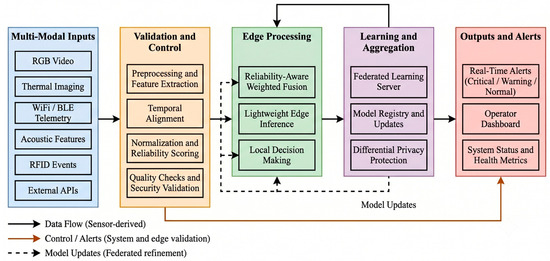
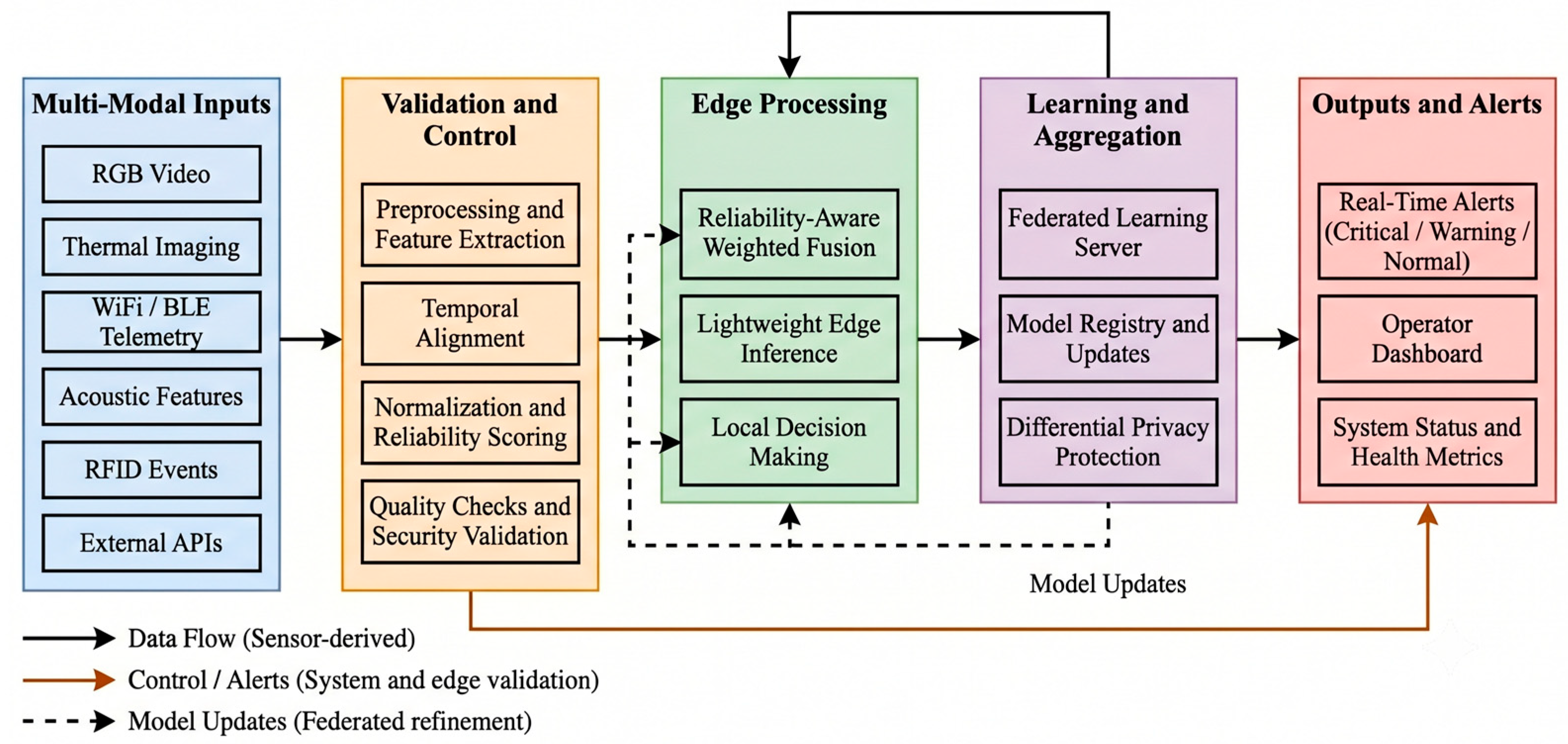
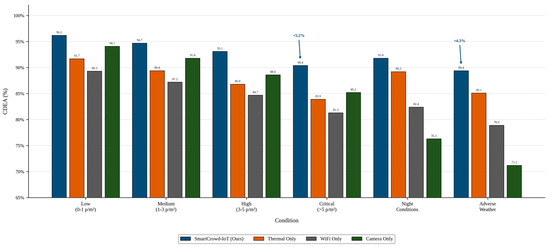
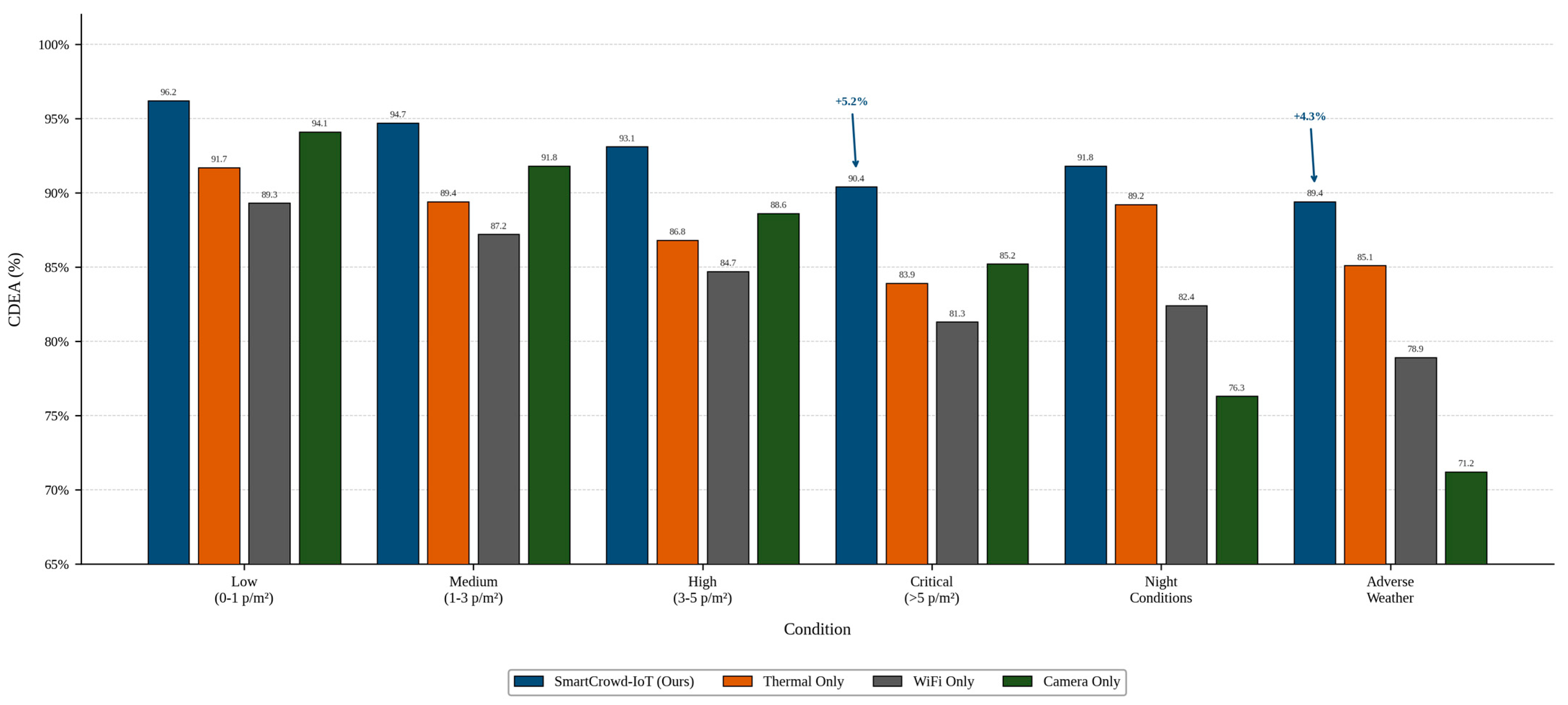
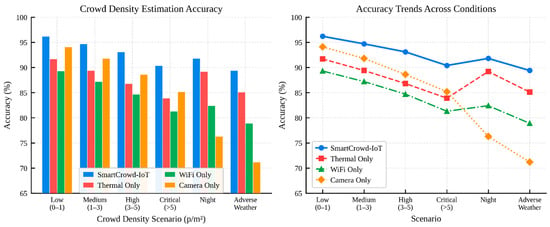
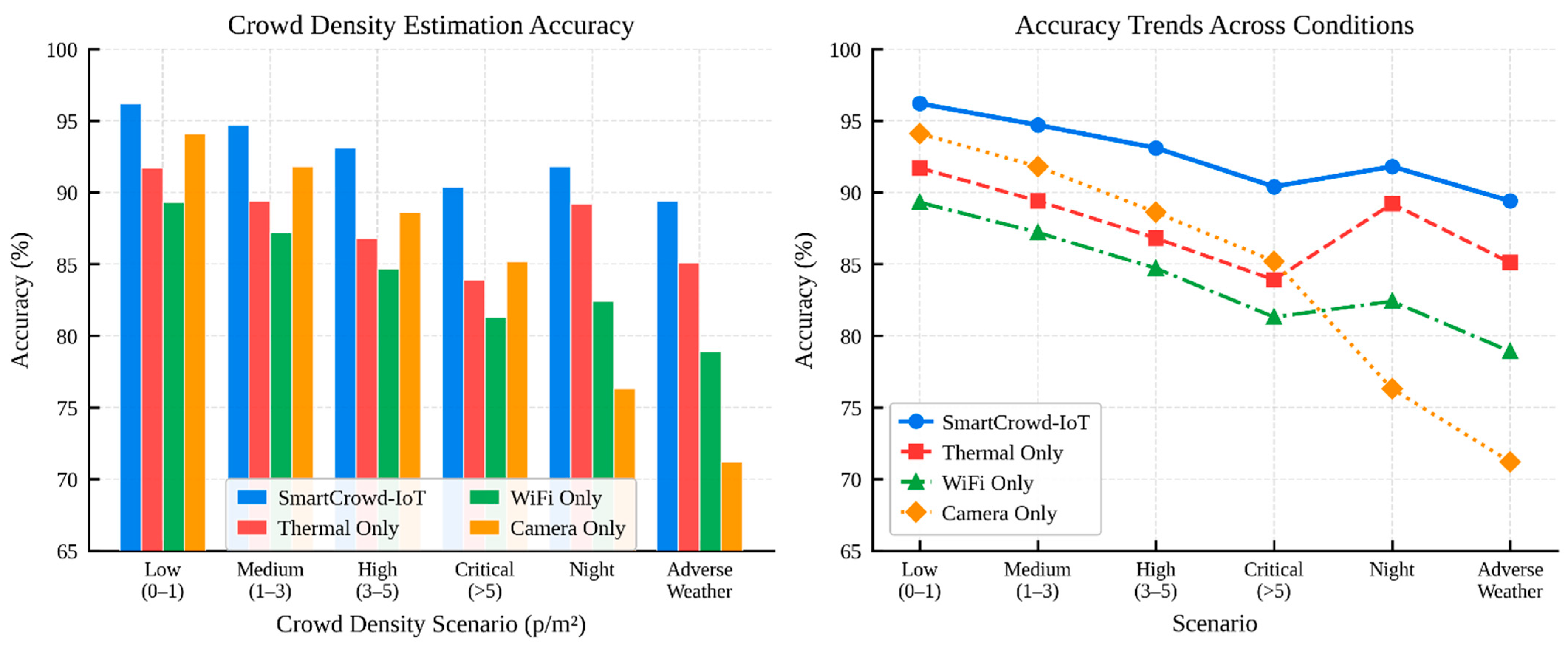
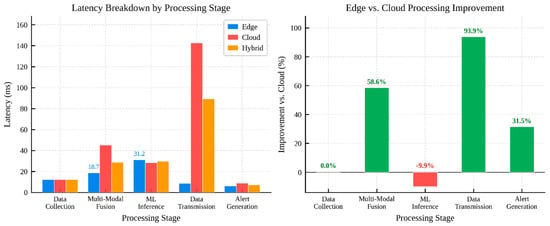
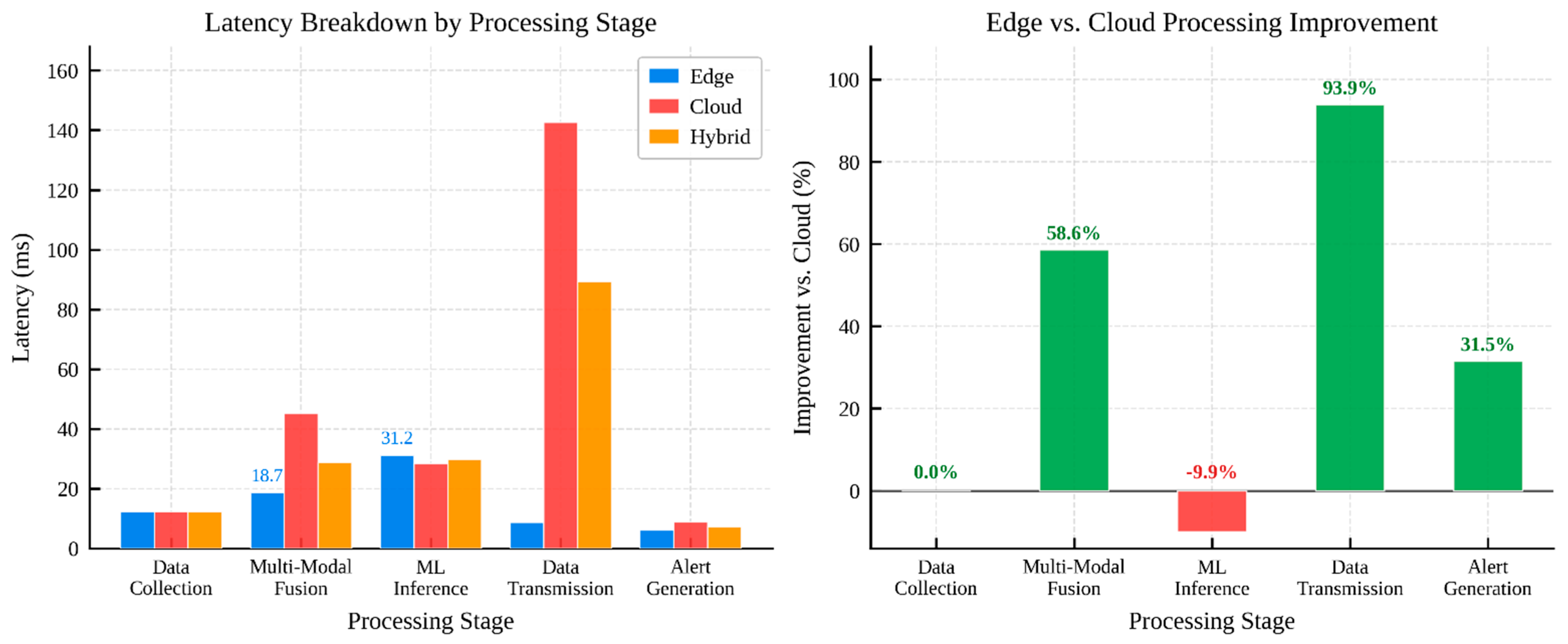
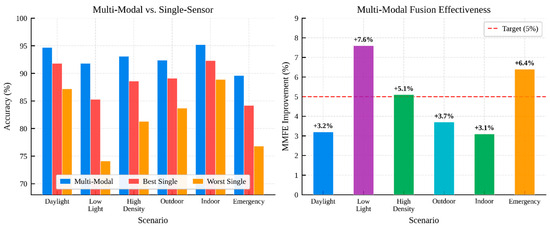
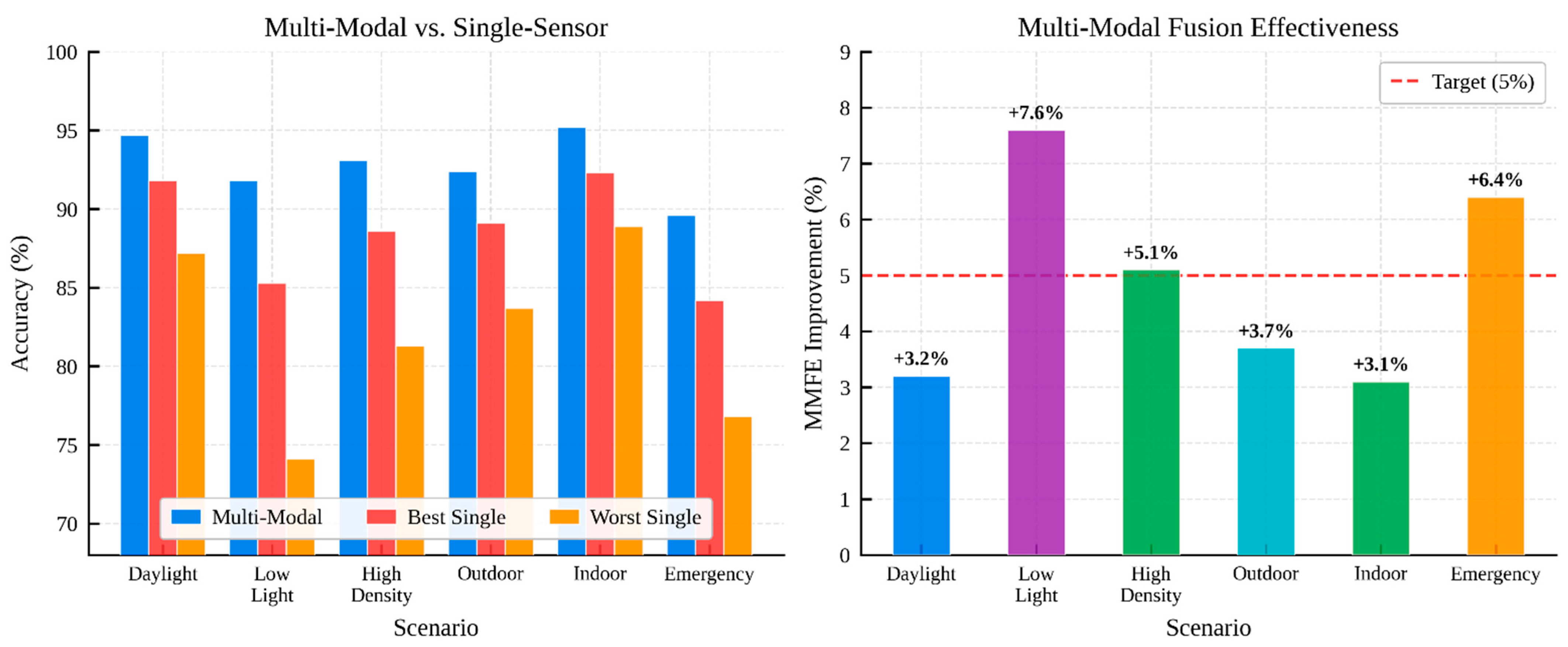
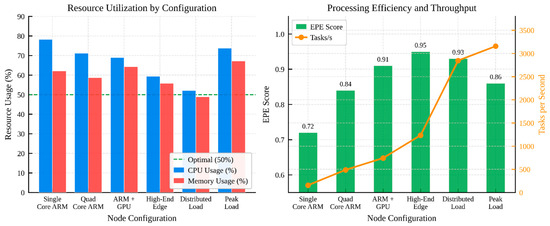
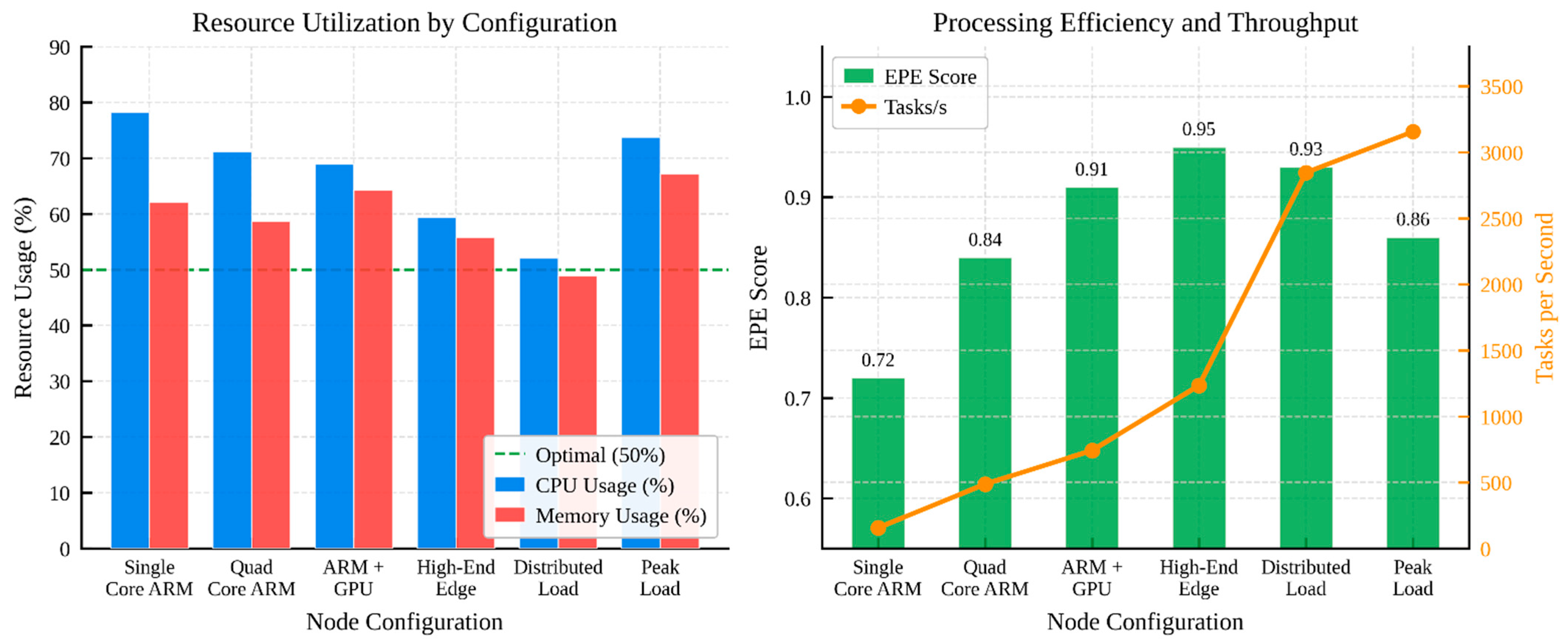
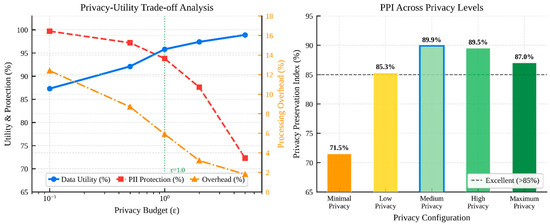
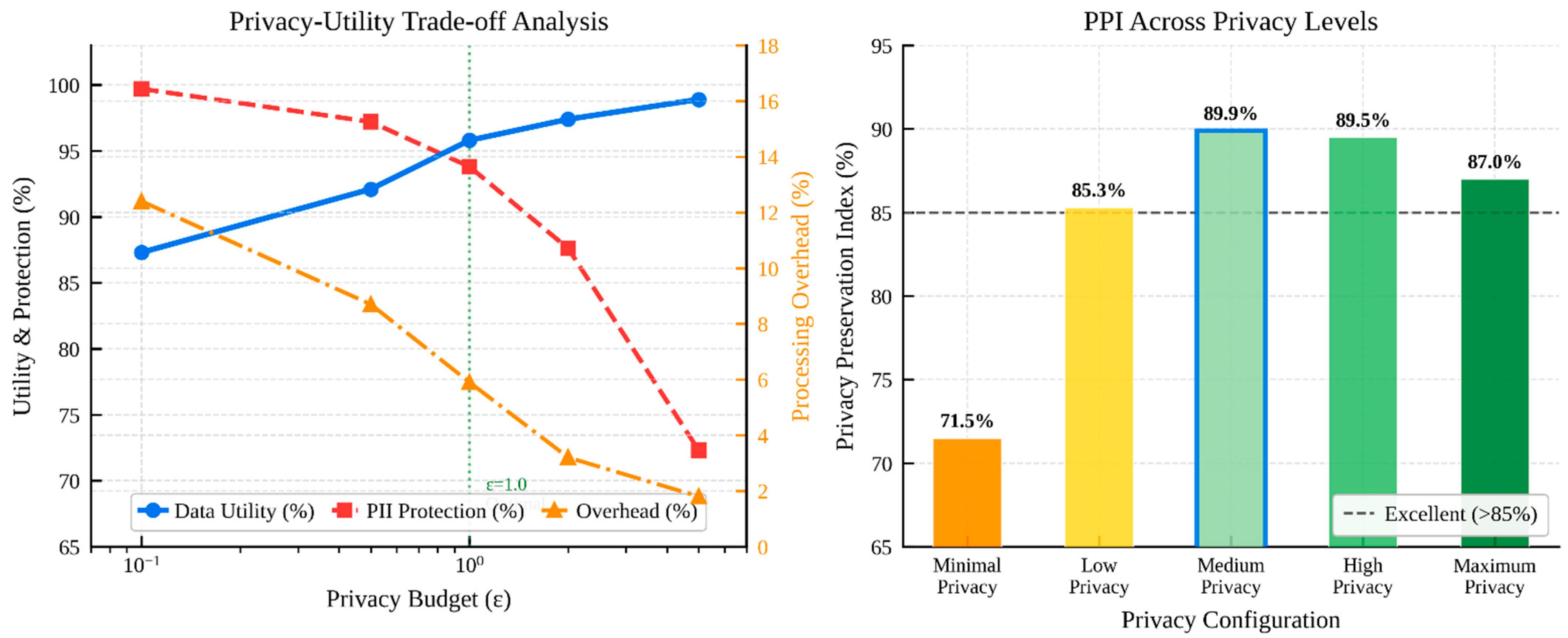
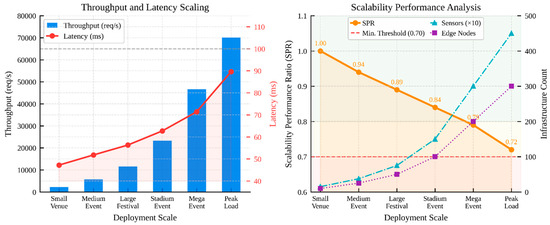
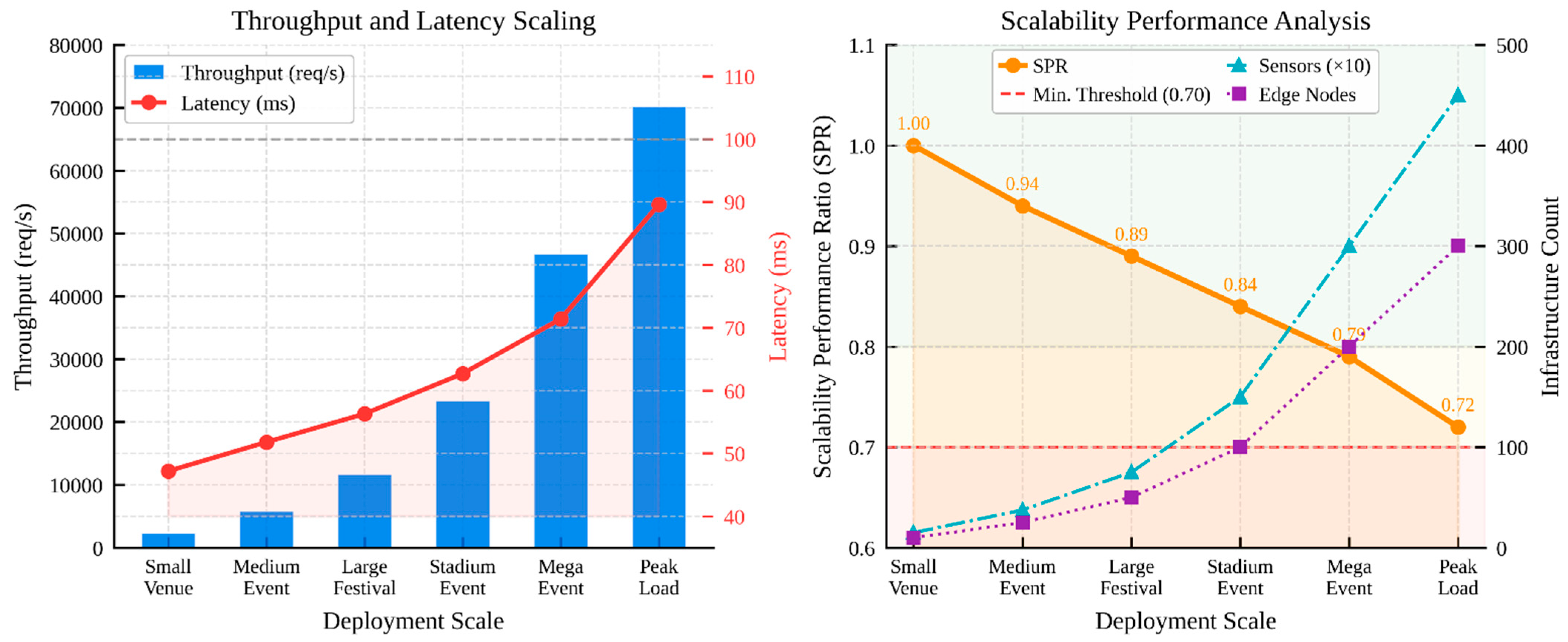
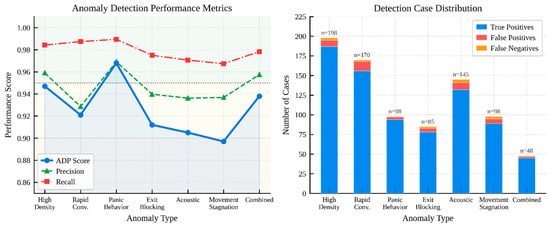
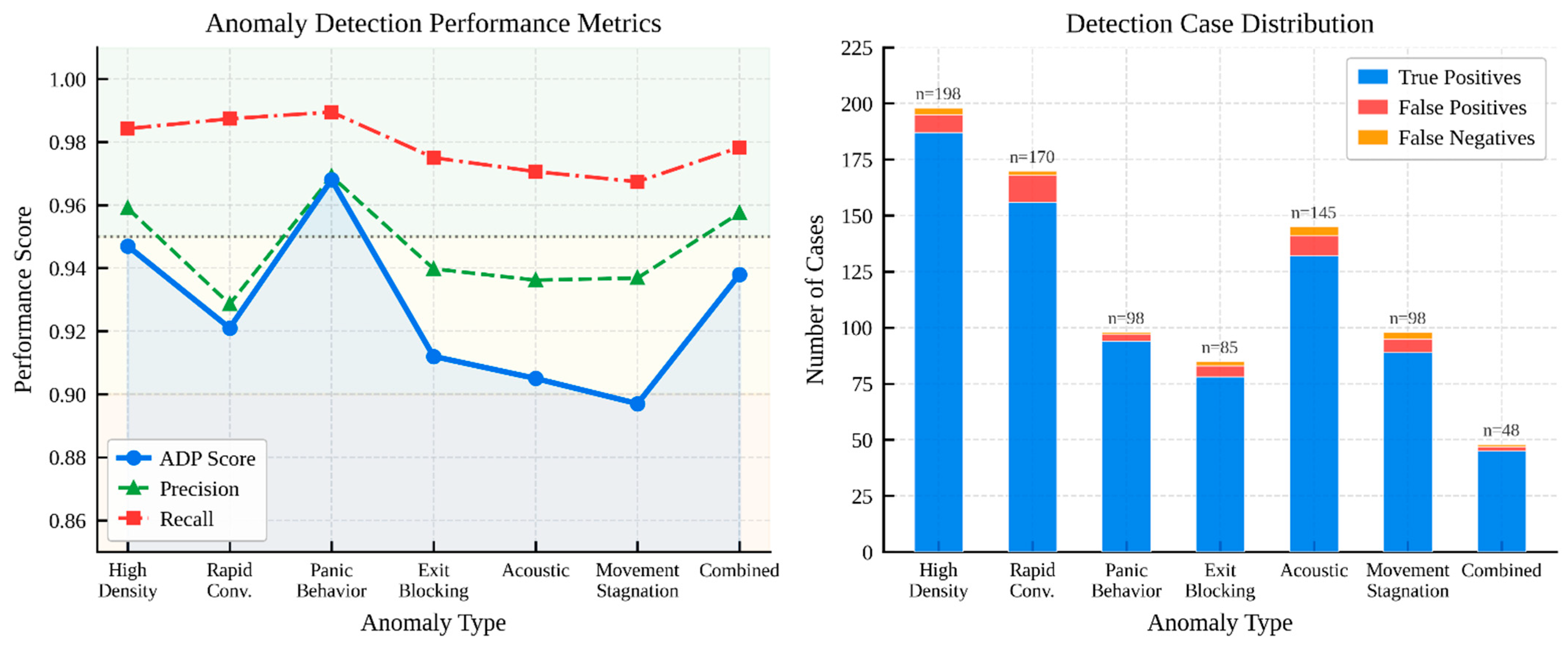
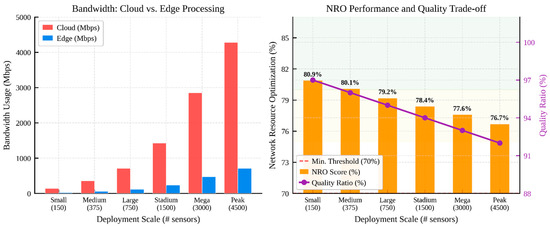
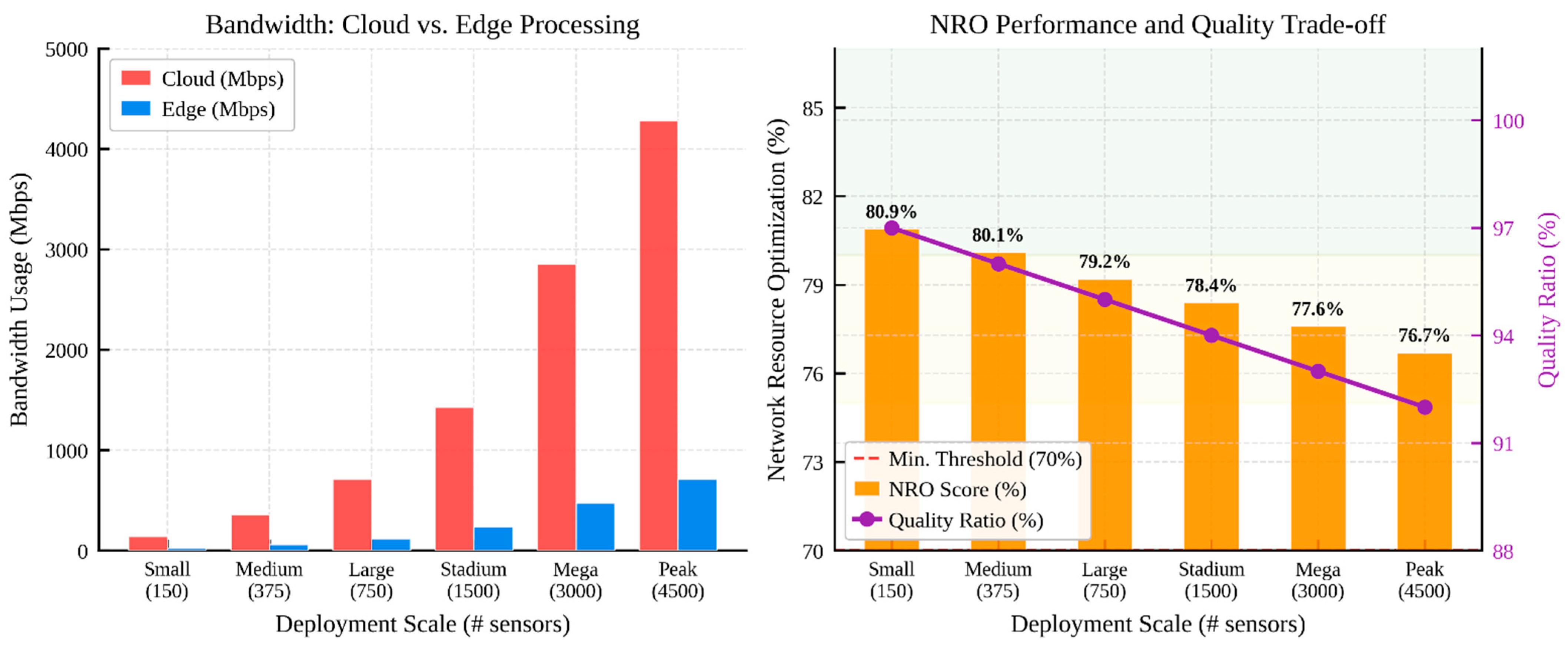

Disclaimer/Publisher’s Note: The statements, opinions and data contained in all publications are solely those of the individual author(s) and contributor(s) and not of MDPI and/or the editor(s). MDPI and/or the editor(s) disclaim responsibility for any injury to people or property resulting from any ideas, methods, instructions or products referred to in the content. |
© 2026 by the author. Licensee MDPI, Basel, Switzerland. This article is an open access article distributed under the terms and conditions of the Creative Commons Attribution (CC BY) license.