


Abstract
Artificial intelligence (AI) techniques have been increasingly applied in assisting various cultural heritage (CH)-related tasks. The aim of this study is to examine the research trends and current applications of AI in this vast domain. After obtaining a dataset from the Web of Science and Scopus databases, a scientometric analysis of research publications from 2019 to 2023 related to the use of AI in CH was conducted. The trending topics based on the author’s keywords were identified by using the ScientoPy v2.1.3 software. Through this approach, five main topics were identified: classification, computer vision, 3D reconstruction, recommender systems, and intangible cultural heritage. The analysis highlights the upward trend in publications in this field since 2019, indicating a growing interest in the application of AI techniques in CH. By analyzing the latest research in the field, it is observed that AI techniques are mostly applied to assist CH in the discovery, description, classification, and preservation tasks. The report gives insights into the main research areas and developing trends in the field of artificial intelligence and machine learning. The study offers important information about the key research areas and emerging trends related to using AI techniques in the CH field. This helps to recognize the potential, development, and increasing influence of these technologies within the CH domain. The findings of this study contribute to the future development of AI applications in CH, enabling professionals to use the advantages of these technologies.
1. Introduction
Artificial intelligence (AI) and its subfield machine learning (ML) techniques have been applied in various application fields, including cultural heritage (CH). Numerous AI applications have been developed for CH, such as automated historical document classification and knowledge extraction, automated 3D reconstruction, and identification of CH assets. These applications could be used to extract or generate information from a digitized CH object, manage digital heritage databases, or support the development of assisting tools for CH professionals.
Recent literature reviews studied various aspects of using AI techniques in CH. Several studies have examined ML techniques for assessing heritage building health conditions [1], point cloud data acquisition and semantic segmentation algorithms for CH [2], and damage detection and structural health monitoring in masonry structures [3]. Neural networks (NNs) and deep learning (DL) techniques have demonstrated potential in archaeology, specifically in reconstruction, remote sensing, and collection management [4]. Emerging techniques like Neural Radiance Fields (NeRFs) have been identified as effective in creating detailed 3D models of CH assets, especially those with challenging characteristics for traditional photogrammetry [5]. AI and subfield ML/DL techniques have also been used to significantly improve the performance of image-restoration methods [6], extract choreographic sequences from traditional dance [7], improve accessibility of museum and online CH content [8], and improve the management of archives [9]. Recently, ref. [10] explored how AI can enhance visitor interactions with cultural assets, focusing on techniques and tool integration.
In recent years, bibliometric analyses have been utilized often to determine the trends of research from publication [11], including in the intersection of AI and CH. For instance, the bibliometric analysis of AI and big data applications in CH and museum applications revealed that AI applications were peripheral to main keyword clusters, suggesting a need for further research [8]. Another study on Heritage Building Information Modeling (HBIM) shows a shift from conceptualization to multidisciplinary applications since 2017, with a recent focus on semiautomatic 3D modeling, heritage information systems, pilot studies, and virtual reality [12,13] identifies emerging trends in the field of relic tourism research by analyzing articles from the Web of Science database, with a particular focus on discovering key keywords and mapping out collaborative author networks within this scholarly literature.
Previous review studies have explored the potential opportunities for specific AI techniques or CH applications. Still, no comprehensive study has reviewed the main research trends on this technological advancement within the CH domain. The present study contributes to the field of CH in a number of unique directions. First, the present study explores the main emerging research trends of AI in CH by conducting scientometric analyses of the documents published since 2019 that have not been previously conducted at this scale in this field. Scientometric analysis is a quantitative method used to study scientific literature and research activities. Scientometric tools use algorithms to identify trends and patterns within a specific search criterion, such as author keywords [14]. This method allows for the identification of key areas where AI is making an important impact in CH, which is important for understanding the direction of technological advancements. Second, by examining recent applications and case studies the proposed study presents trending AI techniques for CH tasks, including discovery, description, classification, and preservation. Third, the study identifies advantages and challenges when using AI for CH applications, emphasizing research directions that require additional exploration.
2. Research Method
The dataset for this scientometric analysis was obtained through a search conducted on Clarivate Web of Science (WoS) and Scopus databases in January 2024. The databases selected for this study are widely recognized for their extensive coverage of metadata about documents related to the analyzed research field, including computer science, engineering, and cultural heritage studies [15]. The criteria used to include bibliographic sources were conference papers, articles, reviews, proceedings papers, and articles in press, all of them being relevant to AI applications in CH and published between 2019 and 2023. Exclusion criteria were applied to book chapters, editorials, letters, publications not directly related to AI applications in CH, and duplicate entries across Scopus and WoS databases. To retrieve a relevant bibliographic dataset that is related to the application of AI within the CH domain, two search queries were designed: “Artificial AND intelligence AND (Cultur* AND Heritage)” and “(Machine OR Deep) Learning AND (Cultur* AND Heritage)”. These queries were designed to capture a broad range of AI applications while maintaining specificity to cultural heritage contexts. During the query design process, I used OpenAI ChatGPT-4.0 (https://chat.openai.com/) to assist me with refining the queries. The timeframe chosen was limited to the period from 2019 to 2023 because that period covers the most recent developments in the applications of AI in the CH domain and provides sufficient data for trend analysis. The search was conducted without language restrictions to ensure a global perspective. But, due to the nature of the WoS and Scopus databases, the bibliographic dataset contains mostly English language publications. A substantial number of documents were retrieved after conducting a search using the chosen queries in both databases. The WoS database returned a total of 1323 documents that matched the specified search criteria. Similarly, the Scopus database returned 1269 documents relevant to the study’s focus. In the next step, the retrieved datasets were compiled and preprocessed into a single dataset for further analysis using ScientoPy v2.1.3 scientometric tool [14]. ScientoPy v2.1.3 is an open-source Python-based scientometric tool that merges data from different sources, performs temporal scientometric analysis for authors, institutions, and trending topics, and offers various visualization options for studies in emerging fields [14]. The preprocessing process includes title and author’s name normalization to exclude inconsistencies between WoS and Scopus, publication type filtering, and automatic duplicate removal based on DOI, publication normalized title, and first author’s last name. After merging datasets from the WoS and Scopus databases, and preprocessing the bibliographic sources, a total of 1702 unique entities were identified.
3. Emerging Research Trends of Artificial Intelligence in Cultural Heritage
Analysis of authors’ keywords can provide valuable insights into research trends. In the next step, a scientometric analysis was conducted on the retrieved bibliographic dataset to determine the most frequently occurring keywords used by the authors in their publications and identify the emerging topics. ScientoPy v2.1.3 utilizes three separate topic growth indicators to determine emerging trends and their associated relative and absolute growth: Average Growth Rate (AGR), Average Documents Per Year (ADY), and Percentage of Documents in the Last Years (PDLY). The author’s keywords were ranked based on the number of documents and AGR to identify prominent trends from the dataset (see Figure 1). Table 1 presents the ScientoPy v2.1.3 indices for the five identified trends: AGR, ADY, PDLY, and h-index of each topic [14,16,17]. Analysis has revealed five important trends: (1) classification; (2) computer vision; (3) 3D reconstruction; (4) intangible cultural heritage and (5) recommender systems.
Figure 1.
Evolution of top trending topics generated from the author’s keyword using ScientoPy v2.1.3.
Table 1.
ScientoPy v2.1.3 trend indices of selected topics.
The graph from Figure 1 illustrates the constant increase in interest for the selected trending topics from 2022 to 2023. The right-hand diagram from Figure 1 outlines the Annual Growth Rate (AGR) of each topic on the vertical axis, indicating the year-over-year change between 2022 and 2023. The horizontal axis represents the number of published documents related to each topic in the previous year (PDLY), showcasing the recent popularity of the topics. The most popular trending topic, based on the number of documents, is “Classification”. The trend that is growing at the quickest pace is “Intangible cultural heritage”. A more in-depth analysis is provided for these five trends, referencing the most relevant and highly cited articles relating to each topic. The knowledge graph representations used to explore the intersection between AI and CH for these five trends were generated using InstaGraph v1.0 online software (https://instagraph.ai).
3.1. Classification
The “Classification” topic leads, with an AGR of 7.5 publications in 2022–2023 and 124 documents. Classification is an important task within the digitalization of CH assets. Many examples of ML classification applications have already been developed in the field of CH management and preservation. These include the automatic organization and cataloging of cultural heritage objects, such as paintings, sculptures, manuscripts, and archaeological artifacts. ML techniques have also been employed to monitor the condition of these objects, detecting changes or deterioration over time. Additionally, ML has enabled the 3D reconstruction and preservation of intangible cultural heritage, allowing for more comprehensive documentation and analysis of these CH assets (see Figure 2).
Figure 2.
Knowledge graph representation of research trends in the classification of CH.
Substantial amounts of CH data exist in the form of images, text documents, and artifacts. Classification models can automatically categorize these items based on various criteria, like object type, artistic style, historical period, and provenance. The application of Convolutional Neural Networks (CNNs) for classifying CH images has demonstrated good results across various studies. Ref. [18] demonstrated the effectiveness of CNN in classifying CH images into ten categories with up to 90% accuracy. Abed et al. [19] applied pre-trained CNN models, achieving high accuracies in classifying architectural heritage images. Rehman et al. [20] introduce a novel approach using CNNs and data augmentation for classifying augmented CH images, demonstrating superior performance metrics over traditional models. The Convolutional Neural Network Attention Retrieval Framework (CNNAR Framework) was utilized for the classification and retrieval of diaspora Chinese architectural heritage images in Jiangmen, China, achieving a classification accuracy of 98.3% and a mean Average Precision (mAP) of 76.6% on heritage image datasets [21]. This framework incorporates transfer learning and a fusion attention mechanism for enhanced feature extraction. Other ML techniques for classifying CH heritage images have shown promising results. Wang et al. [22] introduced Tk-SENet, a fine-grained classification method for Thangka images, incorporating spatial and channel attention mechanisms to significantly improve classification accuracy. Ref. [23] employs a Self-Organizing Map (SOM) on an Artificial Neural Network (ANN) for classifying Javanese batik motifs, with a notable accuracy increase when combining multiple feature-extraction algorithms. The ensemble classification technique proposed by Prasomphan [24] focuses on distinguishing Thai architectural styles in CH images through ML and image processing, achieving an average accuracy of 80.83%. Meanwhile, the development of an AI model based on the LeNet architecture for classifying wayang images reported an accuracy range of 80% to 85% on 2515 Punakawan wayang images, indicating its potential for cultural preservation [25].
The application of ML techniques has demonstrated promising results in the recognition and classification of patterns within historical documents and handwritten materials. Two studies by Barucci et al. [26,27] explore the application of CNN in the classification and segmentation of ancient Egyptian hieroglyphs. In ref. [26], three CNN architectures—ResNet-50, Inception-v3, Xception—were evaluated alongside a custom-designed CNN named Glyphnet for hieroglyph classification. Glyphnet demonstrated superior classification performance over the other CNN models. The latest study [27] extended this work by incorporating Mask-RCNN for glyph segmentation and reaffirmed Glyphnet’s enhanced performance and computational efficiency in both classifying and segmenting hieroglyphs, presenting the potential of DL in Egyptology. Fidatama et al. [28] utilized the Local Binary Pattern (LBP) feature extraction and K-Nearest Neighbour (K-NN) classification to achieve an 86.056% accuracy in recognizing handwritten Bima script patterns. Mustiari et al. [29] applied the Histogram of Oriented Gradients (HOG) feature-extraction and backpropagation classification method, achieving high accuracy (97.70%), precision (97.72%), and recall (97.65%) rates, in recognizing the handwriting pattern of the Bima script.
Classification techniques have shown high accuracy in identifying and categorizing fragments of ceramics and frescoes. Ref. [30] demonstrates the effectiveness of a retrained Residual Neural Network (ResNet) in the automatic feature extraction and classification of Iberian wheel-made pottery vessels. Utilizing transfer learning on a binary image database, the model achieved a mean accuracy and f-measure of 0.96, showcasing superior performance over traditional ML approaches in archaeology. Cascone et al. [31] explored the application of machine and deep learning techniques for classifying fresco fragments within the DAFNE dataset. This study presents the potential of these methods in handling binary and multi-class classification tasks, particularly in the context of reconstructing destroyed frescoes, by addressing challenges like irregular shapes and color alterations.
Classification of architectural styles and buildings shows improved accuracy and efficient data management. Obeso et al. [32] explores a saliency-driven method for training CNNs in architectural style classification.
Ref. [33] introduces HierarchyNet, a hierarchical CNN model that outperforms traditional CNNs in urban building classification by employing a coarse-to-fine hierarchy and a novel multiplicative layer. Recent studies have explored ML techniques for damage identification and classification in structural health monitoring (SHM). Marafini et al. [34] introduce a classification scheme for ML vibration-based damage identification methods in SHM, emphasizing pre-processing and post-processing, feature extraction, and pattern recognition. Mehta et al. [35] demonstrate the effectiveness of CNN and Support Vector Machines (SVM) in classifying damage severity in heritage buildings, with CNN slightly outperforming SVM. Ref. [36] presents a DL-based system’s success in classifying surface damages on wooden architectural heritage, achieving high damage-detection rates. Roy et al. [37] discuss a hybrid CNN-SVM method for classifying defective paint intensity levels in heritage buildings, showcasing high recognition accuracies and precision values. Ref. [38] employs a Region-Based CNN within a Building Information Modeling (BIM) methodology for automating the recognition and classification of defects in historical buildings. These techniques facilitate automated and real-time damage assessment, potentially transforming heritage building management and preservation by enabling better monitoring [36,38].
The adoption of ML for classifying statues enables the acquisition of more accurate and detailed information. Fu et al. [39] explores an improved PointNet network for the automatic classification of grotto temple statues, achieving an overall accuracy improvement of 89.73% over the random forest classification method.
The ML techniques for the classification of 3D digital heritage data were successfully applied in several studies. The Random Forest algorithm was used for semantic classification for the 3D reconstruction of the Temple of Hera, demonstrating its effectiveness in classifying point clouds generated by UAV photogrammetry and GNSS survey [40]. Another study highlighted the use of both supervised and unsupervised ML strategies for classifying 3D digital heritage data, validating the approach on archaeological/architectural scenarios for restoration and documentation purposes [41]. The development of semi-automatic 2D/3D data annotation methods on the Aïoli platform using DL techniques provided efficient and accurate classification tools, marking a significant advancement in the annotation of architectural objects [42].
ML techniques can be used to classify and analyze ICH, specifically in dance styles and music. The Convolutional Neural Network-Long Short-Term Memory (CNN-LSTM) architecture shows good effectiveness in classifying Indian classical dance poses and hand mudras, achieving high accuracy, precision, recall, Area Under the Curve (AUC) score, and F1 score in both testing and training phases [43,44]. Another study utilized a hybrid CNN-Recurrent Neural Network (CNN-RNN) approach for classifying Indian dance styles, demonstrating superior accuracy compared to traditional methods [45]. These hybrid CNN-RNN and CNN-LSTM networks effectively capture both spatial and temporal features, showcasing their potential to preserve and manage ICH data [45,46]. Additionally, the Covariance Graph Convolutional Network (CoGCNet) model was applied to Cantonese opera singing genre classification, outperforming common neural network models with high precision (95.69%), recall (95.58%), and F1 value (95.60%) [46]. ML classification offers innovative digital solutions for accurate classification, preservation, and provides new insights into ICH studies.
These studies present the effectiveness of ML techniques in the classification and retrieval of CH images, demonstrating their potential for aiding in the preservation and understanding of cultural artifacts. But, limitations exist, such as challenges in handling complex or diverse CH assets shapes, which could decrease the effectiveness of ML in certain contexts. Also, extensive datasets are needed for training, and specialized hardware is needed for the implementation of these technologies in the field. For the reader’s convenience, Table 2 presents a concise overview of several case studies exploring the use of AI in the classification of CH assets.
Table 2.
Case studies exploring the use of AI in the classification of CH assets.
3.2. Computer Vision
The second trending topic is Computer vision (CV), with an AGR of 3.4 publications in 2022–2023, and 100 documents. Aspects of CH that can benefit from CV and AI techniques include preservation, accessibility, documentation, analysis, documentation, and engagement with CH assets. CV and ML techniques enable historians to better understand visual arts by performing unsupervised feature extraction and knowledge discovery in digital painting datasets [47,48,49]. Object-detection DL algorithms can be used to localize and detect damage in images of complex heritage structures [50] reconstruction of façade buildings [51], tracking and analyzing visitor behavior at archaeological heritage sites [52] or museum [53], effective segmentation of mosaic images [54] and processing historical photographs and film footage [55] (see Figure 3).
Figure 3.
Knowledge graph representation used to explore the intersection of CV and AI in CH.
AI/ML models can be trained to recognize particular damage types, including erosion, cracks, or color changes, which makes early identification and preventive conservation measures possible. YOLOv4 has been applied to identify various types of damage to historical buildings, demonstrating the model’s capability to enhance quality judgment and evaluation of heritage assets [56]. CNNs and SVMs have been effectively used for automated damage severity classification in heritage buildings, showing high accuracy levels in identifying damage under real-world conditions [35]. CNNs were found to slightly outperform SVMs in classifying damage severity levels on a dataset of 4500 images. The study demonstrated that both models were effective, with CNN achieving a 98% accuracy rate in damage severity evaluation. EfficientNetB0, EfficientNetB2, ShuffleNet_v2, and AlexNet models were employed to detect minute inclinations and roof tilts in immovable cultural assets, with EfficientNet models achieving the highest prediction accuracies [57].
Ref. [58] introduces an automatic damage-detection system utilizing the Faster R-CNN algorithm to identify four types of damages in stone cultural properties, achieving a high 94.6% confidence score and employing image augmentation for improved performance.
Li et al. [59] explore the use of a Generator-Discriminator Network for the digital restoration of damaged murals, focusing on enhancing texture, color, and structural continuity. This method shows important improvements in Peak Signal-to-Noise Ratio (PSNR) and Structural Similarity Index (SSIM) values, indicating better restoration quality.
Generative Adversarial Networks (GAN), specifically through a modified U-Net architecture, offers an approach for the virtual restoration of artworks without mask generation, simplifying the restoration process [60]. These technologies present limitations, mainly related to the need for extensive validation, concerns about scalability, and the dependency on high-quality datasets for training, increased training data and parameter adjustments, and the need for improved accuracy in detecting small or unclear damaged areas.
In the field of archeology, CV and AI/ML techniques can be used for the interpretation and analysis of data. These advanced tools can assist in classifying and recognizing artifacts, mapping site layouts, and reconstructing historical environments. Machine learning-based methods have proven effective in predictive modeling and in overcoming data constraints, thereby improving data reliability for archaeological predictive modeling [61]. In ref. [61], the Random Forest (RF) algorithm was effectively used to predict Roman site locations in Zurich, Switzerland, by analyzing geo-environmental features and demonstrating the algorithm’s capability to handle data challenges. Automated potsherd detection employed high-resolution drone imagery was combined with ML, offering a cost-effective and detailed method for archaeological surveys [62]. Ref. [63] study a hybrid integration approach combining a conditional attention mechanism (AM) with a frequency ratio (FR) model and the MaxEnt method is developed. This AM_FR approach demonstrated superior performance in predicting archaeological site locations in Japan and Shaanxi, China, by effectively capturing environmental factors highly correlated with site locations. Additionally, ref. [64] presents the use of CNN, in detecting archaeological remains through aerial, satellite, and LiDAR imagery. In a different application, DL has been employed as a surrogate for X-ray fluorescence (XRF) to estimate the elemental composition of archaeological artifacts, specifically targeting iron and copper objects. This non-invasive, radiation-free, and cost-effective DL regression model analyzes stereo microscopy images of artifacts to approximate metal concentrations, offering a promising alternative to traditional XRF methods for elemental analysis before artifact restoration [65]. These approaches demonstrate the potential of these techniques to enhance efficiency, accuracy, and detail in archaeological surveys, overcoming traditional limitations. Still, challenges like the need for high-resolution data, necessity for ground-truthing to confirm findings and limitations to independently interpret complex archaeological contexts.
Generative Adversarial Networks (GANs) have been effectively applied in artwork restoration, utilizing a modified U-Net architecture for the generator and pre-trained residual networks for the encoder, demonstrating superior performance [60]. A heuristic-based framework has been proposed for generating training data for Named Entity Recognition (NER) of artwork titles, significantly improving NER performance [66]. Spatiotemporal Deep Neural Networks (STDNNs) have been used for defect identification in artworks through infrared thermography, achieving outstanding performance with a high mean F1 score [67]. DL algorithms have been applied to detect physical damages on artwork surfaces, employing specific activation maps for identifying deteriorations such as cracks, blisters, and detachments [68].
Computer vision and AI techniques are used in Historical Document Processing (HDP) mainly to digitize, reconstruct, and analyze ancient historical documents. Techniques include the use of Gaussian filters for handwritten text segmentation in Arabic documents, demonstrating superior segmentation capabilities [69]. Convolutional Recurrent Neural Networks (CRNNs) have been applied for automatic handwriting recognition, achieving a Character Error Rate (CER) below 10% with minimal training data [70]. SVM classifiers facilitate text line identification in layout analysis, enhancing text recognition accuracy without the need for text alignment correction [71]. Additionally, Graph Neural Networks (GNNs) offer innovative approaches for reconstructing ancient documents by classifying spatial relationships between document fragments, enabling partial or full document reconstruction [72]. Babi et al. demonstrated the use of an ensemble of CNN models, specifically leveraging the Inception-ResNet-v2 architecture, to achieve high accuracy in writer identification from historical documents [73]. Unsupervised methods for lower-baseline localization based on writing style features have outperformed traditional methods in historical document analysis [74]. Zero-shot restoration techniques, particularly using Denoising Diffusion Restoration Models (DDRM) for ancient document restoration, have been evaluated for their effectiveness in inpainting missing characters [75]. Also, the Transkribus platform employs machine learning-based neural networks for automated transcription and keyword spotting, demonstrating the practical application of AI in making historical documents accessible [76]. These approaches can enhance accuracy in text segmentation, writer identification, document restoration, and transcription. Limitations of the approach include challenges in handling diverse document styles and a dependency on the availability, quality of the training data and the need for labeled data, and the adaptation to diverse historical document characteristics [70].
CV techniques can be used to create comprehensive digital archives enabling efficient cataloging and management. Jaillant et al. [77] emphasized the role of ML in automating tasks and improving access to digital archives, particularly through sensitivity review and intelligent searching. Tzouganatou [78] focuses on a human-centered approach to AI development for democratizing access to digital archives, presenting the importance of balancing openness with privacy. These approaches contribute to the accessibility of digital archives. But challenges like bias, misrepresentation, and ethical concerns persist, necessitating a framework of AI governance informed by ethical principles.
Another application of CV and AI techniques is related to the field of textile cultural heritage for the classification and preservation of traditional textile patterns. Schleider et al. propose a zero-shot learning technique that uses a knowledge base called ConceptNet to predict categorical metadata for silk textiles. This method demonstrates competitive performance without requiring training data, offering a promising solution for textile classification [79]. Ref. [80] explores the application of a U-Net architecture with the perceptual loss for the semantic inpainting of traditional Romanian vests, addressing the challenges of degradation and restoration of traditional clothing. The findings demonstrated the potential of the proposed model to enhance fidelity in the restoration of traditional clothing, achieving low numerical error. AI-powered analysis of scanning electron microscopy (SEM) imagery analysis was used to assess the impact of washing historic textiles, revealing structural changes in the textiles [81]. Liu and Binbin [82] employed a conditional GAN model for the design of Chinese traditional textile patterns, successfully generating new patterns with traditional features. These studies demonstrate the potential of AI in preserving and innovating within the textile cultural heritage sector. But, these approaches present limitations, including the need for quality improvement in generated patterns and challenges in addressing heterogeneity in metadata representation. For the reader’s convenience, Table 3 presents summarize several case studies exploring the use of CV and AI for CH applications.
Table 3.
Case studies exploring the use of CV and AI for CH applications.
3.3. 3D Reconstruction
Integration of AI and ML techniques has transformed the reconstruction of 3D models of CH objects and sites. By combining these techniques and CV algorithms is possible to acquire accurate features and geometries of CH assets that facilitate analysis, monitoring, recognition, and documentation of these cultural resources (see Figure 4). This topic is one of the applications of AI that has undergone a steady growth in last five year (81 documents and AGR = 6 in 2022–2023).
Figure 4.
Knowledge graph representation of research trends in 3D reconstruction of CH.
One of the most popular techniques for 3D reconstruction of CH artifacts is photogrammetry. Using AI techniques in photogrammetry enables the automation of data generation, which reduces manual labor and enhances the applicability of DL in digital heritage activities [83]. Ref. [83] discusses the fusion of real and synthetic datasets to optimize DL performance in CH photogrammetry, highlighting the importance of dataset balance. In [55], photogrammetry and AI are integrated to enhance methods for finding architectural heritage assets in video content and to lessen the time and effort required for an operator to manually review them in the archive. These techniques also enable augmentation of source image datasets, improving visualization, creating immersive experiences, and increasing accessibility to heritage sites. Condorelli [84] utilizes prompt-to-image AI systems for image dataset extension, enabling 3D modeling of historical sites from limited sources. Mask R-CNN DL networks have proven effective in improving the efficiency and accuracy of photogrammetric modeling, as evidenced by high recall rates in background triangles simplification of 3D models [85]. The effectiveness of these methods depends on the identification of proper geometric and radiometric features and the challenges of noise reduction [86,87]. Also, was observed a reduced efficiency when applied to large models [85].
In CH applications, point clouds obtained from various scans or sensors can be automatically processed using AI algorithms to filter out noise, segment, classify, register, and align multiple point cloud datasets of cultural heritage objects and sites. The quality and accuracy of the 3D reconstruction can be increased by using ML techniques to denoise point clouds and eliminate outliers. Gujski et al. [87] utilized unsupervised learning algorithms Self-Organizing Map (SOM) and K-means algorithms to filter noise and enhance 3D model definitions from UAV image-generated point clouds, identifying the angle of intersection between homologous points as a critical factor. The AI techniques can also improve the efficiency and accuracy of CH point cloud segmentation [88,89]. Yang et al. discuss a broad spectrum of algorithms including region growing, model fitting, unsupervised clustering, supervised ML, and DL [2]. Cao et al. compare ML methods, specifically the Random Forest classifier, with DL approaches like Dynamic Graph Convolutional Neural Networks (DGCNN), demonstrating their efficiency in semantic segmentation of architectural cultural heritage point clouds [90]. Additionally, ref. [8] presents an overview of traditional methods, ML, and DL for point cloud segmentation, highlighting the importance of evaluation metrics, public datasets, and post-segmentation applications in CH preservation.
Pellis et al. introduced a dataset for semantic segmentation of heritage buildings to facilitate the comparison of point-based and multiview-based approaches, aiming to simplify the creation of geometrical and informative models [91]. Furthermore, a study from the same research group [88] proposed a workflow using a multi-view approach for automatic semantic segmentation of 3D point clouds, showing promising performance in image segmentation and potential in 3D reconstruction. Musicco et al. [92] employed color-based segmentation with hierarchical clustering in the HSV color-space and geometry-based segmentation to analyze decay morphologies, demonstrating the effectiveness of AI techniques in identifying alterations in historical buildings. Malinverni et al. apply PointNet++ for automatic labeling and clustering of point cloud elements, showcasing its effectiveness in 3D point cloud classification and segmentation [93]. More recently, Haznedar et al. [94] discussed the implementation of PointNet, emphasizing the importance of training with restitution-based heritage data for improved accuracy in segmenting heritage buildings. Cao et al. developed a label-efficient DL network, 3DLEB-Net, for semantic segmentation of building point clouds with limited supervision, achieving state-of-the-art results on the ArCH dataset with only 10% of labeled training data [89]. Ref. [95] employs SVD for boundary plane detection and mesh segmentation, achieving high accuracy without mesh conversion, indicating its potential for Scan-to-BIM applications in cultural heritage.
These methods show promise in enhancing the detection of alterations and deterioration morphologies on historical buildings, thereby aiding in their conservation [92], handling complex geometries and diverse architectural styles, and improving accuracy and efficiency in segmenting elements [92,95,96]. Limitations involve the challenges in applying these methods effectively across the diverse and complex nature of cultural heritage objects, lack of dedicated benchmarks for heritage buildings, handling of deformation and deterioration in heritage buildings, where methods like PointNet require extensive training to achieve high accuracy.
Multiple point cloud datasets can be automatically registered and aligned using AI algorithms, allowing for the integration of data from different sources and the development of complete 3D models. Recently, ref. [97] introduced the Fast Adaptive Multimodal Feature Registration (FAMFR) workflow, which uses handcrafted color and shape features for high-resolution point cloud registration. The proposed approach outperforms other methods by at least 35% in accuracy, showcasing its efficacy in handling intricate geometric and decorative surfaces. Additionally, DL allows for handling complex geometries, as demonstrated by the DeepGMR network’s application in cross-time registration [98]. But, limitations may arise from the need for specialized methods and datasets, to evaluate performance effectively [98]. The application of AI techniques in the analysis of 3D reconstruction includes the ability to accurately classify 3D point clouds in cultural heritage applications [86,99], enhance architectural modeling through techniques such as depth image estimation, spherical projection mapping, and 3D adversarial generation networks [100]. Additionally, the integration of SVD algorithm allows automation and high accuracy in detecting elements in complex scenarios, such as heavily ruined monuments [95]. The effectiveness of these methods depends on the identification of proper geometric and radiometric features and the challenges of noise reduction. A summary of several case studies is presented for the convenience of the reader in Table 4.
Table 4.
Case studies exploring the use of AI for 3D reconstruction.
3.4. Intangible Cultural Heritage
Intangible cultural heritage (ICH) is a significant resource to every community [101]. This is a trending topic that rise in the last year, AGR = 4.0 in 2022–2023. One of the important threats to ICH is related to globalization, climatic change, urbanization, and technology, mainly because of the increasing pace of modern civilization. Digitization techniques have opened new possibilities for the preservation, analysis, and dissemination of ICH (see Figure 5).
Figure 5.
Knowledge graph representation of top research trends in ICH.
Rallis et al. [7] demonstrated the importance of using ML technologies for preserving, understanding, and analyzing dance-related ICH content. The study explored the challenges associated with the dynamic and multifaceted nature of choreographic patterns and dance movements. The authors also outlined the potential of recent ML technological advancements in addressing these challenges effectively. In [102] traditional Greek dance choreographies postures are classified using CNN. The developed AI module can also be used for evaluating the performance of learners of traditional Greek dance. Ref. [103] explores how traditional games, such as the Mediterranean game of Mùrra, can be digitized and leveraged using technology to preserve cultural heritage and facilitate cross-cultural exchange and learning. Understanding and managing the semantic content of ICH resources can be aided by ML. Fugini et al. [104] introduces a framework named MAGIS (Multimedia Adaptive Geo-referenced Information System) that associates semantic content with geographic maps based on an approach that combines natural language processing with human expert intervention to classify stored contents. Sotiropoulos et al. present MUSILYAN framework based on advanced natural language processing, text mining, and thematic modeling techniques to support computer-aided functions of musical and lyrical analysis, with a focus on the automated management and labeling of the semantic content of textual information related to the poetic activity of a Greek lyric writer [105]. In [106] is presented the classification of ICH images based on SVM models. Ref. [107] proposes a method based on ML algorithms and OSBE protocol to safeguard sensitive intangible cultural heritage information within communication networks.
AI-powered ICH Platforms facilitate the management, documentation, and promotion of ICH [22,108,109,110]. These platforms aim to improve the synergy between cultural traditions and modern technology, providing advanced methods to preserve and disseminate cultural knowledge. Ref. [110] proposes a database system for ICH using AI for Mongolian stringed instruments, enabling the preservation, display, and education of such resources. In [111], a platform for ICH protection is presented, which includes big data and virtual systems to promote ICH preservation and the development of related skills. This platform aims to facilitate the wider dissemination and understanding of ICH. It presents four significant attributes of AI for ICH: digitalization, informatization, networking, and intelligence.
The application of AI technology to the protection and dissemination of ICH was investigated from multiple perspectives. The advantage of AI is related to the possibility of reproducing ICH in a historical setting for audiences, making it more accessible and engaging. AI can also provide an immersive experience for visitors to learn about ICH through personal experience, which is preferred by 66% of visitors according to the questionnaire presented in ref. [22]. Huang et al. explore the potential of ML in the management of ICH, with a focus on the case study of Huaer music in China’s northwest region [109]. This study suggests that the application of ML in Huaer information mining can provide a large amount of data for its survival as an ICH and a method for intelligent machine creation and inheritance of Huaer music.
Knowledge graphs (KGs) provide a structured representation of complex connections between various aspects of ICH. In ref. [112], interpretable neural-symbol learning techniques that combine DL with symbolic knowledge from a KG are used to improve interpretability in an ICH use case using Zhejiang cuisine recipes. The method can increase interpretability while improving performance in detecting the variety of ingredients using a camera placed above the refrigerator.
AI technology can be used to improve learning resources for ICH education in the classroom. Huang et al. [113] introduce the construction of a personalized learning ecosystem, which includes aspects such as an intelligent environment and the roles of teachers. The study examines the feasibility and effectiveness of this ecosystem through a comparative analysis of teaching classes in Boluo Cock, a Chinese ICH. In [114] is presented an AI-powered curriculum for colleges and universities ICH education. The results indicate that students adopted the proposed model, 69.3% of subjects chose to like the AI-powered curriculum, and 83.3% of subjects agreed is helpful.
Public involvement with ICH assets can be enhanced by interactivity and immersive visualization. In [115] is presented the CHROMATA platform that uses AI technologies such as 3D pose estimation, dance recognition, and textual analysis to facilitate the creation of immersive experiences that can help preserve and revive ICH. Ref. [116] describes the development of an intelligent multimedia display interactive system for the ICH of martial arts, which uses AI technology to capture and analyze the movements of martial artists. Ref. [117] introduce a mobile augmented reality system to display and preserve ICH. The system utilizes AI technology for knowledge modeling of ICH resources and ORB-FV, KLT algorithms for image recognition and tracking registration, allowing users to interact with and experience the ICH in an entertaining way. For the reader’s convenience, Table 5 presents a concise overview of several case studies exploring the use of AI in ICH.
Table 5.
Case studies on the application of AI in intangible cultural heritage.
AI technology facilitates the integration of ICH into an interactive entertainment space, allowing for a more engaging and immersive experience for users, especially children and adolescents [118]. The potential of AI in preserving and promoting ICH is important, but it also comes with challenges related to addressing data representation, availability of datasets, cultural sensitivity, the complexity of AI models needed for processing multiple forms of expression (oral, visual, auditory, etc.), interdisciplinary collaboration, and availability of extensive computational resources for processing large amounts of data required for ICH analysis.
3.5. Recommender Systems
The application of recommender systems powered by AI and user data analysis is relatively new, therefore this topic has reduced growth, 16 documents and AGR = −1.0 in 2022–2023. Integrating artificial intelligence and machine learning can improve the capabilities and effectiveness of recommender systems in cultural heritage applications [119,120]. The AI techniques can be used to analyze user data and provide personalized content recommendations for users exploring cultural heritage information. This will help users search for items of interest through the vast amount of cultural heritage data. The research trends are mainly focused on exploring the potential of these systems to enhance visitor experiences, promote cultural engagement, and facilitate the preservation and dissemination of cultural knowledge (see Figure 6).
Figure 6.
Knowledge and relationships within the field of recommender systems research in CH.
Ferrato et al. [121] propose a high-level architecture of a museum recommender system, called META4RS, which is capable of tracking the location of the visitor by using DL and assessing the emotional reaction to the artworks. The proposed system has the potential to create individual itineraries that may promote a better perception of the artworks by understanding visitor preferences without explicit input. Recently, in [122] was used a Generative Pretrained Transformer (GPT) to create a digital museum guide and a recommender system for cultural heritage spaces. The proposed Large Language Model (LLM) allows to personalize the visitor experience by offering adapted information, recommendations, and even immersive storytelling based on visitor input.
Nafis et al. focus on developing an AI-powered recommender system for Semantic Cultural Heritage (SCH) objects in the Drâa-Tafilalet region, Morocco which is rich in heritage data that has been little known. The system proposes several ML algorithms (CNN, Naive-Bays, SVM, KNN) that can be used to analyze content and user preferences to create personalized recommendations of relevant SCH objects. This system aims to preserve and increase visibility for a wider audience of this heritage region in Morocco [123].
Ref. [124] introduces an AI-powered Context-Aware Path Recommendation approach that combines a Context-Aware Recommender System and an optimization model for planning tourist itineraries. The proposed system uses a SVD technique to analyze user preferences and contextual data enabling the generation of personalized visiting paths that maximize the number of POIs visited within the available time.
Casillo et al. [125] propose a recommender approach for enhancing Italian Cultural Heritage by presenting the cultural sites through digital storytelling. In this study is developed a content-based recommendation method, based on SVD algorithm, able to analyze users’ preferences and contexts like location or mood that recommends culturally relevant sites. It has a triple-layer system architecture: a data layer, responsible for the collection of data; an elaboration layer that processes data, generating recommendations by making use of context information; and a presentation layer, responsible for presenting the recommended content before the user in an engaging storytelling methodology. The rating forecasting results by the proposed system are better than those obtained using previous methods. Su et al. [126] present a user-centered recommendation strategy, through a mobile app called Smart Search Museum, that uses semantic searches and machine learning-based inference to suggest museums and other points of interest to the visiting user in a city. In this research, recommendation techniques are combined with edge AI capabilities to create personalized itineraries. For the reader’s convenience, Table 6 provides a concise overview of several case studies exploring the use of AI for recommender systems.
Table 6.
Case studies exploring the use of AI for recommender systems.
Although CH recommender systems have been very promising, challenges and limitations related to implementations and effectiveness are still presented. Most current recommender techniques depend on user-generated content and behaviors when making appropriate recommendations for a particular user. In many cases, CH visitors may have varied engagement levels, and their preferences may not be well acquired if they do not interact frequently with the recommender systems. This leads to challenges in accurately capturing user interests and possibly irrelevant recommendations [119,120]. The complexity of the algorithm within a recommendation system, especially the ones which employ ML, can become a barrier. Large computational demands of ML techniques might require large resources that smaller cultural institutions do not hold, which can further limit their capabilities in applying advanced recommendation systems.
4. Conclusions
Substantial progress has been achieved in applying AI techniques across various areas of CH. This comprises applications ranging from the 3D reconstruction of heritage artifacts to music, dance, and historical text analysis. In this paper is presented an outline of research related to five emerging trends in using AI techniques in the field of CH. These emerging trends were identified using a scientometric analysis based on an advanced tool like ScientoPy v2.1.3 on a dataset of 1702 relevant articles gathered from Clarivate Web of Science and Scopus databases.
In many applications, AI techniques have proved to be beneficial compared to traditional methods in enhancing the digital transformation of the CH and increasing performance in data management, preservation, and sharing. AI automates damage detection, object recognition, data analysis, and 3D reconstruction. Also, the application of AI in CH extends from basic automation, reaching specialized domains that are improving understanding and interaction with cultural artifacts. In the field of damage detection and conservation of CH assets, advanced AI models such as CNNs, YOLO, and SVMs have demonstrated significant accuracy in identifying and classifying various types of damage in historical buildings and artifacts. These models can detect patterns of deterioration that might escape the human eye, enabling proactive conservation efforts. AI’s impact on digital archiving has been transformative. AI techniques facilitate access and understanding of CH documents through automated transcription, document restoration, and personalized recommendations. ML algorithms can automate the process of digitizing vast collections of documents, photographs, and audio recordings. Also, ML techniques can identify patterns and connections across massive datasets of artifacts, texts, and historical records. NLP techniques have made significant advances in automated transcription and translation of historical texts, making previously inaccessible documents available to a global audience. Also, AI improves CH preservation by enabling analysis of deterioration and virtual restoration of artworks. In the field of object recognition and 3D reconstruction, AI has enabled the creation of highly detailed digital models of artifacts and historical sites. DL models can reconstruct damaged or partially destroyed artifacts, improving understanding of their original form and function. AI technology facilitates the integration of CH into interactive Virtual/Augmented Reality environments, allowing for a more engaging and immersive experience for users, especially children and adolescents. AI algorithms can create personalized, context-aware AR overlays in museums, providing visitors with adapted information based on their interests and prior knowledge.
The application of AI in CH presents ethical considerations and potential limitations. Data privacy is an important ethical concern when using AI in CH. The digitization and analysis of cultural artifacts using AI-powered analysis tools often involve sensitive information (for example the provenance of objects, location data of archaeological sites, and personal details CH institutions individuals), which can be at risk of unauthorized access when used in AI systems that require large datasets. The use of AI in CH necessitates the implementation in CH Institutions of robust data protection measures and ethical guidelines to address privacy concerns [127]. Cultural sensitivity is another critical aspect that demands careful consideration when applying AI to Cultural Heritage. There is a risk, if AI algorithms are not properly designed and trained, of simplification or distortion of complex cultural contexts and nuances. To address these issues, the development of AI systems for CH applications can involve cultural experts and community representatives. The ethical implications of using AI-powered analysis tools include risks of dependence on technological interpretations of cultural artifacts. This may affect the use of traditional methods of analysis and cultural knowledge passed down through generations. Also, the use of AI in reconstructing or restoring artifacts may influence how the public understands recreated CH assets compared to the original ones, raising questions about the preservation of historical integrity.
Although this study adopted a comprehensive approach, there are several limitations and potential biases. The results of the study are limited to the publications indexed in the WoS and Scopus databases and contain a reduced number of non-English publications and research from developing countries. There is also a potential bias towards academic publications. Additionally, the study did not consider the latest advancements that are not yet included in the Web of Science and Scopus databases. Future research can build upon the existing foundation by integrating other databases and addressing broad subjects in a systematic literature review or meta-analysis.
Based on the analysis of current research trends and applications of AI in CH discussed in this article, several future research directions need further investigation. Further research is still needed to overcome some limitations of using these techniques in CH applications. AI techniques present lower performance on complex tasks like interpreting unclear damage areas or handling diverse CH objects. Although the automation of several CH tasks has made significant advances, human expertise remains necessary for interpreting difficult contexts, validating results, and guaranteeing the ethical application of these technologies in the CH field.
Addressing data limitations remains an important challenge in the application of AI to CH. Future research in cultural heritage AI should prioritize the development of comprehensive, open-source datasets that integrate diverse multimodal data sources such as high-resolution images, 3D models, and historical texts. These datasets will enable the training of more accurate AI models. In addition, developing hybrid AI models that integrate multimodal data sources and combine AI techniques with traditional methods can improve the performance of AI applications in complex cultural heritage tasks like interpreting unclear damaged areas or managing the diverse properties of cultural artifacts. This could involve also, the exploration of advanced ML techniques (for example few-shot learning and transfer learning) to improve performance on tasks with limited data. Enhancing human–AI collaboration is important for the successful integration of AI technologies in CH practices. Future studies should explore the development of AI systems that provide transparent explanations of the outputs and facilitate easier interpretation of AI-generated results by CH human experts. Ethical considerations and cultural sensitivity are important future research areas. This includes developing ethical standards for digitizing and interpreting CH content, as well as methods for involving local communities in the AI-driven preservation process. Lastly, future research should expand into underrepresented areas within the CH domain. This research direction involves exploring the potential of AI in preserving linguistic heritage, particularly endangered languages, as well as exploring its role in interactive storytelling for cultural education.
Funding
This research received no external funding.
Data Availability Statement
Data are contained within the article.
Acknowledgments
I acknowledge the use of OpenAI ChatGPT-4.0 (https://chat.openai.com/) throughout the paper to improve the writing style, clarity, and consistency. Subsequently, I thoroughly reviewed and edited the content as necessary. Care was taken to ensure no copyright violations.
Conflicts of Interest
The author declares no conflicts of interest.
References
- Mishra, M. Machine Learning Techniques for Structural Health Monitoring of Heritage Buildings: A State-of-the-art Review and Case Studies. J. Cult. Herit. 2021, 47, 227–245. [Google Scholar] [CrossRef] [Scilit]
- Yang, S.; Hou, M.; Li, S. Three-dimensional Point Cloud Semantic Segmentation for Cultural Heritage: A Comprehensive Review. Remote Sens. 2023, 15, 548. [Google Scholar] [CrossRef] [Scilit]
- Soleymani, A.; Jahangir, H.; Nehdi, M.L. Damage Detection and Monitoring in Heritage Masonry Structures: Systematic Review. Constr. Build. Mater. 2023, 397, 132402. [Google Scholar] [CrossRef] [Scilit]
- Barceló, J.; Del Castillo, F.; Kayikci, D.; Urbistondo, B. Neural Networks for Archaeological Classification and Typology: An overview. Eur. J. Post Class. Archaeol. 2022, 12, 7–32. [Google Scholar]
- Croce, V.; Caroti, G.; De Luca, L.; Piemonte, A.; Véron, P. Neural radiance fields (nerf): Review and Potential Applications to Digital Cultural Heritage. Int. Arch. Photogramm. Remote Sens. Spat. Inf. Sci. 2023, 48, 453–460. [Google Scholar] [CrossRef] [Scilit]
- Liu, Z. Literature Review on Image Restoration. J. Phys. Conf. Ser. 2022, 2386, 012041. [Google Scholar] [CrossRef] [Scilit]
- Rallis, I.; Voulodimos, A.; Bakalos, N.; Protopapadakis, E.; Doulamis, N.; Doulamis, A. Machine Learning for Intangible Cultural Heritage: A Review of Techniques on Dance Analysis. In Visual Computing for Cultural Heritage; Springer: Cham, Switzerland, 2020; pp. 103–119. [Google Scholar]
- Zhao, M.; Wu, X.; Liao, H.-T.; Liu, Y. Exploring Research Fronts and Topics of Big Data and Artificial Intelligence Application for Cultural Heritage and Museum Research. In IOP Conference Series: Materials Science and Engineering; IOP Publishing: Bristol, UK, 2020; p. 012036. [Google Scholar]
- Colavizza, G.; Blanke, T.; Jeurgens, C.; Noordegraaf, J. Archives and AI: An Overview of Current Debates and Future Perspectives. ACM J. Comput. Cult. Herit. (JOCCH) 2021, 15, 1–15. [Google Scholar] [CrossRef] [Scilit]
- Casillo, M.; Colace, F.; Gupta, B.B.; Lorusso, A.; Santaniello, D.; Valentino, C. The Role of AI in Improving Interaction with Cultural Heritage: An Overview. In Handbook of Research on AI and ML for Intelligent Machines and Systems; IGI Global: Hershey, PA, USA, 2024; pp. 107–136. [Google Scholar]
- Münster, S.; Ioannides, M. A Scientific Community of Digital Heritage in Time And Space. In Proceedings of the 2015 Digital Heritage, Granada, Spain, 28 September–2 October 2015; pp. 267–274. [Google Scholar]
- Zhang, Z.; Zou, Y. Research Hotspots and Trends in Heritage Building Information Modeling: A Review Based on Citespace Analysis. Humanit. Soc. Sci. Commun. 2022, 9, 394. [Google Scholar] [CrossRef] [Scilit]
- Das, S.; Mondal, S.; Puri, V.; Vrana, V. Structural Review of Relics Tourism by Text Mining and Machine Learning. J. Tour. Herit. Serv. Mark. (JTHSM) 2022, 8, 25–34. [Google Scholar]
- Ruiz-Rosero, J.; Ramírez-González, G.; Viveros-Delgado, J. Software Survey: Scientopy, a Scientometric Tool for Topics Trend Analysis in Scientific Publications. Scientometrics 2019, 121, 1165–1188. [Google Scholar] [CrossRef] [Scilit]
- Pranckutė, R. Web of Science (Wos) and Scopus: The Titans of Bibliographic Information in Today’s Academic World. Publications 2021, 9, 12. [Google Scholar] [CrossRef] [Scilit]
- Voinea, G.-D.; Gîrbacia, F.; Duguleană, M.; Boboc, R.G.; Gheorghe, C. Mapping the Emergent Trends in Industrial Augmented Reality. Electronics 2023, 12, 1719. [Google Scholar] [CrossRef] [Scilit]
- Munoz-Ausecha, C.; Ruiz-Rosero, J.; Ramirez-Gonzalez, G. RFID Applications and Security Review. Computation 2021, 9, 69. [Google Scholar] [CrossRef] [Scilit]
- Ćosović, M.; Janković, R. CNN Classification of the Cultural Heritage Images. In Proceedings of the 2020 19th International Symposium INFOTEH-JAHORINA (INFOTEH), East Sarajevo, Bosnia and Herzegovina, 18–20 March 2020; pp. 1–6. [Google Scholar]
- Abed, M.H.; Al-Asfoor, M.; Hussain, Z.M. Architectural Heritage Images Classification Using Deep Learning with CNN. In Proceedings of the 2nd International Workshop on Visual Pattern Extraction and Recognition for Cultural Heritage Understanding, Bari, Italy, 29 January 2020. [Google Scholar]
- Rehman, I.U.; Ali, Z.; Jan, Z.; Rashid, M.; Abbas, A.; Tariq, N. Deep Learning Empowered Classification of Augmented Cultural Heritage Images. In Proceedings of the VIPERC 2023: The 2nd International Conference on Visual Pattern Extraction and Recognition for Cultural Heritage Understanding, Zadar, Croatia, 25–26 September 2023. [Google Scholar]
- Gao, L.; Wu, Y.; Yang, T.; Zhang, X.; Zeng, Z.; Chan, C.K.D.; Chen, W. Research on Image Classification and Retrieval Using Deep Learning with Attention Mechanism on Diaspora Chinese Architectural Heritage in Jiangmen, China. Buildings 2023, 13, 275. [Google Scholar] [CrossRef] [Scilit]
- Wang, F.; Geng, S.; Zhang, D.; Zhou, M.; Nian, W.; Li, L. A Fine-Grained Classification Method of Thangka Image Based on Senet. In Proceedings of the 2022 International Conference on Cyberworlds (CW), Kanazawa, Japan, 27–29 September 2022; pp. 23–30. [Google Scholar]
- Wibawa, A.D.; Wicaksono, E.A.; Suryani, S.D.; Rumadi, R. Javanese Batik Image Classification using Self-Organizing Map. In Proceedings of the 2023 International Conference on Computer Science, Information Technology and Engineering (ICCoSITE), Jakarta, Indonesia, 16 February 2023; pp. 472–477. [Google Scholar]
- Prasomphan, S. Ensemble Classification Technique for Cultural Heritage Image. In Proceedings of the International Conference on Machine Learning and Intelligent Communications, Wuzhou, China, 17–18 November 2021; pp. 17–27. [Google Scholar]
- Muhathir, M.; Khairina, N.; Karenina, R.; Barus, I.; Ula, M.; Sahputra, I. Preserving Cultural Heritage Through AI: Developing LeNet Architecture for Wayang Image Classification. (IJACSA) Int. J. Adv. Comput. Sci. Appl. 2023, 14, 174. [Google Scholar] [CrossRef] [Scilit]
- Barucci, A.; Cucci, C.; Franci, M.; Loschiavo, M.; Argenti, F. A Deep Learning Approach to Ancient Egyptian Hieroglyphs Classification. IEEE Access 2021, 9, 123438–123447. [Google Scholar] [CrossRef] [Scilit]
- Barucci, A.; Canfailla, C.; Cucci, C.; Forasassi, M.; Franci, M.; Guarducci, G.; Guidi, T.; Loschiavo, M.; Picollo, M.; Pini, R. Ancient Egyptian Hieroglyphs Segmentation and Classification with Convolutional Neural Networks. In Proceedings of the International Conference Florence Heri-Tech: The Future of Heritage Science and Technologies, Florence, Italy, 16–18 May 2022; pp. 126–139. [Google Scholar]
- Fidatama, M.I.; Bimantoro, F.; Nugraha, G.S.; Irmawati, B.; Dwiyansaputra, R. Recognition of Bima Script Handwriting Patterns Using the Local Binary Pattern Feature Extraction Method and K-Nearest Neighbour Classification Method. In AIP Conference Proceedings; AIP Publishing: Melville, NY, USA, 2023. [Google Scholar]
- Mustiari, M.; Bimantoro, F.; Nugraha, G.S.; Husodo, A.Y. Bima Script Handwriting Pattern Recognition using Histogram of Oriented Gradients and Backpropagation Classification Method. In AIP Conference Proceedings; AIP Publishing: Melville, NY, USA, 2023. [Google Scholar]
- Navarro, P.; Cintas, C.; Lucena, M.; Fuertes, J.M.; Delrieux, C.; Molinos, M. Learning Feature Representation of Iberian Ceramics with Automatic Classification Models. J. Cult. Herit. 2021, 48, 65–73. [Google Scholar] [CrossRef] [Scilit]
- Cascone, L.; Dondi, P.; Lombardi, L.; Narducci, F. Automatic Classification of Fresco Fragments: A Machine and Deep Learning Study. In Proceedings of the International Conference on Image Analysis and Processing, Lecce, Italy, 23–27 May 2022; pp. 701–712. [Google Scholar]
- Obeso, A.M.; Benois-Pineau, J.; Vázquez, M.G.; Acosta, A.R. Saliency-Based Selection of Visual Content for Deep Convolutional Neural Networks: Application to Architectural Style Classification. Multimed. Tools Appl. 2019, 78, 9553–9576. [Google Scholar] [CrossRef] [Scilit]
- Taoufiq, S.; Nagy, B.; Benedek, C. Hierarchynet: Hierarchical CNN-based Urban Building Classification. Remote Sens. 2020, 12, 3794. [Google Scholar] [CrossRef] [Scilit]
- Marafini, F.; Betti, M.; Bartoli, G.; Zini, G.; Barontini, A.; Mendes, N. A Proposal of Classification for Machine-Learning Vibration-Based Damage Identification Methods. Mater. Res. Proc. 2023, 26, 593–598. [Google Scholar]
- Mehta, S.; Kukreja, V.; Gupta, A. Exploring the Efficacy of CNN and SVM Models for Automated Damage Severity Classification in Heritage Buildings. In Proceedings of the 2023 Second International Conference on Augmented Intelligence and Sustainable Systems (ICAISS), Trichy, India, 23–25 August 2023; pp. 252–257. [Google Scholar]
- Lee, J.; Yu, J. Automatic Surface Damage Classification Developed Based on Deep Learning for Wooden Architectural Heritage. ISPRS Ann. Photogramm. Remote Sens. Spat. Inf. Sci. 2023, X-M-1-2023, 151–157. [Google Scholar] [CrossRef] [Scilit]
- Roy, P.S.; Kukreja, V.; Jain, V.; Vats, S. Classification of Defective Intensity Levels of Paint in Heritage Buildings using the CNN-SVM Technique. In Proceedings of the 2023 5th International Conference on Inventive Research in Computing Applications (ICIRCA), Coimbatore, India, 3–5 August 2023; pp. 17–22. [Google Scholar]
- Rodrigues, F.; Cotella, V.; Rodrigues, H.; Rocha, E.; Freitas, F.; Matos, R. Application of Deep Learning Approach for the Classification of Buildings’ Degradation State. In A BIM Methodology. Appl. Sci. 2022, 12, 7403. [Google Scholar] [CrossRef] [Scilit]
- Fu, Q.; Hou, M.; Hua, W. Based on Improved Pointnet Automatic Classification Method of Grotto Temple Statues. ISPRS Ann. Photogramm. Remote Sens. Spat. Inf. Sci. 2023, X-M-1-2023, 87–92. [Google Scholar] [CrossRef] [Scilit]
- Pepe, M.; Alfio, V.S.; Costantino, D.; Scaringi, D. Data for 3D Reconstruction and Point Cloud Classification using Machine Learning in Cultural Heritage Environment. Data Brief 2022, 42, 108250. [Google Scholar] [CrossRef] [Scilit]
- Grilli, E.; Remondino, F. Classification of 3D Digital Heritage. Remote Sens. 2019, 11, 847. [Google Scholar] [CrossRef] [Scilit]
- Croce, V.; Manuel, A.; Caroti, G.; Piemonte, A.; De Luca, L.; Véron, P. Semi-Automatic Classification of Digital Heritage on the Aïoli Open Source 2D/3D Annotation Platform via Machine Learning and Deep Learning. J. Cult. Herit. 2023, 62, 187–197. [Google Scholar] [CrossRef] [Scilit]
- Rani, C.J.; Devarakonda, N. An Effectual Classical Dance Pose Estimation and Classification System Employing Convolution Neural Network–Long Shortterm Memory (CNN-LSTM) Network for Video Sequences. Microprocess. Microsyst. 2022, 95, 104651. [Google Scholar] [CrossRef] [Scilit]
- Malavath, P.; Devarakonda, N. Natya Shastra: Deep Learning for Automatic Classification of Hand Mudra in Indian Classical Dance Videos. Rev. D’Intell. Artif. 2023, 37, 689. [Google Scholar] [CrossRef] [Scilit]
- Tiwari, R.G.; Gautam, V.; Trivedi, N.K. Heritage of India: Advanced Monuments Classification using Artificial Intelligence. In Proceedings of the 2023 3rd International Conference on Computing and Information Technology (ICCIT), Tabuk, Saudi Arabia, 13–14 September 2023; pp. 206–210. [Google Scholar]
- Chen, Q.; Zhao, W.; Wang, Q.; Zhao, Y. The Sustainable Development of Intangible Cultural Heritage with AI: Cantonese Opera Singing Genre Classification Based On Cogcnet Model In China. Sustainability 2022, 14, 2923. [Google Scholar] [CrossRef] [Scilit]
- Castellano, G.; Lella, E.; Vessio, G. Visual Link Retrieval and Knowledge Discovery in Painting Datasets. Multimed. Tools Appl. 2021, 80, 6599–6616. [Google Scholar] [CrossRef] [Scilit]
- Castellano, G.; Vessio, G. A brief Overview of Deep Learning Approaches to Pattern Extraction and Recognition in Paintings and Drawings. In Proceedings of the International Conference on Pattern Recognition, Shanghai, China, 15–17 October 2021; pp. 487–501. [Google Scholar]
- Marinescu, M.-C.; Reshetnikov, A.; López, J.M. Improving Object Detection in Paintings Based on Time Contexts. In Proceedings of the 2020 International Conference on Data Mining Workshops (ICDMW), Sorrento, Italy, 17–20 November 2020; pp. 926–932. [Google Scholar]
- Pathak, R.; Saini, A.; Wadhwa, A.; Sharma, H.; Sangwan, D. An Object Detection Approach for Detecting Damages in Heritage Sites Using 3-D Point Clouds and 2-D Visual Data. J. Cult. Herit. 2021, 48, 74–82. [Google Scholar] [CrossRef] [Scilit]
- Bacharidis, K.; Sarri, F.; Ragia, L. 3D Building Façade Reconstruction using Deep Learning. ISPRS Int. J. Geo-Inf. 2020, 9, 322. [Google Scholar] [CrossRef] [Scilit]
- Payntar, N.D.; Hsiao, W.-L.; Covey, R.A.; Grauman, K. Learning Patterns of Tourist Movement and Photography from Geotagged Photos at Archaeological Heritage Sites in Cuzco, Peru. Tour. Manag. 2021, 82, 104165. [Google Scholar] [CrossRef] [Scilit]
- Ferrato, A.; Limongelli, C.; Mezzini, M.; Sansonetti, G. Using Deep Learning for Collecting Data about Museum Visitor Behavior. Appl. Sci. 2022, 12, 533. [Google Scholar] [CrossRef] [Scilit]
- Fenu, G.; Medvet, E.; Panfilo, D.; Pellegrino, F.A. Mosaic Images Segmentation using U-net. In Proceedings of the 9th International Conference on Pattern Recognition Applications and Methods, Valletta, Malta, 22–24 February 2020; pp. 485–492. [Google Scholar]
- Condorelli, F. Processing Historical Photographs and Film Footage with Photogrammetry and Artificial Intelligence for Cultural Heritage Documentation and Virtual Reconstruction. ELCVIA Electron. Lett. Comput. Vis. Image Anal. 2020, 19, 11–16. [Google Scholar] [CrossRef] [Scilit]
- Yang, X.; Zheng, L.; Chen, Y.; Feng, J.; Zheng, J. Recognition of Damage Types of Chinese Gray-Brick Ancient Buildings Based on Machine Learning—Taking the Macau World Heritage Buffer Zone as an example. Atmosphere 2023, 14, 346. [Google Scholar] [CrossRef] [Scilit]
- Lee, S.-Y.; Cho, H.-H. Damage Detection and Safety Diagnosis for Immovable Cultural Assets Using Deep Learning Framework. In Proceedings of the 2023 25th International Conference on Advanced Communication Technology (ICACT), Pyeongchang, Republic of Korea, 19–22 February 2023; pp. 310–313. [Google Scholar]
- Kwon, D.; Yu, J. Automatic Damage Detection of Stone Cultural Property Based on Deep Learning Algorithm. Int. Arch. Photogramm. Remote Sens. Spat. Inf. Sci. 2019, 42, 639–643. [Google Scholar] [CrossRef] [Scilit]
- Li, J.; Wang, H.; Deng, Z.; Pan, M.; Chen, H. Restoration of Non-Structural Damaged Murals in Shenzhen Bao’an Based on a Generator–Discriminator Network. Herit. Sci. 2021, 9, 6. [Google Scholar] [CrossRef] [Scilit]
- Kumar, P.; Gupta, V. Restoration of Damaged Artworks Based on a Generative Adversarial Network. Multimed. Tools Appl. 2023, 82, 40967–40985. [Google Scholar] [CrossRef] [Scilit]
- Castiello, M.E.; Tonini, M. An Explorative Application of Random Forest Algorithm for Archaeological Predictive Modeling. A Swiss Case Study. J. Comput. Appl. Archaeol. 2021, 4, 110–125. [Google Scholar] [CrossRef] [Scilit]
- Orengo, H.A.; Garcia-Molsosa, A. A Brave New World for Archaeological Survey: Automated Machine Learning-Based Potsherd Detection using High-Resolution Drone Imagery. J. Archaeol. Sci. 2019, 112, 105013. [Google Scholar] [CrossRef] [Scilit]
- Wang, Y.; Shi, X.; Oguchi, T. Archaeological Predictive Modeling Using Machine Learning and Statistical Methods for Japan and China. ISPRS Int. J. Geo-Inf. 2023, 12, 238. [Google Scholar] [CrossRef] [Scilit]
- Argyrou, A.; Agapiou, A. A Review of Artificial Intelligence and Remote Sensing For Archaeological Research. Remote Sens. 2022, 14, 6000. [Google Scholar] [CrossRef] [Scilit]
- Stoean, R.; Ionescu, L.; Stoean, C.; Boicea, M.; Atencia, M.; Joya, G. A Deep Learning-Based Surrogate for the Xrf Approximation of Elemental Composition within Archaeological Artefacts before Restoration. Procedia Comput. Sci. 2021, 192, 2002–2011. [Google Scholar] [CrossRef] [Scilit]
- Jain, N.; Sierra-Múnera, A.; Ehmueller, J.; Krestel, R. Generation of Training Data for Named Entity Recognition of Artworks. Semant. Web 2023, 14, 239–260. [Google Scholar] [CrossRef] [Scilit]
- Moradi, M.; Ghorbani, R.; Sfarra, S.; Tax, D.M.; Zarouchas, D. A Spatiotemporal Deep Neural Network useful for Defect Identification and Reconstruction of Artworks using Infrared Thermography. Sensors 2022, 22, 9361. [Google Scholar] [CrossRef] [Scilit] [PubMed]
- Angheluţă, L.; Chiroşca, A. Physical Degradation Detection on Artwork Surface Polychromies using Deep Learning Models. Rom. Rep. Phys. 2020, 72, 805. [Google Scholar]
- El Makhfi, N. Handwritten Text Segmentation Approach in Historical Arabic Documents. In Embedded Systems and Artificial Intelligence: Proceedings of ESAI 2019, Fez, Morocco, 2–3 May 2019; Springer: Singapore, 2020; pp. 645–654. [Google Scholar]
- Ferro, S.; Pelillo, M.; Traviglia, A. AI-Assisted Digitalisation of Historical Documents. Int. Arch. Photogramm. Remote Sens. Spat. Inf. Sci. 2023, 48, 557–562. [Google Scholar] [CrossRef] [Scilit]
- Philips, J.; Tabrizi, N. Historical Document Processing: A Survey of Techniques, Tools, and Trends. In Proceedings of the 12th International Joint Conference on Knowledge Discovery, Knowledge Engineering and Knowledge Management (IC3K 2020)—Volume 1: KDIR, Online, 2–4 November 2020; pp. 341–349. [Google Scholar]
- Ostertag, C.; Beurton-Aimar, M. Using Graph Neural Networks to Reconstruct Ancient Documents. In Proceedings of the Pattern Recognition. ICPR International Workshops and Challenges, Virtual Event, 10–15 January 2021; Proceedings, Part VII. Springer International Publishing: Berlin/Heidelberg, Germany, 2021; pp. 39–53. [Google Scholar]
- Babić, R.J.; Amelio, A.; Draganov, I.R. Writer Identification From Historical Documents Using Ensemble Deep Learning Transfer Models. In Proceedings of the 2022 21st International Symposium INFOTEH-JAHORINA (INFOTEH), East Sarajevo, Bosnia and Herzegovina, 16–18 March 2022; pp. 1–5. [Google Scholar]
- Ángel García-Calderón, M.; García-Hernndez, R.; Ledeneva, Y. An Unsupervised Lower-Baseline Localization Method Based on Writing Style Features for Historical Documents. J. Intell. Fuzzy Syst. 2020, 39, 2509–2520. [Google Scholar] [CrossRef] [Scilit]
- Kaneko, H.; Yoshizu, Y.; Ishibashi, R.; Meng, L. An Attempt at Zero-shot Ancient Documents Restoration Based on Diffusion Models. In Proceedings of the 2023 International Conference on Advanced Mechatronic Systems (ICAMechS), Melbourne, Australia, 4–7 September 2023; pp. 1–6. [Google Scholar]
- Colutto, S.; Kahle, P.; Guenter, H.; Muehlberger, G. Transkribus. A Platform for Automated Text Recognition and Searching of Historical Documents. In Proceedings of the 2019 15th International Conference on eScience (eScience), San Diego, CA, USA, 24–27 September 2019; pp. 463–466. [Google Scholar]
- Jaillant, L.; Caputo, A. Unlocking Digital Archives: Cross-Disciplinary Perspectives on AI and Born-Digital Data. AI Soc. 2022, 37, 823–835. [Google Scholar] [CrossRef] [Scilit]
- Tzouganatou, A. Openness and Privacy in Born-Digital Archives: Reflecting the Role of AI Development. AI Soc. 2022, 37, 991–999. [Google Scholar] [CrossRef] [Scilit]
- Schleider, T.; Troncy, R. Zero-Shot Information Extraction to Enhance a Knowledge Graph Describing Silk Textiles. In Proceedings of the 5th Joint SIGHUM Workshop on Computational Linguistics for Cultural Heritage, Social Sciences, Humanities and Literature, Online, 11 November 2021; pp. 138–146. [Google Scholar]
- Stoean, C.; Bacanin, N.; Stoean, R.; Ionescu, L.; Alecsa, C.; Hotoleanu, M.; Atencia, M.; Joya, G. On Using Perceptual Loss within the U-Net Architecture for the Semantic Inpainting of Textile Artefacts with Traditional Motifs. In Proceedings of the 2022 24th International Symposium on Symbolic and Numeric Algorithms for Scientific Computing (SYNASC), Hagenberg/Linz, Austria, 12–15 September 2022; pp. 276–283. [Google Scholar]
- Ilies, D.C.; Zlatev, Z.; Ilies, A.; Zharas, B.; Pantea, E.; Hodor, N.; Indrie, L.; Turza, A.; Taghiyari, H.R.; Caciora, T. Interdisciplinary Research to Advance Digital Imagery and Natural Compounds for Eco-Cleaning and for Preserving Textile Cultural Heritage. Sensors 2022, 22, 4442. [Google Scholar] [CrossRef] [Scilit]
- Liu, M.; Zhou, B. Innovative Design of Chinese Traditional Textile Patterns Based on Conditional Generative Adversarial Network. In Proceedings of the International Conference on Human-Computer Interaction, Virtual Event, 26 June–1 July 2022; pp. 234–245. [Google Scholar]
- Ch’ng, E.; Feng, P.; Yao, H.; Zeng, Z.; Cheng, D.; Cai, S. Balancing Performance and Effort in Deep Learning via the Fusion of Real and Synthetic Cultural Heritage Photogrammetry Training Sets. In Proceedings of the ICAART (1), Online, 4–6 February 2021; pp. 611–621. [Google Scholar]
- Condorelli, F. Image Retrieval for 3D Modelling of Architecture using AI and Photogrammetry. Int. Arch. Photogramm. Remote Sens. Spat. Inf. Sci. 2023, 48, 441–446. [Google Scholar] [CrossRef] [Scilit]
- Niu, W.; Huang, X.; Jin, J.; Mao, Z.; Gong, Y.; Xu, J.; Zhao, J. Recognition Method of the main Object of Three-Dimensional Photogrammetric Modeling of Cultural Relics. Natl. Remote Sens. Bull. 2022, 25, 2409–2420. [Google Scholar] [CrossRef] [Scilit]
- Grilli, E.; Farella, E.M.; Torresani, A.; Remondino, F. Geometric Features Analysis for the Classification of Cultural Heritage Point Clouds. Int. Arch. Photogramm. Remote Sens. Spat. Inf. Sci. 2019, 42, 541–548. [Google Scholar] [CrossRef] [Scilit]
- Gujski, L.; di Filippo, A.; Limongiello, M. Machine Learning Clustering for Point Clouds Optimisation via Feature Analysis in Cultural Heritage. Int. Arch. Photogramm. Remote Sens. Spat. Inf. Sci. 2022, 46, 245–251. [Google Scholar] [CrossRef] [Scilit]
- Pellis, E.; Murtiyoso, A.; Masiero, A.; Tucci, G.; Betti, M.; Grussenmeyer, P. An Image-based Deep Learning Workflow for 3D Heritage Point Cloud Semantic Segmentation. In Proceedings of the 9th International Workshop 3D-ARCH “3D Virtual Reconstruction and Visualization of Complex Architectures”, Mantua, Italy, 2–4 March 2022; pp. 426–434. [Google Scholar]
- Cao, Y.; Scaioni, M. 3DLEB-Net: Label-Efficient Deep Learning-Based Semantic Segmentation of Building Point Clouds at Lod3 Level. Appl. Sci. 2021, 11, 8996. [Google Scholar] [CrossRef] [Scilit]
- Cao, Y.; Teruggi, S.; Fassi, F.; Scaioni, M. A Comprehensive Understanding f Machine Learning and Deep Learning Methods for 3d Architectural Cultural Heritage Point Cloud Semantic Segmentation. In Proceedings of the Italian Conference on Geomatics and Geospatial Technologies, Genova, Italy, 18–20 December 2022; pp. 329–341. [Google Scholar]
- Pellis, E.; Masiero, A.; Tucci, G.; Betti, M.; Grussenmeyer, P. Assembling an Image and Point Cloud Dataset for Heritage Building Semantic Segmentation. Int. Arch. Photogramm. Remote Sens. Spat. Inf. Sci. 2021, 46, 539–546. [Google Scholar] [CrossRef] [Scilit]
- Musicco, A.; Galantucci, R.A.; Bruno, S.; Verdoscia, C.; Fatiguso, F. Automatic Point Cloud Segmentation for the Detection of Alterations on Historical Buildings Through an Unsupervised and Clustering-Based Machine Learning Approach. ISPRS Ann. Photogramm. Remote Sens. Spat. Inf. Sci. 2021, 2, 129–136. [Google Scholar] [CrossRef] [Scilit]
- Malinverni, E.S.; Pierdicca, R.; Paolanti, M.; Martini, M.; Morbidoni, C.; Matrone, F.; Lingua, A. Deep Learning for Semantic Segmentation of 3D Point Cloud. Int. Arch. Photogramm. Remote Sens. Spat. Inf. Sci. 2019, 42, 735–742. [Google Scholar] [CrossRef] [Scilit]
- Haznedar, B.; Bayraktar, R.; Ozturk, A.E.; Arayici, Y. Implementing Pointnet for Point Cloud Segmentation in the Heritage Context. Herit. Sci. 2023, 11, 2. [Google Scholar] [CrossRef] [Scilit]
- Galanakis, D.; Maravelakis, E.; Pocobelli, D.P.; Vidakis, N.; Petousis, M.; Konstantaras, A.; Tsakoumaki, M. SVD-based Point Cloud 3D Stone by Stone Segmentation for Cultural Heritage Structural Analysis–The Case of the Apollo Temple at Delphi. J. Cult. Herit. 2023, 61, 177–187. [Google Scholar] [CrossRef] [Scilit]
- Pierdicca, R.; Paolanti, M.; Matrone, F.; Martini, M.; Morbidoni, C.; Malinverni, E.S.; Frontoni, E.; Lingua, A.M. Point Cloud Semantic Segmentation using a Deep Learning Framework for Cultural Heritage. Remote Sens. 2020, 12, 1005. [Google Scholar] [CrossRef] [Scilit]
- Foryś, P.; Sitnik, R.; Markiewicz, J.; Bunsch, E. Fast Adaptive Multimodal Feature Registration (FAMFR): An Effective High-Resolution Point Clouds Registration Workflow for Cultural Heritage Interiors. Herit. Sci. 2023, 11, 190. [Google Scholar] [CrossRef] [Scilit]
- Saiti, E.; Danelakis, A.; Theoharis, T. Cross-Time Registration of 3D Point Clouds. Comput. Graph. 2021, 99, 139–152. [Google Scholar] [CrossRef] [Scilit]
- Tabib, R.A.; Kulkarni, S.; Kagalkar, A.; Hurakadli, V.; Ganapule, A.; Dhanakshirur, R.R.; Mudenagudi, U. Deep Learning-Based Filtering of Images For 3d Reconstruction of Heritage Sites. In Digital Techniques for Heritage Presentation and Preservation; Springer: Cham, Switzerland, 2021; pp. 147–156. [Google Scholar]
- Wang, Z.; Xiong, H. Analysis of the Application of Deep Learning in Model Reconstruction of Ancient Buildings. Adv. Multimed. 2022, 2022, 4273937. [Google Scholar] [CrossRef] [Scilit]
- Dou, J.; Qin, J.; Jin, Z.; Li, Z. Knowledge Graph Based on Domain Ontology and Natural Language Processing Technology for Chinese Intangible Cultural Heritage. J. Vis. Lang. Comput. 2018, 48, 19–28. [Google Scholar] [CrossRef] [Scilit]
- Bakalos, N.; Rallis, I.; Doulamis, N.; Doulamis, A.; Protopapadakis, E.; Voulodimos, A. Choreographic Pose Identification Using Convolutional Neural Networks. In Proceedings of the 2019 11th International Conference on Virtual Worlds and Games for Serious Applications (VS-Games), Vienna, Austria, 4–6 September 2019; pp. 1–7. [Google Scholar]
- Serra, L. Preservation of Mediterranean Intangible Cultural Heritage through Virtual Gaming and Informatics: The Case of Sardinian Mùrra. In Proceedings of the 14th International Multi-Conference on Society, Cybernetics and Informatics (IMSCI 2020), Online, 13–16 September 2020; pp. 94–98. [Google Scholar]
- Fugini, M.; Finocchi, J.; Rossi, E. Semantic Adaptive Enrichment of Cartography for Intangible Cultural Heritage and Citizen Journalism. In Proceedings of the Future of Information and Communication Conference, Berlin, Germany, 4–5 April 2022; pp. 173–185. [Google Scholar]
- Sotiropoulos, D.N.; Tsihrintzis, G.A.; Virvou, M.; Tsichrintzi, E.-A. Machine Learning in Intangible Cultural Analytics: The Case of Greek Songs’ Lyrics. In Proceedings of the 2021 IEEE 33rd International Conference on Tools with Artificial Intelligence (ICTAI), Washington, DC, USA, 1–3 November 2021; pp. 299–305. [Google Scholar]
- Do, T.-N.; Pham, N.-K.; Nguyen, H.-H.; Tabia, K.; Benferhat, S. Stacking of Svms for Classifying Intangible Cultural Heritage Images. In Proceedings of the International Conference on Computer Science, Applied Mathematics and Applications, Hanoi, Vietnam, 19–20 December 2019; pp. 186–196. [Google Scholar]
- Zhang, X.; Jin, Y. A Method of Protecting Sensitive Information in Intangible Cultural Heritage Communication Network Based on Machine Learning. In Proceedings of the International Conference on Machine Learning for Cyber Security, Guangzhou, China, 2–4 December 2022; pp. 214–227. [Google Scholar]
- Zhu, L.; Pang, T. Research on Digital Platform Technology of Intangible Cultural Heritage in Beijing Section of Great Wall Cultural Belt. In Proceedings of the 2022 International Conference on Culture-Oriented Science and Technology (CoST), Lanzhou, China, 18–21 August 2022; pp. 426–430. [Google Scholar]
- Huang, L.; Song, Y. Intangible Cultural Heritage Management using Machine Learning Model: A Case Study of Northwest Folk Song Huaer. Sci. Program. 2022, 2022, 1383520. [Google Scholar] [CrossRef] [Scilit]
- Zhao, H. The Database Construction of Intangible Cultural Heritage Based on Artificial Intelligence. Math. Probl. Eng. 2022, 2022, 8576002. [Google Scholar] [CrossRef] [Scilit]
- Li, Q. Intelligent Intangible Cultural Heritage Innovation Platform under the Background of Big Data and Virtual Systems. In Proceedings of the 2022 Second International Conference on Artificial Intelligence and Smart Energy (ICAIS), Coimbatore, India, 23–25 February 2022; pp. 560–563. [Google Scholar]
- Yang, Z.; Jia, X.; Zhang, X.; Tang, J. Interpretable Neural Symbol Learning Methods to Fuse Deep Learning Representation and Knowledge Graph: Zhejiang Cuisine Recipe Intangible Cultural Heritage Use Case. In Design Studies and Intelligence Engineering; IOS Press: Amsterdam, The Netherlands, 2023; pp. 53–61. [Google Scholar]
- Huang, W.; Zheng, J.; Chen, W. The Construction of Intelligent Education for Intangible Cultural Heritage into the Classroom. In Proceedings of the The International Conference on Natural Computation, Fuzzy Systems and Knowledge Discovery, Xi’an, China, 1–3 August 2020; pp. 1172–1181. [Google Scholar]
- Xu, Z.; Zou, D. Big Data Analysis Research on the Deep Integration of Intangible Cultural Heritage Inheritance and Art Design Education in Colleges and Universities. Mob. Inf. Syst. 2022, 2022, 1172405. [Google Scholar] [CrossRef] [Scilit]
- Pistola, T.; Diplaris, S.; Stentoumis, C.; Stathopoulos, E.A.; Loupas, G.; Mandilaras, T.; Kalantzis, G.; Kalisperakis, I.; Tellios, A.; Zavraka, D. Creating Immersive Experiences Based on Intangible Cultural Heritage. In Proceedings of the 2021 IEEE International Conference on Intelligent Reality (ICIR), Piscataway, NJ, USA, 12–13 May 2021; pp. 17–24. [Google Scholar]
- Cui, J.; Fu, L. Multimedia Display of Wushu Intangible Cultural Heritage Based on Interactive System and Artificial Intelligence. Soft Comput. 2023, 27, 1–9. [Google Scholar] [CrossRef] [Scilit]
- Hu, R. Research on the Digital Protection Technology of Intangible Cultural Heritage Information under Computer Artificial Intelligence. In Proceedings of the 2022 International Conference on Computers, Information Processing and Advanced Education (CIPAE), Ottawa, ON, Canada, 26–28 August 2022; pp. 92–96. [Google Scholar]
- Yu, X.; Shan, W.; Ding, H.; Li, B. Research on Intangible Cultural Heritage Amusement Space Design from the Perspective of Artificial Intelligence. In Proceedings of the 2021 2nd International Conference on Intelligent Design (ICID), Xi’an, China, 19 October 2021; pp. 203–207. [Google Scholar]
- Pavlidis, G. Recommender Systems, Cultural Heritage Applications, and The Way Forward. J. Cult. Herit. 2019, 35, 183–196. [Google Scholar] [CrossRef] [Scilit]
- Dam, N.A.K.; Le Dinh, T. A Literature Review of Recommender Systems for the Cultural Sector. In Proceedings of the 22nd International Conference on Enterprise Information Systems (ICEIS 2020), Prague, Czech Republic, 5–7 May 2020; Volume 1, pp. 715–726. [Google Scholar]
- Ferrato, A.; Limongelli, C.; Mezzini, M.; Sansonetti, G. The META4RS Proposal: Museum Emotion and Tracking Analysis for Recommender Systems. In Proceedings of the Adjunct Proceedings of the 30th ACM Conference on User Modeling, Adaptation and Personalization, Barcelona, Spain, 4–7 July 2022; pp. 406–409. [Google Scholar]
- Trichopoulos, G. Large Language Models for Cultural Heritage. In Proceedings of the 2nd International Conference of the ACM Greek SIGCHI Chapter, Athens, Greece, 27–28 September 2023; pp. 1–5. [Google Scholar]
- Nafis, F.; Al Fararni, K.; Yahyaouy, A.; Aghoutane, B. An Approach Based on Machine Learning Algorithms for the Recommendation of Scientific Cultural Heritage Objects. Int. J. Adv. Comput. Sci. Appl. 2021, 12, 230. [Google Scholar] [CrossRef] [Scilit]
- Colace, F.; D’Arienzo, M.P.; Lorusso, A.; Lombardi, M.; Santaniello, D.; Valentino, C. A Novel Context Aware Paths Recommendation Approach for the Cultural Heritage Enhancement. In Proceedings of the 2023 IEEE International Conference on Smart Computing (SMARTCOMP), Nashville, TN, USA, 26–30 June 2023; pp. 273–278. [Google Scholar]
- Casillo, M.; Conte, D.; Lombardi, M.; Santaniello, D.; Valentino, C. Recommender System For Digital Storytelling: A Novel Approach to Enhance Cultural Heritage. In Proceedings of the Pattern Recognition. ICPR International Workshops and Challenges, Virtual Event,, 10–15 January 2021; Proceedings, Part VII. Springer International Publishing: Berlin/Heidelberg, Germany, 2021; pp. 304–317. [Google Scholar]
- Su, X.; Sperlì, G.; Moscato, V.; Picariello, A.; Esposito, C.; Choi, C. An Edge Intelligence Empowered Recommender System Enabling Cultural Heritage Applications. IEEE Trans. Ind. Inform. 2019, 15, 4266–4275. [Google Scholar] [CrossRef] [Scilit]
- Arrieta, A.B.; Díaz-Rodríguez, N.; Ser, J.D.; Bennetot, A.; Tabik, S.; Barbado, A.; Garcia, S.; Gil-Lopez, S.; Molina, D.; Benjamins, R.; et al. Explainable Artificial Intelligence (XAI): Concepts, Taxonomies, Opportunities and Challenges toward Responsible AI. Inf. Fusion 2019, 58, 82–115. [Google Scholar] [CrossRef] [Scilit]
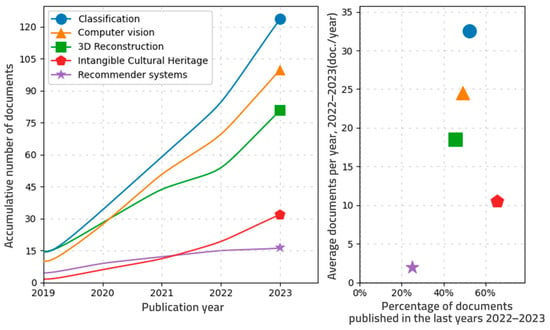
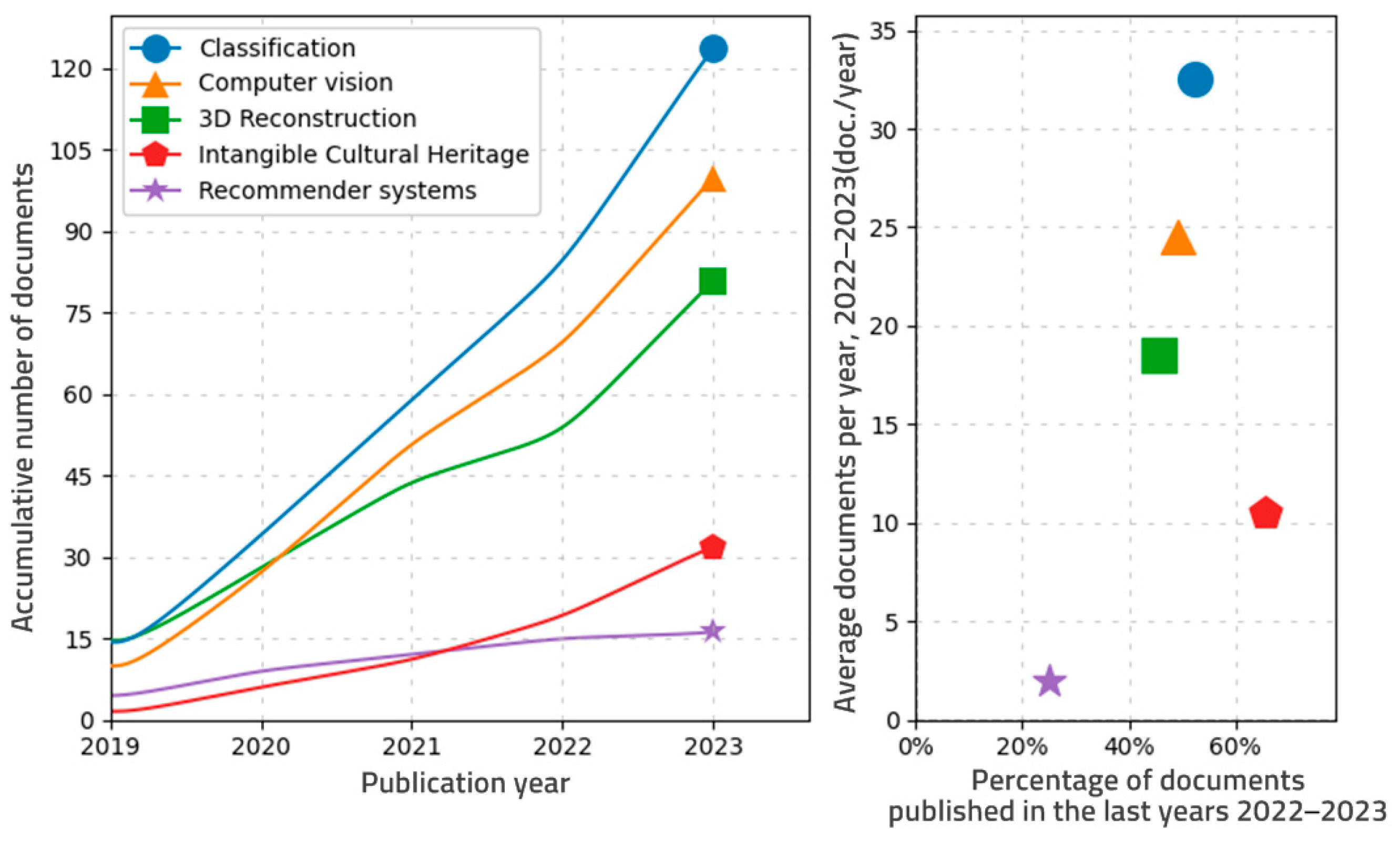
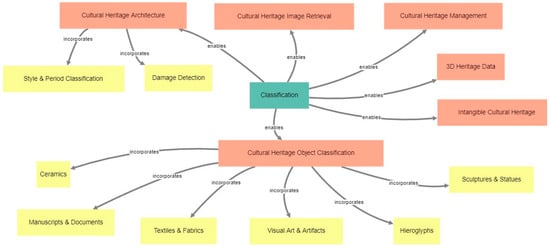
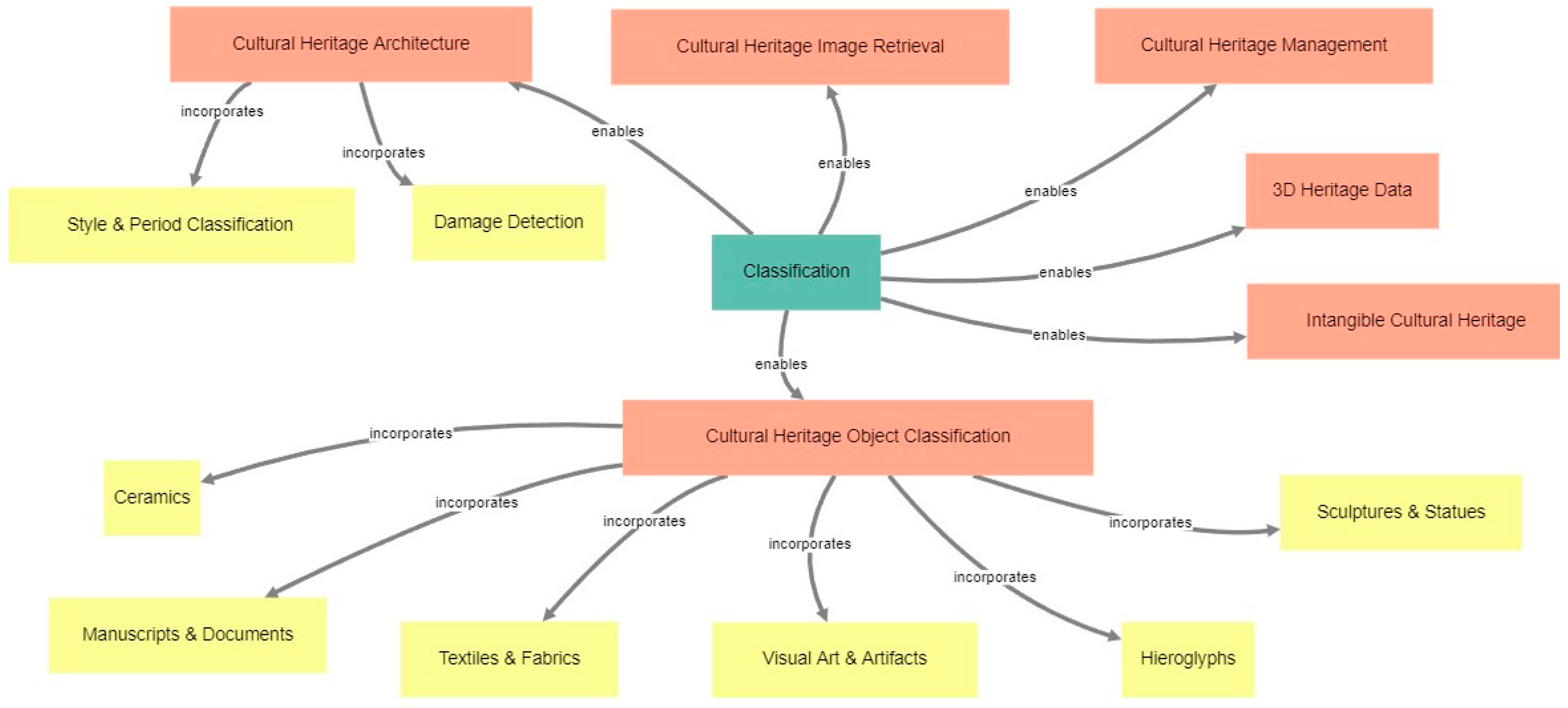
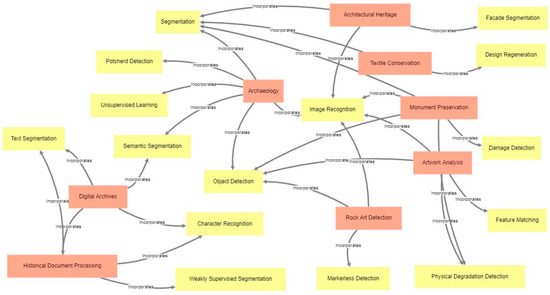
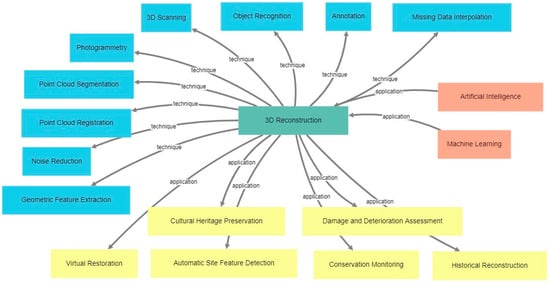
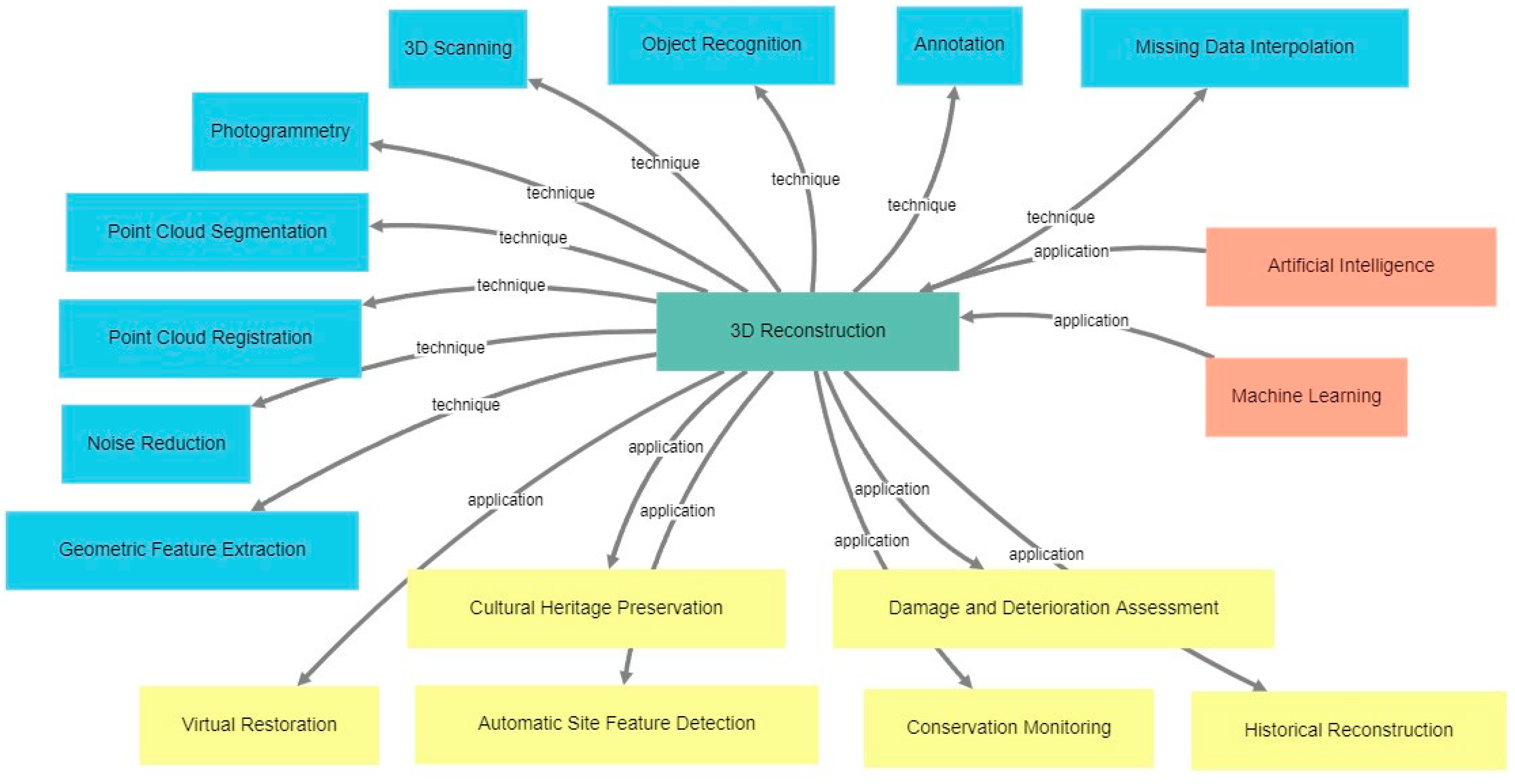
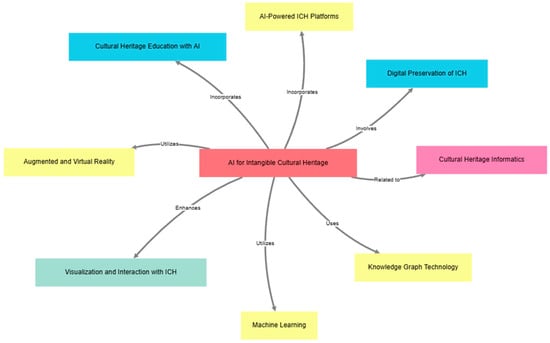
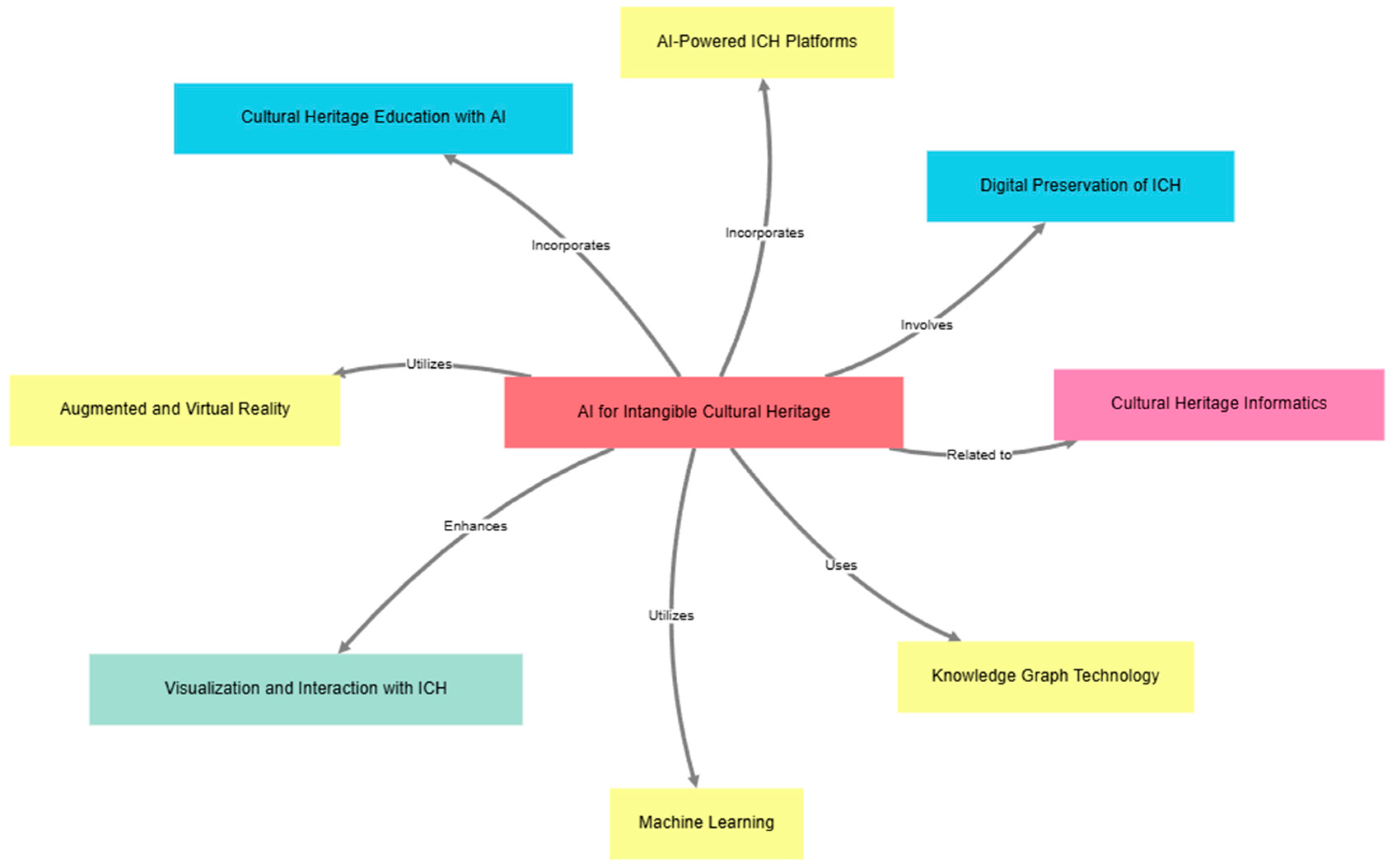
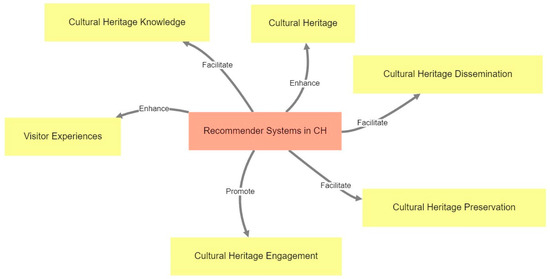
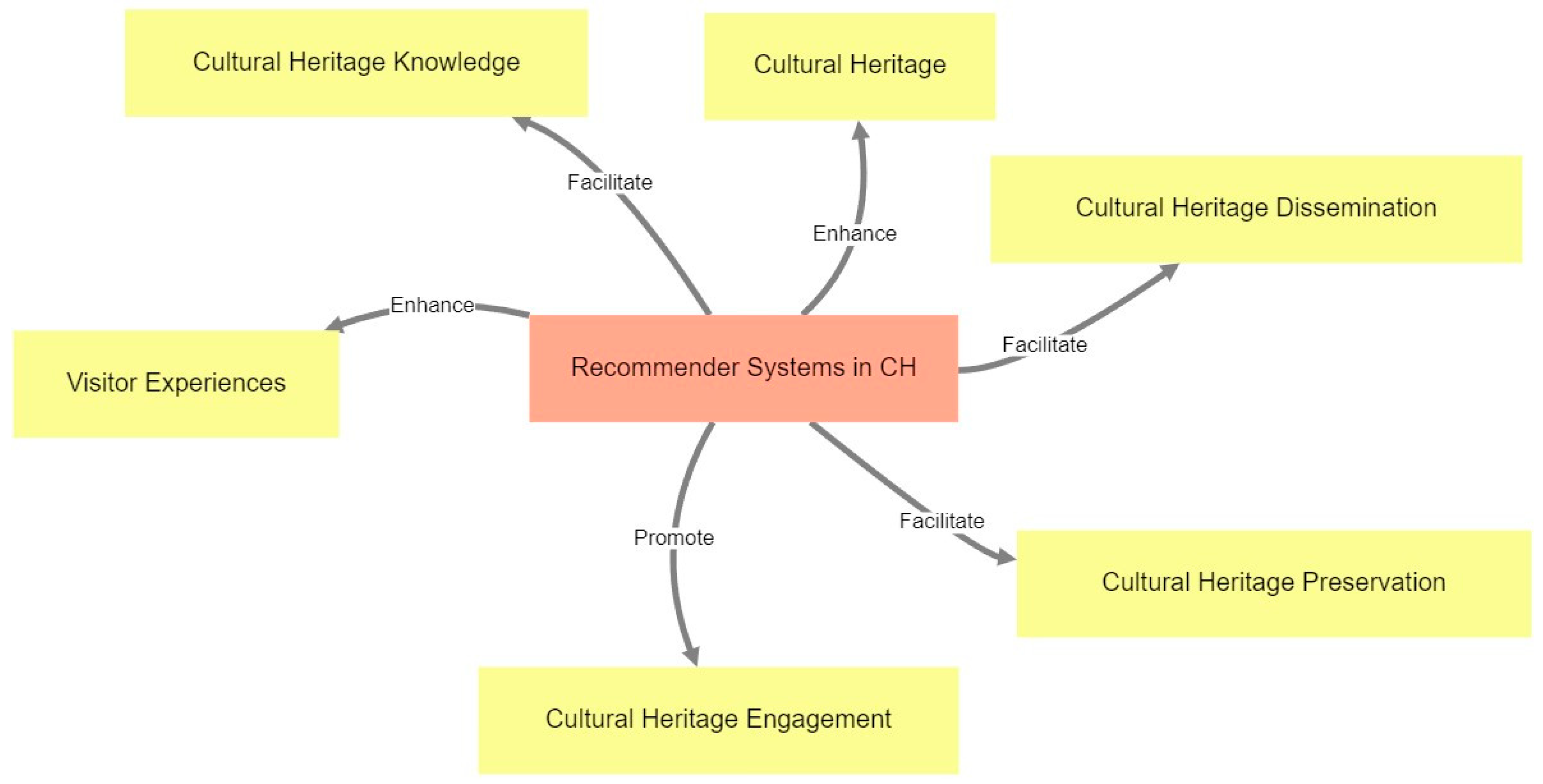

Disclaimer/Publisher’s Note: The statements, opinions and data contained in all publications are solely those of the individual author(s) and contributor(s) and not of MDPI and/or the editor(s). MDPI and/or the editor(s) disclaim responsibility for any injury to people or property resulting from any ideas, methods, instructions or products referred to in the content. |
© 2024 by the author. Licensee MDPI, Basel, Switzerland. This article is an open access article distributed under the terms and conditions of the Creative Commons Attribution (CC BY) license (https://creativecommons.org/licenses/by/4.0/).