Article

Hydraulic Integrated Interconnected Regenerative Suspension: Sensitivity Analysis and Parameter Optimization

1
School of Automotive Engineering, Wuhan University of Technology, Wuhan 430070, China
2
Department of Mechanical Engineering, Virginia Tech, Blacksburg, VA 24060, USA
*
Author to whom correspondence should be addressed.
Electronics 2023, 12(4), 891; https://doi.org/10.3390/electronics12040891

Submission received: 3 January 2023 / Revised: 18 January 2023 / Accepted: 21 January 2023 / Published: 9 February 2023

Abstract

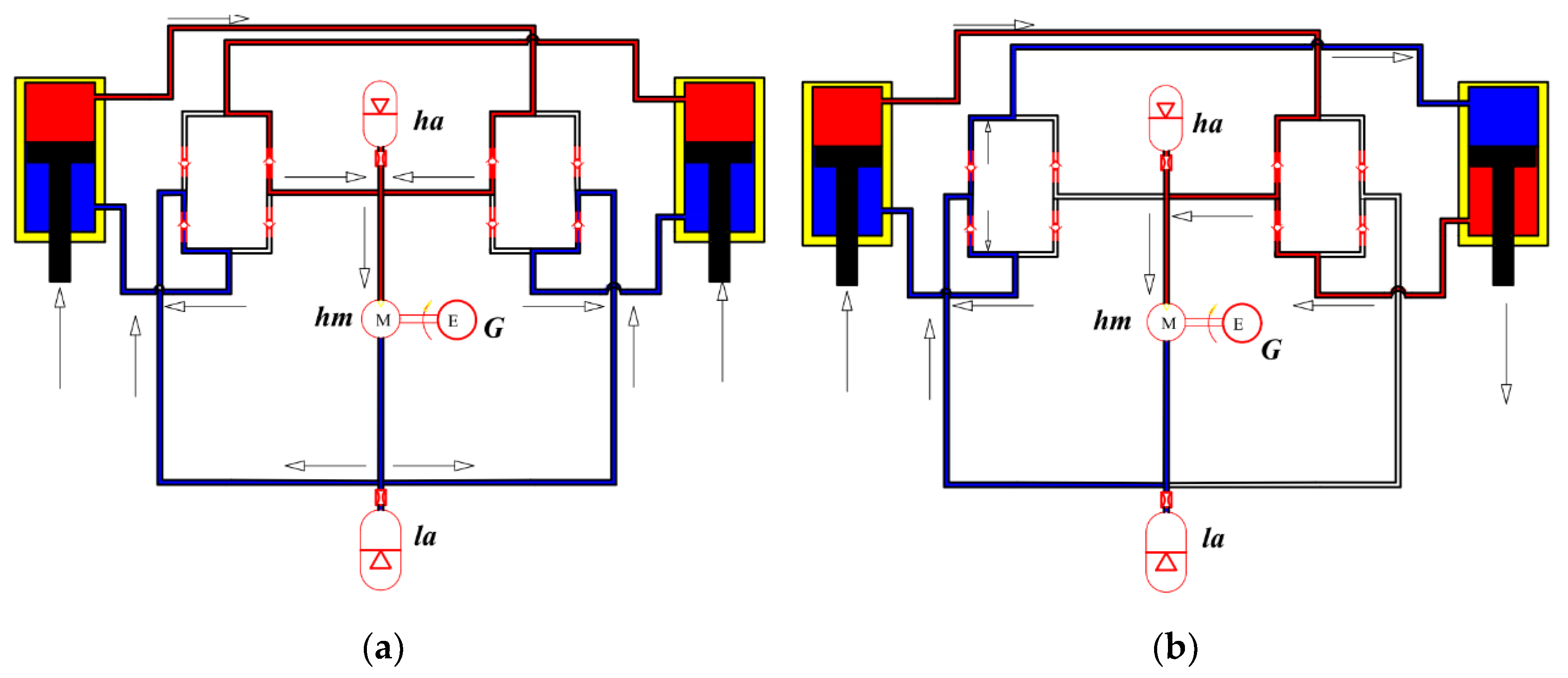
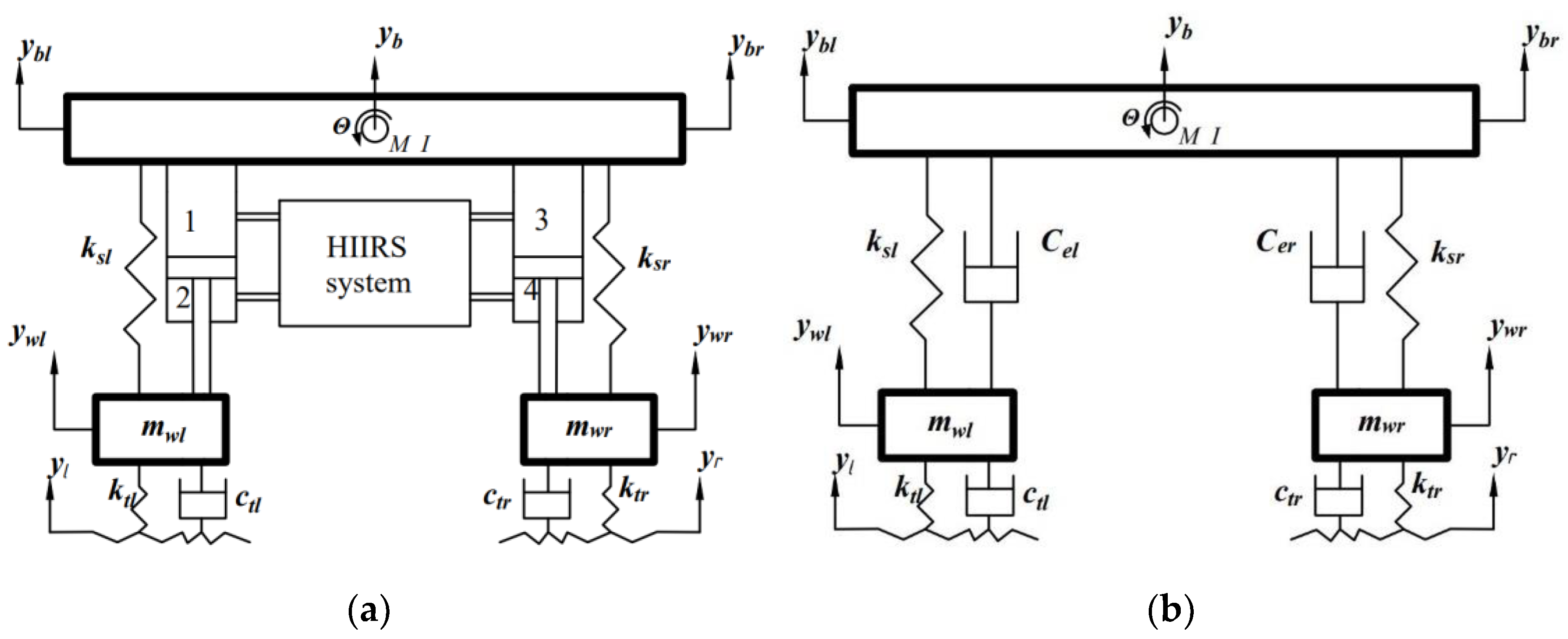
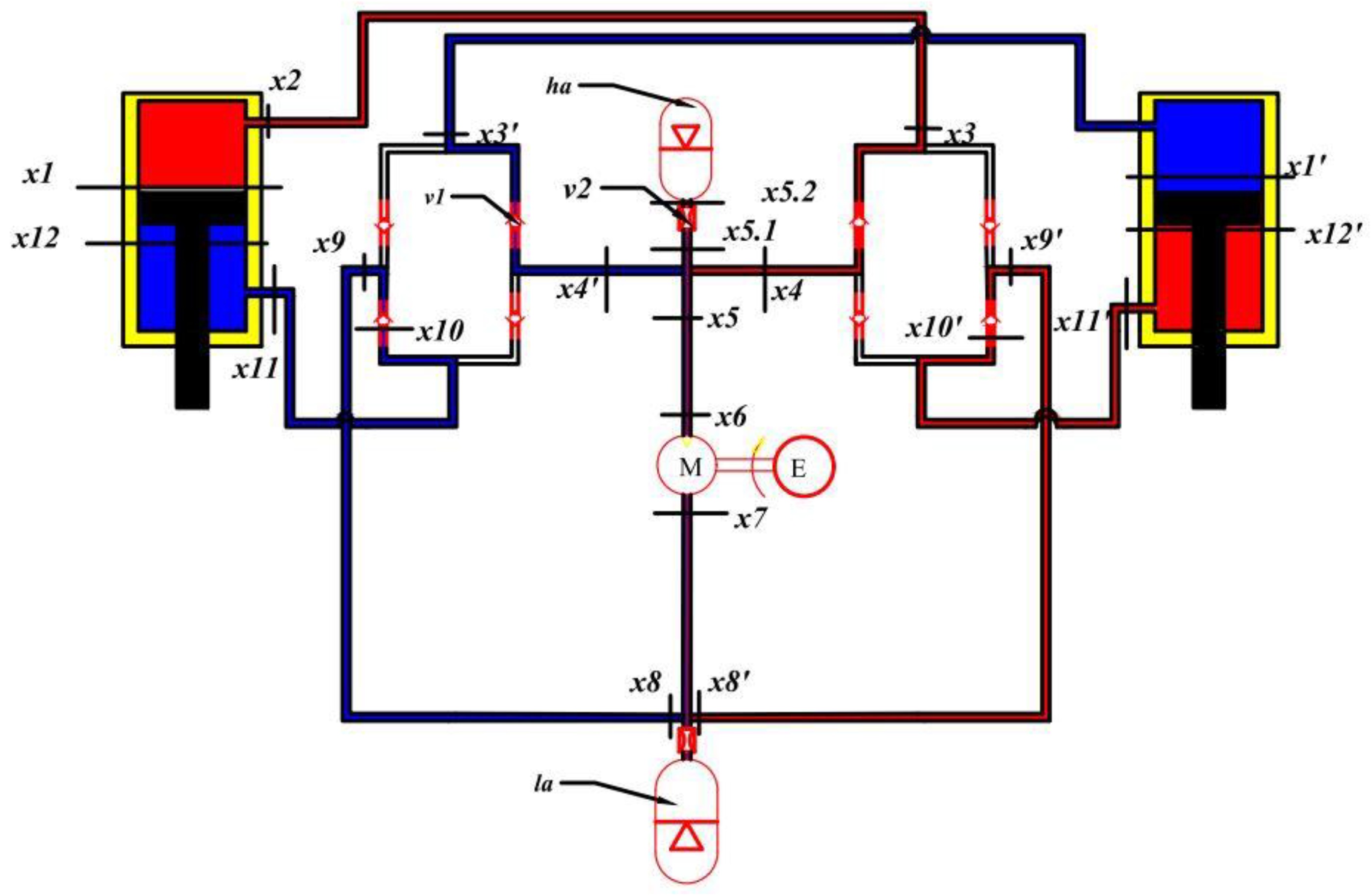
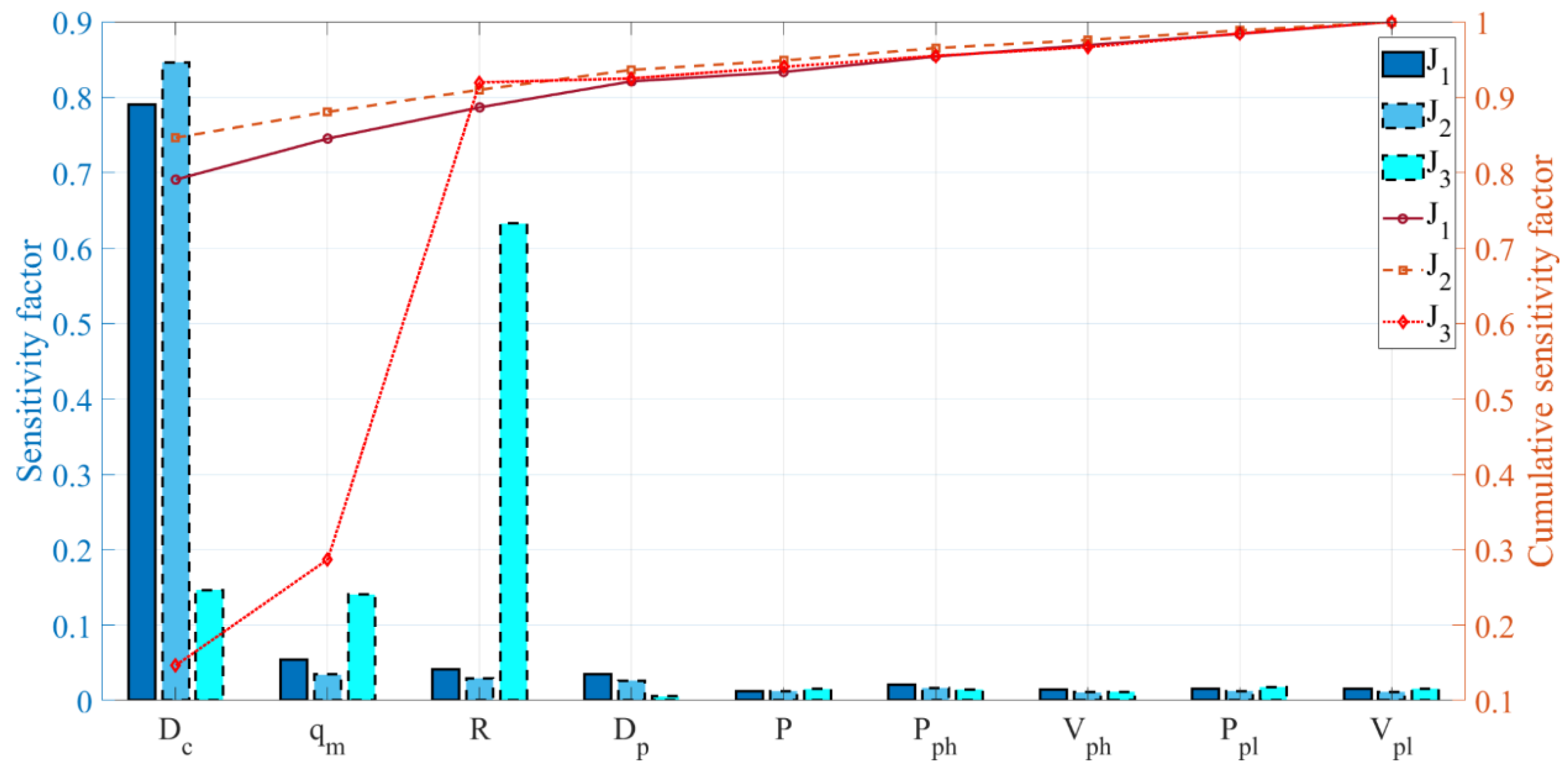
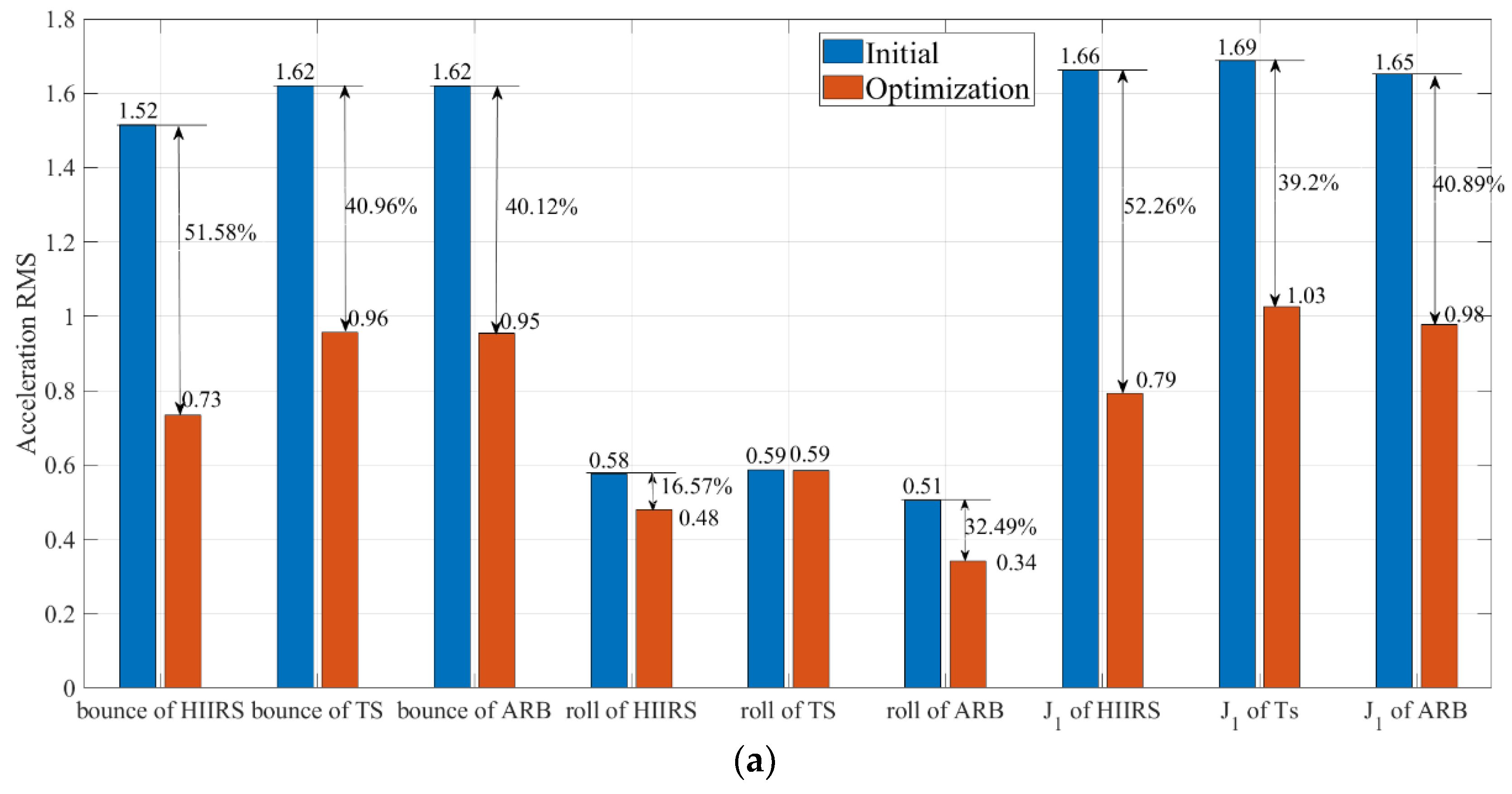
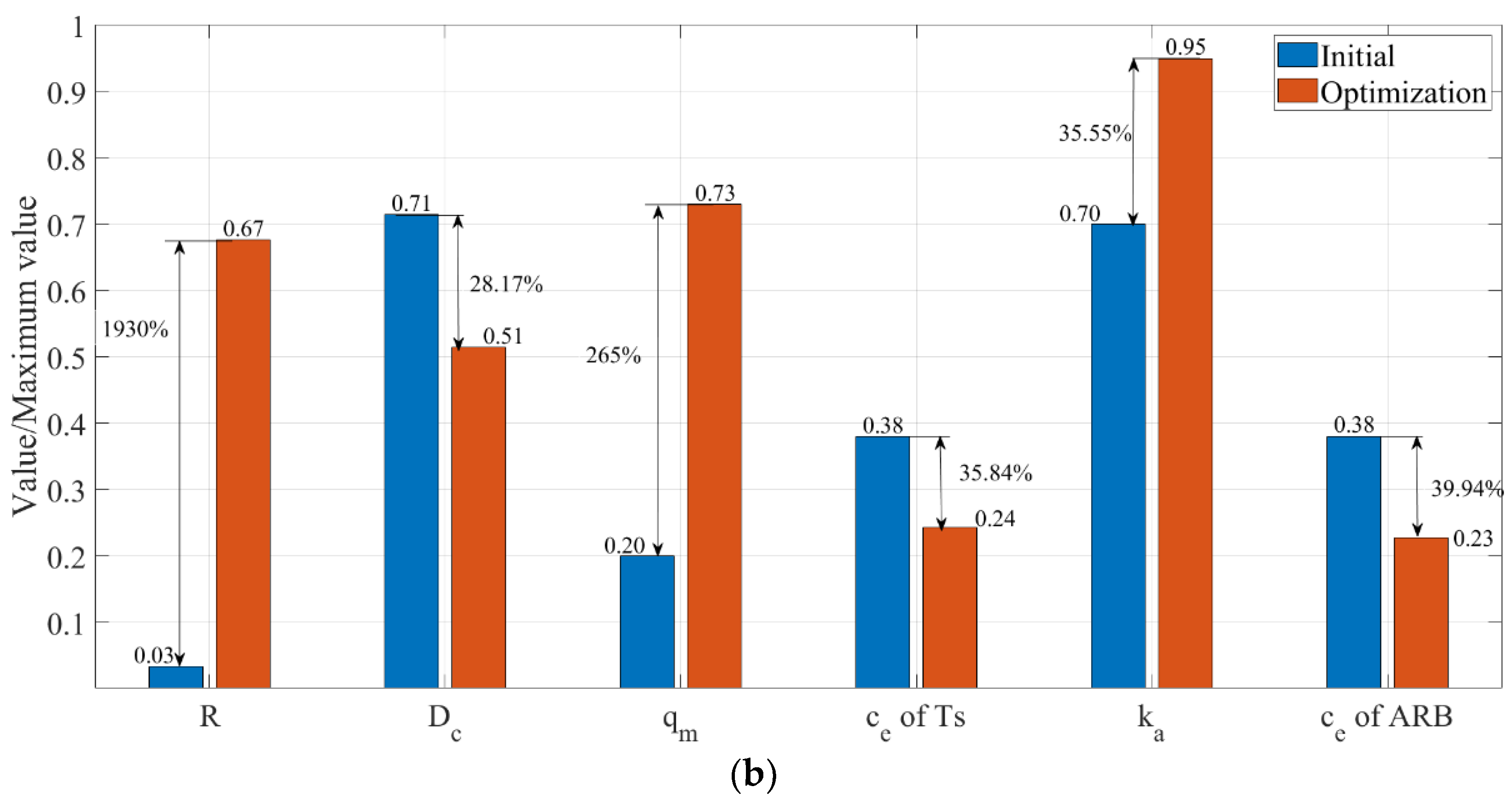
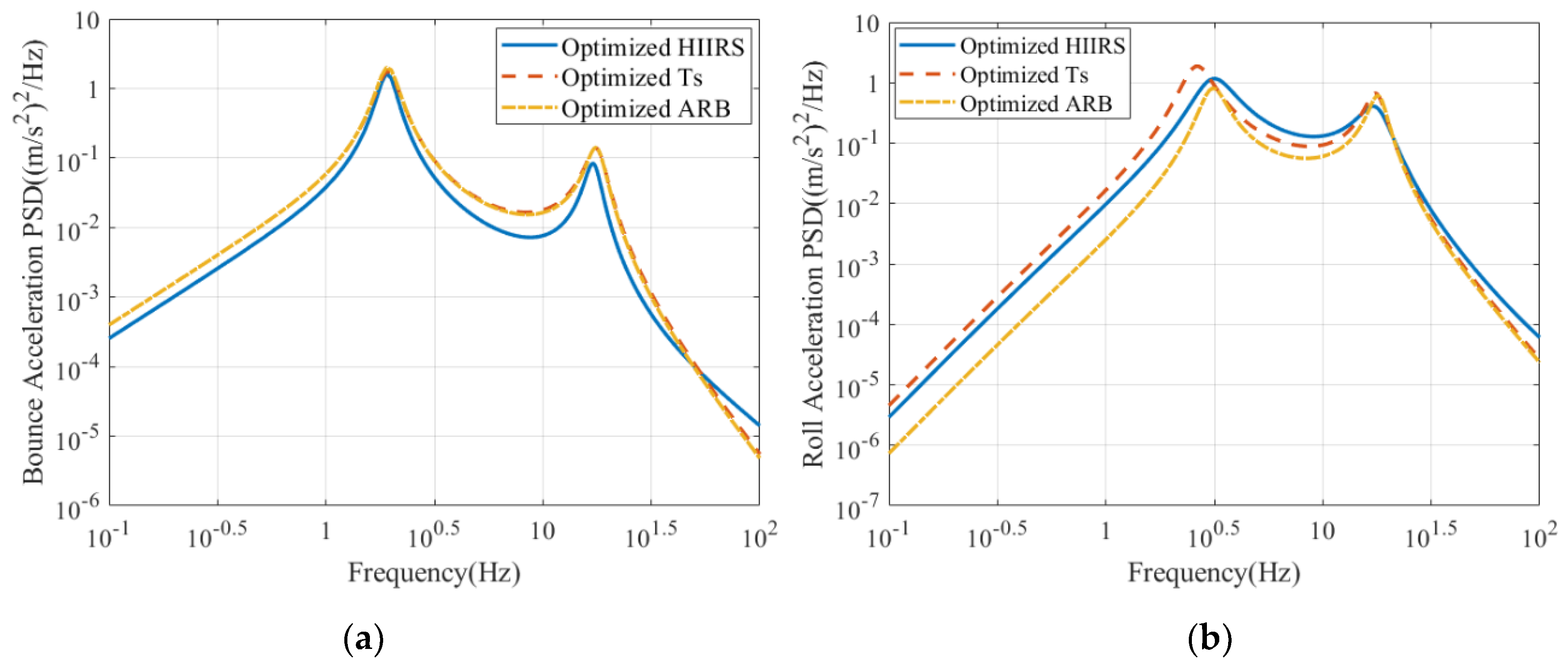
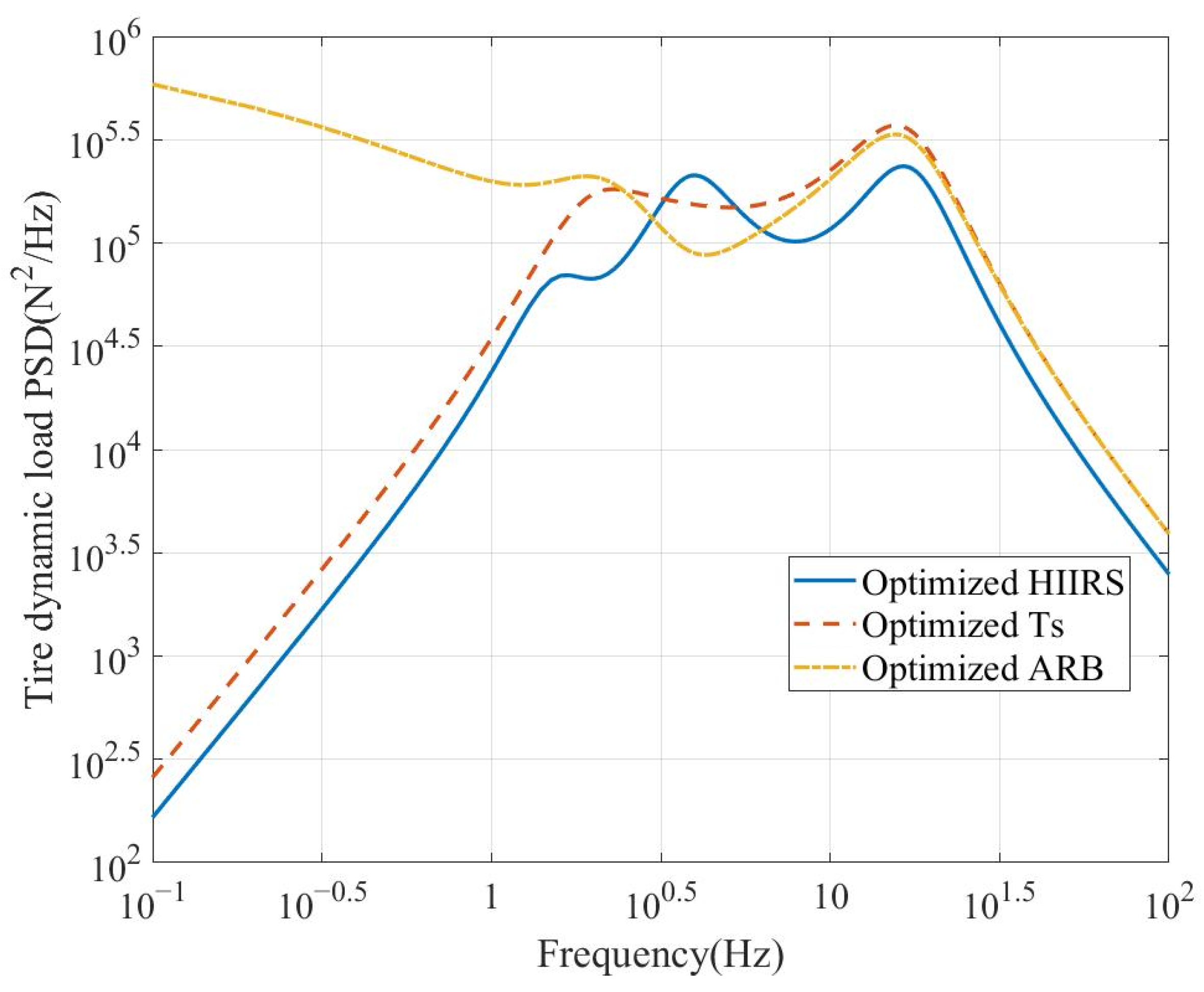
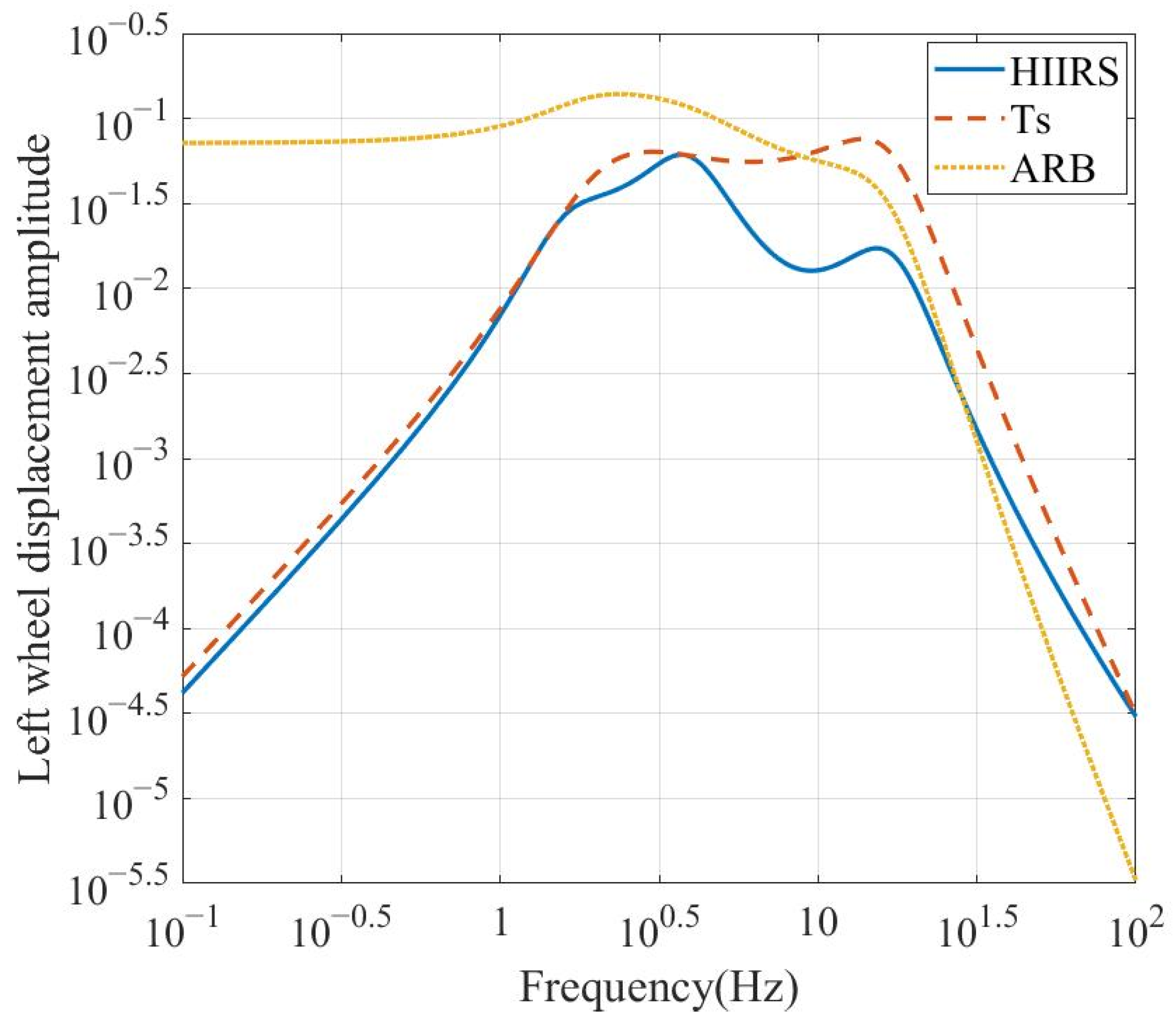
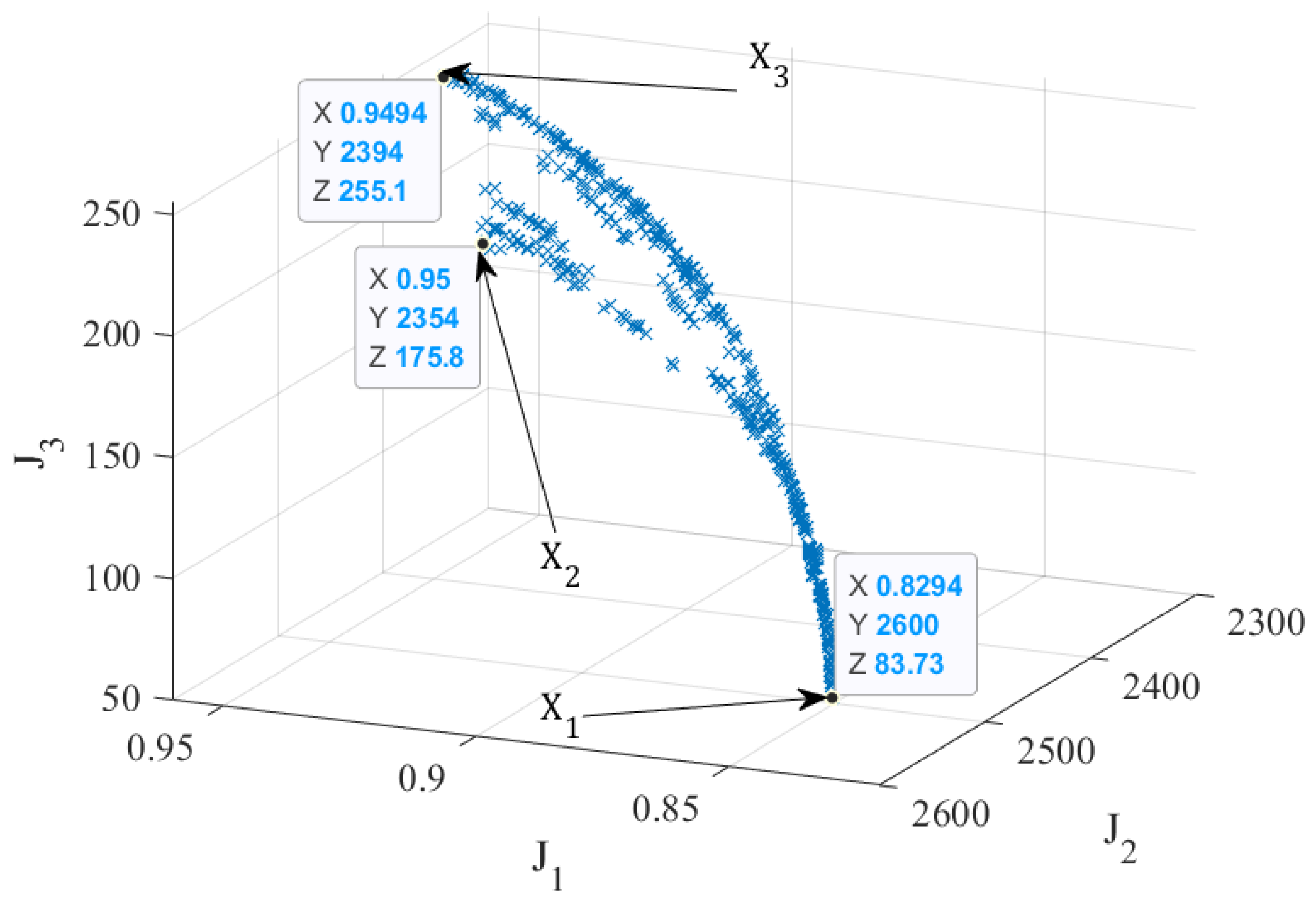
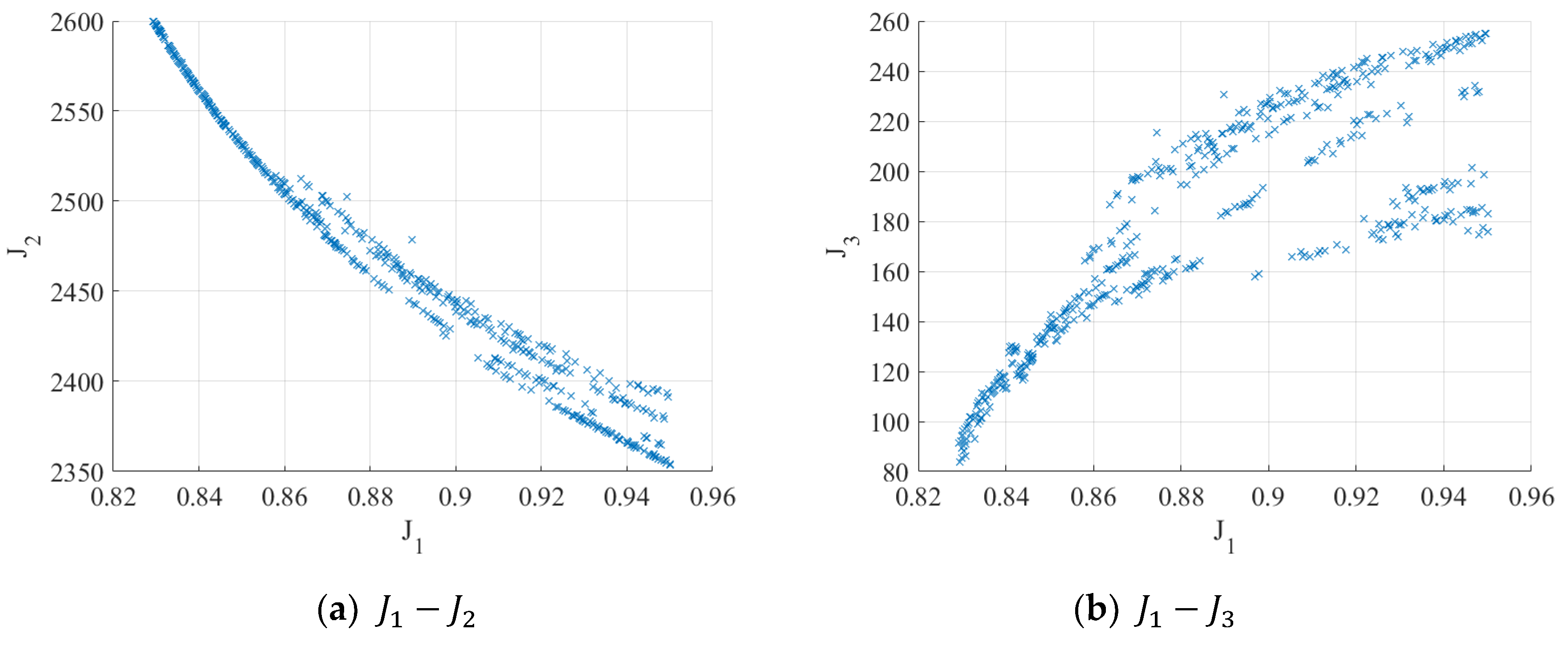
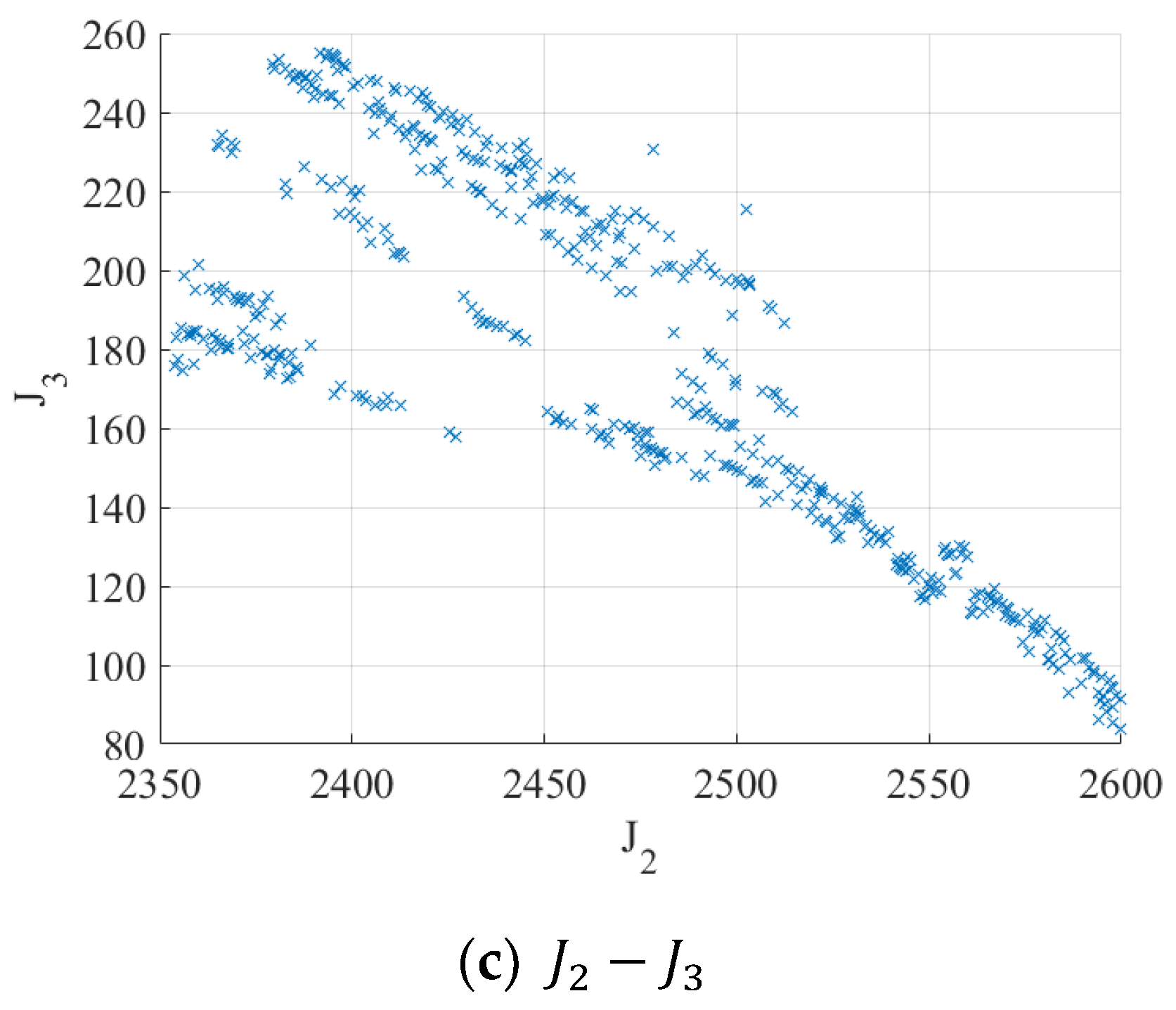
Hydraulic integrated interconnected regenerative suspension (HIIRS) is a novel suspension system that can simultaneously harvest the vibration energy in the suspension and enhance the vehicle dynamics. The parameter sensitivity of the HIIRS system is analyzed and the significant parameters are optimized in this paper. Specifically, a half-vehicle model with the HIIRS is established. Based on the model, the parameter sensitivity of the hydraulic system is analyzed with three objectives, ride comfort, road holding, and average energy harvesting power. The parameters considered in this study are more abundant than those in previous related studies, including hydraulic cylinder inner diameter, hydraulic motor displacement, resistance, initial system pressure, and accumulator parameters. It turns out that the most sensitive parameters are the inner diameter of the hydraulic cylinder, the resistance, and the displacement of the hydraulic motor. To further study the performances that the HIIRS could present, both the single-objective optimization and the multi-objective optimization problems are solved and compared with the optimized traditional suspensions. The optimized HIIRS performs better in ride comfort and road holding than the optimized traditional suspension and anti-roll bar suspension. Different from the previous suspension optimization design, multi-objective optimization not only considers the traditional performance of the suspension but also incorporates the energy harvesting characteristics into the optimization objective. In the multi-objective optimization, a Pareto front is obtained, which shows that the ride comfort conflicts with the road holding and the energy harvesting power, while road holding and energy harvesting power did not conflict. The Pareto front shows that the optimized HIIRS is superior to the traditional suspension in ride comfort and road holding, and also harvests considerable energy.
Keywords: hydraulically interconnected suspension; energy harvesting suspension; sensitivity analysis; optimization hydraulically interconnected suspension; energy harvesting suspension; sensitivity analysis; optimization