


Abstract
Background/Objectives: Topical cosmetic actives are increasingly delivered through multi-step regimens intended to improve skin hydration, barrier function, biomechanical properties, and visible signs of aging. Because the performance of such systems cannot be fully captured by a single endpoint, multidimensional approaches are useful to describe skin responses across complementary instrumental and subjective endpoints. This exploratory study aimed to develop and apply an in vivo assessment framework for evaluating skin changes associated with use of a multi-product topical cosmetic regimen targeting signs of skin aging. Methods: A 30-day exploratory, open-label, uncontrolled study was conducted using a four-step facial routine comprising a serum, an eye contour treatment, a day cream, and a night cream as a model of sequential topical administration. The evaluation integrated instrumental and subjective endpoints, including transepidermal water loss for barrier function, superficial and deep hydration measurements, elastometry for skin elasticity, colorimetric analysis for brightness, Antera® 3D-CS imaging for wrinkles and fine lines, roughness parameters for skin texture, and self-assessment questionnaires for perceived efficacy and cosmetic acceptability. Results: After 30 days of repeated application, statistically significant within-study changes from baseline were observed in transepidermal water loss, superficial hydration, brightness, deep hydration, elasticity, wrinkle length, wrinkle index, fine-line length, fine-line index, and surface roughness. Subject-reported outcomes were consistent with the instrumental results, particularly regarding perceived hydration, smoothness, and overall skin quality. Conclusions: The proposed uncontrolled exploratory multidimensional in vivo framework enabled the descriptive assessment of skin performance changes during repeated use of a multi-step cosmetic regimen. The combined instrumental and self-assessment approach supports a broader characterization of cosmetic-related skin changes in hydration, barrier function, elasticity, texture, and visible signs of aging.
1. Introduction
Advances in formulation science have enabled the development of increasingly sophisticated systems designed to optimize the deposition, retention, and performance of active compounds at the skin surface and within superficial cutaneous compartments [1,2,3]. In the cosmetic field, these developments are reflected in the widespread use of formulations combining humectants, lipids, peptides, antioxidants, and botanical extracts, which aim to modulate hydration, barrier integrity, biomechanical properties, and visible signs of skin aging [4,5,6,7]. Among contemporary approaches, multi-step topical regimens have gained increasing relevance. These regimens typically involve the sequential application of formulations with different physicochemical characteristics, such as aqueous serums and emulsion-based creams. While such regimens are widely used in practice, their overall performance depends not only on the individual formulation components but also on their combined and repeated application over time [8,9,10]. In parallel, with the growing complexity of topical cosmetic regimens, the substantiation of cosmetic claims has become an increasingly important scientific and regulatory requirement. In the European Union, cosmetic claims must be supported by adequate, verifiable, and relevant evidence [11,12]. Consequently, the scientific demonstration of cosmetic efficacy requires the selection of suitable, validated, and claim-oriented methods able to capture complementary aspects of skin performance.
A major challenge in this field arises from the complexity of the skin-aging process itself. Cutaneous aging involves changes in epidermal barrier function, water homeostasis, biomechanical properties, pigmentation, and skin-surface topography [13,14,15]. These changes manifest clinically as dryness, roughness, reduced elasticity, fine lines, wrinkles, and loss of radiance (including reduction in dark spots) [16]. Because these features originate from distinct biological and physical processes, they cannot be adequately described by a single measurement. For example, barrier performance is best assessed through transepidermal water loss (TEWL), hydration through water-content measurements, biomechanical response through elasticity testing, and visible changes through imaging-based analysis of wrinkles and surface texture [16,17].
Despite this complexity, cosmetic efficacy is often reported using limited or poorly matched endpoints, which can obscure interpretation and lead to overgeneralized conclusions [18,19]. In particular, the performance of multi-step topical regimens is frequently described in global terms, without distinguishing between functional, morphological, and perceptual outcomes. This highlights the need for multidimensional in vivo evaluation strategies capable of capturing the different aspects of skin response to topical application.
From a methodological perspective, the integration of complementary techniques is essential. TEWL and hydration measurements provide insight into barrier function and water distribution [20,21], elastometry allows quantification of biomechanical properties [22], and three-dimensional imaging systems such as Antera® 3D enable objective characterization of wrinkle burden, fine lines, and surface roughness [23,24]. In addition, subject-reported outcomes offer valuable information on perceived efficacy and cosmetic acceptability, although they should be interpreted as supportive rather than primary evidence [19,25]. Together, these approaches enable a more comprehensive characterization of skin performance than any single endpoint alone.
The present exploratory study was designed to evaluate the skin performance of a multi-step topical cosmetic regimen targeting signs of skin aging using a multidimensional in vivo framework and within-participant changes observed during regimen use. A four-product facial routine consisting of a serum, eye contour treatment, day cream, and night cream was used as a model of sequential topical application. The novelty of this work lies in the application of a structured integration of functional, biomechanical, morphological, optical, and participant-reported endpoints within a single protocol. Unlike conventional cosmetic studies, which often rely on isolated or weakly aligned endpoints, the present approach integrates functional, biomechanical, morphological, and perceptual measurements within a single protocol, enabling simultaneous assessment of barrier function, hydration at different depths, elasticity, surface topography, and user-perceived outcomes. This design allows the characterization of within-participant changes across multiple performance domains and the identification of domains showing different response patterns. From this perspective, the present work contributes to the application of a combined multidimensional endpoint panel for evaluating the skin performance of topical formulations, offering a transferable approach that can be applied to the assessment of complex cosmetic regimens and, more broadly, to the in vivo evaluation of topical administration systems.
2. Materials and Methods
2.1. Cosmetic Products
The cosmetic regimen investigated in this study consisted of four facial products intended for combined daily use: a facial serum, an eye contour cream, a day cream, and a night cream. Product composition was recorded according to the International Nomenclature of Cosmetic Ingredients (INCI) provided by the manufacturer. The facial serum ingredients were Aqua, Glycerin, Propanediol, Caprylyl Glycol, Sodium Hyaluronate, Ziziphus Jujuba Seed Extract, Polyglyceryl-6 Caprylate, Polyglyceryl-4 Caprate, Pentylene Glycol, Sodium Phytate, Citric Acid, Phytoecdysteroids, Potassium Sorbate, Sodium Benzoate, Hydroxypropyl Cyclodextrin, Palmitoyl Tripeptide-38, Fructose, Urea, Sodium Hydroxide, Maltose, Sodium PCA, Sodium Chloride, Sodium Lactate, Trehalose, Allantoin, Glucose, Parfum. The eye contour formulation ingredients were Aqua, Coco-Caprylate, Glycerin, Candelilla/Jojoba/Rice Bran Polyglyceryl-3 Esters, Helianthus Annuus Seed Oil, Glyceryl Stearate, Propanediol, Cetyl Alcohol, Niacinamide, Caprylic/Capric Triglyceride, Propanediol, Cetearyl Alcohol, Sodium Stearoyl Lactylate, Caprylyl Glycol, Tocopheryl Acetate, Centella Asiatica Extract, Aesculus Hippocastanum Seed Extract, Caffeine, Bisabolol, Tripeptide-1, Acetyl Hexapeptide-8, Pentapeptide-3, Xanthan Gum, Acmella Oleracea Extract, Sodium Phytate, Spilanthes Acmella Flower Extract, Polysiphonia Elongata Extract, Tocopherol, Glycyrrhetinic Acid, Panthenol, Allantoin, Sodium Benzoate, Citric Acid, Parfum. The day cream ingredients were Aqua, Coco-Caprylate, Glycerin, Candelilla/Jojoba/Rice Bran Polyglyceryl-3 Esters, Glyceryl Stearate, Cichorium Intybus Root Oligosaccharides, Propanediol, Cetyl Alcohol, Butyrospermum Parkii Butter, Persea Gratissima Oil, Helianthus Annuus Seed Oil, Caprylic/Capric Triglyceride, Cetearyl Alcohol, Sodium Stearoyl Lactylate, Caprylyl Glycol, Tocopheryl Acetate, Niacinamide, Pentylene Glycol, Helichrysum Italicum Extract, Acmella Oleracea Extract, Spilanthes Acmella Flower Extract, Triethyl Citrate, Caesalinia Spinosa Gum, Polyglyceryl-6 Behenate, Gluconolactone, Ceramide NP, Ceramide AP, Phytosphingosine, Cholesterol, Behenic Acid, Cetearyl Alcohol, Xanthan Gum, Sodium Phytate, Polyglyceryl-10 Stearate, Sodium Levulinate, Tocopherol, Sodium Benzoate, Potassium Sorbate, Sodium Cetearyl Sulfate, Calcium Gluconate, Ceramide EOP, Hydroxypropyl Cyclodextrin, Palmitoyl Tripeptide-38, Fructose, Urea, Citric Acid, Sodium Hydroxide, Maltose, Sodium PCA, Sodium Chloride, Sodium Lactate, Trehalose, Allantoin, Sodium Hyaluronate, Glucose, Parfum. The night cream ingredients were Aqua, Butyrospermum Parkii Butter, Coco-Caprylate, Orbignya Oleifera Seed Oil, Glycerin, Persea Gratissima Oil, Candelilla/Jojoba/Rice Bran Polyglyceryl-3 Esters, Glyceryl Stearate, Propanediol, Cetyl Alcohol, Niacinamide, Helianthus Annuus Seed Oil, Cetearyl Alcohol, Sodium Stearoyl Lactylate, Caprylyl Glycol, Tocopheryl Acetate, Helichrysum Italicum Extract, Acmella Oleracea Extract, Palmitoyl Tripeptide-38, Phenetyl Alcohol, Saccharide Isomerate, Parfum, Xanthan Gum, Sodium Phytate, Retinyl Acetate, Polysiphonia Elongata Extract, Tocopherol, Sodium Benzoate, Citric Acid, Hydroxypropyl Cyclodextrin.
The four finished cosmetic products were developed and manufactured at laboratory scale using raw materials purchased from ACEF S.p.A. (Fiorenzuola d’Arda, Italy), in accordance with ISO 22716:2007 Good Manufacturing Practices for cosmetic products and Article 8 of Regulation (EC) No 1223/2009 [11,26]. To facilitate interpretation of the formulation-related discussion, the nominal finished-product use-level ranges of selected active materials are reported across the tested regimen. Sodium Hyaluronate was used at 0.10–0.20% w/w, Niacinamide at 0.50–3.00% w/w, the Ceramide–Cholesterol–fatty-acid mixture at 2.50–4.00% w/w, Retinyl Acetate at 0.10–0.40% w/w, and the Palmitoyl Tripeptide-38-containing active material at 1.00–3.00% w/w. Acetyl Hexapeptide-8, Pentapeptide-3, and Tripeptide-1 were incorporated collectively at 5.00–10.00% w/w, while Acmella oleracea extract was used at 1.00–3.00% w/w.
2.2. Study Design and Objective
This investigation was designed as a single-center, open-label, prospective in vivo exploratory study to evaluate the skin performance of a multi-step topical regimen for anti-aging cosmetic actives. The protocol was structured to map specific domains to predefined measurement categories, including barrier function, superficial hydration, deeper hydration, elasticity, brightness, wrinkle burden, fine-line burden, surface texture, and user-perceived benefit. The case model consisted of a four-product facial regimen including a serum, an eye contour treatment, a day cream, and a night cream, all used in combination for 30 consecutive days according to a standardized application schedule. Baseline measurements performed before product application were used as the intra-individual pre-treatment reference for each participant. Therefore, post-treatment values were interpreted as changes from each participant’s own baseline condition. Potential non-specific contributors, including seasonal variation, repeated measurement, participant behavior, cleansing routines, improved skincare adherence, and regression to the mean, cannot be excluded. Accordingly, the analyses were intended to characterize within-participant changes over time and not to estimate causal treatment effects.
2.3. Participants
Twenty healthy female volunteers aged 18–65 years were enrolled in this single-center, open-label, prospective exploratory study [27,28,29]. Inclusion criteria were female sex, age between 18 and 65 years, regular use of skincare products, good general health, absence of pharmacological treatments likely to interfere with skin measurements, no participation in other clinical studies within the previous 30 days, and provision of informed consent. Exclusion criteria were active dermatologic conditions of the face, known hypersensitivity to cosmetic ingredients, or any condition judged by the investigator to compromise protocol adherence or measurement reliability. The enrolled population was heterogeneous in age, and age stratification was therefore added to better describe the study sample. Among the 19 participants who completed the protocol and were included in the instrumental analyses, 5% were aged 18–30 years, 47% were aged 30–45 years, 32% were aged 45–55 years, and 16% were older than 55 years. The mean age of the completer cohort was 44.7 ± 10.6 years. Participants were habitual skincare users and were instructed to apply the four-product regimen for 30 consecutive days, twice daily, in the morning and evening, after their usual cleansing routine. They were also recommended not to use skincare products other than those included in the study regimen during the observation period. Baseline skin status was characterized instrumentally before product use. In particular, wrinkle- and fine-line-related endpoints were assessed using Antera 3D®-derived parameters, including wrinkle length, wrinkle index, fine-line length, fine-line index, and skin roughness. Notably, no formal clinical wrinkle-grade score was assigned. Similarly, Fitzpatrick skin type, menopausal status, smoking status, sunscreen use, detailed photodamage history, and formal skin sensitivity classification were not collected in the original protocol. During the study, one participant developed mild transient facial erythema after product application and discontinued the protocol. Therefore, instrumental analyses were performed on the 19 participants who completed the 30-day study.
2.4. Ethics and Regulatory Compliance
The study was conducted in accordance with the Declaration of Helsinki and the general framework applicable to cosmetic product testing and claims substantiation [30]. It was performed in the context of Regulation (EC) No. 1223/2009 on cosmetic products [11] and Commission Regulation (EU) No. 655/2013 establishing common criteria for the justification of claims used in relation to cosmetic products [12,31]. Before enrollment, all participants received oral and written information concerning the study objectives, procedures, foreseeable risks and discomforts, data handling, and their right to discontinue participation at any time without penalty. Product use and adverse events were monitored throughout the study, and participant information was processed confidentially.
2.5. Test Regimen and Treatment Schedule
Participants were instructed to use the four-product regimen for 30 consecutive days, twice daily, in the morning and evening, after facial cleansing. The regimen was applied according to a predefined sequence. In the morning, participants applied the facial serum first, followed by the eye contour treatment and the day cream. The facial serum was applied to the whole face, avoiding direct contact with the eyes, using an estimated target amount of 3 drops per application, corresponding approximately to 0.12–0.15 mL. The eye contour treatment was applied to the periocular area using an estimated amount of approximately 50 mg per eye, corresponding to approximately 100 mg per application. The day cream was then applied to the whole face, avoiding the eye area, using an estimated target amount of approximately 0.40–0.50 g per application. In the evening, participants repeated the same sequence using the facial serum, eye contour treatment and night cream. The facial serum was applied to the whole face at an estimated amount of 3 drops, corresponding approximately to 0.12–0.15 mL. The eye contour treatment was applied at approximately 50 mg per eye, corresponding to approximately 100 mg per application. The night cream was applied to the whole face at an estimated amount of approximately 0.40–0.50 g per application. Therefore, the estimated total daily exposure was approximately 0.24–0.30 mL/day of serum, 200 mg/day of eye contour product, 0.40–0.50 g/day of day cream, and 0.40–0.50 g/day of night cream. These quantities were intended to reflect normal consumer-use conditions and were provided as operational dose estimates to improve reproducibility of the protocol. The products were not weighed before and after use, and the actual amount applied by each participant was not gravimetrically verified. The facial areas of application were predefined as follows: serum and face creams were applied to the whole face, excluding direct contact with the eyes, whereas the eye contour treatment was restricted to the periocular area. Instrumental measurements were performed on predefined facial regions according to the measurement maps used for TEWL, superficial hydration, deep hydration, luminosity, elasticity, Antera® 3D-CS wrinkle/fine-line analysis, and skin roughness. Participants used their habitual facial cleanser, which was not standardized across subjects. They were instructed not to introduce additional facial skincare products different from those included in the study regimen during the 30-day observation period. Compliance was assessed through completion of the study and final participant self-assessment.
2.6. Study Visits and Environmental Standardization
Assessments were performed at baseline (t0) and after 30 days of treatment (t30). To ensure accuracy, all measurements were conducted on clean, makeup-free skin and scheduled at least 4 h after the most recent treatment application. This interval was selected as a pragmatic minimum delay to avoid immediate post-application measurements and to allow partial absorption and stabilization of the skin surface under near-real-use cosmetic conditions [32]. Circadian variation in TEWL and skin-hydration measurements cannot be excluded as a potential source of within-participant variability. At each visit, repeated measurements were collected at predefined facial sites to reduce local variability and improve estimate precision. Instrumental measurements included transepidermal water loss (TEWL), superficial hydration, deep hydration, elasticity, brightness, wrinkle metrics, fine-line metrics, and roughness. Standardized image acquisition was performed with Antera® 3D-CS for three-dimensional analysis of skin surface topography. Because epidermal biophysical readouts are highly sensitive to ambient conditions, all procedures were conducted under controlled environmental conditions after an acclimatization period, in agreement with established EEMCO guidance for TEWL and in vivo skin water-content assessment [21,33]. Before measurements, participants remained in the measurement room for an acclimatization period of 20 min. TEWL and skin hydration were subsequently assessed under controlled environmental conditions at a room temperature of 20–22 °C and a relative humidity of 40–60%.
2.7. Instrumental Endpoints and Performance Framework
The protocol was organized around a multidimensional performance model. Barrier-related performance was anchored to TEWL; moisturization to superficial and deep hydration measurements; biomechanical response to elastometry; optical performance to colorimetric lightness (L*); wrinkle, fine-line, and smoothing performance to quantitative three-dimensional imaging; and user-centered performance to self-assessment. This structure reflects current recommendations in cosmetic efficacy testing, according to which instrumental, imaging, and subjective domains should be considered complementary rather than interchangeable [18,21,23,33,34,35,36].
2.8. Transepidermal Water Loss (TEWL)
TEWL was measured using a closed-chamber evaporimetric device (VapoMeter®, Delfin Technologies Ltd., Kuopio, Finland), as specified in the mosaic measurement acquisition zones present in Figure 1. The VapoMeter® automatically calculated the evaporation rate from the increase in relative humidity within the closed measurement chamber and reported TEWL in g/m2/h. All TEWL values presented in this manuscript are expressed in g/m2/h; no additional unit conversion was applied. TEWL reflects passive water-vapor flux through the epidermis and is widely regarded as a noninvasive surrogate marker of barrier integrity in vivo [23,34,35]. Its physical basis derives from diffusion-driven vapor transport and is commonly interpreted in relation to Fick’s law, whereby evaporative flux is proportional to the vapor-pressure gradient across the barrier [33,36].
Figure 1.
Mosaic measurement acquisition zones for TEWL tests.
For each participant, the change in TEWL over time was calculated as
and the percentage change was calculated as
ΔTEWL = TEWLt30 − TEWLt0
A negative %ΔTEWL was interpreted as improvement in epidermal barrier function.
2.9. Superficial Hydration
Superficial hydration (ΔHsup) was measured using the MoistureMeterSC® (Delfin Technologies Ltd., Kuopio, Finland), which estimates hydration of the superficial skin layers through dielectric measurement. Electrical and dielectric methods are accepted noninvasive approaches for assessing stratum corneum water content and are recommended in current EEMCO guidance for in vivo skin hydration measurement [21]. Measurements were expressed in arbitrary units according to device output, and higher values indicated greater superficial water content. Change from baseline was expressed as
ΔHsup = Hsup-t30 − Hsup-t0
This endpoint was prespecified as the principal support for immediate and short-term moisturization performance [21].
2.10. Deep Hydration
Deep hydration (ΔHdeep) was measured using the MoistureMeterEpiD® (Delfin Technologies Ltd., Kuopio, Finland), which estimates tissue water content at a greater sampling depth than superficial hydration probes by analyzing high-frequency electromagnetic signal behavior in tissue. Device output was expressed as percentage water content, with higher values indicating increased hydration of deeper superficial tissue compartments. In methodological terms, this endpoint was included to distinguish short-term stratum corneum hydration from bigger changes in cutaneous water distribution [21]. The variation in deep hydration was calculated as
ΔHdeep = Hdeep-t30 − Hdeep-t0
2.11. Skin Elasticity
Skin elasticity (E) was evaluated using ElastiMeter® (Delfin Technologies Ltd., Kuopio, Finland). The device estimates the mechanical response of skin to a controlled deformation, providing a quantitative elasticity-related output expressed in N/m. Elastic and viscoelastic skin properties are routinely used in anti-aging studies because they reflect age-related changes in dermal support, collagen organization, elastin cross-linking alterations, and tissue recoil [23,34,35]. Instrument-based elasticity assessment is considered appropriate for substantiating performances related to firmness and elasticity, provided that measurement conditions are standardized and the same anatomical sites are assessed longitudinally [23,34,35]. Elasticity change was defined as
ΔE = Et30 − Et0
2.12. Antera® 3D-CS Image Acquisition and Standardization
Brightness and skin-surface topography were evaluated using the Antera® 3D-CS multispectral imaging system (Miravex Limited, Dublin, Ireland) and the associated software, Antera Software Version 3.1. Images were acquired from predefined central frontal/glabellar, right and left periocular, and right and left cheek/buccal regions, as shown in the study acquisition map. The same anatomical regions were assessed at baseline and day 30. Each acquisition covered a nominal field of 56 × 56 mm. A circular analytical ROI of approximately 44 mm in diameter was used within the acquisition field. Participants were positioned in a seated posture with a neutral facial expression. Hair was moved away from the region under examination. The camera was used as a handheld direct-contact system, with the device contact surface placed gently against the selected facial region without excessive pressure. Therefore, no separate free-space camera-to-skin distance was set; the acquisition distance was determined by the fixed geometry of the camera housing/contact interface. No external facial positioning frame, chin rest, or stereotactic support was used. Images were acquired using the system-integrated standardized illumination. Image acquisition and analysis were performed by the same trained operator. For paired comparisons, day-30 images were registered to the corresponding baseline images using the automatic matching function of Antera Software Version 3.1. The analytical ROI selected on the baseline image was automatically transferred to the corresponding location in the day-30 image, with the software compensating for relative displacement and rotation between acquisitions.
2.12.1. Skin Brightness Assessment
Skin brightness was assessed using the Color analysis channel of the Antera® 3D-CS system. The CIELAB L* coordinate was selected as the brightness endpoint, with higher L* values indicating greater perceptual lightness. Participant-level L* values were obtained from the predefined analytical regions using the same acquisition and matching procedure at baseline and day 30 [37]. Higher L* values indicate greater lightness.
Brightness change was calculated as
ΔL* = L*t30 − L*t0
No separate study-specific external white-tile or color-reference calibration was documented. The system was operated using its integrated illumination, exposure control, and image-quality functions.
2.12.2. Three-Dimensional Imaging of Wrinkles, Fine Lines, and Texture
Three-dimensional skin imaging was performed using Antera® 3D-CS (Miravex), a multispectral handheld imaging system capable of reconstructing skin topography and extracting quantitative variables related to wrinkles, fine lines, pigmentation, and texture. Antera® 3D-CS was used to quantify wrinkle length, wrinkle index, fine-line length, fine-line index, and skin roughness [23,38]. Standardized image capture at baseline and day 30 was performed on predefined facial regions, including frontal, periorbital, and buccinator areas, as documented in Figure 2. Quantitative changes were extracted using Antera Software Version 3.1.
Figure 2.
Antera® 3D-CS image acquisition area mosaic.
- (a)
- Wrinkle and fine-line metrics
Wrinkle burden and fine-line burden were assessed by software-derived measures of total length and composite index. Since the software combines geometric and depth-related information into integrated indices, wrinkle index and fine-line index were treated as device-derived composite outcomes. The general time-related change for each imaging endpoint (X) was expressed as
ΔX = Xt30 − Xt0
Negative values indicated improvement for wrinkle and fine-line burden variables. This same approach was applied to wrinkle length, wrinkle index, fine-line length, and fine-line index.
- (b)
- Surface roughness
Surface texture was assessed using the arithmetic mean roughness parameter (Ra), reported in µm. In profilometric terms, Ra is the arithmetic mean of the absolute deviations of the roughness profile from the mean line over the assessment length and is one of the most widely used descriptors of surface roughness [38]. In continuous form
where L is the evaluation length and z(x) is the height deviation from the mean line after form correction. Lower Ra values indicate a smoother surface. The roughness was computed in Antera® software using plane-correction procedures and represented through false-color topographic maps.
2.13. Self-Assessment and Cosmetic Sensory Acceptability
At the end of the 30-day treatment period, all 19 participants who completed the study (mean age, 44.7 ± 10.6 years) completed a structured self-assessment questionnaire evaluating the perceived efficacy and cosmetic acceptability of the regimen under routine conditions of use. The questionnaire assessed perceived hydration, skin uniformity, luminosity, smoothness, and overall improvement in skin quality, as well as fragrance liking and the overall evaluation of each product (serum, day cream, night cream, and eye-contour product). Additional items explored skin feel during the day, skin condition upon awakening, and participants’ willingness to incorporate one or more of the tested products into their usual beauty routine. Perceived efficacy and acceptability were assessed using Likert-type categories ranging from “Strongly disagree” to “Strongly agree,” whereas overall product evaluations were recorded on a five-point hedonic scale ranging from “Insufficient” to “Excellent.” Responses were summarized descriptively as n (%) for each category, with complete response distributions provided in the Supplementary Information File. For graphical presentation, selected items were also assigned scores from 1 to 5 and displayed as mean values in a radar plot to provide a concise overview of user-perceived performance [18,36]. These mean scores and the radar plot were used solely as descriptive summaries and do not replace the underlying ordinal response distributions. Subject-reported outcomes were considered supportive and not primary evidence of efficacy.
2.14. Statistical Analysis
Instrumental measurements obtained from repeated facial-site acquisitions were first averaged within each participant and time point, so that each participant contributed one value at baseline (t0) and one value after 30 days of treatment (t30) for each endpoint. Analyses were conducted on the within-participant change, calculated as t30 minus t0. The distribution of the paired differences was assessed using the Shapiro–Wilk test. When the paired differences did not significantly deviate from normality (Shapiro–Wilk), t0 and t30 values were compared using a two-sided paired-samples t-test. Results from paired t-tests are reported as the mean paired difference with its 95% confidence interval and Cohen’s d (dz), calculated as the mean paired difference divided by the standard deviation of the paired differences. When the normality assumption was not satisfied, a two-sided Wilcoxon signed-rank test was used. For the Wilcoxon analysis, the Hodges–Lehmann paired-location shift with a bias-corrected and accelerated bootstrap 95% confidence interval and the matched-pairs rank-biserial correlation were reported. All tests were two-sided, with statistical significance set at (p < 0.05). Exact unadjusted p-values are reported in the Supporting Information File. As a sensitivity analysis for the ten instrumental endpoints, Holm sequential correction was applied to control the family-wise error rate (Supporting Information File). All conclusions remained statistically significant after correcting across the endpoints. Descriptive results are presented as mean ± standard deviation unless otherwise specified. Analyses were performed in Python 3.12.14 using SciPy 1.17.0 and statsmodels 0.14.6. No primary endpoint was designated for formal sample-size determination, and no formal a priori power calculation was performed. The planned sample size of 20 participants was selected pragmatically for this exploratory pilot evaluation. Consequently, the study was not statistically powered to establish efficacy, and all inferential findings should be interpreted as exploratory and hypothesis-generating rather than confirmatory.
3. Results and Discussion
3.1. Barrier Function and Hydration
After 30 days of combined product use, mean TEWL decreased from 16.78 ± 3.51 to 11.89 ± 2.73, corresponding to an average reduction of approximately 29%, with statistical significance reported (Figure 3 and Table 1). In parallel, superficial hydration increased from 30.73 ± 10.49 to 50.63 ± 11.82 arbitrary units (a.u.), corresponding to an average increase of approximately 65%, while deep hydration increased from 40.22 ± 4.42% to 48.35 ± 4.07%, corresponding to an average increase of approximately 20%. This combined response suggests that changes in barrier-related and hydration parameters were observed during regimen use, which are related but distinct physiological processes. TEWL reflects passive water loss through the epidermis, whereas dielectric measurements estimate water content within the stratum corneum and superficial tissue layers [21,39,40]. The simultaneous improvement in both parameters indicates a broader functional effect than simple superficial hydration alone.
Figure 3.
Barrier function and hydration outcomes, where bar graph shows TEWL (a), superficial hydration (b), and deep hydration (c) at baseline and day 30. All values are expressed as mean ± SD (n = 19), with statistically significant differences indicated by asterisks: **** p < 0.0001.
Table 1.
Barrier-function and hydration outcomes at baseline (t0) and day 30 (t30).
This hydration–barrier pattern is coherent with the formulation profile of the regimen, which combines multiple low-molecular-weight humectants (glycerin, propanediol, sodium PCA, sodium lactate, trehalose, urea, saccharides) with emollients and barrier-supportive lipids present especially in the cream phases [5,41]. The observed hydration pattern is compatible with the manufacturer-reported use levels of sodium hyaluronate [42] and other humectants; however, the contribution of individual ingredients cannot be determined in the present combined-regimen study [43,44]. Therefore, the present data document measurable within-participant changes in hydration- and barrier-related parameters during repeated use of the combined regimen. To support this finding, similar multidimensional hydration responses have been reported in other anti-aging cosmetic studies [45,46]. A previous study observed increases of 24.3% in surface hydration and 33.6% in deeper hydration after 60 days of treatment, together with improved elasticity and brightness [47]. A recent clinical evaluation of a multi-component facial mask also reported significant improvements in hydration and reduced TEWL over 28 days, using corneometry, vapometry, and Antera® 3D wrinkle analysis [48]. In addition, a 56-day anti-aging clinical study reported increases in hydration and elasticity of 31.2% and 25.6%, respectively, together with reductions in wrinkle metrics [49]. Overall, these findings support the relevance of multidimensional hydration assessment in evaluating topical product performance.
3.2. Elasticity and Brightness
Mean skin elasticity increased from 39.45 ± 3.76 N/m at baseline to 52.89 ± 11.18 N/m at day 30, corresponding to an average increase of approximately 34%, and this difference was reported as statistically significant (Figure 4a and Table 2). This magnitude of change is notable for a 30-day cosmetic study and suggests that the regimen showed changes not only in water-related skin properties but also in the skin’s mechanical response to deformation. Although this change occurred concurrently with the hydration changes, the uncontrolled design does not establish that it was caused by the regimen or demonstrate an effect on underlying dermal structure.
Figure 4.
Biomechanical (a) and optical (b) outcomes, where the bar graph shows elasticity change from baseline to day 30. All values are expressed as mean ± SD (n = 19), with statistically significant differences indicated by asterisks: **** p < 0.0001; ** p < 0.01.
Table 2.
Elasticity and brightness outcomes at baseline (t0) and day 30 (t30).
Elasticity improvement in short-term cosmetic studies must be interpreted cautiously. The observed improvement in biomechanical parameters can be partly explained by increased hydration of the superficial skin layers, since stratum corneum water content influences molecular organization, plasticity, mechanical behavior, and frictional properties of the skin surface [50,51]. In addition, transient changes can result from film-forming cosmetic components, which can mechanically interact with the skin surface and modify apparent tightening, deformation, and wrinkle morphology [52].
The presence of peptide-, niacinamide-, retinoid-, and botanical-based ingredients provides formulation context and biological plausibility based on the previous literature. Nevertheless, the present results do not demonstrate ingredient-specific activity, dermal remodeling, collagen or elastin synthesis, neuromuscular effects, or any defined molecular mechanism. The observed changes may also reflect hydration-related plumping, superficial conditioning, film formation, measurement variability, and image-analysis factors [53,54,55,56,57].
Compared with prior literature, the elasticity gain observed here is larger than the 11.98% increase reported by Ferrillo et al. after 60 days in a home-use anti-aging treatment study [47]. It is also higher than the 6.4% increase in Cutometer® R2 reported after 42 days in the sensitive-skin anti-aging regimen evaluated by Vitale et al. [10]. Because device principles differ across studies, direct quantitative equivalence should be avoided; however, the direction of change is consistent across studies and supports the inclusion of biomechanical measurements in anti-aging performance. A separate moisturizing-emulsion study further showed that changes in skin hydration depth can be accompanied by significant modifications in mechanical parameters and roughness, reinforcing the value of including elasticity-related endpoints in performance-oriented protocols [58].
In line with the hydration and elasticity results, skin brightness showed a statistically significant group-level change over the 30-day treatment period (Figure 4b and Table 2). Mean CIELAB L* values increased from 61.18 ± 1.43 to 61.45 ± 1.33, corresponding to a mean within-participant increase of 0.27 CIELAB units. However, the absolute magnitude of the change was limited and cannot be interpreted as evidence of a perceptible improvement in skin brightness. Because the paired differences were not normally distributed (Shapiro–Wilk test, p = 0.0016), the comparison was performed using the Wilcoxon signed-rank test. This analysis identified a statistically significant increase in L* (p = 0.0063), with a Hodges–Lehmann paired shift of 0.20 CIELAB units (for details check the Supporting Information File). Nevertheless, the absolute magnitude of the change was very small, and no predefined threshold for perceptible or cosmetically meaningful improvement was applied. The result should therefore be interpreted as a statistically significant within-participant change in instrumental lightness, rather than as evidence of a perceptible improvement in brightness or radiance. Moreover, because the study lacked a comparator, the change cannot be causally attributed to the regimen.
3.3. Wrinkle, Fine-Line, and Texture Outcomes
Three-dimensional imaging identified statistically significant within-participant decreases in multiple surface-topography variables between baseline and day 30 (Figure 5 and Table 3). Mean wrinkle length decreased from 22.27 ± 17.95 mm to 7.34 ± 9.18 mm, corresponding to an average reduction of approximately 67% in the Antera® 3D software-derived wrinkle-length parameter observed during regimen use, while wrinkle index decreased from 17.02 ± 6.46 to 9.08 ± 5.69, corresponding to an average reduction of approximately 47%. Fine-line length decreased from 144.88 ± 65.44 mm to 79.84 ± 53.66 mm, corresponding to an average reduction of approximately 45%, and fine-line index decreased from 39.54 ± 15.06 to 24.20 ± 12.87, corresponding to an average reduction of approximately 39%. In addition, arithmetic mean roughness (Ra) decreased from 9.17 ± 1.77 μm to 7.48 ± 1.80 μm, corresponding to an average reduction of approximately 18%.
Figure 5.
Topographic and texture outcomes, where bar graph shows wrinkle length (a), wrinkle index (b), fine-line length (c), fine-line index (d), and roughness (e) from baseline to day 30. All values are expressed as mean ± SD (n = 19), with statistically significant differences indicated by asterisks: **** p < 0.0001.
Table 3.
Instrumental surface-topography outcomes at baseline (t0) and day 30 (t30).
These results document measurable within-participant changes in skin-surface topography during the 30-day study period, involving both larger wrinkle-related parameters and finer microrelief parameters (Figure 6, Figure 7 and Figure 8). Although these changes are compatible with hydration-related plumping, emollient or film-forming effects, and surface conditioning, the present design cannot determine their cause or distinguish regimen-related changes from temporal, behavioral, measurement-related, or other nonspecific influences. It also cannot identify the contributions of the individual products or ingredients. Nevertheless, this finding is particularly relevant from the perspective of topical product technology. The combined use of an aqueous serum and two differentiated cream vehicles may support both immediate and longer-lasting effects on the skin surface. Because the four products were applied only as a combined regimen, the study cannot determine the contribution of the serum, either cream phase, the eye-contour product, their respective vehicles, or any individual ingredient. The observed changes may reflect the combined influence of surface hydration and conditioning, residual humectant, emollient, or film-forming effects, natural temporal variability, participant behavior, image registration, ROI selection, and measurement variability. The findings should therefore be interpreted as exploratory changes in Antera® 3D-derived surface-topography parameters observed during regimen use, rather than as evidence of a product-specific mechanism, ingredient-specific activity, or persistent structural modification of wrinkles.
Figure 6.
Representative paired Antera® 3D-CS images from participant 2 acquired at baseline (t0) and after 30 days of regimen use (t30). Baseline and follow-up images were obtained using the same acquisition procedure and matched analytical region. Within each regional panel, the columns present the color, fine lines, wrinkles, and texture visualization channels; the upper and lower rows correspond to t0 and t30, respectively.
Figure 7.
Representative paired Antera® 3D-CS images from participant 3 acquired at baseline (t0) and after 30 days of regimen use (t30). Baseline and follow-up images were obtained using the same acquisition procedure and matched analytical region. Within each regional panel, the columns present the color, fine lines, wrinkles, and texture visualization channels; the upper and lower rows correspond to t0 and t30, respectively.
Figure 8.
Representative paired Antera® 3D-CS images from participant 12 acquired at baseline (t0) and after 30 days of regimen use (t30). Baseline and follow-up images were obtained using the same acquisition procedure and matched analytical region. Within each regional panel, the columns present the color, fine lines, wrinkles, and texture visualization channels; the upper and lower rows correspond to t0 and t30, respectively.
The presented structural improvements are complemented by the inclusion of specific active ingredients within the formulations, namely acetyl hexapeptide-8 [59,60], pentapeptide-3 [50,58], Acmella oleracea extract, and Spilanthes acmella flower extract [61,62]. Collectively, these mechanisms may contribute to the observed reduction in wrinkle depth and fine surface irregularities. The formulations contained peptide- and botanical-based cosmetic ingredients that have previously been investigated in relation to the appearance of expression lines and skin-surface smoothness. Their presence therefore provides only formulation context and biological plausibility based on the previous literature and should not be interpreted as evidence of a pharmacological or ingredient-specific effect. The observed changes in the Antera® 3D-derived wrinkle and fine-line parameters may instead reflect a combination of increased hydration, superficial plumping, emollient and film-forming effects, improved surface conditioning, image registration, ROI selection, and measurement variability. Therefore, the findings are interpreted as exploratory changes in software-derived skin-surface topography during regimen use rather than evidence of structural wrinkle remodeling.
Similar directions of change were reported in previous studies using Primos® 3D, Antera® 3D, or hyaluronic-acid-based topical systems. Vitale et al. reported a 10.8% reduction in crow’s-feet wrinkle depth at day 42 using Primos® 3D [10]. Ferrillo et al. observed clinical improvement in fine and expression wrinkles over 60 days, but the paper did not report directly comparable Antera®-derived wrinkle-length indices [47]. A randomized study of topical hyaluronic acid formulations reported significant improvement in hydration and elasticity, with low-molecular-weight hyaluronic acid associated with wrinkle-depth reduction [63]. An Antera® 3D methodological paper also confirmed the device utility for quantifying wrinkle and roughness changes following cosmetic treatment, supporting the appropriateness of these endpoints in the current study [23].
3.4. Sensory Analysis and Cosmetic Sensory Acceptability
Subject-reported outcomes at day 30 were broadly consistent with the instrumental efficacy profile and provided complementary information on perceived benefit and regimen acceptability under routine conditions of use. Overall, participants reported favorable perceptions for hydration, skin uniformity, smoothness, and global skin quality, whereas luminosity and fragrance appreciation showed comparatively lower scores (Figure 9). Instrumentally, hydration-, elasticity-, and topography-related endpoints showed statistically significant within-participant changes, while CIELAB L* showed a statistically significant but very small increase. Thus, the lower subjective luminosity score does not contradict the instrumental analysis but suggests that the small change in L* may not have translated into a clearly perceived improvement in luminosity.
Figure 9.
Sensory and user-perceived efficacy profile at day 30. Radar plot showing mean questionnaire-derived scores on a 1- to 5-point scale for perceived hydration, skin uniformity, luminosity, smoothness, skin quality, fragrance liking, and overall evaluation of the day cream, night cream, and eye contour product. Higher values indicate more favorable perception. Complete category-level distributions are reported in Supplementary Information.
Perceived hydration was among the strongest subjective outcomes, with a mean score of 4.4/5, followed by skin uniformity (4.2/5), smoothness (4.1/5), and overall skin quality (4.1/5). Luminosity received a lower mean score (3.6/5), indicating a more moderate participant perception of radiance enhancement. This is methodologically relevant, as it supports the internal coherence of the dataset: user perception converged with the instrumental evidence for hydration and surface, while a comparatively moderate luminosity rating is consistent with the limited magnitude of the instrumental change. Fragrance liking yielded the lowest mean score (3.2/5), suggesting that sensory appreciation of the perfume was acceptable overall but less homogeneous than efficacy-related perceptions. Product-level evaluations remained favorable, with mean scores of 4.3/5 for the serum, 4.4/5 for the day cream, 4.0/5 for the night cream, and 4.1/5 for the eye contour product, indicating generally good regimen acceptability.
Complete response-category distributions are presented in Supplementary Information. For perceived hydration, nine participants (47.4%) strongly agreed, nine (47.4%) agreed, and one (5.3%) selected a neutral response. For skin uniformity, four participants (21.1%) strongly agreed, 14 (73.7%) agreed, and one (5.3%) was neutral. For smoothness and overall skin quality, two participants (10.5%) strongly agreed, 16 (84.2%) agreed, and one (5.3%) was neutral for each item. Responses concerning luminosity were more moderate: 11 participants (57.9%) agreed, and eight (42.1%) selected a neutral response, with no participants selecting “strongly agree”. Fragrance liking showed the most dispersed distribution: eight participants (42.1%) agreed, seven (36.8%) were neutral, three (15.8%) disagreed, and one (5.3%) strongly disagreed; no participant selected “strongly agree.”
Product-level hedonic evaluations were generally favorable. The serum was rated as good by 14 participants (73.7%) and excellent by five (26.3%). The day cream was rated as fair by one participant (5.3%), good by 10 (52.6%), and excellent by eight (42.1%). The night cream was rated as fair by two participants (10.5%), good by 16 (84.2%), and excellent by one (5.3%). The eye-contour product was rated as fair by two participants (10.5%), good by 14 (73.7%), and excellent by three (15.8%). These questionnaire findings are descriptive and should not be interpreted as inferential evidence of efficacy.
Descriptive questionnaire frequencies were also consistent with this profile. Most participants agreed or strongly agreed with statements indicating perceived hydration, greater skin uniformity and smoothness, and favorable overall skin quality during regimen use. These responses represent participant perceptions and should not be interpreted as controlled evidence of efficacy. By contrast, the luminosity item produced a less polarized response distribution, with a larger proportion of neutral answers. This difference is important as it suggests that perceptual outcomes were not uniformly favorable across all claim domains. In addition, all participants described the skin as soft and hydrated during the day, and morning-after responses were predominantly centered on hydration and softness, further reinforcing the perceived moisturizing performance of the regimen.
These self-reported outcomes should be regarded as supportive rather than confirmatory because they are influenced by sensory attributes, user expectation, and routine compatibility [19,25,64,65]. Nevertheless, convergence between subject-reported outcomes and instrumental measurements strengthens the internal validity of the overall efficacy package. In the present study, the agreement between perceived hydration/smoothness and objective improvements in TEWL, water-content measurements, elasticity, and topographic parameters supports the conclusion that the instrumental changes were sufficiently large to be meaningful to users under real-life conditions of use.
Tolerability findings were similarly favorable. One participant discontinued treatment because of mild transient redness, and isolated questionnaire comments also referred to short-lived redness after application in a small number of cases (two participants). However, no severe, persistent, or treatment-limiting adverse events were reported. Taken together, no serious or persistent adverse events were reported; however, redness or erythema was reported in three participants, including one participant who discontinued treatment, and causality could not be formally established. The event was described in the source report as mild and transient, and discontinuation was recommended. The participant had no reported previous history of allergic reactions to cosmetic ingredients. Among the 19 completers, two participants also mentioned short-lived redness after application in their free-text questionnaire responses, without discontinuation. No serious or persistent adverse events were reported. However, the exact onset, duration, formal severity grade, treatment, time to resolution, individual product involved, and formal causality assessment were not documented. Therefore, a definitive relationship between the erythema and the tested regimen cannot be established.
3.5. Integrated Interpretation of the Multidimensional Framework
Overall, the study illustrates the application of an exploratory multidimensional framework for assessing skin-performance outcomes during use of a multi-step topical regimen. Within-participant changes were observed across several barrier, hydration, biomechanical, colorimetric, and surface-topography endpoints. These observations support the methodological value of using endpoint-specific measurements, but they do not establish that the regimen caused the changes or confirm efficacy in any of the assessed domains. The principal contribution of this exploratory work is methodological. Rather than treating cosmetic efficacy as a single undifferentiated outcome, the study applies a structured evaluation matrix linking each intended performance domain to a specific measurement technique. Barrier-related outcomes were assessed through TEWL, hydration through superficial and deep water-content measurements, biomechanical response through elastometry, surface changes through three-dimensional topographic imaging, and user perception through self-assessment [17,18,40,66].
A key strength of the proposed exploratory framework is its ability to capture both functional and morphological aspects of skin response within a short-term study design. Functional changes, such as reduced water loss and increased hydration, reflect early improvements in skin physiological condition, whereas morphological changes, including reductions in wrinkle indices and roughness, provide measurable evidence of surface-level improvement. The present data suggest that these complementary dimensions can be effectively assessed within a 30-day protocol, supporting its applicability for early-stage performance screening of topical regimens (Table 4 and Figure 10).
Table 4.
Intended outcome domains, matched assessment methods, and interpretive rules.
Figure 10.
Integrated in vivo evaluation of topical skin delivery performance.
Several limitations should be considered when interpreting these findings. The open-label, single-arm design, absence of investigator and participant blinding, and lack of a placebo, vehicle-treated, or untreated comparator limit causal inference and prevent the observed within-subject changes from being attributed conclusively to the cosmetic regimen rather than to natural temporal variability or nonspecific behavioral factors. The relatively small sample size, although consistent with an exploratory instrumental study, and the short 30-day treatment period may also have limited the detection of slower or more substantial structural changes. Participant characterization was incomplete because information on Fitzpatrick skin phototype(s), menopausal and smoking status, habitual sunscreen use, photodamage history, and standardized skin sensitivity was not collected prospectively. Furthermore, all participants were female and habitual skincare users, and no standardized product-free washout was conducted before baseline, limiting generalizability, restricting subgroup analyses, and preventing the exclusion of carryover effects from previously used products. Because the four formulations were evaluated as a combined regimen, the contribution of individual products or ingredients cannot be determined, nor can the findings support ingredient-specific mechanisms related to barrier repair, fibroblast activity, extracellular-matrix remodeling, collagen or elastin synthesis, neuromuscular activity, or other molecular pathways. Although measurements were obtained after a minimum interval following product application, residual humectant, emollient, occlusive, or film-forming effects cannot be entirely excluded; consequently, some changes in hydration, transepidermal water loss, skin-surface topography, or mechanical properties may reflect transient surface-conditioning effects rather than persistent biological modification. Other limitations include possible variability in probe placement and image positioning, reliance on instrument-derived surrogate outcomes, the absence of a validated clinical wrinkle-grading scale, and the descriptive nature of the sensory questionnaire, although baseline wrinkle burden was characterized instrumentally using Antera® 3D-CS parameters. In addition, only the CIELAB L* parameter was analyzed for instrumental color assessment, whereas a* and b* were not evaluated, precluding characterization of changes in redness, yellowness, pigmentation distribution, or broader dimensions of skin tone and radiance. Antera® 3D-CS image acquisition and analysis were performed by the same trained operator, and baseline-to-follow-up ROIs were registered using the software’s automatic matching function. Nevertheless, blinding of the analysis to time point was not documented, and the exact threshold settings used to classify wrinkles and fine lines were not retained. Operator awareness and uncertainty regarding the analysis settings may therefore have influenced the derived imaging parameters, particularly given the large magnitude of the observed wrinkle-related changes. These outcomes should consequently be considered exploratory. The results should therefore be regarded as exploratory and hypothesis-generating and should not be interpreted as independently substantiating commercial claims relating to barrier repair, wrinkle reduction, elasticity, brightness, radiance, or glow. Such claims require appropriately powered, controlled, and, where feasible, blinded confirmatory studies with prespecified, claim-specific endpoints and clinically meaningful effect thresholds. Future studies should also include participants of different sexes and evaluate whether sex-related differences influence instrumental and sensory outcomes. Consequently, the present findings should be regarded as exploratory and hypothesis-generating. They describe changes observed during the study period but should not be used as evidence of regimen efficacy or causal treatment effects. Future randomized, blinded, and adequately controlled studies should include an untreated, placebo, or vehicle-only comparator to distinguish regimen-specific effects from temporal and nonspecific changes.
4. Conclusions
This study illustrates the use of a multidimensional, endpoint-matched framework for the exploratory in vivo assessment of multi-step topical cosmetic regimens. The approach enabled domain-specific characterization of within-participant changes in barrier-related, hydration, biomechanical, colorimetric, and surface-topography outcomes over 30 days. However, because the study was open-label and lacked a placebo, vehicle, or untreated comparator, the observed changes cannot be causally attributed to the tested regimen and should not be interpreted as confirmatory evidence of efficacy. The principal contribution of the study is therefore methodological: it demonstrates how complementary endpoints can be integrated to characterize skin-performance changes and generate hypotheses for subsequent controlled investigations. Randomized and controlled studies are required to establish regimen-specific effects and their cosmetic relevance. Beyond the specific regimen investigated, the proposed exploratory framework represents a potentially transferable framework for characterizing changes observed during use of topical cosmetic systems.
Supplementary Materials
The following supporting information can be downloaded at: https://www.mdpi.com/article/10.3390/cosmetics13050259/s1, Table S1. Hydration efficacy outcomes; Table S2. Elasticity and brightness efficacy outcomes; Table S3. Antera® 3D-CS instrumental efficacy outcomes; Table S4. Holm-adjusted sensitivity analysis. All conclusions remained statistically significant after correcting across the ten endpoints; Table S5. Distribution of Likert-type responses after 30 days of regimen use; Table S6. Distribution of hedonic evaluations for the individual products; Table S7. Distribution of demographic and additional categorical questionnaire responses.
Author Contributions
O.J.: Conceptualization, investigation, writing—original draft preparation. D.V.P.: Analysis, methodology, writing—review and editing. L.D.N.: Writing—review and editing. C.C.: Supervision, writing—original draft preparation, writing—review and editing. R.C.: Supervision, funding acquisition, writing—review and editing. All authors have read and agreed to the published version of the manuscript.
Funding
O.J. acknowledges financial support from the Italian National Recovery and Resilience Plan (PNRR), funded by the European Union—NextGenerationEU, Mission 4 “Education and Research”. This work was supported by a PhD fellowship (CUP: J11J23001330006).
Institutional Review Board Statement
This in vivo cosmetic use/acceptability study was conducted on healthy adult volunteers under normal conditions of use of the tested cosmetic product. The study was performed in accordance with the ethical principles of the Declaration of Helsinki, the applicable principles for the assessment of cosmetic products on human volunteers, and the relevant cosmetic regulatory framework. The tested product was a finished cosmetic product and had been assessed for safety before use in the study in accordance with Regulation (EC) No. 1223/2009. The study did not involve medicinal products, medical devices, diagnostic or therapeutic procedures, invasive sampling, or vulnerable subjects. Therefore, according to the applicable cosmetic regulatory framework, formal approval by an Institutional Review Board/Ethics Committee and an approval number were not required for this type of non-interventional cosmetic consumer/use test.
Informed Consent Statement
Informed consent was obtained from all subjects involved in the study.
Data Availability Statement
The original contributions presented in this study are included in the article. Further inquiries can be directed to the corresponding authors.
Conflicts of Interest
D.V.P. is affiliated with Recusol S.r.l. D.V.P. provided support during the data-analysis phase. All authors declare that the research was conducted in the absence of any commercial or financial relationships that could be construed as a potential conflict of interest. The sponsor had no role in the design of the present study; in the analysis or interpretation of data; in the writing of the manuscript; or in the decision to publish the results.
References
- Kouassi, M.-C.; Grisel, M.; Gore, E. Multifunctional active ingredient-based delivery systems for skincare formulations: A review. Colloids Surf. B Biointerfaces 2022, 217, 112676. [Google Scholar] [CrossRef] [Scilit] [PubMed]
- Roberts, M.S.; Cheruvu, H.S.; Mangion, S.E.; Alinaghi, A.; Benson, H.A.E.; Mohammed, Y.; Holmes, A.; van der Hoek, J.; Pastore, M.; Grice, J.E. Topical drug delivery: History, percutaneous absorption, and product development. Adv. Drug Deliv. Rev. 2021, 177, 113929. [Google Scholar] [CrossRef] [Scilit] [PubMed]
- Iliopoulos, F.; Sil, B.C.; Evans, C.L. The role of excipients in promoting topical and transdermal delivery: Current limitations and future perspectives. Front. Drug Deliv. 2022, 2, 1049848. [Google Scholar] [CrossRef] [Scilit]
- Choi, H.Y.; Lee, Y.J.; Kim, C.M.; Lee, Y.-M. Revolutionizing Cosmetic Ingredients: Harnessing the Power of Antioxidants, Probiotics, Plant Extracts, and Peptides in Personal and Skin Care Products. Cosmetics 2024, 11, 157. [Google Scholar] [CrossRef] [Scilit]
- Draelos, Z.D. The science behind skin care: Moisturizers. J. Cosmet. Dermatol. 2018, 17, 138–144. [Google Scholar] [CrossRef] [Scilit] [PubMed]
- Pavlou, P.; Siamidi, A.; Varvaresou, A.; Vlachou, M. Skin Care Formulations and Lipid Carriers as Skin Moisturizing Agents. Cosmetics 2021, 8, 89. [Google Scholar] [CrossRef] [Scilit]
- Ganceviciene, R.; Liakou, A.I.; Theodoridis, A.; Makrantonaki, E.; Zouboulis, C.C. Skin anti-aging strategies. Derm.-Endocrinol. 2012, 4, 308–319. [Google Scholar] [CrossRef] [Scilit] [PubMed]
- Maldonado López, A.M.; da Silva Souza, I.D. A serum and cream moisturization regimen outperforms separate use in sustaining hydration, reducing TEWL, and balancing surface lipids over an 8-h study. Int. J. Cosmet. Sci. 2026. [Google Scholar] [CrossRef] [Scilit] [PubMed]
- Burstein, S.E.; Maibach, H.I. The Effect of Sequential Topical Application of Dermatologic Medications on Absorption: Clinical Considerations. Skin Pharmacol. Physiol. 2026, 39, 84–98. [Google Scholar] [CrossRef] [Scilit] [PubMed]
- Vitale, M.; Truchuelo, M.T.; Nobile, V.; Gómez-Sánchez, M.J. Clinical Tolerability and Efficacy Establishment of a New Cosmetic Treatment Regimen Intended for Sensitive Skin. Appl. Sci. 2024, 14, 6252. [Google Scholar] [CrossRef] [Scilit]
- European Union. Regulation (EC) No 1223/2009 of the European Parliament and of the Council of 30 November 2009 on Cosmetic Products (Recast) (Text with EEA Relevance); European Union: Brussels, Belgium, 2009; Volume 342. [Google Scholar]
- Commission Regulation (EU) No 655/2013 of 10 July 2013 Laying Down Common Criteria for the Justification of Claims Used in Relation to Cosmetic Products (Text with EEA Relevance). 2013. Available online: https://www.legislation.gov.uk/eur/2013/655 (accessed on 10 June 2026).
- Rittié, L.; Fisher, G.J. Natural and sun-induced aging of human skin. Cold Spring Harb. Perspect. Med. 2015, 5, a015370. [Google Scholar] [CrossRef] [Scilit] [PubMed]
- Park, S. Biochemical, structural and physical changes in aging human skin, and their relationship. Biogerontology 2022, 23, 275–288. [Google Scholar] [CrossRef] [Scilit] [PubMed]
- Krutmann, J.; Bouloc, A.; Sore, G.; Bernard, B.A.; Passeron, T. The skin aging exposome. J. Dermatol. Sci. 2017, 85, 152–161. [Google Scholar] [CrossRef] [Scilit] [PubMed]
- Zhang, Y.; Liu, L.; Yue, L.; Huang, Y.; Wang, B.; Liu, P. Uncovering key mechanisms and intervention therapies in aging skin. Cytokine Growth Factor Rev. 2024, 79, 66–80. [Google Scholar] [CrossRef] [Scilit] [PubMed]
- Wang, Y.-C.; Ma, S.-H.; Chang, Y.-T.; Chen, C.-C. Clinical evaluation of skin aging: A systematic review. Arch. Gerontol. Geriatr. 2025, 139, 105995. [Google Scholar] [CrossRef] [Scilit] [PubMed]
- Bielfeldt, S.; Springmann, G.; Seise, M.; Wilhelm, K.-P.; Callaghan, T. An updated review of clinical methods in the assessment of ageing skin—New perspectives and evaluation for claims support. Int. J. Cosmet. Sci. 2018, 40, 348–355. [Google Scholar] [CrossRef] [Scilit] [PubMed]
- Serup, J. Efficacy testing of cosmetic products. Skin Res. Technol. 2001, 7, 141–151. [Google Scholar] [CrossRef] [Scilit] [PubMed]
- Darlenski, R.; Sassning, S.; Tsankov, N.; Fluhr, J.W. Non-invasive in vivo methods for investigation of the skin barrier physical properties. Eur. J. Pharm. Biopharm. 2009, 72, 295–303. [Google Scholar] [CrossRef] [Scilit] [PubMed]
- Berardesca, E.; Loden, M.; Serup, J.; Masson, P.; Rodrigues, L.M. The revised EEMCO guidance for the in vivo measurement of water in the skin. Skin Res. Technol. 2018, 24, 351–358. [Google Scholar] [CrossRef] [Scilit] [PubMed]
- Abbas, D.B.; Lavin, C.V.; Fahy, E.J.; Griffin, M.; Guardino, N.; King, M.; Chen, K.; Lorenz, P.H.; Gurtner, G.C.; Longaker, M.T.; et al. Standardizing Dimensionless Cutometer Parameters to Determine In Vivo Elasticity of Human Skin. Adv. Wound Care 2022, 11, 297–310. [Google Scholar] [CrossRef] [Scilit] [PubMed]
- Messaraa, C.; Metois, A.; Walsh, M.; Hurley, S.; Doyle, L.; Mansfield, A.; O’Connor, C.; Mavon, A. Wrinkle and roughness measurement by the Antera 3D and its application for evaluation of cosmetic products. Skin Res. Technol. 2018, 24, 359–366. [Google Scholar] [CrossRef] [Scilit] [PubMed]
- Matias, A.R.; Ferreira, M.; Costa, P.; Neto, P. Skin colour, skin redness and melanin biometric measurements: Comparison study between Antera® 3D, Mexameter® and Colorimeter®. Skin Res. Technol. 2015, 21, 346–362. [Google Scholar] [CrossRef] [Scilit] [PubMed]
- Mori, S.; Lee, E.H. Beyond the physician’s perspective: A review of patient-reported outcomes in dermatologic surgery and cosmetic dermatology. Int. J. Womens Dermatol. 2019, 5, 21–26. [Google Scholar] [CrossRef] [Scilit] [PubMed]
- ISO 22716:2007; Cosmetics—Good Manufacturing Practices (GMP)—Guidelines on Good Manufacturing Practices. ISO: Geneva, Switzerland, 2007.
- Hahn, H.J.; Jung, H.J.; Schrammek-Drusios, M.C.; Lee, S.N.; Kim, J.-H.; Kwon, S.B.; An, I.-S.; An, S.; Ahn, K.J. Instrumental evaluation of anti-aging effects of cosmetic formulations containing palmitoyl peptides, Silybum marianum seed oil, vitamin E and other functional ingredients on aged human skin. Exp. Ther. Med. 2016, 12, 1171–1176. [Google Scholar] [CrossRef] [Scilit] [PubMed]
- Milani, M.; Sparavigna, A. The 24-hour skin hydration and barrier function effects of a hyaluronic 1%, glycerin 5%, and Centella asiatica stem cells extract moisturizing fluid: An intra-subject, randomized, assessor-blinded study. Clin. Cosmet. Investig. Dermatol. 2017, 10, 311–315. [Google Scholar] [CrossRef] [Scilit] [PubMed]
- Aoshima, H.; Ibuki, R.; Ito, M.; Kawagishi, H. Clinical Evaluation of Topical Lotion Containing 2-Aza-8-Oxohypoxanthine on Skin Barrier Function against Water Loss. Cosmetics 2021, 8, 83. [Google Scholar] [CrossRef] [Scilit]
- WMA—The World Medical Association-WMA Declaration of Helsinki—Ethical Principles for Medical Research Involving Human Participants. 2024. Available online: https://www.wma.net/policies-post/wma-declaration-of-helsinki/ (accessed on 10 June 2026).
- DocsRoom—European Commission. 2017. Available online: https://ec.europa.eu/docsroom/documents/24847 (accessed on 10 June 2026).
- Graf, R.; Anzali, S.; Buenger, J.; Pfluecker, F.; Driller, H. The multifunctional role of ectoine as a natural cell protectant. Clin. Dermatol. 2008, 26, 326–333. [Google Scholar] [CrossRef] [Scilit] [PubMed]
- Rogiers, V. EEMCO Guidance for the Assessment of Transepidermal Water Loss in Cosmetic Sciences. Skin Pharmacol. Appl. Skin Physiol. 2001, 14, 117–128. [Google Scholar] [CrossRef] [Scilit] [PubMed]
- Langeveld, M.; van de Lande, L.S.; O’ Sullivan, E.; van der Lei, B.; van Dongen, J.A. Skin measurement devices to assess skin quality: A systematic review on reliability and validity. Skin Res. Technol. 2022, 28, 212–224. [Google Scholar] [CrossRef] [Scilit] [PubMed]
- Fujimoto, Y.; Yuri, Y.; Kato, Y.; Kinoshita, S.; Tamiya, H. Intra- and inter-rater reliabilities of skin mechanical properties measured in healthy individuals using skin elasticity meter. Ann. Med. 2023, 55, 2279747. [Google Scholar] [CrossRef] [Scilit] [PubMed]
- Alexander, H.; Brown, S.; Danby, S.; Flohr, C. Research Techniques Made Simple: Transepidermal Water Loss Measurement as a Research Tool. J. Investig. Dermatol. 2018, 138, 2295–2300.e1. [Google Scholar] [CrossRef] [Scilit] [PubMed]
- Del Bino, S.; Bernerd, F. Variations in skin colour and the biological consequences of ultraviolet radiation exposure. Br. J. Dermatol. 2013, 169, 33–40. [Google Scholar] [CrossRef] [Scilit] [PubMed]
- Linming, F.; Wei, H.; Anqi, L.; Yuanyu, C.; Heng, X.; Sushmita, P.; Yiming, L.; Li, L. Comparison of two skin imaging analysis instruments: The VISIA® from Canfield vs the ANTERA 3D®CS from Miravex. Skin Res. Technol. 2018, 24, 3–8. [Google Scholar] [CrossRef] [Scilit] [PubMed]
- Hashimoto-Kumasaka, K.; Takahashi, K.; Tagami, H. Electrical measurement of the water content of the stratum corneum in vivo and in vitro under various conditions: Comparison between skin surface hygrometer and corneometer in evaluation of the skin surface hydration state. Acta Derm. Venereol. 1993, 73, 335–339. [Google Scholar] [CrossRef] [Scilit] [PubMed]
- Klotz, T.; Ibrahim, A.; Maddern, G.; Caplash, Y.; Wagstaff, M. Devices measuring transepidermal water loss: A systematic review of measurement properties. Skin Res. Technol. 2022, 28, 497–539. [Google Scholar] [CrossRef] [Scilit] [PubMed]
- Rawlings, A.V.; Harding, C.R. Moisturization and skin barrier function. Dermatol. Ther. 2004, 17, 43–48. [Google Scholar] [CrossRef] [Scilit] [PubMed]
- Zhu, J.; Tang, X.; Jia, Y.; Ho, C.-T.; Huang, Q. Applications and delivery mechanisms of hyaluronic acid used for topical/transdermal delivery—A review. Int. J. Pharm. 2020, 578, 119127. [Google Scholar] [CrossRef] [Scilit] [PubMed]
- Andrew, P.V.; Williams, S.F.; Brown, K.; Chittock, J.; Pinnock, A.; Poyner, A.; Cork, M.J.; Danby, S.G. Topical supplementation with physiological lipids rebalances the stratum corneum ceramide profile and strengthens skin barrier function in adults predisposed to atopic dermatitis. Br. J. Dermatol. 2025, 193, 729–740. [Google Scholar] [CrossRef] [Scilit] [PubMed]
- Mohammed, D.; Crowther, J.M.; Matts, P.J.; Hadgraft, J.; Lane, M.E. Influence of niacinamide containing formulations on the molecular and biophysical properties of the stratum corneum. Int. J. Pharm. 2013, 441, 192–201. [Google Scholar] [CrossRef] [Scilit] [PubMed]
- Goldberg, D.J.; Robinson, D.M.; Granger, C. Clinical evidence of the efficacy and safety of a new 3-in-1 anti-aging topical night serum-in-oil containing melatonin, bakuchiol, and ascorbyl tetraisopalmitate: 103 females treated from 28 to 84 days. J. Cosmet. Dermatol. 2019, 18, 806–814. [Google Scholar] [CrossRef] [Scilit] [PubMed]
- Spada, F.; Lui, A.H.; Barnes, T.M. Use of formulations for sensitive skin improves the visible signs of aging, including wrinkle size and elasticity. Clin. Cosmet. Investig. Dermatol. 2019, 12, 415–425. [Google Scholar] [CrossRef] [Scilit] [PubMed]
- Ferrillo, M.; Vastarella, M.; Cantelli, M.; Mazzella, C.; Fabbrocini, G. Instrumental, clinical and subjective evaluation of the efficacy of a cosmetic treatment for home use. J. Cosmet. Laser Ther. 2019, 21, 190–195. [Google Scholar] [CrossRef] [Scilit] [PubMed]
- Yang, F.; Guo, M.; Zhu, J.; Wang, H. Clinical Evaluation of a Multi-Component Facial Mask for Moisturizing, Repairing, and Anti-Aging Effects. J. Cosmet. Dermatol. 2025, 24, e70355. [Google Scholar] [CrossRef] [Scilit] [PubMed]
- Cohen, G.; Jakus, J.; Portillo, M.; Gvirtz, R.; Ogen-Shtern, N.; Silberstein, E.; Ayzenberg, T.; Rozenblat, S. In vitro, ex vivo, and clinical evaluation of anti-aging gel containing EPA and CBD. J. Cosmet. Dermatol. 2023, 22, 3047–3057. [Google Scholar] [CrossRef] [Scilit] [PubMed]
- Infante, V.H.P.; Fehlberg, M.; Saikumar, S.; Drewing, K.; Meinke, M.C.; Bennewitz, R. The role of skin hydration, skin deformability, and age in tactile friction and perception of materials. Sci. Rep. 2025, 15, 9935. [Google Scholar] [CrossRef] [Scilit] [PubMed]
- Mojumdar, E.H.; Pham, Q.D.; Topgaard, D.; Sparr, E. Skin hydration: Interplay between molecular dynamics, structure and water uptake in the stratum corneum. Sci. Rep. 2017, 7, 15712. [Google Scholar] [CrossRef] [Scilit] [PubMed]
- Pensalfini, M.; Rotach, M.; Hopf, R.; Bielicki, A.; Santoprete, R.; Mazza, E. How cosmetic tightening products modulate the biomechanics and morphology of human skin. Acta Biomater. 2020, 115, 299–316. [Google Scholar] [CrossRef] [Scilit] [PubMed]
- Milosheska, D.; Roškar, R. Use of Retinoids in Topical Antiaging Treatments: A Focused Review of Clinical Evidence for Conventional and Nanoformulations. Adv. Ther. 2022, 39, 5351–5375. [Google Scholar] [CrossRef] [Scilit] [PubMed]
- Lintner, K.; Gerstein, F.; Solish, N. A serum containing vitamins C & E and a matrix-repair tripeptide reduces facial signs of aging as evidenced by Primos® analysis and frequently repeated auto-perception. J. Cosmet. Dermatol. 2020, 19, 3262–3269. [Google Scholar] [CrossRef] [Scilit] [PubMed]
- Schagen, S.K. Topical Peptide Treatments with Effective Anti-Aging Results. Cosmetics 2017, 4, 16. [Google Scholar] [CrossRef] [Scilit]
- Pickart, L.; Margolina, A. Regenerative and Protective Actions of the GHK-Cu Peptide in the Light of the New Gene Data. Int. J. Mol. Sci. 2018, 19, 1987. [Google Scholar] [CrossRef] [Scilit] [PubMed]
- Bissett, D.L.; Oblong, J.E.; Berge, C.A. Niacinamide: A B Vitamin that Improves Aging Facial Skin Appearance. Dermatol. Surg. 2005, 31, 860–866. [Google Scholar] [CrossRef] [Scilit] [PubMed]
- Lee, H.J.; Park, S.R.; Kwon, D.I.; Park, M.S.; Lim, D.H. Depth profiling of epidermal hydration inducing improvement of skin roughness and elasticity: In vivo study by confocal Raman spectroscopy. J. Cosmet. Dermatol. 2022, 21, 4810–4817. [Google Scholar] [CrossRef] [Scilit] [PubMed]
- Blanes-Mira, C.; Clemente, J.; Jodas, G.; Gil, A.; Fernández-Ballester, G.; Ponsati, B.; Gutierrez, L.; Pérez-Payá, E.; Ferrer-Montiel, A. A synthetic hexapeptide (Argireline) with antiwrinkle activity. Int. J. Cosmet. Sci. 2002, 24, 303–310. [Google Scholar] [CrossRef] [Scilit] [PubMed]
- Wang, Y.; Wang, M.; Xiao, S.; Pan, P.; Li, P.; Huo, J. The anti-wrinkle efficacy of argireline, a synthetic hexapeptide, in Chinese subjects: A randomized, placebo-controlled study. Am. J. Clin. Dermatol. 2013, 14, 147–153. [Google Scholar] [CrossRef] [Scilit] [PubMed]
- Savic, S.M.; Cekic, N.D.; Ilic, T.M.; Markovic, B.D.; Savic, S.R.; Petrovic, S.M.; Savic, S.D. Preliminary safety and in vivo efficacy of Acmella oleracea extract-loaded glycolipid emulsion serum—Effects on ocular irritation, dermal absorption, and facial skin biophysical and microrelief properties. Int. J. Cosmet. Sci. 2025, 47, 362–382. [Google Scholar] [CrossRef] [Scilit] [PubMed]
- Savic, S.M.; Cekic, N.D.; Savic, S.R.; Ilic, T.M.; Savic, S.D. ‘All-natural’ anti-wrinkle emulsion serum with Acmella oleracea extract: A design of experiments (DoE) formulation approach, rheology and in vivo skin performance/efficacy evaluation. Int. J. Cosmet. Sci. 2021, 43, 530–546. [Google Scholar] [CrossRef] [Scilit] [PubMed]
- Pavicic, T.; Gauglitz, G.G.; Lersch, P.; Schwach-Abdellaoui, K.; Malle, B.; Korting, H.C.; Farwick, M. Efficacy of cream-based novel formulations of hyaluronic acid of different molecular weights in anti-wrinkle treatment. J. Drugs Dermatol. JDD 2011, 10, 990–1000. [Google Scholar] [PubMed]
- Kirby, J.S. Patient-Reported Outcomes in Dermatology. JAMA Dermatol. 2022, 158, 97–98. [Google Scholar] [CrossRef] [Scilit] [PubMed]
- Pensé-Lhéritier, A.-M. Recent developments in the sensorial assessment of cosmetic products: A review. Int. J. Cosmet. Sci. 2015, 37, 465–473. [Google Scholar] [CrossRef] [Scilit] [PubMed]
- Shin, S.H.; Lee, Y.H.; Rho, N.-K.; Park, K.Y. Skin aging from mechanisms to interventions: Focusing on dermal aging. Front. Physiol. 2023, 14, 1195272. [Google Scholar] [CrossRef] [Scilit] [PubMed]
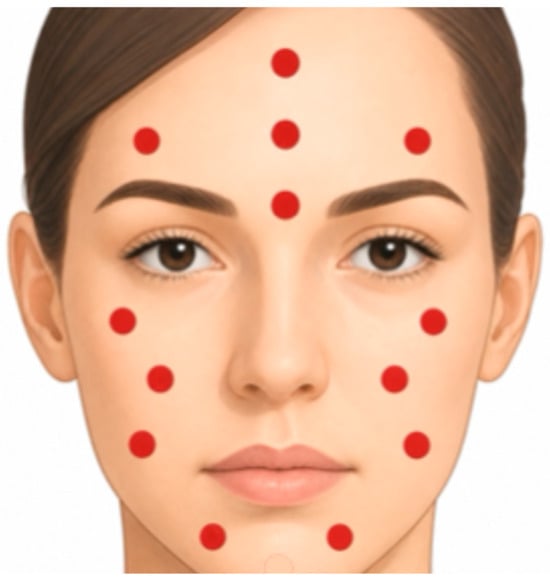
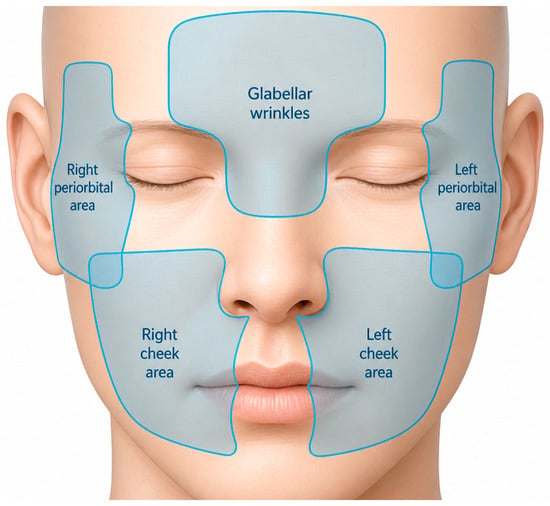
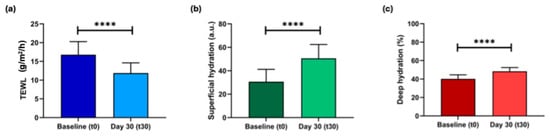
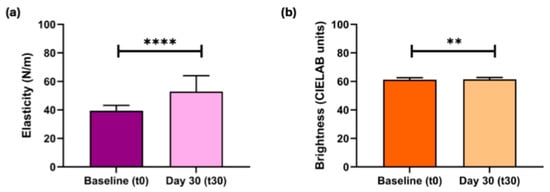
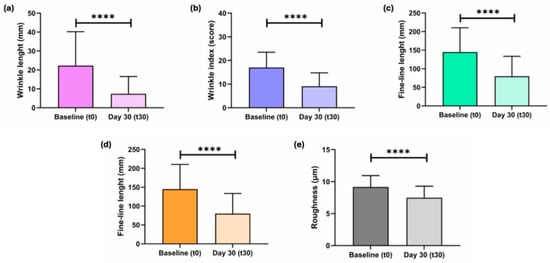
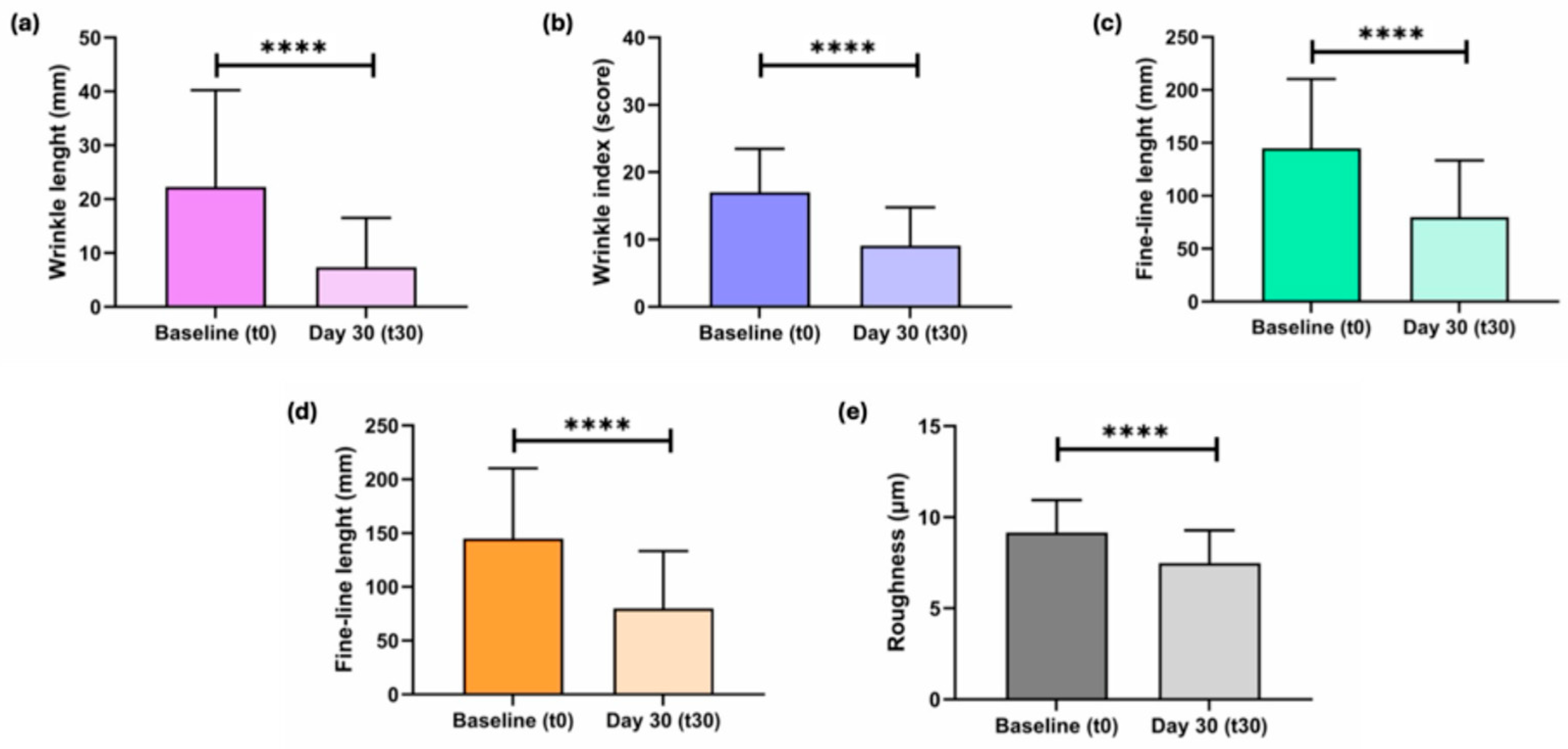
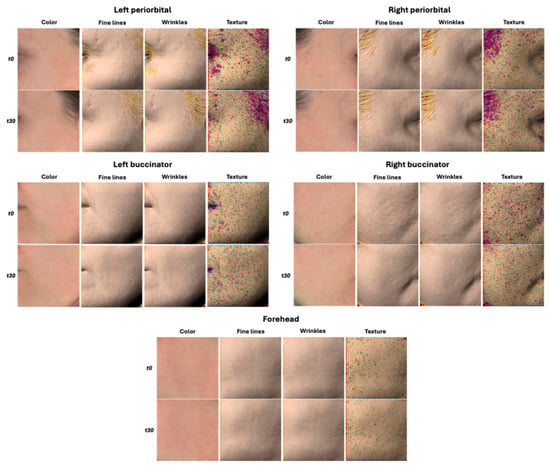
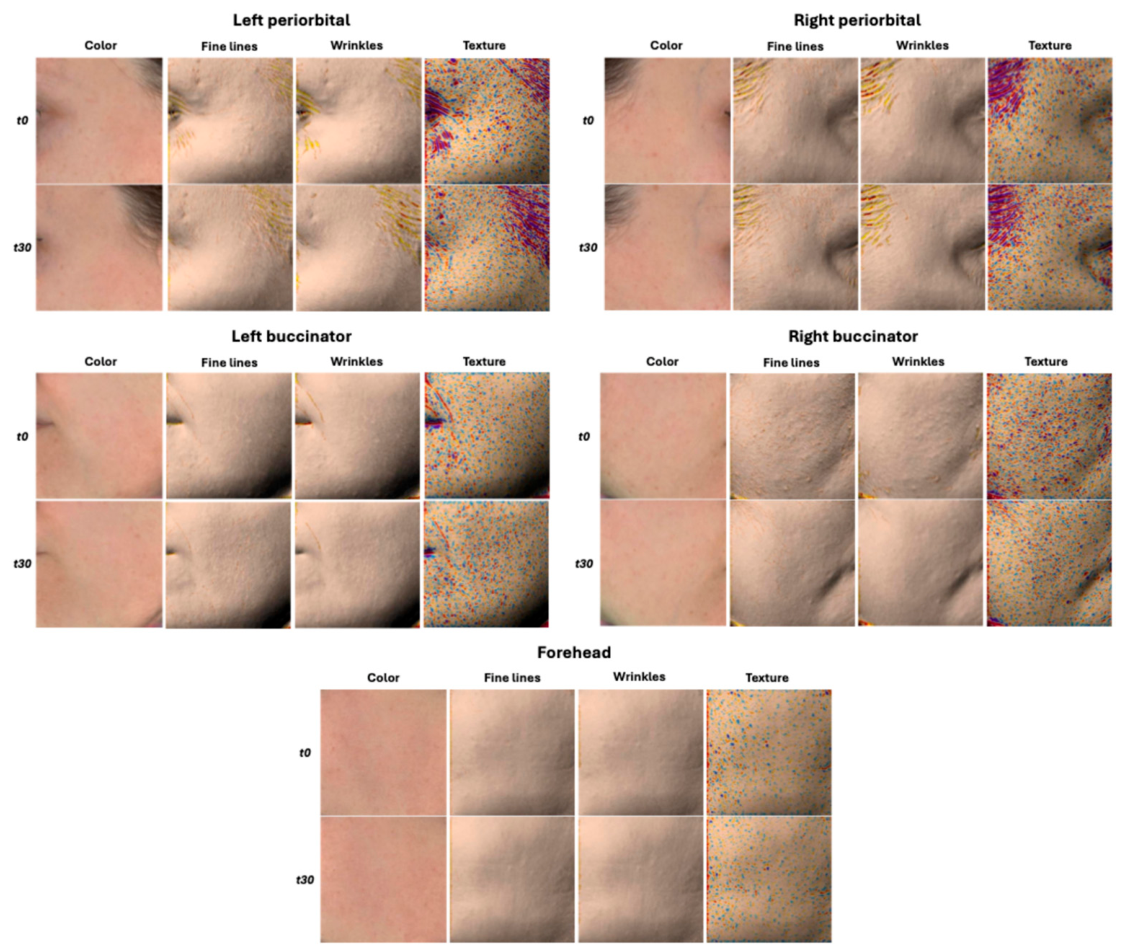
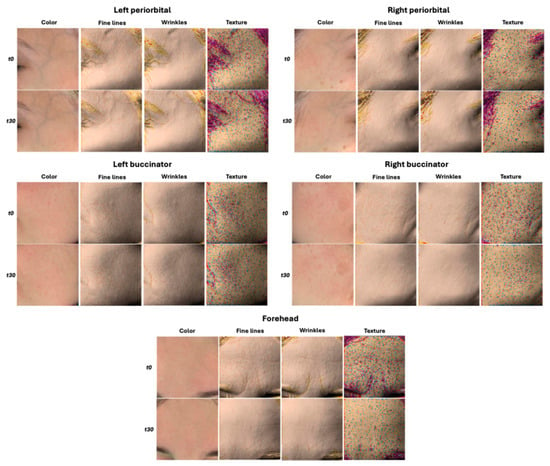
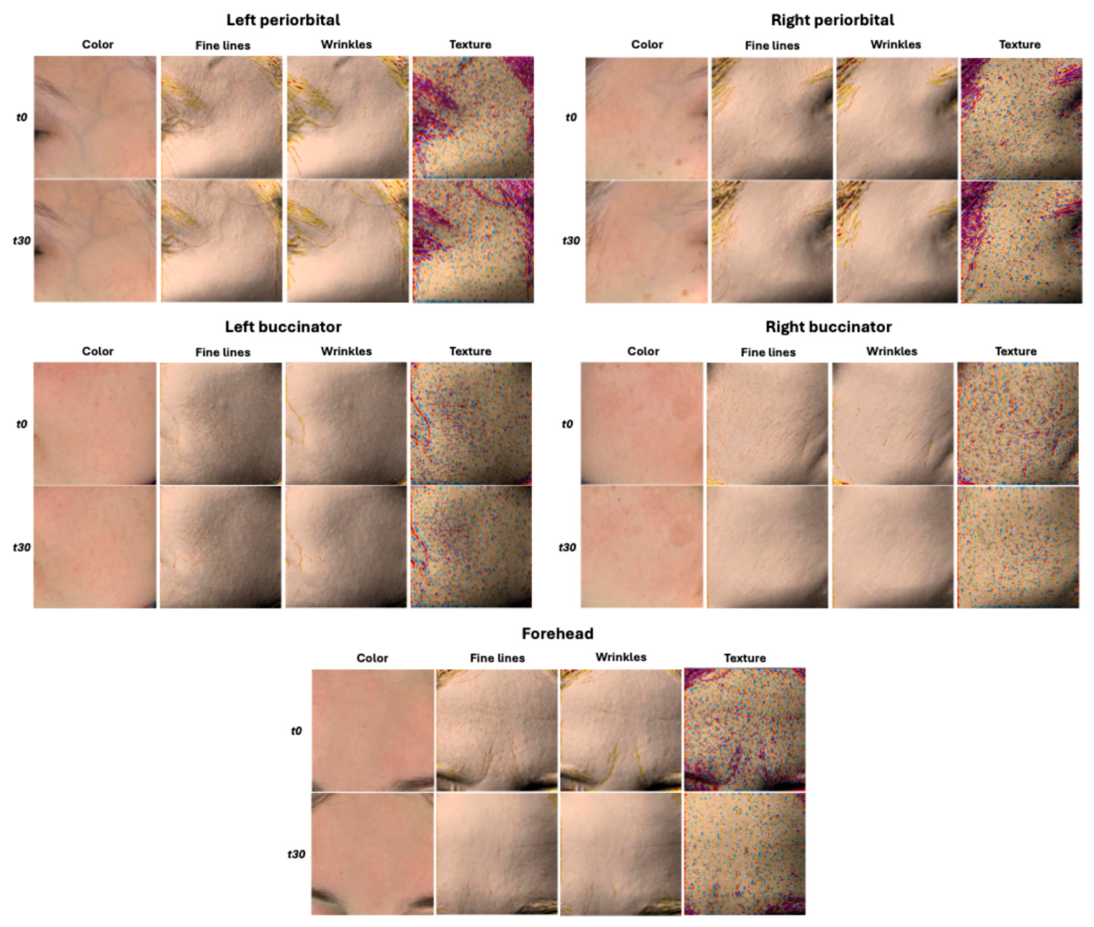
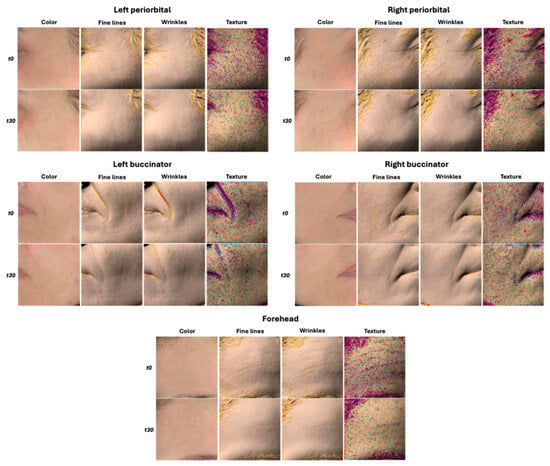
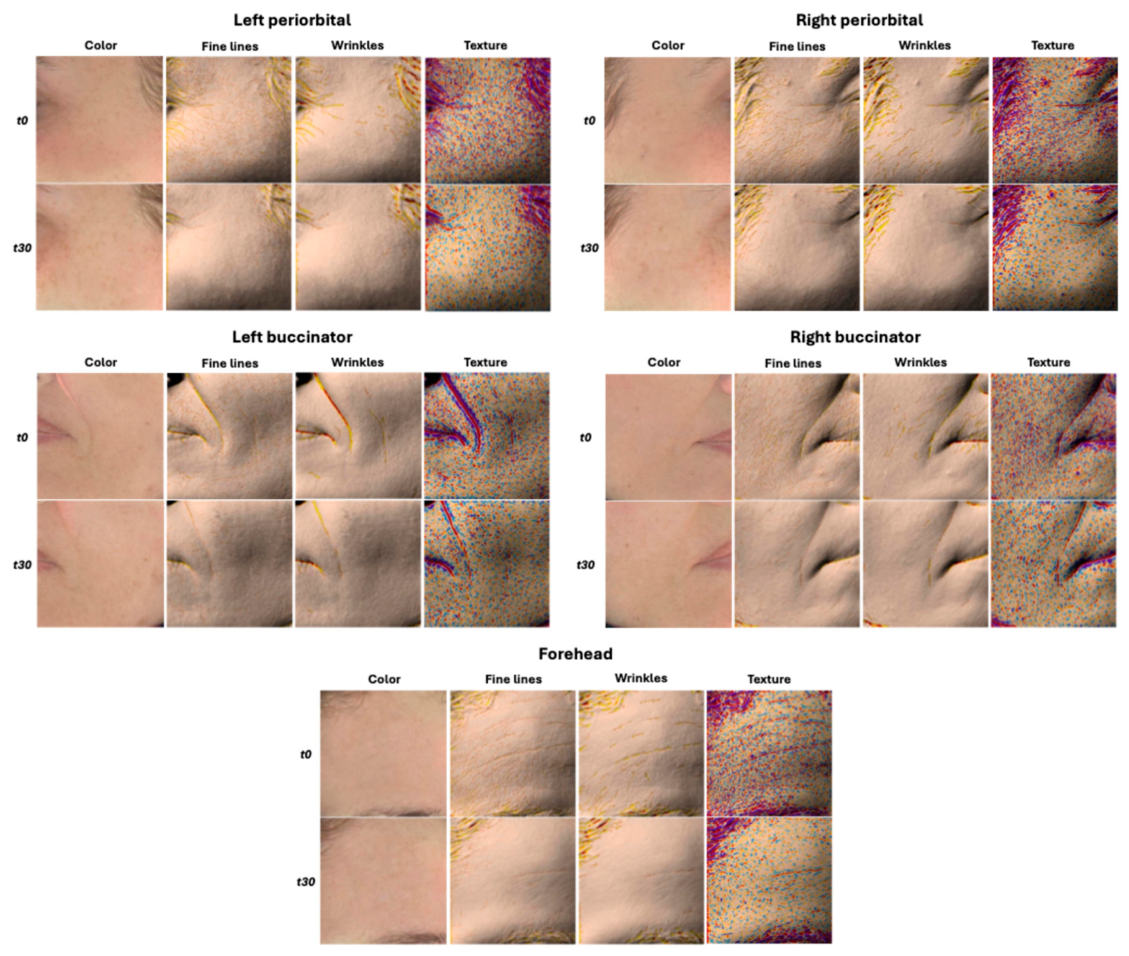
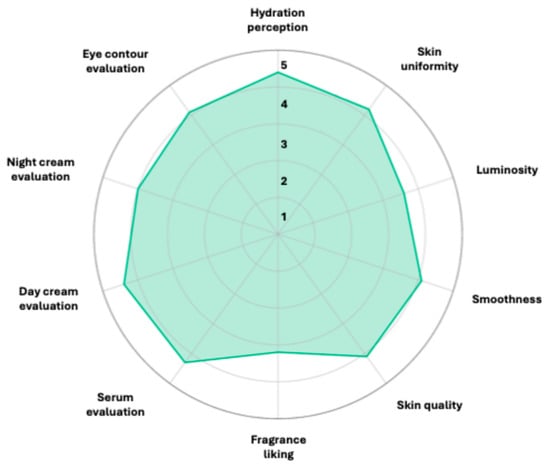
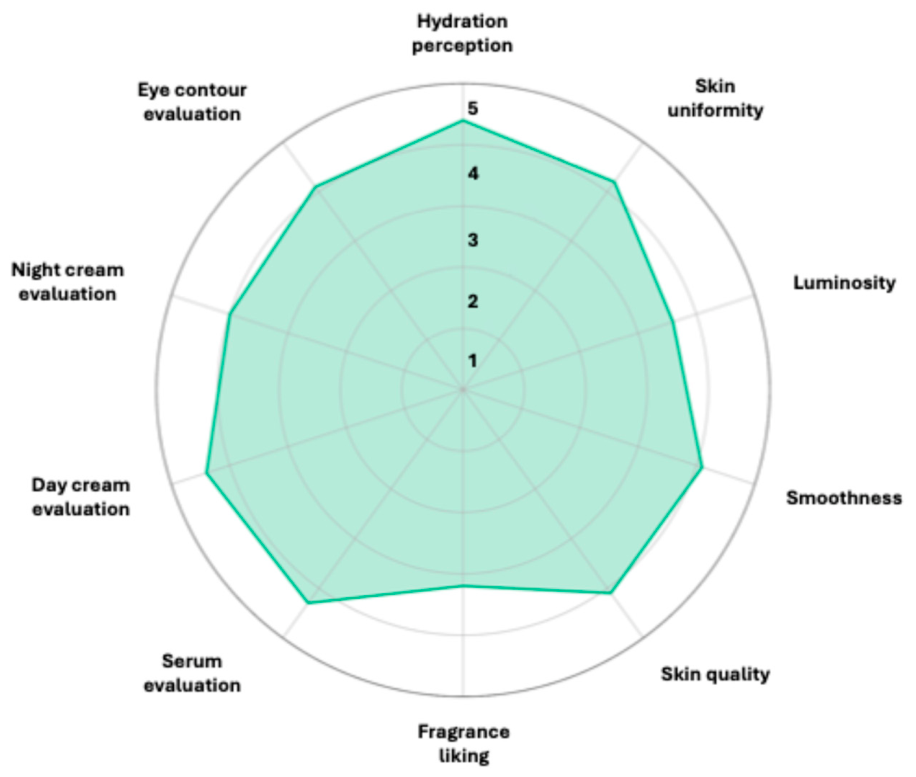
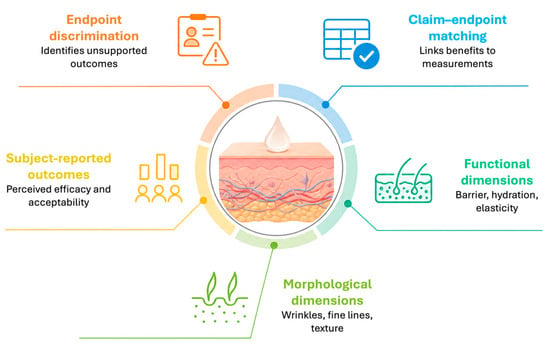
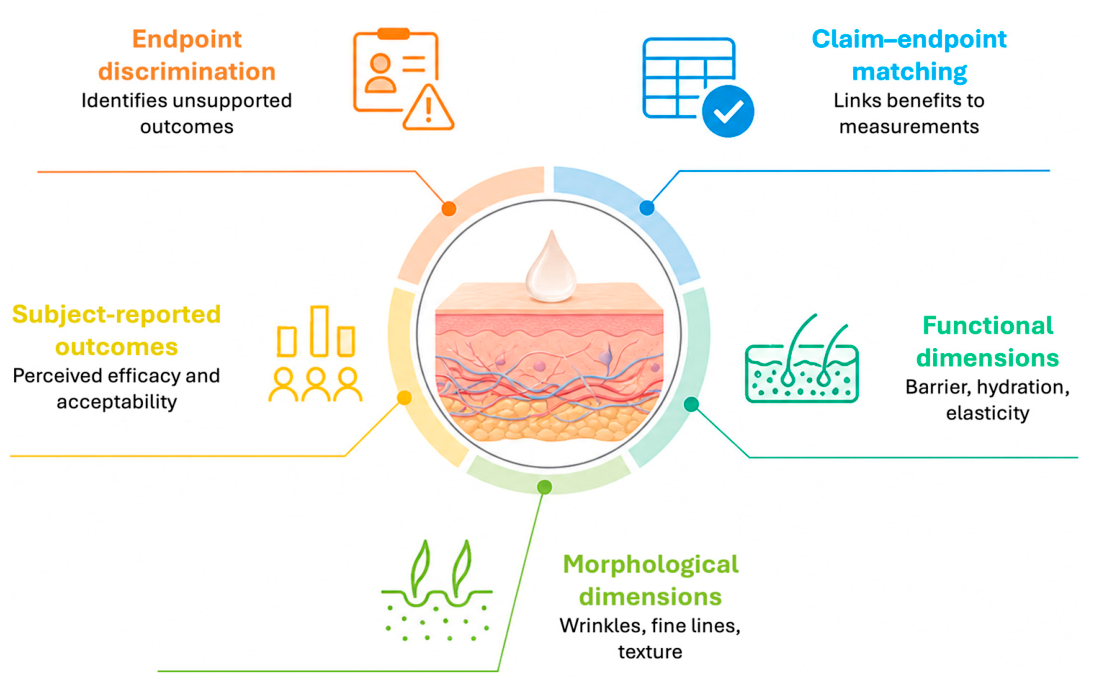

Disclaimer/Publisher’s Note: The statements, opinions and data contained in all publications are solely those of the individual author(s) and contributor(s) and not of MDPI and/or the editor(s). MDPI and/or the editor(s) disclaim responsibility for any injury to people or property resulting from any ideas, methods, instructions or products referred to in the content. |
© 2026 by the authors. Licensee MDPI, Basel, Switzerland. This article is an open access article distributed under the terms and conditions of the Creative Commons Attribution (CC BY) license.