


Abstract
Background: A narrow waist is one of the central objectives of esthetic body contouring, and it is closely tied to the waist-to-hip ratio that observers associate with a feminine silhouette. Conventional soft-tissue techniques such as liposuction and liposculpture are constrained by patient-specific anatomy, including the pattern of adipose tissue distribution and the transverse dimensions of the bony rib cage. Minimally invasive rib remodeling was developed to overcome these constraints and to produce a more pronounced waist-narrowing effect without rib removal. The factors that determine the magnitude of the result and patient satisfaction have not been characterized in sufficient detail. Methods: A combined retrospective–prospective single-center study was conducted on 60 female patients aged 22 to 55 years (mean age, 35.5 years) who underwent minimally invasive rib remodeling using the Kudzaev technique between 2017 and 2025. The variables assessed included anthropometric measurements, body mass index (BMI), subcutaneous and visceral adipose distribution, body shape, endocrine status, and psychological readiness to adhere to the postoperative regimen. Outcomes were evaluated at three months on the basis of the change in waist circumference, standardized photographic documentation, and patient satisfaction (five-point scale) and the BODY-Q Satisfaction with body scale. Safety was assessed clinically during the first postoperative day and at every follow-up contact, and union of the osteotomies was assessed by computed tomography at three months. Results: The mean reduction in waist circumference was 7.82 ± 2.14 cm. Both the reduction and patient satisfaction decreased with increasing BMI (Pearson r = −0.30, p = 0.02 and r = −0.42, p < 0.001 respectively): patients with a BMI ≤ 25 kg/m2 (n = 59) achieved a mean reduction of 7.86 ± 2.12 cm and a satisfaction score of 4.25 ± 0.96, whereas the single patient with a BMI > 25 kg/m2 obtained a smaller reduction (5 cm) and the lowest satisfaction score. The BODY-Q Satisfaction with body scale corroborated these results (Rasch-transformed score, 82.6 ± 18.1) and correlated strongly with the five-point rating (Pearson r = 0.90). Elevated BMI and a pronounced visceral fat component were associated with a less favorable esthetic outcome. Endocrine disease, in particular hyperparathyroidism, was associated with delayed rib consolidation and lower satisfaction. Poor postoperative compliance, especially inconsistent corset wear, was linked to unsatisfactory results. No pulmonary, pleural or infectious complications occurred. Access by needle puncture left no scars, analgesic use lasted two to four days, and computed tomography at three months showed consolidation in 58 of the 60 patients. No patient reported loss of the achieved narrowing during subsequent contact. Conclusions: The effectiveness of minimally invasive rib remodeling depends substantially on patient selection. The most favorable outcomes were obtained in patients with a normal BMI, minimal adipose tissue, and a high level of compliance. Elevated BMI, excess visceral fat, parathyroid disease and low motivation were each associated with a smaller effect and lower satisfaction, and identify patients in whom the procedure is less likely to satisfy. These findings support rigorous preoperative selection that accounts for both somatic and behavioral characteristics.
1. Introduction
A narrow waist has long occupied a central place in perceptions of the female silhouette. Across cultural and historical contexts, observers consistently associate a comparatively small waist relative to the hips with youth and health, and the waist-to-hip ratio has been studied for decades as a correlate of perceived attractiveness [1]. More recent work has refined this view, showing that the overall curvature of the lateral torso outline predicts attractiveness ratings at least as well as the ratio of circumferences alone [2]. Whichever metric is emphasized, the transverse dimension of the waist relative to the pelvis remains a defining feature of body proportion, and its correction is among the most frequent requests encountered in esthetic body-contouring practice.
For many years this effect was pursued almost exclusively through soft-tissue procedures. Trunk liposculpture, oblique flankplasty combined with lipoabdominoplasty, and ultrasound-guided deep-plane liposuction of the waist have all been described as strategies for refining the waistline [3,4,5]. Each of these approaches removes or redistributes adipose tissue, and each is therefore limited by two anatomical variables that the surgeon cannot alter by suction alone: the volume of visceral fat, and the width of the underlying skeleton. In a patient whose waist is defined more by the flare of the lower ribs than by a subcutaneous fat layer, liposuction of the flank produces only a modest change in circumference, because the bony cage sets a floor below which the waist cannot be narrowed.
Skeletal modification of the lower thorax was introduced to address precisely this limitation. Early techniques relied on resection of the eleventh and twelfth ribs, and, in more aggressive variants, of the tenth rib, to reduce the transverse diameter of the lower chest [6]. Resection produces a measurable narrowing, but it removes a segment of the protective cage and has been associated with concerns about respiratory mechanics and the integrity of the thoracic wall. Comparative work on floating-rib removal has reported measurable detriment to lung and respiratory-muscle function relative to matched controls, and case reports have documented complications ranging from pneumothorax to chronic pain when the cage is opened widely [7]. Against this background, and with demand for waist contouring rising as body-proportion procedures have become more prominent in esthetic practice, these concerns motivated a shift toward non-excisional methods that reposition rather than remove bone.
Over the past decade, a family of minimally invasive rib-remodeling techniques has emerged, sharing the principle of controlled fracture or osteotomy of the free lower ribs followed by medial repositioning and a period of external stabilization. The Kudzaev technique, based on osteotomy of the lower ribs through a needle puncture, was the first of these approaches and formalized waist narrowing without rib removal [8]. Related methods have since been reported by several groups, including rib osteotomy with internal osteosynthesis (RIBOSS) [9], anterior rib-cage remodeling with osteosynthesis for costal-margin prominence (ARCO) [10], and incisionless ultrasound-guided monocortical fracture [11]. A recent systematic review that grouped these methods by technique found reported waist reductions of roughly 6 to 17 cm, consistently high satisfaction, and low complication rates, while noting that most series are retrospective, short in follow-up, and heterogeneous in how outcomes are measured [7].
Because every one of these techniques depends on the healing of a controlled bone injury, the metabolic background of bone repair belongs to the assessment of any candidate. The ribs consist largely of cortical bone, and the cortical compartment is the one most affected by disorders of parathyroid and calcium metabolism. Thyroid and parathyroid status was therefore measured before surgery in the present cohort, on the expectation that impaired cortical healing would delay consolidation of the fractures and, through a prolonged period in the corset, affect the patient’s judgment of the result.
Despite the growing popularity of these procedures, the literature offers little systematic guidance on who should undergo them. The reported outcome ranges are wide, and the sources of that variability—patient anatomy, body composition, metabolic status, and behavior during recovery—have not been examined together in a single cohort. In routine practice the same operation yields a dramatic transformation in one patient and a disappointing change in another, and the determinants of that difference are not well defined. Long-term data from our own group have confirmed that the effect is durable when weight remains stable, but durability and magnitude are not the same as predictability [12].
The present study was designed to identify the factors that influence the magnitude of the esthetic result and patient satisfaction after minimally invasive rib remodeling and, on that basis, to formulate an explicit list of indications and contraindications.
2. Materials and Methods
2.1. Study Design and Participants
This combined retrospective and prospective single-center study included 60 consecutive female patients, aged 22 to 55 years (mean age, 35.5 years), who underwent minimally invasive rib remodeling by the Kudzaev technique between 2017 and 2025 at Dr. Kudzaev’s Clinic LLC. The retrospective component comprised patients operated before the study was formalized, for whom complete anthropometric, photographic, and laboratory records were available; the prospective component comprised patients enrolled at consultation and followed according to a predefined protocol. The study was conducted in accordance with the Declaration of Helsinki and approved by the Ethics Committee of I.M. Sechenov First Moscow State Medical University (Protocol No. 24-23, 7 December 2023). Written informed consent was obtained from every participant.
Inclusion criteria were an age of 18 years or older, a request for waist narrowing not adequately achievable by soft-tissue procedures alone, and consent to participate and to attend follow-up. Body mass index was required to have been stable over the year preceding surgery. Patients were stratified into two groups by body mass index, below and above 25 kg/m2.
2.2. Surgical Technique
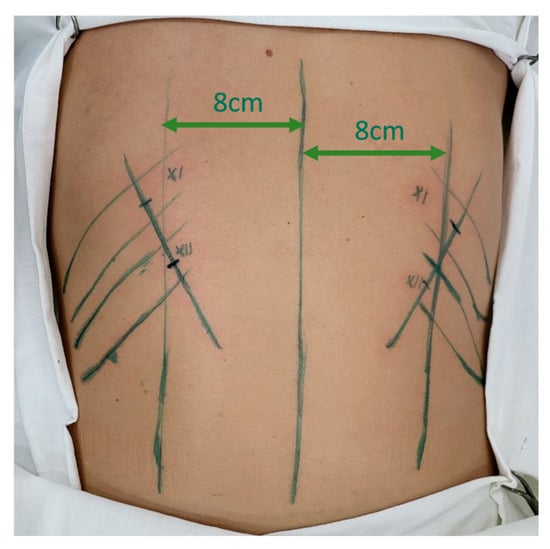
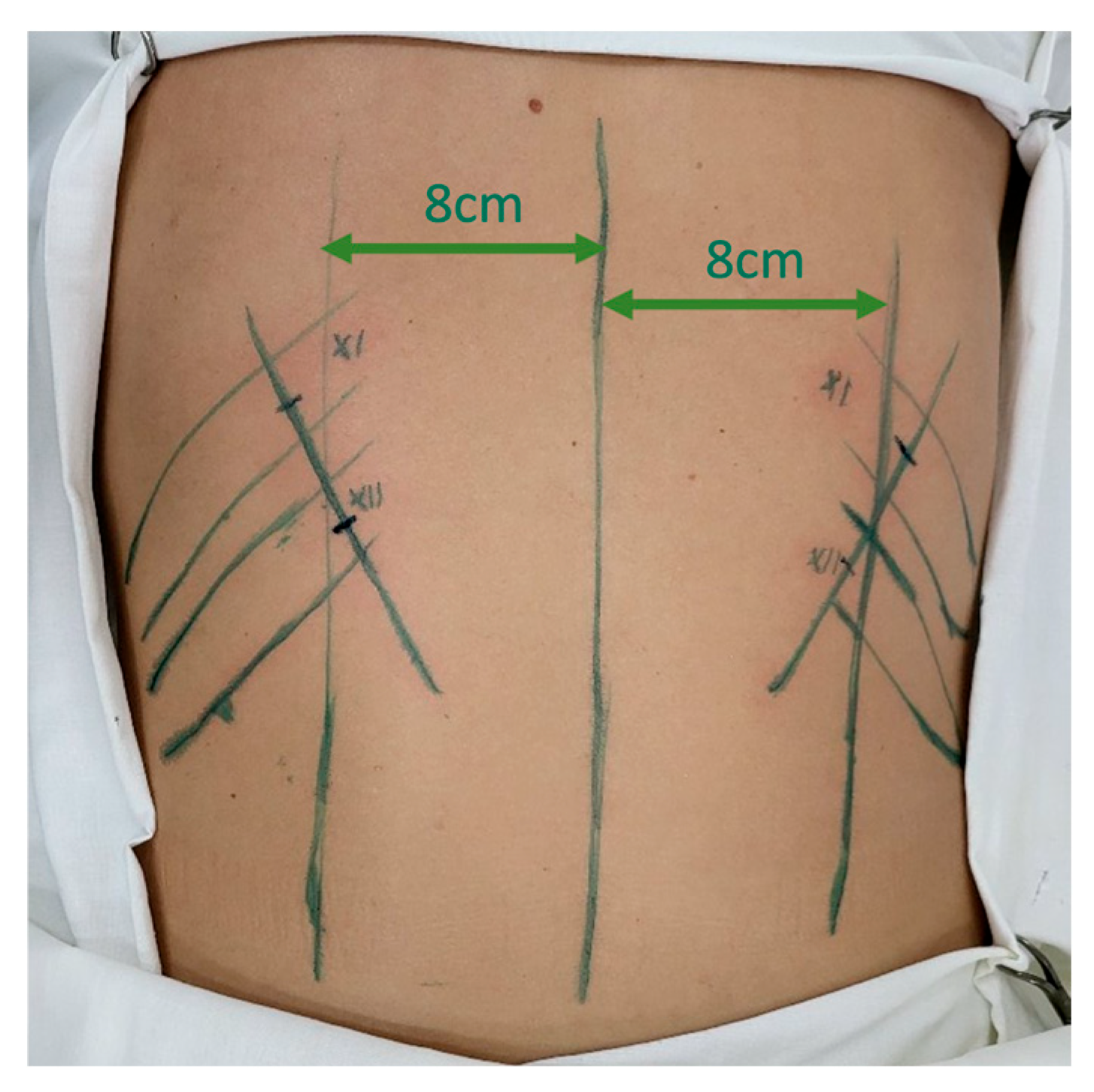
All surgeries were performed by a senior surgeon under local or general anesthesia. The patient lies prone in the Jacknife position with her arms raised. The posterior midline and scapular lines are marked. Projections of the target ribs are marked on the skin. Within the target rib pair the osteotomy sites are staggered relative to the scapular line: the upper rib is divided lateral to that line and the lower rib medial to it, so that the two fracture sites do not lie in a single vertical plane. If the 12th ribs extend beyond the scapular line by more than 4 cm, we work with the 11th and 12th pairs of ribs; if the 12th ribs do not reach the scapular line or extend beyond it by less than 4 cm, we work with the 10th and 11th pairs of ribs (Figure 1).
Figure 1.
Minimally invasive rib remodeling by the Kudzaev technique. Preoperative marking. The posterior midline and the scapular line are drawn, and the projections of the target ribs are marked on the skin. The osteotomy of the upper rib of the treated pair lies lateral to the scapular line and that of the lower rib lies medial to it; each puncture is placed over the midpoint of the corresponding rib.
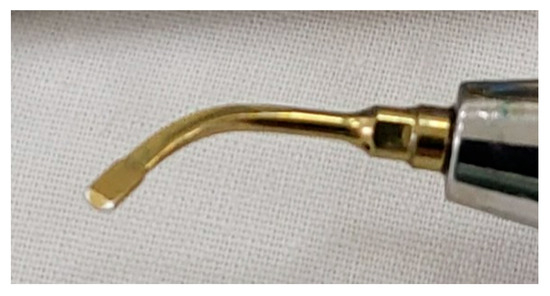
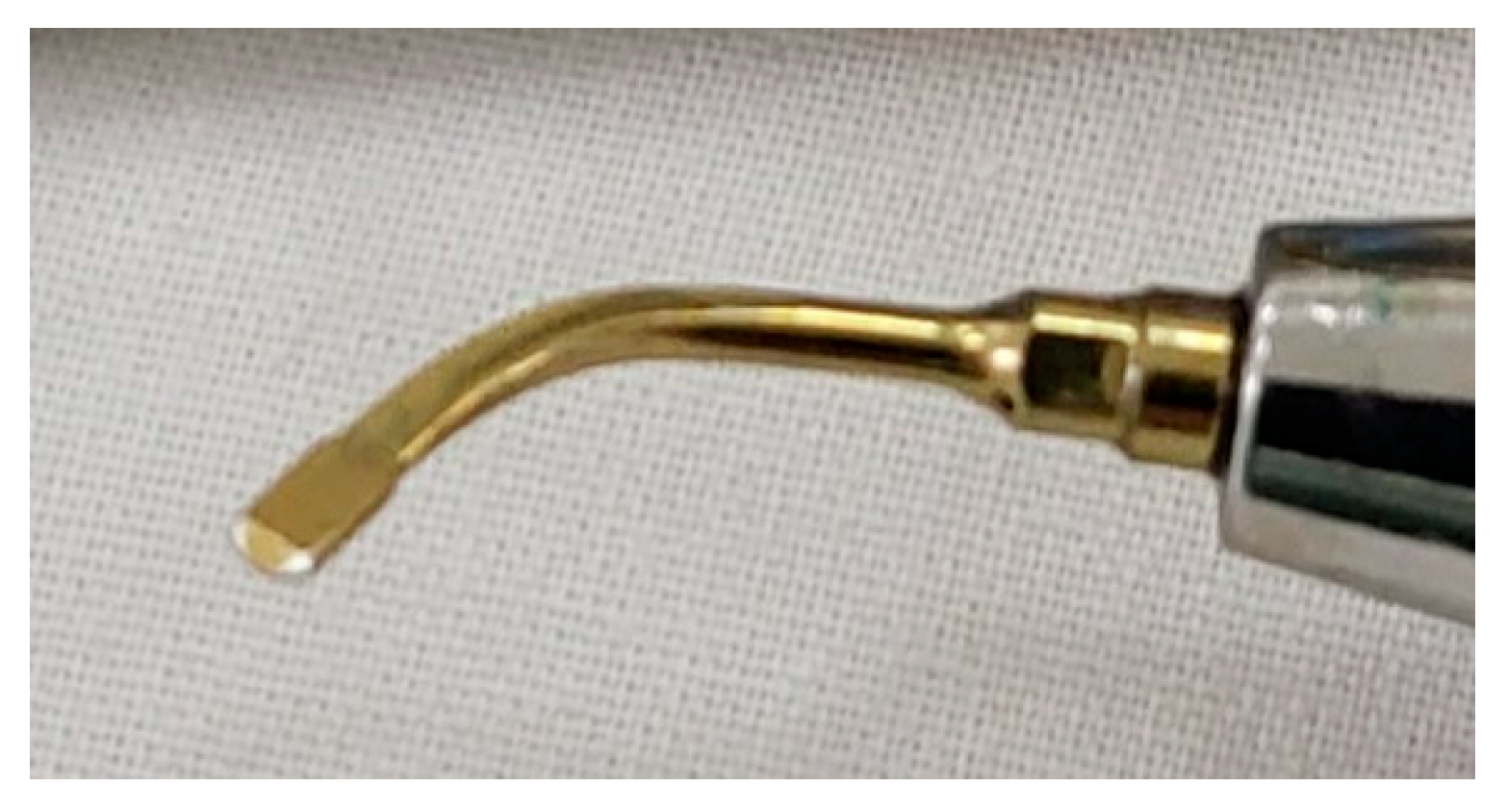
Ten milliliters of 0.5% lidocaine are infiltrated over each osteotomy site. No skin incision is made. Access is obtained through a single puncture with an 18G needle (Vogt Medical, Karlsruhe, Germany) placed over the midpoint of the target rib, through which the periosteum is divided and the flat-tipped piezotome is introduced (Figure 2). The osteotomy is carried across the full width of the rib and is confined to the outer cortex. The endpoint is tactile rather than timed: the operator stops the moment a give is felt, which marks passage through the outer cortical layer, and the piezotome is not advanced any further. The fracture is then completed by finger pressure on the distal segment of the rib, with a palpable and audible click as the sign of a complete osteoclasia (Video S1). Complete osteoclasia is confirmed by ultrasound. Hemostasis is not required, because no vessel is divided, and the puncture sites are sealed with sterile adhesive tape.
Figure 2.
The flat-tipped piezotome used for the osteotomy, introduced through the 18G needle puncture.
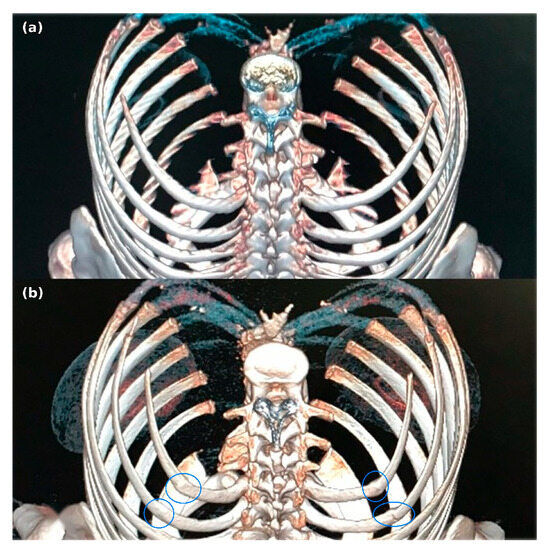
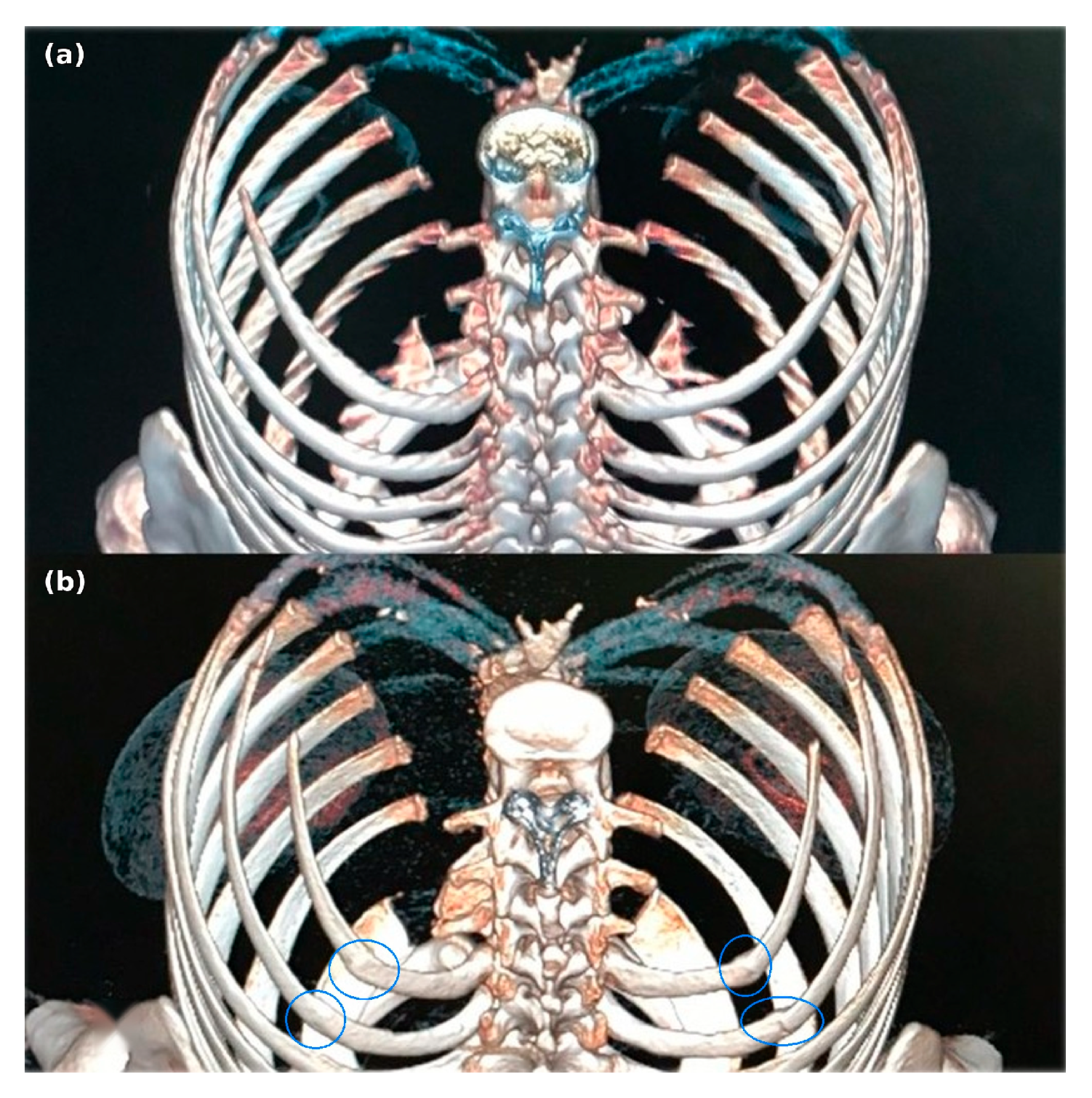
The corset is put on after surgery, when the patient is able to stand. The angle of medial displacement of the mobilized rib segments is not fixed during the operation but is governed afterwards by the corset: the tighter the corset, the greater the displacement that is held while the fracture consolidates. Tightening is therefore titrated to the individual patient, increased as far as she wishes but stopped short of physical discomfort. The corset is tightened moderately for the first 10 days, tightened finally at that point, and then worn continuously for three months. Patients take NSAIDs at standard doses for postoperative pain and remain in the clinic for one night. When subcutaneous fat in the waist area contributed to the contour, liposuction was performed during the same procedure. Unlike methods that utilize internal plates and screws for stabilization [9,10], the Kudzaev method ensures consolidation in the new position through external immobilization rather than metal osteosynthesis. The change in the curvature of the ribs before and after surgery is shown in Figure 3.
Figure 3.
Computed tomography of the lower thorax before surgery (a) and three months after surgery (b), showing the change in the curvature of the lower ribs. Blue circles mark the osteotomy sites and the repositioned segments. In this patient waist circumference decreased by 8 cm.
2.3. Postoperative Monitoring and Assessment of Safety
Patients were monitored clinically in the clinic during the first postoperative day. Oxygen saturation, respiratory rate, skin color and body temperature were recorded, and any deviation would have prompted imaging of the chest. Pain was assessed at every contact, together with the duration of analgesic use and the need for anything beyond standard NSAIDs. Access sites were inspected at each follow-up visit. Computed tomography of the chest was performed in every patient three months after surgery to assess union and the quality of the callus, and the decision to discontinue or to prolong corset wear was based on that examination. Contact with patients was maintained after the corset was discontinued, and any report of a loss of the achieved contour was recorded.
2.4. Anthropometry
Height and body weight were measured with the patient in light clothing, and body mass index was calculated as weight divided by height squared. Waist circumference was measured to the nearest 0.1 cm at the narrowest point of the trunk between the lowest rib and the iliac crest, with the patient standing and at the end of a normal expiration. All measurements were performed by the same examiner to reduce inter-observer variability.
2.5. Assessment of Adipose Tissue
The volume of fat in the waist region was assessed by two complementary methods. Subcutaneous fat thickness was measured by B-mode ultrasonography at standardized flank points and independently by caliper skinfold measurement; the mean of triplicate readings was recorded. The abdominal contour was inspected clinically to estimate the contribution of the visceral compartment, which cannot be reduced by liposuction and which was expected to influence the final silhouette.
2.6. Endocrine Status
Serum thyroid-stimulating hormone (TSH), parathyroid hormone (PTH), and total calcium were measured preoperatively. Values outside the laboratory reference range were flagged, and thyroid or parathyroid disease was regarded as a potentially unfavorable factor for bone consolidation and surgical outcome. Patients with abnormal parathyroid indices were referred for endocrinological evaluation.
2.7. Assessment of Motivation and Psychological Status
Readiness to complete rehabilitation was assessed at consultation, with particular attention to the patient’s willingness to wear a corset continuously for three months, and to accept the associated restriction of physical activity. Psychoemotional stability and the realism of the patient’s expectations were also considered, since both influence adherence and the subjective evaluation of the result.
2.8. Outcome Assessment
Outcomes were evaluated three months after surgery. The primary outcome was the change in waist circumference, expressed both in centimeters and as a percentage of the baseline value. Standardized photographs (frontal and posterior views, taken at a fixed distance and under consistent lighting) documented the contour before and after surgery. Patient satisfaction with the esthetic result was rated on a 5-point scale. Where longer follow-up was available, later measurements were also recorded.
As a secondary patient-reported outcome, the BODY-Q Satisfaction with body scale was administered at the same time point. The BODY-Q is a patient-reported outcome instrument developed and validated for weight loss and body-contouring treatments [13]. The Satisfaction with body scale consists of 10 items that ask how satisfied the respondent feels with the appearance of her body, dressed and undressed, including its shape, how it looks in the mirror and in photographs, and how it looks in fitted clothing. Each item is scored from 1 (very dissatisfied) to 4 (very satisfied), giving a raw score between 10 and 40. Raw scores were converted with the published conversion table into a Rasch-transformed score from 0 to 100, higher values indicating greater satisfaction, which permits comparison with general-population normative values [14].
2.9. Statistical Analysis
Quantitative variables, including waist circumference, body mass index, and satisfaction scores, are presented as mean ± standard deviation. Patients were stratified into two groups by body mass index (<25 kg/m2 and >25 kg/m2), and outcomes were compared between groups using measures of central tendency and dispersion. The relative reduction in waist circumference was expressed as a percentage of the baseline value. Associations between clinical characteristics—body mass index, visceral fat volume, endocrine status, and postoperative compliance—and surgical outcome were evaluated descriptively on the basis of the observed distribution of results across subgroups. Given the modest sample size, emphasis was placed on clinical and qualitative patterns of association rather than on formal hypothesis testing alone. The association between body mass index and both waist-circumference reduction and satisfaction was quantified with Pearson’s correlation coefficient. Because only one patient had a body mass index above 25 kg/m2, body mass index was analyzed as a continuous variable across its full range rather than by dichotomous group comparison. The convergent validity of the 5-point satisfaction scale was examined against the BODY-Q Rasch score using the same correlation coefficient. Correlation coefficients are reported with two-sided p-values and with 95% confidence intervals obtained by Fisher’s z transformation. Because the 5-point satisfaction rating is an ordinal measure, every correlation involving it is reported both as Pearson’s coefficient, for comparability with the remaining analyses, and as Spearman’s rank correlation coefficient. Complications, analgesic requirement and radiological union are reported descriptively as counts.
3. Results
3.1. Cohort Characteristics
The study included 60 female patients who underwent minimally invasive rib remodeling by the Kudzaev technique. The mean age was 35.5 ± 7.3 years, and the mean body mass index was 22.0 ± 1.9 kg/m2 (range, 18.5–27.1). Baseline demographic, anthropometric, and biochemical characteristics are summarized in Table 1.
Table 1.
Baseline demographic, anthropometric, and biochemical characteristics of the cohort (n = 60). Values are mean ± standard deviation (range).
3.2. Overall Effect on Waist Circumference
The mean reduction in waist circumference at three months was 7.82 ± 2.14 cm. The most pronounced effect was achieved in patients with the smallest amount of adipose tissue in the waist area, in whom the change in circumference reflected the skeletal repositioning most directly.
3.3. Relationship Between Outcome and Body Mass Index
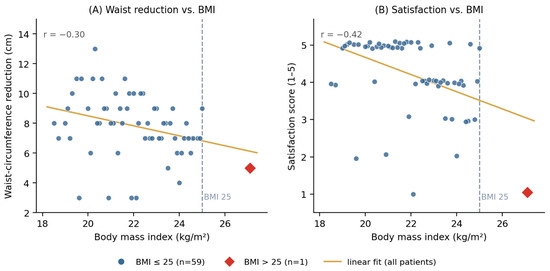
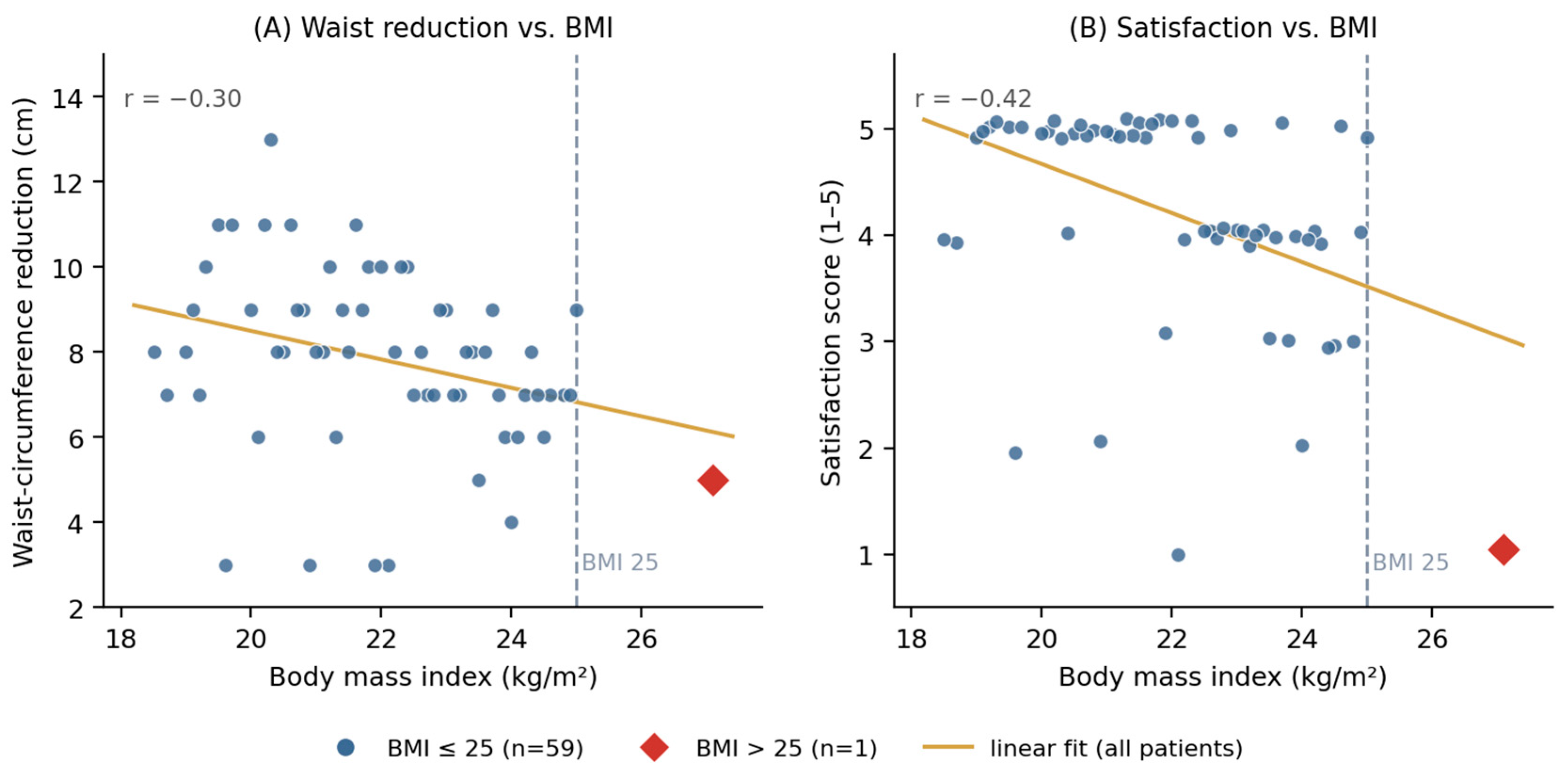
Both the magnitude of waist narrowing and patient satisfaction decreased as body mass index increased (Pearson r = −0.30, 95% CI −0.51 to −0.05, p = 0.02, and r = −0.42, 95% CI −0.61 to −0.19, p < 0.001, respectively; Figure 4). In the 59 patients with a body mass index ≤ 25 kg/m2, the mean reduction in waist circumference was 7.86 ± 2.12 cm, corresponding to a mean relative reduction of 10.8% ± 3.1% from baseline, and the mean satisfaction score was 4.25 ± 0.96 on the five-point scale. Only one patient had a body mass index above 25 kg/m2 (27.1 kg/m2); this patient obtained a smaller reduction (5 cm; 5.6% of baseline) and rated satisfaction as 1, the lowest score in the cohort (the corresponding case is described as Patient I. below). Because the BMI > 25 subgroup comprised a single patient, no formal group comparison was performed, and the relationship was assessed across the full range of the body mass index (Table 2). Spearman’s rank correlation, applied because the satisfaction rating is ordinal, gave the same direction and a somewhat stronger association (ρ = −0.36, p = 0.004 for waist-circumference reduction and ρ = −0.48, p < 0.001 for satisfaction).
Figure 4.
Relationship between body mass index and outcomes at three months across all 60 patients. (A) Waist-circumference reduction versus BMI; (B) satisfaction score versus BMI (points jittered vertically for legibility). The dashed line marks BMI 25 and the gold line is the linear fit across all patients. Both reduction and satisfaction decreased as BMI increased (Pearson r = −0.30 and −0.42, respectively). Only one patient had a BMI above 25 kg/m2 (red marker).
Table 2.
Waist-narrowing outcomes at three months in relation to body mass index (BMI). Values are mean ± standard deviation. The BMI > 25 subgroup comprised a single patient, for whom the individual value is given; no dispersion or between-group test is reported for that subgroup.
The BODY-Q Satisfaction with body scale corroborated these findings. The mean Rasch-transformed score was 82.6 ± 18.1 (raw score, 36.0 ± 6.0) and 83.6 ± 16.3 in patients with a body mass index ≤ 25 kg/m2; the single patient with a body mass index above 25 kg/m2 had the lowest score (Rasch, 20). The BODY-Q score correlated strongly with the five-point satisfaction rating (Pearson r = 0.90, 95% CI 0.83 to 0.94, p < 0.001; Spearman ρ = 0.80, p < 0.001) and with the reduction in waist circumference (r = 0.78, 95% CI 0.66 to 0.86, p < 0.001), confirming that a greater anatomical effect translated into greater patient-reported satisfaction and supporting the use of the simpler scale in this cohort (Table 2).
Correlation with BMI across all 60 patients: waist-circumference reduction, Pearson r = −0.30 (95% CI −0.51 to −0.05, p = 0.02), Spearman ρ = −0.36 (p = 0.004); satisfaction, Pearson r = −0.42 (95% CI −0.61 to −0.19, p < 0.001), Spearman ρ = −0.48 (p < 0.001). The BODY-Q (Rasch) score correlated with the five-point satisfaction rating (Pearson r = 0.90, 95% CI 0.83 to 0.94, p < 0.001; Spearman ρ = 0.80, p < 0.001) and with waist-circumference reduction (Pearson r = 0.78, 95% CI 0.66 to 0.86, p < 0.001).
3.4. Relationship Between Outcome and Visceral Fat
Patients with a higher body mass index generally presented with a more protuberant abdomen. On clinical inspection the transverse contour of the trunk in these patients approached a circle, whereas leaner patients showed an oval contour. Satisfaction in this group was lower, and the relative reduction in waist circumference was smaller than the absolute figures alone suggested.
3.5. Relationship Between Outcome and Endocrine Disease
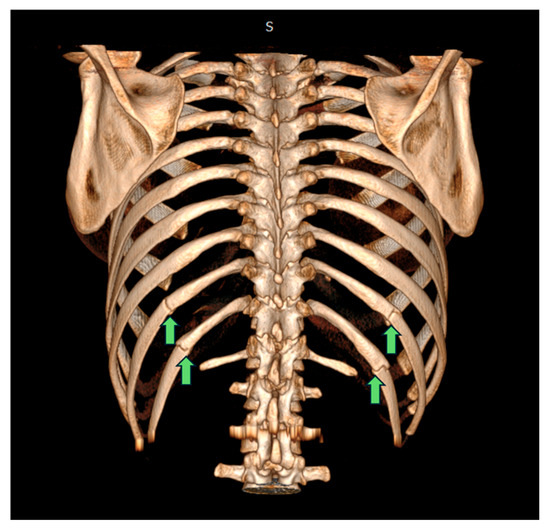
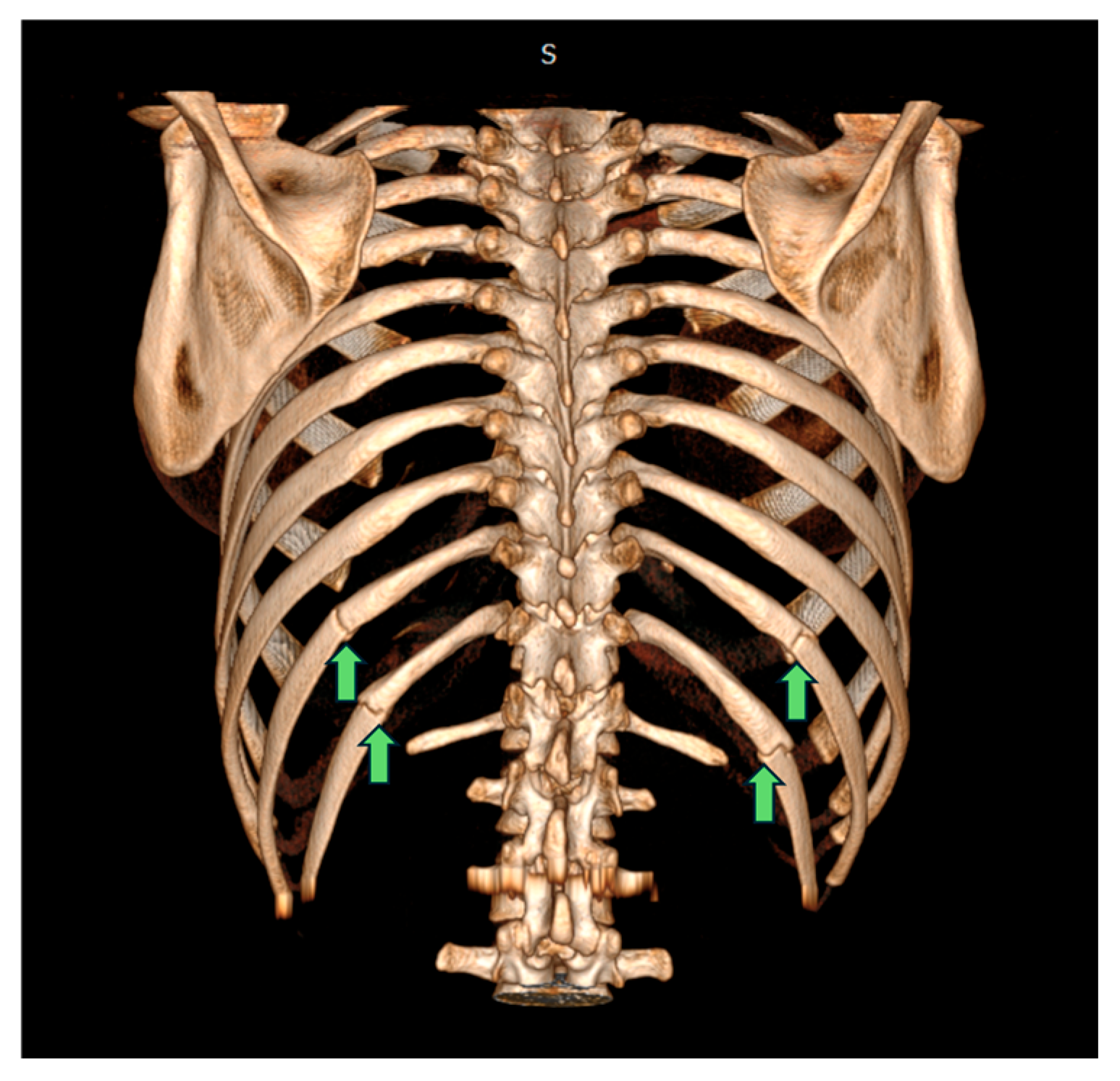
Parathyroid disorders, associated with delayed consolidation of the osteotomized ribs, a prolonged rehabilitation period, and dissatisfaction with the outcome, were identified in two patients. In both cases, computed tomography performed three months after surgery showed insufficient consolidation of the osteotomy, seen as an absence of callus at the osteotomy site with a fracture line that remained visible (Figure 5). The first patient had a reduced total serum calcium (2.16 mmol/L) both before and after surgery. In the second patient, clinically significant hyperparathyroidism was identified after surgery. Corset wear was prolonged in both patients beyond the standard three months.
Figure 5.
Computed tomography of the thorax at three months after minimally invasive rib remodeling, showing insufficient consolidation of the osteotomized rib. Arrows indicate the osteotomy site, where callus has not formed and the fracture line is still visible.
3.6. Complications and Postoperative Course
No pulmonary, pleural or infectious complications occurred in the cohort. Oxygen saturation, respiratory rate, skin color and body temperature remained within normal limits in every patient during the first postoperative day, and no patient required chest imaging for a suspected pulmonary event, an unplanned readmission, or any secondary intervention.
Pain was moderate and arose on active movement. It was controlled with NSAIDs at standard doses, taken for two to four days on average. After the final tightening of the corset 10 days after surgery, no patient reported further pain, and no case of chronic pain at the osteotomy sites occurred.
Because access is obtained by needle puncture rather than by incision, no scars were produced. Punctate marks may be visible at the access points; no patient regarded them as conspicuous or asked for them to be concealed by clothing.
3.7. Consolidation and Stability of the Result
Computed tomography at three months showed union in 58 of the 60 patients, and the corset was discontinued in these patients. In the remaining two, both with parathyroid disorders (Section 3.5), callus had not formed enough and the fracture line remained visible, and corset wear was prolonged accordingly.
Contact with the cohort was maintained after the corset was discontinued. No patient reported a loss of the achieved waist narrowing or a return of the contour toward the preoperative state. Three patients chose to wear the corset for longer than the prescribed three months, for four, five and nine months respectively, and the reductions recorded in these patients (10, 11 and 13 cm) were above the cohort mean. This observation rests on continuing contact with patients rather than on scheduled measurement beyond the three-month endpoint, and is reported as such.
3.8. Relationship Between Outcome and Compliance
Three patients showed poor postoperative compliance, manifested as inconsistent corset wear, and ultimately expressed dissatisfaction with the result. By contrast, patients who wore the corset conscientiously for three months—and in three cases for longer than three months—reported high satisfaction with the degree of waist narrowing. These observations indicate that candidates for minimally invasive rib remodeling should be selected in part on the likelihood of postoperative adherence.
3.9. Representative Cases
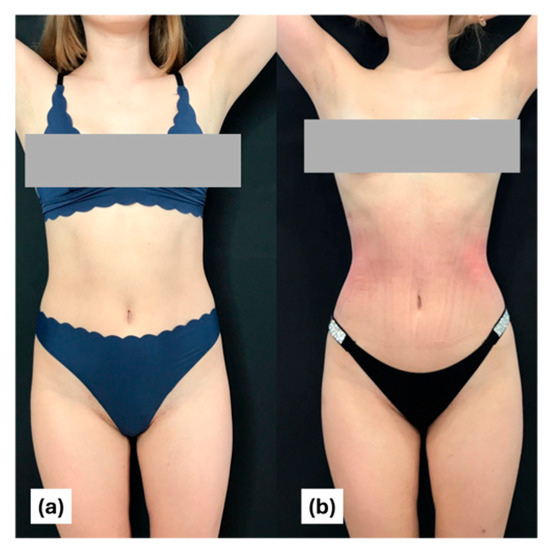
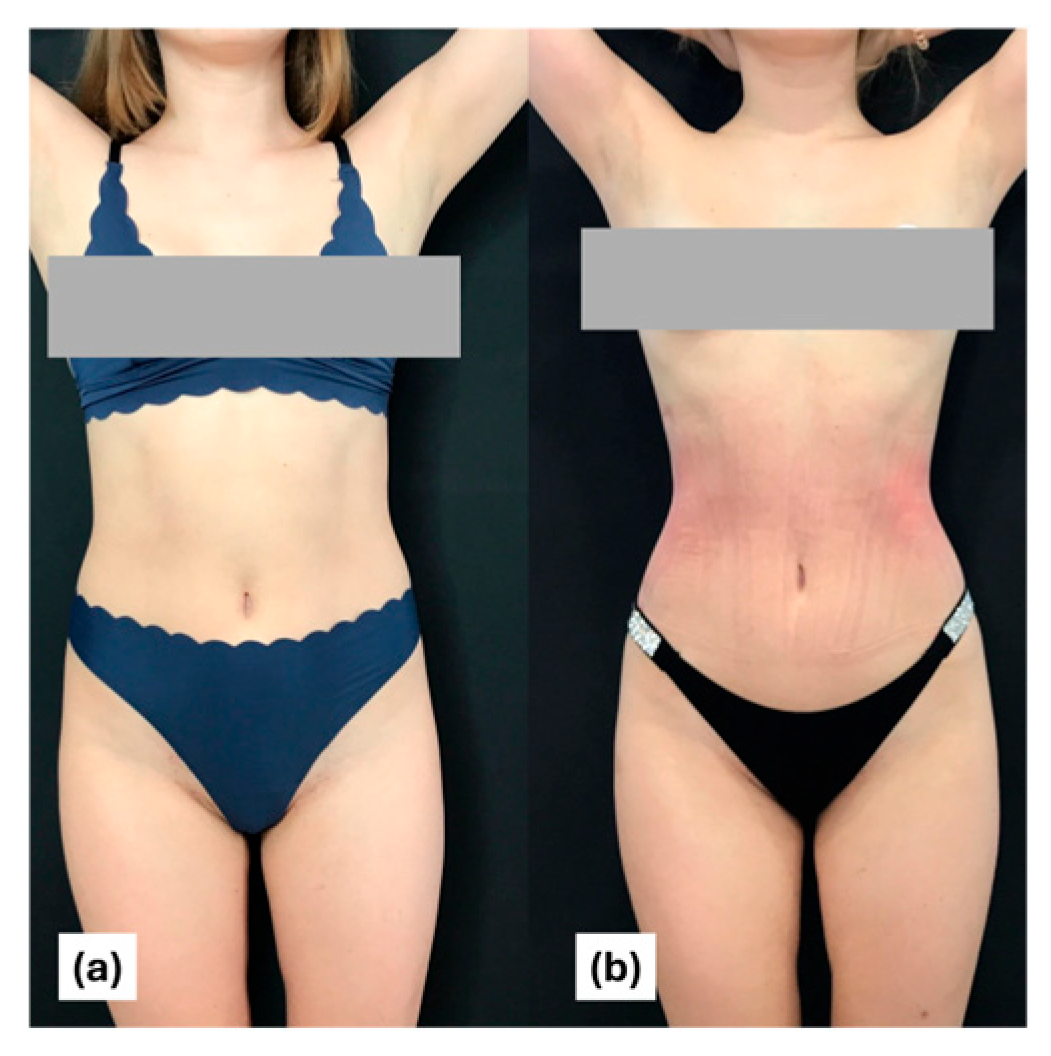
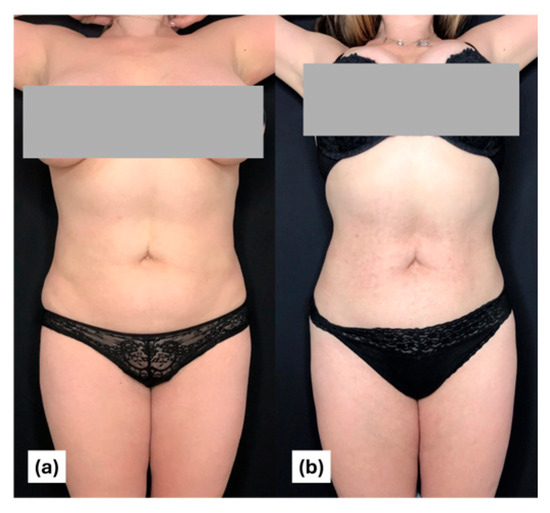
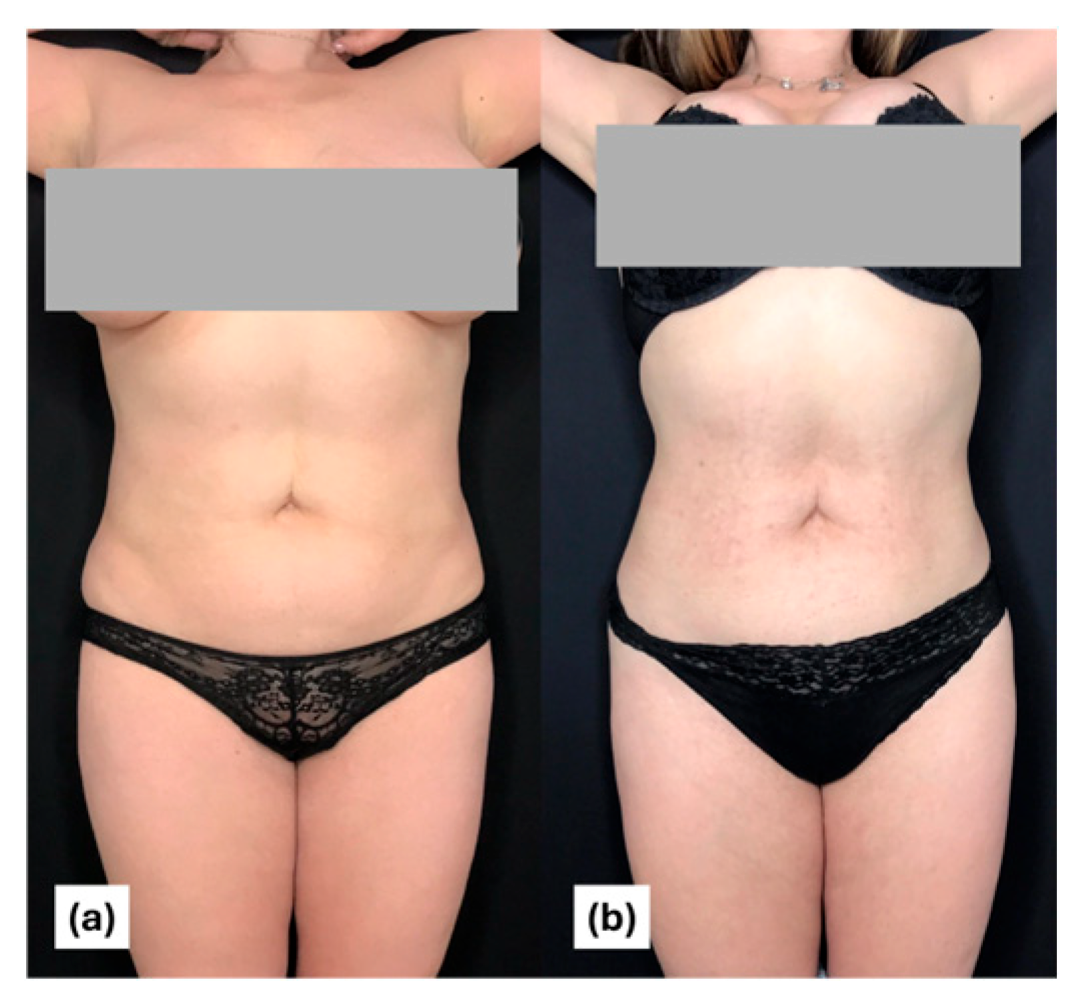
Four cases illustrate the range of outcomes observed, from the largest reductions achieved in lean patients to an unsatisfactory result at the upper end of the body mass index range.
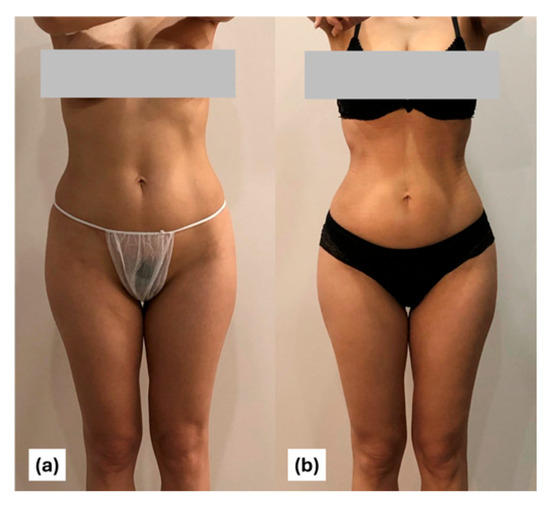
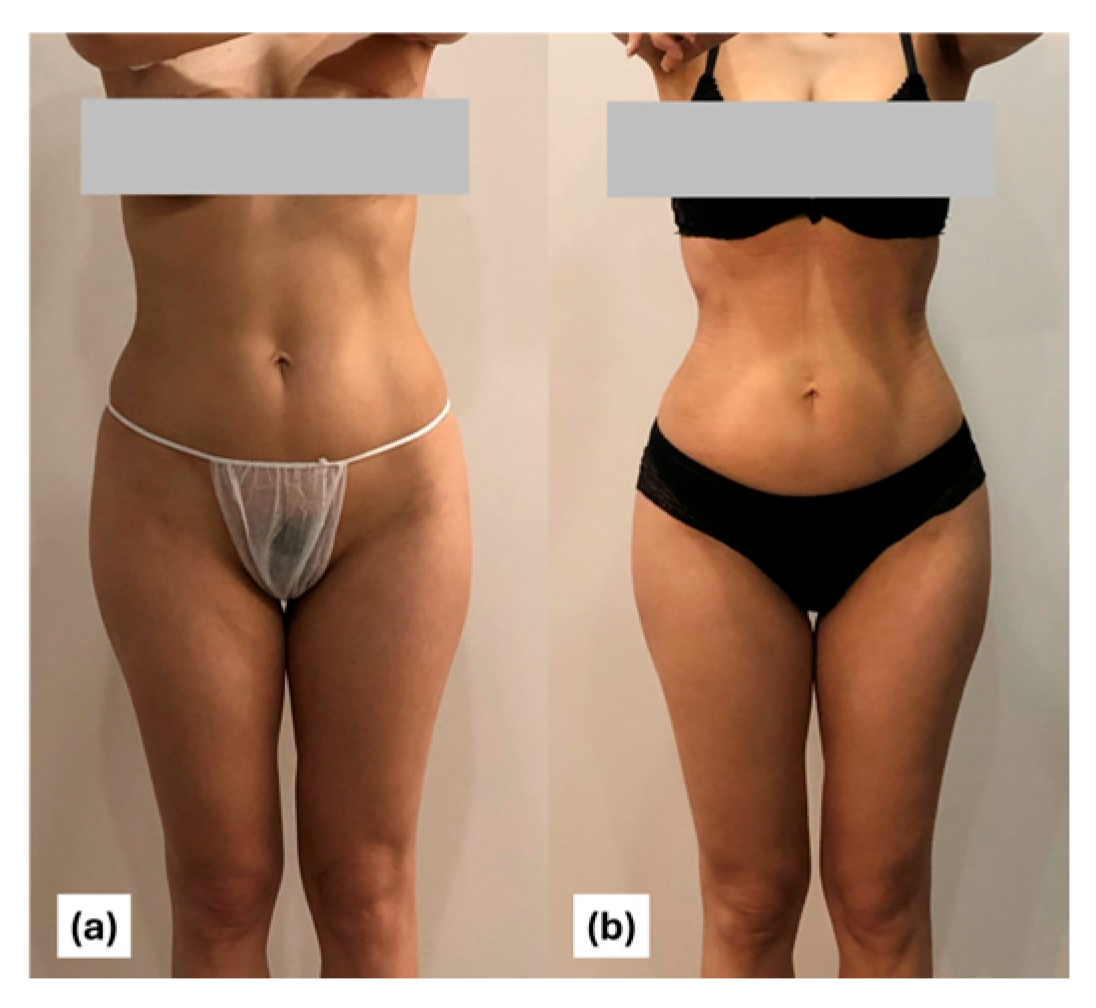
Patient K., 41 years old, had a preoperative body mass index of 20.3 (height, 167 cm; weight, 56.6 kg). The only abnormal preoperative finding was a hemoglobin of 117 g/L, considered subclinical, and she was cleared by the anesthesiologist for surgery. Baseline waist circumference was 73 cm. Three months after surgery, she was cleared to discontinue the corset but chose to continue wearing it. At nine months her waist circumference had decreased to 60 cm, a reduction of 17.8% from baseline, and her final satisfaction score was 5 (Figure 6).
Figure 6.
Patient K., before surgery and at nine months. (a) Frontal view before surgery; (b) frontal view at nine months.
Patient Z., 41 years old, had a preoperative body mass index of 19.7 and a baseline waist circumference of 69 cm. Rib remodeling was performed without concurrent liposuction. At three months the waist measured 58 cm, a reduction of 11 cm and of 15.9% from baseline. She rated satisfaction as 5, and her BODY-Q Satisfaction with body score was 92 on the Rasch-transformed scale (Figure 7).
Figure 7.
Patient Z., before surgery and at three months. (a) Frontal view before surgery; (b) frontal view at three months.
Patient S., 44 years old, had a preoperative body mass index of 25.0 and a baseline waist circumference of 83 cm. Rib remodeling was performed without concurrent liposuction. At three months the waist measured 74 cm, a reduction of 9 cm and of 10.8% from baseline, close to the cohort mean. She rated satisfaction as 5, and her BODY-Q Satisfaction with body score was 87 (Figure 8).
Figure 8.
Patient S., before surgery and at three months. (a) Frontal view before surgery; (b) frontal view at three months.
Patient I., 30 years old, had a preoperative body mass index of 27.1 (height, 169 cm; weight, 77.4 kg). She had already lost 7 kg by the time of consultation. She was advised that a more predictable result would require further weight loss to reduce visceral fat volume; she indicated that additional weight loss was not feasible and elected to proceed. A combined procedure of liposculpture and minimally invasive rib remodeling was performed. Baseline waist circumference was 90 cm, decreasing to 85 cm at three months, a reduction of 5.6% from baseline. Despite having been informed of the possibility of an insufficient degree of narrowing, the patient rated her satisfaction as 1 on the final questionnaire. She declined photography at three months, so this case is documented by the measurements reported above rather than photographically.
4. Discussion
This study set out to identify the factors that determine the magnitude of the result and patient satisfaction after minimally invasive rib remodeling. Although most patients achieved a clinically meaningful reduction in waist circumference, the size of that reduction and the patient’s judgment of it depended heavily on baseline characteristics. The most favorable outcomes occurred in patients with a normal body mass index, minimal adipose tissue at the waist, and a high level of postoperative adherence. Elevated BMI, a large visceral fat component, hormonal disease, and poor adherence were each associated with a smaller esthetic effect and lower satisfaction. Read together, these findings define a fairly narrow profile of the ideal candidate.
4.1. The Result in the Context of Rib-Remodeling Techniques
The mean three-month reduction of 7.8 cm obtained here sits within the range reported for rib-remodeling procedures but below the largest published figures. Series using rib osteotomy with internal osteosynthesis have reported reductions of 12 to 13 cm at comparable time points [9], and the systematic review that pooled the several available techniques described reductions of up to roughly 17 cm [7]. Part of this difference is methodological: measurements taken during the early postoperative period, when the corset is worn continuously and soft-tissue edema and compression are maximal, can overstate the durable skeletal effect, whereas our primary endpoint reflects a settled contour at three months. The other part is technical: fixation with plates and screws holds the repositioned segment more rigidly than external immobilization alone and may allow a larger initial displacement to be maintained. The trade-off is that internal osteosynthesis introduces hardware and a more extensive dissection, whereas the minimally invasive approach preserves a minimally invasive profile and places a correspondingly greater burden on postoperative corset compliance. These considerations frame the corset not as an optional adjunct but as an integral part of the technique, a point that the present data reinforce. They also argue for reporting outcomes at a standardized, settled time point and with a defined measurement protocol, so that reductions reported across techniques and centers can be compared on equal terms; the heterogeneity of measurement timing is one likely source of the wide range of figures in the current literature [7].
4.2. Body Mass Index and Adipose Distribution
The adverse effect of elevated BMI on the esthetic result is consistent with a broad body of work in esthetic surgery. A large outcomes study of 127,961 patients found that overweight patients carry a significantly increased risk of infectious and thromboembolic complications after esthetic procedures [15]. Although that analysis did not examine visceral fat directly, it supports assessing body composition during preoperative screening. Kaoutzanis and colleagues identified high BMI as an independent predictor of major complications after liposuction [16], and further work has shown that above a BMI of 35 kg/m2 the risk of complications rises several-fold [17]. Even a moderate elevation above 25 kg/m2 has been linked to less favorable results after liposuction, including insufficient skin retraction and surface irregularity [18], and complication risk increases with aspirate volume relative to BMI [19]. One smaller series did not find a statistically significant association between high BMI and complications, but it was limited to 70 patients [20]. The convergence of these reports with our own observation is notable, and it is echoed in the selection criteria adopted by other rib-remodeling groups, who commonly exclude patients with a BMI above 30 kg/m2 and those with disorders of calcium metabolism from candidacy for the procedure [7].
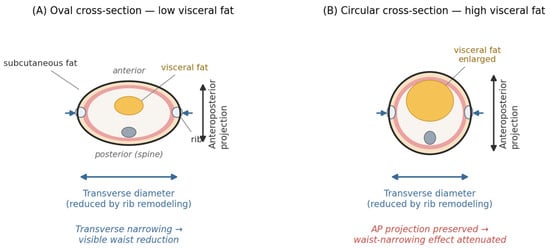
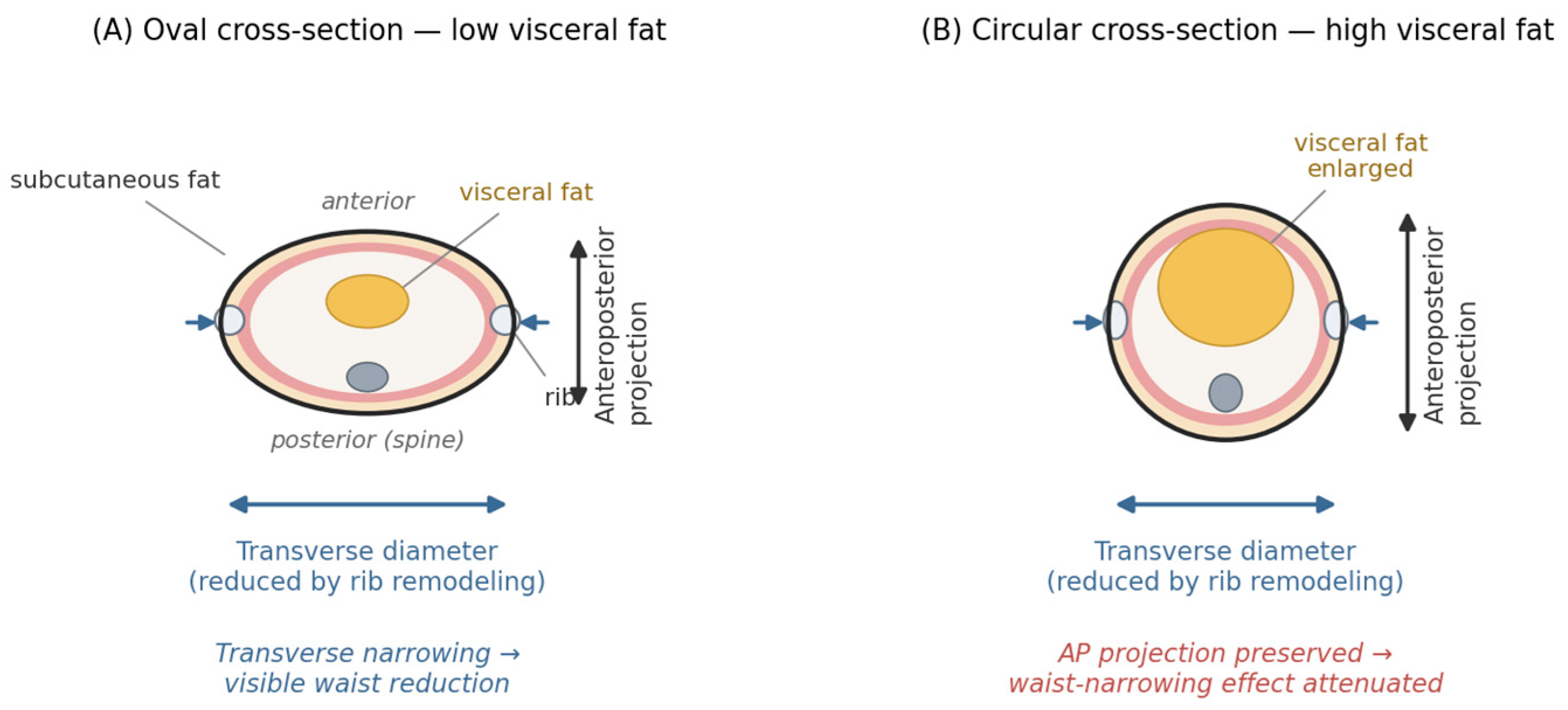
The geometry of the trunk explains why the effect is smaller in these patients. Skeletal narrowing acts on the transverse diameter of the lower thorax but cannot alter the anteroposterior projection produced by intra-abdominal fat. In a lean patient the cross-section of the waist is oval, so a reduction in the transverse diameter translates directly into a visible reduction in circumference. When a large visceral component brings the cross-section closer to a circle, the preserved anteroposterior projection offsets the skeletal gain, and the same absolute narrowing produces a smaller visible change (Figure 9). This is the mechanism behind the lower satisfaction recorded in the patients with a rounded trunk contour in Section 3.4.
Figure 9.
Schematic transverse cross-section of the trunk at the waist. In a lean patient (A) the contour is oval, and skeletal narrowing of the transverse diameter produces a visible reduction in circumference. In a patient with a large visceral fat component (B) the contour approaches a circle, and the preserved anteroposterior projection offsets the effect of skeletal narrowing.
The role of visceral fat deserves particular emphasis, because its volume cannot be reduced by liposuction, unlike that of the subcutaneous compartment. Even a technically flawless operation combining liposuction with rib remodeling may fail to translate into a visibly narrower waist when a large visceral component preserves the projection of the anterior abdominal wall. Benatti and colleagues further reported a compensatory increase in visceral fat of roughly 10% within six months of liposuction in patients who did not resume physical activity [21]. This observation is directly relevant here, because strict corset wear precludes vigorous activity for at least three months, and it suggests that the visceral compartment warrants attention not only at selection but throughout recovery.
4.3. Complications, Access and the Healing Course
No complications occurred in this cohort. That is consistent with the low complication rates reported for non-excisional rib remodeling [7] and stands in contrast to the pneumothorax and chronic pain described after wide exposure and rib resection [6,7]. Two features of the technique bear on this. Access is obtained through an 18G needle puncture, so the pleura is never exposed in an open field and no scar is produced, which removes a source of dissatisfaction associated with approaches requiring incisions over the flank. The osteotomy is confined to the outer cortex and is stopped at a tactile endpoint, after which the fracture is completed manually, so the inner cortex is never instrumented and the pleural surface is not approached by a cutting tip.
Surveillance in this series was clinical rather than radiological in the immediate postoperative period. Oxygen saturation, respiratory rate, skin color and temperature would identify a clinically significant pulmonary event, but a small asymptomatic pneumothorax that resolved spontaneously would not have been detected. Routine early imaging would settle this question, and we would recommend including it in prospective work on this technique. The postoperative course was otherwise brief: analgesic requirement was limited to two to four days, and pain resolved once the corset was finally tightened at 10 days, which suggests that a proportion of early pain arises from movement at the incompletely stabilized fracture site rather than from the osteotomy itself.
4.4. Consolidation, Corset Wear and the Stability of the Result
Loss of the achieved contour is a reasonable concern for a technique that relies on external immobilization alone, and it is the reason why corset wear is set at three months rather than at the six weeks usual for an uncomplicated rib fracture. The endpoint at three months is not union alone but the presence of full consolidation on computed tomography, and corset wear was prolonged whenever that was not achieved, as it was in the two patients with parathyroid disease. No patient in this cohort reported a loss of the result after the corset was discontinued, and our earlier series found the effect to be durable while body weight remained stable [12]. Systematic anthropometry beyond three months was not part of the present protocol, so this evidence should not be overstated; scheduled measurement at one year would test the question properly.
The three patients who chose to continue corset wear beyond three months achieved reductions above the cohort mean, and the patient who wore it for nine months achieved the largest reduction in the series. The direction of causation cannot be established from these numbers, since patients who are willing to wear a corset for nine months are also likely to differ in other respects. The observation does, however, sit consistently with the finding that inconsistent corset wear was followed by dissatisfaction in every case in which it occurred.
4.5. Cost and Hospital Stay
Cost influences the adoption of any esthetic procedure and varies widely between countries and centers. In our clinic the procedure costs USD 3000, with a further USD 100 for the corset and USD 100 for the single overnight stay. The same operation averages approximately USD 5000 in Moscow, and prices reach USD 8000 in parts of Latin America. Because fixation is external, no implants are purchased and no second procedure is required for hardware removal, which is a direct cost difference from techniques that rely on plates and screws [9,10]. The corresponding cost is borne by the patient in the form of three months of continuous corset wear and the restriction of physical activity that accompanies it.
4.6. Endocrine Disease and Bone Consolidation
Our observation that parathyroid disease was associated with delayed consolidation is supported by the skeletal pathophysiology of hyperparathyroidism. The most characteristic skeletal effect of primary hyperparathyroidism is cortical bone loss through enhanced endocortical resorption [22]. Because the ribs are composed predominantly of cortical bone, the stability of osteotomized fragments is plausibly less predictable in affected patients. High-resolution imaging has shown that chronically elevated parathyroid hormone degrades both cortical and trabecular compartments [23], and elevated hormone levels drive cortical resorption more broadly [24]. A meta-analysis of primary hyperparathyroidism found an increase of about 45% in the overall risk of fracture, with the excess concentrated at cortical-rich sites [25], and current management reviews recommend correcting parathyroid hormone before elective procedures that depend on bone healing [26]. Consistent with this, volumetric bone density improves within six months of parathyroidectomy [27], which provides a rationale for normalizing parathyroid function before rib remodeling rather than operating on an untreated metabolic background.
More generally, the determinants of fracture nonunion are relevant to any procedure that depends on the healing of a controlled bone injury. A systematic review and meta-analysis of surgically managed diaphyseal fractures identified smoking, diabetes, obesity, and infection as reproducible risk factors for nonunion [28]. Although rib osteotomies differ from diaphyseal long-bone fractures, these modifiable factors overlap with the somatic contraindications identified here and reinforce the value of preoperative optimization of general health, not only of the specific endocrine axis.
4.7. Psychological Status, Motivation, and Compliance
Postoperative adherence emerged as a decisive determinant of outcome. Even with regular contact from the clinic, adherence to postoperative instructions is imperfect in surgical practice: up to 62% of patients failed to follow recommendations in one prospective study [29], and a comparable proportion did not comply with a postoperative regimen in another [30]. For a technique whose durable result depends on prolonged corset wear, this pattern is decisive rather than incidental, and our data confirm a direct link between inconsistent corset use and dissatisfaction.
The psychological dimension of selection extends beyond adherence. Body dysmorphic disorder is substantially more common among patients presenting for esthetic procedures than in the general population; a systematic review and meta-analysis estimated a pooled prevalence of about 18.6% in cosmetic cohorts [31], and structured screening before elective esthetic surgery has been advocated to identify patients unlikely to be satisfied regardless of the result [32,33]. A patient whose expectations are governed by such a preoccupation may rate an objectively successful result as a failure, and the low motivation that predicts poor corset compliance may itself be a marker of unrealistic expectation. In this cohort we complemented the five-point rating with the BODY-Q Satisfaction with body scale, a validated patient-reported outcome measure; the two were strongly correlated (r = 0.90), which supports the validity of the simpler scale while providing an interval-level score that can be compared against published normative values [13,14]. Wider adoption of such measures, together with longer follow-up, would further strengthen future studies of this procedure.
4.8. Patient Selection
The factors examined above can be assembled into a practical framework for selection (Table 3). We present them as favorable and unfavorable characteristics rather than as absolute criteria. For body mass index in particular, the present series contains a single patient above 25 kg/m2, which is far too few to establish a threshold. What the data support is a direction, namely that both the magnitude of narrowing and satisfaction fell as body mass index rose, and that patients below 25 kg/m2 are therefore the preferred candidates. Parathyroid disease and anticipated poor adherence rest on a different footing, since both were followed by a poor result in every patient in whom they were present, and both are correctable before surgery.
Table 3.
Factors associated with a favorable or an unfavorable outcome in this cohort, proposed as a basis for patient selection rather than as absolute criteria.
4.9. Limitations
Several limitations qualify these findings. The study was conducted at a single center by one surgeon, which strengthens technical consistency but limits generalizability. The sample of 60 patients, and the smaller size of the elevated-BMI and endocrine subgroups in particular, precluded formal inferential statistics, so associations are reported descriptively. The primary endpoint was assessed at three months; although selected patients were followed for longer, systematic long-term data on the stability of the result are not presented here, and durability is known to depend on weight maintenance [12]. Reports of the absence of relapse rest on continuing contact with patients rather than on scheduled anthropometry after the corset was discontinued. Safety surveillance in the immediate postoperative period was clinical, so an asymptomatic pneumothorax would not have been detected. No complication was recorded in the series, but a zero event rate in 60 patients is compatible with an upper bound of approximately 5% for the 95% confidence interval by the rule of three, so infrequent adverse events cannot be excluded on these numbers alone. The visceral compartment was assessed only by clinical inspection of the trunk contour, which is subjective and operator-dependent. No quantitative measurement of fat distribution was performed, although the chest computed tomography obtained at three months would have allowed it, and the conclusions drawn about visceral fat are therefore qualitative. The cost figures are those of a single clinic and of two reference markets, and they should be read as an indication of order of magnitude rather than as a formal economic analysis. The retrospective component is subject to the usual constraints of record-based data, and the absence of a control group means that the relative contribution of concurrent liposculpture cannot be fully separated from that of skeletal remodeling. Prospective, multicenter studies with standardized measurement, validated patient-reported outcomes, routine early imaging, quantitative assessment of subcutaneous and visceral fat by computed tomography or ultrasonography, and longer follow-up are needed to confirm the selection criteria proposed here.
5. Conclusions
Minimally invasive rib remodeling by the Kudzaev technique produced a mean reduction in waist circumference of 7.8 cm at three months, with no complications, no scars and no reported loss of the result during subsequent contact. The magnitude of the effect and the patient’s satisfaction with it varied considerably with baseline characteristics.
Effectiveness and satisfaction both fell as body mass index rose, so patients with a body mass index below 25 kg/m2 and little adipose tissue at the waist are the preferred candidates. A single patient in this series had a body mass index above 25 kg/m2, which is too few to establish an absolute threshold, and the finding is therefore offered as a direction for selection rather than as a rule of exclusion. A large visceral component limits the visible benefit because of trunk geometry and should be addressed before surgery where possible. Parathyroid disease was followed by delayed consolidation in both affected patients, and calcium and parathyroid metabolism should be corrected before the operation is undertaken. Adherence mattered as much as anatomy: every patient who wore the corset inconsistently was dissatisfied with her result, while the three who wore it beyond three months achieved reductions above the cohort mean.
Selection should therefore weigh anatomy, body composition, bone metabolism and the patient’s willingness to complete three months of external immobilization. On that basis, minimally invasive rib remodeling is a safe procedure with a predictable result in a relatively narrowly defined group of candidates.
Supplementary Materials
The following supporting information can be downloaded at: https://www.mdpi.com/article/10.3390/cosmetics13050254/s1, Video S1: Manual completion of the fracture (osteoclasia).
Author Contributions
Conceptualization, V.S. and K.G.; methodology, V.S. and K.K.; validation, V.S., K.K. and I.K.; formal analysis, K.G.; investigation, K.G.; resources, K.G., K.K. and I.K.; data curation, V.S. and K.K.; writing—original draft preparation, K.G.; writing—review and editing, V.S.; visualization, K.G. and I.K.; supervision, K.K.; project administration, V.S. All authors have read and agreed to the published version of the manuscript.
Funding
This research received no external funding.
Institutional Review Board Statement
The study was conducted according to the Declaration of Helsinki and approved by the Ethics Committee of I.M. Sechenov First Moscow State Medical University (Protocol No. 24-23 dated 7 December 2023).
Informed Consent Statement
Data Availability Statement
Data are available from the corresponding author upon reasonable request.
Conflicts of Interest
K.K. and K.G. are employed by Doctor Kudzaev’s Clinic LLC; and I.K. is employed by Frau Klinik LLC. The companies had no role in the design of the study; in the collection, analyses or interpretation of data; in the writing of the manuscript; or in the decision to publish the results.
Abbreviations
The following abbreviations are used in this manuscript:
| ARCO | Anterior esthetic rib cage remodeling with osteosynthesis |
| BMI | Body mass index |
| CT | Computed tomography |
| PTH | Parathyroid hormone |
| RIBOSS | Rib osteotomy with osteosynthesis stabilization |
| TSH | Thyroid-stimulating hormone |
References
- Singh, D. Adaptive Significance of Female Physical Attractiveness: Role of Waist-to-Hip Ratio. J. Personal. Soc. Psychol. 1993, 65, 293–307. [Google Scholar] [CrossRef] [PubMed]
- Hübner, R.; Ufken, E.S. Curviness Is a Better Predictor of a Woman’s Body Attractiveness than the Waist-to-Hip Ratio. Sci. Rep. 2024, 14, 23081. [Google Scholar] [CrossRef] [Scilit] [PubMed]
- Lv, Q.; Gu, Y.; Sun, X.; Yang, M.; Li, J.; Xin, M.; Han, X.; Ma, G. Aesthetic Improvement of Body Proportion Through Trunk Liposculpture: A Waistline-Based Strategy. Aesthetic Surg. J. 2024, 44, NP246–NP253. [Google Scholar] [CrossRef] [Scilit] [PubMed]
- Flores González, E.A.; Manzaneda Cipriani, R.M.; Babaitis, R.; Durán Vega, H.; Schneider Viaro, M.; Lobo Botelho, D.; Danilla Enei, S.; Ramirez Guerrero, O.R. Ultrasound-Guided Deep Waist Fat Liposuction: Complement to a Narrow Waist. Plast. Reconstr. Surg. Glob. Open 2024, 12, e6213. [Google Scholar] [CrossRef] [Scilit] [PubMed]
- Hurwitz, D.J.; Beidas, O.; Wright, L. Reshaping the Oversized Waist through Oblique Flankplasty with Lipoabdominoplasty. Plast. Reconstr. Surg. 2019, 143, 960e–972e. [Google Scholar] [CrossRef] [Scilit] [PubMed]
- Ferreira, L.M.; Ferreira, P.E.N.; Bernardes, A.B.S.; Dos Anjos, G.F.; Cosac, O.M.; Willhelm, R.O.; Correa, W.E.M.; Felix, G.D.A.A.; Isoldi, F.C. Aesthetic Contouring of the Chest Wall with Rib Resection. Aesthetic Plast. Surg. 2021, 45, 1099–1104. [Google Scholar] [CrossRef] [Scilit] [PubMed]
- Salcedo, Y.E.; Soriano-López, A.E. Reshaping the Waistline: A Systematic Review of Rib Remodelling Techniques in Aesthetic Surgery. Int. J. Aesthetic Plast. Surg. 2026, 2, 84–93. [Google Scholar] [CrossRef] [Scilit]
- Kudzaev, K.U.; Kraiushkin, I.A. Waist Narrowing without Removal of Ribs. Plast. Reconstr. Surg. Glob. Open 2021, 9, e3680. [Google Scholar] [CrossRef] [Scilit] [PubMed]
- Aguilar Villa, H.; Villabona-Florez, S.J.; Hoyos, A.E.; Perez Pachon, M.E.; Serrano-Reyes, H.M.; Diaz Sandoval, C.J. Aesthetic Rib Cage Remodeling with Osteosynthesis: Body Structural High-Definition Reshaping (Rib Osteotomy with Osteosynthesis Stabilization). Plast. Reconstr. Surg. 2025, 155, 279–288. [Google Scholar] [CrossRef] [Scilit] [PubMed]
- Aguilar Villa, H.; Ramírez, B.; Villabona-Florez, S.J.; Hoyos, A.E.; Perez Pachon, M.E.; Serrano-Reyes, H.M.; Valdivieso, C.O.; Valdivieso, D.O.; Barajas-Gamboa, J.; Varela, A.; et al. Anterior Aesthetic Rib Cage Remodeling with Osteosynthesis. Plast. Reconstr. Surg. Glob. Open 2025, 13, e7109. [Google Scholar] [CrossRef] [Scilit] [PubMed]
- Oñate Valdivieso, C.; Oñate Valdivieso, D.; Hoyos, A.E.; Perez Pachon, M.E.; Aguilar Villa, H.; Michels, P.J.A.; Viera, A.; Benavides, J.E.; Villabona, S.J.; Ramirez, B. Ultrasonic- and Ultrasound-Assisted Improvement of Silhouette of the Torso: Bone Structure High-Definition Remodeling (Part I). Plast. Reconstr. Surg. Glob. Open 2024, 12, e5513. [Google Scholar] [CrossRef] [Scilit] [PubMed]
- Kudzaev, K.U.; Manturova, N.E.; Sharobaro, V.I.; Krayushkin, I.A.; Kalensky, V.O. Long-Term Results of Surgical Waist Narrowing without Removal of Ribs. Plast. Surg. Aesthet. Med. 2022, 2, 43–47. [Google Scholar] [CrossRef] [Scilit]
- Klassen, A.F.; Cano, S.J.; Alderman, A.; Soldin, M.; Thoma, A.; Robson, S.; Kaur, M.; Papas, A.; Van Laeken, N.; Taylor, V.H.; et al. The BODY-Q: A Patient-Reported Outcome Instrument for Weight Loss and Body Contouring Treatments. Plast. Reconstr. Surg. Glob. Open 2016, 4, e679. [Google Scholar] [CrossRef] [Scilit] [PubMed]
- Dalaei, F.; De Vries, C.E.E.; Poulsen, L.; Kaur, M.N.; Pfob, A.; Mou, D.; Jacobsen, A.L.; Repo, J.P.; Salzillo, R.; Opyrchal, J.; et al. General Population Normative Scores for Interpreting the BODY-Q. Clin. Obes. 2022, 12, e12528. [Google Scholar] [CrossRef] [Scilit] [PubMed]
- Gupta, V.; Winocour, J.; Rodriguez-Feo, C.; Bamba, R.; Shack, R.B.; Grotting, J.C.; Higdon, K.K. Safety of Aesthetic Surgery in the Overweight Patient: Analysis of 127,961 Patients. Aesthetic Surg. J. 2016, 36, 718–729. [Google Scholar] [CrossRef] [Scilit] [PubMed]
- Kaoutzanis, C.; Gupta, V.; Winocour, J.; Layliev, J.; Ramirez, R.; Grotting, J.C.; Higdon, K. Cosmetic Liposuction: Preoperative Risk Factors, Major Complication Rates, and Safety of Combined Procedures. Aesthetic Surg. J. 2017, 37, 680–694. [Google Scholar] [CrossRef] [Scilit] [PubMed]
- Cruz Vargas, J.; Carbajal Barrios, M.; De La Cruz Ku, G. Impact of Body Mass Index on Outcomes of Patients Undergoing Liposculpture in Private Practice. Plast. Reconstr. Surg. Glob. Open 2024, 12, e6291. [Google Scholar] [CrossRef] [Scilit] [PubMed]
- Lanzano, G.; Napoli, F.; Zannella, T.; Colucci, R.; Cantiello, I.; Scalera, G. Correlation between BMI, Amount of Aspirated Fat and Post-Operative Complications in VASER Liposuction: A Single Centre Experience. JPRAS Open 2024, 42, 170–177. [Google Scholar] [CrossRef] [Scilit] [PubMed]
- Chow, I.; Alghoul, M.S.; Khavanin, N.; Hanwright, P.J.; Mayer, K.E.; Hume, K.M.; Murphy, R.X.; Gutowski, K.A.; Kim, J.Y.S. Is There a Safe Lipoaspirate Volume? A Risk Assessment Model of Liposuction Volume as a Function of Body Mass Index. Plast. Reconstr. Surg. 2015, 136, 474–483. [Google Scholar] [CrossRef] [Scilit] [PubMed]
- Christopher, A.N.; Morris, M.P.; Patel, V.; Broach, R.B.; Fischer, J.P. Abdominal Body Contouring: Does Body Mass Index Affect Clinical and Patient Reported Outcomes? J. Surg. Res. 2022, 270, 348–358. [Google Scholar] [CrossRef] [Scilit] [PubMed]
- Benatti, F.; Solis, M.; Artioli, G.; Montag, E.; Painelli, V.; Saito, F.; Baptista, L.; Costa, L.A.; Neves, R.; Seelaender, M.; et al. Liposuction Induces a Compensatory Increase of Visceral Fat Which Is Effectively Counteracted by Physical Activity: A Randomized Trial. J. Clin. Endocrinol. Metab. 2012, 97, 2388–2395. [Google Scholar] [CrossRef] [Scilit] [PubMed]
- Mosekilde, L. Primary Hyperparathyroidism and the Skeleton. Clin. Endocrinol. 2008, 69, 1–19. [Google Scholar] [CrossRef] [Scilit] [PubMed]
- Vu, T.D.T.; Wang, X.F.; Wang, Q.; Cusano, N.E.; Irani, D.; Silva, B.C.; Ghasem-Zadeh, A.; Udesky, J.; Romano, M.E.; Zebaze, R.; et al. New Insights into the Effects of Primary Hyperparathyroidism on the Cortical and Trabecular Compartments of Bone. Bone 2013, 55, 57–63. [Google Scholar] [CrossRef] [Scilit] [PubMed]
- Rejnmark, L.; Ejlsmark-Svensson, H. Effects of PTH and PTH Hypersecretion on Bone: A Clinical Perspective. Curr. Osteoporos. Rep. 2020, 18, 103–114. [Google Scholar] [CrossRef] [Scilit] [PubMed]
- Narayanan, N.; Palui, R.; Merugu, C.; Kar, S.S.; Kamalanathan, S.; Sahoo, J.; Selvarajan, S.; Naik, D. The Risk of Fractures in Primary Hyperparathyroidism: A Meta-Analysis. JBMR Plus 2021, 5, e10482. [Google Scholar] [CrossRef] [Scilit] [PubMed]
- Bandeira, F.; Nóbrega, J.D.M.; Oliveira, L.B.D.; Bilezikian, J. Medical Management of Primary Hyperparathyroidism. Arch. Endocrinol. Metab. 2022, 66, 689–693. [Google Scholar] [CrossRef] [Scilit] [PubMed]
- Cusano, N.E.; Rubin, M.R.; Silva, B.C.; Tay, Y.-K.D.; Williams, J.M.; Agarwal, S.; Omeragic, B.; Guo, X.E.; Bilezikian, J.P. Skeletal Microstructure and Estimated Bone Strength Improve Following Parathyroidectomy in Primary Hyperparathyroidism. J. Clin. Endocrinol. Metab. 2018, 103, 196–205. [Google Scholar] [CrossRef] [Scilit] [PubMed]
- Jensen, S.S.; Jensen, N.M.; Gundtoft, P.H.; Kold, S.; Zura, R.; Viberg, B. Risk Factors for Nonunion Following Surgically Managed, Traumatic, Diaphyseal Fractures: A Systematic Review and Meta-Analysis. EFORT Open Rev. 2022, 7, 516–525. [Google Scholar] [CrossRef] [Scilit] [PubMed]
- Loewenstein, S.N.; Pittelkow, E.; Kukushliev, V.V.; Hadad, I.; Adkinson, J. The Effects of Postoperative Physician Phone Calls for Hand and Wrist Fractures: A Prospective, Randomized Controlled Trial. Cureus 2022, 14, e22202. [Google Scholar] [CrossRef] [Scilit] [PubMed]
- Obinero, C.G.; Wei, S.; Tran, J.T.; Govande, J.V.; Nguyen, P.D.; Greives, M.R. Use It or Lose It: Predictors of Compliance and Satisfaction with Postoperative Nasal Stent Therapy After Primary Cleft Lip Repair. J. Craniofacial Surg. 2024, 35, 1092–1095. [Google Scholar] [CrossRef] [Scilit] [PubMed]
- Kaleeny, J.D.; Janis, J.E. Body Dysmorphic Disorder in Aesthetic and Reconstructive Plastic Surgery—A Systematic Review and Meta-Analysis. Healthcare 2024, 12, 1333. [Google Scholar] [CrossRef] [Scilit] [PubMed]
- Pereira, I.N.; Chattopadhyay, R.; Fitzpatrick, S.; Nguyen, S.; Hassan, H. Evidence-based Review: Screening Body Dysmorphic Disorder in Aesthetic Clinical Settings. J. Cosmet. Dermatol. 2023, 22, 1951–1966. [Google Scholar] [CrossRef] [Scilit] [PubMed]
- McGrath, L.R.; Oey, L.; McDonald, S.; Berle, D.; Wootton, B.M. Prevalence of Body Dysmorphic Disorder: A Systematic Review and Meta-Analysis. Body Image 2023, 46, 202–211. [Google Scholar] [CrossRef] [Scilit] [PubMed]

Disclaimer/Publisher’s Note: The statements, opinions and data contained in all publications are solely those of the individual author(s) and contributor(s) and not of MDPI and/or the editor(s). MDPI and/or the editor(s) disclaim responsibility for any injury to people or property resulting from any ideas, methods, instructions or products referred to in the content. |
© 2026 by the authors. Licensee MDPI, Basel, Switzerland. This article is an open access article distributed under the terms and conditions of the Creative Commons Attribution (CC BY) license.