


Abstract
Agro-industrial residues have emerged as promising sources of bioactive compounds for dermo-cosmetic applications, particularly as inhibitors of collagenase, elastase, hyaluronidase, and tyrosinase. However, the interpretation of reported inhibitory activities is frequently complicated by variations in extraction strategies, matrix composition, assay design, and methodological rigor. This critical narrative review examines how these factors collectively influence the reliability, comparability, and translational relevance of enzyme inhibition data obtained from residue-derived extracts. The literature was analyzed using a framework-oriented approach based on representative peer-reviewed studies selected according to their methodological quality, experimental design, and mechanistic relevance. The analysis integrates three complementary dimensions: extraction and processing strategies, compositional complexity of the recovered matrices, and evidence quality supporting the reported bioactivities. The reviewed literature demonstrates that enzyme inhibition is rarely an intrinsic property of isolated compounds but rather an emergent behavior arising from complex physicochemical systems in which synergistic interactions, matrix effects, and assay-dependent artefacts frequently influence the observed responses. The widespread reliance on simplified in vitro screening methods, often without dose–response evaluation, kinetic characterization, or adequate control of assay interference, remains a major obstacle to reproducibility and cross-study comparison. Based on this analysis, an integrative framework is proposed to guide the interpretation of enzyme inhibition in complex botanical extracts by explicitly linking process design, matrix composition, and methodological evidence. This perspective provides a more robust basis for the identification, validation, and industrial translation of sustainable bioactive ingredients obtained from agro-industrial residues for next-generation dermo-cosmetic formulations.
1. Introduction
Agro-industrial residues constitute a major and heterogeneous biomass stream generated throughout food-processing chains, including fruit peels, seeds, pomace, husks, and bark [1]. The continuous expansion of agro-industrial activities has led to the accumulation of large volumes of such residues, creating both environmental challenges and opportunities for resource recovery within circular economy frameworks [2,3,4]. Despite their abundance and compositional richness, many of these materials remain underutilized or are directed toward low-value applications, reinforcing the need for more efficient and application-oriented upcycling strategies [5,6,7].
From a compositional perspective, agro-industrial residues are complex matrices containing a wide range of bioactive constituents, including phenolic compounds, proteins, peptides, polysaccharides, lipids, and minor secondary metabolites [5,8]. Importantly, the functional behavior of these materials is not solely determined by individual compounds, but also by their organization within heterogeneous matrices, which governs solubility, accessibility, and interaction with biological targets [9,10]. As a result, residue-derived extracts should be understood as complex physicochemical systems in which bioactivity emerges from the interplay between multiple components and matrix-dependent effects.
Within this context, enzyme inhibition has emerged as a relevant functional property with applications across the food, pharmaceutical, and cosmetic sectors. Dermo-cosmetic enzymes such as collagenase, elastase, hyaluronidase, and tyrosinase are directly associated with extracellular matrix degradation, skin aging, and pigmentation processes, making them strategic targets for the development of high-value bioactive ingredients [11,12]. Beyond their biological relevance, these enzymatic targets are also of considerable industrial interest because they underpin the development of multifunctional cosmetic formulations aimed at anti-aging, skin protection, and pigmentation control. The increasing demand for natural and sustainable cosmetic ingredients further reinforces the interest in agro-industrial residues as alternative sources of enzyme inhibitors within bioeconomy-driven value chains.
In addition to enzyme inhibition, the functional potential of residue-derived extracts is closely linked to their antioxidant capacity and their ability to modulate multiple biological pathways involved in skin homeostasis. Oxidative stress plays a central role in skin aging by promoting the degradation of structural components such as collagen and elastin, as well as by triggering inflammatory and cellular stress responses [13]. In this context, bioactive compounds commonly found in these residues, particularly phenolics and peptides, may act as radical scavengers, metal chelators, and modulators of redox-sensitive signaling pathways [14]. Furthermore, complementary biological effects such as anti-inflammatory activity, regulation of melanogenesis, and protection against photoinduced damage contribute to the overall anti-aging profile of these materials [15]. Therefore, enzyme inhibition should be interpreted within a broader multifunctional framework, in which multiple bioactivities collectively determine the functional relevance of residue-derived extracts.
The growing interest in these enzymatic targets has been facilitated by the availability of simple and high-throughput in vitro assays, enabling rapid screening of complex extracts. While these approaches have contributed to the expansion of literature, they have not been accompanied by equivalent advances in methodological standardization or critical evaluation of data quality. As a result, the interpretation and comparability of reported inhibitory effects remain limited. Current studies frequently report activity without adequately considering the influence of extraction strategies, matrix composition, and assay design on observed outcomes. Moreover, substantial differences in experimental protocols, enzyme sources, substrate selection, and analytical endpoints frequently hamper direct comparison among studies and may contribute to inconsistent or overestimated conclusions regarding inhibitory efficacy. Variability in raw materials, processing conditions, and experimental protocols further complicates the establishment of consistent relationships between extract composition and enzyme inhibition.
From a cosmetic formulation perspective, these limitations represent a critical bottleneck. The successful conversion of agro-industrial residues into high-value bioactive ingredients requires not only the identification of functional activity, but also the establishment of robust, reproducible, and scalable relationships between process conditions, composition, and performance. Without this integration, the translation of laboratory-scale findings into industrial applications remains constrained. In this sense, extraction and processing strategies should be viewed not merely as technical steps, but as key determinants of both functional outcomes and data interpretability.
Despite the increasing number of studies reporting enzyme inhibition by residue-derived extracts, there is still a lack of integrative frameworks capable of linking extraction strategies, matrix effects, and evidence quality. Most available studies adopt reductionist approaches that focus on isolated activity measurements without considering the broader physicochemical and methodological context in which these responses are generated. This gap limits both the scientific understanding of enzyme modulation in complex systems and the practical development of scalable upcycling strategies. Furthermore, few reviews critically examine how methodological quality influences the interpretation of reported enzyme inhibition, despite growing recognition that assay interference, matrix-dependent effects, and insufficient mechanistic validation may substantially affect the reliability of published data. To the best of our knowledge, this is one of the first reviews to explicitly integrate process-related factors, matrix-driven effects, and evidence quality into a unified framework for interpreting enzyme inhibition in complex residue-derived systems.
Therefore, this review aims to provide a critical and integrative analysis of agro-industrial residues as sources of enzyme inhibitors, with emphasis on dermo-cosmetic applications as a representative high-value field. By explicitly linking extraction and processing strategies, compositional complexity, and methodological rigor, this work proposes a structured framework for interpreting enzyme inhibition in complex matrices. Rather than providing a descriptive compilation of bioactive compounds, this review emphasizes the critical interpretation of experimental evidence and the identification of methodological factors that determine the reliability, reproducibility, and translational value of reported inhibitory activities. In addition, the implications of these relationships for the development of sustainable cosmetic ingredients are discussed, including challenges related to reproducibility, scalability, and application-oriented development. This perspective seeks to support the transition from exploratory bioactivity screening toward more reliable and industrially relevant approaches for the exploitation of agro-industrial residues.
2. Methodology
This review was conducted as a critical narrative review designed to provide an integrative interpretation of the current knowledge on enzyme inhibition by agro-industrial residue-derived extracts for dermo-cosmetic applications. Rather than aiming for exhaustive literature coverage, this review adopted a framework-oriented approach focused on identifying methodological trends, recurring limitations, and representative examples supporting the interpretation of enzyme inhibition in complex botanical matrices.
The literature search was performed using the Scopus and Web of Science databases. The final literature search was completed in January 2026 and primarily covered studies published between 2010 and 2025, although earlier landmark publications were included whenever they were considered essential for conceptual or methodological context. The search strategy combined terms related to agro-industrial residues (e.g., “agro-industrial residues”, “fruit waste”, “pomace”, “seed residues”, “food by-products”), dermo-cosmetic enzyme inhibition (e.g., “collagenase inhibition”, “elastase inhibition”, “hyaluronidase inhibition”, “tyrosinase inhibition”), extraction technologies (e.g., “hydroalcoholic extraction”, “enzyme-assisted extraction”, “ultrasound-assisted extraction”, “microwave-assisted extraction”, “natural deep eutectic solvents”), and application-oriented terms including “cosmeceuticals”, “dermo-cosmetics”, “bioactive compounds”, “green extraction”, “upcycling”, and “circular bioeconomy”. Different combinations of these keywords were used according to the indexing system of each database.
The retrieved literature was evaluated according to predefined inclusion criteria: (i) studies investigating agro-industrial residues or their derived extracts; (ii) assessment of inhibitory activity against dermo-cosmetic enzymes, particularly collagenase, elastase, hyaluronidase, or tyrosinase; (iii) sufficient methodological description of extraction procedures and enzyme inhibition assays; and (iv) relevance to the interpretation of extraction strategy, matrix composition, or methodological quality. Studies exclusively addressing purified compounds without connection to agro-industrial residues, papers lacking sufficient methodological information, conference abstracts, patents, and publications unavailable in full text were not considered for the critical analysis.
Following the principles of narrative critical reviews, study selection was based on scientific relevance rather than quantitative screening. Emphasis was placed on representative investigations that clearly illustrate methodological strengths, limitations, or recurring experimental patterns. Studies incorporating dose–response analysis, kinetic characterization, appropriate experimental controls, or complementary validation strategies were preferentially considered because they provided greater mechanistic confidence for interpreting enzyme inhibition.
To facilitate critical interpretation, the selected literature was organized according to three complementary analytical dimensions: (i) process-related factors, including extraction and processing strategies; (ii) matrix composition, encompassing the principal classes of bioactive compounds and physicochemical complexity of the extracts; and (iii) evidence quality, referring to the methodological robustness supporting the reported inhibitory activities. Throughout this review, evidence quality should be interpreted as a qualitative assessment of methodological confidence rather than a formal evidence-ranking system. Accordingly, studies classified as high evidence typically combined appropriate controls, dose–response evaluation, kinetic characterization, and complementary validation approaches. Moderate evidence generally included reproducible inhibition assays with acceptable methodological description but limited mechanistic validation, whereas low evidence corresponded to preliminary screening studies with limited experimental controls or insufficient information for reliable interpretation.
In addition to biological activity, particular attention was given to methodological aspects directly affecting data interpretation, including extraction strategy, solvent system, sample pre-treatment, assay design, enzyme source, substrate selection, optical interference, matrix effects, non-specific interactions, and reproducibility of experimental conditions. Process scalability and the potential translation of residue-derived extracts into dermo-cosmetic formulations were also considered whenever these aspects were addressed by the original studies.
This analytical strategy enabled the identification of consistent relationships between extraction procedures, matrix composition, and methodological quality while avoiding purely descriptive or compound-centered interpretations. The resulting framework provides a structured basis for critically interpreting enzyme inhibition data generated from complex agro-industrial residue-derived extracts and for identifying current methodological limitations that must be addressed to support the development of reliable and scalable dermo-cosmetic ingredients.
3. Enzyme Targets in Dermo-Cosmetic Applications: Functional Relevance and Limitations as Screening Models
Enzymes involved in extracellular matrix (ECM) remodeling and melanogenesis are widely used as functional targets in the evaluation of bioactive compounds derived from natural sources, including agro-industrial residues [1]. In the dermo-cosmetic context, these enzymes are directly associated with key biological processes such as skin aging, loss of elasticity, wrinkle formation, and pigmentation disorders, making them particularly relevant for the development of functional ingredients [16].
Among these targets, proteolytic enzymes such as collagenase and elastase play a central role in the degradation of structural components of the dermal matrix. Collagen degradation is primarily mediated by the collagenases matrix metalloproteinase-1 (MMP-1), MMP-8, and MMP-13, whereas other matrix metalloproteinases contribute to the subsequent remodeling of extracellular matrix components. Elastase, in turn, promotes the degradation of elastin, directly affecting skin firmness and resilience [11,17]. The dysregulation of these enzymes, often associated with oxidative stress and inflammatory pathways, has been strongly linked to processes of intrinsic and photoinduced skin aging [18]. In parallel, hyaluronidase contributes to the degradation of hyaluronic acid, compromising skin hydration, whereas tyrosinase plays a key role in melanogenesis and is therefore a major target in the control of hyperpigmentation [19].
Due to their well-characterized catalytic mechanisms and the availability of commonly used substrates, these enzymes are frequently employed as model systems for the initial screening of complex extracts. Colorimetric and fluorometric assays enable rapid and relatively high-throughput evaluation of inhibitory potential, contributing to the widespread adoption of these targets in studies involving plant-derived materials and residue-based extracts [20]. However, while these enzymatic systems provide accessible platforms for screening, their use as proxies for biological activity presents important limitations. Experimental conditions in vitro assays often differ substantially from physiological environments, and parameters such as pH, ionic strength, substrate selection, and enzyme source (e.g., microbial versus human-derived enzymes) can significantly influence the observed inhibitory response [21].
Furthermore, differences in substrate composition, enzyme purity, incubation conditions, and endpoint determination frequently complicate direct comparison among studies, even when identical enzyme targets are investigated. As a result, the direct extrapolation of screening results to in vivo or formulation contexts remains limited.
An additional constraint lies in the frequent lack of mechanistic characterization. Many studies report enzyme inhibition based on single-concentration measurements, without performing dose–response analysis or kinetic evaluation. This restricts the ability to distinguish between different modes of inhibition and limits the comparability of results across studies [22,23]. Likewise, insufficient control of assay interference and matrix-derived artefacts may lead to overestimation of inhibitory activity, particularly when complex botanical extracts are evaluated exclusively through colorimetric or fluorometric assays. Consequently, although these enzymatic assays are valuable tools for identifying potentially active materials, their output should be interpreted as preliminary indicators rather than definitive evidence of functional performance.
Taken together, dermo-cosmetic enzymes such as collagenase, elastase, hyaluronidase, and tyrosinase represent relevant and practical targets for the exploration of bioactive compounds from agro-industrial residues. At the same time, their use requires careful consideration of experimental design and interpretative limitations [24]. The reliability of the resulting data depends not only on the biological relevance of the selected enzymatic target but also on the methodological rigor with which inhibitory activity is measured and interpreted. A more detailed analysis of methodological constraints and sources of bias in enzyme inhibition assays is presented in Section 9, where strategies to improve data robustness and reliability are discussed. From a perspective of innovation in sustainable skincare, the selection of these enzymatic targets is not only biologically relevant but also economically strategic, as they are directly associated with high-value dermo-cosmetic applications, enabling the conversion of low-value residues into functional ingredients with commercial potential.
4. Extraction and Processing Strategies for Obtaining Enzyme Inhibitors from Agro-Industrial Residues
Extraction and processing strategies play a decisive role in determining the composition, reproducibility, and functional performance of residue-derived extracts. Unlike approaches aimed at isolating individual compounds, the recovery of enzyme-modulating fractions from agro-industrial residues requires careful consideration of matrix complexity, preservation of functional constituents, and compatibility with downstream analytical and application contexts. In this sense, process design represents a critical interface between raw material characteristics and the biological responses observed in enzyme inhibition assays [25,26,27,28,29,30,31,32]. Consequently, extraction should be regarded not only as a recovery step but also as a determinant of the chemical composition, physicochemical properties, and biological behavior of the resulting extracts. Agro-industrial residues, particularly those derived from olive processing and other plant-based systems, have been widely recognized as valuable sources of bioactive compounds, whose recovery and functional performance are strongly dependent on extraction strategies and process optimization [27]. To facilitate interpretation across different studies, the main extraction and processing strategies, recovered bioactive classes, and their expected effects on enzyme inhibition are summarized in Table 1.
Table 1.
Relationship between extraction strategies, recovered bioactive classes, and interpretation of enzyme inhibition outcomes within a process–matrix–evidence framework.
Pre-treatment and matrix conditioning steps are commonly employed to improve the accessibility of bioactive components within complex residue structures. Mechanical size reduction, hydration, and controlled thermal treatments can enhance mass transfer and extraction efficiency. However, these operations may also induce structural and chemical modifications, including oxidation of phenolic compounds, protein denaturation, or depolymerization of polysaccharides, which can alter the functional properties of the resulting extracts [32]. Similarly, chemical pre-treatments such as pH adjustment or ionic conditioning may facilitate solubilization but can modify functional groups and interaction patterns relevant to enzyme binding. Therefore, pre-treatment conditions should be selected not only based on extraction yield but also on their impact on the integrity and functional behavior of the recovered fractions [28]. These early processing steps are frequently overlooked when interpreting enzyme inhibition data, despite their direct influence on extract composition and experimental reproducibility.
Solvent-based extraction remains the most widely applied strategy for recovering enzyme-modulating components from agro-industrial residues. Aqueous and hydroalcoholic systems are commonly used due to their relative safety, scalability, and compatibility with food and cosmetic applications [33]. These systems typically yield complex mixtures enriched in phenolic compounds, peptides, and other polar constituents. More recently, alternative solvent systems such as natural deep eutectic solvents (NADESs), ultrasound-assisted extraction, enzyme-assisted extraction, and other green extraction media have been proposed to improve extraction efficiency and selectivity while reducing environmental impact [34,35,36,37,38]. These solvents have demonstrated potential in recovering bioactive fractions with retained inhibitory activity against collagenase, elastase, and hyaluronidase [31,39]. While solvent selection strongly influences extract composition, it also has important implications for the interpretation of enzyme inhibition results. Co-extraction of pigments, sugars, proteins, and colloidal particles may introduce matrix effects that interfere with spectrophotometric or fluorometric assays. For instance, colored compounds may absorb wavelengths similar to those used for substrate detection, whereas surface-active or macromolecular components may affect enzyme accessibility or stability. As a result, the apparent inhibitory activity of extracts can be significantly influenced by extraction conditions, even when the underlying bioactive compounds are similar. Accordingly, differences in extraction protocols may generate substantial variability in reported inhibitory activities, making direct comparison among studies difficult unless methodological conditions are carefully considered. These relationships between extraction strategies, recovered fractions, and functional outcomes are not always linear and should be interpreted cautiously.
Enzyme-assisted extraction and other bioprocessing strategies have been investigated as effective approaches to enhance the release of structurally bound bioactive compounds from agro-industrial residues [30]. The application of carbohydrases, proteases, and related enzymes promotes cell wall disruption, facilitates the liberation of phenolic compounds, and generates low-molecular-weight peptides with potential bioactivity [30]. As a result, these processes may increase the apparent inhibitory activity of extracts, either by improving the accessibility and solubility of existing compounds or by generating new bioactive fragments. However, the incorporation of enzymatic steps also introduces additional variability since outcomes are strongly dependent on enzyme specificity, reaction conditions, and process reproducibility, all of which require careful control and reporting.
Process intensification techniques such as ultrasound-assisted extraction (UAE), microwave-assisted extraction (MAE), and high-pressure extraction (HPE) have been widely employed to improve extraction efficiency and reduce processing time. Among these, UAE has been consistently associated with modifications in phytochemical profiles and enhanced bioactivity, often leading to higher enzyme inhibition compared to conventional extraction methods [40]. MAE, in turn, offers rapid and energy-efficient heating, which can favor the recovery of thermolabile compounds [41]. These intensified approaches have been successfully applied, for example, in the recovery of elastase, collagenase, hyaluronidase, and tyrosinase inhibitors from Tamus communis L. fruits [42]. Nevertheless, it is important to recognize that such techniques influence not only extraction yield but also the qualitative composition of the extracts, thereby affecting their interaction with enzymatic targets. Consequently, improvements in extraction efficiency should not be interpreted as direct evidence of improved biological performance, since changes in extract composition may equally increase, reduce, or modify the apparent inhibitory response. For this reason, direct comparisons between studies employing different extraction technologies should be interpreted with caution.
An additional challenge associated with residue-derived extracts is their inherent variability. Factors such as plant variety, cultivation conditions, harvest time, and prior processing steps can significantly influence chemical composition and, consequently, biological activity. Extraction and processing strategies may either amplify or mitigate this variability. For example, selective extraction methods may reduce compositional heterogeneity, while non-selective approaches may preserve matrix complexity but increase variability in functional outcomes. Addressing this issue requires not only careful selection of extraction conditions but also transparent reporting of raw material characteristics and process parameters. Standardization of extraction protocols and detailed reporting of experimental conditions are therefore essential prerequisites for improving reproducibility and enabling meaningful comparison among independent studies.
Extraction and processing strategies should not be viewed merely as technical steps for compound recovery, but as integral determinants of the functional behavior and interpretability of residue-derived extracts. The relationship between process conditions, extract composition, and observed enzyme inhibition is complex and often non-linear. Therefore, robust evaluation of enzyme-modulating activity requires the integration of process design, chemical characterization, and methodological rigor in bioassays. Establishing such an integrated perspective is essential for improving reproducibility, enabling meaningful comparisons across studies, and advancing the development of scalable and application-oriented approaches for the upcycling of agro-industrial residues into cosmetics [43,44]. This process-oriented perspective provides the conceptual basis for interpreting the compositional complexity of residue-derived extracts, which is discussed in the following section.
5. Classes of Bioactive Compounds Derived from Agro-Industrial Residues
Agro-industrial residues are chemically heterogeneous systems that yield a broad spectrum of bioactive compounds upon extraction and processing. Unlike purified raw materials, these residues typically generate complex extracts in which multiple classes of compounds coexist and interact [28]. Consequently, functional outcomes such as enzyme inhibition often reflect the combined contribution of different chemical families rather than the action of a single isolated constituent. Understanding the major classes of bioactive compounds present in residue-derived extracts is therefore essential for interpreting reported inhibitory effects and for identifying sources of variability in experimental outcomes. Rather than acting independently, these compounds frequently interact within the extract matrix, producing biological responses that cannot be fully explained by the activity of individual constituents alone.
Phenolic compounds are among the most extensively investigated bioactives obtained from agro-industrial residues, particularly from fruit peels, pomace, seeds, and lignocellulosic materials [45,46]. Their predominance in literature reflects both their abundance in plant-derived residues and their well-recognized antioxidant and enzyme-modulating properties.
Among agro-industrial residues, by-products derived from Olea europaea L. represent one of the most extensively studied and industrially established systems for the recovery of high-value bioactive compounds. The olive oil production chain generates large volumes of leaves, pomace, and mill wastewater, which, despite being traditionally considered waste, are now recognized as rich sources of phenolic compounds such as hydroxytyrosol, oleuropein, tyrosol, and oleocanthal. These molecules exhibit a wide range of biological activities, including antioxidant, anti-inflammatory, and enzyme-modulating effects, supporting their relevance for dermo-cosmetic applications. This system constitutes an important example of how extraction strategy, compositional characterization, and biological validation can be successfully integrated within a circular bioeconomy approach. This class includes phenolic acids, flavonoids, tannins, and polymeric phenolics, whose composition is strongly influenced by the botanical origin of the residue and by processing conditions [47,48]. From a mechanistic perspective, phenolic compounds can interact with enzymes through hydrogen bonding, hydrophobic interactions, and, in some cases, metal chelation, potentially affecting enzyme conformation and catalytic activity. These interactions may contribute to measured inhibitory effects in enzymatic assays and are frequently associated with dermo-cosmetic targets. However, phenolic-rich extracts are also highly sensitive to extraction conditions and may exhibit considerable compositional variability. Differences in solvent polarity, temperature, and pre-treatment steps can significantly alter both the qualitative and quantitative profiles of phenolic constituents, which, in turn, influence their apparent bioactivity [49]. Therefore, comparisons across studies should consider not only the reported inhibitory effects but also the underlying extraction and characterization strategies [50].
In addition to olive-derived by-products, residues from the sugarcane industry have recently emerged as promising renewable sources of bioactive compounds with potential dermo-cosmetic applications. Sugarcane bagasse, straw, filter cake, and vinasse-derived fractions contain phenolic acids, flavonoids, lignin-derived phenolics, wax-associated phytochemicals, and polysaccharides whose composition depends on both agricultural and industrial processing conditions. Sugarcane residues have emerged as promising renewable feedstocks for the development of sustainable cosmetic ingredients due to their high content of phenolic compounds, flavonoids, organic acids, and other bioactive metabolites with antioxidant and skin-protective properties. Recent advances in green extraction technologies have improved the recovery of these compounds while preserving their biological activity, reinforcing the potential of sugarcane-derived extracts within circular bioeconomy strategies for cosmetic and skincare applications [51]. More recently, experimental evidence has demonstrated that sugarcane straw extract exhibits significant anti-aging properties, including protection against oxidative stress, modulation of molecular pathways associated with cellular senescence, and preservation of skin-related cellular functions, supporting its application as an active cosmetic ingredient [52]. In addition, recent studies have highlighted the growing interest in valorizing sugarcane biomass through environmentally friendly extraction approaches and multifunctional formulations, further expanding its potential for dermo-cosmetic and skincare products [53]. Although studies specifically investigating the inhibition of cosmetic-related enzymes, such as tyrosinase and collagenase, by sugarcane-derived extracts remain relatively limited, the abundant availability, low cost, and compatibility of sugarcane residues with integrated biorefinery concepts make them particularly attractive candidates for the development of next-generation functional cosmetic ingredients.
Proteinaceous fractions derived from agro-industrial residues represent an additional class of compounds with potential enzyme-modulating properties. Residues from oilseeds, cereals, and fermentation processes may contain intact proteins or peptides generated through enzymatic or process-induced hydrolysis [54]. These molecules can interact with enzymes through sequence- and structure-dependent mechanisms, acting as competitive, non-competitive, or mixed-type inhibitors. In dermo-cosmetic applications, such interactions are particularly relevant for proteolytic enzymes involved in extracellular matrix degradation [55]. The functional behavior of protein-derived fractions is strongly influenced by processing conditions. Thermal treatment, pH variation, and enzymatic hydrolysis can alter protein conformation, aggregation state, and molecular size distribution, thereby affecting interaction with enzymatic targets. In addition, the inherent heterogeneity of peptide mixtures introduces challenges for reproducibility and mechanistic interpretation, particularly when comparing results obtained under different processing conditions [56]. Consequently, protein-derived fractions should be interpreted as dynamic systems whose biological activity depends not only on amino acid composition but also on structural modifications generated during processing.
Carbohydrate-based compounds, including oligosaccharides and polysaccharides, are abundant in many agro-industrial residues and are commonly recovered through aqueous extraction. In contrast to low-molecular-weight compounds, these macromolecules typically influence enzyme activity through indirect mechanisms [57,58]. Such effects may include steric hindrance, modulation of substrate diffusion, and alterations in the physicochemical environment in which enzymatic reactions occur. In some systems, polysaccharides may also interact with other extract components, contributing to the overall functional behavior of the mixture [59]. The impact of carbohydrate-rich fractions on enzyme activity is therefore highly context-dependent and may vary according to concentration, molecular weight distribution, and interaction with other constituents. This complexity should be considered when interpreting inhibitory effects associated with aqueous extracts. Although these compounds are rarely regarded as primary enzyme inhibitors, they may substantially influence the apparent biological response by modifying matrix organization, viscosity, molecular diffusion, and the accessibility of active compounds to enzymatic targets.
Lipid-associated compounds, including fatty acids, sterols, and other lipophilic molecules, are less frequently emphasized in residue-based studies but may contribute to enzyme modulation in specific contexts. These compounds are typically recovered using organic solvents or present as minor components in mixed extracts [28,60,61]. Their effects on enzyme activity may involve interactions with hydrophobic regions of enzymes or modulation of interfacial phenomena, particularly in systems involving membrane-associated or surface-active processes. For example, unsaturated fatty acids, phytosterols, and long-chain aliphatic alcohols naturally present in plant waxes may modify enzyme accessibility by altering microenvironmental organization or influencing hydrophobic interactions within multicomponent extracts. Although their individual contribution is often difficult to isolate, lipid-associated compounds may influence enzyme accessibility or modify the activity of other bioactive constituents within complex extracts [62]. Ignoring these minor components may lead to an incomplete understanding of extract functionality, especially when comparing extraction strategies that differ in solvent polarity and selectivity.
Taken together, these different classes of bioactive compounds should not be regarded as independent contributors to enzyme inhibition but rather as complementary components of complex phytochemical systems. Their relative abundance, structural diversity, and interactions within the extract matrix ultimately determine the functional behavior observed in enzyme inhibition assays, reinforcing the need for integrated interpretation rather than compound-centered analysis.
6. Complex Extracts and Matrix-Driven Effects
A defining feature of agro-industrial residue-derived bioactives is the predominance of complex extracts in which multiple classes of compounds coexist within a single matrix. In these systems, enzyme inhibition often emerges as a collective property resulting from the interplay between different components rather than from a single dominant inhibitor [10]. The biological performance of residue-derived extracts should be interpreted as the outcome of integrated physicochemical and biochemical interactions occurring within the matrix rather than as the simple sum of individual compound activities.
Interactions among phenolics, proteins, polysaccharides, and minor constituents may lead to synergistic, additive, or antagonistic effects, influencing both the magnitude and the apparent mechanism of enzyme inhibition [63]. Depending on extract composition and processing history, these interactions may enhance enzyme inhibition through cooperative mechanisms or, conversely, reduce the apparent activity by limiting the accessibility or stability of bioactive constituents. In addition, physicochemical properties of the matrix, such as viscosity, colloidal behavior, and solubility, can modulate enzyme accessibility and reaction dynamics [9,64]. The extraction strategy itself further contributes to this complexity by determining not only which compounds are recovered but also the molecular environment in which they coexist, thereby influencing the functional behavior of the final extract. Such complexity challenges reductionist interpretations that attempt to attribute bioactivity to individual compounds without considering the broader matrix context, as biological effects may arise from emergent properties of multicomponent systems rather than isolated molecules [65].
Accordingly, correlations established exclusively between the concentration of a specific compound and the observed inhibitory activity should be interpreted cautiously, particularly when comprehensive compositional characterization is lacking. At the same time, it offers opportunities for the development of multifunctional systems, particularly in industrial applications where combined or emergent properties may be advantageous [66]. This concept is especially relevant for dermo-cosmetic formulations, in which multifunctionality is frequently desirable because antioxidant, anti-inflammatory, moisturizing, and enzyme-modulating activities may act simultaneously to improve skin health and formulation performance.
To contextualize how these different classes of compounds are represented in the literature, Table 2 summarizes representative studies reporting enzyme inhibition by agro-industrial residues, including extraction approaches, assay types, and key methodological considerations. This compilation highlights the diversity of experimental designs and reinforces the importance of integrated interpretation. Rather than ranking individual residues according to inhibitory potency, the table illustrates how extraction strategy, compositional complexity, and methodological quality collectively influence the interpretation of enzyme inhibition across different agro-industrial matrices.
Table 2.
Representative studies on enzyme inhibition by agro-industrial residues: influence of extraction strategies, matrix composition, and evidence quality.
7. Implications for Functional Interpretation and Sustainable Cosmetic Formulation
The diversity of bioactive compounds present in agro-industrial residues, combined with their organization within complex matrices, underscores the need for an integrated approach to functional evaluation. Rather than focusing exclusively on individual compounds, it is essential to consider how extraction strategies, compositional profiles, and system-level interactions influence observed enzyme inhibition. This integrated perspective provides a more realistic interpretation of biological activity by recognizing that enzyme inhibition is strongly influenced by the physicochemical organization of the extract and by interactions among its multiple constituents.
A matrix-aware perspective allows for more realistic interpretation of bioactivity data and supports the design of targeted upcycling strategies aligned with specific applications. The selection of extraction conditions should be guided not only by extraction yield but also by the reproducibility of extract composition and the intended biological functionality. In this context, linking residue type, processing approach, and intended functional outcome becomes a key step toward improving reproducibility and enabling the development of scalable solutions [76].
From a cosmetic formulation perspective, understanding how different classes of bioactive compounds interact within complex extracts and contribute collectively to biological performance is essential for designing extraction strategies tailored to specific industrial applications. This approach facilitates the rational selection of agro-industrial residues according to the desired cosmetic function, whether targeting skin aging, hyperpigmentation, oxidative stress, or multifunctional skincare formulations. Furthermore, integrating process design, compositional characterization, and evidence quality provides a more reliable foundation for translating laboratory findings into safe, effective, and reproducible dermo-cosmetic ingredients.
8. Mechanisms of Enzyme Inhibition: From Molecular Interactions to Apparent Activity in Complex Systems
Understanding how agro-industrial residue-derived compounds modulate enzyme activity is essential for interpreting experimental outcomes and assessing their potential for practical applications. In classical enzymology, inhibition mechanisms are typically classified as competitive, non-competitive, uncompetitive, or mixed type, based on their effects on kinetic parameters such as KM and Vmax [77]. These classifications rely on controlled systems involving defined inhibitors and substrates, allowing for clear mechanistic interpretation. However, applying these classical models directly to agro-industrial residue-derived extracts requires caution because these systems differ fundamentally from purified enzyme–inhibitor models. Unlike purified compounds, these extracts consist of complex and variable mixtures in which multiple constituents may interact simultaneously with enzymatic systems. As a result, the observed inhibitory response often reflects a combination of direct molecular interactions and indirect system-level effects, rather than a single, well-defined mechanism [78].
At the molecular level, different classes of compounds may contribute to enzyme modulation through distinct interaction modes. Low-molecular-weight compounds such as phenolics can bind to active or allosteric sites through hydrogen bonding, π–π interactions, or metal coordination, potentially altering enzyme conformation and catalytic efficiency [79]. Protein-derived peptides may inhibit enzymes through sequence-dependent molecular recognition, whereas polysaccharides generally influence enzyme activity indirectly by modifying substrate diffusion, hydration, steric accessibility, or the physicochemical properties of the reaction medium. In complex extracts, these contributions may occur simultaneously, making it difficult to assign a dominant mechanism.
Importantly, not all observed reductions in enzymatic activity correspond to true inhibition at the molecular level. In multicomponent systems, apparent inhibition may arise from physicochemical phenomena that affect assay readouts or enzyme behavior without involving specific enzyme–ligand interactions. These effects may include substrate sequestration, enzyme destabilization, or the formation of supramolecular assemblies capable of nonspecific protein interactions [65]. Such processes can mimic classical inhibition patterns, particularly in simplified assay systems. Likewise, optical interference caused by naturally colored extracts or by fluorescent phytochemicals may contribute to apparently reduced enzyme activity, emphasizing the need for appropriate experimental controls.
The distinction between mechanistically defined inhibition and apparent activity is therefore critical for reliable data interpretation. In practice, many studies rely on single-point measurements of percentage inhibition, without performing dose–response analysis or kinetic characterization, which limits the robustness of the conclusions and may lead to misinterpretation of inhibitory potency [77,80]. Under these conditions, mechanistic assignments are often inferred rather than experimentally demonstrated, increasing the risk of oversimplification. Moreover, assay interference and nonspecific effects, frequently reported in studies involving complex mixtures, further complicate the distinction between true inhibition and apparent activity. Consequently, reported inhibition should be interpreted as an operational descriptor of system behavior rather than as definitive evidence of a specific molecular mechanism. This distinction is particularly important when comparing studies employing different extraction procedures, assay formats, or analytical endpoints, since similar inhibition values may arise from fundamentally different physicochemical mechanisms.
To improve mechanistic understanding, the integration of complementary experimental approaches is required. Kinetic analysis across multiple substrate and inhibitor concentrations remains the most direct method for distinguishing inhibition types. Additional strategies, such as assessing reversibility, evaluating the effects of dilution, or testing assay conditions that minimize nonspecific interactions, can provide further insight into the nature of the observed activity. In recent years, computational tools such as molecular docking and molecular dynamics simulations have been increasingly used to support mechanistic hypotheses. While these approaches can suggest potential binding modes, their applicability is limited, particularly when dealing with poorly defined mixtures, and should be interpreted cautiously and in conjunction with experimental validation [81,82,83].
The interplay between direct molecular interactions, matrix-mediated effects, and assay-dependent phenomena is schematically illustrated in Figure 1. This integrative perspective emphasizes that enzyme inhibition in residue-derived systems should not be interpreted solely within the framework of classical enzymology, but rather as an emergent property of complex biochemical systems.
Figure 1.
Conceptual framework illustrating the factors influencing the apparent inhibition of dermo-cosmetic enzymes by agro-industrial residue-derived extracts. Extraction and processing strategies shape the chemical composition of complex extracts containing phenolics, peptides, polysaccharides, lipids, and other bioactive compounds. Their synergistic, additive, or antagonistic interactions, together with matrix effects and assay interference, influence the measured inhibition of collagenase, elastase, hyaluronidase, and tyrosinase. The framework emphasizes that enzyme inhibition reflects the integrated behavior of the extract and highlights the importance of considering matrix composition, molecular interactions, and methodological quality for reliable interpretation of bioactivity.
Advancing the mechanistic understanding of enzyme inhibition in agro-industrial residue-derived extracts requires a shift from simplified classifications toward integrative interpretation. Recognizing the limitations of conventional models when applied to complex matrices is essential for avoiding overinterpretation and for establishing more reliable connections between extract composition and functional behavior. Ultimately, mechanistic interpretation should be integrated with methodological quality and experimental design to distinguish biologically meaningful inhibition from assay-dependent artefacts or matrix-driven effects. These mechanistic considerations are particularly relevant for the development of reliable active cosmetic ingredients, as misinterpretation of inhibitory effects may compromise process optimization and product performance.
9. Evidence Quality: Methodological Limitations in the Screening of Upcycled Cosmetic Ingredients
The evaluation of enzyme inhibition by extracts derived from agro-industrial residues must be approached within a structured methodological and interpretative framework. Because these extracts are intrinsically complex multicomponent systems, the reliability of reported inhibitory activities depends not only on biological performance but also on the methodological quality of the experimental evidence supporting those observations. In this context, enzyme inhibition data derived from complex botanical extracts should be interpreted with the same level of methodological scrutiny applied in drug discovery screening, where assay interference and false positives are well-recognized challenges. As discussed in previous sections, these upcycled botanical extracts are inherently complex systems in which functional behavior emerges from the interaction between extraction processes, compositional profiles, and physicochemical context [84,85]. Consequently, inhibitory effects cannot be interpreted as intrinsic properties of isolated compounds, but rather as system-dependent responses shaped by experimental conditions [66].
A central limitation in the current literature is the widespread reliance on simplified in vitro assays, particularly colorimetric and fluorometric methods using synthetic substrates. While these approaches enable rapid and high-throughput screening, they are highly sensitive to matrix-related interference. Components commonly present in residue-derived extracts, such as the rich natural pigments of plant by-products, reducing agents, suspended particles, and macromolecules, can strongly affect optical readouts, enzyme stability, or substrate accessibility. As a result, measured inhibition may reflect alterations in assay conditions rather than specific enzyme–inhibitor interactions, leading to potential overestimation of bioactivity and false-positive efficacy claims for cosmetic ingredients [22,86,87]. Inhibition values obtained under these conditions should be regarded as preliminary indicators of biological potential unless supported by complementary experimental validation.
In addition to optical interference, non-specific physicochemical effects represent a critical and often underrecognized source of bias. Phenomena such as colloidal aggregation, non-specific adsorption to enzyme surfaces, and substrate sequestration can reduce apparent enzymatic activity without involving defined molecular mechanisms [64]. These effects are particularly relevant in extracts rich in polyphenols, proteins, or amphiphilic compounds (which are highly sought after in green beauty formulations), and have been extensively documented in studies addressing assay interference and false-positive screening outcomes. Distinguishing between true inhibition and artefactual responses is therefore essential for reliable interpretation and future dermatological application.
Another recurring limitation is the frequent use of single-concentration screening assays. Although useful for preliminary evaluation, these approaches do not provide sufficient information to assess inhibitory potency, reproducibility, or mechanism of action [77,80]. The absence of dose–response analysis and kinetic characterization restrict the ability to differentiate between weak, non-specific effects and meaningful inhibitory interactions that would translate to a noticeable effect in a topical formulation. Furthermore, variability in assay parameters, including enzyme source, substrate selection, pH, temperature, and incubation time, introduces additional uncertainty and limits comparability across studies [88]. These methodological differences make it difficult to compare inhibitory activities reported by independent investigations, even when the same enzymatic target is evaluated.
To improve interpretability, enzyme inhibition studies can be conceptualized within a hierarchy of evidence. At the most basic level, screening assays provide initial indications of activity but remain highly susceptible to matrix effects and methodological bias. A more robust level of evidence requires the incorporation of dose–response relationships, appropriate controls, and validation of assay performance, including correction for background signals (crucial for colored cosmetic extracts) and assessment of linearity [80]. High-confidence evidence is achieved when inhibitory effects are supported by kinetic analysis and, ideally, by orthogonal validation strategies that confirm activity under different experimental conditions [77,86]. This evidence-oriented perspective does not seek to disqualify exploratory screening studies but rather to establish a transparent framework for interpreting the degree of confidence associated with different types of experimental evidence.
Within this framework, the interpretation of enzyme inhibition should shift from a purely activity-centered perspective toward an evidence-oriented approach. Rather than focusing solely on percentage inhibition values, studies should aim to establish consistent relationships between extraction strategy, extract composition, and functional response. This includes identifying active fractions, evaluating reproducibility, and determining whether observed effects are mechanism-based or driven by physicochemical interactions within the matrix [86]. Table 3 summarizes the main methodological limitations associated with enzyme inhibition assays applied to complex botanical extracts, together with practical strategies to enhance experimental robustness. Table 3 should therefore be interpreted as a practical guide for improving experimental design and for facilitating critical comparison among studies rather than as a checklist for excluding individual investigations.
Table 3.
Main methodological limitations affecting enzyme inhibition assays using agro-industrial residue extracts and practical recommendations to improve evidence quality.
These considerations emphasize that improving data quality does not necessarily require more complex analytical systems, but rather more rigorous implementation of controls, careful selection of assay conditions, and transparent reporting practices. Ultimately, advancing the field requires the adoption of standardized and integrative methodological approaches. The lack of consistency in experimental design, data reporting, and interpretation remains a major barrier to reproducibility and to the translation of laboratory findings into commercial skincare formulations. Establishing minimum quality criteria, such as the inclusion of dose–response analysis, validation of assay specificity, and detailed description of extraction and assay parameters, would significantly improve comparability across studies.
The level of methodological rigor should be aligned with the intended application of the results. While exploratory screening studies may tolerate a higher degree of uncertainty, the development of functional ingredients for dermo-cosmetic applications requires robust, reproducible, and mechanistically supported evidence. Bridging this gap is essential for transforming agro-industrial residues from promising sources of bioactivity into reliable, evidence-based, and scalable solutions for the cosmetic industry. Taken together, enzyme inhibition in residue-derived extracts should be interpreted as the outcome of three interconnected layers: molecular interactions, matrix-mediated effects, and methodological evidence. Integrating these dimensions provides a more reliable framework for evaluating the true functional potential of agro-industrial residues and supports their rational development as next-generation dermo-cosmetic ingredients.
10. Conclusions and Perspectives
The upcycling of agro-industrial residues as sources of dermo-cosmetic enzyme inhibitors represents a scientifically and technologically promising strategy. The diversity of residue-derived matrices, combined with their chemical richness, offers significant opportunities for the development of multifunctional systems targeting skin aging and hyperpigmentation. However, the successful exploitation of these resources depends on understanding enzyme inhibition as the outcome of complex interactions among extraction strategy, matrix composition, and methodological quality rather than as an intrinsic property of isolated compounds.
Throughout this review, it became evident that extraction and processing conditions determine not only the recovery of bioactive compounds but also the physicochemical organization of residue-derived extracts, thereby influencing their interaction with enzymatic targets and the reliability of the reported biological responses. Consequently, methodological limitations, including assay interference, matrix effects, and insufficient mechanistic validation, remain major obstacles to the reproducibility and comparability of published data.
A central contribution of this review is the proposal of an integrative framework that links process design, compositional complexity, and evidence quality to support the critical interpretation of enzyme inhibition in complex botanical extracts. Rather than emphasizing individual bioactive compounds, this framework recognizes residue-derived extracts as multicomponent systems whose biological performance emerges from interactions within the matrix. This perspective provides a more robust basis for comparing studies, identifying reliable bioactive fractions, and guiding the rational development of sustainable dermo-cosmetic ingredients.
The interrelationship between extraction strategies, matrix complexity, and evidence quality, together with their implications for dermo-cosmetic applications, is summarized in Figure 2. Future research should prioritize methodological standardization, incorporation of dose–response and kinetic analyses, improved control of assay interference, and greater emphasis on reproducibility and compositional characterization. At the technological level, advances in green extraction, process scalability, formulation compatibility, and regulatory compliance will be essential for translating laboratory findings into commercially viable cosmetic ingredients.
Figure 2.
Integrative framework linking agro-industrial residue valorization with the development of sustainable dermo-cosmetic ingredients. The framework summarizes how residue selection, extraction strategies, compositional complexity, bioactivity assessment, and evidence quality influence industrial translation. Green extraction technologies generate complex bioactive matrices whose performance depends on both chemical composition and methodological rigor. The integration of extraction optimization, compositional characterization, standardized bioassays, and evidence-based validation supports the development of reliable, reproducible, and scalable cosmetic ingredients within a circular bioeconomy.
In conclusion, the future of agro-industrial residue valorization for dermo-cosmetic applications will depend not only on the discovery of new bioactive compounds but also on the adoption of rigorous, evidence-based, and application-oriented research strategies. By integrating extraction processes, matrix science, and methodological quality into a unified interpretative framework, this review contributes to a more reliable and scientifically robust foundation for the development of next-generation sustainable cosmetic ingredients within circular bioeconomy systems.
Author Contributions
All authors contributed to the study conception and design. Material preparation, data collection and analysis were performed by A.R.d.F.T., S.S.K., I.d.B.H. and L.F.O.d.S. The first draft of this manuscript was written by A.R.d.F.T., and all authors commented on previous versions of this manuscript. All authors have read and agreed to the published version of the manuscript.
Funding
This research was funded by the National Council for Scientific and Technological Development (CNPq, Brazil) through research grant contracts with A. Bracht [CNPq 404589/2023-5], R.M. Peralta [CNPq 402692/2025-0 and CNPq 309234/2023-9], and R.C.G. Corrêa [CNPq 313009/2025-2]. R.C.G. Corrêa is also a research grant recipient of Cesumar Institute of Science Technology and Innovation (ICETI).
Institutional Review Board Statement
Not applicable.
Informed Consent Statement
Not applicable.
Data Availability Statement
No new data were created or analyzed in this study. Data sharing is not applicable to this article.
Acknowledgments
The authors gratefully acknowledge the financial support provided by the National Council for Scientific and Technological Development (CNPq, Grant No. 402692/2025-0). ChatGPT (OpenAI) was used solely to assist with grammatical revision of the English text and the conceptual design and graphical organization of selected figures. No artificial intelligence tools were used for literature searching, study selection, data extraction, evidence-level classification, critical interpretation of the literature, or manuscript conclusions. All methodological decisions, analyses, classifications, interpretations, and final content were performed and validated exclusively by the authors, who assume full responsibility for the accuracy and integrity of this manuscript.
Conflicts of Interest
The authors declare no conflicts of interest.
References
- Bejenaru, L.E.; Radu, A.; Segneanu, A.-E.; Biţă, A.; Manda, C.-V.; Mogoşanu, G.D.; Bejenaru, C. Innovative strategies for upcycling agricultural residues and their various pharmaceutical applications. Plants 2024, 13, 2133. [Google Scholar] [CrossRef] [Scilit] [PubMed]
- Decker, B.L.A.; Fonteles, T.V.; Fernandes, F.A.N.; Rodrigues, S. Green extraction technologies for valorising Brazilian agri-food waste. Sustain. Food Technol. 2025, 4, 62–88. [Google Scholar] [CrossRef] [Scilit]
- Singh, R.; Das, R.; Sangwan, S.; Rohatgi, B.; Khanam, R.; Peera, S.K.P.G.; Das, S.; Lyngdoh, Y.A.; Langyan, S.; Shukla, A.; et al. Utilisation of agro-industrial waste for sustainable green production: A review. Environ. Sustain. 2021, 4, 619–636. [Google Scholar] [CrossRef] [Scilit]
- Vigoroso, L.; Cavallo, E.; Pampuro, N. Recycling of agro-food and urban wastes according to the circular economy and sustainable paradigms. Agronomy 2024, 14, 1465. [Google Scholar] [CrossRef] [Scilit]
- Hadidi, M.; Aghababaei, F.; Gonzalez-Serrano, D.J.; Goksen, G.; Trif, M.; McClements, D.J.; Moreno, A. Plant-based proteins from agro-industrial waste and by-products: Towards a more circular economy. Int. J. Biol. Macromol. 2024, 261, 129576. [Google Scholar] [CrossRef] [Scilit] [PubMed]
- Hoang, T.-D.; Van Anh, N.; Yusuf, M.; Ali, S.A.M.; Subramanian, Y.; Hoang Nam, N.; Minh Ky, N.; Le, V.-G.; Azad, A.K. Valorization of agriculture residues into value-added products: A comprehensive review of recent studies. Chem. Rec. 2024, 24, e202300333. [Google Scholar] [CrossRef] [Scilit]
- Siddique, F.; Ali, Z.; Arshad, M.; Mubeen, K.; Ghazala, A. Exploration of novel eco-friendly techniques to utilize bioactive compounds from household food waste: Special reference to food applications. Front. Food Sci. Technol. 2024, 4, 1388461. [Google Scholar] [CrossRef] [Scilit]
- Lemes, A.C.; Sala, L.; Ores, J.D.C.; Braga, A.R.C.; Egea, M.B.; Fernandes, K.F. Biological approaches for extraction of bioactive compounds from agro-industrial by-products: A review. Front. Bioeng. Biotechnol. 2022, 9, 802543. [Google Scholar] [CrossRef] [Scilit] [PubMed]
- Hu, Y.; Lin, Q.; Zhao, H.; Li, X.; Sang, S.; McClements, D.J.; Long, J.; Jin, Z.; Wang, J.; Qiu, C. Bioaccessibility and bioavailability of phytochemicals: Influencing factors, improvements, and evaluations. Food Hydrocoll. 2023, 135, 108165. [Google Scholar] [CrossRef] [Scilit]
- Caesar, L.K.; Cech, N.B. Synergy and antagonism in natural product extracts: When 1 + 1 does not equal 2. Nat. Prod. Rep. 2019, 36, 869–888. [Google Scholar] [CrossRef] [Scilit] [PubMed]
- Liyanaarachchi, G.D.; Samarasekera, J.K.; Mahanama, K.R.; Hemalal, K.D. Tyrosinase, elastase, hyaluronidase inhibitory and antioxidant activity of Sri Lankan medicinal plants for novel cosmeceuticals. Ind. Crops Prod. 2018, 111, 597–605. [Google Scholar] [CrossRef] [Scilit]
- Leal, C.; Gouvinhas, I.; Santos, R.A.; Rosa, E.; Silva, A.M.; Saavedra, M.J.; Barros, A.I.R. Potential application of grape (Vitis vinifera L.) stem extracts in the cosmetic and pharmaceutical industries: Valorization of a by-product. Ind. Crops Prod. 2020, 154, 112675. [Google Scholar] [CrossRef] [Scilit]
- Luo, J.; Mills, K.; Cessie, S.; Noordam, R.; van Heemst, D. Ageing, age-related diseases and oxidative stress: What to do next? Ageing Res. Rev. 2020, 57, 100982. [Google Scholar] [CrossRef] [Scilit]
- Cheong, K.L.; Chen, Q.; Aweya, J.J.; Ji, X.L.; Zhong, S.; Tan, K. Trends in polysaccharide-based hydrogels for skin anti-aging and skin antioxidant applications. Int. J. Biol. Macromol. 2025, 319, 145366. [Google Scholar] [CrossRef] [Scilit] [PubMed]
- de Lima Cherubim, D.J.; Buzanello Martins, C.V.; Oliveira Fariña, L.; da Silva de Lucca, R.A. Polyphenols as natural antioxidants in cosmetics applications. J. Cosmet. Dermatol. 2020, 19, 33–37. [Google Scholar] [CrossRef] [Scilit] [PubMed]
- Shin, J.W.; Kwon, S.H.; Choi, J.Y.; Na, J.I.; Huh, C.H.; Choi, H.R.; Park, K.C. Molecular mechanisms of dermal aging and antiaging approaches. Int. J. Mol. Sci. 2019, 20, 2126. [Google Scholar] [CrossRef] [Scilit] [PubMed]
- Pittayapruek, P.; Meephansan, J.; Prapapan, O.; Komine, M.; Ohtsuki, M. Role of matrix metalloproteinases in photoaging and photocarcinogenesis. Int. J. Mol. Sci. 2016, 17, 868. [Google Scholar] [CrossRef] [Scilit]
- Parrado, C.; Mercado-Saenz, S.; Perez-Davo, A.; Gilaberte, Y.; Gonzalez, S.; Juarranz, A. Environmental stressors on skin aging: Mechanistic insights. Front. Pharmacol. 2019, 10, 759. [Google Scholar] [CrossRef] [Scilit]
- Zolghadri, S.; Bahrami, A.; Hassan, M.T.; Rezaei-Ghaleh, K.; Saboury, A.A. A comprehensive review on tyrosinase inhibitors. J. Enzym. Inhib. Med. Chem. 2019, 34, 279–309. [Google Scholar] [CrossRef] [Scilit] [PubMed]
- Michalak, M. Plant-derived antioxidants: Significance in skin health and the ageing process. Int. J. Mol. Sci. 2022, 23, 585. [Google Scholar] [CrossRef] [Scilit] [PubMed]
- Mann, T.; Gerwat, W.; Batzer, J.; Eggers, K.; Scherner, C.; Wenck, H.; Stäb, F.; Hearing, V.J.; Röhm, K.H.; Kolbe, L. Inhibition of human tyrosinase requires molecular motifs distinct from mushroom tyrosinase. J. Investig. Dermatol. 2018, 138, 1601–1608. [Google Scholar] [CrossRef] [Scilit] [PubMed]
- Heinrich, M.; Appendino, G.; Efferth, T.; Fürst, R.; Izzo, A.A.; Kayser, O.; Pezzuto, J.M.; Viljoen, A. Best practice in research concerning ethnopharmacology and medicinal plant research. J. Ethnopharmacol. 2020, 246, 112230. [Google Scholar] [CrossRef] [Scilit] [PubMed]
- Tipton, K.F.; Armstrong, R.N.; Bakker, B.M.; Bairoch, A.; Cornish-Bowden, A.; Halling, P.J.; Hofmeyr, J.H.; Leyh, T.S.; Kettner, C.; Rasurel-Diederich, P.; et al. Standards for reporting enzyme data: The STRENDA Commission. Beilstein J. Org. Chem. 2014, 10, 826–837. [Google Scholar] [CrossRef] [Scilit] [PubMed]
- Lescano, L.; Cziáky, Z.; Kurt-Celep, İ.; Zingin, G.; Fernandes, E.; Trentin, R.; Pereira, C.G.; Custódio, L.; Rodrigues, M.J. Antioxidant activity, enzyme inhibition, photoprotection, cytotoxicity, and phytochemical profiling of sea lavender (Limonium algarvense Erben) seed extracts for dermo-cosmetic use. Beni-Suef Univ. J. Basic Appl. Sci. 2024, 13, 112. [Google Scholar] [CrossRef] [Scilit]
- Rifna, E.J.; Misra, N.N.; Dwivedi, M. Recent advances in extraction technologies for recovery of bioactive compounds from fruit and vegetable waste peels: A review. Crit. Rev. Food Sci. Nutr. 2023, 63, 719–752. [Google Scholar] [CrossRef] [Scilit] [PubMed]
- Chemat, F.; Rombaut, N.; Sicaire, A.G.; Meullemiestre, A.; Fabiano-Tixier, A.S.; Abert-Vian, M. Ultrasound-assisted extraction of food and natural products: Mechanisms, techniques, combinations, protocols and applications. A review. Ultrason. Sonochem. 2017, 34, 540–560. [Google Scholar] [CrossRef] [Scilit]
- Galanakis, C.M. Olive oil by-products: Extraction, bioactive compounds, and applications in food and cosmetics. In Sustainable Applications of Agro-Industrial Waste; Springer: Cham, Switzerland, 2024. [Google Scholar]
- Galanakis, C.M. Recovery of high added-value components from food wastes: Conventional, emerging technologies and commercialized applications. Trends Food Sci. Technol. 2012, 26, 68–87. [Google Scholar] [CrossRef] [Scilit]
- Pintać, D.; Majkić, T.; Torović, L.; Orčić, D.; Beara, I.; Simin, N.; Mimica-Dukić, N.; Lesjak, M. Solvent selection for efficient extraction of bioactive compounds from grape pomace. Ind. Crops Prod. 2018, 111, 379–390. [Google Scholar] [CrossRef] [Scilit]
- Das, S.; Nadar, S.S.; Rathod, V.K. Integrated strategies for enzyme-assisted extraction of bioactive molecules: A review. Int. J. Biol. Macromol. 2021, 191, 899–917. [Google Scholar] [CrossRef] [Scilit] [PubMed]
- Barbieri, J.B.; Goltz, C.; Cavalheiro, F.B.; Toci, A.T.; Igarashi-Mafra, L.; Mafra, M.R. Deep eutectic solvents applied in the extraction and stabilization of rosemary (Rosmarinus officinalis L.) phenolic compounds. Ind. Crops Prod. 2020, 144, 112049. [Google Scholar] [CrossRef] [Scilit]
- Azmir, J.; Zaidul, I.S.M.; Rahman, M.M.; Sharif, K.M.; Mohamed, A.; Sahena, F.; Jahurul, M.H.A.; Ghafoor, K.; Norulaini, N.A.N.; Omar, A.K.M. Techniques for extraction of bioactive compounds from plant materials: A review. J. Food Eng. 2013, 117, 426–436. [Google Scholar] [CrossRef] [Scilit]
- Kowalczyk, D.; Swieca, M.; Cichocka, J.; Gawlik-Dziki, U. The phenolic content and antioxidant activity of the aqueous and hydroalcoholic extracts of hops and their pellets. J. Inst. Brew. 2013, 119, 103–110. [Google Scholar] [CrossRef] [Scilit]
- Kagueyama, S.S.; dos Santos Filho, J.R.; Contato, A.G.; de Souza, C.G.M.; Castoldi, R.; Corrêa, R.C.G.; Conte Junior, C.A.; Yamaguchi, N.U.; Bracht, A.; Peralta, R.M. Green extraction of bioactive compounds from plant-based agri-food residues: Advances toward sustainable valorization. Plants 2025, 14, 3597. [Google Scholar] [CrossRef] [Scilit] [PubMed]
- Wen, C.; Zhang, J.; Zhang, H.; Dzah, C.S.; Zandile, M.; Duan, Y.; Ma, H.; Luo, X. Advances in ultrasound-assisted extraction of bioactive compounds from cash crops—A review. Ultrason. Sonochem. 2018, 48, 538–549. [Google Scholar] [CrossRef] [Scilit]
- Maled, S.B.; Bhat, A.R.; Hegde, S.; Sivamani, Y.; Muthuraman, A.; Elayaperumal, S. Enzyme-Assisted Extraction. In Bioactive Extraction and Application in Food and Nutraceutical Industries. Methods and Protocols in Food Science; Sarkar, T., Pati, S., Eds.; Humana: New York, NY, USA, 2024. [Google Scholar] [CrossRef] [Scilit]
- Chemat, F.; Vian, M.A.; Cravotto, G. Green extraction of natural products: Concept and principles. Int. J. Mol. Sci. 2012, 13, 8615–8627. [Google Scholar] [CrossRef] [Scilit] [PubMed]
- Bezerra, F.S.; Koblitz, M.G.B. Extraction of phenolic compounds from agro-industrial by-products using natural deep eutectic solvents: A review of green and advanced techniques. Separations 2025, 12, 150. [Google Scholar] [CrossRef] [Scilit]
- Ivkovic, D.; Cvijetic, I.; Radoicic, A.; Stojkovic-Filipovic, J.; Trifkovic, J.; Krstic Ristivojevic, M.; Ristivojevic, P. NADES-Based Extracts of Selected Medicinal Herbs as Promising Formulations for Cosmetic Usage. Processes 2024, 12, 992. [Google Scholar] [CrossRef] [Scilit]
- Shen, L.; Pang, S.; Zhong, M.; Sun, Y.; Qayum, A.; Liu, Y.; Rashid, A.; Xu, B.; Liang, Q.; Ma, H.; et al. A comprehensive review of ultrasonic-assisted extraction (UAE) for bioactive components: Principles, advantages, equipment, and combined technologies. Ultrason. Sonochem. 2023, 101, 106646. [Google Scholar] [CrossRef] [Scilit] [PubMed]
- Melikoglu, M. Microwave-assisted extraction: Recent advances in optimization, synergistic approaches, and applications for green chemistry. Sustain. Chem. Clim. Action 2025, 7, 100122. [Google Scholar] [CrossRef] [Scilit]
- Gouvinhas, I.; Saavedra, M.J.; Alves, M.J.; Garcia, J. Exploring the impact of ultrasound-assisted extraction on the phytochemical composition and bioactivity of Tamus communis L. fruits. Pharmaceuticals 2025, 18, 1342. [Google Scholar] [CrossRef] [Scilit]
- Hernández-Montesinos, I.Y.; Carreón-Delgado, D.F.; Lazo-Zamalloa, O.; Tapia-López, L.; Rosas-Morales, M.; Ochoa-Velasco, C.E.; Hernández-Carranza, P.; Cruz-Narváez, Y.; Ramírez-López, C. Exploring agro-industrial by-products: Phenolic content, antioxidant capacity, and phytochemical profiling via FI-ESI-FTICR-MS untargeted analysis. Antioxidants 2024, 13, 925. [Google Scholar] [CrossRef] [Scilit] [PubMed]
- Reguengo, L.M.; Salgaço, M.K.; Sivieri, K.; Maróstica Júnior, M.R. Agro-industrial by-products: Valuable sources of bioactive compounds. Food Res. Int. 2022, 152, 110971. [Google Scholar] [CrossRef] [Scilit]
- Lamponi, S.; Barletta, R.; Santucci, A. Agricultural and agro-industrial residues as sustainable sources of next-generation biomedical materials: Advances, challenges, and perspectives. Life 2025, 15, 1908. [Google Scholar] [CrossRef] [Scilit] [PubMed]
- Majerska, J.; Michalska, A.; Figiel, A. A review of new directions in managing fruit and vegetable processing by-products. Trends Food Sci. Technol. 2019, 88, 207–219. [Google Scholar] [CrossRef] [Scilit]
- Otero, P.; Garcia-Oliveira, P.; Carpena, M.; Barral-Martinez, M.; Chamorro, F.; Echave, J.; Garcia-Perez, P.; Cao, H.; Xiao, J.; Simal-Gandara, J.; et al. Applications of by-products from olive oil processing: Revalorization strategies based on target molecules and green extraction technologies. Trends Food Sci. Technol. 2021, 116, 1084–1104. [Google Scholar] [CrossRef] [Scilit]
- Haminiuk, C.W.I.; Maciel, G.M.; Plata-Oviedo, M.S.V.; Peralta, R.M. Phenolic compounds in fruits—An overview. Int. J. Food Sci. Technol. 2012, 47, 2023–2044. [Google Scholar] [CrossRef] [Scilit]
- Câmara, J.S.; Albuquerque, B.R.; Aguiar, J.; Corrêa, R.C.G.; Gonçalves, J.L.; Granato, D.; Pereira, J.A.M.; Barros, L.; Ferreira, I.C.F.R. Food bioactive compounds and emerging techniques for their extraction: Polyphenols as a case study. Foods 2021, 10, 37. [Google Scholar] [CrossRef] [Scilit]
- Roselló-Soto, E.; Martí-Quijal, F.J.; Cilla, A.; Munekata, P.E.S.; Lorenzo, J.M.; Remize, F.; Barba, F.J. Influence of temperature, solvent and pH on the selective extraction of phenolic compounds from tiger nuts by-products: Triple-TOF-LC-MS-MS characterization. Molecules 2019, 24, 797. [Google Scholar] [CrossRef] [Scilit] [PubMed]
- Carvalho, M.J.; Oliveira, A.L.; Pedrosa, S.S.; Pintado, M.; Madureira, A.R. Potential of sugarcane extracts as cosmetic and skincare ingredients. Ind. Crops Prod. 2021, 169, 113625. [Google Scholar] [CrossRef] [Scilit]
- Carvalho, M.J.; Pedrosa, S.S.; Mendes, A.; Azevedo-Silva, J.; Fernandes, J.; Pintado, M.; Oliveira, A.L.S.; Madureira, A.R. Anti-Aging Potential of a Novel Ingredient Derived from Sugarcane Straw Extract (SSE). Int. J. Mol. Sci. 2024, 25, 21. [Google Scholar] [CrossRef] [Scilit]
- Suhesti, I.; Sari, Y.D.P.; Oktofiani, F.; Jonah, A.N. The Potential of Sugarcane Bagasse (Saccharum officinarum L.) as a Basic Ingredient for Making Cosmetics and Its Effectiveness as an Exfoliator and Skin Moisturizer. J. Pharm. Sci. 2024, 21, 1–12. Available online: http://journal.uad.ac.id/index.php/Media-Farmasi/index (accessed on 4 May 2026). [CrossRef] [Scilit]
- Zhao, R.; Zhou, Y.; Shen, H.; Guan, L.; Wang, Y.; Shen, X.; Wang, F.; Yao, X. Preparation and encapsulation of DPP-IV inhibitory peptides: Challenges and strategies for functional food development. Foods 2025, 14, 1479. [Google Scholar] [CrossRef] [Scilit] [PubMed]
- Udenigwe, C.C.; Aluko, R.E. Food protein-derived bioactive peptides: Production, processing, and potential health benefits. J. Food Sci. 2012, 77, R11–R24. [Google Scholar] [CrossRef] [Scilit]
- Pihlanto, P. Antioxidative peptides derived from milk proteins. Int. Dairy J. 2006, 16, 1306–1314. [Google Scholar] [CrossRef] [Scilit]
- Cano, M.E.; García-Martín, A.; Comendador Morales, P.; Wojtusik, M.; Santos, V.E.; Kovensky, J.; Ladero, M. Production of oligosaccharides from agrofood wastes. Fermentation 2020, 6, 31. [Google Scholar] [CrossRef] [Scilit]
- Souza, M.A.; Vilas-Boas, I.T.; Leite-da-Silva, J.M.; Abrahão, P.N.; Teixeira-Costa, B.E.; Veiga-Junior, V.F. Polysaccharides in agro-industrial biomass residues. Polysaccharides 2022, 3, 95–120. [Google Scholar] [CrossRef] [Scilit]
- Wang, Q.; Ellis, P.R. Oat β-glucan: Physico-chemical characteristics in relation to its blood-glucose and cholesterol-lowering properties. Br. J. Nutr. 2014, 112, S4–S13. [Google Scholar] [CrossRef] [Scilit] [PubMed]
- Herrero, M.; Mendiola, J.A.; Cifuentes, A.; Ibáñez, E. Supercritical fluid extraction: Recent advances and applications. J. Chromatogr. A 2010, 1217, 2495–2511. [Google Scholar] [CrossRef] [Scilit] [PubMed]
- Dikeman, C.L.; Fahey, G.C., Jr. Viscosity as related to dietary fiber: A review. Crit. Rev. Food Sci. Nutr. 2006, 46, 649–663. [Google Scholar] [CrossRef] [Scilit] [PubMed]
- Verger, R. Interfacial activation of lipases: Facts and artifacts. Trends Biotechnol. 1997, 15, 32–38. [Google Scholar] [CrossRef] [Scilit]
- Tarko, T.; Duda-Chodak, A. Influence of food matrix on the bioaccessibility of fruit polyphenolic compounds. J. Agric. Food Chem. 2020, 68, 1315–1325. [Google Scholar] [CrossRef] [Scilit]
- Duan, D.; Doak, A.K.; Nedyalkova, L.; Shoichet, B.K. Colloidal aggregation and the in vitro activity of traditional Chinese medicines. ACS Chem. Biol. 2015, 10, 978–988. [Google Scholar] [CrossRef] [Scilit] [PubMed]
- Baell, J.; Walters, M.A. Chemistry: Chemical con artists foil drug discovery. Nature 2014, 513, 481–483. [Google Scholar] [CrossRef] [Scilit] [PubMed]
- Saini, R.K.; Khan, M.I.; Kumar, V.; Shang, X.; Lee, J.-H.; Ko, E.-Y. Bioactive compounds of agro-industrial by-products: Current trends, recovery, and possible utilization. Antioxidants 2025, 14, 650. [Google Scholar] [CrossRef] [Scilit] [PubMed]
- Albini, A.; Corradino, P.; Morelli, D.; Albini, F.; Noonan, D. Cosmeceutical and dermatological potential of olive mill wastewater: A sustainable and eco-friendly source of natural ingredients. Cosmetics 2025, 12, 142. [Google Scholar] [CrossRef] [Scilit]
- Suleria, H.A.R.; Barrow, C.J.; Dunshea, F.R. Screening and characterization of phenolic compounds and their antioxidant capacity in different fruit peels. Foods 2020, 9, 1206. [Google Scholar] [CrossRef] [Scilit] [PubMed]
- Islam, S.; Alam, B.; Ahmed, A.; Lee, S.; Lee, S.-H.; Kim, S. Identification of secondary metabolites in Averrhoa carambola L. bark by high-resolution mass spectrometry and evaluation for α-glucosidase, tyrosinase, elastase, and antioxidant potential. Food Chem. 2020, 332, 127377. [Google Scholar] [CrossRef] [Scilit] [PubMed]
- Beres, C.; Costa, G.N.S.; Cabezudo, I.; da Silva-James, N.K.; Teles, A.S.C.; Cruz, A.P.G.; Mellinger-Silva, C.; Tonon, R.V.; Freitas, S.P.; Iacomini, M.; et al. Towards integral utilization of grape pomace from winemaking process: A review. Waste Manag. 2017, 68, 581–594. [Google Scholar] [CrossRef] [Scilit] [PubMed]
- Wittenauer, J.; Mäckle, S.; Sußmann, D.; Schweiggert-Weisz, U.; Carle, R. Inhibitory effects of polyphenols from grape pomace extract on collagenase and elastase activity. Fitoterapia 2015, 101, 179–187. [Google Scholar] [CrossRef] [Scilit] [PubMed]
- Maidin, N.M.; Michael, N.; Oruna-Concha, M.J.; Jauregi, P. Polyphenols extracted from red grape pomace by a surfactant-based method show enhanced collagenase and elastase inhibitory activity. J. Chem. Technol. Biotechnol. 2018, 93, 1916–1924. [Google Scholar] [CrossRef] [Scilit]
- Šavikin, K.; Aradski, A.A.; Jovanović, A.; Pirković, A.; Radan, M.; Nikolić, N.C.; Živković, J. From food waste to anti-aging solution: Harnessing the bioactive potential of pomegranate peel microparticles in skincare. Bioorg. Chem. 2025, 164, 108818. [Google Scholar] [CrossRef] [Scilit] [PubMed]
- Del Angelo, G.L.; de Oliveira, I.S.; de Albuquerque, B.R.; Kagueyama, S.S.; Vieira da Silva, T.B.; dos Santos Filho, J.R.; Dias, M.I.; Pereira, C.; Calhelha, R.C.; Alves, M.J.; et al. Jatoba (Hymenaea courbaril L.) pod residue: A source of phenolic compounds as valuable biomolecules. Plants 2024, 13, 3207. [Google Scholar] [CrossRef] [Scilit] [PubMed]
- Bralley, E.; Greenspan, P.; Hargrove, J.L.; Hartle, D.K. Inhibition of hyaluronidase activity by select sorghum brans. J. Med. Food 2008, 11, 307–312. [Google Scholar] [CrossRef] [Scilit] [PubMed]
- Lourenço, S.C.; Moldão-Martins, M.; Alves, V.D. Antioxidants of natural plant origins: From sources to food industry applications. Molecules 2019, 24, 4132. [Google Scholar] [CrossRef] [Scilit] [PubMed]
- Copeland, R.A. Evaluation of Enzyme Inhibitors in Drug Discovery: A Guide for Medicinal Chemists and Pharmacologists; Wiley: Hoboken, NJ, USA, 2013. [Google Scholar]
- Zhang, Y.; Shi, S.; Wang, Y.; Huang, K. Recent advances in the discovery of enzyme inhibitors from natural products: Challenges and opportunities. J. Sep. Sci. 2022, 45, 2619–2633. [Google Scholar] [CrossRef] [Scilit] [PubMed]
- Shi, H.; Zhou, T.; Wang, X.; Shi, N.; Wang, H.; Wu, Y.; He, Y.; Lv, J. Mechanistic study of phenolic acid inhibition of α-amylase: Combining enzyme assays, spectroscopy, and molecular docking. J. Funct. Foods 2025, 134, 107044. [Google Scholar] [CrossRef] [Scilit]
- Sebaugh, J.L. Guidelines for accurate EC50/IC50 estimation. Pharm. Stat. 2011, 10, 128–134. [Google Scholar] [CrossRef] [Scilit] [PubMed]
- Chen, Y.C. Beware of docking! Trends Pharmacol. Sci. 2015, 36, 78–95. [Google Scholar] [CrossRef] [Scilit] [PubMed]
- Pagadala, N.S.; Syed, K.; Tuszynski, J. Software for molecular docking: A review. Biophys. Rev. 2017, 9, 91–102. [Google Scholar] [CrossRef] [Scilit] [PubMed]
- Hollingsworth, S.A.; Dror, R.O. Molecular dynamics simulation for all. Neuron 2018, 99, 1129–1143. [Google Scholar] [CrossRef] [Scilit] [PubMed]
- Boateng, I.D.; Kuehnel, L.; Daubert, C.R.; Agliata, J.; Zhang, W.; Kumar, R.; Flint-Garcia, S.; Azlin, M.; Somavat, P.; Wan, C. Updating the status quo on the extraction of bioactive compounds in agro-products using a two-pot multivariate design: A comprehensive review. Food Funct. 2023, 14, 569–601. [Google Scholar] [CrossRef] [Scilit] [PubMed]
- Shirahigue, L.D.; Ceccato-Antonini, S.R. Agro-industrial wastes as sources of bioactive compounds for food and fermentation industries. Cienc. Rural 2020, 50, e20190857. [Google Scholar] [CrossRef] [Scilit]
- Baell, J.B.; Nissink, J.W.M. Seven Year Itch: Pan-Assay Interference Compounds (PAINS) in 2017—Utility and Limitations. ACS Chem. Biol. 2018, 13, 36–44. [Google Scholar] [CrossRef] [Scilit] [PubMed]
- Atanasov, A.G.; Zotchev, S.B.; Dirsch, V.M.; Supuran, C.T. Natural products in drug discovery: Advances and opportunities. Nat. Rev. Drug Discov. 2021, 20, 200–216. [Google Scholar] [CrossRef] [Scilit] [PubMed]
- Baell, J.B.; Holloway, G.A. New substructure filters for removal of pan assay interference compounds (PAINS) from screening libraries and for their exclusion in bioassays. J. Med. Chem. 2010, 53, 2719–2740. [Google Scholar] [CrossRef] [Scilit] [PubMed]
- Nelson, K.M.; Dahlin, J.L.; Bisson, J.; Graham, J.; Pauli, G.F.; Walters, M.A. The essential medicinal chemistry of curcumin. J. Med. Chem. 2017, 60, 1620–1637. [Google Scholar] [CrossRef] [Scilit] [PubMed]
- Aldrich, C.; Bertozzi, C.; Georg, G.I.; Kiessling, L.; Lindsley, C.; Liotta, D.; Merz, K.M.; Schepartz, A.; Wang, S. The ecstasy and agony of assay interference compounds. ACS Cent. Sci. 2017, 3, 143–147. [Google Scholar] [CrossRef] [Scilit] [PubMed]
- Cos, P.; Vlietinck, A.J.; Van den Berghe, D.; Maes, L. Anti-infective potential of natural products: How to develop a stronger in vitro proof-of-concept. J. Ethnopharmacol. 2006, 106, 290–302. [Google Scholar] [CrossRef] [Scilit] [PubMed]
- Thorne, N.; Auld, D.S.; Inglese, J. Apparent activity in high-throughput screening: Origins of compound-dependent assay interference. Curr. Opin. Chem. Biol. 2010, 14, 315–324. [Google Scholar] [CrossRef] [Scilit] [PubMed]
- Tan, L.; Hirte, S.; Palmacci, V.; Stork, C.; Kirchmair, J. Tackling assay interference associated with small molecules. Nat. Rev. Chem. 2024, 8, 319–339. [Google Scholar] [CrossRef] [Scilit] [PubMed]
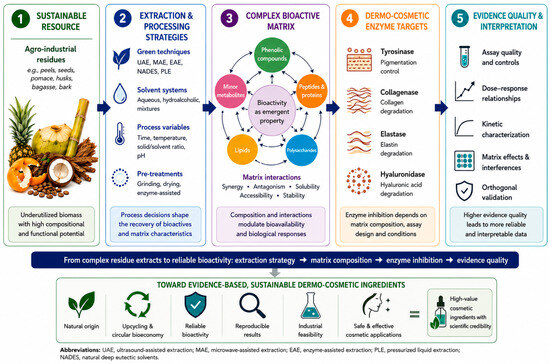
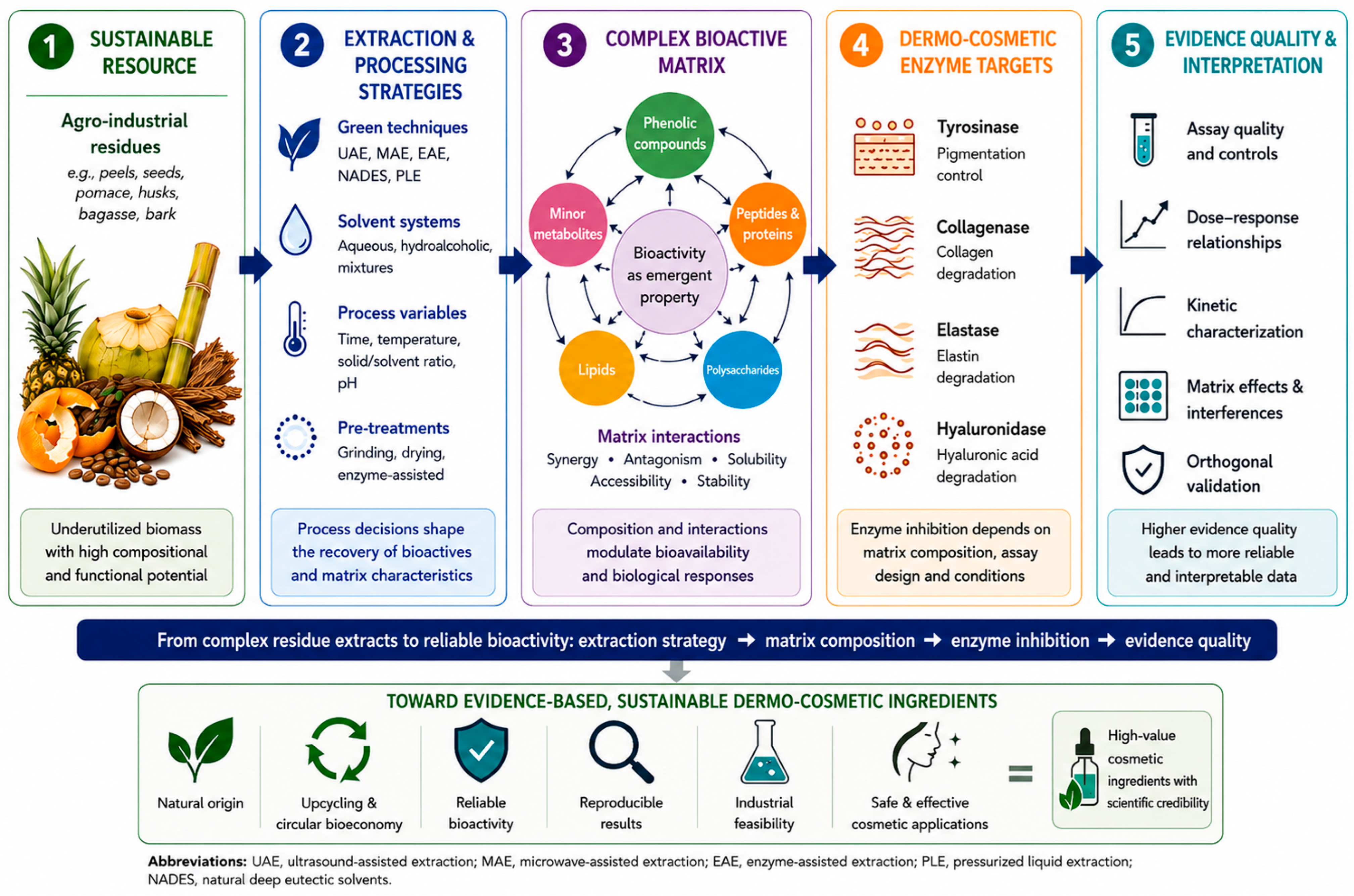
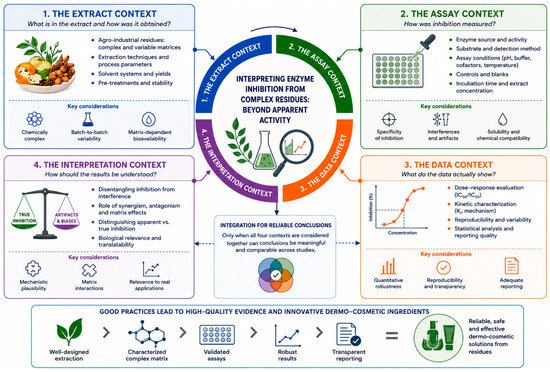
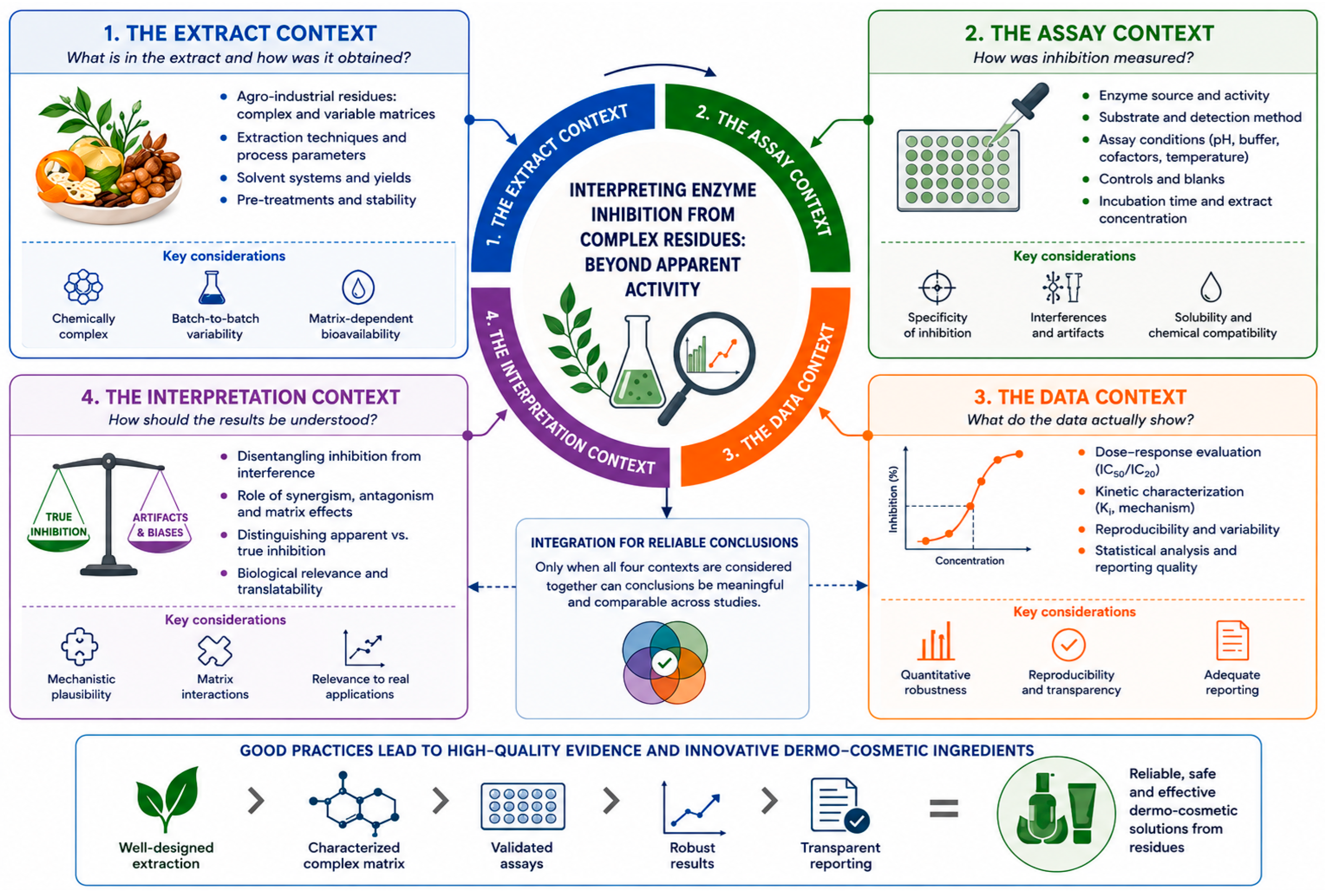

Disclaimer/Publisher’s Note: The statements, opinions and data contained in all publications are solely those of the individual author(s) and contributor(s) and not of MDPI and/or the editor(s). MDPI and/or the editor(s) disclaim responsibility for any injury to people or property resulting from any ideas, methods, instructions or products referred to in the content. |
© 2026 by the authors. Licensee MDPI, Basel, Switzerland. This article is an open access article distributed under the terms and conditions of the Creative Commons Attribution (CC BY) license.