


Abstract
Introduction: Standard abdominoplasty inevitably causes scarring in the umbilical region. Given the aesthetic significance of the navel, as the central anatomical landmark of the anterior abdominal wall, techniques that preserve the natural anatomy are warranted. The criteria for patient selection for such operations remain poorly defined, limiting their clinical application. Objective: The aim of this study was to define the indications and contraindications for scarless abdominoplasty in the umbilical region through a comparative analysis of clinical and subjective outcomes. Materials and Methods: A comparative study was conducted involving 115 patients operated on between 2021 and 2026. The experimental group consisted of 32 patients who underwent abdominoplasty without scarring in the umbilical region, while the control group comprised 83 patients who underwent standard abdominoplasty with umbilical transposition. The technique of scarless abdominoplasty in the umbilical region entailed limited mobilization of the cutaneous–subcutaneous flap, energy-based ultrasound-assisted liposuction in the supraumbilical region, suturing of rectus abdominis diastasis when clinically indicated, and fixation of the umbilicus in its physiological position without a skin incision around it. Energy-based ultrasound-assisted liposuction permits skin contraction in the supraumbilical area through a controlled internal thermal effect. The incidence of complications and BODY-Q questionnaire outcomes were evaluated at 3 months, 6 months, and one year. No significant differences in baseline clinical characteristics were observed between the groups. Results: The overall rate of postoperative complications in the experimental group was 18.8% (n = 6), compared to 24.1% (n = 20) in the control group; the difference was not statistically significant (p > 0.05). According to the BODY-Q questionnaire, patients in the experimental group reported significantly higher satisfaction with scar appearance (91.0 ± 3.5 vs. 83.0 ± 5.7; p < 0.001) and the umbilical region. The umbilicus retained its anatomically natural shape and depth. The use of energy-based ultrasound-assisted liposuction in the supraumbilical area contributed to the contraction of the upper cutaneous–subcutaneous flap, which made it possible to prevent extensive mobilization and the formation of a significant scar around the umbilicus in these patients. Conclusions: Scarless abdominoplasty in the umbilical region is a safe and effective technique in appropriately selected patients. Energy-based ultrasound-assisted liposuction produces an internal thermal effect that enhances the contraction of the cutaneous flap. Indications for this method comprise a moderate amount of excess skin tissue in the supraumbilical region, preserved skin elasticity, a normal or high umbilical position, and rectus abdominis diastasis grade I–II. Contraindications include pronounced excess skin tissue in the supraumbilical region, a low umbilical position, and general somatic contraindications to surgery.
1. Introduction
Abdominoplasty is among the most frequently performed procedures in aesthetic and reconstructive surgery due to the high prevalence of anterior abdominal wall deformities [1,2,3,4,5,6].
Desired outcomes include the elimination of excess skin and subcutaneous adipose tissue, strengthening of the musculoaponeurotic framework of the anterior abdominal wall, and a good aesthetic result, all while preserving the natural anatomy of the umbilical region. Even minimal scarring in the umbilical region can decrease patient satisfaction with their body’s appearance [7,8,9,10].
Despite the development of numerous umbilicoplasty techniques aimed at improving the aesthetics of the umbilicus, procedures that minimize or completely eliminate visible scarring in this region are still lacking. The literature describes approaches that can prevent a circular scar by preserving the original anatomy of the umbilical ring; however, systematic indications and contraindications for such methods, as well as objective evaluation of their advantages using validated instruments, remain insufficiently addressed [11,12,13,14,15].
The objective of the study was to define the indications and contraindications for scarless abdominoplasty in the umbilical region through a comparative analysis of clinical and subjective outcomes.
2. Materials and Methods
A comparative clinical study was conducted, involving 115 patients who underwent surgical treatment at the I.M. Sechenov First Moscow State Medical University of the Russian Ministry of Health between 2021 and 2026.
Patients were divided into two groups: the study group (n = 32) underwent abdominoplasty without a scar in the umbilical region; the control group (n = 83) underwent standard abdominoplasty with umbilical transposition.
The groups were comparable in key clinical characteristics, which is a prerequisite for the validity of the comparative analysis (Table 1).
Table 1.
Comparative characteristics of patient groups before treatment.
Eligibility criteria were uniformly applied to all patients: excess skin and subcutaneous adipose tissue of the anterior abdominal wall, diastasis recti, and informed consent. Exclusion criteria included severe and pronounced tissue ptosis, low umbilical position (<12 cm from the anterior superior iliac spines), prominent scars in the epigastric region, decompensated somatic diseases, and active infectious process (Table 2).
Table 2.
Indications and contraindications for scarless abdominoplasty in the umbilical region.
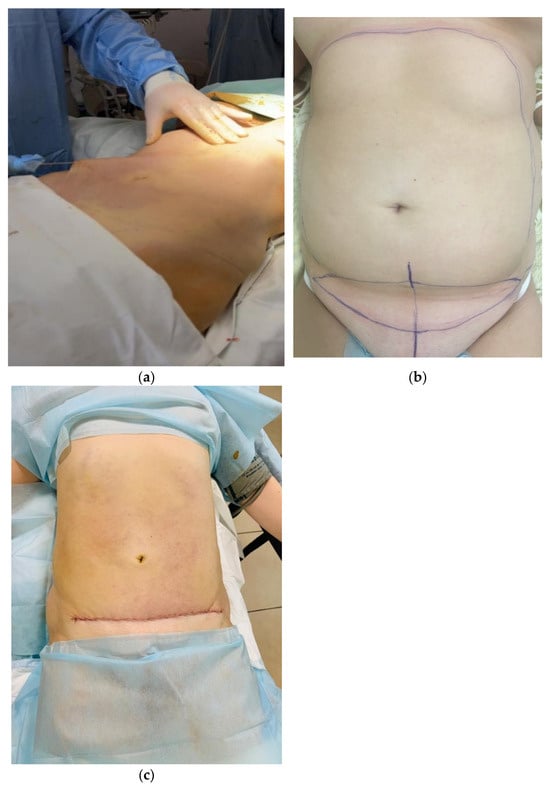
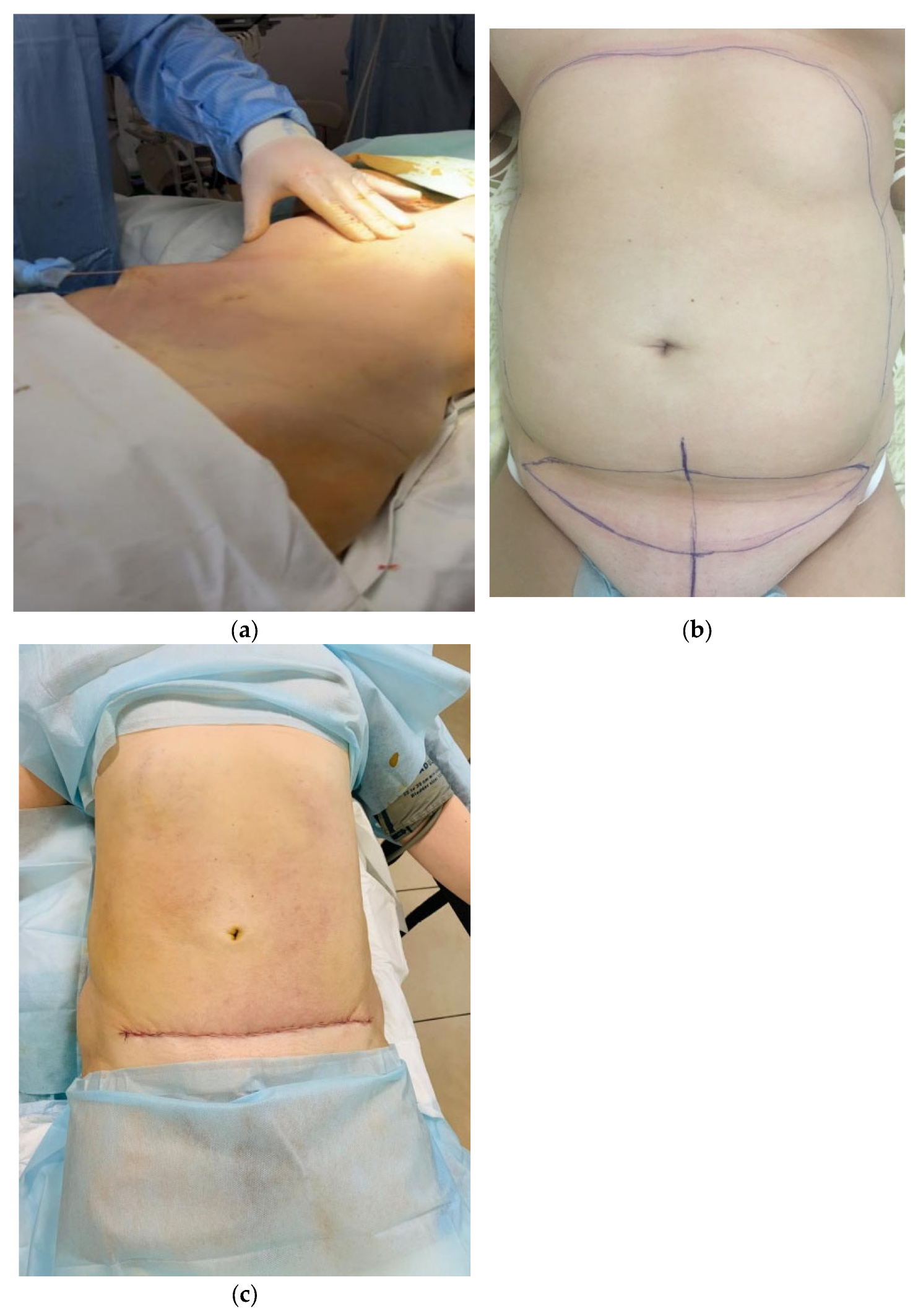
Surgical technique: In the experimental group, the procedure was as follows: First, after infiltration with Klein’s solution, energy-based ultrasound-assisted liposuction was performed using a device at 90–100% power for 2–4 min. Selective ultrasound action ensured the destruction of fat cells with minimal trauma to the neurovascular structures and connective tissue matrix, which helped reduce flap thickness and stimulate its retraction. If necessary, ultrasound treatment of the skin was repeated after excess adipose tissue was removed to enhance skin contraction (Figure 1b).
Figure 1.
(a) Use of ultrasound in the final stage to promote contraction of the skin flap; (b) preoperative view; (c) postoperative view: absence of a scar around the umbilicus.
Subsequently, according to the preoperative markings, a transverse incision was made in the suprapubic region, and the cutaneous–subcutaneous flap was mobilized to the xiphoid process and costal arches. The umbilicus was detached from the anterior abdominal wall, maintaining its connection with the mobilized flap. The umbilical ring was sutured with PDS 0 (Ethicon inc., Raritan, NJ, USA). Rectus abdominis diastasis was repaired with a double-row suture using PDS 0 thread. In cases of umbilical hernia, hernioplasty was performed. The umbilicus was fixed to the aponeurosis along the midline with four PDS 3-0 sutures at a position 1.5–2 cm below its original level, which allowed for the preservation of the natural shape and depth of the umbilical fossa without the formation of a circular scar (Figure 1c).
The surgery was completed with layered wound closure and the placement of active surgical drains. In the control group, abdominoplasty was performed using the classical technique, with transposition of the umbilicus on its pedicle within the displaced cutaneous–subcutaneous flap.
Assessment methods. The frequency and nature of early and late postoperative complications (seroma, hematoma, necrosis, infection) were evaluated. Patients’ subjective perception of the outcome was assessed using the validated BODY-Q questionnaire (containing scales measuring satisfaction with the abdominal area, scar appearance, psychological distress, and body image perception). Preoperative and postoperative evaluation were performed at 3 months, 6 months, and one year after surgery.
Statistical analysis. Data processing was performed using TIBCO Statistica 14.0.0.9 software (TIBCO Software Inc., Palo Alto, CA, USA). Quantitative indicators were compared using Student’s t-test, and qualitative indicators were compared using the χ2 test and Fisher’s exact test for expected frequencies of less than 5. Differences were considered statistically significant at p < 0.05.
3. Results
A comparison of patients demonstrated that the incidence of postoperative complications did not statistically differ between the groups (Table 3). All complications were local and treated conservatively or with minimally invasive methods. No cases of necrosis were observed in the study group.
Table 3.
Nature and frequency of postoperative complications.
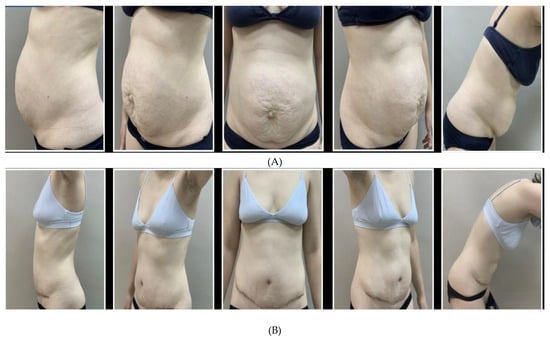
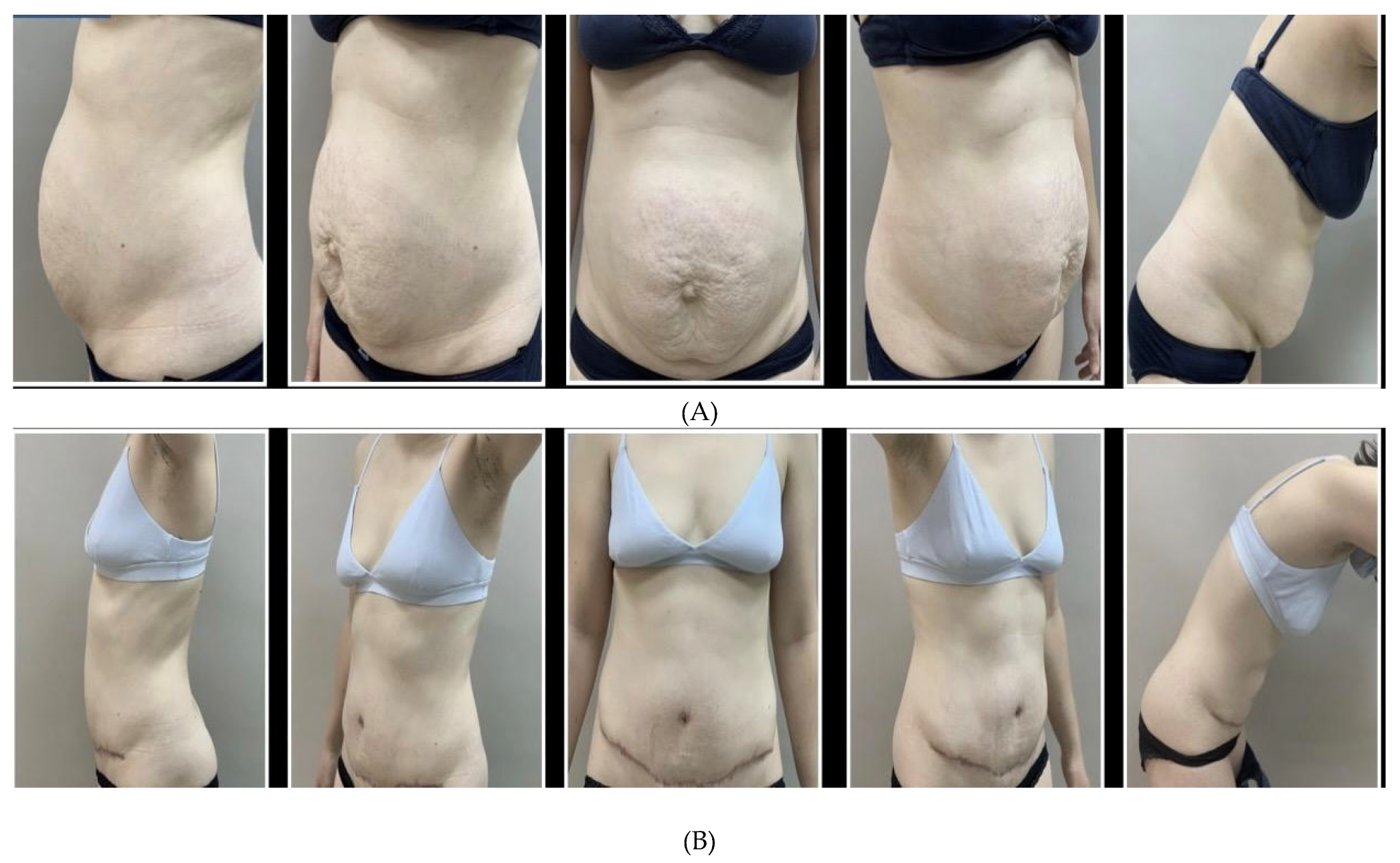
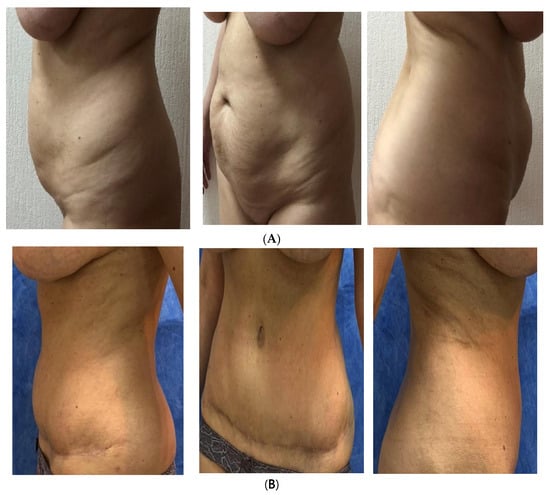
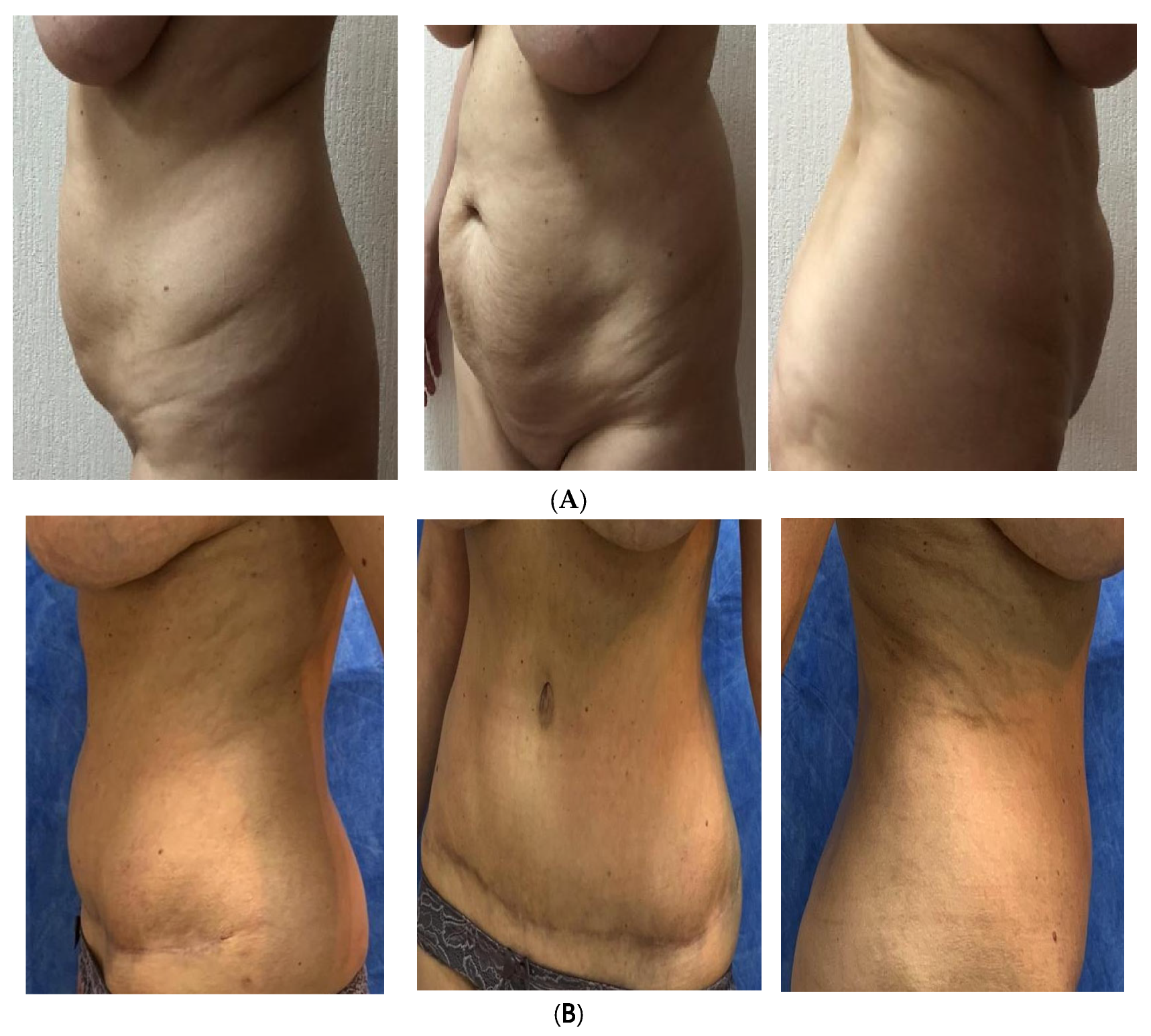
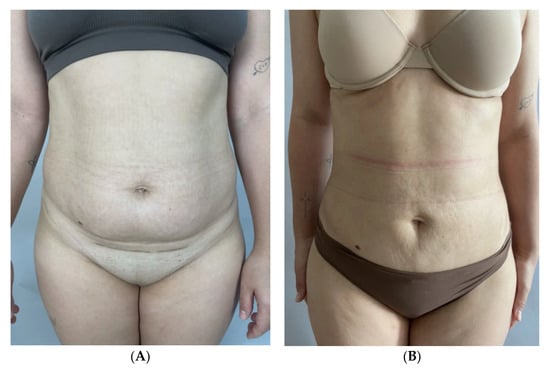
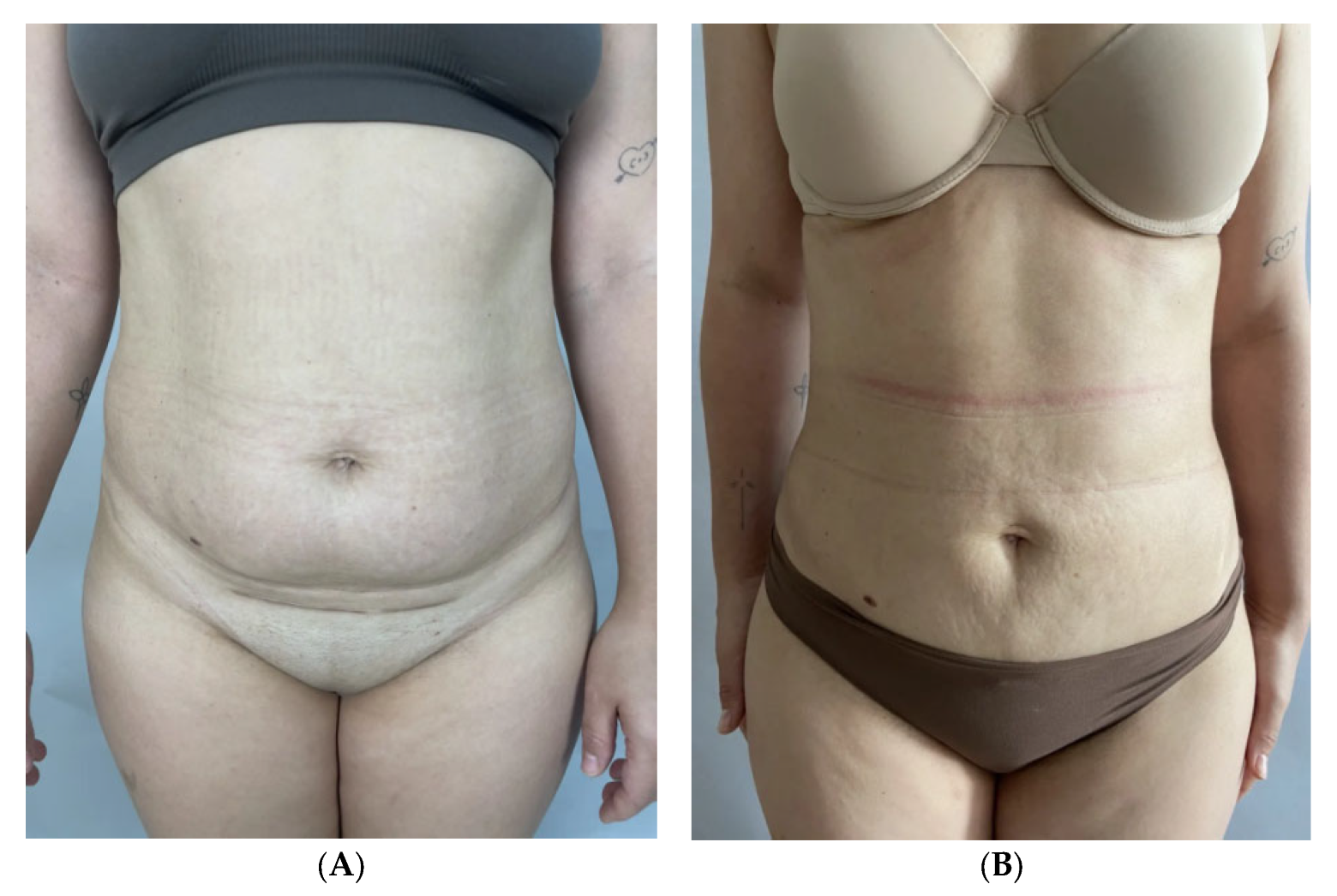
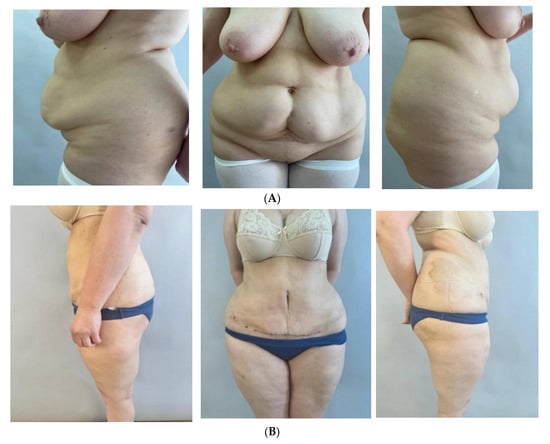
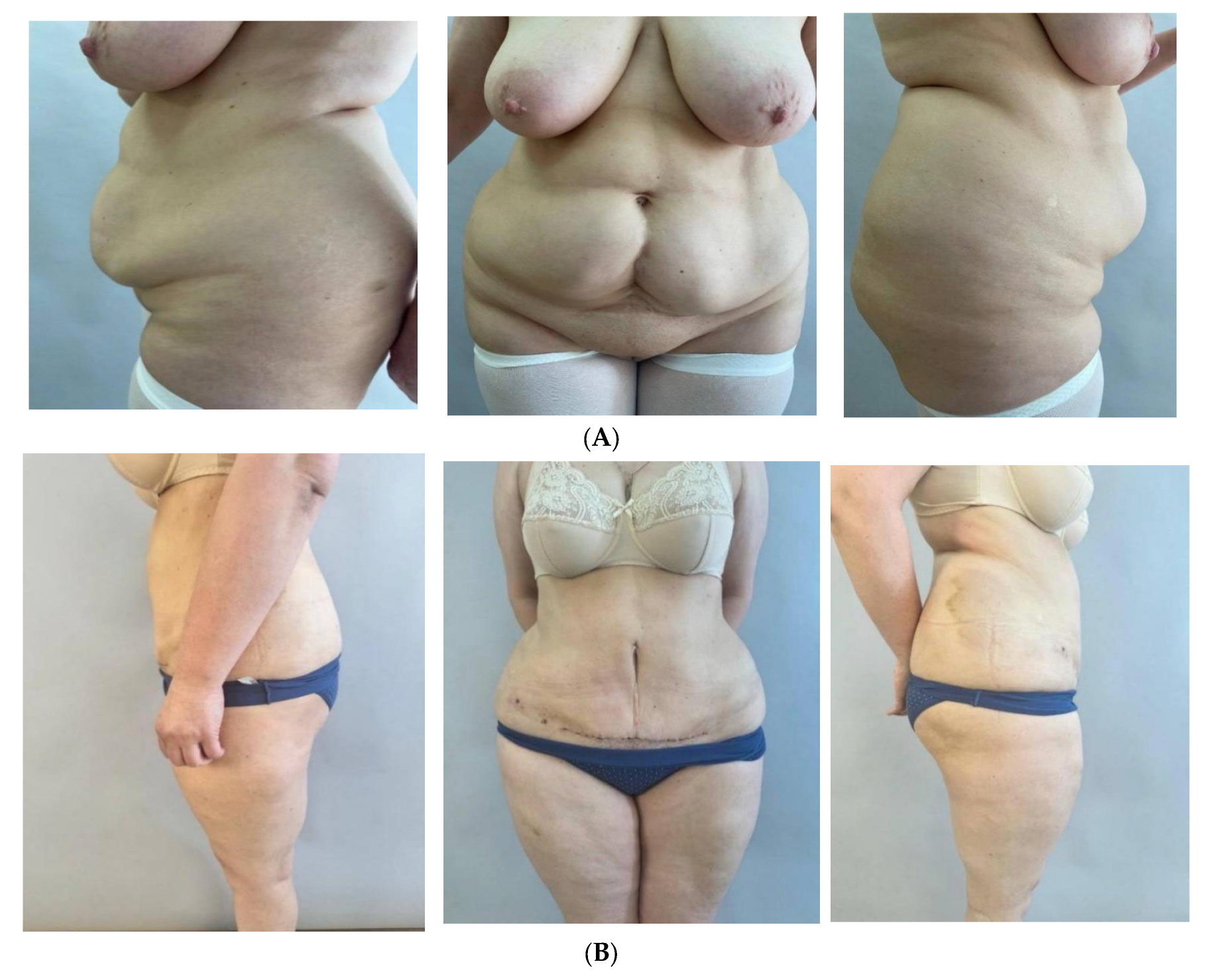
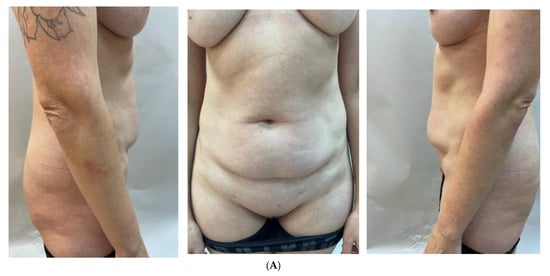
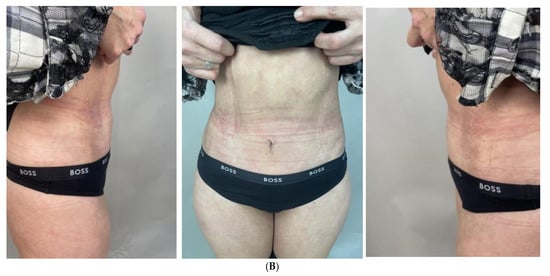
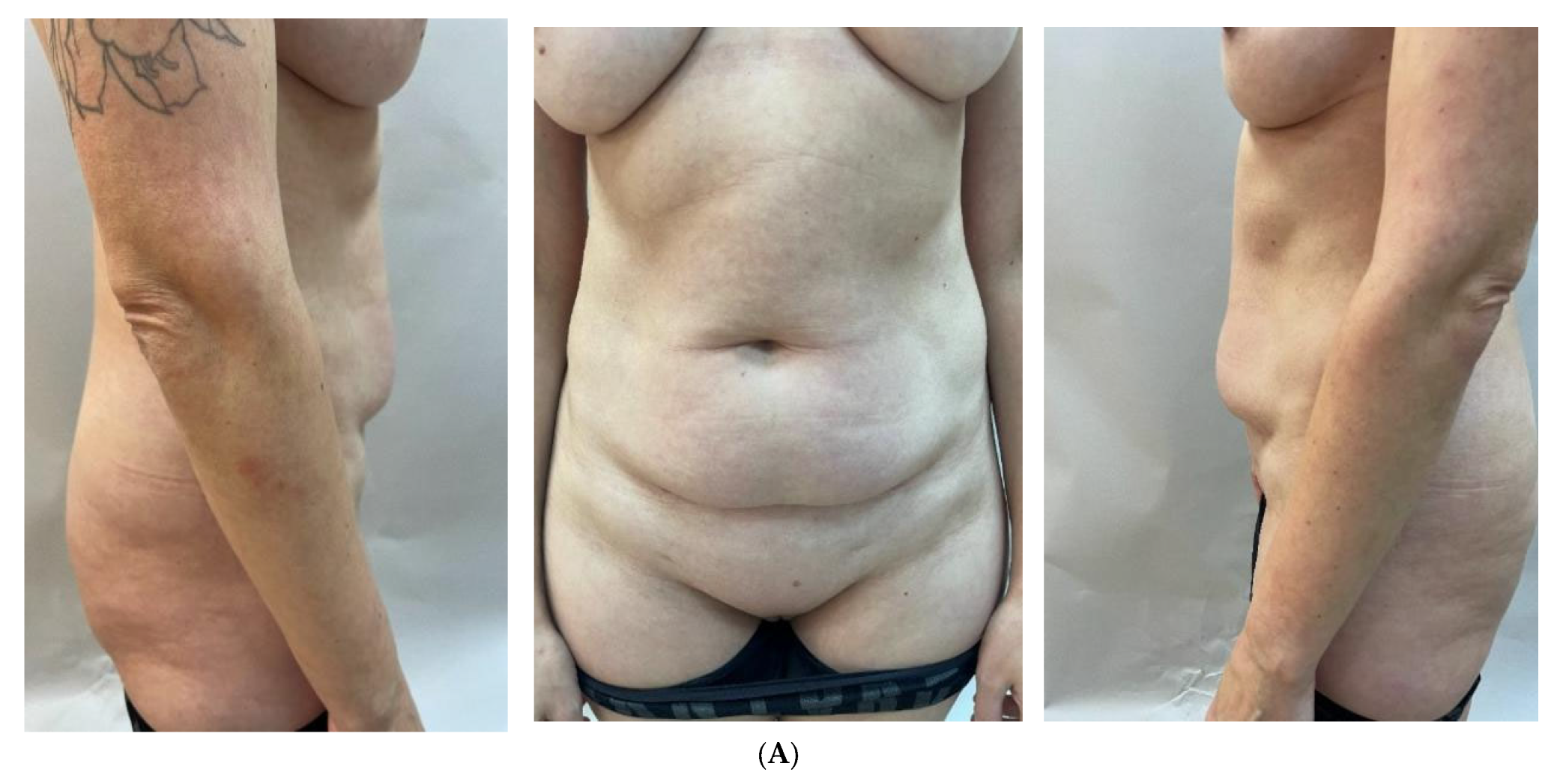
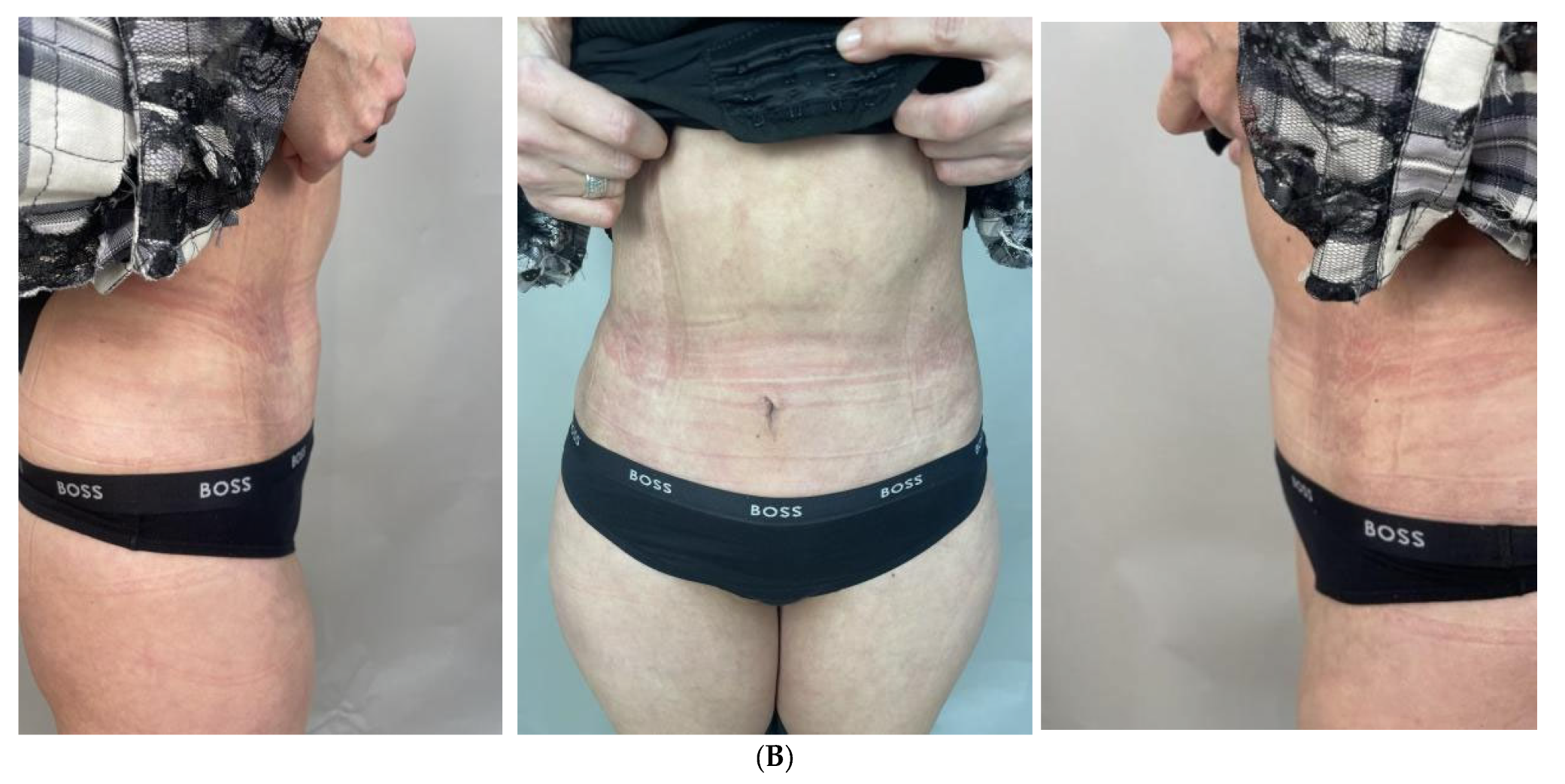
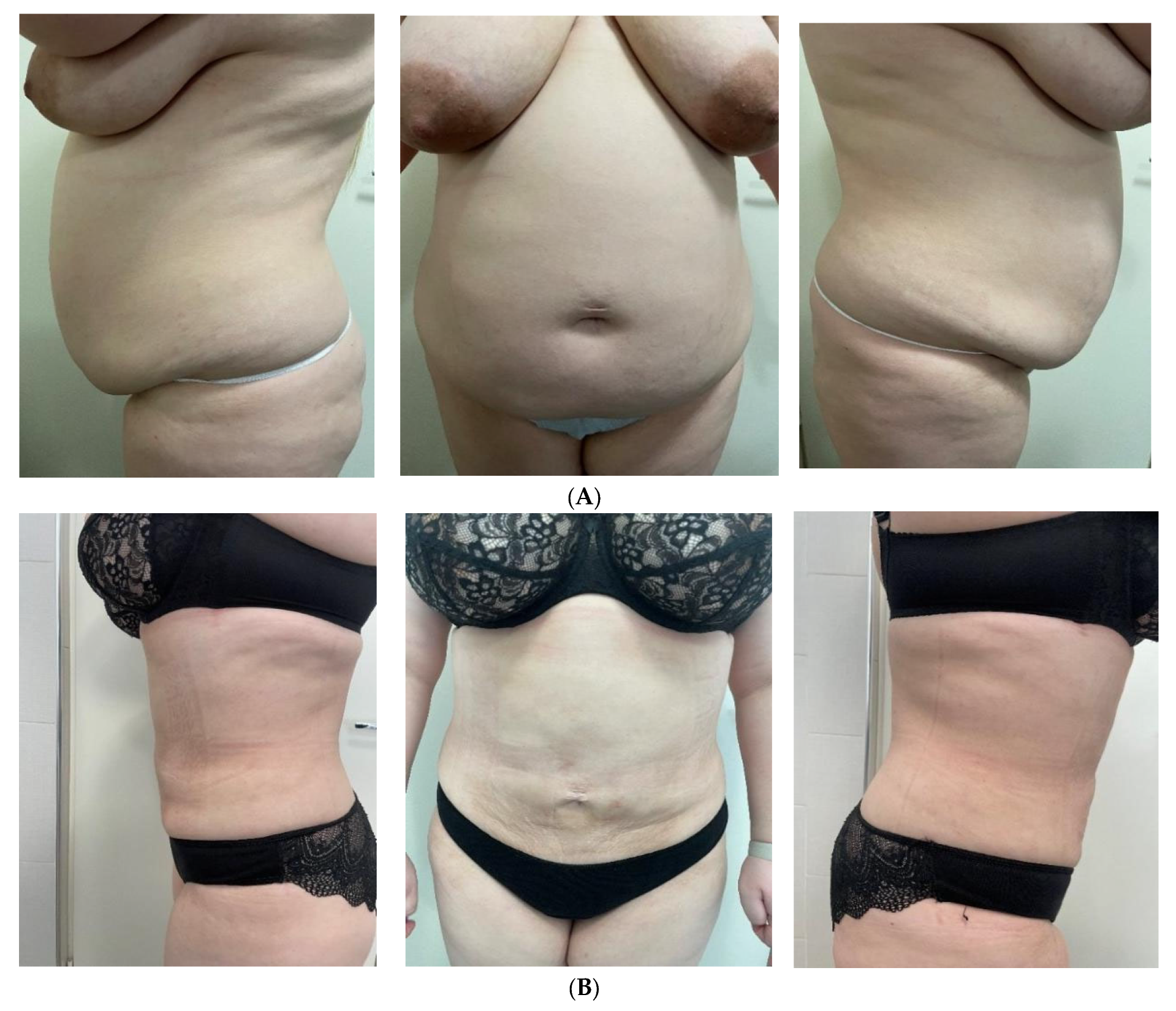
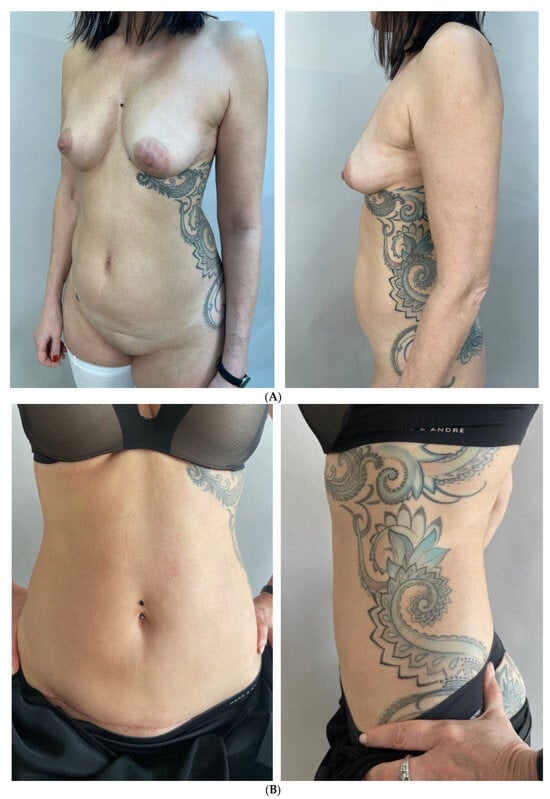
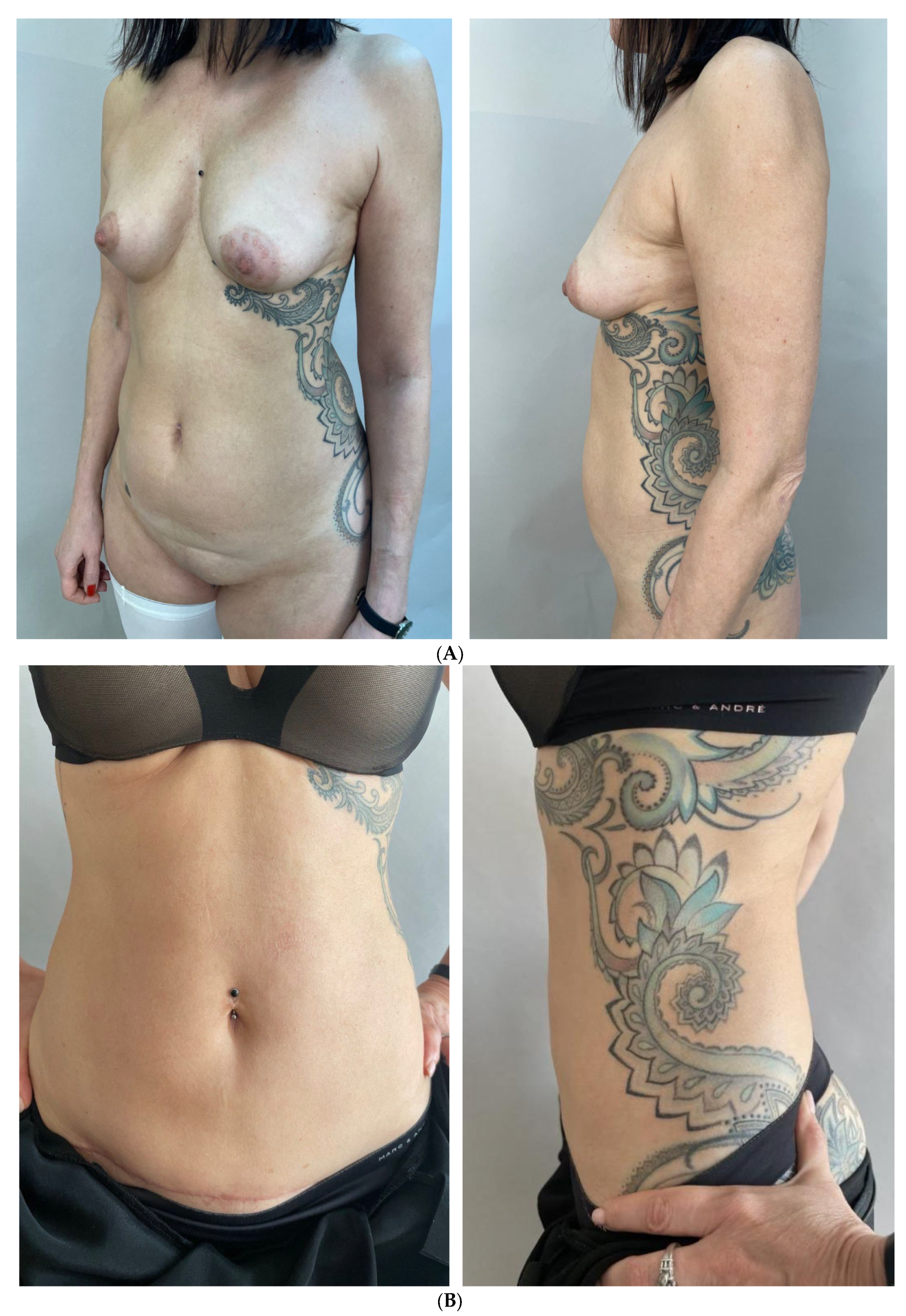
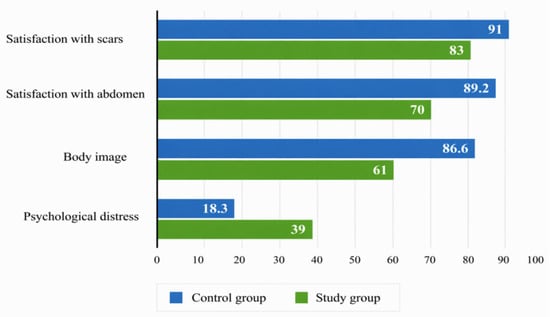
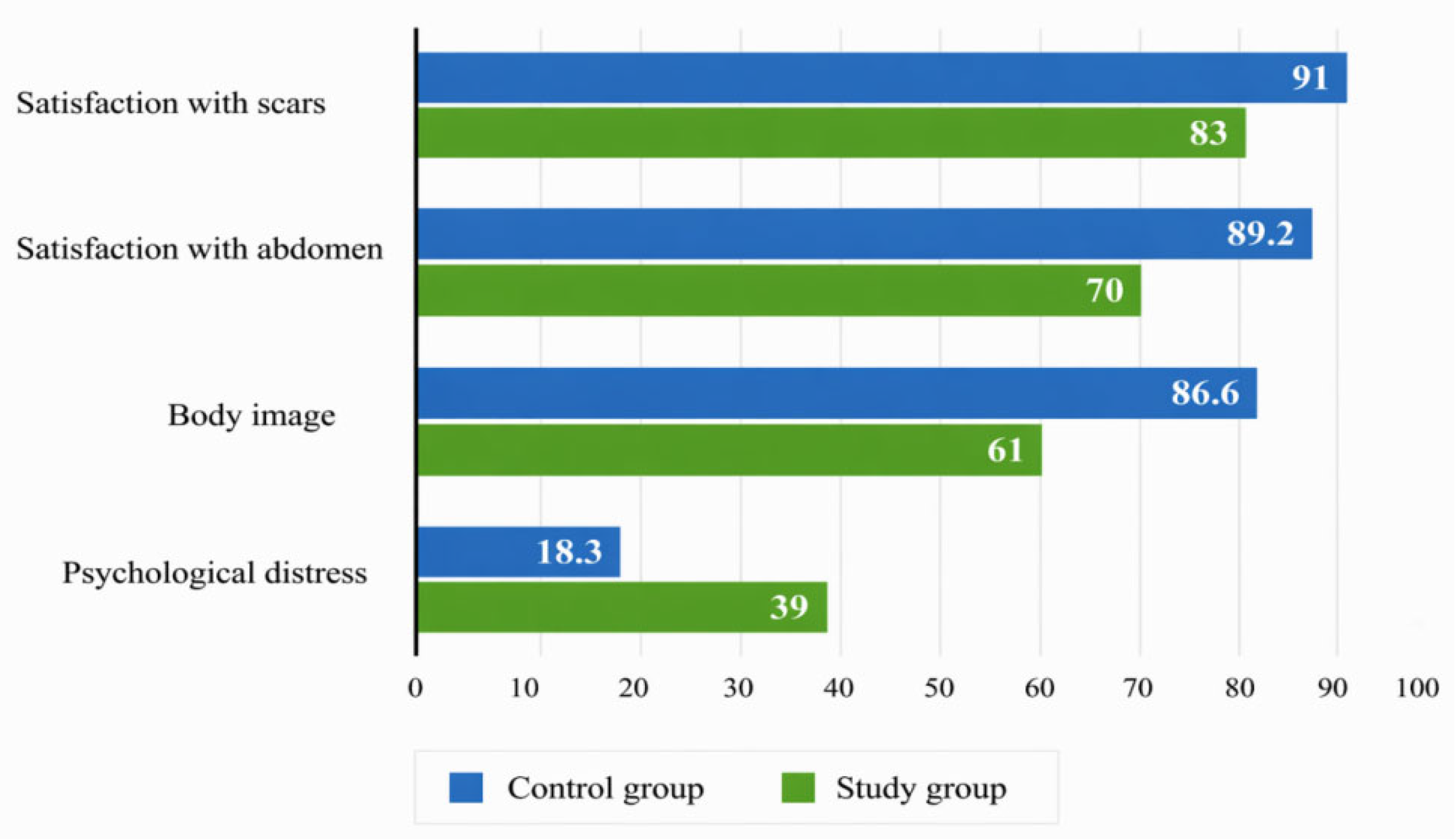
Clinical and visual results of both the study group and the control group are presented in Figure 2, Figure 3, Figure 4, Figure 5, Figure 6, Figure 7 and Figure 8. The most significant differences were in the reported level of satisfaction with scar appearance and the umbilical region (Figure 6).
Figure 2.
Clinical outcome of classical abdominoplasty: (A) Preoperative view; (B) 6 months postoperatively.
Figure 3.
Clinical outcome of classical abdominoplasty: (A) Preoperative view; (B) one year postoperatively.
Figure 4.
Clinical outcome of scarless abdominoplasty in the umbilical region: (A) Preoperative view; (B) 6 months postoperatively.
Figure 5.
(A) Preoperative view; (B) 3 months postoperatively.
Figure 6.
(A) Preoperative view; (B) 6 months postoperatively.
Figure 7.
(A) Preoperative view; (B) 6 months postoperatively.
Figure 8.
(A) Preoperative view; (B) one year postoperatively.
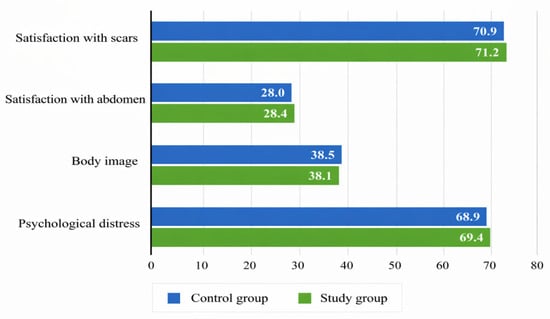
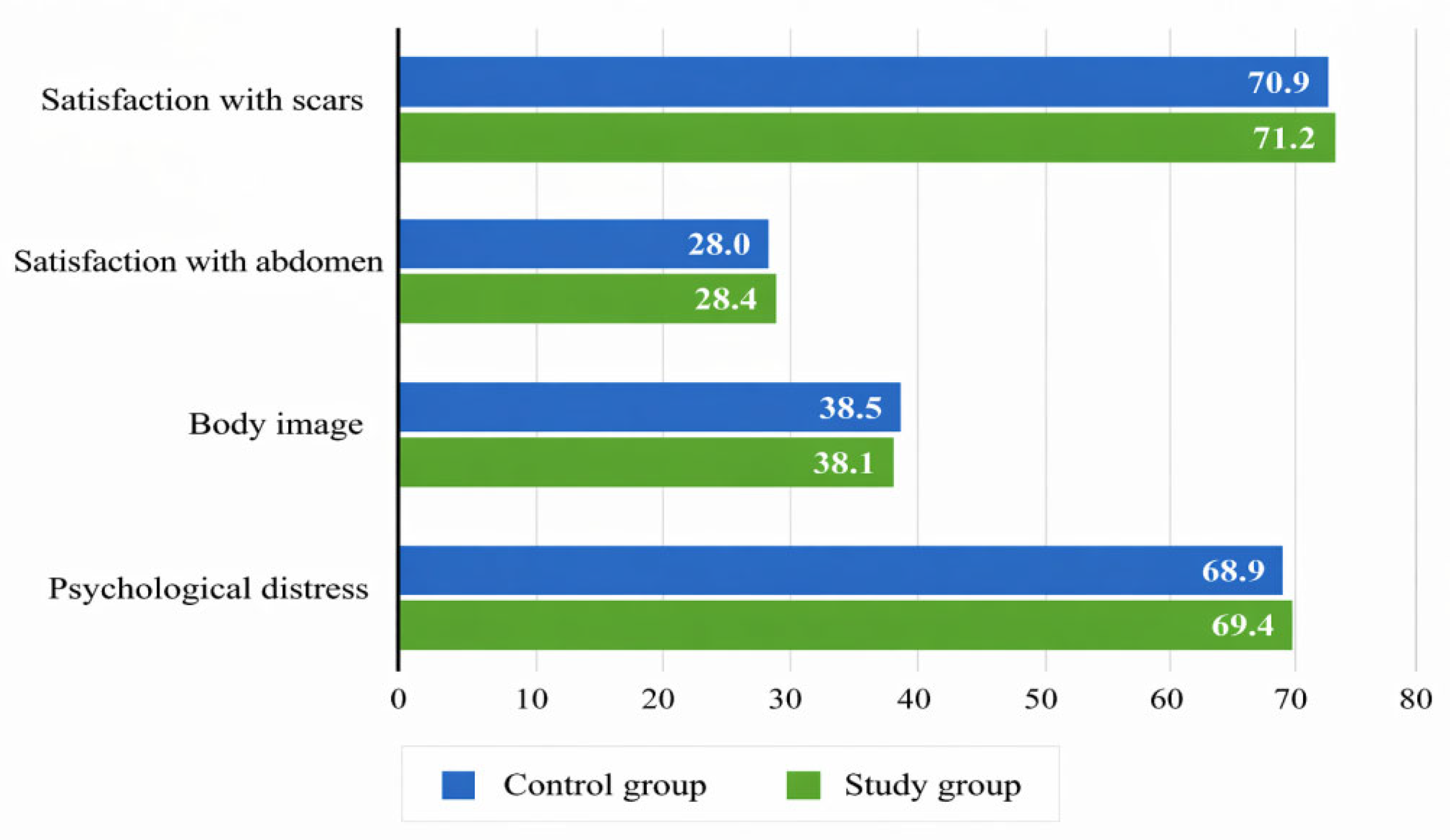
Six months after surgery, significantly higher satisfaction scores were observed in the study group across all BODY-Q scales (Figure 9 and Figure 10).
Figure 9.
Satisfaction with the abdominal area according to the BODY-Q scale before surgery in the experimental and the control groups.
Figure 10.
Satisfaction with scar appearance and the umbilical region according to the BODY-Q scale at 6 months postoperatively.
In patients in the study group, the shape and depth of the umbilicus remained anatomically consistent 6 months after surgery, with no signs of stenosis or flattening of the umbilical fossa observed.
4. Discussion
The obtained results demonstrate that the proposed method of scarless abdominoplasty in the umbilical region leads to statistically and clinically significant improvements in patients’ subjective evaluations of outcomes, with a comparable rate of postoperative complications. These data highlight the importance of the umbilical region’s aesthetic characteristics in the patient’s overall satisfaction with abdominoplasty results [9,11].
One of the key features of the presented method is that it preserves the original vascular connections of the umbilical ring with the mobilized cutaneous–subcutaneous flap, which reduces the risk of ischemic complications, as confirmed by the absence of umbilical necrosis cases in the main group. This is consistent with the observations of Chua M. and colleagues, who noted the advantages of preserving the natural anatomy of the umbilical region [13].
Previous scarless umbilicoplasty techniques have also demonstrated favorable aesthetic outcomes with low complication rates [12,15]. Consistent with these reports, our technique provided high patient satisfaction regarding the umbilical region while maintaining a comparable safety profile.
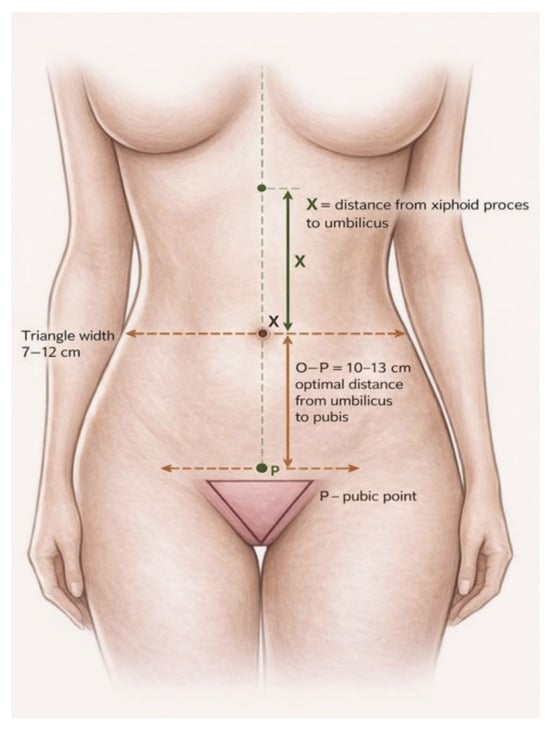
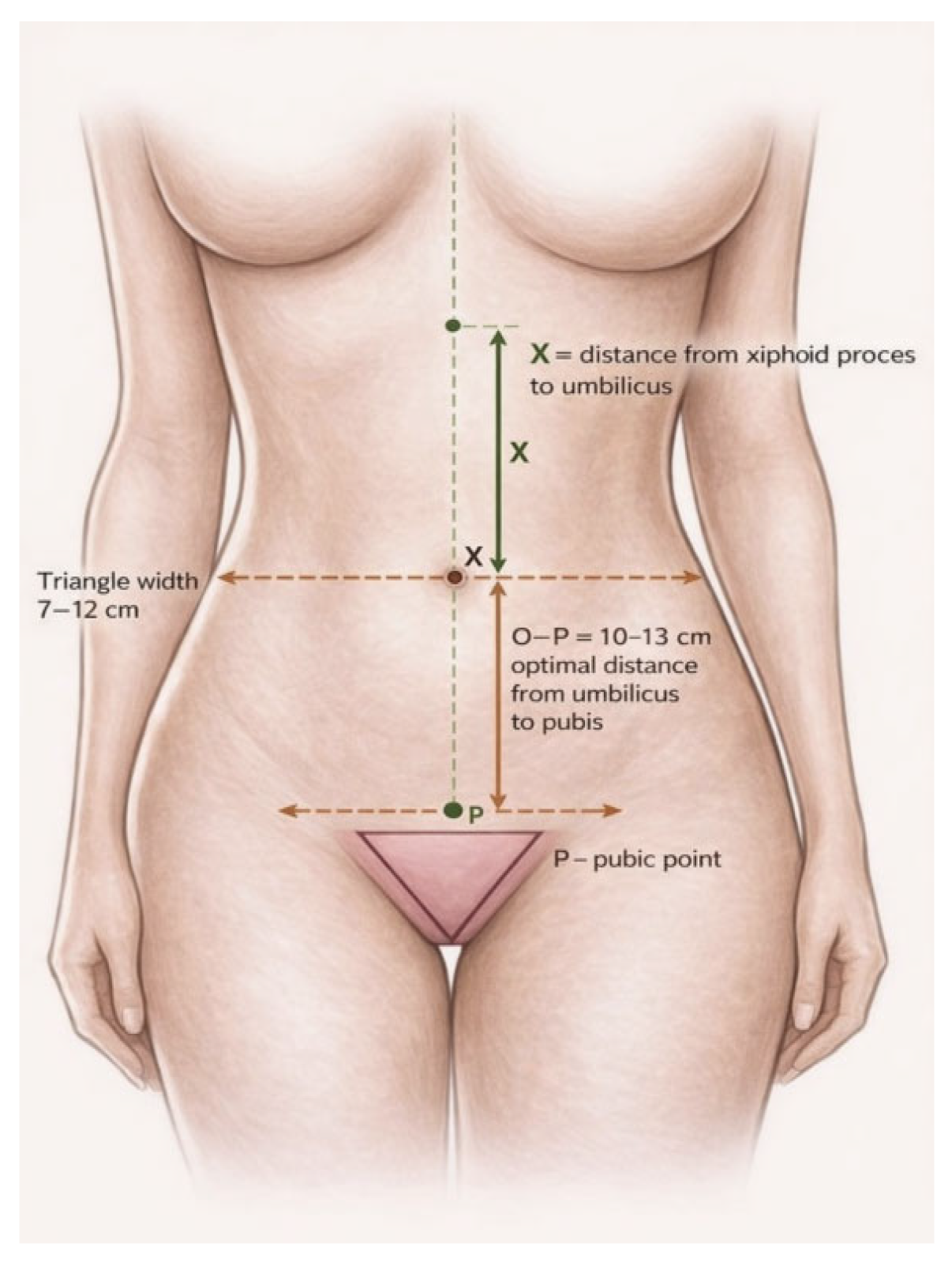
From the standpoint of aesthetic surgery, the normal or high physiological position of the umbilicus should be considered, specifically its location along the midline, projected at a point defined as half the distance from the xiphoid process (X) to the pubis (P), adjusted for 5% of this length. The reference point (O) can be expressed by the formula OP = XP/2—5XP/100. Practically, the simplest guideline for determining the optimal position of the umbilicus is the ratio of its projection to the midline and the level of the iliac crests (Figure 11) [14,16].
Figure 11.
Physiological position of the umbilicus. Determination of the reference point (O) based on the relationship of the midline to the xiphoid process (X) and pubis (P) [14,16].
At the same time, a vertically oriented umbilicus of moderate depth with a slight superior overhang is usually considered aesthetically preferable [17,18,19].
The use of energy-based ultrasound-assisted liposuction specifically in the supraumbilical region was very important in the implementation of this technique. Its effect was not limited to adipose tissue reduction but accompanied by a controlled internal thermal effect, resulting in contraction of the cutaneous–subcutaneous flap. This reduced the need for extensive mobilization of upper abdominal tissue and helped preserve the umbilicus without its transposition within the cutaneous–subcutaneous flap [20,21,22].
A comparable incidence of seromas and other complications between the two groups confirms that their prevention primarily depends on general surgical principles: careful hemostasis, adequate drainage, and the use of progressive tension sutures [23,24,25,26,27]. Furthermore, because there is no need to create a new umbilical opening, tissue trauma is reduced, which may be considered an additional safety factor.
The effectiveness of this technique depends on strict adherence to patient selection criteria. The use of this technique in patients with severe tissue ptosis, a low umbilical position, or severe changes due to scarring, such as striae gravidarum, increases the likelihood of an unfavorable aesthetic outcome.
The presented technique is not intended to be a universal replacement for classic abdominoplasty and should be applied only in patients with appropriate indications [28,29,30].
5. Conclusions
The presented technique of scarless abdominoplasty in the umbilical region, combined with energy-based ultrasound-assisted liposuction, is indicated for patients with a moderate amount of excess skin of the supraumbilical cutaneous–subcutaneous flap, preserved tissue elasticity, and a high umbilical position. Its safety and effectiveness are comparable to those of classical abdominoplasty, while satisfaction with the aesthetic outcome, as assessed by the BODY-Q scale, is significantly higher.
Author Contributions
Conceptualization: V.I.S. and D.A.; methodology: V.I.S., D.A., D.A.S. and Y.V.I.; investigation: V.I.S., D.A. and D.A.S.; writing: V.I.S., D.A., D.A.S. and I.Y.A.; original draft preparation: V.I.S., D.A., D.A.S., Z.G. and M.V.A.; resources: D.A.; review and editing: V.I.S., D.A., Y.V.I., Z.G. and M.V.A.; supervision: V.I.S. and D.A.; formal analysis: D.A. and I.Y.A. All authors have read and agreed to the published version of the manuscript.
Funding
This paper received no external funding.
Institutional Review Board Statement
The study was approved by Local Ethics Committee of I.M. Sechenov First Moscow State Medical University (Protocol No. 02-24, dated 29 January 2024).
Informed Consent Statement
Written informed consent has been obtained from the patients to publish this paper.
Data Availability Statement
The data presented in this study are available upon request from the corresponding author. The data are not publicly available due ethical considerations, patient confidentiality and institutional restrictions.
Conflicts of Interest
The authors declare no conflicts of interest.
References
- Triana, L.; Palacios Huatuco, R.M.; Campilgio, G.; Liscano, E. Trends in surgical and nonsurgical aesthetic procedures: A 14-year analysis of the International Society of Aesthetic Plastic Surgery-ISAPS. Aesthetic Plast. Surg. 2024, 48, 4217–4227. [Google Scholar] [CrossRef] [Scilit]
- Sharobaro, V.I.; Abbasi, D.; Sidorenkov, D.A.; Anurov, M.V.; Ivanov, Y.V. Modern approaches for abdominoplasty. Plast. Surg. Aesthetic Med. 2025, 109–116. [Google Scholar] [CrossRef] [Scilit]
- Stein, M.J.; Weissman, J.P.; Harrast, J.; Rubin, J.P.; Gosain, A.K.; Matarasso, A. Clinical Practice Patterns in Abdominoplasty: 16-Year Analysis of Continuous Certification Data from the American Board of Plastic Surgery. Plast. Reconstr. Surg. 2023, 153, 66–74. [Google Scholar] [CrossRef] [Scilit]
- Saldanha, O.; Filho, O.S.; Saldanha, C.B.; Mokarzel, K.L.; Borges, A.C.M.; Bonilla, E.A.M. Lipoabdominoplasty with Anatomical Definition. Clin. Plast. Surg. 2023, 51, 45–57. [Google Scholar] [CrossRef] [Scilit]
- Nahas, F.X.; Ferreira, L.M. Management of the musculoaponeurotic layer in abdominoplasty. Clin. Plast. Surg. 2023, 51, 59–69. [Google Scholar] [CrossRef] [Scilit]
- Jessen, M.L.; Öberg, S.; Rosenberg, J. Surgical techniques for repair of abdominal rectus diastasis: A scoping review. J. Plast. Surg. Hand Surg. 2021, 55, 195–201. [Google Scholar] [CrossRef] [Scilit]
- Kitching, S.T.; Rocco, C.; Harwood, R.; Ross, G. Comparison of clinician- and patient-reported outcome measures in 95 abdominoplasty cases using BODY-Q and MCCRO-Q. JPRAS Open 2025, 43, 438–457. [Google Scholar] [CrossRef] [Scilit] [PubMed]
- Nyakiongora, S.; Laspro, M.; Dele-Oni, O.; Abdullahi, A.A.; Nangole, F.W.; Pusic, A.L. The use of BODY-Q to assess factors impacting satisfaction and quality-of-life postabdominoplasty in Kenya. Plast. Reconstr. Surg. Glob. Open 2025, 13, e6539. [Google Scholar] [CrossRef] [Scilit] [PubMed]
- Swanson, E. Clinical evaluation of 310 abdominoplasties and measurement of scar level. Ann. Plast. Surg. 2023, 91, 14–27. [Google Scholar] [CrossRef] [Scilit]
- Sadeghi, P.; Duarte-Bateman, D.; Ma, W.; Khalaf, R.; Fodor, R.; Pieretti, G.; Ciccarelli, F.; Harandi, H.; Cuomo, R. Post-Bariatric Plastic surgery: Abdominoplasty, the state of the art in body contouring. J. Clin. Med. 2022, 11, 4315. [Google Scholar] [CrossRef] [Scilit]
- Sharobaro, V.I.; Abbasi, D.; Sidorenkov, D.A.; Anurov, M.V.; Ivanov, Y.V. Modern trends in umbilicoplasty: Literature review. Plast. Surg. Aesthetic Med. 2024, 74–80. [Google Scholar] [CrossRef] [Scilit]
- Di Diego, J.M.; Serra, F.E.; Mastronardi, L.; Cello, I.; Alvarado, F.; Alvarez, P. Refining Abdominoplasty: A novel technique for umbilical reconstruction. Aesthetic Plast. Surg. 2024, 49, 1120–1129. [Google Scholar] [CrossRef] [Scilit]
- Chua, M.; Seth, I.; Tobin, V.; Kaplan, E.; Rozen, W.M. The Preservation of umbilical blood supply in combined ventral hernia Repair and abdominoplasty: A Narrative review. Aesthetic Plast. Surg. 2024, 48, 2851–2860. [Google Scholar] [CrossRef] [Scilit]
- Çelik, V.; Tuluy, Y.; Sır, E. Modified Diamond-Shaped umbilicoplasty in abdominoplasty. Aesthetic Plast. Surg. 2023, 47, 1911–1919. [Google Scholar] [CrossRef] [Scilit]
- Borunda, J.I. Modified “T”-Shaped Umbilicoplasty: A practical technique for creating a sunken navel in abdominoplasty. Aesthetic Surg. J. Open Forum 2026, 8, ojag002. [Google Scholar] [CrossRef] [Scilit] [PubMed]
- Atiyeh, B.S.; Emsieh, S.E.; Ibrahim, A.E.; Fadul, R.R.; Hakim, C.R.; Gnaedinger, A.G.; Oneisi, A.K.; Chalhoub, R.S.; Beaineh, P.T. Determination of Appropriate Umbilicus Position during Abdominoplasty in Male Patients. Plast. Reconstr. Surg. Glob. Open 2023, 11, e5342. [Google Scholar] [CrossRef] [Scilit]
- Fell, C.; Kachare, M.D.; Moore, A.C.; Wilhelmi, B.J. Does size really matter? A review on how to determine the optimal umbilical size during an abdominoplasty. Eplasty 2023, 23, e38. [Google Scholar] [PubMed]
- Hoyos, A.E.; Perez, M.E.; Mogollon, I.R.; Arcila, A. H-Wing Neoumbilicoplasty: A new technique for advanced abdominoplasty and umbilical zones by gender. Plast. Reconstr. Surg. 2022, 151, 52–62. [Google Scholar] [CrossRef] [Scilit]
- Nisi, G.; Giudice, M.; Bacchini, S.; Fasano, G.; Verre, L.; Cuomo, R.; Grimaldi, L. To Keep or Not to Keep? The Hamletic Umbilical Dilemma: Preservation versus Reconstruction of the Umbilicus in Vertical Abdominoplasty. J. Clin. Med. 2022, 12, 78. [Google Scholar] [CrossRef] [Scilit]
- Lanzano, G.; Napoli, F.; Zannella, T.; Colucci, R.; Cantiello, I.; Scalera, G. Correlation between BMI, amount of aspirated fat and post-operative complications in VASER liposuction: A single centre experience. JPRAS Open 2024, 42, 170–177. [Google Scholar] [CrossRef] [Scilit] [PubMed]
- Troell, R.J. Lipoabdominoplasty: Comparing Ultrasound-Assisted and Power-Assisted Techniques. Am. J. Cosmet. Surg. 2022, 40, 279–292. [Google Scholar] [CrossRef] [Scilit]
- Borille, G.; Giannini, R.; Zancanaro, M.; Ribeiro, V.; Filho, G.P.; Valente, D.S. Redefining Abdominal Contours: An Analysis of Medium Definition Liposuction Abdominoplasty. Aesthetic Plast. Surg. 2024, 48, 4156–4167. [Google Scholar] [CrossRef] [Scilit]
- Liao, C.D.; Zhao, K.; Nikkhahmanesh, N.; Bui, D.T. Decreasing seroma Incidence Following Abdominoplasty: A Systematic Review and Meta-Analysis of High-Quality Evidence. Aesthetic Surg. J. Open Forum 2024, 6, ojae016. [Google Scholar] [CrossRef] [Scilit]
- Van Der Sluis, N.; Van Dongen, J.A.; Caris, F.L.S.; Wehrens, K.M.E.; Carrara, M.; Van Der Lei, B. Does Scarpa’s fascia preservation in abdominoplasty reduce seroma? A systematic review. Aesthetic Surg. J. 2023, 43, NP502–NP512. [Google Scholar] [CrossRef] [Scilit] [PubMed]
- Paranzino, A.B.; Sims, J.; Kirn, D.S. Safety and efficacy of outpatient drainless abdominoplasty: A Single-Surgeon experience of 454 consecutive patients. Aesthetic Surg. J. 2023, 43, 1325–1333. [Google Scholar] [CrossRef] [Scilit] [PubMed]
- Li, H.; Wu, B.; Tan, X.; Li, Y.; Wen, X.; Zhang, B.; Liu, Y.; Xu, X. Comparative Efficacy of Seroma Prevention Strategies in Abdominoplasty with Liposuction: A Systematic Review and Bayesian Model-based Network Meta-Analysis. Aesthetic Plast. Surg. 2026, 1–13. [Google Scholar] [CrossRef] [Scilit]
- Sidorenkov, D.A.; Sharobaro, V.I.; Aristov, I.Y.; Abbasi, D. Prevention of seromas after abdominoplasty. Plast. Surg. Aesthetic Med. 2025, 97–103. [Google Scholar] [CrossRef] [Scilit]
- Bishop, S.N. Abdominoplasty and rectus diastasis repair-a plastic surgeon’s perspective. Hernia 2025, 30, 8. [Google Scholar] [CrossRef] [Scilit] [PubMed]
- Stein, M.J.; Karaev, S.; Matarasso, A. A primer on abdominoplasty safety. Plast. Surg. 2024, 34, 88–93. [Google Scholar] [CrossRef] [Scilit]
- Cárdenas-Camarena, L.; Reyes-Herrera, M.F.; Vargas-Flores, E.; López-Fabila, D.A.; Robles-Cervantes, J.A. Lipoabdominoplasty: What We Have Implemented and What We Have Modified over 26 Years. Plast. Reconstr. Surg. Glob. Open 2023, 11, e4805. [Google Scholar] [CrossRef] [Scilit]

Disclaimer/Publisher’s Note: The statements, opinions and data contained in all publications are solely those of the individual author(s) and contributor(s) and not of MDPI and/or the editor(s). MDPI and/or the editor(s) disclaim responsibility for any injury to people or property resulting from any ideas, methods, instructions or products referred to in the content. |
© 2026 by the authors. Licensee MDPI, Basel, Switzerland. This article is an open access article distributed under the terms and conditions of the Creative Commons Attribution (CC BY) license.