


Abstract
The rapid depletion of fossil fuels and increasing environmental concerns has intensified the search for sustainable energy recovery from biomass residues. Wastewater sludge generated during ribbed smoked sheet (RSS) rubber production is an underutilized by-product rich in organic matter and therefore represents a potential feedstock for thermochemical conversion. This study investigated the slow pyrolysis of RSS wastewater sludge and evaluated the effects of pyrolysis temperature (350–500 °C) on product distribution, fuel properties, and thermochemical characteristics. Wastewater sludge collected from an RSS cooperative in Chumphon Province, Thailand, was pyrolyzed in a laboratory-scale reactor under a nitrogen atmosphere, and the feedstock and pyrolysis products were characterized using proximate and ultimate analyses, thermogravimetric analysis (TGA), gas chromatography, and physicochemical measurements. The results showed that pyrolysis temperature significantly influenced product yields and fuel quality. The yields of pyrolysis gas (PG), biochar, and liquid products (LPs) ranged from 41.87 to 45.78% wt, 23.41 to 28.75% wt, and 29.19 to 30.81% wt, respectively. The LPs contained high oxygen contents (72–81% wt) and exhibited relatively low higher heating values (HHVs) of 16.87–21.75 MJ kg−1, indicating limited suitability for direct fuel applications without upgrading. In contrast, biochar produced at higher temperatures exhibited increased carbon content (60.18–77.15% wt) and HHVs of up to 28.45 MJ kg−1, demonstrating promising potential as a renewable solid fuel, although its relatively low bulk density (97.28–135.29 kg m−3) suggests that densification would improve practical utilization. The PG fraction exhibited low HHVs (0.21–2.95 MJ kg−1) owing to the predominance of CO2 and other non-combustible gases under slow pyrolysis conditions, making it more suitable for localized process heat recovery than as a primary gaseous fuel. Overall, this study demonstrates that RSS wastewater sludge can be effectively valorized through slow pyrolysis into biochar, liquid products, and pyrolysis gas. The findings provide quantitative information for optimizing pyrolysis operating conditions and offer engineering guidance for the sustainable utilization of rubber-processing sludge as a renewable energy resource within a circular bio-economy framework.
1. Introduction
The increasing depletion of fossil fuels such as coal, natural gas, and crude oil has intensified global efforts to develop sustainable and renewable energy resources [1,2]. In addition to resource scarcity, the extensive use of fossil fuels has been recognized as a major driver of greenhouse gas emissions, climate change, and environmental degradation. The continued reliance on fossil energy therefore threatens long-term energy security, particularly in countries that depend heavily on imported fuels [3,4,5]. In response to these challenges, many countries have increasingly focused on the development and deployment of renewable energy technologies. Various renewable energy resources have been explored, including solar, wind, hydroelectric, geothermal, wave energy, and biomass. Among these alternatives, biomass has emerged as one of the most promising renewable energy sources due to its widespread availability, carbon neutrality, and potential to be converted into solid, liquid, and gaseous fuels through thermochemical processes.
Thailand is recognized as one of the major agricultural countries in Southeast Asia and possesses substantial biomass resources derived from agricultural production and agro-industrial activities. The country cultivates a wide variety of crops, including cassava, oil palm, corn, rice, sugarcane, and Para-rubber trees. The cultivation, harvesting, and industrial processing of these crops generate significant quantities of biomass residues such as cassava stems, oil palm trunks and fronds, corn stalks, rice husks, rice straw, and Para-rubber wood [5,6]. According to national energy statistics, biomass contributed approximately 7365 ktoe for thermal applications and 897.29 ktoe for electricity generation in Thailand in 2024 [7]. The Thai government has therefore implemented the Alternative Energy Development Plan (AEDP), which aims to increase the share of renewable and alternative energy in the national energy system. Under this policy, biomass utilization for heat and power generation is expected to increase to approximately 23,000 ktoe and 1436.72 ktoe by 2037, respectively [7]. These projections highlight the increasing importance of biomass resources in supporting sustainable energy development in Thailand. Among Thailand’s major agricultural commodities, Para-rubber (Hevea brasiliensis) is one of the most economically significant crops. Natural rubber production plays a crucial role in the global rubber industry, particularly for tire manufacturing and other industrial applications. In 2024, global natural rubber production reached approximately 12.98 million metric tons [8,9]. Thailand remains the world’s leading producer and exporter of natural rubber, exporting approximately 3.85 million metric tons of rubber products annually to major markets including Japan, India, China, and the United States [4,10,11]. Natural rubber products are generally classified into several types, including concentrated latex, block rubber, ribbed smoked sheets (RSS), and air-dried sheets (ADS). Among these products, RSS rubber is widely used due to its stable quality and suitability for industrial processing.
The production of ribbed smoked sheet (RSS) rubber involves several processing steps that generate substantial quantities of wastewater and sludge residues. Fresh latex tapped from Para-rubber trees is transported to rubber processing facilities, where coagulating agents such as formic acid or acetic acid are added to induce latex coagulation [10,11,12,13]. The coagulated latex is subsequently pressed into thin sheets and dried in smokehouses to produce ribbed smoked sheets [4,10,11,12,13]. During these processing operations, considerable amounts of wastewater containing suspended rubber particles, proteins, carbohydrates, lipids, and inorganic constituents are generated. Biological treatment of this wastewater produces sludge residues that may cause unpleasant odors and environmental pollution if disposed of improperly. Nevertheless, the relatively high organic carbon content of this sludge suggests that it represents a promising biomass resource for thermochemical conversion and renewable energy recovery rather than merely a waste requiring disposal. Among various thermochemical conversion technologies, pyrolysis has attracted considerable attention as an effective approach for converting biomass and organic wastes into value-added products. Pyrolysis is a thermal decomposition process carried out in the absence of oxygen, producing three principal fractions: biochar (solid), liquid products (LPs or bio-oil), and pyrolysis gas (PG) [14,15,16]. During thermal decomposition, complex biopolymers such as cellulose, hemicellulose, and lignin undergo a series of dehydration, decarboxylation, and decarbonylation reactions, generating oxygenated organic compounds, permanent gases, and carbon-rich solid residues. The yield, chemical composition, and fuel properties of these products are strongly influenced by pyrolysis temperature, heating rate, vapor residence time, and feedstock characteristics. Previous investigations by Zhang et al. [17] and Raheem et al. [18] demonstrated that increasing pyrolysis temperature generally enhances devolatilization reactions, leading to increased gas production and greater carbonization of the solid residue.
In recent years, numerous studies have explored the pyrolysis of municipal sewage sludge and other sludge-derived biomass resources for renewable energy production and resource recovery. Bora et al. [19] reported that wastewater sludge contains substantial quantities of organic matter that can be converted into valuable fuels through thermochemical conversion. Similarly, Callegari and Capodaglio [20] and Kujawska et al. [21] demonstrated that sludge pyrolysis produces biochar with relatively high carbon content and heating value, making it suitable for applications as a renewable solid fuel and carbonaceous material. Goldan et al. [22] and Wang et al. [23] further highlighted the potential of sludge-derived biochar as an adsorbent, soil amendment, and carbon sequestration material. Beyond sewage sludge, extensive investigations have also been conducted on agricultural and forestry biomass, including rice husks, corn stover, wheat straw, sugarcane bagasse, wood chips, sawdust, and other lignocellulosic feedstocks. These studies consistently demonstrated that pyrolysis temperature, heating rate, and residence time govern product distribution, elemental composition, carbonization degree, and fuel quality through complex dehydration, decarboxylation, and decarbonylation pathways. Despite these significant advances, previous research has focused predominantly on municipal sewage sludge, livestock manure, agricultural residues, forestry biomass, and food-processing wastes. In contrast, wastewater sludge generated from the natural rubber processing industry has received remarkably little scientific attention, despite Thailand being one of the world’s largest producers and exporters of natural rubber. The limited available studies on RSS wastewater sludge have primarily addressed environmental aspects associated with combustion emissions. For example, Kalasee and Dangwilailux [24] investigated the formation of polycyclic aromatic hydrocarbons (PAHs) and particulate emissions during the combustion of biochar derived from RSS wastewater sludge, demonstrating that combustion of sludge-derived biochar may generate particulate emissions with potential environmental and human health implications. However, comprehensive investigations describing the physicochemical characteristics of RSS wastewater sludge, its thermal decomposition behavior, pyrolysis product distribution, elemental evolution, reaction mechanisms, and energy characteristics have not yet been systematically reported.
A systematic review of the existing literature further reveals that previous sludge pyrolysis studies have generally focused on individual aspects of the conversion process, such as maximizing biochar yield, improving bio-oil quality, optimizing operating conditions, or evaluating fuel properties independently. Only a limited number of investigations have attempted to integrate feedstock characteristics, thermal decomposition behavior, elemental evolution, product distribution, and energy characteristics within a unified thermochemical framework. Moreover, no comprehensive study has evaluated wastewater sludge generated from the ribbed smoked sheet rubber industry using controlled slow pyrolysis over a wide operating temperature range. Consequently, important knowledge gaps remain regarding the mechanisms governing carbon transformation, oxygen removal, product evolution, and energy recovery from this unique agro-industrial waste stream. The present study addresses these knowledge gaps by providing the first comprehensive thermochemical characterization of wastewater sludge generated from the RSS rubber production process using controlled slow pyrolysis. The novelty of this work lies not only in investigating an underexplored agro-industrial waste but also in systematically integrating feedstock characterization, pyrolysis behavior, product evolution, and fuel properties within a single experimental framework. Three distinct and quantifiable innovations are presented. First, the effects of pyrolysis temperature (350–500 °C) on the yields and physicochemical properties of liquid products, biochar, and pyrolysis gas are systematically quantified under identical operating conditions, enabling direct comparison of product evolution with increasing temperature. Second, the relationships among elemental composition, Van Krevelen evolution, higher heating value (HHV), and the fundamental oxygen-removal pathways—including dehydration, decarboxylation, and decarbonylation—are comprehensively evaluated to elucidate the mechanisms governing fuel quality during sludge pyrolysis. Third, this study establishes a complete mass and energy characterization of all pyrolysis products derived from RSS wastewater sludge, providing quantitative datasets that can serve as a scientific basis for process optimization, reactor scale-up, and sustainable resource recovery within the natural rubber processing industry. Therefore, this study aims to systematically investigate the thermochemical conversion of wastewater sludge generated from the RSS rubber production process through slow pyrolysis. The physicochemical characteristics of the sludge feedstock, its thermal decomposition behavior, and the distribution and properties of the resulting liquid products, biochar, and pyrolysis gas are evaluated over a pyrolysis temperature range of 350–500 °C. Furthermore, the relationships among elemental composition, Van Krevelen evolution, oxygen-removal reactions, and higher heating value are analyzed to provide a mechanistic understanding of product formation and energy conversion. Collectively, the findings provide the first comprehensive dataset describing the thermochemical behavior of RSS wastewater sludge and establish a scientific foundation for sustainable energy recovery, circular bio-economy implementation, and future industrial utilization of waste generated from the natural rubber processing sector.
2. Materials and Methods
2.1. Preparation of Raw Material
In this research, wastewater sludge, a byproduct of RSS production, was used as the raw material. The sludge was collected from the wastewater treatment plant of the RSS Cooperative in Pathio District, Chumphon Province, Thailand. Initially, the sludge was dried in a solar energy drying facility to reduce its moisture content to below 10% wt. (wet basis). The dried sludge was then processed with a grinder (DXM-300, DXFill Machine, Wenzhou, China) equipped with a 2 mm sieve. The wastewater sludge was subsequently stored in sealed plastic bags for future use. Following TAPPI T222 om-88, T223 om-88, and T203 om-88, the dry sludge contains 19.21 ± 0.31% lignin, 17.25 ± 0.95% hemicellulose and 31.12 ± 0.29% cellulose.
2.2. Determination of Physicochemical Properties of Raw Material and Biochar Product
2.2.1. Bulk Density (BD), Proximate and Ultimate Analysis (PA and UA), and HHV
The BD of the wastewater sludge samples and biochar were calculated using a mass-to-volume ratio according to a modified method by Obernberger and Thek, 2004 [25]. The fixed carbon, ash content, volatile matter, and moisture content, of the sludge samples and biochar were analyzed through PA using a thermogravimetric macro analyzer (TGA 801, LECO (Thailand), Bangkok, Thailand) in accordance with the ASTM D7582 (ASTM International: West Conshohocken, PA, USA, 2015) procedure. The elemental composition—including nitrogen (N), sulfur (S), hydrogen (H), and carbon (C)—was calculated using a CHNS/O analyzer (FLASH 2000, Thermo Scientific, Milan, Italy) in accordance with ASTM D4239 (ASTM International: West Conshohocken, PA, USA, 2018) and EN15104 (CEN: Brussels, Belgium, 2011) procedures, with the oxygen (O) content estimated by difference. The elemental composition of the wastewater sludge was determined on a dry-weight basis, whereas moisture and ash contents were measured separately by proximate analysis according to ASTM D7582. Therefore, the elemental composition (C, H, N, S, and O) is not intended to sum to 100% wt, because moisture and mineral constituents were quantified independently. The results are presented as mean values ± standard deviations on a dry-weight basis. The HHV of the wastewater sludge and liquid products (LPs) was measured directly using a bomb calorimeter (AC600, LECO (Thailand), Bangkok, Thailand) according to EN14918 (CEN: Brussels, Belgium, 2009). In contrast, the HHV of the biochar was estimated from its elemental composition using the empirical correlation shown in Equation (1), which is widely applied for biomass-derived chars. Accordingly, the HHV values of LPs and biochar are intended for comparative evaluation of energy potential rather than direct methodological comparison. For biochar, the HHV was estimated using Equation (1) [26,27,28,29]:
where C, H, O, N, S and Ash are percentages (dry basis) of carbon, hydrogen, oxygen, nitrogen, sulphur, and ash content of the biochar.
HHV = 0.341C + 1.322H − 0.12O − 0.12N + 0.0686S − 0.0153Ash
The composition of the PG was analyzed using a gas chromatograph (Micro GC, CP-4900GC Specifications, SpectraLab, Santa Clara, CA, USA) equipped with thermal conductivity detectors (TCD). The system employed MS5 and PPQ columns, with the Molsieve column specifically used for separating H2, N2, CO, and CH4 at 80 °C, using helium as the carrier gas. The HHV of the PG was calculated by using Equation (2) [30,31]:
where CH4, H2, and CO denote the volume percentages of methane, hydrogen, and carbon monoxide in the PG.
HHV = 12.63(%CO/100) + 12.75(%H2/100) + 39.82(%CH4/100)
2.2.2. Thermogravimetric Analysis (TGA)
The thermal decomposition behavior of the wastewater sludge samples was investigated using differential thermal analysis (DTA) and thermogravimetric analysis (TGA) with a thermogravimetric analyzer (Perkin Elmer, Shelton, CT, USA), following the ASTM E1131 (ASTM International: West Conshohocken, PA, USA, 2020) procedure. The analyses were conducted over a temperature range of 50 to 1000 °C, with a heating rate of 10 °C min−1, under the nitrogen (N2) atmosphere.
2.2.3. Major and Minor Elemental Compositions
The major and minor elements—lead (Pb), sodium (Na), cadmium (Cd), potassium (K), magnesium (Mg), calcium (Ca), iron (Fe), and silicon (Si)—in the sludge samples were quantified using Inductively Coupled Plasma Optical Emission Spectrometry (ICP-OES-7510, Shimadzu, Kyoto, Japan), in accordance with the EN15297 (CEN: Brussels, Belgium, 2011) procedure. The results are showed in milligrams per kilogram (mg/kg).
2.3. Characteristics of the LPs
2.3.1. Water, Solid, and Ash Content
The water content of the LPs was measured using volumetric Karl Fischer titration with a Mettler Toledo V20 automatic titrator (Mettler-Toledo, Schwerzenbach, Switzerland). The solid content of the LPs was determined using a vacuum filtration technique. Specifically, 3 g of the LPs were dissolved in 99.9% ethanol and filtered through pre-dried Whatman No. 2 filter paper. The filter paper was then rinsed with ethanol until the filtrate was clear. Subsequently, the filter paper was air-dried for 15 min, followed by drying in a hot air oven at 105 °C for 30 min. After drying, the filter paper was cooled in a desiccator before being weighed to determine its mass. The ash content of the LPs was calculated by combustion in an oxygen-rich environment. The LPs sample was incinerated in a furnace at 775 °C with a continuous oxygen supply for 24 h, following the procedure outlined by Lam et al. 2014 [32]; Sakir et al. 2020 [33]; Siedlecka et al. 2025 [34]; Ali et al. 2022 [35].
2.3.2. pH Value, Density, UA, and HHV
The pH value of the LPs was recorded at room temperature using a pH meter (PHS-550, Zhejiang, Hangzhou, China), calibrated prior to measurement with standard solutions of pH 3, 7, and 11. The density of the LPs was determined by calculating the mass-to-volume ratio using a density bottle at room temperature [35,36,37,38,39]. The elemental composition of the LPs was analyzed according to the method described in Section 2.2.1. Additionally, the HHV was calculated by using a bomb calorimeter (Model-IKA C2000, IKA Works (Thailand), Bangkok, Thailand). Before measurement, the liquid sample was dried in a hot air oven at 70 °C until a constant weight was obtained.
2.3.3. Chemical Compounds
The composition of the LPs was analyzed using GC-EI/MS (CP9205, Agilent, Santa Clara, CA, USA). The components were detected using flame ionization detection (FID) and quantified by comparing the peak areas of the samples to those of standards. A capillary column with dimensions of 30 m × 250 μm × 0.25 μm was employed, and both the injector and detector were maintained at 250 °C. The GC oven was initially heated to 70 °C for 2 min, and then increased to 250 °C for 10 min at a rate of 5 °C per minute. A 10 µL liquid sample was injected, and the compounds were identified using the mass spectral database in National Institute of Standards and Technology (NIST) library.
2.4. Experimental Process
Slow pyrolysis products were generated at final temperatures ranging from 350 to 500 °C using a laboratory-scale reactor. Figure 1 illustrates the schematic diagram of the system. The reactor, constructed from stainless steel, has a diameter of 10 cm and a height of 30 cm. It was placed inside an electric furnace equipped with a temperature control system. In each experiment, 100 g of wastewater sludge was heated from room temperature to the target temperature at a heating rate of approximately 10 °C min−1. Once the reactor reached the target temperature, the temperature was maintained at the selected final temperature (350, 400, 450, or 500 °C) for a fixed residence time of 60 min in all experiments to ensure complete pyrolysis and to maintain consistent operating conditions among the different temperature treatments. A constant residence time was selected to minimize the influence of reaction time on product distribution, allowing the effects of pyrolysis temperature on the yields and properties of pyrolysis gas (PG), liquid products (LPs), and biochar to be evaluated independently. Previous studies have demonstrated that residence time is an important parameter affecting secondary cracking reactions, vapor–solid interactions, and the composition of pyrolysis products; therefore, it was kept constant throughout this study to ensure meaningful comparisons among experimental conditions [35,40,41]. Nitrogen was continuously supplied at a flow rate of 2.0 L min−1 throughout the pyrolysis process to maintain an oxygen-free atmosphere and to continuously transport the volatile products from the reactor to the condensation system. This flow rate was selected based on the authors’ previous laboratory-scale pyrolysis studies and published literature [24,35,40], which demonstrated that a nitrogen flow rate of approximately 2 L min−1 is sufficient to effectively purge oxygen from reactors of similar dimensions while minimizing excessive dilution of the gaseous products. Maintaining a constant nitrogen flow also reduced the residence time of pyrolysis vapors inside the reactor, thereby limiting secondary oxidation reactions and ensuring reproducible experimental conditions for all temperature treatments. The gas flow directed the pyrolysis vapors through a series of condensers, each immersed in a coolant at 20 °C (water and acetone, respectively), to separate the condensable gases (bio-oil) from the non-condensable gases. After passing through a particle filter, the gas flow rate was recorded using a mass flow meter (FM-360, Tylan General, San Diego, CA, USA). The elemental composition gases —including nitrogen (N), hydrogen (H), sulfur (S), and carbon (C)—was determined using a CHNS/O analyzer (FLASH 2000, Thermo Scientific, Milan, Italy) in accordance with ASTM D4239 and EN15104 procedures, with the oxygen (O) content estimated by difference. The reactor temperature, gas flow rate, and gas compositions were recorded using a data acquisition system. Additionally, gas samples were collected in a Tedlar bag for detailed compositional analysis using gas chromatography (Clarus 680 GC, Perkin-Elmer, Shelton, CT, USA). After each experiment, bio-oil and biochar were collected from the condensers and reactor, respectively, to record the mass yield and to analyze their detailed properties. The mass yield of the gas was calculated based on the observed difference. Pyrolysis tests were repeated at least three times for the primary target temperatures (350, 400, 450, and 500 °C).
Figure 1.
Schematic diagram of the pyrolysis system.
3. Results and Discussion
3.1. Characteristics of Wastewater Sludge
3.1.1. PA and BD
The results of the PA, HHV, BD, and elemental composition of the wastewater sludge generated from the production of RSS are presented in Table 1. The PA indicates that the ash content, fixed carbon, volatile matter and moisture content of the wastewater sludge range from 22.39 ± 0.35, 17.45 ± 0.09, 52.32 ± 0.23 and 7.84 ± 0.05 by weight, respectively. Many reports, such as Ahmad et al. 2017 [39]; Palamanit et al. 2019 [40]; Kongto et al. 2022 [41] presented that the moisture content of the dried wastewater sludge is less than 10% by weight, making it particularly suitable for the pyrolysis process. The moisture content of the wastewater sludge significantly influences the water content of the resulting LPs or bio-oil [40,41,42,43]. Additionally, high moisture content in the wastewater sludge necessitates additional heat input to evaporate the moisture and raise the vapor temperature to the desired level, which consequently increases the water content in the LPs or bio-oil [40,41]. Regarding volatile matter, it is evident that the volatile matter content in the wastewater sludge is higher than that found in both woody and non-woody biomass, including date palm leaves, date palm shells, rice husk, rice straw, areca nut husk, sal sawdust, and pine sawdust. This elevated volatile matter content is attributed to the presence of impurities such as ammonia, formic acid, acetic acid, and sulfur in the wastewater, which are by-products of the RSS production process [4,6,12,40,44]. Volatile matter is a critical component of wastewater sludge in the production of LPs or bio-oil through pyrolysis, as the yield of these products depends on the volatile matter content [24,40,41]. The analysis of fixed carbon and ash content indicates that the fixed carbon content in wastewater sludge is slightly lower than that in rice straw, areca nut husk, sal sawdust, and pine sawdust. The fixed carbon in wastewater sludge, which cannot be converted into vapor or gas, can, however, be transformed into biochar. Therefore, it is suggested that pyrolysis of wastewater sludge with relatively high fixed carbon content is more suitable for producing a substantial quantity of biochar. The final component of wastewater sludge is ash content, a significant inorganic constituent in biomass. Biomass with excessively high ash content is unsuitable for bio-oil production via pyrolysis, as it results in a lower yield of LPs or bio-oil and a significantly increased amount of biochar rich in inorganic elements.
Table 1.
The results of the PA, HHV, BD, and elemental composition of the wastewater sludge generated from the production of RSS.
3.1.2. UA and Heating Value
Analysis of the C, *O, H, N and S content in wastewater sludge from the production of RSS revealed that these values range from 27.57 ± 2.24, 15.21 ± 0.26, 7.35 ± 0.02, 3.87 ± 0.01, and 5.84 ± 0.03 by weight, respectively (Table 1). These elemental compositions are reported on a dry-weight basis, whereas moisture and ash contents were determined separately by proximate analysis according to ASTM D7582. Therefore, the elemental fractions are not expected to total 100% wt, as mineral constituents are quantified independently through proximate analysis. The C, S, and H contents of the wastewater sludge in this study are relatively high compared to the elemental composition of rice husks, corn cobs, corn stalks, wood sawdust, wheat straw, cassava stems, and cassava rhizomes [35,40,41]. The results of the UA align with the PA, indicating high fixed carbon content in the wastewater sludge. This elevated fixed carbon content is attributed to the accumulation of organic substances such as carbon, proteins, and fats, which are key components of fresh latex during the production of RSS. The high carbon and hydrogen content in the wastewater sludge is also associated with a high HHV. Additionally, the HHV of wastewater sludge is related to its fixed carbon content and volatile matter. Experimental results indicate that the HHV of wastewater sludge ranges from 16.11 to 17.61 MJ kg−1, which is comparable to the HHV of date palm branches, oil palm mesocarp fiber, pine sawdust, rice straw, wheat straw, corn cobs, and oil palm leaves [35,38,39,40,41]. In the pyrolysis process, biomass with high carbon and hydrogen content and low oxygen content is most suitable [35], as carbon and hydrogen can be converted into valuable aromatic compounds for LPs or bio-oil production. Conversely, when oxygen bonds with hydrocarbon molecules, it forms oxygenated hydrocarbons, thereby reducing the efficiency of biomass in bio-oil production. Pyrolysis of biomass with relatively high oxygen content also poses a risk of producing LPs or bio-oil with high water content due to the formation of water through chemical reactions between hydrogen and oxygen [40,41]. The high nitrogen and sulfur content in the wastewater sludge indicates significant formation of SOx and NOx during the pyrolysis process [35,39,40,41]. The BD of the prepared biomass is directly related to transportation, handling, and storage. In this research, the BD of wastewater sludge from the RSS production facility was found to be 176.96 ± 16.37 kg m−3, which is similar to the BD of areca nut husk, sal sawdust, and pine sawdust [19,40,41].
3.1.3. Elemental Composition
The concentrations of major and minor inorganic elements detected in the wastewater sludge generated from the ribbed smoked sheet (RSS) production process are presented in Table 1. The elemental analysis revealed the presence of several mineral constituents, including potassium (K), sodium (Na), magnesium (Mg), calcium (Ca), iron (Fe), and silicon (Si). Among these elements, relatively high concentrations of potassium (9710.43 ± 184.76 mg kg−1), magnesium (9191.93 ± 79.32 mg kg−1), calcium (7359.97 ± 91.40 mg kg−1), and silicon (8604.78 ± 153.51 mg kg−1) were observed, whereas sodium (612.77 ± 23.05 mg kg−1) and iron (1858.28 ± 76.91 mg kg−1) were present in comparatively lower amounts. The presence of these inorganic constituents is consistent with previous investigations of industrial and agricultural wastewater sludge reported by Shrivastava et al. (2021) [45]. In thermochemical conversion processes such as pyrolysis and combustion, inorganic elements contained in biomass and sludge play an important role in determining the reaction pathways, product distribution, and operational behavior of the reactor system. Alkali and alkaline-earth metals (AAEMs), particularly K, Na, Mg, and Ca, are commonly found in agricultural biomass residues such as rice straw, rice husk, oil palm residues, and rubber wood. These elements are known to strongly influence the thermal degradation of biomass during heating. At elevated temperatures, AAEMs may interact with silica (Si) and other mineral phases, forming low-melting compounds such as alkali silicates. The formation of these compounds can promote ash melting, slagging, and fouling phenomena in thermochemical reactors, furnaces, and industrial boilers, potentially reducing heat transfer efficiency and increasing operational maintenance requirements [46,47,48]. In addition to their influence on ash behavior, metallic elements in biomass can also act as catalysts during thermochemical conversion reactions. For example, Alvarez et al. 2015 [49] reported that the presence of metal species in biomass feedstocks can promote secondary reactions in pyrolysis vapors, including cracking, reforming, and dehydration reactions. These catalytic effects may alter the distribution of pyrolysis products by reducing the yield of condensable liquid products (bio-oil) while simultaneously enhancing the formation of permanent gases such as CO, CO2, H2, and light hydrocarbons. This phenomenon is commonly attributed to the catalytic activity of alkali and alkaline-earth metals, which accelerate the cleavage of oxygen-containing functional groups and promote decarboxylation and decarbonylation reactions during biomass decomposition. Several studies have further demonstrated that inorganic elements, particularly K, Mg, and Ca, can significantly influence the thermal degradation of the primary structural components of biomass, namely cellulose and hemicellulose. These minerals are known to lower the activation energy required for the decomposition of these polymers, thereby facilitating earlier and more extensive devolatilization during pyrolysis. As a consequence, the presence of such elements may lead to increased formation of gaseous products and a corresponding reduction in liquid product yield. Previous investigations by Akhtar et al. 2018 [50]; Shen et al. 2020 [51], and Muh et al. 2021 [52] have reported similar catalytic effects of alkali metals in various biomass pyrolysis systems.
The influence of inorganic components becomes particularly important when wastewater sludge is used as a feedstock or co-feedstock in thermochemical conversion processes. For instance, Zhang et al. 2020 [17] investigated the pyrolysis behavior of wastewater sludge mixed with rice husk and found that the relatively high inorganic content of the sludge significantly enhanced gas formation during co-pyrolysis. Similar findings were reported in studies examining the co-pyrolysis of woody biomass and sludge residues. Wang et al. 2022 [53]; Mohamed and Li, 2023 [54]; and Biney and Gusiatin, 2024 [55] observed that mixing sludge with lignocellulosic biomass such as poplar sawdust can influence the distribution of pyrolysis products, particularly affecting the balance between bio-oil, biochar, and gaseous products. Their results indicated that the optimal bio-oil yield was obtained when sludge constituted approximately 80% of the feedstock mixture, suggesting that interactions between organic components and inorganic minerals play a critical role in determining the overall thermochemical conversion behavior. Taken together, these findings indicate that the relatively high concentrations of mineral elements detected in the wastewater sludge from the RSS production process are likely to influence the pyrolysis reactions and product distribution observed in this study. The catalytic effects of alkali and alkaline-earth metals may promote secondary reactions in the pyrolysis vapors, leading to enhanced gas formation and modifications in liquid product composition. Understanding the role of these inorganic constituents is therefore essential for interpreting the thermochemical behavior of RSS wastewater sludge and for optimizing its potential utilization as a biomass-derived energy resource.
3.1.4. Thermal Decomposition Behavior
The thermogravimetric (TGA) and derivative thermogravimetric (DTG) curves of wastewater sludge derived from the RSS production process are presented in Figure 2. The TGA/DTG profiles were used to elucidate the thermal decomposition behavior of the sludge and to identify the degradation characteristics of its major lignocellulosic constituents. Overall, the thermal decomposition pattern resembles that of Para-rubber wood rather than raw rubber sheets [4], indicating the presence of appreciable amounts of cellulose, hemicellulose, lignin, and other organic constituents originating from bark fragments, residual wood particles, latex-derived organic matter, and wastewater treatment residues. The thermal decomposition process can be divided into four characteristic stages. The first stage (50–120 °C) corresponds to the evaporation of physically adsorbed moisture and light volatile compounds, resulting in only a slight mass loss. The second stage (120–250 °C) represents the initial devolatilization region, during which low-molecular-weight extractives and thermally unstable hemi-cellulosic components begin to decompose. The third stage (250–475 °C) is the principal devolatilization region and exhibits the highest weight-loss rate, as indicated by the dominant DTG peak. This stage is mainly associated with the overlapping thermal degradation of hemicellulose (approximately 220–350 °C) and cellulose (315–400 °C), together with the initial decomposition of lignin. Extensive depolymerization, dehydration, decarboxylation, and decarbonylation reactions occurring within this temperature range produce condensable vapors, permanent gases, and carbon-rich solid residues. Above 475 °C, the rate of mass loss decreases markedly because the remaining material consists primarily of thermally stable lignin-derived aromatic structures and inorganic mineral constituents, including Ca, Mg, and P, which gradually transform into the residual biochar. From a kinetic perspective, the pronounced DTG peak observed during the principal devolatilization stage indicates the maximum apparent decomposition rate, whereas the gradual decline in DTG intensity at higher temperatures reflects the depletion of reactive volatile constituents and the increasing thermal stability of the remaining carbonaceous matrix. Although kinetic parameters such as activation energy were not determined in the present study, the observed decomposition behavior agrees well with the established reaction pathways of lignocellulosic biomass during slow pyrolysis and is consistent with previous studies [35,40,41].
Figure 2.
The results of wastewater sludge from the RSS production process. (a) Thermogravimetric analysis (TGA). (b) Differential thermogravimetric analysis (DTA).
3.2. Pyrolysis Products Distribution
Table 2 presents the pyrolysis product yields of wastewater sludge derived from the RSS production process at temperatures of 350, 400, 450, and 500 °C. The data show that the yields of pyrolysis gas (PG), biochar, and liquid products (LP) ranged from 41.87 to 45.78% wt, 23.41 to 28.75% wt, and 29.19 to 30.81% wt, respectively. These results clearly demonstrate the strong influence of pyrolysis temperature on product distribution, a trend consistent with thermochemical behavior of lignocellulosic biomass reported in previous studies [35,40]. The relatively high LP yield can be explained by the high volatile matter content of the wastewater sludge, which favors depolymerization and secondary vapor-phase reactions during thermal conversion [36]. Unlike natural rubber, which is predominantly polyisoprene with lower volatile content, the sludge behaves similarly to lignocellulosic biomass such as para-rubber wood, acacia, and eucalyptus. This similarity arises from the presence of decomposed para-rubber wood residues and organic matter from rubber processing wastewater, including carbohydrates, proteins, lipids, and nucleic acid derivatives. Consequently, the sludge exhibits typical lignocellulosic composition, with hemicellulose, cellulose, and lignin fractions, as summarized in Table 3. The sludge also contains approximately 20% wt ash, composed of minerals such as Ca, K, Mg, Si, and Fe derived from wastewater residues, suspended solids in treatment ponds, and combustion residues from wood. These inorganic components remain thermally stable during pyrolysis and concentrate in the biochar fraction, consistent with the findings of Singh et al. 2020 [56] and Kaur et al. 2024 [57]. The presence of alkali and alkaline earth metals (AAEMs) in the ash has a catalytic effect on pyrolysis, promoting glycosidic bond cleavage in cellulose and hemicellulose, accelerating devolatilization, and enhancing secondary vapor-phase reactions including cracking, reforming, and dehydration [35,40]. As a result, gas formation can increase, and the composition and yield of liquid products can be modified, demonstrating the role of mineral-induced catalysis in biomass pyrolysis. From a mechanistic perspective, hemicellulose decomposes at 200–350 °C, producing light oxygenated volatiles such as acetic acid, furfural, and hydroxyacetaldehyde, whereas cellulose undergoes rapid depolymerization at 300–400 °C to generate levoglucosan, hydroxymethylfurfural, and other anhydrosugars. Lignin decomposes over a broader temperature range (200–900 °C), generating phenolic compounds and char precursors [6,24]. Therefore, hemicellulose and cellulose contribute primarily to volatile and condensable vapors (liquid products), while lignin contributes to aromatic species and biochar. The high ash content not only remains concentrated in the solid fraction but also actively participates in catalytic vapor-phase reactions, lowering the activation energy for decomposition and favoring the formation of specific pyrolysis products [35,36,37]. Overall, the product distribution observed in Table 2 reflects a complex interplay between organic composition, mineral catalysis, and pyrolysis temperature. These findings are consistent with literature-reported trends for biomass with high volatile matter content, highlighting that both lignocellulosic composition and mineral-induced catalytic effects are critical determinants of thermal conversion behavior and product yields.
Table 2.
Pyrolysis product yields of wastewater sludge from RSS production at different temperatures: liquid products (LPs), biochar, and pyrolysis gas (PG).
Table 3.
The results of the Lignocellulosic content of the wastewater sludge generated from the production of RSS.
3.3. Characterization of LPs
3.3.1. Water Content
The water content of the LPs ranged from 59.7 to 65.9% wt, with values of 59.7% wt at 350 °C, 63.5% wt at 400 °C, 64.8% wt at 450 °C, and 65.9% wt at 500 °C. These results indicate that pyrolysis temperature has only a minor influence on the overall water content of the LPs. The water present in the LPs originates from both the inherent moisture of the feedstock and thermochemical reactions occurring during pyrolysis. In particular, the relatively high oxygen and hydrogen contents of the wastewater sludge derived from the RSS production process promote water formation during thermal decomposition. Previous studies have reported that the initial moisture content of biomass feedstock strongly affects the water content of liquid products or bio-oil [35,40]. Typically, bio-oil contains 10–40% wt water, depending on the biomass composition and pyrolysis conditions [24,35,40,41]. Feedstocks with higher initial moisture content generally produce liquid products with higher water fractions; therefore, reducing feedstock moisture prior to pyrolysis is often recommended to improve bio-oil quality. Nevertheless, the formation of water during pyrolysis is not governed solely by the initial moisture content of the feedstock. Thermochemical reaction pathways occurring during biomass decomposition also play a critical role. During the thermal degradation of lignocellulosic materials, several reactions contribute to water formation. In particular, dehydration reactions occurs when hydroxyl groups in carbohydrate structures are eliminated, producing water and unsaturated oxygenated compounds. In addition, decarboxylation reactions release CO2 through cleavage of carboxyl functional groups, while decarbonylation reactions generate CO through removal of carbonyl groups. These reactions commonly occur during the decomposition of hemicellulose and cellulose and contribute to the formation of water and other oxygenated vapors during pyrolysis [40,47,48].
In the present study, the water content of the LPs was relatively high (>50% wt) compared with values reported in previous studies [40,41,46,47,48]. This difference can be attributed to the unique characteristics of RSS wastewater sludge, which differs from conventional dry lignocellulosic biomass commonly used for bio-oil production. The high water fraction of the LPs resulted from the combined contribution of residual moisture in the feedstock and reaction-derived water generated during pyrolysis. A simplified mass balance consideration indicates that the measured water content cannot be explained solely by the initial moisture content of the sludge; instead, additional water was formed through thermochemical conversion of oxygen- and hydrogen-containing organic compounds. The abundant oxygenated structures originating from rubber latex residues, carbohydrates, proteins, and other organic components promoted dehydration and oxygen-removal reactions, resulting in the formation of H2O, CO2, and CO during thermal decomposition. Therefore, the elevated water content observed in this study reflects the combined effects of feedstock composition, oxygen-rich organic constituents, and secondary vapor-phase reactions rather than incomplete moisture removal alone. This behavior can be partly attributed to the relatively low heating rate (~10 °C min−1) used in the reactor. Slow heating increases vapor residence time, thereby promoting secondary reactions such as dehydration, cracking, and reforming in the vapor phase. These secondary reactions enhance the conversion of oxygenated intermediates and can significantly increase water formation during pyrolysis. Consequently, slow pyrolysis of wastewater sludge from the RSS production process tends to produce LPs or bio-oil with relatively high water contents, often exceeding 50% wt. Similar observations were reported by Ali et al. (2022) [35], who found that the water content of bio-oil collected from condensers ranged from 64.41 to 75.09% wt. From a mechanistic perspective, the relatively high water fraction observed in the LPs can also be explained by the thermal decomposition pathways of lignocellulosic components present in the wastewater sludge. During pyrolysis, hemicellulose and cellulose undergo primary cracking reactions that produce oxygenated intermediates. Hemicellulose, which decomposes mainly at 200–350 °C, generates volatile compounds such as acetic acid, furfural, and hydroxyacetaldehyde through depolymerization and fragmentation of its branched heteropolysaccharide structure. These intermediates readily undergo dehydration reactions, leading to the formation of water and unsaturated oxygenated compounds. Cellulose decomposition occurs predominantly at 300–400 °C, where rapid depolymerization produces anhydrosugars such as levoglucosan and other oxygenated intermediates. These compounds subsequently undergo secondary vapor-phase reactions, forming smaller molecules such as aldehydes, ketones, and organic acids. During these transformations, decarboxylation reactions release CO2, while decarbonylation reactions generate CO through cleavage of carbonyl groups. These oxygen-removal pathways, together with dehydration reactions, contribute significantly to the formation of water during biomass pyrolysis.
Furthermore, the relatively high oxygen content of the wastewater sludge promotes these oxygen-removal reactions during thermal conversion. Combined with the extended vapor residence time associated with the low heating rate, these processes enhance the formation of water and permanent gases during pyrolysis. As a result, the elevated water fraction observed in the LPs reflects the combined effects of lignocellulosic cracking pathways, secondary vapor-phase reactions, and oxygen-removal mechanisms during pyrolysis. Overall, these findings indicate that the relatively high water content in the liquid products obtained from pyrolysis of wastewater sludge derived from the RSS production process is governed by the interplay between feedstock composition, reaction pathways of lignocellulosic components, and operational conditions of the pyrolysis process. The high water fraction in the LP reduces its higher heating value, increases viscosity, and may induce phase instability during storage, thereby limiting its direct utilization as a transportation or combustion fuel. Accordingly, the LP produced in the present study should be regarded as an intermediate bio-oil rather than a ready-to-use liquid fuel. Prior to energy applications, upgrading processes such as dewatering, phase separation, catalytic hydro-treatment, or co-processing with petroleum-derived fuels would be required to improve its calorific value, physicochemical stability, and combustion performance. Nevertheless, despite its relatively high moisture content, the LP contains a wide range of oxygenated compounds, including organic acids, phenols, ketones, furans, and other valuable chemicals, making it a promising renewable feedstock for the production of wood vinegar and other value-added bio-based chemicals. Therefore, the principal value of the LP obtained in this study lies in its potential as a bio-refinery intermediate rather than as a direct liquid fuel.
3.3.2. Density, Ash Content, Solid Content, and pH
The physicochemical properties of the LP samples, including density, ash content, solid content, and pH, are summarized in Table 4. The experimental results show that the density, ash content, solid content, and pH ranged from 1017.95 ± 0.74 to 1025.72 ± 1.83 kg m−3, 0.73 ± 0.06 to 1.05 ± 0.11% wt, 0.82 ± 0.06 to 1.08 ± 0.12% wt, and 3.43 ± 0.01 to 3.75 ± 0.03, respectively. Although the influence of pyrolysis temperature on these bulk physicochemical properties was less pronounced than that observed for product yield, elemental composition, water content, and higher heating value (HHV), a clear and systematic temperature-dependent trend was evident. As the pyrolysis temperature increased from 350 to 500 °C, the density, ash content, solid content, and pH of the LP gradually decreased. The slight decrease in density reflects the progressive thermal cracking of high-molecular-weight oxygenated compounds into lighter volatile species, whereas the reductions in ash and solid contents are attributed to enhanced thermal decomposition and volatilization of suspended inorganic-containing particulates and condensable heavy organics. In addition, secondary cracking and reforming reactions at elevated temperatures promoted the conversion of suspended organic matter into permanent gases and condensable vapors, thereby reducing the concentration of suspended solids remaining in the liquid fraction. Consequently, the LP became slightly less dense and contained lower amounts of ash-forming materials and suspended solids as pyrolysis temperature increased. The gradual decrease in pH is consistent with changes in the composition of oxygenated compounds generated during pyrolysis, particularly the formation and transformation of low-molecular-weight organic acids through secondary decomposition reactions of lignocellulosic intermediates. Nevertheless, the overall magnitude of these variations remained relatively small, indicating that pyrolysis temperature exerted a considerably stronger influence on the chemical composition, oxygen distribution, and energy characteristics of the LP than on its bulk physical properties.
Table 4.
Properties of the LPs samples, including density, ash content, solid content, and pH obtained from the different pyrolysis temperature.
The pH values of the LP samples fall within the typical range reported for bio-oils and related liquid pyrolysis products (2.0–3.8) [40,41,45]. The relatively higher pH values observed in this study may be attributed to the characteristics of the wastewater sludge feedstock derived from the RSS production process, which contains residual formic acid and acetic acid originating from latex coagulation. During pyrolysis, these compounds undergo complex decomposition, dehydration, decarboxylation, and decarbonylation reactions, resulting in a liquid product that remains acidic but exhibits pH values comparable to those reported for biomass-derived bio-oils. Although this acidity may limit the direct utilization of the LP for certain applications because of its corrosive nature and chemical instability, it also indicates the presence of valuable oxygenated compounds that could be recovered or upgraded for value-added chemical production.
The solid content of the LP samples obtained in the present study was relatively low compared with values reported for liquid products generated from free-fall, twin-screw, and fluidized-bed pyrolysis reactors [24,35,45]. This relatively low solid content is likely associated with the slow pyrolysis conditions employed, which favor gradual devolatilization and reduce char entrainment into the condensable vapor stream. Lower concentrations of suspended solids are advantageous because they improve the physical stability of the liquid product, reduce sediment formation during storage, and minimize operational problems such as clogging and abrasion in downstream handling and upgrading processes.
The solid content in LPs and bio-oil arises from biochar and fine particles of biomass feedstock. These particles may be expelled from the pyrolysis reactor if it operates with a relatively high nitrogen flow rate or under conditions of high turbulence, such as those found in fluidized bed reactors. Therefore, the use of electrostatic precipitators (ESP), bag filters, and cyclones can effectively reduce the solid content in LPs and bio-oil [41,45]. Moreover, a high solid content in LPs samples may result in increased ash content following combustion under oxidative conditions, as the solid particles are converted into ash during the burning process.
3.3.3. UA and HHV
Table 5 presents the elemental composition and atomic ratios of the LPs obtained from the pyrolysis of wastewater sludge from the RSS production process at 350, 400, 450, and 500 °C. The LPs are characterized by extremely high oxygen contents (72.27–80.91% wt), while carbon content decreases with increasing pyrolysis temperature. These results indicate that the LPs are dominated by oxygenated organic compounds and water, with oxygen originating primarily from carbohydrates, proteins, and lipid fractions in the wastewater sludge and decomposed biomass residues. The atomic H/C and O/C ratios provide mechanistic insight into the chemical nature of the LPs. In the Van Krevelen framework, fuels with high O/C ratios correspond to oxygen-rich compounds, such as organic acids, aldehydes, ketones, phenolics, and alcohols, which are formed during biomass pyrolysis. The very high O/C ratios (3.14–6.51) observed here confirm that the LPs remain highly oxygenated across all pyrolysis temperatures, consistent with bio-oils derived from lignocellulosic biomass. As the pyrolysis temperature increases from 350 to 500 °C, the carbon content of the LPs decreases while oxygen content rises. This trend is attributed to secondary cracking and deoxygenation reactions—including dehydration, decarboxylation, and decarbonylation—which convert condensable organic vapors into permanent gases (CO, CO2) and water. Consequently, less carbon is retained in the liquid fraction, and the LPs become enriched in oxygenated species, reducing their HHV.
Table 5.
Elemental composition, atomic ratios, and HHV of LPs obtained from pyrolysis of wastewater sludge from the RSS production process at different temperatures.
The measured HHV of the LPs ranged from 16.87 to 21.75 MJ kg−1. Fuels with high O/C ratios generally show lower HHV because oxygenated functional groups contribute less to energy release during combustion and increase fuel polarity and instability. The decrease in HHV with increasing pyrolysis temperature aligns with the elemental composition trend, in which decreasing carbon and increasing oxygen reduce energy density. From a thermochemical perspective, hemicellulose and cellulose decomposition generates oxygenated intermediates that undergo dehydration, decarboxylation, and decarbonylation, producing water and non-condensable gases. Lignin decomposes over a broader temperature range, forming phenolic compounds and char, further contributing to the high oxygen content of the LPs. The relatively slow heating rate (~12 °C min−1) and long vapor residence times in this study likely enhanced these secondary reactions, increasing water formation and further lowering energy density. When compared with conventional petroleum fuels, the energy density of LPs is considerably lower. Gasoline and diesel fuels typically exhibit HHVs of 42–46 MJ kg−1, whereas wastewater sludge-derived LPs have HHVs of 16.87–21.75 MJ kg−1 due to high oxygen content and water fraction. This indicates that direct use of LPs as transportation fuels is limited without catalytic upgrading or deoxygenation processes. Overall, the integrated analysis of elemental composition, H/C and O/C atomic ratios, Van Krevelen interpretation, and HHV demonstrates that the LPs from wastewater sludge are highly oxygenated liquids with relatively low energy content. These results emphasize the importance of deoxygenation and catalytic upgrading to improve fuel quality, energy density, and stability for practical applications. The Van Krevelen diagram (Figure 3), when combined with reaction schemes of dehydration, decarboxylation, and decarbonylation, visually reinforces the link between oxygen removal reactions and the reduction in HHV observed in Table 5.
Figure 3.
LPs from the pyrolysis of wastewater sludge from the RSS production process. (a) Van Krevelen diagram. (b) Reaction schemes of dehydration, decarboxylation, and decarbonylation.
While the LP exhibited relatively low energy density due to its high oxygen and water contents, the energy distribution of the pyrolysis process should be evaluated by considering all product streams, including the pyrolysis gas (PG), which can contribute to the overall thermal efficiency of the system through internal energy recovery. The measured HHV of the PG ranged from 0.21 to 2.95 MJ kg−1. Although these values are considerably lower than those of conventional syngas (10–20 MJ Nm−3) or natural gas (approximately 35–40 MJ Nm−3), the PG should be regarded as a process-energy stream rather than a commercial fuel. The relatively low calorific value is primarily attributed to the high proportion of non-combustible gases, particularly CO2, together with the limited formation of combustible gases such as H2, CO, and CH4 under the slow pyrolysis conditions employed in this study. Consequently, the PG is not intended for direct external energy applications. Instead, it can be recirculated and combusted on-site to provide supplementary heat for sustaining the pyrolysis reactor, preheating the feedstock, or maintaining reactor operating temperatures, thereby reducing the demand for external fossil fuels. Similar heat-integration strategies have been widely adopted in slow-pyrolysis systems, where even low-calorific process gases contribute to improving the overall thermal efficiency and energy self-sufficiency of the process. Therefore, despite its relatively low HHV, the PG remains an important internal energy carrier within an integrated pyrolysis system rather than a stand-alone fuel product. It should also be noted that the HHV values reported in this study represent the gas composition obtained under the selected operating conditions. Further optimization of pyrolysis temperature, heating rate, vapor residence time, and secondary cracking reactions could increase the production of combustible gases (H2, CO, and CH4), thereby improving the calorific value of the PG.
3.3.4. Compounds of LPs
Table 6 presents the detailed chemical composition of the LPs obtained from the pyrolysis of wastewater sludge from the RSS production process at 600 °C. The analysis reveals that the LPs are predominantly composed of oxygenated organic compounds, including acetic acid, furan, phenol, and 2-propanone-1-hydroxy, reflecting the chemical nature of the feedstock. The wastewater sludge contains decomposed para-rubber wood residues, carbohydrates, proteins, lipids, and other organics from rubber processing, which collectively contribute to the diversity of oxygenated species in the LPs. The high abundance of oxygenated compounds in Table 6 is consistent with the elemental composition and atomic ratios reported in Table 5, which show extremely high oxygen content (72–81% wt) and elevated O/C ratios (3.14–6.51). This strong correlation explains the relatively low HHVs of 16.87–21.75 MJ kg−1, as oxygenated functional groups release less energy during combustion than hydrocarbons. The dominance of carboxyl, hydroxyl, carbonyl, and phenolic moieties reduces the energy density compared with conventional petroleum fuels (HHV ≈ 42–46 MJ kg−1), confirming that the oxygen-rich nature of the LPs is the primary factor limiting their direct use as fuels. The chemical profile of the LPs is strongly influenced by both the organic and inorganic constituents of the wastewater sludge. Alkali and alkaline earth metals naturally present in the sludge act as catalysts, promoting secondary pyrolysis reactions such as dehydration, decarboxylation, and decarbonylation. These reactions convert intermediate sugars and oxygenated species (e.g., levoglucosan and hydroxyacetaldehyde) into lighter oxygenated compounds, such as acetic acid and furan. This mechanism aligns with the Van Krevelen analysis (Table 5), where the decreasing H/C and increasing O/C ratios indicate ongoing deoxygenation reactions and vapor-phase transformations that enrich oxygenated species in the condensable LP fraction.
Table 6.
Major chemical compounds identified in LPs obtained from wastewater sludge from the RSS production process pyrolysis at 500 °C.
In addition, the high concentration of acidic compounds in the LPs; reflected by pH values of 3.42–3.78 (Table 4); highlights the chemical reactivity and corrosivity of the bio-oil. Such characteristics make the LPs unsuitable for direct use in energy applications without stabilization or upgrading. This observation is consistent with previous studies showing that acids and other oxygenated species reduce fuel quality, increase corrosivity, and lower overall HHV [34,35,40,41,45]. Overall, the chemical composition of the LPs in Table 6, when interpreted together with the elemental analysis and atomic ratios in Table 5, provides a mechanistic explanation for the low energy density and high oxygen content of the pyrolysis products. The findings demonstrate that the feedstock composition, mineral-induced catalysis, and secondary pyrolysis reactions collectively dictate the chemical profile and HHV of the bio-oil. Consequently, effective deoxygenation and catalytic upgrading are essential strategies to enhance the energy content, fuel stability, and applicability of the LPs for practical energy uses.
3.4. Characteristics (PA, UA, HHV, and BD) of Biochar
Following the characterization of the liquid products (LPs) presented in the previous section, this section focuses on the physicochemical properties and energy characteristics of the solid biochar fraction. The sequential discussion of LPs and biochar provides a clearer understanding of how pyrolysis conditions influence the distribution, composition, and quality of different product fractions. The physical and chemical characteristics of biochar derived from wastewater sludge at the RSS production plant were systematically analyzed across a range of pyrolysis temperatures, revealing how thermal treatment influences proximate and ultimate composition, energy content, and bulk density.
Proximate analysis showed that ash content ranged from 9.43 to 16.97% wt, fixed carbon from 55.24 to 74.05% wt, volatile matter from 12.18 to 24.37% wt, and moisture content from 2.42 to 4.25% wt. Increasing pyrolysis temperature generally increased fixed carbon and decreased volatile matter, consistent with progressive thermal decomposition of organic matter, while moisture content remained above zero even at 450–500 °C, suggesting incomplete dehydration and devolatilization, in agreement with observations reported by Zadeh et al. 2020 [58]. The persistence of volatile matter is further attributed to the presence of inorganic and mineral components, such as Mg and P, in the wastewater sludge, which may partially decompose at elevated temperatures and catalyze secondary reactions that influence volatile retention within the biochar matrix.
Ultimate analysis revealed that carbon content increased from 60.18% wt at lower temperatures to 77.15% wt at higher pyrolysis temperatures, while oxygen content decreased from 36.55 to 19.58% wt, with nitrogen, sulfur, and minor elements remaining relatively low. This enrichment in carbon and depletion in oxygen, indicative of deoxygenation and aromatization reactions, is consistent with previous studies on lignocellulosic and sludge-derived biochar [40,45]. The enhanced carbon fraction directly correlates with the HHV, which increased from 25.14 to 28.45 MJ kg−1 as pyrolysis temperature rose. It should be noted that the HHV of biochar was estimated from elemental composition using a well-established empirical correlation, whereas the HHV of the liquid products (LPs) was measured directly by bomb calorimetry. Although the two methods differ, they are widely accepted for their respective materials and are used here to compare the relative energy potential of the pyrolysis products rather than to establish absolute equivalence between measurement techniques. This trend reflects the thermochemical principle that increasing the proportion of C–C and C–H bonds while reducing oxygenated functionalities increases the energy density of biochar, a relationship clearly illustrated in Figure 4 where HHV rises with temperature.
Figure 4.
HHV and BD of biochar derived from the wastewater sludge from the RSS production process with pyrolysis temperature.
Despite the relatively high HHV, BD remained low (97.28–135.29 kg m−3), likely due to the porous structure formed during devolatilization, which increases surface area but reduces volumetric energy density. Such low BD could limit handling, storage, and transport, suggesting that densification strategies such as briquetting or pelletizing would be necessary to realize practical fuel applications. The combination of low BD and high HHV demonstrates a trade-off between energy content and material handling, a critical consideration for scaling sludge-derived biochar as a renewable solid fuel. Integrating proximate and ultimate analyses with HHV and BD data provides a mechanistic understanding of the effects of pyrolysis on biochar properties. As temperature increases, secondary reactions—including dehydration, decarboxylation, and decarbonylation—promote the removal of oxygen and volatile compounds from the biochar matrix, resulting in a carbon-enriched, energy-dense material. However, residual inorganic and metallic components may hinder complete carbonization and contribute to higher ash content, which can affect both HHV and BD. Therefore, while wastewater sludge biochar demonstrates clear potential as a renewable fuel with enhanced energy density, its practical deployment requires attention to both physical densification and potential compositional optimization to improve fuel stability, combustibility, and handling efficiency.
Overall, the data presented in Table 7 and Table 8, together with the HHV–BD relationship shown in Figure 4, demonstrate that pyrolysis temperature is a key factor controlling biochar quality. These results complement the LP characterization discussed previously and highlight the different effects of pyrolysis conditions on the distribution, chemical composition, and energy potential of solid and liquid products. The integrated evaluation of biochar properties provides a comprehensive thermochemical framework for the valorization of RSS wastewater sludge, while emphasizing the importance of balancing carbon enrichment, energy recovery, and practical fuel handling requirements for future industrial applications.
Table 7.
Proximate and ultimate analysis of biochar from wastewater sludge from the RSS production process.
Table 8.
HHV and BD of biochar from wastewater sludge from the RSS production process.
3.5. Heating Value and PG Composition
The composition and energy content of PG derived from wastewater sludge at the RSS production plant are strongly influenced by both the physicochemical characteristics of the feedstock and the pyrolysis conditions. As summarized in Table 9, the temperature ranges (300–350 °C, 400–450 °C, and 450–500 °C) represent the typical thermochemical reaction regions associated with lignocellulosic biomass decomposition reported in previous studies, rather than the exact experimental temperature intervals applied in this work. Although the present experiments were conducted at 350, 400, 450, and 500 °C, these generalized temperature windows are used to describe the dominant reaction mechanisms, including devolatilization, secondary cracking, and carbonization processes. The overlapping temperature boundary at 450 °C reflects the gradual transition between reaction regimes rather than a distinct separation of independent stages. The PG primarily contains low concentrations of combustible gases, namely CH4 (0–6.5 vol%), H2 (0.34–14.17 vol%), CO2 (0.32–3.11 vol%), and CO (0.42–3.89 vol%), with the corresponding higher heating value (HHV) ranging from 0.21 to 2.95 MJ kg−1. These low HHV values reflect the slow pyrolysis method employed, batch-type operation, and high N2 purge flow, which collectively favor the retention of organic carbon in the liquid products (LPs) and solid biochar fractions rather than in the gas phase [35,45]. From a thermochemical perspective, the limited formation of CH4 and H2 can be explained by the slow heating rate (~10 °C min−1), which prolongs the residence time of volatile intermediates in the reactor. Under these conditions, primary volatiles derived from hemicellulose, cellulose, and lignin undergo secondary reactions, including dehydration, decarboxylation, and decarbonylation, which partially convert H- and C-containing intermediates into water, CO, and CO2 rather than CH4 or H2 [40]. In particular, decarboxylation and decarbonylation of oxygenated compounds in the vapor phase contribute to CO2 and CO formation, while dehydration reactions remove hydroxyl groups, generating water and suppressing direct CH4 formation. This mechanistic explanation is consistent with the observed decrease in HHV of PG at higher pyrolysis temperatures, which parallels the trends seen in LPs and biochar (Table 5, Table 6, Table 7 and Table 8) and aligns with the Van Krevelen analysis of LPs, where high O/C ratios indicate significant retention of oxygenated species in the condensable liquid phase.
Table 9.
Composition of PG and HHV from wastewater sludge from the RSS production process pyrolysis at various temperatures.
The influence of feedstock composition, particularly the presence of inorganic and alkali/alkaline earth metals; e.g., Mg, P, Ca, and K; further affects the composition of the pyrolysis gas. These mineral constituents can catalyze secondary cracking and reforming reactions of oxygenated intermediates, such as levoglucosan and hydroxyacetaldehyde, thereby promoting the formation of CO and CO2 at the expense of combustible gases such as CH4 and H2 [40,42,45,46,47]. Consequently, the PG composition reflects not only the pyrolysis operating conditions but also the mineral composition of the wastewater sludge, which enhances deoxygenation reactions in the vapor phase and ultimately lowers the calorific value of the gas fraction.
The measured HHV of the PG (0.21–2.95 MJ kg−1) is substantially lower than those of conventional gaseous fuels, including natural gas (~50 MJ kg−1) and syngas produced from fast pyrolysis or gasification of lignocellulosic biomass (approximately 10–15 MJ kg−1) [40,41]. This comparatively low energy density reflects the characteristics of the slow pyrolysis process employed in this study. Under relatively low heating rates and extended vapor residence times, energy is preferentially retained in the biochar and liquid fractions rather than converted into combustible gases, thereby limiting the formation of CH4 and H2 while increasing the proportions of CO2 and oxygenated gaseous products.
Despite its low HHV, the PG fraction has potential applications in localized energy recovery. For instance, it can serve as a fuel for generating process heat or steam in boilers, which can be utilized for pasteurization, sterilization, or electricity production in small-scale industrial operations. However, direct combustion of biochar or PG in household or high-efficiency engine applications is not recommended due to low calorific value and potential environmental and health risks associated with fine particulate emissions, as reported by Kalasee and Dangwilailux, 2021 [24] and Lakachaiworakun et al. 2023 [59]. In addition, engineering considerations should be taken into account when utilizing sludge-derived biochar as a solid fuel. Biochar produced from wastewater sludge generally contains relatively high ash contents enriched with alkali and alkaline earth metals (AAEMs), including K, Na, Ca, Mg, and P. During combustion, these inorganic constituents may form low-melting eutectic compounds that promote ash sintering, slagging, and fouling on heat-transfer surfaces. Slagging can reduce combustion efficiency, obstruct gas flow, increase maintenance requirements, and shorten the operational lifetime of boilers and furnaces. Consequently, practical utilization of sludge-derived biochar should include comprehensive ash fusion analysis, determination of slagging and fouling indices, and optimization of combustion conditions. Blending biochar with low-ash biomass fuels or applying appropriate pretreatment methods may further reduce deposition risks and improve combustion performance.
Future studies should explore strategies to increase the calorific value of the PG fraction, such as co-pyrolysis with low-ash biomass, optimization of heating rate and residence time, and catalytic enhancement to promote H2 and CH4 formation. Additionally, detailed characterization of trace contaminants, such as heavy metals and PAHs in the gas phase, will be important to ensure safe energy recovery. Investigating reactor design modifications and integrated utilization of LPs, biochar, and PG could further improve the overall energy efficiency and environmental performance of wastewater sludge pyrolysis.
4. Conclusions
This study systematically investigated the thermochemical conversion of wastewater sludge generated from the RSS rubber production process through slow pyrolysis. Comprehensive analyses of the feedstock characteristics, thermal decomposition behavior, and properties of the pyrolysis products were conducted to evaluate the energy recovery potential of this industrial biomass residue. The results demonstrated that RSS wastewater sludge possesses suitable physicochemical characteristics for pyrolysis. Thermogravimetric analysis further revealed that thermal decomposition follows the typical degradation pathway of lignocellulosic biomass through the sequential decomposition of hemicellulose, cellulose, and lignin, providing fundamental information for understanding the thermal conversion behavior of sludge derived from the RSS production process.
Pyrolysis temperature strongly influenced both the distribution and physicochemical properties of the products. Liquid products constituted approximately 29–31% wt of the total yield and were dominated by oxygenated compounds, resulting in relatively low heating values (16.87–21.75 MJ kg−1) and acidic characteristics. These properties indicate that catalytic upgrading or deoxygenation would be required before practical fuel applications. In contrast, biochar produced at higher pyrolysis temperatures exhibited increased carbonization and enhanced energy density, reaching a higher heating value of 28.45 MJ kg−1, demonstrating its potential as a renewable solid fuel. However, the relatively low bulk density suggests that densification processes, such as briquetting or pelletization, would be beneficial for improving fuel handling, transportation, storage, and combustion performance. The pyrolysis gas fraction exhibited relatively low calorific values compared with conventional gaseous fuels because the slow pyrolysis conditions favored the formation of CO2 and CO rather than combustible gases such as CH4 and H2. Consequently, the pyrolysis gas is more suitable for localized process heat recovery than for direct use as a high-quality gaseous fuel. In addition, the relatively high ash content of sludge-derived biochar suggests that engineering considerations, including ash fusion behavior and the potential for slagging and fouling during combustion, should be evaluated before large-scale utilization. Overall, this study demonstrates that wastewater sludge generated from the RSS production process can be effectively valorized through slow pyrolysis to produce biochar, liquid products, and pyrolysis gas. The relationships established between thermal decomposition behavior, product characteristics, and pyrolysis temperature provide practical engineering guidance for optimizing reactor operating conditions and improving energy recovery from rubber-processing sludge. These findings also support the sustainable utilization of industrial biomass residues within a circular bio-economy framework. Future research should focus on optimizing reactor design, heating rate, and residence time to improve product selectivity and energy recovery. In addition, catalytic upgrading of liquid products, co-pyrolysis with low-ash biomass, and detailed investigations of combustion performance, ash behavior, heavy metals, and polycyclic aromatic hydrocarbons (PAHs) are recommended to further enhance fuel quality and ensure environmentally sustainable utilization of sludge-derived energy products.
Author Contributions
Methodology, W.K., V.E. and P.L.; investigation, W.K., V.E., N.R., P.D. and W.W.; resources, P.L. and P.D.; writing—original draft preparation, V.E. and P.L.; writing—review and editing, W.K.; supervision, P.L.; funding acquisition, W.W. and P.D. All authors have read and agreed to the published version of the manuscript.
Funding
This research was funded by King Mongkut’s Institute of Technology Ladkrabang (KMITL), Prince of Chumphon Campus.
Institutional Review Board Statement
Not applicable.
Data Availability Statement
The original contributions presented in this study are included in the article. Further inquiries can be directed to the corresponding author.
Acknowledgments
The authors thank the Center of Excellence in Technology, Agri, Food, Renewable Energy; Khlong Wang Chang ribbed smoked rubber sheets (RSS) co-operative; Energy Efficiency Enhancement for the sustainable community and industrial development; Rajamangala University of Technology Phra Nakhon (RMUTP); and King Mongkut’s Institute of Technology Ladkrabang (KMITL) Prince of Chumphon Campus for providing the opportunity to perform this research.
Conflicts of Interest
The authors declare no conflicts of interest.
References
- Gollakota, A.R.; Shu, C.M. Comparisons between Fossil Fuels and Bio-Fuels. In Bioenergy Engineering: Fundamentals, Methods, Modelling, and Applications; Shadangi, K.P., Sarangi, P.K., Eds.; Woodhead Publishing: Cambridge, UK, 2023; pp. 67–85. [Google Scholar]
- Mahapatra, S.; Kumar, D.; Singh, B.; Sachan, P.K. Biofuels and their Sources of Production: A Review on Cleaner Sustainable Alternative Against Conventional Fuel, in the Framework of the Food and Energy. Nexus. Energy Nexus 2021, 4, 100036. [Google Scholar] [CrossRef] [Scilit]
- Singh, A.; Rathore, D. Biohydrogen: Next Generation Fuel. In Biohydrogen Production: Sustainability of Current Technology and Future Perspective; Singh, A., Rathore, D., Eds.; Springer India: New Delhi, India, 2016; pp. 1–10. [Google Scholar]
- Kalasee, W.; Dangwilailux, P. Effect of Wood Vinegar Substitutes on Acetic Acid for Coagulating Natural Para Rubber Sheets during the Drying Process. Appl. Sci. 2021, 11, 7891. [Google Scholar] [CrossRef] [Scilit]
- Rabbi, M.F.; Popp, J.; Máté, D.; Kovács, S. Energy Security and Energy Transition to Achieve Carbon Neutrality. Energies 2022, 15, 8126. [Google Scholar] [CrossRef] [Scilit]
- Kalasee, W.; Dangwilailux, P. Prediction of Size Distribution and Mass Concentration of Smoke Particles on Moisture Content and Combustion Period from Para Rubber Wood Burning. Appl. Sci. 2021, 11, 5649. [Google Scholar] [CrossRef] [Scilit]
- Department of Alternative Energy Development and Efficiency, Ministry of Energy. Available online: https://www.dede.go.th (accessed on 27 August 2024).
- Office of Industrial Economics. Available online: https://rubber.oie.go.th (accessed on 15 July 2024).
- Agricultural Commodities Price Report of Thailand. Available online: https://www.bot.or.th (accessed on 29 June 2024).
- Kalasee, W.; Teekapakvisit, C. A Review of Air Pollution and Solutions Way Management Related to Ribbed Smoked Sheets (RSS) Production of Community-Level Rubber Cooperatives in Thailand: Smoke, Soot and PAHs Particles. Pollution 2020, 6, 267–284. [Google Scholar] [CrossRef] [Scilit]
- Rattanamechaiskul, C.; Junka, N.; Potichalung, J.; Wingwon, T.; Boontum, W.; Srisang, N. Whiteness Index Prediction of Para Rubber Sheet During Hot Air Drying. KKU Eng. J. 2016, 43, 331–333. [Google Scholar]
- Promtong, M. Two-Stage Forced Convection Furnace for Ribbed Rubber Smoked Sheet (RSS) Production: Performance Evaluation. Int. J. GEOMATE 2020, 18, 120–128. [Google Scholar] [CrossRef] [Scilit]
- Junka, N.; Rattanamechaiskul, C.; Prachayawarakorn, S.; Soponronnarit, S. Drying Guideline to Control Colour Quality of Para Rubber Sheet by Computation Method. Biosyst. Eng. 2018, 176, 151–161. [Google Scholar] [CrossRef] [Scilit]
- Bakare, I. Evaluation of Physicochemical Properties, Drying Process and Drying Conditions of Natural Rubber Latex and Ribbed Smoked Sheets. J. Appl. Sci. Environ. Manag. 2025, 29, 643–650. [Google Scholar] [CrossRef] [Scilit]
- Ungureanu, N.; Vlăduț, N.V.; Biriș, S.Ș.; Gheorghiță, N.E.; Ionescu, M. Biomass Pyrolysis Pathways for Renewable Energy and Sustainable Resource Recovery: A Critical Review of Processes, Parameters, and Product Valorization. Sustainability 2025, 17, 7806. [Google Scholar] [CrossRef] [Scilit]
- Igliński, B.; Kujawski, W.; Kiełkowska, U. Pyrolysis of Waste Biomass: Technical and Process Achievements, and Future Development—A Review. Energies 2023, 16, 1829. [Google Scholar] [CrossRef] [Scilit]
- Zhang, Y.; Wan, L.; Guan, J.; Xiong, Q.A.; Zhang, S.; Jin, X. A Review on Biomass Gasification: Effect of Main Parameters on Char Generation and Reaction. Energ. Fuels 2020, 34, 13438–13455. [Google Scholar] [CrossRef] [Scilit]
- Raheem, A.; He, Q.; Ding, L.; Dastyar, W.; Yu, G. Evaluating Performance of Pyrolysis and Gasification Processes of Agriculture Residues-Derived Hydrochar: Effect of Hydrothermal Carbonization. J. Clean. Prod. 2022, 338, 130578. [Google Scholar] [CrossRef] [Scilit]
- Bora, R.R.; Richardson, R.E.; You, F. Resource Recovery and Waste-to-Energy from Wastewater Sludge via Thermo-Chemical Conversion Technologies in Support of Circular Economy: A Comprehensive Review. BMC Chem. Eng. 2020, 2, 8. [Google Scholar] [CrossRef] [Scilit]
- Callegari, A.; Capodaglio, A.G. Properties and Beneficial Uses of (Bio)Chars, with Special Attention to Products from Sewage Sludge Pyrolysis. Resources 2018, 7, 20. [Google Scholar] [CrossRef] [Scilit]
- Kujawska, J.; Wojtaś, E.; Charmas, B. Biochar Derived from Sewage Sludge: The Impact of Pyrolysis Temperature on Chemical Properties and Agronomic Potential. Sustainability 2024, 16, 8225. [Google Scholar] [CrossRef] [Scilit]
- Goldan, E.; Nedeff, V.; Barsan, N.; Culea, M.; Tomozei, C.; Panainte-Lehadus, M.; Mosnegutu, E. Evaluation of the Use of Sewage Sludge Biochar as a Soil Amendment—A Review. Sustainability 2022, 14, 5309. [Google Scholar] [CrossRef] [Scilit]
- Wang, L.; Liang, L.; Li, N.; Chen, G.; Guo, H.; Hou, L. A Mini-Review of Sludge-Derived Biochar (SDB) for Wastewater Treatment: Recent Advances in 2020–2025. Appl. Sci. 2025, 15, 6173. [Google Scholar] [CrossRef] [Scilit]
- Kalasee, W.; Dangwilailux, P. Smoke Particle, Polycyclic Aromatic Hydrocarbons and Total Benzo [a] pyrene Toxic Equivalence Emitted by Palm Oil Sewage Sludge Bio-Char Combustion. Appl. Sci. 2021, 11, 8339. [Google Scholar] [CrossRef] [Scilit]
- Obernberger, I.; Thek, G. Physical Characterisation and Chemical Composition of Densified Biomass Fuels with Regard to their Combustion Behaviour. Biomass Bioenergy 2004, 27, 653–669. [Google Scholar] [CrossRef] [Scilit]
- Çakman, G.; Gheni, S.; Ceylan, S. Prediction of Higher Heating Value of Biochars Using Proximate Analysis by Artificial Neural Network. Biomass Conv. Bioref. 2024, 14, 5989–5997. [Google Scholar] [CrossRef] [Scilit]
- Qian, C.; Li, Q.; Zhang, Z.; Wang, X.; Hu, J.; Cao, W. Prediction of Higher Heating Values of Biochar from Proximate and Ultimate Analysis. Fuel 2020, 265, 116925. [Google Scholar] [CrossRef] [Scilit]
- Vieira, F.R.; Luna, C.M.R.; Arce, G.L.; Ávila, I. Optimization of Slow Pyrolysis Process Parameters Using a Fixed Bed Reactor for Biochar Yield from Rice Husk. Biomass Bioenergy 2020, 132, 105412. [Google Scholar] [CrossRef] [Scilit]
- Leng, E.; He, B.; Chen, J.; Liao, G.; Ma, Y.; Zhang, F.; Liu, S. Prediction of Three-Phase Product Distribution and Bio-Oil Heating Value of Biomass Fast Pyrolysis Based on Machine Learning. Energy 2021, 236, 121401. [Google Scholar] [CrossRef] [Scilit]
- Huang, Y.F.; Lo, S.L. Predicting Heating Value of Lignocellulosic Biomass Based on Elemental Analysis. Energy 2020, 191, 116501. [Google Scholar] [CrossRef] [Scilit]
- Tao, J.; Pan, L.; Yao, J.; Liu, L.; Chen, Q. Reliability Analysis of HHV Prediction Models for Organic Materials Using Bond Dissociation Energies. Polymers 2023, 15, 3862. [Google Scholar] [CrossRef] [Scilit] [PubMed]
- Lam, J.S.; Anderson, E.M.; Hao, Y. LPS Quantitation Procedures. In Pseudomonas Methods and Protocols; Filloux, A., Ramos, J.-L.E., Eds.; Springer New York: New York, NY, USA, 2014; pp. 375–402. [Google Scholar]
- Sakir, S.; Raman, S.N.; Safiuddin, M.; Kaish, A.B.M.A.; Mutalib, A.A. Utilization of By-Products and Wastes as Supplementary Cementitious Materials in Structural Mortar for Sustainable Construction. Sustainability 2020, 12, 3888. [Google Scholar] [CrossRef] [Scilit]
- Siedlecka, E.; Siedlecki, J.; Bednarski, B.; Białek, S. From Waste to Resource: Circular Economy Approaches to Valorize Fine Glass, Ceramic, and Plastic Residues in a Glass Recycling Plant. Sustainability 2025, 17, 7966. [Google Scholar] [CrossRef] [Scilit]
- Ali, L.; Palamanit, A.; Techato, K.; Baloch, K.A.; Jutidamrongphan, W. Valorization of Rubberwood Sawdust and Sewage Sludge by Pyrolysis and Co-Pyrolysis Using Agitated Bed Reactor for Producing Biofuel or Value-Added Products. Environ. Sci. Pollut. Res. 2022, 29, 1338–1363. [Google Scholar] [CrossRef] [Scilit] [PubMed]
- Biernacki, K.; Souza, H.K.; Almeida, C.M.; Magalhães, A.L.; Gonçalves, M.P. Physicochemical Properties of Choline Chloride-Based Deep Eutectic Solvents with Polyols: An Experimental and Theoretical Investigation. ACS Sustain. Chem. Eng. 2020, 8, 18712–18728. [Google Scholar] [CrossRef] [Scilit]
- Hou, W.; Zhang, L.; Zhang, J.; Bao, J. Rheology Evolution and CFD Modeling of Lignocellulose Biomass during Extremely High Solids Content Pretreatment. Biochem. Eng. J. 2016, 105, 412–419. [Google Scholar] [CrossRef] [Scilit]
- Mutavski, Z.; Vidović, S.; Lazarević, Z.; Ambrus, R.; Motzwickler-Németh, A.; Aladić, K.; Nastić, N. Stabilization and Preservation of Bioactive Compounds in Black Elderberry By-Product Extracts Using Maltodextrin and Gum Arabic via Spray Drying. Foods 2025, 14, 723. [Google Scholar] [CrossRef] [Scilit] [PubMed]
- Ahmad, M.; Lee, S.S.; Lee, S.E.; Al-Wabel, M.I.; Tsang, D.C.; Ok, Y.S. Biochar-Induced Changes in Soil Properties Affected Immobilization/Mobilization of Metals/Metalloids in Contaminated Soils. J. Soils Sediments 2017, 17, 717–730. [Google Scholar] [CrossRef] [Scilit]
- Palamanit, A.; Khongphakdi, P.; Tirawanichakul, Y.; Phusunti, N. Investigation of Yields and Qualities of Pyrolysis Products Obtained from Oil Palm Biomass Using an Agitated Bed Pyrolysis Reactor. Biofuel Res. J. 2019, 6, 1065–1079. [Google Scholar] [CrossRef] [Scilit]
- Kongto, P.; Palamanit, A.; Ninduangdee, P.; Singh, Y.; Chanakaewsomboon, I.; Hayat, A.; Wae-hayee, M. Intensive Exploration of the Fuel Characteristics of Biomass and Biochar from Oil Palm Trunk and Oil Palm Fronds for Supporting Increasing Demand of Solid Biofuels in Thailand. Energy Rep. 2022, 8, 5640–5652. [Google Scholar] [CrossRef] [Scilit]
- Nonchana, T.; Pianthong, K.; Milton, B.E.; Takayama, K. Effect of Reaction Temperature and Ethanol-to-Water Ratio on Bio-Oil Yield from Catalytic Hydrothermal Liquefaction of Sugarcane Leaves. J. Res. Appl. Mech. Eng. 2021, 9, JRAME–21. [Google Scholar]
- Shahbeig, H.; Nosrati, M. Pyrolysis of Municipal Sewage Sludge for Bioenergy Production: Thermo-Kinetic Studies, Evolved Gas Analysis, and Techno-Socio-Economic Assessment. Renew. Sustain. Energy Rev. 2020, 119, 109567. [Google Scholar] [CrossRef] [Scilit]
- Dejchanchaiwong, R.; Arkasuwan, A.; Kumar, A.; Tekasakul, P. Mathematical Modeling and Performance Investigation of Mixed-Mode and Indirect Solar Dryers for Natural Rubber Sheet Drying. Energy Sustain. Dev. 2016, 34, 44–53. [Google Scholar] [CrossRef] [Scilit]
- Shrivastava, P.; Khongphakdi, P.; Palamanit, A.; Kumar, A.; Tekasakul, P. Investigation of Physicochemical Properties of Oil Palm Biomass for Evaluating Potential of Biofuels Production via Pyrolysis Processes. Biomass Conv. Bioref. 2021, 11, 1987–2001. [Google Scholar] [CrossRef] [Scilit]
- Illankoon, W.A.M.A.N.; Milanese, C.; Karunarathna, A.K.; Alahakoon, A.M.Y.W.; Rathnasiri, P.G.; Medina-Llamas, M.; Collivignarelli, M.C.; Sorlini, S. Development of a Dual-Chamber Pyrolizer for Biochar Production from Agricultural Waste in Sri Lanka. Energies 2023, 16, 1819. [Google Scholar] [CrossRef] [Scilit]
- Sun, Y.; Tsang, D.C. Tailored Biochar Production from Waste Biomass Resource in Rural Areas. In Waste-Derived Biochar for Sustainable Rural Revitalization; Sun, Y., Tsang, W.D.C., Eds.; John Wiley & Sons: Hoboken, NJ, USA, 2025; pp. 1–38. [Google Scholar]
- Gopinath, M.; Muthukumaran, C.; Manisha, M.; Nivedha, M.; Tamilarasan, K. Biomass to Biofuel: Biomass Sources, Pretreatment Methods and Production Strategies. In Renewable Energy Innovations: Biofuels, Solar, and Other Technologies; Patel, A.K., Sharma, A.K., Eds.; John Wiley & Sons: Hoboken, NJ, USA, 2024; pp. 233–265. [Google Scholar]
- Alvarez, J.; Amutio, M.; Lopez, G.; Bilbao, J.; Olazar, M. Fast Co-Pyrolysis of Sewage Sludge and Lignocellulosic Biomass in a Conical Spouted Bed Reactor. Fuel 2015, 159, 810–818. [Google Scholar] [CrossRef] [Scilit]
- Akhtar, A.; Krepl, V.; Ivanova, T. A Combined Overview of Combustion, Pyrolysis, and Gasification of Biomass. Energ. Fuels 2018, 32, 7294–7318. [Google Scholar] [CrossRef] [Scilit]
- Shen, Y.; Yu, S.; Yuan, R.; Wang, P. Biomass Pyrolysis with Alkaline-Earth-Metal Additive for Co-Production of Bio-Oil and Biochar-Based Soil Amendment. Sci. Total Environ. 2020, 743, 140760. [Google Scholar] [CrossRef] [Scilit] [PubMed]
- Muh, E.; Tabet, F.; Amara, S. Biomass Conversion to Fuels and Value-Added Chemicals: A Comprehensive Review of the Thermochemical Processes. Curr. Altern. Energy 2021, 4, 3–25. [Google Scholar] [CrossRef] [Scilit]
- Wang, W.; Gu, Y.; Zhou, C.; Hu, C. Current Challenges and Perspectives for the Catalytic Pyrolysis of Lignocellulosic Biomass to High-Value Products. Catalysts 2022, 12, 1524. [Google Scholar] [CrossRef] [Scilit]
- Mohamed, B.A.; Li, L.Y. Biofuel Production by Co-Pyrolysis of Sewage Sludge and Other Materials: A review. Environ. Chem. Lett. 2023, 21, 153–182. [Google Scholar] [CrossRef] [Scilit]
- Biney, M.; Gusiatin, M.Z. Biochar from Co-Pyrolyzed Municipal Sewage Sludge (MSS): Part 1: Evaluating Types of Co-Substrates and Co-Pyrolysis Conditions. Materials 2024, 17, 3603. [Google Scholar] [CrossRef] [Scilit] [PubMed]
- Singh, S.V.; Chaturvedi, S.; Dhyani, V.C.; Kasivelu, G. Pyrolysis Temperature Influences the Characteristics of Rice Straw and Husk Biochar and Sorption/Desorption Behaviour of their Biourea Composite. Bioresour. Technol. 2020, 314, 123674. [Google Scholar] [CrossRef] [Scilit] [PubMed]
- Kaur, R.; Kumar, V.T.; Krishna, B.B.; Bhaskar, T. Sweet Sorghum Bagasse Pyrolysis: Unravelling Thermal Degradation via Slow and Flash Pyrolysis Investigations. J. Chem. Sci. 2024, 136, 70. [Google Scholar] [CrossRef] [Scilit]
- Zadeh, Z.E.; Abdulkhani, A.; Aboelazayem, O.; Saha, B. Recent Insights into Lignocellulosic Biomass Pyrolysis: A Critical Review on Pretreatment, Characterization, and Products Upgrading. Processes 2020, 8, 799. [Google Scholar] [CrossRef] [Scilit]
- Lakachaiworakun, P.; Dangwilailux, P.; Eakvanich, V.; Kalasee, W. Effect of Water Soluble Organic Carbon (WSOC) and Polycyclic Aromatic Hydrocarbons (PAHs) Emitted by BioChar from the Rubber Sheets Processing Sewage Sludge Combustion. Pollution 2023, 9, 1414–1427. [Google Scholar] [CrossRef]
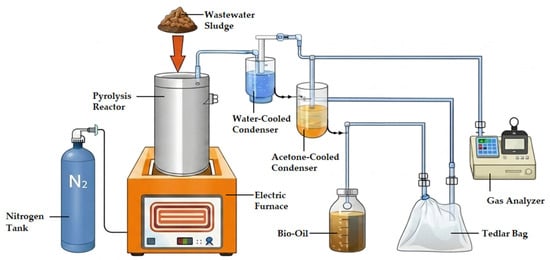
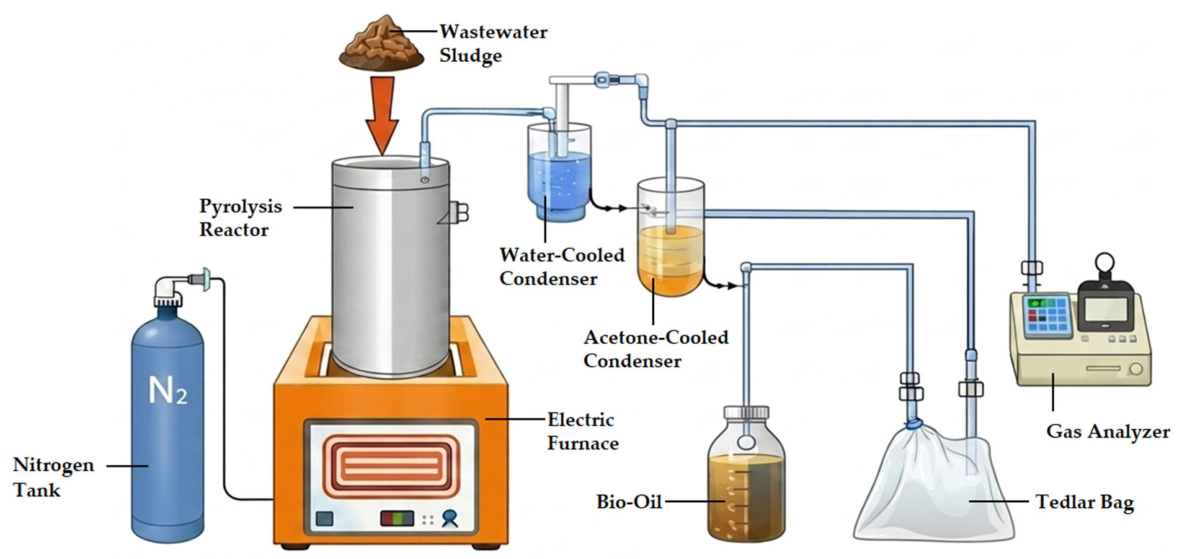
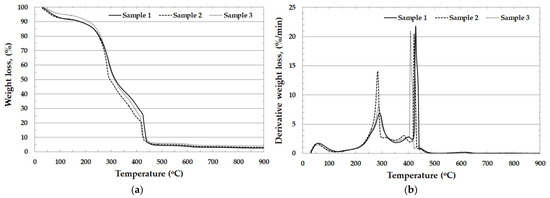
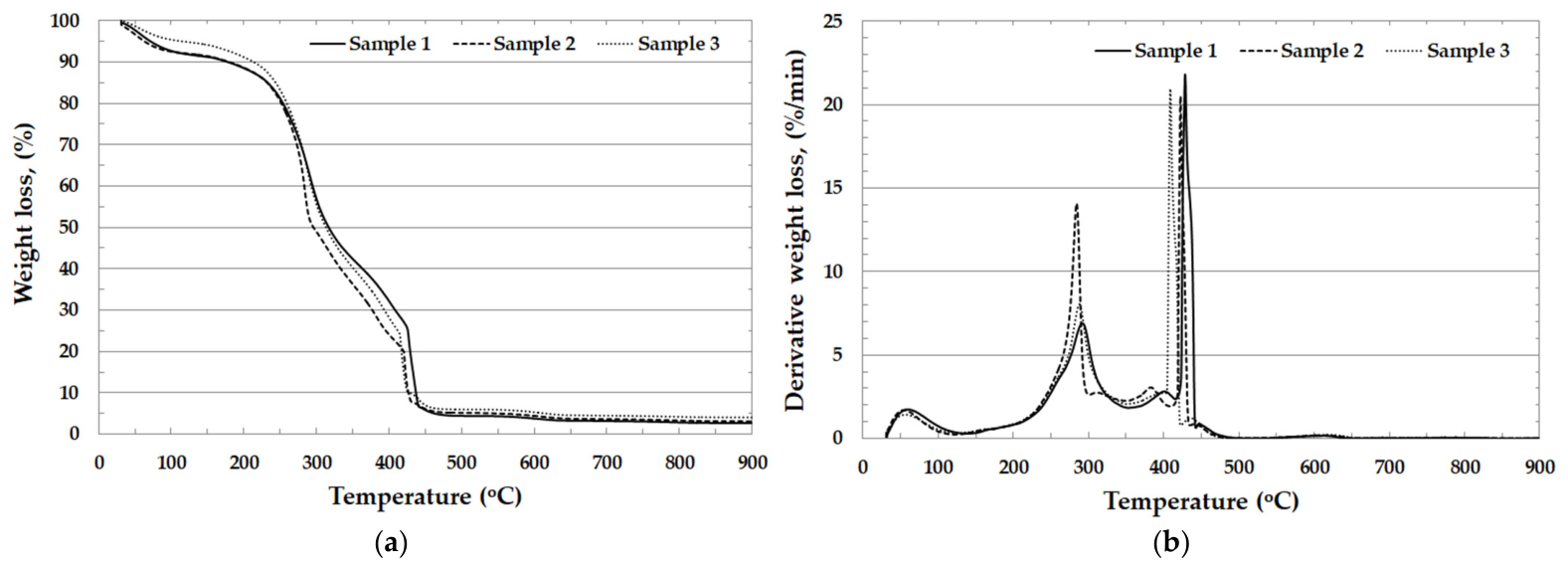
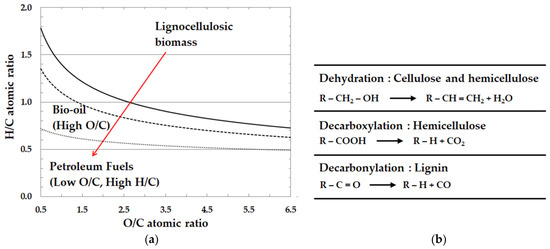
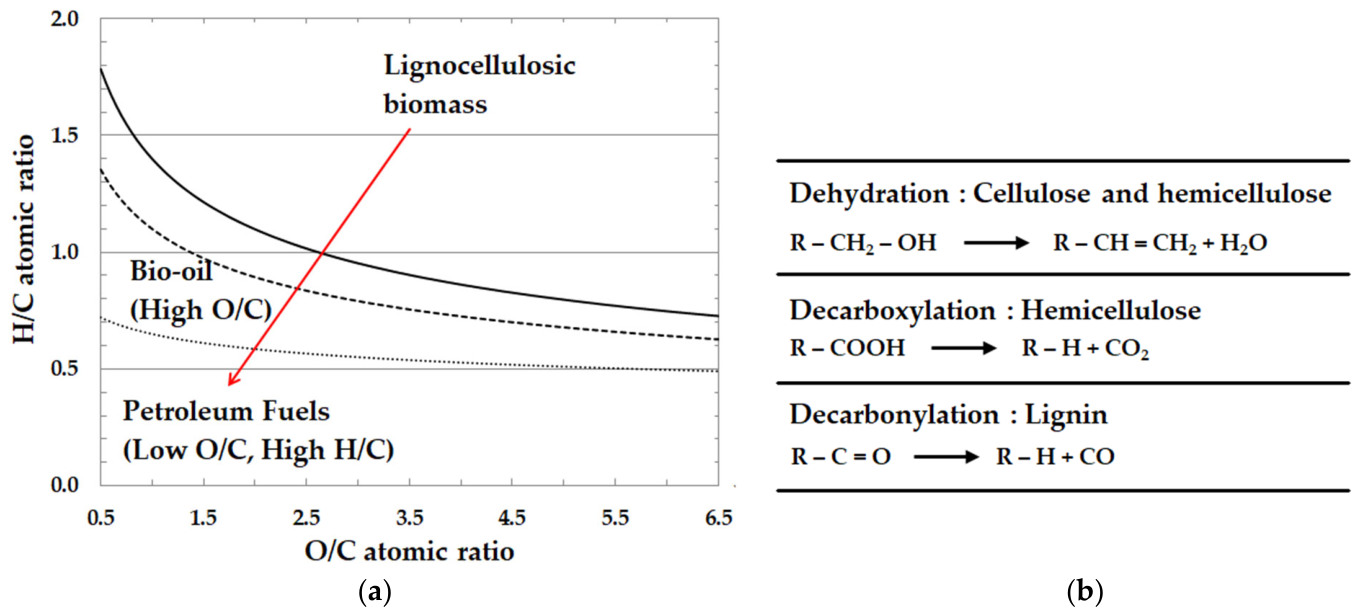
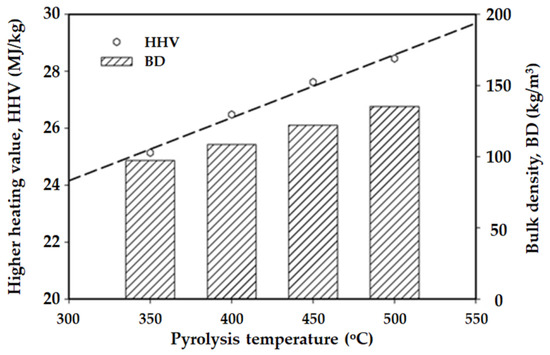
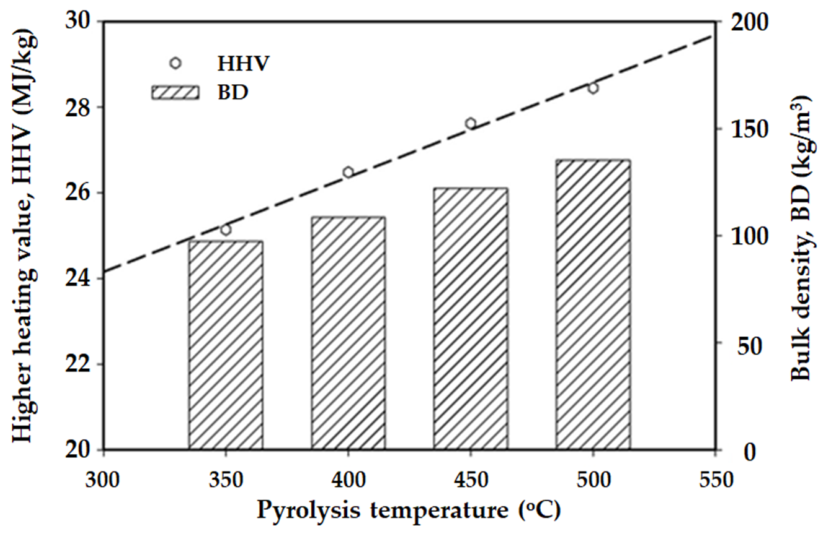

Disclaimer/Publisher’s Note: The statements, opinions and data contained in all publications are solely those of the individual author(s) and contributor(s) and not of MDPI and/or the editor(s). MDPI and/or the editor(s) disclaim responsibility for any injury to people or property resulting from any ideas, methods, instructions or products referred to in the content. |
© 2026 by the authors. Licensee MDPI, Basel, Switzerland. This article is an open access article distributed under the terms and conditions of the Creative Commons Attribution (CC BY) license.