1. Introduction
Cacao (
Theobroma cacao L.) is a globally important crop and a strategic commodity in tropical and subtropical economies. However, its value chain faces major sustainability challenges due to the large amount of residual biomass generated during harvesting, fermentation, and industrial processing [
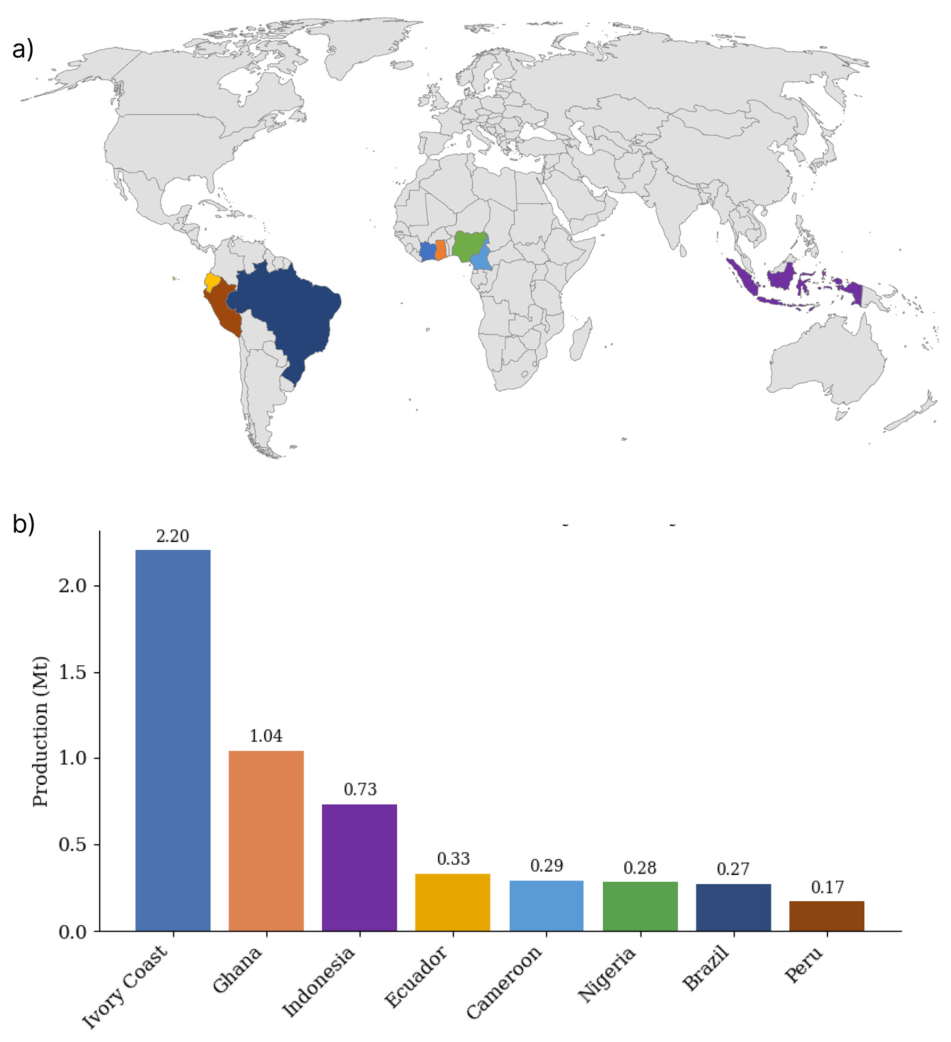
1]. Global cacao production reached approximately 4.37 million tons in 2024, with production concentrated mainly in West Africa, particularly Côte d’Ivoire, Ghana, Nigeria, and Cameroon, followed by Latin American countries such as Ecuador, Brazil, and Peru, as illustrated in
Figure 1 [
2]. In this context, Peru is recognized as an important producer of fine-flavor cacao with growing relevance in specialty markets [
3].
Although cacao has substantial economic importance, only a small fraction of its fruit is used in chocolate and cocoa-derived products. Approximately 80–90% of the fresh fruit mass corresponds to agro-industrial by-products, including cocoa pod husk (CPH), cocoa bean shell (CBS), and cocoa mucilage, which are often underutilized or discarded [
1,
4,
5,
6]. These materials contain relevant amounts of dietary fiber, minerals, phenolic compounds, flavan-3-ols, methylxanthines, and other bioactive constituents. For instance, CBS may contain high levels of dietary fiber, flavonoids, such as epicatechin and catechin, and methylxanthines, such as theobromine and caffeine [
4,
5,
7]. The inadequate disposal of these by-products through landfilling, uncontrolled decomposition, or burning represents both an environmental burden and a loss of potentially valuable compounds. Moreover, the accumulation of cocoa residues in production areas may contribute to phytosanitary problems, including the proliferation of phytopathogens such as
Phytophthora spp., as well as greenhouse gas emissions during decomposition [
8]. Therefore, the valorization of cocoa by-products under a circular-economy approach has emerged as a promising strategy to convert residual biomass into value-added ingredients while improving the cocoa sector’s environmental and economic sustainability [
1].
From a nutritional and functional perspective, cocoa and its derived fractions are recognized as relevant sources of bioactive compounds. Phenolic compounds, particularly flavan-3-ols such as epicatechin, catechin, and procyanidins, have been widely associated with antioxidant and anti-inflammatory potential [
9,
10]. Methylxanthines, mainly theobromine and caffeine, are also of interest due to their physiological effects, including their role as adenosine receptor antagonists [
11]. However, the phytochemical composition of cocoa matrices varies considerably depending on genotype, geographical origin, fruit fraction, and post-harvest processing conditions, including fermentation, drying, and roasting. These processes may modify the distribution, stability, and extractability of phenolic compounds and methylxanthines, thereby influencing the functional potential of cocoa beans and their by-products [
9,
12]. This variability reinforces the need to characterize cocoa by-products as distinct matrices and to identify suitable technologies for recovering their valuable compounds [
13,
14].
The efficient recovery of bioactive compounds from cocoa by-products requires extraction technologies that can overcome the limitations of conventional methods. Traditional techniques, such as maceration and Soxhlet extraction, usually require long extraction times, high solvent consumption, and elevated temperatures, which may promote the degradation of heat-sensitive compounds, particularly flavanols [
1,
15,
16]. Emerging extraction technologies, including ultrasound-assisted extraction (UAE), microwave-assisted extraction (MAE), pressurized liquid extraction (PLE), pulsed electric fields (PEF), and cold atmospheric plasma (CAP), have been investigated as more efficient and sustainable alternatives. These technologies can improve mass transfer, cell wall disruption, solvent penetration, extraction yield, and selectivity while potentially reducing processing time, energy demand, and solvent use [
1,
16]. For example, at moderate temperatures, UAE promotes acoustic cavitation and enhances the release of intracellular compounds, whereas PLE allows the recovery of phenolics and methylxanthines under controlled pressure and temperature conditions [
15]. These technologies are aligned with green extraction principles when combined with food-grade and environmentally friendly solvents and may contribute to the development of more sustainable ingredient production processes [
16].
Previous reviews have examined cocoa by-products from specific perspectives, such as CBS and CPH composition, phenolic recovery, pectin extraction, bioenergy, biomaterials, and circular-economy uses [
1,
4,
6,
7]. However, fewer reviews discuss how these aspects relate to food formulation, safety, scalability, and practical use. In this context, the present review discusses CBS, CPH, and cocoa mucilage together, with emphasis on their composition, emerging extraction technologies, food applications, safety issues, and barriers to industrial implementation.
2. Methodology
This narrative review was based on a structured literature search conducted in Scopus and Web of Science, focusing on studies published between 2020 and March 2026, given the recent progress in emerging extraction technologies for cocoa by-product valorization. The search combined terms related to cocoa matrices, processing technologies, and food applications, including “cocoa by-products,” “cocoa waste,” “cocoa bean shell,” “cocoa pod husk,” “cocoa mucilage,” “functional ingredients,” “food applications,” “green extraction,” “ultrasound-assisted extraction,” “microwave-assisted extraction,” “pressurized liquid extraction,” “pulsed electric fields,” and “cold atmospheric plasma.”
Original research articles and review papers that addressed the composition, bioactive compounds, extraction technologies, techno-functional properties, or food applications of cocoa by-products were selected. The last literature search was performed on 21 March 2026. Only articles published in English were considered. Duplicate records identified across Scopus and Web of Science were removed using Mendeley Reference Manager, followed by manual verification to retain the most complete version of each publication.
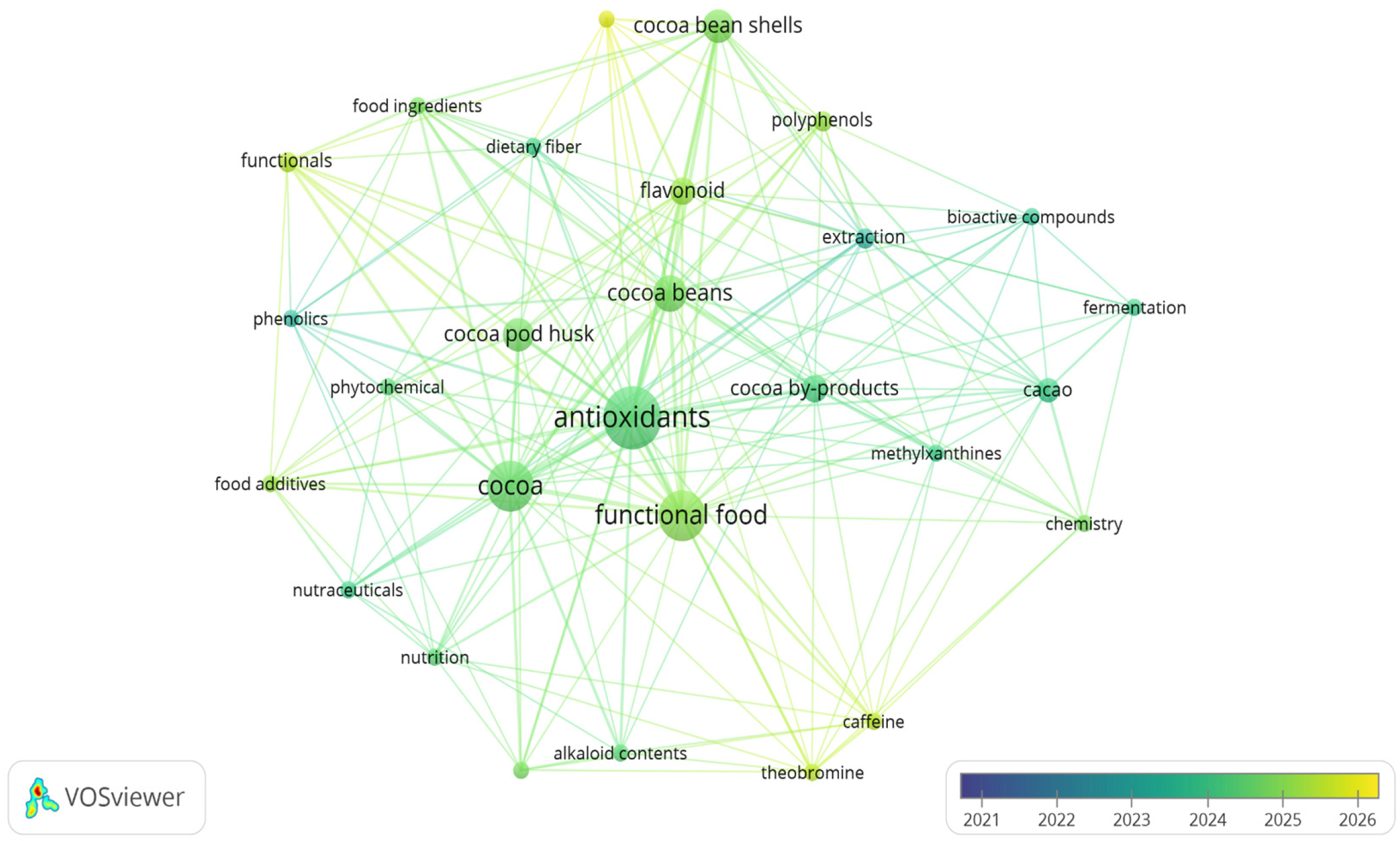
VOSviewer software (version 1.6.19) was used to generate the keyword co-occurrence network. The search in Scopus included the period 2021–2026. Keywords were manually standardized and a minimum occurrence threshold of 5 was set.
3. Cocoa Fruit Fractions and By-Products: Nutritional Composition and Bioactive Potential
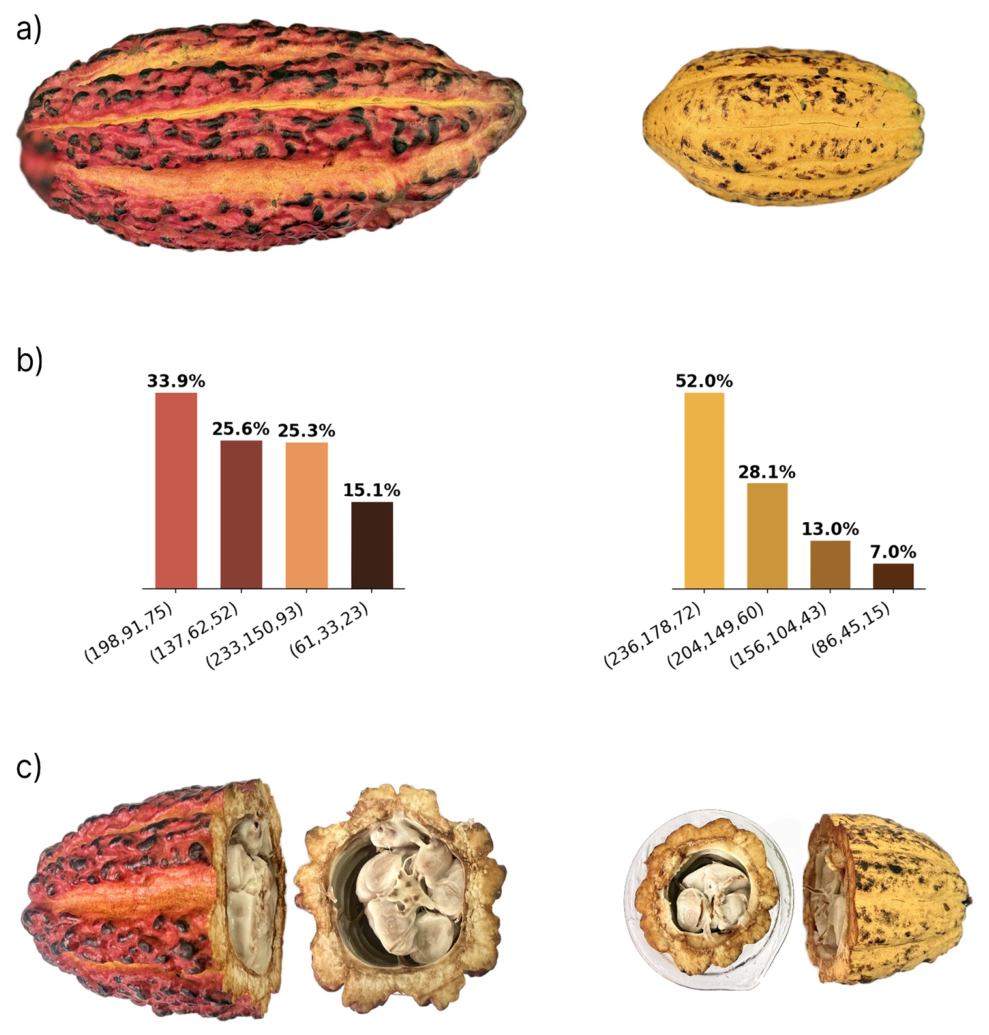
The cacao pod comprises several anatomical fractions with distinct compositional and functional characteristics, including the pod wall, beans, surrounding mucilage, and internal fibrous tissues. These fractions give rise to the main cocoa by-products considered in this review, particularly cocoa pod husk (CPH), cocoa bean shell (CBS), and cocoa mucilage (
Figure 2). Their composition varies according to genotype, geographical origin, maturity stage, anatomical fraction, and post-harvest or processing conditions, such as fermentation, drying, roasting, and shell removal [
1,
13].
The cocoa bean is characterized by a high lipid content, ranging from 33% to 63%, and a relevant protein fraction, generally between 7.9% and 23.0% (
Table 1). In contrast, cocoa by-products, particularly CBS and CPH, are characterized by a predominant fibrous fraction. CBS contains approximately 13.8–65.6% total dietary fiber, whereas CPH has a highly developed lignocellulosic structure and may contain substantial amounts of cellulose, hemicellulose, and lignin, with lignin values reported as high as 49.09% [
2,
12,
17].
From a mineral perspective, cocoa by-products generally have higher ash contents than the bean, indicating their potential as sources of macro- and microelements. CPH contains relevant levels of potassium, magnesium, and calcium, depending on the sample origin and analytical basis [
7,
26,
27]. Cocoa mucilage is characterized by a high moisture content, usually around 82–87%, and contains fermentable carbohydrates, organic acids, and micronutrients, which support its potential for biotechnological and food applications [
7,
27].
Beyond their proximate composition, CBS and CPH are relevant bioactive compound reservoirs. CBS is particularly rich in flavan-3-ols, mainly epicatechin and catechin, as well as methylxanthines such as theobromine and caffeine [
6,
7,
24,
28]. CPH also contains phenolic compounds and methylxanthines, although their concentrations vary widely according to variety, post-harvest processing, drying conditions, and extraction methods. In addition, both matrices may contain phenolic acids, including gallic and protocatechuic acids, flavonoids, such as quercetin, and phytosterols, such as brassicasterol [
13,
16,
19,
29]. These compounds are of interest because of their antioxidant potential and potential contribution to the development of ingredients with value added.
From a valorization perspective, cocoa residual biomass represents an underutilized source of fiber-rich and bioactive ingredients. The incorporation of CBS and CPH flours or extracts into food matrices may improve dietary fiber content, mineral profile, antioxidant capacity, and technological functionality while reducing the environmental burden associated with waste disposal [
8,
17]. However, their use in food systems requires careful consideration of sensory impact, particle size, compositional variability, safety, regulatory aspects, and processing conditions. Therefore, the comprehensive utilization of cocoa by-products constitutes a promising strategy for sustainable valorization in the cocoa industry, facilitating the conversion of residual biomass into functional ingredients aligned with circular-economy principles and current demands for more sustainable food systems [
6].
4. Emerging Extraction Technologies for the Recovery of Bioactive Compounds from Cocoa By-Products
Emerging extraction technologies have received growing attention for recovering bioactive compounds from cocoa by-products, particularly CBS and CPH. Compared with conventional solid–liquid extraction, these technologies can improve mass transfer, shorten processing time, reduce solvent consumption, and better preserve thermolabile compounds. The most relevant approaches include ultrasound-assisted extraction (UAE), pressurized liquid extraction (PLE), cold atmospheric plasma (CAP), pulsed electric field-assisted extraction (PEF), and microwave-assisted extraction (MAE).
Table 2 summarizes their main operating conditions, process advantages, and reported effects on bioactive compound recovery.
Table 2 shows that these technologies mainly improve extraction by intensifying physical and physicochemical mechanisms that overcome the diffusion limitations of conventional methods [
15,
29]. Traditional maceration or Soxhlet extraction may require 4–24 h and often involve large solvent volumes, whereas MAE and PLE can achieve higher yields in much shorter processing times under optimized conditions [
1,
27,
29,
30]. For example, MAE can reach global yields of up to 34.2% under alkaline conditions (pH 12) in only 5 min, although such extreme pH conditions may compromise the stability of sensitive phenolic compounds. Similarly, PLE can recover up to 18% of solids from CPH at 120 °C and 10 MPa [
16].
Shorter extraction times are important for protecting thermosensitive compounds such as epicatechin, whose degradation accelerates near 90 °C [
33,
34]. Intensified techniques either operate at moderate temperatures, as in UAE at 45–60 °C, or apply heat for short periods, as in MAE and PLE, thereby limiting thermal degradation of secondary metabolites [
1,
30]. Among hybrid approaches, EAE–UAE has shown clear advantages because enzymatic treatment with pectinases and cellulases weakens the lignocellulosic structure and allows ultrasound-induced cavitation to penetrate the matrix more effectively. This combination improves the release of bound compounds and has produced some of the highest reported total phenolic content (TPC) values in cocoa by-products, reaching 286.97 mg GAE/g in cocoa bean shell [
1].
From a sustainability perspective, green solvents can reduce dependence on toxic organic solvents [
29,
32]. Recent developments include subcritical water extraction (SWE), natural deep eutectic solvents (NADES), and their combination with microwave-assisted extraction (DES–MAE). SWE uses water at high temperature and pressure as the only solvent, allowing the recovery of pectin, polyphenols, and sugars without generating chemical residues [
35]. Reported pectin yields from cocoa pod husk have reached 10.9%, compared with approximately 8% obtained through conventional methods. NADES, particularly mixtures based on choline chloride, glucose, or betaine, have also shown potential for producing food-compatible extracts with acceptable sensory properties in chocolate-flavored dairy beverages at inclusion levels between 1% and 10% [
36].
Combining eutectic solvents with microwave-assisted extraction has further improved extraction efficiency compared with mechanical agitation, increasing the recovery of theobromine (5.00 mg/g) and caffeine while reducing processing time [
37]. Overall, these approaches can improve process efficiency and, under optimized conditions, may reduce energy consumption by approximately 40–60%. They also support the development of high-value ingredients that are better aligned with clean-label and sustainability requirements for food applications.
Although
Table 2 summarizes extraction conditions and recovery performance, these parameters do not fully indicate whether a technology can be transferred to industrial production. As shown in
Table 3, UAE currently appears to be the most immediately transferable option because of its operational simplicity, moderate equipment cost, and compatibility with food-grade ethanol–water systems. MAE and PLE offer faster extraction and improved selectivity, but their scale-up requires stricter control of heat distribution, pressure, energy balance, and downstream purification. PEF and CAP are better positioned as pretreatments or complementary technologies, particularly when low-temperature processing or decontamination is desired, whereas SWE and HCR are attractive for greener or continuous processing but still require stronger validation in cocoa residues. Hybrid systems such as EAE-UAE, SFE-PLE, and NADES-assisted extraction may provide higher recovery or selectivity, although their feasibility depends on enzyme cost, solvent recovery, regulatory acceptance, equipment investment, and the market value of the final ingredient.
4.1. Ultrasound-Assisted Extraction
UAE is one of the most versatile green technologies for recovering bioactive compounds from plant matrices. It uses ultrasonic waves, generally within a frequency range of 20–120 kHz [
1,
27]. Its main mechanism is acoustic cavitation, which involves the formation, growth, and implosive collapse of vapor microbubbles in the solvent during rapid compression and rarefaction cycles [
1,
29]. When these bubbles collapse near the biomass surface, they generate extreme microscale conditions, with local temperatures estimated at 2000–5000 K and pressures above 100 MPa, producing shock waves and high-energy microjets [
29]. These mechanical effects promote surface erosion, particle fragmentation, and disruption of lignocellulosic cell walls, increasing the solid–liquid contact area and facilitating solvent penetration toward retained solutes such as polyphenols, flavonoids, and methylxanthines [
1,
27,
29].
The main advantages of UAE include high productivity with relatively low solvent and energy requirements, allowing processing times to be reduced from several hours to 30–60 min [
1,
15,
29,
35]. Because it usually operates under moderate thermal conditions, commonly between 45 °C and 65 °C, UAE is suitable for preserving thermosensitive metabolites such as epicatechin [
1,
27,
29,
38]. In cocoa by-products, high recovery values have been reported under optimized conditions. For example, at 80% amplitude, a TPC of 286.97 ± 1.01 mg GAE/g was obtained from CBS [
1]. Similarly, binary ethanol–water mixtures (60%
v/
v) at 60 °C for 60 min have been used to maximize flavonoid recovery (170.20 ± 13.24 mg CE/g) and antioxidant capacity (FRAP: 642.32 mg TE/g) [
15].
Despite these advantages, UAE also has important limitations. Ultrasonic intensity decreases as the distance from the emitter increases, which can lead to batch-to-batch variability during industrial scale-up unless multi-transducer systems or well-designed flow reactors are used [
29,
35]. Excessive amplitude or power may also cause localized heating and promote the formation of reactive oxygen species (ROS), including hydroxyl radicals (•OH), which can contribute to the oxidative degradation of sensitive compounds such as proanthocyanidins [
1,
27].
Studies in other plant matrices, including saffron, argan, and bergamot by-products, support the ability of UAE to improve extract purity and extraction kinetics compared with conventional maceration [
1]. Research published in 2020 also reported a useful interaction between UAE and NADES, producing ready-to-use extracts with acceptable sensory properties for dairy beverage fortification and reducing the need for additional purification steps [
36]. Therefore, careful optimization of frequency, amplitude, and solvent polarity is necessary to balance extraction yield, chemical stability, and process feasibility [
1,
15,
27,
29].
4.2. Pressurized Liquid Extraction
PLE, also known as accelerated solvent extraction (ASE), is a high-pressure technique that enhances solubilization and analyte recovery by using solvents in the liquid state at temperatures above their normal boiling point [
16,
27,
29]. Elevated pressure, typically around 10 MPa, keeps the solvent liquid while modifying its physicochemical properties. Higher thermal energy reduces viscosity and surface tension, increases diffusivity, and allows deeper penetration into the micropores of lignocellulosic biomass [
16,
29,
38]. At the molecular level, these conditions weaken solute–matrix interactions, including hydrogen bonds, van der Waals forces, and dipole–dipole attractions, and may also promote the hydrolysis of ester and glycosidic bonds that retain bioactive compounds within the cell wall [
16,
29,
39]. In cocoa by-products, PLE has shown high efficiency for recovering polar compounds. For instance, processing CPH at 120 °C with 50% ethanol produced a global yield of 18.00 ± 0.17% and a theobromine content of 6.44 mg/g, clearly exceeding the yields reported for maceration (5.61%) and conventional ultrasound extraction (3.36%) [
16].
PLE offers short extraction cycles, commonly around 10 min, and can produce extracts with improved purity when in-cell purification with adsorbents is incorporated into the extraction vessel [
16,
27]. Because the process takes place under limited oxygen exposure, oxidative degradation of methylxanthines and phenolic compounds can be reduced, which may explain the higher antioxidant responses reported in ORAC and FRAP assays compared with traditional leaching methods [
16,
29]. From a sustainability perspective, PLE is compatible with food-grade green solvents, particularly hydroethanolic mixtures, supporting its potential use in food and pharmaceutical applications [
16]. Its main limitations are the high initial investment required for pressure-resistant equipment and the maintenance complexity of automated high-pressure systems [
27,
29]. In addition, sustainability metrics such as the AGREEprep index may be affected by the energy required to maintain the critical operating conditions, especially when compared with lower-energy extraction technologies [
16].
Studies in other matrices, including cardamom seeds and coffee by-products, also support the ability of PLE to achieve exhaustive extraction within very short processing times, with alkaloid recoveries reported to be up to 160% higher than those obtained with conventional methods [
16]. Compared with supercritical fluid extraction (SFE), PLE offers a selective advantage for medium- to high-polarity compounds because supercritical CO
2 generally requires co-solvents to efficiently mobilize alkaloids and polyphenols [
29,
32]. Overall, PLE can be considered a robust option for the valorization of CPH and CBS, particularly when high-quality functional ingredients are targeted through rapid and controlled bioprocessing [
16,
29,
32].
4.3. Cold Atmospheric Plasma
CAP is a non-thermal technology based on the generation of a partially ionized gas at atmospheric pressure. This gas contains energetic electrons, ions, excited species, and reactive oxygen and nitrogen species (ROS and RNS) [
29]. Its extraction effect is mainly associated with the interaction between these reactive species and the biomass surface, which can cause surface erosion, partial depolymerization of lignocellulosic structures, and increased matrix porosity [
1,
29]. As a result, solvent access to intracellular compartments improves and metabolite release into the extraction medium is facilitated, while thermal degradation of sensitive compounds is limited [
1,
29]. In cocoa by-products, CAP increased theobromine recovery from 4443 to 5612 mg/kg when the operating frequency was reduced from 100 to 70 Hz in aqueous medium, suggesting that plasma-induced microscopic disruption contributes to cell wall breakdown [
29]. A relevant advantage of CAP is its dual function: it may enhance extraction while also supporting microbial decontamination and enzymatic inactivation, which is valuable for clean-label ingredients with improved safety profiles [
27,
29]. However, CAP is less technologically mature than UAE or PLE and is highly sensitive to operating factors such as electrode design, applied voltage, gas composition, and medium conductivity [
1,
29]. Evidence from other agro-industrial biomasses supports its potential for toxin reduction and shelf-life improvement, but further studies are needed to assess long-term extract stability and the economic feasibility of industrial scale-up [
1,
27,
29].
4.4. Pulsed Electric Field-Assisted Extraction
PEF extraction is a non-thermal technique based on the application of short, high-intensity electric pulses, from microseconds to milliseconds, to biological tissues placed between two electrodes [
27,
29]. Its main mechanism is electroporation, in which the applied electric field induces temporary or permanent pores in cell membranes, substantially increasing permeability [
27,
29].
In cocoa by-products, PEF has been successfully evaluated as a pretreatment for CBS, reducing mass-transfer resistance and improving extraction kinetics [
6,
27,
29]. This approach has produced increases of approximately 20% in phenolic compound recovery and total antioxidant capacity compared with conventional solid–liquid extraction [
6,
27,
29]. A major advantage of PEF is that it releases intracellular metabolites without severe thermal conditions, helping preserve bioactive compound integrity. It is also compatible with hybrid strategies involving ultrasound or microwave extraction [
27,
29]. However, process efficiency depends strongly on electric field strength, number and duration of pulses, pH, and matrix conductivity [
29]. A relevant technical observation is that although 1.74 kV/cm can optimize polyphenol recovery, the same conditions do not improve methylxanthine extraction, including theobromine and caffeine, to the same extent. This suggests that PEF performance depends on the solubility and intracellular location of each target compound [
29]. Similar findings in coffee and grape by-products confirm this selectivity and indicate that analyte-specific optimization is needed before PEF can be considered a robust industrial option for cocoa-derived nutraceutical production [
6,
29].
4.5. Microwave-Assisted Extraction
MAE is a green extraction technology that uses electromagnetic radiation, generally between 300 MHz and 300 GHz, to generate direct volumetric dielectric heating within the plant matrix [
27,
29,
30]. Process intensification is mainly driven by dipole rotation, especially of water molecules, and ionic conduction of dissolved solutes [
29,
30]. Unlike conventional heating by conduction or convection, microwaves penetrate the biomass and rapidly evaporate intracellular water. The resulting pressure increase inside cells can rupture membranes and cell walls, releasing secondary metabolites into the solvent within a short time [
27,
29,
35]. In cocoa by-products, MAE has improved the recovery of polyphenols and methylxanthines under short processing conditions. For example, at 97 °C for 5 min, total phenolic content values of up to 35.9 mg GAE/g and global yields of 34.2 ± 0.2% have been reported for cocoa bean shell [
6,
30]. For methylxanthines, MAE has produced increases of 72% in theobromine and up to 150% in caffeine compared with conventional thermal methods [
29].
The main advantages of MAE include high energy efficiency, rapid heating, and major reductions in extraction time and solvent volume [
29,
30]. MAE can also interact effectively with alkaline conditions. A pH of 12 has been identified as a key factor for improving lignocellulosic matrix solubilization and obtaining protein-rich extracts (580 mg/g) and polysaccharides with useful foaming and emulsifying properties [
30]. However, prolonged exposure or excessive microwave power can promote thermal degradation of thermosensitive compounds, particularly proanthocyanidins, and may increase the co-extraction of impurities that complicate downstream purification [
6,
29].
Evidence from other biological matrices, including pectin extraction from fig, apple, and sweet lemon peels, indicates that MAE can improve not only yield but also selected structural properties, such as molecular weight and esterification degree [
35]. Recent studies have also combined MAE with deep eutectic solvents (DES), obtaining theobromine yields of 5.0 mg/g, higher than those achieved using DES under mechanical stirring alone [
29]. Therefore, MAE is a promising technology for the industrial valorization of CBS and CPH, if power, time, temperature, and pH are carefully optimized to maintain extract stability and process profitability [
6,
29,
30].
4.6. Subcritical Water Extraction (SWE)
SWE uses liquid water between 100 and 374 °C under pressure. Under these conditions, the dielectric constant of water decreases substantially, allowing it to behave more like an organic solvent and dissolve compounds of medium and low polarity [
1,
15]. The process relies on changes in the thermodynamic properties of water, which weaken hydrogen bonding and promote the thermal hydrolysis of structural polymers [
15]. In cocoa by-products, SWE has produced pectin yields of 10.9% from cocoa pod husk and total phenolic content values of up to 130 mg GAE/g in cocoa bean shell. Its main advantage is that water is the only solvent, and selectivity can be adjusted through temperature control. However, excessive hydrolysis of sugars and the cost of pressure-resistant equipment remain important limitations. Comparable findings in garlic and citrus by-products support the technical potential of SWE for bioactive compound recovery [
1,
15].
4.7. Hybrid Technologies (EAE-UAE)
The combination of enzyme-assisted extraction and ultrasound is one of the most effective strategies for process intensification. In this hybrid approach, enzymatic complexes, mainly pectinases and cellulases, weaken lignocellulosic cell wall bonds, while ultrasound-induced acoustic cavitation physically fragments the matrix and accelerates solute diffusion [
1,
15]. This synergy has produced one of the highest reported total phenolic content values in cocoa by-products, reaching 286.97 mg GAE/g in cocoa bean shell [
15]. From an industrial perspective, EAE-UAE may reduce energy consumption by 40–60% and increase processing throughput by up to fivefold. Its main limitation is the need to synchronize biological parameters, such as enzyme-specific pH and temperature, with physical variables such as ultrasonic amplitude, while avoiding oxidative degradation associated with free-radical formation [
1].
5. Trends and Future Directions in Cocoa By-Product Extraction and Value-Added Use
5.1. Drivers of Research Acceleration
Recent research on cocoa by-product valorization has been driven by the need to recover high-value compounds from residual biomass while reducing the environmental impact of waste disposal. In this context, green extraction technologies, particularly EAE-UAE and PLE, have gained increasing attention for the recovery of bioactive compounds from CBS, CPH, and other cocoa-derived residual fractions [
1,
16].
Several of these processes have been optimized using response surface methodology (RSM), allowing extraction conditions to be adjusted according to the target compounds, solvent composition, temperature, extraction time, and matrix characteristics. Beyond maximizing extraction yield, these optimization strategies also aim to reduce solvent consumption, energy demand, and processing time, thereby improving process sustainability and industrial feasibility. For instance, EAE-UAE has enabled the recovery of up to 279.48 mg GAE/g of total phenolic compounds from cocoa by-products, substantially exceeding the values commonly reported for conventional extraction methods [
1,
16]. This improvement is associated with the combined effect of enzymatic cell wall hydrolysis and ultrasound-induced cavitation, which facilitates solvent diffusion and the release of phenolic compounds trapped within the lignocellulosic matrix [
15,
29]. Compared with conventional solvent extraction, hybrid green technologies may also contribute to lower extraction temperatures and shorter residence times, helping preserve thermolabile compounds while reducing overall process intensity.
PLE has also contributed to this research acceleration because extraction under controlled pressure and temperature conditions, up to approximately 120 °C, can increase solvent diffusivity and compound solubility while weakening hydrogen bonds and van der Waals interactions between bioactive compounds and the matrix [
16,
32]. Moreover, the use of pressurized food-grade solvents may improve extraction efficiency while decreasing solvent volumes and extraction times compared with conventional solid–liquid extraction methods. This approach may favor mass transfer while limiting the degradation of heat-sensitive compounds such as epicatechin under optimized short-time conditions. However, the preservation of thermolabile molecules strongly depends on residence time, solvent composition, and temperature control.
These advances are relevant within a circular-bioeconomy framework because cocoa processing generates a large amount of residual biomass. Cocoa by-products may represent approximately 70–80% of the fruit mass, depending on the fraction and the processing stage [
1,
5,
17,
21]. Their conversion into functional ingredients may reduce emissions associated with waste decomposition, decrease environmental pressure, improve resource efficiency, and create additional income opportunities for small-scale producers through the more comprehensive use of cocoa biomass [
7,
11,
14,
35].
Nevertheless, extraction performance remains highly dependent on genotype, geographical origin, maturity stage, post-harvest handling, fermentation, drying, and storage conditions. Specific varieties, such as the CCN-51 clone, may contain higher concentrations of polyphenols in the shell than local varieties, such as Nacional cocoa [
24,
40]. Therefore, future research should move beyond generic extraction protocols and develop matrix-specific strategies adapted to the composition and variability of each cocoa by-product, while also considering process scalability and economic feasibility.
5.2. Hybridization and Synergistic Extraction Approaches
Hybrid extraction strategies are among the most promising trends for improving the recovery of bioactive compounds from cocoa by-products while simultaneously enhancing process efficiency and sustainability. EAE-UAE combines the biochemical selectivity of enzymes with ultrasound-induced physical intensification. Enzymatic hydrolysis can selectively degrade structural polysaccharides from the cell wall, whereas acoustic cavitation promotes micro-ruptures, increases solvent penetration, and accelerates mass transfer within the lignocellulosic matrix [
1,
15].
This synergistic approach has been reported to achieve high extraction yields in cocoa by-product extracts, including total phenolic content values of up to 279.48 mg GAE/g and total flavonoid content values of 41.72 mg CAE/g [
1]. These results suggest that EAE-UAE may overcome some of the structural barriers of cocoa biomass more effectively than single extraction techniques, especially when target compounds are strongly bound to cell wall components.
From a technological perspective, hybrid extraction may also contribute to process intensification by reducing extraction time, solvent requirements, and energy consumption. Compared with conventional thermal methods, EAE-UAE has been associated with energy consumption reductions of approximately 40–60% and productivity increases of up to fivefold [
1]. These advantages are particularly relevant for developing scalable processes aimed at producing food-grade, nutraceutical, or cosmetic ingredients from cocoa by-products.
However, the superiority of hybrid systems should not be generalized without considering the target compound and matrix type. Technologies such as PEF, PLE, and MAE may also enhance extraction performance compared with conventional maceration, with improvements of 20% or more in some cases [
1,
16,
27]. Therefore, the selection of the extraction strategy should be based not only on extraction yield but also on solvent safety, environmental impact, energy efficiency, process cost, scalability, and downstream stabilization requirements.
Future research should also prioritize the integration of hybrid extraction systems with process modeling, techno-economic assessment, and life-cycle analysis to better evaluate their industrial applicability and sustainability performance under real processing conditions.
5.3. Scalability, Process Monitoring, and Industrial Prospects
The industrial adoption of green extraction technologies for cocoa by-products depends not only on extraction yield but also on scalability, resource efficiency, cost, process robustness, ingredient safety, and compatibility with food regulations. Although UAE, PLE, MAE, PEF, CAP, and EAE-based strategies have shown promising results at the laboratory scale, their translation to pilot and industrial scales remains a key challenge [
1,
16,
27,
29].
Scalability requires controlling the variability of cocoa by-products, including differences in moisture content, particle size, fermentation conditions, drying history, and storage stability. These factors can directly influence the extraction performance, energy requirements, solvent efficiency, and the composition of resulting extracts. Future industrial processes should incorporate standardized raw material characterization and process monitoring tools to ensure reproducibility, safety, and consistent bioactive quality.
In addition to extraction efficiency, industrial implementation will require minimizing solvent consumption, improving solvent recovery, reducing water and energy demand, and ensuring economic viability at large processing volumes. Consequently, the development of scalable and continuous extraction systems represents a major research priority for the sustainable valorization of cocoa by-products.
Hydrodynamic cavitation reactors have recently been proposed as a promising industrial scaling alternative because they may provide more intense biomass disruption and shorter residence times than probe- or bath-type ultrasound systems [
29]. Their potential advantages include improved mass transfer, lower operational costs, and reduced energy consumption under continuous-flow conditions. However, their application to cocoa by-products still requires further validation regarding extraction selectivity, energy balance, equipment design, extract quality, and techno-economic feasibility.
Overall, the future of cocoa by-product valorization will depend on integrating efficient extraction technologies with downstream stabilization, solvent recovery, food-grade formulation, sensory acceptability, safety assessment, and life-cycle or techno-economic evaluation. This integrated approach is essential to move from laboratory-scale extraction to commercially viable functional ingredients that can be realistically incorporated into sustainable food systems.
6. Circular Economy Approaches for Cocoa By-Product Production
6.1. Use of Residual Cocoa Biomass
Cocoa processing generates substantial amounts of residual biomass. It has been estimated that approximately 10 tons of wet residues may be generated for each ton of dry cocoa beans produced and commercialized [
24,
41]. These residues, which may represent 70–80% of the total fruit mass, contain valuable compounds such as polysaccharides, phenolic compounds, minerals, and lignocellulosic material depending on the fraction considered and the processing stage. Therefore, cocoa by-products can be incorporated into biorefinery models aimed at producing bioenergy, functional ingredients, biopolymers, soil amendments, and other value-added products [
4,
11,
14,
17]. These approaches are particularly relevant for improving resource efficiency and reducing the environmental burden associated with residue accumulation and disposal. These strategies are already being implemented in recent initiatives focused on the valorization of cacao waste, including biomass-to-energy conversion projects in Ivory Coast [
42] and circular economy schemes in the production chain in Vietnam [
43].
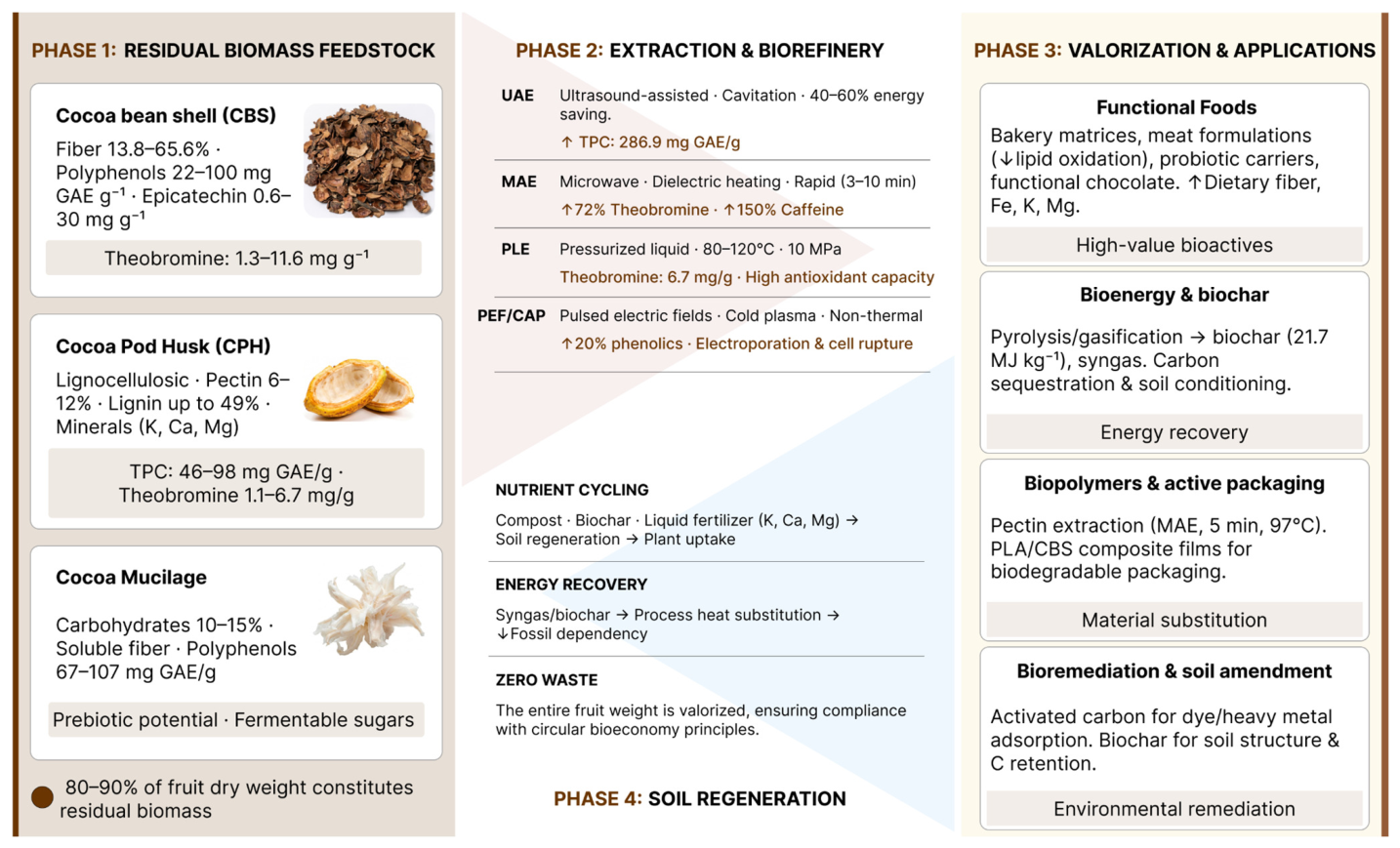
This circular valorization model, which organizes cocoa by-product use into three interconnected stages: feedstock generation, extraction and biorefinery processing, and final applications, is schematically represented in
Figure 3. The feedstock stage includes CBS, CPH, and cocoa mucilage. The processing stage includes green extraction and conversion technologies, such as UAE, MAE, PLE, PEF, and CAP, while the application stage includes functional foods, bioenergy, biopolymers, and soil amendments. The integration of these stages may contribute to more sustainable biomass management through nutrient recycling, energy recovery, and the reduction of waste streams within cocoa production systems. The model also highlights nutrient cycling and energy recovery as strategies for closing the cocoa cultivation loop.
Table 1 summarizes the compositional characteristics of each by-product, while
Table 2 and
Section 4 present the extraction technologies and their effects on bioactive compound recovery.
6.1.1. Use of the Cocoa Bean Shell
CBS contains dietary fiber, minerals, phenolic compounds, methylxanthines, and other bioactive constituents, which explains the growing interest in its use as a functional ingredient and raw material for bioproduct development [
7,
13]. CBS has been incorporated into gluten-free bread, fiber-enriched cookies, cereal bars, muffins, infusions, and other cocoa-derived formulations. Its characteristic cocoa flavor, fiber content, and techno-functional properties make it a promising ingredient for improving nutritional value, reducing formulation costs, and partially replacing conventional ingredients, such as refined flour or fat, depending on the product matrix [
12]. In addition, the incorporation of CBS into food products may contribute to waste reduction and promote the use of low-cost agroindustrial residues within sustainable food systems.
CBS has also been explored as a raw material for bio-adsorbents, activated carbon, and biomaterials. CBS-derived materials have been investigated for the removal of dyes, such as Congo red and methylene blue, as well as heavy metals such as lead from wastewater due to their porous structure and lignocellulosic composition [
6,
7,
12,
25]. These applications expand the potential of CBS beyond food systems and position it as a relevant resource for environmental remediation.
CBS has been combined with biodegradable polymers such as polylactic acid (PLA) to obtain biocomposites and packaging materials with potential application in sustainable packaging systems [
6]. The replacement of petroleum-derived materials with CBS-based biocomposites may also contribute to reducing dependence on non-renewable resources and improving the environmental sustainability of packaging applications. However, the performance, biodegradability, migration behavior, and regulatory suitability of these materials must be evaluated according to their intended use, especially when food-contact applications are proposed.
From a nutritional and functional perspective, in vitro studies have shown that CBS extracts have antioxidant potential and may contribute to reducing oxidative stress under specific experimental conditions [
13]. In addition, the insoluble fiber fraction of CBS may bind lipids and cholesterol during digestion, suggesting the potential of fiber-rich products to improve nutritional quality [
7]. Nevertheless, these effects should be interpreted cautiously, as further validation of physiological benefits through in vivo studies and well-designed clinical trials is required.
6.1.2. Use of Cocoa Pod Husk
CPH is one of the most abundant cocoa by-products and may account for a large proportion of the fruit mass. CPH often requires pretreatments to improve its conversion efficiency due to its lignocellulosic nature; however, its availability and composition make it a suitable candidate for biorefinery approaches [
11,
14]. Its large availability also supports the development of scalable valorization strategies in cocoa-producing regions.
A relevant route for CPH valorization is bioenergy production. CPH can be converted into biochar, bio-oil, and synthesis of gas through thermochemical processes such as combustion, torrefaction, fast pyrolysis, or gasification. These products may contribute to partial energy self-sufficiency in cocoa-processing facilities, especially when local residues are generated and processed near the production site [
44]. This localized biomass utilization may reduce transportation requirements, improve energy efficiency, and decrease dependence on fossil-based energy sources. For example, carbonized CPH pellets reach calorific values of approximately 21.7 MJ/kg, indicating their potential use as solid biofuel within the cocoa sector [
44].
CPH is also a source of pectin, with reported values ranging from approximately 6% to 12%, depending on the extraction conditions and characteristics of the raw material [
7,
21]. Cocoa pod husk pectin can be used as a gelling agent, emulsifier, stabilizer, or excipient in food, pharmaceutical, and cosmetic applications. Emerging technologies to improve pectin extraction have also been explored. For example, microwave-assisted extraction using organic acids reduces the extraction time from several hours to a few minutes under controlled temperature conditions [
27]. These technologies may improve process efficiency while decreasing solvent use and energy consumption compared with conventional extraction methods. However, pectin quality, esterification degree, molecular weight, purity, and functional performance must be standardized before industrial application.
6.1.3. Opportunities for the Valorization of Cocoa Mucilage
Cocoa mucilage is another relevant by-product due to its content of fermentable carbohydrates, soluble fiber, organic acids, minerals, and phenolic compounds (
Table 1). Traditionally, mucilage is involved in cocoa bean fermentation; however, surplus mucilage can also be transformed into value-added products such as fermented beverages, artisanal vinegar, concentrated pulps, syrups, or food formulations [
4,
17].
Mucilage valorization may represent a practical alternative for rural cocoa-producing communities because it can be processed using relatively accessible fermentation or concentration technologies. Its utilization may also help diversify income sources and reduce biomass losses at the farm and post-harvest levels. In addition to these applications, its composition suggests potential use as a substrate to produce enzymes, organic acids, microbial metabolites, or functional fermented ingredients through controlled bioprocesses. However, further studies are needed to define standardized processing conditions, microbial safety, shelf-life stability, sensory acceptance, and economic feasibility.
6.2. High-Value-Added Functional Ingredients
Incorporating cocoa by-products into formal value chains can reduce the environmental burden associated with residue disposal and support economic diversification in cocoa-producing regions [
1,
6]. The transformation of residual biomass into functional ingredients, such as prebiotic fibers, standardized polyphenolic extracts, pectin, antioxidant concentrates, and biochar, represents one of the most promising applications of circular economy strategies in the cocoa agroindustry [
8,
14]. These approaches may also improve biomass utilization efficiency and promote the development of higher-value products from underutilized residues.
CBS is among the most studied examples, as it has been used in infusions and incorporated into bakery products, cereal-based foods, and meat products as a partial substitute for flour or animal fat [
12,
27,
45,
46]. These applications are relevant because they combine nutritional improvement, waste reduction, and product innovation. However, their practical implementation requires careful evaluation of sensory quality, ingredient safety, contaminant levels, regulatory acceptance, and consumer perception.
The development of high-value cocoa by-product ingredients also depends on the articulation of technological capabilities, food regulations, quality standards, and financing mechanisms for industrial scaling [
1,
16]. In addition, process scalability, solvent recovery, production costs, and market feasibility must be considered to ensure the long-term sustainability of cocoa by-product valorization initiatives. Therefore, circular valorization should be viewed not only as an environmental strategy but also as a pathway for productive innovation, rural income generation, and improved cocoa value chain competitiveness [
6,
14,
17].
6.3. Use of Cocoa Residues as Fertilizers and Soil Amendments
Cocoa residues can also be transformed into fertilizers or organic amendments, which contribute to nutrient cycling within cocoa production systems. CPH and CBS contain relevant mineral fractions, with ash contents ranging approximately from 5 to 13% (
Table 1), including potassium, calcium, and magnesium. Returning these nutrients to the soil through compost, biochar, or properly treated liquid amendments may help close nutrient loops and reduce dependence on external fertilizers. These practices may also improve the sustainability and resilience of cocoa agroecosystems through more efficient nutrient management.
This approach is consistent with circular practices already applied in other agroindustrial systems. For example, coffee pulp and husks are commonly composted to produce organic amendments that can be reintegrated into plantation soils [
47]. In oil palm cultivation, empty fruit bunches and leaves are used as soil amendments to improve fertility and soil structure [
48]. These examples suggest that cocoa residues could be managed under similar circular nutrient-recycling models, particularly in regions with limited access to industrial valorization infrastructure.
Although the industrial conversion of cocoa by-products into pectin, antioxidant extracts, or functional ingredients may generate higher value per ton of processed biomass, these processes require equipment, technical expertise, quality control, regulatory compliance, and minimum processing scales. Composting and biochar production may be more accessible for small producers and rural communities, provided that adequate management practices are implemented. These low-technology alternatives may represent economically feasible and locally adaptable strategies for residue management in resource-limited regions. Soil amendment production may represent a realistic and locally applicable strategy for cocoa residue management.
Among the available alternatives, CPH composting, either alone or combined with other organic residues, can generate organic amendments suitable for soil improvement. Biochar produced by heating biomass under limited oxygen conditions may improve soil structure, water retention, cation exchange capacity, and nutrient availability while also contributing to carbon sequestration. In addition, mineral-rich liquid fractions derived from processing may have potential as liquid fertilizers; however, their use should be preceded by chemical characterization, treatment, and agronomic safety assessment. Overall, returning stabilized cocoa residues to the soil can help close nutrient cycles and strengthen circularity in cocoa production systems [
11,
44].
7. Food and Industrial Applications of Cocoa By-Products
Cocoa is mainly used in chocolate production; however, cocoa by-products are increasingly being investigated as sources of dietary fiber, minerals, phenolic compounds, methylxanthines, pectin, and other bioactive constituents with potential use in food, nutraceutical, and bioproduct applications [
4,
22,
49]. During cocoa processing, only a limited fraction of the fruit is converted into commercial beans, while substantial amounts of residual biomass, including CPH, CBS, and cocoa mucilage, are generated [
7,
8,
35]. These residues may represent an environmental and economic challenge if not properly managed. Conversely, under a biorefinery approach, they can be valorized as raw materials for the development of functional ingredients, biofuels, biomaterials, and food products with added value [
6,
7,
14,
17]. This valorization strategy may contribute to improving resource efficiency, reducing waste generation, and promoting more sustainable production systems within the cocoa agroindustry.
Table 4 summarizes the representative food applications of cocoa by-products, including their inclusion levels, effects on product properties, and main technological or sensory barriers.
7.1. Bakery, Confectionery, and Extruded Snacks
The incorporation of CBS into bakery products is one of the most developed food applications because of its high fiber content, which may reach approximately 60%, and its cocoa-like aroma [
6,
12]. Partial replacement of flour or fat with CBS powder at levels between 10% and 40% increases dietary fiber and relevant minerals such as iron, potassium, and phosphorus in cookies, breads, and muffins [
12,
50,
51]. In the reformulation of traditional Peruvian flatbread, known as Pan Chapla, a 25% inclusion level of CBS was reported to be sensorially comparable to the conventional formulation while providing a marked increase in antioxidant capacity [
50]. However, high substitution levels, particularly above 20%, may impair technological quality by increasing hardness, reducing specific volume, and intensifying sensory notes such as cocoa flavor, bitterness, and residual astringency [
12,
20,
35]. In extruded snacks, CPH-derived pectin and CBS fractions can improve the nutritional profile, with TPC values reported up to 1.85 mg GAE/g; nevertheless, excessive fiber addition may reduce expansion and increase product density [
35,
53]. Functional chocolates have also been developed by fortifying conventional formulations with CBS, increasing fiber content without substantially altering the polyphenolic profile [
6,
27].
7.2. Beverages and Dairy Products
Cocoa by-products offer several opportunities in the development of functional beverages. CBS infusions, commonly referred to as cocoa tea, can retain up to 85.3% of the original phenolic compounds and provide a beverage with relevant radical-scavenging capacity and bioaccessible methylxanthines [
4,
12,
45]. Their sensory acceptability may be improved by blending CBS with spices such as ginger or cinnamon, which can help balance bitterness and astringency [
45]. Cocoa mucilage, which is rich in fermentable sugars, above 70% on a dry basis, is a suitable substrate for fermented beverages, vinegars, and liqueurs [
7,
26]. One relevant example is the development of probiotic sorbets using 95% mucilage juice, which acts as a suitable carrier for
Lactobacillus rhamnosus while preserving high cell viability and taking advantage of the natural sweetness of the fruit fraction [
26]. In addition, NADES have been safely used to obtain bioactive extracts for the fortification of chocolate milk and yogurt, effectively increasing their polyphenol content [
3].
7.3. Meat and Muscle-Based Products
In meat systems, cocoa by-products may act as emulsion stabilizers, fiber-rich ingredients, and partial fat replacers. In Frankfurt-type sausages, CPH flour at 1.5% to 3.0% can replace starch, improve emulsion stability, and reduce cooking losses because of its high water-binding capacity, reported at 28.9 g/g [
11,
27,
42]. In beef burgers, CBS incorporated into gelled emulsions can replace up to 50% of animal fat, improving the lipid profile by increasing the proportion of polyunsaturated fatty acids [
46,
55]. These ingredients may also inhibit lipid oxidation during refrigerated storage and, in some formulations, perform better than synthetic antioxidants such as BHT [
11,
27,
55]. A relevant technological challenge is the perception of reduced saltiness reported in some products, which has been attributed to the mucoadhesive properties of cocoa fibers. This effect requires careful formulation adjustment to maintain consumer acceptability [
42].
7.4. Industrial, Environmental, and Biomedical Applications
Beyond food applications, cocoa residues have intrinsic value as raw materials for materials, energy, and environmental technologies
Table 5. CPH, with lignin contents reported up to 49.09%, is a relevant feedstock for bioplastics such as polyhydroxybutyrate (PHB), paper, and particleboard production [
14,
35,
39]. In environmental management, the highly porous structure of CBS and CPH makes these materials effective bioadsorbents for removing heavy metals, including lead, copper, nickel, and cadmium, from industrial wastewater, aqueous effluents, contaminated environments, and acidic soils [
6,
7,
17,
38,
39]. From a biomedical perspective, CBS extracts have shown anticariogenic properties by inhibiting dental plaque formation and may have anti-aging potential through the inhibition of collagenase and tyrosinase enzymes [
1,
14,
39]. Finally, their rich carbohydrate and lignocellulosic composition supports bioenergy production, including biogas and bioethanol through anaerobic digestion and fermentation processes, thereby contributing to circular economy strategies [
14,
39,
44].
8. Safety Assessment and Contaminant Profiling of Cocoa By-Products
The use of cocoa by-products as food ingredients requires a specific safety assessment because these matrices may concentrate contaminants from agricultural, environmental, post-harvest, and thermal processing sources. This is particularly relevant for CBS, which acts as the outer protective layer of the bean and is directly exposed during fermentation, drying, storage, transport, and roasting. Therefore, although CBS, CPH, and cocoa mucilage contain valuable dietary fiber and bioactive compounds, their incorporation into food systems should be supported by contaminant monitoring, microbiological control, and compliance with food safety regulations [
6,
38].
Heavy metals are among the main concerns in cocoa-derived matrices. Cacao plants can absorb non-essential metals from the soil, and their accumulation may be influenced by geographical origin, soil composition, volcanic substrates, fertilizer use, and environmental contamination. CBS may retain relevant levels of lead, cadmium, nickel, and chromium because of its high adsorptive capacity and external position in the bean. In some cases, lead concentrations in the shell have been reported to be substantially higher than those in the inner bean fraction, emphasizing the need for origin-based raw material selection and routine analytical verification [
6,
38]. However, available studies also show that contamination is not inevitable. For instance, analyses of CBS powder intended for infusion reported the absence of cadmium and lead, although chromium and nickel were detected at low or moderate levels [
45]. Similarly, a cocoa shell sample from Ecuador showed cadmium levels below the maximum permitted limit reported for that matrix [
56]. These findings indicate that risk is highly dependent on origin, cultivation practices, and processing conditions.
Mycotoxins represent another relevant safety issue, especially when fermentation, drying, or storage conditions favor fungal growth. Species belonging to Aspergillus, Penicillium, Absidia, and Eurotium have been associated with cocoa shell contamination, and ochratoxin A (OTA), aflatoxins B1, B2, G1, and G2, and deoxynivalenol have been reported in cocoa by-products [
6,
38]. The relevance of this risk is increased by the fact that a large proportion of the total OTA load of cocoa beans may be in the shell fraction [
6]. Since mycotoxins are relatively heat-stable, roasting cannot be considered a sufficient control measure; nevertheless, controlled roasting conditions may contribute to partial OTA reduction [
38]. Consequently, rapid drying, adequate moisture reduction, hygienic post-fermentation handling, and storage under low-humidity conditions are essential to limit fungal proliferation and toxin formation.
Pesticide and insecticide residues should also be considered when cocoa by-products are obtained from conventional production systems. Compounds applied to control pests and diseases may remain on external fruit or bean fractions, and CBS may be particularly exposed because of its porous structure and direct contact with agrochemicals during cultivation and post-harvest handling [
6,
38]. Therefore, traceability of raw materials, good agricultural practices, and residue screening are required before cocoa by-products are incorporated into food formulations.
Thermal processing can introduce an additional safety concern through the formation or accumulation of polycyclic aromatic hydrocarbons (PAHs), particularly when cocoa materials are dried close to smoke sources, exposed to combustion gases, or subjected to inadequate roasting conditions. PAHs are toxic compounds formed by incomplete combustion or pyrolysis of organic matter, and some of them, including pyrene and PAH markers, are regulated because of their genotoxic and carcinogenic potential [
6,
57]. Although commercial analyses have reported non-detectable levels of the main PAHs in at least one CBS sample, this evidence should be interpreted as product- and process-specific rather than generalized to all cocoa shell materials [
57]. Thus, smoke-free drying, controlled roasting, and PAH monitoring remain necessary for food-grade applications.
Beyond chemical contaminants, safety assessment should also include microbiological quality and biologically relevant exposure to native cocoa constituents. Microbiological analyses of cocoa-shell infusions have reported the absence of
E. coli and acceptable levels of molds and yeasts under controlled processing conditions [
56]. In vitro studies have also shown that digested CBS flour fractions were not cytotoxic to intestinal and hepatic cell models and even preserved cell viability under oxidative stress conditions [
13]. However, the presence of methylxanthines, particularly theobromine, should be considered when cocoa by-products are used at high inclusion levels or in animal feed, where adverse effects have been reported at excessive dietary concentrations [
7]. Overall, the safe valorization of cocoa by-products requires an integrated quality-control strategy that combines origin selection, standardized post-harvest handling, contaminant screening, microbial control, and exposure assessment according to the intended food application.
9. Future Perspectives
The keyword co-occurrence analysis shown in
Figure 4 indicates that recent research on
T. cacao L. by-products has progressively evolved from basic compositional characterization toward the development of value-added functional ingredients and sustainable food applications. The prominence of keywords such as “antioxidants,” “polyphenols,” “flavonoids,” “dietary fiber,” and “functional food” highlights the increasing scientific interest in the nutritional and bioactive potential of cocoa residual biomass. Additionally, the recurrent appearance of terms such as “cocoa bean shells,” “cocoa pod husk,” and “cocoa by-products” suggests a growing research emphasis on the valorization of agro-industrial residues within circular economy and sustainable resource management frameworks. This trend reflects a transition from conventional waste disposal practices toward integrated strategies aimed at recovering bioactive compounds, dietary fiber, and other functional ingredients with potential applications in food and nutraceutical systems. The overlay visualization further reveals a temporal evolution in research priorities. Earlier studies were predominantly focused on chemical characterization, antioxidant activity, and methylxanthines, whereas more recent publications increasingly incorporate concepts related to extraction technologies, food ingredients, dietary fiber, and functional food applications. This evolution demonstrates a progressive shift from descriptive compositional studies toward the development of innovative and value-added products derived from cocoa processing residues.
Despite these advances, the comparatively lower occurrence of terms associated with biological validation, clinical evidence, safety assessment, techno-economic analysis, industrial scalability, and life-cycle sustainability indicates that significant knowledge gaps remain. These limitations suggest that, although cocoa by-products exhibit considerable potential as functional resources, further multidisciplinary research is required before their large-scale integration into food and nutraceutical value chains can be fully achieved.
Therefore, future research should move beyond the identification and characterization of bioactive compounds and place greater emphasis on process optimization, green extraction technologies, environmental performance, economic feasibility, industrial scalability, and regulatory and safety considerations. In this context, research on cocoa by-product valorization has progressively expanded across different regions worldwide, reflecting growing scientific and industrial interest in the sustainable utilization of cocoa processing residues.
However, stronger international collaboration among cocoa-producing countries and multidisciplinary research institutions remains necessary to promote scientific advancement, technological transfer, and the development of integrated biorefinery approaches. Strengthening these collaborative networks could facilitate the implementation of more sustainable and circular strategies for the recovery, transformation, and utilization of cocoa by-products, thereby contributing to waste reduction, resource efficiency, and the development of sustainable food and nutraceutical systems.
Future research should move beyond the characterization of cocoa by-products and focus on their practical transformation into standardized, safe, and functional ingredients. At least five research priorities can be identified in this regard. First, extraction and processing protocols should be standardized according to the specific by-product fraction, including CBS, CPH, and cocoa mucilage. Second, the biological effects of cocoa-derived ingredients should be validated through in vivo studies and, when applicable, clinical trials because many health-related effects are still based mainly on compositional data, in vitro assays, or simulated digestion models. Third, the safety of these ingredients, including possible contaminants, pesticide residues, mycotoxins, heavy metals, microbial quality, methylxanthine exposure, and antinutritional factors, must be assessed.
Fourth, future studies should evaluate the incorporation of cocoa by-products into real food matrices under industrially relevant conditions. This requires optimization of particle size, pretreatments, inclusion levels, sensory quality, shelf-life stability, and consumer acceptance. Although cocoa by-products can improve dietary fiber, mineral content, phenolic composition, and antioxidant potential, excessive incorporation may negatively affect texture, color, flavor, astringency, bitterness, and technological performance. Therefore, formulation studies should integrate nutritional, technological, sensory, and safety criteria.
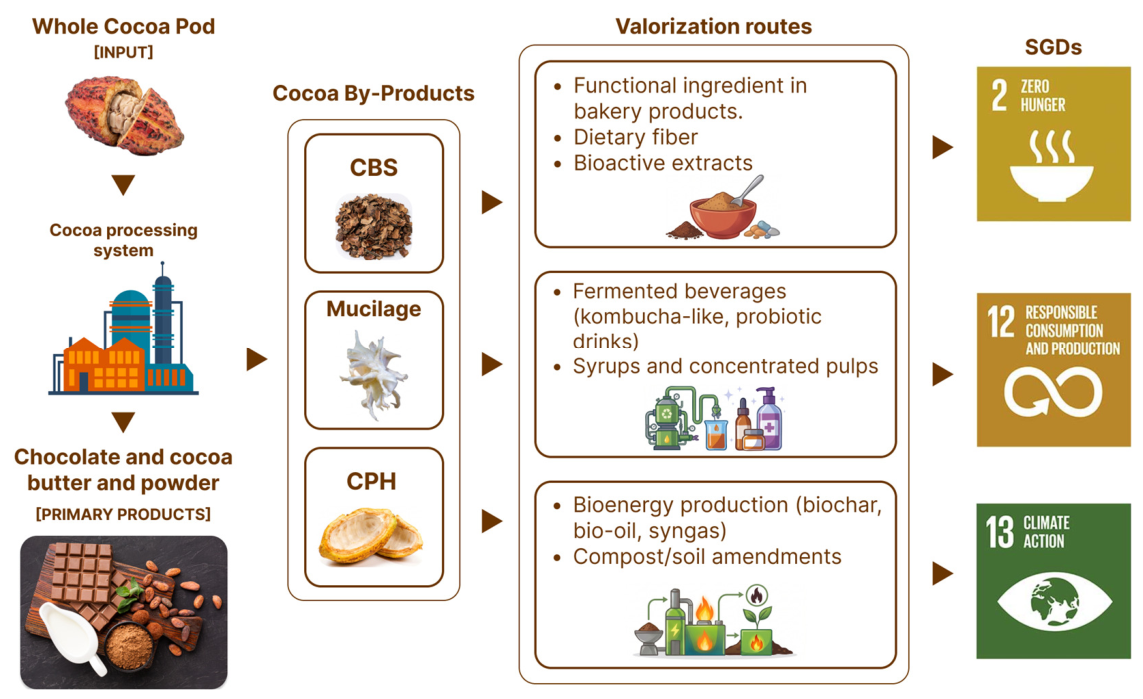
Finally, the value of cocoa by-products should be assessed within a circular economy and sustainability framework. As shown in
Figure 5, residual cocoa biomass can contribute to several Sustainable Development Goals (SDGs), particularly SDG 2 through the development of nutritionally enriched ingredients, SDG 12 through responsible production and waste reduction, and SDG 13 through the reduction of environmental impacts associated with biomass disposal and the development of bioenergy, biochar, and soil amendment strategies. However, these benefits will only be achievable if producers have access to technological solutions that are economically feasible, environmentally justified, and supported by adequate regulatory and quality-control systems.
Overall, integrating green extraction technologies, functional ingredient development, safety assessment, sensory validation, industrial scalability, and sustainability evaluation are essential for the future of cocoa by-product valorization. This integrated approach is essential to move from laboratory-scale studies toward real-world applications in food systems while supporting more circular, inclusive, and sustainable cocoa value chains.
10. Conclusions
Cocoa by-products, particularly CBS, CPH, and cocoa mucilage, represent valuable sources of dietary fiber, phenolic compounds, methylxanthines, minerals, and other bioactive constituents with potential for the development of functional ingredients within circular-economy frameworks. The evidence reviewed indicates that under optimized conditions, emerging extraction technologies, including UAE, PLE, MAE, PEF, CAP, and hybrid enzyme-assisted approaches, can improve the recovery of phenolic compounds and methylxanthines compared with conventional extraction methods.
These advances support the use of residual cocoa biomass in food applications such as bakery products, beverages, meat systems, chocolates, and other functional formulations. The incorporation of cocoa by-products may contribute to nutritional enrichment, waste reduction, and value-added ingredient development. However, their industrial implementation still faces relevant challenges, including raw material variability, lack of standardized extraction and processing protocols, limited scalability, sensory constraints, safety requirements, and insufficient techno-economic and life-cycle assessments.
Future research should focus on the standardization of raw materials and extraction protocols, biological validation of bioactive effects through in vivo studies and, when appropriate, clinical trials, and the optimization of food formulations to ensure sensory acceptability, safety, regulatory compliance, and shelf-life stability. Addressing these gaps will be essential to move cocoa by-product valorization from laboratory-scale studies toward sustainable and commercially viable applications in the food industry.
Overall, the sustainable valorization of cocoa by-products requires an integrated resource-management approach that considers not only their functional and bioactive potential, but also processing efficiency, environmental impact, scalability, economic feasibility, and opportunities for nutrient and energy recovery within circular food systems.



 ,
,