


Highlights
Please indicate how your work links to systems science via your contributions to systems practice, theory, and/or methodology.
- The paper adopts a systems perspective, recognising that the success of sustainable tourism is not only a product of individual decisions or particular stakeholder cooperation, but is also affected by complex interactions among system components that cannot be predicted from individual elements alone.
- Stakeholder theory and systems theory are integrated to examine sustainable tourism practices (STPs) through the perceptions, implementation, and recommendations of local residents who are also tourism providers, highlighting their dual role within the destination system.
What are the main findings and/or the implications of the main findings?
- Respondents demonstrate an understanding of STPs and implement them in their tourism activities, predominantly within the environmental dimension.
- The findings implicate a consistent perceived necessity for various enabling conditions that resident tourism providers expect from decision-makers within the tourism system, in order to increase the overall sustainability of the destination.
Abstract
Sustainability is increasingly recognised as a key priority in tourism development. Based on stakeholder theory, sustainable tourism implicates the involvement of diverse destination stakeholders. However, the roles of local residents and tourism providers as stakeholders who play an important role in achieving sustainability have largely been examined separately. This study addressed the dual role of local resident tourism providers operating in rural areas by exploring their perceptions, implementation, and recommendations related to sustainable tourism practices (STPs). By integrating stakeholder theory with systems theory, the study considered local resident tourism providers as embedded within a complex destination system. Data were collected through an online and offline survey of local resident tourism providers in the rural area of Istria County, Croatia, with 82 valid responses obtained. A qualitative approach based on an interpretive research paradigm was applied, and reflexive thematic analysis (RTA) was used to analyse the data. The findings indicate that respondents have an understanding of the concept of STPs and implement them, mainly in an environmental context, in their tourism activities. A focus on the quality of tourism services, presentation of local identity and heritage, and relationships and communication with guests emerged as important to respondents, while stakeholder cooperation between providers was limited in their responses. These findings suggest that resident tourism providers may be unaware of the importance of stakeholder collaboration, including their own role, in achieving sustainable tourism development. However, the findings also highlight the importance of adopting a systems approach: respondents’ identification of STPs and recommendations for improving their implementation point to the need for appropriate enabling conditions at destination system level. The findings are intended to be of interest to researchers, destination management organisations, local authorities, and tourism policymakers working in the field of sustainable tourism.
1. Introduction
In contemporary society, sustainable development represents the dominant global development paradigm [1], while the concept of sustainability is used to denote various programmes, initiatives, and activities aimed at resource conservation [2]. Given the dynamic nature of the sector and its substantial environmental, socio-cultural, and economic impacts, tourism occupies a particularly important position within the framework of sustainable development [3], and the implementation of sustainable practices has become an imperative in its planning and development. Sustainable tourism practices (STPs) can be defined as community efforts aimed at achieving economic benefits and self-sufficiency, social responsibility, and equity, along with the integration of pro-environmental attitudes and behaviours into tourism development [4].
Research on tourism governance has emphasised that the successful implementation of sustainability principles and practices largely depends on collaboration, trust, power relations, networks, and the participation of different stakeholders within a destination [5]. Therefore, the active involvement of stakeholders is fundamental to the development of a sustainable tourism destination, as elaborated upon in stakeholder theory [6,7]. According to this theory implemented in tourism, “tourism stakeholders are those individuals and groups who can affect, or are affected by, the achievement of tourism development objectives” ([7], p. 2). Local residents play a particularly important role in the development of sustainable tourism [8,9], as they can support and actively engage in sustainability efforts [10]. Still, the key players are providers of tourism products and services, as they are directly responsible for developing the tourism offer of destinations [11]. Although there is an overall theoretical understanding of the immense complexity of tourism systems, empirical research still relies on assumptions of linear relationships and predefined, stereotypical categories of stakeholders [12]. Consequently, empirical studies often measure the perceptions and practices of these categories separately (e.g., the attitudes of local residents are measured separately from the attitudes of local hospitality providers and farmers). We overcome that linearity by conducting our empirical research on a sample of tourism private service providers in rural areas who are also local residents, in order to understand how perspectives of those who are affected by tourism (usually local residents) are united with the perspectives of those who affect the sustainability of tourism with their decisions related to the implementation of sustainable tourism practices (tourism providers).
Bearing in mind that success in achieving sustainability in tourism is not just a product of individual decisions or particular stakeholder cooperation, but is also affected by the complex interactions among system components that cannot be predicted from individual elements alone [13], it is also necessary to apply key elements of systems theory and systems thinking. There is an evident need for analysis at the level of interconnected systems rather than individual parts in tourism research [14]. Baggio (2010) notes that many phenomena remain unexplained or poorly explained due to a reductionist approach, which involves breaking the tourism system down into fixed elements, rather than observing it as a complex system of networks [15]. Hence, as Valachis and Skoultsos (2026) [16] state, destinations should be viewed as multi-actor governance systems in which stakeholder groups are in constant interaction. This is particularly important when it comes to better understanding the role of feedback loops in achieving sustainability on a destination level, as indicated by Glyptou (2024) [17].
This study aimed to provide a qualitative analysis of perceptions, implementation, and recommendations related to STPs from the perspectives of local resident tourism providers in rural areas. Local resident tourism providers are, for the purpose of this study, defined as members of the rural host community (basically its residents) who are directly engaged in tourism supply, primarily through the provision of private, family-run, and small-scale accommodation. In this manner, we addressed the gap related to the separate research of “fixed” stakeholder groups that in practice often overlap, particularly in rural areas, where local residents often play an active and direct role in tourism, for example, as owners of private accommodation or agritourism or as producers of various goods/providers of services for tourists. Focusing on this “integrated” stakeholder category in rural areas and the idea of combining elements of stakeholder theory with systems theory, this study addressed the following research questions:
- Which STPs do local resident tourism providers recognise?
- Which STPs do local resident tourism providers actually implement?
- What recommendations do local resident tourism providers offer to improve the conditions for implementing STPs in relation to the challenges they experience in their community?
- In what ways are the perceptions of local tourism providers, their implementation of STPs, and the barriers they experience/improvements needed interconnected?
The perception–implementation–recommendation framework was intentionally chosen to develop research questions in order to address the need for a systemic approach to stakeholders and capture their overall insight into STPs, rather than focusing on a particular segment, such as implementation or the existing level of recognition, because they are inherently connected. Accordingly, the first three research questions examine each aspect separately, while the fourth research question addresses their interconnection in line with the systems perspective (Figure 1). This approach enables the study to move beyond considering perceptions, implementation, and recommendations as separate aspects and to explore the relationships and patterns that emerge among them. The connection between perceptions (attitudes) and practices can be observed as a form of attitude–behaviour relationship, which has already been examined in other research (as summarised in Wut et al., 2023) [18]. However, further insights into this relationship in the context of STPs are needed.
Figure 1.
Research framework.
The perception of challenges and recommendations for improvements that could lead to the increased implementation of STPs is a particularly important element of this framework due to the importance of such feedback for decision-makers and destination planners. While some research has identified barriers and policies affecting the development of sustainable tourism from the perspective of experts [19], it is also important to consider the perspective of tourism service providers, especially those who are local residents and therefore play a key (dual) role in local sustainable development.
In terms of the empirical research for this study, the first three research questions were transformed into open-ended questionnaire items and distributed to local resident tourism providers in rural Istria, Croatia, while the fourth research question was addressed through an integrative analysis of the results obtained for the first three research questions. The rural area was deliberately chosen to gain deeper insights into the use of STPs as a tool to increase the sustainability of tourism in rural areas. Research into the implementation of sustainable tourism in rural areas has been identified as one of the most important areas of research related to sustainable tourism [20]. This is due to the fact that active involvement of local communities in tourism is particularly critical in rural destinations [21], which are characterised by a stronger connection of residents within the community and the necessity for joint efforts of all stakeholders in order to achieve sustainable goals [22]. If we understand that rural tourism serves as a systemic vehicle for fostering the diversified development of the rural economy and enhancing rural residents’ capacity for sustainable livelihoods [23,24], perceptions and implementation of sustainable practices by local residents that are engaged in tourism activities become an even more important topic. Eighty-two valid questionnaires were collected, the results of which were analysed using qualitative reflexive thematic analysis (RTA). The obtained results were coded and grouped into themes that emerged during the analysis, and in-depth analysis of patterns and connections among key dimensions and identified themes was also conducted.
By integrating elements of stakeholder theory with systems theory in the research framework, this paper contributes to the body of knowledge on sustainable tourism by providing an understanding of the complex perspectives of local resident tourism providers on perceptions, implementation, and recommendations related to STPs and their interconnection. The findings of this study can provide a valuable evidence base for policymakers and destination managers in designing and implementing long-term strategies that enhance the environmental, economic, and socio-cultural sustainability of tourism in rural areas. The paper also adds to the existing methodology by providing a simple, yet useful framework for exploring perceptions, implementation, and recommendations relating to STPs. This framework could be applied to other stakeholder groups in different tourism settings and enable comparison between areas and different tourism systems worldwide.
2. Theoretical Background: Overview of Key Sustainable Tourism Practices and Their Implementation in Local Communities
Sustainable tourism practices (STPs) can be understood as “those efforts defined and designed by a community in the quest to gain economic benefits and self-reliance, social responsibility and equity and implementation of pro-environmental attitudes and behaviours as they engage in tourism development” ([4], p. 752). Sustainable tourism depends not only on the existence of sustainability principles, but also on how tourism stakeholders interpret, value, and operationalise them within a specific destination context.
STPs have been addressed in different research contexts. Table 1 provides an overview of the STPs identified in the literature and selected based on their relevance and applicability to local resident tourism providers. Although certain practices overlap across sustainability dimensions, they are grouped according to the three dimensions of sustainability—environmental, social, and economic [3]—to provide a clearer and more structured presentation. The environmental dimension refers to environmental protection and the rational use of natural resources, the social dimension to preserving and promoting local cultures and protecting human rights, and the economic dimension to contributing to long-term economic development and providing economic benefits for host communities [25,26,27].
Table 1.
Overview of sustainable tourism practices (STPs) identified in the literature.
The motivation for applying the aforementioned STPs can stem from various reasons, such as economic objectives (reducing operating costs or market differentiation), satisfying legal and other regulatory requirements, the need for social legitimisation, or the individual’s values, lifestyle, and habits [33]. A better understanding of the implementation (or lack thereof) of STPs in a destination can be provided by social exchange theory (SET), according to which the attitudes and behaviour of local residents are shaped by their perceived benefits and costs of tourism [47,48,49,50]. In addition to SET, the assumptions of the theory of planned behaviour (TPB) can also be considered for a deeper understanding of the behaviour of local resident tourism providers. According to this theory, the intention to perform a behaviour is shaped by attitudes, subjective norms, and perceived behavioural control, i.e., the perception of the ease or difficulty of performing a particular behaviour [51]. Nevertheless, while both theories are important for understanding the individual decisions of tourism providers, it is also important to consider them from the perspective of the destination as a tourist system, comprising various stakeholders who interact and collaborate to achieve their goals.
Implementing sustainable practices can be challenging. For example, introducing certain measures or rules may affect guest satisfaction. Moreover, sustainable practices may require additional financial investments with no short-term payback, extra time and energy, as well as appropriate knowledge and expertise [35]. Despite the aforementioned challenges, by adopting the STPs, it is possible to reduce the impact of tourism on the environment, contribute to the preservation of natural and cultural heritage, strengthen the community’s social and economic development, and enhance the tourist experience, as well as the quality of life for residents [49,52,53,54]. Such tourism practices benefit all stakeholders involved in the destination and help ensure the long-term protection of resources [55]. Given the recognised benefits, it is important to explore the extent to which local tourism stakeholders perceive and implement these practices and what influences their application, particularly in rural areas [56].
3. Materials and Methods
3.1. Study Area
The research was conducted in the rural inland part of the Istria region in Croatia. Istria is a renowned tourist destination within Croatia, mostly recognisable for its seaside tourism offer and significant historical heritage. The inland part of Istria is based less on mass seaside visitation and more on dispersed, experience-based resources: hilltop medieval towns, small settlements, agricultural landscapes, vineyards, olive groves, truffles, local gastronomy, cycling and walking routes, and family-run rural enterprises [57]. Unlike the highly developed coastal belt, the interior of Istria has historically been less tourism-intensive, and development of tourism can be considered a useful tool for revitalising villages, retaining population, and diversifying Istria’s strongly seasonal coastal tourism model [58].
3.2. Data Collection
The target population consisted of all adult residents of rural areas in Istria who generate income from tourism, specifically private local resident tourism providers of accommodation and other tourism services.
The questions were developed based on the research objectives and first three research questions, and the research instrument was pilot-tested before the main data collection. Also, previous studies in the field of sustainable tourism in the area were taken into consideration [11,59]. The pilot study was conducted in February 2025 as part of a workshop held within the development of a destination management plan for two municipalities in Istria County. The workshop involved local residents who were also private accommodation providers, as well as representatives of the DMOs of the two municipalities. During the workshop, participants were asked to complete the questionnaire, after which the clarity, comprehensibility, relevance, and scope of the questions were collectively discussed. A total of 22 questionnaires were collected. The feedback obtained during the discussion, together with the participants’ responses to the questions, was used to refine the questionnaire and the formulation of the questions. The open-ended format of the questions allowed respondents to freely express their perspectives on perceptions, implementation, and suggestions for improvement of STPs, without suggesting predefined answers or categories. In this way, qualitative data reflecting the perspectives of the participants were collected and subsequently analysed using reflexive thematic analysis (RTA), enabling conclusions to be drawn in accordance with the stated research objectives.
The research was conducted in two periods: April to September 2025 and February to April 2026. In the first data collection cycle, the study was limited to two municipalities, while in the second cycle the study area was expanded to a broader rural area with similar characteristics in order to ensure a larger number of relevant participants. Data were collected using a combination of online and field surveys. In the field surveys, data were collected in public locations within selected settlements, and individuals who were available and willing to participate at the time of data collection were included, provided they belonged to the target population. Based on the obtained data, the majority of respondents were private accommodation providers.
In the second research period, the online survey was conducted by distributing the questionnaire via email, whereby destination management organisations (one regional and two local) forwarded the questionnaire to local residents involved in tourism activities, primarily private accommodation providers.
Data were collected in offline and online surveys to obtain a larger number of respondents. The research questions were developed such that they would not differ whether the data were obtained through an offline or online survey. The survey included only the specific target group: private local tourist providers who are local residents in rural areas of Istria County. The online survey questionnaire was sent only to this target group. In this research, we did not analyse differences between tourist providers because most of the respondents were private accommodation providers. One research question referred to income generation from tourism as a filter criterion, as only respondents (local residents) for whom tourism represents a primary or additional source of income were included in the analysis. In the first field research period, a total of 48 questionnaires were collected: 11 offline and 37 online. In the second period, a total of 34 questionnaires were collected: 9 offline and 25 online. A total of 82 valid questionnaires were collected.
3.3. Research Instrument
The socio-demographic profile of respondents was determined using five closed-ended questions about gender, age, level of education, household monthly income, and level of economic dependence on tourism. The main part of the questionnaire included three open-ended questions aligned with the research objectives of the study: (1) What do you understand by sustainable tourism practices? (2) Which sustainable practices do you personally apply in your tourism-related activities? (3) What do you consider to be the constraints in the implementation of sustainable tourism practices, and what should be improved/changed in order to enhance the current situation at the local level? The results are presented for the total sample in terms of the level of economic dependence on tourism, because the local residents who were not engaged in tourism as providers were not able to complete the questionnaire.
3.4. Data Analysis
Given that the focus of this study was on the perceptions and experiences of local residents involved in tourism activities, the research is grounded in an interpretivist paradigm, according to which social reality is shaped by experience and social context and is therefore understood through subjective interpretations and the meanings that people ascribe to it [60]. Accordingly, a qualitative research approach was applied, and responses to open-ended questions were analysed using reflexive thematic analysis in six phases: familiarisation with the data, generating initial codes, generating themes, reviewing potential themes, defining and naming themes, and producing the report [61,62,63]. The analysis was conducted inductively, meaning that codes and themes were generated from the data without predefined frameworks. After one author coded the data, other authors reviewed the codes separately and in pairs, discussing them during the review to clarify ambiguities. After finalising the coding, the authors created themes, discussed them in pairs, and commented on them to reach agreement, following the phases of reflexive thematic analysis until they reached the final set of themes. The same process was used for each open-ended question. In the coding, each participant statement was coded only once, in a single theme. NVivo 15 software was used for data analysis. Since the respondents completed the questionnaires in the local Croatian language, the analysis was also conducted in Croatian, and the final results were translated into English.
The analysis was conducted separately for the first three open-ended questions in the questionnaire, as each of them is directly linked to a specific research question of the study. For this reason, the results are structured according to the first three research questions and the themes developed within each question. The results are presented descriptively through interpretations of the identified themes, supported by selected respondent quotations and tables. The final set of themes, sub-themes, and codes in the tables is presented in order of prevalence, from most to least frequent. Finally, the frequency of codes used in each theme is explained by calculating the frequency of codes used in the theme.
In addition to identifying themes, a further integrative stage of analysis was undertaken to address RQ4, involving a deeper interpretive engagement with the themes, codes, and coded extracts generated through reflexive thematic analysis. This analysis revisited participants’ accounts across the three substantive dimensions, examining how particular perceptions of STPs were associated with their reported implementation or non-implementation of such practices, as well as the barriers they identified along with suggestions for improvements. Attention was given to recurring patterns, contrasts, convergences, and divergences, both within individual accounts and across the dataset. The aim was not to establish statistical associations or causal relationships, but to identify and interpret patterned interconnections among these dimensions.
Following the identification of these patterns, stakeholder theory and systems theory were employed as interpretive lenses to examine how the observed interconnections could be understood in relation to stakeholder roles, dependencies, interactions, and wider systemic conditions. Stakeholder theory supported the interpretation of the dual role of respondents (as both tourism providers and local residents) and was useful to understand (lack of) cooperation-related elements, while systems theory facilitated consideration of how these relationships (especially the identification of improvements/barriers) interacted with broader contextual, institutional and community conditions.
4. Results
4.1. Sample
The socio-demographic characteristics of the research sample are presented in Table 2. The research sample included 82 respondents, most of whom were women (67.07%). The most prevalent age groups were people aged 46 to 55 (28.05%), 56 to 65 (24.39%), and 36 to 45 (23.17%). More than half of the respondents (52.44%) had a university degree or a higher level of education. The largest share of respondents (21.95%) reported monthly household incomes in the range of EUR 3001–4000. For the majority of respondents (79.27%), tourism represents an additional source of income, while for 20.73% of respondents, tourism is the main source of income.
Table 2.
Respondents’ socio-demographic profile (n = 82).
4.2. Perception of Sustainable Tourism Practices
The first research question (RQ1) focused on how local resident tourism providers perceive the concept of STPs. Based on the participants’ responses, four main themes and nine sub-themes were identified, reflecting the STPs recognised by respondents, as presented in Table 3.
Table 3.
Reflexive thematic analysis (RTA) results: perception of STPs (n = 71).
4.2.1. Spatial and Environmental Sustainability Practices
The first theme, Spatial and environmental sustainability practices, reflects respondents’ understanding of STPs through two sub-themes. The first sub-theme, Environmental responsibility, is primarily associated with sustainable waste management, including waste sorting, recycling, reduction, and composting. As one participant stated, “Sustainability means managing waste of all kinds in a way that prevents the unnecessary generation of waste.” More broadly, respondents linked sustainable practices to environmental preservation and awareness, as well as to the prevention of tourism’s negative environmental impacts. They also associated sustainability with other concrete actions such as the use of renewable energy, rational resource use, use of natural materials and eco-friendly products, electrification, and energy-efficient solutions. The second sub-theme, Sustainable spatial management and infrastructure adequacy, relates to the adequacy of infrastructure (utility, digital, and transport) in meeting destination needs, as well as to the regulation of spatial development, control of tourism construction, and preserving the traditional visual identity of the area. In this context, respondents stated that STPs include “stopping the construction of new holiday homes, villas and similar facilities” and “the use of characteristic materials and forms for new buildings that do not disrupt the visual identity of the destination.”
4.2.2. Authentic Tourism Experiences and Nurturing Local Identity
The second theme, Authentic tourism experiences and nurturing local identity, comprises two sub-themes, one of which is Local production and local products in tourism. This is manifested through the promotion and presence of local products and producers, the consumption and use of local products, and own production activities. Another sub-theme, Preservation and valorisation of local heritage, indicates that respondents view the preservation, promotion and presentation of local heritage and events as STPs. As noted by participants, these practices involve “the preservation of tradition and cultural authenticity” and “introducing the guest to local sights, customs, and culture.” Finally, the human factor in the sustainable practices context is captured in the sub-theme Hospitality and the host’s active engagement in shaping guest experiences. Within this sub-theme, STPs are associated with attentive and hospitable behaviour of hosts toward guests, active host participation in guest experiences, and efforts to encourage responsible tourist behaviour. As one respondent explained, sustainable practices entail “a host who welcomes and lives with the guests, rather than a mere rentier.” It is important to emphasise that the practices presented in the results reflect respondents’ perceptions of STPs and should not necessarily be considered sustainable by definition. For example, attentive and hospitable behaviour of hosts toward guests is more of a guest-oriented and quality-oriented practice than a sustainability-oriented one. Nevertheless, respondents clearly associate such practices with sustainability, which is an important finding for understanding local resident tourism providers’ perceptions.
4.2.3. Sustainable and Long-Term Destination System Development
The third theme, Sustainable and long-term destination system development, is structured around two sub-themes, Balanced tourism development and Development of a high-quality and sustainable tourism offer, which are grouped together because both reflect respondents’ understanding of STPs in relation to sustainable tourism development in the destination. Taken together, these two sub-themes address both the scale and direction of tourism development and the quality and characteristics of the tourism offer.
Within the sub-theme Balanced tourism development, STPs are understood as limiting tourism growth and prioritising a long-term development perspective instead of short-term gains. Respondents emphasise that STPs ensure that “the number of accommodation units should not exceed the number of residential units permanently occupied by residents” or refer to “practices that enable tourism to survive as an activity in a specific area over the long term.” Respondents further equate STPs with reasonable pricing, extending the tourist season and year-round tourism, and ensuring economic diversification alongside tourism. The second sub-theme, Development of a high-quality and sustainable tourism offer, brings together practices reflecting respondents’ views on what a sustainable destination offer should look like and how it should be developed, including high quality of products and services, investment in improving the tourism offer, development of tourism amenities and activities, and the presence of tourism offerings that respondents associate with sustainability, such as agritourism, family-run, and nature-based tourism offerings.
4.2.4. Interplay Between Tourism and the Local Community in the Destination System
The last (least present) theme within the perception of STPs, Interplay between tourism and the local community in the destination system, is also structured into two sub-themes. The first sub-theme, Local stakeholder capacity-building and engagement in tourism, shows that for respondents, the education and active engagement of tourism stakeholders, as well as the general and economic inclusion of the local community in tourism, are also perceived as sustainable practices. Additionally, stakeholder cooperation was only limitedly reflected in their responses. Finally, the second sub-theme, Synergy between tourism development and the local community, reveals that respondents perceive STPs as those that foster community development and a better quality of life, and ensure that tourism adapts to and respects the local community. This perspective is vividly reflected in statements defining STPs as “the parallel development of tourism and the local community, without harm to anyone” and “tourism aligned with the needs of the community.”
4.2.5. RQ1: Cross-Theme Analysis
When examining the relationships between the themes developed within the first research question, certain connections can be identified. The theme Spatial and environmental sustainability practices can be considered in relation to the theme Sustainable and long-term destination system development, particularly its sub-theme Balanced tourism development, which includes limiting tourism growth by controlling and limiting accommodation capacity and moving away from mass tourism. Such measures can also help reduce negative tourism impacts on the environment and spatial development. Similarly, two themes highlight the role of the local community in tourism: the theme Authentic tourism experiences and nurturing local identity focuses on incorporating the host community and its local identity into the guest experience, while the theme Interplay between tourism and the local community in the destination system addresses the importance of involving the local community in tourism development and ensuring that tourism aligns with community needs. Overall, beyond the connections identified between specific themes, when considered as a whole, the themes within RQ1 reveal a broader interconnectedness. Together, they illustrate respondents’ understanding of STPs as practices that support tourism development aligned with the well-being of the local community and the protection of the destination, encompassing ecological and spatial considerations, the promotion of local identity and culture, balanced and long-term tourism development, and recognition of the local community as an important stakeholder in the destination. In addition, within these themes, the sub-themes Hospitality and the host’s active engagement in shaping guest experiences and Development of a high-quality and sustainable tourism reveal that local resident tourism providers, alongside practices primarily focused on sustainable tourism development in the destination, also consider quality-oriented and guest-oriented practices as STPs.
4.3. Implementation of Sustainable Tourism Practices
The second research question (RQ2) relates to the implementation of STPs by local residents involved in tourism activities. As shown in Table 4, data analysis revealed three main themes and eleven sub-themes, which illustrate the sustainable practices applied by residents in their tourism-related activities.
Table 4.
RTA results: implementation of STPs (n = 77).
4.3.1. Environmentally Responsible Practices
The first theme generated from respondents’ answers in the context of the implementation of STPs is Environmentally responsible practices, which is divided into five sub-themes. Of these, four sub-themes represent specific environmentally responsible activities applied by respondents in their tourism-related activities: Resource management and energy efficiency (rational resource use, energy-efficient solutions, renewable energy sources, etc.); Sustainable waste management and circular practices; Use of eco-friendly products and materials; and Sustainable mobility and provision of required infrastructure. These practices are evident in respondents’ statements: “We have installed solar panels on the roofs of holiday homes,” “I take care of waste separation,” or “We use cleaning products with an eco-label.” The remaining sub-theme, titled Environmental concern and awareness, however, does not directly capture the implementation of specific practices but rather general concerns for the environment and environmental consciousness.
4.3.2. Quality and Sustainable Tourism Experiences
The second theme, which reflects the STPs applied by respondents, is Quality and sustainable tourism experiences, and it is divided into four sub-themes. Although the theme may not fully reflect sustainable practices according to theoretical definitions, it brings together activities that respondents reported implementing as sustainable practices, highlighting the importance of the quality and competitiveness of the tourism offer and the hosts’ role in contributing to the quality and sustainability of the tourism experience. The sub-theme Commitment to guests refers to the practices of hospitality, attentiveness, and kindness towards guests, as well as value-added gestures for guests, with the aim of enhancing their overall experience. This is confirmed by a respondent who stated: “Given that we have many tourists who return to us year after year, hospitality is of primary importance. Conversation, friendship, and helping are very important for guests, and we consistently apply this in our practice.” Within this theme, there is also a sub-theme titled Ensuring a quality and competitive tourism offer, which focuses on improving and innovating the tourism offer, providing value for money, operating outside the main season, and offering sustainable forms of tourism experiences, etc. Furthermore, the sub-theme Educating and encouraging guests towards sustainable behaviour focuses on guiding and influencing guest behaviour towards sustainability. The final sub-theme, Maintenance of property and surrounding areas, indicates that respondents ensure cleanliness and tidiness, maintain yards and surrounding areas, and preserve the traditional appearance of buildings.
4.3.3. Integration of the Local Community and Local Amenities into the Tourism System
The third theme relates to the Integration of the local community and local amenities into the tourism system and consists of two sub-themes. The sub-theme Promotion and tourism valorisation of local amenities and products focuses on the promotion of various local offerings, as well as on introducing guests to the destination, and the use and provision of local products. The sub-theme is further illustrated by respondents’ responses, including statements such as “I encourage guests to use local amenities, services, and products” and “We suggest events and activities to guests through which they can become familiar with local traditions and customs.” The second sub-theme, Contribution of tourism to the local community and preservation of local identity, relates to the development and protection of the local community, its identity and traditions, as well as to the engagement of local people in tourism. Accordingly, one respondent stated “We employ local residents during guest turnover periods or carry out the tasks ourselves, without outsourcing to external labour,” while another respondent, among the implemented sustainable practices, highlighted “preserving the character of the local community and its way of life, customs, and traditions in the area where the accommodation service is provided.”
4.3.4. RQ2: Cross-Theme Analysis
Looking across the themes identified within RQ2, some commonalities and differences can be observed between the themes Quality and sustainable tourism experiences and Integration of the local community and local amenities into the tourism system. The theme Quality and sustainable tourism experiences captures reported STPs related to the quality of the tourism offer and the host’s role in the tourism experience. It can be seen that this theme reflects practices that are more quality-oriented and guest-oriented, although it also includes practices that are more directly sustainability-oriented, such as educating and encouraging guests towards sustainable behaviour. On the other hand, the theme Integration of the local community and local amenities into the tourism system also addresses the tourism offer and the role of the host community, but places greater emphasis on the community itself and the preservation and promotion of its values. It highlights community involvement in tourism and the preservation of local identity, as well as the local and authentic character of the tourism offer through the promotion and valorisation of local amenities and products. In contrast to the two themes discussed above, which focus on the local community, guests, the tourism offer, and local culture, the theme Environmentally responsible practices focuses on practices through which local resident tourism providers protect the environment and reduce the negative environmental impacts of their tourism activities.
4.4. Improvements for Enhancing the Implementation of Sustainable Tourism Practices
The third research question (RQ3) addresses the constraints perceived by local residents who generate income from tourism in the implementation of STPs, in other words improvements they consider necessary for enhancing the current situation at the local level. As presented in Table 5, the analysis identified three key themes and six sub-themes, highlighting the improvements required within the destination system to enhance the implementation of STPs.
Table 5.
RTA results: improvements for enhancing the implementation of STPs (n = 74).
4.4.1. Systemic Prerequisites for a More Sustainable and High-Quality Tourist Experience
The first theme focused on recommendations for improving the implementation of STPs is Systemic prerequisites for a more sustainable and high-quality tourist experience, and it is divided into two sub-themes. The sub-theme Capacity-building and value shifts among tourism system stakeholders highlights the need for education and awareness-raising among stakeholders regarding the importance of sustainability, while also addressing the lack of interest and profit-oriented focus that call for a shift in mindset. This finding is supported by several respondents’ statements, including the following examples: “Educating the local population about sustainable practices could improve the current situation,” and “One should not focus only on profit, but also on ensuring that guests have a better experience of the destination. A limitation is that not all residents share this view, and many enter the business solely for financial reasons, without considering the broader picture.” The other sub-theme, Improvement of the promotion and destination offer, suggests the need to enhance destination promotion and information provision to guests, further develop and improve destination amenities, and increase the quality of the offer while ensuring guest satisfaction, as reflected in a respondent’s statement: “Tourists should be offered the opportunity to become familiar with local customs and traditions, gastronomic offerings, natural and cultural heritage, and opportunities for recreational holidays in the destination and its surroundings.” Both sub-themes address the systemic prerequisites needed to create a more sustainable and high-quality tourist experience, but one focuses on stakeholders, their knowledge and awareness, while the other focuses on improving promotion, destination amenities, and quality. As can be observed, not all recommendations within this theme are exclusively sustainability-oriented. However, respondents consider the identified conditions important for enhancing the implementation of STPs in the destination.
4.4.2. Supportive Infrastructure, Services, and Sustainable Spatial Development
The second theme emerging from the analysis of responses to the third open-ended survey question is Supportive infrastructure, services, and sustainable spatial development, which also includes two sub-themes. The first sub-theme, Adequate infrastructure and services, emphasises the importance of adequate infrastructure in the destination, effective and sustainable waste management systems, and other necessary services, all of which are essential for the sustainable functioning of the tourism system. The sub-theme Spatial development management and prevention of degradation of landscape reflects the need for control and sanctions in the context of construction (intensity, appearance, duration, and legal compliance), maintenance and landscaping of surrounding areas, as well as the maintenance and renovation of abandoned houses. These needs are further emphasised by respondents’ statements, such as: “Attention should be paid to issuing new building permits, ensuring that new construction fits the spatial context of the municipality” or “The problem is houses that do not fit into the environment, the municipality should have stricter criteria.”
4.4.3. Governance and Support from Different Tourism System Stakeholders
The third theme, which suggests improvements needed to enhance the implementation of STPs, is Governance and support from different tourism system stakeholders, and it is divided into two sub-themes. The sub-theme Supportive institutional, financial, and governance framework in the tourism system highlights the importance of creating an enabling environment for the implementation of STPs. The identified needs include a fairer and more favourable public taxation system, institutional support and financial subsidies for implementing STPs, the reduction of administrative burdens and restrictive regulations, and consideration of financial constraints. Respondents emphasised these challenges and needs in their statements, noting that “The problem is the constant increase in expenses through taxes and various charges imposed by the state and the municipality,” while also suggesting that “At the local level, incentives for sustainable investments should be introduced (e.g., subsidies for energy-efficient devices, solar systems, or eco-friendly materials).” The sub-theme Managing and balancing long-term sustainable development encompasses issues related to seasonality and measures to reduce it, as well as the lack of a shared vision and the need for improved coordination and stakeholder cooperation, which is reflected in a respondent’s statement: “There is a lack of coordination between the local community, tourism stakeholders, and the municipality, so sustainability initiatives are reduced to individual efforts instead of a joint strategy.” The sub-theme also emphasises the need for forming value-for-money-based pricing and includes concerns regarding external ownership and the non-local workforce, overcrowding, and the need to prevent the disruption of residents’ quality of life due to tourism.
In the sub-themes related to the proposed improvements, respondents mostly emphasise that other stakeholders, particularly decision-makers, need to implement the necessary changes and improvements. There is a particular focus on creating an efficient control and sanctioning system for those who do not act in accordance with the laws and rules (which, based on the responses, is not currently the case).
4.4.4. RQ3: Cross-Theme Analysis
Looking across the themes identified within RQ3, the three themes address the improvements needed primarily at the destination system level, but from different perspectives. The theme Systemic prerequisites for a more sustainable and high-quality tourist experience focuses on capacity-building and raising awareness of the importance of sustainability among stakeholders, as well as on improving and promoting the destination offer, which together represent conditions for a higher-quality and more sustainable tourist experience. The theme Governance and support from different tourism system stakeholders also addresses systemic prerequisites, but focuses on the institutional, financial, and governance framework, as well as on managing and balancing long-term sustainable development. On the other hand, the theme Supportive infrastructure, services, and sustainable spatial development relates to the physical and spatial conditions that need to be ensured, together with the services required for the sustainable functioning of the destination. Overall, the three themes provide a broader picture of the conditions and improvements needed at the destination to support the implementation of STPs.
4.5. Interconnection Between Dimensions and Themes
This part of the results focuses more on analysing inter-case and within-case patterns, and interpreting them in terms of the relationships between the dimensions.
In terms of a clear connection between the perception and implementation dimensions, it is important to highlight the theme of environmental responsibility (perception), which is directly related to the practices that the respondents actually implement, such as waste separation, the use of ecological cleaning products and educating guests about them. This segment is also not significantly represented in the respondents’ identification of necessary improvements, meaning it is probably highly functional within the destination. However, other themes and sub-themes show different results in terms of interconnection.
The overall analysis of respondents’ perceptions of sustainable tourism practices (STPs) indicates that a significant number of the answers reflect individual visions of desirable tourism development rather than universally recognised or operationalised sustainable tourism practices. References to issues such as the quality of tourism services, reasonable pricing, and year-round tourism appear to express respondents’ expectations of how tourism should ideally develop. While these elements may contribute to the sustainability and competitiveness of a destination, they are not necessarily practices that can be implemented independently by individual tourism providers. Rather, they often depend on broader structural conditions, destination-level strategies, market dynamics and public policies. This is important because it suggests that respondents tend to conceptualise sustainable tourism not only in terms of specific actions undertaken by individual providers, but also in terms of system-level outcomes and desirable characteristics of the destination as a whole. For example, year-round tourism requires coordinated product development, destination marketing, transport and service availability, while reasonable pricing is influenced by market conditions and the behaviour of multiple actors across the tourism value chain. Such responses therefore point to an understanding of sustainability that is partly situated at the level of the wider tourism system rather than at the level of individual business practice.
At the same time, stakeholder cooperation was mentioned relatively infrequently within the perception, implementation and improvement domains. Where it did emerge, cooperation was more often framed in terms of the relationship between tourism and the local community than among tourism providers themselves. When discussing the importance of maintaining local identity, heritage, gastronomy and products, the most common phrases were: “I recommend that guests buy from local markets” and “I provide information about local traditional cuisine/products,” but there was no clear indication of formal or informal cooperation between respondents and other local providers, such as farmers, restaurant owners and craftsmen.
This is noteworthy, given that many of the outcomes respondents identified as desirable—such as improving service quality, extending the tourism season, or creating a balanced and competitive tourism offer—typically require coordination among different stakeholders within the destination.
The respondents’ discourse also reveals an important distinction between the desired outcomes presented as answers within the “improvements” dimension and the processes through which these outcomes are achieved. In many cases, desirable features of tourism development (suggested improvements) were presented as characteristics such as reasonable pricing or year-round tourism, without any explicit reference to the cooperation, negotiation, institutional arrangements or collective decision-making that would be required to achieve them. This suggests that, while respondents recognise the importance of certain destination-level outcomes, they have a less clear perception of the cooperative mechanisms necessary for their achievement. The very detailed answers and suggested improvements (in the form of desired future outcomes for the destination) also suggest that local sub-systems are lacking integration and efficient tools for smooth implementation of laws, rules, and policies that would guarantee the long-term sustainability of tourism activities in the research area, particularly with regard to urban planning and control over the construction of new accommodation facilities.
Overall, the responses seem to emphasise interaction between providers and the system more than interaction between individual providers or between providers and residents. The lack of mentions of provider–resident interaction can be explained by the dual role of the respondents (who are both residents and providers). Conversely, the importance of the provider–guest relationship is significantly highlighted in the answers and is perceived as part of sustainable tourism practices.
5. Discussion and Conclusions
Local resident tourism providers’ perceptions and understanding of STPs appear to be broadly consistent with the conceptualisation of STPs adopted in this study [4], as well as with the STPs identified in previous research. This consistency suggests that participants have a holistic understanding of STPs, encompassing the environmental, social, and economic dimensions of sustainability [3,64].
Notably, the practices recognised by respondents as sustainable are largely reflected in their actual activities. The high level of alignment between perceived and implemented STPs suggests that respondents to a certain level do not perceive sustainability as an abstract concept, which may hinder its implementation [65], but rather identify concrete activities that they can apply within their own businesses as local resident tourism providers. However, this is in contrast to the fact that when it comes to improvements, respondents show significantly less practical orientation. Instead, they are more inclined to identify desired sustainable outcomes without providing any clear indication of how to achieve them. This is consistent with the literature emphasising that stakeholder engagement in sustainable tourism requires an understanding of relevant concepts and their relations [66].
Findings of the study confirm the view that local residents, as key stakeholders within destinations, can move beyond the role of passive subjects and become active agents of change who create conditions and opportunities within the local tourism context [67,68], thereby confirming their important role in guiding destinations towards sustainability [10,69].
Although respondents demonstrated a multidimensional understanding of STPs, their perceptions and implementation were predominantly centred on the environmental dimension. The observed dominance of the environmental dimension is consistent with previous studies analysing perceptions and implementation of sustainability, as well as sustainable and responsible practices among tourism stakeholders [33,70,71,72]. The environmental dimension is not only the most prevalent but also encompasses the widest range of identified practices, which are frequently recognised in the literature as examples of STPs [29,33,37].
Despite the prevalence of the environmental dimension, perceptions and implementation of STPs still extend beyond environmental aspects, reflecting the importance of integrating environmental, social, and economic dimensions in sustainable development [73]. Specifically, respondents’ linking of sustainable practices to the preservation and valorisation of local heritage reflects the social dimension of sustainable tourism, which emphasises the importance of respecting the socio-cultural authenticity of local communities [27]. Such an understanding of STPs is particularly relevant in rural destinations, where local heritage, history, customs, and traditions represent important resources for creating authentic tourism experiences [21]. Furthermore, recognising and implementing STPs related to the local products and producers within tourism offer represents a link between the social and economic dimensions of sustainability, as such activities contribute to the promotion and preservation of local identity and authenticity, while also strengthening the local economy. This is supported by the literature highlighting the importance of local products in the context of rural tourism [74,75]. Additionally, the promotion of the destination and the introduction of guests to the destination indicate that local resident tourism providers do not act solely as providers of tourism services, but also as promoters of the destination and its identity [76].
Although the findings indicate a substantial alignment between respondents’ understanding of STPs and the definition of STPs adopted in this study, as well as with the STPs identified in previous literature, a certain gap nevertheless remains between their understanding and theoretical conceptualisations of STPs. In particular, respondents perceive guest-oriented and quality-oriented practices (e.g., hospitality, attentiveness and commitment to guests, cleanliness and maintenance, and a high-quality tourism offer) as sustainable, as evidenced both by what they identify as STPs and by the practices they report implementing. Although such practices contribute to tourist satisfaction [77,78,79], and maintaining a high level of tourist satisfaction is an important requirement of sustainable tourism [80,81], tourist satisfaction alone is not sufficient for a practice to be considered sustainable, as sustainability primarily encompasses environmental and cultural preservation, as well as the social and economic well-being of host communities [4,27,52]. This suggests that local resident tourism providers understand sustainability more broadly than academic and institutional conceptualisations, associating it not only with environmental, socio-cultural, and economic considerations but also with quality and hosts’ contribution to the guest experience.
On the other hand, practices that are more explicitly recognised as sustainable in the literature, and which are also emphasised by respondents, are those related to encouraging and educating guests about sustainable behaviour [33,45,46].
Additionally, the recognition and implementation of practices related to the inclusion of local residents in tourism and the creation of a synergistic relationship between tourism and the local community indicate respondents’ good understanding of sustainable tourism, as these elements represent its key characteristics [9,67].
Despite the high level of alignment between perceived and implemented STPs, respondents also identify certain practices that are not reflected in their own activities, which can be explained by the fact that such practices exceed the possibilities of individual efforts by local residents. Although residents represent the social group within which tourism takes place and is shaped [82,83], such findings indicate that STPs need to be considered at the destination system level. These include practices recognised by respondents related to infrastructure, spatial development, management, coordination, and stakeholder inclusion, which are primarily the responsibility of destination management bodies (destination management organisations and local authorities) [84,85,86,87].
Following this, understanding the destination as a dynamic and complex structure composed of numerous interacting subsystems [14] is also reflected in the recommendations provided by respondents regarding the improvement of conditions for implementing STPs. This is evident in the fact that the identified needs are mostly directed towards creating appropriate managerial, developmental, institutional, infrastructural, and coordination conditions that enable more sustainable functioning of the destination system as a whole. This focus of recommendations given on (mainly) systemic conditions is visible through the fact that the themes “Systemic prerequisites for a more sustainable and high-quality tourist experience” and “Supportive infrastructure, services, and sustainable spatial development” together comprise 70% of all recommendations received.
The findings of the second stage of the study suggest that respondents’ understanding of sustainable tourism combines elements of individual business responsibility and success with expectations regarding the wider tourism system. However, the relatively limited emphasis on horizontal cooperation among providers indicates a potential discrepancy between recognising desirable sustainable tourism outcomes and grasping the collective governance and stakeholder collaboration necessary for their realisation. This is an important finding because various studies have shown that effective collaboration among all stakeholders is a prerequisite for sustainable tourism development [86,88]. Strengthening awareness of tourism providers about these interdependencies may therefore be important for encouraging a more comprehensive understanding and implementation of STPs at the destination level.
Analysis of the connection patterns among the dimensions revealed that the environmentally related STPs are consistent in terms of perception–implementation–appearance. However, the spatial concerns of respondents regarding their desire for restrictions on new accommodation building and its visual appearance, which does not align with the rural image of the destination, along with their perception of the current system of control and restrictions in this area being inefficient, revealed the importance of applying systems theory to understand the short-term balancing effect of tourism (e.g., economic benefits) versus the overall unintended and even reinforced consequences of uncontrolled tourism development, which is in line with Glyptou’s findings (2024) [17]. Small tourism providers often have high expectations of the government taking a more active role in regulating the tourism sector, as indicated in Bertella (2023) [89], and this study also reveals local tourism providers’ awareness of the need for more systematic support and help from the authorities in terms of improvements necessary for more sustainable tourism development. This systemic support can be provided by DMOs or other decision-making authorities by awarding grants to local tourism providers to support the implementation of STPs, organising educational seminars, and most importantly creating and maintaining mechanisms to support cooperation between providers, as well as reporting and discussing potential solutions to problems.
5.1. Theoretical Contributions
The theoretical contribution of this study lies in an integrated perspective that combines stakeholder theory and systems theory by recognising local resident tourism providers as destination stakeholders whose activities play an important role in sustainable tourism, while simultaneously highlighting the need to consider STPs through a comprehensive destination system perspective. While previous studies have emphasised the importance of local communities and tourism providers as stakeholders in sustainable tourism development [9,11], this study captures the distinctive role of local residents who simultaneously act as tourism providers within rural destination systems, offering insights into their perspective on perceptions, implementation, and recommendations related to STPs, as well as the interconnections among these dimensions. Furthermore, this study contributes to the understanding of sustainable tourism destinations as complex multi-actor governance systems in which stakeholder groups are in continuous interaction [16], emphasising that effective STP implementation requires a destination system-level approach, considering both the STPs that need to be implemented at this level and the enabling conditions that must be established within the system to enhance their implementation. This need for a systematic approach is particularly relevant for achieving year-round tourism and establishing reasonable pricing models, which are identified by respondents as highly relevant and also areas which require further improvements.
The methodological contribution of this study lies in applying a qualitative research design grounded in an interpretive approach, which enables a comprehensive understanding of local resident tourism providers’ perspectives. The study employs a simple, but useful framework for systematically exploring STPs, which can be applied across different tourism settings and stakeholder groups, supporting future research on STPs.
5.2. Practical Contributions
From a practical perspective, the findings offer evidence-based insights for destination managers, policymakers, and other tourism stakeholders to support tourism planning and development towards sustainability. The study indicates that local resident tourism providers in rural destinations should be recognised as stakeholders whose activities contribute to destination sustainability, highlighting the importance of considering their perspectives regarding STPs. Understanding the gaps in the perception–implementation–improvement framework of STPs from the perspective of local tourism providers can inform destination management organisations (DMOs) in developing educational seminars for stakeholders, as well as in seeking funds to support the further implementation of important STPs and the resolution of crucial issues for destination sustainability (e.g., restraining the uncontrolled development of accommodation facilities).
5.3. Limitations and Future Research Directions
Despite the theoretical, practical, and methodological contributions of this study, several limitations should be acknowledged. First, the study is contextually bounded by its focus on a specific rural destination context. Therefore, the findings cannot be readily generalised, as STPs and stakeholder perspectives may vary depending on destination characteristics and contextual conditions (e.g., national legislative and governance frameworks in the field of tourism). Future research is encouraged to apply the proposed research framework across different destination contexts to enable comparisons between territories/countries and assess the transferability of the findings. Secondly, the study focuses exclusively on one stakeholder group, namely local resident tourism providers. Future studies could include other important stakeholder groups to provide a more comprehensive understanding of interactions among stakeholders within a complex destination system. Data were collected using questionnaires with open-ended questions. Although this approach enabled data to be collected from a larger number of respondents within a shorter period of time, it may have limited the depth and richness of participants’ responses. Future studies could, for example, collect data through interviews to obtain more detailed insights into participants’ perspectives. A further limitation of the study is its reliance on self-reported perceptions, which may not fully correspond to respondents’ actual practices or to observable conditions within the tourism system. Future research could therefore strengthen the robustness of the findings through methodological triangulation, for example, by combining self-reported data with additional sources of evidence such as direct observation, document analysis, or relevant operational and destination-level indicators.
Author Contributions
Conceptualisation, A.G., J.Đ.B. and K.B.; methodology, A.G., J.Đ.B. and K.B.; validation, J.Đ.B. and K.B.; formal analysis, A.G.; investigation, A.G., J.Đ.B. and K.B.; data curation, A.G.; writing—original draft preparation, A.G., J.Đ.B. and K.B.; writing—review and editing, A.G., J.Đ.B. and K.B.; visualisation, A.G., J.Đ.B. and K.B.; supervision, J.Đ.B. and K.B.; project administration, A.G., J.Đ.B. and K.B. All authors have read and agreed to the published version of the manuscript.
Funding
This research received no external funding.
Institutional Review Board Statement
The research activities were in line with the Code of Ethics of the Institute of Agriculture and Tourism (registration 0147-12-949, 10 August 2026).
Informed Consent Statement
Informed consent was obtained from all subjects involved in the study.
Data Availability Statement
The original contributions presented in the study are included in the article, further inquiries can be directed to the corresponding author.
Acknowledgments
The authors would like to thank all respondents who participated in this study, as well as the destination management organisations for distributing the questionnaire. Special thanks also go to the reviewers for their insightful comments and suggestions for improvements.
Conflicts of Interest
The authors declare no conflicts of interest.
Abbreviations
The following abbreviations are used in this manuscript.
| STPs | sustainable tourism practices |
| RTA | reflexive thematic analysis |
| DMO | destination management organisation |
References
- Sharpley, R. Tourism, Sustainable Development and the Theoretical Divide: 20 Years On. J. Sustain. Tour. 2020, 28, 1932–1946. [Google Scholar] [CrossRef] [Scilit]
- Zhang, Y.; Xiong, Y.; Lee, T.J.; Ye, M.; Nunkoo, R. Sociocultural Sustainability and the Formation of Social Capital from Community-Based Tourism. J. Travel Res. 2021, 60, 656–669. [Google Scholar] [CrossRef] [Scilit]
- Streimikiene, D.; Svagzdiene, B.; Jasinskas, E.; Simanavicius, A. Sustainable Tourism Development and Competitiveness: The Systematic Literature Review. Sustain. Dev. 2021, 29, 259–271. [Google Scholar] [CrossRef] [Scilit]
- Matarrita-Cascante, D.; Brennan, M.A.; Luloff, A.E. Community Agency and Sustainable Tourism Development: The Case of La Fortuna, Costa Rica. J. Sustain. Tour. 2010, 18, 735–756. [Google Scholar] [CrossRef] [Scilit]
- Reina-Usuga, L.; Camino, F.; Gomez-Casero, G.; Jara Alba, C.A. Rural Tourism Initiatives and Their Relationship to Collaborative Governance and Perceived Value: A Review of Recent Research and Trends. J. Destin. Mark. Manag. 2024, 34, 100926. [Google Scholar] [CrossRef] [Scilit]
- Byrd, E.T. Stakeholders in Sustainable Tourism Development and Their Roles: Applying Stakeholder Theory to Sustainable Tourism Development. Tour. Rev. 2007, 62, 6–13. [Google Scholar] [CrossRef] [Scilit]
- Nguyen, T.Q.T.; Young, T.; Johnson, P.; Wearing, S. Conceptualising Networks in Sustainable Tourism Development. Tour. Manag. Perspect. 2019, 32, 100575. [Google Scholar] [CrossRef] [Scilit]
- Wondirad, A.; Ewnetu, B. Community Participation in Tourism Development as a Tool to Foster Sustainable Land and Resource Use Practices in a National Park Milieu. Land Use Policy 2019, 88, 104155. [Google Scholar] [CrossRef] [Scilit]
- Iqbal, A.; Ramachandran, S.; Siow, M.L.; Subramaniam, T.; Mohammad Afandi, S.H. Meaningful Community Participation for Effective Development of Sustainable Tourism: Bibliometric Analysis towards a Quintuple Helix Model. J. Outdoor Recreat. Tour. 2022, 39, 100523. [Google Scholar] [CrossRef] [Scilit]
- Shen, K.; Shen, H. Chinese Traditional Village Residents’ Behavioural Intention to Support Tourism: An Extended Model of the Theory of Planned Behaviour. Tour. Rev. 2021, 76, 439–459. [Google Scholar] [CrossRef] [Scilit]
- Đurkin, J.; Perić, M. Organising for Community-Based Tourism: Comparing Attitudes of Local Residents and Local Tourism Entrepreneurs in Ravna Gora, Croatia. Local Econ. 2017, 32, 678–691. [Google Scholar] [CrossRef] [Scilit]
- Schianetz, K.; Kavanagh, L. Sustainability Indicators for Tourism Destinations: A Complex Adaptive Systems Approach Using Systemic Indicator Systems. J. Sustain. Tour. 2008, 16, 601–628. [Google Scholar] [CrossRef]
- Eren, D.; Aydın, Ş. Tourism System Models. In Theories and Models in Tourism and Hospitality Research; Uysal, M., İçöz, O., Çetin, İ., İçöz, O., Bozkurt, Y.S., Eds.; CABI: Oxfordshire, UK, 2026; pp. 458–464. [Google Scholar]
- Kaya, E.; Karakuş, Y. Managing Tourism Destinations as Complex Adaptive Systems: An MCDM-Based Hybrid Governance Selection Model for Sustainable Regional Development. Systems 2026, 14, 402. [Google Scholar] [CrossRef] [Scilit]
- Baggio, R.; Scott, N.; Cooper, C. Improving Tourism Destination Governance: A Complexity Science Approach. Tour. Rev. 2010, 65, 51–60. [Google Scholar] [CrossRef] [Scilit]
- Valachis, I.; Skoultsos, S. A Diagnostic System Dynamics Framework for the Analysis of Stakeholder Perception Asymmetries in Multi-Actor Governance Systems: Evidence from Tourism Business Management. Systems 2026, 14, 754. [Google Scholar] [CrossRef] [Scilit]
- Glyptou, K. Operationalising Tourism Sustainability at the Destination Level: A Systems Thinking Approach Along the SDGs. Tour. Plan. Dev. 2024, 21, 95–121. [Google Scholar] [CrossRef] [Scilit]
- Wut, T.M.; Lee, D.; Lee, S.W. Does Attitude or Intention Affect Behavior in Sustainable Tourism? A Review and Research Agenda. Sustainability 2023, 15, 14076. [Google Scholar] [CrossRef] [Scilit]
- Dias, Á.; Viana, J.; Pereira, L. Barriers and Policies Affecting the Implementation of Sustainable Tourism: The Portuguese Experience. J. Policy Res. Tour. Leis. Events 2026, 18, 184–202. [Google Scholar] [CrossRef] [Scilit]
- Suherlan, A.; Cheer, J.M. Stakeholders’ Perception, Determinant Factors, and Impacts of Sustainable Rural Tourism: A Literature Review. IOP Conf. Ser. Earth Environ. Sci. 2024, 1366, 012042. [Google Scholar] [CrossRef] [Scilit]
- Cammarota, A.; Marino, V.; Resciniti, R. Residents’ Perceptions of “Sustainable Hospitality” in Rural Destinations: Insights from Irpinia, Southern Italy. J. Destin. Mark. Manag. 2025, 35, 100963. [Google Scholar] [CrossRef] [Scilit]
- Wu, M.-Y.; Wu, X.; Li, Q.-C.; Tong, Y. Community Citizenship Behavior in Rural Tourism Destinations: Scale Development and Validation. Tour. Manag. 2022, 89, 104457. [Google Scholar] [CrossRef] [Scilit]
- Yang, J.; Yang, R.; Chen, M.-H.; Su, C.-H.; Zhi, Y.; Xi, J. Effects of Rural Revitalization on Rural Tourism. J. Hosp. Tour. Manag. 2021, 47, 35–45. [Google Scholar] [CrossRef] [Scilit]
- Zhang, W.; Liu, R.; Chen, H. Facilitator or Inhibitor: A Systemic Analysis of Rural Tourism’s Impacts on Rural Residents’ Multi-Dimensional Well-Being. Systems 2026, 14, 589. [Google Scholar] [CrossRef] [Scilit]
- Halpern, N.; Mwesiumo, D. Dissecting the Role of Sustainability in Shaping Visitors’ Perceived Value for Tourism Destinations. J. Travel Res. 2026, 65, 2010–2030. [Google Scholar] [CrossRef] [Scilit]
- Klarin, T. The Concept of Sustainable Development: From Its Beginning to the Contemporary Issues. Zagreb Int. Rev. Econ. Bus. 2018, 21, 67–94. [Google Scholar] [CrossRef] [Scilit]
- United Nations Environment Programme (UNEP); World Tourism Organization (UNWTO). Making Tourism More Sustainable—A Guide for Policy Makers; United Nations Environment Programme, Division of Technology, Industry and Economics: Paris, France; World Tourism Organization: Madrid, Spain, 2005. [Google Scholar]
- Baloch, Q.B.; Shah, S.N.; Iqbal, N.; Sheeraz, M.; Asadullah, M.; Mahar, S.; Khan, A.U. Impact of Tourism Development upon Environmental Sustainability: A Suggested Framework for Sustainable Ecotourism. Environ. Sci. Pollut. Res. 2023, 30, 5917–5930. [Google Scholar] [CrossRef] [Scilit] [PubMed]
- Camilleri, M.A. Environmental, Social and Governance (ESG) Factors for Sustainable Tourism Development: The Way Forward Toward Destination Resilience and Growth. Bus. Strategy Environ. 2026, 35, 4057–4082. [Google Scholar] [CrossRef] [Scilit]
- Cheng, Y.; Zhu, K.; Zhou, Q.; El Archi, Y.; Kabil, M.; Remenyik, B.; Dávid, L.D. Tourism Ecological Efficiency and Sustainable Development in the Hanjiang River Basin: A Super-Efficiency Slacks-Based Measure Model Study. Sustainability 2023, 15, 6159. [Google Scholar] [CrossRef] [Scilit]
- Crossley, R.M.; Elmagrhi, M.H.; Ntim, C.G. Sustainability and Legitimacy Theory: The Case of Sustainable Social and Environmental Practices of Small and Medium-sized Enterprises. Bus. Strategy Environ. 2021, 30, 3740–3762. [Google Scholar] [CrossRef] [Scilit]
- Deb, M.; Kumar Sharma, V.; Panchapakesan, P. Sustainable Practices, Mindfulness, Tranquility, and Well-Being: A Mixed-Method Approach. J. Destin. Mark. Manag. 2023, 30, 100816. [Google Scholar] [CrossRef] [Scilit]
- Font, X.; Garay, L.; Jones, S. Sustainability Motivations and Practices in Small Tourism Enterprises in European Protected Areas. J. Clean. Prod. 2016, 137, 1439–1448. [Google Scholar] [CrossRef] [Scilit]
- Garay, L.; Font, X. Doing Good to Do Well? Corporate Social Responsibility Reasons, Practices and Impacts in Small and Medium Accommodation Enterprises. Int. J. Hosp. Manag. 2012, 31, 329–337. [Google Scholar] [CrossRef] [Scilit]
- Hassanli, N.; Ashwell, J. The Contribution of Small Accommodations to a Sustainable Tourism Industry. Curr. Issues Tour. 2020, 23, 261–264. [Google Scholar] [CrossRef] [Scilit]
- Kularatne, T.; Wilson, C.; Månsson, J.; Hoang, V.; Lee, B. Do Environmentally Sustainable Practices Make Hotels More Efficient? A Study of Major Hotels in Sri Lanka. Tour. Manag. 2019, 71, 213–225. [Google Scholar] [CrossRef] [Scilit]
- Li, K.; Cipolletta, G.; Andreola, C.; Eusebi, A.L.; Kulaga, B.; Cardinali, S.; Fatone, F. Circular Economy and Sustainability in the Tourism Industry: Critical Analysis of Integrated Solutions and Good Practices in European and Chinese Case Studies. Environ. Dev. Sustain. 2024, 26, 16461–16482. [Google Scholar] [CrossRef] [Scilit]
- Maziliauske, E. Innovation for Sustainability through Co-Creation by Small and Medium-Sized Tourism Enterprises (SMEs): Socio-Cultural Sustainability Benefits to Rural Destinations. Tour. Manag. Perspect. 2024, 50, 101201. [Google Scholar] [CrossRef] [Scilit]
- Meeroff, D.E.; Scarlatos, P.D.; Bloetscher, F.; Sobel, L. Implementation of Sustainability Practices in the Hospitality Industry. J. Serv. Sci. Manag. 2020, 13, 189–208. [Google Scholar] [CrossRef]
- Pan, S.-Y.; Gao, M.; Kim, H.; Shah, K.J.; Pei, S.-L.; Chiang, P.-C. Advances and Challenges in Sustainable Tourism toward a Green Economy. Sci. Total Environ. 2018, 635, 452–469. [Google Scholar] [CrossRef] [Scilit] [PubMed]
- Papallou, E.; Katafygiotou, M.; Dimopoulos, T. Emerging Sustainability Trends in Tourist Facilities: A Comparative Assessment of Multiple Hotels and Resorts. Sustainability 2024, 16, 3536. [Google Scholar] [CrossRef] [Scilit]
- Scuttari, A.; Volgger, M.; Pechlaner, H. Transition Management towards Sustainable Mobility in Alpine Destinations: Realities and Realpolitik in Italy’s South Tyrol Region. J. Sustain. Tour. 2016, 24, 463–483. [Google Scholar] [CrossRef] [Scilit]
- Suriyankietkaew, S.; Krittayaruangroj, K.; Thinthan, S.; Lumlongrut, S. Creative Tourism as a Driver for Sustainable Development: A Model for Advancing SDGs through Community-Based Tourism and Environmental Stewardship. Environ. Sustain. Indic. 2025, 27, 100828. [Google Scholar] [CrossRef] [Scilit]
- Yue, G.; Mohamed Afla, M.R.; Mundher, R. A Landscape Imagery Framework for Sustainable Tourism Development in Traditional Villages: Systematic Literature Review. Front. Sustain. 2026, 7, 1761796. [Google Scholar] [CrossRef] [Scilit]
- Wang, J.; Dai, J.; Gao, W.; Yao, X.; Dewancker, B.J.; Gao, J.; Wang, Y.; Zeng, J. Achieving Sustainable Tourism: Analysis of the Impact of Environmental Education on Tourists’ Responsible Behavior. Sustainability 2024, 16, 552. [Google Scholar] [CrossRef] [Scilit]
- Huang, C.-C.; Li, S.-P.; Chan, Y.-K.; Hsieh, M.-Y.; Lai, J.-C.M. Empirical Research on the Sustainable Development of Ecotourism with Environmental Education Concepts. Sustainability 2023, 15, 10307. [Google Scholar] [CrossRef] [Scilit]
- Agyeiwaah, E.; Zhao, Y. Residents’ Perceived Social Sustainability of Food Tourism Events. Tour. Manag. Perspect. 2024, 53, 101276. [Google Scholar] [CrossRef] [Scilit]
- Woosnam, K.M.; Joo, D.; Gaither, C.J.; Ribeiro, M.A.; Sánchez, J.J.; Brooks, R.; Lee, D.-K. Residents’ Behavioral Support for Tourism in a Burgeoning Rural Destination. J. Outdoor Recreat. Tour. 2024, 48, 100816. [Google Scholar] [CrossRef] [Scilit]
- Han, S.; Ramkissoon, H.; You, E.; Kim, M.J. Support of Residents for Sustainable Tourism Development in Nature-Based Destinations: Applying Theories of Social Exchange and Bottom-up Spillover. J. Outdoor Recreat. Tour. 2023, 43, 100643. [Google Scholar] [CrossRef] [Scilit]
- Nunkoo, R.; Fung So, K.K. Residents’ Support for Tourism: Testing Alternative Structural Models. J. Travel Res. 2016, 55, 847–861. [Google Scholar] [CrossRef] [Scilit]
- Ulker-Demirel, E.; Ciftci, G. A Systematic Literature Review of the Theory of Planned Behavior in Tourism, Leisure and Hospitality Management Research. J. Hosp. Tour. Manag. 2020, 43, 209–219. [Google Scholar] [CrossRef] [Scilit]
- Capucho, J.; Leitão, J.; Alves, H. Mapping and Linking Well-Being, Tourism Economics, Sustainable Tourism and Sustainable Development: An Integrative Systematisation of the Literature and Bibliometric Analysis. Discov. Sustain. 2025, 6, 291. [Google Scholar] [CrossRef] [Scilit]
- Nieuwkoop, E.; Dias, Á. From Industrial Heartland to Urban Tourism Destination: Balancing Growth and Community Well-Being in Amsterdam Noord. Cities 2026, 170, 106680. [Google Scholar] [CrossRef] [Scilit]
- Ramos, R.; Rita, P.; Moro, S. Exploring the Intersections of Tourism and Hospitality: A Review and Research Agenda. Tour. Manag. Stud. 2024, 20, 27–45. [Google Scholar] [CrossRef] [Scilit]
- Mundi, H.S. Financial Incentives and Tourist Motivation: Understanding Drivers of Sustainable Tourism. Tour. Manag. Perspect. 2025, 58, 101403. [Google Scholar] [CrossRef] [Scilit]
- Moliterni, S.; Zulauf, K.; Wagner, R. A Taste of Rural: Exploring the Uncaptured Value of Tourism in Basilicata. Tour. Manag. 2025, 107, 105069. [Google Scholar] [CrossRef] [Scilit]
- Croatian National Tourist Board. Rural Tourism of Istria: Local Food and Customs of Croatia. Available online: https://croatia.hr/en-gb/rural-tourism/istria (accessed on 30 June 2026).
- Vojnovic, N.; Knezevic, R. Economic and Tourism Indicators as a Means of Monitoring Sustainable Tourism: The Case of Inland Istria. UTMS J. Econ. 2013, 4, 213–230. [Google Scholar]
- Breščić, K.; Brščić, K. Attitudes of Private Sector Stakeholders Towards Selected Aspects of Sustainable Cycling Tourism Development in Istria County. Acta Tur. 2025, 37, 177–212. [Google Scholar] [CrossRef] [Scilit]
- Pervin, N.; Mokhtar, M. The Interpretivist Research Paradigm: A Subjective Notion of a Social Context. Int. J. Acad. Res. Prog. Educ. Dev. 2022, 11, 419–428. [Google Scholar] [CrossRef] [Scilit] [PubMed]
- Byrne, D. A Worked Example of Braun and Clarke’s Approach to Reflexive Thematic Analysis. Qual. Quant. 2022, 56, 1391–1412. [Google Scholar] [CrossRef] [Scilit]
- Braun, V.; Clarke, V. Reflecting on Reflexive Thematic Analysis. Qual. Res. Sport Exerc. Health 2019, 11, 589–597. [Google Scholar] [CrossRef] [Scilit]
- Braun, V.; Clarke, V. Using Thematic Analysis in Psychology. Qual. Res. Psychol. 2006, 3, 77–101. [Google Scholar] [CrossRef] [Scilit]
- Burton, A.M.; Pikkemaat, B.; Dickinger, A. Unlocking Sustainable Tourism: Exploring the Drivers and Barriers of Social Innovation in Community Model Destinations. J. Destin. Mark. Manag. 2025, 36, 100996. [Google Scholar] [CrossRef] [Scilit]
- Torres-Delgado, A.; Palomeque, F.L. Measuring Sustainable Tourism at the Municipal Level. Ann. Tour. Res. 2014, 49, 122–137. [Google Scholar] [CrossRef] [Scilit]
- Cárdenas, D.A.; Byrd, E.T.; Duffy, L.N. An Exploratory Study of Community Awareness of Impacts and Agreement to Sustainable Tourism Development Principles. Tour. Hosp. Res. 2015, 15, 254–266. [Google Scholar] [CrossRef] [Scilit]
- Rasoolimanesh, S.M.; Ringle, C.M.; Jaafar, M.; Ramayah, T. Urban vs. Rural Destinations: Residents’ Perceptions, Community Participation and Support for Tourism Development. Tour. Manag. 2017, 60, 147–158. [Google Scholar] [CrossRef] [Scilit]
- Ruiz-Ballesteros, E.; González-Portillo, A. Limiting Rural Tourism: Local Agency and Community-Based Tourism in Andalusia (Spain). Tour. Manag. 2024, 104, 104938. [Google Scholar] [CrossRef] [Scilit]
- Lundberg, E. The Importance of Tourism Impacts for Different Local Resident Groups: A Case Study of a Swedish Seaside Destination. J. Destin. Mark. Manag. 2017, 6, 46–55. [Google Scholar] [CrossRef] [Scilit]
- Hegedüs, S.; Boros, K.; Kiss, K.; Fekete-Frojimovics, Z. Interpretation and Practice of Sustainable Tourism Among Accommodation Providers. Tour. Int. Interdiscip. J. 2024, 72, 353–364. [Google Scholar] [CrossRef] [Scilit]
- Lian, J.C.K.; Saikim, F.H.B. Exploring Tour Operators’ Perspectives on Responsible Tourism at Ecotourism Destination: Meaning, Motivation, and Practices. Asia-Pac. J. Innov. Hosp. Tour. 2021, 10, 23–40. [Google Scholar]
- Albrecht, J.N.; Haid, M.; Finkler, W.; Heimerl, P. What’s in a Name? The Meaning of Sustainability to Destination Managers. J. Sustain. Tour. 2022, 30, 32–51. [Google Scholar] [CrossRef] [Scilit]
- Eizenberg, E.; Jabareen, Y. Social Sustainability: A New Conceptual Framework. Sustainability 2017, 9, 68. [Google Scholar] [CrossRef] [Scilit]
- Kastenholz, E.; Eusébio, C.; Carneiro, M.J. Purchase of Local Products within the Rural Tourist Experience Context. Tour. Econ. 2016, 22, 729–748. [Google Scholar] [CrossRef] [Scilit]
- Pamukçu, H.; Saraç, Ö.; Aytuğar, S.; Sandıkçı, M. The Effects of Local Food and Local Products with Geographical Indication on the Development of Tourism Gastronomy. Sustainability 2021, 13, 6692. [Google Scholar] [CrossRef] [Scilit]
- Porras-Bueno, N.; Haldón Hermoso, J.M.; Plaza-Mejía, M.Á. Modeling Residents’ WOM Behavior Toward Tourism Through Altruism and the Theory of Reasoned Action. Leis. Sci. 2025, 47, 1059–1080. [Google Scholar] [CrossRef] [Scilit]
- Xia, L.; Lee, T.J.; Kim, D. Relationships between Motivation, Service Quality, Tourist Satisfaction, Quality of Life, and Spa and Wellness Tourism. Int. J. Tour. Res. 2024, 26, e2624. [Google Scholar] [CrossRef] [Scilit]
- Xu, F.; La, L.; Zhen, F.; Lobsang, T.; Huang, C. A Data-Driven Approach to Guest Experiences and Satisfaction in Sharing. J. Travel Tour. Mark. 2019, 36, 484–496. [Google Scholar] [CrossRef] [Scilit]
- Žabkar, V.; Brenčič, M.M.; Dmitrović, T. Modelling Perceived Quality, Visitor Satisfaction and Behavioural Intentions at the Destination Level. Tour. Manag. 2010, 31, 537–546. [Google Scholar] [CrossRef] [Scilit]
- Leković, K.; Tomić, S.; Marić, D.; Ćurčić, N.V. Cognitive Component of the Image of a Rural Tourism Destination as a Sustainable Development Potential. Sustainability 2020, 12, 9413. [Google Scholar] [CrossRef] [Scilit]
- Wu, J.; Yang, T. Service Attributes for Sustainable Rural Tourism from Online Comments: Tourist Satisfaction Perspective. J. Destin. Mark. Manag. 2023, 30, 100822. [Google Scholar] [CrossRef] [Scilit]
- Cheung, K.S.; Li, L.-H. Understanding Visitor–Resident Relations in Overtourism: Developing Resilience for Sustainable Tourism. J. Sustain. Tour. 2019, 27, 1197–1216. [Google Scholar] [CrossRef] [Scilit]
- Muler Gonzalez, V.; Coromina, L.; Galí, N. Overtourism: Residents’ Perceptions of Tourism Impact as an Indicator of Resident Social Carrying Capacity—Case Study of a Spanish Heritage Town. Tour. Rev. 2018, 73, 277–296. [Google Scholar] [CrossRef] [Scilit]
- Pearce, D. Interdependent Destination Management Functions. Tour. Recreat. Res. 2016, 41, 37–48. [Google Scholar] [CrossRef] [Scilit]
- Haid, M.; Albrecht, J.N.; Finkler, W. Sustainability Implementation in Destination Management. J. Clean. Prod. 2021, 312, 127718. [Google Scholar] [CrossRef] [Scilit]
- Roxas, F.M.Y.; Rivera, J.P.R.; Gutierrez, E.L.M. Mapping Stakeholders’ Roles in Governing Sustainable Tourism Destinations. J. Hosp. Tour. Manag. 2020, 45, 387–398. [Google Scholar] [CrossRef] [Scilit]
- Pearce, D.G. Destination Management in New Zealand: Structures and Functions. J. Destin. Mark. Manag. 2015, 4, 1–12. [Google Scholar] [CrossRef] [Scilit]
- Wondirad, A.; Tolkach, D.; King, B. Stakeholder Collaboration as a Major Factor for Sustainable Ecotourism Development in Developing Countries. Tour. Manag. 2020, 78, 104024. [Google Scholar] [CrossRef] [Scilit]
- Bertella, G. Small Tourism Providers’ Stories about Sustainability. Ann. Tour. Res. Empir. Insights 2023, 4, 100085. [Google Scholar] [CrossRef] [Scilit]
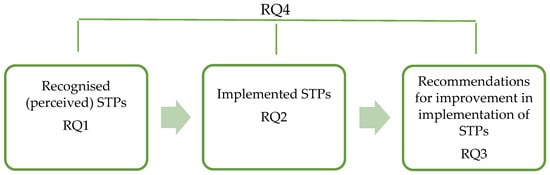
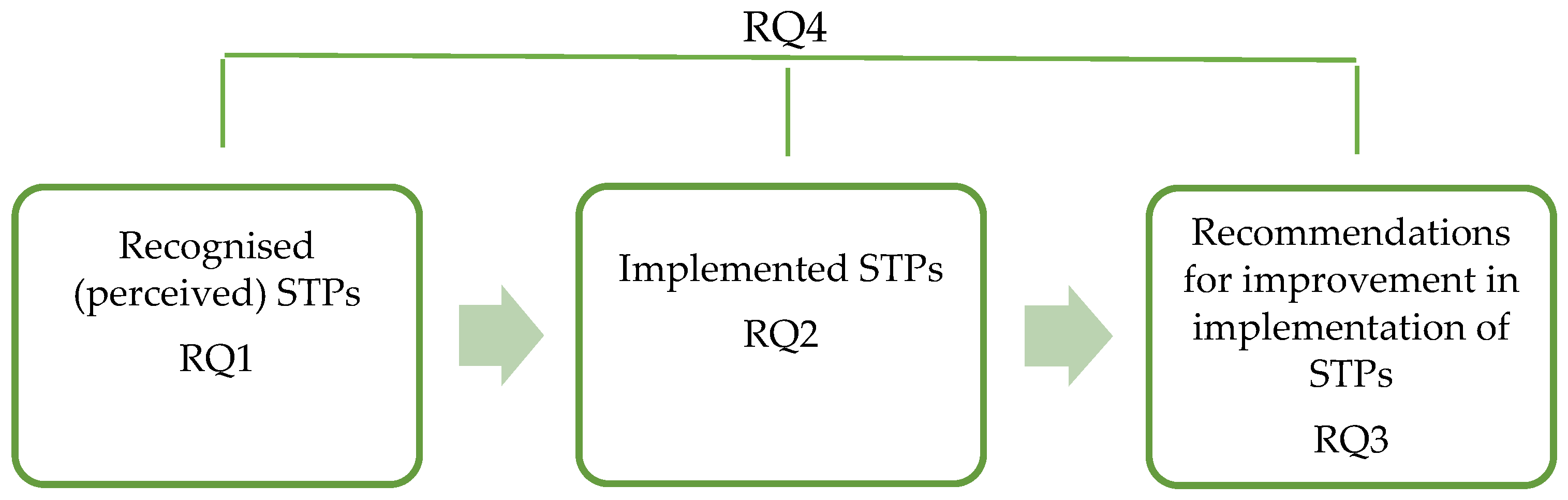

Disclaimer/Publisher’s Note: The statements, opinions and data contained in all publications are solely those of the individual author(s) and contributor(s) and not of MDPI and/or the editor(s). MDPI and/or the editor(s) disclaim responsibility for any injury to people or property resulting from any ideas, methods, instructions or products referred to in the content. |
© 2026 by the authors. Licensee MDPI, Basel, Switzerland. This article is an open access article distributed under the terms and conditions of the Creative Commons Attribution (CC BY) license.