


Highlights
Please indicate how your work links to systems science via your contributions to systems practice, theory, and or methodology.
- This study integrates digital transformation, supply chain resilience, and firm performance within a unified analytical framework.
- It examines how organizational, industry, regional, and cultural conditions shape the relationship between digital transformation and supply chain resilience.
What are the main findings and/or the implications of the main findings?
- Digital transformation is positively associated with supply chain resilience, with the strength of this relationship varying across DT and SCR dimensions as well as organizational, industry, regional, and cultural conditions.
- Supply chain resilience is positively associated with firm performance, with stronger associations for operational and market performance than for financial performance.
Abstract
Supply chains increasingly face complex disruptions and rapid technological change, making the relationship between digital transformation (DT) and supply chain resilience (SCR) an important issue in supply chain management. Yet existing evidence remains fragmented across forms of DT, dimensions of SCR, contextual conditions, and performance outcomes. This study conducts a systematic review and meta-analysis of 200 studies, including 124 examining the DT-SCR relationship and 104 examining the SCR–performance relationship. The results show that DT is positively associated with SCR, with stronger associations for digital capabilities than digital technologies and for reactive than proactive SCR. The DT-SCR association is also stronger among SMEs and mature firms, in manufacturing sectors and developing countries, and in contexts characterized by high power distance, low individualism, and stronger long-term orientation, while uncertainty avoidance shows no significant moderating effect. SCR is positively associated with firm performance, with stronger associations for operational and market performance than financial performance. By integrating evidence on the antecedents, boundary conditions, and performance consequences of SCR, this study provides a more differentiated and context-sensitive understanding of the role of DT in supply chain resilience.
1. Introduction
In the post-pandemic era, supply chains face increasingly complex and interconnected disruptions, while rapid technological change is simultaneously reshaping how firms prepare for and respond to such risks [1,2]. As a result, supply chain resilience (SCR), reflecting firms’ ability to maintain critical operations, recover from shocks, and adapt to changing conditions, has become a central issue in supply chain management [3]. At the same time, digital transformation (DT) is reshaping how firms monitor operations, process information, coordinate with supply chain partners, and make decisions under uncertainty [2,4]. Recent advances in generative artificial intelligence (generative AI), digital twins, and the Internet of Things (IoT) have further accelerated the DT of supply chains. Moreover, the emergence of Industry 5.0 has shifted attention beyond the efficiency- and automation-oriented logic of Industry 4.0 toward a broader emphasis on resilience, sustainability, and human-centricity [5]. Against this backdrop, understanding whether and under what conditions DT is associated with stronger SCR has become increasingly important for both research and practice.
A growing body of research has examined the relationship between DT and SCR. Digital technologies can enhance supply chain visibility, traceability, information processing, simulation, and interorganizational coordination, thereby helping firms detect disruptions and respond to changing conditions [6]. For example, generative AI can support the synthesis and interpretation of large volumes of heterogeneous information, facilitate scenario generation, and assist managers in evaluating response options under uncertainty [7]. Digital twins create dynamic virtual representations of physical systems, allowing firms to monitor operating conditions, simulate disruption scenarios, assess alternative configurations, and test potential responses without directly affecting ongoing operations [8]. IoT enables real-time sensing, tracking, and information sharing across supply chain activities, improving visibility into inventory, logistics, equipment, and supplier conditions and facilitating earlier detection of emerging disruptions [9]. Together, these technologies strengthen firms’ information acquisition, simulation, and decision-support capabilities, thereby enhancing their ability to anticipate, respond to, and adapt to supply chain disruptions.
Despite growing scholarly attention, the accumulated empirical evidence remains fragmented and heterogeneous. First, studies differ in how they conceptualize DT [10]. Some focus primarily on the adoption and use of specific digital technologies, whereas others emphasize broader digital capabilities that enable firms to integrate, coordinate, and deploy digital resources across organizational and supply chain processes. Second, SCR is itself a multidimensional construct [11]. Some studies emphasize proactive resilience, such as preparedness, anticipation, monitoring, and prevention, whereas others focus on reactive resilience, including response, recovery, flexibility, and adaptation. Third, the DT-SCR relationship may vary across organizational and contextual conditions [12], including firm characteristics, industry settings, regional development, and national culture. These differences make it difficult to determine the overall strength of the DT-SCR relationship, whether this relationship varies across different forms of DT and dimensions of SCR, and under what organizational and contextual conditions it is stronger.
An additional question concerns the performance consequences of SCR. Although resilience is generally expected to help firms maintain continuity and cope with disruptions, prior studies have linked SCR to a wide range of performance outcomes, including operational, market, and financial performance [13,14]. These performance dimensions reflect different manifestations of resilience-related value, including operational continuity, market competitiveness, and financial returns, suggesting that the strength of the SCR–performance relationship may vary across outcomes. Yet existing studies typically examine these performance outcomes separately, making it difficult to systematically compare the strength of the SCR–performance relationship across different outcome types [13].
To address these gaps, this study conducts a systematic review and meta-analysis of the empirical literature on DT, SCR, and firm performance. The findings provide consistent evidence of a positive association between DT and SCR, while also revealing substantial heterogeneity in this relationship. In particular, the association is more pronounced for digital capabilities than for digital technologies and for reactive than proactive SCR. Its strength also differs across organizational and contextual settings, with stronger relationships found among SMEs and mature firms, in manufacturing sectors and developing countries, as well as in contexts characterized by high power distance, low individualism, and stronger long-term orientation, while no significant differences are observed across levels of uncertainty avoidance. Beyond the antecedents of resilience, the analysis further shows that SCR is positively related to firm performance, with comparatively stronger relationships for operational and market outcomes than for financial outcomes. Taken together, these findings clarify both the heterogeneity surrounding the DT-SCR relationship and the differential performance implications of resilience.
This study makes three main contributions. First, it provides an integrated quantitative synthesis of two closely related relationships, DT-SCR and SCR–performance, thereby connecting research on the digital antecedents of resilience with evidence on its performance consequences. Second, it develops a more differentiated and forward-looking understanding of the DT-SCR relationship by distinguishing digital technologies from digital capabilities and proactive from reactive SCR, while situating these distinctions within the rapidly evolving context of emerging technologies and Industry 5.0 [5]. Third, it advances a more contextualized understanding of the DT-SCR relationship by identifying organizational, industry, regional, and cultural conditions under which this relationship is stronger. Collectively, these contributions integrate previously fragmented evidence, refine the conceptual understanding of DT and SCR, and clarify the contextual boundaries and performance implications of their relationship.
2. Theoretical Background and Hypotheses
2.1. Supply Chain Resilience: Conceptual Foundation and Unit of Analysis
SCR is the central construct in this study. Consistent with foundational supply chain research, SCR refers to the capacity of a supply chain to persist, adapt, and transform in the face of disruption and environmental change [15,16]. This definition extends beyond recovery speed or short-term operational stability. It encompasses preparedness before disruptions, absorption during shocks, response and recovery after disruptions, and adaptation or transformation when existing supply chain arrangements no longer fit changing conditions [17]. Treating SCR as a multidimensional construct is particularly important in a meta-analysis because primary studies differ in whether they emphasize anticipation, buffering, response, recovery, adaptation, or broader resilience capabilities [11].
The conceptual scope of SCR can be further clarified by distinguishing engineering resilience from social-ecological resilience. Engineering resilience emphasizes resistance, restoration, fail-safe design, time-to-survive, and time-to-recovery. From this perspective, a resilient supply chain is one that can withstand disruption and restore a stable or improved operating state. This logic is closely associated with reactive resilience, recovery speed, continuity restoration, and operational robustness [1]. Social-ecological resilience, by contrast, emphasizes safe-fail design, learning, adaptation, transformation, and continuous change. From this perspective, resilience involves not only recovering from disruption but also adjusting structures, routines, and relationships as uncertainty evolves [18]. These perspectives are complementary rather than mutually exclusive. Together, they suggest that SCR comprises both recovery-oriented and adaptation-oriented capabilities and that empirical findings may vary according to the particular resilience facet being measured.
The vulnerability-capability framework provides an additional foundation for understanding SCR [19]. In this framework, resilience emerges from the alignment between vulnerability factors and capability factors. Vulnerabilities include turbulence, complexity, resource constraints, sensitivity, connectedness, and exposure to disruption, whereas capabilities include flexibility, visibility, collaboration, adaptability, recovery, anticipation, information sharing, and resource reconfiguration. The central insight is that resilience does not arise from any single resource or practice; rather, it depends on whether firms and their supply chain arrangements possess capabilities suited to the vulnerabilities they face [20].
Because the primary empirical literature predominantly examines SCR from the perspective of focal firms, this meta-analysis adopts the focal firm as the unit of analysis. Focal-firm-level SCR is distinct from generic organizational resilience because it concerns the firm’s ability to maintain, restore, and adjust supply chain-related activities that depend on suppliers, customers, logistics arrangements, and information flows, rather than its overall capacity to survive or adapt [21]. It is also narrower than resilience assessed across a complete multi-tier supply chain network, which would require direct observation of multiple upstream and downstream actors [22]. This formulation recognizes that focal firms build resilience through interorganizational relationships and coordination while remaining consistent with how the included empirical studies operationalize SCR.
This unit-of-analysis choice defines the scope of the theoretical arguments developed below. We examine how a focal firm’s DT is associated with its SCR and how SCR, in turn, is associated with performance outcomes observed at the same level, rather than making claims about resilience across an entire multi-tier network. This boundary aligns the theoretical interpretation with the measurement level of the primary studies while preserving the supply chain character of SCR through its emphasis on supplier coordination, customer responsiveness, information sharing, logistics continuity, and cross-boundary resource adjustment under disruption.
2.2. Digital Transformation as Technology Adoption and Capability Building
DT refers to a technology-enabled strategic transformation through which firms redesign business processes, decision routines, organizational structures, and interorganizational coordination for value creation [23]. This definition extends beyond the adoption of individual digital tools and treats DT as an organizational change process in which digital resources are embedded in activities, routines, governance arrangements, and supply chain interfaces [24]. Recent developments associated with Industry 5.0 further extend this view by emphasizing that DT is not solely an efficiency-driven process of automation, but also a broader organizational transformation in which technological systems are increasingly designed and deployed in conjunction with human capabilities, resilience objectives, and sustainability considerations [5].
In this study, DT is conceptualized as a multidimensional construct comprising digital technologies and digital capabilities. Digital technologies encompass the adoption and use of generative AI, digital twins, IoT, big data analytics, and related tools. As these technologies become increasingly interconnected and embedded across organizational and supply chain processes, their effective use depends not only on access to individual technological resources but also on firms’ ability to integrate data and systems, coordinate their use across functions and organizational boundaries, and adapt digital resources to changing operational requirements [25,26]. Contemporary DT therefore involves both the expansion of firms’ technological resource base and the development of organizational capabilities for integrating, coordinating, and deploying these resources. Digital capabilities capture this latter dimension, referring to firms’ ability to integrate, coordinate, and deploy digital resources within organizational routines, decision processes, and supply chain relationships [10]. Although digital capabilities conceptually overlap with the broader notion of dynamic capabilities, our study does not treat the two constructs as equivalent. Digital capabilities are defined more narrowly here as a domain-specific construct centered on the effective integration and deployment of digital resources within organizational and supply chain processes.
The distinction between digital technologies and digital capabilities is theoretically important because possessing or adopting digital technologies is not equivalent to the organizational ability to integrate and deploy them effectively [27]. Firms may invest in analytics, platforms, connected devices, or simulation tools without fully incorporating the resulting information and functionalities into organizational routines and interorganizational processes. Digital capabilities enable firms to mobilize technological resources through coordinated use and integration across functions and supply chain relationships [28]. Digital technologies and digital capabilities therefore represent related but distinct dimensions of DT: the former constitute the technological resource base, whereas the latter reflect the organizational capacity to integrate and deploy these resources. This distinction allows the meta-analysis to compare the associations of digital technologies and digital capabilities with SCR.
2.3. Theoretical Relationship Between Digital Transformation and Supply Chain Resilience
Under disruption and uncertainty, firms need to detect emerging threats, evaluate response options, and adjust resources and routines as conditions change. These activities are consistent with a dynamic capabilities perspective [29]. DT can support this process by improving real-time data capture, risk detection, predictive analysis, and visibility, which help firms identify emerging disruptions and evaluate possible responses [30,31]. It can also facilitate faster coordination across functions and supply chain partners, enabling firms to mobilize resources and adjust decisions as disruption conditions evolve [32]. As circumstances change further, digitalization can support process redesign, supplier and logistics adjustment, and the redeployment of resources across organizational and supply chain boundaries [33]. Together, these mechanisms help explain why DT may strengthen firms’ ability to anticipate, respond to, recover from, and adapt to supply chain disruptions.
Specific digital technologies may support these resilience-related activities through distinct but complementary functions. Table 1 summarizes the principal mechanisms through which representative digital technologies may contribute to resilience-related capabilities. Multiple technologies may jointly support the same resilience-related activities, and their effects depend on how they are integrated into organizational and supply chain processes.
Table 1.
Mechanisms Linking Representative Digital Technologies to Resilience-Related Capabilities.
However, the relationship between DT and SCR is not necessarily uniformly beneficial. Greater digitalization can introduce new vulnerabilities through cybersecurity exposure, dependence on interconnected digital infrastructures, interoperability problems, information overload, and implementation complexity [34]. Digital systems may also increase vulnerability when firms become highly dependent on tightly coupled technologies or when digital initiatives are poorly aligned with existing routines and supply chain processes. DT can therefore strengthen the informational, coordinative, and adaptive foundations of SCR while also introducing new technological and organizational risks [35]. Despite these potential risks, the accumulated literature generally suggests a positive overall association between DT and SCR [36,37]. We therefore propose:
H1.
DT is positively associated with SCR.
The strength of this association may differ across the two dimensions of DT identified above. Digital technologies constitute the technological resource base of DT, whereas digital capabilities reflect firms’ ability to integrate, coordinate, and deploy digital resources within organizational routines, decision processes, and supply chain relationships. Although digital technologies provide important functionalities for connectivity, sensing, information processing, simulation, and decision support, these resources do not necessarily translate directly into coordinated organizational action [38]. Firms may possess advanced digital technologies without fully embedding them into planning, interorganizational coordination, or disruption-response routines [39]. Digital capabilities are therefore more directly related to the organizational processes through which digital resources are interpreted, combined, and deployed across functions and supply chain relationships [40]. Because SCR depends not only on access to digital resources but also on firms’ ability to mobilize them effectively under disruption, digital capabilities are expected to exhibit a stronger association with SCR than digital technologies. We therefore propose:
H1a.
The positive association between digital capabilities and SCR is stronger than that between digital technologies and SCR.
The DT-SCR association may also differ across proactive and reactive dimensions of resilience. Proactive resilience emphasizes preparedness, anticipation, monitoring, buffering, and prevention before disruptions occur, whereas reactive resilience focuses on response, recovery, flexibility, and adaptation during and after disruptions [2,28]. DT can support both dimensions, but its association with reactive resilience is expected to be stronger. Reactive resilience relies heavily on real-time visibility, rapid information processing, communication, coordinated decision-making, and operational adjustment during disruptions, all of which can be supported relatively directly by digital technologies and capabilities [31,41]. Proactive resilience also benefits from predictive information and early-warning systems, but it often depends on longer-term organizational arrangements such as redundancy, supplier diversification, contingency planning, and sustained capability development that extend beyond digitalization alone. Accordingly, the contribution of DT is likely to be more directly reflected in firms’ ability to respond to and recover from disruptions than in the broader set of arrangements underlying proactive preparedness [42]. We therefore propose:
H1b.
The positive association between DT and reactive SCR is stronger than that between DT and proactive SCR.
2.4. Boundary Conditions of the DT-SCR Relationship
The association between DT and SCR is unlikely to be uniform across firms and contexts. Prior research suggests that the value of organizational capabilities depends on the conditions under which they are deployed, while SCR research emphasizes the need to match capabilities with specific sources of vulnerability [43,44]. Accordingly, the extent to which DT is associated with SCR may depend on whether digital resources address salient vulnerabilities and whether organizational and contextual conditions enable these resources to be effectively embedded in routines and supply chain processes [2,37]. This study therefore examines heterogeneity in the DT-SCR relationship across organizational attributes, industry characteristics, regional development, and national culture. These contingencies help explain why prior empirical studies report varying magnitudes of the DT-SCR association.
2.4.1. Organizational Attributes
Firm size may shape the strength of the DT-SCR association because SMEs and large firms differ in resource endowments, structural complexity, and decision-making processes [45,46]. SMEs often face greater financial, human, and informational constraints in managing supply chain risks. Under such conditions, digital resources may generate greater marginal benefits by improving visibility, reducing information gaps, and strengthening coordination and response flexibility [47,48]. Large firms generally possess more abundant resources, but their greater organizational complexity, fragmented systems, and structural inertia may slow information flows and complicate the integration of digital resources across business units and supply chain interfaces. Accordingly, the DT-SCR association may be stronger for SMEs, where digital resources can more directly compensate for resource and coordination constraints. We therefore propose:
H2a.
The positive association between DT and SCR is stronger for SMEs than for large firms.
Firm age may also moderate the DT-SCR relationship because it reflects accumulated organizational experience, routinized processes, and the maturity of risk-management practices [49]. Mature firms typically possess more established operating routines, supplier relationships, and response mechanisms, which may provide a stronger foundation for integrating digital technologies and capabilities into resilience-related activities [50]. Younger firms may be more flexible but often lack stable routines, established supply chain relationships, and formalized risk-management mechanisms, which may make the integration of digital initiatives into stable resilience-related routines more difficult. Accordingly, the DT-SCR association may be stronger in mature firms because accumulated learning and process maturity facilitate the integration of digital resources into organizational and supply chain routines. We therefore propose:
H2b.
The positive association between DT and SCR is stronger for mature firms than for younger firms.
2.4.2. Industry Characteristics
Industry type may condition the strength of the DT-SCR association because manufacturing and service firms differ in their operational structures and sources of supply chain vulnerability. Manufacturing supply chains typically involve multi-tier physical flows, production planning, inventory coordination, and logistics scheduling, making visibility, traceability, and cross-organizational coordination particularly important [51]. In such settings, digital technologies are often more directly embedded in physical operations and may support disruption monitoring, production adjustment, and coordination across suppliers and customers [52]. Service firms also face substantial uncertainty, but their digital transformation may focus more on customer interfaces, service delivery, and digital channels, while generally relying less on complex physical production and material-flow coordination [26]. At this broad industry level, the DT-SCR association may therefore be stronger in manufacturing, where digital resources are more directly connected to the monitoring and coordination of complex physical supply chain processes. We therefore propose:
H2c.
The positive association between DT and SCR is stronger in manufacturing firms than in service firms.
2.4.3. Regional Development
Regional development level may condition the strength of the DT-SCR association because firms in developing economies may operate under greater institutional uncertainty, infrastructure constraints, resource limitations, and less mature supply chain support systems [53]. Under such conditions, digital resources may generate greater marginal benefits by reducing information asymmetry, improving coordination, and supporting faster responses when formal infrastructure or institutional support is limited [40]. Firms in developed economies, by contrast, generally operate with more mature infrastructure, established risk-buffering mechanisms, and more formalized supply chain processes, which may reduce the marginal resilience-related value of additional digitalization. Accordingly, the DT-SCR association may be stronger in developing economies, where improvements in visibility, traceability, and coordination can more directly compensate for existing structural and institutional constraints. We therefore propose:
H2d.
The positive association between DT and SCR is stronger in developing economies than in developed economies.
2.4.4. National Culture
National culture provides an important institutional and behavioral context for the implementation of DT. Cultural norms may affect authority relationships, information sharing, cooperation, risk preferences, and decision-making across organizational boundaries [54]. These conditions may affect how digital resources are integrated into organizational and supply chain processes and, consequently, the strength of the DT-SCR association. We therefore examine four cultural dimensions that are particularly relevant to organizational coordination, risk management, and long-term investment: power distance, individualism-collectivism, uncertainty avoidance, and long-term orientation [55].
Power distance reflects the extent to which unequal distributions of authority are accepted in a society [54]. In higher power-distance contexts, more centralized authority may facilitate top-down implementation, standardized execution, and rapid coordination during digital transformation initiatives [22]. Such centralized structures can help align digital tools, decision routines, and organizational responses across functions and supply chain interfaces, particularly when disruptions require timely and coordinated action [22,54]. As a result, digital resources may be mobilized more consistently and rapidly across organizational levels, strengthening their role in supporting resilience-related responses. By contrast, lower power-distance contexts typically rely more on decentralized and participatory decision structures, which may require greater cross-level consultation and coordination before digital resources can be implemented consistently across the organization. Accordingly, the DT-SCR association may be stronger in higher power-distance contexts. We therefore propose:
H2e.
The positive association between DT and SCR is stronger in cultures characterized by higher power distance.
Individualism-collectivism captures whether individuals prioritize autonomy and personal goals or group goals and collective interests. Collectivistic cultures tend to emphasize shared goals, relational embeddedness, and cooperation, which can support information sharing and coordinated action across organizational boundaries [56]. These conditions are particularly relevant to DT because resilience-related digitalization often depends on data sharing, collaborative planning, and coordinated responses among supply chain partners [39,57]. In more individualistic contexts, stronger emphasis on autonomy may make cross-boundary information sharing and coordinated action more dependent on formal governance mechanisms. We therefore propose:
H2f.
The positive association between DT and SCR is stronger in more collectivistic cultures.
Uncertainty avoidance reflects the extent to which members of a society prefer predictability and seek to reduce ambiguity and uncertainty [58]. In cultures characterized by higher uncertainty avoidance, organizations may place greater emphasis on formal risk management, monitoring, forecasting, and contingency planning [59]. Digital resources can support these practices by improving risk visibility, enabling predictive analysis, and facilitating more structured responses to disruption [8,60]. Accordingly, the DT-SCR association may be stronger in higher uncertainty-avoidance contexts, where digital resources are more likely to be used in support of structured risk monitoring, forecasting, and disruption-response processes. We therefore propose:
H2g.
The positive association between DT and SCR is stronger in cultures characterized by higher uncertainty avoidance.
Long-term orientation reflects the extent to which societies emphasize persistence, future-oriented planning, and investment in long-term outcomes [58]. Both DT and SCR often involve sustained investment, organizational learning, and capability development whose benefits may emerge only over time [24,61]. In more long-term-oriented contexts, firms may be more willing to maintain these investments and organizational commitments rather than prioritize short-term returns. Accordingly, the DT-SCR association may be stronger in such contexts, where firms are more likely to sustain the investments and organizational adjustments required to integrate digital resources into resilience-related processes. We therefore propose:
H2h.
The positive association between DT and SCR is stronger in cultures characterized by higher long-term orientation.
2.5. Performance Outcomes of Supply Chain Resilience
Because primary studies predominantly measure SCR at the focal-firm level, this meta-analysis examines its association with firm performance. SCR is performance-relevant because it reflects firms’ ability to maintain supply chain-related activities, coordinate responses, and reconfigure processes under disruption [11,62]. These abilities may help firms sustain continuity and adapt operations under changing conditions, thereby supporting stronger performance outcomes. We therefore propose:
H3.
Supply chain resilience is positively associated with firm performance.
Firm performance is multidimensional, and different performance outcomes may reflect the value of SCR with varying degrees of immediacy. Operational performance is most proximal to SCR because it captures continuity, delivery reliability, efficiency, flexibility, and responsiveness, all of which are closely related to firms’ ability to sustain and restore supply chain-related activities under disruption [63]. Market performance may also reflect the benefits of SCR, as firms that maintain continuity and respond reliably during disruptions may be better able to preserve customer trust, service reputation, responsiveness to changing demand, and competitive position [64]. Financial performance, by contrast, is more distal because it is shaped not only by disruption-related losses and recovery costs but also by pricing, demand, competitive conditions, investment costs, and other factors beyond resilience itself. Its benefits may also emerge with a lag, after operational continuity and market responsiveness are translated into accounting or return-based outcomes [65]. Accordingly, SCR is expected to be more strongly associated with operational and market performance than with financial performance. We therefore propose:
H3a.
The positive association between SCR and operational performance is stronger than that between SCR and financial performance.
H3b.
The positive association between SCR and market performance is stronger than that between SCR and financial performance.
Figure 1 summarizes the conceptual framework, hypothesized associations, and boundary conditions examined in this meta-analysis.
Figure 1.
Conceptual Framework and Hypothesized Relationships. Solid arrows represent the main hypothesized relationships, whereas dashed arrows represent the hypothesized moderating effects on the DT–SCR relationship.
3. Research Method
3.1. Review Design and Search Strategy
This study employs a systematic review-based meta-analysis to synthesize empirical evidence on two theoretically related relationships: (1) the relationship between DT and SCR, and (2) the relationship between SCR and firm performance. The systematic review component provides a transparent process for identifying, screening, and coding relevant studies, whereas the meta-analytic component statistically integrates effect sizes and examines heterogeneity across empirical findings [66,67].
Following this research design, we constructed two evidence pools. The first comprises empirical studies examining the DT-SCR relationship and is used to evaluate the overall association between DT and SCR, differences between digital technologies and digital capabilities, and contextual boundary conditions. The second comprises empirical studies examining the SCR–performance relationship and is used to assess whether the association between SCR and firm performance varies across performance dimensions. Although the two evidence pools focus on different relationships, they follow the same database search procedures, eligibility criteria, coding procedures, and effect-size extraction rules. Because some studies provide evidence on both relationships, the study counts for the two evidence pools are not mutually exclusive.
We searched Web of Science, Scopus, and ProQuest ABI/INFORM. The search covered studies published from 2000 to June 2026, with the initial search conducted in May 2025 and an updated search performed in June 2026 to capture recent developments in DT and SCR research. Searches were restricted to peer-reviewed English-language journal articles. Search terms were applied to the relevant metadata fields available in each database, including title, abstract, keywords, topic, subject, and summary fields, depending on database-specific syntax. The complete search strings, database-specific settings, and field specifications are reported in Supplementary File S2.
For the DT-SCR evidence pool, DT-related keywords included digital transformation, digitalization, digital technologies, digital capabilities, Industry 4.0, Industry 5.0, artificial intelligence, generative AI, machine learning, IoT, blockchain, cloud computing, big data analytics, digital platforms, digital twins, cyber-physical systems, and smart manufacturing. These terms were combined with SCR-related keywords, including supply chain resilience, supply chain disruption, supply chain risk, supply chain robustness, supply chain recovery, supply chain adaptability, supply chain agility, and supply chain continuity.
For the SCR-performance evidence pool, SCR-related keywords were combined with performance-related keywords, including firm performance, operational performance, financial performance, market performance, competitive advantage, supply chain performance, economic performance, and business performance. Search results from both evidence pools were consolidated into a unified screening process before duplicate removal and eligibility assessment. The same inclusion criteria, coding procedures, and effect-size extraction rules were applied across both evidence pools.
3.2. Study Selection and Eligibility Criteria
The screening process followed a PRISMA-style sequence comprising record identification, duplicate removal, title and abstract screening, full-text eligibility assessment, and final inclusion, as summarized in Figure 2.
Figure 2.
PRISMA flow diagram of the literature selection process.
The database searches identified 4479 records before deduplication. After 2292 duplicate records were removed, 2187 records remained for title and abstract screening. At this stage, 1764 records were excluded because they did not meet the substantive focus or eligibility requirements of the review. The remaining 423 full-text studies were assessed for eligibility, of which 223 were excluded. The main reasons for exclusion included an irrelevant research focus, lack of extractable effect sizes, conceptual or review-based designs, insufficiently independent samples, and other eligibility-related issues.
Studies were eligible for inclusion if they met the following criteria: (1) they were peer-reviewed English-language empirical journal articles; (2) they examined firms, organizations, supply chains, or interorganizational supply chain contexts; (3) they investigated either the DT-SCR relationship or the SCR-performance relationship; and (4) they reported sufficient statistical information to calculate or convert effect sizes together with the corresponding sample size.
The final sample comprised 200 unique studies. Of these, 124 contributed evidence to the DT-SCR evidence pool and 104 to the SCR-performance evidence pool. Because some studies examined both relationships, 28 studies contributed to both evidence pools. The complete list of included studies and coding information is provided in Supplementary File S3.
3.3. Data Extraction and Coding
A predefined coding scheme was developed to guide data extraction and ensure consistency across the included studies. The coding scheme covered bibliographic information, sample characteristics, construct-related information, moderator variables, and effect-size information. Bibliographic information included authorship, publication year, and journal. Sample characteristics included sample size, country or region, industry context, firm size, and firm age. Construct-related information captured DT dimensions, SCR operationalizations, and firm performance dimensions. Moderator variables included organizational, contextual, and cultural characteristics examined in subgroup analyses. Effect-size information included reported correlations or convertible statistics, sample sizes, and reliability information when available. Two researchers independently coded all included studies using a standardized coding form. Discrepancies were resolved through discussion and re-examination of the original articles until consensus was reached. The initial inter-coder agreement rate before reconciliation was 96.54%, indicating a high level of coding consistency. Coding decisions were based on the construct definitions and operationalizations reported in the original studies rather than on variable labels alone, thereby reducing potential misclassification arising from qualitative differences across studies. Detailed search procedures, screening criteria, and coding rules are provided in Supplementary File S2.
For the DT-SCR evidence pool, coding focused on both relationship-specific constructs and contextual characteristics that could explain heterogeneity across studies. DT was classified into digital technologies, digital capabilities, and combined categories. Digital technologies refer to the adoption or use of specific digital tools, including artificial intelligence, the Internet of Things, blockchain, cloud computing, big data analytics, digital platforms, and other technology-based applications. Digital capabilities refer to organizational capabilities that enable firms to integrate, coordinate, and deploy digital resources, including digital sensing capability, digital integration capability, data-driven decision-making capability, and coordination capability. Studies incorporating both technology and capability elements, or lacking a clear distinction between the two, were coded as combined and retained in the overall synthesis where applicable. SCR operationalization was coded as proactive resilience, reactive resilience, or overall resilience. Proactive resilience captures preparedness-oriented capabilities before disruptions occur, including anticipation, prevention, risk monitoring, and buffering activities. Reactive resilience reflects response-oriented capabilities during and after disruptions, including recovery, adaptation, and restoration. Overall resilience refers to studies measuring SCR as a composite construct without distinguishing between proactive and reactive dimensions.
Study-level moderators were coded for the DT-SCR evidence pool to examine potential boundary conditions. Firm size was coded using the average number of employees. Following prior meta-analytic studies, samples with a mean workforce of fewer than 500 employees were classified as SME samples, whereas those with 500 employees or more were classified as large-firm samples [68]. Firm age was coded using average firm age in years. Because firm maturity may vary across industries and research contexts, different thresholds have been used in prior studies. Following prior meta-analytic research, we used an average firm age of eight years as the cutoff between young and mature firms [49]. Accordingly, samples with a mean firm age of eight years or less were classified as young-firm samples, whereas those with a mean firm age above eight years were classified as mature-firm samples.
Industry type was coded as manufacturing, services, or Mixed based on the primary industry composition of the sampled firms. Regional development level was coded as developed or developing based on International Monetary Fund (IMF) classifications, whereas studies involving mixed country samples were coded as Mixed and those with insufficient country information were coded as NA. National culture was operationalized using Hofstede’s cultural dimensions, including power distance, individualism-collectivism, uncertainty avoidance, and long-term orientation. For single-country studies, the corresponding country-level cultural scores were assigned. For multi-country studies, cultural scores were assigned only when sufficient information was available on country composition or weighting procedures; otherwise, they were coded as NA. High- and low-score groups were created using the mean score across coded studies as the cutoff for each cultural dimension.
For the SCR–performance evidence pool, coding focused on relationship-specific outcome dimensions. Firm performance was classified into operational performance, market performance, financial performance, and overall performance. Operational performance includes efficiency, delivery, cost, flexibility, and process-related outcomes. Market performance includes customer-related outcomes, competitive position, innovation outcomes, and other market-oriented indicators. Financial performance includes accounting-based, return-based, and other financial outcomes. Overall performance measures were retained in the overall synthesis but were not treated as a separate performance-dimension subgroup.
Throughout the coding process, Overall indicates an undifferentiated construct measure; Combined indicates DT measures integrating both digital technology and capability dimensions or measures for which the two dimensions could not be clearly distinguished; Mixed indicates samples spanning multiple categories; and NA indicates information that was not reported or was insufficiently specified.
3.4. Effect Size Computation and Statistical Analysis
Pearson’s r was used as the common effect-size metric across the two evidence pools. When a study reported zero-order correlations for a focal relationship, these correlations were extracted directly. When multiple effect sizes were reported from the same study and sample for the same focal relationship, the effects were aggregated for the main-effect analyses to avoid over-representing individual studies. For analyses examining specific construct operationalizations, such as DT dimensions, SCR operationalizations, or performance dimensions, dimension-specific effect sizes were retained to preserve meaningful variation across constructs.
When standardized regression coefficients were reported without zero-order correlations, they were converted into approximate correlation coefficients [69]. Specifically, the convenience imputation formula was applied, where when and when . This conversion was used only when zero-order correlations were unavailable. Correlations were corrected for attenuation when reliability estimates were reported. When reliability information was unavailable, reliability values were imputed using the sample-size-weighted mean reliability derived from the available studies. All correlation coefficients were transformed into Fisher’s z values for statistical synthesis and subsequently back-transformed into r values for interpretation.
Effect sizes were synthesized using random-effects models because the included studies varied in theoretical foundations, samples, measurement approaches, research contexts, and study designs, suggesting that the underlying effects may differ across studies [32]. All meta-analytic procedures were conducted using Comprehensive Meta-Analysis (CMA) 3.0. Between-study heterogeneity was assessed using Cochran’s Q statistic and the I2 statistic. Cochran’s Q tests whether the observed variation in effect sizes exceeds that expected from sampling error, whereas I2 indicates the proportion of total observed variance attributable to between-study heterogeneity.
Moderator analyses were conducted using subgroup comparisons based on the between-group heterogeneity statistic. For the DT-SCR evidence pool, subgroup analyses examined potential boundary conditions related to organizational characteristics, industry context, regional development, national culture, and construct operationalization. Specifically, the analyses examined firm size, firm age, industry type, regional development level, Hofstede’s cultural dimensions, DT dimensions (digital technologies versus digital capabilities), and SCR operationalization (proactive versus reactive resilience). For the SCR–performance evidence pool, subgroup analyses examined whether the association between SCR and firm performance varied across operational, market, and financial performance dimensions.
3.5. Publication Bias Assessment and Sensitivity Analyses
Publication bias was assessed using Rosenthal’s fail-safe N and Egger’s regression test. Rosenthal’s fail-safe N estimates the number of unpublished null-effect studies required to reduce the observed effect to statistical non-significance. The resulting fail-safe N values were compared with the conventional tolerance threshold of , where denotes the number of effect sizes included in the synthesis. Egger’s regression test was used to assess potential small-study effects by examining whether effect sizes were systematically associated with their precision. These procedures were applied separately to the DT-SCR and SCR–performance evidence pools.
To assess the robustness of the two main syntheses, we also conducted leave-one-out sensitivity analyses by re-estimating the pooled effect after removing one study at a time. These analyses were used to determine whether the overall DT-SCR and SCR–performance estimates were disproportionately influenced by any single study.
4. Results
4.1. Publication Bias and Sensitivity Analyses
Before testing the hypothesized relationships, we assessed potential publication bias and the robustness of the meta-analytic findings across the two evidence pools. Publication bias was examined using Egger’s regression test and Rosenthal’s fail-safe N, with the results presented in Table 2. For the DT-SCR relationship (k = 124), Egger’s regression test was non-significant (intercept = −1.519, t = 0.787, p = 0.433), indicating no substantial evidence of small-study effects. In addition, the fail-safe N was 15,741, substantially exceeding Rosenthal’s tolerance criterion (), suggesting that a large number of unpublished null-effect studies would be required to reduce the observed effect to statistical non-significance. For the SCR–performance relationship (k = 104), Egger’s regression test was likewise non-significant (intercept = 3.119, t = 1.629, p = 0.106). The corresponding fail-safe N was 18,349, which also substantially exceeded the tolerance threshold (). Taken together, these results provide no strong evidence of publication bias in either evidence pool.
Table 2.
Publication bias tests.
To further assess the robustness of the pooled effects, leave-one-out sensitivity analyses were conducted using random-effects models. The pooled correlations remained highly stable when each study was sequentially removed. Specifically, the pooled effect size for the DT-SCR relationship ranged from r = 0.594 to r = 0.603, whereas that for the SCR–performance relationship ranged from r = 0.584 to r = 0.597. These results indicate that no individual study exerted a disproportionate influence on the overall meta-analytic estimates, supporting the robustness of the pooled relationships.
4.2. Digital Transformation and Supply Chain Resilience
4.2.1. Main Effect
Table 3 presents the meta-analytic results for the relationship between DT and SCR. The overall results show that DT is positively associated with SCR (r = 0.600, p < 0.001), supporting H1.
Table 3.
Meta-analytic results for digital transformation and supply chain resilience.
We further examined whether the strength of the DT-SCR relationship differs across dimensions of DT. Both digital capabilities and digital technologies are positively associated with SCR. The association is stronger for digital capabilities (r = 0.626, p < 0.001) than for digital technologies (r = 0.508, p < 0.001). The between-group difference is statistically significant (Qb = 6.177, p = 0.013), indicating that digital capabilities are more strongly associated with SCR than digital technologies. Thus, H1a is supported.
We also examined whether the DT-SCR relationship varies across SCR operationalizations. DT is positively associated with both proactive resilience (r = 0.397, p < 0.001) and reactive resilience (r = 0.583, p < 0.001). The between-group difference is statistically significant (Qb = 5.917, p = 0.015), indicating a stronger association with reactive resilience than with proactive resilience. Thus, H1b is supported.
4.2.2. Moderator Analyses
Given the substantial heterogeneity in the DT-SCR relationship, we conducted subgroup analyses to examine whether organizational, industry, regional, and cultural factors moderate the strength of this association. The results are presented in Table 4.
Table 4.
Subgroup analyses of the DT-SCR relationship.
Regarding organizational characteristics, firm size significantly moderates the DT-SCR relationship. The association between DT and SCR is stronger among SMEs (r = 0.637, p < 0.001) than among large firms (r = 0.543, p < 0.001), with a significant between-group difference (Qb = 3.964, p = 0.046). Thus, H2a is supported. Firm age also significantly moderates the DT-SCR relationship. The association is stronger among mature firms (r = 0.549, p < 0.001) than among younger firms (r = 0.389, p < 0.001), with a significant between-group difference (Qb = 9.106, p = 0.003). Thus, H2b is supported.
Industry context also significantly differentiates the DT-SCR relationship. The association is stronger in manufacturing industries (r = 0.643, p < 0.001) than in service industries (r = 0.507, p < 0.001), with a significant between-group difference (Qb = 6.722, p = 0.010), supporting H2c. As a supplementary analysis, we further examined variation across industry subsectors. Significant positive associations were observed across all examined subsectors, including food and beverage (r = 0.664, p = 0.002), healthcare services (r = 0.480, p < 0.001), retail and wholesale (r = 0.557, p < 0.001), and textile and apparel (r = 0.663, p < 0.001). The between-subsector difference was also significant (Qb = 12.311, p = 0.006). However, given the small number of studies within several subsectors, these findings should be interpreted as exploratory rather than as formal hypothesis tests.
Regional development level also significantly moderates the DT-SCR relationship. Studies conducted in developing economies show a stronger association between DT and SCR (r = 0.626, p < 0.001) than those conducted in developed economies (r = 0.441, p < 0.001), with a significant between-group difference (Qb = 6.323, p = 0.012). Thus, H2d is supported.
Finally, national cultural dimensions reveal heterogeneous patterns in the DT-SCR relationship. Power distance significantly moderates the relationship, with a stronger association in high-power-distance contexts (r = 0.614, p < 0.001) than in low-power-distance contexts (r = 0.436, p < 0.001; Qb = 6.412, p = 0.011), supporting H2e. Individualism also significantly moderates the relationship, with a stronger association in low-individualism contexts (r = 0.629, p < 0.001) than in high-individualism contexts (r = 0.505, p < 0.001; Qb = 5.491, p = 0.019), supporting H2f. In contrast, uncertainty avoidance does not significantly moderate the DT-SCR relationship (Qb = 0.054, p = 0.816); thus, H2g is not supported. Long-term orientation significantly moderates the relationship, with a stronger association in high-long-term-orientation contexts (r = 0.617, p < 0.001) than in low-long-term-orientation contexts (r = 0.515, p < 0.001; Qb = 4.063, p = 0.044), supporting H2h.
4.3. Supply Chain Resilience and Firm Performance
Table 5 presents the meta-analytic results for the relationship between SCR and firm performance. The overall results show that SCR is positively associated with firm performance (r = 0.592, p < 0.001), supporting H3. We further examined whether the strength of the SCR–performance relationship differs across performance dimensions. SCR is positively associated with operational performance (r = 0.606, p < 0.001), market performance (r = 0.730, p < 0.001), and financial performance (r = 0.450, p < 0.001). The between-group comparisons show that the association between SCR and operational performance is significantly stronger than that between SCR and financial performance (Qb = 4.532, p = 0.033). Thus, H3a is supported. Similarly, the association between SCR and market performance is significantly stronger than that between SCR and financial performance (Qb = 6.412, p = 0.011), supporting H3b.
Table 5.
Meta-analytic Results for the SCR–Performance Relationship.
5. Conclusions and Discussion
5.1. Conclusions
This study systematically synthesizes the relationships among DT, SCR, and firm performance. The meta-analytic results show that DT is positively associated with SCR, with digital capabilities exhibiting a stronger association than digital technologies and the association with reactive resilience being stronger than that with proactive resilience. The DT-SCR association also varies across organizational, industry, regional, and cultural conditions: stronger among SMEs than large firms, among mature firms than younger firms, in manufacturing than service industries, in developing than developed economies, and under higher power distance, greater collectivism, and stronger long-term orientation, while uncertainty avoidance does not significantly moderate the relationship [25,46]. Finally, SCR is positively associated with firm performance, with stronger associations for operational and market performance than for financial performance.
5.2. Theoretical Implications
This study offers several theoretical implications for research on DT, SCR, and firm performance. First, the findings refine the conceptualization of DT by distinguishing between digital technologies and digital capabilities. Prior research has often examined digitalization through the adoption or use of particular technologies, which may obscure the distinction between possessing digital resources and developing the organizational ability to integrate and deploy them [70]. The stronger association of digital capabilities with SCR suggests that these two dimensions should not be treated as theoretically equivalent and qualifies technology-centric views that implicitly equate DT with technology adoption. Understanding the resilience implications of DT therefore requires attention not only to firms’ technological resource base but also to their capabilities for integrating, coordinating, and deploying digital resources across organizational and supply chain processes [71,72,73].
Second, this study highlights the importance of distinguishing among dimensions of SCR when theorizing the implications of DT. The stronger association of DT with reactive than proactive resilience indicates that SCR should not be treated as a homogeneous outcome [28]. This finding challenges aggregate treatments of SCR that implicitly assume that digitalization is equally relevant across different resilience dimensions. Different dimensions of resilience reflect distinct organizational requirements and may therefore be associated with digitalization to different degrees [74]. Theoretical explanations of the DT-SCR relationship should therefore specify which dimension of resilience is being examined rather than assuming a uniform relationship across proactive and reactive resilience.
Third, the findings establish the context-dependent nature of the DT-SCR relationship. The observed variation across organizational, industry, regional, and cultural conditions indicates that the association between DT and SCR is not uniform across firms and environments [75]. These findings challenge context-free or universalistic interpretations of the DT-SCR relationship and support a more contingent theoretical perspective that explicitly accounts for heterogeneity across firms and environments. By integrating multiple levels of boundary conditions within a common meta-analytic framework, this study provides a more differentiated understanding of when and where DT is most strongly associated with SCR.
Fourth, this study advances understanding of the performance implications of SCR by distinguishing among operational, market, and financial outcomes. The positive association between SCR and firm performance supports the view that resilience has consequences beyond disruption management itself [62]. More importantly, the stronger associations with operational and market performance than with financial performance qualify approaches that treat firm performance as a homogeneous outcome and indicate that the value associated with SCR is reflected unevenly across performance domains. Theoretical assessments of the performance implications of SCR should therefore adopt a multidimensional view of firm performance rather than relying primarily on financial outcomes.
5.3. Practical Implications
The findings offer several practical implications for managers seeking to strengthen SCR through DT. First, firms should view digitalization as more than the adoption of individual technologies. Because digital capabilities exhibit a stronger association with SCR than digital technologies, managers should complement investments in digital tools with efforts to integrate data and systems, coordinate digital resources across functions and supply chain partners, and embed them into organizational routines and decision processes [28,76]. The practical value of digitalization therefore depends not only on what technologies firms adopt, but also on how effectively they integrate and deploy these technologies in supply chain operations.
Second, managers should distinguish between proactive and reactive resilience when designing digitalization initiatives. The stronger association between DT and reactive resilience suggests that digital resources may be particularly relevant to real-time monitoring, information processing, coordination, and operational adjustment during and after disruptions [63]. Firms seeking to strengthen proactive resilience, however, should not rely on digitalization alone. Digital tools for forecasting and early warning should be complemented by broader organizational arrangements, such as contingency planning, supplier diversification, redundancy, and sustained capability development. A balanced resilience strategy should therefore combine digitalization with organizational and supply chain arrangements suited to different stages of disruption management.
Third, digitalization strategies should be tailored to organizational, industry, regional, and cultural conditions rather than applied uniformly across firms and environments [63,77]. The stronger DT-SCR associations observed among SMEs, mature firms, manufacturing firms, firms in developing economies, and in contexts characterized by higher power distance, greater collectivism, and stronger long-term orientation indicate that the relevance of digitalization for resilience varies systematically across settings. Managers should therefore consider firm characteristics, industry-specific operational requirements, regional infrastructure and institutional conditions, and prevailing cultural norms when prioritizing digital investments and designing resilience initiatives [77]. Rather than adopting standardized digitalization strategies, firms should align the scope and implementation of DT with the specific vulnerabilities, coordination requirements, and contextual conditions they face.
Finally, firms should evaluate the returns to resilience investments using multiple dimensions of performance rather than relying primarily on short-term financial outcomes [62]. Because SCR is more strongly associated with operational and market performance than with financial performance, managers should consider indicators such as operational continuity, delivery reliability, flexibility, responsiveness, customer retention, and competitive position when assessing the value of resilience-building initiatives. A broader performance perspective can help firms better recognize the benefits of SCR that may not be immediately reflected in accounting or financial measures.
5.4. Limitations and Future Research
This study has several limitations that also suggest directions for future research. First, research on DT is developing rapidly [24], while systematic reviews and meta-analyses necessarily rely on published empirical evidence and may therefore lag behind technological developments. Emerging technologies and paradigms, including generative AI, digital twins, and Industry 5.0, are evolving faster than the accumulation of empirical studies needed for quantitative synthesis [8]. As the evidence base expands, future research could periodically update the meta-analytic evidence and examine whether the relationships identified in this study remain stable as new digital technologies and forms of digital transformation become more widely adopted.
Second, the conceptualization and measurement of SCR remain heterogeneous across primary studies. Although this study distinguishes between proactive and reactive resilience, individual studies operationalize resilience through different combinations of preparedness, response, recovery, adaptation, flexibility, and related dimensions. Such variation may limit the comparability of effect sizes and obscure more fine-grained differences among resilience capabilities [74]. Future research should further clarify the conceptual boundaries among different dimensions of SCR, develop more consistent measurement approaches, and examine how specific dimensions of resilience are associated with different forms of DT.
Third, the available evidence requires some aggregation across industries, regions, and institutional settings. Although the moderator analyses capture broad differences across industry, regional, and national cultural contexts, such categories may conceal meaningful heterogeneity within specific sectors, countries, and institutional environments [78]. Future research could examine the DT-SCR relationship at a finer level of analysis, including comparisons across manufacturing subsectors, regulated and non-regulated industries, and specific national or regional contexts. More fine-grained and comparative evidence would help clarify how technological, operational, and institutional conditions jointly shape the relationship between DT and SCR.
Supplementary Materials
The following supporting information can be downloaded at: https://www.mdpi.com/article/10.3390/systems14080917/s1, Supplementary File S1: PRISMA 2020 checklist; Supplementary File S2: Search strategy, screening criteria, and coding protocol; Supplementary File S3: Coding results and included studies list; Supplementary File S4: PRISMA-S checklist for reporting literature searches.
Author Contributions
Conceptualization, Y.L. and Q.L.; methodology, Y.L. and Q.L.; software, Y.L.; validation, Q.L. and K.L.; formal analysis, Y.L.; investigation, Y.L. and K.L.; data curation, Y.L. and K.L.; writing—original draft preparation, Y.L.; writing—review and editing, Q.L. and K.L.; supervision, Q.L.; project administration, Q.L. All authors have read and agreed to the published version of the manuscript.
Funding
This research received no external funding.
Institutional Review Board Statement
Not applicable.
Informed Consent Statement
Not applicable.
Data Availability Statement
The data that support the findings of this study are derived from published articles. Supplementary File S1 provides the PRISMA 2020 checklist; Supplementary File S2 provides the search strategy, screening criteria, coding protocol, effect-size extraction rules, and synthesis procedures; Supplementary File S3 provides the coding results and included studies list; and Supplementary File S4 provides the PRISMA-S checklist for reporting literature searches.
Acknowledgments
During the preparation of this manuscript, the authors used OpenAI ChatGPT (GPT-5.5) to assist with English language polishing for clarity and readability. The authors reviewed and edited all AI-assisted text and take full responsibility for the content of the manuscript.
Conflicts of Interest
The authors declare no conflicts of interest.
References
- Wieland, A.; Stevenson, M.; Melnyk, S.A.; Davoudi, S.; Schultz, L. Thinking differently about supply chain resilience: What we can learn from social-ecological systems thinking. Int. J. Oper. Prod. Manag. 2023, 43, 1–21. [Google Scholar] [CrossRef] [Scilit]
- Zhao, N.; Hong, J.; Lau, K.H. Impact of supply chain digitalization on supply chain resilience and performance: A multi-mediation model. Int. J. Prod. Econ. 2023, 259, 108817. [Google Scholar] [CrossRef] [Scilit] [PubMed]
- Ponomarov, S.Y.; Holcomb, M.C. Understanding the concept of supply chain resilience. Int. J. Logist. Manag. 2009, 20, 124–143. [Google Scholar] [CrossRef] [Scilit]
- Li, X.; Li, Z.; Cao, Y. Study on the impact mechanism of enterprise digital transformation on supply chain resilience. Sustainability 2025, 17, 10945. [Google Scholar] [CrossRef] [Scilit]
- Ivanov, D. The Industry 5.0 framework: Viability-based integration of the resilience, sustainability, and human-centricity perspectives. Int. J. Prod. Res. 2023, 61, 1683–1695. [Google Scholar]
- Alfaqiyah, E.; Alzubi, A.; Aljuhmani, H.Y.; Öz, T. How Industry 4.0 technologies enhance supply chain resilience: The interplay of agility, adaptability, and customer integration in manufacturing firms. Sustainability 2025, 17, 7922. [Google Scholar] [CrossRef] [Scilit]
- Lin, K.Y.; Wu, S.Y.; Matsuno, K. Generative AI-driven resilience in supply chain management: UNISONE framework for disruption modelling and capacity optimisation. Int. J. Prod. Res. 2025, 1–26. [Google Scholar] [CrossRef] [Scilit]
- Ivanov, D.; Dolgui, A. A digital supply chain twin for managing the disruption risks and resilience in the era of Industry 4. Prod. Plan. Control 2021, 32, 775–788. [Google Scholar]
- Njomane, L.; Telukdarie, A. Impact of COVID-19 food supply chain: Comparing the use of IoT in three South African supermarkets. Technol. Soc. 2022, 71, 102051. [Google Scholar] [CrossRef] [Scilit] [PubMed]
- Annarelli, A.; Battistella, C.; Nonino, F.; Parida, V.; Pessot, E. Literature review on digitalization capabilities: Co-citation analysis of antecedents, conceptualization and consequences. Technol. Forecast. Soc. Chang. 2021, 166, 120635. [Google Scholar] [CrossRef] [Scilit]
- Lücker, F.; Timonina-Farkas, A.; Seifert, R.W. Balancing resilience and efficiency: A literature review on overcoming supply chain disruptions. Prod. Oper. Manag. 2025, 34, 1495–1511. [Google Scholar]
- Zhou, H.; Wang, Q.; Yang, Q. How does digitalisation influence supply chain performance? Evidence from a supply chain risk management perspective. Int. J. Logist. Res. Appl. 2025, 28, 325–343. [Google Scholar]
- Iftikhar, A.; Purvis, L.; Giannoccaro, I. A meta-analytical review of antecedents and outcomes of firm resilience. J. Bus. Res. 2021, 135, 408–425. [Google Scholar] [CrossRef] [Scilit]
- Huo, B.; Li, D.; Gu, M. The impact of supply chain resilience on customer satisfaction and financial performance: A combination of contingency and configuration approaches. J. Manag. Sci. Eng. 2024, 9, 38–52. [Google Scholar] [CrossRef] [Scilit]
- Stadtfeld, G.M.; Gruchmann, T. Dynamic capabilities for supply chain resilience: A meta-review. Int. J. Logist. Manag. 2024, 35, 623–648. [Google Scholar]
- Wieland, A.; Durach, C.F. Two perspectives on supply chain resilience. J. Bus. Logist. 2021, 42, 315–322. [Google Scholar] [CrossRef] [Scilit]
- Bruckler, M.; Wietschel, L.; Messmann, L.; Thorenz, A.; Tuma, A. Review of metrics to assess resilience capacities and actions for supply chain resilience. Comput. Ind. Eng. 2024, 192, 110176. [Google Scholar] [CrossRef] [Scilit]
- Lin, Y.; Chen, A.; Zhong, S.; Giannikas, V.; Lomas, C.; Worth, T. Service supply chain resilience: A social-ecological perspective on last-mile delivery operations. Int. J. Oper. Prod. Manag. 2023, 43, 140–165. [Google Scholar]
- Pettit, T.J.; Fiksel, J.; Croxton, K.L. Ensuring supply chain resilience: Development of a conceptual framework. J. Bus. Logist. 2010, 31, 1–21. [Google Scholar] [CrossRef] [Scilit]
- Bhardwaj, D.; Kinra, A. Developing a PLS-SEM-based digital tool for self-assessing supply chain resilience: Principles for dynamic weighted scoring and vulnerability-capability matching. IFAC-PapersOnLine 2025, 59, 1600–1605. [Google Scholar] [CrossRef] [Scilit]
- Duan, J.X.; Hu, W.X.; Zhang, Z.G. The impact of focal firm digitalization on supply chain resilience: A supply chain collaboration perspective. Sustainability 2025, 17, 9505. [Google Scholar] [CrossRef] [Scilit]
- Zhang, Z.; Mishra, N.; Wulandhari, N.B.I.; Gölgeci, I.; Singh, A. Diffusion of digital transformation initiatives in multi-tier supply chains: The double agency role of Tier-1 suppliers. Int. J. Prod. Econ. 2025, 288, 109728. [Google Scholar] [CrossRef] [Scilit]
- Vial, G. Understanding digital transformation: A review and a research agenda. J. Strateg. Inf. Syst. 2019, 28, 118–144. [Google Scholar] [CrossRef] [Scilit]
- Verhoef, P.C.; Broekhuizen, T.; Bart, Y.; Bhattacharya, A.; Dong, J.Q.; Fabian, N.; Haenlein, M. Digital transformation: A multidisciplinary reflection and research agenda. J. Bus. Res. 2021, 122, 889–901. [Google Scholar] [CrossRef] [Scilit]
- Chatterjee, S.; Chaudhuri, R.; Vrontis, D. Examining the impact of adoption of emerging technology and supply chain resilience on firm performance: Moderating role of absorptive capacity and leadership support. IEEE Trans. Eng. Manag. 2024, 71, 10373–10386. [Google Scholar] [CrossRef] [Scilit]
- Plekhanov, D.; Franke, H.; Netland, T.H. Digital transformation: A review and research agenda. Eur. Manag. J. 2023, 41, 821–844. [Google Scholar] [CrossRef] [Scilit]
- Gu, M.; Yang, L.; Huo, B. The impact of information technology usage on supply chain resilience and performance: An ambidexterous view. Int. J. Prod. Econ. 2021, 232, 107956. [Google Scholar] [CrossRef] [Scilit] [PubMed]
- Jiang, Y.; Feng, T.; Huang, Y. Antecedent configurations toward supply chain resilience: The joint impact of supply chain integration and big data analytics capability. J. Oper. Manag. 2024, 70, 257–284. [Google Scholar]
- Teece, D.J. Explicating dynamic capabilities: The nature and microfoundations of sustainable enterprise performance. Strateg. Manag. J. 2007, 28, 1319–1350. [Google Scholar] [CrossRef] [Scilit]
- Dey, S. Surviving major disruptions: Building supply chain resilience and visibility through rapid information flow and real-time insights at the “edge”. Sustain. Manuf. Serv. Econ. 2023, 2, 100008. [Google Scholar] [CrossRef] [Scilit]
- Shamout, M.D. The role of supply chain analytics on supply chain responsiveness, resilience, and restoration (3Rs) capabilities in the United Arab Emirates. Bus. Strategy Dev. 2024, 7, e374. [Google Scholar] [CrossRef] [Scilit]
- Huang, K.; Wang, K.; Lee, P.K.C.; Yeung, A.C.L. The impact of Industry 4.0 on supply chain capability and supply chain resilience: A dynamic resource-based view. Int. J. Prod. Econ. 2023, 262, 108913. [Google Scholar] [CrossRef] [Scilit]
- Long, H.; Zhang, H.; Wu, T.; Han, J. The effect of resource restructuring on supply chain resilience in the context of digital transformation. Systems 2025, 13, 324. [Google Scholar] [CrossRef] [Scilit]
- Balaha, F.; Albinali, H.; Alrabiah, H.; Ali, M.; Bahroun, Z. An analytical review of data integration for decision support in smart manufacturing. Decis. Anal. J. 2025, 17, 100647. [Google Scholar] [CrossRef] [Scilit]
- Oduro, S.; De Nisco, A.; Mainolfi, G. Do digital technologies pay off? A meta-analytic review of the digital technologies/firm performance nexus. Technovation 2023, 128, 102836. [Google Scholar] [CrossRef] [Scilit]
- Alquraish, M. Digital transformation, supply chain resilience, and sustainability: A comprehensive review with implications for Saudi Arabian manufacturing. Sustainability 2025, 17, 4495. [Google Scholar] [CrossRef] [Scilit]
- El Baz, J.; Ruel, S. Achieving social performance through digitalization and supply chain resilience in the COVID-19 disruption era: An empirical examination based on a stakeholder dynamic capabilities view. Technol. Forecast. Soc. Change 2024, 201, 123209. [Google Scholar] [CrossRef] [Scilit]
- Qader, G.; Junaid, M.; Abbas, Q.; Mubarik, M.S. Industry 4.0 enables supply chain resilience and supply chain performance. Technol. Forecast. Soc. Change 2022, 185, 122026. [Google Scholar] [CrossRef] [Scilit]
- Li, Y.; Li, D.; Liu, Y.; Shou, Y. Digitalization for supply chain resilience and robustness: The roles of collaboration and formal contracts. Front. Eng. Manag. 2023, 10, 5–19. [Google Scholar] [CrossRef] [Scilit]
- Dubey, R.; Bryde, D.J.; Dwivedi, Y.K.; Graham, G.; Foropon, C.; Papadopoulos, T. Dynamic digital capabilities and supply chain resilience: The role of government effectiveness. Int. J. Prod. Econ. 2023, 258, 108790. [Google Scholar] [CrossRef] [Scilit]
- Shin, N.; Park, S. Supply chain leadership driven strategic resilience capabilities management: A leader-member exchange perspective. J. Bus. Res. 2021, 122, 1–13. [Google Scholar] [CrossRef] [Scilit]
- Iftikhar, A.; Purvis, L.; Giannoccaro, I.; Wang, Y. The impact of supply chain complexities on supply chain resilience: The mediating effect of big data analytics. Prod. Plan. Control 2023, 34, 1562–1582. [Google Scholar] [CrossRef] [Scilit]
- Nikookar, E.; Gligor, D.; Russo, I. Supply chain resilience: When the recipe is more important than the ingredients for managing supply chain disruptions. Int. J. Prod. Econ. 2024, 272, 109236. [Google Scholar] [CrossRef] [Scilit]
- Yin, W.; Ran, W.; Zhang, Z. A configuration approach to build supply chain resilience: From matching perspective. Expert Syst. Appl. 2024, 249, 123662. [Google Scholar] [CrossRef] [Scilit]
- Hokmabadi, H.; Rezvani, S.M.H.S.; de Matos, C.A. Business resilience for small and medium enterprises and startups by digital transformation and the role of marketing capabilities—A systematic review. Systems 2024, 12, 220. [Google Scholar] [CrossRef] [Scilit]
- Nakandala, D.; Chen, J.; Chikweche, T. SME supply chain resilience in disruptive times: The effects of supply chain robustness, access to government assistance and disruption intensity. Bus. Process Manag. J. 2025, 31, 467–496. [Google Scholar] [CrossRef] [Scilit]
- Hautala-Kankaanpää, T. Complementary and contingent value of SMEs’ data capability and supply chain capability in the competitive environment. Ind. Manag. Data Syst. 2023, 123, 2128–2149. [Google Scholar] [CrossRef] [Scilit]
- Savimäki, E.; Hallikainen, H.; Gabrielsson, M.; Laukkanen, T. Big data driven supply chains in SMEs: The role of industry digitalization. J. Small Bus. Manag. 2026, 64, 1692–1715. [Google Scholar] [CrossRef] [Scilit]
- Brinckmann, J.; Grichnik, D.; Kapsa, D. Should entrepreneurs plan or just storm the castle? A meta-analysis on contextual factors impacting the business planning–performance relationship in small firms. J. Bus. Ventur. 2010, 25, 24–40. [Google Scholar] [CrossRef] [Scilit]
- Zareie, M.; Attig, N.; El Ghoul, S.; Fooladi, I. Firm digital transformation and corporate performance: The moderating effect of organizational capital. Financ. Res. Lett. 2024, 61, 105032. [Google Scholar] [CrossRef] [Scilit]
- Dey, P.K.; Chowdhury, S.; Abadie, A.; Vann Yaroson, E.; Sarkar, S. Artificial intelligence-driven supply chain resilience in Vietnamese manufacturing small- and medium-sized enterprises. Int. J. Prod. Res. 2024, 62, 5417–5456. [Google Scholar] [CrossRef] [Scilit]
- Tiwari, M.K.; Bidanda, B.; Geunes, J.; Fernandes, K.; Dolgui, A. Supply chain digitisation and management. Int. J. Prod. Res. 2024, 62, 2918–2926. [Google Scholar] [CrossRef] [Scilit]
- Aman, S.; Seuring, S. Analysing developing countries approaches of supply chain resilience to COVID-Int. J. Logist. Manag. 2023, 34, 909–934. [Google Scholar] [CrossRef] [Scilit]
- Zhang, C.; Mirza, S.S.; Ahsan, T.; Usman, S.M. Corporate digitalization, managerial power distance and corporate sustainability performance: Evidence from China. Bus. Process Manag. J. 2023, 29, 1031–1056. [Google Scholar] [CrossRef] [Scilit]
- Hofstede, G. Dimensionalizing cultures: The Hofstede model in context. Online Read. Psychol. Cult. 2011, 2, 8. [Google Scholar] [CrossRef] [Scilit]
- Marcus, J.; Le, H. Interactive effects of levels of individualism–collectivism on cooperation: A meta-analysis. J. Organ. Behav. 2013, 34, 813–834. [Google Scholar] [CrossRef] [Scilit]
- Durach, C.F.; Wiengarten, F. Supply chain integration and national collectivism. Int. J. Prod. Econ. 2020, 224, 107445. [Google Scholar] [CrossRef] [Scilit]
- Kirkman, B.L.; Lowe, K.B.; Gibson, C.B. A quarter century of Culture’s Consequences: A review of empirical research incorporating Hofstede’s cultural values framework. J. Int. Bus. Stud. 2006, 37, 285–320. [Google Scholar] [CrossRef] [Scilit]
- Kirkman, B.L.; Lowe, K.B.; Gibson, C.B. A retrospective on Culture’s Consequences: The 35-year journey. J. Int. Bus. Stud. 2017, 48, 12–29. [Google Scholar] [CrossRef] [Scilit]
- Dubey, R.; Bryde, D.J.; Foropon, C.; Graham, G.; Giannakis, M.; Mishra, D.B. Impact of artificial intelligence-driven big data analytics culture on agility and resilience in humanitarian supply chain. Int. J. Prod. Econ. 2022, 250, 108501. [Google Scholar] [CrossRef] [Scilit]
- Ivanov, D. Supply chain viability and the COVID-19 pandemic: A conceptual and formal generalisation of four major adaptation strategies. Int. J. Prod. Res. 2021, 59, 3535–3552. [Google Scholar] [CrossRef] [Scilit]
- Swink, M.; Kovach, J.J.; Roh, J. Inventory and supply chain planning systems as drivers of supply chain resilience: Analyses of firm performance through the COVID-19 pandemic. Prod. Oper. Manag. 2025, 34, 2486–2505. [Google Scholar] [CrossRef] [Scilit]
- Qi, Y.; Wang, X.; Zhang, M.; Wang, Q. Developing supply chain resilience through integration: An empirical study on an e-commerce platform. J. Oper. Manag. 2023, 69, 477–496. [Google Scholar] [CrossRef] [Scilit]
- Li, X.; Zhao, X. Building responsive and resilient supply chains: Lessons from the COVID-19 disruption. J. Oper. Manag. 2023, 69, 352–358. [Google Scholar] [CrossRef] [Scilit]
- Li, C.; Wong, C.W.Y.; Yang, C.C.; Shang, K.C.; Lirn, T.C. Value of supply chain resilience: Roles of culture, flexibility, and integration. Int. J. Phys. Distrib. Logist. Manag. 2020, 50, 80–100. [Google Scholar] [CrossRef] [Scilit]
- Alfalla-Luque, R.; Luján García, D.E.; Marin-Garcia, J.A. Supply chain agility and performance: Evidence from a meta-analysis. Int. J. Oper. Prod. Manag. 2023, 43, 1587–1633. [Google Scholar] [CrossRef] [Scilit]
- Chen, L.; Jia, F.; Li, T.; Zhang, T. Supply chain leadership and firm performance: A meta-analysis. Int. J. Prod. Econ. 2021, 235, 108082. [Google Scholar] [CrossRef] [Scilit]
- Rauch, A.; Hatak, I. A meta-analysis of different HR-enhancing practices and performance of small and medium sized firms. J. Bus. Ventur. 2016, 31, 485–504. [Google Scholar] [CrossRef] [Scilit]
- Peterson, R.A.; Brown, S.P. On the use of beta coefficients in meta-analysis. J. Appl. Psychol. 2005, 90, 175–181. [Google Scholar] [CrossRef] [Scilit] [PubMed]
- Singh, G.; Singh, S.; Daultani, Y.; Chouhan, M. Measuring the influence of digital twins on the sustainability of manufacturing supply chain: A mediating role of supply chain resilience and performance. Comput. Ind. Eng. 2023, 186, 109711. [Google Scholar] [CrossRef] [Scilit]
- Chi, M.; Li, W.; Li, Y.J.; Zhou, M.; Huang, R. Unraveling the paradoxical effects of digital transformation on organizational resilience: The role of customer and supplier concentrations. J. Bus. Res. 2025, 191, 115268. [Google Scholar] [CrossRef] [Scilit]
- Leoni, L.; Ardolino, M.; El Baz, J.; Gueli, G.; Bacchetti, A. The mediating role of knowledge management processes in the effective use of artificial intelligence in manufacturing firms. Int. J. Oper. Prod. Manag. 2022, 42, 411–437. [Google Scholar] [CrossRef] [Scilit]
- Samadhiya, A.; Yadav, S.; Kumar, A.; Majumdar, A.; Luthra, S.; Garza-Reyes, J.A.; Upadhyay, A. The influence of artificial intelligence techniques on disruption management: Does supply chain dynamism matter? Technol. Soc. 2023, 75, 102394. [Google Scholar] [CrossRef] [Scilit]
- Cohen, M.; Cui, S.; Doetsch, S.; Ernst, R.; Huchzermeier, A.; Kouvelis, P.; Lee, H.; Matsuo, H.; Tsay, A.A. Bespoke supply-chain resilience: The gap between theory and practice. J. Oper. Manag. 2022, 68, 515–531. [Google Scholar] [CrossRef] [Scilit]
- Faruquee, M.; Paulraj, A.; Irawan, C.A. Strategic supplier relationships and supply chain resilience: Is digital transformation that precludes trust beneficial? Int. J. Oper. Prod. Manag. 2021, 41, 1192–1219. [Google Scholar] [CrossRef] [Scilit]
- Munir, M.; Dawood, S.; Khan, S.A. Capabilities for enhancing supply chain resilience and responsiveness in the COVID-19 pandemic: Exploring the role of improvisation, anticipation, and data analytics capabilities. Int. J. Oper. Prod. Manag. 2022, 42, 1576–1604. [Google Scholar] [CrossRef] [Scilit]
- Dittfeld, H.; van Donk, D.P.; van Huet, S. The effect of production system characteristics on resilience capabilities: A multiple case study. Int. J. Oper. Prod. Manag. 2022, 42, 103–127. [Google Scholar] [CrossRef] [Scilit]
- Gölgeci, I.; Kuivalainen, O. Does social capital matter for supply chain resilience? The role of absorptive capacity and marketing-supply chain management alignment. Ind. Mark. Manag. 2020, 84, 63–74. [Google Scholar] [CrossRef] [Scilit]
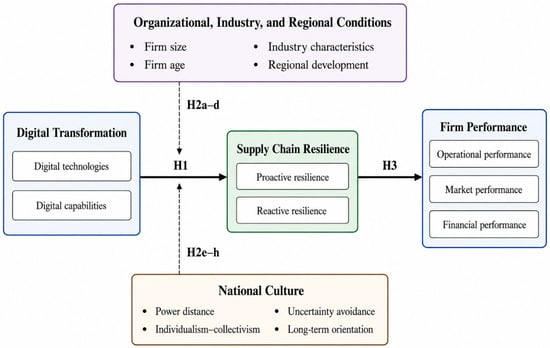
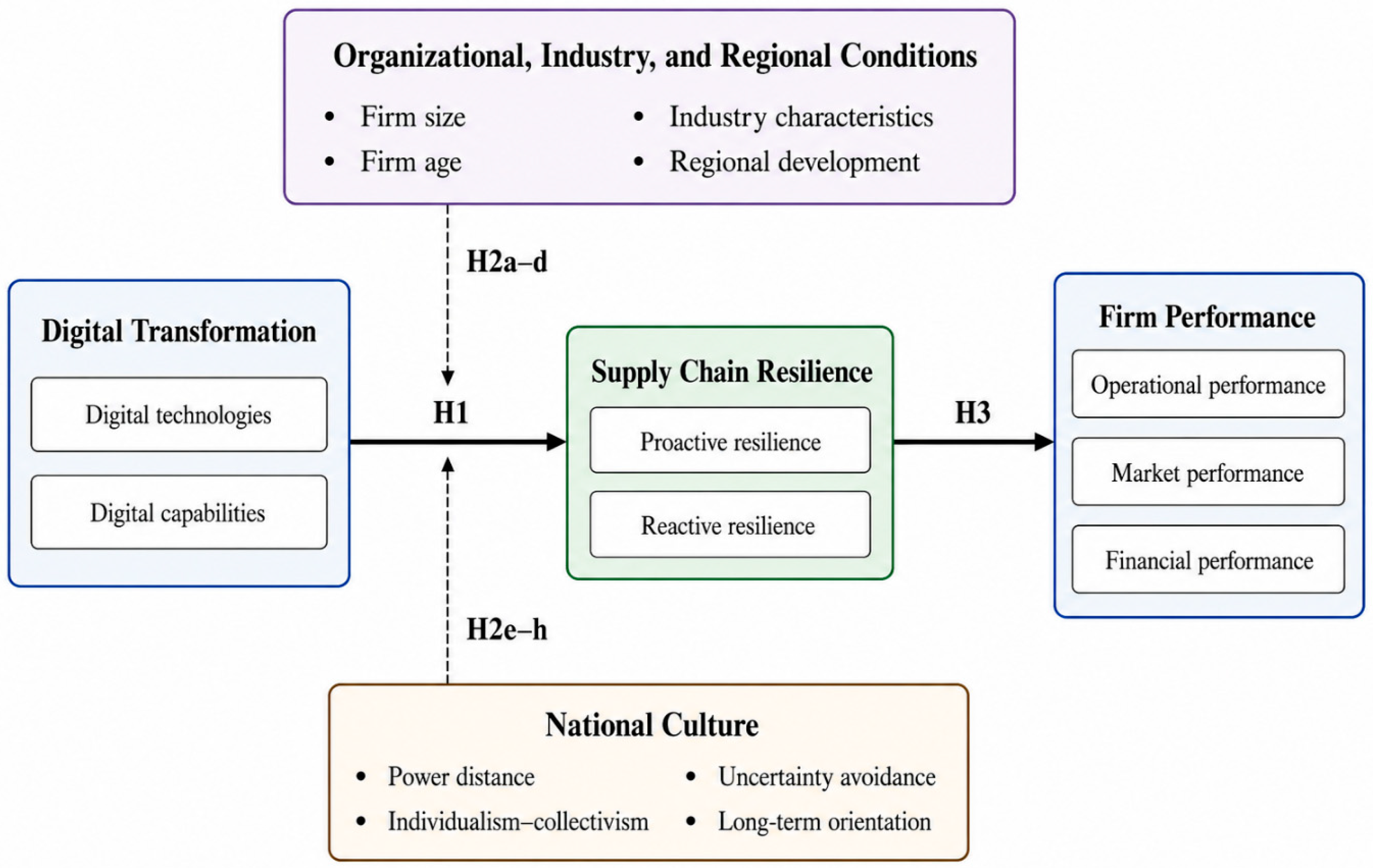
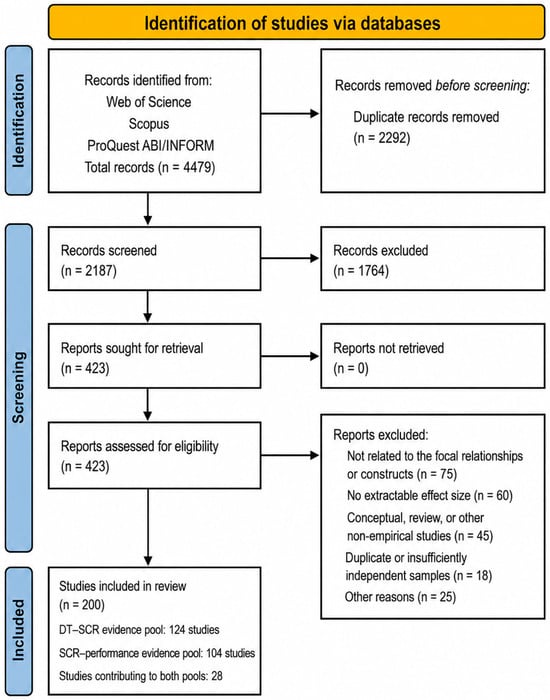
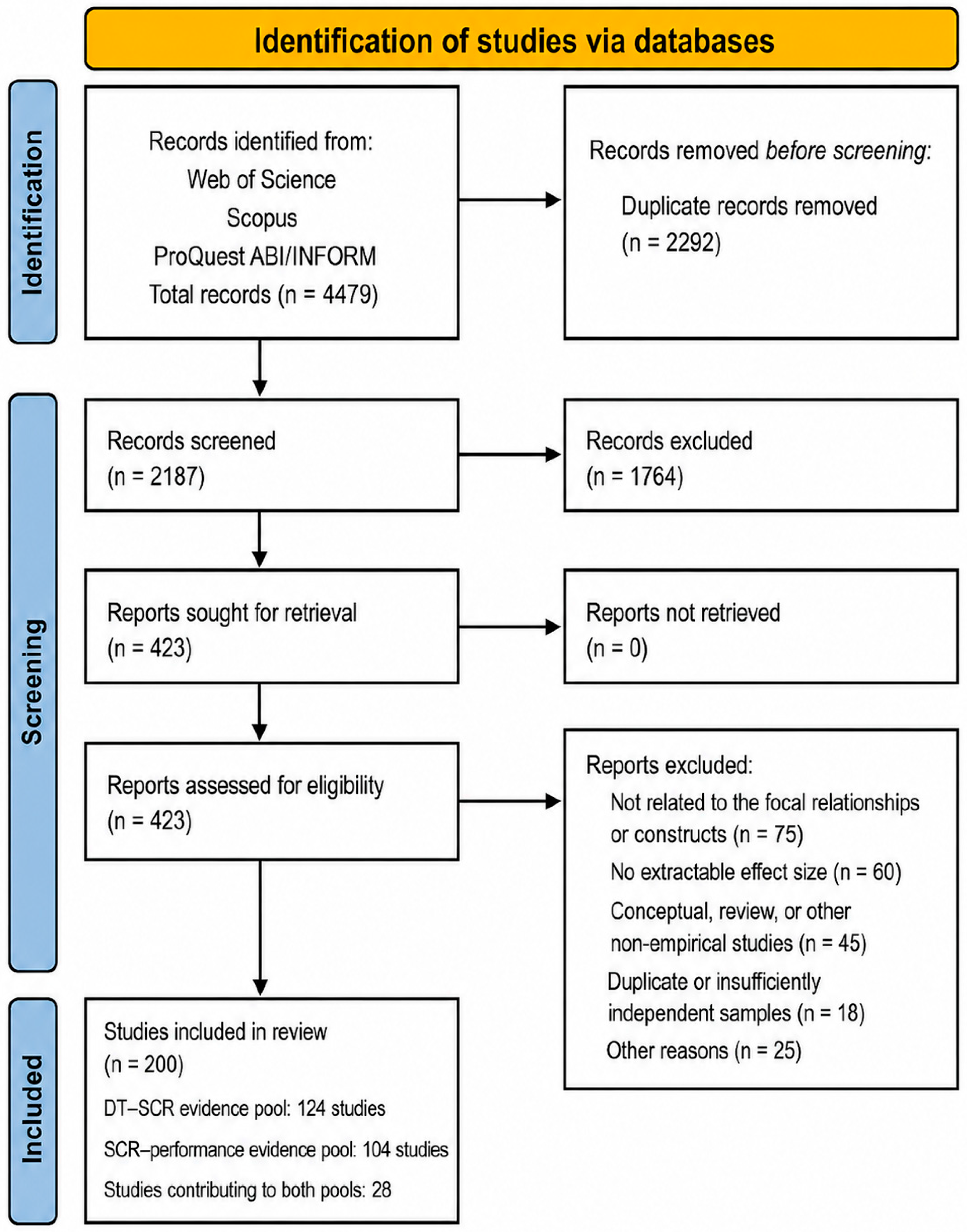

Disclaimer/Publisher’s Note: The statements, opinions and data contained in all publications are solely those of the individual author(s) and contributor(s) and not of MDPI and/or the editor(s). MDPI and/or the editor(s) disclaim responsibility for any injury to people or property resulting from any ideas, methods, instructions or products referred to in the content. |
© 2026 by the authors. Licensee MDPI, Basel, Switzerland. This article is an open access article distributed under the terms and conditions of the Creative Commons Attribution (CC BY) license.