


Abstract
Low-carbon technology innovation serves as the core driver for multiple countries striving to achieve their dual-carbon goals. Therefore, building efficient low-carbon technology innovation networks and accelerating low-carbon technological innovation have become key focuses of academic research. Leveraging patent and publication data, this study constructs dual networks for low-carbon basic and applied research. It employs Exponential Random Graph Models (ERGMs) and Multilevel Exponential Random Graph Models (MERGMs) to explain the different formation factors and dependency relationships within dual networks. Building on this, this study introduces the NK model to analyze the order of effects of these network formation factors and dependencies. The findings reveal the following: (1) The formation factors of dual low-carbon innovation networks differ significantly. For the basic research network (BRN), the key formation factors—in order of effect—are collaboration stability, transitive closure, partner addition, the Matthew effect, and knowledge siphoning. For the applied research network (ARN), the key formation factors—in order of effect—are historical collaboration, collaboration stability, partner addition, cognitive proximity, and knowledge siphoning. (2) The BRN and ARN exhibit an asymmetric dependency. The dependence of the BRN on the ARN is manifested as structural symbiosis, whereas the ARN, guided by the BRN, demonstrates the transmission of collaborative relationships. This study elucidates the complex formation mechanisms and dependency patterns of low-carbon technology innovation networks, providing a theoretical foundation and decision-making support for the differentiated governance of network structures and the optimized allocation of innovation resources.
1. Introduction
In the face of the global climate crisis and energy transition, many countries have positioned green and low-carbon development at the core of industrial advancement and adopted various policies to promote technological innovation in low-carbon sectors [1]. Low-carbon technology innovation focuses on technology activities oriented toward carbon emission reduction, energy efficiency improvement, and energy substitution [2]. Such activities exhibit distinct cross-industry characteristics, being widely distributed across sectors, including energy production, transmission, and distribution; manufacturing and industrial processing; transportation; construction and real estate; and the information and communication technology sector [3]. They involve technological pathways such as the integration of clean power with smart grids, energy storage, resource cycling, and recycling. Because of this cross-sector nature, low-carbon technologies are highly complex compared to general technologies [4], making it difficult for individual innovators to achieve breakthroughs in the field of low-carbon technologies [5], especially in China, where innovation resources are often fragmented among enterprises [6], resulting in a lack of deep strategic synergy among different innovation entities. The collaboration of low-carbon enterprises has thus emerged as a critical issue of common concern in both academia and industry. Therefore, building efficient low-carbon technology innovation networks [7], optimizing the allocation of regional innovation resources, and accelerating the acquisition and mastery of cutting-edge low-carbon technologies have become critical issues of shared concern for both academia and industry [8].
Low-carbon technology innovation follows a continuous trajectory from scientific discovery to commercialization [9], with basic and applied research representing the two principal research paradigms [7]. Each paradigm corresponds to a distinct single-layer network—namely, the BRN and ARN—which together constitute the primary focus of existing scholarship [10]. The former, dominated by universities and research institutions, serves as the source of breakthroughs in fundamental low-carbon mechanisms and the cradle of original and disruptive technologies [11]. The latter, centered around enterprises [12], plays key roles in product development, cross-sector integration, and market diffusion of low-carbon technologies. The integration of the BRN and ARN enables the synergy of information and material flows in low-carbon technology [13], further leading to optimized resource allocation and accelerated technology innovation [14]. However, the formation of dual basic–applied research networks is characterized by considerable heterogeneity and uncertainty. Moreover, these dual networks are deeply nested and mutually interdependent, which thereby constrains the overall collaboration efficiency of the network system. Therefore, an in-depth investigation into the formation and dependency relationships of dual basic–applied research networks holds notable theoretical and practical importance for helping low-carbon innovation cross the “valley of death” and accelerating the advancement of low-carbon technology innovation [15].
Research on the formation of networks for technology innovation in both basic and applied research is well established, providing a solid theoretical foundation for this work. Among the key perspectives, complex network theory posits that the attribute advantages of nodes—such as homogeneity [16], institutional proximity, social ties [17], firm age [18], size [19], node degree [20], betweenness centrality [21], resource stock [22], and knowledge stock—drive preferential attachment among innovators, thereby shaping network structure [23]. From a Resource Dependence perspective, network efficiency is influenced by its structure [24] and is concurrently constrained by covariates like network diversity, geographical proximity [25], and cognitive homophily [26]. Institutional theory further explains formation, emphasizing the role of national innovation systems, institutional framework [27], industrial policies [28], and regional institutional environments [29]. When innovation actors face institutional uncertainty, they often enhance legitimacy and resource access by piggybacking on favorable institutional contexts or aligning with policy-backed organizations, leading to complex networks [30]. While these theories offer robust mechanisms for network formation from distinct angles, low-carbon technology innovation in reality is co-shaped by the interplay of both the BRN and ARN. However, given that low-carbon technologies—such as smart grid technology, energy storage technology, recycling/reuse technologies, etc.—possess a stronger public goods attribute, entail long R&D cycles, involve multiple objectives, and are embedded across different industries [31], it is therefore necessary to specifically and deeply examine the formation factors of the BRN and the ARN in low-carbon technology innovation, thoroughly analyze the interactive relationships between the dual networks, and thereby advance low-carbon technology innovation.
Under bounded rationality and resource constraints, low-carbon innovators do not respond equally to all factors in their linkage decisions; rather, they follow a specific order of effects. Some scholars have already provided initial evidence regarding the order of effects and the variability inherent in the formation factors. For example, Wolf (2024) [32] examined structural changes in German automotive innovation networks, exploring shifts in the relative importance of factors such as cognitive and institutional distance, organizational size, urban location, and geographical proximity for network formation. Gui (2025) [33], taking the international collaboration network as the research object, points out that the endogenous structural effect in the process of network evolution significantly strengthens the main structural framework of the network, while matching effects show a clear decline in their role in later stages. Akçomak (2023) [34] examined the relationship between formation factors and network types, finding that project networks are influenced by triadic closure, preferential attachment, and relational repetitiveness, while patent collaboration networks are shaped by regional patent similarity and patent strength. Filippetti (2023) [35] applied TERGM to 248 European regions from 2000 to 2016, exploring how network formation exhibits distinct patterns depending on regional location and network structure. Zinilli (2024) [36] noted that the influence of geographic and technological proximity on urban innovation networks has diminished, whereas the effect of endogenous network properties on network formation has progressively strengthened. Existing research has explored the order in which different factors influence network formation from various dimensions. However, few studies have examined the formation factors of dual networks in low-carbon technology innovation or how the interdependencies between these networks evolve. Relying solely on the traditional single-layer network formation paradigm cannot explain the evolving nature of dependencies between multiplex networks, which in turn affects overall collaboration efficiency and the structural properties of the network system.
Building upon the aforementioned research gaps, this study investigates dual networks in low-carbon technology innovation from two dimensions: network formation and network dependency, focusing on the following two research questions. RQ1: How are the BRN and the ARN in low-carbon technology innovation formed, and what is the interrelationship between the two networks? RQ2: How can the order of effects of the formation factors in the BRN and the ARN be measured? If a relationship exists between the networks, how is it manifested? To address the issues outlined above, this study collects data from China’s low-carbon innovation field, constructs the BRN and the ARN, employs the ERGM to examine the formation factors of the dual networks, combines the MERGM to uncover the interdependent relationships between the dual networks, and provides NK model-based fitness landscapes along with their climbing paths. This study aims to achieve the following three objectives. First, it seeks to identify the formation factors of the dual BRN and ARN in low-carbon technology innovation. Second, it endeavors to reveal whether dependency relationships exist between the dual networks. Third, it aims to analyze the order of effects of the formation factors and dependency relationships in the network formation process, thereby providing references for advancing low-carbon technology innovation.
Specifically, the structure of this paper is organized as follows. Section 2 elaborates the relevant theoretical foundations. Section 3 describes the data collection, constructs the BRN and the ARN for low-carbon technology innovation, and presents the model setup. Section 4 analyzes the model results and conducts robustness tests. Section 5 builds the NK model to examine the order of effects of the formation factors and dependency relationships. Section 6 synthesizes the patterns of formation and dependency in the dual networks of low-carbon technology innovation. Section 7 discusses the research findings. Section 8 concludes the paper by summarizing the research findings, implications, limitations, and future research directions.
2. Theoretical Analysis
2.1. Theoretical Analysis of BRN Formation in Low-Carbon Technology Innovation
The formation of the BRN in low-carbon technology innovation stems from the complexity of the low-carbon technology knowledge system and its distinctly interdisciplinary nature. Low-carbon technology innovation is not merely a linear R&D activity within a single industry, but is rather embedded across multiple sectors such as energy, manufacturing, transportation, construction, agriculture, ICT, and waste management. The basic research conducted around these areas involves scientific inquiries into the conversion mechanisms of wind, solar, and hydro power, among others [3]. These challenges are often beyond the capacity of any single innovator to address independently [5], thereby necessitating the formation of dense collaborative networks that cross organizational boundaries for low-carbon technology basic research activities. However, the establishment of such collaborative networks is not random; it is shaped by the interplay of diverse innovator attributes and the overarching macro-structure.
From the perspective of innovation actor attributes, the institutional attributes and innovation capabilities of low-carbon technology innovation actors constitute essential prerequisites for collaboration among the various innovation actors. On the one hand, institutional homogeneity provides an important attraction for cooperation [37]. In order to mitigate the search costs and contractual risks arising from cognitive asymmetry, low-carbon innovation actors display a pronounced preference for homophily when forming basic research collaboration networks [38]. Universities and research institutions are inclined to seek partners within the academic community who share similar institutional logics and knowledge structures, particularly in research areas such as energy storage materials, hydrogen catalysis, carbon capture materials, and energy-saving building materials. Only when there is alignment in theoretical frameworks and experimental methodologies can the efficiency of codifying and verifying explicit knowledge be significantly accelerated. On the other hand, innovation actors with a high stock of knowledge maintain a significant knowledge potential gap relative to other actors. By virtue of their strong knowledge spillover effect, such actors create a knowledge siphoning effect on surrounding nodes, thereby forming external connections and attracting more partners [39]. This is particularly evident in fields such as energy storage materials, smart grids, and hydrogen storage, where universities or research institutions that possess cutting-edge fundamental research findings find it easier to attract collaboration from other innovation actors [40]. Furthermore, the formation of ties in low-carbon basic research collaboration is not a memoryless random walk. Previous cooperative experience builds relational trust, leading low-carbon innovation actors to exhibit path dependence and a preference for maintaining stable collaborative relationships [41]. The phenomenon is especially pronounced in areas such as carbon capture materials, green building materials, waste resource utilization, low-carbon wastewater treatment, and smart grid regulation. When low-carbon technology basic research is accompanied by the long-term co-construction of laboratory platforms and data sharing, it facilitates the continuation and strengthening of existing collaborations. As the network evolves, the scope of collaboration among innovation actors expands, leading to a growing number of enterprises that have a prior collaborative history with a given actor. These enterprises subsequently become preferred partners in future rounds of collaboration.
From a structural perspective, mechanisms of academic reputation and trust constraints give rise to a global Matthew effect and local transitive closure [42]. From the perspective of global structure, basic research collaboration in low-carbon technology innovation relies heavily on academic evaluation and prestige systems. In order to gain high academic recognition and access scarce research resources, researchers follow the principle of preferential attachment and are motivated to establish connections with highly visible core teams. This channels resources toward the top tier, leading to a pronounced Matthew effect and resulting in a network topology centered around high-reputation nodes. Such a tendency is notably more observable in emerging areas of low-carbon technology innovation, such as energy storage mechanisms, hydrogen catalysis, carbon capture materials, low-carbon process reactions, and low-power ICT technologies, as these fields demonstrate a heightened reliance on core platforms and sophisticated laboratory equipment. From the perspective of local structure, the strong constraints of peer evaluation and the confidential nature of tacit knowledge transfer prompt basic research collaboration networks in low-carbon technology innovation to form high-density “closed triangles” [42]. Within a specific academic community, to avoid free-riding behavior and strengthen mutual trust, one’s collaborators also tend to collaborate with each other [43]. Such a network structure not only builds stable chains of trust but also rigidifies the boundaries of academic circles, resulting in a high degree of cohesiveness and tight-knitness in the BRN. Therefore, the BRN for low-carbon technology innovation is not merely a general academic collaboration network, but rather a knowledge community network formed around the key scientific questions underlying specific low-carbon industrial scenarios.
2.2. Theoretical Analysis of Low-Carbon Innovation ARN Formation
In contrast to basic research, low-carbon technology applied innovation addresses the practical application challenges and market demands within sectors such as energy, manufacturing, transportation, construction, agriculture, ICT, and waste management [3]. In this context, the challenge faced by enterprises or R&D institutions is no longer about explaining natural laws, but exploring viable technological pathways and process solutions under multiple constraints such as cost, efficiency, safety, and reliability. Consequently, the low-carbon innovation ARN is typically built around demand relationships, specialized division of labor, and collaboration. Their network formation process can likewise be analyzed from the perspectives of innovation actor attributes and network structure.
From the perspective of innovation actor attributes, the cooperative behavior of innovation actors aligns with the underlying logic of Resource Orchestration Theory. The initial stage of resource orchestration theory is resource acquisition. Core actors in low-carbon innovation, leveraging their deep capabilities in system integration and knowledge reserves, master key low-carbon technologies in sectors such as energy production, transmission, and distribution; manufacturing and industrial processing; transportation; and construction and real estate. This enables them to more easily occupy hub positions in the network, steer the direction of connections through resource agglomeration effects [44] and exhibit a knowledge siphoning effect. Building on this, to utilize knowledge efficiently and reduce the transaction costs and coordination risks of low-carbon innovation elements, core innovation actors exhibit a marked preference for homophily when selecting partners [37]. They tend to prioritize connecting with actors of a similar type who are compatible with their technical standards and possess comparable innovation capabilities, thereby achieving highly efficient coordination within the innovation network. In scenarios like grid integration of energy storage systems and smart grid deployment, collaboration efficiency and outcomes are directly conditioned by shared rules, technical standards, and institutional attributes. As the frequency of historical interaction between collaborating parties accumulates, sustained exchanges not only facilitate resource transfer but also accelerate the accumulation of tacit knowledge and trust capital [45]. This drives partners to exhibit high stability, leading to strong path dependence within the network. Once the network stabilizes, the evolution of the ARN enters a self-reinforcing feedback loop, with both partners continuously increasing. Based on the foregoing discussion, four node attributes—knowledge siphoning, cognitive homogeneity, collaboration stability, and partner addition—govern the formation of the low-carbon innovation network.
The appropriability characteristics of applied low-carbon technologies, such as the integration of clean power and smart grids, energy storage, and resource circulation and recycling, prompt innovation actors to adopt a defensive stance. They tend to rely on established historical collaboration paths to select partners [46], which in turn determines the evolutionary direction of the ARN’s structure. While responding to market demand and building collaborative networks, innovation actors face considerable risks of contract incompleteness and technology spillover. The excludable and appropriable nature of low-carbon application technologies leads innovation actors to prioritize security as a precondition for collaboration. This prompts them to adopt a defensive collaboration approach [47], relying on established collaborative pathways and preferentially anchoring partnerships with highly trusted partners that pose a low risk of leakage, thereby constructing a defensive collaboration network. However, a singular focus on security-oriented partnerships may result in homogeneous redundancy or informational irrelevance. To mitigate this issue, the formation of links among innovation actors must also take into account cognitive proximity [48]. In the dimension of cognitive proximity, while partners maintain heterogeneous resource endowments to fulfill complementary needs, they must align closely in their technical standards. This close alignment effectively reduces the coordination costs and communication frictions caused by contract incompleteness, ensuring the efficient cross-boundary recombination of technological elements under the dual imperatives of market responsiveness and security [49].
2.3. Dependency Relationship Between BRN and ARN in Low-Carbon Technology Innovation
The coupling of complex networks in low-carbon technology innovation seeks to bridge the isolation between scientific exploration and engineering application of low-carbon technologies across fields such as renewable energy, smart grids, energy storage, electric vehicles, industrial emission-reduction processes, energy-efficient buildings, low-carbon agriculture, ICT energy conservation, and waste and wastewater treatment. It aims to both investigate the mechanisms of low-carbon technology innovation and address the practical needs of technology implementation. This goal dictates that the BRN and ARN are not independent or parallel; rather, they are deeply coupled. The BRN provides theoretical underpinnings for technological breakthroughs, whereas the ARN supplies real-world problems for scientific inquiry. The two thus exhibit marked cross-boundary dependency characteristics.
The low-carbon technology innovation BRN displays a marked demand-pull path dependence on the ARN. Low-carbon technology basic research is not an isolated knowledge activity detached from industrial contexts; rather, it is deeply embedded in specific technical scenarios such as emission reduction in industrial production, transportation decarbonization, greenhouse gas capture and storage, and waste and wastewater treatment. In these scenarios, the direction of technological innovation is not aimless but focuses on collaborative research into key scientific questions surrounding technical application bottlenecks [50]. It is precisely under this demand-driven context that collaborations in basic research do not emerge in isolation; they build upon established technical partnerships within the ARN. Innovation actors tend to transform existing technical collaborations into basic research collaborations, thereby producing a clear cross-layer alignment effect within dual networks [42]. Meanwhile, in fields such as renewable energy, smart grids, energy storage, electric vehicles, and industrial emission-reduction processes, core innovation actors at the application layer tend to become central nodes in the BRN to address technical bottlenecks, absorbing cutting-edge knowledge and experimental conditions [51], which reflects a cross-network degree-matching effect. For their part, innovation actors in the low-carbon basic research network often engage in asymmetric, targeted collaboration with leading enterprises in the low-carbon technology innovation sector to obtain core application-layer data and R&D funding, generating a cross-network preference-attachment effect. Finally, the formation of the BRN is constrained by deep disciplinary barriers. However, while different basic research actors may serve the same industrial entity, this industrial entity—which acts as a critical bridge—fosters the establishment of trust between academic research institutions. This enables innovation actors that previously had no direct collaboration to indirectly form research partnerships, demonstrating a cross-layer transitive-closure effect and thereby accelerating network formation.
Following the Chain-Linked Model, during the commercialization of low-carbon technologies, the ARN exhibits both mechanism anchoring and trust transfer toward the BRN [51]. Firstly, high-risk collaborations in low-carbon technologies—such as the integration of clean power with smart grids, energy storage, and resource recycling and reuse cannot be built in a vacuum. Collaborative relationships established during the earlier basic-knowledge exploration phase are more readily extended into applied-research partnerships, accelerating the absorption and transformation of low-carbon technology innovation mechanisms and knowledge [46], which serves to reduce transaction costs. This again confirms the presence of a cross-layer alignment effect [52]. Secondly, the dominant technology actors within the ARN are able to maintain their central industrial position partly because they are linked to authoritative nodes in the BRN, which allows them to achieve a knowledge monopoly and demonstrates a typical cross-layer degree-matching effect. Other ordinary innovation actors in the ARN, in order to gain competitive advantages in low-carbon innovation in areas, such as energy storage and resource recycling and reuse, have to seek technological empowerment from authoritative nodes in the BRN that master core mechanisms. This results in a significant cross-layer preference effect in the dual networks [53]. Furthermore, in the intensely competitive market, industrial innovation actors in the field of low-carbon technology innovation find it difficult to collaborate directly. However, if these industrial innovation actors simultaneously rely on the same authoritative basic research institution—which can then serve as a trust intermediary—commercial barriers are broken down, collaboration among innovation actors within the ARN is accelerated, and dual networks thereby exhibit a cross-layer transitive-closure effect.
Based on the theoretical analysis above, this study identifies the formation factors of the low-carbon technology innovation BRN and ARN and their interdependencies. It then constructs a conceptual mechanism model, as illustrated in Figure 1.
Figure 1.
Conceptual model of dual-network formation and dependency in low-carbon technology innovation.
3. Model Construction for the Formation and Dependency Relationships of Dual Low-Carbon Technology Innovation Networks
3.1. Data Collection and Network Construction
3.1.1. Data Collection and Preprocessing
As the core vehicle of basic research, scientific papers realistically reflect research collaboration oriented toward the pursuit of scientific mechanisms. Meanwhile, patent documents, serving as carriers of technical information in the low-carbon innovation field, genuinely reflect applied research collaboration through co-application or co-invention. Accordingly, this study constructs the BRN and ARN in low-carbon technology innovation based on scientific papers and patent documents, respectively.
To capture the diverse low-carbon technologies spanning sectors such as energy production, transmission, and distribution; manufacturing and industrial processing; transportation; construction and real estate; agriculture and livestock farming; information and communication technology; and waste treatment and pollution control, this study refers to the classification system jointly issued by the European Patent Office and the United States Patent and Trademark Office, adopting the CPC-Y02 classification for collecting low-carbon technology patents. Considering the comprehensive and timely nature of the data, the IncoPat database was selected for patent retrieval. The time window was set from 2012 to 2023, mainly because ecological civilization construction was elevated to a national strategy in China in 2012. Taking the 18-month patent examination cycle into account, the patent data cutoff was set at 2023 (data retrieval was performed in June 2025). The search yielded 211,819 patent documents, of which 93,592 patents filed jointly by multiple applicants were retained. Furthermore, based on the third-level classification under the CPC-Y02 system, relevant keywords were determined to search for scientific papers. Papers with author institutions located in China were filtered from the CNKI and Web of Science databases. The search returned 567,167 papers, which were further screened to retain only co-authored papers, yielding 163,721 relevant publications.
3.1.2. Construction of BRN and ARN in Low-Carbon Technology Innovation
The adjacency matrix serves as an effective tool for network construction, whose rows and columns represent network nodes with identical labels and order. The matrix elements denote network edges, i.e., the relationships between nodes. This study constructs a BRN and an ARN for low-carbon technology innovation by using jointly applied patents and co-authored papers in the field, with innovation actors as nodes and collaborative relationships as edges. Each collaboration network is represented by an adjacency matrix , where
The proposal of ecological civilization construction in 2012 marked the entry of China’s green and low-carbon transition into an institutionalized phase, which is why this study takes it as the starting point. In 2015, relevant policies called for promoting low-carbon development in key sectors such as industry, energy, construction, and transportation, thereby advancing low-carbon technologies systematically in these priority areas. A series of policies introduced in 2019 reinforced the market orientation and systematic layout of green and low-carbon technology innovation, serving as a crucial supporting force for achieving the “dual-carbon” goals. In view of this, this study divides the research period into three phases: 2012–2014 (Phase 1), 2015–2018 (Phase 2), and 2019–2023 (Phase 3). In each phase, innovation actors are taken as nodes and collaborative relationships as edges to construct basic research collaboration networks and applied research collaboration networks in the field of low-carbon technology innovation, and the topological structures of the networks are plotted. The results are shown in Figure 2.
Figure 2.
Topology of the dual low-carbon technology innovation networks.
3.2. ERGM and MERGM Construction
To examine the formation factors of the low-carbon-technology BRN and ARN, this study employs the Exponential Random Graph Model (ERGM). The ERGM is selected because it overcomes the limitations of traditional statistical methods in handling the dependency of network ties, incorporates both node attributes and complex structural effects into a unified framework, and accurately quantifies the effects of different variables on network formation. Furthermore, to examine the dependency relationships between the dual basic–applied research network, a Multilevel Exponential Random Graph Model (MERGM) is introduced. The MERGM incorporates both the self-organization mechanisms within each network layer and the cross-layer interaction mechanisms into a joint probability distribution, thereby enabling testing of complex dependencies between the BRN and ARN. The MERGM is capable of capturing structural coupling, relational transmission, and dependency effects between different network layers, making it particularly suitable for analyzing the interdependent, co-evolutionary dual-network structure of the BRN and the ARN. Therefore, this study employs the ERGM to explain the formation mechanisms within a single-layer network and utilizes the MERGM to reveal the dependency relationships between the dual networks.
In the ERGM, the network topology is typically represented by an adjacency matrix Y, where Yij ≠ 0 indicates an edge between nodes i and j, and Yij = 0 indicates its absence. The ERGM is expressed as shown in Equation (2):
In this equation, denotes the probability of observing the network topology, k is a normalizing constant, Q represents the set of different network layers or subnetworks, and denotes the network statistics.
Building on the explanation of single-layer network formation, a Multilevel Exponential Random Graph Model (MERGM) is constructed, as shown in the following equation:
To isolate the interference of self-organizing mechanisms within a single network on the estimation of cross-network effects and to ensure the robustness of the multiplex network parameters, this study introduces, on the basis of the complex structural effects, edge models and basic structural effects simultaneously. The involved effects are illustrated in Figure 3. In the model, the basic structural effect is , the complex structural effect is , and the edge model is . The edge model serves as the most fundamental network statistic; the basic structural effect is used to characterize configurations that occur only within a single-layer network; and the complex structural effect is employed to analyze the dependencies between multiple networks.
Figure 3.
Structure of the MERGM.
In Equation (3), is the normalization constant; and correspond to the network statistics for low-carbon technology innovation basic and applied research, respectively; and denotes the statistics that measure the interaction between nodes from different networks. The term represents the parameters to be estimated, which are obtained via Markov chain Monte Carlo maximum likelihood estimation (MCMC MLE). The magnitude of each parameter indicates the degree of influence of the corresponding effect.
3.3. Model Variable Measurement
3.3.1. Variables Involved in the ERGM
- (a)
- Measurement of Node-Level Variables
For institutional homophily, research institutions are coded as 1 and enterprises as 0; the knowledge siphoning effect, which depends on a node’s resource stock, is measured by the number of papers published or patents filed by the innovation actor; and collaboration stability is calculated as the number of innovation actors that maintained a collaborative relationship with a given actor in both the previous and current periods.
- (b)
- Measurement of Structural Variables
This category of variables describes the patterns of network connections and the relational matrices between node pairs. These variables are derived from endogenous network configurations and do not rely on external data. The variables in this category involve the Matthew effect and transitive closure.
- (c)
- Network Covariates
This category of variables describes specific relational matrices between node pairs, which are input as external variables and are typically treated in the ERGM as explanatory variables for network structure. The covariates considered here include defensive embedding, cognitive proximity, and the historical collaboration network. The historical collaboration network is constructed by measuring whether two innovation actors had a collaborative history in the prior period. If a collaborative history exists between the two innovation actors, the value is set to 1; otherwise, it is set to 0. Defensive embedding is measured using the Pianka niche overlap index [54], with the calculation formula shown below:
Here, denotes the niche overlap between nodes A and B, represents the proportion of investment by node A in the i-th low-carbon technology innovation, and represents the proportion of investment by node B in the i-th low-carbon technology innovation. A higher niche overlap index indicates more intense competition and a greater degree of defensiveness; conversely, a lower index corresponds to weaker defensiveness.
Cognitive proximity is measured by integrating data from corporate annual reports. Specifically, the LDA topic model is used to extract topics from the reports, and the similarity between topics is then quantified based on Jensen–Shannon divergence, which in turn is used to calculate the cognitive proximity between innovation actors. The calculation formula is as follows:
In the formulas above, denotes cognitive proximity, and P and Q represent the vectors formed by the LDA topics derived from corporate annual reports of the innovation actors.
3.3.2. Variables Involved in the MERGM
The MERGM includes the cross-layer preferential-attachment, cross-layer alignment, cross-layer degree-matching, and cross-layer transitive-closure effects from the complex structural effects. All four metrics depend on the endogenous topological structure of the networks and do not rely on external data. The edge model and the basic structural effects belong to the endogenous topological variables of the dual-layer network and are also independent of external data.
In summary, the variables included in the ERGM and MERGM constructed in this study are presented in Table 1.
Table 1.
Description of model variables.
4. Estimation Results of ERGM and MERGM
4.1. Analysis of Formation Factors in Low-Carbon Technology Innovation Networks Based on the ERGM
Based on the Phase 1 and 2 dual networks of low-carbon technology innovation, network node data and covariates were measured, and the model was estimated using data from Phase 3. With the assistance of the R software, the final estimation results are shown in Table 2.
Table 2.
ERGM estimation results.
As shown in Table 2, the formation factors of the BRN and ARN exhibit marked heterogeneity. In terms of node attributes, both knowledge siphoning and collaboration stability exert significant positive influences on the formation of the two types of networks. However, partner addition inhibits the formation of the BRN, while it positively drives the formation of the ARN. This indicates that the evolution of the ARN tends to actively incorporate new partners, whereas the BRN exhibits a more closed approach in its collaboration preferences. Secondly, regarding network structure, the BRN heavily relies on the Matthew effect and the transitive closure effect, showing a tight-knit cluster pattern. In contrast, the closure effect in the ARN is significantly negative, indicating that it prefers open connections. Regarding network covariates, the formation of the ARN relies notably on historical collaboration experience and the knowledge differences among partners. In contrast, defensive embedding shows no significant effect. A plausible explanation is that China’s increasingly mature intellectual property protection regime has effectively reduced property rights disputes, which enables low-carbon innovation actors to overcome defensive barriers and proactively embed themselves in the ARN.
4.2. Analysis of Dependency Relationships in Dual Low-Carbon Technology Innovation Networks Based on the MERGM
Based on the analysis of single-layer network formation mechanisms, a multilayer MERGM was estimated to examine the interdependence between the BRN and ARN. The results are presented in Table 3 and Table 4.
Table 3.
Estimation results of the cross-network dependence of the BRN on the ARN.
Table 4.
Estimation results of the cross-network dependence of the ARN on the BRN.
The measurement results of the cross-network dependence of the BRN on the ARN reveal a pronounced structural symbiosis and bounded synergy. In Model 3 of Table 3, the notably positive coefficient of XEdge indicates that the BRN and ARN in low-carbon technology innovation are interdependent. Furthermore, the ASAXASB statistic is significantly positive, indicating that the activity structure at the applied research level exerts a strong shaping influence on the BRN. From the practice of low-carbon innovation, it is evident that complex technological demands from the application end can, conversely, define scientific questions, prompting innovation actors to undertake targeted planning and collaboration at the basic research level. The vibrancy of the ARN does not crowd out resources for basic research; on the contrary, through this synergistic mechanism, it stabilizes the foundation of the BRN, enabling effective transmission from market demand to scientific inquiry. The notably negative coefficient of StarAXAB indicates that, in the face of real-world resource constraints, innovation actors tend to deepen their specialization within either the BRN or ARN rather than pursuing simultaneous success in both via cross-layer connections, thereby preventing excessive resource concentration.
The cross-layer dependence of the ARN on the BRN manifests a distinct pattern of trust transfer; in Model 6 of Table 4, the notably positive coefficient of XEdge once again confirms the interdependent relationship between the BRN and ARN in low-carbon technology innovation. Furthermore, L3XBX in Model 6 shows a significantly positive value, whereas it is not significant in the reverse direction. This reveals a unique unidirectional path dependence in the low-carbon technology innovation process: collaborative relationships in the BRN serve as an important prerequisite for the formation of applied research collaborations. Moreover, StarAXAB shows a notably negative value, indicating that a dominant position in a single network cannot be extended without limit. The primary reason is that innovation actors holding an authoritative position in the BRN are constrained by their commercialization capability and access to industrial resources, which prevent them from engaging in unlimited expansion within the ARN.
4.3. Robustness Tests
Drawing on the work of multiple scholars [55], this study employs the necessary condition analysis (NCA) method for robustness checks. The NCA method requires the use of continuous variables. Accordingly, this study transformed the relational network data into continuous form, using the tie probability between node pairs as the outcome variable and the network structure and attribute covariates as the condition variables. The ceiling-envelopment (CE) and ceiling-regression (CR) techniques were applied to fit the ceiling line. The calculated necessary condition effect sizes are presented in Table 5 and Table 6.
Table 5.
Necessity test results for single-layer network formation.
Table 6.
Necessity test results for multilayer network dependence.
As shown in Table 5, the necessary condition analysis yields effect sizes with precision levels all above 95%. Furthermore, the formation factors identified for the BRN and ARN are highly consistent across the two necessary condition analysis methods, which confirms the robustness of the findings reported above.
As shown in Table 6, the results analyzed by both methods achieve precision levels above 95%. Moreover, the dependence between the two networks is pronounced, which broadly aligns with the findings from the earlier analysis, confirming the reliability of the study’s conclusions.
5. Order of Effects in the Formation Factors and Dependency Relationships of the Dual Low-Carbon Technology Innovation Networks
5.1. Construction of the NK Model
Building on the examination of the formation factors and the interdependent relationships within the dual networks of low-carbon technology innovation, this study employs the NK model to delineate the order of effects among different factors. The NK model incorporates multiple influencing factors and their dependencies into a unified analytical framework, focusing on portraying the nonlinear coupling between elements. In contrast to traditional statistical methods, which emphasize the net effect of individual variables, the NK model places greater emphasis on the combined impact of different factor configurations on the system’s fitness [56]. Therefore, this paper adopts the NK model to investigate the order of effects of the formation factors and dependencies within the dual networks.
Based on the estimation results of the ERGM and MERGM, this study screens for significant network formation factors and dependency relationships. These identified factors are regarded as the N decision loci in the NK model. To characterize the interaction relationships between these decision loci, the necessary condition analysis (NCA) method is applied to analyze the influence matrix among them. Subsequently, the DEMATEL method is further adopted to determine the adjacency matrix between the factors. Finally, the contribution values are normalized to obtain the weights of different factors [57].
Building on this, each combination of factors is defined as a point in the fitness landscape. In the NK model, let represent the factor combination corresponding to a given point, where = 1 indicates that the n-th factor is included in the current combination, and = 0 indicates that it is excluded. Unlike the traditional NK model, where the fitness of a point is assigned randomly, the local fitness function for each factor in the model constructed here is not randomly assigned; instead, it is specified based on the parameter estimates obtained from fitting the ERGM and MERGM, as well as the results of the necessity analysis (Equation (9)). The overall fitness of the NK model is then constructed from these local fitness functions (Equation (10)), as shown below:
In the NK model, represents the network fitness of point x, which comprehensively characterizes the network formation capability of the low-carbon technology innovation system under a specific combination of formation factors; denotes the weight of the i-th factor; represents the set of factors interacting with the i-th factor, obtained through screening via the NCA necessity analysis; indicates the local network fitness under the joint action of factor i and its associated factors; is the coefficient of factor iestimated from fitting the ERGM and MERGM; and denotes the interaction coefficient between factors. In plotting the fitness landscape, to visually represent the fitness corresponding to different nodes, the fitness values are normalized in this study.
Based on the fitness landscape mapped by the NK model, the Hamming distance algorithm is further applied to identify the climbing paths within the landscape, depicting the process by which different factor configurations evolve from lower to higher fitness states. The Hamming distance algorithm is defined as follows:
where denotes the current combination of different factors, and represents the fitness of the NK model.
5.2. Quantifying the Order of Effects in Dual-Network Formation and Dependency for Low-Carbon Technology Innovation
By incorporating the weights of different formation factors and the local fitness functions into the NK model, the fitness landscape of network formation is obtained. Subsequently, the Hamming distance algorithm is applied to identify the climbing paths. The results are illustrated in Figure 4.
Figure 4.
Fitness landscape and climbing paths of formation factors in low-carbon technology innovation networks.
Figure 4 illustrates the activation sequence of variables along the climbing paths within the fitness landscapes of the BRN and ARN. Factors located earlier in the path play more primary and foundational roles. The network fitness is progressively elevated to new levels as these variables are sequentially added. In the BRN, the order of key formation factors is collaboration stability, transitive closure, partner addition, the Matthew effect, and knowledge siphoning. In the ARN, the order of key formation factors is historical collaboration network, collaboration stability, partner addition, cognitive proximity, and knowledge siphoning.
Similarly, based on the estimation results of the MERGM, metrics measuring the dependencies between the dual networks are integrated to construct an NK model. Using the network-link probability from the MERGM as the fitness measure, the fitness landscape and climbing paths for the interdependence between the BRN and ARN are further mapped. The results are shown in Figure 5.
Figure 5.
Fitness landscape of multilayer network dependency relationships.
The interdependence between dual low-carbon technology innovation networks does not change randomly; rather, it follows the fitness landscape in an upward-climbing trajectory, and the dependencies exhibit distinct orders of effects (Figure 5). In the cross-layer dependence of the BRN on the ARN, the order of effects is XEdge → StarAXAB → ASAXASB. In the dependence of the ARN on the BRN, the order is XEdge → StarAXAB → L3XBX. The cross-layer dependencies of the dual low-carbon innovation networks both start with establishing cross-layer edges and exploring cross-network centralization, but they diverge at the stage of seeking the global fitness peak: the BRN tends to form complex closed structures to maintain academic independence and high transitivity, whereas the ARN moves toward a cross-layer multi-path transmission structure, exploring more channels for theoretical knowledge dissemination and addressing technological innovation challenges.
6. Inductive Analysis of the Operating Patterns in Low-Carbon Technology Innovation Network Formation and Dependency
6.1. Formation Mechanisms of the Low-Carbon Technology Innovation BRN
The formation of the BRN in low-carbon technology innovation within sectors such as energy production, transmission, and distribution; manufacturing and industrial processing; transportation; construction and real estate; and agriculture and livestock follows a specific path dependence, and its network morphology exhibits a defensive pattern. In their initial phase, these networks typically emerge from pre-existing collaborative ties. This strategy helps mitigate the high trial-and-error risks associated with pioneering low-carbon technology innovation. The network builds an academic community, forms transitive closure, and thereby enables the decoding of complex knowledge. Once the transitive closure stabilizes, it becomes difficult for new partners to join, exhibiting an exclusionary characteristic. This academic community continually evolves into the network’s core team, where the strong get stronger (the Matthew effect). External innovation resources then actively converge toward this network, driving exponential growth in its scale.
6.2. Formation Mechanisms of the Low-Carbon Technology Innovation ARN
Similar to the formation of the BRN, the formation of the ARN in the fields of energy production, transmission, and distribution; manufacturing and industrial processing; transportation; construction and real estate; and agriculture and livestock also originates from historical collaborations. The reason is that prior collaborators help reduce intellectual property disputes, lower commercial transaction costs, prevent technology leakage, and provide long-term relational stability. However, the formation of the ARN does not move toward transitive closure. Instead, it shifts toward connecting with low-carbon technology innovation actors who exhibit cognitive differences—those with dissimilar resource endowments but comparable absorptive capacity for technical knowledge. Moreover, as the defensive inclination of innovation actors diminishes during the partner search process, the number of partners continues to grow. This expansion helps ensure that low-carbon technology innovation rapidly crosses the “valley of death” and achieves successful technology transfer. After achieving a precise match between technology and market, the network actors further optimize partnership types, introduce cross-boundary resources, and thereby enable a steady rise in innovation performance.
6.3. Dependency Mechanisms Between BRN and ARN in Low-Carbon Technology Innovation
Within interdependent dual low-carbon technology innovation networks, the BRN and ARN do not evolve in isolation. Rather, they achieve functional complementarity through specific dependency pathways.
In the dependency of the low-carbon technology innovation BRN on the ARN, the evolution of network structure follows a pattern of structural symbiosis and academic independence. Firstly, the highly significant cross-layer edges indicate that low-carbon innovation is no longer isolated in silos. Instead, the BRN and ARN are mutually coupled, with innovation actors tending to engage in technological innovation in both networks simultaneously. Secondly, the structure of the ARN reshapes that of the BRN, prompting the latter to form a highly transitive academic community for tackling fundamental scientific challenges. However, during this reshaping process, innovation actors within the BRN resist being locked in by a few industrial giants, eschew cross-layer centralized dependency, maintain their original academic independence, and thereby establish a robust mechanism for reverse knowledge feedback.
The dependence of the ARN on the BRN in low-carbon technology innovation is manifested as trust transfer. Collaborations and trust relationships from the basic research layer are continuously transmitted to the application layer, breaking the insularity of innovation actors on the industry side. However, as cross-boundary exploration deepens, the ARN avoids excessive reliance on any single academic authority and actively guards against the monopolization of knowledge-transfer channels by a few oligopolistic firms. It instead establishes connections with multiple innovation actors across the BRN to acquire theoretical foundations for low-carbon technology innovation. After acquiring cutting-edge low-carbon theories, to achieve breakthroughs in the field of low-carbon technology innovation, the ARN seeks continuous internal collaboration, thereby sharing the risks of low-carbon technology innovation and fostering technological innovation.
7. Discussion
7.1. Discussion on the Network Formation Factors and Their Order of Effects in Low-Carbon Technology Innovation
The formation of a low-carbon technology innovation BRN is jointly shaped by node attributes and structural factors. Low-carbon technology basic research is not a routine R&D activity confined to a single industry; rather, it is widely distributed across different industrial contexts such as construction, energy, industry, transportation, carbon capture, and waste treatment. It centers on key scientific questions, including the integration of clean power and smart grids, energy storage, and resource recycling and reuse. This type of research involves highly complex, ambiguous, and difficult-to-codify tacit knowledge. The transfer of such knowledge heavily relies on trust mechanisms and frequent interactions within closed social circles, thereby forming tight-knit academic communities that share the risks of exploratory research. In other words, the closed triadic effect identified in this study is not a general pattern detached from industrial contexts, but rather a direct reflection of the high dependence of low-carbon basic research on tacit-knowledge synergy. This observation aligns with the view of Pierre [58], who argues that the exchange of highly complex knowledge depends critically on trust mechanisms within closed social circles. Moreover, the BRN in low-carbon technology innovation exhibits a pronounced “Matthew effect.” In frontier fields such as energy storage materials, smart grids, and hydrogen storage, universities or research institutions that possess high-end research platforms and the capability to interpret key mechanisms are more likely to become collaboration hubs. This finding aligns with Wagner’s study on the centralizing tendency of global scientific collaboration networks [59]. On the other hand, partner addition exerts a significantly negative effect on the formation of BRN, revealing an exclusionary mechanism inherent in basic research. Excessive expansion of collaborative boundaries may instead raise coordination costs and undermine research efficiency. This finding aligns closely with AGGARWAL’s study [60], which suggests that an increase in collaborative ties leads to resource competition, highlighting the negative effects of having more partners. Research on the order of effects of formation factors also shows that the formation of a low-carbon BRN begins with the academic community formed among historical partners—i.e., the transitive closure effect—indicating that the academic community plays a pivotal role in shaping the BRN in the field of low-carbon innovation [61].
In various industrial contexts, including energy production, transmission, and distribution; manufacturing and industrial processing; transportation; construction and real estate; and agriculture and livestock, the effect of increasing collaborative partners in the ARN differs from the negative effect observed in the BRN. Specifically, the coefficient for partner increase in the ARN is significantly positive, indicating that the latter possesses a marked expansive nature; low-carbon technology innovation actors do not exhibit exclusionary behavior. On the contrary, they show a tendency to establish new connections as existing ties grow. This enables them to access complementary assets and achieve economies of both scale and scope. This finding is highly consistent with the results of Sun et al. [62]. The reason lies in the fact that low-carbon technology applied research targets real-world scenarios such as integration of clean power and smart grids, energy storage, and resource recycling and reuse. This requires low-carbon technology innovation to achieve complementarity in equipment, processes, systems, and market resources. During the formation of the applied research collaboration network, low-carbon innovation actors do not follow the principle of cognitive proximity. Instead, they seek partners with substantially differing knowledge backgrounds. This finding differs markedly from those of the study by Sánchez et al. [63], who argue that cognitive proximity facilitates consensus-building among firms and thereby promotes network formation. Although the low-carbon technology ARN demonstrates an open search for heterogeneous resources, its evolution exhibits strong path dependence under the influence of historical collaboration, which also ranks high in the order of effects. This result aligns with that from the study by Anderson et al. [46], as both highlight that historical collaboration fosters trust among innovation actors. In contrast, defensive embedding does not strongly constrain the formation of the ARN. The primary reason lies in the continuous improvement of China’s intellectual property regime [64], which encourages low-carbon innovation actors to willingly embed themselves in innovation networks and seek optimal partners. Scholars such as Xie et al. [64] have also pointed out that intellectual property protection promotes collaborative innovation among firms.
7.2. Discussion on the Dependency Relationships and Order of Effects in Dual Low-Carbon Technology Innovation Networks
The BRN and the ARN in low-carbon technology innovation are not simply juxtaposed; rather, they exhibit a significant two-way dependency. This is because low-carbon technologies—such as integration of clean power and smart grids, energy storage, and resource recycling and reuse—possess the dual attributes of being both scientifically demanding and challenging to implement in engineering contexts.
The dependence of the BRN on the ARN reveals a logic of structural symbiosis coupled with academic autonomy. The empirical results from the MERGM and NK models indicate that while acquiring information on technological needs, the academic community actively guards against being tied to a few technology giants, thereby preserving its independence in conducting research, which indicates that although low-carbon basic research needs to acquire engineering problems, experimental data, and R&D demands from industrial contexts, its core mission remains to conduct independent exploration around key scientific issues such as energy storage mechanisms, hydrogen catalysis, carbon capture materials, and green building materials [50]. This finding not only aligns with the conclusions of D’Este et al. and corroborates studies on the downside of innovation networks—which suggest that excessive reliance on a single industrial hub (star-shaped dependency) often leads to short-sighted research perspectives and rigid technological trajectories [65]—but also demonstrates once again that the structures of the ARN and BRN exhibit characteristics of structural symbiosis.
The dependence of the low-carbon technology innovation ARN on the BRN is manifested in the transmission of collaborative relationships and industrial independence. Empirical results indicate that basic research collaborations lay the groundwork for applied research cooperation, enabling the transfer of trust and facilitating the formation of the applied research collaboration network. This finding is highly consistent with that found in the study by Vaira [66]. Specifically, technical challenges involved in low-carbon technology innovation—such as energy-storage system safety, storage-equipment efficiency, recycling efficiency, and process stability—all require returning to the basic research network for knowledge support, whereas existing collaborative relationships in the basic research network can be transferred to the network at the applied research level. Furthermore, within the cross-layer dependency of the ARN, actors in low-carbon technology application do not remain in loose connections with a single research institution. Instead, they tend to form high-density collaborative networks both within and across layers, creating a tight-knit community of shared interests. As highlighted in the research by Nan et al. [67], in the face of highly uncertain green low-carbon technology innovation, collaboration provides irreplaceable resources and facilitates tacit knowledge. At the same time, this study deepens the network topology evolution theory of Pasciaroni [68], confirming that the risk-sharing mechanism of transitive closure is a key driver for the establishment of the ARN.
8. Conclusions, Implications, and Future Research
8.1. Conclusions
Focusing on low-carbon technology innovation, this study constructs the BRN and ARN based on patent and scientific publication data, examining the formation factors, order of effects, and cross-network dependency of the dual networks. The findings reveal significant differences in the formation patterns between the BRN and ARN in low-carbon technology innovation, and demonstrate that the two are not isolated but exhibit a notable asymmetric dependency.
Firstly, the formation of the BRN in low-carbon technology innovation is jointly influenced by node-level attributes and structural factors. Specifically, collaboration stability, closed triads, partner increase, the Matthew effect, and knowledge siphoning collectively shape the basic research network. Among these, collaboration stability and closed triads rank high in the order of effects, indicating that the formation of the low-carbon technology BRN originates from academic communities built upon historical collaborative relationships. At the same time, an increase in collaborative partners shows a significantly negative effect on the formation of the BRN, indicating the excludability and appropriability of low-carbon technologies.
Secondly, the formation of the ARN in low-carbon technology innovation differs markedly from that of the BRN. The formation factors of the ARN, in order of their effect, are historical collaboration, collaboration stability, partner increase, cognitive proximity, and knowledge siphoning. The results show that the ARN likewise relies on the trust accumulated through historical collaboration and collaboration stability. Partner increase exerts a significantly positive influence, indicating greater openness and expansiveness in the applied research network.
Finally, a significant asymmetric dependency exists between the BRN and the ARN in low-carbon technology innovation. The BRN exhibits structural dependence on the ARN while maintaining a relatively independent boundary as an academic community. In contrast, the dependency of the ARN on the BRN is primarily manifested as trust transfer—that is, collaborative relationships in basic research provide a trust foundation and knowledge support for applied research collaboration, thereby facilitating the extension of cross-network partnerships and the formation of the ARN.
8.2. Implications
Based on the above findings, this study proposes the following implications:
Firstly, a moderately closed network should be established for the low-carbon technology innovation BRN to prevent cognitive lock-in and excessive centralization. The low-carbon technology BRN relies heavily on trust mechanisms and the sharing of tacit knowledge. However, excessive closure can intensify cognitive homogenization and path dependence. Therefore, governments should promote the formation of a BRN structure that is appropriately closed. On the one hand, the stability and in-depth capability of core research teams should be safeguarded to strengthen the depth of collaboration within the academic community. On the other hand, cross-institutional joint projects, talent mobility mechanisms, and cross-regional collaboration platforms should be enhanced to increase peripheral connections, thereby alleviating the innovation-suppressing effects caused by cognitive overload and exclusionary structures.
Secondly, the open expansion mechanism of the low-carbon technology innovation ARN should be strengthened to enhance the efficiency of heterogeneous resource integration. Government policies should encourage collaborative innovation across industries and technological fields, promoting the expansion of the low-carbon ARN toward multi-actor, multi-scenario, and multi-technology pathways. In particular, a problem-oriented collaboration mechanism should be established in key low-carbon technology areas. Furthermore, the government should adopt dynamic evaluation mechanisms and competitive project schemes to reduce the inertia stemming from long-term repetitive collaboration and continuously introduce external actors and new technology pathways to enhance the network’s exploratory and regenerative capacity and prevent the ARN from falling into a local optimum.
Thirdly, the cross-layer coordination mechanism for low-carbon technology innovation should be refined to accelerate the coupled evolution of dual networks. On the one hand, the problem-needs-driven feedback mechanism should be refined to transform technical bottlenecks encountered in application into basic research questions, thereby guiding the BRN to conduct research oriented toward practical needs and enhancing its effectiveness in addressing real-world problems. On the other hand, deepen collaboration between enterprises, universities, and research institutes by establishing joint innovation consortia and cooperative R&D platforms, thereby effectively connecting basic research outcomes with applied development activities and accelerating the coupled evolution of the dual networks in low-carbon technology innovation.
8.3. Research Contributions, Limitations, and Future Research
This study offers several theoretical contributions. Firstly, this study delves into the dual networks of low-carbon technology innovation, compares the divergent formation patterns between the BRN and the ARN, and thereby enriches the research on dual networks. Secondly, rather than focusing on a single network, it considers the dependencies between dual networks, which offers a richer perspective for studying inter-network relationships. Finally, building on the investigation of formation factors and dependencies in dual networks, it explores the order of effects of these factors, providing a reference for research on the sequence in which different factors operate.
This study makes several theoretical contributions, yet it is not without limitations. Future research will proceed in the following two directions. Firstly, while this study constructed networks based on patents and scientific publications, it depicts collaborative relationships in basic and applied research, yet fails to capture informal cooperation such as joint R&D projects and industry alliance collaborations. Future work will build networks using multi-source, heterogeneous data, such as interviews and project reports, to enrich the study of innovation networks. Secondly, while this paper focuses on explaining the formation and dependencies of dual networks, its discussion on the heterogeneity across different sub-fields of low-carbon technologies remains relatively limited. It also lacks an in-depth investigation into the evolution of network formation and dependencies across different development stages. Future research could compare the heterogeneity in the dual-network formation and dependencies of low-carbon technologies across different industries and development phases, so as to more comprehensively characterize the multidimensional synergy process in low-carbon technology innovation networks.
Author Contributions
L.L.: Manuscript Preparation; J.Z.: Framework Construction and Methodological Guidance. All authors have read and agreed to the published version of the manuscript.
Funding
This research received no external funding. And the APC was funded by Liu Liu.
Data Availability Statement
The raw data supporting the conclusions of this article will be made available by the authors on request.
Conflicts of Interest
The authors declare no conflicts of interest.
References
- Eikeland, P.O.; Skjærseth, J.B. The Politics of Low-Carbon Innovation; Springer: Berlin/Heidelberg, Germany, 2020. [Google Scholar]
- Ockwell, D.G.; Mallett, A. Low-Carbon Technology Transfer: From Rhetoric to Reality; Routledge: Abingdon, UK, 2012. [Google Scholar]
- Li, Y.; Sun, M.; Huang, Y.; Wang, Y.; Ma, L.; Yan, H.; Chen, Y. A Systematic Literature Review of Low-Carbon Technology Innovation: 2013–2022. Energy Sci. Eng. 2025, 13, 2415–2427. [Google Scholar] [CrossRef] [Scilit]
- Asgharian, H.; Yahyaee, A.; Yin, C.; Liso, V.; Nielsen, M.P.; Iov, F. A guideline for cross-sector coupling of carbon capture technologies. Gases 2024, 4, 371–420. [Google Scholar] [CrossRef] [Scilit]
- Finstad, J.; Andersen, A.D. Multi-sector technology diffusion in urgent net-zero transitions: Niche splintering in carbon capture technology. Technol. Forecast. Soc. Change 2023, 194, 122696. [Google Scholar] [CrossRef] [Scilit]
- Wang, H.; Guo, X. The impact of resource misallocation on green technology innovation: Evidence from 288 cities in China. Humanit. Soc. Sci. Commun. 2025, 12, 823. [Google Scholar] [CrossRef] [Scilit]
- Mallett, A. Recasting ‘truisms’ of low carbon technology cooperation through innovation systems: Insights from the developing world. Innov. Dev. 2015, 5, 297–311. [Google Scholar] [CrossRef] [Scilit]
- Andersen, A.D.; Geels, F.W.; Coenen, L.; Hanson, J.; Korsnes, M.; Linnerud, K.; Makitie, T.; Nordholm, A.; Ryghaug, M.; Skjolsvold, T. Faster, broader, and deeper! Suggested directions for research on net-zero transitions. Oxf. Open Energy 2023, 2, oiad007. [Google Scholar] [CrossRef] [Scilit]
- Eikeland, P.O.; Skjærseth, J.B. The politics of low-carbon innovation: Implementing the European Union’s strategic energy technology plan. Energy Res. Soc. Sci. 2021, 76, 102043. [Google Scholar] [CrossRef] [Scilit]
- Breschi, S.; Catalini, C. Tracing the links between science and technology: An exploratory analysis of scientists’ and inventors’ networks. Res. Policy 2010, 39, 14–26. [Google Scholar] [CrossRef] [Scilit]
- Albats, E.; Alexander, A.; Mahdad, M.; Miller, K.; Post, G. Stakeholder management in SME open innovation: Interdependences and strategic actions. J. Bus. Res. 2020, 119, 291–301. [Google Scholar] [CrossRef] [Scilit]
- Mohannak, K. Innovation networks and capability building in the Australian high-technology SMEs. Eur. J. Innov. Manag. 2007, 10, 236–251. [Google Scholar] [CrossRef] [Scilit]
- Barrios, C.; Flores, E.; Martínez, M.Á.; Ruiz-Martínez, M. Is there convergence in international research collaboration? An exploration at the country level in the basic and applied science fields. Scientometrics 2019, 120, 631–659. [Google Scholar] [CrossRef] [Scilit]
- Acharya, C.; Ojha, D.; Gokhale, R.; Patel, P.C. Managing information for innovation using knowledge integration capability: The role of boundary spanning objects. Int. J. Inf. Manag. 2022, 62, 102438. [Google Scholar] [CrossRef] [Scilit]
- Ellwood, P.; Williams, C.; Egan, J. Crossing the valley of death: Five underlying innovation processes. Technovation 2022, 109, 102162. [Google Scholar] [CrossRef] [Scilit]
- Balland, P.-A.; De Vaan, M.; Boschma, R. The dynamics of interfirm networks along the industry life cycle: The case of the global video game industry, 1987–2007. J. Econ. Geogr. 2013, 13, 741–765. [Google Scholar] [CrossRef] [Scilit]
- Drejer, I.; Østergaard, C.R. Exploring determinants of firms’ collaboration with specific universities: Employee-driven relations and geographical proximity. Reg. Stud. 2017, 51, 1192–1205. [Google Scholar] [CrossRef] [Scilit]
- Cao, X.; Zhang, X. Evolution and proximity mechanism of new energy vehicle industry-university-research innovation network. Stud. Sci. Sci. 2023, 41, 1678. [Google Scholar]
- Tranos, E. Networks in the innovation process. In Handbook of Regional Science; Fischer, M.M., Nijkamp, P., Eds.; Springer: Berlin/Heidelberg, Germany, 2021; pp. 853–868. [Google Scholar]
- Broekel, T.; Hartog, M. Determinants of cross-regional R&D collaboration networks: An application of exponential random graph models. In The Geography of Networks and R&D Collaborations; Springer International Publishing: Cham, Switzerland, 2013; pp. 49–70. [Google Scholar]
- Nepelski, D.; De Prato, G. The structure and evolution of ICT global innovation network. Ind. Innov. 2018, 25, 940–965. [Google Scholar] [CrossRef] [Scilit]
- Giuliani, E.; Bell, M. The micro-determinants of meso-level learning and innovation: Evidence from a Chilean wine cluster. Res. Policy 2005, 34, 47–68. [Google Scholar] [CrossRef] [Scilit]
- Yuan, Q.; Chen, H.; Liu, C. Formation Drivers and Evolutionary Dynamics of Industry-University-Research Collaborative Networks in China’s Clean Energy Industry. Systems 2025, 13, 173. [Google Scholar] [CrossRef] [Scilit]
- Tsouri, M.; Hansen, T.; Hanson, J.; Steen, M. Knowledge recombination for emerging technological innovations: The case of green shipping. Technovation 2022, 114, 102454. [Google Scholar] [CrossRef] [Scilit]
- Lyu, L.; Wu, W.; Hu, H.; Huang, R. An evolving regional innovation network: Collaboration among industry, university, and research institution in China’s first technology hub. J. Technol. Transf. 2019, 44, 659–680. [Google Scholar] [CrossRef] [Scilit]
- Scherngell, T.; Hu, Y. Collaborative knowledge production in China: Regional evidence from a gravity model approach. Reg. Stud. 2011, 45, 755–772. [Google Scholar] [CrossRef] [Scilit]
- Knoben, J.; Oerlemans, L.A. Proximity and inter-organizational collaboration: A literature review. Int. J. Manag. Rev. 2006, 8, 71–89. [Google Scholar] [CrossRef] [Scilit]
- Fan, R.; Qi, Y.; Wang, Y.; Chen, R. Identifying Critical Risks in Low-Carbon Innovation Network Ecosystem: Interdependent Structure and Propagation Dynamics. Systems 2025, 13, 599. [Google Scholar] [CrossRef] [Scilit]
- Balland, P.-A.; Belso-Martínez, J.A.; Morrison, A. The dynamics of technical and business knowledge networks in industrial clusters: Embeddedness, status, or proximity? Econ. Geogr. 2016, 92, 35–60. [Google Scholar] [CrossRef] [Scilit]
- Wang, J.; Lv, W. Research on the Impact of Green Innovation Network Embeddedness on Corporate Environmental Responsibility. Int. J. Environ. Res. Public Health 2023, 20, 3433. [Google Scholar] [CrossRef] [Scilit]
- Pigato, M.; Black, S.; Dussaux, D.; Mao, Z.; Rafaty, R.; Touboul, S. Technology Transfer and Innovation for Low-Carbon Development; World Bank Publications: Washington, DC, USA, 2020. [Google Scholar]
- Wolf, P. Network Transformation During Technological Regime Change: The Case of the German Automotive Research Network. J. Innov. Econ. Manag. 2024, 44, 161–190. [Google Scholar] [CrossRef] [Scilit]
- Gui, Q.; Xu, W.; Jiang, S.; Yu, Z.; Guo, W. Unpacking the dynamics of international research collaboration network: Structural effects and dyadic effects. Technol. Soc. 2025, 82, 102954. [Google Scholar] [CrossRef] [Scilit]
- Akçomak, İ.S.; Çetinkaya, U.Y.; Erdil, E.; Gossart, M.Ö. What drives network evolution? Comparing R&D project and patent networks in the EU. Ind. Corp. Change 2023, 32, 1109–1134. [Google Scholar]
- Filippetti, A.; Zinilli, A. The innovation networks of city-regions in Europe: Exclusive clubs or inclusive hubs? Pap. Reg. Sci. 2023, 102, 1169–1193. [Google Scholar] [CrossRef] [Scilit]
- Zinilli, A.; Gao, Y.; Scherngell, T. Structural dynamics of inter-city innovation networks in China: A perspective from TERGM. Netw. Spat. Econ. 2024, 24, 707–741. [Google Scholar] [CrossRef] [Scilit]
- Santos, J.M.; Horta, H.; Feng, S. Homophily and its effects on collaborations and repeated collaborations: A study across scientific fields. Scientometrics 2024, 129, 1801–1823. [Google Scholar] [CrossRef] [Scilit]
- Guo, J.; Xie, F. An Empirical Study on the Determinants of Collaborative Innovation Network Formation: Based on the ERGM. Chin. J. Manag. 2021, 18, 91. [Google Scholar]
- Corral de Zubielqui, G.; Jones, J.; Statsenko, L. Managing innovation networks for knowledge mobility and appropriability: A complexity perspective. Entrep. Res. J. 2016, 6, 75–109. [Google Scholar] [CrossRef] [Scilit]
- Song, M.; Guo, L.; Shen, J. Exponential random graph model perspective: Formation and evolution of a collaborative innovation network in China’s new energy vehicle industry. Systems 2024, 12, 423. [Google Scholar] [CrossRef] [Scilit]
- Mattila, M. Network Formation of Technological Innovation; University of Tampere: Tampere, Finland, 2015. [Google Scholar]
- Ma, Y.; Zhu, E. How network characteristics drive multi-layer innovation networks to achieve boundary-spanning convergence. Technol. Soc. 2025, 83, 103048. [Google Scholar] [CrossRef] [Scilit]
- Vinciguerra, S.; Frenken, K.; Valente, M. The geography of internet infrastructure: An evolutionary simulation approach based on preferential attachment. Urban Stud. 2010, 47, 1969–1984. [Google Scholar] [CrossRef] [Scilit]
- Toigo, T.; Wegner, D.; Silva, S.B.d.; Zarpelon, F.d.M. Capabilities and skills to orchestrate innovation networks. Innov. Manag. Rev. 2021, 18, 129–144. [Google Scholar] [CrossRef] [Scilit]
- Terhorst, A.; Elsum, I.; McGrath, M. Multilayer network analysis of open innovation partnerships. J. Open Innov. Technol. Mark. Complex. 2025, 11, 100496. [Google Scholar] [CrossRef] [Scilit]
- Anderson, S.W.; Cheng, M.M.; Phua, Y.S. Influence of control precision and prior collaboration experience on trust and cooperation in inter-organizational relationships. Account. Rev. 2022, 97, 1–22. [Google Scholar] [CrossRef] [Scilit]
- Hernandez, E.; Sanders, W.G.; Tuschke, A. Network defense: Pruning, grafting, and closing to prevent leakage of strategic knowledge to rivals. Acad. Manag. J. 2015, 58, 1233–1260. [Google Scholar] [CrossRef] [Scilit]
- Marullo, C.; Shapira, P.; Di Minin, A. Enhancing SME innovation across European regions: Success factors in EU-funded open innovation networks. Technol. Forecast. Soc. Change 2024, 201, 123207. [Google Scholar] [CrossRef] [Scilit]
- Wilke, U.; Pyka, A. Sustainable innovations, knowledge and the role of proximity: A systematic literature review. J. Econ. Surv. 2025, 39, 326–351. [Google Scholar] [CrossRef] [Scilit]
- Hötte, K.; Pichler, A.; Lafond, F. The rise of science in low-carbon energy technologies. Renew. Sustain. Energy Rev. 2021, 139, 110654. [Google Scholar] [CrossRef] [Scilit]
- Figueiredo, N.L.; Ferreira, J.J. More than meets the partner: A systematic review and agenda for University–Industry cooperation. Manag. Rev. Q. 2022, 72, 231–273. [Google Scholar] [CrossRef] [Scilit]
- JinXing, J.; Xiong, S. The Relationship among Dual Innovation Stars, Network Overlap, and Breakthrough Inventions. Sci. Technol. Prog. Policy 2024, 41, 49–61. [Google Scholar]
- Sa’a, E.A.; Asplund, F. Unpacking social capital in University–Industry Collaborations: Pathways to cross-industry knowledge sharing. Technovation 2025, 140, 103160. [Google Scholar] [CrossRef] [Scilit]
- Wang, X.X.; Martín, J.M.M.; Ulrich, K. How Does Technological Niche Affect Green Collaborative Innovation? The Contingent Role of Digital Transformation and Female Executives. IEEE Trans. Eng. Manag. 2025, 72, 446–459. [Google Scholar] [CrossRef] [Scilit]
- Zhai, W.; Zeng, Q.; Wang, L. Configurational Pathways to Port Environmental Efficiency: An fsQCA-NCA Analysis of CO2 Reduction Drivers in Port Management. Reg. Stud. Mar. Sci. 2025, 92, 104618. [Google Scholar] [CrossRef] [Scilit]
- Kauffman, S.A.; Weinberger, E.D. The NK model of rugged fitness landscapes and its application to maturation of the immune response. J. Theor. Biol. 1989, 141, 211–245. [Google Scholar] [CrossRef] [Scilit] [PubMed]
- Dong, Z.; Jiang, P.; Dai, Z.; Chi, R. What kind of urban brand ecology attracts talent best? Grey configuration analysis of 98 Chinese cities. Grey Syst. Theory Appl. 2024, 14, 770–788. [Google Scholar] [CrossRef] [Scilit]
- Pierre-Alexandre, B.; Tom, B.; Dario, D.; Eliza, G.; Neave, O.C.; David, R. The new paradigm of economic complexity. Res. Policy 2022, 51, 104454. [Google Scholar] [PubMed]
- Wagner, C.S.; Whetsell, T.A.; Mukherjee, S. International research collaboration: Novelty, conventionality, and atypicality in knowledge recombination. Res. Policy 2019, 48, 1260–1270. [Google Scholar] [CrossRef] [Scilit]
- Aggarwal, V.A. Resource congestion in alliance networks: How a firm’s partners’ partners influence the benefits of collaboration. Strateg. Manag. J. 2020, 41, 627–655. [Google Scholar] [CrossRef] [Scilit]
- Preti, S.; di Bella, E.; Gandullia, L. Exploring Collaborative Dynamics among Researchers at the Italian Institute of Technology: An ERGM Approach. Ann. Oper. Res. 2025. [Google Scholar] [CrossRef] [Scilit]
- Sun, S.; Gu, B.; Tang, F. A Dynamic Analysis of Cross-Category Innovation in Digital Platform Ecosystems with Network Effects. J. Theor. Appl. Electron. Commer. Res. 2025, 20, 229. [Google Scholar] [CrossRef] [Scilit]
- Sánchez-García, E.; Martínez-Falcó, J.; Marco-Lajara, B.; Pizoń, J. Cognitive proximity for innovation: Why matters? An applied analysis. PLoS ONE 2023, 18, e0283557. [Google Scholar] [CrossRef] [Scilit]
- Xie, Z.; Zhou, Q. From institution to practice: How intellectual property protection promotes collaborative innovation behavior, quantity, and quality, moderated by academically experienced executives. Technovation 2025, 147, 103312. [Google Scholar] [CrossRef] [Scilit]
- Bernstein, E.S.; Shore, J.C.; Jang, A.J. Network centralization and collective adaptability to a shifting environment. Organ. Sci. 2023, 34, 2064–2096. [Google Scholar] [CrossRef] [Scilit]
- Vaira, M.; Rostan, M.; Ceravolo, F.A.; Balduzzi, G. Building trust in university–industry relations: Evidence from six cases of collaboration for research and innovation in Lombardy. Eur. J. High. Educ. 2024, 14, 50–68. [Google Scholar] [CrossRef] [Scilit]
- Nan, D.; Markus, A.; Oerlemans, L. Draw to a close: Inventor triad dynamics and invention quality. Ind. Innov. 2025, 32, 307–338. [Google Scholar] [CrossRef] [Scilit]
- Pasciaroni, C. R&D Cooperation: Direct and Indirect Effect and Complementary. An Oaxaca-Blinder Decomposition for a Developing Country. Schmalenbach J. Bus. Res. 2025, 77, 847–884. [Google Scholar]
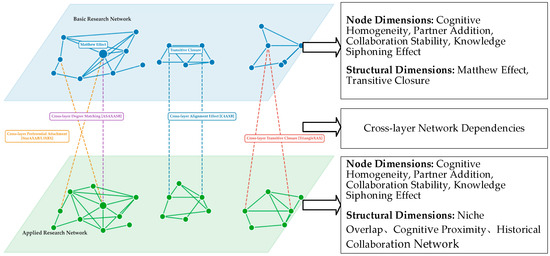
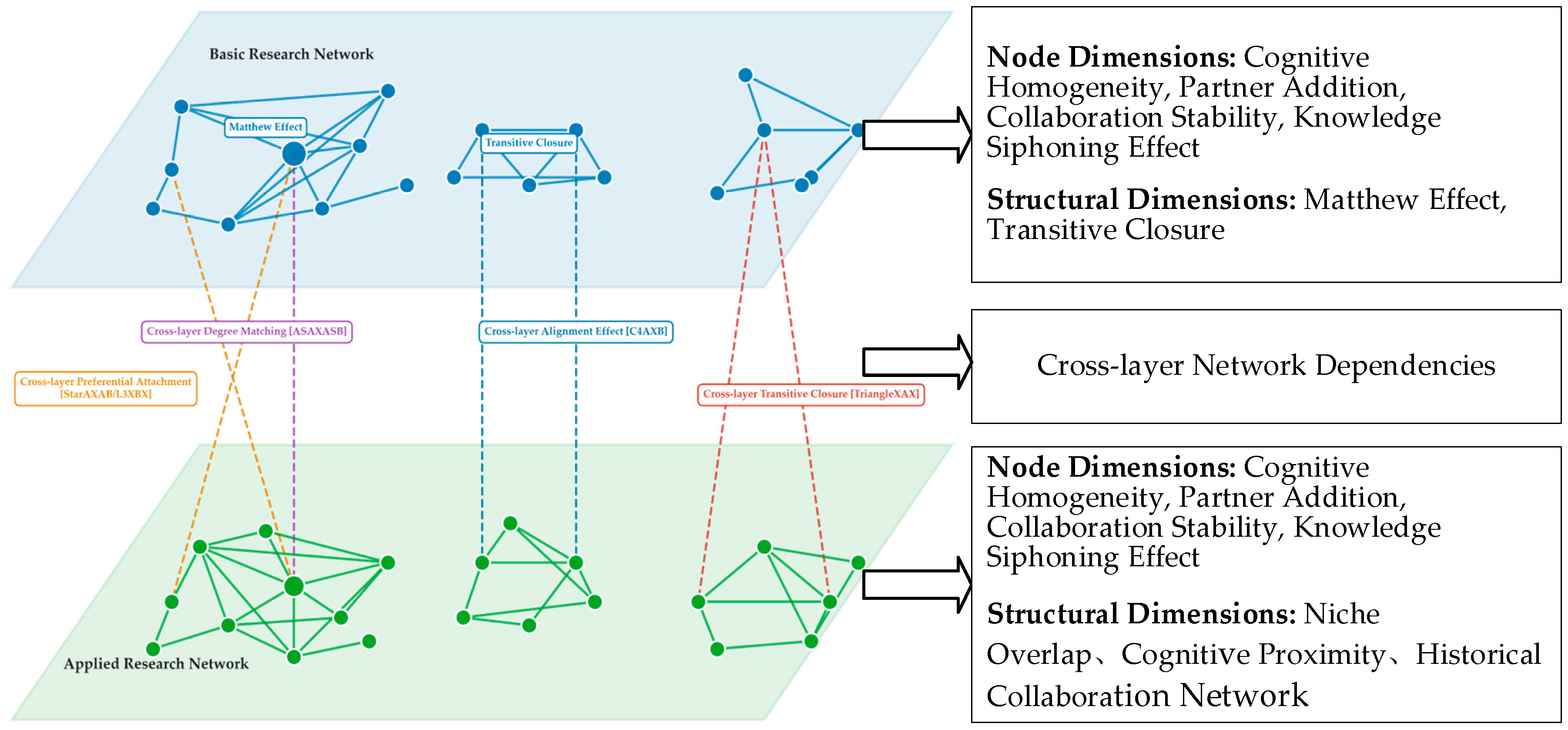
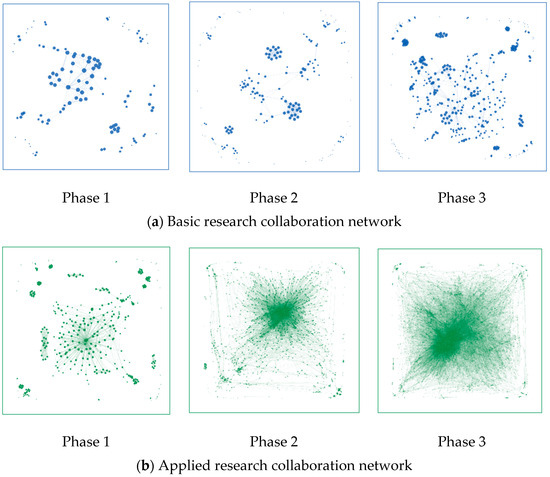
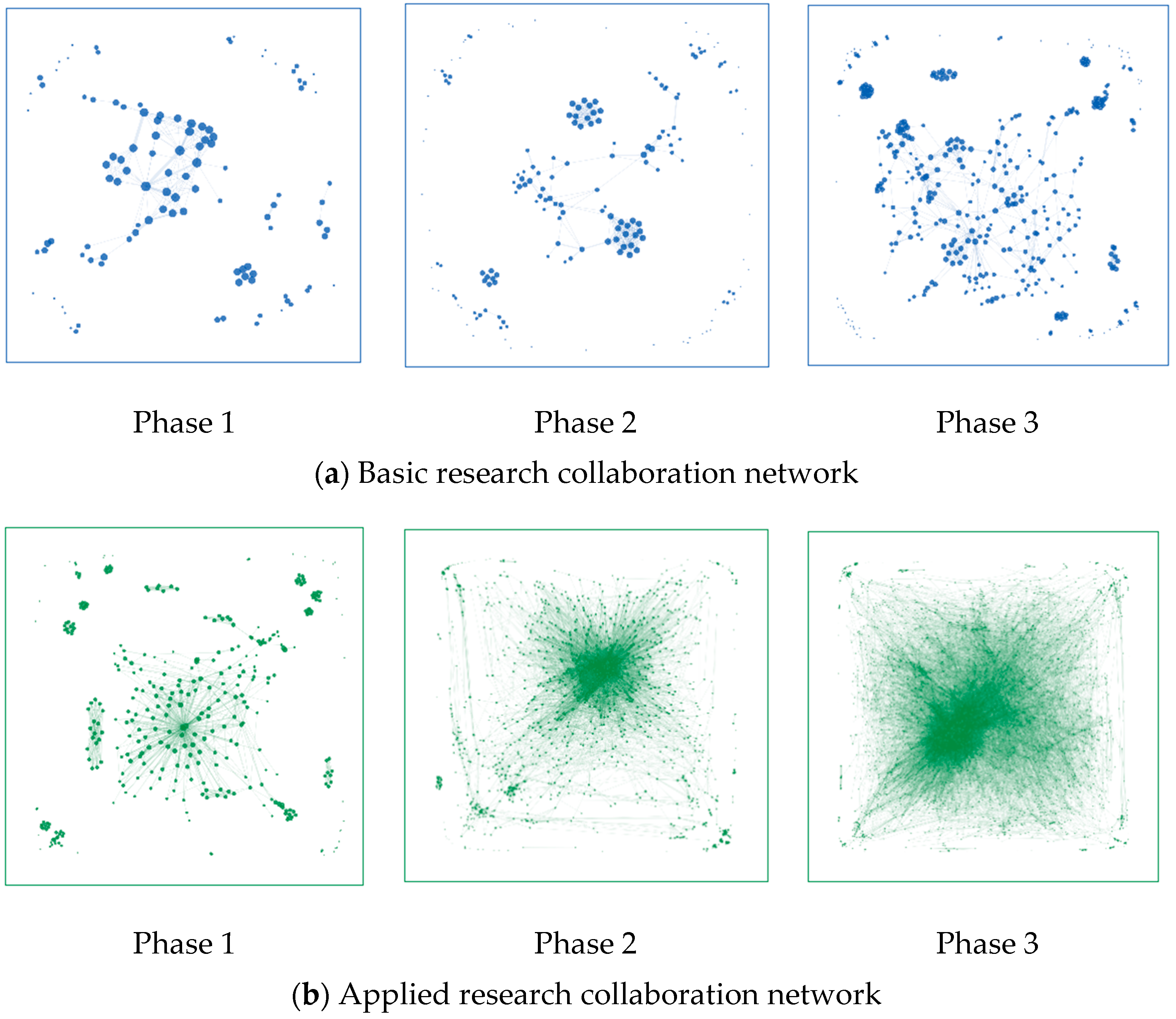
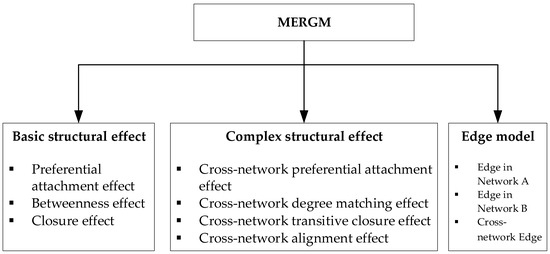
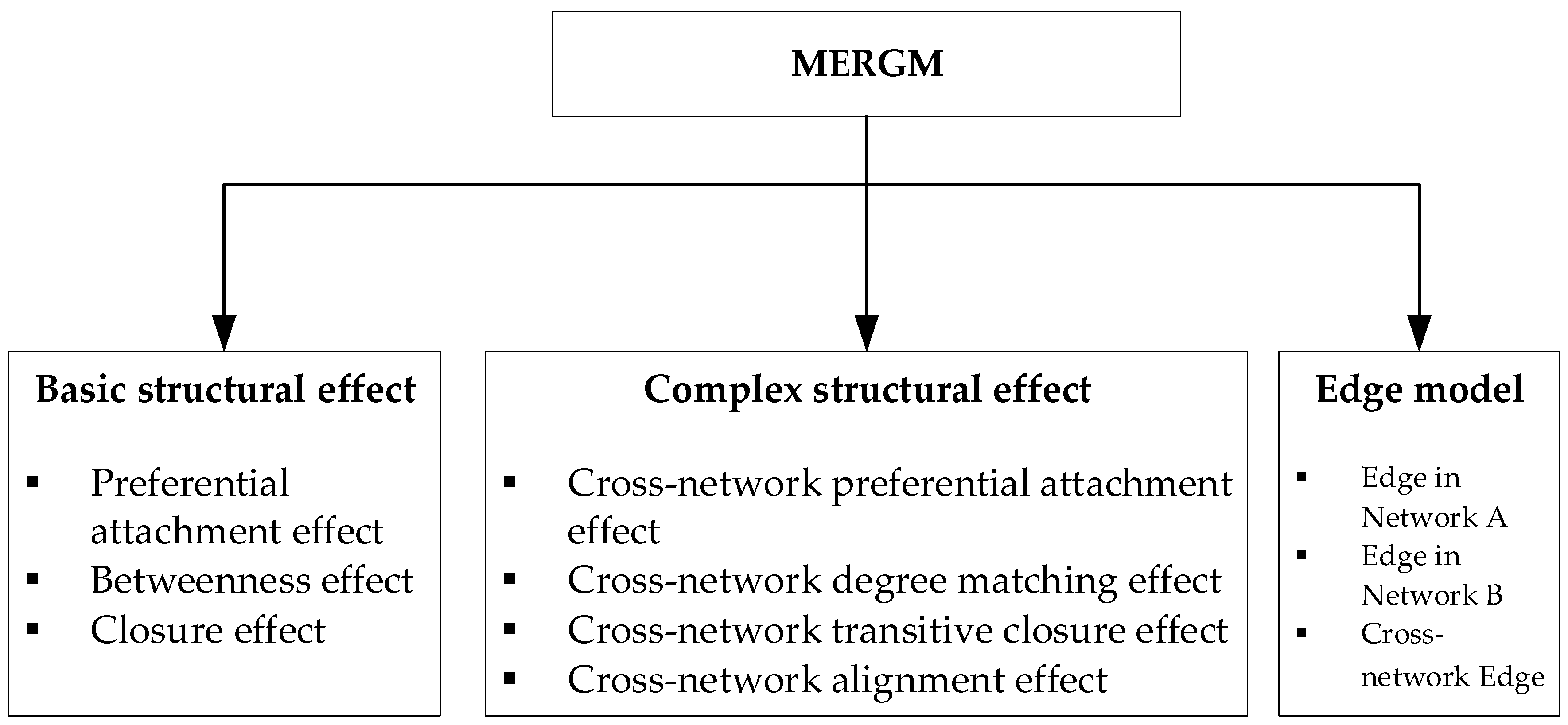
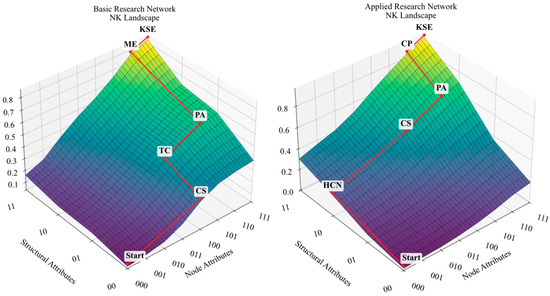
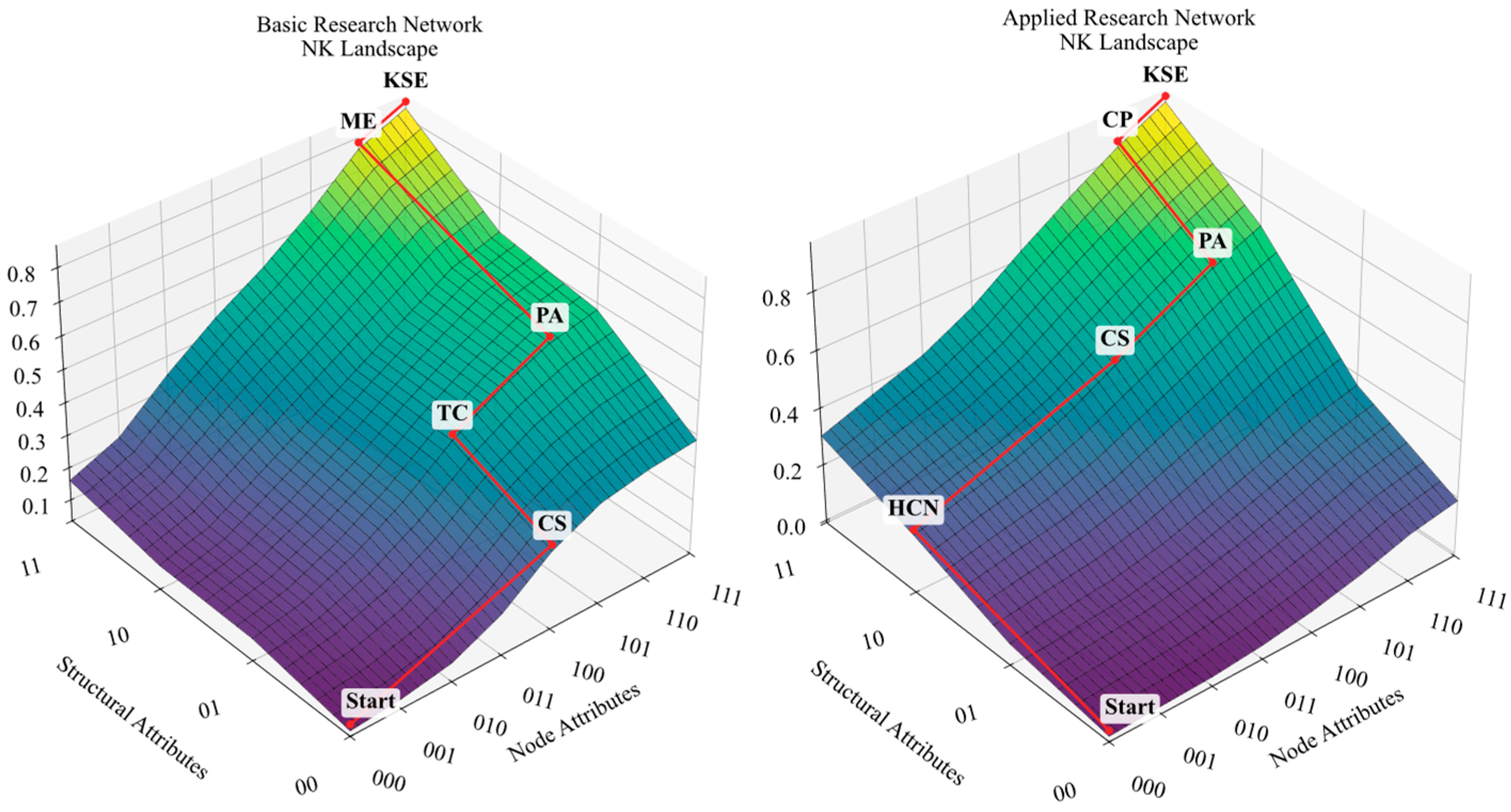
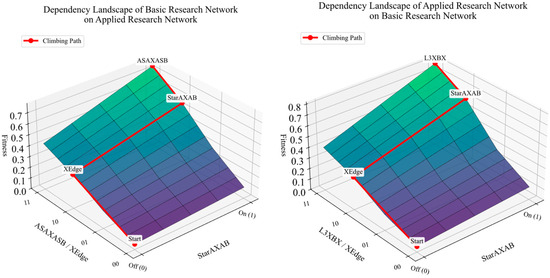
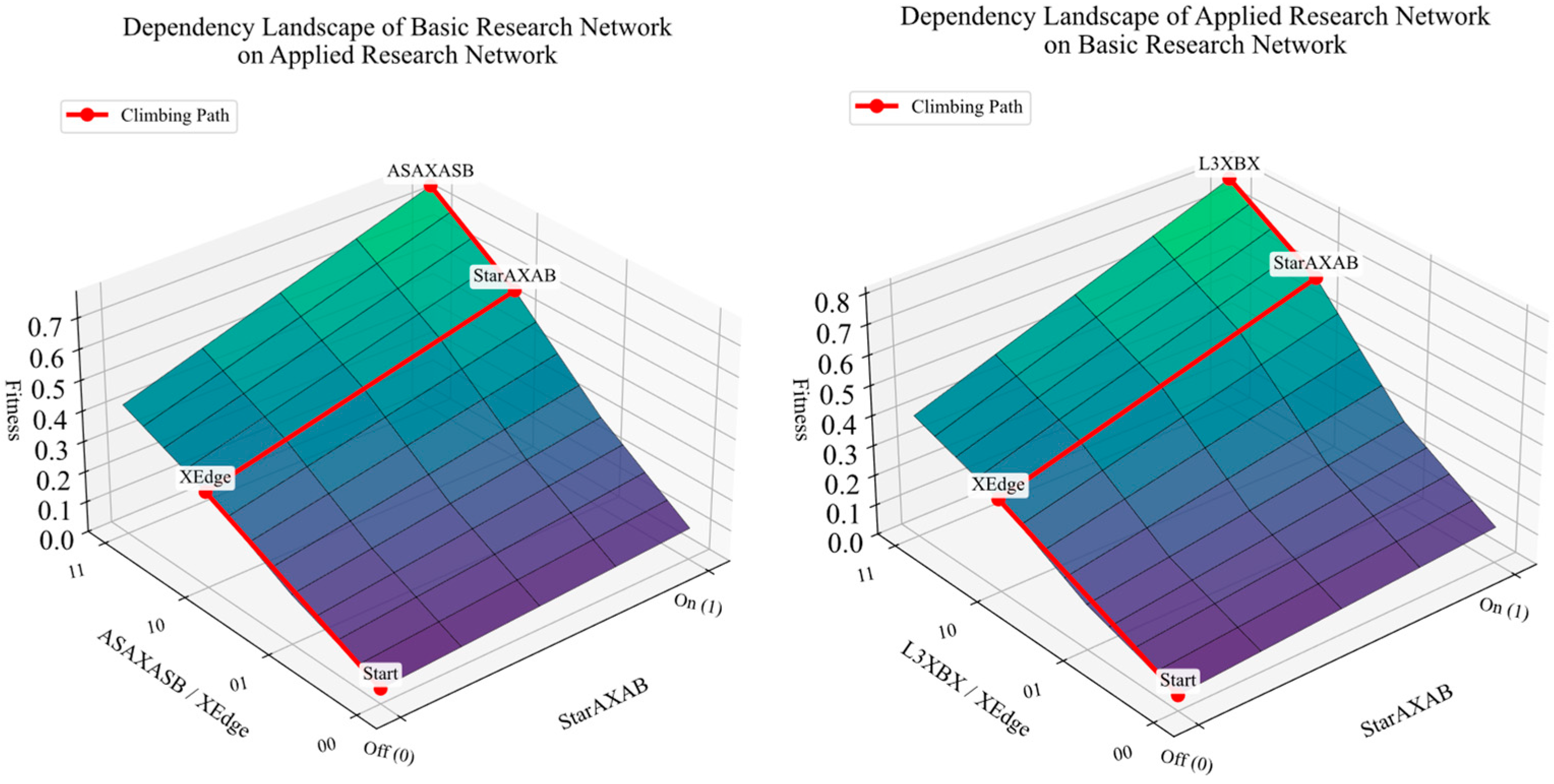

Disclaimer/Publisher’s Note: The statements, opinions and data contained in all publications are solely those of the individual author(s) and contributor(s) and not of MDPI and/or the editor(s). MDPI and/or the editor(s) disclaim responsibility for any injury to people or property resulting from any ideas, methods, instructions or products referred to in the content. |
© 2026 by the authors. Licensee MDPI, Basel, Switzerland. This article is an open access article distributed under the terms and conditions of the Creative Commons Attribution (CC BY) license.