


Abstract
Despite strong policy support for prefabricated interior decoration systems (PIDSs) in China, residential consumer uptake remains limited. Existing research has focused primarily on adoption drivers or industry-side promotion; in contrast, in this study, Innovation Resistance Theory (IRT) is employed to investigate the functional and psychological barriers to consumer acceptance in the Chinese residential market. Utilizing data from 476 Chinese consumers, partial least squares structural equation modeling (PLS-SEM) is applied to test a hierarchical mediation framework. The results demonstrate that functional obstacles, specifically risk and usage barriers, do not exhibit a direct association with resistance intention; rather, a significant indirect effect via perceived value and image is observed. Notably, the tradition barrier emerged as the most dominant predictor of resistance, reflecting a deep-seated cultural path dependency on traditional masonry methods and a perceived loss of construction rituals that disrupts system adoption. Furthermore, multi-group analysis (MGA) reveals a paradox of experience: while uninitiated users are resistant based on abstract stereotypes, those with traditional renovation experience are driven by status quo bias, and early adopters of PIDSs are resistant due to negative disconfirmation regarding usage friction and functional inflexibility. These findings suggest that, to achieve system equilibrium, the industry must transition from an industry-centric narrative to one focused on premium quality and user-centric design. Practical implications include the need to de-stigmatize prefabrication as precision manufacturing and to align policy and market interventions more closely with the concerns of individual end-consumers in order to improve residential market acceptance.
1. Introduction
In the third decade of the 21st century, the global construction industry is undergoing an unprecedented systemic transition shift toward industrialization and sustainability to mitigate its nearly 40% contribution to global energy-related carbon emissions [1,2]. Within this context, the use of Prefabricated Interior Decoration Systems (PIDSs) has emerged as a critical socio-technical pathway for achieving lifecycle carbon neutrality. Unlike traditional wet decoration, which is criticized for its high pollution and inconsistent quality [3], PIDSs adopt a dry construction mode characterized by factory production and on-site assembly. This shift from manual construction to standardized manufacturing significantly reduces the environmental burden and aligns with the policy objectives of China’s dual carbon goals [4,5].
However, system-level technological advantages have not automatically translated into stronger household uptake. Despite substantial policy support for prefabricated construction and decoration in China, individual homeowners continue to exhibit skepticism or resistance toward standardized interior solutions [6,7]. This mismatch between policy-supported development and consumer acceptance motivates a consumer-focused investigation into the psychological mechanisms that impede residential adoption.
Existing research has focused primarily on the drivers of PIDS adoption, often drawing on technology-acceptance frameworks such as the Technology Acceptance Model (TAM), which emphasizes beliefs such as perceived usefulness and perceived ease of use [8], to explain adoption intentions in construction-related innovation contexts [9]. This reflects a pro-innovation bias, assuming that non-adoption is merely the result of insufficient promotion or system development. However, in high-involvement and high-risk decisions like home decoration, the primary psychological mechanism hindering systemic diffusion is often resistance rather than acceptance. According to Innovation Resistance Theory (IRT), resistance is an active, complex psychological state aimed at maintaining the status quo against disruptive system interventions [10].
Despite its relevance, several aspects remain unexplained. First, systematic quantitative evidence supporting the relative salience of IRT’s key barriers in the PIDS context remains limited [11,12]. Second, the directional relationship between functional barriers and psychological barriers has not been sufficiently theorized in the context of prefabricated interior decoration. Although it is conceivable that pre-existing stereotypes or prejudices may color consumers’ perceptions of functional obstacles, prior IRT research distinguishes between concrete use- and performance-related frictions and broader evaluative or symbolic judgments [11,12]. Building on this distinction and on stimulus–organism–response reasoning, which suggests that external cues shape internal evaluative states before influencing behavioral responses, in this study, functional barriers are modeled as antecedent cues and psychological barriers as proximal evaluative mediators [11,13]. Third, existing approaches often treat consumers as a homogeneous group while overlooking how prior decoration experience may alter the salience and strength of these resistance paths [14].
To address these gaps, this study was conducted to investigate the Chinese residential market as a contextually bounded but theoretically revealing setting. China provides a particularly relevant empirical context because prefabricated and industrialized decoration has received strong policy support, yet its broader residential diffusion remains constrained by persistent market, coordination, and demand-side barriers [7,15,16]. Recent research further suggests that consumers’ willingness to use prefabricated decoration remains one of the key determinants of its broader market promotion in China [17]. Accordingly, the aim of the present study is not to claim universal generalizability but to explain consumer resistance to PIDSs within a theoretically significant national context and to provide a basis for future cross-context comparisons. Against this backdrop, three core research questions are proposed: (RQ1) To what extent does the IRT framework explain consumer-end PIDS resistance in China? (RQ2) How do functional barriers induce systemic resistance through the mediating effects of psychological barriers? (RQ3) What moderating role does consumer experience play in these cognitive mechanisms, and does the strength of the resistance pathways differ significantly across the three experience groups?
The remainder of this paper is organized as follows: Section 2 presents a systematic review of the PIDS paradigm and the construction of a theoretical model and research hypotheses based on IRT. Section 3 details the scale development process, based on 476 valid samples, and the methodology using partial least squares structural equation modeling (PLS-SEM). Section 4 presents the results of the structural model evaluation, mediation effect tests, and Multi-Group Analysis (MGA) regarding decoration experience. Section 5 delves into the cognitive architecture governing the transformation from functional obstacles to psychological resistance, presenting an analysis of the deep-seated causes of the tradition barrier and the heterogeneous resistance patterns associated with prior decoration experience. Finally, the theoretical contributions of this research and proposed practical and policy implications for system intervention regarding image reshaping, value counterbalancing, and segmented policy deployment are provided in Section 6.
2. Literature Review
2.1. Paradigm Definition and Technological Evolution of PIDSs
In terms of essential definition and terminology, PIDSs represent a highly industrialized socio-technical paradigm of building interior finishing. This model advocates that various subsystems of interior decoration—such as wall surfaces, flooring, ceilings, and kitchen/bathroom spaces—be manufactured in a controlled factory environment through standardized and modular production, followed by transportation to the site for assembly using dry construction methods. Drawing on the definitional logic of Zhang et al. [16] regarding building structures, the PIDS differs fundamentally from Traditional Interior Decoration (TID) in its production paradigm. TID relies heavily on on-site secondary processing, involving wet works like plastering and tiling that require raw materials such as mortar and coatings to be mixed and applied on-site. In contrast, the PIDS approach uses an off-site technological pathway, transforming the complex decoration process into industrial product assembly. This shift effectively circumvents systemic drawbacks common with traditional craftsmanship, such as environmental pollution, prolonged construction schedules, and quality fluctuations.
In global academic discourse and industry, the terminology for PIDS varies. In European and American research contexts, the concept is frequently termed industrialized fit-out or off-site interior construction, emphasizing its manufacturing attributes that transcend on-site spatial constraints [18,19]. Conversely, in countries with mature housing systems like Japan, PIDS is incorporated into the SI (Skeleton–Infill) Housing system, existing as the distinct infill component [20]. Building upon international experience and combining it with local standardization needs, Chinese academia defines it as industrialized decoration or prefabricated integrated decoration [21].
The core technical characteristic of PIDSs lies in their profound implementation of the Open Building theory. According to the architectural theory proposed by N.J. Habraken, a building should be viewed as a complex system comprising Support (or Skeleton) and Infill subsystems with distinct life cycles; the complete decoupling of these two subsystems is a prerequisite for achieving residential sustainability [22,23]. Guided by this theory, PIDSs achieve the critical separation of services and structure. By laying pipelines within the cavities formed by raised floors and integrated ceilings, it avoids damage to the main building structure caused by traditional wall chasing processes [24]. Furthermore, highly integrated components, represented by the Unit Bathroom, which ensures exceptional waterproofing performance, create tension between their industrialized esthetic and traditional esthetic demands, which is currently a focal point of controversy in academia [15].
2.2. Application Barriers and the Shift in Decision-Making Paradigms Within the Chinese Market
In China, prefabricated decoration is formalized as a distinct technical and regulatory domain, as evidenced by the issuance of the “Technical Standard for Assembled Interior Decoration” (JGJ/T 491-2021) [25]. Although prefabricated construction has achieved high uptake in certain developed Western nations—most notably in Sweden, where prefabricated elements account for 84–90% of detached/single-family homes [26,27], recent studies suggest that although prefabricated decoration offers sustainability and quality-related advantages, its diffusion remains hindered, and market acceptance is still limited [15,17]. At the broader industrial level, research on prefabricated construction has identified high initial costs, insufficient incentive mechanisms, and the industry’s inertial reliance on traditional cast-in-place methods as major obstacles to large-scale expansion [28]. Simultaneously, challenges in supply chain integration, inconsistent standardization, and a shortage of skilled industrial labor have further elevated the technical thresholds of the industry [16]. These multifaceted supply-side difficulties have contributed to market penetration rates falling below policy expectations. However, such explanations are not sufficient for understanding PIDSs, whose diffusion depends more directly on consumer-facing renovation decisions.
Significant differences exist between PIDS construction and conventional prefabricated construction in terms of application logic and decision-making structure. Prefabricated construction is typically focused on the mass production of primary structures and is often driven by business- or government-led decisions; as a result, consumers remain relatively passive recipients. By contrast, the PIDS approach exhibits much stronger market-end attributes and consumer autonomy. Weng et al. [6] emphasized that even under forceful policy interventions, the ultimate adoption of PIDSs remains highly dependent on the alignment between market demand and user perception. With the rise in the stock housing renewal market, C-end consumers have gained unprecedented agency in selecting decoration techniques. Recent studies suggest that the diffusion of prefabricated buildings and decoration depends not only on policy incentives and technical conditions but also on consumer willingness and preference, indicating the importance of user-related factors in explaining market uptake [17,29].
A persistent paradox remains regarding technological maturity and market acceptance in prefabricated decoration. Despite extensive evidence supporting its advantages in construction efficiency and environmental sustainability, individual consumers often adopt a wait-and-see approach regarding this innovation. Martin et al. [30] argue that pure technological determinism cannot adequately explain the complex social psychology involved in the implementation of architectural innovations. Existing research focuses predominantly on technical optimization and supply chain integration, while the end-user as a decision-making agent has received insufficient attention, particularly with respect to behavioral resistance and psychological defensiveness when confronted with disruptive residential paradigms such as modular, assembly-based renovation [15].
2.3. Innovation Resistance Theory: An In-Depth Analysis of User Behavior
When analyzing consumers’ selection of novel decoration techniques, traditional frameworks such as TAM [8] and the Unified Theory of Acceptance and Use of Technology [31] show limitations in explaining highly disruptive innovations because they primarily emphasize positive adoption drivers rather than resistance-generating barriers [10,12]. For products like residential decoration—which are characterized by high involvement, high costs, and profound cultural and emotional attributes—user decision-making logic often follows a pattern of risk aversion rather than simple benefit maximization. In this context, decision-makers focus more heavily on specific barriers that lead to rejection [9]. IRT, proposed by Ram and Sheth [10], provides a more appropriate analytical framework for this phenomenon. This theory challenges the pro-innovation bias (the assumption that innovation is inherently beneficial) and posits that resistance is not merely a state of non-adoption but an active behavior aimed at maintaining cognitive equilibrium and avoiding the uncertainties introduced by innovation [10]. Recent research has further categorized this behavior into passive resistance based on inertia and active resistance based on attribute evaluation [32,33]. In the context of PIDSs, users face a paradigm shift from a traditional civil engineering narrative to an industrialized modular narrative, a transition that triggers deep-seated psychological defense mechanisms.
According to the classic framework by Ram and Sheth [10], active resistance to the PIDS during its marketization can be deconstructed into two dimensions: functional barriers and psychological barriers.
2.3.1. Functional Barriers: Technical Risk, Usage Conflict, and Traditional Deviation
Functional barriers are the direct resistance resulting from a user’s rational evaluation of specific system attributes and interface frictions. The first is the risk barrier (RB), which refers to the potential uncertainties and side effects perceived by the user. In PIDS applications, this risk is highly concretized into functional, economic, and physical risks: users generally worry that prefabricated joints may be inferior to cast-in-place structures regarding waterproofing and acoustic insulation, or they fear that non-mainstream crafts may diminish the property’s resale value [34]. Even within the dimension of environmental protection—where industrial production typically holds an advantage—users may still harbor unfounded physical safety concerns due to a lack of familiarity with new composite materials.
The second is the usage barrier (UB), which primarily stems from a severe incompatibility between the innovative craft and the user’s existing habits or routines [35]. The PIDS approach emphasizes design front-loading, requiring all details to be finalized before factory production. This creates a sharp procedural conflict with the decision-making habits in traditional decoration, which allow for modifications during construction [15,36]. Furthermore, the cognitive load associated with understanding complex SI systems, interpreting industrial drawings, and communicating with formalized manufacturing enterprises constitutes a significant learning cost, further intensifying resistance at the usage level [37].
The final functional obstacle is the Tradition Barrier (TB), which reveals the conflict between innovation and established cultural values or social norms [38,39]. In many cultural contexts, masonry symbolizes eternity and security, whereas lightweight panels are often associated with temporary or cheap construction. This traditional perception of heavy as noble and light as cheap creates a cognitive chasm that complicates the acceptance of PIDSs. The standardized nature of PIDSs directly challenges the pursuit of craftsmanship and personalized narratives found in traditional concepts, causing this industrial product to face a crisis of legitimacy in a home market that emphasizes emotional attachment [40,41].
2.3.2. Psychological Barriers: Value Misalignment and Image Stigmatization
Cognitive processing eventually transforms conflicts at the functional level into deeper psychological barriers. The value barrier (VB) arises from a user’s perception of an imbalance between switching costs and performance enhancements [35]. The core advantages of PIDS—such as the long-term convenience of maintenance for services and pipelines—are often hidden and lagged, while its high initial unit price and the hollow sound produced by tapping on walls are immediate and explicit. This information asymmetry leads to an extremely low perceived relative advantage, as users believe the cost–performance ratio is insufficient to offset the risks of switching [42,43].
Simultaneously, the image barrier (IB) originates from a user’s negative associations with specific product categories [34]. Due to historical factors, prefabrication technology remains closely associated in the minds of some consumers with labels such as disaster relief housing or low-rent housing. This stigmatization of identity labels causes users—even if they acknowledge the physical quality of PIDSs—to reject them out of fear of creating an illusion of “declining social status” [12,44].
2.4. Theoretical Model Construction and Hypothesis Development
This study adopts a cognitive perspective focused on individual consumer psychology within the Chinese residential decoration market. The general policy and market environment in China provides the contextual backdrop for the study, but the related determinants are not modeled directly. Factors such as real economic conditions, pricing regimes, subsidy intensity, supply-chain constraints, and market availability undoubtedly shape the broader environment in which PIDSs diffuse [7,15], but the present model intentionally brackets these conditions in order to isolate the consumer-side resistance mechanisms through which functional barriers are translated into higher-order evaluative judgments and, ultimately, resistance. This focus is theoretically appropriate because recent studies suggest that the diffusion of prefabricated decoration depends not only on institutional support but also on the alignment between market demand and user perception [6,15]. Accordingly, this study’s contribution lies in explaining the development of consumer resistance within a policy-supported market context rather than in directly testing the effects of the policy factors themselves. Similarly, image and tradition barriers are treated as culturally embedded constructs. In the Chinese residential setting, these barriers are shaped by wet-work renovation traditions, perceived solidity and craftsmanship, and the social meaning attached to housing consumption; their salience and substantive meaning may therefore differ across institutional and cultural contexts [6,12].
In the present study, value- and image-related resistance judgments are not treated as isolated reactions. Rather, they are theorized to arise from prior appraisals of concrete innovation attributes, such as risk, usage difficulty, and conflict with established practices [10,12]. Consistent with Innovation Resistance Theory, functional barriers capture consumers’ perceptions of specific usage- and performance-related frictions, whereas psychological barriers reflect broader evaluative and symbolic judgments about whether an innovation is worthwhile and what it represents to the consumer [10,12]. In this sense, risk, usage difficulty, and conflict with existing practices can operate as concrete cues that are subsequently translated into more general judgments of low value and an unfavorable image. This sequencing is also consistent with stimulus–organism–response reasoning, in which external cues first shape internal evaluative states and only then influence behavioral responses [11,13]. Accordingly, the present study models functional barriers as antecedents and psychological barriers as proximal evaluative mediators.
2.4.1. The Impact of Functional Risks on Psychological Risks
In the context of PIDSs, when consumers perceive risks such as leakage, cracking, uncertain durability, or possible depreciation, these concerns are unlikely to remain as isolated technical assessments. Rather, they are likely to be incorporated into broader evaluative judgments about whether the system is worthwhile, thereby increasing the value barrier [11,34]. From an IRT perspective, concrete functional frictions can be translated into higher-order appraisals of switching cost and relative disadvantage, especially when an innovation is perceived as uncertain or insufficiently proven [10,34]. Accordingly, greater perceived risk is expected to strengthen consumers’ judgments that PIDS does not offer adequate value relative to its perceived costs. Risk perceptions may also worsen the image barrier. When a technology is perceived as uncertain, immature, or potentially hazardous, consumers may generalize these concerns into broader symbolic judgments, viewing the system as unreliable, experimental, or low-grade [9,12,34]. This logic is particularly relevant in home renovation, where consumers evaluate not only technical performance but also the social meaning and symbolic image associated with a renovation system [12]. In such cases, heightened risk perceptions may damage the perceived image of PIDS by reinforcing associations with inferior quality or undesirable housing standards. Therefore, the following hypotheses are proposed:
H1a.
Risk barrier is positively associated with value barrier.
H1b.
Risk barrier is positively associated with image barrier.
Usage-related frictions may also be translated into broader value judgments. In the context of PIDS, the system requires design front-loading, advance coordination, and a higher level of procedural understanding than traditional renovation, which can substantially increase the perceived time, effort, and learning costs of adoption [15,35,36,37]. When consumers perceive that adopting PIDSs requires them to change familiar renovation habits, understand complex processes, or rely on less familiar suppliers, these non-monetary costs are likely to reduce the perceived cost-effectiveness of the system, thereby strengthening the value barrier [35,36,37]. In other words, the more cumbersome and effortful the system appears, the more likely consumers are to conclude that it is not worthwhile relative to its perceived costs. Usage-related frictions may also worsen the image barrier. When a system appears rigid, difficult to understand, or counter-intuitive to use, consumers may infer that it is not sufficiently user-friendly or mature [37,38]. Prior research has shown that complexity can increase alienation and deteriorate the overall impression of an innovation, especially when consumers interpret procedural inconvenience as evidence of poor design or low practical fit [38]. In the PIDS context, where users may already be unfamiliar with industrialized decoration processes, perceived procedural inconvenience may therefore be generalized into broader image-related judgments, making the system appear cold, immature, or poorly adapted to everyday residential needs [15,35,38]. Therefore, the following hypotheses are proposed:
H2a.
Usage barrier is positively associated with value barrier.
H2b.
Usage barrier is positively associated with image barrier.
Tradition-related conflict may also be translated into broader value judgments. In residential decoration, established practices often serve as an implicit reference frame for evaluating quality, trustworthiness, and appropriateness [38,39,45]. When PIDSs depart sharply from familiar wet-work traditions, consumers may perceive them as less aligned with what a proper home should feel like, thereby weakening the system’s perceived value. In this sense, the more strongly consumers view traditional renovation practices as the benchmark for acceptable housing quality, the more likely they are to judge PIDSs as insufficient compared to familiar alternatives [38,45]. Tradition-related conflict may also worsen the image barrier. Tradition often confers symbolic legitimacy on products and practices, especially in high-involvement domains such as housing and home decoration [39,40]. When industrialized decoration challenges established expectations of craftsmanship, warmth, and personalization, consumers may infer that the system is impersonal, artificial, or socially less desirable [40,41]. Prior research has shown that when innovation-related attributes conflict with culturally valued traditions, the perceived image of the innovation may deteriorate, even if its functional benefits are acknowledged [40,41]. In the PIDS context, this suggests that stronger tradition barriers are likely to intensify unfavorable image judgments of the system. Therefore, the following hypotheses are proposed:
H3a.
Tradition barrier is positively associated with value barrier.
H3b.
Tradition barrier is positively associated with image barrier.
2.4.2. The Impact of Value Barrier and Image Barrier on Resistance Intention
Compared with concrete functional concerns, value-related and image-related barriers are conceptually closer to the final evaluative decision of whether an innovation should be rejected. A strong value barrier indicates that consumers believe the innovation does not provide sufficient benefits relative to its perceived costs, making resistance more likely [11,38,43]. Prior IRT-based studies have repeatedly shown that when consumers judge an innovation as economically or functionally not worth it, their intention to resist or reject the innovation tends to increase accordingly [38,43]. In the context of PIDS, where adoption involves substantial financial, cognitive, and practical commitment, a stronger value-related judgment that the system is not worthwhile is therefore expected to intensify resistance intention.
Image-related barriers may operate in a similar but more symbolic way. When an innovation carries unfavorable symbolic meanings or undesirable social associations, consumers may resist it even when its functional value is not entirely rejected [12,46]. This logic is particularly relevant in housing and home decoration, where products are evaluated not only for utility but also for what they signal about lifestyle, taste, and social standing. Prior studies on image congruence further suggest that adoption becomes less likely when the image of an innovation is perceived as inconsistent with the consumer’s desired self-presentation or relevant social context [47]. Related research on sustainable innovations also indicates that symbolic attributes can independently shape adoption evaluations beyond instrumental considerations [48]. In the PIDS context, this suggests that a more negative system image is likely to strengthen consumers’ resistance intention. Therefore, the following hypotheses are proposed:
H4.
Value barrier is positively associated with resistance intention.
H5.
Image barrier is positively associated with resistance intention.
2.4.3. Competing Direct Paths and the Assessment of Full Versus Partial Mediation
Although the preceding arguments suggest that psychological barriers are more proximal determinants of resistance intention, the direct effects of functional barriers on resistance intention remain theoretically plausible [10,11,12,49]. In Innovation Resistance Theory, functional barriers such as perceived risk, usage difficulty, and incompatibility with existing practices may themselves trigger resistance when an innovation is judged to be too uncertain, cumbersome, or disruptive [10,12]. At the same time, prior studies have shown that functional barriers often translate into broader evaluative states, such as low perceived value and an unfavorable image, which then carry their influence to resistance intention [11,49]. Accordingly, in this study, there is no a priori assumption that the associations between functional barriers and resistance intention are only indirectly transmitted through psychological barriers. Given the cross-sectional nature of the data, the indirect paths should be interpreted as theory-consistent statistical mediation patterns rather than definitive evidence of longitudinal mediation [50]. Instead, direct paths from risk, usage, and tradition barriers to resistance intention are retained as competing paths alongside the indirect paths through value and image barriers. This modeling choice is consistent with contemporary mediation scholarship, which cautions against treating the absence or presence of direct effects as a purely post hoc issue and instead recommends explicitly testing alternative mediation patterns within the structural model [51]. In this way, the model tests the relative explanatory role of direct functional resistance and indirect evaluative resistance simultaneously. Therefore, the following hypotheses are proposed:
H6a.
Risk barrier is positively associated with resistance intention.
H6b.
Usage barrier is positively associated with resistance intention.
H6c.
Tradition barrier is positively associated with resistance intention.
2.4.4. Experience-Based Heterogeneity in Resistance Mechanisms
Consumers’ prior decoration experience is likely to shape how they interpret and weight barrier-related information in the resistance formation process [14,45]. Prior experience does not merely increase familiarity; it can also change the diagnosticity of specific cues, the salience of alternative reference standards, and the way consumers evaluate the fit between an innovation and their prior expectations [14,52]. In this sense, respondents with direct PIDS experience, respondents with only traditional decoration experience, and respondents with no prior decoration experience may not rely on the same evaluative logic when forming resistance judgments.
For consumers with direct PIDS experience, barrier perceptions are likely to be informed by actual use episodes rather than abstract expectations. Expectation confirmation research suggests that prior usage experience can recalibrate evaluations by exposing users to confirmation or disconfirmation of what they initially expected from a system [52,53]. As a result, concrete issues such as usability frictions, procedural rigidity, or maintenance inconvenience may become more diagnostic for these consumers when evaluating value and image. By contrast, consumers with only traditional decoration experience may rely more heavily on established practices and incumbent reference points, making them more sensitive to barriers that challenge familiar renovation routines and culturally legitimate ways of building and finishing homes [45,54]. Respondents with no prior decoration experience may, in turn, depend more on abstract expectations, stereotypes, and second-hand impressions when evaluating PIDSs.
Recent resistance research also suggests that user characteristics and prior relational conditions can alter the strength of barrier–resistance relationships rather than simply shifting overall resistance levels [14,55]. Accordingly, prior decoration experience may shape the structural relationships in the proposed model. Because the focal grouping variable is categorical (three experience groups) and the analysis relies on multi-group analysis (MGA), the following research questions are posed to examine between-group differences in path strength:
RQ3a.
Do the relationships between functional barriers and psychological barriers differ across the three experience groups?
RQ3b.
Do the relationships between psychological barriers and resistance intention differ across the three experience groups?
RQ3c.
Do the direct relationships between functional barriers and resistance intention differ across the three experience groups?
2.5. Research Framework
Following a synthesis of the preceding literature review and theoretical discussions, a total of eleven hypotheses (H1–H6) and three research questions (RQ3a–RQ3c) concerning the moderating role of consumer experience are proposed. Accordingly, a conceptual framework was developed to illustrate the hypothesized relationships among the variables and is depicted in Figure 1.
Figure 1.
Conceptual research framework.
3. Methodology
3.1. Research Design
This study adopts a quantitative, cross-sectional survey design to empirically test the IRT-based framework. Cross-sectional surveys are appropriate for collecting primary data from a defined population at a single point in time [56]. Such designs are suitable for examining theory-guided associations among constructs measured contemporaneously, but they do not permit definitive causal inference or direct verification of temporal precedence [57]. Our survey targeted individual consumers in the Chinese residential market. To integrate technical rationality with consumer psychology within a single nomological model, this study employed PLS-SEM and estimated the model using the consistent partial least squares (PLSc) algorithm in SmartPLS 4 [58]. PLS was selected because the focal constructs were specified reflectively, and this algorithm corrects the inconsistency of conventional PLS estimates for reflective measurement models [59]. PLS-SEM was retained rather than covariance-based structural equation modeling (CB-SEM) because the aim of the study was to explain and predict a relatively complex model involving multiple mediation paths and multi-group comparisons; moreover, the choice between PLS-SEM and CB-SEM should be guided by the study objective and model conceptualization, rather than by reflective specification alone [60,61]. A quantitative design is appropriate for the present study because the research objective is to test a theoretically specified structural model, estimate the relative strength of multiple latent relationships simultaneously, and compare path differences across predefined consumer groups. At the same time, survey-based PLS-SEM is less well suited to uncovering the deeper interpretive meanings and sense-making processes through which consumers experience, articulate, and rationalize resistance to PIDS.
3.2. Sampling and Data Collection
Data were collected through Wenjuanxing, a prominent professional online survey platform in China. A total of 612 questionnaires were returned. Prior to analysis, the data were screened for invalid or careless responses. Questionnaires were removed as invalid if the average response time was less than 3 s per item or if respondents selected the same response option for more than 15 consecutive items, indicating straight-lining [62]. After this screening process, 476 valid responses were retained for analysis, yielding an effective response rate of 67.8%. After this screening process, 476 valid responses were retained for analysis, yielding an effective response rate of 67.8%. Because this study relied on self-reported survey responses, these screening procedures were intended to reduce the influence of low-quality or inattentive responding and thereby improve data quality [63,64]. The sample composition exhibits robust representativeness across gender, age, and decoration experience.
Based on their prior exposure to decoration modes, respondents were classified into three broad experience categories for the purpose of multi-group analysis: a PIDS experience group (n = 161, 33.8%), consisting of respondents who had partially or fully used PIDSs and therefore had direct exposure to the system; a TID-only group (n = 202, 42.4%), consisting of respondents whose prior decoration experience was limited to traditional decoration; and a group with no prior decoration experience (n = 113, 23.7%), consisting of respondents who had not yet participated in any decoration process (see Table 1). This grouping was intended to capture analytically meaningful differences in prior exposure without exhausting the full diversity of renovation experiences. The valid sample size (n = 476) exceeds not only the traditional “10-times rule” but also the more rigorous minimum sample size criterion suggested by Kock and Hadaya [65]. Using their inverse square root method and the smallest significant path coefficient observed in the structural model (|β|min = 0.141), the minimum required sample size was estimated at 311. Thus, the final sample size of 476 provides sufficient statistical support for estimating the proposed model.
Table 1.
Participant demographics.
The sample covered a broad age range. During data preprocessing, the oldest age group (61 years and older, n = 4) was merged with the adjacent age category to ensure statistical robustness and support reliable MGA comparisons. Accordingly, the final age categories used in the analysis were 18–25, 26–35, and 36 years and above. The gender distribution was 44.7% male and 55.3% female.
3.3. Measurement Instrument
The measurement instrument was developed by adapting validated scales from established IRT and the construction management literature to suit the context of prefabricated decoration. All constructs were operationalized using multi-item scales to ensure content validity. A double-blind back-translation procedure was implemented to ensure linguistic accuracy and conceptual equivalence between the original English instruments and the Chinese questionnaire. All items were measured on a 7-point Likert scale, ranging from 1 (“Strongly Disagree”) to 7 (“Strongly Agree”).
As detailed in Table 2, the Risk Barrier and Usage Barrier scales were adapted from Laukkanen et al. [66,67]. The Tradition Barrier scale was informed by Elbadrawy and Abdel Aziz [68]. Resistance Intention items were derived from Leong et al. [46]. The image and value barrier constructs were operationalized based on Talwar et al. [69] and Kuisma et al. [70], respectively.
Table 2.
Measurement items and sources.
3.4. Data Analysis Strategy
The data analysis followed the recommended two-stage procedure for PLS-SEM research [71]. In the first stage, the reflective measurement model was assessed by examining indicator reliability through outer loadings, internal consistency reliability was assessed using Cronbach’s alpha and composite reliability, and convergent validity was examined using the average variance extracted (AVE) [71]. Discriminant validity was evaluated using both the Fornell–Larcker criterion [72] and the heterotrait–monotrait (HTMT) ratio [73]. Because all focal constructs were collected using a single self-report instrument, common method bias was also assessed as a diagnostic step. Following Kock’s guidance [74], a full-collinearity assessment was conducted by examining the variance inflation factor (VIF) values for all latent constructs; if all values remain below the recommended threshold of 3.3, common method bias is unlikely to pose a serious threat. In the second stage, the structural model was assessed by examining collinearity, the significance of path coefficients through bootstrapping with 5000 resamples, the coefficient of determination (R2), predictive relevance (Q2), and effect sizes (f2), following established PLS-SEM guidelines [71,75]. Out-of-sample predictive performance was further examined using PLSpredict [76]. To compare the structural relationships across the three broad experience categories, measurement invariance was first assessed using the MICOM procedure, after which multi-group analysis (MGA) was conducted to identify significant pairwise differences in path coefficients across groups [75,77].
4. Results
4.1. Assessment of the Measurement Model
Following the guidelines proposed by Hair et al. [71], the reflective measurement model was evaluated by examining indicator reliability, internal consistency reliability, and convergent validity (see Table 3). Indicator reliability was confirmed as all factor loadings ranged from 0.803 to 0.957, substantially exceeding the recommended threshold of 0.708. Internal consistency reliability was demonstrated through Cronbach’s alpha values (0.770 to 0.949), which were all above the benchmark suggested by Nunnally [78]. Additionally, construct reliability was substantiated by ρA values [59], which ranged from 0.774 to 0.949, indicating high internal consistency. Convergent validity was established as the AVE for all constructs and ranged from 0.685 to 0.907, significantly surpassing the 0.50 minimum requirement established by Fornell and Larcker [72]. Consequently, the measurement model demonstrates robust reliability and convergent validity.
Table 3.
Measurement model analysis.
Discriminant validity was assessed using the HTMT ratio and the Fornell–Larcker criterion. First, the HTMT results (Table 4) show that all values range from 0.583 to 0.870, remaining below the conservative threshold of 0.90 recommended by Hair et al. [79]. Second, according to the Fornell–Larcker criterion (Table 5), the square root of the AVE for each construct is greater than its correlation with any other construct [72]. Consequently, the measurement model demonstrates adequate discriminant validity.
Table 4.
Discriminant validity analysis—HTMT Ratio.
Table 5.
Discriminant validity analysis—Fornell–Larcker criterion.
4.2. Assessment of Structural Model and Predictive Power
The quality of the structural model was evaluated primarily in terms of explanatory and predictive performance. As shown in Table 6, the R2 values for the endogenous variables RI, VB, and IB were 0.462, 0.561, and 0.541, respectively, indicating moderate to substantial explanatory power according to Chin [80]. The adjusted R2 values closely approximated the original estimates (e.g., VB adjusted R2 = 0.559), suggesting stable model estimation. In addition, the Q2 values obtained via blindfolding were all greater than zero (RI = 0.307, VB = 0.396, IB = 0.391), supporting the model’s predictive relevance [60].
Table 6.
Summary of model quality and fit assessment.
As supplementary diagnostics, we also report the standardized root mean square residual (SRMR) and the normed fit index (NFI). The SRMR value was 0.048, which is below the commonly used 0.08 reference value [75]. The NFI value was 0.881, which is below the conventional 0.90 benchmark and therefore should not be interpreted as evidence of a strong global fit. Given that overall model fit assessment in PLS-SEM remains more limited than in covariance-based SEM, these indices are reported only as auxiliary information and are interpreted cautiously [75,81]. Accordingly, the adequacy of the proposed model is judged primarily on the basis of its explanatory power, predictive relevance, out-of-sample predictive performance, and structural path results, rather than on any single global fit index.
To complement the explanatory assessment, the predictive utility of the model was further evaluated using the PLSpredict procedure recommended by Shmueli et al. [76]. As summarized in Table 7, all Q2predict values for the indicators were greater than zero (ranging from 0.171 to 0.429), indicating that the PLS-SEM model outperformed a naïve benchmark. A comparison between the root mean square error (RMSE) of the PLS-SEM estimates and that of the linear model showed that 6 of the 9 indicators (RI1–RI3, VB1–VB3) yielded lower prediction errors under PLS-SEM. Following Shmueli et al. [76], these results indicate a medium level of out-of-sample predictive power. This predictive evidence is particularly relevant because, in PLS-SEM, model assessment should not rely exclusively on global fit statistics.
Table 7.
PLSpredict results.
4.3. Structural Path Analysis and Hypothesis Testing
The structural model was evaluated to verify the proposed research hypotheses. Following the recommendations of Hair et al. [79], the assessment process included a collinearity diagnosis, testing the significance of path coefficients, and analysis of effect sizes (f2).
Prior to hypothesis testing, the structural model was assessed for potential collinearity issues. The results indicated that the VIF for all predictors of the endogenous constructs ranged from 1.000 to 2.998. All VIF values remained below the stringent threshold of 3.3, indicating that the model is free from serious multicollinearity concerns and ensuring the robustness of the estimated path coefficients [74].
A bootstrapping procedure with 5000 resamples was employed to test the significance of the 11 direct paths (refer to Table 8 and Figure 2). Both VB → RI (β = 0.355, p < 0.001) and IB → RI (β = 0.276, p < 0.001) exhibited significant positive effects, supporting H4 and H5. RB, TB, and UB were found to be significant predictors of both IB and VB. Notably, the positive impacts of RB and UB on VB and IB were also confirmed (p < 0.05), providing support for H1a, H1b, H2a, and H2b. The paths TB → IB (β = 0.408, t = 22.152, p < 0.001) and TB → VB (β = 0.402, t = 7.326, p < 0.001) were the most substantial, supporting H3a and H3b.
Table 8.
Structural model assessment results.
Figure 2.
Results of path analysis. (Notes: Standardized path coefficients are reported on structural paths. Solid black lines represent statistically significant paths, while red dashed lines represent non-significant paths. Asterisks denote statistical significance (* p < 0.05, ** p < 0.01, *** p < 0.001), and exact p-values for non-significant paths are shown in parentheses).
Conversely, RB → RI (p = 0.822) and UB → RI (p = 0.855) demonstrated no direct impact on resistance intention; thus, H6a and H6b were not supported. The p-value for TB → RI was 0.051, narrowly failing to reach significance at the 0.05 level; therefore, H6c was also rejected. Regarding effect sizes, TB → IB yielded an exceptionally large f2 of 0.919, while TB → VB (f2 = 0.153) showed a medium effect. For the unsupported paths (e.g., RB → RI), f2 values were 0.000, indicating that these paths contribute negligible explanatory power to the model.
4.4. Analysis of Mediating Effects
To further elucidate the underlying mechanisms through which consumer RI is generated, this study conducted an analysis of mediating effects using the bootstrapping resampling method (5000 iterations), following the procedure recommended by Preacher and Hayes [82]. As summarized in Table 9, the indirect effects of all six mediating pathways in the model reached statistical significance (p < 0.05). Specifically, the indirect effects of UB on RI through VB and IB were 0.050 (t = 2.306, p = 0.021) and 0.040 (t = 2.076, p = 0.038), respectively. The mediation pathways for TB proved to be the most substantial, with indirect effects of 0.143 (t = 4.711, p < 0.001) via VB and 0.113 (t = 3.457, p = 0.001) via IB. Furthermore, RB exerted significant indirect effects on RI through VB (0.100, t = 3.377, p = 0.001) and IB (0.070, t = 3.014, p = 0.003). Integrating these findings with the direct path analysis, the direct effects of RB → RI (p = 0.822) and UB → RI (p = 0.855) were non-significant, while their corresponding indirect effects were significant. This indicates that VB and IB play a full mediating role in the relationship between these functional obstacles and resistance intention. Given that the direct effect of TB → RI also failed to reach significance (p = 0.051), the impact of tradition-based resistance on RI is likewise entirely transmitted through the psychological mediation process involving VB and IB.
Table 9.
Results of mediating effect analysis.
4.5. MGA Results on Experience-Based Group Differences
To answer RQ3a–RQ3c, multi-group analysis was conducted across the three broad experience categories after establishing partial measurement invariance through MICOM. Prior to conducting the MGA, the Measurement Invariance of Composite Models procedure was executed using the Permutation algorithm to assess the comparability of the three experience categories. The results supported partial measurement invariance, which permits meaningful comparisons of structural path coefficients across groups. The MGA results revealed several significant pairwise differences in the resistance mechanism (Table 10). Specifically, the effect of UB → VB was significantly stronger in the PIDS experience group than in the group without prior decoration experience (Δβ = 0.351, p = 0.023). The effect of UB → IB was also significantly stronger in the PIDS experience group than in the TID-only group (Δβ = 0.357, p = 0.006). In contrast, the effect of TB → RI was significantly stronger in the TID-only group than in the group without prior decoration experience (Δβ = 0.387, p = 0.037), and the effect of RB → IB was likewise stronger in the TID-only group than in the group without prior decoration experience (Δβ = 0.279, p = 0.044). Overall, these findings suggest that prior experience does not simply intensify or weaken resistance uniformly; rather, it changes which barriers become more salient across different user categories.
Table 10.
Results of MGA.
5. Discussion
5.1. Summary of Findings
This study examines the consumer-side resistance mechanisms associated with PIDSs in China’s residential decoration market under conditions of strong policy support. By employing IRT, we conducted a thorough investigation of the psychological and functional barriers hindering consumer adoption of PIDS. Based on 476 valid responses, a PLS-SEM model incorporating RB, UB, TB, VB, and IB was constructed and validated. The empirical results support the applicability of the IRT framework in the context of China’s building decoration industry and are consistent with a hierarchical pattern of associations among these barriers. The model demonstrated moderate to substantial explanatory power, with R2 values of 0.462, 0.561, and 0.541 for RI, VB, and IB, respectively. Furthermore, all Q2predict values were positive (ranging from 0.171 to 0.429), and the PLS-SEM model yielded lower prediction errors than the linear model benchmark for six of the nine indicators, indicating a medium level of out-of-sample predictive power [76]. In addition, the supplementary model fit indices indicated acceptable fit (SRMR = 0.048, NFI = 0.881). These data show that the proposed model accounts for a substantial proportion of the variance in consumers’ resistance intention, underscoring the central role of psychological cognition in consumers’ resistance intention toward innovation adoption. This section highlights three principal findings with direct managerial relevance. First, risk and usage barriers primarily influence resistance through value and image perceptions, indicating that communication and service design should focus on reducing perceived uncertainty, hidden costs, and negative symbolic interpretations. Second, the strong role of the tradition barrier suggests that market interventions must address not only technical performance but also culturally grounded expectations regarding solidity, craftsmanship, and residential legitimacy. Third, the MGA results show that different consumer groups require different intervention strategies because resistance is driven by unfamiliarity among some users and by negative use experience among others.
5.2. The Cognitive Architecture of Resistance: From Functional Distress to Psychological Rejection
Traditional technology acceptance models, such as TAM, typically assume that perceived usefulness and ease of use act as direct drivers of intention. However, the structural path analysis in this study (refer to Table 8) reveals a more covert psychological processing mechanism. The most salient finding is that the direct path coefficients from RB and UB to RI were non-significant (p > 0.05), whereas their indirect paths through VB and IB were highly significant.
This indirectly association challenges simple linear causal logic. It indicates that Chinese consumers do not reject PIDS solely due to concrete functional flaws, such as leakage risks or procedural complexity. Instead, these specific functional deficiencies must undergo a process of cognitive fermentation within the user’s internal processing system—transforming into judgments regarding a lack of perceived value or inferior brand image—before triggering terminal resistance intention. This aligns with the S-O-R theoretical framework, where functional obstacles serve as external stimuli, psychological appraisals act as the organismic response, and resistance intention represents the focal response outcome [83].
Specifically, RB exerted a significant positive impact on VB (β = 0.281, p < 0.001) and image barrier (β = 0.255, p < 0.001). In the context of PIDS, this pattern suggests that consumers do not treat concerns such as leakage, cracking, or poor acoustic insulation as merely isolated technical defects. Rather, these concerns are translated into broader evaluative judgments about whether the system is worthwhile and dependable. When functional uncertainty remains salient, consumers may discount the environmental or efficiency-related advantages of PIDSs and place greater weight on the perceived costs and uncertainties associated with their adoption, thereby increasing the VB. More critically, risk may also become symbolically generalized. A home perceived as vulnerable to technical defects can be associated with inferior construction quality or low-end housing standards, thereby worsening the image barrier. Similar risk-to-image translation mechanisms have been noted in resistance studies on mobile payments and AI customer service, where technological uncertainty undermines trust in the broader service image [84].
Similarly, the positive influence of UB on VB (β = 0.141) and IB (β = 0.145) illustrates that inconvenience itself constitutes an expensive psychological cost. The front-end design requirements, modular constraints, and conflicts with traditional construction habits inherent in PIDS are perceived by users as an additional transaction cost. When these learning and adaptation costs are excessive, users experience a psychological account imbalance—perceiving it as paying a premium for discomfort—and tend to view such counter-intuitive technology as an immature, cold, and industrial byproduct [84,85].
The significant positive effect of VB on RI indicates that perceived value remains a central concern in consumer resistance to PIDS. While related policies emphasize its lifecycle energy-saving and emission-reduction benefits, for individuals, these long-term advantages are lagged and obscured. In contrast, the high initial construction costs (often 20–30% higher than traditional decoration) are immediate and explicit [44]. When conducting rational calculations, consumers find that the switching costs far outweigh the relative advantages, resulting in rational economic resistance. This corroborates Ram and Sheth’s [10] classic assertion that the value barrier is the primary obstacle to innovation adoption [86].
The significant positive effect of IB on RI suggests that consumers’ resistance to PIDS is shaped not only by functional evaluations but also by symbol- and status-related concerns. In the Chinese cultural context, home decoration is not only a utilitarian activity but also a medium of social expression and “face” (mianzi). PIDS may therefore be resisted when it is associated with standardized or low-end spatial esthetics, such as those linked to affordable housing, public rental housing, or budget hotels [87]. When consumers perceive that adopting a PIDS may signal lower esthetic status or reduced personalization, these symbolic concerns can become a meaningful source of resistance. This interpretation helps explain why technological improvements alone may not readily translate into broader market acceptance if unfavorable image associations remain insufficiently addressed [88].
5.3. The Dominance of the Tradition Barrier in the PIDS Context
The most compelling finding of this study is the dominant status of the TB. Path analysis reveals that the influence of TB on the IB (β = 0.408, t = 22.152) and the VB (β = 0.402, t = 7.326) represents the highest weights in the entire model. This indicates that the primary bottleneck hindering the adoption of PIDS is not the technology itself, but rather the deeply rooted residential culture and construction habits embedded in the social subsystem of Chinese society.
5.3.1. Perceived Solidity and Acoustic Concerns
Although traditional Chinese architecture was historically characterized by timber frameworks, the modern urbanization process has pivoted entirely toward a wet-work paradigm centered on reinforced concrete and masonry [89]. In this cultural landscape, massiveness and solidity have become synonymous with ontological security and stability.
The core technical hallmark of PIDS is dry construction and the separation of services from structure, which inevitably results in cavity structures within walls and floors. When consumers perceive a hollow sound by tapping on prefabricated panels, this sensory cue may reinforce concerns about low solidity, poor acoustic privacy, or temporary construction. In the present context, this response may be understood as a form of perceived hollow-wall anxiety. Research on lightweight residential structures has shown that impact sound transmission and neighbor noise can be important sources of acoustic discomfort and negative emotional response [90,91]. In traditional cognitive logic, non-solid walls are frequently stigmatized as temporary, insecure, or poorly insulated (acoustically). This sharp conflict between haptic sensory experience and traditional values leads to a surge in the image barrier (TB → IB). Consumers tend to perceive a home lacking mortar and plaster as one devoid of soul and foundations [44,92].
This cultural inertia is not unique to China. Studies in Europe and Australia have long noted a bias where prefabricated housing is viewed as inferior due to a perceived lack of weight [93]. However, in China, this anxiety is amplified by high-density living environments and extreme sensitivity to acoustic privacy. Through this mechanism, the tradition barrier drastically erodes the perceived value and image of PIDSs.
5.3.2. Loss of Process Familiarity and Perceived Consumer Control
TID is regarded as a creative ritual in China. Despite the dust and noise, homeowners gain a sense of agency and control through frequent on-site supervision, interaction with workers, and spontaneous modifications of plans [94]. This is a highly human-centric, non-standardized production logic. In contrast, the industrial logic of PIDSs demands design front-loading and zero on-site modification. This rigid, standardized process deprives homeowners of their power to make incremental adjustments, violating the change-as-you-go renovation culture common among Chinese consumers. This challenge to established social norms constitutes a formidable tradition barrier. As noted by Hofman et al. [45], Status Quo Bias causes individuals to instinctively resist innovations that require changes to established habits, even when such changes are rationally justified by efficiency gains. Our data (specifically the high path coefficient from TB to VB) quantifies the cost of this psychological inertia—the violation of traditional habits is directly translated into a significant loss of perceived product value.
5.4. Experience-Based Differences in Resistance Mechanisms
Through MGA, this study examines experience-based differences in resistance mechanisms within the context of prefabricated interior decoration systems, thereby addressing RQ3. By categorizing the sample into TID-only, PIDS-experience, and no-prior-decoration-experience groups, the MGA results indicate that the salience of specific resistance paths differs across these broad experience categories. These findings suggest that market expansion is constrained by different types of resistance among consumers with different prior renovation backgrounds.
5.4.1. Traditional Experience: Status Quo Bias and Self-Efficacy Defense
For the TID-only group, the effect of TB on resistance intention was significantly stronger than in the group without prior decoration experience (Δβ = 0.387, p = 0.037). This finding suggests that, although this cohort may have experienced the inefficiencies and uncertainties of traditional decoration, they may remain more psychologically attached to familiar renovation practices than respondents without prior decoration experience. This phenomenon can be explained by the Status Quo Bias and Sunk Cost Fallacy. Consumers who have endured the ordeals of traditional renovation, despite their dissatisfaction, have the tacit knowledge required to navigate that system again (e.g., on-site supervision, material sourcing). When faced with a completely foreign prefabricated system, this accumulated experience becomes obsolete. For them, PIDSs represent an uncontrollable “Unknown Risk” rather than progress [95,96]. Consequently, they prefer the familiar pain over unfamiliar pleasure. Their resistance is, in essence, a psychological defense of their self-efficacy.
5.4.2. PIDS Experience: Negative Disconfirmation and Usage Friction
The situation is markedly different for the pioneer users who have already attempted PIDS. In the PIDS-experience group, the effect of UB on VB was significantly stronger than in the group without prior decoration experience (Δβ = 0.351, p = 0.023), and the effect of UB on IB was significantly stronger than in the TID-only group (Δβ = 0.357, p = 0.006). This pattern is consistent with the possibility of negative disconfirmation among consumers with prior PIDS experience [97]. These users may have initially chosen a PIDS for its environmental or scheduling advantages, but in practice, they encountered usage obstacles more severe than anticipated—such as difficulties in wall-mounting, complexity in maintenance disassembly, or spatial inefficiencies caused by the modular design. According to ECT, when perceived performance falls below initial expectations, user satisfaction plunges. For experienced users, the UB is no longer an abstract concern but a tangible grievance. This negative experience directly erodes their assessment of product value and their perception of technological sophistication. This suggests that current PIDS products suffer from serious flaws in usability and human-centric design. If these specific pain points are not addressed, early users with PIDS experience may become an important source of negative messaging, thereby hindering broader market acceptance [84].
5.4.3. Summary of Experience-Based Differences in Resistance Mechanisms
In summary, the findings indicate that prior decoration experience does not simply increase or decrease resistance in a uniform way; rather, it is associated with differences in the resistance mechanisms observed across consumer groups. For respondents without prior decoration experience, resistance is shaped more strongly by abstract uncertainty and image-related concerns. For this group, the practical priority is uncertainty reduction through process visualization, model-room display, transparent warranties, and easy-to-understand information about performance and installation procedures. For respondents with only traditional decoration experience, resistance is more closely tied to path dependency and the perceived security of familiar wet-work practices. For this group, communication should emphasize process certainty, quality accountability, fixed-budget arrangements, and verified performance evidence on issues such as waterproofing, acoustics, and durability. For respondents with prior PIDS experience, resistance is more strongly linked to concrete usage grievances encountered during actual use. In this case, the managerial priority shifts from persuasion to product and service improvement, particularly in maintainability, modification flexibility, and after-sales support. These differentiated patterns suggest that a single undifferentiated marketing strategy is unlikely to be effective; instead, firms should adopt segmented interventions that address the specific cognitive origins of resistance in each user group.
6. Conclusions and Implications
6.1. Theoretical Contributions
The theoretical contributions of this research are manifested in three primary dimensions. First, this study extends the scope of IRT beyond its traditional focus on digital technologies—such as artificial intelligence and mobile payments—into the high-involvement and tangible realm of building decoration. By supporting a hierarchical mediation pattern, the findings demonstrate that functional obstacles do not act in isolation; rather, they must undergo a process of psychological meaning-making before culminating in behavioral resistance. This represents a significant refinement of the existing literature, which has largely treated these barriers as parallel constructs, thereby overlooking the internal cognitive translation from technical concerns to resistance intention.
Second, the research provides robust empirical evidence on cultural resistance, establishing the tradition barrier as the most significant determinant of resistance intention in the prefabricated decoration market. By substantiating the friction between traditional wet-work paradigms and modern dry construction methods with structural evidence, this study proves that technological diffusion is inextricably linked to the socio-cultural soil in which it is planted [92]. This serves as a vital bridge between qualitative architectural discourse and quantitative consumer behavior research.
Finally, a dynamic systems-based cognitive model of resistance was constructed by integrating the S-O-R paradigm and ECT. Through multi-group analysis, this research illustrates how prior experiences—specifically status quo bias in traditional users and negative disconfirmation in early adopters—reshape the psychology of resistance. This theoretical synthesis addresses a critical gap in the literature regarding the heterogeneous nature of consumer cohorts and the role of experiential history in shaping differences in resistance intention across consumer groups [14].
6.2. Practical Implications
This study’s empirical findings point to several concrete, stakeholder-specific actions that can help overcome consumer resistance and accelerate residential market uptake of PIDSs. Because value and image barriers emerged as the strongest direct predictors of resistance intention, firms and designers should move beyond generic sustainability messaging and instead focus on making the value proposition tangible and the image enticing. Specific measures include providing transparent, itemized lifecycle–cost comparisons that highlight long-term maintenance savings, third-party verified performance certificates for waterproofing, acoustics, and durability, and clear extended warranty terms. To counteract symbolic associations with low-end or temporary housing, developers should invest in high-quality experiential marketing, such as flagship showrooms, VR-based walkthroughs that allow consumers to preview completed PIDS interiors, and side-by-side comparison zones where consumers can physically inspect materials and compare acoustic and tactile performance with traditional wet decoration.
A second priority is to address the dominant tradition barrier, which showed the strongest path to both value and image perceptions. Product and service strategies should therefore respond directly to culturally rooted expectations of solidity, craftsmanship, and personalization. Practical steps include developing composite wall panels with enhanced filling density to deliver a solid knock sound and tactile feel, offering limited but meaningful customization options (e.g., colors, textures, and modular layouts, etc.), and creating marketing narratives that frame PIDS as precision-manufactured craftsmanship rather than standardized industrial products.
Third, the MGA results reveal that resistance mechanisms differ markedly by prior experience, calling for segmented intervention strategies. For consumers with no prior decoration experience, the priority is uncertainty reduction through visual aids, guided decision tools, and simple performance guarantees. For those with only traditional decoration experience, the focus should be on de-risking the transition by offering fixed-budget contracts, guaranteed schedules, on-site supervision options during the design phase, and verified quality evidence on key pain points (e.g., waterproofing, acoustics, durability, etc.). For early PIDS adopters, the emphasis must shift from persuasion to product and service improvement, particularly easier maintenance access, modular replacement systems, and responsive after-sales support to prevent negative disconfirmation and detrimental reviews.
Finally, the results carry direct implications for policymakers. Given that policy support has been concentrated at the developer and enterprise level thus far, future incentives should be reoriented toward individual end-consumers. Concrete instruments could include targeted green renovation subsidies or personal income tax deductions for households choosing certified PIDSs, standardized residential delivery, acceptance criteria that explicitly incorporate prefabricated interior decoration, and public demonstration projects that allow ordinary consumers to experience completed PIDS homes. Such consumer-centric policy adjustments would help translate policy promotion into consumer market acceptance.
7. Limitations and Future Research
While this study provides meaningful insights, several limitations should be acknowledged.
First, the empirical evidence is drawn exclusively from consumers in the Chinese residential market and is predominantly urban in composition, which limits the external generalizability of the findings. China constitutes a theoretically relevant setting because prefabricated and industrialized decoration has developed under strong policy support; however, the salience and meaning of barriers such as value, image, and tradition may differ across countries with different housing institutions, market maturity, pricing regimes, and cultural understandings of home decoration. Moreover, the present model intentionally prioritizes consumer-level cognitive mechanisms and therefore does not directly incorporate policy-level determinants such as housing affordability, pricing policies, subsidy intensity, regional supply conditions, or broader market maturity, all of which may shape the broader diffusion environment of PIDS [7,15]. The findings should therefore be interpreted as context-specific to the Chinese residential decoration market rather than as universally applicable resistance mechanisms. Future research should integrate market-level and policy-level conditions with consumer-level resistance mechanisms and test the model comparatively across countries or regions with different renovation cultures, housing institutions, and adoption environments [6,12]. Such comparative research would help determine whether the proposed model remains stable across cultural contexts or whether the salience, direction, and interpretation of specific resistance paths vary under different socio-cultural and institutional conditions.
Second, the cross-sectional design limits the extent to which the temporal ordering of the focal constructs can be established. Although the hypothesized paths are theory-driven, the data were collected at a single point in time, meaning that definitive causal inference and direct verification of temporal precedence are not possible [50,57]. The reported indirect effects should therefore be interpreted as theory-consistent statistical mediation patterns rather than as conclusive evidence of longitudinal mediation. More broadly, the present findings represent a time-bound snapshot rather than a comprehensive picture of how resistance intention develops across different stages of consumer experience. Because barrier perceptions may evolve as consumers accumulate experience, and because evaluative judgments may also feed back into perceptions of functional obstacles over time, future research should employ longitudinal, panel, or experimental designs to trace the development of resistance more rigorously. Such designs would be especially valuable for examining how expectation confirmation or disconfirmation unfolds over time and for integrating the findings more explicitly with Expectation Confirmation Theory [52,53].
Third, several measurement and design choices also delimit the scope of the conclusions. The experience-based grouping used for MGA was intentionally broad and may not fully capture the heterogeneity of consumers’ renovation histories; future studies could adopt more fine-grained classifications, such as the recency, frequency, depth, and satisfaction level of prior PIDS or traditional decoration experiences. In addition, all focal constructs were measured using self-reported questionnaire data, which may be affected by response bias and may not fully reflect actual adoption behavior. Although data-screening procedures and a statistical assessment of common method bias were conducted, the findings should still be interpreted as capturing consumers’ perceived barriers and resistance intentions rather than directly observed behavior [63,64]. Relatedly, the quantitative survey-based design is appropriate for testing a theory-driven structural model, but it is less well suited to capturing the deeper interpretive meanings through which consumers experience and explain resistance in lived renovation contexts. Future research could therefore combine self-report measures with behavioral, longitudinal, or multi-source data, such as actual adoption decisions, follow-up surveys, observational evidence, or platform-based records, and could also complement the present findings with qualitative or mixed-methods approaches, such as in-depth interviews, focus groups, or sequential explanatory designs.
Finally, although SRMR and NFI are reported for completeness, global fit assessment in PLS-SEM remains methodologically more limited than in covariance-based SEM. These indices should therefore be interpreted as supplementary rather than decisive evidence of model adequacy [75,81].
Author Contributions
Conceptualization, Y.Z. and W.W.; methodology, W.W.; software, Y.Z. and W.W.; validation, Y.Z., C.Z. and W.W.; formal analysis, Y.Z. and W.W.; investigation, Y.Z. and W.W.; resources, Y.Z. and W.W.; data curation, Y.Z. and W.W.; writing—original draft preparation, Y.Z. and W.W.; writing—review and editing, C.Z.; visualization, Y.Z. and W.W.; supervision, C.Z. All authors have read and agreed to the published version of the manuscript.
Funding
This research was supported by the Research Project of Suzhou University of Technology (Grant No. KYH2026054Z).
Institutional Review Board Statement
The study was conducted in accordance with the Declaration of Helsinki and approved by the Ethics Committee of [Ministry of Social Science, Suzhou University of Technology] (Approval No. 202511E005, approved on 12 November 2025).
Informed Consent Statement
Informed consent was obtained from all subjects involved in the study.
Data Availability Statement
The datasets analyzed during the current study are available from the corresponding author on reasonable request.
Acknowledgments
The authors have reviewed and edited the output and take full responsibility for the content of this publication.
Conflicts of Interest
The authors declare no conflicts of interest.
Abbreviations
The following abbreviations are used in this manuscript:
| PIDS | Prefabricated Interior Decoration System |
| IRT | Innovation Resistance Theory |
| PLS-SEM | Partial Least Squares Structural Equation Modeling |
| MGA | Multi-Group Analysis |
| TAM | Technology Acceptance Model |
| TID | Traditional Interior Decoration |
| PC | Prefabricated Construction |
| RB | Risk Barrier |
| UB | Usage Barrier |
| TB | Tradition Barrier |
| VB | Value Barrier |
| IB | Image Barrier |
| RI | Resistance Intention |
| S-O-R | Stimulus–Organism–Response |
| CR | Composite Reliability |
| AVE | Average Variance Extracted |
| HTMT | Heterotrait–Monotrait |
| SRMR | Standardized Root Mean Square Residual |
| NFI | Normed Fit Index |
| RMSE | Root Mean Square Error |
| VIF | Variance Inflation Factors |
| MICOM | Measurement Invariance of Composite Models |
References
- Bian, J.; Liu, C.; Zuo, C.; Hao, J.; Ma, W.; Duan, B.; Chen, C.; Liu, J. Reducing Carbon Emissions from Prefabricated Decoration: A Case Study of Residential Buildings in China. Buildings 2024, 14, 550. [Google Scholar] [CrossRef] [Scilit]
- Hao, X.; Li, Y.; Wang, K.; Sun, Q.; Wu, H. Eco-Intelligent Production: Intelligent Manufacturing and Industrial Green Transition. Environ. Dev. Sustain. 2025, 1–31. [Google Scholar] [CrossRef] [Scilit]
- Cao, X.; Li, X.; Zhu, Y.; Zhang, Z. A Comparative Study of Environmental Performance between Prefabricated and Traditional Residential Buildings in China. J. Clean. Prod. 2015, 109, 131–143. [Google Scholar] [CrossRef] [Scilit]
- Meireles, I.; Martín-Gamboa, M.; Sousa, V.; Kalthoum, A.; Dufour, J. Comparative Environmental Life Cycle Assessment of Partition Walls: Innovative Prefabricated Systems vs Conventional Construction. Clean. Environ. Syst. 2024, 12, 100179. [Google Scholar] [CrossRef] [Scilit]
- Li, B.; Han, S.; Wang, Y.; Wang, Y.; Li, J.; Wang, Y. Feasibility Assessment of the Carbon Emissions Peak in China’s Construction Industry: Factor Decomposition and Peak Forecast. Sci. Total Environ. 2020, 706, 135716. [Google Scholar] [CrossRef] [Scilit]
- Weng, Y.; Charman, K.P.; Vann, R. Unlocking the Growth of Prefabricated Construction in China: Policy–Market Synergy as a Strategic Lever. Manag. Res. Q. 2025, 2, 4–22. [Google Scholar] [CrossRef] [Scilit]
- Yin, H.; Abu Hassan, Z.F.; Kamaruzzaman, S.N. Research on the Policies of Prefabricated Construction Challenges in China: A Systematic Literature Review. J. Asian Archit. Build. Eng. 2025, 1–27. [Google Scholar] [CrossRef] [Scilit]
- Davis, F.D. Perceived Usefulness, Perceived Ease of Use, and User Acceptance of Information Technology. MIS Q. 1989, 13, 319–340. [Google Scholar] [CrossRef] [Scilit]
- Hamza, M.; Azfar, R.W.; Mazher, K.M.; Sultan, B.; Maqsoom, A.; Khahro, S.H.; Memon, Z.A. Exploring Perceptions of the Adoption of Prefabricated Construction Technology in Pakistan Using the Technology Acceptance Model. Sustainability 2023, 15, 8281. [Google Scholar] [CrossRef] [Scilit]
- Ram, S.; Sheth, J.N. Consumer Resistance to Innovations: The Marketing Problem and Its Solutions. J. Consum. Mark. 1989, 6, 5–14. [Google Scholar] [CrossRef] [Scilit]
- Santos, A.A.d.; Ponchio, M.C. Functional, Psychological and Emotional Barriers and the Resistance to the Use of Digital Banking Services. Innov. Manag. Rev. 2021, 18, 331–348. [Google Scholar] [CrossRef] [Scilit]
- Joachim, V.; Spieth, P.; Heidenreich, S. Active Innovation Resistance: An Empirical Study on Functional and Psychological Barriers to Innovation Adoption in Different Contexts. Ind. Mark. Manag. 2018, 71, 95–107. [Google Scholar] [CrossRef] [Scilit]
- Mehrabian, A.; Russell, J.A. An Approach to Environmental Psychology; The MIT Press: Cambridge, MA, USA, 1974. [Google Scholar]
- Ozer, M. The Moderating Roles of Prior Experience and Behavioral Importance in the Predictive Validity of New Product Concept Testing. J. Prod. Innov. Manag. 2011, 28, 109–122. [Google Scholar] [CrossRef] [Scilit]
- Wu, H.; Huang, Y.; Liu, G.; Luo, L.; Luo, Y. Synergizing Stakeholder Collaboration for Value Co-Creation in China’s Prefabricated Decoration Diffusion: A Tripartite Evolutionary Game Perspective. Heliyon 2024, 10, e34775. [Google Scholar] [CrossRef] [Scilit]
- Zhang, X.; Skitmore, M.; Peng, Y. Exploring the Challenges to Industrialized Residential Building in China. Habitat Int. 2014, 41, 176–184. [Google Scholar] [CrossRef] [Scilit]
- Wang, Y.; Liu, J.; Zhang, G.; Geng, X.; Liu, Y. A System Dynamics Analysis of the Factors Influencing the Promotion of Prefabricated Decoration, Based on a Co-Occurrence Network. PLoS ONE 2025, 20, e0331703. [Google Scholar] [CrossRef] [Scilit]
- Kendall, S. Developments toward a Residential Fit-out Industry. Open House Int. 2011, 36, 86–94. [Google Scholar] [CrossRef] [Scilit]
- Kendall, S.H. A FIT-OUT Industry—Precondition for a Sustainable Building Stock. In UIA 2017 Seoul World Architects Congress; International Union of Architects: Seoul, Republic of Korea, 2017; pp. 1–6. [Google Scholar]
- Cao, X.; Li, X.; Yan, Y.; Yuan, X. Skeleton and Infill Housing Construction Delivery Process Optimization Based on the Design Structure Matrix. Sustainability 2018, 10, 4570. [Google Scholar] [CrossRef] [Scilit]
- Ma, S.; Li, Z.; Li, L.; Zhang, S.; Zheng, R. Deciphering the Key Characteristics of On-Site Industrialized Construction: Inspiration from China. J. Constr. Eng. Manag. 2024, 150, 05024003. [Google Scholar] [CrossRef] [Scilit]
- Cao, X.; Li, Z.; Liu, S. Study on Factors That Inhibit the Promotion of SI Housing System in China. Energy Build. 2015, 88, 384–394. [Google Scholar] [CrossRef] [Scilit]
- Chen, J.; Zhang, Z.; Wang, M.; Fan, Y.; Guangxun, C. Research on the Integrated Transformation of Facades Based on the Open Building Layer System and Progress in Subtropical Project Practice. J. Asian Archit. Build. Eng. 2025, 1–14. [Google Scholar] [CrossRef] [Scilit]
- Li, X. Upgrade Application of Roof and Wall Modules in Medical Construction Based on Prefabricated Interior Decoration Technology. J. Archit. Eng. 2021, 27, 05021001. [Google Scholar] [CrossRef] [Scilit]
- Ministry of Housing and Urban-Rural Development of People’s Republic of China. Announcement from the Ministry of Housing and Urban-Rural Development on Issuing the Industry Standard “Technical Standard for Prefabricated Interior Decoration”. Available online: https://www.mohurd.gov.cn/gongkai/zc/wjk/art/2021/art_17339_761695.html (accessed on 11 April 2026). (In Chinese)
- Mathieu, R. The Prefabricated Housing Industries in the United States, Sweden, and Japan. Constr. Rev. 1987, 33, 2–21. [Google Scholar]
- Junjun, Z.; Haining, W.; Hong, Z. Reflections on the Development of Prefabricated Buildings in China from a Historical and Global Perspective. In Proceedings of the Towards Implementation of Sustainability Concepts in Developing Countries; Alalouch, C., Piselli, C., Cappa, F., Eds.; Springer International Publishing: Cham, Switzerland, 2021; pp. 185–192. [Google Scholar]
- Mao, C.; Shen, Q.; Pan, W.; Ye, K. Major Barriers to Off-Site Construction: The Developer’s Perspective in China. J. Manag. Eng. 2015, 31, 04014043. [Google Scholar] [CrossRef] [Scilit]
- Li, S.; Du, Q.; Wang, X.; Shi, J.; Zhang, Y. The Effect of Dynamic Subsidy and Consumer Preference on Prefabricated Building Diffusion under Emission Trading Scheme. J. Hous. Built Environ. 2026, 41, 171–198. [Google Scholar] [CrossRef] [Scilit]
- Martin, H.; Garner, M.; Manewa, A.; Chadee, A. Validating the Relative Importance of Technology Diffusion Barriers–Exploring Modular Construction Design-Build Practices in the UK. Int. J. Constr. Educ. Res. 2025, 21, 3–23. [Google Scholar] [CrossRef] [Scilit]
- Venkatesh, V.; Morris, M.G.; Davis, G.B.; Davis, F.D. User Acceptance of Information Technology: Toward a Unified View. MIS Q. 2003, 27, 425–478. [Google Scholar]
- Greene, M.; van Riel, A.C.R. Learning from the Resourceness Blind Spot for Service Innovation at the Base of the Pyramid. J. Serv. Mark. 2021, 35, 933–946. [Google Scholar] [CrossRef] [Scilit]
- Heidenreich, S.; Spieth, P. Why Innovations Fail—The Case of Passive and Active Innovation Resistance. Int. J. Innov. Mgt. 2013, 17, 1350021. [Google Scholar] [CrossRef] [Scilit]
- Antioco, M.; Kleijnen, M. Consumer Adoption of Technological Innovations: Effects of Psychological and Functional Barriers in a Lack of Content versus a Presence of Content Situation. Eur. J. Mark. 2010, 44, 1700–1724. [Google Scholar] [CrossRef] [Scilit]
- G, S.; Polisetty, A.; Jha, R.; Keswani, S. Exploring Innovation Resistance in Tourism: Barriers to Metaverse Adoption among Tourists. Cogent Bus. Manag. 2024, 11, 2400309. [Google Scholar] [CrossRef] [Scilit]
- Firman Nauli Hutajulu, A.; Pasaribu, K.; Adi Panuluh, A.; Sofilda, E. The Barriers of Adopting Digital Twin in Indonesian Industry: The Innovation Resistance Theory. J. Soc. Res. 2025, 4, 347–358. [Google Scholar] [CrossRef] [Scilit]
- Zaber, M.Z.H. A Modified Innovation Resistance Theory Approach to E-Tourism Resistance Intention in Bangladesh. J. Technol. Manag. Innov. 2023, 18, 59–71. [Google Scholar] [CrossRef] [Scilit]
- Chu, K.-M. A Consumer Innovation Resistance Theory Perspective on the Advanced Driver Assistance Systems. Econ. Res. 2023, 36, 2153716. [Google Scholar] [CrossRef] [Scilit]
- Zahan, I.; Kaium, M.A.; Rahman, M.S. Accept or Reject? Investigating Customers’ Attitudes toward Green Cosmetics in Bangladesh. J. Sustain. Res. 2024, 6, e240025. [Google Scholar] [CrossRef] [Scilit]
- Khoury, J.E. Luxury, Heritage, and Sustainability: Negotiating Identity in the Jewelry Market. Int. J. Innov. Res. Sci. Stud. 2025, 8, 243–256. [Google Scholar] [CrossRef] [Scilit]
- Kim, S.; Park, T. Understanding Innovation Resistance on the Use of a New Learning Management System (LMS). Sustainability 2023, 15, 12627. [Google Scholar] [CrossRef] [Scilit]
- Jin, Q.; Raza, S.H.; Mahmood, N.; Zaman, U.; Saeed, I.; Yousaf, M.; Aslam, S. Exploring Influence of Communication Campaigns in Promoting Regenerative Farming through Diminishing Farmers’ Resistance to Innovation: An Innovation Resistance Theory Perspective from Global South. Front. Psychol. 2022, 13, 924896. [Google Scholar] [CrossRef] [Scilit] [PubMed]
- Sang, Y.; Yu, H.; Han, E. Understanding the Barriers to Consumer Purchasing of Zero-Waste Products. Sustainability 2022, 14, 16858. [Google Scholar] [CrossRef] [Scilit]
- Morake, O.; Meng, Q.; Sampene, A.K.; Kyere, F. Influencing Factors and Promotion Strategies for the Adoption or Resistance of Prefabricated Buildings by Construction Companies in Botswana. Buildings 2024, 14, 3556. [Google Scholar] [CrossRef] [Scilit]
- Hofman, B.; de Vries, G.; van de Kaa, G. Keeping Things as They Are: How Status Quo Biases and Traditions along with a Lack of Information Transparency in the Building Industry Slow down the Adoption of Innovative Sustainable Technologies. Sustainability 2022, 14, 8188. [Google Scholar] [CrossRef] [Scilit]
- Leong, L.-Y.; Hew, T.-S.; Ooi, K.-B.; Wei, J. Predicting Mobile Wallet Resistance: A Two-Staged Structural Equation Modeling-Artificial Neural Network Approach. Int. J. Inf. Manag. 2020, 51, 102047. [Google Scholar] [CrossRef] [Scilit]
- Kleijnen, M.; De Ruyter, K.; Andreassen, T.W. Image Congruence and the Adoption of Service Innovations. J. Serv. Res. 2005, 7, 343–359. [Google Scholar] [CrossRef] [Scilit]
- Noppers, E.H.; Keizer, K.; Bolderdijk, J.W.; Steg, L. The Adoption of Sustainable Innovations: Driven by Symbolic and Environmental Motives. Glob. Environ. Change 2014, 25, 52–62. [Google Scholar] [CrossRef] [Scilit]
- Alshallaqi, M.; Al Halbusi, H.; Abbas, M.; Alhaidan, H. Resistance to Innovation in Low-Income Populations: The Case of University Students’ Resistance to Using Digital Productivity Applications. Front. Psychol. 2022, 13, 961589. [Google Scholar] [CrossRef] [Scilit]
- Maxwell, S.E.; Cole, D.A. Bias in Cross-Sectional Analyses of Longitudinal Mediation. Psychol. Methods 2007, 12, 23–44. [Google Scholar] [CrossRef] [Scilit] [PubMed]
- Zhao, X.; Lynch, J.G., Jr.; Chen, Q. Reconsidering Baron and Kenny: Myths and Truths about Mediation Analysis. J. Consum. Res. 2010, 37, 197–206. [Google Scholar] [CrossRef] [Scilit]
- Bhattacherjee, A. Understanding Information Systems Continuance: An Expectation-Confirmation Model1. MIS Q. 2001, 25, 351–370. [Google Scholar] [CrossRef] [Scilit]
- Oliver, R.L. A Cognitive Model of the Antecedents and Consequences of Satisfaction Decisions. J. Mark. Res. 1980, 17, 460–469. [Google Scholar] [CrossRef] [Scilit]
- Klein, H.C.; Stelter, A.; Oschinsky, F.M.; Niehaves, B. A Status Quo Bias Perspective on User Resistance in Building Information Modeling Adoption—Towards a Taxonomy. Comput. Ind. 2022, 143, 103760. [Google Scholar] [CrossRef] [Scilit]
- Chen, Q.; Lu, Y.; Gong, Y.; Tang, Q. Why Do Users Resist Service Organization’s Brand Mobile Apps? The Force of Barriers versus Cross-Channel Synergy. Int. J. Inf. Manag. 2019, 47, 274–282. [Google Scholar] [CrossRef] [Scilit]
- Setia, M.S. Methodology Series Module 3: Cross-Sectional Studies. Indian J. Dermatol. 2016, 61, 261. [Google Scholar] [CrossRef] [Scilit] [PubMed]
- Rindfleisch, A.; Malter, A.J.; Ganesan, S.; Moorman, C. Cross-Sectional versus Longitudinal Survey Research: Concepts, Findings, and Guidelines. J. Mark. Res. 2008, 45, 261–279. [Google Scholar] [CrossRef] [Scilit]
- Ringle, C.M.; Wende, S.; Becker, J.-M. SmartPLS 4; SmartPLS GmbH: Oststeinbek, Germany, 2024. [Google Scholar]
- Dijkstra, T.K.; Henseler, J. Consistent Partial Least Squares Path Modeling. MIS Q. 2015, 39, 297–316. [Google Scholar] [CrossRef] [Scilit]
- Hair, J.F.; Risher, J.J.; Sarstedt, M.; Ringle, C.M. When to Use and How to Report the Results of PLS-SEM. Eur. Bus. Rev. 2019, 31, 2–24. [Google Scholar] [CrossRef] [Scilit]
- Sarstedt, M.; Hair, J.F.; Ringle, C.M.; Thiele, K.O.; Gudergan, S.P. Estimation Issues with PLS and CBSEM: Where the Bias Lies! J. Bus. Res. 2016, 69, 3998–4010. [Google Scholar] [CrossRef] [Scilit]
- Meade, A.W.; Craig, S.B. Identifying Careless Responses in Survey Data. Psychol. Methods 2012, 17, 437. [Google Scholar] [CrossRef] [Scilit]
- Podsakoff, P.M.; MacKenzie, S.B.; Lee, J.-Y.; Podsakoff, N.P. Common Method Biases in Behavioral Research: A Critical Review of the Literature and Recommended Remedies. J. Appl. Psychol. 2003, 88, 879. [Google Scholar] [CrossRef] [Scilit]
- Podsakoff, P.M.; MacKenzie, S.B.; Podsakoff, N.P. Sources of Method Bias in Social Science Research and Recommendations on How to Control It. Annu. Rev. Psychol. 2012, 63, 539–569. [Google Scholar] [CrossRef] [Scilit]
- Kock, N.; Hadaya, P. Minimum Sample Size Estimation in PLS-SEM: The Inverse Square Root and Gamma-Exponential Methods. Inf. Syst. J. 2018, 28, 227–261. [Google Scholar] [CrossRef] [Scilit]
- Laukkanen, T.; Sinkkonen, S.; Kivijärvi, M.; Laukkanen, P. Innovation Resistance among Mature Consumers. J. Consum. Mark. 2007, 24, 419–427. [Google Scholar] [CrossRef] [Scilit]
- Laukkanen, T.; Sinkkonen, S.; Laukkanen, P.; Kivijarvi, M. Segmenting Bank Customers by Resistance to Mobile Banking. Int. J. Mob. Commun. 2008, 6, 309–320. [Google Scholar] [CrossRef] [Scilit]
- Elbadrawy, R.; Abdel Aziz, R. Resistance to Mobile Banking Adoption in Egypt: A Cultural Perspective. Int. J. Mech. Ind. Technol. 2011, 3, 9–21. [Google Scholar] [CrossRef] [Scilit]
- Talwar, M.; Corazza, L.; Bodhi, R.; Malibari, A. Why Do Consumers Resist Digital Innovations? An Innovation Resistance Theory Perspective. Int. J. Emerg. Mark. 2024, 19, 4327–4342. [Google Scholar] [CrossRef] [Scilit]
- Kuisma, T.; Laukkanen, T.; Hiltunen, M. Mapping the Reasons for Resistance to Internet Banking: A Means-End Approach. Int. J. Inf. Manag. 2007, 27, 75–85. [Google Scholar] [CrossRef] [Scilit]
- Hair, J.F., Jr.; Hult, G.T.M.; Ringle, C.M.; Sarstedt, M. A Primer on Partial Least Squares Structural Equation Modeling (PLS-SEM), 1st ed.; SAGE Publications, Inc.: Thousand Oaks, CA, USA, 2014; ISBN 978-1-4522-1744-4. [Google Scholar]
- Fornell, C.; Larcker, D.F. Evaluating Structural Equation Models with Unobservable Variables and Measurement Error. J. Mark. Res. 1981, 18, 39–50. [Google Scholar] [CrossRef] [Scilit]
- Henseler, J.; Ringle, C.M.; Sarstedt, M. A New Criterion for Assessing Discriminant Validity in Variance-Based Structural Equation Modeling. J. Acad. Mark. Sci. 2015, 43, 115–135. [Google Scholar] [CrossRef] [Scilit]
- Kock, N. Common Method Bias in PLS-SEM: A Full Collinearity Assessment Approach. Int. J. Electron. Commer. 2015, 11, 1–10. [Google Scholar] [CrossRef] [Scilit]
- Henseler, J.; Hubona, G.; Ray, P.A. Using PLS Path Modeling in New Technology Research: Updated Guidelines. Ind. Manag. Data Syst. 2016, 116, 2–20. [Google Scholar] [CrossRef] [Scilit]
- Shmueli, G.; Sarstedt, M.; Hair, J.F.; Cheah, J.-H.; Ting, H.; Vaithilingam, S.; Ringle, C.M. Predictive Model Assessment in PLS-SEM: Guidelines for Using PLSpredict. Eur. J. Mark. 2019, 53, 2322–2347. [Google Scholar] [CrossRef] [Scilit]
- Henseler, J.; Ringle, C.M.; Sarstedt, M. Testing Measurement Invariance of Composites Using Partial Least Squares. Int. Mark. Rev. 2016, 33, 405–431. [Google Scholar] [CrossRef] [Scilit]
- Nunnally, J.C. Psychometric Theory, 3rd ed.; McGraw-Hill Series in Psychology; Tata McGraw-Hill Education: New York, NY, USA, 1994; ISBN 978-0-07-107088-1. [Google Scholar]
- Hair, J.F., Jr.; Hult, G.T.M.; Ringle, C.M.; Sarstedt, M. A Primer on Partial Least Squares Structural Equation Modeling (PLS-SEM), 3rd ed.; SAGE Publications: Thousand Oaks, CA, USA, 2021; ISBN 978-3-030-80519-7. [Google Scholar]
- Chin, W.W. The Partial Least Squares Approach to Structural Equation Modeling. In Modern Methods for Business Research; Psychology Press: East Sussex, UK, 1998. [Google Scholar]
- Sarstedt, M.; Ringle, C.M.; Cheah, J.-H.; Ting, H.; Moisescu, O.I.; Radomir, L. Structural Model Robustness Checks in PLS-SEM. Tour. Econ. 2020, 26, 531–554. [Google Scholar] [CrossRef] [Scilit]
- Preacher, K.J.; Hayes, A.F. Asymptotic and Resampling Strategies for Assessing and Comparing Indirect Effects in Multiple Mediator Models. Behav. Res. Methods 2008, 40, 879–891. [Google Scholar] [CrossRef] [Scilit]
- Zou, X.; Na, Y.; Lai, K.; Liu, G. Unpacking Public Resistance to Health Chatbots: A Parallel Mediation Analysis. Front. Psychol. 2024, 15, 1276968. [Google Scholar] [CrossRef] [Scilit] [PubMed]
- Esawe, A.T. Consumer Resistance to AI Chatbots: Barriers and Impacts on Negative Word-of-Mouth. Span. J. Mark. ESIC 2025. [Google Scholar] [CrossRef] [Scilit]
- Arslan, Y.; Uğur, N.G.; Türkmen Barutçu, M. Usage, Image, Value, and Risk Barriers in Mobile Payment Adoption: An Extended IRT Model with Moderators. J. Organ. Comput. Electron. Commer. 2025, 1–23. [Google Scholar] [CrossRef] [Scilit]
- Okerman, J. Preserving Manufactured Housing Communities in an Affordable Housing Crisis: How Resident Ownership Offers the Solution. Mitchell Hamline L. Rev. 2024, 50, 773. [Google Scholar]
- Nolé, M.L.; Montañana, A.; Barranco-Merino, R.; Higuera-Trujillo, J.L.; Llinares, C. Cognitive Bias in Perceptions of Industrialized Housing. Buildings 2024, 14, 2665. [Google Scholar] [CrossRef] [Scilit]
- Beamish, J.O.; Goss, R.C.; Atiles, J.H.; Kim, Y. Not a Trailer Anymore: Perceptions of Manufactured Housing. Hous. Policy Debate 2001, 12, 373–392. [Google Scholar] [CrossRef] [Scilit]
- Wang, F.L.; Zhang, X.C.; Zhu, F. Research Progress and Low-Carbon Property of Reinforced Concrete Block Masonry Structures in China. In Brick and Block Masonry; CRC Press: Boca Raton, FL, USA, 2016. [Google Scholar]
- Frescura, A.; Lee, P.J. Emotions and Physiological Responses Elicited by Neighbours Sounds in Wooden Residential Buildings. Build. Environ. 2022, 210, 108729. [Google Scholar] [CrossRef] [Scilit]
- Brunskog, J. Acoustic Excitation and Transmission of Lightweight Structures; Engineering Acoustics, LTH, Lund University: Lund, Sweden, 2002. [Google Scholar]
- Wang, Q.; Jia, B. A Comparative Longevity Study of Traditional Buildings between Rural and Urban Areas in Pearl River Delta, China. J. Asian Archit. Build. Eng. 2023, 22, 3287–3304. [Google Scholar] [CrossRef] [Scilit]
- Brickell, K.; Nowicki, M.; Harris, E. Stigma, Cladding, and Modular Housing: Resident Experiences of Dublin’s “Rapid Build” Scheme. Hous. Theory Soc. 2023, 40, 377–393. [Google Scholar] [CrossRef] [Scilit]
- Ehwi, R.; Maslova, S.; Burgess, G. Self-Build and Custom Housebuilding in the UK: An Evidence Review; Cambridge Centre for Housing and Planning Research: Cambridge, UK, 2022. [Google Scholar]
- Godefroid, M.; Gan, Y.; Hüls, G.; Plattfaut, R.; Niehaves, B. Addressing Status Quo Bias to Turn a Failing Decision System Introduction around: The Case of DB Schenker. J. Decis. Syst. 2024, 1–30. [Google Scholar] [CrossRef] [Scilit]
- Enker, R.A.; Morrison, G.M. Behavioral Facilitation of a Transition to Energy Efficient and Low-Carbon Residential Buildings. Buildings 2019, 9, 226. [Google Scholar] [CrossRef] [Scilit]
- Shukla, A.; Anubhav, M.; Dwivedi, Y.K. Expectation Confirmation Theory. In TheoryHub Book; Papagiannidis, S., Ed.; TheoryHub: London, UK, 2025; ISBN 978-1-7396044-0-0. [Google Scholar]
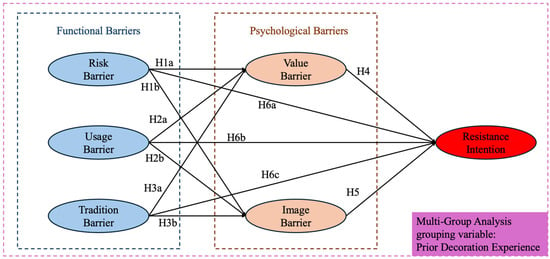
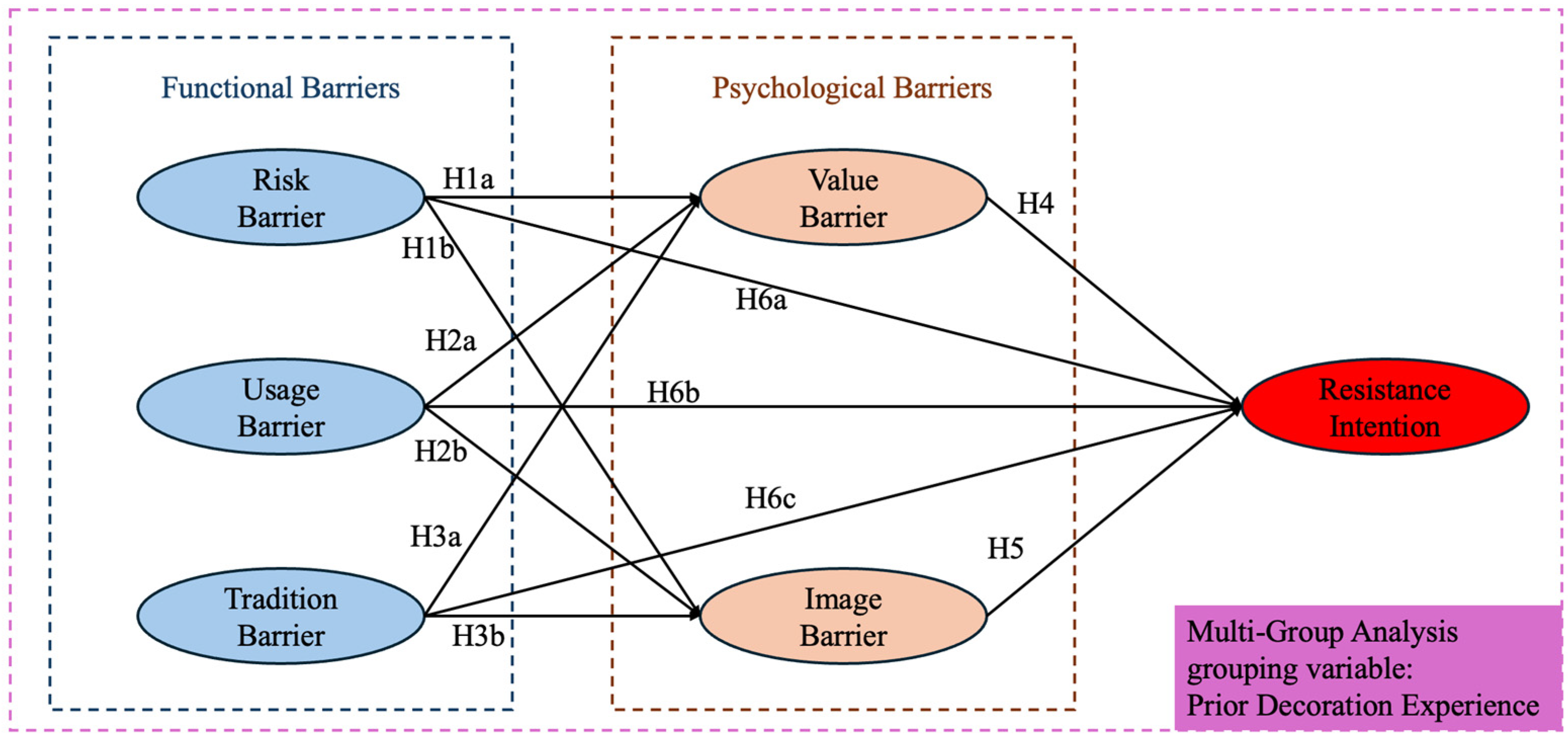
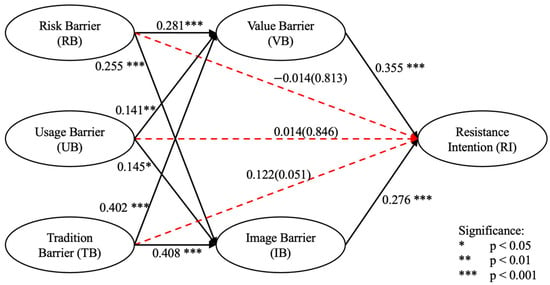
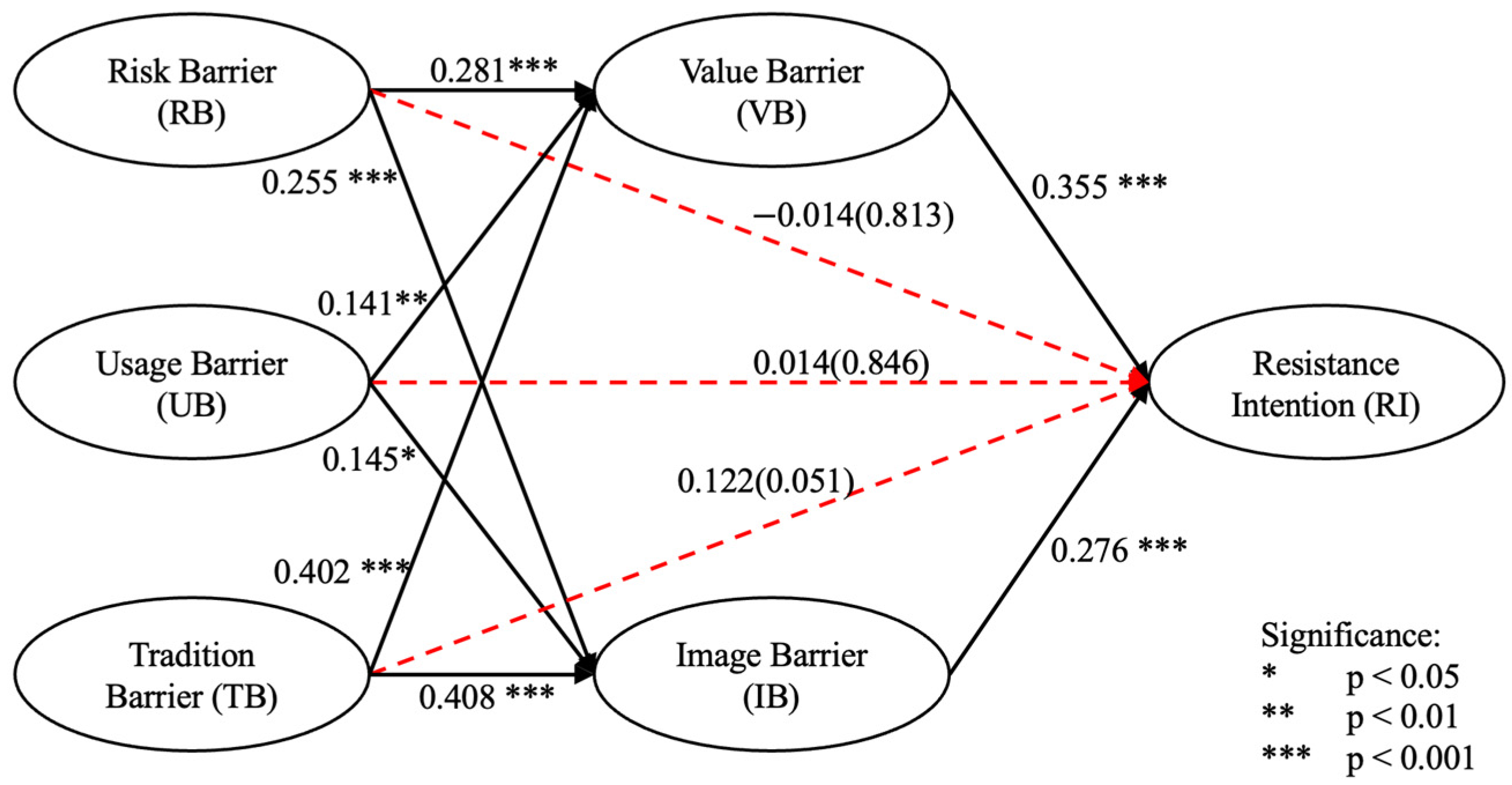

Disclaimer/Publisher’s Note: The statements, opinions and data contained in all publications are solely those of the individual author(s) and contributor(s) and not of MDPI and/or the editor(s). MDPI and/or the editor(s) disclaim responsibility for any injury to people or property resulting from any ideas, methods, instructions or products referred to in the content. |
© 2026 by the authors. Licensee MDPI, Basel, Switzerland. This article is an open access article distributed under the terms and conditions of the Creative Commons Attribution (CC BY) license.