


Highlights
Please indicate how your work links to systems science via your contributions to systems practice, theory, and/or methodology.
- By integrating the knowledge-based view and upper echelons theory, this study explains radical innovation as the outcome of interactions among strategic orientation, organizational knowledge processes, and CEO characteristics.
What are the main findings and/or the implications of the main findings?
- AI orientation can promote firms’ radical innovation.
- Knowledge search and knowledge recombination creation constitute the mechanism through which AI orientation drives firms’ radical innovation.
Abstract
Artificial intelligence (AI) is crucial for driving radical innovation, which is key for firms to gain and maintain long-term competitive advantage. However, relatively little is known about how radical innovation is shaped by strategic direction regarding AI, and the perspective from when this innovation takes place. Drawing on the knowledge-based view and the upper echelons theory, this study delves into how and when AI orientation impacts radical innovation. Based on data from 510 Chinese manufacturing listed firms over the period 2013–2023, our study demonstrates a significant positive effect of AI orientation on radical innovation, and provides evidence consistent with positive indirect associations through knowledge search and knowledge recombination creation. Our findings also provide evidence that CEO openness may strengthen the positive relationships of AI orientation with radical innovation and knowledge search. Further, our findings make contributions to strategic orientation and technological innovation literature, and offer implications for practice in AI-innovation research by stressing the influence of knowledge and CEO personality in radical innovation domains.
1. Introduction
The ongoing wave of technological transformation, especially the rise in disruptive technology represented by AI technologies, creates huge opportunities for firms, but also builds a new competitive landscape full of uncertainties and challenges [1]. For example, consumers are no longer satisfied with standardized products and services [2]. They expect highly customized services based on analysis of their personal data [3]. The prevailing mass-production paradigm fails to address these new demands; firms require inventive approaches to product design, to marketing, and to service delivery [4]. Otherwise, they will face the risk of elimination [5]. In the AI era, new challenges emerge one after another. But radical innovation could equip firms with the strategic agility to respond to the continuously changing market environment, securing a decisive edge over competitors [6]. Radical innovation refers to the innovation activities in which a firm introduces and utilizes knowledge or technology that is substantially different from its existing technological knowledge base, significantly deviating from its original technological trajectory [7,8], thereby providing new products, new technologies, or new services that meet market demand. Consequently, fostering radical innovation constitutes an imperative for firms operating in an AI-permeated competitive landscape [9].
To date, the existing literature has shown that various factors’ impact on firms’ radical innovation, such as resource orchestration [10], knowledge sourcing strategy [11], transformational leadership [12], collaboration networks [13], human capital and AI adoption [14], AI-related knowledge [15], and subsidies in permissive and restrictive environments [16]. Although initial research studies firms’ use of AI and its effects on innovation (e.g., Shu & He, 2026) [14], radical innovation remains insufficiently theorized from a strategic AI orientation perspective [17]. AI orientation, as a strategic orientation, is defined as a firm’s overarching objectives, strategic direction, and action plans for adopting and deploying AI within the organization [18]. AI orientation goes beyond AI adoption and implementation, AI capability, and AI investment, all of which focus on leveraging AI for specific tasks [19] but lack a broader strategic vision of AI’s potential for radical innovation. Some scholars have noted that AI, being among the most rapidly advancing technological fields, is increasingly relevant to solving innovation-related issues, with a rising number of firms integrating it into their strategies [20]. Such AI-assisted digital twin technology can shorten the traditional testing process [21], which takes years and costs a lot, to a few weeks in areas such as new drug development [22] and complex equipment manufacturing [23], and thus significantly lower the barriers to radical innovation and mitigate the risks involved. For instance, Eicke et al. [24] emphasized that a stronger AI orientation enables firms to discover novel knowledge, thereby fostering the development of their technological innovation capabilities. Meanwhile, Sun et al. (2025) [25] have provided firm-level evidence that AI-oriented firms tend to adopt AI applications and that the application of AI promotes breakthrough innovation via knowledge resources. Similarly, other studies have argued that firms can adopt AI as a transformative strategy [26], and thereby enhance their innovation capabilities [27,28,29]. Thus, it is essential for firms to unlock radical innovation through AI orientation from a strategic orientation perspective. Despite the growing importance of AI, limited attention has been paid to the impact of AI orientation on radical innovation. Accordingly, our first research question is formally posed: Does AI orientation influence radical innovation?
Similarly, although the influence of AI on firms’ innovation has been examined in the current literature [17,30], the mechanism through which AI orientation fuels radical innovation remains underexplained in the AI economy context. The knowledge-based view (KBV) regards firms as heterogeneous repositories of knowledge. Firms’ competitive advantage is rooted in the proficient orchestration and application of knowledge [31]. In our research, AI orientation establishes a strategic framework for firms to introduce and apply AI technologies [18]. AI orientation can not only foster innovation on its own, but also create value by enhancing the knowledge management activities of firms [32]. Knowledge search determines the new knowledge elements that firms can access under AI-driven conditions [11]. Knowledge recombination, especially knowledge recombination creation, determines how firms leverage AI’s analytical and computational capabilities to create novel and valuable connections among discrete knowledge elements, thereby generating breakthrough technological solutions [33]. Therefore, from the perspective of the KBV, it is theoretically sound to posit knowledge search and knowledge recombination creation as mediating mechanisms linking AI orientation to radical innovation. However, there are relatively few in-depth discussions on how AI orientation can achieve radical innovation through knowledge search and knowledge recombination creation. Therefore, our focus is to examine whether knowledge search and knowledge recombination creation are statistically consistent with the proposed mediating pathways linking AI orientation and radical innovation. Our second research question is: Through what specific indirect pathways are knowledge search and knowledge recombination creation associated with the relationship between AI orientation and radical innovation?
Nevertheless, the drivers that determine when AI orientation effectively promotes radical innovation are underexplored, pointing to a need for a contingent perspective in the AI business context [34]. Drawing on the upper echelons theory (UET), a CEO’s personal traits substantially determine a firm’s adoption and use of AI across innovation processes [35], encompassing their motives, cognition, emotions, and personality [36]. CEO openness is a personality trait. It is manifested in a strong curiosity and a willingness to accept new ideas. CEOs with this trait tend to advocate innovation and value learning [37]. Some research has also shown that CEO openness plays a critical role within firms’ strategy formulation, and variations in such openness can lead to divergent strategic choices across firms [38,39]. In this context, it is suggested that AI orientation’s influence on radical innovation varies with the degree of CEO openness. To investigate this postulated moderating role, we put forward this study’s third question: How does CEO openness moderate the relationship between AI orientation and radical innovation?
To address these research questions, we base our work on the KBV and UET to construct an integrative theoretical framework of how and when AI orientation affects radical innovation. Through an investigation that incorporates knowledge search and knowledge recombination creation, this research identifies indirect statistical pathways consistent with the proposed relationship between AI orientation and radical innovation. Additionally, we analyze the moderating role of CEO openness in this context. We collect data from 510 Chinese publicly listed manufacturing firms to empirically test our hypotheses. We chose this sample data for three reasons: First, China has positioned the deep consolidation of AI and manufacturing as its national industrial policy (such as “Made in China 2025”), creating a strong policy environment for AI orientation in manufacturing firms. This provides powerful external incentives for firms to develop a clear AI orientation. Second, the listed firms’ relevant data is publicly available and standardized. Third, the Chinese manufacturing industry is experiencing a critical transformation period, with numerous firms actively exploring the advantages of AI technologies. Finally, our sample includes 4844 firm-year observations from 2013 to 2023, a period marked by a rapid expansion of AI technologies.
This research makes three key contributions to existing literature. First, it advances established innovation theories by developing an integrated framework that links AI orientation, knowledge search, knowledge recombination creation, and radical innovation. Existing literature has not fully explored how AI orientation affects radical innovation through specific mediation mechanisms, and this study provides preliminary statistical evidence and provides new perspectives for related research. This study also provides actionable guidance to support firms in successfully implementing AI orientation and maximizing its strategic value. Second, this study identifies statistically significant indirect effects involving knowledge search and knowledge recombination creation in the relationship between AI orientation and firms’ radical innovation. Finally, CEO openness is combined as a moderating variable to analyze the interaction between AI orientation and radical innovation, as well as AI orientation and knowledge search. The results suggest that CEO openness could positively moderate the AI orientation–radical innovation relationship and the AI orientation–knowledge search relationship.
The subsequent sections of the study are arranged as follows: Section 2 outlines the theoretical framework and develops the research hypotheses. Section 3 details the data sources, variable measures, and empirical methodology. Section 4 reports the empirical findings and discusses their implications. Section 5 summarizes the study’s contributions, limitations, and possible avenues for subsequent studies. Finally, Section 6 delivers the conclusion.
2. Theory and Hypotheses
2.1. Theoretical Foundation
The KBV posits that knowledge is a firm’s most critical strategic resource. A firm’s core competency stems primarily from the value, rarity, inimitability, and organizational embeddedness of its knowledge [40,41]. A firm’s production process transforms inputs into outputs. The KBV defines knowledge as the core source for production and the primary basis of value creation. Thus, the acquisition and utilization of knowledge are of paramount importance to a firm [42]. Against the backdrop of AI-enabled industrial transformation, AI orientation has emerged as a response. It represents the systematic emphasis and commitment to AI technology that firms demonstrate at the strategic level [18]. AI as a disruptive technology greatly improves the efficiency of knowledge acquisition, sharing, and innovation [43,44]. The development of AI technologies (e.g., Large Language Model, Generative AI) helps firms break down external knowledge barriers. Improved knowledge exchange and integration accelerate knowledge diffusion and foster new knowledge creation [45]. Firms’ radical innovation hinges heavily on new and substantial knowledge. Given the constraints of internal resource scarcity and the prohibitive risk of isolated innovation efforts [46], sourcing external knowledge is critical for driving radical innovation [47]. However, the mere inflow of external knowledge does not directly result in radical innovation; such innovation typically arises from the recombination of knowledge [48,49]. Consequently, firms ought to establish internal mechanisms to synthesize newly acquired and existing knowledge, enabling their creative recombination to achieve breakthrough transformation [50]. Although the KBV provides a theoretical basis for considering knowledge search and knowledge recombination creation as indirect pathways, it undertheorizes the strategic decision-makers who select, interpret, and legitimize knowledge. Compared with a single theory, the multi-theoretical model could examine the phenomenon more comprehensively [51]. UET complements the KBV by explaining who activates knowledge-based processes, and extends it by specifying CEO openness as a boundary condition at particular stages of knowledge search [52]. Therefore, the KBV requires a complementary executive-level perspective to theorize the associations among executive characteristics, knowledge-based processes, and radical innovation.
The KBV emphasizes the major role of managers during the process of converting knowledge resources into innovation [53]. However, it does not fully explain how CEO personality traits condition this conversion. UET complements the KBV by suggesting that firms’ strategic choices and resource allocation decisions are influenced by CEO personality traits [54,55]. CEO openness, as a personality trait and as one of the attributes of the upper echelons, reflects the CEO’s high creativity, acceptance of uncertainty, and willingness to explore possibilities [56]. Higher CEO openness may increase highly AI-oriented firms’ willingness to engage in extensive search for new opportunities and novel information, and helps them solve various problems caused by the adoption of an AI strategy. Particularly for radical innovation with high risk and high investment [57,58], CEO openness is also needed in addition to pursuing an AI orientation. Therefore, CEO openness may act as a positive condition on the effects of AI orientation on radical innovation and knowledge search.
Accordingly, founded on the KBV and UET, we construct the conceptual model (shown in Figure 1), under which we examine how and when AI orientation affects radical innovation and how CEO openness moderates these effects.
Figure 1.
Conceptual model. H2b represents the indirect effect of AI orientation on radical innovation through knowledge search, whereas H3 represents the indirect effect of AI orientation on radical innovation through knowledge recombination creation.
2.2. AI Orientation and Radical Innovation
AI orientation is a form of strategic orientation [18], which reflects a firm’s business philosophy and is a difficult-to-imitate capability that a firm possesses, which can provide a sustainable competitive advantage for the firm [59,60]. The rapid progress of AI technology is making its crucial role in firms clearly visible [61]. Given the complexities of deploying AI, firms should cultivate an AI orientation to guide how they introduce and apply AI technologies rationally and effectively [18], thereby fostering new technology development. Some studies have suggested that AI orientation is a key enabler of organizational activities, especially in shaping firms’ innovation and resource utilizing [24,62].
As KBV proposed, knowledge constitutes a critical resource that enables a firm’s innovation [41]. Furthermore, the knowledge resources embedded within a firm can be leveraged through the firm’s strategy to generate core competitive advantages. AI orientation represents a strategic posture that embodies a firm’s overarching goals, strategic direction, and action plans regarding how AI is adopted and deployed internally [18]. Implementing an AI strategy allows firms to pursue opportunities enabled by AI technologies and, by obtaining, allocating, and utilizing knowledge resources, to create new technologies and establish technological trajectories [24,30]. Radical innovation, being a higher-order innovation type, draws more heavily on tacit knowledge and scarce resources, which may lie far beyond a firm’s existing knowledge base [53]. In this context, AI orientation acts as a key strategic orientation that may reshape how firms foster an environment conducive to technological breakthroughs and new product development. In addition, AI-oriented firms are more likely to apply AI technologies (e.g., machine learning and natural language processing) to reduce the cost and risk associated with exploring unproven ideas [63] and to optimize the allocation of existing knowledge resources. Such knowledge facilitates the emergence of new ideas and strengthens firms’ capacity to advance radical innovation more effectively. Hence, we propose the following hypothesis:
H1.
AI orientation is positively associated with radical innovation.
2.3. AI Orientation and Knowledge Search
Knowledge search refers to the organizational activities through which firms identify and acquire new knowledge from external sources [64]. The KBV regards knowledge as the firm’s most strategically important resource and suggests that organizational capabilities arise from integrating and applying the knowledge [41]. Because a firm’s existing knowledge base may be insufficient for addressing emerging technological and market problems, it needs to search beyond familiar knowledge domains to acquire novel and complementary knowledge [65]. However, knowledge search requires managerial attention and resource commitment, particularly when the target knowledge is distant, complex, or tacit [66]. We believe that AI orientation can expand the knowledge domains that firms identify as strategically important and provide the resources needed to access knowledge in these domains [18].
First, AI orientation expands the scope of knowledge search by directing organizational attention toward the knowledge domains beyond the firm’s established knowledge base [67]. As firms prioritize AI-related opportunities, they become more aware of gaps between their existing knowledge and that required to achieve their strategic objectives. These gaps encourage firms to search beyond familiar technological domains and established knowledge sources, seeking complementary expertise from external organizations and partners [65]. Second, AI orientation supports sustained knowledge search by mobilizing resources [20]. Establishing AI as a strategic priority encourages firms to allocate specialized personnel and infrastructure related to AI to knowledge acquisition [24]. Such support enables repeated interactions with external partners and more intensive exploration of their knowledge [68]. Thus, we hypothesize:
H2a.
AI orientation is positively associated with knowledge search.
2.4. Mediating Effect of Knowledge Search
Knowledge search comprises the two dimensions of breadth and depth [69]. Search breadth increases firms’ exposure to heterogeneous knowledge by connecting them with a wider range of collaborative partners. Search depth, reflecting repeated collaboration with existing partners, enables firms to acquire knowledge from these partners more intensively [68]. Through these two complementary dimensions, knowledge search expands the technological alternatives available to firms and provides the knowledge inputs required to explore solutions beyond their existing technological boundaries [11]. As a strategic orientation, AI orientation reflects a firm’s willingness to prioritize and leverage AI in identifying and developing new opportunities [18]. Such orientation may encourage firms to move beyond existing cognitive and knowledge boundaries and engage in broader searches for heterogeneous knowledge across technological domains. Through knowledge search, AI-oriented firms gain access to novel and complementary knowledge that reduces their reliance on familiar technological domains and enlarges the range of potential solutions available for emerging innovation problems [69]. Knowledge search therefore translates the strategic priorities and resource commitments associated with AI into novel and complementary knowledge inputs. These knowledge inputs increase the likelihood that firms produce innovation outcomes that depart substantially from their established technological trajectories [58]. Accordingly, we posit the following hypothesis:
H2b.
Knowledge search mediates the relationship between AI orientation and radical innovation.
2.5. Mediating Effect of Knowledge Recombination Creation
Knowledge recombination refers to the process of creating new combinations of knowledge or refining and reconfiguring existing combinations to address new problems or develop new applications [50,70]. Knowledge recombination creation is a specific form of this process that generates combinations new to the focal firm by linking components it has not previously combined [71]. Thus, knowledge recombination encompasses both the reuse of known combinations and the creation of new ones, whereas knowledge recombination creation specifically requires novelty in the combinations [72].
Compared with conventional innovation, radical innovation depends more strongly on firms’ ability to establish novel connections among knowledge components and develop technological solutions beyond their existing knowledge structures [70]. As a strategic orientation, AI orientation can help channel managerial attention and organizational resources toward AI-enabled innovation [73], which enables the knowledge distributed across organizational and technological domains to be mobilized and recombined [74]. Within this strategic framework, AI-based analytical capabilities help firms process complex knowledge and identify potential relationships between previously unconnected knowledge elements [75]. Taken together, these strategic and analytical conditions may improve firms’ capacity to create knowledge combinations that are new to their existing knowledge bases [71]. By altering established relationships among knowledge components, these novel combinations may generate new technological functions and problem-solving approaches that are more likely to depart from firms’ established technological trajectories [50]. Knowledge recombination creation thus translates the strategic priorities and resource commitments associated with AI into radical innovation. Based on the above reasoning, we propose the following hypothesis:
H3.
Knowledge recombination creation mediates the relationship between AI orientation and radical innovation.
2.6. The Chain-Mediating Role of Knowledge Search and Knowledge Recombination Creation
The KBV considers that a firm’s combinations of knowledge elements and the knowledge domains of these elements constitute the firm’s knowledge base [76]. Innovation is fundamentally characterized by the new synthesis of knowledge elements in the knowledge base [77]. But where does the knowledge that firms use for innovation come from? Knowledge search is a prerequisite for knowledge recombination, providing the necessary input for knowledge recombination [78]. Effective knowledge search allows firms to gather diverse knowledge, thus providing a necessary foundation for recombination [79]. The subsequent phase of integrating these disparate knowledge elements is critical for radical innovation [50]. Breakthroughs often stem from the novel synthesis of knowledge, necessitating fundamental changes in technology, products, or services [80]. Knowledge recombination creation integrates knowledge across domains to produce new knowledge combinations [78]. Through this process, firms can avoid falling into the “capability trap” [81], step out of the original technological comfort zone, and create new technology, products, and services. As AI technologies continue to mature and diffuse, DL technology can process and analyze large-scale data, which helps firms identify and recombine their knowledge assets more efficiently [17]. Successful knowledge recombination creation can enable firms to gain a differentiated advantage in competition and drive radical innovation [82]. In light of these insights, we posit the following hypothesis:
H4.
Knowledge search and knowledge recombination creation play chain-mediating roles in the relationship between AI orientation and radical innovation.
2.7. Moderating Effects of CEO Openness
2.7.1. CEO Openness, AI Orientation, and Radical Innovation
CEO openness is a key personality trait of a CEO, which reflects the CEO’s high creativity, acceptance of uncertainty, and willingness to explore possibilities [83]. UET suggests that executives’ personal traits affect firms’ strategic choices [84] and organizational performance [85,86]. As the firm’s top executive, the CEO plays a central role in shaping strategic direction and strongly influences key organizational choices [37]. CEOs with high openness are more receptive to novel ideas and more willing to support strategic initiatives that challenge established organizational and technological practices [87]. When a firm has established an AI orientation, CEOs with high openness may be more willing to translate this strategic commitment into exploratory action by allocating resources to uncertain AI-related opportunities [88]. Their receptiveness to novelty and tolerance of uncertainty enable the firm to pursue technological solutions beyond its existing knowledge base and technological trajectory, thereby strengthening the positive relationship between AI orientation and radical innovation. In contrast, CEOs with low openness prioritize stability and conformity to established practices and tend to resist major strategic shifts [89]. Even when the firm has established an AI orientation, CEOs with low openness may be reluctant to commit resources to uncertain and unconventional innovation initiatives, limiting the translation of that orientation into radical innovation [90]. Consequently, the positive effect of AI orientation on radical innovation is likely to be weaker when CEO openness is low. Synthesizing the foregoing discussion, we posit the following hypothesis:
H5a.
CEO openness positively moderates the relationship between AI orientation and radical innovation.
2.7.2. CEO Openness, AI Orientation, and Knowledge Search
The CEOs with high openness may be more inclusive of knowledge sources. They actively build partnerships with external organizations, academic institutions, and other firms to broaden channels for knowledge search [38]. With the establishment of AI orientation, a CEO with high openness may be more inclined to utilize AI technologies for market and technology trend analysis [35], thus augmenting the depth and effectiveness of firms’ knowledge search. In contrast, a CEO with low openness may be skeptical of external knowledge and collaboration [91]. Even if the firm has established an AI orientation, the knowledge search process remains hindered because the CEO is unwilling to fully embrace and implement action plans [87]. This may lead to the omission of important information and innovation resources in the knowledge search process and limit the firm’s access to new knowledge. Hence, we advance the following hypothesis:
H5b.
CEO openness positively moderates the relationship between AI orientation and knowledge search.
3. Data and Methods
3.1. Data and Sample Selection
Our sample for testing the hypotheses consists of publicly traded A-share manufacturing firms from both the Shanghai and Shenzhen stock exchanges from 2013 to 2023. The study’s sample is restricted to publicly traded firms due to the accessibility of their financial and operational data, which are subject to mandatory disclosure regulations, in contrast to the opaque information environment of private firms. Consistent with prior literature, we removed all firms under Special Treatment (denoted by the ST or *ST prefix) from our sample to mitigate the influence of those experiencing financial distress [92]. We collected data from various datasets. First, we used patent data to gauge firms’ innovation because it captures the output of innovation activities [93]. Patent data served as the empirical proxy for radical innovation, which was accessed through the Chinese Innovation Research Database (CIRD), a specialized database within the Chinese Research Data Services Platform (CNRDS). CIRD provides comprehensive patent information for listed firms in China. Second, AI orientation information was obtained from the annual reports issued by manufacturing firms listed in China. Third, we collected knowledge search and knowledge recombination creation information from CCERDATA, which has the detailed patent classification number information that we need. Fourth, CEO openness and control variable information were obtained from the China Stock Market & Accounting Research (CSMAR) database. The databases mentioned above have gained wide adoption and scholarly recognition in the field of management research [18,94]. Following the removal of observations containing missing values, our sample finally consisted of 510 firms and 4844 firm-year observations.
3.2. Variables and Measures
3.2.1. Radical Innovation
Radical innovation is a multidimensional construct [95]. The indicator used in this study focused on the technological exploration dimension of radical innovation, specifically whether a firm has entered technological fields beyond its existing knowledge base. Following Liang et al. [96], we measured radical innovation by identifying whether a firm enters a technological domain that was not represented in its recent patent. For each patent applied for by firm i in year t, we identified its technological domain using the first three characters of the patent’s International Patent Classification (IPC) code. We then constructed the firm’s technological portfolio based on all patents applied for during the preceding five years, from t − 5 to t − 1. A patent was classified as a radical innovation patent if its three-character IPC technological domain did not appear in the firm’s patent portfolio during the preceding five-year period. This measure therefore captured a firm-level technological-domain departure. At the firm-year level, radical innovation is measured as the natural logarithm of one plus the number of radical innovation patents:
Radical Innovationi,t = ln (1 + Number of radical innovation patentsi,t).
3.2.2. AI Orientation
AI orientation represents an overarching strategic tendency that embodies a firm’s aspiration for the widespread infusion of AI technologies [18]. To measure AI orientation, we performed textual analysis in the annual reports of Chinese listed firms. First, we drew on the AI-orientation keyword categories introduced by Li et al. [18], together with the AI-orientation dictionary developed by Eicke et al. [24] and Guan et al. [97], our study selected 42 words as the seed word set for AI orientation, including machine learning, natural language processing, expert systems, computer vision, and others. Second, according to Choi and Park [98], we constructed AI orientation indicator word sets by expanding similar words through the Word Embedding neural network language model, which can represent words as multidimensional vectors based on contextual semantic information and obtained similar words by calculating the similarity of vectors. In this study, we took the words with a similarity exceeding 0.5 to each seed word as the results of the seed word set expansion [20]. Finally, we computed the ratio of 75 AI orientation-related words (See Appendix A for details) to the total meaningful word count in the annual reports, which served as our measure of AI orientation. Higher values of the index correspond to an elevated degree of AI orientation in the firm.
3.2.3. Knowledge Search
According to Tian et al. [68], knowledge search is measured by patent collaboration data, encompassing knowledge search breadth and knowledge search depth. These two dimensions have gained broad scholarly acceptance for their capacity to effectively capture the core attributes of knowledge search [69,99]. Knowledge search breadth was operationalized as the count of distinct partners involved in joint patent applications over five years (t − 4 to t). Correspondingly, knowledge search depth was evaluated by the average number of joint applications with these partners during the same five-year window. Finally, we followed Wong et al. [100] and used the interactive term of knowledge search breadth and knowledge search depth to operationalize knowledge search. Knowledge search breadth and knowledge search depth were mean-centered before obtaining their product to mitigate the potential of multicollinearity.
3.2.4. Knowledge Recombination Creation
Following Carnabuci and Operti [71] and Feng and Ding [101], we measured knowledge recombination creation by examining the novelty of combinations among knowledge elements. We used the first four characters of IPC codes to represent knowledge elements. For each patent applied for by firm i in year t, every pair of distinct four-character IPC elements co-occurring in the same patent is treated as one knowledge combination. We then compared the combinations observed in the firm’s patents in year t with the combinations observed in the firm’s patent applications during the preceding five-year period, from t − 5 to t − 1. A knowledge combination is classified as newly created if the same pair of IPC elements had not previously co-occurred in any patent in the firm’s preceding five-year portfolio. The defining criterion is that the combination between the elements is new at the firm level.
At the firm-year level, knowledge recombination creation is measured as the proportion of newly created knowledge combinations among all knowledge combinations observed in the firm’s patents in year t:
3.2.5. CEO Openness
Following Datta et al. [83], we measured CEO openness using a composite index constructed from three demographic variables: age, organizational tenure, and educational attainment. (1) Age. As CEOs age, they often depend more heavily on the wisdom they have gathered over time [88], a tendency that can make them less open to novel ideas. (2) Organizational tenure. Long-tenured CEOs within a single firm are more prone to being confined by established work routines [102]. (3) Educational attainment. Better-educated CEOs typically exhibit wider cognitive scope and greater mental flexibility [103]. Accordingly, they are more inclined to demonstrate openness and to question or resist established rules [104]. For each firm-year observation, the CEO’s age was calculated as the difference between the corresponding observation year and the CEO’s birth year. Organizational tenure refers to the total number of years a CEO has served at the firm up to the observation year. Specifically, organizational tenure was calculated as the difference between the observation year and the year the CEO joined the firm. Educational attainment was coded on an ordinal scale (1 = high school, 2 = some college, 3 = bachelor’s degree, 4 = some graduate education, 5 = doctoral degree). In accordance with the methodology of Datta et al. [83], age and organizational tenure—both theorized to correlate negatively with CEO openness—were reverse-coded by subtracting each value from the sample maximum. These adjusted measures, along with educational attainment, were subsequently standardized and aggregated to form a composite index measuring CEO openness. Therefore, CEO openness was constructed at the annual level: age and organizational tenure were updated according to each observation year, while educational attainment remained unchanged in the absence of new information.
3.2.6. Control Variables
Guided by established literature [10,105], several factors pertinent to radical innovation were included as control variables in this study. These factors were mainly firm-level characteristics, incorporating firm age, firm size, return on assets (ROA), leverage, etc. Firm age was computed by applying the natural logarithm to the firm’s years of operation since its establishment. Firm size was constructed by applying a logarithmic transformation to total personnel numbers. ROA was calculated using the formula of net profit divided by total assets. Leverage was computed using the formula of total liabilities divided by total assets. The size of the top management team (TMT) was quantified by the natural logarithm of the personnel in TMT. We measured TobinQ using the ratio of market value to total assets. Finally, our model included firm and year fixed effects.
3.3. Model Construction
We tested the proposed hypotheses using fixed-effects regression models and cluster-robust standard errors to account for unobserved firm characteristics that remain constant over time and unobserved factors that vary over time. In addition, to address potential endogeneity, especially reverse causality, we measured AI orientation at t, and radical innovation at t + 1. The purpose is to capture the delayed effects of AI orientation on radical innovation.
We constructed the following models to validate our hypotheses:
where i represents firms, t indicates year, RI represents radical innovation, AIO is AI orientation, KS represents knowledge search, KRC represents knowledge recombination creation, CEO opennessi,t represents the CEO openness of firm i in year t, includes some control variables, namely firm age, firm size, ROA, leverage, TMT size, and TobinQ, μ represents the firm fixed effects, δ represents year fixed effects, and ε is the random error term.
To examine the statistical significance of the indirect effects involving knowledge search and knowledge recombination creation, this study employed the bootstrap method for statistical inference. Since the indirect effect is the product of multiple path coefficients, its sampling distribution may deviate from a normal distribution [106], and traditional tests based on the normal distribution assumption may fail to accurately determine the significance of the indirect effect. The bootstrap method constructs an empirical sampling distribution of the indirect effect by repeatedly sampling with replacement from the original sample, without requiring the indirect effect to follow a normal distribution [107]. Therefore, this study used Stata 18.0 to perform 5000 bootstrap resamples and reported bias-corrected 95% confidence intervals. When the corresponding confidence interval does not include 0, the direct or indirect effect is considered statistically significant.
4. Empirical Results
4.1. Descriptive Statistics and Correlation Analysis
Table 1 summarizes the variables’ means, standard deviations, and relevance. An examination of Variance Inflation Factors (VIF) was performed to evaluate potential multicollinearity issues. Following the conventional threshold where a VIF below 5 indicates no severe multicollinearity, our results show that all VIF values fall within a range of 1.016 to 1.787. Therefore, we rule out pronounced multicollinearity concerns in our model. Table 1 also provides the correlation analysis, displaying the pairwise associations between variables using Pearson correlation coefficients, where significance levels (1%, 5%, 10%) are indicated using conventional asterisk notation.
Table 1.
Descriptive statistics and correlation coefficients.
4.2. The Main Effect of AI Orientation on Radical Innovation
Model 1 in Table 2 presents the estimation results of the benchmark regression examining the relationship between AI orientation and radical innovation. The estimated coefficient of AI orientation shows a highly significant positive association (β = 0.4838, p < 0.01). This result confirms that there is a positive association between AI orientation and radical innovation. Overall, AI orientation may have helped firms overcome resource constraints and provide incentives to promote radical innovation, supporting H1.
Table 2.
Multiple regression results.
4.3. Mechanism Analysis
Given the empirical support for the main hypothesis, this study further examines the statistically indirect pathways associated with the relationship between AI orientation and radical innovation. H2b hypothesized knowledge search as the mechanism linking AI orientation to radical innovation. As reported in models 2 and 3 of Table 2, AI orientation exerts a positive influence on knowledge search, with this effect being statistically significant (β = 0.3447, p < 0.05). Furthermore, knowledge search is positively associated with radical innovation at a statistically significant level (β = 0.0604, p < 0.01), thereby providing evidence consistent with H2b. Similarly, the results are consistent with a statistically significant indirect effect involving knowledge recombination creation in the relationship between AI orientation and radical innovation, providing evidence consistent with H3. To assess whether the observed data are consistent with the proposed indirect effects through knowledge search and knowledge recombination creation, we used the Bootstrap method for testing. The results are shown in Table 3. The total indirect effect is 0.096, which is composed of 0.0166, 0.0752, and 0.0042. Meanwhile, the total effect is 0.4838. The indirect effect explains 19.84% of the total effect (0.096/0.4838). These results suggest that AI orientation affects radical innovation mainly through direct pathways. The knowledge recombination creation path has the largest estimate among the three indirect paths. A possible explanation is that knowledge recombination creation is more closely related to the formation process of radical innovation, as radical innovation requires recombining heterogeneous knowledge, technologies, and experiences into new products, processes, or solutions [108]. The “knowledge search → knowledge recombination creation → radical innovation” theoretical chain path involves multiple consecutive links, so any insufficient transmission in one link may weaken the overall indirect effect. The statistical significance of the estimated indirect pathways is further indicated by the bootstrap results in Table 3 (based on 5000 bias-corrected samples); the 95% confidence intervals for all three indirect paths exclude zero.
Table 3.
Bootstrap test results.
4.4. Moderating Effects Analysis
Table 4 displays the results examining CEO openness as a moderator. Model 1 provides the test results for the moderating role of CEO openness in the link between AI orientation and radical innovation. The interaction effect is positive and reaches statistical significance at the 10% level (β = 0.1002, p < 0.1), providing statistical support for H5a. Model 2 presents that CEO openness positively moderates the relationship between AI orientation and knowledge search (β = 0.1467, p < 0.01), thereby establishing H5b. To illustrate the moderating role of CEO openness, we present graphical representations of its interaction effects with AI orientation on both radical innovation and knowledge search (Figure 2 and Figure 3). When the CEO has higher openness, it may amplify the positive effects of AI orientation on radical innovation and knowledge search.
Table 4.
Moderating effects tests.
Figure 2.
CEO openness moderating the AI orientation–radical innovation relationship.
Figure 3.
CEO openness moderating the AI orientation–knowledge search relationship.
4.5. Additional Analyses
4.5.1. Endogeneity Concerns
We employed an instrumental-variable (IV) approach as a supplementary analysis to assess whether the positive association between AI orientation and radical innovation remains consistent under an alternative identification strategy. We used Peer CIO Count (CIO, Chief Information Officer) as the instrument because the establishment of a CIO position can reflect firms’ strategic orientation [109]. We measured the instrument as the number of peer firms in the same industry and year that had a CIO or a comparable information-related position, excluding the focal firm. We manually collected information on the CIOs of sample firms from the CSMAR database and firms’ annual reports. Referring to previous research [18], a firm’s CIO presence is treated as a dummy variable, taking the value of 1 if the firm has a CIO or a similar position (such as Information Center Manager), and 0 otherwise. The instrument is theoretically relevant because firms may adjust their strategic orientation in response to the actions and organizational choices of peer firms [24]. Regarding exogeneity, we argue that the instrument may be plausibly exogenous under the exclusion restriction. Although firms may observe the strategic choices of their industry peers, they are unlikely to directly control whether those peer firms appoint CIOs. However, this argument does not fully establish the exclusion restriction, because common industry-year shocks may affect both peer firms’ CIO adoption and the firm’s radical innovation. The count-based instrument may also be affected by the scale of the industry. Based on this instrument, we conducted a two-stage least squares (2SLS) analysis as a supplementary test. As reported in Model 1 of Table 5, the first-stage coefficient of the instrument is positive and statistically significant (β = 0.0042, p < 0.01). The first-stage F-statistic is 28.746, exceeding the critical value of 16.38. These results alleviate concerns about a weak instrument and support the relevance of Peer CIO Count for explaining firms’ AI orientation. The LM statistic is 28.850 with a p-value below 0.001, leading us to reject the null hypothesis of under-identification at the 1% level. Taken together, these statistics support the relevance and identification of the instrument. In Model 2, the second-stage coefficient of AI orientation is 0.3930 and remains positive and statistically significant at the 1% level. This result is consistent with the positive association observed in the benchmark analysis. However, because the validity of the exclusion restriction cannot be definitively established, the 2SLS estimates should be interpreted as supplementary evidence consistent with the benchmark results, rather than as evidence that fully resolves the endogeneity problem.
Table 5.
Instrumental variable regression.
4.5.2. Robustness Test
We implemented a set of tests to ensure our findings. First, our measurement of AI orientation was modified for robustness checks, utilizing the logarithm of one plus AI orientation-related word counts in the Management Discussion and Analysis (MD&A) sections contained in annual reports [62]. Model 1 of Table 6 shows that AI orientation is still positively associated with radical innovation. Second, we conducted a supplementary analysis based on AI investment. It should be noted that AI investment and AI orientation are theoretically related but conceptually distinct constructs. AI orientation primarily reflects a firm’s emphasis on AI at the levels of strategic cognition, organizational attention, and decision-making priorities [18]. In contrast, AI investment reflects the firm’s actual input in AI-related resources. Establishing and consolidating AI orientation often requires firms to make substantial investments [110]. Therefore, AI investment may reflect the extent to which a firm translates the importance of its AI strategy into actual resource allocation. However, AI investment may also be influenced by factors such as firm size and policy incentives, and thus cannot be regarded as an equivalent substitute indicator for AI orientation. According to the previous literature [97], the AI investment in this study was measured as the natural logarithm of one plus the ratio between AI assets and total assets (). All asset data was derived from the CSMAR database. AI assets included AI software investment and AI hardware investment. Model 2 reported the results of supplementary analyses conducted using AI investment. The estimated coefficient for AI investment was consistent in direction with AI orientation in the benchmark model and reached statistical significance. This result indicated that the core conclusion was still supported when using an AI resource input indicator. Third, we employed an alternative measure for radical innovation by computing the natural logarithm of one plus the firm’s annual invention patent applications [111]. Model 3 of Table 6 shows that our result was still fully robust. Fourth, we used the natural logarithm of the firm’s total assets to redefine firm size and found robust results (Model 4). Finally, we changed the regression approach and used the raw count of firms’ radical innovation patents as a dependent variable to re-estimate our model using the negative binomial regression method. The core findings were fully consistent with our initial results (Model 5).
Table 6.
Robustness tests results.
4.5.3. Dynamic Panel GMM Estimation Analysis
To further mitigate potential endogeneity issues and better capture the dynamic nature of firms’ innovation processes, we performed a two-step system GMM estimator following Blundell and Bond [112]. System GMM can mitigate estimation bias caused by the correlation between lagged dependent variables and the error term, as well as potential endogeneity of other explanatory variables, by using appropriate lags of the variables as internal instruments while controlling for unobservable individual effects of firms [113]. This study used Stata 18.0 to perform the System GMM estimation. To account for the persistence of radical innovation over time, we incorporated the first-order and second-order lag terms of radical innovation into the model, while controlling for firm age, firm size, ROA, leverage, TMT size, TobinQ, and year fixed effects. Standard errors were clustered at the firm level to account for potential heteroscedasticity and serial correlation within the same firm. Table 7 shows that the test results support our main findings. Specifically, Model 1 shows that AI orientation is positively and significantly related to radical innovation. The lagged radical innovation (L. Radical innovation and L2. Radical innovation) is positive and significant in Model 1, indicating that radical innovation exhibits temporal persistence. Meanwhile, diagnostic tests reported in Model 1 confirm the validity of our GMM specification. Significant first-order autocorrelation (AR (1), p = 0.0000) and no second-order autocorrelation (AR (2), p = 0.4282) demonstrate the appropriateness of our lag structure. Moreover, both the Sargan test (p = 0.1202) and the Hansen test (p = 0.1111) support valid instruments, indicating correct specification and no correlation with the error term. Consequently, these results reveal that the AI orientation–radical innovation relationship is robust to potential.
Table 7.
Dynamic panel GMM estimation results.
4.5.4. Heterogeneity Analysis
In order to explore the heterogeneous effect of AI orientation on radical innovation, we first conducted analyses on samples classified by ownership types (state-owned and non-state-owned). State-owned firms were assigned a value of 1 and all other firms 0. The corresponding regression results are reported in Table 8. While the coefficient of AI orientation is statistically insignificant in the state-owned subsample, non-state-owned firms demonstrate a contrasting result with a strongly positive and significant coefficient (β = 0.5234, p < 0.01). The results indicate that in non-state-owned firms, AI orientation has a more pronounced effect on promoting radical innovation. Analyzing through the innovation incentives perspective, state-owned firms’ advantages in credit and policy support mitigate their reliance on AI orientation for capability building. In comparison, non-state-owned firms, facing intense market rivalry, find it imperative to leverage AI orientation for transformative upgrades, thereby exhibiting greater responsiveness to AI-driven radical innovation. Second, we aimed to explore whether AI orientation has a more pronounced effect on promoting radical innovation in high-tech enterprises (HTE). We determined whether a firm is HTE based on its qualification certification documents sourced from the CSMAR database. The results of Models 4 and 5 in Table 8 indicate that the AI orientation coefficient for the high-tech enterprise group is 1.0331 (p < 0.01). For the non-high-tech enterprise group, the coefficient is 0.4314 (p < 0.05). To further explore the differences in coefficient magnitudes, we introduced the interaction (AI orientation × HTE) and conducted regression again. The interaction indicates that there is a significant difference in coefficient magnitudes between the two groups, and the interaction is positive, suggesting that the promoting effect of AI orientation on radical innovation is more pronounced in high-tech firms.
Table 8.
Heterogeneity tests results.
4.5.5. Additional Robustness Test of the Indirect Effect
In order to address the potential measure overlap issue that may arise from knowledge recombination creation and radical innovation being based on patent applications in the same year and within the same time window, we employed an alternative indicator of radical innovation to conduct additional indirect effect tests, thereby assessing the robustness of the indirect effect of knowledge recombination creation. Specifically, we ranked invention patents by the number of forward citations five years after their publication according to their technological field (the first four digits of the IPC code) and application year, and identified the patents in the top 1% as radical innovation patents [114]. We obtained the forward citation information of invention patents from the CNRDS database. The number of forward citations reflects the extent to which a patent is recognized. Patents with higher citation rankings are likely to have greater innovative breakthroughs [115]. At the firm-year level, radical innovation is measured as the natural logarithm of one plus the number of radical innovation patents. As reported in Table 9 and Table 10, the results indicate that the indirect effect of knowledge recombination creation is robust.
Table 9.
Robustness test results of the indirect pathway of knowledge recombination creation.
Table 10.
Bootstrap test results of the indirect pathway of knowledge recombination creation.
5. Discussion
Our study aimed to unlock radical innovation through AI orientation and the effects of knowledge search, knowledge recombination creation, and CEO openness under an AI-driven context. We used the KBV to explain the influence of AI orientation on radical innovation. We also empirically examined the proposed indirect pathways involving knowledge search and knowledge recombination creation in the relationship between AI orientation and radical innovation. Furthermore, from an upper echelons perspective, we examined the moderating role of CEO openness in the relationships between AI orientation and radical innovation and between AI orientation and knowledge search.
Using a sample of China’s manufacturing traded firms during the 2013–2023 period, this research demonstrates that AI orientation significantly drives radical innovation. This discovery underscores the strategic importance of AI for a firm’s innovation activities. In addition, our results provide evidence consistent with positive indirect effects involving knowledge search and knowledge recombination creation in the relationship between AI orientation and radical innovation. Meanwhile, we provide statistical evidence consistent with the proposed chain mediation model linking AI orientation to radical innovation through knowledge search and knowledge recombination creation, with a positive estimated indirect association. We hereby acknowledge that due to the identification limitations arising from the concurrent measurement of knowledge search, knowledge recombination creation, and radical innovation, the chain mediation analysis in this study reflects statistically indirect associations consistent with theoretical expectations, rather than causal processes verified through strict temporal ordering tests. In addition, our findings provide statistical support for the positive moderating role of CEO openness in the relationship between AI orientation and radical innovation, whereas CEO openness can positively moderate the AI orientation–knowledge search relationship. Our work offers several theoretical and practical implications.
In recent years, the rapid development of emerging AI technologies, particularly generative AI (GenAI) has provided a new context for understanding the findings of this study. GenAI expands the scope of AI in firms by generating content while supporting strategic planning and supporting innovation [116]. Therefore, GenAI may enhance the impact of a firm’s AI strategic orientation on organizational innovation and performance. However, this impact is not necessarily positive. The value realization of GenAI may depend on the firm’s data foundation, digital infrastructure, organizational learning capabilities, and AI governance mechanisms [117]. If a firm lacks the corresponding organizational capabilities, GenAI may bring implementation costs, information reliability risks, privacy and intellectual property risks, thereby weakening or even altering the relationship between AI strategic orientation and innovation outcomes.
5.1. Theoretical Implications
First, existing studies on firms’ innovation largely focus on entrepreneurial orientation [118] or market orientation [119,120], yet they remain limited in explaining how firms can bridge technological gaps through forward-looking AI strategic orientation during periods of deep AI transformation. By introducing AI orientation, this study reveals how such a strategic orientation enables firms to optimize resource allocation, thereby breaking the path dependency in traditional innovation. This contribution not only enriches the connotation of strategic orientation theory but also provides a new perspective for understanding how firms can steer technological breakthroughs through strategic deployment, filling the gap in the existing literature regarding the relationship between AI strategic orientation and radical innovation.
Second, this study develops a theoretically grounded chain mediation model incorporating knowledge search and knowledge recombination creation and presents statistical evidence consistent with this model, thereby advancing understanding of how AI orientation is associated with radical innovation. Although existing research recognizes knowledge as the strategic resource of innovation, it often separates knowledge acquisition from knowledge utilization, overlooking their logical sequentiality. The construction of this chain-mediated theoretical model in our study indicates that mere knowledge accumulation is insufficient to support breakthrough innovation in the era of intelligent manufacturing. It is only through the deep coupling of AI-guided “precise search” and “novel recombination creation” that an advancement in knowledge value can be achieved.
Third, in this study, we introduce the UET, using CEO openness as a moderating variable to explore the contextual boundaries within which AI orientation exerts its effects. The strategic logic inherent in AI-oriented initiatives, which involves “restructuring opportunities through AI”, is often accompanied by considerable uncertainty and a challenge to traditional approaches, making it highly likely to trigger cognitive friction and defensive mindsets within the organization. The impact of top executives’ personal characteristics on firms’ innovation has been widely discussed [57,121]. However, the role of CEO openness has not yet been fully explored. CEOs with high openness may possess greater cognitive complexity and can leverage their positional power to provide legitimacy support and resource allocation for cross-boundary and unconventional knowledge search. It not only provides new empirical support for UET but also enriches KBV by incorporating the top managers’ personal traits, thereby enhancing the explanatory power of the theoretical framework.
5.2. Practical Implications
First, our research emphasizes that building an AI orientation is a key strategic priority for firms pursuing radical innovation. To effectively cultivate firms’ AI orientation, firms can first establish a cultural atmosphere that is conducive to AI technology. For example, firms can regularly conduct training in AI to enhance employees’ technical literacy and application capabilities. Firms can also design motivational architectures for innovation related to AI to encourage employees to apply AI in their work. Moreover, firms can set up dedicated, cross-departmental AI innovation incubation teams. These teams report directly to executives and have independent budgets to carry out rapid validation of AI-related concepts. Through these measures, firms can cultivate an AI orientation.
Second, firms pursuing radical innovation may benefit from translating their AI orientation into an integrated process for knowledge management. An AI orientation can guide firms to prioritize the identification and exploration of useful knowledge, allocating resources to the search for potentially complementary knowledge across domains. It can also encourage firms to strengthen cross-functional collaboration, reduce departmental barriers, and facilitate the sharing and integration of knowledge throughout the organization. By coordinating knowledge search and recombination practices with their AI-related strategic objectives, firms may enhance their capacity for creative knowledge recombination and create conditions that are more conducive to radical innovation.
Third, CEO openness affects the effect of AI orientation in facilitating innovation outcomes and knowledge search. Therefore, the CEO and top management team of a firm should proactively transform their cognitive and behavioral patterns. For example, the CEO or top executives of a firm should demonstrate strong support for AI orientation, publicly convey the importance of AI orientation, and make it an integral part of the firm’s strategy. Moreover, the CEO should consistently maintain an open mindset, actively scanning for emerging technologies and unorthodox strategies.
5.3. Limitations and Future Research
There are many limitations in this research, which offer fruitful promising opportunities for further investigations. First, while our evidence is sufficient to confirm the effect of AI orientation on radical innovation, radical innovation is shaped by multiple factors. Future studies could explore other potential antecedents of radical innovation, including AI capability, or AI investment. Second, our reason for using knowledge search and knowledge recombination creation as mediating mechanisms is embedded in the KBV. Future research can further examine other mechanisms and contextual factors in the relationship between AI orientation and radical innovation. Firms may adopt AI as a proactive strategic choice, or they may do so passively due to competitive pressure, transformation demands, or new business development needs. However, due to the limitations of the existing data, this study is unable to distinguish between proactive and reactive motivations for firms to establish AI orientation. Therefore, future research could further explore the antecedents of firms establishing AI orientation. Third, the AI orientation measurement used in this study deserves further improvement. Although AI orientation is measured using the well-established textual analysis method of extracting relevant words in firms’ annual reports, and the dataset works well in our study, several potential measurement concerns should be acknowledged in the data. Future work could utilize complementary methods like surveys or interviews to examine the hypotheses from diverse perspectives, thereby verifying and extending our study’s results. Fourth, although our evidence supports the use of demographic proxies to assess the contextual relevance of CEO openness, these proxies are inherently limited in their ability to capture the nuanced psychological characteristics of CEOs. We thus call on future researchers to construct and validate a novel measure of CEO openness based on language. Fifth, since the study uses patent data, radical innovation is primarily identified based on whether a firm breaks through the existing scope of technological knowledge. This indicator can effectively characterize a firm’s technological exploration and crossing of knowledge boundaries, but it cannot fully measure the long-term impact of innovation on product markets, competitive structures, or industry technology trajectories. Future research could combine product-level sales data, market entry and exit data, industry technical standards, and textual analysis of detailed patent information to further identify radical innovations that are truly market-disruptive and industry-transforming. In addition, this study also has a limitation related to the context of technological development. Due to the constraints during the research period (2013–2023), we were unable to fully account for the rapid development of emerging AI technologies in recent years, especially GenAI, and their potential impact on the research results. The interpretation of existing empirical results cannot be directly and fully generalized to the technological context of emerging AI. Future research can use more updated data, differentiate between traditional AI and emerging AI, employ quasi-natural experiments or other methods for further verification. Finally, this study only focused on the research context in China, a transitional economy distinguished by its distinctive market and institutional arrangements [122], which may affect the validity of our conclusions when applied to different economic systems, whether emerging or developed. Subsequent investigations can test our propositions across diverse national settings to figure out the contextual boundaries.
6. Conclusions
How and when to effectively introduce and apply AI technology to promote radical innovation has become a core strategic issue within numerous firms. Drawing on the KBV and UET, we establish a novel framework that explains the mechanism of why AI orientation positively impacts radical innovation, thereby promoting theoretical knowledge on the impact of strategic orientation in the innovation domain. Our findings show that AI orientation positively affects radical innovation, while the estimated indirect effects through knowledge search and knowledge recombination creation are statistically significant and consistent with the proposed mediation framework. Additionally, our findings suggest that AI-oriented firms may be more likely to foster radical innovation when their CEO possesses a high level of openness. The findings provide empirical evidence that AI orientation significantly enhances firms’ radical innovation, thereby laying the groundwork for subsequent investigations aimed at understanding the strategic role of AI and its implications for innovation.
Author Contributions
Conceptualization, L.Y.; methodology, L.Y., M.C. and H.S.; software, H.L.; validation, L.Y., M.C. and H.L.; formal analysis, L.Y.; investigation, L.Y. and M.C.; resources, L.Y.; data curation, M.C.; writing—original draft preparation, L.Y. and M.C.; writing—review and editing, L.Y. and H.L.; visualization, H.S.; supervision, L.Y.; project administration, L.Y.; funding acquisition, L.Y. and H.L. All authors have read and agreed to the published version of the manuscript.
Funding
This research was funded by the Heilongjiang Provincial Natural Science Foundation of China, grant number PL2024G001; Heilongjiang Province Philosophy and Social Science Research Project, grant number 24GLC021; the Fundamental Research Funds for the Central Universities, grant number 2572024BR23; Guangdong Basic and Applied Basic Research Foundation, grant number 2024A1515012463; and Heilongjiang Provincial Higher Education Teaching Reform Research Project, grant number SJGZB2026281 (Research on the Intelligent Generation of Multimodal Teaching Resources and Effectiveness Evaluation in Practical Training Courses of Economics and Management Program Clusters Empowered by Education-Specific Vertical AI Large Models).
Data Availability Statement
The datasets used in the current study are available from the corresponding author upon reasonable request. The data are not publicly available because they are part of an ongoing research project and may be used in follow-up studies.
Conflicts of Interest
The authors declare no conflicts of interest.
Appendix A. AI Orientation Keyword Dictionary
Table A1.
Keywords within the AI orientation dictionary.
Table A2.
Illustrations of AI orientation keyword occurrences in annual reports.
References
- Teng, D.; Ye, C.; Martinez, V. Gen-AI’s effects on new value propositions in business model innovation: Evidence from information technology industry. Technovation 2025, 143, 103191. [Google Scholar] [CrossRef] [Scilit]
- Wang, C.; Chen, M.; Wang, Q.; Fang, Y.; Qiu, L. New product development paradigm from the perspective of consumer innovation: A case study of Huawei’s integrated product development. J. Innov. Knowl. 2024, 9, 100482. [Google Scholar] [CrossRef] [Scilit]
- Blömker, J.; Albrecht, C.-M. A path from multichannel customer data to real-time personalization: Predicting customers’ psychological traits through machine learning. J. Retail. Consum. Serv. 2025, 87, 104349. [Google Scholar] [CrossRef] [Scilit]
- Ahmad, W.; Saeed, S.; Janovská, K.; Dat, L.T.; Rizomyliotis, I.; Ahmed, S. Radical product sustainability oriented innovation (SOI) and triple-bottom-line (3BL) performance: Findings from Malaysian and Singaporean B2B firms. Ind. Mark. Manag. 2024, 117, 457–466. [Google Scholar] [CrossRef] [Scilit]
- Cai, Y.; Lin, J.; Zhang, R.; Qiao, J.; Shang, Y. When does design thinking promote radical and incremental innovation? The moderating role of the innovation stage. Technovation 2025, 146, 103298. [Google Scholar] [CrossRef] [Scilit]
- Ellis, S.J.; Khanagha, S.; Aalbers, R.; Tuertscher, P. Middle managers at the crossroads: Navigating legitimacy tensions in pursuit of radical innovation in nascent ecosystems. Res. Policy 2025, 54, 105287. [Google Scholar] [CrossRef] [Scilit]
- Guan, J.; Liu, N. Exploitative and exploratory innovations in knowledge network and collaboration network: A patent analysis in the technological field of nano-energy. Res. Policy 2016, 45, 97–112. [Google Scholar] [CrossRef] [Scilit]
- Zheng, B.; Wang, S.; Huo, X.; Wu, X. Mind over matter: How CEO attentional vigilance sparks radical innovation. J. Bus. Res. 2026, 206, 115980. [Google Scholar] [CrossRef] [Scilit]
- Kong, W.; Hu, H.; Liu, Y.; Qiao, J.; Liu, J. How different forms of human–AI interaction shape team innovation: The mediating role of knowledge domain coupling in AI-enabled new product development. Systems 2026, 14, 824. [Google Scholar] [CrossRef] [Scilit]
- Chirico, F.; Ireland, R.D.; Pittino, D.; Sanchez-Famoso, V. Resource orchestration, socioemotional wealth, and radical innovation in family firms: Do multifamily ownership and generational involvement matter? Res. Policy 2025, 54, 105106. [Google Scholar] [CrossRef] [Scilit]
- Ganotakis, P.; Yeung, M.; Angelidou, S.; Konara, P.; Saridakis, C. Knowledge sourcing strategy and radical innovative performance: A temporal approach. Ind. Mark. Manag. 2025, 124, 95–112. [Google Scholar] [CrossRef] [Scilit]
- Gui, L.; Lei, H.; Le, P.B. Determinants of radical and incremental innovation: The influence of transformational leadership, knowledge sharing and knowledge-centered culture. Eur. J. Innov. Manag. 2022, 25, 1221–1241. [Google Scholar] [CrossRef] [Scilit]
- Zhang, L.; Lin, M.; Qiu, H.; Chen, J.; Wu, Y.J. External vs. internal: Revealing the interactive effects of two collaboration networks on radical innovation performance. Eur. J. Innov. Manag. 2026, 1–29. [Google Scholar] [CrossRef] [Scilit]
- Shu, X.; He, X. Synergizing human capital and artificial intelligence for radical innovation: Mechanisms and evidence. Long. Range Plan. 2026, 59, 102678. [Google Scholar] [CrossRef] [Scilit]
- Grashof, N.; Kopka, A. Artificial intelligence and radical innovation: An opportunity for all companies? Small Bus. Econ. 2022, 61, 771–797. [Google Scholar] [CrossRef] [Scilit]
- Koh, Y.; Lee, G.M. R&D subsidies in permissive and restrictive environment: Evidence from Korea. Res. Policy 2023, 52, 104620. [Google Scholar] [CrossRef] [Scilit]
- Gama, F.; Magistretti, S. Artificial intelligence in innovation management: A review of innovation capabilities and a taxonomy of AI applications. J. Prod. Innov. Manag. 2025, 42, 76–111. [Google Scholar] [CrossRef] [Scilit]
- Li, J.; Li, M.; Wang, X.; Bennett Thatcher, J. Strategic directions for AI: The role of CIOs and boards of directors. Mis Q. 2021, 45, 1603–1644. [Google Scholar] [CrossRef] [Scilit]
- Yang, C.-H. How artificial intelligence technology affects productivity and employment: Firm-level evidence from Taiwan. Res. Policy 2022, 51, 104536. [Google Scholar] [CrossRef] [Scilit]
- Yao, N.; Bai, J.; Yu, Z.; Guo, Q. Does AI orientation facilitate operational efficiency? A contingent strategic orientation perspective. J. Bus. Res. 2025, 186, 114994. [Google Scholar] [CrossRef] [Scilit]
- Zhu, J.; Yang, Y.; Xi, M.; Ji, S.; Jia, L.; Hu, T. The next-generation digital twin: From advanced sensing towards artificial intelligence-assisted physical-virtual system. J. Ind. Inf. Integr. 2025, 48, 100942. [Google Scholar] [CrossRef] [Scilit]
- Maharjan, R.; Kim, N.A.; Kim, K.H.; Jeong, S.H. Transformative roles of digital twins from drug discovery to continuous manufacturing: Pharmaceutical and biopharmaceutical perspectives. Int. J. Pharm. 2025, 10, 100409. [Google Scholar] [CrossRef] [Scilit] [PubMed]
- Qin, Q.; Liu, Z.; Zhong, R.; Wang, X.V.; Wang, L.; Wiktorsson, M.; Wang, W. Robot digital twin systems in manufacturing: Technologies, applications, trends and challenges. Robot. Comput.-Integr. Manuf. 2026, 97, 103103. [Google Scholar] [CrossRef] [Scilit]
- Eicke, A.K.; Sabel, C.A.; Nüesch, S. Strategic AI orientation and technological innovation: Evidence from managerial insights and panel data. J. Prod. Innov. Manag. 2026, 43, 262–289. [Google Scholar] [CrossRef] [Scilit]
- Sun, Z.; Wu, X.; Dong, Y.; Lou, X. How does artificial intelligence application enable sustainable breakthrough innovation? Evidence from Chinese enterprises. Sustainability 2025, 17, 7787. [Google Scholar] [CrossRef] [Scilit]
- Wang, S.; Zhang, H. Artificial intelligence for information-driven resilience: Enhancing strategic adaptation and entrepreneurial success. Int. J. Inf. Manag. 2026, 89, 103057. [Google Scholar] [CrossRef] [Scilit]
- Cristofaro, M.; Giardino, P.L. Human–AI synergy: Finding cognitive balance in idea generation for product innovation. Eur. J. Innov. Manag. 2026, 29, 2072–2094. [Google Scholar] [CrossRef] [Scilit]
- Madzík, P.; Falát, L.; Skýpalová, R.; Jašušáková, L.; Zimon, D. ChatGPT in science and research: How generative AI drives innovation and knowledge development. J. Innov. Knowl. 2026, 12, 100889. [Google Scholar] [CrossRef] [Scilit]
- Xia, Y.; Qiu, Y.; Gu, Z.; Zhang, L.; Yang, J. Leveraging generative AI and circular innovation for equitable and resilient supply chains: The mediating role of transparency and sustainability-oriented decision empowerment. Technol. Forecast. Soc. Change 2026, 225, 124556. [Google Scholar] [CrossRef] [Scilit]
- Vomberg, A.; Schauerte, N.; Krakowski, S.; Bogusz, C.I.; Gijsenberg, M.J.; Bleier, A. The cold-start problem in nascent AI strategy: Kickstarting data network effects. J. Bus. Res. 2023, 168, 114236. [Google Scholar] [CrossRef] [Scilit]
- Wang, F.; Gu, J.; Liu, A. Leveraging structural IT capabilities to promote novelty and efficiency in business model design: A knowledge-based view. Inf. Manag. 2025, 62, 104090. [Google Scholar] [CrossRef] [Scilit]
- Li, J.; Wang, Y.; Zeng, W.; Liang, K. Impact of AI on firm ambidextrous innovation: Mediating role of digital knowledge coupling. Int. J. Inf. Manag. 2025, 84, 102935. [Google Scholar] [CrossRef] [Scilit]
- Ning, L.; Guo, R. Technological diversification to green domains: Technological relatedness, invention impact and knowledge integration capabilities. Res. Policy 2022, 51, 104406. [Google Scholar] [CrossRef] [Scilit]
- Alenezi, M.; Akour, M. AI-driven innovations in software engineering: A review of current practices and future directions. Appl. Sci. 2025, 15, 1344. [Google Scholar] [CrossRef] [Scilit]
- Zheng, B.; Lin, Y.-Y.; Fong, V.H.I.; Huo, X. Exploring the influence of CEO overconfidence on innovation in artificial intelligence technology: A machine learning approach. Eur. J. Innov. Manag. 2025, 28, 3314–3343. [Google Scholar] [CrossRef] [Scilit]
- Scuotto, V.; Nicotra, M.; Del Giudice, M.; Krueger, N.; Gregori, G.L. A microfoundational perspective on SMEs’ growth in the digital transformation era. J. Bus. Res. 2021, 129, 382–392. [Google Scholar] [CrossRef] [Scilit]
- Chen, S.; Liu, Y.; Cao, H.; Tsang, A. Through the eyes of the leader: CEO big five personality traits and financial reporting quality. J. Bus. Res. 2025, 200, 115653. [Google Scholar] [CrossRef] [Scilit]
- Liu, L.; Hu, W.; Wang, F.; Yang, L. Making sustained green innovation in firms happen: The role of CEO openness. Sustainability 2025, 17, 5098. [Google Scholar] [CrossRef] [Scilit]
- Kremer, R. Opening up their values: How CEOs conservation and openness to change impact downsizing decisions. Manag. Decis. 2023, 61, 2512–2540. [Google Scholar] [CrossRef] [Scilit]
- Cooper, S.C.; Pereira, V.; Vrontis, D.; Liu, Y. Extending the resource and knowledge based view: Insights from new contexts of analysis. J. Bus. Res. 2023, 156, 113523. [Google Scholar] [CrossRef] [Scilit]
- Grant, R.M. Toward a knowledge-based theory of the firm. Strateg. Manag. J. 1996, 17, 109–122. [Google Scholar] [CrossRef] [Scilit]
- Liu, W.; Wen, K. Does U.S. Entity List impel Chinese AI enterprises to exploratory innovation? An external knowledge acquisition perspective. J. Strat. Innov. 2025, 36, 200536. [Google Scholar] [CrossRef] [Scilit]
- Liu, J.; Chang, H.; Forrest, J.Y.-L.; Yang, B. Influence of artificial intelligence on technological innovation: Evidence from the panel data of China’s manufacturing sectors. Technol. Forecast. Soc. Change 2020, 158, 120142. [Google Scholar] [CrossRef] [Scilit]
- Shi, Q.; Zhiwei, L.; Jie, W.; Zeng, G.; Han, W. Generative AI on innovation performance of construction enterprises: A knowledge-based dynamic capabilities perspective. J. Eng. Technol. Manag. 2025, 76, 101871. [Google Scholar] [CrossRef] [Scilit]
- Heß, P.; Buggenhagen, M.; Blind, K. The impact of standard-setting knowledge networks on firm innovation. J. Bus. Res. 2025, 200, 115626. [Google Scholar] [CrossRef] [Scilit]
- Lin, H.; Zeng, S.; Liu, H.; Li, C. How do intermediaries drive corporate innovation? A moderated mediating examination. J. Bus. Res. 2016, 69, 4831–4836. [Google Scholar] [CrossRef] [Scilit]
- Adomako, S.; Yaw Kusi, S.; Ahsan, M.; Cowden, B.; Phong Nguyen, N. Entrepreneurial curiosity and firm innovation: Exploring the mediating role of information search in new technology ventures. J. Bus. Res. 2024, 182, 114787. [Google Scholar] [CrossRef] [Scilit]
- Leiponen, A.; Helfat, C.E. Innovation objectives, knowledge sources, and the benefits of breadth. Strateg. Manag. J. 2010, 31, 224–236. [Google Scholar] [CrossRef] [Scilit]
- Zhao, J.; Xi, X.; Li, B.; Wang, T.; Yin, H. Research on radical innovation implementation through knowledge reuse based on knowledge flow: A case study on academic teams. Inf. Manag. 2020, 57, 103260. [Google Scholar] [CrossRef] [Scilit]
- Zhong, C.; Huang, R.; Duan, Y.; Sunguo, T.; Dello Strologo, A. Exploring the impacts of knowledge recombination on firms’ breakthrough innovation: The moderating effect of environmental dynamism. J. Knowl. Manag. 2024, 28, 698–723. [Google Scholar] [CrossRef] [Scilit]
- Watson, S.; Hewett, K. A multi-theoretical model of knowledge transfer in organizations: Determinants of knowledge contribution and knowledge reuse. J. Manag. Stud. 2006, 43, 141–173. [Google Scholar] [CrossRef] [Scilit]
- Richard, O.C.; Triana, M.d.C.; Li, M. The effects of racial diversity congruence between upper management and lower management on firm productivity. Acad. Manag. J. 2021, 64, 1355–1382. [Google Scholar] [CrossRef] [Scilit]
- Yang, Y.; Xiao, Z. Examining the interaction effect of digitalization and highly educated employees on ambidextrous innovation in Chinese publicly listed SMEs: A knowledge-based view. Technol. Soc. 2024, 78, 102656. [Google Scholar] [CrossRef] [Scilit]
- Hambrick, D.C.; Mason, P.A. Upper echelons: The organization as a reflection of its top managers. Acad. Manag. Rev. 1984, 9, 193–206. [Google Scholar] [CrossRef] [Scilit]
- Carpenter, M.A.; Geletkanycz, M.A.; Sanders, W.G. Upper echelons research revisited: Antecedents, elements, and consequences of top management team composition. J. Manag. 2004, 30, 749–778. [Google Scholar] [CrossRef] [Scilit]
- Aabo, T.; Pantzalis, C.; Park, J.C.; Trigeorgis, L.; Wulff, J.N. CEO personality traits, strategic flexibility, and firm dynamics. J. Corp. Financ. 2024, 84, 102524. [Google Scholar] [CrossRef] [Scilit]
- Lee, J.Y.; Wei, Y.; Tang, R.W.; Choi, B.; Cooke, F.L. CEO narcissism, subsidiary top management team international diversity, and radical digital innovation in multinational enterprises. Res. Policy 2025, 54, 105242. [Google Scholar] [CrossRef] [Scilit]
- Pan, M.; Chen, Q.; Xiao, W. Antecedents of radical innovation speed from a knowledge network perspective. Int. J. Prod. Econ. 2024, 271, 109219. [Google Scholar] [CrossRef] [Scilit]
- Pan, L.; Liu, S.; Li, Y. Digital orientation, knowledge acquisition, and digitization in non-digital native firms. Inf. Process. Manag. 2026, 63, 104361. [Google Scholar] [CrossRef] [Scilit]
- Schweiger, S.A.; Stettler, T.R.; Baldauf, A.; Zamudio, C. The complementarity of strategic orientations: A meta-analytic synthesis and theory extension. Strateg. Manag. J. 2019, 40, 1822–1851. [Google Scholar] [CrossRef] [Scilit]
- Xing, X.; Zhang, Z.; He, W. AI technology, AI narrative, and firm value. Technovation 2026, 149, 103349. [Google Scholar] [CrossRef] [Scilit]
- Zeng, F.; Guo, Y.; Fan, Q.; Wang, C.L. AI-orientation and company climate action: The moderating role of dependency structure and innovation capability. Ind. Mark. Manag. 2024, 117, 148–160. [Google Scholar] [CrossRef] [Scilit]
- Cooper, R.G. The AI transformation of product innovation. Ind. Mark. Manag. 2024, 119, 62–74. [Google Scholar] [CrossRef] [Scilit]
- Ferreras-Méndez, J.L.; Newell, S.; Fernández-Mesa, A.; Alegre, J. Depth and breadth of external knowledge search and performance: The mediating role of absorptive capacity. Ind. Mark. Manag. 2015, 47, 86–97. [Google Scholar] [CrossRef] [Scilit]
- Gao, X.; Rai, V. Knowledge acquisition and innovation quality: The moderating role of geographical characteristics of technology. Technovation 2023, 125, 102766. [Google Scholar] [CrossRef] [Scilit]
- Standaert, T.; Andries, P. Overcoming difficulties in knowledge transfer: Harnessing the power of AI to drive process innovation. Technovation 2026, 149, 103350. [Google Scholar] [CrossRef] [Scilit]
- Liu, Y.; Ying, Z.; Ying, Y.; Wang, D.; Chen, J. Artificial intelligence orientation and internationalization speed: A knowledge management perspective. Technol. Forecast. Soc. Change 2024, 205, 123517. [Google Scholar] [CrossRef] [Scilit]
- Tian, M.; Yao, J.; Xie, J.; Hu, C. Innovation performance feedback and inter-organization knowledge search in high-tech firms: The moderating role of technical knowledge complexity. J. Bus. Res. 2024, 182, 114800. [Google Scholar] [CrossRef] [Scilit]
- Katila, R.; Ahuja, G. Something old, something new: A longitudinal study of search behavior and new product introduction. Acad. Manag. J. 2002, 45, 1183–1194. [Google Scholar] [CrossRef] [Scilit]
- Xiao, T.; Makhija, M.; Karim, S. A knowledge recombination perspective of innovation: Review and new research directions. J. Manag. 2022, 48, 1724–1777. [Google Scholar] [CrossRef] [Scilit]
- Carnabuci, G.; Operti, E. Where do firms’ recombinant capabilities come from? Intraorganizational networks, knowledge, and firms’ ability to innovate through technological recombination. Strateg. Manag. J. 2013, 34, 1591–1613. [Google Scholar] [CrossRef] [Scilit]
- Ning, L.; Guo, R.; Chen, K. R&D subsidies, novelty of firm innovation and industrial technological complexity: The knowledge recombinant view. R&D Manag. 2022, 52, 820–837. [Google Scholar] [CrossRef] [Scilit]
- Ocasio, W. Towards an attention-based view of the firm. Strateg. Manag. J. 1997, 18, 187–206. [Google Scholar] [CrossRef] [Scilit]
- Lanzolla, G.; Pesce, D.; Tucci, C.L. The digital transformation of search and recombination in the innovation function: Tensions and an integrative framework. J. Prod. Innov. Manag. 2021, 38, 90–113. [Google Scholar] [CrossRef] [Scilit]
- Olan, F.; Arakpogun, E.O.; Suklan, J.; Nakpodia, F.; Damij, N.; Jayawickrama, U. Artificial intelligence and knowledge sharing: Contributing factors to organizational performance. J. Bus. Res. 2022, 145, 605–615. [Google Scholar] [CrossRef] [Scilit]
- Wei, S.; Xu, D.; Liu, H. The effects of information technology capability and knowledge base on digital innovation: The moderating role of institutional environments. Eur. J. Innov. Manag. 2022, 25, 720–740. [Google Scholar] [CrossRef] [Scilit]
- Davis, J.P.; Aggarwal, V.A. Knowledge mobilization in the face of imitation: Microfoundations of knowledge aggregation and firm-level innovation. Strateg. Manag. J. 2020, 41, 1983–2014. [Google Scholar] [CrossRef] [Scilit]
- Savino, T.; Messeni Petruzzelli, A.; Albino, V. Search and recombination process to innovate: A review of the empirical evidence and a research agenda. Int. J. Manag. Rev. 2017, 19, 54–75. [Google Scholar] [CrossRef] [Scilit]
- Huang, S.; Wang, Y.; Gong, X.; Deng, F. Digital transformation and enterprise market value: A perspective on knowledge search and recombination. J. Knowl. Manag. 2025, 29, 990–1014. [Google Scholar] [CrossRef] [Scilit]
- Luo, Z.; Callaert, J.; Zeng, D.; Looy, B.V. Knowledge recombination, environmental turbulence and firms’ innovation quality: The evidence from Chinese pharmaceutical industry. Eur. J. Innov. Manag. 2024, 27, 69–95. [Google Scholar] [CrossRef] [Scilit]
- Zakaryan, A. Organizational knowledge networks, search and exploratory invention. Technovation 2023, 122, 102680. [Google Scholar] [CrossRef] [Scilit]
- Wang, S.; Li, J.; Zhao, T. Participation in standardization and firm innovation performance: A polynomial regression with response surface analysis. J. Bus. Res. 2025, 201, 115710. [Google Scholar] [CrossRef] [Scilit]
- Datta, D.K.; Rajagopalan, N.; Zhang, Y. New CEO openness to change and strategic persistence: The moderating role of industry characteristics. Brit. J. Manag. 2003, 14, 101–114. [Google Scholar] [CrossRef] [Scilit]
- Zhu, Q.; Hu, S.; Shen, W. Why do some insider CEOs make more strategic changes than others? The impact of prior board experience on new CEO insiderness. Strateg. Manag. J. 2020, 41, 1933–1951. [Google Scholar] [CrossRef] [Scilit]
- Malhotra, S.; Harrison, J.S. A blessing and a curse: How chief executive officer cognitive complexity influences firm performance under varying industry conditions. Strateg. Manag. J. 2022, 43, 2809–2828. [Google Scholar] [CrossRef] [Scilit]
- Wang, S.; Chen, X. Recognizing CEO personality and its impact on business performance: Mining linguistic cues from social media. Inf. Manag. 2020, 57, 103173. [Google Scholar] [CrossRef] [Scilit]
- Harrison, J.S.; Thurgood, G.R.; Boivie, S.; Pfarrer, M.D. Measuring CEO personality: Developing, validating, and testing a linguistic tool. Strateg. Manag. J. 2019, 40, 1316–1330. [Google Scholar] [CrossRef] [Scilit]
- Tan, M.; Xia, Q. Curious, unconventional and creative: CEO openness and innovation ambidexterity. Technol. Anal. Strateg. 2024, 36, 1054–1066. [Google Scholar] [CrossRef] [Scilit]
- Chen, W.; Zhong, X.; Lan, H. Does CEO openness matter when explaining firm internationalization decisions: Evidence from China. Int. J. Emerg. Mark. 2024, 19, 2203–2221. [Google Scholar] [CrossRef] [Scilit]
- Benischke, M.H.; Martin, G.P.; Glaser, L. CEO equity risk bearing and strategic risk taking: The moderating effect of CEO personality. Strateg. Manag. J. 2019, 40, 153–177. [Google Scholar] [CrossRef] [Scilit]
- Shan, B.; Liu, K.; Lu, X.; Liu, X. Artificial intelligence, knowledge coupling, and dynamic capabilities in China’s GEM listed enterprises: The role of human–AI collaboration. J. Knowl. Manag. 2025, 588. [Google Scholar] [CrossRef] [Scilit]
- Wei, J.; Ouyang, Z.; Chen, H. Well known or well liked? The effects of corporate reputation on firm value at the onset of a corporate crisis. Strateg. Manag. J. 2017, 38, 2103–2120. [Google Scholar] [CrossRef] [Scilit]
- Aiello, F.; Errico, L.; Mannarino, L.; Pupo, V. Barriers to innovation and patenting. Evidence from European family and non-family firms. J. Econ. Stud. 2025, 52, 18–35. [Google Scholar] [CrossRef] [Scilit]
- Tian, H.; Zhao, L.; Yunfang, L.; Wang, W. Can enterprise green technology innovation performance achieve “corner overtaking” by using artificial intelligence?—Evidence from Chinese manufacturing enterprises. Technol. Forecast. Soc. Change 2023, 194, 122732. [Google Scholar] [CrossRef] [Scilit]
- Dahlin, K.B.; Behrens, D.M. When is an invention really radical? Res. Policy 2005, 34, 717–737. [Google Scholar] [CrossRef] [Scilit]
- Liang, R.; Wen, X.; Zhu, S. The impact of emission charges on the quality of corporate innovation: Based on the perspective of breakthrough technological innovation. J. Clean. Prod. 2023, 404, 136830. [Google Scholar] [CrossRef] [Scilit]
- Guan, Y.; Tian, H.; Tang, Z.; Tian, M.; Li, X. Can artificial intelligence orientation enhance supply chain trust? Evidence of corporate trade credit. Technovation 2026, 152, 103486. [Google Scholar] [CrossRef] [Scilit]
- Choi, H.-Y.; Park, J. Do data-driven CSR initiatives improve CSR performance? The importance of big data analytics capability. Technol. Forecast. Soc. Change 2022, 182, 121802. [Google Scholar] [CrossRef] [Scilit]
- Gölgeci, I.; Ferraris, A.; Arslan, A.; Tarba, S.Y. European MNE subsidiaries’ embeddedness and innovation performance: Moderating role of external search depth and breadth. J. Bus. Res. 2019, 102, 97–108. [Google Scholar] [CrossRef] [Scilit]
- Wong, C.W.Y.; Wong, C.Y.; Boon-itt, S. The combined effects of internal and external supply chain integration on product innovation. Int. J. Prod. Econ. 2013, 146, 566–574. [Google Scholar] [CrossRef] [Scilit]
- Feng, K.; Ding, M. Research collaboration network as an enabler to a firm’s recombinant creation capability: An examination of direct-mediation-moderation mechanisms. J. Eng. Technol. Manag. 2024, 73, 101833. [Google Scholar] [CrossRef] [Scilit]
- Mayo, K.; Ball, G.; Mills, A. CEO tenure and recall risk management in the consumer products industry. Prod. Oper. Manag. 2022, 31, 743–763. [Google Scholar] [CrossRef] [Scilit]
- Heyden, M.L.; Reimer, M.; Van Doorn, S. Innovating beyond the horizon: CEO career horizon, top management composition, and R&D intensity. Hum. Resour. Manag. 2017, 56, 205–224. [Google Scholar] [CrossRef] [Scilit]
- Ahn, J.M.; Minshall, T.; Mortara, L. Understanding the human side of openness: The fit between open innovation modes and CEO characteristics. R&D Manag. 2017, 47, 727–740. [Google Scholar] [CrossRef] [Scilit]
- Xu, Y.; Yuan, L.; Khalfaoui, R.; Radulescu, M.; Mallek, S.; Zhao, X. Making technological innovation greener: Does firm digital transformation work? Technol. Forecast. Soc. Change 2023, 197, 122928. [Google Scholar] [CrossRef] [Scilit]
- Preacher, K.J.; Hayes, A.F. Asymptotic and resampling strategies for assessing and comparing indirect effects in multiple mediator models. Behav. Res. Methods 2008, 40, 879–891. [Google Scholar] [CrossRef] [Scilit] [PubMed]
- MacKinnon, D.P.; Lockwood, C.M.; Williams, J. Confidence limits for the indirect effect: Distribution of the product and resampling methods. Multivar. Behav. Res. 2004, 39, 99–128. [Google Scholar] [CrossRef] [Scilit] [PubMed]
- Kaplan, S.; Vakili, K. The double-edged sword of recombination in breakthrough innovation. Strateg. Manag. J. 2015, 36, 1435–1457. [Google Scholar] [CrossRef] [Scilit]
- Bendig, D.; Wagner, R.; Jung, C.; Nüesch, S. When and why technology leadership enters the C-suite: An antecedents perspective on CIO presence. J. Strat. Inf. Syst. 2022, 31, 101705. [Google Scholar] [CrossRef] [Scilit]
- Besiroglu, T.; Emery-Xu, N.; Thompson, N. Economic impacts of AI-augmented R&D. Res. Policy 2024, 53, 105037. [Google Scholar] [CrossRef] [Scilit]
- Reid, S.E.; Roberts, D.; Moore, K. Technology vision for radical innovation and its impact on early success. J. Prod. Innov. Manag. 2015, 32, 593–609. [Google Scholar] [CrossRef] [Scilit]
- Blundell, R.; Bond, S. Initial conditions and moment restrictions in dynamic panel data models. J. Econom. 1998, 87, 115–143. [Google Scholar] [CrossRef] [Scilit]
- Wintoki, M.B.; Linck, J.S.; Netter, J.M. Endogeneity and the dynamics of internal corporate governance. J. Financ. Econ. 2012, 105, 581–606. [Google Scholar] [CrossRef] [Scilit]
- Ahuja, G.; Morris Lampert, C. Entrepreneurship in the large corporation: A longitudinal study of how established firms create breakthrough inventions. Strateg. Manag. J. 2001, 22, 521–543. [Google Scholar] [CrossRef] [Scilit]
- Byun, S.K.; Oh, J.-M.; Xia, H. Incremental vs. breakthrough innovation: The role of technology spillovers. Manag. Sci. 2021, 67, 1779–1802. [Google Scholar] [CrossRef] [Scilit]
- Sedkaoui, S.; Benaichouba, R. Generative AI as a transformative force for innovation: A review of opportunities, applications and challenges. Eur. J. Innov. Manag. 2026, 29, 677–701. [Google Scholar] [CrossRef] [Scilit]
- Al-Kfairy, M. Strategic integration of generative AI in organizational settings: Applications, challenges, and adoption requirements. IEEE Eng. Manag. Rev. 2025, 53, 80–97. [Google Scholar] [CrossRef] [Scilit]
- Kraus, S.; Vonmetz, K.; Orlandi, L.B.; Zardini, A.; Rossignoli, C. Digital entrepreneurship: The role of entrepreneurial orientation and digitalization for disruptive innovation. Technol. Forecast. Soc. Change 2023, 193, 122638. [Google Scholar] [CrossRef] [Scilit]
- Shang, T.-T.; Dong, G.-M.; Tian, M. How does market orientation affect disruptive green innovation? The mediating role of resource bricolage. Eur. J. Innov. Manag. 2025, 28, 2394–2418. [Google Scholar] [CrossRef] [Scilit]
- Zhao, Y.; Peng, B.; Iqbal, K.; Wan, A. Does market orientation promote enterprise digital innovation? Based on the survey data of China’s digital core industries. Ind. Mark. Manag. 2023, 109, 135–145. [Google Scholar] [CrossRef] [Scilit]
- Ardito, L.; Miroshnychenko, I.; Messeni Petruzzelli, A.; De Massis, A. Family CEO and radical innovation: A stewardship perspective. Res. Policy 2025, 54, 105144. [Google Scholar] [CrossRef] [Scilit]
- Yao, N.C.; Guo, Q.; Tsinopoulos, C. The bright and dark sides of institutional intermediaries: Industry associations and small-firm innovation. Res. Policy 2022, 51, 104370. [Google Scholar] [CrossRef] [Scilit]
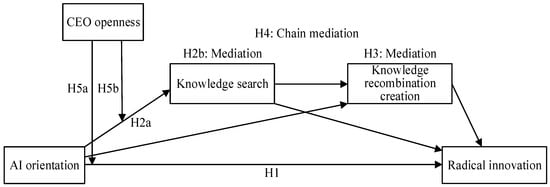
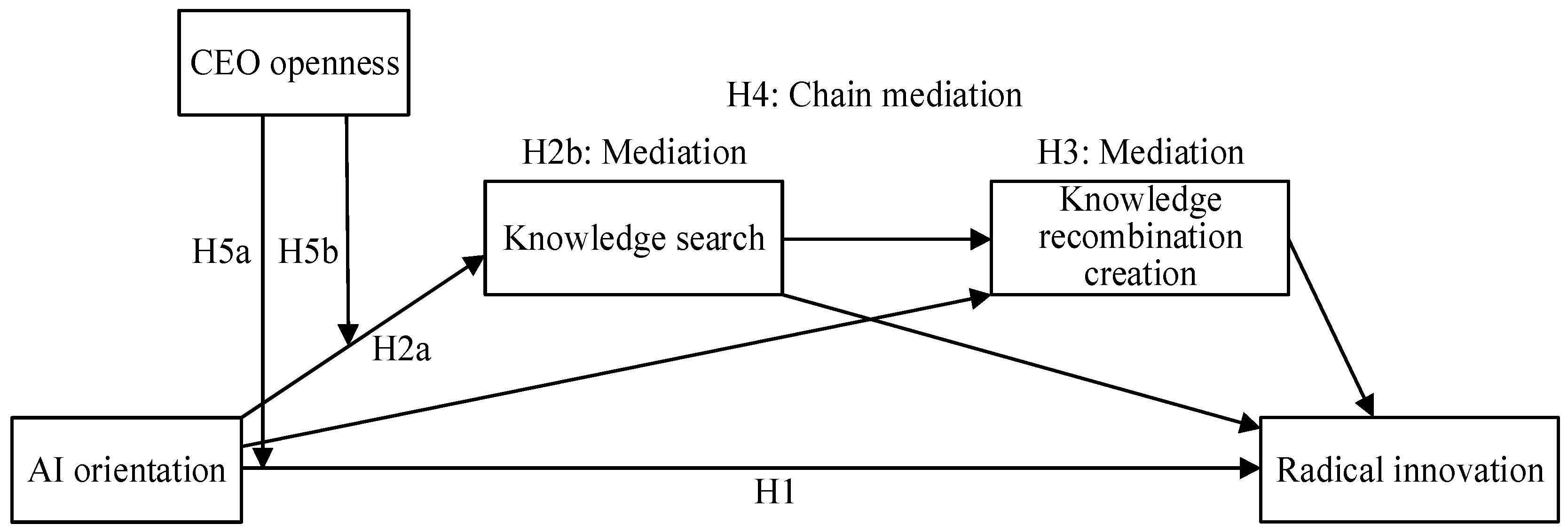
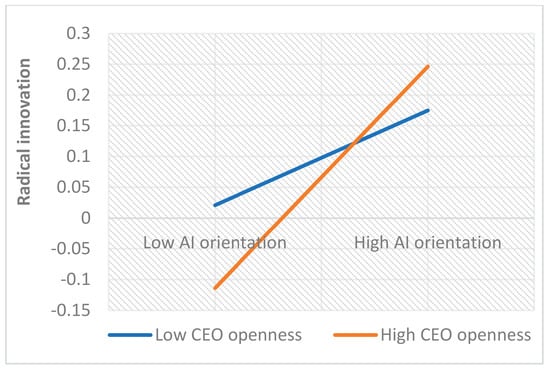
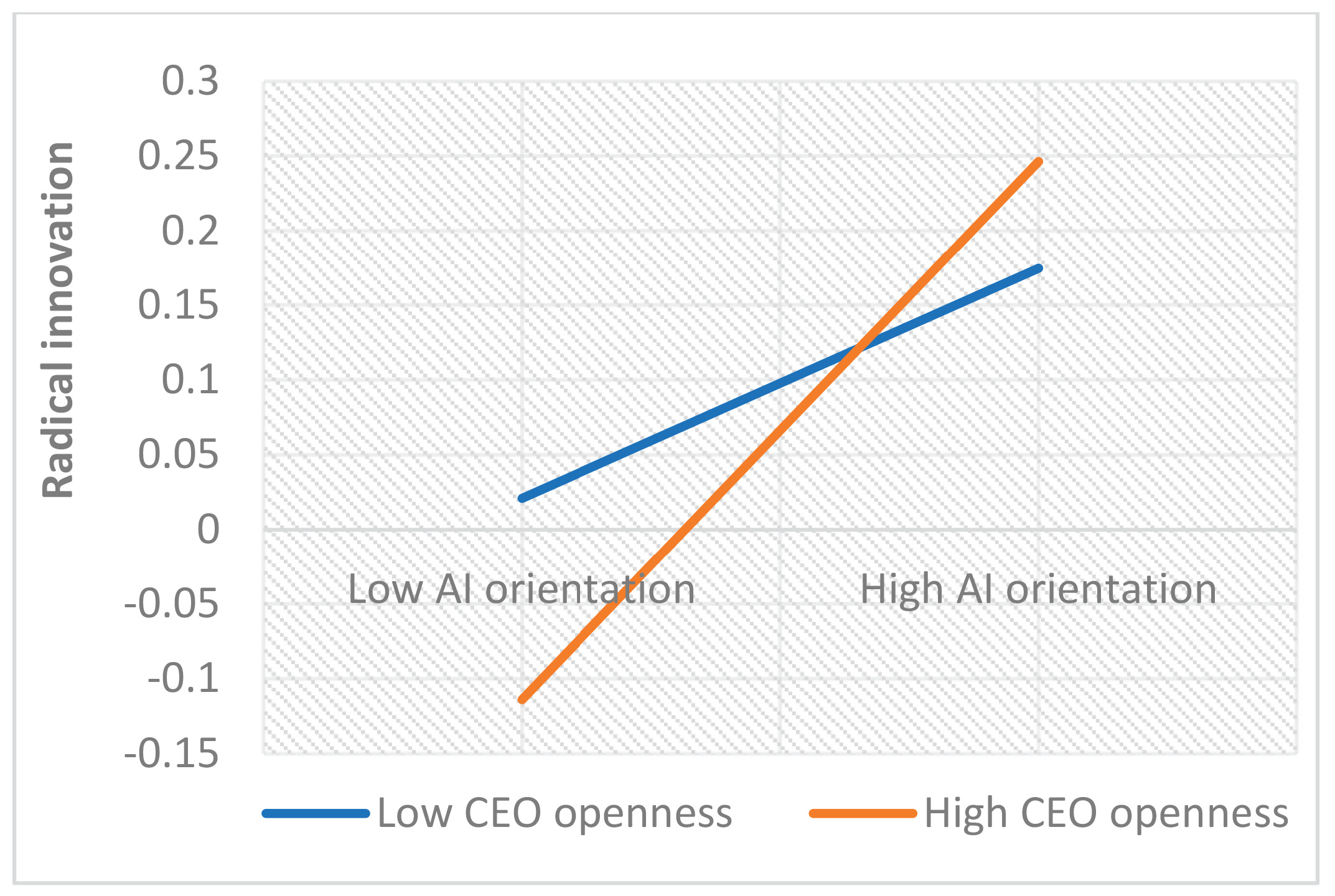
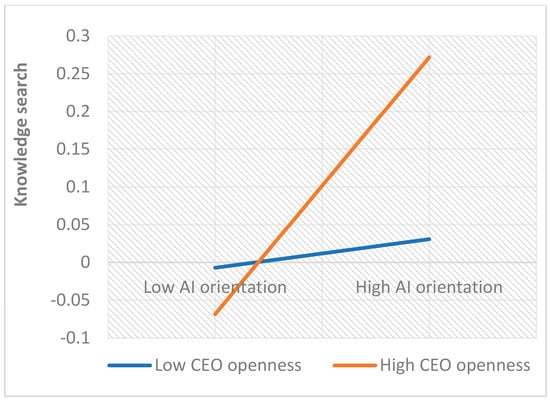
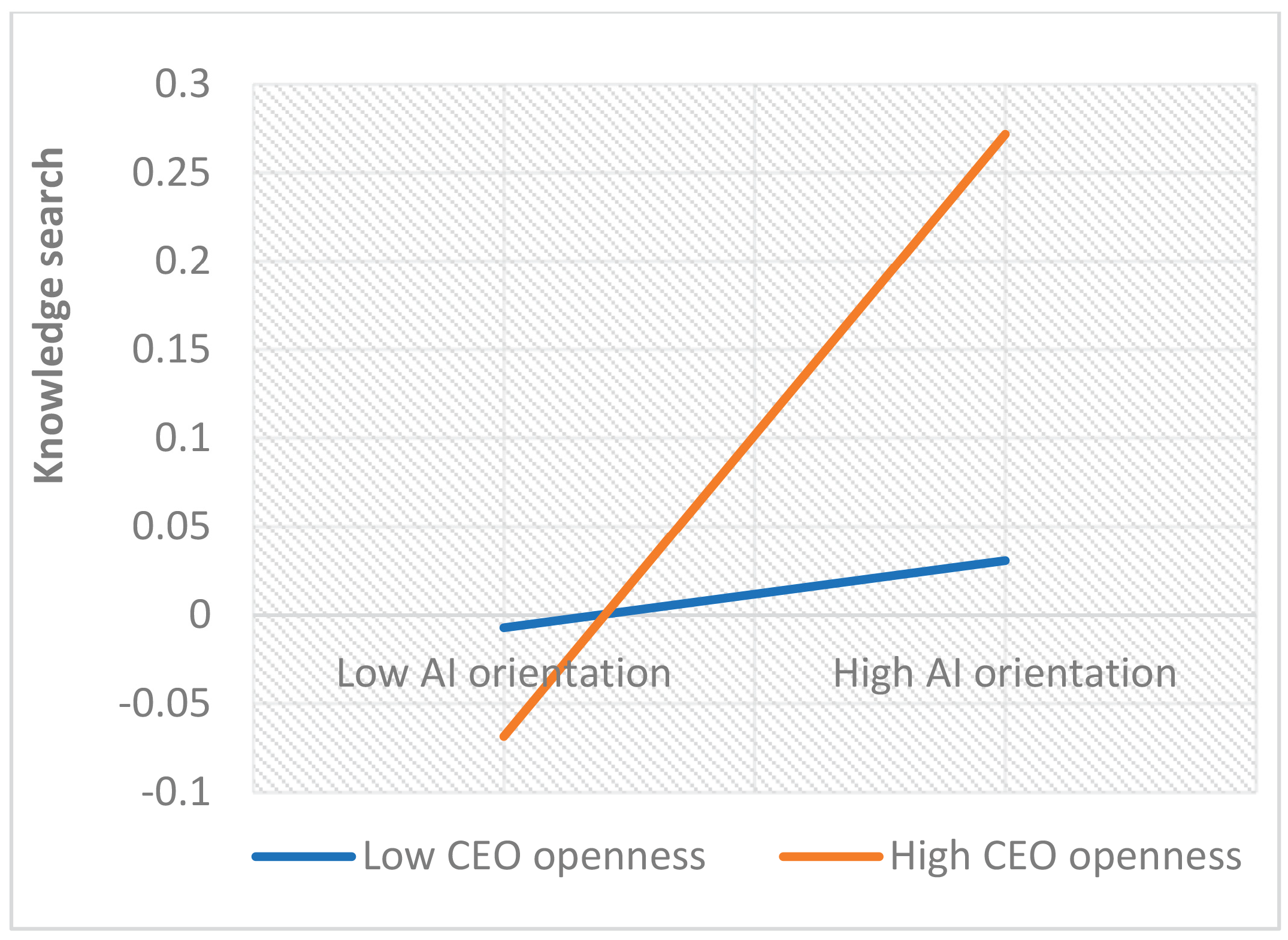

Disclaimer/Publisher’s Note: The statements, opinions and data contained in all publications are solely those of the individual author(s) and contributor(s) and not of MDPI and/or the editor(s). MDPI and/or the editor(s) disclaim responsibility for any injury to people or property resulting from any ideas, methods, instructions or products referred to in the content. |
© 2026 by the authors. Licensee MDPI, Basel, Switzerland. This article is an open access article distributed under the terms and conditions of the Creative Commons Attribution (CC BY) license.