


Highlights
How does this work link to systems science, in terms of its contributions to systems practice, theory, and/or methodology?
- Dynamic capabilities theory is re-situated in the NEV battery supply chain, a multi-tier system where disruption risk is structural and product and supply chain coevolve. The three capability dimensions turn out to be unequal: collaboration carries the largest share of the effect (34.66%), innovation the smallest.
- SEM, fsQCA and NCA are combined so that net effects, sufficient configurations and necessary conditions are examined within one design. This replaces the additive logic of net-effect models with a set-theoretic one, in which technological and relational conditions partly substitute for each other.
What are the main findings and/or the implications of the main findings?
- Digital transformation is associated with resilience both directly and through supply chain dynamic capabilities, which carry 47.09% of the total effect. The association strengthens as the environment becomes more volatile.
- No single antecedent is necessary, while four configurations (consistency 0.877, coverage 0.682) reduce to three patterns, the one combining all three capability dimensions covering the largest share (raw coverage 0.593). High resilience is thus reachable by more than one route, so firms can match the path to their own resources rather than follow a single best practice.
Abstract
Batteries are the core component of new energy vehicles (NEVs), and their supply chain resilience matters for the sustainable development of the industry. Using 326 valid questionnaires completed by employees of NEV battery companies in Fujian, Guangdong and Jiangxi, structural equation modeling (SEM) and fuzzy-set qualitative comparative analysis (fsQCA) were applied to examine how digital transformation, the three dimensions of supply chain dynamic capabilities (learning and absorption, innovation, and collaboration), and environmental dynamics are associated with supply chain resilience. Digital transformation is significantly and positively associated with resilience, both directly and indirectly through supply chain dynamic capabilities, which account for 47.09% of the total effect; collaboration carries the largest share among the three dimensions (34.66%). Environmental dynamics positively moderates this association. Necessity analysis indicates that no single antecedent condition is necessary for high resilience, while four configurations sufficient for high resilience were identified and summarized as three patterns, with a solution consistency of 0.877 and a solution coverage of 0.682. The pattern combining all three capability dimensions accounts for the largest share of membership in high resilience. High resilience therefore appears reachable through several functionally equivalent configurations rather than a single optimal combination of capabilities.
1. Introduction
In recent years, the global new energy vehicle (NEV) market has experienced explosive growth. According to the International Energy Agency, global EV sales exceeded 17 million units in 2024, surpassing a 20% market share for the first time, with emerging markets in Asia and Latin America contributing significantly to this growth as sales in these regions jumped by over 60% to nearly 600,000 units [1]. As a core component of NEVs, battery supply chain resilience is directly linked to the stability and sustainable development of the entire industry. However, the NEV battery supply chain faces three primary challenges. First, the system is highly complex, involving multi-link and multi-entity collaboration, while accelerated R&D iterations impose higher demands on response speed and collaborative innovation. Second, there is a high dependence on concentrated sources for key metal resources such as lithium, cobalt, and nickel. The Joint Research Centre (JRC) of the European Commission notes that the global demand for raw materials for batteries such as nickel, graphite, and lithium is projected to increase by 20, 19 and 14 times, respectively, by 2040 compared with 2020, while supply remains controlled by an oligopoly industry highly concentrated in specific regions [2]. These concentrated supply chains make the battery industry vulnerable to market fluctuations, geopolitical tensions, and natural disasters, thereby threatening supply stability. Third, power battery technology routes are evolving rapidly, with innovations continuously expanding application boundaries, which poses severe tests to supply chain adaptability. Compounding these challenges, the IEA projects that achieving net-zero emissions by 2050 would require six times more mineral inputs in 2040 than today [3]. Therefore, addressing how to improve the resilience of the NEV battery supply chain amidst increasingly diversified challenges has become an urgent theoretical and practical issue.
Digital transformation refers to the process by which enterprises and organizations utilize digital technologies, such as mobile computing, artificial intelligence, cloud computing, and the Internet of Things, to respond to environmental changes and change their value creation processes [4]. In the era of intelligence, technological innovation promotes the integration and optimization of products and services, effectively enhancing operational efficiency and user experience. Moreover, massive data and knowledge resources derived from digital innovation can be transformed into a basis for strategic decision-making through systematic governance [5], becoming a core driver of corporate competitiveness. Digital transformation is not merely the application of single technologies but a systematic reconstruction of an enterprise’s operating system, achieving value reengineering through multi-dimensional empowerment [6]. Stich et al. noted that small and medium-sized enterprises struggle to maintain competitive advantages based solely on niche market strategies; instead, they must systematically analyze the strategic environment and select a digital path aligned with their maturity level [7]. Du et al. demonstrated that digital transformation significantly drives productivity by promoting digital technology innovation and optimizing human capital and operational efficiency [8].
Supply chain dynamic capabilities refer to the overall ability of a supply chain to respond to changes in the external environment and take adaptive measures. Beske first introduced dynamic capabilities theory into supply chain management, identifying it as a core element of the system’s response to external environmental changes [9]. Subsequent research has defined this concept from various dimensions. For instance, Ju et al. emphasized that supply chains actively adapt to the environment and maintain competitive advantages through resource integration and process restructuring [10]. Hong et al. focused on efficient resource integration under environmental adaptability adjustments [11], while Huang et al. showed from a dynamic resource-based view that Industry 4.0 technologies build supply chain capability and, through it, resilience [12]. Oh et al. defined it as a capability system encompassing information collaboration, coordination mechanisms, resource integration, and agile response [13]. Nikookar et al. set out a capability blueprint in which resilience and post-disruption growth rest on bundles of capabilities rather than on any single one [14].
As the focus of enterprise competition shifts to the supply chain, the key drivers of its dynamic capabilities have become a prominent topic in both academic and industrial circles. For example, Jensen et al. showed that knowledge sharing among partners, including competitors, is what turns interaction into learning and ultimately into resilience [15]. Nyaga et al. reported that buyers and suppliers assess collaborative relationships differently and that collaboration is associated with better performance [16]. Defee et al. suggested that cross-enterprise collaborative learning processes can break through development bottlenecks in supply chain dynamic capabilities [17]. Rodríguez-González et al. found that absorptive capacity, together with a digital organizational culture, precedes supply chain resilience rather than following from it [18].
Supply chain resilience refers to the ability of a supply chain to recover to its original or a more ideal state after disruption, a concept first proposed by Rice and Caniato [19]. Research on the resilience of NEV battery supply chains is still in its infancy, though existing literature on NEV supply chain resilience offers valuable references. Current research focuses on collaboration mechanisms, information sharing, and risk management. Ali et al. addressed risk management from dimensions such as lithium-ion battery reliability, charging infrastructure, and power demand, emphasizing the importance of building a robust and flexible electric vehicle supply chain [20]. Mu et al. mapped the structure of an electric vehicle lithium-ion battery supply chain and showed how a disruption at one node propagates through the network as a ripple effect [21]. Wu et al. used fuzzy comprehensive evaluation to show that market and technical risks are the primary sources of risk in the electric vehicle supply chain [22]. Kumar et al. used the Delphi method in the Indian context to determine that low battery resource recycling rates, technical bottlenecks in harmless treatment, and unreasonable charging facility layouts are the main challenges facing the battery supply chain [23]. Xie et al. introduced corporate niche as a mediator variable, revealing the importance of organizational resilience for NEV companies [24]. Thus, the NEV supply chain presents a complex system characterized by multi-dimensional collaboration, covering multiple key links and participants, requiring close coordination to ensure smooth operation.
Simultaneously, research methods for identifying factors influencing supply chain resilience are diverse. Qualitative research primarily employs literature analysis, in-depth interviews, and case studies, while quantitative research utilizes methods such as structural equation modeling (SEM), linear regression, and mathematical modeling. Chowdhury and Quaddus conceptualized supply chain resilience as a dynamic capability and developed a measurement instrument for it [25]. Ma et al. employed SEM and fuzzy set qualitative comparative analysis (fsQCA) to study the factors affecting supply chain resilience [26].
In summary, digital transformation has become a core driver of manufacturing development, and supply chain dynamic capability theory, which brings the resource-based view together with the dynamic capabilities framework, explains how companies sustain competitive advantage in turbulent environments through resource integration and process reconfiguration. Three research gaps nevertheless remain. First, a contextual gap. Prior work on supply chain dynamic capabilities and supply chain resilience has been conducted mainly in generic manufacturing, retail, or humanitarian settings, and has largely treated the drivers of resilience as context free. The NEV battery supply chain departs from these settings in three respects. Lithium, cobalt, nickel and graphite are in the hands of an oligopoly spanning a handful of jurisdictions, so disruption risk is geopolitical and structural rather than operational. Moreover, product and supply chain coevolution means that a shift in cell chemistry simultaneously alters product design, manufacturing process, and upstream sourcing, making innovation and reconfiguration inseparable. Because these features jointly shape which capabilities matter and how they combine, findings obtained in generic settings cannot be transferred to NEV battery companies without respecification. Second, a mechanism gap. Existing studies have largely treated digital transformation and supply chain resilience as a direct bivariate relationship, and few have opened the black box to show how digital transformation is translated into resilience through the reconfiguration of supply chain resources, still less how that translation is conditioned by environmental dynamics. Third, a methodological gap. Because the drivers of resilience are likely complementary and partly substitutable rather than additive, net effect models can identify average tendencies but cannot reveal whether different combinations of technology, capability, and environment are functionally equivalent.
Based on this, this study utilizes 326 valid questionnaires completed by employees of NEV battery enterprises in Fujian, Guangdong and Jiangxi, with each respondent acting as a key informant for the supply chain of his or her own enterprise, and comprehensively employs structural equation modeling (SEM), fsQCA and necessary condition analysis (NCA). The contributions of this study are as follows: (1) This study situates dynamic capabilities theory in the NEV battery supply chain, where disruption risk is geopolitical rather than operational and where product and supply chain coevolve, and identifies which dimensions of supply chain dynamic capabilities are decisive there, extending the theory beyond the generic settings in which it was developed. (2) Rather than stopping at a direct effect, this study specifies how digital transformation is converted into resilience through the reconfiguration of supply chain resources, with environmental dynamics as a boundary condition. (3) Combining necessity and configurational analysis, this study moves beyond the additive logic of net effect models to show that high resilience is reachable through several functionally equivalent configurations in which the technological and relational routes partially substitute for one another.
2. Theoretical Analysis and Research Assumptions
2.1. Digital Transformation and Supply Chain Resilience
In the digital era, supply chain stability has become a key component of an enterprise’s core competitiveness. Faced with challenges such as technological uncertainty, policy fluctuations, and resource scarcity, digital transformation is regarded as a key path to improve supply chain resilience. Digital transformation helps overcome the innovation dilemma in building supply chain resilience by improving innovation quality and enhancing absorption and transformation capabilities. The correlation between digital transformation and supply chain resilience has received widespread attention in the field of new energy vehicle batteries. For example, Nasiri et al. pointed out that enterprise digital transformation requires deep integration with digital technology to achieve competitive advantages in the supply chain [27]. Khurana et al., based on the perspective of dynamic capabilities, found that small and medium-sized enterprises develop resilient capabilities through sensing, seizing opportunities, and transformation during crises [28]. Lin et al. incorporated digital market orientation and digital process innovation into a digital-driven business capabilities framework, confirming that its adaptation mechanism with supply chain governance can improve supply chain resilience [29]. Lin et al. found that digital technology positively moderates the relationship between internal supply chain integration and organizational resilience, but the moderating effect on external integration is not significant [30]. Singh et al. introduced digital twin technology to verify its impact on the sustainability of manufacturing supply chains and its mediating effect between supply chain resilience and performance [31]. Zhao et al. reached the same conclusion with a multi-mediation model, showing supply chain digitalization to be associated with resilience both directly and through several intervening routes [32]. In summary, existing research reveals the role of digital transformation in promoting supply chain resilience from the dimensions of digital technology embedding, dynamic capability building, and technology regulation effects. Hence, the following hypothesis is proposed:
H1.
Digital transformation has a positive impact on supply chain resilience.
2.2. Digital Transformation and Supply Chain Dynamic Capabilities
The new energy vehicle battery industry is accelerating the deep integration of supply chain management and digital technology. Supply chain dynamic capabilities, which are key to maintaining competitive advantages, can be examined across three dimensions: learning and absorption, innovation, and collaboration. Rana et al. argue that digital transformation supports advanced industrial practices, while artificial intelligence and machine learning help companies increase profit margins, reduce costs, and achieve intelligent operations [33]. Iansiti and Lakhani note that applying artificial intelligence in manufacturing supply chains reshapes customer experience and drives companies to explore new ways to enhance service capabilities and supply chain innovation advantages [34]. Kwak et al. find that digital technology enhances data collection and rapid analysis, thereby promoting supply chain innovation capabilities [35]. Furthermore, digital technology eliminates inter-firm sharing barriers and reduces operating costs. It also strengthens collaborative relationships based on cost and benefit sharing through digital platforms [36]. In summary, existing research confirms that embedding digital technology allows enterprises to overcome the rigid constraints of traditional supply chains. However, there is a lack of systematic verification regarding how digital transformation differentially affects the pathways of various subdivided dimensions of dynamic capabilities. Hence, the following hypotheses are proposed:
H2.
Digital transformation has a positive impact on the three dimensions of supply chain dynamic capabilities.
H2a.
Digital transformation has a positive impact on supply chain learning and absorption capabilities.
H2b.
Digital transformation has a positive impact on supply chain innovation capabilities.
H2c.
Digital transformation has a positive impact on supply chain collaboration capabilities.
2.3. Supply Chain Dynamic Capabilities and Supply Chain Resilience
Supply chain dynamic capabilities serve as a key indicator of an enterprise’s flexibility in responding to market fluctuations and efficiently integrating internal and external resources. Supply chain resilience reflects the ability to recover quickly and maintain continuous operations amidst external shocks. Van den Bosch et al. argue that supply chain learning and absorption capabilities facilitate the integration of existing and new knowledge, thereby enhancing organizational adaptation to the market environment [37]. Tse et al. note that these capabilities enable companies to leverage new knowledge to improve responsiveness [38]. Consequently, supply chain learning and absorption capabilities contribute to improved supply chain resilience. Wong and Ngai show that supply chain innovation is positively related to supply chain resilience, and that this relationship shifts with environmental uncertainty [39]. Nikookar et al. identify collaboration, together with responsiveness, as a necessary antecedent of supply chain resilience, without which resilience cannot be achieved [40]. In summary, existing research validates the roles of learning and absorption, innovation, and collaboration capabilities in promoting supply chain resilience. Hence, the following hypotheses are proposed:
H3.
The three dimensions of supply chain dynamic capabilities each have a positive impact on supply chain resilience.
H3a.
Supply chain learning and absorption capabilities have a positive impact on supply chain resilience.
H3b.
Supply chain innovation capabilities have a positive impact on supply chain resilience.
H3c.
Supply chain collaboration capabilities have a positive impact on supply chain resilience.
2.4. Mediating Role of Supply Chain Dynamic Capabilities
The logic of this study can be stated as a chain: digital transformation → reconfiguration of supply chain resources → supply chain dynamic capabilities → supply chain resilience. Digital transformation does not add a capability directly. By integrating business processes and pooling the data those processes generate, it makes material availability, supplier status and process parameters visible across company boundaries. This reconfiguration of how resources are combined and monitored is what renews the three capability dimensions, and renewed capability is what shows up as resilience.
The collaborative integration of digital transformation and supply chain dynamic capabilities is reshaping the operational logic of the new energy vehicle battery industry to address complex challenges. Enterprises can leverage the “digital technology-dynamic capability-resilience output” mechanism to balance efficiency improvement with risk buffering. However, the specific impact mechanism of digital transformation on dynamic capabilities and resilience remains exploratory. Existing studies indicate that supply chain dynamic capabilities are vital for enhancing resilience, making the interaction among digital transformation, dynamic capabilities, and resilience a key research area.
Supply chain learning and absorption capabilities govern the interval between an upstream signal and an internal response. Digital transformation is accompanied by the integration of business processes and by the pooling of the data those processes generate, so that fragmented information about material availability, supplier performance and process parameters becomes knowledge that can be read and acted upon. In this chain that interval matters more than in a generic one. With critical metals held by an oligopoly concentrated in a few jurisdictions, a company cannot remove the disruption risk by adjusting internally. And what it can do is notice shifts in availability, in the qualification status of alternative cell chemistries and in process know-how while there is still time to replan. Learning and absorption are therefore expected to mediate the link between digital transformation and resilience by compressing that interval.
Supply chain innovation capabilities convert new technical knowledge into revised products, processes and management routines. Applications of artificial intelligence and machine learning have shortened the experimentation cycle and widened the range of options that can be costed and tested, so a company facing a materials constraint has more alternatives to consider. This route is nevertheless expected to be the weakest of the three in this industry. A change in cell chemistry has to clear lengthy validation before it can enter production and tends to be embodied in equipment and tooling dedicated to one chemistry, so the resilience payoff arrives late and carries the risk of sunk investment. Innovation does relieve supply pressure here, but on a timescale longer than most disruptions allow.
Supply chain collaboration capabilities cover information sharing with partners, joint product planning and demand forecasting, and the sharing of costs and benefits. Digital technologies lower the cost of exchanging information across company boundaries and are what makes these practices workable at the frequency this industry requires. Because the dominant risk here originates upstream and outside any single company’s control, buffering cannot rely on adjustment within one organization. And it rests on arrangements that span its boundaries, such as shared inventory visibility, joint forecasting and joint bearing of costs and benefits. Collaboration is thus expected to transmit the largest share of the indirect effect among the three dimensions.
Therefore, the following hypotheses are proposed:
H4.
Supply chain dynamic capabilities mediate the relationship between digital transformation and supply chain resilience.
H4a.
Supply chain learning and absorption capabilities mediate the relationship between digital transformation and supply chain resilience.
H4b.
Supply chain innovation capabilities mediate the relationship between digital transformation and supply chain resilience.
H4c.
Supply chain collaboration capabilities mediate the relationship between digital transformation and supply chain resilience.
2.5. Moderating Role of Environmental Dynamics
Environmental dynamics, a critical feature of enterprise operating scenarios, reflect the challenges that uncertainties such as market demand fluctuations, supply chain interruptions, and technological iterations pose to supply chain stability and reliability. As a variable influenced by the external environment, supply chain resilience is positively correlated with an enterprise’s environmental adaptability. High environmental dynamics, exemplified by lithium price volatility, geopolitically induced supply interruptions, and rapid technological iterations, serve as both challenges and catalysts for resilience upgrades in new energy vehicle battery companies. Furthermore, environmental dynamics necessitate that supply chains possess the capacity for rapid response and flexible adjustment [41]. Marcos et al. proposed an empirical method to identify uncertainties in the closed-loop supply chain of electric vehicle lithium-ion batteries, further confirming the significant impact of environmental uncertainty in this industry [42]. This makes higher environmental dynamics a condition that strengthens rather than weakens the association between digital transformation and supply chain resilience. Much of what digital technologies contribute is information: the status of inventory and production, what suppliers can actually deliver, and the direction in which demand is moving. Where conditions are stable, planning already proceeds against a comparatively fixed set of parameters, and this additional visibility changes little. The three sources of volatility identified above work in the opposite direction, since each shortens the period during which any given plan remains valid. Once plans expire quickly, what matters is how soon a company registers a change and revises sourcing, production and delivery in response, and that is what digital technologies support. In the context of persistent environmental uncertainty, companies must therefore closely integrate digital transformation with the dynamic capabilities architecture of the supply chain to convert fluctuations into competitive advantages. Hence, the following hypothesis is proposed:
H5.
Environmental dynamics play a moderating role in the relationship between digital transformation and supply chain resilience.
2.6. Configuration Effects of High Supply Chain Resilience
The theoretical construction of supply chain resilience has long been constrained by the linear thinking inherent in traditional single-dimensional frameworks, which struggle to explain complex phenomena characterized by multiple causes and effects. The resilience of supply chains in new energy vehicle battery companies arises from the multi-dimensional dynamic correlations and combinatorial effects among technical systems, organizational structures, and the external environment. The Qualitative Comparative Analysis (QCA) method, proposed by Ragin [43], focuses on set theory and configurational logic. It transcends the assumption that single variables act independently, emphasizing the “equifinality” and “conjunctural causation” of multiple conditions on outcomes, thereby providing a methodological basis for deconstructing complex causality [44]. The generation of supply chain resilience relies not on the linear superposition of single capabilities, but on a dynamic adaptation process driven by the combination of multiple factors. For instance, Ma et al. combined SEM and fsQCA to show that resilience follows from particular combinations of conditions rather than from any single one [26]. Yin and Ran showed that different companies reach high resilience through different combinations of conditions such as supply chain diversification and digital transformation [45]. The uniqueness of new energy vehicle battery supply chains further underscores the need for configurational analysis. On one hand, companies must cope with the rapid evolution of technological innovation, such as the iteration of solid-state battery technology, and uncertain disturbances from the geopolitical landscape; single-dimensional response paths are insufficient to address these compound risk scenarios. On the other hand, during different stages of industrial development, such as capacity expansion and market maturity, the combination of key elements undergoes structural changes. Configurational analysis offers a more precise approach to capturing these dynamics. Hence, the following hypothesis is proposed:
H6.
High supply chain resilience results from the combination of multiple factors, and there are multiple distinct configurational paths.
3. Research Design
3.1. Research Methods
This study employs structural equation modeling (SEM), fuzzy-set qualitative comparative analysis (fsQCA), and necessary condition analysis (NCA) to achieve a multi-dimensional analysis and mutual verification of the research problems. First, SEM was used to test the linear relationships between variables and the underlying mechanisms. This method simultaneously estimates the correspondence between observed and latent variables, as well as the causal structure among latent variables, by integrating measurement and structural models. The study first assessed the reliability and validity of the scale through confirmatory factor analysis to evaluate common method bias and model fit. Subsequently, it estimated the direct effect of digital transformation, tested the mediating role of supply chain dynamic capabilities, and analyzed the moderating effect of environmental dynamics. Second, fsQCA was employed to explore multi-factor configurational effects. Traditional regression analysis relies on assumptions of variable independence and symmetric causality, which limits its ability to reveal complex causal mechanisms involving concurrent conditions. Based on set theory and configurational logic, fsQCA identifies multiple equivalent paths leading to high supply chain resilience through calibration, truth table analysis, and Boolean minimization. This approach is suitable for complex phenomena where variations in resolution levels and categorical differences coexist. Finally, NCA was introduced to identify necessary conditions and determine their threshold levels. While fsQCA is effective in identifying sufficient configurations, it has limitations in determining necessary conditions. By analyzing effect sizes and bottleneck levels, NCA quantifies the minimum thresholds of antecedent conditions required to achieve specific outcomes, thereby addressing the limitations of fsQCA in necessity testing. These three methods complement each other: SEM reveals the net effects and transmission mechanisms between variables, while fsQCA and NCA elucidate causal complexity from the perspectives of configuration and necessity, jointly enhancing the robustness and comprehensiveness of the research conclusions.
3.2. Questionnaire Design
To ensure the reliability and validity of the survey results, this study employed established, internationally published scales to measure each variable. A five-point Likert scale was used for questionnaire items, with responses ranging from 1 (strongly disagree) to 5 (strongly agree). Based on their actual work experience, respondents objectively evaluated the degree to which each item description applied and selected the corresponding score. Table 1 presents the specific measurement indicators and sources for each variable.
Table 1.
Measurement indicators of variables.
Table 1 lists 30 items measuring six constructs. Supply chain dynamic capabilities (GYLDT) comprises 14 items grouped into three dimensions: learning and absorption (5 items), innovation (4 items) and collaboration (5 items). Digital transformation (6 items), supply chain resilience (5 items) and environmental dynamics (5 items) are first-order constructs. Where supply chain dynamic capabilities enter as a single variable, the construct is operationalized as a composite. The score is the unweighted mean of the three dimension scores. The three dimensions are estimated as correlated first-order factors rather than as indicators of a higher-order factor.
3.3. Data Explanation and Calibration
3.3.1. Data Description
Data collection for the survey typically employs methods such as telephone interviews, mail surveys, social media promotion, email invitations, on-site collection, and online electronic questionnaires. The formal survey period spanned from June to October 2024, utilizing two primary data collection methods: face-to-face interviews with paper questionnaires and the distribution of online questionnaires. Initially, employees of new energy vehicle battery enterprises in Fujian, Guangdong, and Jiangxi provinces were contacted to complete or forward the questionnaires. Subsequently, contact was established with enterprise managers through the employees’ professional networks, and online questionnaires were distributed to them. Finally, during offline field internships, questionnaires were directly administered to employees of new energy battery enterprises. Through these multiple distribution channels, a total of 350 questionnaires were distributed and 348 were returned, a response rate of 99.43%. The rate is high because most questionnaires were administered and collected on site during field visits, and because the research team had prior contact with the participating companies. After screening, 326 questionnaires were retained, a valid rate of 93.68%. The 22 excluded questionnaires were incomplete or failed the screening criteria.
3.3.2. Sample Descriptive Statistics
Table 2 summarizes the valid samples and their characteristics.
Table 2.
Participant demographics (n = 326).
As shown in Table 2, females constitute a slight majority of the sample (51.23%), compared to males (48.77%). Regarding age distribution, the 26–30 age group represents the largest proportion (43.56%). In terms of educational attainment, bachelor’s degree holders predominate (50.31%). With respect to department and position, the warehousing and logistics department accounts for 25.77% of respondents, while regular employees constitute 67.48%. Finally, employees with 3–5 years of work experience account for 46.32%, whereas those with less than 3 years of experience constitute 41.10%.
3.3.3. Data Calibration
Variable calibration of the sample data is required prior to configurational analysis. First, the means of the items corresponding to each variable are calculated using SPSS 27.0 to serve as the reflective values. Following Fiss [62] and considering the distribution characteristics of the sample data, three calibration anchor points for the five antecedent variables and the outcome variable are set as full membership (95th percentile), crossover point (mean), and full non-membership (5th percentile). Table 3 details these calibration anchor points. To prevent the exclusion of cases with a membership degree of 0.500 during classification, data with a calibrated membership degree of exactly 0.500 are uniformly increased by 0.001 before subsequent analysis, consistent with the approach of Fiss [62].
Table 3.
Variable calibration anchors.
4. Empirical Analysis
4.1. Reliability and Validity Analysis
Reliability analysis is essential for evaluating the stability and consistency of a questionnaire or scale, directly influencing the reliability and accuracy of research findings. In this study, Cronbach’s α coefficient was employed to assess reliability using SPSS 27.0. As presented in Table 4, the Cronbach’s α coefficients for all variables exceeded 0.8, indicating good scale reliability.
Table 4.
Reliability and validity analysis of the scale.
Validity analysis is crucial for ensuring the validity and accuracy of research results. This study assessed construct validity, including convergent and discriminant validity, through confirmatory factor analysis (CFA) using AMOS 25.0. Prior to CFA, KMO and Bartlett’s tests of sphericity were conducted using SPSS 27.0. The KMO value was 0.904 (>0.8), indicating that the sample data were suitable for factor analysis. The CFA results demonstrated good overall model fit and structural validity, with χ2/df = 1.213 (<3), RMSEA = 0.026 (<0.05), GFI = 0.914, TLI = 0.979, CFI = 0.982, and IFI = 0.982 (all >0.9). Factor loadings for all items ranged from 0.50 to 0.95, indicating adequate model fit. The average variance extracted (AVE) values for latent variables ranged from 0.520 to 0.601 (all > 0.5), and composite reliability exceeded 0.70, demonstrating good convergent validity. Furthermore, the square root of the AVE for each latent variable (0.721–0.775) exceeded its correlation coefficients with other variables, indicating good discriminant validity.
Measurement quality, however, is not the only concern with data of this kind. All constructs were measured with self-reported Likert items collected from the same respondents at a single point in time, so the associations among them could partly reflect the shared source rather than the constructs the items are meant to capture. Common method bias was therefore examined. Harman’s single-factor test was run on all measurement items. In the unrotated solution, the first factor explains 28.794% of the variance, below the conventional 50% threshold, and no single factor dominates the covariance structure. Common method variance is therefore unlikely to account for the results.
4.2. Analysis of Mechanisms
Hypotheses are tested at two levels. H1, H2a to H2c and H3a to H3c are tested with the structural model in Section 4.2.1 and Table 5. The mediation hypotheses H4a to H4c are tested with Paths 1 to 3 of Table 6, in which each dimension enters as a separate mediator, and H4 is tested with Path 4, where the three dimensions enter as a single mediator. H2 and H3 restate the dimensional claims at the level of the construct and are tested through H2a to H2c and H3a to H3c.
Table 5.
Hypothesis testing results.
Table 6.
Testing of mediation effects of supply chain dynamic capabilities.
4.2.1. Direct Effects in the Structural Model
Based on structural equation modeling theory, this study employed AMOS 25.0 to construct a model of supply chain resilience influencing factors, comprising five latent variables and 25 observed variables. The model fit results are presented in Figure 1. Here, e1–e6, e7–e11, e12–e16, e17–e21, and e22–e25 represent the residual terms of the observed variables, while e26–e29 denote the residual terms of the endogenous latent variables. Environmental dynamics does not enter this model, because it is tested as a moderator in Section 4.2.3. The path coefficients for the influencing factors of supply chain resilience are detailed in Table 5.
Figure 1.
Path coefficient of influencing factor model of supply chain resilience.
Table 5 indicates that digital transformation (β = 0.244, p < 0.001), supply chain learning and absorption capabilities (β = 0.263, p < 0.001), supply chain innovation capabilities (β = 0.182, p < 0.01), and supply chain collaboration capabilities (β = 0.291, p < 0.001) are significantly and positively associated with supply chain resilience. Thus, H1, H3a, H3b, and H3c are supported. Furthermore, digital transformation is significantly and positively associated with supply chain learning and absorption capabilities (β = 0.388, p < 0.001), supply chain innovation capabilities (β = 0.432, p < 0.001), and supply chain collaboration capabilities (β = 0.489, p < 0.001). Consequently, H2a, H2b, and H2c are also supported. Because H2 and H3 restate these dimensional expectations at the level of the construct, they are supported as well.
4.2.2. The Mediating Effect of Supply Chain Dynamic Capabilities
Indirect effects were estimated with SPSS PROCESS v4.0 using bias-corrected percentile bootstrap confidence intervals based on 5000 resamples, and the results are reported in Table 6. All four confidence intervals exclude zero, so digital transformation is associated with supply chain resilience both directly and indirectly through each capability dimension, and all four mediation paths are partial rather than full. Specifically, for Path 1 (digital transformation → supply chain learning and absorption → supply chain resilience), the indirect effect is 0.115 and the direct effect is 0.384, with the mediating effect accounting for 23.05% of the total effect. For Path 2 (digital transformation → supply chain innovation → supply chain resilience), the indirect effect is 0.111 and the direct effect is 0.388, with the mediating effect comprising 22.24% of the total. For Path 3 (digital transformation → supply chain collaboration → supply chain resilience), the indirect effect is 0.173 and the direct effect is 0.326, with the mediating effect representing 34.66% of the total. For Path 4 (digital transformation → supply chain dynamic capabilities → supply chain resilience), the indirect effect is 0.235 and the direct effect is 0.264, with the mediating effect accounting for 47.09% of the total. Notably, supply chain dynamic capabilities demonstrate the largest mediating effect (47.09%), indicating that nearly half of the total effect of digital transformation on supply chain resilience is transmitted through this pathway.
4.2.3. The Moderating Effect of Environmental Dynamics
To examine the moderating effect of environmental dynamics, this study adopts the procedure outlined by Dawson [63]. Independent and moderating variables were first mean-centered, interaction terms were constructed, and the regression coefficients and statistical significance of these interactions were tested. Accordingly, two models were developed to assess the moderating role of environmental dynamics in the relationship between digital transformation and supply chain resilience. Model M1 serves as the benchmark, incorporating digital transformation and environmental dynamics to evaluate their direct effects on supply chain resilience. Model M2 extends the benchmark by including the interaction term between digital transformation and environmental dynamics, thereby testing the moderating effect of environmental dynamics on the association between digital transformation and supply chain resilience. The results are presented in Table 7 and Figure 2. The regression results for Model M1 indicate that both digital transformation and environmental dynamics are positively associated with supply chain resilience (β = 0.455, p < 0.001; β = 0.105, p < 0.05). Furthermore, the results for Model M2 show that the interaction term between digital transformation and environmental dynamics is significantly positively associated with supply chain resilience (β = 0.162, p < 0.01).
Table 7.
Test for the moderating effect of environmental dynamics.
Figure 2.
Simple slope plot of the moderating effect of environmental dynamics on the relationship between digital transformation and supply chain resilience.
This finding suggests that environmental dynamics positively moderates the relationship between digital transformation and supply chain resilience. Thus, H5 is supported.
5. Configuration Enhancement Pathways
5.1. The Necessity of Configuring Paths for High Supply Chain Resilience
5.1.1. Necessity Analysis Using NCA
Necessary condition analysis (NCA) was carried out before the sufficiency analysis. Whereas fsQCA treats necessity as a set relation and asks whether the cases showing the outcome are a subset of the cases showing the condition, NCA asks how much of a condition a given level of the outcome requires, and answers that question in two forms: an effect size and a bottleneck level. The effect size is bounded between 0 and 1, a value below 0.10 counts as low even when it is statistically significant, and a condition is treated as necessary only when its effect size reaches 0.10 and passes a significance test [64]. Ceiling regression (CR) and ceiling envelopment (CE) were both used to draw the ceiling line, because the two make different assumptions about its shape, and significance was assessed with a Monte Carlo permutation test using 10,000 resamples. The reporting of effect sizes and bottleneck levels follows the current practice guidelines for NCA [65].
Table 8 reports the results. All five conditions are significant in the permutation test, but every effect size stays below the 0.10 benchmark: digital transformation 0.097, innovation 0.088, environmental dynamics 0.045, learning and absorption 0.036 and collaboration 0.026, all from CR. None of the five therefore qualifies as a necessary condition for high supply chain resilience. Digital transformation comes closest to the threshold, whereas collaboration, which has the largest coefficient of the three capability dimensions in Table 5 (β = 0.291), has the smallest effect size. A condition can be strongly associated with the outcome in the net-effect sense without being one the outcome cannot do without.
Table 8.
Results of the Necessity Analysis of Variables related to NCA.
Table 9 reports the bottleneck levels, that is, the minimum percentage of each condition required to reach a given level of resilience, with NN indicating that no minimum applies. No bottleneck appears until resilience reaches 70%, where digital transformation is required at 11.6%. Innovation begins to bind at 80% and environmental dynamics at 90%. Learning and absorption behaves differently: it imposes no requirement at any level below 100%, but at 100% it rises to 82.0%, well above innovation (66.7%), digital transformation (49.3%), environmental dynamics (35.2%) and collaboration (33.0%). Its effect size is among the smallest in Table 8, yet it is the condition that binds hardest at the top of the range. As the resilience requirement approaches its maximum, learning and absorption stops being one input among several and becomes the limiting one.
Table 9.
Bottleneck levels of the antecedent conditions.
5.1.2. Necessity Analysis Using QCA
This study employed fsQCA software (version 3.0) to conduct a necessity analysis, with the results presented in Table 10. According to established criteria, an antecedent condition is considered necessary for the outcome if its consistency index meets or exceeds the threshold of 0.9 and demonstrates sufficient coverage [43]. As shown in Table 10, none of the conditional variables constitutes a necessary condition, which indicates that high supply chain resilience cannot be attributed to any single factor, suggesting that higher supply chain resilience in new energy vehicle battery companies reflects the joint contribution of multiple factors.
Table 10.
Results of the Necessity Analysis of Variables related to fsQCA.
5.2. The Sufficiency of Configuration Pathways for High Supply Chain Resilience
5.2.1. Configuration Pathways to Developing High Supply Chain Resilience
Following the recommendations for configurational analysis [66], this study sets the original consistency threshold for configuration adequacy at 0.8, the PRI consistency threshold at 0.8, and the minimum case frequency at 1. Table 11 presents the configuration paths. Complex, reduced, and intermediate solutions were obtained through fsQCA. As shown in Table 11, four configuration paths are sufficient for high supply chain resilience. The consistency of each configuration exceeds 0.85. The solution coverage is 0.682, meaning that the four configurations together account for 68.2% of the membership in high supply chain resilience.
Table 11.
Configuration Sufficiency Analysis.
Four configuration paths sufficient for high supply chain resilience were identified and subsequently integrated into three patterns, as follows:
Pattern 1 (ternary integration of supply chain dynamic capabilities): The antecedent conditions for Configuration 1 comprise “supply chain learning and absorption capabilities, supply chain innovation capabilities, and supply chain collaboration capabilities.” This indicates that new energy vehicle (NEV) battery companies can achieve higher supply chain resilience by possessing strong supply chain dynamic capabilities. The core conditions for this configuration are supply chain learning and absorption capabilities, supply chain innovation capabilities, and supply chain collaboration capabilities. The consistency of this configuration is 0.896, and a raw coverage of 0.593, of which 0.186 is uniquely attributable to it. It accounts for the largest share of the membership in high supply chain resilience. Numerous real-world examples in the NEV battery industry demonstrate the enhancement of dynamic supply chain capabilities. For instance, Tianneng Battery Group strengthens its learning and absorption capabilities through technological innovation and green supply chain management, prioritizes the procurement of environmentally friendly raw materials, and enhances supplier training and management. Tesla serves as a model for supply chain innovation, promoting battery technology advancements while actively engaging in mining procurement and digital supply chain upgrades to improve transparency and efficiency. Shandong Rizhao Hongri New Energy Automobile Companies have successfully established an NEV industry ecosystem, attracting upstream and downstream enterprises to form a closely coordinated supply chain system that reduces risks and improves response speed. These cases collectively demonstrate that NEV battery companies with strong dynamic capabilities-encompassing learning, absorption, innovation, and collaboration-can achieve higher supply chain resilience, thereby standing out in fierce market competition, meeting market demand, and promoting industry progress.
Pattern 2 (digital supply chain dynamic response type): The antecedent conditions for Configuration 2 are “digital transformation, supply chain learning and absorption capabilities, supply chain innovation capabilities, and environmental dynamics.” This suggests that NEV battery companies undergoing digital transformation in dynamic environments, while possessing strong learning, absorption, and innovation capabilities, can achieve high supply chain resilience even if they lack certain supply chain collaboration capabilities. The core conditions are digital transformation, supply chain learning and absorption capabilities, supply chain innovation capabilities, and environmental dynamics. This configuration has a consistency of 0.939 and has a raw coverage of 0.422 and a unique coverage of 0.015. A typical example is Contemporary Amperex Technology Co., Limited (CATL), which utilizes smart factories to drive digital transformation. By implementing visual management of production data, transparent control of manufacturing processes, and unmanned production scenarios, CATL has achieved a leap from traditional to intelligent manufacturing. The company has also built an integrated Manufacturing Execution System (MES) and a customer-centered integrated delivery system. Furthermore, CATL has adopted advanced technologies such as artificial intelligence, the Internet of Things (IoT), machine learning, and cloud computing, significantly improving labor productivity and energy efficiency. Through continuous learning and absorption of new technologies and concepts, CATL has enhanced supply chain transparency and intelligence. Additionally, the company is committed to innovating in new materials, efficient manufacturing, and renewable energy, launching diverse, high-quality battery products to meet varied customer needs. CATL has also established a closed-loop green supply chain system for battery recycling and reuse. Facing continuous external environmental changes, CATL rapidly adjusts its supply chain strategy to address challenges such as market fluctuations, technological innovations, and policy changes, thereby ensuring supply chain stability and sustainable development.
Pattern 3 (digital supply chain collaborative response type): This pattern encompasses Configurations 3 and 4. The antecedent conditions for Configuration 3 are “digital transformation, supply chain learning and absorption capabilities, supply chain collaboration capabilities, and environmental dynamics.” This indicates that in dynamic environments, NEV battery companies undergoing digital transformation can achieve high supply chain resilience through strong learning, absorption, and collaboration capabilities, even if they lack innovation capabilities. The core conditions are digital transformation, supply chain collaboration capabilities, and environmental dynamics, with supply chain learning and absorption capabilities serving as auxiliary conditions. This configuration has a consistency of 0.928 and has a raw coverage of 0.461 and a unique coverage of 0.054. The antecedent conditions for Configuration 4 are “digital transformation, supply chain innovation capabilities, supply chain collaboration capabilities, and environmental dynamics.” This suggests that in dynamic environments, NEV battery companies undergoing digital transformation can achieve high supply chain resilience through strong innovation and collaboration capabilities, even if they lack learning and absorption capabilities. The core conditions are digital transformation, supply chain collaboration capabilities, and environmental dynamics, with supply chain innovation capabilities as auxiliary conditions. This configuration has a consistency of 0.938 and has a raw coverage of 0.427 and a unique coverage of 0.020. A typical example of this pattern is Shenzhen Dynanonic Company. As a leader in the NEV battery industry, Dynanonic actively implements digital transformation and deploys supplier management systems to improve efficiency. Leveraging strong learning and absorption capabilities, the company continuously optimizes supply chain management. By introducing integrated solutions, Dynanonic achieves efficient collaboration with suppliers and enhances supply chain transparency. Facing rapid changes in the NEV market, the company flexibly adjusts its strategies to respond quickly to market demand, ensuring supply chain stability and efficiency.
5.2.2. Robustness Test
Two robustness checks were conducted. First, the minimum case frequency was raised from 1 to 2. Second, the PRI consistency threshold was raised from 0.80 to 0.85. In both checks the solution retained the same four configurations, with consistency and coverage close to the values reported in Table 11. These results indicate that the robustness checks are reliable. The adjusted intermediate solution for high supply chain resilience is presented in Table 12.
Table 12.
The Adjusted Intermediate Solution for High Supply Chain Resilience.
6. Conclusions and Implications
6.1. Conclusions
In the context of digital transformation, this study investigates the factors influencing the supply chain resilience of new energy vehicle (NEV) battery companies. Through large-scale empirical analysis combining structural equation modeling (SEM) and fuzzy-set qualitative comparative analysis (fsQCA), several key conclusions are drawn:
- (1)
- Digital transformation is significantly and positively associated with the supply chain resilience of NEV battery companies; a higher degree of digital transformation correlates with stronger resilience. Supply chain dynamic capabilities mediate the relationship between digital transformation and resilience. Specifically, digital transformation is associated with higher supply chain collaboration, innovation, and learning and absorption capabilities, which in turn are associated with higher resilience. Greater collaboration capability is associated with more information sharing and cooperation, and with faster and more flexible responses. Stronger innovation capability is associated with the adoption of new technologies and methods, creating competitive advantages. Furthermore, stronger learning and absorption capability is associated with more rapid adaptation to market changes and technological progress, thereby sustaining competitiveness. Additionally, environmental dynamics are also significantly associated with supply chain resilience.
- (2)
- Digital transformation, supply chain learning and absorption capabilities, innovation capabilities, collaboration capabilities, and environmental dynamics are not individually necessary conditions for high supply chain resilience. Configuration path analysis reveals three distinct patterns sufficient for high resilience: the three-element integration of supply chain dynamic capabilities (learning and absorption, innovation, and collaboration); the digital supply chain dynamic response type (digital transformation, learning and absorption, innovation, and environmental dynamics); and the digital supply chain collaborative response type (digital transformation, collaboration, and environmental dynamics).
- (3)
- The ternary integration model of supply chain dynamic capabilities accounts for the largest share of membership in high supply chain resilience (raw coverage 0.593). The core mechanism involves the interaction among dynamic capabilities. NEV battery companies must possess strong learning and absorption capabilities to rapidly integrate new technologies, materials, and processes into manufacturing. To address market fluctuations and technological innovation, companies must continuously promote multidimensional innovation in products, processes, and management. Innovation capability is associated not only with the development of safer, more efficient, and environmentally friendly battery solutions that meet consumer expectations for battery life, charging efficiency, and safety but also with the maintenance of a competitive edge. Meanwhile, supply chain collaboration capability is associated with lower risk, faster response and more timely delivery, thereby accurately meeting market demand.
- (4)
- The digital supply chain dynamic response configuration accounts for the second-largest share of membership in high supply chain resilience. Its core factors include digital transformation and environmental dynamics. Digital transformation enables NEV companies to leverage technologies such as big data and cloud computing to create transparent, intelligent, and efficient supply chains, thereby improving response speed, flexibility, and resilience while reducing costs. In the face of environmental changes, companies must maintain high flexibility and rapidly adapt their supply chain strategies to ensure stable and sustainable development.
- (5)
- Of the two configurations in this pattern, Configuration 4 has the lowest raw coverage (0.427). The core factors are digital transformation and supply chain collaboration capabilities. This suggests that such enterprises should prioritize the introduction of blockchain and IoT technologies and use digital tools to deepen cross-organizational collaboration mechanisms, thereby enhancing competitiveness.
6.2. Theoretical Contributions
This study makes three contributions to the literature. First, it contextualizes dynamic capabilities theory. Prior work on supply chain dynamic capabilities and supply chain resilience has been conducted mainly in generic manufacturing, retail, or humanitarian settings and has largely treated the drivers of resilience as context-free. The NEV battery supply chain departs from these settings in three respects. Lithium, cobalt, nickel and graphite are held by an oligopoly concentrated in a handful of jurisdictions, so disruption risk is geopolitical and structural rather than operational. Power battery technology routes evolve rapidly, and a shift in cell chemistry alters product design, manufacturing process and upstream sourcing at the same time. The system also couples a large number of tiers and actors, so that response depends on collaboration across company boundaries rather than within a single organization. The results show that the three dimensions are far from equally decisive: collaboration capability carries the largest share of the total effect (34.66%) and innovation capability the smallest. This is consistent with the features above. Where disruption originates upstream and outside the company’s control, buffering depends on cross-organizational mechanisms such as capacity sharing, joint forecasting and information coupling rather than on internal adjustment. Where technology routes switch rapidly, the contribution of innovation is diluted by long validation cycles and high asset specificity, so it builds resilience more slowly than collaboration.
Second, it specifies the mechanism linking digital transformation to resilience. Prior work has largely documented a direct association between the two. Digital transformation is associated with resilience both directly and indirectly through supply chain dynamic capabilities, and roughly one half of the association runs through the capability route. Environmental dynamics condition this conversion: the association is stronger when the environment is volatile.
Third, it shows what is gained by combining necessity and sufficiency logics. No single antecedent is necessary for high resilience, while four configurations are sufficient and can be summarized as three patterns. Digital transformation is a core condition in three of the four configurations and absent in the fourth, where the three capability dimensions are jointly present. The substitution between digital transformation and collaboration capability is contingent on environmental dynamics. The two necessity techniques also disagree in an informative way: collaboration capability has the highest fsQCA consistency but the smallest NCA effect size, the pattern of a condition that most resilient companies happen to have without it being a real constraint, whereas digital transformation has the largest NCA effect size while remaining below the threshold. Neither is visible to net-effect methods.
6.3. Managerial Implications
- (1)
- Strengthen the driving role of digital transformation. Enterprises should systematically promote supply chain digital transformation by focusing on technological upgrades. At the application level, increased investment in digital technologies such as IoT, big data analytics, and blockchain is essential to build a digital management platform covering the entire supply chain. For instance, CATL has deployed Manufacturing Execution Systems (MES) and smart factories to integrate production planning, logistics scheduling, and inventory management, achieving real-time data collection and dynamic monitoring that significantly improve demand response efficiency and resource allocation accuracy. Furthermore, enterprises should explore advanced applications such as AI-driven predictive maintenance and digital twin simulations to enhance transparency and risk prediction. Long-term cultivation of digital capabilities and ecological synergy is also critical. Internally, companies should improve employees’ digital literacy through customized training in data analysis tools and process optimization, break down departmental barriers, establish cross-functional collaboration mechanisms, and integrate digital thinking into procurement, production, and logistics. Externally, companies should establish evaluation standards for suppliers’ digital capabilities, prioritizing partners with smart device access and data-sharing interfaces, and build a collaborative innovation ecosystem through joint R&D and knowledge sharing. For example, building a digital collaborative platform with suppliers can achieve real-time interoperability of order status, inventory levels, and quality data, reducing information lag and promoting overall supply chain agility and resilience.
- (2)
- Collaboratively improve supply chain dynamic capabilities. To build an efficient and agile supply chain, dynamic capabilities must be strengthened in three areas: learning and absorption, innovation, and collaboration. Regarding learning and absorption, enterprises should build multi-level knowledge-sharing platforms and promote knowledge flow and technology diffusion among upstream and downstream partners by organizing technical seminars and experience-exchange meetings. Additionally, companies should actively participate in industry standard formulation, deepen cooperation with universities and research institutions, absorb advanced international technologies and management concepts, and form a closed-loop capability improvement path of “learning, internalization, and iteration.” Enhancing innovation capabilities requires institutional guarantees and technological breakthroughs. Special R&D funds should support battery material innovation, low-carbon manufacturing process optimization, and green supply chain management models. An inclusive innovation mechanism should allow pilot projects within controllable limits, reducing risks through phased evaluation and dynamic adjustment. To optimize collaboration, cross-enterprise resource integration and trust mechanisms must be strengthened. Industrial cluster layouts can promote in-depth collaboration, capacity sharing, logistics interoperability, and market linkage. Furthermore, blockchain technology can be introduced to build a decentralized collaborative platform for lifecycle product traceability, intelligent contract execution, and trusted data sharing. For example, recording raw material procurement, production, and logistics information on blockchain improves supply chain transparency and enhances overall resilience.
- (3)
- Improve dynamic response to environmental changes. In a complex and changing external environment, enterprises need to build an integrated “monitoring, early warning, and response” mechanism to enhance supply chain adaptability. For environmental monitoring and early warning, multi-dimensional data sources-including market demand fluctuations, policy adjustments, and technology trends-should be integrated into an intelligent monitoring platform. AI algorithms can mine historical and real-time data to predict risks such as raw material price fluctuations and policy subsidy changes, generating visual early warning reports. Hierarchical emergency plans are also necessary. For mild fluctuations, such as regional logistics delays, a rapid response mechanism should be activated. For severe shocks, such as global raw material shortages, systematic measures like releasing strategic reserves and emergency supplier consultations should be taken to minimize supply chain interruption risks. Flexible supply chain design is core to dynamic response. Enterprises should optimize inventory management by adopting a dual strategy of agile manufacturing and safety inventory, meeting personalized needs through modular production and small-batch rapid iteration, and dynamically adjusting buffer reserves based on safety inventory models to balance cost and response efficiency. Additionally, building a diversified supplier network with geographically dispersed and complementary capabilities reduces single-source dependence. For example, integrating core suppliers, backup suppliers, and regional partners into a unified management platform enables flexible capacity allocation and coordinated emergency response. A dynamic supplier performance evaluation system, combining real-time data on on-time delivery and quality pass rates, can further optimize the supplier mix and enhance resilience.
- (4)
- Establish a spiral enhancement mechanism based on learning, innovation, and collaboration. The three-element integration model (Pattern 1) suits enterprises with solid technical foundations and strong resource integration capabilities, building a systematic resilience framework through the “learning, innovation, collaboration” triad. Learning capability is the cornerstone; companies should establish an open knowledge-sharing ecosystem, transforming tacit experience into standardized processes through regular training and cooperating with external research institutions to absorb and internalize cutting-edge technologies. Innovation capability is the core engine; companies should focus on technological breakthroughs and model reconstruction, such as reducing costs through new battery structures or building resource recycling closed-loop systems. Trial-and-error tolerance mechanisms should support small-scale pilot verification to gradually form replicable innovative solutions. Collaboration capability is the key link; enterprises should break organizational boundaries, attract upstream and downstream partners through industrial clustering, and achieve resource sharing and complementary capabilities. Digital technology should be introduced to build transparent collaborative platforms, reducing decision-making delays caused by information asymmetry through full-process data traceability and intelligent early warning. These three elements form a spiraling enhancement loop: learning provides the knowledge reserve for innovation, innovation drives the upgrade of collaborative models, and collaboration expands learning capabilities. This pattern enables companies to flexibly respond to technological iterations and external changes, transitioning from passive response to active adaptation, and provides a replicable practical paradigm for the industry.
- (5)
- Establish a closed-loop collaboration mechanism based on data, learning, and innovation. The digital dynamic response model (Pattern 2) suits enterprises with mature digital foundations and strong technical application capabilities. Its core strategy uses digital transformation as an engine to deeply integrate learning, absorption, and innovation capabilities, building an agile response system for environmental changes. First, digital transformation provides basic support. Enterprises should rely on IoT, big data analytics, and AI to build an intelligent management platform for real-time data collection and dynamic optimization in production, logistics, and inventory. For example, deploying smart factories and MES allows accurate demand prediction and automatic production plan adjustment, significantly improving resource allocation efficiency and response speed. Second, learning and absorption capabilities are key to knowledge iteration. Companies should establish cross-level knowledge-sharing mechanisms, such as regular technical training and industry exchanges, to quickly internalize external advanced technologies. Cooperation with research institutions to develop cutting-edge algorithms can transform academic achievements into practical tools, enhancing environmental change prediction. Finally, innovation capabilities drive dynamic adaptation. Enterprises should focus on technological breakthroughs and model innovations, such as developing new digital tools, while establishing trial-and-error tolerance mechanisms to verify solutions in limited scenarios (e.g., regional pilots or small-batch production). This gradually forms a replicable optimization path. Under this synergy, digital transformation provides the technical foundation, learning accelerates knowledge flow and absorption, and innovation promotes technological iteration, forming a “data-driven, knowledge internalization, technological innovation” closed-loop enhancement. For example, companies can monitor policy changes in real time, use machine learning to predict raw material price trends, and adjust procurement strategies accordingly. Innovation sandboxes based on historical data can verify the economics and stability of new processes in simulated environments before introducing optimized plans into actual production. This pattern enables companies to transform from passive response to proactive leadership in highly dynamic markets, providing a highly adaptable digital transformation paradigm.
- (6)
- Establish a collaborative mechanism based on blockchain and the IoT. The digital collaborative response model (Pattern 3) suits enterprises with strong supply chain collaboration capabilities and digital foundations. The core of this model is deepening cross-organizational collaboration through digital platforms and dynamically adjusting strategies to cope with environmental uncertainty. Enterprises can build transparent collaborative platforms based on blockchain and IoT to realize real-time data sharing and trustworthy traceability throughout the supply chain. For example, blockchain can record raw material procurement, production, and logistics information to ensure data immutability. Smart contracts can automatically implement terms, such as triggering warnings for abnormalities or settling conditions automatically, reducing manual intervention costs. IoT devices can collect real-time data on warehousing environments and transportation status, supporting collaborative decision-making. Faced with a dynamic environment, companies should establish a “monitoring, analysis, optimization” closed-loop mechanism. By integrating multi-source data (market demand, policies, etc.) and using machine learning to predict risks, companies can formulate hierarchical response strategies. For regional logistics interruptions, standby suppliers can be switched quickly, or distributed warehousing networks can be enabled. For policy adjustments, compliance requirements can be synchronized through collaborative platforms to shorten adaptation cycles. Additionally, expanding the collaborative ecosystem by attracting suppliers and logistics providers through industrial cluster layouts forms a resource-sharing network. For instance, jointly building warehousing centers achieves inventory interoperability, while dynamic partner performance evaluation on digital platforms optimizes resource matching. Through data-driven decision-making, risk decentralization, and ecological collaborative value-added, this pattern promotes a shift from passive defense to active co-creation. It not only reduces environmental uncertainty risks but also transforms external pressure into internal collaborative upgrade power, providing a scalable resilience improvement path for highly collaborative enterprises.
6.4. Limitations and Future Research
Several limitations should be noted. First, the data are cross-sectional and self-reported; although Harman’s single-factor test suggests that common method variance is unlikely to dominate (28.794%), the associations reported here cannot be read as causal. Second, each respondent was the sole key informant for his or her company’s supply chain, so perceptions formed in one function may not represent the chain as a whole. Third, the sample is limited to NEV battery companies in Fujian, Guangdong and Jiangxi, and may not transfer to other production clusters. Fourth, supply chain dynamic capabilities were operationalized as the unweighted mean of the three dimension scores rather than estimated as a higher-order factor, so the weight of each dimension is assumed rather than tested.
Future research could adopt a longitudinal or time-lagged design, collect matched data from both sides of a dyad, and extend the survey to other battery clusters and national contexts. Estimating the second-order measurement model of supply chain dynamic capabilities would also allow the weights of the three dimensions to be tested rather than assumed. Recent work on artificial intelligence and resilience from a dynamic capabilities perspective [67] points in the same direction: how much each capability dimension contributes is an empirical question, and what this study estimates with composite scores could next be tested dimension by dimension.
Author Contributions
Conceptualization, T.W. and J.W.; methodology, T.W. and J.W.; software, J.W.; validation, J.W.; formal analysis, J.W.; investigation, J.W.; resources, J.W.; data curation, J.W.; writing—original draft preparation, J.W.; writing—review and editing, T.W.; visualization, J.W.; supervision, T.W. and M.L.; project administration, T.W. and M.L.; funding acquisition, T.W. and M.L. All authors have read and agreed to the published version of the manuscript.
Funding
This research was funded by the Fujian Federation of Social Sciences, grant numbers FJ2025BF049; Fujian Jiangxia University, grant number JXS2024013; and Fujian University of Technology, grant number GY-S21120.
Institutional Review Board Statement
The study was conducted in accordance with the Declaration of Helsinki, and the protocol was approved by the Ethics Committee of Fujian University of Technology (FJUT-HREC152/2024) on 29 May 2024.
Informed Consent Statement
Informed consent was obtained from all subjects involved in the study.
Data Availability Statement
The datasets used and/or analyzed during the current study are available from the corresponding author upon reasonable request.
Conflicts of Interest
The authors declare no conflicts of interest.
References
- International Energy Agency. Global EV Outlook 2025: Expanding Sales in Diverse Markets; IEA: Paris, France, 2025. [Google Scholar]
- European Commission Joint Research Centre. Lithium-Based Batteries Supply Chain Challenges; European Commission: Brussels, Belgium, 2024. [Google Scholar]
- International Energy Agency. The Role of Critical Minerals in Clean Energy Transitions; IEA: Paris, France, 2021. [Google Scholar] [CrossRef] [Scilit]
- Vial, G. Understanding Digital Transformation: A Review and a Research Agenda. J. Strateg. Inf. Syst. 2019, 28, 118–144. [Google Scholar] [CrossRef] [Scilit]
- Schiuma, G.; Schettini, E.; Santarsiero, F. How Wise Companies Drive Digital Transformation. J. Open Innov. Technol. Mark. Complex. 2021, 7, 122. [Google Scholar] [CrossRef] [Scilit]
- Gong, C.; Ribiere, V. Developing a Unified Definition of Digital Transformation. Technovation 2021, 102, 102217. [Google Scholar] [CrossRef] [Scilit]
- Stich, V.; Zeller, V.; Hicking, J.; Kraut, A. Measures for a Successful Digital Transformation of SMEs. Procedia CIRP 2020, 93, 286–291. [Google Scholar] [CrossRef] [Scilit]
- Du, X.; Jiang, K. Promoting Enterprise Productivity: The Role of Digital Transformation. Borsa Istanb. Rev. 2022, 22, 1165–1181. [Google Scholar] [CrossRef] [Scilit]
- Beske, P.; Land, A.; Seuring, S. Sustainable Supply Chain Management Practices and Dynamic Capabilities in the Food Industry: A Critical Analysis of the Literature. Int. J. Prod. Econ. 2014, 152, 131–143. [Google Scholar] [CrossRef] [Scilit]
- Ju, K.-J.; Park, B.; Kim, T. Causal Relationship between Supply Chain Dynamic Capabilities, Technological Innovation, and Operational Performance. Manag. Prod. Eng. Rev. 2016, 7, 6–15. [Google Scholar] [CrossRef] [Scilit]
- Hong, J.; Zhang, Y.; Ding, M. Sustainable Supply Chain Management Practices, Supply Chain Dynamic Capabilities, and Enterprise Performance. J. Clean. Prod. 2018, 172, 3508–3519. [Google Scholar] [CrossRef] [Scilit]
- Huang, K.; Wang, K.; Lee, P.K.; Yeung, A.C. The Impact of Industry 4.0 on Supply Chain Capability and Supply Chain Resilience: A Dynamic Resource-Based View. Int. J. Prod. Econ. 2023, 262, 108913. [Google Scholar] [CrossRef] [Scilit]
- Oh, S.; Ryu, Y.U.; Yang, H. Interaction Effects between Supply Chain Capabilities and Information Technology on Firm Performance. Inf. Technol. Manag. 2019, 20, 91–106. [Google Scholar] [CrossRef] [Scilit]
- Nikookar, E.; Stevenson, M.; Varsei, M. Building an Antifragile Supply Chain: A Capability Blueprint for Resilience and Post-Disruption Growth. J. Supply Chain Manag. 2024, 60, 13–31. [Google Scholar] [CrossRef] [Scilit]
- Jensen, J.C.; Cole, D.; Thornton, L.; Roath, A.; Richey, R.G. Learning Through Co-opetition: How Knowledge Sharing Builds Supply Chain Resilience. J. Supply Chain Manag. 2026, 62, 81–101. [Google Scholar] [CrossRef] [Scilit]
- Nyaga, G.N.; Whipple, J.M.; Lynch, D.F. Examining Supply Chain Relationships: Do Buyer and Supplier Perspectives on Collaborative Relationships Differ? J. Oper. Manag. 2010, 28, 101–114. [Google Scholar] [CrossRef] [Scilit]
- Defee, C.C.; Fugate, B.S. Changing Perspective of Capabilities in the Dynamic Supply Chain Era. Int. J. Logist. Manag. 2010, 21, 180–206. [Google Scholar] [CrossRef] [Scilit]
- Rodríguez-González, R.M.; Madrid-Guijarro, A.; Maldonado-Guzmán, G. Digital Organizational Culture and Absorptive Capacity as Precursors to Supply Chain Resilience and Sustainable Performance. J. Clean. Prod. 2023, 420, 138411. [Google Scholar] [CrossRef] [Scilit]
- Rice, J.B.; Caniato, F. Building a Secure and Resilient Supply Network. Supply Chain Manag. Rev. 2003, 7, 22–30. [Google Scholar]
- Ali, Z.M.; Calasan, M.; Gandoman, F.H.; Jurado, F.; Aleem, S.H.E.A. Review of Batteries Reliability in Electric Vehicle and E-Mobility Applications. Ain Shams Eng. J. 2024, 15, 102442. [Google Scholar] [CrossRef] [Scilit]
- Mu, D.; Ren, H.; Wang, C.; Yue, X.; Du, J.; Ghadimi, P. Structural Characteristics and Disruption Ripple Effect in a Meso-Level Electric Vehicle Lithium-Ion Battery Supply Chain Network. Resour. Policy 2023, 80, 103225. [Google Scholar] [CrossRef] [Scilit]
- Wu, Y.; Jia, W.; Li, L.; Song, Z.; Xu, C.; Liu, F. Risk Assessment of Electric Vehicle Supply Chain Based on Fuzzy Synthetic Evaluation. Energy 2019, 182, 397–411. [Google Scholar] [CrossRef] [Scilit]
- Kumar, P.; Singh, R.K.; Paul, J.; Sinha, O. Analyzing Challenges for Sustainable Supply Chain of Electric Vehicle Batteries Using a Hybrid Approach of Delphi and Best-Worst Method. Resour. Conserv. Recycl. 2021, 175, 105879. [Google Scholar] [CrossRef] [Scilit]
- Xie, Y.; Chen, R.; Cheng, J. How Can New-Energy Vehicle Companies Use Organizational Resilience to Build Business Ecological Advantages? The Role of Ecological Niche and Resource Orchestration. J. Clean. Prod. 2023, 415, 137765. [Google Scholar] [CrossRef] [Scilit]
- Chowdhury, M.M.H.; Quaddus, M. Supply Chain Resilience: Conceptualization and Scale Development Using Dynamic Capability Theory. Int. J. Prod. Econ. 2017, 188, 185–204. [Google Scholar] [CrossRef] [Scilit]
- Ma, X.; Huang, M.; Yang, M. Research on the Influencing Factors of Supply Chain Resilience: Based on SEM and FsQCA. Syst. Eng. Theory Pract. 2023, 43, 2484–2501. (In Chinese) [Google Scholar] [CrossRef]
- Nasiri, M.; Ukko, J.; Saunila, M.; Rantala, T. Managing the Digital Supply Chain: The Role of Smart Technologies. Technovation 2020, 96, 102121. [Google Scholar] [CrossRef] [Scilit]
- Khurana, I.; Dutta, D.K.; Ghura, A.S. SMEs and Digital Transformation during a Crisis: The Emergence of Resilience as a Second-Order Dynamic Capability in an Entrepreneurial Ecosystem. J. Bus. Res. 2022, 150, 623–641. [Google Scholar] [CrossRef] [Scilit]
- Lin, J.; Lin, S.; Benitez, J.; Luo, X.R.; Ajamieh, A. How to Build Supply Chain Resilience: The Role of Fit Mechanisms between Digitally-Driven Business Capability and Supply Chain Governance. Inf. Manag. 2023, 60, 103747. [Google Scholar] [CrossRef] [Scilit]
- Lin, J.; Fan, Y. Seeking Sustainable Performance through Organizational Resilience: Examining the Role of Supply Chain Integration and Digital Technology Usage. Technol. Forecast. Soc. Change 2024, 198, 123026. [Google Scholar] [CrossRef] [Scilit]
- Singh, G.; Singh, S.; Daultani, Y.; Chouhan, M. Measuring the Influence of Digital Twins on the Sustainability of Manufacturing Supply Chain: A Mediating Role of Supply Chain Resilience and Performance. Comput. Ind. Eng. 2023, 186, 109711. [Google Scholar] [CrossRef] [Scilit]
- Zhao, N.; Hong, J.; Lau, K.H. Impact of Supply Chain Digitalization on Supply Chain Resilience and Performance: A Multi-Mediation Model. Int. J. Prod. Econ. 2023, 259, 108817. [Google Scholar] [CrossRef] [Scilit] [PubMed]
- Rana, J.; Daultani, Y. Mapping the Role and Impact of Artificial Intelligence and Machine Learning Applications in Supply Chain Digital Transformation: A Bibliometric Analysis. Oper. Manag. Res. 2023, 16, 1641–1666. [Google Scholar] [CrossRef] [Scilit]
- Iansiti, M.; Lakhani, K.R. Competing in the Age of AI: Strategy and Leadership When Algorithms and Networks Run the World; Harvard Business Review Press: Boston, MA, USA, 2020. [Google Scholar]
- Kwak, D.W.; Seo, Y.J.; Mason, R. Investigating the Relationship between Supply Chain Innovation, Risk Management Capabilities and Competitive Advantage in Global Supply Chains. Int. J. Oper. Prod. Manag. 2018, 38, 2–21. [Google Scholar] [CrossRef] [Scilit]
- Lyytinen, K.; Yoo, Y.; Boland, R.J., Jr. Digital Product Innovation within Four Classes of Innovation Networks. Inf. Syst. J. 2016, 26, 47–75. [Google Scholar] [CrossRef] [Scilit]
- Van den Bosch, F.A.J.; Volberda, H.W.; De Boer, M. Coevolution of Firm Absorptive Capacity and Knowledge Environment: Organizational Forms and Combinative Capabilities. Organ. Sci. 1999, 10, 551–568. [Google Scholar] [CrossRef] [Scilit]
- Tse, Y.K.; Zhang, M.; Akhtar, P.; MacBryde, J. Embracing Supply Chain Agility: An Investigation in the Electronics Industry. Supply Chain Manag. 2016, 21, 140–156. [Google Scholar] [CrossRef] [Scilit]
- Wong, D.T.W.; Ngai, E.W.T. An Empirical Analysis of the Effect of Supply Chain Innovation on Supply Chain Resilience. IEEE Trans. Eng. Manag. 2024, 71, 8562–8576. [Google Scholar] [CrossRef] [Scilit]
- Nikookar, E.; Ali, I.; Stevenson, M.; Shokouhyar, S. Necessary Antecedents of Supply Chain Resilience: The Nonnegotiable Influence of Supply Chain Responsiveness and Collaboration. J. Supply Chain Manag. 2025, 61, 54–76. [Google Scholar] [CrossRef] [Scilit]
- Li, D.-Y.; Liu, J. Dynamic Capabilities, Environmental Dynamism, and Competitive Advantage: Evidence from China. J. Bus. Res. 2014, 67, 2793–2799. [Google Scholar] [CrossRef] [Scilit]
- Marcos, J.T.; Scheller, C.; Godina, R.; Spengler, T.S.; Carvalho, H. Sources of Uncertainty in the Closed-Loop Supply Chain of Lithium-Ion Batteries for Electric Vehicles. Clean. Logist. Supply Chain 2021, 1, 100006. [Google Scholar] [CrossRef] [Scilit]
- Ragin, C.C. Redesigning Social Inquiry: Fuzzy Sets and Beyond; University of Chicago Press: Chicago, IL, USA, 2008. [Google Scholar] [CrossRef] [Scilit]
- Rihoux, B.; Ragin, C.C. Configurational Comparative Methods: Qualitative Comparative Analysis (QCA); SAGE: Los Angeles, CA, USA, 2009. [Google Scholar] [CrossRef] [Scilit]
- Yin, W.; Ran, W. Supply Chain Diversification, Digital Transformation, and Supply Chain Resilience: Configurational Analysis Based on fsQCA. Sustainability 2022, 14, 7690. [Google Scholar] [CrossRef] [Scilit]
- Plekhanov, D.; Franke, H.; Netland, T.H. Digital Transformation: A Review and Research Agenda. Eur. Manag. J. 2023, 41, 821–844. [Google Scholar] [CrossRef] [Scilit]
- Bharadwaj, A.; El Sawy, O.A.; Pavlou, P.A.; Venkatraman, N. Digital Business Strategy: Toward a Next Generation of Insights. MIS Q. 2013, 37, 471–482. [Google Scholar] [CrossRef] [Scilit]
- Yin, W. Identifying the Pathways through Digital Transformation to Achieve Supply Chain Resilience: An FsQCA Approach. Environ. Sci. Pollut. Res. 2023, 30, 10867–10879. [Google Scholar] [CrossRef] [Scilit] [PubMed]
- Huo, B.; Haq, M.Z.U.; Gu, M. The Impact of IT Application on Supply Chain Learning and Service Performance. Ind. Manag. Data Syst. 2020, 120, 1–20. [Google Scholar] [CrossRef] [Scilit]
- Huo, B.; Haq, M.Z.U.; Gu, M. The Impact of Information Sharing on Supply Chain Learning and Flexibility Performance. Int. J. Prod. Res. 2021, 59, 1411–1434. [Google Scholar] [CrossRef] [Scilit]
- Wang, H.; Li, Y.; Li, X.; Zhang, L.; Li, Y. Research on the Impact of Digital Innovation Capability on Radical Innovation in Strategic Emerging Industries: The Moderating Role of Environmental Dynamism. Manag. Rev. 2024, 36, 89–100. (In Chinese) [Google Scholar]
- Najar, T. Lean-Agile Supply Chain Innovation Performance; The Mediating Role of Dynamic Capability, Innovation Capacity, and Relational Embeddedness. Supply Chain Forum 2022, 23, 285–306. [Google Scholar] [CrossRef] [Scilit]
- Cao, M.; Zhang, Q. Supply Chain Collaboration: Impact on Collaborative Advantage and Firm Performance. J. Oper. Manag. 2011, 29, 163–180. [Google Scholar] [CrossRef] [Scilit]
- Duong, N.H.; Ha, Q.-A. The Links between Supply Chain Risk Management Practices, Supply Chain Integration and Supply Chain Performance in Southern Vietnam: A Moderation Effect of Supply Chain Social Sustainability. Cogent Bus. Manag. 2021, 8, 1999556. [Google Scholar] [CrossRef] [Scilit]
- Miller, D.; Friesen, P.H. Strategy-making and Environment: The Third Link. Strateg. Manag. J. 1983, 4, 221–235. [Google Scholar] [CrossRef] [Scilit]
- Kohli, A.K.; Jaworski, B. Market Orientation: Antecedents and Consequences. J. Mark. 1993, 57, 53–70. [Google Scholar] [CrossRef] [Scilit]
- Pettit, T.J.; Fiksel, J.; Croxton, K.L. Ensuring Supply Chain Resilience: Development of a Conceptual Framework. J. Bus. Logist. 2010, 31, 1–21. [Google Scholar] [CrossRef] [Scilit]
- Brandon-Jones, E.; Squire, B.; Autry, C.W.; Petersen, K.J. A Contingent Resource-Based Perspective of Supply Chain Resilience and Robustness. J. Supply Chain Manag. 2014, 50, 55–73. [Google Scholar] [CrossRef] [Scilit]
- Belhadi, A.; Mani, V.; Kamble, S.S.; Khan, S.A.R.; Verma, S. Artificial Intelligence-Driven Innovation for Enhancing Supply Chain Resilience and Performance under the Effect of Supply Chain Dynamism: An Empirical Investigation. Ann. Oper. Res. 2024, 333, 627–652. [Google Scholar] [CrossRef] [Scilit] [PubMed]
- Jia, X.; Chowdhury, M.; Prayag, G.; Chowdhury, M.M.H. The Role of Social Capital on Proactive and Reactive Resilience of Organizations Post-Disaster. Int. J. Disaster Risk Reduct. 2020, 48, 101614. [Google Scholar] [CrossRef] [Scilit]
- Bode, C.; Macdonald, J.R. Stages of Supply Chain Disruption Response: Direct, Constraining, and Mediating Factors for Impact Mitigation. Decis. Sci. 2017, 48, 836–874. [Google Scholar] [CrossRef] [Scilit]
- Fiss, P.C. Building Better Causal Theories: A Fuzzy Set Approach to Typologies in Organization Research. Acad. Manag. J. 2011, 54, 393–420. [Google Scholar] [CrossRef] [Scilit]
- Dawson, J.F. Moderation in Management Research: What, Why, When, and How. J. Bus. Psychol. 2014, 29, 1–19. [Google Scholar] [CrossRef] [Scilit]
- Dul, J. Necessary Condition Analysis (NCA): Logic and Methodology of “Necessary but Not Sufficient” Causality. Organ. Res. Methods 2016, 19, 10–52. [Google Scholar] [CrossRef] [Scilit]
- Dul, J.; Hauff, S.; Bouncken, R.B. Necessary Condition Analysis (NCA): Review of Research Topics and Guidelines for Good Practice. Rev. Manag. Sci. 2023, 17, 683–714. [Google Scholar] [CrossRef] [Scilit]
- Greckhamer, T.; Furnari, S.; Fiss, P.C.; Aguilera, R.V. Studying Configurations with Qualitative Comparative Analysis: Best Practices in Strategy and Organization Research. Strateg. Organ. 2018, 16, 482–495. [Google Scholar] [CrossRef] [Scilit]
- Pu, G.; Gao, Y.; Wang, Y.; Qiao, J. Impact of Artificial Intelligence on Supply Chain Resilience: A Dynamic Capabilities Perspective. Technol. Forecast. Soc. Change 2026, 230, 124773. [Google Scholar] [CrossRef] [Scilit]
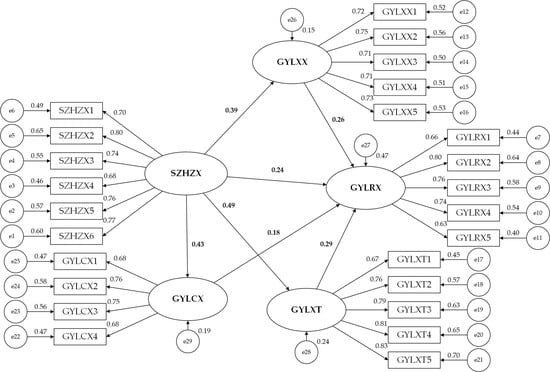
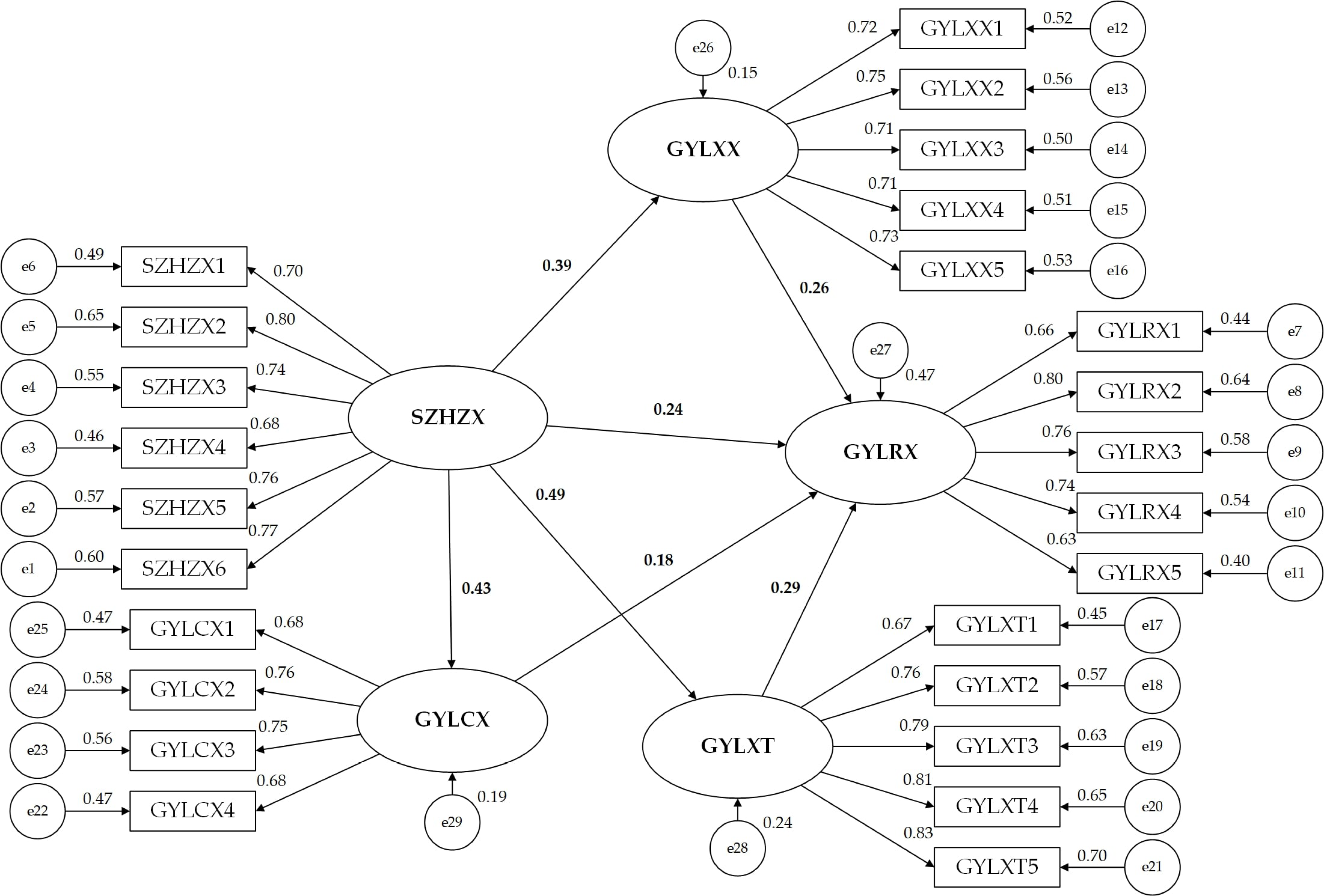
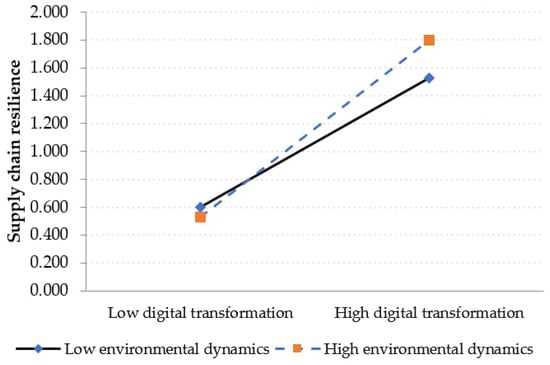
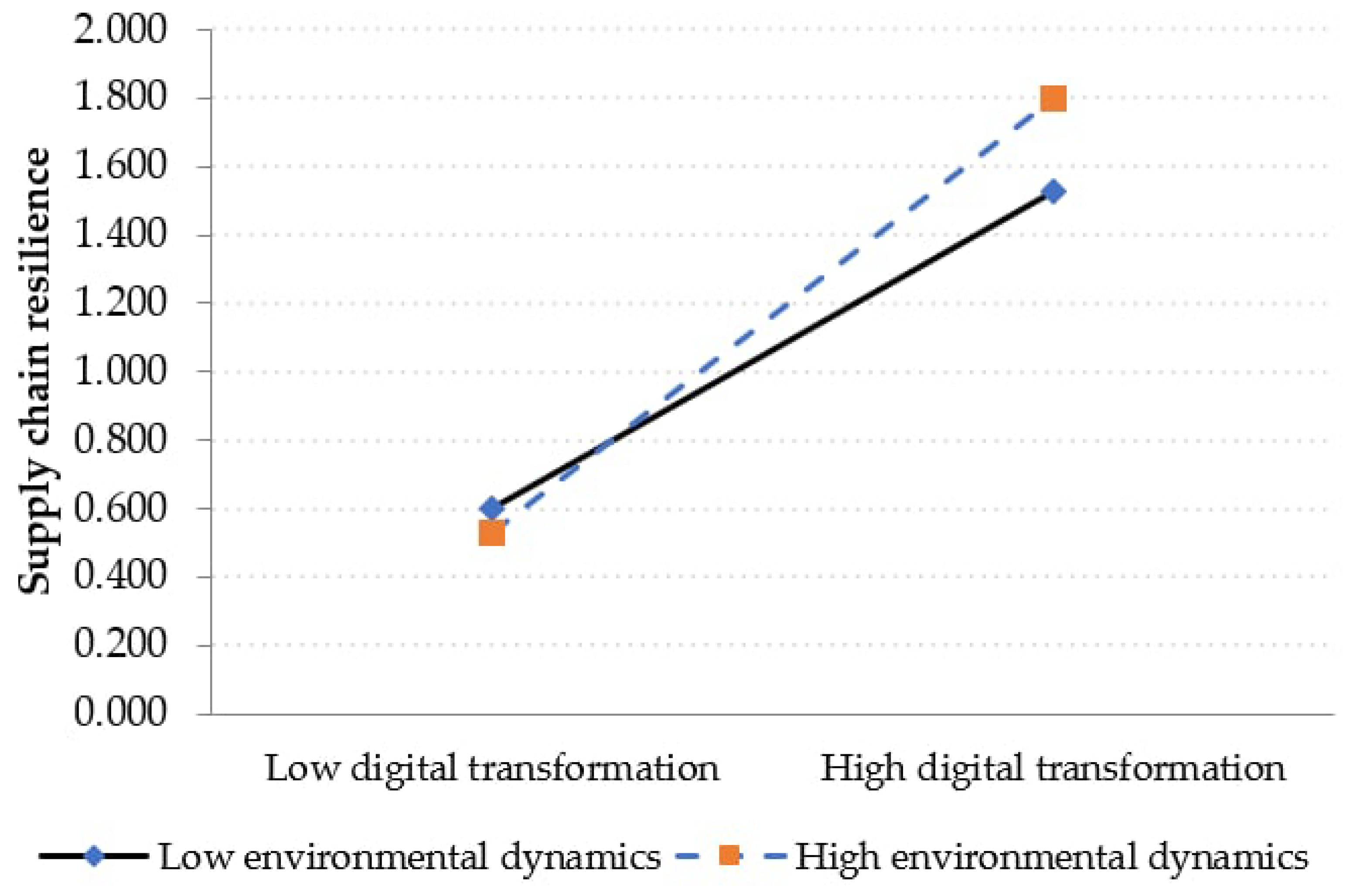

Disclaimer/Publisher’s Note: The statements, opinions and data contained in all publications are solely those of the individual author(s) and contributor(s) and not of MDPI and/or the editor(s). MDPI and/or the editor(s) disclaim responsibility for any injury to people or property resulting from any ideas, methods, instructions or products referred to in the content. |
© 2026 by the authors. Licensee MDPI, Basel, Switzerland. This article is an open access article distributed under the terms and conditions of the Creative Commons Attribution (CC BY) license.