


Abstract
This study presents a comprehensive multiphysics characterization of unstabilized raw earth and earth–wheat straw composites to address the scarcity of data regarding their acoustic performance. Four soils from the Champagne-Ardenne region were initially analyzed to evaluate the impact of mineralogical composition, specifically calcium carbonate (CaCO3), on sound absorption. Results indicate that despite compositional variability, sound absorption remains low (αw = 0.12–0.19), while no clear influence of mineralogical variability was identified within the investigated soil set. While raw earth demonstrates limited experimentally measured sound absorption, its high surface mass suggests a potentially favorable sound-insulation performance, as indicated by theoretical mass-law estimates. Subsequently, wheat straw (0–6 wt%) was incorporated into a selected soil to develop lightweight composites. Increasing fiber content reduced bulk density by up to 35% and markedly enhanced sound absorption (αw up to 0.34, a 162% increase) due to increased porosity and fiber–matrix interactions. Furthermore, thermal conductivity decreased, improving insulation. Although these improvements coincided with a transition from brittle to ductile mechanical behavior and reduced stiffness—limiting their use to infill or self-supporting structures—the composites maintained good-to-excellent moisture buffering and satisfactory short-term resistance under the investigated water-exposure conditions. These findings support the potential of earth–straw composites for low-impact, non-structural building applications.
1. Introduction
Raw earth construction, one of the oldest architectural practices in human history, is currently experiencing a remarkable resurgence in the context of the ecological transition of the building sector [1]. This renewed interest is fueled not only by the growing demand for circular economy practices and low-carbon footprint materials [2,3], but also by public policies such as the RE2020 environmental regulation in France and the National Earth Project [4,5,6]. Traditionally composed of clay-rich soils in an unstabilized form or mainly enriched with mineral or plant fibers, such as straw [7], raw earth (employed in techniques like adobe, cob, rammed earth, and wattle and daub) constitutes a low-processed, local, and low-impact construction material [8]. Its ecological advantages are numerous: minimal processing, recyclability, and the absence of end-of-life waste [9,10,11,12] when not stabilized with lime or cement, for example.
Thermal and acoustic comfort are among the main challenges addressed by current building-performance requirements. There are numerous studies concerning raw earth, and in addition to its low carbon footprint, the mechanical and thermal behavior of raw earth is now well documented. Compressive strengths typically range from 1 to 4.8 MPa [6,13], above the requirements for use in single- to double-storey construction [14], while specific heat capacities lie in the same range as concrete or stone, i.e., between 1000 and 1500 J·kg−1·K−1 [13,15]. In addition, raw earth offers thermal inertia that provides good comfort in summer. In terms of thermal insulation, the overall performance of raw earth remains modest and does not qualify this material as an insulating material. Nevertheless, the values obtained remain interesting when this raw material is combined with purely insulating walls or boards, preferably bio-based in the case of sustainable construction [16,17]. From a moisture regulation perspective, raw earth performs very well, even excellently, as evidenced by the Moisture Buffering Value obtained [6,17], contributing to a healthy indoor environment. These features position raw earth as a sustainable alternative to conventional construction materials.
Despite the growing body of literature on earthen construction, important knowledge gaps remain regarding its multifunctional performance. The mechanical strength, thermal behavior and moisture regulation of raw earth have been extensively investigated, whereas its acoustic behavior remains comparatively less documented, particularly at the material scale [18,19]. Moreover, available studies on earthen materials and natural-fiber composites frequently address individual performance domains separately. Studies dealing with earth–fiber or other bio-based composites generally focus on mechanical reinforcement, thermal insulation, moisture regulation or acoustic absorption, while fewer investigations examine how these properties evolve simultaneously when the material formulation and density are modified. This fragmentation is particularly limiting for building applications because optimizing one property may adversely affect another.
This issue is especially relevant for unstabilized raw earth. Avoiding cementitious or lime stabilization preserves some of the main environmental advantages of earth construction, including low processing requirements, recyclability and the possibility of returning the material to the natural cycle at end of life. However, unstabilized earth is generally dense and therefore provides only moderate thermal insulation and limited sound absorption. Introducing lightweight vegetal fibers represents a possible strategy for modifying the pore structure and reducing density without resorting to conventional binders. Plant-based materials such as hempcrete and other fibrous bio-based composites have demonstrated the importance of multiscale porosity, fiber content and pore connectivity for thermal and acoustic dissipation [20,21,22]. Nevertheless, transferring these principles directly to unstabilized earth–straw composites is not straightforward because fiber addition also modifies mechanical resistance, moisture exchange and sensitivity to liquid water.
A further unresolved question concerns the role of the mineral earth matrix itself. Earthen materials display large natural variability in particle-size distribution, clay fraction, mineralogical composition and carbonate content. These parameters affect density, pore morphology and tortuosity and may therefore influence acoustic wave dissipation. However, the respective contributions of mineralogical composition and physical parameters such as density and porosity to the acoustic behavior of unstabilized raw earth remain insufficiently clarified. In particular, the possible influence of CaCO3 content on acoustic absorption has received little attention, despite the considerable compositional variability encountered in earthen construction materials.
The present study therefore adopts a two-stage experimental strategy. First, four unstabilized raw earths originating from vernacular buildings in the Champagne-Ardenne region and characterized by markedly different CaCO3 and clay contents are compared in order to determine whether mineralogical variability significantly affects their acoustic absorption. Second, one representative soil is progressively lightened with locally available wheat straw (0–6 wt%) to investigate how the resulting changes in density and pore structure affect its building-relevant properties. Acoustic absorption is therefore analyzed together with thermal conductivity, thermal diffusivity, volumetric heat capacity, compressive behavior, moisture buffering, capillary water absorption and resistance to immersion.
The originality of this work lies in this integrated multiphysics assessment rather than in the isolated characterization of any single property. Density and pore structure constitute common physical parameters linking several performance domains: increasing porosity may enhance viscous and thermal dissipation of acoustic energy and reduce thermal conductivity but simultaneously decrease stiffness and load-bearing capacity. Changes in pore connectivity and fiber–matrix interfaces may additionally modify moisture exchange, capillary transport and resistance to water-induced degradation. Considering these properties together is therefore necessary to identify the compromises between acoustic comfort, thermal performance, structural capacity and durability and, ultimately, to determine the most appropriate building function of each formulation.
Accordingly, the objective is not to develop a material optimized exclusively for acoustic or thermal insulation, nor to propose earth–straw composites as direct substitutes for dedicated conventional insulation products. Rather, the study investigates whether locally sourced, minimally processed earth–straw composites can provide a relevant combination of acoustic, thermal, hygric and mechanical functions for low-impact building applications, particularly as non-load-bearing partitions, infill materials or complementary envelope components. This approach provides a performance-based framework for defining the achievable performance envelope and associated trade-offs of fiber-lightened unstabilized earth. The overall experimental strategy and multiphysics approach adopted in this study are summarized in Figure 1.
Figure 1.
Flowchart of the present multiphysics concern. The selected soil is highlighted.
2. Materials and Methods
2.1. Geographical Origin of the Soils
Raw earth samples were collected from the walls of four earthen heritage buildings located in the Champagne-Ardenne region of France [6]. Situated in northeastern France, Champagne-Ardenne lies at the eastern boundary of the Paris Basin, forming a transitional geological zone. The central part of this region, known as Chalky Champagne, is dominated by an extensive chalk plain [23]. The samples were collected from demolition sites of various typologies of heritage rural constructions: single-storey traditional dwellings, two-storey houses and a barn. In the present adopted 00-XX soil denomination, the two digits correspond to the number of the French departments listed in alphabetical order (08 = Ardennes; 51 = Marne) and the two letters correspond to the first two letters of the town or village from which the adobes originate (BR = Brugny; BU = Bussy; DO = Dommery; EC = Écordal). Figure 2 summarizes the localization of the sampling sites.
Figure 2.
Sampling sites in the Champagne-Ardenne region, northeastern France.
2.2. Soil Analysis
The first study concerns the analysis of the acoustic absorption of four soils previously studied mineralogically, mechanically, thermally and hydrically [6]. To avoid redundancy regarding the use of materials and methods related to granulometric analyses (wet sieving, laser diffraction analyzer, SEM) and mineralogical analyses (EDXS), readers are invited to refer to the previous article. Only the materials and techniques used to obtain the results in parts 1 and 2 will be discussed in the present section.
2.3. Wheat Straw Characterization
The wheat chaff (Triticum aestivum) used in this study was collected directly from the field during harvest. This choice was based on the local availability of this agricultural resource and its favorable intrinsic properties: high porosity (85–95%), low density (80–120 kg/m3), and a hollow fibrous structure conducive to the energy dissipation of acoustic waves [24]. Chaff consists of fine debris generated during the threshing process, including grain envelopes (husks or hulls), broken stem fragments, and awns. Unlike long straw, its particle size distribution is characterized by reduced dimensions and high heterogeneity (Figure 3a). As illustrated in Figure 3b, the chaff is composed of irregularly shaped, elongated and flattened fragments with rough surfaces, frequent longitudinal splitting and frayed ends.
Figure 3.
(a) Size distribution of wheat chaff; (b) photograph of a wheat chaff sample.
This pronounced morphological diversity leads to a high specific surface area, where the predominance of short, hollow and partially delaminated fragments promotes the formation of a dense and interconnected porous network. The physical, thermal, mechanical and hydraulic properties of this type of straw are widely documented in the literature. They are summarized in Table 1.
Table 1.
Main characteristics of wheat straw [24,25,26,27].
2.4. Composite Sample Production
The laboratory fabrication protocol was structured around four main steps: coarse crushing (maximum particle size between 5 and 10 cm) of the recovered heritage adobe bricks, humidification and mixing to achieve optimum plasticity and workability, molding, and controlled drying [28]. To ensure process reproducibility, a single operator was responsible for all stages of manufacturing. Depending on the nature of the physical data required, several sample geometries were considered. A summary of these geometries is shown in Figure 4.
Figure 4.
Test-specific specimen geometries, nominal dimensions, investigated properties and associated standards. Related standards and recommendations are ISO 10534-2 [29], ISO 11654 [30], Nordtest protocol [31], Guides des Bonnes Pratiques de la Construction en Terre Crue [14], NF EN 15801 [32], and XP P13-901 [33].
The fabrication of these samples required the design of custom molds, tailored to accommodate the differential shrinkage specific to each type of earth. These molds were produced using 3D printing to ensure precise geometry. Once molded, the samples were dried in an oven at 35 °C for one month and weighed until mass stabilization was achieved. For acoustic tests, dimensional adjustments were carried out to ensure perfect contact between the samples and the inner walls of the impedance tubes, thereby avoiding the formation of air pockets, which could cause acoustic artifacts. Final specimen dimensions were checked before testing, and acoustic specimens were adjusted when necessary to ensure a snug fit within the tube without visible peripheral gaps. A total of thirty samples were produced for the acoustic measurements (24 samples for raw earth and 6 for earth–straw composites). All samples were stored in a climate-controlled chamber with constant temperature and relative humidity to stabilize their hygroscopic properties prior to testing. For the earth/straw mixtures, the straw was pre-humidified to ensure homogeneous mixing and to promote effective adhesion between the straw and the earthen matrix. For each batch of samples, a minimum water content of 26% by mass (after mixing) was added, ensuring good plasticity and optimal workability during shaping, which could rise to 30% when the highest percentage of straw was considered. Moisture content was measured to be less than 2% regardless of the composition [6].
2.5. Raw-Material Preparation and Composite Manufacturing
The raw-earth materials were recovered from demolished vernacular earthen buildings located in the Champagne-Ardenne region of northeastern France. The materials originated from traditional earthen walls and were subsequently prepared for laboratory specimen manufacture. Before use, the soils were sieved through a 2-mm sieve and stored in sealed containers until specimen preparation.
The vegetal material used for composite production was wheat chaff (Triticum aestivum) collected directly from the field during harvesting. In contrast to conventional long straw, this material consisted of heterogeneous small fractions generated during threshing, including husks, broken stem fragments and awns. The particles exhibited irregular, elongated and flattened morphologies with rough surfaces and frayed ends.
Earth–straw composites were prepared with dry wheat-chaff contents of 0, 2, 4 and 6 wt%, calculated relative to the dry mass of soil. The vegetal fraction was pre-humidified prior to incorporation in order to facilitate homogeneous distribution within the earthen matrix and promote fiber–matrix adhesion. As seen in Figure 5, which depicts the manufacturing process of the earth–wheat chaff composites, water was progressively added during mixing to obtain adequate plasticity and workability. The resulting water content was approximately 26 wt% for the lower-fiber formulations and increased to approximately 30 wt% for the highest straw content. No mineral stabilizer such as cement or lime was added to any formulation.
Figure 5.
Raw materials and manufacturing process of the earth–wheat chaff composites: (a) raw materials; (b) preparation of raw materials, including sieving, storage and straw pre-humidification; (c) formulation and manual mixing; (d) molding of specimens; (e) drying at 35 °C; and (f) representative final specimens. (Credit F. Beaumont).
The constituents were manually mixed until no visible agglomeration of the vegetal fraction remained and the fibers appeared macroscopically distributed throughout the matrix. The fresh mixtures were then introduced into custom-made molds designed to compensate for differential drying shrinkage between formulations. After molding, the specimens were dried at 35 °C for approximately one month until constant mass was reached. Before testing, they were conditioned under controlled temperature and relative-humidity conditions.
2.6. Experimental Methods
Table 2 summarizes the main experimental equipment and measurement characteristics used in the present study.
Table 2.
Main experimental equipment and measurement characteristics used in the present study.
2.7. Physical Characteristics
The bulk dry density of the composites was measured directly after curing, by a gravimetric method on the 100 × 100 × 100 mm3 samples. It was assumed that volumetric shrinkage was isotropic, such that the volume could be measured based on the values of dimensions in each direction. Mass was acquired using an Ohaus precision scale (capacity: 2200 g, readability: 0.01 g).
The total and open porosities of the earth–straw composites were not directly measured in this study. Airflow permeability was also not experimentally characterized. These parameters are therefore not reported as measured properties.
2.8. Acoustic Tests—Impedance Tube Method
The normal-incidence sound absorption coefficient and surface acoustic impedance were determined using the two-microphone transfer-function method according to ISO 10534-2 [29]. The experimental setup consisted of an HBK/Brüel & Kjær Type 4206 impedance-tube system (HBK, Darmstadt, Germany) equipped with two fixed Type 4187 ¼-inch microphones, a Type 2735 power amplifier, a 3160-A-042 acquisition and signal-analysis unit, and PULSE software v. 29.1 for signal generation, acquisition and post-processing [34].
Two tube configurations were employed in order to cover a broad frequency range. The large-diameter tube had an internal diameter of 100 mm and was operated between 50 and 1600 Hz, with a microphone spacing of 50 mm and a distance of 100 mm between the specimen surface and the nearest microphone.
The small-diameter tube had an internal diameter of 29 mm and was operated between 500 and 6400 Hz, with a microphone spacing of 20 mm and a specimen-to-nearest-microphone distance of 35 mm. The overlap between both configurations enabled the consistency of the measurements to be checked over the common frequency interval. Cylindrical specimens were machined to match the internal diameter of each tube and were positioned against the rigid termination of the sample holder. Particular attention was paid to obtaining close contact between the specimen perimeter and the inner wall of the tube in order to minimize peripheral air leakage and parasitic acoustic effects. No intentional air gap was introduced behind the specimens.
Acoustic excitation was provided by the loudspeaker mounted at one end of the tube. According to the manufacturer’s operating principle, the source generates broadband, stationary random sound waves that propagate as plane waves along the tube, interact with the specimen and produce a standing-wave field resulting from the superposition of incident and reflected waves. Sound pressures measured at the two microphone positions were processed through a two-channel digital frequency analyzer to determine the complex transfer function, from which the reflection coefficient, sound absorption coefficient and normal acoustic impedance were calculated. Prior to the measurements, the acoustic channels were calibrated using a Brüel & Kjær Type 4231 sound calibrator with a DP-0775 adapter for ¼-inch microphones. The manufacturer also provides dedicated calibration samples for the Type 4206 kit, namely DS-0864 for the large tube and DS-0865 for the small tube. Factory calibration is included with the system, with traceable calibration available as an optional service. Measurements were carried out under controlled laboratory conditions at 20 ± 2 °C and 50 ± 10% relative humidity. These conditions lie within the manufacturer’s specified operating range of +5 to +40 °C.
Raw-earth specimens were tested at thicknesses of 30, 60 and 90 mm, whereas the comparison between the different earth–straw formulations was performed using specimens of 60 mm thickness. The complete experimental arrangement and representative specimens in their test position are shown in Figure 6.
Figure 6.
Experimental setup of the Brüel & Kjær Type 4206 impedance-tube system used for normal-incidence sound absorption measurements, showing the large and small tube configurations and a representative earth–straw specimen mounted in the sample holder.
Raw-earth specimens were tested at thicknesses of 30, 60 and 90 mm, whereas the earth–straw composites were compared using specimens of 60 mm thickness. The normal-incidence sound absorption spectra were considered the primary acoustic result, while the weighted absorption coefficient, αw, was retained only as a complementary comparative descriptor.
The sets of cylindrical samples whose dimensions are explicated in Figure 4 and depicted in Figure 7 were subjected to two successive measurement sessions: a first series using the small-diameter tube for high-frequency characterization, followed by a second series using the large-diameter tube for the low-frequency range.
Figure 7.
Cylindrical specimens specifically prepared for impedance-tube measurements: (left) raw-earth specimens and (right) earth–straw composite specimens. The specimen diameters were matched to the 29 mm and 100 mm internal diameters of the impedance tubes; specimen thicknesses depended on the acoustic test configuration.
Because different experimental techniques required different specimen geometries, separate molds were used for acoustic, mechanical, hygric and durability tests. The specimens shown in Figure 7 and Figure 8 therefore do not represent the same specimen type: Figure 7 shows cylindrical specimens prepared for impedance-tube measurements, whereas Figure 8 shows a cubic specimen prepared for compression testing.
Figure 8.
Compression-test setup using a cubic earth–straw specimen (nominal dimensions: 100 × 100 × 100 mm3) in the ZwickRoell Z050 testing machine.
Mechanical Tests
Mechanical tests were carried out using a Zwick Roell Z050 (ZwickRoell, Ulm, Germany) testing machine equipped with a 50 kN load cell, applying a constant displacement rate of 10 mm/min (Figure 8). Compression tests were performed on cubic samples (100 × 100 × 100 mm3), and the results were averaged over five samples for each composition.
2.9. Thermal Analysis
The thermal performance of raw earth samples was evaluated by measuring their thermal conductivity using an ISOMET 2114 analyzer (Applied Precision, Ltd., Bratislava, Slovakia), which operates by applying heat flux pulses to the material surface [35]. Five specimens per sample were analyzed to ensure comprehensive characterization and enable robust comparison among the tested materials.
2.10. Hydric Analysis—Moisture Buffer Value (MBV)
The moisture buffering value (MBV) is used to evaluate a material’s capacity to moderate variations in relative humidity within an enclosed environment, thereby providing an indication of the hygrometric comfort experienced by building occupants [6,35]. The MBV was determined in accordance with the Nordtest protocol [31], which categorizes moisture buffering performance from negligible to excellent. To ensure the reliability and reproducibility of the measurements, four parallelepiped-shaped specimens were prepared for each soil type. Each sample had dimensions of 10 × 10 × 5 cm3, and the lateral and bottom surfaces were sealed using waterproof adhesive tape. The specimens were conditioned at 23 °C and 50% relative humidity for a period of 14 days, after which they were subjected to daily relative humidity cycles consisting of 8 h at 75% RH followed by 16 h at 33% RH in a climatic chamber (Binder MKF 720, Tuttlingen, Germany). The cycles continued until the difference in mass variation recorded over the last three cycles was less than 5%. The MBV was then calculated using the following equation:
where MBV refers to the moisture buffering value, expressed in g·m−2·%RH−1; ∆m corresponds to the mass change occurring during the moisture uptake and release phases; A represents the area of the specimen exposed to the surrounding air; and RHsup and RHinf denote the upper and lower relative humidity levels, set at 75% and 33%, respectively.
2.11. Capillary Water Absorption
The capillary absorption test was conducted to determine the capillary absorption coefficient a (kg·m−2·s−0.5), which characterizes a material’s ability to absorb water by capillary action. This coefficient represents the mass of water absorbed per unit of exposed surface area as a function of the square root of time. In accordance with NF EN 15801 [32], four specimens with dimensions of 100 × 100 × 70 mm3 were prepared for each composition and air-dried. Prior to testing, the samples were conditioned at 23 °C and 50% relative humidity, and the test was performed under the same environmental conditions. The test procedure consisted of placing the base surface of each specimen in contact with water to ensure unidirectional capillary absorption. To achieve this, all four lateral faces of the specimens were sealed with paraffin. Due to the high sensitivity of earthen materials to water, a layer of filter paper was placed on the base surface to prevent surface disintegration. The specimens were then positioned on two metal supports, with the base immersed to a depth of 10 mm in water. Capillary water uptake by partial immersion was determined by measuring the mass increase in the specimens over a 24-h period, during which only the lower surface remained in contact with water. The capillary absorption coefficient a was calculated using the following equation:
where ms is the mass of the dry brick, mh is the mass of the brick soaked in water for a period t, and A is the exposed base area (10 × 10 cm2).
2.12. Water Immersion
The water immersion test assesses the durability of the material and its behavior when exposed to moisture. It complies with standard XP P13-901 [33]. Packaged in brick form, the samples, once dried and brought to room temperature, are immersed vertically, 10 cm deep, using suitable support in a container of water, without allowing them to rest under their own weight. The samples are left in this position for 10 min. Once the sample has been removed from the water and completely dried, the loss of mass is assessed by subtracting the initial and final masses of the sample and relating this difference to the initial mass of the submerged part. To ensure reproducibility, four samples were prepared for each formulation.
3. Results and Discussion
3.1. Acoustic Behavior of the Four Raw-Earth Materials
It should be noted that this first part is intended to provide acoustic data on soils that have already been studied [6]. We would like to recall certain physical and chemical parameters that have already been published in Table 3, and which may help understand the phenomena observed in this study. The four soils selected have similar densities of 1716.0 (26.7) kg·m−3, and relatively similar overall porosities as well at 31.8 (4.2)%. What distinguishes them significantly is their highly variable CaCO3 content, ranging from 0 to 84.7%, and their clay content (grain size < 2 μm), varying between 6.2% and 14.2%.
Table 3.
Mean physical and chemical properties of the investigated soils (reported from [6]).
Figure 9 shows the experimental results of the acoustic absorption measurements conducted with the impedance tube on the four raw earth samples (08-DO, 08-EC, 51-BR, 51-BU) for different thicknesses (30, 60, and 90 mm). These results provide a precise evaluation of the acoustic absorption properties of the materials and their potential contribution to indoor acoustic comfort, with values obtained from average measurements performed on both sides of the specimens.
Figure 9.
Practical sound absorption coefficient (αp) curves of the four raw earth materials as a function of frequency for three specimen thicknesses (30 mm, 60 mm, and 90 mm). Error bars represent the standard deviation across five repetitions of each measurement.
The spectra of the four unfibered soils remain globally characterized by low absorption at low frequencies and a progressive increase toward the middle and upper frequency ranges. However, no systematic spectral shift with CaCO3 content can be identified. Similarly, increasing specimen thickness from 30 to 90 mm does not produce a monotonic improvement over the investigated range. These observations support the conclusion that, within the limited soil population investigated here, mineralogical variability alone cannot explain the acoustic response.
The dimensionless weighted sound absorption coefficient, αw, characterizes the ability of a material to absorb incident sound energy at its surface. Its value ranges from 0 to 1 and is associated with five absorption classes (A to E), where Class A corresponds to the highest level of sound absorption. Values of αw approaching 1 indicate highly absorptive materials, whereas values close to 0 denote predominantly reflective behavior, with most of the incident sound energy being reflected rather than absorbed, particularly in indoor environments. Because ISO 11654 is formally based on diffuse-field absorption measurements, the αw values derived here from normal-incidence impedance-tube measurements are used only as comparative single-number descriptors between formulations. The frequency-dependent normal-incidence absorption spectra remain the primary acoustic data reported and interpreted in this study.
The determination of αw follows the NF ISO 11654:1997 [30] standard and is based on the practical sound absorption coefficients, αp, measured at standardized frequency bands and compared with a reference curve. The procedure involves vertically shifting the reference curve, defined by the standard, in increments of 0.01 toward the measured αp curve until the sum of the unfavorable deviations (i.e., where the measured curve falls below the reference curve) does not exceed 0.1. The weighted sound absorption coefficient αw is then defined as the value of the adjusted reference curve at 500 Hz. The corresponding results are reported in Table 4.
Table 4.
Weighted sound absorption coefficients vs. sample thickness for the four soils investigated.
Sound absorption in raw earth materials primarily relies on the dissipation of acoustic energy through viscous and thermal losses occurring within their porous structure. When sufficient open porosity and appropriate permeability are present, incident sound waves can penetrate the pore network, where energy is dissipated by frictional interactions between the oscillating air and the solid matrix. This dissipation is largely governed by the specific surface area at the air–solid interface [36]. As continuous porous media, the acoustic performance of these materials is controlled by several key parameters, including the open porosity ratio, particle size distribution, and pore morphology [37]. The results presented in Table 4 suggest that the four investigated raw earth materials exhibit poor sound absorption performance and can even be classified as predominantly reflective. Contrary to theoretical expectations, the absorption coefficient does not increase monotonically with specimen thickness. Instead, a consistent optimum is observed at a thickness of 60 mm, beyond which acoustic performance decreases. This behavior is particularly evident for samples 51-BR (αw = 0.19), 51-BU (αw = 0.16), and 08-DO (αw = 0.14).
From a normative perspective, these findings highlight both the potential and the limitations of raw earth materials. For comparison only, the obtained weighted absorption coefficients (0.12–0.19) correspond numerically to the range associated with weakly absorbing or predominantly reflective materials; however, no formal ISO 11654 classification is assigned because the measurements were obtained under normal incidence in an impedance tube [30]. Although these values are markedly lower than those of highly absorptive materials such as mineral wool (αw > 0.8), raw earth still performs better than dense, smooth materials such as concrete (αw ≈ 0.02–0.06). From an application standpoint, these results suggest that raw earth alone is insufficient to ensure effective acoustic absorption in indoor environments. Therefore, complementary solutions such as the use of plasters, textiles, or dedicated acoustic panels are necessary to achieve adequate acoustic comfort.
While sound absorption primarily governs the control of reverberation within enclosed spaces, sound insulation is equally critical for limiting the transmission of noise from external sources (e.g., traffic) or adjacent dwellings. These two phenomena, i.e., sound absorption and sound insulation, are often considered antagonistic, as materials that are highly absorptive are not necessarily effective at blocking sound transmission. Given their low absorption coefficients, the four soils investigated in this study appear to exhibit inherent potential for sound insulation rather than sound absorption.
Although the range of αw values observed for these materials remains relatively narrow, a comprehensive understanding of their acoustic behavior, particularly in terms of sound transmission, requires detailed analysis of their particle size distribution, mineralogical composition, and intrinsic porosity, as well as the influence of these parameters on their ability to absorb or reflect sound. For brevity, the grain size distributions are not presented here but are available in a previous study [6], where they reveal markedly different particle size profiles among the four soils. Complementary data on porosity and CaCO3 content are provided in Table 3.
Accordingly, one of the main objectives of the present study was to explore the potential relationship between the natural porosity and calcium carbonate (CaCO3) content of these locally sourced earthen materials, derived from chalk-rich soils, and their acoustic absorption properties. Previous research has highlighted the beneficial role of calcium carbonate in enhancing the sound insulation performance of composite materials, particularly in biopolymer-based systems such as gypsum boards and wood–plastic composites [38,39]. The question therefore arises as to whether similar effects can be observed in earthen construction materials, such as rammed earth.
Figure 10 illustrates the corresponding correlations between the weighted sound absorption coefficient (sample thickness: 60 mm) and these parameters for the four examined raw earth materials.
Figure 10.
Correlations between weighted sound absorption coefficient αw (sample thickness: 60 mm) and physico-chemical properties of the four raw earth materials studied. Left: porosity vs. αw; right: CaCO3 content vs. αw.
A moderate positive relationship is observed for both porosity and CaCO3 content concerning their influence on sound dissipation. The regression and R2 value are provided as descriptive indicators of the observed relationship over the investigated formulation range. The linear regression yielded an R2 of 0.48 and 0.68 respectively; however, given the limited number of data points (n = 4), these values should be considered indicative rather than conclusive.
Overall, no systematic effect of physico-chemical composition on sound-absorption properties could be identified within the four soils investigated. Their similar densities (1686–1739 kg·m−3) may partly explain the narrow range of absorption values, although the limited sample size does not allow density to be established as the sole governing parameter.
In conclusion, soils of different grain sizes and compositions, but with similar densities, exhibit similar sound-absorbing properties. Although the raw-earth materials exhibit low experimental sound absorption, their high surface mass suggests a potentially favorable airborne sound-insulation behavior. However, this latter point is not experimentally demonstrated in the present study and is discussed only on the basis of theoretical mass-law estimates.
3.2. Engineering Interpretation from Derived Values
From an acoustic viewpoint, comparison of earthen materials with other building materials may be achieved by calculating the sound reduction index (R), which translates the ability of a material to reduce outdoor noise entering a room.
For a single-wall partition under diffuse incidence, the corrected mass law can be expressed as [40,41]:
where m is the surface mass of the material (kg/m2) and f is the frequency (Hz) of the incident sound.
R(f) ≈ 20 log10(m∙f) − 47 [dB]
It should be emphasized that this sound reduction index was not measured experimentally. It was estimated from the corrected mass law for a homogeneous single-leaf wall. In this simplified approach, the wall is assumed to be monolithic, laterally infinite, homogeneous and sufficiently massive for mass-controlled transmission to dominate. The estimate therefore represents an idealized airborne sound-insulation response and should not be interpreted as an experimentally determined R value.
The calculation is mainly meaningful within the mass-controlled frequency region, away from low-frequency stiffness-controlled behavior and away from the coincidence region. Its applicability becomes increasingly limited when structural resonances, bending-wave effects, heterogeneous interfaces, joints or layered wall systems influence transmission.
This empirical law establishes a direct relationship between the surface mass of a material and its estimated sound insulation potential: the denser the material, the more effectively it resists the transmission of sound waves. The empirical estimation presented in Figure 11 illustrates the application of the mass law to different construction materials. From the perspective of sound insulation, massive materials such as concrete and raw earth show a noteworthy potential. Consider, for example, a 300-mm thick raw earth wall, which is the minimum recommended dimension for structures whose height is sufficient to support a floor and a roof up to one storey high [14]. According to the mass law, raw earth (ρ ≈ 1700 kg/m3) would provide a theoretical sound reduction of about 61 dB at 500 Hz, compared to 64 dB for conventional concrete and 50 dB for cellular concrete.
Figure 11.
Empirical estimation of the sound reduction index (dB) of different construction materials [42,43,44] based on the mass law at a frequency of 500 Hz. The surface mass of the materials was calculated for a thickness of 100 mm. The values of sound reduction indices for cellular concrete, gypsum block, and concrete were taken from Refs. [45], [46], and [47], respectively.
Accordingly, the value of approximately 61 dB at 500 Hz for a 300-mm raw-earth wall should be interpreted only as a theoretical engineering estimate at one frequency, not as a standardized single-number sound-insulation rating. A true R value would require experimentally measured frequency-dependent transmission-loss data and standardized weighting procedures.
In such cases, a raw earth material, offering a more favorable environmental profile than concrete, could satisfy the French New Acoustic Regulation (NRA) requirements [45]. Nevertheless, this statement has to be considered as a preliminary theoretical estimate requiring more laboratory or in-situ validation.
This graph suggests that, to achieve the same level of sound attenuation, a denser material will require a thinner thickness. Obviously, the mass-law calculation for a 300-mm wall is useful as an engineering estimate, but it does not account for real wall construction, joints, cracks, plaster/coating layers, flanking transmission, frequency-dependent coincidence effects, boundary conditions, moisture condition, or workmanship.
Nevertheless, it must be emphasized that these values remain estimations derived solely from mass law and do not account for the structural and construction-specific characteristics of each material. Experimental measurements, both in-lab and in situ, would be required to validate these predictive performances and to accurately assess their contribution to the overall acoustic comfort of indoor spaces.
3.3. Multiphysics Behavior of Earth–Straw Composites
For the sake of conciseness and with the primary aim of improving knowledge about acoustic properties, only one of the soils has been considered for multiphysics analysis in Part 2. Soil 08-EC was selected as the reference matrix for the straw-composite study based not only on its intermediate CaCO3 content, but also on the combination of its physicochemical and acoustic characteristics. Among the four soils investigated, 08-EC provided a representative balance of the characteristics observed across the studied raw earths. In particular, its composition and particle-size distribution were considered suitable for investigating the effect of increasing straw content while maintaining a relatively homogeneous and reproducible matrix. In addition, 08-EC exhibited acoustic and thermal characteristics that made it particularly relevant as a base material for the development of a multifunctional earth–straw composite.
Improving acoustic comfort by making the material lighter inevitably leads to changes in its thermal insulation properties, structural capacity and durability. To make the analysis as comprehensive as possible, all these parameters were studied.
As mentioned above, soil 08-EC was selected as the base material in view of its intermediate calcium carbonate content. Biocomposites were formulated through the addition of wheat straw, in mass ratios of 0 (reference), 2, 4 and 6 wt%. In these situations, the apparent densities obtained ρbulk (mean-(SD)) were 1686.0 (45.4), 1399.7 (41.3), 1275.3 (13.9), and 1095.2 (22.8) kg/m3, respectively.
The vernacular earthen architecture of the Champagne-Ardenne region in northeastern France consists primarily of two construction types: raw earth adobes (load-bearing structures) and wattle and daub (infill for timber-frame buildings). The latter involves mixing raw earth with plant fibers (typically wheat straw) to reduce its weight, make the walls airtight, and thereby improve its thermal properties. The analysis of the unfibered soils showed very limited sound absorption, while mass-law estimates suggested a potentially favorable sound-insulation potential. The following analysis therefore examines how the measured acoustic response and the other building-relevant properties evolve when the soil is mixed with wheat straw.
3.3.1. Density and Sound Absorption
Figure 12 illustrates the evolution of the practical sound absorption coefficient (αp) as a function of frequency for four levels of straw content (0–6 wt%) obtained from the impedance-tube measurements. The frequency range selected, between 100 and 5000 Hz, corresponds to the range commonly used in the construction industry. The results relate to samples with a thickness of 60 mm.
Figure 12.
Comparison of the evolution of the practical sound absorption coefficient αp in octave bands as a function of frequency for the reference (0 wt%) and three formulations tested, namely 2, 4 and 6 wt% wheat straw in EC-08 soil (thickness 60 mm). The corresponding weighted sound absorption coefficients αw are indicated on the right. Error bars represent the standard deviation across five repetitions of each measurement.
Beyond the single-number αw descriptor, Figure 12 reveals a marked frequency dependence of the effect of straw addition. At low frequencies, the investigated materials remain relatively weak absorbers, although incorporation of straw already produces a measurable improvement compared with the unfibered earth. This behavior is expected because, at wavelengths much larger than the specimen thickness and characteristic pore dimensions, only limited acoustic energy penetrates and dissipates within the material.
In the intermediate-frequency range, the differences between the formulations become more pronounced. The 4 and particularly the 6 wt% straw formulations exhibit substantially higher absorption than the reference soil. The progressive reduction in density associated with fiber incorporation, from 1686 kg/m3 for the unfibered matrix to approximately 1095 kg/m3 at 6 wt% straw, is accompanied by an increase in pore volume and by the development of additional interconnected pathways within the composite. These modifications facilitate penetration of the acoustic wave into the material and increase viscous and thermal losses at the pore surfaces. The strongest effect of straw addition occurs at the higher frequencies. In this range, the 6 wt% formulation exhibits a pronounced increase in absorption, reaching approximately 0.6 at the upper end of the measured spectrum, whereas the unfibered earth remains close to 0.2. The 4 wt% formulation shows an intermediate response, while the 2 wt% composite remains closer to the reference material. This progressive separation of the curves demonstrates that the increase in αw is not caused by a uniform translation of the absorption spectrum but by a preferential enhancement of mid- and high-frequency dissipation. This frequency-dependent behavior is consistent with the multiscale porous structure introduced by the wheat straw. The lightweight hollow fibers and fiber–matrix interfaces increase the internal specific surface area and create additional dissipative pathways. At sufficiently high frequencies, viscous friction of oscillating air against the pore walls, thermal exchanges and scattering at the heterogeneous fiber–matrix interfaces become increasingly effective. As a result, fiber addition broadens the effective absorption range and increases the integrated weighted absorption coefficient.
Frequency-Dependent Acoustic Response
Figure 13 presents the evolution of the sound absorption coefficient as a function of density for different mass fractions of plant fibers (samples 60-mm thick).
Figure 13.
Sound absorption coefficient αw vs. apparent density of the composite.
At a thickness of 60 mm, the acoustic performance shows a strong monotonic increase with increasing fiber content: the weighted absorption coefficient rises from 0.24 at 2 wt% to 0.27 at 4 wt%, and reaches 0.34 at 6 wt% straw, i.e., 2.6 times higher than that of pure raw 08-EC earth. In detail, the bulk density decreases steadily with increasing straw content, from 1686 kg/m3 for the pure earth formulation to approximately 1095 kg/m3 at 6 wt% straw, corresponding to an approximately 35% reduction. This decrease is attributed to the partial substitution of the dense mineral matrix with lightweight, hollow plant fibers. On the other hand, αw increased from 0.13 for the reference material to 0.34 at 6 wt% straw, corresponding to a relative increase of approximately 162%; this percentage is reported as a descriptive effect size and should be interpreted together with the frequency-dependent spectra and their experimental dispersion. It seems that the addition of straw activates multiple absorption mechanisms: first, the increase in total porosity and the development of an interconnected network favor the dissipation of sound energy; second, the fiber–matrix interfaces induce scattering phenomena that broaden the effective absorption frequency range [46]. However, the increase in αw should not be interpreted as a uniform improvement over the entire frequency range. The full absorption spectra shown in Figure 12 provide a more detailed picture of the acoustic response. The increase in αw from 0.13 for the unfibered earth to 0.34 for the 6 wt% straw composite should therefore be interpreted in conjunction with the full absorption spectra rather than as a uniform improvement over the entire frequency range. The spectral results demonstrate that the effect of fiber addition is relatively limited at low frequencies and becomes progressively stronger toward the middle- and high-frequency ranges. In particular, the 6 wt% formulation reaches absorption coefficients of approximately 0.4–0.6 in the upper part of the investigated range, whereas the unfibered earth remains below approximately 0.2.
This behavior supports the hypothesis that fiber addition modifies the internal acoustic dissipation mechanisms primarily through microstructural changes. The reduction in bulk density and the introduction of hollow straw particles increase total porosity and pore connectivity [47,48]. Simultaneously, the large number of fiber–matrix interfaces increases the effective internal surface area. These effects enhance viscous friction, thermal exchanges and scattering of acoustic waves within the composite, explaining why the beneficial effect becomes particularly evident at shorter wavelengths.
Although tortuosity was not measured directly in the present study, the increasingly heterogeneous fiber–matrix network is expected to lengthen the effective propagation path of air motion within the pores. This possible increase in tortuosity, together with the greater internal surface area, is consistent with enhanced viscous and thermal dissipation at intermediate and high frequencies.
The resulting fibrous structure is particularly effective in attenuating mid- to high-frequency ranges as shown in Figure 12.
For the 6 wt% formulation, the tube-derived αw value of 0.34 indicates a markedly improved absorption response relative to the unfibered earth. Because ISO 11654 is formally based on diffuse-field measurements, this value is used here only as a comparative descriptor and not as a formal product classification. Compared with dedicated commercial absorbers, the earth–straw composite remains a moderate absorber, but its performance is noteworthy considering that acoustic absorption is obtained together with thermal and hygrothermal functions in a locally sourced, minimally processed material.
Derived Acoustic Indicators
A key parameter cannot be overlooked when considering the acoustic performance of a wall: does the critical frequency fc of the wall, where it exhibits the lowest sound attenuation, fall within the standard 100–5000 Hz frequency range in building construction? This analysis of the critical frequency is an indicative estimate because it is based on estimated material parameters, notably Poisson’s ratio, which was taken from the literature rather than measured for the tested composites. Indeed, given that the modulus of elasticity decreases considerably with the addition of straw, the calculation can be highly sensitive to the assumptions made.
This frequency is calculated from the following equation:
where c0 stands for the celerity of sound, e for the thickness of the wall, and ρ, ν and E for the mass density, Poisson’s ratio and Young’s modulus of the wall material, respectively. Based on mechanical characteristics reported by Lan et al. [49] on molded adobe masonry for an estimation of the Poisson’s modulus, a value of fc = 1667 Hz is calculated for the 0 wt% case in a 300 mm-thick wall. This outcome may be problematic, but many technological solutions can be considered to address it, such as increasing mass, implementing suitable coatings, or doubling walls with an air gap. For a wall of constant thickness, the use of 2–6% by weight of dry straw fibers shifts this critical frequency (thereby eliminating this acoustic weakness) beyond the audible range, namely to f > 20,000 Hz. This constitutes a clear advantage of using such lightweight earthen materials.
3.3.2. Thermal and Hygrothermal Behavior
The measured hygrothermal properties for all earth-straw composites investigated are summarized in Table 5. For thermal properties, the parameters are thermal conductivity, thermal diffusivity, and volumetric heat capacity. To evaluate the properties related to user comfort regarding moisture transfer in earth walls, the moisture buffer value (ability to regulate humidity) was measured.
Table 5.
Hygrothermal properties of Raw Earth–Straw Composites with Varying Dry Straw Mass Content (0%, 2%, 4%, and 6%) incorporated into 08-EC Earth—Mean (SD).
The sharp reduction in thermal conductivity upon straw addition is consistent with the simultaneous decrease in bulk density and increase in air-filled porosity. The unfibered earth forms a comparatively continuous mineral skeleton, through which solid conduction is relatively efficient. The introduction of low-density wheat chaff interrupts these mineral conduction paths and introduces a larger fraction of air-filled pores. Consequently, thermal conductivity decreases markedly from 0.630 W·m−1·K−1 for the reference material to 0.202 W·m−1·K−1 at 6 wt% straw.
The relatively small difference in thermal conductivity between 4 and 6 wt% straw suggests that a plateau may be approached, where additional fiber incorporation no longer produces a proportional decrease in heat conduction. Moisture must also be considered because both raw earth and straw are hygroscopic. However, the specimens were conditioned before testing; therefore, the differences observed between formulations are interpreted primarily in terms of density, fiber content and pore-structure changes rather than uncontrolled moisture variations.
The decrease in volumetric heat capacity with increasing straw content is also consistent with the reduction in bulk density and mineral fraction, meaning that the lighter composites store less sensible heat per unit volume. Thermal diffusivity does not evolve monotonically because it depends on the combined evolution of thermal conductivity and volumetric heat capacity. Accordingly, the increase in diffusivity observed at 6 wt% does not indicate poorer steady-state thermal insulation; rather, it reflects the particularly strong reduction in volumetric heat-storage capacity at this fiber content.
Thermo-Acoustic Coupling
It has therefore been shown that as the earth is enriched with plant fibers, its sound-absorbing capacity increases, thereby reducing the noise caused by sound reverberation within a room. For a monolithic single-leaf wall, increasing sound absorption through density reduction may reduce the mass-controlled sound-insulation potential for external airborne noise (traffic noise, noise from neighboring dwellings, etc.). As the sound attenuation index of a monolithic wall is often the key parameter specified in the acoustic regulations of building standards, the question arises as to what variations in thickness are required for lightweight earth to achieve the same level of sound attenuation. As building regulations become increasingly focused on the thermal and acoustic comfort of occupants, the two aspects cannot be investigated separately. In this context, attempting to modify the thickness of a wall in order to achieve a specific ‘sound reduction index’ inevitably results in a modification of the thermal insulation performance of that same wall. We therefore propose analyzing both.
First of all, it is worth noting that the thermal results summarized in Table 5 highlight a marked modification in the thermal properties of earth–straw composites as a function of increasing straw mass content, reflecting the direct influence of the pore structure induced by the incorporation of plant fibers. Compared to the reference case 0 wt%, the thermal conductivity decreases sharply upon the incorporation of 2 wt% straw, falling from 0.630 W·m−1·K−1 in the reference material to 0.239 W·m−1·K−1, before reaching 0.202 W·m−1·K−1 at 6% straw content. This evolution reflects a marked improvement in insulating power, directly linked to increased porosity and the presence of air trapped within the matrix. Simultaneously, a continuous decline in volumetric heat capacity is observed, dropping from 1.493 to 0.389 between 0% and 6% straw, indicating a progressive reduction in thermal inertia associated with the lower bulk density of the material. Thermal diffusivity exhibits non-monotonic behavior, characterized by an initial decrease down to 0.270 at 4 wt% straw, suggesting a slowing of transient thermal transfers, followed by a marked increase to 0.518 at 6 wt% straw. This spike may result from the combination of a very low heat capacity and a reconfiguration of conduction paths. For comparison, Charai et al. [50] reported that adding 6% fountain grass (Pennisetum setaceum) fibers to raw earth led to a 53% decrease in thermal conductivity and a 41% decrease in thermal diffusivity, which is consistent with the trends observed here.
Based on different mass fractions of fibers, the thermo-acoustic coupling is shown in Figure 14 and examined in terms of how the thermal performance of a wall changes in relation to changes in its thickness, with the aim of achieving a specific attenuation index (at a given frequency).
Figure 14.
Combined variation in wall thickness and thermal resistance for equal theoretically estimated airborne sound reduction based on the mass-law approach.
Based on the mass law, the relative variation in wall thickness is calculated as follows:
where e0 and ρ0 stand for the thickness and density in the case of unfibered raw earth, and ρi represents the density of the composite containing i wt% wheat straw.
A similar analysis on the relative variation in thermal resistance gives:
where Rth0 and λ0 correspond to the thermal resistance and conductivity of unfibered raw earth, and λi stands for the thermal conductivity of the composite containing i wt% of wheat straw.
The law exhibits a monotonically increasing parabolic trend, although asymptotic behavior seems to appear at high fiber mass ratios. Practically, for construction typologies, this clearly illustrates the benefits of using plant fibers.
Based on the mass-law estimate, an earth–straw wall would need to be thicker than a monolithic unstabilized-earth wall to provide the same theoretical airborne sound reduction; this increased thickness would simultaneously enhance its thermal resistance. For example, a fiber content of 6% by weight will require increasing the wall’s thickness by 54%, corresponding to an estimated increase in thermal resistance of approximately 380% under the assumptions of the analytical comparison. This illustrates the value of using fibers in raw earth to enhance occupants’ thermal and acoustic comfort.
However, adjusting the density of materials by adding fibers and/or varying their thickness to achieve the required acoustic properties must not overshadow the mechanical properties of the resulting composites. In simple terms, improving a given characteristic results in decreases in others, which confirms that materials analysis must always be carried out from a multi-physics perspective. Given the limited number of formulation levels and replicates, the relationships identified between density, acoustic absorption, thermal conductivity and mechanical stiffness should be interpreted as experimentally supported trends rather than statistically generalized correlations.
3.3.3. Mechanical Behavior
The stress–strain curves for all investigated composites are depicted in Figure 15. It should be noted that compressive tests were performed up to high levels of compressive strain, to highlight the significant change in mechanical behavior due to the addition of vegetal fibers.
Figure 15.
(a) Compressive Stress–Strain Curves for Raw Earth–Straw Composites with varying Straw Content (0%, 2%, 4%, and 6%) incorporated into 08-EC soil. (b) Sample before compression testing. (c) Sample after compression testing.
Young’s modulus was estimated based on the initial linear section of each compression curve, as recommended by standards on rigid cellular materials [51]. The obtained values are 88.47, 12.73, 8.83 and 7.78 MPa for 0, 2, 4 and 6 wt% wheat straw, respectively.
From a building-engineering perspective, the unfibered earth, with a peak compressive strength of 2.17 MPa, exceeds the recommended minimum value of 0.6 MPa for load-bearing earthen construction. In contrast, the lightweight earth–straw composites are better suited to non-load-bearing applications. Using a conservative 2% deformation limit, their admissible compressive stresses remain above the stresses generated by the self-weight of a 3 m-high wall, supporting their use as self-supporting partitions or infill materials. Flexural strength was not measured in the present study; therefore, no conclusion is drawn regarding bending performance.
Interpretation of the Mechanical Response
The mechanical transition observed with straw addition is closely linked to the same microstructural changes that improve acoustic absorption and thermal insulation. In the unfibered material, the relatively dense and continuous mineral skeleton carries the compressive load and fails abruptly once its strength is exceeded, which explains the brittle response.
Introducing straw progressively disrupts this continuous mineral skeleton and increases the volume fraction of pores and compliant vegetal inclusions. The effective load-bearing mineral cross-section is therefore reduced, which explains the pronounced decrease in stiffness and compressive resistance. At the same time, fibers and fiber–matrix interfaces create deformable and frictional zones that can redistribute local stresses and delay complete loss of load-bearing capacity.
As a consequence, the composites progressively evolve toward a cellular or foam-like response. Under compression, pore collapse, fiber rearrangement, interfacial sliding and local matrix cracking occur progressively rather than through a single brittle fracture event. This produces larger strains and greater energy absorption before the densification stage, when the remaining voids progressively collapse.
Assessing compressive strength is crucial to determine whether such composites can satisfy the structural or non-load-bearing requirements of construction, thereby confirming their relevance as truly multifunctional materials. The results in Figure 15 revealed a transition in mechanical behavior, from a brittle to a ductile material, as soon as straw is added. One of the main reasons is that the addition of plant fibers, even in small proportions by weight, results in the incorporation of a significant volume of low-density fibers into the composite. This leads to a drastic reduction in the density of the resulting composite, completely altering its mechanical behavior. In the absence of fibers, the material exhibits a sudden failure at low strain, reflecting the inherent brittleness of the raw earth matrix. Progressive incorporation of straw (from 2 to 6 wt%) markedly increases ductility and energy absorption capacity. These effects result in elongated stress–strain curves and a more energy-absorbing response. This trend has also been observed in similar studies, notably with palm fibers in earthen blocks [52]. A comparison with bio-based composites made from grape pomace containing 20% starch [34] also shows similarities in ductility and nonlinear compressive behavior—responses typically associated with highly porous materials such as foams [53].
The key question is whether the various materials produced (raw and lightened) can be used as load-bearing structures, self-supporting structures (such as partition walls), or insulating structures. The literature contains recommendations and standards for classifying earth materials depending on whether they are intended for use as load-bearing structures [14]. In regard to raw earth (0% by weight), our results are consistent with these recommendations in the literature since the peak compressive strength is 2.17 MPa, well above the recommended lower limit of 0.6 MPa: this unfibered earth meets the cited compressive-strength criterion for load-bearing earthen construction. With the addition of plant fibers (wt% ≥ 2), the compressive behavior curves do not exhibit a peak. This foam-like behavior, which exhibits substantial deformation under load, indicates that these formulations should not be considered for load-bearing applications without further structural validation. This finding makes it possible to extend the other recommendations [14] for using raw earth as a load-bearing material, based solely on its density, to bio-based lightweight materials. Indeed, these recommendations (often derived from practical experience) stipulate that pure load-bearing earth must have a density between 1400 and 2200 kg·m−3. In the present case, all formulations containing straw fibers exhibit densities below 1400 kg·m−3, meaning that this density criterion may provide a useful preliminary engineering indicator for fiber-lightened earthen materials.
If these plant-fiber-based composites cannot be used as load-bearing structures, can they at least be used as self-supporting or even as insulation structures? To the best of our knowledge, there are no specific recommendations or criteria in the literature for determining whether a non-load-bearing material can be self-supporting or not. Nevertheless, as a precautionary measure, one may refer to the relative deformation limit for insulating building materials, which stipulates that this limit must not exceed 2% [54]. In the case of soil lightened with straw and given the compression curves shown in Figure 15, applying this condition would indicate that the maximum admissible stresses would be 0.27 MPa, 0.10 MPa and 0.10 MPa for compositions of 2 wt%, 4 wt% and 6 wt%, respectively. Under in-situ building conditions, these non-load-bearing compositions must be capable of supporting their own weight. That means that assuming a wall height of 3 m, these materials must be capable of supporting maximum compressive stress at the base of the wall of 0.042 MPa, 0.038 MPa and 0.033 MPa, for mass ratios of 2, 4 and 6 wt%, respectively. As these values are well below those corresponding to the deformation threshold of 2%, these lightweight materials can be used without the risk of settling as self-supporting materials (non-load-bearing internal partition, infill…), regardless of their fiber content by mass.
However, the analysis of earth does not stop at its mechanical properties (whether structural or otherwise) and its thermo-acoustic properties (user comfort). As water is the Achilles’ heel of any building constructed from raw earth, it is essential to analyze its behavior in terms of moisture transfer, water capillary rise and degradation caused by immersion.
3.3.4. Moisture Buffering and Water Durability
Unlike thermal conductivity and sound absorption, MBV does not vary monotonically with straw content, showing that moisture buffering is not governed by bulk density alone. It results from a balance between the hygroscopic storage capacity of the earth matrix and vegetal fraction, the accessible exchange surface and the resistance to vapor transport through the pore network. The decrease from 2.49 to 1.80 g·m−2·%RH−1 between 0 and 6 wt% indicates that increasing fiber content modifies the moisture-transfer pathways, while all formulations nevertheless retain good to excellent moisture-buffering performance.
As seen in Figure 16, the moisture regulation capabilities of the earth–straw composite remain high regardless of the formulation, with Moisture Buffer Values (MBVs) ranging from 1.80 to 2.49, confirming the strong hygrothermal regulation potential of these soils. Under the Nordtest classification, MBVs above 2.0 correspond to an excellent moisture buffering capacity. In the present study, this level is achieved by three samples (0, 2 and 4%), whereas the remaining one exhibits values close to the classification limit. Nevertheless, MBV does not evolve monotonically with increasing straw content, but rather exhibits a decreasing trend with a local maximum at 4%, reflecting a balance between the intrinsic hygroscopicity of the earth matrix and changes in the effective moisture exchange surface induced by fiber addition. At 6% straw, the value of MBV decreases by 27.7% compared to the 2.49 reference but is nonetheless classified as a good humidity regulator. This evolution is consistent with the literature suggesting that vegetable fibers can reduce MBV by increasing resistance to water vapor diffusion; for instance, Kabore et al. [55] demonstrated a 47% MBV reduction with 6% wheat fibers, while Laborel-Préneron et al. [56] reported a 21% decrease for barley straw.
Figure 16.
Moisture Buffer Value (MBV) of 08-EC earth–straw composites with varying straw content (0%, 2%, 4%, and 6%) according to the Nordtest classification [31].
Water-Durability Results
The experimental results pertaining to the performance of the investigated biocomposites in terms of water durability are summarized in Figure 17, where the capillary water absorption curves (a) are plotted alongside the evolution of mass loss as a function of wheat straw content (b) deduced from immersion tests.
Figure 17.
(a) Capillary water absorption vs. square root of time; (b) mass loss following immersion test vs. straw content.
Capillary Absorption and Immersion Resistance
Capillary absorption and immersion resistance involve distinct mechanisms and should therefore be interpreted separately. Capillary uptake is controlled mainly by pore connectivity and preferential liquid-water pathways, including interfaces around the vegetal particles. The increase in capillary coefficient from 0 to 4 wt% is consistent with a more open and interconnected pore network, whereas the lower value at 6 wt% may reflect local fiber agglomeration and a less continuous capillary pathway.
Immersion resistance, by contrast, primarily reflects the cohesion of the earthen matrix and its ability to resist erosion during direct water exposure. The decreasing mass loss with increasing straw content suggests that the fibrous network may contribute to maintaining the integrity of the composite during short-duration immersion, even though this mechanism was not measured directly.
In view of the detrimental effects of water on earthen construction materials, addressing the water behavior of the composites is paramount. In vernacular earthen construction, construction methods such as stone sub-bases were often adopted to prevent capillary rising (Figure 18). Very little research has been done on how plant fibers affect the material’s capillary water absorption [19,57], one of the main decay factors in buildings.
Figure 18.
Stone sub-bases used to prevent capillary rising for two of the selected soils (left 51-BR, right 08-DO).
Figure 17a shows the evolution of mass gain by capillarity absorption of the samples as a function of the square root of time. The curves display a linear section up to 170 s0.5, followed by a slope change, corresponding to the onset of brick saturation. The deduced capillary water absorption coefficients are 0.064 (0 wt%), 0.093 (2 wt%), 0.107 (4 wt%) and 0.068 kg·m−2·s−0.5 (6 wt%). They are found to be lower for samples without fibers, at 0.064 kg·m−2·s−0.5, but increase with the fiber content, reaching 0.107 kg·m−2·s−0.5 in brick with 4% fiber content. The fiber–matrix interaction may be affected by water absorption. The dust naturally found on the vegetal fibers’ surface is repelled by the enlargement of the particles due to initial water absorption. Voids are formed around the particles when their volume drops after drying, as a consequence of the hydrophilic nature of plant fibers [19]. At 6 wt% straw, the lower capillary coefficient may be related to local fiber agglomeration and disruption of continuous capillary pathways; however, this mechanism was not directly quantified. Furthermore, with a large amount of straw, the fibers tend to clump together in the composite, thereby slowing down the infiltration of water and leading to a value comparable to a sample without fibers (0.068 kg·m−2·s−0.5). Similar trends have been reported in the literature regarding the incorporation of fibers into earthen bricks. For instance, a study focused on fountain grass (Pennisetum setaceum) fibers [50] showed that water absorption increases with increasing fiber content. Compared with the cited building materials, the investigated soil exhibits relatively low capillary uptake under the present test conditions. Indeed, the water propagation speeds in this soil are well below those measured in fired clay bricks (0.249 kg·m−2·s−0.5) and are in the same range as those for lime-based (NHL 3.5) mortar used to prevent water penetration [58].
The results of the immersion tests are shown in Figure 17b. A notable finding is that this raw earth, originating from limestone soil, exhibits a very low mass loss of 3% after the water immersion test without the addition of plant fibers. Not all soils react in the same way. The mass loss decreases as fiber content increases, indicating that fiber addition improves resistance to short-duration water-induced erosion under the investigated immersion conditions. According to the criterion considered in DIN 18945 [59], the short-term immersion response is compatible with the investigated water-resistance requirement. However, suitability for external-wall applications cannot be established from this test alone and requires long-term durability assessment.
When expressed in relation to the submerged surface area, this loss of mass provides an indication of the thickness of the eroded layer. In all the cases studied, the thickness of the eroded layer D does not exceed 1 mm and the earth, whether lightened by fibers or not, can be considered slightly erodible (0 < D < 5 mm) according to the classification proposed by Frencham [60].
3.3.5. Multiphysics Trade-Offs and Potential Building Applications
Compared with previously reported earthen and bio-based materials, the present earth–straw composites occupy an intermediate performance range rather than outperforming specialized products in any single function. Their acoustic absorption becomes comparable with some commercial porous absorbers, although it remains below that of high-performance fibrous products; their thermal conductivity approaches values reported for other fiber-lightened earthen materials; and their moisture buffering remains good to excellent. These gains are obtained at the expense of stiffness and load-bearing capacity. The resulting performance envelope therefore supports their use primarily as multifunctional non-structural materials rather than as direct substitutes for dedicated acoustic, thermal or structural products. Overall, these results highlight the coupled nature of the investigated properties and the trade-offs induced by straw incorporation. Finally, potential recommendations for the application of the soils investigated herein, either untreated or lightened by straw fibers, in both new construction and renovation projects are summarized in Table 6. From a building-application perspective, the lightweight earth–straw composites appear most suitable for non-load-bearing elements such as self-supporting partitions, timber-frame infill, internal lining systems and potentially acoustic or thermally insulating components. The use of locally available soil and wheat straw may also favor resource efficiency and short supply chains. However, no life-cycle assessment was performed in the present study; consequently, claims regarding embodied energy, carbon footprint or overall environmental performance require dedicated quantitative assessment.
Table 6.
Indicative performance-based suitability of the investigated formulations for selected building functions. The checkmark and X mark stand for recommended and not recommended applications for the associated formulation, respectively.
Overall, straw addition produces a common microstructural modification—reduced density and increased heterogeneous porosity—which simultaneously affects all investigated properties. This modification is beneficial for sound absorption and thermal insulation but reduces stiffness, compressive strength and volumetric heat-storage capacity. At the same time, it modifies vapor and liquid-water transport and transforms the failure mechanism from brittle fracture toward a more progressive, ductile response. These coupled effects demonstrate that earth–straw composites cannot be optimized according to a single property and support the multiphysics approach adopted in this study.
4. Limitations and Recommendations for Future Research
This multiphysics study, exhaustive as it may be, has a number of limitations that should be highlighted. In the first part of this study, only four soil samples were analyzed. As such, the trends observed, particularly regarding the influence of porosity and CaCO3 content, are not statistically generalizable. These trends would need to be confirmed by conducting experiments over a larger number of samples. The multiphysics analysis in the second part focuses on a single soil sample from a specific region in France. Selection of only one soil for the straw-composite phase limits generalizability. Whilst we believe that the conclusions can be applied to other soil types for most of the parameters investigated, we need to formulate reservations regarding water durability, as water erosion appears to be closely linked to soil composition. Finally, the thermo-acoustic analysis treats the wall as a monolithic structure. In actual building designs, interior and exterior renders may be added, insulation may also be incorporated, and so on. Indeed, impedance-tube measurements provide normal-incidence absorption characteristics, whereas the acoustic performance of a material or product in practical applications may differ because of sound incidence, sample dimensions, mounting conditions, and room acoustics. These additional construction features may either improve or reduce the acoustic performance relative to the material-scale measurements reported here.
Another limitation of this study is that the total and open porosities, as well as the airflow permeability of the earth–straw composites, were not directly measured. Future work should combine porosity characterization and airflow-resistivity measurements with acoustic testing to establish more quantitative relationships between pore structure and sound absorption.
A further important limitation concerns the assessment of sound insulation. In the present study, sound absorption was measured experimentally using an impedance tube, whereas sound insulation was estimated analytically using mass-law-based relationships. No direct transmission-loss measurements were performed. These analytical estimates assume an idealized homogeneous, monolithic wall and do not account for joints, cracks, surface finishes, flanking transmission, workmanship, structural resonances, coincidence effects, moisture condition or boundary conditions. Consequently, the estimated sound reduction values should not be interpreted as experimentally validated R or Rw values. Future work should therefore include direct transmission-loss measurements on representative wall-scale specimens in order to validate the predicted sound-insulation performance of raw earth and earth–straw composites. Finally, the absence of stabilizing agents and chemical treatments was intentional in order to preserve the low-processing character and recyclability of the earth–straw composites. However, this choice also introduces practical limitations. In particular, the present study does not address reaction to fire, biological degradation or long-term outdoor exposure. The incorporation of up to 6 wt% untreated vegetal matter makes fire performance an important issue that must be assessed experimentally before the material can be proposed for regulated building applications. Future studies should therefore investigate reaction-to-fire behavior and evaluate whether protective renders, surface coatings or appropriate non-toxic fire-retardant treatments can improve fire safety without compromising the hygrothermal and environmental advantages of the composite. The present water-related tests should not be interpreted as a demonstration of long-term durability. No accelerated aging, wetting–drying or hygrothermal cycling, freeze–thaw, fungal/mold, or insect-resistance tests were performed. These factors may affect fiber–matrix integrity and the service life of the untreated earth–straw composites and should therefore be investigated in future work. The conclusions directly supported by the present experiments concern normal-incidence sound absorption, thermal properties, compressive behavior, moisture buffering, capillary absorption and short-term immersion resistance. In contrast, sound insulation at the wall scale, long-term durability, hygrothermal stability and fire performance remain to be experimentally validated. Future work should therefore include wall- and panel-scale testing, direct sound-transmission measurements, aging and hygrothermal cycling, fire-performance assessment, optimization of straw content and multiphysics numerical modeling. Stabilized formulations, protective coatings or renders, hybrid systems and representative building assemblies should also be investigated. Finally, life-cycle assessment will be necessary to quantify the environmental performance of these alternative solutions.
5. Conclusions
This study provides a multiphysics characterization of unstabilized raw earth and earth–wheat straw composites, with particular emphasis on the relationships between acoustic, thermal, mechanical, hygric, and water-related properties. Despite substantial differences in mineralogical composition and CaCO3 content, the four raw-earth materials exhibited similarly low normal-incidence sound absorption (αw = 0.12–0.19), suggesting that, within the investigated soils, acoustic absorption is more strongly related to physical characteristics such as density and pore structure than to mineralogical composition alone. Their potentially favorable airborne sound-insulation performance was inferred only from mass-law estimates and therefore requires experimental validation through direct transmission-loss measurements.
Incorporating wheat straw markedly modified the multiphysics response of the selected earth. Increasing the straw content up to 6 wt% reduced bulk density by approximately 35% and increased αw from 0.13 to 0.34 (+162%), with the strongest improvement occurring at mid and high frequencies. At the same time, thermal conductivity decreased from 0.630 to approximately 0.202 W·m−1·K−1. These changes are consistent with the development of a lighter and more porous heterogeneous structure, in which increased pore volume and fiber–matrix interfaces enhance acoustic dissipation while reducing solid heat-conduction pathways.
These benefits are accompanied by clear mechanical trade-offs. Straw addition substantially reduces stiffness and transforms the initially brittle earth into a more ductile, foam-like material. Consequently, whereas the unfibered earth retains potential for load-bearing applications, the fiber-lightened formulations are more appropriately considered for non-load-bearing uses such as self-supporting partitions, infill systems, or complementary lining elements. Moisture-buffering performance remained good to excellent over the investigated range, while capillary and immersion tests provided encouraging information on short-term water behavior. However, these tests do not establish long-term durability.
Overall, the results define a multifunctional performance envelope rather than demonstrating superiority in any single property. Earth–straw composites combine improved sound absorption and thermal insulation with useful moisture regulation, but these gains are obtained at the expense of mechanical stiffness and load-bearing capacity. Their potential therefore lies primarily in multifunctional non-structural building applications rather than as direct replacements for specialized acoustic, thermal, or structural products. Although the use of locally available earth and wheat straw may favor resource efficiency and short supply chains, the environmental performance of these solutions still requires quantitative life-cycle assessment.
Further research should extend the present material-scale characterization to representative wall and panel systems and to long-term service conditions. Priorities include direct sound-transmission measurements, hygrothermal and aging tests, fire-performance assessment, optimization of straw content, and evaluation of additional soils and surface finishes. Multiphysics numerical modeling could complement these experiments by clarifying the coupled influence of density, pore structure, fiber content, and material morphology. Stabilized, coated, and hybrid configurations may also be investigated to determine whether the range of practical applications can be broadened.
Author Contributions
Conceptualization, F.B. and G.P.; validation, E.H. and G.P.; resources, F.B., S.B. and C.R.; investigation, F.B., S.M., S.B. and C.R.; data curation, F.B. and S.M.; writing—original draft preparation, F.B.; writing—review and editing, S.M., E.H. and G.P.; supervision, G.P. All authors have read and agreed to the published version of the manuscript.
Funding
This research received no external funding.
Data Availability Statement
The raw data supporting the conclusions of this article will be made available by the authors on request.
Acknowledgments
During the preparation of this work, the authors used Oratio (https://oratio.univ-reims.fr) (accessed on 7 October 2026) for language improvement purposes only. After using this tool, the authors reviewed and edited the content as needed and take full responsibility for the content of the published article.
Conflicts of Interest
The authors declare no conflicts of interest.
References
- Abera, Y.A. Sustainable building materials: A comprehensive study on eco-friendly alternatives for construction. Compos. Adv. Mater. 2024, 33, 1–17. [Google Scholar] [CrossRef] [Scilit]
- Chen, L.; Huang, Z.; Pan, W.; Su, R.K.; Zhong, Y.; Zhang, Y. Low carbon concrete for prefabricated modular construction in circular economy: An integrated approach towards sustainability, durability, cost, and mechanical performances. J. Build. Eng. 2024, 90, 109368. [Google Scholar] [CrossRef] [Scilit]
- Cousins, F.; Yost, T.B.; Bender, G. Think circular–Reducing embodied carbon through materials selection. MRS Energy Sustain. 2018, 5, 2. [Google Scholar] [CrossRef] [Scilit]
- Projet National Terre Crue. Available online: https://projet-national-terre.univ-gustave-eiffel.fr/ (accessed on 7 October 2026).
- Guerra, B.C.; Shahi, S.; Mollaei, A.; Skaf, N.; Weber, O.; Leite, F.; Haas, C. Circular economy applications in the construction industry: A global scan of trends and opportunities. J. Clean. Prod. 2021, 324, 129125. [Google Scholar] [CrossRef] [Scilit]
- Polidori, G.; Aras-Gaudry, A.; Rousse, C.; Beaumont, F.; Bogard, F.; Murer, S.; Moussa, T.; Bliard, C.; Fronteau, G.; Hamard, E. Analysis of adobes from vernacular raw earth buildings in the Champagne region (France). Constr. Build. Mater. 2025, 489, 140582. [Google Scholar] [CrossRef] [Scilit]
- Losini, A.; Grillet, A.; Bellotto, M.; Woloszyn, M.; Dotelli, G. Natural additives and biopolymers for raw earth construction stabilization—A review. Constr. Build. Mater. 2021, 304, 124507. [Google Scholar] [CrossRef] [Scilit]
- Aras-Gaudry, A.; Fronteau, G.; Hamard, E. Rediscovering raw earth heritage of Champagne area (France): Cartography and typology of a specific adobe vernacular architecture. Mater. Today Proc. 2023, 121, 531–539. [Google Scholar] [CrossRef] [Scilit]
- Akbulut, D.E.; Alibeyoglu, R.N. Rammed earth construction: From tradition to a sustainable future. In Modern Masonry Construction—The Fusion of Tradition, Technology, and Sustainability; IntechOpen: London, UK, 2025. [Google Scholar] [CrossRef] [Scilit]
- Meirion-Jones, G.I. The Vernacular Architecture of Brittany: An Essay in Historical Geography; John Donald Publishers: Edinburgh, UK, 1982. [Google Scholar]
- Peinetti, A. The Torchis of Northern France: Ethnoarchaeological Research on the Technological Variability and Decay Processes of Wattle and Daub Dwellings. In The Intangible Elements of Culture in Ethnoarchaeological Research; Springer: Cham, Switzerland, 2016; pp. 275–282. [Google Scholar] [CrossRef] [Scilit]
- Aubert, J.-E.; Marcom, A.; Oliva, P.; Segui, P. Chequered earth construction in south-western France. J. Cult. Herit. 2015, 16, 293–298. [Google Scholar] [CrossRef] [Scilit]
- Ávila, F.; Puertas, E.; Gallego, R. Characterization of the mechanical and physical properties of unstabilized rammed earth: A review. Constr. Build. Mater. 2020, 270, 121435. [Google Scholar] [CrossRef] [Scilit]
- Confédération de la construction en terre crue, Guide des bonnes pratiques de la construction en terre crue. 2020. Available online: https://www.conf-terrecrue.org/wp-content/uploads/2026/05/GBP-COMPLET-a-visionner-en-ligne-22.pdf (accessed on 7 October 2026).
- Cagnon, H.; Aubert, J.; Coutand, M.; Magniont, C. Magniont, Hygrothermal properties of earth bricks. Energy Build. 2014, 80, 208–217. [Google Scholar] [CrossRef] [Scilit]
- Badouard, C.; Bogard, F.; Bliard, C.; Lachi, M.; Abbes, B.; Polidori, G. Development and characterization of viticulture by-products for building applications. Constr. Build. Mater. 2021, 302, 124142. [Google Scholar] [CrossRef] [Scilit]
- Polidori, G.; Aras-Gaudry, A.; Beaumont, F.; Bogard, F.; Murer, S.; Lachi, M.; Maalouf, C.; Moussa, T.; Bliard, C.; Fronteau, G.; et al. Adobe Bricks of the Champagne Region (France): Characterization of a Chalky Raw Earth Construction Material. Materials 2024, 17, 2307. [Google Scholar] [CrossRef] [Scilit] [PubMed]
- Carter, C.G.; Glé, P.; Blinet, T.; Ziapkoff, M.; Romagné, M.; Le Guen, L.; Tochon-Danguy, S.; Clément, A.; Marcom, A. Acoustic performance of raw earth construction systems: State of the art and preliminary results. In Proceedings of the 11th Convention of the European Acoustics Association, Málaga, Spain, 23–26 June 2025; pp. 295–302. [Google Scholar] [CrossRef] [Scilit]
- Laborel-Préneron, A.; Aubert, J.; Magniont, C.; Tribout, C.; Bertron, A. Plant aggregates and fibers in earth construction materials: A review. Constr. Build. Mater. 2016, 111, 719–734. [Google Scholar] [CrossRef] [Scilit]
- Song, H.; Kim, T.; Hajimohammadi, A.; Oh, J.E.; Castel, A. Detailed characterisation of hemp and hempcrete pore structures: Effects on thermal and acoustic properties. Cem. Concr. Res. 2024, 186, 107702. [Google Scholar] [CrossRef] [Scilit]
- Gourlay, E.; Glé, P.; Marceau, S.; Foy, C.; Moscardelli, S. Effect of water content on the acoustical and thermal properties of hemp concretes. Constr. Build. Mater. 2016, 139, 513–523. [Google Scholar] [CrossRef] [Scilit]
- Le, A.; Gacoin, A.; Li, A.; Mai, T.; El Wakil, N. Influence of various starch/hemp mixtures on mechanical and acoustical behavior of starch-hemp composite materials. Compos. Part B Eng. 2015, 75, 201–211. [Google Scholar] [CrossRef] [Scilit]
- Linoir, D.; Thomachot-Schneider, C.; Gommeaux, M.; Fronteau, G.; Barbin, V. New characterization aspects of carbonate accumulation horizons in Chalky Champagne (NE of the Paris Basin, France. Comptes Rendus Geosci. 2016, 348, 368–378. [Google Scholar] [CrossRef] [Scilit]
- Geremew, A.; De Winne, P.; Demissie, T.A.; De Backer, H. Characterization of Wheat Straw Fiber Grown Around Jimma Zone, Ethiopia. J. Nat. Fibers 2022, 20, 2134268. [Google Scholar] [CrossRef] [Scilit]
- O’DOgherty, M.; Huber, J.; Dyson, J.; Marshall, C. A Study of the Physical and Mechanical Properties of Wheat Straw. J. Agric. Eng. Res. 1995, 62, 133–142. [Google Scholar] [CrossRef] [Scilit]
- Cardinale, T.; Arleo, G.; Bernardo, F.; Feo, A.; De Fazio, P. Investigations on thermal and mechanical properties of cement mortar with reed and straw fibers. Int. J. Heat Technol. 2017, 35, S375–S382. [Google Scholar] [CrossRef] [Scilit]
- Bouasker, M.; Belayachi, N.; Hoxha, D.; Al-Mukhtar, M. Physical Characterization of Natural Straw Fibers as Aggregates for Construction Materials Applications. Materials 2014, 7, 3034–3048. [Google Scholar] [CrossRef] [Scilit] [PubMed]
- Polidori, G.; Aras-Gaudry, A.; Beaumont, F.; Bogard, F.; Murer, S.; Nait-Rabah, O.; Bliard, C.; Fronteau, G.; Hamard, E. Recyclability of vernacular adobes with high chalk content in the context of sustainable construction. Case Stud. Constr. Mater. 2024, 22, e04145. [Google Scholar] [CrossRef] [Scilit]
- ISO 10534-2:2023; Acoustics—Determination of Acoustic Properties in Impedance Tubes—Part 2: Two-Microphone Technique for Normal Sound Absorption Coefficient and Normal Surface Impedance. ISO: London, UK, 2023. Available online: https://www.iso.org/standard/81294.html (accessed on 23 January 2026).
- NF EN ISO 11654:1997; Acoustique—Absorbants Pour L’utilisation Dans les Bâtiments—Évaluation de L’absorption Acoustique. AFNOR: La Plaine Saint-Denis Cedex, France, 1997.
- Rode, C.; Peuhkuri, R.H.; Hansen, K.K.; Time, B.; Svennberg, K.; Arfvidsson, J.; Ojanen, T. NORDTEST Project on Moisture Buffer Value of Materials. In Proceedings of the AIVC 26th Conference: Ventilation in Relation to the Energy Performance of Buildings. Air Infiltration and Ventilation; APA: Hong Kong, 2005; pp. 47–52. [Google Scholar]
- NF EN 15801; Conservation des Biens Culturels—Méthodes D’essai—Détermination de L’absorption par Capillarité. AFNOR: La Plaine Saint-Denis Cedex, France, 2010. Available online: https://www.boutique.afnor.org/fr-fr/norme/nf-en-15801/conservation-des-biens-culturels-methodes-dessai-determination-de-labsorpti/fa155138/34800 (accessed on 23 January 2026).
- XP P13-901:2022; Blocs de Terre Comprimée Pour Murs et Cloisons: Définitions—Spécifications—Méthodes D’essais—Conditions de Reception. AFNOR: La Plaine Saint-Denis Cedex, France, 2022.
- Badouard, C. Valorisation des déchets de pressurage du raisin: Caractérisation thermomécanique d’un nouveau matériau biosourcé à base d’aignes. Ph.D. Thesis, Université de Reims Champagne-Ardenne, Reims, France, 2023. [Google Scholar] [CrossRef] [Scilit]
- Banaba, G.; Murer, S.; Rousse, C.; Beaumont, F.; Bliard, C.; Chatelet, É.; Polidori, G. Effect of Rice Husk Addition on the Hygrothermal, Mechanical, and Acoustic Properties of Lightened Adobe Bricks. Materials 2025, 18, 3364. [Google Scholar] [CrossRef] [Scilit] [PubMed]
- Glé, P.; Gourdon, E.; Arnaud, L. Acoustical properties of materials made of vegetable particles with several scales of porosity. Appl. Acoust. 2011, 72, 249–259. [Google Scholar] [CrossRef] [Scilit]
- Manor, O. Acoustic flow in porous media. J. Fluid Mech. 2021, 920, A11. [Google Scholar] [CrossRef] [Scilit]
- Serra-Parareda, F.; Alba, J.; Tarrés, Q.; Espinach, F.X.; Mutjé, P.; Delgado-Aguilar, M. Characterization of CaCO3 Filled Poly(lactic) Acid and Bio Polyethylene Materials for Building Applications. Polymers 2021, 13, 3323. [Google Scholar] [CrossRef] [Scilit] [PubMed]
- Li, P.; Kim, B.-J.; Wang, Q.; Wu, Q. Experimental and numerical analysis of the sound insulation property of wood plastic composites (WPCs) filled with precipitated CaCO3. Holzforschung 2012, 67, 301–306. [Google Scholar] [CrossRef] [Scilit]
- ISO 12354-1:2017; Building Acoustics—Estimation of Acoustic Performance of Buildings from the Performance of Elements—Part 1: Airborne Sound Insulation Between Rooms. ISO: London, UK, 2017. Available online: https://www.iso.org/standard/70242.html (accessed on 23 January 2026).
- Cremer, L.; Müller, H.A.; Northwood, T.D. Principles and Applications of Room Acoustics. Phys. Today 1984, 37, 86–87. [Google Scholar] [CrossRef] [Scilit]
- Chica, L.; Alzate, A. Cellular concrete review: New trends for application in construction. Constr. Build. Mater. 2019, 200, 637–647. [Google Scholar] [CrossRef] [Scilit]
- NF EN 206+A2; Béton—Spécification, Performances, Production et Conformité. AFNOR: La Plaine Saint-Denis Cedex, France, 2021. Available online: https://www.boutique.afnor.org/fr-fr/norme/nf-en-206-a2/beton-specification-performances-production-et-conformite/fa201846/238491 (accessed on 23 January 2026).
- Jester, T.C. Twentieth-Century Building Materials: History and Conservation; McGraw-Hill: New York, NY, USA, 1995. [Google Scholar]
- Décret n° 2011-604 du 30 Mai 2011 Relatif à L’attestation de Prise en Compte de la Réglementation Acoustique à Établir à L’achèvement des Travaux de Bâtiments D’habitation Neufs—Légifrance. Available online: https://www.legifrance.gouv.fr/loda/id/JORFTEXT000024095355 (accessed on 23 January 2026).
- Suo, H.; Xu, J.; Feng, Y.; Liu, D.; Tang, P.; Feng, Y. Experimental Research and Theoretical Analysis of the Coupling Mechanism Between Microstructure and Acoustics in Porous Materials. Appl. Sci. 2025, 15, 3104. [Google Scholar] [CrossRef] [Scilit]
- Coviello, C.G.; Lassandro, P.; Foti, D.; Serna, P. Crack pattern analysis of masonry walls reinforced with FRCMs and TRMs containing commercial, recycled and natural material fibers or grids under a mass impact. Structures 2026, 87, 111606. [Google Scholar] [CrossRef] [Scilit]
- Coviello, C.G.; Lassandro, P.; Foti, D.; Serna, P. Comparison at the short and long term of the mechanical performance of FRCs with recycled, natural and commercial fibers. J. Build. Eng. 2026, 119, 115304. [Google Scholar] [CrossRef] [Scilit]
- Lan, G.; Chao, S.; Wang, Y.; Zhang, K. Study of compressive strength test methods for earth block masonry—Capping method and loading mode. J. Build. Eng. 2021, 43, 103094. [Google Scholar] [CrossRef] [Scilit]
- Charai, M.; Salhi, M.; Horma, O.; Mezrhab, A.; Karkri, M.; Amraqui, S. Thermal and mechanical characterization of adobes bio-sourced with Pennisetum setaceum fibers and an application for modern buildings. Constr. Build. Mater. 2022, 326, 126809. [Google Scholar] [CrossRef] [Scilit]
- NF 844:2021; Plastiques Alvéolaires Rigides—Détermination des Caractéristiques de Compression. AFNOR: La Plaine Saint-Denis Cedex, France, 2021.
- El-Emam, M.; Al-Tamimi, A. Strength and Deformation Characteristics of Dune Sand Earth Blocks Reinforced with Natural and Polymeric Fibers. Sustainability 2022, 14, 4850. [Google Scholar] [CrossRef] [Scilit]
- Saha, M.; Kabir, M.; Jeelani, S. Enhancement in thermal and mechanical properties of polyurethane foam infused with nanoparticles. Mater. Sci. Eng. A 2008, 479, 213–222. [Google Scholar] [CrossRef] [Scilit]
- SIA 271—Étanchéité des Bâtiments; Société Suisse des Ingénieurs et Architectes. 2021. Available online: https://shop.sia.ch/normenwerk/architekt/271_2021_f/F/Product/ (accessed on 7 October 2026).
- Kabore, A.; Laghdir, A.; Ouellet-Plamondon, C. Natural thermal and hygrothermal regulation with heavy cob for low carbon construction. Constr. Build. Mater. 2024, 451, 138832. [Google Scholar] [CrossRef] [Scilit]
- Laborel-Préneron, A.; Magniont, C.; Aubert, J.-E. Hygrothermal properties of unfired earth bricks: Effect of barley straw, hemp shiv and corn cob addition. Energy Build. 2018, 178, 265–278. [Google Scholar] [CrossRef] [Scilit]
- Jannat, N.; Hussien, A.; Abdullah, B.; Cotgrave, A. Application of agro and non-agro waste materials for unfired earth blocks construction: A review. Constr. Build. Mater. 2020, 254, 119346. [Google Scholar] [CrossRef] [Scilit]
- Karagiannis, N.; Karoglou, M.; Bakolas, A.; Moropoulou, A. Effect of temperature on water capillary rise coefficient of building materials. Build. Environ. 2016, 106, 402–408. [Google Scholar] [CrossRef] [Scilit]
- DIN 18945:2024-03; Lehmsteine—Anforderungen, Prüfung und Kennzeichnung. DIN: Berlin, Germany, 2024. [CrossRef] [Scilit]
- Frencham, G.J. The Performance of Earth Buildings. Master’s Thesis, Deakin University, Geelong, Australia, 1982. [Google Scholar]
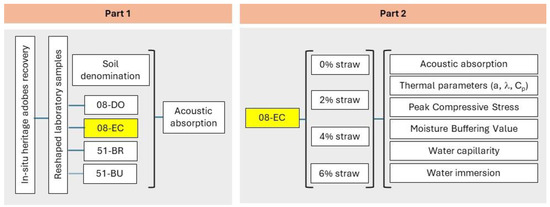
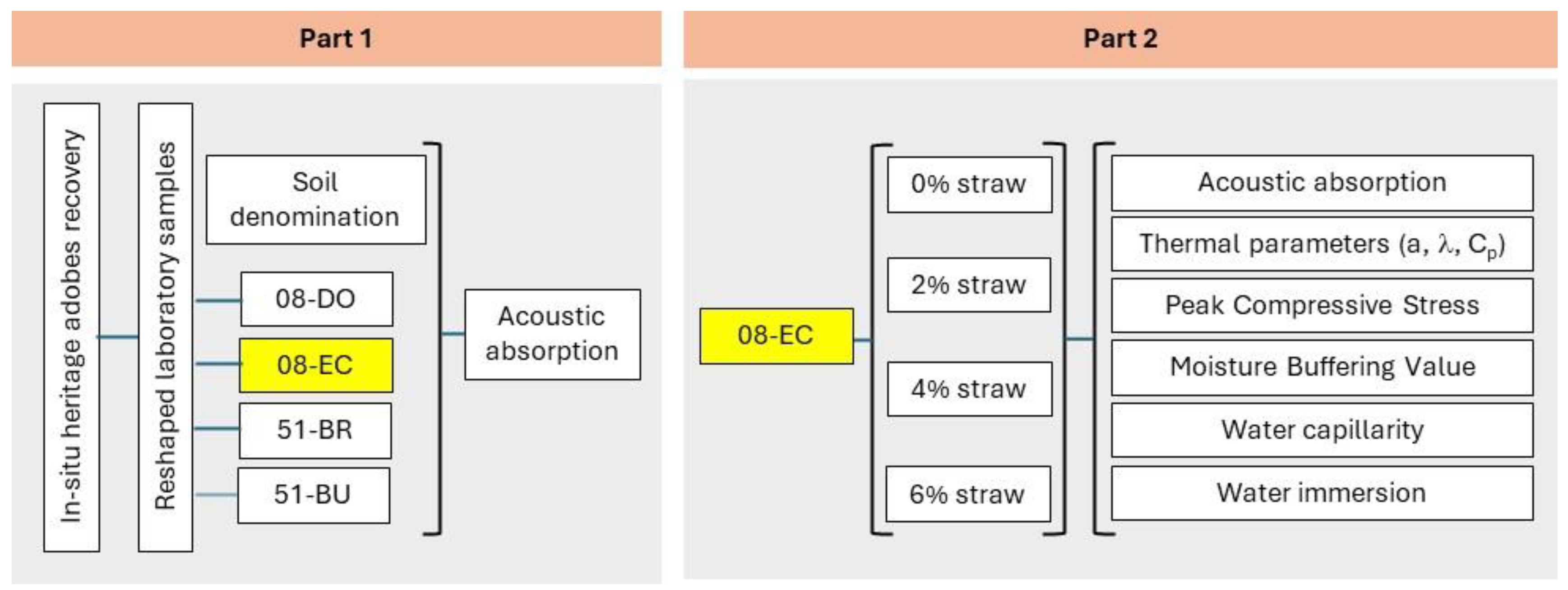
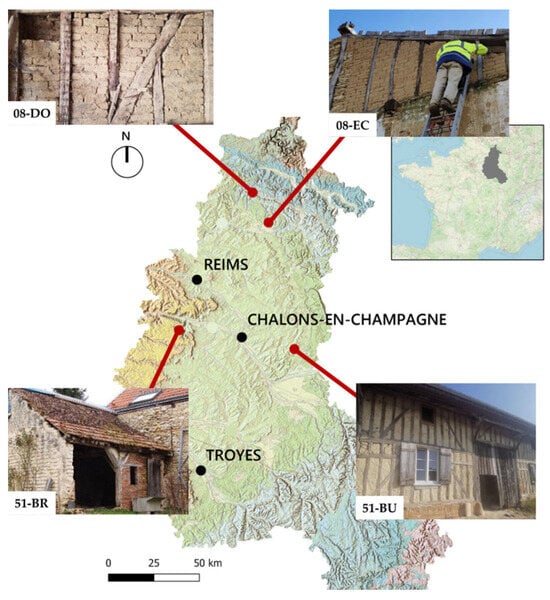
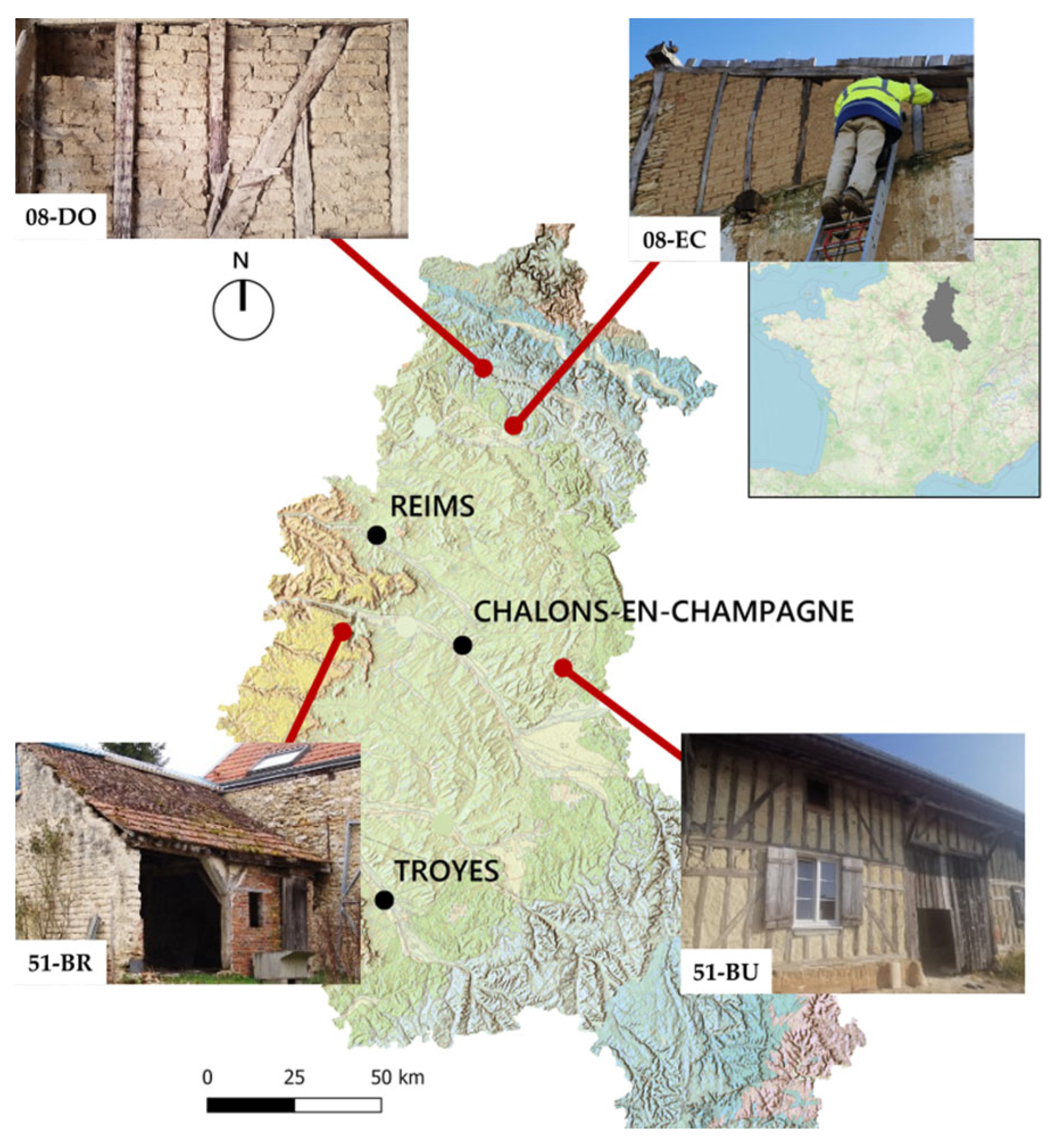
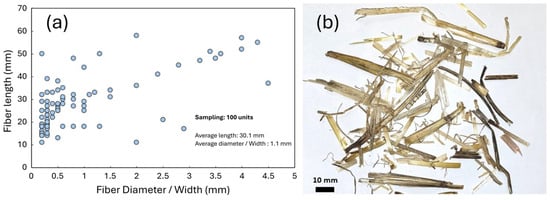
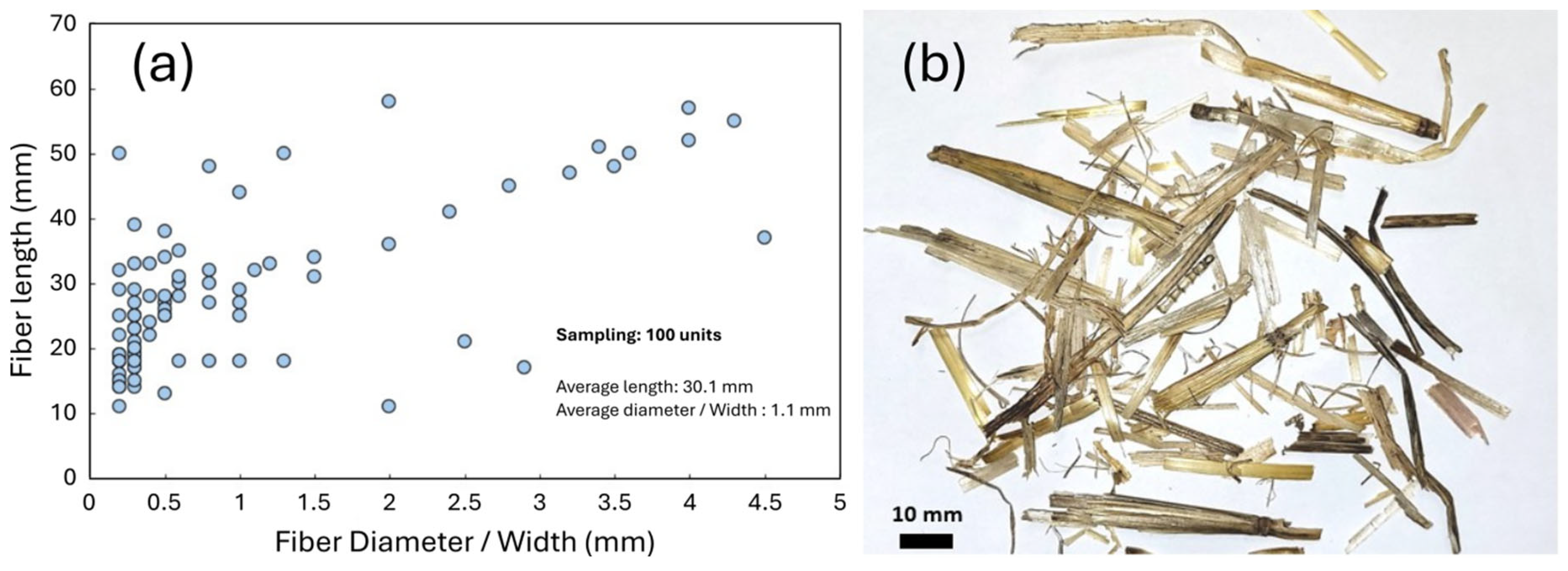
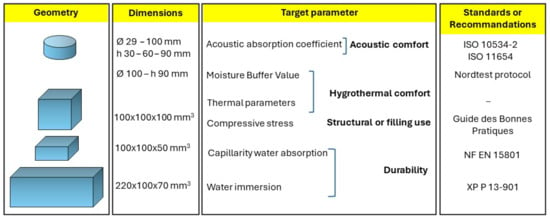
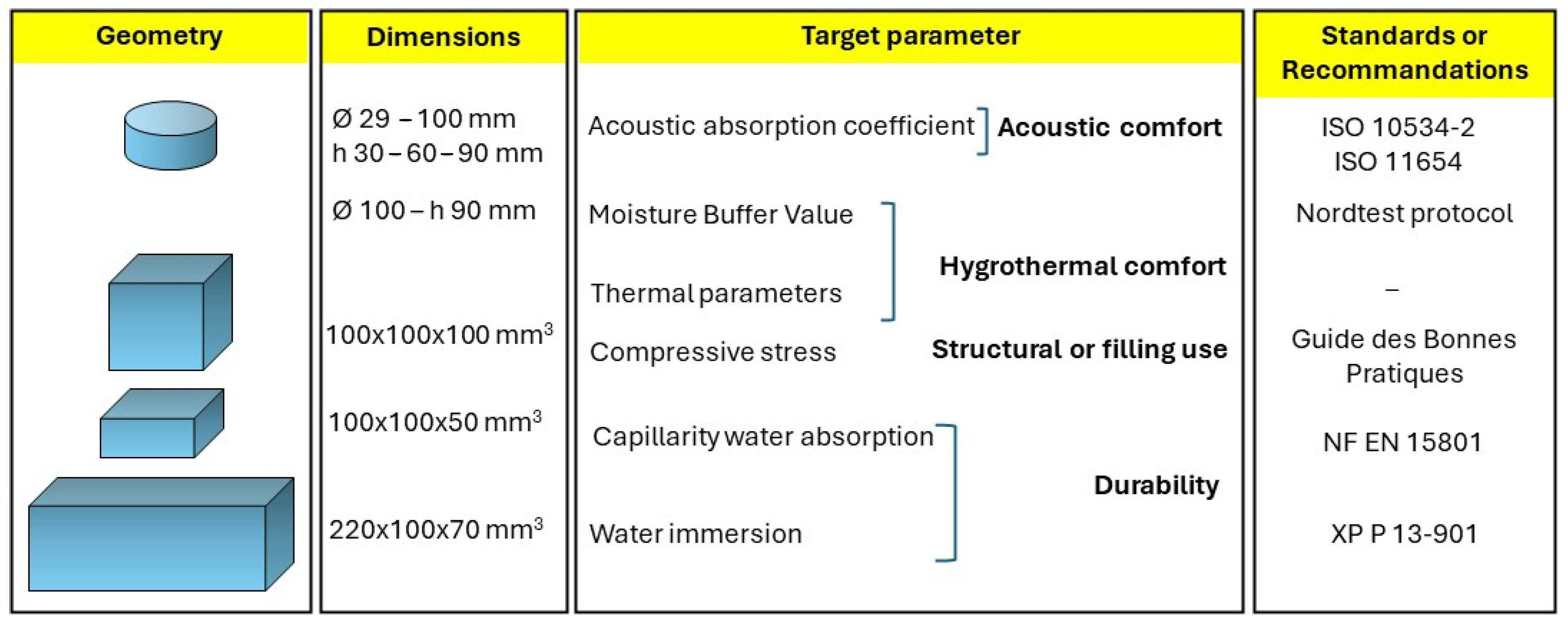
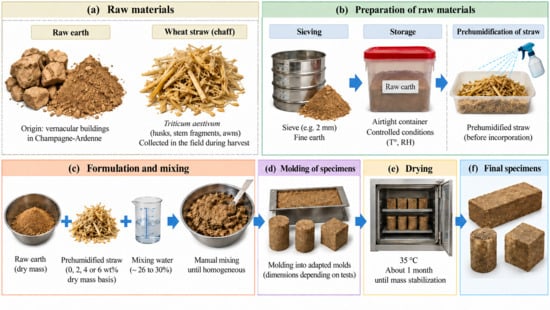
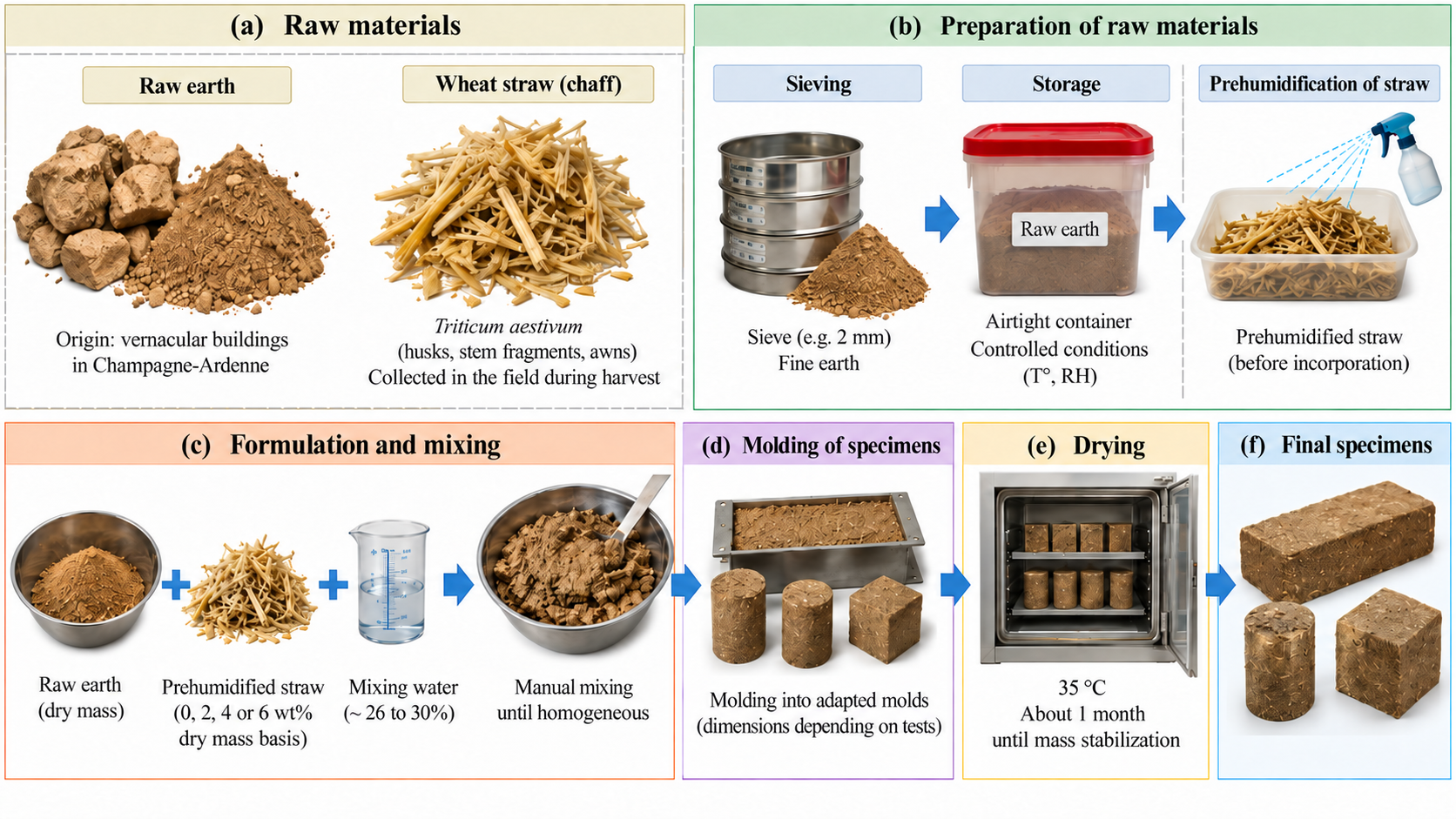
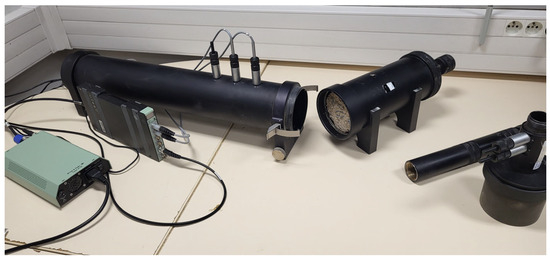
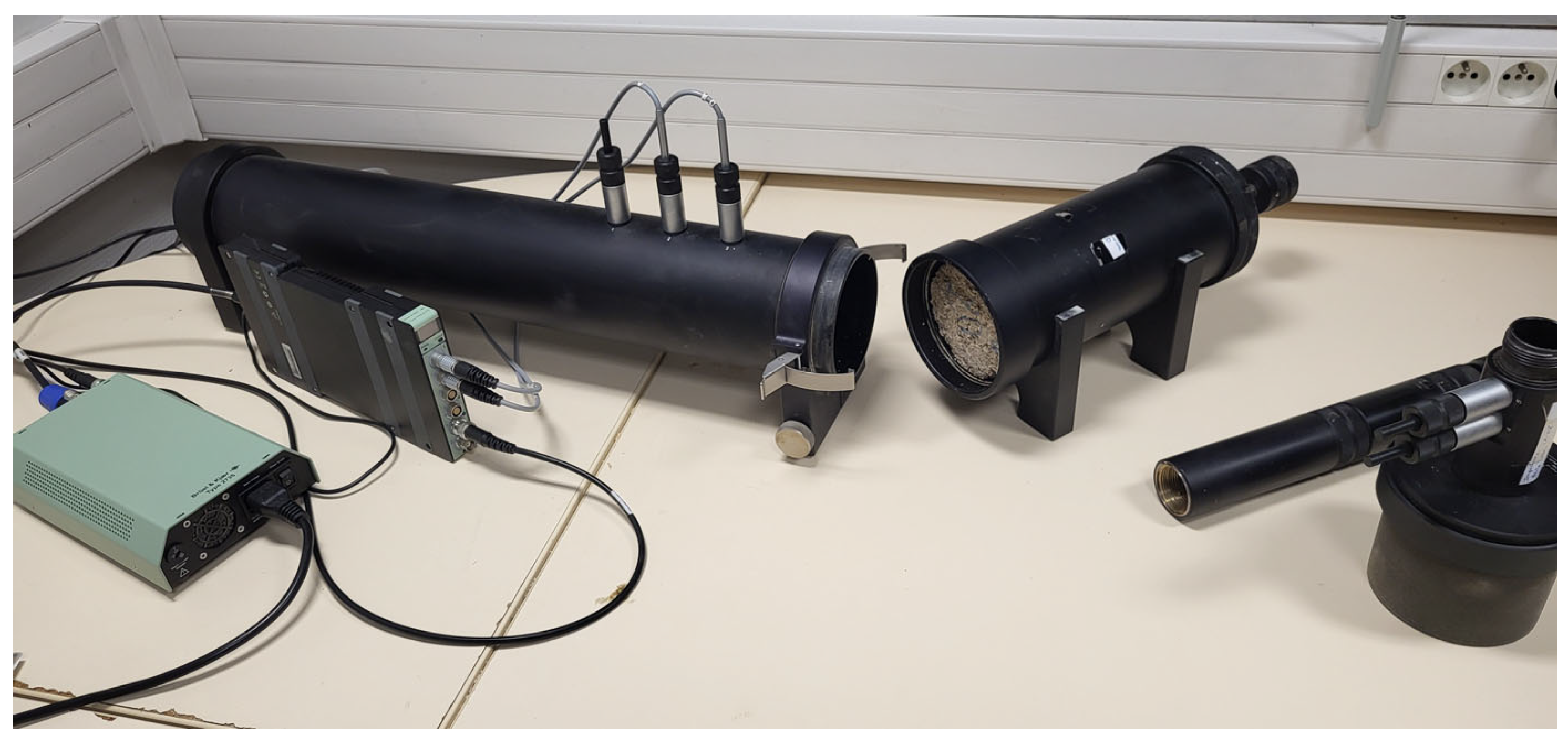
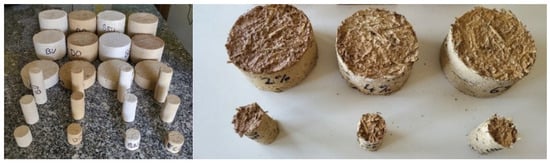
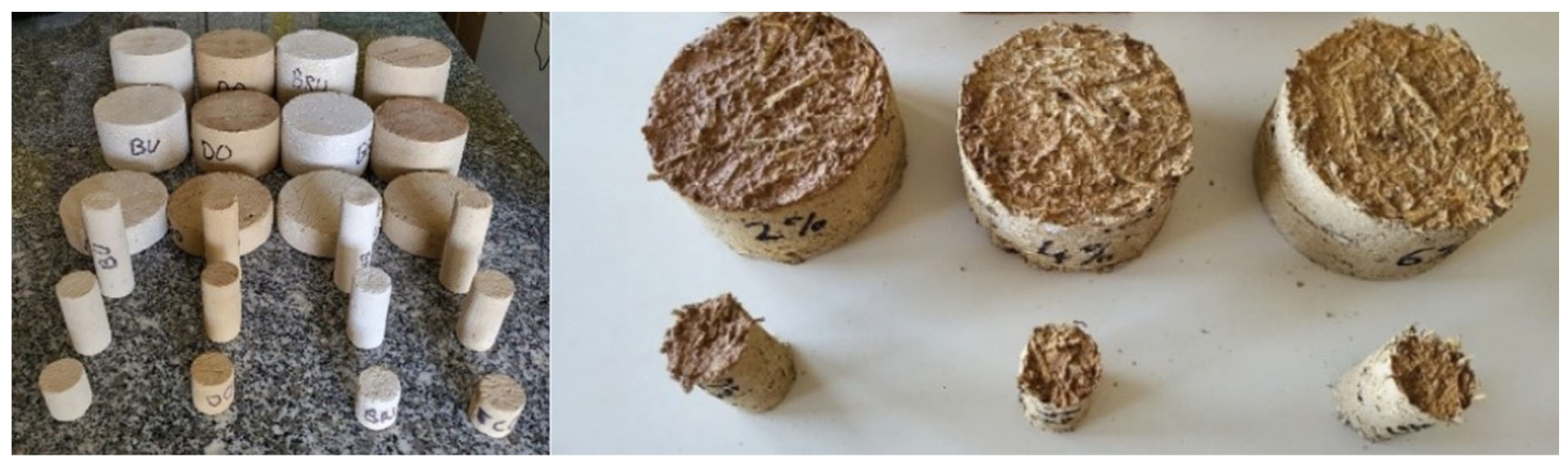
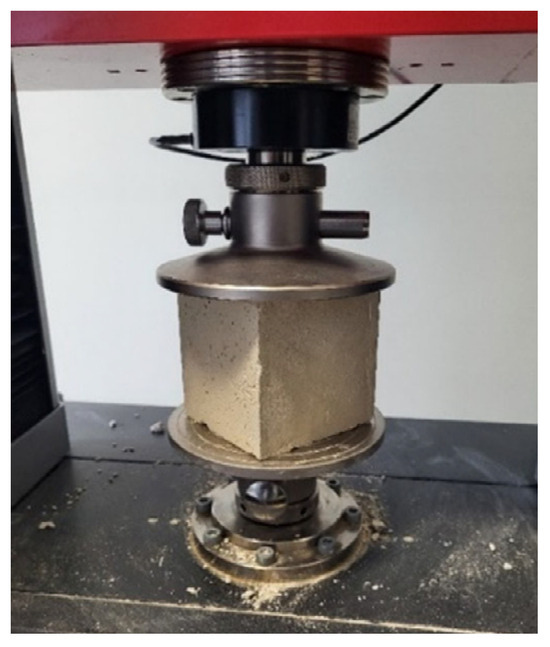
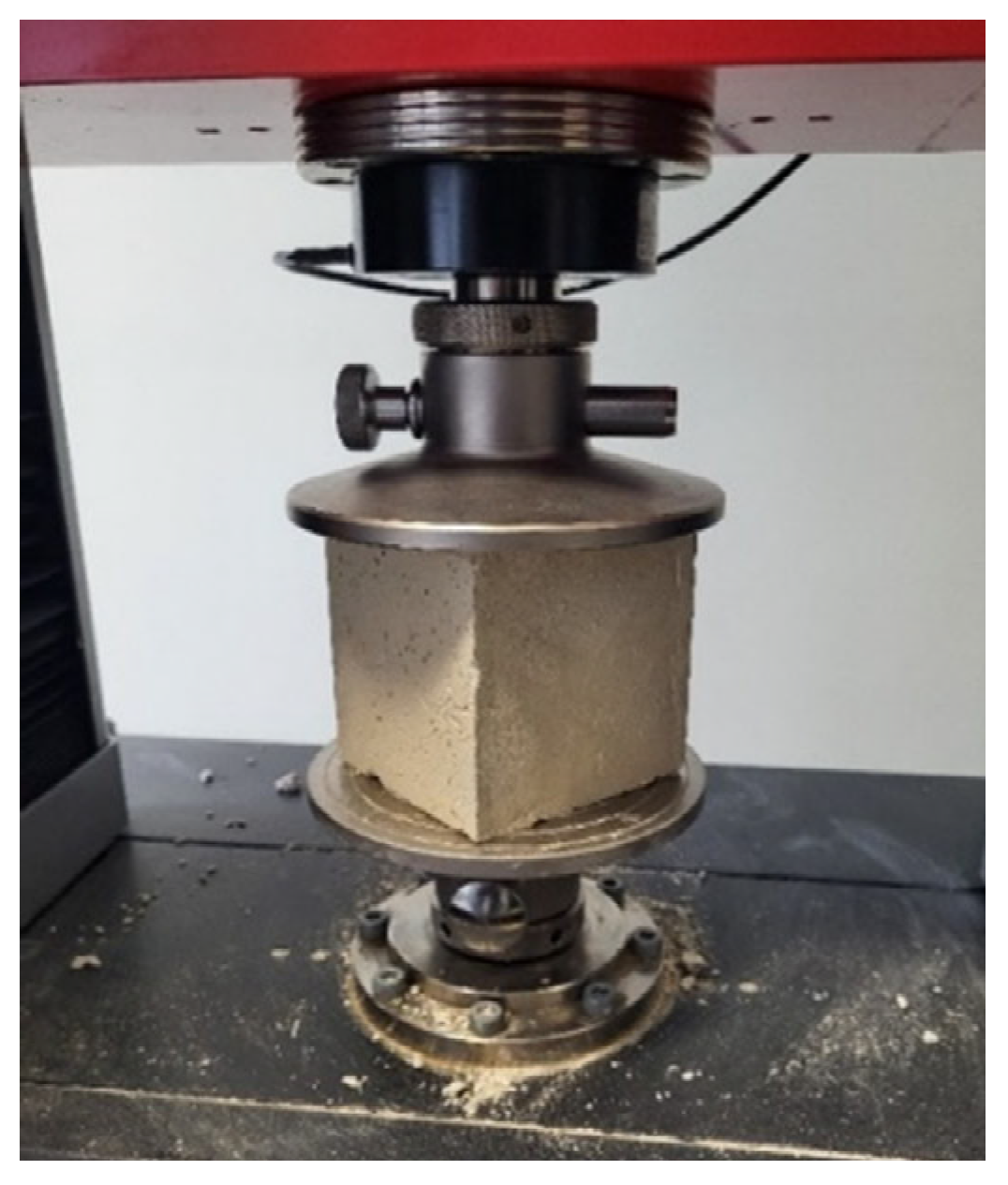
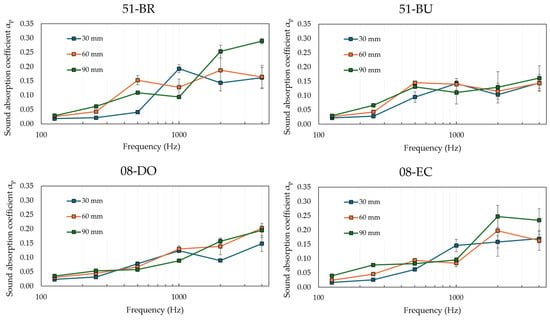
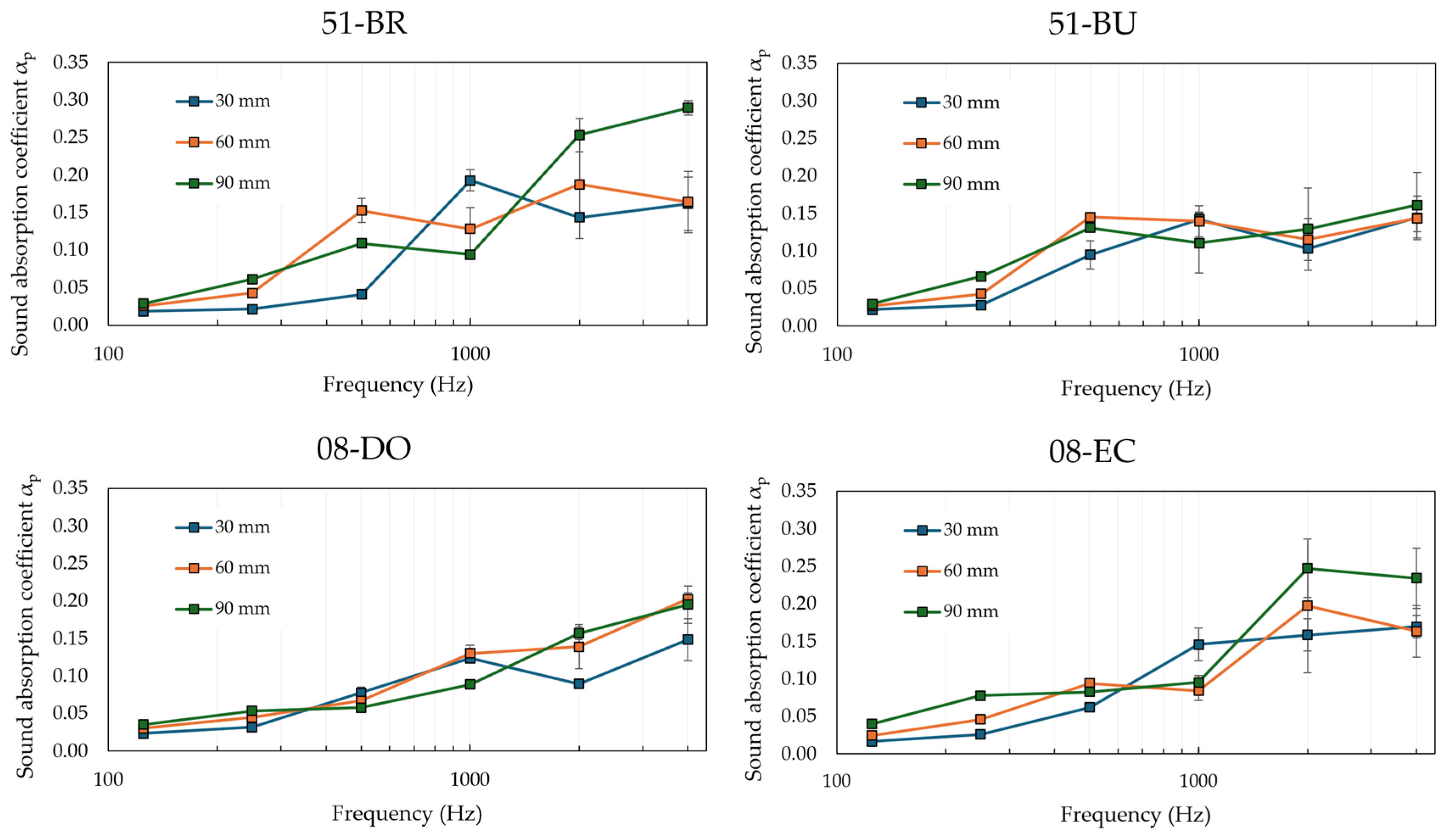
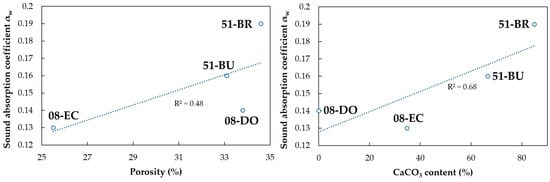
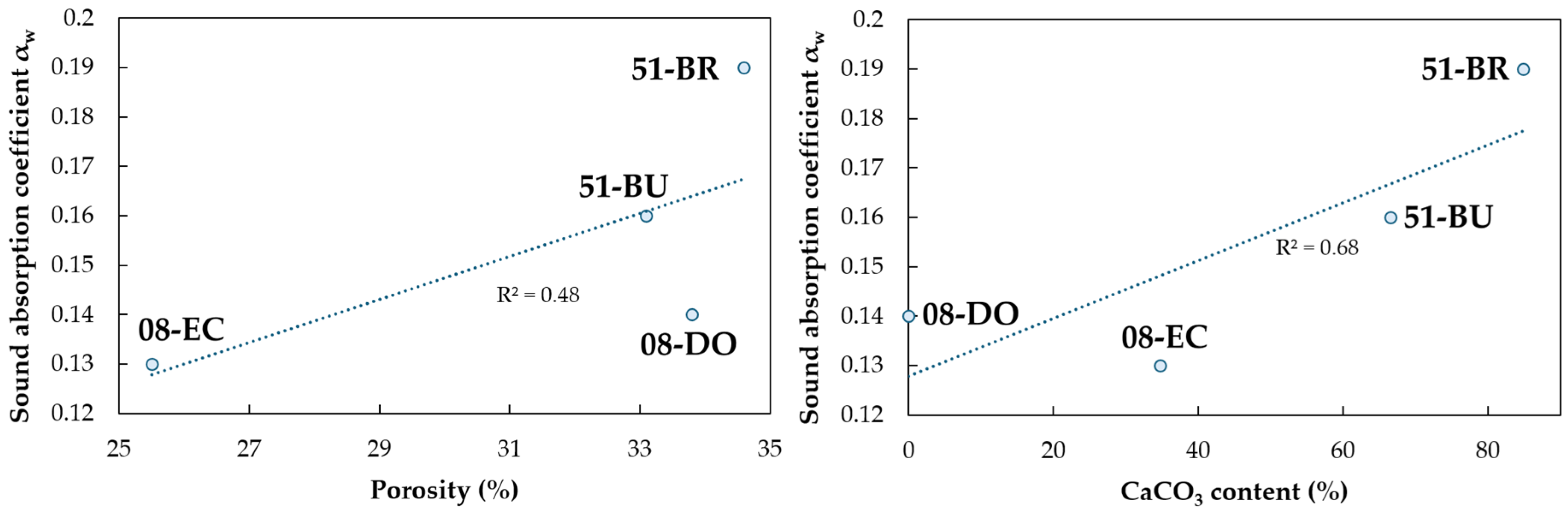
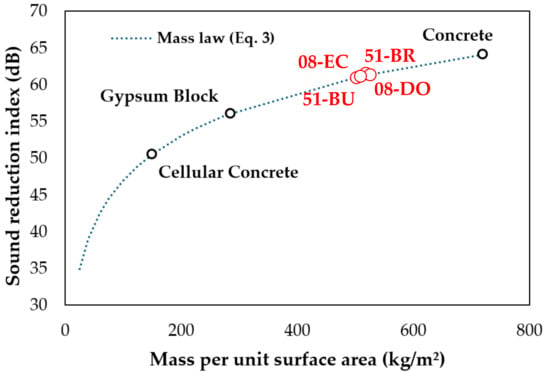
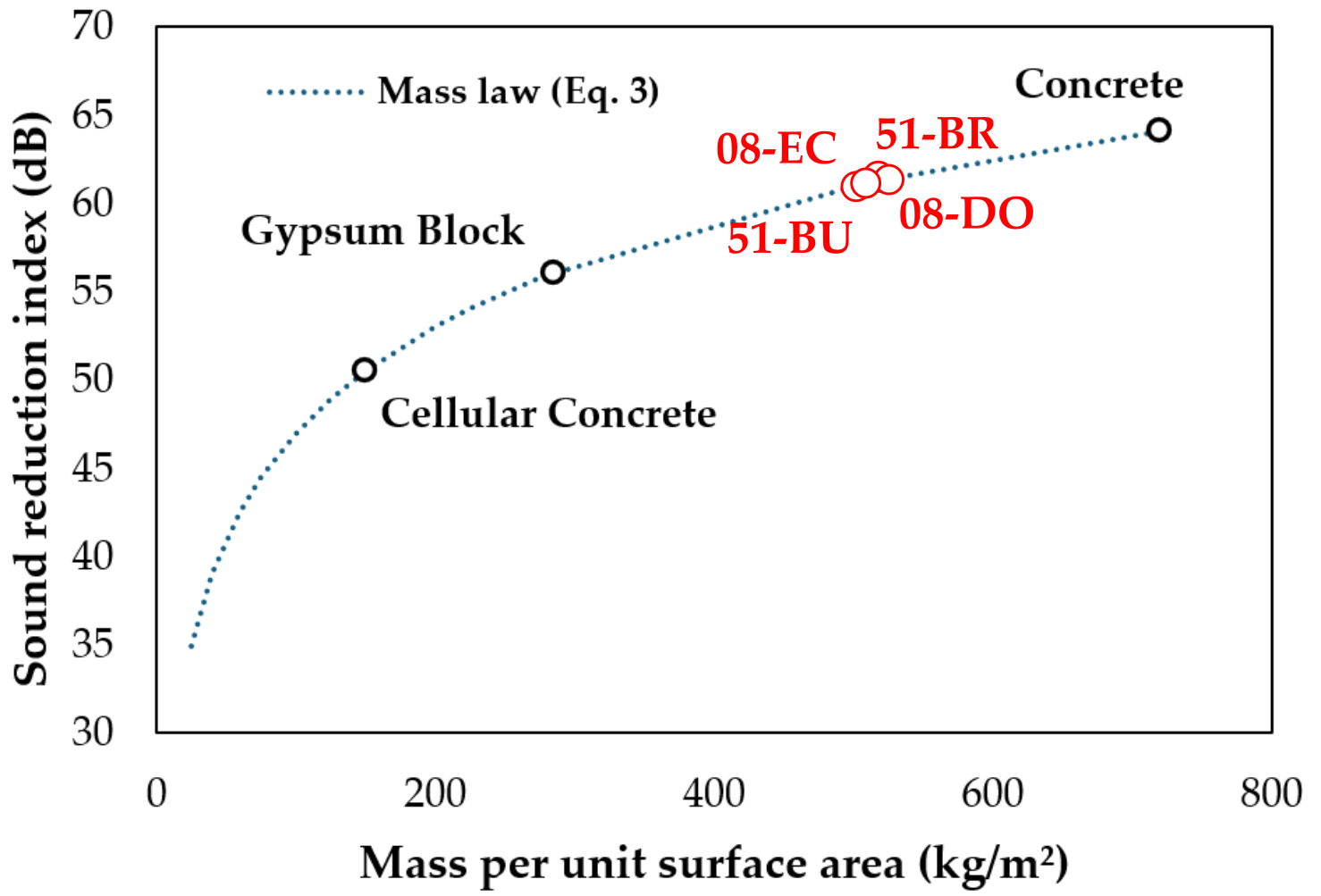
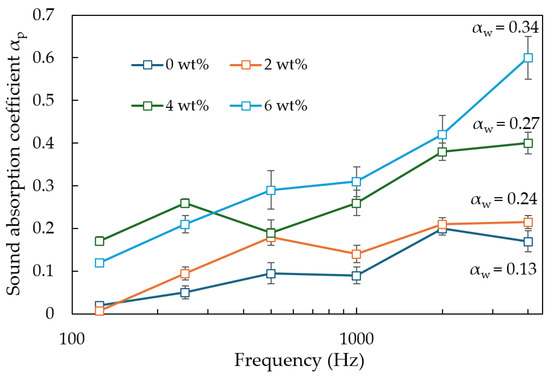
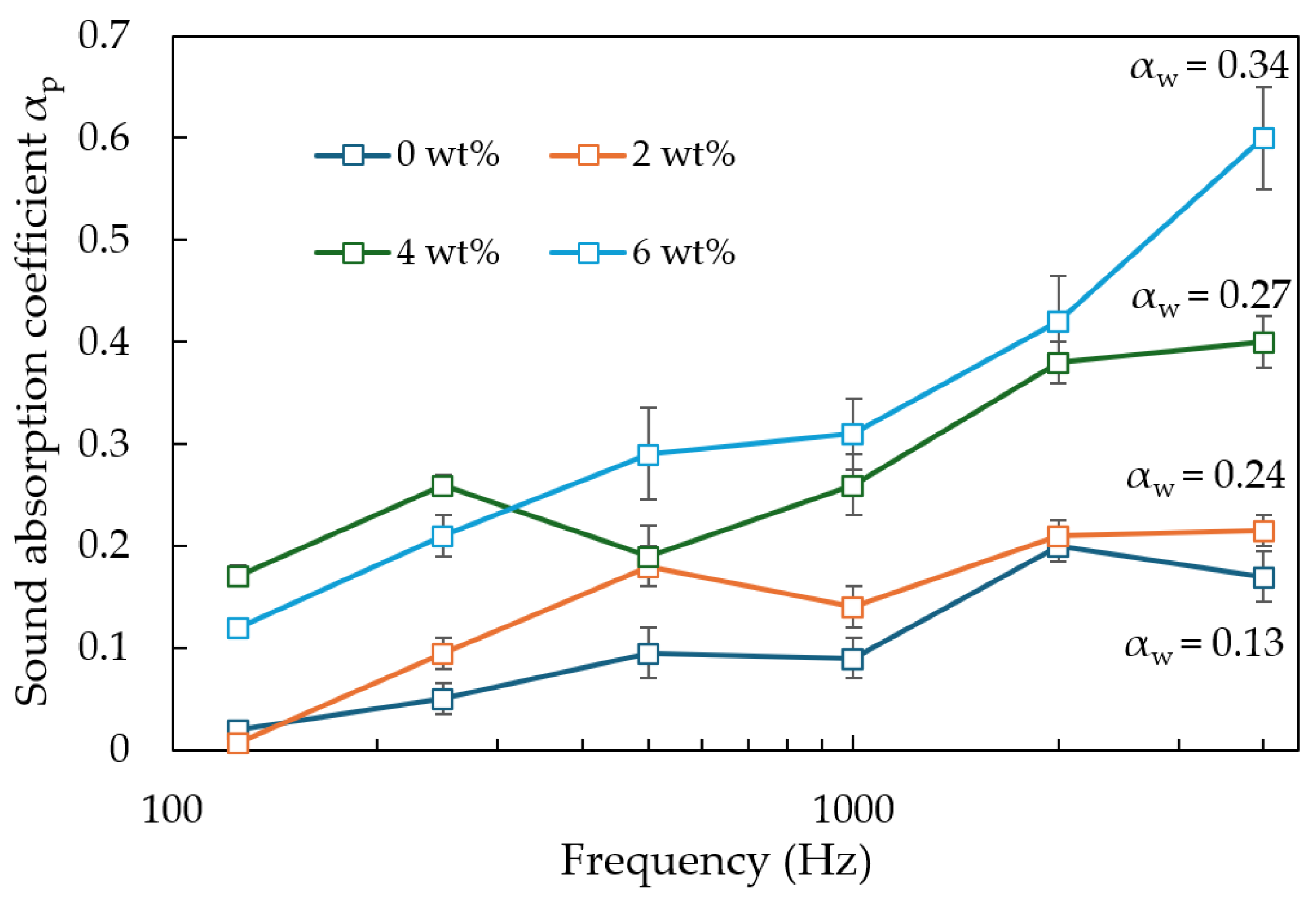
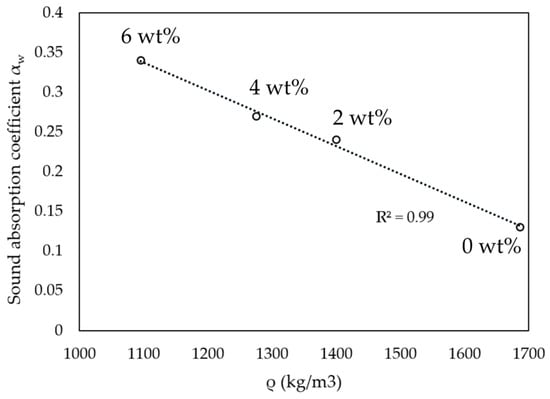
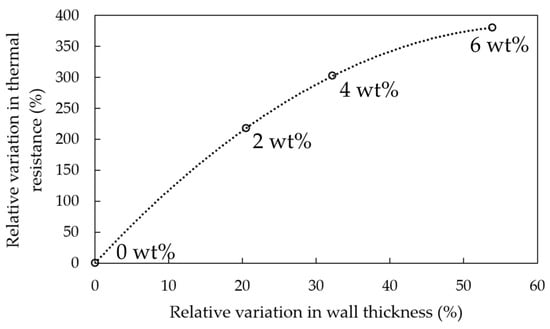
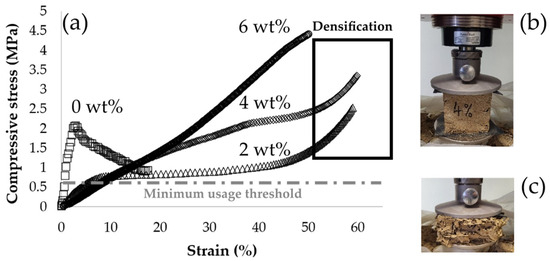
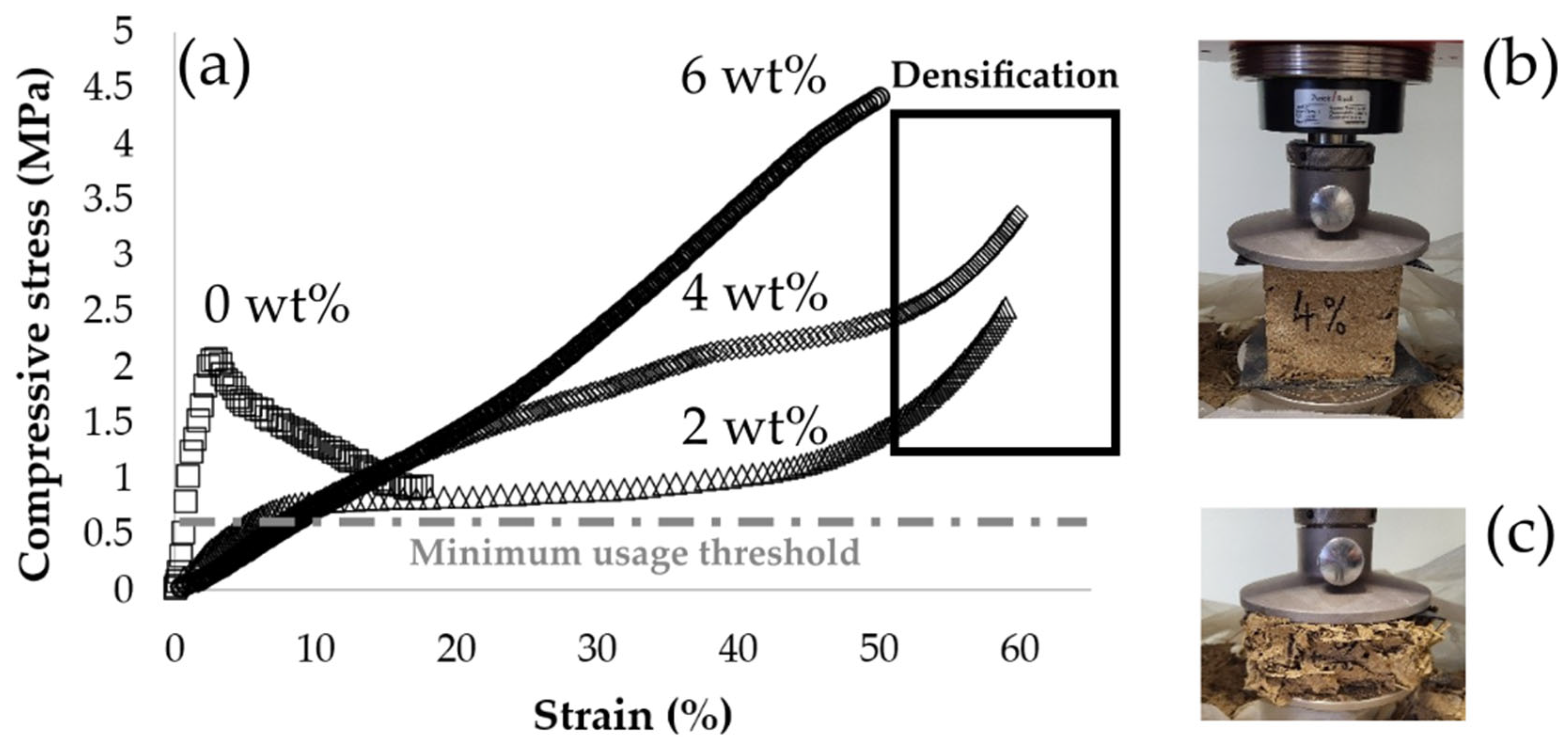
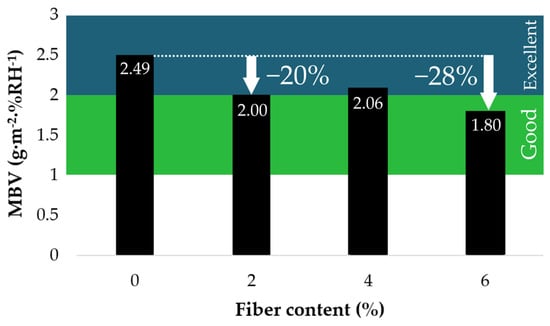
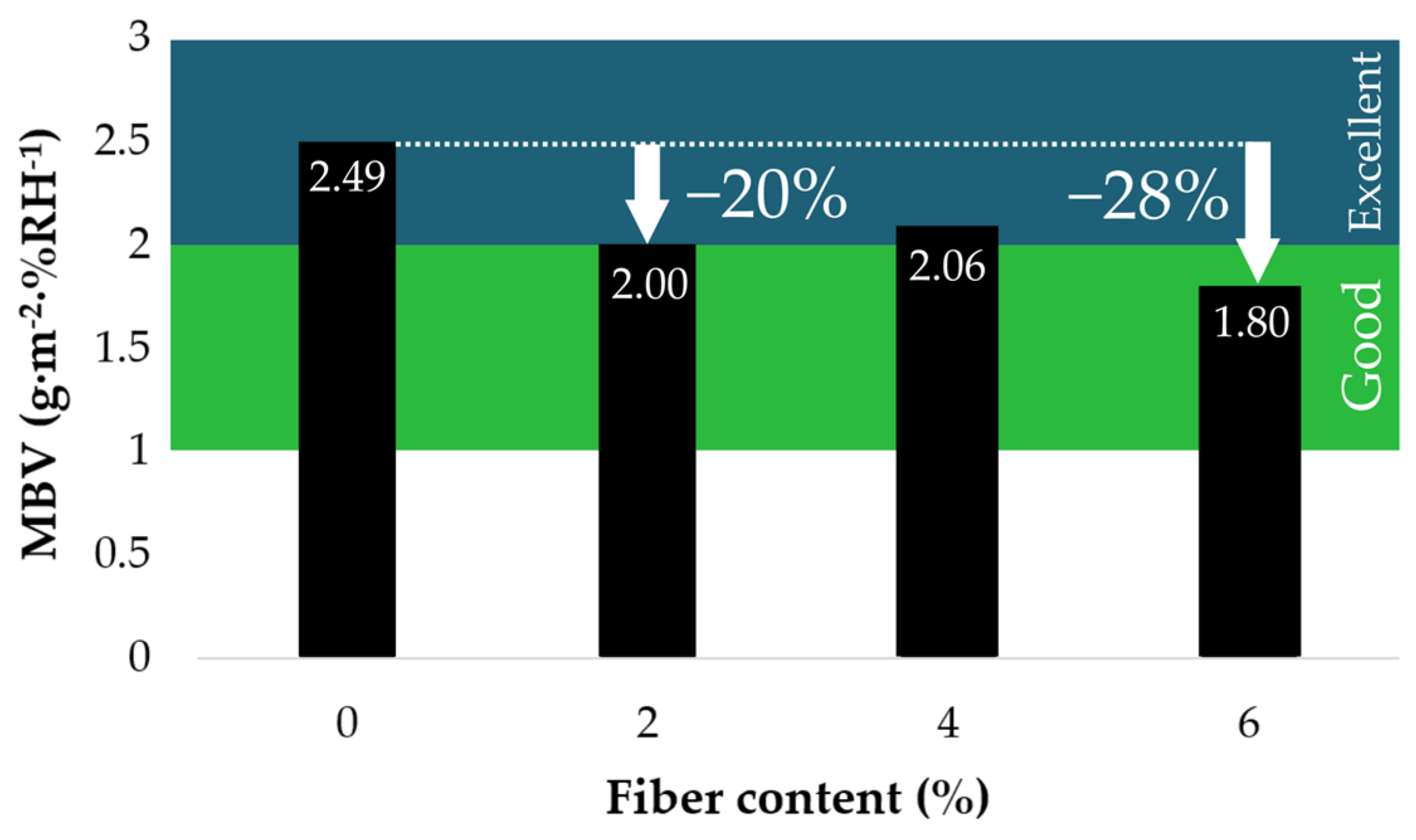
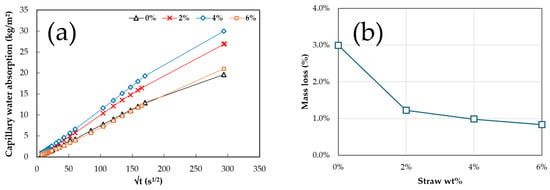
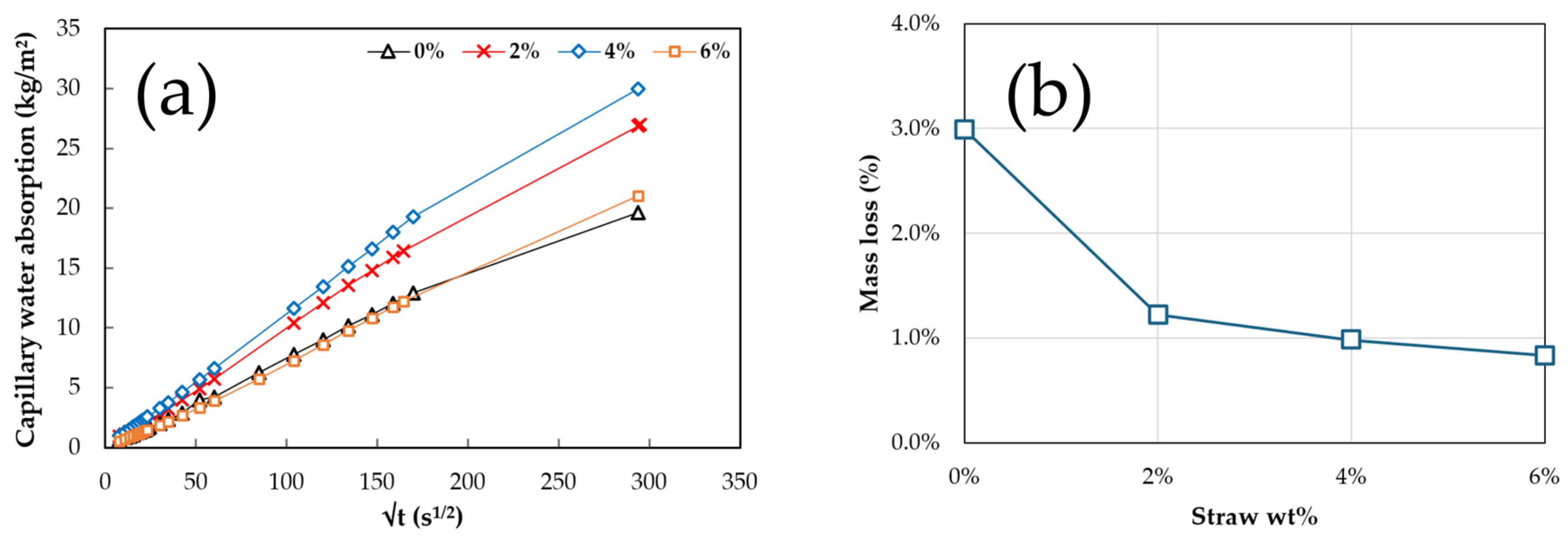
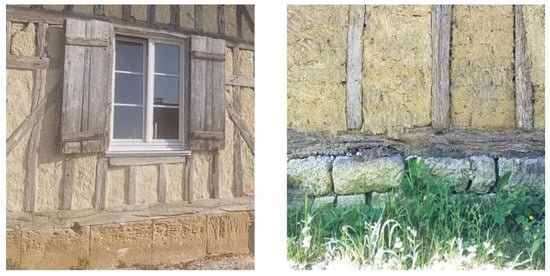
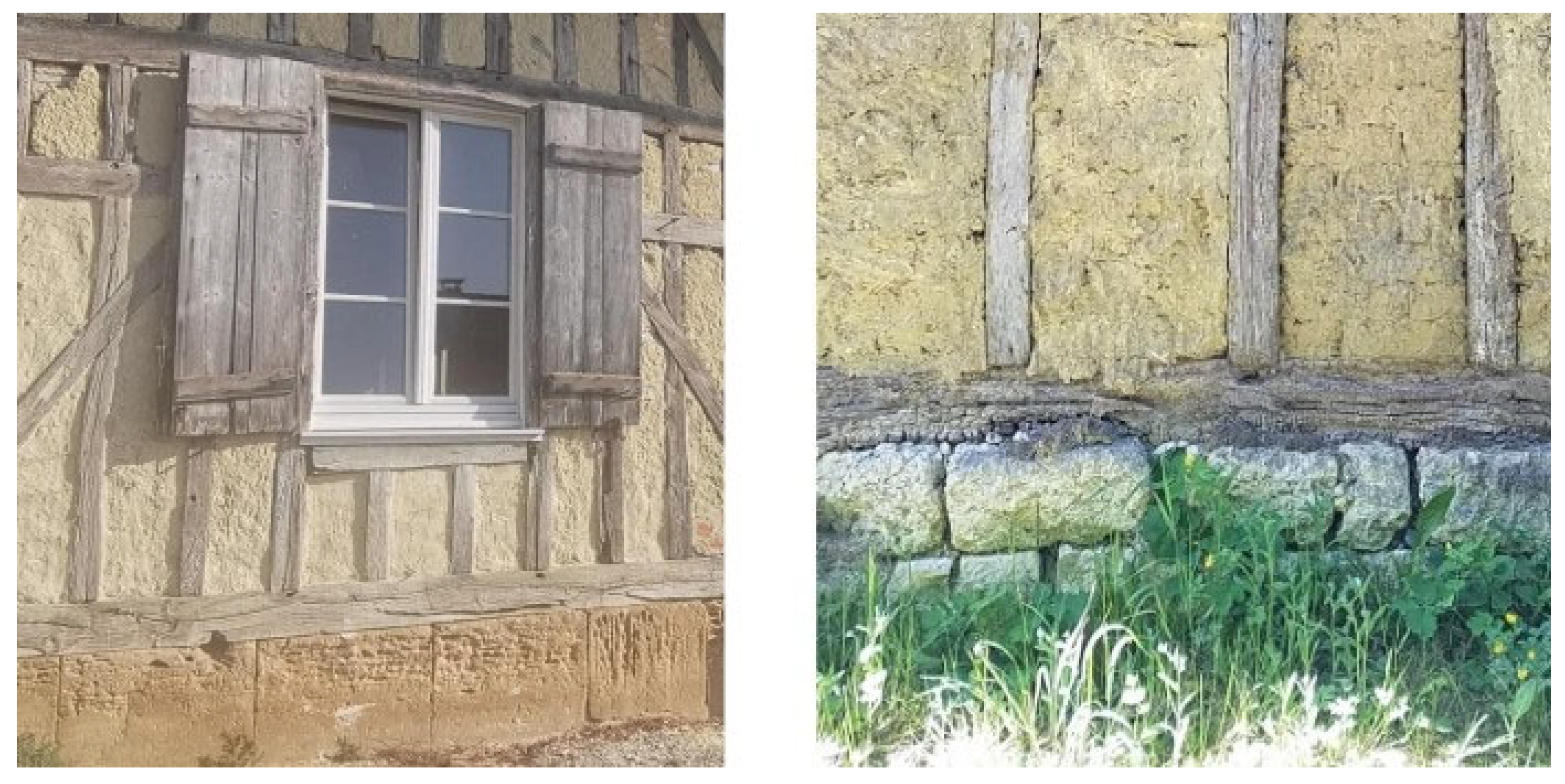

Disclaimer/Publisher’s Note: The statements, opinions and data contained in all publications are solely those of the individual author(s) and contributor(s) and not of MDPI and/or the editor(s). MDPI and/or the editor(s) disclaim responsibility for any injury to people or property resulting from any ideas, methods, instructions or products referred to in the content. |
© 2026 by the authors. Licensee MDPI, Basel, Switzerland. This article is an open access article distributed under the terms and conditions of the Creative Commons Attribution (CC BY) license.