


Highlights
What are the main findings?
- The durability of plant fiber-reinforced fiber-cement composites was reviewed based on 41 experimental studies, with wetting–drying cycles being the most widely used aging method.
- Severe wetting–drying protocols at 70 °C caused large losses in post-cracking strength and toughness, while moderate protocols often preserved flexural strength but not toughness.
What is the implication of the main finding?
- Flexural strength alone is not enough to evaluate durability. Toughness and interface-related measurements are more sensitive to fiber degradation.
- Matrix modification with supplementary cementitious materials and low-alkalinity binders was the most effective strategy to preserve long-term performance.
- Standardized aging protocols and multiple testing checkpoints are needed to improve comparability between studies.
Abstract
Plant fiber-reinforced fiber–cement composites are promising sustainable products, but their durability under alkaline and moisture-variable conditions remains a key limitation. This systematic review critically examines accelerated aging methodologies applied to plant fiber-reinforced fiber–cement/mortar composites. It links protocol severity to degradation mechanisms and performance evolution. Following PRISMA guidelines, 518 records were retrieved from SciFinder, Scopus and Web of Science. After screening, 41 experimental studies (2013–2023) were included. Wetting–drying (W/D) cycles dominate the evidence base (36 studies), whereas freeze–thaw (F/T) protocols are scarce (five studies) and other methods (immersion, induced reactions, biological agents) appear only once each, representing clear research gaps. Methodological appraisal showed that 87.5% of the aging studies adequately described the exposure protocol, whereas only 32.5% used multiple aging checkpoints and 26.8% included complementary microstructural or chemical validation. Mechanistically, durability losses are mainly governed by coupled matrix transport/alkalinity effects and fiber–matrix interface degradation, while matrix densification may mask deterioration if flexural strength is used alone. Quantitatively, severe W/D protocols at 70 °C produced post-cracking strength losses of up to 87–90% and toughness losses of 95–99% within 10–30 cycles, whereas under moderate or EN-type protocols MOR could remain stable or increase despite reductions of approximately 50–90% in toughness-related metrics. Matrix composition modification (SCMs/low-alkalinity binders) is identified as the predominant and most transferable durability strategy compared with fiber treatments or hybrid reinforcements. Based on evidence consistency, a reference W/D protocol is proposed (200 cycles; wetting at ~20–25 °C; drying at 60 °C; balanced phase durations with intermediate checkpoints), together with recommended durability tests prioritizing post-cracking metrics and multi-scale validation.
1. Introduction
Natural fiber–cement composites have emerged as an essential alternative to asbestos-reinforced products, especially in countries where regulatory restrictions, occupational health concerns, and sustainability demands have intensified the search for safer and low-carbon solutions. In this context, plant-based fibers represent a technically viable reinforcement option due to their low density, good specific strength, renewability, and regional availability, while also supporting circular economy targets through agricultural and industrial by-product valorization [1].
Despite these advantages, the durability of plant fiber-reinforced cementitious composites remains a critical bottleneck for widespread adoption. The hydrophilic nature of lignocellulosic fibers, together with the high alkalinity of cement pore solutions, can compromise the fiber–matrix interface and trigger progressive performance losses, particularly under long-term exposure to moisture and temperature variations [2]. This durability challenge is not only a material limitation but also an engineering and standardization problem: different studies often report conflicting results due to variations in aging protocols, mixture design, and evaluation criteria.
Accelerated aging tests have become a central strategy to predict long-term performance. However, they are not merely testing tools; they directly influence how degradation mechanisms are interpreted and compared across studies. Common protocols attempt to reproduce weathering and service conditions through controlled wetting/drying cycles, freeze/thaw exposure, immersion regimes, and alkaline conditioning, among other methodologies. However, accelerated aging is not merely a “testing choice”, it fundamentally shapes how degradation mechanisms are interpreted, how materials are compared across studies, and how design decisions are supported.
However, the literature still treats accelerated aging procedures as isolated experimental routines rather than mechanistic probes. Consequently, a large portion of published work focuses on reporting which tests were applied and how frequently cycles were repeated, but provides limited integration of what these protocols reveal about the degradation pathways, the hierarchy of damage mechanisms, and the coupling between microstructural evolution and macroscopic performance. This gap limits progress in translating laboratory results into reliable service-life insights.
Moreover, even in broader fields of fiber composites, it is increasingly recognized that water uptake, interface stability, and fiber surface modification govern mechanical retention over time. For example, studies on natural fiber systems have demonstrated that water absorption kinetics and stacking architecture strongly affect mechanical behavior and durability trends [3,4]. Similarly, chemical treatments such as alkalization can enhance compatibility and thermal stability in plant-fiber composites by removing hemicellulose/lignin fractions and increasing surface roughness, with measurable consequences on mechanical retention [5]. Beyond fiber treatments, the optimization of composite fabrication parameters, including filler content and reinforcement architecture, is also critical for achieving the desired balance of properties and ensuring long-term performance under service conditions [5,6]. The practical application of these composites, including secondary operations such as drilling, further underscores the importance of understanding how their microstructure and durability characteristics influence final component performance [7]. These insights reinforce a key point: durability cannot be fully assessed by test labels alone, because mechanisms are condition-dependent and strongly affected by interface chemistry.
For cement-based matrices, this issue becomes even more complex. The degradation of natural fibers in alkaline pore solutions includes mineralization, loss of fibrillar integrity, swelling/shrinkage fatigue, and interfacial debonding, as reported by Ramirez et al. [8] and Wei and Meyer [9], processes that may be accelerated differently depending on aging protocol design. In addition, the interpretation of durability must account for the matrix type (e.g., Portland cement systems vs. low-alkalinity matrices), pore structure refinement, and internal moisture transport.
A major challenge in the current evidence base is the lack of methodological coherence. Studies differ substantially in cycle definition (duration, temperature, saturation state), number of cycles, specimen geometry, curing history, and assessment metrics (strength retention, toughness loss, porosity, Fourier transform infrared spectroscopy (FTIR) signatures, scanning electron microscopy (SEM) morphology, etc.). This fragmentation leads to a situation where accelerated aging results are not easily comparable, and conclusions are often limited to within-study comparisons rather than being transferable across fiber types and composite designs.
Therefore, systematic reviews in engineering must move beyond descriptive compilations of tests and cycle counts, and instead provide structured synthesis capable of revealing underlying patterns. The critical need is not another list of what tests exist, but an integrative framework to answer (i) which aging protocols activate which dominant mechanisms; (ii) which properties are most sensitive and why; and (iii) which experimental practices enhance comparability and reduce interpretive ambiguity. Importantly, advances in natural fiber characterization, showing large variability in composition, crystallinity, porosity, and degradation behavior, highlight that durability outcomes should be expected to be fiber-specific and mechanism-driven rather than protocol-driven alone [10]. For instance, the tensile properties and fracture morphology of novel fibers like Acacia caesia bark are highly dependent on the alkali treatment concentration, demonstrating that fiber-level modifications directly influence their potential as reinforcements [11].
The novelty of this systematic review lies in reframing accelerated aging tests as mechanistic tools, rather than mere durability checklists. Instead of describing only test types and exposure frequencies, this review maps how aging protocols relate to degradation pathways and performance loss modes, and organizes the literature according to (a) exposure category and moisture/temperature severity, (b) dominant deterioration mechanisms in fibers, matrix, and interface, and (c) sensitivity of the most reported characterization metrics. This approach allows the review to generate cross-study interpretive value and to support more rational test selection and reporting practices.
Accordingly, the objective of this study is to conduct a systematic review of accelerated aging methodologies applied to plant fiber-reinforced fiber–cement composites, critically synthesizing how protocol design influences degradation interpretation and mechanical durability assessment. Ultimately, this review provides an evidence-based structure to advance understanding beyond the enumeration of aging tests, supporting improved comparability, mechanistic clarity, and more reliable durability evaluation in future developments of sustainable fiber–cement materials.
2. Systematic Review Methodology and Data Collection
The aim of this systematic review is to examine how accelerated aging tests have been applied to assess the durability of plant fiber-reinforced fiber–cement composites. The review was conducted in accordance with the Preferred Reporting Items for Systematic Reviews and Meta-Analyses (PRISMA) guidelines [12].
A comprehensive literature search was performed in three databases: SciFinder (https://www.periodicos.capes.gov.br/index.php/scifinder.html, accessed on 30 September 2026), Scopus (www.scopus.com, accessed on 30 September 2026), and Web of Science (www.webofknowledge.com, accessed on 30 September 2026). The search string applied was: “(fiber OR fibre) AND cement AND (durability OR endurance) AND (“accelerated aging” OR cycles OR weathering) AND properties”. The search was restricted to peer-reviewed articles published in English between 2013 and 2023. Reviews, conference papers, and book chapters were excluded to ensure that only original experimental studies were considered. The search, screening, and selection procedures were carried out in September 2023.
After exporting results from the three databases, duplicate records were identified and removed. Subsequently, titles and abstracts were screened to determine eligibility based on predefined exclusion criteria. Studies were excluded if (1) the reinforcement fibers were not of plant origin; (2) the composite system evaluated was not fiber–cement or mortar; or (3) the experimental program did not include accelerated aging tests.
Studies involving concrete were excluded to ensure comparability of composite type and testing methodologies, as concrete differs from fiber–cement/mortar systems in aggregate content, pore structure, and moisture transport pathways, which directly influence degradation kinetics. We acknowledge this exclusion as a limitation, and we added a brief discussion relating durability mechanisms in alkaline cementitious matrices, highlighting conceptual similarities while emphasizing that methodological treatment must remain distinct. The selected dataset encompasses a wide range of fiber types, matrix compositions, and aging protocols reported across different geographical research contexts, supporting the representativeness of the analyzed trends.
3. Bibliometric and Methodological Analysis
3.1. Bibliometric Data
The literature search across the selected databases yielded 518 records (Web of Science: 304, Scifinder: 27, and Scopus: 187). After applying the predefined filters (publication period, document type, and language), 409 records remained for screening. Among these, 79 records (conference papers, book chapters, and review articles) were removed, and 117 duplicates were identified and excluded, resulting in 292 unique records for title/abstract screening. Following the application of the exclusion criteria, 41 studies were deemed eligible and included in the final dataset for full-text analysis. The selection process and the reasons for exclusion are summarized in Figure 1, which details each PRISMA stage (identification, screening, eligibility, and inclusion) and quantifies the removals due to non-plant fibers, non-fiber–cement/mortar composite types, or the absence of accelerated aging procedures.
Figure 1.
PRISMA flow diagram of the study selection process for the systematic review.
Figure 2 shows the annual distribution of the 41 included studies published between 2013 and 2023. The topic shows relatively steady output from 2013 to 2019, with most years presenting 3–4 publications, indicating a consistent but moderate research activity. A clear growth phase can be observed from 2020 onwards, with a pronounced peak in 2020 (8 papers) followed by a high output in 2021 (7 papers). Together, these two years account for 15 studies (36.6% of the dataset), highlighting a period of intensified research interest in accelerated aging protocols for plant fiber-reinforced fiber–cement composites. After 2021, publication counts drop sharply in 2022 (2 papers), followed by a partial recovery in 2023 (3 papers). This decline may be associated with delayed impacts of the COVID-19 pandemic. However, it may also reflect topic maturation. It should also be noted that 2023 data may be underestimated due to indexing delays and the time required for peer-review and database updates.
Figure 2.
Annual publication trends of the included studies (2013–2023).
Table 1 summarizes the main methodological characteristics of the included studies, including the type of fiber or reinforcement, matrix modifications or additions, aging or exposure protocol, and the principal characterization methods used to evaluate durability and performance. Wetting–drying (W/D) cycling was the predominant accelerated aging approach, although the reviewed studies also included freeze–thaw (F/T), carbonation, heat–rain, sulfate, climatic, and combined exposure protocols. A small number of studies involved natural exposure or treatment-related cycling rather than conventional composite accelerated aging. Mechanical evaluation was dominated by flexural testing, while microstructural, physical, and chemical characterization commonly involved SEM, FTIR, TGA, XRD, water absorption, porosity, and density measurements. Overall, the table highlights the substantial methodological diversity in both exposure conditions and durability assessment strategies.
Table 1.
Fiber/reinforcement types, matrix modifications, aging or exposure protocols, and main characterization methods reported in the included studies.
The reviewed studies also differed substantially in reinforcement architecture and fiber content, which must be considered when comparing mechanical performance. Long, aligned fibers were used in several high-ductility systems. Sisal composites, for example, incorporated approximately 2 vol.% long fibers arranged in unidirectional layers [9,14,24], while Ensete ventricosum composites contained 5 vol.% aligned long fibers [25]. Other studies used discontinuous fibers dispersed within mortar or cementitious matrices, including curauá at 1–2 wt.% [26], hemp at 1 vol.% [27], coconut fibers at up to 3 vol.% [28], açaí fibers at 1.5–5 wt.% [29], and rice-straw fibers at 3–15 wt.% [21]. Cellulosic-pulp-based fiber–cement represented another important group, generally produced by dispersing pulp in a slurry followed by dewatering and pressing. Reported pulp contents commonly ranged from approximately 5 to 10 wt.%, including 5 wt.% pine/eucalyptus pulp [17], 6 wt.% eucalyptus or pine Kraft pulp [30,31], 8 wt.% bamboo or softwood pulp [32,33], and 10 wt.% eucalyptus pulp in some pressed fiber–cement systems [22]. Hybrid micro/nanocellulose systems also occurred, such as 8 wt.% conventional bamboo pulp combined with 1 wt.% nanofibrillated cellulose [20], or a fixed total reinforcement content of 8 wt.% distributed between conventional sisal pulp and NFC [22]. A third reinforcement configuration consisted of textile or nonwoven architectures rather than individually dispersed fibers. Flax-reinforced composites, for example, were produced with five nonwoven layers, corresponding to laminate-type reinforcement rather than a conventional fiber mass or volume fraction [8,34]. Thus, direct comparison of absolute strength and toughness values among studies requires consideration not only of fiber type and aging severity, but also of reinforcement content, fiber length, orientation, and architecture.
Regarding materials design, Table 1 shows that durability studies frequently combined fiber reinforcement with matrix modification strategies. Supplementary cementitious materials and mineral additions included metakaolin, fly ash, silica fume, rice husk ash, slag, limestone filler, diatomaceous earth, and activated industrial residues. These modifications were commonly intended to reduce matrix alkalinity, refine pore structure, or improve fiber–matrix compatibility. Therefore, durability performance in the reviewed studies reflects not only the aging protocol and fiber type, but also substantial differences in matrix chemistry and reinforcement design.
The experimental configurations also varied according to the aging method and material form. W/D studies were conducted on different specimen configurations, including fiber–cement plates or roofing elements produced by slurry dewatering and pressing, as well as cast mortar prisms and aligned-fiber composites [14,17,24,25,31,32]. Several board-based studies adopted EN 494-based or EN 494-adapted soak–dry procedures [14,17,31,32,35], whereas aligned-fiber composites were also evaluated using BS EN 12467:2012 [25] or specifically designed laboratory W/D protocols [9,13,24,36]. Mechanical evaluation in these studies commonly included flexural strength, modulus of rupture, limit of proportionality, toughness, specific energy, and, in some cases, direct tensile or pull-out measurements [9,13,17,24,31,36]. F/T-related studies were performed on mortar specimens, rendering systems, and lightweight bio-based panels, using protocols based on climatic-chamber cycling, EN 15304:2010, or application-specific standards such as JGJ/T 70-2009 [18,19,21,23]. Their evaluation generally included compressive and flexural strength, adhesion, fracture-related parameters, mass loss, and complementary physical properties. Other exposure routes, including accelerated carbonation, heat–rain cycling, sulfate attack, immersion, and biological exposure, were evaluated using more application-specific specimen geometries and testing procedures [14,21,37,38]. Across the different aging groups, SEM, XRD, FTIR, TGA, water absorption, porosity, density, and related transport properties were frequently used as complementary tools to interpret mechanical degradation and matrix/fiber-interface evolution.
Figure 3 shows the frequency of occurrence of the most commonly investigated plant fibers in the selected studies. Wood cellulosic pulp clearly predominates (n = 13), followed by sisal (n = 8), while curauá (n = 4) and hemp (n = 3) appear less frequently. Other fiber types show only sporadic representation, typically with isolated occurrences across the dataset. The dominance of wood cellulosic pulp is likely associated with its high availability, industrial standardization, and consistent supply, supported by the established pulp and paper industry. This trend also indicates that the durability evidence base is strongly shaped by pulp-based systems, which may limit the generalization of accelerated aging outcomes to less conventional plant fibers.
Figure 3.
Frequency of plant fiber types investigated in the included studies.
Across the 41 included studies, a total of 28 distinct characterization assays were reported. Figure 4 presents the frequency of the most commonly employed tests for evaluating plant fiber-reinforced fiber–cement composites. Flexural strength was the dominant mechanical assessment, reported in approximately 83% of the papers, followed by SEM (~63%), confirming that durability evaluation is primarily based on mechanical performance retention combined with qualitative microstructural evidence. In addition, water-related and physical parameters, particularly water absorption (WA) and density, were frequently monitored, indicating the central role of moisture transport and porosity evolution in accelerated aging outcomes. Conversely, compressive strength was less frequently reported, suggesting that the literature prioritizes performance indicators directly linked to crack bridging and fiber reinforcement effectiveness rather than bulk matrix strength.
Figure 4.
Frequency of the main characterization assays reported in the included studies.
The specimen configuration used for mechanical characterization varied substantially among the reviewed studies. Flexural testing was performed on different material formats, including pressed or extruded fiber–cement plates, cast mortar prisms, aligned-fiber beams, and multilayer textile-reinforced laminates. Both three- and four-point bending configurations were employed. For example, coconut fiber composites were tested as 15 × 25 × 100 mm prismatic specimens under three-point bending [39], whereas sugarcane bagasse composites were evaluated using 40 × 40 × 160 mm prisms [40]. Textile-reinforced systems consisted of multilayer flax laminates approximately 8–12 mm thick and were tested by four-point bending, in some cases according to RILEM TFR1 [34]. Four-point bending was also commonly adopted for pressed fiber–cement plates, with MOR, LOP, MOE, and specific energy as the principal outputs [17,30,31,32,33]. In long-aligned-fiber composites, four-point bending was used to characterize post-cracking behavior, while some short-fiber cement-paste specimens were evaluated by three-point bending [13]. This diversity in specimen geometry and loading configuration should be considered when comparing absolute mechanical properties among studies.
3.2. Methodological Robustness of the Evidence Base
The methodological appraisal revealed marked differences in reporting completeness and experimental design across the 41 primary studies. Aging-protocol description was comparatively strong: among the 40 studies that actually applied an aging exposure, 35 (87.5%) provided sufficiently detailed information on the main exposure stages, including temperature, wetting/drying duration, and number or duration of cycles, whereas five (12.5%) presented only partial information. Examples of well-described protocols included 42 h cycles combining 15 h immersion and 25 h drying at 70 °C [9], and EN-type cycles based on approximately 170 min immersion followed by 170 min drying [17,33]. In contrast, some studies reported only the number of W/D cycles without complete time-temperature information, limiting reproducibility and cross-study comparison.
Temporal resolution was considerably weaker. Only 13 of the 40 aging studies (32.5%) explicitly evaluated mechanical or durability responses at more than one aging exposure point, whereas most relied primarily on a single final aged condition. Studies with repeated checkpoints included assessments at 5, 15, and 30 W/D cycles, 50, 100, and 200 cycles, and 60, 90, 180, and 360 days of environmental exposure. This limited use of intermediate checkpoints restricts identification of non-linear deterioration, particularly when early matrix densification may temporarily compensate for fiber or interface degradation.
Mechanistic validation was also uneven. Explicit use of complementary microstructural or chemical techniques capable of supporting degradation mechanisms was identified in 11 of the 41 studies (26.8%). These techniques included SEM, TGA/TG, XRD, FTIR, EDS/EDX, MIP, DIC, UPV, and alkalinity/carbonation mapping. For example, Wei and Gencturk [24] combined mechanical degradation with TGA evidence of Ca(OH)2 consumption and cellulose preservation, whereas another study combined DIC, SEM, and UPV to relate loss of multiple cracking to fiber mineralization and interface degradation. In the remaining studies, durability interpretation relied predominantly on mechanical and/or physical properties, reducing the strength of causal attribution to specific fiber, matrix, or interface mechanisms.
Statistical reporting represented another limitation of the available evidence. An explicit statistical procedure or statement of statistical significance was identifiable in the extracted information for only 10 of the 41 studies (24.4%). Examples included Weibull analysis for fiber-strength data, ANOVA for aging-related changes in apparent porosity, and statistically significant aging effects reported for dimensional-stability variables. However, because the original data extraction was not specifically designed to capture all statistical procedures, absence of this information from the extracted dataset was treated as “not reported in the extracted information” rather than evidence that statistical analysis had not been performed.
Sample size and number of experimental replicates were the least consistently recoverable methodological variables from the existing extraction. Although several studies reported results with dispersion measures, for example 2.01 ± 0.33 MPa and 2.19 ± 0.24 MPa for tensile parameters, the number of specimens was not systematically recorded in the extracted dataset. Consequently, no study was classified as having inadequate replication solely because this information was unavailable. Instead, incomplete reporting of sample size was considered an uncertainty in the quality appraisal and a limitation for subsequent pooled statistical analysis.
4. Analysis of Accelerated Durability Tests
Across the reviewed studies, a consistent pattern emerges: durability outcomes are not governed by the nominal aging method itself, but by the interaction between protocol severity, matrix chemistry, and fiber–matrix interfacial stability. Rather than representing generic aging, accelerated aging protocols act as controlled stressors that promote key durability mechanisms such as fiber swelling/shrinkage fatigue, interfacial debonding, microcracking, leaching, and, in more aggressive conditions, fiber mineralization/embrittlement and loss of crack-bridging efficiency. As summarized in Figure 5, the literature overwhelmingly relies on wetting/drying (W/D) cycles (36 occurrences), while freeze–thaw (F/T) protocols appear far less frequently (five occurrences). Alternative approaches, such as biological agents, induced reactions, and immersion conditioning, are marginal, each appearing only once. Bibliometrically, this indicates a strong dominance of W/D-driven evidence, meaning that durability conclusions in this field are largely shaped by moisture-cycling mechanisms, whereas other degradation pathways remain comparatively underexplored (Figure 5).
Figure 5.
Distribution of accelerated aging methods used in the included studies.
4.1. Wet/Dry Cycles
4.1.1. Purpose, Protocol Design, and Comparability
Wetting–drying (W/D) cycling is the dominant accelerated aging strategy in plant fiber-reinforced fiber–cement composites because it directly reproduces the most prevalent service-related exposure for these materials: alternating moisture uptake and moisture loss in alkaline cementitious matrices. This exposure simultaneously activates (i) transport-driven chemical processes (alkali migration, leaching, and precipitation) and (ii) hygro-mechanical damage (swelling/shrinkage incompatibility and cyclic stress accumulation), thereby accelerating multiple deterioration pathways within a realistic trigger framework [41,42]. Consequently, W/D protocols have been adopted more frequently than other accelerated methods in the dataset, reflecting both relevance to real exposure and ease of implementation (water tank + oven).
Despite its conceptual simplicity, the dataset shows that “W/D cycles” are not a standardized test category but rather a family of exposure architectures spanning markedly different severities. At one end of the spectrum, protocols are explicitly designed to be highly aggressive by operating at high temperatures during both wetting and drying phases, such as 70 °C immersion followed by 70 °C drying over long cycle durations (42–50 h per cycle), in which deterioration is strongly accelerated by intensified alkaline hydrolysis and mineral precipitation within the fiber cell wall [9,13,24]. In contrast, several studies employ milder or more service-representative architectures with moderate wetting temperatures and drying at 60 °C, frequently with cycles of 24 h or less, such as 3 h wetting + 3 h drying, as reported by Ramirez et al. [8], or 6 h drying at 60 °C with long soaking at 20 °C [25]. These two exposure philosophies, high-temperature over-acceleration versus moderate cycling, coexist in the same evidence base, explaining why durability trends cannot be interpreted solely by counting cycles.
The most common protocol architecture in the dataset is a short-duration cycle (≤24 h) repeated at high total counts, typically designed around controlled oven drying (≈60–70 °C) paired with immersion at ambient or mildly elevated temperature. This architecture is consistent with EN 494-inspired soak–dry procedures, commonly reported as 170 min immersion + 170 min drying at 60–70 °C, repeated for 200 cycles [17,30,31,32]. However, the dataset also includes long-cycle formats such as 3 days wetting + 3 days drying (6 days/cycle), which reduces cycle number while increasing total exposure time and shifts degradation drivers by enabling deeper saturation and more complete moisture redistribution [43]. The combined outcome is a dataset where “cycle count” is often not comparable unless interpreted jointly with cycle duration and thermal conditions.
Table 2 enables an evidence-based mapping of protocol severity, showing that studies vary simultaneously in cycle number (from a few cycles up to 400), wet and dry temperatures (from room temperature to extreme conditions such as 110 °C drying), and wet/dry durations (hours to days).
Table 2.
Wetting–drying (W/D) cycling parameters reported in the included studies (number of cycles, wet and dry temperatures, phase durations, total cycle duration, and water-to-cement ratio).
This variability is not trivial: exposure at 110 °C during drying represents a fundamentally different stress environment than drying at 55–70 °C, likely increasing microcracking risk and accelerating moisture-gradient-induced damage beyond typical outdoor service conditions [29]. Similarly, short-cycle EN-type tests repeated 200 times do not necessarily represent the same aging severity as fewer cycles with long wet/dry phases, even if the total duration is comparable [25,43]. Therefore, Table 2 should not be read as a descriptive inventory but as the foundation for a comparability framework: protocol severity is multi-parameter and should be interpreted as a “stress package” (temperature × moisture state × gradients × repetition).
From a bibliometric and systematic-review standpoint, the distribution of cycle durations and cycle-number choices reveals strong clustering rather than experimental exploration. Figure 6 shows that most W/D tests are concentrated in cycle durations up to 24 h and in the cycle-number range of 101–200 cycles, while only a minority of studies investigate multiple cycle counts within the same experimental program.
Figure 6.
Comparative analysis of wetting–drying (W/D) cycling protocols: (a) cycle duration; (b) total number of cycles; (c) number of cycle levels/checkpoints evaluated; (d) accelerated aging methods combined with W/D testing.
This is important because durability in these composites may exhibit non-linear evolution with cycling: early cycles can promote densification/continued hydration (apparent “strength gains”), while later cycles increase damage accumulation, fiber embrittlement and interface deterioration [25]. As a result, studies reporting outcomes at only one cycle count risk misclassifying “durability” based on an intermediate state rather than identifying stabilization or acceleration thresholds. The limited prevalence of multi-method aging programs (W/D combined with other aging tests) further weakens generalizability, as different mechanisms may dominate in real service depending on climate (wetting, thermal gradients, freeze–thaw, carbonation), which W/D alone cannot capture.
In terms of comparability, the evidence base is constrained by four main heterogeneity sources. First, incomplete reporting remains a structural problem: at least one study does not provide full W/D details in the dataset synthesis, preventing assessment of severity and limiting reproducibility [35]. Second, curing and conditioning before aging vary widely, ranging from short thermal curing regimens in manufactured fiber–cement boards to conventional 28-day water curing or sealed curing, which strongly influences matrix maturity and pore structure at the onset of cycling [17,25,31]. Third, specimen manufacturing routes differ (pressed slurry-dewatered plates versus cast mortars), affecting permeability, pore connectivity, and fiber orientation, all of which control moisture transport during cycling and thus degradation kinetics [17,31]. Fourth, post-aging testing definitions are inconsistent: some studies emphasize flexural strength alone, others use post-cracking toughness or specific energy, and some evaluate tensile strain-hardening transitions, meaning durability ranking can change depending on the chosen performance metric [9,31,36].
Protocol design interacts strongly with fiber and composite design variables, implying that the same nominal W/D category can activate different dominant mechanisms. Fiber type and morphology define moisture sensitivity and damage triggers: lignocellulosic fibers prone to swelling/shrinkage can progressively debond under cyclic moisture gradients, even in the absence of clear mineralization, shifting composite behavior from strain-hardening to strain-softening as crack-bridging efficiency collapses [36]. Conversely, sisal fibers exposed to high-temperature W/D cycling show rapid deterioration linked to chemical damage and mineralization, which dramatically reduces post-crack toughness and embedded fiber tensile strength [9,13,24]. Fiber content also affects comparability because higher fiber volumes increase porosity and moisture pathways, amplifying wetting penetration and drying shrinkage gradients, thus increasing effective severity even under identical cycle parameters [26,27].
Curing regime is another decisive confounder: in systems where aging begins after limited curing or thermal curing, early cycling may act as an additional curing stimulus that densifies the matrix, potentially increasing MOR while simultaneously reducing toughness due to embrittlement and fiber mineralization. This is particularly critical in EN-type 200-cycle protocols, where cyclic wetting accelerates hydration and pore filling, decreasing water absorption and porosity but not necessarily indicating improved durability of the reinforcement mechanism [17,31]. Therefore, mechanical retention must be interpreted together with indicators of interface integrity and post-cracking behavior, rather than through strength alone.
Finally, the fiber–matrix interface provides the mechanistic bridge between protocol severity and observed performance. W/D cycling can degrade the bond by (i) inducing mechanical fatigue from repeated swelling/shrinkage, creating gaps and reducing effective adhesion area, or (ii) chemical evolution of the pore solution and precipitation of hydration products in the fiber lumen and cell wall, leading to mineralization, embrittlement, and a shift from pull-out to fiber rupture. The balance between these mechanisms depends on both protocol temperature/time and matrix alkalinity control strategies. For instance, the strong durability benefits of pozzolanic replacements (e.g., RHA, metakaolin/fly ash blends, diatomaceous earth) indicate that protocol severity cannot be separated from matrix chemistry: reduced Ca(OH)2 and lower alkalinity measurably mitigate fiber degradation under W/D cycling [24,25,31]. Thus, comparability across W/D studies requires not only standardized exposure reporting but also explicit alignment of material-state variables (curing maturity, matrix alkalinity, and fiber-interface design), otherwise “W/D durability” becomes a non-equivalent label across fundamentally different degradation regimes.
4.1.2. Degradation Mechanisms and Performance Evolution Under W/D Aging
Across the reviewed studies, flexural behavior is the most common proxy for durability, but W/D cycling affects flexural metrics in two distinct ways: (i) changes in matrix-controlled pre-cracking response (LOP/MOE), and (ii) changes in reinforcement-controlled post-cracking performance (toughness, specific energy, post-crack strength). Under severe W/D exposure at high temperatures (typically 70 °C for both wetting and drying), unprotected sisal-reinforced mortars exhibit dramatic post-crack deterioration even after a limited number of cycles: post-cracking flexural strength reductions of up to 87% and toughness reductions reaching ~99% after 30 cycles were reported, indicating near-complete loss of reinforcement effectiveness [9]. Similar trends occur for other severe protocols (50 h per cycle at 70 °C), where post-cracking toughness losses reach ~99% at 20 cycles in control matrices, evidencing rapid transition from ductile crack-bridging to brittle behavior [24]. In contrast, under EN 494-type soak–dry cycles (short cycles repeated to 200 cycles), composites may maintain or increase MOR due to densification/continued hydration, while fracture-related indicators such as specific energy collapse, highlighting the need to prioritize toughness-based metrics over MOR when interpreting durability [24,31].
The dataset also shows that compressive strength under W/D can be comparatively less sensitive than flexural toughness, particularly when the fiber role is not primarily crack-bridging but rather microstructural modification. For example, in some systems compressive strength increases during early cycling and decreases later, consistent with continued reactions and subsequent cracking damage accumulation [43]. When fiber reinforcement is designed to sustain tensile strain-hardening (SHCC-type behavior), W/D cycling can destabilize tensile response well before catastrophic strength loss. Curauá-reinforced SHCC matrices transition from strain-hardening to strain-softening after W/D exposure, with tensile performance strongly dependent on moisture state during testing; this directly demonstrates that W/D-induced degradation can manifest as loss of ductility/crack control rather than uniform strength decline [36].
Physical indicators linked to durability frequently move in a direction that could be misinterpreted as “improved durability” if not coupled with reinforcement metrics. In hornification- and carbonation-related fiber–cement systems, W/D cycling reduces water absorption and apparent porosity and increases bulk density, consistent with matrix densification and pore refinement, yet energy absorption decreases sharply in vulnerable systems due to embrittlement and loss of pull-out [17,31]. Therefore, WA/AP/BD trends must be interpreted as matrix state variables rather than direct measures of reinforcement durability. To advance interpretation beyond reporting “strength after aging,” W/D effects can be mechanistically structured into three interacting domains. These degradation processes can be consistently grouped into three interacting domains: fiber-driven deterioration, matrix-driven changes, and fiber–matrix interface degradation.
- (i)
- Fiber-driven deterioration arises through two competing routes depending on chemical severity. Under high-temperature W/D and high alkalinity, the evidence consistently supports chemical degradation of amorphous lignocellulosic components (hemicellulose/lignin) and mineralization of the cell wall, leading to embrittlement and loss of tensile capacity of embedded fibers [9,24,31]. Under less chemically aggressive conditions (or when SCMs reduce alkalinity), fibers may not show clear mineralization, but mechanical fatigue driven by swelling/shrinkage becomes dominant, promoting fibrillation, defibrillation, and progressive weakening [24].
Fiber mineralization should be interpreted as a coupled transport–precipitation process rather than only as direct alkaline hydrolysis. Under cyclic wetting, the pore solution penetrates the hydrophilic fiber structure and promotes transport of dissolved calcium-bearing species toward the lumen and cell wall, where precipitation of cement hydration products progressively stiffens the fiber and favors embrittlement [9,24]. This mechanism is intensified in highly alkaline Portland cement matrices and under high-temperature W/D exposure.
- (ii)
- Matrix-driven changes include densification through continued hydration/precipitation, leaching/carbonation processes, and microcracking due to moisture gradients and thermal stresses. Matrix densification is repeatedly observed indirectly through reductions in water absorption/porosity and increases in density during cyclic exposure [17,31]. While densification can increase MOR/LOP, it can simultaneously increase brittleness by restricting energy dissipation mechanisms and by increasing bond stiffness, thus accelerating fiber rupture rather than pull-out [17].
- (iii)
- Fiber–matrix interface degradation is the dominant “structural mechanism” translating micro-level deterioration into macro-level performance loss. Under moisture cycling, repeated swelling/shrinkage induces interfacial gaps, reduces contact area, and weakens crack-bridging, even without pronounced chemical mineralization. This is clearly demonstrated in curauá-SHCC, where fibers extracted after 45 cycles were not mineralized but exhibited reduced rupture force; tensile ductility loss is attributed primarily to fiber–matrix bond deterioration and defibrillation/gap formation [36]. In contrast, in sisal systems under high-temperature W/D, interface degradation coexists with fiber mineralization, promoting the transition from pull-out to brittle rupture and near-zero post-crack toughness [9,13].
Cross-study comparisons show that the strongest determinant of W/D durability is not fiber type alone but the interaction between protocol severity and matrix chemistry, which governs the pore solution aggressiveness and precipitation potential. In sisal composites, reducing Ca(OH)2 availability and alkalinity via pozzolanic additions dramatically preserves performance under high-temperature W/D. Rice husk ash (particularly fine RHA at ~30 wt.% replacement) yields substantially higher post-crack strengths compared to Portland cement controls after 30 cycles, while also preserving tensile strength of embedded fibers, demonstrating that W/D durability can be engineered through chemical control of the matrix environment rather than relying on fiber treatments alone [9]. A parallel conclusion emerges for diatomaceous earth replacement: reactive DE reduces Ca(OH)2 content and is associated with much higher retained post-cracking flexural strength and toughness, alongside improved residual fiber tensile strength after cycling [24].
Curing and conditioning also fundamentally change W/D response by altering the initial maturity and permeability of the matrix. In pressed fiber–cement systems, hornification improves fiber dimensional stability and initially increases toughness-related indicators, but long cycling still promotes densification and embrittlement unless fiber treatments and matrix design are combined strategically [17]. Accelerated carbonation curing densifies the matrix (reducing WA/AP, increasing BD) and increases MOR, but can reduce specific energy before aging due to matrix stiffening and brittleness; after 200 cycles, the best-performing strategy is the combined approach of hornification + carbonation, which maintains a balance of strength and toughness retention [31]. This reinforces a key comparability warning: MOR retention may reflect matrix densification rather than true preservation of fiber reinforcement mechanisms.
Fiber content and reinforcement architecture influence not only baseline performance but the susceptibility of the interface to cyclic moisture fatigue. High-performance crack-bridging systems (aligned long fibers, SHCC-type composites) show that W/D affects crack pattern and multiple cracking stability; after exposure, the composite can shift from multiple cracking to single-crack behavior, an indicator of interfacial/bond degradation and reduced bridging efficiency even when some strength remains [31,36]. This highlights that interface-relevant indicators (pull-out, crack count, deflection-hardening retention) should be prioritized in comparative durability assessment whenever available. In addition, two contrasting patterns recur in the dataset and help explain inconsistent conclusions across the literature:
Several W/D studies report MOR stability or even increases with cycling, coinciding with reductions in porosity and absorption, suggesting continued hydration/densification. However, specific energy and fracture-related indicators can drop drastically, consistent with reinforcement embrittlement and a shift from pull-out to rupture. This disconnect is explicitly supported by pressed fiber–cement results where aging promotes densification but decreases specific energy by >90% in vulnerable cases by Ballesteros et al. [17], and by comparative cases where hornification/carbonation strategies shift the balance between densification-driven strength gains and durability of crack-bridging capacity [31]. Mechanistically, matrix densification increases stiffness and local stress transfer, accelerating fiber fracture or interfacial breakdown while maintaining pre-cracking strength.
In curauá-based SHCC exposed to W/D cycles, fibers extracted after extensive cycling were not mineralized, yet the composite transitioned from strain-hardening to strain-softening. The governing mechanism is moisture-driven interfacial deterioration (gaps, defibrillation), which reduces crack-bridging efficiency and destabilizes multiple cracking [36]. Mechanistically, cyclic swelling/shrinkage produces bond fatigue and ITZ disruption, demonstrating that a “chemically mild” W/D protocol can still be mechanically severe for the interface, especially in composites where performance relies on controlled frictional pull-out and stable fiber bridging.
Together, these contrasting patterns confirm that W/D durability interpretation must move beyond reporting flexural strength after aging. A mechanistic reading requires assessing whether W/D primarily altered (i) matrix density/permeability (transport), (ii) fiber integrity (chemical degradation/mineralization), or (iii) interface efficiency (bond fatigue, pull-out vs. rupture). Without this decomposition, studies using different severities and different curing regimes may appear contradictory even when they are probing different dominant degradation regimes under the same nominal “W/D” label.
4.1.3. Quantitative Synthesis of Mechanical Performance Evolution Under W/D Aging
A quantitative synthesis was performed for studies reporting directly comparable mechanical properties before and after W/D aging. A conventional pooled meta-analysis was not considered appropriate because the studies differed substantially in fiber type and content, matrix composition, curing regime, specimen geometry, cycle duration, exposure temperature, number of cycles, and mechanical endpoints. Moreover, sample size and measures of dispersion were not consistently reported for the aged and unaged conditions. Accordingly, the quantitative assessment focused on relative changes within individual experimental systems and on the comparison of trends among broadly comparable W/D protocols.
The largest mechanical losses were generally associated with severe high-temperature W/D regimes. Wei and Meyer [9], using 15 h of immersion and 25 h of drying at 70 °C, reported reductions in post-cracking flexural strength of 25%, 68%, and 87% after five, 15, and 30 cycles, respectively. Over the same exposure sequence, post-cracking toughness decreased by 32%, 95%, and 99% [9]. Similarly, Wei and Gencturk [24] reported post-cracking strength reductions of 72% after only five cycles and 90% after 10 cycles under a 70 °C W/D regime, while flexural toughness decreased by 95%, 98%, and 99% after five, 10, and 20 cycles, respectively [24]. These values indicate that severe thermal W/D exposure can rapidly suppress the post-cracking contribution of natural fibers even when relatively few cycles are applied.
A different response was observed in several EN 494-type or moderate-temperature protocols, in which matrix densification and continued hydration could partly compensate for reinforcement degradation when conventional strength parameters were considered. Correia et al. [33], for example, reported an increase in MOR from 7.5 to 8.3 MPa after 200 cycles, corresponding to approximately 11%, whereas specific energy decreased from 1.2 to 0.6 kJ/m2, corresponding to a 50% loss [33]. This divergence between strength and energy absorption was also evident in the study of Mejia Ballesteros et al. [31]. For untreated pulp under thermal curing, MOR decreased from 9.5 to 6.2 MPa after 200 cycles, approximately 35%, while specific energy decreased from 4.8 to 0.5 kJ/m2, approximately 90%. In contrast, hornified pulp under the same curing condition showed an increase in MOR from 10.0 to 10.8 MPa and only a limited reduction in specific energy from 7.5 to 6.9 kJ/m2 [31].
The same pattern was identified in other systems. Ballesteros et al. [17] reported that specific energy decreased by more than 90% after 200 aging cycles, despite matrix densification and comparatively smaller changes in strength-related parameters [17]. Claramunt et al. [34] observed an approximately 20% reduction in MOR in treated flax nonwoven composites after 50 W/D cycles, whereas toughness decreased by more than 50% [34].
4.1.4. Characterization Approaches and Interpretation Limits
Across the reviewed W/D aging literature, durability assessment is dominated by a pragmatic and widely reproducible combination of flexural testing and microstructural inspection, most commonly MOR (or LOP/MOE) + SEM. This pattern is repeatedly observed in pressed fiber–cement board studies; for instance, Ballesteros et al. [17] and Ballesteros et al. [31] use flexural response as the primary quantitative durability output and SEM to support degradation interpretation. Similar logic is found in mortar systems, where severe W/D exposure in sisal composites leads to rapid deterioration of post-cracking performance accompanied by SEM evidence consistent with progressive fiber/interface damage [9,24].
This strategy dominates because MOR is simple and directly relevant for thin fiber–cement elements, while SEM provides visually intuitive indications of microcracking, pull-out traces, and fiber surface alteration. However, the dataset also indicates that MOR-centric assessment can be misleading in durability interpretation, because strength retention may coincide with progressive embrittlement and loss of crack-bridging capacity [17,31]. A mechanism-driven interpretation of W/D durability requires combining characterization assays that target different damage drivers. In the reviewed studies, these assays can be grouped into four complementary categories.
- (i)
- Mechanical testing: Mechanical response remains central, but its interpretive value depends on whether the reported metric reflects matrix integrity or reinforcement efficiency. MOR and LOP are frequently reported, yet only a subset of studies include fracture-related metrics (e.g., energy absorption/specific energy), which are more sensitive to crack-bridging deterioration. For example, fiber–cement board studies show that post-aging interpretation strengthens considerably when toughness indicators accompany MOR [17,31].
Interface-sensitive mechanical tests offer the most direct link to durability mechanisms. In curauá-reinforced SHCC, Zukowski et al. [36] demonstrate that W/D can destabilize strain-hardening behavior by degrading fiber–matrix interaction, emphasizing that durability loss may manifest as reduced ductility rather than abrupt strength loss. In severe sisal systems, post-cracking retention combined with embedded fiber tensile results supports interpretations of chemically driven deterioration [9,24].
- (ii)
- Physical-hydric properties: WA, AVV/apparent porosity, and density are widely used to track transport-related evolution under W/D. These indicators often show reduced WA/porosity and increased density, consistent with ongoing hydration or pore refinement. Such trends are useful to contextualize exposure severity, but they are not sufficient durability endpoints [17].
- (iii)
- Microstructural assays: SEM is the most frequent microstructural tool and is used to infer debonding, cracks, and fiber condition after cycling. In sisal systems, Wei and Meyer [13] interpret microstructural evidence as compatible with mineralization and chemical deterioration under alkaline cycling, while subsequent work links these observations to mechanical collapse under high-severity W/D [9]. Where available, quantitative pore structure evaluation improves interpretation. For example, the inclusion of mercury intrusion porosimetry (MIP) supports mechanistic explanations based on pore refinement and moisture transport changes under cycling [25].
- (iv)
- Chemical/thermal/mineralogical assays: FTIR, XRD, and TGA are essential to confirm whether deterioration is fiber-driven (chemical degradation) or matrix/interface-driven. In SCM-modified matrices, chemical/mineralogical evidence is used to link improved durability to reduced Ca(OH)2 availability and mitigated alkaline aggressiveness [9].
A major limitation in the reviewed literature is the frequent use of MOR as the primary durability descriptor. Under W/D cycling, MOR can remain stable or increase due to densification and continued reactions in the cement matrix, potentially masking deterioration of the fiber reinforcement mechanism. This is evident in studies where porosity decreases with cycling while fracture-related indicators deteriorate substantially [17,31].
A second limitation is the reliance on qualitative SEM without quantitative confirmation of interface evolution. While SEM provides valuable evidence, identifying mineralization solely from micrographs can be ambiguous unless supported by XRD/TGA/FTIR. This is particularly important in severe W/D regimes, where precipitation signatures can be confused with true fiber mineralization [13,24].
Confounding curing effects represent a third challenge. Since many W/D protocols include thermal drying and repeated saturation, cycling may act as additional curing/conditioning, altering strength and transport properties independently of fiber/interface degradation. This can lead to incorrect conclusions if strength is interpreted without toughness or interface indicators [17]. Finally, cross-study comparability is weakened by inconsistent reporting of protocol and testing details, including missing cycle parameters and incomplete characterization descriptions in some records [35].
The dataset indicates that characterization adequacy depends strongly on fiber type and exposure severity. In chemically aggressive high-temperature W/D applied to sisal systems, robust interpretation requires combining SEM with chemical/mineralogical confirmation and reinforcement-sensitive mechanical metrics [9,24].
In contrast, when W/D triggers primarily interface fatigue and mechanical degradation, bond-sensitive tests and ductility indicators provide higher interpretive value than MOR alone. This is illustrated in SHCC systems where W/D exposure destabilizes multiple cracking behavior without clear evidence of mineralization [36].
Overall, the evidence supports a key systematic-review conclusion: although the field predominantly relies on MOR and SEM due to practicality, these tools alone are insufficient to capture durability evolution in plant fiber–cement systems under cyclic moisture exposure. More standardized inclusion of post-cracking metrics, interface-sensitive testing, and chemical/mineralogical triangulation is required to enable robust cross-study synthesis [25,31].
4.1.5. Methodological Heterogeneity, Representativeness, and Critical Thresholds (Cycles)
A key outcome of the present systematic dataset is that W/D accelerated aging is widely adopted but remains weakly standardized, which critically limits cross-study comparability and mechanistic interpretation. Although most articles refer to “W/D cycles,” the dataset reveals that W/D encompasses multiple exposure architectures with distinct severities and dominant mechanisms. For instance, Ballesteros et al. [17] and Ballesteros et al. [31] show EN-type approaches that rely on high cycle counts (typically 200 cycles) with short wet/dry phases, whereas severe mechanistic protocols, such as those adopted by Wei and Meyer [31], use fewer cycles but with high wet/dry temperatures and long phase durations to accelerate chemical deterioration.
The first major heterogeneity driver is the number of cycles, which spans from single-digit programs to 400 cycles, often without consistent intermediate checkpoints. Studies explicitly designed with multiple checkpoints (e.g., five, 15, 30 cycles) allow detection of non-linear degradation behavior, while single-endpoint studies (e.g., only 200 cycles) may miss transitions between densification-dominated stages and deterioration-dominated stages. This contrast is evident in high-severity sisal systems from Wei and Meyer [9] compared with board-focused datasets using 200-cycle endpoints [17,31].
The second driver is the variability in wet/dry temperatures and phase durations. Some protocols impose 70 °C in both phases, explicitly designed to accelerate alkaline attack and mineralization, as reported by Wei and Meyer [9] and Wei and Meyer [13], while others apply moderate drying (~60 °C) coupled with wetting at ambient temperature and short phase durations. Such moderate configurations were adopted in fiber–cement composite aging programs such as [8]. The resulting consequence is that the term “W/D cycles” does not specify severity unless full parameter disclosure is provided.
A third comparability challenge is the inconsistency in curing regimes and conditioning prior to cycling. Carbonation curing, used by Ballesteros et al. [31], fundamentally alters pore structure and matrix alkalinity compared to conventional water curing designs common in mechanistic mortar studies. This affects exposure kinetics and damage expression under the same W/D label [9,24].
Finally, fiber type/content variability and matrix design variability further complicate comparability. Sisal composites under severe W/D show very rapid post-crack collapse unless matrix alkalinity is mitigated, while cellulose pulp-based board systems often exhibit strength retention due to densification even when toughness deteriorates. This means that ranking “durability” across fibers and matrices is only meaningful if exposure severity and performance metrics are aligned [9,17].
W/D cycling is conceptually relevant for fiber–cement because cyclic moisture exchange is one of the dominant service exposures for boards and roofing elements. Under such conditions, repeated wetting and drying can trigger hygro-mechanical fatigue at the fiber–matrix interface and accelerate transport of alkaline pore solution towards the reinforcement. This representativeness is emphasized in crack-bridging systems evaluated by Zukowski et al. [28], where cyclic moisture exposure directly destabilized tensile strain-hardening mechanisms.
Nevertheless, the dataset indicates that many W/D protocols reproduce service exposure only partially. In particular, accelerated W/D often uses full immersion as the wet phase and elevated temperature for drying, which may exaggerate saturation depth and chemical kinetics relative to many real applications. This limitation is visible in protocols where wetting occurs at high temperature and long duration, as in [9]. Moreover, W/D does not account for important co-exposures such as UV radiation, biological colonization, or chloride ingress unless explicitly combined with other tests, which is rare in the dataset [17,36].
Protocol configurations involving high drying temperatures and harsh wet-to-dry contrasts can induce over-acceleration and trigger degradation pathways that may be non-representative of service conditions. For example, in severe sisal systems, W/D at 70 °C in both wet and dry phases caused near-total collapse of toughness within 30 cycles, indicating a strongly accelerated chemical deterioration regime [9]. Similarly, Wei and Meyer [42] show that the chemical severity of wetting/drying at high temperature magnifies mineralization-related mechanisms relative to more moderate exposures. These protocols are valuable for screening and mechanistic forcing, but they may overestimate degradation kinetics and generate exaggerated mineralization effects compared to typical outdoor exposure.
The dataset also includes protocols with extreme thermal regimes such as 80 °C wetting and 80 °C drying, which likely amplify thermal stress and microcracking beyond normal climate variability. In this context, interpretation must separate moisture-fatigue-driven degradation from thermally induced cracking artifacts [39]. By contrast, moderate W/D configurations, such as those reported by Ramirez et al. [8], may better approximate accelerated moisture exchange while reducing the risk of activating unrealistic thermal mechanisms. However, moderate protocols introduce another interpretive challenge: they can promote continued hydration/densification, increasing MOR and decreasing WA, while still degrading post-cracking capacity through progressive interface damage [17,31].
Overall, the dataset supports a critical distinction between two protocol intents: failure-forcing screening protocols (high-temperature wet/dry, harsh contrasts) and service-representative accelerated protocols (moderate drying, realistic wetting). Treating them as equivalent W/D tests leads to misleading cross-study comparisons.
A quantitative meta-analysis to identify a universal “critical cycle threshold” is not feasible because cycle count is not directly comparable across the dataset: protocols differ in temperatures, phase durations, curing conditions, material systems, and even in the mechanical metrics used to define deterioration. This is evident when comparing severe high-temperature multi-checkpoint studies such as the one by Wei and Meyer [9] with EN-type 200-cycle board studies [17,31].
However, a semi-quantitative synthesis suggests that threshold-like behavior can be meaningfully discussed within protocol families. Under severe regimes (70 °C wet/dry), major post-cracking degradation occurs rapidly between early checkpoints (5–15–30 cycles), indicating acceleration rather than stabilization. This supports the practical conclusion that, for aggressive protocols, durability transitions occur well before 50 cycles [9,24].
In moderate-to-standard board-focused regimes, the densest evidence base is centered around 200 cycles, which functions as a de facto reference point. Studies evaluating hornification and carbonation strategies commonly adopt 200 cycles and show that different treatments can shift the balance between MOR retention and toughness degradation [17,31]. Based on evidence density and comparability needs, this review recommends the following:
- (i)
- Checkpoints at 50 and 100 cycles as minimum intermediate targets to detect regime transitions between early densification and progressive degradation;
- (ii)
- 200 cycles as the reference endpoint for standardization in board-like fiber–cement systems, because it is the most recurrent protocol in the dataset [17,31,54].
Finally, the dataset strongly supports a minimum reporting checklist to overcome lack of standardization. At minimum, future studies should report: wet/dry temperatures; wet/dry durations; cycle duration; total test duration; number of cycles and checkpoint design; curing regime and pre-conditioning; specimen production method; and post-aging performance metrics including at least one fracture-related indicator (toughness/specific energy) for durability interpretation [17,36].
4.1.6. Service-Condition Representativeness of Accelerated Aging Protocols
In the authors’ view, the representativeness of accelerated aging protocols should be assessed according to the degradation mechanisms they activate rather than by cycle number alone. W/D cycling is particularly relevant for exterior cementitious composites because alternating moisture uptake and drying reproduces an important service-related stressor. However, laboratory protocols frequently intensify this exposure through full water immersion and elevated drying temperatures. Conditions involving wetting and drying at approximately 70 °C, and particularly drying temperatures approaching 80–110 °C, should therefore be interpreted primarily as accelerated screening conditions rather than direct simulations of outdoor service exposure [9,13,24,33]. Such severe conditions can substantially increase moisture gradients, alkaline transport, microcracking, and fiber mineralization, potentially altering the relative contribution of degradation mechanisms.
More moderate protocols, based on wetting at approximately room temperature and drying near 60 °C, are considered more suitable when the objective is to preserve greater mechanistic similarity with exterior exposure while still reducing testing time [17,25,30,31,32]. Nevertheless, even these procedures simplify real service conditions because natural exposure involves variable rainfall, relative humidity, solar radiation, temperature fluctuations, carbonation, and, depending on climate, freeze–thaw action. F/T protocols are therefore particularly relevant for cold climates, whereas carbonation or heat–rain exposure may be more representative of other service environments.
Importantly, the reviewed literature does not provide a validated conversion between a given number of accelerated cycles and a specific period of field exposure. Consequently, the authors consider that accelerated aging results should be interpreted comparatively, for example to rank material formulations under a controlled stress regime, rather than as direct predictors of service life. Establishing reliable acceleration factors will require parallel laboratory and long-term outdoor exposure programs conducted on comparable materials.
4.2. Freeze/Thaw Cycles
Freeze–thaw (F/T) cycling is a relevant accelerated aging route for cementitious composites because it reproduces damage driven by water phase transitions, which can intensify microcracking, accelerate transport, and promote progressive loss of mechanical performance under repeated thermal oscillations. Nevertheless, the evidence density for this durability pathway in plant fiber-reinforced fiber–cement/mortar systems remains very limited in the present review: only five studies adopted F/T-based protocols. Therefore, the conclusions drawn from this subset must be explicitly qualified as preliminary, and the scarcity of F/T evidence should be highlighted as a major research gap, especially regarding protocol standardization and representativeness. The available F/T studies include a climatic chamber design with RH control, as reported by Filho et al. [19], a Miscanthus-based insulation panel under coupled F/T + carbonation exposure, as investigated by Savic et al. [23], and render mortars incorporating wool/coir/flax fibers by Pederneiras et al. [18], while two records provide incomplete DOI reporting [35].
Even within this small subset, protocol heterogeneity is pronounced. Filho et al. [19] implemented a climatic-chamber program cycling between −10 °C and +30 °C, evaluating multiple cycle checkpoints (nine, 18, 27, and 90 cycles), which constitutes one of the few examples of a multi-level design enabling performance trajectory interpretation. In contrast, Savic et al. [23] applied only seven cycles, with explicit phase durations (18 h freezing at −20 °C and 6 h thawing at +60 °C), followed by carbonation, an exposure combination more aligned with insulation-service scenarios than structural mortar durability. The dataset also includes F/T programs centered on 25 and 50 cycles, as reported by Tonoli et al. [35], which is particularly valuable because it enables direct contrast between two commonly cited cycle ranges. Meanwhile, some studies report temperature endpoints and total cycle durations but omit key details such as saturation state or standards used, preventing normalization of severity across the dataset [35].
Table 3 summarizes the key cycle parameters across the five F/T studies (cycle counts, freezing/thawing temperatures, phase durations, standards, and a/c ratio). The main methodological message is that the dataset does not converge toward a reference F/T configuration: protocols differ simultaneously in cycle number selection, thermal endpoints, and cycle duration, which implies that the field currently lacks a reproducible baseline for comparing “F/T durability” across fiber–cement systems.
Table 3.
Freeze–thaw (F/T) cycling parameters reported in the included studies (number of cycles, freezing and thawing temperatures, phase durations, total cycle duration, standards used, and water-to-cement ratio).
The dataset demonstrates that cross-study comparability for F/T is limited for two reasons: insufficient evidence density and strong methodological heterogeneity. First, the lack of consistent reporting of thermal endpoints and phase durations directly prevents severity assessment. For example, in one record the number of cycles is known but key protocol parameters are not fully described [35]. Second, the material systems evaluated under F/T are not equivalent. The Miscanthus-based panels investigated by Savic et al. [23] are highly hygroscopic thermal-insulation composites with extreme moisture uptake, while the MCC–CTAB reinforced sisal cement systems from Filho et al. [19] target structural mortar reinforcement. Consequently, the primary damage modes (transport-driven cracking vs. reinforcement degradation vs. densification effects) cannot be assumed to be comparable.
A further limitation is the lack of standardized characterization after cycling. In the render mortar study, Pederneiras et al. [18] emphasize render-related performance such as shrinkage and adhesive strength, whereas other studies focus on compressive/flexural metrics or mass loss. Because F/T damage is highly sensitive to saturation and pore structure, this methodological divergence leads to non-equivalent durability endpoints even when the exposure label is the same.
Mechanistically, the limited dataset suggests that F/T deterioration in plant fiber–cement/mortar systems is predominantly matrix-controlled, where freezing of pore water induces local tensile stresses, microcracking, and accelerated permeability increases, thereby amplifying transport-related deterioration. This interpretation is supported by the large mechanical loss observed in the Miscanthus panels of Savic et al. [23] after only a few cycles, which points to strong dependence on moisture storage and saturation-driven damage amplification. The same study also shows that coupling exposures (carbonation following F/T) can partially compensate for strength loss through matrix densification, reinforcing the importance of separating degradation from competing strengthening mechanisms.
Although plant fibers may potentially influence crack propagation and internal stress redistribution, the dataset offers limited direct evidence on fiber–matrix interface evolution under F/T. In the RH-controlled chamber study, Filho et al. [19] report retained strength and fracture-energy indicators for MCC/sisal systems, but the absence of quantitative pull-out or ITZ damage mapping limits the ability to attribute performance evolution to bond degradation versus matrix cracking. Similarly, the render mortar dataset provides limited interface-specific interpretation beyond macroscopic property trends [18].
A formal meta-analysis of thresholds is not feasible due to the small number of studies and protocol heterogeneity. Still, the dataset provides a limited but meaningful basis for discussing whether F/T degradation accelerates with cycle number. This observation suggests that 25–50 cycles may represent a practical window for detecting regime shifts in F/T-induced damage, although the evidence remains insufficient for a generalized standard recommendation. A complementary bibliometric signal is provided by Figure 7, which shows that most F/T implementations remain concentrated in very low cycle ranges and rarely explore multiple checkpoints, limiting the field’s capacity to identify stabilization versus acceleration behavior.
Figure 7.
Comparative analysis of freeze–thaw (F/T) cycling protocols: (a) total number of cycles; (b) number of cycle levels/checkpoints evaluated; (c) accelerated aging methods combined with F/T testing.
Overall, this systematic review identifies freeze–thaw aging as an underexplored but potentially critical exposure class. The current evidence base is too sparse to define a robust F/T reference protocol, and therefore the need for standardized reporting (cycle design, phase endpoints/durations, degree of saturation, and characterization strategy) should be emphasized as a priority research direction.
4.3. Other Durability Methods
In contrast to the strong dominance of W/D and the limited but emerging use of freeze–thaw protocols, the dataset shows that induced reactions, immersion-based aging, and exposure to biological agents appear only in isolated studies, meaning any conclusions must be treated as exploratory rather than generalizable. This low evidence density represents a significant research gap, because these methods target degradation pathways that are only partially captured by cyclic moisture transport (W/D) or thermo-hygrometric cycling (F/T), particularly regarding chemical attack kinetics, pore-solution driven extraction processes, and biologically mediated deterioration [25,37]. Moreover, their scarcity prevents systematic evaluation of comparability, representativeness, and test severity, issues that are already critical even in the W/D literature.
Induced reactions, as represented in the dataset, primarily function as chemically accelerated degradation assays, intended to isolate alkaline hydrolysis and chemically driven deterioration mechanisms in plant fibers embedded in cementitious environments. In this approach, Tonoli et al. [35] used NaOH solution exposure (1.7%) to reproduce degradation in coconut fibers under controlled chemical conditions, demonstrating strong differences in mass loss between untreated and treated fibers over long exposure time (e.g., 60 days). Although this is valuable as a mechanistic probe, because it focuses on chemical stability independent of cyclic stresses, it also introduces a key limitation: the protocol may induce over-acceleration and drive reaction routes that are not representative of service conditions, particularly when hydroxide concentration, immersion time, and the absence of matrix transport constraints exaggerate degradation kinetics. Thus, induced-reaction studies provide strong mechanistic resolution of fiber chemistry, but weak representativeness for composite-scale durability forecasting [35].
Immersion-based aging appears in only one study within the systematic dataset, meaning its current contribution is best interpreted as a conceptual durability axis rather than an evidence-supported test class. In the reviewed papers, immersion is used as a sustained exposure that accelerates transport, leaching, and pore-solution interaction, potentially amplifying chemical degradation of fibers and dissolution/redistribution of cement hydration products. For example, Wei and Meyer [13] explicitly incorporated immersion among multiple accelerated environments when evaluating the degradation rate of sisal fibers, indicating that constant liquid exposure is treated as a distinct degradation driver rather than a variant of W/D cycling. However, because immersion protocols are rarely applied and often incompletely standardized (temperature, pH control, renewal of solution, saturation state), cross-study comparisons are currently impossible, and reporting gaps prevent isolation of transport-driven mechanisms from fiber chemistry effects [13].
Finally, exposure to biological agents is represented by a single study, where Amiandamhen and Osadolor [37] evaluated kenaf fiber/recycled paper–cement panels under termite and fungal exposure. This method differs fundamentally from physicochemical accelerated aging because it introduces biological colonization and biotic degradation routes that depend on moisture availability, nutrient accessibility, and microstructural pathways. The dataset evidence suggests good resistance in both natural and accelerated exposure, with only limited mechanical losses, but this result cannot be generalized due to the single-study base and the highly system-specific nature of biological durability (fiber source, matrix alkalinity, porosity, and moisture regime). Importantly, this aging route may reveal durability vulnerabilities relevant for non-structural panels or building-envelope applications that are not captured by W/D or F/T cycles, but its methodological standardization remains absent in the current fiber–cement literature [37].
From a cross-method standpoint, these “minority” durability approaches highlight a critical limitation of the field: accelerated aging is still heavily centered around W/D logic, while alternative mechanisms remain under-tested and under-standardized. Induced reactions primarily probe chemical susceptibility of fibers, immersion emphasizes transport and leaching-controlled damage, and biological exposure targets biotic vulnerability. Each method adds mechanistic insight beyond W/D/F/T, yet none currently supports robust recommendations or standard protocols due to the scarcity of studies and inconsistent reporting. Future research should therefore consider multi-exposure frameworks combining W/D with chemical immersion checkpoints or biological conditioning, enabling mechanistic triangulation (chemical + transport + interface degradation) while improving representativeness for diverse service environments [13,37].
5. Influence of Material Design on Durability
5.1. Influence of Fiber Treatments and Hybrid Reinforcements
Across the reviewed literature, strategies to improve durability of plant fiber-reinforced fiber–cement composites concentrate predominantly on matrix modification and curing strategies, while direct fiber surface treatments and hybrid reinforcements appear less frequently and are more fragmented. In quantitative terms, the majority of studies rely on untreated natural fibers embedded in chemically modified or SCM-rich matrices, whereas explicit fiber treatments (chemical, physical, or physicochemical) and hierarchical hybrid reinforcement concepts represent a minority but conceptually important subset of the dataset, as reported by Wei and Meyer [9] and Teixeira et al. [14]. The predominance of matrix-focused approaches over fiber treatments and hybrid reinforcements is a recurring theme in the broader field of fiber-reinforced composites [55].
When fiber treatments are applied, they primarily aim to reduce fiber water uptake, improve interfacial bonding, or mitigate alkaline degradation. Hornification is the most recurrent treatment strategy for cellulosic pulps, being systematically applied in fiber–cement produced via slurry dewatering and pressing. Studies using hornified eucalyptus or pine pulps report reduced water retention values, improved dimensional stability, and enhanced post-cracking toughness retention after accelerated aging, particularly when combined with SCM-modified matrices, as reported by [30,31]. However, several studies also show that hornification may increase fiber mineralization and embrittlement under severe wet–dry cycling, revealing a trade-off between early interfacial strengthening and long-term ductility preservation [17].
Chemical surface treatments are less frequent and mostly limited to alkaline treatments or protective coatings. Alkali treatment of hemp fibers in alkali-activated mortars improved fiber dispersion, reduced porosity, and enhanced mechanical retention after wet–dry cycles, with optimal NaOH concentrations depending on the target property (strength vs. toughness) [27]. In contrast, aggressive alkaline environments may themselves accelerate fiber degradation if not carefully controlled. Protective surface treatments, such as polymer–pozzolan coatings on coconut fibers, demonstrated improved durability by physically shielding fibers from alkaline attack and limiting Ca(OH)2 interaction, but these approaches remain highly system-specific and experimentally constrained [39]. Beyond fiber treatments, the incorporation of alternative fillers, including those derived from industrial waste streams, has been explored to modify the matrix and improve composite performance, offering a pathway to enhance durability while promoting circular economy principles [56].
Hybrid reinforcement strategies, combining different fiber types, sizes, or reinforcement scales, appear in a small number of studies, yet they provide some of the clearest mechanistic insights into durability control. A notable example is the hierarchical system combining microcrystalline cellulose (MCC) with sisal fibers, where MCC densifies the matrix and improves stress transfer while sisal fibers provide crack-bridging capacity. Filho et al. [19] showed that this hybrid approach improved compressive strength, flexural strength, and fracture energy while maintaining performance after prolonged climatic cycling, outperforming single-reinforcement systems.
Hybridization is also explored through fiber blending (e.g., wool, coir, flax in rendering mortars), where different fibers modulate stiffness, shrinkage, and cracking behavior. In such systems, durability improvements are linked more to compliance and crack accommodation than to chemical resistance, suggesting that hybrid reinforcement can act as a mechanical durability strategy rather than a chemical one [18]. This concept is further advanced by the incorporation of bio-based fillers, as demonstrated in hybrid systems combining palm and coconut fibers with tamarind shell powder, where the filler enhances fiber–matrix adhesion and reduces voids, thereby contributing to mechanical performance retention [57]. Nevertheless, these approaches are highly application-specific and often involve very high fiber volumes, limiting their generalization to structural fiber–cement products.
Taken as a whole, the dataset clearly indicates that matrix-centered approaches dominate the literature, including SCM incorporation, carbonation curing, and alkalinity control, while fiber treatments and hybrid reinforcements remain secondary strategies. This dominance reflects both industrial practicality and experimental convenience: modifying the matrix chemistry often yields consistent durability gains without introducing additional variability associated with fiber surface modification [9,24].
However, the reviewed studies also show that fiber treatments and hybrid reinforcements can deliver disproportionate durability benefits when properly designed, especially in preserving post-cracking behavior and fracture energy, properties that are often lost even when flexural strength is maintained. Their limited presence in the literature therefore represents not a lack of potential, but rather a research gap, particularly regarding standardized treatment protocols, durability testing consistency, and scalability assessments. In summary, while matrix modification is the predominant durability strategy, fiber treatments and hybrid reinforcements emerge as high-impact but underexplored approaches, especially relevant for applications where toughness retention and crack control govern long-term performance rather than strength alone.
5.2. Influence of Matrix Composition
Across the dataset, low-alkalinity matrix strategies emerge as the most consistent and effective approach to improve durability, outperforming fiber treatments and hybrid reinforcement approaches. While fiber treatments and hybrid reinforcements can improve durability locally at the interface level, most studies prioritize matrix-level interventions, reflecting the central role of binder chemistry and pore-solution aggressiveness in governing long-term performance. This predominance is mechanistically coherent: by altering binder chemistry, pore structure, and pore solution composition, matrix design directly controls the chemical aggressiveness of the alkaline environment and moisture transport, two primary drivers of deterioration in plant fiber–cement composites. In contrast, fiber treatments and hybrid reinforcements appear as more system-specific interventions, often limited to particular fiber categories and manufacturing routes. This pattern can be seen by comparing SCM-dominated studies such as those by Wei and Meyer [9] and Wei and Gencturk [24] with the smaller subset of explicitly hybrid or treated-fiber reinforcement studies.
A recurring trend in the dataset is that partial replacement of Portland cement with reactive mineral additions is used to mitigate fiber degradation and preserve the post-cracking reinforcement mechanism under cyclic wetting–drying. For instance, Wei and Meyer [9] note that rice husk ash replacement markedly improves retained post-cracking behavior of sisal fiber composites under severe W/D exposure, which was mechanistically attributed to reduction in Ca(OH)2 availability and pore solution aggressiveness. Similarly, Wei and Gencturk [24] showed that diatomaceous earth replacement reduces degradation severity by promoting pozzolanic consumption of Ca(OH)2, preserving fiber tensile resistance and toughness retention after cycling. These studies illustrate that matrix modification protects the reinforcement mechanism not necessarily by strengthening fibers, but by shifting the physicochemical conditions governing mineralization and interfacial deterioration [9,24].
Beyond SCM incorporation, the dataset includes durability improvements driven by fundamentally different binder concepts. Mármol et al. [32] reported that a clinker-free MgO–SiO2 matrix maintained flexural performance after 200 soak–dry cycles while Portland cement matrices exhibited significant deterioration, suggesting that lower alkalinity hydration products (M–S–H) can stabilize plant-fiber performance under accelerated moisture exposure. This is a particularly important point in the context of your review: while fiber treatments aim to control fiber chemistry, matrix redesign can act upstream by controlling the entire chemical boundary condition around the fiber [32].
The relevance of matrix composition is also reinforced in aligned-fiber and high-performance cement-based composites. In Ensete ventricosum fiber systems, Tsegaye Beyene et al. [25] showed that binary and ternary binder designs using fly ash, metakaolin and scoria improved flexural retention under 25 wet–dry cycles compared to Portland reference mixtures, with some mixes showing negligible strength reduction. The key contribution here is that SCM-rich matrices likely alter pore structure and reduce the calcium hydroxide reservoir, thereby limiting mineralization and preserving interface performance. This finding aligns with the broader dataset observation that “durability” is not a fiber-only property but an emergent outcome of coupled matrix chemistry and interface stability [25].
When directly compared with fiber treatments and hybrid reinforcements, matrix-modification strategies are both more frequent and more transferable across fiber types. Fiber treatments such as hornification are valuable, particularly in pulp-based systems where dimensional stability influences crack-bridging retention, but they tend to appear within narrower technological niches. Conversely, matrix modification spans a wide range of systems (sisal, curauá, pulp) and manufacturing routes (pressed boards vs. cast mortars). This difference is explicit in studies combining strategies: Mejia-Ballesteros et al. [47] show that SCM-rich matrices (e.g., activated coal mining waste replacement) improve aging resistance, while fiber treatment acts as an additional layer of durability optimization rather than the primary driver. In other words, matrix composition tends to create the baseline durability regime, and fiber treatments/hybridization adjust performance within that regime [30,47].
Overall, the dataset supports a clear conclusion: matrix composition modification is the predominant durability-design strategy in accelerated aging studies of plant fiber-reinforced fiber–cement/mortar composites, both in frequency and in mechanistic relevance. Unlike fiber treatments and hybrid reinforcement concepts, which remain comparatively underrepresented and often system-specific, matrix design (especially SCM-based alkalinity control and pore refinement) is repeatedly used as the primary route to mitigate fiber degradation and preserve post-cracking performance under W/D exposure. For instance, Wei and Meyer [9] explicitly demonstrate that durability gains are strongly associated with binder-driven reductions in Ca(OH)2 availability and the chemical aggressiveness of the pore solution. Consequently, this dominance reinforces a critical systematic-review message: lack of standardization in matrix design (SCM type and dosage, curing regime, alkalinity control) is as limiting for cross-study comparability as the heterogeneity of W/D protocols themselves, since “durability performance” cannot be interpreted without explicitly accounting for the chemical boundary conditions imposed by the binder system [9,32].
6. Conclusions
This systematic review advances understanding beyond listing test types and cycle frequencies by reframing accelerated aging protocols as mechanistic stress packages, organized according to (a) exposure category and moisture/temperature severity, (b) dominant deterioration mechanisms in fibers, matrix and interface, and (c) sensitivity and limitations of the most used durability metrics. This framework enables cross-study interpretive value and supports rational test selection and reporting, improving the relevance of accelerated aging results for long-term durability, life-cycle durability, and ultimately service-life prediction.
Conceptually, the evidence shows that durability degradation is governed less by the test label (e.g., “W/D”) and more by the interaction between protocol severity, matrix alkalinity/transport, and fiber–matrix interfacial stability. Under aggressive W/D conditions, degradation pathways include fiber embrittlement/mineralization, swelling–shrinkage fatigue, and progressive interfacial debonding. The quantitative synthesis showed that severe protocols at 70 °C produced post-cracking strength losses of up to 87–90% and toughness losses of 95–99% within only 10–30 cycles. Conversely, under moderate or EN-type W/D protocols, MOR could remain stable or even increase because of continued hydration and matrix densification, while toughness-related metrics decreased by approximately 50–90%. These contrasting responses confirm that flexural strength alone is insufficient as a durability indicator and may substantially underestimate reinforcement degradation.
From a practical perspective, durability design in the reviewed literature is driven primarily by matrix modifications, which are more predominant and more transferable than fiber treatments or hybrid reinforcements. The most effective strategies are those that reduce Ca(OH)2 availability, refine pore structure, and lower pore-solution aggressiveness (SCM-rich blends and low-alkalinity matrices). Regarding fiber selection, wood cellulosic pulp and sisal dominate the evidence base, but aggressive aging reveals that some fibers may be unsuitable without mitigation strategies, especially under high-temperature W/D conditions. Overall, the best-performing systems under severe aging are those combining durability-tuned matrices (e.g., SCM-rich/low-alkalinity) with fibers exhibiting stable crack-bridging response and controlled water uptake, rather than relying on fiber reinforcement alone.
Based on the overall evidence synthesized in this review, the authors consider that future durability assessment should prioritize a durability testing toolbox prioritizing: W/D cycling (as the core method), complemented by F/T tests for cold-climate representativeness and at least one additional mechanism-probing method (chemical or transport-focused) when service conditions justify it. We propose a reference W/D protocol to improve comparability: 200 cycles, with wetting at ~20–25 °C and drying at 60 °C, using equal wet/dry phase durations (e.g., 3 h + 3 h, 6 h per cycle), plus at least two checkpoints (e.g., 50 and 100 cycles) to detect non-linear deterioration trends. Post-aging assessment should minimally include flexural behavior with post-cracking indices, water absorption/porosity, and SEM supported by at least one chemical/mineralogical technique (FTIR/TGA/XRD), enabling mechanism-based interpretation.
The methodological appraisal also revealed that, although aging protocols were generally well described, limited use of intermediate checkpoints and complementary mechanistic validation reduced the overall robustness and comparability of the evidence base. Finally, clear research gaps were identified and prioritized: freeze–thaw evidence is scarce, alternative aging routes (immersion, induced reactions, biological agents) remain isolated, and the lack of protocol standardization prevents meta-analysis and robust durability thresholds. Future studies should therefore focus on standardized reporting and reference protocols, multi-checkpoint designs, and testing strategies that explicitly link aging severity to mechanisms, enabling more reliable translation of accelerated aging results into long-term performance and service-life predictions.
Author Contributions
Conceptualization: A.P.S.S., L.F.d.C. and R.d.A.D.; Methodology: A.B.A., L.F.d.C. and T.A.d.S.; Data Curation: A.P.S.S., L.F.d.C., A.B.A. and R.d.A.D.; Formal Analysis and Investigation: A.P.S.S., L.F.d.C., T.A.d.S. and A.B.A.; Writing—Original Draft Preparation: A.P.S.S. and L.F.d.C.; Writing—Review and Editing: A.P.S.S., A.B.A., R.d.A.D., R.d.P.N. and T.A.d.S.; Validation: A.B.A. and R.d.A.D.; Visualization and Review: R.d.A.D. and T.A.d.S.; Funding Acquisition: R.d.A.D.; Resources: R.d.A.D.; Supervision: R.d.A.D. All authors have read and agreed to the published version of the manuscript.
Funding
This work was supported by Coordination for the Improvement of Higher Education–CAPES (code 001).
Institutional Review Board Statement
Not applicable.
Informed Consent Statement
Not applicable.
Data Availability Statement
The data presented in this study are available on request from the corresponding author due to privacy.
Conflicts of Interest
The authors declare no conflicts of interest.
Abbreviations
| AVV | Apparent void volume |
| DIC | Digital image correlation |
| FTIR | Fourier transform infrared spectroscopy |
| F/T | Freeze–thaw |
| LE | Linear extension |
| SCM | Supplementary cementitious material |
| SHCC | Strain-hardening cement-based composite |
| WA | Water absorption |
| MIP | Mercury intrusion porosimetry |
| MOR | Modulus of rupture |
| NMR | Nuclear magnetic resonance |
| PWP | Permeability to water under pressure |
| RH | Relative humidity |
| SEM | Scanning electron microscopy |
| TGA | Thermogravimetric analysis |
| UPV | Ultrasonic pulse velocity |
| W/D | Wetting–drying |
| XRD | X-ray diffraction |
References
- Kar, A.; Saikia, D.; Palanisamy, S.; Pandiarajan, N. Effect of fiber loading on the mechanical, morphological, and dynamic mechanical characteristics of Calamus tenuis fiber reinforced epoxy composites. J. Vinyl Addit. Technol. 2025, 31, 224–240. [Google Scholar] [CrossRef] [Scilit]
- Aramburu, A.B.; Rossetto, H.L.; Magalhães, W.L.E.; Trindade, G.H.; de Avila Delucis, R. Cement matrix reinforced with microfibrillated cellulose treated with furfuryl alcohol. Cellulose 2023, 30, 10297–10312. [Google Scholar] [CrossRef] [Scilit]
- Govindarajan, P.R.; Shanmugavel, R.; Subramanian, K.; Palanisamy, S.; Santulli, C.; Fragassa, C. Effect of Stacking Sequence on Mechanical and Water Absorption Characteristics of Jute/Banana/Basalt Fabric Aluminium Fibre Laminates With Diamond Microexpanded Mesh. Int. J. Polym. Sci. 2024, 2024, 3835788. [Google Scholar] [CrossRef] [Scilit]
- Sadrolodabaee, P.; Claramunt, J. Case Studies in Construction Materials Mechanical performance of aged cement-based matrices reinforced with recycled aramid textile nonwoven fabric: Comparison with other FRCMs. Case Stud. Constr. Mater. 2024, 20, e02994. [Google Scholar] [CrossRef] [Scilit]
- Claramunt, J.; Sadrolodabaee, P. Limestone calcined clay cementitious (LC 3) paving flags with textile waste fibers and fine recycled aggregates: Mechanical, durability and multi-criteria sustainability analysis. Constr. Build. Mater. 2025, 501, 144241. [Google Scholar] [CrossRef] [Scilit]
- Karuppiah, G.; Kuttalam, K.C.; Santulli, C.; Palanisamy, S. Multiobjective Optimization of Fabrication Parameters of Jute Fiber/Polyester Composites with Egg Shell Powder and Nanoclay Filler. Molecules 2020, 25, 5579. [Google Scholar] [CrossRef] [Scilit] [PubMed]
- Goutham, E.R.S.; Hussain, S.S.; Muthukumar, C.; Muthu Kumar, T.S.; Santulli, C.; Palanisamy, S.; Parameswaranpillai, J.; Jesuarockiam, N.; Krishnasamy, S. Drilling Parameters and Post-Drilling Residual Tensile Properties of Natural-Fiber-Reinforced Composites: A Review. J. Compos. Sci. 2023, 7, 136. [Google Scholar] [CrossRef] [Scilit]
- Ramirez, M.; Claramunt, J.; Ventura, H.; Ardanuy, M. Evaluation of the mechanical performance and durability of binary blended CAC-MK/natural fibe composites. Constr. Build. Mater. 2020, 251, 118919. [Google Scholar] [CrossRef] [Scilit]
- Wei, J.; Meyer, C. Utilization of rice husk ash in green natural fiber-reinforced cement composites: Mitigating degradation of sisal fiber. Cem. Concr. Res. 2016, 81, 94–111. [Google Scholar] [CrossRef] [Scilit]
- Palanisamy, S.; Rajan, V.K.; Mani, A.K.; Palaniappan, M.; Santulli, C.; Alavudeen, A.; Ayrilmis, N. Extraction and characterization of fiber from the flower stalk of Sansevieria cylindrica. Physiol. Plant. 2024, 176, e14279. [Google Scholar] [CrossRef] [Scilit] [PubMed]
- Palanisamy, S.; Mayandi, K.; Dharmalingam, S.; Rajini, N.; Santulli, C.; Mohammad, F.; Al-Lohedan, H.A. Tensile Properties and Fracture Morphology of Acacia Caesia Bark Fibers Treated with Different Alkali Concentrations. J. Nat. Fibers 2022, 19, 11258–11269. [Google Scholar] [CrossRef] [Scilit]
- Shamseer, L.; Moher, D.; Clarke, M.; Ghersi, D.; Liberati, A.; Petticrew, M.; Shekelle, P.; Stewart, L.A. Preferred reporting items for systematic review and meta-analysis protocols (PRISMA-P) 2015: Elaboration and explanation. BMJ 2015, 349, g7647. [Google Scholar] [CrossRef] [Scilit] [PubMed]
- Wei, J.; Meyer, C. Degradation rate of natural fiber in cement composites exposed to various accelerated aging environment conditions. Corros. Sci. 2014, 88, 118–132. [Google Scholar] [CrossRef] [Scilit]
- Teixeira, R.S.; Tonoli, G.H.D.; Santos, S.F.; Savastano, H.; Protásio, T.P.; Toro, E.F.; Maldonado, J.; Lahr, F.A.R.; Delvasto, S. Different ageing conditions on cementitious roofing tiles reinforced with alternative vegetable and synthetic fibres. Mater. Struct. Constr. 2014, 47, 433–446. [Google Scholar] [CrossRef] [Scilit]
- Huang, Y.; Tan, J.; Xuan, X.; Wei, S.; Liu, L.; Yu, S.; Zheng, G. Durability of plant fiber reinforced alkali activated composites. Constr. Build. Mater. 2022, 314, 125501. [Google Scholar] [CrossRef] [Scilit]
- Ferreira, S.R.; Silva, F.d.A.; Lima, P.R.L.; Toledo Filho, R.D. Effect of hornification on the structure, tensile behavior and fiber matrix bond of sisal, jute and curauá fiber cement based composite systems. Constr. Build. Mater. 2017, 139, 551–561. [Google Scholar] [CrossRef] [Scilit]
- Ballesteros, J.E.M.; Santos, S.F.; Mármol, G.; Savastano, H.; Fiorelli, J. Evaluation of cellulosic pulps treated by hornification as reinforcement of cementitious composites. Constr. Build. Mater. 2015, 100, 83–90. [Google Scholar] [CrossRef] [Scilit]
- Pederneiras, C.M.; Veiga, R.; Brito, J. de Incorporation of natural fibres in rendering mortars for the durability of walls. Infrastructures 2021, 6, 82. [Google Scholar] [CrossRef] [Scilit]
- Filho, A.S.; Parveen, S.; Rana, S.; Vanderlei, R.; Fangueiro, R. Micro-structure and mechanical properties of microcrystalline cellulose-sisal fiber reinforced cementitious composites developed using cetyltrimethylammonium bromide as the dispersing agent. Cellulose 2021, 28, 1663–1686. [Google Scholar] [CrossRef] [Scilit]
- da Costa Correia, V.; Santos, S.F.; Soares Teixeira, R.; Savastano Junior, H. Nanofibrillated cellulose and cellulosic pulp for reinforcement of the extruded cement based materials. Constr. Build. Mater. 2018, 160, 376–384. [Google Scholar] [CrossRef] [Scilit]
- Feng, B.; Liu, J.; Lu, Z.; Zhang, M.; Tan, X. Study on properties and durability of alkali activated rice straw fibers cement composites. J. Build. Eng. 2023, 63, 105515. [Google Scholar] [CrossRef] [Scilit]
- Claramunt, J.; Ardanuy, M.; Fernandez-Carrasco, L.J. Wet/dry cycling durability of cement mortar composites reinforced with micro- and nanoscale cellulose pulps. BioResources 2015, 10, 3045–3055. [Google Scholar] [CrossRef] [Scilit]
- Savic, A.; Antonijevic, D.; Jelic, I.; Zakic, D. Energy & Buildings Thermomechanical behavior of bio-fiber composite thermal insulation panels. Energy Build. 2020, 229, 110511. [Google Scholar] [CrossRef] [Scilit]
- Wei, J.; Gencturk, B. Degradation of Natural Fiber in Cement Composites Containing Diatomaceous Earth. J. Mater. Civ. Eng. 2018, 30. [Google Scholar] [CrossRef] [Scilit]
- Tsegaye Beyene, M.; Kingne, F.; Tsangouri, E.; El Kadi, M.; Adugna Demissie, T.; Rahier, H.; Van Hemelrijck, D.; Tysmans, T. Effect of matrix modification on the durability of cementitious composites reinforced with aligned Ensete fibre. Constr. Build. Mater. 2023, 363, 129706. [Google Scholar] [CrossRef] [Scilit]
- Teixeira, R.S.; Santos, S.F.; Christoforo, A.L.; Payá, J.; Savastano, H.; Lahr, F.A.R. Impact of content and length of curauá fibers on mechanical behavior of extruded cementitious composites: Analysis of variance. Cem. Concr. Compos. 2019, 102, 134–144. [Google Scholar] [CrossRef] [Scilit]
- Poletanovic, B.; Janotka, I.; Janek, M.; Bacuvcik, M.; Merta, I. Influence of the NaOH-treated hemp fibres on the properties of fly-ash based alkali-activated mortars prior and after wet/dry cycles. Constr. Build. Mater. 2021, 309, 125072. [Google Scholar] [CrossRef] [Scilit]
- Bui, H.; Levacher, D.; Boutouil, M.; Sebaibi, N. Effects of Wetting and Drying Cycles on Microstructure Change and Mechanical Properties of Coconut Fibre-Reinforced Mortar. J. Compos. Sci. 2022, 6, 102. [Google Scholar] [CrossRef] [Scilit]
- de Azevedo, A.R.G.; Marvila, M.T.; Tayeh, B.A.; Cecchin, D.; Pereira, A.C.; Monteiro, S.N. Technological performance of açaí natural fibre reinforced cement-based mortars. J. Build. Eng. 2021, 33, 101675. [Google Scholar] [CrossRef] [Scilit]
- Mejia-Ballesteros, J.E.; Rodier, L.; Filomeno, R.; Savastano, H.; Fiorelli, J.; Rojas, M.F. Influence of the fiber treatment and matrix modification on the durability of eucalyptus fiber reinforced composites. Cem. Concr. Compos. 2021, 124, 104280. [Google Scholar] [CrossRef] [Scilit]
- Mejia Ballesteros, J.E.; Mármol, G.; Filomeno, R.; Rodier, L.; Savastano, H., Jr.; Fiorelli, J. Synergic effect of fiber and matrix treatments for vegetable fiber reinforced cement of improved performance. Constr. Build. Mater. 2019, 205, 52–60. [Google Scholar] [CrossRef] [Scilit]
- Mármol, G.; Savastano, H.; Tashima, M.M.; Provis, J.L. Optimization of the MgOSiO2 binding system for fiber-cement production with cellulosic reinforcing elements. Mater. Des. 2016, 105, 251–261. [Google Scholar] [CrossRef] [Scilit]
- Correia, V.D.C.; Santos, S.F.; Mármol, G.; Curvelo, A.A.D.S.; Savastano, H. Potential of bamboo organosolv pulp as a reinforcing element in fiber-cement materials. Constr. Build. Mater. 2014, 72, 65–71. [Google Scholar] [CrossRef] [Scilit]
- Claramunt, J.; Fernández-Carrasco, L.J.; Ventura, H.; Ardanuy, M. Natural fiber nonwoven reinforced cement composites as sustainable materials for building envelopes. Constr. Build. Mater. 2016, 115, 230–239. [Google Scholar] [CrossRef] [Scilit]
- Tonoli, G.H.D.; Santos, S.F.; Teixeira, R.S.; Pereira-Da-Silva, M.A.; Rocco Lahr, F.A.; Pescatori Silva, F.H.; Savastano, H. Effects of Eucalyptus pulp refining on the performance and durability of fibre-cement composites. J. Trop. For. Sci. 2013, 25, 400–409. [Google Scholar]
- Zukowski, B.; dos Santos Mendonça, Y.G.; de Andrade Silva, F.; Toledo Filho, R.D. Effect of moisture movement on the tensile stress–strain behavior of SHCC with alkali treated curauá fiber. Mater. Struct. Constr. 2020, 53, 49. [Google Scholar] [CrossRef] [Scilit]
- Amiandamhen, S.O.; Osadolor, S.O. Recycled waste paper–cement composite panels reinforced with kenaf fibres: Durability and mechanical properties. J. Mater. Cycles Waste Manag. 2020, 22, 1492–1500. [Google Scholar] [CrossRef] [Scilit]
- Neves Junior, A.; Ferreira, S.R.; Dias Toledo Filho, R.; Fairbairn, E.d.M.R.; Dweck, J. Effect of early age curing carbonation on the mechanical properties and durability of high initial strength Portland cement and lime-pozolan composites reinforced with long sisal fibres. Compos. Part B Eng. 2019, 163, 351–362. [Google Scholar] [CrossRef] [Scilit]
- da Silva, E.J.; Marques, M.L.; Velasco, F.G.; Fornari Junior, C.; Luzardo, F.M.; Tashima, M.M. A new treatment for coconut fibers to improve the properties of cement-based composites—Combined effect of natural latex/pozzolanic materials. Sustain. Mater. Technol. 2017, 12, 44–51. [Google Scholar] [CrossRef] [Scilit]
- Cabral, M.R.; Nakanishi, E.Y.; Fiorelli, J. Evaluation of the Effect of Accelerated Carbonation in Cement–Bagasse Panels after Cycles of Wetting and Drying. J. Mater. Civ. Eng. 2017, 29, 04017018. [Google Scholar] [CrossRef] [Scilit]
- Wei, J.; Ma, S.; Thomas, D.G. Correlation between hydration of cement and durability of natural fiber-reinforced cement composites. Corros. Sci. 2016, 106, 1–15. [Google Scholar] [CrossRef] [Scilit]
- Wei, J.; Meyer, C. Improving degradation resistance of sisal fiber in concrete through fiber surface treatment. Appl. Surf. Sci. 2014, 289, 511–523. [Google Scholar] [CrossRef] [Scilit]
- Wang, R.; Qin, L.; Gao, X. Mechanical strength and water resistance of magnesium oxysulfate cement based lightweight materials. Cem. Concr. Compos. 2020, 109, 103554. [Google Scholar] [CrossRef] [Scilit]
- Urrea-Ceferino, G.E.; Panesar, D.K.; Savastano, H. Adjusting curing parameters for innovative and durable vegetable fibre-cement composites. Cem. Concr. Compos. 2019, 103, 121–133. [Google Scholar] [CrossRef] [Scilit]
- Kosiachevskyi, D.; Abahri, K.; Daubresse, A.; Prat, E.; Chaouche, M. Assessment of the hygrothermal, microstructural and chemical evolution of a hemp-based cementitious mortar under ETICS total weathering aging protocol. Constr. Build. Mater. 2022, 314, 125471. [Google Scholar] [CrossRef] [Scilit]
- Farrapo, C.L.; Fonseca, C.S.; Pereira, T.G.T.; Tonoli, G.H.D.; Junior, H.S.; Mendes, R.F. Cellulose associated with pet bottle waste in cement based composites. Mater. Res. 2017, 20, 1380–1387. [Google Scholar] [CrossRef] [Scilit]
- Eduardo Mejia-Ballesteros, J.; Rodier, L.; Filomeno, R.; Savastano, H.; Fiorelli, J.; Frias Rojas, M. Effect of activated coal waste and treated Pinus fibers on the physico-mechanical properties and durability of fibercement composites. Constr. Build. Mater. 2023, 392, 132038. [Google Scholar] [CrossRef] [Scilit]
- Akinyemi, B.A.; Omoniyi, T.E. Effect of experimental wet and dry cycles on bamboo fibre reinforced acrylic polymer modified cement composites. J. Mech. Behav. Mater. 2020, 29, 86–93. [Google Scholar] [CrossRef] [Scilit]
- Ardanuy, M.; Claramunt, J.; Ventura, H.; Manich, A.M. Effect of water treatment on the fiber-matrix bonding and durability of cellulose fiber cement composites. J. Biobased Mater. Bioenergy 2015, 9, 486–492. [Google Scholar] [CrossRef] [Scilit]
- de Azevedo, A.R.G.; Klyuev, S.; Marvila, M.T.; Vatin, N.; Alfimova, N.; De Lima, T.E.S.; Fediuk, R.; Olisov, A. Investigation of the Potential Use of Curauá Fiber for Reinforcing Mortars. Fibers 2020, 8, 69. [Google Scholar] [CrossRef] [Scilit]
- Teixeira, J.N.; Silva, D.W.; Vilela, A.P.; Savastano Junior, H.; de Siqueira Brandão Vaz, L.E.V.; Mendes, R.F. Lignocellulosic Materials for Fiber Cement Production. Waste Biomass Valorization 2020, 11, 2193–2200. [Google Scholar] [CrossRef] [Scilit]
- Da Fonseca, R.P.; Rocha, J.C.; Cheriaf, M. Mechanical properties of mortars reinforced with Amazon rainforest natural fibers. Materials 2021, 14, 155. [Google Scholar] [CrossRef] [Scilit] [PubMed]
- Hakamy, A.; Shaikh, F.U.A.; Low, I.M. Effect of calcined nanoclay on the durability of NaOH treated hemp fabric-reinforced cement nanocomposites. Mater. Des. 2016, 92, 659–666. [Google Scholar] [CrossRef] [Scilit]
- Filomeno, R.H.; Rodier, L.B.; Ballesteros, J.E.M.; Rossignolo, J.A.; Savastano, H. Optimizing the modified atmosphere parameters in the carbonation process for improved fiber-cement performance. J. Build. Eng. 2020, 32, 101676. [Google Scholar] [CrossRef] [Scilit]
- Santulli, C.; Palanisamy, S.; Kalimuthu, M. Pineapple fibers, their composites and applications. In Plant Fibers, Their Composites, and Applications; Woodhead Publishing: Cambridge, UK, 2022; pp. 323–346. [Google Scholar]
- Ayrilmis, N.; Kanat, G.; Yildiz Avsar, E.; Palanisamy, S.; Ashori, A. Utilizing waste manhole covers and fibreboard as reinforcing fillers for thermoplastic composites. J. Reinf. Plast. Compos. 2024, 44, 1108–1118. [Google Scholar] [CrossRef] [Scilit]
- Aruchamy, K.; Karuppusamy, M.; Krishnakumar, S.; Palanisamy, S.; Jayamani, M.; Sureshkumar, K.; Ali, S.K.; Al-Farraj, S.A. Enhancement of mechanical properties of hybrid polymer composites using palmyra palm and coconut sheath fibers: The role of tamarind shell powder. BioResources 2025, 20, 698–724. [Google Scholar] [CrossRef] [Scilit]
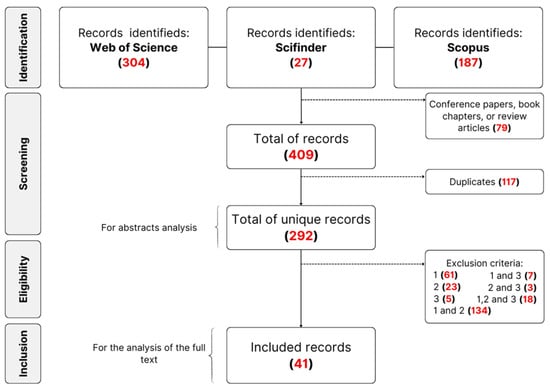
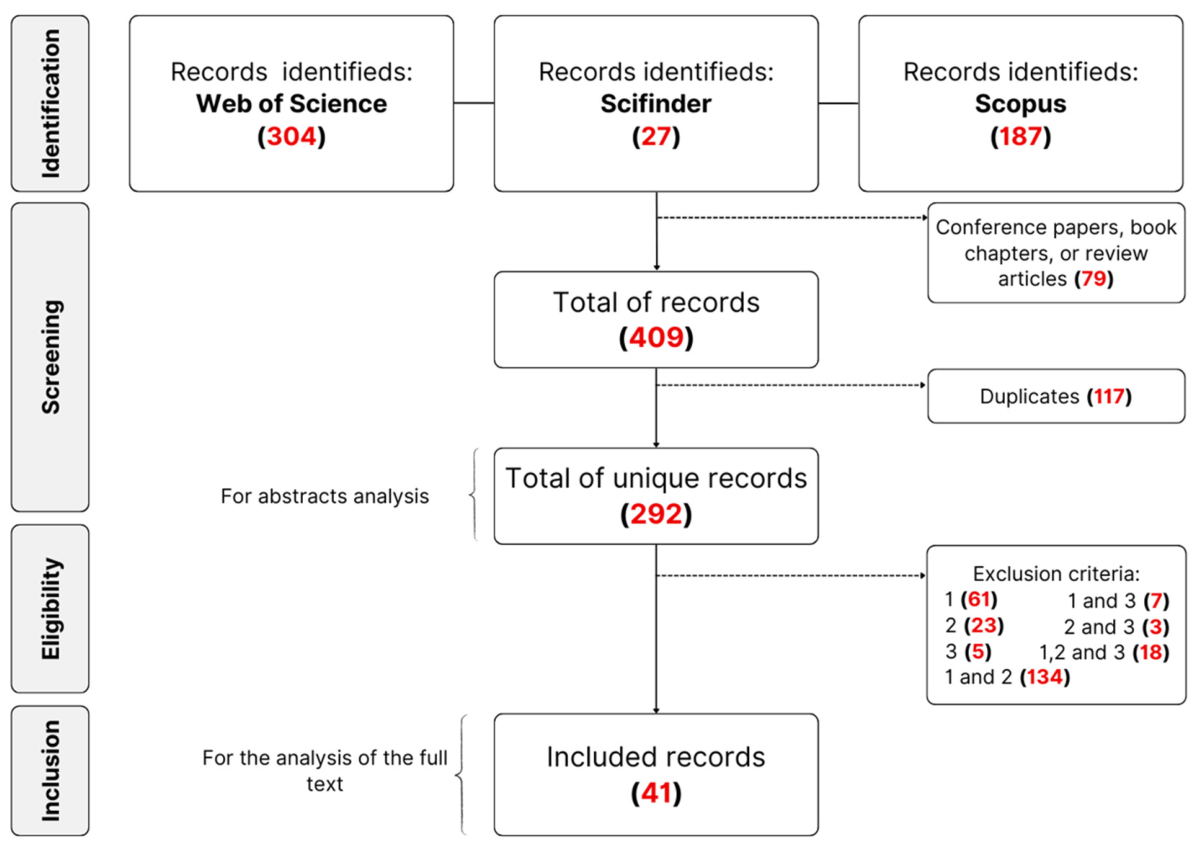
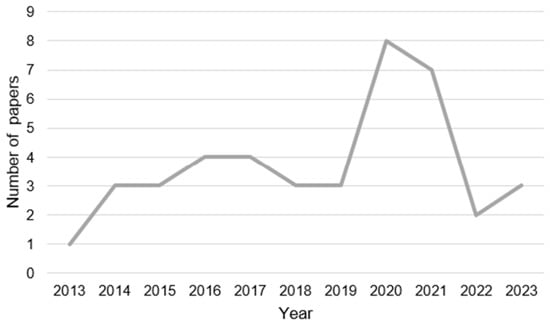
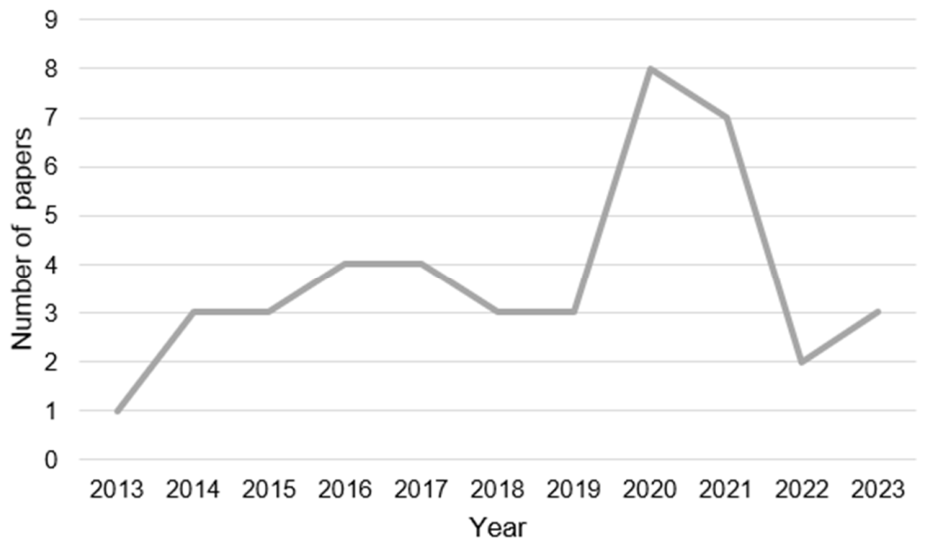
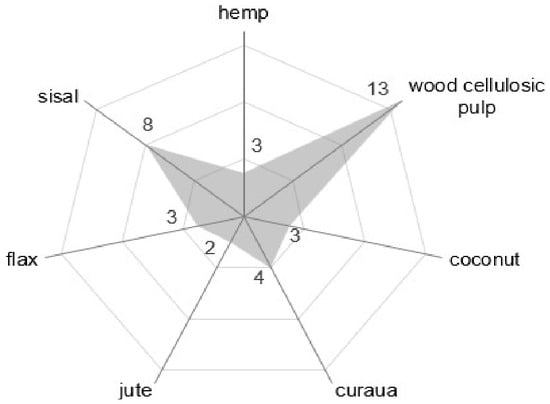
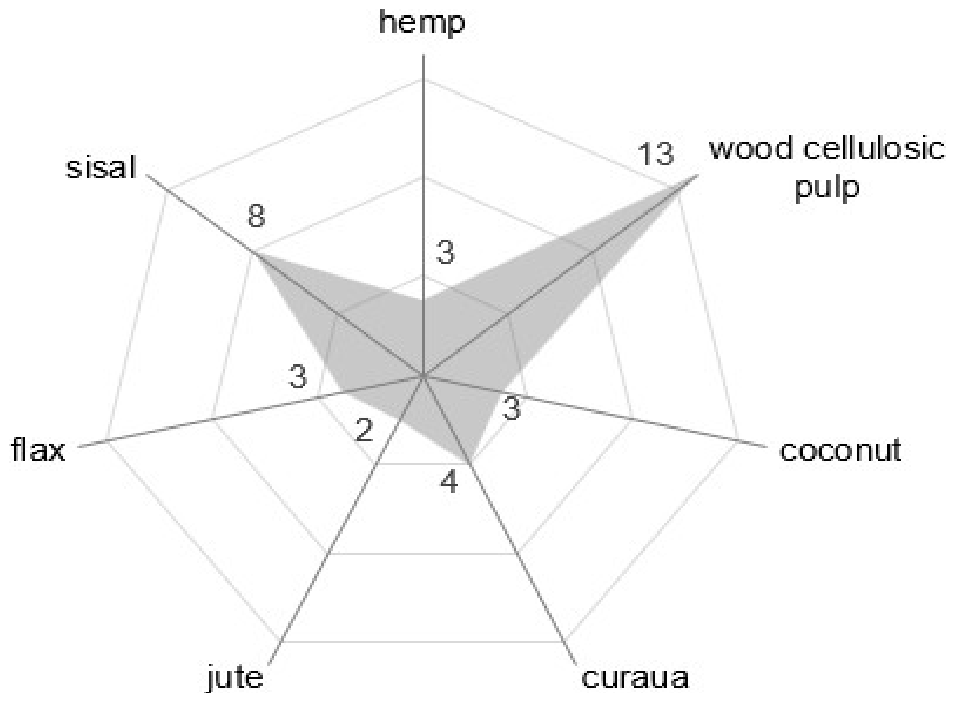
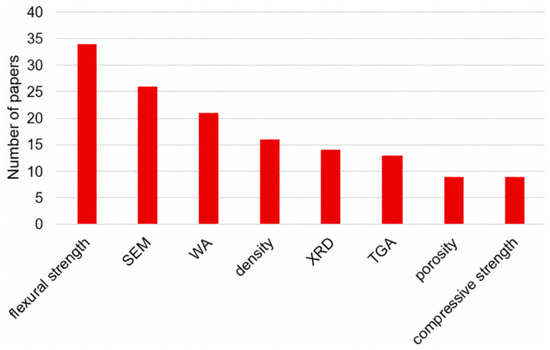
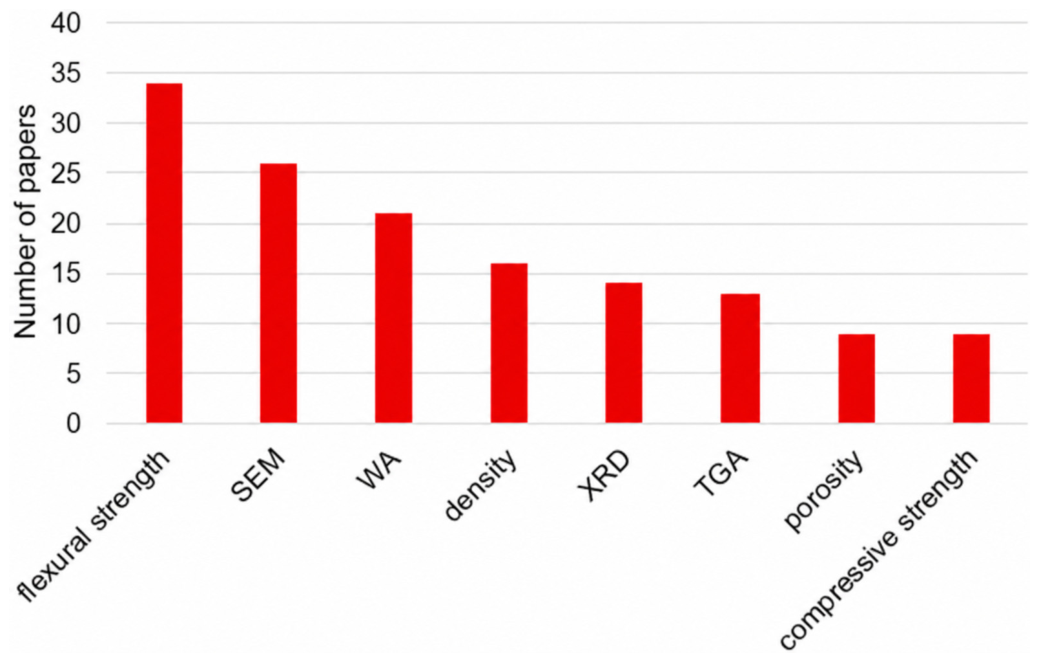
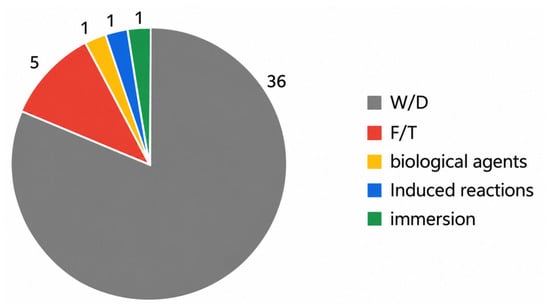
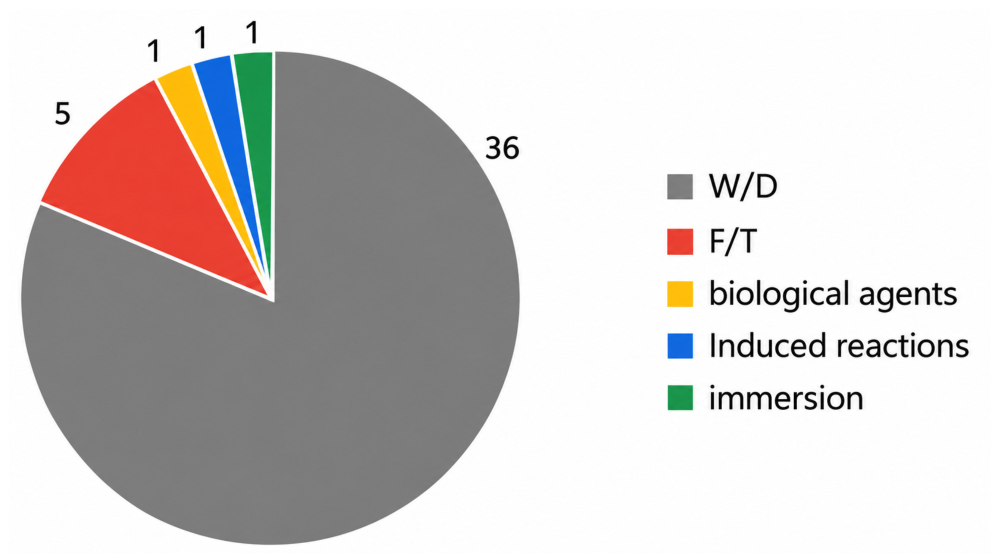
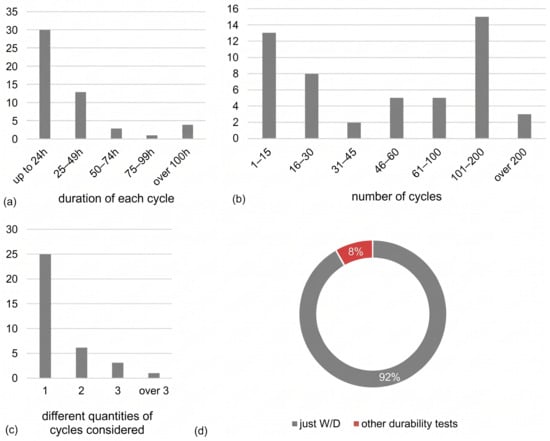
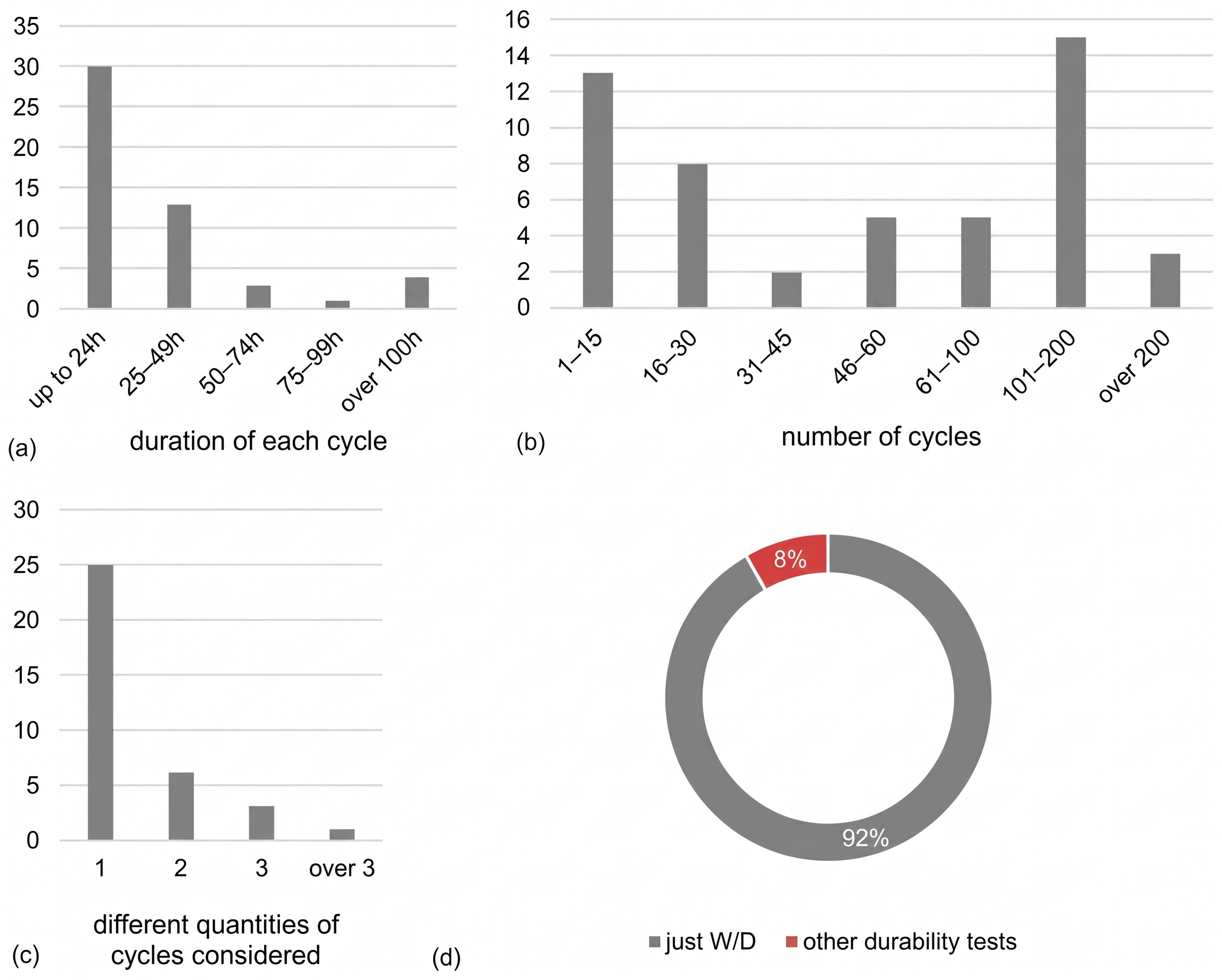
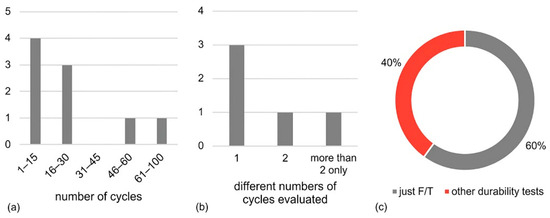

Disclaimer/Publisher’s Note: The statements, opinions and data contained in all publications are solely those of the individual author(s) and contributor(s) and not of MDPI and/or the editor(s). MDPI and/or the editor(s) disclaim responsibility for any injury to people or property resulting from any ideas, methods, instructions or products referred to in the content. |
© 2026 by the authors. Licensee MDPI, Basel, Switzerland. This article is an open access article distributed under the terms and conditions of the Creative Commons Attribution (CC BY) license.