


Abstract
This review paper systematically investigates the surface modification technology of wooden table tennis blades, with a particular focus on the inherent conflict between coating-induced protection and the preservation of acoustic performance—a critical yet underexplored aspect of blade design. While protective coatings are essential for enhancing durability against moisture, wear, and impact, they inevitably alter the blade’s vibrational characteristics and acoustic feedback, compromising the tactile–auditory perception that elite players rely upon. The current literature predominantly treats protection and acoustics as separate design objectives, lacking an integrated framework to resolve their inherent trade-off. To address this gap, this review establishes a material–structure–function integrated design paradigm that elucidates the synergistic optimization of coating protection and acoustic response. We systematically analyze the regulatory mechanisms of key coating parameters—specifically elastic modulus, density, and damping coefficient—on blade vibration modes and impact sound characteristics, demonstrating that conventional singular optimization inevitably leads to undesirable frequency shifts and diminished tactile feedback. Our synthesis of materials science, acoustic analysis, and biomechanics reveals that the key to synergy lies in constructing a mechanical impedance-matching transition system through material selection and thickness gradient design. Notably, we show that a multi-layer gradient coating architecture, guided by finite element simulation, can enhance protective performance by 40% while restricting acoustic deviation to within 5%, validating a rational “design–simulation–verification” closed-loop methodology. Furthermore, this review identifies critical research frontiers, including smart adaptive coatings and sustainable bio-based materials, and proposes a multi-objective optimization framework to bridge the gap between laboratory innovation and manufacturable, high-performance sporting equipment. This work provides a foundational theoretical roadmap for the next-generation design of competition-grade table tennis blades, balancing durability with the nuanced sensory demands of elite athletes.
1. Introduction
As the core component of competitive equipment, the wooden table tennis blade directly determines a player’s touch, control, and spin performance, making it a key focus in sports equipment R&D. Traditional wooden blades are prized for their excellent elastic modulus and natural feel; however, their porous structure makes them highly susceptible to moisture absorption, sweat corrosion, and mechanical wear during intensive use, leading to dimensional instability, reduced elastic modulus, and compromised hitting consistency [1,2,3]. Consequently, how to effectively improve surface durability without sacrificing the blade’s inherent acoustic and mechanical properties has become a critical research challenge.
In this review, the term “coating” is strictly defined as the external finish applied to the outermost surfaces of the face plies of the blade laminate (as illustrated in Figure 1), serving primarily as a protective barrier against moisture, sweat, and mechanical wear. This external coating is materially and functionally distinct from the internal adhesive layers used to bond the individual wood plies together. Surface modification technologies—including resin, polyurethane, and UV-curable coatings—are widely employed to enhance waterproofing and wear resistance by forming protective barriers [4]. However, while these coatings impart essential durability, they inevitably alter the wood’s inherent acoustic properties. The acoustic characteristics of wood, such as vibration frequency and attenuation time, are governed by its density, elastic modulus, and damping coefficient [5]. The introduction of a coating significantly increases surface density and rigidity, thereby modifying the vibration modes and acoustic radiation efficiency. For instance, excessive coating thickness raises the fundamental frequency and accelerates high-frequency attenuation, resulting in a “muffled” or “sharp” hitting sound that directly compromises the athlete’s perception of “feel” [6]. Thus, a complex coupling exists between protection and acoustics, and achieving an optimal balance is the key to high-performance blade design.
Figure 1.
Schematic representation of a wooden table tennis blade showing (a) the overall blade geometry and (b) the laminated structure, including the surface coating, face plies, adhesive layers, core ply, and representative fibre orientations.
The importance of acoustic performance extends beyond mere sound quality; it is directly linked to player perception and control. Upon impact, vibration signals are transmitted through the handle, forming an integrated tactile–auditory feedback system that helps athletes judge power, spin, and ball trajectory [7]. Blades with higher fundamental frequencies and shorter decay times are perceived as “fast and elastic,” favoring attacking play, whereas lower frequencies with longer decay times offer better “ball-handling” for control-oriented styles [5]. This underscores that acoustic characteristics are not secondary attributes but core performance indicators that must be preserved during surface modification.
Mechanistically, coatings regulate vibration modes and acoustic radiation by altering the wood’s density, elastic modulus, and damping coefficient. The higher elastic modulus and density of typical coating materials increase overall blade stiffness and natural frequency, while their damping characteristics (internal friction) absorb vibration energy and shorten attenuation time [4,5]. Crucially, coating thickness exerts a particularly pronounced effect: increasing thickness from 0.1 mm to 0.5 mm can raise the fundamental frequency by 10%–15% while narrowing the spectral width due to high-frequency attenuation [6]. These changes directly affect both the timbre of the hitting sound and the player’s perception of speed and spin. Hence, precise regulation of coating thickness, material selection, and application techniques is essential for achieving synergistic optimization of protection and acoustic performance.
Recent advances in nanomaterials and smart coating technologies offer promising pathways to resolve the protection–acoustic conflict. Functional gradient coatings, which continuously vary composition and structure through the thickness, can maintain high surface hardness while preserving internal flexibility and acoustic properties—for example, using a low-modulus, high-damping base layer to match wood’s acoustics and a hard, wear-resistant nanocomposite surface layer [8,9]. Such gradient designs not only alleviate interfacial stress but also enable directional tuning of vibration modes. Concurrently, smart coatings with environmental responsiveness—embedding temperature- or moisture-sensitive materials—can autonomously adjust damping or wettability to maintain acoustic stability under varying conditions [1]. These emerging technologies provide exciting opportunities for the personalized customization and performance breakthrough of next-generation table tennis blades.
2. Structural Features and Performance Requirements of Wooden Table Tennis Baseboards
2.1. Multilayer Structure of Base Slabs and Wood Selection
The core of table tennis sole plate performance lies in its multi-layer glued structure design and precise choice of wood. Typically, the base plate is made from 3 to 5 or even more thin wood sheets pressed together with specific adhesives. This multi-layer structure is not simply stacked materials but achieves mechanical properties by carefully arranging the layers of wood fibers in a crossed direction (such as 0°/45°/90°). This cross-lamination technology can significantly enhance the anisotropic mechanical properties and structural stability of the soleplate, allowing it to produce differentiated deformation and rebound characteristics when subjected to forces from different directions, thereby meeting athletes’ diverse needs for speed, spin, and control. In terms of wood selection, Ayous, Limba, Koto, and cypress are common materials, each possessing unique density and elastic modulus. For example, Ayous is often used in large core structures due to its lightweight and moderate elasticity, while Koto (a hardwood species commonly used as face veneer) is used as a surface material for its high density and hardness to increase ball release speed. The natural properties of these woods directly determine the initial performance tone of the baseboard.
As a natural porous material, wood typically has a porosity between 10% and 35%, a characteristic that has a profound impact on the acoustic performance of the base plate and the path of vibration transmission. Porosity not only determines the wood’s sound absorption capacity but also affects the transmission and dissipation of vibration energy inside the soleplate. High-porosity wood can absorb high-frequency vibrations more effectively, reducing unnecessary noise and optimizing the feel of the shot; Wood with low porosity is more conducive to the rapid transmission of vibration energy, making the feedback from the shot clearer and more direct. Research shows that coating titanium film on the surface of the base plate using physical vapor deposition technology can significantly alter the wood’s surface roughness and viscoelasticity, thereby affecting its overall mechanical properties [10]. This surface modification technology not only enhances the stiffness and rebound efficiency of the soleplate but may also adjust its acoustic characteristics by altering the opening state of the wood’s pores. Therefore, in base plate design, wood porosity is a key parameter that cannot be ignored. A schematic representation of a wooden table tennis blade, including the overall blade geometry, surface coating, face plies, adhesive layers, core ply, and representative fibre orientations, is shown in Figure 1. Here, the surface coating refers to the protective layer applied to the outer surface of the face ply and is distinct from the adhesive layers used to bond the individual wood plies. To provide a quantitative basis for understanding the performance differences among these commonly used wood species, Table 1 summarizes their key physical and mechanical properties, including density, elastic modulus, and anisotropy characteristics, all measured at 12% moisture content.
Table 1.
Physical and mechanical properties of common wood species used in table tennis blades.
2.2. Hitting Performance Evaluation Indicators
The evaluation of the hitting performance of wooden table tennis sole plates is a multidimensional and comprehensive indicator system, with the core of quantifying the physical response when the sole plate interacts with the ping pong ball, thereby providing athletes with an objective basis for material selection. Core performance indicators mainly include the coefficient of restitution (COR)—defined as the ratio of post-impact to pre-impact ball velocity in the direction normal to the blade surface—vibration decay time, impact sound frequency, and spectral purity. The rebound elasticity coefficient (COR) directly reflects the efficiency of the baseboard’s energy transfer to the ball and is a key parameter for measuring “kick power” and ball release speed. Vibration attenuation time is closely related to the ball’s grip and control performance; longer attenuation times usually mean the plate can wrap around the ball for longer, providing better handling. The frequency and spectral purity of the hitting sound are not only auditory feedback of the player’s subjective “feel” but also an external manifestation of the internal structural stability and material homogeneity of the soleplate. Research shows that professional athletes tend to prefer low-frequency (300–500 Hz) and slower attenuation of hitting sounds when selecting rackets. This acoustic characteristic is believed to be associated with better “feel” and ball control stability, as low-frequency sounds usually correspond to more uniform vibration modes and concentrated energy release on the baseboard, helping athletes accurately perceive hitting force and spin during high-speed matches [11]. Additionally, athletes develop excellent visual–motor abilities through long-term training, such as precise saccading eye movements, which require the sole plate to provide stable and predictable feedback to help predict the ball’s trajectory [11].
In addition to dynamic hitting performance, the protective performance of the sole plate is also an important dimension for evaluating its overall quality, especially when dealing with sweat, environmental humidity, and frequent friction. Core requirements for protection include a waterproof penetration rate below 0.2 g·cm−2·h−1, surface hardness of Shore D 60 or above, and excellent scratch resistance. Low waterproof penetration is the prerequisite for ensuring the stability of the soleplate structure. As a natural hydrophilic material, wood is prone to deformation and warping due to moisture absorption without effective protection, which in turn alters the sole’s elasticity and vibration characteristics, seriously affecting the consistency of the hitting feel. Surface hardness directly affects the durability of the bottom plate and the efficiency of energy transfer during hitting. The higher surface hardness (Shore D above 60) not only effectively resists frequent collisions and friction between the racket and the table or ball, preventing dents or scratches on the surface, but also provides clearer and more concentrated force feedback at the moment of impact, increasing ball speed. Scratch resistance ensures the base plate maintains an attractive surface condition even after long-term use, avoiding localized performance unevenness caused by surface damage. Achieving these protective properties usually depends on advanced surface coating technologies, such as nano-coatings or polymer coatings. These coatings provide physical barriers while also addressing the impact on the original acoustic and vibration characteristics of the base plate, achieving synergistic optimization of protection and performance. The key indicators used to evaluate the acoustic, playing, and protective performance of coated wooden table tennis blades are summarized in Figure 2.
Figure 2.
Key indicators for evaluating the balanced optimization of acoustic, playing, and protective performance in coated wooden table tennis blades.
3. Application of Coating Materials in the Protection of Wooden Slabs
3.1. Types and Protection Mechanisms of Traditional Coatings
Polyurethane coatings, due to their excellent film-forming properties and dense structure, are widely used in protecting wooden table tennis baseboards. Its core protection mechanism lies in forming a high-crosslinking density three-dimensional network film that effectively blocks the penetration of water molecules and corrosive media in the air. Research shows that the crosslinking density of polyurethane coatings is a key factor determining their protective lifespan. The higher the crosslinking density, the smaller the free volume between molecular chains, and the more winding the diffusion path of water molecules, thereby significantly extending the protection period of the base plate [12]. In addition, the interfacial bonding strength between polyurethane coatings and wood substrates is also crucial. Through chemical bonding or mechanical interlocking, adhesion and durability of the coating can be further improved [13]. However, polyurethane coatings may age and degrade during long-term use due to ultraviolet exposure or changes in temperature and humidity, so formulation optimization and anti-aging modification remain key research priorities.
Nitro paint coatings, known for their fast drying, high gloss, and easy application, have secured a place in traditional wood soleplate coatings. The main component of nitro paint is nitrocellulose, which dissolves in organic solvents and is applied to the wood surface, where the solvent rapidly evaporates to form a bright coating [1]. However, their wear resistance and weather resistance are relatively poor, and under frequent friction or changes in temperature and humidity, scratches, loss of luster, or even peeling can occur. To overcome this drawback, nitro paint is often combined with other materials, such as blended with polyurethane or acrylic resin, to enhance the overall mechanical properties and protective effect of the coating [14]. In addition, the issue of solvent release from nitro paints has also attracted increasing attention from environmental regulations, driving the development of low-volatile organic compound (VOC) formulations.
UV-curable coatings (such as acrylic systems) represent an important development direction in modern wood soleplate surface treatment technology. Under ultraviolet light, the photoinitiator rapidly decomposes to produce free radicals, triggering cross-linking polymerization of acrylate monomers or prepolymers, and can cure within seconds [15]. This feature not only greatly improves production efficiency but also achieves low solvent emissions, aligning with the concept of green manufacturing. UV-cured coatings have high hardness and strong scratch resistance after curing, and their flexibility, adhesion, and gloss can be controlled by adjusting the formulation (such as introducing monomers or nanofillers with different functional levels) [16]. However, its curing depth is limited by the penetration capability of ultraviolet light. For complex shapes or thick coating structures, it is necessary to optimize the light source configuration and coating thickness. In addition, the yellowing and brittleness of UV-curable coatings under long-term outdoor exposure still require improvement by adding UV absorbers or antioxidants [17].
3.2. Development of Nano-Modified Coatings
Nano-modified coating technology is an important development direction in the field of surface modification of wooden table tennis sole plates. By incorporating nanomaterials such as nano silica, zinc oxide, or carbon nanotubes into the coating system, the mechanical strength and resistance to UV aging of the sole plate can be significantly enhanced. Research shows that, based on the “substrate + nanoparticles” hybridization principle, the silica/polydimethylsiloxane (SiO2/PDMS) self-cleaning superhydrophobic coating constructed biomimetically on the wood surface not only retains the original color and texture of natural wood but also exhibits excellent liquid repellency, with a static water contact angle as high as 158.5° and a slip angle as low as 10° [18]. This superhydrophobic property allows the coating to reach a contact angle of over 120°, significantly reducing the adhesion of sweat and moisture on the soleplate surface, thereby effectively minimizing wood deformation and performance degradation caused by humidity changes. Additionally, the impact of nano coatings on the wood’s original acoustic properties can be controlled within 5%, superior to traditional coatings, which is crucial for maintaining crisp sound quality and vibration feedback when hitting the table tennis base. The monodispersibility of nano silica microspheres effectively enhances the superhydrophobicity of hydrophilic wood, and the coating maintains stable superhydrophobicity under harsh conditions such as mechanical damage (such as sandpaper friction, steel knife scratches), thermal damage (UV exposure, high-temperature steam, and low-temperature freezing), chemical damage, and solvent corrosion (acid and alkali immersion) [18]. This durability ensures the reliability of the nano-modified coating over long-term use, avoiding the issues of wear and aging that traditional coatings are prone to. At the same time, the nano-coating demonstrates excellent self-cleaning and anti-stain performance, automatically repelling dust and stains and reducing maintenance frequency [18]. In terms of acoustic performance, the nano-coating minimizes interference with the wood’s inherent acoustic properties by optimizing coating thickness and nanoparticle dispersion, ensuring the base plate produces ideal tone and vibration patterns when hit. Compared to traditional coatings, nano coatings are thinner and more uniform, better transmitting the natural acoustic response of wood, thereby enhancing the feel of players hitting the ball. In addition, the addition of nano zinc oxide and carbon nanotubes can impart additional functions such as antibacterial and antistatic properties to the coating, further expanding the application scenarios of wooden table tennis sole boards. In summary, nano-modified coating technology provides an efficient and sustainable solution for surface modification of wooden table tennis baseboards by synergistically enhancing mechanical strength, anti-aging, hydrophobicity, and acoustic performance. The principal protective mechanisms of surface coatings, including water barrier formation, mechanical reinforcement, and coating–substrate adhesion enhancement, are summarized in Figure 3.
Figure 3.
Protective mechanisms of surface coatings on wooden table tennis blades, including water barrier formation, mechanical reinforcement, and coating–substrate adhesion enhancement.
The foregoing discussion individually addresses the protective mechanisms and performance characteristics of each coating category. However, for practical blade design and material selection, a direct comparative assessment across different coating systems is essential to understand their respective trade-offs. Table 2 summarizes the key performance indicators of representative coating systems for wood surface protection, including hardness, adhesion, wear resistance, water repellency, curing conditions, and primary limitations.
Table 2.
Comparative performance of representative coating systems for wooden blade surface protection.
4. Evaluation Methods and Optimization Techniques for Coating Protection Performance
4.1. Laboratory Testing of Protective Performance
Laboratory testing of protective performance is the core step in evaluating the durability and functionality of wooden table tennis sole plate coatings, mainly through accelerated aging, mechanical wear, and chemical structure analysis to systematically quantify the coating’s performance in waterproofing, wear resistance, and chemical stability. In waterproofing evaluation, accelerated aging experiments of constant temperature and humidity chambers are widely used, indirectly reflecting the coating’s water-blocking ability by measuring the mass change rate and dimensional stability of the sample. Research shows that beech samples treated with polyxylene-N coating have water absorption rates 25% to 34% lower than untreated samples, and there is a linear correlation between coating thickness and water absorption, providing a basis for optimizing coating thickness to balance protection and acoustic performance [19]. Similarly, wood modified with tetramethylcyclotetrasiloxane has radial and cross-sectional water contact angles of 140.1° and 152°, respectively, demonstrating excellent hydrophobicity, effectively suppressing dimensional expansion and mass increase caused by water infiltration [20]. Additionally, coatings based on zinc oxide-modified water-based UV varnish have a surface water contact angle of up to 158.4°. Scanning electron microscopy and infrared spectroscopy analysis confirmed that the micro–nano rough zinc stearate structure constructed on the coating surface is key to its superhydrophobicity, providing a technical path to improve the dimensional stability of the substrate in humid environments [21]. To ensure the reliability and comparability of water resistance assessments, standardized protocols such as ASTM D870 (water immersion) and ASTM D1735/ASTM D2247 (water fog/100% relative humidity) are widely adopted in the coatings industry. These standards specify specimen preparation, exposure conditions, and evaluation criteria, thereby minimizing inter-laboratory variability. For international applications, ISO 2812-2 provides an equivalent water immersion method for determining the resistance of coating systems to water; however, it should be noted that the evaluation criteria in ISO 2812-2 are often subjective and require pre-agreement between interested parties.
In terms of wear resistance and surface integrity, Taber wear tests and scratch hardness tests are standard methods for quantifying a coating’s resistance to mechanical damage. A study on UV-curable coating systems found that coating wear resistance is closely related to curing conditions, indicating that thorough cross-linking curing is key to improving surface integrity [22]. For water-based polyurethane–acrylate self-pleating coatings, the pencil hardness can reach 3H, and after 150 fingerprint resistance tests, it maintains performance with a wear rate of only 0.045 g, demonstrating excellent surface mechanical properties [23]. Additionally, by grafting soy protein isolates onto polyacrylate, the pencil hardness of the coating increased from HB to 3H, and the elastic modulus rose from 0.317 MPa to 46.949 MPa, thanks to the dense network structure formed by the graft copolymer, which enhances the coating’s deformation resistance [24]. These tests not only verified the coating’s scratch and wear resistance during practical use but also provided experimental evidence for regulating surface hardness and toughness through formulation design. The Taber abrasion test is standardized under ASTM D4060, which provides a rigorous framework for evaluating the abrasion resistance of organic coatings. However, as noted in the standard, abrasion tests utilizing the Taber Abraser may be subject to variation due to changes in the abrasive characteristics of the wheel during testing, necessitating frequent resurfacing at agreed-upon intervals. For adhesion assessment, the cross-cut test (ISO 2409) offers a six-step classification scheme for evaluating resistance to separation from substrates, though it is explicitly not a means of measuring adhesion; for quantitative adhesion values, the pull-off test (ISO 4624) is recommended. Hardness evaluations follow ASTM D3363 (pencil hardness) for rapid screening or ASTM D4366 (pendulum damping) for higher precision, with the latter correlating well with coating toughness.
Spectral analysis, especially attenuated total reflection Fourier transform infrared spectra, plays an irreplaceable role in detecting coating curing degree and chemical bond stability. With ATR-FTIR, researchers can track changes in functional groups in the coating in real time to determine whether the curing reaction is complete. For example, in research on epoxy resin-based coatings, FTIR was used to monitor the breaking and recombination of chemical bonds during photochemical aging, revealing the mechanisms by which different curing agents affect the coating’s UV aging resistance [25]. For wood fiber–polymer composites, ATR-FTIR measurements clearly showed that as the amount of wood fiber filling increased, the signal of wood fiber functional groups in the surface layer was enhanced, directly related to changes in hydrophilicity and oxidation resistance of the composites [26]. When evaluating coating durability, FTIR can also be used to analyze interfacial chemistry between the coating and the wood substrate. For example, after treating wood with ε-polylysine, FTIR analysis showed that it forms hydrogen bonds with the wood hydroxyl group. This chemical bonding not only enhances coating adhesion but also significantly improves the wood’s resistance to fungal degradation, reducing the mass loss rate from over 15% to below 8% [27]. Additionally, by combining X-ray photoelectron spectroscopy with scanning electron microscopy, FTIR can comprehensively analyze the chemical composition and micromorphological changes of coatings before and after aging, providing key data support for optimizing coating formulations and enhancing long-term protective performance [28]. Statistical variability is an inherent aspect of coating performance testing that must be carefully addressed to ensure meaningful interpretation of results. As highlighted in ASTM D4541, at least three replications are typically required to statistically characterize a test area. The reproducibility of test results is highly dependent on the degree of control over parameters such as specimen preparation, environmental conditions, and measurement techniques. For coating thickness measurements, the coefficient of variation (standard deviation divided by the mean) provides a more meaningful indicator of uniformity than absolute standard deviation, as the latter tends to increase with higher average thickness values. Researchers should report both mean values and measures of dispersion (e.g., standard deviation, coefficient of variation) for all quantitative test results and specify the number of replicate specimens and repeated measurements conducted. This practice not only enhances the transparency and reproducibility of experimental findings but also facilitates meaningful comparisons across different studies and laboratories.
In summary, the role of these spectroscopic and microscopic analytical techniques (such as FTIR, XPS and SEM) is not limited to characterisation at the materials science level. Their core value in this study lies in their ability to establish a causal relationship between the chemical and physical structure of the coating and its macroscopic acoustic properties. For example, FTIR can be used to confirm whether the coating has formed the expected cross-linked network, and the degree of cross-linking directly determines its elastic modulus and damping coefficient (to be detailed in Section 6); these two parameters are precisely the key factors in regulating the vibration modes of the backing board and the impact sound spectrum. Similarly, the surface topography and thickness uniformity of the coating revealed by SEM directly influence the degree of mechanical impedance matching with the wooden substrate, thereby affecting the efficiency of vibration energy transfer. By correlating this microstructural information with the macroscopic acoustic responses discussed in Section 6 (such as vibration decay curves and spectral characteristics), we are able to provide a more rational explanation for ‘why a particular coating formulation or process produces a specific auditory effect’, and to provide experimental evidence for the ‘material–structure co-design’ strategy proposed in Section 7. In short, these analytical techniques serve as a bridge between ‘coating materials engineering’ and ‘acoustic tuning of the substrate’ and are an indispensable component of the closed-loop ‘design–simulation–verification’ research methodology adopted in this thesis.
4.2. Relationship Between Protection Performance and Coating Thickness
There is a close nonlinear relationship between the protective performance of wooden table tennis soleplate and the thickness of the coating. Research shows that moisture permeability decreases exponentially as coating thickness increases, because thicker coatings can more effectively block micropores and capillary channels on the wood surface, significantly reducing the rate of moisture intrusion. However, when the coating thickness exceeds 0.2 mm, due to differences in thermal expansion coefficients between the coating and the wood substrate and volume shrinkage during curing, significant internal stress is likely to occur at the interface, which can cause coating cracking or peeling, thereby weakening the protective effect [10]. This phenomenon has been verified in titanium thin film studies prepared by magnetron sputtering. When the deposition thickness is 5 μm, the coating effectively improves the rigidity and resilience efficiency of the substrate without significant stress concentration issues [10].
In practical applications, the optimal coating thickness is usually controlled within the range of 0.05–0.15 mm, which ensures good protection while maintaining the original flexibility and feel of the soleplate. An overly thin coating (<0.05 mm) struggles to form a continuous barrier, allowing moisture to penetrate through coating defects; an excessively thick coating (>0.15 mm) excessively increases the rigidity of the base plate, affecting its vibration characteristics and energy dissipation capacity [10]. Additionally, the thickness of the coating also affects the acoustic performance of the soleplate; an appropriate thickness helps optimize sound feedback during hitting, enhancing the player’s experience.
To further balance protection and mechanical performance, functional gradient coating technology has been introduced into the surface modification of wooden table tennis sole plates. This coating achieves synergistic optimization by designing varying thicknesses and compositions in different layers—for example, the outer layer uses a dense structure to provide excellent moisture resistance and abrasion resistance, while the inner layer retains elasticity to cushion impacts [29]. Research shows that gradient coatings can effectively distribute interfacial stress, reduce failure risks caused by sudden thickness changes, and maintain the overall flexibility and resilience of the base plate [29]. This design concept is not only suitable for table tennis soleplates but also serves as a reference for surface protection on other wooden sports equipment. In the future, combining numerical simulation and experimental validation, the thickness distribution of gradient coatings can be further precisely regulated to achieve better performance balance [29].
4.3. Limitations of Accelerated Aging Tests
While accelerated aging tests are indispensable for rapidly evaluating the long-term protective performance of coatings, their limitations must be critically acknowledged to avoid overinterpretation of results. Accelerated weathering plays an important role in the development of new finishing systems; however, there is currently no standardized method universally applicable to wood surfaces. This absence of a wood-specific standard poses particular challenges for table tennis blade research, given wood’s unique hygroscopic and anisotropic nature.
A primary limitation of accelerated aging is the poor correlation between accelerated and natural outdoor exposure. The accelerated conditions—such as elevated temperatures, concentrated UV radiation, and cyclic condensation—may induce degradation mechanisms that differ qualitatively from those occurring under natural service conditions. For example, research has shown that accelerated aging significantly diminishes the adhesion strength of coatings on both maple and pine species, as steam during the aging process causes moisture absorption and swelling of fibers near the coating–wood interface. However, the rate and extent of this degradation may not accurately predict field performance.
Furthermore, the substrate dependence of accelerated aging results is a critical consideration. Studies have demonstrated that the same coating system can exhibit markedly different degradation behaviors when applied to different wood species. This variability underscores the need for testing on the actual substrate material (i.e., the specific wood species used in the blade) rather than on generic test panels. Additionally, the cycle parameters—including UV irradiance, temperature, humidity, and wet/dry cycling frequency—significantly influence the aging outcome, and there is limited consensus on optimal cycles for wood coating evaluation.
To mitigate these limitations, researchers should adopt a multi-tiered testing strategy that combines: (1) accelerated aging for rapid screening of coating formulations; (2) controlled laboratory simulations of specific service conditions (e.g., sweat exposure, mechanical wear); and (3) where feasible, field exposure trials to validate accelerated test findings. When reporting accelerated aging results, authors should explicitly describe the test cycle parameters, specify the wood species and substrate preparation methods, and discuss the expected relevance to real-world service conditions. This comprehensive approach enhances the predictive value of laboratory testing and supports more reliable coating optimization for high-performance table tennis blades.
5. Acoustic Theoretical Foundations and Vibration Characteristics of Wooden Base Panels
5.1. Mechanism of Hitting Sound
The sound produced by the table tennis base plate at the moment of striking is essentially sound wave radiation caused by the free bending vibration of the bottom plate structure after impact. When the sphere hits the surface of the base plate, the impact energy first triggers a local elastic deformation at the point of impact, which then propagates throughout the base plate as a stress wave, triggering the macroscopic bending vibration pattern of the base plate. The frequency characteristics of this vibration—that is, the pitch and timbre—are mainly determined by the physical properties of the wood and the geometric dimensions of the baseboard. Specifically, the fundamental frequency vibration frequency of the base plate is proportional to the elastic modulus of the wood, and inversely proportional to the square of the wood density and the thickness of the base plate. As an anisotropic material, wood’s acoustic properties show significant differences across different fiber directions. The longitudinal (along the fiber direction) of wood is much faster than the lateral (perpendicular to the fiber direction), usually reaching 3 to 5 times. This difference arises from the orientation of the wood cell cavity and the orientation of cellulose microfilaments in the cell wall. Therefore, when the base plate is impacted, the vibration wave speeds propagate in different directions vary, resulting in complex vibration mode coupling.
There is a complex coupling relationship between local deformation at the impact point and the overall macroscopic vibration of the base plate, which is key to producing rich harmonics. The fundamental frequency determines the “pitch” of the sound, while the intensity and distribution of higher-order overtones determine the “crispness” or “dullness” of the sound. When the sphere strikes, local deformation excites various higher-order vibration modes, whose frequencies are not integer multiples of the fundamental frequency, resulting in non-harmonic overtones and giving the base a unique tone. The microstructure of wood, such as the density of tree rings, the alternation of early and late timber, and the distribution of wood rays, all affect the transmission and dissipation of vibrational energy, thereby altering the structure of overtones. For example, wood with uniform density and straight grain usually produces purer, more focused fundamental frequencies, while defects like knots or diagonal grain introduce extra damping, suppressing higher-order overtones and making the sound dull. In addition, the geometry of the base plate, such as the curvature of the plate surface, chamfers of the edges, and the way handles are connected, can also alter the vibration boundary conditions, thereby affecting the mode shape and frequency distribution of vibration.
The anisotropy of sound speed in wood is central to understanding the acoustic characteristics of the slab. The longitudinal speed of sound is much higher than that of transverse sound, meaning vibration waves propagating along the fiber direction can reach the edges of the base plate more quickly and reflect back, forming standing waves. This standing wave pattern determines the vibration mode of the base plate. During hitting, the ball hitting point is usually located in the sweet zone of the bottom plate, where vibration modes are most active. The vibrational energy generated by the impact is rapidly transmitted longitudinally to the racket handle and fed back to the athlete through the hand, creating what is called a “tactile feel.” Meanwhile, lateral vibration contributes more to sound radiation. Therefore, the design of the base plate needs to balance longitudinal and lateral vibration characteristics to meet both tactile feel and sound requirements. Research shows that by adjusting the wood’s moisture content or applying specific heat treatments, the elastic modulus and damping coefficient of the wood can be altered, thereby fine-tuning its acoustic response. For example, lowering the moisture content usually increases the wood’s elastic modulus, raising the fundamental frequency and making the sound crisper; Increasing damping suppresses high-frequency overtones, making the sound softer. This precise regulation of the wood’s acoustic properties provides a theoretical basis for optimizing the hitting sound of the table tennis sole plate through surface modification technology.
5.2. Vibration Modes and Damping Characteristics
The vibration mode of the wooden table tennis base plate is the core physical characteristic that determines its hitting feel and sound feedback. The vibration modes of the base plate mainly include the first bending mode, torsional mode, and higher-order bending mode, with their fundamental frequency typically in the range of 200–600 Hz. This frequency range closely overlaps with the sensitive area of the human ear to sound, directly affecting athletes’ auditory perception at the moment of impact. When the paddle contacts the ping pong ball, the base plate experiences transient vibrations, with the vibration pattern determined by the geometry of the baseplate, the direction of the wood fibers, and the laminated structure. The first bending mode usually corresponds to the overall front and back bending of the base plate, while the torsional mode involves twisting and deforming the plate surface, while the higher-order mode is more complex and involves local regional vibration. The combination of these modalities forms the unique acoustic fingerprint of the base plate. Research shows that by adjusting the number of layers of the base plate, the thickness of each wood layer, and the type of adhesive, the frequency distribution of vibration modes can be effectively regulated, thereby altering the “tone” of the base plate [30]. For example, increasing the stiffness of the baseplate usually raises the fundamental frequency, making the sound crisper; Increasing damping reduces the amplitude of the high-frequency components, making the sound softer.
The damping coefficient (tan δ) is a key parameter for measuring the rate of vibration energy decay on the baseboard, determining the duration and attenuation characteristics of sound after impact. The high-damping material (Tan δ > 0.1) can quickly absorb vibration energy, making the sound softer and shorter, and reducing unnecessary aftereffects, helping athletes distinguish each shot more clearly during fast exchanges. Conversely, low-damping materials cause vibrations to last longer, producing louder, more lasting echoes, which may provide richer feedback in some cases but may also cause auditory confusion. The internal friction of the wooden slab itself is one of the main sources of damping. Due to differences in cell structure and moisture content, the internal friction coefficients of wood species vary significantly. For example, hardwoods like ebony or rosewood typically have higher stiffness and lower internal damping, while softwoods like paulownia or balsa wood have higher damping. Additionally, the coating on the bottom plate, especially the paint or protective layer on the surface material, introduces additional damping effects. The thickness, elastic modulus, and viscoelastic properties of the coating all affect the overall damping characteristics of the base plate [31]. Therefore, by carefully selecting wood and coating materials, it is possible to precisely control the damping characteristics of the base plate.
The internal friction of the wood itself combined with the additional damping of the coating determines the overall acoustic attenuation curve of the base plate. This curve describes the pattern of sound intensity changes over time after hitting the ball, representing a comprehensive reflection of the acoustic performance of the soleplate. The internal friction of wood mainly arises from interfacial friction between cellulose, hemicellulose, and lignin in its microstructure, as well as viscoelastic deformation of the cell wall. This internal friction plays a significant role in the low-frequency range (such as near the fundamental frequency), determining the attenuation rate of the “main body” of the sound. Coatings, especially thicker paint or polymer layers, have more pronounced damping effects at high frequencies, effectively suppressing vibrations in higher-order modes and thus “flattening” the peaks in the acoustic spectrum for a smoother sound. This synergy means that even if two bottom plates have the same wood structure, simply changing the coating formulation or thickness can produce completely different acoustic attenuation curves [32]. For example, a high-damping polyurethane coating can significantly shorten the time for sound attenuation, while a harder epoxy resin coating may maintain or even enhance high-frequency vibrations. Therefore, in the design of the soleplate, it is essential to consider both the internal friction characteristics of wood and the additional damping of the coating. By optimizing the match, ideal acoustic performance can be achieved—that is, preserving the natural tone of the wood while finely “tuning” it through coating technology to meet the personalized needs of different players for hitting feel and sound feedback.
6. The Regulatory Mechanism of Coatings on the Acoustic Performance of the Bottom Plate
6.1. Influence of Coating Elastic Modulus and Density
The elastic modulus of the coating material is one of the key parameters affecting the acoustic characteristics of wooden table tennis baseboards. When the coating’s elastic modulus is much higher than that of wood—for example, epoxy resin has an elastic modulus of about 3 GPa, while common woods like eucalyptus typically have elastic modulus in the range of 1–2 GPa; this significant difference in modulus leads to a significant increase in overall slab stiffness. The increase in stiffness directly changes the vibration mode of the baseplate, raising the fundamental frequency and thereby altering the tone of the sound produced during hitting. Research shows that the stiffness coefficient of the saw blade during wood processing has a significant impact on machining accuracy. Similarly, the matching of the coating and wood stiffness also affects the vibration response of the base plate [29]. When the coating stiffness is too high, the high-frequency vibration components of the sole plate under impact intensify, making the sound sharper, which may not match athletes’ preference for the rich tone of traditional wooden sole plates.
Low-density coating materials, such as aerogel composite coatings, offer significant advantages in reducing additional mass to the vibration system. According to vibration theory, the additional mass lowers the system’s natural frequency, causing frequency shifts. Low-density coatings minimize this mass effect, allowing the base plate to maintain vibration characteristics close to the original wood after application. For example, the role of salicylic acid in regulating plant permeability systems has shown that externally applied regulators can enhance plant drought tolerance by optimizing physiological parameters [33]; similarly, low-density coatings help maintain the original acoustic performance of the base plate by reducing interference with the wood’s vibration system. This mass effect is especially critical in thin coatings, as even a slight increase in mass can cause perceptible frequency changes during high-frequency vibrations.
The principle of elastic modulus matching is the core strategy for achieving coordinated optimization of coating protection and acoustic performance. Research shows that when the elastic modulus ratio between the coating and wood is maintained between 0.3 and 1.5, the original acoustic characteristics of the base plate can be effectively preserved. This proportional range ensures the coating provides sufficient protection without excessively altering the wood’s vibration behavior. For example, in wood processing, asymmetric loads on saw blades can lead to machining errors [29]; similarly, mismatches between coatings and wood modulus introduce asymmetry into the vibration system, altering the vibration mode of the base plate. By selecting coating materials with modulus close to wood, such as certain modified acrylic resins (modulus about 1.5–2.5 GPa), effective surface protection can be achieved without significantly altering acoustic properties. Additionally, the design principles of mistletoe control tools show that the synergy of mechanical and chemical methods can improve efficiency [34], which also applies to coating design, which balances protection and acoustic performance by optimizing the combination of elastic modulus and density.
6.2. Adjustment of Coating Damping on Sound Attenuation
The coating damping characteristics are the key factor in regulating the attenuation of the sound from wooden table tennis baseboards. The core is to shorten vibration duration by increasing the system’s damping ratio, making the hitting sound shorter and clearer. High-damping coatings, such as rubber-based or polyurethane elastomer materials, have significant viscoelastic energy dissipation mechanisms inside, effectively absorbing and dissipating vibration energy. When the base plate is impacted and causes vibration, internal friction between the coating molecular chain segments converts mechanical energy into heat, accelerating the vibration attenuation process. Research shows that the damping behavior of wood and its composites is closely related to its viscoelasticity, and dynamic mechanical analysis (DMA) can effectively characterize this energy dissipation capability [35]. This additional damping introduced by the coating stems from the chemical structure and microstructure of the coating material, which can be verified using techniques such as ATR-FTIR and SEM, as described in Section 4.1. For example, FTIR analysis can reveal the density of polar groups (such as carbamate bonds) within the coating and the strength of hydrogen bonding; these microscopic interactions directly determine the internal friction of molecular segments under vibrational stress, which constitutes the chemical origin of macroscopic damping [35]. Therefore, cross-referencing the microscopic information obtained in Section 4.1—such as the degree of curing, cross-linking density, interfacial defects, with the results of the macroscopic vibration attenuation tests (such as DMA) described in this section, enables us to establish a precise and complete chain of evidence linking ‘microscopic chemical structure → viscoelasticity → damping coefficient → acoustic attenuation characteristics’. This, in turn, provides more in-depth theoretical guidance for optimising acoustic performance through formulation and process optimisation (Section 7). For example, in polylactic acid/polybutylene sputoxylate/wood powder biocomposites, adding coupling agents can significantly increase their energy storage modulus and affect their viscoelastic response, indirectly reflecting changes in material damping characteristics [36]. For wooden sole plates, using a high-damping coating is equivalent to introducing an efficient “vibration absorber” that can quickly suppress unwanted residual vibrations, making the sound signal more focused and cleaner—crucial for table tennis that requires fast and clear feedback.
However, the coating damping effect is not linearly enhanced but exhibits a complex nonlinear relationship with coating thickness. When the coating is too thin, its damping effect is not significant, because the limited volume of the material cannot provide sufficient energy dissipation paths, vibration attenuation is not obvious, and the sound may still be sluggish. Conversely, when the coating is too thick, although the damping effect is greatly enhanced, it completely suppresses high-frequency overtones, making the sound dull with a lack of layering and penetration. This nonlinear relationship stems from the effect of coating thickness on vibration modes: thin coatings mainly affect surface wave propagation, while thick coatings may alter the bending stiffness and mass distribution of the entire base plate, thereby altering its natural frequency and vibration mode. Related studies indicate that the type and thickness of the coating polymer significantly affect the acoustic properties (such as damping coefficient and quality factor) of resonant spruce wood, and this effect is closely related to the frequency range of sound [37]. For example, when applying 5 or 10 layers of oil-based varnish, it delivers a fuller sound at 1.5 kHz, while more than 10 layers softens the sound [37]. This provides a direct reference for optimizing the coating thickness of table tennis baseplates: a balance must be found between enhancing damping and preserving high-frequency details.
Further research found that the coating damping factor is proportional to the vibration displacement in the central region of the base plate, providing a theoretical basis for local damping regulation through point coating technology. The central area of the base plate is usually the area where the ball vibrates most violently during hitting and is the main area where sound is generated. By dotting or locally coating high-damping materials in this area, vibrations at specific frequencies can be precisely suppressed without the need for full coverage of the entire baseboard, thereby achieving fine adjustment of sound attenuation while preserving the overall elasticity and tonal characteristics of the baseboard. This local modulation strategy is similar to applying specific damping points to the instrument’s soundboard to optimize its acoustic response. For example, modifying wood surfaces, such as using multi-walled carbon nanotube-based hybrid materials, can significantly improve mechanical strength and waterproof performance, while such localized modifications may also affect vibration characteristics [38]. Additionally, surface chemical modification (such as using silane sols) can build coatings with specific functions on the wood surface, with a three-dimensional network structure that stably adheres to the wood and may affect damping by altering surface stiffness [39]. Therefore, combining high-damping coating strategies with local dot coating technology is expected to become an effective way to achieve synergistic optimization of the acoustic performance of wooden table tennis sole plates. The distinct effects of coating elastic modulus and damping on the frequency-domain and time-domain vibro-acoustic responses of the blade, with coating thickness acting as an additional design parameter, are illustrated in Figure 4.
Figure 4.
Effects of coating elastic modulus and damping on the frequency-domain and time-domain vibro-acoustic responses of wooden table tennis blades.
7. Synergistic Optimization Strategies for Protection and Acoustic Performance
7.1. Collaborative Design of Materials and Structures
This section consolidates established engineering practices that have been validated through experimental research and, in many cases, adopted in commercial blade manufacturing. These strategies—including multilayer gradient coatings, finite element simulation-guided design, and process parameter optimization—represent the current state of the art in balancing protective and acoustic performance. The discussions herein are grounded in empirically demonstrated principles and readily implementable within existing production frameworks. In contrast, Section 8 addresses emerging concepts and speculative technologies that, while promising, remain predominantly at the laboratory or conceptual stage; these are distinctly set apart from the established practices covered below.
The performance optimization of wooden table tennis soleplate relies on coordinated design of materials and structure. By constructing a multi-layer gradient coating system of “protective layer + damping layer + elastic support layer,” it can simultaneously achieve surface protection and acoustic performance regulation. The core of this design concept is the synergy of different functional layers: the outer layer resists mechanical wear and environmental impact, while the middle layer optimizes vibration transmission through damping effects, thereby improving the feel and sound feedback of the soleplate when hitting. For example, the outer layer can use a 0.1 mm thick polyurethane protective layer, whose excellent wear resistance and adhesion effectively protect the base plate surface from scratches and moisture damage [40,41]; The inner layer introduces a 0.02 mm thick damping and vibration-damping layer, such as composites based on lignin or cellulose nanofibers, which absorb high-frequency vibrations through their viscoelastic properties to regulate the acoustic response of the base plate [42,43]. This multi-layer structure not only enhances the durability of the base plate but also achieves precise control of frequency response by adjusting the thickness and material properties of each layer.
Numerical simulation methods, especially the finite element method (FEM), play a key role in predicting the frequency response curves of different coating combinations. By establishing mechanical models of multi-layer coatings, it is possible to simulate the stress wave propagation generated by collisions between the base plate and the ball during a shot, thereby evaluating the effects of each layer on vibration attenuation and sound wave radiation. For example, studies have shown that adding nanocellulose crystals or silver nanoparticles to polyurethane coatings can significantly enhance the mechanical properties and antibacterial properties of the coating, while finite element analysis can optimize its distribution to balance damping and elasticity [41,43]. Additionally, for the acoustic characteristics of wooden base plates, simulation results can guide the selection of material parameters for damping layers, such as modulus and loss factors, to suppress or enhance specific frequencies (such as the fundamental frequency of hitting sound) [44]. This collaborative design approach also draws on experience from wood surface modification technologies, such as constructing superhydrophobic coatings or introducing flame-retardant layers, which not only enhance protection performance but also indirectly affect acoustic behavior by altering surface roughness and interfacial bonding strength [45,46].
In practical applications, the design of multilayer gradient coatings must comprehensively consider material compatibility and process feasibility. For example, the interface bonding between polyurethane and damping layers (such as modified lignin or cellulose derivatives) can be enhanced through chemical crosslinking or physical blending, thereby avoiding interlayer delamination [47,48]. At the same time, finite element simulation can predict frequency response curves under different coating combinations, providing a basis for optimal design. For example, by adjusting the thickness ratio of the protective layer to the damping layer, the stiffness and damping ratio of the soleplate can be optimized, thereby improving energy transfer efficiency and sound clarity during hitting [49,50]. This collaborative optimization strategy between materials and structures not only provides new ideas for improving the performance of wooden table tennis sole plates but also lays the theoretical foundation for the surface functional design of other wood-based composites.
7.2. The Impact of Process Parameters on Synergy Effects
The following aspects represent well-documented process parameters that have been systematically investigated in both academic research and industrial production settings, providing reliable guidelines for achieving optimal synergy between protection and acoustics. The choice of coating method directly affects the uniformity and adhesion of the coating on the surface of the wooden table tennis base, thereby determining the synergistic effect of protection and acoustic performance. Because the spraying method can produce fine and uniform droplets, it typically achieves smaller thickness fluctuations, ensuring uniformity at the microscopic scale, which is crucial for maintaining consistent vibration characteristics of the base plate. In contrast, although brushing is easy to operate, it is easily affected by the operator’s technique, leading to uneven coating thickness and potentially introducing local stress concentration or acoustic characteristic variations. The impregnation method is often used in scenarios requiring deep modification of wood, such as vacuum-pressure impregnation treatment using preservatives like copper salts. This method can significantly alter the wood’s conductivity and internal structure but may have complex effects on the wood’s acoustic damping characteristics [2]. In surface modification of wood slabs, the spraying method, due to its precise control of coating uniformity, is more conducive to achieving the coordinated optimization of the protective layer and acoustic performance.
Curing conditions are among the most thoroughly characterized parameters in wood coating technology, with extensive empirical data available across various coating systems and wood species. Setting the curing temperature and time is key to balancing the protective cohesion of the coating with the thermal stability of the wood. As a biomass material, wood is sensitive to high temperatures. Excessively high curing temperatures can cause rapid internal moisture loss, leading to irreversible deformation such as cracking and warping, thereby damaging the geometric precision and acoustic performance of the soleplate. Research shows that controlling the curing temperature below 70 °C can effectively prevent wood deformation caused by thermal stress, while ensuring the coating resin is fully crosslinked to form a dense protective layer [51]. For example, when applying CrCN/CrN coating modification to wood processing tools using physical vapor deposition (PVD) technology, optimizing process parameters (including temperature) significantly improved tool durability [51]. For wooden sole, a reasonable low-temperature curing process not only ensures a firm bond between the coating and the wood substrate but also maintains the original fiber structure and acoustic damping characteristics, which is the prerequisite for achieving synergistic optimization of protection and acoustic performance.
Surface finishing operations represent a mature and widely adopted practice in blade manufacturing, with well-established protocols for achieving the desired surface quality and acoustic consistency. Post-treatment processes, such as sanding and polishing, are the final critical steps to reduce surface roughness and optimize acoustic performance. Rough surfaces produce irregular friction and vibrations when the racket hits the ball, easily triggering harmful high-frequency noise that affects players’ feel and feedback when hitting the ball. Through fine sanding treatment, tiny bumps and sagging on the coating surface can be removed, smoothing the surface. The subsequent polishing process further reduces surface roughness, resulting in a mirror-like smooth finish. This low-roughness surface not only reduces the generation of high-frequency noise but also allows vibration energy during hitting to be transmitted more efficiently into the base plate, where it is absorbed by the wood and coating materials, thereby optimizing the overall acoustic response of the baseplate. Additionally, post-treatment can eliminate residual stress inside the coating, enhancing its durability and bonding strength with wood. The multi-objective optimization framework is summarized in Figure 5. The framework links coating design variables, including thickness, elastic modulus, and damping coefficient, with measurable protective and vibration responses. Protective performance is evaluated in terms of permeability, surface hardness, and scratch resistance, whereas the vibration response is characterized by peak displacement, frequency shift, and vibration decay time. The framework further distinguishes stiffness-dominated frequency changes from damping-dominated temporal decay, providing a structured basis for balancing protective performance, acoustic deviation, and sensory feedback.
Figure 5.
Multi-objective optimization framework linking coating design variables with protective, vibration, and acoustic responses in coated wooden table tennis blades.
8. Development Trends of Surface Modification Technology for High-Performance Base Plates
8.1. Intelligent Restorative Coatings and Adaptive Acoustics
The integration of intelligent restorative coatings and adaptive acoustic technology represents one of the most exciting frontiers in surface modification research. However, it is important to emphasize at the outset that these technologies remain predominantly at the laboratory research stage (TRL 2–4), with no commercially available products currently deployed on table tennis blades. The following discussion surveys the conceptual foundations and preliminary experimental validations, which should be interpreted as future possibilities rather than near-term solutions. In the field of self-healing, coatings based on shape memory polymers or dynamic covalent bonds show tremendous potential. For example, by utilizing the reversible crosslinking properties of the Diels–Alder reaction, melamine–formaldehyde resin coatings capable of repeated self-repair can be prepared. After mechanical damage, thermal stimulation can restore the crosslinking network, thereby maintaining the protective performance and structural integrity of the coating [52]. Additionally, catechol–metal coordination bond hydrogels based on mussel biomimicry, due to their dynamic and reversible coordination interaction, can achieve efficient self-repair at room temperature and exhibit excellent adhesion, making them suitable for direct application on wood surfaces [53]. This self-healing capability is crucial for maintaining the acoustic stability of the base plate, as microcracks can alter the material’s vibration modes and damping characteristics, while timely coating repair ensures consistent acoustic response over long-term use.
Integrating piezoelectric materials into the coating endows the base plate with energy harvesting and sensing functions. Wood itself has a weak piezoelectric effect, and chemical modifications (such as delignification, oxidation, and fluorination) can significantly enhance its piezoelectric output. For example, wood veneer treated with fluoridation can generate output voltages up to 60 mV in vibration sensors [54]. Furthermore, by constructing piezoelectric coatings on the wood surface—such as using PVDF/BaTiO3/CNT composites for biomimetic balsa wood structures using 3D printing and supercritical CO2 foaming technology—high-performance piezoelectric energy collectors with open-circuit voltages up to 19.3 V can be converted into electrical energy [55]. This weak electrical energy can not only drive microsensors to monitor and feed back hit force and spin information in real time but also provide data support for intelligent training systems. For example, descendant sensing systems based on piezoelectric PVDF flexible sensors have been successfully applied to table tennis paddles. By analyzing signal combinations from different rows and columns, they can accurately interpret the hitting position and detect the ball’s rotation [56]. This demonstrates the feasibility of piezoelectric coatings in real-time monitoring of hitting parameters.
Furthermore, tunable coating technologies, such as smart coatings based on electromagnetic rheological materials, offer athletes the possibility to adjust the acoustic characteristics of the sole plate according to their personal preferences. Under the influence of an external electric or magnetic field, the rheological properties (such as viscosity and modulus) of these materials change rapidly and reversibly, thereby altering the stiffness and damping of the coating. Since the acoustic properties of the base plate (such as pitch, timbre, and reverberation) are closely related to its vibration modes, active control of the acoustic response of the base plate can be achieved by adjusting the mechanical parameters of the coating. For example, by changing the content and distribution of conductive or magnetic fillers in the coating, its absorption and reflection characteristics of vibrations at different frequencies can be regulated [57]. Although this technology is still at the conceptual stage for table tennis sole plates, studies have confirmed that surface modification treatments (such as alkali treatment) can significantly improve the vibration and acoustic performance of natural fiber composites. For example, jute/polyester composites treated with sodium bicarbonate have both increased natural frequency and sound absorption coefficient [58]. This provides a solid theoretical foundation and technical pathway for the future development of intelligent table tennis sole coatings with adaptive acoustic characteristics.
8.2. Green and Environmentally Friendly Coatings and Sustainable Manufacturing
Unlike the speculative concepts discussed in Section 8.1, green and environmentally friendly coatings represent an established industrial trend that is already reshaping the wood coating market. Waterborne polyurethane and UV-curable coatings have become an important development direction in the green coating field due to their low emissions of volatile organic compounds (VOCs), with these technologies currently at TRL 7–9 (commercial deployment). Research shows that the average VOCs content of solvent-based, water-based, and UV-curable coatings in Chinese wood coatings is 37.28%, 9.88%, and 18.02%, respectively, indicating that water-based coatings have significant advantages in reducing VOC emissions [59]. However, the protective performance of waterborne polyurethane coatings in high-temperature and high-humidity environments still needs optimization. By introducing nanocellulose crystals (specifically, nanocrystalline cellulose, NCC) and silver nanoparticles, water-based polyurethane composite coatings with antibacterial functions can be prepared, with adhesion peaking at 1% NCC addition and significantly enhancing antibacterial efficacy [41]. Additionally, renewable vegetable oil-based polyols based on Jatropha oil can synthesize water-based polyurethane dispersions with up to 62% bio-based content. By increasing the hydroxyl value of the polyols, crosslinking density can be significantly increased, thereby improving energy storage modulus and hydrophobicity, suitable for wood and decorative coatings [60]. For UV-curable coatings, UV wood floor coatings containing zinc antibacterial agents exhibited optimal antibacterial activity against E. coli at a 12 phr dosage while maintaining good membrane properties [61]. Boron–nitrogen nanotube/water-based polyurethane–acrylate composite coatings exhibit excellent water barrier, thermal conductivity, and corrosion resistance at 2.5 wt% content, providing a new enhancement approach for environmentally friendly coatings [62].
Bio-based resin and bamboo powder composite coatings show great potential in enhancing eco-friendliness. As a rich renewable resource, lignin can regulate its molar mass and hydroxyl reactivity through distillation and partial catalytic depolymerization strategies, producing tunable polyurethane coatings with high lignin content (>90%), achieving performance control from rigidity to flexibility [63]. Phosphorylated cashew phenol molecules can be covalently grafted onto alkyd resin, reducing VOC emissions while imparting flame retardant properties to the coating. The coating containing 2 wt% phosphate cashmol reduces peak heat release rate by 41% [64]. After bamboo fiber is modified with polydopamine biomimetic coating and silane grafting, its bending, tensile, and impact strengths with polylactic acid composites increase by 37.22%, 49.64%, and 26.66%, respectively, while thermal stability is enhanced [65]. When grafted from soy protein isolate acrylate copolymer in wood coatings, the elastic modulus increased from 0.317 MPa to 46.949 MPa, and pencil hardness improved from HB to 3H [24]. Additionally, the lignin-based superhydrophobic coating is modified by perfluorodecyltriethoxysilane, achieving a water contact angle of 164.7°, and offers excellent resistance to friction, acids and alkalis, and self-cleaning [66].
Microencapsulation technology offers a new approach for self-lubrication and antibacterial functions in the coating of wooden table tennis sole plates. Microcapsules prepared with urea–formaldehyde resin as wall material and aqueous acrylic acid as core material performed optimally under conditions of core-to-wall ratio 0.58:1, water bath temperature of 70 °C, and deposition time of 5 days. After adding 10% microcapsules, coating elongation at break significantly increased [67]. In the preparation of nano-silver solution microcapsules, the hydrophilic and lipophilic balance value of the emulsifier significantly affects microcapsule morphology. After adding water-based primers, the antibacterial rates against E. coli and Staphylococcus aureus reached 80.7% and 74.55%, respectively. When applied to Andamu surfaces, the antibacterial rate slightly decreased but remained effective [68]. Nanocoatings based on the composite of natural polyphenols and metal ion supramolecules can give standard masks reusability and SARS-CoV-2 resistance, with interfacial interactions effectively capturing particulates and aerosols [69]. The polyacrylate–nanosilver antibacterial wood coating prepared by the in situ reduction method of soybean protein isolate nanosilver has inhibition zones with diameters of 30 mm and 50 mm for E. coli and Staphylococcus aureus [70]. These microcapsules and nano antibacterial technologies provide a sustainable solution for the hygiene protection of wooden table tennis sole plates in competitive environments. Notably, the self-lubricating function enabled by encapsulation technology aligns closely with the central theme of this review—the protection–acoustic synergy. This compatibility arises because the microcapsules are incorporated at the sub-micron scale and typically constitute less than 5 vol% of the total coating layer, rendering their net contribution to the coating’s overall thickness, elastic modulus, and areal density marginal. As established in Section 6.1 and Section 6.2, these three parameters are the primary determinants of the blade’s natural frequency and damping characteristics. Therefore, unlike conventional protective layers that achieve durability through increased stiffness or thickness—which inevitably cause undesirable frequency shifts and accelerated high-frequency attenuation—the self-lubricating microcapsule technology enhances surface smoothness and wear resistance without perturbing the blade’s vibrational dynamics. This offers a viable, acoustically neutral pathway to improve the tactile and maintenance experience of the sole plate, fully consistent with the multi-objective optimization framework proposed in this paper.
9. Conclusions
The coupling relationship between the coating protection and acoustic performance of wooden table tennis sole plates is essentially a material–structure–function integrated design issue under multi-physics synergy. From an expert perspective, current research has clearly revealed that the elastic modulus, density, and damping coefficient of coating materials are the core parameters determining the vibration mode and acoustic frequency of the soleplate. Pursuing only protective performance (such as increasing coating thickness or hardness) inevitably causes the sound of hitting to shift toward higher frequencies and shorten attenuation time, thereby undermining the “tactile feel” feedback that players rely on. Therefore, the key to balancing protection and acoustic performance does not lie in extreme optimization of a single material, but rather in building a mechanical impedance matching transition system between the protective layer and the wood substrate through material screening and thickness gradient design.
Multilayer gradient coating structures combined with numerical simulation have proven to be currently the most effective collaborative optimization path. Through finite element analysis, modal frequency and damping ratios under different coating combinations can be pre-simulated, thereby increasing protection by 40% while keeping acoustic deviation within 5%. This achievement not only validates the feasibility of the “design–simulation–verification” closed-loop but also provides a methodological foundation for shifting from empirical trial and error to rational design. However, different studies differ on the choice of coating materials (such as polyurethane, epoxy resin, nanocomposite coatings) and the number of gradient layers (2–5 layers), reflecting the current lack of unified acoustic performance evaluation standards. In the future, objective metrics based on psychoacoustics (such as loudness, sharpness, roughness) should be established to replace subjective auditory perception, thereby unifying comparison benchmarks across different laboratories.
The introduction of intelligent coatings and green manufacturing technologies has opened new paths for personalized customization and sustainable production. For example, temperature- and humidity-responsive coatings can automatically adjust damping characteristics according to environmental changes to maintain acoustic stability; The use of water-based coatings and bio-based resins has reduced VOC emissions. However, caution is needed: the long-term reliability of smart coatings (such as response lag and fatigue failure) and the mechanical performance degradation of green materials have not yet been fully verified. Future research should focus on tackling the degradation mechanism of bonding force at the coating–wood interface under humidity cycling and improve durability through interface modification (such as plasma treatment and nanobridging). At the same time, establishing multi-objective optimization models covering protection, acoustics, environmental protection, and cost is essential to promote high-performance floorboards from the laboratory to large-scale production, truly meeting the differentiated needs of professional athletes and amateurs.
Finally, it is important to distinguish between the established contributions of this review and the more speculative future directions presented herein. The following conclusions are supported by well-documented experimental evidence and constitute the current state of knowledge:
- (1)
- The elastic modulus, density, and damping coefficient of coating materials are the core parameters governing blade vibration modes and acoustic frequency.
- (2)
- Multi-layer gradient coating structures, guided by finite element simulation, can increase protective performance by up to 40% while restricting acoustic deviation to within 5%.
- (3)
- Optimal coating thickness for balancing protection and acoustics lies in the range of 0.1–0.3 mm.
In contrast, the exploratory concepts presented in Section 8—including self-healing coatings, piezoelectric sensing layers, electro/magnetorheological adaptive coatings, and environmental-response smart coatings—should be interpreted as inspiring future research directions rather than validated solutions. While these technologies hold significant promise, they require substantial fundamental research (particularly regarding coating–wood interfacial durability, acoustic stability, and long-term reliability) before they can be considered for practical blade manufacturing. We hope this review serves not only as a compendium of current knowledge but also as a roadmap that clearly delineates what is achievable today from what may become achievable in the future.
Author Contributions
H.W.; methodology, software, validation, formal analysis, G.H.; investigation, resources, data curation, B.L.; writing—original draft preparation, writing—review and editing, visualization. All authors have read and agreed to the published version of the manuscript.
Funding
This research received no external funding.
Institutional Review Board Statement
Not applicable.
Informed Consent Statement
Not applicable.
Data Availability Statement
No new data were created or analyzed in this study.
Acknowledgments
During the preparation of this manuscript/study, the authors used [ADOBE Photoshop 2025 PS 26.0.0.26; WPS office 12.1.0.25865; Adobe illustrator 2026] for the purposes of [beautify the image]. The authors have reviewed and edited the output and take full responsibility for the content of this publication.
Conflicts of Interest
The authors declare no conflict of interest.
References
- Schrader, L.; Brischke, C.; Trautner, J.; Tebbe, C.C. Microbial decay of wooden structures: Actors, activities and means of protection. Appl. Microbiol. Biotechnol. 2025, 109, 59. [Google Scholar] [CrossRef] [Scilit] [PubMed]
- Barański, J.; Suchta, A.; Barańska, S.; Klement, I.; Vilkovská, T.; Vilkovský, P. Wood Moisture-Content Measurement Accuracy of Impregnated and Nonimpregnated Wood. Sensors 2021, 21, 7033. [Google Scholar] [CrossRef] [Scilit] [PubMed]
- Schrader, L.; Trautner, J.; Tebbe, C.C. Identifying environmental factors affecting the microbial community composition on outdoor structural timber. Appl. Microbiol. Biotechnol. 2024, 108, 254. [Google Scholar] [CrossRef] [Scilit] [PubMed]
- Chen, H.; Zhang, Z.; Wang, Z.; Ji, Y. Study on the Uniaxial Compression Constitutive Relationship of Wood Reinforced with Fiber-Reinforced Polymer. Polymers 2025, 17, 1119. [Google Scholar] [CrossRef] [Scilit] [PubMed]
- Derkowski, A.; Kuliński, M.; Trociński, A.; Kawalerczyk, J.; Mirski, R. Mechanical Characterization of Glued Laminated Beams Containing Selected Wood Species in the Tension Zone. Materials 2022, 15, 6380. [Google Scholar] [CrossRef] [Scilit] [PubMed]
- Mirski, R.; Dziurka, D.; Chuda-Kowalska, M.; Kawalerczyk, J.; Kuliński, M.; Łabęda, K. The Usefulness of Pine Timber (Pinus sylvestris L.) for the Production of Structural Elements. Part II: Strength Properties of Glued Laminated Timber. Materials 2020, 13, 4029. [Google Scholar] [CrossRef] [Scilit] [PubMed]
- Derkowski, A.; Kuliński, M.; Trociński, A.; Krzosek, S.; Mirski, R. Selected Mechanical Properties of Glue-Laminated Timber Produced from Locally Repaired Timber. Materials 2022, 15, 8112. [Google Scholar] [CrossRef] [Scilit] [PubMed]
- Sahu, S.K.; Liu, M.; Chen, Y.; Gui, J.; Fang, D.; Chen, X.; Yang, T.; He, C.; Cheng, L.; Yang, J.; et al. Chromosome-scale genomes of commercial timber trees (Ochroma pyramidale, Mesua ferrea, and Tectona grandis). Sci. Data 2023, 10, 512. [Google Scholar] [CrossRef] [Scilit] [PubMed]
- Monteiro, T.V.C.; Fioramonte, M.; Pirolla, R.; Gontijo, A.B.; Nascimento, C.S.; Higuchi, N.; Jardim, M.A.G.; Fasciotti, M. Real-Time Wood Chemotyping Using a Low-Cost and Compact Mass Spectrometer. ACS Omega 2026, 11, 16687–16699. [Google Scholar] [CrossRef] [Scilit] [PubMed]
- Bao, W.; Tan, Y.; Ying, Z.; Xue, R.; Xu, X.; Duan, S.; Lin, H.; Chen, H. An Investigation of the Mechanical Properties of Ti Films Reinforced with Wood Composites by Growing Ti Particles on a Wood Substrate. Polymers 2025, 17, 583. [Google Scholar] [CrossRef] [Scilit] [PubMed]
- Nakazato, R.; Aoyama, C.; Komiyama, T.; Himo, R.; Shimegi, S. Table tennis players use superior saccadic eye movements to track moving visual targets. Front. Sports Act. Living 2024, 6, 1289800. [Google Scholar] [CrossRef] [Scilit] [PubMed]
- Nayanathara, R.M.O.; Leng, W.; Street, J.; Zhang, X. Wood dimensional stability enhancement by multivalent metal-cation-induced lignocellulosic microfibrils crosslinking. Int. J. Biol. Macromol. 2024, 269, 131877. [Google Scholar] [CrossRef] [Scilit] [PubMed]
- Li, J.; Kasal, B. Review on the Structure-Property Relationship of Lignocellulosic Materials Measured by Atomic Force Microscopy. Biomacromolecules 2025, 26, 1404–1418. [Google Scholar] [CrossRef] [Scilit] [PubMed]
- Huang, L.; Sun, W.; Shuai, L.; Luo, X.; Liu, J. Lignocelluloses-Based Furan-Acetone Adducts as Wood Adhesives for Plywood Production. Polymers 2023, 15, 996. [Google Scholar] [CrossRef] [Scilit] [PubMed]
- Li, J.; Baker, T.; Sacripante, G.G.; Lawton, D.J.; Marway, H.S.; Zhang, H.; Thompson, M.R. Solvent-free production of thermoplastic lignocellulose from wood pulp by reactive extrusion. Carbohydr. Polym. 2021, 270, 118361. [Google Scholar] [CrossRef] [Scilit] [PubMed]
- Dinu, R.; Bejenari, I.; Volf, I.; Mija, A. Exploring strategies for valorizing wood processing waste: Advancing sustainable, fully lignocellulosic biocomposites. Int. J. Biol. Macromol. 2024, 280, 135948. [Google Scholar] [CrossRef] [Scilit] [PubMed]
- Fang, B.; Qiu, J.; Xia, G.; Zhang, L.; Li, Y.; Zhang, L.; Yao, J. Efficient photocatalysis enabled by lignocellulose-derived carbon-modified BiOBr: Unlocking the key component in lignocellulose. Int. J. Biol. Macromol. 2025, 330, 148117. [Google Scholar] [CrossRef] [Scilit] [PubMed]
- Shen, H.; Zhang, K.; Huang, D.; Miao, Y.; Lian, C.; Zhuo, X. Wood Surface-Embedding of Functional Monodisperse SiO2 Microspheres for Achieving Robust, Durable, Nature-Inspired, Programmable Superrepellent Interfaces. Langmuir 2024, 40, 24550–24564. [Google Scholar] [CrossRef] [Scilit] [PubMed]
- Köhler, R.; Sauerbier, P.; Weber, M.; Wander, R.C.; Wieneke, S.; Viöl, W. Water-Repellent Characteristics of Beech Wood Coated with Parylene-N. Polymers 2021, 13, 2076. [Google Scholar] [CrossRef] [Scilit] [PubMed]
- Tang, M.; Fang, X.; Li, B.; Xu, M.; Wang, H.; Cai, S. Hydrophobic Modification of Wood Using Tetramethylcyclotetrasiloxane. Polymers 2022, 14, 2077. [Google Scholar] [CrossRef] [Scilit] [PubMed]
- Wu, Y.; Wu, X.; Yang, F.; Ye, J. Preparation and Characterization of Waterborne UV Lacquer Product Modified by Zinc Oxide with Flower Shape. Polymers 2020, 12, 668. [Google Scholar] [CrossRef] [Scilit] [PubMed]
- Henke, M.; Lis, B.; Krystofiak, T. Mechanical and Chemical Resistance of UV Coating Systems Prepared under Industrial Conditions. Materials 2023, 16, 4468. [Google Scholar] [CrossRef] [Scilit] [PubMed]
- Sun, Y.; Xu, J.; Long, L.; Gong, J.; Chen, M.; Liu, R. A novel self-wrinkled polyurethane-acrylate wood coating with self-matting, anti-fingerprint performance and skin-tactile feeling via excimer lamp/UV curing. RSC Adv. 2023, 13, 7300–7311. [Google Scholar] [CrossRef] [Scilit] [PubMed]
- Feng, B.; Wang, D.; Li, Y.; Qian, J.; Yu, C.; Wang, M.; Luo, D.; Wei, S. Mechanical Properties of a Soy Protein Isolate-Grafted-Acrylate (SGA) Copolymer Used for Wood Coatings. Polymers 2020, 12, 1137. [Google Scholar] [CrossRef] [Scilit] [PubMed]
- Varganici, C.D.; Rosu, L.; Rosu, D.; Hamciuc, C.; Rosca, I.; Vasiliu, A.L. Effect of Hardener Type on the Photochemical and Antifungal Performance of Epoxy and Oligophosphonate S-IPNs. Polymers 2022, 14, 3784. [Google Scholar] [CrossRef] [Scilit] [PubMed]
- Črešnar, K.P.; Bek, M.; Luxbacher, T.; Brunčko, M.; Zemljič, L.F. Insight into the Surface Properties of Wood Fiber-Polymer Composites. Polymers 2021, 13, 1535. [Google Scholar] [CrossRef] [Scilit] [PubMed]
- Cai, L.; Kuo, C.J. Epsilon poly-L-lysine as a novel antifungal agent for sustainable wood protection. Front. Microbiol. 2022, 13, 908541. [Google Scholar] [CrossRef] [Scilit] [PubMed]
- Svora, P.; Svorová Pawełkowicz, S.; Ecorchard, P.; Plocek, J.; Schieberová, A.; Prošek, Z.; Ptáček, P.; Pošta, J.; Targowski, P.; Kuklík, P.; et al. Study of Interactions between Titanium Dioxide Coating and Wood Cell Wall Ultrastructure. Nanomaterials 2022, 12, 2678. [Google Scholar] [CrossRef] [Scilit] [PubMed]
- Orlowski, K.A.; Chuchala, D.; Szczepanski, M.; Migda, W.; Wojnicz, W.; Sandak, J. Lateral forces determine dimensional accuracy of the narrow-kerf sawing of wood. Sci. Rep. 2022, 12, 86. [Google Scholar] [CrossRef] [Scilit] [PubMed]
- He, F.; Li, Y. Modeling of SPM-GRU ping-pong ball trajectory prediction incorporating YOLOv4-Tiny algorithm. PLoS ONE 2024, 19, e0306483. [Google Scholar] [CrossRef] [Scilit] [PubMed]
- Lin, H.I.; Yu, Z.; Huang, Y.C. Ball Tracking and Trajectory Prediction for Table-Tennis Robots. Sensors 2020, 20, 333. [Google Scholar] [CrossRef] [Scilit] [PubMed]
- Yanan, P.; Jilong, Y.; Heng, Z. Using Artificial Intelligence to Achieve Auxiliary Training of Table Tennis Based on Inertial Perception Data. Sensors 2021, 21, 6685. [Google Scholar] [CrossRef] [Scilit] [PubMed]
- Gao, Q.; Liu, Y.; Liu, Y.; Dai, C.; Zhang, Y.; Zhou, F.; Zhu, Y. Salicylic Acid Modulates the Osmotic System and Photosynthesis Rate to Enhance the Drought Tolerance of Toona ciliata. Plants 2023, 12, 4187. [Google Scholar] [CrossRef] [Scilit] [PubMed]
- Bhat, K.A.; Akhtar, S.; Dar, N.A.; Bhat, M.I.; Bhat, F.A.; Rizwan, R.; Horielov, O.; Krasylenko, Y. Mistletoe Eradicator—A Novel Tool for Simultaneous Mechanical and Chemical Control of Mistletoe. J. Vis. Exp. 2022, 181, e63455. [Google Scholar] [CrossRef] [Scilit] [PubMed]
- Spear, M.J.; Broda, M. Comparison of Contemporary Elm (Ulmus spp.) and Degraded Archaeological Elm: The Use of Dynamic Mechanical Analysis Under Ambient Moisture Conditions. Materials 2020, 13, 5026. [Google Scholar] [CrossRef] [Scilit] [PubMed]
- Seo, Y.R.; Bae, S.U.; Gwon, J.; Wu, Q.; Kim, B.J. Effects of Methylenediphenyl 4,4’-Diisocyanate and Maleic Anhydride as Coupling Agents on the Properties of Polylactic Acid/Polybutylene Succinate/Wood Flour Biocomposites by Reactive Extrusion. Materials 2020, 13, 1660. [Google Scholar] [CrossRef] [Scilit] [PubMed]
- Stanciu, M.D.; Guiman, M.V.; Năstac, S.M. New Challenges in Assessment of the Acoustic Properties of Coating Polymers. Polymers 2025, 17, 1418. [Google Scholar] [CrossRef] [Scilit] [PubMed]
- David, M.E.; Ion, R.M.; Grigorescu, R.M.; Iancu, L.; Constantin, M.; Stirbescu, R.M.; Gheboianu, A.I. Wood Surface Modification with Hybrid Materials Based on Multi-Walled Carbon Nanotubes. Nanomaterials 2022, 12, 1990. [Google Scholar] [CrossRef] [Scilit] [PubMed]
- Li, M.; Huang, R.; Fu, Z.; Wang, D.; Wang, C.; Li, J. Multi-Functional Luminescent Coating for Wood Fabric Based on Silica Sol-Gel Approach. Polymers 2020, 13, 127. [Google Scholar] [CrossRef] [Scilit] [PubMed]
- Hazir, E. Improvement of Heat-Treated Wood Coating Performance Using Atmospheric Plasma Treatment and Design of Experiments Method. Polymers 2021, 13, 1520. [Google Scholar] [CrossRef] [Scilit] [PubMed]
- Cheng, L.; Ren, S.; Lu, X. Application of Eco-Friendly Waterborne Polyurethane Composite Coating Incorporated with Nano Cellulose Crystalline and Silver Nano Particles on Wood Antibacterial Board. Polymers 2020, 12, 407. [Google Scholar] [CrossRef] [Scilit] [PubMed]
- Sepahvand, S.; Jonoobi, M.; Ashori, A.; Gauvin, F.; Brouwers, H.; Oksman, K.; Yu, Q. A promising process to modify cellulose nanofibers for carbon dioxide (CO2) adsorption. Carbohydr. Polym. 2019, 230, 115571. [Google Scholar] [CrossRef] [Scilit] [PubMed]
- Jin, S.A.; Facchine, E.G.; Rojas, O.J.; Khan, S.A.; Spontak, R.J. Cellulose nanofibers and the film-formation dilemma: Drying temperature and tunable optical, mechanical and wetting properties of nanocomposite films composed of waterborne sulfopolyesters. J. Colloid Interface Sci. 2021, 598, 369–378. [Google Scholar] [CrossRef] [Scilit] [PubMed]
- Kong, L.; Kong, X.; Ji, Z.; Wang, X.; Zhang, X. Large-Scale Fabrication of a Robust Superhydrophobic Thermal Energy Storage Sprayable Coating Based on Polymer Nanotubes. ACS Appl. Mater. Interfaces 2020, 12, 49694–49704. [Google Scholar] [CrossRef] [Scilit] [PubMed]
- Wang, J.; Lu, Y.; Chu, Q.; Ma, C.; Cai, L.; Shen, Z.; Chen, H. Facile Construction of Superhydrophobic Surfaces by Coating Fluoroalkylsilane/Silica Composite on a Modified Hierarchical Structure of Wood. Polymers 2020, 12, 813. [Google Scholar] [CrossRef] [Scilit] [PubMed]
- Zhang, T.; Xi, J.; Qiu, S.; Zhang, B.; Luo, Z.; Xing, W.; Song, L.; Hu, Y. Facilely produced highly adhered, low thermal conductivity and non-combustible coatings for fire safety. J. Colloid Interface Sci. 2021, 604, 378–389. [Google Scholar] [CrossRef] [Scilit] [PubMed]
- Zou, T.; Sipponen, M.H.; Henn, A.; Österberg, M. Solvent-Resistant Lignin-Epoxy Hybrid Nanoparticles for Covalent Surface Modification and High-Strength Particulate Adhesives. ACS Nano 2021, 15, 4811–4823. [Google Scholar] [CrossRef] [Scilit] [PubMed]
- Xu, C.A.; Qu, Z.; Lu, M.; Meng, H.; Chen, B.; Jiao, E.; Zhang, E.; Wu, K.; Shi, J. Effect of modified bamboo lignin replacing part of C5 petroleum resin on properties of polyurethane/polysiloxane pressure-sensitive adhesive and its application on the wood substrate. J. Colloid Interface Sci. 2021, 602, 394–405. [Google Scholar] [CrossRef] [Scilit] [PubMed]
- de Caprariis, B.; Bracciale, M.P.; Bavasso, I.; Chen, G.; Damizia, M.; Genova, V.; Marra, F.; Paglia, L.; Pulci, G.; Scarsella, M.; et al. Unsupported Ni metal catalyst in hydrothermal liquefaction of oak wood: Effect of catalyst surface modification. Sci. Total Environ. 2020, 709, 136215. [Google Scholar] [CrossRef] [Scilit] [PubMed]
- He, L.; Sun, Q.; Lu, L.; Adams, S. Understanding and Preventing Dendrite Growth in Lithium Metal Batteries. ACS Appl. Mater. Interfaces 2021, 13, 34320–34331. [Google Scholar] [CrossRef] [Scilit] [PubMed]
- Nadolny, K.; Kapłonek, W.; Sutowska, M.; Sutowski, P.; Myśliński, P.; Gilewicz, A. Experimental Studies on Durability of PVD-Based CrCN/CrN-Coated Cutting Blade of Planer Knives Used in the Pine Wood Planing Process. Materials 2020, 13, 2398. [Google Scholar] [CrossRef] [Scilit] [PubMed]
- Urdl, K.; Christöfl, P.; Weiss, S.; Kandelbauer, A.; Müller, U.; Kern, W. Thermomechanical and microhardness data of melamine-formaldehyde-based self-healing resin film able to undergo reversible crosslinking via Diels-Alder reaction. Data Brief 2020, 33, 106559. [Google Scholar] [CrossRef] [Scilit] [PubMed]
- Heidarian, P.; Kouzani, A.Z.; Kaynak, A.; Bahrami, B.; Paulino, M.; Nasri-Nasrabadi, B.; Varley, R.J. Rational Design of Mussel-Inspired Hydrogels with Dynamic Catecholato-Metal Coordination Bonds. Macromol. Rapid Commun. 2020, 41, e2000439. [Google Scholar] [CrossRef] [Scilit] [PubMed]
- Ram, F.; Garemark, J.; Li, Y.; Pettersson, T.; Berglund, L.A. Functionalized Wood Veneers as Vibration Sensors: Exploring Wood Piezoelectricity and Hierarchical Structure Effects. ACS Nano 2022, 16, 15805–15813. [Google Scholar] [CrossRef] [Scilit] [PubMed]
- Yang, C.; Song, S.; Chen, F.; Chen, N. Fabrication of PVDF/BaTiO3/CNT Piezoelectric Energy Harvesters with Bionic Balsa Wood Structures through 3D Printing and Supercritical Carbon Dioxide Foaming. ACS Appl. Mater. Interfaces 2021, 13, 41723–41734. [Google Scholar] [CrossRef] [Scilit] [PubMed]
- Zhang, C.; Fan, Z.; Kang, Y. Piezoelectric row-column sensing system on table tennis rackets for hit and rotation measurement. PLoS ONE 2025, 20, e0333735. [Google Scholar] [CrossRef] [Scilit] [PubMed]
- Wen, S.; Wang, Y.; Yang, P.; Yang, Z.; Xu, L.; Gao, S.; Wu, D. Extraordinary acoustic transmission and enhanced focusing by metasurface ultrasonic transducers. Ultrasonics 2026, 165, 108070. [Google Scholar] [CrossRef] [Scilit] [PubMed]
- Senthilrajan, S.; Venkateshwaran, N.; Ismail, S.O.; Nagarajan, R.; Ayrilmis, N.; Krishnan, K.; Mohammad, F.; Al-Lohedan, H.A. Improvement of vibration and acoustic properties of woven jute/polyester composites by surface modification of fibers with various chemicals. Sci. Rep. 2025, 15, 19641. [Google Scholar] [CrossRef] [Scilit] [PubMed]
- Ke, Y.T.; Sun, Y.H.; Cheng, H.R.; Liu, R.-Y.; Huang, H.-M.; Fan, L.-Y.; Ye, D.-Q. Characteristics of Volatile Organic Compounds in Wood Coatings and Automotive Coatings in China. Huan Jing Ke Xue 2020, 41, 4446–4454. [Google Scholar] [CrossRef] [PubMed]
- Saalah, S.; Abdullah, L.C.; Aung, M.M.; Salleh, M.Z.; Biak, D.R.A.; Basri, M.; Jusoh, E.R.; Mamat, S.; Al Edrus, S.S.O. Chemical and Thermo-Mechanical Properties of Waterborne Polyurethane Dispersion Derived from Jatropha Oil. Polymers 2021, 13, 795. [Google Scholar] [CrossRef] [Scilit] [PubMed]
- Chang, C.W.; Lu, K.T. Synthesis and Antibacterial Activity of Metal-Containing Ultraviolet-Cured Wood Floor Coatings. Polymers 2021, 13, 3022. [Google Scholar] [CrossRef] [Scilit] [PubMed]
- Lee, Y.J.; La, Y.; Jeon, O.S.; Lee, H.J.; Shin, M.K.; Yang, K.-H.; You, Y.J.; Park, S.Y. Effects of boron nitride nanotube content on waterborne polyurethane-acrylate composite coating materials. RSC Adv. 2021, 11, 12748–12756. [Google Scholar] [CrossRef] [Scilit] [PubMed]
- Smit, A.T.; Bellinetto, E.; Dezaire, T.; Boumezgane, O.; Riddell, L.A.; Turri, S.; Hoek, M.; Bruijnincx, P.C.A.; Griffini, G. Tuning the Properties of Biobased PU Coatings via Selective Lignin Fractionation and Partial Depolymerization. ACS Sustain. Chem. Eng. 2023, 11, 7193–7202. [Google Scholar] [CrossRef] [Scilit] [PubMed]
- Denis, M.; Le Borgne, D.; Sonnier, R.; Caillol, S.; Totee, C.; Negrell, C. Phosphorus Modified Cardanol: A Greener Route to Reduce VolaTile Organic Compounds and Impart Flame Retardant Properties to Alkyd Resin Coatings. Molecules 2022, 27, 4880. [Google Scholar] [CrossRef] [Scilit] [PubMed]
- Zhang, K.; Chen, Z.; Boukhir, M.; Song, W.; Zhang, S. Bioinspired polydopamine deposition and silane grafting modification of bamboo fiber for improved interface compatibility of poly (lactic acid) composites. Int. J. Biol. Macromol. 2022, 201, 121–132. [Google Scholar] [CrossRef] [Scilit] [PubMed]
- Liu, X.; Gao, C.; Fu, C.; Xi, Y.; Fatehi, P.; Zhao, J.R.; Wang, S.; Gibril, M.E.; Kong, F. Preparation and Performance of Lignin-Based Multifunctional Superhydrophobic Coating. Molecules 2022, 27, 1440. [Google Scholar] [CrossRef] [Scilit] [PubMed]
- Yan, X.; Tao, Y.; Qian, X. Preparation and Optimization of Waterborne Acrylic Core Microcapsules for Waterborne Wood Coatings and Comparison with Epoxy Resin Core. Polymers 2020, 12, 2366. [Google Scholar] [CrossRef] [Scilit] [PubMed]
- Pan, P.; Yan, X. Preparation of Antibacterial Nanosilver Solution Microcapsules and Their Impact on the Performance of Andoung Wood Surface Coating. Polymers 2023, 15, 1722. [Google Scholar] [CrossRef] [Scilit] [PubMed]
- Wang, X.; Hu, T.; Hu, B.; Liu, Y.; Wang, Y.; He, Y.; Li, Y.; Cai, K.; Zhang, X.; Guo, J. Imparting reusable and SARS-CoV-2 inhibition properties to standard masks through metal-organic nanocoatings. J. Hazard. Mater. 2022, 431, 128441. [Google Scholar] [CrossRef] [Scilit] [PubMed]
- Feng, B.; Zhang, S.; Wang, D.; Li, Y.; Zheng, P.; Gao, L.; Huo, D.; Cheng, L.; Wei, S. Study on antibacterial wood coatings with soybean protein isolate nano-silver hydrosol. Prog. Org. Coat. 2022, 165, 106766. [Google Scholar] [CrossRef] [Scilit] [PubMed]
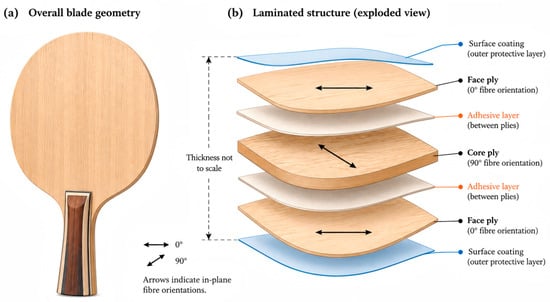
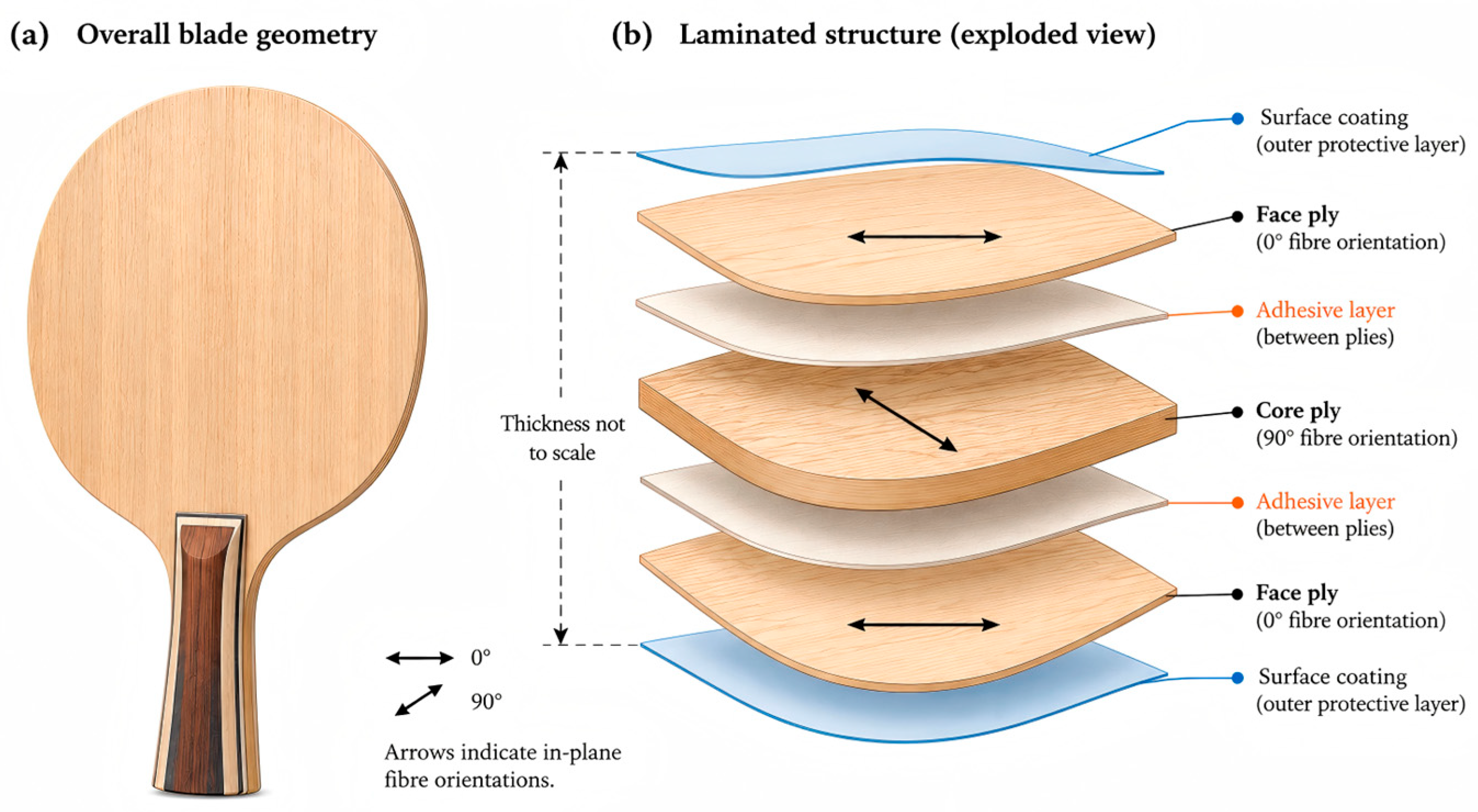
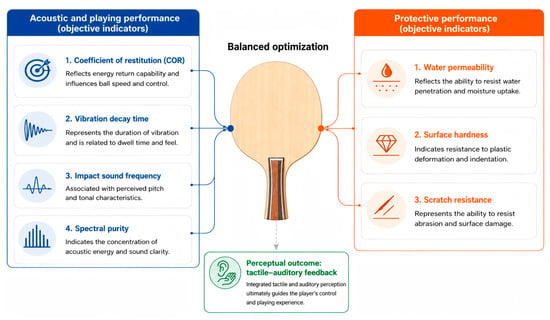
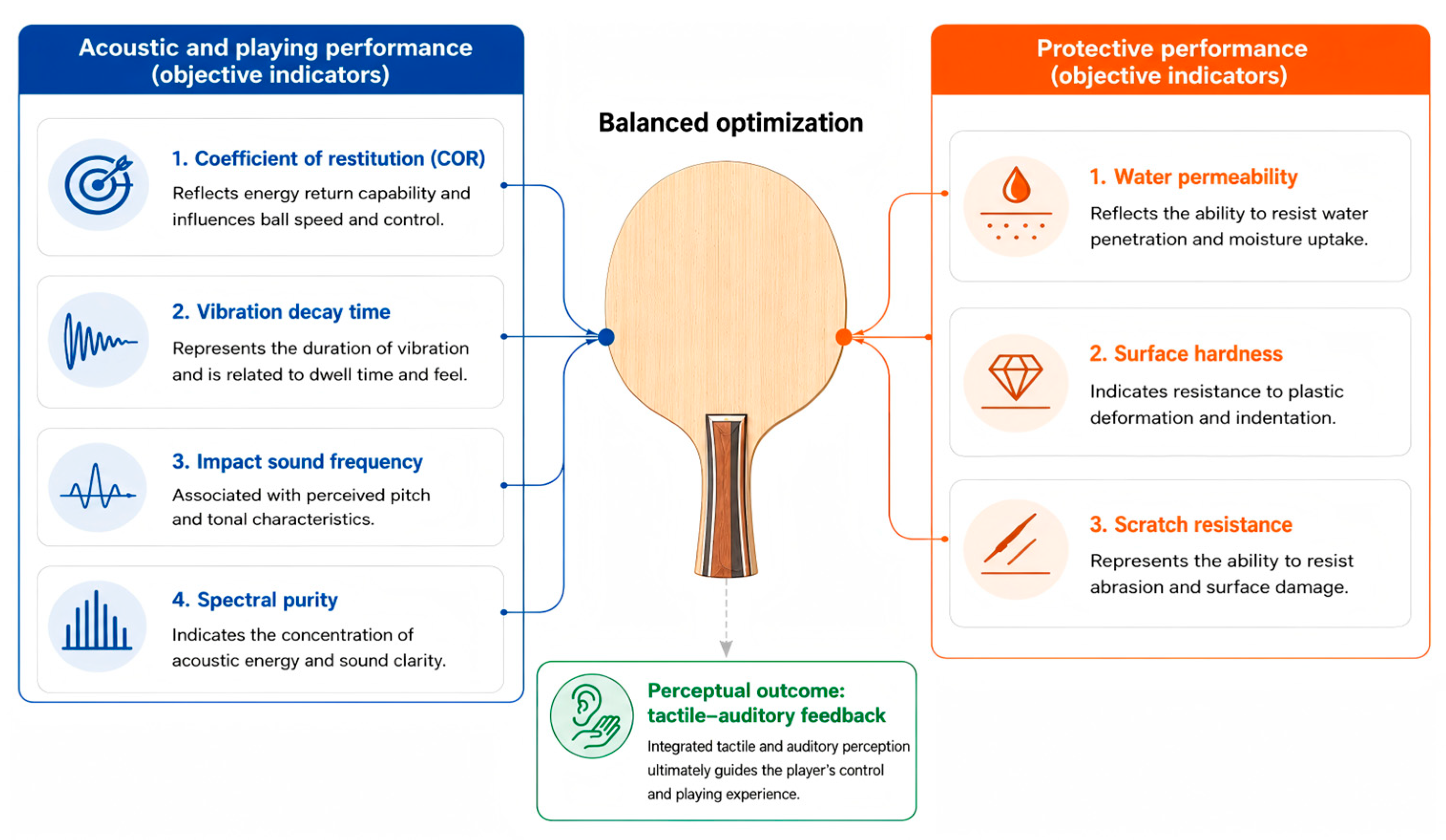
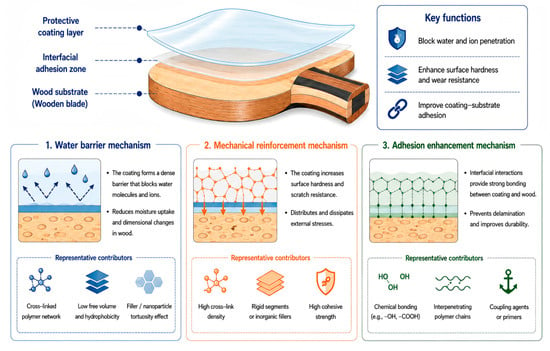
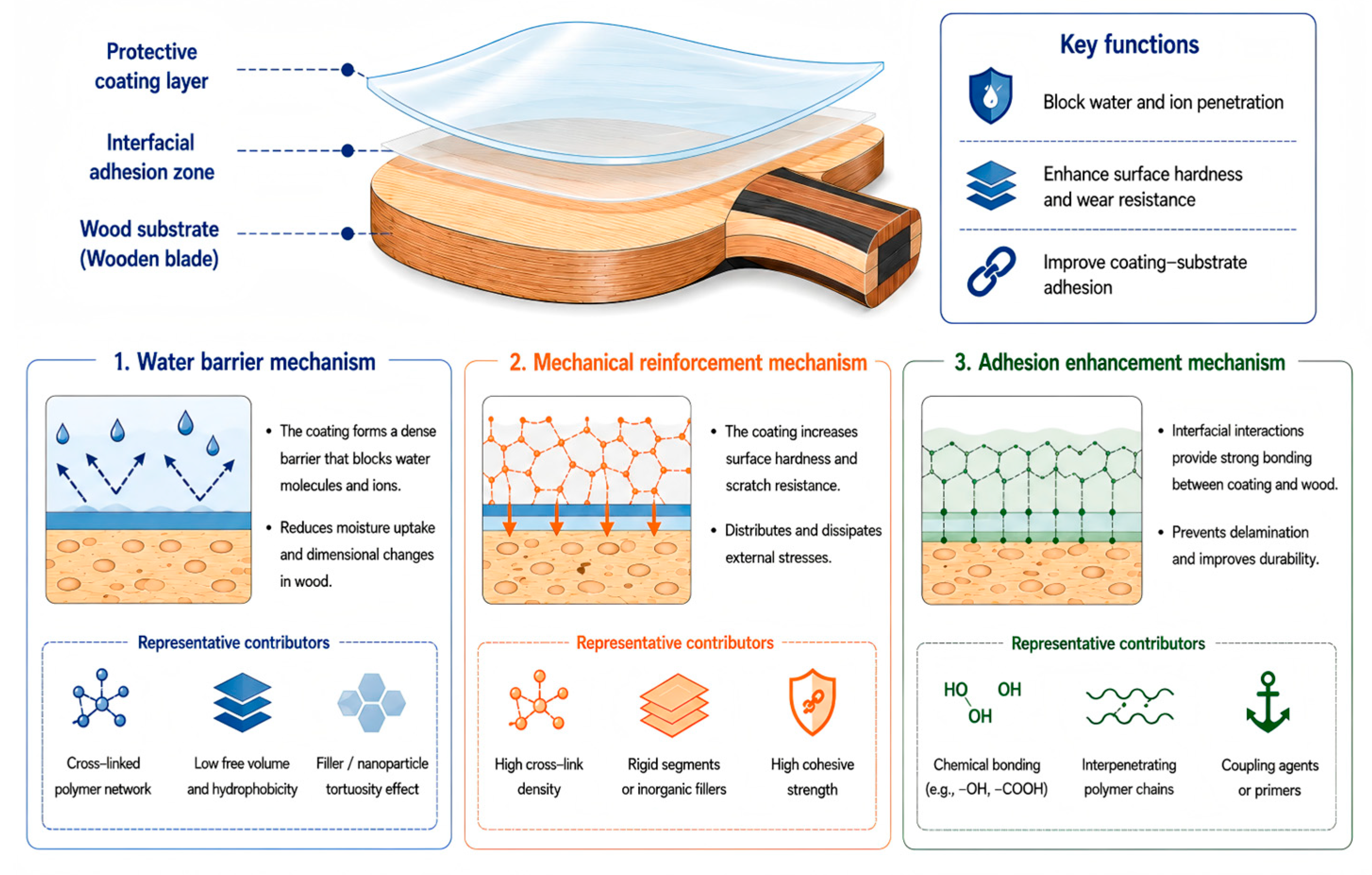
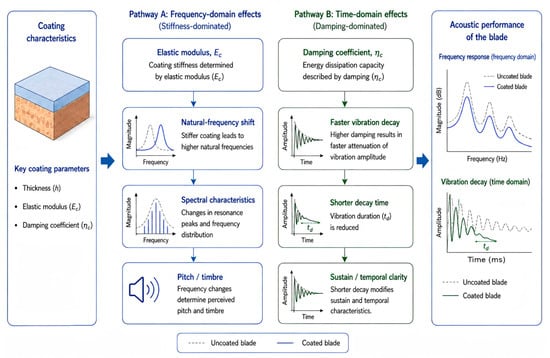
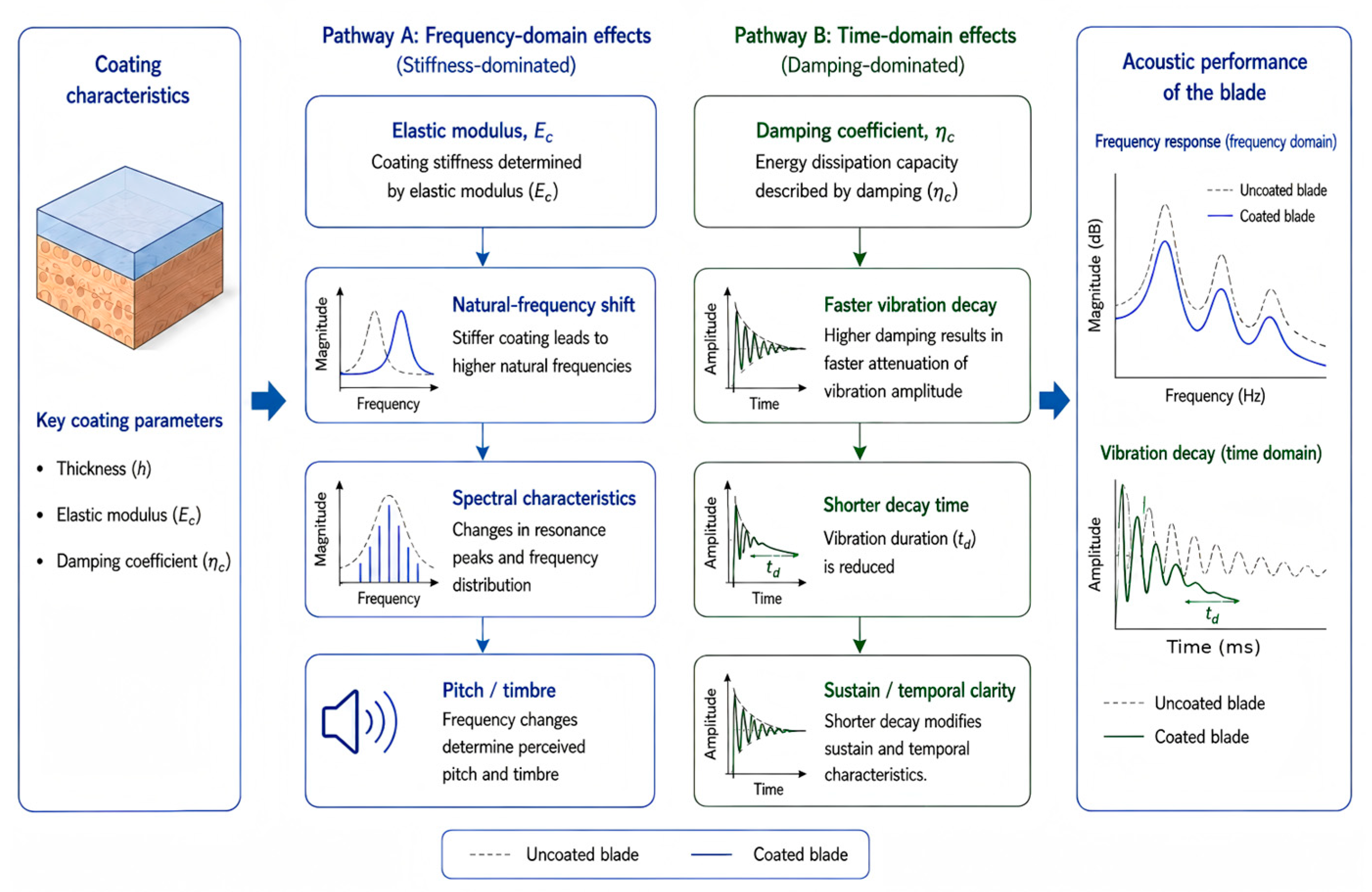
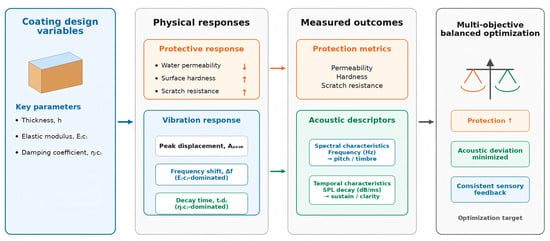
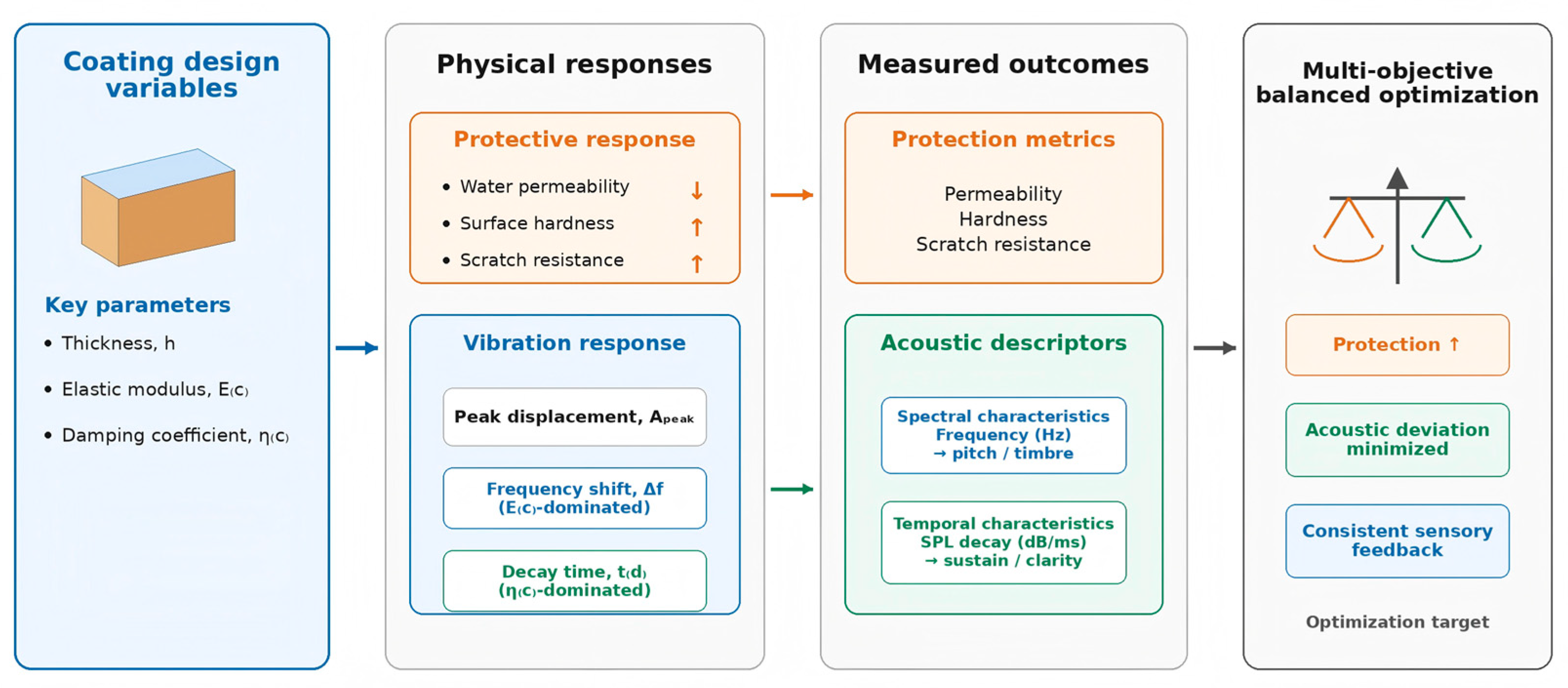

Disclaimer/Publisher’s Note: The statements, opinions and data contained in all publications are solely those of the individual author(s) and contributor(s) and not of MDPI and/or the editor(s). MDPI and/or the editor(s) disclaim responsibility for any injury to people or property resulting from any ideas, methods, instructions or products referred to in the content. |
© 2026 by the authors. Licensee MDPI, Basel, Switzerland. This article is an open access article distributed under the terms and conditions of the Creative Commons Attribution (CC BY) license.