


Highlights
What are the main findings?
- 2D flower-like MnO2 improves interfacial charge transfer in cholesterol sensing.
- Sensitivity reaches 0.2497 μA·μM−1·cm−2 under −1% compressive strain.
- The sensor achieves a 1–160 μM linear range and a 0.16 μM detection limit.
What are the implications of the main findings?
- Compressive strain offers a route to tune flexible electrochemical sensor performance.
- Flexoelectric polarization contributes to strain-enhanced cholesterol oxidation.
- MnO2/SPE shows promise for wearable and on-site cholesterol monitoring.
Abstract
The development of flexible, high-performance electrochemical sensors for continuous and on-site monitoring of cholesterol is critical for advancing cardiovascular health diagnostics and personalized medicine. Here, we present a flexible MnO2-modified screen-printed electrode (MnO2/SPE) for cholesterol detection, where two-dimensional flower-like MnO2 nanomaterials are used to functionalize the electrode surface. The MnO2 nanocomposite significantly improves the electrochemical performance of the SPE by reducing interfacial impedance, optimizing charge transfer kinetics, and providing abundant active sites for electrocatalytic oxidation. The MnO2/SPE sensor exhibits excellent analytical performance, including a wide linear range (1–160 μM), a low limit of detection (0.16 μM), and a high sensitivity of 0.197 μA·μM−1·cm−2. Notably, compressive mechanical strain (−1%) is demonstrated to further boost the sensing performance via the flexoelectric polarization effect, increasing the sensitivity to 0.2497 μA·μM−1·cm−2 and accelerating the electrocatalytic oxidation of cholesterol. The MnO2/SPE sensor also shows good stability, reproducibility, and anti-interference capability, with all relative deviations below 5%. This work provides a new strategy to enhance the performance of flexible electrochemical sensors through strain engineering and demonstrates great potential for wearable cholesterol monitoring.
1. Introduction
Cardiovascular diseases represent the major global public health burden, and real-time monitoring of blood cholesterol concentration is pivotal for the early diagnosis, risk stratification, and clinical management of these conditions [1,2,3]. To date, various analytical strategies have been developed for cholesterol detection, including fluorescence spectroscopy [4], high-performance liquid chromatography [5,6], and chemiluminescence [7]. However, these conventional methods suffer from inherent drawbacks such as complicated operation, time-consuming procedures, tedious sample pretreatment, high instrumental costs, and requirements for skilled personnel, which severely restrict their practical applications in point-of-care settings. Therefore, the development of simple, portable, highly sensitive, and cost-effective cholesterol sensors is urgently needed to enable real-time detection and wearable health monitoring.
Electrochemical sensing has emerged as a highly promising alternative [8,9], owing to its inherent advantages including simple operation, high sensitivity, rapid response. In particular, flexible screen-printed electrodes (SPEs) represent an ideal platform for constructing clinical point-of-care cholesterol sensors, distinguished by their simplicity, disposability, biocompatibility, low cost, and scalability for large-scale production [10,11,12]. Electrochemical sensors constructed on flexible screen-printed electrodes (SPEs) show excellent compatibility with portable and miniaturized electrochemical workstations, and have attracted extensive attention owing to their compact size, rapid response, and suitability for home-based testing [13,14]. Among nanomaterials explored for electrochemical cholesterol detection, metal oxides [15,16,17] and carbon-based materials [18,19,20] have been extensively employed in nonenzymatic electrochemical sensors owing to their unique physicochemical properties. As a typical transition metal oxide, MnO2 exhibits distinctive advantages in electrochemical cholesterol sensing due to its multivalent redox behavior and tunable electronic structure [21]. MnO2 nanomaterials exhibit outstanding enzyme-mimetic activity and are thus regarded as ideal substitutes for natural enzymes [22]. Carbon-based electrodes modified with MnO2 nanoclusters were applied for non-enzymatic cholesterol detection. The incorporated MnO2 improves electron-transfer capability and yields a prominent enhancement in the anodic oxidation peak current of cholesterol. The electro-oxidation proceeds via a surface-controlled two-electron-transfer pathway, directly converting cholesterol to cholestenone [15]. Furthermore, the micro-morphology of MnO2 nanostructures plays a decisive role in determining their electrocatalytic performance [23,24]. Two-dimensional MnO2 nanosheets, featuring ultrahigh specific surface area, efficient surface reactivity, excellent electron transport capability, non-toxic nature, and low cost, are widely recognized as promising candidates for the electrochemical detection of biomolecules [25,26,27]. While various morphologies of MnO2-based electrochemical sensors have been developed in previous reports [22,23,24,25,26], research on fabrication of flexible MnO2-based cholesterol sensors remains scarce, with obvious limitations. Mechanical strain can regulate the surface electronic structure of electrocatalysts and affect their mechanical stability. Therefore, strain engineering still needs to be further investigated for the sensing properties and mechanical stability of flexible manganese dioxide cholesterol sensors.
Herein, we develop a flexible MnO2/SPE cholesterol sensor based on flexible screen-printed electrodes and enzyme-like MnO2 nanosheets. The sensor exhibits a favorable linear response and outstanding sensitivity, stability, and selectivity toward cholesterol. The sensing performance of the MnO2/SPE sensor under a range of mechanical strains is systematically investigated, and the effect of strain engineering on the sensor sensitivity as well as the corresponding strain-tuning mechanism is analyzed. The scalable screen-printing process enables low-cost mass production of the sensor, and its single-use disposable design avoids complex regeneration procedures and cross-contamination risks, further favoring miniaturization, system integration, and portable point-of-care applications. This work provides a high-performance, low-cost flexible electrochemical strategy for cholesterol detection, offering a reference for the subsequent development of portable and wearable sensing platforms
2. Experimental Section
2.1. Synthesis of MnO2 Nanoflowers
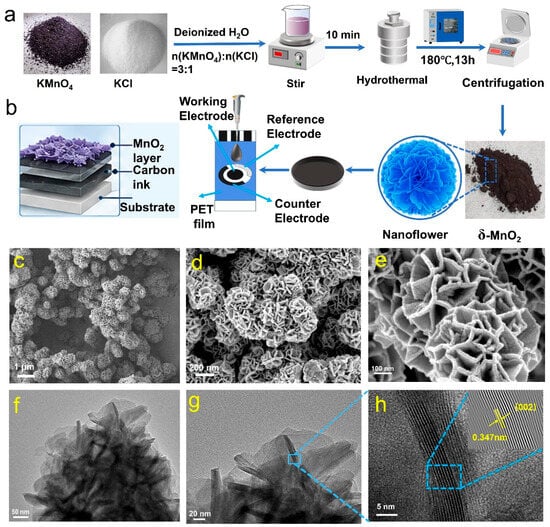
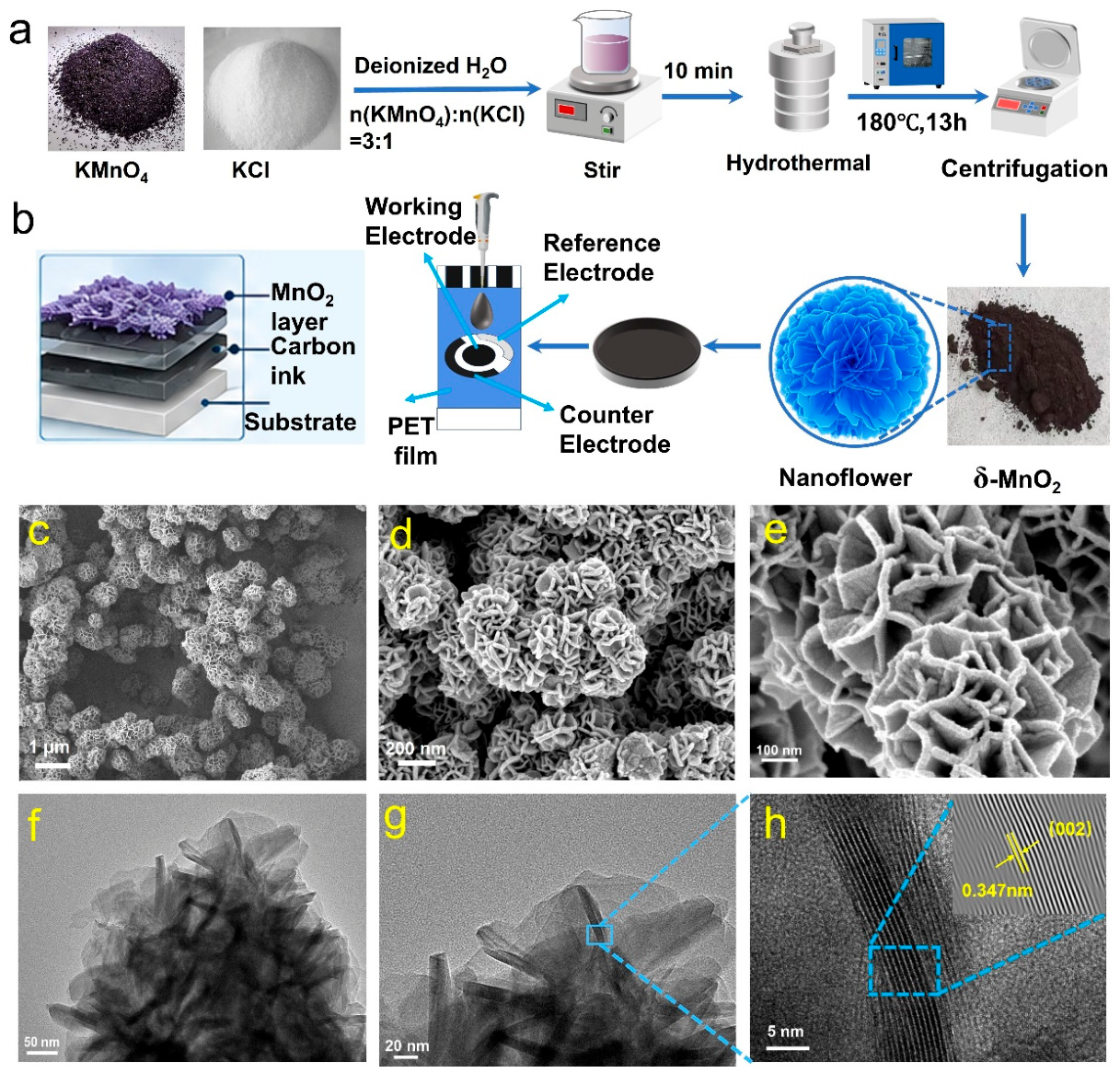
MnO2 nanosheets were first synthesized via a hydrothermal method [25]. Briefly, KMnO4 and KCl powders with a molar ratio of 3:1 were dissolved in deionized water. After magnetic stirring, the mixture was transferred into a Teflon-lined autoclave and heated at 180 °C for 13 h. The resultant product was collected by centrifugation, washed thoroughly with deionized water, and dried to obtain MnO2 powder with a nanoflower-like structure (Figure 1a). KMnO4 and KCl were purchased from Shanghai Macklin Biochemical Co., Ltd., Shanghai, China. Detailed synthetic procedures are provided in Supplementary Note S1.
Figure 1.
(a) Schematic illustration of the synthesis of δ-MnO2 nanoflower structures and the fabrication of the MnO2-SPE sensor. (b) Schematic exploded view of the layered stacking architecture of the MnO2-SPE sensor. (c–e) SEM of δ-MnO2 nanosheets; (f) TEM image of MnO2 nanosheet; (g) high-magnification TEM image of MnO2 nanosheet. (h) Magnified HRTEM image of the region labeled by the wathet square in (d).
2.2. Fabrication of the MnO2/SPE Sensor
The electrochemical cholesterol sensors were fabricated on commercial screen-printed electrodes (SPEs) and they were purchased from Zensor R&D Co., Ltd., Taipei, Taiwan. Benefiting from the low-cost commercial SPE substrate and the simple drop-casting modification process, the as-fabricated MnO2/SPE sensor is intentionally designed as a single-use disposable device, which is compatible with large-scale batch production and point-of-care application demands. Prior to modification, the SPEs were activated in phosphate buffer solution (PBS, pH = 7.4). Then, 5 mg of as-prepared MnO2 nanopowders was dispersed in 5 mL of deionized water via ultrasonication to form a homogeneous suspension, followed by drop-casting onto the activated SPE. The as-prepared two-dimensional MnO2 nanoflower dispersion is shown in Figure S1. Detailed fabrication protocols are provided in Supplementary Note S2.
2.3. Materials Characterizations
The morphologies and structures were characterized by scanning electron microscopy (SEM, SU5000: Hitachi, Tokyo, Japan) and transmission electron microscopy (TEM, JEOL 2100F: JEOL, Tokyo, Japan). X-ray diffraction (XRD, SmartLab: Rigaku, Tokyo, Japan) was utilized to investigate the crystalline characteristics and clarify the crystal structure of the synthesized materials. X-ray photoelectron spectroscopy (XPS, ESCALAB 250Xi: Thermo Fisher Scientific, Waltham, MA, USA) was applied to analyze elemental components and determine the chemical valence states of the samples.
2.4. Preparation of Cholesterol Solution
The 20.0 mg of cholesterol standard was accurately weighed and transferred into a clean dry beaker. After adding 20 mL of Triton X-100 surfactant solution (1%, BIOISCO, Lianyungang, China), the mixture was heated in a water bath at a constant temperature of 65 °C and magnetically stirred continuously at 500 rpm until a transparent solution was obtained. Subsequently, heating was terminated, and 0.1 M PBS electrolyte was added under continuous stirring to make the final volume up to 50 mL. The mixed solution was stirred until homogeneous, then sealed and stored in a refrigerator at refrigeration temperature for subsequent electrochemical measurements. Further details are provided in Supplementary Note S3.
2.5. Electrochemical Measurements
All electrochemical characterizations in this work were carried out on an electrochemical workstation using a standard three-electrode configuration, consisting of a carbon-based working electrode, a reference electrode and a counter electrode. A 0.1 M phosphate-buffered saline (PBS) solution was used as the supporting electrolyte. For cyclic voltammetry (CV) measurements, the potential window was set from −1.0 V to 1.0 V (vs. Ag/AgCl) at a scan rate of 100 mV s−1. Differential pulse voltammetry (DPV) was performed over the potential range of 0.37–0.8 V (vs. Ag/AgCl). Electrochemical impedance spectroscopy (EIS) was acquired at an open-circuit potential of 0.4 V (vs. Ag/AgCl) with the frequency range from 1000 kHz down to 0.01 Hz. All electrochemical measurements were conducted at room temperature under constant ambient conditions to guarantee experimental repeatability and reliability. All electrochemical experiments were independently repeated at least 3 times, and the standard deviation (SD) was calculated for statistical analysis. Detailed information is provided in Supplementary Note S4. The strain on MnO2 was introduced through a two-point bending apparatus. The bent PET substrate was considered as a circular arc for computing the applied strain.
3. Results and Discussion
The fabrication process of the MnO2/SPE sensor is schematically illustrated in Figure 1a. Through a simple hydrothermal method, δ-MnO2 nanosheets were prepared successfully. The SPE adopts an integrated three-electrode configuration on a flexible PET substrate. Both the working electrode (WE) and counter electrode (CE) are fabricated with carbon ink, and the integrated reference electrode (RE) is Ag/AgCl. The nominal geometrical surface area of the working electrode is 0.126 cm2, which is a standard value for this commercial SPE model and widely adopted in peer-reviewed studies using the same platform. All sensitivity values in this work are normalized to this geometrical surface area. As shown in Figure 1b, the as-prepared MnO2/SPE sensor adopts a multilayer architecture on a flexible PET substrate: carbon ink is screen-printed to form the working and counter electrodes with an integrated Ag/AgCl reference electrode, and δ-MnO2 nanoflowers are further drop-cast as the functional sensing layer. The as-fabricated SPE exhibits a compact structure and excellent mechanical flexibility, rendering it highly suitable for portable, point-of-care, and wearable sensing applications. An aqueous suspension of MnO2 was drop-cast onto the PBS-preactivated working electrode surface of the SPE to construct the MnO2-SPE electrochemical sensor for cholesterol detection.
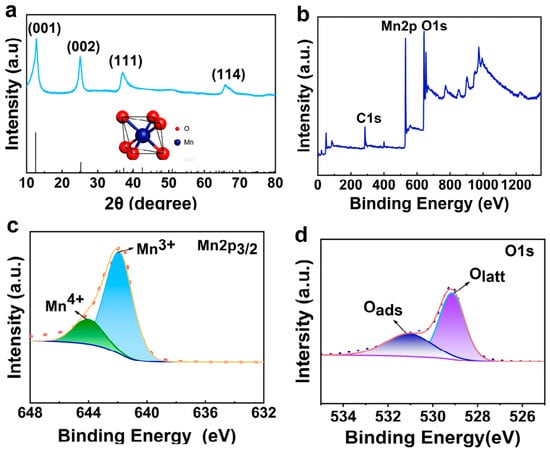
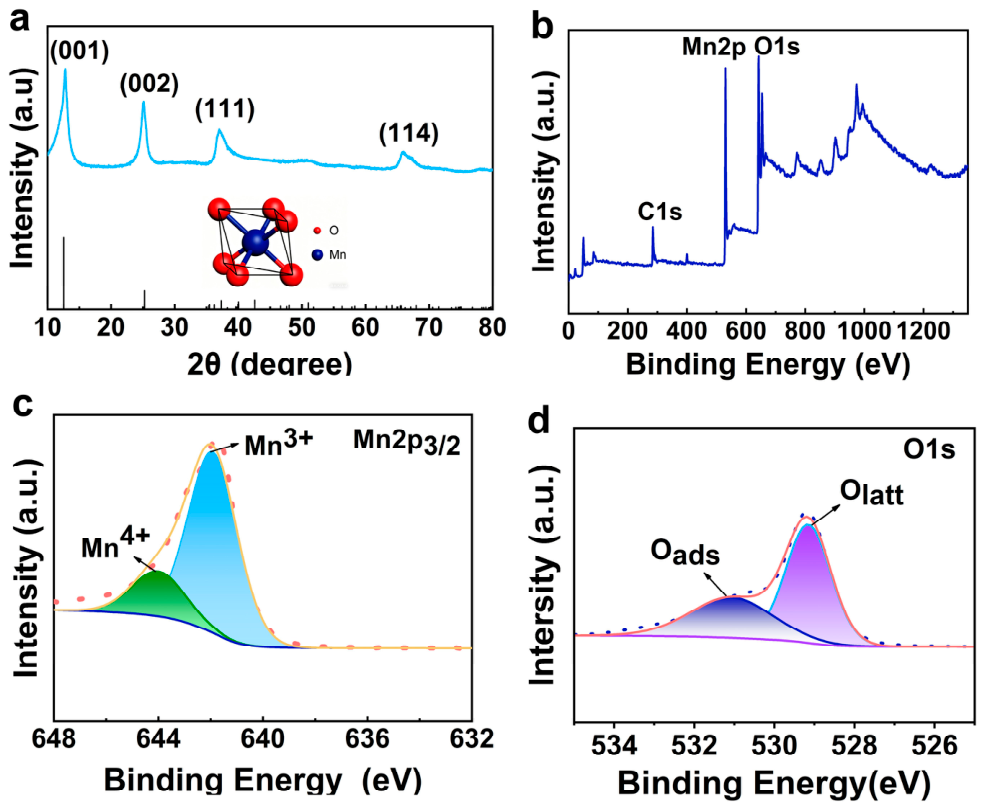
The structure and morphology of the as-prepared MnO2 were systematically characterized using SEM, TEM, XRD, and XPS. As revealed by the scanning electron microscopy (SEM) images (Figure 1c–e), the MnO2 nanomaterial exhibits a unique nanoflower-like architecture assembled from two-dimensional (2D) centrosymmetric nanosheets. Transmission electron microscopy (TEM) analysis further verifies that MnO2 presents a sheet-like structure with a smooth and intact surface without obvious pores. Figure 1h displays the high-resolution TEM (HRTEM) image with clear lattice fringes. The measured lattice spacing of 0.347 nm corresponds to the (002) plane of MnO2, which is consistent with the standard JCPDS card No. 80-1098 [25]. This value corresponds to the (002) crystal plane of MnO2, which is in good agreement with the standard lattice parameter documented in the PDF card (JCPDS No. 80-1098). The clear lattice fringes further verify the high crystallinity of the MnO2 nanomaterial. The X-ray diffraction (XRD) pattern of the as-prepared MnO2 exhibits distinct diffraction peaks at 2θ = 12.30°, 25.12°, 36.65°, and 66.96°, which are well indexed to the (001), (002), (111), and (114) crystal planes of standard MnO2 (JCPDS No. 80-1098). This confirms the formation of pure crystalline MnO2 with no detectable impurity phases. The fundamental structural unit of MnO2 is the MnO6 octahedron, which possesses a twofold rotation axis and a perpendicular mirror plane (inset in Figure 2a). X-ray photoelectron spectroscopy (XPS) was employed to characterize the chemical composition and surface electronic structure of the MnO2 nanomaterial. As illustrated in Figure 2b, Mn and O are the predominant elements, consistent with the expected composition of MnO2. The high-resolution Mn 2p3/2 spectrum (Figure 2c) displays two distinct peaks at 642.0 eV and 643.9 eV, which are assigned to Mn4+ and Mn3+ species, respectively. The O 1s spectrum (Figure 2d) can be deconvoluted into two peaks at 529.4 eV and 531.5 eV, corresponding to lattice oxygen (Olat) and adsorbed oxygen species (Oads), respectively. The presence of Oads is attributed to oxygen vacancies on the MnO2 surface, which can capture external oxygen molecules.
Figure 2.
Characterizations of the MnO2 nanosheets. (a) XRD pattern; (b) XPS survey spectrum; (c) high-resolution Mn 2p3/2 XPS spectrum; (d) high-resolution O1s XPS spectrum.
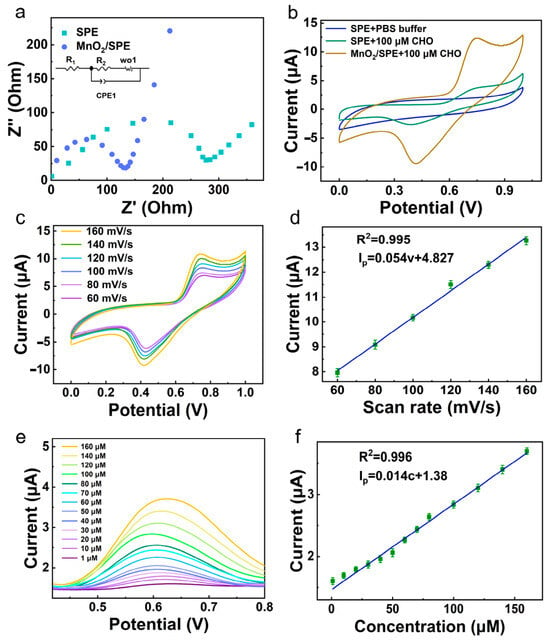
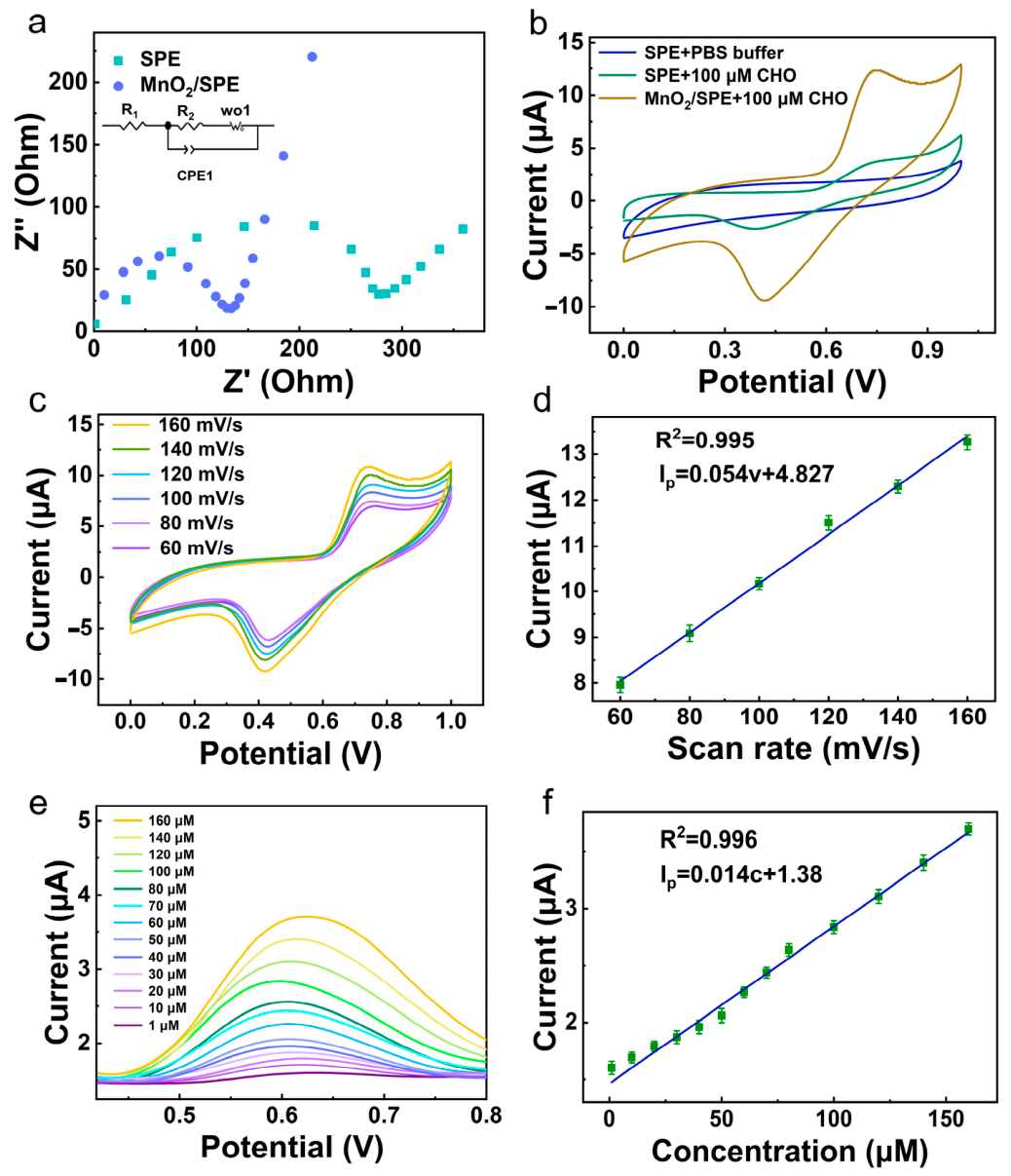
To explore the effects of MnO2 modification on the interfacial behavior of screen-printed electrodes (SPEs) and the cholesterol sensing performance of MnO2/SPE sensors, we performed systematic electrochemical characterizations on the MnO2/SPE electrode, focusing on interfacial kinetics, electrocatalytic activity, and quantitative detection capability. Electrochemical impedance spectroscopy (EIS) was employed to characterize charge transfer and ion diffusion kinetics at the interfaces of bare SPEs and MnO2/SPEs. EIS measurements were performed over a frequency range from 1000 kHz to 0.01 Hz at an open circuit potential of 0.4 V. The corresponding Nyquist plots and equivalent circuit are presented in Figure 3a. Both electrodes exhibit typical Nyquist characteristics, comprising a semicircle in the high-frequency region and a linear diffusion tail in the low-frequency region. The Nyquist plots were fitted using the equivalent circuit model Z [28],
where R1 represents the ohmic series resistance, R2 denotes the charge transfer resistance, CPE1 is the constant phase element, and W01 corresponds to the Warburg impedance (reflecting the ion diffusion process at low frequencies). Similar R1 values for the bare SPE and MnO2/SPE indicate that MnO2 modification does not significantly alter the intrinsic conductivity of the electrode system. The semicircle in the high-frequency region is associated with the charge-transfer process, whose diameter reflects the charge-transfer resistance (R2). Fitting results show that the R2 value of the bare SPE is approximately 270 Ω, which is significantly reduced to 130 Ω following MnO2 modification. This confirms that the introduction of MnO2 provides abundant electroactive sites at the electrode/electrolyte interface, effectively lowering the interfacial charge-transfer resistance and accelerating electron transfer kinetics. In the low-frequency region, the Nyquist curve exhibits a typical Warburg diffusion slope, and the slope of the MnO2/SPE is notably larger than that of the bare SPE. This observation indicates that MnO2 modification substantially reduces ion diffusion resistance, optimizes the transport and diffusion behavior of electrolyte ions on the electrode surface, and thereby lays a favorable foundation for constructing a high-performance electrochemical sensing interface. To explore the electrocatalytic activity of MnO2 nanomaterials, cyclic voltammetry (CV) was first employed to compare the electrochemical response characteristics of the different electrodes. As illustrated in Figure 3b, no obvious redox peaks are observed for the bare SPE in pure phosphate-buffered saline (PBS) buffer. Upon the addition of 100 μM cholesterol, only a weak oxidative response is detected, with an oxidation peak current of merely 3.7 μA-indicating that the bare SPE exhibits negligible electrocatalytic activity toward cholesterol oxidation. In contrast, the MnO2/SPE electrode shows a significantly enhanced electrochemical response in 100 μM cholesterol solution, with an oxidation peak current of up to 12.3 μA (approximately 3.3 times that of the bare SPE) and distinct redox peaks. This arises from the large specific surface area and superior catalytic activity of MnO2 nanosheets, which facilitate efficient electron extraction for the oxidation of cholesterol.
Z = R1 + (R2 + W01)‖CPE1
Figure 3.
Electrochemical Characterization of the MnO2/SPE sensors. (a) EIS curves of the bare SPE and MnO2/SPE sensors, with the corresponding equivalent circuit shown in the inset. (b) Cyclic voltammetry (CV) curves of the MnO2/SPE sensor and bare SPE in phosphate-buffered saline (PBS) solution and in a solution containing 100 μM cholesterol, respectively; (c) CV curves of MnO2/SPE at various scan rates, and (d) the corresponding linear relationship plot. (e) DPV curves of the MnO2/SPE sensor in cholesterol solutions with different concentrations. (f) Linear relationship between the oxidation peak current and cholesterol concentration.
To further elucidate the reaction kinetics of cholesterol at the electrode surface, cyclic voltammetry (CV) measurements were performed on the MnO2/SPE electrode at scan rates ranging from 60 to 160 mV/s. As shown in Figure 3c, the oxidation peak current of cholesterol increased proportionally with the scan rate, while the peak potential remained nearly unchanged, indicating good reversibility of the electrochemical process. A linear fit of the oxidation peak current versus scan rate yielded the equation Ip = 0.054ν + 4.827 with a linear regression coefficient R2 = 0.995 (Figure 3d). The linear relationship between peak current and scan rate verifies that the electro-oxidation of cholesterol on the MnO2/SPE surface follows a typical surface-controlled process, in which the reaction rate is dominated by adsorption and catalytic steps at the electrode surface rather than diffusion in the bulk solution. MnO2 exhibits strong affinity and high catalytic activity toward the hydroxyl group (–OH) at the C3 position of cholesterol. The electrocatalytic oxidation of cholesterol on MnO2/SPE proceeds via a proton-coupled electron transfer process, in which the C3 hydroxyl group of cholesterol is dehydrogenated to form cholestenone with the release of two protons and two electrons. Mn4+ in MnO2 acts as the electrocatalytic center, accepting electrons to form low-valence Mn species (Mn3+/Mn2+), which can be electrochemically regenerated to Mn4+ during the anodic scan, enabling continuous catalytic turnover [29]. The whole reaction may be written as
Cholesterol (C27H46O) + MnO2 + 2H+ ⟶ Cholestenone (C27H44O) + Mn2+ + 2H2O
Mn2+ + 2H2O ⟶ MnO2 + 4H+ + 2e−
Differential pulse voltammetry (DPV) was employed to evaluate the quantitative detection performance of the MnO2/SPE sensor for cholesterol. As shown in Figure 3e, the oxidation peak current increased linearly with cholesterol concentration across the range of 1–160 μM, while the peak potential remained nearly unchanged, confirming a stable electrode reaction process. Linear fitting of the peak current versus concentration yielded the calibration curve Ip = 0.014c + 1.38 with a correlation coefficient of R2 = 0.9959, indicating an excellent linear relationship. The limit of detection (LOD) was calculated to be 0.16 μM using the 3σ/s method, where σ is the standard deviation of blank measurements and s is the slope of the calibration curve. The sensor exhibited a linear detection range of 1–160 μM, and its sensitivity, normalized to the electrode’s geometric area, reached 0.197 μA·μM−1·cm−2. These results demonstrate that the MnO2/SPE sensor possesses outstanding linearity and high sensitivity toward cholesterol, making it a promising candidate for practical sensing applications. Comprehensive comparisons of the linear range and limit of detection (LOD) with previously reported cholesterol sensors are summarized in Table 1.
Table 1.
Performance comparison of cholesterol sensors.
The as-fabricated MnO2/SPE electrochemical sensor exhibits a LOD of 0.16 μM and a linear detection range of 1–160 μM for cholesterol. Notably, the LOD of this sensor is significantly lower than that of the β-cyclodextrin/Fe3O4 composite reported by Willyam et al. [31] (LOD = 2.88 μM). Furthermore, compared with the NiO/CVD-grown graphene sensor (linear range: 2–40 μM) reported by Rengaraj et al. [33]. and the β-D/PNAANI/rGO sensor (linear range: 1–50 μM) reported by Yang et al. [34], the MnO2/SPE electrode presents a distinctly broader linear detection window. Zhu developed a fluorescence sensing platform based on MnO2 nanosheets for cholesterol detection, achieving a linear range of 30–200 μM with a detection limit of 0.33 μM in diluted human serum [35], and Zhang et al. constructed an “Off-On” selective cholesterol sensor based on phosphorescence resonance energy transfer using ZGCY@MnO2, exhibiting a linear response of 8–200 μM and a detection limit of 1.7 μM in PBS buffer [36]. As shown in Table 1, for studies involving biological matrices, the samples were generally prepared by heavily diluting plasma or serum with buffer and spiking exogenous cholesterol. Such a sample preparation protocol greatly reduces matrix complexity and weakens the interference from endogenous components such as proteins and lipoproteins, and the spiked free cholesterol differs from the native lipoprotein-bound cholesterol in real blood. The present work was also conducted entirely in PBS buffer to investigate the fundamental strain-regulation mechanism, and thus shares this common limitation. Systematic validation in minimally diluted or native biological samples will be carried out in future work to advance the practical translation of the sensor.
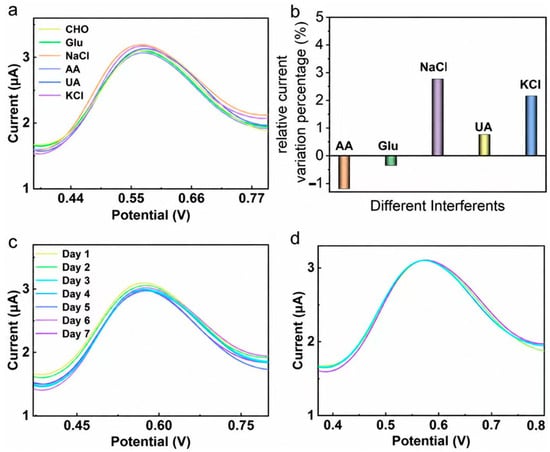
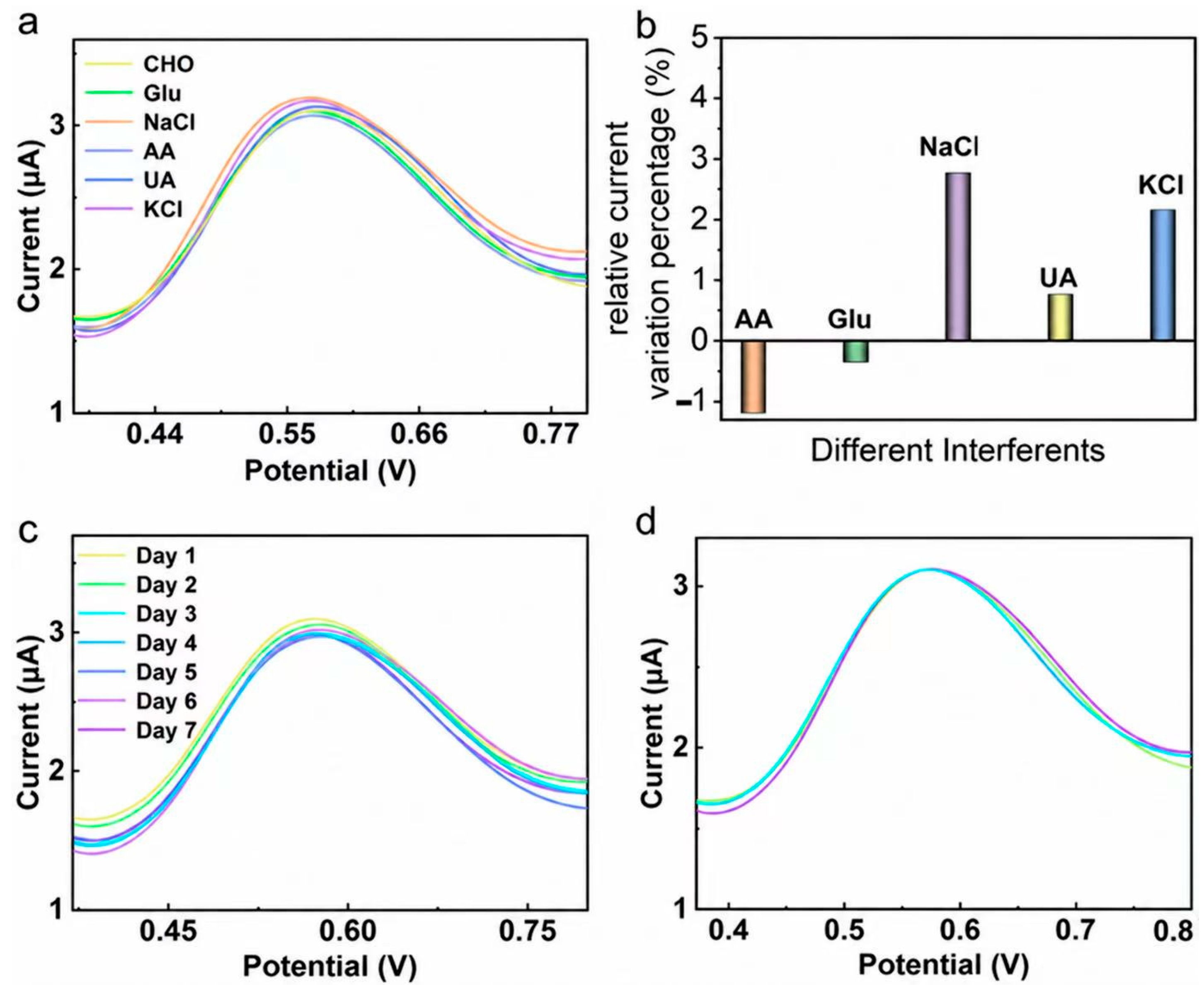
Reliability is an essential prerequisite for the practical application of electrochemical sensors. Herein, the anti-interference capability, reproducibility, and long-term stability of the MnO2/SPE sensor were systematically evaluated. First, differential pulse voltammetry (DPV) measurements were performed in a 100 μM cholesterol (CHO) solution to assess the anti-interference performance. Equal concentrations of potential interferents, including glutamic acid (Glu), ascorbic acid (AA), uric acid (UA), NaCl, and KCl, were individually added to the detection system. The corresponding DPV curves and current response histograms are shown in Figure 4a,b. The relative current variations induced by AA, Glu, NaCl, UA and KCl were calculated to be −1.19%, −0.35%, +2.77%, +0.77% and +2.16%, respectively. All deviations were within ±3%, well below the 5% interference threshold, verifying the excellent anti-interference capability of the MnO2/SPE sensor. Subsequently, storage stability and continuous operational stability were evaluated. The MnO2/SPE sensor maintained a stable cholesterol response after 7-day storage and delivered consistent signals in repeated DPV scanning cycles. As illustrated in Figure 4c, the oxidation peak current of a single electrode slightly decreased from 3.096 μA to 2.971 μA after seven days, with a relative attenuation of only 4%-well below the 5% stability threshold. This demonstrates that the MnO2/SPE sensor maintains stable electrochemical performance during continuous operation and possesses desirable long-term stability.
Figure 4.
(a) DPV curves of the MnO2/SPE electrode in the presence of different interfering substances for anti-interference performance evaluation; (b) Interference Study of the MnO2/SPE Sensor for Cholesterol Detection; (c) DPV curves of the same electrode for consecutive 7-day stability test; (d) DPV curves of five independent electrodes toward the same concentration of cholesterol solution for reproducibility assessment.
Furthermore, five independently fabricated MnO2/SPE electrodes were used for parallel detection of cholesterol at the same concentration to evaluate reproducibility. As presented in Figure 4d, the DPV curves of the different electrodes nearly overlapped, with no distinct differences in oxidation peak current. Thus, the MnO2/SPE sensor exhibits excellent fabrication reproducibility and favorable batch-to-batch consistency. From a practical application perspective, the proposed MnO2/SPE sensor is intentionally designed for single-use disposable operation. On one hand, repeated electrochemical cycling and buffer rinsing may induce partial detachment of the drop-cast MnO2 nanoflower layer and deteriorate sensing performance. On the other hand, the sensor features an extremely low fabrication cost owing to the mass-producible SPE substrate and simple modification process, making a discard-after-use mode economically feasible. This disposable configuration completely eliminates the risk of cross-contamination between samples and avoids cumbersome electrode regeneration and cleaning steps, which is highly compatible with the demands of point-of-care testing and large-scale batch application scenarios. Given the single-use design of the sensor, repeated-use stability is not a core performance metric for its intended application mode. This methodological choice is aligned with the practical positioning of low-cost disposable sensors, and systematic investigation of reusable protocols will be included in future work targeting long-term monitoring scenarios.
Flexible MnO2/SPE sensors require excellent bending strain stability to meet reliability demands during production, transportation and practical utilization. Moreover, strain engineering can modulate the surface electronic structure of materials, thereby regulating the surface electrochemical activity of sensing materials and ultimately tuning the analytical performance of electrochemical sensors [37,38,39]. For instance, Ling et al. [38] demonstrated that surface strain engineering could boost the alkaline hydrogen evolution reaction (HER) activity of CoO nanorods (NRs). Tensile strain effectively couples the atomic and electronic structures of CoO NRs with HER catalytic activity and induces the formation of abundant oxygen vacancies. Similarly, Wei et al. [40] found that the application of tensile strain to zero-valent iron promotes sufficient electron filling at ohmic heterojunctions, thereby greatly improving the removal efficiency of heavy metal contaminants. Zhu et al. [41] demonstrated that localized compressive lattice strain in Pd nanofilms could effectively downshift the d-band center of Pd(111) facets and weaken Pd–H adsorption energy, achieving an 11.9-fold enhancement in hydrogen sensing response [41]. Inspired by this, this work explores strain engineering as a route to optimize the cholesterol sensing performance of MnO2/SPE cholesterol sensors. Multiple approaches are available for strain introduction, mainly including substrate deformation [42], lattice mismatch [43], thermal expansion mismatch [44], and laser shocking [45]. Among these techniques, the substrate deformation strategy presents prominent advantages in strain controllability, continuity and material compatibility, and has been widely applied in diverse research fields.
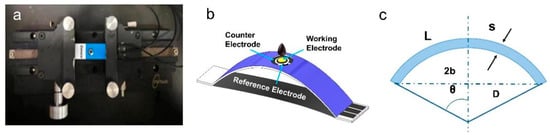
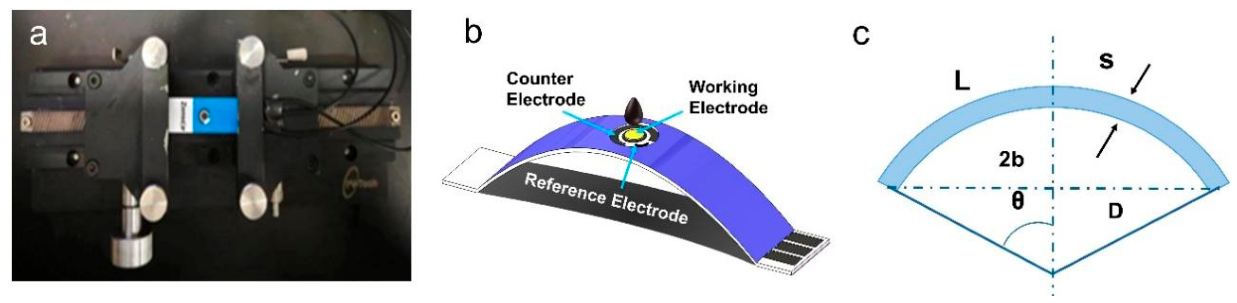
A clamping-assisted method was adopted to introduce mechanical strain into MnO2 film (Figure 5a). The MnO2-modified SPE was firmly fixed, and mechanical strain was precisely applied via an adjustable clamp. Considering that the thickness of the MnO2 film is far lower than that of the screen-printed electrode and the applied strain magnitude is limited to a low level, synchronous deformation between the MnO2 film and the underlying electrode can be reasonably approximated. The corresponding strain structural model is displayed in Figure 5b. Figure 5c presents the strain calculation model of the flexible electrode. The corresponding Equations (4)–(6) were adopted to quantitatively calculate the tensile or compressive strain borne by the electrode during bending [46].
Figure 5.
(a) Optical image of the two-point bending apparatus for applying strain on MnO2. (b) Schematic illustration of the flexible strain model; (c) Schematic diagram of strain calculation. The two arrows mark the electrode thickness region. S: electrode thickness, D: radius of curvature, θ: half central angle, L: original substrate length, 2b: substrate arc length.
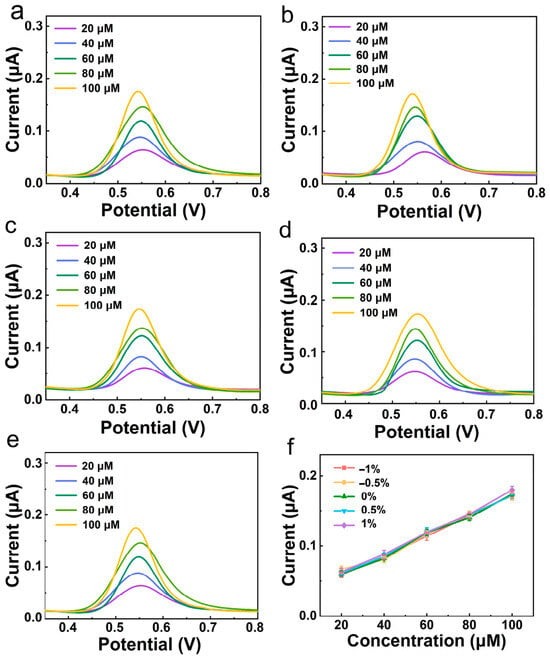
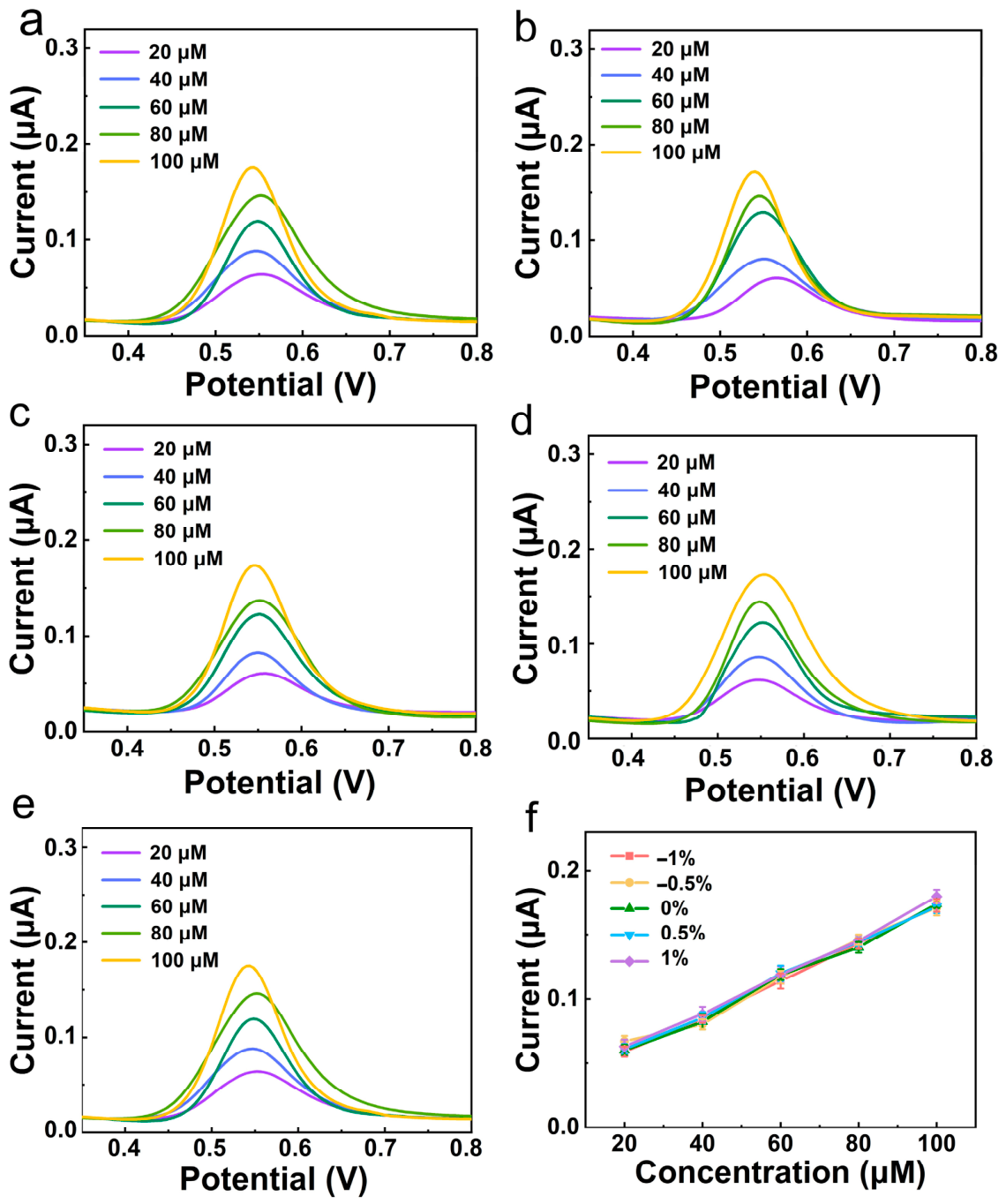
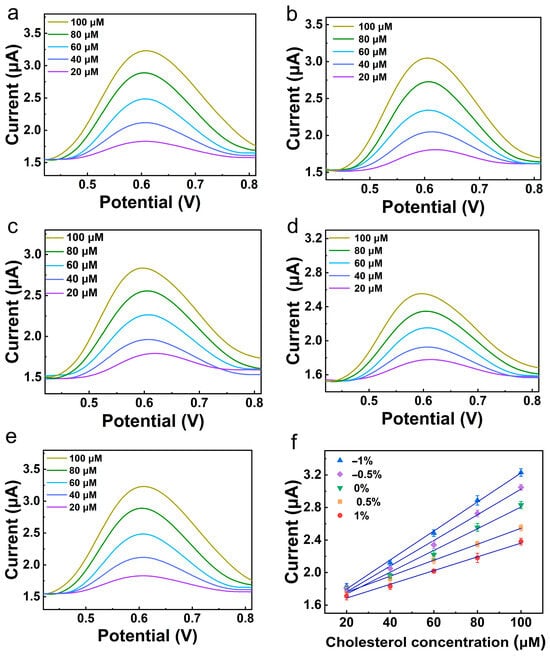
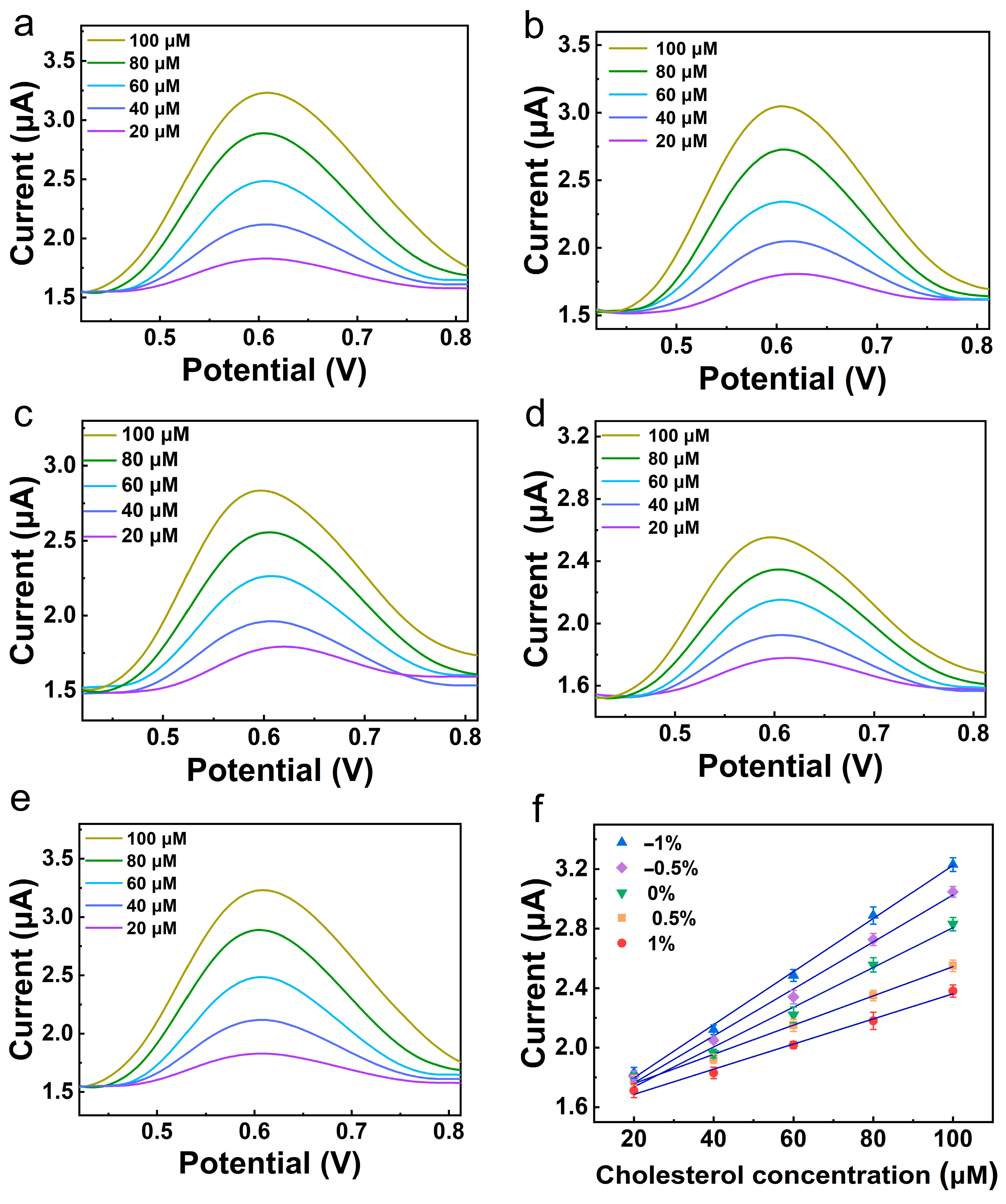
In the above equations, ε represents the strain, s is the electrode thickness (0.07 cm), D denotes the curvature radius, θ refers to the central half-angle, L is the original substrate length (5 cm), and b corresponds to the half-arc length of the bent substrate. Interfacial slippage may occur between the MnO2 active layer and PET substrate during flexible strain testing, which impedes the complete transfer of mechanical strain from the substrate to the MnO2 film and further impairs the accuracy of strain performance evaluation. To assess the mechanical stability of the MnO2/SPE sensor under mechanical strain, the strain response of the bare screen-printed electrode (SPE) was first investigated. This step eliminates interference arising from the intrinsic strain sensitivity of the substrate electrode, which could otherwise compromise the performance analysis of MnO2-modified electrodes. Differential pulse voltammetry (DPV) measurements were performed in cholesterol solutions with a concentration gradient of 20–100 μM under various applied strains (−1%, −0.5%, 0%, +0.5%, and +1%), and the corresponding results are illustrated in Figure 6. As reflected in the DPV curves (Figure 6a–e), the oxidation peak current of the bare SPE toward identical cholesterol concentrations exhibited negligible variations across different strain states. Combined with the peak current plots in Figure 6f, the current signals under diverse strain conditions were highly overlapped without an obvious changing trend, and the relative current variation remained far below the acceptable error threshold of 5%. These findings demonstrate that the bare SPE possesses outstanding electrochemical stability and extremely low intrinsic strain sensitivity within the strain range of −1% to +1%. Consequently, the substrate electrode exerts a negligible influence on subsequent strain measurements of modified electrodes, thereby providing a solid and reliable experimental foundation for further evaluating the strain-regulated sensing behavior of MnO2/SPE.
Figure 6.
(a–e) DPV curves of the bare electrode under applied strains of −1%, −0.5%, 0%, 0.5%, and 1%, respectively. (f) Oxidation peak current vs. cholesterol concentration at different strains.
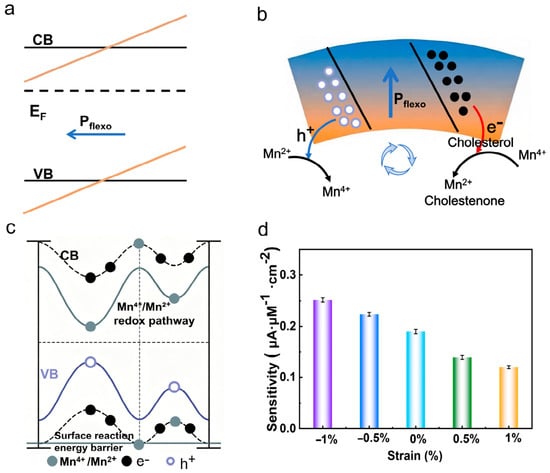
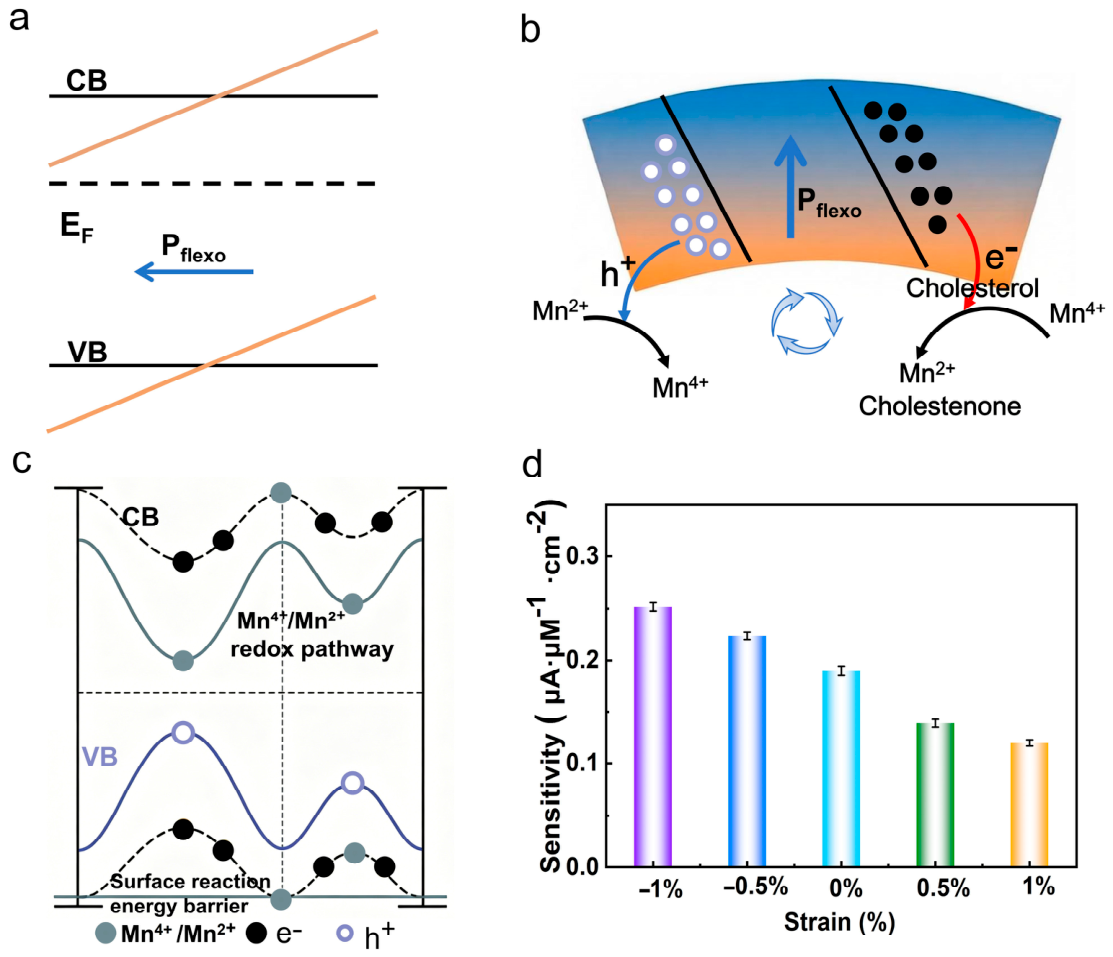
To elucidate how mechanical strain modulates the cholesterol-sensing performance of the MnO2/SPE flexible sensor, we systematically characterized its response to varying cholesterol concentrations using differential pulse voltammetry (DPV) over a strain range of −1% to +1%. Figure 7a–e presents the DPV curves of the MnO2/SPE electrode under applied strains of −1%, −0.5%, 0%, 0.5%, and 1%, respectively. The corresponding linear relationships between the oxidation peak current and cholesterol concentration are plotted in Figure 7f. Electrochemical measurements reveal that, within the strain range of −1% to +1%, the oxidation peak current exhibits a strong linear correlation with cholesterol concentration under all applied strains, demonstrating the sensor’s reliable quantitative detection capability even under mechanical deformation. Notably, strain exerts a pronounced modulatory effect on the sensor’s response current: the oxidation peak currents under compressive strains (−1% and −0.5%) are significantly higher than those under the strain-free condition (0%), whereas tensile strains (0.5% and 1%) yield lower currents. These results indicate that compressive strain enhances the sensor’s response signal, while tensile strain leads to signal attenuation. This phenomenon can be well rationalized by the flexocatalysis mechanism of MnO2 nanosheets, as illustrated in Figure 8. When the flexible MnO2/SPE electrode undergoes mechanical bending, the two-dimensional MnO2 nanosheets experience non-uniform strain, breaking the inversion symmetry of the crystal lattice and inducing flexoelectric polarization (Pflexo) within the nanosheets (Figure 8a,b). This effect generates a built-in electric field that drives efficient separation of photogenerated electron–hole pairs and suppresses their recombination, thereby significantly improving the interfacial electron transfer efficiency and electrocatalytic activity [25]. Specifically, under compressive (negative) strain, the bending-induced strain gradient gives rise to a stronger flexoelectric polarization, resulting in a more intense built-in electric field. This field enhances charge separation, as visualized by the asymmetric distribution of electrons and holes across the potential energy landscape (Figure 8c). The resulting charge distribution modulates the Mn4+/Mn2+ redox pathway and enables synergistic catalysis: electrons enriched at the cathode side promote Mn4+ reduction and cholesterol oxidation, while holes at the anode side facilitate Mn2+ regeneration.
Figure 7.
(a–e) Differential pulse voltammetry (DPV) curves of the MnO2/SPE sensor under applied strains of −1%, −0.5%, 0%, 0.5%, and 1%, respectively; (f) linear plots of oxidation peak current versus cholesterol concentration.
Figure 8.
(a) Band structure engineering under flexoelectric polarization (Pflexo). The built-in electric field induced by mechanical strain leads to the tilting of the conduction band (CB) and valence band (VB), with EF denoting the Fermi level. (b) Schematic of the synergistic catalysis driven by flexoelectric polarization. The polarization-induced charge separation spatially partitions the Mn4+/Mn2+ redox cycle: electrons (black spheres) accumulate on one side to drive Mn4+ reduction and cholesterol oxidation, while holes (open circles) are enriched on the opposite side to promote Mn2+ regeneration. (c) Potential energy diagram of charge separation and Mn4+/Mn2+ redox catalysis. (d) Sensitivity of the MnO2/SPE sensor under applied strains of −1%, −0.5%, 0%, 0.5%, and 1%.
Sensitivity serves as a core Fig.-of-merit to evaluate the comprehensive performance of electrochemical sensors, and it is defined by the formula [47]:
where K is the slope of the linear calibration plot between current response and analyte concentration, M represents the geometric area of the electrode, and S denotes the sensor sensitivity. The sensitivity values under various strain conditions were calculated based on the current–concentration relationships under different strains in Figure 7f, and the results are summarized in Figure 8d. Under the strain-free state, the sensor delivers a baseline sensitivity of 0.197 μA⋅μM−1⋅cm−2. When tensile strains of +0.5% and +1% are applied, the sensitivity declines to 0.1387 μA⋅μM−1⋅cm−2 and 0.1199 μA⋅μM−1⋅cm−2, with respective reductions of 29.5% and 39.1%. This phenomenon primarily stems from the effect of tensile (positive) strain. When the nanosheets are subjected to tensile bending, the resulting strain distribution induces a weaker enhancement of flexoelectric polarization relative to the compressive state. Meanwhile, excessive tensile deformation weakens the interlayer contact of the nanosheets and increases the impedance of electron transport pathways, ultimately leading to a decline in the sensing response current. In contrast, the oxidation peak current increases monotonically with the elevation of compressive strain. At compressive strains of −0.5% and −1%, the sensitivity is enhanced to 0.2235 μA⋅μM−1⋅cm−2 and 0.2497 μA⋅μM−1⋅cm−2, with increments of 13.5% and 26.7%, respectively. Under compressive (negative) strain, the bending-induced strain gradient readily triggers strengthened flexoelectric polarization, which further improves the separation efficiency of electron–hole pairs. Consequently, the oxidation peak current is boosted, and the overall sensing performance is effectively optimized. Strain engineering enables precise regulation of the electrochemically active interface of electrodes, thereby optimizing the electrochemical sensing performance of the sensor.
It should be noted that all sensing performance evaluations in this work were conducted in standard PBS buffer solutions with spiked cholesterol, and verification in real biological matrices (e.g., serum or plasma) has not been performed. Therefore, the practical applicability of the sensor in complex clinical samples remains to be further validated. In addition, only individual interfering substances were evaluated in the anti-interference tests, and the mutual interaction effects among multiple coexisting interferents have not been statistically analyzed via ANOVA. These aspects will be systematically investigated in our future work to further improve the reliability and practical value of the sensor.
4. Conclusions
In summary, a flexible MnO2/SPE sensor was fabricated using two-dimensional flower-like MnO2 nanomaterials. EIS results revealed that MnO2 modification reduced the electrode impedance from 270 Ω of bare SPE to 130 Ω. CV measurements demonstrated a linear correlation between oxidation peak current and scan rate. DPV tests confirmed that the sensor achieved favorable sensing performance within the cholesterol concentration range of 1–160 μM, with a low detection limit of 0.16 μM and a sensitivity of 0.197 μA·μM−1·cm−2. Moreover, the MnO2/SPE sensor exhibited excellent stability, reproducibility and anti-interference capability; both the current decay rate over seven-day continuous detection and the relative standard deviation of five repeated measurements were below 5%. Mechanical strain presents a remarkable modulation effect on the sensing performance. Under 1% tensile strain, the sensitivity decreased to 0.1199 μA·μM−1·cm−2, accompanied by an obvious decline in oxidation peak current. By contrast, −1% compressive strain improved the sensitivity up to 0.2497 μA·μM−1·cm−2 and optimized the overall sensing behavior. This strain-dependent behavior can be rationally explained by the flexocatalysis mechanism. Under compressive strain, the enhanced flexoelectric polarization of MnO2 nanosheets facilitates the separation of electron–hole pairs, which acts synergistically with the intrinsic redox cycling catalytic activity of Mn valence states. Such synergism further boosts the electrocatalytic oxidation of cholesterol and elevates the response signal. Strain engineering strategy enables the precise modulation of the electrochemically active interface of the electrode, thereby optimizing its electrochemical sensing performance. This proposed mechanism offers a new insight into the performance optimization of flexible electrochemical sensors.
Supplementary Materials
The following supporting information can be downloaded at: https://www.mdpi.com/article/10.3390/coatings16111323/s1, Supplementary Note S1: Synthesis of MnO2 Nanoflowers; Supplementary Note S2: Fabrication of MnO2/SPE Sensor; Supplementary Note S3: Preparation of Cholesterol Solution; Supplementary Note S4: Calculation of the standard deviation; Figure S1: Two-dimensional MnO2 nanoflower dispersion. Reference [48] is cited in the Supplementary Materials.
Author Contributions
Y.W.: writing—original draft, investigation, data curation, conceptualization. M.D.: methodology, writing—review and editing, supervision. J.C.: validation, visualization. S.Y.: methodology, writing—review and editing, supervision. H.D.: methodology, writing—review and editing, supervision, investigation, funding acquisition. All authors have read and agreed to the published version of the manuscript.
Funding
This research was funded by the Scientific Research Foundation for High-level Talents of Anhui University of Science and Technology grant number 2022yjrc08, university level general projects of Anhui University of Science and Technology grant number QNYB2022-01, Natural Science Foundation of Hunan Province grant number 2021JJ20008, and Key Project of the Scientific Research Fund of Hunan Provincial Department of Education grant number 25A0144.
Data Availability Statement
The original contributions presented in this study are included in the article. Further inquiries can be directed to the corresponding authors.
Acknowledgments
During the preparation of this manuscript, ChatGPT was used for language polishing. The authors have reviewed, revised, and edited the full manuscript, and take full responsibility for all contents of this article.
Conflicts of Interest
The authors declare that they have no known competing financial interests or personal relationships that could have appeared to influence the work reported in this paper.
References
- Huang, R.; Pang, Q.; Zheng, L.; Lin, J.; Li, H.; Wan, L.; Wang, T. Cholesterol metabolism: Physiological versus pathological aspects in intracerebral hemorrhage. Neural Regen. Res. 2025, 20, 1015–1030. [Google Scholar] [CrossRef] [Scilit] [PubMed]
- Aaseth, E.; Halvorsen, S.; Helseth, R.; Gravning, J. Remnant cholesterol, plasma triglycerides, and risk of cardiovascular disease events in young adults: A prospective cohort study. Eur. J. Prev. Cardiol. 2025, 32, 1181–1189. [Google Scholar] [CrossRef] [Scilit] [PubMed]
- Dakupati, R.; Prasad, P.; Hussain, S.; Sanki, P.K. Non-invasive cholesterol assessment: Current methods and future perspectives. Anal. Methods 2026, 18, 2158–2187. [Google Scholar] [CrossRef] [Scilit] [PubMed]
- Chang, H.; Ho, J. Gold nanocluster-assisted fluorescent detection for hydrogen peroxide and cholesterol based on the inner filter effect of gold nanoparticles. Anal. Chem. 2015, 87, 10362–10367. [Google Scholar] [CrossRef] [Scilit] [PubMed]
- Mottaleb, M.; Petriello, M.; Morris, A. High-throughput UHPLC-MS/MS measurement of per- and poly-fluorinated alkyl substances in human serum. J. Anal. Toxicol. 2020, 44, 339–347. [Google Scholar] [CrossRef] [Scilit] [PubMed]
- Albuquerque, T.; Oliveriam, B.; Sanches, A.; Costa, H.S. Cholesterol determination in foods: Comparison between high performance and ultra-high performance liquid chromatography. Food Chem. 2016, 193, 18–25. [Google Scholar] [CrossRef] [Scilit] [PubMed]
- Xu, S.; Wang, Y.; Zhou, D.; Kuang, M.; Fang, D.; Yang, W.; Wei, S.; Ma, L. A novel chemiluminescence sensor for sensitive detection of cholesterol based on the peroxidase-like activity of copper nanoclusters. Sci. Rep. 2016, 6, 39157. [Google Scholar] [CrossRef] [Scilit] [PubMed]
- Chen, Y.; Zhang, X.; Liu, Y.; Liu, Z.; Li, Z.; Li, Z.; Chen, X.; Liu, J.; Chen, Z.; Mo, G.; et al. A gold nanoparticles and MXene nanocomposite based electrochemical sensor for point-of-care monitoring of serum biomarkers. ACS Nano 2025, 19, 16980–16994. [Google Scholar] [CrossRef] [Scilit] [PubMed]
- Li, Y.; Luo, L.; Kong, Y.; Li, Y.; Wang, Q.; Wang, M.; Li, Y.; Davenport, A.; Li, B. Recent advances in molecularly imprinted polymer-based electrochemical sensors. Biosens. Bioelectron. 2024, 249, 116018. [Google Scholar] [CrossRef] [Scilit] [PubMed]
- Zitka, J.; Sileny, J.; Kudr, J.; Koudelkova, Z.; Ilieva, L.; Richtera, L.; Syrovy, T.; Adam, V.; Zitka, O. Fully automated station for testing, characterizing and modifying screen-printed electrodes. Anal. Methods 2022, 14, 3824–3830. [Google Scholar] [CrossRef] [Scilit] [PubMed]
- Hong, S.; Oh, S.; Kim, E.; Park, E.; Chun, H.C.; Kim, I.T.; Kim, Y.-R. Fabrication of screen-printed electrodes with long-term stability for voltammetric and potentiometric applications. Sens. Actuator Rep. 2024, 8, 100234. [Google Scholar] [CrossRef] [Scilit]
- Filip, T.-A.; Scarlatache, V.-A.; Dragomir, A.; Prodan-Chiriac, G.; Olariu, M.-A. Nanomaterial-modified screen-printed electrodes: Advances, interfacial engineering evaluation, and real-world applications in electrochemical sensing. Chemosensors 2026, 14, 107. [Google Scholar] [CrossRef] [Scilit]
- Ye, C.; Wang, M.; Min, J.; Tay, R.Y.; Lukas, H.; Sempionatto, J.R.; Li, J.; Xu, C.; Gao, W. A wearable aptamer nanobiosensor for non-invasive female hormone monitoring. Nat. Nanotechnol. 2024, 19, 330–337. [Google Scholar] [CrossRef] [Scilit] [PubMed]
- Zhang, Y.; Li, Z.; Fan, X.; Liu, Y.; Li, Z.; Zheng, Z.; Lin, Z.; Zhang, W.; Mu, Q.; Mo, G.; et al. A fully integrated, non-invasive, and multimodal wearable device for sweat stimulation, collection and multiple physiological signals analysis. Chem. Eng. J. 2025, 505, 159209. [Google Scholar] [CrossRef] [Scilit]
- Sha, M.A.; Meenu, P.C.; Haspel, H.; Kónya, Z. Metal-based non-enzymatic systems for cholesterol detection: Mechanisms, features, and performance. RSC Adv. 2024, 14, 24561–24573. [Google Scholar] [CrossRef] [Scilit] [PubMed]
- Marya, K.; Vandana, N.; Sakeena, M.; Talia, T.; Nirmalya, T.; Mohammad, K.P.; Mohammed, S.; Ajit, K.; Hidemitsu, K.; Hafiz, A.Z.; et al. Wide-linear range cholesterol detection using Fe2O3 nanoparticles decorated ZnO nanorods based electrolyte-gated transistor. J. Electrochem. Soc. 2022, 169, 027512. [Google Scholar] [CrossRef] [Scilit]
- Hassine, C.; Kahri, H.; Barhoumi, H. A novel impedimetric sensor based on CuO (NPs)/polyaniline/murexide composite for cholesterol detection. J. Iran. Chem. Soc. 2022, 19, 1651–1659. [Google Scholar] [CrossRef] [Scilit]
- Dikmen, G.J. Surface enhanced raman spectroscopy sensor based on silver nanoparticles/multi wall carbon nanotubes for ultrasensitive detection of cholesterol. Spectrochim. Acta A 2023, 303, 123235. [Google Scholar] [CrossRef] [Scilit] [PubMed]
- Li, X.; Zhang, J.; Yan, D.; Zhou, X.; Wang, F. Highly sensitive cholesterol detection using β-cyclodextrin and graphene oxide-enhanced surface plasmon resonance sensor. IEEE Trans. Instrum. Meas. 2026, 75, 9515508. [Google Scholar] [CrossRef] [Scilit]
- Sushmitha, S.; Shreeganesh, S.; Lavanya, R.; Versha, G.; Badekai, R.B. Advancements in nonenzymatic electrochemical cholesterol detection: Fostering material innovation with biosensing technologies. Sens. Diagn. 2026, 5, 8–25. [Google Scholar] [CrossRef] [Scilit]
- Dawadi, S.; Gupta, A.; Khatri, M.; Budhathoki, B.; Lamichhane, G.; Parajuli, N. Manganese dioxide nanoparticles: Synthesis, application and challenges. Bull. Mater. Sci. 2020, 43, 277. [Google Scholar] [CrossRef] [Scilit]
- Tehseen, B.; Rehman, A.; Rahmat, M.; Bhatti, H.N.; Wu, A.; Butt, F.K.; Naz, G.; Khan, W.S.; Bajwa, S.Z. Solution growth of 3D MnO2 mesh comprising 1D nanofibres as a novel sensor for selective and sensitive detection of biomolecules. Biosens. Bioelectron. 2018, 117, 852–859. [Google Scholar] [CrossRef] [Scilit] [PubMed]
- Neeraj, S.; Banibrata, M.; Nagaraj, P.; Soumen, B. Biosensors based on MnO2 nanostructures: A review. ACS Appl. Nano Mater. 2021, 4, 2285–2302. [Google Scholar] [CrossRef] [Scilit]
- Mohiuddin, A.; Ahmed, M.; Jeon, S. Palladium doped α-MnO2 nanorods on graphene as an electrochemical sensor for simultaneous determination of dopamine and paracetamol. Appl. Surf. Sci. 2022, 578, 152090. [Google Scholar] [CrossRef] [Scilit]
- Wu, T.; Liu, K.; Liu, S.; Feng, X.; Wang, X.; Wang, L.; Qin, Y.; Wang, Z.L. Highly efficient flexocatalysis of two-dimensional semiconductors. Adv. Mater. 2023, 35, 2208121. [Google Scholar] [CrossRef] [Scilit] [PubMed]
- Xu, Z.; Teng, H.; Song, J.; Gao, F.; Ma, L.; Xu, G.; Luo, X. A nanocomposite consisting of MnO2 nanoflowers and the conducting polymer PEDOT for highly sensitive amperometric detection of paracetamol. Mikrochim. Acta 2019, 186, 499. [Google Scholar] [CrossRef] [Scilit] [PubMed]
- Zhang, X.; Zhang, X.; Zhou, B.; Wang, P.; Wang, Y.; Meng, F.; Wei, C.; Huang, X.; Wen, G. Study on the mechanism of catalytic oxidative degradation of oxalic acid by two-dimensional (2D) shaped manganese dioxide. Colloid. Surf. A 2023, 667, 131436. [Google Scholar] [CrossRef] [Scilit]
- Kumar, B.; Poddar, S.; Sinha, S.K. Electrochemical cholesterol sensors based on nanostructured metal oxides: Current progress and future perspectives. J. Iran. Chem. Soc. 2022, 19, 4093–4116. [Google Scholar] [CrossRef] [Scilit]
- Rison, S.; Akshaya, K.B.; Bhat, V.S.; Shanker, G.; Maiyalagan, T.; Joice, E.K.; Hegde, G.; Varghese, A. MnO2 nanoclusters decorated on graphene modified pencil graphite electrode for non-enzymatic determination of cholesterol. Electroanalysis 2020, 32, 2128–2136. [Google Scholar] [CrossRef] [Scilit]
- Lai, R.; Wang, B.; Chen, T.; Qin, T.; Liu, J. A novel sensor based on manganese dioxide nanosheets with enzyme-like activity for highly sensitive and specific detection of cholesterol in serum. J. Guangxi Med. Univ. 2023, 40, 1055–1061. [Google Scholar]
- Willyam, S.; Saepudin, E.; Ivandini, T. β-Cyclodextrin/Fe3O4 nanocomposites for an electrochemical non-enzymatic cholesterol sensor. Anal. Methods 2020, 12, 3454–3461. [Google Scholar] [CrossRef] [Scilit] [PubMed]
- Shi, Q.; Peng, T.; Zhu, Y.; Yang, C.F. An electrochemical biosensor with cholesterol oxidase/sol-Gel film on a nanoplatinum/carbon nanotube electrode. Electroanalysis 2005, 17, 857–861. [Google Scholar] [CrossRef] [Scilit]
- Rengaraj, A.; Haldorai, Y.; Kwak, C.H.; Ahn, S.; Jeon, K.-J.; Park, S.H.; Han, Y.-K.; Huh, Y.S. Electrodeposition of flower-like nickel oxide on CVD-grown graphene to develop an electrochemical non-enzymatic biosensor. J. Mater. Chem. B 2015, 3, 6301–6309. [Google Scholar] [CrossRef] [Scilit] [PubMed]
- Yang, L.; Zhao, H.; Fan, S.; Zhao, G.; Ran, X.; Li, C.-P. Electrochemical detection of cholesterol based on competitive host–guest recognition using a β-cyclodextrin/poly (N-acetylaniline)/graphene-modified electrode. RSC Adv. 2015, 5, 64146–64155. [Google Scholar] [CrossRef] [Scilit]
- Han, T.; Zhu, S.; Wang, S.; Wang, B.; Zhang, X.; Wang, G. Fluorometric methods for determination of H2O2, glucose and cholesterol by using MnO2 nanosheets modified with 5-carboxyfluorescein. Microchim. Acta 2019, 186, 269. [Google Scholar] [CrossRef] [Scilit] [PubMed]
- Zhang, H.; Wang, M.; Wang, F.H. Construction of ″Off-On″ Bioluminescence Sensor Based on Phosphorescence Resonance Energy Transfer for Selective Detection of Cholesterol. Chin. J. Anal. Chem. 2023, 8, 1273–1282. [Google Scholar]
- Pan, J.; Zong, Z.; Ai, Y.; Zhang, S.; Zhu, T.; Wei, W.; Li, D.; Cheng, J.; Sun, F.; Zhu, Y.; et al. Fast-response fully flexible Pd nanofilm-based hydrogen sensor for micro-leakage detection. Mater. Sci. Semicond. Process. 2027, 218, 111294. [Google Scholar] [CrossRef] [Scilit]
- Ling, T.; Yan, D.-Y.; Wang, H.; Jiao, Y.; Hu, Z.; Zheng, Y.; Zheng, L.; Mao, J.; Liu, H.; Du, X.-W.; et al. Activating cobalt(II) oxide nanorods for efficient electrocatalysis by strain engineering. Nat. Commun. 2017, 8, 1509–1513. [Google Scholar] [CrossRef] [Scilit] [PubMed]
- Mao, X.; Qin, Z.; Ge, S.; Rong, C.; Zhang, B.; Xuan, F. Strain engineering of electrocatalysts for hydrogen evolution reaction. Mater. Horiz. 2023, 10, 340–360. [Google Scholar] [CrossRef] [Scilit] [PubMed]
- Wei, K.; Li, H.; Gu, H.; Liu, X.; Ling, C.; Cao, S.; Li, M.; Liao, M.; Peng, X.; Shi, Y.; et al. Strained zero-valent iron for highly efficient heavy metal removal. Adv. Funct. Mater. 2022, 32, 2200498. [Google Scholar] [CrossRef] [Scilit]
- Zhu, T.; Zhu, Y.; Cheng, J.; Wang, M.; Zhang, S.; Ma, N.; Pan, J.; Wei, W.; Li, D.; Sun, F.; et al. Strain-enhanced Pd nanofilm sensor for sub-second and ultrasensitive hydrogen sensing. Chem. Eng. J. 2026, 549, 183262. [Google Scholar] [CrossRef] [Scilit]
- Waldman, L.J.; Haunert, D.P.; Carson, J.D.; Weiskopf, N.; Waldman, J.V.; LeBlanc, G. Maintaining electrochemical performance of flexible ITO-PET electrodes under high strain. ACS Omega 2024, 9, 29732–29738. [Google Scholar] [CrossRef] [Scilit] [PubMed]
- Wang, S.; Wang, X.; Warner, J. All chemical vapor deposition growth of MoS2: H-BN vertical van der Waals heterostructures. ACS Nano 2015, 9, 5246–5254. [Google Scholar] [CrossRef] [Scilit] [PubMed]
- Liu, Z.; Amani, M.; Najmaei, S.; Xu, Q.; Zou, X.; Zhou, W.; Yu, T.; Qiu, C.; Birdwell, A.G.; Crowne, F.J.; et al. Strain and structure heterogeneity in MoS2 atomic layers grown by chemical vapour deposition. Nat. Commun. 2014, 5, 5246–5249. [Google Scholar] [CrossRef] [Scilit] [PubMed]
- Du, S.; Guo, Y.; Huang, X.; Sun, C.; Zhang, Z.; Hu, L.; Zheng, R.; Bai, Q.; Jin, A.; Yang, H.; et al. Strain lithography for two-dimensional materials by electron irradiation. Appl. Phys. Lett. 2022, 120, 346–349. [Google Scholar] [CrossRef] [Scilit]
- Lin, F.; Liu, H.; Tang, Y.; Zheng, X.; Dong, H. Strain engineering and its mechanism in the detection of responsivity to Cu2+ and Pb2+ based on two-dimensional g-C3N4. ACS Appl. Eng. Mater. 2025, 3, 1220–1232. [Google Scholar] [CrossRef] [Scilit]
- Ahmad, K.; Mohammad, A.; Ansari, S.N.; Mobin, S.M. Construction of graphene oxide sheets based modified glassy carbon electrode (GO/GCE) for the highly sensitive detection of nitrobenzene. Mater. Res. Express 2018, 5, 075601. [Google Scholar] [CrossRef] [Scilit]
- Ram, M.K.; Bertoncello, P.; Ding, H.; Paddeu, S.; Nicolini, C. Cholesterol biosensors prepared by layer by layer technique. Biosens. Bioelectron. 2001, 16, 849–856. [Google Scholar] [CrossRef] [Scilit] [PubMed]

Disclaimer/Publisher’s Note: The statements, opinions and data contained in all publications are solely those of the individual author(s) and contributor(s) and not of MDPI and/or the editor(s). MDPI and/or the editor(s) disclaim responsibility for any injury to people or property resulting from any ideas, methods, instructions or products referred to in the content. |
© 2026 by the authors. Licensee MDPI, Basel, Switzerland. This article is an open access article distributed under the terms and conditions of the Creative Commons Attribution (CC BY) license.