


Abstract
Campylobacter spp. constitutes a significant global public health hazard as it is a leading cause of reported foodborne diseases. Human infection is predominantly acquired through the ingestion of contaminated food, unpasteurized milk and untreated water, prompting the widespread implementation of chemical disinfection across several sectors, from healthcare, domestic environments, and food-processing to animal husbandry. While these biocidal agents encompass multiples classes with different modes of action and efficacy, growing evidence suggests that their extensive and repeated use may unintentionally promote bacterial persistence, tolerance and adaptive responses. Although biocide resistance has been documented in several foodborne pathogens, data on biocide tolerance in Campylobacter spp. remain limited. Available studies report variable degrees of reduced susceptibility to commonly used biocides among isolates originating from poultry production, food-processing environments, and water systems. Importantly, while biocide-induced adaptive responses in Campylobacter spp. may potentially overlap with antimicrobial resistance mechanisms, the extent to which these agents drive co-selection, persistence, or dissemination requires further elucidation. Evidence remains limited on the effects of long-term and repeated exposure under realistic processing conditions, the interplay between stress-induced gene regulation and stable genetic changes, and the contribution of mobile genetic elements, biofilm formation, and microbial communities in shaping antimicrobial resistance evolution. In light of the global health burden imposed by campylobacteriosis and the rising challenge of antimicrobial-resistant Campylobacter, this review brings together current evidence on the role of biocides in shaping bacterial survival, adaptation, and resistance mechanisms.
1. Introduction
Foodborne diseases are a pressing concern for the World Health Organization (WHO), with 600 million cases of foodborne diseases and 420,000 deaths being reported in 2010, with an estimated loss of 33 million years of healthy lives related with the consumption of unsafe food [1]. This burden falls disproportionately on young children, with those under five years of age accounting for about 40% of all cases and an estimated 125,000 deaths annually. Moreover, the increasing globalization of the food trade, longer and more complex supply chains, climate change, and international travel heighten the risk of food contamination, facilitating the transboundary spread of foodborne hazards and escalating concern worldwide [1,2].
Over the past two decades, Campylobacter has been reported as a leading etiological agent of bacterial gastroenteritis worldwide and is consistently ranked by the WHO among the top four causes of diarrheal diseases [3]. In the European Union in 2024, campylobacteriosis was the zoonosis most frequently associated with reported hospitalizations and deaths among confirmed human cases and foodborne outbreak cases [4].
Despite its fastidious growth requirements, Campylobacter is able to persist in food-processing environments, where intensive disinfection practices are routinely applied, raising significant concerns regarding potential food product contamination and consequent adverse impact on human health [5,6]. This pathogen persistently infiltrates and thrives in production and processing environments, particularly those associated with poultry sources [7].
To mitigate this risk, chemical disinfection represents a cornerstone of hygiene and biosecurity in food production systems and animal husbandry, as well as healthcare facilities and domestic environments [8]. A wide range of biocides are routinely and extensively used across interconnected human, animal, and environmental settings, and their application has intensified in recent decades, also in response to increased food safety demands [9]. These compounds differ in their modes of action and efficacy and are essential for reducing microbial loads and limiting pathogen transmission. However, growing evidence suggests that widespread biocide use, especially under suboptimal conditions, may unintentionally contribute to bacterial persistence and adaptation rather than achieve complete eradication [10,11,12]. Consequently, bacteria manifest adaptive behaviors, potentially culminating in genetic alterations or activation of stress-response pathways, thereby fostering the acquisition of tolerance or even resistance to these chemical agents and raising concerns about antimicrobial resistance (AMR) selection. Several reviews on biocide resistance, resistance mechanisms or impact of AMR emergence have been published in recent years [12,13,14,15,16]; however, the extent to which biocide exposure drives Campylobacter adaptation and resistance evolution, as well as the mechanisms underlying these responses, remains underexplored.
Given the global burden of campylobacteriosis and the increasing prevalence of antibiotic-resistant Campylobacter strains, understanding how biocide use influences Campylobacter survival, adaptation, and resistance evolution is critical. Although studies report variable susceptibility to commonly used biocides, significant knowledge gaps remain. It is unclear whether repeated or sublethal biocide exposure promotes stable tolerance, co-selection of AMR, and long-term persistence under realistic food chain conditions, or how regulatory adaptation, genetic changes, mobile genetic elements and microbial community interactions contribute to these processes. These uncertainties directly limit the ability to develop evidence-based disinfection strategies and risk-mitigation policies across the farm-to-fork continuum.
This review therefore synthesizes current knowledge on biocide use, susceptibility patterns, and adaptive responses in Campylobacter spp., with particular emphasis on the food chain. By integrating evidence on biocide classes, tolerance and resistance patterns, and underlying mechanisms, this work aims to highlight key knowledge gaps.
2. Public Health Relevance of Campylobacter
From a public health perspective, Campylobacter jejuni and Campylobacter coli species are the primary species associated with human campylobacteriosis, together accounting for more than 98% of reported cases worldwide [17]. Although most cases are self-limiting, campylobacteriosis can be a particularly serious infection, and even evolve into severe post-infection complications [18]. The symptoms of Campylobacter-induced gastroenteritis range from watery or bloody diarrhea to abdominal cramping, fever, myalgia, and headache, with some patients experiencing nausea and vomiting, lasting six days to up to two weeks [19,20,21]. However, extraintestinal conditions like abscesses, meningitis, and bacteraemia can also occur in immunocompromised, pregnant, and elderly patients [19,22]. Campylobacter species may further contribute to chronic inflammatory gastrointestinal and periodontal diseases, and to some extent to celiac disease, inflammation of gall bladder, and colorectal cancer [20,23,24,25,26]. Besides gastrointestinal disorders, Campylobacter has been pointed out as the causative agent of postinfectious autoimmune disorders, such as reactive arthritis and Guillain–Barré syndrome, both with significant impairment in quality of life [21,27,28]. In addition, the burden of the disease extends to economic impact, with healthcare costs, productivity losses, and food safety concerns representing major challenges [29].
Despite being a long-standing problem, the impact of the disease remains far from under control, highlighting the urgent need for effective mitigation strategies. As reported by the European Food Safety Authority and European Center for Disease Prevention and Control, 24% of the 168,396 reported cases required hospitalization, with the highest notification rate recorded in children under five years, rendering the disease hyperendemic in this age group [4]. In the United States, the burden is similarly substantial, with an estimated 1.5 million cases annually reported by the Center for Disease Control and Prevention [30]. The economic impact is also considerable, with annual costs reaching up to €2.4 billion in the European Union and approximately USD 11.3 billion in the United States [31,32]. Despite regional variability, largely reflecting differences in diagnostic capacity, data collection, reporting practices, surveillance programs and accessibility to natural reservoirs, campylobacteriosis incidence remains consistently high in both developed and developing countries, as it is also becoming endemic in African, Asian, and Middle Eastern countries [20,29,33,34,35,36].
As the most frequently reported foodborne zoonoses, Campylobacter is a commensal bacterium inhabiting the intestinal tract of domesticated animals, wild animals, and livestock. Therefore, Campylobacter infection in humans is typically acquired through the consumption of contaminated food and water, and unpasteurized milk [37,38]. In fact, the preparation, handling or consumption of contaminated raw or undercooked poultry represents the main risk factor for sporadic cases of campylobacteriosis in humans, with 60 to 80% of cases attributed to chicken reservoir and its by-products [7,21,39]. Additionally, Campylobacter-associated outbreaks were mainly associated with poultry products in the EU and to dairy products in the US [4,40]. Other risk factors for sporadic campylobacteriosis include direct contact with farm animals, travel-related exposure or environmental exposure [41].
Although Campylobacter has strict physiological requirements and is subjected to numerous food safety intervention measures, it still develops adaptive strategies that enhance survival outside the host. This apparent paradox underscores the critical need for robust biosecurity measures spanning the entire food chain, from primary production to final consumption [5]. In poultry production, flock colonization typically occurs on farms through contaminated equipment, personnel, or environmental sources, whereas during transport and slaughter, cross-contamination of carcasses can arise via contaminated crates and through leakage of intestinal contents, equipment, and processing water [42,43]. Within poultry facilities, Campylobacter is required to survive in an aerobic environment, scalding, chilling and freezing, and under usage of antimicrobials [44]. Despite being sensitive to high oxygen concentrations in the normal atmosphere, clinically relevant Campylobacter strains increasingly display aerotolerance and enhanced resistance to oxidative stress [6,45,46,47].
Across agricultural sectors and along the food chain, Campylobacter is frequently exposed to biocides employed for disinfection and hygiene. This reliance on biocides amplifies the risk of selecting tolerant subpopulations and may facilitate the emergence of Campylobacter biocide-tolerant or -resistant strains [48,49,50,51]. Of particular concern is the potential for such exposure to modulate stress-response pathways that may overlap with antibiotic resistance mechanisms. These adaptive responses are particularly concerning in Campylobacter, for which therapeutic options are already constrained by rising AMR [36,52,53]. In fact, as a highly adaptable pathogenic organism, Campylobacter has developed increasing resistance to numerous clinically relevant antibiotics. This has led to the emergence of multidrug-resistant strains globally, complicating the management of severe infections and amplifying the public health impact of resistant Campylobacter circulating along the food chain [54,55,56]. Moreover, the detection of biocide and metal resistance determinants on mobile genetic elements, often together with antibiotic resistance genes, has raised concerns, in other foodborne pathogens, that the use of biocides in the food industry may select for strains carrying resistance to multiple antimicrobials [57,58].
Therefore, within a One Health framework, the widespread use of biocides may represent an additional selective pressure contributing to the persistence and dissemination of resistance traits across animal, environmental, and human reservoirs. Understanding how biocide exposure intersects with AMR is thus a critical, yet frequently overlooked, component of the AMR landscape in Campylobacter and a key step toward improving effective control strategies.
3. Biocides: General Applications, Modes of Action, and Resistance Mechanisms
3.1. Biocides and Their Applications
The use of chemical biocides has been vital for human safety and health for centuries, historically serving essential purposes such as material preservation, water and food purification and injury treatment, remaining integral to public health and food safety. These compounds are widely applied during primary production, on food-processing surfaces, in slaughterhouses, and within water systems to reduce microbial contamination and ensure food safety. Notably, similar biocidal agents are also extensively applied in domestic and healthcare environments, as well as in the oil and gas industries and consumer product manufacturing, resulting in continuous environmental exposure beyond food-associated settings [9,59,60].
The term biocide refers to chemically active substances employed to suppress, inactivate or eliminate a diverse range of undesirable or harmful organisms, including microorganisms, across domestic, industrial and clinical settings [59]. For the purposes of this review, biocide is defined as any active chemical agent used to control the growth of or kill bacteria in many environments, with particular emphasis on their use for environmental and surface disinfection, namely in the food chain [60].
Under European Union legislation, biocides can be organized into four main categories: (i) disinfectants whose primary role is eradicating established organisms; (ii) preservatives, whose function is to extend the lifespan of materials by preventing deterioration; (iii) pest control agents, which are, however, designed to chemically target and poison larger pest species; and lastly (iv) “other biocidal products”, a category that serves as a residual classification for any compounds not fitting into the previous categories [61,62]. Thus, antimicrobial biocides are a distinct class of chemical agents employed in preservation, antisepsis, and disinfection, not to be confused with chemotherapeutic antibiotics. While some biocidal compounds may be suitable for multiple applications, the term disinfectant specifically denotes a biocidal product applied to inanimate surfaces, whereas antiseptic refers to a product intended for use on or in contact with living tissues [63].
The global biocide market was valued at USD 8.9 billion in 2023 and is expected to rise to USD 12.9 billion by 2032. The water treatment sector led the market in 2023, with approximately 45% of the total share, driven primarily by the extensive need to manage microbial proliferation in municipal and industrial water-based systems. Geographically, North America accounted for 30% of the biocide market, whereas the Asia–Pacific region generated the highest revenue share, due to rapid urbanization, industrialization and high demand across agriculture, water treatment and industrial sectors [64]. Contributing factors to this increased demand include a growing public awareness of infection risks and microbial contamination, coupled with the escalating problem of antibiotic resistance [9].
In clinical settings, the widespread use of biocides is standard practice, with multiple applications, and they are employed for diverse purposes, including skin antisepsis, surface and water disinfection, equipment sterilization and formulation preservation [59].
Beyond the healthcare environment, biocides are used across various other sectors to manage microbial contamination and dissemination. In animal husbandry, for instance, these compounds are applied to farm vehicles, structures, barns and equipment to limit disease transmission and the spread of infectious outbreaks originating from the farms [9,65]. The food industry also relies heavily on biocides, where they function as important preservatives and key agents for controlling microbial contamination during production and processing, thereby safeguarding the food chain. This is particularly relevant for foodborne pathogens, such as Campylobacter, which is frequently associated with poultry production and contamination during slaughtering and processing. Consequently, effective sanitation and disinfection practices are critical to prevent the persistence of Campylobacter on food-contact surfaces and within processing environments, thereby reducing the risk of cross-contamination throughout the food production chain [42,43].
In both the water and food sectors, quaternary ammonium compounds (QACs) are among the most widely used disinfectants, due to their low toxicity and broad-spectrum antimicrobial activity [9,12]. Moreover, biocides are widely used as preservatives and disinfectants within household products and consumer goods, including personal care items, cosmetics, textiles and cleaning products. Among these, triclosan, employed in numerous medical and personal care products, has been one of the most studied agents [66,67,68]. Biocides are incorporated into several common daily items, appearing in products such as mouthwashes, socks, soap and surgical scrubs [12].
3.2. Major Classes of Biocides and Representative Compounds
Biocides comprise a chemically active and diverse group of substances, which although regulatory frameworks typically classify them into four categories, their extensive chemical diversity has led to the division of numerous classes tailored to specific applications. Currently, more than 900 distinct biocidal chemistries are available in Europe alone, underscoring both their diversity and adaptability [63].
Alcohols remain among the most widely used biocides, particularly in healthcare, owing to their rapid and broad-spectrum activity. Commonly used alcohols such as ethanol, isopropanol, and n-propanol are effective against bacteria, fungi, and viruses when applied at concentrations typically ranging from 59 to 90% (w/v) [69,70,71]. However, their volatility, flammability and toxicity at these concentrations may raise safety concerns, prompting the development of combinations with other biocides and excipients to enhance their effectiveness [61,71,72].
Aldehydes are a class of highly reactive and toxic chemicals derived from alcohols, valued for their antimicrobial activity but constrained by significant toxicity [73,74]. The most employed aldehydes consist of glutaraldehyde and ortho-phthalaldehyde. Glutaraldehyde has been widely used for the disinfection of heat-sensitive and semi-critical medical equipment due to their effectiveness against bacteria, mycobacteria, viruses, fungi, and, in some cases, spores [73,75]. Ortho-phthalaldehyde has been proven to be more suitable and to eradicate a variety of microorganisms. When combined with benzyldimethyldodecylammonium chloride, it showed promising results as an effective, non-toxic disinfectant [75,76,77]. Despite their efficacy, concerns related to skin and respiratory sensitization have driven the search for safer formulations and alternative agents [73].
Several phenolic compounds, including anilides, bisphenols, halophenols and phenols, have historically played a central role in antimicrobial control. Triclocarban and triclosan, for example, have been extensively incorporated into personal care and household products due to their activity against non-sporulating bacteria and fungi [78,79,80], but also in food packaging materials, food industry floors or medical supplies [81,82]. However, the environmental persistence, bioaccumulation, and endocrine-disrupting potential of these compounds have raised substantial ecological and public health concerns, leading to regulatory restrictions [80,81,82,83,84]. Similarly, phenolic compounds, despite their historical significance dating back to early antiseptic practices, are now recognized as environmentally hazardous pollutants, particularly chlorophenols and nitrophenols, which are classified as priority contaminants by regulatory agencies [85,86].
Biguanides are a versatile and widely used class of biocides, being applied in a variety of broad-range pharmaceuticals, as well as antiseptics and disinfectants, due to their antibacterial activity [87]. Agents such as chlorhexidine, alexidine, and polyhexamethylene biguanide (a mixture that consists of polymeric biguanides with amine, cyanoguanine and guanidine groups) exhibit broad-spectrum antimicrobial activity and are commonly employed in wound care, oral hygiene, contact lens solutions, surface disinfection, and water treatment [87,88,89].
Halogen-releasing agents, particularly chlorine- and iodine-based compounds, are commonly applied as antiseptics, preservatives and disinfectants, especially in healthcare, but also in water treatment and the food chain [61,90,91]. Chlorine compounds are extensively used for surface disinfection and water sanitation, while iodine-based formulations, particularly povidone–iodine, are valued for their rapid and broad-spectrum antimicrobial effects [61,92]. Nevertheless, their efficacy can be compromised in the presence of organic matter, and improper use may lead to unintended by-products with environmental implications [92,93].
Chelating agents such as ethylenediaminetetraacetic acid are not recognized as potent antimicrobial compounds on their own, but they have a synergistic effect when combined with other biocides, common preservatives, antibiotics and cationic surfactants. Their ability to destabilize microbial membranes and biofilms has led to widespread use in contact lenses disinfection, wound care, and biofilm-associated conditions [94,95].
Heavy metal derivatives, including copper, silver, and mercury compounds, represent some of the oldest antimicrobial agents, exerting activity through oligodynamic effects, and antimicrobial activity depends on the oxidative state of the metal [61,96]. While these metals remain valuable in medical devices, wound care, and water systems, their persistence and toxicity pose significant ecological risks [61,96,97,98]. Importantly, environmental exposure to heavy metals can co-select for antimicrobial resistance genes, thereby indirectly contributing to the global antimicrobial resistance crisis [98].
Peroxigens are considered to be one of the most environmentally friendly class of biocides, since their complete breakdown results in water, which poses minimal risk to the environment [61]. Hydrogen peroxide and peracetic acid are the two most common peroxigens used throughout multiple sectors, being increasingly favored due to their broad-spectrum efficacy against viruses, fungi and bacteria [99]. These agents are widely used for antisepsis, disinfection and sterilization, mainly within the food industry, healthcare settings and water supplies [61,99]. Nonetheless, issues related to stability and corrosiveness require careful formulation and handling. Peracetic acid is a potent antimicrobial compound even at very low concentrations; however, it usually needs to be paired with either water, acetic acid or hydrogen peroxide to be used for disinfection purposes [61,99].
Lastly, QACs remain among the most widely used biocides across industrial, healthcare, and domestic settings [100]. Their antimicrobial activity is closely linked to molecular structure, particularly alkyl chain length, enabling modified applications against diverse microorganisms [100,101]. The most commonly used is benzalkonium chloride, which is one of the main constituents in disinfectants, both in clinical and agricultural environments, and is composed of a mixture of different alkyl chain lengths [61,102]. However, concerns regarding toxicity, environmental persistence, and the emergence of AMR have led to increasing analysis of their widespread use [102].
3.3. Biocidal Modes of Action
To be effective, biocides must reach and interact with microbial target sites. In contrast to what happens with antibiotics, biocides at their in-use concentration exhibit a broader spectrum of activity, through multi-target modes of action. Usually, these series of events initiate at the cell surface and progress through the cytoplasmic membrane to intracellular components, resulting in rapid and often irreversible cellular damage [16,103]. The cell envelope represents the first line of interaction between biocides and the cell and is frequently the primary site of inactivation [16]. Structural differences between Gram-positive and Gram-negative bacteria strongly influence susceptibility. Gram-negative bacteria exhibit a rigid and hydrophilic barrier to many biocides due to the presence of an outer membrane rich in lipopolysaccharide (LPS), stabilized by divalent cations, thus limiting the penetration of hydrophobic compounds [104,105]. Entry of biocides is therefore dependent on compound properties, such as molecular size, charge, and hydrophobicity, with small hydrophilic molecules diffusing through porins, while larger or lipophilic agents face restricted access [106]. Destabilization of the outer membrane enhances biocide uptake and can be facilitated by chelating agents such as ethylenediaminetetraacetic acid. This process is frequently dependent on multiple factors, including biocide concentration, temperature, formulation and pH, which can alter the ionizing state of the agent employed and the charge of the microbial cell, thereby influencing binding affinity [106].
Many commonly used biocides, such as aldehydes, biguanides and QACs, interact directly with outer membrane components altering its charge and hydrophobicity, displacing essential cationic components, resulting in the deformation of the cell wall and membrane, and consequently leakage of the intracellular components [61,103]. Biocides that are able to damage the outer cell membrane and cell wall promote their own uptake to reach target sites inside the cytoplasm [103]. The cytoplasmic membrane represents a vital physiological target for various biocides, such as phenols, biguanides, QACs and alcohols, as it is a semi-permeable barrier responsible for osmoregulation, active transport and maintenance of the proton motive force [104].
Cationic agents typically combine a strong positive charge with a hydrophobic domain to be able to penetrate the cytoplasmic membrane [87]. The loss of cytoplasmic membrane integrity is frequently reflected in the efflux of cellular contents, with K+ being released first, followed by inorganic phosphates, amino acids and nucleic acids [104]. At higher concentrations, membrane disruption facilitates penetration into the cytoplasm, where additional intracellular damage occurs, as observed with biguanides and phenolic compounds [63,103]. Alcohols primarily act by denaturing membrane-associated essential proteins and disrupting membrane and enzymatic functions [103]. Oxidizing agents, including chlorine, iodine and peroxygens, damage membranes indirectly through oxidation of membrane proteins and lipids, while simultaneously impairing enzymatic activity and nucleic acid synthesis [63]. A key consequence of membrane damage is dissipation of the proton motive force. Several biocides, including phenols, QACs, biguanides, alcohols, and weak organic acids, lead to energy depletion and metabolic failure, allowing for the cell to lose the ability to perform active transport, therefore preventing the uptake of nutrients and the expulsion of toxic compounds [63,103,104,107].
Once biocides pass the cell envelope, they may interact with the intracellular constituents. Alkylating and oxidizing agents are highly reactive, reacting with several groups of bacterial proteins and nucleic acids. For example, glutaraldehyde, ortho-phthalaldehyde and formaldehyde are compounds that will contribute to intermolecular cross-links with proteins and nucleic acids, whereas hydrogen peroxide forms hydroxyl radicals, oxidizing thiol groups in both proteins and enzymes. In addition to hydrogen peroxide, both halogens and peracetic acid interact with cellular components [104,108]. However, beyond enzymes and nucleic acids, there are multiple biocides that also interact with ribosomes, which, despite not being the primary target, are susceptible to biocides and therefore may be damaged by hydrogen peroxide, proflavine and ρ-chloromercuribenzoate [103]. Alcohols further contribute to intracellular damage through protein denaturation, a process enhanced in aqueous solutions [69]. Furthermore, ethanol may also interfere with metabolic pathways by inhibiting and uncoupling mRNA and protein synthesis through the impact it exerts on ribosomes and RNA polymerase [109].
3.4. Bacterial Resistance Mechanisms
Despite the broad and multi-target nature of biocidal activity, microorganisms can withstand biocidal exposure through both intrinsic and acquired resistance mechanisms [61,63]. Physical permeability barriers, enzymatic neutralization, biofilms and active efflux pumps are considered, mostly, innate defenses, whereas acquired mechanisms are gained through target alteration, including mutations that alter cellular components, or the uptake of resistance genes through horizontal gene transfer [110].
In vitro research on bacterial tolerance or resistance has been performed with microorganisms, such as Pseudomonas aeruginosa, Proteus mirabilis, Staphylococcus aureus and Escherichia coli, across a broad range of biocides, including phenolics, such as triclosan, QACs, glutaraldehyde, chlorhexidine and oxidizing agents [111,112,113,114,115,116]. This interaction is based on the physiological stress biocides cause on bacterial cells, which triggers a variety of protective mechanisms to prevent the detrimental effects [9].
Intrinsic resistance arises from structural features such as the LPS-rich outer membrane of Gram-negative bacteria, the mycolic acid layer of mycobacteria, and the thick peptidoglycan of Gram-positive bacteria, all of which limit penetration [117,118,119]. Sporulation further enables certain bacteria to withstand extreme chemical stress, posing significant challenges in healthcare and the food chain [120].
Adaptive responses to biocides include cell surface alterations and permeability modifications from Gram-positive and Gram-negative bacteria to mycobacteria, such as alterations in membrane composition or porin expression [117,121]. Changes in outer membrane proteins following exposure to biocides, such as benzalkonium chloride, mirror those observed during antibiotic adaptation, highlighting shared physiological stress responses [122,123].
Efflux pumps serve as specialized transport systems whose main function is to expel toxic substances, including biocides, from the bacterial cytoplasm, thus lowering their intracellular concentrations [61,63]. Multiple efflux pump families contribute to this process, with the resistance-nodulation-division family (RND) predominating in Gram-negative bacteria and Major Facilitator Superfamily (MFS) transporters in Gram-positive bacteria [124]. Examples of this adaptive response are the upregulation of efflux-related genes post-exposure to triclosan in E. coli and Salmonella enterica [125] or the potential role of the qac transporter, part of the Drug/Metabolite Transporter (DMT) family as it functions as an exporter for lipophilic cations, such as QACs [126].
Horizontal gene transfer further accelerates the dissemination of biocide tolerance and resistance genes across microbial communities, often in conjunction with antibiotic resistance determinants [127]. Plasmid-mediated transfer of genes encoding QAC efflux pumps alongside β-lactamases exemplifies the convergence of biocide and antibiotic resistance [124,128].
Finally, biofilm formation may provide a strong defense against biocidal action. The extracellular polymeric substance matrix functions as a physical barrier, restricting penetration, neutralizing reactive compounds, or supporting the persistence of tolerant subpopulations. Biocide efficacy within biofilms varies depending on chemical properties and interactions with the matrix, emphasizing that penetration alone does not fully predict antimicrobial performance [63,129,130].
4. Biocide Tolerance in Campylobacter spp.
In the context of global efforts to control pathogens, the extensive use of biocides across diverse settings has become a subject of debate, particularly regarding whether repeated and sublethal exposures may promote bacterial survival, adaptive resistance and potential development of resistance [10,11,12]. Although biocide resistance among different foodborne pathogenic bacteria has been vastly reported, data about biocide tolerance or resistance in Campylobacter spp. is limited. Varied degrees of tolerance or reduced susceptibility to commonly used biocides have been observed. This phenomenon has been reported across multiple biocide classes, particularly in isolates originating from poultry production, food-processing environments, and water systems. Substantial levels of reduced susceptibility among Campylobacter isolates after cleaning and disinfection procedures at all stages of the food chain have been recorded [43,131].
4.1. Challenges and Knowledge Gaps in Campylobacter Biocide Susceptibility Assessment
Despite increasing research on the susceptibility of Campylobacter to biocides, the available evidence remains limited and fragmented. Most studies address isolated aspects, such as susceptibility profiling, selected molecular mechanisms, or phenotypic outcomes, rather than providing an integrated assessment of biocide tolerance in this pathogen.
Cross-study comparisons are further hindered by substantial methodological heterogeneity. Variations in biocide formulations, as well as differences in exposure conditions, such as concentration, contact time, temperature, organic load and application format, can markedly influence the measured antimicrobial activity of the biocides and therefore limit the direct comparability of experimental results and complicate the interpretation of reported susceptibility patterns. Although internationally standardized methods exist to evaluate the antimicrobial efficacy of biocides prior to market authorization, such as EN1040 and EN1276 quantitative suspension tests and the EN 13697 for quantitative surface tests, these protocols are primarily designed to assess product performance under defined conditions rather than to establish susceptibility thresholds. Moreover, these frameworks rely on a panel of reference microorganisms and do not include Campylobacter spp. as a test organism. To date, these standardized frameworks have not been routinely used to evaluate the activity of biocides against Campylobacter [132,133,134,135].
Another fundamental challenge in assessing global patterns of biocide tolerance in Campylobacter lies in the definition of “resistance” itself. Unlike antimicrobial resistance to antibiotics, where resistance is defined by clinically relevant breakpoints, biocide resistance is described using a range of overlapping terms, including “resistance”, “tolerance”, “reduced or decreased susceptibility”, “insusceptibility”, “non-susceptibility”, and “acquired reduced susceptibility”. This lack of terminological consensus reflects methodological variability and contributes to difficulties in the understanding of bacterial resistance to biocides [9]. In practice, however, the survival of bacteria following exposure to a biocidal product, particularly under real-world conditions, may be interpreted as functional resistance, regardless of the terminology used [11,136,137].
In many cases, biocide resistance has been inferred from modest shifts in minimum inhibitory or bactericidal concentrations (MIC or MBC), even when biocides remain effective at their in-use concentrations [138,139]. Tolerant or resistant phenotypes are generally inferred from comparative MIC analyses, often relying on reference strains or data derived from other bacterial species [132,133,134,135]. This complicates the differentiation between natural variability in susceptibility, but also in true adaptive responses to biocide exposure.
Thus, given the current limitations in biocide susceptibility assessment, including the lack of standardized testing protocols, the frequent evaluation of pure substances despite most of the commercial biocides being complex formulations, and the absence of consistent terminology, clear operational definitions are required. Accordingly, this review defines biocide “resistance” as the failure of an in-use biocide concentration to inhibit or kill a bacterial isolate, and, in contrast, “tolerance” as a broader descriptive term referring to the ability of bacteria to survive transient exposure to a biocide, often at higher concentrations, without necessarily stable shifts in susceptibility parameters [140].
This lack of organism-specific benchmarking remains a key knowledge gap, limiting the accurate assessment of the prevalence and public health significance of biocide tolerance in this foodborne pathogen [141]. Nevertheless, the observed patterns underscore the complexity of Campylobacter biocide tolerance and its potential relevance for persistence in food production environments (Table 1).
4.2. Campylobacter spp. Susceptibility to Biocidal Activity
In studies assessing susceptibility profiles of poultry-isolated C. jejuni and C. coli isolates, almost all strains showed non-susceptibility to triclosan at concentrations higher than 4 µg/mL, 32 or 96% of strains were non-susceptible to chlorhexidine at concentrations equal to or higher than 1 µg/mL, and all the strains were susceptible to benzalkonium chloride at concentrations below 30 µg/mL [132,133]. It is important to note that, in these studies, “susceptibility” was defined relative to empirical MIC distributions and previously used cutoffs in related Gram-negative bacteria [132,133]. Similarly, in Avrain et al.’s (2003) study [142], whose aim was to adapt a filtration method for determining disinfectant susceptibility in Campylobacter, all the 34 strains of C. jejuni and C. coli tested were susceptible to 1% benzalkonium chloride and 0.63% sodium hypochlorite. In this study, “susceptibility” was assessed when the reduction in viable cells after five minutes of contact with disinfectants was more than 105 cells [142]. In contrast, Zhou et al. (2018) [134] demonstrated that 15% of the strains were susceptible to benzalkonium chloride at concentrations >1 µg/mL, significantly higher than for cetrimonium bromide, for which 24% of strains were non-susceptible at concentrations higher than 32 µg/mL. In this case, C. jejuni and C. coli non-susceptible strains were identified by comparing MIC values to those of positive control C. jejuni reference NCTC 11168, assessed by the agar dilution method. This was complemented with the detection of genes associated with biocide resistance in Campylobacter and other food-related bacteria, such as S. enterica and E. coli [134].
Notably, regardless of the susceptibility rate, Beier et al. (2019) [132] observed a clear trend toward increased biocide tolerance over time, as evidenced by a progressive tendency to higher MIC50 and MIC90 values for several antimicrobial substances tested in C. coli isolates from swine and commercial pork chops collected between 1998 and 1999 and 2015 (Table 1). This temporal rise in MIC50 and MIC90 values suggests a population-level shift in susceptibility, consistent with an increased prevalence of isolates displaying reduced biocide susceptibility and necessitating higher concentrations to inhibit growth compared with earlier isolates. Importantly, this trend was observed across multiple biocidal agents, including triclosan, benzalkonium chloride and chlorohexidine [132].
In addition to poultry strains, an investigation into the prevalence of resistance among C. coli and C. jejuni from food, animal, human, and environmental water sources reported heterogeneous susceptibility to disinfectants such as triclosan, benzalkonium chloride, chlorhexidine diacetate, trisodium phosphate, cetylpyridinium chloride, and sodium dodecyl sulphate. Although some differences between species were observed, no consistent association between antibiotic resistance and biocide tolerance was identified in that dataset [135]. In the study by Mavri et al. (2012) [135], biocide susceptibility was inferred from MIC distributions and comparative analyses with other bacterial organisms. Even with the variation in susceptible levels, all the tested strains proved to be non-susceptible to triclosan at concentrations higher than 8 µg/mL, while only one human clinical multi-resistant isolate was non-susceptible to benzalkonium chloride at a concentration of 4 µg/mL, aligning with those reported for S. enterica and Listeria monocytogenes [143,144,145,146,147]. In contrast, the MIC values for the biocides tested were generally lower than those reported for Acinetobacter, Citrobacter and Pseudomonas industrial isolates, Pseudomonas stutzeri, and Campylobacter isolates from slaughterhouses [43,147,148]. While previous reports noted MIC reaching 100–340 µg/mL for several biocides, this study revealed MIC ranges between 0.016 and 4 µg/mL for benzalkonium chloride, cetylpyridinium chloride, and chlorhexidine diacetate, whereas elevated triclosan MICs of 8–64 µg/mL endured. These findings underscore species-specific differences in biocide susceptibility and highlight the challenges associated with cross-study and cross-species comparisons [135]. With respect to the species, C. coli strains were in general more resistant than C. jejuni strains. Furthermore, biocide resistance did not significantly differ according to antibiotic resistance profiles, except for sodium dodecyl sulphate, for which higher tolerance was observed in erythromycin-sensitive and non-multidrug-resistant strains compared with resistant ones [135].
Importantly, the MIC values reported in experimental studies should be interpreted in the context of in-use biocide concentrations applied in the food chain. For Campylobacter, systematic comparisons between laboratory susceptibility thresholds and manufacturer-recommended industrial concentrations remain scarce, limiting assessment of the practical relevance of the observed MIC distributions. Evidence from other foodborne pathogens provides a useful perspective. For instance, recent work on Listeria monocytogenes demonstrated that recommended in-use concentrations of many biocides substantially exceed MIC values, suggesting that tolerance selection is unlikely under properly implemented sanitation regimes, whereas sublethal exposure resulting from inadequate cleaning or improper dosing may represent a more realistic risk scenario [149]. Similar integrated evaluations are largely lacking for Campylobacter, representing an important knowledge gap for risk assessment in food production settings.
4.3. Biocidal Intervention in Poultry Processing
In some countries, chemical antimicrobial interventions are applied for carcass decontamination during poultry processing, with peracetic acid being one of the most effective agents used to reduce contamination by pathogens such as Campylobacter [150]. Although this biocide completely inhibits the in vitro growth of C. jejuni and C. coli at concentrations as low as 8 ppm, substantially higher concentrations are required under industrially relevant conditions to achieve a meaningful reduction in this pathogen on chicken breast and drumstick skin. In some cases, concentrations up to 150-fold higher are needed, particularly when factors such as temperature and modified-atmosphere packaging are considered [151]. At these higher concentrations (400 and 1200 ppm), peracetic acid has been shown to effectively reduce pathogen loads on ground chicken and in post-chill water without negatively affecting the sensory quality of the product [152,153,154]. In contrast, chlorine, although widely used as a standard biocide in the poultry industry, shows more variable and often incomplete efficacy [8,152]. According to recent in vitro research, chlorine may successfully reduce C. jejuni in chicken carcasses prior to washing, but notably without achieving a “zero” infection level at concentrations between 0.2 and 50 ppm. Its effectiveness is strongly influenced by bacterial load, genetic variability, and strain-specific tolerance mechanisms [8,152,155].
Despite measurable reductions in viable Campylobacter counts following treatment with commonly used biocides, including sodium hypochlorite, peracetic acid, and acidified sodium chlorite, complete pathogen elimination is frequently not achieved. In fact, although biocide exposure at 40 or 100 ppm for 2 or 15 min decreases cultivability, the total number of Campylobacter cells, considering both live and dead cells, attached to chicken skin can remain largely unchanged, indicating persistence of bacterial biomass and the potential presence of non-culturable cells [156]. Similarly, carcass washer systems employing multiple sequential washes have been shown to provide only limited reductions in Campylobacter populations during poultry processing. While more aggressive interventions, such as acidified sodium chlorite applied at 1200 ppm or 12% trisodium phosphate solution with a contact time of 15 s, result in significantly greater reductions, these approaches still fail to fully eradicate Campylobacter from raw poultry [157]. Collectively, these findings underscore the inherent limitations of current chemical decontamination strategies and highlight the continued risk of Campylobacter persistence on poultry products despite intensive biosecurity measures.
Table 1.
Overview of reported biocide tolerance in Campylobacter spp. summarizing proposed resistance mechanisms.
5. Adaptive Responses and Resistance Mechanisms to Biocides in Campylobacter spp.
The impact of biocide exposure on the emergence of resistance and cross-resistance is difficult to predict, largely because experimental conditions often do not reflect real-world use, particularly regarding biocide concentration, time of exposure, or the presence of organic matter [63]. Accordingly, the selective pressures exerted by biocides in food production and processing environments may differ substantially from those observed under laboratory conditions. Even so, growing evidence suggests that exposure to biocides can contribute to AMR through different mechanisms [16]. Despite these concerns, stepwise exposure experiments complement the evidence obtained in real-world settings, supporting the concept that poultry-associated isolates, the most ecologically relevant reservoir of biocide-tolerant Campylobacter, can develop decreased susceptibility under sustained chemical pressure, and is a way of obtaining insights into adaptive responses and resistance mechanisms.
Biocides may promote resistance through several mechanisms, including (i) natural selection of tolerant or resistant strains; (ii) induction of adaptive phenotypes, both commonly associated with membrane alterations or changes in efflux pump expression; (iii) horizontal gene transfer, potentially enhanced by cell lysis and the release of DNA; and (iv) improved biofilm formation, which provides physical protection but can also act as a reservoir for resistance genes [16]. In Campylobacter spp., the implications of biocide exposure remain less explored, and key questions persist regarding the molecular and phenotypic bases of reduced susceptibility.
5.1. Adaptative Responses and Cross-Resistance Following Biocide Exposure
Stepwise exposure of C. jejuni and C. coli to increasing sub-inhibitory concentrations of five biocides (triclosan, benzalkonium chloride, cetylpyridinium chloride, chlorhexidine diacetate and trisodium phosphate) has been shown to induce partial tolerance not only to the selecting biocide but also, in some cases, to other biocides and antibiotics [48]. Both increases and decreases in MICs have been reported, highlighting the complexity and strain-dependent nature of adaptation. For instance, cross-resistance to erythromycin was observed in three C. jejuni strains, with MICs increasing up to eightfold after five passages with all the biocides, particularly with a significant increase for triclosan, benzalkonium chloride, and cetylpyridinium chloride [48]. However, in most tested combinations, no cross-resistance was detected, and in some cases, biocide-adapted strains exhibited increased susceptibility to antibiotics, an effect more evident in C. coli [48]. Active efflux mechanisms appear to contribute variably to biocide susceptibility, depending on the compound’s mode of action. Adapted strains also displayed changes in outer membrane protein profiles and cell morphology, supporting a multifactorial adaptation process [48]. Similarly, Techaruvichit et al. (2016) [49] demonstrated that stepwise adaptation of C. jejuni to trisodium phosphate, acetic acid, sodium hypochlorite, and two commercial acidic and alkaline biocides used in poultry processing led to modest but consistent increases in biocide MICs (1.1–1.7-fold). Importantly, this adaptation was accompanied by reduced susceptibility to antibiotics, particularly aminoglycosides, suggesting potential cross-resistance effects [49].
The type of biocide plays a key role in determining whether adaptive responses or irreversible cellular damage may occur. Chlorous acid has been shown to be approximately ten times more effective than sodium hypochlorite against C. jejuni and C. coli. Importantly, it maintains activity in chicken juice and induces bacterial death through protein damage [160]. In contrast, C. jejuni can recover following exposure to 64 ppm chlorine [155], whereas recovery after exposure to acidified sodium chlorite has not been observed [161]. A transcriptomic analysis provided mechanistic insight into these differences. Acidified sodium chlorite inhibited essential cellular functions, with marked disruption of membrane integrity, suppression of metabolic and respiratory pathways, impairment of antioxidant defenses, and activation of DNA and RNA damage responses, ultimately leading to cell death [161]. Conversely, chlorine exposure mainly altered membrane permeability, inducing oxidative stress and increased energy demands, with upregulation of genes involved in the TCA cycle, cellular respiration, and oxidoreductase activity, alongside a downregulation of ribosome biogenesis and cell growth, division and replication, particularly at 5 °C, thus inducing responses consistent with an adaptive survival strategy, particularly at low temperatures [161].
5.2. Molecular Determinants of Reduced Susceptibility
The mechanisms of reduced susceptibility to biocides are not widely understood, and relatively few biocide resistance genes have been identified, with most studies showing that these genes are often components of efflux pumps or potential efflux pump regulators [163]. In Campylobacter, the CmeABC and CmeDEF efflux systems are among the most extensively characterized mechanisms contributing to decreased susceptibility to biocides and antibiotics [48,164,165]. The involvement of these systems has been validated using efflux pump inhibitors and gene inactivation studies, which demonstrated reduced MICs for triclosan and benzalkonium chloride, particularly in strains with higher MICs. In turn, smaller effects were observed for chlorhexidine diacetate, cetylpyridinium chloride, and trisodium phosphate, indicating compound-specific mechanisms [48,165]. Exposure to acidified sodium chlorite has also been associated with increased expression of cj1174 gene, encoding a membrane transporter of cations and cationic drugs, further implicating transport systems in biocide stress responses [161]. Nonetheless, efflux activity alone does not fully explain reduced susceptibility, as modifications in membrane structure and permeability also appear to play important roles [165].
Among disinfectant-associated resistance genes, QAC efflux pump genes such as qacF, qacG, qacE and qacEΔ1, which may be found in Gram-negative bacteria (found in plasmids), were searched [163,166]. Nonetheless, results have been conflicting with no clear association of the presence of the gene with the decreased susceptibility to biocides, such as benzalkonium chloride [163,166]. Although qacEΔ1 has been detected in C. jejuni and C. coli, no clear correlation with increased tolerance to QACs, including benzalkonium chloride or cetrimonium bromide, has been demonstrated [134]. Importantly, the expression levels of these genes and the contribution of different allelic variants to reduced susceptibility in Campylobacter remain unexplored.
5.3. Persistence and Biofilm-Mediated Tolerance to Biocides
In Campylobacter species, oxidative stress is considered a major trigger for environmental persistence, by concurrently stimulating biofilm formation, but also inducing the transition of cells into the VBNC state, two closely interconnected survival strategies [167].
Biofilm formation represents an important phenotypic adaptation that enhances bacterial survival under adverse environmental conditions. Campylobacter jejuni is capable of forming biofilms on a variety of surfaces along the poultry production chain, with biofilm formation being strain-dependent and significantly enhanced in nutrient-rich environments such as chicken juice [50,159,168,169]. Besides the protective barrier that limits the penetration of biocides and antimicrobial agents, the proximity of bacterial cells has been shown to further enhance horizontal gene transfer, accelerating the spread of AMR [170,171]. Bacterial cells have also been reported to transition into the VBNC state, particularly under stress conditions such as refrigeration or nutrient limitation. In this state, cells may remain metabolically active and potentially virulent while evading routine culture-based detection [172,173]. The interplay between biofilm formation and the VBNC state may therefore increase bacterial tolerance to standard cleaning and disinfection procedures, enabling prolonged persistence on abiotic surfaces and contributing to the underestimation of contamination levels throughout the food chain [6,174,175]. Nevertheless, the role of these phenotypic adaptations in protecting Campylobacter against the effects of biocides remains insufficiently understood. This is particularly relevant since the physiological state of bacterial cells and their association with biofilms can influence their susceptibility to biocides used in food chain environments.
While environmental stress is frequently associated with the induction of the VBNC state in Campylobacter, the role of biocides in triggering this response remains largely understudied. However, available evidence indicates that chlorous acid does not promote VBNC formation in C. jejuni and C. coli [160]. In turn, the response of VBNC Campylobacter cells to exposure to biocides remains largely unknown.
Regarding biofilms, although sessile cells can be inactivated by biocides, their efficacy depends on the compound type, concentration, exposure time, temperature, and organic load, among others [50,158,162,176].
When evaluating the effects of hypochlorite, chlorhexidine, and peracetic acid on C. jejuni biofilm formation, the detection of strains with reduced susceptibility suggests that repeated or insufficient exposure to these agents may select for adaptive responses [50]. In that study, nearly one third of the analyzed strains (9/30) exhibited tolerance to at least one disinfectant routinely used in the poultry sector, namely peracetic acid (0.8%), sodium hypochlorite (1%), or chlorhexidine (1%) [50]. In contrast, chlorine was shown to achieve complete inactivation of preformed C. jejuni biofilms at relatively low concentrations and short contact times, whereas QACs, peroxyacetic acid, and mixtures of peroxyacetic acid with peroxy-octanoic acid acted more slowly and were less effective overall [162].
Sanitizer efficacy was further reduced by the presence of biofilm-associated microflora, such as Pseudomonas spp., or by mixed-species biofilms composed of different C. jejuni and/or C. coli strains, highlighting the importance of microbial interactions in modulating disinfectant performance [162,176]. Notably, benzalkonium chloride concentrations as high as 10% (w/v) were unable to completely inhibit biofilm formation or remove established biofilms after 10 min of exposure across temperatures ranging from 1 to 25 °C [158]. Moreover, the reduction in C. jejuni cells in benzalkonium chloride-treated preformed biofilms was strain-dependent, with surface water isolates displaying greater resistance than slaughterhouse-derived isolates [159]. Interestingly, biofilm-associated cells were reported to be more susceptible to benzalkonium chloride and exhibited lower efflux pump activity compared with planktonic cells, highlighting the complexity of biofilm-associated tolerance mechanisms [159]. Altogether, these results reinforce that the effectiveness of biocides against C. jejuni biofilms is highly dependent on the context, such as nutrient-rich conditions, but there is also strain dependence.
Biofilm formation therefore represents a key phenotypic tolerance mechanism, as the biofilm resistance to disinfection can be seen as a multifactorial event, where matrix can hinder disinfectant diffusion, reduce oxidative activity, and enable the persistence of metabolically less active bacterial cells, ultimately compromising sanitation outcomes [177,178]. In addition, enhancement of biofilm formation may contribute to phenotypic resistance to antibiotics [16]. The adaptation of C. jejuni to sublethal concentrations of biocides has been shown to induce marked variability in biofilm architecture, structure, and adhesion properties in the presence and absence of biocides, when compared with non-adapted cells [49]. While non-adapted cells formed sparse and small biofilm clusters, biocide-adapted cells often exhibited pronounced structural changes, including larger aggregates, rough or protuberant surfaces, and distinctive ice-crystal-like formations, particularly in acetic acid-adapted cells exposed to sodium hypochlorite or the acidic commercial biocide. A quantitative analysis revealed that biocide adaptation could either enhance or reduce biofilm formation, with increases in the biovolume of biofilm being more frequent than decreases, especially following exposure of sodium hypochlorite-adapted cells to biocides. Surface coverage and roughness also varied significantly depending on the adaptation and exposure combination, although no consistent patterns were observed. When changes in biofilm adhesion strength occurred, they were predominantly characterized by increased adhesion, suggesting enhanced surface attachment and persistence. Overall, these findings demonstrate that the adaptation to biocides influences biofilm formation [49]. Thus, beyond providing direct protection from biocides, repeated biocide exposure may promote adaptive changes that enhance biofilm-forming capacity and ultimately contribute to decreased susceptibility to other antimicrobial agents.
Taken together, the available evidence demonstrates that reduced susceptibility of Campylobacter spp. to biocides may arise from a combination of molecular mechanisms, including efflux, membrane modification or stress induction, as well as from phenotypic resistance like biofilms or ecological and environmental factors such as organic load or biocide-driven selection (Figure 1). These mechanisms often overlap with AMR mechanisms underscoring the need to evaluate biocide use as a potential driver of AMR in food production systems and in Campylobacter species specifically.
Figure 1.
Proposed modes of action of biocides and potential bacterial resistance mechanisms in Campylobacter spp. The figure summarizes how biocide-induced cellular damage and bacterial adaptive responses may intersect with pathways involved in antibiotic resistance, emphasizing the need for further investigation into the potential link between biocide exposure and antimicrobial cross-resistance.
6. Biocide Residues, Environmental Monitoring, and Sanitation Strategies for Controlling Campylobacter in the Food Chain
Biocides employed for disinfection of food- and feed-contact surfaces may persist as residues capable of transferring to food products, potentially exposing bacterial populations to sublethal concentrations [179]. Such exposure may contribute to the persistence of Campylobacter in food-processing environments by promoting stress adaptation, transient tolerance mechanisms, or biofilm-associated survival. Addressing these risks requires integrated strategies that link regulatory monitoring with practical food-processing interventions.
Within the European Union, monitoring programs have been established to ensure that biocide residues in food remain within safe and acceptable limits [62]. However, surveillance data have detected QACs, including benzalkonium chloride and didecyldimethylammonium chloride, above recommended thresholds in certain food categories [83]. In contrast, a significant monitoring gap exists for other widely used biocides, such as peracetic acid and chlorine-based compounds, which may be applied in poultry chilling and washing procedures but lack harmonized reporting requirements [6,39,180]. Moreover, discrepancies between official Competent Authority data and Food Business Operator monitoring, where official controls frequently report higher contamination levels, further underscore the need for more rigorous oversight and standardized monitoring approaches [4,17].
Environmental monitoring is therefore essential to identify niches where Campylobacter may persist despite routine sanitation procedures [6,170,180]. These locations can act as reservoirs for strains capable of persisting under repeated exposure to cleaning and disinfection agents.
Effective control of foodborne pathogens, namely Campylobacter, requires coordinated interventions throughout the food chain, beginning at the primary production level. In this context, appropriate cleaning and disinfection protocols should be combined with preventive measures, such as vaccination programs, to reduce pathogen transmission and cross-contamination. Risk-based environmental monitoring programs are particularly important for validating hygiene zoning, assessing sanitation efficacy, and identifying potential contamination reservoirs. Emerging molecular tools, including next-generation sequencing and whole-genome sequencing, may offer valuable opportunities to improve the detection and tracking of contamination niches across the food chain [4,17,181].
From an operational perspective, both regulators and food processors should prioritize sanitation strategies that minimize the risk of tolerance development. Disinfection protocols should be validated under realistic processing conditions, particularly in the presence of high organic loads, that may reduce the efficacy of commonly used biocides and promote biofilm formation [6,39,170].
The adoption of combined or “hurdle-based” interventions may further enhance pathogen control, for example by pairing physical treatments such as ultrasound or steam with chemical disinfectants, or by combining modified atmosphere packaging with natural antimicrobial compounds [29,39,180]. Additionally, rotating classes of antimicrobials and implementing targeted biofilm-control strategies may help limit the emergence of tolerant populations and improve the removal of persistent contamination [6,39,170,182].
Despite the widespread use of biocides in food production systems, data on the occurrence and persistence of biocide residues relevant to Campylobacter control remain limited. Strengthened monitoring programs and targeted research are therefore needed to clarify the role of disinfectant exposure in the selection and persistence of tolerant Campylobacter populations within the food chain.
7. Conclusions
This review highlights the complex relationship between biocide exposure and the persistence of Campylobacter in food production environments. Although chemical disinfection remains a cornerstone of food safety, its improper or suboptimal application may unintentionally promote bacterial persistence in food production environments.
Evidence indicates that exposure to biocides can trigger adaptive responses in Campylobacter that may enhance survival under biocidal stress. These mechanisms contribute to functional tolerance that may compromise sanitation efficacy and potentially overlap with AMR pathways, thereby raising concerns about the possible role of biocides in the persistence and dissemination of resistant strains along the food chain.
Despite increasing evidence of such adaptive responses, important knowledge gaps remain. Current understanding of the extent to which biocides contribute to AMR co-selection, persistence, or dissemination is still limited. In particular, data are scarce on the effects of repeated and long-term exposure to biocides under realistic food-processing conditions, as well as the roles of stress-induced gene regulation, stable genetic changes, mobile genetic elements, microbial community interactions, and biofilm-associated survival in the shaping of AMR dynamics in Campylobacter.
Addressing these knowledge gaps will require coordinated research efforts. Future studies should prioritize the development of standardized methodologies for evaluating biocide susceptibility in Campylobacter under conditions that closely mimic industrial environments. The integration of phenotypic approaches with whole-genome sequencing and other genomic tools will be particularly valuable for identifying adaptive traits and understanding their evolutionary dynamics.
From a regulatory and public health perspective, strengthened surveillance frameworks and monitoring programs for biocide use and residues across the food production chain are also needed. Expanding monitoring to include widely used biocides, while aligning regulatory thresholds with genomic surveillance data, could improve the detection and management of adaptive and resistant Campylobacter strains.
Ultimately, bridging these knowledge gaps will be essential to better understand the role of biocides in shaping Campylobacter adaptation and to ensure the long-term effectiveness of antimicrobial interventions aimed at mitigating AMR and safeguarding food safety within a One Health framework.
Author Contributions
Conceptualization, S.F.; writing—original draft preparation, I.M.F., I.M. and S.F.; writing—review and editing, M.O. and S.F. All authors have read and agreed to the published version of the manuscript.
Funding
This article was supported by National Funds through FCT–Fundação para a Ciência e a Tecnologia, I.P., within the project RISE-Health-UID/06397/2025.
Institutional Review Board Statement
Not applicable.
Informed Consent Statement
Not applicable.
Data Availability Statement
No new data were created or analyzed in this study. Data sharing is not applicable to this article.
Acknowledgments
Inês Martins is a recipient of a doctoral fellowship within the scope of the research fellowship contract signed with FCT, I. P. with reference number 2024.06414.BDANA.
Conflicts of Interest
The authors declare no conflicts of interest.
Abbreviations
The following abbreviations are used in this manuscript:
| AMR | Antimicrobial Resistance |
| DMT | Drug/Metabolite Transporter |
| LPS | Lipopolysaccharide |
| MBC | Minimum Bactericidal Concentration |
| MFS | Major Facilitator Superfamily |
| MIC | Minimum Inhibitory Concentration |
| QACs | Quaternary Ammonium Compounds |
| RND | Resistance-Nodulation-Division |
| TCA | Tricarboxylic Acid |
| VBNC | Viable but Non-Culturable |
| WHO | World Health Organization |
References
- Havelaar, A.H.; Kirk, M.D.; Torgerson, P.R.; Gibb, H.J.; Hald, T.; Lake, R.J.; Praet, N.; Bellinger, D.C.; de Silva, N.R.; Gargouri, N.; et al. World Health Organization Global Estimates and Regional Comparisons of the Burden of Foodborne Disease in 2010. PLoS Med. 2015, 12, e1001923. [Google Scholar] [CrossRef] [Scilit]
- World Health Organization Food Safety. Available online: https://www.who.int/news-room/fact-sheets/detail/food-safety (accessed on 21 December 2025).
- World Health Organization Campylobacter. Available online: https://www.who.int/news-room/fact-sheets/detail/campylobacter (accessed on 16 December 2025).
- European Food Safety Authority (EFSA)|European Centre for Disease Prevention and Control (ECDC). The European Union One Health 2024 Zoonoses Report. EFSA J. 2025, 23, e9759. [Google Scholar] [CrossRef] [Scilit]
- Havelaar, A.H.; Mangen, M.J.J.; De Koeijer, A.A.; Bogaardt, M.J.; Evers, E.G.; Jacobs-Reitsma, W.F.; Van Pelt, W.; Wagenaar, J.A.; De Wit, G.A.; Van Der Zee, H.; et al. Effectiveness and efficiency of controlling Campylobacter on broiler chicken meat. Risk Anal. 2007, 27, 831–844. [Google Scholar] [CrossRef] [Scilit]
- Pokhrel, D.; Thames, H.T.; Zhang, L.; Dinh, T.T.N.; Schilling, W.; White, S.B.; Ramachandran, R.; Theradiyil Sukumaran, A. Roles of Aerotolerance, Biofilm Formation, and Viable but Non-Culturable State in the Survival of Campylobacter jejuni in Poultry Processing Environments. Microorganisms 2022, 10, 2165. [Google Scholar] [CrossRef] [Scilit]
- EFSA Panel on Biological Hazards (BIOHAZ). Scientific Opinion on Campylobacter in broiler meat production: Control options and performance objectives and/or targets at different stages of the food chain. EFSA J. 2011, 9, 2105. [Google Scholar] [CrossRef] [Scilit]
- Butucel, E.; Balta, I.; Ahmadi, M.; Dumitrescu, G.; Morariu, F.; Pet, I.; Stef, L.; Corcionivoschi, N. Biocides as Biomedicines against Foodborne Pathogenic Bacteria. Biomedicines 2022, 10, 379. [Google Scholar] [CrossRef] [Scilit] [PubMed]
- Maillard, J.Y. Resistance of Bacteria to Biocides. In Antimicrobial Resistance in Bacteria from Livestock and Companion Animals; Wiley: Sydney, NSW, Australia, 2018; pp. 109–126. [Google Scholar] [CrossRef] [Scilit]
- Gilbert, P.; McBain, A.J.; Bloomfield, S.F. Biocide abuse and antimicrobial resistance: Being clear about the issues. J. Antimicrob. Chemother. 2002, 50, 137–140. [Google Scholar] [CrossRef] [Scilit]
- Wesgate, R.; Grasha, P.; Maillard, J.Y. Use of a predictive protocol to measure the antimicrobial resistance risks associated with biocidal product usage. Am. J. Infect. Control 2016, 44, 458–464. [Google Scholar] [CrossRef] [Scilit] [PubMed]
- Jones, I.A.; Joshi, L.T. Biocide Use in the Antimicrobial Era: A Review. Molecules 2021, 26, 2276. [Google Scholar] [CrossRef] [Scilit] [PubMed]
- Davies, R.; Wales, A. Antimicrobial Resistance on Farms: A Review Including Biosecurity and the Potential Role of Disinfectants in Resistance Selection. Compr. Rev. Food Sci. Food Saf. 2019, 18, 753–774. [Google Scholar] [CrossRef] [Scilit]
- Coombs, K.; Rodriguez-Quijada, C.; Clevenger, J.O.; Sauer-Budge, A.F. Current Understanding of Potential Linkages between Biocide Tolerance and Antibiotic Cross-Resistance. Microorganisms 2023, 11, 2000. [Google Scholar] [CrossRef] [Scilit]
- James, C.; James, S.J.; Onarinde, B.A.; Dixon, R.A.; Williams, N. A Critical Review of AMR Risks Arising as a Consequence of Using Biocides and Certain Metals in Food Animal Production. Antibiotics 2023, 12, 1569. [Google Scholar] [CrossRef] [Scilit]
- Sousa, M.; Machado, I.; Simões, L.C.; Simões, M. Biocides as drivers of antibiotic resistance: A critical review of environmental implications and public health risks. Environ. Sci. Ecotechnol. 2025, 25, 100557. [Google Scholar] [CrossRef] [Scilit]
- European Food Safety Authority (EFSA)|European Centre for Disease Prevention and Control (ECDC). The European Union One Health 2023 Zoonoses Report. EFSA J. 2024, 22, e9106. [Google Scholar] [CrossRef] [Scilit]
- Luangtongkum, T.; Jeon, B.; Han, J.; Plummer, P.; Logue, C.M.; Zhang, Q. Antibiotic resistance in Campylobacter: Emergence, transmission and persistence. Future Microbiol. 2009, 4, 189–200. [Google Scholar] [CrossRef] [Scilit] [PubMed]
- Blaser, M.J.; Engberg, J. Clinical Aspects of Campylobacter jejuni and Campylobacter coli Infections. In Campylobacter; Nachamkin, I., Szymanski, C.M., Blaser, M.J., Eds.; ASM Press: Washington, DC, USA, 2014; Volume 3, pp. 97–121. [Google Scholar]
- Kaakoush, N.O.; Castaño-Rodríguez, N.; Mitchell, H.M.; Man, S.M. Global Epidemiology of Campylobacter Infection. Clin. Microbiol. Rev. 2015, 28, 687–720. [Google Scholar] [CrossRef] [Scilit] [PubMed]
- Dai, L.; Sahin, O.; Grover, M.; Zhang, Q. New and alternative strategies for the prevention, control, and treatment of antibiotic-resistant Campylobacter. Transl. Res. 2020, 223, 76–88. [Google Scholar] [CrossRef] [Scilit]
- De Vries, J.J.C.; Arents, N.L.A.; Manson, W.L. Campylobacter species isolated from extra-oro-intestinal abscesses: A report of four cases and literature review. Eur. J. Clin. Microbiol. Infect. Dis. 2008, 27, 1119–1123. [Google Scholar] [CrossRef] [Scilit]
- Verdu, E.F.; Mauro, M.; Bourgeois, J.; Armstrong, D. Clinical onset of celiac disease after an episode of Campylobacter jejuni enteritis. Can. J. Gastroenterol. 2007, 21, 453–455. [Google Scholar] [CrossRef] [Scilit] [PubMed]
- Al-Kamel, A.; Baraniya, D.; Al-Hajj, W.A.; Halboub, E.; Abdulrab, S.; Chen, T.; Al-Hebshi, N.N. Subgingival microbiome of experimental gingivitis: Shifts associated with the use of chlorhexidine and N-acetyl cysteine mouthwashes. J. Oral Microbiol. 2019, 11, 1608141. [Google Scholar] [CrossRef] [Scilit]
- He, Z.; Gharaibeh, R.Z.; Newsome, R.C.; Pope, J.L.; Dougherty, M.W.; Tomkovich, S.; Pons, B.; Mirey, G.; Vignard, J.; Hendrixson, D.R.; et al. Campylobacter jejuni Promotes colorectal tumorigenesis through the action of cytolethal distending toxin. Gut 2019, 68, 289–300. [Google Scholar] [CrossRef] [Scilit]
- Vaughan-Shaw, P.G.; Rees, J.R.; White, D.; Burgess, P. Campylobacter jejuni cholecystitis: A rare but significant clinical entity. BMJ Case Rep. 2010, 2010, bcr1020092365. [Google Scholar] [CrossRef] [Scilit] [PubMed]
- Kuwabara, S.; Yuki, N. Axonal Guillain-Barré Syndrome: Concepts and controversies. Lancet Neurol. 2013, 12, 1180–1188. [Google Scholar] [CrossRef] [Scilit]
- Keithlin, J.; Sargeant, J.; Thomas, M.K.; Fazil, A. Systematic review and meta-analysis of the proportion of Campylobacter cases that develop chronic sequelae. BMC Public Health 2014, 14, 1203. [Google Scholar] [CrossRef] [Scilit]
- Fadzirul Anwar Zainol, M.; Safiyanu, M.B.; Aziz, S.A.; Omar, A.R.; Chuang, K.P.; Mariatulqabtiah, A.R. Campylobacteriosis and Control Strategies against Campylobacters in Poultry Farms. J. Microbiol. Biotechnol. 2024, 34, 987–993. [Google Scholar] [CrossRef] [Scilit] [PubMed]
- Centers for Disease Control and Prevention Campylobacter Infection (Campylobacteriosis). Available online: https://www.cdc.gov/campylobacter/about/index.html (accessed on 16 December 2025).
- European Food Safety Authority. EFSA Explains Zoonotic Diseases: Campylobacter. 2014. Available online: https://data.europa.eu/doi/10.2805/59450 (accessed on 25 November 2025).
- Hoffmann, S.; White, A.E.; McQueen, R.B.; Ahn, J.-W.; Gunn-Sandell, L.B.; Scallan Walter, E.J. Economic Burden of Foodborne Illnesses Acquired in the United States. Foodborne Pathog. Dis. 2025, 22, 4–14. [Google Scholar] [CrossRef] [Scilit] [PubMed]
- Liu, J.; Platts-Mills, J.A.; Juma, J.; Kabir, F.; Nkeze, J.; Okoi, C.; Operario, D.J.; Uddin, J.; Ahmed, S.; Alonso, P.L.; et al. Use of quantitative molecular diagnostic methods to identify causes of diarrhoea in children: A reanalysis of the GEMS case-control study. Lancet 2016, 388, 1291–1301. [Google Scholar] [CrossRef] [Scilit]
- Sher, A.A.; Ashraf, M.A.; Mustafa, B.E.; Raza, M.M. Epidemiological trends of foodborne Campylobacter outbreaks in the United States of America, 1998–2016. Food Microbiol. 2021, 97, 103751. [Google Scholar] [CrossRef] [Scilit]
- Schirone, M.; Visciano, P. Trends of Major Foodborne Outbreaks in the European Union during the Years 2015–2019. Hygiene 2021, 1, 106–119. [Google Scholar] [CrossRef] [Scilit]
- Veronese, P.; Dodi, I. Campylobacter jejuni/coli Infection: Is It Still a Concern? Microorganisms 2024, 12, 2669. [Google Scholar] [CrossRef] [Scilit]
- Zhang, Q.; Sahin, O. Campylobacteriosis. In Diseases of Poultry, 14th ed.; Swayne, D.E., Boulianne, M., Logue, C.M., McDougald, L.R., Nair, V., Suarez, D.L., de Wit, S., Grimes, T., Johnson, D., Kromm, M., et al., Eds.; Wiley: Sydney, NSW, Australia, 2019; pp. 754–769. [Google Scholar]
- Asuming-Bediako, N.; Parry-Hanson Kunadu, A.; Abraham, S.; Habib, I. Campylobacter at the human–food interface: The african perspective. Pathogens 2019, 8, 87. [Google Scholar] [CrossRef] [Scilit]
- Soro, A.B.; Whyte, P.; Bolton, D.J.; Tiwari, B.K. Strategies and novel technologies to control Campylobacter in the poultry chain: A review. Compr. Rev. Food Sci. Food Saf. 2020, 19, 1353–1377. [Google Scholar] [CrossRef] [Scilit]
- Del Collo, L.P.; Karns, J.S.; Biswas, D.; Lombard, J.E.; Haley, B.J.; Kristensen, R.C.; Kopral, C.A.; Fossler, C.P.; Van Kessel, J.A.S. Prevalence, antimicrobial resistance, and molecular characterization of Campylobacter spp. in bulk tank milk and milk filters from US dairies. J. Dairy Sci. 2017, 100, 3470–3479. [Google Scholar] [CrossRef] [Scilit]
- Facciolà, A.; Riso, R.; Avventuroso, E.; Visalli, G.; Delia, S.A.; LP. Campylobacter: From microbiology to prevention. J. Prev. Med. Hyg. 2017, 58, 79–92. [Google Scholar]
- Peyrat, M.B.; Soumet, C.; Maris, P.; Sanders, P. Recovery of Campylobacter jejuni from surfaces of poultry slaughterhouses after cleaning and disinfection procedures: Analysis of a potential source of carcass contamination. Int. J. Food Microbiol. 2008, 124, 188–194. [Google Scholar] [CrossRef] [Scilit] [PubMed]
- Taha-Abdelaziz, K.; Singh, M.; Sharif, S.; Sharma, S.; Kulkarni, R.R.; Alizadeh, M.; Yitbarek, A.; Helmy, Y.A. Intervention Strategies to Control Campylobacter at Different Stages of the Food Chain. Microorganisms 2023, 11, 113. [Google Scholar] [CrossRef] [Scilit] [PubMed]
- Hakeem, M.J.; Lu, X. Survival and Control of Campylobacter in Poultry Production Environment. Front. Cell Infect. Microbiol. 2021, 10, 615049. [Google Scholar] [CrossRef] [Scilit]
- Uzunović-Kamberović, S.; Zorman, T.; Heyndrickx, M.; Možina, S.S. Role of poultry meat in sporadic Campylobacter infections in Bosnia and Herzegovina: Laboratory-based study. Croat. Med. J. 2007, 48, 842–851. [Google Scholar] [CrossRef] [Scilit]
- Oh, E.; Chui, L.; Bae, J.; Li, V.; Ma, A.; Mutschall, S.K.; Taboada, E.N.; McMullen, L.M.; Jeon, B. Frequent Implication of Multistress-Tolerant Campylobacter jejuni in Human Infections. Emerg. Infect. Dis. 2018, 24, 1037–1044. [Google Scholar] [CrossRef] [Scilit] [PubMed]
- Oh, E.; McMullen, L.; Jeon, B. Impact of oxidative stress defense on bacterial survival and morphological change in Campylobacter jejuni under aerobic conditions. Front. Microbiol. 2015, 6, 295. [Google Scholar] [CrossRef] [Scilit]
- Mavri, A.; Smole Možina, S. Development of antimicrobial resistance in Campylobacter jejuni and Campylobacter coli adapted to biocides. Int. J. Food Microbiol. 2013, 160, 304–312. [Google Scholar] [CrossRef] [Scilit] [PubMed]
- Techaruvichit, P.; Takahashi, H.; Kuda, T.; Miya, S.; Keeratipibul, S.; Kimura, B. Adaptation of Campylobacter jejuni to biocides used in the food industry affects biofilm structure, adhesion strength, and cross-resistance to clinical antimicrobial compounds. Biofouling 2016, 32, 827–839. [Google Scholar] [CrossRef] [Scilit] [PubMed]
- Melo, R.T.; Mendonça, E.P.; Monteiro, G.P.; Siqueira, M.C.; Pereira, C.B.; Peres, P.A.B.M.; Fernandez, H.; Rossi, D.A. Intrinsic and Extrinsic Aspects on Campylobacter jejuni Biofilms. Front. Microbiol. 2017, 8, 1332. [Google Scholar] [CrossRef] [Scilit]
- Giacometti, F.; Shirzad-Aski, H.; Ferreira, S. Antimicrobials and Food-Related Stresses as Selective Factors for Antibiotic Resistance along the Farm to Fork Continuum. Antibiotics 2021, 10, 671. [Google Scholar] [CrossRef] [Scilit]
- Barata, R.; Saavedra, M.J.; Almeida, G. A Decade of Antimicrobial Resistance in Human and Animal Campylobacter spp. Isolates. Antibiotics 2024, 13, 904. [Google Scholar] [CrossRef] [Scilit]
- Qin, X.; Wang, X.; Shen, Z. The rise of antibiotic resistance in Campylobacter. Curr. Opin. Gastroenterol. 2023, 39, 9–15. [Google Scholar] [CrossRef] [Scilit]
- Nunes, A.; Oleastro, M.; Alves, F.; Liassine, N.; Lowe, D.M.; Benejat, L.; Ducounau, A.; Jehanne, Q.; Borges, V.; Gomes, J.P.; et al. Recurrent Campylobacter jejuni Infections with In Vivo Selection of Resistance to Macrolides and Carbapenems: Molecular Characterization of Resistance Determinants. Microbiol. Spectr. 2023, 11, e0107023, Erratum in Microbiol. Spectr. 2023, 11, e0312123. https://doi.org/10.1128/spectrum.03121-23. [Google Scholar] [CrossRef] [Scilit]
- Duarte, A.; Pereira, L.; Lemos, M.L.; Pinto, M.; Rodrigues, J.C.; Matias, R.; Santos, A.; Oleastro, M. Epidemiological Data and Antimicrobial Resistance of Campylobacter spp. in Portugal from 13 Years of Surveillance. Pathogens 2024, 13, 147. [Google Scholar] [CrossRef] [Scilit]
- European Food Safety Authority (EFSA)|European Centre for Disease Prevention and Control (ECDC). The European Union summary report on antimicrobial resistance in zoonotic and indicator bacteria from humans, animals and food in 2021–2022. EFSA J. 2024, 22, e8583. [Google Scholar] [CrossRef] [Scilit] [PubMed]
- Pal, C.; Bengtsson-Palme, J.; Kristiansson, E.; Larsson, D.G.J. Co-occurrence of resistance genes to antibiotics, biocides and metals reveals novel insights into their co-selection potential. BMC Genom. 2015, 16, 964. [Google Scholar] [CrossRef] [Scilit]
- Roedel, A.; Vincze, S.; Projahn, M.; Roesler, U.; Robé, C.; Hammerl, J.A.; Noll, M.; Dahouk, S.A.; Dieckmann, R. Genetic but No Phenotypic Associations between Biocide Tolerance and Antibiotic Resistance in Escherichia coli from German Broiler Fattening Farms. Microorganisms 2021, 9, 651. [Google Scholar] [CrossRef] [Scilit]
- Maillard, J.-Y. Antimicrobial biocides in the healthcare environment: Efficacy, usage, policies, and perceived problems. Ther. Clin. Risk Manag. 2005, 1, 307–320. [Google Scholar]
- Scientific Committee on Emerging and Newly-Identified Health Risks. Assessment of the Antibiotic Resistance Effects of Biocides; European Comission: Brussels, Belgium, 2009.
- Basiry, D.; Entezari Heravi, N.; Uluseker, C.; Kaster, K.M.; Kommedal, R.; Pala-Ozkok, I. The effect of disinfectants and antiseptics on co- and cross-selection of resistance to antibiotics in aquatic environments and wastewater treatment plants. Front. Microbiol. 2022, 13, 1050558. [Google Scholar] [CrossRef] [Scilit]
- Regulation (EU) Nº 528/2012 of the European Parliament and of the Council of 22 May 2012 Concerning the Making Available on the Market and Use of Biocidal Products. Available online: http://data.europa.eu/eli/reg/2012/528/oj (accessed on 8 December 2025).
- Maillard, J.Y.; Pascoe, M. Disinfectants and antiseptics: Mechanisms of action and resistance. Nat. Rev. Microbiol. 2024, 22, 4–17. [Google Scholar] [CrossRef] [Scilit]
- SNS Insider Biocides Market Size, Share & Segmentation By Grade (Food Grade, Pharmaceutical Grade, Industrial/Technical Grade), By Product Type, By End-Use, and By Region|Global Market Forecast 2024–2032; 2025, SNS/C&M/3555, 139. Available online: https://www.snsinsider.com/reports/biocides-market-3555 (accessed on 8 December 2025).
- Department for Environment Food and Rural Affairs and Animal and Plant Health Agency Disease Prevention for Livestock Keepers. Available online: https://www.gov.uk/guidance/disease-prevention-for-livestock-farmers (accessed on 8 December 2025).
- Pedrouzo, M.; Borrull, F.; Marcé, R.M.; Pocurull, E. Ultra-high-performance liquid chromatography—Tandem mass spectrometry for determining the presence of eleven personal care products in surface and wastewaters. J. Chromatogr. A 2009, 1216, 6994–7000. [Google Scholar] [CrossRef] [Scilit]
- Sinicropi, M.S.; Iacopetta, D.; Ceramella, J.; Catalano, A.; Mariconda, A.; Pellegrino, M.; Saturnino, C.; Longo, P.; Aquaro, S. Triclosan: A Small Molecule with Controversial Roles. Antibiotics 2022, 11, 735. [Google Scholar] [CrossRef] [Scilit] [PubMed]
- Zhang, D.; Lu, S. A holistic review on triclosan and triclocarban exposure: Epidemiological outcomes, antibiotic resistance, and health risk assessment. SciTotal Environ. 2023, 872, 162114. [Google Scholar] [CrossRef] [Scilit] [PubMed]
- Boyce, J.M. Alcohols as Surface Disinfectants in Healthcare Settings. Infect. Control Hosp. Epidemiol. 2018, 39, 323–328. [Google Scholar] [CrossRef] [Scilit]
- Elekhnawy, E.; Sonbol, F.; Abdelaziz, A.; Elbanna, T. Potential impact of biocide adaptation on selection of antibiotic resistance in bacterial isolates. Futur. J. Pharm. Sci. 2020, 6, 97. [Google Scholar] [CrossRef] [Scilit]
- Martín-González, N.; Vieira Gonçalves, L.; Condezo, G.N.; San Martín, C.; Rubiano, M.; Fallis, I.; Rubino, J.R.; Ijaz, M.K.; Maillard, J.Y.; De Pablo, P.J. Virucidal Action Mechanism of Alcohol and Divalent Cations Against Human Adenovirus. Front. Mol. Biosci. 2020, 7, 570914. [Google Scholar] [CrossRef] [Scilit]
- Rutala, W.A.; Weber, D.J. Selection of the ideal disinfectant. Infect. Control Hosp. Epidemiol. 2014, 35, 855–865. [Google Scholar] [CrossRef] [Scilit]
- Bocian, E.; Grzybowska, W.; Tyski, S. Evaluation of mycobactericidal activity of selected chemical disinfectants and antiseptics according to European standards. Med. Sci. Monit. 2014, 20, 666–673. [Google Scholar] [CrossRef] [Scilit]
- Aljaafari, M.N.; Alkhoori, M.A.; Hag-Ali, M.; Cheng, W.-H.; Lim, S.; Loh, J.; Lai, K. Contribution of Aldehydes and Their Derivatives to Antimicrobial and Immunomodulatory Activities. Molecules 2022, 27, 3589. [Google Scholar] [CrossRef] [Scilit]
- Walsh, S.E.; Maillard, J.Y.; Russell, A.D.; Hann, A.C. Possible mechanisms for the relative efficacies of orthophthalaldehyde and glutaraldehyde against glutaraldehyde-resistant Mycobacterium chelonae. J. Appl. Microbiol. 2001, 91, 80–92. [Google Scholar] [CrossRef] [Scilit] [PubMed]
- Alfa, M.J.; Sitter, D.L. In-hospital evaluation of orthophthalaldehyde as a high level disinfectant for flexible endoscopes. J. Hosp. Infect. 1994, 26, 15–26. [Google Scholar] [CrossRef] [Scilit]
- Sun, X.; Kong, X.; Li, C.; Wang, M.; Yi, J.; Deng, Z.; Niu, B.; Chen, Q. Sporicidal mechanism of the combination of ortho-phthalaldehyde and benzyldimethyldodecylammonium chloride as a disinfectant against the Bacillus subtilis spores. Braz. J. Microbiol. 2022, 53, 547–556. [Google Scholar] [CrossRef] [Scilit] [PubMed]
- Dhillon, G.S.; Kaur, S.; Pulicharla, R.; Brar, S.K.; Cledón, M.; Verma, M.; Surampalli, R.Y. Triclosan: Current status, occurrence, environmental risks and bioaccumulation potential. Int. J. Environ. Res. Public Health 2015, 12, 5657–5684. [Google Scholar] [CrossRef] [Scilit]
- Musee, N. Environmental Risk assessment of triclosan and triclocarban from personal care products in South Africa. Environ. Pollut. 2018, 242, 827–838. [Google Scholar] [CrossRef] [Scilit] [PubMed]
- Yun, H.; Liang, B.; Kong, D.; Li, X.; Wang, A. Fate, risk and removal of triclocarban: A critical review. J. Hazard. Mater. 2020, 387, 121944. [Google Scholar] [CrossRef] [Scilit]
- Han, J.; Chen, H.; Ren, Z.; Zhang, X.; Shao, Z.; Wei, Q.; Li, Z. Global progress and prospects of triclosan and triclocarban research in the environmental field: A bibliometric analysis and review. Front. Environ. Sci. 2025, 13, 1545699. [Google Scholar] [CrossRef] [Scilit]
- Iacopetta, D.; Catalano, A.; Ceramella, J.; Saturnino, C.; Salvagno, L.; Ielo, I.; Drommi, D.; Scali, E.; Plutino, M.R.; Rosace, G.; et al. The Different Facets of Triclocarban: A Review. Molecules 2021, 26, 2811. [Google Scholar] [CrossRef] [Scilit]
- Carey, D.E.; McNamara, P.J. The impact of triclosan on the spread of antibiotic resistance in the environment. Front. Microbiol. 2014, 5, 780. [Google Scholar] [CrossRef] [Scilit]
- Morgan, M.K.; Clifton, M.S. Exposure to Triclosan and Bisphenol Analogues B, F, P, S and Z in Repeated Duplicate-Diet Solid Food Samples of Adults. Toxics 2021, 9, 47. [Google Scholar] [CrossRef] [Scilit]
- Lister, J. Antiseptic principle in the practice of surgery. BMJ 1967, 2, 9–12. [Google Scholar] [CrossRef] [Scilit] [PubMed]
- Santana, C.M.; Ferrera, Z.S.; Padrón, M.E.T.; Rodríguez, J.J.S. Methodologies for the extraction of phenolic compounds from environmental samples: New approaches. Molecules 2009, 14, 298–320. [Google Scholar] [CrossRef] [Scilit] [PubMed]
- Gilbert, P.; Moore, L.E. Cationic antiseptics: Diversity of action under a common epithet. J. Appl. Microbiol. 2005, 99, 703–715. [Google Scholar] [CrossRef] [Scilit] [PubMed]
- Zorko, M.; Jerala, R. Alexidine and chlorhexidine bind to lipopolysaccharide and lipoteichoic acid and prevent cell activation by antibiotics. J. Antimicrob. Chemother. 2008, 62, 730–737. [Google Scholar] [CrossRef] [Scilit]
- Chindera, K.; Mahato, M.; Kumar Sharma, A.; Horsley, H.; Kloc-Muniak, K.; Kamaruzzaman, N.F.; Kumar, S.; McFarlane, A.; Stach, J.; Bentin, T.; et al. The antimicrobial polymer PHMB enters cells and selectively condenses bacterial chromosomes. Sci. Rep. 2016, 6, 23121. [Google Scholar] [CrossRef] [Scilit]
- Yoo, J.H. Review of Disinfection and Sterilization—Back to the Basics. Infect. Chemother. 2018, 50, 101–109. [Google Scholar] [CrossRef] [Scilit]
- Adefisoye, M.A.; Olaniran, A.O. Does Chlorination Promote Antimicrobial Resistance in Waterborne Pathogens? Mechanistic Insight into Co-Resistance and Its Implication for Public Health. Antibiotics 2022, 11, 564. [Google Scholar] [CrossRef] [Scilit]
- Lepelletier, D.; Maillard, J.Y.; Pozzetto, B.; Simon, A. Povidone Iodine: Properties, Mechanisms of Action, and Role in Infection Control and Staphylococcus aureus Decolonization. Antimicrob. Agents Chemother. 2020, 64, e00682-20. [Google Scholar] [CrossRef] [Scilit]
- Gmur, M.K.; Karpiński, T.M. Povidone-iodine in wound healing and prevention of wound infections. Eur. J. Biol. Res. 2020, 10, 232–239. [Google Scholar]
- Lambert, R.J.W.; Hanlon, G.W.; Denyer, S.P. The synergistic effect of EDTA/antimicrobial combinations on Pseudomonas aeruginosa. J. Appl. Microbiol. 2004, 96, 244–253. [Google Scholar] [CrossRef] [Scilit] [PubMed]
- Finnegan, S.; Percival, S.L. EDTA: An Antimicrobial and Antibiofilm Agent for Use in Wound Care. Adv. Wound Care 2015, 4, 415–421. [Google Scholar] [CrossRef] [Scilit] [PubMed]
- Mittapally, S.; Taranum, R.; Parveen, S. Metal ions as antibacterial agents. J. Drug Delivery Ther. 2018, 8, 411–419. [Google Scholar] [CrossRef] [Scilit]
- Sharma, B.; Shukla, S.; Rattan, R.; Fatima, M.; Goel, M.; Bhat, M.; Dutta, S.; Ranjan, R.K.; Sharma, M. Antimicrobial Agents Based on Metal Complexes: Present Situation and Future Prospects. Int. J. Biomater. 2022, 2022, 6819080. [Google Scholar] [CrossRef] [Scilit] [PubMed]
- Sánchez-Corona, C.G.; Gonzalez-Avila, L.U.; Hernández-Cortez, C.; Rojas-Vargas, J.; Castro-Escarpulli, G.; Castelán-Sánchez, H.G. Impact of Heavy Metal and Resistance Genes on Antimicrobial Resistance: Ecological and Public Health Implications. Genes 2025, 16, 625. [Google Scholar] [CrossRef] [Scilit]
- McDonnell, G. Peroxygens and Other Forms of Oxygen: Their Use for Effective Cleaning, Disinfection, and Sterilization. ACS Symp. Ser. 2007, 967, 292–308. [Google Scholar] [CrossRef] [Scilit]
- McBain, A.J.; Ledder, R.G.; Moore, L.E.; Catrenich, C.E.; Gilbert, P. Effects of quaternary-ammonium-based formulations on bacterial community dynamics and antimicrobial susceptibility. Appl. Environ. Microbiol. 2004, 70, 3449–3456. [Google Scholar] [CrossRef] [Scilit]
- Jiao, Y.; Niu, L.; Ma, S.; Li, J.; Tay, F.R.; Chen, J. Quaternary ammonium-based biomedical materials: State-of-the-art, toxicological aspects and antimicrobial resistance. Prog. Polym. Sci. 2017, 71, 53–90. [Google Scholar] [CrossRef] [Scilit]
- Pereira, B.M.P.; Tagkopoulos, I. Benzalkonium Chlorides: Uses, Regulatory Status, and Microbial Resistance. Appl. Environ. Microbiol. 2019, 85, e00377. [Google Scholar] [CrossRef] [Scilit]
- Maillard, J.Y. Bacterial Target Sites for Biocide Action. J. Appl. Microbiol. 2002, 92, 16–27. [Google Scholar] [CrossRef] [Scilit]
- Ortega Morente, E.; Fernández-Fuentes, M.A.; Grande Burgos, M.J.; Abriouel, H.; Pérez Pulido, R.; Gálvez, A. Biocide tolerance in bacteria. Int. J. Food Microbiol. 2013, 162, 13–25. [Google Scholar] [CrossRef] [Scilit]
- Clifton, L.A.; Ciesielski, F.; Skoda, M.W.A.; Paracini, N.; Holt, S.A.; Lakey, J.H. The Effect of Lipopolysaccharide Core Oligosaccharide Size on the Electrostatic Binding of Antimicrobial Proteins to Models of the Gram Negative Bacterial Outer Membrane. Langmuir 2016, 32, 3485–3494. [Google Scholar] [CrossRef] [Scilit] [PubMed]
- Denyer, S.P.; Stewart, G.S.A.B. Mechanisms of action of disinfectants. Int. Biodeterior. Biodegrad. 1998, 41, 261–268. [Google Scholar] [CrossRef] [Scilit]
- Le, D.; Krasnopeeva, E.; Sinjab, F.; Pilizota, T.; Kim, M. Active Efflux Leads to Heterogeneous Dissipation of Proton Motive Force by Protonophores in Bacteria. mBio 2021, 12, e0067621. [Google Scholar] [CrossRef] [Scilit] [PubMed]
- Finnegan, M.; Linley, E.; Denyer, S.P.; McDonnell, G.; Simons, C.; Maillard, J.Y. Mode of action of hydrogen peroxide and other oxidizing agents: Differences between liquid and gas forms. J. Antimicrob. Chemother. 2010, 65, 2108–2115. [Google Scholar] [CrossRef] [Scilit]
- Haft, R.J.F.; Keating, D.H.; Schwaegler, T.; Schwalbach, M.S.; Vinokur, J.; Tremaine, M.; Peters, J.M.; Kotlajich, M.V.; Pohlmann, E.L.; Ong, I.M.; et al. Correcting Direct Effects of Ethanol on Translation and Transcription Machinery Confers Ethanol Tolerance in Bacteria. Proc. Natl. Acad. Sci. USA 2014, 111, E2576–E2585. [Google Scholar] [CrossRef] [Scilit]
- Kulik, E.M.; Waltimo, T.; Weiger, R.; Schweizer, I.; Lenkeit, K.; Filipuzzi-Jenny, E.; Walter, C. Development of resistance of mutans Streptococci and Porphyromonas gingivalis to chlorhexidine digluconate and amine fluoride/stannous fluoride-containing mouthrinses, in vitro. Clin. Oral Investig. 2015, 19, 1547–1553. [Google Scholar] [CrossRef] [Scilit]
- Dukan, S.; Touati, D. Hypochlorous acid stress in Escherichia coli: Resistance, DNA damage, and comparison with hydrogen peroxide stress. J. Bacteriol. 1996, 178, 6145–6150. [Google Scholar] [CrossRef] [Scilit]
- Martin, D.J.H.; Denyer, S.P.; McDonnell, G.; Maillard, J.Y. Resistance and cross-resistance to oxidising agents of bacterial isolates from endoscope washer disinfectors. J. Hosp. Infect. 2008, 69, 377–383. [Google Scholar] [CrossRef] [Scilit] [PubMed]
- Suller, M.T.E.; Russell, A.D. Triclosan and antibiotic resistance in Staphylococcus aureus. J. Antimicrob. Chemother. 2000, 46, 11–18. [Google Scholar] [CrossRef] [Scilit] [PubMed]
- Adair, F.W.; Geftic, S.G.; Gelzer, J. Resistance of Pseudomonas to Quaternary Ammonium Compounds: II. Cross-Resistance Characteristics of a Mutant of Pseudomonas aeruginosa. Appl. Microbiol. 1971, 21, 1058–1063. [Google Scholar] [CrossRef]
- Nomura, K.; Ogawa, M.; Miyamoto, H.; Muratani, T.; Taniguchi, H. Antibiotic susceptibility of glutaraldehyde-tolerant Mycobacterium chelonae from bronchoscope washing machines. Am. J. Infect. Control. 2004, 32, 185–188. [Google Scholar] [CrossRef] [Scilit]
- Stickler, D.J. Chlorhexidine resistance in Proteus mirabilis. J. Clin. Pathol. 1974, 27, 284–287. [Google Scholar] [CrossRef] [Scilit]
- Denyer, S.P.; Maillard, J.-Y. Cellular impermeability and uptake of biocides and antibiotics in Gram-negative bacteria. J. Appl. Microbiol. 2002, 92, 35S–45S. [Google Scholar] [CrossRef] [Scilit] [PubMed]
- Lambert, P.A. Cellular impermeability and uptake of biocides and antibiotics in Gram-positive bacteria and mycobacteria. J. Appl. Microbiol. 2002, 92, 46S–54S. [Google Scholar] [CrossRef] [Scilit]
- Silhavy, T.J.; Kahne, D.; Walker, S. The bacterial cell envelope. Cold Spring Harb. Perspect. Biol. 2010, 2, a000414. [Google Scholar] [CrossRef] [Scilit]
- Leggett, M.J.; Mcdonnell, G.; Denyer, S.P.; Setlow, P.; Maillard, J.Y. Bacterial spore structures and their protective role in biocide resistance. J. Appl. Microbiol. 2012, 113, 485–498. [Google Scholar] [CrossRef] [Scilit]
- Fraud, S.; Hann, A.C.; Maillard, J.Y.; Russell, A.D. Effects of ortho-phthalaldehyde, glutaraldehyde and chlorhexidine diacetate on Mycobacterium chelonae and Mycobacterium abscessus strains with modified permeability. J. Antimicrob. Chemother. 2003, 51, 575–584. [Google Scholar] [CrossRef] [Scilit] [PubMed]
- Machado, I.; Coquet, L.; Jouenne, T.; Pereira, M.O. Proteomic approach to Pseudomonas aeruginosa adaptive resistance to benzalkonium chloride. J. Proteom. 2013, 89, 273–279. [Google Scholar] [CrossRef] [Scilit]
- Chevalier, S.; Bouffartigues, E.; Bodilis, J.; Maillot, O.; Lesouhaitier, O.; Feuilloley, M.G.J.; Orange, N.; Dufour, A.; Cornelis, P. Structure, function and regulation of Pseudomonas aeruginosa porins. FEMS Microbiol. Rev. 2017, 41, 698–722. [Google Scholar] [CrossRef] [Scilit]
- Tong, C.; Hu, H.; Chen, G.; Li, Z.; Li, A.; Zhang, J. Disinfectant resistance in bacteria: Mechanisms, spread, and resolution strategies. Environ. Res. 2021, 195, 110897. [Google Scholar] [CrossRef] [Scilit]
- Bailey, A.M.; Constantinidou, C.; Ivens, A.; Garvey, M.I.; Webber, M.A.; Coldham, N.; Hobman, J.L.; Wain, J.; Woodward, M.J.; Piddock, L.J.V. Exposure of Escherichia coli and Salmonella enterica serovar Typhimurium to triclosan induces a species-specific response, including drug detoxification. J. Antimicrob. Chemother. 2009, 64, 973–985. [Google Scholar] [CrossRef] [Scilit] [PubMed]
- Bay, D.C.; Turner, R.J. Diversity and evolution of the small multidrug resistance protein family. BMC Evol. Biol. 2009, 9, 140. [Google Scholar] [CrossRef] [Scilit]
- Huang, W.; Tsai, L.; Li, Y.; Hua, N.; Sun, C.; Wei, C. Widespread of horizontal gene transfer in the human genome. BMC Genomics 2017, 18, 274. [Google Scholar] [CrossRef] [Scilit]
- Li, L.; Ye, L.; Kromann, S.; Meng, H. Occurrence of Extended-Spectrum β-Lactamases, Plasmid-Mediated Quinolone Resistance, and Disinfectant Resistance Genes in Escherichia coli Isolated from Ready-to-Eat Meat Products. Foodborne Pathog. Dis. 2017, 14, 109–115. [Google Scholar] [CrossRef] [Scilit]
- Pang, X.; Wong, C.; Chung, H.J.; Yuk, H.G. Biofilm Formation of Listeria monocytogenes and Its Resistance to Quaternary Ammonium Compounds in a Simulated Salmon Processing Environment. Food Control 2019, 98, 200–208. [Google Scholar] [CrossRef] [Scilit]
- Bridier, A.; Dubois-Brissonnet, F.; Greub, G.; Thomas, V.; Briandet, R. Dynamics of the action of biocides in Pseudomonas aeruginosa biofilms. Antimicrob. Agents Chemother. 2011, 55, 2648–2654. [Google Scholar] [CrossRef] [Scilit] [PubMed]
- Melero, B.; Juntunen, P.; Hänninen, M.L.; Jaime, I.; Rovira, J. Tracing Campylobacter jejuni strains along the poultry meat production chain from farm to retail by pulsed-field gel electrophoresis, and the antimicrobial resistance of isolates. Food Microbiol. 2012, 32, 124–128. [Google Scholar] [CrossRef] [Scilit]
- Beier, R.C.; Harvey, R.B.; Hernandez, C.A.; Andrews, K.; Droleskey, R.E.; Hume, M.E.; Davidson, M.K.; Bodeis-Jones, S.; Young, S.; Anderson, R.C.; et al. Disinfectant and Antimicrobial Susceptibility Profiles of Campylobacter coli Isolated in 1998 to 1999 and 2015 from Swine and Commercial Pork Chops. J. Food Sci. 2019, 84, 1501–1512. [Google Scholar] [CrossRef] [Scilit] [PubMed]
- Beier, R.C.; Byrd, J.A.; Andrews, K.; Caldwell, D.; Crippen, T.L.; Anderson, R.C.; Nisbet, D.J. Disinfectant and antimicrobial susceptibility studies of the foodborne pathogen Campylobacter jejuni isolated from the litter of broiler chicken houses. Poult. Sci. 2021, 100, 1024–1033. [Google Scholar] [CrossRef] [Scilit] [PubMed]
- Zhou, Q.; Tang, M.; Zhang, X.; Zhang, J.; Gao, Y. Multi-drug resistance to antibiotics and disinfectants in Campylobacter isolates from chicken and poultry meat in Jiangsu Province, China. EPS 2018, 82, 1–12. [Google Scholar] [CrossRef] [Scilit]
- Mavri, A.; Kurinčič, M.; Možina, S.S. The prevalence of antibiotic and biocide resistance among Campylobacter coli and Campylobacter jejuni from different sources. FTB 2012, 50, 371–376. [Google Scholar]
- Poole, K. Mechanisms of Bacterial Biocide and Antibiotic Resistance. J. App Microbiol. 2002, 92, 55–64. [Google Scholar] [CrossRef] [Scilit]
- Knapp, L.; Rushton, L.; Stapleton, H.; Sass, A.; Stewart, S.; Amezquita, A.; Mcclure, P.; Mahenthiralingam, E.; Maillard, J.Y. The effect of cationic microbicide exposure against Burkholderia cepacia complex (Bcc); the use of Burkholderia lata strain 383 as a model bacterium. J. Appl. Microbiol. 2013, 115, 1117–1126. [Google Scholar] [CrossRef] [Scilit]
- Dettenkofer, M.; Wenzler, S.; Amthor, S.; Antes, G.; Motschall, E.; Daschner, F.D. Does disinfection of environmental surfaces influence nosocomial infection rates? A systematic review. Am. J. Infect. Control. 2004, 32, 84–89. [Google Scholar] [CrossRef] [Scilit]
- Maillard, J.Y.; Bloomfield, S.; Coelho, J.R.; Collier, P.; Cookson, B.; Fanning, S.; Hill, A.; Hartemann, P.; McBain, A.J.; Oggioni, M.; et al. Does microbicide use in consumer products promote antimicrobial resistance? A critical review and recommendations for a cohesive approach to risk assessment. Microb. Drug Resist. 2013, 19, 344–354. [Google Scholar] [CrossRef] [Scilit]
- Neuhaus, S.; Feßler, A.T.; Dieckmann, R.; Thieme, L.; Pletz, M.W.; Schwarz, S.; Al Dahouk, S. Towards a Harmonized Terminology: A Glossary for Biocide Susceptibility Testing. Pathogens 2022, 11, 1455. [Google Scholar] [CrossRef] [Scilit]
- Oyarzabal, O.A. Reduction of Campylobacter spp. by Commercial Antimicrobials Applied during the Processing of Broiler Chickens: A Review from the United States Perspective. J. Food Protect. 2005, 68, 1752–1760. [Google Scholar] [CrossRef] [Scilit]
- Avrain, L.; Allain, L.; Vernozy-Rozand, C.; Kempf, I. Disinfectant susceptibility testing of avian and swine Campylobacter isolates by a filtration method. Vet. Microbiol. 2003, 96, 35–40. [Google Scholar] [CrossRef] [Scilit]
- Copitch, J.L.; Whitehead, R.N.; Webber, M.A. Prevalence of decreased susceptibility to triclosan in Salmonella enterica isolates from animals and humans and association with multiple drug resistance. Int. J. Antimicrob. Agents 2010, 36, 247–251. [Google Scholar] [CrossRef] [Scilit] [PubMed]
- Webber, M.A.; Randall, L.P.; Cooles, S.; Woodward, M.J.; Piddock, L.J.V. Triclosan resistance in Salmonella enterica serovar Typhimurium. J. Antimicrob. Chemother. 2008, 62, 83–91. [Google Scholar] [CrossRef] [Scilit]
- Braoudaki, M.; Hilton, A.C. Mechanisms of resistance in Salmonella enterica adapted to erythromycin, benzalkonium chloride and triclosan. Int. J. Antimicrob. Agents 2005, 25, 31–37. [Google Scholar] [CrossRef] [Scilit]
- To, M.S.; Favrin, S.; Romanova, N.; Griffiths, M.W. Postadaptational resistance to benzalkonium chloride and subsequent physicochemical modifications of Listeria monocytogenes. Appl. Environ. Microbiol. 2002, 68, 5258–5264. [Google Scholar] [CrossRef] [Scilit]
- Aase, B.; Sundheim, G.; Langsrud, S.; Rørvik, L.M. Occurrence of and a possible mechanism for resistance to a quaternary ammonium compound in Listeria monocytogenes. Int. J. Food Microbiol. 2000, 62, 57–63. [Google Scholar] [CrossRef] [Scilit]
- Lear, J.C.; Maillard, J.Y.; Dettmar, P.W.; Goddard, P.A.; Russell, A.D. Chloroxylenol- and triclosan-tolerant bacteria from industrial sources—Susceptibility to antibiotics and other biocides. Int. Biodeterior. Biodegrad. 2006, 57, 51–56. [Google Scholar] [CrossRef] [Scilit]
- Kragh, M.L.; Ivanova, M.; Dalgaard, P.; Leekitcharoenphon, P.; Truelstrup Hansen, L. Sensitivity of 240 Listeria monocytogenes Isolates to Common Industrial Biocides Is More Dependent on the Presence of Residual Organic Matter or Biofilm than on Genetic Determinants. Food Control 2024, 158, 110244. [Google Scholar] [CrossRef] [Scilit]
- Wideman, N.; Bailey, M.; Bilgili, S.F.; Thippareddi, H.; Wang, L.; Bratcher, C.; Sanchez-Plata, M.; Singh, M. Evaluating best practices for Campylobacter and Salmonella reduction in poultry processing plants. Poult. Sci. 2016, 95, 306–315. [Google Scholar] [CrossRef] [Scilit] [PubMed]
- Bertram, R.; Kehrenberg, C.; Seinige, D.; Krischek, C. Peracetic acid reduces Campylobacter spp. numbers and total viable counts on broiler breast muscle and drumstick skins during modified atmosphere package storage. Poult. Sci. 2019, 98, 5064–5073. [Google Scholar] [CrossRef] [Scilit] [PubMed]
- Park, S.; Harrison, M.A.; Berrang, M.E. Postchill Antimicrobial Treatments to Control Salmonella, Listeria, and Campylobacter Contamination on Chicken Skin Used in Ground Chicken. J. Food Prot. 2017, 80, 857–862. [Google Scholar] [CrossRef] [Scilit] [PubMed]
- Chen, X.; Bauermeister, L.J.; Hill, G.N.; Singh, M.; Bilgili, S.F.; McKee, S.R. Efficacy of various antimicrobials on reduction of Salmonella and Campylobacter and quality attributes of ground chicken obtained from poultry parts Treated in a postchill decontamination tank. J. Food Prot. 2014, 77, 1882–1888. [Google Scholar] [CrossRef] [Scilit]
- Nagel, G.M.; Bauermeister, L.J.; Bratcher, C.L.; Singh, M.; McKee, S.R. Salmonella and Campylobacter reduction and quality characteristics of poultry carcasses treated with various antimicrobials in a post-chill immersion tank. Int. J. Food Microbiol. 2013, 165, 281–286. [Google Scholar] [CrossRef] [Scilit]
- Muhandiramlage, G.K.; McWhorter, A.R.; Chousalkar, K.K. Chlorine Induces Physiological and Morphological Changes on Chicken Meat Campylobacter Isolates. Front. Microbiol. 2020, 11, 503. [Google Scholar] [CrossRef] [Scilit]
- Chantarapanont, W.; Berrang, M.E.; Frank, J.F. Direct microscopic observation of viability of Campylobacter jejuni on chicken skin treated with selected chemical sanitizing agents. J. Food Prot. 2004, 67, 1146–1152. [Google Scholar] [CrossRef] [Scilit]
- Bashor, M.P.; Curtis, P.A.; Keener, K.M.; Sheldon, B.W.; Kathariou, S.; Osborne, J.A. Effects of carcass washers on Campylobacter contamination in large broiler processing plants. Poult. Sci. 2004, 83, 1232–1239. [Google Scholar] [CrossRef] [Scilit]
- Carvalho, D.; Menezes, R.; Chitolina, G.Z.; Kunert-Filho, H.C.; Wilsmann, D.E.; Borges, K.A.; Furian, T.Q.; Salle, C.T.P.; de Souza Moraes, H.L.; do Nascimento, V.P. Antibiofilm activity of the biosurfactant and organic acids against foodborne pathogens at different temperatures, times of contact, and concentrations. Braz. J. Microbiol. 2022, 53, 1051–1064. [Google Scholar] [CrossRef] [Scilit]
- Šimunović, K.; Zajkoska, S.; Bezek, K.; Klančnik, A.; Maganja, D.B.; Možina, S.S. Comparison of Campylobacter jejuni Slaughterhouse and Surface-Water Isolates Indicates Better Adaptation of Slaughterhouse Isolates to the Chicken Host Environment. Microorganisms 2020, 8, 1693. [Google Scholar] [CrossRef] [Scilit]
- Hatanaka, N.; Awasthi, S.P.; Goda, H.; Kawata, H.; Uchino, Y.; Kubo, T.; Aoki, S.; Hinenoya, A.; Yamasaki, S. Chlorous acid is a more potent antibacterial agent than sodium hypochlorite against Campylobacter. Food Control 2020, 111, 107046. [Google Scholar] [CrossRef] [Scilit]
- Weerasooriya, G.; McWhorter, A.R.; Khan, S.; Chousalkar, K.K. Transcriptomic response of Campylobacter jejuni following exposure to acidified sodium chlorite. npj Sci. Food 2021, 5, 23. [Google Scholar] [CrossRef] [Scilit] [PubMed]
- Trachoo, N.; Frank, J.F. Effectiveness of chemical sanitizers against Campylobacter jejuni-containing biofilms. J. Food Prot. 2002, 65, 1117–1121. [Google Scholar] [CrossRef] [Scilit]
- Wand, M.E.; Mark Sutton, J. Efflux-mediated tolerance to cationic biocides, a cause for concern? Microbiology 2022, 168, 001263. [Google Scholar] [CrossRef] [Scilit]
- Mavri, A.; Možina, S.S. Effects of efflux-pump inducers and genetic variation of the multidrug transporter cmeB in biocide resistance of Campylobacter jejuni and Campylobacter coli. J. Med. Microbiol. 2013, 62, 400–411. [Google Scholar] [CrossRef] [Scilit] [PubMed]
- Mavri, A.; Možina, S.S. Involvement of efflux mechanisms in biocide resistance of Campylobacter jejuni and Campylobacter coli. J. Med. Microbiol. 2012, 61, 800–808. [Google Scholar] [CrossRef] [Scilit]
- Kücken, D.; Feucht, H.H.; Kaulfers, P.M. Association of qacE and qacEΔ1 with multiple resistance to antibiotics and antiseptics in clinical isolates of Gram-negative bacteria. FEMS Microbiol. Lett. 2000, 183, 95–98. [Google Scholar] [CrossRef] [Scilit]
- Kim, J.C.; Oh, E.; Kim, J.; Jeon, B. Regulation of oxidative stress resistance in Campylobacter jejuni, a microaerophilic foodborne pathogen. Front. Microbiol. 2015, 6, 751. [Google Scholar] [CrossRef] [Scilit]
- Brown, H.L.; Reuter, M.; Salt, L.J.; Cross, K.L.; Betts, R.P.; van Vliet, A.H.M. Chicken juice enhances surface attachment and biofilm formation of Campylobacter jejuni. Appl. Environ. Microbiol. 2014, 80, 7053–7060. [Google Scholar] [CrossRef] [Scilit]
- Li, J.; Feng, J.; Ma, L.; de la Fuente Núñez, C.; Gölz, G.; Lu, X. Effects of meat juice on biofilm formation of Campylobacter and Salmonella. Int. J. Food Microbiol. 2017, 253, 20–28. [Google Scholar] [CrossRef] [Scilit] [PubMed]
- Dzianach, P.A.; Pérez-Reche, F.J.; Strachan, N.J.C.; Forbes, K.J.; Dykes, G.A. The use of interdisciplinary approaches to understand the biology of Campylobacter jejuni. Microorganisms 2022, 10, 2498. [Google Scholar] [CrossRef] [Scilit] [PubMed]
- Bae, J.; Oh, E.; Jeon, B. Enhanced Transmission of Antibiotic Resistance in Campylobacter jejuni Biofilms by Natural Transformation. Antimicrob. Agents Chemother. 2014, 58, 7573–7575. [Google Scholar] [CrossRef] [Scilit]
- Hsieh, Y.H.; Simpson, S.; Kerdahi, K.; Sulaiman, I.M. A Comparative Evaluation Study of Growth Conditions for Culturing the Isolates of Campylobacter spp. Curr. Microbiol. 2018, 75, 71–78. [Google Scholar] [CrossRef] [Scilit]
- Karki, A.B.; Wells, H.; Fakhr, M.K. Retail liver juices enhance the survivability of Campylobacter jejuni and Campylobacter coli at low temperatures. Sci. Rep. 2019, 9, 2733. [Google Scholar] [CrossRef] [Scilit]
- Reeser, R.J.; Medler, R.T.; Billington, S.J.; Jost, B.H.; Joens, L.A. Characterization of Campylobacter jejuni biofilms under defined growth conditions. Appl. Environ. Microbiol. 2007, 73, 1908–1913. [Google Scholar] [CrossRef] [Scilit] [PubMed]
- Andritsos, N.D.; Tzimotoudis, N.; Mataragas, M. Prevalence and Distribution of Thermotolerant Campylobacter Species in Poultry: A Comprehensive Review with a Focus on the Factors Affecting the Detection and Enumeration of Campylobacter jejuni and Campylobacter coli in Chicken Meat. Appl. Sci. 2023, 13, 8079. [Google Scholar] [CrossRef] [Scilit]
- Kostoglou, D.; Vass, A.; Giaouris, E. Comparative Assessment of the Antibacterial and Antibiofilm Actions of Benzalkonium Chloride, Erythromycin, and L(+)-Lactic Acid against Raw Chicken Meat Campylobacter spp. Isolates. Antibiotics 2024, 13, 201. [Google Scholar] [CrossRef] [Scilit]
- Costerton, J.W.; Stewart, P.S.; Greenberg, E.P. Bacterial biofilms: A common cause of persistent infections. Science 1999, 284, 1318–1322. [Google Scholar] [CrossRef] [Scilit]
- Maillard, J.Y.; Centeleghe, I. How biofilm changes our understanding of cleaning and disinfection. Antimicrob. Resist. Infect. Control. 2023, 12, 95. [Google Scholar] [CrossRef] [Scilit]
- dos Santos, I.D.; Zomer, P.; Pizzutti, I.R.; Wagner, R.; Mol, H. Multi-residue determination of biocides in dairy products and slurry feed using QuEChERS extraction and liquid chromatography combined with high resolution mass spectrometry (LC-ESI-QOrbitrapTM-MS). Food Chem. 2024, 457, 140117. [Google Scholar] [CrossRef] [Scilit] [PubMed]
- Mota-Gutierrez, J.; Lis, L.; Lasagabaster, A.; Nafarrate, I.; Ferrocino, I.; Cocolin, L.; Rantsiou, K. Campylobacter spp. Prevalence and Mitigation Strategies in the Broiler Production Chain. Food Microbiol. 2022, 104, 103998. [Google Scholar] [CrossRef] [Scilit]
- European Food Safety Authority (EFSA)|European Centre for Disease Prevention and Control (ECDC). The European Union One Health 2022 Zoonoses Report. EFSA J. 2023, 21, e8442. [Google Scholar] [CrossRef] [Scilit]
- Sharafutdinov, I.; Linz, B.; Tegtmeyer, N.; Backert, S. Therapeutic and Protective Approaches to Combat Campylobacter jejuni Infections. Front. Pharmacol. 2025, 16, 1572616. [Google Scholar] [CrossRef] [Scilit] [PubMed]
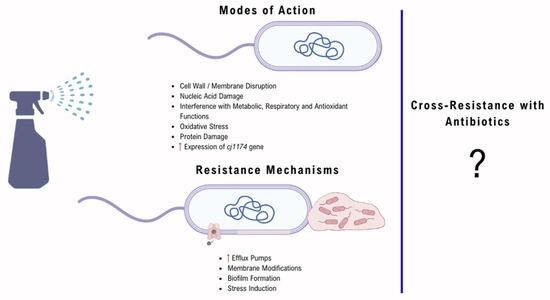
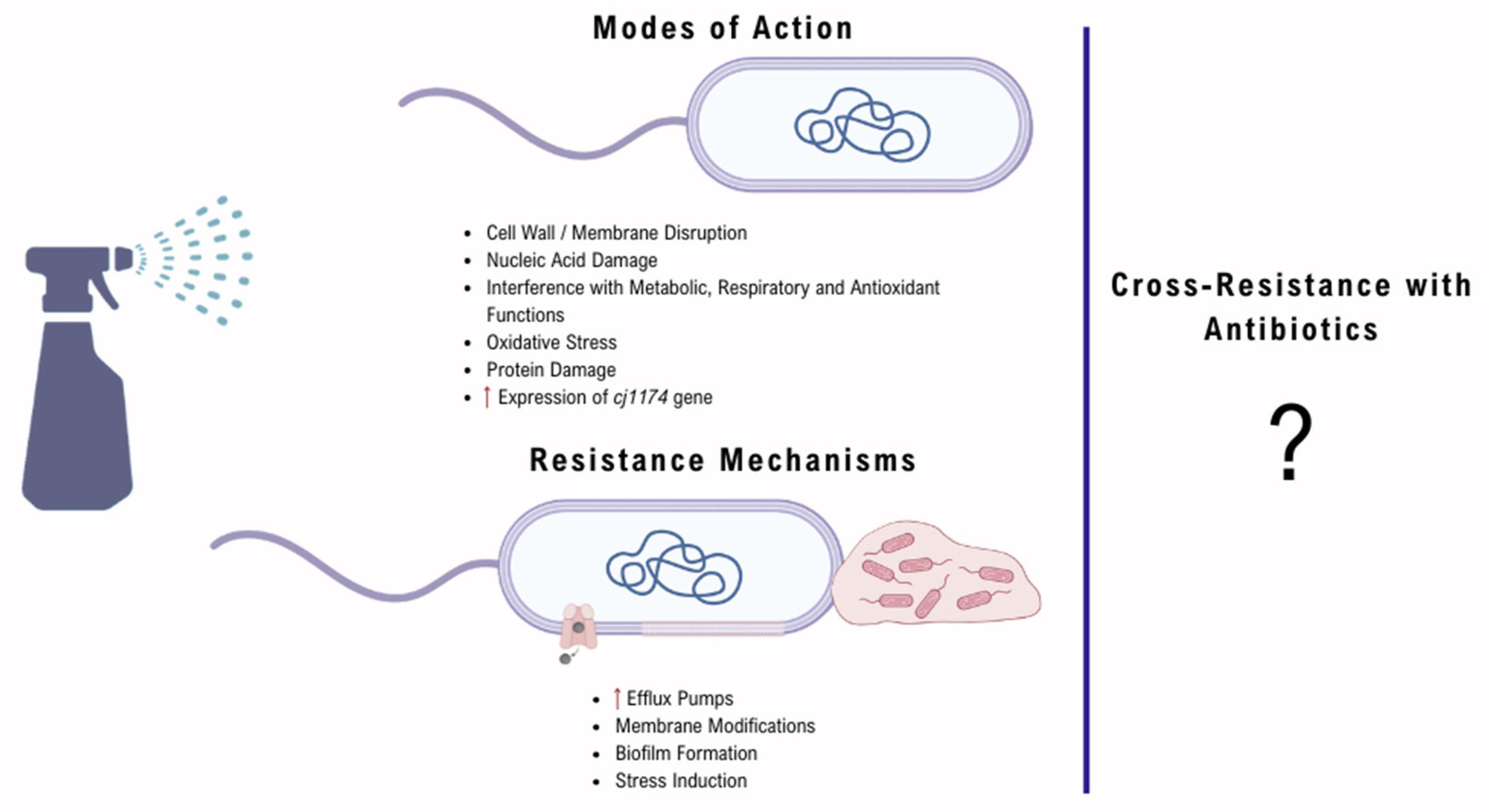
Disclaimer/Publisher’s Note: The statements, opinions and data contained in all publications are solely those of the individual author(s) and contributor(s) and not of MDPI and/or the editor(s). MDPI and/or the editor(s) disclaim responsibility for any injury to people or property resulting from any ideas, methods, instructions or products referred to in the content. |
© 2026 by the authors. Licensee MDPI, Basel, Switzerland. This article is an open access article distributed under the terms and conditions of the Creative Commons Attribution (CC BY) license.