


Abstract
Background/Objectives: Factors associated with urinary tract infection (UTI), antimicrobial resistance and adverse outcomes vary by syndrome and care setting. This systematic review examined these associations in adults receiving hospital care. Methods: PubMed, Web of Science Core Collection and Scopus were searched for reports published from 1 January 2016 through 2 March 2026. Eligible reports addressed UTI occurrence, resistance among adults with UTI, or clinical outcomes. Evidence was synthesized narratively and four post hoc random-effects analyses were undertaken. Results: Of 474 unique records screened, 180 reports had a documented source-level assessment and 60 met the eligibility criteria, representing 56 operational study families. The bibliometric analysis comprised 474 records. Each exploratory meta-analysis included two studies. The pooled odds ratios (95% modified Hartung–Knapp confidence intervals, I2) were 2.05 (0.0795–52.79, 0%) for male sex and extended-spectrum β-lactamase (ESBL), 3.52 (0.000316–39219, 80.1%) for prior antibiotics and ESBL, 1.48 (0.000269–8134, 72.2%) for multidrug resistance and in-hospital mortality (crude), and 1.043 (0.887–1.226, 0%) for age per year and 30-day mortality. Conclusions: Associations varied by population, case definition, resistance phenotype and outcome. The pooled estimates were imprecise.
1. Introduction
Urinary tract infections (UTIs) are frequently evaluated and treated in hospital settings. The 2025 Infectious Diseases Society of America classification distinguishes bladder-limited infection from complicated UTI (cUTI), in which clinical findings suggest extension beyond the bladder [1]. Male sex alone does not establish cUTI. Studies used different definitions; their source terminology is therefore retained without assuming that diabetes, urinary devices, healthcare contact, or comorbidity makes every participant eligible for a contemporary cUTI-specific synthesis [1,2].
The clinical problem extends beyond detecting bacteriuria. In hospitalized and catheterized adults, symptomatic infection must be distinguished from asymptomatic bacteriuria, colonization, and non-specific pyuria. Urinary obstruction and infected devices increase the importance of timely drainage or device reassessment, whereas previous antimicrobial treatment and healthcare exposure change the expected microbiological spectrum and the probability that empirical treatment will be inactive [1,2,3,4]. Acute physiological deterioration may subsequently dominate prognosis even after an active antimicrobial has been selected, particularly when sepsis, organ dysfunction, or delayed source control is present [5,6,7,8].
The relevance of this problem is reinforced by contemporary antimicrobial-resistance surveillance. The 2025 World Health Organization report documented substantial resistance among major Gram-negative pathogens, while current Infectious Diseases Society of America (IDSA) and European Association of Urology guidance recommends that empirical treatment account for illness severity, prior cultures, recent antimicrobial exposure, urinary tract abnormalities, and local susceptibility data [1,2,9].
The primary literature addresses separate clinical questions: device-focused studies evaluate occurrence and duration or manipulation [3,10]; resistance studies evaluate prior antibiotics, healthcare contact and phenotype [11,12,13,14,15,16]; outcome studies examine discordant treatment, bacteremia, resource use, severity and mortality [5,6,7,8,17,18,19,20]. Distinguishing these questions is necessary before comparing reported associations.
Previous reviews have examined antimicrobial-resistance risk in UTI. Tenney et al. reviewed MDR-UTI risk factors across different populations and highlighted inconsistent exposure definitions [21]. Larramendy et al. examined community-acquired ESBL-producing Escherichia coli UTI and identified previous antibiotics, hospitalization and UTI history as relevant associations [22]. Our review considers the broader population receiving hospital care and distinguishes factors associated with UTI occurrence from those associated with resistance or adverse outcomes. The additional contribution is this separation and explicit appraisal of applicability, rather than a claim to discover a new causal pathway.
This review addressed the following question: among adults receiving hospital care, which clinical, urological, healthcare-related and microbiological factors are associated with UTI occurrence in patients initially at risk, antimicrobial resistance among patients with UTI, or adverse outcomes after the index infection? The objective was to synthesize those associations by population, comparison and outcome. A separate bibliometric analysis described the 474 unique search records.
Clinical eligibility requires an adult hospital-care population and a clinically supported urinary syndrome or a separable eligible result. Hospital ED encounters remain eligible without admission; community onset does not mean nonhospital care. Administrative proxies, asymptomatic bacteriuria, candiduria, mixed sites and non-separable mixed-age populations are excluded from the clinical synthesis and retained only in the audit or as clearly identified background.
The synthesis distinguishes infection occurrence, phenotype-specific resistance among UTI cases and subsequent clinical outcomes. Eligibility, study-family linkage and result-level applicability were adjudicated separately from numerical compatibility. No report was excluded merely because its result was non-significant or unsuitable for pooling.
2. Results
2.1. Study Selection
PubMed, Web of Science Core Collection and Scopus yielded 1525 records (150, 381 and 994, respectively). The publication-date, publication-type, language, availability and applicable human-study limits removed 930 records. Of the remaining 595 records, 121 were duplicates and 474 unique records were screened (Figure 1).
Figure 1.
Flowchart of the study selection process according to the Preferred Reporting Items for Systematic Reviews and Meta-Analyses (PRISMA) 2020 statement.
At title and abstract screening, 294 records did not enter the documented source-level assessment. Recorded reasons were an out-of-scope topic or no separable eligible UTI estimate (n = 169), pediatric, neonatal or obstetric population (n = 63), ineligible publication type, design or isolate analysis (n = 41), descriptive or surveillance analysis (n = 11), treatment comparison without an eligible association (n = 6), and a primary care or other nonhospital setting (n = 4). The register does not reliably distinguish title from abstract exclusions or separately identify the report that could not be retrieved.
Of 180 reports assessed for eligibility at full text, 120 were excluded and 60 contributed eligible clinical results. Reasons for exclusion included ineligible or non-separable populations, age groups, settings or infection sites, insufficient clinical evidence of UTI, ineligible designs or endpoints, and descriptive or therapeutic analyses without an eligible association.
2.2. Characteristics of Included Studies
The 60 included reports represent heterogeneous hospital settings, including ED encounters without admission, inpatient wards, ICUs and hospital rehabilitation (Table 1). They address incident UTI, resistance within diagnosed infection or subsequent clinical outcomes. Li 2017 contributes only its explicitly adult discharge model [23]; Miftode 2021 contributes only separable age strata ≥21 years [24]; Handal contributes only the urinary-source bloodstream-infection stay comparison [19]. Full-cohort sample sizes from these reports are not treated as eligible adult denominators.
Three report families are grouped to avoid publication double counting: RESCUING (three reports), UTILY (two reports) and the expanded Dongsan APN cohort (two reports). With 53 remaining single-report units, this yields 56 operational study families. Additional possible overlap, including the Lee and Hsiao reports from the same hospital over overlapping years, precludes assuming 56 independent patient cohorts.
Table 1.
Characteristics and principal findings of the 60 included reports.
2.3. Demographic Factors: Effect Dependent on Phenotype and Outcome
Age and sex had different descriptive, associative, and predictive roles across studies; demographic reporting was not treated as evidence of an independent association. In the Zhao derivation model, adjusted ORs were 1.05 per year of age (95% CI, 1.02–1.07), 2.10 for female versus male sex (1.17–3.77), 2.28 for NIHSS ≥ 5 (1.18–4.41), and 3.43 for catheterization (1.75–6.74) [47]. In Jitpratoom et al., Foley catheter retention was associated with UTI (OR, 14.10; 95% CI, 3.25–61.28), as was NIHSS ≥ 15 (5.00; 1.33–18.72), but the backward-selected model contained only 31 UTI events and was vulnerable to overfitting [41]. These estimates address stroke populations and do not establish universal effects in cUTI.
Among 7295 catheterized older adults, male sex (aOR, 1.48; 95% CI, 1.03–2.14) and age ≥74 years (aOR, 1.51; 95% CI, 1.04–2.21) showed smaller associations with CAUTI than hospitalization ≥14 days (aOR, 7.50; 95% CI, 4.41–12.76) and catheter duration ≥10 days (aOR, 6.35; 95% CI, 3.94–10.24) [3]. For resistance, male sex was associated with MDR in the UTILY cohort (aOR, 1.79; 95% CI, 1.08–2.97), MDR Gram-negative cUTI (aOR, 1.66; 95% CI, 1.20–2.29), and bacteremic graft pyelonephritis (aOR, 3.084; 95% CI, 1.601–5.939) [5,12,16]. Thus, sex appeared to capture different anatomical, urological, device-related, and healthcare exposures according to the population and outcome.
Age had different associations according to population and endpoint. In Semet et al., age ≥65 was not independently associated with bacteremia (aOR 0.93, 95% CI 0.53–1.63) or 30-day mortality within the bacteremic subgroup (aOR 2.26, 0.71–7.15), while qSOFA ≥2 had an imprecise mortality association in a sparse subgroup model [8]. In older adults, a composite healthcare-associated definition was associated with ESBL-producing E. coli UTI (OR 6.79, 3.22–14.31) [37]. These selected cohorts do not establish a universal age effect.
Among 552 men with febrile UTI, the clinical meaning of age depended on healthcare-associated acquisition, prior antimicrobials, resistance and treatment appropriateness [44]. Broader administrative and culture-proxy prediction cohorts are excluded from the clinical evidence body and cannot be used to validate a symptomatic adult UTI risk score.
2.4. Host Clinical Vulnerability
Li et al. explicitly identify adults in the prolonged-hospitalization analysis and use an 18–30-year reference in Table 6 [23]. Only this model is retained. Its sample size, overlapping age-category wording and HR direction limit interpretation; resistance, costs and mortality from all 4284 admissions are not included as adult-only findings. Miftode contributes 69 patients in separable age categories ≥21 years, with 33 ESBL-positive and 36 ESBL-negative infections; the ambiguous 0–20 band and all-age models are excluded [24].
Comorbidity and physiological severity were evaluated in selected symptomatic cohorts, including cirrhosis-associated hospital UTI and Pseudomonas UTI [7,58]. These observations apply to the source populations and do not supply a general ranking of chronic kidney disease, liver disease or comorbidity across all adult UTIs.
Functional status provided information that chronological age alone did not capture. Moderate and severe dependence were strongly associated with CAUTI, while frailty, bedridden status, dementia, and long-term-care residence clustered with MDR infection and treatment failure [3,48,59,65]. In older adults followed after UTI, severe dependence defined by a Barthel Index below 40 was independently associated with middle-term case fatality (aOR, 5.10), together with healthcare-associated infection and sepsis [63]. These findings show that dependence is simultaneously a marker of reduced physiological reserve, exposure to caregiving procedures, and difficulty maintaining or removing urinary devices [3,59,63,65].
The spinal-cord-injury rehabilitation cohort contributes an incident symptomatic UTI analysis with baseline UTI excluded [35]. Positive surveillance cultures or pooled symptomatic and asymptomatic bacteriuria from other spinal-injury reports are excluded from the clinical core. Rehabilitation setting, bladder function and source-specific observation requirements limit generalization.
Bacteremic graft pyelonephritis is an eligible symptomatic transplant subgroup [16]. Its repeated episodes and highly selected hosts require separate denominators. Transplant surveillance reports combining children, adults and outpatient cultures are excluded when the eligible adult hospital result cannot be separated.
Physiological severity, functional dependence and comorbidity were associated with adverse outcomes in selected UTI populations [5,6,7,8,53,62,63,65]. Models used different definitions, time origins and adjustment sets. Their effect sizes cannot be directly ranked, and post-index severity or treatment variables may change the question estimated.
2.5. Urological Determinants and Source Control
Catheter-associated infection must be separated from bacteriuria and candiduria. Eligible catheter cohorts report symptomatic outcomes, exposure duration or recatheterization within their actual analysis populations [3,10,41]. Mixed-age surveillance and positive cultures alone do not supply an adult symptomatic CAUTI estimate.
In stroke populations, catheterization and neurological severity were associated with incident UTI [41,47]. In the adult ICU cohort, the source-defined CAUTI outcome requires catheter exposure, symptoms or signs and culture [27]. Variables that are themselves components of diagnosis are not interpreted as antecedent causal risk factors.
Urinary obstruction and abnormal bladder function are interpreted within the relevant syndrome. Catheterization and neurogenic bladder were associated with organism distribution in APN [4], while Li’s adult-labeled discharge model addresses prolonged stay rather than infection occurrence [23]. Non-separable mixed-age and asymptomatic cohorts are excluded.
Evidence concerning obstruction and drainage required temporal interpretation. Hong et al. included 122 ICU patients with UTI; obstruction was assessed in the 99 who underwent CT, of whom 40 had structural obstruction with hydronephrosis [39]. Obstruction was associated with fewer RRT-free days after adjustment for renal SOFA score (difference, −3.0 days; 95% CI, −5.8 to −0.1), whereas the adjusted odds ratio for RRT use was imprecise (3.8; 95% CI, 0.9–15.4) [39]. Among the 40 patients with obstruction, drainage within 72 h (n = 21), compared with drainage after 72 h or no drainage (n = 19), was associated with more RRT-free days after adjustment (difference, 6.0 days; 95% CI, 0.5–11.5; p = 0.03). The adjusted difference in ICU-free days was 3.4 days (95% CI, −2.6 to 9.3), and the reported comparison of 28-day mortality was not statistically significant (p = 0.27); an adjusted mortality estimate for drainage timing was not presented [39]. These observational comparisons remain vulnerable to selection and residual confounding and do not establish a validated 72 h source-control threshold.
The eligible urological evidence distinguishes catheter presence, duration, repeated manipulation, obstruction and bladder dysfunction [3,4,10,23,35,39,41,47].
Observational associations do not establish a homogeneous causal effect of a source-control procedure or a validated universal drainage threshold.
2.6. Hospital Pressure and Antimicrobial Exposure
Previous antimicrobial exposure was associated with resistance in selected studies, with different windows and outcomes. Kanda reports an adjusted association for prior antibiotics within three months with resistant Gram-negative UTI (aOR 4.52, 95% CI 1.02–19.97), based on few exposed patients [14]. Goyal reports aOR 7.98 (2.92–28.19) for community-acquired ESBL UTI [13]. Ghaleb uses a six-month window and an unadjusted ESBL comparison [26]; Hase reports an unadjusted ESBL subgroup without a verified three-month window [30]. These are not interchangeable adjusted effects.
Class-specific prior exposure was examined in cirrhosis, bacteremic UTI and a urology-clinic carbapenem-resistance comparison [15,55,58]. Radu’s reported carbapenem OR 11.78 (95% CI 1.27–108.95) compares carbapenem-resistant with carbapenem-susceptible MDR infection and has sparse exposed cells [15].
Healthcare contact was associated with resistance, but the contrasts differed. Acquisition in a medical care facility was associated with MDR Gram-negative cUTI (aOR, 2.59; 95% CI, 1.80–3.71) [12]. Prior hospitalization within 90 days was associated with MDR infection in an emergency-department population (aOR, 4.28; 95% CI, 1.86–9.83) [5], whereas a healthcare-associated composite was associated with ESBL-producing E. coli UTI in hospitalized older adults (aOR, 6.79; 95% CI, 3.22–14.31) [37]. These are different exposures and populations and were not pooled. Nursing-home or long-term-care residence and transfer from another hospital were evaluated in separate resistant-organism cohorts [11,14,15].
Timing of hospital exposure matters. In older catheterized adults, prolonged hospitalization and catheter duration were associated with CAUTI [3]. Admission duration may also be prolonged by an infection; these relationships require a clear time origin and cannot all be interpreted as baseline causes. The postoperative UTI-specific analysis in adults with subarachnoid hemorrhage illustrates this concern [34].
Administrative-only, culture-proxy and mixed-site datasets were ineligible when an adult clinical UTI result could not be established separately.
2.7. Microbiology, Resistance and Treatment Discordance
Reports examined organism-specific questions in source-defined clinical populations. Sampling indications, repeated episodes, syndromes and units differed, precluding a pooled estimate of organism prevalence.
Microbiological surveillance frequencies and practice-level ecological prescribing associations are distinct from eligible patient-level clinical comparisons. They are excluded from this evidence body when adult symptomatic hospital UTI cannot be established, irrespective of the strength of an ecological association.
In 105 urinary-source E. coli bloodstream infections, ST131 had an imprecise adjusted mortality OR of 5.85 (95% CI 1.44–29.49) [64]. Analyses of all-site bacteremia, asymptomatic bacteriuria or urinary yeast positivity are not treated as eligible symptomatic urinary prognostic evidence without a separable result.
Microbiological detail also extended beyond species identification. Among 149 patients with E. coli UTI or urosepsis, co-occurrence of enterobactin, aerobactin, and yersiniabactin was more frequent in urosepsis, and aerobactin predominated among urosepsis isolates, supporting a relationship between iron-acquisition traits and invasive phenotype [42]. In hospitalized patients with pyelonephritis, 48.1% of 81 Gram-negative isolates carried plasmid-mediated resistance determinants; among these, 69.2% were ESBL producers and 30.8% carried plasmid-mediated quinolone-resistance genes [50].
Resistance measurements differed by organism, drug and unit. Miftode contributes only age-stratified adult ESBL counts [24]; prior-hospitalization and mortality estimates pooled over its ambiguous 0–20 age band are excluded. Broader primary-care ecological surveillance is not used to infer individual hospital UTI risk.
Resistance did not have a uniform prognostic association. UTILY reports a 30-day mortality aOR of 2.65 (95% CI 1.01–6.97), subject to incomplete follow-up [5]. In febrile UTI, third-generation cephalosporin resistance was associated with discordant therapy and model-dependent 90-day mortality [19]. Madrazo 2021 contributes an older-adult cohort [57].
Among eligible geriatric inpatient cohorts, organism and resistance distributions differed by selection and syndrome [53,57]. Microbiological descriptions from mixed ages, mixed infection sites or unclear symptomatic definitions remain audit material and are not counted as eligible clinical corroboration.
2.7.1. Relationship Between Syndromic Diagnosis and Microbiological Profile
Community pyelonephritis, catheter-associated infection, transplantation, obstruction and neurological rehabilitation define different populations [4,16,20,35]. Hyun 2024 expands the Dongsan recruitment period and provides a species comparison; it is grouped with the overlapping 2019 report [4,28]. Neither a species contrast nor a positive yeast culture is relabeled as bacterial MDR.
The clinical interpretation of a positive urine culture depends on symptoms, sampling indication and syndrome. Urinary-source bacteremia can provide a separable invasive UTI result [31,64], whereas asymptomatic bacteriuria and candiduria do not automatically represent symptomatic infection. All-source bloodstream-infection mortality is excluded when urinary-source mortality is not separately estimable.
2.7.2. Resistance as an Outcome and a Prognostic Marker
Resistance was associated with prior antibiotics, healthcare contact and urinary devices in source-specific eligible comparisons [11,12,13,14,15,16,55,58]. Third-generation cephalosporin resistance is retained as a separate phenotype, including the UTILY companion report [32]. Different bacterial spectra, comparators and recruitment criteria preclude interpreting these as one common resistance outcome.
Studies described associations between antimicrobial resistance, discordant empirical therapy, and outcomes, with important differences in design. In febrile UTI caused by third-generation-cephalosporin-resistant Enterobacterales, discordant therapy and subsequent outcomes were reported [19]. In hospitalized emergency-department patients with ESBL-producing Enterobacterales UTI, median time to active treatment was 17.3 versus 3.5 h [46]. In UTILY, MDR and sepsis/septic shock were associated with 30-day mortality [5]. In Giuliano et al., the standard Cox HR for septic shock and 14-day mortality was 36.82 (95% CI 9.06–149.71), whereas the LASSO aHR was 10.94 (1.00–37.07). For treatment failure, the standard adjusted OR for carbapenem-resistant Gram-negative bacteria was 7.11 (2.20–22.94), and the LASSO aOR was 6.73 (2.61–20.27) [53]. These mortality and failure estimates arise from different models; the small event counts and uncertainty limit causal interpretation.
2.7.3. Microorganism-Resistance-Outcome Associations
Table 2 summarizes representative associations linking urinary syndrome, microorganism or resistance phenotype, and clinical or economic outcomes.
Table 2.
Selected study-specific microbiological associations and clinical outcomes, with effect type and available uncertainty.
2.7.4. Correlations and Interdependence Between Variables
Most eligible studies report adjusted or crude associations rather than correlation coefficients. ORs, HRs and RRs retain their original interpretation and are not renamed correlations [3,5,12,19,65]. Shared covariates and contemporaneous measurements do not demonstrate a causal sequence.
Host and device factors frequently coexisted in the same models. In older catheterized adults, dependence, diabetes, malnutrition, age, sex, duration of hospitalization, and catheter duration jointly characterized CAUTI risk [3]. In stroke cohorts, neurological severity and catheterization remained associated with UTI after adjustment, indicating that disability and urinary management contributed related but non-identical information [41,47]. In the RESCUING cohort, ICU admission, bedridden status, corticosteroid exposure, metastatic cancer, older age, and CAUTI jointly predicted treatment failure, demonstrating that device exposure operated within a broader severity and vulnerability profile [65].
Healthcare and antimicrobial exposures were interdependent with resistance in eligible cohorts [11,12,13,14,15,16,55,58]. The exposure windows and resistance definitions differ; no formal mediation analysis establishes a pathway from healthcare exposure through antibiotic selection to resistant UTI.
Third-generation cephalosporin resistance and ESBL infection were associated with discordant or delayed active treatment in selected febrile and ED cohorts [19,46]. Prognostic findings from eligible older-adult and UTILY analyses remain model-dependent [5,53,57].
The prognostic meaning of bacteremia depended on the population and model. MDR Enterobacterales, cirrhosis and an indwelling catheter were associated with severe sepsis or shock in bacteremic UTI [56]. An older-adult cohort reported an inverse, explicitly exploratory bacteremia–mortality association [62], whereas another community-onset cohort reported positive associations in a sparse mortality model and an imprecise qSOFA association within its bacteremic subgroup [8]. These differing adjusted results and internally inconsistent source counts preclude a universal prognostic ranking or causal interpretation [8,62].
2.8. Clinical Outcomes and Resource Utilization
Bacteremia identifies bloodstream involvement, but its prognostic association varies across eligible populations [8,62,63,65]. Older-adult selection, severity adjustment and sparse events constrain interpretation. Models from age-unverified or bacteriuria-only populations are excluded rather than used as additional symptomatic adult evidence.
Sepsis, shock, organ dysfunction, functional dependence and comorbidity were associated with mortality in selected eligible hospital UTI cohorts [5,6,7,8,40,45,53,56,62,63,65]. The time of measurement and endpoint differ, and adjusted associations do not establish comparable causal effects across models.
Treatment failure and mortality are distinct endpoints. Carbapenem resistance was associated with failure in the older-adult cohort [53], while RESCUING evaluated failure and mortality in linked publications [38,65]. Montelin’s hospital/primary-care pooled analysis is excluded without a separately estimable hospital association; it is not used as clinical confirmation.
Treatment appropriateness had endpoint-specific associations. Third-generation cephalosporin resistance in febrile UTI was associated with discordant treatment [19]; cefazolin resistance had an imprecise mortality association and an AP-readmission association [20]. No universal treatment equivalence or safety claim follows.
In Barré’s eligible ED-discharge cohort, resistance to at least one antibiotic class was associated with a composite risk-factor exposure [33]. This outcome is broader than MDR. Prescribing or de-escalation endpoints without an eligible clinical determinant analysis remain outside this clinical synthesis.
Khalawi’s retrospective adult ED cohort contributes a restricted recurrence analysis [25]. Source percentages and model coding are inconsistent, and the reported association is non-significant; its effect is not pooled. This illustrates why study eligibility, reliability of an individual estimate and quantitative compatibility are separate decisions. Recurrence, relapse, readmission and all-site subsequent infection are not interchangeable outcomes.
Eligible resource-use analyses include source-specific hospital costs and stay [3,17,18,31,49]. In hospitalized adults with symptomatic E. coli UTI, Iskandar et al. report hospitalization costs of 3429 versus 2651 for resistant and susceptible infections, respectively (approximately 29% higher in the resistant group, calculated from the tabulated values). The source article’s Table 2 labels the values as means, whereas its text describes medians. The adjusted log-cost coefficient was 0.178 (95% CI 0.020–0.337) [18]. Handal contributes urinary-source bacteremia stay only, not the all-source adjusted mortality estimate [31]. Administrative coding studies excluded from the symptomatic clinical core are not added as clinical replication.
Host vulnerability, urinary devices, healthcare contact, resistance, treatment discordance and physiological severity are associated with different endpoints in eligible hospital-care populations. They form an interpretive framework; they do not establish a universal causal mediation pathway. Each result retains its population, time window, unit and source-defined endpoint.
2.9. Integrated Association Matrix
Table 3 organizes representative adjusted estimates according to their position in the multidimensional risk pathway. The matrix integrates demographic, clinical, urological, healthcare-related, microbiological, treatment-related, and resource-use factors to show how associations differ according to the outcome considered. Larger effect estimates were observed for proximal clinical severity and selected healthcare or antimicrobial exposures, whereas demographic factors generally showed more context-dependent associations. These findings are presented as representative associations and should not be interpreted as direct comparisons across studies because populations, definitions, outcomes, and adjustment models differed.
Table 3.
Representative study-specific clinical associations and outcome comparisons. Adjusted and crude estimates are explicitly distinguished.
2.10. Bibliometric Results
The bibliometric analysis uses all 474 unique records, a corpus broader than the 60 reports in the clinical synthesis. VOSviewer version 1.6.20 identified 4433 title and abstract terms; 308 met the minimum frequency of five and 185 were retained after automated relevance selection. Normalization and thesaurus application produced the reported 76-term network [66]. This descriptive analysis does not determine clinical eligibility.
2.10.1. Co-Occurrence Structure
The reported 76-term network was partitioned into four clusters. Red contained 29 terms concerning diagnosis, host characteristics, severity, and treatment; green contained 21 terms concerning hospital environment and healthcare exposure; blue contained the remaining 18 terms concerning susceptibility and resistance, and yellow contained eight terms concerning advanced resistance phenotypes and vulnerable populations [66]. The blue count is obtained by reconciling the reported partition (76 − 29 − 21 − 8 = 18); these descriptive counts do not represent study-level effect estimates.
Figure 2 shows the structure and connectivity of these four clusters.
Figure 2.
Thematic co-occurrence network.Colors identify four thematic clusters: red, diagnosis, host characteristics, severity, and treatment; green, hospital environment and healthcare exposure; blue, antimicrobial susceptibility and resistance; and yellow, advanced resistance phenotypes and vulnerable populations.
The bibliometric topology converged with the clinical synthesis: “complicated urinary tract infection” functioned as a node between pyelonephritis, therapy and shock; “bloodstream infection” connected microbiology with outcome; and “antimicrobial susceptibility/carbapenem resistance” linked hospital pathogens to therapeutic decisions. This convergence is conceptual, not a statistical validation of clinical associations: co-occurrence indicates that the concepts are being investigated together, not that one causes the other [66].
2.10.2. Temporal Evolution
The temporal overlay linked earlier terms to nosocomial infection, ICU care, and bacteremia, and later terms to resistant phenotypes and clinical outcomes. The annual counts displayed for the 474-record corpus were 33, 34, 30, 36, 41, 45, 45, 55, 67, 72, and 16 for 2016 through 2026, respectively. They sum to 474; the 2026 observation covers only the period up to the reported March 2 search closure. The years 2021–2026 account for 300 records (63.3%). These values reconcile the existing figure and text; the underlying bibliometric export remains necessary for full reproducibility.
Figure 3 presents the temporal overlay of terms, and Figure 4 shows annual publication counts for the 474-record corpus.
Figure 3.
Temporal evolution of the terms. Node colors indicate the average publication year associated with each term, according to the color scale. Blue and purple indicate earlier average publication years, whereas yellow indicates later average publication years
Figure 4.
Annual distribution of the 474-record bibliometric corpus. Dark green bars represent complete years (2016–2025), while the red hatched bar represents the partial year 2026. The 2026 count is 16 and represents a partial year through the reported March 2 search closure.
Bibliometric mapping describes the research vocabulary and its temporal distribution. It complements the 60-report clinical synthesis but does not validate associations, establish symptomatic case definitions or supply additional eligible patient cohorts.
2.11. Phenotype-Specific Exploratory Reanalysis
One estimate per study family was used in each contrast, accounting for linked RESCUING, UTILY and Dongsan reports. Table 4 summarizes all four exploratory meta-analyses, two on factors associated with ESBL infection and two on factors associated with mortality. Figure 5 shows the study-specific and pooled estimates for the two ESBL analyses. Four additional contrasts were assessed only in sensitivity analyses.
Table 4.
Exploratory syntheses after adult hospital-care eligibility adjudication.
Figure 5.
Exploratory adjusted associations with ESBL infection. Panels E1 and E2 show study-specific ORs, 95% CIs, REML weights and combined estimates with modified Hartung–Knapp intervals. Wider intervals extending beyond the axis are indicated by arrows. Both calculations have k = 2; prediction intervals are not estimable under the t(k − 2) convention. E1 includes mixed onset in [36], and E2 combines broader symptomatic UTI [13] with pyelonephritis [52].
Male sex versus female sex in symptomatic upper UTI gave an OR of 2.05 (95% CI 0.08–52.79); k = 2, I2 = 0%, τ2 = 0, with Alkan and Gelişigüzel contributing 26.1% and 73.9% of the REML weight [36,52]. Previous antibiotic exposure within three months, compared with no such exposure among adults admitted with symptomatic community-onset UTI, gave an OR of 3.52 (95% CI 3.16 × 10⁻⁴–3.92 × 10⁻⁴); k = 2, I2 = 80.1%, τ2 = 0.872 [13,52]. This latter synthesis includes Gelişigüzel’s non-significant estimate. Its severe imprecision and inconsistency limit interpretation.
The ESBL cohorts differed in population and model adjustment. Alkan included adults older than 65 years with mixed community and hospital onset, and its model included secondary bacteremia documented during the episode [36]. Gelişigüzel included adults with community-onset pyelonephritis; the reported model adjusted for sex, previous hospitalization and previous antibiotics [52]. Goyal included broader symptomatic Enterobacterales UTI, matched cases and controls on demographic and calendar factors, and defined antibiotic exposure as more than 24 h within three months [13]. The 30–90-day wording in Gelişigüzel’s methods describes healthcare contact and was not interpreted as an antibiotic-specific washout. Restricting the sex synthesis to explicitly community-onset infection, or excluding the concurrent-bacteremia model, left only [52]. Restricting the antibiotic synthesis to uniformly upper UTI likewise left one study.
The crude MDR and in-hospital mortality comparison yielded an OR of 1.48 (95% CI 0.000269–8134.40, k = 2, I2 = 72.2%) [54,57]. For the adjusted association of age per year with 30-day mortality, the OR was 1.043 (95% CI 0.887–1.226, k = 2, I2 = 0%) [6,62]. These contrasts address different populations and mortality time horizons. Adjusted MDR and 30-day mortality evidence was insufficient for pooling. The analysis supplement reports the sensitivity scenarios, including male sex and MDR, and documents source coefficients withheld for ambiguity.
The conventional Wald interval for male sex and ESBL was 1.24–3.38, compared with 0.08–52.79 using modified Hartung–Knapp. The two-study contrasts have insufficient degrees of freedom for prediction intervals under the specified t(k − 2) convention. I2 of 0% with two studies leaves uncertainty about between-study heterogeneity.
Carbapenem resistance, ESBL, third-generation cephalosporin resistance and source-defined MDR were treated as separate outcomes. Radu compared carbapenem-resistant with carbapenem-susceptible infection within an MDR-selected population [15]. Comparator restrictions and source discrepancies were assessed for each result.
3. Discussion
3.1. Principal Findings
The 60 eligible reports describe associations with UTI occurrence, antimicrobial resistance and subsequent outcomes in adults receiving hospital care. Source populations, case definitions and time origins differ. The proposed framework organizes observations and generates hypotheses; it does not establish a universal causal pathway or validated hierarchy of predictors [3,5,12,19,56,65].
Earlier reviews already identified prior antimicrobial exposure, urinary catheterization and healthcare contact as potential resistance markers. Tenney et al. synthesized MDR-UTI risk factors across varied settings and definitions [21], whereas Larramendy et al. focused on community-acquired UTI caused by ESBL-producing Escherichia coli [22]. The present review has a broader hospital-care scope and separates infection occurrence, phenotype-specific resistance and subsequent outcomes. This broad scope complements rather than replaces the more focused reviews. Its two ESBL calculations remain too sparse to supply a reliable common magnitude, and its proposed framework requires external validation.
Age and sex are context-dependent markers. Post-stroke UTI occurrence, resistance among patients with infection and mortality after infection are different questions [3,8,12,16,37,47]. The previous exploratory male-sex synthesis cannot be interpreted as an incident UTI effect.
Functional dependence, neurological disability, and frailty linked host vulnerability with urinary management. Dependence predicted CAUTI and middle-term mortality, while NIHSS severity and Foley-catheter use jointly predicted post-stroke UTI [3,41,47,63]. Bedridden status, dementia, long-term-care residence, and CAUTI were also associated with MDR infection or treatment failure [11,59,65]. These findings support collecting functional status as an explicit variable rather than using age as its surrogate [3,59,63,65].
Catheter-related risk was better represented by duration and repeated manipulation than by device presence alone. Catheter use for at least 10 days and recatheterization showed large associations with CAUTI, while chronic devices also predicted MDR or ESBL infection [3,10,11,13]. The observational evidence is compatible with inoculation, ascending colonization, biofilm formation, and antimicrobial selection, but it cannot separate device effects from the severity and retention that prompted catheterization [3,10,11,13,39].
Obstruction and bladder dysfunction require syndrome-specific interpretation [4,23,35,39]. Hong’s drainage-timing analysis concerns RRT-free and ICU-free days and does not demonstrate a significant mortality benefit or validate a universal 72 h threshold [39]. Li contributes only its adult-labeled discharge model [23]. Mixed-age and asymptomatic reports are excluded from this clinical inference.
Prior healthcare contact and antibiotic use are recurrent resistance markers in eligible studies, with different exposure windows and comparator definitions [5,11,12,13,14,15,16,37,55,58]. Class-specific estimates are often sparse and imprecise. Their apparent magnitudes do not establish a common dose–response relationship or comparative causal ranking.
The eligible evidence is enriched for tertiary care, ICU, urology, cirrhosis, transplant and rehabilitation settings [15,16,35,58]. This selection and the observational design limit transfer to other patients. Clinical interpretation requires the relevant syndrome, source-defined phenotype and local context; effect size alone cannot justify a universal treatment policy.
Resistance and treatment activity have different prognostic implications across eligible cohorts [5,19,46,53,57]. Formal causal mediation is not demonstrated. Ineligible age-unverified reports are not retained to strengthen an apparent mortality association.
Mortality, recurrence, microbiological failure, readmission and resource use require separate analysis [19,20,25,31]. Incomplete follow-up, clinical treatment selection and adjustment for variables measured after baseline may affect each endpoint differently. These data do not demonstrate antibiotic equivalence or general treatment safety.
Microbial identity may provide prognostic information in selected urinary-source bloodstream-infection cohorts, but effect estimates remain observational and imprecise [31,64]. Bacteriuria-only, candiduria and mixed-source prognostic models are excluded from the clinical evidence body when an eligible symptomatic urinary result is not separable.
Bacteremia, shock, organ dysfunction and functional dependence were associated with outcomes in source-specific eligible cohorts [6,8,62,63,65]. Differences in selection and adjustment preclude a universal prognostic ranking. Excluded age-unverified reports are not added as independent clinical evidence.
The exploratory quantitative findings do not support ranking antibiotics, sex, catheterization or healthcare exposure by the magnitude of a single resistance OR. Phenotype-specific estimates remain conditional on study selection and model adjustment. In the two-study antibiotic/ESBL synthesis, substantial heterogeneity and an extremely wide interval indicate that a clinically useful common magnitude is not established. The MDR calculations test sensitivity across broader bacterial and care-setting definitions; their interpretive value is limited by those differences rather than rescued by low estimated I2.
The bibliometric network independently showed that the literature is organized around clinical severity and treatment, hospital and device exposure, susceptibility and resistance, and advanced resistant phenotypes in vulnerable populations [66]. This conceptual convergence supports the four-stage framework but is not statistical validation, because co-occurrence indicates that terms are studied together rather than that one causes another [66].
The contribution is a source-linked organization of associations by clinical question, population, phenotype, endpoint and study family. The interpretive framework is not a bedside score or a demonstrated causal sequence. Individual estimates require temporal and external validation before clinical use [3,19,21,22,39].
3.2. Strengths and Limitations
The decision register provides the eligibility decisions and source locators for the 474 records. Study-family linkage was used to account for companion publications. The bibliometric analysis used all 474 records.
All quantitative analyses were post hoc and included only two or three studies. Between-study variance is poorly determined at these sizes, and Wald intervals can give a misleading impression of precision. Modified Hartung–Knapp intervals, estimator comparisons, leave-one-out calculations and restrictions were therefore reported. Several clinically important restrictions left one study, preventing pooling. No sufficiently homogeneous low-concern subset was established, and none of these calculations should determine an individual treatment choice.
The English-language and open-access restrictions may have led to the exclusion of relevant studies. The screening register did not reliably distinguish exclusions based on titles from those based on abstracts or allow the unretrieved report to be identified. Potential overlap between study cohorts, incomplete reporting, and imprecision limit the interpretation of the clinical associations.
4. Materials and Methods
4.1. Design and Reporting Guidelines
A systematic review of original studies was conducted to examine factors associated with urinary tract infection occurrence, antimicrobial resistance, and adverse clinical outcomes among adults receiving care in hospital settings. The review was reported in accordance with the Preferred Reporting Items for Systematic Reviews and Meta-Analyses 2020 (PRISMA 2020) statement [67]. The literature search and its documentation were reported following the PRISMA extension for searches (PRISMA-S) [68].
Because the included studies differed in their definitions of cUTI, populations, exposures, resistance phenotypes, comparators, effect measures, and outcomes, evidence that was not suitable for quantitative pooling was organized through a structured narrative synthesis informed by the Synthesis Without Meta-analysis (SWiM) reporting guideline [69]. The synthesis compared the direction, magnitude, precision, and consistency of reported associations, prioritizing adjusted estimates and their 95% confidence intervals when available.
The detailed rules for assessing the separability of clinical results and the criteria for quantitative compatibility were specified after initial screening. The compatibility register covers 22 contrasts. Four were examined in exploratory meta-analyses, four only in sensitivity analyses and fourteen were not pooled. No minimum study count was prospectively registered. Two studies were required to calculate an exploratory pooled estimate under the analytical plan.
The review was not prospectively registered. No separate written protocol was prepared before the review began. The supplementary retrospective methodological record describes the procedures and the timing of methodological decisions.
The bibliometric analysis used the 474 unique records. The clinical synthesis included 60 eligible reports in 56 operational study families. Possible cohort overlap precluded calculation of a total number of unique participants.
4.2. Eligibility Criteria
Eligible clinical results concern adults aged at least 18 years receiving hospital care, including ED encounters without admission, with clinically supported symptomatic UTI or a separable urinary-source result. Inpatient status and community/hospital onset are distinct. A mean or median adult age does not establish the minimum age. Non-separable pediatric/adult, primary-care/hospital and urinary/nonurinary results are excluded. Administrative-only or culture-plus-antibiotic proxies without clinical symptom verification, ASB and candiduria are excluded from the clinical core and may remain only in the audit or as background. Eligibility decisions for the original 474 records are recorded in the final register.
Eligible studies were required to evaluate at least one clinical, urological, healthcare-related, or microbiological factor in relation to infection occurrence, antimicrobial resistance, or an adverse clinical outcome. Adjusted and unadjusted measures of association were eligible, as were stratified comparisons that permitted an interpretable assessment of the relationship between an exposure and an outcome. Eligible designs included prospective and retrospective cohort studies, case–control studies, analytical cross-sectional studies, clinical surveillance studies, and clinical audits providing extractable exposure and outcome data for the population of interest.
The database searches covered 1 January 2016 to 2 March 2026 and used English-language and open-access limits. These restrictions may have affected the availability and representativeness of the evidence. Non-English reports were ineligible for the clinical synthesis.
Narrative and systematic reviews, meta-analyses, clinical practice guidelines, editorials, letters, protocols without results, case reports, and case series without an eligible analytical comparison were excluded. Studies conducted exclusively in pediatric or neonatal populations or exclusively among pregnant women or obstetric populations were also excluded. Animal studies and in vitro, molecular, or laboratory investigations without patient-level clinical correlation were ineligible.
Studies conducted exclusively in primary care or outpatient settings were excluded, as were publications that did not evaluate urinary tract infection as either the study population or an outcome of interest. Purely descriptive studies limited to prevalence, microbial etiology, or antimicrobial susceptibility were excluded when they did not provide an interpretable exposure–outcome association, comparison, or stratified analysis. Therapeutic trials and other comparative intervention studies were excluded when they assessed only treatment efficacy or safety without examining clinical, urological, healthcare-related, or microbiological determinants of infection, antimicrobial resistance, or adverse outcomes.
For mixed populations, a result must be separately identifiable for the eligible adult hospital-care urinary population. Valid adult-stratum counts can support a specifically defined crude comparison, as for Miftode’s age groups ≥21 years; merely listing an adult subgroup does not make pooled all-age estimates eligible. Li’s adult-labeled discharge model and Handal’s urinary-source stay comparison remain restricted. Companion reports are linked before analysis; possible overlap is not converted into proven independence.
Generative AI tools, including ChatGPT and Codex (OpenAI), assisted with language editing and consistency checks across the manuscript and Supplementary Materials. The authors reviewed the outputs and take responsibility for the final manuscript.
4.3. Search Strategy
The database search for the clinical synthesis covered PubMed, Web of Science Core Collection, and Scopus and closed on 2 March 2026. Records from the three databases were combined, deduplicated, and screened using the same eligibility criteria (Section 4.2). Table 5 presents the search queries and limits for each database. The open-access restriction may have introduced availability bias. The clinical synthesis was based on the adjudicated records from this search.
Table 5.
Database-specific search strategies.
Retrieved records were screened sequentially by title, abstract, and full text. During title screening, records were excluded only when the title clearly demonstrated that at least one eligibility criterion was not met. Records containing insufficient information were retained for abstract screening. Title-level exclusion categories included non-original publication, ineligible pediatric or obstetric population, non-clinical investigation, exclusively outpatient setting, topic unrelated to urinary tract infection, and therapeutic intervention without an eligible determinant analysis.
During abstract screening, reviewers assessed the population, hospital setting, urinary condition, exposure or determinant, outcome, and study design. Records were classified as potentially eligible, excluded, or uncertain and requiring consensus. Records containing insufficient information were retained for full-text assessment to minimize erroneous exclusion.
G. Andara and N. Madera-Samper independently conducted the initial title, abstract and full-text screening. Disagreements were discussed and referred to V. Paredes when needed. Additional source-level eligibility decisions used the documented evidence and were not independently duplicated for all reports. One principal exclusion reason and any result-specific restrictions were recorded. The available register does not allow complete reconstruction of each screening substage.
4.4. Data Extraction and Organization
Data were collected in a standardized extraction matrix. Recorded variables comprised authorship, year, country or region, study design, number of centers, hospital setting, study period, sample size, UTI definition and syndrome, patient characteristics, clinical and urological factors, urinary procedures and devices, previous antimicrobial and healthcare exposures, causative microorganisms, resistance phenotypes or mechanisms, empirical and definitive treatment when reported, clinical outcomes, and outcome-assessment periods.
G. Andara, N. Madera-Samper and V. Paredes shared data extraction using a common matrix, with team review and consolidation. Extraction was not independently duplicated for every report. Targeted verification of the 60 reports compared extracted results with the relevant sections, tables and supplements. The extraction register identifies the material consulted. Missing information was recorded as not reported or unclear, and unresolved numerical discrepancies were withheld from pooling.
Measures of association—including odds ratios (ORs), risk ratios (RRs), hazard ratios (HRs), and between-group differences—were extracted with 95% confidence intervals (CIs) and p values when available. Adjusted estimates were prioritized. Definitions and covariates used in the original multivariable models were recorded when reported; estimates were not reclassified as adjusted when the source article did not explicitly identify an adjustment model.
Extracted factors were organized into four domains. The clinical domain included age, sex, functional dependence, comorbidity, immunosuppression, acute illness severity, sepsis, and previous infection. The urological domain included obstruction, retention, lithiasis, structural abnormalities, surgery or instrumentation, and the presence or duration of urinary catheters, ureteral stents, or nephrostomies. The healthcare-related domain included prior hospitalization, length of stay, institutional residence, interhospital transfer, invasive procedures, intensive-care exposure, and previous or recent antimicrobial treatment. The microbiological domain included causative species, multidrug resistance (MDR), extensive drug resistance (XDR), extended-spectrum β-lactamase (ESBL) production, carbapenem resistance or carbapenemase production, and other susceptibility profiles.
Intensive care-related variables were classified only when their temporal role was explicit. Intensive care could represent the study setting, a previous or current healthcare exposure, or an adverse outcome when transfer or admission occurred after UTI onset. When temporality was unclear, the variable was retained as reported but was not interpreted as either an exposure or an outcome.
Outcomes were grouped as UTI occurrence; antimicrobial resistance or infection caused by resistant organisms; and adverse clinical outcomes. Adverse outcomes included treatment failure, inappropriate or discordant empirical treatment, bacteremia, sepsis or septic shock, post-infection intensive-care transfer, recurrence or relapse, prolonged hospitalization, readmission, costs, and mortality.
4.5. Evidence Synthesis and Exploratory Meta-Analyses
Studies were grouped by principal exposure and outcome domain. Within each group, population, setting, UTI definition, design, direction and magnitude of association, precision, and adjustment for confounding were compared. Results were presented in evidence tables and a structured narrative synthesis. Determinants of infection occurrence, antimicrobial resistance, and adverse outcomes were synthesized separately and then examined across domains. Statistical significance alone was not treated as evidence of clinical importance or consistency.
Quantitative compatibility required a common specified phenotype, exposure, comparator, effect measure and endpoint, with one estimate per study family per contrast. The analysis plan records four exploratory and four sensitivity-only contrasts. Conflicting or ambiguous numerical values were withheld. The analysis files record eleven calculable scenarios and five scenarios with a single eligible estimate.
Infection occurrence, resistance among patients with UTI, and adverse outcomes were assessed separately. ESBL, consensus-defined bacterial MDR, 3GCR and carbapenem resistance were not pooled across phenotypes. Crude estimates, HRs and RRs were not substituted for adjusted ORs. One estimate per cohort and contrast was used; subgroups were not included alongside their parent cohort. Restrictively selected controls, unresolved source discrepancies, non-standard resistance definitions, mixed-age non-separable populations and unclear temporal ordering were recorded as reasons to withhold or separate estimates, independently of statistical significance.
Odds ratios were analyzed on the log scale. For source-reported adjusted odds ratios, standard errors were approximated as [ln(upper 95% CI) − ln(lower 95% CI)]/(2 × 1.959964). For crude comparisons derived from 2 × 2 tables, the log odds ratio and standard error were calculated from the cell counts. Between-study variance was estimated by REML. The principal uncertainty interval used modified Hartung–Knapp with k − 1 degrees of freedom and a variance multiplier bounded below by one [70]; conventional Wald and unmodified Hartung–Knapp intervals were also retained. Cochran Q, I2, τ2 and numerical study weights were reported. Paule–Mandel, DerSimonian–Laird and common-effect calculations were method sensitivities, not competing significance tests.
Sensitivity analyses examined community onset, admission status, bacteremic selection, concurrent or post-index covariate adjustment, complete follow-up, leave-one-out exclusions and asymmetric source confidence limits. A restriction leaving fewer than two studies produced no combined estimate. Prediction intervals used an approximate t(k − 2) convention only when k ≥ 3; with k = 3 they were labeled unstable. Meta-regression and funnel-plot asymmetry tests were not undertaken with two or three studies. The two-study REML solution and Paule–Mandel root were numerically cross-checked. Executable code, all inputs, provenance, results and package versions are provided separately.
Two reviewers independently assessed each of the 60 included reports using the Joanna Briggs Institute (JBI) checklist appropriate to the study design. Item-level judgments and supporting evidence were recorded. Confounding, temporality, outcome measurement and follow-up informed interpretation of the clinical findings.
Interpretation of the four exploratory contrasts considered outcome-specific bias, population and model differences, heterogeneity, imprecision and possible missing evidence. All four contrasts contain two studies and all modified Hartung–Knapp intervals include one. The qualitative assessment and its limits are provided in the reanalysis supplement. Reporting bias could not be assessed reliably with these study counts.
4.6. Bibliometric Analysis
The complementary bibliometric analysis uses the 474 unique records after duplicate removal, a corpus broader than the 60 reports in the clinical review. Terminology, conceptual structure and temporal evolution are interpreted descriptively and remain separate from clinical associations.
Term co-occurrence analysis used VOSviewer [66]. Terms were extracted from titles and abstracts using complete counting, association-strength normalization and a minimum occurrence threshold of five. Automated relevance selection and thesaurus normalization consolidated lexical variants and removed generic terms. Bibliometric mapping was interpreted descriptively and not as clinical validation.
Network visualization was used to identify clusters of terms that co-occurred within the retrieved corpus. Overlay visualization was used to examine the mean publication year associated with each term and to describe changes in thematic emphasis over time. Annual publication counts were calculated using the publication year assigned to each unique record. Cluster membership, link strength, and temporal position were interpreted descriptively. Term co-occurrence was not interpreted as evidence of a clinical association or causal relationship.
Bibliometric results describe 474 records; the clinical evidence body includes 60 reports. Operational study-family count is 56, with additional possible overlap flagged. No corpus count is a unique-patient denominator or weight in a pooled clinical effect.
5. Conclusions
Among adults receiving hospital care for UTI, the evidence varied by case definition, setting, exposure timing, resistance phenotype and outcome. Exploratory pooled estimates were imprecise. The findings support population- and outcome-specific interpretation and identify associations that warrant prospective evaluation.
The four-stage framework organizes host vulnerability, urinary and healthcare exposure, microorganism–treatment interaction and outcome as an interpretive structure. It is not a validated prediction score or demonstrated causal pathway. Future prospective studies should use explicit symptomatic and onset definitions, assess temporal relationships and externally validate any proposed clinical application.
Future research should prospectively validate this framework; harmonize definitions of cUTI, MDR, source control, and treatment failure; model catheter duration and manipulation as time-dependent exposures; examine sex–anatomy interactions and resistance–discordance–outcome mediation; and jointly measure mortality, recurrence, readmission, length of stay, and costs.
Supplementary Materials
The following supporting information can be downloaded at: https://www.mdpi.com/article/10.3390/antibiotics15121187/s1, Figure S1: Exploratory meta analyses citations; Table S1: The Supplementary Materials include the design-specific risk-of-bias judgments; Table S2: database search strategies and retrieval counts; Table S3: full-text exclusion reasons for 120 reports; Table S4: study characteristics, study-family links, and extracted results. The accompanying files contain the 474-record selection register, the PubMed search execution record, and the analysis code, inputs, and outputs; Table S5: SWiM Reporting Record; Table S6: PRISMA 2020 Checklist; Suplemento Analisis UTIS.
Author Contributions
Conceptualization, V.P. and S.P.; methodology, V.P. and N.M.; validation, V.P., S.P., J.D. and N.M.; formal analysis, V.P. and N.M.; investigation, G.A. and N.M.; data curation, G.A., N.M. and V.P.; writing—original draft preparation, G.A. and N.M.; writing—review and editing, V.P., S.P., J.D. and N.M.; supervision, V.P.; project administration, V.P. All authors have read and agreed to the published version of the manuscript.
Funding
This research received no external funding.
Informed Consent Statement
Not applicable.
Data Availability Statement
No new data were created or analyzed in this study. Data sharing is not applicable to this article.
Acknowledgments
The authors acknowledge Universidad Simón Bolívar, Barranquilla, Colombia, for institutional support.During the preparation of this manuscript, the authors used ChatGPT and Codex (OpenAI) for language editing and consistency checks across the manuscript and Supplementary Materials. The authors reviewed and edited the outputs and take full responsibility for the content of this publication.
Conflicts of Interest
The authors declare no conflicts of interest.
Abbreviations
The following abbreviations are used in this manuscript:
| Abbreviation | Definition |
| UTI | Urinary tract infection |
| cUTI | Complicated urinary tract infection |
| CAUTI | Catheter-associated urinary tract infection |
| AMR | Antimicrobial resistance |
| ICU | Intensive care unit |
| OR | Odds ratio |
| CI | Confidence interval |
| aOR | Adjusted odds ratio |
| aHR | Adjusted hazard ratio |
| MDR | Multidrug-resistant |
| XDR | Extensively drug-resistant |
| ESBL | Extended-spectrum beta-lactamase |
| SOFA | Sequential Organ Failure Assessment |
| qSOFA | Quick Sequential Organ Failure Assessment |
| APACHE II | Acute Physiology and Chronic Health Evaluation II |
| NIHSS | National Institutes of Health Stroke Scale |
| CRP | C-reactive protein |
| BSI | Bloodstream infection |
| AUC | Area under the receiver operating characteristic curve |
| ST131 | Sequence type 131 |
References
- Trautner, B.W.; Cortés-Penfield, N.W.; Gupta, K.; Hirsch, E.B.; Horstman, M.; Moran, G.J.; Colgan, R.; O’Horo, J.C.; Ashraf, M.S.; Connolly, S. IDSA 2025 Guideline Update on Complicated Urinary Tract Infections; Infectious Diseases Society of America: Arlington, VA, USA, 2025; Available online: https://www.idsociety.org/practice-guideline/complicated-urinary-tract-infections/ (accessed on 22 November 2026).
- Bonkat, G.; Kranz, J.; Cai, T.; Geerlings, S.E.; Köves, B.; Lambregts, M.M.C.; Mantica, G.; Pilatz, A.; Medina-Polo, J.; Schneidewind, L. EAU Guidelines on Urological Infections: Limited Update March 2026; European Association of Urology: Arnhem, The Netherlands, 2026. [Google Scholar]
- Shen, L.; Fu, T.; Huang, L.; Sun, H.; Wang, Y.; Sun, L.; Lu, X.; Zhang, J.; Yang, Z.; Ni, C. 7295 elderly hospitalized patients with catheter-associated urinary tract infection: A case-control study. BMC Infect. Dis. 2023, 23, 825. [Google Scholar] [CrossRef] [Scilit] [PubMed]
- Hyun, M.; Lee, J.Y.; Kim, H.A.; Ryu, S.Y. Comparison of Escherichia coli and Klebsiella pneumoniae Acute Pyelonephritis in Korean Patients. Infect. Chemother. 2019, 51, 130. [Google Scholar] [CrossRef] [Scilit] [PubMed]
- Onorato, L.; Allegorico, E.; Macera, M.; Monari, C.; Migliaccio, B.; Nasta, C.; Florio, M.T.; Sciorio, R.; Numis, F.G.; Guiotto, G.; et al. Prevalence and impact of multidrug resistance in a cohort of patients admitted to emergency department for urinary tract-infections: The UTILY study, a prospective multicentre study. Eur. J. Intern. Med. 2025, 133, 93–99. [Google Scholar] [CrossRef] [Scilit] [PubMed]
- Babich, T.; Zusman, O.; Elbaz, M.; Ben-Zvi, H.; Paul, M.; Leibovici, L.; Avni, T. Empirical Antibiotic Treatment Does Not Improve Outcomes in Catheter-Associated Urinary Tract Infection: Prospective Cohort Study. Clin. Infect. Dis. 2017, 65, 1799–1805. [Google Scholar] [CrossRef] [Scilit] [PubMed]
- Lamas Ferreiro, J.L.; Álvarez Otero, J.; González González, L.; Novoa Lamazares, L.; Arca Blanco, A.; Bermúdez Sanjurjo, J.R.; Conde, I.R.; Soneira, M.F.; Aguado, J.D.L.F. Pseudomonas aeruginosa urinary tract infections in hospitalized patients: Mortality and prognostic factors. PLoS ONE 2017, 12, e0178178. [Google Scholar] [CrossRef] [Scilit] [PubMed]
- Semet, C.; Görgülü, Y. Beyond bacteremia: Clinical phenotypes and determinants of mortality in hospitalized adults with community-acquired urinary tract infection. Front. Med. 2026, 13, 1754663. [Google Scholar] [CrossRef] [Scilit] [PubMed]
- World Health Organization. Global Antibiotic Resistance Surveillance Report 2025: WHO Global Antimicrobial Resistance and Use Surveillance System (GLASS); World Health Organization: Geneva, Switzerland, 2025. [Google Scholar]
- Li, Y.; Zhou, X.; Tian, J.; Tu, R.; Xiao, Z.; Zhang, B.; Zhou, R.; Du, G.; Zhao, T. Risk factors for catheter-associated urinary tract infection in an intensive care unit: A matched case-control study. BMC Infect. Dis. 2025, 25, 617. [Google Scholar] [CrossRef] [Scilit] [PubMed]
- Garcia-Bustos, V.; Escrig, A.I.R.; López, C.C.; Estellés, R.A.; Jerusalem, K.; Cabañero-Navalón, M.D.; Massó, V.M.; Sigona-Giangreco, I.-A.; Sahuquillo-Arce, J.M.; Hernández, I.C.; et al. Prospective cohort study on hospitalised patients with suspected urinary tract infection and risk factors por multidrug resistance. Sci. Rep. 2021, 11, 11927. [Google Scholar] [CrossRef] [Scilit] [PubMed]
- Gomila, A.; Shaw, E.; Carratalà, J.; Leibovici, L.; Tebé, C.; Wiegand, I.; Vallejo-Torres, L.; Vigo, J.M.; Morris, S.; Stoddart, M.; et al. Predictive factors for multidrug-resistant gram-negative bacteria among hospitalised patients with complicated urinary tract infections. Antimicrob. Resist Infect. Control 2018, 7, 111. [Google Scholar] [CrossRef] [Scilit] [PubMed]
- Goyal, D.; Dean, N.; Neill, S.; Jones, P.; Dascomb, K. Risk Factors for Community-Acquired Extended-Spectrum Beta-Lactamase–Producing Enterobacteriaceae Infections—A Retrospective Study of Symptomatic Urinary Tract Infections. Open Forum Infect. Dis. 2019, 6, ofy357. [Google Scholar] [CrossRef] [Scilit] [PubMed]
- Kanda, N.; Hashimoto, H.; Sonoo, T.; Naraba, H.; Takahashi, Y.; Nakamura, K.; Hatakeyama, S. Gram-negative Organisms from Patients with Community-Acquired Urinary Tract Infections and Associated Risk Factors for Antimicrobial Resistance: A Single-Center Retrospective Observational Study in Japan. Antibiotics 2020, 9, 438. [Google Scholar] [CrossRef] [Scilit] [PubMed]
- Radu, V.D.; Costache, R.C.; Onofrei, P.; Miron, A.; Bandac, C.A.; Arseni, D.; Mironescu, M.; Miftode, R.-S.; Boiculese, L.V.; Miftode, I.-L. Urinary Tract Infections with Carbapenem-Resistant Klebsiella pneumoniae in a Urology Clinic—A Case-Control Study. Antibiotics 2024, 13, 583. [Google Scholar] [CrossRef] [Scilit] [PubMed]
- Sabé, N.; Maristany, M.; Tuells, M.; Favà, A.; Melilli, E.; Tubau, F.; Cruzado, J.M.; Carratalà, J. Risk Factors and Outcomes of Acute Graft Pyelonephritis with Bacteremia Due to Multidrug-Resistant Gram-Negative Bacilli among Kidney Transplant Recipients. J. Clin. Med. 2022, 11, 3165. [Google Scholar] [CrossRef] [Scilit] [PubMed]
- Cheong, T.; Ahn, J.; Kim, Y.S.; Pai, H.; Kim, B. Quantitative Evaluation of the Economic Impact of Antimicrobial Resistance on the Treatment of Community-Acquired Acute Pyelonephritis in Korea. Infect. Chemother. 2022, 54, 456. [Google Scholar] [CrossRef] [Scilit] [PubMed]
- Iskandar, K.; Rizk, R.; Matta, R.; Husni-Samaha, R.; Sacre, H.; Bouraad, E.; Dirani, N.; Salameh, P.; Molinier, L.; Roques, C.; et al. Economic Burden of Urinary Tract Infections From Antibiotic-Resistant Escherichia coli Among Hospitalized Adult Patients in Lebanon: A Prospective Cohort Study. Value Health Reg. Issues 2021, 25, 90–98. [Google Scholar] [CrossRef] [Scilit] [PubMed]
- Mark, D.G.; Hung, Y.Y.; Salim, Z.; Tarlton, N.J.; Torres, E.; Frazee, B.W. Third-Generation Cephalosporin Resistance and Associated Discordant Antibiotic Treatment in Emergency Department Febrile Urinary Tract Infections. Ann. Emerg. Med. 2021, 78, 357–369. [Google Scholar] [CrossRef] [Scilit] [PubMed]
- Nocua-Báez, L.C.; Reyes, P.; Cortes, J.A. Effect of Inadequate Treatment in Adult Patients with Community-Acquired Acute Pyelonephritis Due to Enterobacterales Under Empirical Management with Cefazolin. Antibiotics 2025, 14, 197. [Google Scholar] [CrossRef] [Scilit] [PubMed]
- Tenney, J.; Hudson, N.; Alnifaidy, H.; Li, J.T.C.; Fung, K.H. Risk factors for aquiring multidrug-resistant organisms in urinary tract infections: A systematic literature review. Saudi Pharm. J. 2018, 26, 678–684. [Google Scholar] [CrossRef] [Scilit] [PubMed]
- Larramendy, S.; Deglaire, V.; Dusollier, P.; Fournier, J.-P.; Caillon, J.; Beaudeau, F.; Moret, L. Risk Factors of Extended-Spectrum Beta-Lactamases-Producing Escherichia coli Community Acquired Urinary Tract Infections: A Systematic Review. Infect. Drug Resist. 2020, 13, 3945–3955. [Google Scholar] [CrossRef] [Scilit] [PubMed]
- Li, X.; Chen, Y.; Gao, W.; Ye, H.; Shen, Z.; Wen, Z.; Wei, J. A 6-year study of complicated urinary tract infections in southern China: Prevalence, antibiotic resistance, clinical and economic outcomes. TCRM 2017, 13, 1479–1487. [Google Scholar] [CrossRef] [Scilit] [PubMed]
- Miftode, I.L.; Nastase, E.; Miftode, R.T.; Miftode, E.; Iancu, L.A.; Luncă, C.; Păduraru, D.-T.A.; Costache, I.-I.; Stafie, C.-S.; Dorneanu, O.-S. Insights into multidrug-resistant K. pneumoniae urinary tract infections: From susceptibility to mortality. Exp. Ther. Med. 2021, 22, 1086. [Google Scholar] [CrossRef] [Scilit] [PubMed]
- Khalawi, F.; Arain, S.; Thorakkattil, S.A.; Parakkal, S.A.; Alghashmari, F.F.J.; Karattuthodi, M.S.; Kunhikatta, V.; Alhamad, H.S.; Alshammari, N.E.; Alhomoud, A. Appropriateness of antibiotic prescribing for urinary tract infection in the emergency department of a tertiary care hospital. Clin. Epidemiol. Glob. Health 2024, 27, 101608. [Google Scholar] [CrossRef] [Scilit]
- Ghaleb, M.A.; Zoghbi, A.; Bou Chebl, Z.; Lilly, E.; Saliba, G.; Choucair, J.; Ibrahim, R. Assessment of community-acquired urinary tract infections treatment in the emergency department: A retrospective study. Front. Cell. Infect. Microbiol. 2024, 14, 1433597. [Google Scholar] [CrossRef] [Scilit] [PubMed]
- Al-Amri, H.A.; Almalhan, L.A.; Alghamdi, M.A.; Ibrahim, M.E. Catheter-associated urinary tract infection and associated factors among patients admitted to intensive care unit at King Abdullah Hospital, Bisha, Saudi Arabia. BMC Infect. Dis. 2025, 25, 1640. [Google Scholar] [CrossRef] [Scilit] [PubMed]
- Hyun, M.; Lee, J.Y.; Lim, K.R.; Kim, H.A. Clinical Characteristics of Uncomplicated Acute Pyelonephritis Caused by Escherichia coli and Klebsiella pneumoniae. Infect. Dis. Ther. 2024, 13, 581–595. [Google Scholar] [CrossRef] [Scilit] [PubMed]
- Talan, D.A.; Takhar, S.S.; Krishnadasan, A.; Abrahamian, F.M.; Mower, W.R.; Moran, G.J. EMERGEncy ID Net Study Group. Fluoroquinolone-Resistant and Extended-Spectrum β-Lactamase-Producing Escherichia coli Infections in Patients with Pyelonephritis, United States(1). Emerg. Infect. Dis. 2016, 22, 1594. [Google Scholar] [CrossRef] [Scilit] [PubMed]
- Hase, A.N.; Bansal, S.B.; Gadde, A.B.; Nandwani, A. Microbiological Spectrum and Outcomes of Acute Pyelonephritis in North Indian Population. Saudi J. Kidney Dis. Transpl. 2021, 32, 209–217. [Google Scholar] [CrossRef] [Scilit] [PubMed]
- Handal, N.; Whitworth, J.; Lyngbakken, M.N.; Berdal, J.E.; Dalgard, O.; Bakken Jørgensen, S. Mortality and length of hospital stay after bloodstream infections caused by ESBL-producing compared to non-ESBL-producing E. coli. Infect. Dis. 2024, 56, 19–31. [Google Scholar] [CrossRef] [Scilit] [PubMed]
- Monari, C.; Onorato, L.; Cornelli, A.; Macera, M.; Allegorico, E.; Ferraro, A.; Nasta, C.; Florio, M.T.; Russo, K.; Bianco, P.; et al. For UTILY study group*. Prevalence and outcomes of Urinary tract infections caused by Enterobacterales resistant to third-generation cephalosporins in the Emergency Department: Results from UTILY cohort, a prospective multicentre study. Infection 2025, 53, 2061–2072. [Google Scholar] [CrossRef] [Scilit] [PubMed]
- Barré, S.L.; Weeda, E.R.; Matuskowitz, A.J.; Hall, G.A.; Weant, K.A. Risk Factors for Antibiotic Resistant Urinary Pathogens in Patients Discharged From the Emergency Department. Hosp. Pharm. 2022, 57, 462–468. [Google Scholar] [CrossRef] [Scilit] [PubMed]
- Kilgore, C.B.; Ran, K.R.; Kalluri, A.L.; Nair, S.K.; Kim, J.E.; Caplan, J.M.; Jackson, C.M.; Gonzalez, L.F.; Huang, J.; Tamargo, R.J.; et al. Perioperative Infection After Aneurysmal Subarachnoid Hemorrhage: Risk Factors, Causative Pathogens, and Long-Term Outcomes. Neurosurgery 2024, 94, 325–333. [Google Scholar] [CrossRef] [Scilit] [PubMed]
- Milicevic, S.; Sekulic, A.; Nikolic, D.; Tomasevic-Todorovic, S.; Lazarevic, K.; Pelemis, S.; Petrovic, M.; Mitrovic, S.Z. Urinary Tract Infections in Relation to Bladder Emptying in Patients with Spinal Cord Injury. J. Clin. Med. 2024, 13, 3898. [Google Scholar] [CrossRef] [Scilit] [PubMed]
- Alkan, S.; Balkan, I.I.; Surme, S.; Bayramlar, O.F.; Kaya, S.Y.; Karaali, R.; Mete, B.; Aygun, G.; Tabak, F.; Saltoglu, N. Urinary tract infections in older adults: Associated factors for extended-spectrum beta-lactamase production. Front. Microbiol. 2024, 15, 1384392. [Google Scholar] [CrossRef] [Scilit] [PubMed]
- Artero, A.; Esparcia, A.; Alberola, J.; Madrazo, M.; Nogueira, J.M.; Eiros, J.M. Prospective cohort study of risk factors for extended-spectrum ß-lactamase-producing Escherichia coli urinary tract infections in elderly patients admitted to hospital. Int. J. Clin. Pract. 2017, 71, e13001. [Google Scholar] [CrossRef] [Scilit] [PubMed]
- Gomila, A.; Carratalà, J.; Eliakim-Raz, N.; Shaw, E.; Wiegand, I.; Vallejo-Torres, L.; Gorostiza, A.; Vigo, J.; Morris, S.; Stoddart, M.; et al. Risk factors and prognosis of complicated urinary tract infections caused by Pseudomonas aeruginosa in hospitalized patients: A retrospective multicenter cohort study. Infect. Drug Resist. 2018, 11, 2571–2581. [Google Scholar] [CrossRef] [Scilit] [PubMed]
- Hong, J.Y.; Suh, S.W.; Shin, J. Clinical significance of urinary obstruction in critically ill patients with urinary tract infections. Medicine 2020, 99, e18519. [Google Scholar] [CrossRef] [Scilit] [PubMed]
- Hsiao, C.Y.; Chen, T.H.; Lee, Y.C.; Hsiao, M.C.; Hung, P.H.; Wang, M.C. Risk factors for uroseptic shock in hospitalized patients aged over 80 years with urinary tract infection. Ann. Transl. Med. 2020, 8, 477. [Google Scholar] [CrossRef] [Scilit] [PubMed]
- Jitpratoom, P.; Boonyasiri, A. Determinants of urinary tract infection in hospitalized patients with acute ischemic stroke. BMC Neurol. 2023, 23, 251. [Google Scholar] [CrossRef] [Scilit] [PubMed]
- Krawczyk, B.; Wityk, P.; Laskowska, A.; Stanisławska-Sachadyn, A.; Raczak-Gutknecht, J.; Waszczuk-Jankowska, M.; Burzyńska, M.; Bronk, M.; Majchrzak, T.; Markuszewski, M.J. Iron uptake by Escherichia coli in urinary tract infections and urosepsis. PLoS ONE 2025, 20, e0326251. [Google Scholar] [CrossRef] [Scilit] [PubMed]
- Liu, X.; Sai, F.; Li, L.; Zhu, C.; Huang, H. Clinical characteristics and risk factors of catheter-associated urinary tract infections caused by Klebsiella pneumoniae. Ann. Palliat. Med. 2020, 9, 2668–2677. [Google Scholar] [CrossRef] [Scilit] [PubMed]
- Smithson, A.; Ramos, J.; Niño, E.; Culla, A.; Pertierra, U.; Friscia, M.; Bastida, M.T. Characteristics of febrile urinary tract infections in older male adults. BMC Geriatr. 2019, 19, 334. [Google Scholar] [CrossRef] [Scilit] [PubMed]
- Sokołowska, E.M.; Wityk, P.; Szypenbejl, J.; Petrosjan, R.; Raczak-Gutknecht, J.; Waszczuk-Jankowska, M.; Dudzik, D.; Markuszewski, M.; Siemiński, M. Clinical image of sepsis-associated encephalopathy midst E. coli urosepsis: Emergency department database study. Heliyon 2024, 10, e29530. [Google Scholar] [CrossRef] [Scilit] [PubMed]
- Talan, D.A.; Takhar, S.S.; Krishnadasan, A.; Mower, W.R.; Pallin, D.J.; Garg, M.; Femling, J.; Rothman, R.E.; Moore, J.C.; Jones, A.E.; et al. Emergence of Extended-Spectrum β-Lactamase Urinary Tract Infections Among Hospitalized Emergency Department Patients in the United States. Ann. Emerg. Med. 2021, 77, 32–43. [Google Scholar] [CrossRef] [Scilit] [PubMed]
- Zhao, Q.; Feng, P.; Zhu, J.; Wang, Y.; Zhou, X.; Xia, Z.; Wang, D.; He, Y.; Wang, P.; Li, X. A novel score for early prediction of urinary tract infection risk in patients with acute ischemic stroke: A nomogram-based retrospective cohort study. Sci. Rep. 2024, 14, 10707. [Google Scholar] [CrossRef] [Scilit] [PubMed]
- Anton, C.I.; Sima, C.S.; Ion, T.; Jinga, V. Predictors of Multidrug-Resistant Urinary Tract Infections in Women: A Large Retrospective Cohort Study in a Romanian University Hospital. Microorganisms 2026, 14, 157. [Google Scholar] [CrossRef] [Scilit] [PubMed]
- Benea, A.; Turaiche, M.; Rosca, O.; Hogea, E.; Suba, M.I.; Varga, N.I.; Shetty, U.S.A.; Porav-Hodade, D.; Enatescu, I.; Ilie, A.C.; et al. Comparative Assessment of Lower Urinary Tract Infections in Hospitalized Adults from Western Romania: A Retrospective Cohort with Microbiological Analysis. Microorganisms 2025, 13, 1130. [Google Scholar] [CrossRef] [Scilit] [PubMed]
- Chub, O.; Bilchenko, A.V.; Teslenko, I. PMQR Determinants Expression in Gram-negative Uropathogens Clinically Isolated from Hospitalized Patients with Pyelonephritis in Kharkiv, Ukraine. Open Urol. Nephrol. J. 2017, 10, 1–10. [Google Scholar] [CrossRef] [Scilit]
- Djordjevic, Z.; Folic, M.; Gavrilovic, J.; Jankovic, S. Risk factors for healthcare-acquired urinary tract infections caused by multi-drug resistant microorganisms. Srp. Arh. Celok. Lek. 2016, 144, 490–496. [Google Scholar] [CrossRef] [Scilit]
- Gelişigüzel, G.; Altun Demircan, Ş.; Aysin, M.; Kaya Kılıç, E.; Yağcı, S.; Kınıklı, S.; Berkem, R. Prospective Evaluation of ESBL Risk Factors and Appropriateness of Empirical Therapy in Hospitalized Patients with Community-Onset Pyelonephritis. Antibiotics 2026, 15, 229. [Google Scholar] [CrossRef] [Scilit] [PubMed]
- Giuliano, G.; Hankache, G.; Sambo, M.; Cusi, M.G.; Lazzerini, P.E.; Gennari, L.; Fabbiani, M.; Montagnani, F.; Tumbarello, M. Urinary tract infections caused by Gram-negative bacteria in elderly hospitalized patients: Epidemiology, clinical features and outcomes in the era of antimicrobial resistance. J. Glob. Antimicrob. Resist. 2025, 44, 116–126. [Google Scholar] [CrossRef] [Scilit] [PubMed]
- Guliciuc, M.; Porav-Hodade, D.; Mihailov, R.; Rebegea, L.F.; Voidazan, S.T.; Ghirca, V.M.; Maier, A.C.; Marinescu, M.; Firescu, D. Exploring the Dynamic Role of Bacterial Etiology in Complicated Urinary Tract Infections. Medicina 2023, 59, 1686. [Google Scholar] [CrossRef] [Scilit] [PubMed]
- Gómez-Zorrilla, S.; Becerra-Aparicio, F.; Sendra, E.; Zamorano, L.; Grau, I.; Pintado, V.; Padilla, B.; Benito, N.; Boix-Palop, L.; Fariñas, M.; et al. Risk factors and clinical impact of multidrug resistance in healthcare-associated bacteraemic urinary tract infections: A post-hoc analysis of a multicentre prospective cohort in Spain. J. Hosp. Infect. 2024, 151, 173–185. [Google Scholar] [CrossRef] [Scilit] [PubMed]
- Lee, Y.C.; Hsiao, C.Y.; Hung, M.C.; Hung, S.C.; Wang, H.P.; Huang, Y.J.; Wang, J.-T. Bacteremic Urinary Tract Infection Caused by Multidrug-Resistant Enterobacteriaceae Are Associated With Severe Sepsis at Admission. Medicine 2016, 95, e3694. [Google Scholar] [CrossRef] [Scilit] [PubMed]
- Madrazo, M.; Esparcia, A.; López-Cruz, I.; Alberola, J.; Piles, L.; Viana, A.; Eiros, J.M.; Artero, A. Clinical impact of multidrug-resistant bacteria in older hospitalized patients with community-acquired urinary tract infection. BMC Infect. Dis. 2021, 21, 1232. [Google Scholar] [CrossRef] [Scilit] [PubMed]
- Milovanovic, T.; Dumic, I.; Veličkovic, J.; Lalosevic, M.S.; Nikolic, V.; Palibrk, I. Epidemiology and risk factors for multi-drug resistant hospital-acquired urinary tract infection in patients with liver cirrhosis: Single center experience in Serbia. BMC Infect. Dis. 2019, 19, 141. [Google Scholar] [CrossRef] [Scilit] [PubMed]
- Moffa, L.; Tana, C.; Ucciferri, C.; Moffa, S.; Vecchiet, J.; Falasca, K. URO-RESIST: A Real-World Retrospective Study on Multidrug-Resistant Sepsis with Urinary Tract Infection, Clinical Predictors, Inflammatory Biomarkers, and Patient Outcomes. Antibiotics 2025, 14, 1036. [Google Scholar] [CrossRef] [Scilit] [PubMed]
- Jha, T.; Khaparde, M.; Parkhe, T.S.; Purandare, B.; Lavate, R. Incidence Risk Factors and Drug Resistance Patterns of Bacterial Isolates in Patients with Catheter-associated Urinary Tract Infections. Indian J. Crit. Care Med. 2025, 29, 338–344. [Google Scholar] [CrossRef] [Scilit] [PubMed]
- Yıldırım, Ç.; Sarı, S.; Parmaksızoğlu Aydın, A.M.; Kilinç Toker, A.; Turunç Özdemir, A.; Erdem Kıvrak, E.; Mermer, S.; Kahraman, H.; Soysal, O.; Yıldırım, H.Ç.; et al. Extended-Spectrum Beta-Lactamase Production and Carbapenem Resistance in Elderly Urinary Tract Infection Patients: A Multicenter Retrospective Study from Turkey. Antibiotics 2025, 14, 719. [Google Scholar] [CrossRef] [Scilit] [PubMed]
- Artero, A.; Inglada, L.; Gómez-Belda, A.; Capdevila, J.A.; Diez, L.F.; Arca, A.; Romero, J.M.; Domínguez-Gil, M.; Serra-Centelles, C.; de la Fuente, J. The clinical impact of bacteremia on outcomes in elderly patients with pyelonephritis or urinary sepsis: A prospective multicenter study. PLoS ONE 2018, 13, e0191066. [Google Scholar] [CrossRef] [Scilit] [PubMed]
- Artero, A.; López-Cruz, I.; Alberola, J.; Eiros, J.M.; Resa, E.; Piles, L.; Madrazo, M. Influence of Sepsis on the Middle-Term Outcomes for Urinary Tract Infections in Elderly People. Microorganisms 2023, 11, 1959. [Google Scholar] [CrossRef] [Scilit] [PubMed]
- Brumwell, A.; Sutton, G.; Lantos, P.M.; Hoffman, K.; Ruffin, F.; Brinkac, L.; Clarke, T.H.; Adams, M.D.; Fowler, V.G.; Fouts, D.E.; et al. Escherichia coli ST131 Associated with Increased Mortality in Bloodstream Infections from Urinary Tract Source. J. Clin. Microbiol. 2023, 61, e00199. [Google Scholar] [CrossRef] [Scilit] [PubMed]
- Eliakim-Raz, N.; Babitch, T.; Shaw, E.; Addy, I.; Wiegand, I.; Vank, C.; Torre-Vallejo, L.; Joan-Miquel, V.; Steve, M.; Grier, S.; et al. Risk Factors for Treatment Failure and Mortality Among Hospitalized Patients With Complicated Urinary Tract Infection: A Multicenter Retrospective Cohort Study (RESCUING Study Group). Clin. Infect. Dis. 2019, 68, 29–36. [Google Scholar] [CrossRef] [Scilit] [PubMed]
- van Eck, N.J.; Waltman, L. Software survey: VOSviewer, a computer program for bibliometric mapping. Scientometrics 2010, 84, 523–538. [Google Scholar] [CrossRef] [Scilit] [PubMed]
- Page, M.J.; McKenzie, J.E.; Bossuyt, P.M.; Boutron, I.; Hoffmann, T.C.; Mulrow, C.D.; Shamseer, L.; Tetzlaff, J.M.; Akl, E.A.; Brennan, S.E.; et al. The PRISMA 2020 statement: An updated guideline for reporting systematic reviews. BMJ 2021, 372, n71. [Google Scholar] [CrossRef] [Scilit] [PubMed]
- Rethlefsen, M.L.; Kirtley, S.; Waffenschmidt, S.; Ayala, A.P.; Moher, D.; Page, M.J.; Koffel, J.B. PRISMA-S: An extension to the PRISMA statement for reporting literature searches in systematic reviews. Syst. Rev. 2021, 10, 39. [Google Scholar] [CrossRef] [Scilit]
- Campbell, M.; McKenzie, J.E.; Sowden, A.; Katikireddi, S.V.; Brennan, S.E.; Ellis, S.; Hartmann-Boyce, J.; Ryan, R.; Shepperd, S.; Thomas, J.; et al. Synthesis without meta-analysis (SWiM) in systematic reviews: Reporting guideline. BMJ 2020, 368, l6890. [Google Scholar] [CrossRef] [Scilit] [PubMed]
- Röver, C.; Knapp, G.; Friede, T. Hartung-Knapp-Sidik-Jonkman approach and its modification for random-effects meta-analysis with few studies. BMC Med. Res. Methodol. 2015, 15, 99. [Google Scholar] [CrossRef] [Scilit] [PubMed]
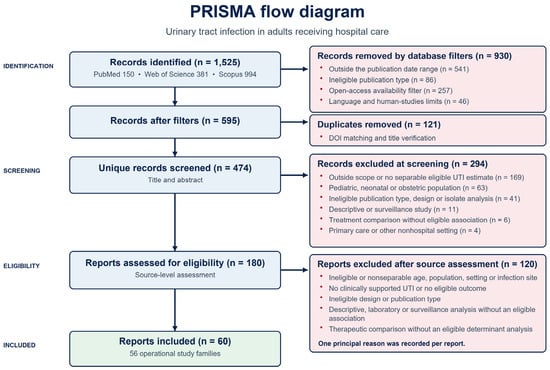
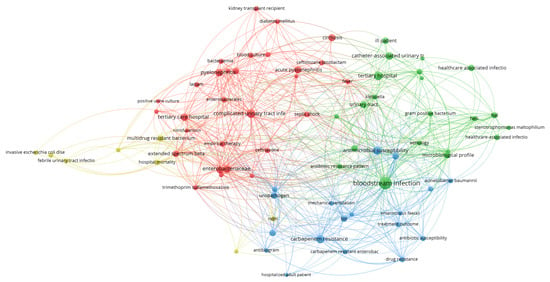
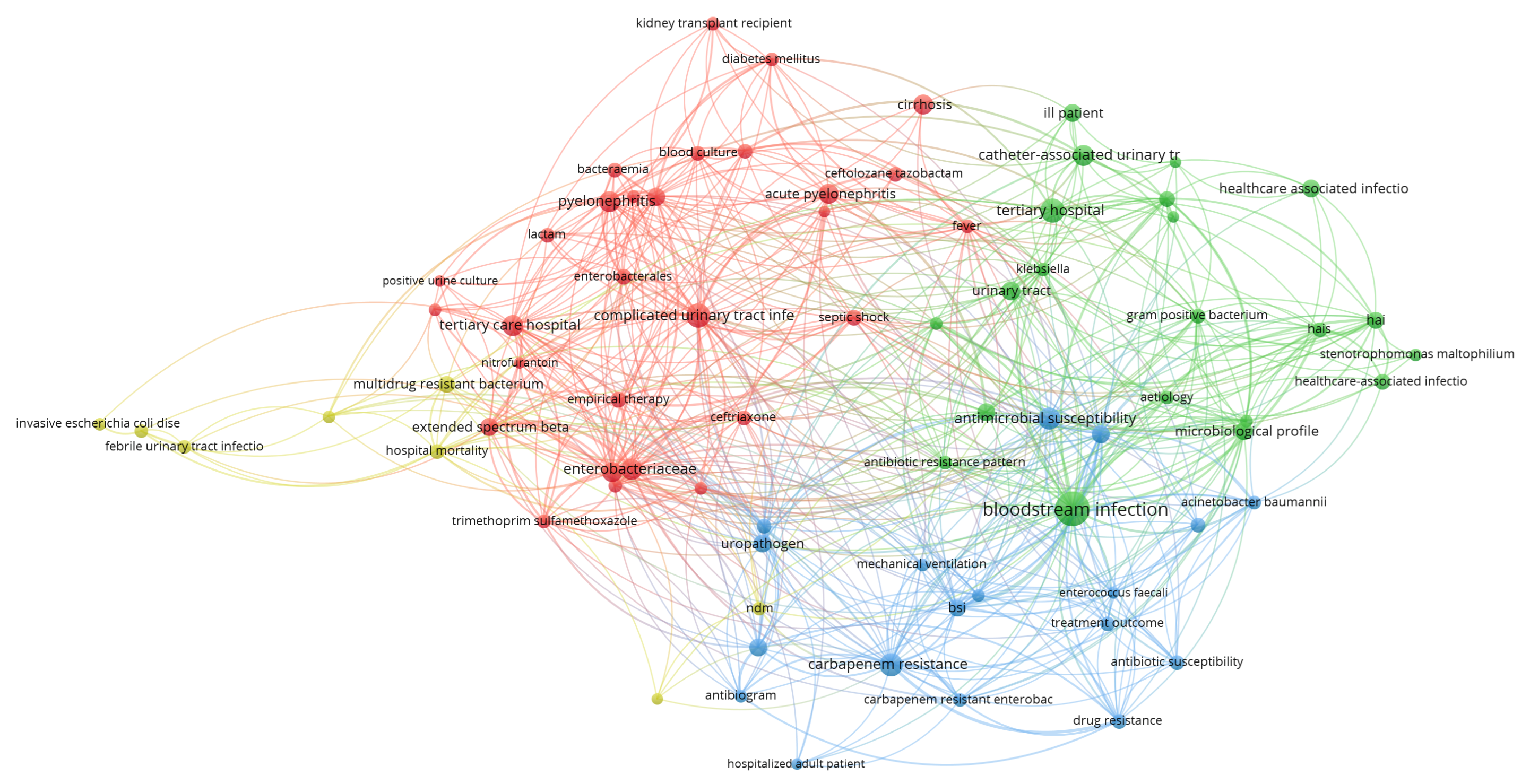
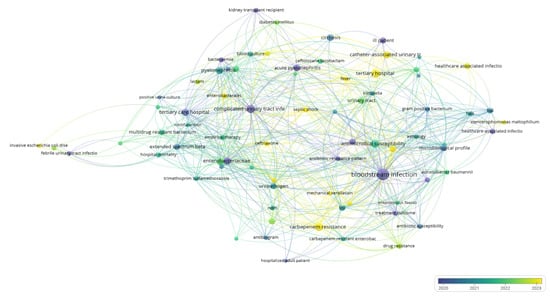
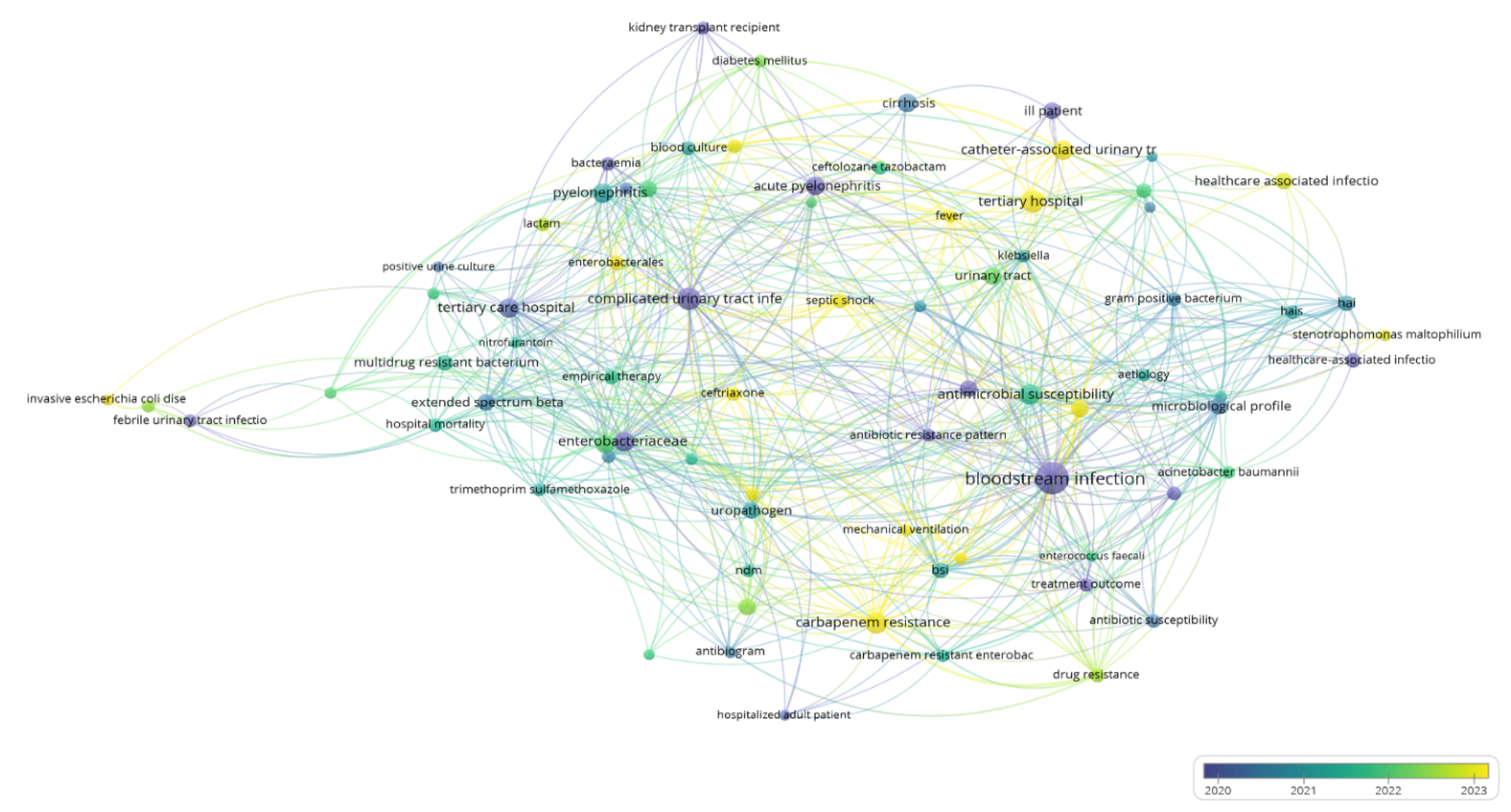
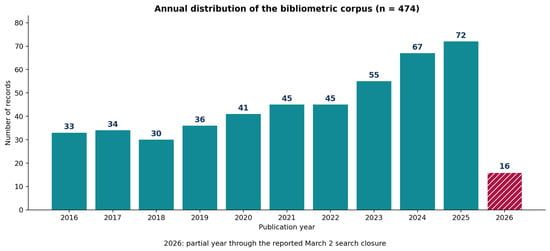
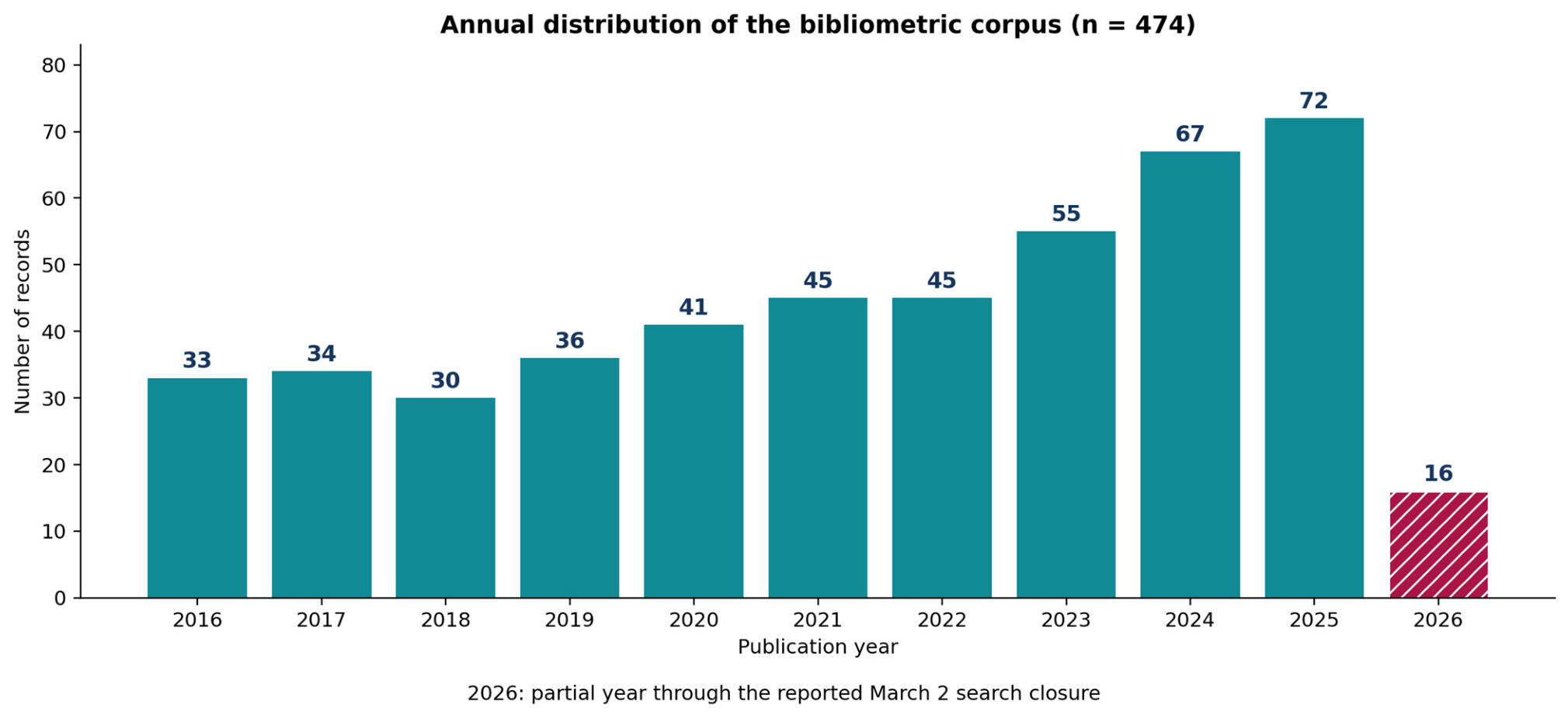
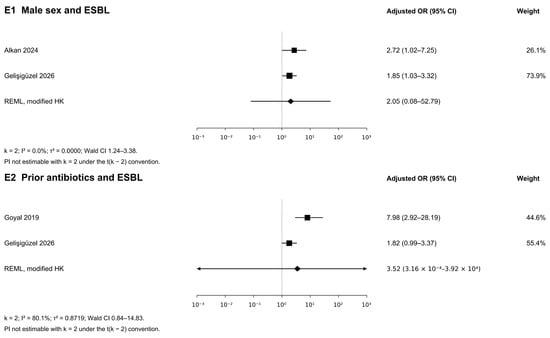

Disclaimer/Publisher’s Note: The statements, opinions and data contained in all publications are solely those of the individual author(s) and contributor(s) and not of MDPI and/or the editor(s). MDPI and/or the editor(s) disclaim responsibility for any injury to people or property resulting from any ideas, methods, instructions or products referred to in the content. |
© 2026 by the authors. Licensee MDPI, Basel, Switzerland. This article is an open access article distributed under the terms and conditions of the Creative Commons Attribution (CC BY) license.