


Abstract
Sepsis remains a major cause of mortality and healthcare burden worldwide, and delays in identifying infectious etiologies and clinically actionable diagnostic signals continue to compromise the timely initiation of appropriate antimicrobial therapy and patient outcomes. Conventional blood culture methods are limited by prolonged turnaround times, while recent advances in molecular diagnostic technologies have significantly improved the speed and sensitivity of pathogen detection. These advances highlight the potential of rapid and accurate molecular diagnostics to support timely diagnosis and targeted treatment. However, as analytical performance continues to improve, the major bottlenecks have increasingly extended beyond individual assay performance to workflow integration, operational complexity, and clinical implementation. Current platforms still face inherent trade-offs among diagnostic performance, cost, automation, and usability, limiting their widespread clinical adoption. To address these challenges, we propose the SPICE framework, encompassing Speed, Precision, Intelligence, Cost, and Ease of Use, as a unified perspective for evaluating existing technologies and guiding the design of next-generation molecular diagnostic systems. Based on these five interconnected dimensions, this review synthesizes recent advances in nucleic acid amplification, sequencing, multiplex detection, data-driven analysis, and sample-to-answer diagnostic platforms within a unified system-level framework, and compares representative approaches according to their SPICE-based capability profiles, major strengths, and limitations. These analyses further identify key barriers to clinical translation and the system-level requirements for the development and clinical implementation of intelligent, integrated sample-to-answer molecular diagnostic platforms for sepsis.
1. Introduction
Sepsis is a life-threatening organ dysfunction caused by a dysregulated host response to infection, and remains a major global public health challenge due to its rapid progression, marked clinical heterogeneity, and high mortality. It is estimated that approximately 48.9 million cases of sepsis occur worldwide each year, resulting in nearly 11 million deaths, which account for almost 20% of all global mortality [1,2,3]. Beyond acute mortality, sepsis imposes a substantial and persistent burden on healthcare systems and society. In high-income countries, the estimated average hospital costs exceed US$32,000, and survivors continue to incur considerable healthcare expenditures for years after discharge [4]. Persistent organ dysfunction, recurrent hospitalizations, and long-term sequelae further contribute to the sustained burden of sepsis [5,6,7,8,9]. Because clinical outcomes depend heavily on the timely initiation of appropriate antimicrobial therapy, early recognition and prompt intervention are crucial for improving patient prognosis [10]. In particular, once sepsis progresses to septic shock, delays in antimicrobial treatment are strongly associated with increased mortality risk [11], leaving only a limited therapeutic window. Therefore, obtaining actionable information to guide antimicrobial selection, disease assessment, and risk stratification within this window is essential for improving patient outcomes [12,13,14,15].
In precision sepsis management, pathogen identification is a cornerstone of antimicrobial selection and deescalation strategies [16]. Currently, blood culture remains the reference method for pathogen isolation, identification, and phenotypic antimicrobial susceptibility testing (AST) [17,18]. However, conventional culture-based approaches rely on ex vivo microbial culture. As a result, definitive identification and susceptibility results typically require 24–72 h or even longer, which is incompatible with the narrow time frame required for early clinical decision-making [19,20,21]. In addition, diagnostic performance can be affected by multiple factors, including blood volume, sampling timing, previous antimicrobial exposure, low-level bacteremia, sample transportation, and contamination control [22,23]. These limitations are particularly pronounced in emergency departments, intensive care units, neonatal infections, and immunocompromised patients [24,25,26,27]. Consequently, empirical antimicrobial therapy is often initiated before complete microbiological information becomes available. While this approach decreases the risk of treatment delays, it might also result in insufficient pathogen coverage or the overuse of broad-spectrum antibiotics, which can promote antimicrobial resistance, cause adverse events, and increase healthcare costs [28,29,30,31]. Therefore, rapid acquisition of reliable, clinically interpretable information on pathogens and antimicrobial resistance has become a major unmet need in precision sepsis care.
Recent advances in molecular diagnostics have substantially accelerated pathogen identification by direct detection of microbial nucleic acids and resistance-associated genetic markers [32,33]. To meet the increasing demand for rapid, accurate, and accessible diagnosis, a broad range of technologies has been continuously developed and integrated. Quantitative polymerase chain reaction (qPCR) remains one of the most widely adopted platforms owing to its high sensitivity, specificity, and quantitative capability [17,34]. Isothermal amplification technologies, particularly loop-mediated isothermal amplification (LAMP), have further enabled faster, more portable nucleic acid testing; recombinase polymerase amplification (RPA) has also been explored in selected studies [35]. Multiplex polymerase chain reaction (PCR), array-based assays, and targeted hybridization platforms have significantly expanded the capabilities for detecting syndromic pathogens [36,37]. Sequencing-based approaches overcome the limitations of predefined targets and offer unique advantages for identifying unknown pathogens and mixed infections [38,39]. Emerging technologies, such as clustered regularly interspaced short palindromic repeats (CRISPR)-assisted diagnostics and T2 magnetic resonance, have expanded the available strategies for rapid and sensitive pathogen detection [40,41]. Beyond direct pathogen detection, increased attention has also been directed toward host-response biomarkers. Gene expression signatures, transcriptomic profiling, and inflammatory mediators provide complementary information for infection stratification and prognostication [42,43,44]. In parallel, system-level innovation has increasingly focused on workflow integration. Microfluidic chips, cartridge-based assays, and point-of-care testing (POCT) platforms are moving toward sample-to-answer workflows. By integrating sample preparation, nucleic acid amplification, and result analysis, these platforms improve automation and accessibility [45,46]. Furthermore, artificial intelligence (AI) and multimodal clinical data fusion, including electronic health records (EHR) and laboratory parameters, are being integrated into result interpretation, risk prediction, and clinical decision support. This shift is driving molecular diagnostics beyond standalone analytical tools toward intelligent diagnostic systems [46,47,48]. Advances in miniaturized reaction systems, lyophilized reagents, and scalable manufacturing have also created opportunities to reduce costs and facilitate the deployment of molecular diagnostics in decentralized and resource-limited settings [49,50].
Early efforts primarily focused on improving analytical performance, particularly by reducing pathogen detection time and increasing assay sensitivity. However, reliable pathogen detection in sepsis remains challenging due to the extremely low pathogen burden, the overwhelming host-derived background, and the limited sample volume available for analysis. These analytical challenges remain important, but analytical performance alone is no longer sufficient to determine clinical utility. Attention has increasingly shifted toward integration across the diagnostic workflow. Critical processes spanning sample acquisition, pathogen detection, antimicrobial resistance profiling, result interpretation, and clinical decision support are often fragmented, limiting the clinical utility of individual technologies [51,52]. Even highly sensitive assays may provide limited clinical value if sample preparation remains complex, workflow steps are poorly integrated, or results cannot be rapidly translated into therapeutic decisions. As molecular assays become increasingly sensitive, multiplexed, and information-rich, transforming analytical outputs into clinically actionable information has therefore emerged as an equally important challenge. In addition, practical considerations, including automation, accessibility, interpretability of results, and sustainable deployment across diverse healthcare settings, continue to limit widespread clinical adoption. Collectively, these observations suggest that the bottlenecks in sepsis diagnostics have increasingly extended beyond analytical performance to require the coordinated optimization of analytical performance, workflow integration, interpretation, and clinical translation. Sepsis molecular diagnostics must address interdependent clinical and technological requirements, including timely and reliable detection of low-abundance pathogens, clinically relevant antimicrobial resistance information, integration of host-response and clinical data, and practical implementation within complete diagnostic workflows [1,53]. These requirements cannot be adequately characterized by conventional analytical metrics, such as assay runtime, sensitivity, or target coverage, when considered in isolation.
Driven by these sepsis-specific requirements, we propose the SPICE framework, comprising Speed, Precision, Intelligence, Cost, and Ease of Use, as a structured approach to evaluating existing diagnostic capabilities and informing the functional design of future integrated sepsis diagnostic systems (Figure 1). Although several SPICE dimensions overlap with established ASSURED/REASSURED criteria, their evaluation scope is defined according to the particular diagnostic needs of sepsis.
Figure 1.
Evolving diagnostic bottlenecks and the SPICE framework. As the major bottlenecks in sepsis molecular diagnostics increasingly extend beyond analytical performance to include system-level integration and clinical translation, the proposed SPICE framework provides a unified perspective for evaluating and designing next-generation molecular diagnostic systems.
Specifically, compared with the Rapid criterion of ASSURED/REASSURED, Speed distinguishes analytical, laboratory, and clinical decision turnaround times to highlight delays across the diagnostic pathway [54,55,56]. Beyond the conventional Sensitive and Specific criteria, Precision considers low-abundance pathogen detection, limited sample volumes, pathogen target coverage, and clinically relevant antimicrobial resistance information [24,56]. While Real-time connectivity emphasizes the communication and availability of diagnostic information, Intelligence explicitly incorporates AI-assisted interpretation, integration of pathogen, host-response, and clinical data, and explainable clinical decision support as a distinct system-level capability [57,58,59]. Compared with Affordable, Cost further addresses downstream healthcare resource utilization, potential clinical benefits, and reimbursement-related implementation barriers [4,49,50]. Finally, Ease of Use extends the evaluation focus from sampling convenience and operational simplicity to the requirements of the complete sample-to-result workflow, including whole-blood preprocessing, automation, and integration of analytical steps [49,60]. These distinctions do not imply that the underlying diagnostic requirements are entirely new. Rather, SPICE organizes and refines them according to the clinical needs of sepsis, providing a structured basis for assessing existing molecular diagnostic capabilities, identifying unmet requirements, and informing the conceptual design of future integrated diagnostic systems. Established MCDA methods are employed as supporting analytical tools rather than as the conceptual foundation of SPICE. Although these dimensions interact, Speed concerns diagnostic timeliness whereas Ease of Use concerns user workload and operational complexity; Precision concerns the reliability and scope of diagnostic information whereas Intelligence concerns its integration, interpretation, and use in clinical decision support. Importantly, system integration is not treated as an additional independent dimension, but rather as a system-level outcome emerging from the coordinated optimization of these five dimensions. Accordingly, this review introduces a clinically driven SPICE framework to systematically examine advances and unmet requirements in sepsis molecular diagnostics, applies the framework to representative studies to characterize demonstrated multidimensional capabilities, remaining gaps, and system-level trade-offs, and integrates these findings with sepsis-specific clinical requirements to inform functional design priorities for future integrated diagnostic systems.
2. Speed: Toward Faster Diagnosis
The central objective of rapid sepsis diagnostics is to accelerate the diagnostic pathway from blood collection to the availability of reportable results, thereby supporting timely clinical decision-making. Patient outcomes depend strongly on the timely initiation of appropriate antimicrobial therapy. Therefore, an ideal diagnostic workflow should provide actionable information within the early therapeutic window, preferably within hours, so that test results can still guide initial treatment decisions [55,56]. Analytical time refers to the duration of assay-specific analytical procedures. Laboratory turnaround time (TAT) is defined as the interval from specimen receipt in the laboratory to result reporting. Time to clinical decision-making extends to a documented clinical decision or treatment adjustment and additionally depends on result communication, interpretation, and clinical response; its starting point should be explicitly specified. These measures should not be used interchangeably when comparing molecular diagnostic platforms. Importantly, Speed should be regarded as a property of the entire diagnostic pathway rather than an individual analytical step. As illustrated in Figure 2, the dominant time-limiting steps evolve as individual workflow components are accelerated, extending beyond culture-dependent identification and AST to sample preparation, molecular processing, and ultimately report-to-action implementation. Figure 2 summarizes how delays arise across four successive stages—sample acquisition and transport, sample preparation, molecular detection, and reporting/clinical action—and how acceleration of one stage can expose another as the new rate-limiting step. Therefore, accelerating sepsis diagnosis requires coordinated optimization across pre-analytical, analytical, reporting, and clinical decision-making steps.
Figure 2.
Evolution of time-limiting bottlenecks and acceleration strategies in rapid sepsis molecular diagnostics.
2.1. Blood Collection and Sample Transport
Blood collection and sample transport determine the starting point of the diagnostic pathway. Although venipuncture itself usually requires only a few minutes, scheduled phlebotomy, batch transportation, and delays during off-hours may substantially prolong the pre-analytical phase [61]. Temkin et al. reported that the median preanalytical time before blood culture incubation was 4.4 h, increasing to 7.3 h outside regular weekday daytime shifts, indicating that pre-incubation delay is a major source of diagnostic lag [62]. Therefore, minimizing the time between blood collection and the initiation of diagnostic processing is the first step toward faster diagnosis.
Sampling timing also affects diagnostic yield and downstream diagnostic efficiency. To preserve microbiological evidence, blood collection strategies have shifted from delayed or scheduled to suspicion-triggered pre-antibiotic collection. The SSC 2026 guidelines recommend obtaining blood cultures as soon as possible and ideally before antimicrobial administration [16]. Cheng et al. demonstrated that blood culture positivity decreased from 31.4% before antibiotic exposure to 19.4% afterward, indicating that post-antibiotic sampling compromises pathogen recovery and may reduce the diagnostic yield of culture-based workflows [22]. Beyond clinical recommendations, workflow-level interventions can also improve pre-antibiotic sampling. Dutta et al. showed that embedding electronic reminders into emergency antimicrobial prescribing workflows increased compliance with pre-antibiotic blood culture collection from 46.1% to 58.8% [63].
Near-patient molecular diagnostics and POCT platforms are increasingly designed to support diagnostic processing closer to the point of care in emergency departments, intensive care units, or bedside settings. By reducing the need to transport samples to centralized laboratories, these approaches have the potential to shorten pre-analytical delays.
2.2. Sample Preparation
Sample preparation is a critical front-end determinant of molecular diagnostic TAT. In whole blood, pathogens are typically present at low abundance, whereas host cells, host-derived nucleic acids, and amplification inhibitors are abundant. Rapid preprocessing, therefore, needs to address host-background reduction, pathogen enrichment, nucleic acid release, and compatibility with downstream analytical platforms.
Conventional sample preparation often involves labor-intensive, time-consuming lysis-purification workflows [64]. A comparative study found that the MolYsis workflow (Molzym GmbH & Co. KG, Bremen, Germany) required about 2 h, whereas the Polaris method (Biocartis, Mechelen, Belgium) required about 45 min [65]. This comparison highlights the potential for further time reduction through workflow optimization.
Subsequent efforts focused on accelerating individual sample-processing modules. Rapid lysis and host-background reduction strategies have shortened key nucleic acid release or host-background reduction steps to the minute scale, with some workflows completed in approximately 10 min [66]. Acoustic separation further enabled processing of 1 mL of undiluted whole blood within 12.5 min, while maintaining approximately 90% bacterial recovery and more than 99% blood cell depletion [67]. Meanwhile, nanoparticle-assisted enrichment and automated magnetic separation strategies improved the efficiency of pathogen concentration, with automated magnetic nanoparticle workflows completing bacterial enrichment and deoxyribonucleic acid (DNA) extraction from blood within approximately 1 h [68,69].
As individual preprocessing steps became faster, sample preparation gradually shifted toward more integrated workflows. For example, nanoparticle- and lysozyme-assisted extraction reduced preprocessing time to approximately 35 min [70], and a dual-filter workflow reduced preprocessing time to about 30 min [71]. Ayers et al. reported PRECISE, which integrated plasma separation and magnetic nucleic acid extraction in a single device and completed whole-blood preprocessing in approximately 16 min [72].
Overall, sample preparation has evolved from isolated preprocessing modules toward integrated front-end workflows that combine host background control, pathogen enrichment, and multi-module integration, compressing preprocessing from hour-scale workflows to formats completed in tens of minutes. This progression illustrates a key transition depicted in Figure 2: as culture-dependent delay is reduced, front-end sample preparation increasingly becomes a major determinant of total TAT.
2.3. Detection
Accelerating the analytical phase depends on the coordinated integration of nucleic acid amplification, signal generation, and analytical readout. One of the most important transformations in rapid sepsis diagnostics has been the continuous upstream migration of the diagnostic starting point, from pathogen identification after blood culture positivity to direct whole-blood testing and culture-independent workflows.
Early rapid molecular assays focused on shortening the time to pathogen identification once blood culture became positive. Multiplex PCR-microarray systems, peptide nucleic acid fluorescence in situ hybridization (PNA-FISH) assays, LAMP-based assays, and later closed multiplex panels shortened post-culture identification from several hours to approximately 30–90 min, depending on the platform [73,74,75,76,77]. Nevertheless, their overall TAT remained constrained by blood culture incubation.
To reduce reliance on positive blood cultures, diagnostic testing gradually moved toward direct whole-blood analysis. Platforms such as the Magicplex™ Sepsis Real-Time Test (Seegene Inc., Seoul, Republic of Korea) and the LightCycler® SeptiFast Test MGRADE (Roche Diagnostics GmbH, Mannheim, Germany) enabled direct molecular pathogen detection from whole blood and delivered results within approximately 4.5–6 h [78,79]. However, this transition also exposed new bottlenecks in nucleic acid extraction and host background interference.
Continued advances in automation and assay integration have further reduced analytical time in culture-independent molecular platforms. The T2Candida® Panel and T2Bacteria® Panel (T2 Biosystems, Lexington, MA, USA) report results within 3–5 h [80,81]. In representative studies, multiplex digital PCR workflows required approximately 2.5 h for testing [82], whereas a separate study reported a mean laboratory TAT of 5.4 h [83]. LAMP-based assays provided Gram-typing information from whole blood within about 1.5 h [84]. In parallel, host-response transcriptomic platforms enabled rapid host response assessment within approximately 30 min [85].
Overall, molecular diagnostics have advanced by moving the diagnostic starting point upstream and shortening the time to result. However, as detection itself becomes faster, the overall diagnostic benefit increasingly depends on whether upstream sample preparation and downstream interpretation can keep pace with analytical acceleration.
2.4. Reporting and Clinical Actionability
Reporting links analytical results with clinical decision-making. As sample preparation, pathogen detection, and resistance profiling accelerate, the value of rapid diagnostics depends largely on how efficiently results are linked to treatment decisions.
Integrated molecular panels present pathogen identity, resistance markers, and assay results within a unified framework, thereby organizing molecular findings for clinical interpretation [37,86]. However, rapid result generation alone may not improve outcomes if findings remain confined to laboratory information systems or require extended clinical interpretation without timely clinical response or antimicrobial stewardship support.
Consequently, reporting workflows are evolving from simple result notifications to decision-oriented communication. Real-time alerts, telephone communication, electronic medical record (EMR) integration, infectious disease consultation, and antimicrobial stewardship programs have increasingly been incorporated into diagnostic pathways to accelerate treatment optimization [87]. Importantly, studies have shown that combining rapid molecular diagnostics with antimicrobial stewardship interventions is associated with greater clinical benefit than rapid diagnostics alone, including reductions in mortality and shorter time to appropriate therapy [13,88].
From a systems perspective, rapid sepsis diagnosis should be understood as acceleration of the entire diagnostic pathway. Earlier sampling, integrated sample preprocessing, rapid nucleic acid amplification, culture-independent molecular workflows, and structured reporting collectively move diagnostic information closer to clinical action. As advances shorten individual analytical steps, delays elsewhere in the workflow increasingly determine when reportable diagnostic results become available. As illustrated in Figure 2, successive technological advances shorten individual workflow steps while exposing new rate-limiting processes across the diagnostic pathway. Future acceleration strategies should therefore emphasize coordinated integration of direct-from-blood processing, rapid molecular analysis, intelligent interpretation, and clinical implementation. Accordingly, the Speed of next-generation molecular diagnostic systems should be evaluated not only by analytical TAT but also by their ability to deliver clinically actionable information regarding pathogens and antimicrobial resistance within the early therapeutic window. This pathway-oriented perspective forms the conceptual foundation of the Speed dimension in the SPICE framework.
3. Precision: Toward More Reliable and Comprehensive Diagnosis
Blood culture has long been regarded as the conventional reference standard for the etiological diagnosis of sepsis because it provides viable pathogens for species identification and phenotypic AST. However, its performance depends on blood volume, pathogen viability, and microbial growth characteristics, and is influenced by antibiotic exposure, host background, mixed infections, fastidious organisms, and contamination. Therefore, improving the accuracy of molecular diagnostics requires not only higher analytical sensitivity but also a more comprehensive characterization of infection. In the SPICE framework, Precision is therefore used in a system-level sense to describe the reliability and completeness of diagnostically relevant information, including pathogen- and host-response-based diagnostic tasks, rather than analytical precision in the narrow metrological sense. As molecular technologies evolve, precision in sepsis molecular diagnostics has increasingly extended beyond detection of individual microbial signals toward a more complete characterization of the clinically relevant infection profile. As illustrated in Figure 3, this transition relies on overcoming three major challenges: reliably detecting low-abundance pathogens from limited blood volumes, comprehensively characterizing pathogens beyond predefined panels, and integrating antimicrobial resistance information. Together, these complementary advances transform isolated molecular signals into clinically meaningful infection profiles that better support precision antimicrobial therapy.
Figure 3.
Pathways to improved diagnostic precision in sepsis molecular diagnostics. Star ratings are illustrative within-attribute comparisons (one star, very limited; five stars, very strong); ratings for next-generation diagnostics denote proposed development goals.
3.1. Low Microbial Burden and Low-Input Detection
Pathogen abundance in blood is often extremely low during early sepsis or after antimicrobial exposure, and culture negativity does not necessarily indicate the absence of infection [24,89]. Conventional blood culture improves detection probability mainly by increasing the volume of blood and the number of culture sets. In adults, two blood culture sets typically require 40–60 mL of blood [90]. However, this large-volume, growth-dependent strategy is not always suitable for neonates or patients requiring repeated sampling [26,91]. This constraint is particularly important in preterm neonates, because limited sample volumes, together with potentially low pathogen concentrations, can reduce the probability of capturing microbial targets and amplify the impact of sample-processing losses. Low-volume molecular assays therefore require validation at clinically feasible sample inputs rather than extrapolation from adult testing conditions, making reliable pathogen detection from submilliliter blood samples an important development objective [24,56].
Antibiotic exposure further exacerbates this challenge. Scheer et al. reported that blood culture positivity decreased from 50.6% in untreated patients to 27.7% after antibiotic administration [89]. Cheng et al. observed a decline from 31.4% to 19.4% in patients with severe manifestations of sepsis [22]. These findings indicate that culture-based diagnosis can be limited by both insufficient pathogen abundance and prior antimicrobial exposure, underscoring the importance of improving pathogen retention, reducing template loss, and reliably interpreting low-copy-number signals.
Initial efforts focused on improving the recovery of pathogen DNA from relatively large blood volumes. Loonen et al. compared the MolYsis (1–5 mL), Polaris (1–5 mL), and Triton-Tris-EDTA EasyMAG (TTE-EasyMAG) workflows (200 μL) and found that, at a bacterial concentration of 1 CFU/mL, Polaris achieved detection rates of 70–75%, compared with 17–50% for MolYsis and 20–36% for TTE-EasyMAG [65]. These findings suggest that template loss during preprocessing can substantially affect molecular detection of low-abundance pathogens.
Subsequent studies shifted toward low-loss processing of small-volume samples. Ganguli et al. developed a culture-free biphasic dried whole-blood matrix strategy that enabled direct detection of MRSA, MSSA, E. coli, and C. albicans from approximately 1 mL of whole blood, with a limit of detection of 1.2 CFU/mL [92]. Similarly, Park et al. employed a dual-filter workflow to detect approximately 10 CFU of bacteria from 0.5 mL of blood [71]. These studies demonstrate that pathogen preservation and low-loss sample handling are critical requirements for accurate detection under low-input conditions.
Once pathogen nucleic acids enter the analytical system, stochastic distribution, amplification inhibition, and weak-positive signals become the next bottlenecks to accuracy. Gómez Estévez et al. improved detection in low-burden bacteremia samples using a LowLoad-qPCR strategy [93]. Digital PCR further increased quantitative stability by partitioning reactions and enabling absolute quantification [94]. Peng et al. showed that multiplex droplet digital PCR (ddPCR) achieved higher detection sensitivity than blood culture and provided pathogen load information [83].
Meanwhile, direct whole-blood platforms and ultra-sensitive technologies have further improved the detection of low-abundance signals. T2Candida demonstrated a sensitivity of 91.1% with limits of detection of 1–3 CFU/mL, whereas T2Bacteria showed per-patient sensitivity and specificity of 90% for targeted bacterial bloodstream infections [80,81]. More recently, CRISPR-based assays have pushed analytical sensitivity toward extremely low-copy or low-abundance detection. A CRISPR-CasΦ platform achieved a detection limit of 0.18 aM (0.11 copies/μL) and detected common sepsis pathogens at approximately 1.2 CFU/mL [40]. Another amplification-free CRISPR-Cascade system detected target pathogens directly from 200 μL of whole blood at 200 CFU/200 μL, with both sensitivity and specificity reaching 100% in the reported validation setting [95].
Overall, improving low-input detection provides the analytical foundation for precision diagnostics by preserving low-abundance pathogens and reducing false-negative results. However, accurate diagnosis also requires broader characterization of the infectious landscape beyond detection sensitivity alone.
3.2. Limited Pathogen Coverage
Pathogen coverage determines the range of infectious etiologies a method can identify, whereas analytical sensitivity reflects the ability to detect low-abundance targets. Broader coverage alone does not establish higher clinical diagnostic accuracy, which must be evaluated for the intended diagnostic task. Although single-target PCR assays offer high specificity, they are constrained by predefined primers and probes. As a result, they cannot comprehensively identify complex infections, rare pathogens, or organisms outside fixed panels. Consequently, pathogen detection is shifting from single-organism identification to the simultaneous characterization of multiple pathogens across a broader spectrum. Two major strategies have emerged to address limited pathogen coverage, targeted amplification and broad-range or untargeted sequencing.
In the targeted amplification approach, multiplex PCR expanded the ability to detect common pathogens in parallel. SeptiFast enabled simultaneous identification of 25 bacterial and fungal species from 1.5 mL of whole blood and, in some cases, detected pathogens not recovered by blood culture [79]. Magicplex™ Sepsis PCR further expanded its coverage to more than 90 microorganisms and key resistance genes, reporting an analytical detection limit of approximately 30 CFU/mL, and demonstrated higher positivity rates in patients receiving antimicrobial therapy [78]. These findings indicate that direct whole-blood multiplex PCR can improve pathogen detection in culture-negative and antibiotic-exposed patients, although its performance remains constrained by predefined target panels.
Another targeted strategy uses positive blood culture bottles as inputs and employs closed multiplex panels to standardize pathogen and resistance gene identification. The ePlex® BCID Panels (GenMark Diagnostics, Carlsbad, CA, USA) achieved correct identification rates of 90.2% for monomicrobial infections and 94.4% after excluding off-panel organisms [77]. Similarly, the BIOFIRE® Blood Culture Identification 2 (BCID2) Panel (bioMérieux, Marcy-l’Étoile, France) demonstrated overall sensitivity and specificity of 98.9% and 99.6%, respectively [74]. These systems provide robust, automated identification but remain culture-dependent and cannot detect organisms outside the predefined panels. The pathogen and antimicrobial resistance target coverage of representative molecular diagnostic platforms is compared in Table 1, with attention to specimen type, assay-specific target coverage, and dependence on prior blood culture.
Table 1.
Comparison of specimen types, pathogen targets, antimicrobial resistance markers, and limitations of representative molecular diagnostic platforms for bloodstream infections.
When target restrictions become limiting, culture-independent sequencing offers a broader, non-targeted alternative [98,99]. Plasma microbial cell-free DNA (mcfDNA) sequencing has enabled identification of approximately 1250 clinically relevant pathogens [100]. In a cohort of patients with sepsis or septic shock, plasma mcfDNA metagenomic sequencing achieved a positivity rate of 70.5%, compared with 19.4% for blood culture, and detected an average of 3.22 species per positive sample. Blood culture identified an average of only 1.11 species per positive sample [101]. In addition, technologies such as rapid nanopore mcfDNA sequencing and adaptive sequencing strategies have further improved microbial enrichment and detection of low-abundance pathogens [102,103,104].
Overall, broader pathogen coverage expands the representation of the infectious landscape, particularly for rare, atypical, and mixed infections. Nevertheless, comprehensive pathogen detection alone is insufficient unless accompanied by clinically meaningful information on antimicrobial resistance.
3.3. Incomplete Resistance Information
In addition to pathogen identification, the completeness of antimicrobial resistance information is critical for determining whether molecular results can accurately guide therapy. Conventional workflows typically rely on positive blood culture, followed by pathogen isolation and phenotypic AST [91]. Although phenotypic AST directly reflects microbial growth responses to antibiotics and remains essential for treatment adjustment, empirical therapy is usually initiated before complete AST results are available [16]. Consequently, molecular resistance diagnostics are evolving from simple pathogen identification to integrated analyses that incorporate pathogen identity, resistance determinants, genetic context, and complementary phenotypic susceptibility information where available [39].
The first step toward more comprehensive resistance profiling is the simultaneous reporting of pathogens and key resistance genes. The ePlex panel achieved detection rates of 94% for the mecA gene and 67% for blaCTX-M, without false-positive results [77]. Likewise, the BIOFIRE BCID2 Panel detected 33 pathogens and 10 resistance-associated targets and demonstrated positive and negative percent agreements of 97.9% and 99.9%, respectively, for Antimicrobial Resistance (AMR) genes, supporting early inference of resistance risk [74]. These findings indicate that simultaneous reporting of pathogens and resistance genes enables early assessment of antimicrobial resistance risk.
However, the interpretive capability of fixed panels remains limited by predefined targets. Molecular resistance testing rapidly identifies selected resistance genes or mutations and provides information on potential resistance mechanisms, whereas phenotypic AST evaluates microbial responses to antimicrobial exposure and provides drug-specific susceptibility interpretations or minimum inhibitory concentrations (MICs). Consequently, molecular findings can support early resistance prediction but cannot be directly equated with a complete phenotypic susceptibility profile. Genotype–phenotype discrepancies may occur in both directions [105]. A resistance gene may be detected without corresponding phenotypic resistance because of insufficient gene expression or loss of gene function. Conversely, phenotypic resistance may be observed despite a negative molecular result when the responsible mechanism is not covered by the assay, such as alternative resistance genes, porin alterations, or efflux-mediated resistance. In polymicrobial infections, detected resistance genes may also be difficult to assign to specific pathogens.
Discordant molecular and phenotypic findings should therefore be interpreted according to the identified organism, antimicrobial agent, assay coverage, and applicable reporting rules, with confirmatory testing and expert microbiological review when clinically warranted. Sequencing technologies have therefore been increasingly used to characterize combinations of resistance genes, mobile genetic elements, and strain backgrounds [106]. An NGS-assisted culture-independent workflow confirmed all culture-positive cases and identified clinically relevant pathogens in additional culture-negative patients [107]. Whole-genome sequencing studies further showed that carbapenemase genes such as OXA-181 and OXA-232 require contextual interpretation. Their clinical and resistance implications may depend on plasmid types, transposon structures, coexisting NDM-5 genes, and high-risk clonal backgrounds, indicating that resistance genes cannot be interpreted in isolation [108]. Such genetic context provides information about resistance mechanisms and potential dissemination that cannot be obtained from isolated resistance-marker detection alone.
Therefore, precision diagnostics should move beyond reporting individual resistance genes toward integrated resistance profiling that combines pathogen identity, resistance determinants, genetic context, and phenotypic susceptibility. Molecular resistance testing can provide early information on specific resistance mechanisms but does not comprehensively replace phenotypic AST. Together, these complementary approaches support a more complete characterization of infection and antimicrobial resistance and provide a more reliable basis for precision antimicrobial therapy. Precision in sepsis molecular diagnostics should be understood as the progressive construction of a more complete and clinically relevant infection profile. As illustrated in Figure 3, advances in low-input detection, pathogen coverage, and antimicrobial resistance characterization collectively transform isolated molecular signals into clinically meaningful infection profiles. Consequently, Precision is no longer defined solely by analytical performance, but by the ability to generate reliable, interpretable, and clinically actionable evidence for precision antimicrobial therapy. This multidimensional perspective forms the conceptual foundation of the Precision dimension in the SPICE framework.
4. Intelligence: Toward Actionable Clinical Intelligence
The central objective of intelligent sepsis diagnostics is to translate complex diagnostic information into explainable, actionable clinical decisions. This transition involves the evolution from manual, rule-based workflows toward greater information-processing automation, AI- and machine learning (ML)-assisted interpretation, explainable outputs, clinical decision support, and feedback-driven learning. Molecular diagnostics now provide information on pathogens, antimicrobial resistance genes, host responses, and metagenomic profiles [109,110]. To translate these results into clinical decisions, they must be interpreted with vital signs, laboratory data, medication history, local resistance epidemiology, and electronic medical record (EMR) data [47,103,110]. Within the SPICE framework, Intelligence therefore refers primarily to how diagnostic information is integrated, interpreted, explained, and translated into clinical decisions, rather than to the generation of molecular data itself. As illustrated in Figure 4, the evolution of clinical intelligence can be characterized across five interconnected capabilities: information-processing automation, AI/ML integration, interpretability and explainability, decision support, and continuous learning. Next-generation intelligent systems integrate molecular and clinical information across these capabilities to support risk prediction, disease stratification, therapeutic guidance, and continuous model refinement. To examine how these capabilities are being realized in sepsis diagnostics, this chapter focuses on four interconnected components: multi-source data integration, host-response endotyping, intelligent interpretation, and learning healthcare systems.
Figure 4.
Clinical intelligence pathway and key evaluation dimensions in sepsis molecular diagnostics. Star ratings are illustrative within-attribute comparisons (one star, very limited; five stars, very strong); ratings for next-generation diagnostics denote proposed development goals.
4.1. Multi-Source Data Integration and AI-Assisted Dynamic Risk Stratification
Sepsis is a highly heterogeneous syndrome in which the site of infection, pathogen type, microbial burden, host immune status, comorbidities, and antimicrobial exposure all influence disease progression. Conventional scoring systems, such as the Sequential Organ Failure Assessment (SOFA) score and the quick Sequential Organ Failure Assessment (qSOFA) score, are useful for estimating organ dysfunction and mortality risk, but they are based mainly on physiological and routine laboratory variables and do not directly account for pathogen identity, resistance determinants, or host responses [2,16]. Consequently, risk assessment is evolving from static scores toward dynamic prediction driven by multi-source data integration.
With the widespread adoption of EMRs and machine learning, routine clinical variables have increasingly been used for continuous risk prediction. Henry et al. developed the Targeted Real-time Early Warning Score (TREWScore), which used routinely collected physiological and laboratory variables to predict septic shock with an area under the receiver operating characteristic (ROC) curve (AUC) of 0.83 [111]. Adams et al. subsequently integrated the Targeted Real-time Early Warning System (TREWS) into multicenter clinical workflows, enabling real-time identification and clinician review of high-risk patients [47]. These studies indicate that the value of intelligent warning systems depends on predictive performance and on their integration into clinical response pathways.
Host-response diagnostics have advanced risk stratification to the molecular level. Sweeney et al. developed a seven-gene classifier to distinguish bacterial from viral infections and combined it with a previously published 11-gene Sepsis MetaScore to construct an integrated antibiotic decision model. In a pooled analysis of 1057 samples from 20 cohorts, excluding infants, the integrated model achieved a sensitivity of 94.0% and a specificity of 59.8% for bacterial infections [112]. Liesenfeld et al. integrated 29 host immune messenger RNAs (mRNAs), isothermal amplification, and machine learning into the TriVerity platform. In the SEPSIS-SHIELD study, the system achieved AUROCs of 0.83 for bacterial infection, 0.91 for viral infection, and 0.78 for disease severity prediction [109]. When combined with qSOFA, sensitivity for predicting the need for Intensive Care Unit (ICU)-level care increased from 33.93% to 84.82%. These findings suggest that host responses can be transformed into computable, quantifiable, and interpretable risk information.
The integration of pathogen and host omics has further expanded the scope of multi-source data fusion. Using a single plasma sample, Kalantar et al. simultaneously profiled host transcriptomes and pathogen metagenomic data, demonstrating the diagnostic value of integrating host- and pathogen-derived molecular information [113]. Malic et al. combined a six-gene host-response signature, machine learning, and a bedside microfluidic platform to predict clinical deterioration within 24 h of presentation, achieving 92% sensitivity and 89% specificity in blinded validation studies [46].
Overall, risk prediction has evolved from static scoring systems to continuous monitoring, host-response analysis, and integrated pathogen-host multi-omics, enabling the translation of molecular and clinical data into more individualized and clinically interpretable risk assessments.
4.2. Host Responses and Molecular Endotypes
Sepsis represents a complex interaction between infection and host immunity. Even patients infected with the same pathogen may exhibit different inflammatory responses, degrees of immunosuppression, metabolic disturbances, and risks of organ dysfunction. Therefore, intelligent diagnostics should move beyond pathogen identification to characterize host-response states for risk assessment, treatment-response evaluation, and patient stratification in clinical trials. In this context, host-response endotypes serve as an additional information layer for intelligent interpretation and patient stratification rather than as a standalone intelligence dimension.
Transcriptomic studies have demonstrated that clinically similar patients can be divided into distinct host-response endotypes. Davenport et al. identified two transcriptomic signatures, SRS1 and SRS2, in patients with sepsis caused by community-acquired pneumonia. SRS1 was characterized by endotoxin tolerance, T-cell exhaustion, and downregulation of HLA class II molecules, and it was associated with increased 14-day mortality [114]. Subsequently, Scicluna et al. classified ICU patients with sepsis into four molecular endotypes, among which the MARS1 subtype was strongly associated with increased 28-day mortality [115].
Beyond prognostic differences, host-response endotypes have also been investigated for their potential association with treatment response. Venkatesh et al. found that hydrocortisone treatment was associated with increased mortality in patients with pulmonary sepsis classified as the immune-adaptive prevalent endotype, although no overall heterogeneity in treatment effects was observed across immune endotypes [116]. Chenoweth et al. further identified four transcriptomic sepsis subtypes across global cohorts that were differentiated by 28-day mortality, including a low-mortality immunocompetent/adaptive-immunity group and high-mortality groups with greater clinical severity and organ dysfunction [117]. To address inconsistencies in nomenclature, gene sets, and algorithms across studies, Scicluna et al. proposed a consensus framework for blood transcriptomic endotypes in sepsis [118].
Overall, host-response classification has evolved from binary transcriptomic signatures to multiple prognostic endotypes, treatment-response associations, and consensus frameworks. The value of host-response endotyping lies not only in adding diagnostic information but also in explaining immunological heterogeneity, prognostic variability, and potential therapeutic responses, thereby providing a molecular basis for precision sepsis management. These computable host-response states further serve as essential inputs for intelligent interpretation and clinical decision support.
4.3. Intelligent Interpretation, Explainability, and Therapeutic Decision Support
With the emergence of multiplex PCR and metagenomic sequencing, a single workflow can simultaneously generate information on pathogens, resistance genes, mixed infections, and background microbial signals. However, low-abundance microbial signals may reflect true infection, contamination introduced during sample collection or processing, or microbial DNA without clear etiological significance. For sequencing-based diagnostics, sampling controls where feasible, batch-matched extraction blanks, and no-template negative controls can be processed alongside clinical specimens to characterize background contamination [119]. Statistical methods such as decontam can help identify potential contaminant sequences based on their prevalence in negative controls or DNA-concentration-associated patterns, provided that the assumptions of the selected method are appropriate [120].
Microbial read abundance and genome coverage may provide complementary evidence, but neither can independently establish the clinical significance of a low-abundance detection. Interpretable statistical or AI-assisted models could integrate these findings with available blood-culture results, host-response markers, and longitudinal clinical information to assess the likelihood that a low-abundance detection is clinically significant. However, the application of these combined features to clinical infection-versus-contamination classification remains a proposed strategy requiring independent validation. Because genuine low-abundance pathogens and contaminants may produce overlapping signals, uncertain findings should be flagged for clinical review and, where feasible, independent confirmation rather than classified solely by fixed abundance thresholds. Consequently, the clinical focus is shifting from pathogen detection to clinically actionable interpretation. For such interpretation to support clinical decisions, algorithmic outputs must also be presented in forms that clinicians can understand, evaluate, and relate to the underlying molecular and clinical evidence.
Sequencing technologies have expanded interpretation beyond species identification to include analysis of mixed infections and prediction of antimicrobial resistance. Pinzauti et al. developed the culture-independent PISTE workflow, which combined full-length 16S ribosomal RNA (rRNA) and metagenomic sequencing and achieved an overall diagnostic accuracy of 95.7%, a sensitivity of 91.7%, and a specificity of 96.5% in patients meeting Sepsis-3 criteria [107]. Liu et al. established a nanopore sequencing workflow with adaptive sampling that identified 76 microbial species and distinguished monomicrobial from polymicrobial infections, with antimicrobial resistance prediction concordance exceeding 90% for monomicrobial infections [121]. These studies indicate that sequencing outputs are evolving from simple species classification toward comprehensive interpretation of microbial composition, mixed infections, and resistance risks.
Machine learning has been further applied to uncover complex relationships between genotypes and phenotypic resistance. Kumar et al. constructed resistance prediction models using whole-genome sequencing data from sepsis-derived Escherichia coli, achieving AUC values greater than 0.8 for antibiotics such as trimethoprim-sulfamethoxazole and amikacin [122]. Beyond molecular data, unstructured medical records and knowledge bases are increasingly incorporated into the interpretation of results. Pak et al. employed large language models to extract symptoms and clinical signs from EMRs and investigated their associations with infection sources, multidrug-resistant infections, and in-hospital mortality [123]. Zhang et al. developed Meta SepsisKnowHub, integrating sepsis biomarker evidence with retrieval-augmented generation (RAG) to support knowledge retrieval and evidence organization in the context of sepsis heterogeneity and personalized management [124]. However, promising performance in individual studies does not establish clinical reliability across settings. Differences in patient populations, clinical labels, and molecular testing workflows may introduce bias, potentially leading to missed cases, false alerts, or misleading risk estimates. AI-assisted diagnostic models therefore require independent external validation across institutions and relevant patient subgroups, including assessment of discrimination and, for probabilistic predictions, calibration. Their outputs should also be interpretable and communicate uncertainty to support clinician review before treatment decisions [125].
Intelligent interpretation has evolved from manual expert assessment and structured reports to bioinformatics pipelines, resistance-prediction models, and clinical decision support systems. Its central objective is to integrate pathogen identity, resistance determinants, host responses, patient status, medication history, and local resistance epidemiology into a unified framework that supports antimicrobial escalation, de-escalation, and dynamic treatment optimization. As reflected in Figure 4, the value of this intelligence layer depends not only on algorithmic performance but also on whether outputs are interpretable, explainable, and actionable within clinical workflows. This process bridges complex molecular evidence and clinical decision-making, representing the core intelligence layer of future molecular diagnostic systems.
4.4. Learning Healthcare Systems and Closed-Loop Intelligence
Ultimately, intelligent sepsis diagnostics may evolve from one-time result generation toward feedback-driven learning healthcare systems. Traditional molecular diagnostics often end with result reporting, whereas future systems should establish closed-loop workflows that integrate molecular findings, clinical judgments, therapeutic actions, and patient outcomes [19,88]. In this way, each diagnostic result would serve the current patient and inform model refinement, workflow optimization, and knowledge-based updates.
Boussina et al. demonstrated that embedding the COMPOSER deep-learning model into clinical workflows improved sepsis bundle compliance and was associated with better patient outcomes [48]. After deployment, sepsis bundle compliance increased by about 5.0%, while in-hospital mortality decreased by 1.9% in absolute terms and by about 17% in relative terms. Although COMPOSER is not a molecular diagnostic platform, it illustrates how intelligent models can be integrated into clinical feedback loops.
Similarly, Despraz et al. reported a sepsis learning healthcare system that combined standardized clinical pathways, automated registries, and the HERACLES phenotyping algorithm [126]. Patient states were retrospectively classified into confirmed sepsis, possible sepsis, or non-sepsis categories, and these outputs were then translated into quality improvement metrics and clinical feedback. This strategy was associated with reductions in both in-hospital and 90-day mortality.
For next-generation molecular diagnostics, PCR, metagenomic sequencing, host-response assays, resistance gene analysis, and phenotypic susceptibility testing should be standardized as data elements and continuously linked to EMRs, antimicrobial prescriptions, disease trajectories, and patient outcomes. Future intelligent molecular diagnostic systems may benefit from incorporating multicenter standardized interfaces, continuous performance monitoring, external validation, and, where appropriate, federated learning to support multicenter model development without centralizing patient-level data. Generalizability and model drift should nevertheless be assessed through ongoing performance monitoring across institutions and over time.
Overall, Intelligence in sepsis molecular diagnostics should be understood as the progressive transformation of complex molecular and clinical data into explainable, actionable clinical intelligence. As illustrated in Figure 4, progressive advances in information-processing automation, AI/ML integration, interpretability and explainability, decision support, and continuous learning collectively provide the basis for increasingly intelligent diagnostic systems that connect molecular findings with clinical trajectories and therapeutic context. The transition from isolated molecular reports toward clinically embedded, feedback-enabled decision-support systems forms the conceptual foundation of the Intelligence dimension in the SPICE framework.
5. Cost: Toward Value-Based Diagnostics
Sepsis imposes a substantial burden on healthcare systems because of its high mortality and high treatment-related costs. According to the Healthcare Cost and Utilization Project (HCUP), total inpatient costs in the United States reached US$548.5 billion in 2022. The version 2024.1HCUP Clinical Classifications Software Refined (CCSR) category “septicemia,” which includes sepsis infection codes, was the most expensive condition category, accounting for US$60.0 billion, or 10.9% of all inpatient costs, across approximately 2.42 million hospitalizations. These data highlight the need to evaluate sepsis diagnostics for cost rather than by analytical performance alone. Within the SPICE framework, Cost is considered from a system-level perspective that balances diagnostic resource requirements against the clinical and economic value generated across the diagnostic and care pathway. As illustrated in Figure 5, five interconnected dimensions—direct assay cost advantage, workflow efficiency, downstream cost reduction, information value, and overall healthcare value—provide a structured perspective for evaluating diagnostic cost. The first four dimensions collectively contribute to the overall healthcare value generated by a diagnostic system. Together, these interconnected components define the optimization pathway toward value-based sepsis diagnostics and provide the framework for the following discussion.
Figure 5.
Cost and value dimensions underlying cost in sepsis molecular diagnostics. Star ratings are illustrative within-attribute comparisons (one star, very limited; five stars, very strong); ratings for next-generation diagnostics denote proposed development goals.
5.1. Reducing Hidden Costs in Conventional Workflows
Blood culture remains the cornerstone of etiological diagnosis and is relatively inexpensive per test. In an economic model of rapid bloodstream infection diagnostics, Pliakos et al. estimated the cost of a single blood culture at US$118 [15]. However, the complete blood culture workflow involves multiple sequential steps, including incubation, isolation, species identification, and AST. Delayed availability of pathogen and resistance information often leads to prolonged use of broad-spectrum antibiotics, additional confirmatory testing, and extended hospital stays. Therefore, a low assay price does not necessarily translate into the lowest overall healthcare cost.
Blood culture contamination and false-positive results represent major hidden sources of expenditure. Dempsey et al. reported that contaminated blood cultures resulted in unnecessary antibiotic use, additional laboratory investigations, and prolonged hospitalization, with reported increases in pharmacy charges of US$210–12,611 and laboratory charges of US$2397–11,152 per patient across the included studies [127]. Skoglund et al. further estimated, using a cost–benefit model with a baseline blood culture contamination rate of 6%, that routine use of an initial specimen diversion device could save approximately US$272 in overall hospital costs per blood culture collected, even in a setting using rapid diagnostic testing [128].
These findings indicate that improvements in cost performance may result from reducing downstream costs associated with contamination, repeated testing, and ineffective treatment. Consequently, lowering overall expenditure does not necessarily depend on cheaper assays, but rather on more efficient diagnostic pathways that reduce avoidable downstream costs. Improving workflow efficiency, therefore, provides the foundation for enhancing healthcare value throughout the diagnostic pathway.
5.2. Lowering Treatment-Related Costs Through Rapid Diagnostics
With the development of rapid molecular diagnostics, the focus of cost optimization has increasingly expanded beyond direct assay costs to include downstream clinical and economic consequences. When earlier pathogen and resistance information enables timely optimization of antimicrobial therapy, higher-priced assays may still be economically favorable within conventional diagnostic workflows. Their value may come from shorter hospital stays, reduced intensive care utilization, and decreased inappropriate antibiotic exposure.
Using a decision-analysis model, Zacharioudakis et al. evaluated the cost of adding molecular diagnostics to blood culture for patients with severe sepsis and septic shock [129]. When the difference in hospital length of stay between appropriately and inappropriately treated patients reached 4 days, the molecular diagnostic strategy became cost-saving, with an incremental cost ratio of -US$7302 per death averted. Sensitivity analyses further demonstrated that the strategy remained economically favorable when assay costs were below US$270.
These findings suggest that the economic value of rapid molecular diagnostics lies less in reducing assay costs than in avoiding downstream costs. This value is primarily realized through earlier therapeutic optimization, shorter hospital stays, reduced ICU utilization, and improved antimicrobial stewardship. Beyond reducing treatment-related expenditure, maximizing the amount of clinically actionable information generated per assay may further improve healthcare efficiency.
5.3. Increasing Actionable Information Value per Assay
In addition to lowering treatment-related costs, improving the information value generated per assay is another important strategy for enhancing cost. In conventional diagnostic workflows, pathogen identification, resistance analysis, and supplementary testing are often distributed across multiple procedures, resulting in repeated testing and prolonged delays. Multiplex molecular platforms seek to address this limitation by simultaneously providing information on pathogens and antimicrobial resistance in a single assay.
Mizusawa and Carroll estimated the U.S. direct list prices of the ePlex BCID and BIOFIRE FilmArray BCID2 panels to be approximately US$135–150 and US$115–135, respectively [130]. Although these reported prices do not represent the full costs of the diagnostic workflows, the platforms provide both pathogen identification and resistance gene information simultaneously, thereby increasing the amount of actionable information generated per test.
Karichu et al. compared rapid diagnostic strategies for bloodstream infections. They found that incorporating the cobas ePlex BCID panels into conventional microbiological testing resulted in savings of US$164 per patient and averted 24 deaths per 10,000 patients. In a United Kingdom scenario analysis, the same strategy achieved savings of £51 per patient [12].
These observations suggest that economic evaluations should not focus solely on assay price but should also consider the amount of actionable information generated per test. As pathogen identification, resistance profiling, and risk stratification become increasingly integrated, the amount of clinically actionable information generated per assay may increasingly contribute to overall healthcare value.
5.4. Reducing Assay-Level Costs for Broader Implementation
Reducing assay costs remains a key strategy to promote the broader implementation of molecular diagnostics. Metagenomic next-generation sequencing (mNGS) provides broad pathogen coverage. However, routine clinical adoption has long been constrained by the costs of library preparation, sequencing reagents, and bioinformatics analysis. Yin et al. evaluated an ultra-rapid metagenomic sequencing test for pathogen detection in adult patients with sepsis; however, the reported cost of Nanopore-based mNGS was approximately US$300 per sample, compared with approximately US$100 per sample for the Illumina platform. In a cohort of 36 patients with sepsis, antibiotic costs changed in 20 patients when the 24-h periods before and after ultra-rapid mNGS testing were compared. Among these patients, 15 showed a total reduction in antibiotic expenditures of RMB 10,909.52, whereas five showed a total increase of RMB 1413.12. These findings suggest that ultra-rapid mNGS may influence downstream antimicrobial expenditures in selected patients, although larger studies are needed to establish its overall cost-effectiveness [131].
Meanwhile, isothermal amplification, paper-based devices, and low-cost microfluidic platforms further reduce assay costs through innovations in materials, instrumentation, and detection principles [132]. Sen et al. combined paper-based chips, low-power infrared heating, and smartphone fluorescence detection with LAMP-CRISPR chemistry to develop a low-cost detection format [133]. Wang et al. developed a low-cost chip with a non-mass-production cost of less than RMB 30 (~US$4) per chip [134]. By combining chip-based fluidic integration, prestored dry LAMP reagents, and simplified operation, the platform enabled simultaneous detection of six pathogen nucleic-acid targets from positive blood culture samples. Although these platforms currently provide narrower pathogen coverage than mNGS, they offer promising solutions for low-cost POCT of common pathogens.
Reducing assay costs improves the direct assay cost advantage and facilitates the implementation of molecular diagnostics in resource-limited settings and primary healthcare environments. However, lower assay prices alone do not necessarily create greater healthcare value. Instead, affordable implementation should be accompanied by integrated workflows, automation, multiplexed information output, and sustained clinical benefits.
Reimbursement arrangements may limit the adoption of high-cost molecular diagnostic platforms even when they offer potential downstream healthcare benefits. In the United States, CPT and PLA codes identify laboratory tests but do not themselves establish payer coverage; separately billed tests must also meet payer-specific coverage and medical-necessity requirements. For admissions reimbursed under DRG-based payment, diagnostic testing is generally included in the hospital’s bundled payment rather than paid separately [135]. Hospitals may therefore incur additional testing costs without directly capturing potential system-level savings. From the provider perspective, adoption depends on implementation costs, reimbursement, and realizable savings; payers additionally assess clinical utility, appropriate test use, cost, and budget impact. These considerations are particularly relevant to multiplex pathogen/AMR panels and sequencing-based tests, whose financial feasibility varies across healthcare settings.
Overall, Cost in sepsis diagnostics should be understood as optimizing healthcare value by balancing diagnostic resource requirements with downstream clinical and economic benefits. This value is progressively achieved through improvements in direct assay cost advantage, workflow efficiency, downstream cost reduction, and clinically actionable information output, as illustrated in Figure 5. Although next-generation molecular diagnostics often require higher upfront investment, they can generate greater value through earlier therapeutic optimization, richer actionable information, lower downstream healthcare expenditure, and improved resource utilization. Future platforms should therefore emphasize favorable assay-level costs, workflow integration, automation, multiplexed information output, and scalable deployment to accelerate the transition from price-driven testing to value-based sepsis diagnostics. This value-oriented perspective forms the conceptual foundation of the cost dimension in the SPICE framework.
6. Ease of Use: Toward Simplified and Actionable Workflows
The central objective of user-friendly sepsis molecular diagnostics is to reduce operator dependence while maintaining analytical performance and clinical utility. As illustrated in Figure 6, Ease of Use encompasses multiple dimensions, including user friendliness, workflow simplicity, hands-on time, training requirements, and integration and connectivity. Together, these dimensions determine whether advanced molecular diagnostic systems can be routinely implemented beyond specialized laboratories. Conventional molecular workflows often rely on multi-step sample preparation and assay operation, including blood aliquoting, centrifugation, lysis, washing, nucleic acid extraction, reaction setup, amplification, signal acquisition, and result interpretation [34,136]. Each manual transfer, pipetting step, device switch, or open-tube operation increases workload, sample loss, contamination risk, and inter-operator variability. Therefore, usability improvement involves more than simplifying individual operations; it requires transferring operator-dependent steps into cartridges, automated instruments, and software-guided workflows. This transition supports the broader movement from discrete laboratory procedures to integrated sample-to-answer and near-patient workflows.
Figure 6.
Ease-of-use optimization pathway and key evaluation dimensions in sepsis molecular diagnostics. Star ratings are illustrative within-attribute comparisons (one star, very limited; five stars, very strong); ratings for next-generation diagnostics denote proposed development goals.
6.1. From Discrete Operations to Integrated Workflows
Conventional pathogen detection from blood requires switching among multiple offline procedures and instruments, including blood cell removal, pathogen enrichment, nucleic acid release, reaction preparation, and signal readout. Microfluidic technologies reorganize these dispersed steps into continuous, enclosed, and controllable on-chip workflows. By integrating microchannels, chambers, valves, membranes, magnetic capture structures, and reaction arrays, these systems enable structural design and fluidic control to replace selected manual operations [137].
Early integration mainly involved the serial connection of individual modules. Osaid et al. developed a plug-and-play centrifuge tube device that incorporated bacterial separation, blood cell removal, and sample concentration into a standard centrifuge tube, enabling sample purification and concentration using conventional centrifugation [138]. Although this approach primarily addressed sample preprocessing, it reduced instrument dependency and operational complexity. Marino Miguélez et al. further integrated smart centrifugation, microfluidic bacterial trapping, and deep-learning-based microscopy detection, linking bacterial enrichment with downstream culture-free detection [56].
As integration progressed, microfluidic chips began to incorporate more analytical functions. Wang et al. developed a centrifugal microfluidic chip for pathogen nucleic acid detection from positive blood culture samples, in which on-chip fluid distribution and reaction control minimized manual tube exchange and reaction setup [134]. Li et al. further integrated rotary-valve-assisted preprocessing, RPA, T7 transcription, and Cas13a detection into a single chip, enabling continuous sample processing, target amplification, and fluorescence readout [139]. These studies demonstrate that microfluidic technologies drive the transition from discrete procedures to continuous workflows, gradually replacing pipetting, sample transfer, and reaction setup with structural design.
Overall, the principal value of microfluidic integration lies in restructuring experimental workflows through engineering approaches, thereby reducing offline transfers, sample handling, and instrument changes while improving operational consistency. These advances simplify workflows and reduce workflow burden, thereby supporting the transition toward user-friendly molecular diagnostics.
6.2. Cartridge-Based Systems and Closed Automation
At the workflow level, usability improvements have evolved from combining individual modules to redesigning entire workflows. Cartridge-based systems and closed automated platforms integrate reagent storage, fluid handling, amplification, signal detection, and result reporting into unified workflows, allowing complex molecular assays to be performed automatically under instrument control.
The MIDAS platform integrated bacterial RNA detection, host inflammatory protein analysis, shape-coded hydrogel particles, lens-free diffraction imaging, and deep-learning analysis into a single system [44]. This design enabled simultaneous characterization of pathogen and host-response information. Similarly, the VEUS platform combined length-coded magnetic rod particles, automated reaction processes, fluorescence imaging, and AI-based image decoding [140]. By integrating sample processing, signal labeling, image acquisition, and result interpretation, the VEUS platform reduced the need for manual assay handling and image interpretation.
Commercial closed systems have further facilitated the standardization of clinical applications. BIOFIRE FilmArray BCID2 and ePlex integrate nucleic acid amplification, pathogen identification, antimicrobial resistance gene detection, and result reporting in disposable closed cartridges, eliminating manual multiplex PCR preparation, amplicon transfer, and multi-platform data assembly [74,141,142].
The T2Dx instrument with the T2Bacteria Panels moves the starting point directly to whole blood and automatically performs lysis, amplification, probe hybridization, and T2 magnetic resonance readout. Reagents, primers, enzymes, and probe-conjugated superparamagnetic particles are preloaded in dedicated cartridges, thereby reducing culture-dependent processing, sample transfer, and manual reaction preparation [143,144].
Overall, cartridge-based systems and closed automation replace complex procedures with disposable consumables and instrument-controlled programs, shifting molecular diagnostics from operator-driven to system-driven workflows. Consequently, closed automation can reduce hands-on time and operator training requirements, thereby improving two key aspects of Ease of Use illustrated in Figure 6.
6.3. Point-of-Care Adaptation and Decentralized Testing
As automation advances, sepsis molecular diagnostics are increasingly moving from centralized laboratories toward emergency departments, intensive care units, and bedside settings. In these near-patient environments, systems must not only simplify testing procedures but also accommodate limited operator training, low maintenance requirements, small sample volumes, and short TATs. SeptiCyte RAPID represents an important example of translating host-response diagnostics into a cartridge-based, near-patient-compatible workflow [145]. Built on the Biocartis Idylla platform, this system uses disposable multi-chamber cartridges to quantify two host-response transcripts, PLA2G7 and PLAC8. It automatically generates a SeptiScore to assist in distinguishing sepsis from noninfectious systemic inflammation, thereby minimizing manual RNA handling and result interpretation.
Malic et al. combined machine learning with a centrifugal microfluidic platform to develop the PREDICT system, enabling integrated host-response analysis and prediction of clinical deterioration [46]. Likewise, the TriVerity platform, validated by Liesenfeld et al., integrated multigene expression analysis, machine learning, and risk interpretation into a unified workflow, enabling simultaneous infection classification and severity assessment [109]. Compared with conventional centralized laboratory workflows, these systems are designed to reduce the need for sample transport, reliance on specialized personnel, and manual data integration, making complex molecular diagnostics more accessible in emergency and bedside settings.
However, feasibility in well-equipped emergency departments and intensive care units does not necessarily ensure successful implementation in resource-limited settings. In such environments, unreliable electricity, inadequate reagent storage, inconsistent cartridge supply, and limited equipment maintenance, quality assurance, and data connectivity may hinder routine implementation. These constraints may interrupt routine testing, compromise quality assurance, and delay result reporting, indicating that simplified operation alone cannot ensure reliable decentralized deployment.
Beyond these infrastructural constraints, the clinical utility of decentralized molecular testing depends on whether diagnostic results can be translated into timely clinical action. Healthcare facilities must have access to appropriate antimicrobial treatment and personnel capable of interpreting and acting on test results. Where local confirmatory microbiological testing or phenotypic AST is unavailable, referral laboratory arrangements, specimen transport, and reliable result communication are needed. Clearly defined escalation and referral pathways are also necessary when patients require care beyond local clinical capabilities. For patients with a high likelihood of sepsis or septic shock, appropriate antimicrobial therapy should not be delayed while confirmatory microbiological results are awaited [146].
6.4. From Result Output to Actionable and Connected Workflows
Ease of Use is not limited to simplifying laboratory procedures; it also involves reducing the cognitive burden of integrating and interpreting increasingly complex diagnostic information. As outputs from pathogen identification, resistance determinants, host-response markers, and risk stratification continue to expand, diagnostic reporting is evolving from raw data to structured, actionable information.
In this context, the usability target extends beyond laboratory operators to clinicians. Structured reports, automated risk scores, and algorithm-assisted interpretation reduce the need for physicians to manually assemble and reconcile results from different platforms. Consequently, pathogen identity, antimicrobial resistance information, host responses, and risk stratification outputs can be translated more directly into therapeutic decisions.
Therefore, user-friendly sepsis diagnostics encompass not only reducing pipetting steps, tube exchanges, and instrument switching, but also minimizing barriers between diagnostic systems and clinical workflows. By presenting complex molecular information in standardized, understandable, and actionable formats, these systems can better support timely clinical decision-making. Standardized reporting and seamless EHR/laboratory information system (LIS) connectivity can further reduce the cognitive burden on clinicians, enabling them to translate complex molecular results into actionable clinical decisions.
Overall, Ease of Use in sepsis molecular diagnostics should be understood as reducing user burden throughout the entire diagnostic pathway. As illustrated in Figure 6, user friendliness, workflow simplicity, reduced hands-on time, minimal training requirements, and seamless integration and connectivity collectively determine the usability of molecular diagnostic platforms. Future systems should therefore integrate intuitive interfaces, sample-to-answer workflows, closed automation, standardized connectivity, and EHR/LIS compatibility to enable simple, reliable, and actionable molecular diagnostics beyond specialized laboratories. This user-centered perspective forms the conceptual foundation of the Ease of Use dimension in the SPICE framework.
7. From Technology Trade-Offs to System-Level Design
The previous sections reviewed recent advances in sepsis molecular diagnostics across the five SPICE dimensions. Collectively, these dimensions determine whether a molecular diagnostic system can deliver meaningful clinical value. However, current technologies are still commonly evaluated using isolated analytical metrics such as TAT, analytical sensitivity, specificity, or assay cost. Although these indicators remain important, they cannot adequately reflect the overall capability of a diagnostic system. In practice, improvements in one dimension often entail trade-offs in others, resulting in distinct multidimensional capability profiles across the five SPICE dimensions. To better characterize these strengths, limitations, and trade-offs, representative studies of molecular diagnostic technologies are compared across the five SPICE dimensions. This comparison aims to characterize the capability profiles demonstrated in the selected studies, highlight remaining system-level bottlenecks, and provide insights for the coordinated optimization of next-generation molecular diagnostic systems.
7.1. SPICE-Based Evaluation Framework
Figure 3, Figure 4, Figure 5 and Figure 6 provide schematic, literature-informed qualitative comparisons of conventional blood culture, existing molecular diagnostics, and proposed next-generation diagnostic capabilities. The one-to-five-star ratings indicate qualitatively increasing capability within each specified attribute, ranging from very limited (one star) to very strong (five stars). These illustrative ratings are based on the corresponding descriptive labels and the technological evidence discussed in Section 3, Section 4, Section 5 and Section 6 and are not quantitatively validated or directly comparable across different attributes. The ratings assigned to next-generation diagnostics represent proposed development goals rather than experimentally demonstrated performance. Formal study-level SPICE scores are evaluated separately using the criteria and evidence presented in Tables S1 and S2.
Selected representative molecular diagnostic studies were evaluated using a semi-quantitative five-level scoring strategy across the five SPICE dimensions. Studies were included when they represented a clinically relevant molecular diagnostic workflow and provided sufficient study-level evidence for multidimensional evaluation. The SPICE dimensions are defined according to the clinical and technological requirements of sepsis molecular diagnostics, while established multi-criteria evaluation methods, including semi-quantitative scoring, weighted aggregation, and sensitivity analysis, are employed as supporting analytical tools [147]. These methods help characterize the capability profiles demonstrated in the selected studies and examine the effects of different evaluation priorities. The resulting composite scores are therefore intended as descriptive comparative indicators rather than clinically validated measures of overall technological superiority.
Each representative study was assigned a score of 1 to 5 for each SPICE dimension, based on explicitly defined scoring criteria and study-level evidence. The complete scoring criteria are presented in Table S1, and the supporting evidence used to assign scores is summarized in Table S2. The assigned scores reflect the reported performance and implementation characteristics of each study, taking into account incomplete workflows and unreported processing steps rather than assuming complete sample-to-answer integration. The unit of evaluation was the individual study rather than the unique diagnostic platform; therefore, separate investigations of the same platform could contribute separate study-level assessments. For Speed scoring, measured laboratory TAT from specimen receipt to result reporting was preferred. When this was unavailable, the reported complete sample-to-result workflow duration, including required preparation and result generation, was used. If neither measure was available, a workflow duration reconstructed from documented procedural steps was identified as an estimate. Post-positive-culture assay time was not treated as direct-from-blood TAT, and clinical decision time was not inferred from assay duration. Accordingly, category-level mean scores were interpreted as descriptive summaries of the included studies rather than estimates of the overall clinical effectiveness of a technology category.
For the Speed dimension, scores were based on the reported time to a reportable molecular or host-response result, while accounting for sample preparation and culture dependence. The highest score was reserved for complete direct-clinical-sample workflows generating results within approximately 1 h, whereas culture-dependent assays were assigned lower scores even when their post-culture analytical time was short. To assess the influence of weighting assumptions on the comparative results, aggregated weighted scores were calculated using the following weighted-sum model:
Equal weighting (0.20 for each of the five SPICE dimensions) was adopted as the reference scheme to provide a transparent baseline without assigning greater priority to any single dimension. However, this choice does not imply that all five dimensions have equivalent clinical importance.
To examine the influence of different diagnostic priorities, two alternative weighting scenarios were considered. The speed-prioritized scheme assigned the highest weight to Speed (0.35), followed by Precision (0.25), Cost (0.15), Ease of Use (0.15), and Intelligence (0.10), reflecting the importance of timely diagnostic information for early sepsis management. The precision-prioritized scheme assigned a higher weight to Precision (0.35) and a weight of 0.25 to Speed, while retaining the same weights for the other three dimensions, to emphasize reliable pathogen identification, low-abundance detection, and antimicrobial resistance characterization. The alternative weights were selected as illustrative, author-defined scenarios to examine the effects of emphasizing Speed or Precision, rather than being derived from empirical stakeholder preference elicitation or representing validated clinical importance coefficients [147,148,149]. The weights assigned to Intelligence (0.10), Cost (0.15), and Ease of Use (0.15) in both alternative scenarios were author-defined allocations that retained all three dimensions while allowing Speed or Precision to receive the greatest emphasis. These numerical differences should not be interpreted as empirically established differences in clinical importance.
The equal-weight reference scheme and the two alternative weighting scenarios were applied to the same study-level scores to assess the sensitivity of category-level composite scores and rankings to weighting assumptions (Table S3). The resulting composite scores were used for descriptive sensitivity analysis and are reported in Table S4 as supplementary comparisons rather than independent measures of diagnostic performance.
Given the qualitative judgments and heterogeneous evidence involved, SPICE scores should be interpreted as evidence-informed ordinal assessments for exploring multidimensional capabilities and technology-specific trade-offs, rather than independently validated performance measures or definitive rankings of technological superiority. The primary purpose of the SPICE-based assessment is to characterize the current research landscape of sepsis molecular diagnostics, identify demonstrated capabilities and remaining gaps across five system-level dimensions, and inform future diagnostic system design. The resulting scores reflect the performance, integration, and validation reported in the selected studies, rather than the intrinsic performance limits or future potential of the underlying molecular technologies.
7.2. SPICE-Based Evaluation of Representative Molecular Diagnostic Technologies
Representative molecular diagnostic technologies discussed throughout this review were grouped by their dominant diagnostic strategies and clinical implementation, including PCR/qPCR-based, ddPCR-based, LAMP-based, CRISPR/Cas-based, and sequencing-based approaches. These categories represent pragmatic system-level groupings rather than mutually exclusive mechanistic classes. The selected studies are representative examples and do not exhaustively cover all technologies within each category. Their multidimensional capability profiles across the five SPICE dimensions are summarized using a study-level heatmap (Figure 7) and a category-level radar plot (Figure 8). Category-level weighted mean scores under different weighting schemes are reported separately in Table S4 and are used for sensitivity analysis.
Figure 7.
Study-level heatmap of unweighted SPICE dimension scores for representative sepsis molecular diagnostic technologies grouped by dominant diagnostic strategy and clinical implementation. The evaluated studies include PCR/qPCR-based approaches [69,70,71,74,76,77,78,79,80,81,93,145], ddPCR-based approaches [46,82,83,94], LAMP-based approaches [75,84,85,92,109,134], CRISPR/Cas-based approaches [40, 95, 139], and sequencing-based approaches [66,100,101,102,103,107,121,131]. Scores were assigned according to the explicitly defined study-level criteria listed in Table S1, and the color gradient indicates increasing performance within each dimension. The extracted study-level evidence supporting each assigned score is provided in Table S2.
Figure 8.
Category-averaged radar plot of unweighted SPICE dimension scores in sepsis molecular diagnostics. Values represent the mean dimension scores of studies within each diagnostic technology category. They are intended to summarize category-level capability tendencies rather than individual platform performance or weighted total scores. These category-level means summarize capability patterns demonstrated in the selected studies and should not be interpreted as intrinsic performance of the underlying molecular technologies.
The SPICE-based evaluation demonstrates substantial heterogeneity in multidimensional capability profiles both across and within molecular diagnostic categories. The selected PCR/qPCR-based studies exhibited substantial diversity in capability profiles, reflecting their broad range of clinical implementations, from culture-dependent molecular panels to direct whole-blood assays and integrated preprocessing workflows. Consequently, the evaluated PCR/qPCR-based studies showed different strengths and limitations across the SPICE dimensions. Within the selected studies, ddPCR-based approaches demonstrated favorable quantitative performance and low-abundance detection capabilities. However, increased workflow complexity and instrumentation requirements continue to limit broader clinical implementation. Among the selected studies, LAMP-based approaches generally showed favorable Speed and Ease of Use profiles, particularly in integrated sample-to-answer formats, while multiplexing capability and target coverage remain relatively limited. Among the evaluated studies, CRISPR/Cas-based diagnostics generally exhibited a strong Speed profile, whereas target breadth, multiplex capability, integrated result interpretation, and workflow integration remained less developed. Ease of Use varied substantially depending on the degree of platform integration. Among the evaluated studies, sequencing-based approaches offered broad pathogen characterization and genetic antimicrobial resistance profiling capabilities, but remain constrained by TAT, cost, workflow complexity, and data interpretation requirements. The weighting sensitivity analysis showed that category-level composite rankings were only partially robust across the three evaluated scenarios (Table S4). Under the equal-weight reference scheme, the category-level mean for the evaluated LAMP-based studies was highest (66.0), followed by those for the CRISPR/Cas-based (62.7) and ddPCR-based studies (62.0). Under speed-prioritized weighting, the category-level mean for the evaluated CRISPR/Cas-based studies was highest (69.3), narrowly exceeding that for the LAMP-based studies (68.7). Under precision-prioritized weighting, the category-level mean for the evaluated LAMP-based studies was highest (68.7), followed closely by that for the ddPCR-based studies (68.3). PCR/qPCR-based and sequencing-based approaches remained fourth and fifth, respectively, across all three scenarios.
These findings indicate that the relative rankings of the leading categories were sensitive to the selected weights, whereas the lower two positions remained unchanged within the tested scenarios. Therefore, the composite scores should not be interpreted as definitive evidence of technological superiority. The principal capability comparisons are instead based on the unweighted dimension-specific scores, and conclusions regarding ranking robustness are limited to the three examined weighting scenarios. Category-level comparisons may also be affected by differences in diagnostic tasks and study composition. Taken together, these findings highlight capability patterns and trade-offs demonstrated in the selected studies, which can inform the design priorities of future integrated sepsis diagnostic systems.
7.3. SPICE as a Systems-Level Design Framework
Targeted molecular assays can provide shorter TAT, although their operational complexity depends on sample preparation and workflow integration. Sequencing-based approaches offer the potential for broader pathogen coverage and genotypic resistance information, but often require additional sample processing and data interpretation. Taken together, these patterns highlight the importance of coordinated optimization across the complete diagnostic workflow, with performance gains considered in relation to their effects on other system-level requirements. Beyond evaluating existing technologies, the SPICE framework provides a structured basis for identifying functional requirements of future sepsis molecular diagnostic systems. For example, the need for reliable low-abundance pathogen detection highlights the importance of effective sample preparation and target recovery, while the complementary value of host-response information supports the consideration of a separate analytical pathway. Requirements for timely results, intelligent interpretation, economic feasibility, and simplified operation further inform the integration of diagnostic workflows, automation, and clinical decision support. These considerations provide the conceptual basis for the future integrated diagnostic architecture proposed in Section 8.2. The purpose of SPICE is therefore not to identify a universally superior technology category, but to identify which sepsis-specific diagnostic requirements remain insufficiently addressed by existing technologies and how these requirements can inform the functional design of future integrated diagnostic systems. Thus, SPICE links clinical requirements and technology-specific trade-offs to system-level design priorities and subsequent validation needs.
8. Future Perspectives: Toward Integrated and Intelligent Diagnostic Ecosystems
8.1. From Isolated Assays to Integrated Clinical Workflows
Recent advances in sample preparation, rapid amplification, sequencing technologies, microfluidic integration, point-of-care platforms, and intelligent interpretation have enabled pathogen, antimicrobial resistance, and host-response information to be generated and incorporated into clinical workflows earlier than ever. However, significant barriers remain before molecular diagnostics can achieve widespread clinical translation.
Across the diagnostic pathway, several interdependent barriers continue to limit clinical implementation. TAT remains constrained by the entire diagnostic pathway. Delays in blood collection, sample transport, preprocessing, result reporting, and clinical interpretation continue to hinder the timely use of actionable information within the early therapeutic window. Diagnostic reliability also remains challenging under conditions of low microbial burden and limited sample volume, particularly when broad pathogen coverage and accurate antimicrobial resistance interpretation are required. Host background interference, contamination-related signals, and polymicrobial infections continue to affect diagnostic reliability. At the information level, intelligent approaches have begun to support early warning, risk prediction, and result interpretation, but links among molecular findings, clinical information, therapeutic decisions, and patient outcomes remain incompletely integrated. In addition, the costs of instruments, consumables, reagents, and personnel training continue to limit large-scale clinical implementation. Operational complexity remains another barrier, as many platforms still rely on nucleic acid extraction, repeated pipetting, specialized instruments, and experienced personnel, and many have been evaluated primarily in laboratory or single-center settings.
These limitations are closely connected across the five SPICE dimensions and collectively determine whether a diagnostic platform can be translated into routine clinical use. Improvements in one part of the workflow may reduce one bottleneck while exposing other rate-limiting steps across the diagnostic pathway, making coordinated optimization of sample processing, molecular analysis, information interpretation, and clinical implementation increasingly important.
Accordingly, future sepsis molecular diagnostic systems should be designed as integrated workflows in which all five SPICE dimensions are considered together. For decentralized and resource-limited settings, design priorities should include low-power operation, storage-stable reagents, and simplified maintenance. Implementation plans should also address cartridge supply, locally feasible quality assurance, and intermittent data connectivity. Clinical implementation should additionally establish pathways for timely antimicrobial treatment, access to confirmatory microbiological testing and phenotypic AST through local or referral laboratory services, and escalation or referral when patient needs exceed local clinical capacity. Such coordinated design provides a basis for balancing technology-specific trade-offs and improving the overall clinical value of next-generation diagnostic platforms.
8.2. Conceptual Framework for Next-Generation Sepsis Diagnostics
Based on the systems-level principles discussed above, we propose a SPICE-guided diagnostic architecture for next-generation sepsis molecular diagnostics (Figure 9). The conceptual architecture combines a disposable integrated microfluidic cartridge, a reusable analyzer, and an AI-assisted decision-support module that integrates molecular outputs with clinical data to connect sample processing, molecular detection, interpretation, decision support, and outcome feedback within a unified workflow. These components are organized to address the diagnostic requirements and cross-dimensional trade-offs identified through the SPICE framework, while accommodating the distinct processing needs of pathogen detection and host-response analysis.
Figure 9.
Future sepsis molecular diagnostic model based on the SPICE framework.
A small volume of whole blood is introduced into the disposable cartridge, where it is metered and routed into parallel pathogen and host-response processing pathways before branch-specific sample preparation. Because pathogen abundance in blood may be extremely low, dividing the specimen between two pathways can reduce the pathogen input available for detection. Therefore, sample allocation should account for the minimum input requirements of both assays and be validated for pathogen recovery and host-response assay performance. At very low bloodstream pathogen concentrations, the effective sample volume entering the pathogen pathway may impose a sampling-statistical limit on detection, independent of downstream analytical sensitivity. The allocation ratio and pathogen recovery efficiency should therefore be evaluated together. For pediatric and neonatal applications, particularly in preterm infants, the five SPICE dimensions remain applicable, but their application must account for the trade-off between sample conservation and low-abundance pathogen detection, as well as age-dependent host responses. Accordingly, the proposed architecture would require low-dead-volume processing and neonatal-specific validation of host-response markers and decision-support algorithms. The total blood input, pathway-specific allocation ratio, and integrated detection performance required for neonatal use have not yet been established experimentally. This parallel architecture enables the two molecular information streams to undergo distinct preprocessing procedures according to their respective analytical requirements while originating from the same clinical specimen.
In the pathogen pathway, a candidate on-cartridge preprocessing workflow could draw on the selective host-cell disruption and dual-filtration strategy reported by Park et al. [71]. Specifically, hypotonic treatment could be used to disrupt host blood cells while retaining intact bacterial cells, followed by a gradient-pore membrane to remove residual blood cells, large cellular debris, and aggregates. Subsequent treatment with CHAPS and trypsin could facilitate the removal of residual host-cell material before bacterial capture using a second filtration membrane [71]. Alternatively, microfluidic bacterial trapping or functionalized magnetic nanoparticles could be considered as pathogen-enrichment modules before microbial lysis and nucleic acid extraction [56]. Additional host-DNA depletion could be incorporated before microbial lysis when appropriate, provided that microbial recovery and target nucleic acid preservation are verified. Because these methods were developed and evaluated in different workflows, their integration into a single cartridge would require further optimization of sample volume, membrane compatibility, pathogen recovery, and downstream amplification performance. Moreover, because the candidate dual-filtration and bacterial-capture workflow was developed primarily for bacterial recovery, its compatibility with fungal pathogens has not been established. Fungal targets such as Candida albicans would therefore require pathogen-class-specific validation of recovery and downstream nucleic acid extraction and, if necessary, adaptation of the preprocessing strategy.
In parallel, the host-response pathway would preserve host-derived RNA through dedicated stabilization and extraction procedures, followed by reverse transcription into complementary DNA (cDNA), enabling the analysis of immune-related transcripts for infection classification, host-response characterization, and disease-risk assessment [46,109,145]. A candidate detection configuration could employ multiplex qPCR in both pathways. The pathogen-detection pathway would target predefined microbial DNA sequences and antimicrobial resistance determinants, whereas the host-response pathway would first reverse-transcribe extracted host RNA into cDNA before multiplex qPCR detection of selected host-response transcripts. The target panels and assay compatibility would require further validation. Representative pathogen targets could include Staphylococcus aureus, Escherichia coli, Klebsiella pneumoniae, Pseudomonas aeruginosa, and Candida albicans, together with selected resistance determinants such as mecA/C, vanA/vanB, blaCTX-M, blaKPC, and blaNDM. For the host-response pathway, previously investigated transcripts such as PLAC8 and PLA2G7 could serve as candidate biomarkers for distinguishing sepsis from noninfectious systemic inflammation [145]. To accommodate their distinct preprocessing requirements, a single disposable cartridge could contain fluidically isolated pathways with dedicated reagents and separate reaction chambers for pathogen-targeted multiplex qPCR and host-response multiplex qPCR following RNA reverse transcription. A reusable analyzer could coordinate fluid routing, the reverse-transcription step required for host-response analysis, assay-specific thermal cycling, and fluorescence acquisition across both pathways.
Following assay-specific signal acquisition and quality checks, the shared analyzer could associate pathogen/AMR and host-response results with the same specimen and transfer them as structured data to a connected AI-assisted decision-support module. AI-based interpretation would therefore be implemented through the analyzer–software interface rather than within the disposable cartridge. The module could jointly interpret these molecular outputs with multimodal clinical information, including EHR data, vital signs, and routine laboratory measurements. The proposed data interface should retain specimen identifiers and pathway-specific quality-control flags. Failed or incomplete analytical pathways should be explicitly reported rather than interpreted as negative diagnostic results.
Local AMR data could be obtained from verified pathogen identification and phenotypic AST records in hospital LIS. Following data standardization, duplicate-isolate removal, and assessment of isolate counts and subgroup representativeness, these records could be summarized as periodically updated institutional antibiograms [150]. At the patient level, rapid molecular resistance findings could be interpreted alongside subsequent organism-specific phenotypic AST results when available. In contrast, institutional antibiograms provide population-level susceptibility information to support empirical antimicrobial selection and should not be regarded as substitutes for patient-specific AST. When molecular testing identifies a pathogen, the AI-assisted decision-support module could retrieve the relevant organism-specific institutional susceptibility summary, stratified by specimen source or care setting when sufficient isolate counts permit, and interpret it alongside patient-specific resistance markers, previous antimicrobial exposure, and clinical findings to inform resistance-risk assessment and empirical treatment decisions. Uncertain or discordant results should be flagged for clinician and antimicrobial stewardship review. A continuously updated clinical knowledge layer incorporating evidence-based guidelines, clinical pathways, and curated literature can further contextualize molecular findings and support evidence-informed interpretation. Before clinical implementation, AI-assisted models should undergo independent external validation, including assessment of discrimination, calibration where applicable, subgroup performance, potential data bias, and generalizability across clinical settings. Their effects on clinical decision-making and patient outcomes should also be evaluated through prospective clinical studies. The resulting analysis can support dynamic risk stratification, early warning of clinical deterioration, treatment decision support, and antimicrobial stewardship under physician supervision.
Finally, diagnostic findings, treatment adjustments, patient outcomes, and updated local epidemiological data could be longitudinally linked to support performance monitoring and feedback-informed evaluation. Any subsequent model refinements should undergo appropriate validation before clinical deployment. This feedback mechanism would extend the architecture beyond a single diagnostic workflow toward a learning clinical diagnostic system.
Overall, the proposed architecture illustrates how requirements identified through the five SPICE dimensions could inform a coordinated system design integrating sample processing, complementary pathogen- and host-derived molecular evidence, intelligent interpretation, clinical decision support, and outcome feedback. Rather than optimizing any single analytical module in isolation, this architecture emphasizes coordinated design across the complete sample-to-decision pathway, providing a conceptual basis for the development and evaluation of integrated sepsis molecular diagnostic systems. Nevertheless, the proposed architecture remains conceptual, and future research should translate SPICE-identified trade-offs into testable priorities. Timely and reliable molecular information is fundamental to early sepsis management; therefore, technical development should emphasize low-loss sample processing, low-abundance pathogen detection, and clinically interpretable resistance information. These capabilities require system-level validation of assay compatibility, reproducibility, and overall TAT. Such validation should follow standardized evaluation criteria specifying diagnostic workflow boundaries, turnaround-time endpoints, and appropriate reference standards, while cross-platform comparisons should account for differences in specimen types, diagnostic starting points, and intended clinical tasks. However, technical validation alone cannot establish clinical utility. Prospective clinical studies should therefore assess whether combining pathogen- and host-response information with AI-assisted interpretation improves antimicrobial decision-making and patient outcomes. To determine whether these diagnostic strategies can be sustainably implemented in routine practice, setting-specific economic evaluations should compare them with locally relevant standard-of-care pathways using both costs and clinically relevant outcomes to evaluate cost-effectiveness and budget impact, while accounting for reimbursement arrangements and downstream healthcare resource use.
Supplementary Materials
The following supporting information can be downloaded at: https://www.mdpi.com/article/10.3390/bios16110650/s1, Table S1: Scoring anchors for the five SPICE dimensions; Table S2: Evidence extraction supporting SPICE scoring for representative studies; Table S3: Weighting schemes used for sensitivity analysis; Table S4: Sensitivity analysis of weighted SPICE scores under alternative weighting schemes.
Author Contributions
Conceptualization, Y.X.; writing—original draft preparation, J.L., R.Q., Y.Y. and X.Y.; writing—review and editing, Y.X., R.Q., Y.Y., X.Y. and J.L.; visualization, J.L.; supervision, G.L. and L.N.; project administration, Y.X.; funding acquisition, Y.X. and G.L. All authors have read and agreed to the published version of the manuscript.
Funding
This research was funded by the start-up research grant (4301/26067) of Hubei University of Technology.
Institutional Review Board Statement
Not applicable.
Informed Consent Statement
Not applicable.
Data Availability Statement
No new data were created or analyzed in this study. Data sharing is not applicable to this article.
Acknowledgments
During the preparation of this manuscript, the authors used basic AI text editing tools for the purposes of improving the English language, grammar, and readability of the manuscript. The tool was not used to draft or generate any scientific content. The authors have reviewed all corrections and take full responsibility for the content of this publication.
Conflicts of Interest
The authors declare no conflicts of interest.
Abbreviations
The following abbreviations are used in this manuscript:
| AST | Antimicrobial Susceptibility Testing |
| qPCR | Quantitative Polymerase Chain Reaction |
| LAMP | Loop-Mediated Isothermal Amplification |
| RPA | Recombinase Polymerase Amplification |
| PCR | Polymerase Chain Reaction |
| CRISPR | Clustered Regularly Interspaced Short Palindromic Repeats |
| TAT | Turnaround Time |
| POCT | Point-of-Care Testing |
| AI | Artificial Intelligence |
| SPICE | Speed, Precision, Intelligence, Cost, and Ease of Use |
| DNA | Deoxyribonucleic Acid |
| PNA-FISH | Peptide Nucleic Acid Fluorescence In Situ Hybridization |
| TTE-EasyMAG | Triton-Tris-EDTA EasyMAG |
| ddPCR | Droplet Digital Polymerase Chain Reaction |
| mcfDNA | Microbial Cell-Free DNA |
| EMR | Electronic Medical Record |
| SOFA | Sequential Organ Failure Assessment |
| qSOFA | Quick Sequential Organ Failure Assessment |
| ROC | Receiver Operating Characteristic |
| AUC | Area Under the Curve |
| TREWS | Targeted Real-time Early Warning System |
| mRNA | Messenger RNA |
| AUROC | Area Under the Receiver Operating Characteristic Curve |
| rRNA | Ribosomal RNA |
| RAG | Retrieval-Augmented Generation |
| HCUP | Healthcare Cost and Utilization Project |
| mNGS | Metagenomic Next-Generation Sequencing |
| RNA | Ribonucleic Acid |
| EHR | Electronic Health Record |
| LIS | Laboratory Information System |
| MCDA | Multi-Criteria Decision Analysis |
| AMR | Antimicrobial Resistance |
| ICU | Intensive Care Unit |
| ML | Machine Learning |
| MIC | Minimum Inhibitory Concentration |
| cDNA | Complementary DNA |
| DRG | Diagnosis-Related Group |
References
- Dobson, G.P.; Letson, H.L.; Morris, J.L. Revolution in sepsis: A symptoms-based to a systems-based approach? J. Biomed. Sci. 2024, 31, 57. [Google Scholar] [CrossRef] [Scilit]
- Singer, M.; Deutschman, C.S.; Seymour, C.W.; Shankar-Hari, M.; Annane, D.; Bauer, M.; Bellomo, R.; Bernard, G.R.; Chiche, J.; Coopersmith, C.M.; et al. The third international consensus definitions for sepsis and septic shock (Sepsis-3). JAMA 2016, 315, 801–810. [Google Scholar] [CrossRef] [Scilit]
- Rudd, K.E.; Johnson, S.C.; Agesa, K.M.; Shackelford, K.A.; Tsoi, D.; Kievlan, D.R.; Colombara, D.V.; Ikuta, K.S.; Kissoon, N.; Finfer, S.; et al. Global, regional, and national sepsis incidence and mortality, 1990–2017: Analysis for the Global Burden of Disease Study. Lancet 2020, 395, 200–211. [Google Scholar] [CrossRef] [Scilit]
- Chechulina, V.; Sheikh, F.; Lóser, M.; Englesakis, M.; Barrett, K.; Sepsis Canada. Healthcare costs after sepsis: A systematic review. Crit. Care 2025, 29, 381. [Google Scholar] [CrossRef] [Scilit]
- Fan, T.H.; Premraj, L.; Roberts, J.; Lydston, M.; Robba, C.; Hager, D.; Suarez, J.I.; Battaglini, D.; Cho, S. In-Hospital neurologic complications, neuromonitoring, and Long-Term neurologic outcomes in patients with sepsis: A systematic review and Meta-Analysis. Crit. Care Med. 2024, 52, 452–463. [Google Scholar] [CrossRef] [Scilit]
- Stinehart, K.R.; Hyer, J.M.; Joshi, S.; Brummel, N.E. Healthcare use and expenditures in rural survivors of hospitalization for sepsis. Crit. Care Med. 2024, 52, 1729–1738. [Google Scholar] [CrossRef] [Scilit]
- Shankar-Hari, M.; Saha, R.; Wilson, J.; Prescott, H.C.; Harrison, D.; Rowan, K.; Rubenfeld, G.D.; Adhikari, N.K.J. Rate and risk factors for rehospitalisation in sepsis survivors: Systematic review and meta-analysis. Intensive Care Med. 2020, 46, 619–636. [Google Scholar] [CrossRef] [Scilit]
- Barrett, K.A.; Sheikh, F.; Chechulina, V.; Chung, H.; Dodek, P.; Rosella, L.; Thavorn, K.; Scales, D.C.; Sepsis Canada. High-cost users after sepsis: A population-based observational cohort study. Crit. Care 2024, 28, 338. [Google Scholar] [CrossRef] [Scilit]
- Sell, S.; Fleischmann-Struzek, C.; Spoden, M.; Rosendahl, J. Mental health in the first year after ICU-treated sepsis: Analysis of administrative diagnoses in German health claims data. Gen. Hosp. Psychiatry 2025, 93, 109–115. [Google Scholar] [CrossRef] [Scilit]
- Hong, S.; Wang, H.; Liu, J.; Qiao, L. Association between 1-h bundle and clinical outcomes in patients with sepsis: A systematic review and meta-analysis. Intensive Crit. Care Nurs. 2026, 93, 104241. [Google Scholar] [CrossRef] [Scilit]
- Tang, F.; Yuan, H.; Li, X.; Qiao, L. Effect of delayed antibiotic use on mortality outcomes in patients with sepsis or septic shock: A systematic review and meta-analysis. Int. Immunopharmacol. 2024, 129, 111616. [Google Scholar] [CrossRef] [Scilit]
- Karichu, J.K.; Pennington, M.; Bao, X.; Lander, K.; Smith, T.T.; Thornberg, A. Evaluating the cost effectiveness of rapid diagnostic testing for the identification of pathogens and resistance genes in bloodstream infections. PharmacoEconomics 2026, 44, 775–790. [Google Scholar] [CrossRef] [Scilit]
- Timbrook, T.T.; Morton, J.B.; McConeghy, K.W.; Caffrey, A.R.; Mylonakis, E.; LaPlante, K.L. The effect of molecular rapid diagnostic testing on clinical outcomes in bloodstream infections: A systematic review and meta-analysis. Clin. Infect. Dis. 2017, 64, 15–23. [Google Scholar] [CrossRef] [Scilit]
- Zhu, L.; Chen, Z.; Zhang, H.; Chen, H.; Liu, L.; Yu, W.; Wu, K.; Chen, Y.; Tao, X.; Yu, Z.; et al. Explainable AI unravels sepsis heterogeneity via coagulation-inflammation profiles for prognosis and stratification. Nat. Commun. 2025, 16, 10396. [Google Scholar] [CrossRef] [Scilit]
- Pliakos, E.E.; Andreatos, N.; Shehadeh, F.; Ziakas, P.D.; Mylonakis, E. The Cost-Effectiveness of rapid diagnostic testing for the diagnosis of bloodstream infections with or without antimicrobial stewardship. Clin. Microbiol. Rev. 2018, 31, e00095-17. [Google Scholar] [CrossRef] [Scilit]
- Prescott, H.C.; Antonelli, M.; Alhazzani, W.; Møller, M.H.; Alshamsi, F.; Azevedo, L.C.P.; Belley-Cote, E.; De Waele, J.; Derde, L.; Dionne, J.C.; et al. Surviving Sepsis Campaign: International guidelines for management of sepsis and septic shock 2026. Intensive Care Med. 2026, 52, 863–936, Correction in Intensive Care Med. 2026, 52, 1411–1413. [Google Scholar] [CrossRef] [Scilit]
- Rapszky, G.A.; Do To, U.N.; Kiss, V.E.; Kói, T.; Walter, A.; Gergő, D.; Meznerics, F.A.; Rakovics, M.; Váncsa, S.; Kemény, L.V.; et al. Rapid molecular assays versus blood culture for bloodstream infections: A systematic review and meta-analysis. EClinicalMedicine 2025, 79, 103028. [Google Scholar] [CrossRef] [Scilit]
- Kim, T.H.; Kang, J.; Jang, H.; Joo, H.; Lee, G.Y.; Kim, H.; Cho, U.; Bang, H.; Jang, J.; Han, S.; et al. Blood culture-free ultra-rapid antimicrobial susceptibility testing. Nature 2024, 632, 893–902. [Google Scholar] [CrossRef] [Scilit]
- Wolk, D.M.; Parrott, J.S.; Babady, N.E.; Mochon, A.B.; Tom, R.; Diel, C.; Dien Bard, J.; Harrington, A.; Hata, D.J.; Roberts, A.L.; et al. The American Society for Microbiology’s evidence-based laboratory medicine practice guidelines for the diagnosis of bloodstream infections using rapid tests: A systematic review and meta-analysis. Clin. Microbiol. Rev. 2025, 38, e00137-24. [Google Scholar] [CrossRef] [Scilit]
- Ali, J.; Johansen, W.; Ahmad, R. Short turnaround time of seven to nine hours from sample collection until informed decision for sepsis treatment using nanopore sequencing. Sci. Rep. 2024, 14, 6534. [Google Scholar] [CrossRef] [Scilit]
- Bradley, Z.; Bhalla, N. Point-of-care diagnostics for sepsis using clinical biomarkers and microfluidic technology. Biosens. Bioelectron. 2023, 227, 115181. [Google Scholar] [CrossRef] [Scilit]
- Cheng, M.P.; Stenstrom, R.; Paquette, K.; Stabler, S.N.; Akhter, M.; Davidson, A.C.; Gavric, M.; Lawandi, A.; Jinah, R.; Saeed, Z.; et al. Blood culture results before and after antimicrobial administration in patients with severe manifestations of sepsis: A diagnostic study. Ann. Intern. Med. 2019, 171, 547–554. [Google Scholar] [CrossRef] [Scilit]
- Zornitzki, L.; Anuk, L.; Frydman, S.; Morag-Koren, N.; Zahler, D.; Freund, O.; Biran, R.; Liron, Y.; Tau, L.; Tchebiner, J.Z.; et al. Rate and predictors of blood culture positivity after antibiotic administration: A prospective single-center study. Infection 2024, 52, 483–490. [Google Scholar] [CrossRef] [Scilit]
- Samuel, L. Direct-from-Blood detection of pathogens: A review of technology and challenges. J. Clin. Microbiol. 2023, 61, e00231-21. [Google Scholar] [CrossRef] [Scilit]
- Lancaster, D.P.; Friedman, D.F.; Chiotos, K.; Sullivan, K.V. Blood volume required for detection of low levels and ultralow levels of organisms responsible for neonatal bacteremia by use of bactec peds Plus/F, plus Aerobic/F medium, and the BD bactec FX system: An in vitro study. J. Clin. Microbiol. 2015, 53, 3609–3613. [Google Scholar] [CrossRef] [Scilit]
- Huber, S.; Hetzer, B.; Crazzolara, R.; Orth-Höller, D. The correct blood volume for paediatric blood cultures: A conundrum? Clin. Microbiol. Infect. 2020, 26, 168–173. [Google Scholar] [CrossRef] [Scilit]
- Das, A.; Ariyakumar, G.; Gupta, N.; Kamdar, S.; Barugahare, A.; Deveson-Lucas, D.; Gee, S.; Costeloe, K.; Davey, M.S.; Fleming, P.; et al. Identifying immune signatures of sepsis to increase diagnostic accuracy in very preterm babies. Nat. Commun. 2024, 15, 388. [Google Scholar] [CrossRef] [Scilit]
- Rodríguez, M.R.; Llopis Roca, F.; Rubio Díaz, R.; García, D.E.; Julián-Jiménez, A. Early empirical antibiotherapy in patients attended for suspected sepsis in emergency departments: A systematic review. Emergencias 2025, 37, 44–55. [Google Scholar] [CrossRef] [Scilit]
- Vazquez Guillamet, M.C.; Liu, H.; Atkinson, A.; Fraser, V.J.; Lu, C.; Kollef, M.H. Performance of risk models for antimicrobial resistance in adult patients with sepsis. JAMA Netw. Open 2024, 7, e2443658. [Google Scholar] [CrossRef] [Scilit]
- Timsit, J.; Bassetti, M.; Cremer, O.; Daikos, G.; de Waele, J.; Kallil, A.; Kipnis, E.; Kollef, M.; Laupland, K.; Paiva, J.; et al. Rationalizing antimicrobial therapy in the ICU: A narrative review. Intensive Care Med. 2019, 45, 172–189. [Google Scholar] [CrossRef] [Scilit]
- Ulldemolins, M.; Mensa, J.; Soriano, A. Nosocomial sepsis: How to reconcile immediate broad-spectrum therapy with minimal ecological pressure and healthcare cost. Curr. Opin. Crit. Care 2025, 31, 513–519. [Google Scholar] [CrossRef] [Scilit]
- Wester, M.; Lim, J.; Ghaderinia, M.; Koprowski, K.; Van, A.B.; Heredia, J.; White, K.; Kumar, J.; Valera, E.; Bashir, R. Rapid diagnosis of sepsis and bloodstream infections. Nat. Rev. Bioeng. 2026, 4, 756–777. [Google Scholar] [CrossRef] [Scilit]
- Govender, K.N.; Street, T.L.; Sanderson, N.D.; Leach, L.; Morgan, M.; Eyre, D.W. Rapid diagnosis of common, undetected, and uncultivable bloodstream infections from positive blood cultures using Oxford Nanopore sequencing: A metagenomic pipeline analysis. Lancet Microbe 2026, 7, 101333. [Google Scholar] [CrossRef] [Scilit]
- Thai, D.A.; Liu, Y. Nucleic acid amplification tests in digital microfluidics: The promise of next-generation point-of-care diagnostics. Microsyst. Nanoeng. 2025, 11, 155. [Google Scholar] [CrossRef] [Scilit]
- Monteiro Belo Dos Santos, S.; Van Tricht, C.; Lammertyn, J.; Spasic, D. Zoonotic disease detection at the point-of-care: The best of RPA and CRISPR-Cas. Biosens. Bioelectron. 2026, 293, 118139. [Google Scholar] [CrossRef] [Scilit]
- Huang, Q.; Chen, D.; Du, C.; Liu, Q.; Lin, S.; Liang, L.; Xu, Y.; Liao, Y.; Li, Q. Highly multiplex PCR assays by coupling the 5′-flap endonuclease activity of Taq DNA polymerase and molecular beacon reporters. Proc. Natl. Acad. Sci. USA 2022, 119, e2110672119. [Google Scholar] [CrossRef] [Scilit]
- Wang, Y.; Lindsley, K.; Bleak, T.C.; Jiudice, S.; Uyei, J.; Gu, Y.; Wang, Y.; Timbrook, T.T.; Balada-Llasat, J. Performance of molecular tests for diagnosis of bloodstream infections in the clinical setting: A systematic literature review and meta-analysis. Clin. Microbiol. Infect. 2025, 31, 360–372. [Google Scholar] [CrossRef] [Scilit]
- Han, D.; Yu, F.; Zhang, D.; Hu, J.; Zhang, X.; Xiang, D.; Lou, B.; Chen, Y.; Zheng, S. Molecular rapid diagnostic testing for bloodstream infections: Nanopore targeted sequencing with pathogen-specific primers. J. Infect. 2024, 88, 106166. [Google Scholar] [CrossRef] [Scilit]
- Di Pilato, V.; Bonaiuto, C.; Morecchiato, F.; Antonelli, A.; Giani, T.; Rossolini, G.M. Next-generation diagnostics of bloodstream infections enabled by rapid whole-genome sequencing of bacterial cells purified from blood cultures. EBioMedicine 2025, 114, 105633. [Google Scholar] [CrossRef] [Scilit]
- Chen, H.; Song, F.; Wang, B.; Huang, H.; Luo, Y.; Han, X.; He, H.; Lin, S.; Wan, L.; Huang, Z.; et al. Ultrasensitive detection of clinical pathogens through a target-amplification-free collateral-cleavage-enhancing CRISPR-CasΦ tool. Nat. Commun. 2025, 16, 3929. [Google Scholar] [CrossRef] [Scilit]
- Walsh, T.J.; Mencacci, A.; Paggi, R.; Douka, E.; Vrettou, C.; Smith, R.; Guzman, O. Prospective observational pilot study of the T2Resistance panel in the T2Dx system for detection of resistance genes in bacterial bloodstream infections. J. Clin. Microbiol. 2024, 62, e01296-23. [Google Scholar] [CrossRef] [Scilit]
- Llitjos, J.; Carrol, E.D.; Osuchowski, M.F.; Bonneville, M.; Scicluna, B.P.; Payen, D.; Randolph, A.G.; Witte, S.; Rodriguez-Manzano, J.; François, B. Enhancing sepsis biomarker development: Key considerations from public and private perspectives. Crit. Care 2024, 28, 238. [Google Scholar] [CrossRef] [Scilit]
- Cajander, S.; Kox, M.; Scicluna, B.P.; Weigand, M.A.; Mora, R.A.; Flohé, S.B.; Martin-Loeches, I.; Lachmann, G.; Girardis, M.; Garcia-Salido, A.; et al. Profiling the dysregulated immune response in sepsis: Overcoming challenges to achieve the goal of precision medicine. Lancet Respir. Med. 2024, 12, 305–322. [Google Scholar] [CrossRef] [Scilit]
- Lim, Y.J.; Asadi Tokmedash, M.; Allen, M.; Gruich, C.; Choi, J.H.; Kim, C.; Falkowski, N.; Goldsmith, B.; Stringer, K.A.; Dickson, R.P.; et al. MIDAS: Rapid, multiplexed molecular profiling for integrated host–pathogen analysis. Nat. Commun. 2026, 17, 349. [Google Scholar] [CrossRef] [Scilit]
- Fang, Y.; Wang, C.; Chen, Y.; Chien, C.; Kuo, F.; You, H.; Lee, M.S.; Lee, G. An integrated microfluidic system for early detection of sepsis-inducing bacteria. Lab Chip 2021, 21, 113–121. [Google Scholar] [CrossRef] [Scilit]
- Malic, L.; Zhang, P.G.Y.; Plant, P.J.; Clime, L.; Nassif, C.; Da Fonte, D.; Haney, E.E.; Moon, B.; Sit, V.M.; Brassard, D.; et al. A machine learning and centrifugal microfluidics platform for bedside prediction of sepsis. Nat. Commun. 2025, 16, 5330. [Google Scholar] [CrossRef] [Scilit]
- Adams, R.; Henry, K.E.; Sridharan, A.; Soleimani, H.; Zhan, A.; Rawat, N.; Johnson, L.; Hager, D.N.; Cosgrove, S.E.; Markowski, A.; et al. Prospective, multi-site study of patient outcomes after implementation of the TREWS machine learning-based early warning system for sepsis. Nat. Med. 2022, 28, 1455–1460. [Google Scholar] [CrossRef] [Scilit]
- Boussina, A.; Shashikumar, S.P.; Malhotra, A.; Owens, R.L.; El-Kareh, R.; Longhurst, C.A.; Quintero, K.; Donahue, A.; Chan, T.C.; Nemati, S.; et al. Impact of a deep learning sepsis prediction model on quality of care and survival. npj Digit. Med. 2024, 7, 153. [Google Scholar] [CrossRef] [Scilit]
- Gavina, K.; Franco, L.C.; Khan, H.; Lavik, J.; Relich, R.F. Molecular point-of-care devices for the diagnosis of infectious diseases in resource-limited settings—A review of the current landscape, technical challenges, and clinical impact. J. Clin. Virol. 2023, 169, 105613. [Google Scholar] [CrossRef] [Scilit]
- Candel, F.J.; Salavert, M.; Cantón, R.; Del Pozo, J.L.; Galán-Sánchez, F.; Navarro, D.; Rodríguez, A.; Rodríguez, J.C.; Rodríguez-Aguirregabiria, M.; Suberviola, B.; et al. The role of rapid multiplex molecular syndromic panels in the clinical management of infections in critically ill patients: An experts-opinion document. Crit. Care 2024, 28, 440. [Google Scholar] [CrossRef] [Scilit]
- Elbehiry, A.; Marzouk, E.; Edrees, H.M.; Abdelsalam, M.H.; Aljizani, F.; Alqarni, S.; Khateeb, E.; Alzaben, F.; Ibrahem, M.; Mousa, A.M.; et al. Next-Generation sequencing for bloodstream infections: Shaping the future of rapid diagnostics and precision medicine. Diagnostics 2025, 15, 2944. [Google Scholar] [CrossRef] [Scilit]
- Jin, X.; Shen, H.; Zhou, P.; Yang, J.; Yang, S.; Ni, H.; Yu, Y.; Zhang, Z. Research Progress on Sepsis Diagnosis and Monitoring Based on Omics Technologies: A Review. Diagnostics 2025, 15, 2887. [Google Scholar] [CrossRef] [Scilit]
- Kim, S.; Shrestha, K.; Cho, G. Towards practical point-of-care quick, ubiquitous, integrated, cost-efficient molecular diagnostic Kit (QUICK) PCR for future pandemic response. Microsyst. Nanoeng. 2025, 11, 204. [Google Scholar] [CrossRef] [Scilit]
- Buehler, S.S.; Madison, B.; Snyder, S.R.; Derzon, J.H.; Cornish, N.E.; Saubolle, M.A.; Weissfeld, A.S.; Weinstein, M.P.; Liebow, E.B.; Wolk, D.M. Effectiveness of practices to increase timeliness of providing targeted therapy for inpatients with bloodstream infections: A laboratory medicine best practices systematic review and meta-analysis. Clin. Microbiol. Rev. 2016, 29, 59–103. [Google Scholar] [CrossRef] [Scilit]
- Liborio, M.P.; Harris, P.N.A.; Ravi, C.; Irwin, A.D. Getting up to speed: Rapid pathogen and antimicrobial resistance diagnostics in sepsis. Microorganisms 2024, 12, 1824. [Google Scholar] [CrossRef] [Scilit]
- Marino Miguélez, M.H.; Osaid, M.; Hallström, E.; Kaya, K.; Larsson, J.; Kandavalli, V.; Wählby, C.; Elf, J.; van der Wijngaart, W. Culture-free detection of bacteria from blood for rapid sepsis diagnosis. npj Digit. Med. 2025, 8, 544. [Google Scholar] [CrossRef] [Scilit]
- Papareddy, P.; Lobo, T.J.; Holub, M.; Bouma, H.; Maca, J.; Strodthoff, N.; Herwald, H. Transforming sepsis management: AI-driven innovations in early detection and tailored therapies. Crit. Care 2025, 29, 366. [Google Scholar] [CrossRef] [Scilit]
- Raszke, P.; Giebel, G.D.; Wasem, J.; Adamzik, M.; Nowak, H.; Palmowski, L.; Heinz, P.; Timmesfeld, N.; Tokic, M.; Brunkhorst, F.M.; et al. Patient benefits in the context of Sepsis-Related AI-Based clinical decision support systems: Scoping review. J. Med. Internet Res. 2026, 28, e76772. [Google Scholar] [CrossRef] [Scilit]
- Han, G.; Goncharov, A.; Eryilmaz, M.; Ye, S.; Palanisamy, B.; Ghosh, R.; Lisi, F.; Rogers, E.; Guzman, D.; Yigci, D.; et al. Machine learning in point-of-care testing: Innovations, challenges, and opportunities. Nat. Commun. 2025, 16, 3165. [Google Scholar] [CrossRef] [Scilit]
- Liu, W.; Yue, F.; Lee, L.P. Integrated Point-of-Care molecular diagnostic devices for infectious diseases. Acc. Chem. Res. 2021, 54, 4107–4119. [Google Scholar] [CrossRef] [Scilit]
- Sorita, A.; Patterson, A.; Landazuri, P.; De-Lin, S.; Fischer, C.; Husk, G.; Sivaprasad, L. The feasibility and impact of midnight routine blood draws on laboratory orders and processing time. Am. J. Clin. Pathol. 2014, 141, 805–810. [Google Scholar] [CrossRef] [Scilit]
- Temkin, E.; Biran, D.; Braun, T.; Schwartz, D.; Carmeli, Y. Analysis of blood culture collection and laboratory processing practices in israel. JAMA Netw. Open 2022, 5, e2238309. [Google Scholar] [CrossRef] [Scilit]
- Dutta, S.; McEvoy, D.S.; Rubins, D.M.; Dighe, A.S.; Filbin, M.R.; Rhee, C. Clinical decision support improves blood culture collection before intravenous antibiotic administration in the emergency department. J. Am. Med. Inform. Assoc. 2022, 29, 1705–1714. [Google Scholar] [CrossRef] [Scilit]
- Opota, O.; Jaton, K.; Greub, G. Microbial diagnosis of bloodstream infection: Towards molecular diagnosis directly from blood. Clin. Microbiol. Infect. 2015, 21, 323–331. [Google Scholar] [CrossRef] [Scilit]
- Loonen, A.J.M.; Bos, M.P.; van Meerbergen, B.; Neerken, S.; Catsburg, A.; Dobbelaer, I.; Penterman, R.; Maertens, G.; van de Wiel, P.; Savelkoul, P.; et al. Comparison of pathogen DNA isolation methods from large volumes of whole blood to improve molecular diagnosis of bloodstream infections. PLoS ONE 2013, 8, e72349. [Google Scholar] [CrossRef] [Scilit]
- Alcolea-Medina, A.; Alder, C.; Snell, L.B.; Charalampous, T.; Aydin, A.; Nebbia, G.; Williams, T.; Goldenberg, S.; Douthwaite, S.; Batra, R.; et al. Unified metagenomic method for rapid detection of microorganisms in clinical samples. Commun. Med. 2024, 4, 151. [Google Scholar] [CrossRef] [Scilit]
- Ohlsson, P.; Petersson, K.; Augustsson, P.; Laurell, T. Acoustic impedance matched buffers enable separation of bacteria from blood cells at high cell concentrations. Sci. Rep. 2018, 8, 9156. [Google Scholar] [CrossRef] [Scilit]
- Shen, H.; Wang, J.; Liu, H.; Li, Z.; Jiang, F.; Wang, F.; Yuan, Q. Rapid and selective detection of pathogenic bacteria in bloodstream infections with Aptamer-Based recognition. ACS Appl. Mater. Interfaces 2016, 8, 19371–19378. [Google Scholar] [CrossRef] [Scilit]
- Abafogi, A.T.; Lee, J.; Kim, J.; Lee, S.W.; Jang, S.; Park, S. Automated sepsis detection with vancomycin- and allantoin-polydopamine magnetic nanoparticles. Sci. Rep. 2024, 14, 6068. [Google Scholar] [CrossRef] [Scilit]
- Li, Y.; Qi, Y.; Liu, J.; Wang, P.; Zheng, J.; Chen, X.; Wang, Y.; Zhao, X.; Xie, Y.; Shi, C.; et al. Antibiotic-Modified nanoparticles combined with lysozyme for rapid extraction of pathogenic bacteria DNA in blood. Anal. Chem. 2025, 97, 6201–6210. [Google Scholar] [CrossRef] [Scilit]
- Park, D.J.M.; Wu, T.; Chen, L.; Lee, P.; Hsieh, K.; Wang, T. Simple dual filter workflow for facilitating blood culture-free and sensitive detection of pathogenic bacteria from blood. Sci. Rep. 2025, 15, 24766. [Google Scholar] [CrossRef] [Scilit]
- Ayers, A.G.; Victoriano, C.M.; Sia, S.K. Integrated device for plasma separation and nucleic acid extraction from whole blood toward point-of-care detection of bloodborne pathogens. Lab Chip 2024, 24, 5124–5136. [Google Scholar] [CrossRef] [Scilit]
- Calderaro, A.; Martinelli, M.; Motta, F.; Larini, S.; Arcangeletti, M.C.; Medici, M.C.; Chezzi, C.; De Conto, F. Comparison of peptide nucleic acid fluorescence in situ hybridization assays with culture-based matrix-assisted laser desorption/ionization-time of flight mass spectrometry for the identification of bacteria and yeasts from blood cultures and cerebrospinal fluid cultures. Clin. Microbiol. Infect. 2014, 20, O468–O475. [Google Scholar] [CrossRef] [Scilit]
- Rhoads, D.D.; Pournaras, S.; Leber, A.; Balada-Llasat, J.; Harrington, A.; Sambri, V.; She, R.; Berry, G.J.; Daly, J.; Good, C.; et al. Multicenter evaluation of the BIOFIRE blood culture identification 2 panel for detection of bacteria, yeasts, and antimicrobial resistance genes in positive blood culture samples. J. Clin. Microbiol. 2023, 61, e01891-22. [Google Scholar] [CrossRef] [Scilit]
- Rödel, J.; Bohnert, J.A.; Stoll, S.; Wassill, L.; Edel, B.; Karrasch, M.; Löffler, B.; Pfister, W. Evaluation of loop-mediated isothermal amplification for the rapid identification of bacteria and resistance determinants in positive blood cultures. Eur. J. Clin. Microbiol. Infect. Dis. 2017, 36, 1033–1040. [Google Scholar] [CrossRef] [Scilit]
- Tissari, P.; Zumla, A.; Tarkka, E.; Mero, S.; Savolainen, L.; Vaara, M.; Aittakorpi, A.; Laakso, S.; Lindfors, M.; Piiparinen, H.; et al. Accurate and rapid identification of bacterial species from positive blood cultures with a DNA-based microarray platform: An observational study. Lancet 2010, 375, 224–230. [Google Scholar] [CrossRef] [Scilit]
- Caspar, Y.; Deves, A.; Richarme, C.; Le Marechal, M.; Ponderand, L.; Mounayar, A.; Lejeune, S.; Arata-Bardet, J.; Gallouche, M.; Recule, C.; et al. Clinical impact and cost-consequence analysis of ePlex® blood culture identification panels for the rapid diagnosis of bloodstream infections: A single-center randomized controlled trial. Eur. J. Clin. Microbiol. Infect. Dis. 2024, 43, 2245–2246. [Google Scholar] [CrossRef] [Scilit]
- Zboromyrska, Y.; Cillóniz, C.; Cobos-Trigueros, N.; Almela, M.; Hurtado, J.C.; Vergara, A.; Mata, C.; Soriano, A.; Mensa, J.; Marco, F.; et al. Evaluation of the magicplex™ sepsis Real-Time test for the rapid diagnosis of bloodstream infections in adults. Front. Cell. Infect. Microbiol. 2019, 9, 56. [Google Scholar] [CrossRef] [Scilit]
- Westh, H.; Lisby, G.; Breysse, F.; Böddinghaus, B.; Chomarat, M.; Gant, V.; Goglio, A.; Raglio, A.; Schuster, H.; Stuber, F.; et al. Multiplex real-time PCR and blood culture for identification of bloodstream pathogens in patients with suspected sepsis. Clin. Microbiol. Infect. 2009, 15, 544–551. [Google Scholar] [CrossRef] [Scilit]
- Mylonakis, E.; Clancy, C.J.; Ostrosky-Zeichner, L.; Garey, K.W.; Alangaden, G.J.; Vazquez, J.A.; Groeger, J.S.; Judson, M.A.; Vinagre, Y.; Heard, S.O.; et al. T2 magnetic resonance assay for the rapid diagnosis of candidemia in whole blood: A clinical trial. Clin. Infect. Dis. 2015, 60, 892–899. [Google Scholar] [CrossRef] [Scilit]
- Nguyen, M.H.; Clancy, C.J.; Pasculle, A.W.; Pappas, P.G.; Alangaden, G.; Pankey, G.A.; Schmitt, B.H.; Rasool, A.; Weinstein, M.P.; Widen, R.; et al. Performance of the T2Bacteria panel for diagnosing bloodstream infections: A diagnostic accuracy study. Ann. Intern. Med. 2019, 170, 845–852. [Google Scholar]
- Wu, J.; Tang, B.; Qiu, Y.; Tan, R.; Liu, J.; Xia, J.; Zhang, J.; Huang, J.; Qu, J.; Sun, J.; et al. Clinical validation of a multiplex droplet digital PCR for diagnosing suspected bloodstream infections in ICU practice: A promising diagnostic tool. Crit. Care 2022, 26, 243. [Google Scholar] [CrossRef] [Scilit]
- Peng, Y.; Xie, R.; Luo, Y.; Guo, P.; Wu, Z.; Chen, Y.; Liu, P.; Deng, J.; Huang, B.; Liao, K. Clinical evaluation of a multiplex droplet digital PCR for diagnosing suspected bloodstream infections: A prospective study. Front. Cell. Infect. Microbiol. 2025, 14, 1489792. [Google Scholar] [CrossRef] [Scilit]
- Koprowski, K.; Lim, J.; Van, A.B.; Wester, M.; Waldhoff, T.; White, K.; Kumar, J.; Valera, E.; Bashir, R. Gram typing bacteria panels in whole blood using a biphasic Duplex-Loop-Mediated isothermal amplification assay. ACS Sens. 2026, 11, 2366–2375. [Google Scholar] [CrossRef] [Scilit]
- Figueiredo-Pereira, C.; Fleming, P.; Alganes, M.N.; Bi, R.; Cavaleiro, A.M.; Cruz, D.; Cunha-Matos, C.; Davalos-Arias, M.; Farkas, D.; Hasin, Y.; et al. Analytical evaluation of TriVerity, a rapid diagnostic and prognostic host gene expression test performed on the Myrna instrument using RT-LAMP. J. Clin. Microbiol. 2025, 63, e00352-25. [Google Scholar] [CrossRef] [Scilit]
- Ramanan, P.; Bryson, A.L.; Binnicker, M.J.; Pritt, B.S.; Patel, R. Syndromic Panel-Based testing in clinical microbiology. Clin. Microbiol. Rev. 2018, 31, e00024-17. [Google Scholar] [CrossRef] [Scilit]
- Messacar, K.; Hurst, A.L.; Child, J.; Campbell, K.; Palmer, C.; Hamilton, S.; Dowell, E.; Robinson, C.C.; Parker, S.K.; Dominguez, S.R. Clinical impact and provider acceptability of Real-Time antimicrobial stewardship decision support for rapid diagnostics in children with positive blood culture results. J. Pediatr. Infect. Dis. Soc. 2017, 6, 267–274. [Google Scholar] [CrossRef] [Scilit]
- Peri, A.M.; Chatfield, M.D.; Ling, W.; Furuya-Kanamori, L.; Harris, P.N.A.; Paterson, D.L. Rapid diagnostic tests and antimicrobial stewardship programs for the management of bloodstream infection: What is their relative contribution to improving clinical outcomes? A systematic review and network meta-analysis. Clin. Infect. Dis. 2024, 79, 502–515. [Google Scholar] [CrossRef] [Scilit]
- Scheer, C.S.; Fuchs, C.; Gründling, M.; Vollmer, M.; Bast, J.; Bohnert, J.A.; Zimmermann, K.; Hahnenkamp, K.; Rehberg, S.; Kuhn, S.O. Impact of antibiotic administration on blood culture positivity at the beginning of sepsis: A prospective clinical cohort study. Clin. Microbiol. Infect. 2019, 25, 326–331. [Google Scholar] [CrossRef] [Scilit]
- Lamy, B.; Dargère, S.; Arendrup, M.C.; Parienti, J.; Tattevin, P. How to optimize the use of blood cultures for the diagnosis of bloodstream infections? A state-of-the art. Front. Microbiol. 2016, 7, 697. [Google Scholar] [CrossRef] [Scilit]
- Miller, J.M.; Binnicker, M.J.; Campbell, S.; Carroll, K.C.; Chapin, K.C.; Gonzalez, M.D.; Harrington, A.; Jerris, R.C.; Kehl, S.C.; Leal, S.M.J.; et al. Guide to utilization of the microbiology laboratory for diagnosis of infectious diseases: 2024 update by the infectious diseases society of america (IDSA) and the american society for microbiology (ASM). Clin. Infect. Dis. 2024, ciae104. [Google Scholar] [CrossRef] [Scilit]
- Ganguli, A.; Lim, J.; Mostafa, A.; Saavedra, C.; Rayabharam, A.; Aluru, N.R.; Wester, M.; White, K.C.; Kumar, J.; McGuffin, R.; et al. A culture-free biphasic approach for sensitive and rapid detection of pathogens in dried whole-blood matrix. Proc. Natl. Acad. Sci. USA 2022, 122, e2504650122. [Google Scholar]
- Gómez Estévez, P.; Cisneros, J.M.; Lepe, J.A.; Martín-Gutiérrez, G.; Ortiz De La Rosa, J.M. LowLoad-qPCR as a novel clinical strategy for detecting low-load bacteremia. Sci. Rep. 2026, 16, 4163. [Google Scholar] [CrossRef] [Scilit]
- Jiang, S.; Zhao, D.; Wang, C.; Liu, X.; Yang, Q.; Bao, X.; Dong, T.; Li, G.; Gu, Y.; Ye, Y.; et al. Clinical evaluation of droplet digital PCR in the early identification of suspected sepsis patients in the emergency department: A prospective observational study. Front. Cell. Infect. Microbiol. 2024, 14, 1358801. [Google Scholar] [CrossRef] [Scilit]
- Lim, J.; Van, A.B.; Koprowski, K.; Wester, M.; Valera, E.; Bashir, R. Amplification-free, OR-gated CRISPR-Cascade reaction for pathogen detection in blood samples. Proc. Natl. Acad. Sci. USA 2025, 122, e2420166122. [Google Scholar] [CrossRef] [Scilit]
- Rath, P.; Saner, F.; Paul, A.; Lehmann, N.; Steinmann, E.; Buer, J.; Steinmann, J. Multiplex PCR for rapid and improved diagnosis of bloodstream infections in liver transplant recipients. J. Clin. Microbiol. 2012, 50, 2069–2071. [Google Scholar] [CrossRef] [Scilit]
- Clodi-Seitz, T.; Baumgartner, S.; Turner, M.; Mader, T.; Hind, J.; Wenisch, C.; Zoufaly, A.; Presterl, E. Point-of-Care method T2Bacteria®panel enables a more sensitive and rapid diagnosis of bacterial blood stream infections and a shorter time until targeted therapy than blood culture. Microorganisms 2024, 12, 967. [Google Scholar] [CrossRef] [Scilit]
- Xu, Y.; Peng, M.; Zhou, T.; Yang, Y.; Xu, P.; Xie, T.; Cao, X.; Chen, B.; Ouyang, J. Diagnostic performance of metagenomic next-generation sequencing among hematological malignancy patients with bloodstream infections after antimicrobial therapy. J. Infect. 2025, 90, 106395. [Google Scholar] [CrossRef] [Scilit]
- Esse, J.; Träger, J.; Steininger, P.; Bihlmaier, K.; Fürst, J.; Bardonicsek-Depnering, Z.; Naumann-Bartsch, N.; Morhart, P.; Castellanos, I.; Krause, S.W.; et al. Metagenomic analysis of microbial cell-free DNA from plasma of patients with suspected infections: Performance and therapeutic impact in clinical routine. Clin. Microbiol. Infect. 2025, 31, 1018–1025. [Google Scholar] [CrossRef] [Scilit]
- Blauwkamp, T.A.; Thair, S.; Rosen, M.J.; Blair, L.; Lindner, M.S.; Vilfan, I.D.; Kawli, T.; Christians, F.C.; Venkatasubrahmanyam, S.; Wall, G.D.; et al. Analytical and clinical validation of a microbial cell-free DNA sequencing test for infectious disease. Nat. Microbiol. 2019, 4, 663–674. [Google Scholar] [CrossRef] [Scilit]
- Brenner, T.; Decker, S.O.; Vainshtein, Y.; Grumaz, S.; Manoochehri, M.; Feißt, M.; Seidel-Glätzer, A.; Pletz, M.W.; Bracht, H.; Berger, M.M.; et al. Improved pathogen identification in sepsis or septic shock by clinical metagenomic sequencing. J. Infect. 2025, 91, 106565. [Google Scholar] [CrossRef] [Scilit]
- Cheng, H.; Sun, Y.; Yang, Q.; Deng, M.; Yu, Z.; Zhu, G.; Qu, J.; Liu, L.; Yang, L.; Xia, Y. A rapid bacterial pathogen and antimicrobial resistance diagnosis workflow using Oxford nanopore adaptive sequencing method. Brief. Bioinform. 2022, 23, bbac453. [Google Scholar] [CrossRef] [Scilit]
- Nielsen, M.E.; Søgaard, K.K.; Karst, S.M.; Krarup, A.L.; Albertsen, M.; Nielsen, H.L. Application of rapid Nanopore metagenomic cell-free DNA sequencing to diagnose bloodstream infections: A prospective observational study. Microbiol. Spectr. 2025, 13, e03295-24. [Google Scholar] [CrossRef] [Scilit]
- Weilguny, L.; De Maio, N.; Munro, R.; Manser, C.; Birney, E.; Loose, M.; Goldman, N. Dynamic, adaptive sampling during nanopore sequencing using Bayesian experimental design. Nat. Biotechnol. 2023, 41, 1018–1025. [Google Scholar] [CrossRef] [Scilit]
- Yee, R.; Dien Bard, J.; Simner, P.J. The Genotype-to-Phenotype dilemma: How should laboratories approach discordant susceptibility results? J. Clin. Microbiol. 2021, 59, e00138-20. [Google Scholar] [CrossRef] [Scilit]
- Taxt, A.M.; Avershina, E.; Frye, S.A.; Naseer, U.; Ahmad, R. Rapid identification of pathogens, antibiotic resistance genes and plasmids in blood cultures by nanopore sequencing. Sci. Rep. 2020, 10, 7622. [Google Scholar] [CrossRef] [Scilit]
- Pinzauti, D.; Biazzo, M.; Podrini, C.; Alevizou, A.; Safarika, A.; Damoraki, G.; Koufargyris, P.; Tasouli, E.; Skopelitis, I.; Poulakou, G.; et al. An NGS-assisted diagnostic workflow for culture-independent detection of bloodstream pathogens and prediction of antimicrobial resistances in sepsis. Front. Cell. Infect. Microbiol. 2025, 15, 1656171. [Google Scholar] [CrossRef] [Scilit]
- Naha, S.; Sands, K.; Mukherjee, S.; Saha, B.; Dutta, S.; Basu, S. OXA-181-Like carbapenemases in klebsiella pneumoniae ST14, ST15, ST23, ST48, and ST231 from septicemic neonates: Coexistence with NDM-5, resistome, transmissibility, and genome diversity. mSphere 2021, 6, e01156-20. [Google Scholar] [CrossRef] [Scilit]
- Liesenfeld, O.; Arora, S.; Aufderheide, T.P.; Clements, C.M.; DeVos, E.; Fischer, M.; Giamarellos-Bourboulis, E.J.; House, S.; Humphries, R.L.; Gill, J.K.; et al. Clinical validation of an AI-based blood testing device for diagnosis and prognosis of acute infection and sepsis. Nat. Med. 2025, 31, 4044–4054. [Google Scholar] [CrossRef] [Scilit]
- Ashok, A.; Malhotra, G.; Murphy, N.; Lee, S.J.; Macesic, N.; Peleg, A.Y. Artificial intelligence tools in sepsis prediction: A systematic review and meta-analysis. npj Digit. Med. 2026. advance online publication. [Google Scholar] [CrossRef] [Scilit]
- Henry, K.E.; Hager, D.N.; Pronovost, P.J.; Saria, S. A targeted real-time early warning score (TREWScore) for septic shock. Sci. Transl. Med. 2015, 7, 299ra122. [Google Scholar] [CrossRef] [Scilit]
- Sweeney, T.E.; Wong, H.R.; Khatri, P. Robust classification of bacterial and viral infections via integrated host gene expression diagnostics. Sci. Transl. Med. 2016, 8, 346ra91. [Google Scholar] [CrossRef] [Scilit]
- Kalantar, K.L.; Neyton, L.; Abdelghany, M.; Mick, E.; Jauregui, A.; Caldera, S.; Serpa, P.H.; Ghale, R.; Albright, J.; Sarma, A.; et al. Integrated host-microbe plasma metagenomics for sepsis diagnosis in a prospective cohort of critically ill adults. Nat. Microbiol. 2022, 7, 1805–1816. [Google Scholar] [CrossRef] [Scilit]
- Davenport, E.E.; Burnham, K.L.; Radhakrishnan, J.; Humburg, P.; Hutton, P.; Mills, T.C.; Rautanen, A.; Gordon, A.C.; Garrard, C.; Hill, A.V.S.; et al. Genomic landscape of the individual host response and outcomes in sepsis: A prospective cohort study. Lancet Respir. Med. 2016, 4, 259–271. [Google Scholar] [CrossRef] [Scilit]
- Scicluna, B.P.; van Vught, L.A.; Zwinderman, A.H.; Wiewel, M.A.; Davenport, E.E.; Burnham, K.L.; Nürnberg, P.; Schultz, M.J.; Horn, J.; Cremer, O.L.; et al. Classification of patients with sepsis according to blood genomic endotype: A prospective cohort study. Lancet Respir. Med. 2017, 5, 816–826. [Google Scholar] [CrossRef] [Scilit]
- Venkatesh, B.; Rey, D.A.; Evans, D.M.; Yao, L.; Finfer, S.; Bellomo, R.; Silva, T.C.; Cohen, J.; Qiu, Y.; Lucena, W.D.R.; et al. A gene expression-based approach for the precision use of hydrocortisone in septic shock patients; A secondary analysis of the ADRENAL trial. Crit. Care Resusc. 2025, 27, 100109. [Google Scholar] [CrossRef] [Scilit]
- Chenoweth, J.G.; Brandsma, J.; Striegel, D.A.; Genzor, P.; Chiyka, E.; Blair, P.W.; Krishnan, S.; Dogbe, E.; Boakye, I.; Fogel, G.B.; et al. Sepsis endotypes identified by host gene expression across global cohorts. Commun. Med. 2024, 4, 120. [Google Scholar] [CrossRef] [Scilit]
- Scicluna, B.P.; Cano-Gamez, K.; Burnham, K.L.; Davenport, E.E.; Moore, A.R.; Khan, S.; Hinds, C.J.; Cremer, O.L.; Khatri, P.; Sweeney, T.E.; et al. A consensus blood transcriptomic framework for sepsis. Nat. Med. 2025, 31, 4119–4130. [Google Scholar] [CrossRef] [Scilit]
- Fierer, N.; Leung, P.M.; Lappan, R.; Eisenhofer, R.; Ricci, F.; Holland, S.I.; Dragone, N.; Blackall, L.L.; Dong, X.; Dorador, C.; et al. Guidelines for preventing and reporting contamination in low-biomass microbiome studies. Nat. Microbiol. 2025, 10, 1570–1580. [Google Scholar] [CrossRef] [Scilit]
- Davis, N.M.; Proctor, D.M.; Holmes, S.P.; Relman, D.A.; Callahan, B.J. Simple statistical identification and removal of contaminant sequences in marker-gene and metagenomics data. Microbiome 2018, 6, 226. [Google Scholar] [CrossRef] [Scilit]
- Liu, P.; Wu, H.; Li, Y.; Cheng, H.; Liou, C.; Chen, F.; Liao, Y. Comprehensive pathogen identification and antimicrobial resistance prediction from positive blood cultures using nanopore sequencing technology. Genome Med. 2024, 16, 141. [Google Scholar] [CrossRef] [Scilit]
- Kumar, N.R.; Balraj, T.A.; Cooper, K.K.; Prashant, A. Whole-genome sequencing and bioinformatic tools powered by machine learning to identify antibiotic-resistant genes and virulence factors in Escherichia coli from sepsis. Microb. Genom. 2025, 11, 001465. [Google Scholar] [CrossRef] [Scilit]
- Pak, T.R.; Kanjilal, S.; McKenna, C.S.; Hoffner-Heinike, A.; Rhee, C.; Klompas, M. Syndromic analysis of sepsis cohorts using large language models. JAMA Netw. Open 2025, 8, e2539267. [Google Scholar] [CrossRef] [Scilit]
- Zhang, C.; Yang, H.; Liu, X.; Wu, R.; Zong, H.; Wu, E.; Zhou, Y.; Li, J.; Shen, B. A Knowledge-Enhanced platform (MetaSepsisKnowHub) for retrieval augmented Generation-Based sepsis heterogeneity and personalized management: Development study. J. Med. Internet Res. 2025, 27, e67201. [Google Scholar] [CrossRef] [Scilit]
- Wang, Z.; Wang, W.; Sun, C.; Li, J.; Xie, S.; Xu, J.; Zou, K.; Jin, Y.; Yan, S.; Liao, X.; et al. A methodological systematic review of validation and performance of sepsis real-time prediction models. npj Digit. Med. 2025, 8, 190. [Google Scholar] [CrossRef] [Scilit]
- Despraz, J.; Matusiak, R.; Nektarijevic, S.; Rossetti, V.; Bastardot, F.; Akrour, R.; Konasch, A.; Gauthiez, E.; Pignolet, O.; Pepe, S.; et al. An artificial intelligence-powered learning health system to improve sepsis detection and quality of care: A before-and-after study. npj Digit. Med. 2026, 9, 106. [Google Scholar] [CrossRef] [Scilit]
- Dempsey, C.; Skoglund, E.; Muldrew, K.L.; Garey, K.W. Economic health care costs of blood culture contamination: A systematic review. Am. J. Infect. Control 2019, 47, 963–967. [Google Scholar] [CrossRef] [Scilit]
- Skoglund, E.; Dempsey, C.J.; Chen, H.; Garey, K.W. Estimated clinical and economic impact through use of a novel blood collection device to reduce blood culture contamination in the emergency department: A Cost-Benefit analysis. J. Clin. Microbiol. 2019, 57, e01015-18. [Google Scholar] [CrossRef] [Scilit]
- Zacharioudakis, I.M.; Zervou, F.N.; Shehadeh, F.; Mylonakis, E. Cost-effectiveness of molecular diagnostic assays for the therapy of severe sepsis and septic shock in the emergency department. PLoS ONE 2019, 14, e0217508. [Google Scholar] [CrossRef] [Scilit]
- Mizusawa, M.; Carroll, K. Updates on the profile of GenMark’s ePlex blood culture identification fungal pathogen panel. Expert Rev. Mol. Diagn. 2023, 23, 475–484. [Google Scholar] [CrossRef] [Scilit]
- Yin, Y.; Shen, J.; Du, Z.; Wang, B.; Wang, G.; Chen, H.; Wang, J.; An, Y.; Liu, C.; Wang, H. Clinical and cost analysis of an ultra-rapid metagenomic sequencing test for pathogen detection in adult patients with sepsis. Chin. Med. J. 2024, 137, 1882–1884. [Google Scholar] [CrossRef] [Scilit]
- Moehling, T.J.; Choi, G.; Dugan, L.C.; Salit, M.; Meagher, R.J. LAMP diagnostics at the Point-of-Care: Emerging trends and perspectives for the developer community. Expert Rev. Mol. Diagn. 2021, 21, 43–61. [Google Scholar] [CrossRef] [Scilit]
- Sen, A.; Masetty, M.; Weerakoon, S.; Morris, C.; Yadav, J.S.; Apewokin, S.; Trannguyen, J.; Broom, M.; Priye, A. Paper-based loop-mediated isothermal amplification and CRISPR integrated platform for on-site nucleic acid testing of pathogens. Biosens. Bioelectron. 2024, 257, 116292. [Google Scholar] [CrossRef] [Scilit]
- Wang, H.; Liu, Q.; Yin, H.; Chen, L.; Nie, X.; Zhou, D.; Zhang, Z.; Lu, H.; Jiang, J.; Yu, R.; et al. An integrated centrifugal microfluidic Point-of-Care Low-Cost chip for rapid pathogen nucleic acid detection and diagnosis of bloodstream infections. Anal. Chem. 2026, 98, 4475–4479. [Google Scholar] [CrossRef] [Scilit]
- Starolis, M.W.; Kapoor, H.; Jurcic Smith, K.L.; Liesman, R.M.; Zenefski, D.R. The laboratory billing process and its applications to molecular microbiology testing: Guidance for laboratorians. J. Clin. Microbiol. 2025, 63, e00666-25. [Google Scholar] [CrossRef] [Scilit]
- Hauner, A.; Onwuchekwa, C.; Ariën, K. Sample-to-result molecular diagnostic platforms and their suitability for infectious disease testing in low- and middle-income countries. Expert Rev. Mol. Diagn. 2024, 24, 423–438. [Google Scholar] [CrossRef] [Scilit]
- Lehnert, T.; Gijs, M.A.M. Microfluidic systems for infectious disease diagnostics. Lab Chip 2024, 24, 1441–1493. [Google Scholar] [CrossRef] [Scilit]
- Osaid, M.; Marino Miguélez, M.H.; Bayrak, B.; Özmen-Capin, B.B.; Özenci, V.; van der Wijngaart, W. Plug-and-Play Centrifuge-Only device for rapid sepsis diagnosis. Adv. Healthc. Mater. 2025, 14, e03651. [Google Scholar] [CrossRef] [Scilit]
- Li, Z.; Hua, L.; Xie, L.; Wang, D.; Jiang, X. Automated microfluidic nucleic acid detection Platform-Integrated RPA-T7-Cas13a for pathogen diagnosis. Anal. Chem. 2023, 95, 6940–6947. [Google Scholar] [CrossRef] [Scilit]
- Yoon, J.; Kim, J.; Lim, S.; Choi, H.; Bae, J.; Kim, K.; Song, S.; Cho, Y.; Park, W.; Jung, Y. All-in-one platform: Versatile, Easy, and User-friendly System (VEUS) based on automated and expert-independent antibody immobilization and immunoassay by utilizing customized movement of magnetic particles. Biotechnol. J. 2024, 19, 2400074. [Google Scholar] [CrossRef] [Scilit]
- Krifors, A.; Rådberg, G.; Golbob, S.; Omar, Z.; Svensson, C.; Heimer, D.; Carlander, C. The clinical impact of implementing GenMark ePlex blood culture panels for around-the-clock blood culture identification; A prospective observational study. Infect. Dis. 2020, 52, 705–712. [Google Scholar] [CrossRef] [Scilit]
- Tansarli, G.S.; Chapin, K.C. A closer look at the laboratory impact of utilizing ePlex blood culture identification panels: A workflow analysis using rapid molecular detection for positive blood cultures. Microbiol. Spectr. 2022, 10, e01796-22. [Google Scholar] [CrossRef] [Scilit]
- De Angelis, G.; Posteraro, B.; De Carolis, E.; Menchinelli, G.; Franceschi, F.; Tumbarello, M.; De Pascale, G.; Spanu, T.; Sanguinetti, M. T2Bacteria magnetic resonance assay for the rapid detection of ESKAPEc pathogens directly in whole blood. J. Antimicrob. Chemother. 2018, 73, iv20–iv26. [Google Scholar] [CrossRef] [Scilit]
- Drevinek, P.; Hurych, J.; Antuskova, M.; Tkadlec, J.; Berousek, J.; Prikrylova, Z.; Bures, J.; Vajter, J.; Soucek, M.; Masopust, J.; et al. Direct detection of ESKAPEc pathogens from whole blood using the T2Bacteria Panel allows early antimicrobial stewardship intervention in patients with sepsis. MicrobiologyOpen 2021, 10, e1210. [Google Scholar] [CrossRef] [Scilit]
- Balk, R.; Esper, A.M.; Martin, G.S.; Miller, R.R.R.; Lopansri, B.K.; Burke, J.P.; Levy, M.; Opal, S.; Rothman, R.E.; D’Alessio, F.R.; et al. Validation of SeptiCyte RAPID to discriminate sepsis from Non-Infectious systemic inflammation. J. Clin. Med. 2024, 13, 1194. [Google Scholar] [CrossRef] [Scilit]
- Thwaites, L.; Nasa, P.; Abbenbroek, B.; Dat, V.Q.; Finfer, S.; Kwizera, A.; Ling, L.; Lobo, S.M.; Sinto, R.; Aditianingsih, D.; et al. Management of adult sepsis in resource-limited settings: Global expert consensus statements using a Delphi method. Intensive Care Med. 2025, 51, 21–38. [Google Scholar] [CrossRef] [Scilit]
- Marsh, K.; IJzerman, M.; Thokala, P.; Baltussen, R.; Boysen, M.; Kaló, Z.; Lönngren, T.; Mussen, F.; Peacock, S.; Watkins, J.; et al. Multiple criteria decision analysis for health care decision making—Emerging good practices: Report 2 of the ISPOR MCDA emerging good practices task force. Value Health 2016, 19, 125–137. [Google Scholar] [CrossRef] [Scilit]
- Blythe, R.; Carter, H.; Abell, B.; Campbell, M.; Brain, D.; Dyer, C.; White, N.; Kularatna, S.; McPhail, S. Application of a Mixed Methods Multi-Criteria Decision Analysis Framework in Integrated Health Care. Int. J. Integr. Care 2022, 22, 19, Correction in Int. J. Integr. Care 2022, 22, 2. [Google Scholar] [CrossRef] [Scilit]
- Yajima, S.; Yoshida, S.; Chen, W.; Fukushima, H.; Waseda, Y.; Tanaka, H.; Sato, H.; Hirakawa, A.; Masuda, H.; Fujii, Y. Probabilistic multicriteria decision analysis of minimally invasive treatments for benign prostatic obstruction: A secondary analysis of network Meta-Analysis data. Low. Urin. Tract Symptoms 2026, 18, e70083. [Google Scholar] [CrossRef] [Scilit]
- Kohlmann, R.; Gatermann, S.G. Analysis and presentation of cumulative antimicrobial susceptibility test data—The influence of different parameters in a routine clinical microbiology laboratory. PLoS ONE 2016, 11, e0147965. [Google Scholar] [CrossRef] [Scilit]
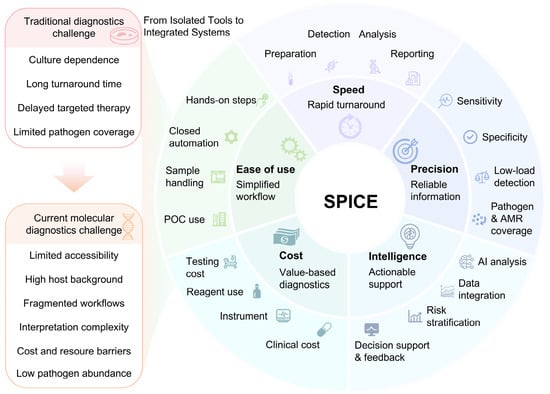
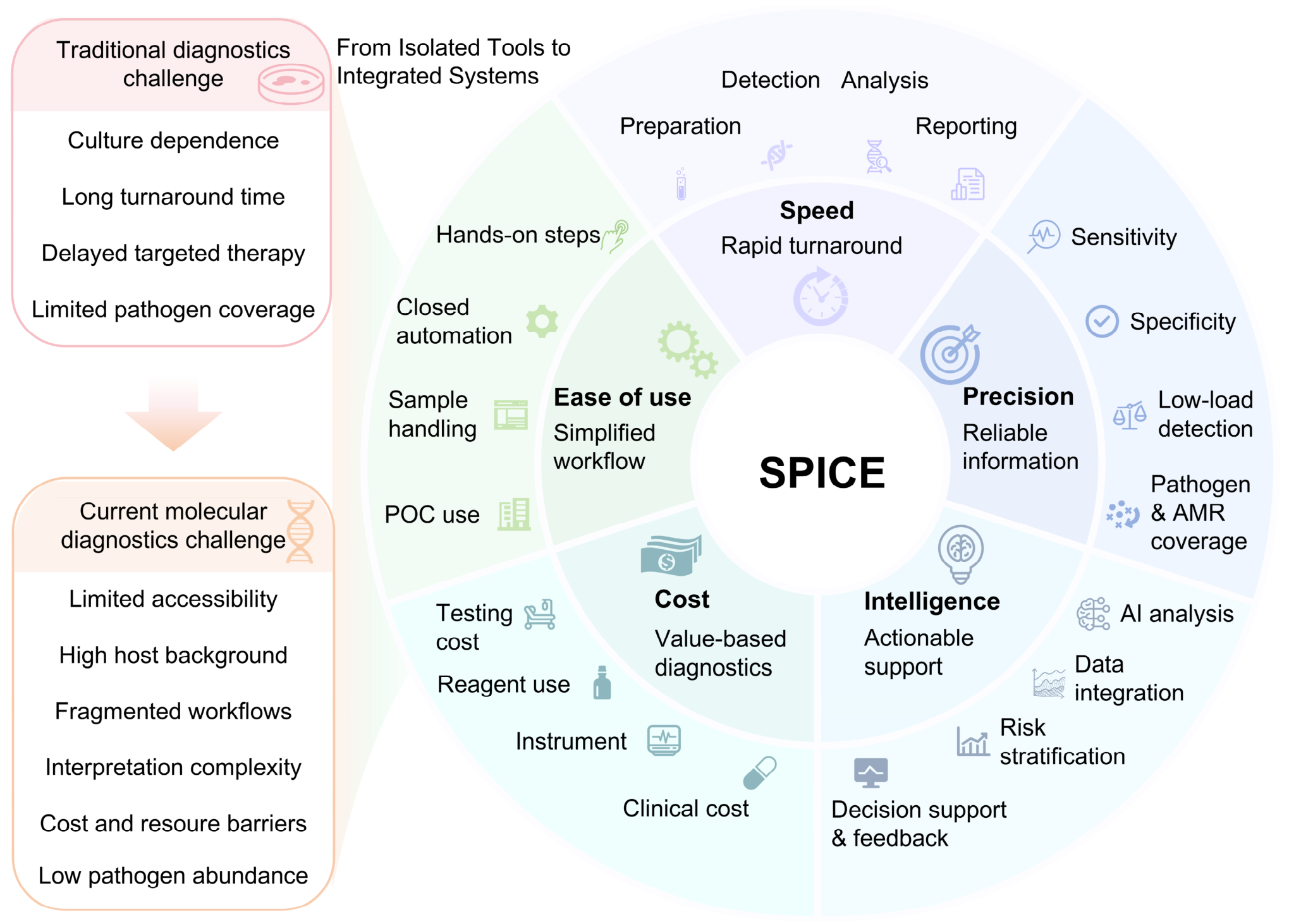
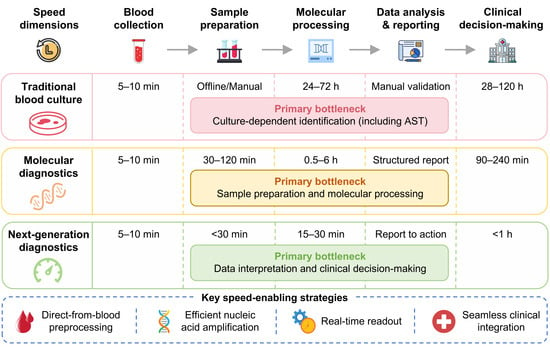
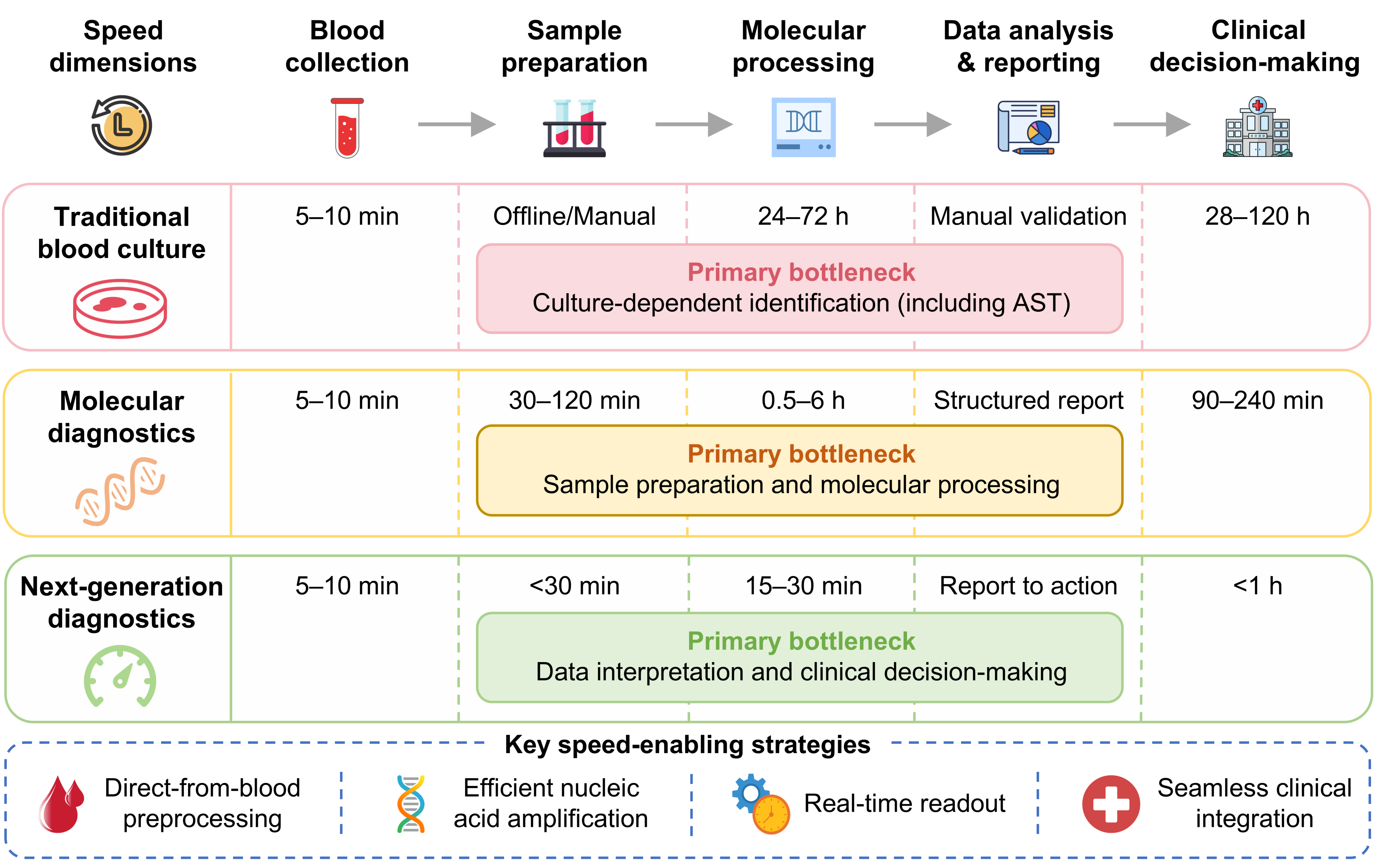
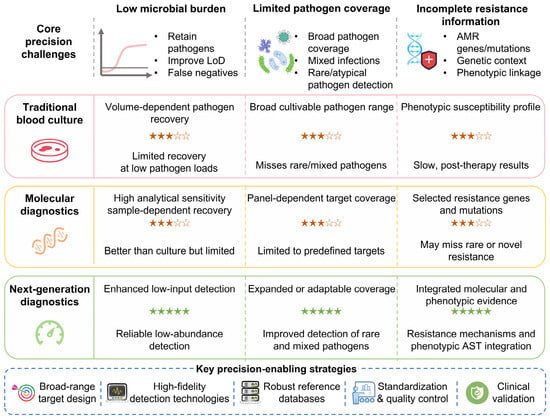
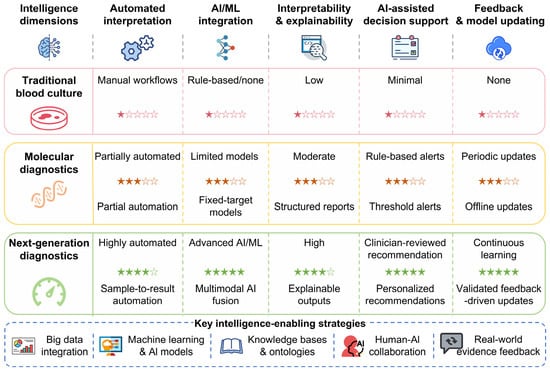
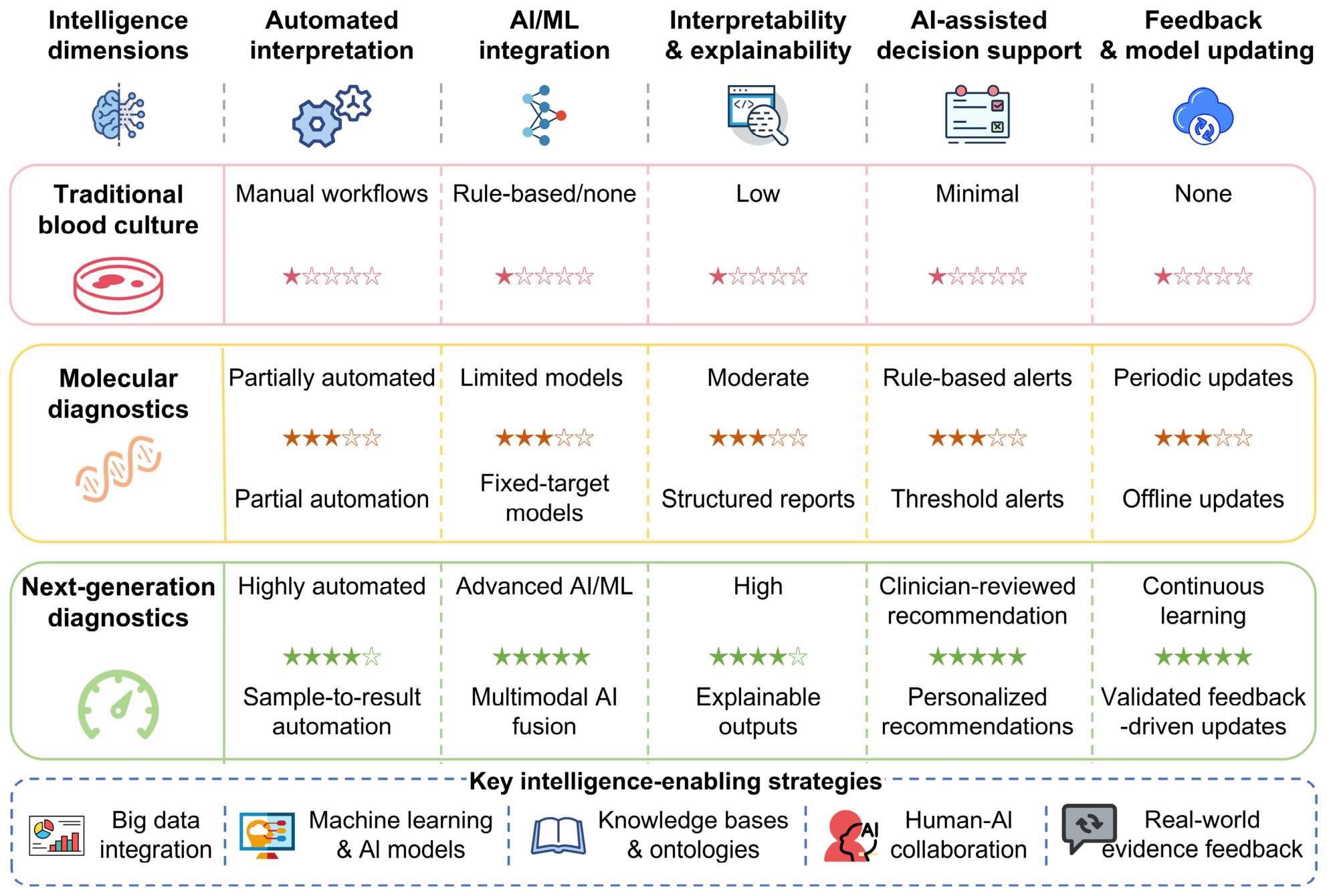
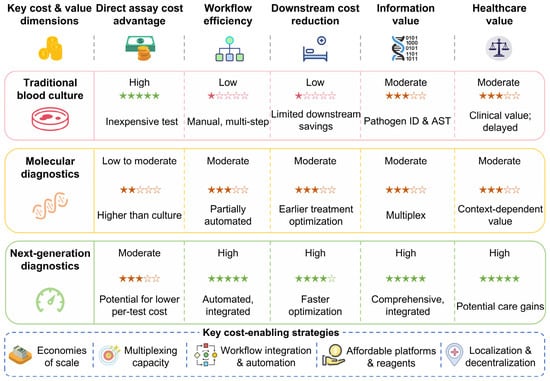
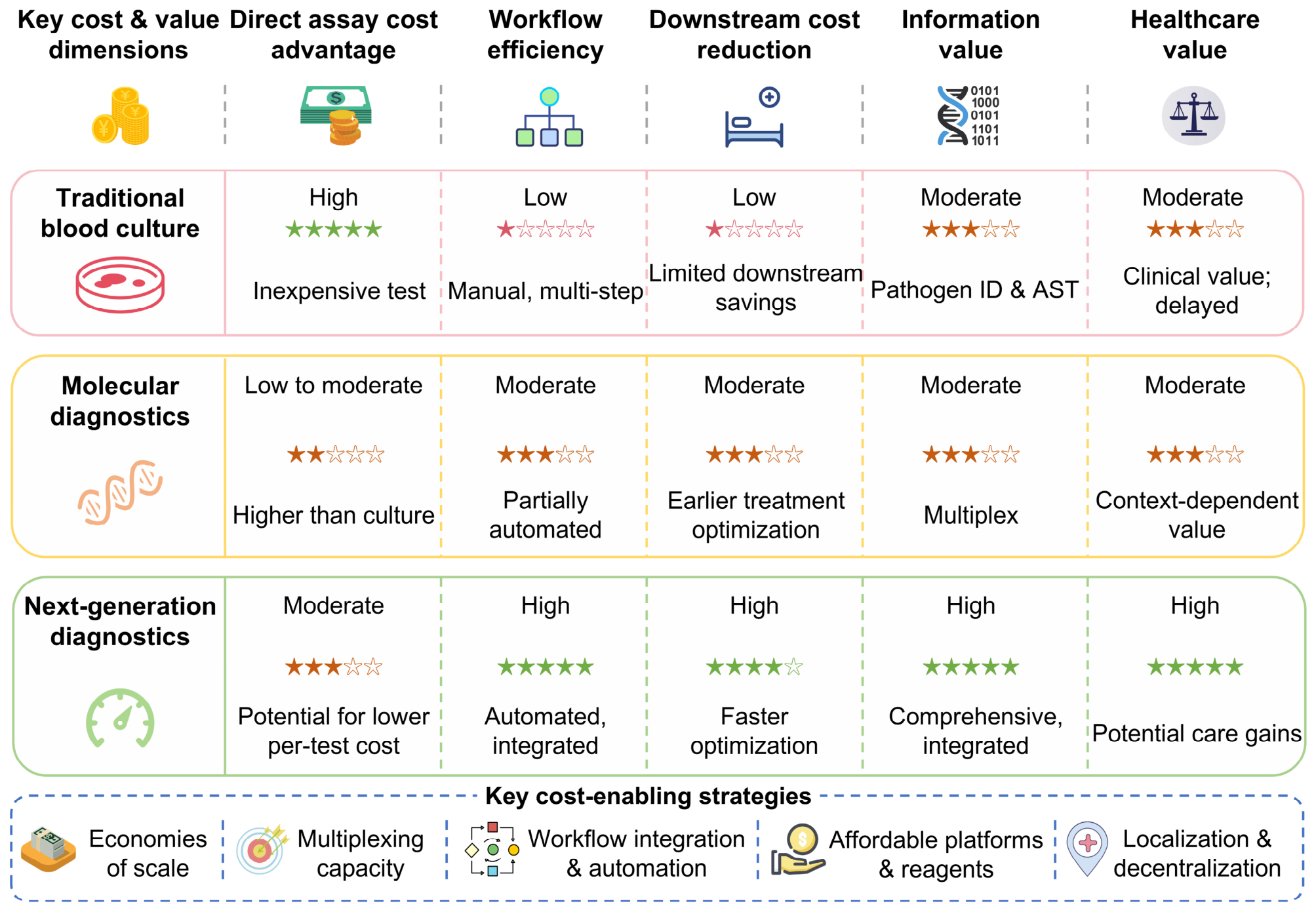
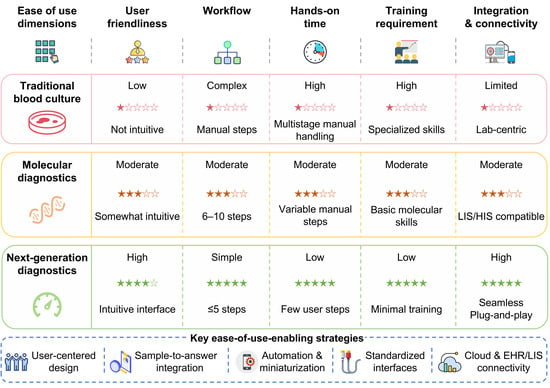
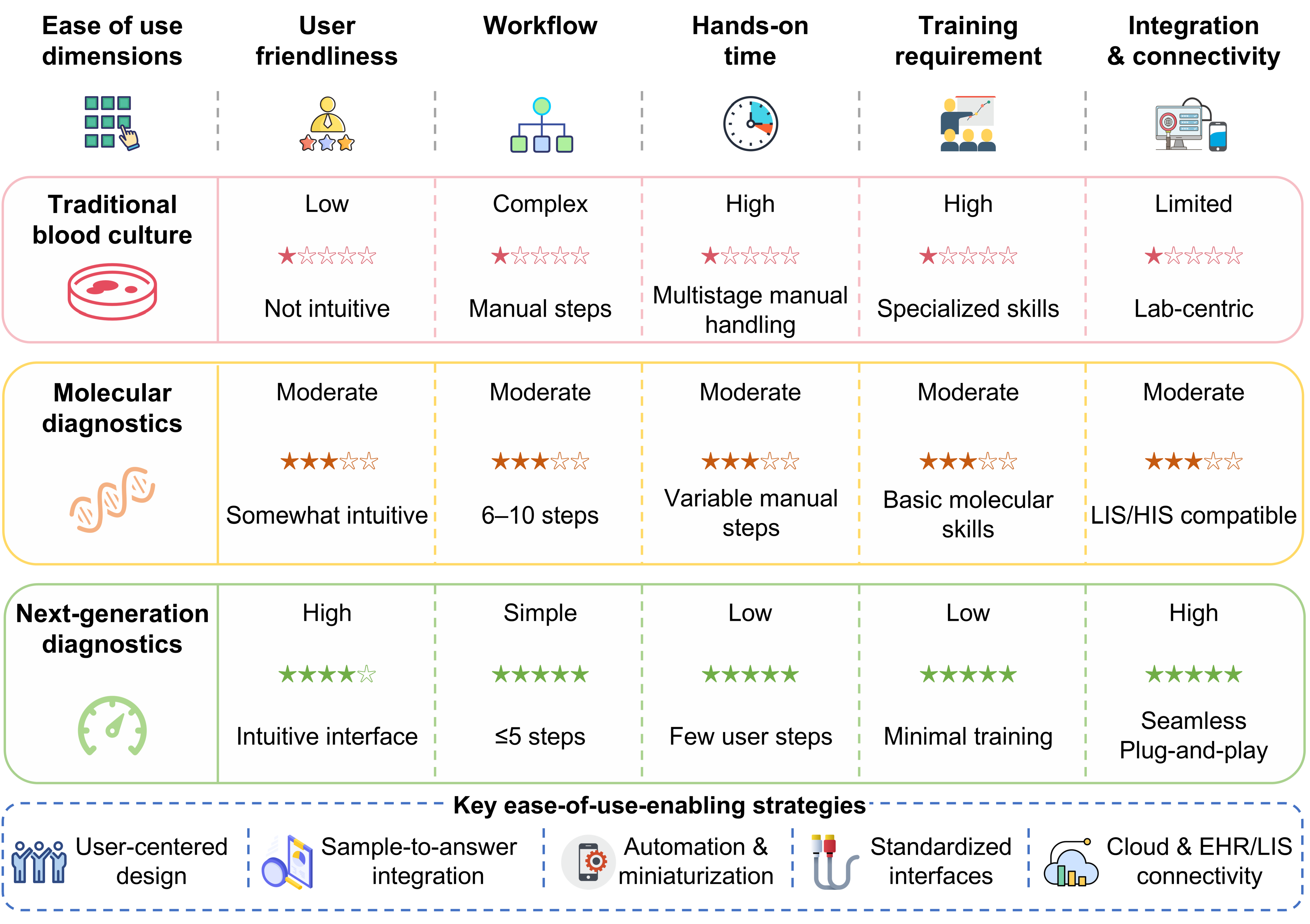
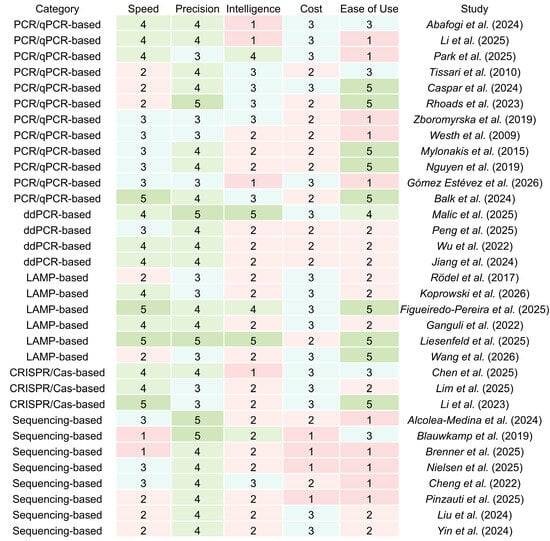
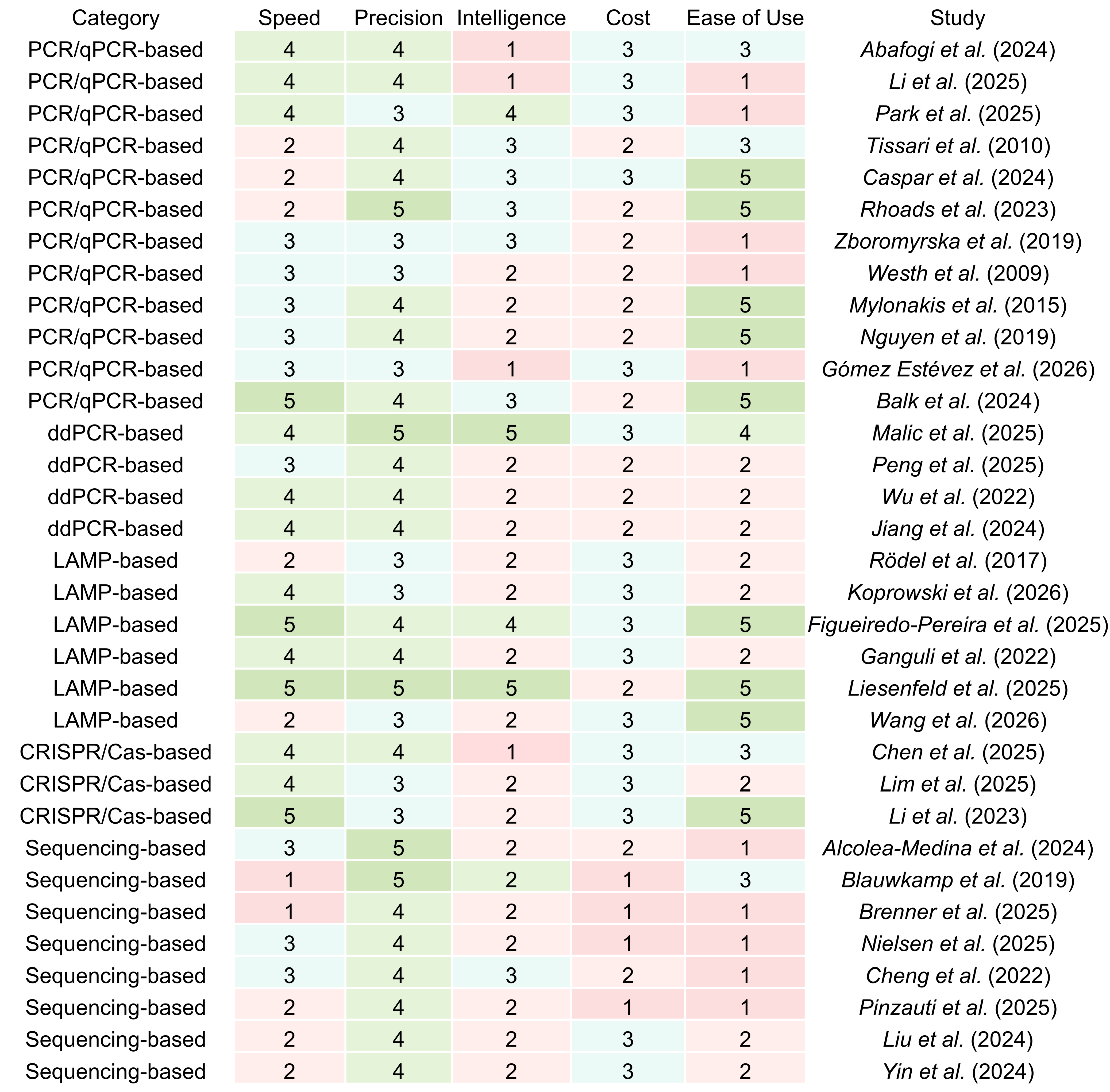
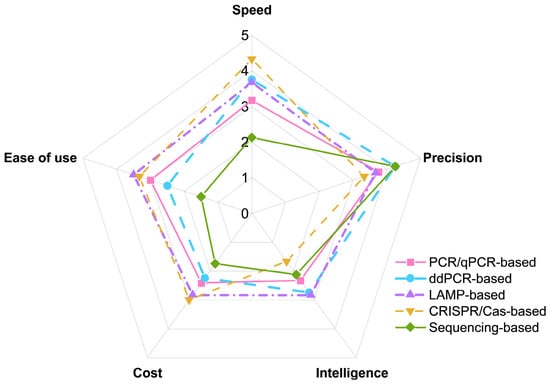
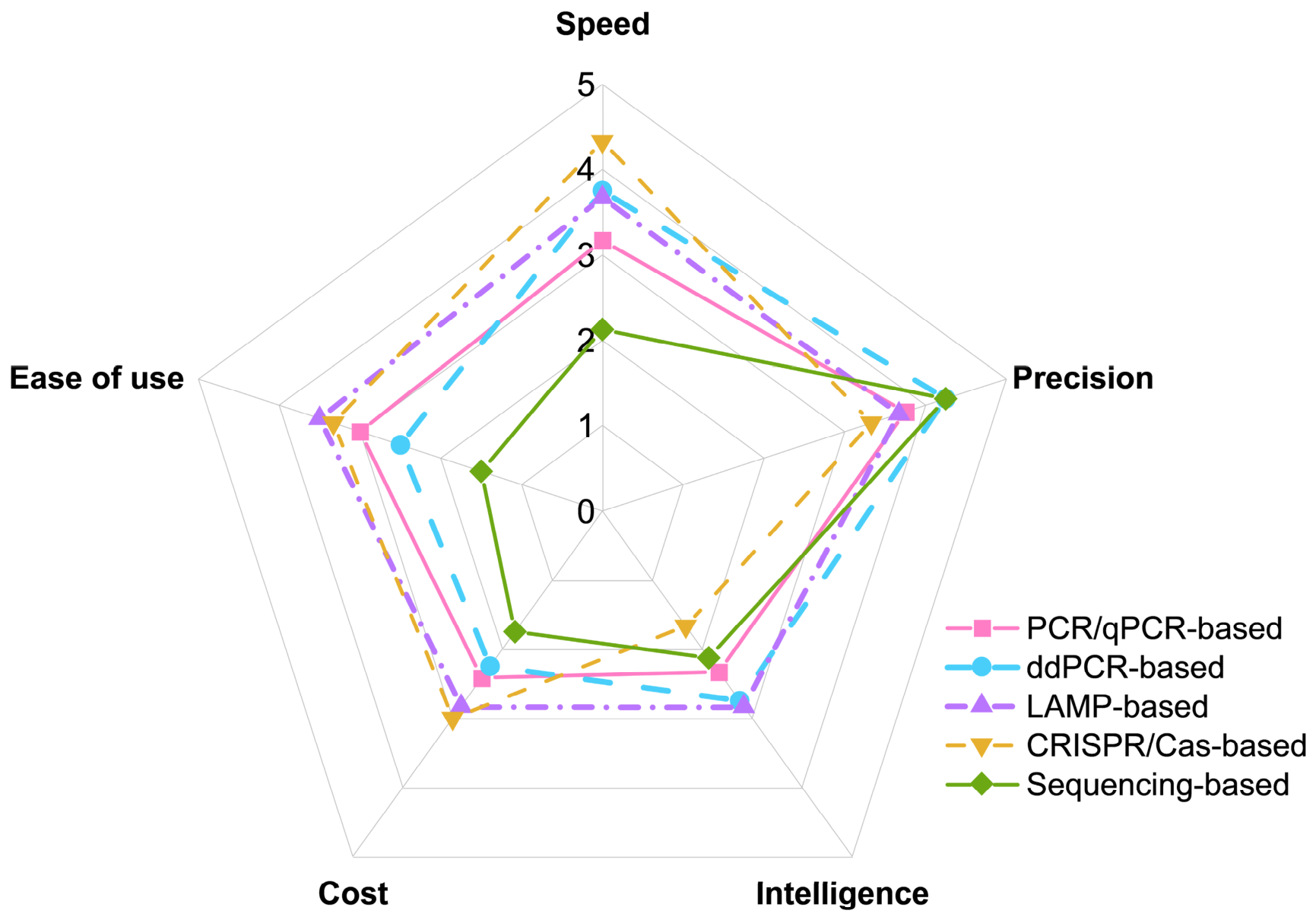
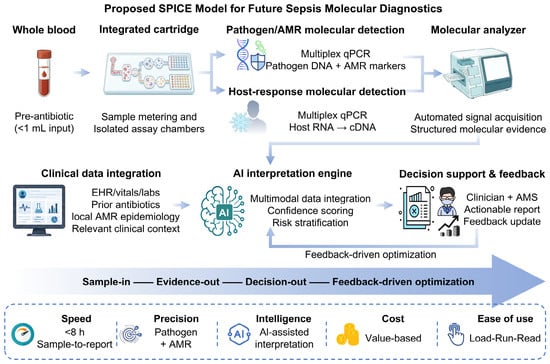
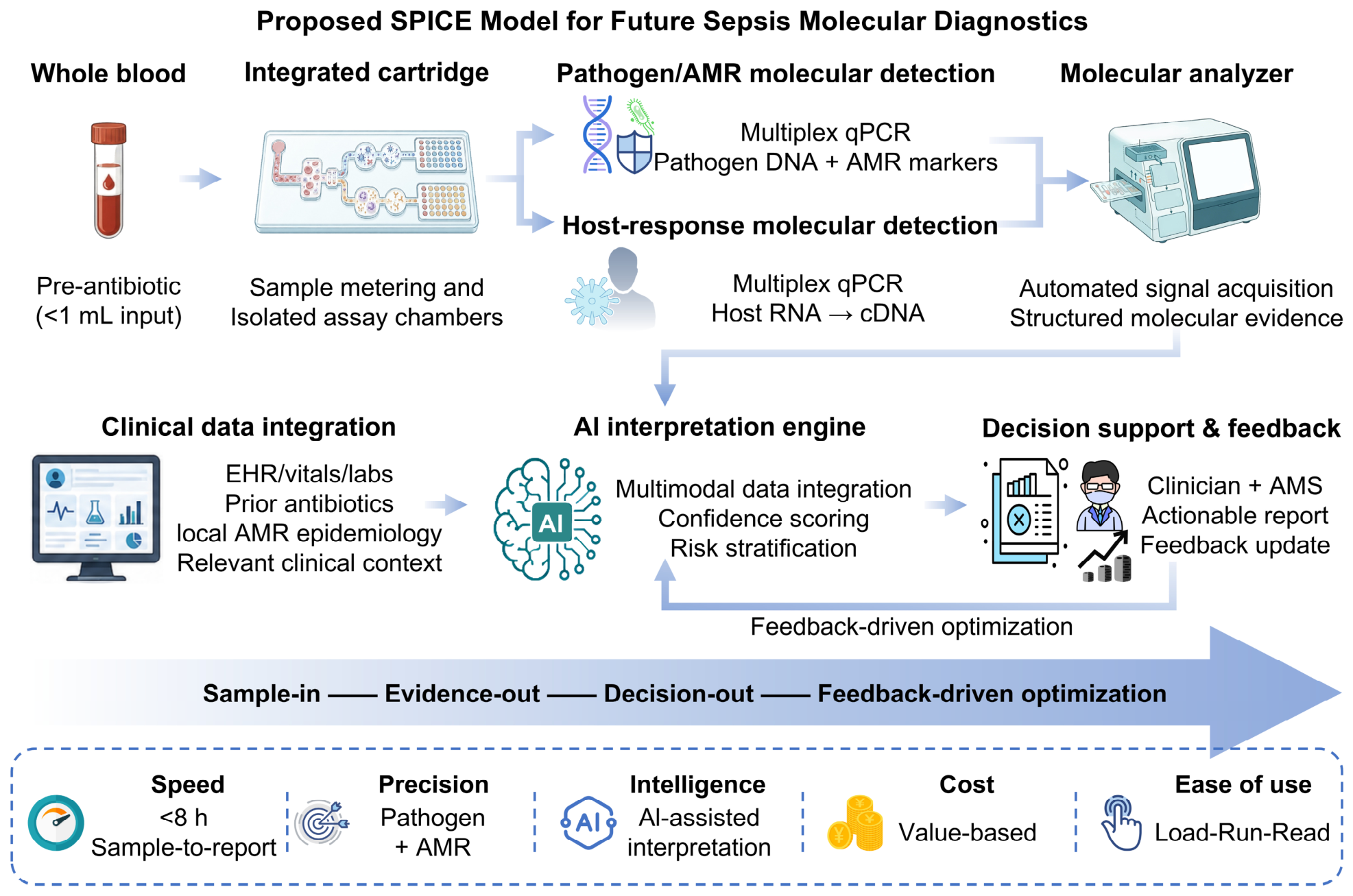

Disclaimer/Publisher’s Note: The statements, opinions and data contained in all publications are solely those of the individual author(s) and contributor(s) and not of MDPI and/or the editor(s). MDPI and/or the editor(s) disclaim responsibility for any injury to people or property resulting from any ideas, methods, instructions or products referred to in the content. |
© 2026 by the authors. Licensee MDPI, Basel, Switzerland. This article is an open access article distributed under the terms and conditions of the Creative Commons Attribution (CC BY) license.