Article

The Influence of an Isocyanate Structure on a Polyurethane Delivery System for 2′-Deoxycytidine-5′-monophosphate


1
Department I, Advanced Instrumental Screening Center, Faculty of Pharmacy, “Victor Babes” University of Medicine and Pharmacy, 2 E. Murgu Sq., 300041 Timisoara, Romania
2
Research Center “Thermal Analysis in Environmental Problems”, Faculty of Chemistry, Biology, Geography, West University of Timisoara, 16 Pestalozzi Str., 300115 Timisoara, Romania
3
Department II, Faculty of Medicine, “Victor Babes” University of Medicine and Pharmacy, 14A T. Vladimirescu Str., 300041 Timisoara, Romania
4
Department II, Faculty of Pharmacy, “Victor Babes” University of Medicine and Pharmacy, 2 E. Murgu Sq., 300041 Timisoara, Romania
*
Author to whom correspondence should be addressed.
J. Funct. Biomater. 2023, 14(10), 526; https://doi.org/10.3390/jfb14100526
Submission received: 6 September 2023 / Revised: 16 October 2023 / Accepted: 17 October 2023 / Published: 18 October 2023
(This article belongs to the Section Biomaterials for Drug Delivery)

Abstract

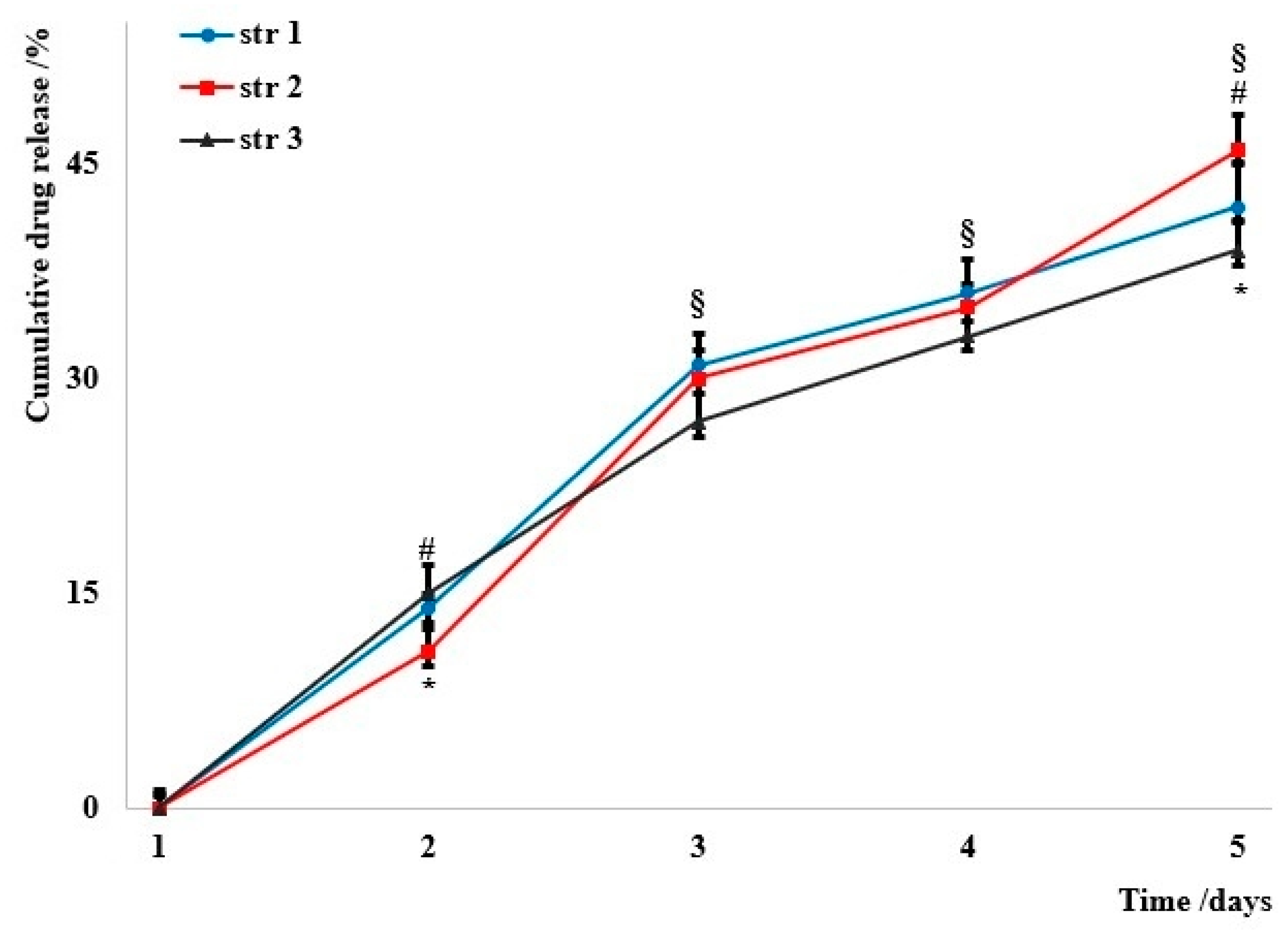
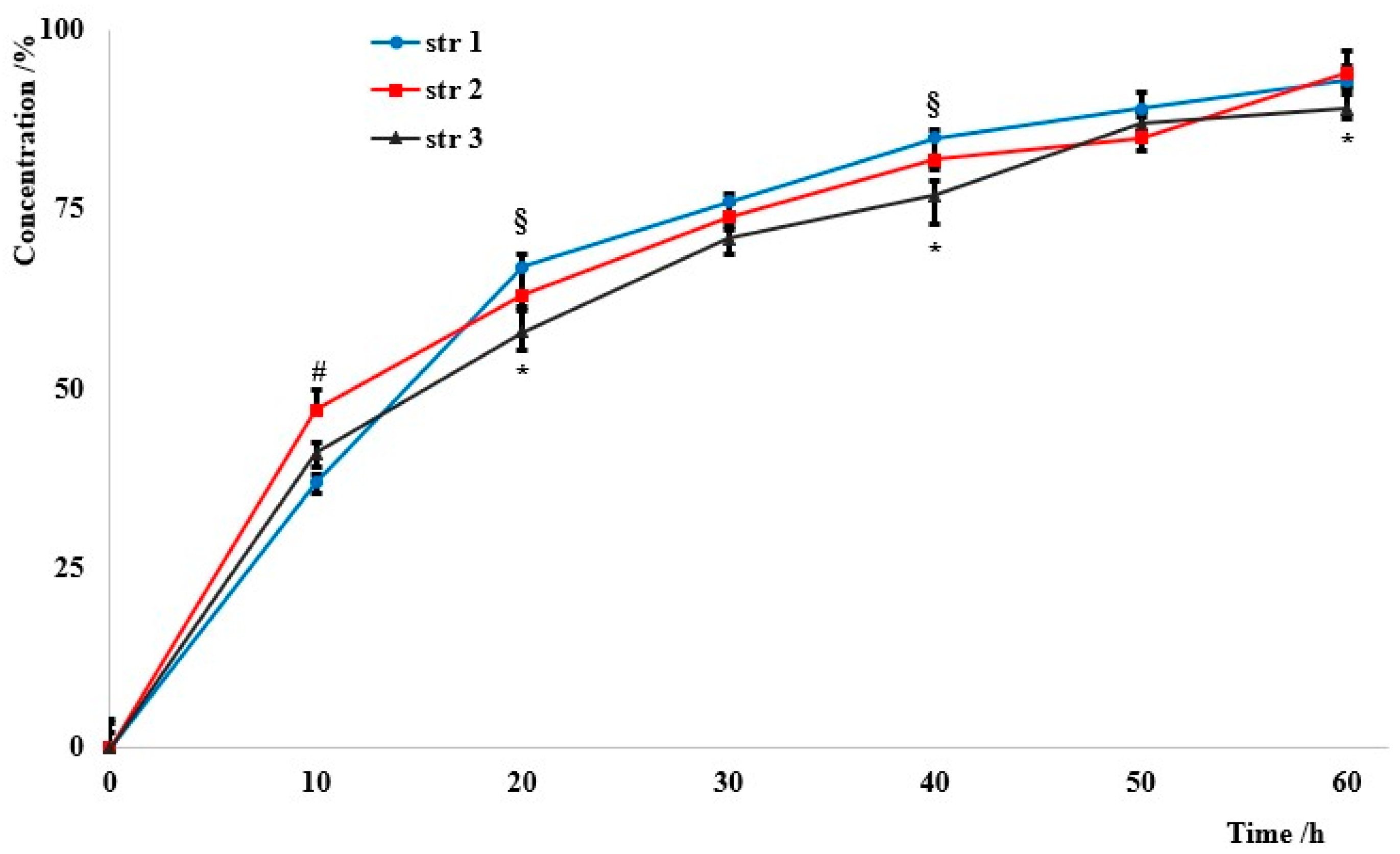
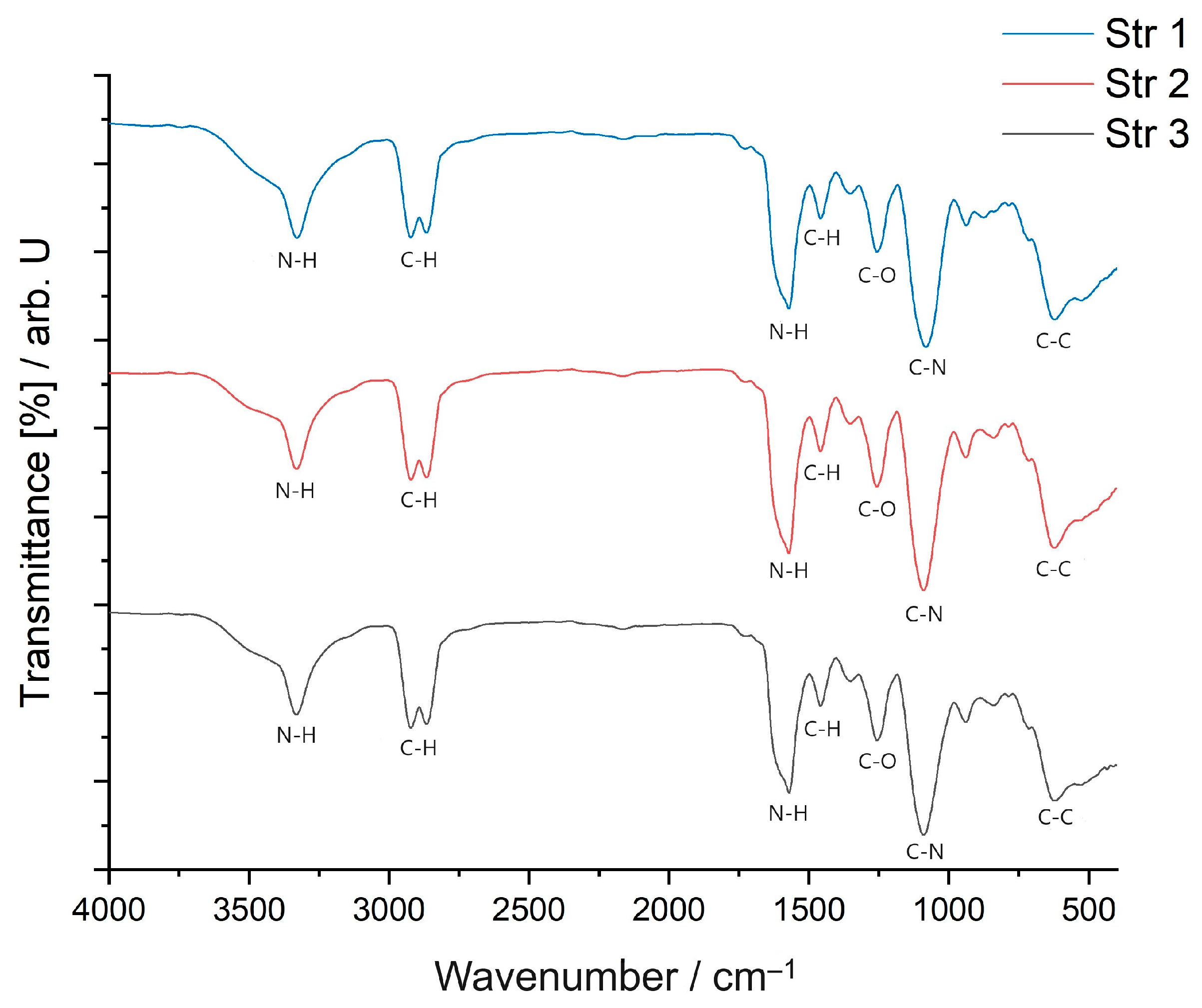
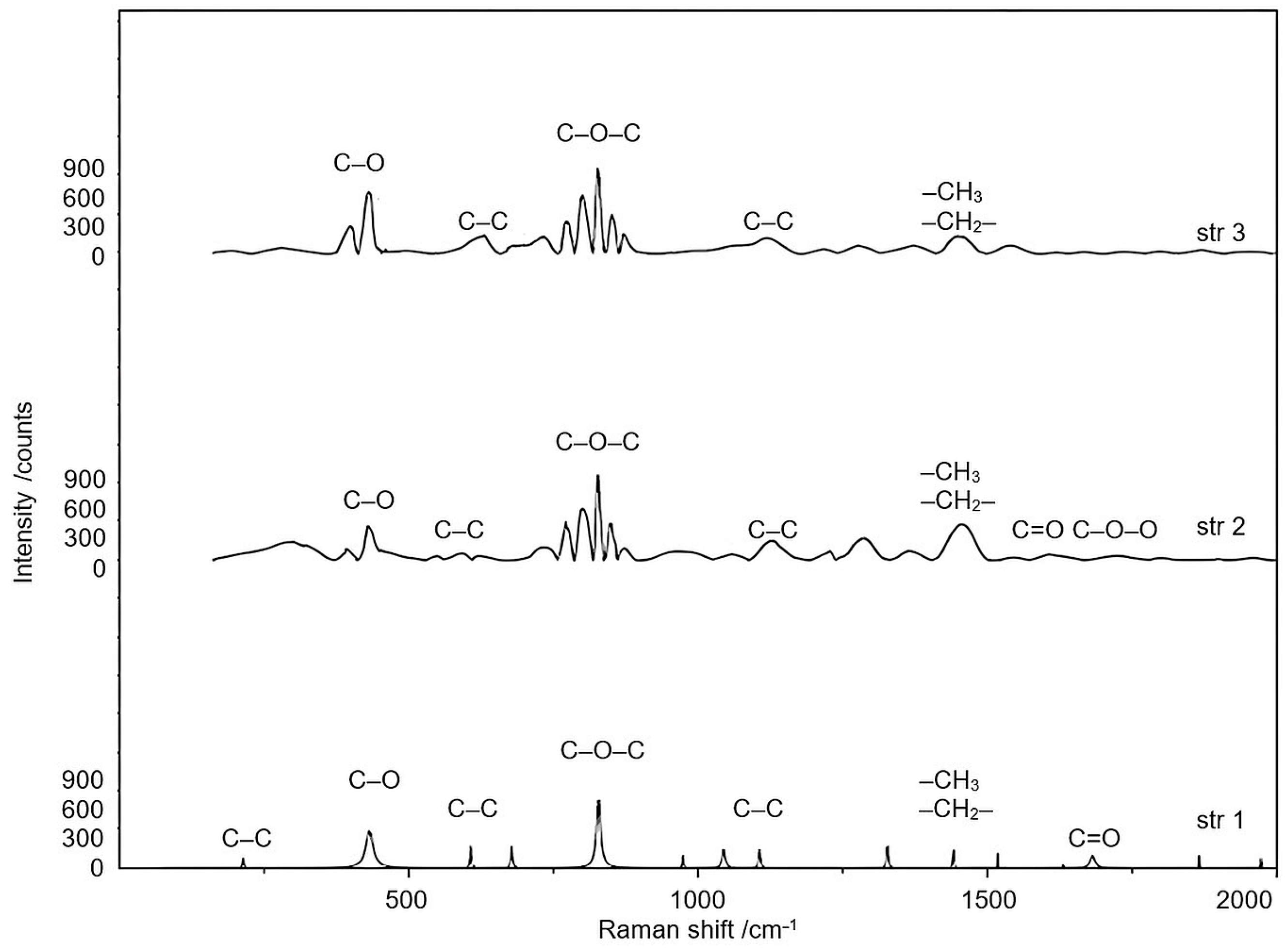
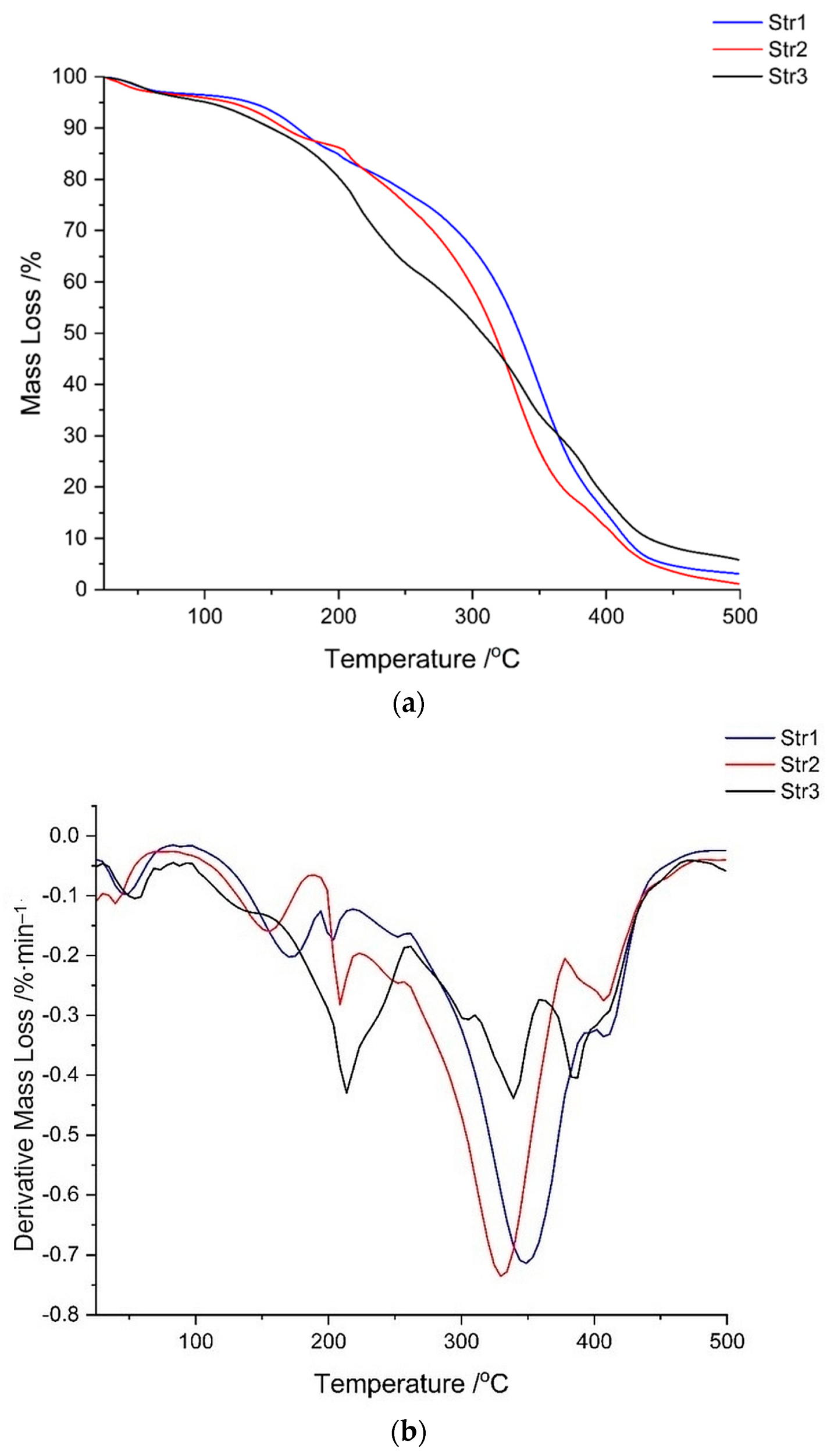
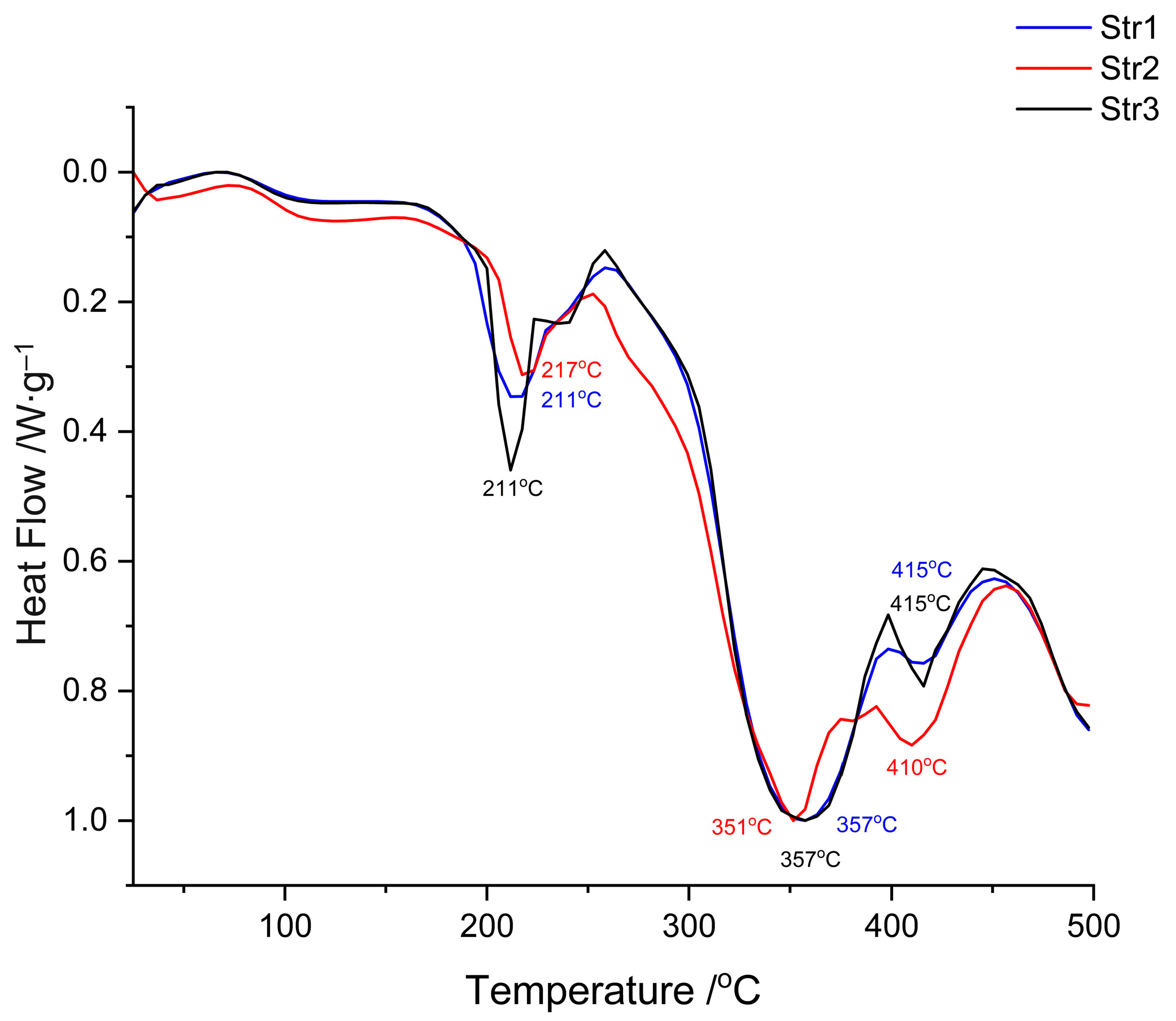
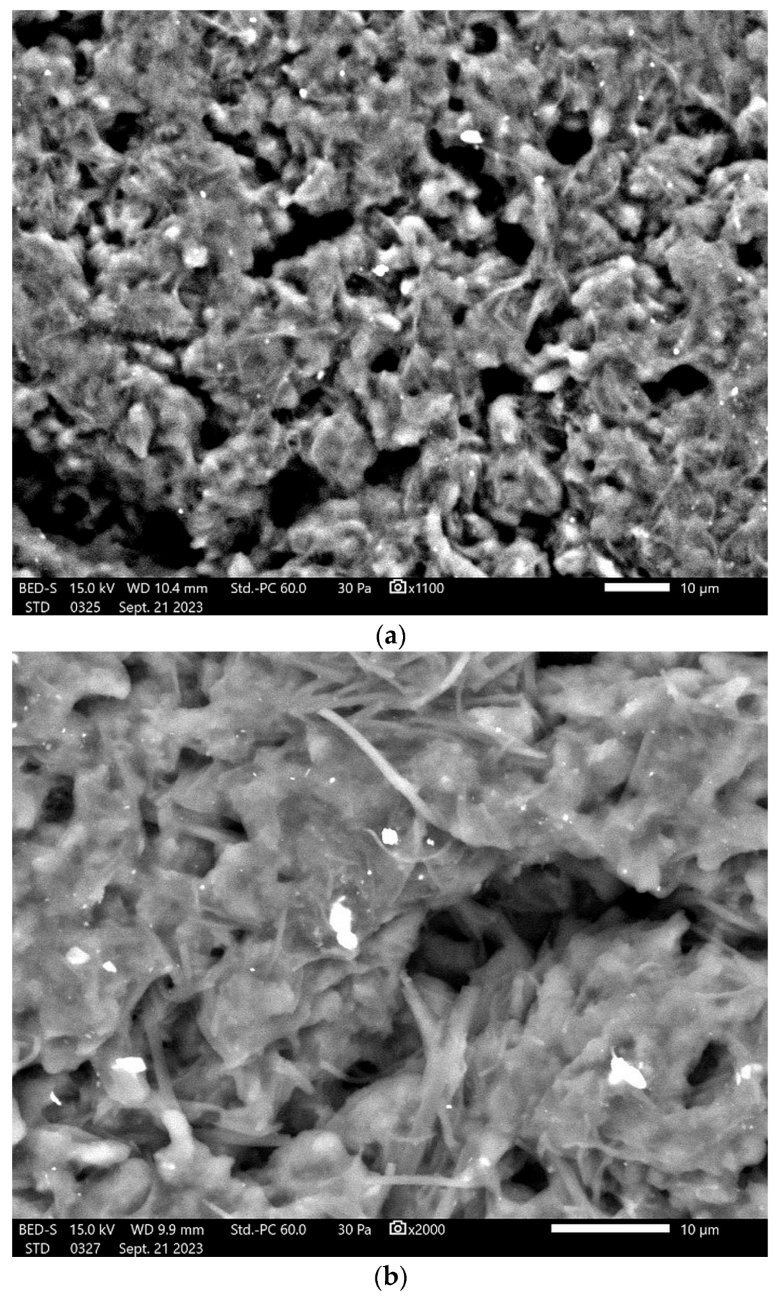
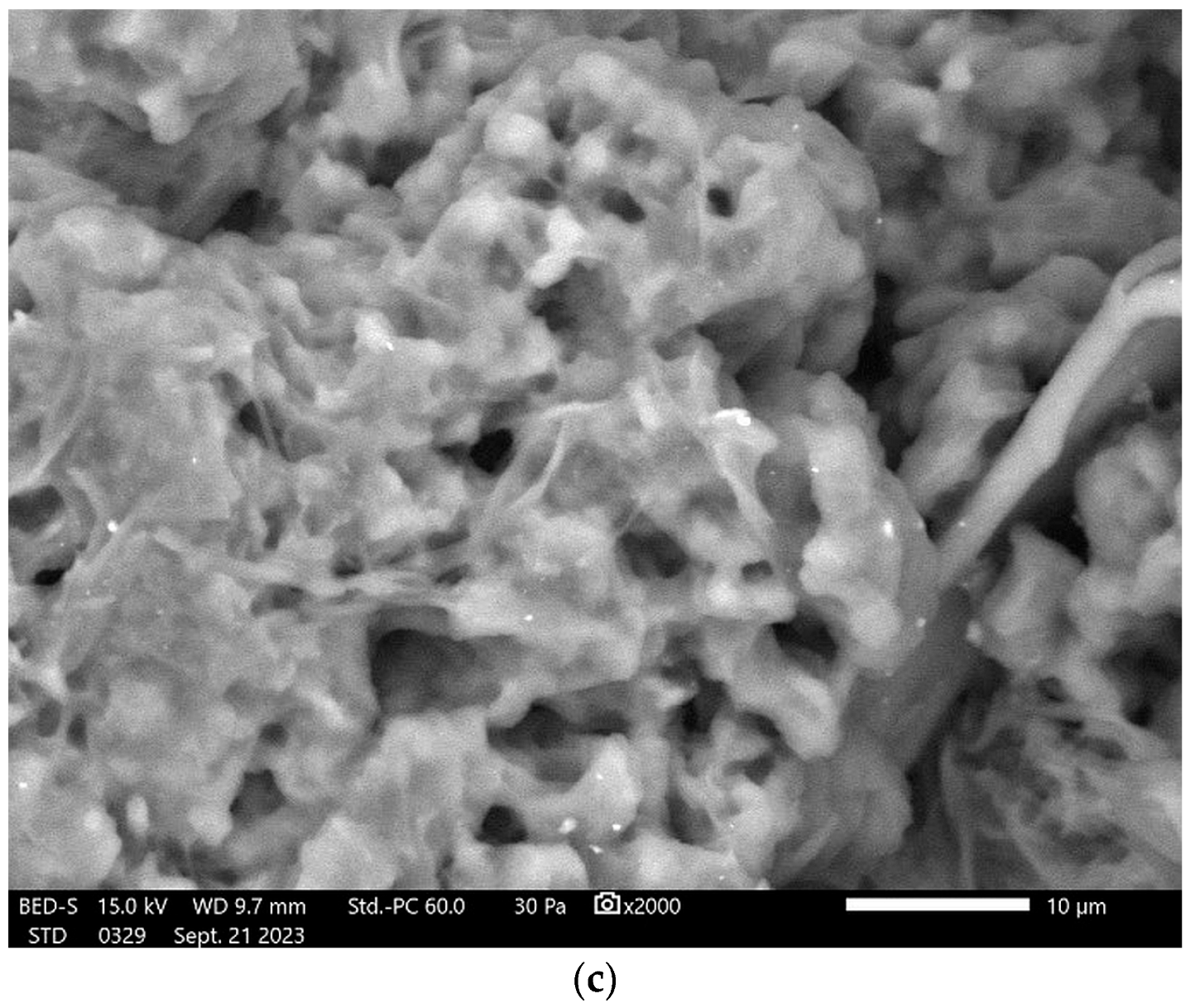
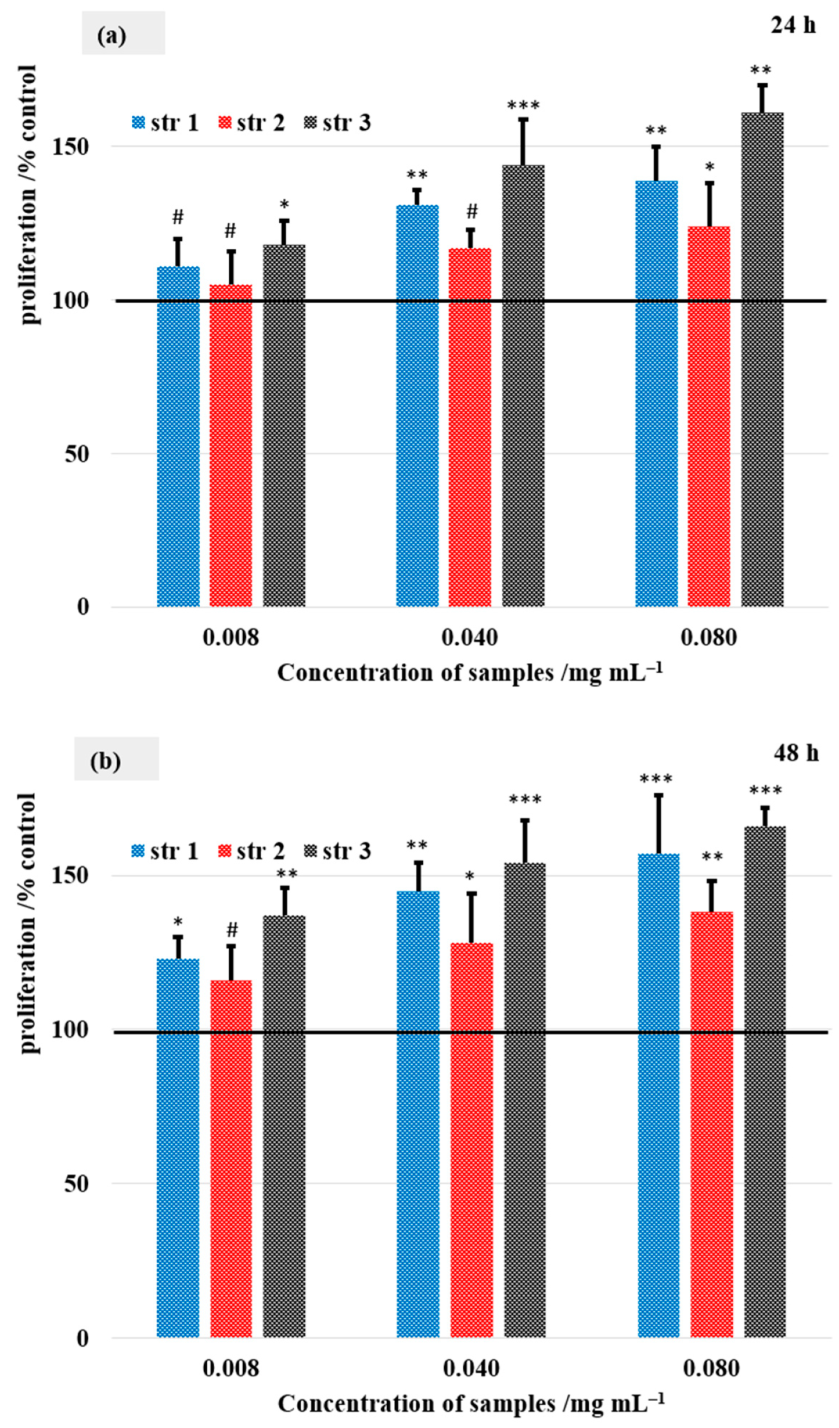
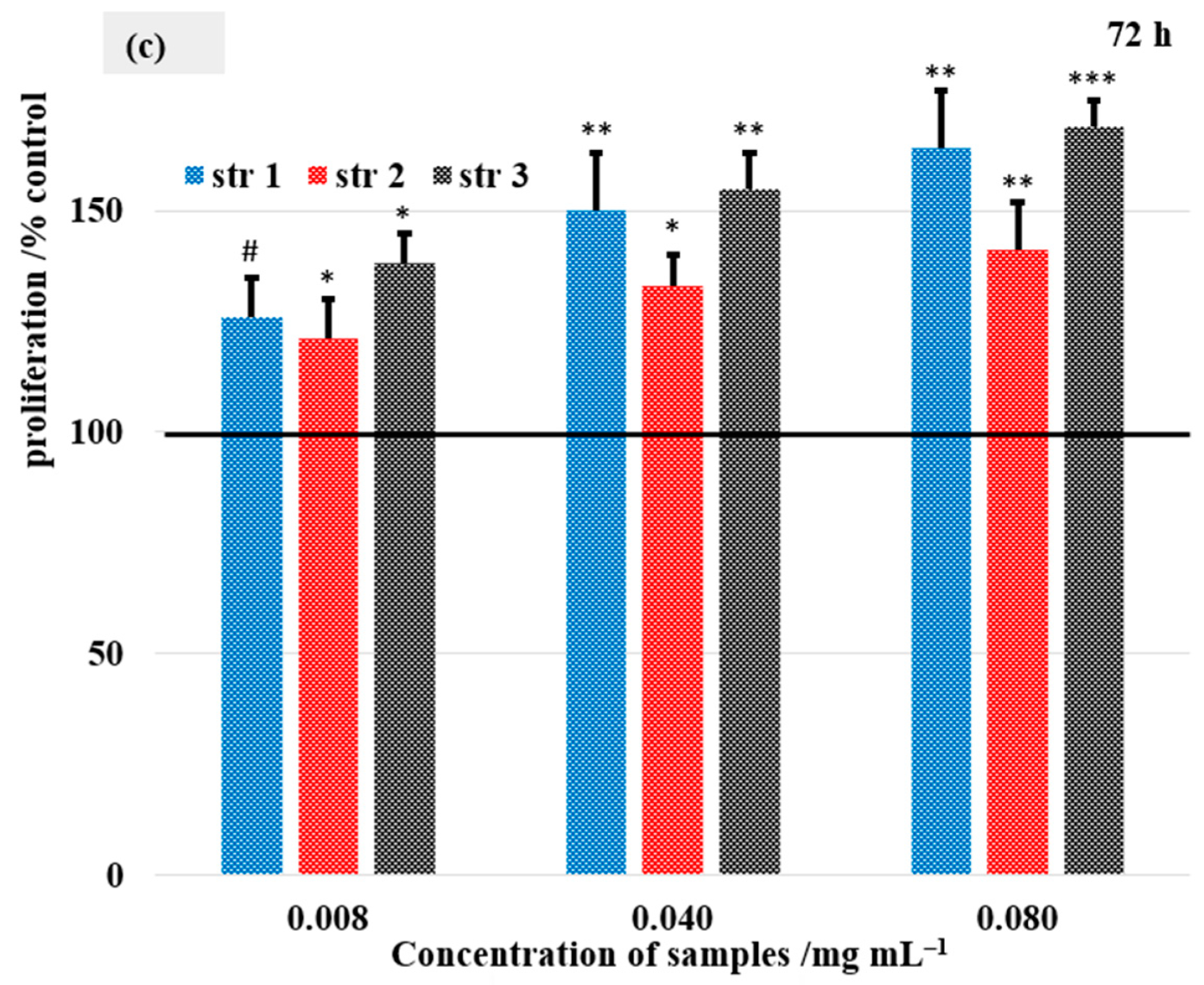
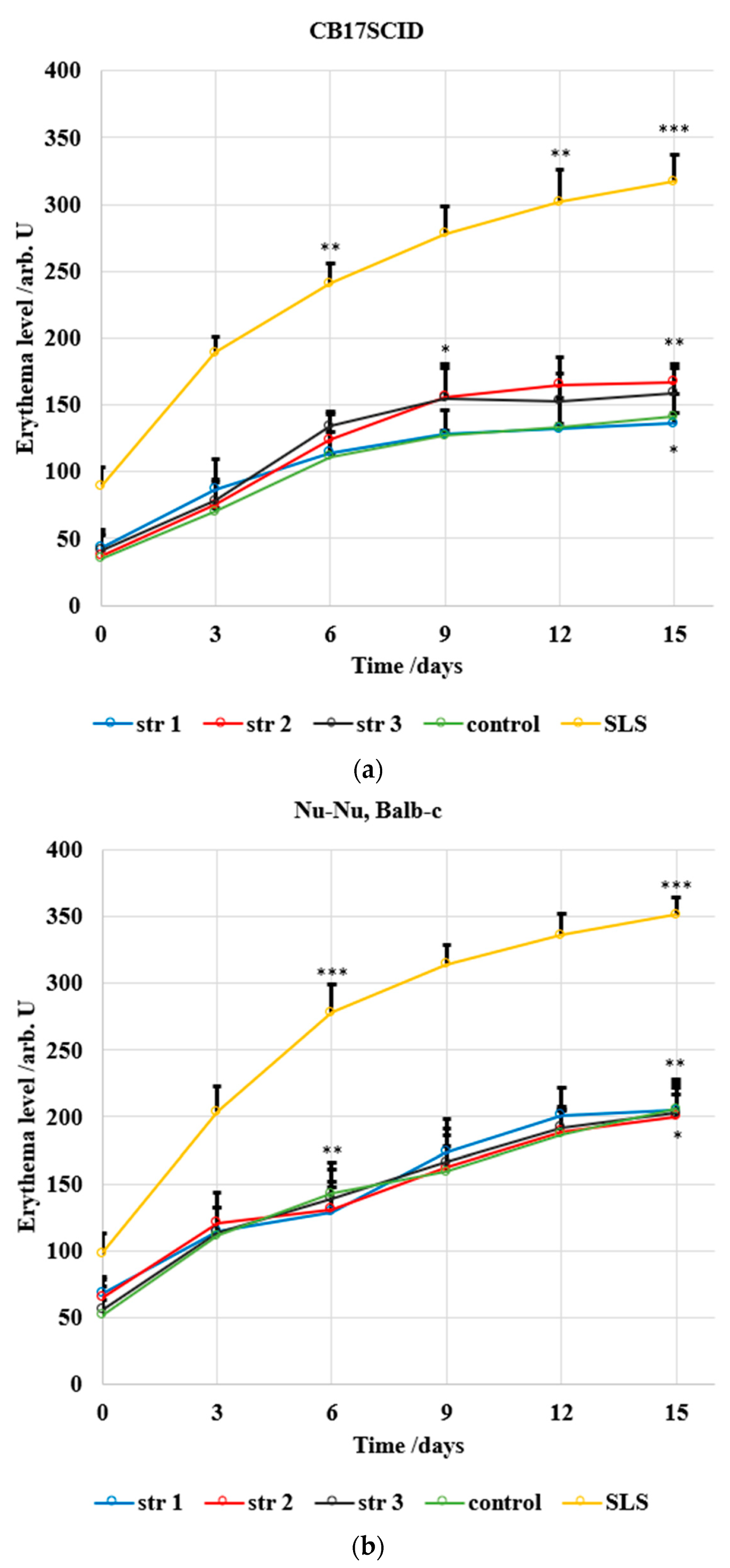
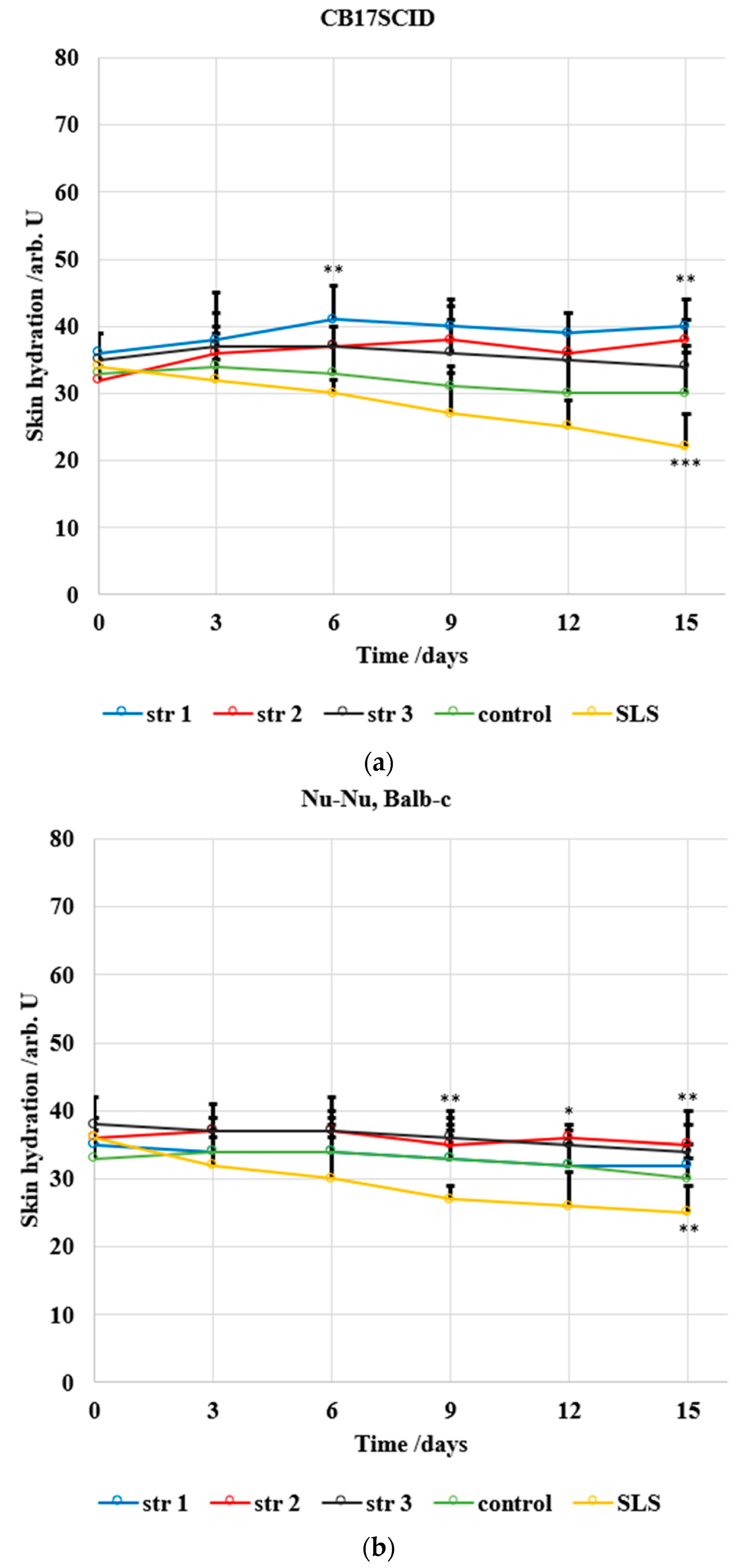
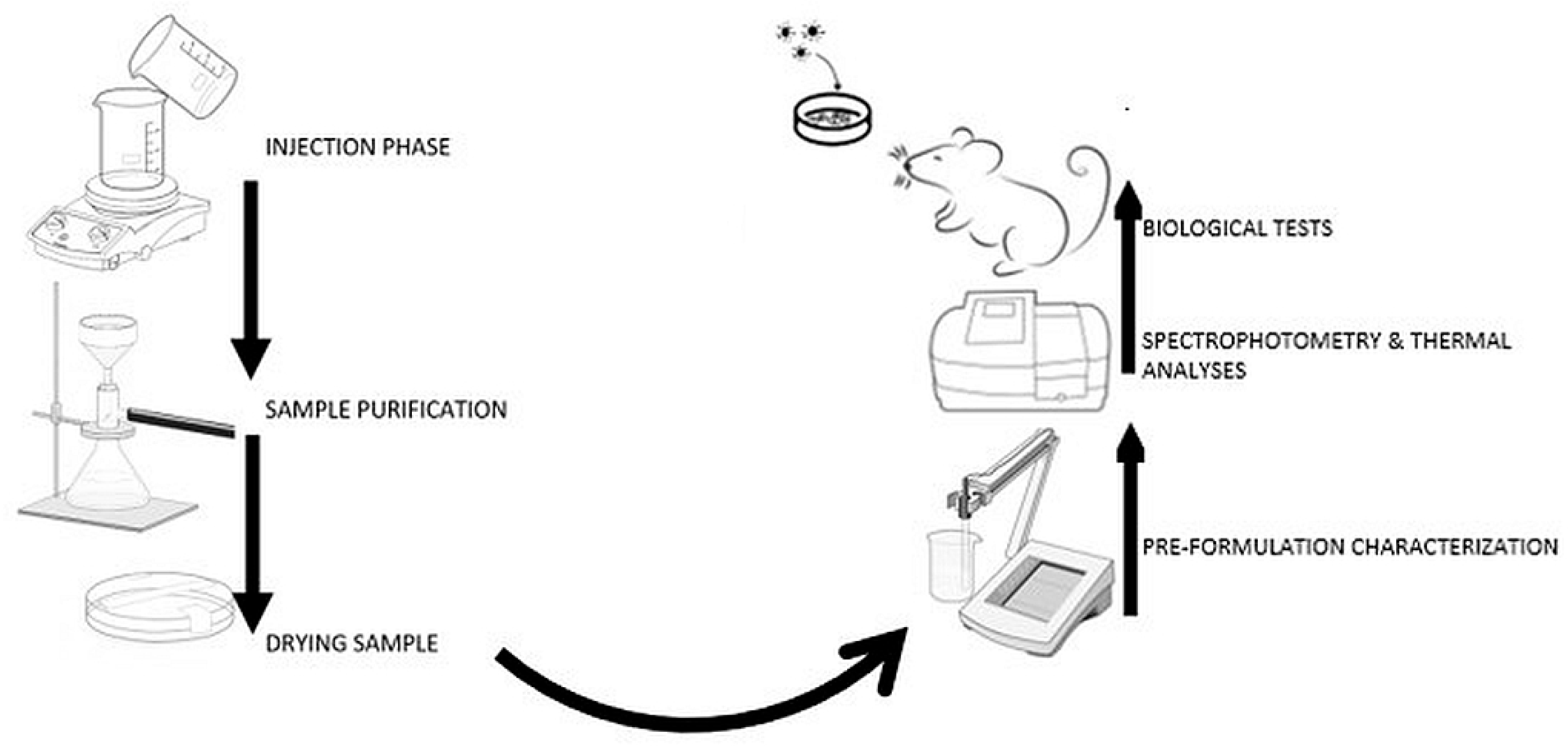
The delivery of nucleosides represents an interesting research trend in recent years due to their application in various viral infections. The main aims of this study were to develop and to characterize polyurethane particles that are intended to be used for the transport of nucleosides. Three samples have been prepared using aliphatic diisocyanates, a mixture of polyethylene glycol, polycaprolactone, and diols, respectively. The samples were characterized through refractivity measurements, drug loading efficacy, release and penetration rate investigations, FTIR and Raman spectroscopy, thermal analyses, Zetasizer, SEM, HDFa cells viability, and irritation tests on mice skin. The results indicate the obtaining of particles with sizes between 132 and 190 nm, positive Zeta potential values (28.3–31.5 mV), and a refractivity index around 1.60. A good thermal stability was found, and SEM images show a medium tendency to agglomerate. The samples’ color, pH, and electrical conductivity have changed only to a small extent over time, and the evaluations indicate an almost 70% encapsulation efficacy, a prolonged release, and that around 70% of particles have penetrated an artificial membrane in the first 24 h. The synthesized products should be tested in further clinical trials, and the current tests on cell cultures and mice skin revealed no side effects.
Keywords: cell cultures; drug delivery; FT-IR; mice skin; thermal analysis; UV-Vis; Zetasizer cell cultures; drug delivery; FT-IR; mice skin; thermal analysis; UV-Vis; Zetasizer