


Abstract
The increasing complexity of algorithmically mediated and AI-mediated digital environments is reshaping how health information is interpreted. Existing digital health literacy frameworks predominantly conceptualize vulnerability as a deficit in individual skills, thereby insufficiently capturing the structural and cognitive conditions that shape interpretation. This study develops an integrative conceptual model that reconfigures health information interpretation as an emergent outcome of interacting cognitive, social, and algorithmic mechanisms. The analysis identifies three broad categories of interpretative mechanisms—cognitive, social, and algorithmically mediated—which are subsequently integrated into the five-dimensional Informational Resilience Ecosystem Model (IREM). First, cognitive heuristics and biases shape information processing. Second, social credibility signals influence evaluative judgments and trust formation. Third, algorithmic systems structure the visibility, prioritization, and distribution of information. Interpretation is conceptualized as an emergent outcome of interactions among these mechanisms. Building on these findings, informational resilience is theorized as an emergent system-level property contingent upon the configuration of interacting conditions rather than reducible to individual capacities. The Informational Resilience Ecosystem Model (IREM) captures this structure through five interdependent dimensions: cognitive, informational, social, algorithmic, and credibility infrastructure. The study shifts the analytical focus from competencies to conditions of interpretation and provides a structured framework for empirical operationalization by specifying dimensions, mechanisms, and their interactions. The model provides a theoretically grounded and operationally structured framework for advancing empirical research, public health communication, and platform-level interventions.
1. Introduction
The rapid expansion of digital technologies has fundamentally transformed how individuals access, interpret, and use health information. Digital platforms, search engines, and social media have become primary sources of health-related content, enabling unprecedented access to medical knowledge while simultaneously increasing exposure to misinformation and conflicting information [1,2,3,4]. In such environments, the ability to effectively navigate, evaluate, and apply health information has become a critical determinant of health outcomes [5].
The concept of digital health literacy has become a central framework for understanding how individuals engage with health information in digital environments [6,7,8]. Existing models primarily conceptualize digital health literacy as a set of competencies related to searching, understanding, and evaluating information [6,7]. While these approaches have advanced the field, they primarily focus on individual abilities, implicitly assuming that accurate interpretation is a function of users’ skills and knowledge [8]. However, contemporary digital environments are increasingly shaped by algorithmic systems that determine the visibility, ranking, and personalization of content [9,10,11], while social dynamics—such as peer sharing, influencer communication, and social proof—play a crucial role in shaping credibility perceptions [12,13]. These factors interact with cognitive processes, including heuristics and biases, which influence how individuals interpret and evaluate information under conditions of uncertainty [14,15,16].
Recent developments in generative artificial intelligence further intensify these dynamics by reshaping how health information is synthesized, contextualized, and encountered within digital environments [17,18]. Recent research indicates that AI systems may influence informational resilience by altering how individuals access, evaluate, and interpret information, while simultaneously changing the conditions under which credibility judgments are formed [19,20]. At the same time, scholarship increasingly argues that digital literacy alone is insufficient for explaining resistance to misinformation and manipulation, emphasizing broader concepts of digital resilience and information sensibility that extend beyond competence-based approaches [21,22]. These developments further reinforce the need for ecosystem-level frameworks capable of explaining interpretation as a configurational outcome of interactions among cognitive, informational, social, and algorithmic conditions [19,20].
As a result, health information interpretation can be understood as an emergent outcome of interactions between cognitive processing mechanisms, social credibility signals, and algorithmically mediated information environments [10,12,14]. Despite growing research on digital health literacy, misinformation, and algorithmic systems, these dimensions are often studied in isolation, resulting in a fragmented understanding of interpretation processes in digital contexts [3,9].
Existing models explain components of interpretation but fail to account for interpretation as a system-level phenomenon emerging under algorithmically structured conditions. To address this gap, this study develops an integrative conceptual framework derived from a concept-driven structured analysis of the interdisciplinary literature and formalized as the Informational Resilience Ecosystem Model (IREM). The study addresses the following research questions:
- RQ1: What cognitive, social, and structural mechanisms influence the interpretation of health information in algorithmically mediated digital environments?
- RQ2: How can these mechanisms be systematically integrated into a conceptual framework of informational resilience?
The study conceptualizes informational resilience as an emergent, multidimensional system-level property arising from interactions between cognitive processes, informational competencies, social dynamics, and algorithmically structured information systems. Unlike existing digital health literacy frameworks, which predominantly conceptualize interpretation as a function of user competencies or user–system interaction, the proposed model conceptualizes interpretation as a system-level outcome of interactions between cognitive mechanisms, social credibility dynamics, algorithmic mediation, and credibility infrastructure. In this sense, informational resilience is theorized not as an individual skill, but as a system-level property of digitally structured interpretative environments. It contributes to the literature in three ways: by extending digital health literacy models through the integration of cognitive science and evolutionary psychology [14,15,16], by introducing a structural perspective on algorithmically mediated information environments [9,10,11], and by proposing a comprehensive framework linking individual-level processes with broader digital information ecosystems.
2. Methodology
2.1. Research Approach and Study Design
This study adopts a concept-driven structured literature review aimed at conceptual synthesis and theory development rather than exhaustive evidence aggregation. Such an approach is particularly suitable for research problems that span multiple disciplinary domains and require the integration of concepts, mechanisms, and theoretical perspectives originating from different bodies of literature [21,22].
The research problem addressed in this study encompasses digital health literacy, cognitive science, misinformation research, health communication, and algorithmically mediated information systems. These domains differ in terminology, theoretical assumptions, and levels of analysis. Consequently, the review was designed as an analytically structured and iterative process focused on identifying, comparing, and integrating mechanisms underlying health information interpretation across disciplinary boundaries.
To enhance transparency and reproducibility, the study incorporates systematic search procedures, explicit inclusion and exclusion criteria, and a PRISMA-based reporting structure. However, the study was not designed as a protocol-driven systematic review intended for evidence aggregation, intervention evaluation, or effect estimation. Rather, its primary objective is conceptual integration and theory development.
Accordingly, the aim of the review is not to aggregate evidence, but to reconstruct and synthesize explanatory mechanisms and their interrelationships in order to develop the Informational Resilience Ecosystem Model (IREM).
2.2. Literature Search Strategy
The literature search was conducted in Web of Science and Scopus, selected for their multidisciplinary coverage. Database searches were conducted between January and March 2026. The search was limited to the period 2020–2026 to capture contemporary developments in algorithmically mediated digital environments [19,20,23]. Foundational studies published prior to this period were incorporated in the theoretical framing but excluded from the analytical corpus, while still informing conceptual grounding [6,7,8].
The search strategy was implemented in two complementary stages. The first stage consisted of broad thematic mapping aimed at identifying the principal research domains relevant to health information interpretation in digital environments. The second stage employed focused Boolean searches designed to identify studies located at the intersection of digital health literacy, cognitive mechanisms, misinformation, algorithmic mediation, and credibility-related processes.
To enhance transparency and reproducibility, the database search strategy, including the search fields, Boolean combinations, and search limits applied in Web of Science and Scopus, is presented in Table 1.
Table 1.
Database search strategy.
The two-stage search strategy was adopted to improve both conceptual coverage and search transparency in a field characterized by substantial terminological variation across disciplines. Health information interpretation in digital environments is not examined within a single disciplinary tradition but is distributed across information science, health communication, public health, cognitive science, and studies of digital platforms. As a result, key mechanisms relevant to interpretation are frequently described using different terminologies and theoretical perspectives.
The broad thematic searches were therefore used to identify the principal conceptual domains and vocabularies present in the literature, while the focused Boolean searches were employed to locate studies addressing the intersections between digital health literacy, cognitive processing, misinformation, algorithmic mediation, and credibility evaluation. This combination enabled the identification of conceptually relevant studies that may not have been retrieved through a single-domain search strategy.
The search was limited to peer-reviewed journal articles published in English and indexed in Web of Science or Scopus. To reduce the risk of omission, backward and forward citation tracking was additionally conducted for studies identified as conceptually influential during the review process. The complete identification, screening, eligibility assessment, and study selection procedure is presented in the PRISMA flow diagram (Figure 1).
Figure 1.
PRISMA 2020 flow diagram of the literature identification, screening, eligibility assessment, and study selection process [24].
The final analytical corpus consisted of 46 studies. The corpus was considered conceptually adequate because all five analytical domains identified during the review process were represented and iterative analysis of additional studies did not yield substantively new interpretative mechanisms or explanatory relationships relevant to model development. Selection was guided by conceptual relevance and theoretical contribution rather than methodological homogeneity, consistent with the study’s objective of explanatory synthesis and theory development. Conceptual sufficiency was therefore considered achieved for the purposes of developing the Informational Resilience Ecosystem Model (IREM). The study selection process is summarized in Figure 1.
The study selection process followed the PRISMA 2020 [24] reporting framework adapted to the requirements of a concept-driven literature review.
The database search identified 918 records, including 512 records from Web of Science and 406 records from Scopus. After the removal of 134 duplicate records, 784 records remained for title and abstract screening. A total of 602 records were excluded during screening, resulting in 182 reports sought for retrieval. Of these, 12 reports could not be retrieved, leaving 170 full-text articles assessed for eligibility.
Following full-text evaluation, studies were excluded if they did not address cognitive, informational, social, or algorithmic aspects of health information interpretation (n = 78), focused primarily on clinical or technical issues without examining interpretative processes (n = 24), were not situated within digital or algorithmically mediated environments (n = 12), or provided no additional conceptual contribution beyond studies already included in the analytical corpus (n = 10). The reasons for full-text exclusion are summarized in Table 2. The final analytical corpus consisted of 46 studies.
Table 2.
Reasons for full-text exclusion during full-text eligibility assessment.
The exclusion profile indicates that the largest proportion of full-text exclusions resulted from studies that did not address the interpretative mechanisms central to the present review. This finding reflects the broader fragmentation of the literature, in which digital health, health communication, misinformation, and algorithmic systems are frequently examined separately rather than as interacting determinants of health information interpretation. The final set of 46 studies was therefore selected based on conceptual relevance to the development of the Informational Resilience Ecosystem Model (IREM).
2.3. Inclusion Criteria and Selection Logic
Studies were included if they addressed at least one of the following analytical dimensions:
- cognitive mechanisms of interpretation
- informational competencies
- social dynamics of credibility
- algorithmic mediation
- credibility infrastructure
Selection was based on conceptual relevance, not methodological uniformity or frequency of occurrence [21,22].
Studies were excluded if they:
- were predominantly clinical or technical without interpretative relevance
- were not situated in digital environments
- did not contribute to theoretical integration
Preference was given to studies that provided analytical insight into mechanisms of interpretation, credibility evaluation, cognitive processing, algorithmic exposure, or digitally mediated health communication. Studies focused exclusively on technical system performance, clinical outcomes without interpretative relevance, or purely descriptive platform statistics were excluded from the analytical corpus.
Selection decisions were guided by conceptual relevance to the research questions rather than methodological homogeneity. This approach enabled the integration of empirically and theoretically heterogeneous studies while maintaining analytical coherence around mechanisms of health information interpretation.
The selection followed a multi-stage process:
- initial identification
- title and abstract screening
- conceptual relevance assessment
- full-text evaluation
To reduce omission risk, snowballing (reference and citation tracking) was applied [22].
2.4. Thematic Structure and Analytical Strategy
The literature was organized into thematic clusters representing intermediate analytical domains:
- digital health literacy
- cognitive mechanisms
- social dynamics
- algorithmic mediation
- credibility processes
These clusters function as an analytical bridge, not as final model dimensions.
The analysis followed a hybrid deductive–inductive approach:
- deductive: guided by research questions
- inductive: allowing new themes to emerge
The analysis proceeded through three iterative stages [21,22]. During the first stage, studies were examined to identify recurring interpretative mechanisms, credibility processes, cognitive patterns, and forms of algorithmic mediation. The second stage focused on exploring relationships between mechanisms across thematic domains, particularly where cognitive, social, informational, and technological factors converged. The third stage involved the integration of these relationships into higher-order analytical dimensions that subsequently informed the structure of the Informational Resilience Ecosystem Model (IREM).
The analysis focused on mechanisms of interpretation rather than descriptive topic mapping. The analytical procedure was designed to support conceptual synthesis and theory development through the iterative integration of mechanisms identified across disciplinary domains.
These procedures were employed to enhance analytical consistency, analytical traceability, and methodological transparency despite the limitations associated with single-researcher coding.
2.5. From Thematic Clusters to Model Dimensions
A key distinction in this study is between:
- thematic clusters (descriptive organization of literature)
- model dimensions (analytical abstraction)
Mechanisms were retained when supported across more than one thematic domain or theoretical tradition, reducing the risk of domain-specific bias [21,22].
The dimensions of IREM were not directly derived from thematic categories in the literature, but theoretically constructed through the analytical integration of mechanisms identified across disciplinary domains. The analysis identified recurrent interpretative mechanisms related to cognition, informational evaluation, social credibility dynamics, algorithmic structuring, and platform-based trust signaling. These mechanisms informed the conceptual architecture of the model, but were reorganized at a higher level of abstraction in order to explain how health information interpretation emerges within digitally structured environments.
Accordingly, the five dimensions do not represent descriptive literature categories, but analytically differentiated components of an integrated interpretative ecosystem. Their configuration was determined through theoretical synthesis guided by explanatory distinctiveness, conceptual coherence, and cross-domain relevance. A dimension was retained only when it captured an analytically distinct mechanism of interpretation that could not be fully subsumed under another dimension without loss of explanatory scope. The resulting framework therefore reflects a configurational model of interpretation rather than a thematic aggregation of existing research domains.
The final analytical corpus is presented in Table 3, including bibliographic information and thematic classification of the selected studies.
Table 3.
Overview of analyzed studies and their classification across thematic clusters as an intermediate analytical layer for the development of informational resilience dimensions.
The distribution of studies across clusters reveals an imbalance in the empirical literature. Most studies focus on digital health literacy (C2) and algorithmic or credibility-related mechanisms (C4), while social dynamics (C3), misinformation correction (C5), and particularly cognitive mechanisms (C1) remain comparatively underrepresented.
This pattern indicates that, although cognitive biases and heuristics are well established in theoretical literature, they are rarely operationalized as primary empirical variables in studies of digital health information.
This imbalance provides a theoretical justification for the explicit inclusion of the cognitive dimension in the proposed framework as an integrative extension of the empirical literature.
To further synthesize these patterns, Figure 2 presents a conceptual mapping of the literature across thematic clusters and their relationship to the proposed framework.
Figure 2.
Conceptual mapping of the literature across thematic clusters and their analytical synthesis into mechanisms of health information interpretation informing the Informational Resilience Ecosystem Model (IREM). Color shading reflects the relative representation of thematic clusters within the analyzed literature.
The mapping indicates that the empirical literature is concentrated primarily in domains related to digital health literacy, algorithmic mediation, and credibility processes, while cognitive mechanisms remain comparatively underrepresented as explicit explanatory constructs within studies of digital health information interpretation. This pattern suggests that, although cognitive processes are theoretically well established, their role in shaping health information interpretation within digitally mediated environments remains insufficiently operationalized in empirical research.
Accordingly, the inclusion of the cognitive dimension in the proposed framework represents a theoretically grounded integration of mechanisms that remain fragmented across existing domains of research. The mapping therefore functions not merely as a descriptive classification of the literature, but as an analytical reconstruction of relationships between interpretative mechanisms distributed across heterogeneous disciplinary contexts.
To reduce confirmation bias, mechanisms were retained only when supported across multiple thematic domains or theoretical perspectives.
2.6. Methodological Justification and Limitations
The selected approach reflects the epistemic aim of the study: analytical generalization and theory construction rather than statistical inference. A concept-driven structured review is appropriate because the objective is not to estimate the prevalence or effectiveness of a predefined intervention, but to develop an explanatory framework of health information interpretation.
The literature relevant to this study is distributed across multiple disciplinary domains, including information science, health communication, cognitive science, public health, and platform studies. These domains differ in terminology, assumptions, and levels of analysis. Consistent with concept-driven and theory-building review approaches, the selected design was intended to identify, compare, and integrate explanatory mechanisms across heterogeneous bodies of literature in order to support conceptual synthesis and framework development [21,22].
This approach supports the transition from thematic clustering to conceptual synthesis, forming the basis for the Informational Resilience Ecosystem Model (IREM) as an integrated framework of cognitive, informational, social, and algorithmic conditions of interpretation. In this context, analytical rather than statistical generalization represents the primary epistemic objective.
Because the objective of the review was conceptual synthesis and theory development rather than evidence aggregation, intervention evaluation, or effect estimation, no formal methodological quality appraisal of individual studies was used as an inclusion or exclusion criterion. Instead, studies were selected and analyzed according to their relevance to the research questions and their contribution to the identification and integration of interpretative mechanisms across thematic domains.
At the same time, the approach has several limitations. Literature selection and interpretation involve researcher judgment, which may limit procedural reproducibility compared with highly standardized review protocols. The interdisciplinary scope increases the risk of omitting relevant studies framed using different terminology, and the concept-driven nature of the analysis introduces potential interpretative bias. In addition, the proposed model remains conceptual and has not yet been empirically validated. The coding process was conducted by a single researcher, while the interpretation and conceptual development of the model were iteratively refined through collaborative discussion within the research project team, contributing to analytical rigor and reducing the risk of interpretative bias.
To mitigate these limitations, the study employed explicit inclusion criteria, structured coding procedures, iterative category refinement, and constant comparative analysis across studies. Mechanisms were retained only when supported across multiple thematic domains or theoretical perspectives, reducing the risk of domain-specific bias.
Future research may further strengthen intersubjective reliability, for example through multi-coder validation, and empirically test the model across diverse populations and digital environments, particularly beyond WEIRD contexts.
Accordingly, methodological transparency was prioritized through explicit selection logic, structured coding procedures, and analytical traceability rather than through exhaustive protocol standardization.
3. Cognitive Foundations of Informational Vulnerability in Digital Health Environments
3.1. Evolution of the Architecture of Human Cognition
While alternative perspectives emphasize learning, socialization, and contextual influences on information processing, evolutionary approaches provide a useful explanatory framework for understanding recurrent patterns of heuristic reasoning and informational vulnerability [61,62,63]. These domain-specific adaptations process different types of information, including threat detection, social exchange, and group coordination [61,62].
This perspective implies that cognition is neither neutral nor fully rational, but an adaptive system shaped by specific environmental structures. It introduces the concept of the Environment of Evolutionary Adaptedness (EEA), defined as the set of ecological and social conditions under which key psychological mechanisms evolved [61,62,63]. Rather than referring to a specific historical context, the EEA represents a statistical composite of selection pressures across evolutionary time.
Within this framework, the human mind is particularly well adapted to processing natural frequencies. Formats such as “1 out of 10 people” are more easily understood because they reflect direct experiential contexts, whereas abstract probabilities and percentages require additional cognitive processing [14]. This distinction is especially relevant in digital health environments, where information is often presented in statistical and probabilistic forms.
However, contemporary digital environments differ substantially from the conditions in which these mechanisms evolved. Human cognition developed in small-scale, information-scarce settings characterized by direct social interaction, whereas digital environments involve large-scale content distribution, anonymous sources, and algorithmically structured visibility. This discrepancy is conceptualized as an evolutionary mismatch [16], introducing systematic constraints on information processing and interpretation.
One consequence of this mismatch is experiential vagueness. While perceptual systems are optimized for concrete and immediate stimuli, digital health information is often presented in abstract formats such as statistical indicators, graphs, or risk estimates. These formats are less effective in activating evolved threat-assessment mechanisms, increasing the likelihood of risk underestimation and misinterpretation.
Although the brain exhibits neurocognitive plasticity and can develop new processing strategies through learning, these processes operate within the constraints of evolved mechanisms, shaping heuristics, attentional thresholds, and evaluation strategies.
These constraints increase reliance on heuristics and the likelihood of systematic misinterpretation in digital health environments.
3.2. Heuristics and Cognitive Biases in Decision-Making
Under conditions of limited time, incomplete information, and constrained cognitive capacity, decision-making relies on heuristics—simplified strategies enabling rapid judgment under uncertainty [14,16]. This aligns with bounded rationality, where decisions are constrained by informational and cognitive limits rather than optimized outcomes [14].
From the perspective of ecological rationality, heuristics function as environment-dependent strategies rather than sources of error. Their effectiveness depends on the structural correspondence between cognitive strategies and informational environments, forming an adaptive repertoire activated under specific conditions [14].
Error Management Theory (EMT) [63] explains systematic biases as asymmetries in error costs. When potential errors differ in consequences, cognitive systems are biased toward the less costly outcome. The “smoke detector principle” illustrates this asymmetry: tolerating false positives is adaptive when the cost of missed threats is high [61]. In health contexts, this manifests in disease-avoidance mechanisms that respond to heuristic cues of infection despite low objective probability.
In health information interpretation, the availability heuristic operates through frequency estimation based on memory accessibility, leading to the overestimation of risks that are more salient in the informational environment. In digitally mediated contexts, disproportionate exposure to rare but highly visible health threats amplifies this mechanism by increasing cognitive availability independently of actual prevalence.
The framing effect operates through reference-dependent evaluation. According to prospect theory, outcomes are assessed relative to a reference point, with loss aversion producing asymmetrical sensitivity to negatively framed information. Identical statistical information thus generates divergent interpretations depending on its presentation.
Within digital environments, these mechanisms operate in interaction with algorithmic systems that structure exposure through ranking, personalization, and amplification. This interaction reshapes informational input, systematically influencing risk perception and credibility evaluation.
3.3. Social Cognition and the Evaluation of Information Sources
Human cognition is structured by social mechanisms for assessing trust, reputation, and credibility [61,62,63]. These include specialized processes for identifying allies, evaluating reputation, and detecting violations of reciprocity [61,62,63]. One such mechanism is the cheater detection system, which enables the identification of individuals who benefit without fulfilling social obligations [61,62]. Experimental evidence from the Wason selection task shows that individuals solve logical problems more effectively when framed as social contract violations rather than abstract rules, supporting the existence of domain-specific mechanisms for detecting deception [27,28].
In digital environments, these mechanisms are activated through narratives implying hidden interests or deceptive actors. Information framed as “exposing a fraud” or revealing a “hidden truth” increases cognitive salience by engaging cheater detection processes more strongly than neutral scientific explanations.
However, digital environments diverge from the conditions under which these mechanisms evolved. Trust systems developed in contexts of repeated interactions and observable reputation, whereas digital platforms enable anonymity and one-off interactions. This reduces the reliability of reputation cues and increases susceptibility to manipulative information.
Credibility evaluation is further shaped by in-group bias and social proof. Individuals preferentially accept information originating from their social or digital communities, while information from out-groups is more likely to be discounted. Social proof reinforces this pattern by linking perceived credibility to visible indicators of collective acceptance.
In digitally mediated environments, these mechanisms are operationalized through cues such as peer endorsement, popularity metrics, and perceived authority, which function as heuristic signals in credibility assessment [12,13].
3.4. Interaction Between Cognitive Mechanisms and Algorithmic Systems
Contemporary digital information systems rely on algorithmic selection, ranking, and personalization, which structure the visibility of health information and shape user perception [9,10,11]. Under such conditions, interpretation is constrained by available information, while absent information remains cognitively unrepresented, leading to incomplete or biased judgments.
Algorithmic personalization further narrows the informational field by filtering content based on prior user behavior, increasing exposure to belief-consistent information. This reinforces confirmation bias and facilitates the formation of echo chambers, reducing the likelihood of correcting inaccurate health beliefs [3,9].
The interaction between cognitive mechanisms and algorithmic systems is also evident in the relationship between data structures and information processing. Machine learning systems can reproduce biases embedded in data, presenting them as neutral outputs [9], while users rely on these systems as external cognitive filters to manage informational complexity.
Platform design elements—such as interface structure, source presentation, verification labels, and reputation systems—function as heuristic cues in credibility evaluation. Signals including institutional affiliation, expert markers, and fact-checking indicators operate as digital equivalents of reputation cues. However, unlike in traditional social environments, these signals are not necessarily aligned with source quality, increasing the risk of misinterpretation.
At the same time, platform architectures prioritize engagement-driven interactions, favoring rapid and emotionally salient content. Such conditions reduce the likelihood of analytical processing and shift evaluation toward heuristic-based judgments.
Informational vulnerability emerges from the interaction between cognitive mechanisms and algorithmically structured environments, where adaptive heuristics produce systematically biased interpretations under altered informational conditions.
Recent studies suggest that generative AI systems further extend these dynamics by synthesizing, prioritizing, and linguistically framing information before user evaluation occurs. Unlike traditional search environments, conversational AI systems actively synthesize, prioritize, and linguistically frame information before user evaluation occurs, thereby functioning not only as channels of access but also as interpretative intermediaries [17,18]. Consistent with earlier research emphasizing algorithmic filtering and platform-mediated informational visibility [9,10,11], these developments further reinforce the need for explanatory approaches capable of accounting for how digitally structured environments condition interpretation beyond individual informational competencies.
3.5. Conceptual Models of Digital Health Literacy
Conceptualizations of digital health literacy have evolved alongside changes in digital information environments [6,7,8]. Existing models primarily examine the competencies and structural conditions that enable individuals to access, evaluate, and use health information.
Early approaches, such as the “Lily” model [6], conceptualize digital health literacy as a meta-literacy composed of interrelated analytical and contextual competencies. While foundational for operationalizing the construct, this model assumes that interpretation is primarily a function of generalizable skills acquired through learning.
Subsequent frameworks expand this perspective by incorporating system-level factors. The eHealth Literacy Framework (eHLF) emphasizes the interaction between individual capabilities and characteristics of digital systems, including accessibility and usability [7,8]. Similarly, the Transactional Model conceptualizes literacy as a process spanning functional, communicative, critical, and translational dimensions, with a focus on the integration of information into health-related decision-making [8].
More recent approaches, such as the IDEAHL framework, situate digital health literacy within broader systems of social determinants, distinguishing between structural and individual factors [25]. However, under conditions of algorithmic personalization, perceived informational competence may increase despite constrained informational exposure.
Despite these developments, existing models predominantly emphasize competencies and access conditions, while the role of cognitive mechanisms of interpretation in algorithmically structured environments remains insufficiently theorized. From an evolutionary perspective, interpretation depends not only on acquired competencies but on the alignment between cognitive architecture and the structure of the informational environment. This dimension remains insufficiently theorized in existing models.
3.6. Theoretical Gaps in Existing Models of Digital Health Literacy
Despite the substantial development of digital health literacy models, the literature reveals several conceptual limitations [6,7,8]. Most frameworks define digital health literacy primarily as a set of individual competencies related to accessing, understanding, and evaluating health information, implicitly treating interpretation as a function of general cognitive abilities acquired through learning.
The first limitation concerns the insufficient integration of cognitive mechanisms. Although cognitive processes are acknowledged to varying degrees across existing frameworks, heuristics, cognitive biases, and other mechanisms of interpretation are rarely treated as explicit explanatory components of health information interpretation. The second limitation relates to the limited consideration of structural characteristics of digital information systems, particularly algorithmic selection and personalization. These systems shape informational exposure by filtering and prioritizing content, constraining the set of inputs available for interpretation.
The third limitation is the fragmentation of the research field. Existing models rarely integrate cognitive processes, social dynamics, and algorithmically structured environments within a unified analytical framework, resulting in partial explanations of health information interpretation. In digital environments, evolutionarily shaped mechanisms of trust and reputation assessment remain active but operate under conditions that differ from those in which they evolved [14], further complicating interpretation processes.
These limitations become increasingly visible in environments shaped by generative AI. Unlike traditional digital environments, AI-mediated systems actively synthesize, summarize, and frame information before user evaluation occurs, thereby influencing interpretation itself rather than merely facilitating access to information. Recent studies have consequently begun to shift attention from literacy-based explanations toward broader concepts of informational and digital resilience that account for the ability to maintain coherent interpretation under conditions of algorithmic mediation, information abundance, and uncertainty [19,20]. Existing digital health literacy models only partially address these developments, as they remain primarily oriented toward competencies rather than the ecosystemic conditions under which interpretation emerges.
These limitations require a framework that integrates cognitive, social, and technological dimensions into a unified analytical model. The novelty of IREM lies in a shift from a competence-based to an interpretation-based explanatory framework. While existing digital health literacy models primarily explain how individuals access, understand, and evaluate information, IREM explains how health information interpretation emerges through interactions between cognitive mechanisms, social credibility dynamics, algorithmic mediation, and credibility infrastructure.
IREM departs from this logic by conceptualizing interpretation as an emergent outcome generated through interactions between multiple layers of the digital information ecosystem. Within this framework, cognitive heuristics and biases are treated as constitutive interpretative mechanisms rather than secondary psychological modifiers; algorithmic systems are conceptualized as active structures shaping informational exposure rather than neutral delivery channels; and credibility infrastructure is isolated as a distinct analytical layer influencing trust formation through platform-level signals, verification architectures, and institutional markers.
As a result, the model explains not only why users differ in informational competencies, but why individuals with formally sufficient digital health literacy may nevertheless produce systematically distorted interpretations under conditions of algorithmically constrained visibility, socially reinforced credibility signals, and cognitively biased processing.
To enable a systematic comparison of existing digital health literacy frameworks, the reviewed models were evaluated using a common analytical matrix derived from recurring dimensions identified in the literature. The comparison was guided by six criteria: (1) conceptualization of interpretation, referring to how the model explains the process of health information interpretation; (2) directionality, referring to the nature of relationships between model components; (3) level of analysis, indicating where explanatory mechanisms are primarily located; (4) primary explanatory focus, referring to the principal phenomenon addressed by the framework; (5) underrepresented dimensions, identifying aspects insufficiently represented within the model; and (6) distinctive feature, indicating the principal theoretical contribution or differentiating characteristic of the framework. Applying these criteria consistently across all reviewed models enabled a structured comparison of their explanatory assumptions, analytical coverage, and conceptual limitations. Table 4 provides a comparative overview of existing models and their relation to the proposed informational resilience framework.
Table 4.
Comparative analysis of digital health literacy models using six-criterion analytical matrix.
While Table 4 focuses on conceptual and structural differences between frameworks, Table 5 provides a complementary assessment of their analytical coverage across the key dimensions of health information interpretation.
Table 5.
Analytical coverage of key interpretative dimensions across reviewed frameworks.
For the proposed IREM framework, these classifications refer to the explicit theoretical incorporation of dimensions within the conceptual architecture of the model and should not be interpreted as evidence of empirically demonstrated explanatory superiority.
Taken together, Table 4 and Table 5 reveal that existing digital health literacy frameworks differ substantially in their conceptual assumptions, explanatory mechanisms, and analytical coverage. Competence-based models primarily emphasize informational capabilities, communicative models incorporate selected social processes, and system-oriented frameworks extend analysis to broader structural determinants. However, the comparison also demonstrates a persistent fragmentation of explanatory dimensions. Cognitive processing mechanisms, social credibility dynamics, algorithmic mediation, and cross-level interactions are typically addressed in isolation rather than as interdependent components of health information interpretation. Consequently, the reviewed frameworks provide only partial integration of these dimensions and do not fully account for their interaction within contemporary digital information environments. This gap constitutes the principal theoretical rationale for the development of the Informational Resilience Ecosystem Model (IREM), which conceptualizes interpretation as an emergent outcome of interactions between cognitive, informational, social, and algorithmic processes operating across multiple levels of the digital ecosystem.
4. Results of the Literature Analysis
4.1. Characteristics of Included Studies
The results present patterns identified through the thematic classification of studies shown in Table 3, focusing on methodological approaches, research topics, and empirical patterns.
The analyzed literature is methodologically heterogeneous. The dominant approach consists of cross-sectional survey studies, primarily used to measure levels of digital health literacy and related variables [31,34,43]. Experimental studies, qualitative research, and cognitive interviews are also present, examining processes of information interpretation and perceptions of digital health technologies [9,46]. Quantitative studies predominated within the reviewed literature, while qualitative and experimental approaches were less frequently represented. This methodological diversity was consistent with the study’s objective of conceptual integration across heterogeneous research traditions.
Regarding measurement instruments, earlier studies predominantly employ the eHealth Literacy Scale (eHEALS) [6], while more recent research uses more comprehensive tools such as the Digital Health Literacy Instrument (DHLI) and HLS19-DIGI, which include dimensions such as source credibility evaluation and privacy management [43,64].
Sample sizes vary considerably. Experimental studies typically involve smaller samples, whereas population-based studies—particularly those based on HLS19 data—include large cross-national samples, enabling comparative analyses across social and demographic groups.
Thematically, the studies cluster into several key areas. The first concerns the evaluation of health information credibility, where findings indicate that algorithmic transparency and content presentation significantly influence perceived reliability and user trust [9,26].
The second area addresses levels of digital health literacy across populations. Studies consistently show associations between literacy levels and health outcomes, with age, education, and socioeconomic status as significant predictors [31,34,43]. Generational patterns indicate that older populations exhibit lower digital competencies, while younger populations often demonstrate limitations in critical evaluation despite higher exposure to technology [31,41,52].
The third area examines the relationship between digital health literacy and trust in medical authorities. Higher literacy levels are associated with increased decision-making autonomy, but may also correspond to reduced trust in healthcare professionals [37,55]. Credibility assessments are frequently based on superficial cues, such as interface design or professional terminology [12,13].
Qualitative findings highlight the role of privacy and data security perceptions. Decisions regarding the sharing of health information reflect perceived trade-offs between benefits and risks, with concerns about data misuse acting as a barrier [13,38].
Secondary literature identifies digital platforms, particularly social media, as central to the dissemination of health information. Platforms such as Twitter, YouTube, and TikTok function as major distribution channels, including for misinformation [1,2,3]. Research on infodemics shows that such content influences risk perception, mental health, and trust in health institutions.
4.2. Thematic Synthesis of Empirical Findings
The first pattern highlights the limitations of digital health literacy as a standalone explanatory framework [39]. The reviewed studies show that access to and understanding of information do not necessarily lead to accurate interpretation or evaluation, indicating that informational competencies alone are insufficient for explaining credibility assessment in complex digital environments.
The second pattern concerns the persistence of misinformation effects. Empirical findings demonstrate that misinformation continues to influence health risk perception even after correction [12,53]. This continued influence effect reflects the stability of initially formed cognitive representations.
The third pattern concerns the relationship between digital health literacy, autonomy, and trust. Higher levels of digital health literacy are associated with greater decision-making autonomy, but also with increased skepticism toward expert authority [37,55]. Quantitative evidence also indicates that higher levels of digital health literacy may be associated with reduced trust in physicians. Increased exposure to health information is also linked to the emergence of cyberchondria.
The fourth pattern reflects the influence of algorithmic systems on interpretation and emotional responses [9,11]. Algorithmically generated outputs can reduce the perceived need for verification while increasing health-related anxiety. At the same time, algorithmic transparency may reduce uncertainty and support more informed decision-making.
Overall, the findings indicate that algorithmic systems shape not only the availability of information, but also the interpretative and emotional conditions under which health-related content is evaluated.
These findings also reveal important tensions in the literature. Higher levels of digital health literacy are associated both with increased decision-making autonomy and with reduced trust in expert sources. Similarly, evidence on misinformation correction remains inconsistent, indicating that informational interventions alone may not be sufficient to counteract persistent cognitive effects. These tensions highlight the need for integrative frameworks that account for the interaction between cognitive, social, and algorithmic conditions of interpretation.
4.3. Methodological Characteristics of the Literature
The literature is methodologically dominated by quantitative approaches, particularly cross-sectional surveys and experimental designs. Most studies rely on standardized instruments for measuring digital health literacy.
The most frequently used instrument is the eHealth Literacy Scale (eHEALS) [6], which assesses self-reported abilities to seek, understand, and evaluate health information. Although widely applied and internally consistent, it primarily captures perceived rather than actual competencies, leading to potential discrepancies between self-assessment and performance.
More recent instruments aim to capture broader dimensions of digital interaction. The Digital Health Literacy Instrument (DHLI) includes components such as information searching, source evaluation, relevance assessment, content creation, and privacy management, while the Transactional eHealth Literacy Instrument (TeHLI) [8] extends measurement to functional, communicative, critical, and translational dimensions.
The HLS19-DIGI instrument has been increasingly used in international research, enabling cross-country comparisons and integrating digital literacy within a broader health literacy framework [43]. Despite these developments, self-report measures remain predominant.
Consequently, the literature highlights the need for performance-based approaches that assess users’ actual abilities to locate and evaluate digital health information.
Experimental studies typically employ controlled online designs to examine the effects of information presentation, algorithmic transparency, and generative AI systems on perceived credibility [9,11]. Qualitative studies provide insight into interpretative processes, particularly in relation to trust, information sharing, and privacy perceptions [13,38].
Secondary literature includes systematic reviews and meta-analyses; however, the predominance of cross-sectional designs limits causal inference and the analysis of temporal change.
The instruments presented in Table 6 show partial conceptual convergence in measuring core dimensions such as information searching, evaluation, and application. At the same time, they diverge in their capacity to capture higher-order processes, including communication, decision-making, and interaction with digital environments. Differences are also evident in the balance between self-reported and performance-based measures, as well as in sensitivity to contextual and population-specific factors.
Table 6.
Main instruments used to measure digital health literacy in the literature.
Importantly, none of the instruments captures the interaction between cognitive processing mechanisms, social credibility signals, and algorithmically structured information environments. As a result, they operationalize fragmented constructs of digital health literacy, focusing primarily on individual competencies rather than on the processes shaping interpretation in digital ecosystems.
These limitations highlight the need for integrative frameworks capable of capturing multi-level dynamics of interpretation, as proposed in this study.
While computational text-based approaches could provide additional insight into the overlap and divergence of instrument constructs, the present analysis is limited to conceptual comparison at the level of dimensions. The integration of such methods represents a direction for future research.
4.4. Synthesis of Interpretative Mechanisms and Emergent Dimensions
The analysis demonstrates that patterns of health information interpretation in digital environments are shaped by the interaction between cognitive heuristics and the structural properties of digital information systems.
Empirical findings show that credibility assessments are frequently based on heuristic cues such as source prominence and perceived authority. Information positioned at the top of search results or presented through algorithmically mediated systems tends to receive higher levels of trust [9,11].
Cognitive biases further influence interpretation. Confirmation bias and motivated reasoning reinforce belief-consistent information processing [15,16], while discrepancies between self-perceived and actual evaluative abilities may contribute to overconfidence in information assessment [31,42].
These patterns reflect systematic cognitive vulnerabilities linked to the structure and presentation of information in digital environments.
The identified patterns can be organized into a set of higher-level dimensions describing the conditions under which health information is interpreted. The dimensions presented in Table 7 are derived from the thematic clusters identified in the literature but represent a conceptual synthesis that integrates cognitive, informational, social, and algorithmic processes into a unified analytical structure.
Table 7.
Mapping empirical findings to the dimensions of informational resilience.
The dimensions presented below do not represent thematic categories of the literature, but higher-order analytical constructs derived through the integration of mechanisms identified across thematic domains.
The dimensions presented below do not represent thematic categories of the literature, but higher-order analytical constructs derived through the integration of mechanisms identified across thematic domains. The proposed dimensions are summarized in Table 7.
The model integrates these five dimensions within a multilayered ecosystem in which health information interpretation emerges from their interaction. Informational resilience is not conceptualized as a separate dimension, but as an emergent property generated through the dynamic interplay of cognitive, informational, social, algorithmic, and infrastructural conditions.
4.5. Research Gaps in the Literature
The analysis identifies several conceptual and empirical gaps in the literature.
First, research predominantly focuses on individual competencies related to accessing, understanding, and evaluating health information [6,9,26], while the interaction between individual competencies and structurally mediated informational conditions remains comparatively underexamined. As a result, informational challenges are often framed as individual deficits rather than as outcomes of interaction between cognitive processes and digital infrastructures [6,26].
Second, empirical research largely relies on self-report instruments. As shown in Table 6, these approaches measure perceived rather than actual competencies, creating potential discrepancies between self-assessment and performance, particularly in the presence of cognitive biases such as the Dunning–Kruger effect.
Third, the literature exhibits geographical and demographic imbalances. Most studies are concentrated in Europe, the United States, and China, with limited attention to other regions and vulnerable populations affected by digital inequality and health disparities.
Fourth, findings on misinformation correction remain inconsistent. While some studies report reduced effects following corrective interventions, others demonstrate the persistence of inaccurate beliefs, indicating the influence of cognitive mechanisms such as confirmation bias and motivated reasoning [12,53].
Fifth, despite increasing interest in artificial intelligence, limited research has examined how AI-mediated information environments interact with cognitive, social, and credibility-related processes involved in health information interpretation.
Finally, the literature remains theoretically fragmented. Research on digital health literacy, misinformation, and cognitive biases develops largely in parallel, with limited integration into explanatory frameworks capable of accounting for their interaction [15,39,53].
These domains are frequently examined in parallel rather than through explanatory models capable of accounting for their interaction.
Table 8 synthesizes the main empirical findings identified in the literature and highlights corresponding research gaps across the five dimensions of informational resilience. While existing research provides substantial evidence on informational competencies and algorithmic exposure, important gaps remain in the integration of cognitive mechanisms, social dynamics, and credibility infrastructure. In particular, the interaction between these dimensions remains insufficiently explored, indicating the need for integrative and multi-level analytical approaches. This structured overview supports the positioning of IREM as a framework that addresses these gaps by linking previously fragmented domains into a unified model of health information interpretation.
Table 8.
Summary of established findings and research gaps across dimensions of informational resilience.
The table thus provides a structured analytical bridge between the literature synthesis and the conceptual development of the Informational Resilience Ecosystem Model (IREM). Figure 3 illustrates how interpretative mechanisms identified across the thematic domains are synthesized into the higher-order dimensions that constitute the conceptual architecture of IREM.
Figure 3.
Conceptual integration of synthesized interpretative mechanisms into the higher-order dimensions of the Informational Resilience Ecosystem Model (IREM). Arrows indicate the conceptual progression from synthesized interpretative mechanisms to the five analytical dimensions and their integration into informational resilience. Grey boxes represent synthesized interpretative mechanisms, whereas blue boxes represent the analytical dimensions and the overarching construct of informational resilience.
Building on this analytical synthesis, the following section presents IREM as a configurational framework for understanding health information interpretation within algorithmically mediated environments.
5. Conceptual Model of Informational Resilience in Digital Health Environments
The Informational Resilience Ecosystem Model (IREM) integrates cognitive mechanisms of information interpretation, informational competencies, and algorithmically structured digital environments into a unified analytical framework.
The analysis indicates that health information interpretation in digital contexts does not result solely from individual competencies, but from the interaction between cognitive processes, social signals, and the structural properties of digital information systems. Existing models primarily emphasize user skills [6,7,8], while contemporary digital environments are characterized by algorithmic selection, personalization, and socially mediated content distribution.
Under these conditions, information evaluation is shaped not only by content credibility but also by heuristic and structural cues, including visibility, source reputation, social validation, and interface design. Cognitive mechanisms that evolved for adaptive decision-making may, in digitally mediated environments, produce systematic interpretative biases [9,11,12,14].
Informational resilience is conceptualized not as an individual attribute, but as an emergent property of digitally structured interpretative environments. Within the present framework, it denotes the capacity of an interpretative system to maintain coherent and critically evaluative processing of health information under conditions of informational uncertainty, algorithmic filtering, social reinforcement, and cognitive vulnerability. Informational resilience therefore does not describe a stable personal competency, but a configurational property arising from the interaction between cognitive processes, informational competencies, social credibility dynamics, algorithmic mediation, and credibility infrastructure.
Digital health literacy explains whether individuals possess the competencies required to engage with health information; informational resilience explains whether those competencies can translate into coherent interpretation under conditions of algorithmic filtering, social reinforcement, and cognitive vulnerability. Informational resilience is also distinct from media literacy. Whereas media literacy primarily focuses on the critical analysis of media content and communication processes, informational resilience focuses on the interaction of cognitive mechanisms, social credibility cues, algorithmic mediation, and credibility infrastructures that shape interpretative outcomes in digital health environments.
5.1. Proposed Dimensions of the Informational Resilience Model
Informational resilience is conceptualized as an emergent property of an interpretative ecosystem arising from interactions among cognitive, informational, social, algorithmic, and infrastructural conditions.
The model comprises five interrelated dimensions because the literature analysis consistently revealed five analytically distinct categories of mechanisms required to explain health information interpretation in digitally mediated environments. Cognitive mechanisms explain how information is processed; informational mechanisms explain how it is accessed and evaluated; social mechanisms explain how credibility is influenced by social interaction; algorithmic mechanisms explain how exposure is structured; and credibility infrastructure explains how trust is signaled through platform architectures. The dimensions were retained because each captures a distinct explanatory component that could not be fully subsumed without substantial loss of explanatory specificity.
The Informational Resilience Ecosystem Model (IREM) operationalizes this property through five interrelated dimensions: cognitive, informational, social, algorithmic, and credibility infrastructure. These dimensions were derived through iterative conceptual synthesis of mechanisms identified across thematic domains in the literature and were retained based on their explanatory specificity and analytical non-redundancy. The resulting dimensions therefore represent higher-order analytical constructs developed through integration of mechanisms identified across multiple thematic domains rather than direct translations of the thematic clusters used during the literature analysis.
- (a)
- Cognitive dimension
The cognitive dimension refers to psychological mechanisms that shape information interpretation, including the recognition and regulation of heuristics and cognitive biases such as availability effects and framing (C1) [14,16]. These mechanisms structure evaluation by prioritizing salient cues, reducing complexity, and guiding credibility judgments. Under conditions of uncertainty, they enable rapid assessment but may also produce systematic distortions in risk perception and interpretation.
- (b)
- Informational dimension
The informational dimension encompasses competencies required to access, understand, evaluate, and apply health information (C2) [6,7,8]. While these competencies form the basis of digital health literacy, they do not ensure coherent interpretation. Informational processing depends on the interaction between user capabilities, cognitive mechanisms, and the structure of the informational environment.
- (c)
- Social dimension
The social dimension captures the influence of socially mediated cues on interpretation, including social proof, peer influence, and perceived credibility (C3) [12,13]. Users rely on signals such as endorsements, popularity metrics, and perceived expertise as heuristic indicators of reliability. These processes embed information evaluation within social contexts, where group dynamics and selective exposure can reinforce existing interpretations.
- (d)
- Algorithmic dimension
The algorithmic dimension refers to the role of digital platforms in structuring informational environments through content selection, ranking, and personalization (C4) [9,10,11]. These mechanisms shape exposure by prioritizing certain content while limiting informational diversity, influencing the inputs available for cognitive processing.
- (e)
- Credibility infrastructure dimension
The credibility infrastructure dimension includes platform-level design features that signal trustworthiness, such as verification labels, source attribution, and institutional indicators (C5) [12,13]. These elements function as heuristic proxies for credibility, particularly in high-volume environments, linking platform structure with cognitive evaluation processes. Unlike the algorithmic dimension, which structures informational exposure and visibility, the credibility infrastructure dimension refers specifically to platform-level trust-signaling architectures that shape the contextual evaluation of information.
5.2. Theoretical Bridging Between Existing Models and the Informational Resilience Model
The proposed model builds on established frameworks of digital health literacy while extending their analytical scope. Early models, such as the Lily model [6], conceptualize digital health literacy as a set of competencies required to access, understand, and use health information. Subsequent approaches, including the eHealth Literacy Framework [7] and the transactional model [8], introduce interaction between users and digital systems and emphasize the processual nature of information use.
IREM retains these elements but extends them by incorporating additional dimensions: cognitive mechanisms of interpretation, social dynamics of digitally mediated communication, and the algorithmic and infrastructural properties of digital platforms. This integration draws on insights from cognitive science, evolutionary psychology, and research on digital information systems.
The key theoretical shift is from a competence-based perspective to an understanding of health information interpretation as a context-dependent process shaped by metacognitive regulation within algorithmically structured environments. Under such conditions, effective interpretation requires not only accessing and understanding information, but also recognizing the mechanisms that shape its visibility, distribution, and perceived credibility.
IREM conceptualizes informational resilience as an emergent capability arising from the interaction between cognitive processes, informational competencies, social signals, and algorithmically structured environments. This reconfiguration integrates individual-level capacities with cognitive biases and platform-level structures within a single analytical framework.
The model advances existing approaches by explaining how cognitive biases, social credibility cues, and algorithmic structures jointly produce systematic patterns of interpretation, rather than treating these factors as separate domains.
5.3. Informational Resilience Model
Based on the theoretical synthesis, the Informational Resilience Ecosystem Model (IREM) is proposed as a conceptual framework integrating cognitive mechanisms, informational competencies, social credibility dynamics, algorithmic structures of information distribution, and credibility infrastructure. The model conceptualizes health information interpretation as a multi-level process emerging across five interdependent dimensions of the digital interpretative ecosystem.
The concentric organization of the model reflects the theoretical assumption that interpretative outcomes emerge through reciprocal interactions between cognitive processes and structurally mediated informational conditions, rather than through linear causal sequences. The overall conceptual structure of the Informational Resilience Ecosystem Model (IREM) is illustrated in Figure 4.
Figure 4.
Informational Resilience Ecosystem Model (IREM) in algorithmically mediated digital health information environments. Circular arrows indicate the continuous and multidirectional interactions among the five dimensions of the model.
The model is represented as a concentric, multilayered structure reflecting non-linear and interdependent relationships between dimensions. The five dimensions identified in Table 7—cognitive, informational, social, algorithmic, and credibility infrastructure—form a configurational interpretative system in which each layer shapes how health information is interpreted. At the individual level, cognitive processes and informational competencies shape how information is accessed, understood, and evaluated. These processes operate within socially mediated contexts, where credibility judgments are influenced by social proof, peer interaction, and community dynamics. At the structural level, algorithmic systems shape informational visibility and distribution through ranking, personalization, and recommendation mechanisms. These dynamics are embedded within a broader credibility infrastructure defined by platform design, transparency cues, verification signals, and institutional markers that condition how information is contextualized and trusted.
Within this framework, informational resilience emerges as a system-level property arising from interactions between cognitive, social, informational, algorithmic, and infrastructural conditions of interpretation. The model therefore explains health information interpretation not as an outcome reducible to individual literacy competencies, but as a configurational process shaped by digitally structured informational environments.
Generative AI and Health Information Interpretation
The increasing integration of generative AI into digital health environments introduces additional conditions affecting health information interpretation across all dimensions of IREM [10,17,18]. Unlike conventional search and recommendation systems that primarily influence information visibility and exposure, generative AI systems participate directly in the construction of informational content through synthesis, contextualization, summarization, and linguistic framing. Within the cognitive dimension, this may alter evaluative processes by reducing reliance on independent information search and comparison, increasing dependence on AI-generated interpretations. Within the informational dimension, AI-generated responses may facilitate access to complex health information while simultaneously reducing visibility of evidential uncertainty, source diversity, and competing explanations. Within the social dimension, conversational AI may function as a perceived source of expertise, influencing credibility assessments that have traditionally depended on professional authority, peer interaction, and community validation. Within the algorithmic dimension, mediation extends beyond content selection and personalization to include the generation and framing of information itself, influencing not only what information is encountered but also how it is interpreted. Within the credibility infrastructure dimension, transparency, source attribution, and traceability become increasingly important because the relationship between information and its original source may become less directly observable. Collectively, these developments indicate that generative AI influences the cognitive, informational, social, algorithmic, and infrastructural conditions through which health information is interpreted, further supporting the conceptualization of interpretation as an emergent outcome of interactions within the digital information ecosystem.
5.4. Operationalization and Empirical Validation of the Informational Resilience Ecosystem Model
Although IREM is proposed as a conceptual framework and has not yet undergone empirical validation, its dimensions can be operationalized through observable constructs and empirically examined using established quantitative, qualitative, and experimental approaches. The framework was designed not only to provide theoretical integration, but also to support future empirical research on health information interpretation in algorithmically mediated environments. The examples presented below are illustrative and intended to demonstrate potential pathways for empirical examination rather than to prescribe a fixed measurement framework. The proposed operationalization of the IREM dimensions is summarized in Table 9.
Table 9.
Proposed operationalization and empirical examination of the Informational Resilience Ecosystem Model (IREM).
Collectively, these operationalizations demonstrate that the dimensions of IREM can be translated into empirically observable variables and examined using established research methodologies. While each dimension represents a distinct analytical component of the framework, health information interpretation is conceptualized as a configurational outcome of their interaction rather than as the product of any single dimension in isolation.
Future empirical studies may therefore examine individual dimensions separately or investigate their direct, indirect, and moderating relationships within integrated explanatory models. Depending on the research objective, the framework may be applied using survey-based, experimental, longitudinal, qualitative, or mixed-method research designs. Such approaches would enable researchers to assess how cognitive processes, informational competencies, social credibility dynamics, algorithmic exposure, and credibility infrastructures jointly influence the interpretation of health information in digitally mediated environments.
Within this framework, informational resilience may be conceptualized and empirically examined as a higher-order construct reflecting the capacity to maintain coherent, critical, and evidence-oriented interpretation of health information despite exposure to misinformation, algorithmic filtering, social influence, and cognitive bias. Consequently, empirical validation of IREM should focus not only on the measurement of individual dimensions but also on the examination of their interactions within complex digital information ecosystems.
5.5. Implications of the Informational Resilience Model for Research and Practice
The model articulates implications at three interrelated levels: cognitive (user training), communicative (health messaging), and structural (platform design). It further provides a basis for advancing digital health literacy research and for developing interventions that enhance health information interpretation in digital environments. This highlights the practical relevance of the model for the design of interventions that go beyond competence-based approaches and address the conditions under which interpretation occurs.
First, it highlights the need for methodological expansion. Existing studies predominantly rely on self-report instruments that measure perceived competencies, which may not reflect actual evaluative performance. The framework supports the development of performance-based approaches, including experimental evaluation tasks, simulated search environments, and misinformation detection measures.
Second, the model requires the integration of multiple levels of analysis. Health information interpretation is shaped by the interaction between cognitive processes, social dynamics, and algorithmic systems. Future research should therefore examine these dimensions jointly rather than in isolation.
Third, the model informs the design of public health and educational interventions. Approaches focused primarily on access and comprehension are insufficient in algorithmically structured environments. Effective interventions should incorporate metacognitive training, including recognition of cognitive biases, understanding of algorithmic content distribution, and critical evaluation of social credibility signals.
Fourth, the framework provides a basis for analyzing the spread of health misinformation. It enables the examination of how cognitive heuristics, social dynamics, and algorithmic selection jointly shape user vulnerability, rather than attributing misinformation solely to knowledge deficits.
Informational resilience represents a system-level capability for navigating digital health environments, where information abundance does not ensure credibility.
The framework also supports future empirical research. Subsequent studies may examine how cognitive, informational, social, and algorithmic dimensions jointly influence interpretation, including potential moderating effects of algorithmic awareness on the relationship between digital health literacy and misinformation detection.
6. Discussion
This study reconceptualizes digital health literacy by shifting the analytical focus from individual competencies to the conditions under which health information is interpreted. Rather than simply extending existing models, the Informational Resilience Ecosystem Model (IREM) proposes an alternative conceptualization of health information interpretation by treating it as an emergent outcome of interacting cognitive, social, and algorithmically structured processes. The findings suggest that misinformation cannot be explained solely as a failure of knowledge, but may also emerge from the interaction of cognitive and algorithmic structures that shape interpretation. Under these conditions, interpretation becomes context-dependent and structurally mediated, challenging competency-based models that assume a direct relationship between knowledge and evaluative accuracy.
Existing approaches predominantly isolate individual, social, or structural factors. In contrast, IREM demonstrates that interpretative outcomes arise from their interaction. This shift is not additive but configurational, as the model reorganizes previously isolated analytical domains into an integrated explanatory structure.
In this sense, informational resilience is not derived directly from prior models but emerges from the integration of mechanisms that have previously been studied in isolation. The model therefore operates as an integrative explanatory framework that conceptualizes digital health literacy as a system-level property of human–information interaction within algorithmically mediated environments.
6.1. Theoretical Contributions of the Informational Resilience Model
The proposed model contributes to digital health literacy theory by shifting the analytical focus from individual competencies to the interpretative conditions under which health information is encountered and evaluated. Rather than extending existing frameworks through the addition of new variables, IREM reorganizes the explanatory structure of interpretation itself. The novelty of the model does not lie in introducing previously unidentified variables. Rather, it lies in reconceptualizing health information interpretation as an emergent outcome of interactions among mechanisms that have largely been examined separately across digital health literacy, cognitive science, misinformation research, and studies of algorithmically mediated communication. Existing frameworks primarily explain individual competencies or user–system interactions, whereas IREM explains how interpretative outcomes emerge from the configuration of cognitive, informational, social, algorithmic, and infrastructural conditions. The model therefore contributes a system-level explanatory structure that reorganizes previously fragmented mechanisms into an integrated framework of interpretation. Competence-based models generally assume that interpretative accuracy depends primarily on informational skills and critical evaluation abilities. In contrast, the proposed framework argues that interpretation is structurally conditioned prior to conscious evaluation, as informational exposure is shaped by algorithmic filtering, social amplification, platform architecture, and heuristic processing mechanisms.
Within this framework, cognition is repositioned from a background assumption to a constitutive explanatory dimension. Heuristics, cognitive biases, and metacognitive regulation are treated as mechanisms actively shaping interpretative outcomes under conditions of uncertainty. At the same time, algorithmic systems are conceptualized not as neutral channels of information delivery, but as structures that organize visibility, salience, and credibility. The model further isolates credibility infrastructure as a distinct analytical layer through which platform design, verification systems, interface cues, and institutional markers influence trust formation and informational interpretation.
The increasing integration of generative AI into digital health ecosystems further highlights the relevance of ecosystem-level explanatory approaches. In contrast to earlier information environments centered primarily on retrieval and evaluation, contemporary AI-mediated systems increasingly shape interpretation through automated synthesis, conversational framing, and adaptive personalization [17,18]. Under such conditions, models limited to individual informational competencies become insufficient for explaining how interpretative outcomes emerge within digitally structured environments.
Accordingly, IREM conceptualizes informational resilience not as a stable individual trait nor as a discrete competency, but as a system-level property arising from interactions between cognitive, social, informational, algorithmic, and infrastructural conditions of interpretation.
6.2. Implications for Health Communication and Digital Environments
The model implies that interventions targeting digital health literacy must move beyond competence-based approaches. Strengthening informational resilience requires addressing cognitive biases, social credibility dynamics, and algorithmic exposure simultaneously.
Health communication strategies should therefore be designed in alignment with cognitive processing mechanisms, accounting for how individuals interpret information under uncertainty rather than assuming analytically driven evaluation.
At the platform level, the findings position digital infrastructures as active determinants of interpretation. Algorithmic transparency, credibility signaling, and interface design become critical intervention points, as they structure the informational inputs on which evaluation is based.
The model thus supports a shift from user-centered interventions toward multi-level strategies that integrate cognitive training, communication design, and platform governance.
6.3. Limitations of the Model and Directions for Future Research
The proposed model is conceptual and therefore requires empirical validation. Future research should examine the relationships between cognitive, informational, social, algorithmic, and infrastructural dimensions, particularly their combined effects on health information interpretation within digitally mediated settings. Its applicability across diverse socio-cultural contexts also remains to be established, especially in environments shaped by digital inequality and uneven access to informational resources.
Additional limitations arise from the integrative scope of the framework itself. Because the model synthesizes mechanisms originating from heterogeneous disciplinary traditions, the analytical boundaries between dimensions may remain partially fluid in empirical applications. Furthermore, specific mechanisms may operate differently across platform architectures, cultural contexts, and levels of algorithmic exposure, limiting direct generalizability across informational contexts.
Methodologically, the framework is based on a concept-driven analytical synthesis informed by systematic review procedures rather than on protocol-based evidence aggregation. Although this approach enables theoretical integration across fragmented domains, it also introduces interpretative contingency in reconstructing relationships between mechanisms, dimensions, and levels of analysis. In addition, the proposed dimensions have not yet undergone psychometric operationalization, longitudinal validation, or cross-contextual testing. The proposed framework may be empirically examined through multilevel designs combining cognitive assessment, behavioral measures of information evaluation, platform interaction analysis, and indicators of algorithmically mediated informational exposure.
A further challenge concerns the operationalization of informational resilience itself. Future measurement approaches should move beyond self-report instruments and incorporate performance-based indicators capable of capturing actual interpretative behavior, including heuristic susceptibility, misinformation recognition, credibility evaluation, and interaction with algorithmically curated content.
Such limitations are characteristic of concept-driven explanatory modeling, where theoretical integration necessarily precedes empirical stabilization. At the same time, they define a structured research agenda for testing, refining, and operationalizing the proposed framework across diverse informational contexts. Building on recent research into AI-mediated health communication and algorithmically curated informational systems, future studies should additionally examine whether interpretative mechanisms operate differently across conversational, search-based, and platform-curated environments [17,18].
6.4. Responses to the Research Questions
RQ1 is addressed by demonstrating that health information interpretation in algorithmically mediated environments is not determined by individual competencies, but by the interaction of cognitive mechanisms, social credibility signals, and algorithmic structures that condition informational exposure.
RQ2 is addressed through the development of the Informational Resilience Ecosystem Model (IREM), which integrates these mechanisms into a unified analytical framework. The model conceptualizes informational resilience as an emergent, context-dependent capability arising from interactions among cognitive, informational, social, algorithmic, and infrastructural conditions of interpretation.
Together, these responses shift the analytical focus from individual literacy levels to the systemic conditions under which interpretation occurs.
7. Conclusions
This study reconceptualizes the interpretation of health information in algorithmically mediated environments by shifting the analytical focus from individual competencies to the conditions under which interpretation occurs.
The analysis suggests that digital health literacy alone is insufficient to explain how health information is evaluated. Instead, interpretation emerges from the interaction between cognitive mechanisms, social credibility signals, and the structural properties of digital information systems [9,10,11,12,13,14].
The Informational Resilience Ecosystem Model (IREM) provides a unified framework that integrates five interdependent dimensions: cognitive, informational, social, algorithmic, and credibility infrastructure. By conceptualizing informational resilience as an emergent system-level property, the model moves beyond competence-based approaches and explains interpretation as a context-dependent process shaped by both human cognition and digitally structured environments [6,7,8,9,10,11].
The proposed framework contributes to the literature in three principal respects. First, it positions cognitive mechanisms—particularly heuristics and biases—as central to information evaluation [14,15,16]. Second, it identifies algorithmic structuring and platform design as core determinants of informational exposure and perceived credibility [9,10,11]. Third, it integrates previously fragmented domains into a coherent explanatory framework.
As a conceptual model, IREM requires empirical validation. Future research should operationalize its dimensions and examine their interaction across diverse populations and digital contexts, including non-WEIRD environments and settings characterized by digital inequality [23,26]. In particular, performance-based approaches are needed to assess actual interpretative behavior rather than self-perceived competencies [42].
In algorithmically structured environments, the central challenge is increasingly not access to information, but the capacity to interpret it under conditions of uncertainty, personalization, and information overload. Informational resilience therefore emerges as a critical system-level capability for navigating contemporary digital health ecosystems in which informational abundance does not necessarily translate into informed interpretation.
This challenge is likely to become increasingly significant as generative AI systems assume a more active role in the synthesis, personalization, and mediation of health information. As digital environments increasingly participate in shaping what individuals encounter, attend to, and regard as credible, frameworks centered exclusively on individual competencies become progressively less adequate. Under such conditions, understanding interpretation as an emergent property of interacting cognitive, informational, social, algorithmic, and infrastructural conditions becomes essential for advancing research on digital health literacy and informational resilience.
Funding
This research was funded by European Union—NextGenerationEU program. This research was supported by the project Informational Resilience and Digital Health Literacy (IP-UNIN-DIH-2025-2).
Institutional Review Board Statement
Not applicable.
Informed Consent Statement
Not applicable.
Data Availability Statement
The original contributions presented in this study are included in the article. Further inquiries can be directed to the author.
Conflicts of Interest
The author declares no conflicts of interest. The funders had no role in the design of the study; in the collection, analyses, or interpretation of data; in the writing of the manuscript; or in the decision to publish the results.
References
- Suarez-Lledo, V.; Alvarez-Galvez, J. Prevalence of Health Misinformation on Social Media: Systematic Review. J. Med. Internet Res. 2021, 23, e17187. [Google Scholar] [CrossRef] [Scilit] [PubMed]
- Borges Do Nascimento, I.J.; Beatriz Pizarro, A.; Almeida, J.; Azzopardi-Muscat, N.; André Gonçalves, M.; Björklund, M.; Novillo-Ortiz, D. Infodemics and health misinformation: A systematic review of reviews. Bull. World Health Organ. 2022, 100, 544–561. [Google Scholar] [CrossRef] [Scilit] [PubMed]
- Southwell, B.G.; Otero Machuca, J.; Cherry, S.T.; Burnside, M.; Barrett, N.J. Health Misinformation Exposure and Health Disparities: Observations and Opportunities. Annu. Rev. Public Health 2023, 44, 113–130. [Google Scholar] [CrossRef] [Scilit] [PubMed]
- The Lancet Global Health. Contemporary challenges to health information for all. Lancet Glob. Health 2024, 12, e1370. [Google Scholar] [CrossRef] [Scilit] [PubMed]
- van Kessel, R.; Wong, B.L.H.; Clemens, T.; Brand, H. Digital health literacy as a super determinant of health: More than simply the sum of its parts. Internet Interv. 2022, 27, 100500. [Google Scholar] [CrossRef] [Scilit] [PubMed]
- Norman, C.D.; Skinner, H.A. eHealth literacy: Essential skills for consumer health in a networked world. J. Med. Internet Res. 2006, 8, e9. [Google Scholar] [CrossRef] [Scilit] [PubMed]
- Norgaard, O.; Furstrand, D.; Klokker, L.; Karnoe, A.; Batterham, R.; Kayser, L.; Osborne, R. The eHealth Literacy Framework (eHLF): A conceptual framework for understanding eHealth literacy. J. Med. Internet Res. 2015, 17, e218. [Google Scholar]
- Paige, S.R.; Stellefson, M.; Krieger, J.L.; Anderson-Lewis, C.; Cheong, J.; Stopka, C. Proposing a transactional model of eHealth literacy. J. Health Commun. 2018, 23, 42–49. [Google Scholar]
- Mitchell, S.; Potash, E.; Barocas, S.; D’Amour, A.; Lum, K. Algorithmic Fairness: Choices, Assumptions, and Definitions. Annu. Rev. Stat. Its Appl. 2021, 8, 141–163. [Google Scholar] [CrossRef] [Scilit]
- Wang, C.; Liu, S.; Yang, H.; Guo, J.; Wu, Y.; Liu, J. Ethical Considerations of Using ChatGPT in Health Care. J. Med. Internet Res. 2023, 25, e48009. [Google Scholar] [CrossRef] [Scilit] [PubMed]
- Wu, Y.; Dong, Y.; Mou, Y.; Kim, K.J. How the Algorithmic Transparency of Search Engines Influences Health Anxiety: The Mediating Effects of Trust in Online Health Information Search. In Proceedings of the 2025 CHI Conference on Human Factors in Computing Systems, Yokohama, Japan, 26 April–1 May 2025; Association for Computing Machinery: New York, NY, USA, 2025; pp. 1–10. [Google Scholar] [CrossRef] [Scilit]
- van der Meer, T.G.L.A.; Jin, Y. Seeking Formula for Misinformation Treatment in Public Health Crises: The Effects of Corrective Information Type and Source. Health Commun. 2020, 35, 560–575. [Google Scholar] [CrossRef] [Scilit] [PubMed]
- Busch-Casler, J.; Radic, M. Trust and Health Information Exchanges: Qualitative Analysis of the Intent to Share Personal Health Information. J. Med. Internet Res. 2023, 25, e41635. [Google Scholar] [CrossRef] [Scilit] [PubMed]
- Gigerenzer, G.; Gaissmaier, W. Heuristic decision making. Annu. Rev. Psychol. 2011, 62, 451–482. [Google Scholar] [CrossRef] [Scilit] [PubMed]
- Wilke, A.; Mata, R. Cognitive Bias. In Encyclopedia of Human Behavior; Elsevier: Amsterdam, The Netherlands, 2012; pp. 531–535. [Google Scholar] [CrossRef] [Scilit]
- Korteling Johan, E.; Paradies, G.L.; Sassen-van Meer, J.P. Cognitive bias and how to improve sustainable decision making. Front. Psychol. 2023, 14, 1129835. [Google Scholar] [CrossRef] [Scilit] [PubMed]
- Raza, M.M.; Venkatesh, P.P.; Kvedar, J.C. Generative AI and large language models in health care: Pathways to implementation. npj Digit. Med. 2024, 7, 62. [Google Scholar] [CrossRef] [Scilit] [PubMed]
- Rebitschek, F.G.; Carella, A.; Kohlrausch-Pazin, S.; Zitzmann, M.; Steckelberg, A.; Wilhelm, C. Evaluating evidence-based health information from generative AI using a cross-sectional study with laypeople seeking screening information. npj Digit. Med. 2025, 8, 343. [Google Scholar] [CrossRef] [Scilit] [PubMed]
- Sonni, A.F.; Mau, M.; Akbar, M.; Putri, V.C.C. AI and Digital Literacy: Impact on Information Resilience in Indonesian Society. J. Media 2025, 6, 100. [Google Scholar] [CrossRef] [Scilit]
- Hassoun, A.; Beacock, I.; Carmody, T.; Kelley, P.G.; Goldberg, B.; Kumar, D.; Murray, L.; Park, R.S.; Sarmadi, B.; Consolvo, S. Beyond Digital Literacy: Building Youth Digital Resilience Through Existing “Information Sensibility” Practices. Soc. Sci. 2025, 14, 230. [Google Scholar] [CrossRef] [Scilit]
- Jaakkola, E. Designing conceptual articles: Four approaches. AMS Rev. 2020, 10, 18–26. [Google Scholar] [CrossRef] [Scilit]
- Snyder, H. Literature review as a research methodology: An overview and guidelines. J. Bus. Res. 2019, 104, 333–339. [Google Scholar] [CrossRef] [Scilit]
- Arias López, M.D.P.; Ong, B.A.; Borrat Frigola, X.; Fernández, A.L.; Hicklent, R.S.; Obeles, A.J.T.; Rocimo, A.M.; Celi, L.A. Digital literacy as a new determinant of health: A scoping review. PLoS Digit. Health 2023, 2, e0000279. [Google Scholar] [CrossRef] [Scilit] [PubMed]
- Page, M.J.; McKenzie, J.E.; Bossuyt, P.M.; Boutron, I.; Hoffmann, T.C.; Mulrow, C.D.; Shamseer, L.; Tetzlaff, J.M.; Akl, E.A.; Brennan, S.E.; et al. The PRISMA 2020 statement: An updated guideline for reporting systematic reviews. BMJ 2021, 372, n71. [Google Scholar] [CrossRef] [Scilit] [PubMed]
- Abou Hashish, E.A.; Alnajjar, H. Digital proficiency: Assessing knowledge, attitudes, and skills in digital transformation, health literacy, and artificial intelligence among university nursing students. BMC Med. Educ. 2024, 24, 508. [Google Scholar] [CrossRef] [Scilit] [PubMed]
- Badr, J.; Motulsky, A.; Denis, J.-L. Digital health technologies and inequalities: A scoping review of potential impacts and policy recommendations. Health Policy 2024, 146, 105122. [Google Scholar] [CrossRef] [Scilit] [PubMed]
- Ban, S.; Kim, Y.; Seomun, G. Digital health literacy: A concept analysis. Digit. Health 2024, 10, 20552076241287894. [Google Scholar] [CrossRef] [Scilit] [PubMed]
- Barbati, C.; Maranesi, E.; Giammarchi, C.; Lenge, M.; Bonciani, M.; Barbi, E.; Vigezzi, G.P.; Dragoni, M.; Bailoni, T.; Odone, A.; et al. Effectiveness of eHealth literacy interventions: A systematic review and meta-analysis of experimental studies. BMC Public Health 2025, 25, 288. [Google Scholar] [CrossRef] [Scilit] [PubMed]
- Campanozzi, L.L.; Gibelli, F.; Bailo, P.; Nittari, G.; Sirignano, A.; Ricci, G. The role of digital literacy in achieving health equity in the third millennium society: A literature review. Front. Public Health 2023, 11, 1109323. [Google Scholar] [CrossRef] [Scilit] [PubMed]
- Choukou, M.-A.; Sanchez-Ramirez, D.C.; Pol, M.; Uddin, M.; Monnin, C.; Syed-Abdul, S. COVID-19 infodemic and digital health literacy in vulnerable populations: A scoping review. Digit. Health 2022, 8, 20552076221076927. [Google Scholar] [CrossRef] [Scilit] [PubMed]
- Dadaczynski, K.; Okan, O.; Messer, M.; Leung, A.Y.M.; Rosário, R.; Darlington, E.; Rathmann, K. Digital Health Literacy and Web-Based Information-Seeking Behaviors of University Students in Germany During the COVID-19 Pandemic: Cross-sectional Survey Study. J. Med. Internet Res. 2021, 23, e24097. [Google Scholar] [CrossRef] [Scilit] [PubMed]
- Elendu, C.; Amaechi, D.C.; Elendu, T.C.; Jingwa, K.A.; Okoye, O.K.; John Okah, M.; Ladele, J.A.; Farah, A.H.; Alimi, H.A. Ethical implications of AI and robotics in healthcare: A review. Medicine 2023, 102, e36671. [Google Scholar] [CrossRef] [Scilit] [PubMed]
- Erku, D.A.; Belachew, S.A.; Abrha, S.; Sinnollareddy, M.; Thomas, J.; Steadman, K.J.; Tesfaye, W.H. When fear and misinformation go viral: Pharmacists’ role in deterring medication misinformation during the “infodemic” surrounding COVID-19. Res. Soc. Adm. Pharm. 2021, 17, 1954–1963. [Google Scholar] [CrossRef] [Scilit] [PubMed]
- Estrela, M.; Semedo, G.; Roque, F.; Ferreira, P.L.; Herdeiro, M.T. Sociodemographic determinants of digital health literacy: A systematic review and meta-analysis. Int. J. Med. Inform. 2023, 177, 105124. [Google Scholar] [CrossRef] [Scilit] [PubMed]
- Fitzpatrick, P.J. Improving health literacy using the power of digital communications to achieve better health outcomes for patients and practitioners. Front. Digit. Health 2023, 5, 1264780. [Google Scholar] [CrossRef] [Scilit] [PubMed]
- Giebel, G.D.; Speckemeier, C.; Abels, C.; Plescher, F.; Börchers, K.; Wasem, J.; Blase, N.; Neusser, S. Problems and Barriers Related to the Use of Digital Health Applications: Scoping Review. J. Med. Internet Res. 2023, 25, e43808. [Google Scholar] [CrossRef] [Scilit] [PubMed]
- Htay, M.N.N.; Parial, L.L.; Tolabing, M.C.; Dadaczynski, K.; Okan, O.; Leung, A.Y.M.; Su, T.T. Digital health literacy, online information-seeking behaviour, and satisfaction of COVID-19 information among the university students of East and South-East Asia. PLoS ONE 2022, 17, e0266276. [Google Scholar] [CrossRef] [Scilit] [PubMed]
- Sikandar, H.; Abbas, A.F.; Khan, N.; Qureshi, M.I. Digital Technologies in Healthcare: A Systematic Review and Bibliometric Analysis. Int. J. Online Biomed. Eng. (iJOE) 2022, 18, 34–48. [Google Scholar] [CrossRef] [Scilit]
- Julesz, M. Challenges in digital health literacy. Inf. Társad. 2024, 24, 9. [Google Scholar] [CrossRef] [Scilit]
- Kim, H.; Schnall, R.; Yoon, N.; Koh, S.J.; Lee, J.; Cheon, J.H. Development and Validation of a Mobile-Centered Digital Health Readiness Scale (mDiHERS): Health Literacy and Equity Scale. J. Med. Internet Res. 2024, 26. [Google Scholar] [CrossRef] [Scilit] [PubMed]
- Kim, S.; Park, C.; Park, S.; Kim, D.-J.; Bae, Y.-S.; Kang, J.-H.; Chun, J.-W. Measuring Digital Health Literacy in Older Adults: Development and Validation Study. J. Med. Internet Res. 2025, 27, e65492. [Google Scholar] [CrossRef] [Scilit] [PubMed]
- Lee, J.; Lee, E.-H.; Chae, D. eHealth Literacy Instruments: Systematic Review of Measurement Properties. J. Med. Internet Res. 2021, 23, e30644. [Google Scholar] [CrossRef] [Scilit] [PubMed]
- Levin-Zamir, D.; Van Den Broucke, S.; Bíró, É.; Bøggild, H.; Bruton, L.; De Gani, S.M.; Søberg Finbråten, H.; Gibney, S.; Griebler, R.; Griese, L.; et al. Measuring digital health literacy and its associations with determinants and health outcomes in 13 countries. Front. Public Health 2025, 13, 1472706. [Google Scholar] [CrossRef] [Scilit] [PubMed]
- Merga, M.K. TikTok and digital health literacy: A systematic review. IFLA J. 2025, 51, 490–501. [Google Scholar] [CrossRef] [Scilit]
- Papp-Zipernovszky, O.; Horváth, M.D.; Schulz, P.J.; Csabai, M. Generation Gaps in Digital Health Literacy and Their Impact on Health Information Seeking Behavior and Health Empowerment in Hungary. Front. Public Health 2021, 9, 635943. [Google Scholar] [CrossRef] [Scilit] [PubMed]
- Park, E.; Kwon, M. Testing the Digital Health Literacy Instrument for Adolescents: Cognitive Interviews. J. Med. Internet Res. 2021, 23, e17856. [Google Scholar] [CrossRef] [Scilit] [PubMed]
- Peng, W.; Meng, J.; Ling, T.-W. The media literacy dilemma: Can ChatGPT facilitate the discernment of online health misinformation? Front. Commun. 2024, 9, 1487213. [Google Scholar] [CrossRef] [Scilit]
- Qiu, C.S.; Lunova, T.; Greenfield, G.; Kerr, G.; Ergüven, O.; Beaney, T.; Hayhoe, B.; Mayer, E.; Majeed, A.; Neves, A.L. Determinants of Digital Health Literacy: International Cross-Sectional Study. J. Med. Internet Res. 2025, 27, e66631. [Google Scholar] [CrossRef] [Scilit] [PubMed]
- Qiu, J.; Fu, Y.; Mi, Q.; Zhang, T. How Information Contributors Establish High-Credibility Online Health Information. IEEE Access 2025, 13, 65966–65979. [Google Scholar] [CrossRef] [Scilit]
- Shi, Z.; Du, X.; Li, J.; Hou, R.; Sun, J.; Marohabutr, T. Factors influencing digital health literacy among older adults: A scoping review. Front. Public Health 2024, 12, 1447747. [Google Scholar] [CrossRef] [Scilit] [PubMed]
- Silburn, A. Navigating online health information: Empowerment vs. misinformation. Front. Digit. Health 2025, 7, 1555290. [Google Scholar] [CrossRef] [Scilit] [PubMed]
- Stauch, L.; Renninger, D.; Rangnow, P.; Hartmann, A.; Fischer, L.; Dadaczynski, K.; Okan, O. Digital Health Literacy of Children and Adolescents and Its Association With Sociodemographic Factors: Representative Study Findings From Germany. J. Med. Internet Res. 2025, 27, e69170. [Google Scholar] [CrossRef] [Scilit] [PubMed]
- Swire-Thompson, B.; Lazer, D. Public Health and Online Misinformation: Challenges and Recommendations. Annu. Rev. Public Health 2020, 41, 433–451. [Google Scholar] [CrossRef] [Scilit] [PubMed]
- Tavousi, M.; Mohammadi, S.; Sadighi, J.; Zarei, F.; Kermani, R.M.; Rostami, R.; Montazeri, A. Measuring health literacy: A systematic review and bibliometric analysis of instruments from 1993 to 2021. PLoS ONE 2022, 17, e0271524. [Google Scholar] [CrossRef] [Scilit] [PubMed]
- Teplinsky, E.; Ponce, S.B.; Drake, E.K.; Garcia, A.M.; Loeb, S.; Van Londen, G.J.; Teoh, D.; Thompson, M.; Schapira, L.; Collaboration for Outcomes using Social Media in Oncology (COSMO). Online Medical Misinformation in Cancer: Distinguishing Fact From Fiction. JCO Oncol. Pract. 2022, 18, 584–589. [Google Scholar] [CrossRef] [Scilit] [PubMed]
- Ünal, C.; Tüzün, S. The Impact of Digitalization on Communication: A Research on Trust in Physicians and E-Health Literacy. Türk. İlet. Araştırmaları Derg. 2025, 47, 152–172. [Google Scholar] [CrossRef] [Scilit]
- Wamala Andersson, S.; Gonzalez, M.P. Digital health literacy—A key factor in realizing the value of digital transformation in healthcare. Front. Digit. Health 2025, 7, 1461342. [Google Scholar] [CrossRef] [Scilit] [PubMed]
- Yang, K.; Hu, Y.K.; Qi, H.Y. Digital Health Literacy: Bibliometric Analysis. J. Med. Internet Res. 2022, 24, e35816. [Google Scholar] [CrossRef] [Scilit] [PubMed]
- Zhao, B.-Y.; Huang, L.; Cheng, X.; Chen, T.-T.; Li, S.-J.; Wang, X.-J.; Huang, S.-X.; Hu, R.-F.; Li, H. Digital health literacy and associated factors among internet users from China: A cross-sectional study. BMC Public Health 2024, 24, 908. [Google Scholar] [CrossRef] [Scilit] [PubMed]
- Zhao, Y.; Zhang, L.; Zeng, C.; Chen, Y.; Lu, W.; Song, N. Factors influencing online health information credibility: A meta-analysis. Aslib J. Inf. Manag. 2025, 77, 701–732. [Google Scholar] [CrossRef] [Scilit]
- Cosmides, L.; Tooby, J. Neurocognitive Adaptations Designed for Social Exchange. In The Handbook of Evolutionary Psychology; Buss, D.M., Ed.; John Wiley & Sons, Inc.: Hoboken, NJ, USA, 2005; pp. 584–628. [Google Scholar]
- Tooby, J.; Cosmides, L. Conceptual Foundations of Evolutionary Psychology. In The Handbook of Evolutionary Psychology; Buss, D.M., Ed.; John Wiley & Sons, Inc.: Hoboken, NJ, USA, 2005; pp. 5–68. [Google Scholar]
- Haselton, M.G.; Nettle, D.; Andrews, P.W. The Evolution of Cognitive Bias. In The Handbook of Evolutionary Psychology; Buss, D.M., Ed.; John Wiley & Sons, Inc.: Hoboken, NJ, USA, 2005; pp. 724–747. [Google Scholar]
- Bodie, G.D.; Dutta, M.J. Understanding health literacy for strategic health marketing: eHealth literacy, health disparities, and the digital divide. Health Mark. Q. 2008, 25, 175–203. [Google Scholar] [CrossRef] [Scilit] [PubMed]
- van der Vaart, R.; Drossaert, C. Development of the Digital Health Literacy Instrument: Measuring a broad spectrum of health 1.0 and health 2.0 skills. J. Med. Internet Res. 2017, 19, e27. [Google Scholar] [CrossRef] [Scilit] [PubMed]
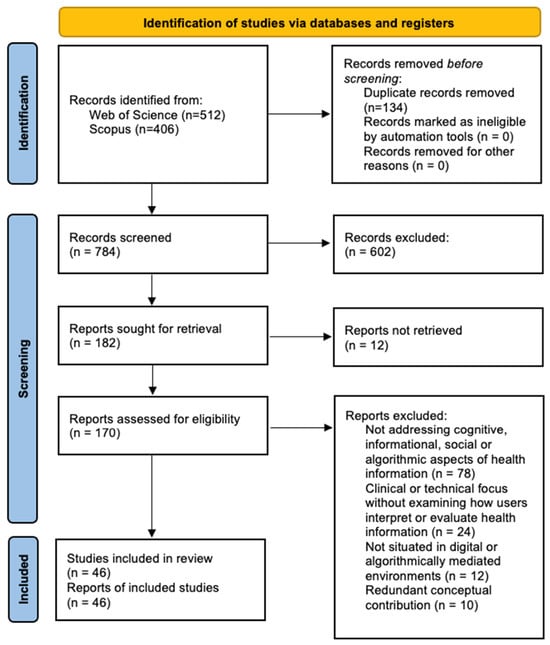
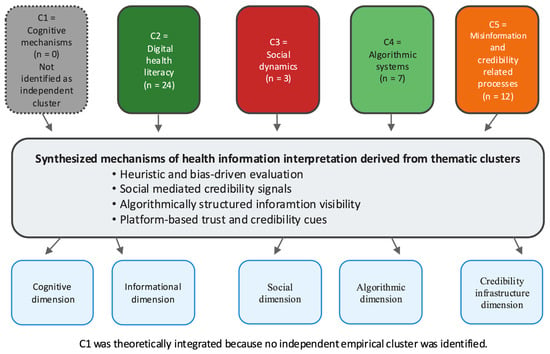
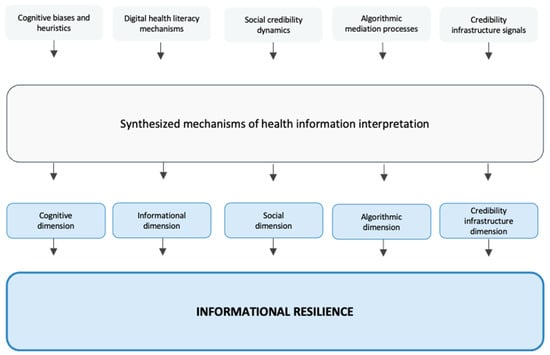
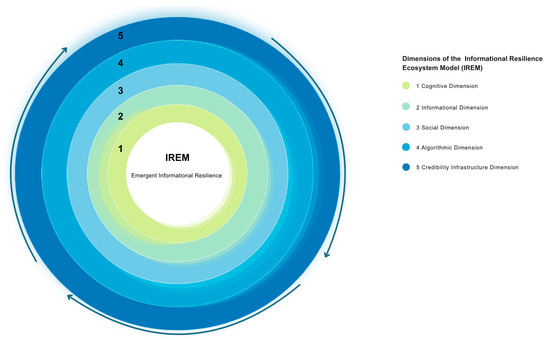
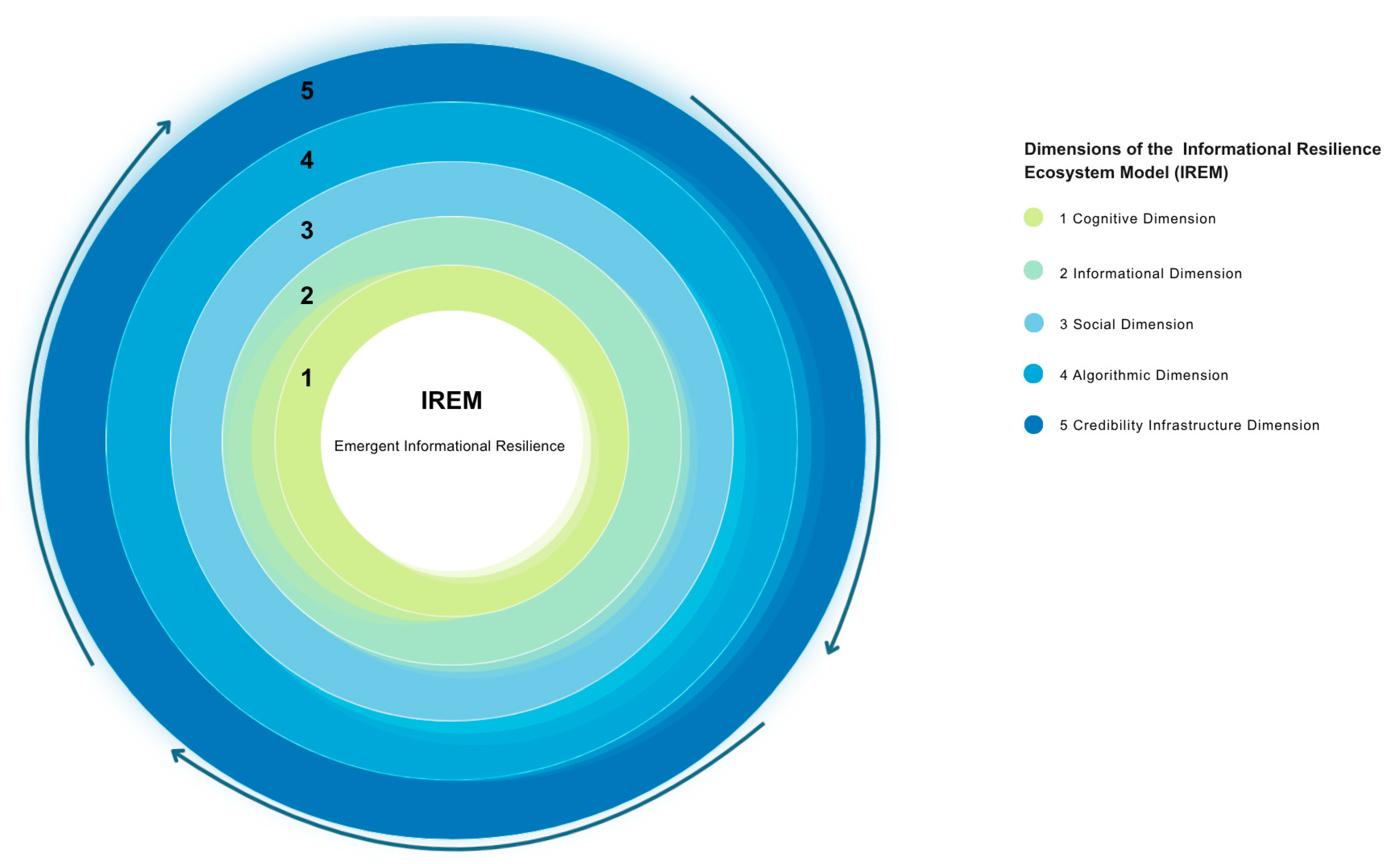

Disclaimer/Publisher’s Note: The statements, opinions and data contained in all publications are solely those of the individual author(s) and contributor(s) and not of MDPI and/or the editor(s). MDPI and/or the editor(s) disclaim responsibility for any injury to people or property resulting from any ideas, methods, instructions or products referred to in the content. |
© 2026 by the author. Licensee MDPI, Basel, Switzerland. This article is an open access article distributed under the terms and conditions of the Creative Commons Attribution (CC BY) license.