


Abstract
Smart contracts raise persistent challenges regarding compliance with traditional contract formalities, including writing, signature, notarization, and in certain transactions, registration. These issues are particularly significant in high-value and public-facing transactions such as real estate, where formalities determine legal validity, evidentiary sufficiency and publicity effects. While existing scholarly work has examined these challenges from either doctrinal or technological perspectives, limited attention has been given to how the functional roles of formalities interact with blockchain architecture, practitioner perceptions and institutional legal frameworks. This study addresses this gap through a mixed-methods approach combining doctrinal legal analysis with qualitative socio-legal research based on 27 semi-structured interviews with legal professionals including attorneys, judges, and academic scholars. The analysis is grounded in a civil law framework, with particular reference to the Jordanian legal system, while references to the European Union’s eIDAS Regulation are used illustratively to demonstrate regulatory approaches to digital authentication. The findings demonstrate that blockchain-based systems can effectively support the evidentiary and attribution functions of contractual formalities through cryptographic verification, consensus mechanisms, and automated execution. However, they do not independently satisfy formalities that perform cautionary, constitutive, protective or public order function, namely notarization and registration, which remain dependent on institutional validation and legal recognition. The analysis further shows that practitioner concerns reflect not only doctrinal constraints but also institutional roles and varying levels of technical familiarity. To address these limitations, the study proposes a function-based analytical framework for evaluating smart contract formalities and identifies two complementary pathways for legal adaptation: (i) institutional integration, including registry-linkage systems and hybrid contracts; and (ii) technological adaptation, including digital authentication frameworks and legal oracles that connect on-chain execution to off-chain legal conditions. The study concludes that smart contract formalities’ challenges arise not solely from technological limitations, but from the interaction between legal doctrine, institutional structures, and system design. It advances a functional framework for aligning automation with the evidentiary, protective, and publicity functions of contractual formalities.
1. Introduction
The emergence of smart contracts has altered how contractual obligations may be articulated and discharged [1], yet many legal systems continue to depend on formalities—writing, signatures, witnessing/notarization and, in some situations, registration—to support enforceability, proof and third-party effects [2]. These requirements may serve evidentially functions (in relation to attribution and the integrity of proof), cautionary or protective functions (to encourage deliberation and protect vulnerable parties), and channeling or standardization functions (by supplying recognizable legal forms and facilitating legal administration) [3]. In certain jurisdictions, strict compliance with formal requirements is necessary for a contract to be legally binding, and failure to comply may render the contract void [4]. Formalities may also function as public notice, making a contract’s content known to third parties [5]. In some jurisdictions, formal requirements are regarded as an aspect of public order, and failure to comply with them may render a contract unlawful or unenforceable [6]. This is particularly significant where public order requires the registration of immovable property in the Land and Survey Department to ensure the validity of sales agreements. Despite advances in blockchain technology and self-executing smart contracts, doubts remain about the relevance of formal requirements to a digital environment [7]. Smart contracts operate automatically according to predefined rules, often without the need for human intervention, but they do not fit neatly within traditional legal systems. This raises familiar but important questions: can these digital agreements be enforced in court, can they serve as legal proof, and do they satisfy conventional contract requirements [8]? Assessing the legal force these contracts should carry is therefore a critical issue, particularly where legislative adjustments may be required to ensure that automation does not compromise legal certainty.
From a technical perspective, smart contracts operate on blockchain architectures that support distributed consensus, cryptographic validation and deterministic execution environments [9]. On public blockchains such as Ethereum, consensus mechanisms like Proof of Work or Proof of Stake verify transactions and maintain an immutable ledger [10], while smart contract code is executed in virtualized environments such as the Ethereum Virtual Machine (EVM) [11]. These technical properties are directly relevant to the extent to which blockchain systems can mimic, or even supplant, traditional legal formalities. On the one hand, cryptographic signatures can support attribution and authentication, while immutability can enhance evidentiary integrity. On the other hand, in the absence of institutional validation layers, such systems struggle to fulfill formalisms that perform constitutive or public order functions.
This study examines how formality requirements operate in the context of blockchain-enabled contracting and how legal professionals evaluate the associated risks and the need for adjustment. It combines a doctrinal analysis of contract formalities with empirical insights from semi-structured interviews with Jordanian attorneys, judges, and academics. The study adopts a civil law-oriented analytical framework and uses the Jordanian legal system as its primary doctrinal basis. References to external frameworks are limited to the European Union’s eIDAS Regulation, which is used illustratively to demonstrate how digital authentication and trust services may be legally recognized. No multi-jurisdictional doctrinal analysis is intended. This study is therefore jurisdictionally grounded in the Jordanian civil law framework and does not propose a uniform jurisdiction-neutral solution; rather, it develops a function-based analytical framework whose relevance extends to other legal systems subject to their respective doctrinal and institutional conditions.
The discussion also explores cross-border aspects of decentralized contracting, focusing on the extent to which parties may choose the applicable law and how mandatory rules—especially those tied to public order—may limit that freedom. The overall objective is to identify legally credible pathways for adopting smart contract workflows without compromising legal certainty. Accordingly, the study seeks to determine which functions served by formalities are threatened with fully on-chain execution, which can be preserved through technical and institutional design, and what interventions might be required to realign smart contract practices with entrenched private-law principles.
For the purpose of this study, several key concepts require clarification. Contractual formalities are legally imposed requirements—such as writing, signature, notarization and registration—that serve evidentiary, authentication and some cases constitutive or public order functions in contract law [12]. Legal oracles are mechanisms that allow smart contracts to connect with external legal and factual information by relaying authenticated data including registry entries, certificates or legally relevant events to blockchain-based systems in order to trigger or condition automated execution [13]. Hybrid contracts combine on-chain automated performance with off-chain legal governance, thereby ensuring that elements of contractual execution remain subject to institutional oversight, legal interpretation, or corrective intervention [14]. These concepts are used throughout the paper in a functional sense, emphasizing the interaction between technological design and legal doctrine rather than rigid categorical definitions. Different legal systems attach different consequences to non-compliance: some treat formalities as constitutive validity conditions, such that non-compliance renders the contract void or legally non-existent (for example, notarization or registration requirements for immovable property transfers in many civil law jurisdictions) [6], while others treat them primarily as evidentiary requirements, where non-compliance does not affect the existence or validity of the contract but may restrict the means by which it can be proven in court [15].
Analytically, the study distinguishes four functions often served by formalities: (a) legal form/validity, where form is required for the act to exist or take effect; (b) evidentiary concerning attribution, integrity, and durable proof; (c) cautionary/protective, concerning deliberation, information, and weaker-party protection; and (d) channeling/standardization and publicity, concerning administrability and effects vis-à-vis third parties. This functional separation is used below to evaluate whether proposed technological and institutional solutions (e.g., e-signatures, digital identity, registry integration, and legal oracles) address the relevant legal purpose rather than merely replicating a technical analog.
2. Literature Review
The reviewed studies examine the effectiveness of formality requirements in contract law, including their application to smart contracts and the extent to which these digital agreements satisfy traditional legal requirements. They also address the novel legal problems created by automation in contracting, particularly with respect to enforceability, compliance, and other fundamental principles of contract law.
Formalities serve a number of important roles in contract law including fraud prevention, evidence support and legitimization. Most traditional legal systems impose certain formalities, such as written agreements, notarization, and government registration for specific categories of transactions, usually in high-value areas like real estate, corporate agreements, and consumer protection contracts [16]. Non-compliance with such formalities may result in nullification in certain jurisdictions, where they are treated as matters of public order [6]. Some scholars have argued that the legal form may be essential because certain policy agreements have to be recorded in a specific manner [17]. For example, contracts concerning immovable property may preserve validity only if they are executed as publicly recorded deeds. Scholars also note that formal requirements enhance contractual stability in contracts but may reduce flexibility in modern commercial dealings [18]. Meanwhile, ref. [19] argued that although smart contracts may provide a movable-property dimension to contract representation and operate a more flexible legal framework by dematerializing rights and movable properties, the application of this concept remains highly contentious in relation to immovable property.
With the rise in electronic contracts, many legal systems have adapted to accommodate digital formalities such as electronic signatures, cryptographic authentication, and online notarization. The United Nations Convention on the Use of Electronic Communications in International Contracts (2005) and regulations like the EU’s eIDAS Regulation (2014) have established legal recognition for electronic identification, digital authentication mechanisms and trust services for electronic transactions in the internal market [9]. However, scholars continue to highlight the tension between digital efficiency and traditional legal safeguards, particularly in sectors where strict formalities remain necessary [19]. The challenge lies in reconciling automation with the evidentiary and public policy functions of formalities.
Numerous jurisdictions require that contracts concerning immovable property to be notarized by notaries public [20]. In this context, the blockchain guarantees one important element of notarization: timestamping [21]. However, because notarization involves more than timestamping, notarial functions would still require the involvement of a notary in authorizing transactions conducted on the blockchain. This implies that the system architecture would need to integrate a third party to handle real estate deed processes. Smart contracts thus represent a significant shift in contract formation and execution through self-executing code on distributed networks. They replace traditional contracts that usually require third-party involvement by securing conditions through cryptography [7]. However, scholars have raised concerns about the absence of formal requirements in areas such as contractual intent, dispute resolution, and regulatory compliance [22]. Another complication concerns legal remedies, as once immutability takes effect, it becomes difficult to reverse an error or address unforeseen events after a smart contract has been executed [23]. Smart contracts are designed to operate autonomously once deployed and are generally difficult to alter. By contrast, contract law—particularly in civil law jurisdictions —recognises doctrines such as mistakes, misrepresentations, and rescissions for doctrines, which allow agreements to be corrected or undone where consent is flawed [24]. This highlights a deeper conflict between rigid, self-executing code and the legal system’s role in correcting or undoing agreements after the fact. The issue is therefore not merely technological but legal: is the current law prepared to manage automated contracts that eliminate many avenues of post-execution revision? This tension has been identified in the literature as a significant obstacle to aligning smart contract systems with established theories of contractual justice and remedial flexibility.
The question of whether smart contracts satisfy existing legal formalities is particularly important in jurisdictions that require standardized formats or, more critically, registration or notarization for validity. Studies show that, although blockchain may improve transparency and reduce fraud, it does not itself fulfill statutory formalities, especially in land registration, inheritance law, and public procurement [25]. A few jurisdictions, particularly Estonia and Sweden, have been experimenting with blockchain-based real estate transaction registries, while developing smart contracts under legal supervision [26]. The general enforceability of these mechanisms by the state, however, remains a subject of debate.
Another significant challenge is the jurisdictional uncertainty surrounding smart contracts. Traditional contract law relies on national legal systems for dispute resolution and enforcement, whereas smart contracts operate on decentralized networks without a fixed legal authority [27]. This raises questions about which jurisdiction’s laws apply to a given smart contract and whether parties can predefine governing law through choice-of-law clauses [28]. Scholars have proposed hybrid legal–technical solutions, such as embedding legal terms within smart contract code or using oracles to verify compliance with external legal frameworks [29]. At the same time, some argue that land registration systems themselves face inherent technical complexities and weaknesses in manual, paper-based processes, increasing the risks of fraud and deception. Proponents of blockchain technologies advocate its adoption because of features such as immutable ledgers, decentralized structure, and stronger protection against fraud and malicious attacks. Blockchain-based registries, whether private, consortium-based, or public, may also enhance transparency and cryptographic security, thereby improving the integrity of land management systems [30].
Recognizing the challenges posed by smart contracts, legal systems are increasingly assessing regulatory adaptation. The absence of traditional formality in smart contracts has given rise to several proposed solutions. One well-known solution is the hybrid contract model, in which traditional legal prose and smart contract code co-exist. This model allows a contract to remain legally enforceable while also being automated [31]. Hybrid contracts preserve legal clarity by defining obligations, liabilities, and dispute resolution mechanisms in human-readable terms, while automating predetermined terms through smart contract code. A Ricardian contract, for example, combines machine-readable and human-readable components to ensure that smart contracts comply with legal standards while remaining processable by computers [32]. At the same time, the complexity of translating smart contract logic into the legal frameworks of the particular jurisdictions makes standardization efforts necessary to align legal language with programming languages.
Controlled legal environments created through regulatory sandboxes have also emerged as a viable means of testing smart contracts. Regulatory sandboxes allow developers and businesses to deploy smart contracts in real-world settings under regulatory supervision. In this way, legal clarity may be promoted before broad adoption, while regulators evaluate risks and compliance challenges [33]. However, one recurring criticism is that sandboxes are limited in scope and may not reflect the full complexity of large-scale deployment.
Recent scholarly work has focused on regulatory sandboxes as experimental legal environments for emerging technologies. They enable innovative systems to operate under limited regulatory oversight so that regulators can monitor their legal, technical and institutional effects under real-world conditions [34]. In the context of blockchain and smart contracts, sandboxes have been proposed as a way to test whether digital processes are compatible with traditional legal requirements, including contractual formalities [35].
From a functional standpoint, sandboxes are directly relevant to the evolution of formal requirements. They enable regulators to assess whether technological mechanisms—such as cryptographic signatures, distributed ledger records and oracle-mediated verification—can perform the evidentiary, authentication and procedural functions that have traditionally been served by writing, signature, notarization and registration. Instead of assuming immediate doctrinal equivalence, sandbox environments support gradual, empirically based reconciliation of legal regimes [36].
This emerging path of scholarship suggests that smart contracts are likely to transform contractual formalities not solely through doctrinal development, but also through institutional experimentation, implying an active validation role of regulatory authorities in assessing the functional adequacy of technological systems.
Another proposed measure is to involve relevant public departments in the initiatives for contract validation through blockchain verification. This could serve as a far-reaching remedy for problems arising out of the formalities of smart contracts, especially in respect of transactions dealing with immovable property. Such initiatives could be designed to integrate blockchain-based networks with jurisdiction-specific property records in order to authenticate specific events—such as property transfer or contractual agreements—and link them to the relevant official record [37]. This integration would provide departments with verified and unalterable blockchain data, establishing the occurrence of actions or transactions linked with property. However, this approach tends to assume seamless integration between blockchain systems and property records without fully considering legal conflicts, technical limitations or data privacy concerns. It also does not sufficiently address the legislative adjustment necessary to align blockchain-based verification with existing formal contract requirements.
Legal oracles have emerged as another innovation intended to bridge the gap between smart contracts and formalized legal activity. They function as intermediaries that transmit real-world legal inputs to smart contracts. Smart contracts are deterministic by nature and cannot interpret external legal conditions on their own. Legal oracles, however, can verify whether a legal obligation has been fulfilled, record the outcome of disputed obligations or confirm compliance with statutory requirements before contract performance is permitted [38]. While this may introduce a degree of legal flexibility, it also raises concerns regarding the reliability and integrity of the oracles as well as the standardization of legal inputs across jurisdictions.
Recent technological advancements also demonstrate how decentralized governance and trust may operate within blockchain systems. For example, Ghanem et al. proposed a blockchain-based federated-learning framework, FLoBC, which replaces centralized coordination with validator-driven consensus [39]. In this model, trainers and validators act as distinct network participants, interacting within a separate blockchain infrastructure, where validators verify updates and preserve system integrity. The framework illustrates how decentralized systems can produce structured trust through a combination of cryptographic validation, consensus-based verification, and reputation scoring. While originally designed for distributed machine learning, such frameworks have direct implications for legal discourse of authentication, verification and institutionalized trust in smart contract contexts.
Finally, the use of token to represent immovable property and secure legal recognition of real estate obligations through smart contracts may still require the involvement of a notary to ensure the use of authentic forms. At the same time, the issuance of such a token may need to be restricted to specific authorities [40].
Beyond these technological adaptations, some legal scholars argue that the contract law itself should evolve to accommodate smart contracts, rather than requiring smart contracts to adjust to traditional legal frameworks. In this context, such evolution could involve recognizing programming logic as a valid mode of contractual agreement, substituting traditional signatures with hash-based signatures or decentralized identifiers (DIDs), and using blockchain mechanisms in dispute resolution [9]. The difficulty, however, lies in ensuring that courts develop new interpretations of transactions and cross-jurisdictional harmonization addresses the legal uncertainties arising from international regulatory conflicts involving smart contracts.
The literature reveals a complex interaction between smart contracts and traditional formality requirements, with ongoing debate over how best to reconcile automation with legal certainty. While blockchain technology enhances efficiency, transparency, and fraud prevention, it also challenges contract law’s evidentiary and regulatory safeguards. This study goes a step further in the academic debate by proposing a dual-path framework for aligning smart contracts with formal contract law. The first path emphasizes technological integration, for example, by embedding smart contracts in legally recognized blockchain registries and using legal oracles to ensure compliance with statutory formalities. The second path redefines formalism to include digital constructs such as cryptographic signatures, decentralized identifiers (DIDs), and blockchain-based timestamped data.
From a theoretical perspective, this study is grounded in a functional understanding of contract formalities developed in foundational legal scholarship. Instead of treating formalities as rigid legal formal requirements, this approach conceives them in terms of the legal functions they perform: evidentiary, cautionary, channeling and constitutive. This functional approach allows a more nuanced assessment of whether technological systems—like blockchain-based smart contracts—can perform the legal functions previously served by established formal requirements. This study thus situates its analysis within a broader theoretical movement in contract law away from rigid formality and towards function, while acknowledging the crucial role of legal institutions and regulatory systems in determining whether contractual mechanisms are treated as valid and effective.
In contrast to earlier research that treats legal formality as an intransigent barrier, this paper locates formality as a flexible technical–legal register able to accommodate both automation and decentralization. By synthetizing doctrinal analysis and empirical insight, it seeks to bridge regulatory gaps and offer a roadmap for jurisdictions seeking enforceability, operational integrity and technological compatibility in smart contract regulation. Key areas for further research include jurisdictional adaptability, consumer protection mechanisms, and hybrid legal–technical solutions. Future legal frameworks must balance innovation with legal certainty, to ensure that smart contracts remain aligned with fundamental principles of contract formation, enforceability, and dispute resolution.
3. Conceptual Framework
Contract law has a long tradition of requiring formal procedures to ratify, validate, and enforce agreements. Such formalities—from written or notarial documents to government registers—serve vital legal purposes, including fraud prevention, evidentiary formation, protection of weaker parties, and enforcement of governmental regulation [16]. By imposing these requirements, contract law enhances the certainty and transparency of transactions, decreases the probability of disputes arising, and facilitates verification of documents by third parties [17]. Formalities become especially important in high-value agreements and contracts involving long-term commitment. For example, real estate transactions, inheritance settlements, and corporate mergers—where clarity and enforceability are paramount—rely heavily on these formalities [16].
Different legal systems adopt varying degrees of strictness in their treatment of contract validity and public policy considerations. Under common law, contracts are generally considered valid if both parties agree to the terms and consideration is given, since freedom to contract is paramount. However, certain regulated contracts such as those involving real estate transactions, must be put in writing under statutes such as the Statute of Frauds in order to avoid fraudulent claims. By contrast, civil law systems usually treat form as a matter of public order, such that non-compliance may render a contract unenforceable or even void [41].
Indeed, the rigidity imposed by formal requirements may pose problems in the digital age, especially with increasing use of automated contracts that depart from traditional legal thought. As traditional transactions and blockchain-supported contracts find their respective roles, established contractual formalities—ink signature, physical notarization, and centralized registration—may no longer align with contemporary contracting methods. The evolution of smart contracts provides a useful example: smart contracts are self-executing agreements whose terms are written directly into lines of code and automatically go into effect via blockchain technology [42]. A smart contract enables the transfer of digital assets based on predefined conditions, rather than through human interpretation by contracting parties or enforcement by intermediaries.
The idea of smart contracts was first suggested by American cryptographer Nick Szabo in the year 1994. He observed that normally, contracts and other legal agreements follow a logical structure, similar to some extent to those used by software programmers when writing code. Szabo advanced the idea of replacing paper contracts with computer programs capable of executing agreements independently. In this model, an obligation imposed on one party would trigger a corresponding action by the other through conditional programming logic [43].
Szabo initially defined a smart contract as “A computerized transaction protocol that implements the terms of a contract”, and later as “A set of promises, specified in digital form, including protocols within which the parties perform on these promises” [44]. He proposed encoding the terms of contracts, agreements, and property rights into software, integrating them into computer programs capable of autonomously implementing and executing those terms. His iconic illustration of a smart contract was the vending machine. Once a user deposits the right amount of money and selects a product—an event which satisfies the condition—the machine automatically fulfills its implicit promise and dispenses the selected item, thus performing the contract. If the user does not deposit money or fails to select an option, the machine does not dispense a product because conditions encoded in the software have not been fulfilled [45].
Although immutability and decentralization decrease the risk of fraud and manipulation, those same characteristics create legal difficulties in determining contractual intent, grounds for dispute resolution, and statutory conformity [7]. Equally significant is the absence of physical documents or human signatures in digital contracting, which may raise doubts about evidentiary strength in law [9]. This issue has become particularly important in jurisdictions that have not yet reformed their contract laws to recognize digital authentication methods and blockchain-based records.
Formality requirements ensure compliance with applicable regulatory frameworks, including consumer protection laws, financial regulations, and property law. They also ensure compatibility with the regulatory environments in sectors where the state requires verification, particularly real estate and financial services, given the absence of formal mechanisms for registering smart contracts. For example, property transfers often must be recorded in government-maintained databases for legal recognition. However, smart contract processes take place without centralized record-keeping, potentially undermining public registries and state regulation [8]. References, for example, to institutions like the Land and Survey Department, serve to demonstrate how formalities work in a system where registration is constitutive of legal validity and should be thought of as jurisdiction specifically not universal models. This raises the question of whether blockchain-based agreements can replace traditional registration or whether hybrid frameworks are required to link digital contracts with established legal structures.
Practical applications further demonstrate the interaction of legal formalities with smart contract technology. For instance, blockchain-based property registration systems have been explored in multiple jurisdictions, wherein smart contracts facilitate the automated transfers of real estate [46]. Although such systems may improve efficiency and transparency, they also raise challenges pertaining to compliance with legal formalities such as notarization and official registration, especially in civil law jurisdictions where those formalities operate as constitutive conditions of validity [47].
Likewise, in finance applications—such as decentralized finance (DeFi) platforms used for lending, payments and asset transfers without central authorities or intermediaries—smart contracts are used to automate transactions. These applications raise challenges concerning authentication, legal enforceability and lack of institutional validation mechanisms traditionally associated with contractual formalities [48].
In supply chain contexts, smart contracts are used to automate payments or contractual obligations upon the occurrence of predetermined events such as delivery confirmation. Although these applications demonstrate the ability of smart contracts to perform evidentiary and operational roles, they also expose shortcomings relating to formal documentation, dispute resolution, and legal recognition across jurisdictions [49].
The foregoing examples show that the challenges identified are real and practical, arising in specific transaction settings. They also highlight the legal purposes served by contractual formalities, and the need for technological systems to support, rather than bypass, those functions.
From a technical perspective, recent architecture such as FLoBC illustrates that blockchain systems can embed governance mechanisms that correlate with certain institutional functions traditionally associated with legal formalities. FLoBC utilizes voter-based mechanisms and reputation scoring to determine the validity, while validator nodes carry out verification and consensus functions. In this sense, it reflects a functional analog to authentication and evidentiary validation in contract law [39]. Nonetheless, despite these advances, such mechanisms remain internally defined within the network and lack the external legal force necessary to fulfill formalities requiring state recognition, such as notarization or registration with constitutive effect.
Contract law should remain flexible enough to accommodate emerging technologies such as automation, decentralization, and digital authentication, while still preserving the safeguards embodied in formal requirements. Although many jurisdictions have enacted laws recognizing electronic signatures and digital notarization, many legal systems still do not adequately recognize blockchain-based agreements in transactions that traditionally require formal documentation, such as land transfers, wills, and high-value commercial contracts [50]. The continued requirement of official registration in public legal databases remains an additional obstacle, since many legal systems do not yet accept blockchain-based transactions as satisfactory alternatives to traditional registration systems [8].
Apart from issues of form and authentication, smart contracts also raise concerns regarding jurisdictional validity due to the lack of an unequivocal legal framework. Traditional contracts operate under national legal systems that ensure compliance with statutory formalities through judicial oversight and enforcement mechanisms. Smart contracts, by contrast, operate on decentralized blockchain networks that are not necessarily subjected to uniform regulatory control and may or may not comply with the authority of domestic or international legal standards [27]. This concern becomes particularly significant where contracts call for governmental monitoring or compliance, because many smart contracts circumvent traditional legal mechanisms, thereby increasing uncertainty as to their legal standing [8]. Moreover, in many jurisdictions, cryptographic signatures or blockchain-based registries have not yet been fully recognized as legally equivalent to notarized agreements or government-verified documents [30].
To explain the legal implications of automation, this study adopts a functional approach that differentiates among the types of contractual formalities and the legal functions they perform. This functional separation is necessary to avoid the confusing evidentiary sufficiency with constitutive validity or public order as requirement. For analytical clarity, contractual formalities are examined through four interrelated functions:
- Writing requirements: These primarily serve evidentiary and channeling functions by creating a permanent and reviewable record of the parties’ consent, ensuring that the existence and content of the contract can be proven in case of dispute [51]. Blockchain-based records, cryptographic hashed and timestamps may partially fulfill these functions by supporting integrity and time certainty. Nevertheless, where the law demands writing as a condition of validity, code-based evidence alone falls short of statutory recognition [52].
- Signature requirements: These serve attribution and consent-verification functions. When legally recognized, digital signatures and secure keys may perform this role for authentication purposes, but in most jurisdictions, they are not yet fully equivalent to traditional handwritten signatures or qualified electronic signature [53].
- Notarization and witnessing requirements: Notaries public and witnesses serve cautionary, protection and legality screening functions; such functions serve to ensure that parties act with deliberation, understand the legal consequences of their actions, and are protected against fraud. These functions are primarily non-technical, requiring human input, legal opinion and validation of capacity and legality. Although technological tools may assist documentation and audit trails, full automation of notarization risk undermining these protective functions [54]. This functional distinction is further elaborated within the Discussion, which demonstrates how legal oracles present only a limited procedural realization of the cautionary function via formal verification processes, while still being reliant on institutional oversight for substantive legal processes.
- Registration and publicity requirements: These serve public order or opposability functions and in the case of real property, publicize legal rights, and particularly in civil law jurisdictions, certain formalities operate as conditions of validity rather than merely evidentiary requirements [55]. These functions are closely linked to public order and the role of the state in validating legal acts. Although blockchain registries emulate some aspects of publicity and immutability, they cannot replace state-sponsored registers that give registration constitutive legal effect [56].
Taken together, this functional mapping supports the core proposition of this study: smart contracts can effectively automate performance and evidentiary functions but cannot, without institutional integration and legal reform, replace formalities that perform cautionary, constitutive, protective, or public order functions.
The following Figure 1 visually represents the functional mapping of contractual formalities in smart contract contexts developed in this section. Rather than adopting legal form as a uniform standard, the figure shows that different formalities perform different juridical functions—evidentiary, attributional, cautionary, and constitutive—and that these functions determine where and to what extent technologies may provide functional support. Accordingly, the figure supports the central argument of this study: legally compliant automation depends on institutional integration and regulatory rather than simple technological substitution.
Figure 1.
Functional mapping of contract formalities in smart contract contexts.
The ability of blockchain systems to support contractual formalities is closely linked to their underlying technical architecture [57]. Three features are particularly relevant. First, consensus mechanisms provide a decentralized yet synchronized method of validating and recording transactions, thereby strengthening evidentiary reliability but not legal authority [10]. Second, execution environments, such as the Ethereum Virtual Machine, enforce deterministic contractual performance; that is, once predefined conditions are met, contractual obligations are executed automatically. Although this enhances certainty of performance, it reduces flexibility and limits the possibility of ex-post legal intervention [58]. Third, oracle systems provide a link between on-chain execution and off-chain legal or factual states [59]. Yet, this gives rise to the so-called “oracle problem” which underscores that external inputs still require trust intermediaries, thereby reintroducing centralized elements reminiscent of classical legal institutions [60].
These technical limitations demonstrate that, although blockchain systems may simulate certain evidentiary and attributional features of formalities, they cannot provide institutions services such as notarization, legality validation or registration with constitutive effect.
It is notable that oracle systems act as middleware that allow smart contracts to communicate with external data sources [61]. In technical terms, oracles retrieve external events or verifications—such as registry records or confirmed identities—and feed them into the blockchain so that they can trigger or condition certain particular forms of smart contract execution [16]. This process often includes authenticated data feeds, cryptographic verification and predefined execution embedded in the smart contract code [62].
The use of oracle systems, however, gives rise to the “oracle problem” [63]. Although blockchains themselves are designed to operate in a trust-minimized environment, oracles rely on external data providers whose reliability must either be assumed or institutionally trusted [64]. Thus, oracle-dependent mechanisms reintroduce elements of trust and potential centralization, as the validity of contract execution depends on the integrity and precision of inputs sourced from outside the blockchain itself [65].
4. Materials and Methods
This study adopted a mixed-methods legal research design that was borrowed from doctrinal legal analysis and qualitative socio-legal evidence. Rather than a sequential approach, the study employs a convergent and triangulated design, in which doctrinal analysis and empirical findings are developed in parallel and interpreted in relation to one another. The doctrinal discussion considers the reasoning and purposes behind contract formalities (writing, signature/authentication, notarization/witnessing, registration/publicity) and how they are disrupted or reconfigured in blockchain-based contracting. The qualitative component consists of semi-structured interviews with 27 legal professionals (attorneys, judges, and academic scholars) to capture practitioner-facing perceptions of enforceability, evidentiary risk, and feasible reform options. The rationale for this sampling strategy is interpretive and not representative, as it focuses more on professional expertise than jurisdictional overrepresentation. Therefore, the qualitative data of this study reflects perception-based assessments as opposed to litigated legal results. This being the case, responses from participants may have reflected their professional role(s), institutional responsibilities, and differing levels of familiarity with blockchain technology. The types of practitioners involved in dispute resolution or legal advisory functions may, for example, differ in the degree to which they value formal safeguards and legal certainty as opposed to what technical literacy levels participants possess which shape how various parties perceive capabilities and constraints of smart contract systems.
In order to address these potential sources of bias, the study employs a triangulated analytic approach that draws upon participant perspectives while relating findings to doctrinal legal analysis and corresponding technical literature. This allows for a critical assessment of whether any stated concern has roots in established legal limitations, or, rather, results from institutional positioning or interpretive assumptions. As a result, the findings should be viewed as those of analytically grounded insights into professional perceptions, not conclusive statements of legal validity.
Integration was performed by (i) using doctrinal categories of formalities/functions to structure the interview guide and coding framework, and (ii) using interview themes to refine and prioritize doctrinal problem statements and reform proposals. This holistic approach further strengthens research endeavors by theory and empirical validation to yield nuanced insights on effective theoretical barriers to enforceability, adaptability, and compliance with statutory requirements. Thus, integrated with those expert points of view, studies related to the existing body of literature will render a good assessment of the major gaps, challenges, and regulatory adaptations needed to bring smart contracts into line with established contractual principles.
4.1. Sampling Strategy and Question Design
The interviews were designed to provide insights into the challenges created by formality requirements in smart contracts and were purposefully sampled. Non-probabilistic sampling was opted for in discerning practitioners who have specialized knowledge and experience in contract law and smart contract regulation; however, such specialization is in line with the subject of the study. Purposeful sampling is quite effective in specialized areas of law, such as smart contracts, where a level of expertise is required to determine compliance with traditional formality requirements, and that legal adaptation may be necessary for enforcement [66].
Most of the participants are trained and practice under civil law jurisdictions, particularly in Jordan—but they bring some comparative or international experience. However, the insights gained reflect doctrinal arguments and practical concerns that are engrained primarily in civil law systems. Consistent with the composition of the participant sample, the doctrinal analysis is anchored in the Jordanian civil law framework. The study does not adopt a comparative multi-jurisdictional approach; instead, it incorporates limited reference to the European Union’s eIDAS framework as an illustrative model for legally recognized digital authentication mechanisms.
The study established specific eligibility requirements for judges, practicing attorneys, and university professors to ensure a wide and knowledgeable range of perspectives. Attorneys were identified in cooperation with legal groups, law firms, and bar associations in Jordan and they had to hold a valid license in Jordan and show proven expertise in contract law and electronic transactions. The judges were selected by contacting representatives in the Jordanian judiciary and the legal community, with preference given to those who had experience with the contract law and electronic transactions, and they were required to have experience handling contract disputes, especially those involving digital issues or new contractual forms. Academics were identified from universities in Jordan in relevant legal areas in cooperation with Jordanian academic institutions, prioritizing those with research expertise in smart contracts, and they were included if their teaching and research centered on contract law and electronic transactions.
In order to capture the widest variety of participant perspectives, maximum variation sampling was employed along with purposive sampling, such that participants with varying levels of key variables (e.g., experience level, type of legal work) were selected to ensure the representation of different subgroups of legal professionals in the Jordanian context with substantial knowledge in contract law and smart contracts. Within each subgroup, efforts were made to capture variation—for example, junior, mid-career, and senior attorneys; judges from the Court of First Instance, Court of Appeal, and Court of Cassation; and assistant, associate, and full professors among legal scholars.
With the intention of accruing diverse opinions from legal practitioners, snowball sampling was also employed to facilitate participant recruitment. Consequently, the study accessed legal practitioners, judges, and academics to ensure diversity on insights regarding the legal and practical challenges posed by formality requirements in smart contracts. Snowball sampling is a widely employed method in qualitative research due to reliance upon some kind of referral system within professional networks to identify individuals with thorough expertise and specialized knowledge [67]. That was efficient in this case given the peculiar nature of smart contract regulation, wherein direct access to pertinent knowledgeable persons is often limited using conventional methods. Snowball sampling also provided flexibility to adapt recruitment procedures based on the observed engagement and availability of participants, leading to a more comprehensive analysis of the different legal, technological, and regulatory facets of formality requirements in smart contracts [68].
All purposive sample participants were contacted by written communication or telephone invitation, which was accompanied by a covering letter outlining researcher background and study aims, time required for interview, and ethical considerations. Participants were assured of confidentiality, informed that their responses would remain anonymous, and given the right to decline participation without consequences. Clarifying questions were posed to promote ethical compliance and conforming to the established research procedures on an informed consent basis by ensuring subjects’ understanding of the respective research.
The sample was expanded through participant referrals to capture a range of perspectives on how formalities operate in smart contract settings. The initial invitations were extended to attorneys, judges, and professors. Thereafter, the invitation was extended to other recommended professionals who are qualified to contribute. Recruitment proceeded iteratively until thematic saturation was reached at interview 24 (i.e., no substantively new codes/themes emerged), after which three additional interviews were completed to confirm stability, yielding 27 interviews in total. The small sample size was not, of course, a limitation in going out broadly; however, it was large enough to explore extensively the legal limitations and regulatory hurdles pertaining to smart contract formalities. The iterative recruitment continued until no new insights emerged, thus abiding to maximum data saturation [69]. On the other hand, with semi-structured and open-ended questions, the respondents provided answers in detail, thus giving clearer insight into how they perceive things [70]. In this way, the complexity of the regulatory landscape may be unraveled, while simultaneously enabling interviewers to wander into follow-up questions in a natural manner, thereby establishing an informal flow of conversation which is beneficial for an in-depth discussion [71].
While thematic saturation was achieved, the sample is not designed to reflect a statistically or geographically representative distribution of legal systems. Rather, it reflects a purposive selection of legal profiles or professionals with relevant expertise. Hence, the results should be considered as commendations within civil-oriented law systems, rather than a generalized conclusion.
4.2. Interview Process
Interview protocols were developed with reference to socio-legal research standards and are grounded in the literature on contract formalities and smart contracts. Open-ended core questions were accompanied by probes designed to gain views on (1) the recognition of smart contract formality; (2) legal and technological challenges standing in the way of enforceability; and (3) potential regulatory integration solutions. Key constructs—such as “legal recognition,” “technological adaptation,” and “public order compliance”—were operationalized as thematic codes.
The interview questions were meticulously designed following a comprehensive review of the literature to align closely with the research questions and objectives. This review drew on academic and professional literature to frame questions that investigate legal challenges, possible solutions, the development of contract theory, and the establishment of an appropriate legal framework. The questions were carefully crafted to gather diverse expert perspectives, allowing for a comprehensive examination of how legal practitioners interpret and handle both the theoretical and practical aspects of integrating smart contracts into Jordan’s legal framework.
To make the interview more comfortable and induce attentiveness, the interviewees set their preferred location and time: with 16 choosing their own offices, 6 the researcher’s office, and 5 neutral places such as libraries, homes, or cafes. This flexibility allowed prolonged engagement with the various participant types. Before the interview, a general consent form was provided for the participants. It covers things like voluntary participation and having the right to refrain from answering any questions that may be uncomfortable to them. Then the interviews began with demographic questions so as to collect information on job roles, work experience, gender, and professional categories to provide relevant context to the participants’ answers. Probes were then used to elicit more in-depth perspectives concerning challenges in regard to formality requirements for smart contracts and respective solutions. Participants were given the opportunity to add any comments or ask any questions at the end of the interview; then, the researcher thanked them for their input.
The researcher recorded all interviews digitally and transcribed them verbatim into Microsoft Word, thus ensuring their reliability and accuracy. Once transcribed, the texts were cross-checked with the original recordings for verification. The transcripts were evaluated by an independent expert for reliability. The identification of participants was done using anonymous identifiers (pseudonyms or unique IDs) (P1–P27) to protect their confidentiality. The method ensured data integrity and enabled pattern, theme, and insight identification for analysis.
4.3. Data Analysis
Qualitative research requires data analysis for an interpretation of complex datasets [72]. The study used thematic analysis for analyzing interviews with legal practitioners, thus enabling the identification and classification of themes covering the core issues in the formalities of smart contracts [73]. As proposed by Castany, the major attraction of thematic analysis lays in its flexibility and depth; it allowed information to be arranged systematically while exposing certain patterns and insights [74]. The process involved collecting data, coding, identifying themes, and refinement [75]. Inductive reasoning developed new themes that would enable better understanding of the problems of law regarding smart contract formalities [76].
Data familiarization, coding, identification and refinement of themes using emerging patterns were the steps involved in the thematic analysis. Themes have been allowed to emerge from the data—hence, by using an inductive approach—in regard to the legal considerations and the solutions to enhance the flexibility of smart contracts. In order to ensure confidentiality, interview data were stored securely, and qualitative research software NVivo 14 was used for coding, pattern identification, and data visualization [77]. NVivo 14 helped the analysis achieve a greater degree of precision and organization, thus rendering the whole procedure more systematic and insightful.
A new NVivo project was created; then, all interview transcripts were subsequently imported into NVivo with tracking numbers assigned to each for identification and interpretation in conjunction with the demographic data to identify the themes across participant groups, allowing a more organized coding for identifying patterns, themes, and relationships that would finally make meaning. The structured approach had to be used to ensure the analysis was rigorous in that it allowed comparisons of cases and coding in a systematic manner. Afterwards, each of the legal expert groups provided some insight into the challenges created by the formality requirements in relation to smart contracts. Using a systematic approach and thematic analysis, the study demarcated crucial legal reforms required to improve regulations. In considering separate perspectives for each participant category, the method successfully captured a diversity of opinions and highlighted commonalities and differences between the groups. This enhanced the study’s credibility, enabled some conclusions to be drawn, and led to specific legal policy recommendations that facilitate the understanding of issues around the regulation of smart contracts.
The study adopts an interpretive qualitative design and does not incorporate quantitative validation, meaning the findings are not statistically generalized. Instead, they feed an analytically grounded space outside strict legal provisions as to how the representatives of the profession view the relationship between smart contracts and formal requirements in a civil law framework. Triangulation in combining doctrinal and qualitative analysis, and relevant technological considerations, enhances the robustness and credibility of the findings. Future research could address these limitations by incorporating quantitative methods, examining relevant case law, and conducting comparative studies across multiple legal systems to deepen understanding of smart contract formalities.
5. Result
The empirical findings are interpreted in relation to the functional framework introduced in the conceptual section. In particular, the study analyses participant perspectives in terms of whether smart contract systems are perceived to facilitate or undermine these evidentiary, attributional, cautionary and constitutive functions of formalities associated with contracts. This allows for a systematic mapping of the degree to which technological functionalities support the legal functions underlying formal requirements.
Through thematic analysis of interviews with attorneys, judges and academics, three significant themes emerged, which include: (1) legal recognition and challenges of formality in smart contracts; (2) public order and jurisdiction challenges in formality requirements; and (3) technological and legal solutions to address formality challenges in smart contracts.
The thematic coding framework offers a more structured and insightful approach for analyzing and interpreting data that relates to formality requirements within the scope of smart contracts. At the same time, it should also be clarified that the themes discussed below are descriptive of patterns in participant perspectives rather than authoritative statements of legal validity.
Given that respondents have different vocational experiences and varying degrees of technical fluency about blockchain systems, their responses are understood as context-sensitive interpretations of legal risk, enforceability, and the feasibility of reform. The analysis thus does not treat participant perspectives as authoritative conclusions, considering them instead in light of doctrinal principles and technological realities. In the meantime, the subsequent analysis synthesizes the multiple perspectives within each category, identifies common patterns as well as differences between and within the categories, and engages in a critical reflection on the legal issues arising from the interview data on the complexities involved in applying traditional formal requirements to smart contracts. This analysis integrates participants’ insights to present a thorough understanding of formality requirements in smart contracts.
5.1. Legal Recognition and Challenges of Formality in Smart Contracts
Participants expressed concern that smart contracts may fail to satisfy mandatory legal formalities and may not fulfill all formal requirements in their creation, including a signature, legal assurance (notarization) and official registration. These procedures have imperatives to set the authentic, legal certainty and enforceable terms of the contract.
These concerns are mainly implicated in the evidentiary and attributional functions of formalities—particularly regarding proof, documentary evidence and identity verification. Respondents were evidently stressed about the need for these formalities for the safeguard of the interests of contracting parties, especially in high-stake cases such as in the case of property contracts. Signatures and notarizations show that parties have consented to the contract and are also countermeasures against cases of fraud. The absence of these requirements in smart contracts raises doubt upon the bona fide validity of such an agreement in instances of disputes.
The worry was voiced by participants P1, P3, P4 and P6 who maintain that traditional contracts hinge upon handwritten signatures and their notarization to ascertain who the signatories are and what their intention is. Smart contracts, on the other hand, operate by way of programs executed by the blockchain. The absence of these core rudiments of the contract form raises relevant questions as to their legal validity. For example, concerns regarding high-value transactions like those associated with real estate have been raised by the participants.e.g the participants brought out that high-value transactions carry risks in some contexts that formal registration serves to prevent. Nonetheless, these perspectives should be interpreted in relation to the participants’ professional orientation and institutional context. Legal professionals —whose occupations are intimately linked to the resolution of disputes and assessment of proofs—might pay particular attention to formal protections, as they are responsible for maintaining legal certainty and minimizing the risk of litigation. As such, the insistence on traditional mechanisms like handwritten signatures and notarization (as noted by P1, P3, P4 and P6) may not only be indicative of doctrinal requirements but a risk-averse professional disposition shaped by institutional practice.
Similarly, P10 and P11 specifically noted that any transaction associated with movable and immovable property requires evidence in writing; however, without that documentary evidence, it becomes very complex to resolve those disputes, and this puts a lot of question into the legal security of those transactions. The participants realized that the lack of documentary evidence in blockchain-based transactions indicates a perceived evidentiary limitation. These types of concerns fit within traditional evidential paradigms; they may equally express lesser familiarity with the technical attributes of blockchain systems including, but not limited to, immutable timestamping and cryptographic verification that can replicate certain evidential functions, even if, on occasion, it lacks any legal recognition. That means some of the perceived shortcomings result not from technological inability but rather from a lack of formal legal recognition that technologically available mechanisms exist.
In addition, this concern reflects P18, P19, and P21’s viewpoint about countries where formalism is regarded as an element necessary for a property contract, as these traditional formalities, absent in smart contracts, may indicate their legal vulnerability and enforceability in jurisdictions where formality is an essential constituent of contract validity. This perspective highlights the indispensability of formalities in property transactions, also mirroring doctrinal positions prevalent in civil law systems in which formal requirements act as constitutive validity conditions. Meanwhile, this focus can also come to be influenced by institutional expectations in relation to the importance of maintaining public order and ensuring legal oversight, which keep reinforcing existent legal regimes rather than critically revising them through new technological developments.
In addition, other participants (P23, P25, P26) emphasized that existing legal systems were often based on some kind of physical documentation for proving the chronology of events and the terms of a contract. However, smart contracts operate automatically, without conventionalized records, making them highly complex in terms of evidence during judicial proceedings. In addition, blockchain transactions have an irreversible quality in which errors or fraudulent input become highly difficult to amend once the contract has been executed. Concerns regarding the absence of conventional records and the irreversibility of blockchain transactions similarly reflect a cautious interpretation of technological risk. While immutability does create challenges in terms of the possibility of undoing mistakes and while such concerns can be a bit reductive, new technical solutions—whether they are stacked governance mechanisms or hybrid constitutional constructs—indicate that different degrees of technical literacy matter significantly both in how those risks can be articulated but also in how they materialize.
Some jurisdictions have made equal changes to their norms from what they used to hold about procedures of contract formalities. Some countries have chosen to enact legislation that allows electronic signatures and the recording of transactions on a blockchain, while others still require paper documents or that contracts are strictly construed. In this regard, P27 claimed that harmonization of such legal approaches would be critical in facilitating transnational transactions with the use of smart contracts.
The following table identifies the empirical findings of legal recognition and formality challenges.
The analysis reflected the general agreement by legal professionals on the need for reform of the existing legislation to address the identified challenges. Participants suggested that approaches be made to allow smart contracts to take on board some of their special characteristics while still serving some of the protective functions of traditional formality requirements. Some of these amendments could even create some legal provisions that expressly lay out the circumstances under which blockchain-based contracts, especially property transactions, may be recognized as valid and enforceable.
Despite the consistent identification of these concerns, they should not be viewed as empirical evidence that smart contracts are incompatible with legal formalities; rather, simply that risks exist which must and can be addressed to allow for full integration. Instead, they are rooted in a combination of doctrinal limitations, institutional inertia and diversity of knowledge regarding technological functionalities that need to be interrogated along with doctrinal and technical critique.
In essence, the insights derived from the interviews mean that the new paradigm of smart contracts needs to be reconciled with the equal methods of protection found within established legal formalities; that is, the reforms required will provide better guidelines for the use of digital signatures and blockchain-based records with a view of having contracts exhibiting high reliability and enforceability in a dynamic digital economy. The subsequent figure illustrates core issues concerning the recognition and enforceability of smart contracts in a traditional setting, based upon formality requirements identified by legal professionals (see Figure 2).
Figure 2.
Legal recognition and formality challenges in smart contracts.
5.2. Public Order and Jurisdictional Challenges in Formality Requirements
The intersection of principles of public order and jurisdiction challenges with respect to smart contracts is not a very simple one. The findings further reveal that legal professionals identify significant challenges arising from the interaction between smart contracts and principles of public order, as these decentralized technologies move beyond the traditional constraint of national borders. As a result, the inherently global nature of blockchain technology complicates the whole applicability of domestic laws regarding the formalities of validity and enforcement for contracts.
Legal professionals expressed various views on the conflicts arising out of smart contracts and traditional legal formalities. As put forth by participants P3, P5 and P7, this decentralized nature of smart contracts comes into clash with the legal requirement for centralized registration and government oversight, which constitute fundamental requirements for public order. These verification methods such as notarization and official registration are meant for authenticating parties and avoiding fraudulent activities in the traditional contracts. Smart contracts, on the contrary, operate independently on blockchain platforms without any intermediary. Thus, there arises a conflict in compatibility between these formal requirements and the automated aspects provided by smart contracts. These concerns—articulated by participants—are highly congruent with civil law traditions in which public order is grounded in institutional control and formal validation mechanisms including the constitutive and public order functions of formalities, where compliance is treated as a condition of legal validity rather than merely evidentiary sufficiency. However, such perspectives may also be consistent with professional incentives to maintain regulatory frameworks that afford legal certainty and administrative control in areas of law like property law.
In this context, P22 and P26 have argued that any form of manual intervention in the relationship between two contracting parties, such as requiring physical registration, is contrary to the autonomy and self-executing nature of any smart contract. They warned that such requirements would stop the adoption of smart contracts by forcing them into obsolete regulatory schemes, thereby impairing their effectiveness and hampering technological advancement. From the viewpoint of these participants, the legal system could be altered such that blockchain-based records would be considered valid, perhaps by the establishment of digital registries and legally recognized electronic signatures. This divergence underscores that participant views are not homogenous but rather mirror areas of difference between professional outlook and willingness to adapt to technological and regulatory changes; therefore, participants expressing such views may be more comfortable or familiar with blockchain-based systems.
Conversely, regarding the matter of state regulation, participants P11, P14, P16, and P17 highlighted the necessity of proper and strong regulation to prevent fraud, especially in cases where large sums of money, such as real estate, are involved, in which formal documentation serves as a defense against false claims and ownership disputes. These participants were wary that the absence of centralized verification machinery in dealing with smart contracts may lead to the undermining of public order, thus eroding their trust in the technology. These concerns can at best be interpreted as a preference for a centralized means of verification and they do not seem to account for the potential decentralization that gives rise to alternative forms of trust that combine cryptographic validation and consensus mechanisms.
The following table identifies the empirical findings of public order and jurisdictional challenges.
It has been noticed that the apparent tension between decentralization and public order needs to be understood in a non-technically delineated way. Rather, it is an interaction between technical design and invisible structures of legal-institutional order translated through the professional roles and experiences of the practitioners engaged in that practice. Therefore, the analysis favors a balanced regulatory approach which addresses the innovative aspects of smart contracts against the necessary legal aspect of public order. This would lead to the safe and efficient use of smart contracts under existing legal frameworks, appropriating the innovations to fundamental principles of law. The following figure displays challenges presented by blockchain as a decentralized technology in contrast to traditional legal systems, which are generally based on public order and jurisdiction (Figure 3).
Figure 3.
Jurisdictional and public order barriers to smart contract adoption.
5.3. Technological and Legal Solutions to Address Formality Challenges in Smart Contracts
The expanding acceptance of smart contracts increasingly engenders legal complications that touch upon traditional formality requirements for the validity of contracts. A thematic analysis of the interviews with legal practitioners elucidated various technological and legal pathways attempting to resolve these issues. P2, P4, P5, and P10 proposed the integration of blockchain platforms with state registries to ease relevant legal formalities. Under such integration, property transactions would stand recorded in legal documents automatically, thereby granting acknowledgment to smart contracts without affecting their efficient performance. Under this integration with state databases, property transfers and other major events in contract life would now be in correspondence with automatic recordings that can be verified and could provide a tamper-proof trail of execution of the contract. These proposals indicate a preference for integrating blockchain systems into existing institutional frameworks, thus reconciling the technological processes with legally recognized structures. While such suggestions are doctrinally consistent, their implicit acceptance of adaptation suggests a relatively conservative orientation toward how technology is treated within the law and whether work should broadly focus on adapting technology to existing legal (or other) systems rather than through functional equivalence through decentralized mechanisms.
In a similar sense, participants P9, P12, and P20 posited that an increase in government integration would serve to automatically notify public authorities in real time whenever there is a need for formal registration. In this way, there would be less hassle in terms of registration, diminishing the administrative burden while also reducing the scope of fraud or human error. This transmission of transaction information to the government database will yield accountability, transparency, and regulation benefits.
Participants P1, P8, and P13 are viewed to favor adopting advanced digital methods of authentication like electronic signature, blockchain-based notarization, and digital identity verification. These will be useful mechanisms for verifying the identities of counterparties in the contract, as well as authenticating the terms therein. More particularly, electronic signature is a recognized proof of consent in law, whereas blockchain notary services abide by an immutable record for the execution of the contract, thereby ensuring integrity and enforceability of the digital agreement. Support for these recommendations was provided by P10 and P15, both of whom stressed that these modes of authentication were capable of providing the legal assurance for contract enforcement yet leaving intact the efficiency and independence of smart contracts. The permanence of the blockchain record becomes a convenient platform on which to base the resolution of disputes and verification of contract details, all but eliminating the need for paper documentation. This support of digital authentication tools demonstrates an acknowledgement that there are alternative technical means to accomplish certain formalistic ends. Such tools need to be substitutes—not supplements—for traditional formalities.
These proposed solutions reflect attempts to approximate different formal functions, particularly evidentiary and attributional roles, while only partially addressing cautionary and constitutive requirements.
A number of participants emphasized the importance of linking legal oracles to bridge digital contract automation with legal validity (P2, P5, P12, P22). They argued that the additional credibility provided to smart contracts by all real-time verification of contractual obligations and regulatory requirements will help in developing trust and hence far-reaching acceptance of blockchain technology in legal transactions. This solution was stressed in particular by those participants who see it as a way to keep the legal perspective but to maintain the efficiency and automation that smart contracts provide. The endorsement of legal oracles reflects a more technological view that argues for reconciling on-chain execution to off-chain legal conditions. Participants with a view of such suggestions have greater exposure to the concept of blockchain where they adopted a more integrative and adaptive approach. This reflects a high degree of technical literacy, enabling participants to effectively navigate complex legal interpretation with digital domains.
The glaring need for legislative reform came out again and again in the interviews. According to P19 and P22, definitions of signature, document, and registry need to be updated to include their digital counterparts. Certainly, they submit that appointing blockchain verification mechanisms as acceptable substitutes for traditional formalities will allow for smart contracts to be absorbed into existing legal frameworks without losing core contract law principles. In addition, P11 and P23 have made a further recommendation for new laws that would recognize smart contracts as such, including in situations where formal registration was generally required. This would serve to clarify the legal status of blockchain transactions, lessen the gray areas surrounding their enforceability, and thus engender a favorable climate for their use in commercial transactions. Finally, participants P24 and P27 recommended adopting regulatory frameworks akin to the European Union’s eIDAS Regulation, which establishes standards for the interoperability, security, and legal validity of electronic transactions.
The following table identifies the empirical findings of technological and legal solutions.
The proposed legislative reforms, despite being diverse, were supported by participants. This reflects consensus on legal adaptation. The primary debate lies in whether to fit smart contracts into current laws or to evolve legal doctrines to meet the unique demands of blockchain technology. Overall, the proposed solutions reflect not only doctrinal considerations but also differences in professional orientation, institutional expectations, and levels of technological familiarity.
Taken together, these findings provide evidence that the perceived limitations of smart contracts are not uniform but rather depend on the precise legal function of formalities in view. Although blockchain-based systems can adequately satisfy evidentiary and attributional functions, they are fundamentally incapable of providing cautionary and constitutive roles without institutional integration and legal recognition. This functional differentiation underlies the analysis explored in the Section 4.
The findings underscore the importance of a proactive legislative approach that balances technological innovation with established legal principles. By embracing digital authentication methods, integrating blockchain with state registries, and enacting supportive legislation, the legal systems can effectively address the challenges posed by smart contracts while fostering a secure and efficient digital contracting environment. The subsequent figure depicts some primary objectives for the technology and legal solutions proposed by legal professionals to overcome the problems originating from formal requirements under traditional formality requirements of smart contracts (see Figure 4).
Figure 4.
Technological and legal solutions to smart contract formality challenges.
6. Discussion
This study examined the compatibility of smart contracts with traditional contract formality requirements through a combined doctrinal and qualitative analysis. Importantly, the empirical findings presented in this study are not addressed as authoritative declarations of legal reality; rather, they represent professionally situated perceptions of legal risk and enforceability shaped by institutional roles, doctrinal expectations, and respondents’ technical knowledge. The study demonstrated that while blockchain-based automation can effectively support evidentiary integrity and contractual performance, it cannot independently satisfy formalities that perform constitutive, protective, or public order functions. In this respect, the notion of public order to which reference is made in this study refers specifically to the civil law tradition, where formal conditions—in particular, for immovable property—are often considered mandatory conditions of validity instead of just evidential safeguards. The doctrinal backdrop indicates why participants focused on the risks of bypassing formalities in smart contract settings. As an aside, it is acknowledged that formal criteria may play a more or lesser role in different legal systems.
These results can be better understood in light of well-established legal theories of contractual formalities, and in particular, the functional approach developed in contract law scholarship. Viewing formal requirements from this perspective, they are not mere formal constraints but mechanisms that serve discrete legal functions such as evidentiary reliability, authentication of consent, protection of parties, and the generation of legal effects with respect to third parties. The findings of this paper support this theoretical framework, by showing that blockchain-based systems can substitute some evidential and attributional functions performed by formalities but fail to do the same with respect to functions dependent on institutional authority—such as notarization and registration. This is consistent with the perspective that formalities have legal meaning not only at a technical level but also in their institutional and doctrinal context. Hence, the problems that smart contracts present should not be understood as failures of technology but rather misalignments between technological design and the underlying purposes which formality serves in law.
The discussion reveals three accentuated areas: legal recognition and the challenges raised by formality requirements in smart contracts; public order and jurisdictional issues; and the technological and legal solutions proposed to address these issues.
Legal professionals expressed concerns regarding the compatibility of smart contracts with current legal frameworks, emphasizing the risks associated with the lack of traditional formalities, especially in high-value transactions such as real estate. The absence of physical documentation and manual verification was identified as a potential barrier to the legal recognition and enforceability of smart contracts. When triangulating these concerns with doctrinal analysis, this would not provide a uniform conclusion that smart contracts are necessarily incompatible with legal formalities. Instead, they reveal gaps in existing legal systems which have not yet been updated to recognize mechanisms that are technologically available such as cryptographic authentication and blockchain-based evidentiary records. However, these concerns need to be understood in the context of participants’ professions and institutional positioning. Judges and practicing attorneys, who are closely associated with adjudication, evidential assessment and risk mitigation, may be structurally predisposed to do so by emphasizing the importance of inbuilt protection mechanisms and procedural dependability. Thus, their firm insistence on the necessity of documentation and notarization and registration is informed not only by doctrinal limitations but also by institutional incentives towards legal certainty and preclusion of disputes.
In the face of this challenge, participants emphasized the importance of legislative reform to fill this gap, by creating a legal approach combining the functional doctrine and operational efficiency of smart contracts on the one side, and the dogmatic weight of formal legal requirements on the other. That would mean recognizing new forms of digital identification and registration—like blockchain-based title verification—as acceptable equivalents under Jordanian law. This approach would maintain the protective purpose driving formal requirements while allowing them to update as technology does. Furthermore, it would bring legal certainty in the sense of statutory recognition of what are technologically mediated formalities, thus limiting (but not necessarily preventing) disputes about validity and enforceability. Ultimately, this reformatory direction aligns with the broader movement toward flexible regulatory frameworks that can regel innovation without sacrificing core tenets of contract law.
In the meantime, challenges abound in public order and jurisdiction, given that smart contracts operate across all national boundaries. Nevertheless, when public order principles interfere with jurisdiction in the context of smart contracts, the legal situation becomes complex in consideration of decentralized nature of such new technologies that go beyond national borders. The challenges of public order and jurisdiction must also be viewed through a critical lens. As participants stressed, they will need a centralized registration and state oversight to be considered legally valid. This position is, of course, consistent with civil law doctrine—formalities in jurisdictions like that of Jordan where formalities are linked closely to public order—but it may also represent an institutional preference toward a centralized verification model. According to legal professionals, a fine balance should be maintained between the autonomy of smart contracts and the intrusion of the state in stopping fraudulent activities and gaining public trust. The different legal approaches of different jurisdictions were seen as a potential hindrance to the successful execution of cross-border transactions, thus calling for further harmonization of legal standards at the international level. In contrast, participants who argue for less formal intervention exhibit a more adaptive view of technological innovation. This would imply that the dichotomy of perspectives was caused not only by differences in doctrine but has also largely resulted from differing approaches to professional experience and orientations towards technological systems. Thus, the tension in question between decentralization and public order should not be construed as a purely legal incompatibility but rather as indicative of how legal-institutional expectations were interacting with emerging technological capabilities.
Another clarification relates to the different treatment of formalities in legal systems. Within civil law systems, including Jordan, the fulfillment of certain formal requirements—especially in transactions related to immovable property— thereof constitutes a condition of validity. Failure to comply with these formalities may therefore result in the contract being considered void (null and with no legal effect), considering their intimate relations with public order and legal certainty. In contrast, formal requirements are typically treated as affecting enforceability rather than validity in common law systems. In such systems, agreements may continue to have substantive validity but be unenforceable in court where statutory formalities such as writing or signature requirements have not been met. Accordingly, the legal risks of smart contracts are layered and vary by governing legal regime. This highlights the need to ensure that smart contract design understands formal requirements, which may differ from one jurisdiction to another and must be considered in cross-border transactions involving multiple legal systems.
This divergence further reinforces the study’s main contention that smart contract norms encounter difficulties not merely because of technological limitations but rather due to legal doctrinal and institutional design disparities.
The study suggests an adaptation of the regulatory framework that incorporates smart contracts without compromising the importance of contractual formalities. Proposed pathways include hybrid contracts that combine automated execution with formal legal documentation, blockchain-based registers for statutory compliance, and applications of legal oracles to verify external legal requirements in the pre-execution of contracts. Also, the study emphasizes a major need for cross-jurisdictional uniformity to ensure that smart contracts comply with different legal formalities across different jurisdictions.
The proposed technical and legal solutions also need to be interpreted in the context of participants’ varying degrees of familiarity with blockchain technology. A combination of such proposals, including registry integration and hybrid contracts, are akin to embedding blockchain systems into existing institutions, suggesting a conservative adaptation approach. In contrast, proposals that involve legal oracles and sophisticated digital authentication mechanisms indicate an understanding of the remarkable scope for formal equivalence to be realized between traditional formalities and processes conducted digitally. This variation highlights that predetermined doctrinal reasoning is not the sole variable underlying participant recommendations; varying levels of technical literacy and acceptance of blockchain capabilities also play a prominent role. Accordingly, the study distinguishes between solutions that would simply replicate existing legal structures and those compatible with more radical regulatory appropriations.
On the other hand, the role of legal oracles needs to be assessed very carefully. Although participants recognized oracles as a means for embedding legal conditions in smart contracts, the actual capabilities of oracles are inherently constrained by their reliance on external data sources. On a more technical level, oracles provide smart contracts with the ability to react to off-chain real-world events that have legal significance including registration, certification and notarization by transmitting verified data from the external off-chain world into on-chain code. However, this capability should not be conflated with the performance of formal legal acts themselves. Even where an oracle transmits confirmation that a notarization or registration has occurred, the legal validity of that act remains dependent on the underlying institutional authority such as a notary public or official registry, not the oracle mechanism. In this sense, oracles can support the evidentiary and operational aspects of formalities, but they cannot independently satisfy a strictly sensible notion of formal requirements as constitutive or grafted within public authority.
A further point that needs to be clarified is how much legal oracles may serve to support the cautionary (protective) function of contracts. Traditionally, this role is fulfilled through procedures like notarization and witnessing, meant to confirm that parties proceed with deliberation and understand the legal ramifications of their actions while preventing coercion or informational asymmetry. Legal oracles are unable to fully emulate these roles—not least because they lack the capacity for human judgment, legal assessment, and contextual understanding necessary to evaluate consent. Yet, legal oracles could offer a partial functional approximation of the cautionary role by infusing structured procedural safeguards into smart contract execution. For instance, oracle-based systems may need multiple confirmations by participants, authentication of verified identity or the fulfillment of expressly predefined legal conditions—like verification of capacity and compliance with regulations—before triggering execution. Such mechanisms may bolster deliberation, lessen the risk of automated error or uninformed consent, and thereby support some protective function of formalities.
Nonetheless, these protections are procedural and technical in nature and should not be confused with the substantively protective role of such performed by legal institutions. The cautionary function is ultimately reliant on institutional processes, involving legal oversight, assessing discretion and ability to intervene where consent is deficient or circumstances need to be remedied. Accordingly, legal oracles can help—and not replace—the cautionary side of contractual formalities, which further supports the more general conclusion that technological systems work effectively when placed into legally recognized institutional structures.
Additionally, oracle systems impose new trust assumptions: if the data feed fails in some manner, such as with an inaccurate input to a contract or a delayed response, this failure can significantly affect contract execution. This further supports the wider finding of this study that although technological systems may enable certain elements of contractual form, they are not substitutes for the institutional mechanisms upon which legal validity ultimately rests.
Finally, the findings indicate the demand for a balanced regulatory scheme which recognizes the realities of smart contracts but also safeguards the defining foundations of contract law. Legislative revisions that recognize digital signatures and provide a coherent framework for blockchain-based transactions would better align with international best practice, including the EU’s eIDAS Regulation—moving in the direction of greater legal certainty, efficiency, and reliability of smart contracts. Such reforms would also ensure that any legal scheme could be able to accommodate the changing demands of modern society from digital contracting.
It is notable that, while this study refers to the European Union’s eIDAS framework as an example of regulatory development in digital trust services, the doctrinal analysis remains grounded in civil law principles as reflected in the Jordanian legal system. The purpose of this reference is mainly illustrative rather than comparative in a rigorous sense and should not be interpreted as implying equivalence between legal systems, as the treatment of contractual formalities has different approaches among legal systems. In civil law jurisdictions, formal requirements often serve as constitutive conditions of validity and are thus closely linked to public order. In contrast, free-standing common law systems tend to take a more pragmatic approach whereby the formalities will normally affect enforceability rather than validity and functional equivalence is given greater weight. Thus, the issues relating to smart contract formality should be viewed as jurisdiction-dependent; they reflect variations within legal tradition and regulatory philosophy, not simply a matter of technological limitations.
Meanwhile, bridging the gap between stringent technological innovation and fulfilling legal certainty, this research offers useful guidance for regulators, legal professionals, and blockchain developers who wish to promote a favorable manner of incorporating smart contractors in the modern legal environment.
On the other hand, the findings of this study also need to be understood within the specific technical architecture of blockchain systems. Beyond a legal constraint, the apparent impossibility of smart contracts to meet certain formal requirements also reveals design choices locked into blockchain infrastructure itself. Decentralization, for example, and immutability—two defining features of a public blockchain—do not leave enough room for formal acts such as notarization or registration to be recognized through state-held mechanisms. On the contrary, permissioned or consortium blockchains may provide a better compatibility with legal formalities, because they enable access control, identity verification and institutional oversight. So, it hints that the compatibility of smart contracts with legal niceties is not merely a question of legal reform but also an architectural design choice regarding the how blockchains should be built.
Another layer of the smart contract problems centers around the tension between blockchain immutability on one hand, and traditional legal paths which allow for modification in case of error on the other. Smart contracts are supposed to run in a deterministic manner, and if they get deployed, they cannot usually be modified or reverted. This functionality may eliminate doubts about performance but can create difficulties in situations where interference with the legal process would be justifiable.
In civil law jurisdictions, contracts may be rectified or rescinded if there has been a defect of consent or where circumstances appear to compel the court to abrogate private will by doctrines such as mistakes, misrepresentations and unreasonableness. These mechanisms illustrate the more general rule that ex-post legal control is not off-limit to contractual obligations. Therefore, whereas mechanical remedies exist as a matter of law in the context of the traditional domestic court system, blockchain-based execution can compromise their practical effect due to its immutability.
This tension between automated contractual performance and the corrective functions of legal systems belies a structural divergence. Even though a court can render a smart contract void at law or subject to rescission, the underlying code would still be executed unless technical and/or institutional mechanisms are also enacted. However, several solutions have been suggested such as hybrid contract models that keep on-chain execution under off-chain legal purview, oracle-triggering of unique circumstances and implementable modules or upgrades for intervention. These solutions, however, do not resolve the underlying tension, instead aiming to reconcile technological finality with legal flexibility. This leads to the larger conclusion of this study that the problems posed by smart contracts that must be confronted are not simply a formalistic question of what is made legally binding via automated performance, they also invoke an ongoing inquiry about the interface between how automate execution and where remedy and adjudication find their place in legal architecture.
The relevance of these findings is buttressed by technical infrastructures such as FLoBC, where decentralized systems use internal trust and verification via consensus and reputation processes. Nevertheless, such architectures improve reliability and transparency in the system but do not replace institutions recognized by law. To reiterate the main point of this study, such systems may replicate some functional elements of formalities, mainly their evidentiary and attributional functions enabled by public key cryptography and other aspects inherent to distributed networks, but will not be able to autonomously fulfill requirements for formality based on public authority and legal recognition.
One key mechanism for operationalizing the adaptive approaches identified in this study is through the use of regulatory sandboxes. As mentioned in the literature, these frameworks create controlled environments where emerging technologies can be tested under regulatory supervision, giving authorities a chance to determine whether they comply with existing legal obligations before a wider roll-out. In the context of smart contracts, regulatory sandboxes provide a pragmatic avenue for testing if blockchain processes such as cryptographic authentication, distributed ledger records, and oracle-mediated verification can achieve functional equivalence with traditional formalities. This is especially relevant with regard to evidentiary, authentication and procedural functions because until such technological solutions are formally recognized in law, their replicative purposes of writing, signature, notarization and registration will all be just that—replicative.
Sandboxes work by enabling real-world experimentation, so that regulators can observe the performance of such mechanisms in legally supervised environments and retain safeguards connected to public order and legal certainty. This applies even more in civil law systems, where formalities often have constitutive legal effects and cannot be altered without institutional validation. Accordingly, regulatory sandboxes can be seen as a mediating mechanism between technology and the law. The gradual and evidence-based adaptation of formal requirements supported by these frameworks helps reduce legal uncertainty while preserving institutional oversight, rather than requiring immediate doctrinal change. This reinforces the broader conclusion of this study that the evolution of contractual formalities in the digital environment is more likely to occur through structured regulatory engagement than through purely technological substitution.
More generally, the findings show the importance of critically interpreting qualitative legal data. Although they involve professional informed judgments, participant perspectives are neither neutral nor homogeneous. Institutional roles, professional incentives and degrees of engagement with technological systems shape those actors. Through triangulating this dataset of perspectives with doctrinal analysis and technical literature, this study examines interview data not as self-validating but places them into a broader analytical framework. This approach shows that the challenges of smart contract formalities stem not merely from certain limitations on technological tools, but also from the increasingly complex relationships between doctrinal legal norms and institutional practices on the one hand, and technological design failure on the other. Thus, this study seeks to bridge the gap between strict technological innovation and achieving legal certainty. This research fills gaps for potential regulators, legal practitioners and blockchain developers who want to advocate for a positive way of implementing smart contractors in contemporary jurisprudence. These findings are significant for both regulators and practitioners attempting to align smart contract technologies with existing legal systems.
For regulators, the findings underscore a gradual and function-based approach to legal adaptation. Rather than replacing classic forms, there is a regulatory need for a functional equivalence to digital mechanisms (when appropriate). Such alternatives include the establishment of legally recognized digital authentication frameworks such as electronic signatures, digital identity systems, the integration of blockchain platforms with official registries in transactions requiring constitutive formalities and tests under regulatory sandboxes for smart contract applications. Furthermore, if legislation is to establish a natural person’s ‘digital twin’ in institutional dealings, fundamental legal concepts—such as ‘signature,’ ‘document,’ and ‘registration’—must be redefined. This revision is essential to ensure their digital equivalents function effectively while maintaining critical safeguards for public policy and legal certainty.
For practitioners, including legal professionals and technology developers, this is a call for combining modeling of smart contracts with their automatic strategic interpretation and functional effects from a legal perspective. Accordingly, smart contracts must include legally recognized authentication mechanisms via a party to the smart contract; mechanisms for ensuring traceability and evidentiary reliability during and following performance of the contract; as well as mechanisms to dispute resolution safeguards along with special conditions. Where formal requirements are still obligatory, practitioners must ensure that the processes implemented in smart contracts are institutionally linked—for example, through notarization or registration systems—allowing them to persist legally. Taken together, these recommendations support a model of incremental and institutionally grounded adaptation in which technology innovation is built around the functional purposes of contractual formalities rather than working to undermine them.
7. Conclusions
This study explored how far smart contracts are compliant with traditional contract formalities from the perspective of a civil law legal system, focusing on the Jordanian legal system. It did this by combining doctrinal legal analysis with qualitative socio-legal evidence drawn from the statements of legal professionals, showing that the problem surrounding smart contract formalities is not reducible to a straightforward battle in the stacks between legal conservatism on one side and technological innovation on the other. Instead, they are borne of the interaction between the functional aims of formal requirements, the institutional infrastructures that embed those requirements, and the technical architecture of blockchain-based systems.
The analysis shows that smart contracts usefully serve various evidentiary and attributional functions of contractual formalities by way of cryptographic authentication, timestamping, and automated execution. However, they do not independently satisfy formalities that perform constitutive, protective or public order functions—notably notarization and registration. This distinction is key to the study’s contribution. It shows that the legal analysis of smart contracts should not be predicated on whether code can merely replicate form, but rather whether it can achieve those functions that a formalism serves within a given legal system.
The empirical findings further substantiate that legal professionals do not perceive the main risks of smart contracts in automation, but rather uncertainty regarding their legal recognition, evidentiary sufficiency, institutional validation and compliance with mandatory formal requirements. At the same time, these concerns need to be understood critically, because they are shaped by professional role, institutional orientation and varying levels of technical familiarity. Triangulated with doctrinal and technical analysis, they support a more nuanced conclusion: smart contracts are not intrinsically antithetical to contract law, but their legally effective implementation requires institutional integration and regulatory adaptation.
Unlike purely doctrinal analysis, the present study integrates empirical information from legal professionals demonstrating that practitioner concerns map closely to doctrinally determined boundaries rather than technological possibility. Interviewees were unanimous in this regard, noting that the main risks with smart contracts result not from automated enforcement per se, but rather from a lack of certainty as to its formal validity, attribution of consent and compliance with imperative public order rules. These findings help explain why hybrid contractual models and institutional integration, rather than full automation, dominate current regulatory practice. Accordingly, this paper presents a calibrated framework in contrast to both technological determinism and rigid formalism. One clear implication is that while smart contracts may have a substantive role to play in supporting contractual practice when embedded within legally recognized institutions, efforts to bypass formal institutions might end up undermining instead of enhancing legal certainty.
In this regard, the study identifies two complementary reform pathways. The first regards institutional integration: hybrid contractual models and registry-linked mechanisms that create systems of legally supervised intermediary structures between blockchain processes and official legal infrastructures. The second is technological adaptation, such as digital authentication frameworks and legal oracles that can bolster evidentiary and operational pieces of formal compliance. Yet, the study also makes clear that such mechanisms cannot substitute formal legal acts rooted in public authority. They might promote compliance, but they do not extinguish the ongoing function of legal institutions in validating, overseeing, and correcting contractual relations wherever appropriate. The study hence advocates a function-oriented and incremental mode of legal adaptation. Instead of attempting to displace the established technicalities as such, legal reform ought to highlight digital mechanisms where applicable that would fulfil corresponding legal functions well enough while maintaining institutional safeguards in realms in which technicalities function constitutively with respect to validity or public order. In practical terms, the legal professionals suggested an adaptation of the regulatory framework that incorporates smart contracts without compromising the importance of contractual formalities; for instance, updating the definitions of digital signature, document, identity, registry and blockchain-based records as well as the use of regulatory sandboxes to test smart contract applications under controlled conditions.
Some proposals included hybrid contracts that rely on automation of the smart contract with formal legal documentation, blockchain-based registers for statutory compliance, and applications of legal oracles for the verification of external legal requirements in the pre-execution of contracts. Additionally, adopting advanced digital methods of authentication like electronic signature, blockchain-based notarization, and digital identity verification is of importance. Also, the study emphasizes a major need for cross-jurisdictional uniformity; for example, adopting regulatory frameworks akin to the European Union’s eIDAS Regulation to ensure that smart contracts comply with different legal formalities across different jurisdictions.
This study contributes to the body of knowledge on smart contracts by departing from the neo-holistic opposition between “law” and “code” and providing a function-based understanding of contractual formalities. Previous studies have extensively discussed whether code may be law or substitute contract documentation; in doing so, it frequently misplaces the inquiry by conflating distinct legal work done by formal requirements. By disambiguating evidentiary, attributional, cautionary and constitutive functions, this paper shows that automation differently impacts these functions. In that sense, the path forward is neither rigid formalism nor technological substitution, but institutionally grounded adaptation that preserves legal certainty while accommodating innovation.
This study is subject to several limitations. (i) The qualitative findings represent professionals’ insights rather than judicial decisions, so the interview data shed light on perceived legal risk, ambiguity and potential litigation challenges, but not binding determinations by courts. To the extent interviewees referenced invalidity or unenforceability, such references are to be read as prophetic judgments based on existing doctrinal frameworks. (ii) The study sample is restricted to legal practitioners from certain jurisdictions (Jordanian civil law framework). (iii) An interpretive qualitative design does not incorporate quantitative validation, meaning the findings are not statistically generalized. (iv) The study does not adopt a comparative multi-jurisdictional approach; instead, it incorporates limited reference to the European Union’s eIDAS framework as an illustrative model for legally recognized digital authentication mechanisms. (v) This analytical study could inform future research into adjudicated smart contract disputes, comparative legislative reforms and empirical studies of registry-embedded blockchain systems. Institutions would also benefit from more interdisciplinary work among technologists and regulators to further develop model systems that are institutionally palatable while being legally compliant for automation.
Author Contributions
Conceptualization, all authors; methodology, N.M.A.; software, N.M.A.; validation, N.M.A.; formal analysis, N.M.A. and R.F.A.; resources, R.F.A.; data curation, R.F.A.; R.F.A.; writing—review and editing, R.R., F.K.H.M. and H.A.S.; visualization, N.M.A.; supervision, N.M.A. and R.R.; project administration, N.M.A. and R.R.; funding acquisition, F.K.H.M. and H.A.S. All authors have read and agreed to the published version of the manuscript.
Funding
The APC was funded by Imam Ja’afar Al-Sadiq, University, Iraq.
Institutional Review Board Statement
The study was conducted in accordance with the Declaration of Helsinki, and approved by the Ethics Committee of Universiti Kebangsaan Malaysia, Malaysia, under the reference number UKM PPI/111/8/JEP-2024-457 on 19 June 2024.
Informed Consent Statement
Informed consent was obtained from all participants involved in the study.
Data Availability Statement
The data that support the findings of this study are available on request from the corresponding author Nabeel Mahdi Althabhawi. The data are not publicly available due to their containing information that could compromise the privacy of research participants.
Acknowledgments
The authors would like to express their profound gratitude to Imam Ja’afar Al-Sadiq University, Iraq, and Al-bayan University, Iraq, for their invaluable support in facilitating this research, and for the generous financial assistance. This funding has significantly contributed to the advancement of our work and the successful realization of our objectives.
Conflicts of Interest
The authors declare no conflicts of interest.
References
- Hsiao, J.I.H. “Smart” Contract on the Blockchain-Paradigm Shift for Contract Law? US-China Law Rev. 2017, 14, 685–694. [Google Scholar] [CrossRef] [Scilit]
- Atkins, R.; Macdonald, E.; Krebs, J. 3. Certainty and formalities. In Koffman, Macdonald & Atkins’ Law of Contract; Oxford University Press: Oxford, UK, 2022. [Google Scholar] [CrossRef] [Scilit]
- Lees, E. 4. Formalities and the Creation of Rights in Land. In The Principles of Land Law; Oxford University Press: Oxford, UK, 2020; pp. 81–114. [Google Scholar] [CrossRef] [Scilit]
- Merkin, R.; Saintier, S.; Poole, J. 4. Intention to be legally bound, formalities, and capacity to contract. In Poole’s Textbook on Contract Law; Oxford University Press: Oxford, UK, 2023; p. 156. [Google Scholar] [CrossRef] [Scilit]
- Klass, G. Contract Exposition and Formalism; Georgetown Law Faculty Publications and Other Works; Georgetown University Law Center: Washington, DC, USA, 2017; p. 1948. Available online: https://scholarship.law.georgetown.edu/facpub/1948 (accessed on 9 March 2024).
- Owusu-Dapaa, E. Unenforceability of Contract: Are Fundamental Human Rights and Freedoms under Ghana’s 1992 Constitution Grounds of Public Policy? Afr. J. Int. Comp. Law 2023, 31, 192–203. [Google Scholar] [CrossRef] [Scilit]
- Werbach, K.; Cornell, N. Contracts ex machina. Duke Law J. 2017, 67, 313–382. [Google Scholar]
- Ferreira, A. Regulating smart contracts: Legal revolution or simply evolution? Telecommun. Policy 2021, 45, 102081. [Google Scholar] [CrossRef] [Scilit]
- Cheng, R.; Zhang, F.; Kos, J.; He, W.; Hynes, N.; Johnson, N.; Juels, A.; Miller, A.; Song, D. Ekiden: A platform for confidentiality-preserving, trustworthy, and performant smart contracts. In Proceedings of the 2019 IEEE European Symposium on Security and Privacy (EuroS&P), Stockholm, Sweden, 17–19 June 2019; pp. 185–200. [Google Scholar] [CrossRef] [Scilit]
- Patil, T.; Mitragotri, P. Understanding Consensus Mechanisms in Blockchain: A Comprehensive Overview. Int. J. Adv. Res. Comput. Commun. Eng. 2023, 12, 230–238. [Google Scholar] [CrossRef] [Scilit]
- Amani, S.; Bégel, M.; Bortin, M.; Staples, M. Towards verifying ethereum smart contract bytecode in Isabelle/HOL. In Proceedings of the 7th ACM SIGPLAN International Conference on Certified Programs and Proofs; Association for Computing Machinery: New York, NY, USA; pp. 66–77. [CrossRef] [Scilit]
- Benelfakih, E. The types of formality in legal transactions. Law J. Natl. Acad. Intern. Aff. 2024, 4, 32–40. [Google Scholar] [CrossRef] [Scilit]
- Beniiche, A. A study of blockchain oracles. arXiv 2020, arXiv:2004.07140. [Google Scholar] [CrossRef] [Scilit]
- Molina-Jimenez, C.; Sfyrakis, I.; Solaiman, E.; Ng, I.; Wong, M.W.; Chun, A.; Crowcroft, J. Implementation of smart contracts using hybrid architectures with on and off–blockchain components. In Proceedings of the 2018 IEEE 8th International Symposium on Cloud and Service Computing (SC2), Paris, France, 18–21 November 2018; pp. 83–90. [Google Scholar] [CrossRef] [Scilit]
- Savelyev, A. Copyright in the blockchain era: Promises and challenges. Comput. Law Secur. Rev. 2018, 34, 550–561. [Google Scholar] [CrossRef] [Scilit]
- DiMatteo, L.D. Principles of Contract Law and Theory; Edward Elgar Publishing: Cheltenham Glos, UK, 2023; p. 19. [Google Scholar] [CrossRef] [Scilit]
- Cherniak, O.; Panchenko, S.; Stefanchuk, M.; Kiryk, A.; Fedorenko, T. Requirements for Contract’s Form According to Ukrainian and EU Laws. Cuestiones Políticas 2023, 41, 113–127. [Google Scholar] [CrossRef] [Scilit]
- Barton, T.D.; Haapio, H.; Borisova, T. Flexibility and Stability in Contracts; California Western School of Law, CWSL Scholarly Commons: San Diego, CA, USA, 2015; pp. 3–5. [Google Scholar]
- Pombejra, B.N. The rise of blockchain: An analysis of the enforceability of blockchain smart contracts. Thammasat Bus. Law J. 2017, 7, 10–15. [Google Scholar]
- Konashevych, O. Constraints and benefits of the blockchain use for real estate and property rights. J. Prop. Plan. Environ. Law 2020, 12, 109–127. [Google Scholar] [CrossRef] [Scilit]
- Uikey, D.; Brarskar, R.; Ahirwar, M. A Blockchain-Based Digital Notary System Provides Reliable and Tamper-Proof Timestamping and Verification Services for Digital Documents: A Review. Int. J. Multidiscip. Res. 2024, 6, 2–9. [Google Scholar]
- Atzori, M. Blockchain technology and decentralized governance: Is the state still necessary? J. Gov. Regul. 2015, 6, 11–18. [Google Scholar] [CrossRef] [Scilit]
- Correa, J.D.A. Remedies to the Irreversibility of Smart Contracts in Colombian Private Law. TalTech J. Eur. Stud. 2022, 12, 113–145. [Google Scholar] [CrossRef] [Scilit]
- Cassar, D.P. The Notion of Mistake in Blockchain-Based Smart Contracts: An Analysis of B2C2 Ltd. v Quoine Pte Ltd. from a Comparative Perspective. Eur. J. Comp. Law Gov. 2023, 10, 253–282. [Google Scholar] [CrossRef] [Scilit]
- Carvalho, R. Blockchain and public procurement. Eur. J. Comp. Law Gov. 2019, 6, 187–225. [Google Scholar] [CrossRef] [Scilit]
- Theisocleous, M. Blockchain Technology and Land Registry. Cyprus Rev. 2018, 30, 195–200. [Google Scholar]
- Atiyah, G.A.; Ibrahim, A.I.; Jasim, A.A. Enforcement of smart contracts in cross-jurisdictional transactions. Int. J. Law Manag. 2024, 68, 3–14. [Google Scholar] [CrossRef] [Scilit]
- Pinheiro, L.D.L. Laws Applicable to International Smart Contracts and Decentralized Autonomous Organizations (DAOS). Centro de Investigação de Direito Privado (CIDP) Research Paper. Int. J. Cryptocurrency Res. 2023, 3, 14–16. [Google Scholar] [CrossRef] [Scilit]
- Corrales, M.; Jurčys, P.; Kousiouris, G. Smart contracts and smart disclosure: Coding a GDPR compliance framework. In Legal Tech, Smart Contracts and Blockchain, Law, Computer Science; Springer: Singapore, 2019; pp. 189–220. [Google Scholar] [CrossRef] [Scilit]
- Lawal, O.; Nawari, N.; Alem, B. Geospatial Blockchain for Land Registration and Cadastral Data Management using Geographical Information System—A Theoretical Framework. In Proceedings of the Blockchain and Cryptocurrency Congress (B2C’ 2022), Barcelona, Spain, 9–11 November 2022; p. 67. [Google Scholar]
- Notland, J.S.; Morrison, D. The Minimum Hybrid Contract (MHC): Combining Legal and Blockchain Smart Contracts. In Proceedings of the 24th International Conference on Evaluation and Assessment in Software Engineering; Association for Computing Machinery: New York, NY, USA, 2020; pp. 390–397. [Google Scholar] [CrossRef] [Scilit]
- Cvetkovic, P. Synthesis of the legal text and the program code: The case of the Ricardian Contract. Zbornik Radova Pravnog Fakulteta u Nišu 2021, 60, 61–76. [Google Scholar] [CrossRef] [Scilit]
- Elizaveta, G.; Tjaša, I. Regulatory sandboxes (experimental legal regimes) for digital innovations in BRICS. BRICS Law J. 2020, 7, 10–36. [Google Scholar] [CrossRef] [Scilit]
- Bonca, M.; Jablonska-Bonca, J. Regulatory Sandboxes-Two Perspectives. Krytyka Prawa. Niezależne Studia nad Prawem 2024, 278, 304–324. [Google Scholar] [CrossRef] [Scilit]
- Reshef Kera, D. Sandboxes and testnets as “trading zones” for blockchain governance. In International Congress on Blockchain and Applications; Springer International Publishing: Cham, Switzerland, 2020; pp. 3–12. [Google Scholar] [CrossRef] [Scilit]
- De Koker, L.; Morris, N.; Jaffer, S. Regulating financial services in an era of technological disruption. Law Context 2019, 36, 90–112. [Google Scholar] [CrossRef] [Scilit]
- Weber, I.; Xu, X.; Riveret, R.; Governatori, G. Untrusted business process monitoring and execution using blockchain. In Business Process Management, Proceedings of the 14th International Conference; Springer International Publishing: Cham, Switzerland, 2016; pp. 329–347. [Google Scholar] [CrossRef] [Scilit]
- Nguyen, M.V.; Le, N.T.; Duong, D.; Li, Y.; Mukherjee, M. Blockchain Oracles: Implications for Smart Contracts in Legal Reasoning and Addressing the Oracle Problem. In Proceedings of the 12th International Symposium on Information and Communication Technology; Association for Computing Machinery: New York, NY, USA; pp. 296–303. [CrossRef] [Scilit]
- Ghanem, M.; Dawoud, F.; Gamal, H.; Soliman, E.; El-Batt, T.; Sharara, H. FLoBC: A decentralized blockchain-based federated learning framework. In Proceedings of the 2022 Fourth International Conference on Blockchain Computing and Applications (BCCA), San Antonio, TX, USA, 5–7 September 2022; pp. 85–92. [Google Scholar] [CrossRef] [Scilit]
- Jaccard, G. Smart Contracts and the Role of Law. Jusletter IT 2017, 23, 18. [Google Scholar] [CrossRef] [Scilit]
- Dudas, A.; Hulmák, M.; Zimnioková, M.; Menyhárd, A.; Stępkowski, Ł; Veress, E.; Hlušák, M. Form of contracts. In Contract Law in East Central Europe; Chapter VIII; Central European Academic Publishing: Miskolc/Budapest, Hungary, 2022; pp. 253–260. [Google Scholar] [CrossRef] [Scilit]
- Szabo, N. Smart Contracts: Building Blocks for Digital Markets. Extropy 1996, 16, 1–10. [Google Scholar]
- Dhabash, A. Smart contract technology and its impact on the stability of financial transactions: A legal jurisprudential study. In Conference on the Role of Sharia and Law in the Stability of Societies; Issue 35; Faculty of Dar Al-Ulum, Cairo University: Giza, Egypt, 2019; pp. 6–10. [Google Scholar]
- Ghodoosi, F. Contracting in the age of smart contracts. Wash. Law Rev. 2021, 96, 51–92. [Google Scholar] [CrossRef] [Scilit]
- Matei, G. Smart Contracts-Support for Successful Businesses. Inform. Econ. 2022, 26, 28–39. [Google Scholar] [CrossRef] [Scilit]
- Chandra, S.; Elrashidi, A.; Purushotham, S.; Karthick, C.; Manogna, D.; Dinesh, M. A Blockchain Based Secured Land Registration System Using Dynamic Smart Contracts. In Proceedings of the 2025 International Conference on Recent Innovation in Science Engineering and Technology (ICRISET), Chennai, India, 1–2 August 2025; pp. 1–9. [Google Scholar] [CrossRef] [Scilit]
- Nazran, F.; Purba, H.; Saidin, O.K.; Kaban, M. Legal protection of notaries in document validation through technology-based systems: A comparative legal review of Indonesia, the United States, the Netherlands, and Australia. J. Ecohumanism 2024, 3, 4975–4982. [Google Scholar] [CrossRef] [Scilit]
- Yoqubjonov, M. Legal Risks and Accountability in Defi Ecosystems. Am. J. Political Sci. Law Criminol. 2025, 7, 130–132. [Google Scholar] [CrossRef] [Scilit]
- Yerram, S.R. Smart contracts for efficient supplier relationship management in the blockchain. Am. J. Trade Policy 2022, 9, 119–130. [Google Scholar] [CrossRef] [Scilit]
- De Filippi, P.; Wright, A. Blockchain and the Law: The Rule of Code; Faculty Books; Harvard University Press: Cambridge, MA, USA; JSTOR: New York, NY, USA, 2018; p. 108. [Google Scholar] [CrossRef] [Scilit]
- Plessis, P. The Roman Concept of lex contractus. Roman Legal Trad. 2006, 3, 79–94. [Google Scholar]
- Wen, W. Formality, Freedom of Contract and China’s New Civil Code: A Legal Reform Recommendation for Land Sale Contracts. Univ. Pa. Asian Law Rev. 2022, 17, 332–367. [Google Scholar]
- Zubov, V.V. An electronic signature within the digital economy. In Proceedings of the II International Scientific Conference GCPMED 2019—“Global Challenges and Prospects of the Modern Economic Development”; European Proceedings of Social and Behavioural Sciences; European Proceedings: London, UK, 2020; Volume 79, pp. 621–625. [Google Scholar] [CrossRef] [Scilit]
- Basudewa, A.N.A.B.; Wijaya, I.K.K.A.; Dharsana, I.M.P. Principle of Due Diligence in The Electronic Performance of Notarial Duties. Soc. Sci. Humanit. J. 2025, 9, 8565–8570. [Google Scholar] [CrossRef] [Scilit]
- Zhuzhzhalov, M.B. Two Cornerstones of Registration and Their Influence. Pravovedenie 2022, 66, 127–144. [Google Scholar] [CrossRef] [Scilit]
- Sandberg, H. Why Blockchain Technology Will Never Replace The Land Registry Office. SSRN J. 2021, 1–12. [Google Scholar] [CrossRef] [Scilit]
- Palm, E.; Bodin, U.; Schelén, O. Approaching non-disruptive distributed ledger technologies via the exchange network architecture. IEEE Access 2020, 8, 12379–12393. [Google Scholar] [CrossRef] [Scilit]
- Hildenbrandt, E.; Saxena, M.; Rodrigues, N.; Zhu, X.; Daian, P.; Guth, D.; Moore, B.; Park, D.; Zhang, Y.; Stefanescu, A.; et al. Kevm: A complete formal semantics of the ethereum virtual machine. In Proceedings of the 2018 IEEE 31st Computer Security Foundations Symposium (CSF), Oxford, UK, 9–12 July 2018; pp. 204–217. [Google Scholar] [CrossRef] [Scilit]
- Berger, B.; Huber, S.; Pfeifhofer, S. OraclesLink: An architecture for secure oracle usage. In Proceedings of the 2020 Second International Conference on Blockchain Computing and Applications (BCCA), Antalya, Turkey, 2–5 November 2020; pp. 66–72. [Google Scholar] [CrossRef] [Scilit]
- Caldarelli, G.; Ellul, J. The blockchain oracle problem in decentralized finance—A multivocal approach. Appl. Sci. 2021, 11, 7572. [Google Scholar] [CrossRef] [Scilit]
- Pasdar, A.; Dong, Z.; Lee, Y.C. Blockchain oracle design patterns. arXiv 2021, arXiv:2106.09349. [Google Scholar] [CrossRef] [Scilit]
- Wan, Z.; Guan, Z.; Zhou, Y.; Ren, K. Zk-AuthFeed: How to feed authenticated data into smart contract with zero knowledge. In Proceedings of the 2019 IEEE International Conference on Blockchain (Blockchain), Atlanta, GA, USA, 14–17 July 2019; pp. 83–90. [Google Scholar] [CrossRef] [Scilit]
- Caldarelli, G.; Ornaghi, M. Two thousand years of the oracle problem. Insights from Ancient Delphi on the future of blockchain oracles. arXiv 2025, arXiv:2511.03319. [Google Scholar] [CrossRef] [Scilit]
- Murimi, R.M.; Wang, G.G. On elastic incentives for blockchain oracles. J. Database Manag. 2021, 32, 1–26. [Google Scholar] [CrossRef] [Scilit]
- Basile, D.; Goretti, V.; Di Ciccio, C.; Kirrane, S. Enhancing blockchain-based processes with decentralized oracles. In Business Process Management: Blockchain and Robotic Process Automation Forum, Proceedings of the BPM 2021 Blockchain and RPA Forum; Springer International Publishing: Cham, Switzerland, 2021; pp. 102–118. [Google Scholar] [CrossRef] [Scilit]
- Wang, X. Use of proper sampling techniques to research studies. Appl. Comput. Eng. 2024, 57, 142–148. [Google Scholar] [CrossRef] [Scilit]
- Gierczyk, M.; Melosik, A.; Scott, S.; Parker, C. The Snowball Sampling Strategy in the Field of Social Sciences. Contexts and Considerations. Przegląd Badań Edukacyjnych 2023, 43, 87–104. [Google Scholar] [CrossRef] [Scilit]
- Naderifar, M.; Goli, H.; Ghaljaei, F. Snowball sampling: A purposeful method of sampling in qualitative research. Strides Dev. Med. Educ. 2017, 14, e67670. [Google Scholar] [CrossRef] [Scilit]
- Mwita, K. Factors influencing data saturation in qualitative studies. Int. J. Res. Bus. Soc. Sci. 2022, 11, 414–420. [Google Scholar] [CrossRef] [Scilit]
- Hansen, K.; Świderska, A. Integrating open-and closed-ended questions on attitudes towards outgroups with different methods of text analysis. Behav. Res. Methods 2023, 2, 4802–4822. [Google Scholar] [CrossRef] [Scilit]
- Belina, A. Semi-structured interviewing as a tool for understanding informal civil society. Volunt. Sect. Rev. 2023, 14, 332–337. [Google Scholar] [CrossRef] [Scilit]
- Dibekulu, D. An overview of data analysis and interpretations in research. Int. J. Acad. Res. Educ. Rev. 2020, 8, 1–27. [Google Scholar] [CrossRef]
- Majumdar, A. Thematic analysis in qualitative research. In Research Anthology on Innovative Research Methodologies and Utilization Across Multiple Disciplines; IGI Global Scientific Publishing: Hershey, PA, USA, 2022; pp. 604–605. [Google Scholar] [CrossRef] [Scilit]
- Sánchez-Castany, R. Thematic analysis of technological contents in Translation and Interpreting degrees in Spain. Bellaterra J. Teach. Learn. Lang. Lit. 2023, 16, e1139. [Google Scholar] [CrossRef] [Scilit]
- Fuchs, K. A systematic guide for conducting thematic analysis in qualitative tourism research. J. Environ. Manag. Tour. 2023, 14, 2696–2703. [Google Scholar] [CrossRef] [Scilit]
- De Paoli, S. Performing an inductive thematic analysis of semi-structured interviews with a large language model: An exploration and provocation on the limits of the approach. Soc. Sci. Comput. Rev. 2023, 42, 997–1019. [Google Scholar] [CrossRef] [Scilit]
- QSR International. NVivo Qualitative Data Analysis Software [Software]; QSR International Pty Ltd.: Doncaster, Australia, 2010; Available online: https://www.qsrinternational.com/nvivo-qualitative-data-analysis-software/home (accessed on 6 December 2024).
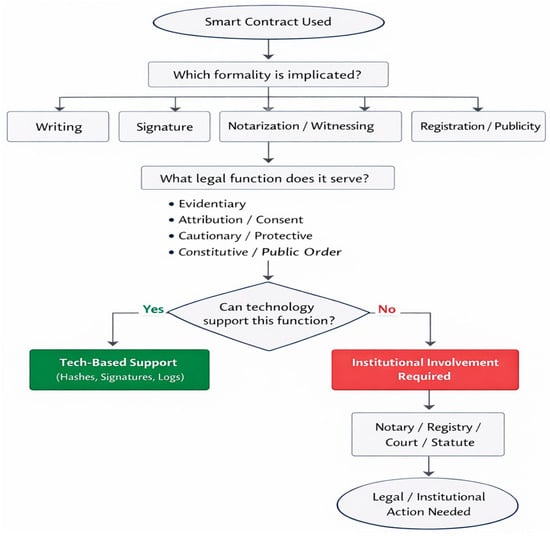
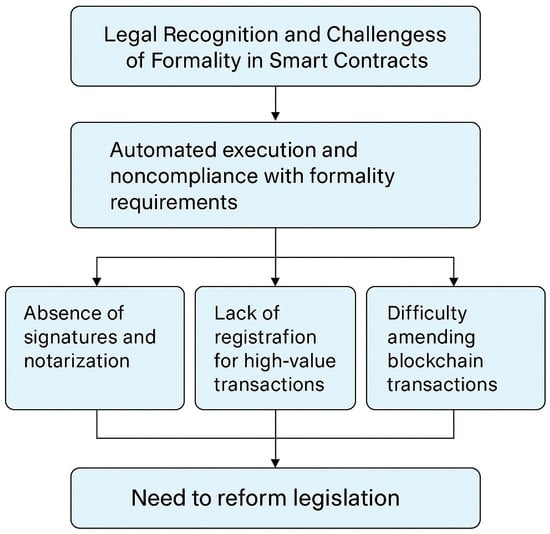
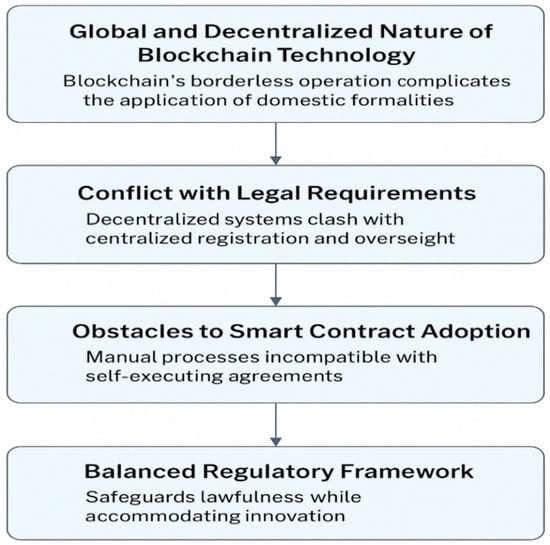
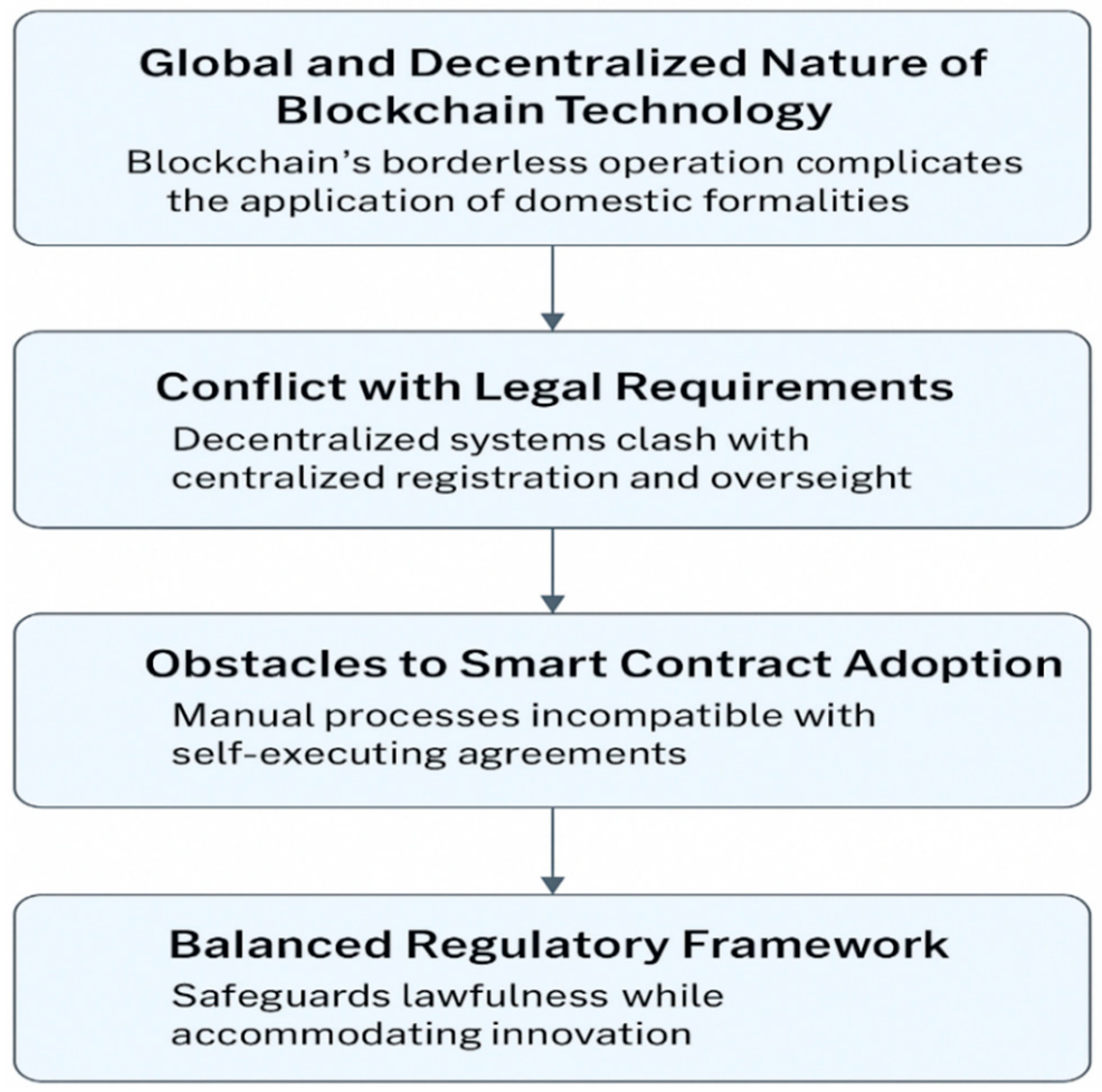
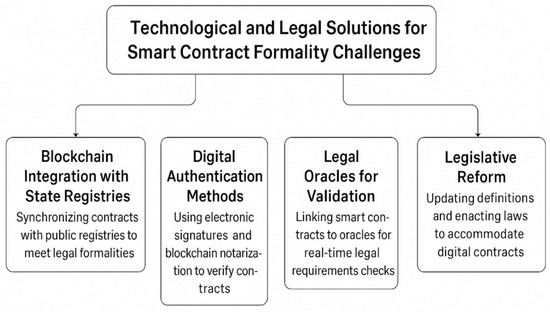
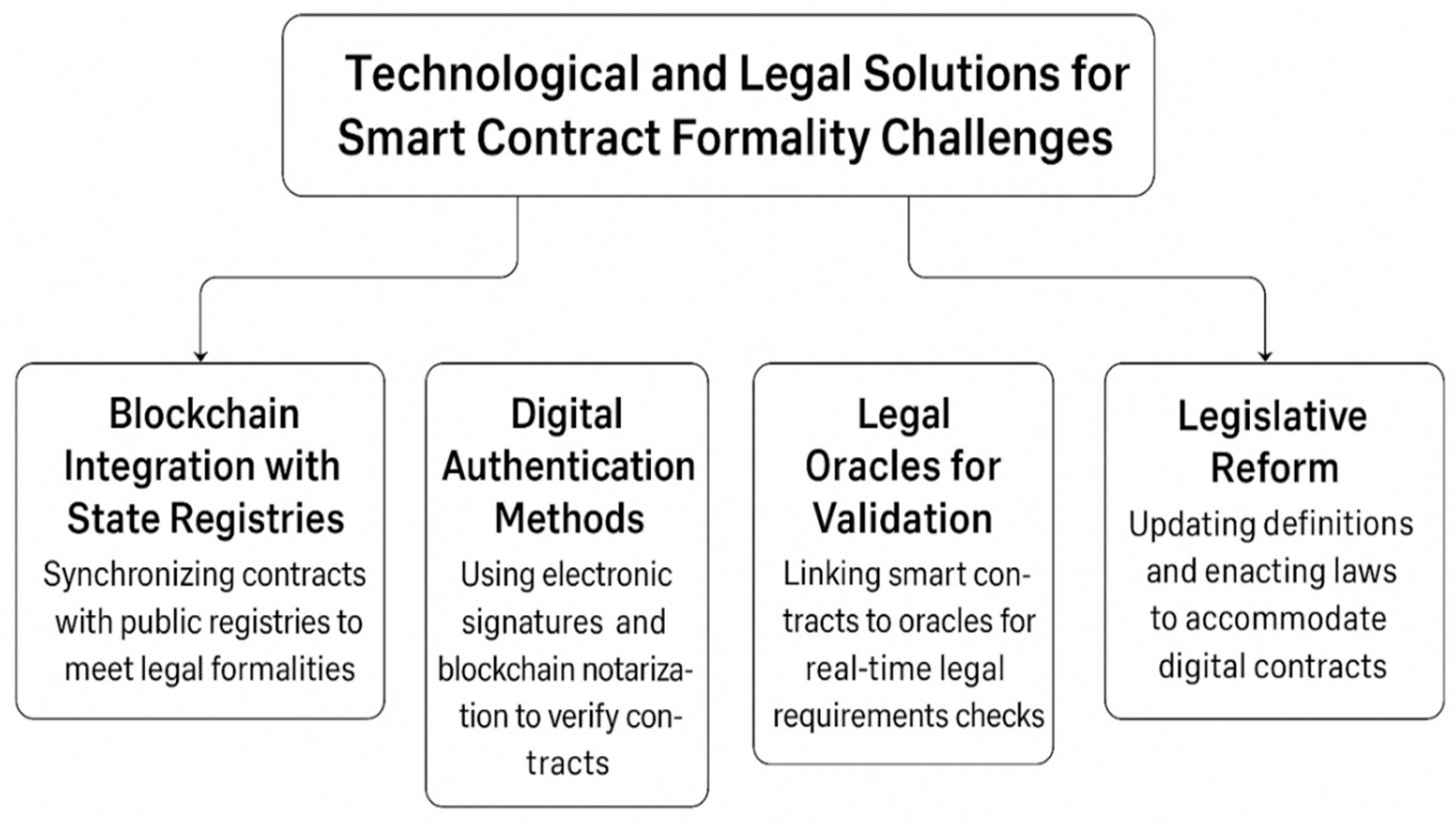
Disclaimer/Publisher’s Note: The statements, opinions and data contained in all publications are solely those of the individual author(s) and contributor(s) and not of MDPI and/or the editor(s). MDPI and/or the editor(s) disclaim responsibility for any injury to people or property resulting from any ideas, methods, instructions or products referred to in the content. |
© 2026 by the authors. Licensee MDPI, Basel, Switzerland. This article is an open access article distributed under the terms and conditions of the Creative Commons Attribution (CC BY) license.