


Abstract
The sacredness of religious architecture stems from embodied spatial perception and interactive effects. This study examines the Sakyamuni Pagoda of Fogong Temple in Shanxi Province and explores the generative mechanism of its sacred space through fieldwork, literature analysis, and textual semantic analysis. Findings reveal that the Sakyamuni Pagoda’s sacredness is not an inherent property but is constructed through bodily pilgrimage practices, following a path from sensory experience to cognitive assessment. On the one hand, the pagoda’s material spatial form, the spiritual symbolism of its mural religious images, and the embodied practices of presence collectively constitute a perceptual realm of sacredness. On the other hand, these experiences are deepened into enduring sacred memories and collective identity through cognitive assessment activities such as emotional responses and meaning interpretation. The study reveals the generative logic of sacredness—from perception to internalization—within the continuous interaction between “body and space”, providing theoretical reference for the spatial interpretation of religious architecture and heritage revitalization.
1. Introduction
1.1. Research Background
In recent years, sacred spaces have become an increasingly prominent topic within academic circles. Sacredness is an attribute conferred upon specific sites; a space is not inherently sacred but rather endowed with this quality by particular religious communities or traditions (Jin 2015). Consequently, people’s daily worship constitutes sacred activities influenced by religion, and sacred spaces are domains of profound religious belief rather than mere personal esthetic experiences (Li and Ge 2019). Eliade explicitly posits “sacredness” as a necessary condition for “religiousness”. The sacredness of space originated as a consequence of animistic thought (Durkheim 2006), representing one category of religious belief.
Sacred space is a process of reconstruction based on the interaction between heaven, earth, humanity, and the divine (Martin 2006, p. 126). Its underlying logic is the synthesis of “(secular) space + meaning”. The “sacred” endows human life, thought, and behavior with “meaning” and a way to understand and grasp the world (Guo 2020). This paper explores the shaping of sacred space within religious architecture, examining the interactive relationship between human bodily perception practices, sacred experiences, and the generation of sacred space. By systematically applying “embodied” theory to the study of ancient Chinese religious architecture, it proposes “bodily pilgrimage” as the core driving force behind the generation of sacred space.
How sacredness manifests within space constitutes a crucial dimension for understanding the genesis of sacred spaces. Jin Ze points out that “sacredness” is an attribute rather than a tangible entity. It often requires realization within specific domains or defined physical spaces—places dedicated to venerating deities and conducting religious rituals (Jin 2015). Space mediates between the sacred and the profane; these two realms are not mutually exclusive but can transform into each other under certain conditions, serving as foundations and supports for one another. From Durkheim’s perspective, the sacred and the profane are not inherently tied to specific spaces, times, or objects. Rather, any space, time, or object can potentially become sacred or profane. Therefore, understanding sacredness requires comprehensive assessment based on the specific attributes of a given context and should not be simplistically viewed as the opposite of secular space.
This paper examines the mechanism of sacred space generation, taking the Sakyamuni Pagoda of Fogong Temple as a case study. It is also known as the Yingxian Wooden Pagoda, a quintessential Buddhist structure located within Fogong Temple in Yingxian County, Shuozhou City, Shanxi Province. Constructed in the second year of the Qingning era of the Liao Dynasty (1056), it stands as the world’s tallest and oldest surviving pure wooden pavilion-type religious structure. Alongside Italy’s Leaning Tower of Pisa and France’s Eiffel Tower, it is celebrated as one of the “World’s Three Great Wonders of Architecture.” Currently, academic research on the Yingxian Wooden Pagoda is abundant both domestically and internationally, primarily focusing on three areas. First, studies on the architectural form of the Sakyamuni Pagoda lean more toward history and architecture. Japanese scholar Itō Chūta estimated the scale of the wooden pagoda using the “Chi (尺)”as a measurement unit (Chūta 1902). Beginning in 1933, Liang Sicheng and Mo Zongjiang employed traditional surveying methods to measure the dimensions of internal structural components and produce corresponding blueprints (Liang 2007, p. 113). Building upon this foundation, Chen Mingda conducted more comprehensive and detailed research on the pagoda, covering spatial structure, architectural components, and compositional proportions (Chen 1966). Second, from an architectural cultural perspective, in-depth analysis has been conducted on the pagoda’s couplets, stele inscriptions (Qi et al. 1979), murals (Cheng and Zhang 2011), and colored sculptures (Wang et al. 2021). Third, for the digital preservation and development of the pagoda, modern surveying techniques such as 3D laser scanning, photogrammetry, and BIM technology were employed to create visual designs, digital displays, and BIM models for the pagoda. Overall, architectural research on the Sakyamuni Pagoda has received relatively close attention, while studies on its religious aspects remain comparatively scarce.
This paper analyzes the case of the Sakyamuni Pagoda of Fogong Temple, approaching it from the dual dimensions of materiality and embodiment. It argues that pilgrimage is not merely the physical movement of the body through space and time, but also a process whereby belief is transformed into embodied experience through sensory engagement with material vessels. Here, the pilgrim’s body is imbued with multiple meanings, establishing embodied connections with the transcendent Other. Thus, the sacred space of the Sakyamuni Pagoda is not a pre-existing, static vessel, but rather a complex system generated through the interaction between human embodied practicesents of the architectural space.
1.2. Research Methods
This study takes the Sakyamuni Pagoda of Fogong Temple in Shuozhou City, Shanxi Province (Figure 1) as an example to explore the generation logic of its spatial sacredness. As the oldest and tallest existing wooden pagoda in China (Figure 2), the Sakyamuni Pagoda not only possesses outstanding cultural and architectural value, but also, due to its continuous religious beliefs and pilgrimage practices, serves as a typical case for investigating the interactive relationship between material space and sacred meaning.
Figure 1.
Research Area.
Figure 2.
On-site photos of the Sakyamuni Pagoda of Fogong Temple. Source: Photo by Xuejiao Li.
This study adopts a combined methodology of literature analysis and field investigation, as detailed in Section 2 and Section 3. First, a systematic review of academic articles and monographs related to the Sakyamuni Pagoda of Fogong Temple is conducted to establish a comprehensive understanding of its historical and cultural context, religious significance, and architectural characteristics, thereby providing a theoretical and empirical foundation for the subsequent analysis. Second, based on field investigation and official archival materials, photographic and other recording methods are employed to document the current condition of the pagoda. This process provides first-hand visual data, including information on architectural structures and mural imagery, which supports the subsequent analysis of the construction of sacred space.
On this basis, Section 4 introduces textual semantic analysis to extract the factors influencing the perception of sacredness from narratives describing visitors’ experiences of presence. The procedure is as follows. First, travel notes and online comments are collected as research materials using the Octopus web crawler from five online platforms, including Ctrip, Weibo, and RED. Second, the textual data are coded and categorized using NVivo in order to identify key concepts and develop a theoretical model of the generative mechanism of sacredness. Finally, sentiment analysis is conducted using the Rost Content Mining system to reveal visitors’ emotional attitudes and perceptual tendencies toward the Sakyamuni Pagoda.
2. The Generation and Transformation of Sacred Spaces in Religious Architecture
2.1. The Generative Logic of Sacredness
The generation of sacredness does not originate from the inherent attributes of space itself; rather, it is grounded in individuals’ belief in and experience of religious sacred power. Within the Buddhist context, the notion of karma and retribution reinforces individuals’ reverence toward transcendent forces and encourages the understanding of religious practice as an important path toward liberation (Cobb 2008, p. 109). Consequently, through acts such as worship, visual contemplation, and meditation, pilgrims seek spiritual consolation, inner tranquility, and opportunities for self-reflection within the religious setting, thereby allowing particular places to be understood as spaces endowed with sacred meaning (Liu 2024). In summary, reverence for the law of cause and effect, the ultimate aspiration for liberation, and the profound yearning for divine protection or solace constitute the vital internal drivers that shape humanity’s understanding of sacred power.
However, for sacredness to acquire a concrete expression, it must be anchored in religious material carriers; otherwise, it remains nothing but an abstract or imaginary construct. In this process, the body serves as the key mediating medium through which religious experience becomes possible. Individuals participate in their cultural and religious contexts through embodied engagement and action, and, through interaction with the spatial environment, endow objects with sacred meaning (Harvey 1982, pp. 274–366). As related studies have noted, religious experience is not merely a conceptual activity but a process constructed through the continuous interaction between body and space (Cyrus 2025). Accordingly, the formation of sacred space involves not only the objective existence of material space but also relies on experiential understanding generated through embodied perception. In pilgrimage contexts, worshippers engage directly with religious space through ritual practices such as circumambulation, prostration, gazing, and listening, forming interactions through the combined operation of visual, auditory, and tactile senses. In this process, the body not only perceives the sacred but also participates in the generation of sacred experience, allowing the meaning of space to be continually reinforced through ongoing experience. Therefore, sacredness cannot be fully understood through visual representation alone but must be realized through situated bodily practice and perceptual experience.
2.2. Conditions for the Construction of Sacred Space
When abstract religious beliefs permeate a space, they crystallize into a sacred spatial construction method. By leveraging the layout and ornamentation of architectural space, this approach transcends mere physical and esthetic dimensions, thereby generating a “space of meaning” (Z. Wang 2018). As sacred spaces that synthesize religious beliefs and humanistic significance, their spatial construction constitutes a non-utilitarian act of production1—a process of generating spaces of otherness that transcend mundane existence.
The spatial sacredness of religious architecture is jointly constructed through three systems: the creation of awe-inspiring experiences via physical space, the shaping of ideological identification through spiritual space, and the consolidation of spiritual beliefs within social space. First, physical space organizes bodily perception and patterns of movement through spatial form, scale, and sensory environment. The distinctive spatial configuration of religious architecture, the solemn presence of Buddhist statues, and the auditory atmosphere created by bells or chanting gradually guide visitors to adjust their behavior and emotional state as they enter the space, thereby facilitating a transition from a secular condition to a sacred mode of experience. Second, spiritual space emphasizes meaning-making grounded in embodied perception. Symbolic images and artistic representations—such as murals depicting mythological or historical narratives—guide viewers, through acts of gazing and contemplation, to develop identification with religious ideas within their perceptual experience, thereby further reinforcing the sacred quality of the space. Finally, social space is constituted through collective ritual practices. Activities such as collective chanting and festival processions enable individuals to establish emotional bonds and spiritual resonance through shared participation, not only sustaining collective memories of belief associated with the site but also strengthening the significance of religious space as a carrier of social community.
2.3. The Reciprocal Relationship Between Sacred Space and Human Religious Experience
This section examines how individuals, in the actual process of pilgrimage, transform spatial perception into a sacred experience endowed with religious meaning through embodied participation. In other words, the meaning of sacred space is not completed at the moment of its physical construction; rather, it gradually emerges and deepens through individuals’ continuous bodily engagement and their ongoing perception of the sacred.
This study draws on the perspective of the “Anthropology of Experience” (Bruner 1986, pp. 3–4), understanding sacred experience as a continuous process composed of sensory experience and cognitive experience. First, sensory experience constitutes the immediate experiential level through which individuals enter religious space. Through embodied participation and action, pilgrims engage with the spatial environment via multiple sensory channels such as vision and hearing. These experiences arise not only from the material objects within the space but also from inner responses evoked by religious symbols and imagination (Huang and Zheng 2025). At this stage, the body functions not only as a medium of perception but also as the precondition for the emergence of experience.
On this basis, cognitive experience refers to the subject’s evaluative interpretation of sensory impressions and the construction of meaning, representing the process through which religious experience is further deepened. Environmental perception theory suggests that what individuals experience is not objective space itself, but an “experienced environment” shaped through perceptual organization and psychological processing. Accordingly, sensory experience is gradually transformed into an understanding of sacredness through continuous interaction with space, eventually forming stable religious memory and emotional identification.
It can thus be seen that embodied participation constitutes the crucial link connecting spatial perception and the generation of meaning. Through bodily participation, pilgrims establish a connection with the sacred, allowing immediate sensory experiences to be continuously transformed into enduring cognitive experiences, thereby reinforcing the sacredness of space through this ongoing process of experiential transformation. It is precisely within this experience-generating mechanism, driven by embodied participation, that sacred space acquires its significance of reality, while individuals achieve a sense of bodily–spiritual integration and spiritual elevation through continuous interaction (Figure 3).
Figure 3.
Logical Diagram of the Sacred Experience Process.
3. The Establishment of Spatial Sacredness and the Manifestation of Belief in the Sakyamuni Pagoda of Fogong Temple
Religion constitutes a unified system composed of sacred beliefs and rituals that are set apart and inviolable (Durkheim 2018, p. 58). Consequently, religious space inherently is imbued with sacredness and mystery. Within the religious realms, the dynamic transformation of religious architecture from physical space to sacred space is often explored through three dimensions: spatial shape and structure, totemic spiritual symbolism, and embodied ritual practices. “Compassion is the fundamental attribute of the gods” (Ludwig 2010, p. 65). It is precisely based on this attribute that people universally acknowledge the sacred premise of “Soteriological release through vision,” believing that through devout worship, one can attain the gods’ favor and mercy, thereby establishing and revealing the sacredness.
3.1. Religious Implications and Sacred Expression in the Architectural Form of the Sakyamuni Pagoda of Fogong Temple
The Sakyamuni Pagoda of Fogong Temple is a paradigmatic example of Buddhist architecture. In its early transmission to China, Buddhism was initially regarded as a form of immortal or divine technique, and the pagoda—translated into architectural form as a Buddhist structure—derives its sacredness from Buddhist doctrines (Yang and Jiang 2023). This sacredness is articulated and constructed across multiple dimensions of architectural form and structural organization.
The Sakyamuni Pagoda integrates a horizontal axial orientation with a vertical experience of the sublime, forming a coherent and stable narrative logic of sacred space. First, in terms of spatial configuration, the pagoda strictly adheres to the traditional “pagoda-centric” central axis layout (Figure 4), reinforcing its order and centripetality as a sacred locus on the horizontal plane. This symmetrical planar paradigm functions as a powerful ritualistic conduit, guiding the observer’s body toward the sacred center and facilitating a psychological transition from the secular to the divine across the horizontal dimension. Building upon this, the spatial narrative undergoes a fundamental shift at the base of the tower, transitioning from horizontal progression to vertical ascent. With a total height of approximately 66 m (Liang 2023, p. 190)—equivalent to a nearly twenty-story building (Figure 5)—the Sakyamuni Pagoda presents a vertical architectural form that appears to extend infinitely into the sky. When viewed from below, this soaring silhouette evokes a sense of overwhelming sublimity and grandeur in both visual and bodily perception, compelling the observer’s gaze to ascend along the successive layers of eaves until reaching the horizon of the firmament. From the perspective of religious cosmology, the sacred significance of this verticality originates from the ancient Indian worship of the Cosmic Pillar (宇宙之柱)2, the Cosmic Tree (宇宙之树)3, and the Bodhi Tree (菩提树)4. The Sakyamuni Pagoda is thus conceptualized as a pillar or a tree, its longitudinal spatial narrative functioning metaphorically as a “Ladder to Heaven (天梯)”, facilitating the possibility of vertical movement and connectivity between realms (Yan 2021). The Sakyamuni Pagoda serves as a symbol that links Heaven and Earth while supporting the firmament. It encapsulates a yearning for the Buddhist Pure Land while manifesting a spiritual transcendence over secular existence and a profound reverence for the “Tian (天).” Historical records note that from a specific vantage point outside the pagoda, the tip of its finial (Tasha) appears to align perfectly with the North Star, with the entire celestial vault seemingly revolving around it. The ancients thus revered it as the “Tian Zhu Di Zhou (天柱地轴)”5 (S. Li 2011, p. 22). Underpinned by Buddhist philosophy and religious conviction, the Sakyamuni Pagoda establishes its religious sacrality through the dual spatial dimensions of the horizontal and the vertical.
Figure 4.
Center-symmetrical plan layout. Diagramed by the author.
Figure 5.
Vertical architectural form, Source: (Chen 2024, p. 93). The authors have obtained the copyright of the figure.
The architectural structure of the Sakyamuni Pagoda places strong emphasis on the use of Buddhist symbolism, particularly numerical symbols imbued with religious meaning. For example, the five-story wooden pagoda form symbolizes the five elements of life (五大元素)6, the Five Wisdoms (五智)7, the Five Faculties (五根)8, and the fivefold cycle of cause and effect (五周因果)9. Together, these elements constitute the foundation of the Buddhist cosmological order, guiding believers’ gaze and thoughts upward level by level. Through the physical act of looking up, devotees undergo a brief process of spiritual purification, preparing both body and mind for entry into the sacred space within the pagoda. In addition, the pagoda base consists of two tiers: the lower tier is square, while the upper tier is octagonal (Figure 6), symbolizing the traditional cosmological concept of “Round Heaven and Square Earth (天圆地方)”. The lower level of the platform extends outward in four directions according to the orientation of the terrace, forming four projecting sub-terraces. The octagonal ground plan is endowed with multiple layers of symbolic meaning and sacred qualities. First, the concept of the “Ba Fang (八方)” integrates the Buddhist cosmological worldview. It corresponds to the Five Dhyani Buddhas together with the four intermediate directions—southeast, southwest, northeast, and northwest—symbolizing the Buddha’s radiance illuminating the ten directions of the universe and transforming the entire pagoda into a vertical “mandala.” Second, in the numerological system of the Zhou Yi (周易), the number eight belongs to “Yin (阴)” and corresponds to the “Di (地)”. The pagoda is composed of five visible stories and four concealed stories, forming a total of nine levels that symbolize “Tian (天)”. The octagonal form upholds heaven, creating a cosmological model of “Round Heaven and Square Earth,” while also conveying the concepts of yin–yang harmony (阴阳调和) and the dynamic union of Tian and Di (天地交泰).
Figure 6.
The Base Structure of the Sakyamuni Pagoda of Fogong Temple. Diagramed by Jinrong Li.
3.2. The Spatial Imagery and Religious Symbolism of the Interior of the Sakyamuni Pagoda of Fogong Temple
The interior space of the Sakyamuni Pagoda of Fogong Temple constitutes the core locus for the manifestation of its sacredness. This section seeks to examine how the interior space, via mechanisms including the scalar relationship with the statues, contrasts in the lighting environment, and viewing taboos, collectively constructs a sacred religious atmosphere and order—thereby guiding and regulating the bodily perception of pilgrims and enhancing their sacred experience.
First, the scale of space and statue creates a powerful visual impact. The scale relationship between the statues on each floor of the wooden pagoda and the interior space is well-coordinated, strategically guiding the bodies of the pilgrims. Through visual and physical shock, a religiously sacred atmosphere for worshipping and paying homage to Buddha is jointly created, thereby establishing the sacred tone of the space. The ground floor serves as the inaugural entry space for pilgrims within the pagoda, housing a colossal and majestic statue of Sakyamuni. The height of the first floor (14.57 m): the total height of the Buddha statue (10.32 m) ≈ (Wang et al. 2021), almost filling the entire room (Figure 7), creating an intensely imposing sense of proportional contrast and a sense of solemnity that reaches the sky and the earth, demonstrating the power and prestige of divinity to people. A form of substantial size, even if esthetically unappealing in its outward appearance, will nonetheless capture attention and evoke admiration by virtue of its scale… When a colossal yet aesthetically refined form presents itself to the viewer, consciousness undergoes a pleasurable experience, with fear transmuting into a sense of reverence (William 2017, p. 76). Moreover, the proportions are not coincidental but are meticulously planned by the designer and are in line with the mandala patterns of the esoteric Buddhism. At the same time, it also embodies the ancient Chinese cosmology of “Round Heaven and Square Earth” (Zhou Bi Suan Jing 周髀算经) and the cultural concept of pursuing harmony among heaven, earth and human beings (Wang et al. 2021). The elevation angle of the Sakyamuni statue is approximately 46°. While this exceeds the range of the normal viewing angle, it effectively accentuates the statue’s towering grandeur and imposing scale (Fu 1998, p. 142). Positioned beneath the colossal Buddha statue, the viewer directly perceives its authoritative presence and overwhelming impact. It symbolizes the pure land of the human world, thus completing the experiential transition from the mundane to the sacred space and reinforcing the viewer’s religious memory and the sacred atmosphere of the space. The indoor viewing elevation angles of the Buddha statues on the 2nd to 5th floors range from 23° to 25°. In contrast to the first floor, the statues and the worshippers maintain an intimate scale relationship. They receive the gazes and invocations of worshippers, serving as the primary objects of the worshippers’ bodily perceptual practices. By confining the height of the statues within a consistently uniform range, worshippers are guaranteed an unobstructed view of the Buddha’s full facial features both during direct eye-level viewing and circumambulation of the pagoda for ritual veneration. This design mitigates disruptions to their focused piety caused by extreme upward or downward gazing (Fu 1998, p. 144). The floor-specific Buddha statues, each themed distinctly, inherently facilitate a sequential spiritual cultivation process, thereby embodying the purity of spatial sacredness.
Figure 7.
Spatial and Sculptural Composition Proportions Within the Wooden Pagoda, Source: (Chen 2024, p. 156). The authors have obtained the copyright of the figure.
Second, the sacred atmosphere is constructed through the contrast between indoor and outdoor environments, coupled with the integration of architectural structures. First, the interior of the Sakyamuni Pagoda is structured into three components: the inner space, the outer corridor, and the projecting circumambulatory corridor. The inner space serves as the dedicated space for enshrining Buddha statues. The outer corridor serves as a circulation zone for human activity: it circumambulates the core of the Buddha statues, facilitates vertical connectivity between levels, and embodies the Buddhist doctrines of Buddha-centric spatial organization and the cyclical transmigration of elevation and descent. The projecting circumambulatory corridor serves as a transitional interface between the interior and exterior domains: it connects inward to the ritual precinct for Buddhist worship and veneration, while opening outward to the natural landscape—blue sky, white clouds, distant mountains, and nearby trees—thus evoking a longing for return to nature. With each ascent to a higher level, the panoramic view from the ambulatory expands incrementally, fostering a sense of gradual proximity to the ideal Pure Land and a diminishing distance from the Buddha (S. Li 2011, p. 8). Second, the design and deployment of natural light. Taking the first floor as a case in point, only two gates (front and rear) connect the interior of the pagoda to the exterior. Prior to the opening of these gates, the interior remains in complete darkness, rendering the veneration of Buddha statues virtually impossible. Upon the opening of the main gate, external sunlight undergoes reflection and refraction via the floor and wall surfaces of the vestibule before illuminating the gilded Buddha statue, thereby rendering the central figure of Sakyamuni distinctly luminous. Furthermore, during summer, the pagoda’s interior remains dimly lit and cool. When individuals enter the pagoda from the intense external sunlight, the stark contrast in light intensity and temperature amplifies their somatosensory contrast, thereby evoking a sense of awe toward the Buddha statue (S. Li 2011, p. 10)—its sacredness thus becomes perceptually and experientially salient.
Finally, the interior of the Sakyamuni Pagoda serves as a convergence site for Buddha statues and divine beings, while also functioning as an absolutely sacred space with the strictest taboos. For worshippers, Buddha statues are no different from the Buddha’s true body, possessing a mysterious and magical great power of blessing, symbolizing a sacred force of “Soteriological release through vision” (Li and Ge 2019, p. 10). From a visual-paradigmatic perspective, “the human subject within space is often regarded as a body that is subject to surveillance and control” (Zhou 2008, p. 324). The Buddha statues, murals, and other visual texts inside the pagoda function as sacred objects, inherently endowed with sacred attributes and bearing inviolable mystical symbolic meanings. Such meanings constitute an externally ascribed significance that believers or viewers actively invest in the object at the subconscious level (Q. Wang 2011). At this juncture, the “viewing” practices of individuals within the pagoda’s interior realm form an intricate visual network with the space and Buddha statues. Consequently, the viewing behavior of perceivers in this space evolves into a religiously governed sacred viewing practice (Li and Ge 2019)—one underpinned by complex visual mechanisms and cultural configurations. Consequently, “the quotidian, individualized, and naturalistic forms of ‘viewing’ are inherently rendered taboo” (He 2014). For instance, behaviors such as smoking, speaking loudly, and pointing at Buddha statues, scriptures, or murals with fingers are strictly prohibited within this sacred space.
3.3. The Sacred Atmosphere Created by Mural Art
Mural imagery is characterized by intuitiveness, iconicity, and accessibility to the masses. For illiterate laypeople, religious murals function as an alternative “scripture” (Long 2019)—while for the majority of believers, they serve as a critical element in reinforcing the sacredness of the space. Field investigations reveal that murals in the Sakyamuni Pagoda are particularly concentrated on the ground floor; religious artistic motifs including murals of the cross-legged Buddha statue (大佛趺坐像), Apsaras (飞天像), the Four Heavenly Kings (四大天王像), and Donor Figures (供养人像) collectively contribute to the generation of the pagoda’s sacred spatial atmosphere.
On the ground floor of the Sakyamuni Pagoda, besides the principal statue of Sakyamuni Buddha, the south and north walls of the central chamber are pierced with doorways; the inner walls of the remaining six sides are entirely adorned with large-scale murals of cross-legged Buddha statues that nearly cover the entire wall surfaces, forming a grand composition of six Buddhas encircling the central Buddha (Wang et al. 2021). The six Buddha figures10 depicted in the murals share similar facial features, yet differ in their halos, mudras, and lotus thrones. Each lotus throne is upheld by auspicious clouds, while two apsaras are painted on either side of the halo (Luo 2019). From the perspective of iconometric measurement (dimensions and proportions), in the painting practice of Buddhist icons, standardized proportional relationships are employed to embody the divine aura of Buddha images. Based on the 2021 surveying and mapping data from the team led by Professor Wang Nan of the School of Architecture, Tsinghua University, among the six cross-legged Buddha murals on the inner walls, the net height-to-width ratio of the five murals—excluding the one on the southeast wall—approximates 7:5. Here, net height refers to the vertical dimension of the Buddha figure excluding its base, while net width denotes the horizontal distance between the two knees of the cross-legged Buddha; this ratio corresponds to the traditional Chinese geometric principle of “fang wu xie qi (方五斜七)” (Wang et al. 2021), which is close to . The average total height-to-width ratio of the six Buddha murals also approximates 7:5. The head-to-body ratio of the six Buddha murals all approximates 1:3.5, which aligns with the traditional Chinese artisan’s mnemonic verse: “Li qi zuo wu pan san ban (立七坐五盘三半)”. Net height of the six Buddha murals: The height from the base of the head to the lowest point of the torso ≈ 3.5:2.5 = 7:5 is also “fang wu xie qi”. The key proportional data of these six Buddha murals suggest that the religious artistic forms they depict align with the golden ratio of the human figure. This harmonious proportion of the Buddha’s figure is the foundation for the charm of the large Buddha’s cross-legged statue (Table 1).
Table 1.
Dimensions of the Buddha Figures in the Central Chamber of the Pagoda Niche (Unit: m) 1.
The sacredness embodied in Buddhist mural paintings can also be simulated and amplified through artistic representations of natural phenomena (Gao 2019), such as the use of “light” to symbolize the divine and sublime, embodying truths like truth, supreme goodness, justice, and the celestial realm (Liu 2024). In the Six Cross-Legged Seated Buddha Figures, light is transformed into artistic decorative patterns of head halos and body halos. Employing a hollow ring composition, these halos feature continuous flame patterns along their outer edges, forming a distinct outward-radiating halo structure. Visually, this creates an effect of light emanating outward from the Buddha figures themselves, as if divine radiance were inherent within their bodies. This artistic approach intensifies the viewer’s perception that “the Buddha’s form is inherently luminous (佛身即光).” By internalizing “light” as a bodily attribute, it not only elevates the sacred image of the Buddha but also further enhances the overall sacredness and mystical atmosphere of the Sakyamuni Pagoda’s space.
In Buddhist rituals, the Apsara imagery symbolizes the Sukhavati (Pure Land of Ultimate Bliss 极乐世界) (M. Wang 2025), embodying practitioners’ longing and aspiration for the ideal realm of enlightenment and eternal happiness. On the murals of the first level of the Sakyamuni Pagoda, pairs of Apsara figures are depicted on both sides of the top of each seated Buddha statue in cross-legged posture. In Yingxian Wooden Pagoda Annals (应县木塔志), it is recorded: “At the upper left and upper right corners of each portrait, there is one painting of Apsara respectively, each measuring approximately 2 square meters. Exquisitely executed and ethereal as celestial beings, these works are comparable to the Apsara paintings in the Mogao Grottoes at Dunhuang”. These twelve Apsara figures inherit the artistic tradition of paired Apsaras from the Tang Dynasty. The overall iconography is characterized by a round and full face, a sturdy and well-proportioned physique, fluttering silk ribbons, arms outstretched like wings, a short skirt girded at the waist, and a fluid, unbroken posture. This iconographic type bears resemblance to the Tang-dynasty Apsara images of female celestial beings, while also incorporating elements of Bodhisattva iconography. The figures exhibit vivid and rapturous expressions, evoking a sense of being immersed in the Buddhist Pure Land. Notably, the neck is delineated with two curved lines—a stylistic feature that maintains continuity with Tang-dynasty Apsara imagery (F. Li 2025). Such Apsara figures, characterized by dynamic esthetic qualities and transcendent postures, serve not only as visual symbols of the Buddhist Pure Land but also reinforce the sacred spatial ambiance through their artistic representation. The fluttering silk ribbons and unconstrained, outstretched postures of these figures imbue the static murals with a dynamic, flowing rhythm. This visual effect appears to guide the viewer’s gaze and spiritual focus upward in transcendence, transitioning from the concrete iconographic representation of the Buddhist Pure Land to the ineffable sacred realm.
On the east and west walls flanking the north gate of the inner niche on the first floor of the Sakyamuni Pagoda, murals of the Four Heavenly Kings are depicted in a two-tiered composition (upper and lower sections). “In Buddhist tradition, the Four Heavenly Kings are divine beings who dwell on the middle slopes of Mount Sumeru and serve as guardians of the four cardinal directions (east, west, south, and north). They are also referred to as the World-Protecting Heavenly Kings. These four Heavenly King murals depict figures in diverse dynamic poses: seated upright, in profile, turning their heads with fierce gazes, or drawing swords as if about to strike. Exuding dignified bearing and martial grandeur, they embody valiant ferocity without resorting to grotesque menace, still retaining the artistic charm characteristic of the Liao and Jin dynasties” (Shanxi Jinzhiyuan Culture & Arts Co., Ltd. 2017). From the perspective of religious symbolism and iconography, as dharmapalas (Buddhist guardian deities) in Buddhism, the Four Heavenly Kings are respectively entrusted with guarding the four cardinal directions (east, south, west, and north). Each holds a distinct ritual implement, which serves as a symbolic manifestation of their protective functions in maintaining Buddhist dharma. In Buddhist iconography, the Four Heavenly Kings are geographically and functionally aligned with the four cardinal directions: “the Eastern Heavenly King Dhṛtarāṣṭra (持国天王), the Southern Heavenly King Virūḍhaka (增长天王), the Western Heavenly King Virūpākṣa (广目天王), and the Northern Heavenly King Vaiśravaṇa (闻多天王)” (Shanxi Provincial Institute for the Conservation of Ancient Architecture 1983, p. 6). From the perspective of iconographic representation, the Heavenly King figures in the murals are characterized by robust, monumental physiques and stern, resolute facial expressions—visual attributes that embody their sacred mandate to uphold Buddhist dharma and protect sentient beings.
On the north and south lintels of the inner passage doors of the Sakyamuni Pagoda, there are donor figures with male and female figures arranged in separate rows. Fundamentally, the construction of the wooden pagoda constituted an act of religious patronage by Buddhist adherents during the Liao Dynasty. Accordingly, both the relics interred within the pagoda and its painted and sculpted works were intended to consummate this patronage practice (Luo 2019). The donor wall paintings constitute a visual embodiment of this religious patronage practice. Three female figures are depicted on the lintel of the south gate, while three male figures appear on the lintel of the north gate. In terms of physical placement, the donor portraits on the lintel panels occupy the spatial transitional node between the secular world and the Buddhist domain. Pilgrims bow their heads to pass through this gate, symbolizing the completion of a ritual transition into the sacred domain. This set of donor wall paintings thus functions as a “sacred medium” that bears both connective and witnessing significance in this process. The three female donor figures depicted on the lintel panel, despite their modest dimensions, exhibit well-proportioned physiques, full facial features, serene yet devout expressions, and sashes that appear to flutter gently in a breeze—conveying a sense of dynamism within the static composition (Shanxi Provincial Institute for the Conservation of Ancient Architecture and Yingxian Wooden Pagoda Administration Office 1982, p. 10). The three male donor figures are depicted wearing crowns adorned with floral motifs at the front; beneath the crowns, headbands are tied, which also exhibit a flowing quality. All six donor figures hold offering trays with both hands, on which the ritual offerings include incense, flowers, precious pearls, vases, treasure mountains, food and drink, and light (Luo 2019). These ritual offerings embody the core Buddhist concepts of purity, auspiciousness, preciousness, sanctity, stability, sustenance, and wisdom. Thus, the two sets of donor mural paintings, with their tranquil yet solemn imagery, jointly construct an ideal sacred schema through their reverent expressions, respectful postures, and the diverse offerings held in their hands. They silently yet powerfully convey devotion to the Buddha and reliance on the Dharma, thereby reinforcing the sacred atmosphere of the entire interior space of the pagoda as a realm for belief practice.
In summary, the murals painted at distinct locations on the first floor of the Sakyamuni Pagoda—including religious artistic imagery such as the seated Buddha in cross-legged posture, Apsaras, the Four Heavenly Kings, and Donor Figures—collectively construct a profound sacred spatial atmosphere within the pagoda through their varied thematic contents, sacred elements, and symbolic meanings (Table 2).
Table 2.
An Analysis of the Embodiment of Sacredness in Mural Art.
3.4. The Dynamic Generation of Spatial Sacredness via Bodily Ritual Practices
The bodily ritual practices centered on the Sakyamuni Pagoda of Fogong Temple constitute a multi-layered and multi-dimensional system of dynamic generation. From the establishment of order via horizontal circumambulation to the simulation of spiritual cultivation through vertical ascent, and ultimately to the internalization of sacred experience through the integrated interaction of multi-sensory perception, the bodies of believers—as active agents—continuously participate in, activate, and sustain the sacredness of the stupa space through a series of perception-laden embodied practices. This process realizes the profound mutual constitution between “bodily pilgrimage” and “sacredness of space”.
Circumambulation (绕行) stands as a fundamental and core ritual practice within Buddhism. Within the context of the Sakyamuni Pagoda, this act embodies multiple layers of significance. From a physical–spatial perspective, the unique structural design of the inner and outer aisles of the Sakyamuni Pagoda enables viewers to observe the Buddha statues housed within the inner aisle from multiple orientations when positioned in the outer aisle. As one circumambulates the entire structure, the countenances of the large and small sculptures enter the field of vision from distinct angles, generating a dynamic chain of associations (S. Li 2011, p. 9). This dynamic mode of viewing constitutes, in and of itself, a vision-dominated, body-involved process of spatial reading. On a deeper level, circumambulation around the stupa is widely recognized as a significant spiritual cultivation practice and religious ritual (S. Wang 2024), with practitioners holding the belief that it yields religious merit (Yang and Wu 2009). The clockwise direction of circumambulation constitutes a preordained sacred trajectory. This repetitive, directional bodily movement physically reinforces the pagoda’s status as a central anchor. Ritually, it gradually disentangles the pilgrim’s body from the fragmented state of mundane existence, guiding it into a focused, devout ritual rhythm—thereby enabling the dynamic experience and affirmation of a cosmic order structured around the central axis. As with the ancient veneration of sacred trees, the text records: “They would collect its leaves and return, deeming them auspicious omens. The tree stood four hundred feet tall, with a silver stupa encircling its base. The inhabitants of that land burned incense, scattered flowers, and performed circumambulation rituals around the tree throughout the four seasons (收叶而归,以为瑞也。树高四百尺,已下有银塔周回绕之。彼国人四时常焚香散花,绕树作礼)” (Duan 2017). The act of circumambulating the stupa itself constitutes an embodied veneration that frames the stupa as a symbol of the Dharma.
As an ascensible wooden multi-storied pavilion-style pagoda, the Sakyamuni Pagoda enshrines distinct Buddha images on each vertical level in sequential order, constituting a visualized manifestation of a complete Buddhist pantheon. Climbing the pagoda thus emerges as an embodied, symbolic process that simulates the progression of spiritual cultivation. This vertical spatial experience transforms the abstract human understanding of the cosmic order of heaven and earth into an embodied vertical experience. Scholars have pointed out that the vertical structure within sacred spaces serves as a pivotal symbol of the encounter between humans and the divine. It facilitates profound communion and transforms the space into a religious construct imbued with divine imagery (Z. Wang 2024). With each ascent to a higher level, the body’s elevation and the visual panorama shift, while the encounter with the deity corresponding to that tier evolves accordingly, thus enabling a ritualized experience of gradual progression toward the ultimate sacred in the vertical dimension.
The body’s ritual practices not only adhere to the spatial order but also internalize the sacred experience through the integrated interaction of multi-sensory perception. The incense-offering rituals within the Sakyamuni Pagoda are governed by strict spatio-temporal prescriptions: altars are exclusively installed on the ground floor, while open flames are prohibited on upper floors for fire prevention purposes. For significant vow-fulfillment ceremonies, such activities must be relocated to the courtyard of the Mahavira Hall on Vesak (the eighth day of the fourth lunar month 农历四月初八) (S. Li 2011, p. 26). Such spontaneous, everyday devotional practices undertaken by believers are less a matter of humble supplication by mortals to a supreme deity than an intimate bodily interaction between believers and the divine (Xie et al. 2022). Devotees generate moments of embodied perceptual experience through diverse ritual practices: visual perception dominates when contemplating Buddha images and murals, auditory perception takes precedence during bell-ringing, and olfactory sensation prevails in incense-offering. Within the sacred spatial realm, these sensory experiences manifest interactive and integrative dynamics, repeatedly reenacting archetypal sacred patterns, disrupting profane temporality with eruptions of sacred time, and thereby effecting the recurrent re-sanctification of the world (Mircea 2002, p. 52). Within this framework, individual bodies enter designated sacred spaces at collective temporal junctures to perform ritual practices, collectively participating in and reinforcing the sacred cycles and hierarchical order of the entire monastic complex.
4. Permeable Somatic and Mental Perception: Factors Influencing Pilgrims’ Sacred Perception
In the preceding sections, this study has systematically analyzed the construction logic of the sacred space of the Sakyamuni Pagoda of Fogong Temple from the perspectives of architectural form, spatial structure, artistic representation, and ritual practice, elucidating how sacredness is embedded within architecture through spatial order, symbolic systems, and embodied practices. However, sacred space does not remain merely a “designed object” at the level of architecture and symbolism; the full realization of its meaning ultimately depends on the bodily perception and emotional experience of pilgrims and visitors within specific situational contexts. In other words, the generation of sacredness occurs not only during the process of spatial construction but also continues through the perception, interpretation, and internalization of individual experience. On this basis, Section 4 shifts the analytical focus from “how space is sacralized” to “how it is perceived and experienced within sacred spaces,” introducing network-based text analysis to extract key factors influencing the perception of sacredness from the experiential narratives of pilgrims and visitors, thereby complementing and empirically validating the theoretical analysis of the generative mechanisms of sacred space developed in the preceding sections.
It should be particularly noted that, in the contemporary context, the Sakyamuni Pagoda of Fogong Temple possesses a dual character as both a religious site and a cultural heritage landscape. The subjects entering this space therefore include not only religious practitioners but also tourists whose primary purpose is visiting and sightseeing. Accordingly, this study does not equate all spatial emotional responses directly with religiously grounded sacred experience. Instead, it focuses on how individuals, upon entering a religious space, develop experience tendencies imbued with sacred significance through processes of embodied participation and spatial perception. In other words, the value of tourist narratives in this study does not lie in assessing the authenticity of religious belief, but in serving as empirical material through which to examine how sacred space is perceived, interpreted, and rearticulated. Even within a touristic context, individuals’ movement paths, modes of viewing, and emotional responses remain, to some extent, guided by the existing spatial order and symbolic structure of the religious environment, thereby retaining theoretical value for analyzing the perceptual mechanisms of sacred space.
4.1. Selection and Acquisition of Perceptual Data
For this study, “Yingxian Wooden Pagoda” was employed as the search keyword to conduct targeted searches across major popular platforms. Based on the available volume of review data, the final data sources were determined to be five popular platforms: Ctrip, Mafengwo, Qunar.com, RED, and Weibo. These platforms are categorized into two primary types: travelog and lifestyle-sharing platforms, and user post-experience review platforms. User reviews broadly reflect the experiential perceptions and emotional attitudes of visitors toward the Yingxian Wooden Pagoda. This study scraped data from six platform websites using the Octoparse Cloud Service Cluster between 6 November and 9 November 2025, resulting in the collection of 5039 comments related to the Yingxian Wooden Pagoda.
Data cleaning. The removal of merchant promotional content, non-textual comments (e.g., symbols and images), and duplicate comments; the elimination of explicit popular science comments from official websites; the stripping of spaces and blank lines; and the correction of typos in the text. After data cleaning, 3394 valid comments were obtained, including 2719 from Ctrip, 57 from Mafengwo, 393 from Qunar, 93 from RED, and 132 from Weibo, totaling approximately 310,000 words (Table 3).
Table 3.
Details of comment data collection.
4.2. Coding and Results of Influencing Factors on the Perception of Spatial Sacredness of the Sakyamuni Pagoda of Fogong Temple
4.2.1. Coding Process
Thirty-three hundred and ninety-four online logs were processed and analyzed using the NVivo 15 qualitative analysis tool. Building on this foundation, the grounded theory approach was employed to refine and analyze the log comments, yielding an open-axial-selective coding analytical model. The specific process is as follows: The cleaned data was inductively summarized and grouped sentence by sentence, resulting in 31 open initial conceptual categories, including Sacred imagination, blessing-seeking for auspiciousness, ritual participation, and spiritual purification. Subsequently, the open coding concepts were extracted and analyzed, leading to the identification of ten axial core concepts, including sacred place attachment, spiritual pilgrimage, sensory stimulation, and behavioral practice. Ultimately, through the comparison and induction of concepts, four core factors influencing the generation of spatial sacredness perception of the Sakyamuni Pagoda of Fogong Temple (commonly referred to as the Yingxian Wooden Pagoda in comment texts) were derived from the data texts: pilgrimage motivation, perceptual experience, emotional response, and cognitive assessment. This resulted in a coding model with a clear structure and comprehensive content (Table 4).
Table 4.
Hierarchical Coding Table for Comments in Online Textual Materials.
Through the above-mentioned coding analysis, it can be seen that the four core categories of pilgrimage motivation, perceived experience, emotional response and cognitive assessment jointly constitute the psychological and behavioral path for tourists’ perception of the sacredness of the space in the Sakyamuni Pagoda of Fogong Temple. These factors not only reflect the subjective construction process of tourists regarding the sacredness of space, but also reveal the intrinsic mechanism of the transformation of sacredness from physical space to spiritual experience.
4.2.2. Influencing Factors of Sacred Perception Generation
Based on the coding analysis above, the perception of spatial sacredness in the Sakyamuni Pagoda of Fogong Temple is discussed through four interrelated dimensions: pilgrimage motivation, perceptual experience, emotional response, and cognitive assessment. The following discussion will unfold around these four dimensions, respectively:
The motivation for pilgrimage is the psychological prerequisite of perceiving the sacred. The motivation for pilgrimage is the psychological preparation and internal drive of tourists before entering the sacred space. The coding results show that tourists often have deep-seated motivations of “sacred place attachment” and “spiritual pilgrimage”. For instance, some tourists have developed an emotional attachment to the wooden pagoda owing to their early historical cognition of it or cultural yearning, thereby constructing a sacred imagination of the space prior to their visit. This motivation not only guides tourists into the space but also lays a psychological foundation for their subsequent perceptual and emotional responses, thereby functioning as a prerequisite for the generation of sacredness.
Perceptual experience is the sensory foundation for the generation of the sacred. Perceptual experience refers to the process in which tourists, through spatial experience and perception within the space, initially generate and perceive the sense of the sacred (Guo et al. 2024). The three core axial codes identified in the coding process—“atmospheric perception”, “sensory stimulation”, and “behavioral practice”—demonstrate that tourists engage in deep bodily–sensory interactions with the space through modalities including visual cues (e.g., the pagoda’s architectural structure, painted sculptures, and murals), auditory stimuli (e.g., the sound of wind chimes), and embodied practices (e.g., circumambulating the pagoda and incense-offering rituals). This multi-sensory immersive experience not only consolidates the physical presence of the space but also elicits worshippers’ intuitive perception of the sacred, thereby acting as a pivotal nexus in the translation of sacredness from the physical space to subjective experience.
Emotional responses refer to the emotional and psychological changes that arise on the basis of spatial perception, constituting an important stage in which the perception of sacredness deepens from the sensory level toward the formation of meaning. The two main axial codes identified in the coding process—“spiritual elevation” and “emotional touch”—indicate that visitors frequently experience intense emotional states within the space, such as “awe and shock,” “emotional resonance,” and “serenity and peace.” It should be noted, however, that emotions such as “shock” and “awe” do not necessarily signify religiously grounded sacred experience, as they may partly originate from esthetic responses. In this study, such emotions are therefore understood as forms of emotional intensity and meaning recognition generated through embodied perception within religious space. Within specific spatial contexts, these emotional responses constitute an experiential foundation for the perception of sacredness and, through ongoing spatial interaction, continually strengthen the spiritual connection between individuals and the place.
Cognitive assessment constitutes the rational construction of sacred meaning. Cognitive appraisal constitutes the process through which tourists conduct rational judgment and meaning ascription regarding the sacredness of a space. The axial coding of “positive evaluation and behavioral intention” and “meaning construction” in the coding process reveals that tourists elevate their individual experiences to cultural identification and historical resonance through means such as “connecting the past and the present” and “sacred narratives”. Conversely, the axial code “negative evaluation and dissolution of sacredness” reflects the disruption of sacredness perception by external factors including modernity and commercialization. Cognitive appraisal not only consolidates the persistence of sacred experience, but also fulfills the meaning construction from individual emotion to collective memory.
To sum up, the generation of the sacred space of the Sakyamuni Pagoda of Fogong Temple constitutes a dynamic process co-driven by motivation guidance, experience triggering, emotional confirmation, and cognitive assessment. These four factors are interrelated and hierarchically progressive, collectively shaping tourists’ holistic perception of spatial sacredness and understanding of its meaning (Figure 8). This study not only uncovers the intrinsic mechanism underlying the generation of sacredness, but also provides theoretical underpinnings and practical implications for the spatial conservation and experiential design of traditional religious architecture.
Figure 8.
Influencing Factors Underlying the Generation of Sacredness.
4.3. Analysis of Holistic Emotional Perception Tendencies of the Sakyamuni Pagoda of Fogong Temple
Social media data, characterized by large volume, accessibility, real-time dynamism, and adaptability, functions as a robust medium for public discourse (Guo et al. 2024). It can systematically express personal opinions, facilitating research such as sentiment analysis (Yang 2023; Huang et al. 2021). To capture the holistic perception tendencies toward the spatial sacredness of the Sakyamuni Pagoda of Fogong Temple from a macro perspective, this study employed the ROST EA tool to perform sentiment analysis on 3394 online texts. The analysis results (Table 5) indicate that tourists’ emotional perception is marked by a distinct dominance of high-intensity positive emotions. To be specific, the number of positive emotional expressions reached 2657 in total, accounting for 78.29% of the dataset, which indicates that the majority of tourists have developed a strong emotional engagement with the Sakyamuni Pagoda of Fogong Temple. By contrast, negative emotional expressions accounted for 21.18% of the dataset, with the majority classified as moderate-intensity negative emotions (5.16%), while high-intensity negative emotions represented a mere 1.24%. This dataset, from a macro perspective, corroborates the conclusions derived from the preceding coding analysis: As a sacred space, the Sakyamuni Pagoda of Fogong Temple has successfully elicited widespread and profound emotional resonance among tourists.
Table 5.
Sentiment Analysis Table of Tourist Comments.
This positive sentiment tendency is concretely corroborated in the high-frequency vocabulary table (Table 6). The higher the word frequency, the greater the tourists’ cognitive depth and attention toward the target elements (Tan et al. 2021). Analysis using the ROSTCM6 software indicates that vocabulary closely associated with the generative mechanisms of spatial sacredness occupies a dominant position. Words strongly associated with perceptual experience, such as spectacular (271) and majestic (104), delineate the cognitive foundation underlying the construction of sacredness. Interwoven with emotional response and cognitive assessment are terms such as awe (762), exquisite (156), wisdom (408), grandeur (97), magic (72), and moving (36), which constitute tourists’ emotional expressions toward the Sakyamuni Pagoda. Terms such as millennium (1037), culture (305), civilization (68), and national treasure (43) illuminate the meaning-making and value evaluation of sacredness. A small number of high-frequency terms such as not large-scale (96) and commercialization (51) reflect the influencing factors of sacredness dissipation. Given that their occurrence frequency is far lower than that of positive emotional terms, their impact has not fundamentally destabilized the sacred atmosphere of the space.
Table 6.
Academic Summary Table of High-Frequency Terms in Online Text Comments.
The above analysis suggests that, even within contexts primarily shaped by tourism and visitation, the sacredness of religious space is not simply replaced by secular experience. Through bodily movement, pauses, and modes of viewing within the space, individuals continuously transform sensory experience into meaningful understanding, gradually forming emotional identification imbued with a sense of sacredness through repeated spatial interaction. This indicates that the lived significance of sacred space does not depend solely on an individual’s religious identity, but is continuously constructed and reinforced through experience-generating processes driven by embodied participation. It is precisely within this ongoing mechanism of interaction that religious space both sustains its sacred character and acquires new forms of experiential expression within contemporary contexts of visitation and tourism.
5. Conclusions
This study, through a case analysis of the Sakyamuni Pagoda of Fogong Temple, reveals that the generation and consolidation of its sacred space is not a static, a priori architectural attribute, but rather a complex system dynamically constructed through the sustained interaction between physical space and bodily practices. By integrating the theoretical framework of sacred experience generation proposed in Section 2.3 with the empirical findings from Parts Three and Four, this study demonstrates that the generation of sacred space is an embodied practice unfolding through a dynamic trajectory—from sensory experience, encompassing both material spatial elements and immaterial spatial imaginaries, to cognitive assessment.
First, the generation of sacred space originates in sensory experiences anchored in architectural materiality and bodily practices. The Sakyamuni Pagoda constructs a highly symbolic material environment through its vertically soaring morphological structure, rigorous geometric proportions, dramatic juxtaposition of light environments, spiritually symbolic murals and totems, and spatial taboos. As a physical entity, this environment directly shapes the sensory experiences of pilgrims. Concurrently, through embodied on-site practices—including circumambulation, ascent, contemplative gazing, and ritual worship—pilgrims not only engage with the physical space but also activate imaginative constructs evoked by architectural metaphors, such as the perception of cosmic order and the aspiration for the Buddhist Pure Land. The core of the sensory experience phase lies in translating abstract doctrines and cosmologies into directly perceivable cognitive impressions through the entanglement of body and space, thereby establishing the perceptual and emotional foundation for the manifestation of sacredness.
Second, the consolidation and deepening of sacredness depend on the cognitive assessment process undertaken by pilgrims after sensory experience. Analysis of online textual data indicates that pilgrims typically enter the spatial setting of the Sakyamuni Pagoda with explicit pilgrimage motivations or value-oriented expectations. Their embodied sensory experience initially trigger predominantly positive emotional responses—such as awe, shock, and tranquility—which constitute the primary affective impetus for subsequent assessment. These emotions do not represent the final form of sacredness; rather, they function as emotional preconditions for further cognitive construction. Building upon this affective foundation, pilgrims engage in deeper cognitive activities—such as connecting past and present, constructing meaning, and interpreting cultural continuity—through which individualized sensory impressions are endowed with historical, cultural, and spiritual significance. In this process, ephemeral perceptual experiences are elevated into enduring personal sacred memories and collective cultural identity. This stage not only reflects the subjective construction of spatial sacredness by visitors, but also reveals the internal mechanism through which sacredness is transformed from a physical spatial perception into a spiritual experience. In this way, sacred space completes its transition from being merely “perceived” to being “recognized” and “internalized”. Furthermore, sentiment analysis confirms that the generation of sacredness in the Sakyamuni Pagoda constitutes a psychological process characterized by highly positive affect, a tonal quality that originates from deep perceptual engagement with the pagoda itself and emotional identification with its historical and cultural context.
This study focuses on the generative mechanism of the sacred space of the Sakyamuni Pagoda of Fogong Temple within a traditional context, with its core pathway hinging on the embodied presence of pilgrims and their multi-sensory engagement with the architectural space. Through physical practices such as walking, pausing, touching, and gazing upward, people deposit multi-sensory experiences—visual, auditory, tactile—into the specific site, thereby continuously generating and reinforcing the sacred perception associated with the Sakyamuni Pagoda of Fogong Temple. It is noteworthy that with the development of mobile internet and virtual reality technology, “digital religion (数字宗教)” has gradually emerged as a new form of religious expression (Shao et al. 2023). In the field of academic research, works such as Reilly’s Cyberspace as Sacred Space is regarded as the earliest scholarly article examining how religion manifests within the online environment. Hoisgaard. M. conceptualizes “cyber-religion” as a theoretical term, viewing it as a defining feature of postmodern cyberculture (Hojsgaard and Warburg 2005). In real-world social life, the phenomenon of “Cyber Belief” (赛博信仰11) has gradually emerged, wherein individuals engage in virtual incense-offering or virtual Buddha-worshipping practices. For instance, online communities formed by young people through digital incense offerings (Lu 2025), along with trending phenomena such as “digital wooden fish (电子木鱼),” “cyber bodhisattvas (赛博菩萨),” “virtual divination and talismans (抽签求福),” and “electronic prayer beads (电子佛珠),” can all be regarded as concrete manifestations of “cyber-spirituality” (Xia 2023). Compared to traditional pilgrimage based on embodied presence and sensory perception, such practices predominantly organize religious behaviors through digital interfaces and platform algorithms, often lacking direct sensory engagement with specific architectural spaces, material environments, and place-based experience. Current research on digital religion indicates that while such practices continue aspects of faith-based behavior to some extent, they diminish the direct bodily participation within concrete physical spaces. Studies in this field primarily grapple with issues such as “ritual experience,” “identity formation,” and “community building” (Shao et al. 2023). The impact of virtual environments on individuals’ perceptual experience within sacred spaces remains contested and warrants further systematic investigation. Therefore, within the specific case study of the Sakyamuni Pagoda of Fogong Temple, this paper focuses on the sacred experience generated through the interaction between body and space. In the context of the virtual turn toward “disembodiment,” the reconstruction of sacred space within the realm of “cyber-spirituality” presents a potential direction for future research. Future research could further explore how virtual pilgrimage reshapes the relationship between body, space, and sacredness, thereby offering a more inclusive and diverse understanding for the contemporary transmission and revitalization of religious heritage.
Author Contributions
Conceptualization, X.Z. and X.L.; methodology, X.Z. and R.G.; software, X.Z. and J.L.; validation, X.X.; formal analysis, X.Z. and X.L.; investigation, X.Z. and X.L.; resources, X.X.; data curation, X.L. and X.Z.; writing—original draft preparation, X.Z.; writing—review and editing, X.Z. and X.L.; visualization, X.Z. and X.L.; supervision, X.X.; project administration, X.X.; funding acquisition, X.L. and X.X. All authors have read and agreed to the published version of the manuscript.
Funding
This research was supported by Late Subsidised Project of National Social Science Foundation of China: Research on the Aesthetic Generation of Landscape in Hunan Traditional Villages (23FZWA017); High-End Think Tank’ Project of the Central South University: Research on Rural SpaceDesign and Development Strategy under the New Development Concept (502901002); and Wuhan Polytechnic University’s University-Initiated Research Projects for 2025, Research on the Exploration and Design Innovation of Grain and Low-Cost Resources in Agricultural Cultural Landscapes (2025Y68).
Institutional Review Board Statement
Not applicable.
Informed Consent Statement
Not applicable.
Data Availability Statement
The original contributions presented in this study are included in the article. Further inquiries can be directed to the corresponding author.
Conflicts of Interest
The authors declare no conflicts of interest.
Notes
| 1 | As articulated by Georges Bataille in his theory of general economy, this concept stands in opposition to what he calls “so-called material utility” 所谓物质有用性. Bataille argues that the sacred world is constituted by all forms of non-utilitarian consumption, including luxury, mourning, commemoration, remembrance, spectacle, and art. |
| 2 | The Cosmic Pillar 宇宙之柱: Also known as the “World Pillar” or “Axis Pillar,” it refers to a colossal column located at the center of the earth that carries profound cosmological symbolism. |
| 3 | The Cosmic Tree 宇宙之树: In the field of religious and cultural anthropology, the Cosmic Tree is seen as a reflection of the shamanistic worldview. Towering ancient trees on precipitous cliffs are regarded as sublime cosmological symbols, or even as ancestral deities from whom protection and blessings are sought. Source: (Xu et al. 2015). |
| 4 | The Bodhi Tree 菩提树: In Buddhism, Hinduism, and Jainism, the Bodhi Tree is revered as sacred. Originally known in Sanskrit as the “Pippala” tree, it was renamed the Bodhi Tree (Bodhivṛkṣa in Sanskrit) because Siddhartha Gautama, the founder of Buddhism, attained enlightenment beneath it. “Bodhi” denotes “enlightenment” or “wisdom,” referring to the sudden realization of ultimate truth and the attainment of a transcendent state beyond worldly concerns. In botanical taxonomy, its scientific name is Ficus religiosa, which signifies its sacred religious status. Disciple of the Buddha venerate the Bodhi Tree as a “Holy Tree,” for it was beneath this tree that the Buddha attained Buddhahood and eventually entered Parinirvana. Source from Baidu Baike: https://baike.baidu.com/item/%E8%8F%A9%E6%8F%90%E6%A0%91%E7%A5%9E/5474709 (accessed on 6 January 2026). |
| 5 | Tian Zhu Di Zhou 天柱地轴: From the Huainanzi, Tianwenxun淮南子·天文训. “In ancient times, Gonggong and Zhuanxu contended for the imperial throne. In his rage, Gonggong collided with Mount Buzhou, causing the heavenly pillar to break and the earthly bonds to snap”. This signifies that the Sakyamuni Pagoda stands as tall as the heavenly pillar and as steadfast as the earthly axis. |
| 6 | The Five Elements 五大元素 in Buddhist Philosophy: Earth, Water, Fire, Wind, and Space. |
| 7 | The Five Wisdoms 五智 in Buddhist Philosophy: the Wisdom of the Nature of the Dharma Realm, the Great Mirror Wisdom, the Wisdom of Equality, the Wisdom of Subtle Observation, and the Wisdom of Accomplished Activity. |
| 8 | The Five Faculties五根 in Buddhist terminology, the Five Faculties (also known as the Five Material Faculties or pañca-rūpindriya) refer to the five physical sense organs and their functions. They comprise the Eye Faculty (cakṣurindriya), Ear Faculty (śrotrendriya), Nose Faculty (ghrāṇendriya), Tongue Faculty (jihvendriya), and Body Faculty (kāyendriya). Collectively, these represent the five sensory organs—vision, hearing, smell, taste, and touch—along with their respective physiological and cognitive capacities. |
| 9 | The Fivefold Causalityin Buddhist Philosophy 五周因果: The Causality of Faith 所信因果, The Causality of Differentiation 差别因果, The Causality of Equality, 平等因果 The Causality of Cultivation and Practice 成行因果, and The Causality of Realization and Entry 证入因果. |
| 10 | The Six Buddhas refer to Vipasyin Buddha 毗婆尸佛, Sikhin Buddha 尸弃佛, Visvabhu Buddha 毗舍浮佛, Krakucchanda Buddha 拘留孙佛, Kanakamuni Buddha 拘那舍佛, and Kassapa Buddha 迦叶佛. |
| 11 | Cyber Belief 赛博信仰 is a term that combines cyber culture—such as digital media, online networks, and virtual reality—with concepts of religious belief. It usually refers to phenomena in the digital age in which people engage in religious or devotional practices through technologies such as mobile applications, including virtual “incense offering” and online “Buddha worship.” |
References
- Bruner, Edward M. 1986. Experience and its Expressions. In The Anthropology of Experience. Edited by Victor Witter Turner and Edward M. Bruner. Urbana: University of Illinois Press. [Google Scholar]
- Chen, Mingda 陈明达. 1966. The Wooden Pagoda of Yingxian 应县木塔. Beijing: Cultural Relics Press 文物出版社. [Google Scholar]
- Chen, Mingda 陈明达. 2024. The Wooden Pagoda of Yingxian 应县木塔. Hangzhou: Zhejiang Photography Press 浙江摄影出版社. [Google Scholar]
- Cheng, Nailian 程乃莲, and Min Zhang 张敏. 2011. An Iconographic Analysis of the Shakyamuni Pagoda of Fogong Temple in Ying County 应县佛宫寺释迦塔图像解析. Art Panorama 美术大观 2: 60–61. [Google Scholar]
- Chūta, Itō. 1902. Report on Architectural Investigations in Northern China. Architectural Magazine 189: 9. [Google Scholar]
- Cobb, John B., Jr. 2008. Beyond Dialogue: Toward a Mutual Transformation of Christianity and Buddhism. Translated by Ming Huang. Hangzhou: Zhejiang University Press. [Google Scholar]
- Cyrus, Cynthia J. 2025. Praying Before the Image of Mary: Nuns’ Prayerbooks and the Mapping of Sacred Space. Religions 16: 1277. [Google Scholar] [CrossRef] [Scilit]
- Duan, Chengshi 段成式. 2017. Miscellaneous Morsels from Youyang, Former Collection 酉阳杂俎.前集. Translated by Zhongcai Zhang 张仲裁. Beijing: Zhonghua Shuju 中華書局, Vol. 18, p. 39. [Google Scholar]
- Durkheim, Emile. 2006. Basic Forms of Religious Life. Translated by Dong Qu, and Zhe Ji. Shanghai: Shanghai People’s Publishing House, p. 204. [Google Scholar]
- Durkheim, Emile. 2018. The Elementary Forms of Religious Life. Translated by Qu Dong, and Ji Zhe. Beijing: The Commercial Press. [Google Scholar]
- Fu, Xinian 傅熹年. 1998. Fu Xinian’s Architectural History Research Papers 傅熹年建筑史论文集. Beijing: Cultural Relics Press 文物出版社. [Google Scholar]
- Gao, Siqi 高斯琦. 2019. The Construction and Deconstruction of Sacredness in Thangka Art 唐卡神圣性的建构与解构. Master’s thesis, China Academy of Art Research 中国艺术研究院, Hangzhou, China. [Google Scholar]
- Guo, Ruimin, Yiwen He, Xin Zhang, Lai He, Qixuan Zhou, and Guojing He. 2024. Semantic Comparison of Online Texts for Historical and Newly Constructed Replica Ancient Towns from a Tourist Perception Perspective: A Case Study of Tongguan Kiln Ancient Town and Jinggang Ancient Town. Land 13: 2197. [Google Scholar] [CrossRef] [Scilit]
- Guo, Wen 郭文. 2020. The Morphology of Sacred Space in Traditional Villages, Its Contemporary Value, and a Reappraisal of Research Paradigms 传统村落神圣空间形态、当代价值及其研究范式再认识. Human Geography 人文地理 35: 1–8. [Google Scholar]
- Harvey, David. 1982. The Limits to Capital. Oxford: Blackwell. [Google Scholar]
- He, Guiyan 何桂彦. 2014. Visual Taboo and the Liberation of Gaze: The Shift of Subjective Perspective in Contemporary Painting 视觉禁忌与解放观看—当代绘画中主体视角的转移. Rongbaozhai 荣宝斋 2: 224–25. [Google Scholar]
- Hojsgaard, Morten, and Margit Warburg, eds. 2005. Religion and Cyberspace, 1st ed. London: Routledge, pp. 50–63. [Google Scholar]
- Huang, Jianbo 黄剑波, and Xuwen Zheng 郑絮文. 2025. Materiality and the Body: An Anthropological Study of Pilgrimage 物质性与身体:一项人类学的朝圣研究. World Religious Culture 世界宗教文化 3: 16–24. [Google Scholar]
- Huang, Qiongyao, Jie Jin, Benjamin J. Lynn, and Linjuan Rita Men. 2021. Relationship Cultivation and Public Engagement via Social Media during the COVID-19 Pandemic in China. Public Relat 47: 102064. [Google Scholar]
- Jin, Ze 金泽. 2015. How to Understand the “Sacredness” of Religion 如何理解宗教的“神圣性”. World Religions and Culture 世界宗教文化 06: 1–3. [Google Scholar]
- Li, Fangfei 李芳菲. 2025. A Preliminary Study of Flying Apsara Figures in the Murals of the Yingxian Wooden Pagoda 应县木塔壁画中的飞天形象初探. Tiangong 天工 11: 6–9. [Google Scholar]
- Li, Jing 李静, and Junfang Ge 葛俊芳. 2019. Space, Body, and Image: A Study of Taboos in Tibetan Visual Practices 空间·身体·图像:藏族观看实践中的禁忌研究. Journal of Lanzhou University (Social Sciences) 兰州大学学报(社会科学版) 47: 168–74. [Google Scholar]
- Li, Shiwen 李世温. 2011. Yingxian Wooden Pagoda 应县木塔. Taiyuan: Shanxi Chunqiu Electronic Audio-Visual Publishing House 山西春秋电子音像出版社. [Google Scholar]
- Liang, Sicheng 梁思成. 2007. The Complete Works of Liang Sicheng, Vol. 10 梁思成全集:第十卷. Beijing: China Architecture & Building Press 中国建筑工业出版社. [Google Scholar]
- Liang, Sicheng 梁思成. 2023. A History of Chinese Architecture 中国建筑史. Fuzhou: Haixia Publishing House 海峡书局. [Google Scholar]
- Liu, Haining 刘海宁. 2024. Sacred Space and the Generation of Images: Similarities and Differences in the Spatial Narrative Mechanisms of the Mogao Grottoes and the Vatican 神圣空间与偶像生成:莫高窟与梵蒂冈空间叙事机制异同. Art Studies 艺术学界 2: 81–94. [Google Scholar]
- Long, Diyong 龙迪勇. 2019. From Image to Literature: Ancient Western “Yi Ge Fu Ci” and Its Intermedial Narrative 从图像到文学--西方古代的“艺格敷词”及其跨媒介叙事. Social Science Research 社会科学研究 2: 164–76. [Google Scholar]
- Lu, Yujie 陆羽婕. 2025. Young People’s “Cyber Belief”: The Formation Landscape and Underlying Roots of Religious Fashion 年轻人的”赛博信仰”:宗教时尚的生成图景与根源探析. World Religious Cultures 世界宗教文化 5: 17–24. [Google Scholar]
- Ludwig, Feuerbach. 2010. The Essence of Religion. Translated by Wang Taiqing. Beijing: The Commercial Press. [Google Scholar]
- Luo, Xiaoxue 罗小雪. 2019. A Study of Figure Paintings in the Sakyamuni Pagoda of Fogong Temple in Ying County 应县佛宫寺释迦塔人物画像研究. Master’s thesis, Shanxi University 山西大学, Shanxi, China. [Google Scholar]
- Martin, Heidegger. 2006. Being and Time 存在与时间. Translated by Jiaying Chen, and Qingjie Wang. Shanghai: SDX Joint Publishing Company. [Google Scholar]
- Mircea, Eliade. 2002. The Sacred and the Profane. Translated by Jianguang Wang. Beijing: Huaxia Publishing House. [Google Scholar]
- Qi, Yingtao 祁英涛, Shiwen Li 李世温, and Changeng Zhang 张畅耕. 1979. A Study of the Inscribed Plaques and Inscriptions of the Shakyamuni Pagoda in Ying County, Shanxi 山西应县释迦塔牌题记的探讨. Cultural Relics 文物 4: 26–30. [Google Scholar]
- Shanxi Jinzhiyuan Culture & Arts Co., Ltd. 山西晋之源文化艺术有限公司. 2017. The Murals of the Four Heavenly Kings in the Yingxian Wooden Pagoda 应县木塔—四大天王壁画. Wenshi Monthly 文史月刊 3: 81. [Google Scholar]
- Shanxi Provincial Institute for the Conservation of Ancient Architecture 山西省古建筑保护研究所. 1983. Liao–Jin Dynasty Murals of the Shakyamuni Pagoda of Fogong Temple and Chongfu Temple 佛宫寺释迦塔和崇福寺辽金壁画. Beijing: Cultural Relics Press 文物出版社. [Google Scholar]
- Shanxi Provincial Institute for the Conservation of Ancient Architecture 山西省古建筑保护研究所, and Yingxian Wooden Pagoda Administration Office 山西省应县木塔保管所编, eds. 1982. Yingxian Wooden Pagoda 应县木塔. Beijing: Cultural Relics Press 文物出版社. [Google Scholar]
- Shao, Yanmin 邵彦敏, Wenxin Hou 侯文鑫, and Kai Li 李开. 2023. The Emergence, Development, and Current Research Status of “Digital Religion” “数字宗教”的产生、发展及其研究现状. Shijie Zongjiao Yanjiu 世界宗教研究 10: 116–22. [Google Scholar]
- Tan, Hongri 谭红日, Peilin Liu 刘沛林, and Bohua Li 李伯华. 2021. Tourist Destination Image Perception of Dalian Based on Online Text Analysis 基于网络文本分析的大连市旅游目的地形象感知. Economic Geography 经济地理 41: 231–39. [Google Scholar]
- Wang, Mingyu 王铭玉. 2025. Neutral Thought: A Theoretical Reconstruction of Dynamic Balance, Plural Coexistence, and Cross-Cultural Interpretation中性思想:动态平衡、多元共生与跨文化解释的理论重构. Contemporary Rhetoric 当代修辞学 5: 22–31. [Google Scholar]
- Wang, Nan 王南, Zhuonan Wang 王卓男, and Hongyu Zheng 郑虹玉. 2021. The Unity of Heaven–Earth and Circular–Square Pagoda Imagery: An Analysis of the Proportional Composition of Interior Space and Sculptural Ensembles in the Yingxian Wooden Pagoda 天地圆方塔像合一—应县木塔室内空间与塑像群构图比例探析. Journal of Architectural History 建筑史学刊 2: 71–94. [Google Scholar]
- Wang, Qian 王倩. 2011. Sacred Images: An Interpretation of the Structural Significance of Mythological Imagery 神圣的图像—神话图像结构性意义阐释. Journal of Chongqing University of Arts and Sciences (Social Sciences Edition) 重庆文理学院学报(社会科学版) 5: 16–20. [Google Scholar]
- Wang, Shiyu 王诗雨. 2024. A Review of the “Academic Symposium on Ancient China and Gandhāran Civilization” “古代中国与犍陀罗文明学术研讨会”综述. Western Regions Studies 西域研究 4: 159–62. [Google Scholar]
- Wang, Zihan 王子涵. 2018. The Theoretical Construction and Cultural Representation of “Sacred Space” “神圣空间”的理论建构与文化表征. Cultural Heritage 6: 91–98. [Google Scholar]
- Wang, Zihan 王子涵. 2024. The Possibility of the Sacred Beyond Borders: Patterns of Sacred Space Construction in the Context of the Heaven-Human Relationship 去边界化的神圣性何以可能—天人关系视域下神圣空间的建构模式. World Religions and Cultures 世界宗教文化 02: 160–66. [Google Scholar]
- William, Hogarth. 2017. The Analysis of Beauty. Translated by Chengyin Yang. Shanghai: Shanghai People’s Fine Arts Publishing House. [Google Scholar]
- Xia, Junping 夏俊苹. 2023. Lost or Redeemed? A Collective Appraisal, Causes, and Strategies for the Phenomenon of “Seeking Gods and Worship” Among Contemporary Youth 迷失抑或救赎?—当代青年“求神拜佛”现象的群鉴、成因与对策. Zhongguo qingnian Yanjiu 中国青年研究 09: 77–86. [Google Scholar]
- Xie, Qizheng 谢祺铮, Jing Zhuge 诸葛净, and Sijie Ren 任思捷. 2022. Body, Perception, and the Continuity of Place: A Study of Worship Rituals at the Changu Narayan Temple Complex in Nepal from the Perspective of Living Heritage 身体、知觉和场所延续性—活态遗产视角下尼泊尔昌古纳拉扬神庙建筑群崇拜仪式研究. Architectural Heritage 建筑遗产 1: 72–79. [Google Scholar]
- Xu, Yinghua 徐迎花, Xuehua Li 李学华, and Lianzhu Ren 任连柱. 2015. Shamanism from the Perspective of Structural Anthropology. Heilongjiang National Series 5: 127–31. [Google Scholar]
- Yan, Liang 颜亮. 2021. A Spatial Philosophy under the Consciousness of the Chinese National Community: Focusing on Horizontal/Vertical Spatial Narratives and Event Expressions in Tibetan Culture 中华民族共同体意识下的空间哲学—以藏族横/纵空间叙事及事象表达为中心. Journal of Hubei Minzu University (Philosophy and Social Sciences) 湖北民族大学学报(哲学社会科学版) 39: 131–45. [Google Scholar]
- Yang, Dayu 杨大禹, and Qingzhou Wu 吴庆洲. 2009. The Cultural Transformation from the Veneration of the “Pillar” to the Veneration of the “Pagoda” 从“柱”崇拜到“塔”崇拜的文化嬗变. Architect 建筑师 6: 65–70. [Google Scholar]
- Yang, Wenbin. 2023. Evaluation of the Development Value of Emotional Data Mining in Mass Media Using the RBTM Model. IEEE Access 11: 93268–75. [Google Scholar] [CrossRef] [Scilit]
- Yang, Yaqian 杨雅茜, and Mu Jiang 江牧. 2023. The Narrative of Sacredness in the Spatial Structure of Suzhou’s Historic City 苏州古城空间的神圣性叙事. Urban History Research 城市史研究 1: 142–58. [Google Scholar]
- Zhou, Xian 周宪. 2008. The Visual Turn 视觉文化的转向. Beijing: Peking University Press 北京大学出版社. [Google Scholar]
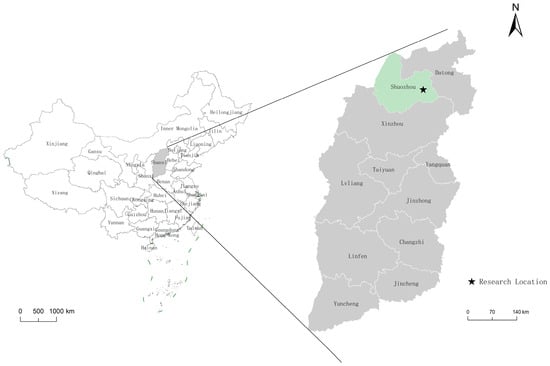
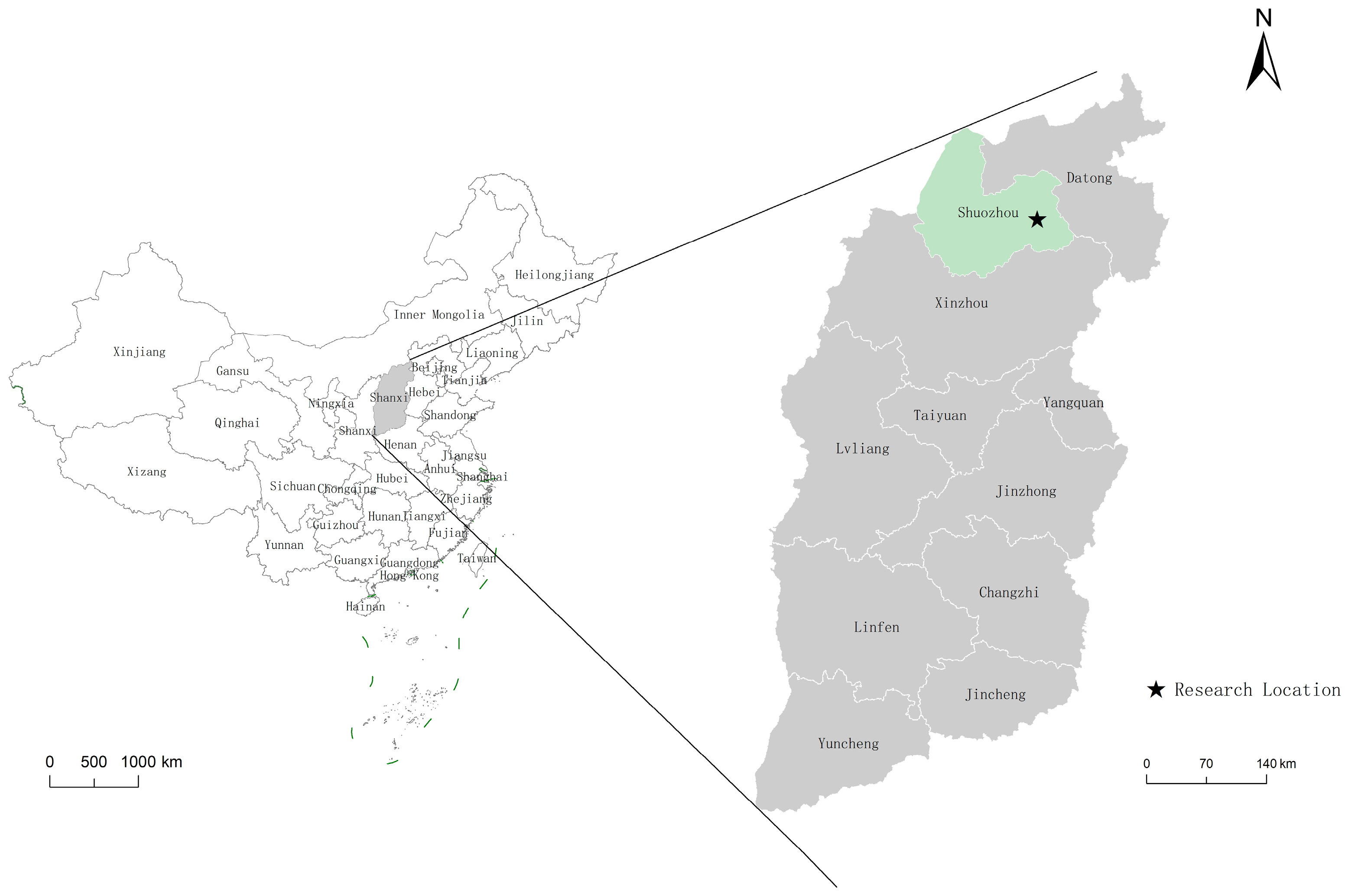
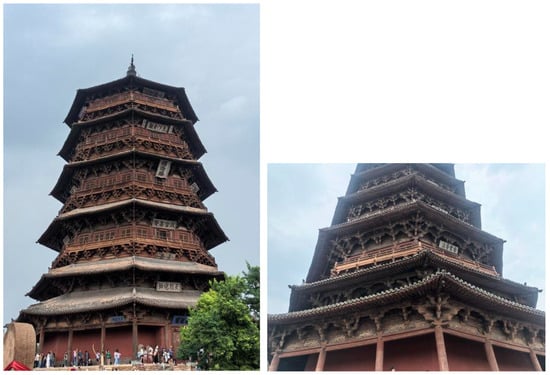
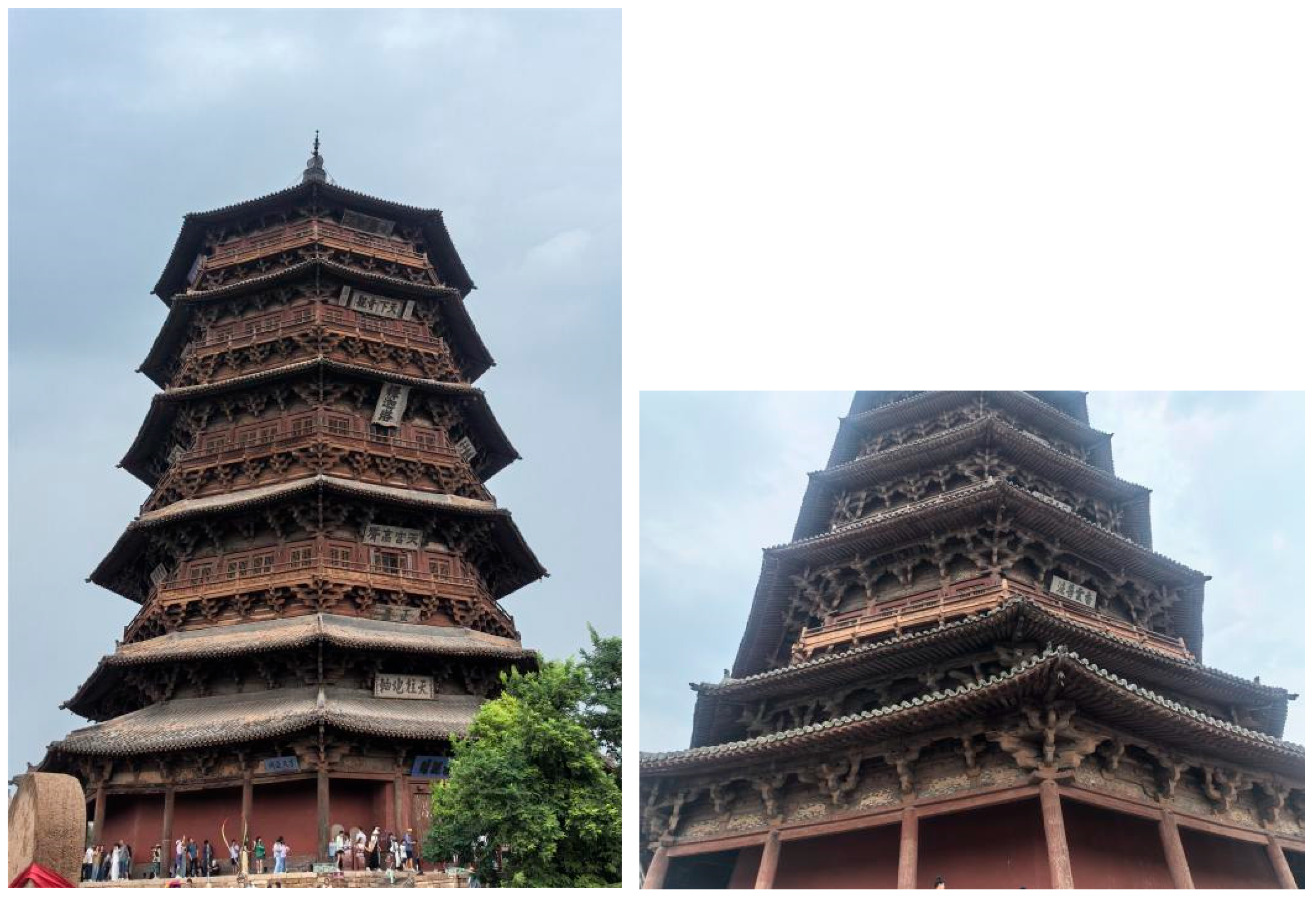
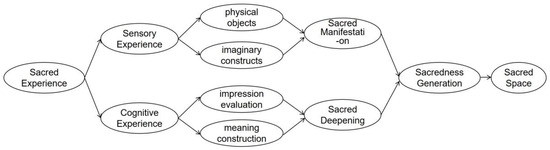
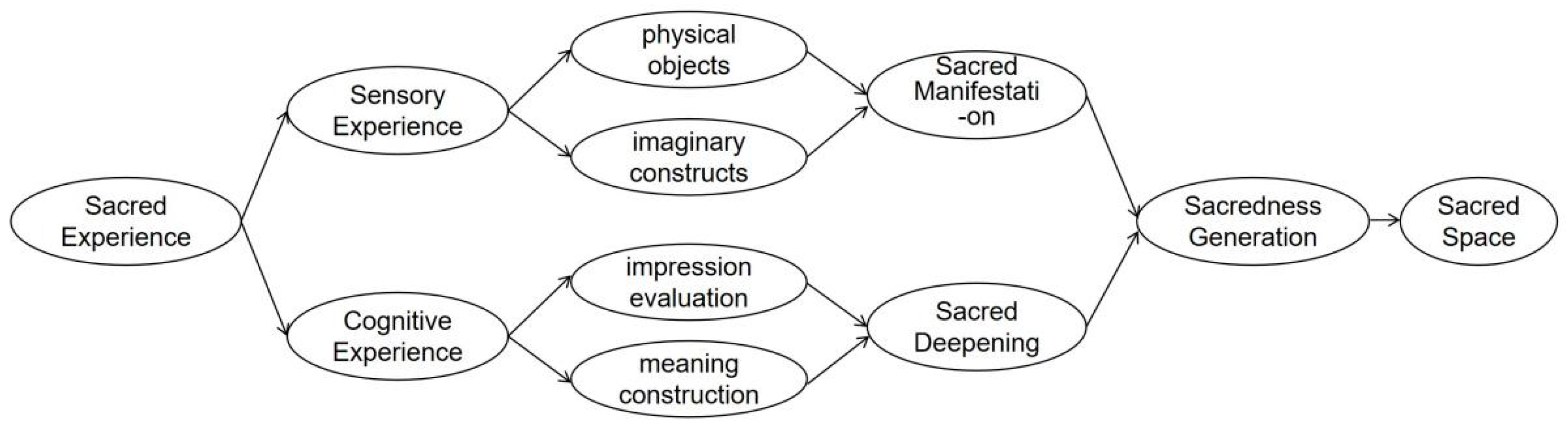
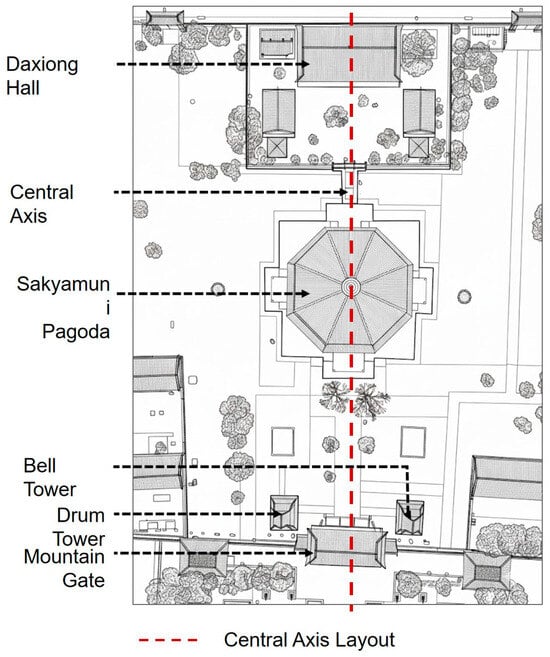
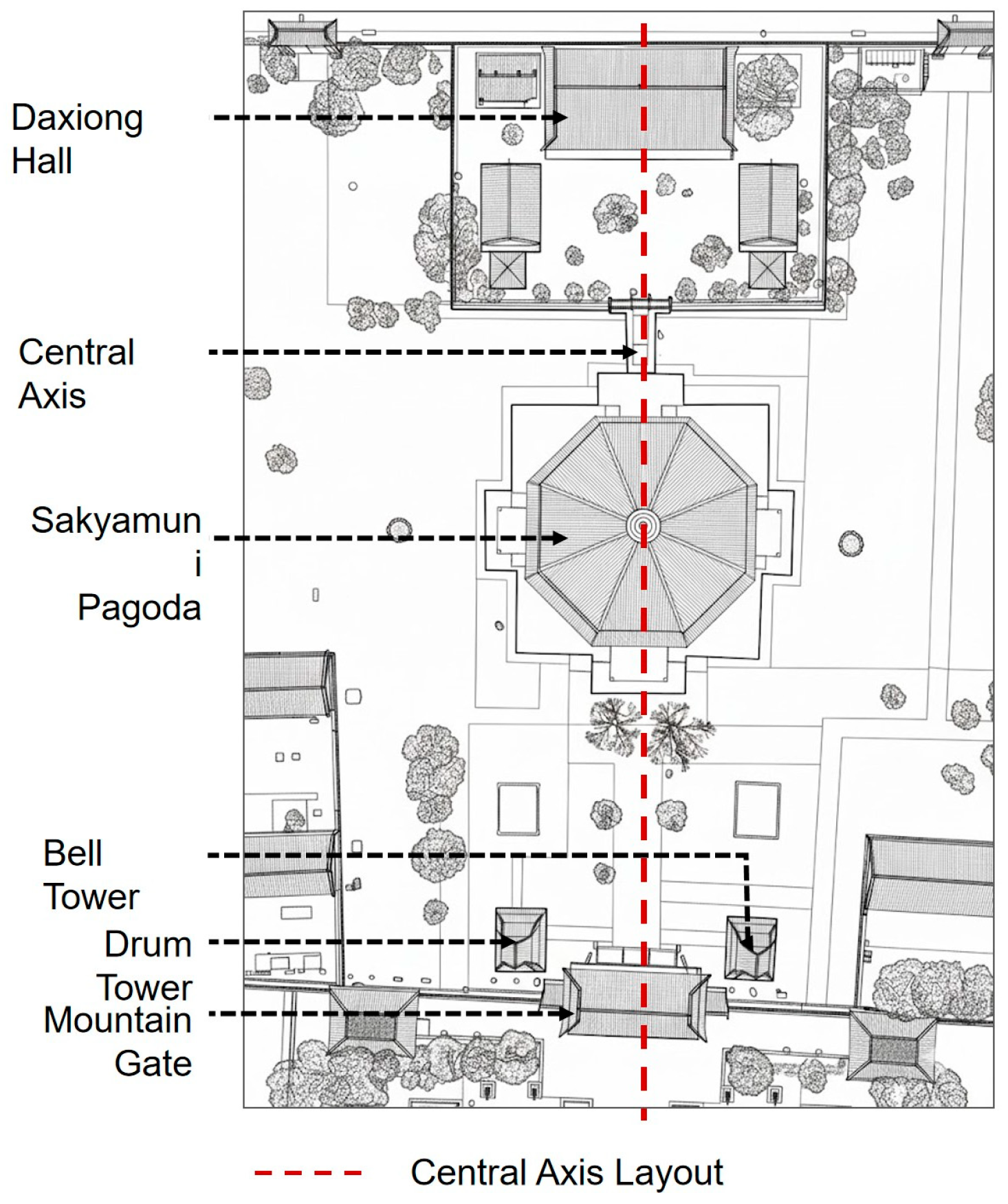
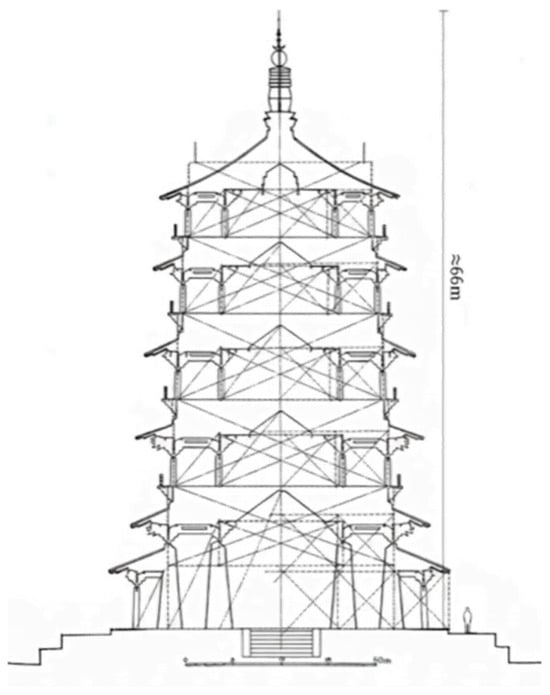
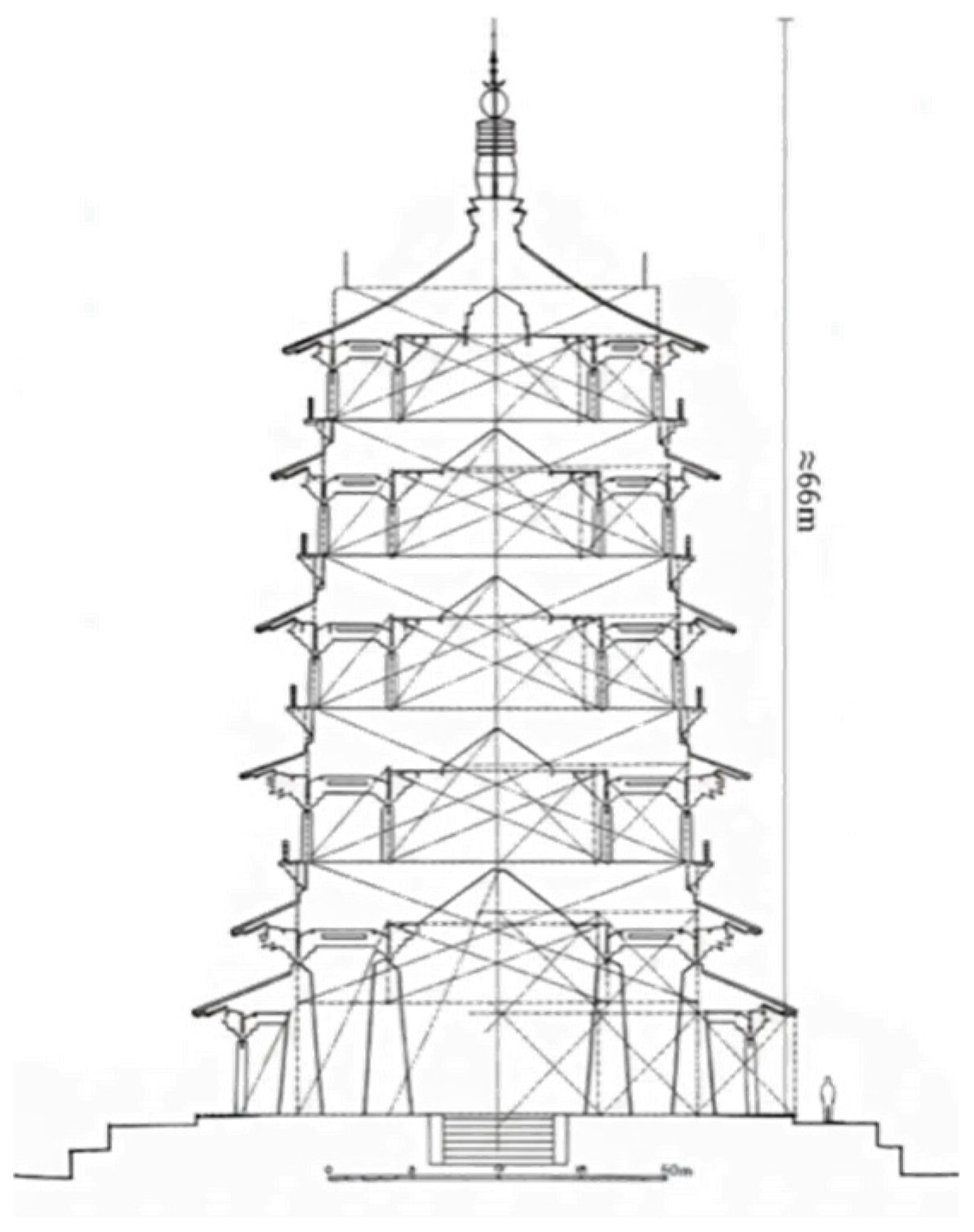
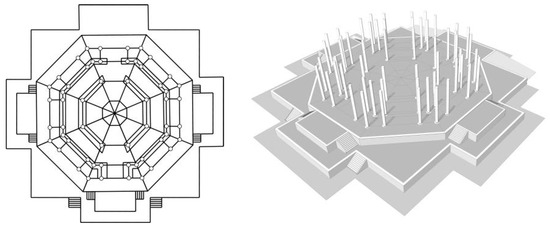
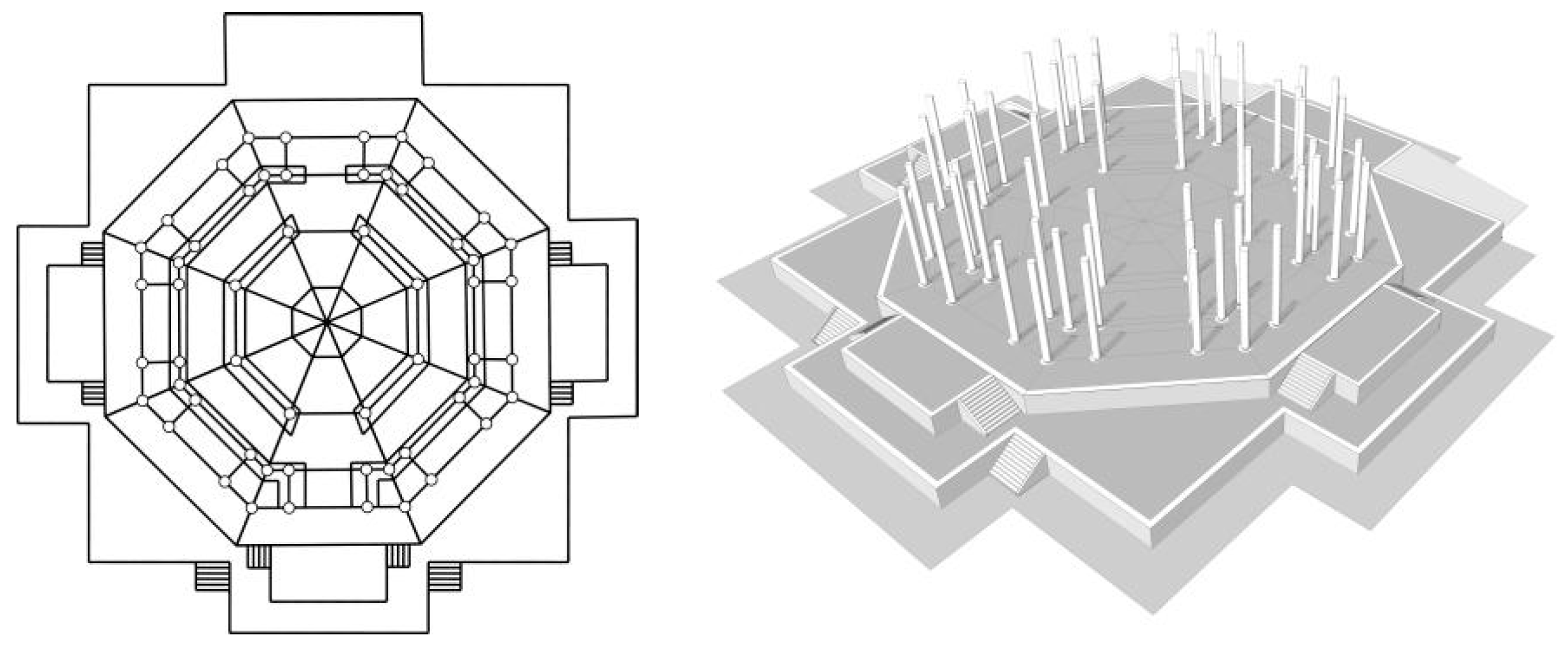
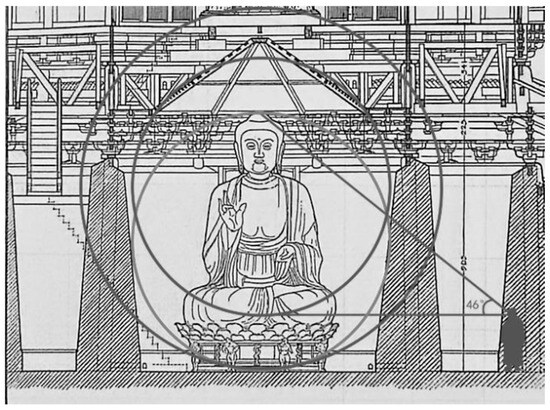
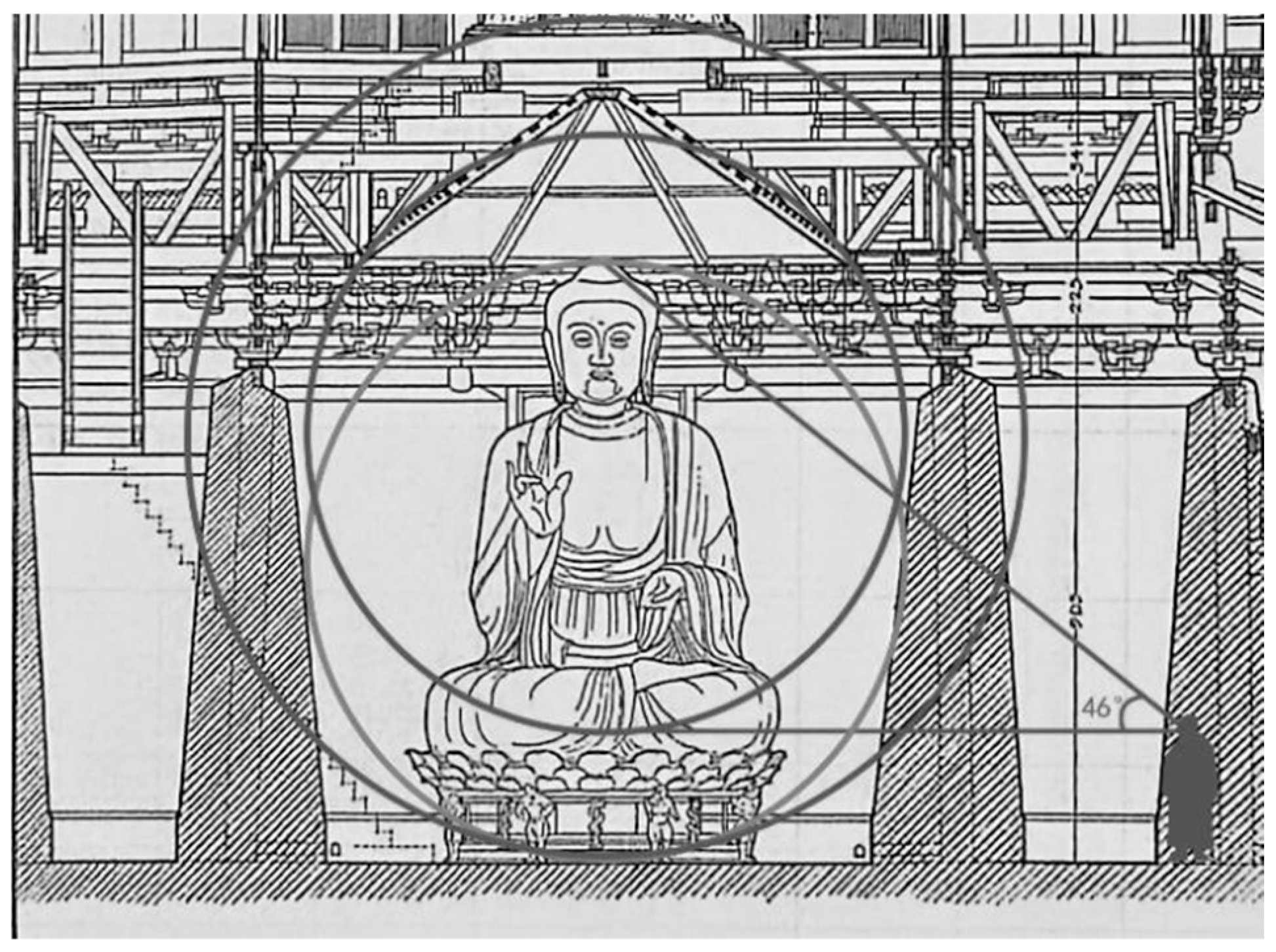



Disclaimer/Publisher’s Note: The statements, opinions and data contained in all publications are solely those of the individual author(s) and contributor(s) and not of MDPI and/or the editor(s). MDPI and/or the editor(s) disclaim responsibility for any injury to people or property resulting from any ideas, methods, instructions or products referred to in the content. |
© 2026 by the authors. Licensee MDPI, Basel, Switzerland. This article is an open access article distributed under the terms and conditions of the Creative Commons Attribution (CC BY) license.