Article

Inversion of the Thickness of Crude Oil Film Based on an OG-CNN Model

1
College of Geomatics, Shandong University of Science and Technology, Qingdao 266590, China
2
First Institute of Oceanography, Ministry of Natural Resources, Qingdao 266061, China
3
National Engineering Laboratory for Integrated Aero-Space-Ground-Ocean Big Data Application Technology, Northwestern Polytechnical University, Xi’an 710729, China
4
School of Geosciences, China University of Petroleum (East China), Qingdao 266580, China
*
Author to whom correspondence should be addressed.
J. Mar. Sci. Eng. 2020, 8(9), 653; https://doi.org/10.3390/jmse8090653
Submission received: 17 July 2020 / Revised: 20 August 2020 / Accepted: 22 August 2020 / Published: 25 August 2020
(This article belongs to the Section Physical Oceanography)

Abstract

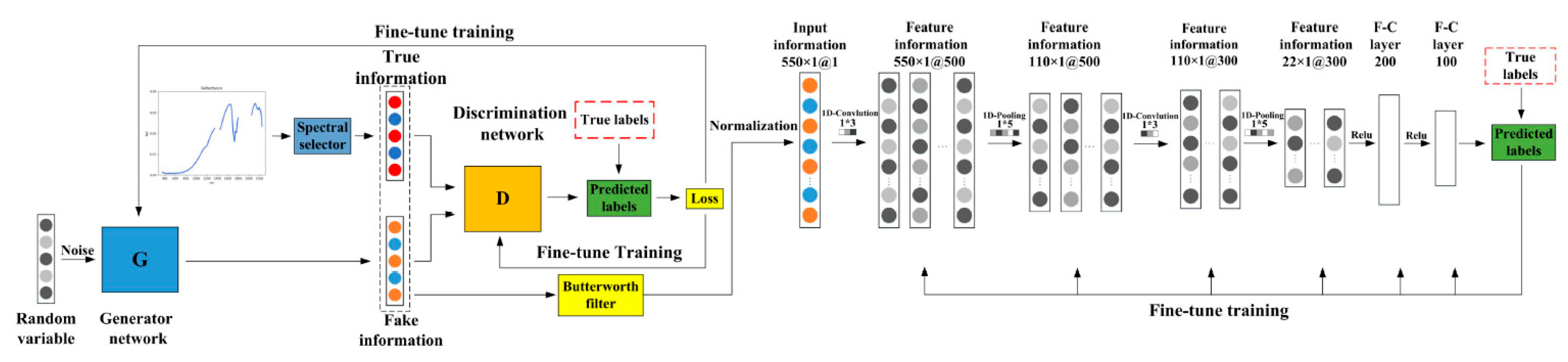
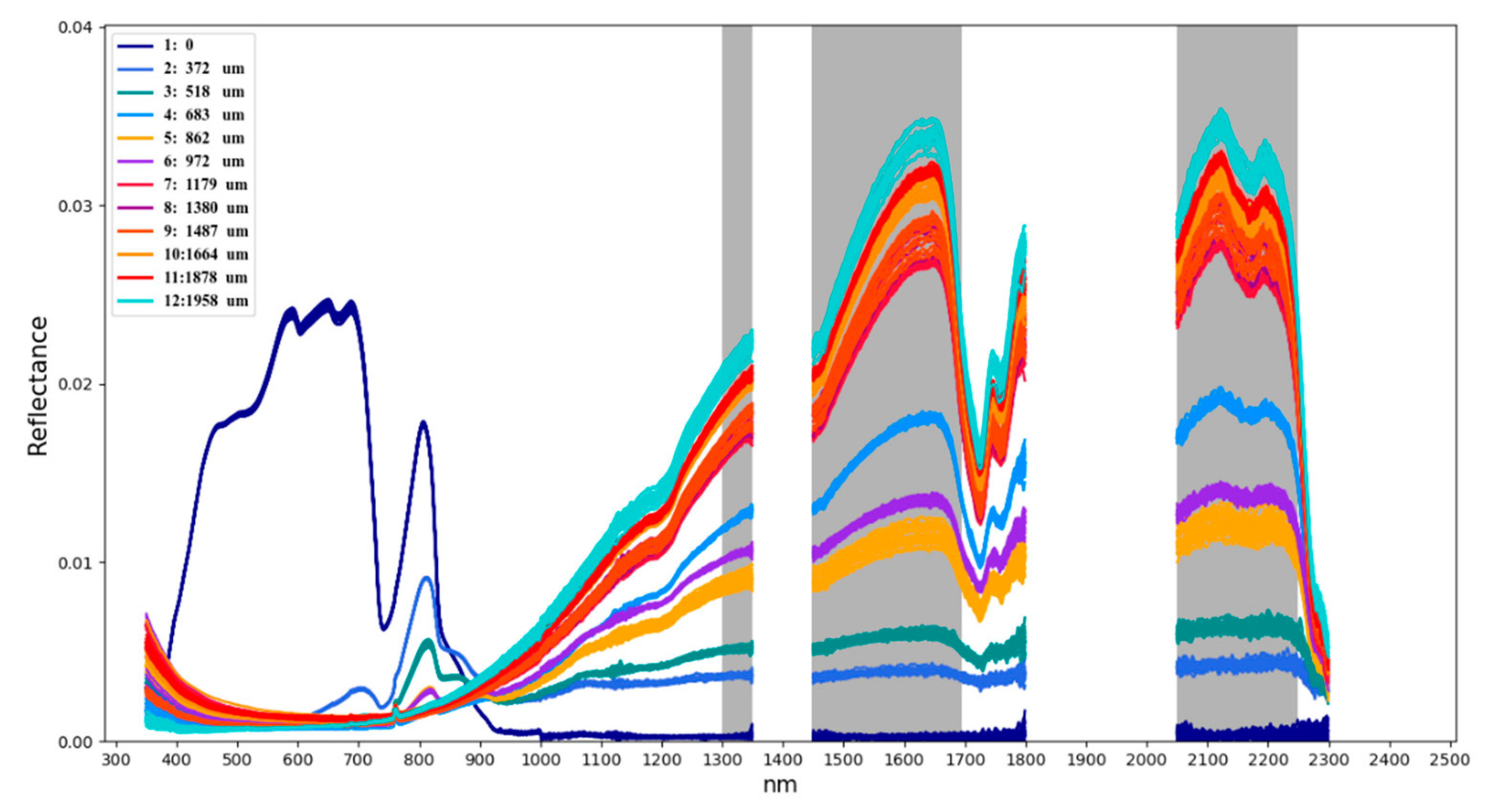
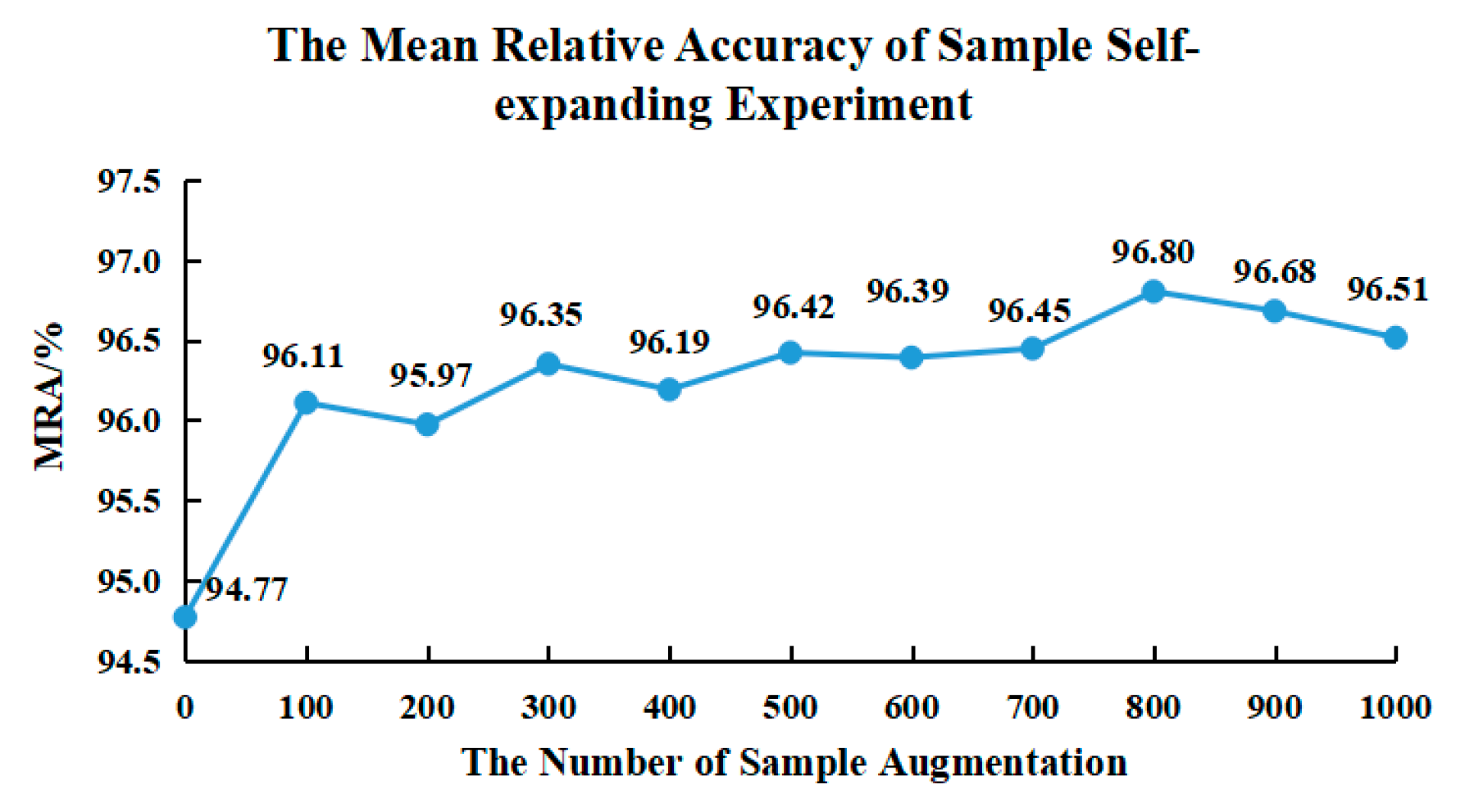
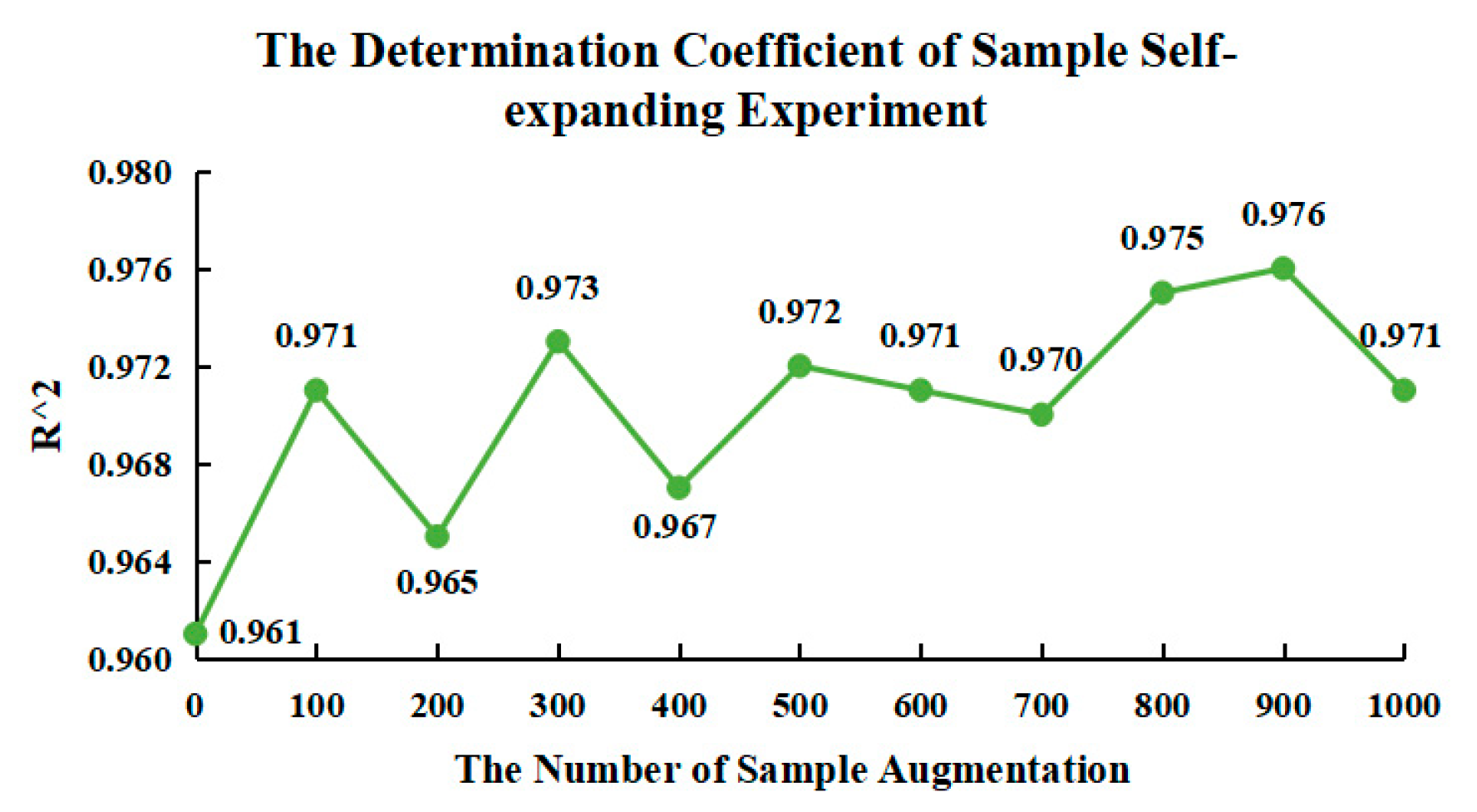
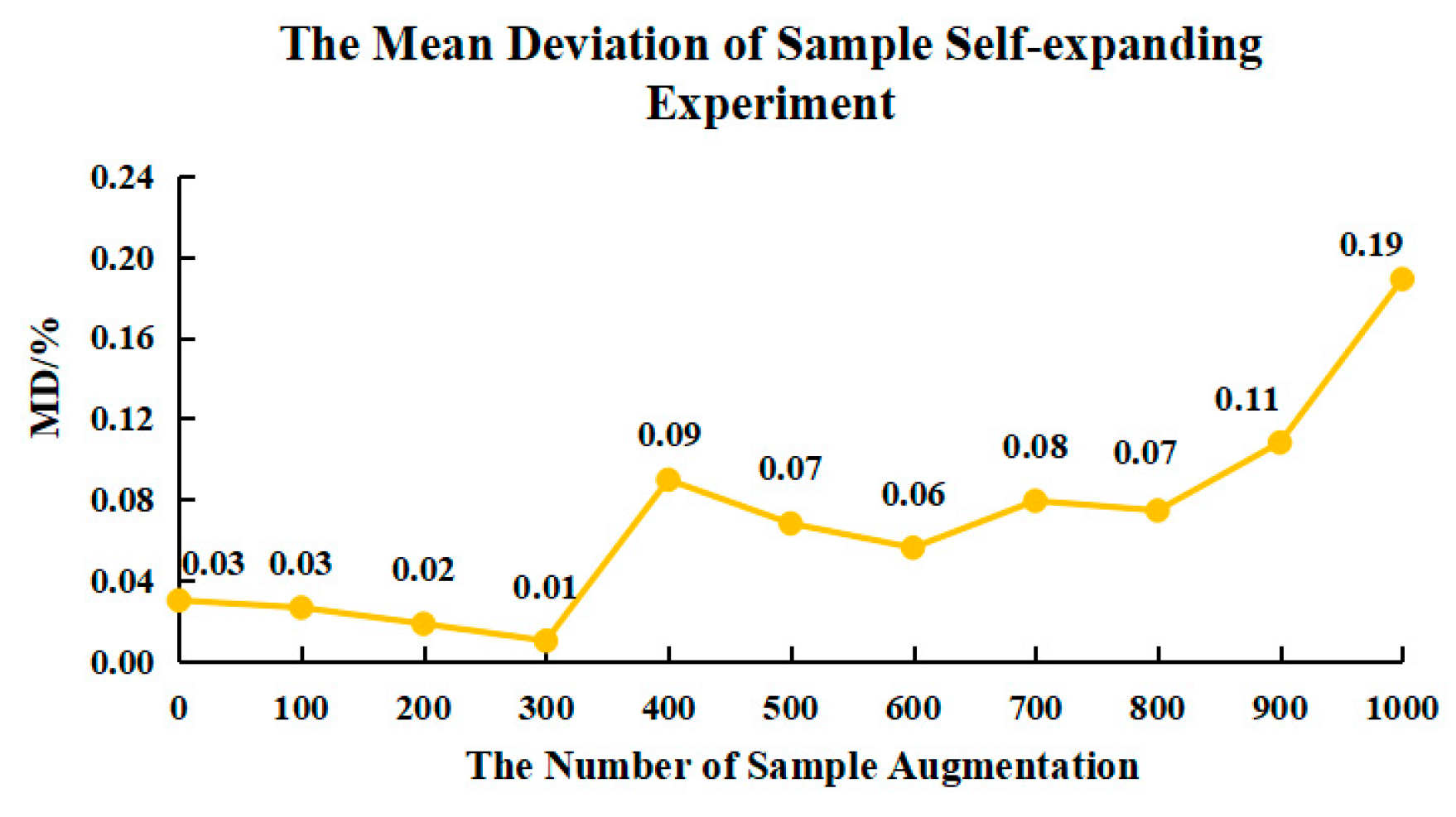
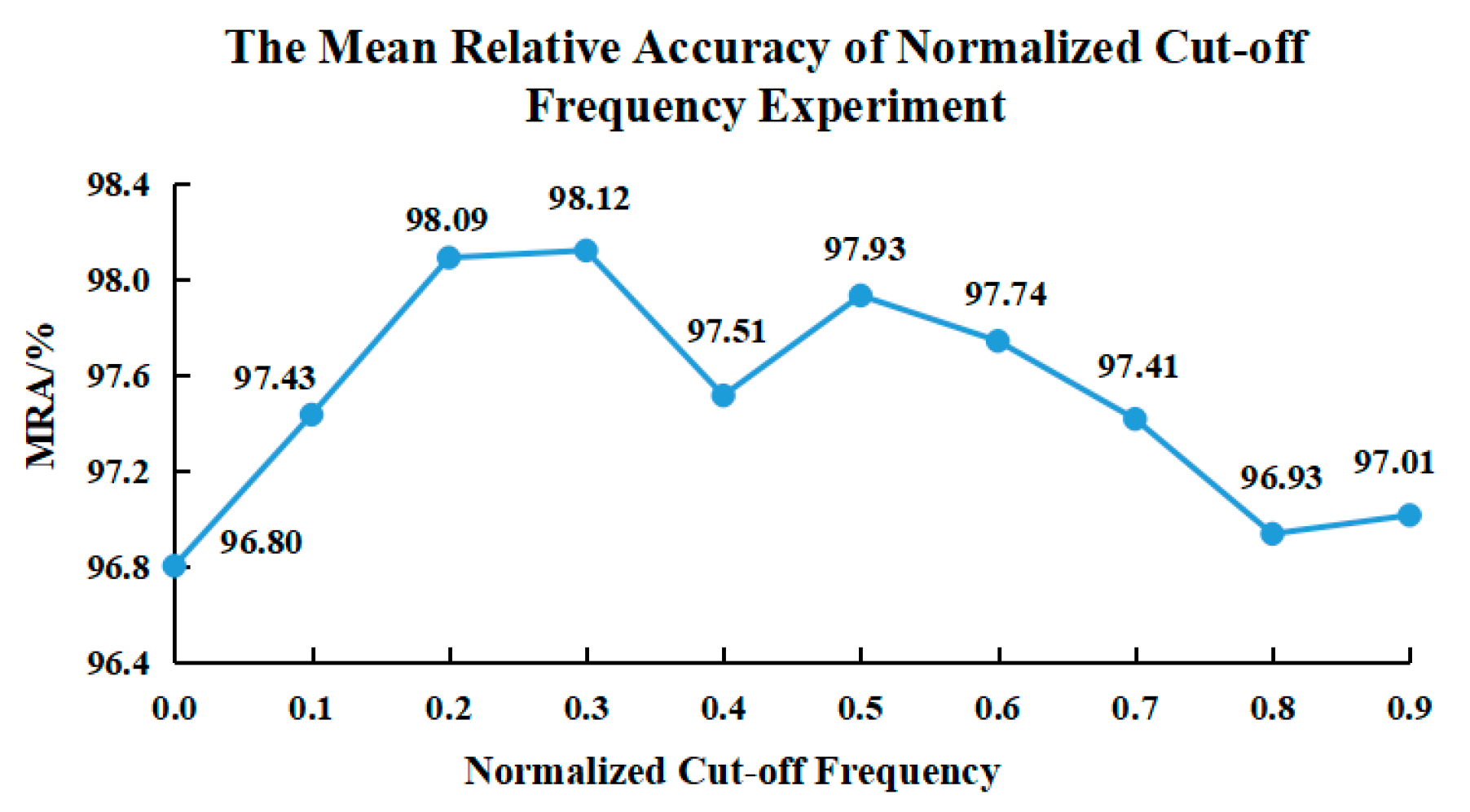
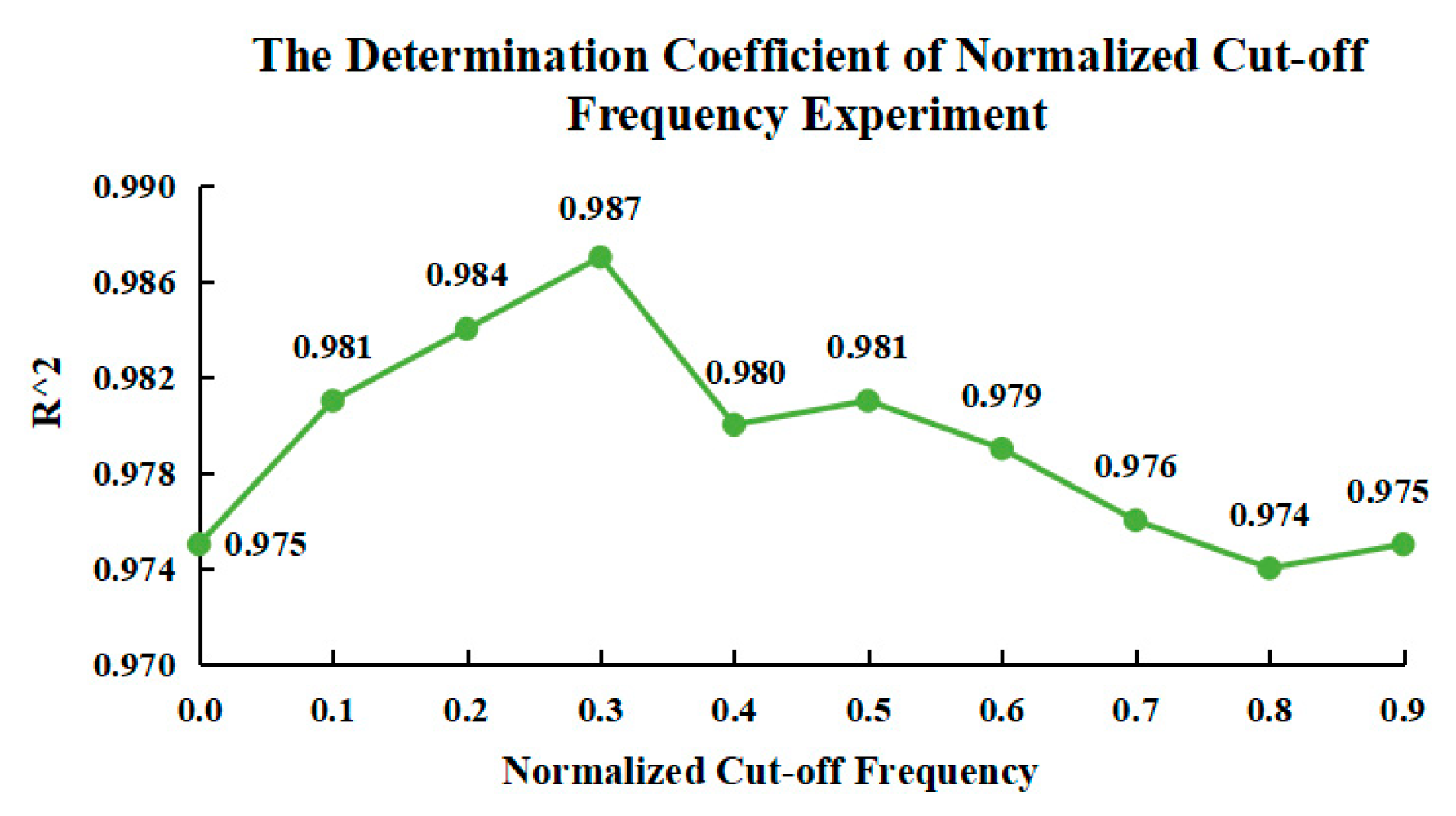
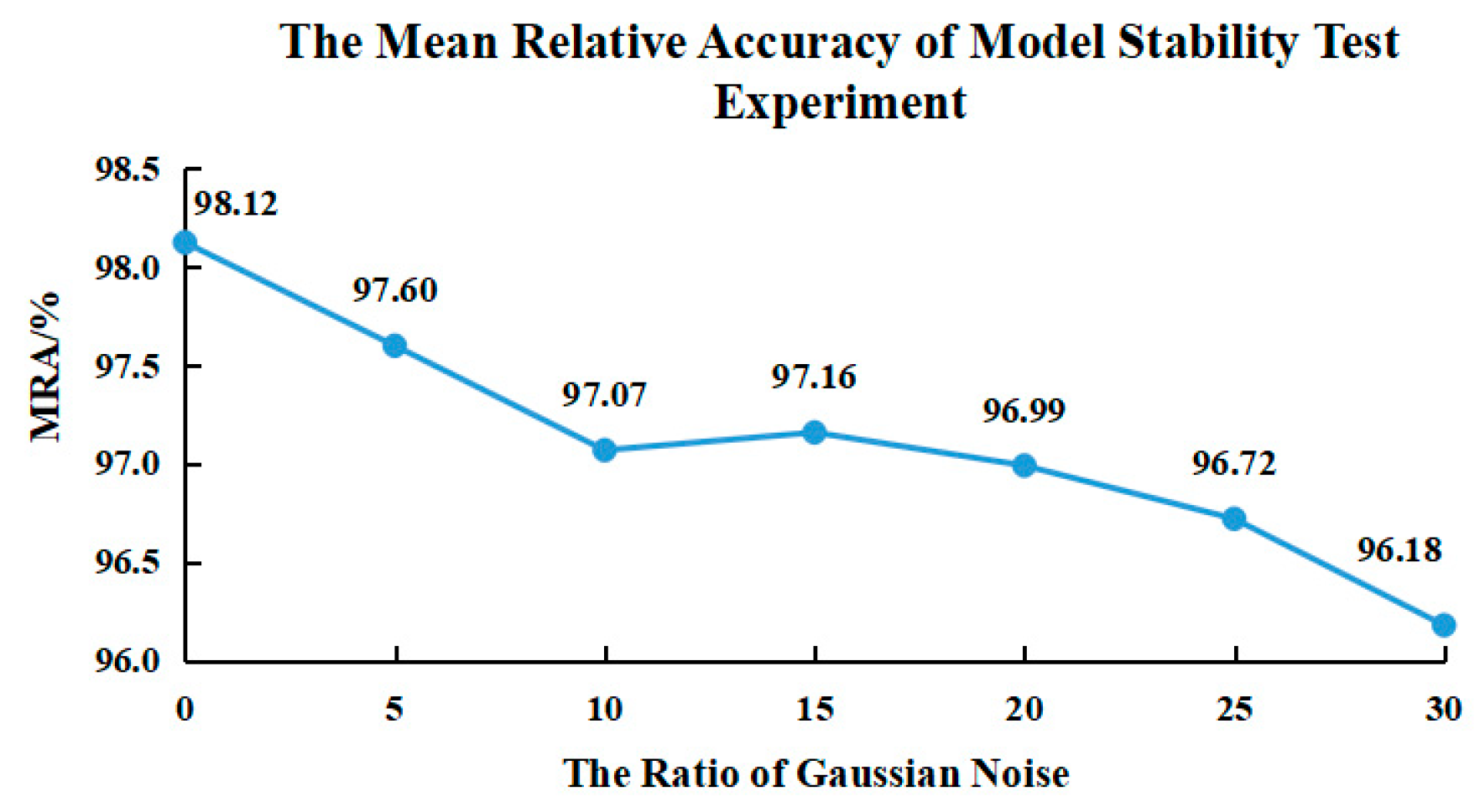
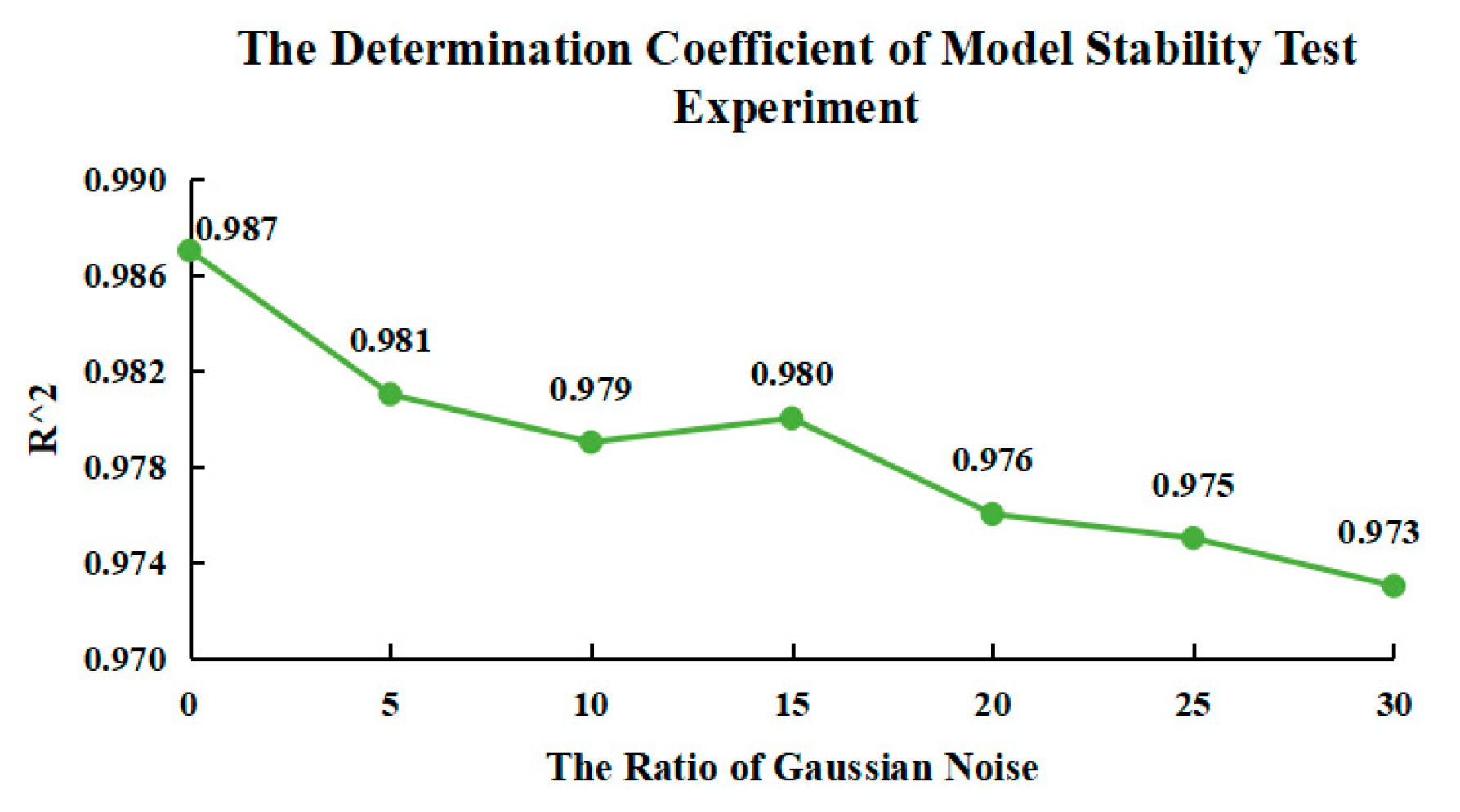
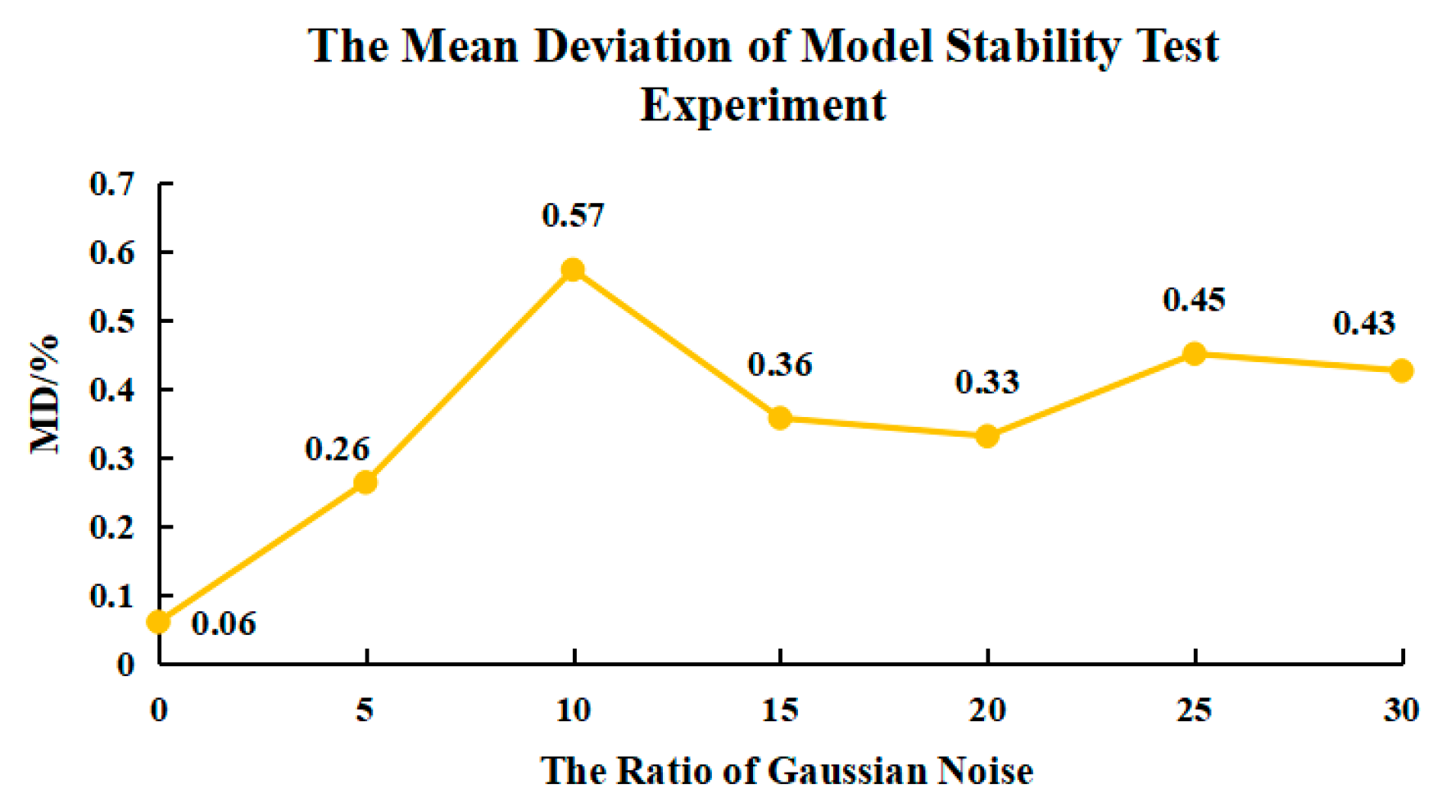
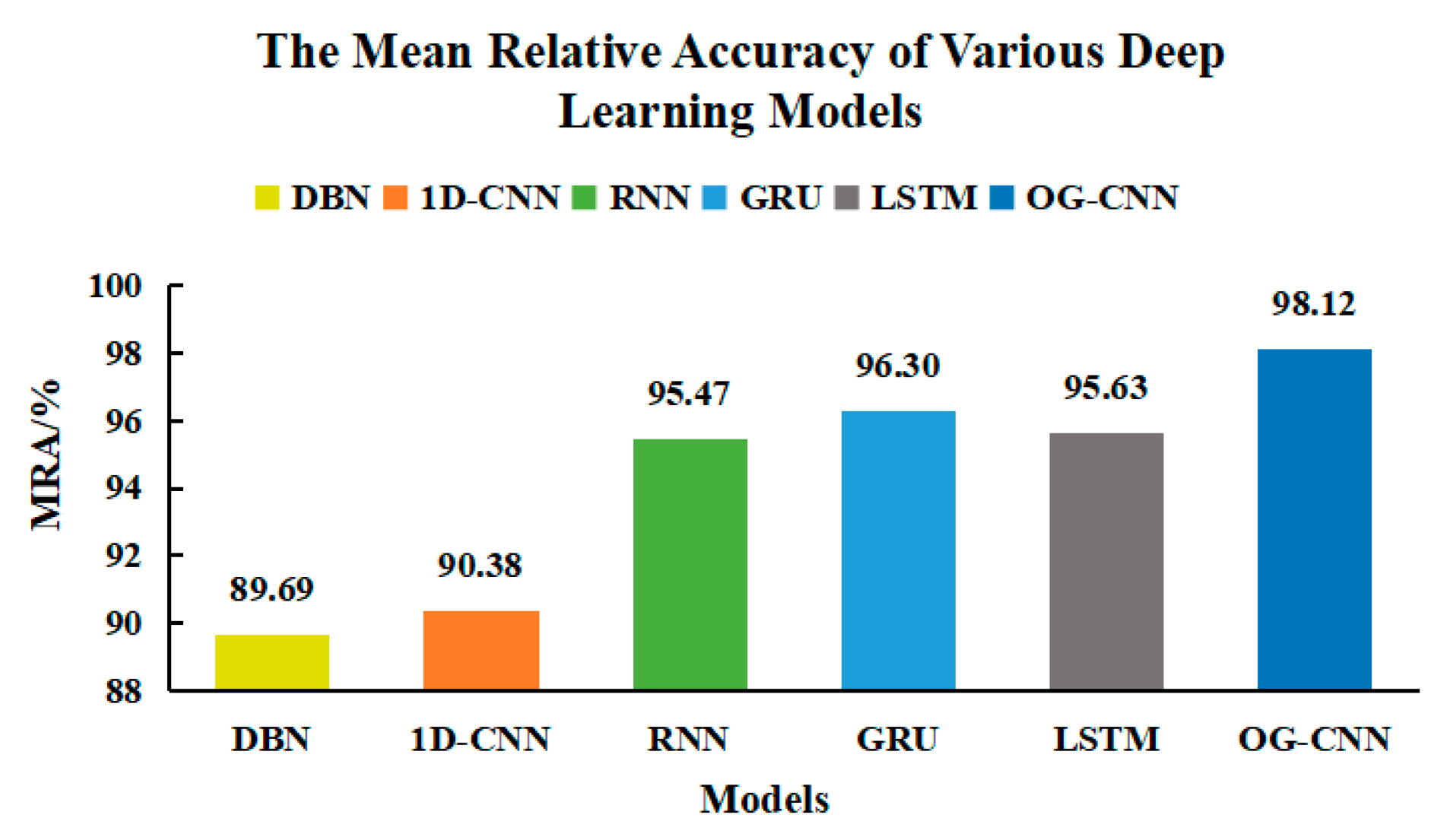
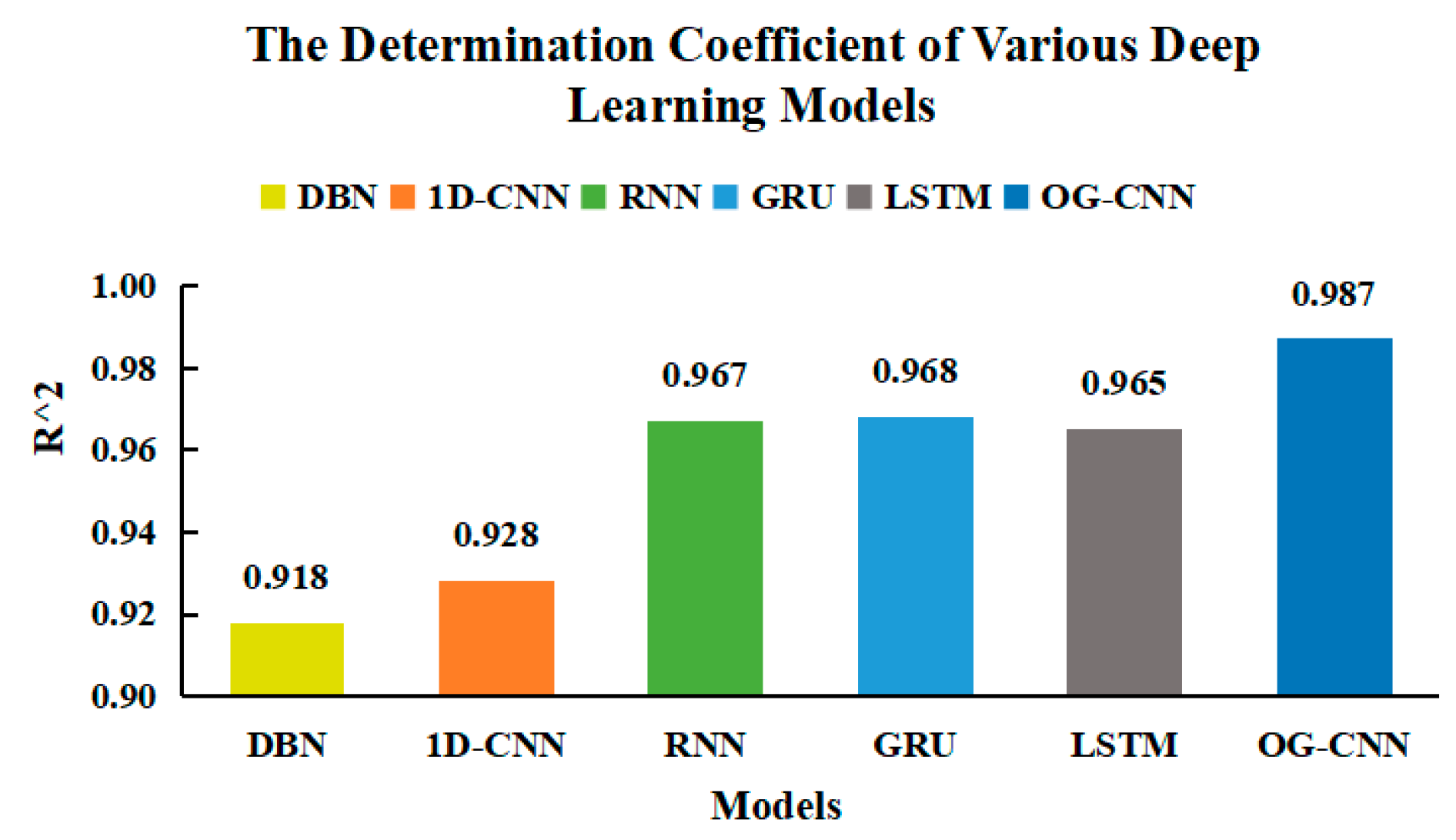
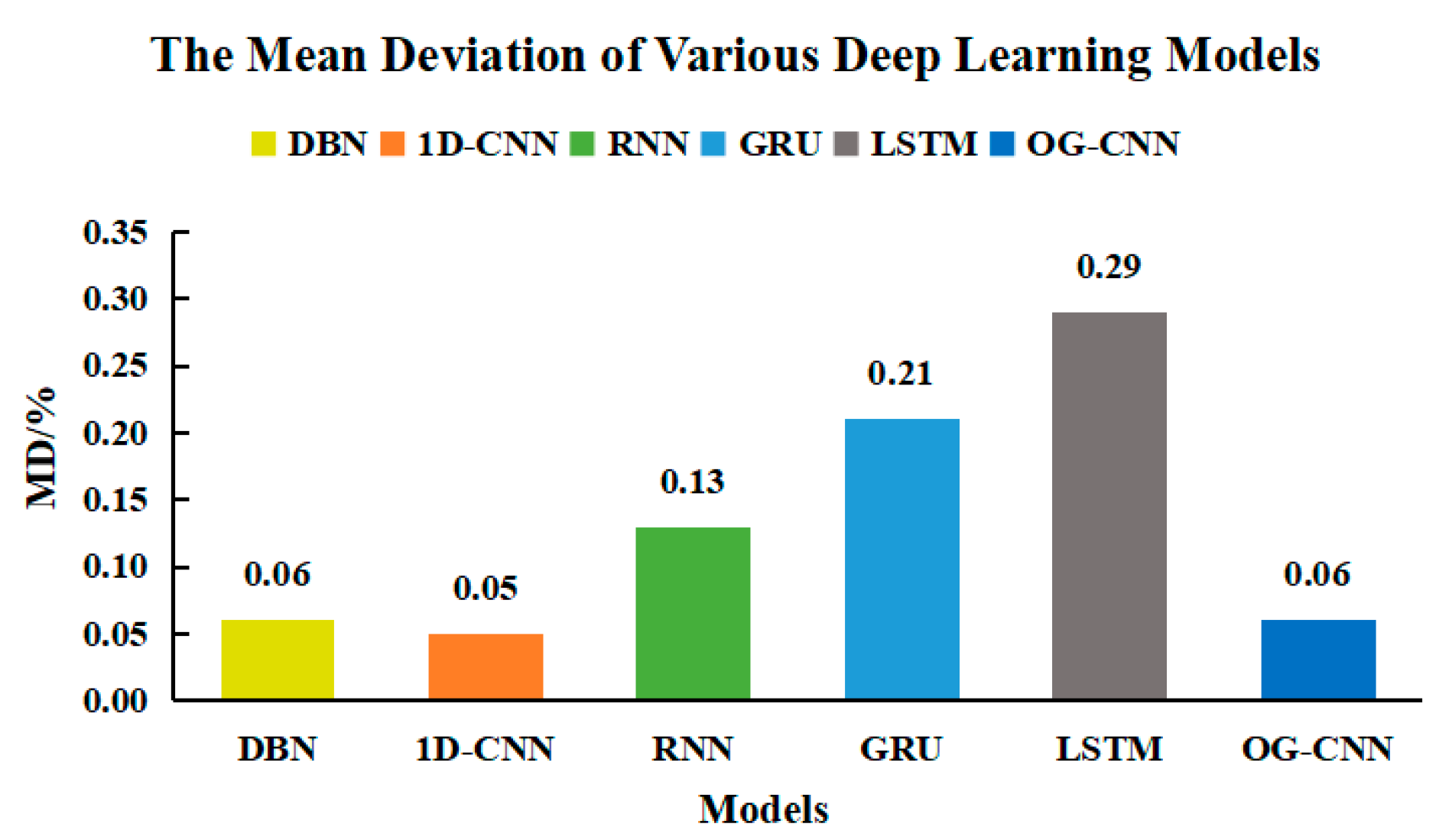
In recent years, marine oil spill accidents have occurred frequently, seriously endangering marine ecological security. It is highly important to protect the marine ecological environment by carrying out research on the estimation of sea oil spills based on remote sensing technology. In this paper, we combine deep learning with remote sensing technology and propose an oil thickness inversion generative adversarial and convolutional neural network (OG-CNN) model for oil spill emergency monitoring. The model consists of a self-expanding module for the oil film spectral feature data and an oil film thickness inversion module. The feature data self-expanding module can automatically select spectral feature intervals with good spectral separability based on the measured spectral data and then expand the number of samples using a generative adversarial network (GAN) to enhance the generalization of the model. The oil film thickness inversion module is based on a one-dimensional convolutional neural network (1D-CNN). It extracts the characteristics of the spectral feature data of oil film with different thicknesses, and then accurately inverts the oil film’s absolute thickness. In this study, emulsification was not a factor considered, the results show that the absolute oil thickness inversion accuracy of the OG-CNN model proposed in this paper can reach 98.12%, the coefficient of determination can reach 0.987, and the mean deviation remains within ±0.06% under controlled experimental conditions. In the model stability test, the model maintains relatively stable inversion results under the interference of random Gaussian noise. The accuracy of the oil film thickness inversion result remains above 96%, the coefficient of determination can reach 0.973, and the mean deviation is controlled within ±0.6%, which indicates excellent robustness.
Keywords: remote sensing; crude oil film; absolute thickness inversion; deep learning; 1D-CNN; GAN remote sensing; crude oil film; absolute thickness inversion; deep learning; 1D-CNN; GAN