Article

A New Concept for Docking Vessels

Faculty of Mechanical Engineering, The Technion-Israel Institute of Technology, Haifa 32000, Israel
*
Author to whom correspondence should be addressed.
J. Mar. Sci. Eng. 2026, 14(4), 329; https://doi.org/10.3390/jmse14040329
Submission received: 29 December 2025 / Revised: 28 January 2026 / Accepted: 30 January 2026 / Published: 8 February 2026
(This article belongs to the Section Ocean Engineering)

Abstract

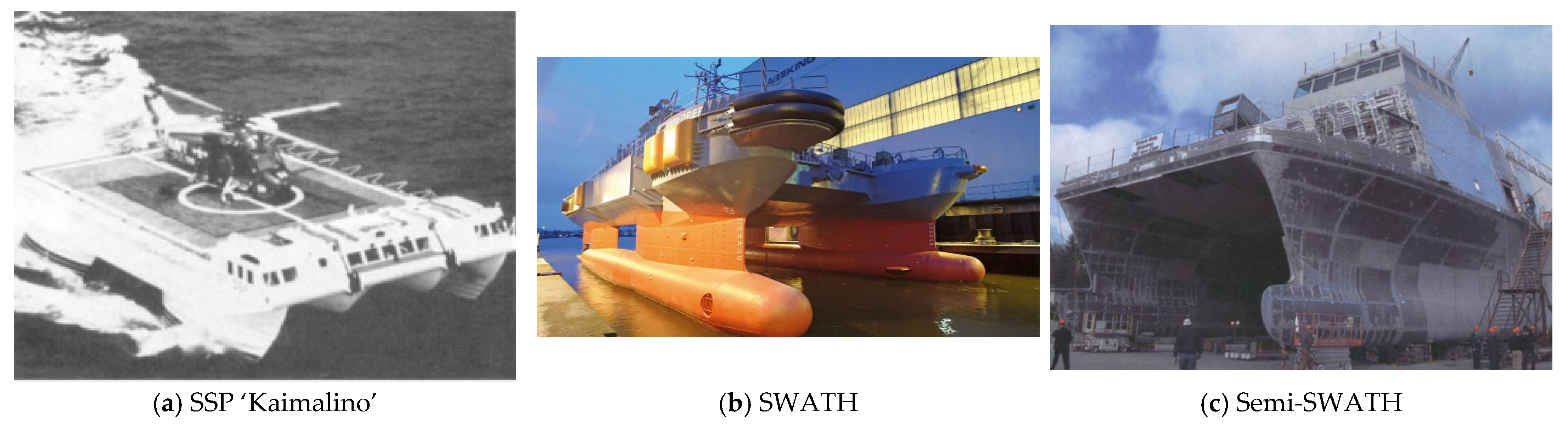
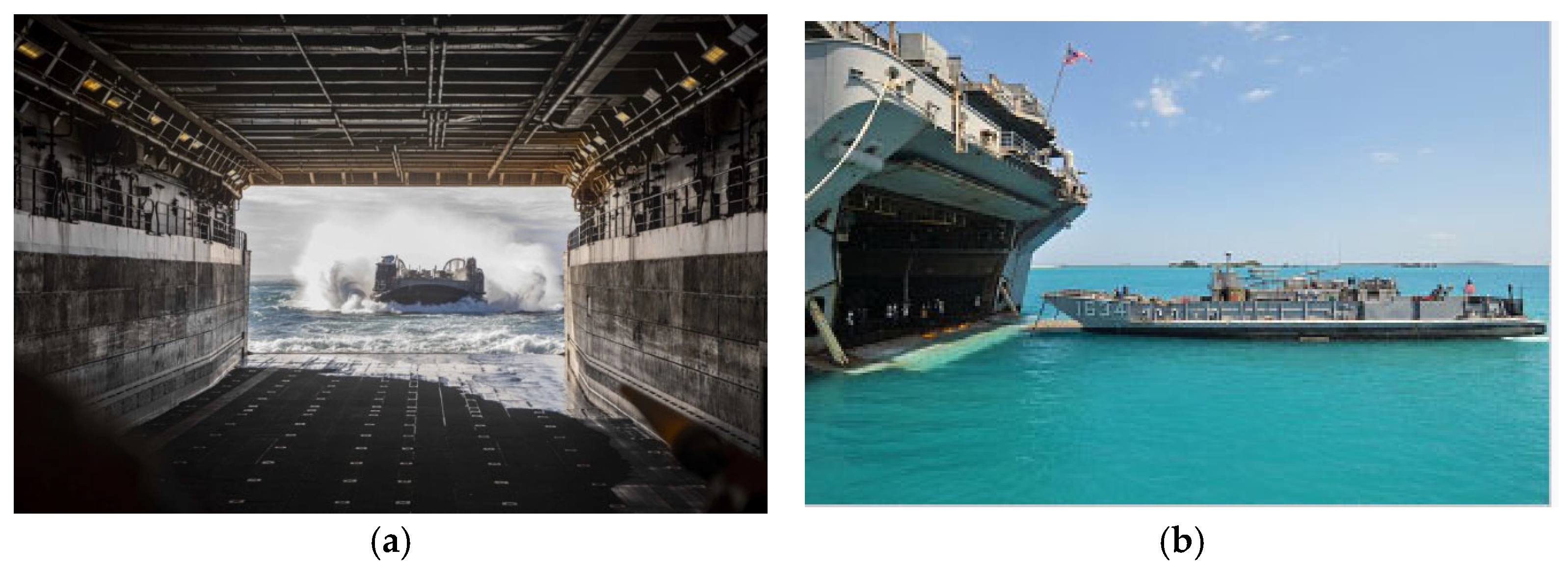
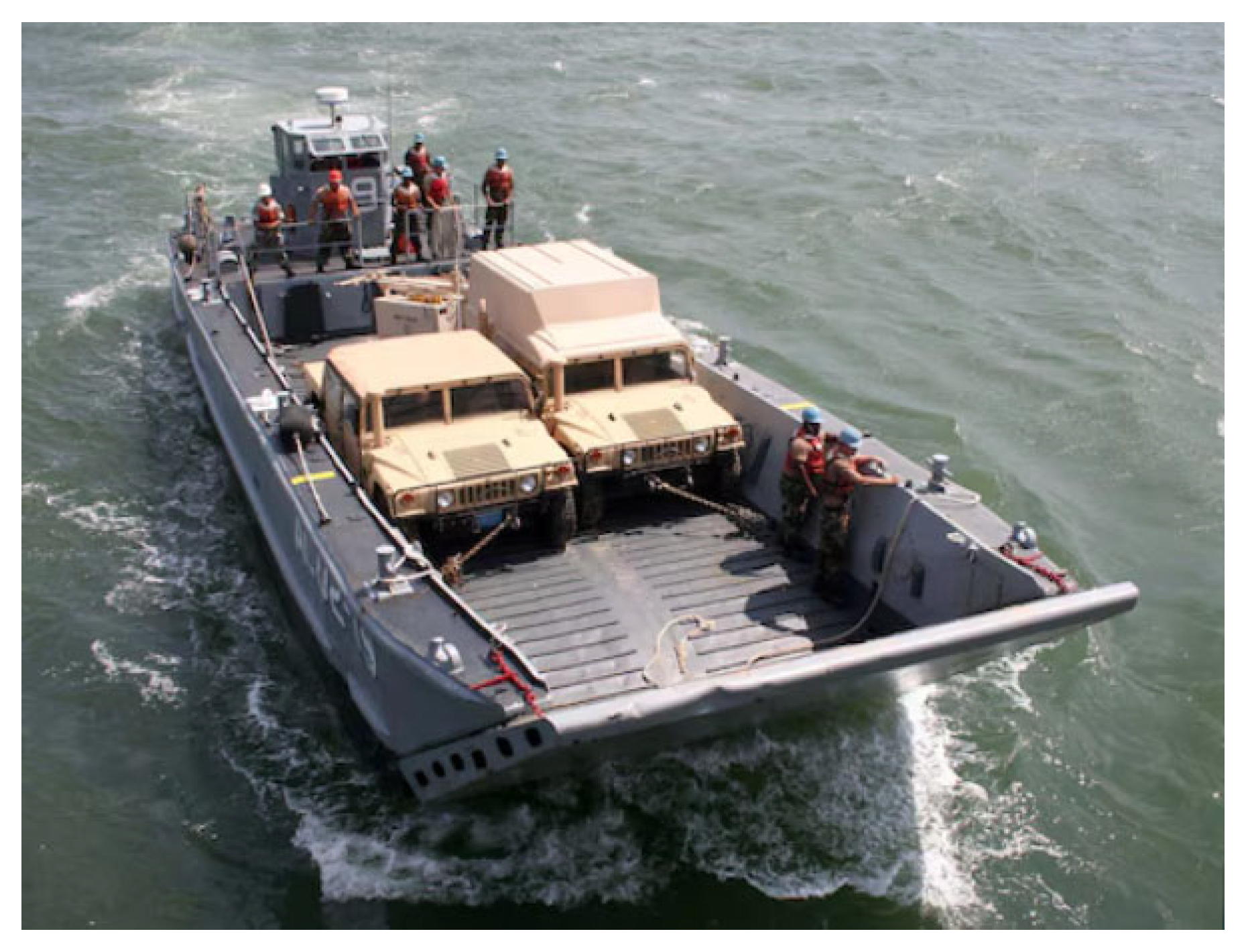
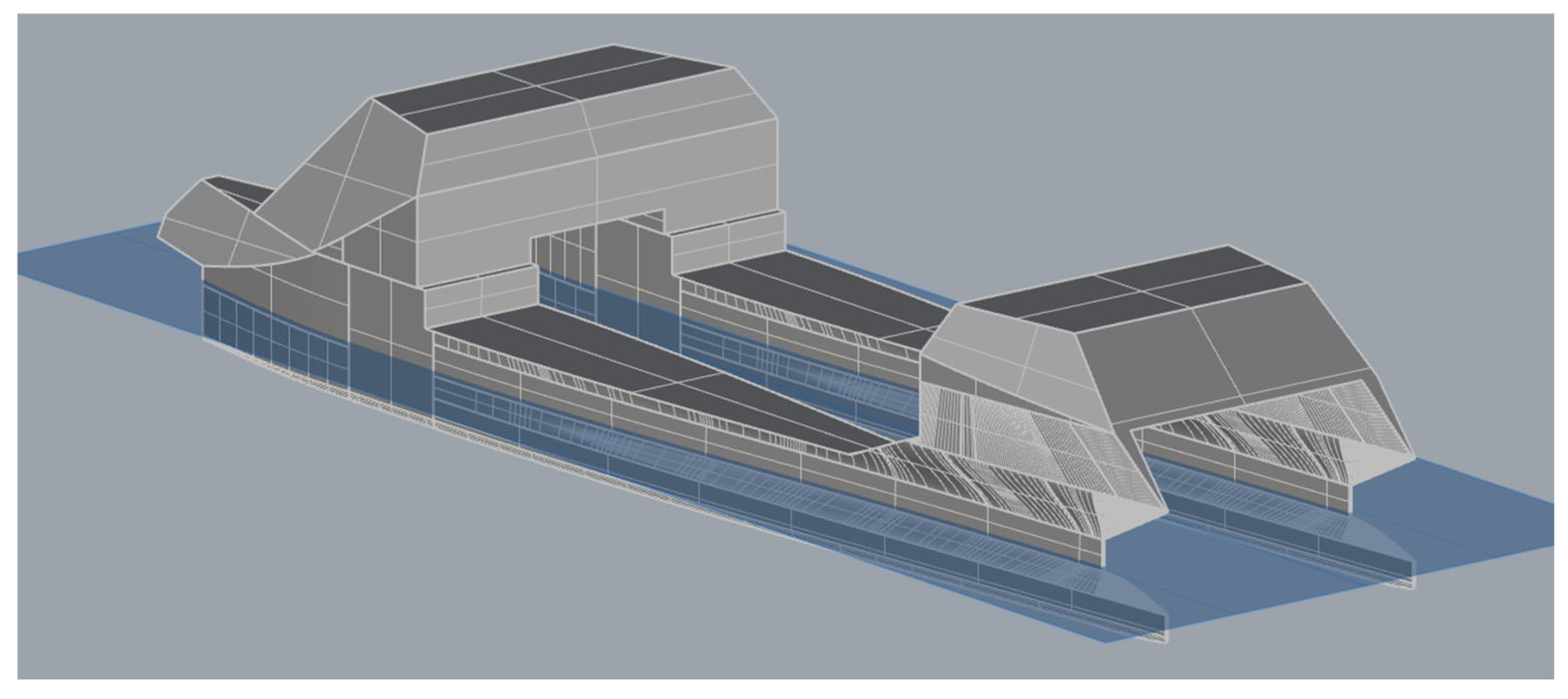
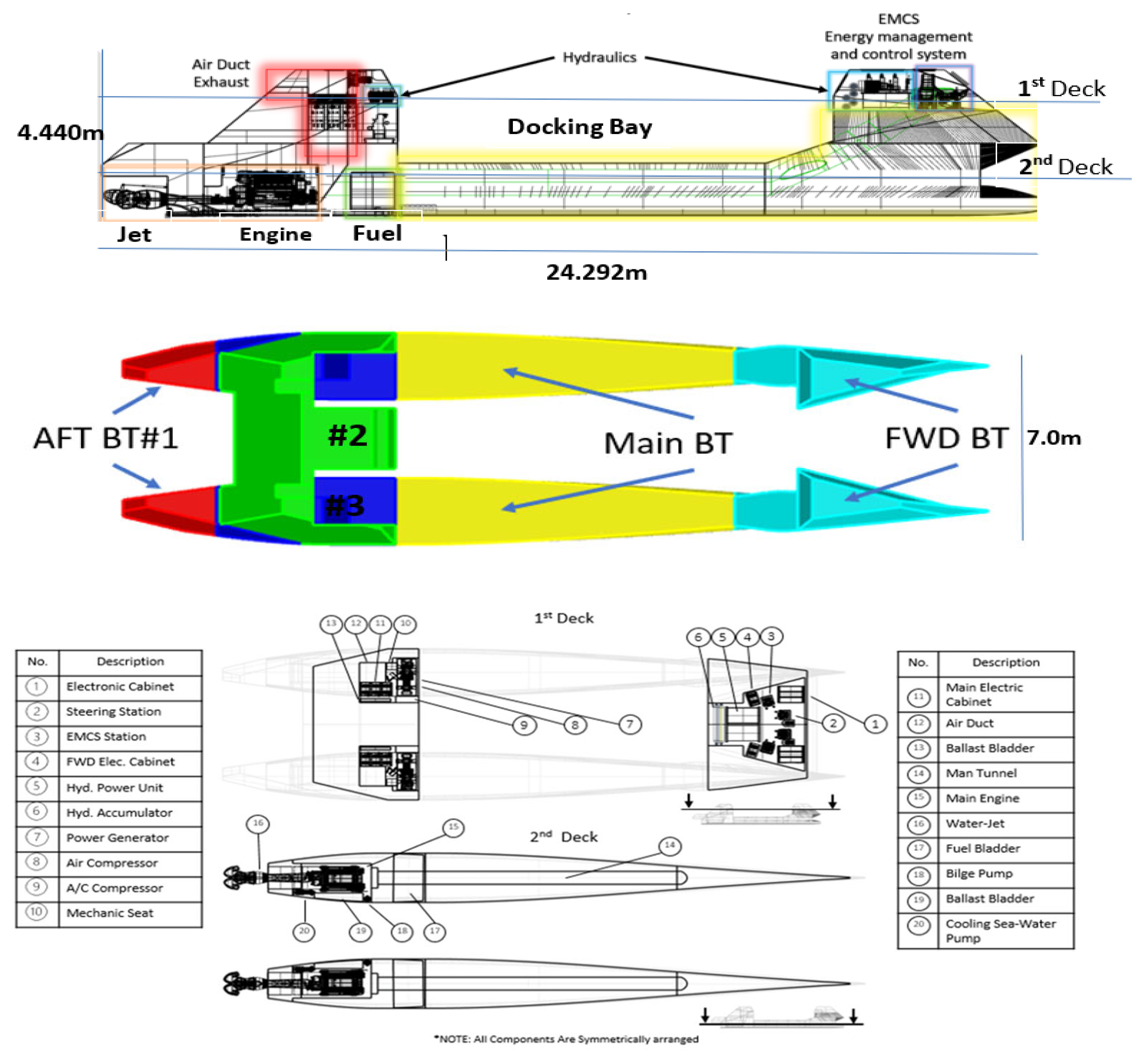
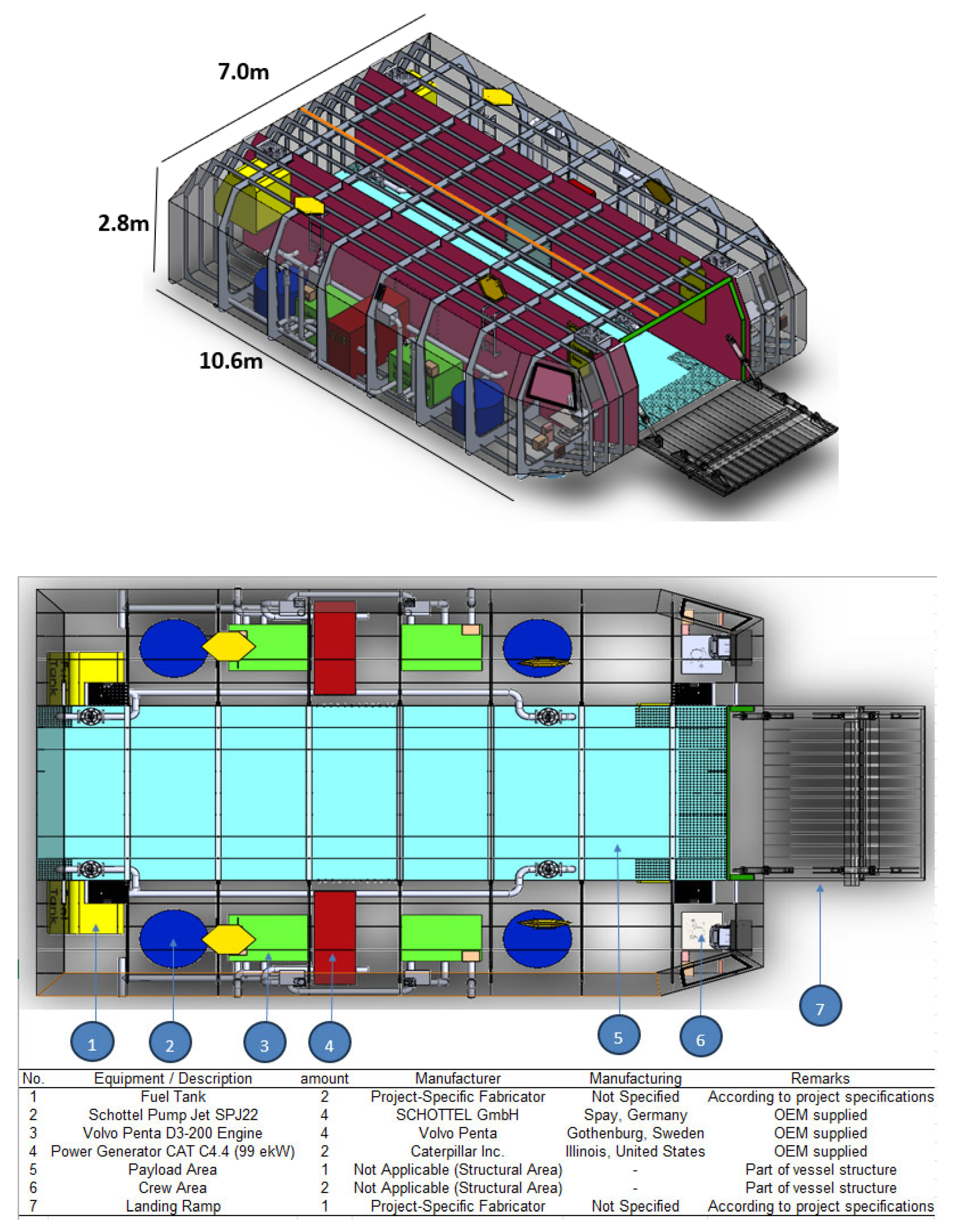
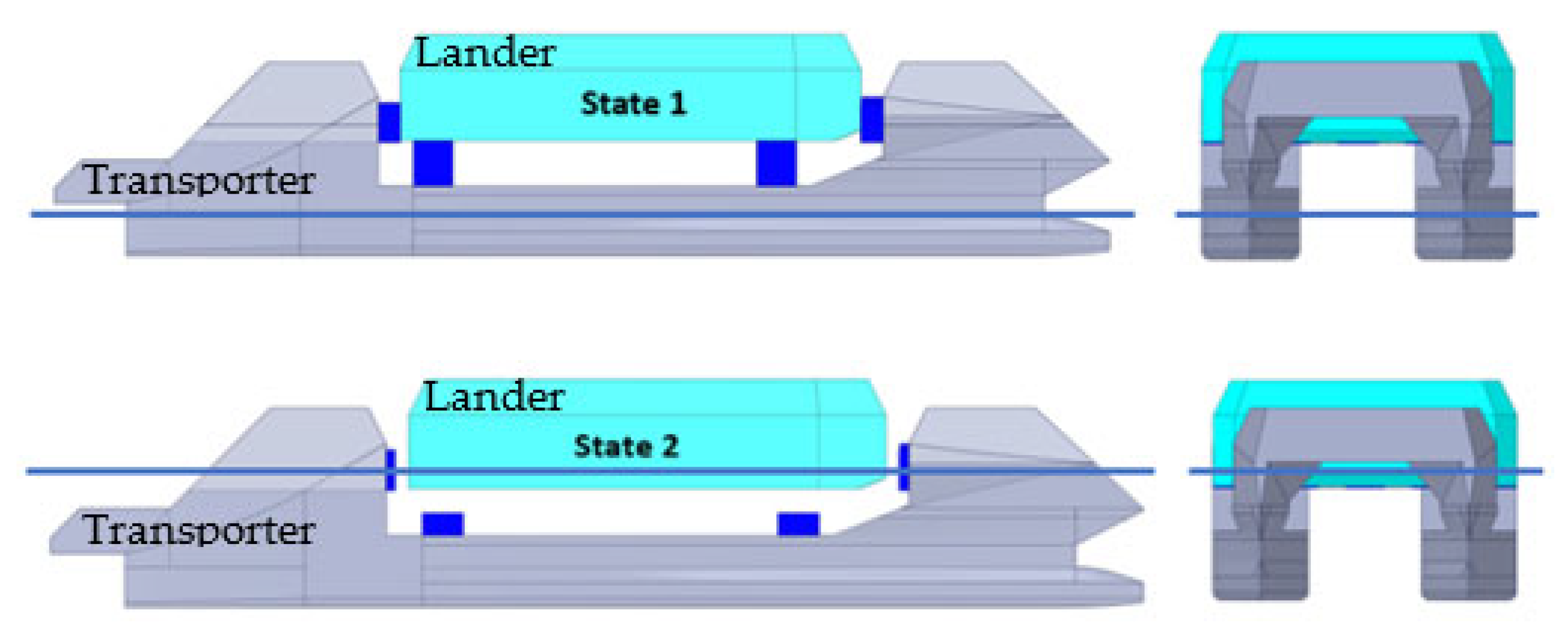
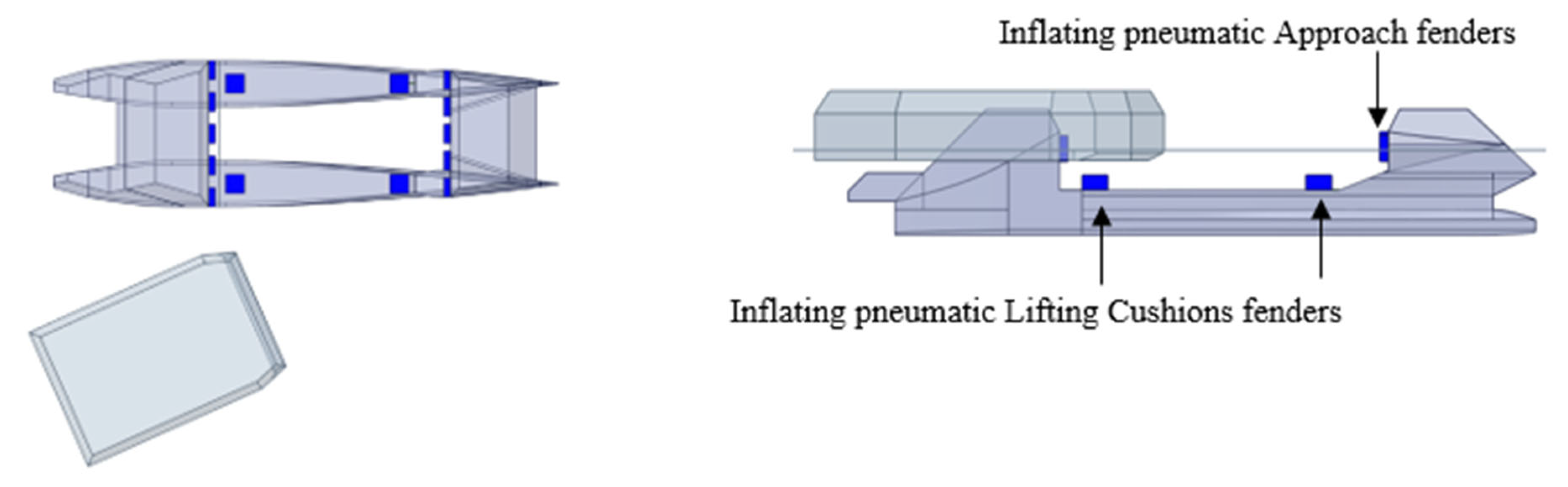
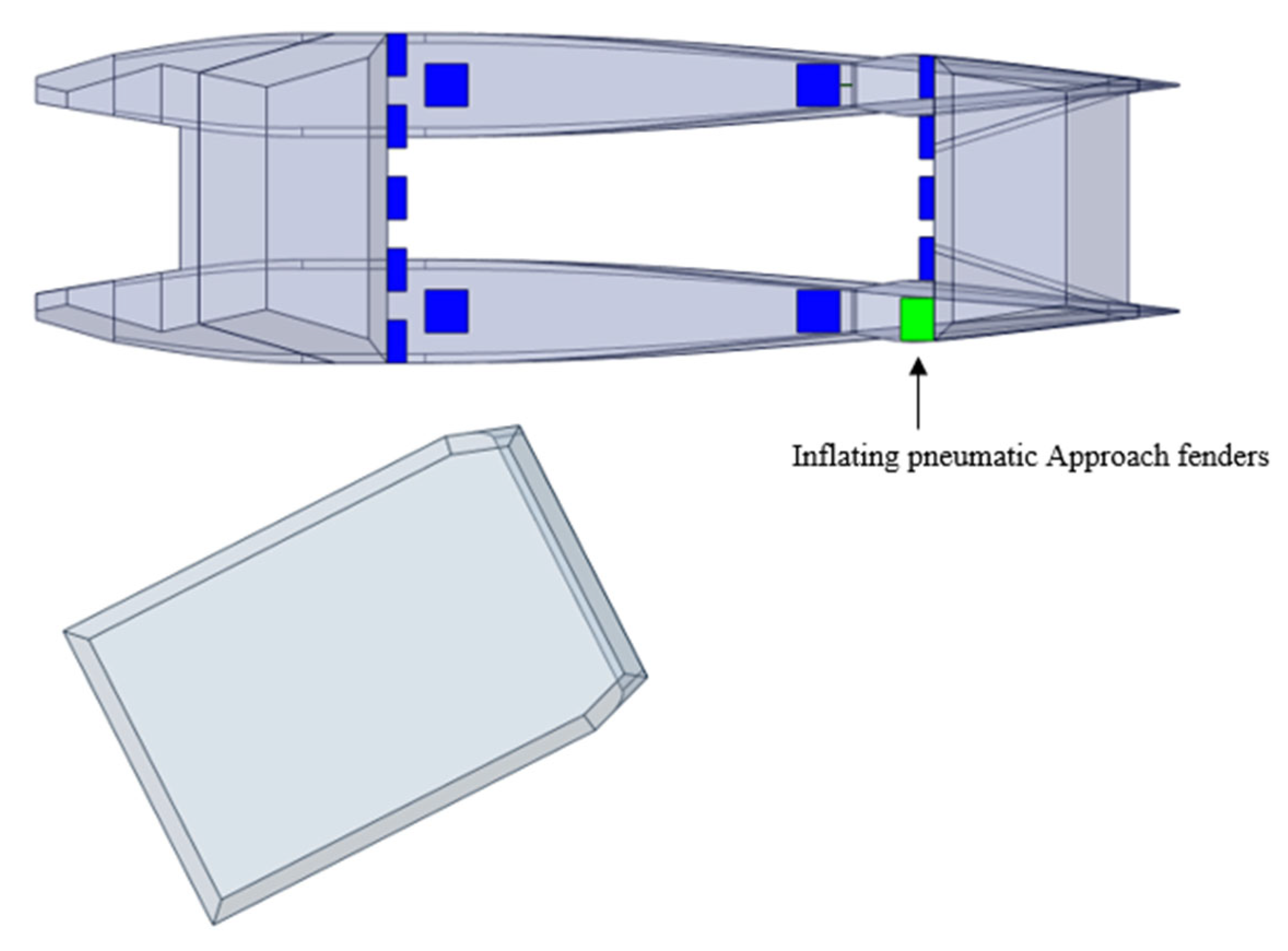
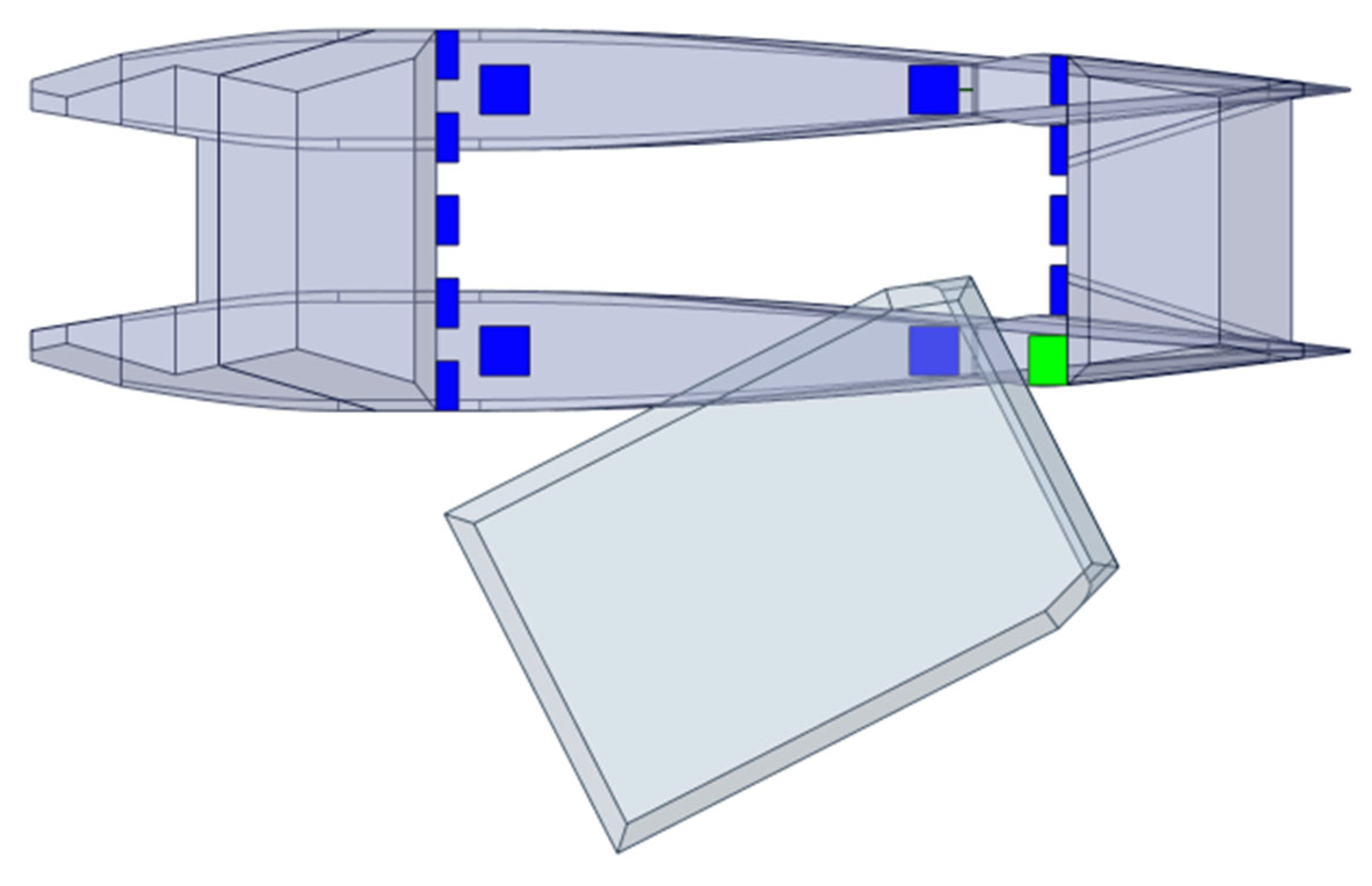
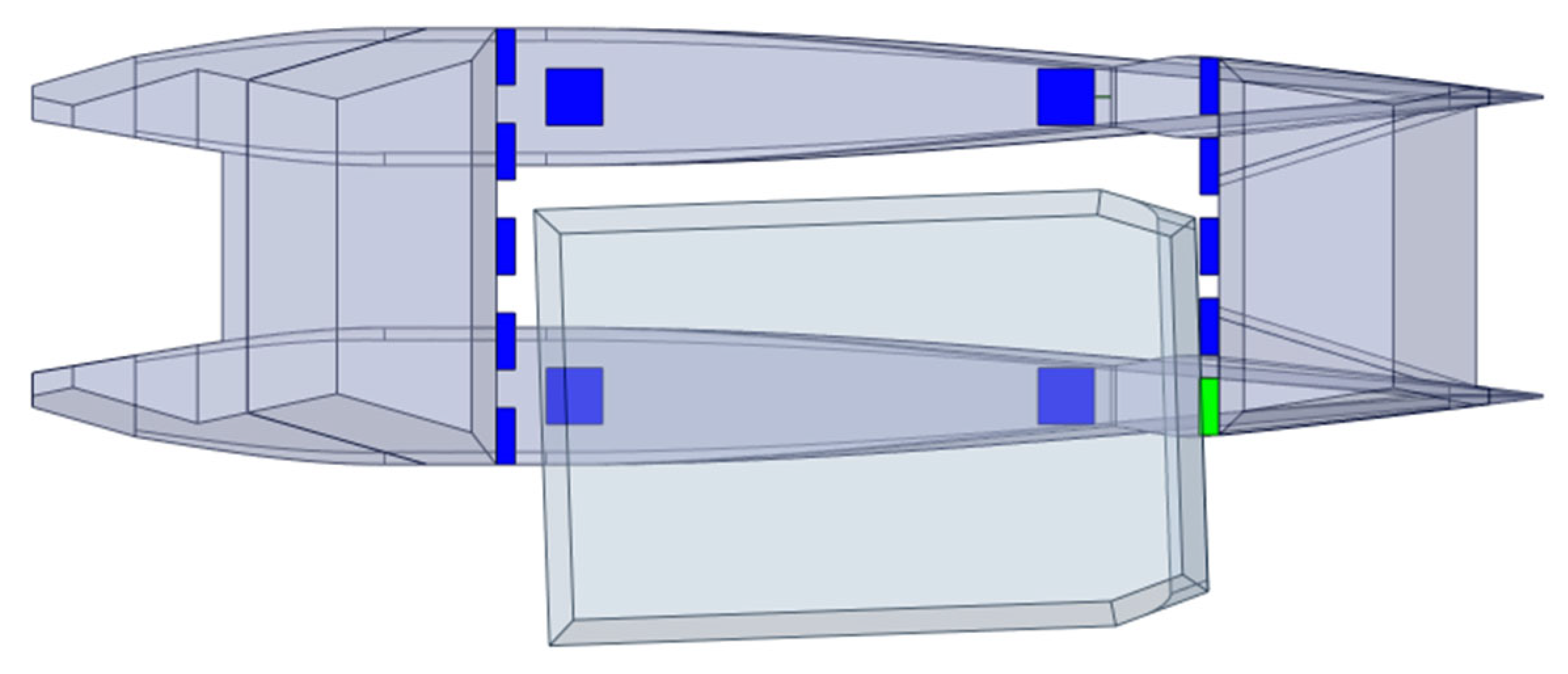
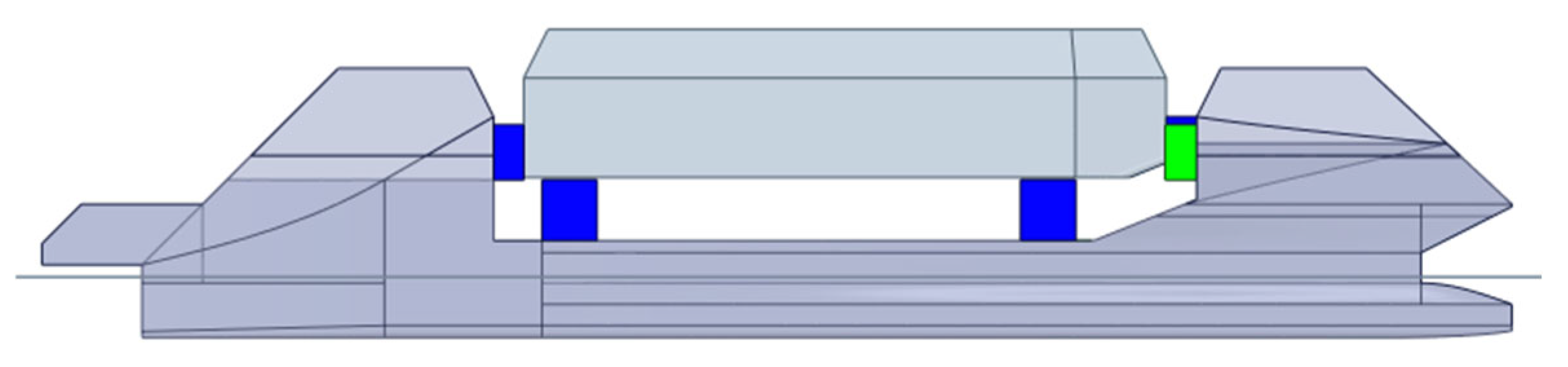
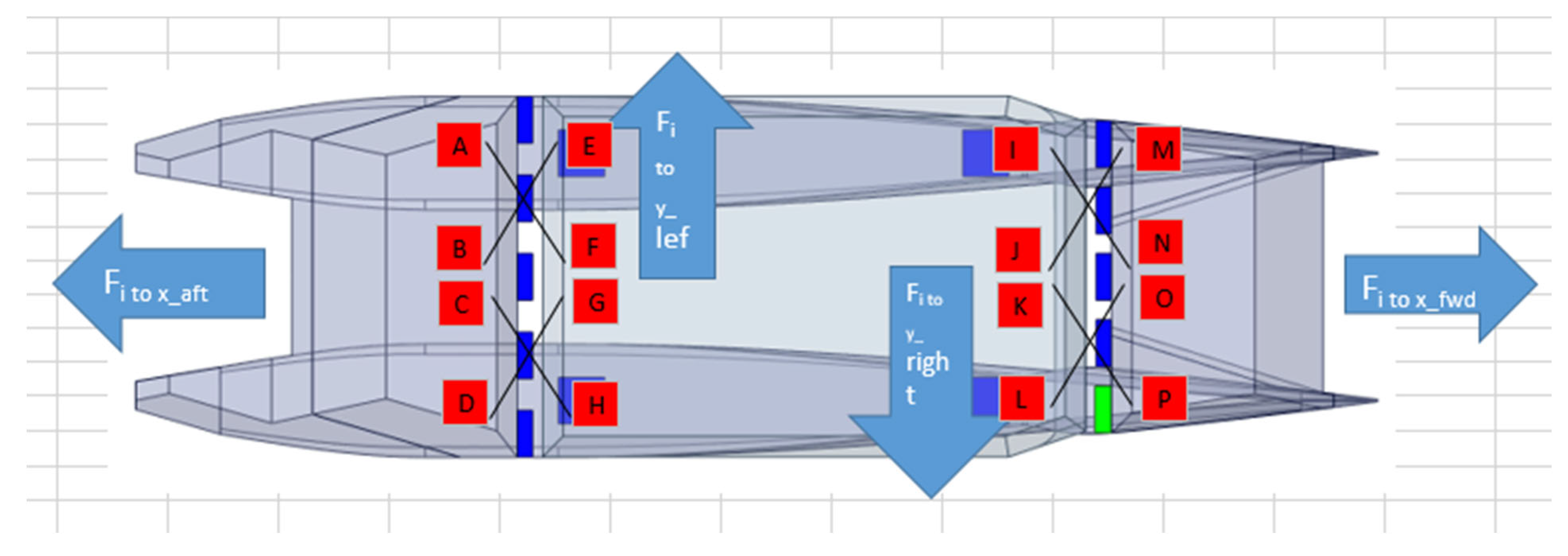
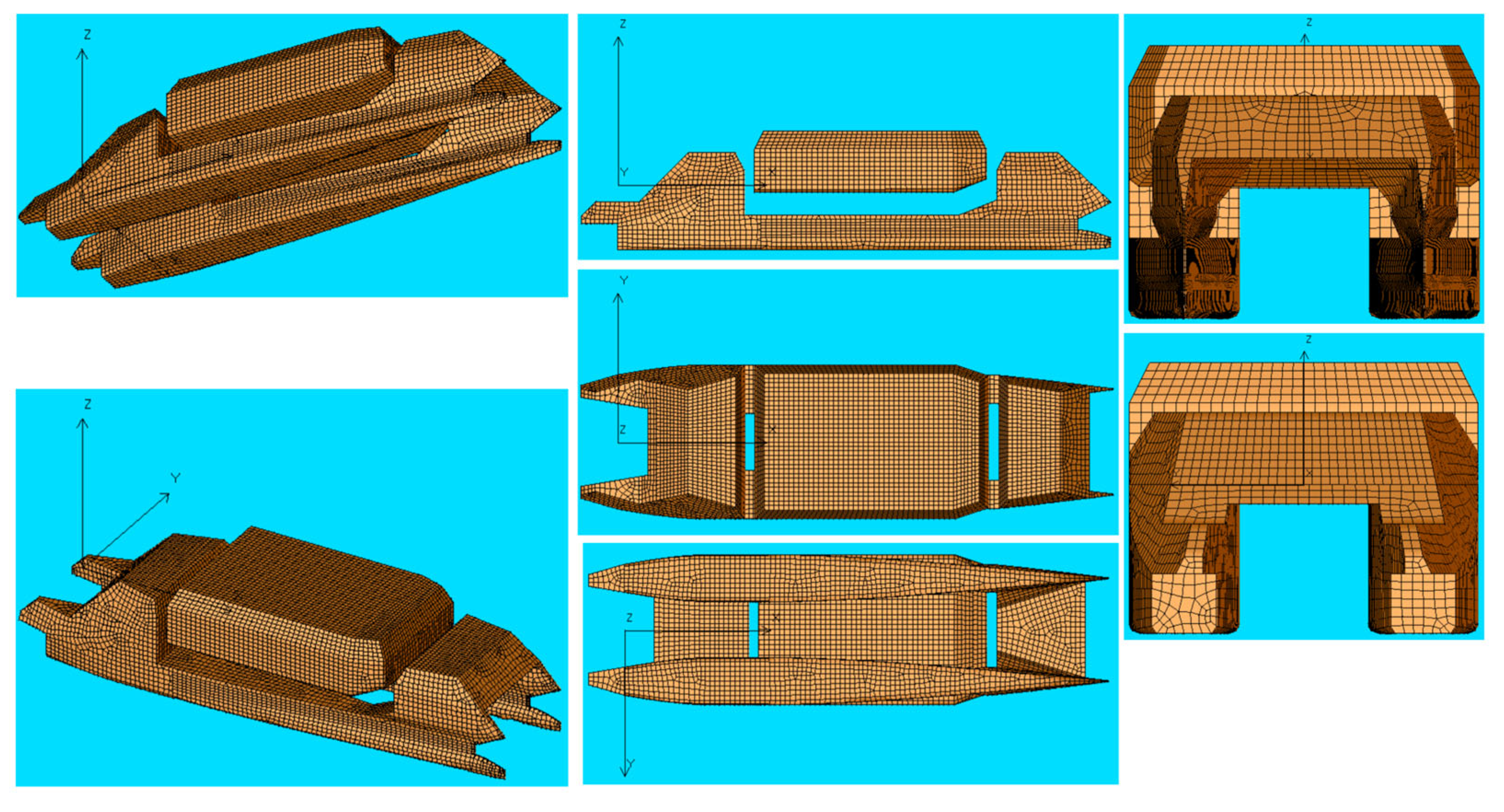
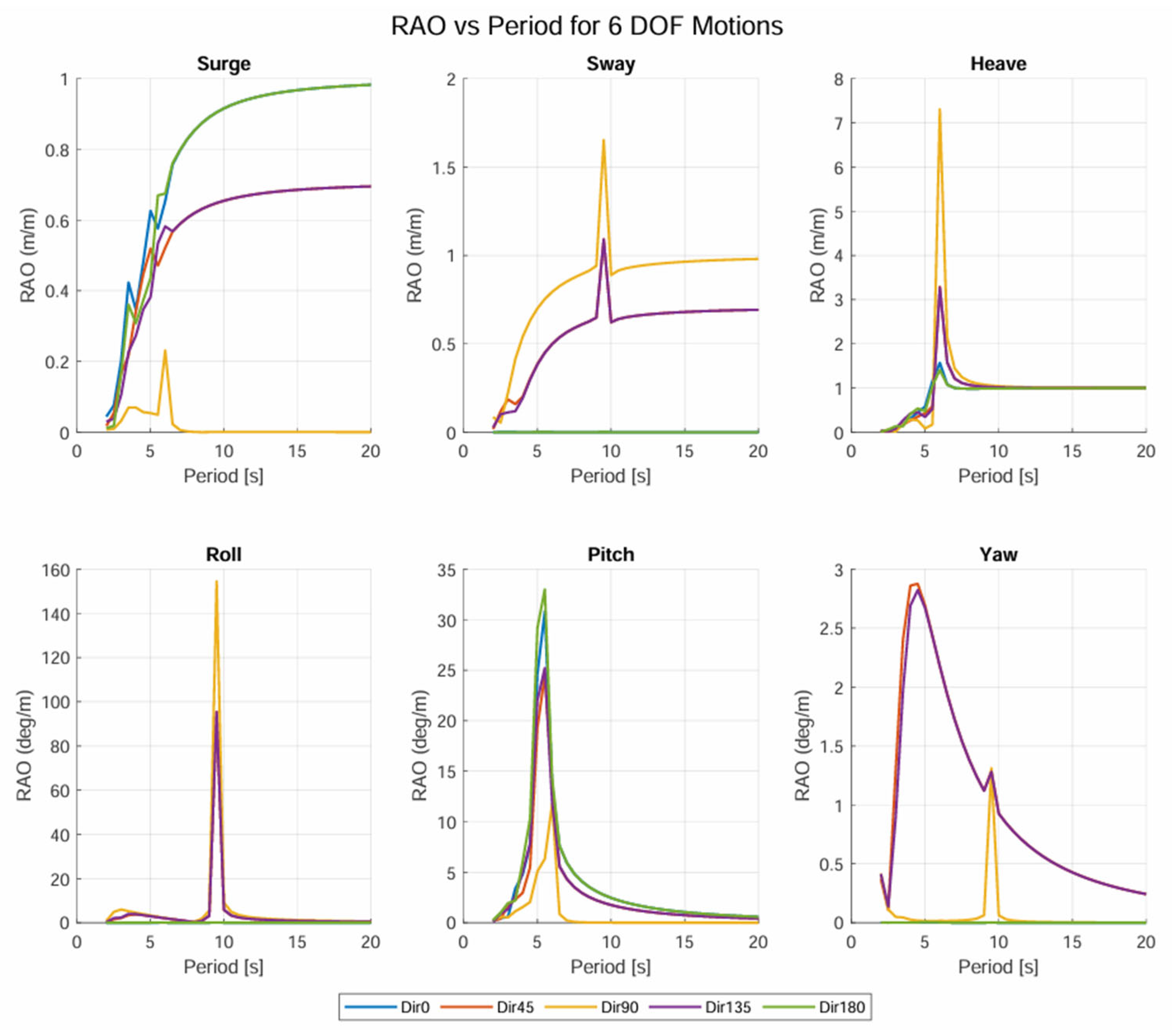
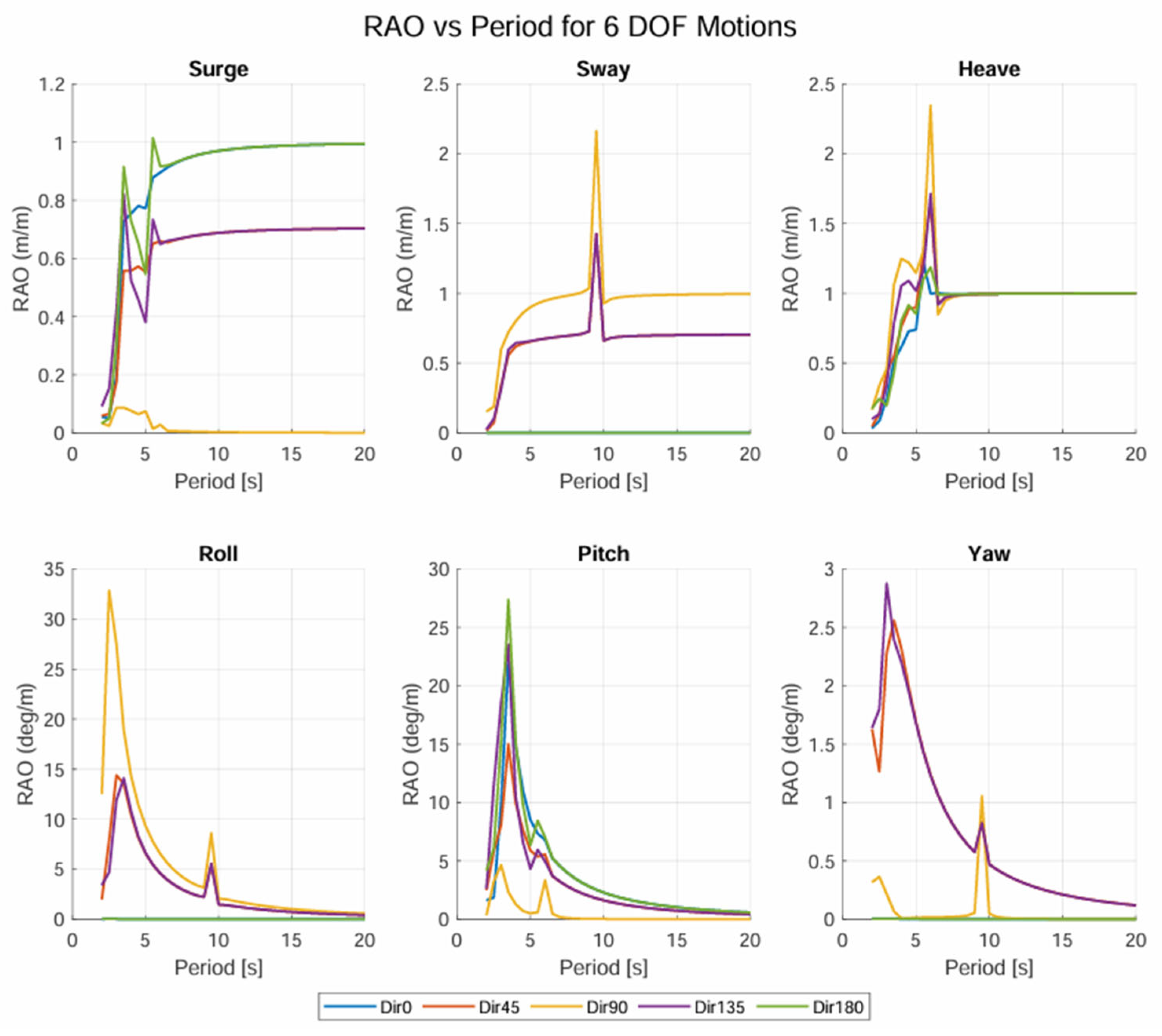
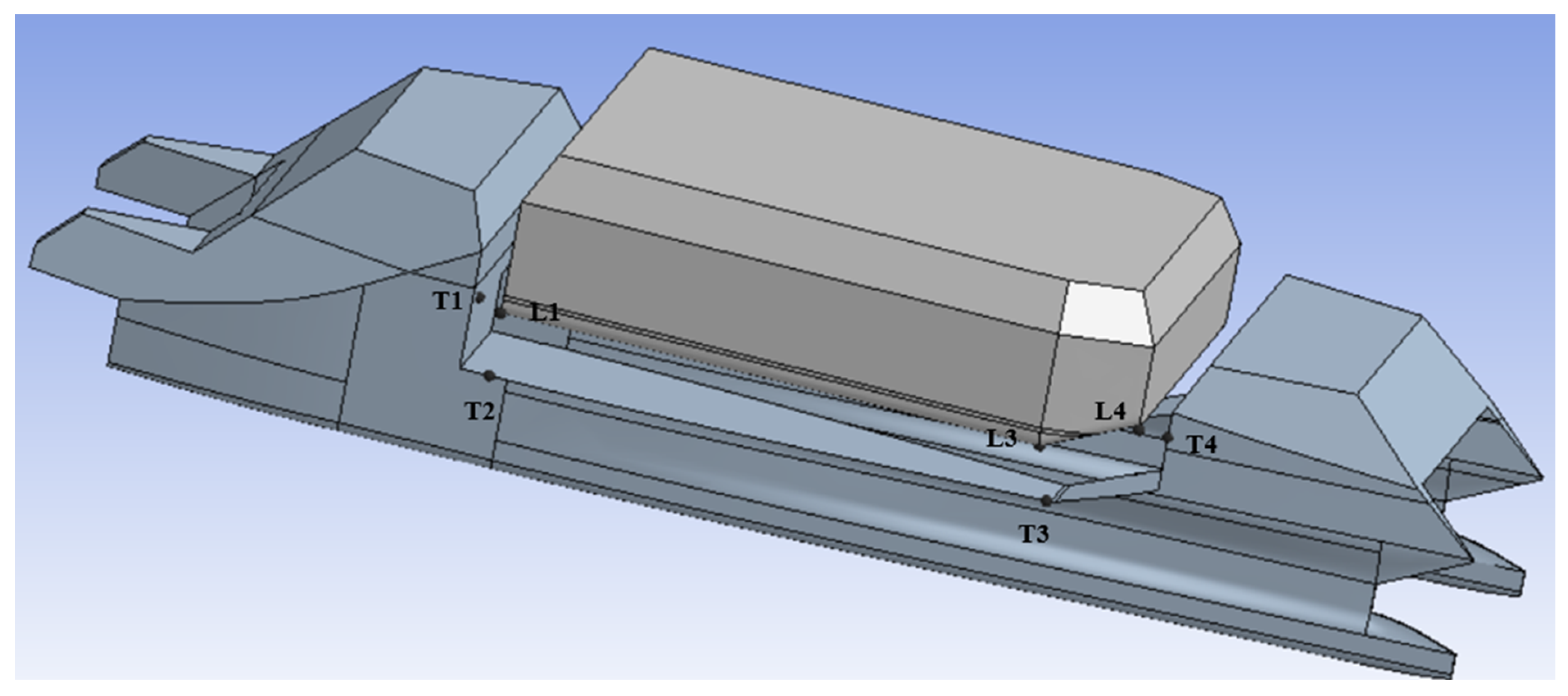
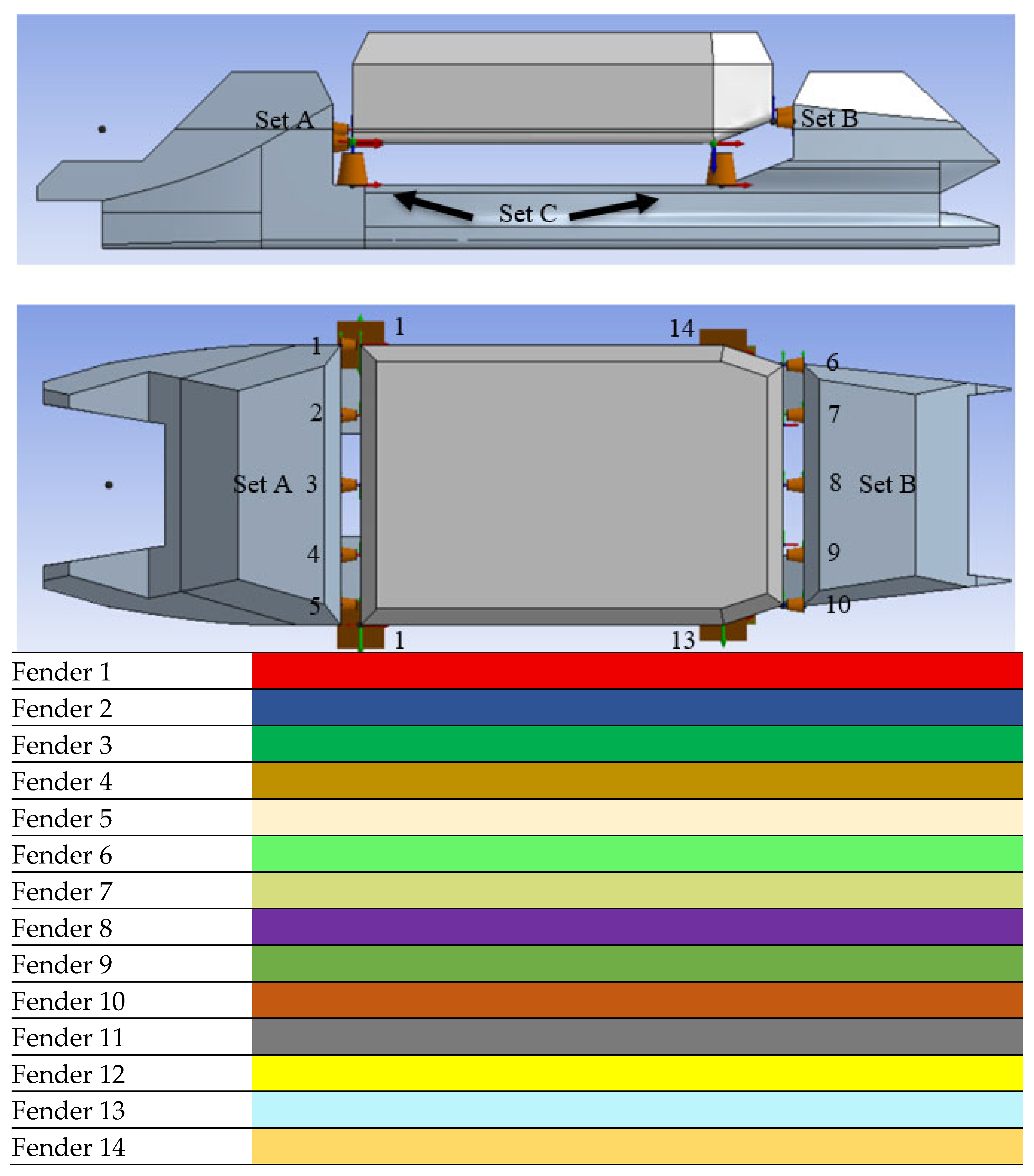
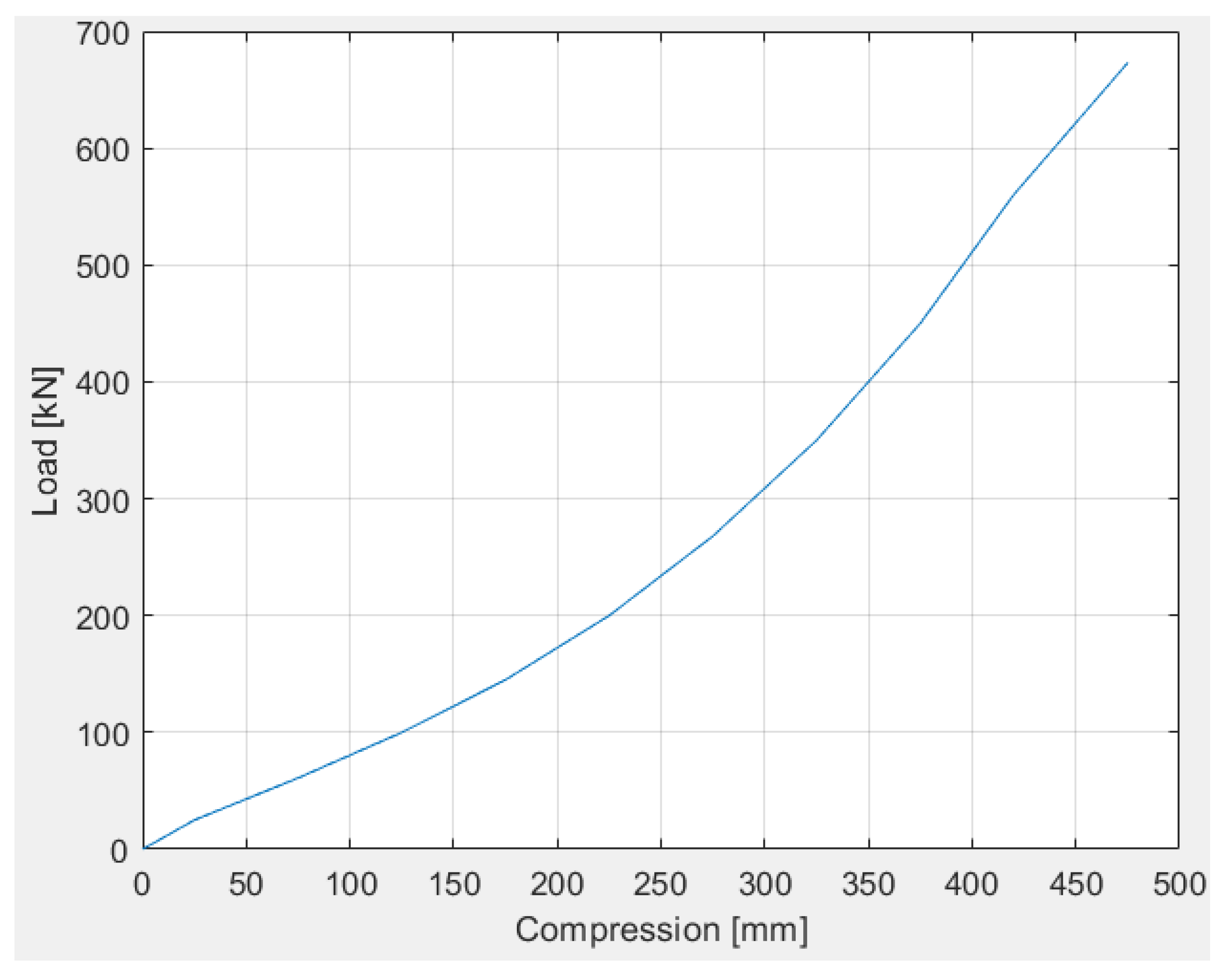
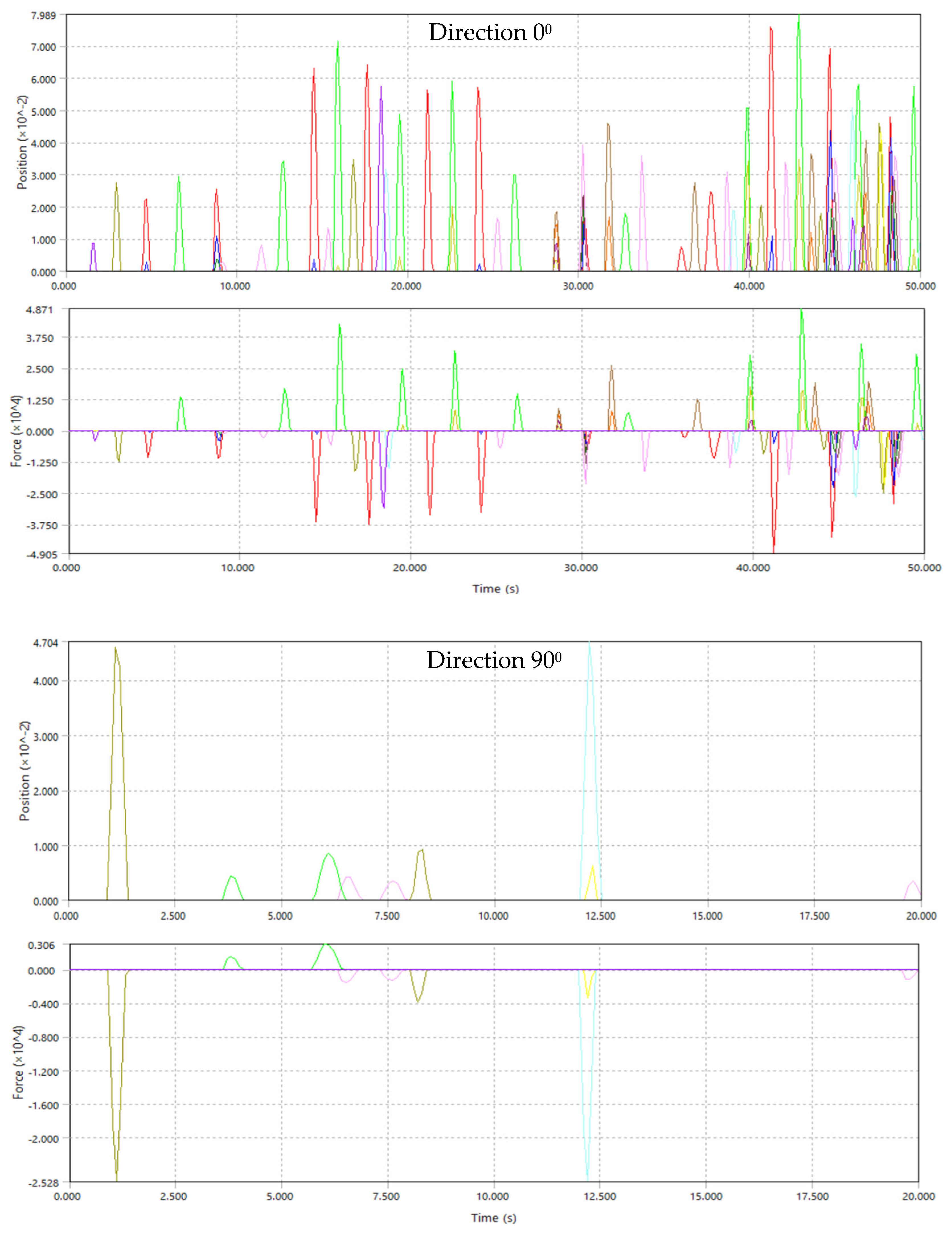
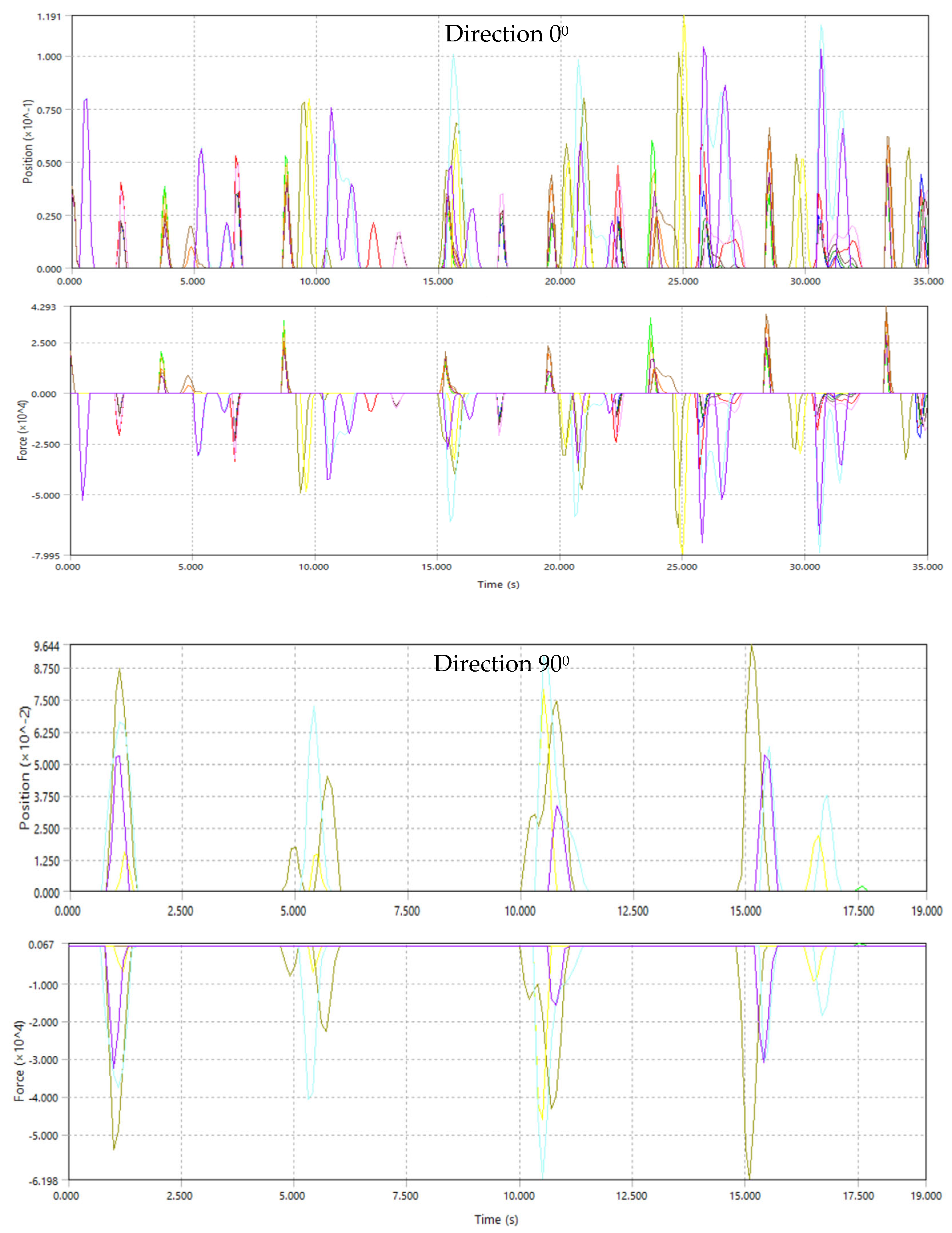
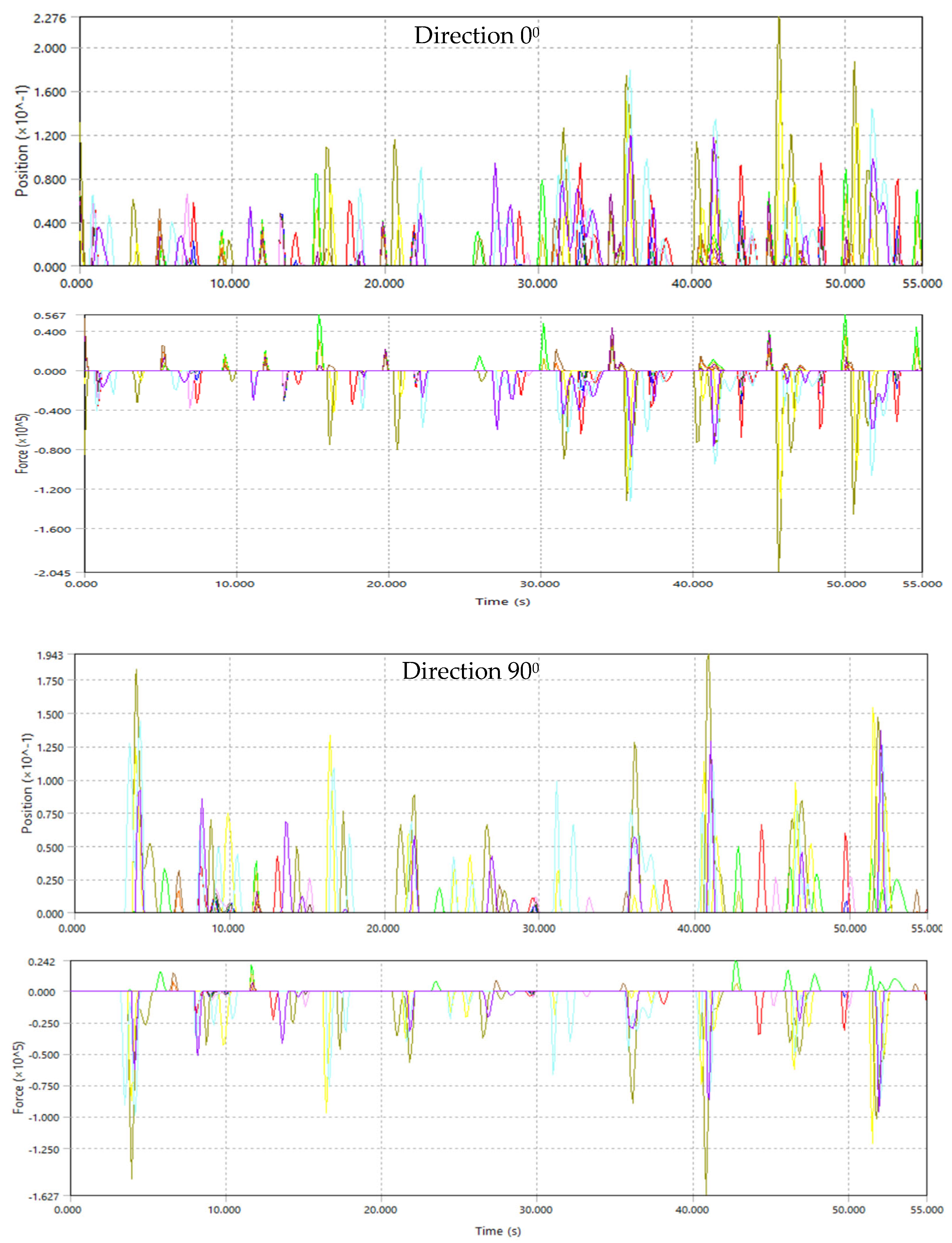
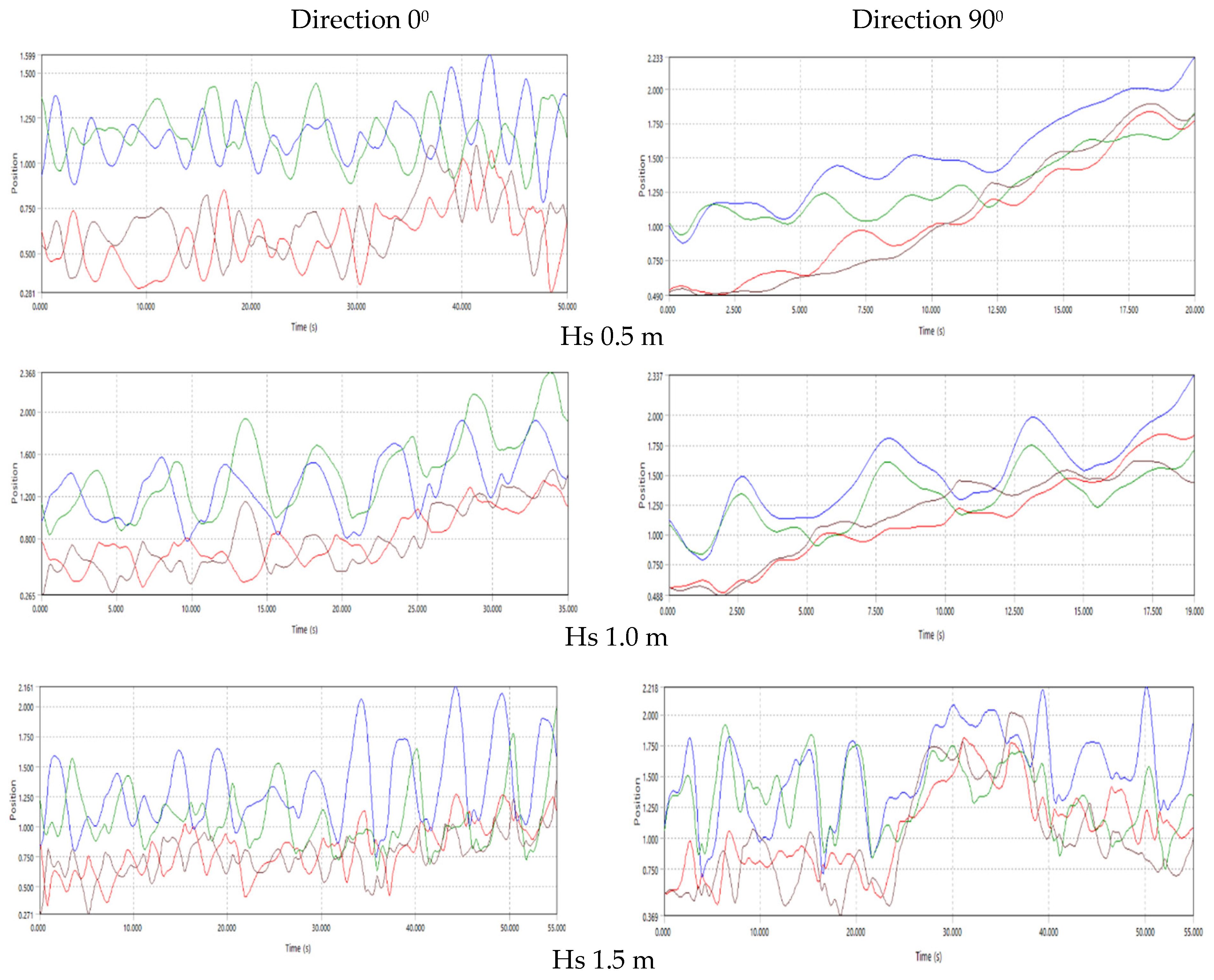
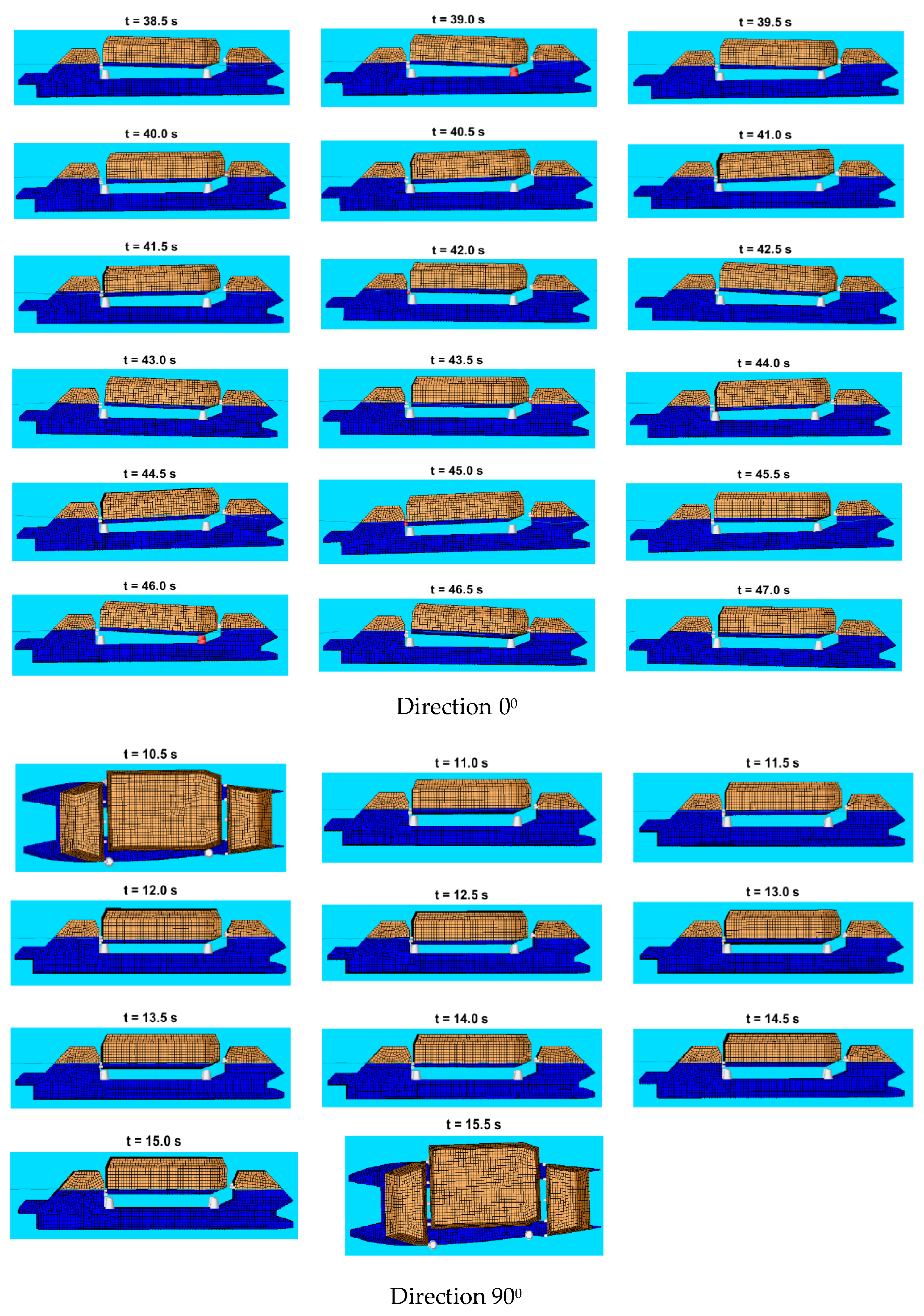
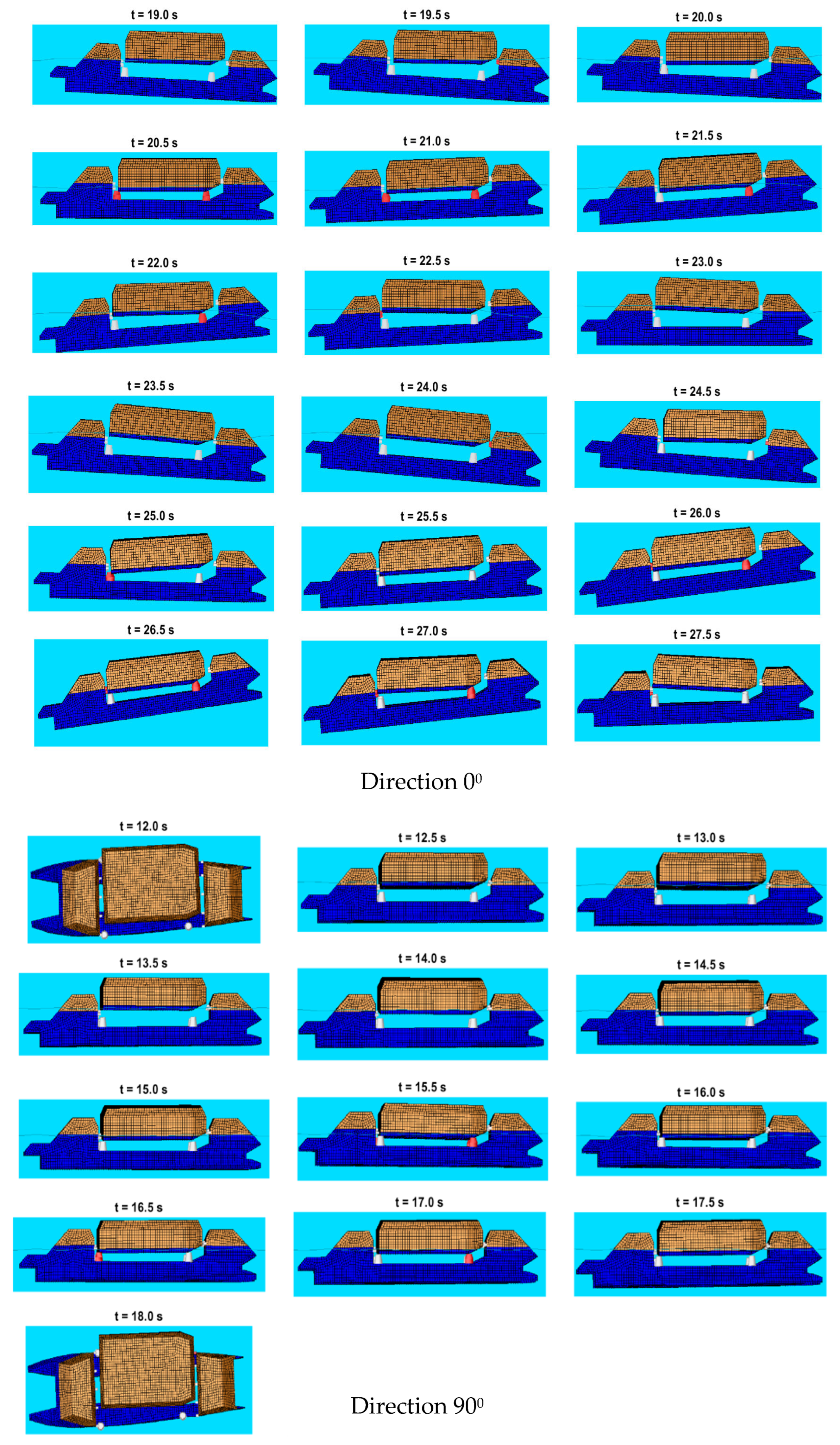
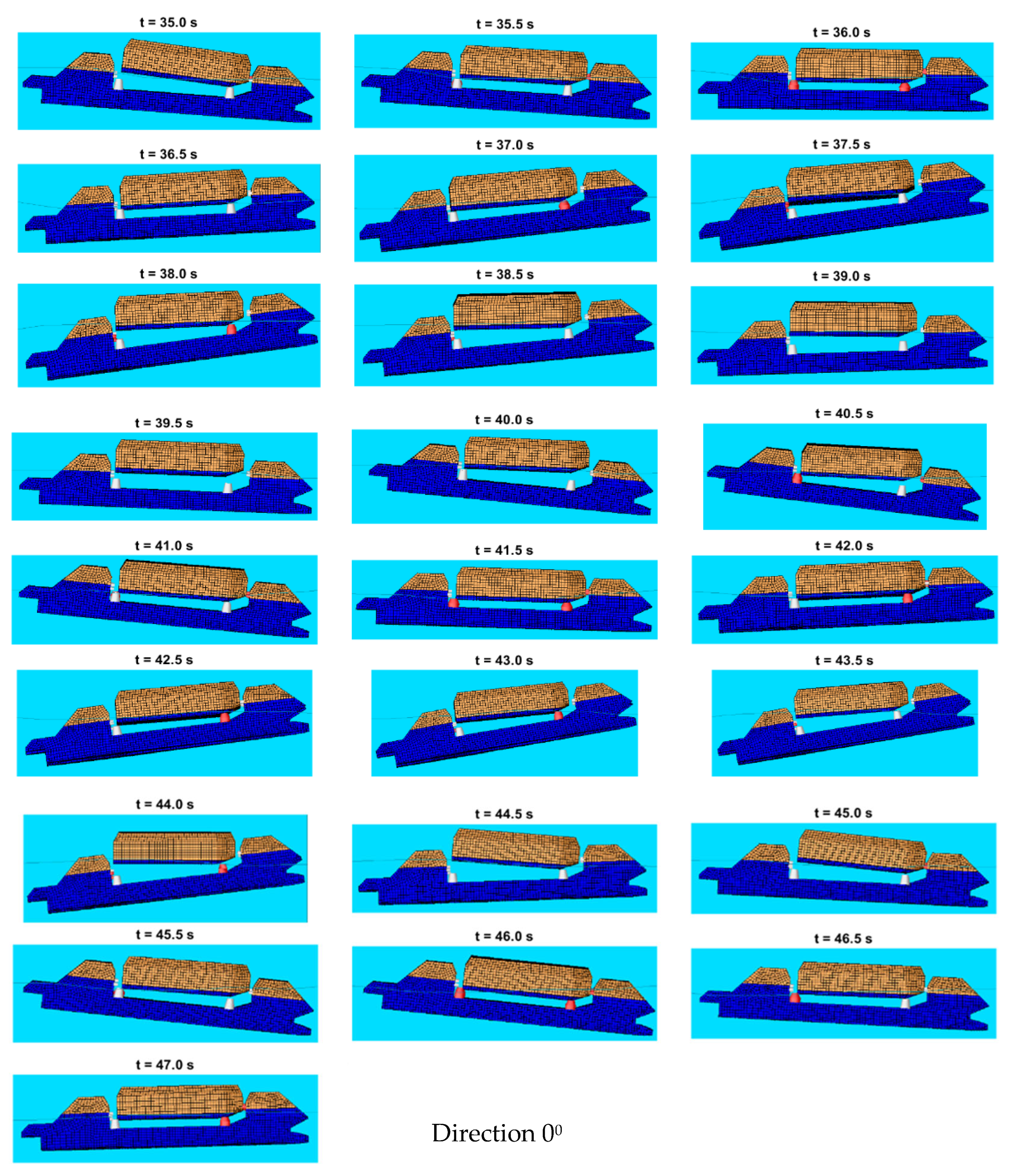
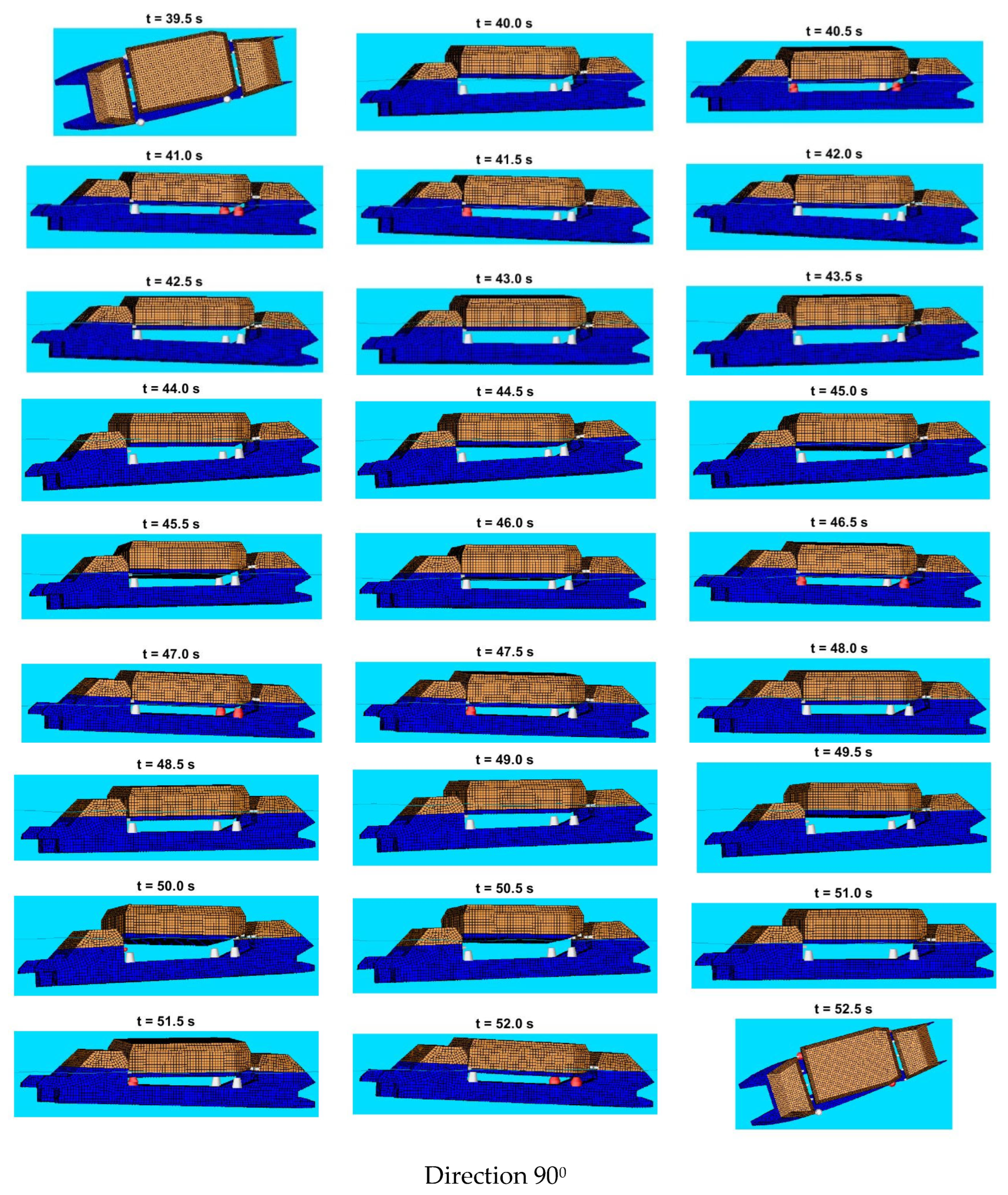
Docking vessels are used to transport and launch landing crafts, for launching offshore platforms, and in other marine operations. This research develops a new concept for docking vessels, with the aim of optimizing landing operations. Our idea involves separating the functions of transit and landing into two different vessels, where the transporter is the docking vessel of the lander. This generates an efficient concept, as efficient transportation craft and efficient landing craft have different properties to fulfil their functional requirements. The separation enables the design of each vessel with appropriate performance in areas such as cruising speed, range and seakeeping. These functional specifications affect the whole naval architecture of the vessels. This concept is applicable for shores with no harbor facilities, where landing may be necessary for supply or survey. The transporter provides a floating base to the landing craft, with advanced cruising performance, while the lander design has optimal features for shallow water maneuvering and for landing. The docking vessel is of a Semi-SWATH (Small Water-Plane Area Twin Hull) type. A critical aspect of the design concept is the feasibility of launching and docking operations. This research develops this new concept for docking vessels and applies hydrodynamic response analysis to the transporter’s interaction with the lander, for several operational sea states. The method used for the hydrodynamic analysis involves modeling the vessels and solving the wave–body problem for the two interacting vessels, in the frequency domain as well as in the time domain. The time domain analysis enables us to determine the motion of the vessels in real sea spectra, including the representation of the nonlinear response of fenders between the vessels. We apply the AQWA software 2021 developed by ANSYS. The results validate the suitability of this docking application up to a significant wave height of 1.5 m, which present a margin of 0.1 m above the upper limit of sea state 3: 1.4 m. This shows the feasibility of conducting launching and docking operations using this unique design; there is a significant possibility of using this technique to achieve fast and comfortable transportation to a natural shore with no terminal facilities.
Keywords: docking vessel; landing craft; Semi-SWATH; advanced hulls; wave–structure interaction docking vessel; landing craft; Semi-SWATH; advanced hulls; wave–structure interaction