Article

Resting Cysts of the Toxic Dinoflagellate Gymnodinium catenatum (Dinophyceae) Ubiquitously Distribute along the Entire Coast of China, with Higher Abundance in Bloom-Prone Areas


1
CAS Key Laboratory of Marine Ecology and Environmental Sciences, Institute of Oceanology, Chinese Academy of Sciences, Qingdao 266071, China
2
Laboratory for Marine Ecology and Environmental Science, Qingdao Marine Science and Technology Center, Qingdao 266071, China
3
Center for Ocean Mega-Science, Chinese Academy of Sciences, Qingdao 266071, China
4
National Marine Environmental Monitoring Center, Dalian 116023, China
5
University of Chinese Academy of Sciences, Beijing 100049, China
6
Department of Aquaculture, College of Fisheries, Guangdong Ocean University, Zhanjiang 524088, China
7
Institute of Ocean and Earth Sciences, University of Malaya, Bachok 16310, Kelantan, Malaysia
*
Authors to whom correspondence should be addressed.
J. Mar. Sci. Eng. 2024, 12(9), 1651; https://doi.org/10.3390/jmse12091651
Submission received: 14 August 2024 / Revised: 11 September 2024 / Accepted: 12 September 2024 / Published: 14 September 2024
(This article belongs to the Special Issue Studies on Marine Microbial Ecology (2nd Edition))

Abstract

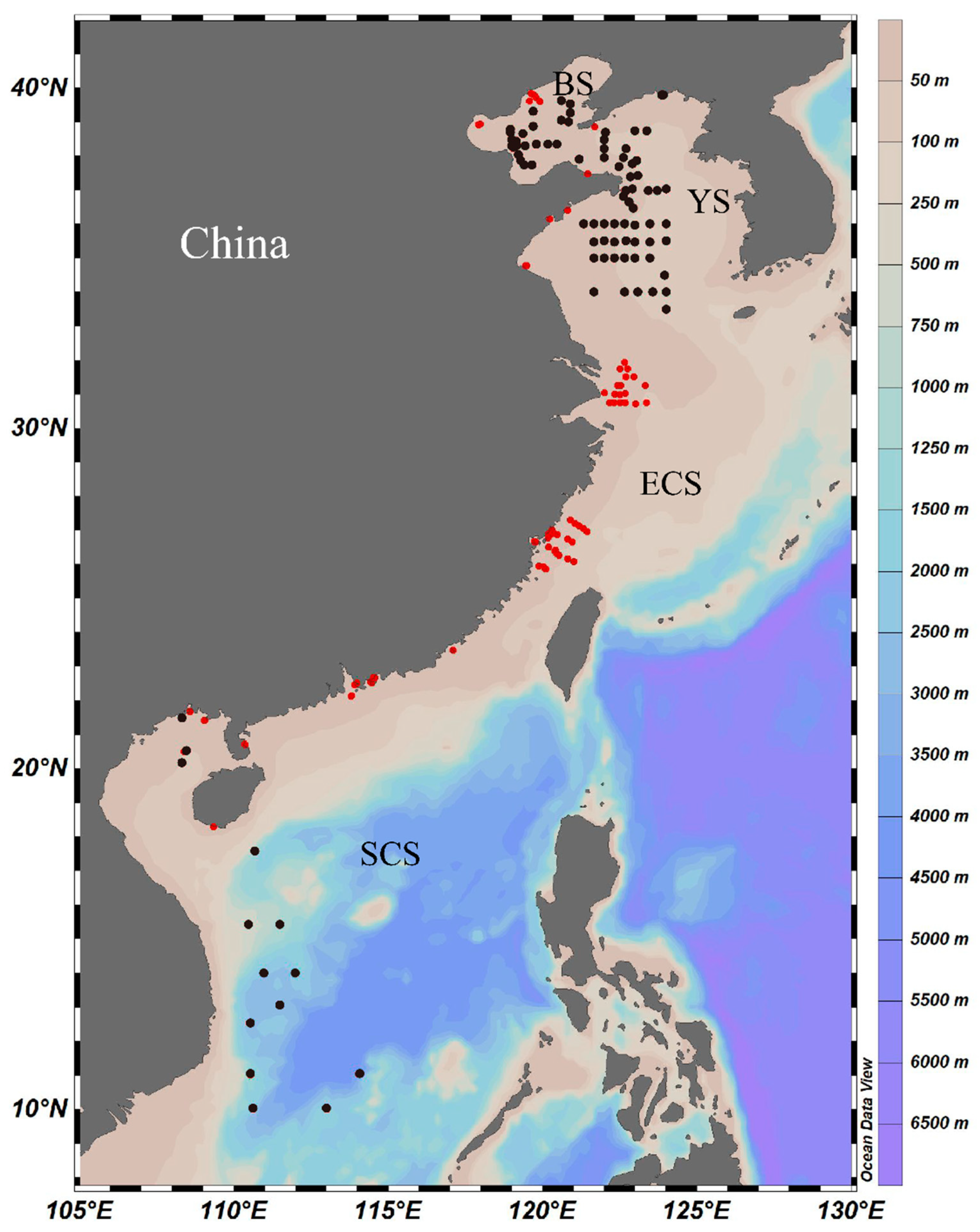
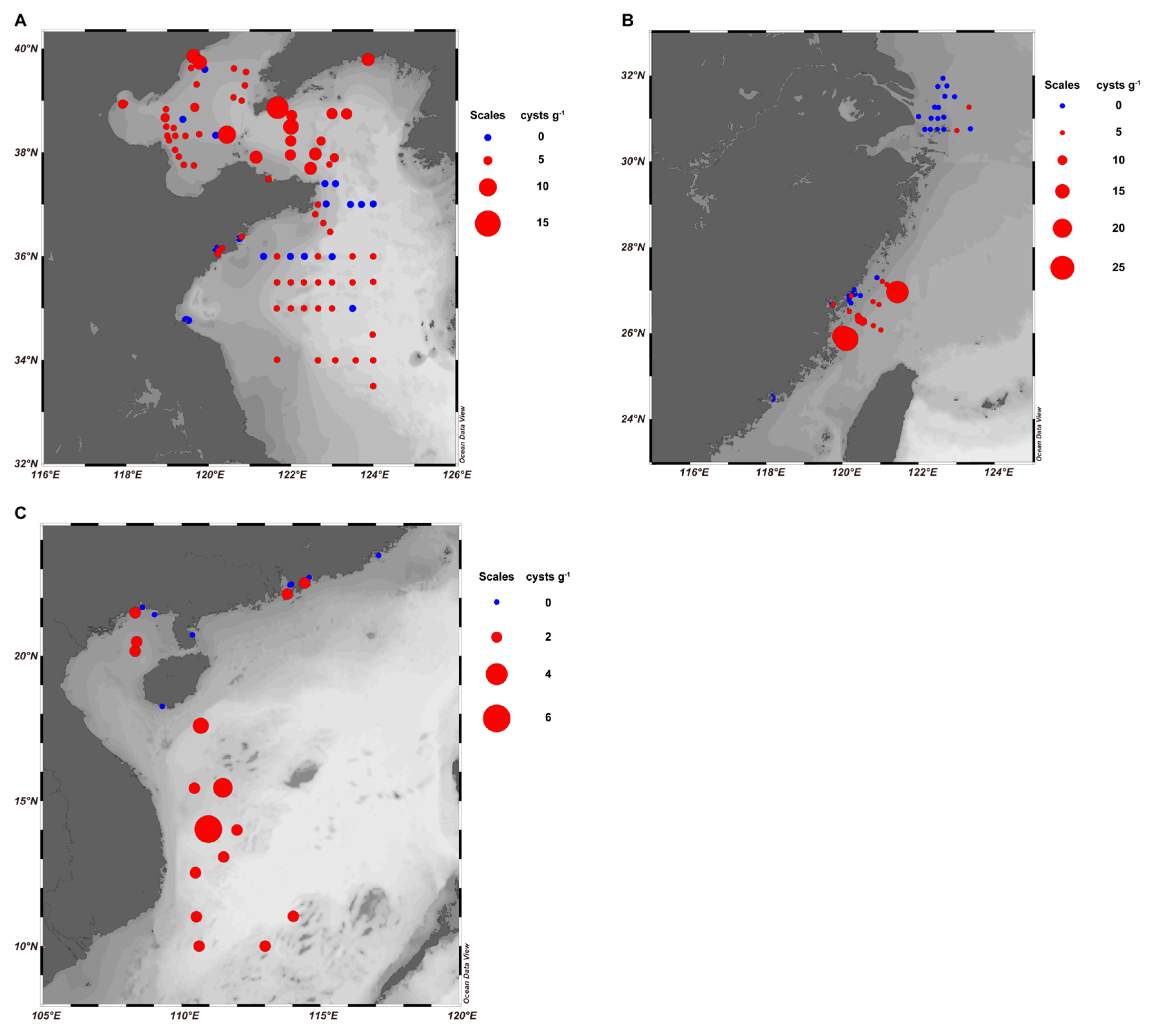
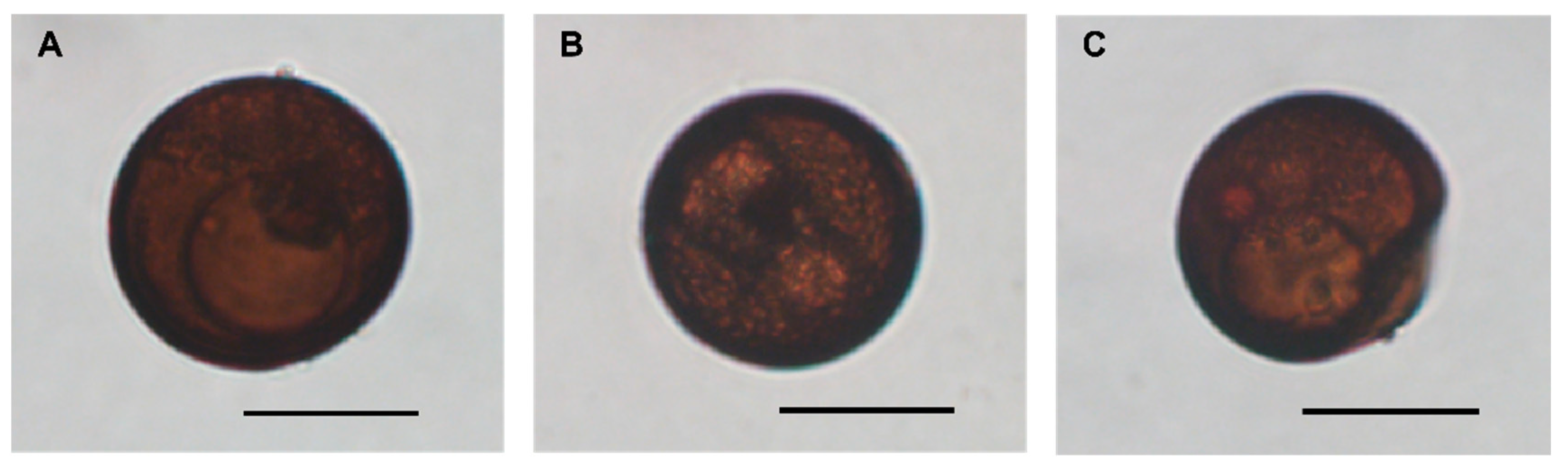
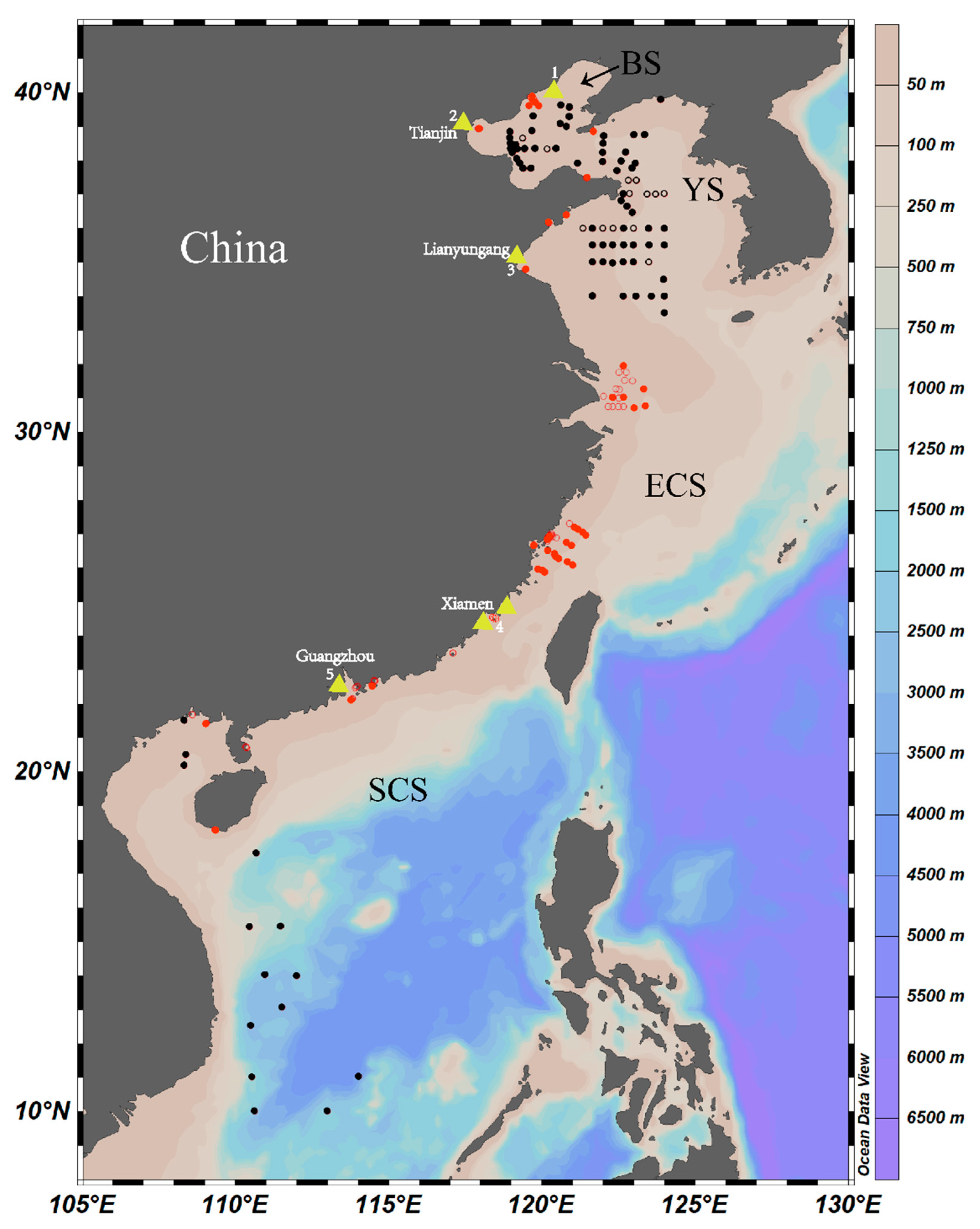
Blooms of Gymnodinium catenatum have occurred occasionally in different areas of China and caused tremendous economic loss and even threatened human health. Not only is G. catenatum an important harmful-algal-bloom (HAB)-causing species, but also the only gymnodinioid dinoflagellate known to produce paralytic shellfish poisoning toxins (PSTs). Due to the germination of resting cysts, which often initiates blooms, the distribution and abundance of cysts in sediments and particularly the confirmation of cyst beds are important information for understanding and predicting dinoflagellate blooms. In this research, 199 sediment samples were collected from China’s coastal seas, ranging from the Beidaihe in the Bohai Sea (BS) to the southernmost sample from the Nansha Islands of the South China Sea (SCS). TaqMan quantitative PCR (qPCR) assays with species-specific primers and probes were developed to specifically detect the distribution and abundance of cysts in the 199 samples. The detection revealed that G. catenatum cysts were widely present in the sediments (126 of the 199 samples), with 93.55%, 74.65%, 42.37%, and 50% of the samples detected positively from the BS, YS, ECS and SCS, respectively, and covering the vast sea area from Nansha Islands to the Beidaihe area. The single-cyst morpho-molecular identification in the samples from Beidaihe confirmed the existence of G. catenatum cysts in the BS, and the positive detections of G. catenatum cysts using the qPCR methods. While G. catenatum cysts were widely distributed in all four seas of China, the average abundance was relatively low (1.0 cyst per gram of wet sediment). Three samples from the East China Sea (ECS), however, contained G. catenatum cysts at a relatively higher level (23 cysts g−1 wet sediment) than other sea areas, suggesting a pertinence of cyst abundance to the frequent occurrences of G. catenatum blooms in the area during recent years. Collectively, for G. catenatum being such an important toxic and HAB-causing species globally, the ubiquitous distribution of its cysts along the coastal waters of China and higher abundance in the bloom-prone areas warns us of a risk that cyst beds, although currently low in abundance, may seed HABs in any and many sea areas of China at any forthcoming year, and particularly those areas with records of frequent HABs outbreaks in the past.
Keywords: harmful algal blooms (HABs); Gymnodinium catenatum; resting cyst; geographic distribution; quantitative PCR harmful algal blooms (HABs); Gymnodinium catenatum; resting cyst; geographic distribution; quantitative PCR