


Abstract
As complex agricultural machinery, traditional combine harvesters face numerous challenges during operation due to their reliance on manual observation. To meet the demands of modern agriculture, intelligent combine harvesters have emerged. Intelligent sensing uses multi-sensor fusion and deep learning to monitor crop lodging, feed rate, loss rate, and impurity content. Under suboptimal conditions, multi-source fusion strategies improve perception reliability. Information processing and decision-making enable dynamic optimization of operational parameters and reduce harvest losses. Multi-machine coordination transforms single-machine operations into fleet control, while remote monitoring leverages a cloud edge collaboration architecture to enable status visualization, remote control, and predictive maintenance for faults. Unmanned operations utilize high-precision positioning and intelligent path planning to improve fleet efficiency and field coverage. However, the field still faces common challenges, including insufficient real-time processing capabilities for multi-source heterogeneous data, poor adaptability to complex agronomic scenarios, and limited economic feasibility. In this review, we examine the complete technology chain, which includes intelligent perception, intelligent decision-making and coordination, remote monitoring, and unmanned operations. We conduct a comparative analysis of the current state of these systems and the challenges they face, providing a systematic reference for future research and industrial applications.
1. Introduction
Combine harvesters are among the most complex agricultural machines in the world. By integrating mechanical transmission with intelligent control systems, they combine multiple operations—such as crop harvesting, ear cutting (or stalk cutting), threshing, separation, and cleaning—into a single process, ultimately producing clean grain kernels such as wheat, corn, and rice. A typical combine harvester consists of several key modules: harvesting, threshing, cleaning, conveying, power, traction, hydraulic, and electrical control systems (as shown in the MBD model of a combine harvester in Figure 1 [1]).
Figure 1.
MBD Model of Combine Harvester.
However, in field operations with traditional combine harvesters, operators rely solely on their senses to control the machines, posing numerous challenges for modern agricultural production. In terms of operational efficiency and adaptability, traditional equipment is typically limited to handling a single crop type and imposes strict requirements for crop maturity and field topography. In terms of harvest quality, incomplete threshing and inadequate cleaning result in high impurity rates, poor grain quality, and grain loss, which in turn lead to significant harvest losses [2,3,4]. From the perspectives of energy consumption and maintenance, the mechanical components of traditional equipment are prone to wear and tear, and significant energy transmission losses and fuel consumption occur during operation. Furthermore, these traditional machines lack intelligent features such as real-time monitoring and automatic adjustment. Consequently, traditional harvesters face numerous challenges regarding energy consumption, mechanical wear, and environmental emissions.
To overcome the limitations of traditional harvesters, improve operational intelligence, and meet modern agricultural demands, intelligent combine harvesters have emerged as a major research focus in modern agricultural engineering. Research is shifting comprehensively from optimizing individual mechanical structures toward multimodal perception, intelligent decision-making, and autonomous operation, gradually achieving higher levels of automation and precision [5,6]. To ensure research rigor and the practical applicability of the conclusions, this paper clearly defines the scope of the study: focusing on the three major staple grains—wheat, corn, and rice—as well as typical cash crops such as sugarcane; covering typical terrains including plains, slopes, and terraced fields; and encompassing cross-flow, axial-flow, and hybrid threshing and cleaning systems. The research is primarily applicable to large-scale, highly mechanized grain harvesting scenarios. Within this scope, research on combine harvesters is shifting from mechanical structure optimization toward multimodal perception, intelligent decision-making, and autonomous operation, achieving significant progress in four dimensions: complex environment perception, adaptive control of operational parameters, unmanned navigation, and swarm coordination management [7,8,9,10,11,12].
However, existing review studies have focused on technical analyses of single aspects, such as perception and control, or have provided only a general overview of intelligent agricultural machinery. To date, no study has employed a systematic review methodology to comprehensively integrate the entire technology chain of intelligent algorithms in combine harvesters and analyze its bottlenecks. Therefore, this study is a systematic review that strictly adheres to the PRISMA guidelines for literature retrieval, screening, and analysis. It comprehensively summarizes the research and development progress of modern intelligent combine harvesters and systematically outlines the complete technology chain—from environmental perception, intelligent decision-making, multi-machine coordination, and remote management to unmanned operation—as well as the framework for intelligent agricultural operations. Subsequent chapters of this paper will address the aforementioned issues and current status by elaborating on the principles, applications, and future challenges of various technical modules, including intelligent perception systems, intelligent decision-making and coordination systems, remote monitoring systems, and unmanned operations. This will enable readers to gain a deep understanding of the current state of research, system architecture, and application logic of modern intelligent combine harvesters, thereby laying the theoretical and equipment foundation for the digital and intelligent transformation of agricultural production.
2. Materials and Methods
This review follows the standard framework for systematic reviews, using the PRISMA guidelines as the reporting framework, clearly defining the inclusion and exclusion criteria, and employing the ROBINS-I tool to assess the methodological quality of key studies.
2.1. Literature Search Strategy
The databases searched include Web of Science, Scopus, CNKI, and IEEE Xplore, covering the period from January 2015 to December 2025. The search keywords are divided into two groups: the target equipment “combine harvester” and “grain harvester” and their Chinese equivalents—and smart technology “artificial intelligence,” “machine learning,” “deep learning,” “sensor fusion,” “adaptive control,” “autonomous navigation,” “IoT,” and “remote monitoring” and their corresponding Chinese keywords.
The initial search yielded 1247 articles, of which 1021 were retained after deduplication. After screening the titles and abstracts and after excluding studies unrelated to the intelligence of combine harvesters (such as purely mechanical designs and non-agricultural applications), a total of 763 articles were excluded, leaving 258 for full-text review. Due to the lack of experimental data, inability to access the full text, duplicate publication, etc., based on the inclusion criteria, an additional 112 articles were excluded, resulting in a final set of 146 core articles. For studies involving key technologies such as control algorithms, sensor fusion, and path planning, the ROBINS-I tool was subsequently used to assess the risk of bias in study design, confounding, and measurement bias. Studies with a high risk of bias were excluded from the quantitative meta-analysis. The PRISMA flowchart is shown in Figure 2. This figure illustrates four stages: identification, screening, eligibility, and inclusion. The identification stage records search results and removed duplicates. The screening stage records the number and reasons for exclusions based on title/abstract. The eligibility stage records full-text exclusions and criteria. The inclusion stage records the final number of included studies and their type distribution.
Figure 2.
PRISMA Flowchart.
Of the 146 core publications included, Chinese-language publications accounted for approximately 35%, while English-language publications accounted for approximately 65%. The distribution of publication types was as follows: 118 original research papers (80.8%), 19 review articles (13.0%), and 9 conference papers (6.2%). Distribution by research topic: intelligent sensing technology (52 papers, 35.6%); information processing and control (43 papers, 29.5%); remote monitoring and communication (28 papers, 19.2%); and multi-robot coordination and unmanned operations (23 papers, 15.8%).
2.2. Eligibility Criteria
The inclusion criteria are as follows: (1) the research subject must be a combine harvester or related grain harvesting equipment; (2) the research must address at least one of the following technical areas: intelligent sensing, intelligent control, multi-machine coordination, remote monitoring, or unmanned operation; (3) the research must include well-defined experimental methods or field trial data.
Exclusion criteria include (1) works that deal solely with mechanical structural design and do not involve intelligent technology; (2) non-academic publications (such as product manuals and corporate white papers); (3) studies with duplicated research content or for which the full text is unavailable.
2.3. Data Extraction Strategy
Using a standardized data extraction form, two researchers independently extracted the following information: basic information included authors, year, journal, country or region, study crops, and terrain; technical modules included perception (sensor types, algorithms), decision-making (AI models), control (actuators), navigation and path planning, and multi-robot coordination; experimental design included simulation or field trials, dataset size, and evaluation metrics (efficiency, loss rate, accuracy, etc.); key results include improvements in technical performance, limitations, and engineering challenges. Before formally extracting the data, the two researchers conducted a pilot extraction using five randomly selected studies to ensure the consistency and completeness of the data extraction form. During the formal extraction process, for studies with incomplete or ambiguous information, we contacted the corresponding authors to obtain additional details; if this was not possible, we marked the data extraction form as “not reported.” After data extraction was completed, the two researchers exchanged their results for cross-checking, and any discrepancies were discussed by the team until a consensus was reached.
2.4. Data Analysis
Based on 146 core articles retrieved from the Web of Science, Scopus, CNKI, and IEEE Xplore databases between 2015 and 2025, we conducted a quantitative analysis of publication trends, the distribution of research efforts, the proportion of research topics, and experimental validation in the field of intelligent combine harvester research. The ROBINS-I tool was used to assess the risk of bias in 78 non-randomized studies focusing on three key technologies: control algorithms, sensor fusion, and path planning. Two researchers conducted the assessments independently after receiving standardized training and calibrating their evaluations using three example studies. The assessment covered seven domains of bias, and the overall rating was determined according to the principle that “the lowest-scoring domain determines the overall rating.” The specific results of the bias assessments for each technical area are presented in Section 4.2.
2.5. Real-Time Constraints and Classification Criteria
The intelligent operation of combine harvesters involves multiple closed-loop control systems, and the real-time requirements for different operational tasks vary by an order of magnitude. To systematically evaluate the engineering feasibility of existing technologies, this paper defines a three-tier real-time constraint framework as a unified benchmark for subsequent technology classification and evaluation, as shown in Table 1 below.
Table 1.
Table of Technology Categories and Evaluation Criteria.
Definitions:
- Maximum end-to-end latency: The total end-to-end time from sensor data acquisition, through data processing and decision-making, to actuator response.
- Sensor Sampling Rate: The minimum sampling frequency that sensors must achieve to meet control requirements.
- Data Synchronization Accuracy: The required temporal alignment precision between multi-source perception data (e.g., vision, GNSS, etc.).
For studies that do not specify latency metrics, this paper determines the applicable real-time performance level based on sensor type, algorithm complexity, and experimental design, and clearly indicates this in the text.
3. Advances in Core Technologies and System Integration
The evolution of intelligent combine harvesters from autonomous single-unit operation to coordinated group operation is, at its core, a systematic process characterized by the continuous differentiation and high integration of technical modules. This chapter follows a three-step progression—perception, decision-making, and execution—and, in accordance with the intrinsic logic of technological evolution, sequentially discusses five core modules: intelligent perception, intelligent decision-making and multi-machine coordination, remote monitoring, and unmanned operation. Globally, core technologies in agricultural equipment are undergoing a transition from basic mechanical monitoring to multidimensional intelligent perception. To clearly outline the current state of development in this field, the technological status is categorized into three types: existing mature commercial technologies (already applied in mass-produced models), technologies in small-scale application and promotion (already commercialized but not yet widely adopted due to cost or technical barriers), and technologies under development (currently in the laboratory or field testing phase).
3.1. Intelligent Information Sensing System
The sensing component serves as the starting point for combine harvester operations, providing accurate environmental information and operational guidance for subsequent machine operations. By integrating multiple sensors, data processing algorithms, and intelligent decision-making modules, the intelligent sensing system monitors and analyzes crop growth conditions, machine operational status, and environmental parameters in real time during the harvesting process, thereby supporting field operations.
In terms of the commercial implementation of industrial technologies, leading international agricultural machinery manufacturers have already established mature commercial sensing architectures. John Deere has achieved integrated monitoring and basic control of operational parameters throughout the entire workflow; Case New Holland’s AFS system integrates field positioning sensing with task management; and Claas’s RDS system focuses on real-time data collection [13]. Online grain yield monitoring systems from AgLeader, Ames, IA, USA, Harvest Master, Logan, UT, USA, and Raven, Sioux Falls, SD, USA are mature products. Edge devices (such as NVIDIA Jetson AGX Orin, NVIDIA Corporation, Santa Clara, CA, USA) perform data cleaning, compression, and the generation of real-time control commands locally. All three systems enable real-time monitoring of core parameters such as feed rate and threshing speed, representing mature, mass-produced technologies. Online grain yield monitoring systems from AgLeader, Harvest Master, and Raven are mature products. However, due to high hardware costs and limited use on large-scale farms in developed countries, they are classified as technologies for small-scale deployment [14].
In terms of scientific research and laboratory validation, peer-reviewed studies on information sensing technologies for combine harvesters, both domestically and internationally, have yielded systematic results. These studies have all been validated through well-defined experimental designs and have publicly disclosed quantitative metrics and research limitations; the technology is currently in the R&D phase. Domestic research focuses on optimizing yield sensing accuracy. Through sensor calibration and field validation, relative errors have been controlled within 5–8%, representing an approximately 20% improvement over traditional methods; however, the models are only suitable for flat fields, with errors increasing by more than 15% in complex terrain, and they do not account for high-dust interference [15,16]. Overseas studies employ multi-sensor synchronization schemes, achieving operation parameter monitoring response times of ≤0.5 s and accuracy of ≥90%; however, these rely on high-precision industrial sensors, resulting in high hardware costs that make them difficult to adapt to small and medium-sized agricultural machinery, and they lack validation across multiple crop types [17]. The sensing chain of modern intelligent harvesters covers the entire process, including pre-operation (crop lodging status), during operation (feed rate sensing), and post-operation (yield, various losses, impurity content, and breakage rate). The following provides a detailed classification and summary of various sensing technologies according to the operational chain, as shown in Table 2 below. The flowchart illustrating how the combine harvester detects lodging and the block diagram showing yield are shown in Figure 3 and Figure 4, respectively.
Table 2.
Comprehensive Comparison of Intelligent Perception Tasks for Combine Harvesters.
Figure 3.
Field operation diagram showing combine harvester sensing crop conditions [26]. Note: Green lines: All green lines extending from the roof-mounted camera toward the crop area in the field represent the camera’s field of view, the optical path for image capture, and the projected lines of the detection area; Cube: The green, dashed, three-dimensional rectangular box below the field represents the target operational area detected by the vision system, the range of perception for the farmland ahead awaiting harvest, and the three-dimensional region of interest (3D ROI).
Figure 4.
System Architecture Diagram of the Monitoring System.
Multi-source fusion is the key approach to overcoming the physical limitations of individual sensors and achieving highly reliable perception in complex field environments. All individual sensors have inherent physical limitations: torque sensors require calibration and suffer from response lag; image sensors are affected by dust and lighting conditions; piezoelectric sensors are prone to false triggers from debris; and LiDAR is susceptible to obstruction. The essence of intelligent perception lies not in the simple aggregation of sensors but in the effective fusion and collaborative processing of multi-source data. For example, in crop loss monitoring, Kalman filtering was used to fuse data from infrared and piezoelectric sensors. Under vibration accelerations of 8–12 m/s2, the root mean square error decreased from 4.8% to 2.1%; within a grain moisture content range of 18–28%, the standard deviation of relative error narrowed from ±6.7% to ±2.4%. Even when simulated dust caused a 50% signal attenuation, the error was still controlled within ±4.2% (compared to ±15.6% for a single sensor). This demonstrates that the fusion strategy exhibits strong robustness under non-ideal field conditions. With the development of intelligent combine harvesters, fully automated harvesting across entire fields has become a reality. Deep learning algorithms, with their powerful learning and generalization capabilities, enable intelligent perception systems to sensitively monitor various signal characteristics during each stage of the harvester’s operation. Multi-source fusion technology possesses tolerance for sensor degradation; when a particular type of sensor fails, the remaining sensors can still maintain valid estimates, preventing system failure caused by a single point of failure. Currently, multi-source fusion is evolving from laboratory processing to on-board real-time fusion. Combined with deep feature alignment and adaptive weighting strategies, it has become the standard architecture for next-generation intelligent harvester perception systems.
As sensing capabilities evolve from single-sensor systems to multi-source fusion, the dimensionality and volume of acquired data have increased significantly, placing higher demands on real-time information processing and decision-making. At the same time, operational scenarios have expanded from single-machine operations to multi-machine collaboration. Decision-making systems must not only perform parameter optimization and control adjustments within a single machine but also coordinate task allocation and resource scheduling among multiple devices. Consequently, intelligent decision-making and collaboration systems have become the central hub connecting sensory information with executive actions.
3.2. Intelligent Decision-Making and Collaboration: From Control to Collective Intelligence
The intelligent decision-making and coordination system for combine harvesters serves as the “brain” of the equipment, i.e., the core foundation for enabling autonomous operation, improving efficiency, and supporting large-scale management of equipment. Its development has evolved from closed-loop control of individual machines to a swarm intelligence operation model involving multi-machine coordination. Based on multi-source sensing data, this system generates precise control commands through intelligent information processing algorithms. At the same time, it leverages coordination technology to overcome the limitations of individual machines, achieving optimal resource allocation across multiple machines and overall operational efficiency. This section provides a systematic overview.
3.2.1. Intelligent Information Processing System
The intelligent information processing system covers the entire workflow, including data preprocessing, feature extraction, real-time decision-making, and cloud edge collaboration. Through the integrated synergy of multi-source data fusion, edge computing, deep learning algorithms, and digital twin technology, it achieves end-to-end intelligence from data collection to decision-making. Specifically, data preprocessing enables the calibration of heterogeneous data, noise reduction, and feature extraction; real-time decision-making combines deep learning with multi-objective optimization algorithms; data management relies on time-series databases and agricultural knowledge graphs; and cloud edge collaboration with digital twins enables a closed-loop system across the entire chain. Traditional agricultural IoT systems rely on cloud-based processing, which can delay decision-making in remote areas. In contrast, edge computing deploys lightweight models via vehicle-mounted terminals to process heterogeneous data locally, enabling high-real-time decision-making within milliseconds and significantly enhancing operational continuity and application benefits. Table 3 below illustrates the application of various intelligent information processing technologies in different field scenarios.
Table 3.
Intelligent Information Processing Technologies.
In addition, the intelligent information processing system of a combine harvester relies heavily on various hardware components, including hydraulic dynamometers, eddy current dynamometers, electric dynamometers, hysteresis dynamometers, and magnetic powder brakes. Among these, the magnetic powder brake operates on the principle of electromagnetic induction, using magnetic powder to generate a braking torque that opposes the drive shaft’s rotation. It offers advantages such as stable load application and rapid response, making it highly suitable for program-controlled automatic regulation [81,82,83,84,85,86]. Although this technology is not directly deployed on mass-produced agricultural machinery, its benefits are immeasurable. Accurately simulating various extreme operating conditions in the field, it provides a virtual training and testing environment for decision-making models, thereby shortening the R&D cycle for intelligent harvesters. The information processing system of the combine harvester uses multi-source sensors to detect crop, equipment, and environmental data, thereby comprehensively collecting information. This data is then cleaned, analyzed, and integrated through data processing and fusion modules. Based on the operational instructions generated by the intelligent decision-making system, the system performs dynamic optimization, effectively reducing harvest loss rates and minimizing.
3.2.2. Intelligent Feedback Control System
The intelligent feedback control system in combine harvesters maintains harvesting efficiency and quality by automatically adjusting operational parameters in real time. Key performance indicators for this feedback control system include control accuracy, response speed, stability, adaptability, energy efficiency, and reliability. Specifically, these metrics include feed rate control deviation, cleaning loss rate control accuracy, threshing gap adjustment accuracy, and response time to sudden changes in feed rate. By controlling these relevant metrics, the system has achieved significant results in improving operational efficiency, optimizing harvest quality, and reducing energy consumption. Furthermore, the real-time requirements depend on the controlled object’s dynamics. Adjusting drum speed and travel speed requires hard real time (≤100 ms) with embedded local closed-loop control. Feed rate adjustment and cleaning loss control require soft real time (100–500 ms) and tolerate limited delays. Fault trend analysis and macro-level scheduling require only quasi-real time (>1 s).
In recent years, many scholars both domestically and internationally have conducted extensive design and research on this feedback control system. Existing research can be broadly categorized into four main types based on control methods: programmable logic controllers (PLCs), fuzzy logic control, neural networks, model predictive control, edge detection, and hybrid control. Table 4 below provides a detailed comparative analysis.
Table 4.
Comparative Analysis of Intelligent Control Methods.
Existing research has primarily focused on improving performance metrics such as control accuracy, response time, or loss rate through intelligent control algorithms such as fuzzy logic and neural networks, while lacking a systematic analysis of the stability of closed-loop systems. In practical operations, crop varieties, maturity levels, moisture content, and feed rates exhibit time-varying and uncertain characteristics, imposing stringent robustness requirements on adaptive control systems that rely on trained models; however, few studies have employed tools such as Lyapunov theory, the small-gain theorem, or input-state stability to verify robustness, and model mismatch can easily lead to performance degradation or even system instability. On the other hand, combine harvesters with specific operating modes (such as tracked and wheeled models) can achieve intelligent feedback of crop information through dynamic closed-loop control: tracked harvesters integrate a multi-link adjustment mechanism into the undercarriage to enable coordinated adjustment of the chassis and upper components. Sun et al. [100,101] used Ansys to perform static simulations of the frame and swing arms, optimizing the structure of wear-prone parts to enhance the effectiveness of feedback adjustment; wheeled harvesters, on the other hand, utilize suspension systems and hydraulic height compensation mechanisms to establish a control loop that spans from ground clearance detection and pressure feedback to hydraulic cylinder adjustment [102,103,104,105,106,107]. This type of adaptive leveling control technology is currently undergoing market expansion.
Intelligent feedback control is a critical component of intelligent decision-making and lays the foundation for the autonomous operation of individual machines. The selection of control methods requires a balance between accuracy, cost, and complexity: small and medium-sized harvesters primarily use PID control, which is economical and reliable; high-end models employ fuzzy logic or hybrid control to balance efficiency with minimal loss; neural networks and edge detection are moving from the laboratory to the field. In complex terrain, both tracked and wheeled harvesters require dynamic closed-loop control to ensure travel stability and operational precision. When the operational context expands from a single machine to a fleet, the control object shifts from a single device to a distributed system of multiple collaborating devices. This has given rise to multi-machine coordination technology, enabling the transition from single-machine autonomy to swarm intelligence.
3.2.3. Multi-Machine Collaborative Systems: From Single-Machine Intelligence to Collective Intelligence Operations
Multi-machine coordination is essentially a distributed control system that enables multiple combine harvesters to work in concert through vehicle-to-vehicle communication and intelligent control, thereby optimizing resource allocation. The system has tiered real-time requirements. Collision avoidance and formation control require hard real time (≤100 ms, using DSRC or 5G URLLC). Task allocation and global path planning require soft real time (100–500 ms). Fleet scheduling and maintenance require only quasi-real-time (>1 s, cloud-processed). The following discussion is organized around several key layers of distributed control. Various scenarios for multi-machine collaborative operations are shown in Figure 5.
Figure 5.
Scenarios of multi-machine collaborative operations, including (a) John Deere and Case New Holland (U.S.); (b) AGCO’s Fendt (U.S.); (c) Krone (Germany); (d) a heavy-duty Volkswagen autonomous combine harvester working in tandem with a grain trailer; (e) agricultural machinery collaboration experiments at South China Agricultural University; and (f) China National Heavy Duty Truck Group’s cloud-based collaborative intelligent harvesting robot system.
Multi-vehicle coordination can be divided into three categories based on its technical aspects and functions: master–slave coordination technology, fleet scheduling and path planning technology, and cross-vehicle fault diagnosis technology. Among these, master–slave coordination technology is essentially a distributed follow-up control. It establishes a leader–follower structure through vehicle-to-vehicle communication and relative positioning, employs sliding mode control to maintain formation, and combines the pre-aim Ackermann algorithm to improve the accuracy of grain unloading trajectory tracking, thereby forming a closed-loop automatic escort control system that eliminates downtime for harvesters. It increases the daily operational efficiency of a single harvester by 15–20% [108,109], and has already achieved small-scale commercialization. Swarm scheduling and path planning technology models the problem of multi-machine path overlap and collisions as a constrained distributed optimization task. It employs bio-inspired heuristic controllers—such as improved ant colony, particle swarm, and genetic algorithms—to perform global path optimization, and introduces dynamic partitioning strategies to allocate tasks and resolve conflicts within the operational area [110,111,112,113,114,115,116,117,118]. This aims to maximize swarm utilization and shorten the harvest window, and is currently in the R&D validation phase. Cross-machine fault collaborative diagnosis technology represents an extension from control to swarm intelligence. It constructs a fleet status observer in the cloud and utilizes machine learning algorithms such as multimodal data fusion and stacked denoising autoencoders to perform cross-machine fault comparison. Once a harvester exhibits fault indicators such as abnormalities in the threshing drum, the system immediately issues warning instructions to other harvesters in the same field, thereby establishing fleet-level preventive maintenance and fault propagation suppression control [119,120,121,122,123,124,125,126]. Although this area remains in the early stages of exploration, it provides critical support for collaborative operations based on swarm intelligence. Table 5 below presents a comparative analysis of the three technologies.
Table 5.
Comparison of Multi-Machine Collaboration Technologies.
The supporting methods for the above technologies can be categorized into three core levels: optimization algorithms, information fusion, and cooperative control. At the optimization algorithm level, genetic algorithms, particle swarm optimization, and ant colony optimization each have their own specific applications—suitable for global path optimization, continuous-space optimization, and constrained field path planning, respectively—but all involve trade-offs in convergence speed, local optima, or computational complexity [115,116,117]. Information fusion technologies utilize methods such as data alignment, contrastive learning, attention mechanisms, and multisensor fusion to share environmental and operational information among the fleet. Typical results have achieved humidity prediction errors of less than 6% [119,120]. Cooperative control and remote monitoring focus on kinematic modeling, distributed partitioning strategies, and visualization platforms based on Web GIS or virtual instruments to achieve real-time control of path tracking, formation maintenance, and fleet operational status [127,128]. Consequently, multi-vehicle coordination has achieved a paradigm shift in control from “single-vehicle intelligence” to “swarm intelligence.” It no longer merely pursues improvements in single-vehicle control accuracy but places greater emphasis on real-time coupling and resource allocation among vehicle fleets, providing a foundation for large-scale joint harvesting operations with adaptive and self-organizing capabilities.
Multi-machine coordination enables task allocation and resource optimization at the fleet level, while unmanned operation pushes the intelligence of individual machines to its limits. The two approaches complement each other, together forming the ultimate form of integrated intelligent combined harvester systems. In terms of control architecture, unmanned operation establishes a closed-loop system of perception, decision-making, and execution within a single machine, providing millisecond-level response for path tracking, parameter adjustment, and obstacle avoidance. Building upon this foundation, multi-machine coordination introduces vehicle-to-vehicle communication and cloud edge collaboration, expanding the single-machine closed-loop into fleet-level coordinated optimization. In terms of technical implementation, the high-precision positioning, real-time perception, and edge decision-making capabilities of unmanned operation lay the groundwork for multi-machine coordination, while multi-machine coordination, through cloud-based observers and cross-machine information sharing, enhances the reliability and robustness of individual machine operations. The deep integration of these two approaches forms a complete intelligent closed-loop system spanning from the device layer to the system layer, achieving a capability leap from “single-robot autonomy” to “swarm intelligence operations.” For specific technical details on the unmanned operation system, see Section 3.4.
The large-scale application of multi-machine coordination has expanded the scope of operations from a single machine to a network of machine fleets with broader spatial distribution and more complex interdependencies. Under this model, relying solely on local displays or point-to-point communication for each harvester’s operational parameters, progress, and fault status would be insufficient to support global scheduling and dynamic optimization. Therefore, the engineering implementation of multi-machine coordination necessitates the establishment of a unified remote monitoring platform to enable real-time aggregation, visual presentation, and centralized control of the fleet’s status. The remote monitoring system serves as the critical infrastructure linking dispatch decisions with on-site execution, and its reliability and real-time performance directly impact the efficiency and safety of fleet operations.
3.3. Remote Monitoring System
The evolution from single-unit control to multi-unit coordination has expanded the scope of operations from a single device to a fleet system comprising multiple devices working in concert. This shift results in a broader operational range, a more dispersed spatial distribution, and more complex interdependencies among devices, placing higher demands on the global visualization of equipment operating status and precise remote management. With the widespread adoption of large-scale agricultural production and cross-regional operations, remote monitoring systems for combine harvesters have evolved from early-stage single-point tracking (GPS positioning) into comprehensive management platforms that integrate the Internet of Things (IoT), big data analytics, and artificial intelligence. This system not only enables managers to maintain a holistic overview of the fleet’s operational progress and equipment health but also provides core data support for closed-loop decision-making in smart agriculture [129,130,131,132]. It consists of an in-vehicle terminal, a communication system, and a backend monitoring and management platform, enabling end-to-end closed-loop management of operational data. It serves as a practical implementation of IoT and cloud edge collaboration technologies in the field of agricultural machinery remote monitoring. The block diagram is shown in Figure 6 below. Furthermore, the real-time requirements of remote monitoring systems are categorized by task type. Millisecond-level closed-loop control (such as threshing drum speed adjustment and travel speed control) must be performed on the vehicle side using embedded controllers or edge computing units and cannot rely on the cloud; second- or minute-level optimization decisions (such as operation scheduling, fault analysis, and task allocation) can be handled by the cloud platform. The instability of field networks—including signal fluctuations, base station handoffs, and uplink congestion—can lead to uncontrollable latency, making it difficult to ensure the determinism and reliability of real-time control. This section will provide a systematic overview of the current state of research and development in this field, organized by technological evolution and market status.
Figure 6.
A schematic diagram of the combine harvester remote monitoring system architecture.
The technology behind remote monitoring systems can be categorized into three levels: basic vehicle-to-everything (V2X) connectivity and condition monitoring based on the CAN bus; cloud edge collaboration and bidirectional closed-loop technology; and predictive maintenance and digital drive technology. Remote monitoring terminals based on CAN bus and 4G/5G have become a mature commercial configuration for large and medium-sized combine harvesters. By using embedded onboard terminals to collect real-time data on the chassis, engine, reel speed, and grain tank level, these systems enable visual management of agricultural machinery and provide instant alerts, effectively reducing management costs [133,134,135,136]. To address latency issues caused by massive volumes of high-frequency sensor data and complex farm network environments, cloud edge collaboration architectures are being widely adopted. Edge devices (such as NVIDIA Jetson Xavier NX, NVIDIA Corporation, Santa Clara, CA, USA) perform data cleaning compression, and the generation of real-time control commands locally, while the cloud handles long-term storage, cross-machine comparisons, and complex model training. Utilizing lightweight protocols such as MQTT 3.1.1, OASIS Standard, Bedford, MA, USA, the system has achieved bidirectional closed-loop control, including remote start/stop, speed adjustment, and feed rate prediction, and has demonstrated significant application value in the intelligent harvesting of crops such as rice, wheat, and vegetables [137]. Current cutting-edge research is expanding deeply into predictive maintenance and has entered the early stages of commercialization. Through deep mining of multi-source fused data using machine learning algorithms, the accuracy rate for diagnosing critical component failures can reach 97.46%; predictive models can remotely estimate real-time feed rates without altering the mechanical structure and perform intelligent operation scheduling [138,139,140,141,142,143,144,145,146,147,148,149,150,151]. Although system-wide predictive maintenance has not yet been fully adopted, its commercial potential is immense. Cloud-based AI models can identify early-stage anomalies in critical components and issue advanced warnings before catastrophic equipment failure occurs, thereby helping large-scale farms mitigate economic losses. Figure 7 shows the platform diagram for the combine harvester remote monitoring system.
Figure 7.
Diagram of Combine Harvester Remote Monitoring System Platform.
To provide a clear overview of the evolution of remote monitoring system technology and its practical contributions to the industry, Table 6 categorizes and summarizes the current state of the technology.
Table 6.
Summary of Remote Monitoring System Technologies.
Furthermore, in the adaptive control of a combine harvester remote monitoring system, feed rate regulation and cleaning loss control are highly sensitive to latency. Feed rate regulation involves real-time closed-loop control of the drum speed and travel speed; a latency exceeding 100 ms can easily lead to drum blockages or incomplete threshing. Cleaning loss control requires a rapid response to sieve surface signals; excessive latency causes the control to miss the optimal adjustment window, resulting in increased loss rates. Therefore, millisecond-level closed-loop control must be performed on the onboard unit, while optimization decisions at the second or minute level can be handled by the cloud platform. Deploying real-time control tasks to the cloud would make it difficult to ensure the system’s determinism and reliability due to the instability of field networks.
Remote monitoring systems have moved beyond the stage of simply stacking hardware. By leveraging the Internet of Things (IoT) and cloud edge collaboration, they transform vast amounts of field operation data into high-value digital assets, enabling comprehensive management and control of multiple harvesters. Figure 8 shows a summary of the block diagram for the combine harvester remote monitoring system. Unmanned operations take this a step further by pushing the autonomy of individual machines and system coordination to their limits. Once the remote monitoring platform provides real-time, comprehensive visibility, the system can autonomously perform path planning, parameter adjustments, and anomaly handling, freeing operators from the cockpit. The high level of integration between perception, control, multi-machine coordination, and remote monitoring ultimately converges into an unmanned operation system capable of autonomous decision-making and execution, serving as the core foundation for future unmanned farms and comprehensive coordinated operations.
Figure 8.
Block Diagram of Remote Monitoring System.
3.4. Unmanned Operation System
Unmanned agricultural systems represent an integration of technologies such as intelligent sensing, intelligent decision-making, multi-vehicle coordination, and remote monitoring. They enable a transition from manual to fully automated operation of harvesters and support high-efficiency operations through multi-vehicle coordination systems. By utilizing autonomous navigation, these systems automatically follow preset routes, identify field boundaries, and switch between rows without human intervention, thereby achieving autonomous harvesting. This section will provide a systematic analysis of unmanned operation systems based on their technological maturity and commercial application status, with a focus on their practical application scenarios and expected benefits in global agricultural production.
The unmanned mode achieves efficient operation through a three-tier architecture comprising the perception layer, decision-making layer, and execution layer, completely freeing operators from the cockpit. It represents the ultimate technological solution to the global challenges of an aging and shrinking agricultural workforce. The perception layer utilizes LiDAR, vision systems, satellites, and various other sensors to collect data on terrain, crop boundaries, positioning, and component status; the decision-making layer employs AI chips and edge computing to run path planning and deep learning models, dynamically adjusting harvesting strategies. The execution layer, comprising a wire-controlled chassis, electro-hydraulic proportional valves, and a remote monitoring terminal, enables electronic steering, precise control, and safe takeover. The workflow diagram of the unmanned system is shown in Figure 9 below. This technology eliminates path overlap and missed areas caused by manual driving, effectively improving land utilization; it also enables high-quality nighttime operations, extending daily working hours, and has been widely commercialized across major agricultural machinery brands.
Figure 9.
Unmanned System Workflow Diagram.
Path planning is a critical component of the harvesting process for unmanned combine harvesters. Its primary objective is to generate optimal travel routes for the harvester in complex field environments—such as those containing obstacles, field ridges, or areas of lodged crops—that meet operational requirements, including full coverage, minimal overlap, and high efficiency. Global path planning for agricultural machinery encompasses multiple aspects, including A-B line navigation, turning strategies, and implement coordination [152]. Considering turning and field boundary constraints, Chen et al. [153] proposed a hybrid rule-based path planning method that achieved an average operational coverage of 90.78%. Chen et al. [10] utilized the Turtle graphics module to simulate the complete harvesting process of an unmanned combine harvester and developed an integrated path planning method specifically tailored for the harvesting and grain unloading operations of single-track combine harvesters. Currently, this technology is undergoing commercial pilot testing in specific standardized farm fields. Its benefit lies in the fact that a single operator can simultaneously monitor the operations of multiple unmanned harvesters from a remote control center, significantly reducing labor costs.
In practical applications of autonomous navigation, positioning accuracy and system reliability are central to the feasibility of unmanned operations. Existing research has largely focused on optimizing the coverage and length of path planning, with insufficient analysis of the sources of positioning errors and their impact on operations. During harvesting operations, GNSS signals are prone to meter-level deviations due to factors such as tree obstruction and satellite geometry, a problem that is particularly pronounced in the hilly regions of southern China. RTK-GNSS systems, Trimble Inc., Sunnyvale, CA, USA are widely used to improve positioning accuracy for unmanned harvesters. In the absence of high-precision inertial navigation, cumulative trajectory errors amplify heading deviations, leading to missed or overlapping harvest areas. Dynamic behaviors such as sideways slipping and acceleration/deceleration further exacerbate the mismatch between errors and control commands, causing the actual trajectory to deviate from the preset path. The existing literature lacks sufficient discussion on error quantification and evaluation, overlap tolerance thresholds, and compensation mechanisms. Future research should strengthen positioning error modeling, develop robust positioning schemes based on multi-sensor fusion, clarify error boundaries and overlap control strategies under different field conditions, and enhance the operational reliability and adaptability of unmanned harvesters in complex environments.
Autonomous combine harvesters are driving the transformation of agriculture from an “experience-driven” to a “data-driven” model. Future autonomous operations will involve not only self-driving but also autonomous harvesting. In addition to route planning, the system will utilize deep learning models to autonomously adjust its operations in milliseconds while in motion, based on the growth, moisture levels, and lodging status of the crops ahead. This will drive a comprehensive transformation of agricultural mechanization toward a higher level of data-driven and adaptive harvesting.
4. Results
4.1. Bibliometrics and Thematic Distribution Characteristics
This section systematically presents the quantitative results based on the literature retrieval and analysis framework described in Section 2. Analysis of the 146 core articles retrieved reveals that research on the intelligentization of combine harvesters has shown a significant and rapid growth trend, with a particularly marked increase in annual publication volume since 2019, reaching a peak in 2024. In terms of research topics, intelligent perception technologies accounted for the highest proportion (35.6%). Among these, machine vision and deep learning were most concentrated in applications such as lodging detection and chaff rate identification. Information processing and control (29.5%) primarily focused on header adaptive control and navigation algorithms. Although multi-machine coordination and unmanned operations started relatively late, they have experienced the fastest growth rate in the past two years (42% annual growth) and have become emerging research hotspots. In terms of experimental validation, 77.1% of original studies conducted field trials, with key evaluation metrics including navigation tracking error (2–5 cm), chaff detection accuracy (>92%), and operational efficiency improvement (10–25%). However, only 31.4% of the literature reported system stability tests under adverse conditions, indicating that current research is evolving from single-function optimization toward the systematic integration of multi-source information fusion and unmanned operations. Nevertheless, robustness verification in engineering environments and technology transfer remain common challenges.
4.2. Methodological Quality Assessment
We conducted a methodological quality assessment using the ROBINS-I tool on 78 studies that involved key technologies, including control algorithms, sensor fusion, and path planning. The assessment covered seven domains of bias: (1) confounding bias; (2) participant selection bias; (3) intervention classification bias; (4) deviation from the intended intervention bias; (5) missing data bias; (6) outcome measurement bias; and (7) selective reporting bias. The assessment results were categorized as low risk, moderate risk, serious risk, or no information. The results of the ROBINS-I bias risk assessment for the literature in key technology areas are shown in Table 7 below.
Table 7.
Results of ROBINS-I Bias Risk Assessment for Literature in Key Technology Areas.
The risk of bias in studies on sensor fusion and control algorithms is relatively low, with the primary sources of risk being outcome measurement bias (non-standardized field trial conditions) and selective reporting bias (reporting only the best results while omitting trial failures). The 9 studies identified as having a high risk of bias were excluded from the comprehensive analysis described above and were used solely for qualitative description.
5. Discussion
5.1. Analysis of the Non-Comparability of Quantitative Results
While existing studies have demonstrated significant performance improvements in intelligent combine harvesters through independent tests, the lack of standardized test conditions (STCs) makes it difficult to directly compare quantitative results across different studies. This lack of comparability extends across various technical modules, including intelligent perception, feedback control, remote monitoring, and multi-machine coordination, and can be attributed to the following four factors:
- Differences in crop types and operational conditions;
Most perception and control experiments are based on the three major staple crops—wheat, rice, and corn. Differences in crop varieties, moisture content (e.g., wet wheat with 20–30% moisture versus dry crops), plant architecture, and grain physical properties make it difficult to transfer models for lodging detection and loss monitoring to cash crops such as rapeseed and sugarcane [154,155]. This is consistent with the findings of Craessaerts et al. [156] regarding beet harvesters, who observed that calibration errors in sensor parameters can reach 15–20% when transferring data between different crops. The performance metrics of control algorithms are highly dependent on specific boundary conditions, such as rated feed rates and flat, open fields; consequently, results obtained under hilly or mountainous terrain or under conditions of severe load fluctuations lack comparability.
- 2.
- Heterogeneity between sensors and hardware platforms;
There are fundamental differences in testing standards and measurement errors between domestic general-purpose sensors (torque, vision, and piezoelectric vibration) and those used by John Deere (Moline, IL, USA), Case New Holland (New Holland, PA, USA), and Claas, Hasselwinkel, Germany; and YTO, Luoyang, Henan Province, China, exhibit fundamental differences in testing standards and measurement errors [157], the control algorithm verification platform covers various computing power tiers, including industrial-grade PLCs and embedded development boards such as the NVIDIA Tegra K1 from NVIDIA, based in Santa Clara, CA, USA. Communication protocols (CAN bus, RS485) and actuator deadband times vary depending on mechanical architecture (e.g., dual-drum cross-flow plus axial-flow versus single-drum axial-flow), resulting in inconsistent testing benchmarks for system latency and control accuracy. Although the ISOBUS (ISO 11783) protocol is widely adopted, its bandwidth and data structure are no longer sufficient to meet the transmission requirements of modern AI vision sensors and massive point cloud data [158]. The CAN bus decoding matrices and underlying transmission protocols of different manufacturers (John Deere, USA; Claas, Germany; YTO, China, etc.) are highly proprietary.
- 3.
- Heterogeneity between algorithmic frameworks and training datasets;
Traditional image processing methods (SIFT + SVM) and deep learning approaches (CNN, YOLO series) differ fundamentally in their underlying logic. Furthermore, training datasets are based on samples from different regions and growth stages, resulting in recognition results that are highly scenario-dependent [159]. Regarding evaluation criteria, there is currently no consensus across the literature on error calculation methods, confidence interval settings, or processing speed thresholds, leading to fragmented performance metrics. In contrast, the autonomous vehicle sector has established standardized evaluation benchmarks such as KITTI and nuScenes [160], while the agricultural machinery sector urgently needs similar public datasets and evaluation standards.
- 4.
- Dependence on Environment and Infrastructure;
High accuracy is typically achieved in test fields with low dust levels and ideal lighting conditions, or on plains with full 5G coverage. In environments with dust-induced obstruction, weak 4G/2G signals, or hilly terrain, perception accuracy and remote control latency will degrade significantly. Path coverage for multi-drone coordination is measured on regular rectangular plains; on irregular plots or with small drone fleets, the algorithmic benefits are significantly reduced. This finding is consistent with the results of a large-scale validation study conducted by Zhang et al. [161] at the Northeast Farm, which showed that when the shape coefficient of a field (perimeter-to-area ratio) exceeds 0.02, the deviation between the theoretical and actual coverage of the path planning algorithm increases from 3% to 12%.
5.2. A Critical Comparison of Various Technical Methods
This section provides a comparative analysis of various intelligent technology approaches, highlighting their respective strengths, limitations, practical use cases, and application value.
From a sensing perspective, single-sensor systems are low-cost and simple in structure, but sensors such as visual, piezoelectric, and torque sensors experience significant performance degradation in complex field environments involving dust and vibration. Multi-source fusion significantly improves robustness through methods such as Kalman filtering and deep feature alignment, but it imposes stringent requirements for microsecond-level time synchronization. In practical applications, fusion strategies are suitable for large-scale farms and high-end models, offering stable long-term returns despite high initial investment; single-sensor systems are suitable for small- to medium-sized operations or scenarios with limited budgets, but users must accept reduced accuracy and more frequent maintenance.
At the control level, PID, fuzzy logic, neural networks, and hybrid control have formed a system that transitions from determinism to intelligence. PID meets basic requirements at low cost but has poor adaptability to nonlinear time-varying systems; fuzzy logic offers strong robustness but relies on expert experience; neural networks and model predictive control can achieve multivariable coordinated optimization but suffer from insufficient field generalization and high computational demands; hybrid control attempts to balance adaptability and accuracy but at the cost of increased design complexity. Current research lacks guidelines for selecting control methods tailored to different operational scenarios (field size, crop variability, and operator skill level).
In terms of collaboration and monitoring, master–slave coordination, fleet scheduling, cloud edge architecture, and predictive maintenance each correspond to different combinations of real-time performance, reliability, and cost-effectiveness. Master–slave coordination has already achieved small-scale commercial deployment, but it relies on hard real-time communication with a latency of ≤100 ms; fleet scheduling experiences significant performance degradation on irregular terrain; cloud edge collaboration adapts to weak network environments but faces computational bottlenecks at the edge; predictive maintenance holds significant commercial potential, yet small-sample learning and cross-model transfer remain bottlenecks. In practical applications, master–slave coordination is suitable for medium-sized fleets of 2–5 devices, fleet scheduling is suitable for large-scale operations with short harvesting windows and contiguous plots, and cross-machine diagnostics are suitable for predictive maintenance of high-value equipment. A commonly overlooked issue is that when communication links degrade or edge devices fail, the system lacks clear fallback operating modes and safety redundancy mechanisms.
In the field of unmanned operations, global path planning technology is relatively mature, with a coverage rate exceeding 90%; however, its performance is highly dependent on well-defined field boundaries and high-precision positioning (RTK-GNSS). In practical applications, a single operator can monitor multiple unmanned harvesters from a control center, significantly reducing labor costs; however, this approach relies heavily on infrastructure such as RTK base stations and 4G/5G coverage. Existing research has insufficiently addressed the sources of positioning errors—such as signal obstruction, skidding, and cumulative drift—as well as compensation mechanisms. Compared to the established standards for redundant perception and fault-tolerant control in the autonomous vehicle sector, the reliability engineering framework for unmanned agricultural machinery operations remains in its early stages.
5.3. Systemic Challenges: From Algorithms to Systems
- Algorithm Robustness and Sensor Reliability;
Existing research has largely focused on performance metrics under ideal conditions (multi-sensor fusion confidence >90%); however, under practical disturbances such as dust, strong vibrations, signal obstruction, and fluctuations in crop morphology, the algorithm’s robustness and the sensors’ signal-to-noise ratio exhibit significant performance degradation [162]. By comparison, deep learning-based perception methods perform exceptionally well in laboratory settings, but their reliance on the distribution of training data causes their performance to drop sharply when encountering unseen crop varieties or lighting conditions; conversely, while traditional machine learning methods have lower accuracy, they are actually more adaptable to environmental changes. Most control algorithms lack systematic fail-safe redundancy mechanisms and long-term stability verification. Furthermore, the literature generally relies on “point estimates” while neglecting confidence intervals and standard deviations, thereby limiting the reproducibility and statistical significance of the results.
- 2.
- Bottlenecks in Adaptability to Complex Environments and Data Processing;
Severe fluctuations in field networks (4G/5G) cause delays in cloud-based data transmission, and weak or interrupted signals frequently occur in scenarios such as the edges of flat fields, hilly and mountainous terrain, and paddy fields. Factors such as satellite signal obstruction, crop variety differences, and sloping terrain lead to reduced navigation accuracy and mismatched operational parameters. Transmission delays lag adjustment commands in feedback control systems, leading to inaccurate parameter adjustments (e.g., drum speed) and increased harvest losses [163]. Delays also desynchronize status data between remote monitoring platforms and onboard terminals, reducing the effectiveness of fault diagnosis and scheduling.
- 3.
- Challenges in System Integration Standardization;
Issues such as inconsistent sensor interface protocols (mixed use of CAN bus, RS485, and Ethernet), differing data formats (coexistence of JSON, Protobuf, and custom binary formats), and significant fluctuations in communication latency lead to relative information silos. Although the ISOBUS (ISO 11783) protocol has been widely adopted, its bandwidth and data structure can no longer meet the transmission demands of modern AI vision sensors and massive point cloud data [158]. The CAN bus decoding matrices and underlying transmission protocols of different manufacturers (John Deere, Claas, YTO, etc.) are highly proprietary, limiting the generalization capability of diagnostic models. Pilarski et al. [164] identified this issue long ago, but progress to date has been limited, reflecting the structural challenges facing the agricultural machinery industry in terms of standardization. The lack of standardization results in high system integration costs and locks users into a single-vendor ecosystem; therefore, efforts to promote open protocols are needed in the future.
- 4.
- Limitations in fault tolerance for offline operations and data synchronization;
In fully offline scenarios, existing systems can only execute basic operations based on preset parameters. They cannot dynamically adjust strategies in response to field conditions such as crop lodging or sudden changes in feed rate and lack self-diagnostic and self-adjusting fault tolerance mechanisms during offline operation. Data synchronization after network restoration suffers from consistency and integrity issues, leading to data conflicts and partial loss, which results in discontinuous field-wide operation data. In contrast, autonomous driving systems in the automotive sector have widely adopted redundant perception and fault-tolerant control architectures [165], while the agricultural machinery sector has clearly lagged behind in this regard.
- 5.
- Economic feasibility barriers;
The cost premium of intelligent harvesters primarily stems from multidimensional sensor arrays (accounting for 30–40% of the incremental cost), embedded computing platforms (25–35%), and software and data services (annual service fees) [166]. At the same time, the equipment’s full lifecycle operating costs are closely tied to network infrastructure, data maintenance, and fault tolerance design: field networks require supporting base stations and relay equipment, increasing hardware and O&M expenditures; network packet loss, latency, and insufficient fault tolerance lead to operational inefficiency, harvest losses, and equipment downtime, further driving up unit operational costs. For large farms or cooperatives with an annual cultivation area exceeding 5000 mu, the payback period is approximately 3–5 years; however, small-scale, dispersed farmers face the dilemma of high initial investment costs coupled with fragmented land holdings. A comparative study by Lowenberg-DeBoer et al. [167] on the economic viability of smart agricultural machinery in Europe and the United States indicates that the break-even point for large-scale farms in the U.S. Midwest is 2000 acres per year, a scale that small and medium-sized farms in Europe generally struggle to achieve. Service-oriented and sharing economy models (such as harvest services provided by agricultural machinery cooperatives) offer a viable solution, with per-season operational costs controllable at around 80% of those of traditional manual harvesting, and annual operational hours increased from 300–400 to 600–800.
5.4. Toward Integrated Cyber–Physical Systems
The root cause of the aforementioned challenges lies in the fact that existing research has largely focused on enhancing single-layer functions—such as perception, decision-making, or execution—while lacking a systematic analysis of inter-layer coupling mechanisms. Intelligent combine harvesters are evolving from discrete, single-point intelligence toward global closed-loop coordination [168]. From the perspective of Cyber–Physical Systems (CPSs), the intelligent combine harvester constitutes a unified framework featuring deep closed-loop integration across the perception, decision-making, and execution layers, where physical and information processes are mutually coupled and interdependent [169].
Firstly, Perception Layer (Mapping from Physical to Information): This layer converts field and equipment states into structured data via multi-source sensors, with the core challenges lying in multimodal alignment, noise suppression, and feature extraction. Perception accuracy serves as the cornerstone of decision-making and control; any deviation can trigger a chain reaction of failures. Secondly, Decision-Making Layer (Mapping from Information to Cognition): By integrating algorithms such as deep learning, fuzzy logic, and model predictive control, this layer achieves parameter optimization, path planning, and fault diagnosis. The key lies in the ability to model physical dynamic characteristics and ensure generalization and robustness. Ultimately, Execution Layer (Mapping from Commands to Physical Operations): This layer regulates movements through components such as line-controlled chassis and electro-hydraulic proportional valves; its response accuracy and dynamic characteristics determine the effectiveness of closed-loop control.
These three layers form a tight closed-loop system: execution alters the physical state, perception captures changes, and decision-making continuously optimizes. The CPS perspective can fill existing research gaps by establishing a unified methodology spanning sensor selection, algorithm design, and execution matching. However, current autonomous navigation and cloud-integrated architectures still face limitations in system reliability and safety: the navigation field often prioritizes path planning efficiency, with limited research on redundancy and degradation mechanisms following multi-source localization failures [170]; while cloud-integrated architectures facilitate multi-machine scheduling, the uncertainty of communication links challenges the robustness of high-real-time closed-loop tasks, and there is a lack of unified standards for heterogeneous protocol adaptation and data security.
Future research should adhere to a systems engineering paradigm, constructing a multidimensional design framework encompassing perception, decision-making, communication, and fault tolerance mechanisms, identifying system failure modes, and driving the transition of intelligent combine harvesters from experimental prototypes to highly reliable engineering applications. Concurrently, technology selection should be tailored to specific scenarios: large-scale farms should prioritize high-precision AI algorithms, while small- and medium-scale scenarios should focus on reliable, low-cost classical solutions [171,172]. The development of hybrid intelligent systems and agriculture-specific embedded AI chips represents a critical path toward achieving a new balance between performance, reliability, and cost.
6. Conclusions and Outlook
Intelligent combine harvesters have established a comprehensive technological system encompassing intelligent information sensing, information processing and feedback control, remote monitoring, and multi-machine coordination. Their core value lies in empowering farmers in practical applications. First, they alleviate the shortage of agricultural labor and lower the operational threshold; supported by intelligent algorithms and automatic parameter adjustment, operators can achieve high-quality harvesting while reducing reliance on skilled farm machinery operators. Second, they directly increase farmers’ economic returns. Through real-time monitoring and precise adjustments, they reduce losses from missed grains and broken kernels, improve grain quality, and boost final income. Third, they enable refined field management. Yield distribution maps and plot condition data from operations support variable-rate fertilization and seeding in the next season, thus closing the precision agriculture loop.
Looking ahead, we should promote the deep integration of large language models with agricultural machinery to achieve a paradigm shift from “data-driven” to “knowledge-driven,” enhancing human–machine collaboration through natural language interaction. At the same time, we must strengthen eco-design and sustainability assessments across the entire equipment lifecycle, promote green manufacturing based on circular economy principles, and support the green and high-quality development of agriculture. Ultimately, intelligent combine harvesters will drive the transformation of traditional agriculture toward precision and modernization, break down information silos across all agricultural sectors, and spur coordinated upgrades across the entire industrial chain, thereby injecting sustained momentum into high-quality agricultural development.
Author Contributions
Conceptualization, Z.-Y.X., J.C. and Y.-J.L.; methodology, Z.-Y.X. and J.C.; formal analysis, Y.-J.L.; investigation, R.-X.R., J.-Y.M. and Y.Y.; writing—original draft preparation, R.-X.R., J.-Y.M., Y.Y. and Y.-J.L.; writing—review and editing, Z.-Y.X., J.C., L.-L.H., W.F., C.C. and Y.W.; visualization, R.-X.R., J.-Y.M. and Y.Y.; supervision, Y.-J.L. All authors have read and agreed to the published version of the manuscript.
Funding
Project on the Demonstration and Promotion of Modern Agricultural Machinery Equipment and Technology, Department of Agriculture and Rural Affairs of Jiangsu Province (NJ2022-08); Special Fund Project for the Transformation of Scientific and Technological Achievements, Jiangsu Province (BA2020054).
Data Availability Statement
No new data were created or analyzed in this study. Data sharing is not applicable to this article.
Conflicts of Interest
The authors declare no conflicts of interest.
References
- Chai, X.; Hu, J.; Ma, T.; Liu, P.; Shi, M.; Zhu, L.; Zhang, M.; Xu, L. Construction and Characteristic Analysis of Dynamic Stress Coupling Simulation Models for the Attitude-Adjustable Chassis of a Combine Harvester. Agronomy 2024, 14, 1874. [Google Scholar] [CrossRef] [Scilit]
- Wang, S.P.; Wang, L.; Sun, Z.Y.; Wang, S.T.; Shen, C.H.; Tang, Y.Q.; Kida, K. Biochar addition reduces nitrogen loss and accelerates composting process by affecting the core microbial community during distilled grain waste composting. Bioresour. Technol. 2021, 337, 125492. [Google Scholar] [CrossRef] [Scilit]
- Yan, C.; Pang, G.; Bai, X.; Liu, C.; Ning, X.; Gu, L.; Zhou, J. Beyond triplet loss: Person re-identification with fine-grained difference-aware pairwise loss. IEEE Trans. Multimed. 2022, 24, 1665–1677. [Google Scholar] [CrossRef] [Scilit]
- Dong, J.X.; Zhao, S.X.; Zhang, A.Q.; Meng, Z.J.; Feng, W.; Qin, W.C.; Li, M.Y. Research status and trend of grain loss monitoring sensor. INMATEH-Agric. Eng. 2025, 77, 240–252. [Google Scholar]
- Gou, F.; Wang, J.; Ni, Y. A review of innovative design and intelligent technology applications of threshing devices in combine harvesters for staple crops. INMATEH-Agric. Eng. 2025, 75, 706. [Google Scholar] [CrossRef] [Scilit]
- Lin, S.; Sun, H.; Yan, G.; Que, K.; Xu, S.; Tang, Z.; Wang, G.; Li, J. Structural Design and Analysis of Bionic Shovel Based on the Geometry of Mole Cricket Forefoot. Agriculture 2025, 15, 854. [Google Scholar] [CrossRef] [Scilit]
- Wang, F.; Zhou, J.; Mo, H.; Ni, X.; Chen, D.; Wang, L. Online Detection of Wheat Lodging Area from Harvester Perspective Based on Improved DeepLabv3+. Trans. Chin. Soc. Agric. Eng. 2025, 41, 1–10. [Google Scholar]
- Zhang, C.; Li, Q.; Ye, S.; Zhang, J.; Zheng, D. Header height detection and terrain-adaptive control strategy using area array LiDAR. Agriculture 2024, 14, 1293. [Google Scholar] [CrossRef] [Scilit]
- Ahmed, M.N.; Singh, A.P.; Hussain, M.R.; Rasool, M.A.; Khan, I.M.; Dildar, M.S. Enhancing crop production using artificial intelligence in agricultural revolution. In Proceedings of the 2024 IEEE 7th International Conference on Advanced Technologies, Signal and Image Processing (ATSIP), Sousse, Tunisia, 11–13 July 2024; pp. 432–437. [Google Scholar]
- Chen, T.; Ahn, H.S.; Sun, W.; Pan, J.; Liu, Y.; Cheng, J.; Xu, L. Optimizing path planning for a single tracked combine harvester: A comprehensive approach to harvesting and unloading processes. Comput. Electron. Agric. 2024, 224, 109217. [Google Scholar] [CrossRef] [Scilit]
- Liu, H.; Luo, J.; Zhang, L.; Yu, H.; Liu, X.; Wang, S. Research on traversal path planning and collaborative scheduling for corn harvesting and transportation in hilly areas based on Dijkstra’s algorithm and improved Harris Hawk optimization. Agriculture 2025, 15, 233. [Google Scholar] [CrossRef] [Scilit]
- Nilsson, R.S.; Zhou, K. Method and benchmarking framework for coverage path planning in arable farming. Biosyst. Eng. 2020, 198, 248–265. [Google Scholar] [CrossRef] [Scilit]
- Baillie, C.P.; Thomasson, J.A.; Lobsey, C.R.; McCarthy, C.L.; Antille, D.L. A Review of the State of the Art in Agricultural Automation: Part I—Sensing Technologies for Optimization of Machine Operation and Farm Inputs. In Proceedings of the 2018 ASABE Annual International Meeting, Detroit, MI, USA, 29 July–1 August 2018. [Google Scholar]
- Wang, S.; Yu, Z.; Zhang, W.; Yang, L.; Zhang, Z.; Ao, R. Review of recent advances in online yield monitoring for grain combine harvester. Trans. Chin. Soc. Agric. Eng. 2021, 37, 58–70. [Google Scholar]
- Meng, F.; Pang, F.; Ye, Y. Comparative test on rice harvesting performance of combine harvesters. Trans. Chin. Soc. Agric. Mach. 2005, 36, 141–143. [Google Scholar]
- Wei, H.; Wang, D.; Lian, W. Development of 4UFD-1400 Type Potato Combine Harvester. Trans. Chin. Soc. Agric. Eng. 2013, 29, 11–17. [Google Scholar]
- Guan, H.; Huang, J.; Li, L.; Li, X.; Ma, Y.; Niu, Q.; Huang, H. A novel approach to estimate maize lodging area with PolSAR data. IEEE Trans. Geosci. Remote Sens. 2022, 60, 1–17. [Google Scholar] [CrossRef] [Scilit]
- Chen, Y.; Sun, L.; Pei, Z.; Sun, J.; Li, H.; Jiao, W.; You, J. A simple and robust spectral index for identifying lodged maize using Gaofen1 satellite data. Sensors 2022, 22, 989. [Google Scholar] [CrossRef] [Scilit] [PubMed]
- Han, L.; Yang, G.; Yang, X.; Song, X.; Xu, B.; Li, Z.; Wu, J.; Yang, H.; Wu, J. An explainable XGBoost model improved by SMOTE-ENN technique for maize lodging detection based on multi-source unmanned aerial vehicle images. Comput. Electron. Agric. 2022, 194, 106804. [Google Scholar] [CrossRef] [Scilit]
- Chauhan, S.; Darvishzadeh, R.; Boschetti, M.; Nelson, A. Discriminant analysis for lodging severity classification in wheat using RADARSAT-2 and Sentinel-1 data. ISPRS J. Photogramm. Remote Sens. 2020, 164, 138–151. [Google Scholar] [CrossRef] [Scilit]
- Li, Y.; Sun, P.; Pang, J. Finite-element Modal Analysis and Test of Chassis Frame of Combine Harvester. Trans. Chin. Soc. Agric. Eng. 2013, 29, 38–46. [Google Scholar]
- Jin, C.; Guo, F.; Xu, J. Optimization of Operating Parameters of Soybean Combine Harvester. Trans. Chin. Soc. Agric. Eng. 2019, 35, 10–22. [Google Scholar]
- Shang, S.; Li, G.; Yang, R. Development of 4HQL-2 type whole-feed peanut combine. Trans. Chin. Soc. Agric. Eng. 2009, 25, 125–130. [Google Scholar]
- Yu, J.; Cheng, T.; Cai, N. Wheat lodging extraction using Improved Unet network. Front. Plant Sci. 2022, 13, 1009835. [Google Scholar] [CrossRef] [Scilit]
- Li, Y.; Ji, K.; Liang, Z. Discrete element method used to analyze the operating parameters of the cutting table of crawler self-propelled reed harvester. INMATEH-Agric. Eng. 2023, 71, 3. [Google Scholar]
- Zhang, Q.; Chen, Q.; Xu, L.; Xu, X.; Liang, Z. Wheat Lodging Direction Detection for Combine Harvesters Based on Improved K-Means and Bag of Visual Words. Agronomy 2023, 13, 2227. [Google Scholar] [CrossRef] [Scilit]
- Wang, F.; Liu, Y.; Li, Y.; Ji, K. Research and Experiment on Variable-Diameter Threshing Drum with Movable Radial Plates for Combine Harvester. Agriculture 2023, 13, 1487. [Google Scholar] [CrossRef] [Scilit]
- Zhang, X.; Hu, X.; Zhang, A. Method of measuring grain-flow of combine harvester based on weighing. Trans. Chin. Soc. Agric. Eng. 2010, 26, 125–129. [Google Scholar]
- Wang, D.; Shang, S.; Han, K. Design and Test of Fruit Picking Mechanism for 4HJL-2 Peanut Combine Harvester. Trans. Chin. Soc. Agric. Eng. 2013, 29, 15–25. [Google Scholar]
- Wu, F. Present Situation and Development Direction of Multifunctional Rape Combine Harvester. Agric. Equip. Veh. Eng. 2007, 45, 3–5. [Google Scholar]
- Wei, H.; Zhang, J.; Yang, X. Improved Design and Test of 4UFD-1400 Potato Combine Harvester. Trans. Chin. Soc. Agric. Eng. 2014, 30, 12–17. [Google Scholar]
- Liang, Z.; Wada, M.E. Development of cleaning systems for combine harvesters: A review. Biosyst. Eng. 2023, 236, 79–102. [Google Scholar] [CrossRef] [Scilit]
- Zhang, Z.Q.; Sun, Y.F.; Liu, R.J.; Zhang, M.; Li, H.; Li, M.Z. Design and experiment of feed rate monitoring system for combine harvester. Trans. Chin. Soc. Agric. Mach. 2019, 50, 85–92. [Google Scholar]
- Yu, W.; Xin, W.; Zhang, J.; Dong, W.; Wang, S. Wireless feeding rate real-time monitoring system of combine harvester. In Proceedings of the 2017 Electronics, Palanga, Lithuania, 19–21 June 2017; pp. 1–6. [Google Scholar]
- Zhang, Y.; Chen, D.; Yin, Y.; Wang, X.; Wang, S. Experimental study of feed rate related factors of combine harvester based on grey correlation. IFAC-PapersOnLine 2018, 51, 402–407. [Google Scholar] [CrossRef] [Scilit]
- Chen, X.; He, X.; Wang, W.; Qu, Z.; Liu, Y. Study on the Technologies of Loss Reduction in Wheat Mechanization Harvesting: A Review. Agriculture 2022, 12, 1935. [Google Scholar] [CrossRef] [Scilit]
- Yu, Z.; Han, W.; Xu, S. Review of Development Status of Hydraulic Pressure Control in Electro-Hydraulic Braking Systems. Chin. J. Mech. Eng. 2017, 53, 1–15. [Google Scholar] [CrossRef] [Scilit]
- Zhang, L. Hydraulic Transmission and Control; Northwestern Polytechnical University Press: Xi’an, China, 2005. [Google Scholar]
- Liu, Y.; Wu, D.; Li, D. Applications and Research Advances in Deep-Sea Hydraulic Technology. Chin. J. Mech. Eng. 2018, 54, 14–23. [Google Scholar] [CrossRef] [Scilit]
- Liang, Z.; Qin, Y.; Su, Z. Establishment of a Feeding Rate Prediction Model for Combine Harvesters. Agriculture 2024, 14, 589. [Google Scholar] [CrossRef] [Scilit]
- Chen, M.; Jin, C.; Ni, Y.; Yang, T.; Zhang, G. Online field performance evaluation system of a grain combine harvester. Comput. Electron. Agric. 2022, 198, 107047. [Google Scholar] [CrossRef] [Scilit]
- Liang, X.; Chen, Z.; Zhang, X.; Wei, L.; Li, W.; Che, Y. Design and experiment of on-line monitoring system for feed quantity of combine harvester. Trans. Chin. Soc. Agric. Mach. 2013, 44, 1–6. [Google Scholar]
- Zhang, C.; Wu, C.; Wang, S. Experiment and threshing cylinder load modeling for combine harvester. J. Chin. Agric. Mech. 2013, 34, 97–100. [Google Scholar]
- Liu, Y.; Liu, H.; Yin, Y.; An, X. Feeding assessment method for combine harvester based on power measurement. J. China Agric. Univ. 2017, 22, 157–163. [Google Scholar]
- Chen, J.; Wang, K.; Li, Y.M. Wavelet Denoising Method of Grain Flow Signal Based on Mallat Algorithm. Trans. Chin. Soc. Agric. Eng. 2017, 33, 190–197. [Google Scholar]
- Yan, W.; Yang, Y.; Ji, K. Multichannel Single-Pulse Laser Energy Monitoring Methodology. Chin. J. Lasers 2020, 47, 1201004. [Google Scholar] [CrossRef] [Scilit]
- Dong, X.; Wang, Z.; Jing, W. On-line Monitoring System for Fixed-type Transformer. J. Tsinghua Univ. 1997, 37, 33–36. [Google Scholar]
- Liang, Z.; Li, Y.; Xu, L. Sensor for monitoring rice grain sieve losses in combine harvesters. Biosyst. Eng. 2016, 147, 51–66. [Google Scholar] [CrossRef] [Scilit]
- Craessaerts, G.; Baerdemaeker, J.D.; Missotten, B. Fuzzy control of the cleaning process on a combine harvester. Biosyst. Eng. 2010, 106, 103–111. [Google Scholar] [CrossRef] [Scilit]
- Liang, Z.; Li, Y.; Zhao, Z.; Xu, L. Structure Optimization of a Grain Impact Piezoelectric Sensor and Its Application for Monitoring Separation Losses on Tangential-Axial Combine Harvesters. Sensors 2015, 15, 1496–1517. [Google Scholar] [CrossRef] [Scilit]
- Steinhae, B.; Hübner, D.W. Sensor for Harvesting Machines. U.S. Patent 6146268, 14 November 2000. [Google Scholar]
- Quekelberghe, E. Grain Sensor Arrangement for an Agricultural Harvester. U.S. Patent 6524183B1, 25 February 2003. [Google Scholar]
- Gutersloh, N.D.; Steinghagen, W.B. Lost Grain Detector for Harvesting Machine. U.S. Patent 4902264, 20 February 1990. [Google Scholar]
- Strelioff, W.P.; Elliot, W.S.; Johnson, D. Grain Loss Sensor. U.S. Patent 4036065, 19 July 1977. [Google Scholar]
- Qi, G.; Wang, X.; Wang, Z. Study on the monitor for grain loss. J. Heilongjiang Bayi Agric. Univ. 1996, 8, 67–72. [Google Scholar]
- Li, J.; Zhao, G. Virtual Test System of PVDF-type Grain Loss Sensor. J. Agric. Mech. Res. 2008, 10, 109–111. [Google Scholar]
- Li, J. Structural Improvement Design and Laboratory Calibration of Grain Loss Sensor for Combine Harvesters. Agric. Equip. Veh. Eng. 2006, 11, 10–13. [Google Scholar]
- Mao, H.; Ni, J. Finite element analysis and measurement for array piezocrystals grain losses sensor. Trans. Chin. Soc. Agric. Mach. 2008, 39, 123–126. [Google Scholar]
- Zhou, L.; Zhang, X.; Liu, Y. Design of PVDF sensor array for grain loss measuring. Trans. Chin. Soc. Agric. Mach. 2010, 41, 167–171. [Google Scholar]
- Zhou, X.; Zhu, R.; Zhou, X.; Tang, Y. The monitoring system for cleaning loss of the grain combine harvester based on sensor technology. J. Agric. Mech. Res. 2010, 2, 85–87. [Google Scholar]
- Lu, K.; Zhang, G.; Peng, S.; Lei, Z.; Fu, J.; Zha, X.; Zhou, Y. Design and performance of tracked harvester for ratoon rice with double-headers and double-threshing cylinders. J. Huazhong Agric. Univ. 2017, 36, 108–114. [Google Scholar]
- Mostofi, M.R. Field evaluation of grain loss monitoring on combine JD 955. Adv. Environ. Biol. 2010, 4, 162–167. [Google Scholar]
- Wei, C. Research on Monitoring Method and Device for Cleaning Loss of Rapeseed Combine Harvester. Master’s Thesis, Jiangsu University, Zhenjiang, China, 2019. [Google Scholar]
- Zhang, T.; Zhao, D.; Zhou, T. Application of Image Processing in Combine Harvesters: Attachment Loss. J. Agric. Mech. Res. 2009, 4, 70–72. [Google Scholar]
- Mertens, K.; Ramon, H.; Baerdemaeker, J.D. A Mobile Monitoring Algorithm for the Separation Process in Combine Harvesters. Comput. Electron. Agric. 2004, 43, 197–207. [Google Scholar] [CrossRef]
- Liu, C.; Leonard, J. Real-time Monitoring of Actual Grain Loss in Axial Flow Combine Harvesters. Comput. Electron. Agric. 1993, 9, 231–242. [Google Scholar] [CrossRef] [Scilit]
- Schneider, H. Untersuchungen zum Funktionstyp der Durchsatz-Verlust-Kennlinie bei Tangentialmähdreschern. Landtechnik 2000, 55, 88–90. [Google Scholar]
- Tang, Z.; Li, Y.M.; Zhao, Z. Testing and Analysis of Wheat Entrainment Loss in Tangential-Longitudinal-Axial Combine Harvesters. Trans. Chin. Soc. Agric. Eng. 2012, 28, 11–16. [Google Scholar]
- Ding, L.; Xu, Y.; Qu, Z. Design of Test Device for Monitoring Loss of Wheat Harvester during Cleaning Based on EDEM. J. Chin. Agric. Mech. 2023, 44, 13. [Google Scholar]
- Wang, C.; Jin, C.; Yang, X. Research Status and Development Trends of Sieving Devices for Grain Combine Harvesters. J. Chin. Agric. Mech. 2025, 46, 46. [Google Scholar]
- Xu, L.; Li, Y.; Wang, C.; Xue, Z. Combinational threshing and separating unit of a transverse tangential cylinder and an axial rotor of combine harvester. Trans. Chin. Soc. Agric. Mach. 2014, 45, 105–108, 135. [Google Scholar]
- Zhang, Y.; Yi, S. Contrast testing research of rice threshing performance of different threshing device. J. Agric. Mech. Res. 2011, 33, 146–150. [Google Scholar]
- Liang, Z.; Xu, X.; Yang, D.; Liu, Y. The Development of a Lightweight DE-YOLO Model for Detecting Impurities and Broken Rice Grains. Agriculture 2025, 15, 848. [Google Scholar] [CrossRef] [Scilit]
- Tai, S.; Tang, Z.; Li, B.; Wang, S.; Guo, X. Cumin-Harvesting Mechanization of the Xinjiang Cotton–Cumin Intercropping System: Review of the Problem Status and Solutions. Agriculture 2025, 15, 809. [Google Scholar] [CrossRef] [Scilit]
- Cai, Y.; Chen, J.; Wei, M. Transforming Bulk Grain Conveying System to Reduce Grain Breakage Rate. China Grain Econ. 2007, 2, 48–50. [Google Scholar]
- Zhou, M.; Sun, H. Grain Kernel Breakage Test Based on Quasi-Static Compression Method. Trans. Chin. Soc. Agric. Eng. 2024, 40, 9. [Google Scholar]
- Liang, Z.; Li, Y.; Xu, L. Optimum design of an array structure for the grain loss sensor to upgrade its resolution for harvesting rice in a combine harvester. Biosyst. Eng. 2017, 157, 24–34. [Google Scholar] [CrossRef] [Scilit]
- Zhang, Z.; Cao, R.; Peng, C.; Liu, R.; Sun, Y.; Zhang, M.; Li, H. Cut-edge detection method for rice harvesting based on machine vision. Agronomy 2020, 10, 590. [Google Scholar] [CrossRef] [Scilit]
- Guan, Z.H.; Chen, K.Y.; Ding, Y.C.; Wu, C.Y.; Liao, Q.X. Visual navigation path extraction method in rice harvesting. Trans. Chin. Soc. Agric. Mach. 2020, 51, 19–28. [Google Scholar]
- Liang, Z.; Li, D.; Li, J.; Tian, K. Effect of fan volute structure on airflow characteristics of rice combine harvesters. Span. J. Agric. Res. 2020, 18, e0209. [Google Scholar] [CrossRef] [Scilit]
- Mouazen, A.M.; Anthonis, J.; Saeys, W. An automatic depth control system for online measurement of spatial variation in soil compaction, part 1: Sensor design for measurement of frame height variation from soil surface. Biosyst. Eng. 2004, 89, 139–150. [Google Scholar] [CrossRef] [Scilit]
- Wei, X.; Li, Y.; Chen, J.; Song, S.; Gu, J.; Zuo, Z.; Ni, J. System Integration of Intelligent Monitoring Device for Combine Harvester Working Process. Trans. Chin. Soc. Agric. Eng. 2009, 25, 56–60. [Google Scholar]
- Chen, Q.; Han, Z.; Cui, J. Analysis on Current Situation and Development Trend of Self-Propelled Grain Combine Harvesters. J. Agric. Sci. Technol. 2015, 17, 109–114. [Google Scholar]
- Wang, S.; Wu, P.; Wang, X. Area Measurement System for Combine Harvester Operation Based on Beidou Navigation. J. Agric. Mech. Res. 2015, 37, 39–42. [Google Scholar]
- Wang, H.; Gao, J.; Jing, Y. Development of Remote Control System for Corn Harvesters. J. Agric. Mech. Res. 2012, 5, 91–94. [Google Scholar]
- Xia, L.; Liang, X.; Wei, L. Research Progress of Automatic Monitoring System for Combine Harvesters. Agric. Mach. 2013, 13, 141–144. [Google Scholar]
- Shen, H. Research and Development of Hydraulic Control System for Corn Combine Harvester. Master’s Thesis, University of Jinan, Jinan, China, 2020. [Google Scholar]
- Omid, M.; Lashgari, M.; Mobli, H.; Alimardani, R.; Mohtasebi, S.; Hesamifard, R. Design of fuzzy logic control system incorporating human expert knowledge for combine harvester. Expert Syst. Appl. 2010, 37, 7080–7085. [Google Scholar] [CrossRef] [Scilit]
- Chai, X.; Xu, L.; Li, Y.; Qiu, J.; Li, Y.; Lv, L.; Zhu, Y. Development and experimental analysis of a fuzzy grey control system on rapeseed cleaning loss. Electronics 2020, 9, 1764. [Google Scholar] [CrossRef] [Scilit]
- Gundoshmian, T.M.; Ghassemzadeh, H.R.; Abdollahpour, S.; Navid, H. Application of artificial neural network in prediction of the combine harvester performance. J. Food Agric. Environ. 2010, 8, 721–724. [Google Scholar]
- Li, Y.; Hu, Z.; Gu, F.; Wang, B.; Fan, J.; Yang, H.; Wu, F. Coupling Simulation and Analysis of Soil and Tuber Separation Process in Potato Combine Harvester Based on DEM-MBD. Agronomy 2022, 12, 1734. [Google Scholar]
- Zhu, R.; Li, Y.; Tang, Z.; Xu, L.; Ma, Z. Development of Fatigue Test-bench for Gearbox Assembly of Crawler-type Combine Harvester. J. Mech. Transm. 2022, 46, 135–141. [Google Scholar]
- Hao, J.; Long, S.; Li, H. Construction of Discrete Element Model for Mechanized Harvesting of Masha nyao and Its Simulation Parameter Calibration. Trans. Chin. Soc. Agric. Eng. 2019, 35, 21. [Google Scholar]
- Liu, Y.; Zhang, T.; Liu, Y. Calibration and Experimental Validation of Contact Parameters for Discrete Element Model of Rice Grain Particles. J. Agric. Sci. Technol. 2019, 21, 11. [Google Scholar]
- Tang, Q.; Wu, C.; Wu, D. Performance Research of Jitter-board of Grain Combine Harvester Based on DEM. Jiangsu Agric. Sci. 2017, 45, 208–210. [Google Scholar]
- Yu, J.; Fu, H.; Li, H. Discrete Element Method and Its Application in the Research and Design of Working Components of Agricultural Machinery. Trans. Chin. Soc. Agric. Eng. 2005, 21, 1–6. [Google Scholar]
- Li, J. Optimization Design and Experiment of Root-Cutting Shovel for Spinach Harvester Based on Discrete Element Method. Master’s Thesis, Shandong Agricultural University, Tai’an, China, 2020. [Google Scholar]
- Lu, E.; Xu, L.; Li, Y.; Tang, Z. Modeling of working environment and coverage path planning method of combine harvesters. Int. J. Agric. Biol. Eng. 2020, 13, 132–137. [Google Scholar] [CrossRef] [Scilit]
- Rahman, M.M.; Ishii, K.; Noguchi, N. Optimum harvesting area of convex and concave polygon field for path planning of robot combine harvester. Intell. Serv. Robot. 2019, 12, 167–179. [Google Scholar] [CrossRef] [Scilit]
- Luo, Y.; Xu, L.; Wei, L. Stereo-vision-based multi-crop harvesting edge detection for precise automatic steering of combine harvester. Biosyst. Eng. 2022, 215, 115–128. [Google Scholar] [CrossRef] [Scilit]
- Sun, Y.; Xu, L.; Jing, B.; Chai, X.; Li, Y. Development of Four-Point Adjustable Lifting Crawler Chassis and Experiment on Combine Harvester. Comput. Electron. Agric. 2020, 173, 105416. [Google Scholar] [CrossRef] [Scilit]
- Xin, Z.; Jiang, Q.; Zhu, Z.; Shao, M. Design and Optimization of a New Terrain-Adaptive Hinge Mechanism for Hill Tractors. Int. J. Agric. Biol. Eng. 2023, 16, 134–144. [Google Scholar]
- Wu, G.; Yang, D.; Gao, L. Design of Self-Propelled Wheel-Type Grain Combine Harvester with Large Feeding Capacity. Agric. Mach. 2015, 4, 87–89. [Google Scholar]
- Chen, Q.; Han, Z.; Cui, J. Development Status and Trend Analysis of Self-Propelled Grain Combine Harvester. J. Agric. Sci. Technol. 2015, 17, 109–114. [Google Scholar]
- Yang, L.; Zhao, X.; Fu, W. Types and Analysis of Rice Combine Harvesters in China. Agric. Mach. Mark. 2005, 5, 23–25. [Google Scholar]
- Canakci, M.; Topakci, M.; Akinci, I. Energy use pattern of some field crops and vegetable production: Case study for Antalya Region, Turkey. Energy Convers. Manag. 2005, 46, 655–666. [Google Scholar] [CrossRef] [Scilit]
- Nabavi-Pelesaraei, A.; Abdi, R.; Rafiee, S. Neural network modeling of energy use and greenhouse gas emissions of watermelon production systems. J. Saudi Soc. Agric. Sci. 2016, 15, 38–47. [Google Scholar] [CrossRef] [Scilit]
- Bai, X. Research on Cooperative Navigation Control Strategy and Method for Combine Harvester Group Based on Follow Pilot Structure. Ph.D. Thesis, University of Chinese Academy of Sciences, Beijing, China, 2016. [Google Scholar]
- Zhang, S.; Liu, Q.; Xu, H.; Yang, Z.; Hu, X.; Song, Q.; Wei, X. Path Tracking Control for Large Rear-Wheel Steering Combine Harvesters Using Feedforward PID and Look-Ahead Ackermann Algorithms. Agriculture 2025, 15, 676. [Google Scholar]
- Wang, B.; Mao, H.; Wang, Y.; Pan, S. Influencing factors and mechanism of multi-dimensional agricultural machinery collaborative technologies adoption. Trans. Chin. Soc. Agric. Mach. 2023, 54, 45–53. [Google Scholar]
- Shojaei, K. Intelligent coordinated control of an autonomous tractor-trailer and a combine harvester. Eur. J. Control 2021, 59, 82–98. [Google Scholar] [CrossRef] [Scilit]
- Yao, J. Study on Path Optimization Technology of Intelligent Agricultural Machinery Cooperative Operation. Master’s Thesis, Hebei Agricultural University, Baoding, China, 2020. [Google Scholar]
- Din, A.; Ismail, M.Y.; Shah, B.; Babar, M.; Ali, F.; Baig, S.U. A deep reinforcement learning-based multi-agent area coverage control for smart agriculture. Comput. Electr. Eng. 2022, 101, 108089. [Google Scholar] [CrossRef] [Scilit]
- Liang, Y.; Yang, L.; Xu, Y. Dynamic path planning method for multiple unmanned agricultural machines in uncertain scenarios. Trans. Chin. Soc. Agric. Eng. 2021, 37, 1–8. [Google Scholar]
- Jing, Y.; Jin, Z.; Liu, G. Three dimensional path planning method for navigation of farmland leveling based on improved ant colony algorithm. Trans. Chin. Soc. Agric. Mach. 2020, 51, 333–339. [Google Scholar]
- Jia, H.; Wei, Z.; He, X.; Zhang, L.; He, J.; Mu, Z. Path planning based on improved particle swarm optimization algorithm. Trans. Chin. Soc. Agric. Mach. 2018, 49, 371–377. [Google Scholar]
- Yao, J.; Teng, G.; Huo, L.; Yuan, Y.; Zhang, F. Optimization of cooperative harvesters without conflict. Trans. Chin. Soc. Agric. Eng. 2019, 35, 12–18. [Google Scholar]
- Guevaral, R.; Cheein, F.A. Improving the manual harvesting operation efficiency by coordinating a fleet of trailer vehicles. Comput. Electron. Agric. 2021, 185, 106103. [Google Scholar] [CrossRef] [Scilit]
- Li, D.; Zhao, Y.; Du, Z. Advances in multi-modal fusion techniques and applications in agricultural field. Trans. Chin. Soc. Agric. Mach. 2025, 56, 1–15. [Google Scholar]
- Barbedo, J.G.A. Data fusion in agriculture: Resolving ambiguities and closing data gaps. Sensors 2022, 22, 2285. [Google Scholar] [CrossRef] [Scilit] [PubMed]
- Chen, J.; Yang, G.J.; Xu, K.; Chen, S. Combine Harvester Remote Monitoring System Based on ARM. Electron. Sci. Technol. 2016, 29, 131–135, 141. [Google Scholar]
- Shind, P.; Palazzolo, A. Nonlinear analysis of a geared rotor system supported by fluid film journal bearings. J. Sound Vib. 2020, 475, 115269. [Google Scholar] [CrossRef] [Scilit]
- Liang, Z.; Li, Y.; De Baerdemaeker, J.; Xu, L.; Saeys, W. Development and testing of a multi-duct cleaning device for tangential-longitudinal flow rice combine harvesters. Biosyst. Eng. 2019, 182, 95–106. [Google Scholar] [CrossRef] [Scilit]
- Xia, M.; Shao, H.; Williams, D.; Lu, S.; Shu, L.; de Silva, C.W. Intelligent fault diagnosis of machinery using digital twin-assisted deep transfer learning. Reliab. Eng. Syst. Saf. 2021, 215, 107938. [Google Scholar] [CrossRef] [Scilit]
- Garcia, P.J.; Garcia-Gonzalo, E.; Sanchez, L.F.; de Cos Juez, F.J. Hybrid PSO SVM-based method for forecasting of the remaining useful life for aircraft engines and evaluation of its reliability. Reliab. Eng. Syst. Saf. 2015, 138, 219–231. [Google Scholar] [CrossRef] [Scilit]
- Yang, L.; Tian, W.; Xu, Y.; Wu, C. Predicting fuel consumption of grain combine harvesters based on random forest. Trans. Chin. Soc. Agric. Eng. 2021, 37, 275–281. [Google Scholar]
- Cao, R.; Zhang, Z.; Li, S.; Zhang, M.; Li, H.; Li, M. Multi-machine cooperation global path planning based on A star algorithm and Bezier curve. Trans. Chin. Soc. Agric. Mach. 2021, 52, 548–554. [Google Scholar]
- Wang, L.; Wang, X.; Liu, J.; Liu, J.; Wang, S. Research on flexible remote monitoring system of agricultural machinery based on virtual instrument. Trans. Chin. Soc. Agric. Mach. 2014, 45, 34–39. [Google Scholar]
- Chen, Y.; Zheng, H.; Ma, R. Design and Experiment of Monitoring System for Rice Seedling Transplanting Manipulator Based on Programmable Logic Controller. J. South China Agric. Univ. 2021, 42, 97–104. [Google Scholar]
- Wang, J.; Zhang, Q.; Zhu, X. Research on Measurement and Control System of Threshing Drum of Combine Harvester Based on CAN Bus. J. Agric. Mech. Res. 2012, 1, 71–75. [Google Scholar]
- Huang, M.; Wu, T.; Yu, L. Remote Monitoring System for Operating Conditions of Sugarcane Combine Harvesters Based on Cloud Platform. J. Chin. Agric. Mech. 2025, 46, 98. [Google Scholar]
- Zhang, X. Research on Intelligent Terminal of Remote-state Monitoring System for Crawler-type Harvester. J. Agric. Mech. Res. 2017, 39, 176–180. [Google Scholar]
- Ma, Z.; Li, J.; Zhang, X. Design and implementation of remote information platform for sugarcane combine harvester. J. Chin. Agric. Mech. 2022, 43, 139–145. [Google Scholar]
- Li, Z.; Chen, X. Research on Module-level Fault Diagnosis Method for Wireless Sensor Nodes. Chin. J. Sci. Instrum. 2013, 34, 2763–2769. [Google Scholar]
- Ji, S.; Yuan, S.; Wu, J. Fault Diagnosis Method for Wireless Sensor Network Nodes Based on Spatiotemporal Characteristics. Transducer Microsyst. Technol. 2009, 28, 117–120. [Google Scholar]
- Song, D.; Liang, R.; Li, W. Design of Remote Intelligent Fault Diagnosis System for CNC Machine Tools. J. Data Acquis. Process. 2020, 35, 1. [Google Scholar]
- Chen, J.; Wang, Y.; Wang, Y. Design of Remote-Video-Monitoring System for Combine Harvester Operation Status. Meas. Control Technol. 2017, 36, 110–114. [Google Scholar]
- Xie, W. Research on Remote Fault Monitoring System for Combine Harvesters. Master’s Thesis, Hubei University of Technology, Wuhan, China, 2021. [Google Scholar]
- Liu, J. Progress on grain combine harvester technology at abroad. Agric. Eng. 2023, 13, 22–26. [Google Scholar]
- Xiao, W.; Lu, J. Analysis of Sugarcane Mechanized Harvesting Technology. J. Chin. Agric. Mech. 2022, 43, 50–59. [Google Scholar]
- Reyns, P.; Missotten, B.; Ramon, H.; Baerdemaeker, J.D. A review of combine sensors for precision farming. Precis. Agric. 2002, 3, 169–182. [Google Scholar] [CrossRef] [Scilit]
- Zhang, Q.; Chen, Q.; Xu, W.; Xu, L.; Lu, E. Prediction of Feed Quantity for Wheat Combine Harvester Based on Improved YOLOv5s and Weight of Single Wheat Plant without Stubble. Agriculture 2024, 14, 1251. [Google Scholar] [CrossRef] [Scilit]
- Zu, W.; Zhang, L.; Miao, N. The Development of Rice Combine Harvester Appliances. Agric. Equip. Veh. Eng. 2012, 50, 26–28. [Google Scholar]
- Chen, Y.; Teng, Y.; Guo, F. Research Progress of Longitudinal Axial Flow Threshing System for Combine Harvesters. J. Chin. Agric. Mech. 2019, 40, 13. [Google Scholar]
- Li, H.; Xu, L. Research on Key Technologies of Planting Machinery and Combine Harvester. Agronomy 2022, 12, 3177. [Google Scholar] [CrossRef] [Scilit]
- Wang, C. Remote Monitoring System for Distributed Fruit Storage Based on Single-Chip Microcomputer. J. Chin. Agric. Mech. 2016, 37, 120–124. [Google Scholar]
- Zhang, X.; Zeng, B. Design of Intelligent System for Sugarcane Combine Harvester Based on Remote-monitoring Technology. Guangxi Agric. Mech. 2016, 3, 27–29. [Google Scholar]
- Li, X.; Li, M.; Wang, X.; Zheng, L.; Zhang, M.; Sun, M.; Sun, H. Development and denoising test of grain combine with remote yield monitoring system. Trans. Chin. Soc. Agric. Eng. 2014, 30, 1–8. [Google Scholar]
- Hou, Z.; Chen, J. Review of Research on Remote Monitoring and Fault Diagnosis of Industrial Robots. Mach. Tool Hydraul. 2018, 46, 172–176. [Google Scholar]
- Xie, L.; Hong, S.; Xie, J. Applied Research on Remote Monitoring and Fault Diagnosis of Locomotives. Inf. Technol. Netw. Secur. 2022, 41, 4. [Google Scholar]
- Li, Z.; Cai, Z. Research on Remote Monitoring System of Combine Harvesters Based on Hadoop Cloud Platform. J. Agric. Mech. Res. 2017, 12, 185–189. [Google Scholar]
- Wang, N.; Han, Y.; Wang, Y.; Wang, T.; Zhang, M.; Li, H. Research Progress on Full-Coverage Operation Planning of Agricultural Robots. Trans. Chin. Soc. Agric. Mach. 2022, 53, 1–19. [Google Scholar]
- Chen, K.; Xie, Y.; Li, Y.; Liu, C.; Mo, J. Full-Coverage Path Planning Method for Agricultural Machinery Under Multiple Constraints. Trans. Chin. Soc. Agric. Mach. 2022, 53, 17–26, 43. [Google Scholar]
- Maja, J.M.; Robbins, J. Evaluation of Crop Canopy Sensors for Site-Specific Management. Comput. Electron. Agric. 2020, 175, 105567. [Google Scholar]
- Yang, Q.; Shi, L.S.; Lin, L. Plot-scale rice grain yield estimation using UAV-based remotely sensed images via CNN with time-invariant deep features decomposition. In Proceedings of the 2019 IEEE International Geoscience and Remote Sensing Symposium (IGARSS 2019), Yokohama, Japan, 28 July–2 August 2019; pp. 7180–7183. [Google Scholar]
- Craessaerts, G.; Saeys, W.; Missotten, B.; De Baerdemaeker, J. Identification of the Cleaning Process on Combine Harvesters. Biosyst. Eng. 2008, 101, 42–49. [Google Scholar] [CrossRef] [Scilit]
- Zhang, M.; Li, S.C.; Cao, S.; Xu, H.; Zhang, Z. Research Progress on Agricultural Machinery Navigation Technology. Trans. Chin. Soc. Agric. Mach. 2020, 51, 1–18. [Google Scholar]
- Paraforos, D.S.; Sharipov, G.M.; Griepentrog, H.W. ISO 11783-compatible industrial sensor and control systems and related research: A review. Comput. Electron. Agric. 2019, 163, 104863. [Google Scholar] [CrossRef] [Scilit]
- Kamilaris, A.; Prenafeta-Boldú, F.X. Deep Learning in Agriculture: A Survey. Comput. Electron. Agric. 2018, 147, 70–90. [Google Scholar] [CrossRef] [Scilit]
- Geiger, A.; Lenz, P.; Stiller, C.; Urtasun, R. Vision Meets Robotics: The KITTI Dataset. Int. J. Robot. Res. 2013, 32, 1231–1237. [Google Scholar] [CrossRef] [Scilit]
- Zhang, N.; Wang, M.; Wang, N. Precision Agriculture—A Worldwide Overview. Comput. Electron. Agric. 2002, 36, 113–132. [Google Scholar] [CrossRef] [Scilit]
- Chlingaryan, A.; Sukkarieh, S.; Whelan, B. Machine Learning Approaches for Crop Yield Prediction. Comput. Electron. Agric. 2018, 151, 61–69. [Google Scholar] [CrossRef] [Scilit]
- Maertens, K.; De Baerdemaeker, J. Design of a Virtual Combine Harvester. Math. Comput. Simul. 2004, 65, 49–57. [Google Scholar] [CrossRef] [Scilit]
- Pilarski, T.; Happold, M.; Pangels, H.; Ollis, M.; Fitzpatrick, K.; Stentz, A. The Demeter System for Automated Harvesting. Auton. Robot. 2002, 13, 9–20. [Google Scholar] [CrossRef] [Scilit]
- Koopman, P.; Wagner, M. Autonomous Vehicle Safety: An Interdisciplinary Challenge. IEEE Intell. Transp. Syst. Mag. 2017, 9, 90–96. [Google Scholar] [CrossRef] [Scilit]
- Shockley, J.M.; Dillon, C.R.; Stombaugh, T.S. A Whole Farm Analysis of the Influence of Auto-Steer Navigation on Net Returns, Risk, and Production Practices. J. Agric. Appl. Econ. 2011, 43, 57–75. [Google Scholar] [CrossRef] [Scilit]
- Lowenberg-DeBoer, J.; Erickson, B. Setting the Record Straight on Precision Agriculture Adoption. Agron. J. 2019, 111, 1552–1569. [Google Scholar] [CrossRef] [Scilit]
- Lu, E.; Tian, Z.M.; Xu, L.Z.; Ma, Z.; Luo, C.M. Observer-based robust cooperative formation tracking control for multiple combine harvesters. Nonlinear Dyn. 2023, 111, 15. [Google Scholar] [CrossRef] [Scilit]
- Lee, J.; Bagheri, B.; Kao, H.A. A Cyber-Physical Systems Architecture for Industry 4.0-Based Manufacturing Systems. Manuf. Lett. 2015, 3, 18–23. [Google Scholar] [CrossRef] [Scilit]
- Hu, J.T.; Gao, L.; Bai, X.P.; Li, T.C.; Liu, X.G. Review of research on automatic guidance of agricultural vehicles. Trans. Chin. Soc. Agric. Eng. 2015, 31, 1–10. [Google Scholar]
- Guo, D.F.; Du, Y.F.; Wang, L.Z.; Zhang, W.R.; Sun, T.T.; Wu, Z.K. Digital twin for monitoring threshing performance of combine harvesters. Measurement 2025, 239, 115411. [Google Scholar] [CrossRef] [Scilit]
- Nyéki, A.; Neményi, M. Crop Yield Prediction in Precision Agriculture. Agronomy 2022, 12, 2460. [Google Scholar] [CrossRef] [Scilit]
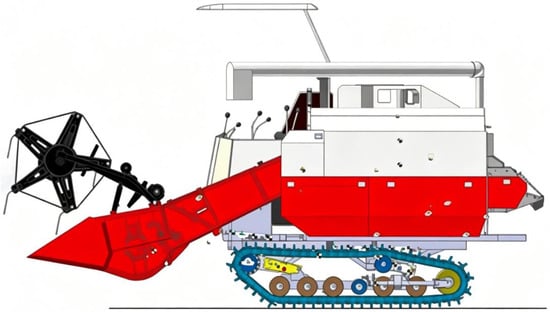
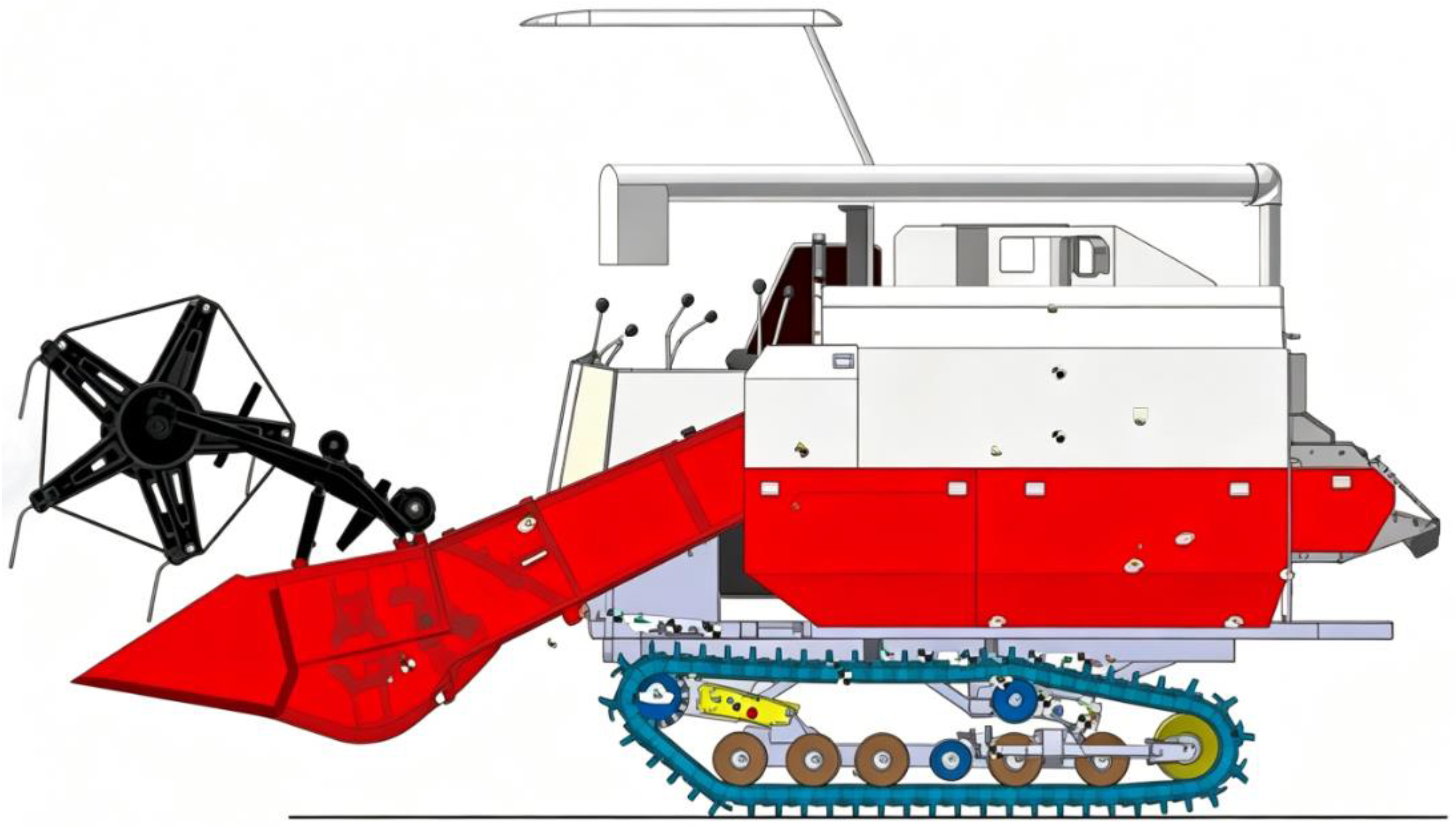
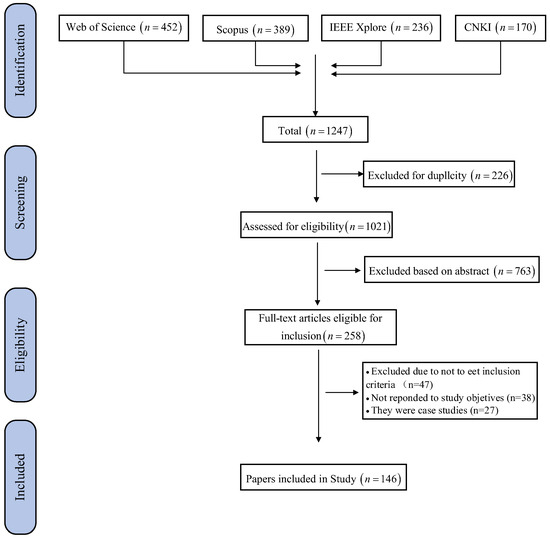
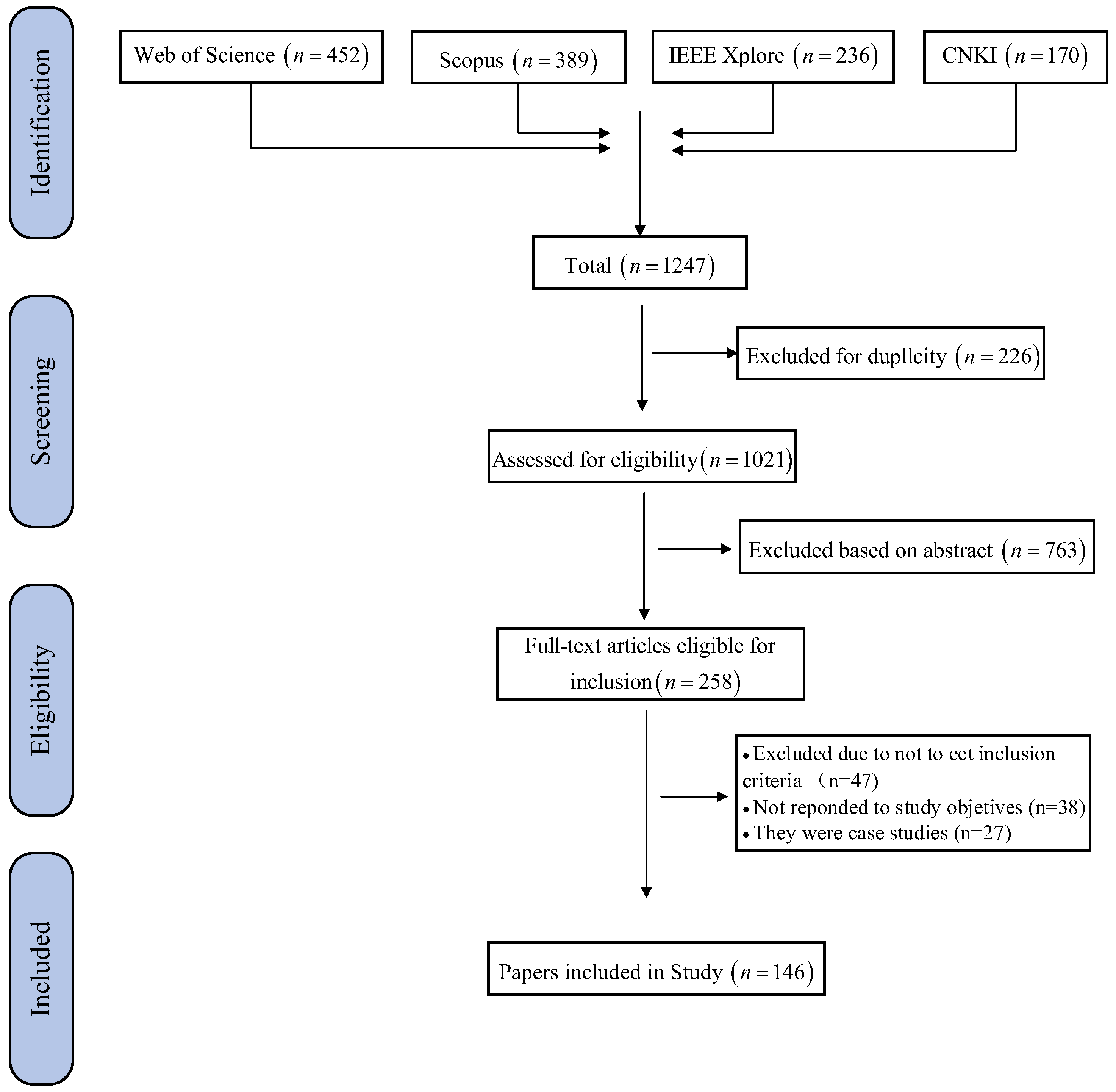
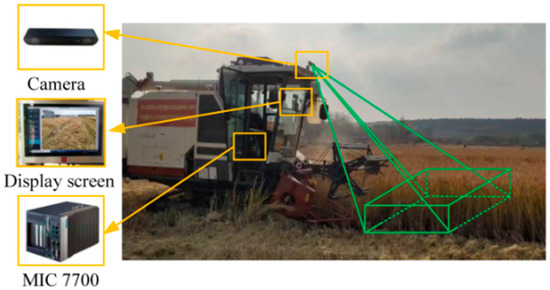
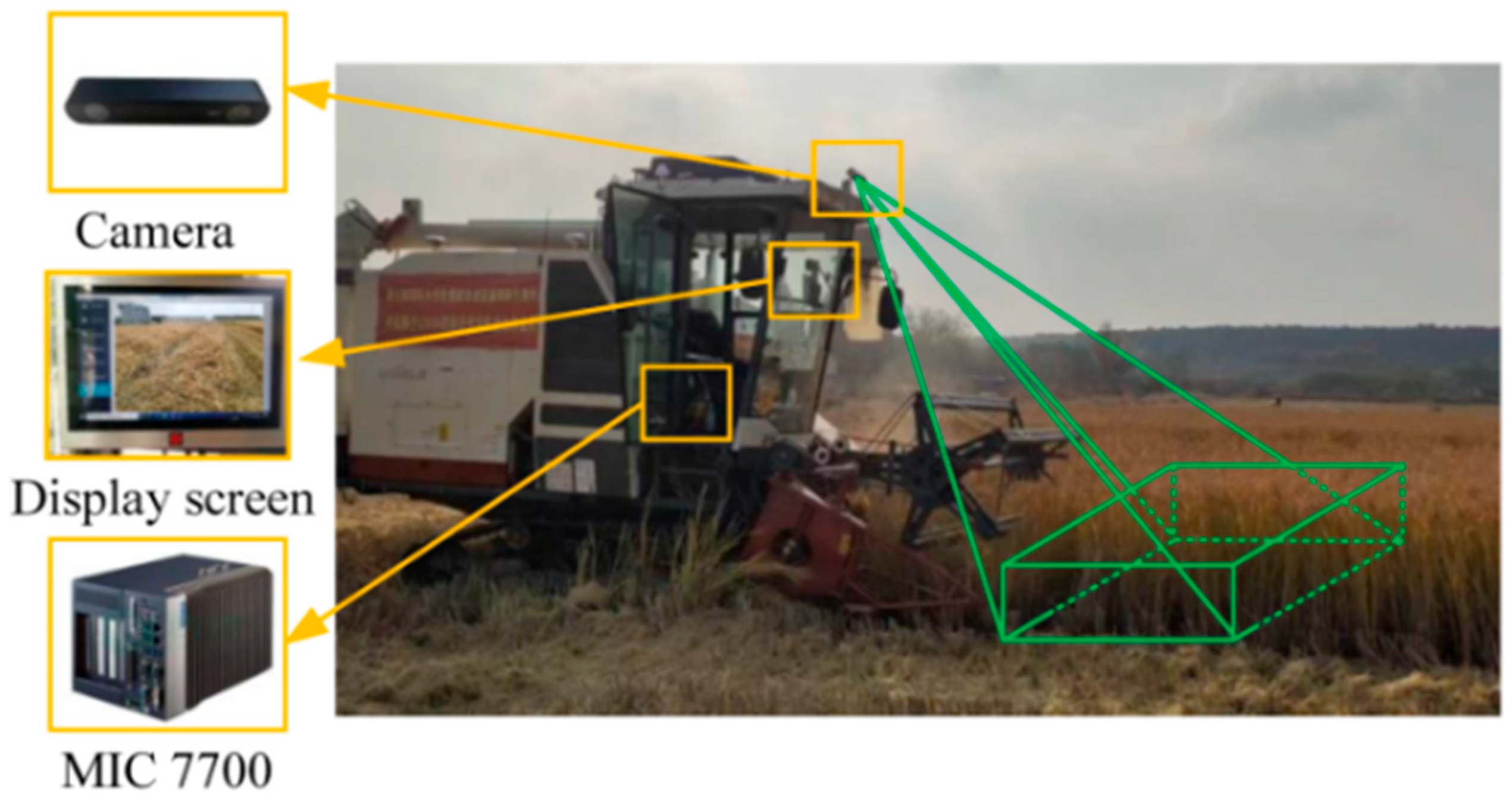
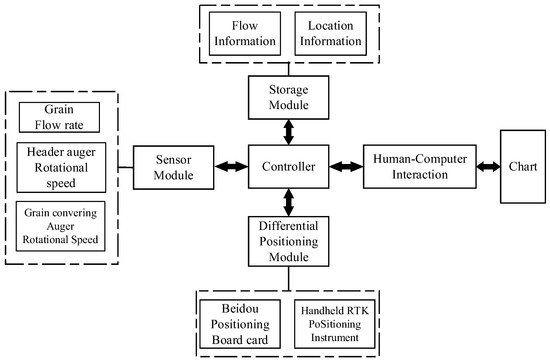
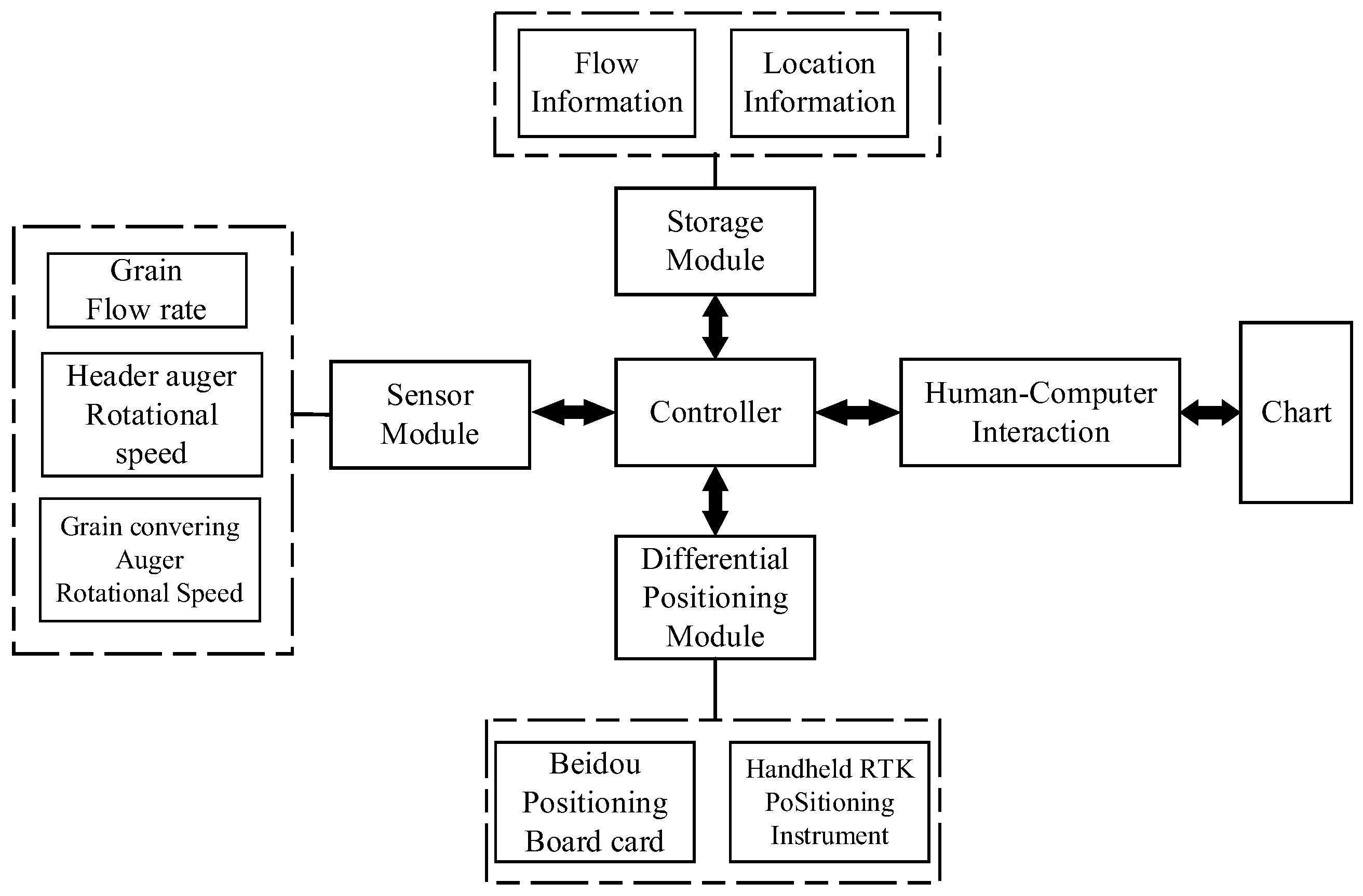
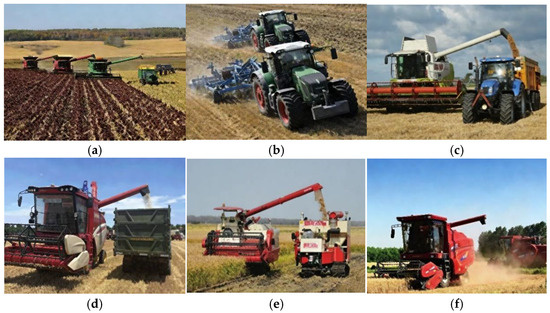
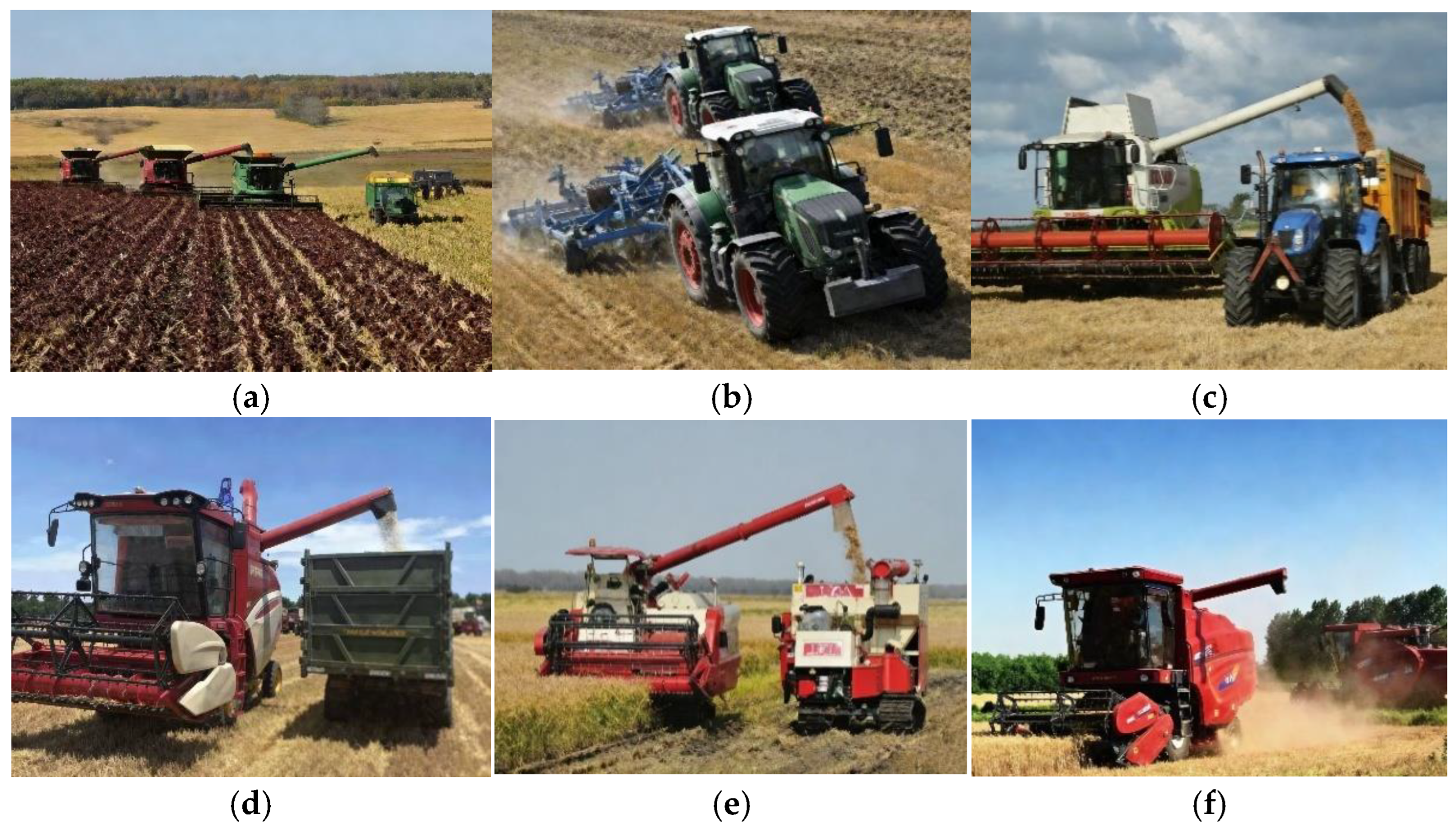
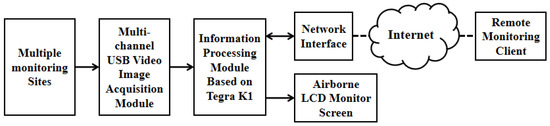
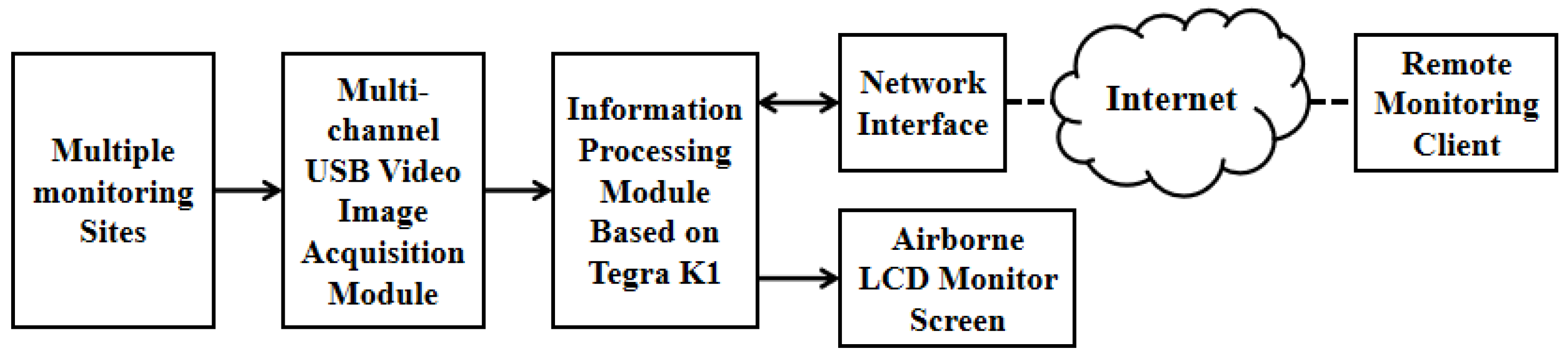
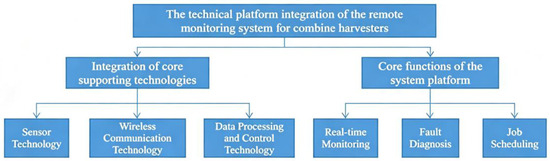
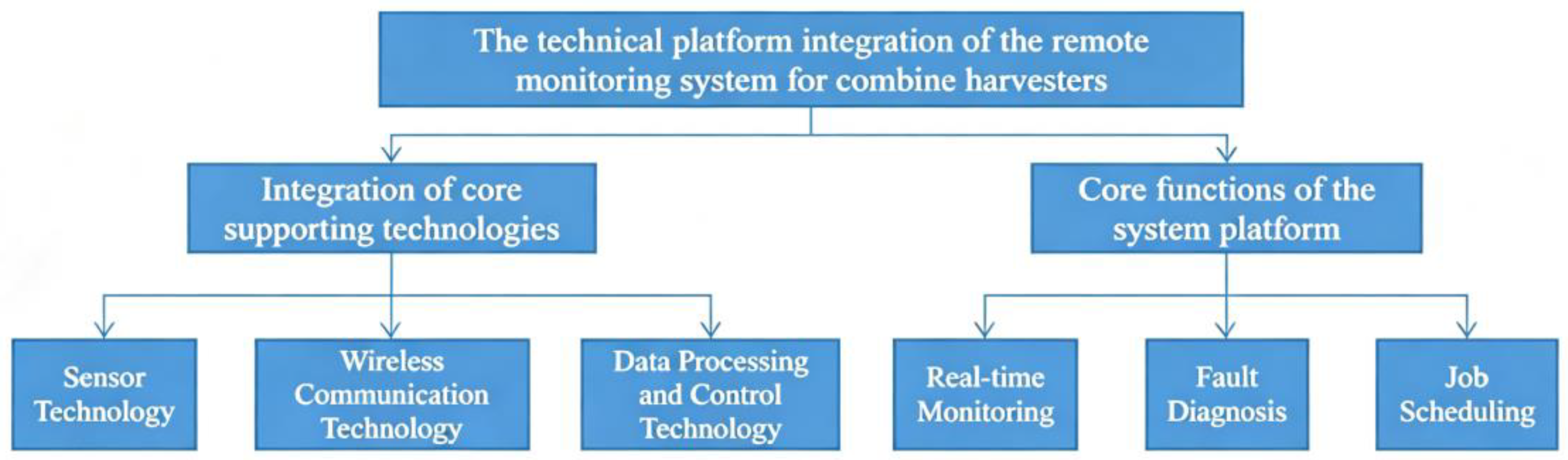
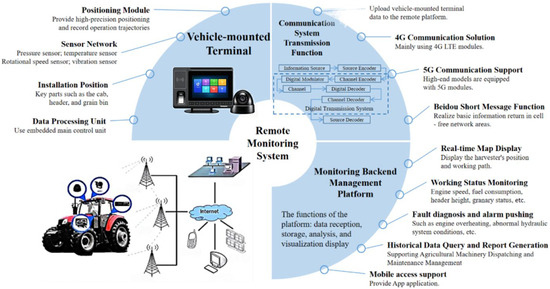
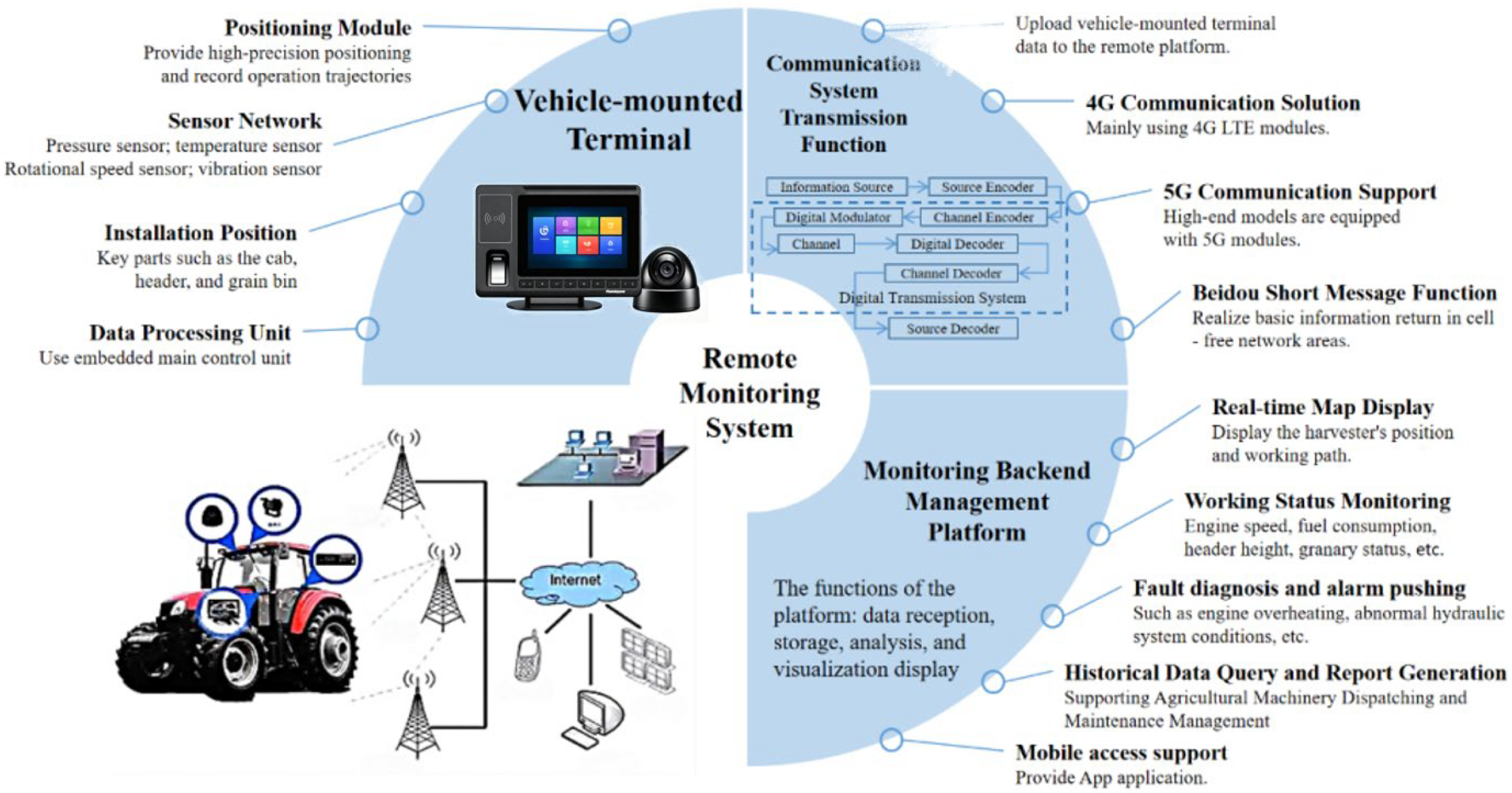
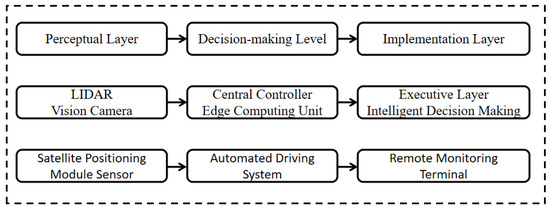
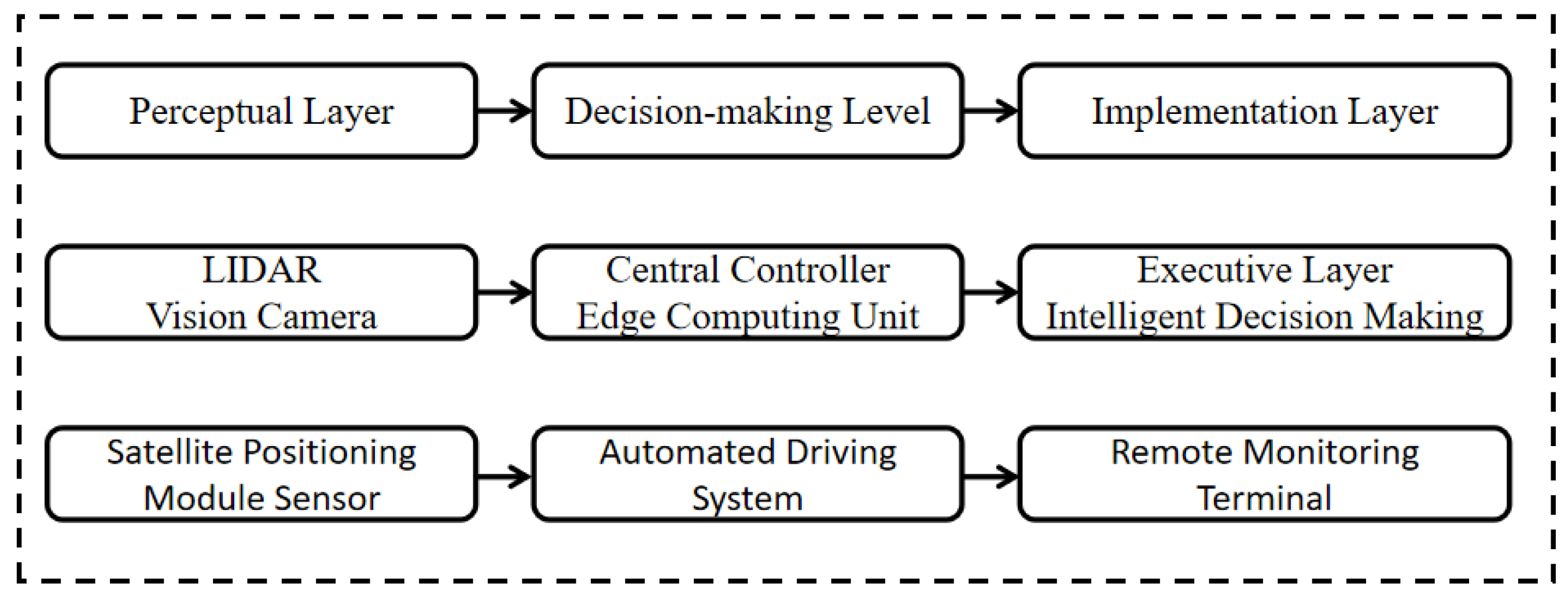

Disclaimer/Publisher’s Note: The statements, opinions and data contained in all publications are solely those of the individual author(s) and contributor(s) and not of MDPI and/or the editor(s). MDPI and/or the editor(s) disclaim responsibility for any injury to people or property resulting from any ideas, methods, instructions or products referred to in the content. |
© 2026 by the authors. Licensee MDPI, Basel, Switzerland. This article is an open access article distributed under the terms and conditions of the Creative Commons Attribution (CC BY) license.