


Abstract
Agrivoltaics (AV) has emerged as an integrated land-use innovation capable of simultaneously addressing food, energy, and water challenges, yet its systemic implications for farming system sustainability remain insufficiently synthesized. This review adopts a farming system dynamics perspective to examine how AV systems reorganize biophysical, ecological, and socio-economic interactions across agroecosystems. Drawing upon agroecological principles, pathways of sustainable intensification and ecological intensification, and resource-loop strategies in circular economy, we identify the key elements and cause-and-effect relationships that shape AV system performance. Evidence indicates that the co-location of photovoltaics (PV) structures and crop cultivation generates new system properties, altered light distribution, moderated microclimates, redistributed soil moisture, and diversified production functions that influence productivity, resource-use efficiency, ecological services, and farm resilience. Using causal loop analysis, we conceptualize four central feedback dynamics: (i) PV–crop trade-offs and spatial-sharing relationships; (ii) microclimate modifications and crop physiological responses; (iii) ecological performance and landscape-level interactions; and (iv) circularity loops connecting resource conservation, renewable-energy substitution, soil processes, and material flows. This feedback collectively determines eco-efficiency outcomes, including enhanced land-equivalent productivity, improved water-use efficiency, strengthened regulating services, and reductions in external energy dependence. At the farming-system scale, AV diversifies income streams and stabilizes yields under climatic variability, whereas at the landscape scale, it fosters multifunctionality by supporting regenerative resource flows and ecological resilience. Building on these insights, we propose an integrated framework that links agroecological elements with dynamic feedback structures to guide context-specific AV design, management, and governance. This system-oriented synthesis provides a foundation for future research and policy efforts aimed at optimizing AV as a circular, resilient, and sustainable farming system innovation.
1. Introduction
Food, energy, and water systems are increasingly interconnected through their mutual demands, shared resource dependencies, and spillover impacts driven by global production and trade [1]. Recent assessments by the FAO (Food and Agriculture Organization of the United Nations) and World Food Program indicate that more than 176 million people in the hotspot regions are currently facing food insecurit [2]. Global duo effects of rising temperature trends and precipitation uncertainty increased crop water requirements and lessened water availability [3]. At the same time, 685 million people were living without access to electricity, constraining the development and resilience of the regional agri-food chai [4]. The agri-food supply chain itself accounts for nearly 30% of global energy consumption and associated emissions [5]. As the interconnected phenomena, raising energy costs and weather extremes determined agricultural production costs and domestic food prices, which affected to regional food insecurity.
Along with global decarbonization framed by the “2030 Agenda for Sustainable Development” and “Paris Agreement”, sustainable modern energy and renewable energy systems have been increasingly recognized as essential for addressing issues of energy accessibility, affordability, and security. In the agricultural sector, strengthening the adaptability and resilience of production systems has been emphasized to safeguard food security while protecting land resources and natural ecosystems [6]. Expanding renewable-energy supply and improving food security are key drivers of sustainable land-use transitions, helping to reduce land-use pressures and minimize landscape disturbances that threaten biodiversity and ecosystem integrity [7]. Consequently, the modern features of farming system development were shaped by interacting contextual factors, including climate conditions, population density, natural resources availability, energy demands, and technologies development [8].
The water–energy–food nexus reflects the cross-sectoral challenges and dynamic interdependencies of global resource systems. Addressing these multifaceted challenges requires interdisciplinary perspectives capable of designing and strengthening integrative farming systems [9]. Especially, the approach has been particularly important for reconciling food and energy security under conditions of renewable water scarcity. Systematic and nexus perspectives enable a holistic understanding of resource management by identifying the interconnected challenges and opportunities that arise from the interdependence of water, food, energy, land, and climate-change impacts [10]. The system dynamics approach has been applied to characterize the relationships of significant biophysical and socioeconomic components that influence system performance and support agri-food system sustainability, particularly in terms of productivity, resource efficiency, and environmental outcomes [11,12,13]. Moreover, this approach facilitates shared understanding between research agencies and other stakeholders through participatory methods such as brainstorming and focus group interviews [14].
This study examines AV, an integrated production system that combines PV electricity generation with crop photosynthesis. In AV systems, crop cultivation and solar panel installations are co-located, allowing both systems to operate simultaneously on the same land area (Figure 1). This integration provides mutual benefits consistent with the water–energy–food nexus. In tropical climates, for example, shading and reduced temperatures beneath solar panels alleviate crop water stress, likely leading to increased crop productivity [15]. Conversely, crop evapotranspiration cools the microenvironment beneath PV modules, enhancing panel efficiency and electricity generation [16,17]. Either crop yield or electricity production is reduced, or both are reduced, but the total products might be higher within a certain area [18]. Off-grid renewable energy further supports agri-food system development by improving irrigation supply and efficiency, enabling post-harvest and agro-processing operations, enhancing cold storage, reducing reliance on traditional biomass for cooking, and offsetting greenhouse gas emissions, especially for smallholder farmers in remote area [19].
Figure 1.
Agrivoltaics pilot site at the Agricultural Innovation Research, Integration Demonstration and Training Center, Faculty of Agriculture, Chiang Mai University (CMU). Developed under the University’s Educational Development Plan (Phase 13), this facility integrates (i) University Farm Development for Safe Food Production (BCG Economic Model) and (ii) a pilot system for solar energy generation using Transparent Photovoltaic (TPV) cells. The site comprises: (A) a demonstration plot for pesticide-free vegetable production, and (B) a rice research plot (see Acknowledgments).
Viewing integration between crop cultivation and PV as an emergent property of AV, this study aims to identify the key elements and interactions of farming management options and PV supply chains. By applying a system dynamics approach, the synthesis approach incorporates agroecological elements, and circular economy principle with resource loop strategies to support sustainability of agroecosystems.
2. Concept of Agroecology and Circular Economy for Sustainability
2.1. Agroecological Elements
Agroecology is defined as the application of ecological principles and functions to the conceptualization and management of agroecosystem sustainability. In other words, ecological principles are employed to redesign agricultural systems to enhance their resilience and adaptability in the face of global environmental chang [20]. Agroecology operates across multiple scales from plots and fields to farming systems and food systems through a holistic and integrative approach [21]. The fundamental scope of the agroecosystem extended beyond biological and physico-chemical boundaries to encompass agro–socio–economic–ecological interconnection.
Provision aspects of agricultural activity emerged from the interconnected roles and functions of multifunctional landscapes, including food–fiber–energy commodities, environmental services, green landscape, and cultural heritage. Therefore, sustainability in agroecology is expressed through multiple dimensions: maintained productivity, stable economic return, viable environmental performance, and encouraged social equity. Transdisciplinary implications in agroecology of crop and environmental science, economics, and social science have expanded toward the broader food system to sustain food production, protect biodiversity, and safeguard the natural environment in food chain [22].
The understanding process for agroecosystems is aligned with the co-existence of ecological and socio-economic contexts. In a broader sense of agroecosystem, the fundamental emergent qualities of ecology, which consisted of energy flow, nutrient cycling, population regulating mechanisms, and dynamic equilibrium, were suggested as an observable indicator of the sustainability of the agroecosystem [23]. Multiperspectives of agroecology involved understanding the interaction of farming system elements and natural ecology processes, then extended to the social-change aspect of agroecology. Achieving sustainability within agroecosystems continues to depend on innovative and effective agricultural practices [24].
To support transdisciplinary perspectives and reinforce multistakeholder involvement, the FAO and a High Level Panel of Experts initiated consultation and synthesis processes to define the agroecology principles. Complementarily, the 10 elements of agroecology were formulated from a nexus perspective, with entry points such as biodiversity–nutrition–climate change, consumers–markets–health, and education–governance–youth employment [25]. The FAO recognizes ten core elements of agroecology: diversity, co-creation and sharing of knowledge, synergies, efficiency, recycling, resilience, human and social values, culture and food traditions, responsible governance, and circular and solidarity economy [26].
The defined elements were developed to support various typologies of system transitions and performance assessment tools implemented from farm- and landscape-level to food system policy under integration degree of agroecological framewor [27]. An analytical framework composed of descriptive and numerical scales of multidimensional performance was based on the defined elements of agroecology and local contextual criteria [28]. Through their varied implementations, these agroecology elements provide alternative pathways to transform agriculture and enhance the sustainability and performance of the agroecosystem [29].
2.2. Two Intensifying Pathways Toward Sustainability in Agroecosystems
Diverse farming systems require different transformative visions and agroecological pathways to rebalance agricultural production and farmland diversities [30]. Economic, environmental, and social impacts must be considered as integrated outcomes to achieve long-term sustainability in agri-food systems [31]. Two major approaches that underpin agroecosystem efficiency are sustainable agricultural intensification and ecological intensification.
The first pathway, sustainable agricultural intensification, is defined as “producing more output from the same area of land while reducing the negative environmental impacts and, at the same time, increasing contributions to natural capital and the flow of environmental services” [32]. Key outcomes, such as higher productivity and improved environmental performance, form the basis of sustainable intensification and guide the redesign of agricultural production systems. Pretty (2018) identifies three core principles: (i) efficiency, meaning improved use of resources; (ii) substitution, referring to the replacement of harmful technologies or practices; and (iii) redesign, which enhances ecological services through new farming-system structures or institutional innovations [33].
Sustainable intensification is shaped by a trade-off between production gains and environmental impacts, along with technologies and management practices at field and farm scale, changes that manifest from local to global levels [34]. Pathways also vary across land-use contexts and farming characteristics, such as land sharing and agrobiodiversity strategies in smallholder regions, precision input use in large-scale farming, and green-market integration with short value chains in peri-urban areas [35]. Access to technologies and practices for sustainable intensification is further regulated by farm-level socio-economic conditions at the national scale [36].
The eco-efficiency (economic and ecological efficiency) concept was applied broadly to agricultural systems as a representative of economic and ecological performance. The core idea of eco-efficiency was the ratio of production output value divided by inputs such as natural resource usage and environmental pressures from the production system. In agronomic perception, the concept of eco-efficiency was developed from a function of production performance and resource use in one production system, to a trade-off between the product of the main production system in relation to one or two system outputs [37]. Eco-efficiency was indicated by various methods, such as ratio analysis, life-cycle assessment, ecological footprint analysis, stochastic frontier analysis, energy analysis, and data envelopment analysis [38].
Not just resource consumption and environmental pressures, but the positive consequences of ecological performance under farming practice were integrated into eco-efficiency. Evaluation for eco-efficiency presented economic value of products by sum of negative and positive environmental effects produced by products [39]. Ecological improvement of sustainable intensified farms, such as on-farm diversity and on-land diversity, was indicated through eco-efficiency [40].
The second pathway, the ecological intensification, is defined as technological and institutional processes of gradual improvements in ecosystem functionalities to promote productivity with less environmental impacts, maintain natural resources, and foster adaptability, resilience, and social equity [41].
Comparative reviews on sustainable intensification and ecological intensification were identified as the distinctive boundaries. The implementation of ecological intensification should be conducted focusing on the outcome of landscape diversity instead of farm scale by collaboratives and incentives of individual farms for public goods [42]. The sustainability in agroecological redesign is based on multifunctionality, such as profitability, production capability, ecosystem service for farmers, ecosystem service for society, minimizing externality capability, and social equality [43]. Costs and opportunity costs in the establishment and multiple benefits of ecological intensification should be clarified between private and public goods. Ecosystem services might be time-lagged and irregular in spatial-temporal dimensions [44].
The cradle-to-cradle approach was applied to agroecological principles, such as recycling and reusing materials, maximizing capture and utilization of solar radiation, and diversifying knowledge and agrobiodiversity and economic activities. The sustainable intensification aimed to improve performance of farming scale, while ecological support and regulation services were required design of landscape scal [20].
Even though the resolution of sustainable and ecological intensifications was dissimilar, but principal practices of intensifications overlapped, for instance, resource use efficiencies, diversification, recycling or circularity, reduction of external resource uses, minimizing adverse effects on environment [35]. Their similarity of sustainable Intensification and ecological intensification on environmental concerns was a necessary trade-off characteristic of sustainability and vulnerability, and agricultural and ecological systems of multilevel and multiscale [45].
2.3. Circular Economy and Resource Loop Strategies
The concept of circularity aims to minimize resource intensity and reduce environmental impacts across production and consumption systems. To transition from a linear “end-of-life” model to regenerative economy, core principles such as reducing, reusing, recycling, and recovering materials have been proposed to reshape material sourcing, production processes, and consumption patterns, which the broader goals of improving environmental quality, supporting economic development and fostering social equity [46]. Within the agri-food system, circular economy principles have been applied to valorize by-products and losses from production and consumption, including crop residues, animal excreta, co-products of food processing, and food waste, thereby transforming waste streams into productive resource [47].
Circular practices in agriculture are commonly represented through the principles of reducing, reusing, repairing, repurposing, recycling, and recovering materials and resources of farming management options [48]. Circular supply chain in agricultural life-cycle is defined as “the set of activities designed to not only ensure economic, environmental and social sustainability in agriculture through practices that pursue the efficient, effective use of resources in all phases of the value chain, but also guarantee the regeneration of and biodiversity in agro-ecosystems and the surrounding ecosystems” [49]. Comparative analyses of integrated farming practices demonstrate how circular economic frameworks can enhance ecosystem services and strengthen food security [50]. Internalization of energy and material flows was used as the indicator for circularity contribution achieved through reverse logistics practices, agro-industrial cooperatives, community biodigesters, and other innovations that create new economic opportunities and mitigate environmental impacts [51]. Resource-loop strategies in circular agriculture typically involve narrowing, slowing, closing, and regenerating resource flows [49].
The perspective of agro-food systems on ecological and circular approaches was remarked as the overlapping practice set by the interviews of farmers and agribusiness on critical performance indicators for circular agriculture [52]. Circular bioeconomy shares key principles with eco-efficiency in agroecosystems, including utilization of renewable resources, enhancement of resource use efficiency, and reutilization of waste streams within agro-food systems. Concerning aspects of circular economy in agriculture included the following: (1) improving resource-use efficiency and optimizing processes to reduce waste, and (2) developing regenerative systems that minimize leakages and close nutrient and energy loops. Circularity agricultural indicators in farming systems encompass nutrient balance and cycling efficiency, residue management and composing rate, energy and emission, including carbon sequestration, water use efficiency, and rainwater harvest, as well as income diversification and cost reduction through circular practices [53].
3. Design of Study
This study utilized the spontaneous characteristics of agricultural systems, specifically their nested hierarchical structure and interactions between subsystems [54]. This allowed us to scale conceptual frameworks from farming systems to broader agroecosystems. We applied the principles of sustainable agricultural and ecological intensifications [20,33] as the entry points of farming system dynamics under AV conditions to achieve their sustainability.
The 10 Elements of Agroecology [26] were adapted to redesign sustainable management options in development of AV farming system to enhance farm-level economic returns and landscape-level ecological services. This study incorporated eight of the ten Elements of Agroecology, namely diversity, co-creation and sharing knowledge, synergy, efficiency, recycling, resilience, and circular and solidarity economy.
In this study, farming management options that directly influence sustainability in agroecosystems were highlighted. Therefore, responsible governance and culture and food traditions were excluded as they fall outside the analytical scope. As emergent property of PV integration into crop cultivation, we address resource consumption gaps for sustainable supply chain of PV by combining circular economy principles and resource loop strategies [48,49] to agroecosystem elements.
A semi-systematic review was conducted to research and review publications indexed in Google Scholar, Science Direct database, and Scopus database from 2010 to 2025. The review was supplemented by backward snowballing method to track back foundation study. The search strategy was distinct to two hierarchical levels, including farming or plot experiment level, and landscape or agroecosystem level. At the farm and plot experiment level, we use searching string “Agrivoltaics or Photovoltaics” or “Solar*” and [x]; keywords x was “crop”, “cultivation”, “yield”, “water”, “irrigation”, “efficiency”, and “microclimate”. At the landscape or agroecosystem level, the searching string for this level were “Agrivoltaics or Photovoltaics” and [x]; keywords x was “diversity”, “efficiency”, “recycl*”, “co-creation”, “sharing”, “synergy”, “resilience”, “ecology”, “service”, “circular”, and “resource loop strategy”. The publication selection was specific that aligned with the normative description of AV.
Cause-and-effect relationships were identified to understand the system dynamics from soil health and crop productivity to sustainability in agriculture and natural resource managemen [11,12,13,55]. To facilitate narrative synthesis in this study, we employed causal loop diagraming as a qualitative system-dynamics tool to map AV farming systems towards sustainability. The direction of causal interdependence between system elements is represented by an arrowhead. A negative (−) or positive (+) at an arrowhead denotes an effect polarity, while a question mark indicates an equivocal effect. A reinforcing loop (R) indicates a supportive mechanism on change in the same orientation of the set of system elements. Conversely, a balancing loop (B) represents a resistant mechanism where the elements interact to counter changes.
We integrated the agroecological normative framework with the identified feedback loops to evaluate the potential performance of AV, emphasizing how elements such as diversity, efficiency, recycling, resilience, and circular economy contribute to system sustainability. Subsequent sections translate these analytical outputs into visual narratives describing eco-efficiency dynamics (Figure 2), nexus-mediated interactions between system components (Figure 3), and the role of circular resource loops in regenerative AV (Figure 4). This methodological approach enables a coherent examination of how AV restructures resource flows, ecological processes, and system properties across farming and landscape scales.
Figure 2.
Eco-efficiency on the sustainable intensification of AV in farming systems.
Figure 3.
Interrelation of agroecosystem elements and circularity of AV in supporting sustainability (solid line: feedback within AV farming system; dash line: interconnected feedback between AV farming system and agroecosystem).
Figure 4.
Interrelation of resource loops in circular AV system (solid line: feedback within AV farming system; dash line: feedback of AV farming system to support regenerative resource flows).
4. Eco-Efficiency of Agricultural Sustainable Intensification in Agrivoltaics Farming Systems
4.1. Economic Return of AV Farming Systems
In AV farming systems, farm income is diversified through crop production and electricity generation. While the spatial efficiency of conventional crop systems or stand-alone PV installations is typically measured as the amount of product generated per square meter, the spatial efficiency of an AV is evaluated through the combined productivity of both PV generation and crop cultivation. This total spatial efficiency is a trade-off under various interactions and dynamics of options in PV technology and layout, climatic conditions and microclimate modification, and the shade tolerance or light requirements of cultivated crops (Figure 2).
4.1.1. Loop of Trade-Off and Sharing
Under the AV concept, crop cultivation practices and PV structure (solar panels and support structure) occupy the same area. Both spatial efficiencies of crop cultivation and PV spatial efficiencies are partially constrained by shading coverage and spacing of integrated layout of PV structure and crop cultivation. However, the total spatial efficiency of PV and crop photosynthesis from might be improved and indicated by the land equivalent ratio and land productivity factor.
- (1)
- Land equivalent ratio (LER) [56] is an indicator to quantify land-use efficiency. If LER > 1, this means land-use productivity (crop yields + electricity product) in AV is higher than sole crop cultivation or sole PV.
Ycropin AV: crop yield from the cultivation under solar panel
Ymonocrop: crop yield from the open-field cultivation
LL: land loss due to the presence of the structural elements of AV
Yelectricity AV: electricity product from AV
Yeletricity PV: electricity product from sole PV (conventional)
- (2)
- Land productivity factor (LPF) as an indicator to compare land-use performance independently of PV modules and crop cultivations [57]. Instead of relying on relative crop yield, LPF is calculated using incident Photosynthetically Active Radiation (PAR) under open-field conditions, transmitted PAR beneath panel coverage at a specific observation point (OP). This approach enables an assessment of land productivity based on light availability, allowing direct comparison between AV and non-AV systems.
PARr (%): relative cumulative PAR incident at a specific crop
K: varied to cover the entire region within a pitch
Iop: transmitted PAR under panel coverage
Iglobal: incident PAR without panel installation
From crop cultivation perspective, the primary trade-off between crop cultivation area and PV setup area is indicated by direct measurement of Ground Coverage Ratio (GCR). Simultaneously, GCR could be adapted as the indicator of crop productivity. The review highlights the adverse relationship between Ground Coverage Ratio (GCR) and Relative Plot Yield (RPY; open field yield/AV system yield). Maintaining GCR < 25% is the threshold to sustain RPY > 80%. Furthermore, the review discussion introduces Relative Field Yield (RFY) that accounts for lost cultivation area due to PV setup area [58].
Loop of Climatic Condition, Microclimate Modification and Loop of Plant Dependency on AV Irradiation and Microclimate and Loop of Specific PV Development or Conventional PV affect land use efficiency of AV farming system. In an assessment across the EU, LER are location-dependent determined by solar insolation and crop variety [59]. In Germany, the LER of AV plots raised up to 90% of open field plot in dry and hot summer seasons [56]. Simulation models across multiple periods, AV performed higher yield levels where rain and irrigation were limited. In contrast, open field had higher yield with full irrigation [60]. PV setup parameters, including row spacing, orientation, inclination, and height with maize, barley, and wheat revealed variations in LER ranging from 0.95 to 1.11 [61]. In a case study from Nigeria, AV farm of salad, cabbage, tomato, mint, and okra achieved LER ranging from 1.13 to 1.33 with and without yield reduction [62].
4.1.2. Loop of Specific PV Development or Conventional PV
Involvement in loop of trade-off and sharing, integration of PV and crop cultivation emerged as the attribution feature options of PV technology, engineering techniques for supporting structures, and cropping systems in regulating the three-dimensional spacing design [63]. Advances in AV-specific PV technologies and layout designs (Table 1) can enhance spatial efficiencies in both crop cultivation and PV. Different PV structures and flexibility could be implemented in both mobile structures and fixed structures. In AV systems, spatial arrangements, and PV structure are commonly classified as interspace PV and overhead PV, which can be configured as fixed-tilt, single axis, and dual-axis systems, depending on site conditions and agricultural purposes [64].
Regarding agronomic aspect, general designs of AV systems involve balancing trade-off between electricity generation capacity and shading ratio when determining PV module layouts. Optimizing panel density and arrangement layout of PV panels together with the crop production component could enhance monetary return and shorten pay-back period [65]. In addition, plot spacing, furrows dimensions, and machinery configurations regulated foundation design and spacing specification for AV installations [66].
PV-generated electricity can support on-farm activities; for instance, agroprocessing and cold storage. It can also contribute to cultivation practices through microclimate control (e.g., active–evaporative–cooling system) and a solar-powered irrigation system. Domestic renewable energy thus enhances the productivity and resilience of agri-food systems in both developed and developing countries by strengthening multiple stages of the supply chain, including solar irrigation, cold storage and refrigeration, food-processing, and transportation [19].
Table 1.
PV technologies applied in AV.
4.1.3. Loop of Climatic Condition and Microclimate Modification
The loop of specific PV development or conventional PV, solar irradiation, microclimate conditions are modified through PV technology and layout design (Table 1) in interaction with climatic conditions. Quality and quantity of light are varied by (1) panels arrangement density, (2) coverage ratio, and (3) direction and setup degree of the panels. These design parameters create spatial differences in shading intensity and light distribution. Shading generally reduces crop evapotranspiration and photosynthesis [74]. AV-specific configurations, including fixed vertical, one-axis and two-axis PV arrays, have been developed to manage light environments more effectively. Such systems have demonstrated reductions in PAR ranging from 11% to 22% while improving light homogeneity from 86% to 95%, respectively [75].
Experimental evidence from greenhouse applications shows that daily solar radiation is not significantly reduced when PV panels cover approximately 25% of the roof area. Solar panel with checkerboard layout displayed the best light uniformity, whereas straight-line layout displayed the higher light intensity [76]. A comparison between checkerboard and regular block layouts using semi-transparent cells showed average Photosynthetic Photon Flux Density (PPFD) levels of 751.17 and 755.47 μmol m−2 s−1, respectively. Measured at the greenhouse floor between 9:00 and 16:00, these light levels proved sufficient for high-quality strawberry production [67].
Advances in PV materials have further enabled the development of high-concentration PV that split light to solar energy and PAR for beneath crops cultivation. Bi-layer PV emerged ability to specify transmitted light spectral bands [70]. Transparent photovoltaic with glazing absorbers provided wavelength-selective transmission reduced near-infrared radiation, thereby moderating thermal stress on crops [72].
In southwest Germany from October to December, microclimatic conditions beneath PV panels differ from ambient conditions. Average air temperature under panels was typically about 1 °C lower and the relative humidity was approximately 2% higher. Additionally, there was 30% reduction of daily average PAR. Soil temperature was 1.2–1.4 °C lower than in open-field conditions. Rainfall distribution is also altered depending on panel position and tilt angle [77]. In southern Italy, study on microclimate of distinct shade area of PV arrays illustrates that crop evapotranspiration reduced 81.1% and 13.1% in of shaded area under the panels and partially shaded area between the panels, respectively in comparison to a full-sun area [78]. Research conducted on Japanese paddy fields between May and September indicates that PV arrays intercepted 21–30% of solar radiation. Maximum air temperature was 0.8 °C lower. Minimum air temperature was not significantly different. Maximum water temperature underneath PV was 1.2–2.7 °C [79].
Lower ambient temperature might amend PV to raise electricity production in loop of trade-off and sharing, the modified microclimate affects PV efficiency. In tropical climates, the evapotranspiration from hydroponic vegetable cultivation reduced the solar panel temperature by 2.8 °C compared with panels without the cultivation underneath, resulting in 3% increase in electricity generation efficiency [16]. Similarly, reductions of 1–1.5 °C in air temperature beneath PV arrays due to crop evapotranspiration increased electricity generation by around 9% [17].
4.1.4. Loop of Plant Dependency on AV Irradiation and Microclimate
The consequence of the loop of climatic conditions and microclimate modification, crop growth, and development in AV depend strongly on altered irradiation regimes and microclimatic conditions. Crop responses can be positive or negative depending on the photosynthetic characteristics and physiological plasticity of cultivated species. When combined with appropriate crop selection and management practices, modified solar radiation and microclimate under AV can reduce yield gaps relative to conventional monocropping systems, while simultaneously improving crop water-use efficiency.
Crop varieties differ in their light-saturated points, which define the maximum photosynthesis rate beyond which additional light cannot be efficiently utilized. Conversely, insufficiency solar radiation reduces photosynthetic rates below respiration, reaching the light compensation poin [80]. Importantly, light-saturation thresholds are not static but vary with ambient temperature and atmospheric CO2 concentration. Based on the relationship between relative biomass yield (yield/referent yield at 100% incident PAR) and photosynthetic active radiation (PAR) under AV conditions, crop responses to shading have been classified into three categories: (i) positive dominance (+), where yields exceed reference levels when incident PAR remains above ~50%; (ii) neutral response (0), where yields decline slightly when incident PAR exceeds ~70%; and (iii) negative dominance (−), where yields decline linearly with increasing shade [81].
Accordingly, crop varieties can be divided by light intensity requirement for growth. (1) Shade-intolerant crops, such as maize, require high light intensity to maintain assimilation processes and exhibit strong yield reductions under increased shading coverage [82]. (2) Shade-tolerant crops, including broccoli, show limited yield sensitivity to moderate shading [83]. A broader synthesis of temperate-climate studies further distinguishes three crop–shade response groups: (i) shade-benefiting crops (e.g., berries, fruit crops, and fruity vegetables), which tolerate up to ~40% shade and may exhibit yield gains; (ii) shade-tolerant crops (e.g., forages, leafy vegetables, bulbs, and tubers), which display variable but generally moderate yield responses; and (iii) shade-susceptible crops (e.g., maize and beans), for which even limited shading causes substantial yield losses [84].
Empirical evidence highlights crop- and context-specific outcomes. For example, basil and petunia yield saturate when transmitted daily light integrals exceed 12 mol m−2·d–1, corresponding to ~35–40% shading coverage). Minimizing near-infrared radiation (>750 nm) and maintaining shading below 35% improves fruit vegetable performance [72]. Shading coverage ratio is a critical determinant of horticultural crop growth and yields decline significantly when panel coverage exceeds 25%. Although most of crop growth declined under the coverage ratio expanded from 50–100%, efficiency of crop water use was improved, particularly in a tropical climate [85]. Chicory grown under simulated AV shade exhibited higher leaf water content, fresh weight, and leaf surface area, resulting in biomass increases of 69% and 23% relative to full sunlight [86]. Conversely, lettuces grown under AV in temperate climates required 20% less water but showed delayed maturity to 5–7 days and yield reductions were 15–25% [87].
Under a 30% solar-panel coverage ratio, yields of rice, soybean, maize, onion, and garlic were 10–22% lower than those in open-field conditions [88]. Rice cultivated beneath solar panels exhibited higher leaf greenness (SPAD values), reflecting altered nutrient allocation and reduced nutrient accumulation in grains. In addition, the panicle booting stage was delayed, and proportion of unfilled grain increased compared with open-field rice cultivation [89]. In contrast, AV systems equipped with solar-tracking technology increased alfalfa production by 10% through improved soil water balance, while the land equivalent ratio reached 1.51 relative to separate crop and PV production systems [90]. AV systems tend to confer benefits in hot and dry conditions; for instance, winter wheat and potato yields increased by 2.7% and 11.0%, respectively, during hot and dry summers. Consequently, yield reductions of 19–20% were observed in colder season [77]. Since most AV installations are currently located in temperate regions, yield reductions have been reported for crop including maize, rice, soybean, forage crops, and potato under certain configurations [64].
4.2. Ecological Services and Performance in AV Landscape
The landscape transition associated with the establishment of AV farming systems, ecological services enhance the association and dynamics of PV technology and layout, solar irradiation, water dynamics, and soil processes. The introduction of AV patches generates heterogeneous microclimate conditions and diversified crop management practices, which collectively promote biodiversity at landscape scale.
4.2.1. Loop of Ecological Elements and Performance
Linked to the loop of climatic conditions and microclimate modification, AV systems influence water conservation dynamics by reducing reference evaporative demand, limiting soil water depletion, and lowering reference crop evapotranspiration. These effects are driven primarily by reductions in solar radiation incidents rather than changes in air temperature, relative humidity, and wind speed [91]. Furthermore, PV development also affected surface water evaporation rates, for instance, lower water evaporation under even-lighting modification of solar panels for AV systems in comparison to concentrated-lighting modificatio [92]. Seasonal monitoring has shown that evapotranspiration under AV can be 37–67% lower during summer, while differences are negligible in winter [93]. In semi-arid zones, soil water content down to a depth of 60 cm increases in fully and partially shaded areas relative to open-sky conditions, resulting in 90% higher aboveground biomass of grass species and 328% higher water-use efficiency under PV panels [94].
PV technology and layout further influence soil erosion and soil quality. Rainfall distribution beneath PV arrays leads to spatial variability in soil moisture. Soil moisture is 19% higher at the dripline and 25% lower under the panels. Runoff rainwater from the dripline can be effectively managed through trenches and infiltration basins [93]. To manage runoff rainwater by utilizing panel inclination, the integration of a set of gutters, pipes, pumps, and reservoirs into AV systems is viable. The optimal inclination of 35° ensures maximum energy yield and sufficient water for crop requirements under semi-arid conditions in southern Spain [95]. In rainfall simulation experiments, PV installation on sloping terrain reduced sediment flux by 27–63% compared with bare soil surfaces [96]. Significant reductions in soil erosion mass and erosion rate were 39.7–64.1% and 38.0–52.5% lower than the control, respectively. Long-term observations indicate that the presence of solar panels modifies soil properties over time. In a coastal area of central Italy, soils beneath and between panels exhibit increased pH, improved electrical conductivity, and enhanced biochemical activity after seven years [97].
In relation to the loop of plant dependency on AV irradiation and microclimate, AV can support ecological restoration, by enhancing plant survival, growth, and diversity. Microclimatic moderation beneath panels improves the establishment and development of introduced plant species relative to native counterparts [98]. Introduction of vegetation variety boots overall ecosystem services. A simulation study of existing solar farms in northeastern Germany projected from 2030 to 2050, AV-specific habitat-enhancing by integrating grassland, hedges, and trees perform ecosystem service gains, including +33–88% in pollination supply, +9–22% in water retention, +7.5–20% in sediment retention, and up to +8% in carbon storage [99].
Vegetative patches and buffers zones associated with PV installations further contribute to landscape-scale biodiversity [100]. The replacement or integration of selected herbaceous species can create natural habitat of wild pollinators and forage resources for honeybees particularly in mixed cropping systems involving medicinal herbs and flowering plants [101]. However, the magnitude of pollination benefits is regulated by multiple factors, including landscape connectivity, microclimate conditions, availability of floral and nesting, and site-specific management practices [102].
Cultivation and soil-management practices also play a crucial role in determining ecological performance. In a dry-hot valley of southwest China, peanut and ryegrass cultivation in gap and under-panel areas has been shown to enhanced soil moisture, soil organic carbon, nitrogen–phosphorus–potassium availability, microbial biomass, and urease activity when combination with natural grassland cover [103]. Conservation agriculture practices, consisted of zero tillage, cover crops, crop rotation, and intercropping are therefore recommended for AV systems, as they reduce soil erosion, mitigate greenhouse gas (GHG) emission, enhance carbon sequestration, stimulate soil nutrient cycling, and promote soil microbial communities [104].
4.2.2. Loop of Trade-Off Ecological Footprint on Global Impact
The ecological footprint of AV systems is shaped by three primary mechanisms: (i) GHG emission from associated with infrastructure construction and installation, (ii) PV electricity generation that offset fossil-based energy, production; and (iii) carbon sequestration resulting from increases in soil organic carbon driven by microclimate and land-use interactions.
In relation to the loop of specific PV development or conventional PV, AV differs from conventional agriculture by integrating cultivated area with PV coverage under a land-sharing framework. This integration requires accounting for land-use when assessing GHG emission and environmental performance on functions of land sharing. Life-cycle assessments indicate that the overall environmental impacts of AV systems are comparable to those of standalone PV installations. However, the magnitude of environmental impacts varies substantially with PV design and material composition. For example, conventional single-pole mounting systems anchored in heavy concrete foundations can generate more than 30 times higher GHG emissions than tensile support structures [105]. Similarly, reduced metal requirement in mounting systems and the use of glass-glass modules in vertical bifacial panels displayed lower environmental impacts compared with glass-foil PV modules used in stilt-mounted systems [106]. The installation compartment materials, such as mounting structure, inverter, and control unit, contributed disproportionately to resource depletion impact, particularly for minerals and metals [107].
Despite these construction-related emissions, the substitution of fossil-based electricity with PV generation leads to substantial net environmental benefits. Significant reductions in climate-change impacts, eutrophication potential, and fossil resource depletion have been reported, especially when PV electricity displaces coal- and lignite-based power generation [107]. Increasing electricity generation capacity can avert environmental impacts up to 10 times greater than those incurred during the PV lifecycle [108]. At the regional scale, converting 5% of 1.51 × 10⁶ ha of agricultural area to AV could reduce GHG emission by approximately 5.9 Mt CO2e, offsetting an estimated 4.4 Mt CO2e of GHG emission from agricultural sector in Baden-Württemberg, German [109].
At the global scale, energy-demand scenarios suggest that converting less than 1% of cropland to AV systems could theoretically offset current global energy demand [110]. To avoid environmental impacts and land-use conflicts, transformation existing ground-mounted PV installations, particularly those lacking vegetative cover, into AV configurations represents an effective strategy. Such conversions reduce competition among agriculture, renewable energy, and forestry while maintaining comparable energy and environmental benefits [111].
In association with loop of ecological elements and performance and loop of plant dependency on AV irradiation and microclimate, AV can also enhance carbon sequestration through dynamic increases in soil organic carbon beneath and adjacent to PV panels. Microclimatic modification, increased soil moisture, and reduced soil promote soil microbial activity, enhance nitrogen availability through litter decomposition, and support vegetation establishment and crop productivity [112]. These processes contribute to long-term carbon storage and reinforce the role of AV as a multifunctional land-use strategy with positive global environmental implications.
5. Interrelation Between Agroecosystem Elements and Agrivoltaics Circularity in Supporting Sustainability
The integration of agriculture and PV strengthens the fundamental elements of sustainable agroecosystems, including diversity, efficiency, recycling, synergies, resilience, co-creation and sharing of knowledge, and circular economy principles [26] (Figure 3). Especially, circular economy plays a particularly critical role in AV systems by linking two complementary dimensions: the farming-system and landscape scale, and PV value-chain dimension. Through these interconnected pathways, AV farming systems facilitate the closing, slowing, and narrowing of resource loops, thereby reinforcing sustainability outcomes across agroecosystems (Figure 4).
5.1. Synergy of Diversity, Eco-Efficiency, and Co-Creation of AV Farming Practices
This study highlights a synergistic framework through which AV enhances agroecosystem performance by integrating diversity, eco-efficiency and resilience (Figure 3). The improvement capacities depend on configural dynamics of loop of specific PV development or conventional PV, loop of plant dependency on AV irradiation and microclimate, loop of climatic condition and microclimate modification, loop and ecological elements and performance. Together, these dynamics interactions shape the potential of AV systems to support both sustainable agricultural intensification and ecological intensification (Table 2).
Table 2.
Elements of agroecology for AV in bridging sustainsble intensification of farming systems and ecological intensification of landscapes.
Table 2 conceptualizes AV through key agroecological elements, diversity, efficiency, recycling, co-creation, synergies, and resilience, while these contributions can be more clearly interpreted across three analytical scales. At the system level, technological synergies emerge from PV–crop–microclimate interactions, which can be quantified using performance indicators such as land equivalent ratio (LER; typically 1.27–1.39) [113] reductions in evaporation (~21–33%) and increases in soil moisture (~15%), water-use efficiency (WUE/WP), and PV performance metrics including performance ratio and energy yield (kWh/kWp) [114].
At the landscape scale, AV systems enhance ecosystem services through biodiversity support, soil and water regulation, and microclimate stabilization. These effects should be assessed using measurable indicators such as species richness, Shannon diversity index, pollinator abundance, soil organic carbon and biomass carbon stocks, evapotranspiration, infiltration and runoff rates, and soil erosion proxie [99] with clearly defined baselines and reference conditions. Diversity within agroecosystems encompasses multiple dimensions, including biodiversity, activities, functions, products and services, extending from field and farming system to broader agro-food syste [25,26].
At the global scale, AV contributes to sustainability transitions by strengthening the food–energy–water nexus, enhancing climate resilience, and supporting Sustainable Development Goals (SDGs) [25,26]. These impacts can be evaluated through avoided-emission accounting by comparing grid emission factors (e.g., ~490 gCO2/kWh) with PV life-cycle intensities (~10–36 gCO2e/kWh) [115] enabling estimation of avoided emissions (tCO2e) based on site-specific electricity generation.
The combination of PV and agricultural landscape enhances multifunctionality by generating both economic returns (See Section 4.1.2. Loop of Specific PV Development or Conventional PV and Section 4.1.4. Loop of Plant Dependency on AV Irradiation and Microclimate) and ecological advantages (Section 4.2.1. Loop of Ecological Elements and Performance). Dimensional interrelationships of crop production and energy generation diversify the functional roles of farming system and landscape, as explored in this study (Table 2).
Co-creation and sharing knowledge of different aspects of crop production, energy, and farm management are critical for achieving site-specific eco-efficiency in AV farming system and enhancing ecosystem services. Improvement of synergic benefits of AV requires multidisciplinary perspectives to optimize location-specific PV technologies and their interactions with selective crops [116]. Transdisciplinary cognitive framework has therefore been proposed to integrate PV technology, agronomy, and engineering in the design and assessment of AV performance [63]. For example, the U.S. Department of Energy synthesized lessons from 25 AV sites nationwide and identified five key determinants of project success (the 5Cs): (C1) climate, soil, and environmental conditions; (C2) configurations, solar technologies, and system designs; (C3) crop selection, cultivation methods, vegetation design, and management approaches; (C4) compatibility and flexibility; and (C5) collaboration and partnerships [117].
The food–energy–water nexus synergies inherent in AV further enhance ecosystem services, including microclimate regulation, water conservation, renewable energy generation, and crop production [15]. Technological synergies, such as closed AV greenhouse combined with vertical farming and optimized daily light integrals using LED lighting could achieve energy self-sufficiency, reduced CO2 emissions, and increased spatial productivity [118]. At broader scales, AV delivers integrated food–energy–environmental synergistic achievement of AV, which improve ecosystem services, including energy and economic benefit, agricultural provisioning services, biodiversity conservation, regulating carbon sequestration, water and soil conservation [119]. Techno–ecological synergies between PV deployment, AV and ecological restoration have been associated with 13 potential outcomes from local to global scale [120]. Consequently, nexus-based integration of agriculture and PV contributes to the achievement of multiple Sustainable Development Goals [121,122].
Outcomes of diversity, co-creation and knowledge sharing, synergy and eco-efficiency affect the overall resilience of AV farming systems. Microclimate modification under AV enhances agricultural production resilience by reducing drought impacts, and stabilizing interannual yield variability [123]. Under rainfed conditions, AV systems improve soil water balance, increase water-use efficiency, and stabilized maize yield [60]. AV also diversifies farm income stream, stabilizing revenues under fluctuations in crop prices, electricity tariffs, and weather conditions [122]. Reduced dependence on external energy inputs and increased on-farm energy self-sufficiency energy further indicated enhanced agroecosystem resilience [124]. At larger scales, agricultural land-based AV deployment offers opportunities for rural electrification and reduced reliance on centralized power grid [121].
5.2. Circularity of AV Farming Practice and Supply Chain
On farming system and landscape aspects, AV enhances circular agriculture by contributing to regional economies and increasing the vitality of rural areas. Food security and economic benefits were improved due to enhanced crop yield productivity and stability locally [125]. Multidisciplinary and systematic perspective is required to understand the acquire diversity of circular cycles and their environmental and socio-economic sustainability [53]. This study illustrates the interrelations and dynamics of resource loops that support regenerative flows within AV systems (Figure 4). We segregate circular AV components into farming- and landscape-level components, as well as PV contributions (Table 3), to assess how they mutually enhance agroecosystem sustainability.
Table 3.
Circular economy as an element of agroecology for sustainable AV system.
Based on the interrelation of sustainable agroecosystem elements and circularity in AV (Figure 3), redesigning manufacturing processes and services systems in PV supply chain play a critical role in strengthening closing resource loop in circular AV systems. Beyond improving cost-effectiveness, durability, reliability, and conversion efficiency, circular redesigns for PV aim to increase recyclability, reduce raw material demand, minimize risks to human health and environmen [126]. Circular-design options often involve trade-off between PV module performance and life-cycle economic or environmental impacts.
Advances in crystalline silicon PV modules, including redesigned glass components, sealants in aluminum framing, and reversible encapsulants, facilitate easier disassembly of laminates. Tedlar backsheet composition affected the thermal recycling treatment and environment [127]. Pyrolysis-based delamination has been recommended for crystalline silicon PV to remove polymeric encapsulants, offering high energy efficiency and effective recovery of silicon wafers [128]. On the other hand, in the PV aspect, circular PV supply chain can be implemented across raw material procurement, manufacturing, system installation, user operation, and end-of-life management [129]. The circular economy framework required cross-sector collaboration of stakeholders in PV supply chain, inclusive of reinserting by-products, digitizing value chain (traceability), preparing PV modules for reuse, recycling, and material recovery [130].
Building upon the eco-efficiency perspective of sustainable intensification in AV farming systems (Figure 2), Narrowing resource loop relies on the eco-efficiency approaches to increase productivity while reducing resource consumption and environmental pressures. Domestic renewable energy can enhance the productivity and resilience of agri-food system through the supply chain, including solar irrigation, cold storage and refrigeration, agro-processing, and transportation [19]. PV systems for heating, cooling, and irrigation pumping in farms have proven economically viable in both developing and developed countries. Installing PV modules at decentralized loading points can further increase efficiency by minimizing voltaic losses that occur along long transmission distances [131].
To advance carbon-free electricity generation on agricultural lands, AV systems with half-density solar panels have potential to provide electricity for residential consumption in the urban area [132]. In country scale, AV can contribute to rural electrification and carbon emissions reduction by enabling the use of battery storage systems in place of conventional grid extensions [133]. Battery storage accounts for 74.6% of the 20-year life cycle cost for off-grid PV systems, resulting in extending Discounted Payback Period (DPP) to 19.9 years. In contrast, on-grid PV systems demonstrate significantly higher financial viability, with DPP ranging from 5.5 to 7.7 years [134]. The integration of crop cultivation with PV enhances DDP. In a case study from a hot arid condition in India, one-row full density PV allay with additional cash flows from the crop cultivation sequence could reduce DPP by 0.5–1.14 years in comparison to standalone PV [65]. Vegetables-based AV reduces the equity payback period by 1.4 to 2.9 years compared to rice-based AV. This improvement is driven by a 44.8% to 60.3% higher net present value over the 25-year project lifetime, highlighting the superior economic viability of high-value horticultural crops in Bangladesh [135].
According to AV across Europe, steel consumption in mounting structures contributes significantly to climate change impact. GHG emissions for single-axis and overhead dual-axis systems are 11–20 and 16–29 g CO2/kWh, respectively. The cultivation of cereals, maize, and grain legumes under PV arrays results in net-positive GHG emissions from indirect land use change due to significant yield reductions. Conversely, shade-tolerant crops like berries achieve substantial GHG emission savings by enhancing yield leve [136]. Combination effect of crop cultivation and PV in changing 1 ha of agricultural area to AV cultivation cut down 572.9 t CO2e based on marginal energy mix of Germany [107].
Minimizing land-use change and optimizing land-use functionality are central strategies for slowing resource loop within AV systems. Under land-use constraints, urban infrastructures, cultivation, forestry, and conservation areas limited the expansion of PV installations. Agricultural areas could reduce the regional potential of PV installation on a regional scale [137]. AV practices might mitigate land-use competition between the energy and agricultural sectors by enabling dual-use productio [60]. Transformation of the existing PV (the conventional ground-mounted solar panels without pre-plants) to AV is another option to minimize land-use competition of the agricultural and clean energy sector, and forestry, while this approach might receive the similar advantage [111]. Adoption studies also indicate that farmers’ acceptance of AV systems depends strongly on the availability of clear information regarding economic performance, crop management, and system-specific operational requirements. In the case study in Japan, farmers were likely to accept AV systems when promoters provided transparent guidance on the information of economic outcomes, crop management, and the specific management of the AV installation [138]. In Türkiye, bureaucratic and legal barriers of government setting, such as regulations in the Soil Conservation and Land Use Act, restrictions related to permanent structure, and rules allowing electricity generation only for self-consumption rather than farm revenues, posed significant concerns for farmers adopting AV systems [117].
6. Discussions and Conclusions
This review makes three principal scholarly contributions. First, it advances a farming–system–dynamics framework that moves beyond site-level agronomic assessments to conceptualize AV as a system redesign pathway, integrating biophysical, ecological, and socio-economic feedback loops within a unified analytical structure. Second, by synthesizing four causal feedback dynamics—PV–crop trade-offs, microclimate modification, ecological performance, and circular resource loops—the review provides a mechanistic basis for understanding how co-location of PV structures and crop production generates emergent system properties, including enhanced land-equivalent productivity, improved water-use efficiency, strengthened regulating services, and reduced external energy dependence. Third, it explicitly links agroecological principles with circular economy strategies, demonstrating how AV can function simultaneously as an instrument of sustainable intensification, ecological intensification, and circular resource governance at the farm and landscape scales. These contributions collectively position AV not merely as a dual land-use technology, but as an integrative sustainability innovation with cross-sectoral relevance.
The practical implications of this synthesis differ across stakeholder groups. For policymakers, the findings underscore the need for regulatory frameworks that recognize AV as a multifunctional land-use category rather than a conventional energy or agriculture project. Enabling policies should include streamlined dual-use land permits, tailored feed-in tariff or subsidy mechanisms, and minimum sustainability standards covering energy yield, crop productivity, and ecological performance. Cross-sectoral coordination among agricultural, energy, and environmental ministries is essential to avoid conflicting regulatory incentives and to ensure that AV incentives reach smallholder and peri-urban farming contexts. For farmers and farm managers, the review highlights that successful adoption depends on context-specific design choices, particularly crop species selection, PV array geometry, and water management strategies adapted to local climate and soil conditions. AV offers concrete pathways to income diversification through dual revenue from energy sales and crop production, reduced input costs via microclimate buffering and improved water-use efficiency, and enhanced resilience against climate variability. Farmer participation in system co-design and access to technical capacity-building programs are critical prerequisites for realizing these benefits equitably. Viewed holistically, this systems-based synthesis provides a conceptual foundation for designing AV solutions that fit local agroecological and socio-economic contexts. Future work should integrate empirical observations with quantitative system-dynamics models, explore long-term ecological and economic outcomes, and evaluate how circular PV supply chains interact with farming-system sustainability. Advancing these research frontiers will help position AV not only as a promising clean-energy innovation, but as a robust, inclusive, and context-responsive pathway for sustainable farming system transformation.
Author Contributions
T.N.: Conceptualization, methodology, investigation, data analysis, original draft preparation, writing—review and editing; T.P. and R.C.: investigation; M.K., Y.M., P.A., and N.J.: conceptualization; K.C.: investigation, data analysis, original draft preparation, writing—review and editing. All authors have read and agreed to the published version of the manuscript.
Funding
This research study was funded by Chiang Mai University. K.C. is supported by a New Researcher Career Path for the year 2023 from National Research Council of Thailand (NRCT), and Chiang Mai University (Project number: N42A660394).
Data Availability Statement
No new data were created or analyzed in this study. Data sharing is not applicable to this article.
Acknowledgments
The authors are grateful to express appreciation for the inspirations derived from the enriched circularity concept and circular farming practices implemented in strategic projects under Chiang Mai University’s (CMU) Educational Development Plan Phase 13, namely, (i) University Farm Development for Safety Food Production under BCG Economic Model and (ii) Pilot System for Solar Energy Generation Using Transparent Photovoltaic Cells. Special thanks are extended to academic and practical supporters for their preceding and prospective commitments. Special thanks are due to Pennapa Jaksomsak (Faculty of Agriculture, CMU) for providing a figure set (Figure 1B) from the project “Optimization of foliar nutrient applications to mitigate low-light stress in agrivoltaic systems for high-yield, high-quality purple rice production.” This work was funded by the Faculty of Agriculture, CMU, under the Targeted Area-Based Initiative Research Grant (Research Station Development Category).
Conflicts of Interest
The authors declare no conflicts of interest.
References
- D’Odorico, P.; Davis, K.F.; Rosa, L.; Carr, J.A.; Chiarelli, D.; Dell’Angelo, J.; Gephart, J.; MacDonald, G.K.; Seekell, D.A.; Suweis, S.; et al. The Global Food-Energy-Water Nexus. Rev. Geophys. 2018, 56, 456–531. [Google Scholar] [CrossRef] [Scilit]
- WFP; FAO. Hunger Hotsports. In FAO–WFP Early Warnings on Acute Food Insecurity: June to October 2024 Outlook; WFP, FAO: Rome, Italy, 2024. [Google Scholar]
- Peng, J.; Liu, T.; Chen, J.; Li, Z.; Ling, Y.; Wulf, A.D.; Maeyer, P.D. The conflicts of agricultural water supply and demand under climate change in a typical arid land watershed of Central Asia. J. Hydrol. Reg. Stud. 2023, 1013, 4784. [Google Scholar] [CrossRef] [Scilit]
- IEA; IRENA; UNSD; World Bank; WHO. Tracking SDG 7: The Energy Progress Report 2024; World Bank: Washington, DC, USA, 2024. [Google Scholar]
- Corigliano, O.; Algeri, A. A comprehensive investigation on energy consumptions, impacts, and challenges of the food industry. Energy Conv. Manag. X 2024, 23, 100661. [Google Scholar] [CrossRef] [Scilit]
- COP28. COP28 UAE Declaration on Sustainable Agriculture, Resilient Food Systems, and Climate Action. 2023. Available online: https://www.cop28.com/en/food-and-agriculture (accessed on 18 August 2024).
- Fritsche, U.R.; Berndes, G.; Cowie, A.L.; Dale, V.H.; Kline, K.L.; Johnson, F.X.; Langeveld, H.; Sharma, N.; Watson, H.; Woods, J. Energy and Land Use; UNCCD: Bonn, Germany; IRENA: Abu Dhabi, United Arab Emirates, 2017. [Google Scholar]
- Dixon, J.; Li, L.; Amede, T. A century of farming systems. Part 1: Concepts and evolution. Farming Syst. 2023, 1, 100055. [Google Scholar] [CrossRef] [Scilit]
- Zhang, H.-L.; Dang, Y.P.; Li, L. Farming system: A systemic solution to sustainable agricultural development. Farming Syst. 2023, 1, 100007. [Google Scholar] [CrossRef] [Scilit]
- Adnan, H. Water, Food and Energy Nexus in Asia and the Pacific; United Nations ESCAP: Bangkok, Thailand, 2013. [Google Scholar]
- Turner, B.L.; Menendez, H.M., III; Gates, R.; Tedeschi, L.O.; Atzori, A.S. System dynamics modeling for agricultural and natural resource management issues: Review of some past cases and forecasting future roles. Resources 2016, 5, 40. [Google Scholar] [CrossRef] [Scilit]
- Suryani, E.; Hendrawan, R.A.; Muhandhis, M.D.I.; Az-Zahra, A.; Yan-Chou, S.; Rony, M.; Masyhudi, A.J. Agriculture system modeling to increase productivity and production through sustainable resource management. J. Agric. Sci. 2023, 15, 10. [Google Scholar] [CrossRef] [Scilit]
- Ketzer, D.; Schlyter, P.; Weinberger, N.; Rösch, C. Driving and restraining forces for the implementation of the Agrophotovoltaics system technology—A system dynamics analysis. J. Environ. Manag. 2020, 270, 110864. [Google Scholar] [CrossRef] [Scilit]
- Gorjian, S.; Jamshidian, F.J.; Gorjian, A.; Farid, H.; Zhang, M.V.F.; Liu, W.; Campana, P.E. Technological advancements and research prospects of innovative concentrating agrivoltaics. Appl. Energy 2023, 337, 120799. [Google Scholar] [CrossRef] [Scilit]
- Barron-Gafford, G.A.; Pavao-Zuckerman, M.A.; Minor, R.L.; Sutter, L.F.; Barnett-Moreno, I.; Blackett, D.T.; Thompson, M.; Dimond, K.; Gerlak, A.K.; Nabhan, G.P.; et al. Agrivoltaics provide mutual benefits across the food–energy–water nexus in drylands. Nat. Sustain. 2019, 2, 848–855. [Google Scholar] [CrossRef] [Scilit]
- Teng, J.W.C.; Soh, C.B.; Devihosur, S.C.; Tay, R.H.S.; Jusuf, S.K. Effects of Agrivoltaic Systems on the Surrounding Rooftop Microclimate. Sustainability 2022, 14, 7089. [Google Scholar] [CrossRef] [Scilit]
- Giri, N.C.; Mohanty, R.C. Agrivoltaic system: Experimental analysis for enhancing land productivity and revenue of farmers. Energy Sustain. Dev. 2022, 70, 54–61. [Google Scholar] [CrossRef] [Scilit]
- Dupraz, C.; Marrou, H.; Talbot, G.; Dufour, L.; Nogier, A.; Ferard, Y. Combining solar photovoltaic panels and food crops for optimising land use: Towards new agrivoltaic schemes. Renew. Energy 2011, 10, 2725–2732. [Google Scholar] [CrossRef] [Scilit]
- IRENA; FAO. Renewable Energy for Agri-Food System: Towards the Sustainable Development Goals and the Paris Agreement; IRENA: Abu Dhabi, United Arab Emirates; FAO: Rome, Italy, 2021. [Google Scholar]
- Tittonell, P. Ecological Intensification of Agriculture—Sustainable by nature. Curr. Opin. Environ. Sustain. 2014, 8, 53–61. [Google Scholar] [CrossRef] [Scilit]
- Gomiero, T.; Pimentel, D.; Paoletti, M.G. Is there a need for a more sustainable agriculture. Crit. Rev. Plant Sci. 2011, 30, 6–23. [Google Scholar] [CrossRef] [Scilit]
- Francis, C.; Lieblein, G.; Gliessman, S.; Breland, T.A.; Creamer, N.; Harwood, R.; Salomonsson, L.; Helenius, J.; Rickerl, D.; Salvador, R.; et al. Agroecology: The Ecology of Food Systems. J. Sustain. Agric. 2013, 22, 99–118. [Google Scholar] [CrossRef] [Scilit]
- Gliessman, S.R. Agroecology and Agroecosystems. In Agroecosystems Analysis; Diane, R., Francis, C., Eds.; American Society of Agronomy: Madison, WI, USA, 2004; pp. 19–29. [Google Scholar]
- Gliessman, S. Defining agroecology. Agroecol. Sustain. Food Syst. 2018, 42, 599–600. [Google Scholar] [CrossRef] [Scilit]
- Barrios, E.; Gemmill-Herren, B.; Bicksler, A.; Siliprandi, E.; Brathwaite, R.; Moller, S.; Batello, C.; Tittonell, P. The 10 Elements of Agroecology: Enabling transitions towards sustainable agriculture and food systems through visual narratives. Ecosyst. People 2020, 16, 230–247. [Google Scholar] [CrossRef] [Scilit]
- FAO. The 10 Elements of Agroecology: Guiding the Transition to Sustainable Food and Agricultural Systems. 2018. Available online: http://www.fao.org/3/i9037en/I9037EN.pdf (accessed on 25 January 2024).
- Geck, M.S.; Crossland, M.; Lamanna, C. Measuring agroecology and its performance: An overview and critical discussion of existing tools and approaches. Outlook Agr. 2023, 52, 349–359. [Google Scholar] [CrossRef] [Scilit]
- FAO. TAPE Tool for Agroecology Performance Evaluation 2019—Process of Development and Guidelines for Application. Test Version; FAO: Rome, Italy, 2019. [Google Scholar]
- Hainzelin, E. Enhancing the function and provisioning of ecosystem services in agriculture: Agroecological Principles. In Agroecology for Food Security and Nutrition Proceedings of the FAO International Symposium; FAO: Rome, Italy, 2014; pp. 36–49. [Google Scholar]
- Sietz, D.; Klimek, S.; Dauber, J. Tailored pathways toward revived farmland biodiversity can inspire agroecological action and policy to transform agriculture. Commun. Earth Environ. 2022, 3, 211. [Google Scholar] [CrossRef] [Scilit]
- Hoshide, A.K.; Sarkar, R.; Larkin, R.; Abreu, D.C.D. Ecological intensification and sustainable intensification: Increasing benefits to andd reducing impacts on the environment to improve future agricultural and food system. Front. Environ. Sci. 2023, 11, 1301995. [Google Scholar] [CrossRef] [Scilit]
- Pretty, J. EDITORIAL: Sustainable intensification. Int. J. Agric. Sustain. 2011, 9, 1. [Google Scholar] [CrossRef] [Scilit]
- Pretty, J. Intensification for redesigned and sustainable agricultural systems. Science 2018, 362, eaav0294. [Google Scholar] [CrossRef] [Scilit] [PubMed]
- Thomson, A.M.; Ellis, E.C.; Grau, H.R.; Kuemmerle, T.; Meyfroidt, P.; Ramankutty, N.; Zeleke, G. Sustainable intensification in land systems: Trade-offs, scale and contexts. Curr. Opin. Environ. Sustain. 2019, 38, 37–43. [Google Scholar] [CrossRef] [Scilit]
- Rudel, T.K. The variable paths to sustainable intensification in agriculture. Reg. Environ. Change 2020, 20, 126. [Google Scholar] [CrossRef] [Scilit]
- Xie, H.; Huang, Y.; Chen, Q.; Zhang, Y.; Wu, Q. Prospects for agricultural sustainable intensification: A review of research. Land 2019, 8, 157. [Google Scholar] [CrossRef] [Scilit]
- Keating, B.A.; Carberry, P.S.; Bindraban, P.S.; Asseng, S.; Meinke, H.; Dixon, J. Eco-efficient agriculture: Concepts, challenges, and opportunities. Crop Sci. 2010, 50, S-109. [Google Scholar] [CrossRef] [Scilit]
- Wang, G.; Shi, R.; Mi, L.; Hu, J. Agricultural eco-efficiency: Challenges and progress. Sustainability 2022, 14, 1051. [Google Scholar] [CrossRef] [Scilit]
- Georgopoulou, A.; Angelis-Dimakis, A.; Arampatzis, G.; Assimacopoulos, D. Improving the eco-efficiency of an agricultural water use system. Desalination Water Treat 2016, 1148, 574–11493. [Google Scholar] [CrossRef] [Scilit]
- Weltin, M.; Hüttel, S. Sustainable intensification farming as an enabler for farm eco Efficiency? Environ. Resour. Econ. 2023, 84, 315–342. [Google Scholar] [CrossRef] [Scilit]
- Tittonell, P.A. Farming Systems Ecology: Towards Ecological Intensification of World Agriculture; Wageningen University: Wageningen, The Netherlands, 2013. [Google Scholar]
- FAO. Ecological Intensification in EU Agriculture: Policy Implications of Research Findings from Project LIBERATION. 2017. Available online: https://openknowledge.fao.org/items/99fdcbc4-a872-4c90-904c-86151dea70e5 (accessed on 25 January 2024).
- Kremen, C. Ecological intensification and diversification approaches to maintain biodiversity, ecosystem services and food production in a changing world. Emerg. Top. Life Sci. 2020, 4, 229–240. [Google Scholar] [CrossRef] [Scilit]
- Kleijn, D.; Bommarco, R.; Fijen, T.P.; Garibaldi, L.A.; Potts, S.G.; Putten, W.H.V.D. Ecological intensification: Bridging the gap between science and practice. Trends Ecol. Evol. 2019, 34, 154–166. [Google Scholar] [CrossRef] [Scilit]
- Robinson, L.W.; Ericksen, P.J.; Chesterman, S.; Worden, J.S. Sustainable intensification in drylands: What resilience and vulnerability can tell us. Agric. Syst. 2015, 135, 133–140. [Google Scholar] [CrossRef] [Scilit]
- Kirchherr, J.; Yang, N.-H.N.; Schulze-Spuntruo, F.; Heerink, M.J.; Hartley, K. Conceptualizing the Circular Economy (Revisited): An Analysis of 221 Definitions. Resour. Conserv. Recycl. 2023, 194, 107001. [Google Scholar] [CrossRef] [Scilit]
- de Boer, I.J.; van Ittersum, M.K. Circularity in Agricultural Production; Wageningen University & Research: Wageningen, The Netherlands, 2018. [Google Scholar]
- Martínez-Moreno, M.M.; Buitrago, E.M.; Yñiguez, R.; Puig-Cabrera, M. Circular economy and agriculture: Mapping circular practices, drivers, and barriers for traditional table-olive groves. Sustain. Prod. Consum. 2024, 46, 430–441. [Google Scholar] [CrossRef] [Scilit]
- Velasco-Muñoz, J.F.; Mendoza, J.M.F.; Aznar-Sánchez, J.A.; Gallego-Schmid, A. Circular economy implementation in the agricultural sector: Definition, strategies and indicators. Resour. Conserv. Recycl. 2021, 170, 105618. [Google Scholar] [CrossRef] [Scilit]
- Selvan, T.; Panmei, L.; Murasing, K.K.; Guleria, V.; Ramesh, K.R.; Bhardwaj, D.R.; Thakur, C.L.; Kumar, D.; Sharma, P.; Umedsinh, R.D.; et al. Circular economy in agriculture: Unleashing the potential of integrated organic farming or food security and sustainable development. Front. Sustain. Food Syst. 2023, 7, 1170380. [Google Scholar] [CrossRef] [Scilit]
- Barcelos, S.M.B.D.; Salvador, R.; Barros, M.V.; Francisco, A.C.D.; Guedes, G. Circularity of Brazilian silk: Promoting a circular bioeconomy in the production of silk cocoons. J. Environ. Manage. 2021, 296, 113373. [Google Scholar] [CrossRef] [Scilit]
- Dagevos, H.; Lauwere, C.D. Circular business models and circular agriculture: Perceptions and practices of Dutch farmers. Sustainability 2021, 13, 1282. [Google Scholar] [CrossRef] [Scilit]
- Rodino, S.; Pop, R.; Sterie, C.; Giuca, A.; Dumitru, E. Developing an Evaluation Framework for Circular Agriculture: A Pathway to Sustainable Farming. Agriculture 2023, 13, 2047. [Google Scholar] [CrossRef] [Scilit]
- Drinkwater, L.E.; Friedman, D.; Buck, L. Systems Research for Agriculture: Innovative Solutions to Complex Challenges, the Sustainable Agriculture Research and Education (SARE) Program; Sustainable Agriculture Network: San José, Costa Rica, 2016. [Google Scholar]
- Vekhande, S.; Rao, B. Developing causal loop diagrams for the perusal of soil health in agricultural practices—A case study of rice nursery cultivation practices in India. Agric. Syst. 2024, 217, 103933. [Google Scholar] [CrossRef] [Scilit]
- Trommsdorff, M.; Kang, J.; Reise, C.; Schindele, S.; Bopp, G.; Ehmann, A.; Weselek, A.; Högy, P.; Obergfell, T. Combining food and energy production: Design of an agrivoltaic system applied in arable and vegetable farming in Germany. Renew. Sustain. Energy Rev. 2021, 140, 110694. [Google Scholar] [CrossRef] [Scilit]
- Riaz, M.H.; Younas, R.; Imran, H.; Alam, M.A.; Butt, N.Z. Module technology for agrivoltaics: Vertical bifacial vs. tilted monofacial farms. IEEE J. Photovolt. 2021, 11, 469–477. [Google Scholar] [CrossRef] [Scilit]
- Dupraz, C. Assessment of the ground coverage ratio of agrivoltaic systems as a proxy for potential crop productivity. Agrofor. Syst. 2023, 98, 2679–2696. [Google Scholar] [CrossRef] [Scilit]
- Willockx, B.; Lavaert, C.; Cappelle, J. Geospatial assessment of elevated agrivoltaics on arable land in Europe to highlight the implications on design, land use and economic level. Energy Rep. 2022, 8736, 8–8751. [Google Scholar] [CrossRef] [Scilit]
- Amaducci, S.; Yin, X.; Colauzzi, M. Agrivoltaic systems to optimise land use for electric energy production. Appl. Energy 2018, 220, 545–561. [Google Scholar] [CrossRef] [Scilit]
- Thaler, S.; Berger, K.; Eitzinger, J.; Mahnaz, A.; Shala-Mayrhofer, V.; Zamini, S.; Weihs, P. Radiation Limits the Yield Potential of Main Crops Under Selected Agrivoltaic Designs—A Case Study of a New Shading Simulation Method. Agronomy 2024, 14, 14. [Google Scholar] [CrossRef] [Scilit]
- Bhandari, S.N.; Schlüter, S.; Kuckshinrichs, W.; Schlör, H.; Adamou, R.; Bhandari, R. Economic Feasibility of Agrivoltaic Systems in Food-Energy Nexus Context: Modelling and a Case Study in Niger. Agronomy 2021, 11, 1906. [Google Scholar] [CrossRef] [Scilit]
- Toledo, C.; Scognamiglio, A. Agrivoltaic systems design and assessment: A Critical Review, and a descriptive model towards a sustainable landscape vision (three-dimensional agrivoltaic patterns). Sustainability 2021, 13, 6871. [Google Scholar] [CrossRef] [Scilit]
- Sarr, A.; Soro, Y.; Tossa, A.K.; Diop, L. Agrivoltaic, a synergistic co-location of agricultural and energy production in perpetual mutation: A comprehensive review. Processes 2023, 11, 948. [Google Scholar] [CrossRef] [Scilit]
- Poonia, S.; Jat, N.; Santra, P.; Singh, A.; Jain, D.; Meena, H. Techno-economic evaluation of different agri-voltaic designs for the hot arid ecosystem India. Renew. Energy 2022, 184, 149–163. [Google Scholar] [CrossRef] [Scilit]
- Lee, S.; Lee, J.-H.; Jeong, Y.; Kim, D.; Seo, B.-H.; Seo, Y.-J.; Kim, T.; Choi, W. Agrivoltaic system designing for sustainability and smart farming: Agronomic aspects and design criteria with safety assessment. Appl. Energy 2023, 341, 121130. [Google Scholar] [CrossRef] [Scilit]
- Vongpanya, T.; Mongkon, S.; Polvongsri, S. Suitable layout of semi-transparent solar cells for planting strawberries in greenhouses. RMUTI J. 2023, 16, 1–14. [Google Scholar]
- Zheng, J.; Meng, S.; Zhang, X.; Zhao, H.; Ning, X.; Chen, F.; Omer, A.A.A.; Ingenhoff, J.; Liu, W. Increasing the comprehensive economic benefits of farmland with Even-lighting Agrivoltaic Systems. PLoS ONE 2021, 16, e0254482. [Google Scholar] [CrossRef] [Scilit]
- Kanwal, T.; Rehman, S.U.; Ali, T.; Mahmood, K.; Villar, S.G.; Lopez, L.A.D.; Ashraf, I. An Intelligent Dual-Axis Solar Tracking System for Remote Weather Monitoring in the Agricultural Field. Agriculture 2023, 13, 1600. [Google Scholar] [CrossRef] [Scilit]
- Reasoner, M.; Ghosh, A. Agrivoltaic engineering and layout optimization approaches in the transition to renewable energy technologies: A review. Challenges 2022, 13, 43. [Google Scholar] [CrossRef] [Scilit]
- Zhao, Y.; Zhu, Y.; Cheng, H.-W.; Zheng, R.; Meng, D.; Yang, Y. A review on semitransparent solar cells for agricultural application. Mater. Today Energy 2021, 22, 100852. [Google Scholar] [CrossRef] [Scilit]
- Stallknecht, E.J.; Herrera, C.K.; Yang, C.; King, I.; Sharkey, T.D.; Lunt, R.R.; Runkle, E.S. Designing plant—Transparent agrivoltaics. Sci. Rep. 2023, 13, 1903. [Google Scholar] [CrossRef] [Scilit]
- Shalom, B.A.; Mittelman, G.; Kribus, A.; Vitoshkin, H. Optical and electrical performance of an agrivoltaic field with spectral beam splitting. Renew. Energy 2023, 219, 119438. [Google Scholar] [CrossRef] [Scilit]
- Jiang, S.; Tang, D.; Zhao, L.; Liang, C.; Cui, N.; Gong, D.; Wang, Y.; Feng, Y.; Hu, X.; Peng, Y. Effects of different photovoltaic shading levels on kiwifruit growth, yield and water productivity under “agrivoltaic” system in Southwest China. Agric. Water Manag. 2022, 269, 107675. [Google Scholar] [CrossRef] [Scilit]
- Zainali, S.; Lu, S.M.; Stridh, B.; Avelin, A.; Amaducci, S.; Colauzzi, M.; Campana, P.E. Direct and diffuse shading factors modelling for the most representative agrivoltaic system layouts. Appl. Energy 2023, 339, 120981. [Google Scholar] [CrossRef] [Scilit]
- Chen, J.; Xu, F.; Ding, B.; Wu, N.; Shen, Z.; Zhang, L. Performance analysis of radiation and electricity yield in a photovoltaic panel integrated greenhouse using the radiation and thermal models. Comput. Electron Agric. 2019, 164, 104904. [Google Scholar] [CrossRef] [Scilit]
- Weselek, A.; Bauerle, A.; Hartung, J.; Zikeli, S.; Lewandowski, I.; Högy, P. Agrivoltaic system impacts on microclimate and yield of different crops within an organic crop rotation in a temperate climate. Agron. Sustain. Dev. 2021, 41, 59. [Google Scholar] [CrossRef] [Scilit]
- Disciglio, G.; Stasi, A.; Tarantino, A.; Frabboni, L.; Modification, M. Evapotranspiration, Growth and Essential Oil Yield of Six Medicinal Plants Cultivated Beneath a Dynamic Agrivoltaic System in Southern Italy. Plant 2025, 14, 2428. [Google Scholar] [CrossRef] [Scilit] [PubMed]
- Thum, C.H.; Okada, K.; Yamasaki, Y.; Kato, Y. Impacts of agrivoltaic systems on microclimate, grain yield, and quality of lowland rice under a temperate climate. Field Crops Res. 2025, 326, 109877. [Google Scholar] [CrossRef] [Scilit]
- Lu, S.M.; Zainal, S.; Avelin, B.S.A.; Amaducc, S.; Colauzzi, M.; Campana, P. Photosynthetically active radiation decomposition models for agrivoltaic systems applications. Sol. Energy 2022, 244, 536–549. [Google Scholar] [CrossRef] [Scilit]
- Beck, M.; Bopp, G.; Goetzberger, A.; Obergfell, T.; Reise, C.; Schindele, S. Combining PV and food crops to agrophotovoltaic—Optimization of orientation and harvest. In Proceedings of the 27th European Photovoltaic Solar Energy Conference and Exhibition, EU PVSEC, Frankfurt, Germany, 24–28 September 2012. [Google Scholar]
- Sekiyama, T.; Nagashima, A. Solar Sharing for Both Food and Clean Energy Production: Performance of Agrivoltaic Systems for Corn, A Typical Shade-Intolerant Crop. Environments 2019, 6, 65. [Google Scholar] [CrossRef] [Scilit]
- Chae, S.-H.; Kim, H.J.; Moon, H.-W.; Kim, Y.H.; Ku, K.-M. Agrivoltaic Systems Enhance Farmers’ Profits through Broccoli Visual Quality and Electricity Production without Dramatic Changes in Yield, Antioxidant Capacity, and Glucosinolates. Agronomy 2022, 12, 1415. [Google Scholar] [CrossRef] [Scilit]
- Laub, M.; Pataczek, L.; Feuerbacher, A.; Zikel, S.; Högy, P. Contrasting yield responses at varying levels of shade suggest different suitability of crops for dual land-use systems: A meta-analysis. Agron. Sustain. Dev. 2022, 43, 51. [Google Scholar] [CrossRef] [Scilit]
- Touil, S.; Richa, A.; Fizir, M.; Bingwa, B. Shading effect of photovoltaic panels on horticulture crops production: A mini review. Rev. Environ. Sci. Biotechnol. 2021, 20, 281–296. [Google Scholar] [CrossRef] [Scilit]
- Semeraro, T.; Scarano, A.; Curci, L.M.; Leggieri, A.; Lenucci, M.; Basset, A.; Santino, A.; Piro, G.; Caroli, M.D. Shading effects in agrivoltaic systems can make the difference in boosting food security in climate change. Appl. Energy 2024, 358, 122565. [Google Scholar] [CrossRef] [Scilit]
- Elamri, Y.; Cheviron, B.; Lopez, J.-M.; Dejean, C.; Belaud, G. Water budget and crop modelling for agrivoltaic systems: Application to irrigated lettuces. Agric. Water Manag. 2018, 208, 440–453. [Google Scholar] [CrossRef] [Scilit]
- Jo, H.; Asekova, S.; Bayat, M.A.; Ali, L.; Song, J.T.; Ha, Y.-S.; Hong, D.-H.; Lee, J.-D. Comparison of Yield and Yield Components of Several Crops Grown under Agro-Photovoltaic System in Korea. Agriculture 2022, 12, 619. [Google Scholar] [CrossRef] [Scilit]
- Gonocruz, R.A.; Nakamura, R.; Yoshino, K.; Homma, M.; Doi, T.; Yoshida, Y.; Tani, A. Analysis of the Rice Yield under an Agrivoltaic System: A Case Study in Japan. Environment 2021, 8, 65. [Google Scholar] [CrossRef] [Scilit]
- Edouard, S.; Combes, D.; Iseghem, M.V.; Tin, M.N.W. Increasing land productivity with agriphotovoltaics: Application to an alfalfa field. Appl. Energy 2023, 329, 120207. [Google Scholar] [CrossRef] [Scilit]
- Ramos-Fuentes, I.A.; Elamri, Y.; Cheviron, B.; Dejean, C.; Belaud, G.; Fumey, D. Effects of shade and deficit irrigation on maize growth and development in fixed and dynamic Agrivoltaic system. Agric. Water Manag. 2023, 280, 108187. [Google Scholar] [CrossRef] [Scilit]
- Omer, A.A.A.; Liu, W.; Li, M.; Zheng, J.; Zhang, F.; Zhang, X.; Mohammed, S.O.H.; Fan, L.; Liu, Z.; Chen, F.; et al. Water evaporation reduction by the agrivoltaic systems development. Sol. Energy 2022, 247, 13–23. [Google Scholar] [CrossRef] [Scilit]
- Bajehbaj, R.Y.; Cibin, R.; Duncan, J.M.; McPhillips, L.E. Quantifying soil moisture and evapotranspiration heterogeneity within a solar farm: Implications for stormwater management. J. Hydrol. 2024, 638, 131474. [Google Scholar] [CrossRef] [Scilit]
- Adeh, E.H.; Selker, J.S.; Higgins, C.W. Remarkable agrivoltaic influence on soil moisture, micrometeorology and water-use efficiency. PLoS ONE 2018, 13, e0203256. [Google Scholar]
- Chica, A.G.; Perez, A.M.R.; Mancera, J.J.C.; Gonzalez, C.A.R.; Chica, R.M. Integrated photovoltaic system for rainwater collection and sustainable irrigation. Irrig. Sci. 2025, 43, 1385–1395. [Google Scholar] [CrossRef] [Scilit]
- Wang, F.; Gao, J. How a photovoltaic panel impacts rainfall-runoff and soil erosion processes on slopes at the plot scale. J. Hydrol. 2023, 620, 129522. [Google Scholar] [CrossRef] [Scilit]
- Moscatelli, M.C.; Marabottini, R.; Massaccesi, L.; Marinari, S. Soil properties changes after seven years of ground mounted photovoltaic panels in Central Italy coastal area. Geoderma Reg. 2022, 29, e00500. [Google Scholar] [CrossRef] [Scilit]
- Lambert, Q.; Gros, R.; Bischoff, A. Ecological restoration of solar park plant communities and the effect of solar panels. Ecol. Eng. 2022, 182, 106722. [Google Scholar] [CrossRef] [Scilit]
- Ludzuweit, A.; Paterson, J.; Pump, W.C.; Müller, K.; Miller, Y. Enhancing ecosystem services and biodiversity in agrivoltaics through habitat-enhancing strategies. Renew. Sustain. Energy Rev. 2025, 212, 115380. [Google Scholar] [CrossRef] [Scilit]
- Oudes, D.; Stremke, S. Next generation solar power plants? A comparative analysis of frontrunner solar landscapes in Europe. Renew. Sustain. Energy Rev. 2021, 145, 111101. [Google Scholar] [CrossRef] [Scilit]
- Semeraro, T.; Scarano, A.; Santino, A.; Emmanuel, R.; Lenucci, M. An innovative approach to combine solar photovoltaic gardens with agricultural production and ecosystem services. Ecosyst. Serv. 2022, 56, 101450. [Google Scholar] [CrossRef] [Scilit]
- Blaydes, H.; Potts, S.; Whyatt, J.; Armstrong, A. Opportunities to enhance pollinator biodiversity in solar parks. Renew. Sustain. Energy Rev. 2021, 145, 111065. [Google Scholar] [CrossRef] [Scilit]
- Luo, J.; Luo, Z.; Li, W.; Shi, W.; Sui, X. The early effects of an agrivoltaic system within a different crop cultivation on soil quality in dry–hot valley eco-fragile areas. Agronomy 2024, 14, 584. [Google Scholar] [CrossRef] [Scilit]
- Time, A.; Gomez-Casanovas, N.; Mwebaze, P.; Apollon, W.; Khanna, M.; Delucia, E.H.; Bernacchi, C.J. Conservation agrivoltaics for sustainable food-energy production. Plants People Planet 2023, 6, 558–569. [Google Scholar] [CrossRef] [Scilit]
- Agostini, A.; Colauzzi, M.; Amaducci, S. Innovative agrivoltaic systems to produce sustainable energy: An economic and environmental assessment. Appl. Energy 2021, 281, 116102. [Google Scholar] [CrossRef] [Scilit]
- Krexner, T.; Bauer, A.; Gronauer, A.; Schmidt, J.; Kral, I. Environmental life cycle assessment of a stilted and vertical bifacial crop-based agrivoltaic multi land-use system and comparison with a mono land-use of agricultural land. Renew. Sustain. Energy Rev. 2024, 196, 114321. [Google Scholar] [CrossRef] [Scilit]
- Wagner, M.; Lask, J.; Kiesel, A.; Lewandowski, I.; Weselek, A.; Högy, P.; Trommsdorff, M.; Schnaiker, M.-A.; Bauerle, A. Agrivoltaics: The environmental impacts of combining food crop cultivation and solar energy generation. Agronomy 2023, 13, 299. [Google Scholar] [CrossRef] [Scilit]
- Ahmad, M.; Zeeshan, M.; Khan, J.A. Life cycle multi-objective (geospatial; techno-economic, and environmental) feasibility and potential assessment of utility scale photovoltaic power plants. Energy Convers. Manag. 2023, 291, 117260. [Google Scholar] [CrossRef] [Scilit]
- Sponagel, C.; Weik, J.; Feuerbacher, A.; Bahrs, E. Exploring the climate change mitigation potential and regional distribution of agrivoltaics with geodata-based farm economic modelling and life cycle assessment. J. Environ. Manag. 2024, 359, 121021. [Google Scholar] [CrossRef] [Scilit] [PubMed]
- Adeh, E.H.; Good, S.P.; Calaf, M.; Higgins, C.W. Solar PV power potential is greatest over croplands. Sci. Rep. 2019, 9, 11442. [Google Scholar] [CrossRef] [Scilit] [PubMed]
- Kumpanalaisatit, M.; Setthapun, W.; Sintuya, H.; Pattiya, A.; Jansri, S.N. Current status of agrivoltaic systems and their benefits to energy, food, environment, economy, and society. Sustain. Prod. Consum. 2022, 33, 952–963. [Google Scholar] [CrossRef] [Scilit]
- Gomez-Casanovas, N.; Mwebaze, P.; Khanna, M.; Branham, B.; Time, A.; DeLucia, E.H.; Bernacchi, C.J.; Knapp, A.K.; Hoque, M.J.; Du, X.; et al. Knowns, uncertainties, and challenges in agrivoltaics to sustainably intensify energy and food production. Cell Rep. Phys. Sci. 2023, 4, 101518. [Google Scholar] [CrossRef] [Scilit]
- Campana, P.E.; Stridh, B.; Hörndahl, T.; Svensson, S.-E.; Zainali, S.; Lu, S.M.; Eddine, T.; Zidane, K.; Luca, P.D.; Amaducci, S.; et al. Experimental results, integrated model validation, and economic aspects of agrivoltaic systems at northern latitudes. J. Clean. Prod. 2024, 437, 140235. [Google Scholar] [CrossRef] [Scilit]
- Omer, A.A.A.; Li, M.; Zhang, F.; Hassaan, M.M.E.; Kolaly, W.E.; Zhang, X.; Lan, H.; Liu, J.; Liu, W. Impacts of agrivoltaic systems on microclimate, water use efficiency, and crop yield: A systematic review. Renew. Sustain. Energy Rev. 2025, 221, 115930. [Google Scholar] [CrossRef] [Scilit]
- Junedi, M.; Ludin, N.; Hamid, N.; Kathleen, P.; Hasila, J.; Affandi, N.A. Environmental and economic performance assessment of integrated conventional solar photovoltaic and agrophotovoltaic systems. Renew. Sustain. Energy Rev. 2022, 168, 112799. [Google Scholar] [CrossRef] [Scilit]
- Asa, S.; Reher, T.; Rongé, J.; Diels, J.; Poortmans, J.; Radhakrishnan, H.; Heide, A.V.D.; Poel, B.V.D.; Daenen, M. A multidisciplinary view on agrivoltaics: Future of energy and agriculture. Renew. Sustain. Energy Rev. 2024, 200, 114515. [Google Scholar] [CrossRef] [Scilit]
- Agir, S.; Derin-Gure, P.; Senturk, B. Farmers’ perspectives on challenges and opportunities of agrivoltaics in Turkiye: An institutional perspective. Renew. Energy 2023, 212, 35–49. [Google Scholar] [CrossRef] [Scilit]
- Cossu, M.; Tiloca, M.T.; Cossu, A.; Deligios, P.A.; Pala, T.; Ledda, L. Increasing the agricultural sustainability of closed agrivoltaic systems with the integration of vertical farming: A case study on baby-leaf lettuce. Appl. Energy 2023, 344, 121278. [Google Scholar] [CrossRef] [Scilit]
- Walston, L.J.; Tristan, B.; Bhandari, I.; Campbell, B.; McCall, J.; Hartmann, H.M.; Dolezal, A.G. Opportunities for agrivoltaic systems to achieve synergistic food-energy-environmental needs and address sustainability goals. Front. Sustain. Food Syst. 2022, 6, 932018. [Google Scholar] [CrossRef] [Scilit]
- Hernandez, R.R.; Armstrong, A.; Burney, J.; Ryan, G.; Moore-O’Leary, K.; Diédhiou, I.; Grodsky, S.M.; Saul-Gershenz, L.; Davis, R.; Macknick, J.; et al. Techno–ecological synergies of solar energy for global sustainability. Nat. Sustain. 2019, 2, 560–568. [Google Scholar] [CrossRef] [Scilit]
- Ghosh, A. Nexus between agriculture and photovoltaics (agrivoltaics, agriphotovoltaics) for sustainable development goal: A review. Sol. Energy 2023, 266, 112146. [Google Scholar] [CrossRef] [Scilit]
- Cuppari, R.I.; Higgins, C.W.; Characklis, G.W. Agrivoltaics and weather risk: A diversification strategy for landowners. Appl. Energy 2021, 291, 116809. [Google Scholar] [CrossRef] [Scilit]
- Schweiger, A.H.; Pataczek, L. How to reconcile renewable energy and agricultural production in a drying world. Plants People Planet 2023, 5, 650–661. [Google Scholar] [CrossRef] [Scilit]
- Hercher-Pasteur, J.; Loiseau, E.; Sinfort, C.; Hélias, A. Identifying the resource use and circularity in farm systems: Focus on the energy analysis of agroecosystems. Resour. Conserv. Recycl. 2021, 169, 115502. [Google Scholar] [CrossRef] [Scilit]
- Sirnik, I.; Sluijsmans, J.; Oudes, D.; Stremke, S. Circularity and landscape experience of agrivoltaics: A systematic review of literature and built systems. Renew. Sustain. Energy Rev. 2023, 178, 113250. [Google Scholar] [CrossRef] [Scilit]
- Heath, G.; Ravikumar, D.; Ovaitt, S.; Walston, L.; Curtis, T.; Millstein, D.; Mirletz, H.; Hartmann, H.; McCall, J. Environmental and Circular Economy Implications of Solar Energy in a Decarbonized U.S. Grid; NREL/TP-6A20-80818 ed.; National Renewable Energy Laboratory: Golden, CO, USA, 2022. [Google Scholar]
- Bilbao, J.I.; Heath, G.; Norgren, A.; Lunardi, M.M.; Carpenter, A.; Corkish, R. PV Module Design for Recycling Guidelines; No. NREL/TP-6A20-80984 ed.; National Renewable Energy Lab: Golden, CO, USA, 2021. [Google Scholar]
- Farrell, C.; Osman, A.; Doherty, R.; Saad, M.; Zhang, X.; Murphy, A.; Harrison, J.; Vennard, A.M.; Kumaravel, V.; Al-Muhtaseb, A.; et al. Technical challenges and opportunities in realising a circular economy for waste photovoltaic modules. Renew. Sustain. Energy Rev. 2020, 128, 1109911. [Google Scholar] [CrossRef] [Scilit]
- Shaw, S.L.; Rencheck, M.L.; Siegfried, G.A.; Libby, C. A circular economy roadmap for solar photovoltaics. Sol. Energy 2024, 276, 112580. [Google Scholar] [CrossRef] [Scilit]
- Nyffenegger, R.; Boukhatmi, Ä.; Radavičius, T.; Tvaronavičienė, M. How circular is the European photovoltaic industry? Practical insights on current circular economy barriers, enablers, and goals. J. Clean. Prod. 2024, 448, 141376. [Google Scholar] [CrossRef] [Scilit]
- Rahman, M.M.; Khan, I.; Field, D.L.; Techato, K.; Alameh, K. Powering agriculture: Present status, future potential, and challenges of renewable energy applications. Renew. Energy 2022, 188, 731–749. [Google Scholar] [CrossRef] [Scilit]
- Majumdar, D.; Pasqualetti, M.J. Dual use of agricultural land: Introducing ‘agrivoltaics’ in Phoenix Metropolitan Statistical Area, USA. Landsc. Urban Plan. 2018, 170, 150–168. [Google Scholar] [CrossRef] [Scilit]
- Gonocruz, R.A.T.; Yoshida, Y.; Ozawa, A.; Aguirre, R.A., Jr.; Maguindayao, E.J.H. Impacts of agrivoltaics in rural electrification and decarbonization in the Philippines. Appl. Energy 2023, 350, 121832. [Google Scholar] [CrossRef] [Scilit]
- Sha, A.; Xiong, Z.; Zang, X.; Zhao, W.; Ge, R.; Yao, W.; Aiello, M. Full life-cycle cost model for practical application of solar energy system. Energy Inform. 2025, 8, 40. [Google Scholar] [CrossRef] [Scilit]
- Al-Amin; Shafiullah, G.; Ferdous, S.; Shoeb, M.; Reza, S.S.; Elavarasan, R.M.; Rahman, M.M. Agrivoltaics system for sustainable agriculture and green energy in Bangladesh. Appl. Energy 2024, 371, 123709. [Google Scholar] [CrossRef] [Scilit]
- Zad, A.N.; Agostini, A.; Impollonia, G.; Zainali, S.; Croci, M.; Colauzzi, M.; Campana, P.E.; Amaducci, S. Life cycle assessment of various agrivoltaic systems across Europe. Sustain. Prod. Consum. 2025, 60, 260–280. [Google Scholar] [CrossRef] [Scilit]
- Dias, L.; Gouveia, J.P.; Lourenço, P.; Seixas, J. Interplay between the potential of photovoltaic systems and agricultural land use. Land Use Policy 2019, 81, 725–735. [Google Scholar] [CrossRef] [Scilit]
- Irie, N.; Kawahara, N.; Esteves, A.M. Sector-wide social impact scoping of agrivoltaic systems: A case study in Japan. Renew. Energy 2019, 139, 1463–1476. [Google Scholar] [CrossRef] [Scilit]
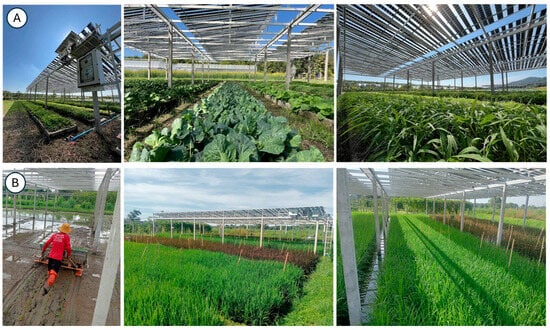
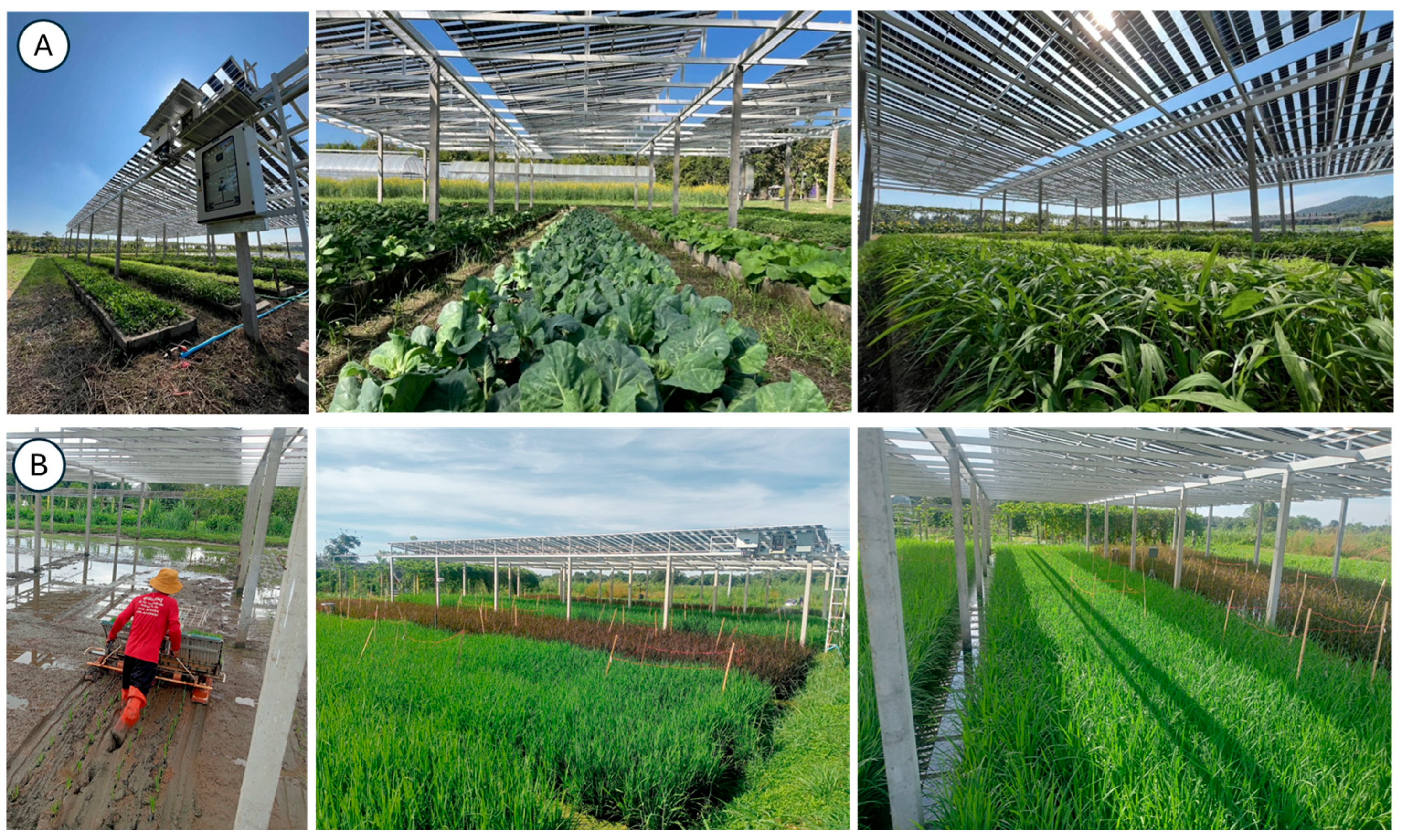
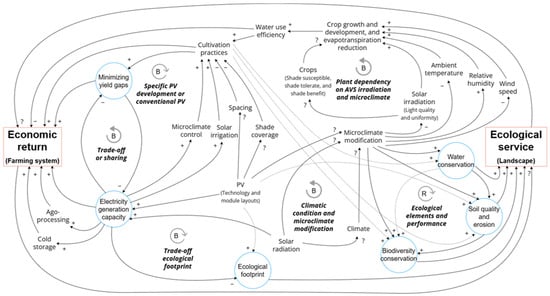
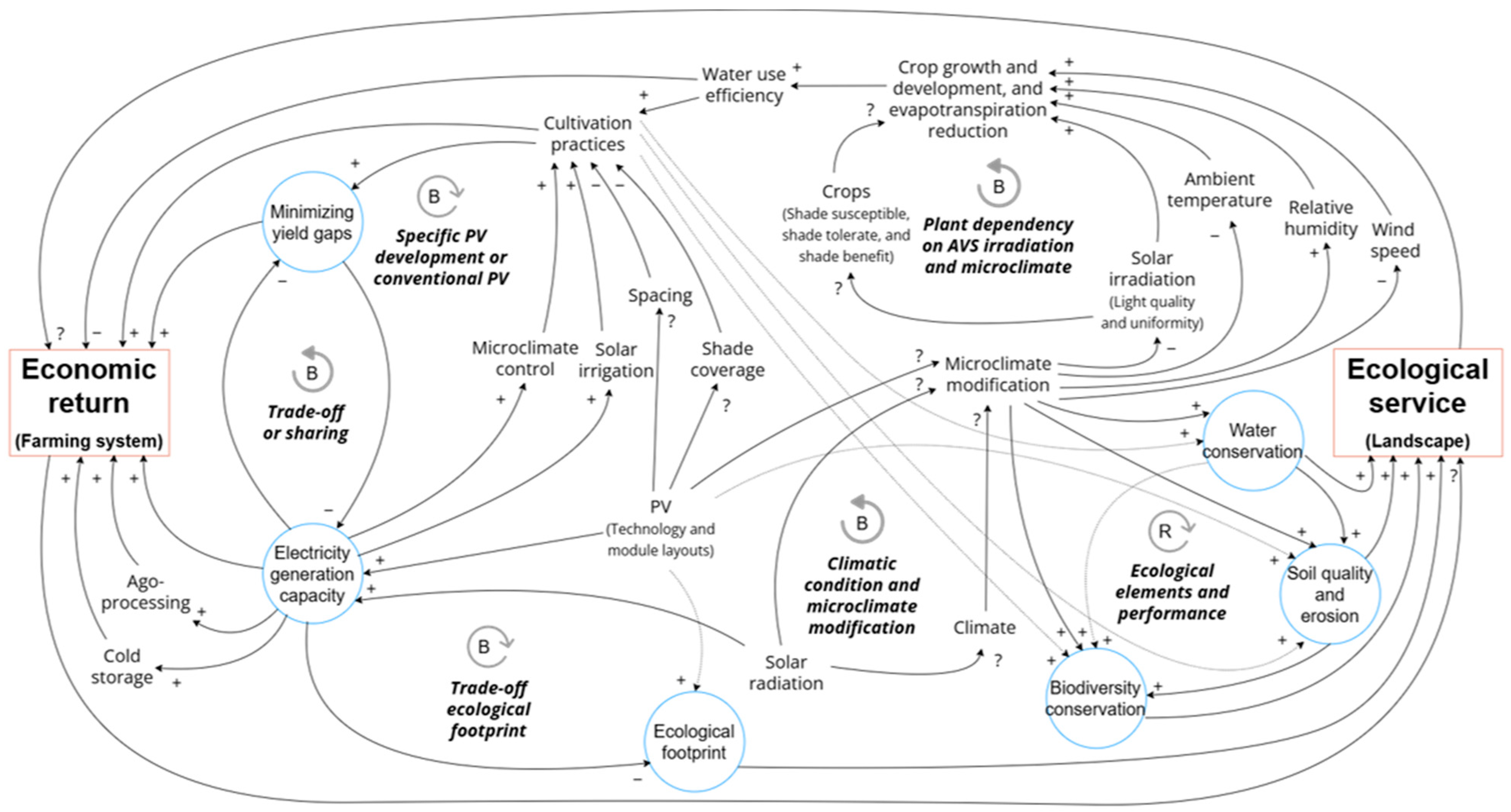
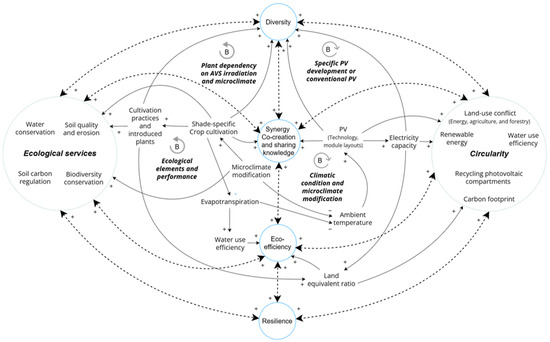
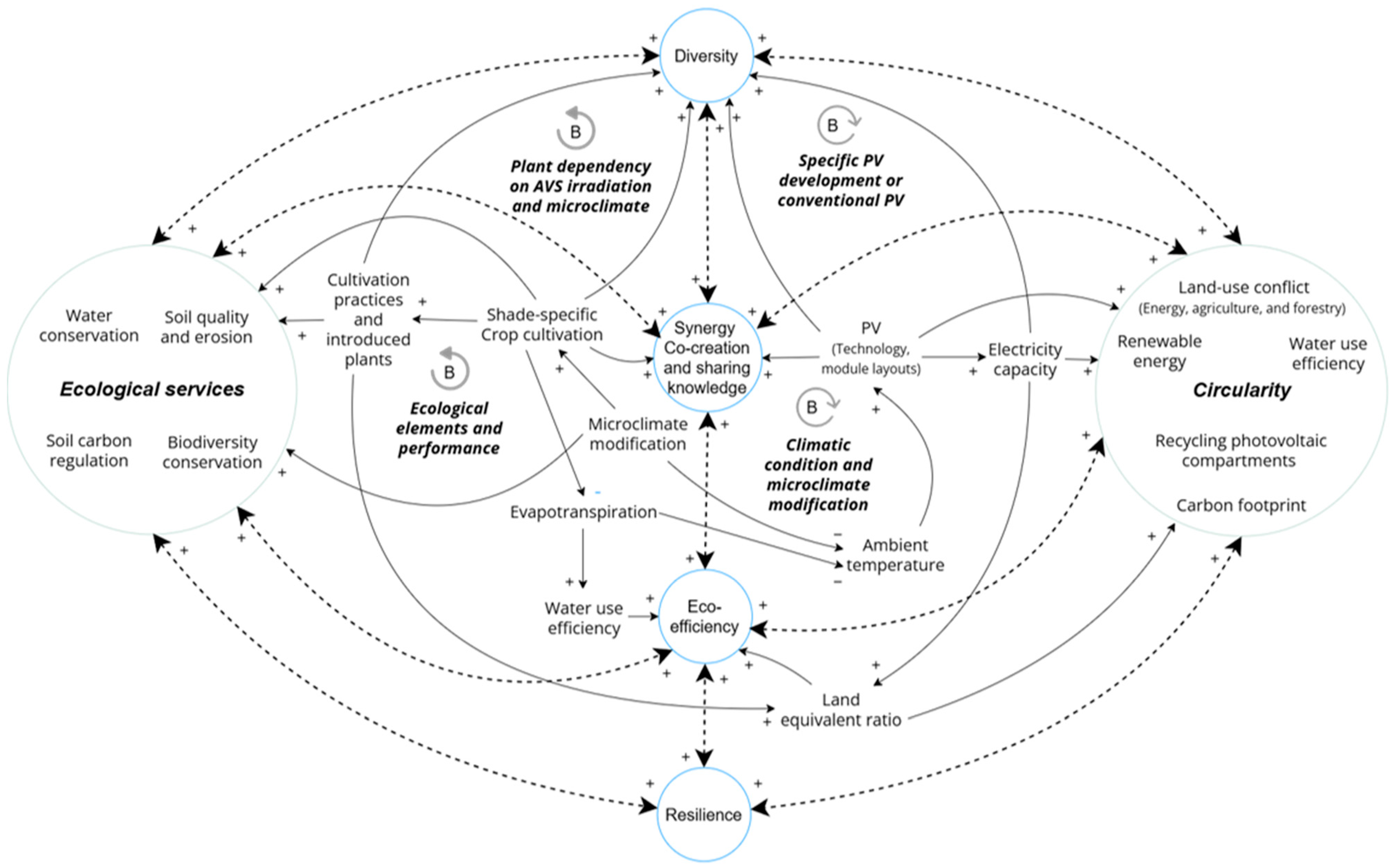
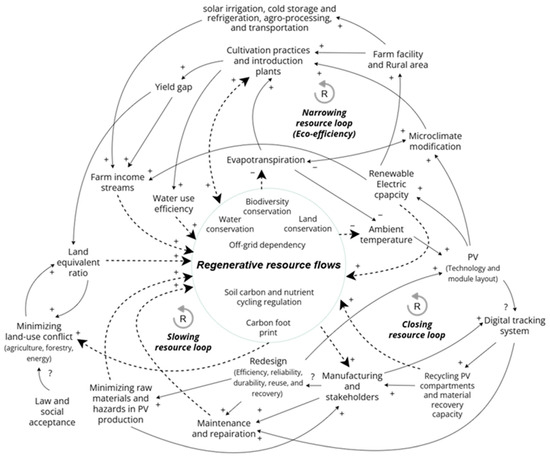
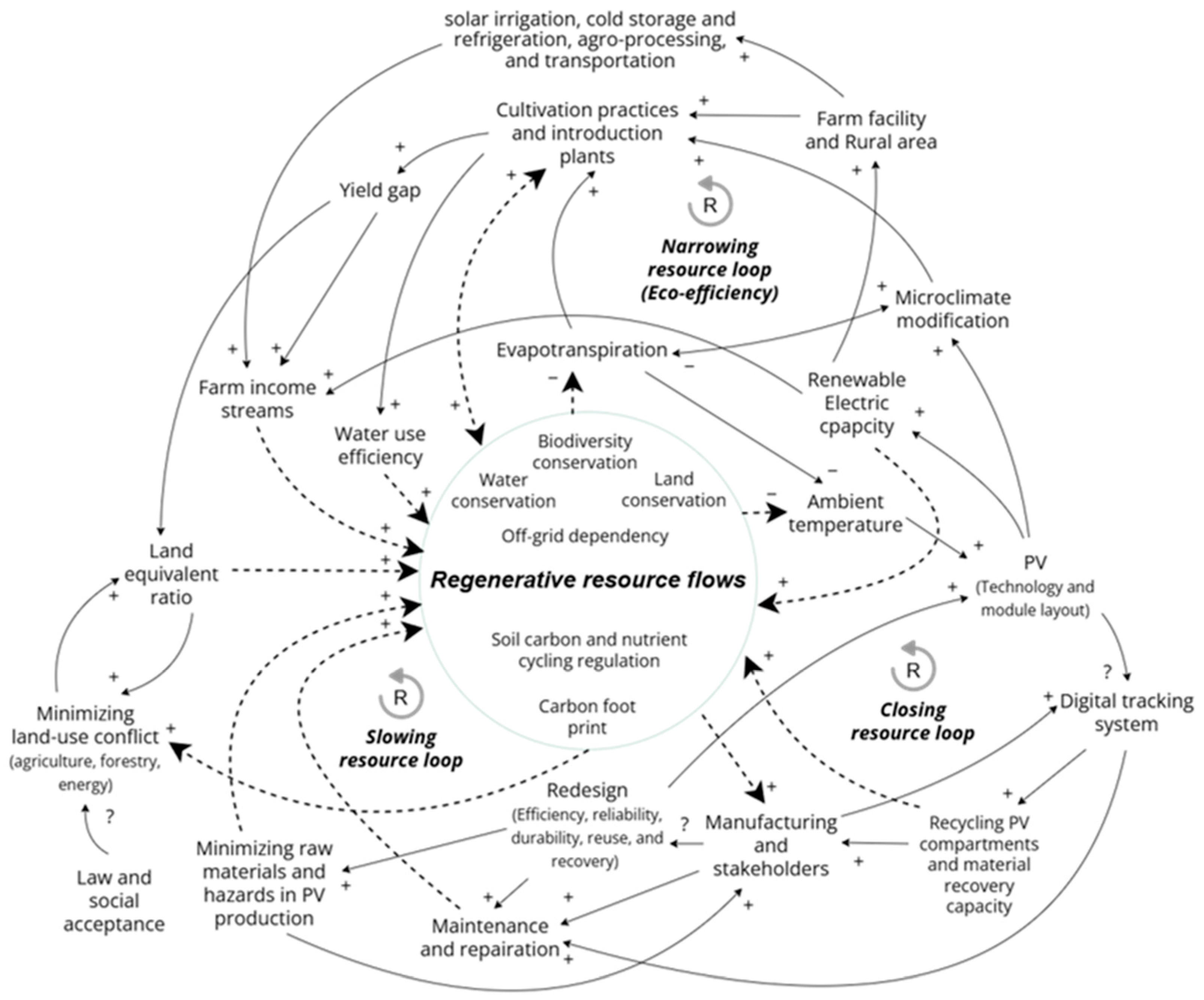

Disclaimer/Publisher’s Note: The statements, opinions and data contained in all publications are solely those of the individual author(s) and contributor(s) and not of MDPI and/or the editor(s). MDPI and/or the editor(s) disclaim responsibility for any injury to people or property resulting from any ideas, methods, instructions or products referred to in the content. |
© 2026 by the authors. Licensee MDPI, Basel, Switzerland. This article is an open access article distributed under the terms and conditions of the Creative Commons Attribution (CC BY) license.