


Abstract
Food deterioration is largely driven by microbial activity, particularly by fungi producing mycotoxins exhibiting mutagenic and carcinogenic effects. Garlic (Allium sativum L.), valued for its antimicrobial and anti-inflammatory properties, is widely recognized as a natural food preservative; however, the high moisture content and intense respiration of freshly harvested garlic accelerate enzymatic degradation of its bioactive compounds, making post-harvest processing essential to preserve its functional properties. This study evaluated the preservative potential of convectively dried garlic (50–90 °C) by testing the antifungal activity of its extracts (6.3–0.8%) against Aspergillus parasiticus, while a modeling approach was employed to quantitatively describe this phenomenon. The antioxidant activity and rehydration capacity were also analyzed. The results demonstrated that both drying temperature and extract concentration significantly influenced fungal growth kinetics. The strongest inhibition was observed for extracts from raw garlic and garlic dried at 50 °C, whereas extracts from samples dried at 70–90 °C only partially suppressed the microbial activity. Predictive modeling accurately described fungal growth (MAE = 1.9, R2 = 0.995), enabling its application in optimizing food preservation strategies. Antioxidant activity was highest in raw garlic, decreased significantly in garlic dried at 50 °C, and then increased progressively with rising drying temperature. The study highlights the need to maintain a balance in drying conditions that ensures efficient drying kinetics while preserving bioactive, functional, and antifungal properties.
1. Introduction
The deterioration of food products is largely associated with microbial activity, which reduces its shelf life, compromises safety, and lowers overall quality. Among microbial threats, the growth of filamentous fungi is of particular concern, as it not only leads to visible spoilage, but also poses a serious health risk. Many fungal species are capable of producing secondary metabolites—mycotoxins, that exhibit mutagenic, and potentially carcinogenic properties, and are extremely difficult to neutralize. Species of the genus Aspergillus are frequently reported as the most common fungal contaminants of plant-derived raw materials, particularly under inadequate drying and storage conditions [1,2,3,4]. Within this genus, aflatoxigenic species such as Aspergillus flavus and Aspergillus parasiticus pose a particular concern as they represent a serious risk to food safety [5,6]. To protect consumer health and prevent food contamination or spoilage, the industry uses various additives. Conventional food preservation strategies rely mainly on synthetic chemical agents such as sorbates, benzoates, and sulfites, which are effective in inhibiting microbial growth, but may cause adverse health effects in sensitive individuals, particularly through allergic and intolerance reactions [7]. Apart from conventional chemical preservatives, novel methods using nanomaterial-based agents to reduce fungal growth and aflatoxin contamination in food systems have also been investigated; however, despite their effectiveness, such approaches raise concerns regarding toxicity, environmental impact, and regulatory acceptance [8]. In the context of rising consumer demand for safer, more natural alternatives, especially with the growing interest in “clean label” food, producers have intensified the search for alternative, more sustainable preservation strategies that could be used by food manufacturers to reduce the use of synthetic preservatives. Consequently, there has been increasing interest in the use of natural bioactive compounds, particularly those derived from plants, with both antimicrobial and antioxidant properties, to extend the shelf life of food products. Despite many advantages, they have some drawbacks because natural food preservatives may exhibit variability in composition, reduced stability, and potential impacts on sensory properties, which can restrict their effectiveness in real food systems. Hence, further research is still needed to standardize them and enhance their stability and practical applicability as sustainable alternatives to synthetic preservatives.
Garlic (Allium sativum L.) is one of the most widely produced and consumed vegetable crops worldwide, with global production exceeding 29.7 million tonnes annually, making it an important agricultural commodity with significant economic and nutritional value (http://www.fao.org). It is commonly used in cooking as a natural flavoring and seasoning ingredient. Garlic is also widely recognized for its antimicrobial and anti-inflammatory activities, which contribute to its broad range of health benefits and therapeutic applications [9]. Its high content of sulfur-containing compounds, which exhibit an inhibitory effect on microbial growth, makes it a strong candidate for application as a food preservative. Its antimicrobial effects are primarily attributed to allicin, which demonstrates the ability to inhibit the growth of various spoilage and pathogenic microorganisms, including fungi. It is worth mentioning that although garlic is valued for its strong antimicrobial properties, its characteristic aroma, which at lower levels may contribute positively to the overall flavor profile of food products, in excessive amounts it can negatively affect sensory acceptance, thereby limiting its practical application as a preservation strategy in the food industry. In addition to antimicrobial properties, garlic demonstrates strong antioxidant potential and has been reported to exhibit one of the highest antioxidant activities among vegetables [10,11,12]. These strong antioxidant properties are also relevant in the context of food preservation, as they can contribute to limiting lipid oxidation and reducing oxidative stress, thereby improving product stability and extending the shelf life of food products. Owing to its broad spectrum of biological and therapeutic activities, garlic continues to attract considerable attention in medical and nutritional research, in which due to the abundance of bioactive compounds and their potential susceptibility to undesirable transformations under adverse conditions, can also serve as a valuable model system for assessing the impact of technological processing, particularly those involving elevated temperatures on the retention of functional constituents [13,14,15]. It is worth emphasizing that after harvest, garlic remains a metabolically active tissue. Owing to its relatively high moisture content and ongoing respiration, it undergoes intensive enzymatic processes that lead to the degradation of valuable bioactive compounds. Moreover, allicin, a key determinant of garlic bioactivity, is highly unstable and can readily convert into other compounds, such as ajoenes and diallyl polysulfides (DAS), which possess significantly lower antimicrobial activity [16]. These changes may reduce its antimicrobial properties and, consequently, diminish its ability to protect food products and have healing properties. Hence, optimizing post-harvest handling and storage conditions is essential for maintaining high levels of bioactive compounds and preserving the functional properties of garlic.
Among garlic preservation procedures, convective drying is one of the most commonly used methods. As a crucial step in post-harvest processing of plant materials, it can significantly affect both the quantity and quality of bioactive compounds, thereby influencing their overall health- and preservation-promoting potential [17]. Despite its widespread use, there is still a shortage of comprehensive data on the influence of convective drying on the functional and preservative qualities of garlic. Previous studies have shown that drying methods can alter product color, structure, nutritional profile and volatile compounds [18,19]. Additionally, processing conditions, especially temperature and duration, may lead to changes in garlic chemical composition and biological activity, potentially affecting its antimicrobial and antioxidant properties. It was found that its antioxidant activity increases within specific temperature ranges, but declines after exceeding a critical threshold. For instance, Jirasatid and Nopharatana [20] reported enhanced antioxidant activity in germinated red jasmine rice milk dried at temperatures between 80 °C and 100 °C, followed by a decrease in case of drying at 121 °C, indicating the presence of an optimal thermal window. Similar observations were made by Katsube et al. [21] when examining the influence of drying temperature on polyphenol stability in mulberry. Although specific temperature ranges may enhance the stability of certain compounds, they may adversely affect other biologically active constituents. Bryan-Thomas et al. [22] reported that elevated drying temperatures applied to garlic intended for extract preparation may lead to the degradation of alliin, a crucial sulfur-containing compound and precursor of allicin, which is responsible for its antimicrobial activity. Taking the above into account, it seems that investigating the effect of drying process on activity of mentioned bioactive components of garlic is crucial to gain insight into optimal processing conditions that could preserve its functional properties.
Due to the complexity of the process and the varying effects of temperature on the retention of individual bioactive compounds, a thorough understanding of the physicochemical and biological changes occurring during drying is essential for identifying optimal conditions that maintain the high quality of garlic and enable its effective use as a natural preservative or functional food and medicine ingredient. Reflecting the impact of this process on the dried material, a comprehensive evaluation should address changes in chemical composition, particularly in phenolic compounds and thiosulfonates, together with the resulting alterations in antioxidant and antimicrobial potential. An important practical aspect that should also be considered is the integrity and porosity of the material after drying, as these properties provide a key measure of its usability in food applications. A previous study analyzed the effect of convective drying conditions on changes in the levels of total phenolic compounds and thiosulfonates, as well as on the antibacterial properties of garlic [23]. However, given the multifactorial nature of garlic bioactivity, this approach does not fully reflect its overall functional potential. Therefore, further studies are needed to broaden the scope of analysis and simultaneously evaluate the impact of temperature on antifungal activity, antioxidant capacity and rehydration behavior. Among the aforementioned research areas, evaluation of antifungal properties is particularly important in the context of food preservation. While the antifungal potential of garlic extracts is known, there is still limited understanding of their influence on fungal growth dynamics. In predictive microbiology, a range of mathematical models are widely used to quantify the effect of environmental factors on microbial growth inhibition under controlled conditions [24,25,26,27,28]. Among them, the three-parameter modified Gompertz model provides a robust and reliable description of microbial growth kinetics, combining good fitting performance with biologically interpretable parameters [29]. Incorporating kinetic modeling into the evaluation of garlic extract effects on mold development would enable a more accurate and predictive assessment of their preservative properties, providing deeper insights into their practical application in food systems. At the same time, concurrent analysis of temperature effects on antioxidant activity and rehydration behavior may offer a comprehensive understanding of protective potential, and physicochemical characteristics of dried garlic.
Taking the above into account, the aim of this study was to evaluate the preservative potential of garlic dried convectively at different temperatures by assessing the antifungal activity of its extracts against Aspergillus parasiticus, a toxigenic strain with stable and consistent ability to produce a full spectrum of aflatoxins (B1, B2, G1, G2), which due to its well-described physiology and consistent kinetics of growth pattern, can be used as a representative fungal species for quantitative analysis of the effectiveness of natural antifungal agents [30,31,32]. The antifungal efficacy of dried garlic was evaluated using a modeling-based approach, in which the effects of drying conditions and garlic extract concentration on fungal growth dynamics were analyzed. The growth of tested fungal strain in garlic-based matrices were quantitatively described using kinetic parameters such as lag phase duration and maximum growth rate, which are recognized as sensitive indicators of sublethal stress and inhibitory effects [29,31,33]. Simultaneously, the study evaluated how drying temperature affects selected functional properties of garlic, including antioxidant activity and rehydration capacity, allowing for a comprehensive assessment of its technological and preservative value. This integrated approach was expected to facilitate the identification of sustainable drying conditions that preserve bioactive compounds while ensuring both functional efficacy and technological suitability.
2. Materials and Methods
2.1. Plant Material
The material used was spring garlic of the “Jarus” variety, which was purchased from a local producer in the Greater Poland region (51°53′24.2″ N, 18°12′37.0″ E). The garlic was cultivated under conventional agronomic practices typical for the region, including standard mineral fertilization and crop protection treatments, and harvested at full maturity. Before the experiments, the raw garlic heads were peeled, separated into cloves and cut into slices of 3 mm thickness. The initial moisture content (MC) of the garlic slices, expressed on wet basis (w.b.), was MCw.b. = 52.50 ± 1.35% w.b. (±SD), as determined using an electronic moisture analyzer (MA 30, Sartorius AG, Göttingen, Germany).
2.2. Fungal Isolate and Inoculum Suspension
A. parasiticus strain WDCM NRRL 3145 was obtained from the German Collection of Microorganisms and Cell Cultures GmbH at the Leibniz-Institut DSMZ (Braunschweig, Germany). The strain of A. parasiticus isolates was sub-cultured into two slants of PDA and incubated at 25 °C for 14 days to enable significant growth and sporulation.
2.3. Chemicals
The chemicals used included the following: Potato Dextrose Agar (PDA) (BTL Ltd., Łódź, Poland), Sabouraud agar with chloramphenicol (BTL Ltd.), 2,2′-azino-bis(3-ethylbenzthiazoline-6-sulfonic acid) solution (Sigma-Aldrich Chemie GmbH, Taufkirchen, Germany), potassium persulfate (Sigma-Aldrich Chemie GmbH), buffer 3.6 pH, TPTZ (tripyridyl-s-triazine) solution (Sigma-Aldrich Chemie GmbH), hydrochloric acid (HCl) (Sigma-Aldrich Chemie GmbH), and iron (III) chloride solution (Sigma-Aldrich Chemie GmbH).
2.4. Drying Process Design
To obtain dried garlic, samples of 120 g of garlic slices were placed on trays in the drying chamber of a laboratory convective dryer. The drying process was carried out at various temperatures—50 °C, 60 °C, 70 °C, 80 °C, and 90 °C—until the garlic slices reached a moisture content of approximately MCw.b. = 9% w.b. The temperature of drying air was maintained on a constant level by a controller equipped with a temperature probe (Cu-Constantan thermocouple). During the drying experiments, the temperature and weight of the samples were recorded at 10 min intervals.
2.5. Examination of Dried Garlic Rehydration Dynamics
The rehydration dynamics of dried garlic slices were conducted following the procedure described by Zhou et al. [34] and Zheng et al. [35] with slight alterations. A total of 10 g of dried garlic slices were soaked in 200 mL of distilled water at a temperature of 20 °C. Then the excess water from the surface of the slices was eliminated using filter paper, and they were weighed using a digital scale. The measurement of the slices’ weight was repeated every 10 min for 1 h. The degree of water absorption by the tested samples was expressed as rehydration ratio (RR) computed based on Equation (1):
where Ww is the mass (g) of the wetted garlic slices after rehydration and Wd is the mass (g) of the dried garlic before rehydration. The determination was carried out in three repetitions.
2.6. Determination of Antioxidant Activity of Dried Garlic
The antioxidant activity of raw and dried garlic was evaluated in samples prepared using methanolic extraction. For this purpose, 5 g of raw, peeled, and chopped garlic cloves were homogenized with 25 mL of ultrapure methanol for 60 s. In case of the dried garlic samples, a suitable quantity of each garlic sample was rehydrated using distilled water until the original mass was restored to 5 g, corresponding to the MCw.b. of the slices before the drying process, and then mixed with 25 mL of ultrapure methanol for 60 s. The mixture was then centrifuged at 4500× g for 15 min and filtered through a 0.22 µm sterile PVDF syringe filter to obtain the methanolic extracts. Total antioxidant activity analysis was conducted following the method described by Re et al. [36], using ABTS spectrophotometric assay, which measures the ability of antioxidant compounds, present in, i.e., plant extracts, to reduce a well-known metastable radical cation of the ABTS+ (2,2′-azino-bis-(3-ethylbenzothiazoline-6-sulfonic acid)). ABTS radical cation (ABTS+) was produced by mixing 7 mmol/L ABTS solution with 2.45 mmol/L potassium persulfate. Before using it, the mixture was left for 16 h at room temperature in the dark. The ABTS+ solution was diluted with ultrapure water to an absorbance of 0.700 (±0.02) at 734 nm (Multiskan Sky, Thermo Fisher Scientific, Waltham, MA, USA). After adding 10 µL of supernatant to 3.6 mL of diluted ABTS+ solution (A734 nm = 0.700 ± 0.02), the mixture was briefly mixed, and the absorbance was measured after 5 min of incubation in the dark. Ascorbic acid (AA) was used as a reference standard for the calibration curve due to a strong linear correlation between its concentration and the antioxidant activity of ABTS+ radical cations [37]. The results of the analysis were expressed using ascorbic acid as equivalents in terms of mg AA∙100−1⋅g−1 of dry matter (d.m.). Each analysis was conducted four times (two biological replications and two technical replications).
2.7. Analysis of Fungal Growth Kinetics
2.7.1. Garlic Extracts and Growth Medium Preparation
Extracts with the assumed concentration levels were obtained by the dilution method. Firstly, 20 g of raw garlic slices (MCw.b. = 52.50 ± 1.35) were added to an Erlenmeyer flask along with 45 mL of sterilized distilled water, resulting in approximately a two-fold dilution (44.44%). For dried garlic, an appropriate amount of each sample was first rehydrated with sterile distilled water to restore the initial weight to 20 g, corresponding to the water content of the slices prior to drying. Subsequently, for extract preparation, 45 mL of sterile water was added, following the same procedure as used for raw garlic slices.
The antifungal activity of the garlic extracts was evaluated using Sabouraud-chloramphenicol agar. To prepare the medium with the desired extract concentration, 6.23 g of Sabouraud-chloramphenicol agar was dissolved in 120 mL of water and sterilized at 121 °C for 20 min using autoclave sterilization 3170 ELVC (Tuttnauer Co., Ltd., Jerusalem, Israel). After sterilization, 20 mL of prepared garlic extract was added to 120 mL of sterile medium cooled to 50 °C, resulting in a final medium volume of 140 mL, a Sabouraud agar concentration of 4.45 g per 100 mL, and a final extract concentration of 6.3%. The prepared medium was poured into three Petri dishes with a diameter of 90 cm (15 mL per dish) and allowed to solidify. For preparation of medium with lower extract concentration, 20 mL of the 44.44% extract was first diluted two-fold (in total, achieving approximately a four-fold dilution) by adding 20 mL of sterile water. Then, 20 mL of this diluted extract was added to a new volume of 120 mL of sterile medium at 50 °C, resulting in a final extract concentration of 3.2% and poured onto three plates (15 mL each). Further dilutions of the extract were prepared in the same manner to obtain final concentrations of 1.6% and 0.8%. The same procedure was repeated to prepare media based on extracts from garlic dried at 70 and 90 °C. For the control, 20 mL of distilled water was used instead of garlic extract.
2.7.2. Examination of Antifungal Activity of Dried Garlic Extracts
The Petri dishes with solidified agar medium, both enriched with garlic extract or sterile distilled water (control sample) were centrally inoculated with the tested A. parasiticus strain. The effect of garlic drying temperature and extract concentration on the growth kinetics of the tested strain was studied by measuring the colony diameter at regular intervals (approximately every 48 h) within 11 days by using a digital caliper. Each experiment was performed in triplicate.
2.7.3. Mathematical Modeling of Fungal Growth
Fungal growth on agar media enriched with extract from garlic dried at various temperatures was described using a three-step modeling process that involved developing primary and secondary models and then the formulation of an overall prediction model.
Primary Models
Primary modeling was applied to capture the growth of fungal colony diameter over time in a stable environment. For this purpose, the modified Gompertz equation was used to mathematically describe the effect of each drying temperature and garlic extract concentration on the dynamics of A. parasiticus growth. The general form of the modified Gompertz equation (Equation (2)), that is one of the several sigmoidal functions used to characterize growth curves, is as follows:
where τ—time; τlag—the length of the stagnation phase (lag phase), (d); Dmax—maximum achieved diameter, (mm); D(τ)—colony diameter after time , (mm); —maximum growth rate, (mm·d−1); e = exp(1).
The parameters of primary models were estimated using nonlinear estimation module of Statistica 13.3 (TIBCO Software Inc., Palo Alto, CA, USA).
Secondary Models
The values of kinetic parameters of the modified Gompertz model, i.e., the lag phase duration (τlag) and the maximum specific growth rate (µmax), determined during the primary modeling, were subsequently used to establish their dependence on environmental conditions (secondary modeling). After a preliminary evaluation of several functions, the τlag and the µmax of A. parasiticus were ultimately described by the following two-variable equations (Equations (3) and (4)):
where C—garlic extract concentration, (%); T—drying temperature of garlic slices, (°C); a0, a1, a2 and b0, b1, b2—model coefficients.
Overall Prediction Model of A. parasiticus Growth as a Function of Drying Temperature and Garlic Extract Concentration
The and lag models formulated during the secondary modeling were used to build the overall prediction model of A. parasiticus growth as a function of drying temperature and garlic extract concentration leading to the following final equation (Equation (5)):
where τ—time (d); C—garlic extract concentration, (%); T—drying temperature of garlic slices, (°C); D()—colony diameter after time τ, (mm); Dmax—maximum colony diameter, Dmax = 85 mm; e = exp(1).
2.8. Statistical Analysis
The data preparation, graphical presentation, and statistical analysis of the result were carried out using the Statistica 13.3 (TIBCO Software Inc.) software. Experimental results are expressed as the mean ± standard deviation (SD), and then were explored using variance analysis. As ANOVA is a parametric method [38], prior to all variance analyses, its assumptions were verified by assessing the normality of the distribution within subgroups with the Shapiro–Wilk test (p > 0.05) and homogeneity of variances using Levene’s test (p > 0.05). Each treatment was performed based on three or four (in case of antioxidant activity) replicates. To assess the effect of garlic drying temperature on hydration capacity and antioxidant activity, a one-way analysis of variance (ANOVA) with drying temperature (50, 60, 70, 80, and 90 °C), as the single factor was applied according to the model (Equation (6)):
where Y is the response variable, μ is the overall mean, Ti is the effect of drying temperature, and εij is the random error term. Additionally, to investigate the effects of garlic drying temperature and extract concentration on antifungal activity against the growth of A. parasiticus, as well as on the values of fungal growth kinetic parameters, i.e., lag phase (τlag) and maximum growth rate (μmax), two-way analysis of variance (ANOVA) was conducted according to the following model (Equation (7)):
where Y is the response variable, μ is the overall mean, Ti is the effect of drying temperature, Cj is the effect of extract concentration, (TC)ij represents the interaction between factors, and εijk is the random error term. The effect of both considered factors on fungal growth was investigated based on experimental data recorded after 5 days of incubation.
The fixed time point was chosen for statistical analysis to avoid confounding time effects and ensure valid comparisons across the applied temperature and extract concentration. The selection of day 5 for the ANOVA analysis was based on the growth dynamics of the studied fungus, as this time point in most cases corresponded to the exponential phase of microbial development, in which the greatest variation in fungal diameters was observed, thereby allowing for a reliable assessment of the effects of the experimental factors on colony size. Earlier time points were not suitable for analysis because the observed colony diameters were relatively similar and small, reflecting the initial adaptation phase of microbial growth. Conversely, later time points were also not appropriate, as the similar and high values of colony diameter, reflecting the stationary phase of fungal growth, could confound comparisons between extract concentration and temperature conditions. In the case of statistical analysis conducted for fungal growth and kinetics parameters, a full factorial design comprising three levels of garlic drying temperature (50, 70, and 90 °C) and four levels of garlic extract concentration (0.8%, 1.6%, 3.2%, and 6.3%), resulting in 12 treatment combinations (3 × 4), was applied. All analyses of variance were performed for the factorial design using the ANOVA module in the Statistica 13.3 (TIBCO Software Inc.)software package at a significance level of p = 0.05. Differences between group means were determined using Tukey’s post hoc test (p < 0.05).
Evaluation of formulated models describing the antifungal activity of A. parasiticus was performed based on the following statistical indicators:
- The proportion of variance in the dependent variable explained by the independent variable(s)—the coefficient of determination (R2),
- The uncertainty associated with parameter estimation in the nonlinear regression model (the modified Gompertz equation)—the standard error of the parameter estimate of the fitted models.
- The average deviation between the mean and predicted values—the root mean square error (RMSE).
- The mean absolute deviation between the model responses and the empirical values—the mean absolute error (MAE).
- The average deviation in the predictions above or below the line of equivalence between observed and predicted values—the bias factor (Bf). Perfect agreement between predictions and observations yields Bf = 1.
- The average absolute deviation between predicted and observed values, indicating the overall degree of agreement between the model and the experimental data—the accuracy factor (Af). The accuracy factor can be used to calculate the percentage error of model predictions: P = (Af − 1) × 100%.where DM—predicted colony diameter, (mm); DE—observed colony diameter, (mm); n—number of observations, k—number of model parameters.
3. Results and Discussion
3.1. Garlic Drying Process
Garlic (Allium sativum) is widely known not only as a culinary ingredient, but also as a functional food for its antimicrobial and antioxidant properties, primarily attributed to organosulfur compounds and a diverse profile of phenolic constituents. Unfortunately, many of these compounds are highly sensitive to processing conditions and may undergo partial degradation during preservation treatments. Hence, to better understand the kinetics of bioactive compound demotion and to optimize drying conditions aimed at maximizing the preservation of health-promoting properties, in this study raw garlic slices were subjected to a convective drying at various temperatures until a final moisture content of approximately 9% w.b. was achieved. The applied drying temperatures covered a technologically relevant range used in convective drying of plant materials, where lower temperatures are typically applied to preserve thermolabile bioactive compounds, whereas higher temperatures are used to accelerate dehydration, but may promote thermal degradation of heat-sensitive constituents. The drying curves depicted in Figure 1 reveal a strong effect of drying temperature on the dynamics of dehydration process of garlic slice.
Figure 1.
Drying curves of garlic dried at temperatures of 50 °C, 60 °C, 70 °C, 80 °C, and 90 °C.
At all drying temperatures, the reduction in moisture content of garlic slices was most pronounced in the initial phase of the process, in which the drying rate reached its highest values reflecting the ongoing phenomena of free mass and heat transfer. As the drying process progressed, the loss of moisture content in the garlic gradually decreased, which was related to the evaporation of free water from the surface of the garlic slices that is characteristic for the first stage of drying process. Although surface moisture was partially replenished by diffusion from the internal layers to the surface, this mechanism was insufficient to maintain the initial drying rate. As a consequence, the drying rate, largely driven by this vapor pressure difference [39], gradually declines, resulting in a pronounced slowdown indicating for the second stage of drying, during which the drying curve asymptotically approaches the time axis. Comparable results have been reported in previous studies for bananas [40,41], red beetroot [42] and persimmon slices [43].
The application of higher drying air temperatures improved heat transfer and promoted moisture evaporation from the surface of the material being dried, particularly during first stage of the process, which translated into a higher drying rate. Similar trends were reported by Eminoğlu et al. [44] in a convective hot-air dryer for blackberry fruits, as well as Fante and Noreña [45] for garlic slices dried at 40–60 °C. Figueira et al. [46] also attributed the increased drying rate at higher temperatures to intensified moisture transport during the initial phase of the process, while studying desorption isotherms and drying rates of chicory roots (Cichorium intybus L.). As a result, increasing the drying temperature significantly shortened the drying time (from 9 h at 50 °C to 1.5 h at 90 °C), indicating enhanced moisture diffusion and mass transfer rates within the garlic tissue. Nevertheless, while higher temperatures accelerate the drying process, they may also intensify degradation of thermolabile bioactive compounds, suggesting the need for a balanced approach between drying kinetics and phytochemical retention. Hence, the subsequent steps of this study focused on the physicochemical and antimicrobial properties of garlic, aiming to provide a comprehensive understanding of the influence of the drying process on its functional characteristics and its potential as a natural food preservative.
3.2. Rehydration Ratio of Dried Garlic
Rehydration characteristics, which reflect the extent to which water-holding components such as proteins and starch are preserved, are widely recognized as an important indicator of structural damage induced by drying processes [47,48]. The rehydration ratios of garlic slices dried at different temperatures are presented in Figure 2.
Figure 2.
The changes in the values (mean ± SD) of the rehydration ratio over time recorded for garlic slices dried at different temperatures.
Garlic slices dried at 50 °C exhibited the lowest rehydration capacity, likely due to prolonged drying time; despite the relatively low temperature, it can induce structural damage that alters osmotic properties and hinders water diffusion during rehydration. It was found that extended drying at lower temperatures may cause dried material shrinkage and collapse, leading to irreversible damage to cell membranes, which reduces permeability and limits water transport [49,50,51]. In turn, samples dried at higher temperatures (80 °C and 90 °C) showed slightly higher rehydration ratios than those dried at 50–70 °C. This behavior may be attributed to thermally induced processes, in which elevated temperatures increase internal vapor pressure, contributing to the preservation of the tissue structure and enhanced porosity, and consequently improving water penetration during rehydration [52].
The statistical evaluation, preceded by confirmation that there were no basis for rejecting the null hypothesis (p > 0.05) in the Shapiro–Wilk and Levene’s tests (assessing normality and homogeneity of variances in subgroups, respectively), showed also that garlic drying temperatures between 50 and 90 °C had a significant impact on its final rehydration ratio (MS = 0.01, F = 144.8, p < 0.001). Furthermore, Tukey’s HSD post hoc test revealed the presence of five statistically homogeneous subsets among the tested samples (Figure 3). Significant differences in the rehydration ratio were observed between these homogeneous groups (p < 0.05), confirming the heterogeneity of responses across applied garlic drying temperatures.
Figure 3.
Final rehydration ratio of garlic slices (mean ± SD) subjected to convective drying at different temperatures, determined after 70 min of rehydration. Different letter indices (a–e) denote statistically significant differences between means at α = 0.05.
The rehydration ratio increased most rapidly during the first 20 min, reflecting fast initial absorption. During this period, the dynamics of change in the rehydration ratio over time (i.e., rehydration rate = dRR/d) was most pronounced, indicating clear differences in rehydration kinetics. The maximum rehydration rate was observed in samples dried at 90 °C (dRR/d = 3.6 × 10⁻² min−1). In contrast, samples dried at 50 °C exhibited the lowest value of dRR/d = 2.9 × 10⁻² min−1, reflecting slower water uptake dynamics. Between 20 and 40 min, the rehydration ratio increased moderately, while the rehydration rate gradually declined, reflecting a reduction in available absorption sites and converging toward similar values across all samples (on average 0.01 × 10⁻² min−1), regardless of drying conditions. By approximately 60 min, the rehydration ratio stabilized, with minimal changes observed between 60 and 70 min, and the rehydration rate approached zero, indicating that the garlic slices had reached near-complete hydration. The differences in rehydration dynamics discussed above highlight the importance of optimizing drying conditions for garlic, as they directly influence the technological properties of the final product.
3.3. Antioxidant Activity of Dried Garlic
The antioxidant potential of garlic is influenced by bioactive compounds such as polyphenols, flavonoids and sulfur-containing compounds, whose availability depends on processing parameters and exposure time [53]. Drying reduces moisture content and concentrates antioxidant compounds, potentially enhancing their radical-scavenging efficiency [54,55]. However, a previous study demonstrated the existence of an optimal thermal range for preserving bioactive compounds [20]. The authors noted that moderate drying temperatures (80–100 °C) increased the antioxidant activity of germinated red jasmine rice milk, whereas exposure to 121 °C led to its marked decline. Likewise, Katsube et al. [21] reported that antioxidant activity can be enhanced by higher drying temperatures, but only up to a certain critical point, beyond which thermal degradation predominates. In this study the antioxidant activity determined for raw garlic (35.5 ± 3.1 mg AA·100−1·g−1 d.m.) was consistent with those obtained in previous studies on winter garlic plants of the Harnaś and Ornak varieties [56]. Garlic subjected to convective drying at 50–90 °C exhibited lower antioxidant activity compared to raw garlic, which indicates that, regardless of the drying temperature, the process may promote the degradation of thermolabile bioactive compounds and consequently reduce the measured antioxidant capacity. The antioxidant activity of garlic dried at 50 °C was 18.7 ± 1.3 mg AA·100−1·g−1 d.m., while in the case of garlic dried at 60 °C it decreased slightly (13.2 ± 0.9 mg AA·100−1·g−1 d.m.). At 70 °C, the antioxidant activity (18.3 ± 2.6 mg AA·100−1·g−1 d.m.) was comparable to that at 50 °C, whereas samples dried at 80 °C and 90 °C exhibited a slight increase in this activity, reaching 21.3 ± 2.6 and 26.1 ± 0.5 mg AA·100−1·g−1 d.m., respectively. According Adebo and Medina-Meza [57], the increase in antioxidant activity observed at higher drying temperatures may result from the release of bound polyphenols, which become more accessible due to thermal disruption of the plant cell–matrix. Nevertheless, it worth emphasizing that the pronounced decrease in antioxidant properties in garlic dried at 50–70 °C, compared to higher drying temperatures (80–90 °C), may also result from the extended thermal exposure of garlic, since drying at 50–70 °C involved a considerably longer processing time than drying at elevated temperatures. Statistical analysis ANOVA, the usage of which was justified by verifying the assumptions regarding normality and homogeneity of variance within subgroups, demonstrated that the garlic drying temperature within the range of 50–90 °C significantly affected its antioxidant properties (MS = 182.2, F = 32.3, p < 0.001). Additionally, analysis of variance revealed the presence of three homogeneous groups among the garlic samples, between which significant differences in antioxidant activity (p < 0.05) were observed (Figure 4).
Figure 4.
Antioxidant activity of garlic slices (mean ± SD) subjected to convective drying at different temperatures. Different letter indices (a–c) indicate statistically significant differences between means at α = 0.05, as determined by Tukey’s HSD post hoc test.
Taking into account the results obtained in the study and the available literature data, it seems that the observed effects reflect the presence of specific bioactive constituents, and a balance between intensity of compound release and thermal degradation processes. Although the present study demonstrates clear antioxidant activity of convectively dried garlic, the individual contribution of specific bioactive compounds was not investigated. Therefore, considering garlic as a potential natural preservation agent, further studies employing HPLC- or LC–MS-based metabolomic profiling are warranted to elucidate the chemical basis underlying the observed antioxidant and antifungal effects. This is even more relevant given that previous studies have attributed the inhibition of A. parasiticus growth and aflatoxin B1 production to flavonoid compounds such as quercetin and p-coumaric acid [58].
3.4. Antifungal Activity of Dried Garlic
3.4.1. Dynamics of A. parasiticus Growth on Medium Fortified with Garlic Extracts
The growth of A. parasiticus was evaluated on media supplemented with garlic extracts at various concentrations (0.8%, 1.6%, 3.2%, and 6.3%), obtained from slices dried at different temperatures (50, 70, and 90 °C). Colony diameters, reflecting fungal development, were monitored at regular time intervals to assess the dynamics of mycelial growth.
The length of the experiments was determined based on the control sample that was incubated without garlic extract, in which A. parasiticus exhibited unrestricted growth (Figure 5a) and reached a maximum colony diameter of 85 mm resulting from the size of the incubation plate. The addition of extracts prepared from raw or dried garlic slices to the cultivation media significantly altered the dynamics of fungal growth (Figure 5b and Figure 6). The conducted analysis revealed that garlic drying temperature also exerted a pronounced effect on the antifungal activity of garlic-based extracts. The highest extract concentration (6.3%) resulted in complete fungal growth suppression in the case of extracts derived from raw garlic and from garlic slices dried at 50 °C. Lower concentrations (3.2%, 1.6%, and 0.8%) of extracts derived from garlic dried at 50 °C reduced fungal growth rates, but did not completely inhibit their proliferation. For instance, for extracts obtained from garlic dried at 50 °C, the 3.2% concentration limited colony growth to a diameter of 49.0 ± 5.0 mm by day 5, whereas the 1.6% and 0.8% concentrations resulted in colony diameters of 53.5 ± 2.3 mm and 57.0 ± 3.6 mm, respectively. Although the highest concentration (6.3%) of extracts derived from garlic dried at 70 °C still hindered fungal growth, the inhibition was less pronounced compared to extracts based on garlic dried at 50 °C. As a result, after 5 days of incubation, the colony diameter was 46.1 ± 2.9 mm. Further research showed that the antifungal effect of extracts based on garlic dried at 90 °C was diminished even more; however, despite the enhanced fungal growth observed in media supplemented with these extracts, a measurable inhibitory effect was still maintained. Among garlic dried at 90 °C, the 6.3% extract demonstrated the strongest inhibitory effect, limiting colony growth to approximately 58.6 ± 2.3 mm by day 5. In contrast, lower concentrations (3.2%, 1.6%, and 0.8%) exhibited only minimal inhibition.
Figure 5.
(a) Colony of A. parasiticus grown on DG18 agar without garlic extract; (b) examples of A. parasiticus growth on DG18 agar supplemented with garlic extract (dried at 70 °C) at the following concentrations: 0–6.3%, 1–3.2%, 2–1.6%, and 3–0.8%.
Figure 6.
Colony growth of A. parasiticus on control medium (without garlic extract) and media supplemented with extracts derived from raw garlic and garlic dried at 50, 70, and 90 °C, applied at concentrations of (a) 6.3%, (b) 3.2%, (c) 1.6%, and (d) 0.8%. Data points represent experimental values of colony diameter (mean ± SD), while solid lines indicate the corresponding modified Gompertz model fits.
Overall, the obtained results suggest that both garlic drying temperature and the concentration of garlic-based extracts influence their antifungal potency. The research findings demonstrated that lower drying temperatures favored the preservation of bioactive sulfur compounds, particularly when combined with higher extract concentrations, which resulted in strong inhibitory effects against the growth of A. parasiticus. This effect was most likely associated with the higher retention of allicin and other thermolabile bioactive compounds [59,60]. In contrast, the reduced antifungal effectiveness observed in extracts prepared from garlic dried at elevated temperatures can be attributed to the thermal degradation of allicin, the main antifungal compound in garlic, which is transformed into volatile sulfur compounds, leading to a decrease in its antimicrobial activity [22,61,62,63,64]. The partial maintenance of antifungal activity of garlic after high-temperature drying may be explained by the presence of other thiosulfinates. Even though allicin accounts for approximately 50–90% of the total thiosulfinate content and is primarily responsible for its dominant bioactivity, other thiosulfinates may also exert significant biological effects [65,66]. Studies indicate that these compounds, despite occurring at lower concentrations than allicin, can exhibit antimicrobial activity, while demonstrating greater thermal stability, which may enhance their functional relevance under heat-processing conditions [67,68,69].
3.4.2. Statistical Analysis of the Influence of Growth Conditions on the Proliferation of A. parasiticus
The effect of garlic drying temperature, and the concentrations of the extract obtained from it on the growth of A. parasiticus was statistically assessed after 5 days of incubation. Analysis of variance (Table 1), performed after confirming the assumptions of normality and homogeneity of variances (Shapiro–Wilk and Levene’s tests, p > 0.05), demonstrated that both mentioned factors significantly influenced fungal colony diameter (p < 0.001). Moreover, the existence of a significant interaction between the garlic drying temperature and the extract concentration indicates that the observed antifungal activity resulted from the combined influence of both these factors. Tukey’s post hoc test identified three homogeneous groups among the fungal cultures. The intensity of fungal growth on media supplemented with garlic dried at 50 °C was similar to that observed on media containing extracts from raw garlic (Table 2), hence they belonged to the same homogeneous group, indicating no statistically significant difference between them. This suggests that low-temperature drying did not significantly diminish the antifungal activity of the garlic extract. These results are consistent with previous studies reporting that the retention of allicin, which exhibits antimicrobial activity, is highest at lower drying temperatures [31,43]. The diameters of A. parasiticus colonies on media supplemented with extracts from garlic dried at 70 °C formed a distinct intermediate group. Their values were significantly larger than those observed for extracts from raw garlic and garlic dried at 50 °C, yet smaller than those recorded for media containing extracts from garlic dried at 90 °C, for which the cultures exhibited increased growth intensity, and was comparable to the control growth on media without garlic extracts. Consequently, the results obtained for fungal cultures grown on media containing extracts from garlic dried at 90 °C belonged to the third group, together with the control, indicating an almost complete loss of antifungal activity at this temperature. The findings indicate that mild thermal processing effectively preserves the antimicrobial properties of garlic while enhancing its applicability as a natural food preservative, thereby providing a promising strategy for improving food safety.
Table 1.
ANOVA analysis of variance for the effect of concentration (C) and drying temperature of garlic (T) on antifungal activity of garlic-based extracts on fungal growth on day 5 of the incubation.
Table 2.
Tukey’s HSD post hoc test results for the mean the colony diameter of A. parasiticus (from all applied concentrations) observed on the 5th day of incubation on media enriched with extracts prepared from garlic dried at different temperatures.
The concentration of garlic extract also had a significant effect on fungal colony diameter, which revealed four homogeneous groups among the fungal cultures (Table 3). The greatest inhibition of fungal growth was observed at the highest applied extract concentration (6.3%), for which the smallest average colony diameter was recorded. Lower concentrations 3.2% and 1.6% showed a similar, weaker inhibitory effect, and resulted in partially suppressed colony expansion, but it was still significantly higher than those observed for medium with the lowest extract concentration of 0.8%. Nevertheless, even at the lowest applied concentration, the extract still exhibited inhibitory effects on fungal growth, as the colony diameters were smaller than those observed in the control incubated without garlic extract. The observed results clearly indicate that compounds contained in garlic extract inhibit the growth of A. parasiticus in a concentration-dependent manner. This concentration-dependent effect reflects the biochemical activity of garlic allicin, which interacts with thiol-containing enzymes in fungal cells to exert antimicrobial effects [70].
Table 3.
Tukey’s HSD post hoc test results for the mean value of the colony diameter of A. parasiticus (from all applied concentrations) observed on the 5th day of incubation on media enriched with various concentrations of extract prepared from dried garlic.
Taking into account the overall trend revealed by the statistical analysis, both garlic drying temperature and extract concentration emerged as critical determinants of antifungal efficacy, with the greatest growth inhibition observed at higher concentrations of extracts derived from garlic dried at lower temperatures. This suggests that optimal antifungal activity can be achieved when garlic is dried under milder thermal conditions and applied at elevated extract concentrations.
3.4.3. Primary Modeling of A. parasiticus Growth on Medium Fortified with Dried Garlic Extracts
The 6.3% extracts obtained from raw garlic and garlic dried at 50 °C markedly inhibited fungal development. For all other garlic drying temperatures and extract, the fungal growth curves displayed the typical lag, exponential, and stationary phases. In experiments where A. parasiticus growth occurred on media supplemented with garlic extracts, the fungal development kinetics were mathematically approximated using the modified Gompertz equation, a model widely applied in predictive microbiology for characterizing microbial growth under steady environmental conditions [29,71,72]. Modeling was performed in two stages. In the first stage, key growth kinetic parameters, namely the lag phase (τlag) and the maximum growth rate (μmax) were estimated by fitting the modified Gompertz equation to the experimental data (Figure 6). This approach provided an accurate mathematical representation of fungal growth over time for each combination of garlic drying temperature (T) and extract concentration (C), with coefficients of determination (R2) ranging from 0.992 to 0.995 (Table 4), indicating strong agreement between experimental observations and model predictions. The determined fungal growth parameters listened in Table 4 demonstrate clear dependence on both garlic extract concentration and drying temperature. Lowering the garlic drying temperature and increasing the extract concentration resulted in stronger inhibition of fungal growth, as evidenced by an extended lag phase and a reduced growth rate of A. parasiticus under these conditions. As a result, except for media supplemented with 6.3% extracts from raw garlic and garlic dried at 50 °C, which completely inhibited fungal growth, the longest lag phase and the lowest maximum growth rate of A. parasiticus was observed in media containing 3.2% raw garlic extract. Slightly shorter lag phases were recorded for 6.3% extracts from garlic dried at 70 °C and 90 °C, followed by 3.2% extracts from garlic dried at 50 °C and 1.6% from raw garlic. In turn, slightly higher maximum growth rate was observed for 6.3% extracts from garlic dried at 70 °C (but not at 90 °C), followed by 3.2% extracts from garlic dried at 50 °C and 1.6% from raw garlic. The least inhibited fungal growth was observed on media supplemented with extracts from garlic dried at 90 °C. For the 0.8% and 1.6% extracts, the lag phase of A. parasiticus was shortest, and the maximum growth rate was highest, and comparable to that of the control incubation.
Table 4.
Average parameter values (mean ± SD) of primary models based on the modified Gompertz equation, estimated for the growth of A. parasiticus on media supplemented with garlic extracts at varying concentrations, obtained from garlic dried at different temperatures with parameter significance and model fit evaluation.
A two-way ANOVA including the main effects of drying temperature and extract concentration, as well as their interaction, was initially considered for the kinetic growth parameters. As the interaction effect was not detected, interpretation focused on the effects of the main factors, i.e., garlic extract concentration and garlic drying temperature on fugal growth kinetics. Both these factors significantly influenced τlag, with concentration contributing more substantially to the observed variability (Table 5). In contrast, the variability of μmax was more affected by garlic drying temperature.
Table 5.
Results of the analysis of variance for the effect of garlic drying temperature and extract concentration on lag phase (τlag) and maximum growth rate (μmax).
The results of the primary modeling using the modified Gompertz function provide quantitative parameters that effectively reflect the influence of environmental factors on the growth of A. parasiticus. As the concentration of the extract increased, a significant prolongation of the lag phase was observed. The highest concentrations (6.3% and 3.2%) did not differ significantly from each other and were characterized by the longest τlag (Table 6). Lower concentrations (1.6% and 0.8%) formed a separate homogeneous group with a significantly shorter lag phase; however, τlag was still longer than in the control sample, which showed the shortest lag phase. In the case of μmax, the highest extract concentrations (6.3%, 3.2%, and 1.6%) did not differ significantly from one another and exhibited lower μmax values compared to the control. The 0.8% concentration was characterized by a significantly higher growth rate than the higher extract doses, although it remained lower than in the control, which showed the highest μmax value.
Table 6.
Tukey’s HSD post hoc test results for the kinetic parameter of A. parasiticus growth, i.e., the maximum growth rate (μmax) and the lag phase (τlag) on media enriched with various concentrations of extract prepared from dried garlic.
Regarding the effect of garlic treatment, it was noticed that the extract obtained from raw garlic resulted in a significantly longer lag phase and the lowest maximum growth rate, indicating the strongest inhibitory effect (Table 7). In turn, extracts prepared from garlic dried at 50, 70, and 90 °C did not differ significantly from one another and exhibited significantly shorter τlag values compared with raw garlic; however, these values were still significantly longer than those observed in the control, which exhibited the shortest adaptation phase. For μmax, a gradual increase in its value was observed with increasing drying temperature. The extract obtained from garlic dried at 50 °C showed an intermediate effect that did not differ significantly from either the raw garlic extract or the extract dried at 70 °C. As the drying temperature increased, a significant increase in μmax was observed, and the extract dried at 90 °C did not differ statistically from the control, indicating a substantial weakening of the inhibitory effect.
Table 7.
Tukey’s HSD post hoc test results for the kinetic parameter of A. parasiticus growth, i.e., the maximum growth rate (μmax) and the lag phase (τlag) on media enriched with extracts prepared from raw garlic and garlic dried at different temperatures.
The statistical analysis of growth parameters provided a more comprehensive insight into the effects of drying temperature and garlic pretreatment on extract inhibition against fungal development and constituted an important complement to analyses based on colony diameter measurements taken after 5 days of growth. By providing deeper insight into time-dependent growth dynamics, this approach enabled a more robust and quantitative evaluation of treatment effects. Overall, the obtained results indicate that garlic extracts effectively modify the growth kinetics of A. parasiticus, primarily by extending the adaptive phase and reducing the growth rate, and that this phenomenon depends on both the extract concentration and the technological conditions of raw material preparation. The obtained outcomes are of practical importance for the development of natural strategies to limit mold growth in food.
3.4.4. Secondary Modeling—Models of Kinetic Parameter of A. parasiticus Growth on Medium Fortified with Dried Garlic Extracts
The kinetic parameters estimated during primary modeling, namely the lag phase (τlag) and maximum growth rate (μmax), were used to construct secondary models describing their dependence on garlic extract concentration and garlic drying temperature. Initially, secondary models were evaluated using a full second-order polynomial model including linear, quadratic, and interaction terms. However, since quadratic and interaction terms were not statistically significant, model reduction was performed. Finally, the secondary models were expressed with a two-variable equations that provided a simplified yet robust representation of the relationships between environmental factors and fungal growth parameters. The estimated model parameters and their evaluation are presented in Table 8. The secondary model of μmax indicated that growth rate increased with increasing garlic drying temperature and decreasing extract concentration, which is consistent with the above-demonstrated inhibitory effects of garlic bioactive compounds at lower garlic drying temperatures and elevated extract concentrations. In turn, the secondary model of τlag showed that the lag phase lengthened with increasing extract concentration and decreasing garlic drying temperature, which reflected the delayed onset of fungal growth under conditions of higher bioactive compound availability. Correlation analysis demonstrated good agreement between the kinetic parameters predicted by the secondary models and those derived from primary modeling. The models accurately captured the variability in both μmax (RMSE = 0.93, MAE = 0.76, R2 = 0.78, p = 0.003) and τlag (RMSE = 0.05, MAE = 0.04, R2 = 0.90, p < 0.001), confirming their reliability in describing the effects of garlic extract concentration and garlic drying temperature on A. parasiticus growth dynamics. These results indicate that the secondary models can provide practical and statistically robust tools for predicting fungal growth behavior, facilitating the optimization of garlic processing conditions to maximize antifungal efficacy.
Table 8.
Values and evaluation of the coefficients of the secondary models describing the lag phase (τlag) and maximum growth rate of A. parasiticus (μmax) on media fortified with extracts at different concentrations (C) prepared from garlic slices dried at various temperatures (T).
3.4.5. Full Model Verification
The modified Gompertz primary model was integrated with secondary models describing τlag and μmax to enable prediction of the growth of A. parasiticus as a function of garlic extract concentration and drying temperature. As a result, the structure of the developed model expresses colony diameter (D(τ)) as a function of time under varying experimental conditions (Equation (13)):
where τ—time (d); C—garlic extract concentration, (%); T—drying temperature of garlic slices, (°C); D()—colony diameter after time τ, (mm); Dmax—maximum colony dimeter, Dmax = 85 mm; e = exp(1).
To assess the accuracy of the formulated model, its predictive performance was evaluated against the experimental data. Graphical comparison of observed and predicted colony diameters (Figure 7) confirmed the model ability to closely track experimental growth trends across all tested concentrations and garlic drying temperatures. Correlation analysis demonstrated a strong relationship between values of colony diameters predicted and observed (R = 0.998), with the model explaining approximately 99.5% of the variability in the experimental measurements. These results are comparable to other fungal growth models formulated for other raw materials reported in the literature, such as the study by Valík et al. [73] on growth of Geotrichum candidum, which achieved R2 > 0.978. Further error analysis confirmed the model robustness, with low mean root mean square error (RMSE = 2.4) and low mean absolute error (MAE = 1.9). In predictive microbiology, apart from error assessment, the bias factor (Bf) and accuracy factor (Af) are also commonly used to evaluate the performance of mathematical models [26,29,71,74]. The bias factor (Bf) describes the systematic deviation between predicted and observed values, indicating whether a model tends to over- (Bf > 1) or under-predict (Bf < 1). In turn, the accuracy factor (Af) reflects the average magnitude of the deviation, regardless of direction, and thus provides information about the overall precision of the model. In the study, the calculated values of both Bf = 1.163 and Af = 1.276 indicate moderate deviations in the model responses indicating overestimation of the growth of A. parasiticus on medium fortified with dried garlic extracts. It is worth emphasizing that in the context of mold growth prediction during storage, it may be considered “fail-safe”, as the model predicts faster fungal development than what actually occurs, potentially encouraging earlier preventive interventions and thereby enhancing safety. The previous studies on modeling the influence of water activity and temperature on the radial growth of fungal species on raw plant material showed variation in the Bf form 0.912 to 1.026 and the Af form 0.974 to 1.122 [75,76].
Figure 7.
Comparison between observed colony diameters (DE) and predicted values (DM) from the full model of A. parasiticus growth on media supplemented with extracts based on garlic dried at different temperatures. The dashed line represents the prediction interval of the model, while the solid line indicates the line of equality between observed and predicted values. Points represent individual experimental observations.
The results obtained in the study suggest satisfactory predictive performance, characterized by a moderate conservative bias and acceptable overall accuracy. The applied modeling approach demonstrated potential of a developed full model for evaluating the combined effects of garlic drying temperature and garlic extract concentration on A. parasiticus growth. The study reflects results obtained under controlled laboratory conditions, in which the antifungal activity of dried garlic extracts was evaluated by the observation of fungal colony growth on microbiological media containing dried garlic extracts, allowing for the determination of concentration-dependent inhibitory effects. This approach provides reproducible and comparable results and is commonly used for the screening of antimicrobial properties; however, it should be noted that the obtained results may not directly reflect the effectiveness of dried garlic in real food systems. In complex food matrices, the activity of bioactive compounds may be significantly influenced by interactions with macromolecules such as proteins, lipids, and carbohydrates. Additionally, limited diffusion and possible reduction in the activity of bioactive compounds may further affect actual antifungal performance. Therefore, while the present findings confirm the antifungal potential of dried garlic extracts in a standardized experimental environment, further research is needed to investigate the inhibitory effects of garlic extracts on fungal growth in real food systems.
4. Conclusions
Analyses of key physicochemical and antimicrobial properties of dried garlic provided a comprehensive insight into the impact of its processing on functional characteristics and potential for use as a natural food preservative. Antioxidant activity peaked in extracts obtained from garlic dried at higher temperatures (80–90 °C), which may result from more accessible polyphenols due to thermal disruption of the plant cell–matrix. Higher drying temperatures were also associated with a slight improvement in rehydration capacity, likely due to increased internal vapor pressure, which facilitates the maintenance of tissue structure and promotes greater porosity, thereby enhancing water uptake. Additionally, the results proved that both garlic drying temperature and extract concentration are crucial factors determining its inhibitory effectiveness against A. parasiticus. An extract concentration of 6.3% prepared from raw garlic and garlic dried at 50 °C completely suppressed fungal growth confirming its strong antifungal potential. The conducted experiments demonstrated that higher drying temperatures significantly affected the antifungal activity of garlic. Changes in growth kinetic parameters, which provide a comprehensive quantitative description of microbial development, enabled systematic tracking of the tested fungal strain and indicated that higher processing temperatures reduced the inhibitory effect of the material, as reflected by a shortened lag phase. This decline in antifungal activity with increasing drying temperature was also evident in the maximum growth rate, which was the highest in media supplemented with extracts from garlic dried at 90 °C, suggesting that intensive high-temperature drying may almost completely eliminate antifungal efficacy. Finally, based on the experimental results, a predictive model was developed to describe the combined effect of drying temperature and garlic extract concentration on the growth dynamics of A. parasiticus. The modeling approach showed its potential for optimizing garlic processing conditions and assessing the risk of fungal proliferation and thus the mycotoxin formation in food systems.
Author Contributions
Conceptualization, J.W. and H.J.M.; methodology, J.W., H.J.M. and A.D.; software, J.W.; validation, J.W., H.J.M. and A.D.; formal analysis, J.W. and H.J.M.; investigation, J.W., H.J.M. and A.D.; resources, J.W. and A.D.; data curation, J.W. and H.J.M.; writing—original draft preparation, J.W. and H.J.M.; writing—review and editing, J.W., H.J.M. and A.D.; visualization, J.W. and H.J.M.; supervision, J.W.; project administration, J.W., funding acquisition, J.W. All authors have read and agreed to the published version of the manuscript.
Funding
This research was partially funded by the Polish Ministry of Science and Higher Education, grant number 506.784.03.00/UPP-NZMI.
Institutional Review Board Statement
Not applicable.
Data Availability Statement
The original contributions presented in this study are included in the article. Further inquiries can be directed to the corresponding author.
Conflicts of Interest
The authors declare no conflicts of interest. The funders had no role in the design of the study; in the collection, analyses, or interpretation of data; in the writing of the manuscript; or in the decision to publish the results.
References
- Juma, S.; Mgina, C.; Kilulya, K.F. Aflatoxins Contamination in Spices Marketed in Selected Areas of Tanzania and Their Detection by Chromatographic Technique. Afr. Health Sci. 2024, 24, 140–151. [Google Scholar] [CrossRef] [Scilit]
- Mamo, F.T.; Abate, B.A.; Zheng, Y.; Nie, C.; He, M.; Liu, Y. Distribution of Aspergillus Fungi and Recent Aflatoxin Reports, Health Risks, and Advances in Developments of Biological Mitigation Strategies in China. Toxins 2021, 13, 678. [Google Scholar] [CrossRef] [Scilit] [PubMed]
- Davari, E.; Mohsenzadeh, M.; Mohammadi, G.; Rezaeian-Doloei, R. Characterization of aflatoxigenic Aspergillus flavus and A. parasiticus Strain Isolates from Animal Feedstuffs in Northeastern Iran. Iran. J. Vet. Res. 2015, 16, 150–155. [Google Scholar]
- Shabeer, S.; Asad, S.; Jamal, A.; Ali, A. Aflatoxin Contamination, Its Impact and Management Strategies: An Updated Review. Toxins 2022, 14, 307. [Google Scholar] [CrossRef] [Scilit]
- Mannaa, M.; Kim, K.D. Influence of Temperature and Water Activity on Deleterious Fungi and Mycotoxin Production during Grain Storage. Mycobiology 2017, 45, 240–254. [Google Scholar] [CrossRef] [Scilit]
- Benkerroum, N. Aflatoxins: Producing-molds, Structure, Health Issues and Incidence in Southeast Asian and Sub-saharan African Countries. Int. J. Environ. Res. Public Health 2020, 17, 1215. [Google Scholar] [CrossRef] [Scilit] [PubMed]
- Witkowski, M.; Grajeta, H.; Gomułka, K. Hypersensitivity Reactions to Food Additives—Preservatives, Antioxidants, Flavor Enhancers. Int. J. Environ. Res. Public Health 2022, 19, 11493. [Google Scholar] [CrossRef] [Scilit]
- Ngwenya, S.C.; Sithole, N.J.; Mthiyane, D.M.N.; Jobe, M.C.; Babalola, O.O.; Ayangbenro, A.S.; Mwanza, M.; Onwudiwe, D.C.; Ramachela, K. Effects of Green-Synthesised Copper Oxide–Zinc Oxide Hybrid Nanoparticles on Antifungal Activity and Phytotoxicity of Aflatoxin B1 in Maize (Zea mays L.) Seed Germination. Agronomy 2025, 15, 313. [Google Scholar] [CrossRef] [Scilit]
- Bhatwalkar, S.B.; Mondal, R.; Krishna, S.B.N.; Adam, J.K.; Govender, P.; Anupam, R. Antibacterial Properties of Organosulfur Compounds of Garlic (Allium sativum). Front. Microbiol. 2021, 12, 613077. [Google Scholar] [CrossRef] [Scilit] [PubMed]
- Chen, S.; Shen, X.; Cheng, S.; Li, P.; Du, J.; Chang, Y.; Meng, H. Evaluation of Garlic Cultivars for Polyphenolic Content and Antioxidant Properties. PLoS ONE 2013, 8, 79730. [Google Scholar] [CrossRef] [Scilit] [PubMed]
- Halliwell, B.; Gutteridge, J.M.C.; Cross, C.E. Free Radicals, Antioxidants, and Human Disease: Where Are We Now? J. Lab. Clin. Med. 1992, 119, 598–620. [Google Scholar]
- Vinson, J.A.; Hao, Y.; Su, X.; Zubik, L. Phenol Antioxidant Quantity and Quality in Foods: Vegetables. J. Agric. Food Chem. 1998, 46, 3630–3634. [Google Scholar] [CrossRef] [Scilit]
- Thakur, P.; Dhiman, A.; Kumar, S.; Suhag, R. Garlic (Allium sativum L.): A Review on Bio-Functionality, Allicin’s Potency and Drying Methodologies. S. Afr. J. Bot. 2024, 171, 129–146. [Google Scholar] [CrossRef] [Scilit]
- Ahmad, J.I. Garlic-a Panacea for Health and Good Taste? Nutr. Food Sci. 1996, 96, 32–35. [Google Scholar] [CrossRef] [Scilit]
- Nagourney, R.A. Garlic: Medicinal Food or Nutritious Medicine? J. Med. Food 1998, 1, 13–28. [Google Scholar] [CrossRef] [Scilit]
- Nakamoto, M.; Kunimura, K.; Suzuki, J.; Kodera, Y. Antimicrobial Properties of Hydrophobic Compounds in Garlic: Allicin, Vinyldithiin, Ajoene and Diallyl Polysulfides. Exp. Ther. Med. 2020, 19, 1550–1553. [Google Scholar] [CrossRef] [Scilit]
- Nakra, S.; Tripathy, S.; Srivastav, P.P. Drying as a Preservation Strategy for Medicinal Plants: Physicochemical and Functional Outcomes for Food and Human Health. Phytomed. Plus 2025, 5, 100762. [Google Scholar] [CrossRef] [Scilit]
- Cui, Z.-W.; Xu, S.-Y.; Sun, D.-W. Dehydration of Garlic Slices by Combined Microwave-Vacuum and Air Drying. Dry. Technol. 2003, 21, 1173–1184. [Google Scholar] [CrossRef] [Scilit]
- Ratti, C. Hot Air and Freeze-Drying of High-Value Foods: A Review. J. Food Eng. 2001, 49, 311–319. [Google Scholar] [CrossRef] [Scilit]
- Jirasatid, S.; Nopharatana, M. Thermal Kinetics of Gamma–Aminobutyric Acid and Antioxidant Activity in Germinated Red Jasmine Rice Milk Using Arrhenius, Eyring-Polanyi and Ball Models. Curr. Res. Nutr. Food Sci. J. 2021, 9, 700–711. [Google Scholar] [CrossRef] [Scilit]
- Katsube, T.; Tsurunaga, Y.; Sugiyama, M.; Furuno, T.; Yamasaki, Y. Effect of Air-Drying Temperature on Antioxidant Capacity and Stability of Polyphenolic Compounds in Mulberry (Morus alba L.) Leaves. Food Chem. 2009, 113, 964–969. [Google Scholar] [CrossRef] [Scilit]
- Bryan-Thomas, J.; McClear, T.; Omoregie, S. Antimicrobial Potential of Unstressed and Heat Stressed Allium Sativum. Saudi J. Biol. Sci. 2023, 30, 103749. [Google Scholar] [CrossRef] [Scilit]
- Wawrzyniak, J.; Drożdżyńska, A. Impact of Dried Garlic on the Kinetics of Bacterial Growth in Connection with Thiosulfinate and Total Phenolic Content. Appl. Sci. 2024, 14, 6756. [Google Scholar] [CrossRef] [Scilit]
- Galati, S.; Giannuzzi, L.; Giner, S.A. Modelling the Effect of Temperature and Water Activity on the Growth of Aspergillus parasiticus on Irradiated Argentinian Flint Maize. J. Stored Prod. Res. 2011, 47, 1–7. [Google Scholar] [CrossRef] [Scilit]
- Hossain, F.; Follett, P.; Dang Vu, K.; Harich, M.; Salmieri, S.; Lacroix, M. Evidence for Synergistic Activity of Plant-Derived Essential Oils against Fungal Pathogens of Food. Food Microbiol. 2016, 53, 24–30. [Google Scholar] [CrossRef] [Scilit]
- Wawrzyniak, J. Application of Artificial Neural Networks to Assess the Mycological State of Bulk Stored Rapeseeds. Agriculture 2020, 10, 567. [Google Scholar] [CrossRef] [Scilit]
- Gradeci, K.; Labonnote, N.; Time, B.; Köhler, J. A Probabilistic-Based Approach for Predicting Mould Growth in Timber Building Envelopes: Comparison of Three Mould Models. In Proceedings of the Energy Procedia; Elsevier: Amsterdam, The Netherlands, 2017; Volume 132, pp. 393–398. [Google Scholar]
- Marín, S.; Aldars-García, L.; Molino, F.; Ramos, A.J.; Sanchis, V. Aflatoxin B1 Production: A Time–Water Activity–Temperature Model. Fungal Biol. 2024, 128, 2399–2407. [Google Scholar] [CrossRef] [Scilit]
- Zwietering, M.H.; Jongenburger, I.; Rombouts, F.M.; Van ’t Riet, K.J.A.E.M. Modeling of the Bacterial Growth Curve. Appl. Environ. Microbiol. 1990, 56, 1875–1881. [Google Scholar] [CrossRef] [Scilit]
- Akinola, S.A.; Ateba, C.N.; Mwanza, M. Behaviour of Aspergillus parasiticus in Aflatoxin Production as Influenced by Storage Parameters Using Response Surface Methodology Approach. Int. J. Food Microbiol. 2021, 357, 109369. [Google Scholar] [CrossRef] [Scilit] [PubMed]
- Pei, P.; Xiong, K.; Wang, X.; Sun, B.; Zhao, Z.; Xu, J.; Jin, X.; Ye, H.; Xiao, J.; Kong, J. Modelling the Effect of Environmental Factors on the Growth of Aspergillus parasiticus and Mycotoxin Production in Paddy during Storage. J. Stored Prod. Res. 2021, 93, 101846. [Google Scholar] [CrossRef] [Scilit]
- Yu, J. Current Understanding on Aflatoxin Biosynthesis and Future Perspective in Reducing Aflatoxin Contamination. Toxins 2012, 4, 1024–1057. [Google Scholar] [CrossRef] [Scilit]
- Molina, M.M.; Giannuzzi, L. Modelling of Aflatoxin Production by Aspergillus parasiticus in a Solid Medium at Different Temperatures, PH and Propionic Acid Concentrations. Food Res. Int. 2002, 35, 585–594. [Google Scholar] [CrossRef] [Scilit]
- Zhou, Y.-H.; Pei, Y.-P.; Sutar, P.P.; Liu, D.-H.; Deng, L.-Z.; Duan, X.; Liu, Z.-L.; Xiao, H.-W. Pulsed Vacuum Drying of Banana: Effects of Ripeness on Drying Kinetics and Physicochemical Properties and Related Mechanism. LWT 2022, 161, 113362. [Google Scholar] [CrossRef] [Scilit]
- Zheng, Z.A.; Wang, S.Y.; Wang, H.; Xiao, H.; Liu, Z.L.; Pan, Y.H.; Gao, L. Comparative Study on the Influence of Various Drying Techniques on Drying Characteristics and Physicochemical Quality of Garlic Slices. Foods 2023, 12, 1314. [Google Scholar] [CrossRef] [Scilit]
- Re, R.; Pellegrini, N.; Proteggente, A.; Pannala, A.; Yang, M.; Rice-Evans, C. Antioxidant Activity Applying an Improved ABTS Radical Cation Decolorization Assay. Free Radic. Biol. Med. 1999, 26, 1231–1237. [Google Scholar] [CrossRef] [Scilit]
- Wołosiak, R.; Drużyńska, B.; Derewiaka, D.; Piecyk, M.; Majewska, E.; Ciecierska, M.; Worobiej, E.; Pakosz, P. Verification of the Conditions for Determination of Antioxidant Activity by ABTS and DPPH Assays—A Practical Approach. Molecules 2021, 27, 50. [Google Scholar] [CrossRef] [Scilit] [PubMed]
- Siegel, A.F.; ANOVA. Practical Business Statistics, 6th ed.; Academic Press: Boston, MA, USA, 2012; pp. 467–490. [Google Scholar]
- Roggendorf, H.; Fischer, M.; Roth, R.; Godehardt, R. Influence of Temperature and Water Vapour Pressure on Drying Kinetics and Colloidal Microstructure of Dried Sodium Water Glass. Adv. Chem. Eng. Sci. 2015, 5, 72–82. [Google Scholar] [CrossRef]
- Macedo, L.L.; Vimercati, W.C.; da Silva Araújo, C.; Saraiva, S.H.; Teixeira, L.J.Q. Effect of Drying Air Temperature on Drying Kinetics and Physicochemical Characteristics of Dried Banana. J. Food Process Eng. 2020, 43, e13451. [Google Scholar] [CrossRef] [Scilit]
- Chigbo, K.S.; Linus-Chibuezeh, A.; Moufunanya, U.F.; Adindu-Linus, C.O.; Adepoju, F.O.; Eke, A.B.; Okechukwu, Q.N. Mathematical Modeling of the Effects of Thickness and Temperature on Thin-Layer Drying Kinetics of Oven-Dried Cooking Bananas (Musa spp., Sub. Grp. ABB) Slices. Food Prod. Process. Nutr. 2024, 6, 51. [Google Scholar] [CrossRef] [Scilit]
- De Sousa, E.P.; Oliveira, E.N.A.; de Lima, T.L.S.; Almeida, R.F.; Barros, J.H.T.; Lima, C.M.G.; Giuffrè, A.M.; Wawrzyniak, J.; Wybraniec, S.; Coutinho, H.D.M.; et al. Empirical Modeling of the Drying Kinetics of Red Beetroot (Beta vulgaris L.; Chenopodiaceae) with Peel, and Flour Stability in Laminated and Plastic Flexible Packaging. Foods 2024, 13, 2784. [Google Scholar] [CrossRef] [Scilit]
- Senadeera, W.; Adiletta, G.; Önal, B.; Di Matteo, M.; Russo, P. Influence of Different Hot Air Drying Temperatures on Drying Kinetics, Shrinkage, and Colour of Persimmon Slices. Foods 2020, 9, 101. [Google Scholar] [CrossRef] [Scilit]
- Eminoğlu, M.B.; Yegül, U.; Sacilik, K. Drying Characteristics of Blackberry Fruits in a Convective Hot-Air Dryer. HortScience 2019, 54, 1546–1550. [Google Scholar] [CrossRef] [Scilit]
- Fante, L.; Noreña, C.P.Z. Quality of Hot Air Dried and Freeze-Dried of Garlic (Allium sativum L.). J. Food Sci. Technol. 2015, 52, 211–220. [Google Scholar] [CrossRef] [Scilit]
- Figueira, G.M.; Park, K.J.; Brod, F.P.R.; Honorio, S.L. Evaluation of Desorption Isotherms, Drying Rates and Inulin Concentration of Chicory Roots (Cichorium intybus L.) with and without Enzymatic Inactivation. J. Food Eng. 2004, 63, 273–280. [Google Scholar] [CrossRef] [Scilit]
- Witrowa-Rajchert, D.; Lewicki, P.P. Rehydration Properties of Dried Plant Tissues. Int. J. Food Sci. Technol. 2006, 41, 1040–1046. [Google Scholar] [CrossRef] [Scilit]
- Palzer, S.; Dubois, C.; Gianfrancesco, A. Generation of Product Structures during Drying of Food Products. Dry. Technol. 2012, 30, 97–105. [Google Scholar] [CrossRef] [Scilit]
- Kaymak-Ertekin, F. Drying and Rehydrating Kinetics of Green and Red Peppers. J. Food Sci. 2002, 67, 168–175. [Google Scholar] [CrossRef] [Scilit]
- Khan, M.I.H.; Farrell, T.; Nagy, S.A.; Karim, M.A. Fundamental Understanding of Cellular Water Transport Process in Bio-Food Material during Drying. Sci. Rep. 2018, 8, 15191. [Google Scholar] [CrossRef] [Scilit]
- Rotstein, E.; Cornish, A.R.H. Influence of Cellular Membrane Permeability on Drying Behavior. J. Food Sci. 1978, 43, 926–934. [Google Scholar] [CrossRef] [Scilit]
- Singh, B.; Panesar, P.S.; Nanda, V. Utilization of Carrot Pomace for the Preparation of a Value Added Product. World J. Dairy Food Sci. 2006, 1, 22–27. [Google Scholar]
- Gorinstein, S.; Leontowicz, H.; Leontowicz, M.; Namiesnik, J.; Najman, K.; Drzewiecki, J.; Cvikrová, M.; Martincová, O.; Katrich, E.; Trakhtenberg, S. Comparison of the Main Bioactive Compounds and Antioxidant Activities in Garlic and White and Red Onions after Treatment Protocols. J. Agric. Food Chem. 2008, 56, 4418–4426. [Google Scholar] [CrossRef] [Scilit] [PubMed]
- Sitohang, A.; Saragih, B. The Effect Dextrin Concentrations and Duration of Drying Times on Quality Passion Fruit Instant. IOSR J. Emviromental Sci. Toxicol. Food Technol. (IOSR-JESTFT) 2017, 9, 5–11. [Google Scholar]
- Sujiman, S.; Maksum, A. Antioxidant Activity and Isolation Bioactive Compounds from Roselle (Hibiscus sabdariffa) from Various Methods and Drying Time. Agrointek J. Teknol. Ind. Pertan. 2019, 13, 1–9. [Google Scholar]
- Skoczylas, J.; Jędrszczyk, E.; Dziadek, K.; Dacewicz, E.; Kopeć, A. Basic Chemical Composition, Antioxidant Activity and Selected Polyphenolic Compounds Profile in Garlic Leaves and Bulbs Collected at Various Stages of Development. Molecules 2023, 28, 6653. [Google Scholar] [CrossRef] [Scilit]
- Adebo, O.A.; Medina-Meza, I.G. Impact of Fermentation on the Phenolic Compounds and Antioxidant Activity of Whole Cereal Grains: A Mini Review. Molecules 2020, 25, 927. [Google Scholar] [CrossRef] [Scilit]
- Pfliegler, W.P.; Pócsi, I.; Győri, Z.; Pusztahelyi, T. The Aspergilli and Their Mycotoxins: Metabolic Interactions With Plants and the Soil Biota. Front. Microbiol. 2020, 10, 2921. [Google Scholar] [CrossRef] [Scilit]
- Wongsa, P.; Bhuyar, P.; Tongkoom, K.; Spreer, W.; Müller, J. Influence of Hot-Air Drying Methods on the Phenolic Compounds/Allicin Content, Antioxidant Activity and α-Amylase/α-Glucosidase Inhibition of Garlic (Allium sativum L.). Eur. Food Res. Technol. 2023, 249, 523–535. [Google Scholar] [CrossRef] [Scilit]
- Fujisawa, H.; Suma, K.; Origuchi, K.; Seki, T.; Ariga, T. Thermostability of Allicin Determined by Chemical and Biological Assays. Biosci. Biotechnol. Biochem. 2008, 72, 2877–2883. [Google Scholar] [CrossRef] [Scilit]
- An, K.; Zhao, D.; Wang, Z.; Wu, J.; Xu, Y.; Xiao, G. Comparison of Different Drying Methods on Chinese Ginger (Zingiber officinale Roscoe): Changes in Volatiles, Chemical Profile, Antioxidant Properties, and Microstructure. Food Chem. 2016, 197, 1292–1300. [Google Scholar] [CrossRef] [Scilit]
- Feng, Y.; Xu, B.; Yagoub, A.E.A.; Ma, H.; Sun, Y.; Xu, X.; Yu, X.; Zhou, C. Role of Drying Techniques on Physical, Rehydration, Flavor, Bioactive Compounds and Antioxidant Characteristics of Garlic. Food Chem. 2021, 343, 128404. [Google Scholar] [CrossRef] [Scilit]
- Heras-Mozos, R.; Muriel-Galet, V.; López-Carballo, G.; Catalá, R.; Hernández-Muñoz, P.; Gavara, R. Development and Optimization of Antifungal Packaging for Sliced Pan Loaf Based on Garlic as Active Agent and Bread Aroma as Aroma Corrector. Int. J. Food Microbiol. 2019, 290, 42–48. [Google Scholar] [CrossRef] [Scilit]
- Doganturk, M.; Demiray, E.; Gursoy, O.; Yilmaz, Y. Kinetics of Allicin Potential Loss in Garlic Slices during Convective Drying. Qual. Assur. Saf. Crops Foods 2019, 11, 211–220. [Google Scholar] [CrossRef] [Scilit]
- Han, J.; Lawson, L.; Han, G.; Han, P. Spectrophotometric Method for Quantitative Determination of Allicin and Total Garlic Thiosulfinates. Anal. Biochem. 1995, 225, 157–160. [Google Scholar] [CrossRef] [Scilit]
- Olech, Z.; Zaborska, W. A Spectrophotometric Assay for Total Garlic Thiosulfinates Content. Kinetic Aspects of Reaction with Chromogenic Thiols. Pol. J. Food Nutr. Sci. 2012, 62, 23–29. [Google Scholar] [CrossRef] [Scilit]
- Leontiev, R.; Hohaus, N.; Jacob, C.; Gruhlke, M.C.H.; Slusarenko, A.J. A Comparison of the Antibacterial and Antifungal Activities of Thiosulfinate Analogues of Allicin. Sci. Rep. 2018, 8, 6763. [Google Scholar] [CrossRef] [Scilit] [PubMed]
- Thach, N.A. Investigation of the Effects of Extraction Temperature and Time on Bioactive Compounds Content from Garlic (Allium Sativum L.) Husk. Front. Sustain. Food Syst. 2022, 6, 1004281. [Google Scholar] [CrossRef] [Scilit]
- Ratti, C.; Araya-Farias, M.; Mendez-Lagunas, L.; Makhlouf, J. Drying of Garlic (Allium sativum) and Its Effect on Allicin Retention. Dry. Technol. 2007, 25, 349–356. [Google Scholar] [CrossRef] [Scilit]
- Ankri, S.; Mirelman, D. Antimicrobial Properties of Allicin from Garlic. Microbes Infect. 1999, 1, 125–129. [Google Scholar] [CrossRef] [Scilit] [PubMed]
- Wawrzyniak, J. A Predictive Model for Assessment of the Risk of Mold Growth in Rapeseeds Stored in a Bulk as a Decision Support Tool for Postharvest Management Systems. J. Am. Oil Chem. Soc. 2020, 97, 915–927. [Google Scholar] [CrossRef] [Scilit]
- Wawrzyniak, J. Model of Fungal Development in Stored Barley Ecosystems as a Prognostic Auxiliary Tool for Postharvest Preservation Systems. Food Bioproc. Tech. 2021, 14, 298–309. [Google Scholar] [CrossRef] [Scilit]
- Valík, L.; Šipošová, P.; Koňuchová, M.; Medved’ová, A. Modelling the Effect of Temperature on the Initial Decline during the Lag Phase of Geotrichum candidum. Appl. Sci. 2021, 11, 7344. [Google Scholar] [CrossRef] [Scilit]
- Te Giffel, M.C.; Zwietering, M.H. Validation of Predictive Models Describing the Growth of Listeria monocytogenes. Int. J. Food Microbiol. 1999, 46, 135–149. [Google Scholar] [CrossRef] [Scilit]
- Samapundo, S.; Devlieghere, F.; De Meulenaer, B.; Geeraerd, A.H.; Van Impe, J.F.; Debevere, J.M. Predictive Modelling of the Individual and Combined Effect of Water Activity and Temperature on the Radial Growth of Fusarium verticilliodes and F. proliferatum on Corn. Int. J. Food Microbiol. 2005, 105, 35–52. [Google Scholar] [CrossRef] [Scilit] [PubMed]
- Yogendrarajah, P.; Vermeulen, A.; Jacxsens, L.; Mavromichali, E.; De Saeger, S.; De Meulenaer, B.; Devlieghere, F. Mycotoxin Production and Predictive Modelling Kinetics on the Growth of Aspergillus flavus and Aspergillus parasiticus Isolates in Whole Black Peppercorns (Piper nigrum L). Int. J. Food Microbiol. 2016, 228, 44–57. [Google Scholar] [CrossRef] [Scilit] [PubMed]
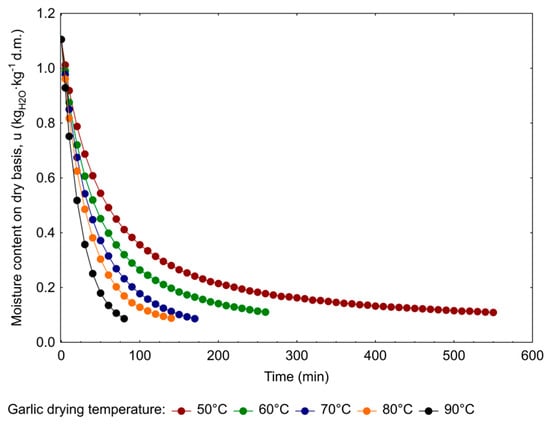
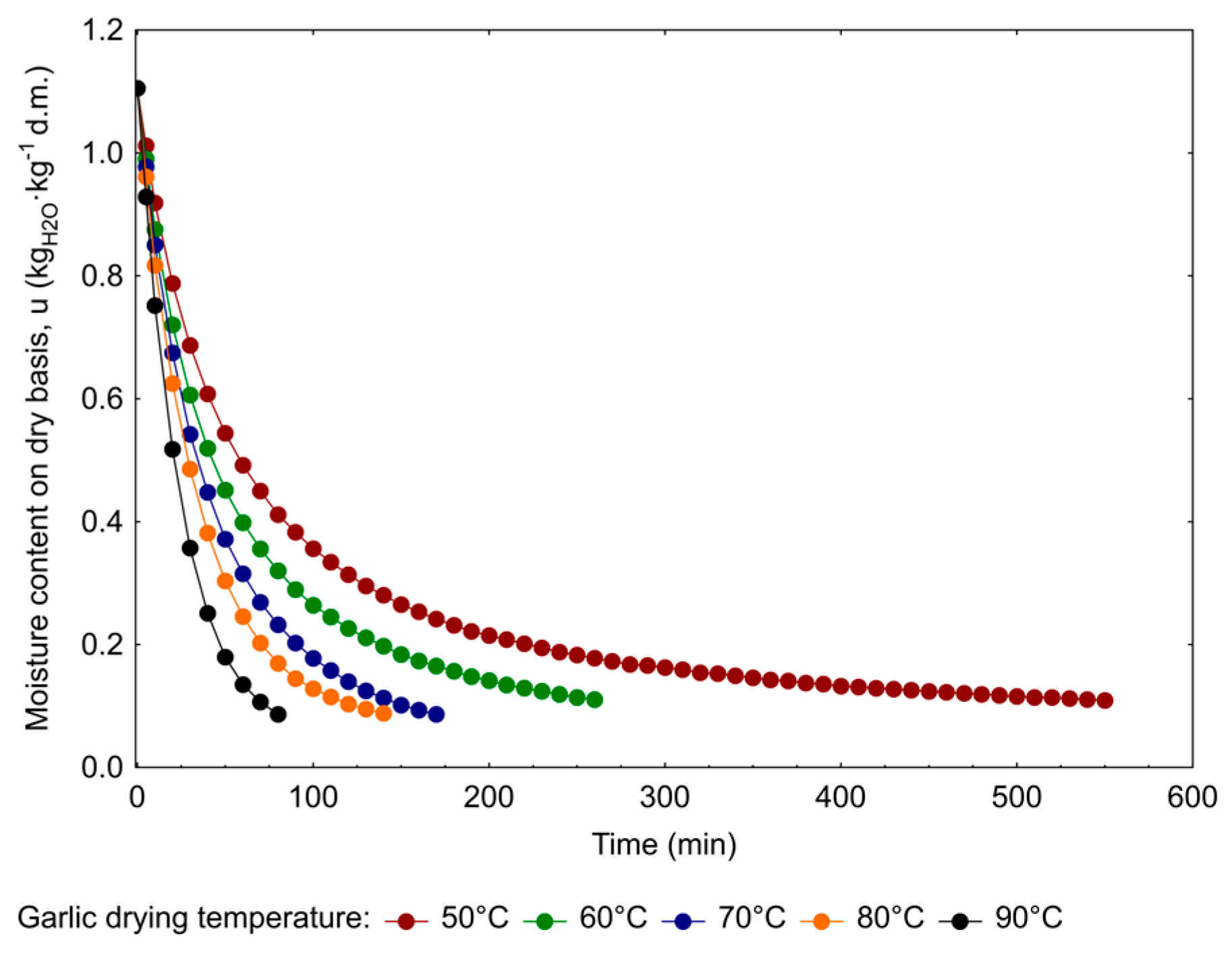
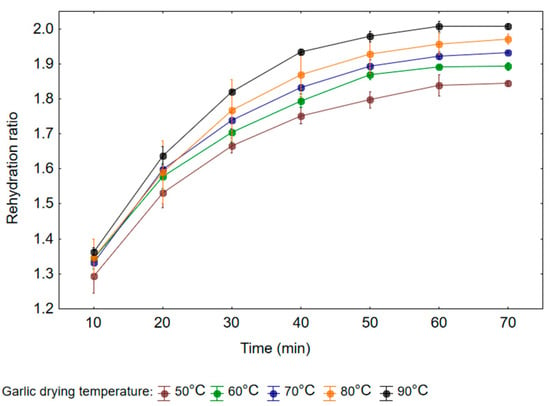
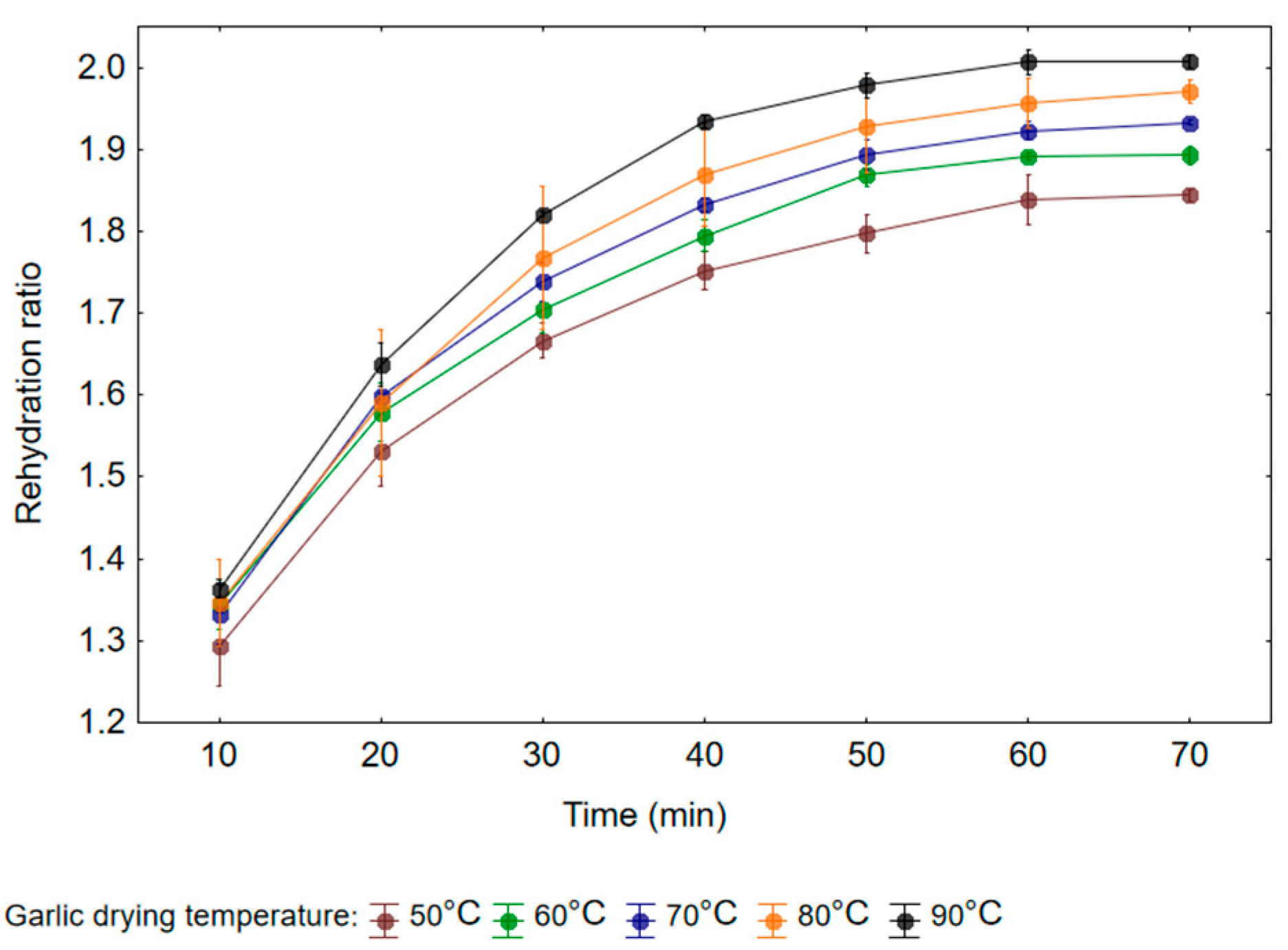
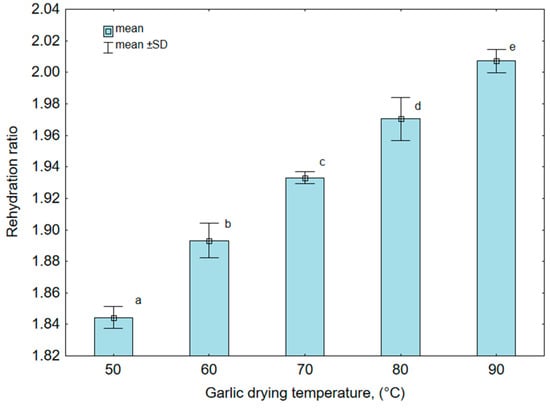
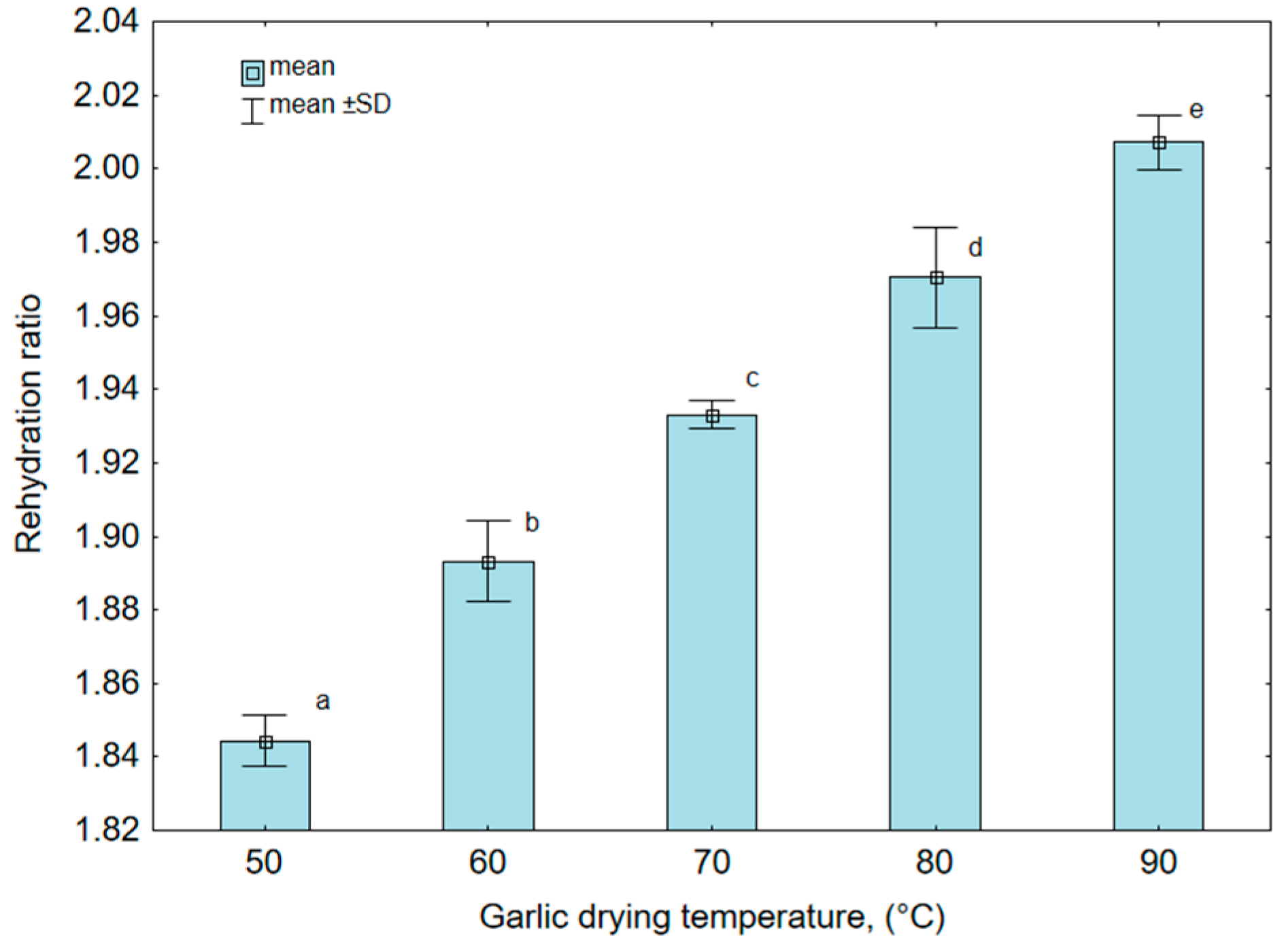
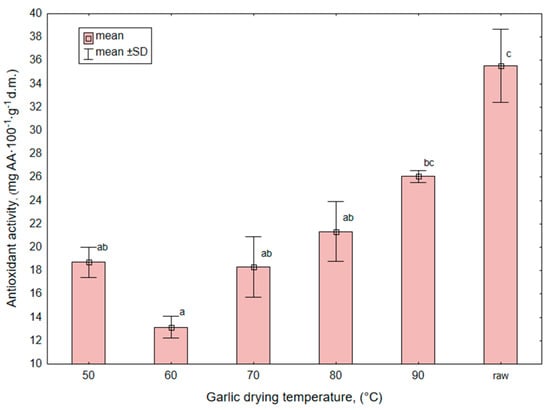
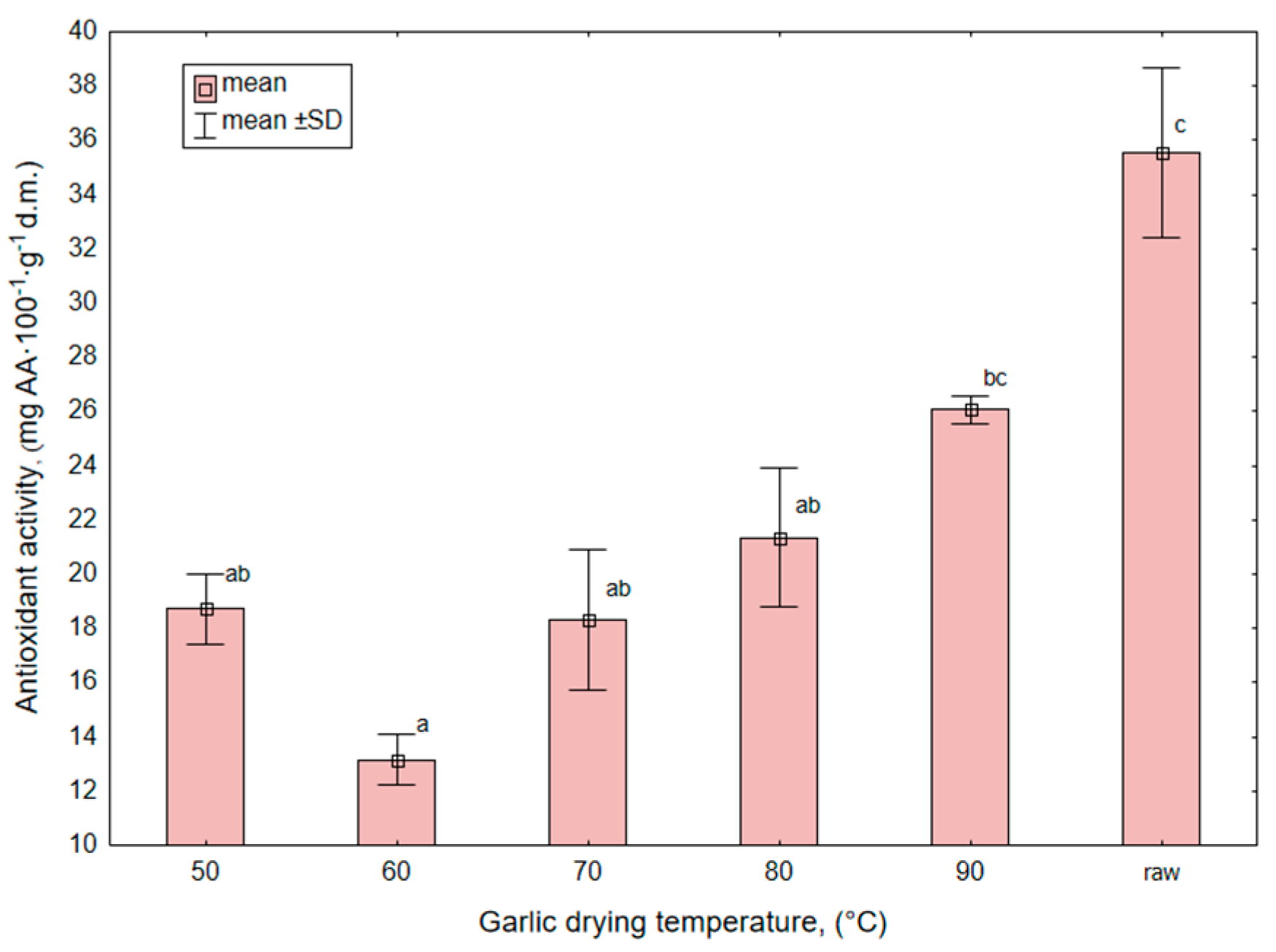
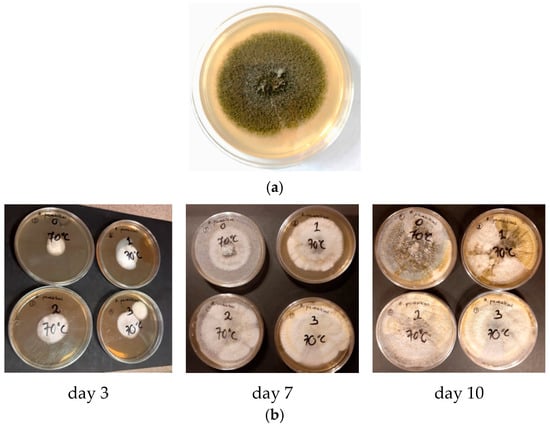
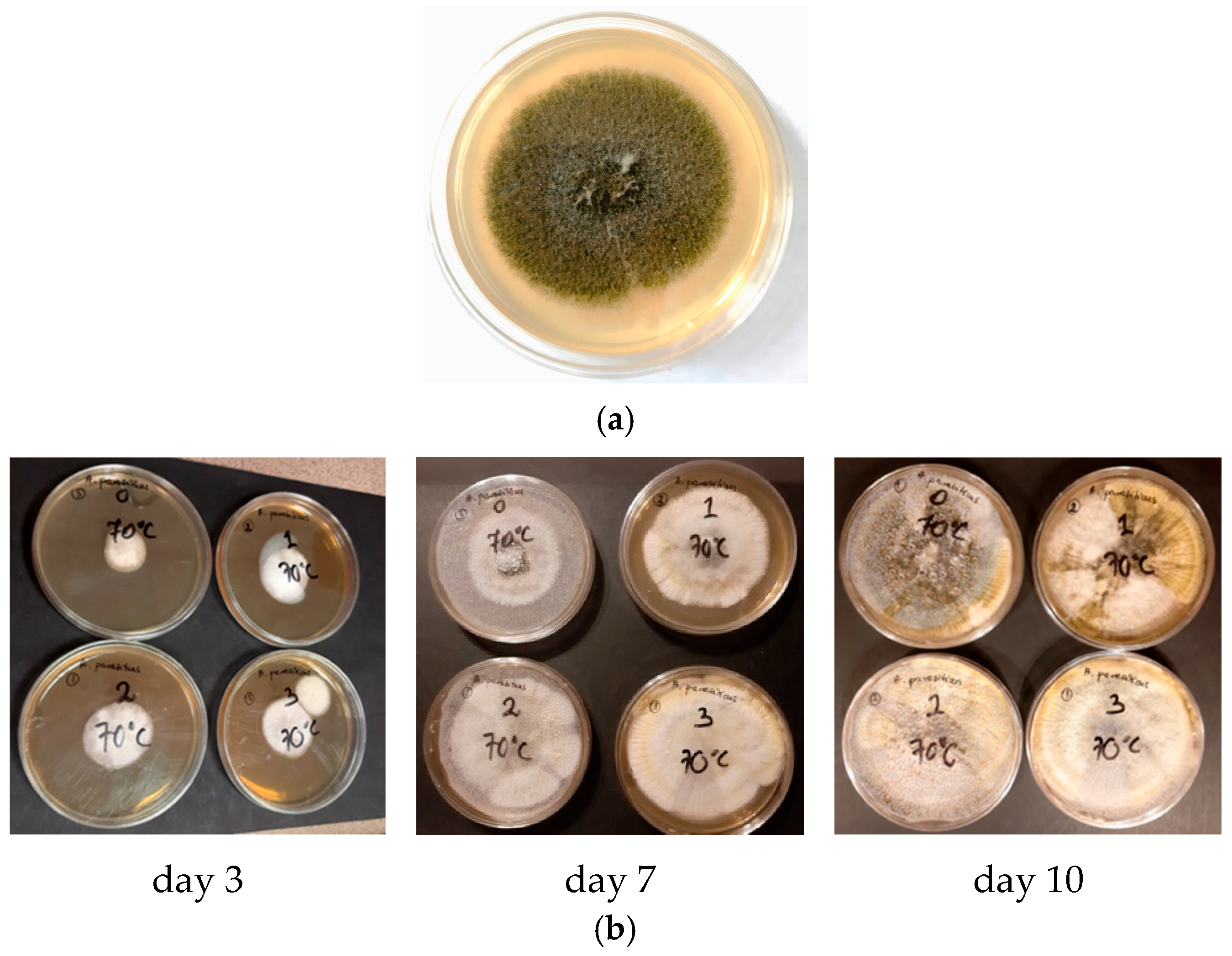
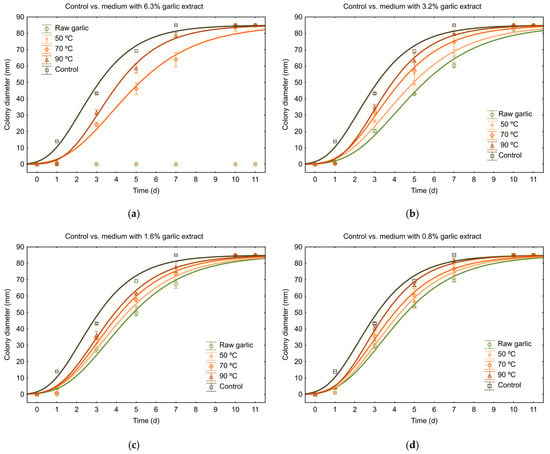
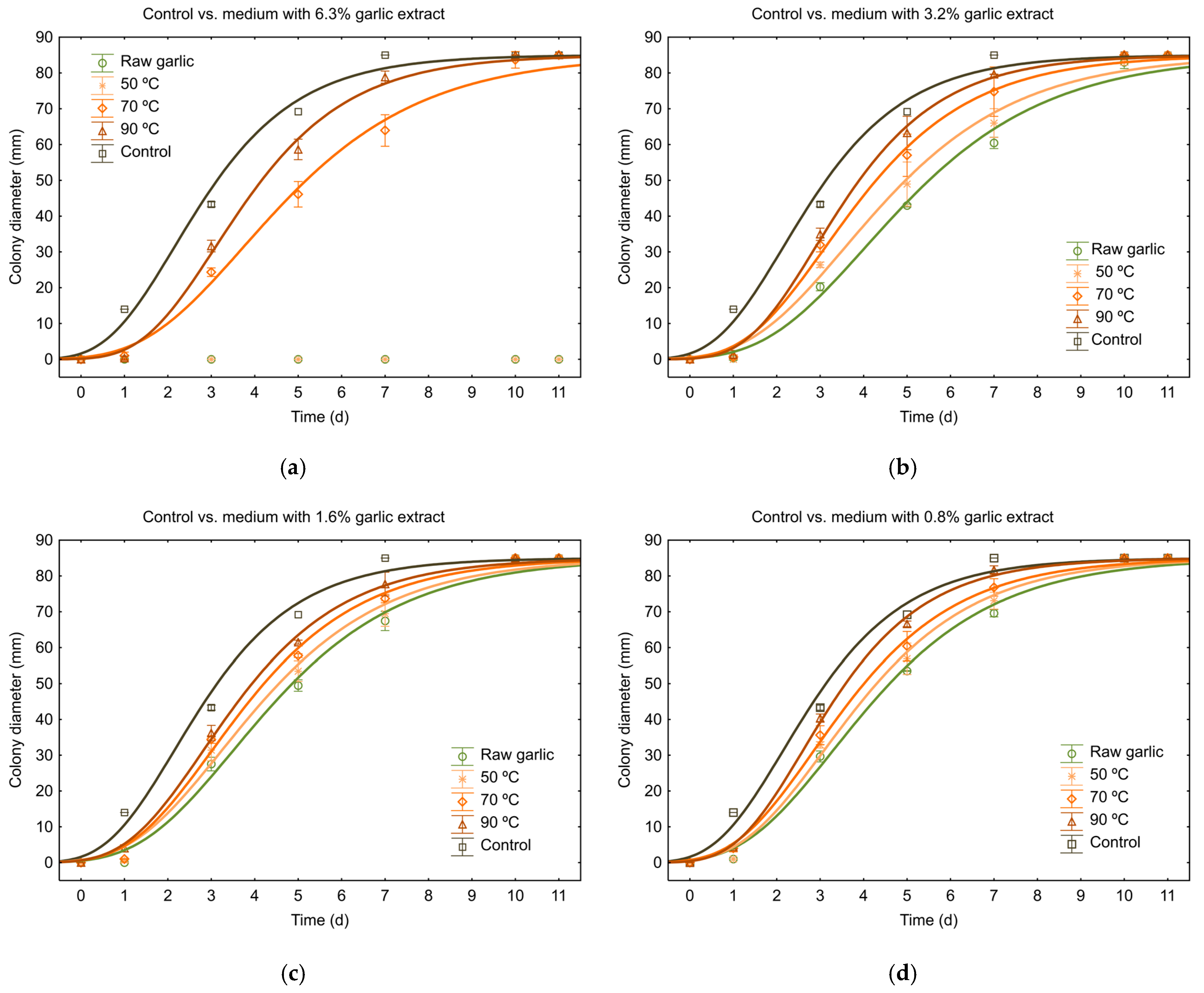
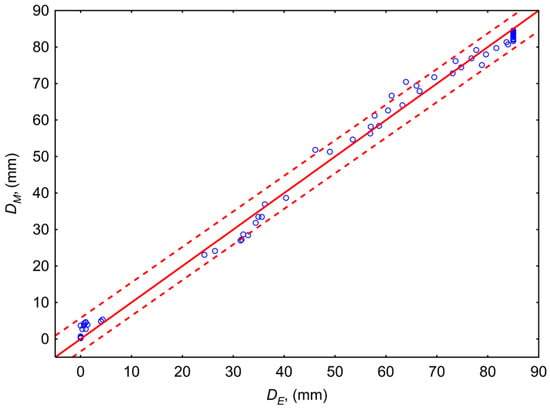
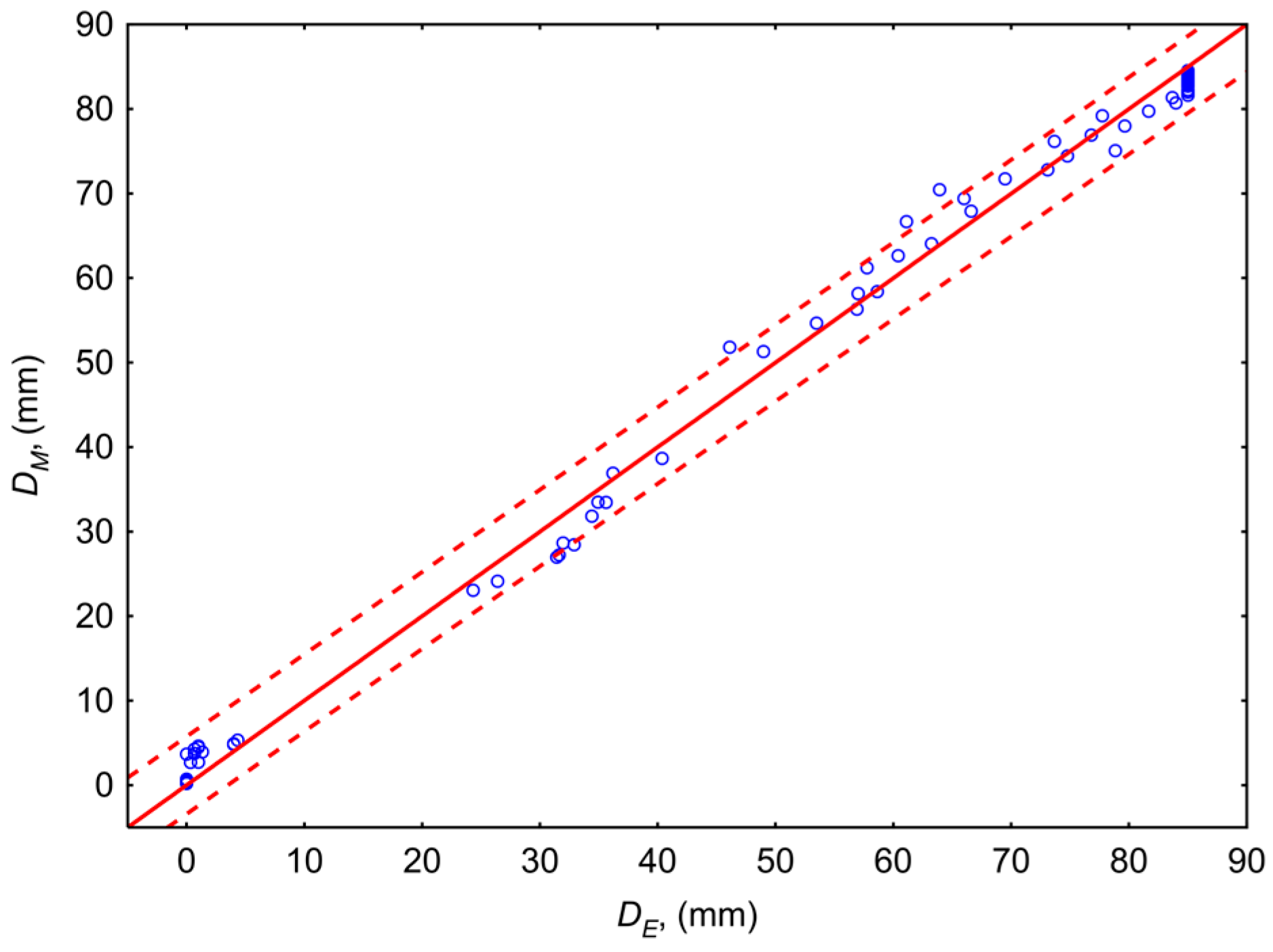

Disclaimer/Publisher’s Note: The statements, opinions and data contained in all publications are solely those of the individual author(s) and contributor(s) and not of MDPI and/or the editor(s). MDPI and/or the editor(s) disclaim responsibility for any injury to people or property resulting from any ideas, methods, instructions or products referred to in the content. |
© 2026 by the authors. Licensee MDPI, Basel, Switzerland. This article is an open access article distributed under the terms and conditions of the Creative Commons Attribution (CC BY) license.